
Originally designed as a lightweight fighter to provide the US Air Force with a simple, highly agile, and relatively cost-effective combat aircraft, the General Dynamics F-16 Fighting Falcon has evolved into one of the most widely produced and operational military aircraft in aviation history.
From the initial F-16A and F-16B production batches to the late-generation F-16C and F-16D, the Mid-Life Update (MLU) programs, and the latest F-16V standard, the Fighting Falcon has undergone continuous evolution.
This reference page is designed to expand continuously over time. Numerous photographs, historical archives, and technical documentation dedicated to the F-16 will be progressively added to enrich this comprehensive guide.
Genesis and Concept of the General Dynamics F-16
In the early 1970s, a segment of the American defense community began questioning the trend toward increasingly heavy, complex, and costly air superiority fighters.
Combat feedback from the Vietnam War highlighted the critical importance of close-range dogfighting and high instantaneous maneuverability. The concept of a lightweight, simple, and exceptionally agile fighter gained traction among key US engineers and military strategists—famously known as the “Fighter Mafia.”
This tactical shift birthed the Lightweight Fighter (LWF) program, launched by the US Air Force in 1972. Rather than immediately ordering a direct replacement for frontline aircraft, the initial goal was to evaluate the operational potential of a new generation of lightweight day fighters.
General Dynamics submitted the YF-16, which competed directly against Northrop’s twin-engine YF-17 design.
The YF-16 prototype performed an unintentional maiden flight on January 20, 1974, during high-speed taxi tests, taking to the air briefly to avoid a runway departure. Its official first flight took place days later on February 2, 1974.
The YF-16 stood out immediately through its radically modern airframe architecture. The design incorporated relaxed static stability (RSS) to dramatically increase pitch agility, controlled continuously via a digital fly-by-wire (FBW) system that corrected flight attitudes multiple times per second.
The cockpit ergonomics were equally revolutionary for the era. The pilot seat was reclined 30 degrees to improve G-force tolerance, and a side-stick controller replaced the traditional center stick, allowing precise control during high-G maneuvers. A single-piece polycarbonate bubble canopy provided unobstructed 360-degree visibility.
Powered by a single Pratt & Whitney F100 turbofan (and later General Electric F110 engines on specific blocks), the aircraft boasted a thrust-to-weight ratio exceeding 1:1. The F-16 thus achieved Mach 2 performance while retaining unmatched close-in combat maneuvering characteristics.
The YF-16 won the LWF competition and was selected by the USAF for full-scale development. The program quickly expanded: rather than serving as a pure air-defense complement to the F-15, the F-16 transitioned into a multirole tactical fighter capable of executing diverse air-to-air and air-to-ground strike profiles.
A Continuously Evolving Airframe Family
Throughout its operational career, the F-16 underwent deep structural and avionics modernizations. While early blocks focused on daylight air interception, the aircraft rapidly integrated all-weather precision strike capabilities.
Successive production blocks introduced pulse-Doppler and AESA radars, advanced avionics architectures, laser and GPS targeting pods, and an expanded array of guided ordnance. These iterations yielded a wide variety of export configurations tailored to both USAF requirements and international operators.
Because of the sheer scope of the F-16 program, detailing every Block configuration within a single overview is impractical. Individual variants, operational timeframes, and specific weapons configurations are explored in dedicated walkaround articles and technical dossiers across our platform.
Early Variants: F-16A and F-16B
The single-seat F-16A was the initial operational production variant, optimized primarily for air defense and visual-range combat.
The two-seat F-16B served as the operational trainer variant. Featuring a tandem cockpit configuration, it retained full combat systems capability while accommodating an instructor pilot.
Early F-16A/B aircraft were produced under incremental manufacturing standards designated as “Blocks” (Block 1, 5, 10, and 15), continually introducing structural reinforcements, enlarged horizontal stabilizers, and avionics upgrades.
The F-16A/B achieved rapid international market success, notably through the European Participating Air Forces (EPAF) agreement, where Belgium, Denmark, Norway, and the Netherlands adopted the type as their primary frontline fighter.

F-16C and F-16D: The Multirole Fighting Falcon
Starting in the mid-1980s, General Dynamics developed a second generation of the F-16.
The F-16C (single-seat) and F-16D (two-seat) incorporated deeply modernized avionics and expanded operational capabilities. This generation transformed the Fighting Falcon into a true multirole platform, capable of transitioning seamlessly from air defense to ground attack within the same sortie.
The C/D series underwent continuous refinement across several production blocks. Major differences exist between blocks regarding avionics architectures, external airframe features, powerplant options, and weapons integration:
- Block 25: Introduced the AN/APG-68 radar and wide-angle HUD.
- Block 30/32: Added Big Inlet (Modular Common Inlet Duct) options for GE engines and expanded precision ordnance integration.
- Block 40/42 (Night Falcon): Integrated LANTIRN pods, terrain-following radar, and enhanced air-to-ground precision strike capabilities.
- Block 50/52: Featured upgraded F110-GE-129 / F100-PW-229 engines, APG-68(V)5 radar, and full SEAD/DEAD weapon integration.
F-16CJ/DJ: the modern Wild Weasel
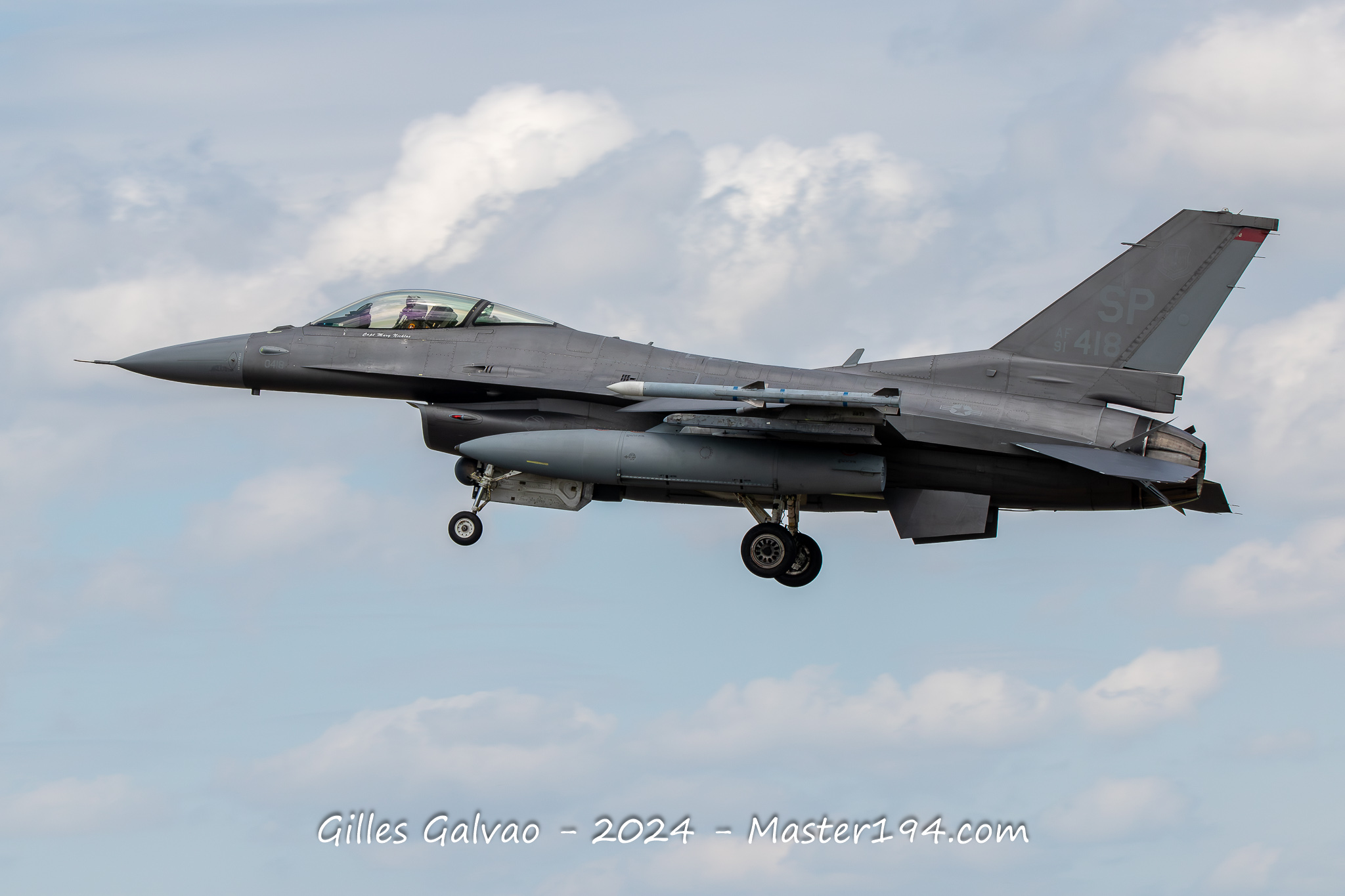
Specialized sub-variants of the F-16C/D were tailored for Suppression of Enemy Air Defenses (SEAD) operations.
USAF F-16CJ and F-16DJ aircraft were equipped with the AN/ASQ-213 HARM Targeting System (HTS) pod, enabling real-time detection and targeting of enemy radar emitters using the AGM-88 HARM missile.
Progressively replacing the dedicated F-4G Wild Weasel fleet in this high-threat role, the F-16CJ became a cornerstone of US air doctrine, seeing heavy combat deployment across operations in the Middle East and the Balkans.
F-16N: The US Navy Aggressor
The F-16 also served a unique operational role within naval aviation. The F-16N was a specialized variant based on the Block 30 airframe, built for the US Navy’s Fighter Weapons School (TOPGUN) and aggressor squadrons.
Stripped of its internal M61 Vulcan cannon and equipped with reinforced wings to withstand continuous high-G maneuvering, the F-16N simulated adversary tactics and performance profiles. The Navy also operated select F-16A/B (and later F-16E/F platforms) in adversary roles to train fleet naval aviators against high-performance threats.
An exceptional operational career
The F-16 has built a remarkably rich operational history. Its success stems as much from its core fighter qualities as from its capacity to continuously integrate emerging technologies and precision munitions. Over the decades, the Fighting Falcon has seen combat in numerous theaters, often deployed simultaneously by multiple allied air arms.
Israel: The F-16 in Combat
Israel became one of the first export customers for the F-16 and played a pivotal role in shaping its combat doctrine.
Israeli F-16s saw action as early as the 1980s. Notably, in 1981, Israeli F-16As executed Operation Opera, conducting a long-range surgical strike that destroyed Iraq’s Osirak nuclear reactor.
In 1982, Israeli F-16s were heavily deployed during the Lebanon War (Operation Peace for Galilee), conducting air superiority sweeps and strike missions against Syrian forces and air defense networks. The Fighting Falcon rapidly established itself as the backbone of the Israeli Air Force (IAF).
The Gulf War: American Baptism of Fire
The United States deployed the F-16 en masse during Operation Desert Storm in 1991.
USAF F-16 squadrons executed thousands of interdiction and strike sorties against Iraqi targets, often operating at low and medium altitudes in heavily defended airspace. The Fighting Falcon proved to be the most widely deployed combat jet of the Coalition.
Combat lessons from the Gulf War highlighted operational limitations in low-altitude ingress and night targeting, accelerating the development and integration of LANTIRN pods, GPS navigation, and advanced self-protection countermeasure suites.
The Balkans: expanding NATO roles
During the 1990s, the F-16 became a central asset in NATO operations over the former Yugoslavia.
American and European F-16 aircrews flew combat air patrols (CAP), ground attack, and SEAD missions over Bosnia and Herzegovina. In 1999, during Operation Allied Force in Kosovo, F-16s operated by several NATO air forces conducted high-precision strikes and air defense suppression against Yugoslav forces, solidifying the aircraft’s role in coalition air operations.
Afghanistan and Iraq
Following the events of September 11, 2001, US and allied F-16s deployed extensively to Afghanistan for Operation Enduring Freedom. Airframes provided armed reconnaissance, precision strike, and close air support (CAS) to ground forces in complex mountainous terrain.
From 2003 onward, the F-16 flew heavily in Operation Iraqi Freedom, performing CAS sorties, urban strike missions, and theater airspace control.
Ongoing operational relevance
The F-16’s operational life extends well beyond the major campaigns of the 1990s and 2000s. F-16 airframes remain actively engaged in Middle Eastern operational theaters and NATO air policing missions.
The integration of Active Electronically Scanned Array (AESA) radars, modern electronic warfare suites, and advanced standoff ordnance ensures that older airframes maintain high operational effectiveness on the modern battlefield. This adaptability remains a primary driver behind the enduring success of the Fighting Falcon program.
The F-16 in International Service
The F-16 stands as one of the most widely exported Western combat aircraft in aviation history.
Its commercial and operational success relies primarily on its manageable lifecycle costs, exceptional mission versatility, and the flexibility to deliver tailored export configurations for diverse air forces.
With over 25 air arms operating the type across multiple continents, the Fighting Falcon has established itself as an enduring benchmark for modern air power.
Belgium, Denmark, Norway, and the Netherlands: The European Partners
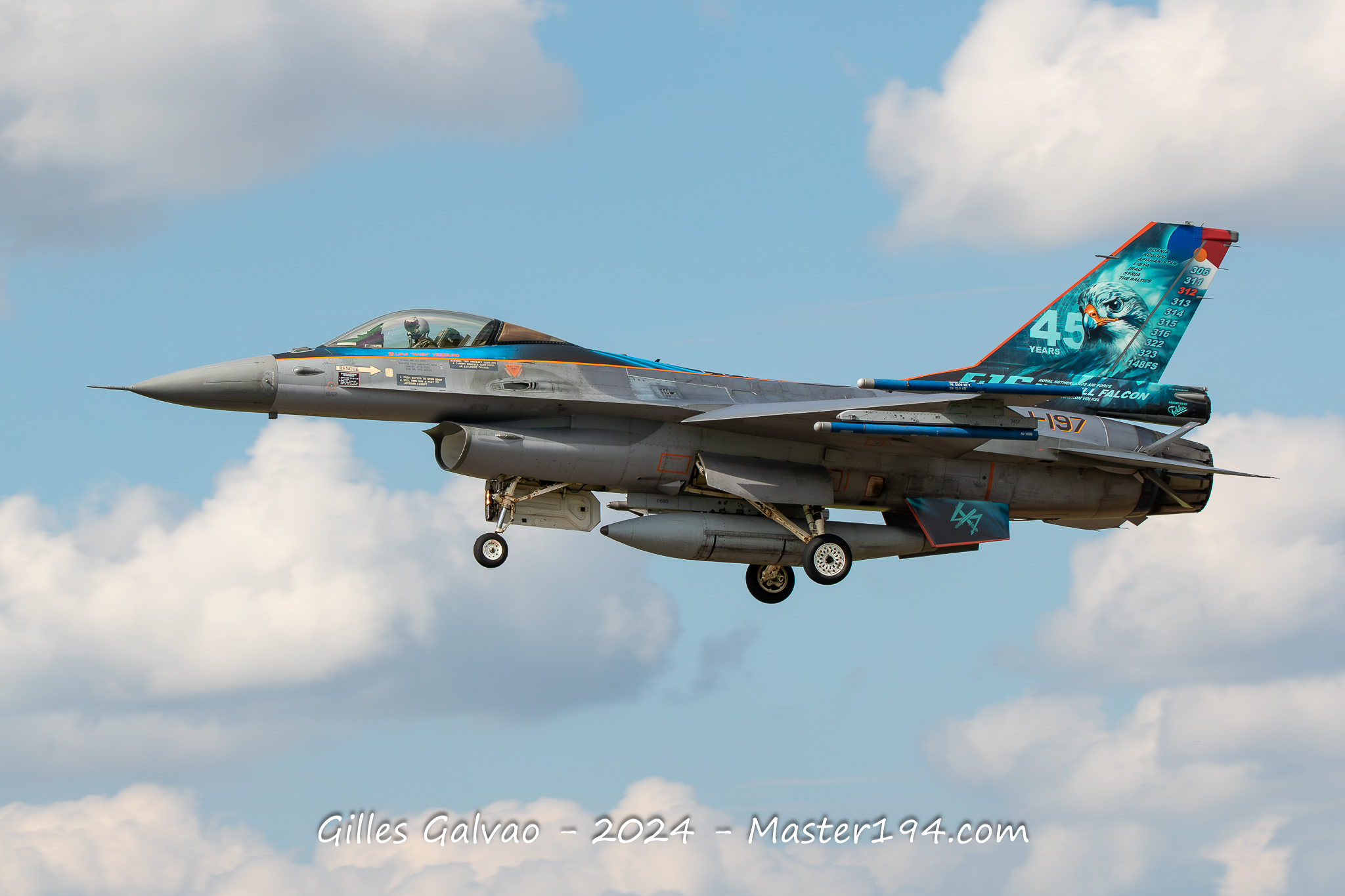
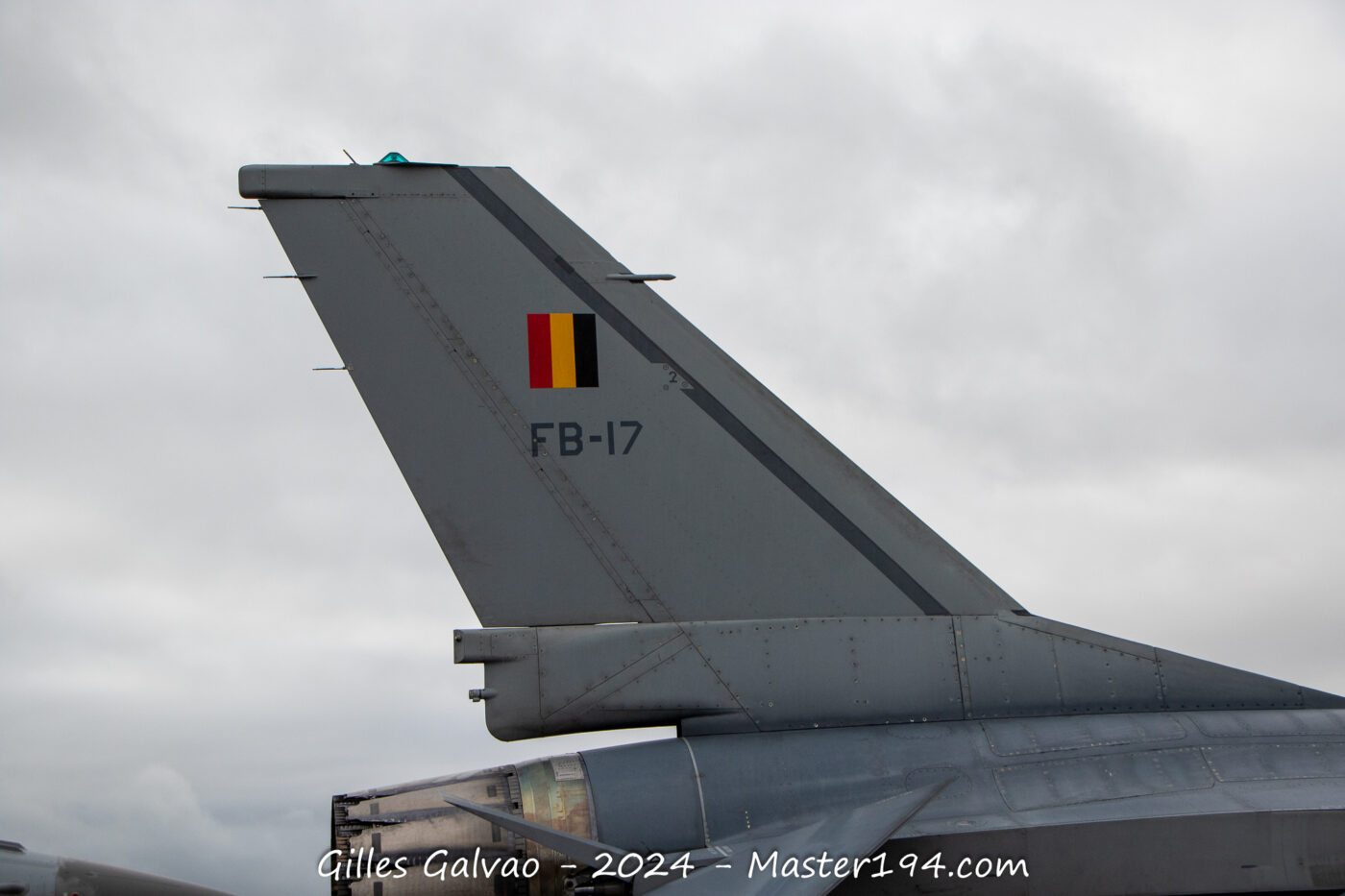
The four European nations involved in the original European Participating Air Forces (EPAF) agreement became the first major international operators of the F-16.
Belgium, Denmark, Norway, and the Netherlands produced part of their respective airframe fleets under license, developing deep industrial capability in depot-level maintenance and avionics integration.
Their F-16A/B fleets—later upgraded through the comprehensive Mid-Life Update (MLU) program—served as frontline tactical assets for over four decades prior to their progressive replacement by the Lockheed Martin F-35A Lightning II.
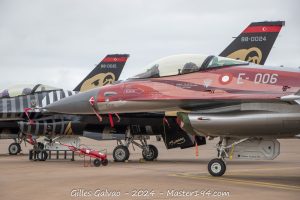
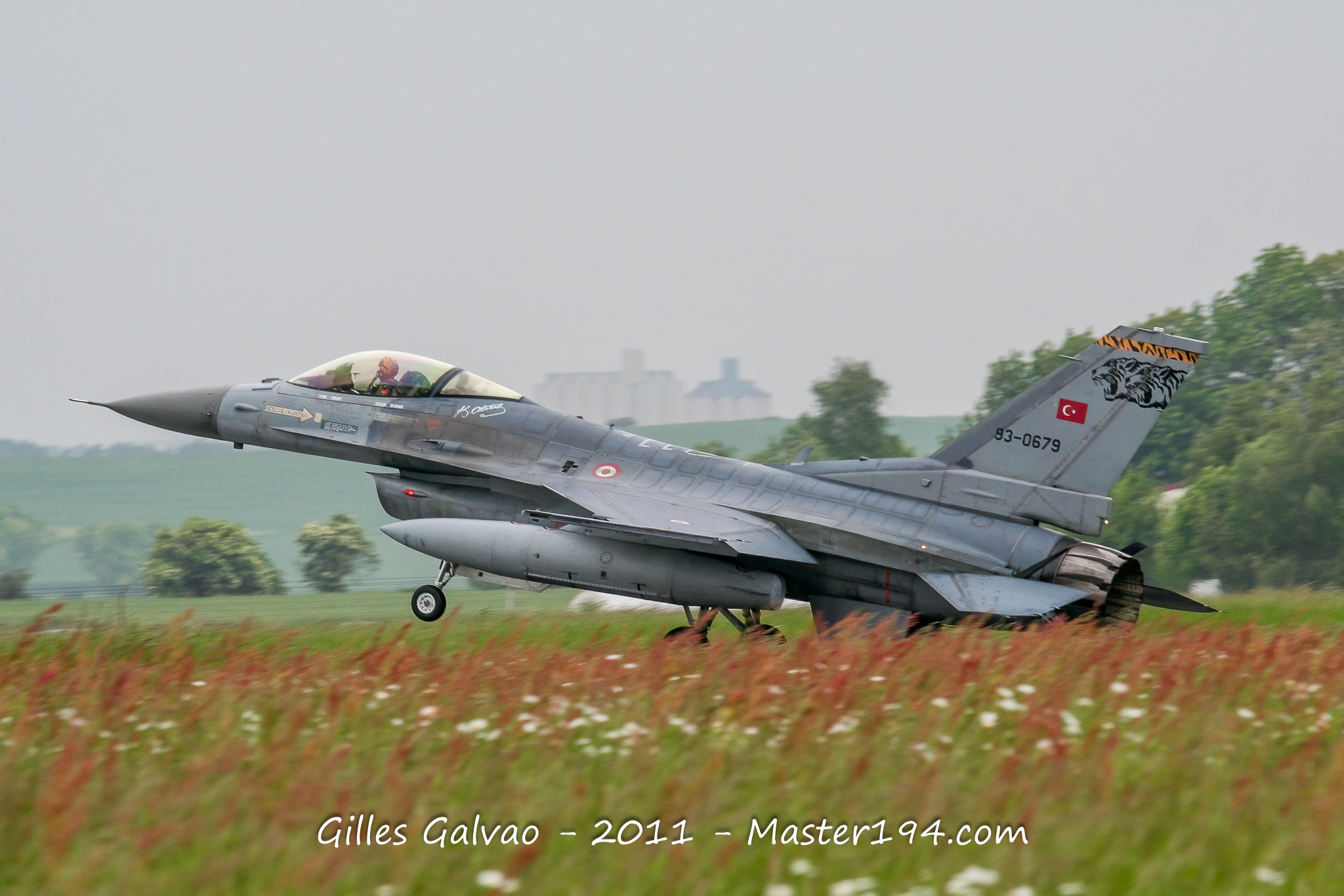
Turkey: One of the World’s Largest F-16 Fleets
Turkey stands as one of the premier international operators of the Fighting Falcon.
The Turkish Air Force (Türk Hava Kuvvetleri) integrated multiple generations of F-16C/D airframes, with a significant portion produced locally under license by Turkish Aerospace Industries (TAI).
Turkish F-16 fleets have flown extensive operational sorties across regional theaters and remain the cornerstone of the nation’s air defense architecture.
Greece: The F-16 in the Eastern Mediterranean
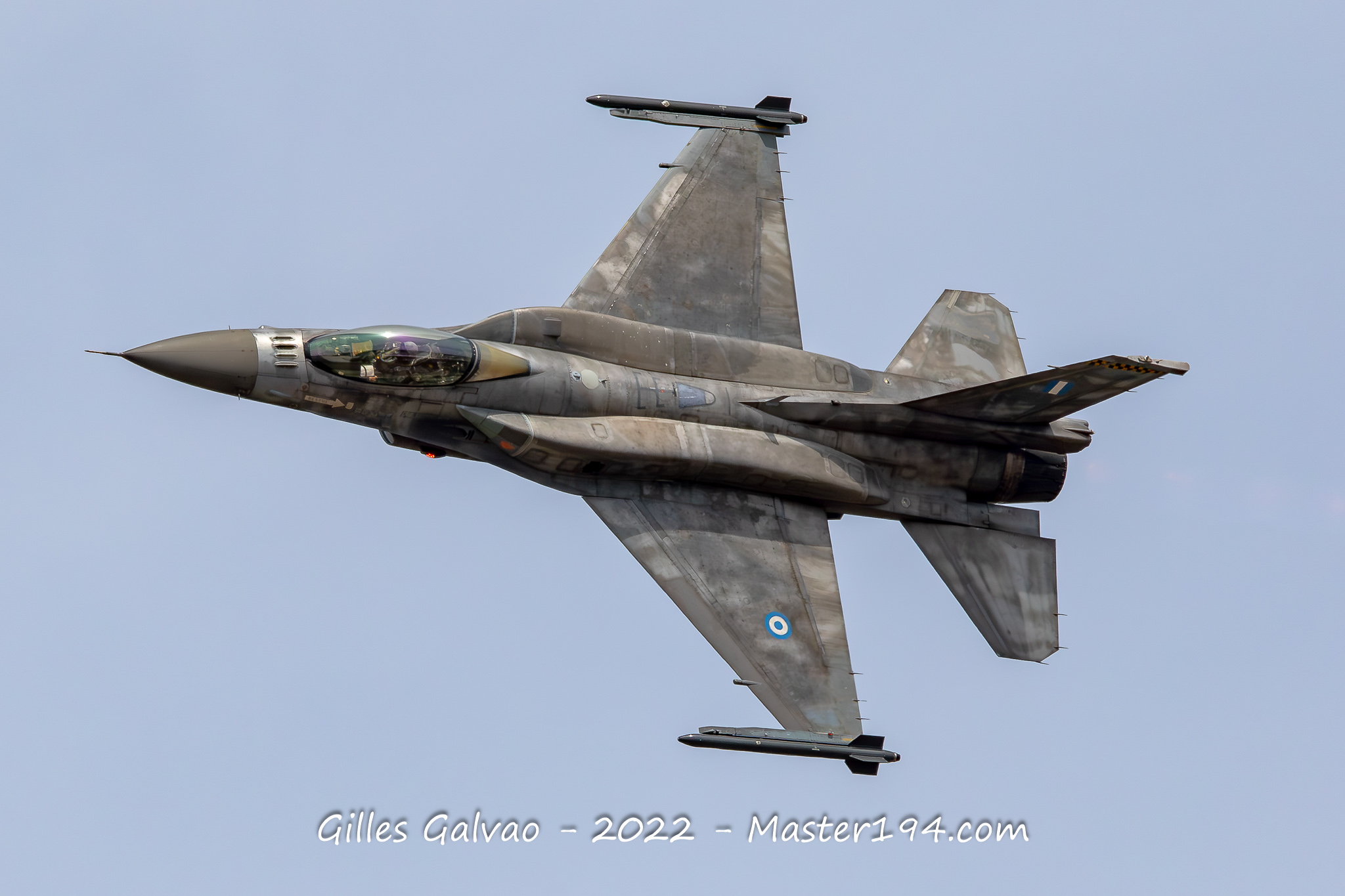
Greece operates a major fleet of F-16C/D aircraft, forming one of the main pillars of the Hellenic Air Force (Polemikí Aeroporía).
Over the years, the Greek Fighting Falcon fleet has undergone multiple upgrades, culminating in the deep modernization of a large portion of its airframes to the advanced F-16V (Viper) standard, equipped with the AN/APG-83 SABR AESA radar and updated modular mission computers.
The F-16 remains a central asset in Greek air defense and strike operations, flying alongside the Mirage 2000-5 and the Rafale F3-R.
Poland and Central Europe: NATO Integration
Following the end of the Cold War, several Central European nations selected the F-16 to modernize their frontline fighter fleets and align with Western military standards.
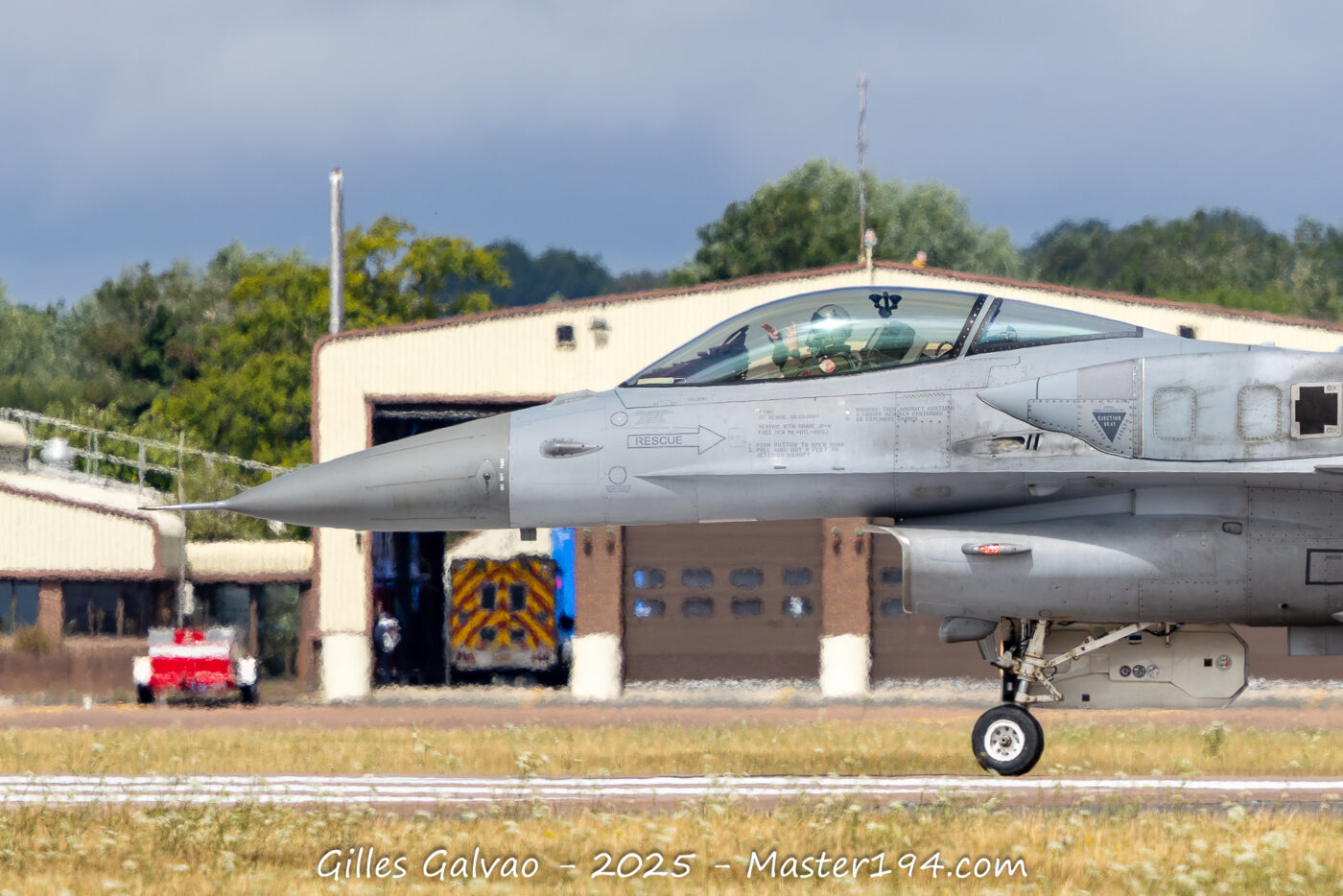
Poland became a major regional operator with its acquisition of advanced F-16C/D Block 52+ airframes. The introduction of the Fighting Falcon enabled the Polish Air Force (Siły Powietrzne) to achieve full NATO interoperability and actively participate in joint allied exercises and Baltic Air Policing missions.
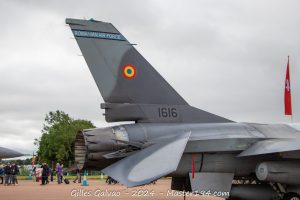
Romania similarly modernized its air arms by procuring F-16AM/BM airframes—previously operated by Portugal and Norway—to replace legacy Soviet-era MiG-21 LanceR fighters, reinforcing NATO’s eastern flank air defense posture.
The F-16 Around the Globe
Beyond its major European and Mediterranean operators, the Fighting Falcon serves in air forces worldwide.
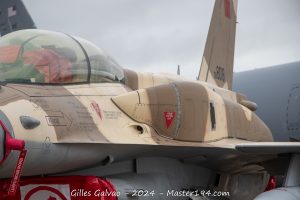
The aircraft has been widely adopted across multiple operational theaters, serving with key international partners including Portugal, Israel, Egypt, Jordan, the United Arab Emirates, Bahrain, Pakistan, South Korea, Singapore, Taiwan, Chile, and Morocco.
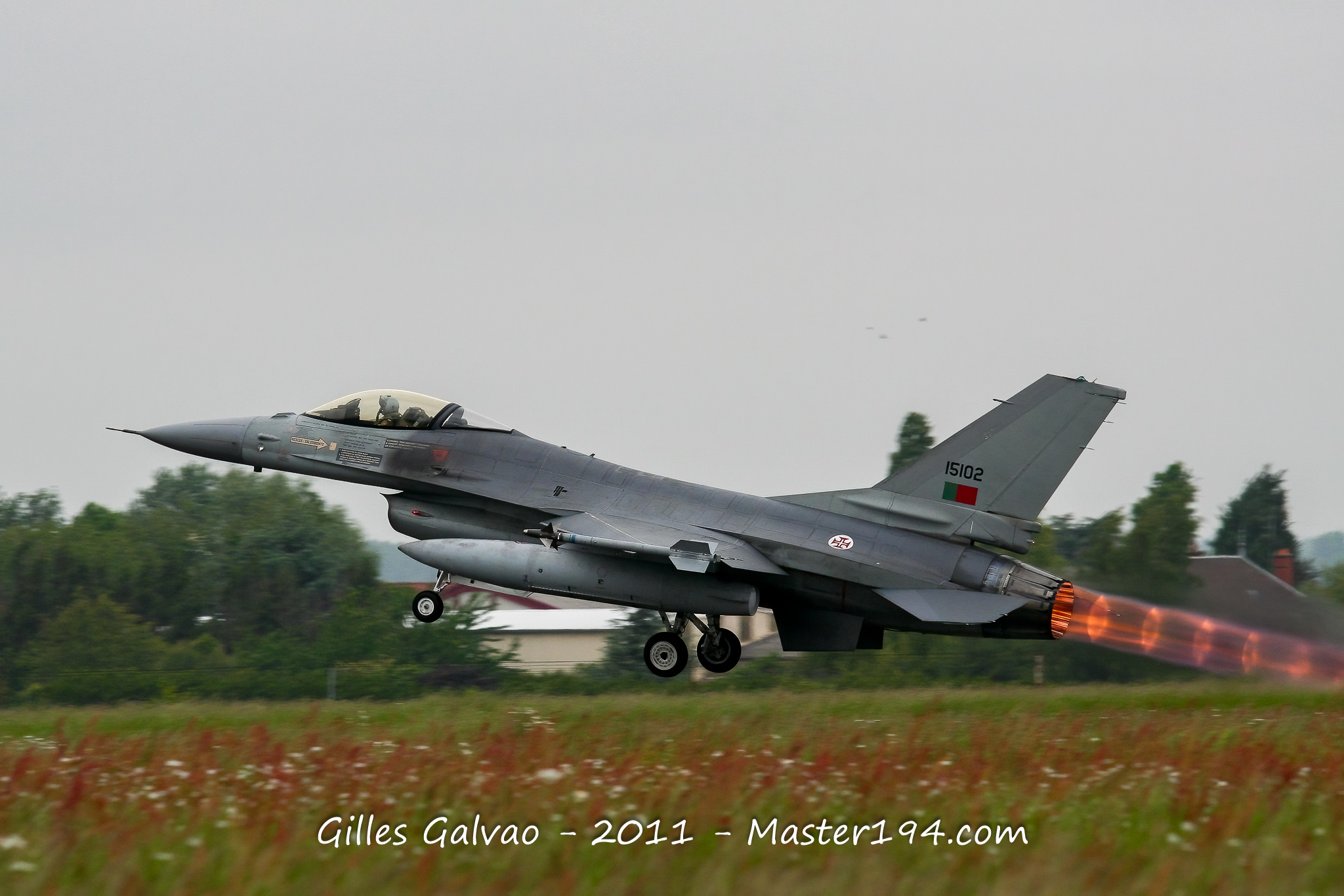
Each operator has tailored the F-16 to its specific tactical requirements, resulting in a vast array of specialized avionics configurations, regional camouflage schemes, and external store capabilities.
This operational diversity makes the Fighting Falcon one of the most fascinating and rich subjects for both aviation historians and scale modelers worldwide.
F-16 MLU and F-16V: Extending the Fighting Falcon’s Operational Life
To address the progressive aging of early-generation airframes, several extensive modernization programs have been implemented to maintain the F-16’s combat edge.
The Mid-Life Update (MLU) program specifically targeted European air forces, providing deep avionics upgrades, revised cockpit displays, and expanded precision-guided weapon capabilities to significantly extend operational service life.
The F-16V (Viper) represents the most advanced iteration of the Fighting Falcon to date. This upgrade centers on the integration of the Northrop Grumman AN/APG-83 SABR AESA radar, an upgraded modular mission computer, advanced datalinks, and a modernized glass cockpit layout. The Viper standard is available both as new-production airframes and as a retrofit package for existing Block 30/40/50 platforms.
These continuous upgrades ensure that the Fighting Falcon remains fully relevant against modern peer threats,

The F-16 in Scale Modeling
The F-16 is an exceptionally popular subject among scale modelers and kit manufacturers alike.
The vast array of variants, production Blocks, international operators, and weapon configurations offers nearly infinite modeling possibilities. However, this diversity also presents the main challenge: an early Belgian F-16A Block 15, a USAF F-16C Block 50, and a modernized F-16V display significant external differences. Antennas, ECM fairings, intake types (NSI vs. MCID), tail housing configurations, and sensor suites vary greatly depending on the specific airframe and operational era. Selecting the correct base kit is essential for historical accuracy.
Key F-16 Kits in 1/72 Scale
The 1/72 scale offers a comprehensive range of options. Tamiya and Hasegawa kits have long served as industry benchmarks, while Revell provides accessible and finely detailed boxings. Modern tooling releases now allow for precise depictions of advanced variants. As always with the Fighting Falcon, modelers must cross-reference kit parts against the specific Block and sub-variant being modeled prior to assembly.
Key F-16 Kits in 1/48 Scale
The quarter-scale market is equally rich. Tamiya offers gold-standard kits renowned for fit and engineering, whereas Kinetic provides extensive coverage across a wide variety of global versions and specialized weapon configurations. Academy and Hasegawa also offer multiple generations of the aircraft. Careful variant verification remains crucial due to the structural and external differences between early F-16A/B airframes and late-block F-16C/D Vipers.
The F-16 in 1/32 Scale
In large scale, choices are more selective. Tamiya delivers top-tier 1/32 kits celebrated for their engineering precision and detail, supplemented by offerings from other manufacturers covering alternative variants.
A Fighter that became a global standard
More than fifty years after its maiden flight, the F-16 Fighting Falcon stands as one of the most significant combat aircraft in aviation history. Originally designed as a lightweight, visual-range dogfighter, it evolved into a formidable multirole platform capable of executing diverse tactical missions. Its maneuverability, adaptable architecture, and heavy payload capacity made it a central asset in major conflicts throughout the late 20th and early 21st centuries.
While early European operators are gradually transitioning to the F-35 Lightning II, numerous air arms continue to upgrade their fleets to the F-16V standard or procure new-build airframes. The Fighting Falcon is set to remain operational for decades to come—a true icon of modern military aviation and an enduring symbol of Allied airpower since the mid-1970s.