 by
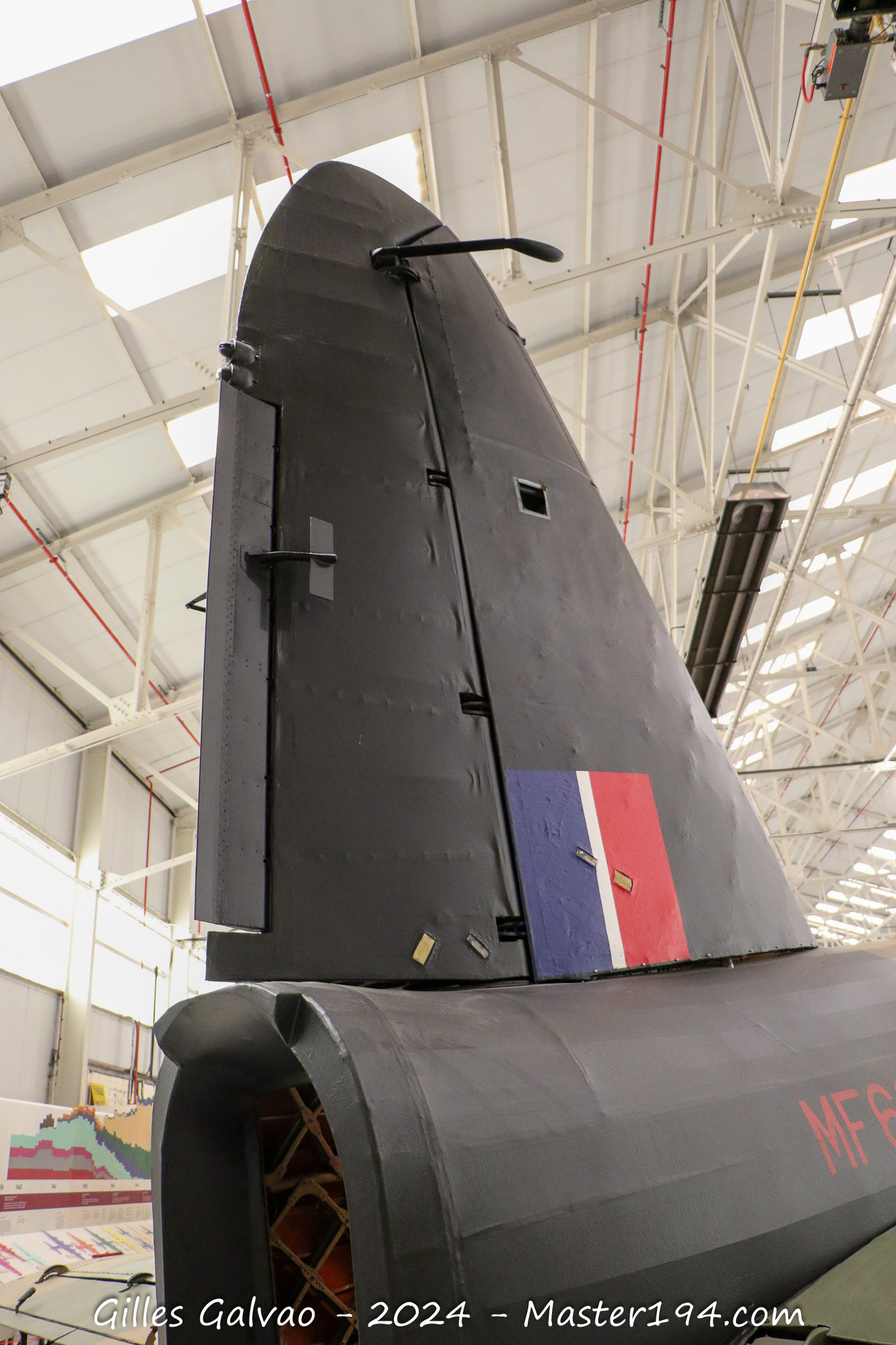
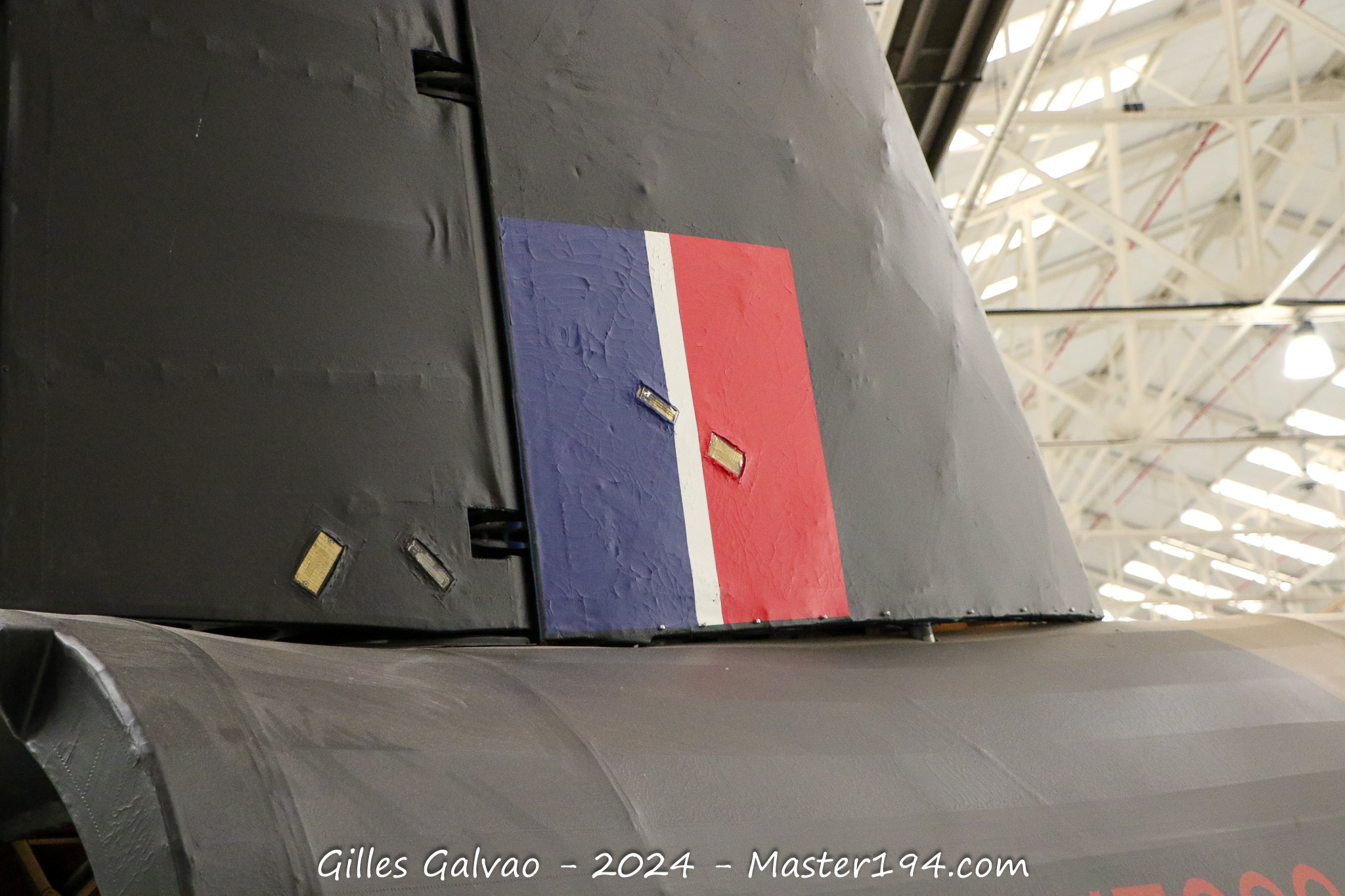
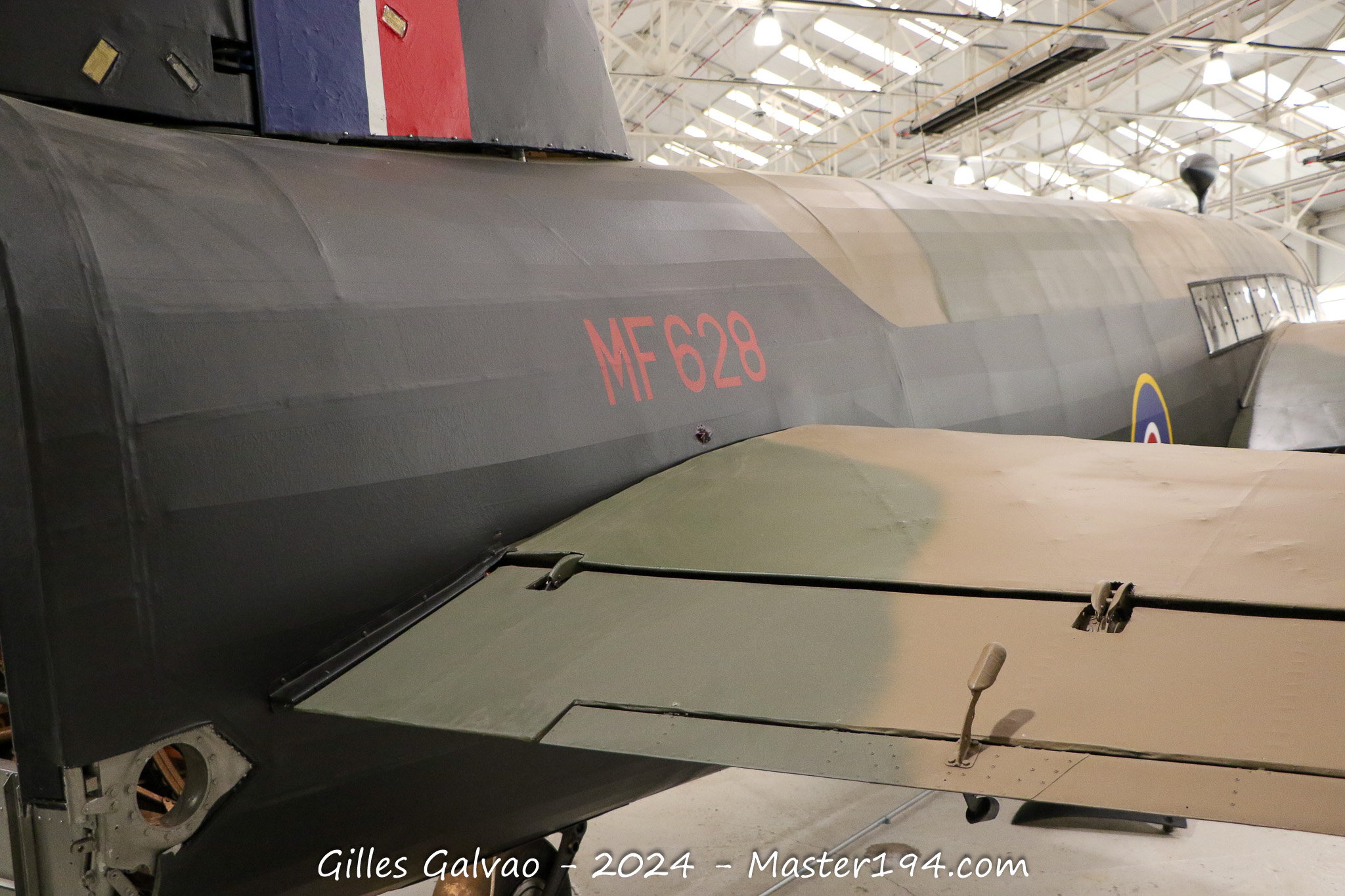
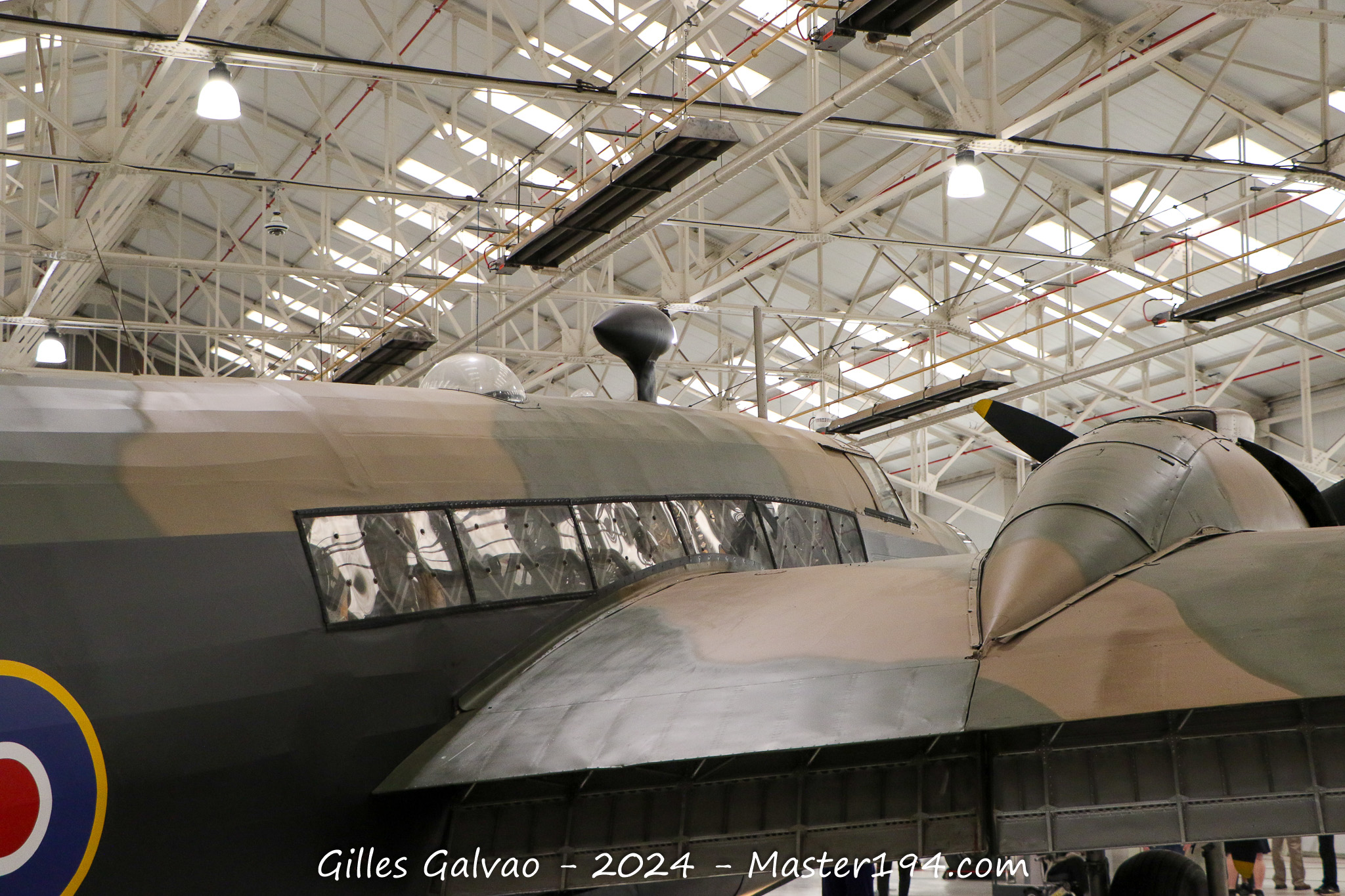
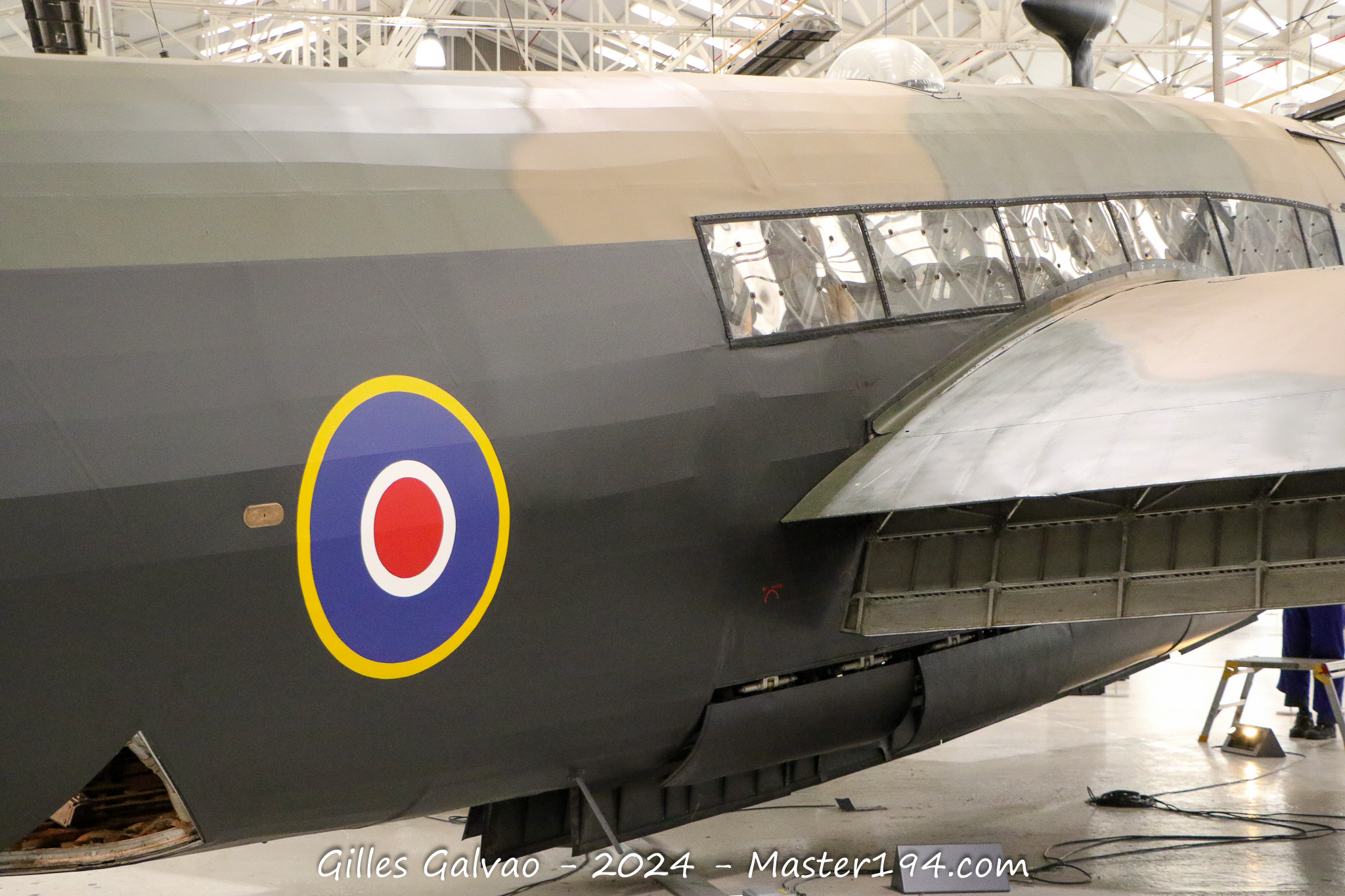
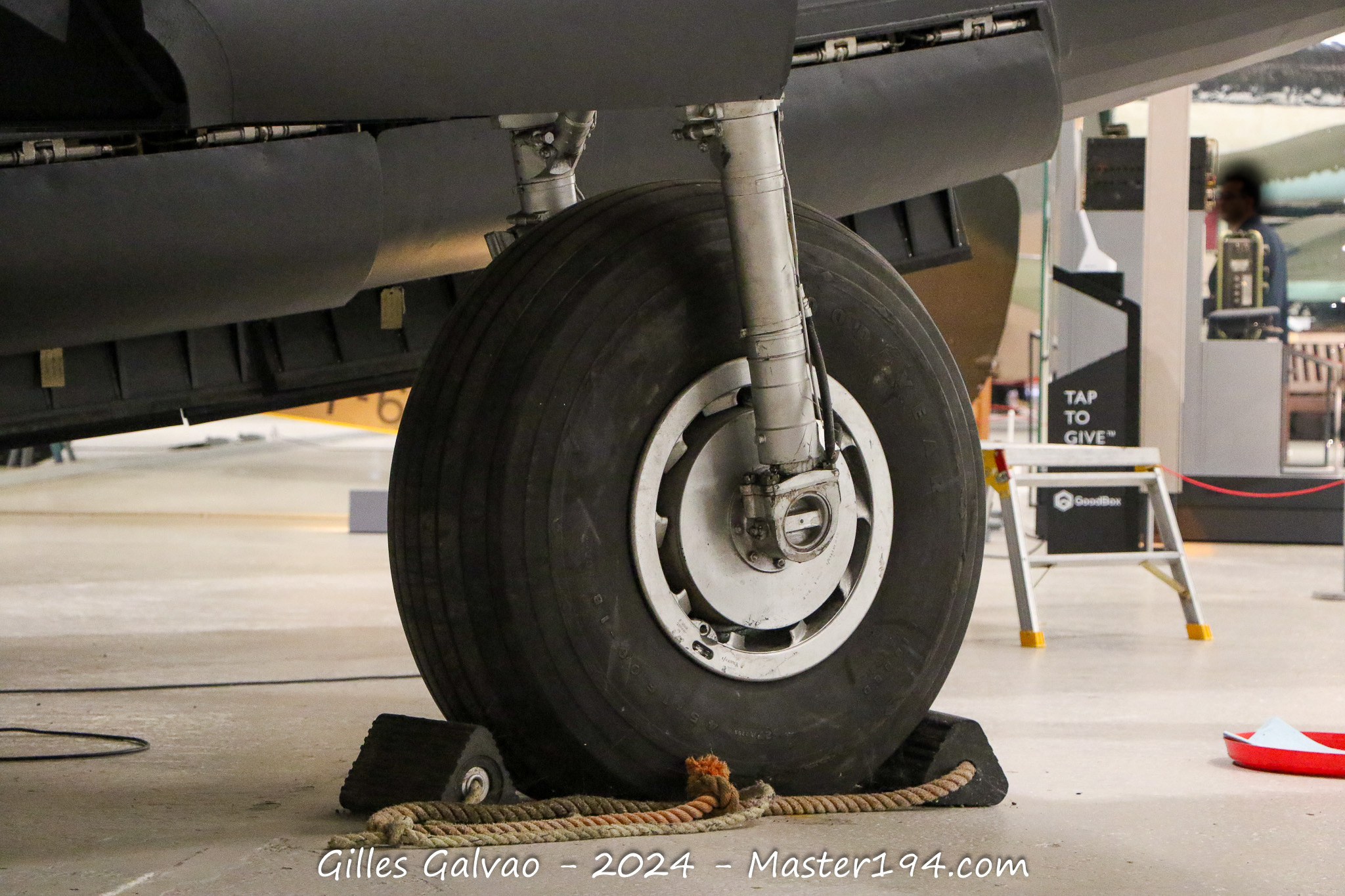
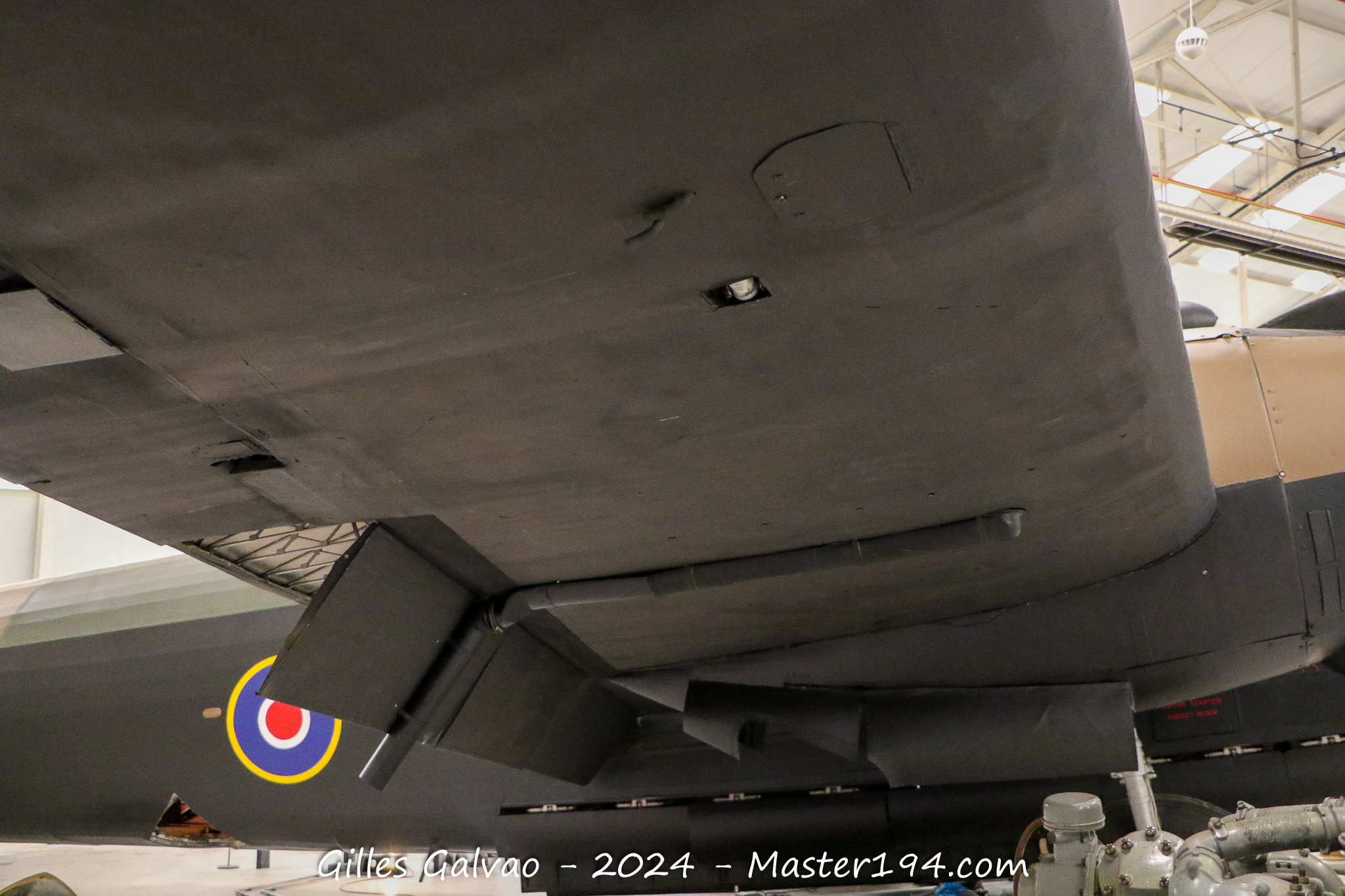
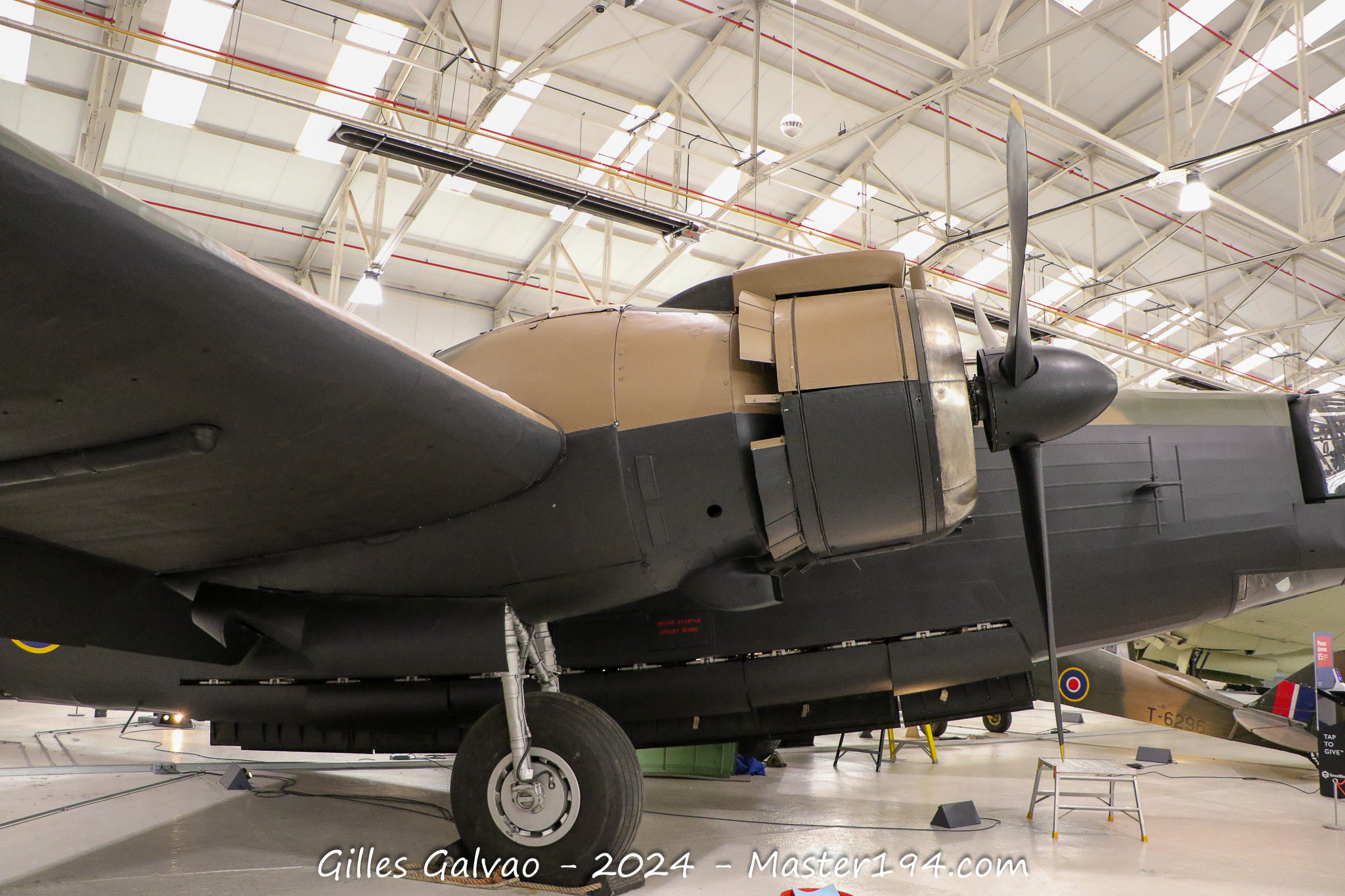
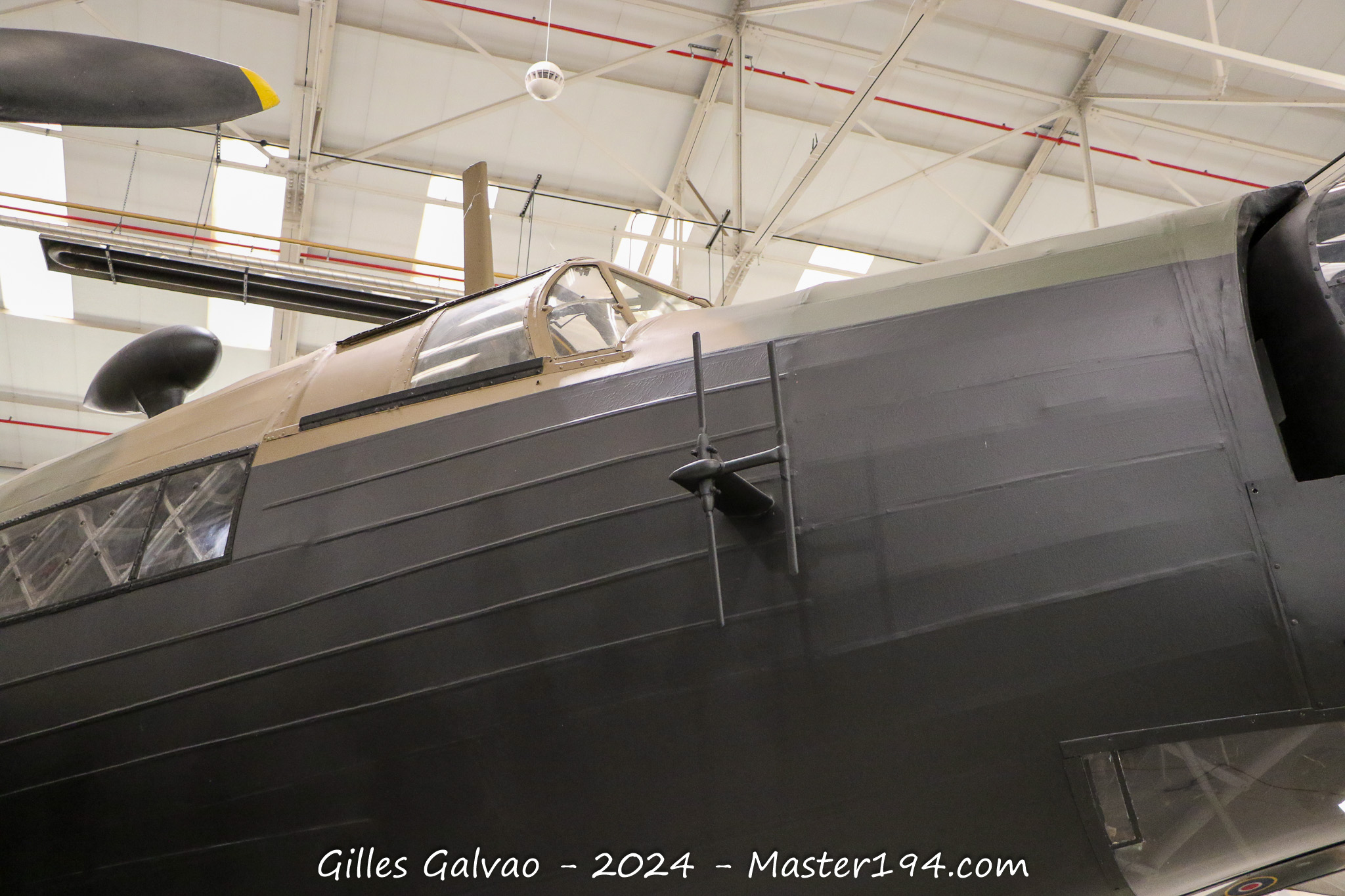
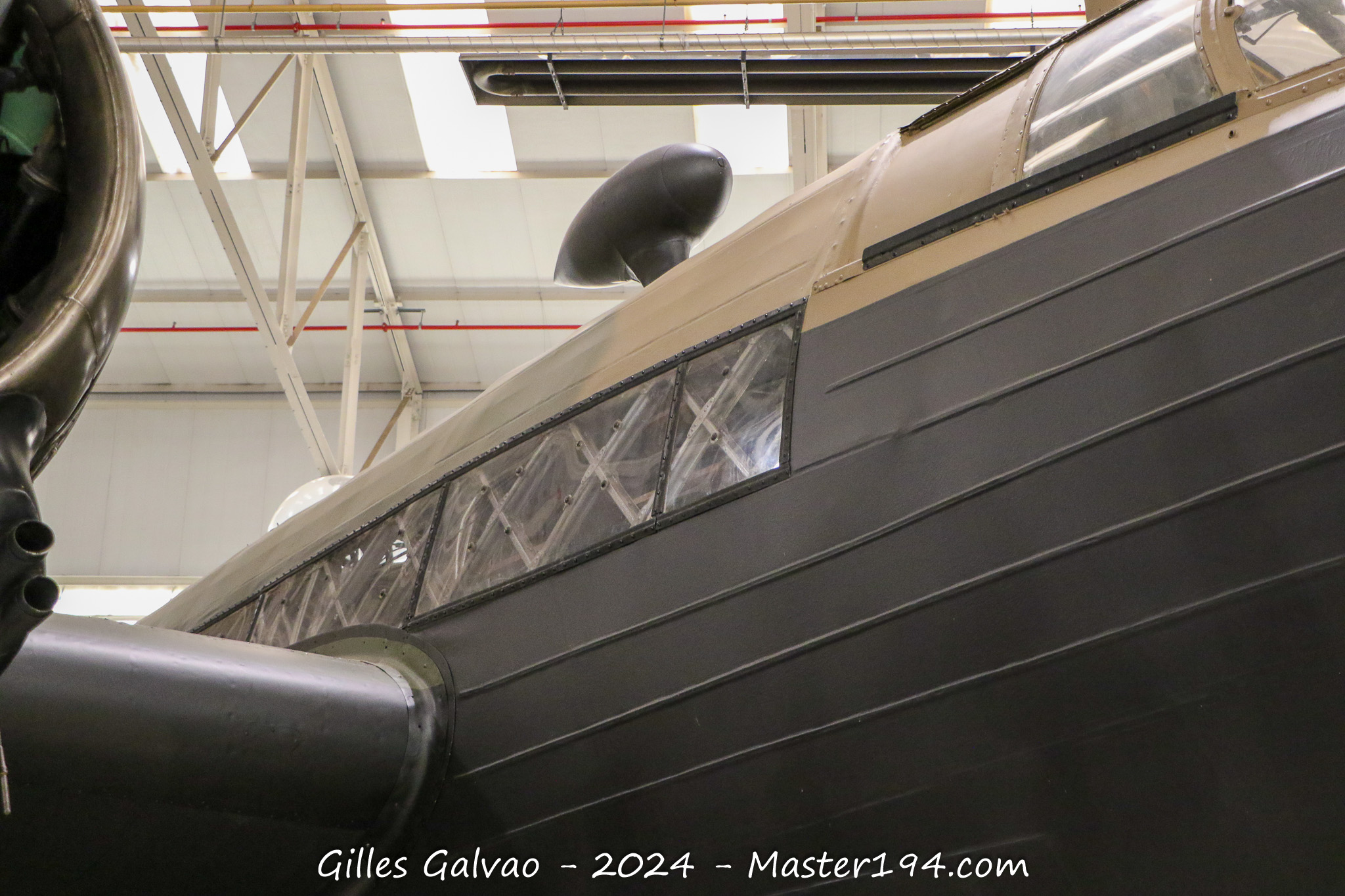
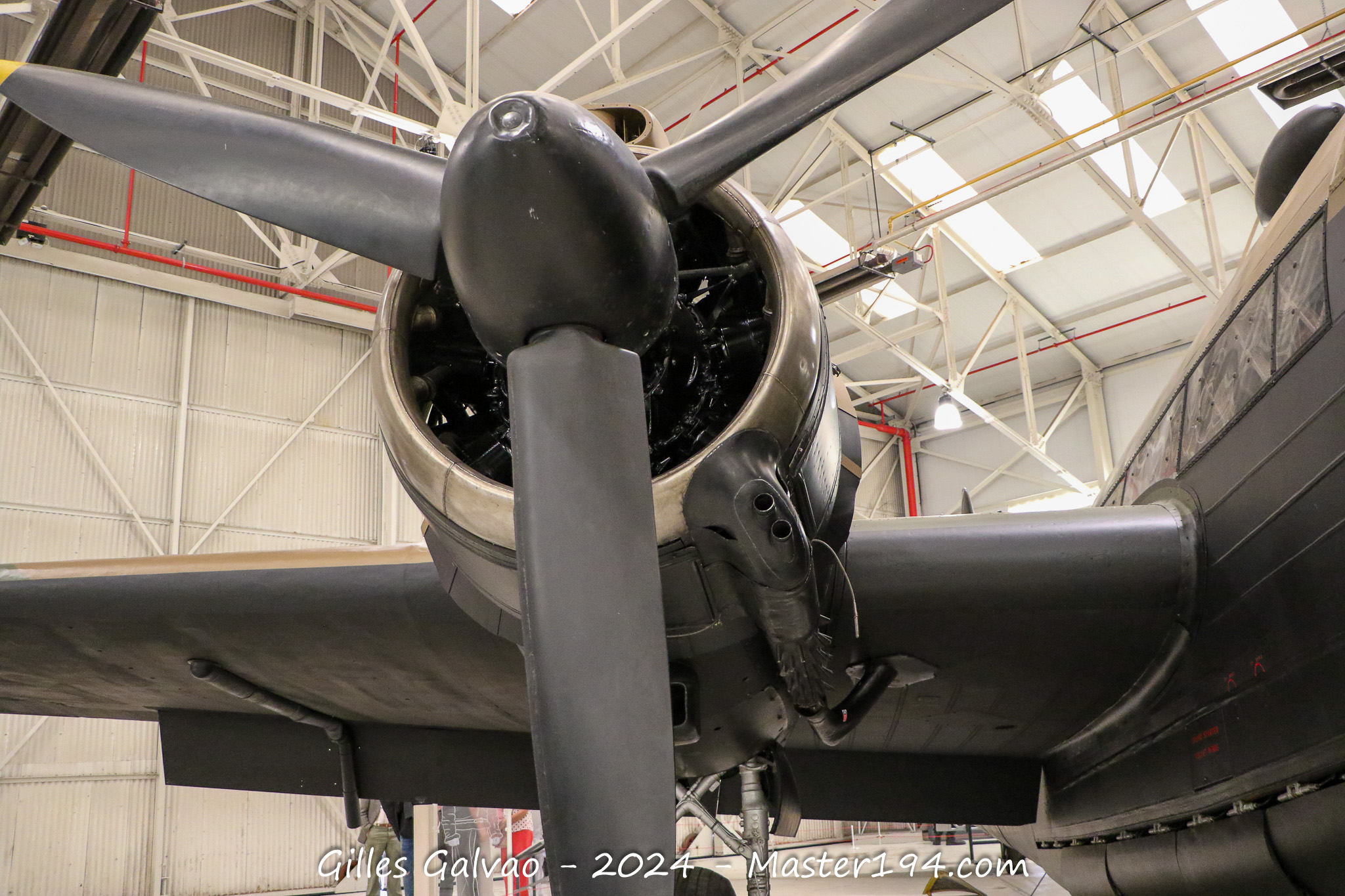
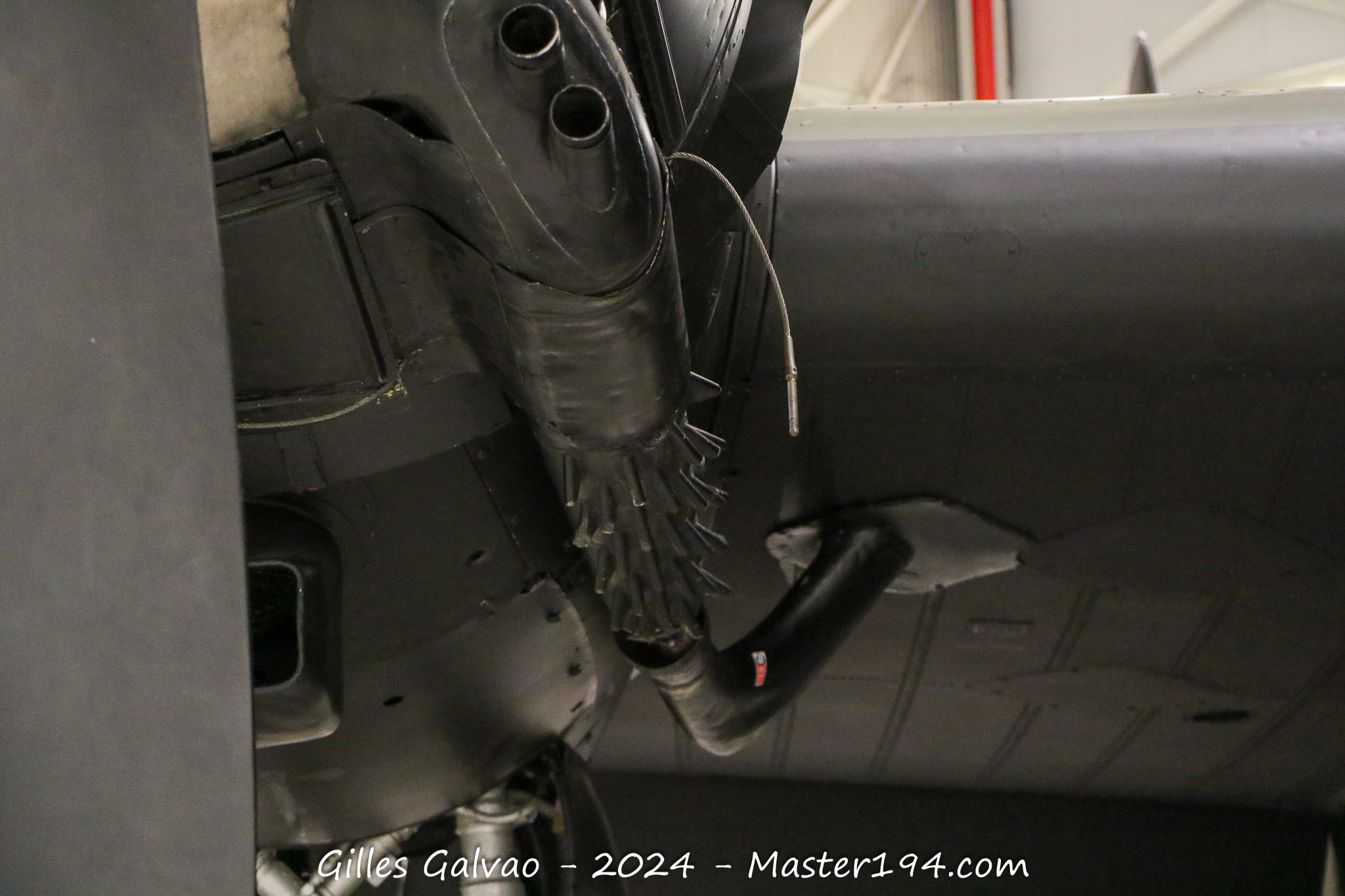
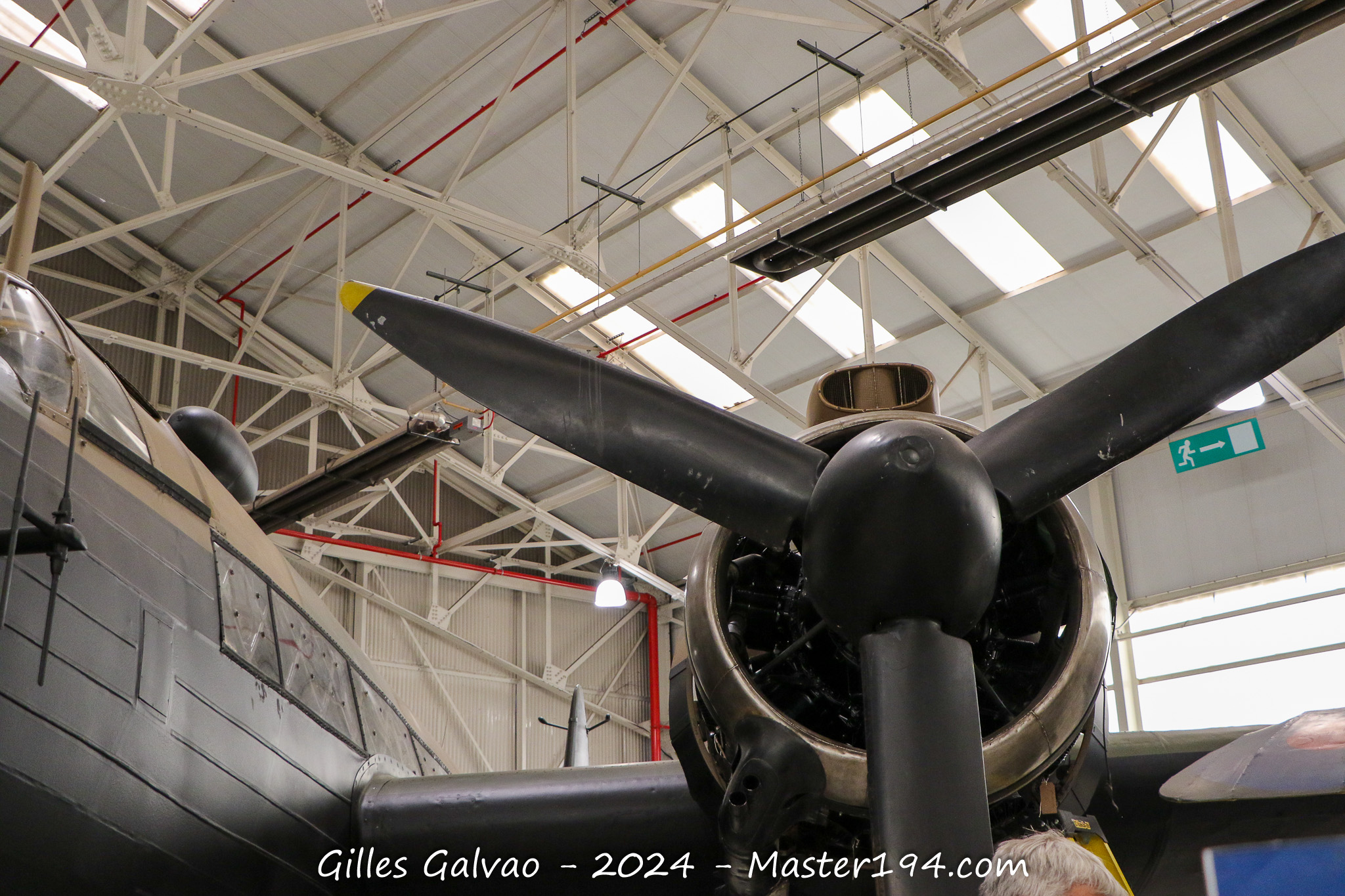
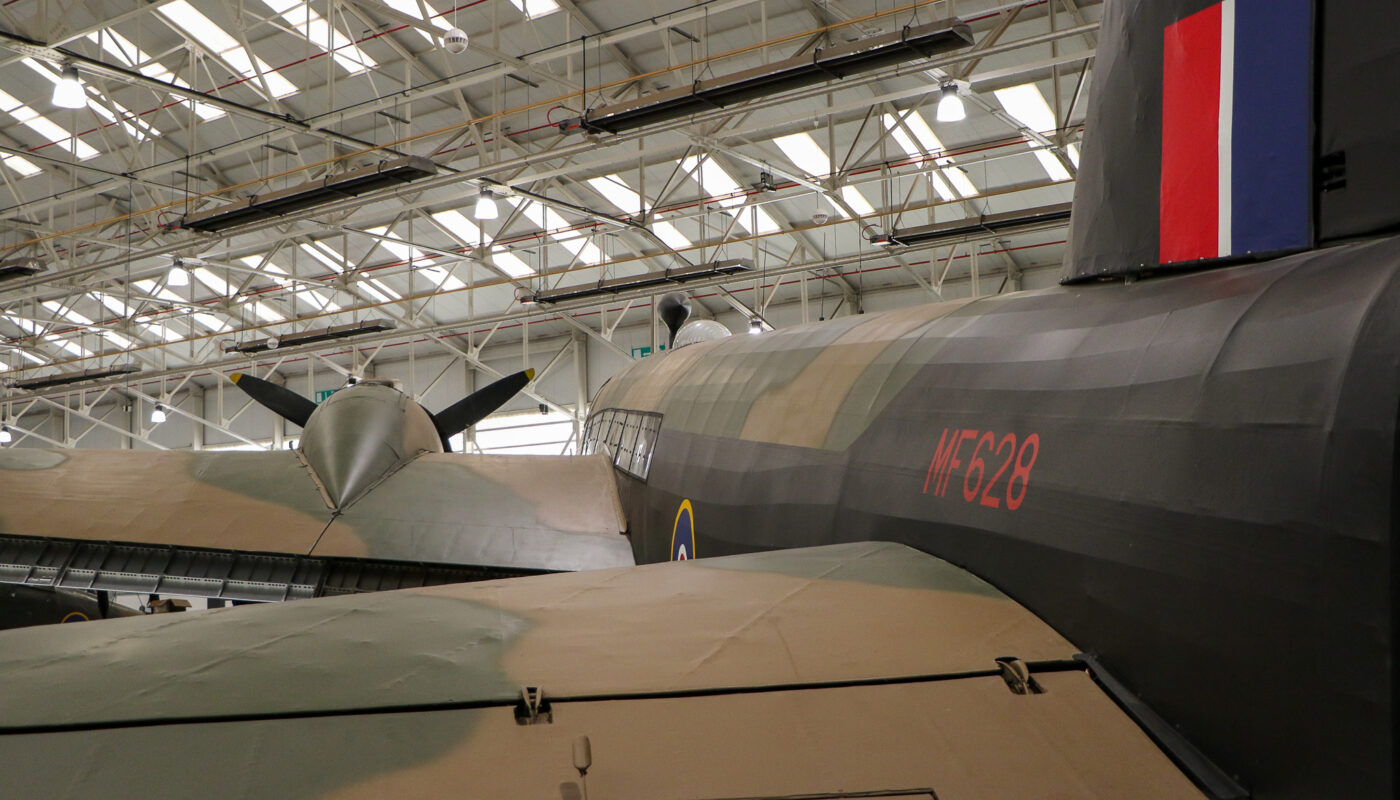
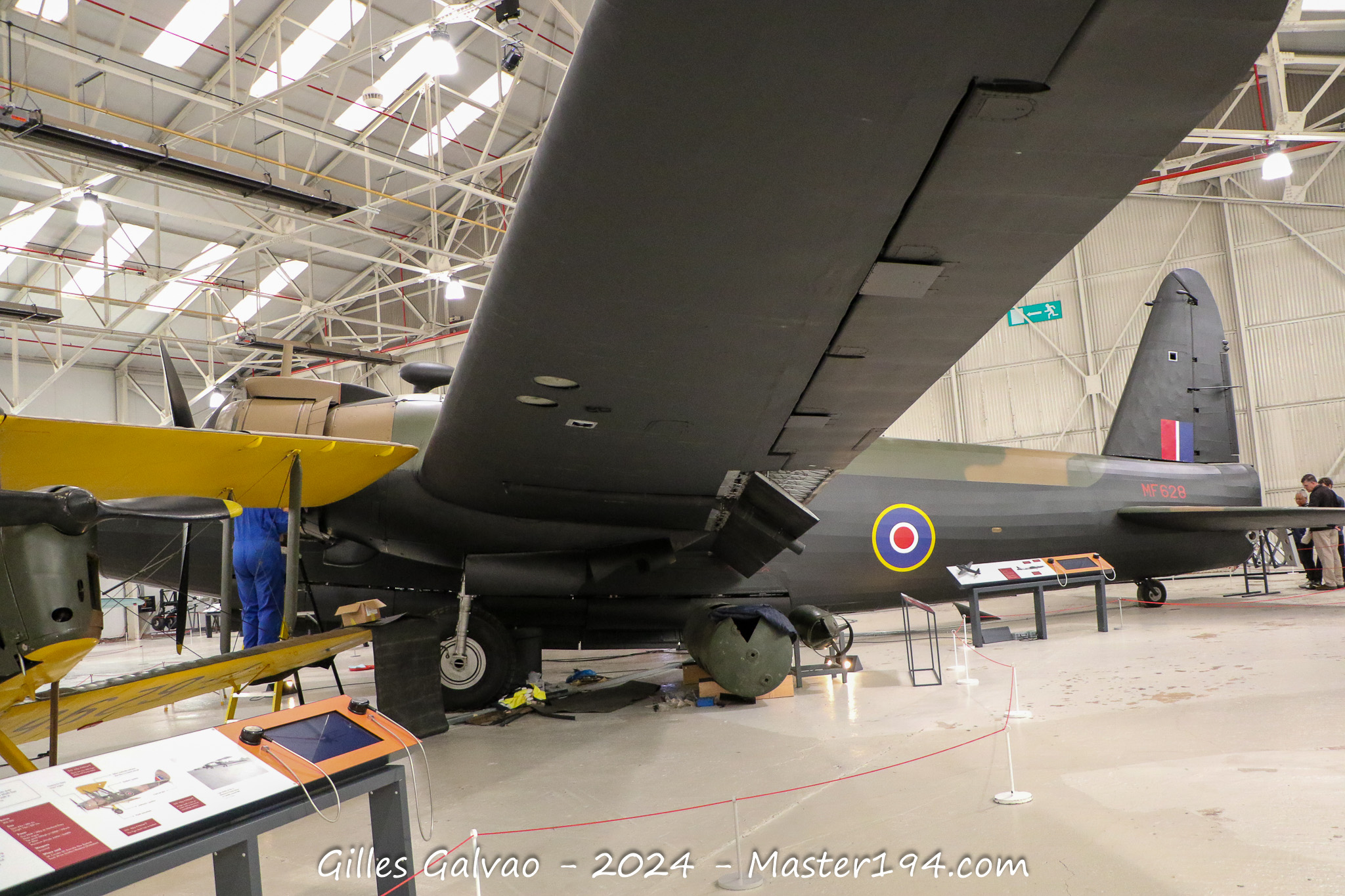
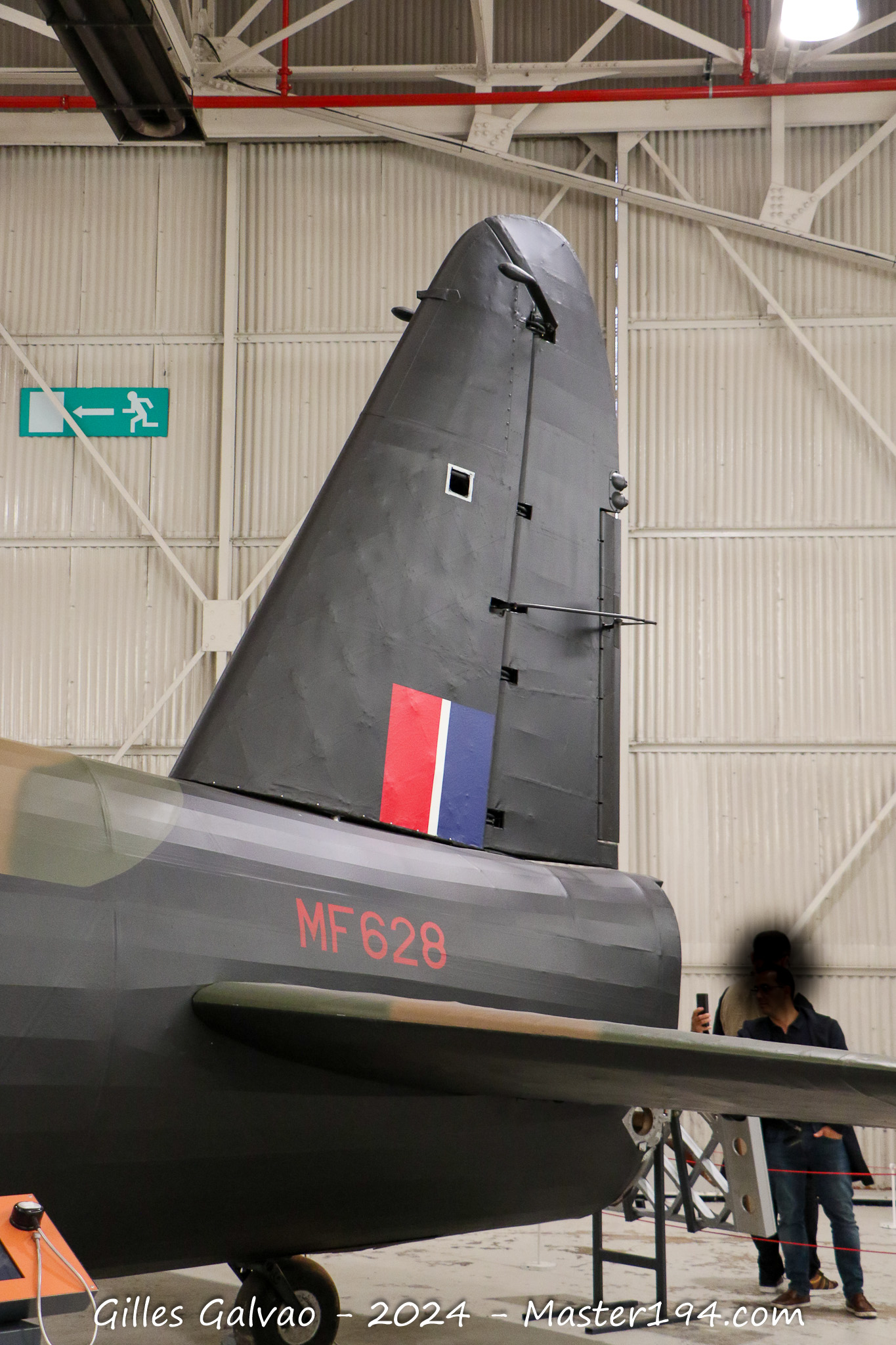
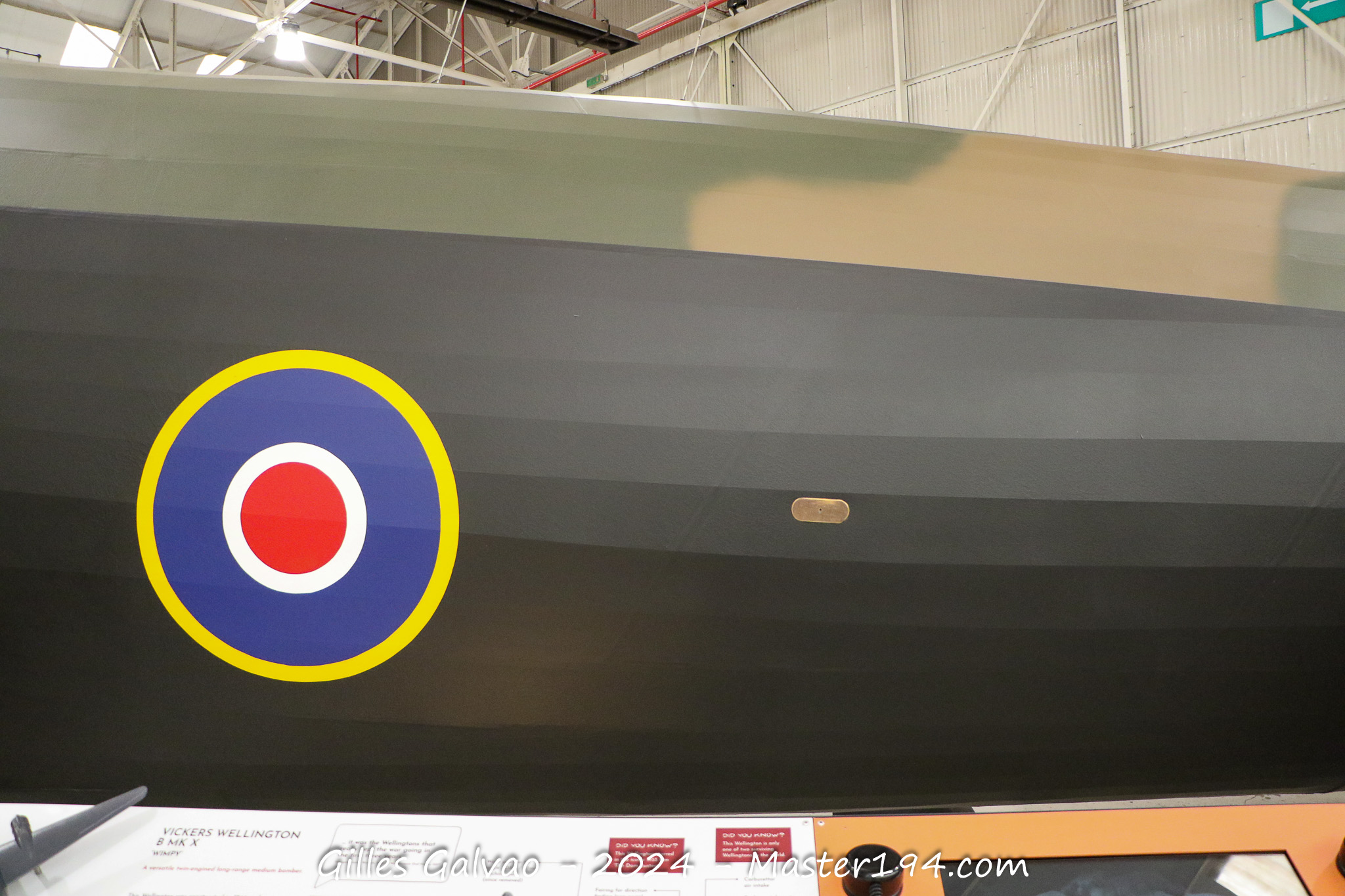
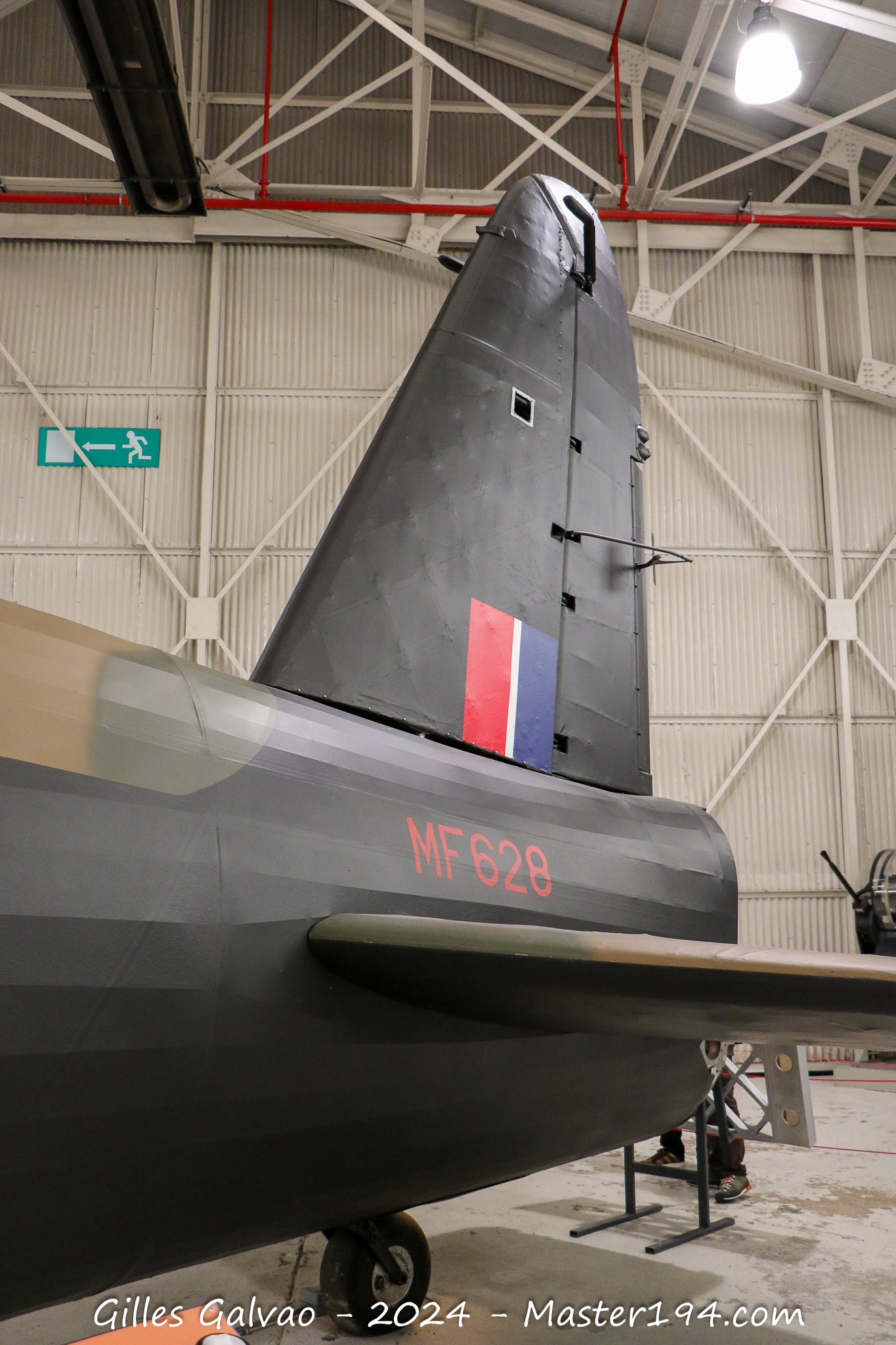
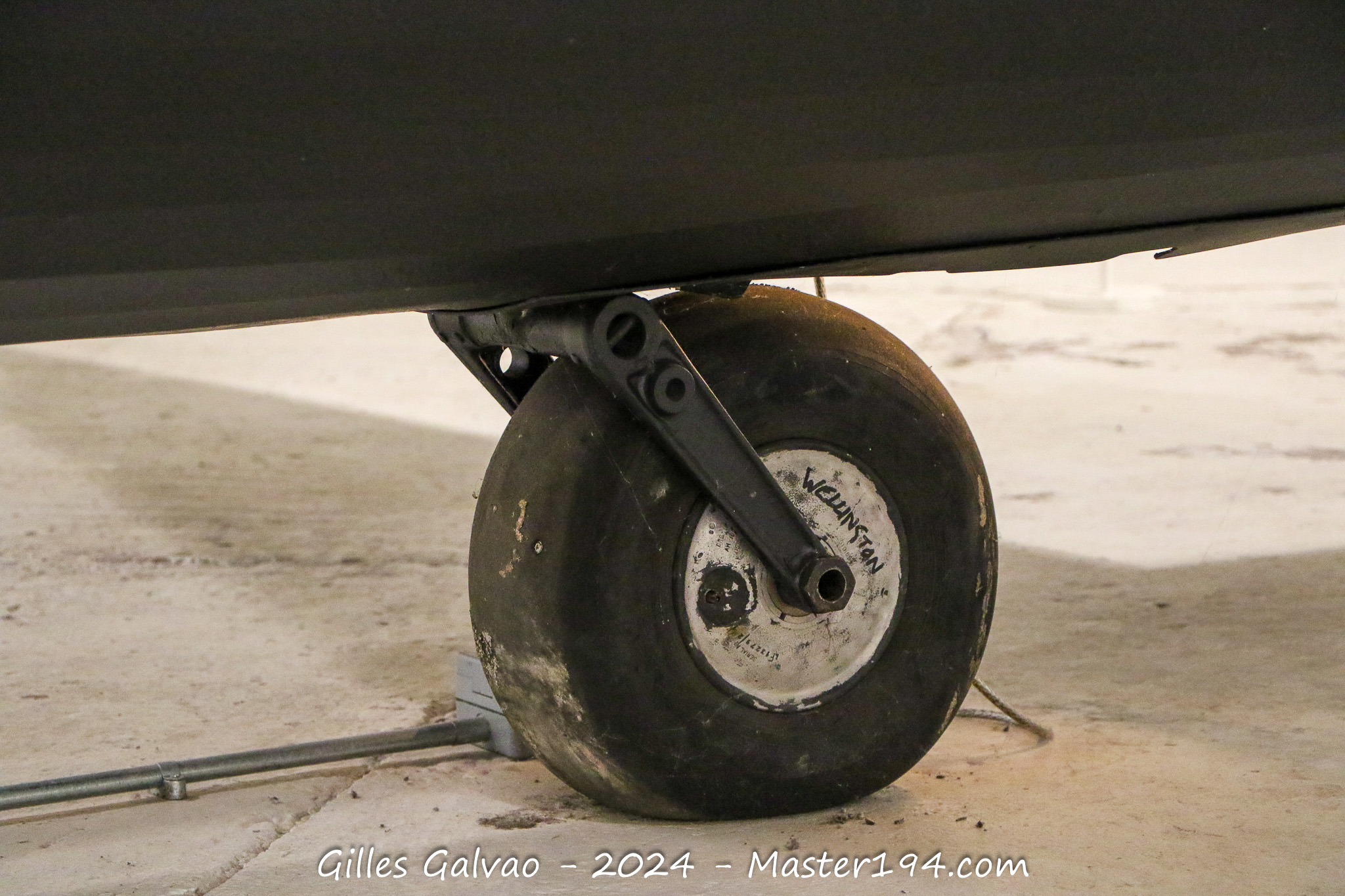
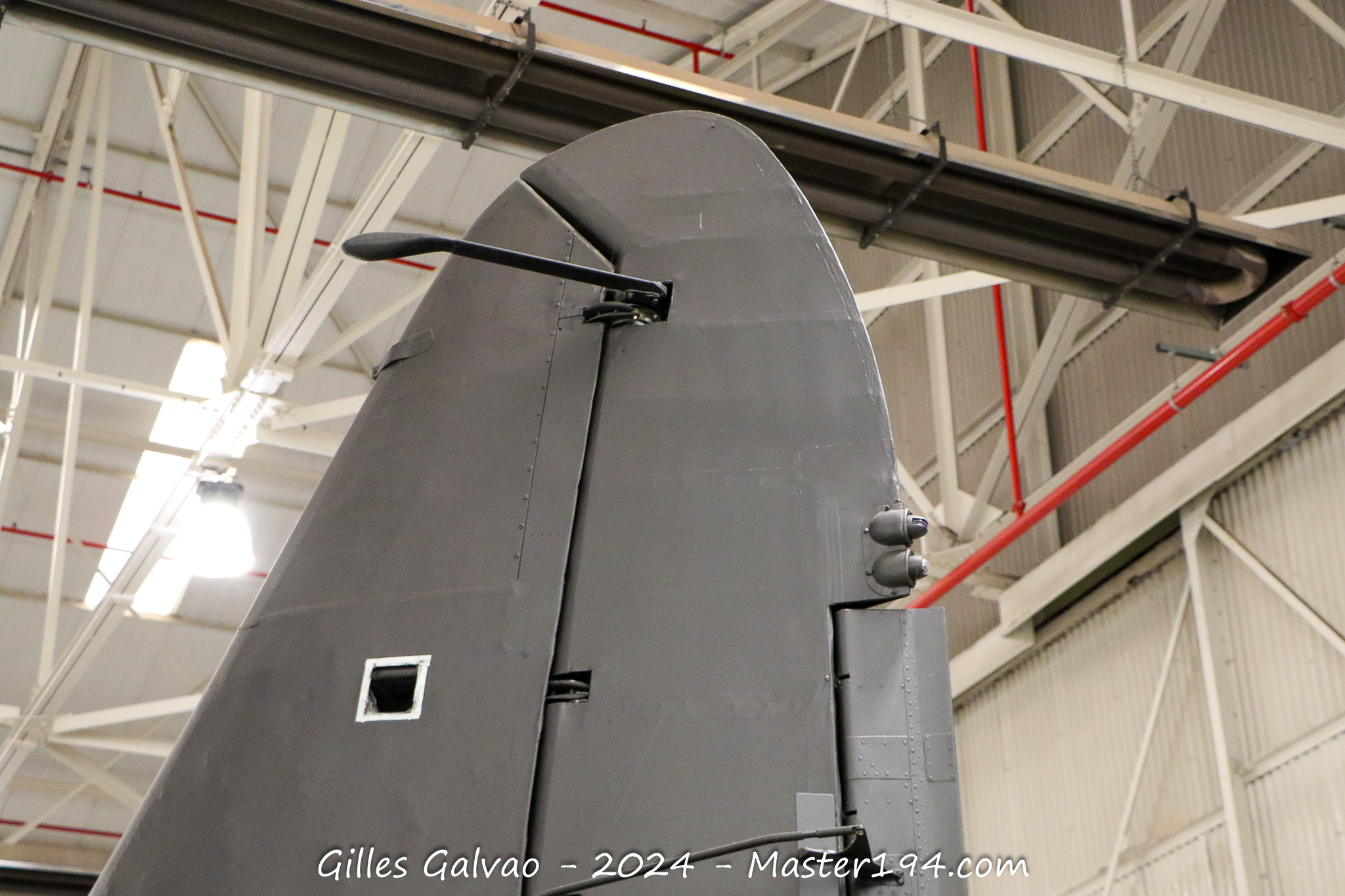
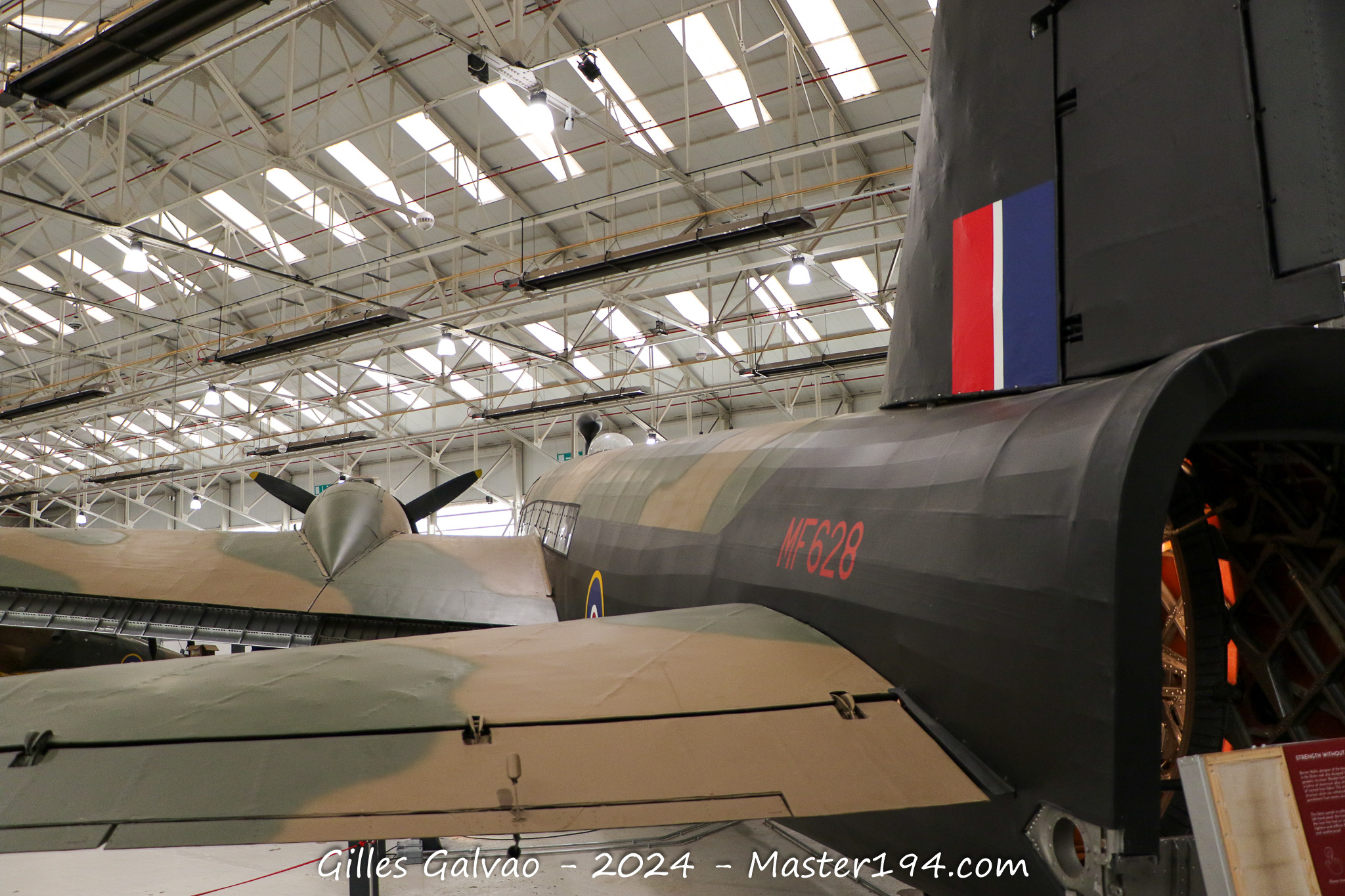
If you ever find yourself visiting the RAF Museum Cosford, there is one canopy and geodetic silhouette you simply cannot miss: that of the Vickers Wellington Mk.X (serial number MF628). This aircraft is a true survivor of aviation history, being one of only two complete examples of this legendary bomber left in the world.
A Survivor with a Unique History
Rolling off the production line at the Blackpool factories in May 1944, this Wellington Mk.X arrived at a time when strategic bombing missions were already being primarily carried out by heavy four-engine bombers like the Lancaster and the Halifax. Yet, its story remains deeply fascinating:
- Post-War Training: Converted into a T.10 trainer variant by Boulton Paul, it was used for navigator training until 1953, sporting an all-silver livery and a faired-over nose (with the turret removed).
- Movie Star: In 1954, it took part in the filming of the cult classic movie The Dam Busters, becoming one of the very few Wellingtons to enjoy a second career in front of the cameras.
- The Last of the Wellingtons: On January 24, 1955, it made its final ferry flight to Wisley airfield. On that historic day, MF628 entered the record books by performing the absolute last flight ever of a Vickers Wellington.
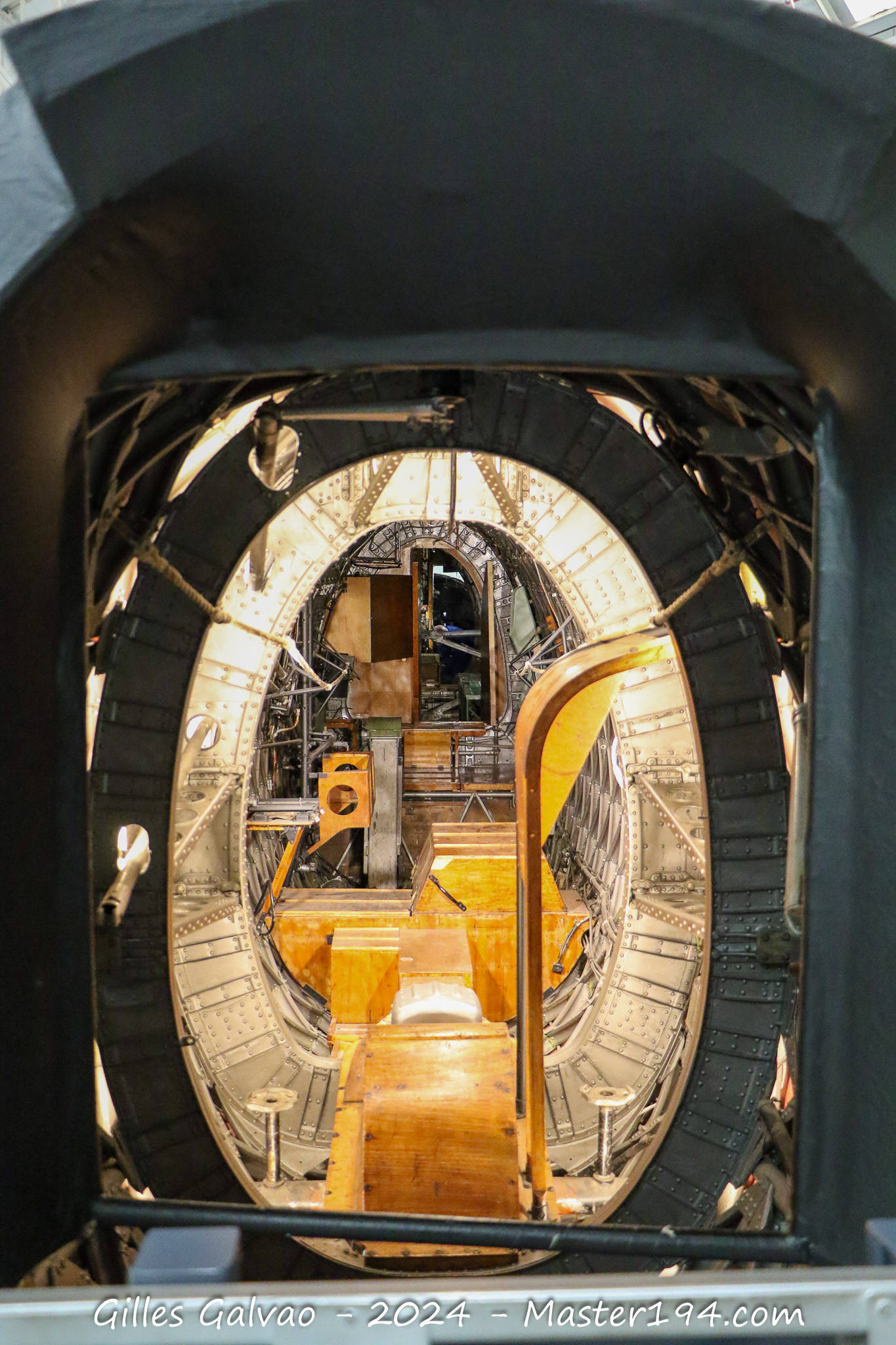
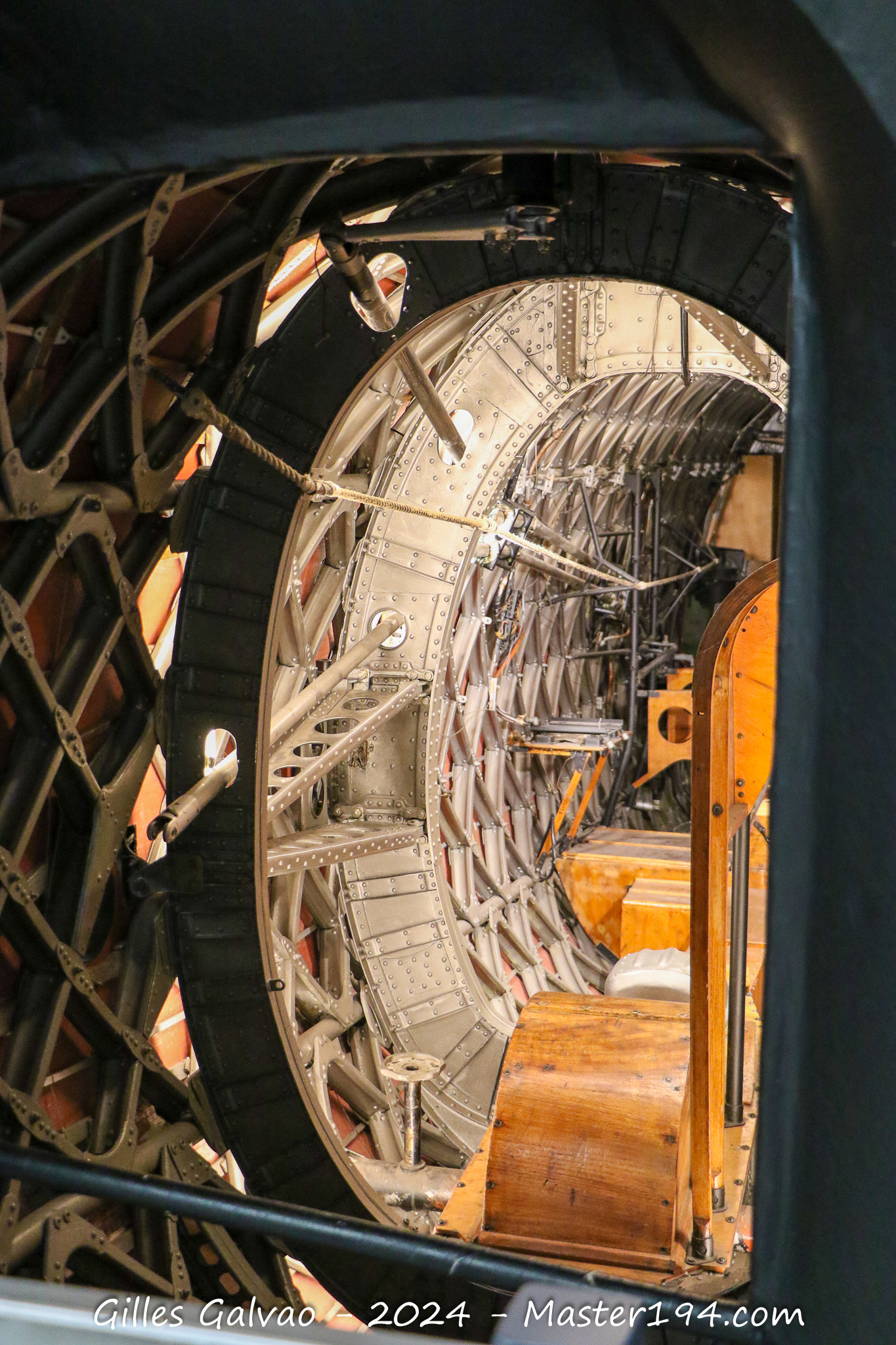
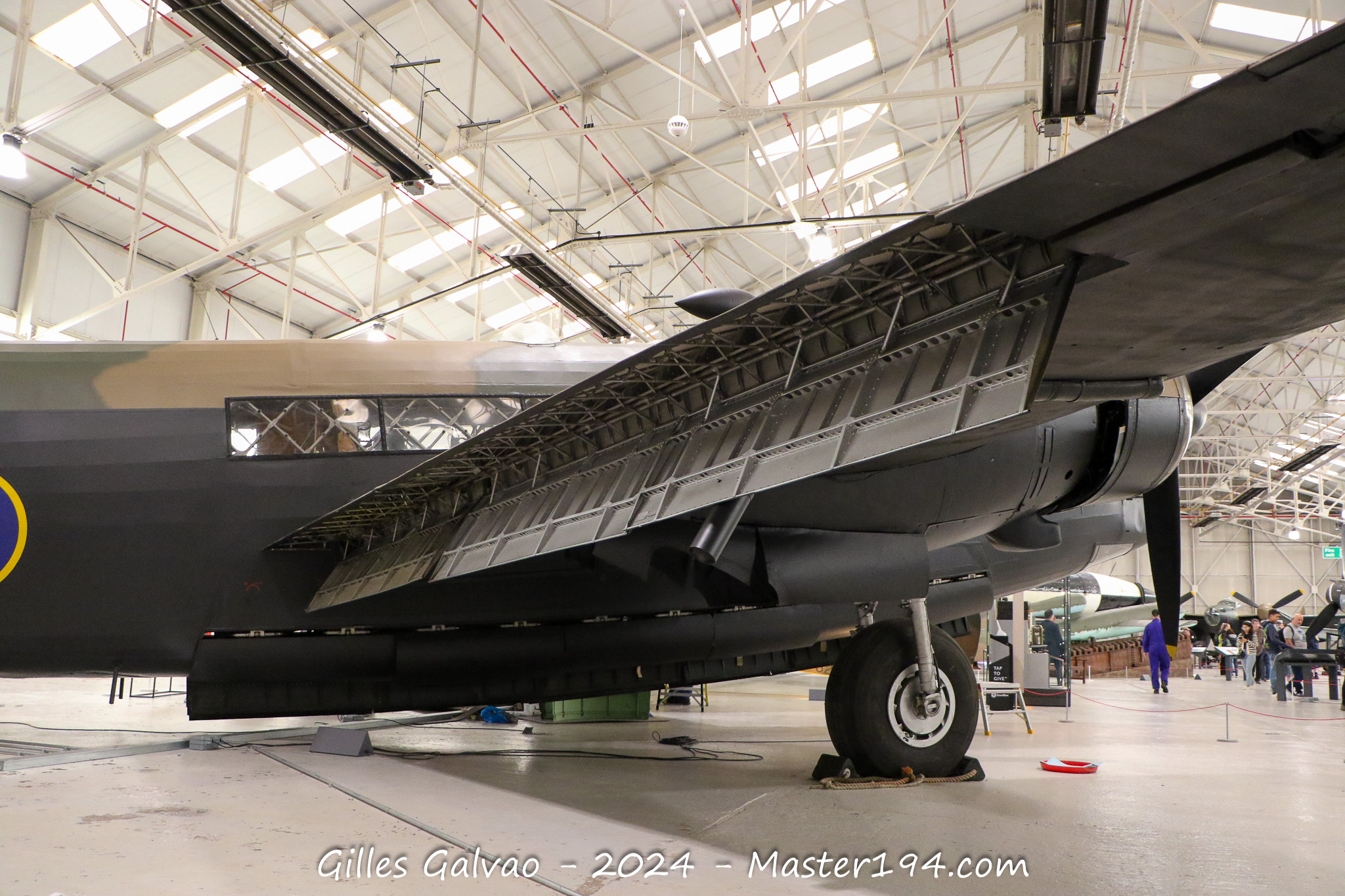
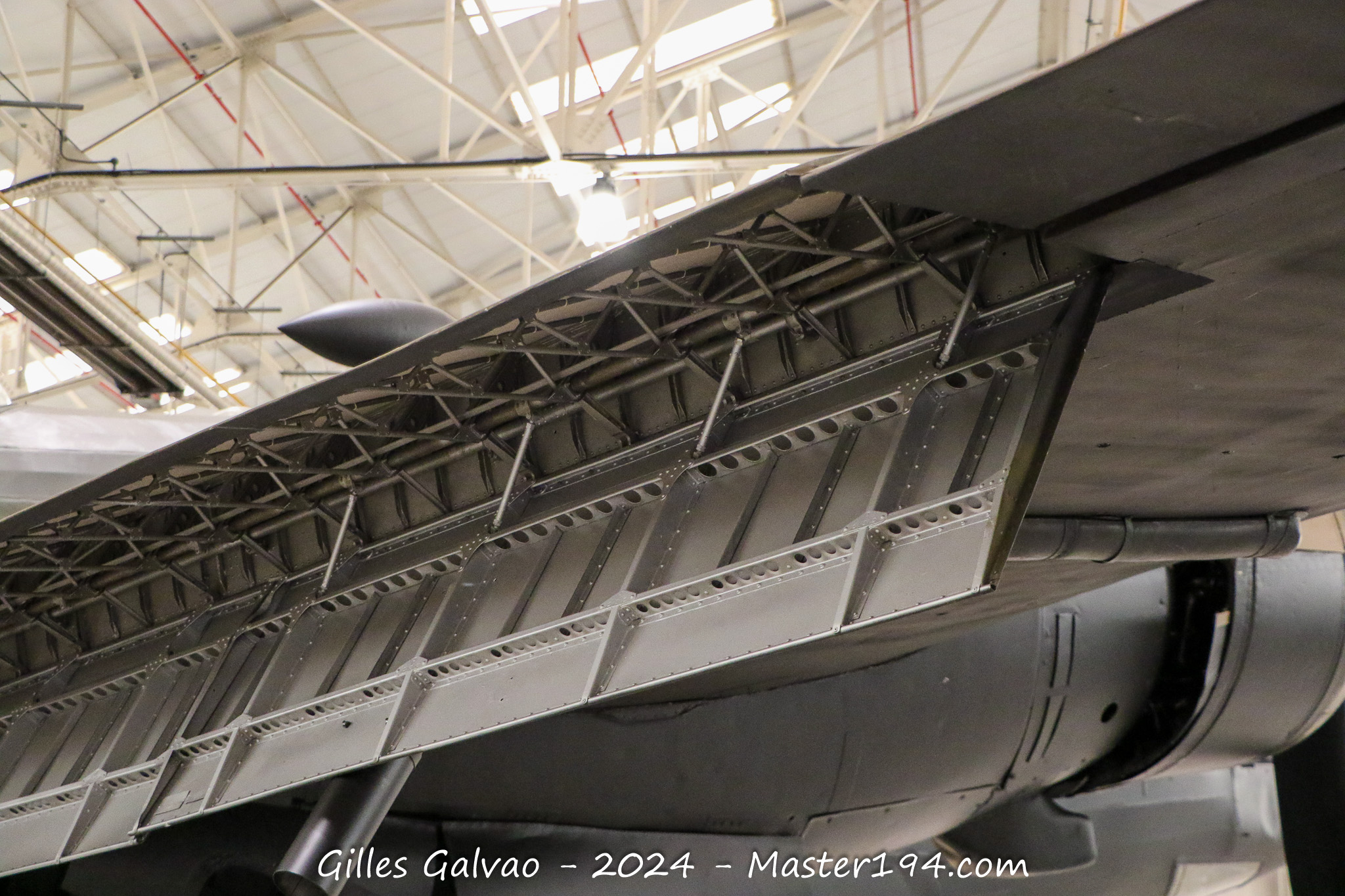
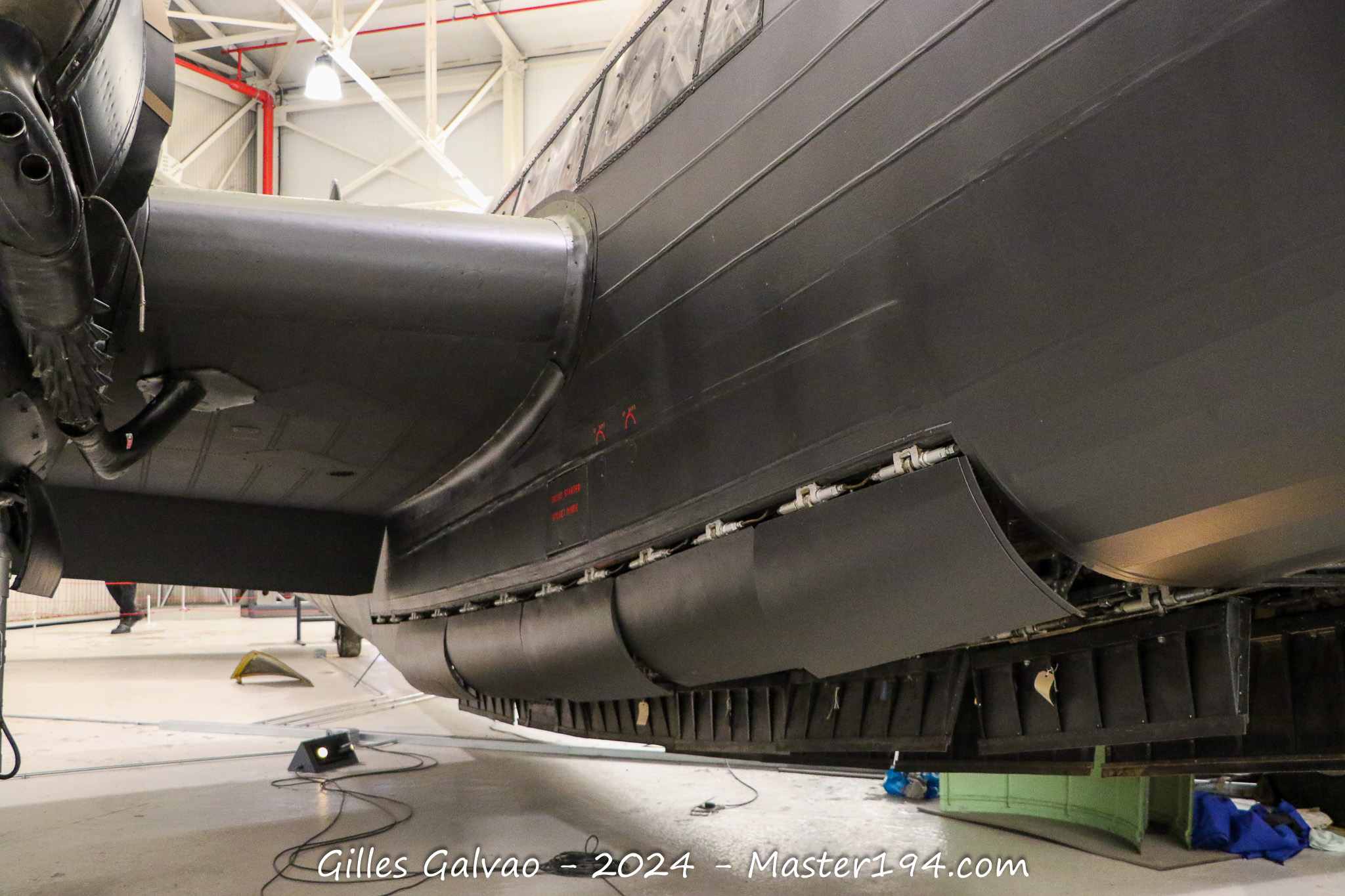
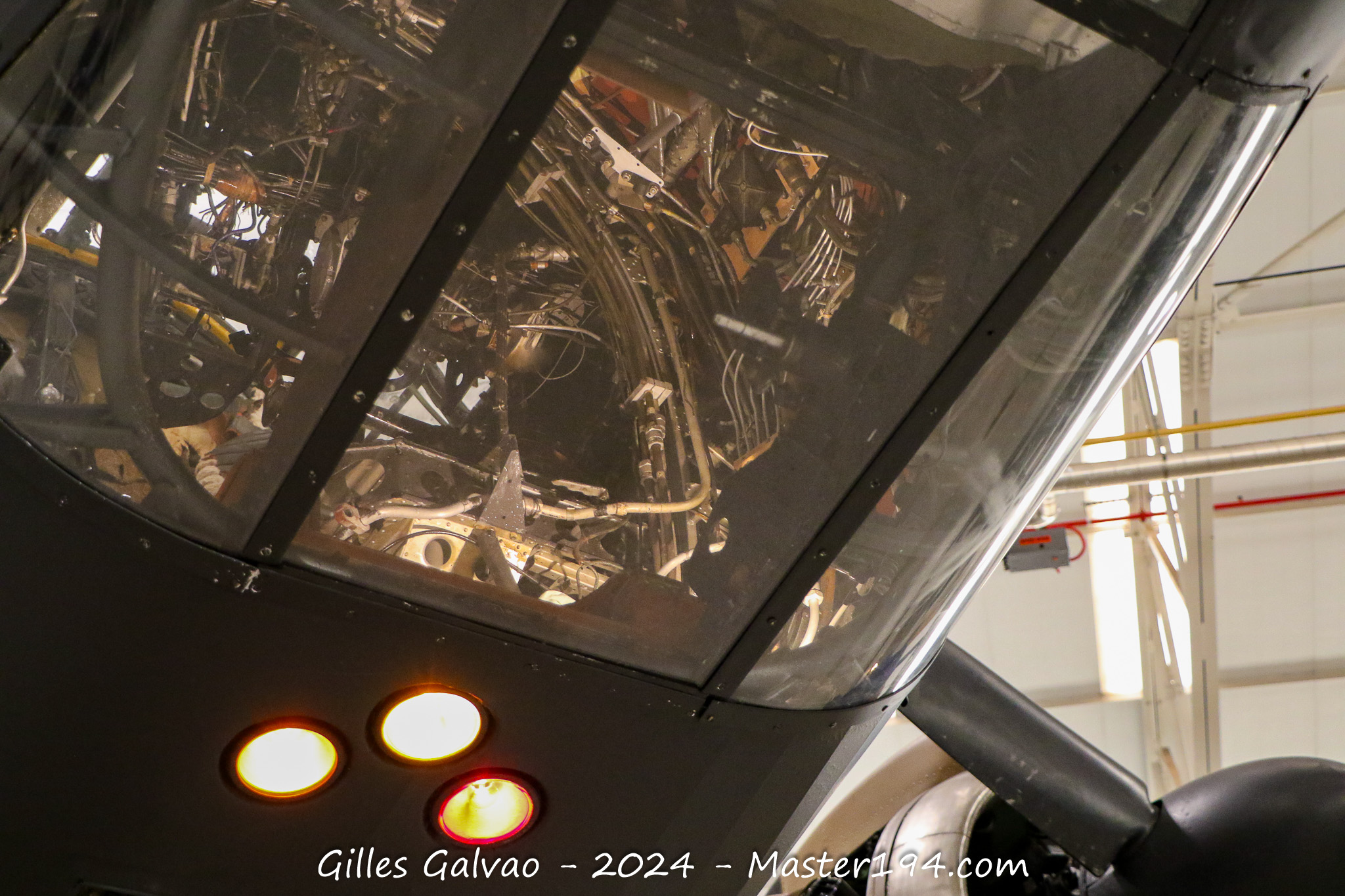
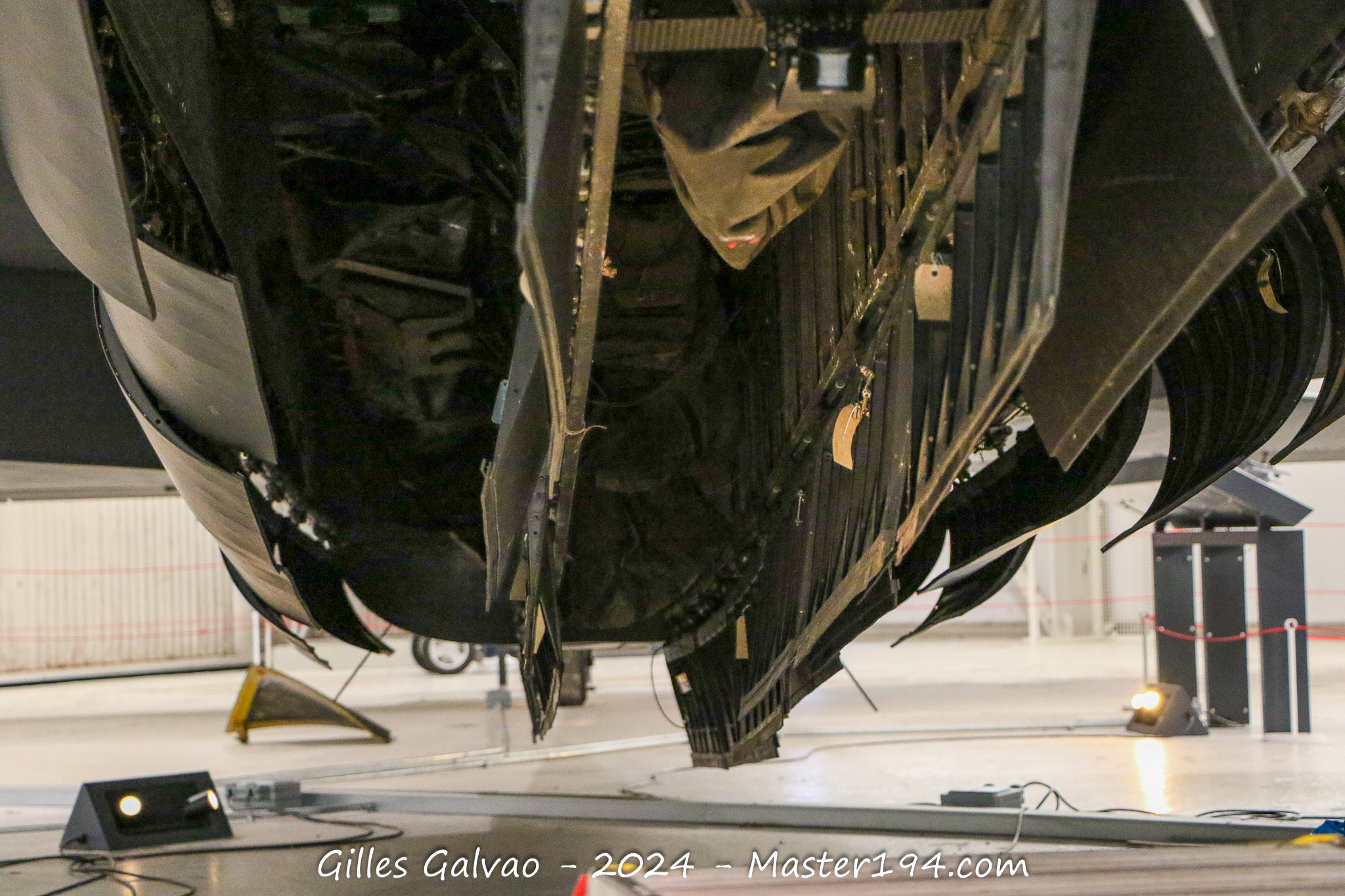
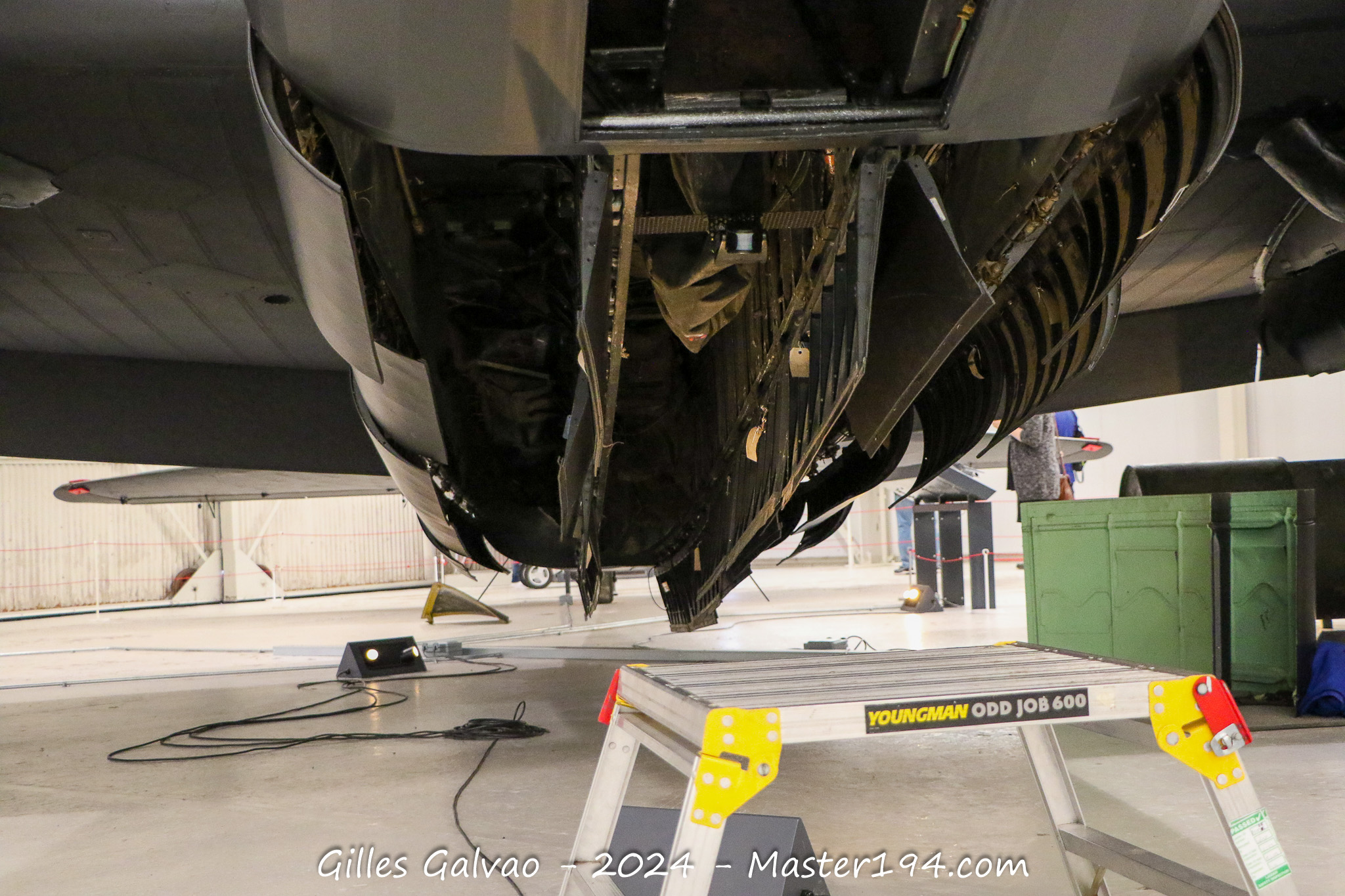
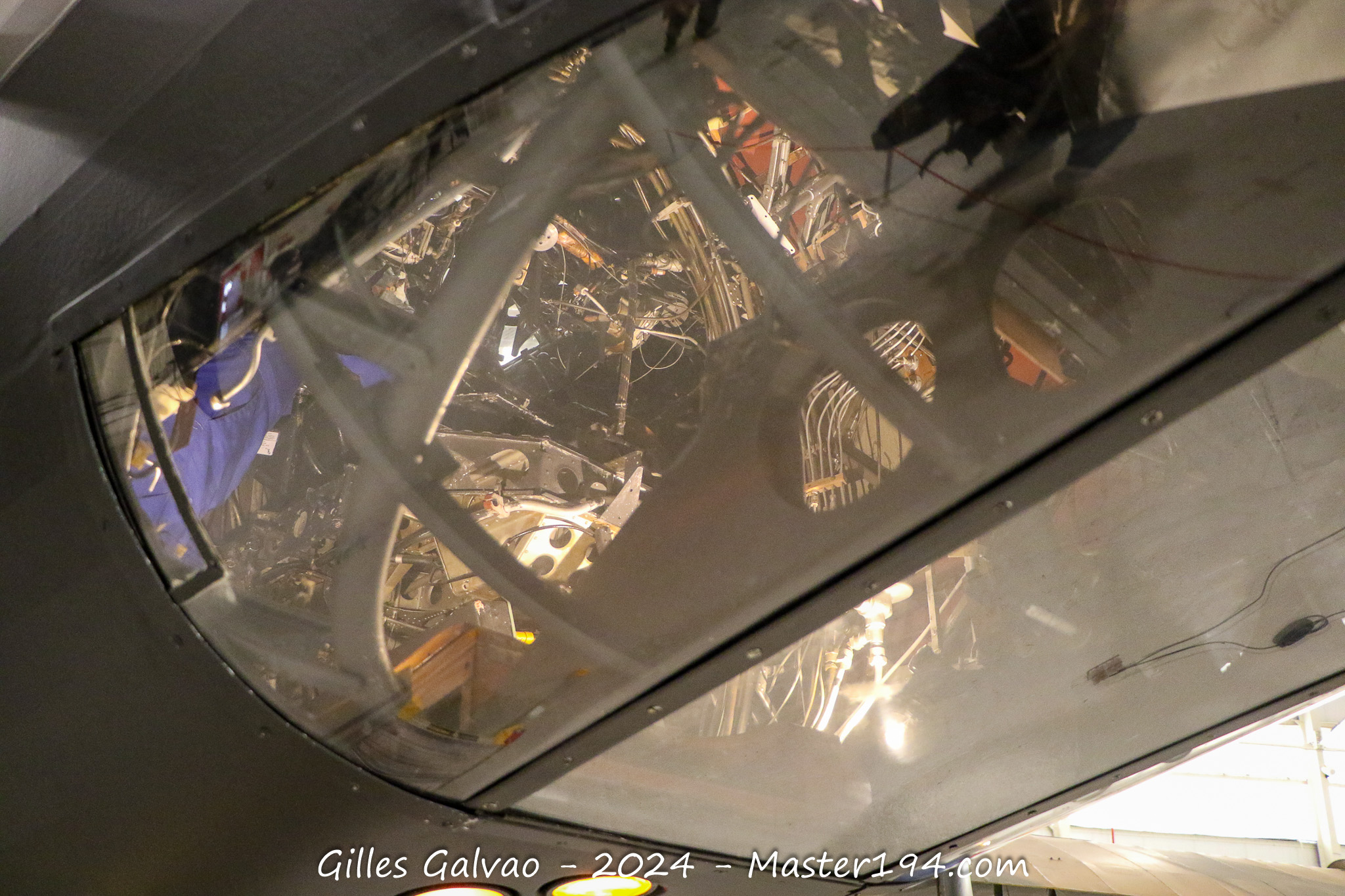
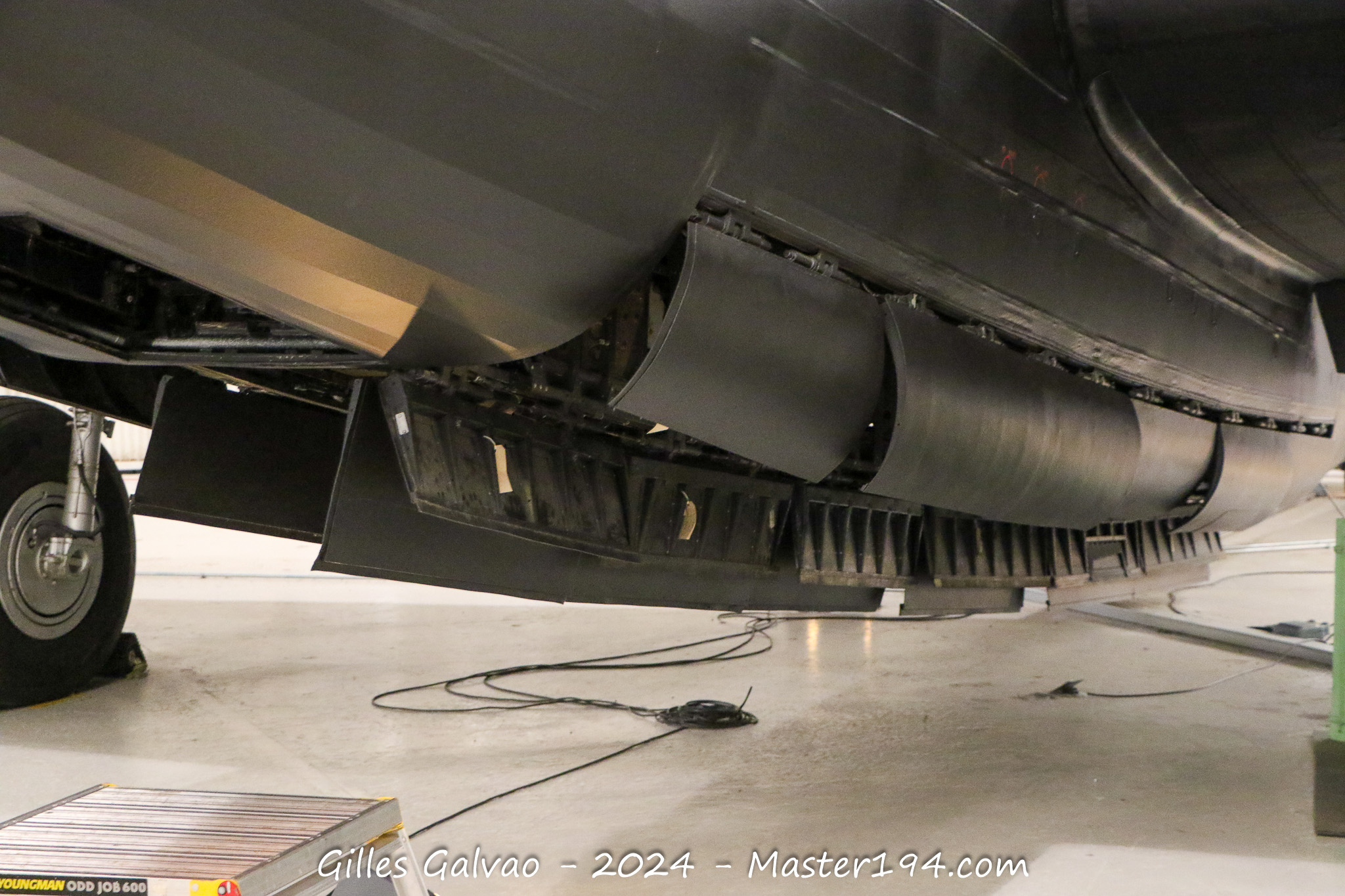
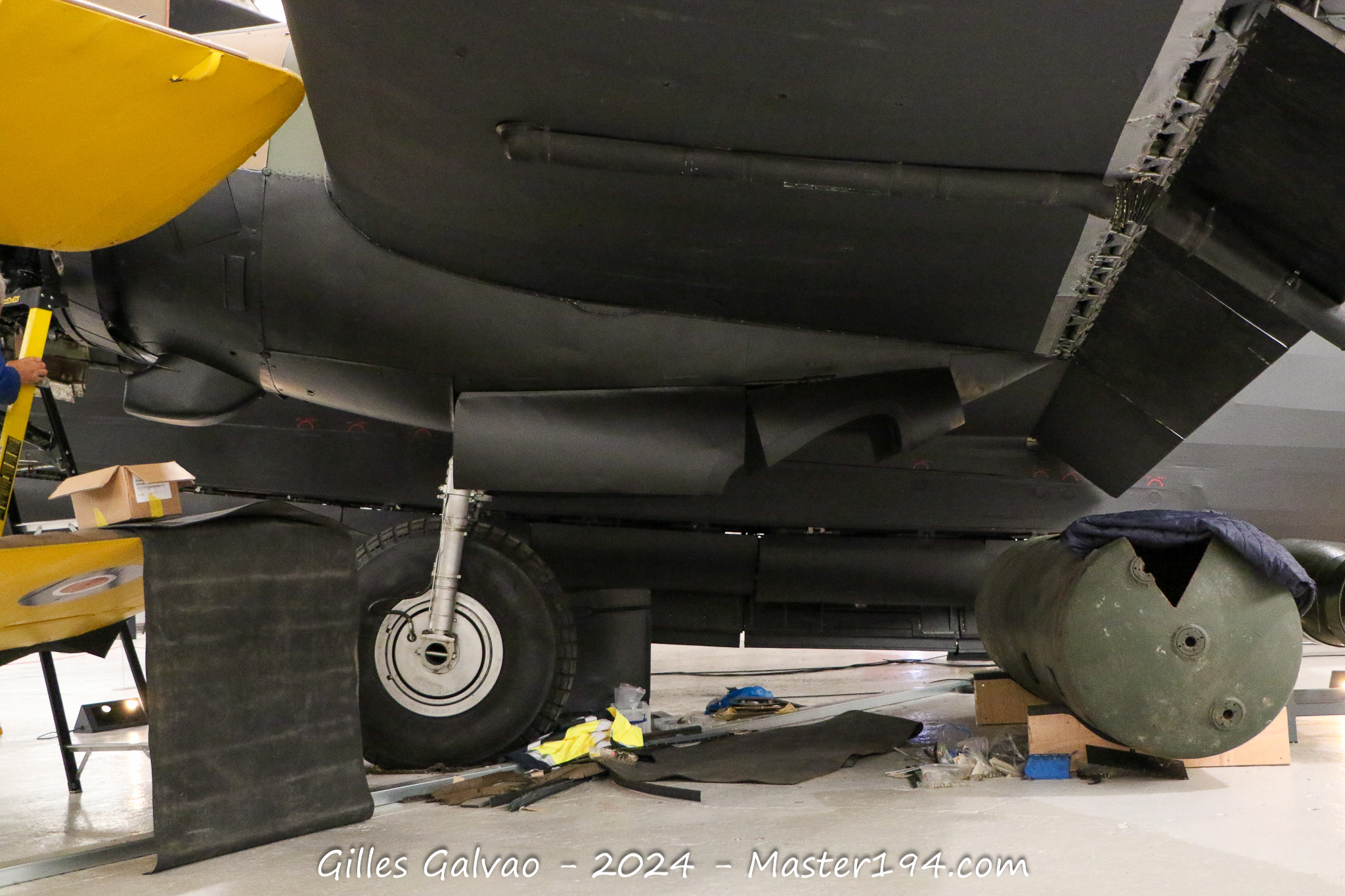
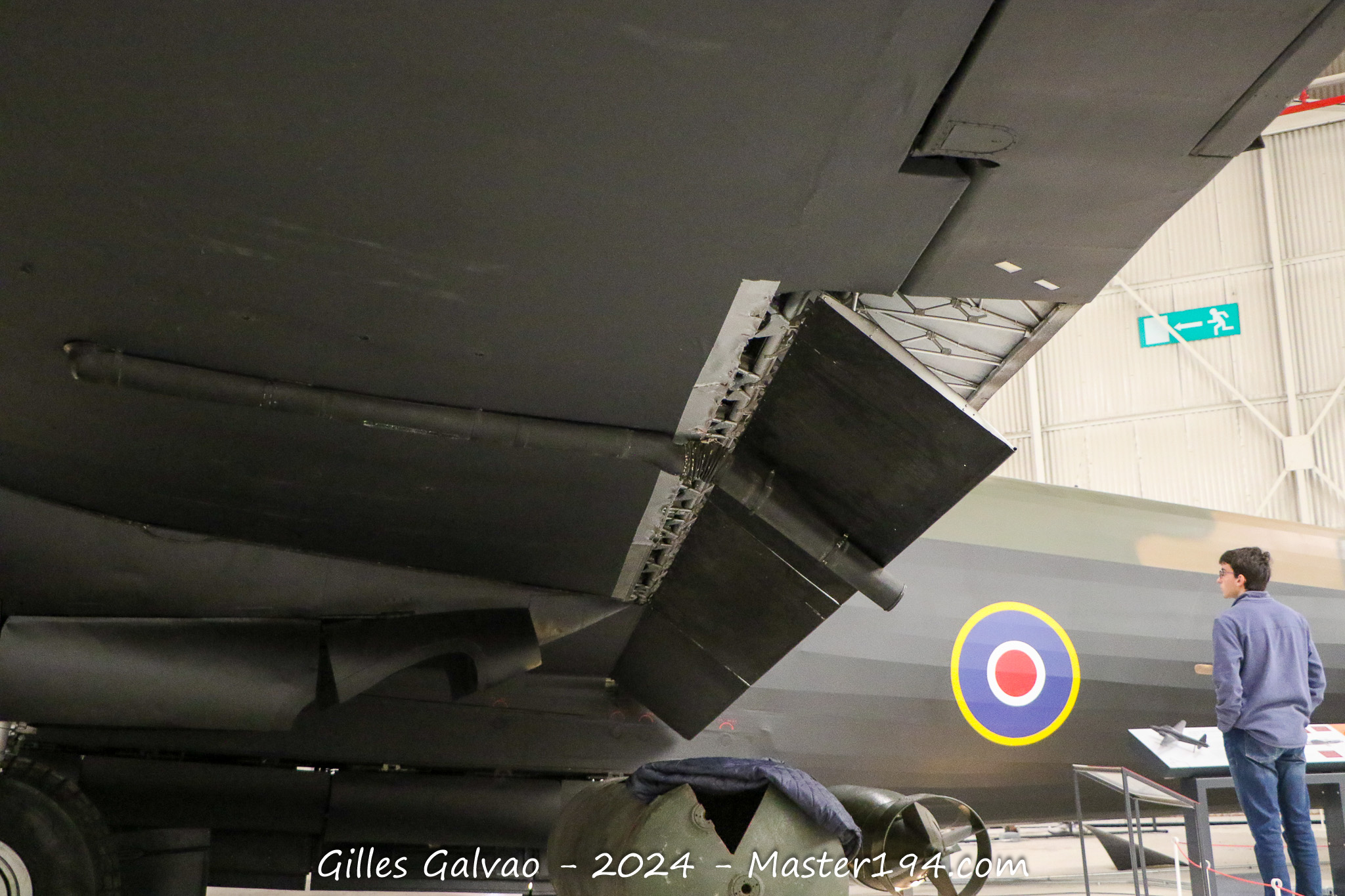
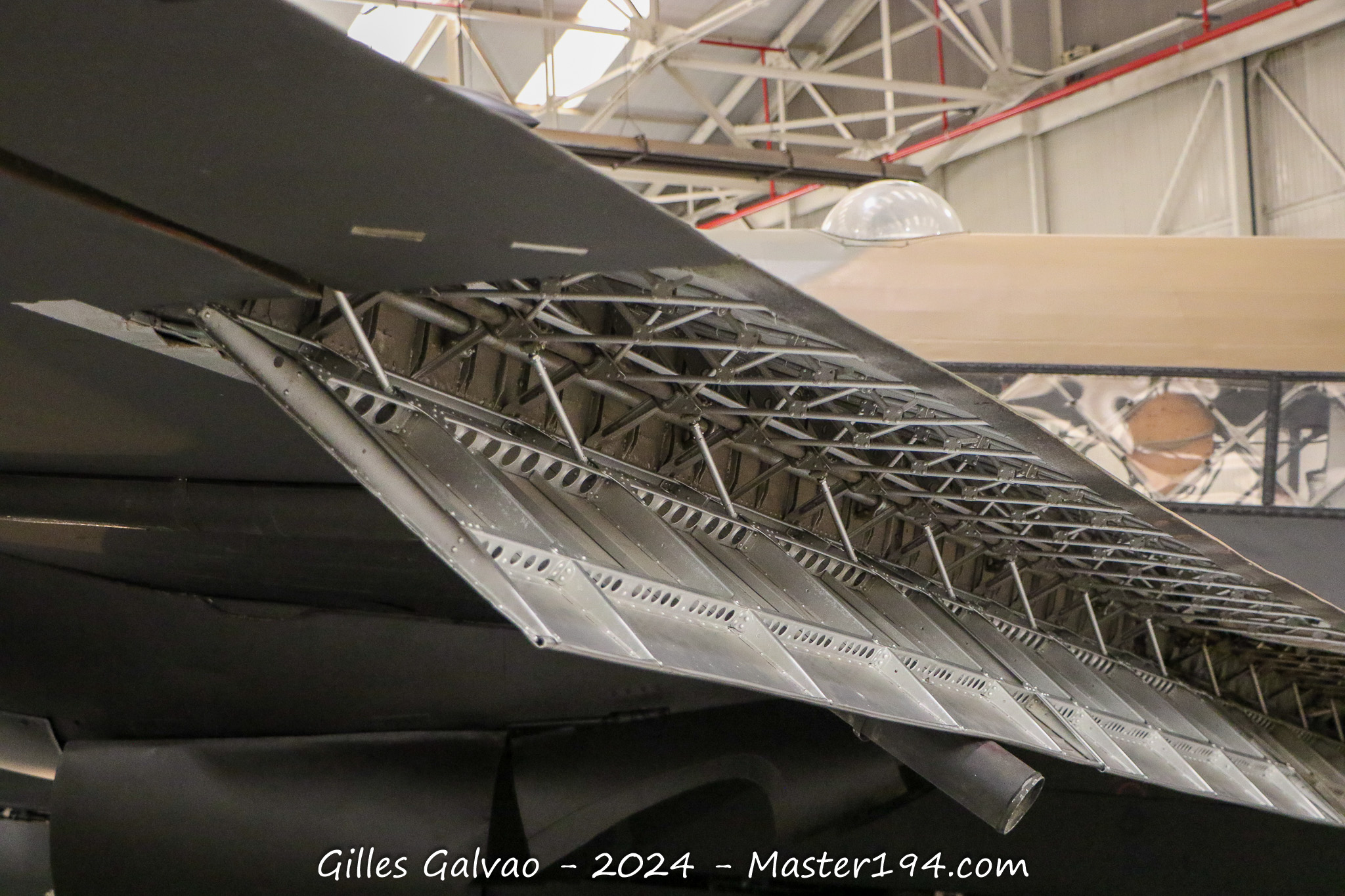
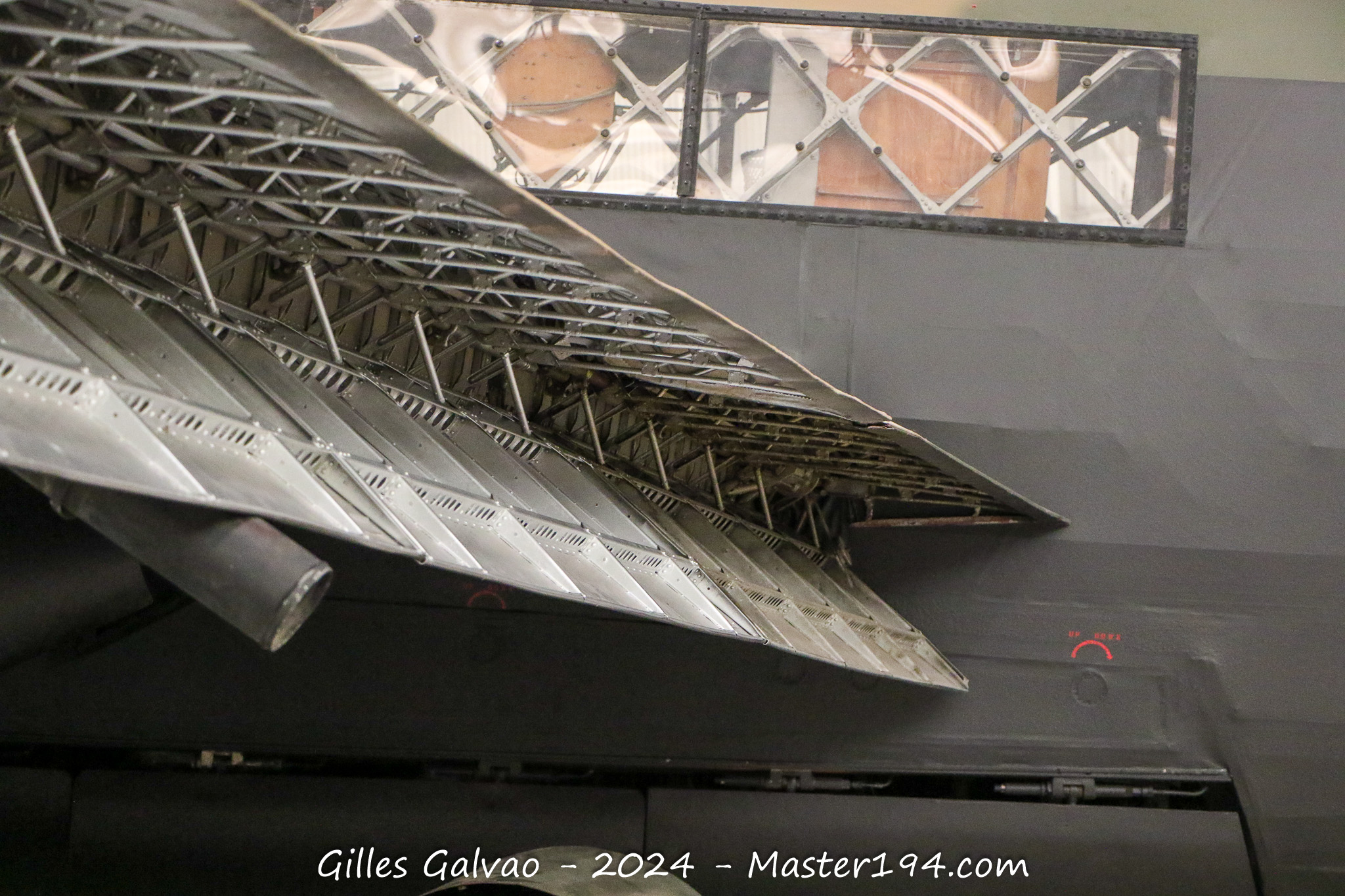
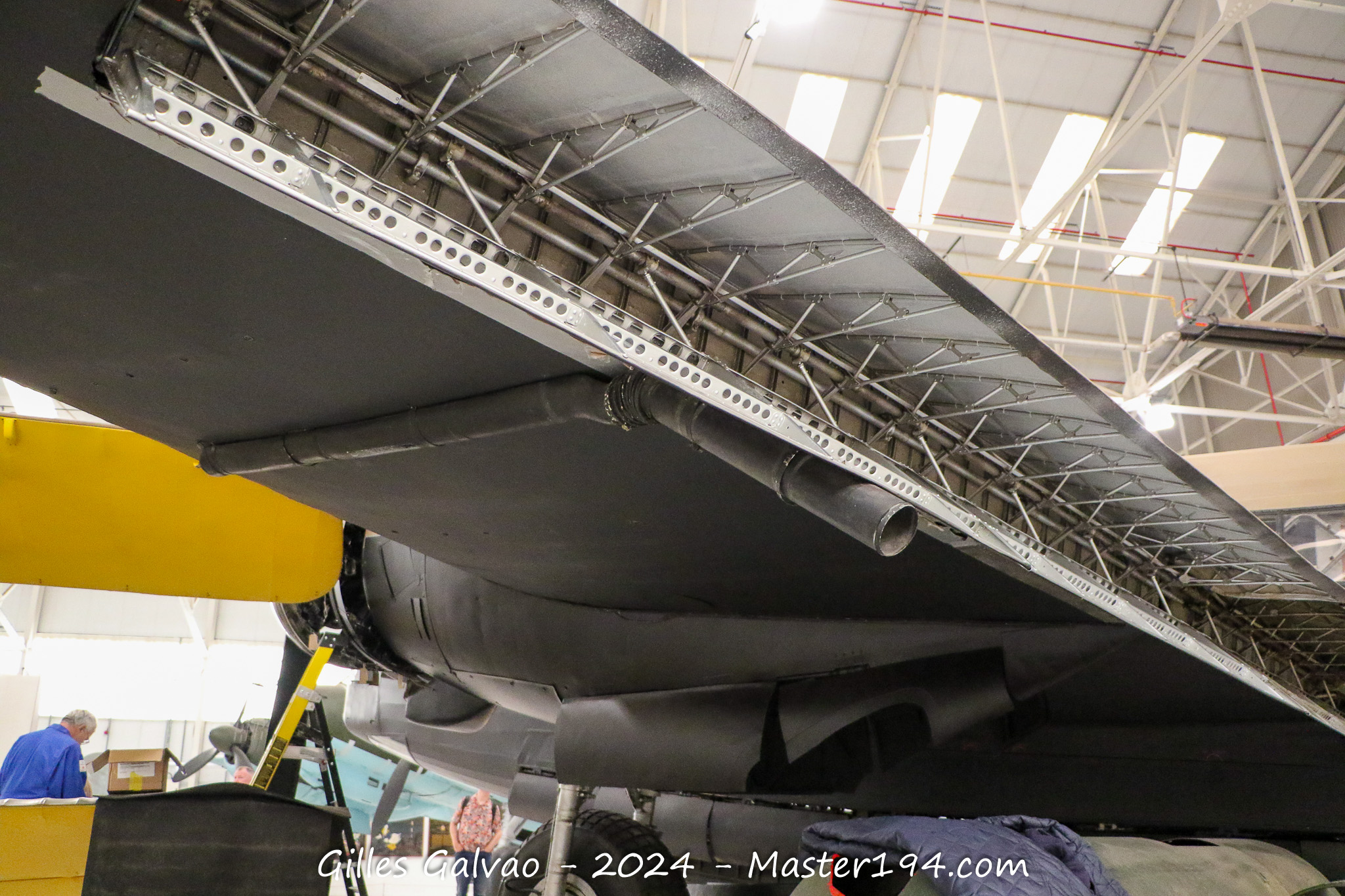
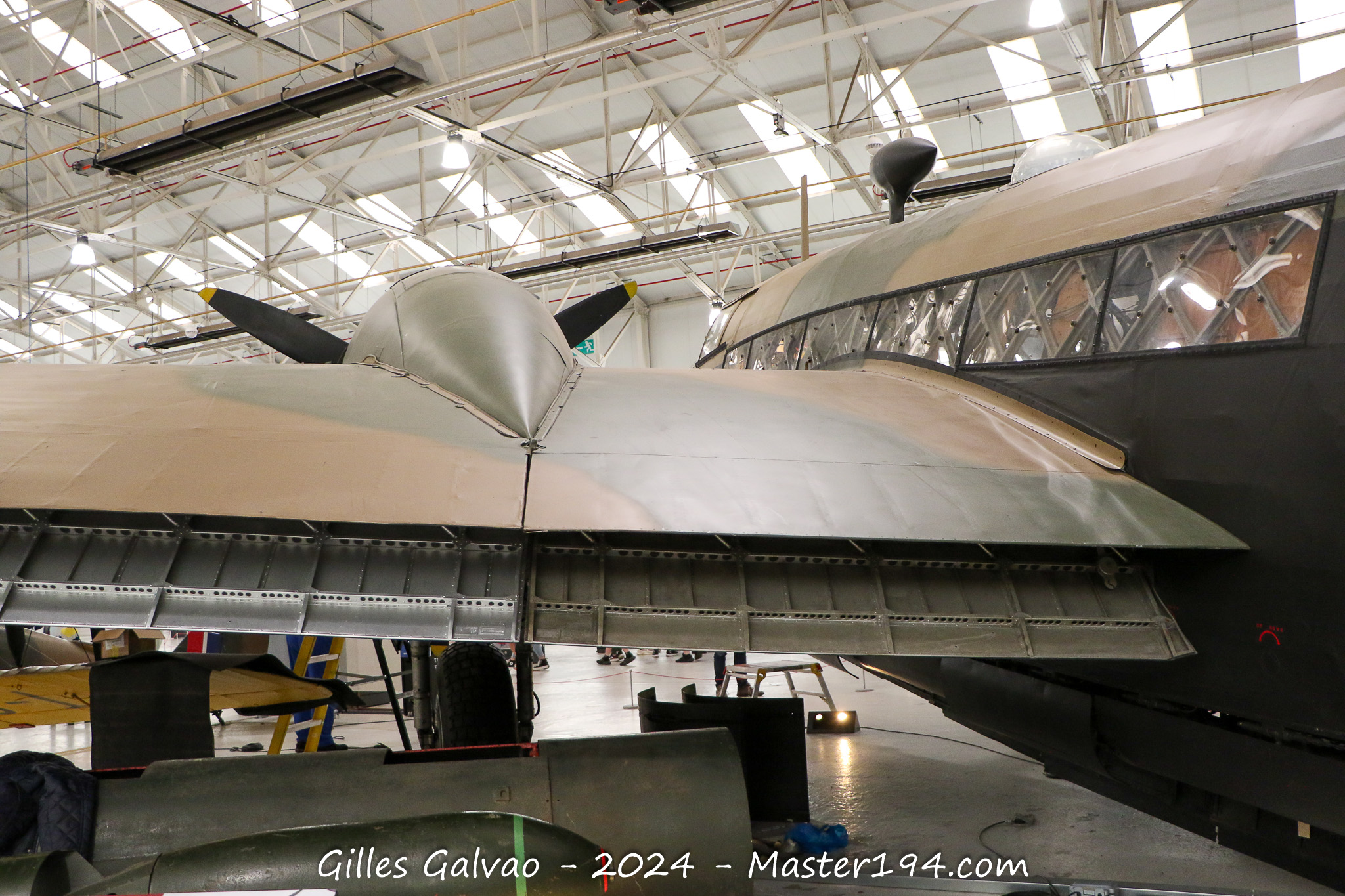
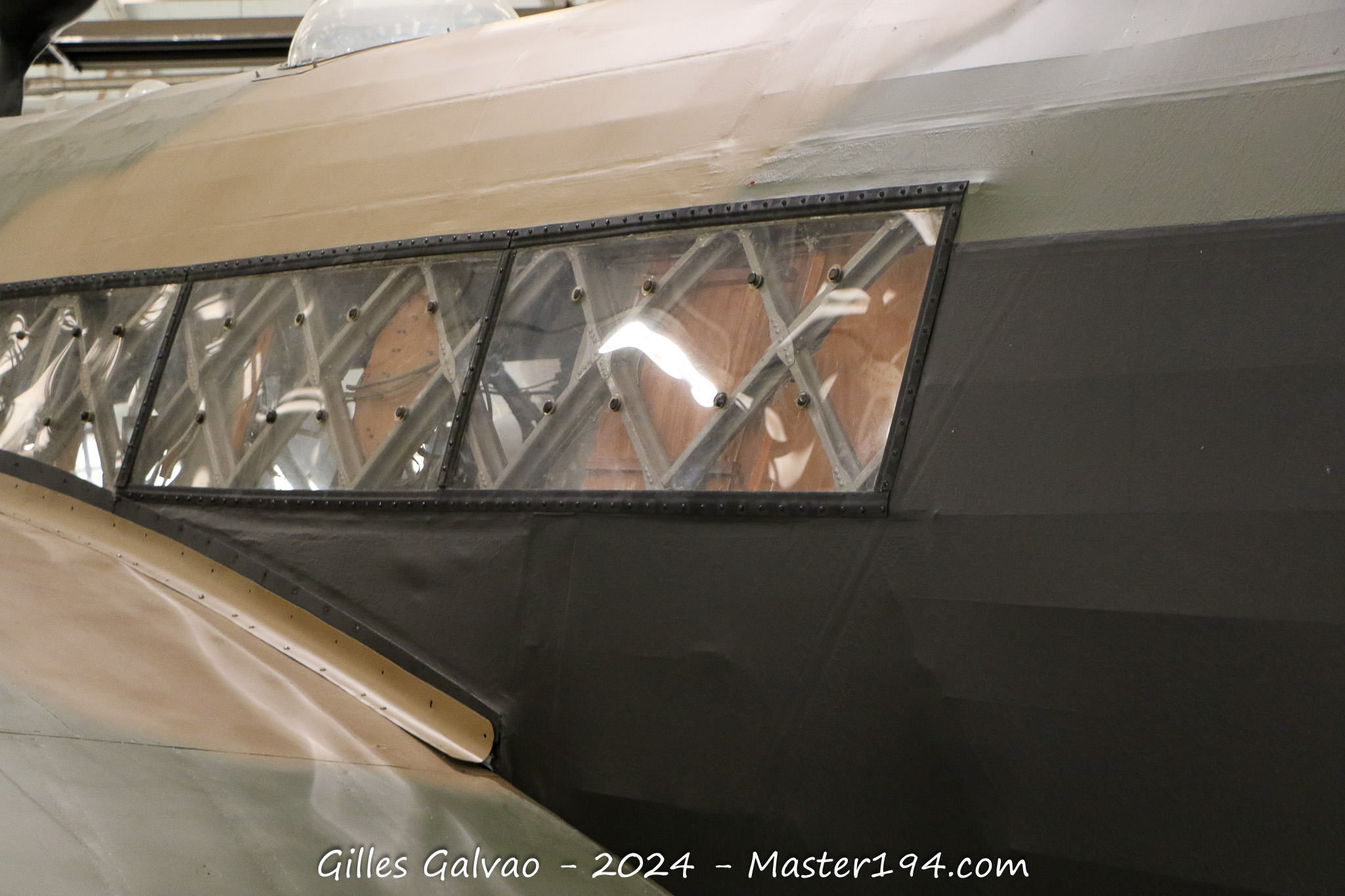
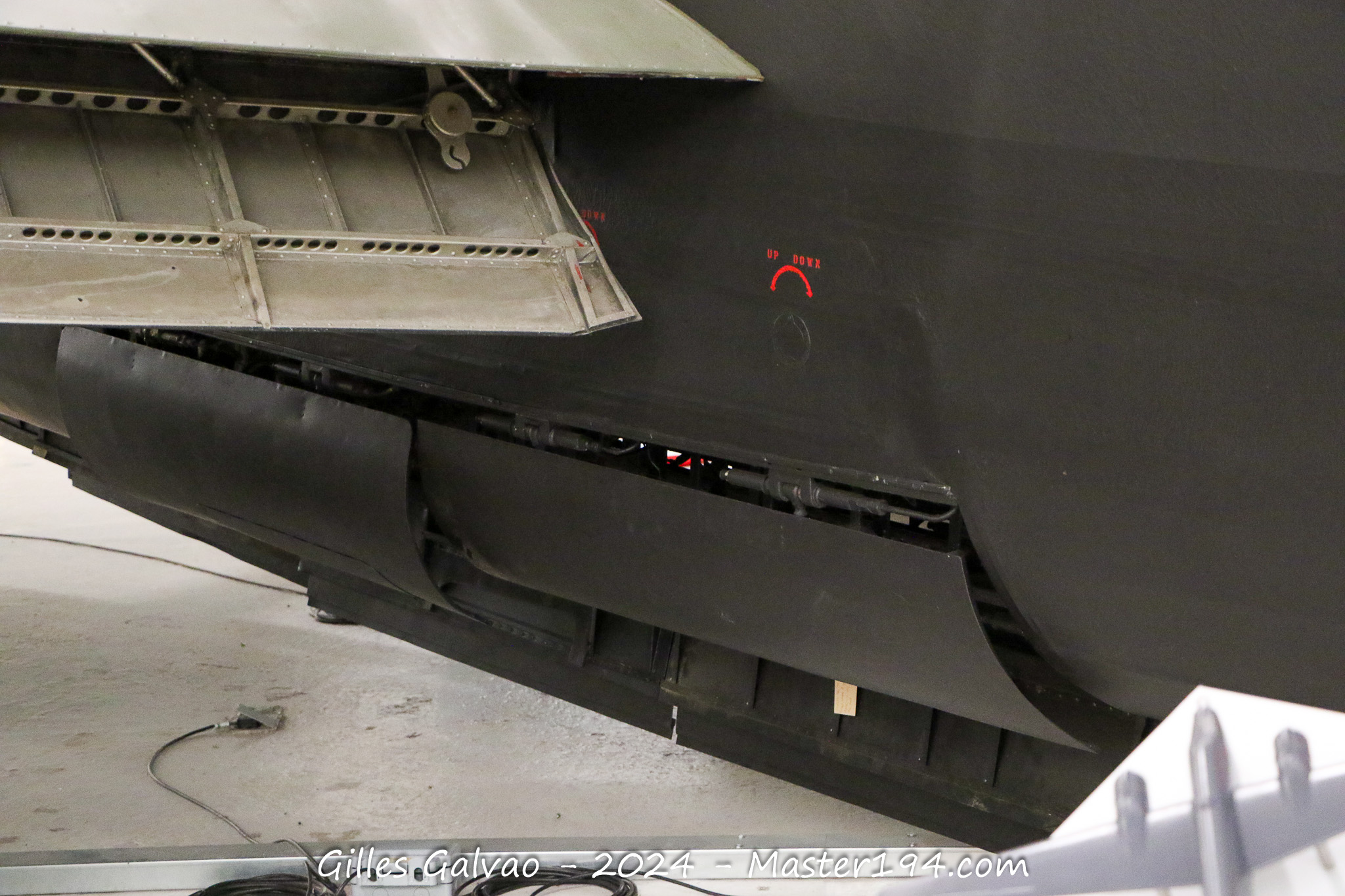
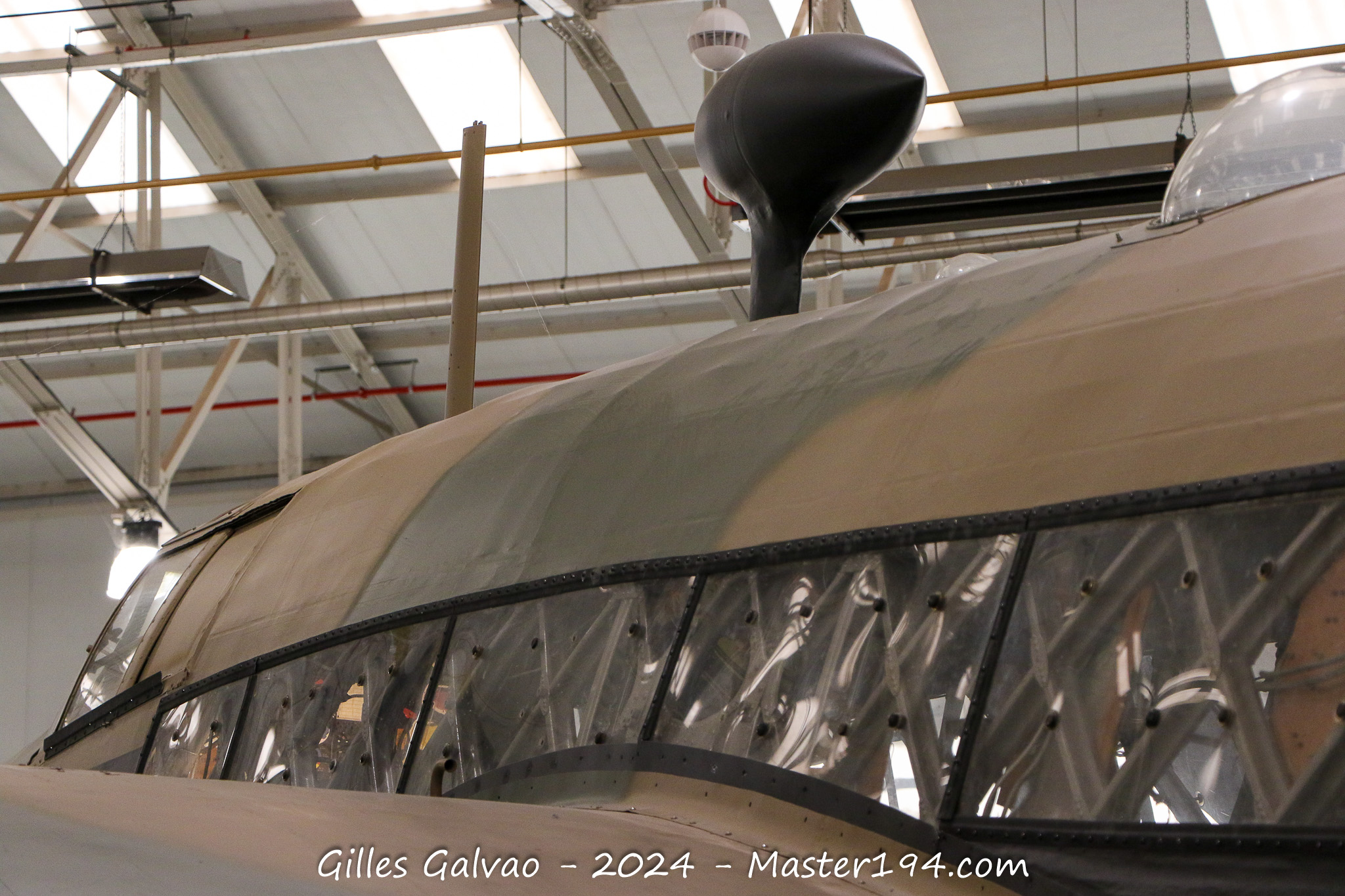
Its geodetic structure, designed by Barnes Wallis, stands as one of the Wellington’s most remarkable features: an interwoven metal lattice framework that granted the aircraft exceptional resistance to combat damage.
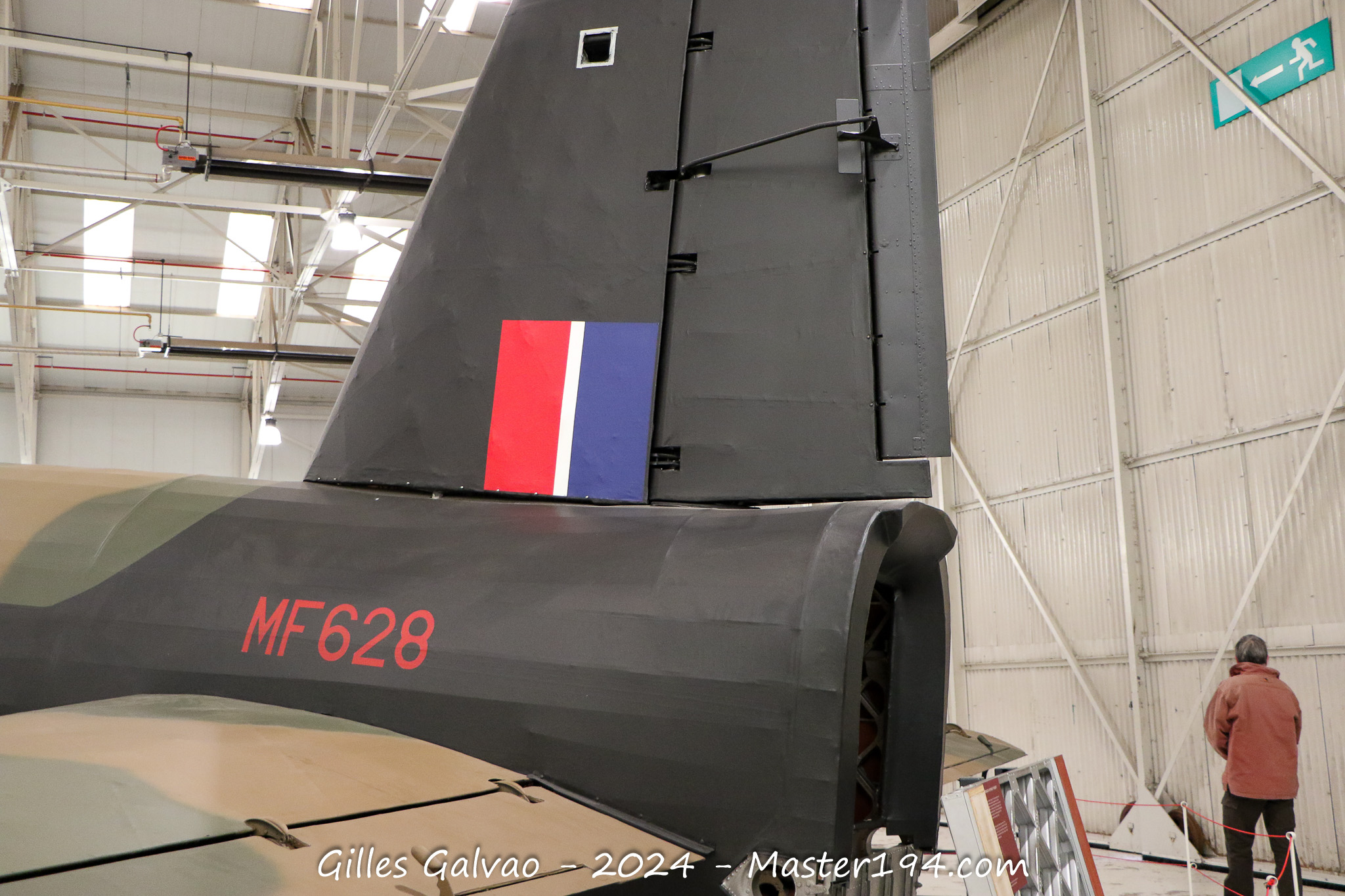
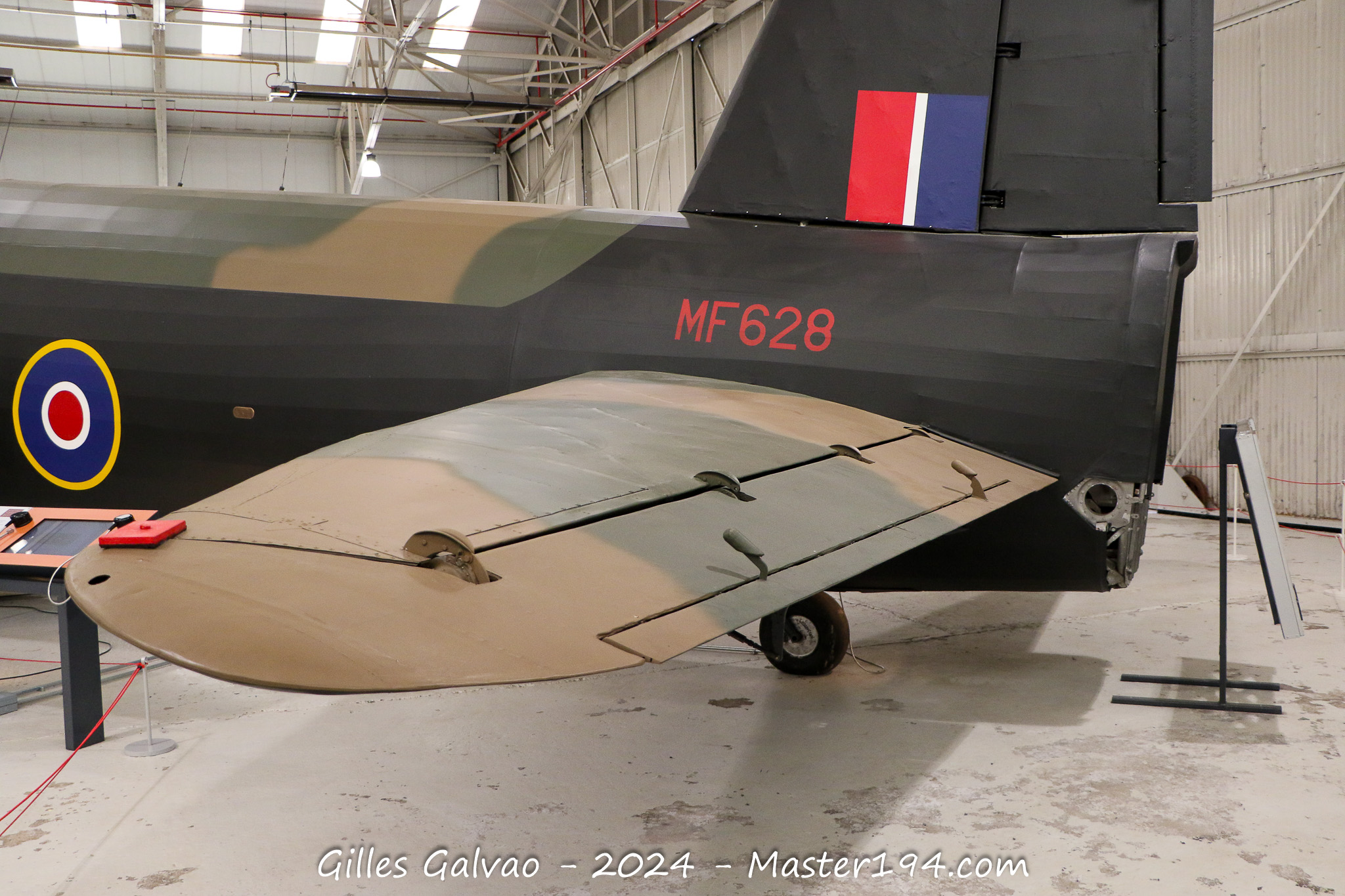
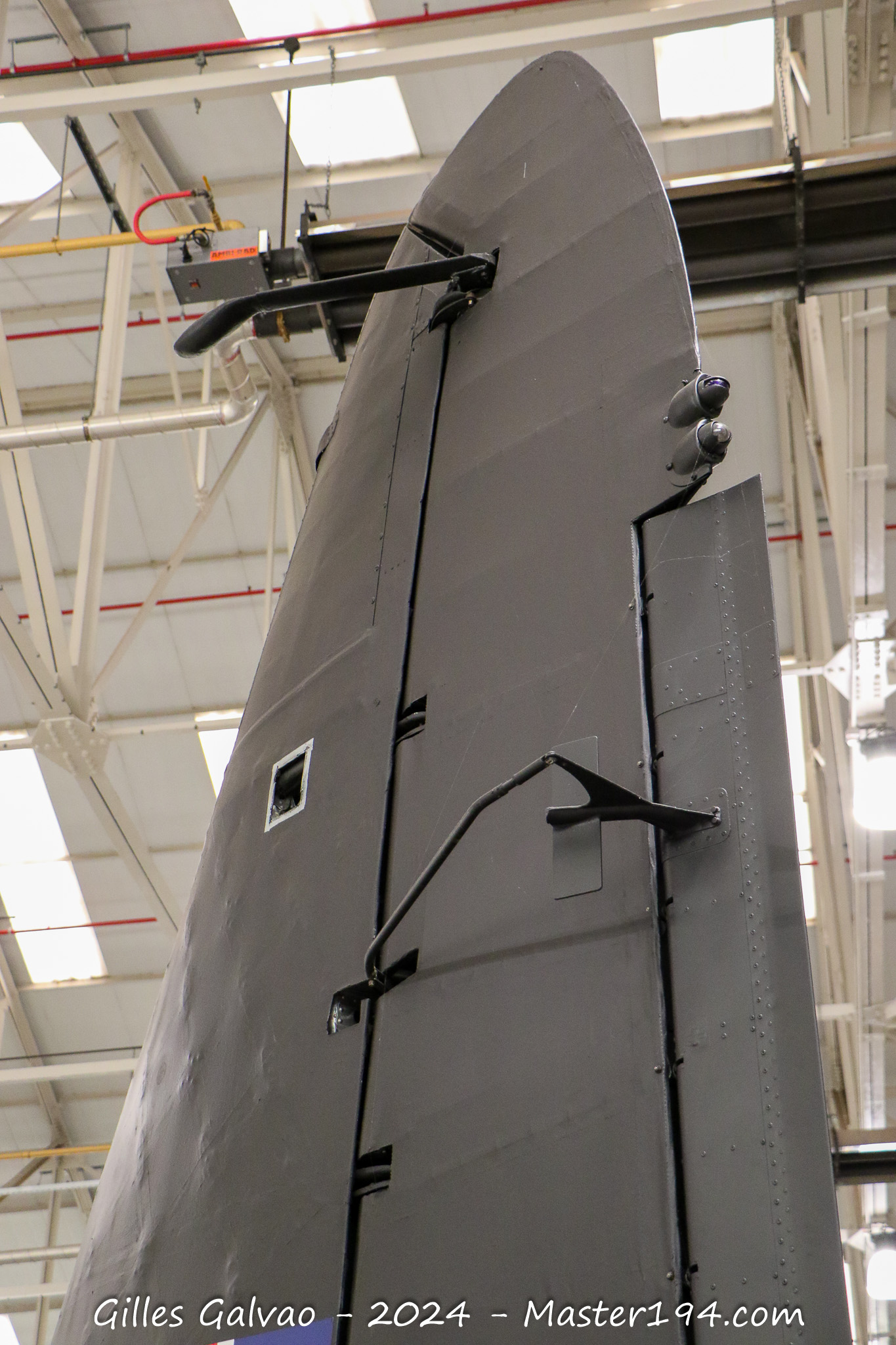
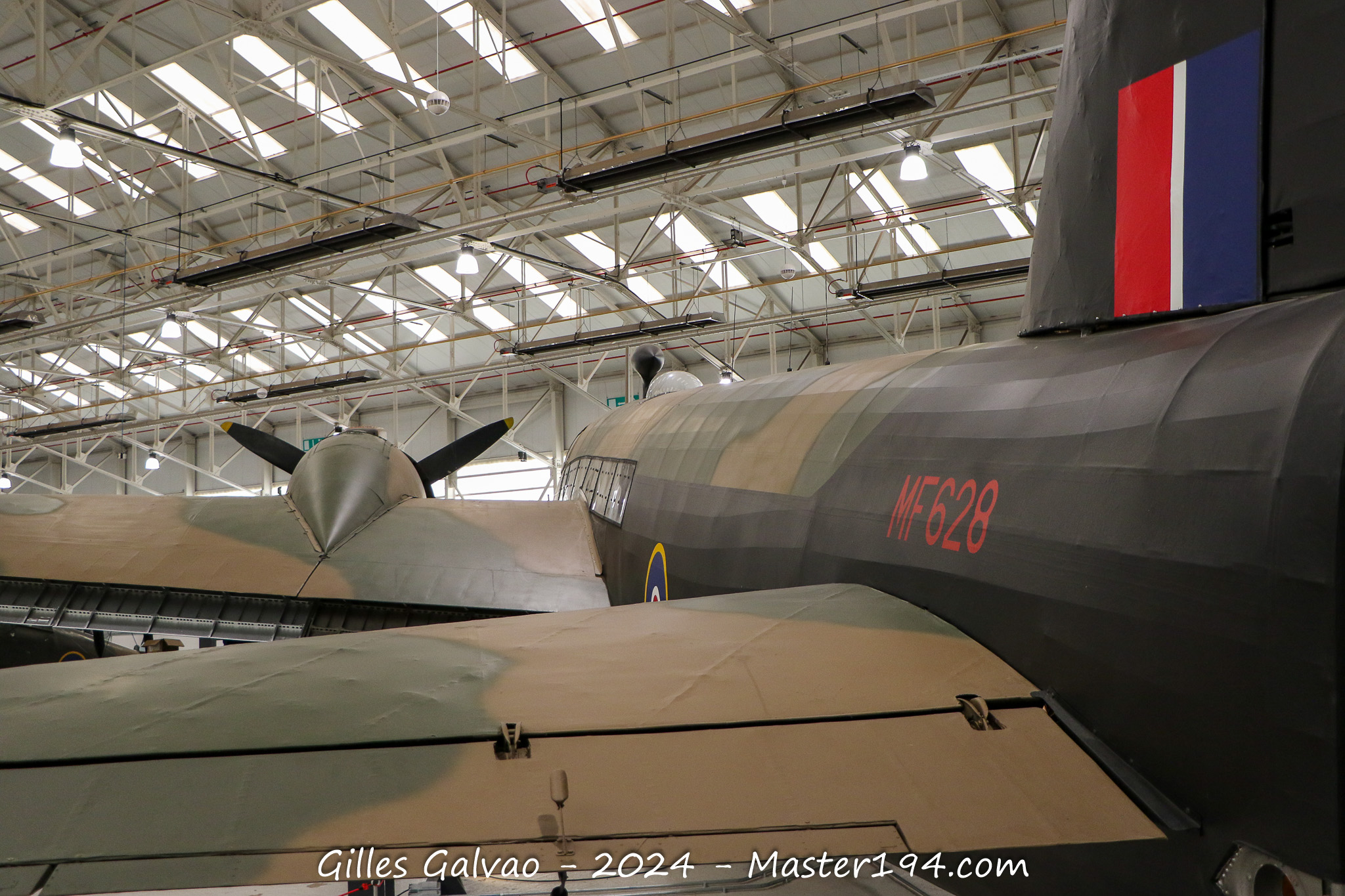
Over a Decade of a Titanic Restoration
After decades on display at the Hendon museum, the aircraft was transferred to Cosford in 2010 for a much-needed rejuvenation at the Michael Beetham Conservation Centre.
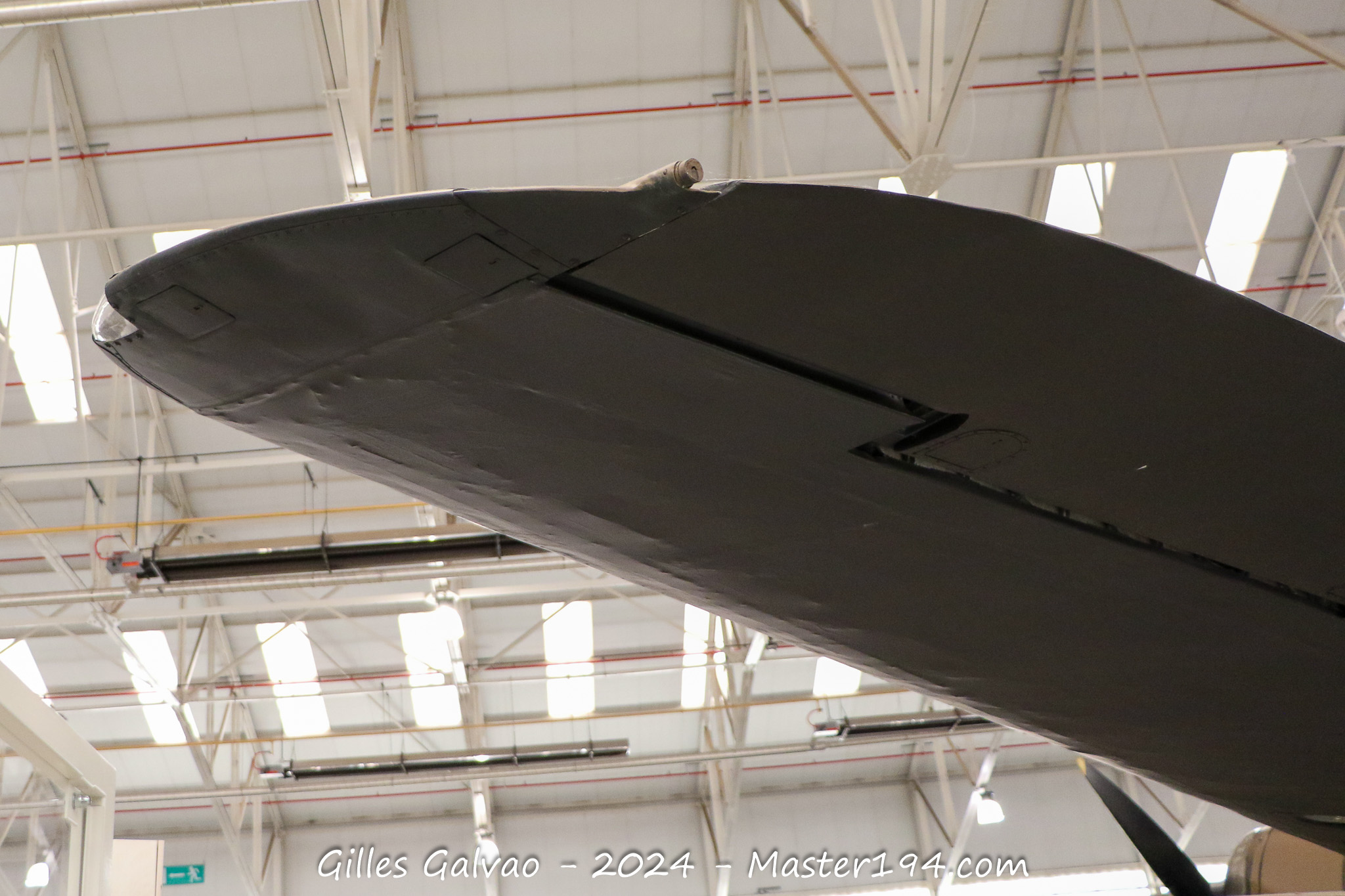
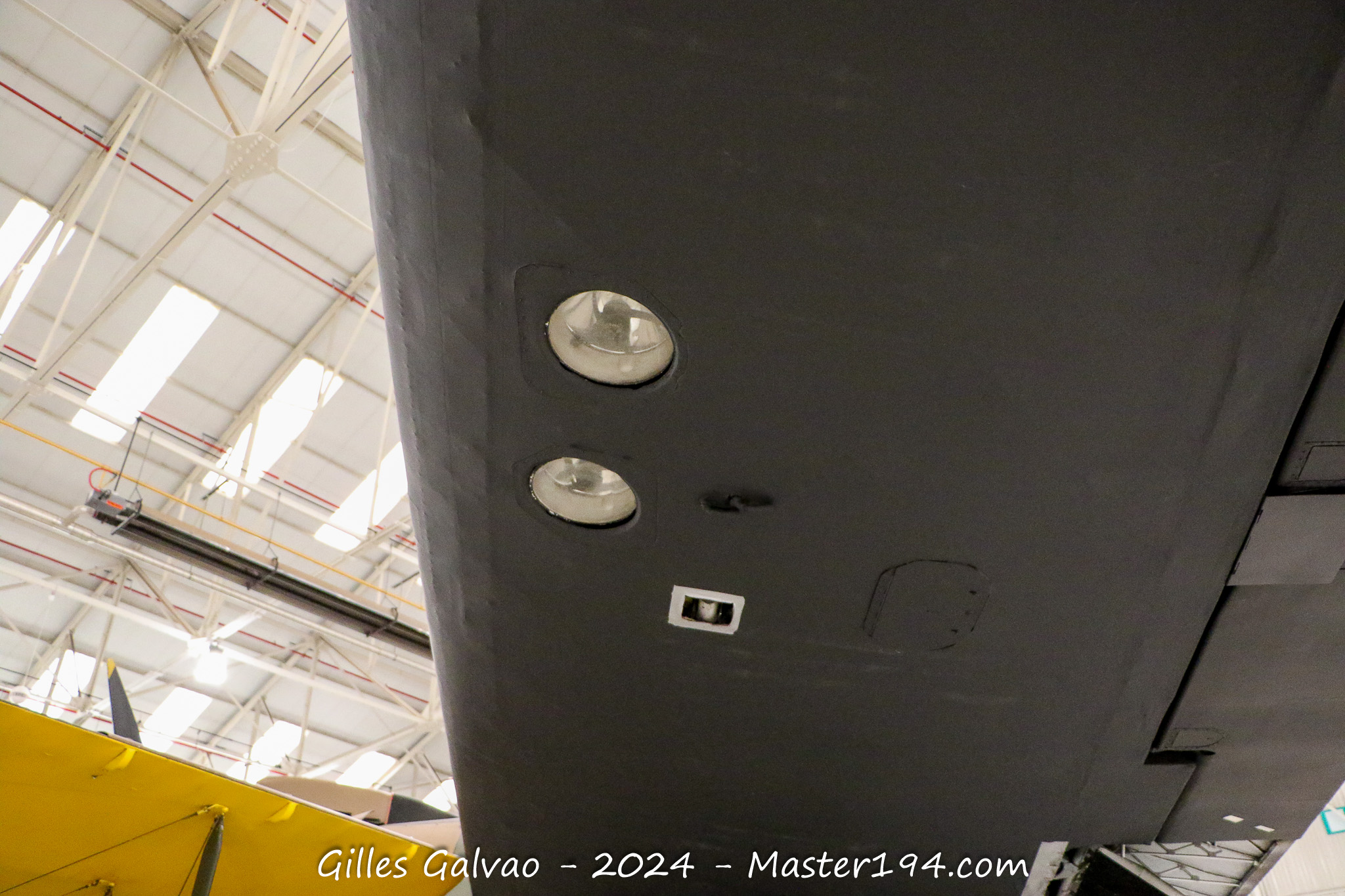
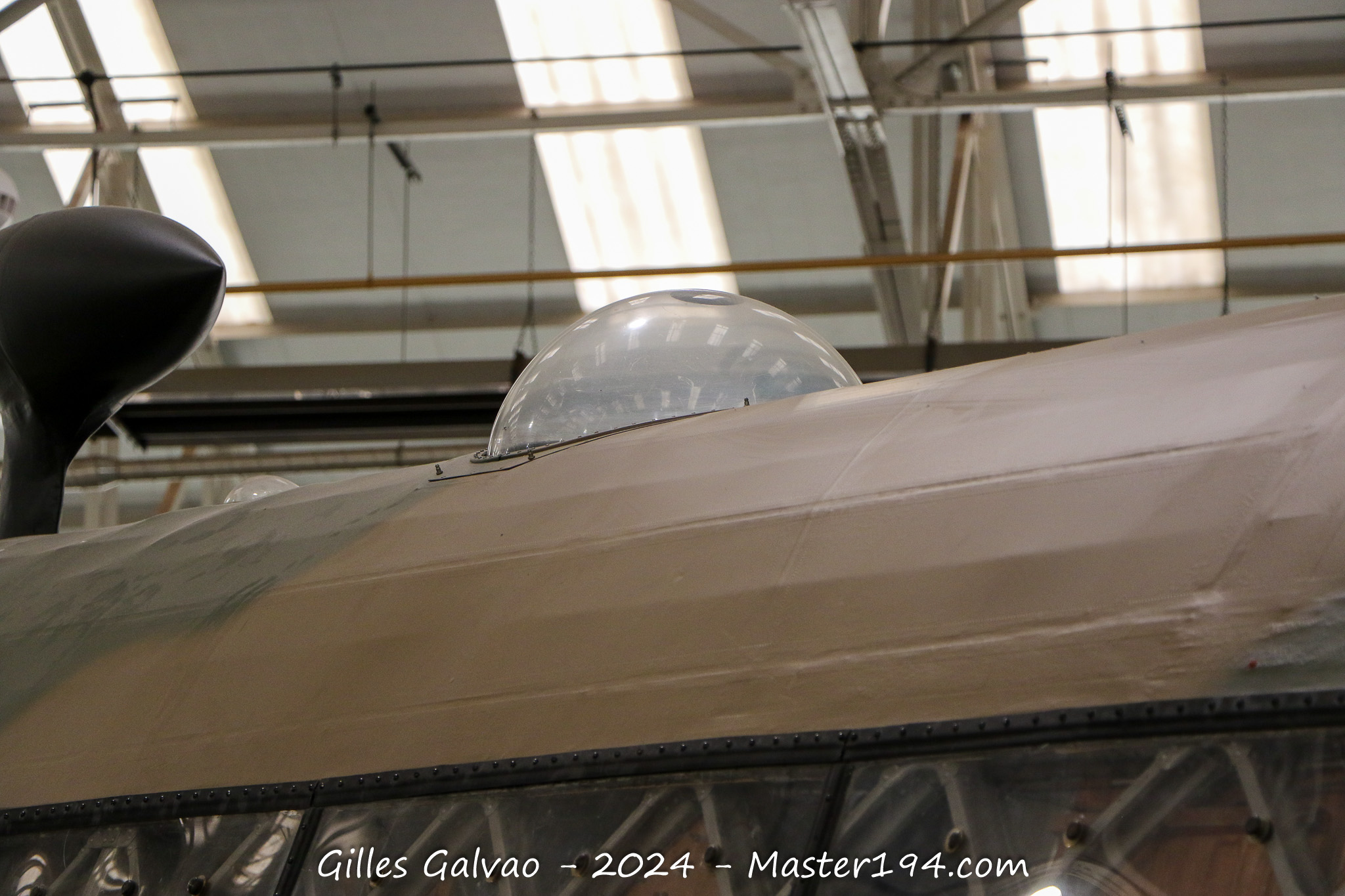
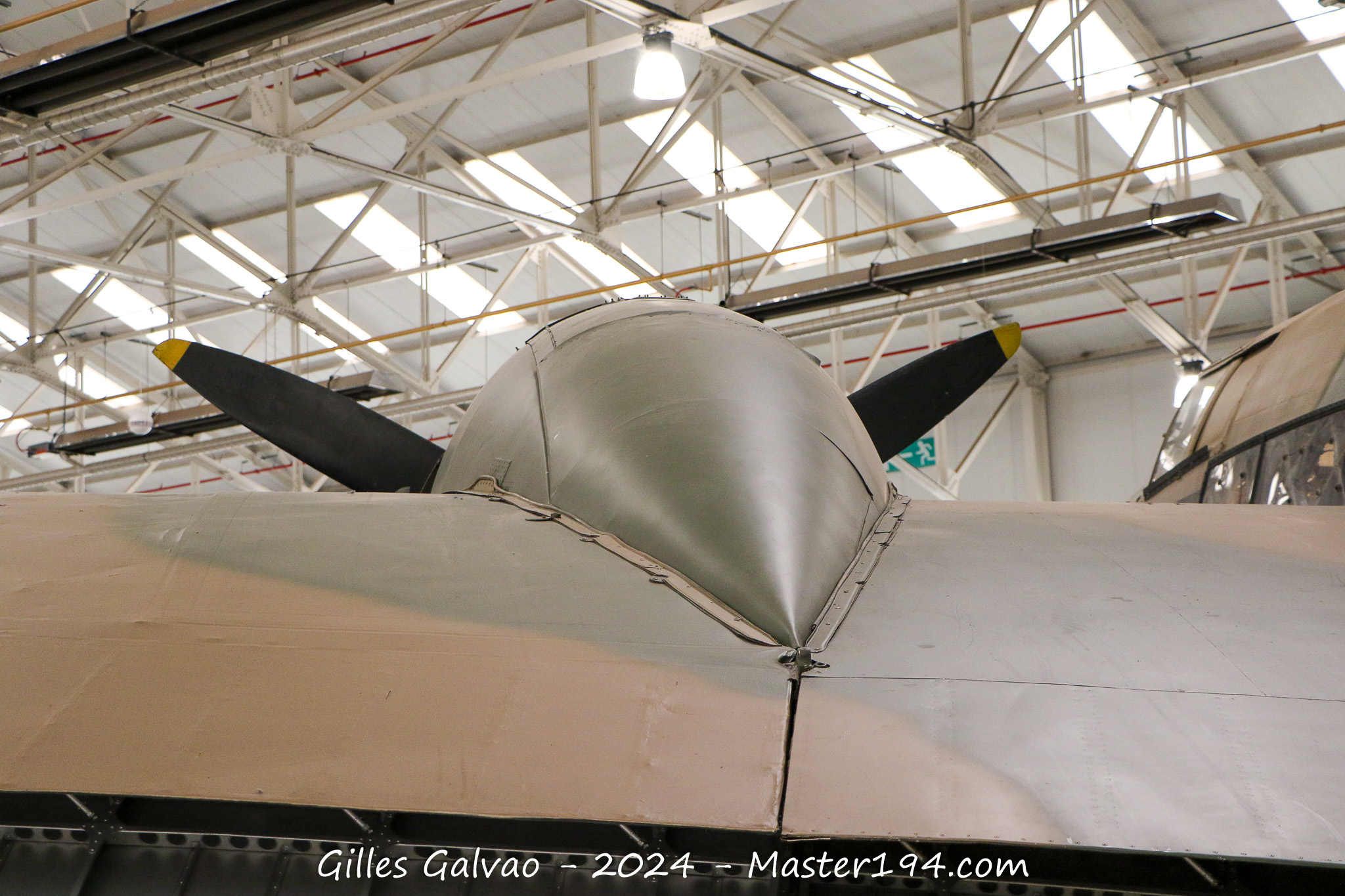
For over a decade, the museum’s teams carried out a masterclass in craftsmanship: treating corrosion on its famous aluminum geodetic structure (designed by Barnes Wallis) and performing a complete fabric recovering.
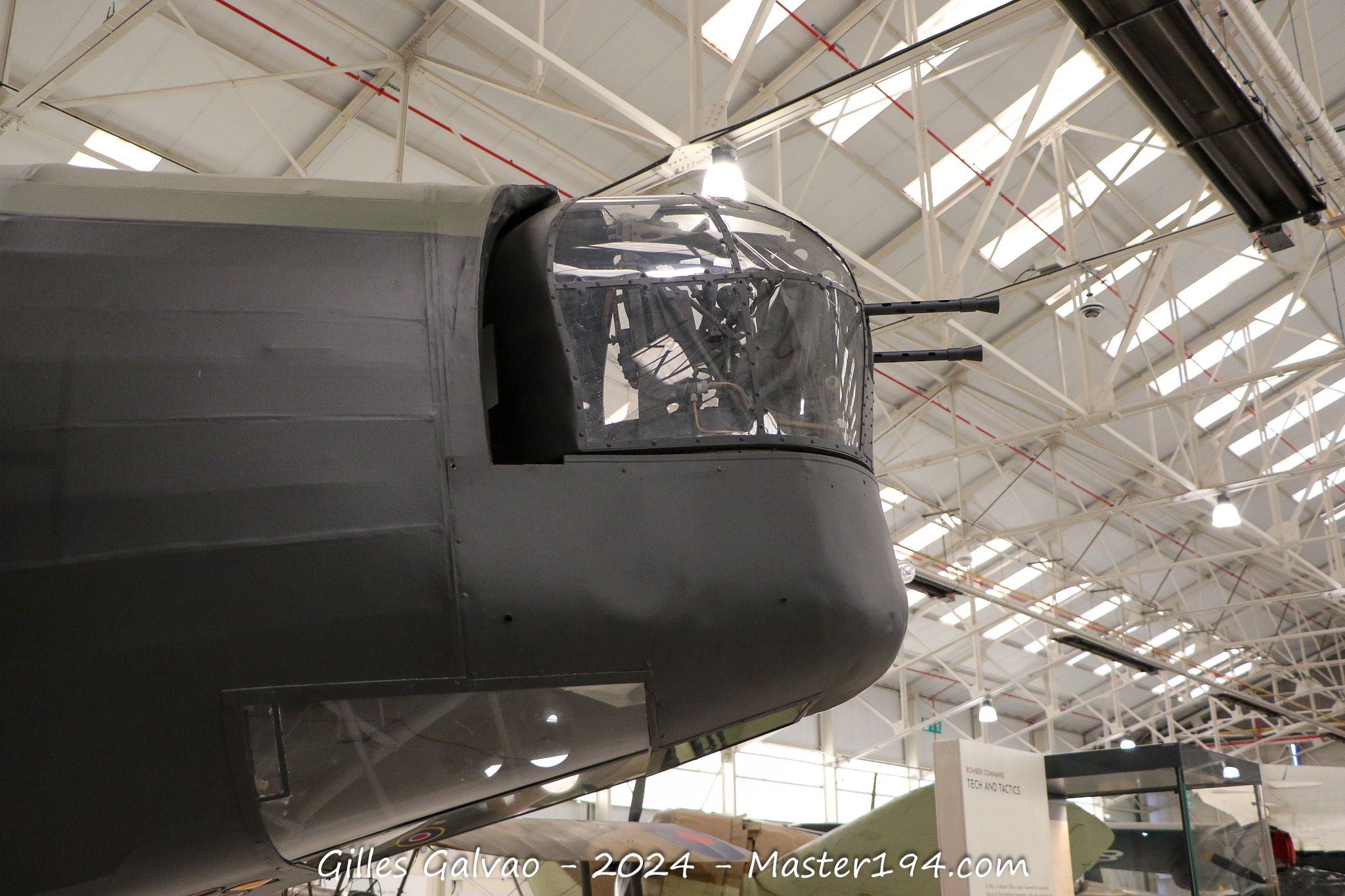
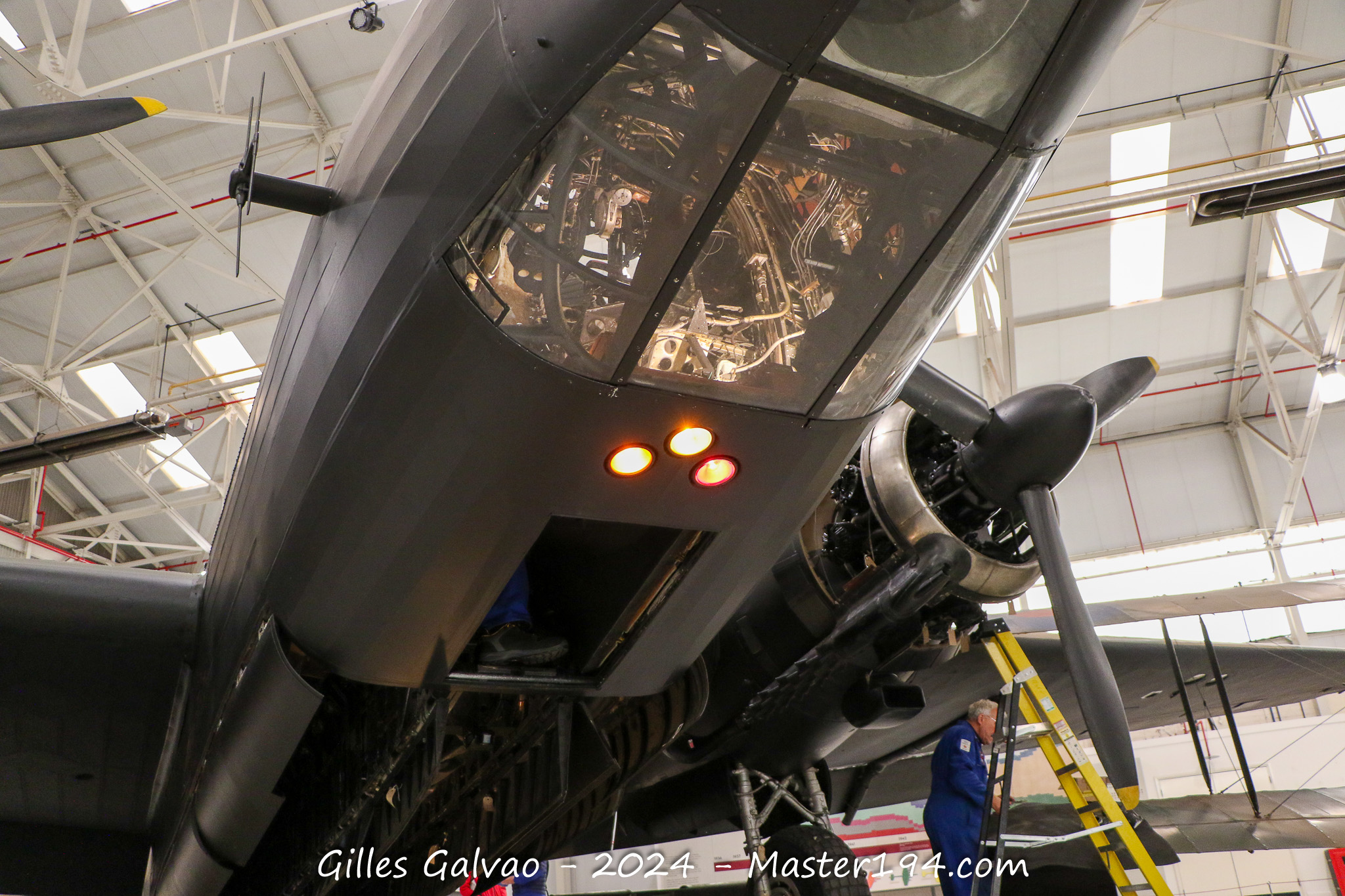
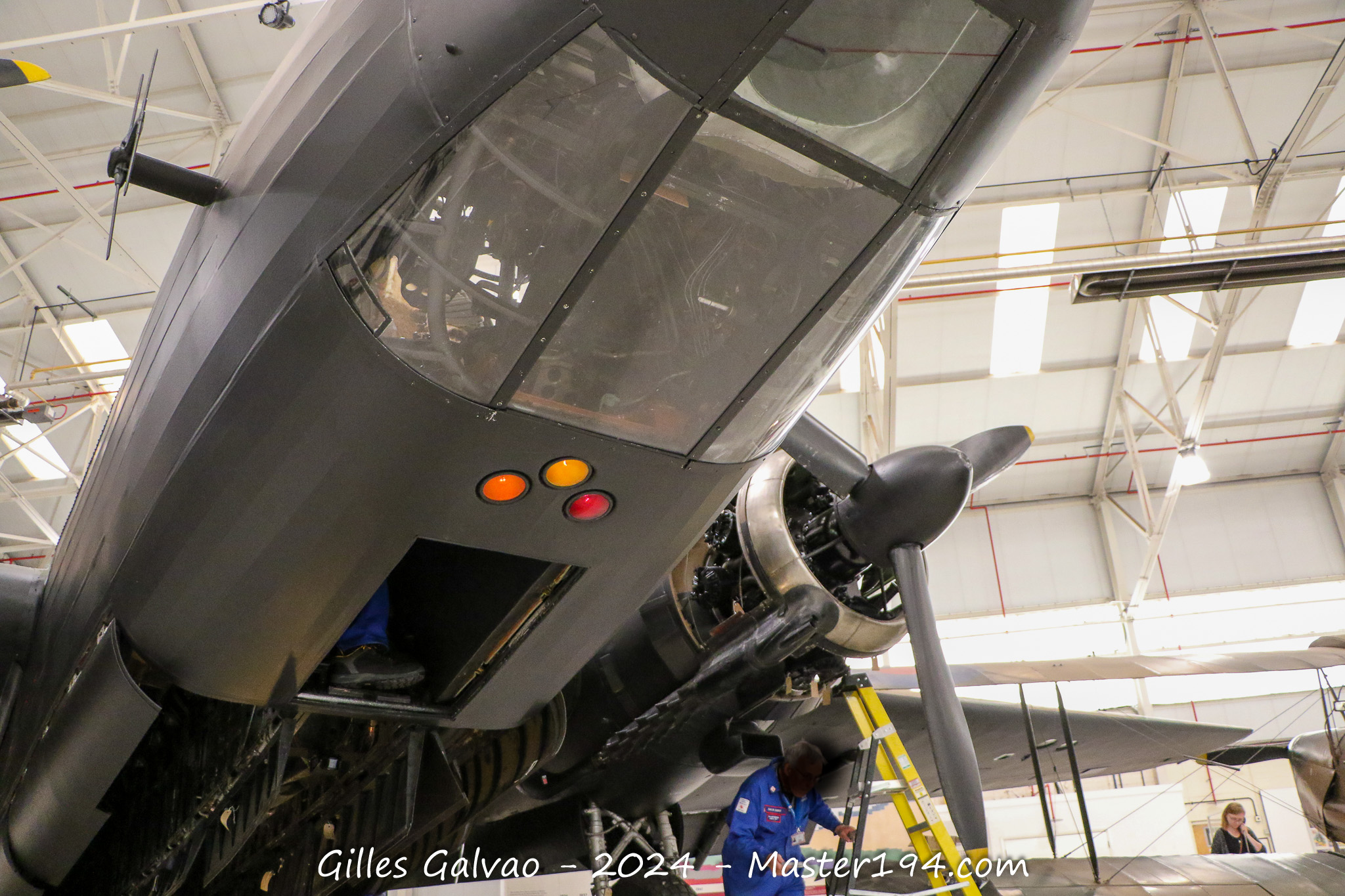
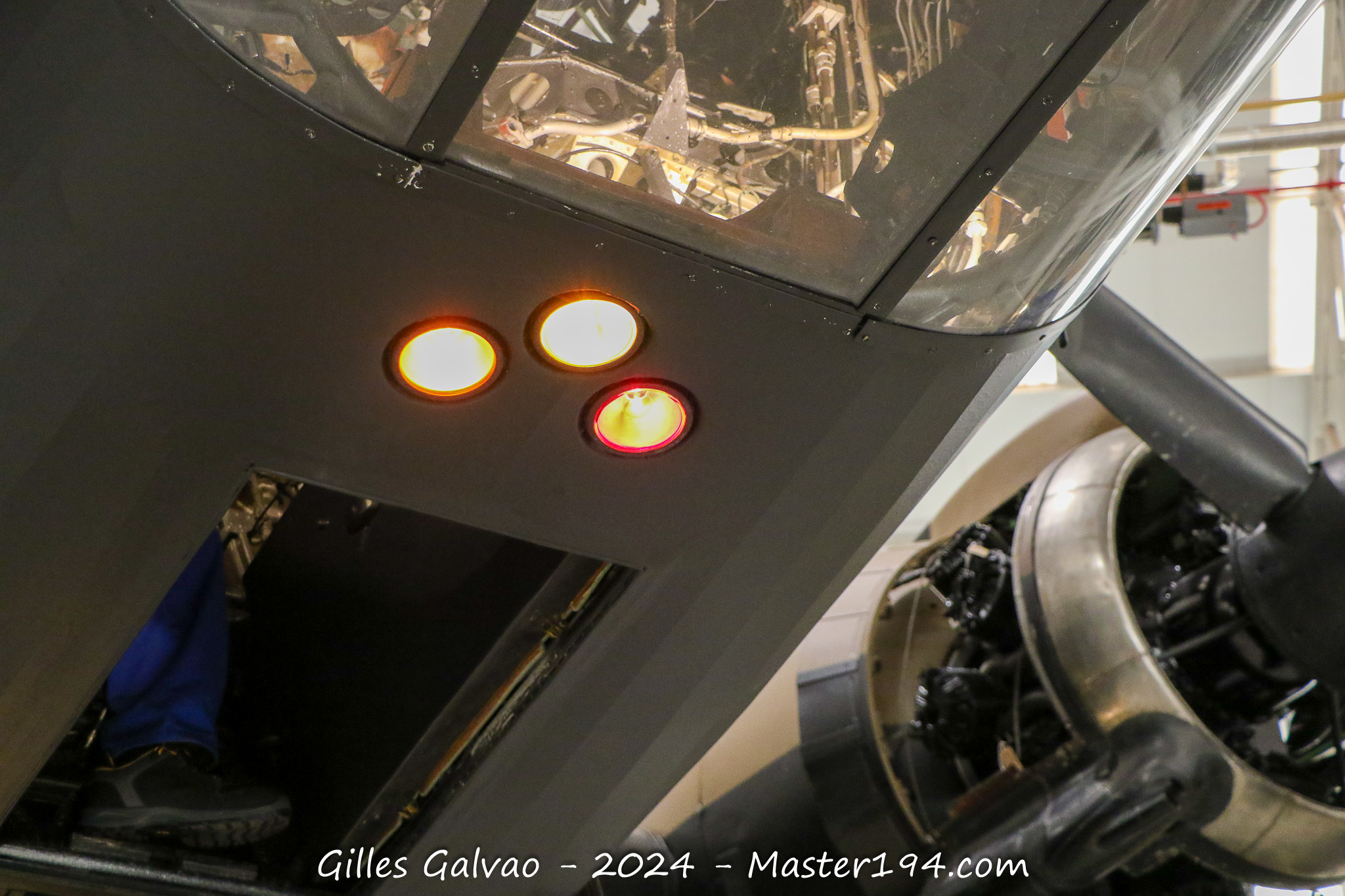
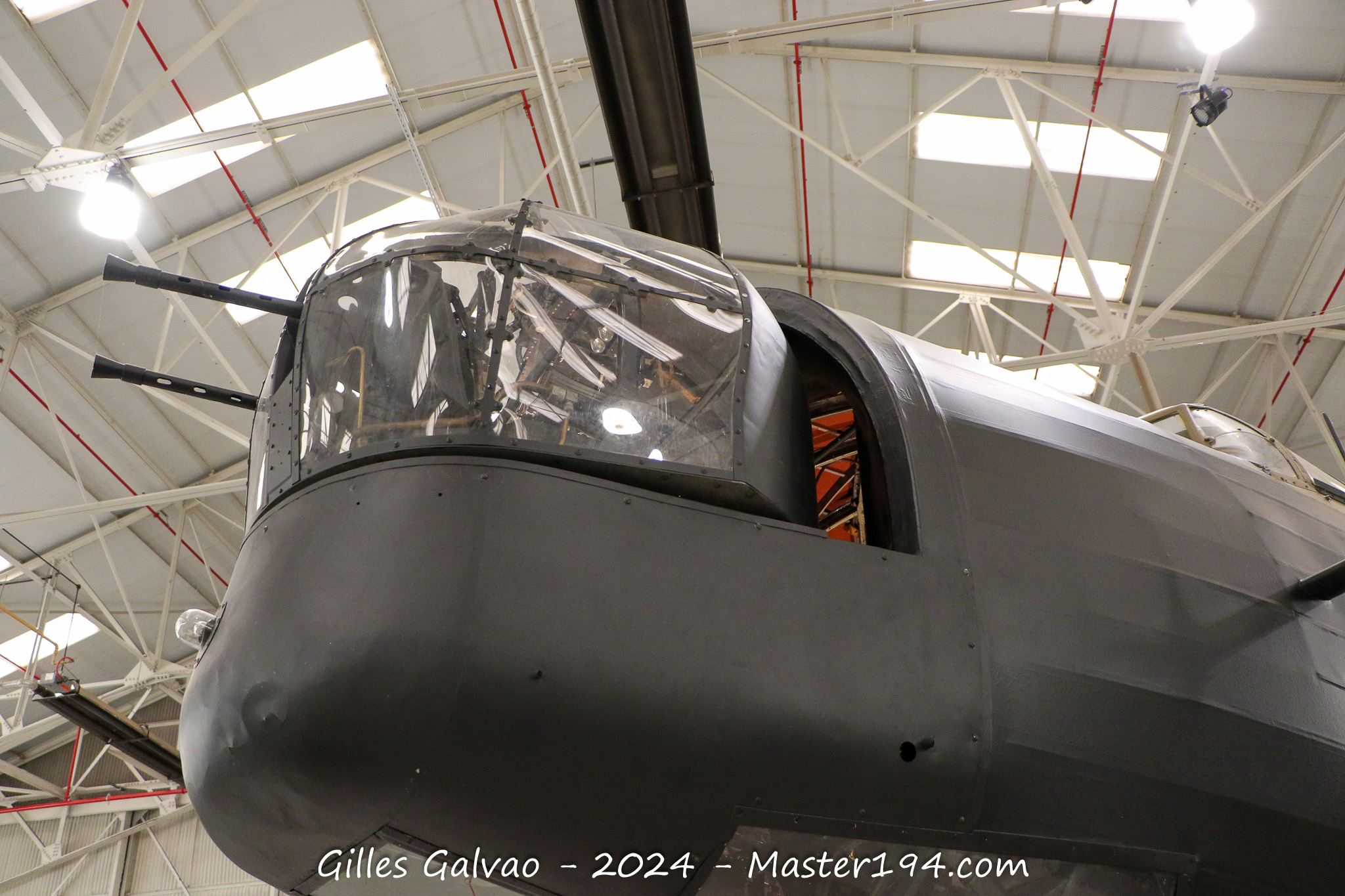
Most importantly, the museum decided to return the aircraft to its original World War II configuration. The post-war training nose was removed to reinstall an authentic Frazer-Nash front turret.
Don’t look for the tail turret in the photos, though: the aircraft is currently displayed with this section of the fuselage left open. This offers a rare opportunity to look into the ‘eye of the storm’—the very heart of the aluminum geodetic framework and the intricate control cables routing back to the tail gunner’s station.