 by
With over 11,000 units built, excluding license production, the MiG-21 stands as one of the most widely produced combat aircraft in history. Entering service in the late 1950s, this lightweight supersonic fighter designed by the Mikoyan-Gurevich design bureau went on to equip more than sixty air forces worldwide.
Instantly recognizable by its delta wing and characteristic nose intake, the MiG-21 – designated “Fishbed” by NATO – rapidly became one of the ultimate symbols of Soviet military aviation during the Cold War.
A Simple and Effective Concept
Designed to counter the threat of Western bombers, the MiG-21 prioritized speed, simplicity, and low production costs. Its design was deliberately stripped down: a compact airframe, a powerful engine, and avionics limited to the bare essentials.
Capable of reaching Mach 2, the MiG-21 delivered excellent interception performance, though at the cost of limited operational range and a relatively modest payload capacity.
Its ease of maintenance and low operating costs largely explain its massive export success.
Early Variants: Day Fighting
The first production models, the MiG-21F and subsequent MiG-21F-13, emerged in the late 1950s.
Primarily intended for day fighter missions, their armament combined an internal cannon and infrared-guided air-to-air missiles. However, their electronic equipment remained rudimentary, limiting their adverse-weather interception capabilities.
The MiG-21F-13 became the first variant to be widely exported.
The Shift Toward All-Weather Interception
In the early 1960s, the introduction of the MiG-21P and MiG-21PF marked a major evolution with the integration of an onboard radar. These aircraft were now capable of executing night or poor-weather interception missions.
The MiG-21PFM later introduced several significant upgrades, which will be covered in detail below.
In parallel, specialized variants emerged:
- The MiG-21R for tactical reconnaissance;
- The MiG-21U, US, and UM two-seaters intended for pilot training.
Maturity: The M, MF, and SMT Variants
By the late 1960s, the MiG-21 reached full operational maturity. The MiG-21M was developed primarily for export, while the MiG-21MF quickly became the most widespread variant outside the Soviet Union.
Equipped with a more powerful engine, an upgraded radar, and increased payload capacity, the MiG-21MF served with numerous air forces across Eastern Europe, the Middle East, Africa, and Asia.
The SM and SMT variants featured increased internal fuel capacity and modernized avionics to improve operational range.
The MiG-21bis: The Ultimate Evolution
Introduced in the early 1970s, the MiG-21bis represents the definitive development of the family. Featuring a higher-performance engine, modernized avionics, and an expanded payload capacity, it offered significantly superior performance compared to previous variants.
The MiG-21bis was produced in large numbers and served as the baseline for several post-Cold War modernization programs.
Among the most notable are the Romanian MiG-21 LanceR, upgraded with Western avionics, and the Indian MiG-21 Bison, equipped with a modern radar, helmet-mounted sight, and next-generation air-to-air missiles.
A Global Career
The MiG-21 saw action in most major conflicts of the second half of the 20th century, including the Vietnam War, the Arab-Israeli conflicts, the Indo-Pakistani wars, the Iran-Iraq War, and the Balkan conflicts.
Its ruggedness, simplicity, and affordability allowed it to remain in service long after the collapse of the Soviet Union.
China produced a derived version designated the Chengdu J-7, while India and Czechoslovakia manufactured the MiG-21 under license.
The MiG-21PFM
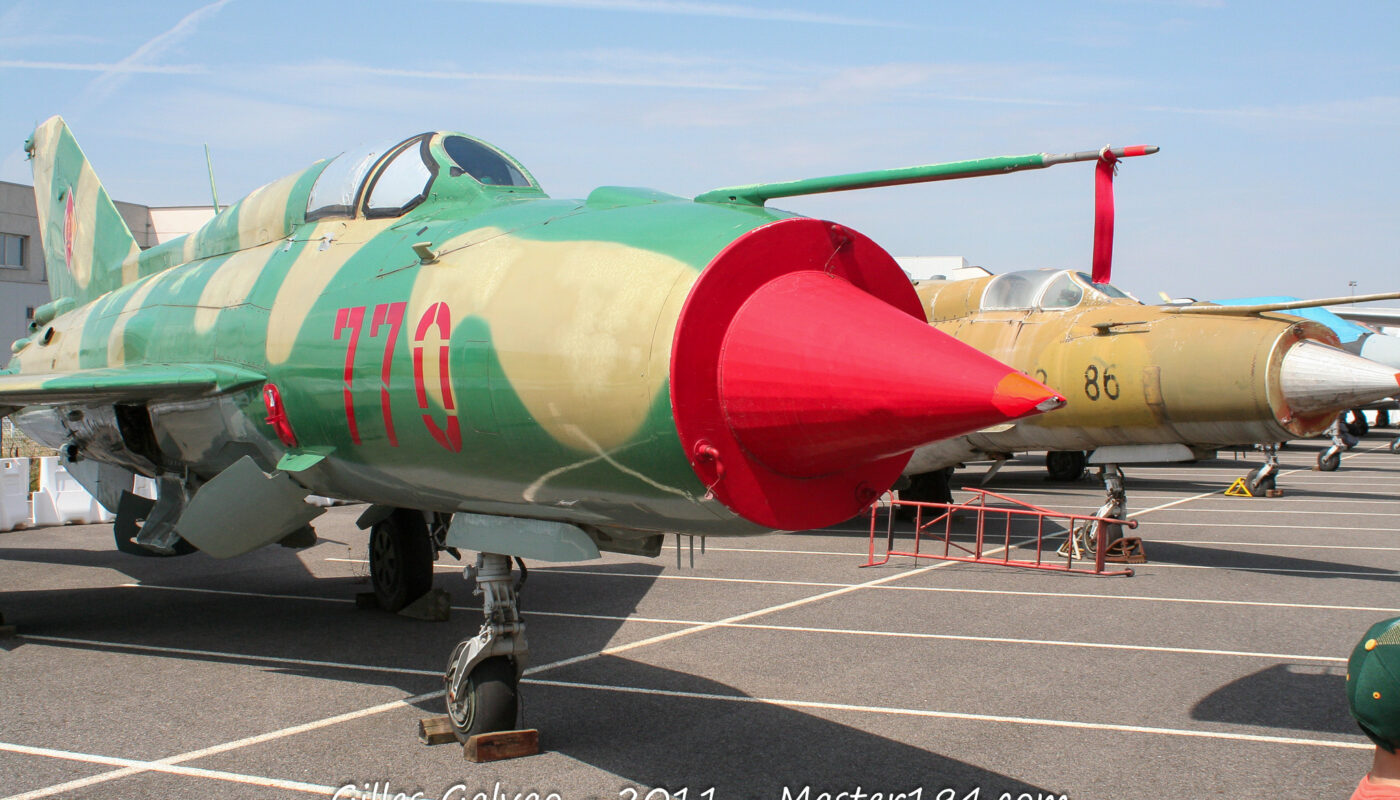
The MiG-21PFM is an evolution of the MiG-21PF introduced in the mid-1960s, marking an important milestone in the family’s maturity. While retaining the baseline airframe, it introduced several major improvements: a new canopy that opens sideways to the right, improving visibility and cockpit access, and most importantly, the introduction of the SPS blown-flap system (using bleed air from the engine). This system significantly reduced approach speed and enhanced landing safety for a delta wing notorious for being demanding.
The PFM also received the higher-performance KM-1 ejection seat and avionics upgrades tailored for its all-weather interception role. Conversely, some export variants were delivered without an internal cannon, relying instead on a centerline gun pod—a configuration that occasionally hampered its dogfighting effectiveness.
The aircraft featured in this walkaround was originally delivered to East Germany (GDR). Following its retirement from operational service, it was stored at the Appen Museum before being exchanged in 1993 for a Dassault Super Mystère B2 by the Ailes Anciennes de Toulouse association, where it has since been meticulously restored to its original livery.
Walkaround
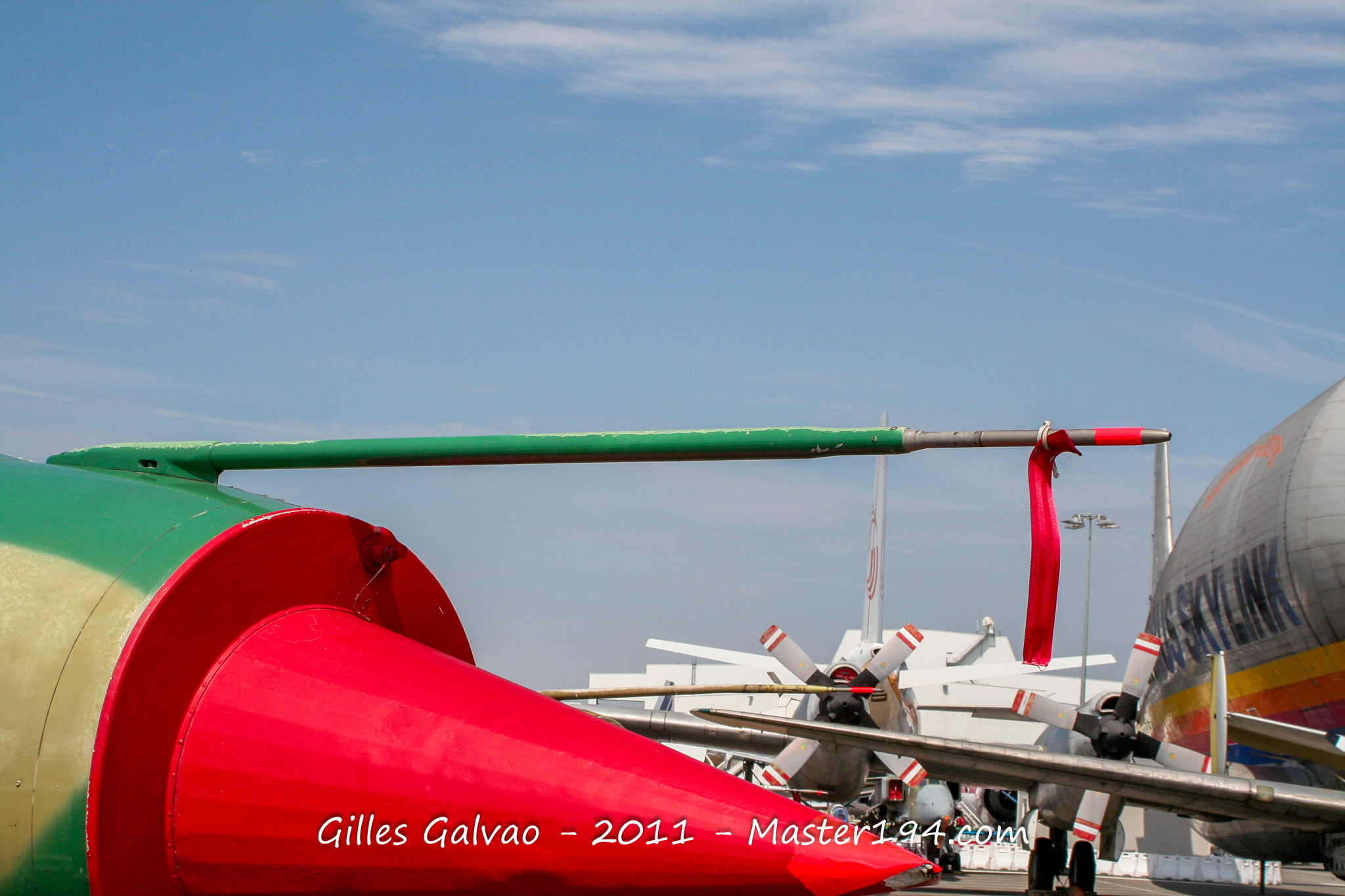
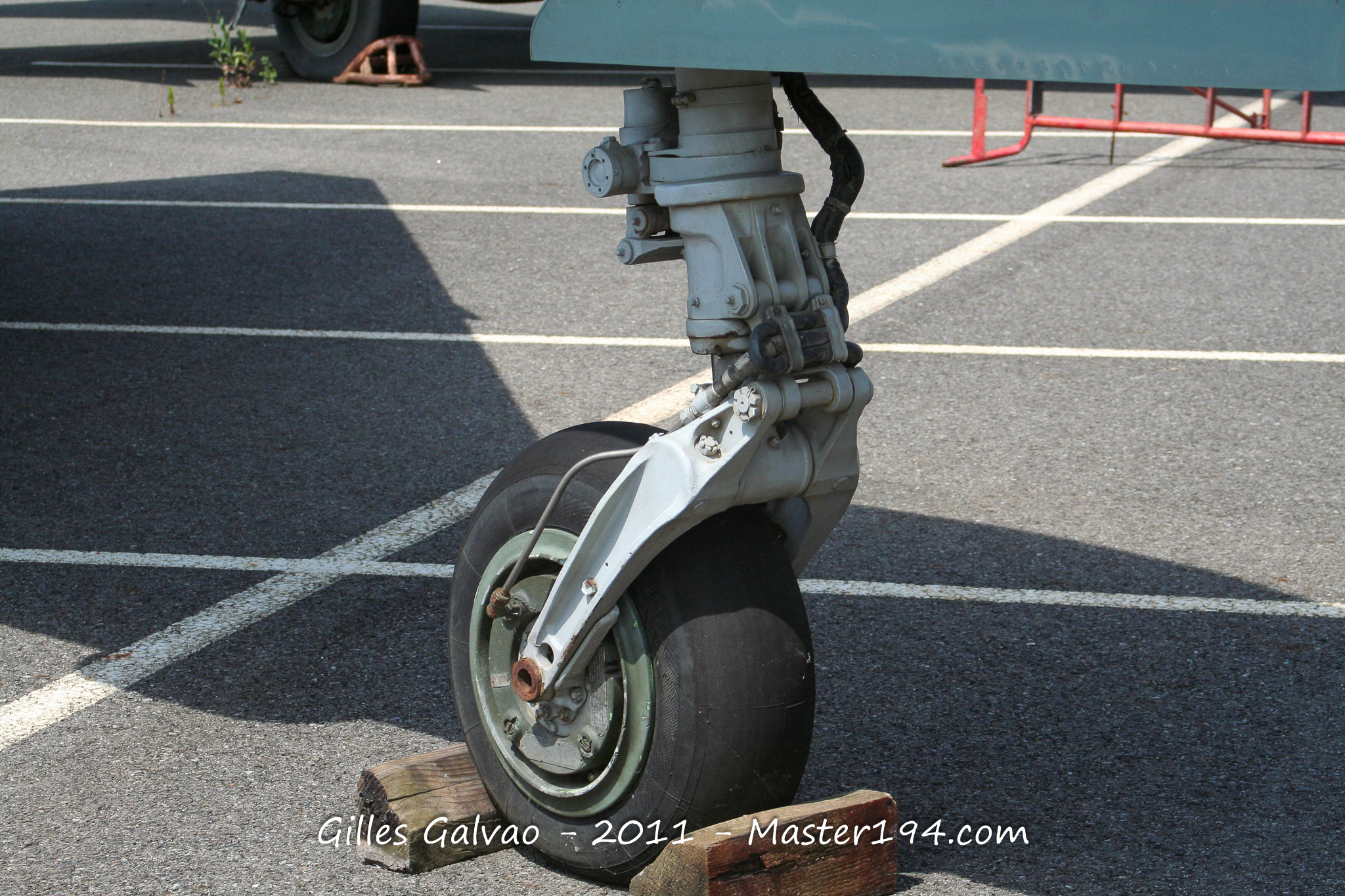
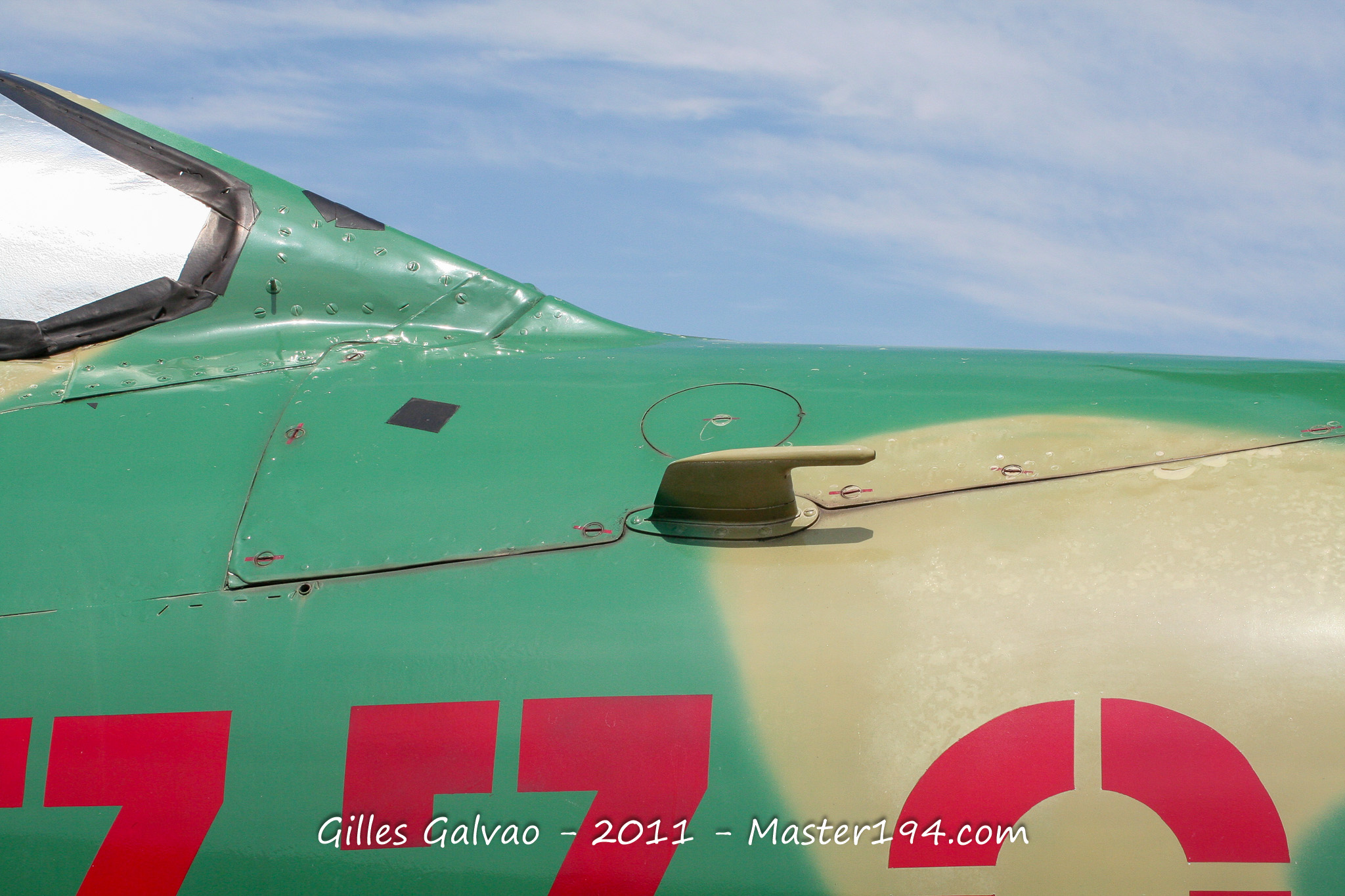
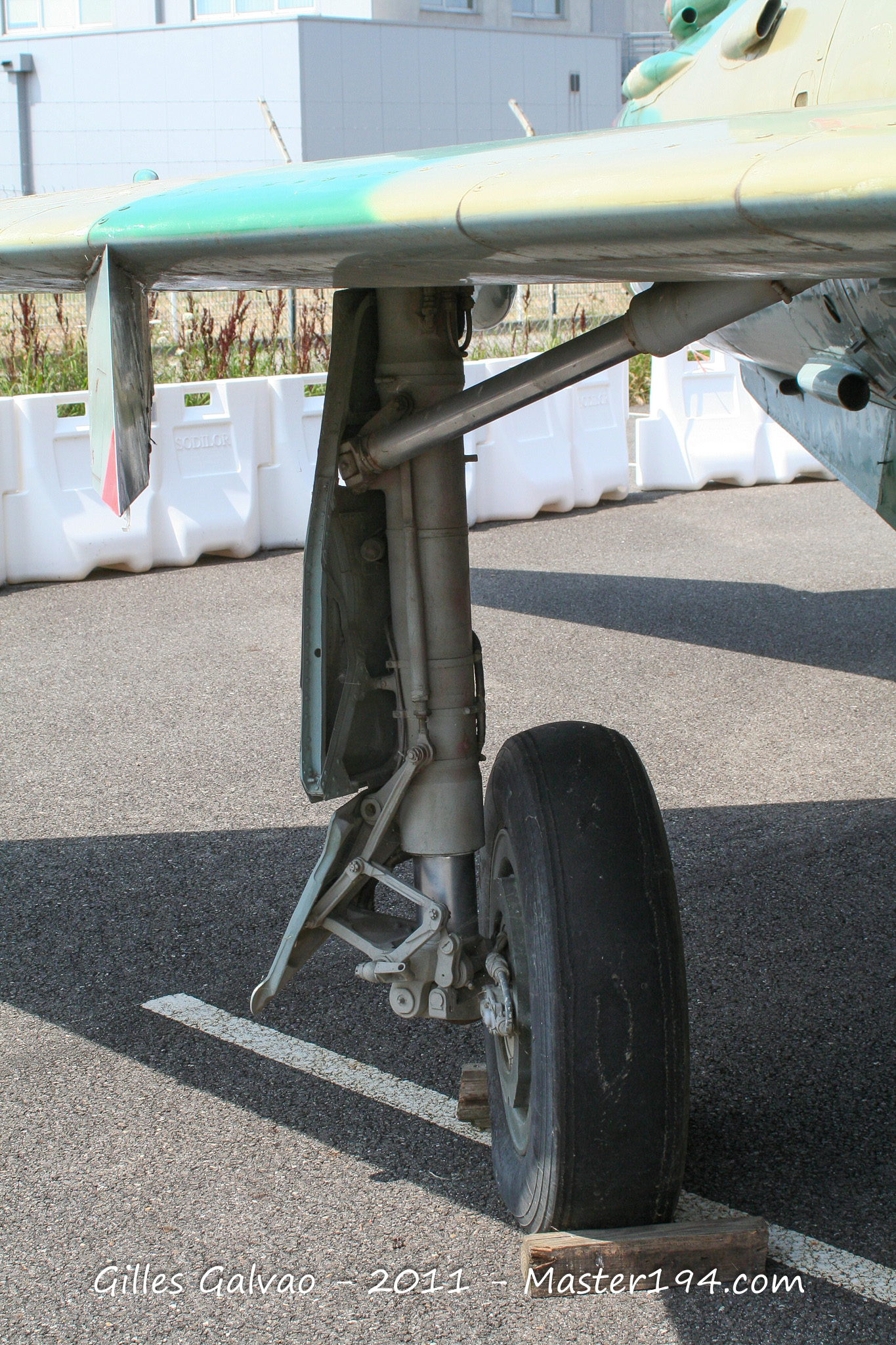
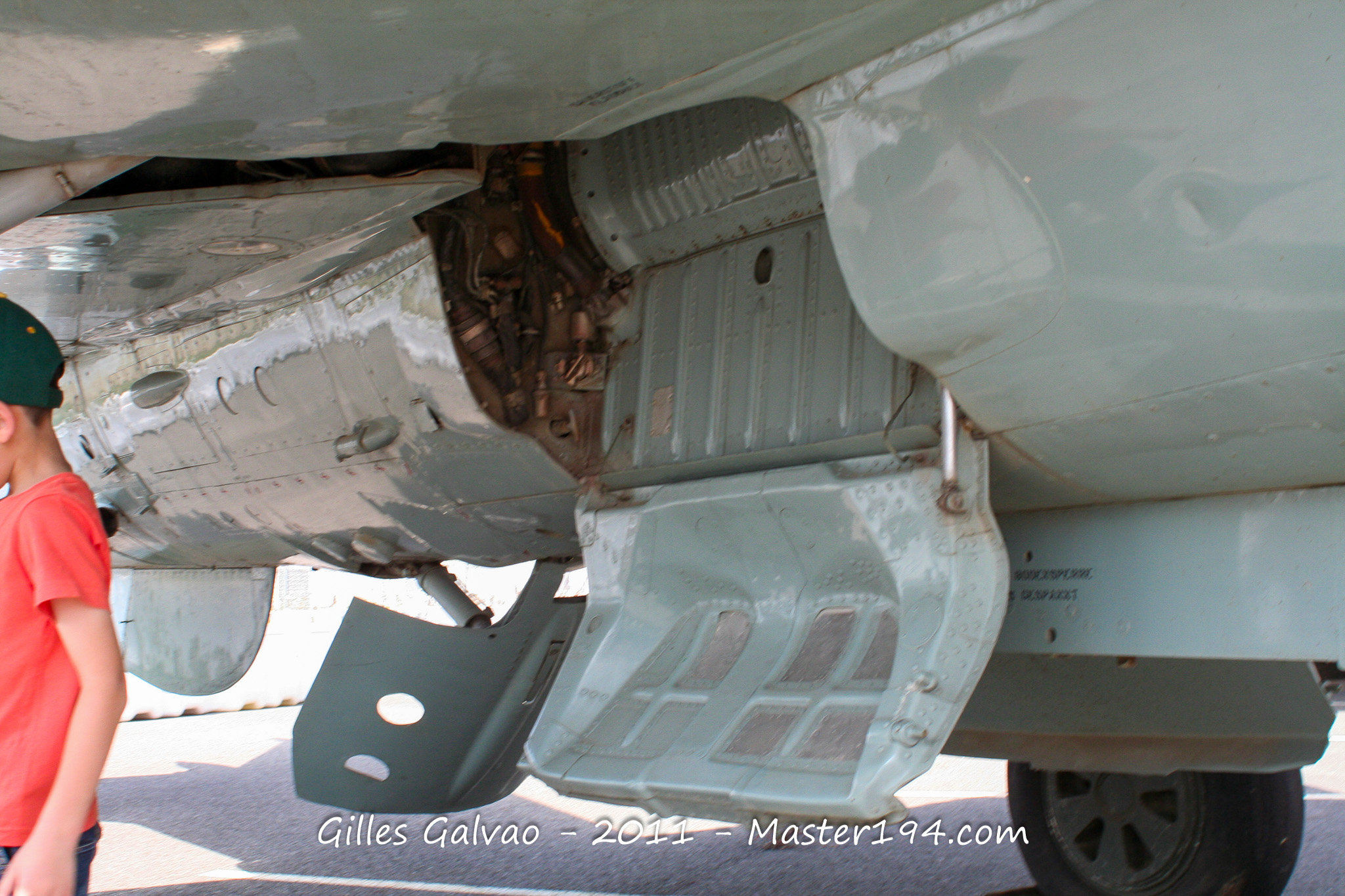
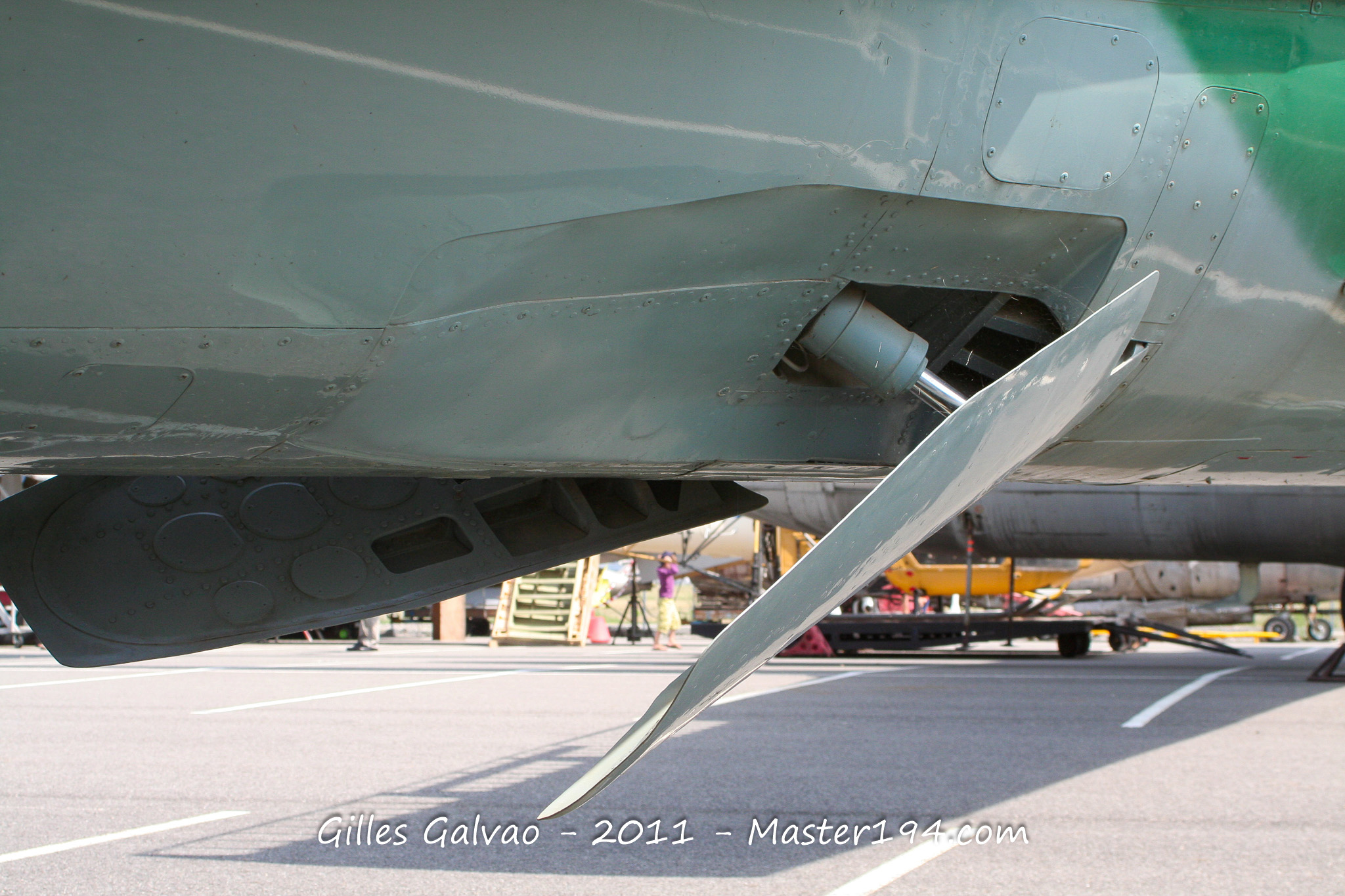
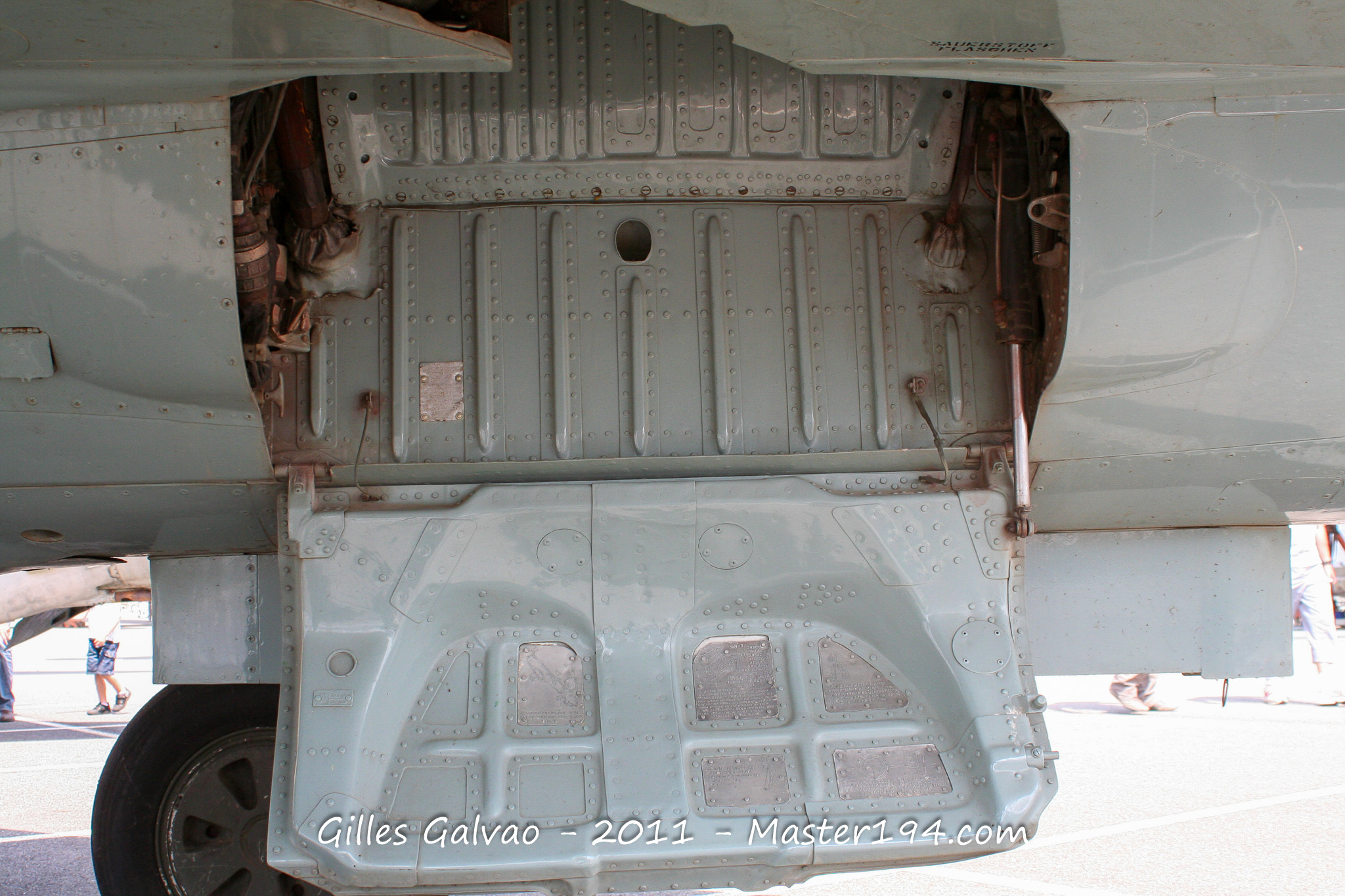
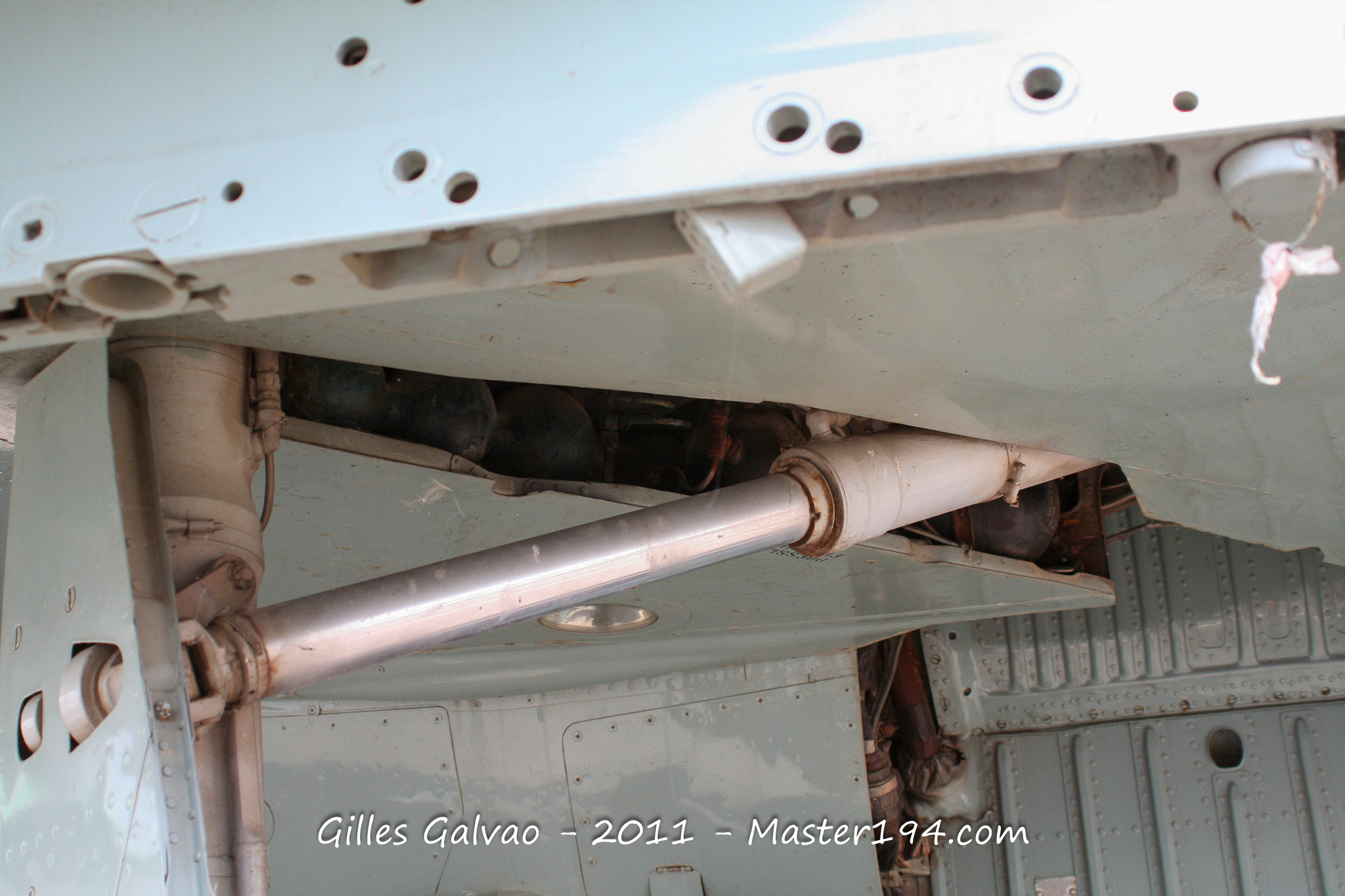
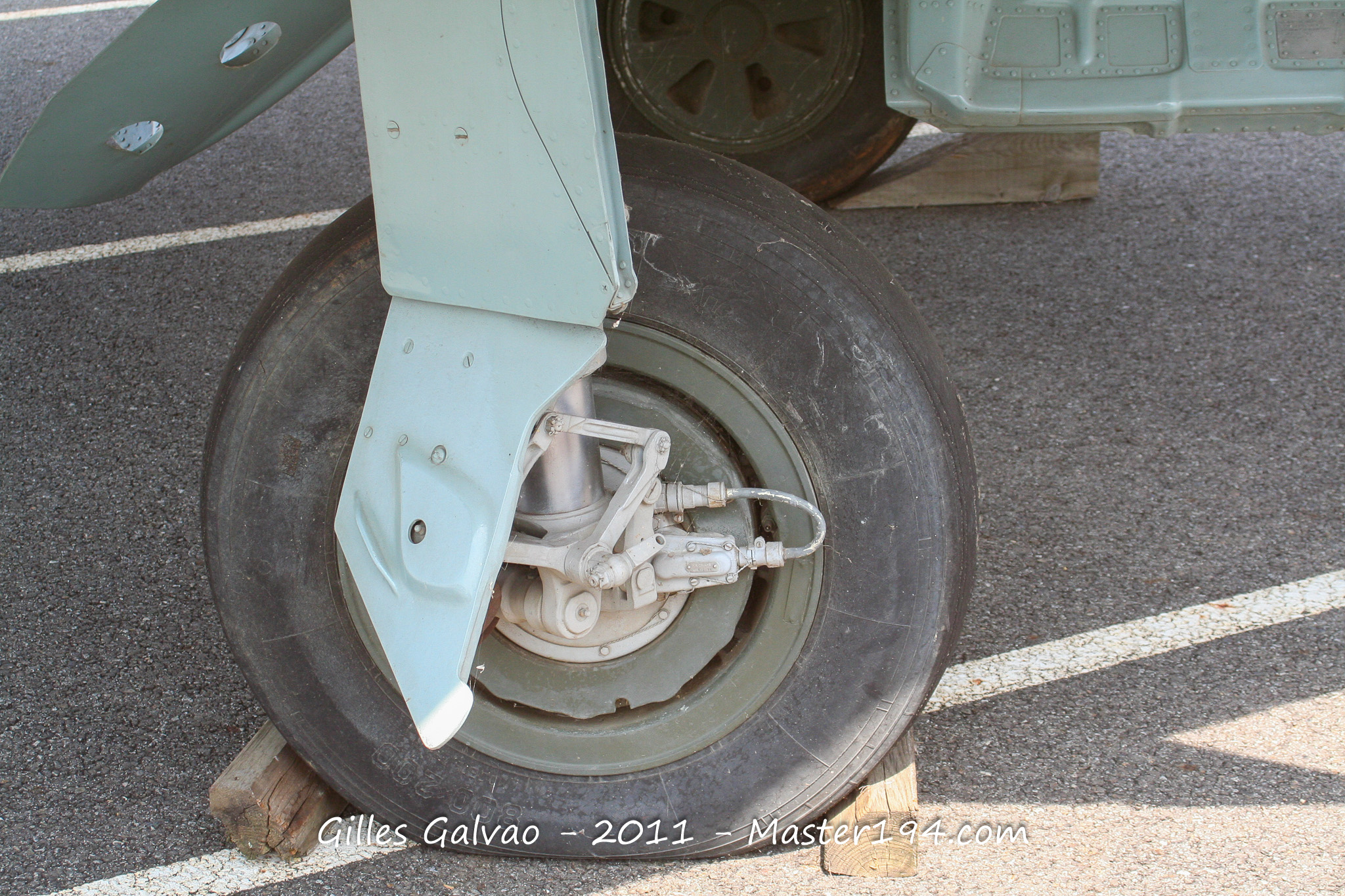
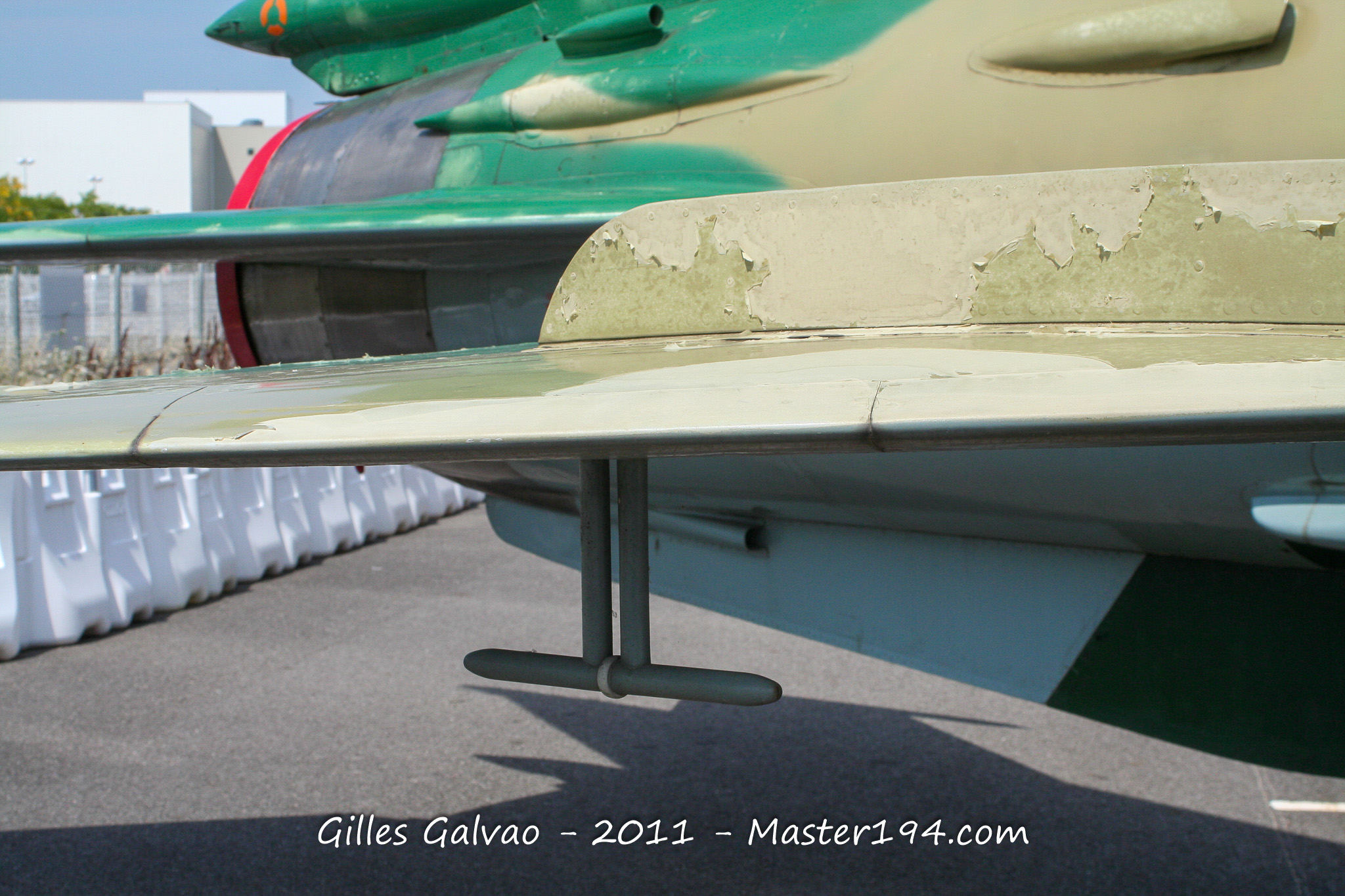
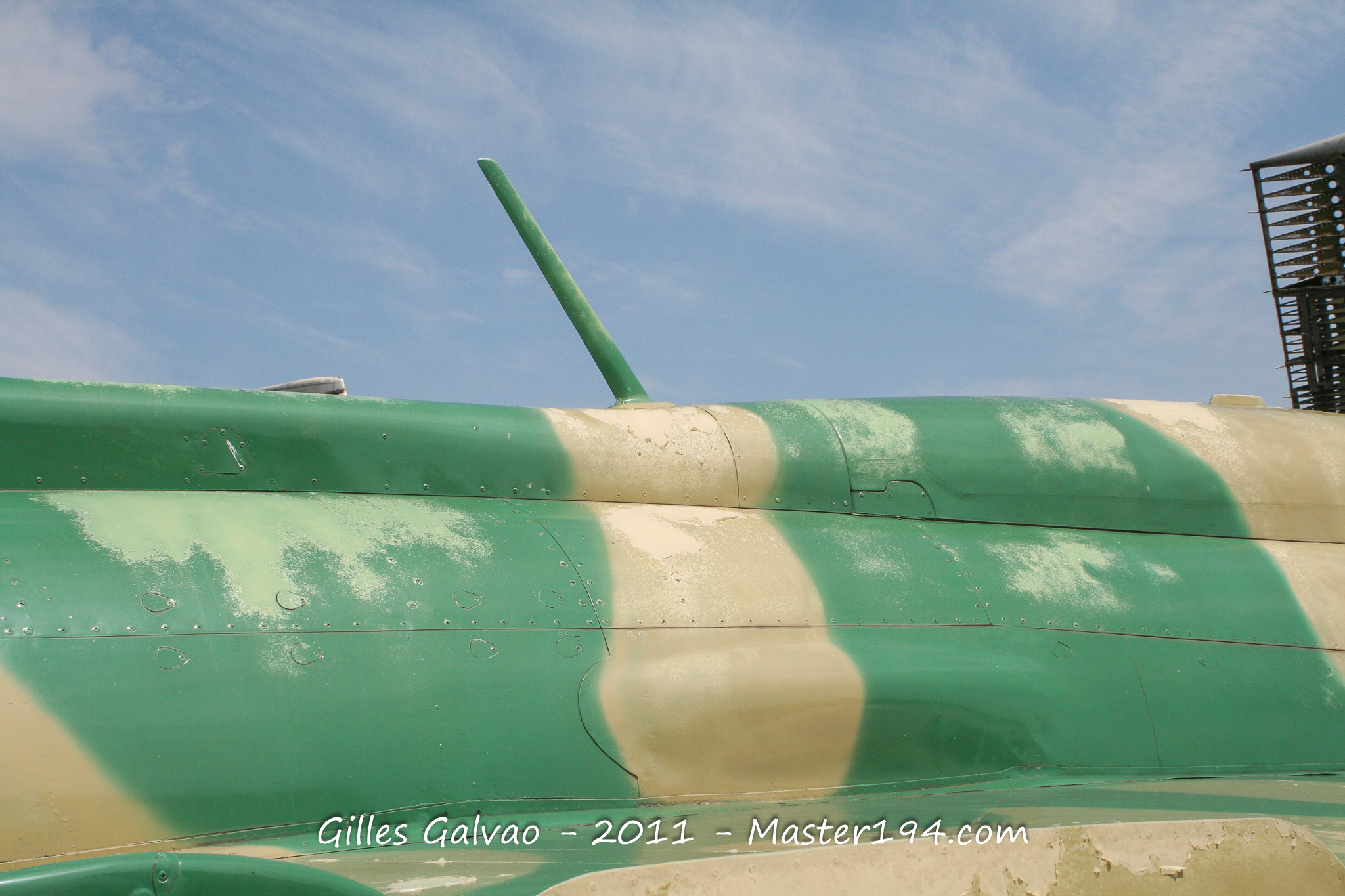
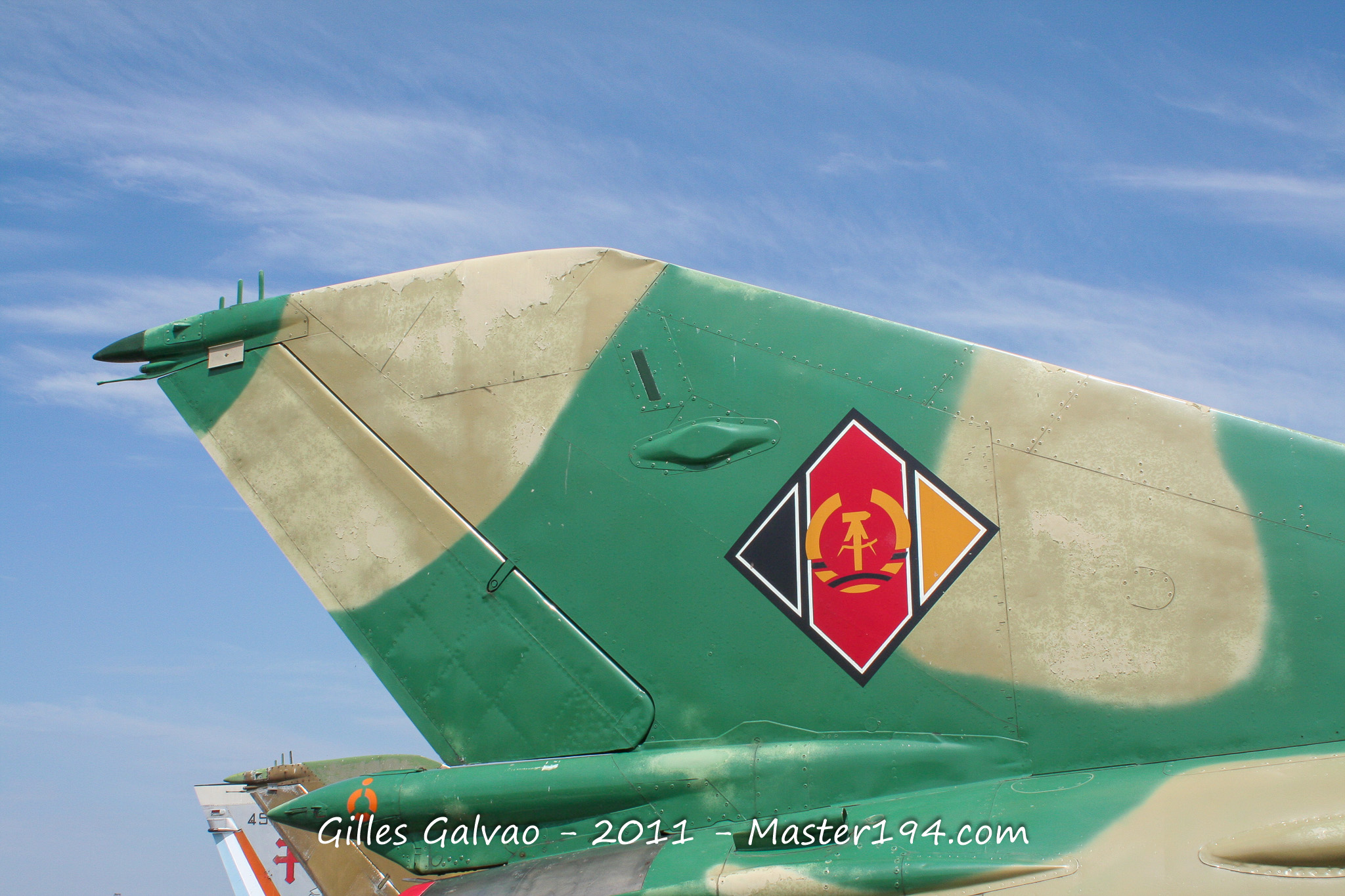
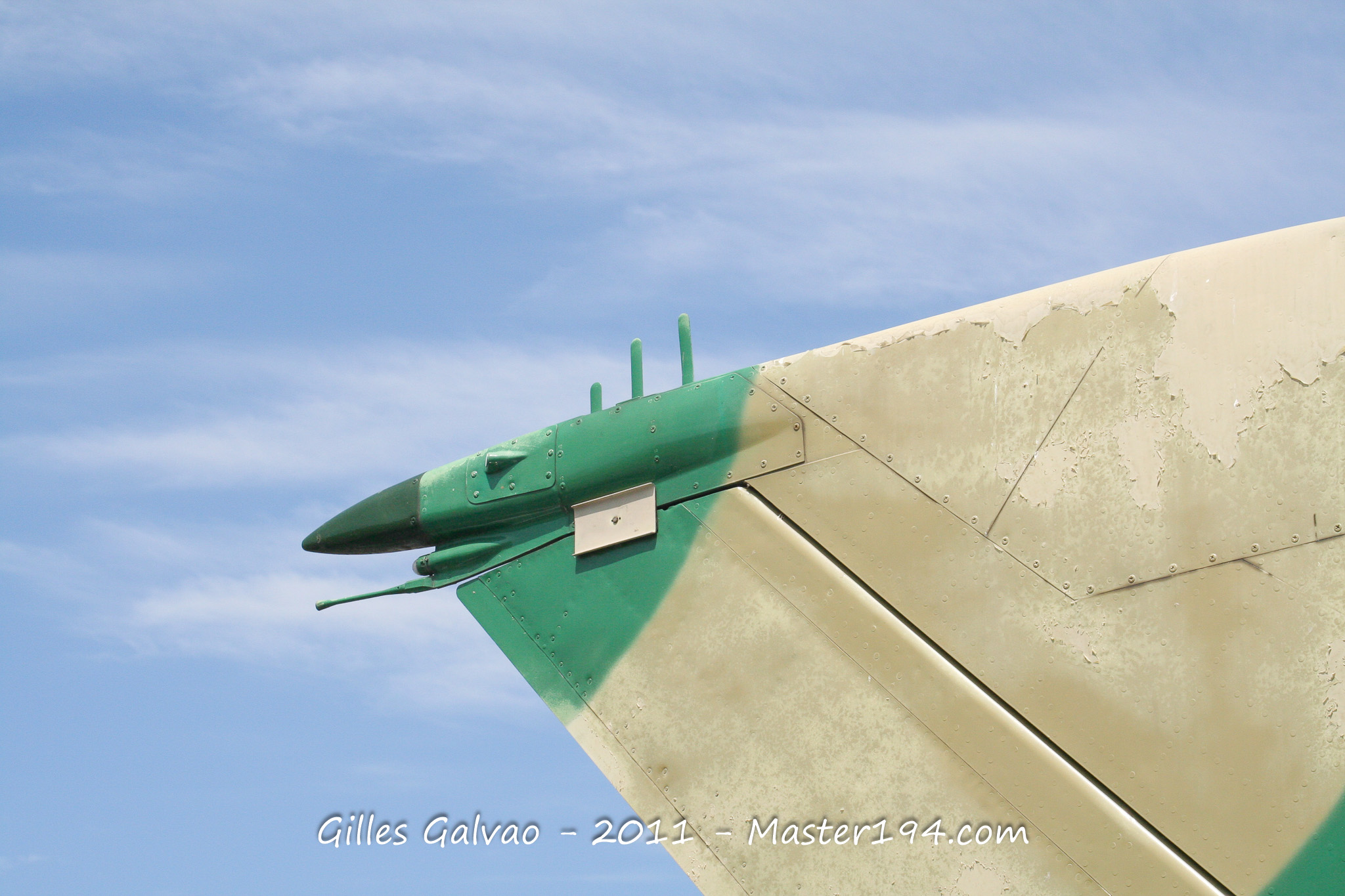
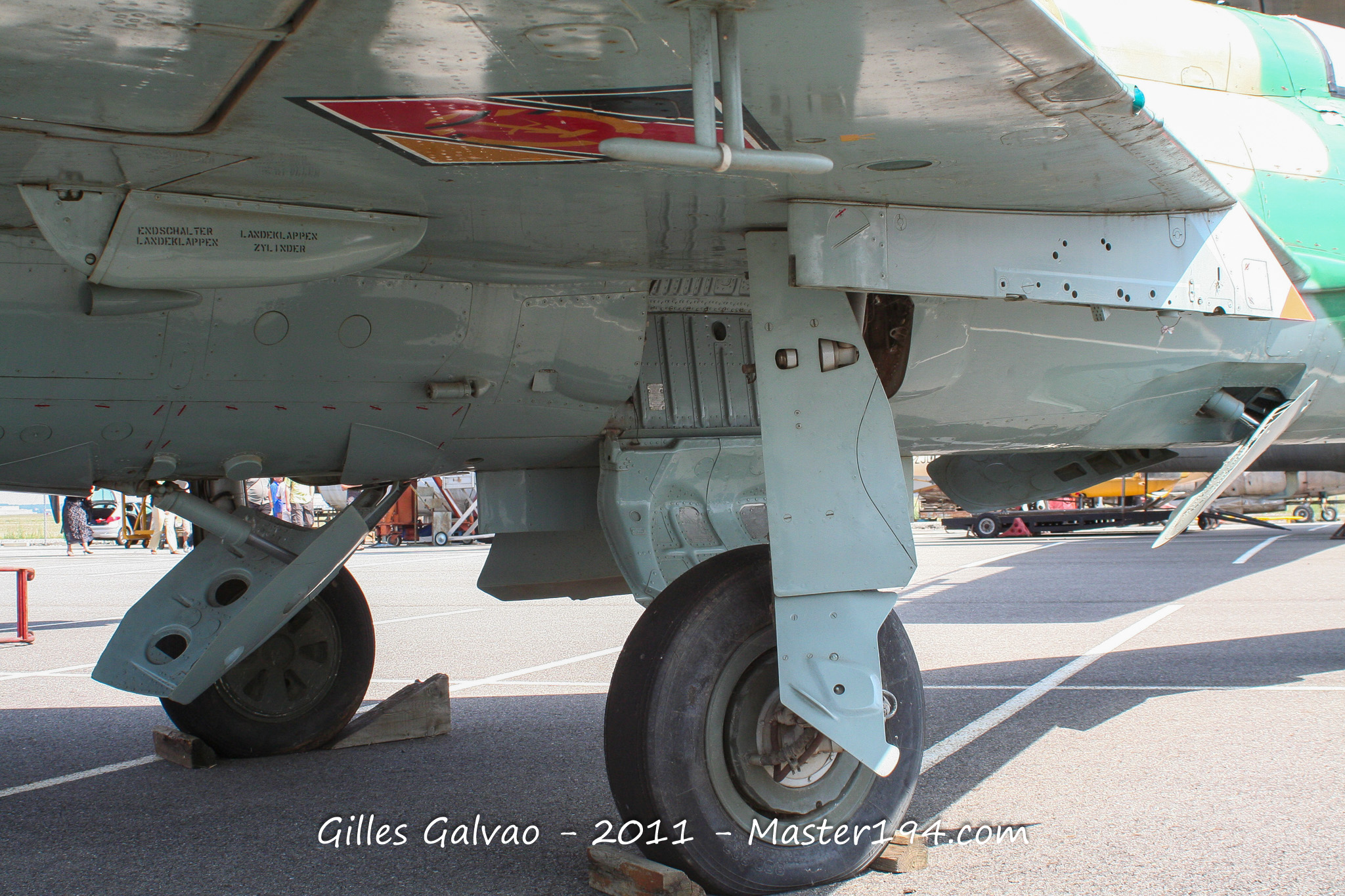
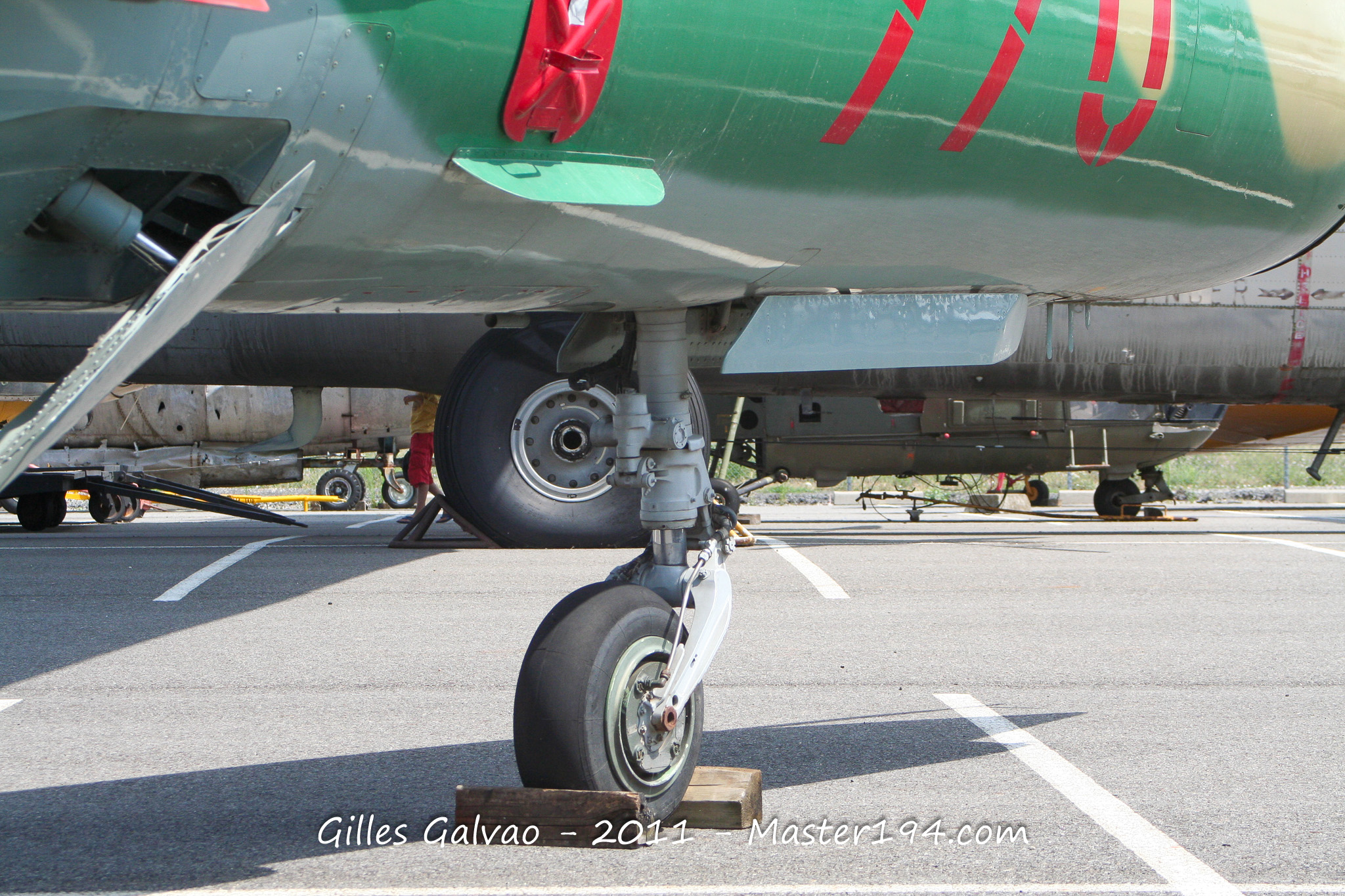
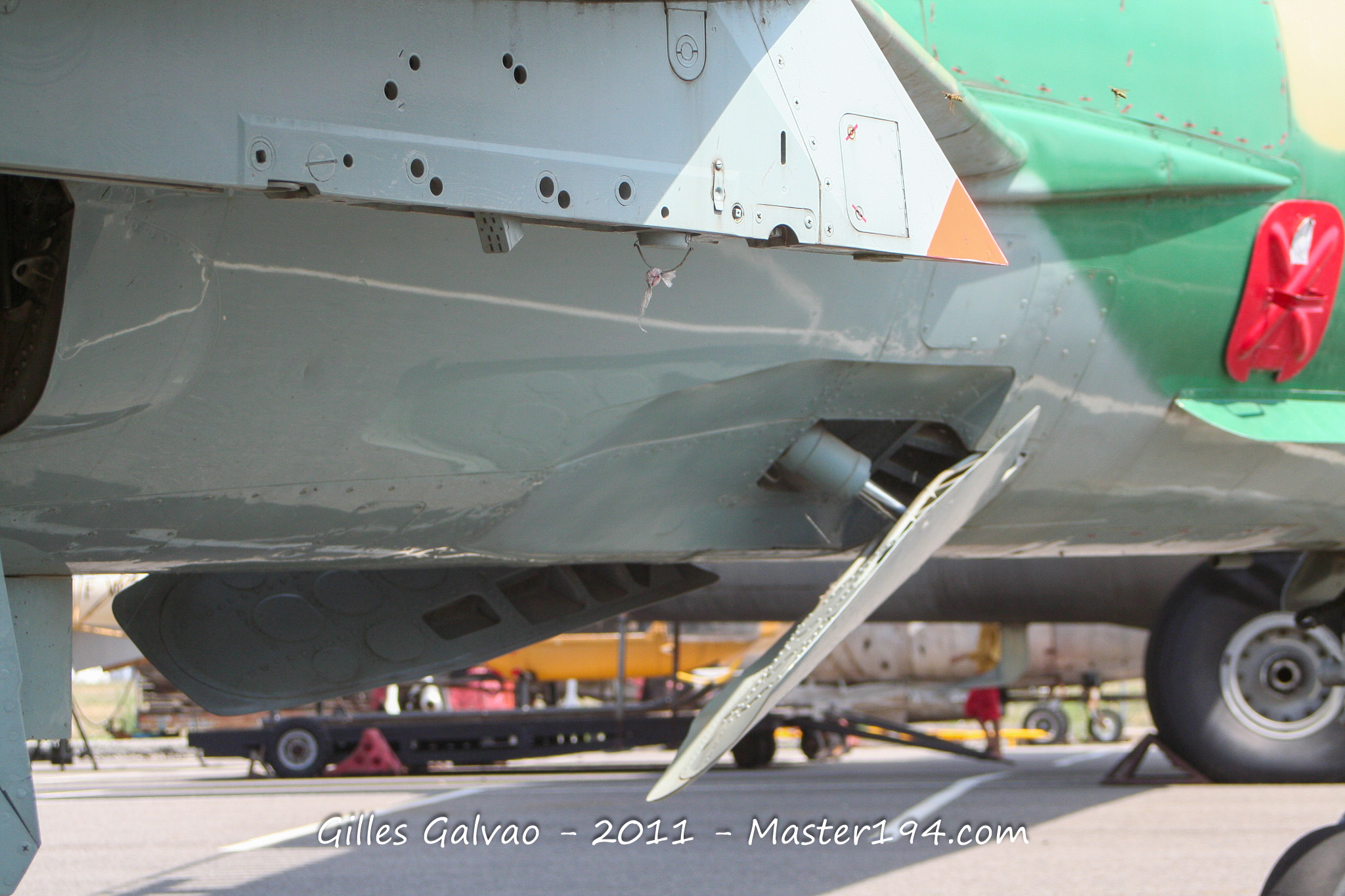
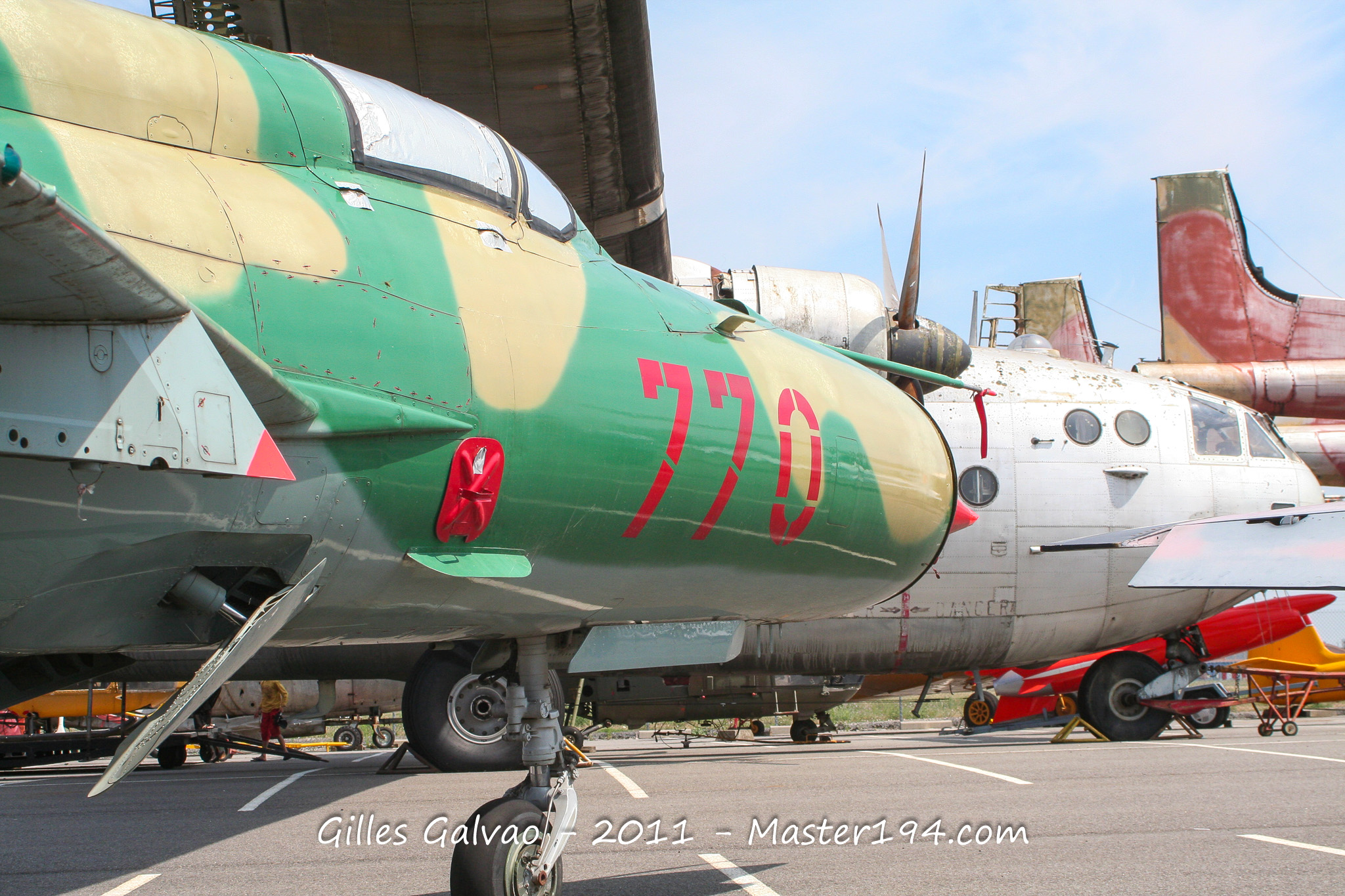
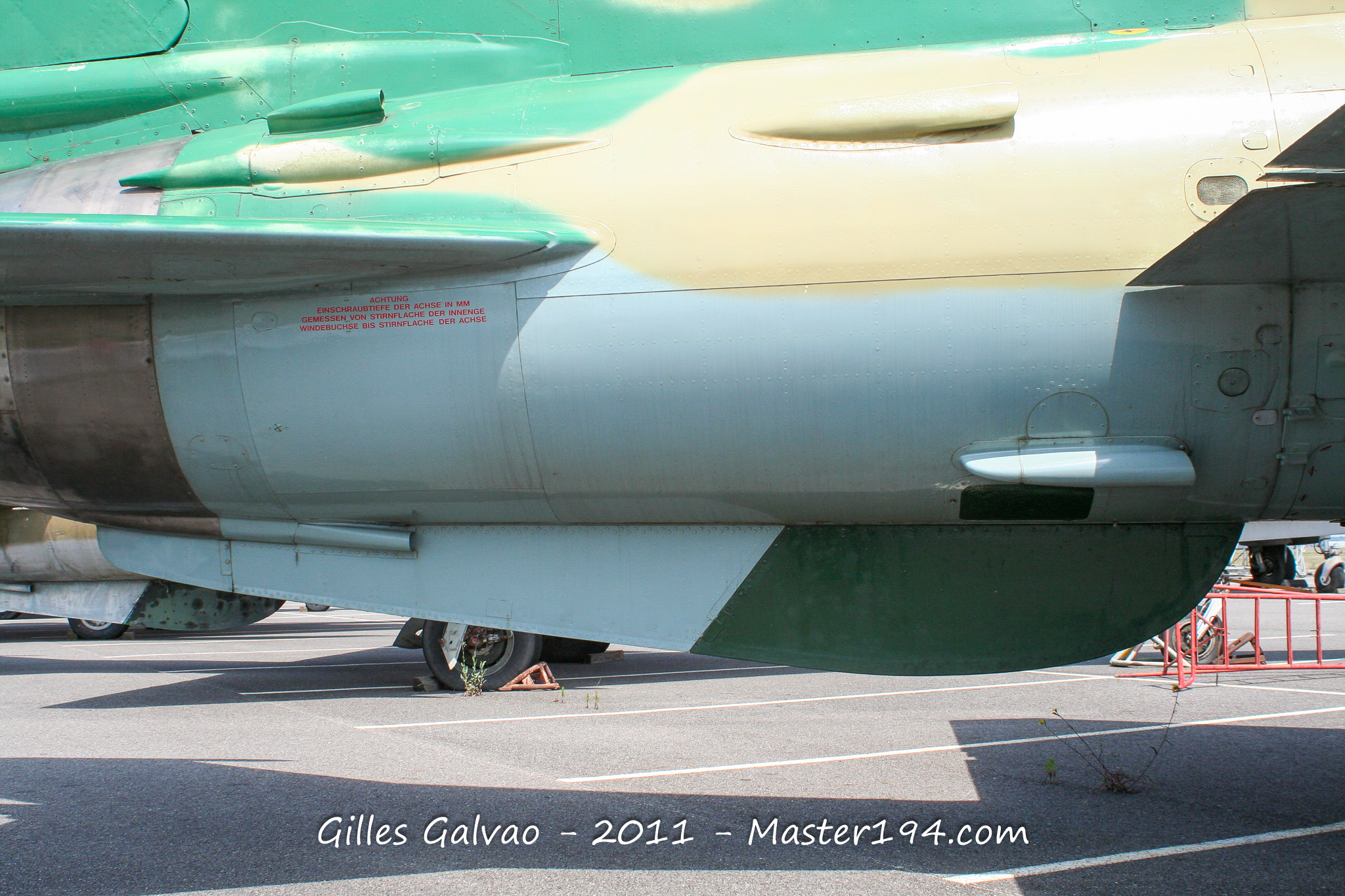
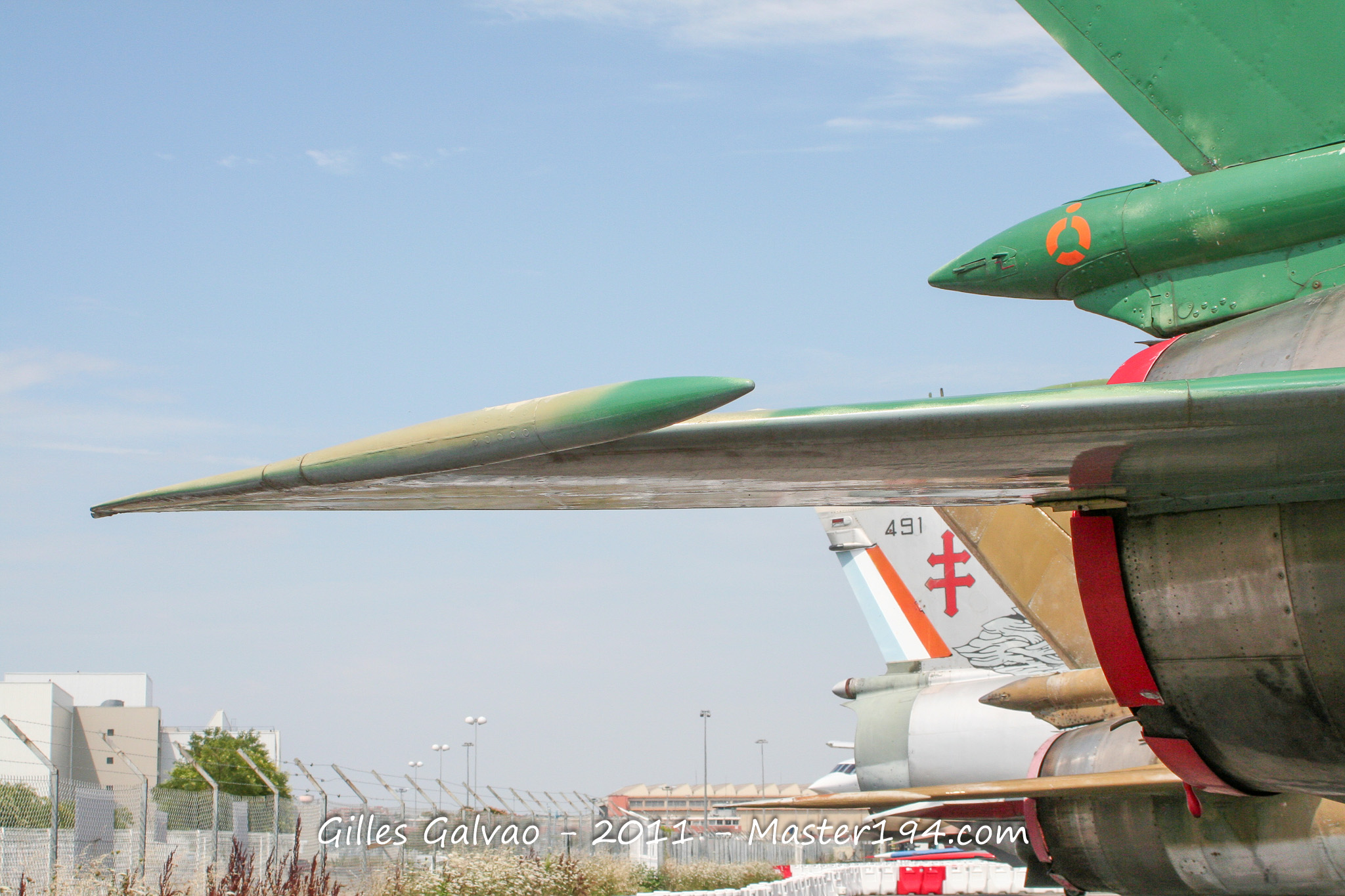
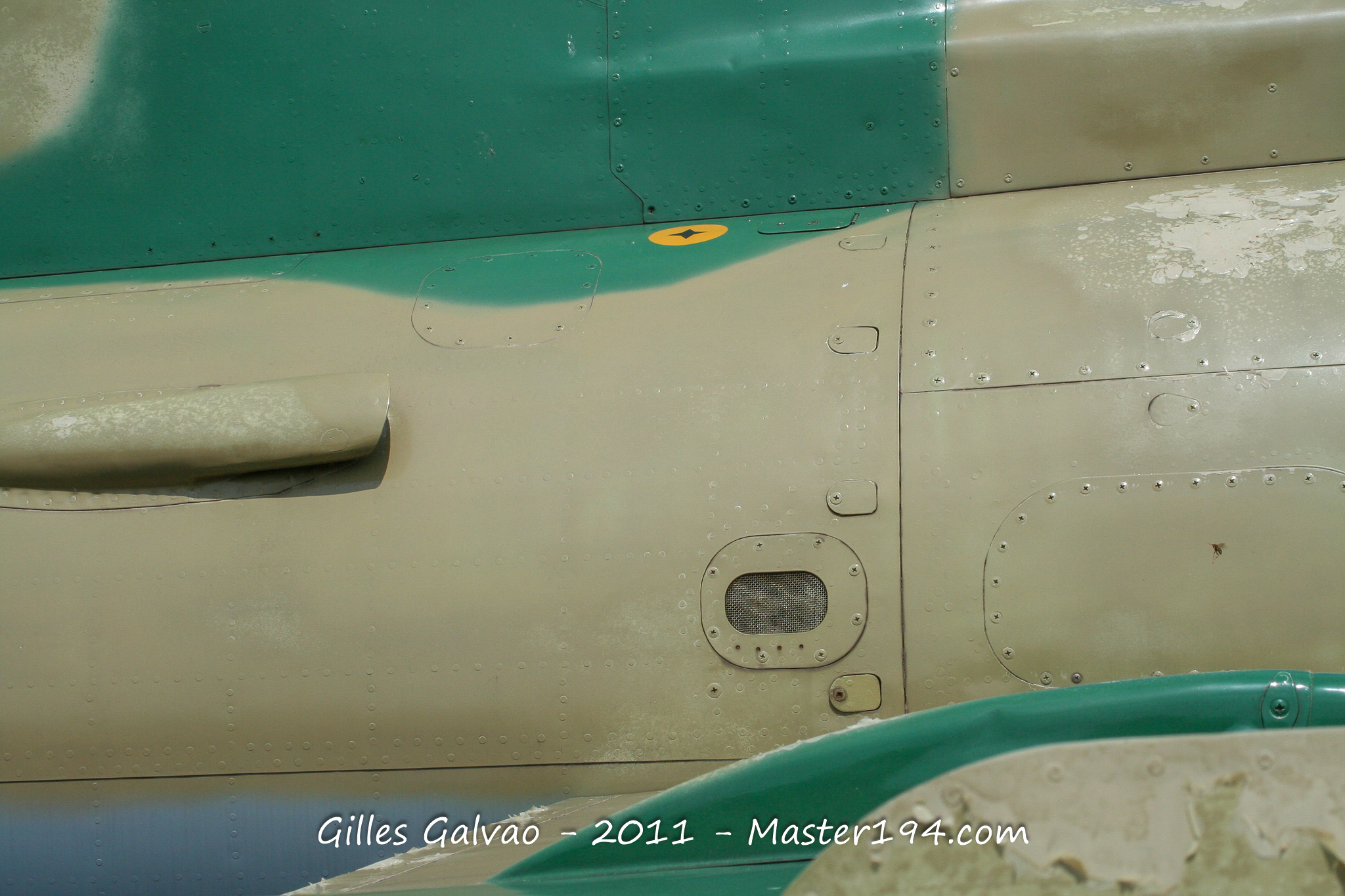
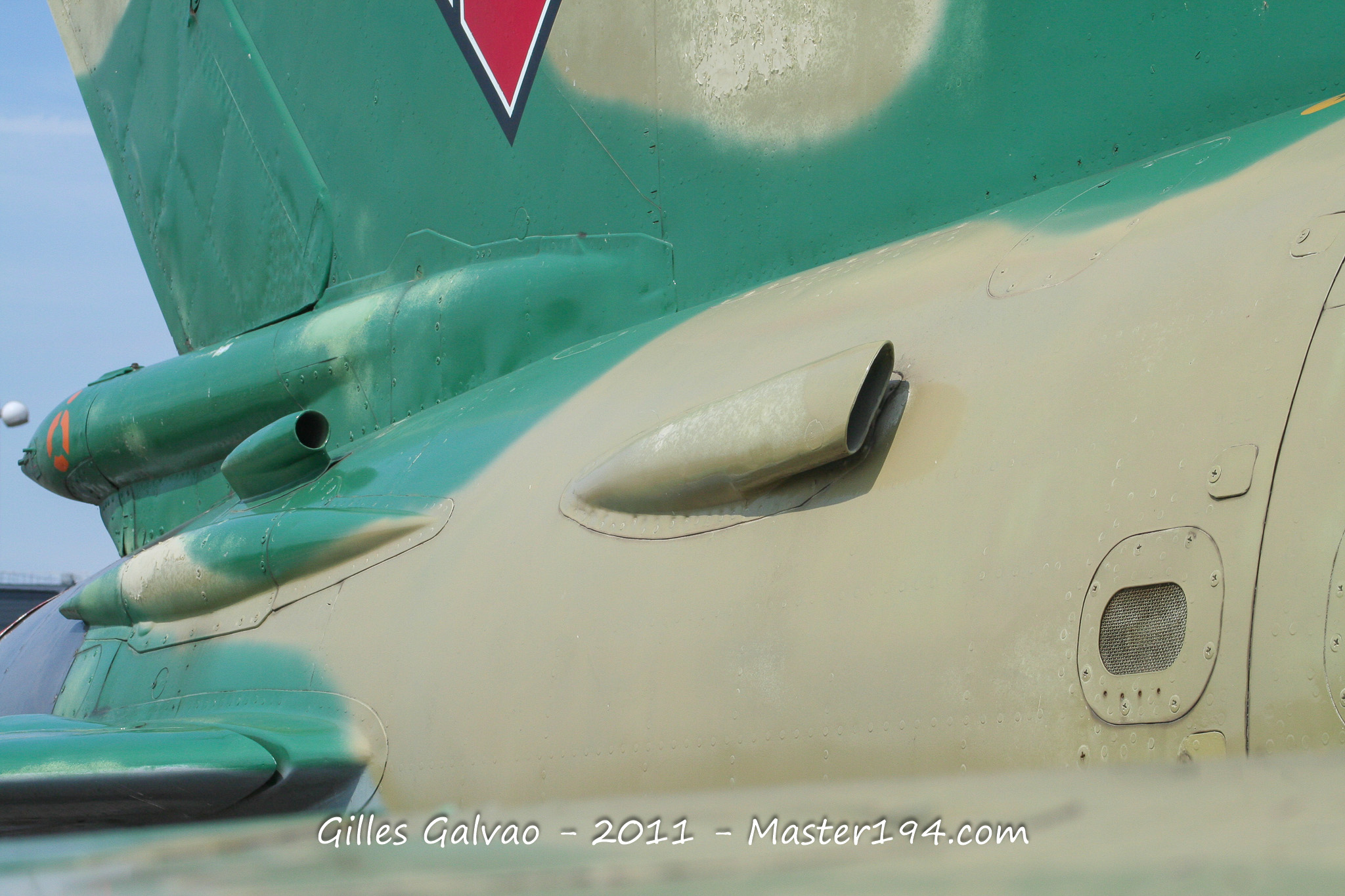
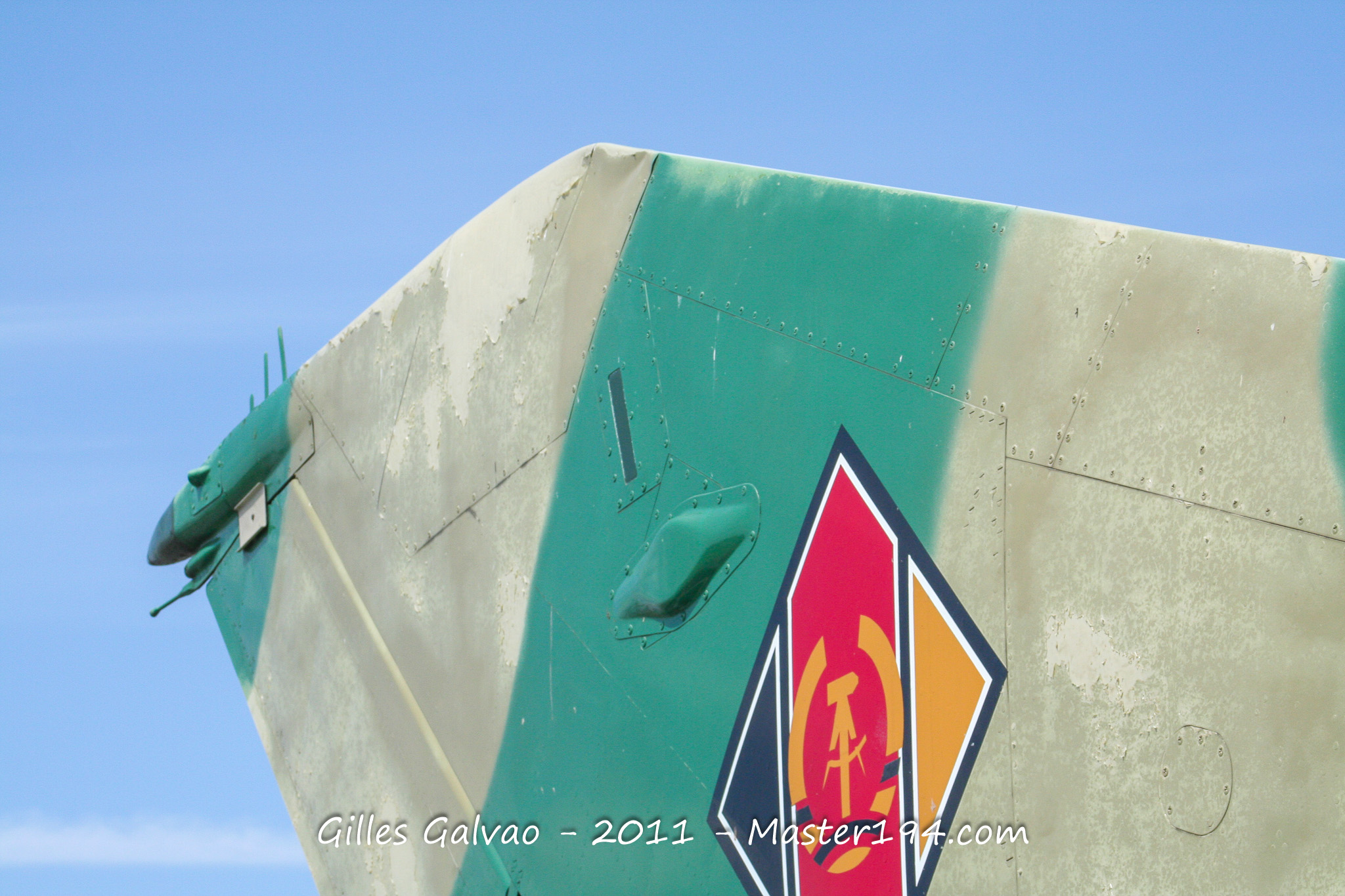
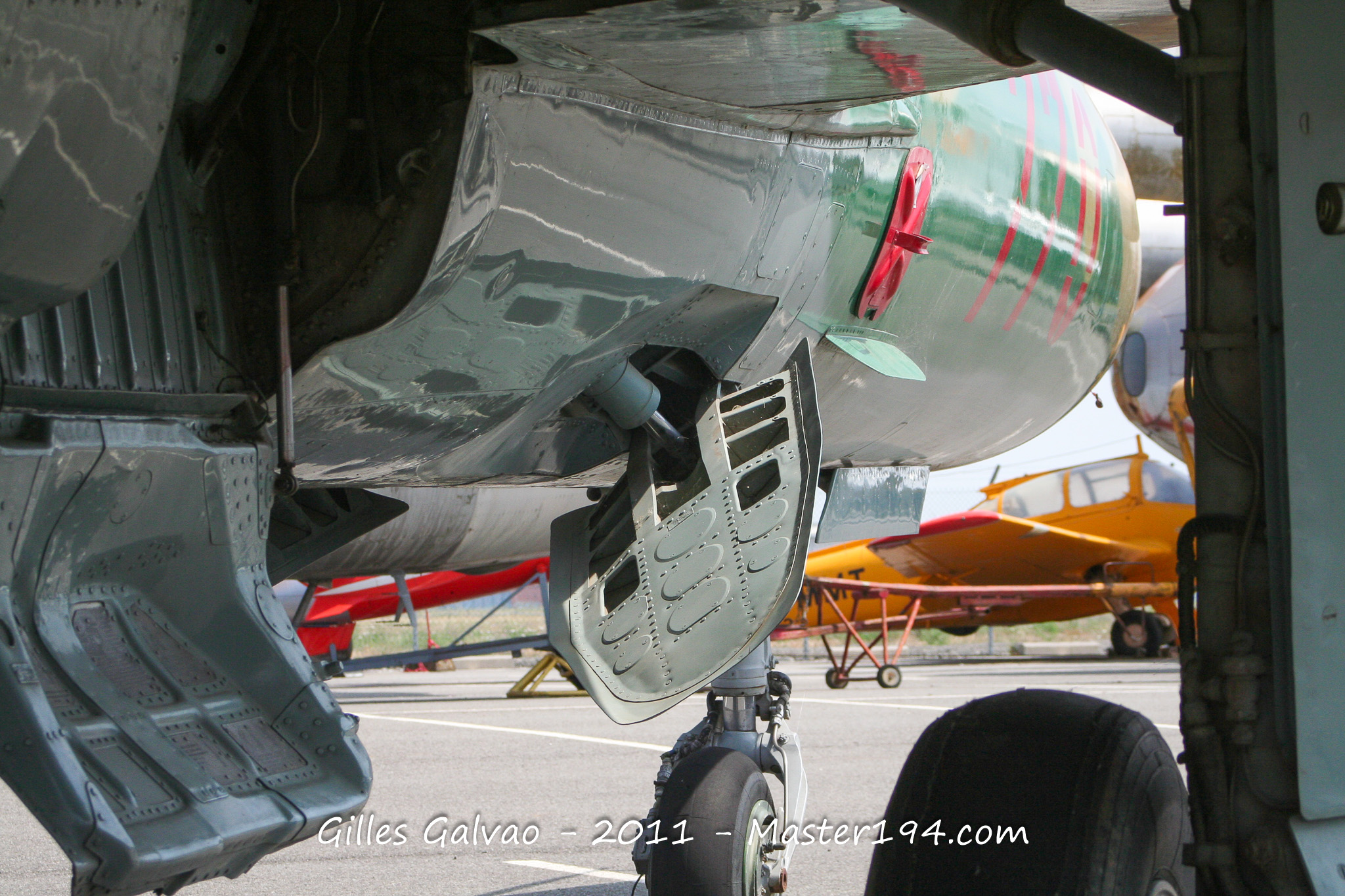
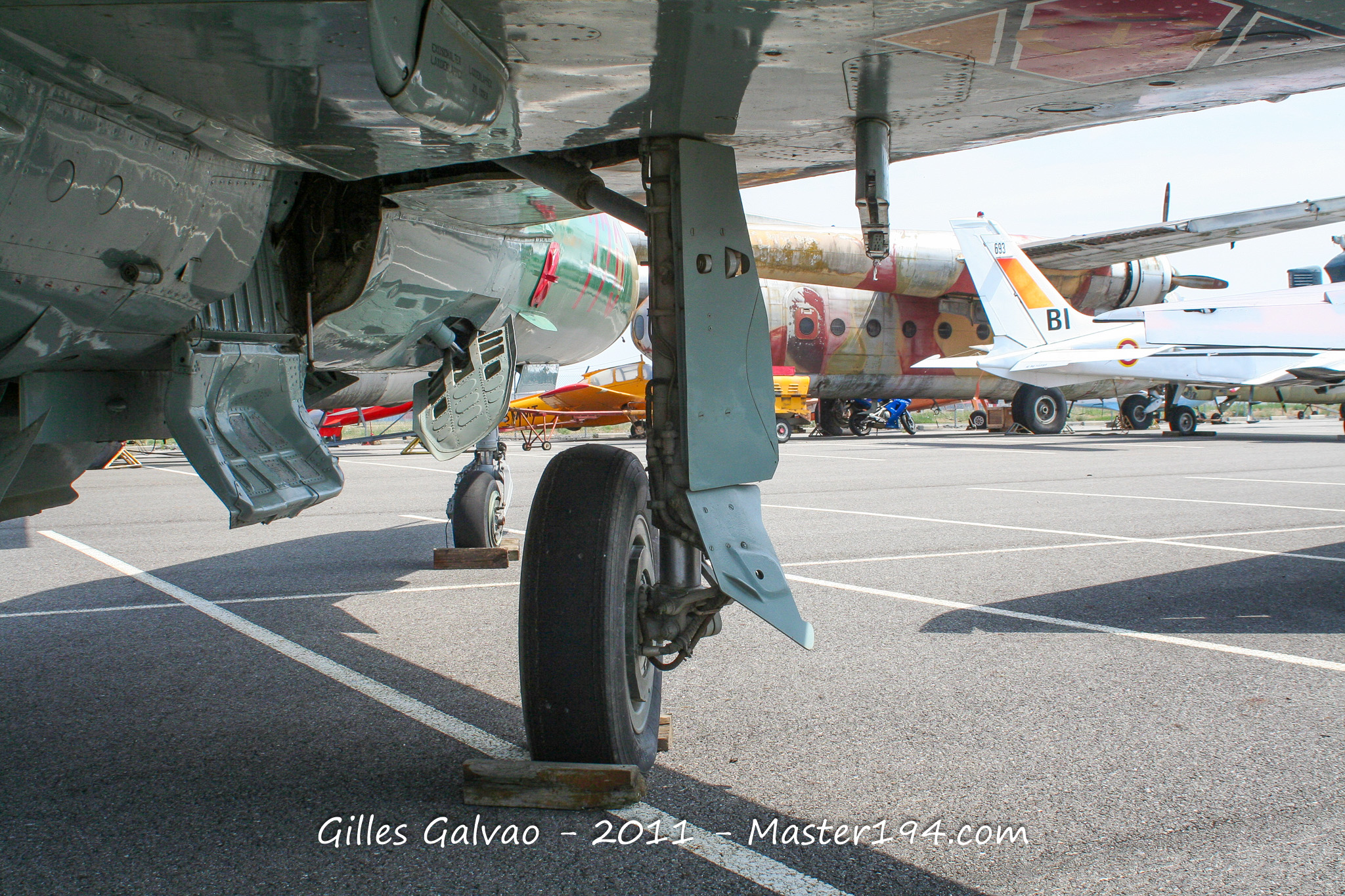
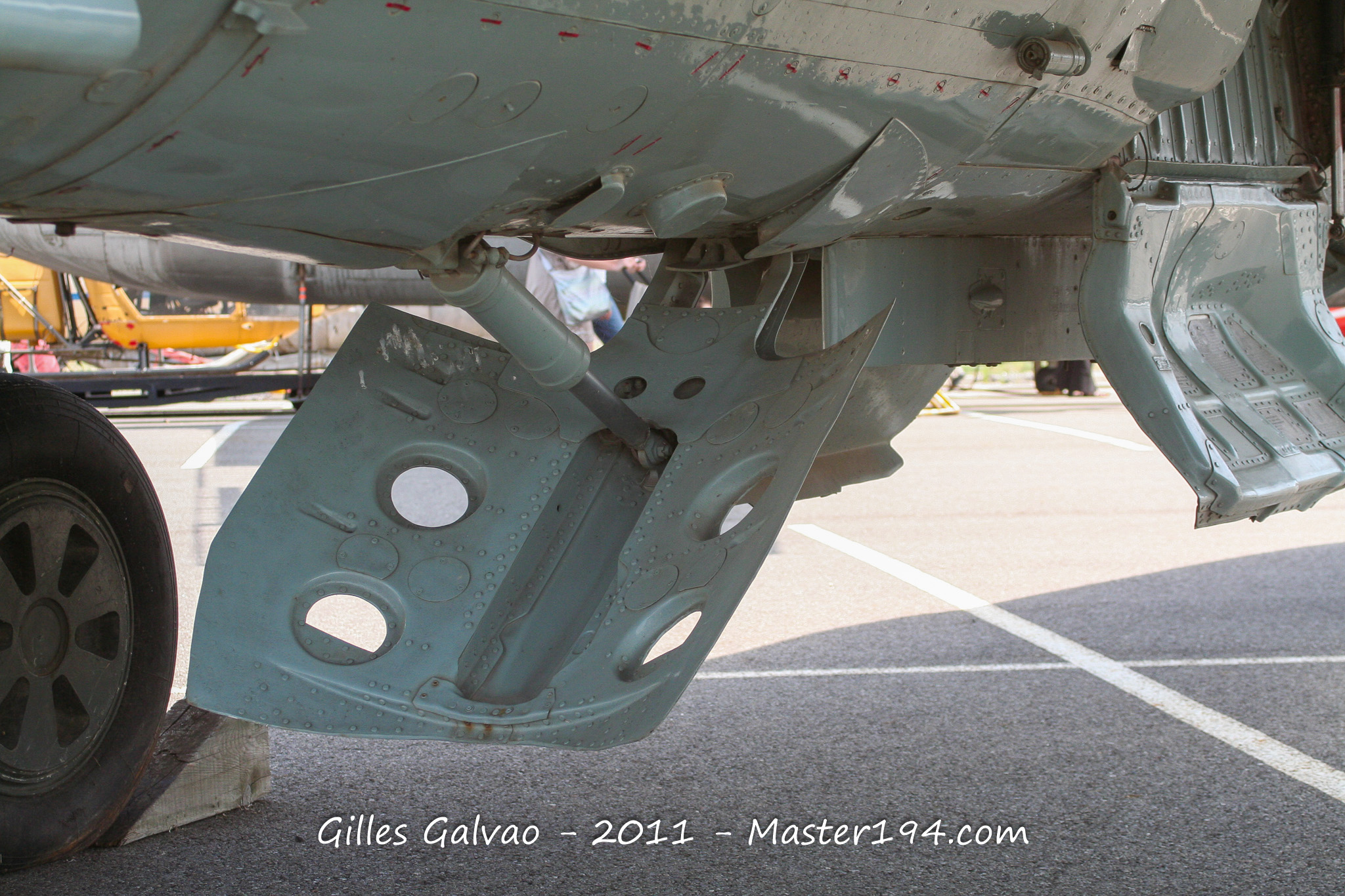
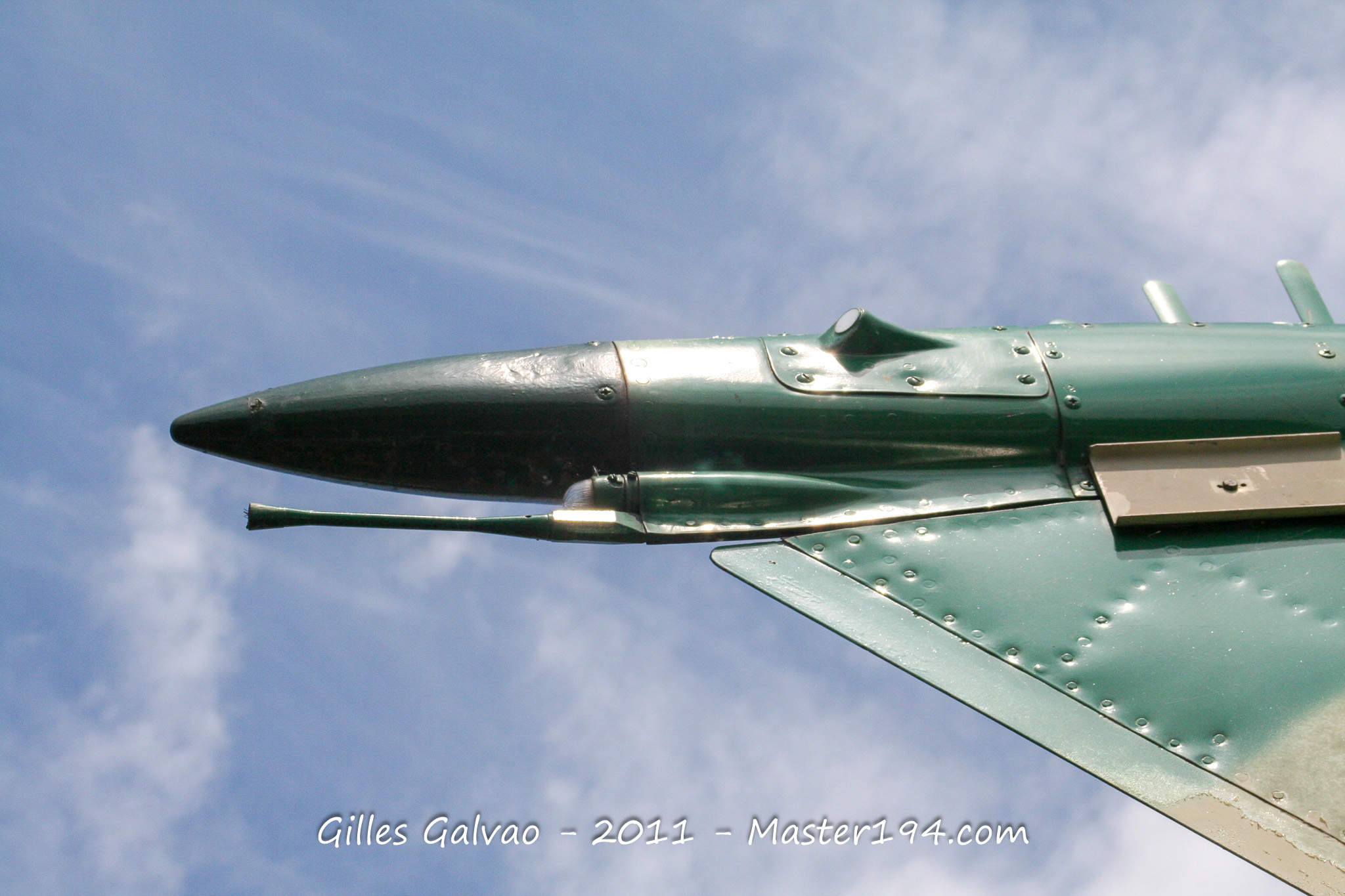
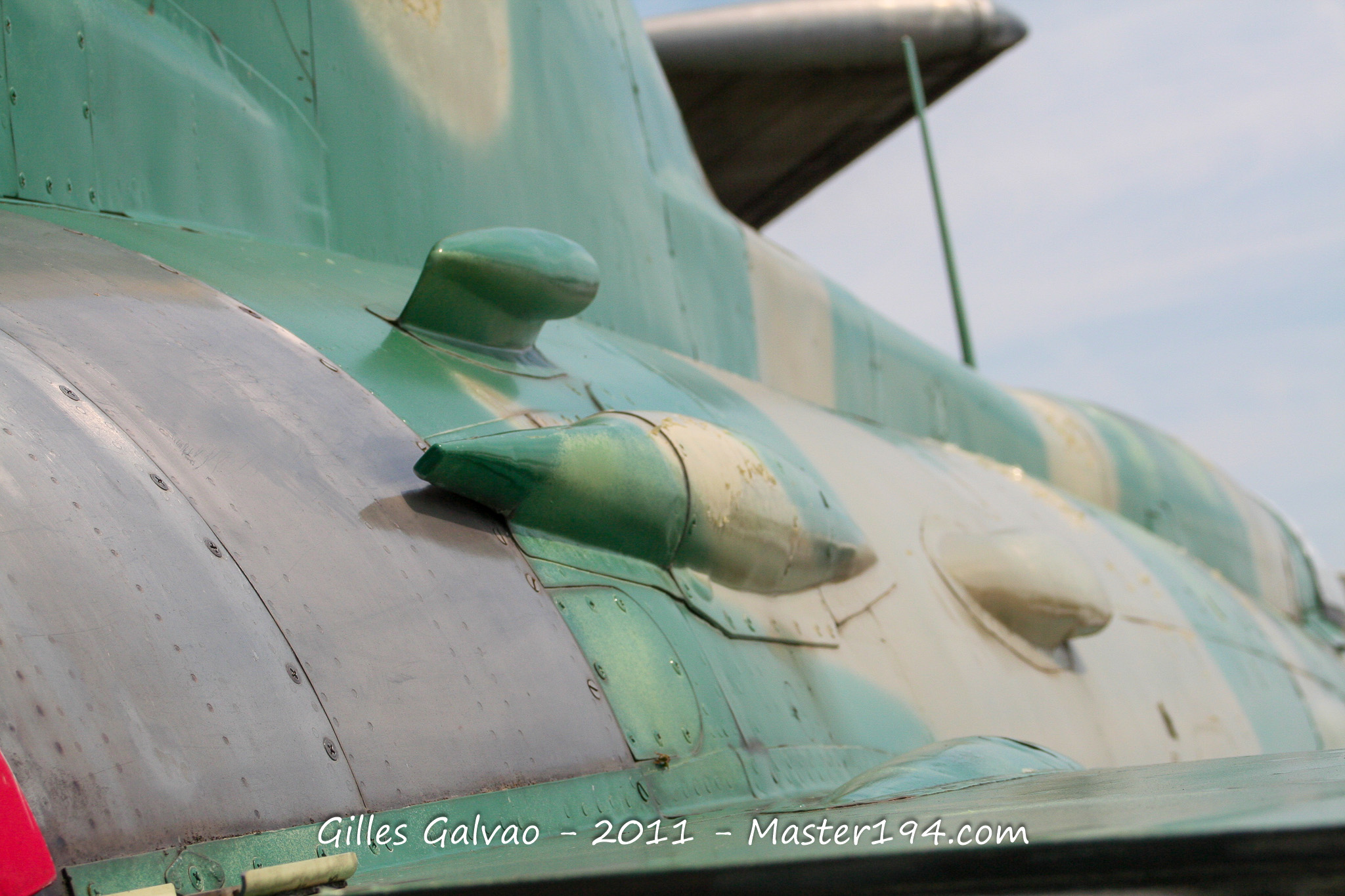
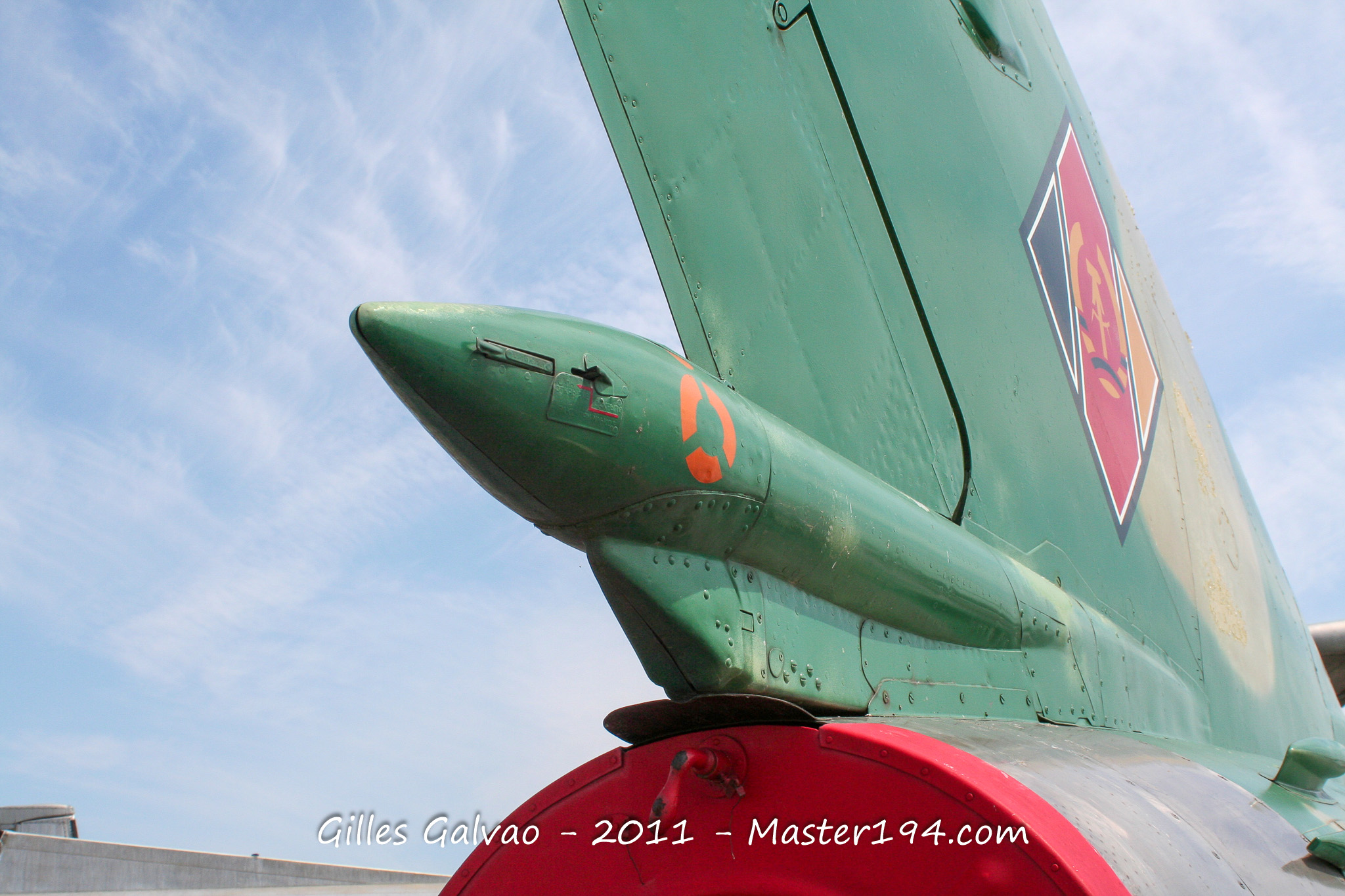
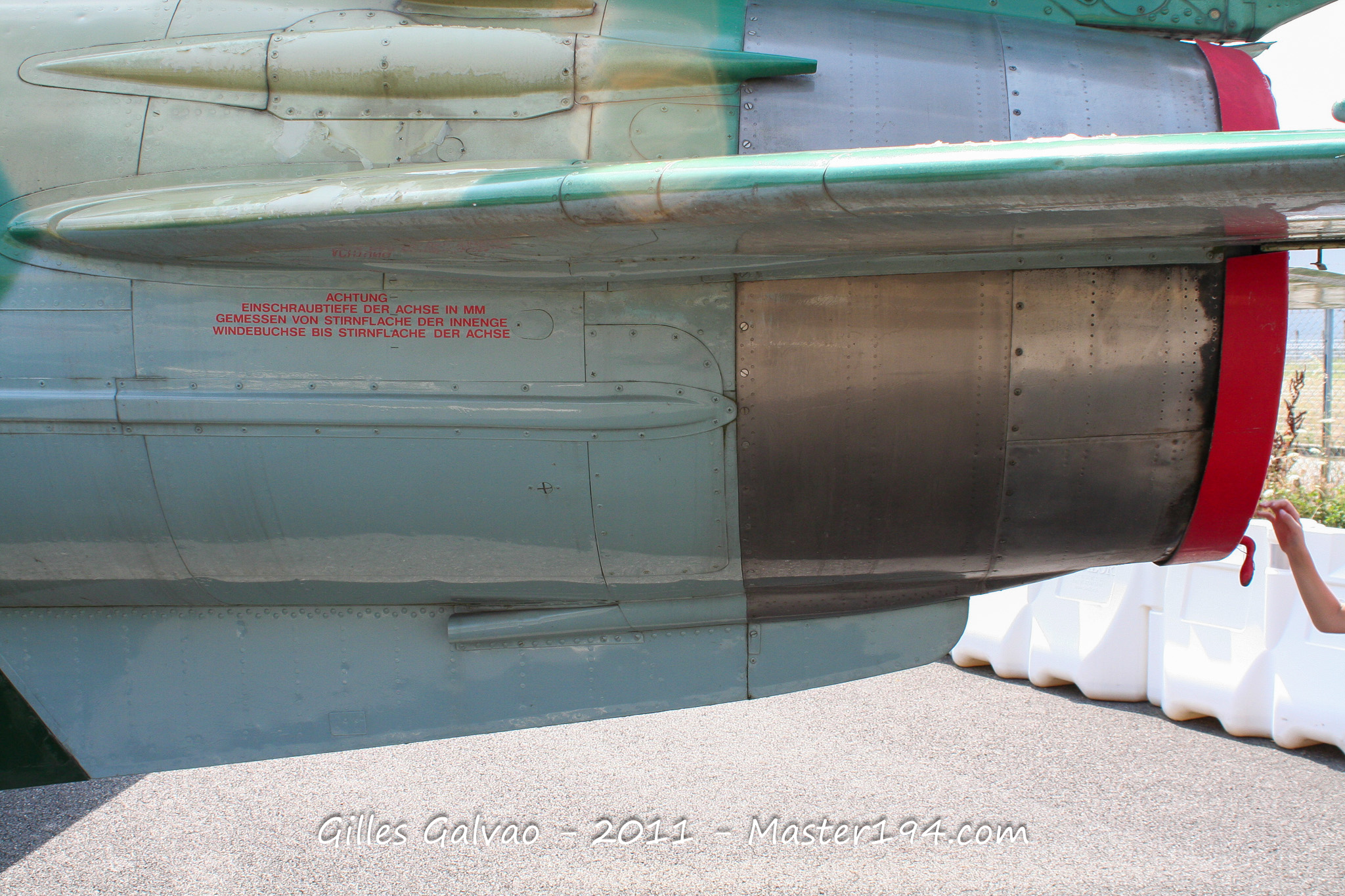
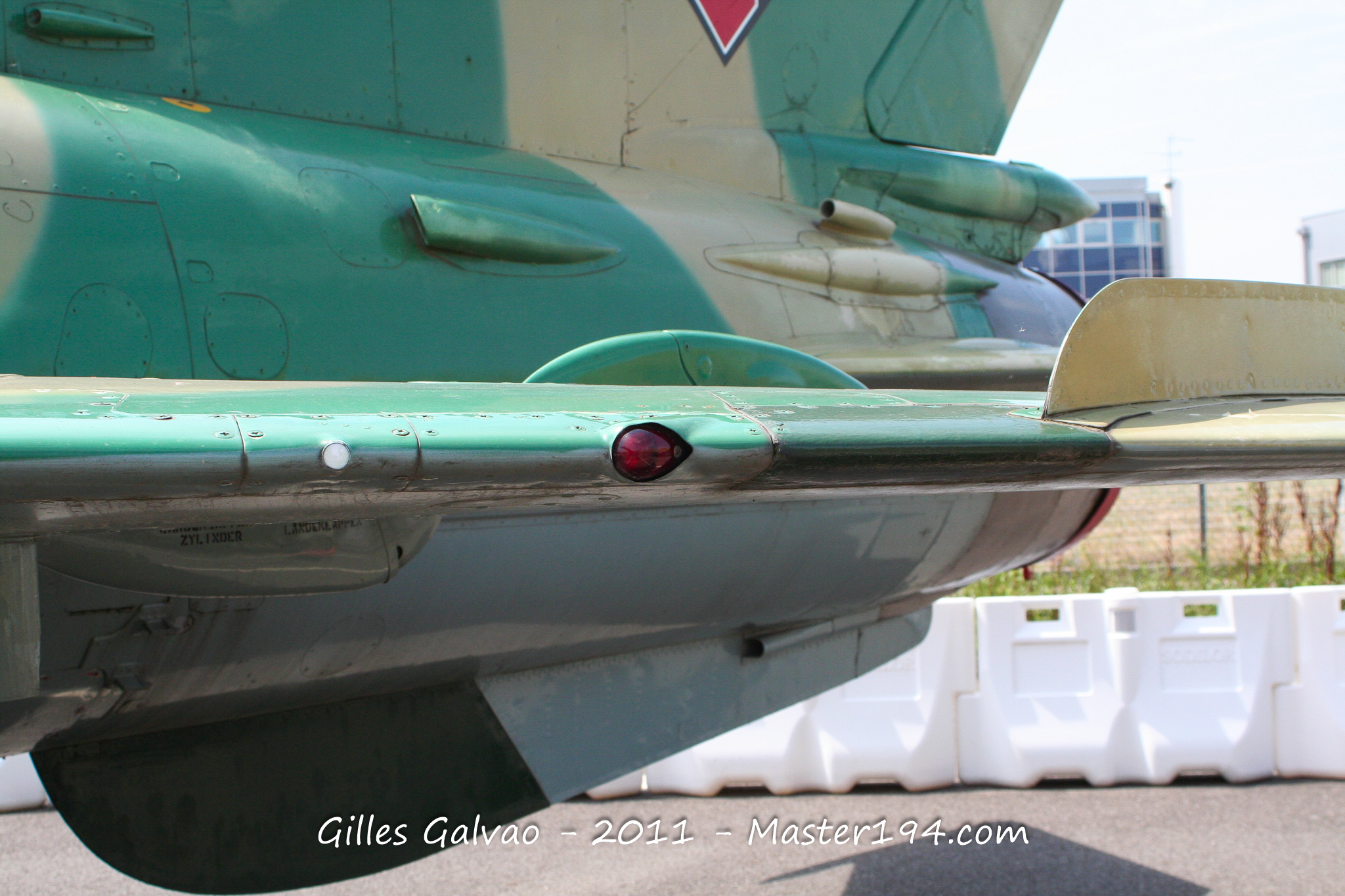
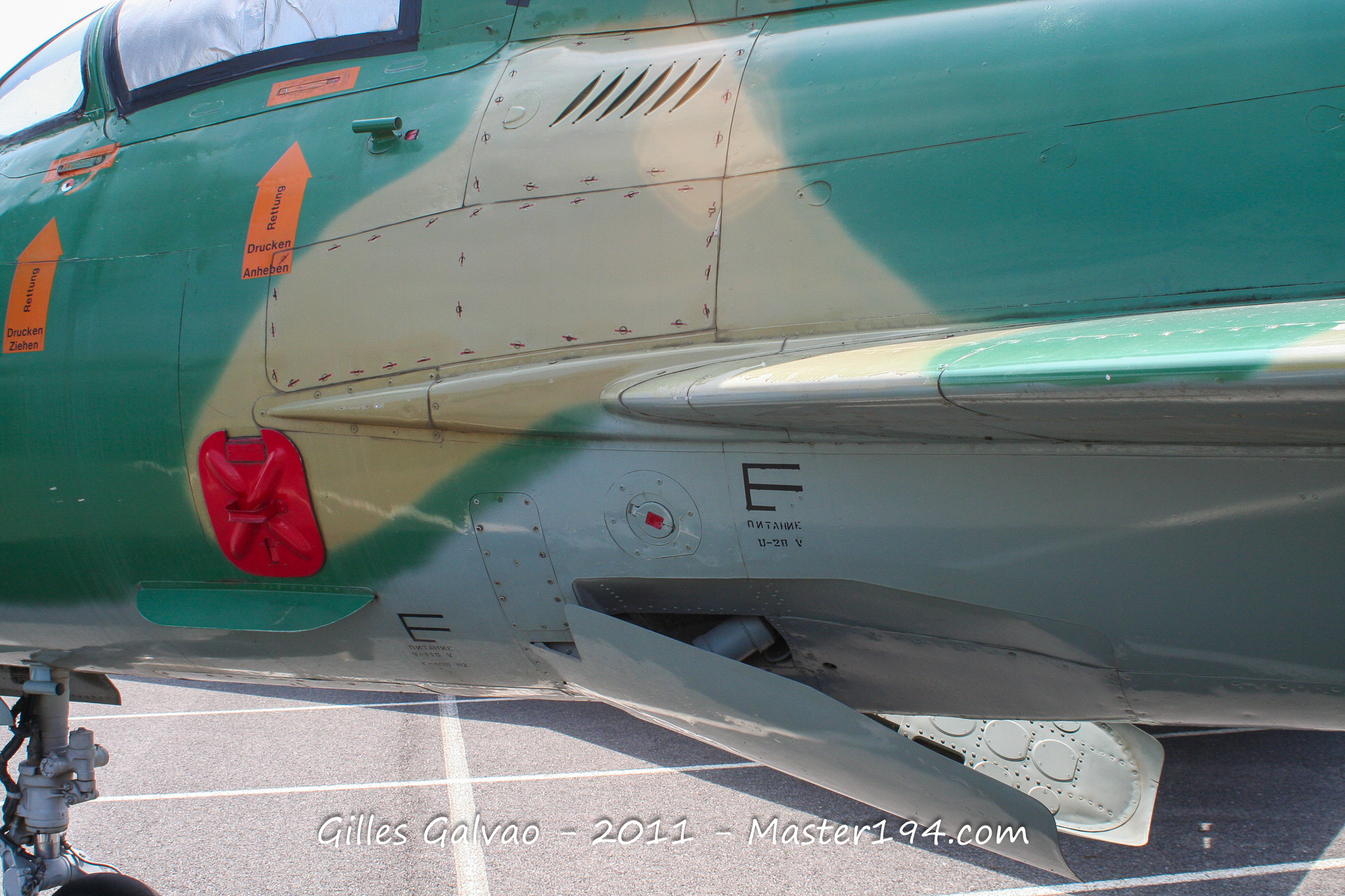
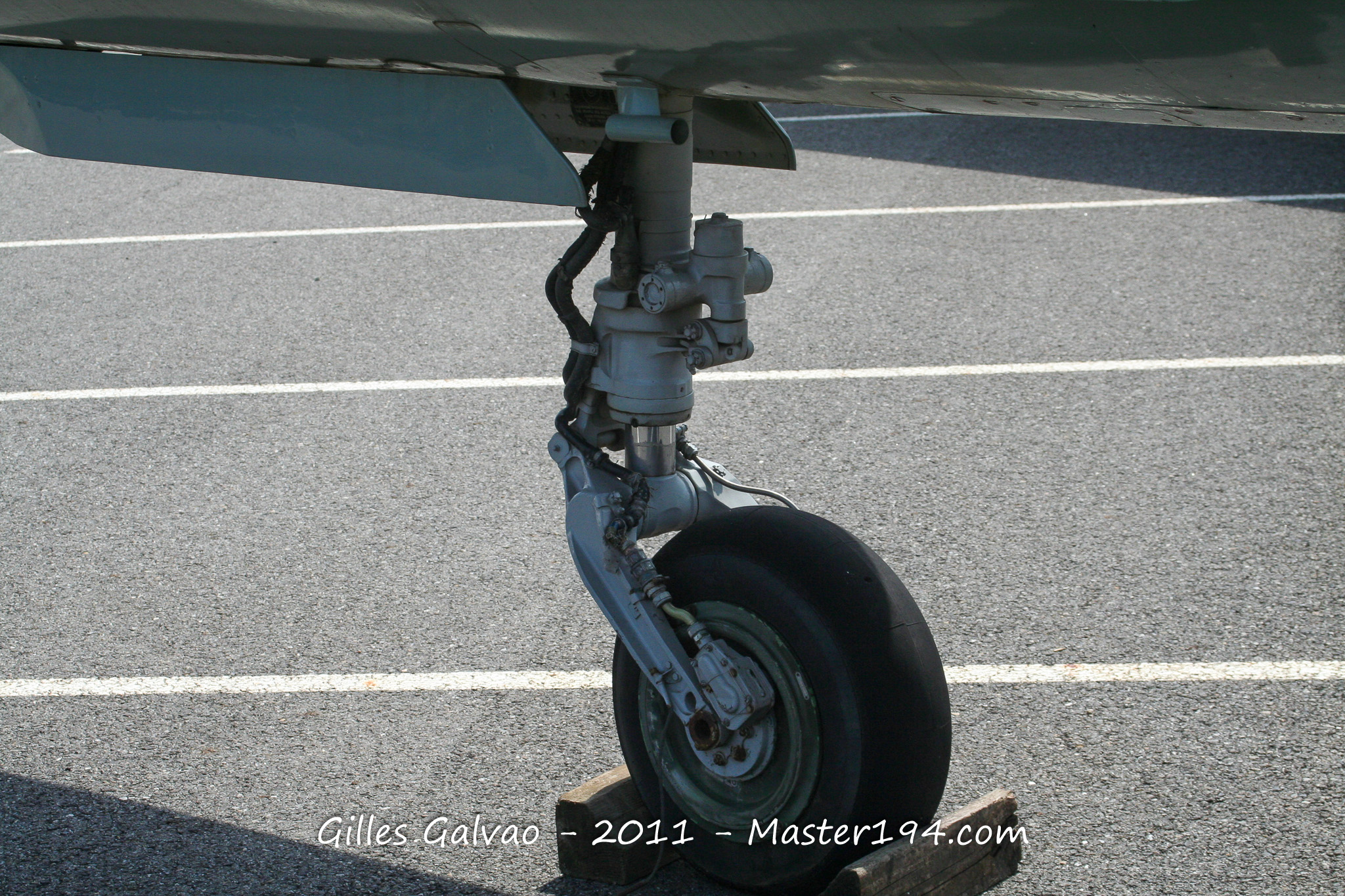
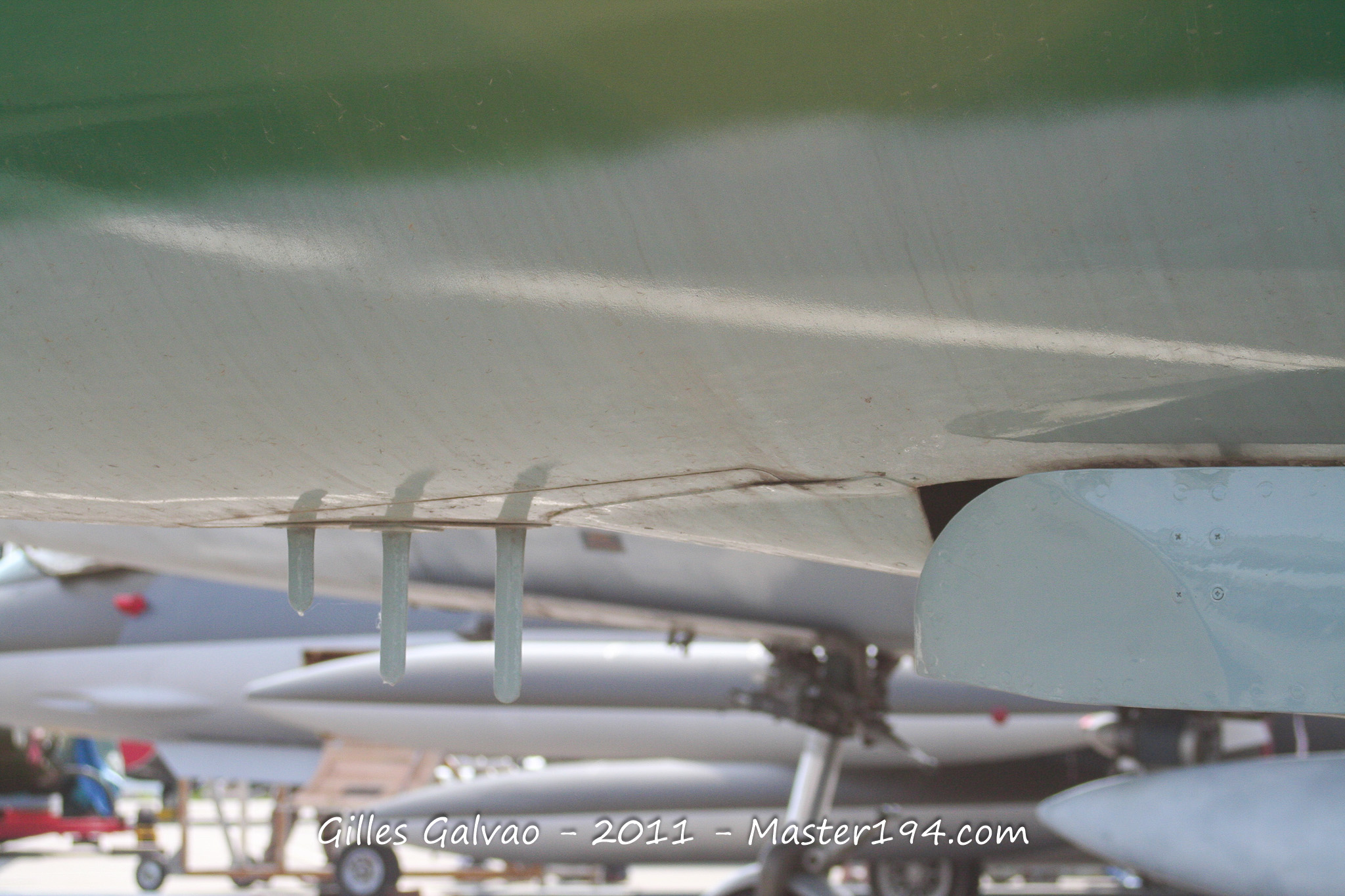
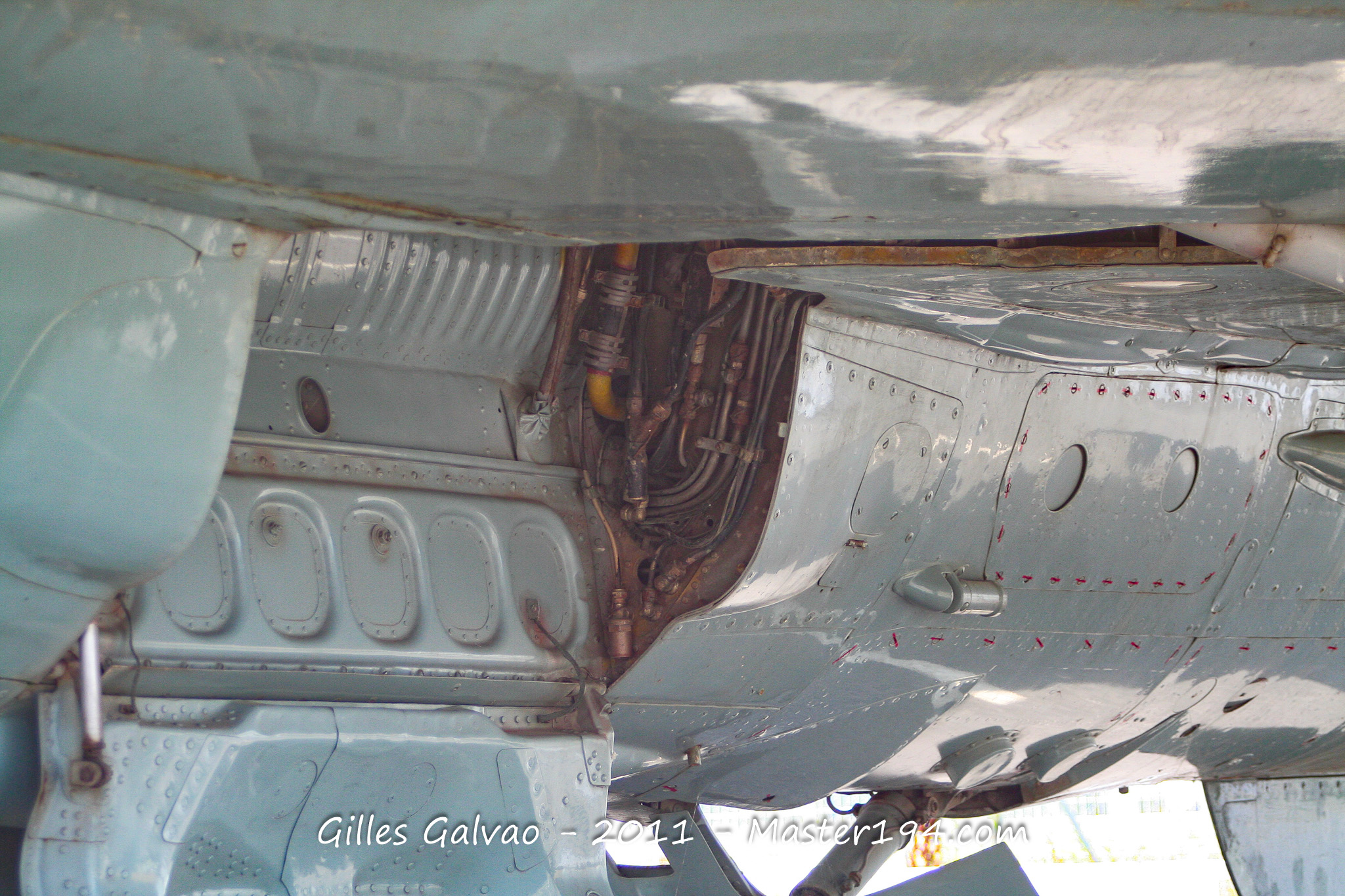
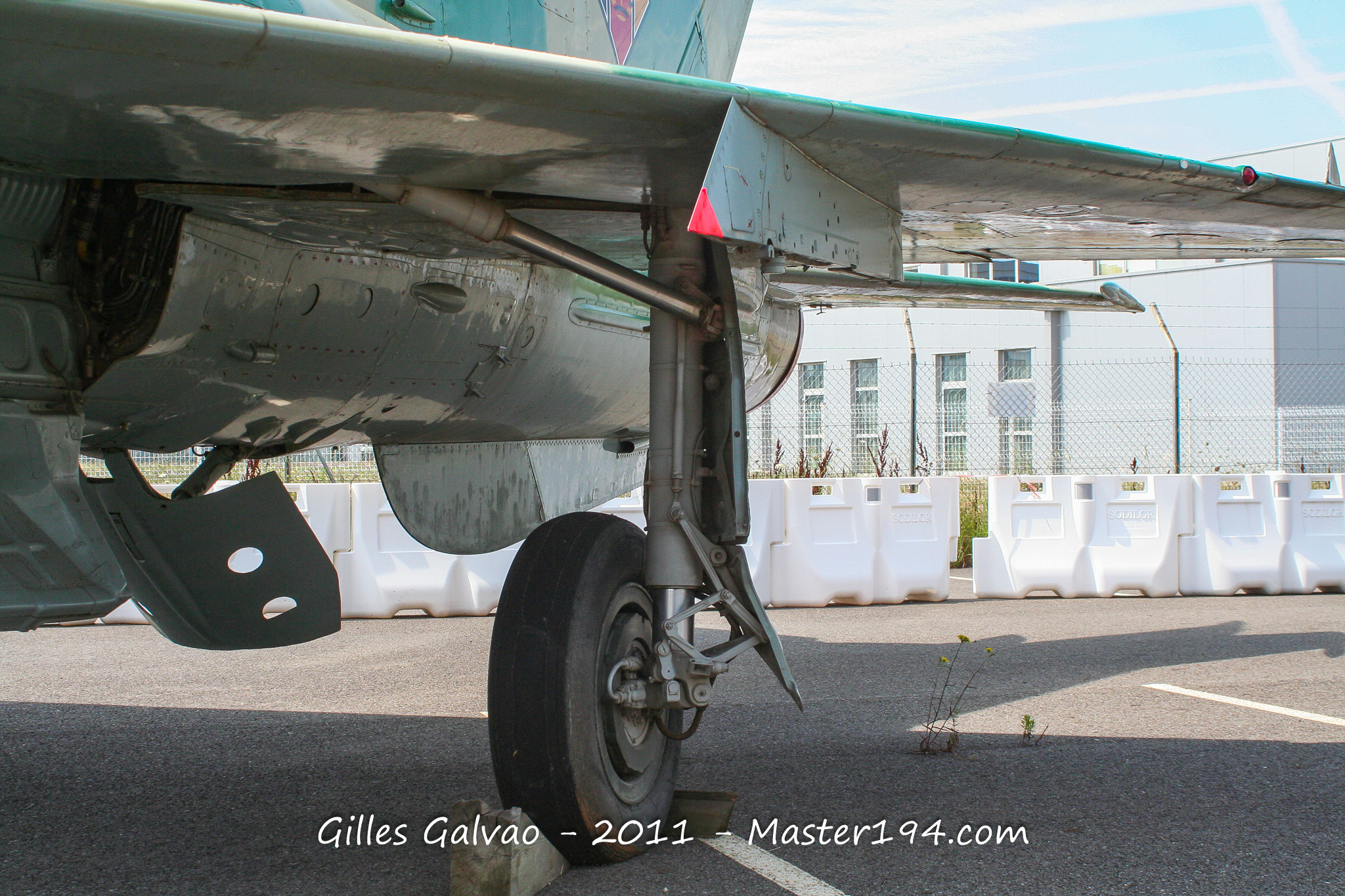
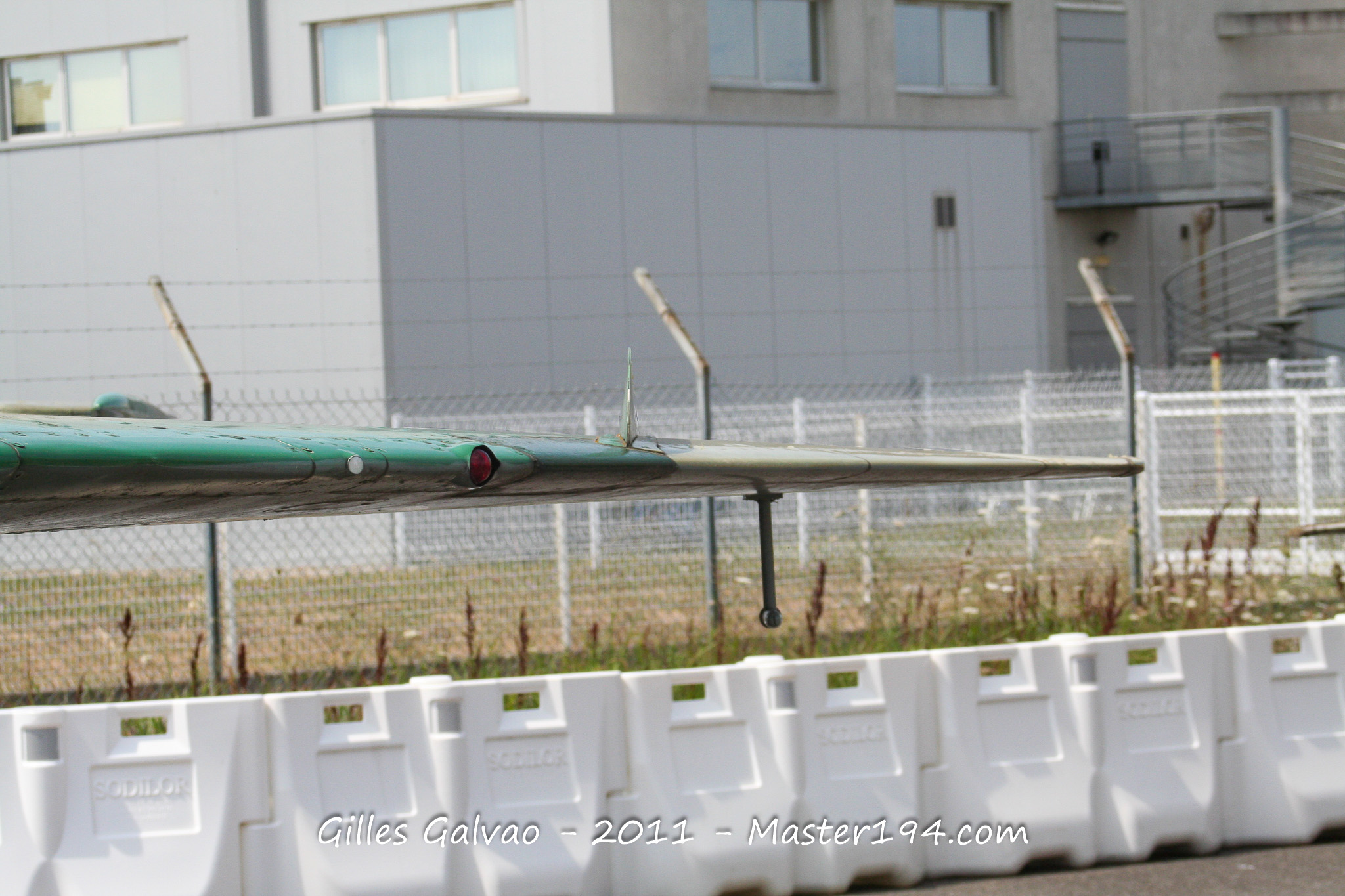
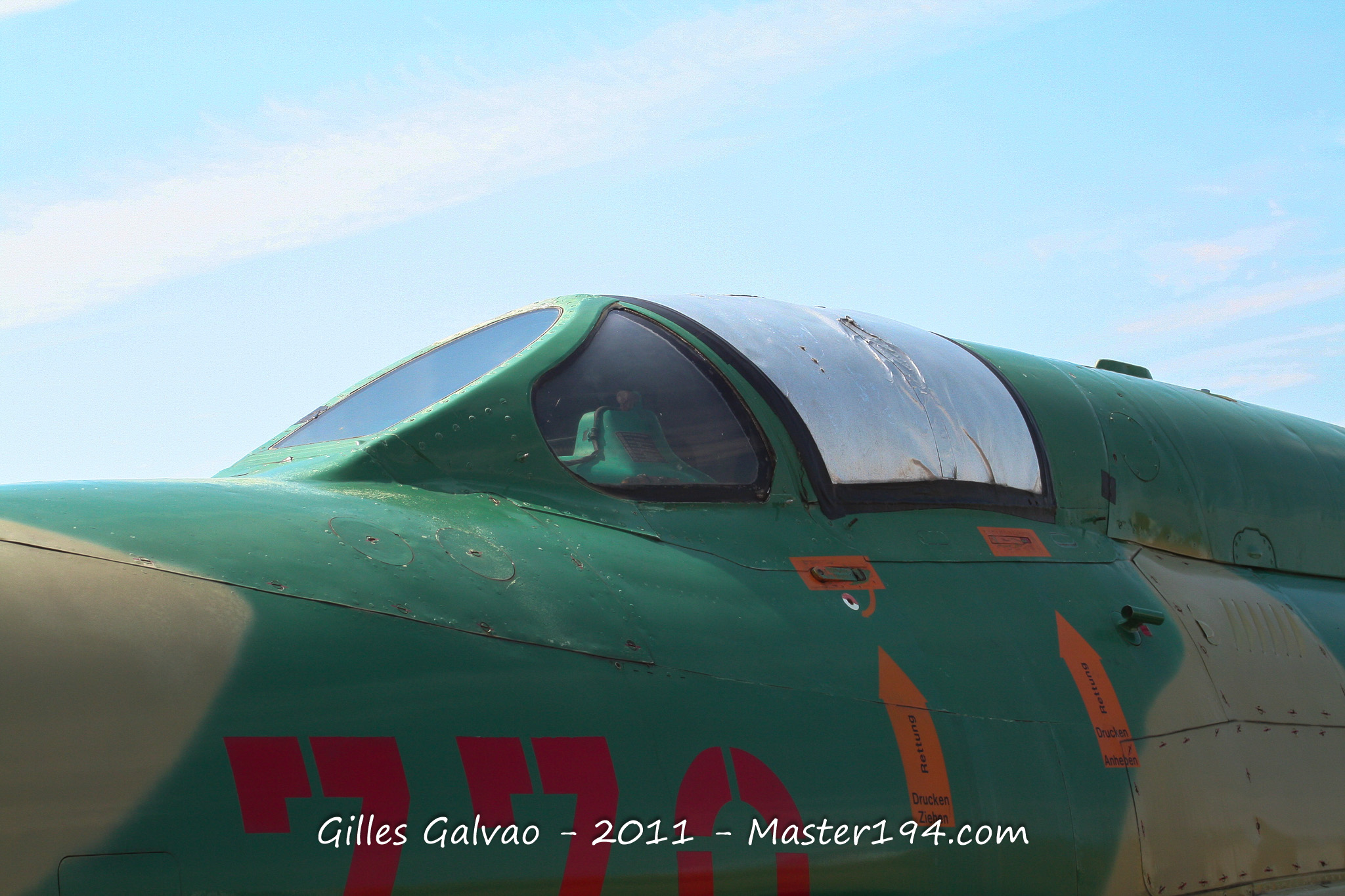
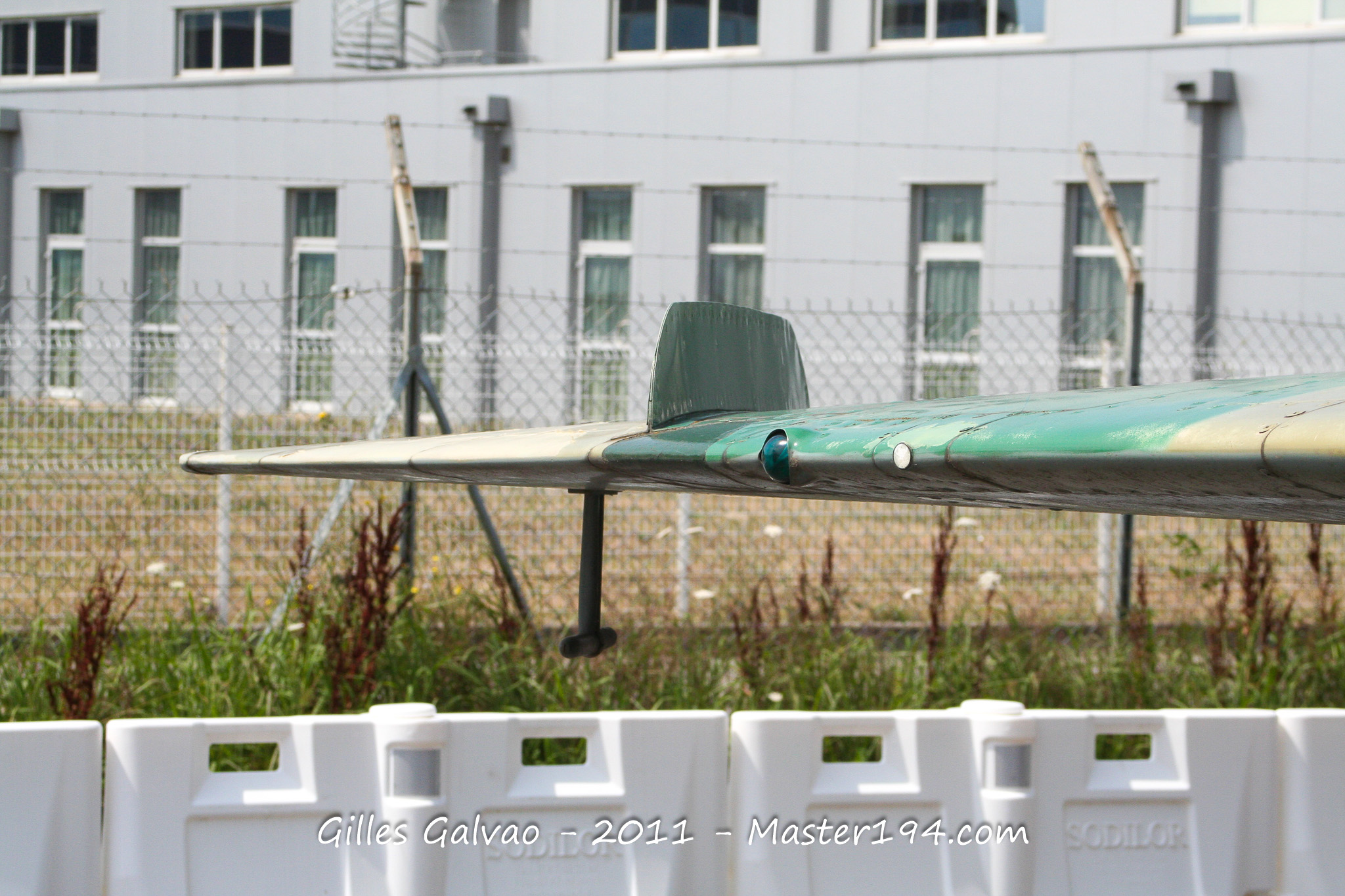
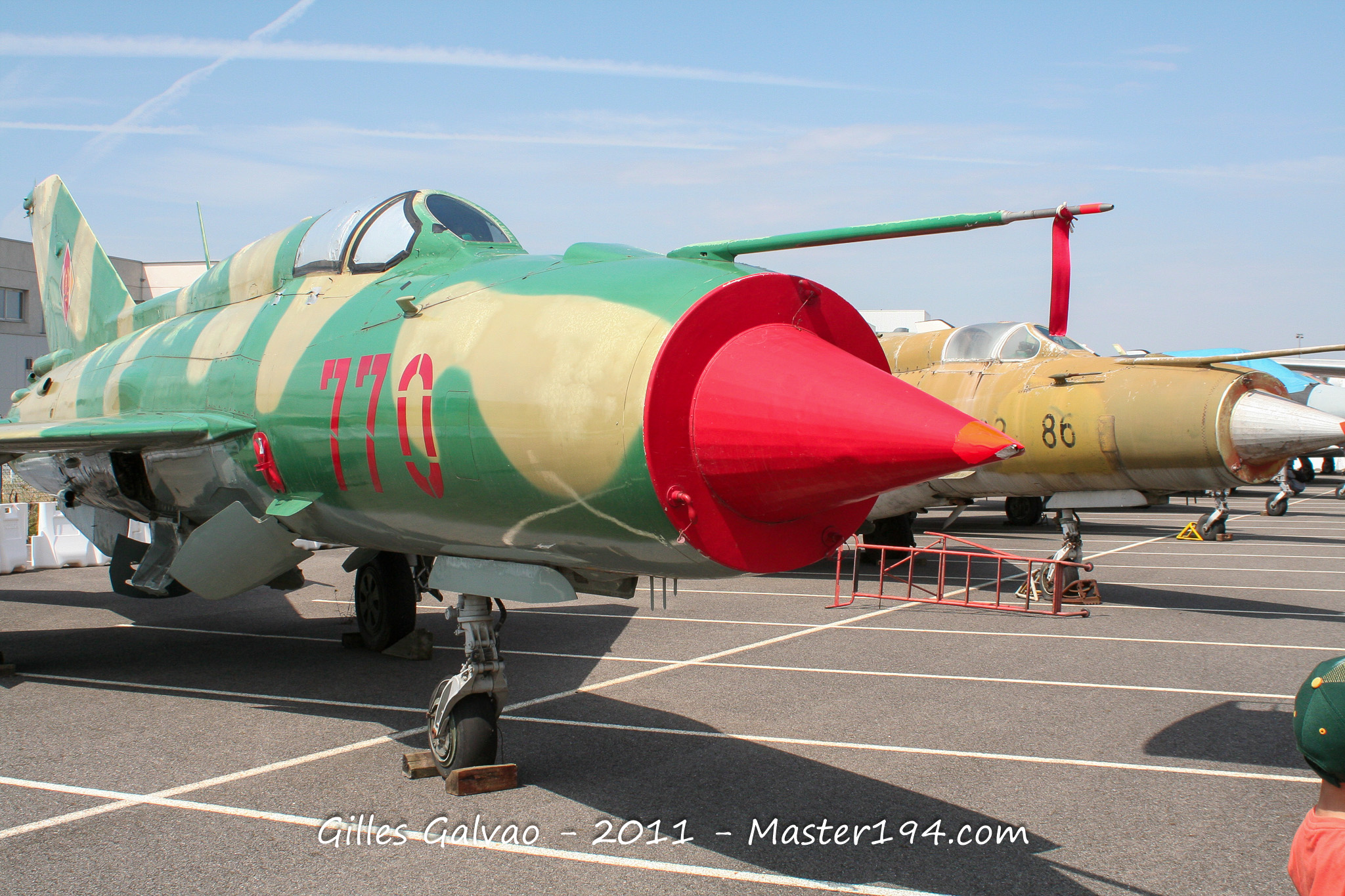
You can admire this MiG-21PFM at the Ailes Anciennes de Toulouse aviation museum; you can visit their official website here: