 by
Developed in the mid-1960s as an evolution of the F-4B, the McDonnell Douglas F-4J Phantom II represents one of the most capable first-generation Phantom variants. Built for the U.S. Navy and the U.S. Marine Corps, it retained the iconic Phantom silhouette while receiving major avionics, powerplant, and low-speed handling upgrades.
With 522 units produced, the F-4J became one of the primary carrier-borne American fighters of the late 1960s and 1970s. It notably saw extensive combat over North Vietnam before embarking on a long career across multiple air arms.
A Thoroughly Upgraded Phantom
Externally, the F-4J remains instantly recognizable as a Phantom, yet its modifications compared to the F-4B were extensive.
The primary evolution lay in its avionics. The F-4J received the AN/AWG-10 fire control system, integrated with the AN/APG-59 pulse-Doppler radar. This system dramatically enhanced low-altitude detection and tracking, allowing the radar to isolate low-flying targets from ground and sea clutter. This look-down/shoot-down capability represented a major tactical leap for a naval fighter operating in high-clutter environments.
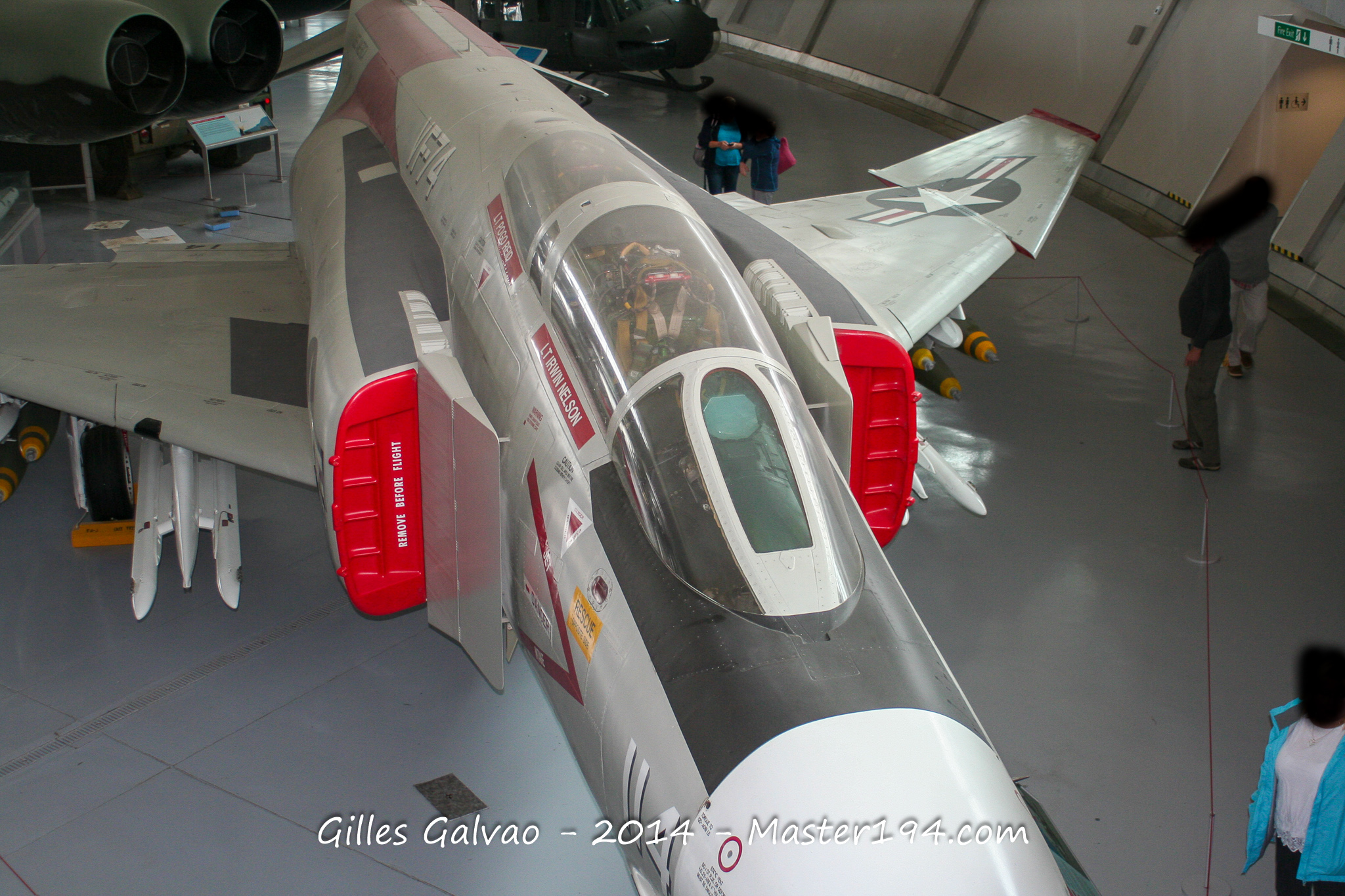
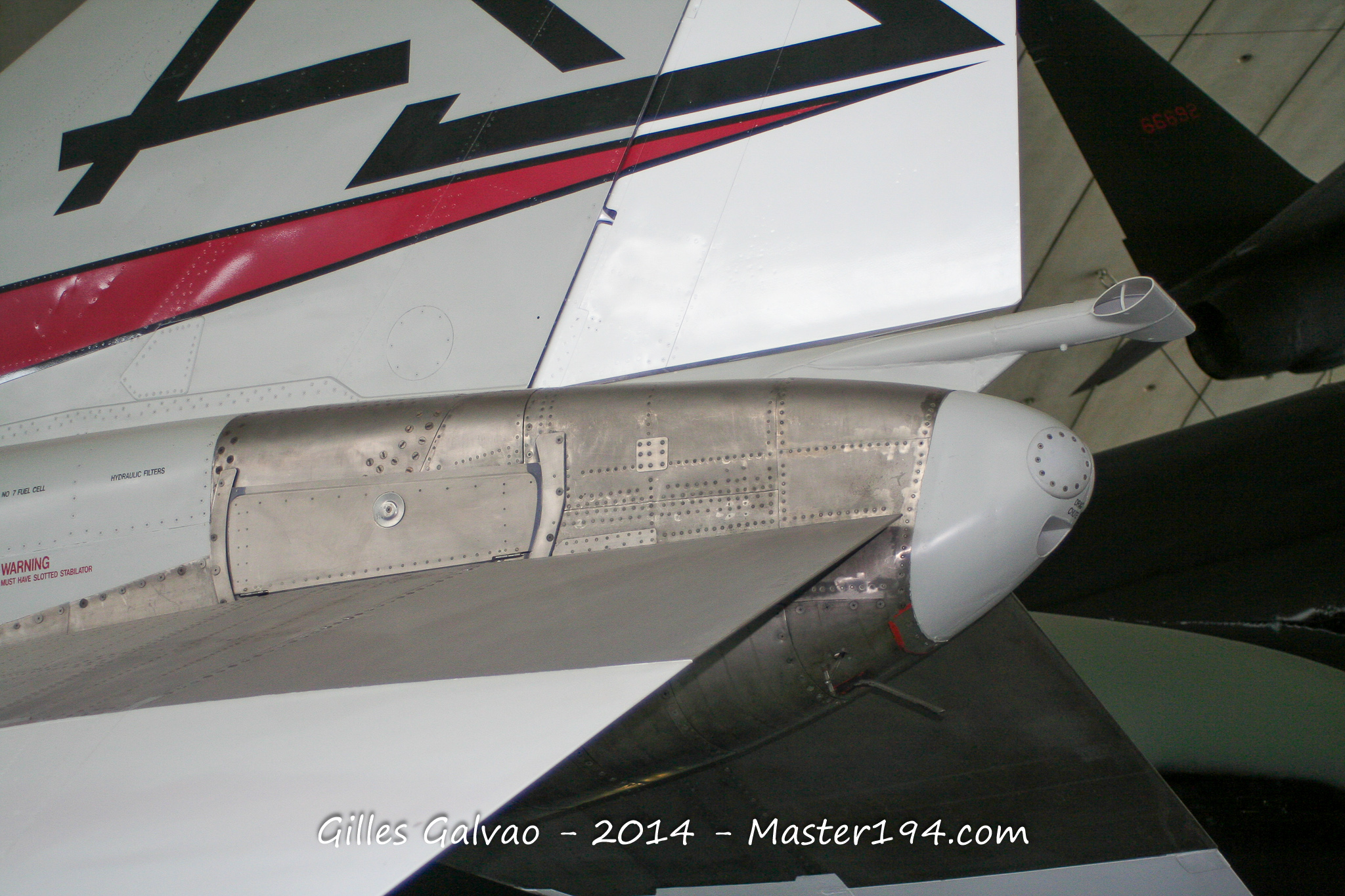
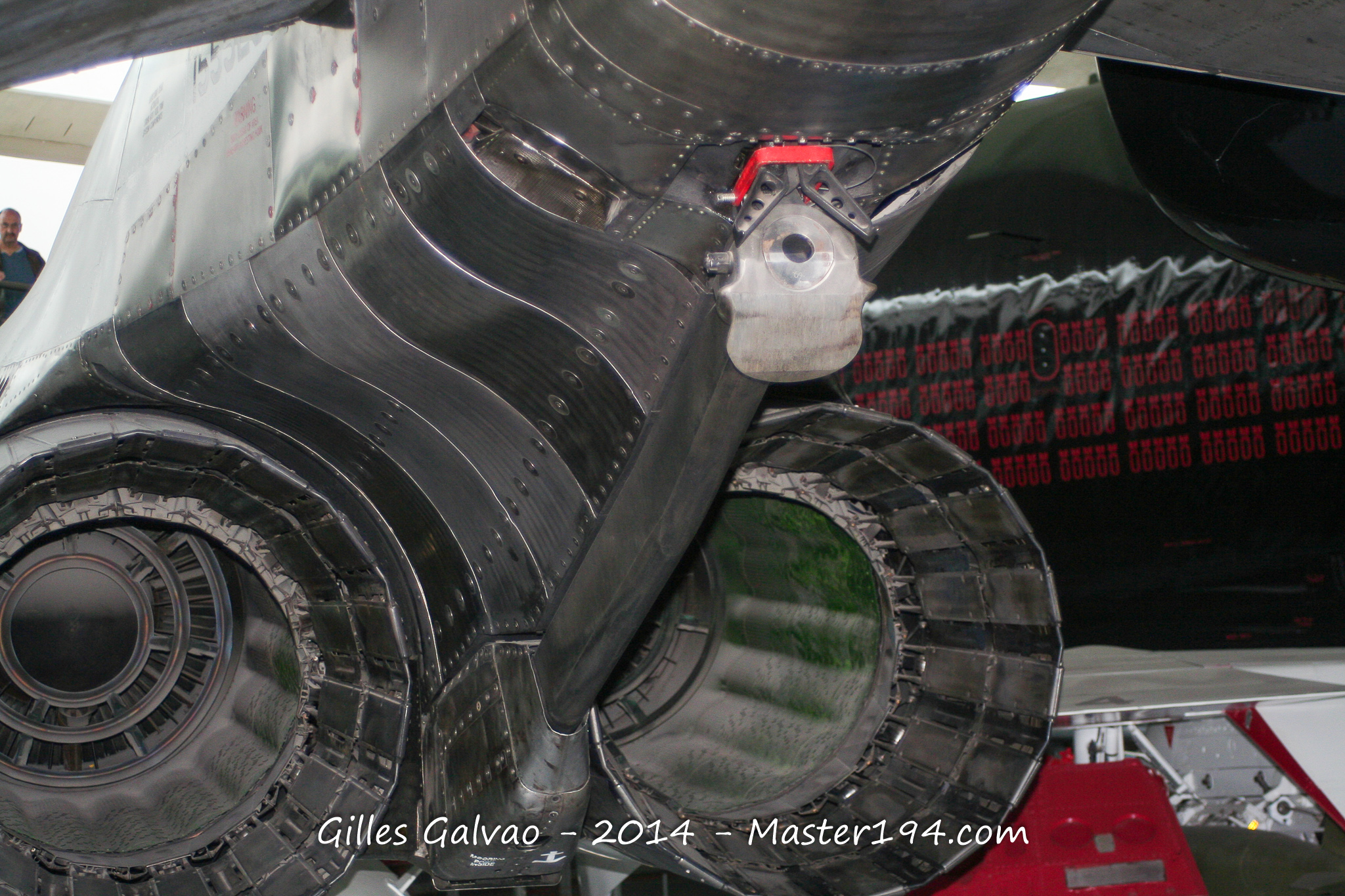
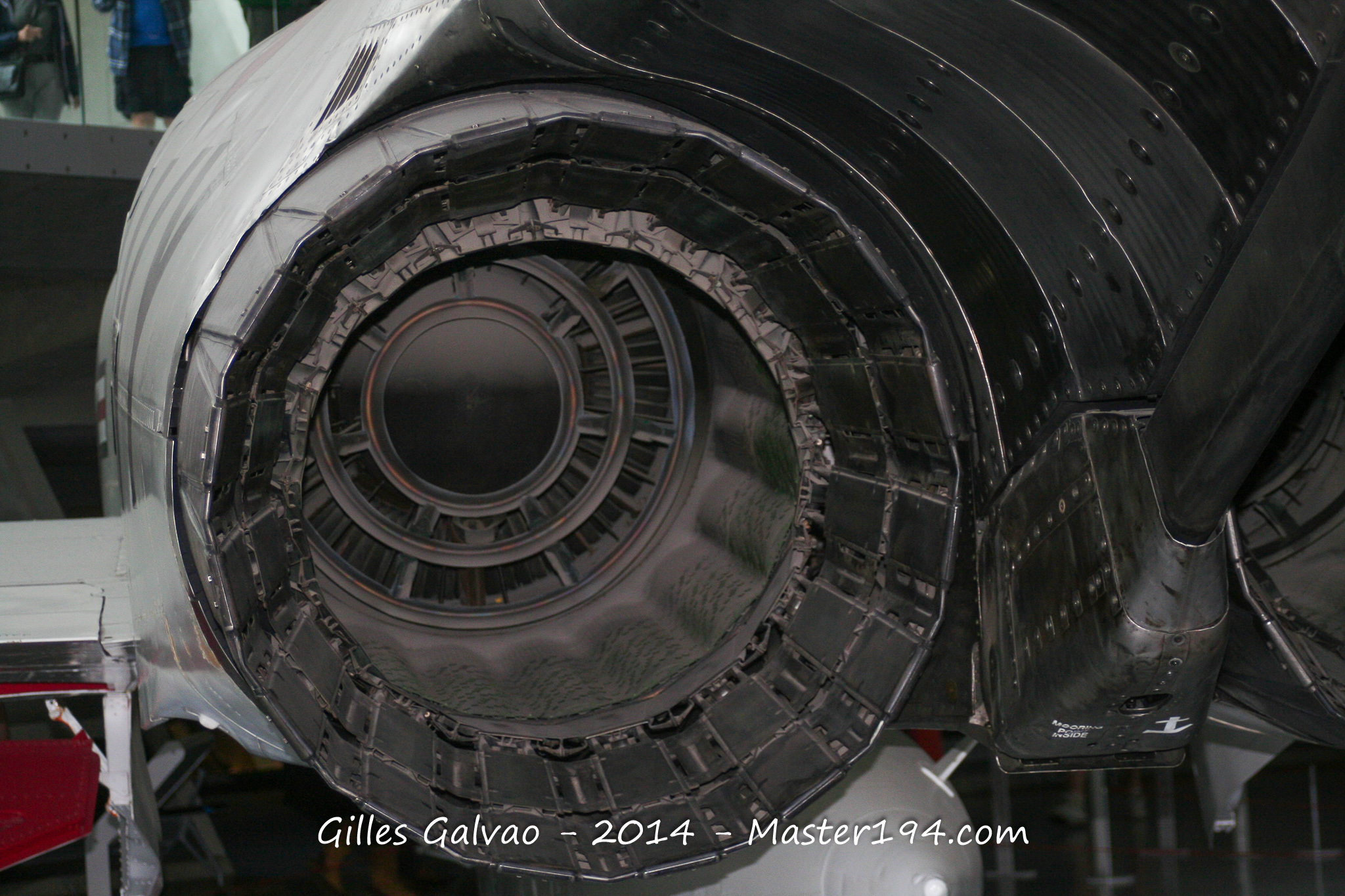
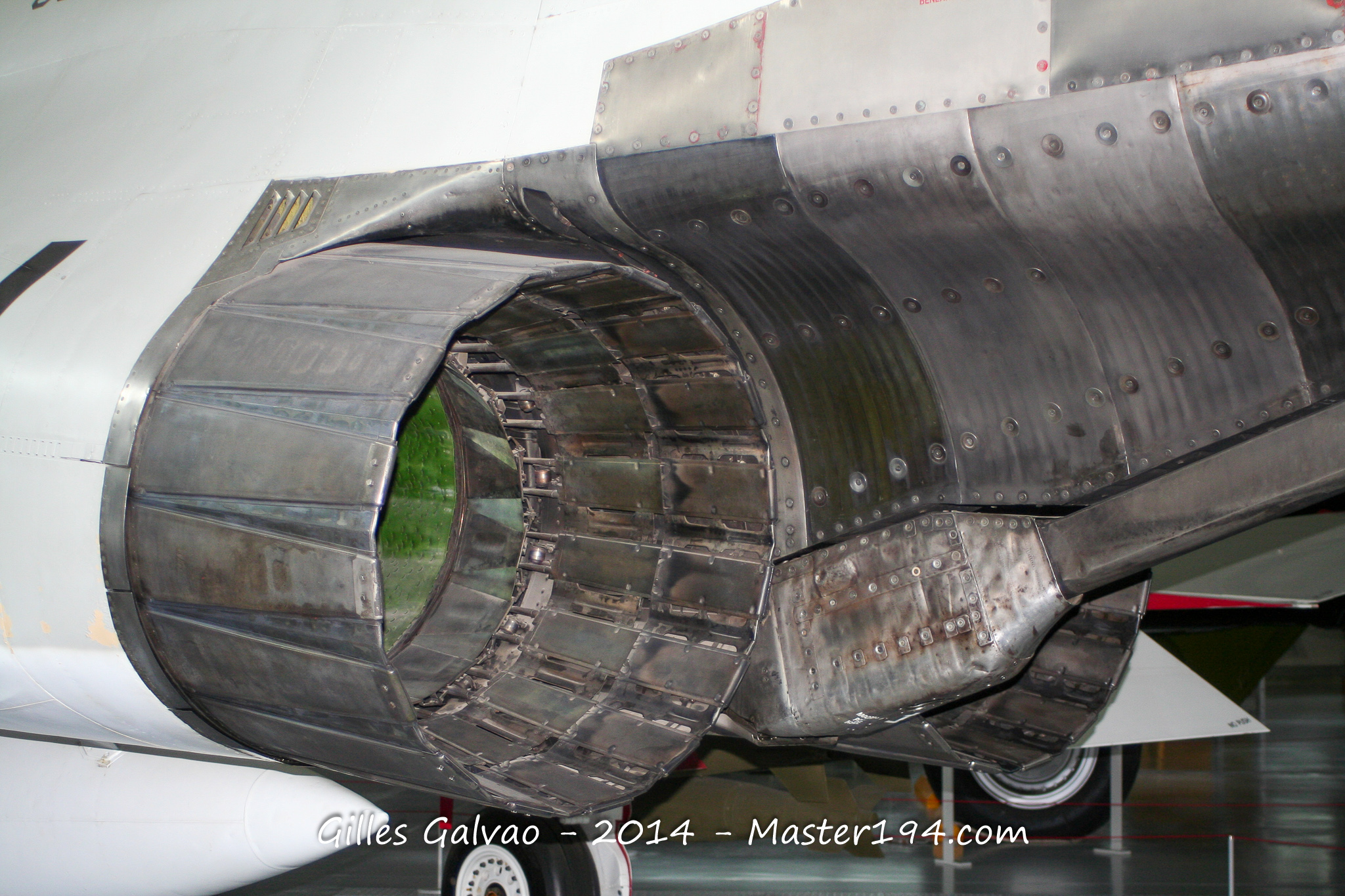
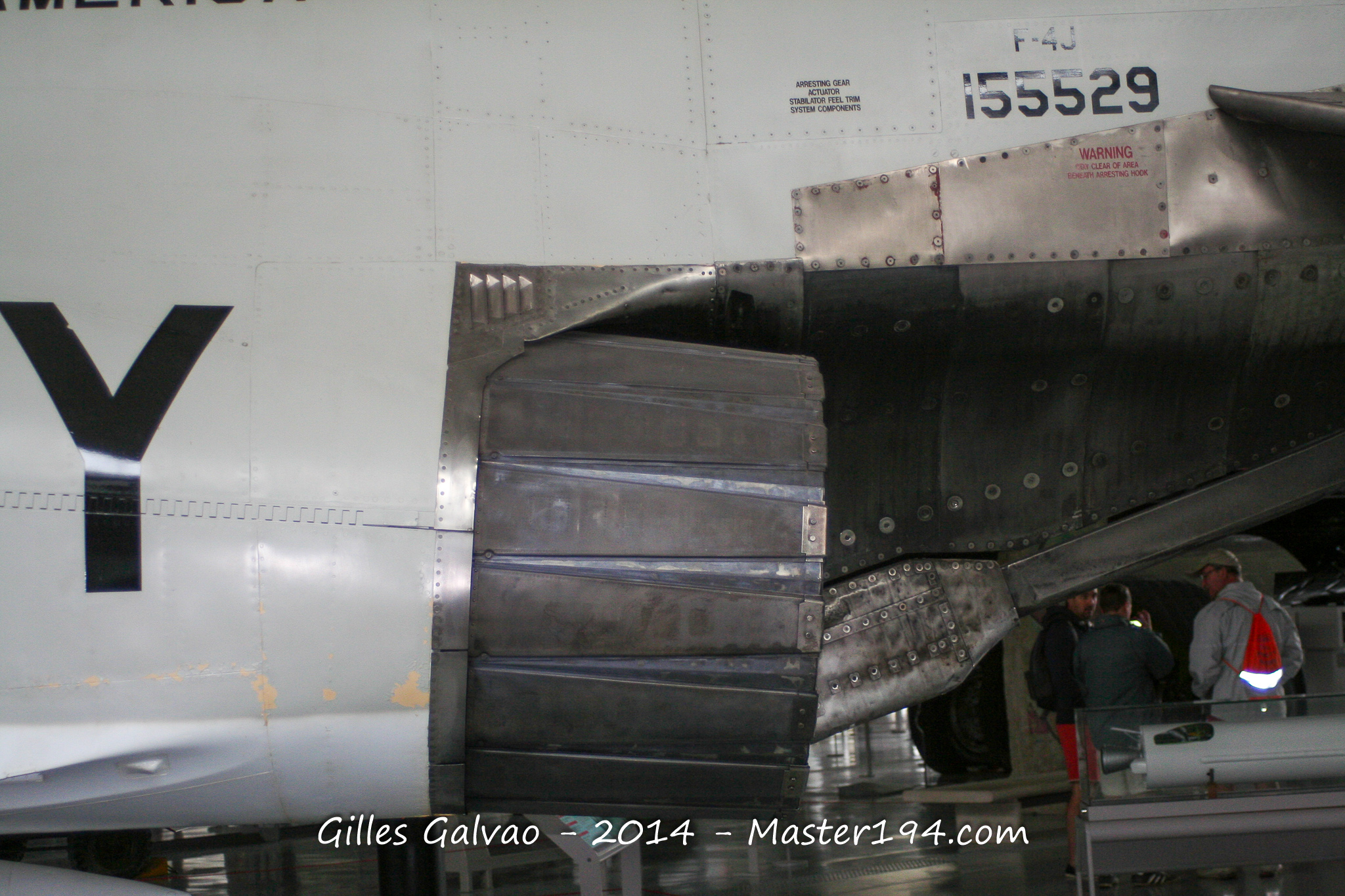
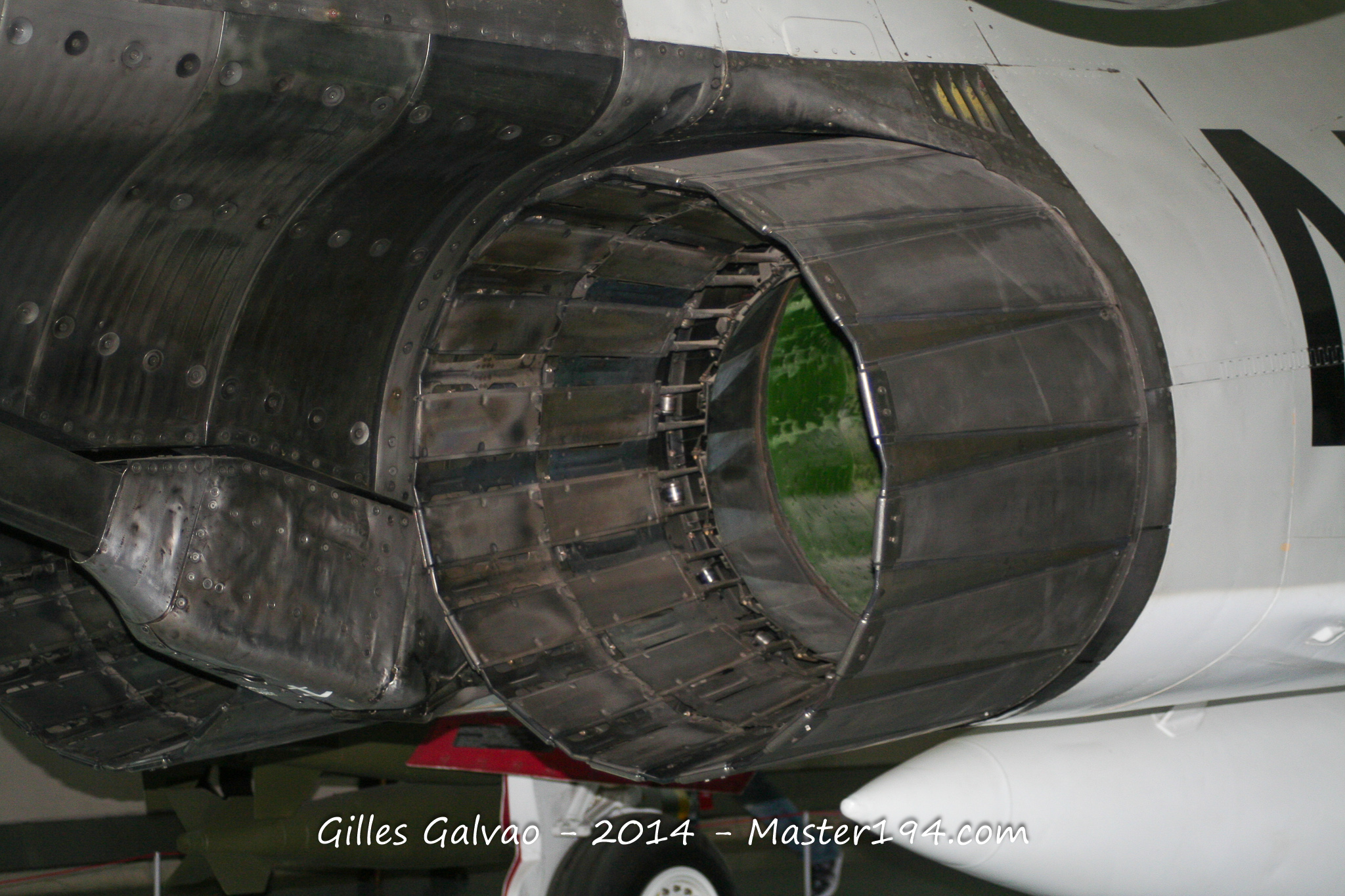
Power was provided by two General Electric J79-GE-10 turbojets, featuring longer afterburner nozzles than those on earlier variants, alongside a slightly increased internal fuel capacity.
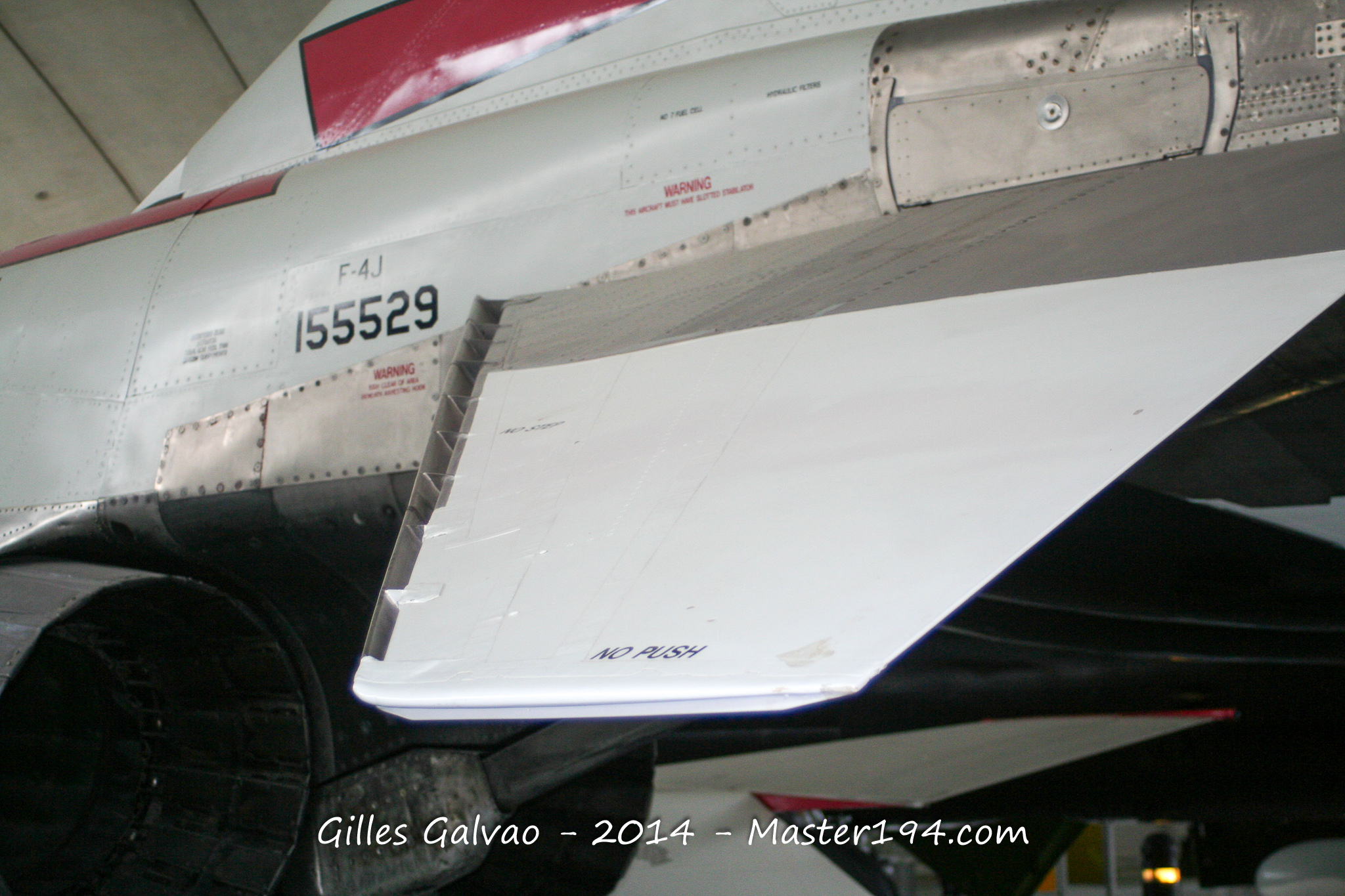
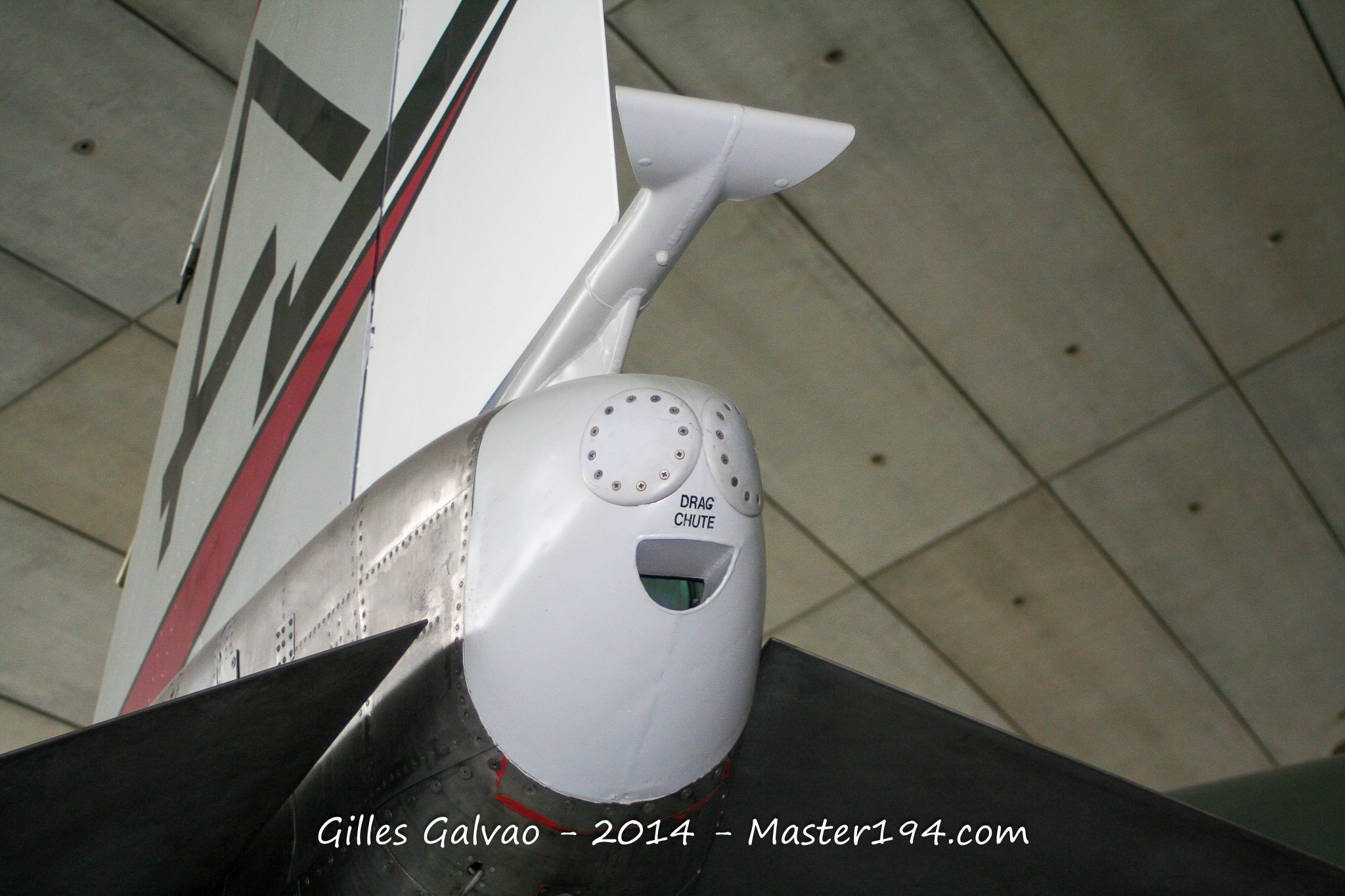
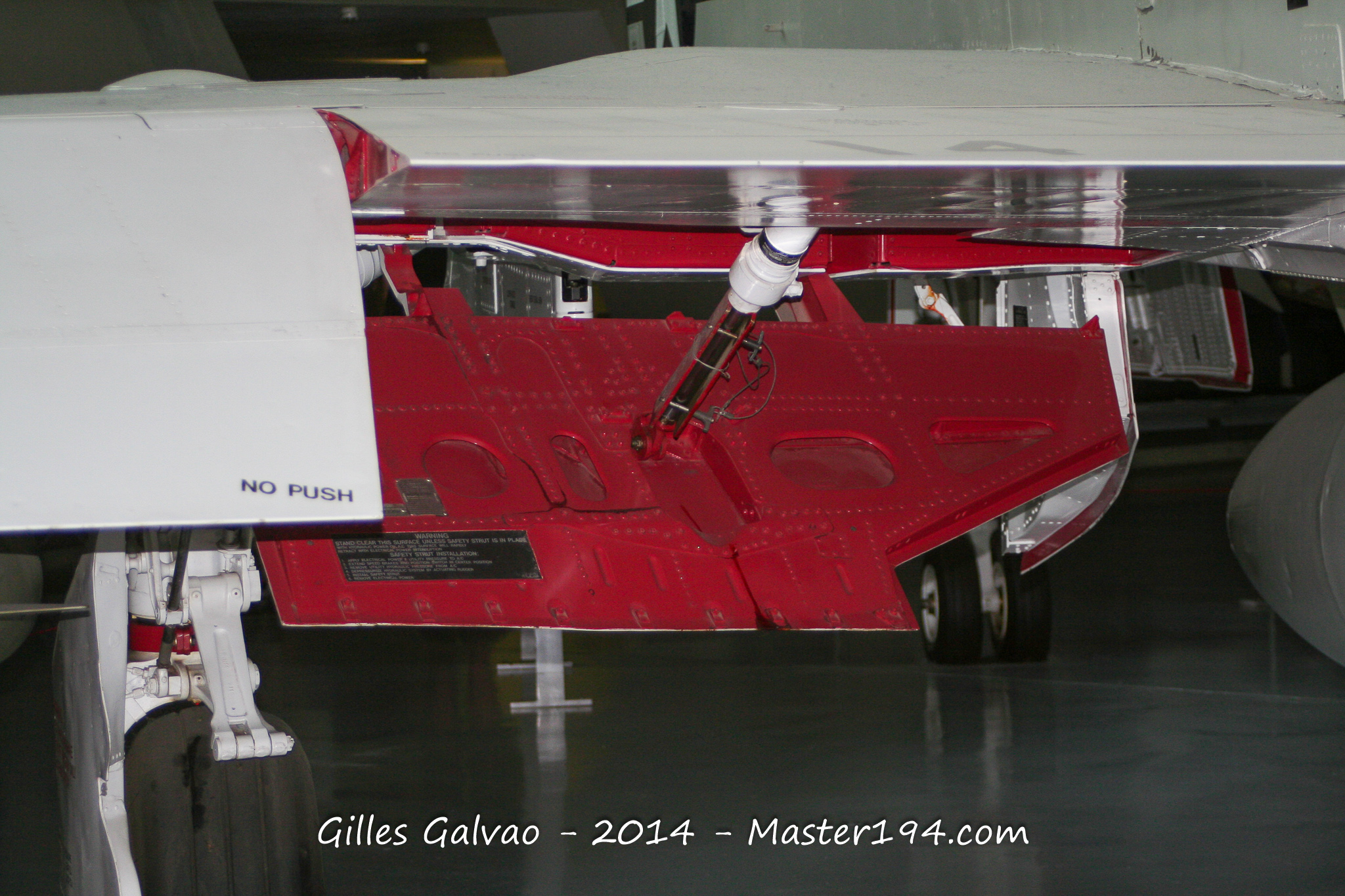
Aerodynamic refinements were equally significant. To improve performance during catapult launches and carrier recovery approaches, the F-4J was fitted with a slotted stabilator. The inboard wing leading-edge flaps were locked closed, while the ailerons could droop 16.5° when the landing gear and flaps were extended. This configuration generated additional low-speed lift, significantly reducing approach speeds.
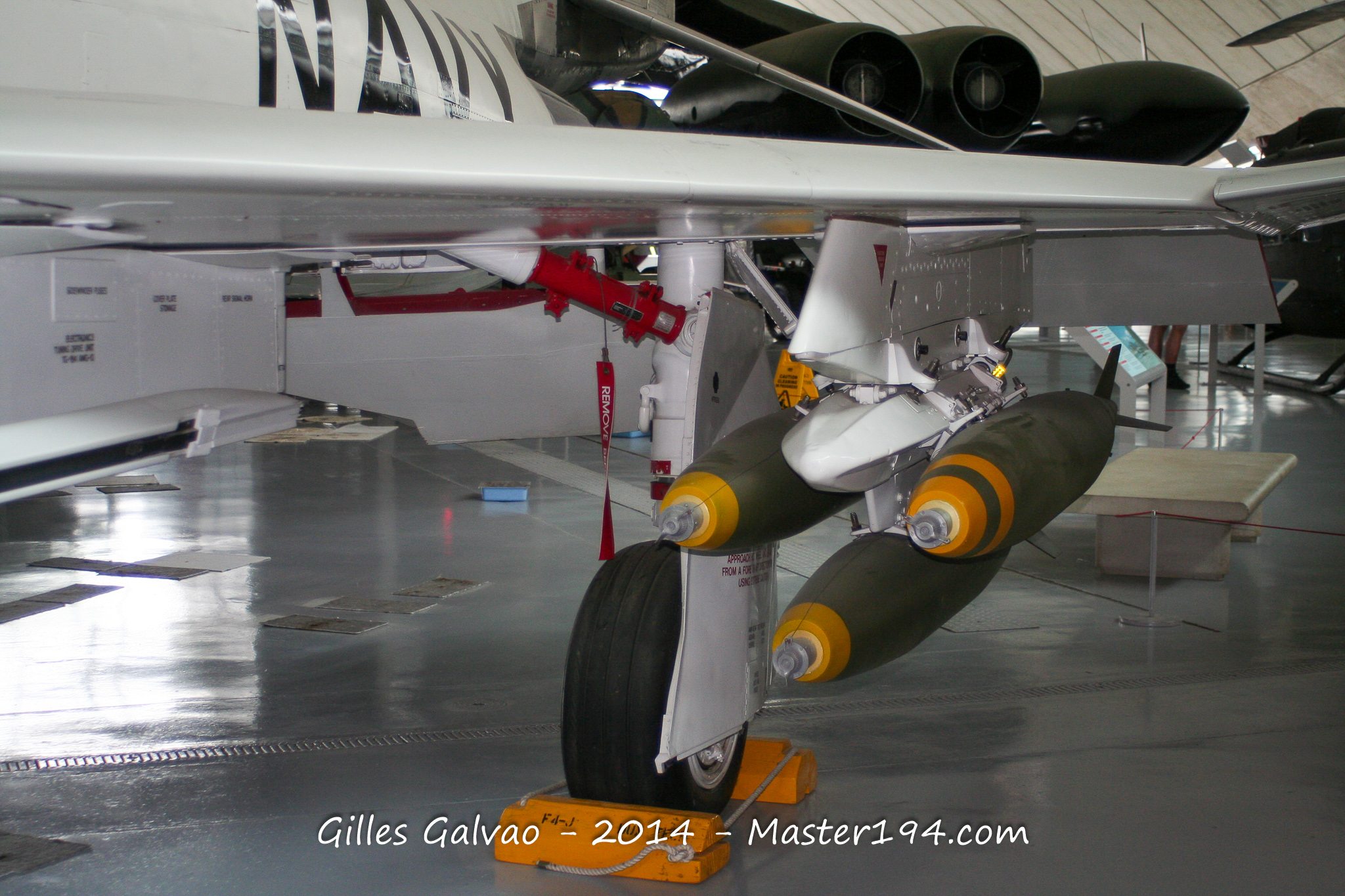
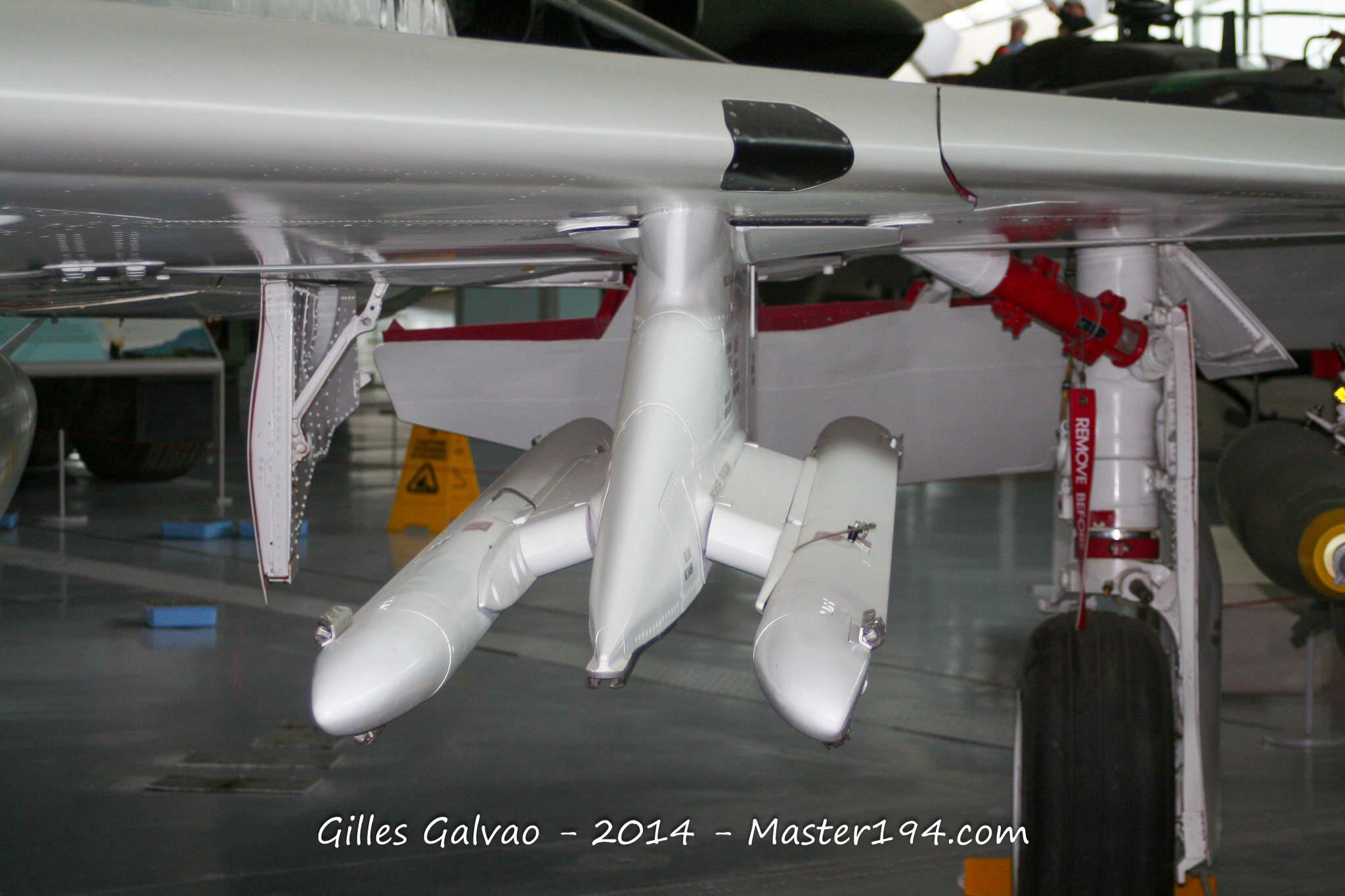
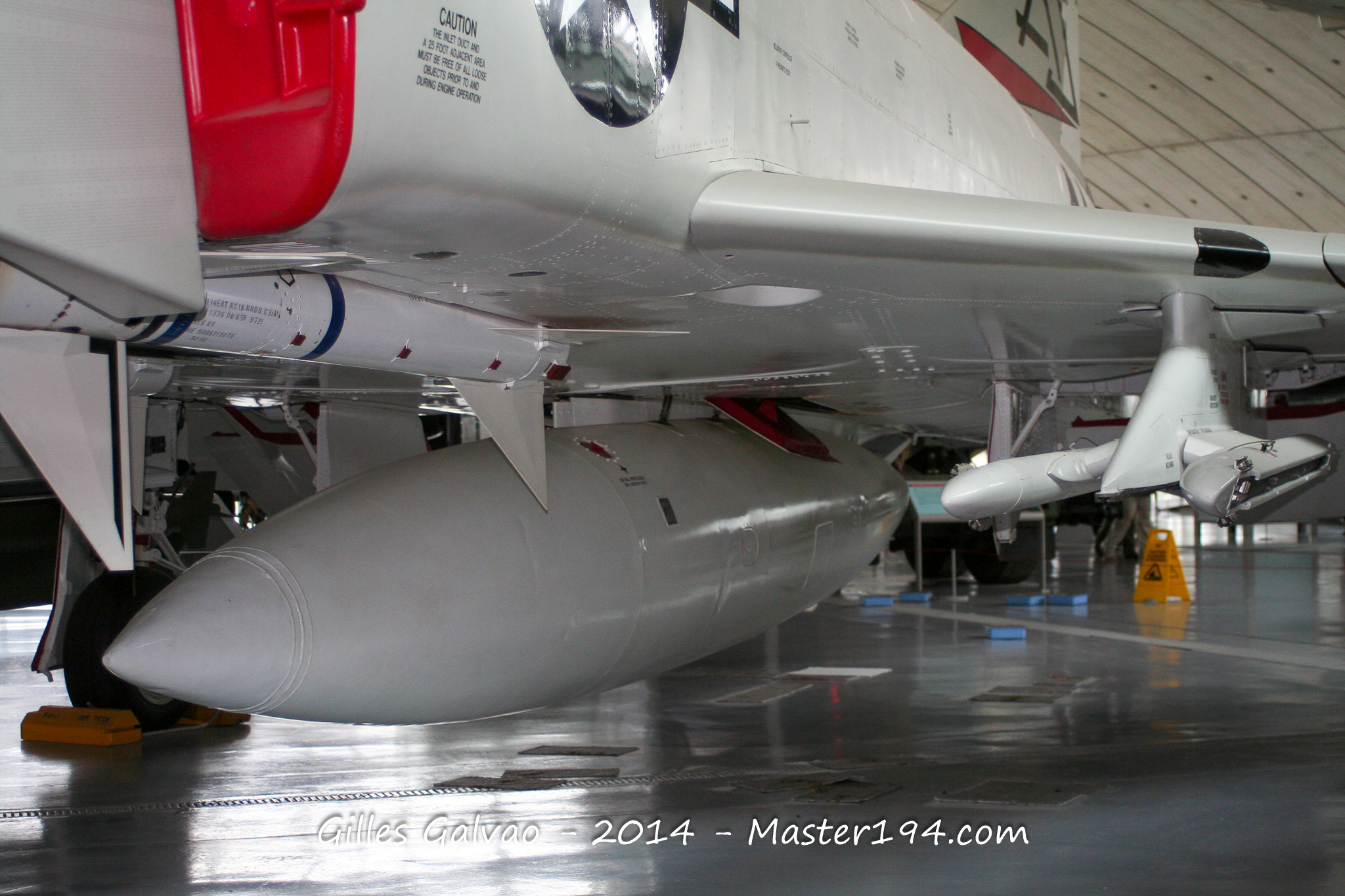
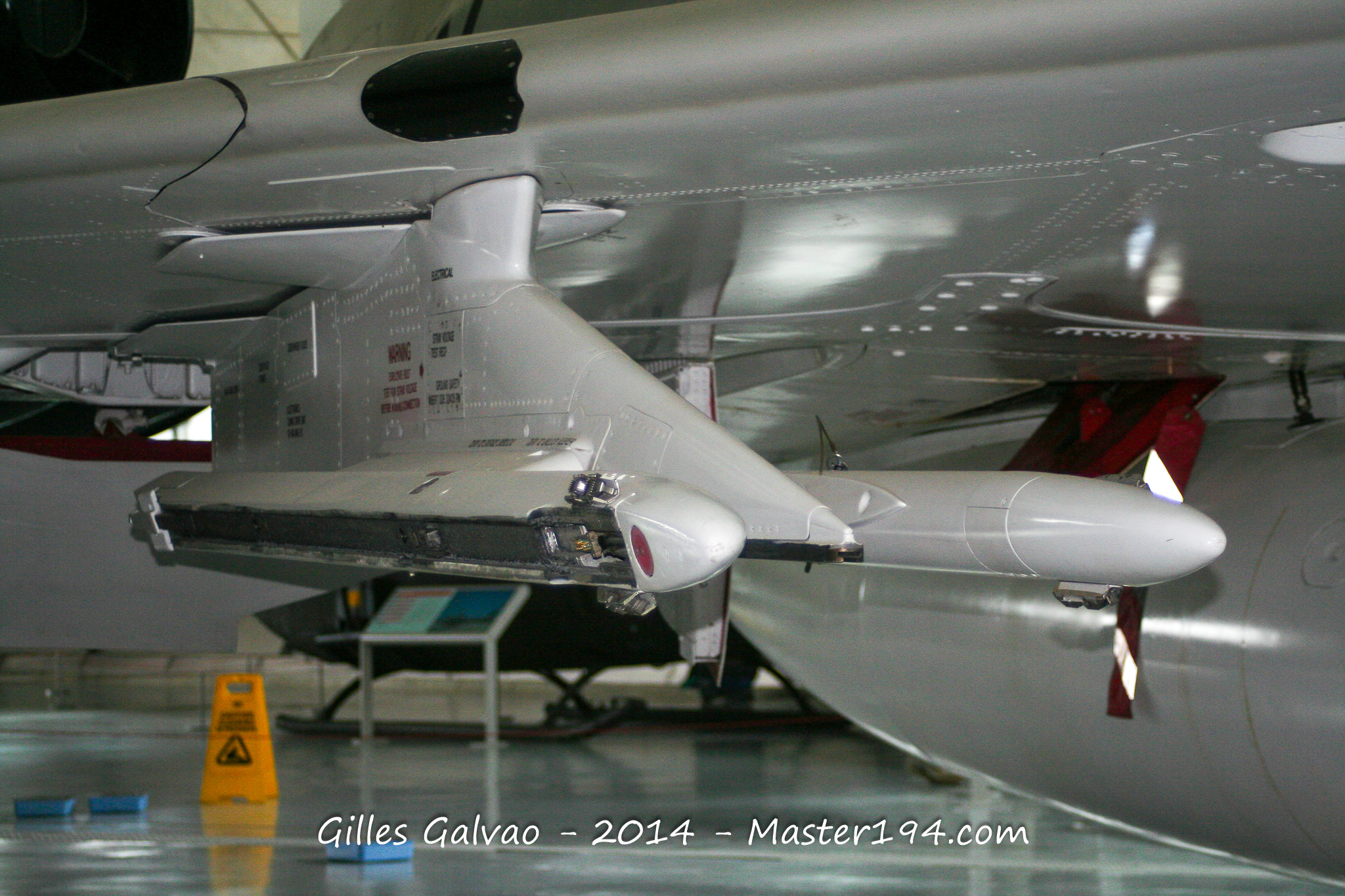
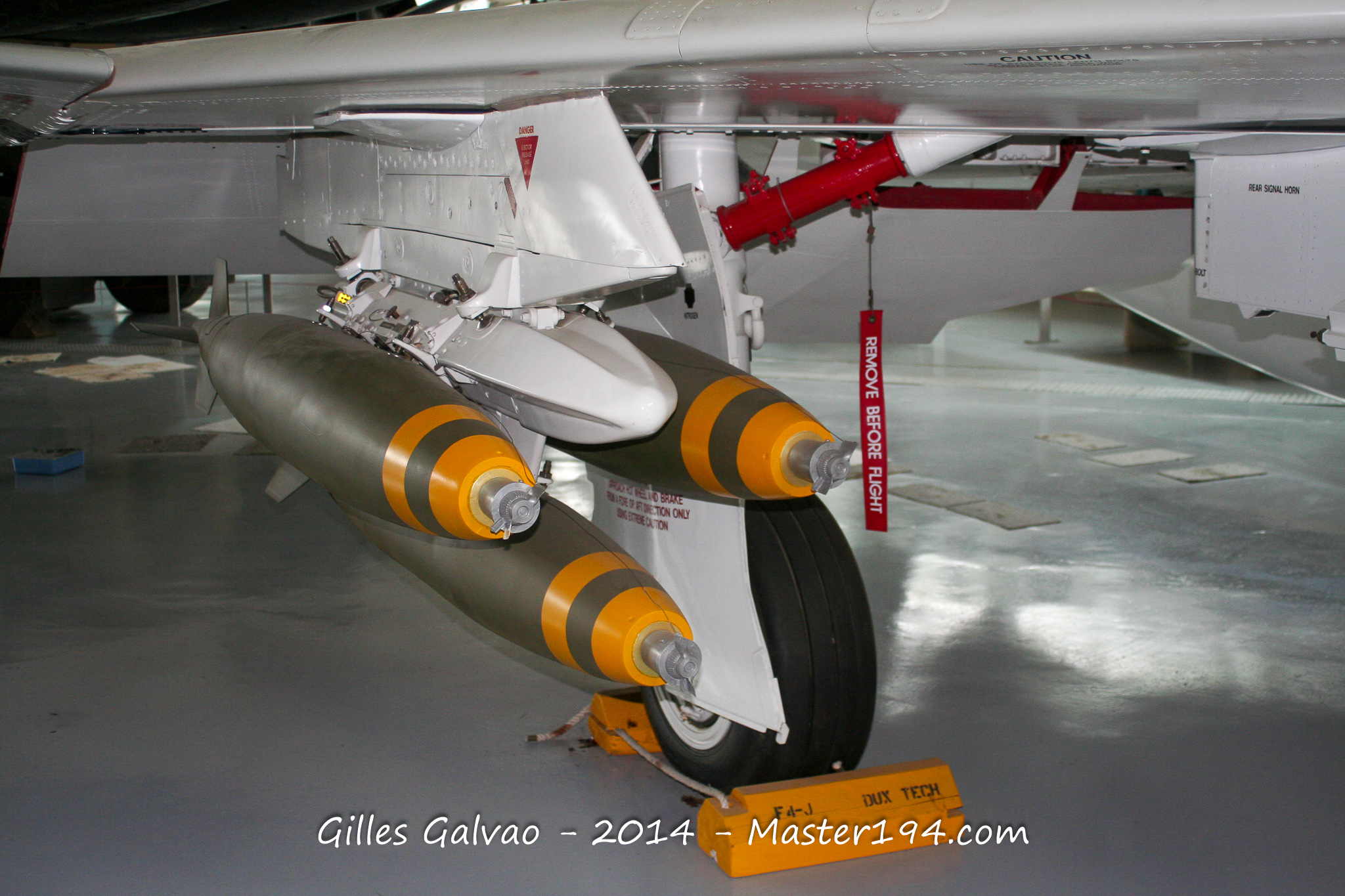
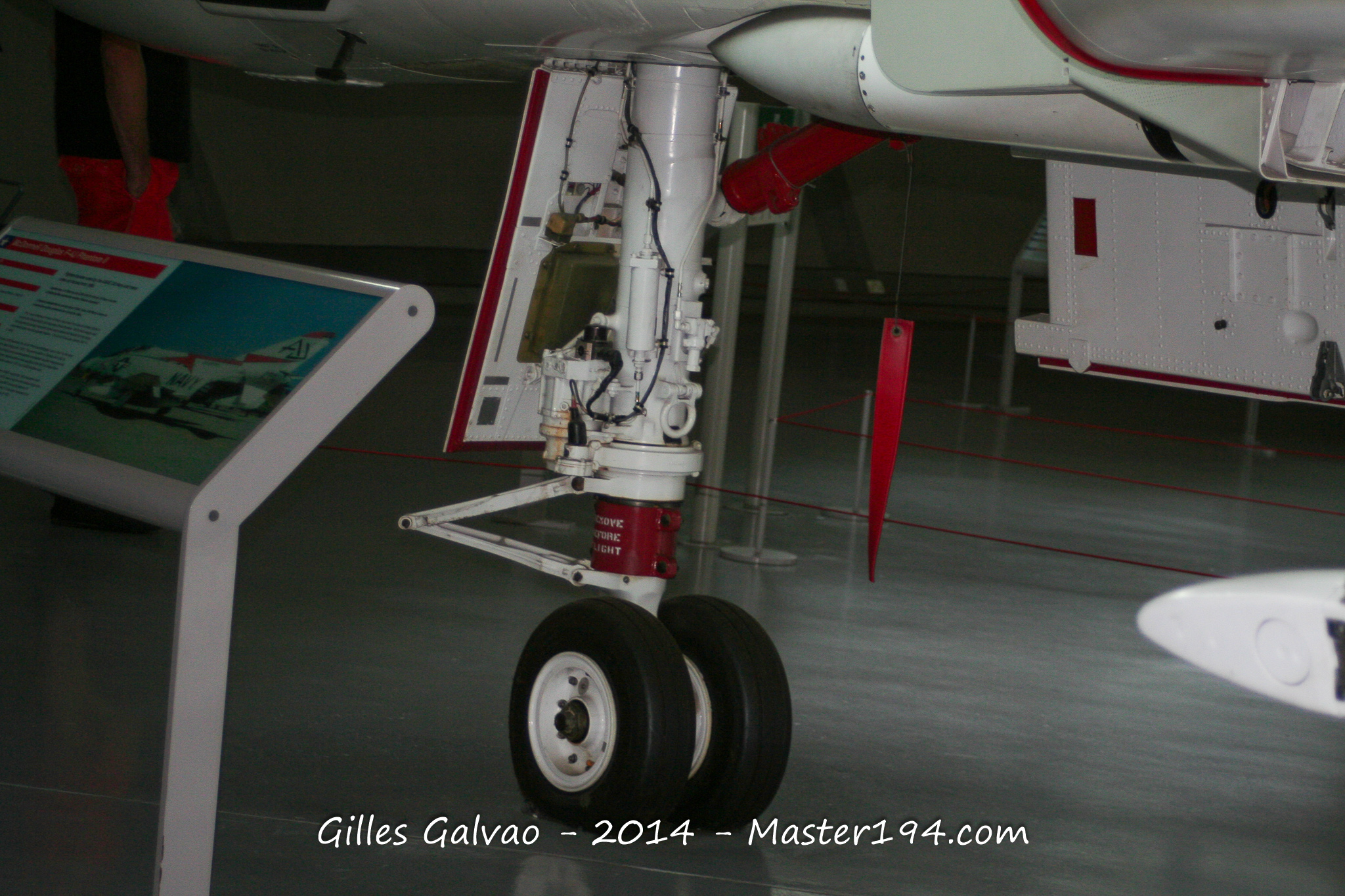
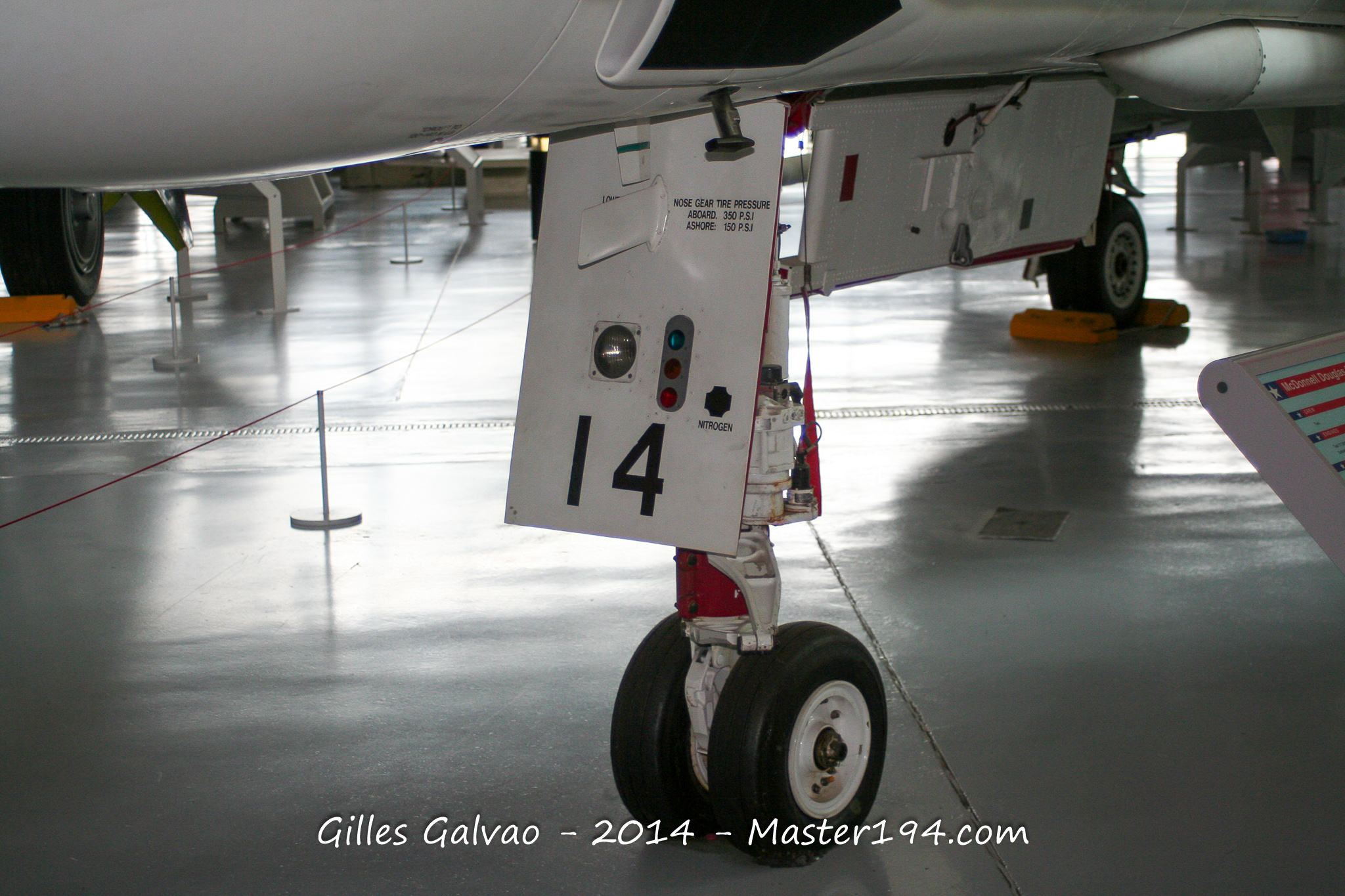
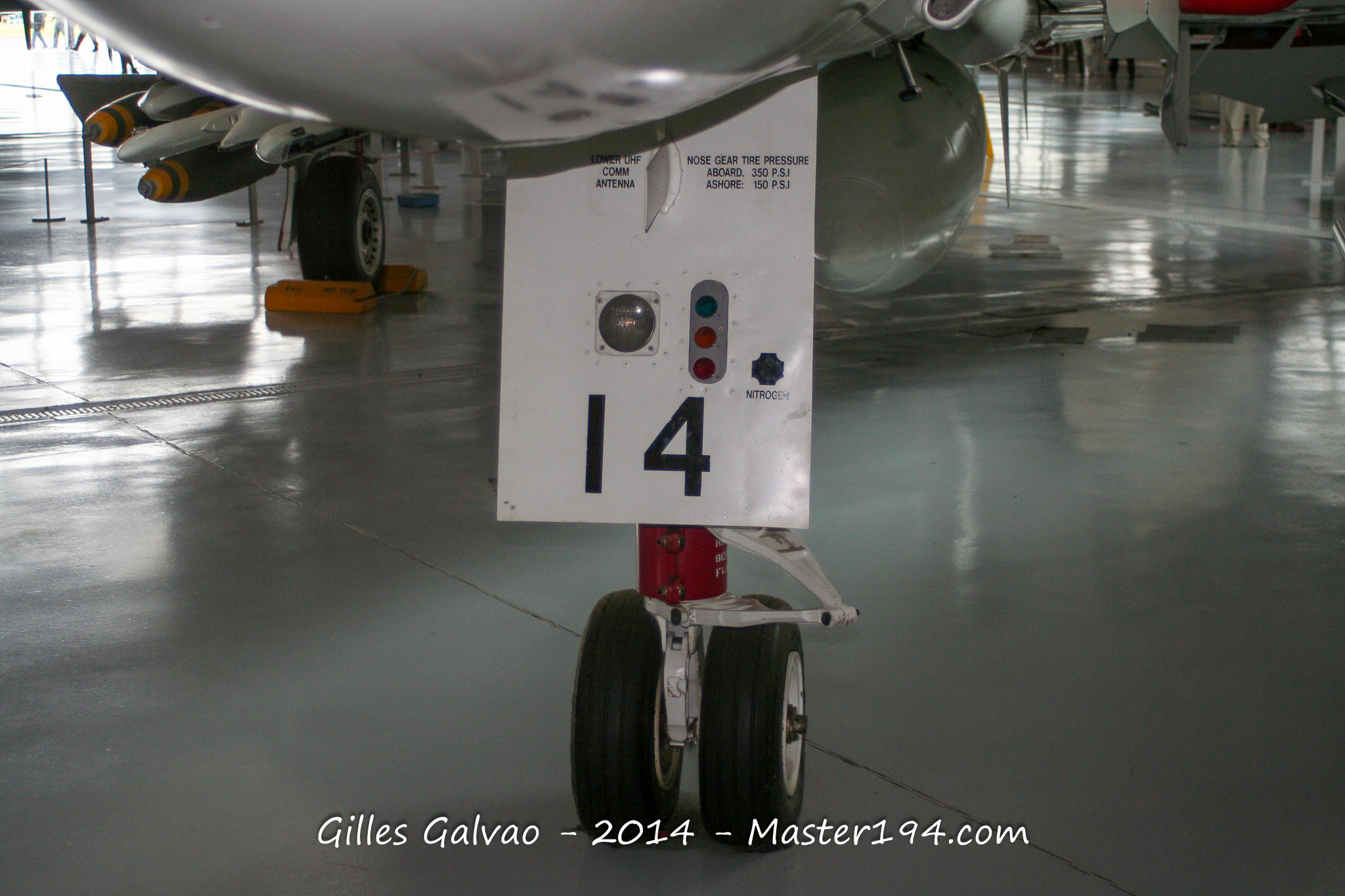
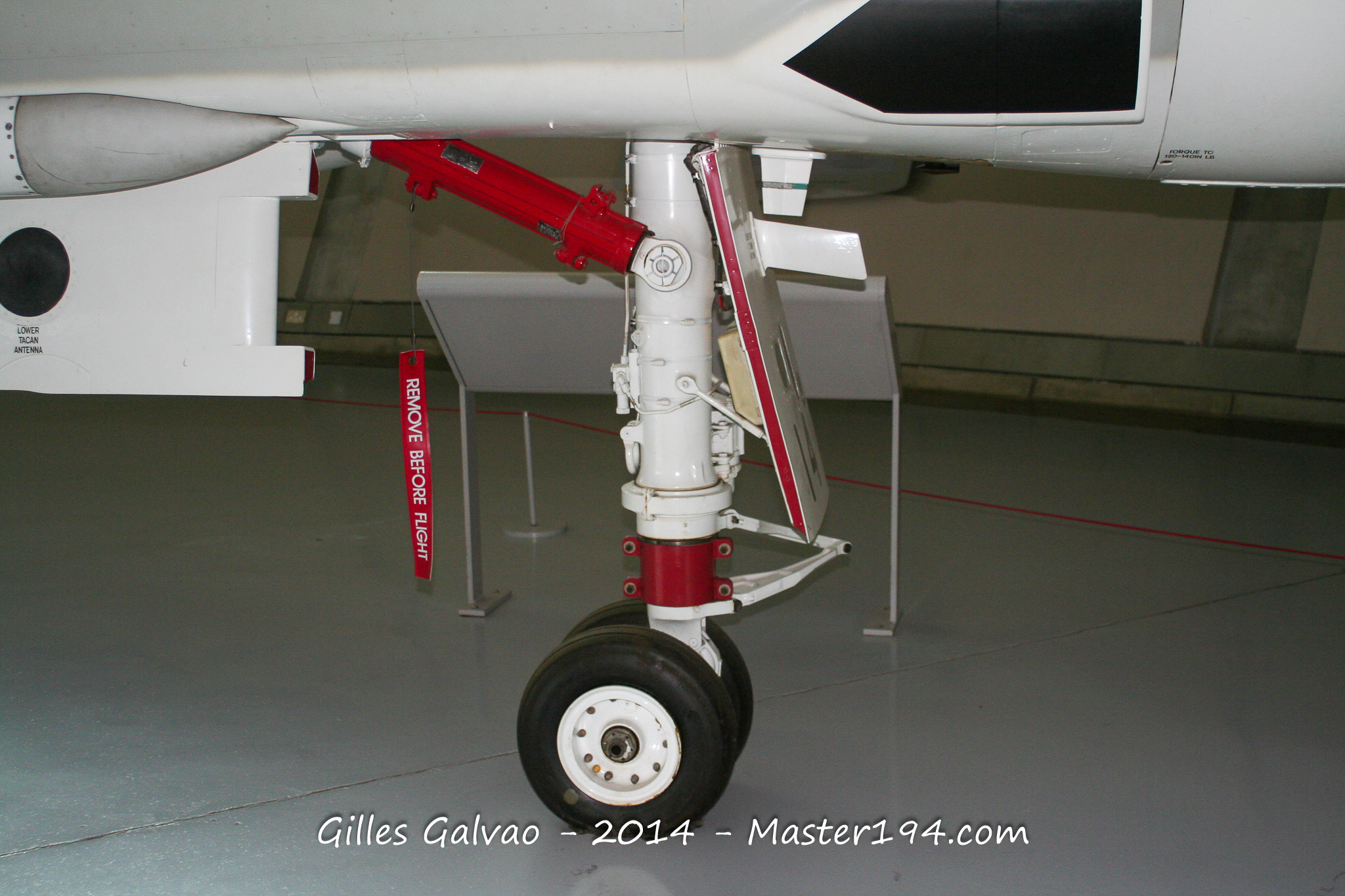
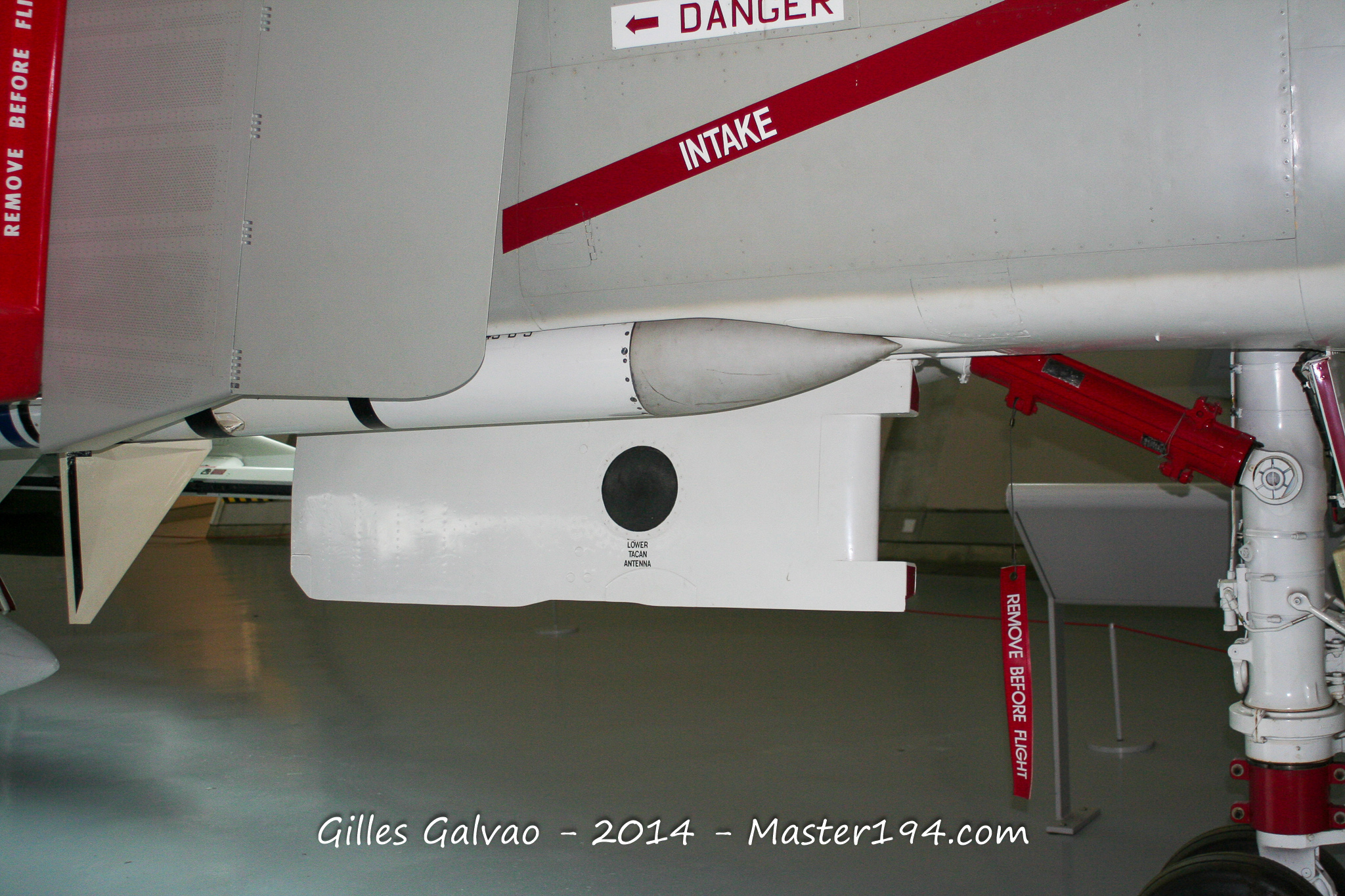
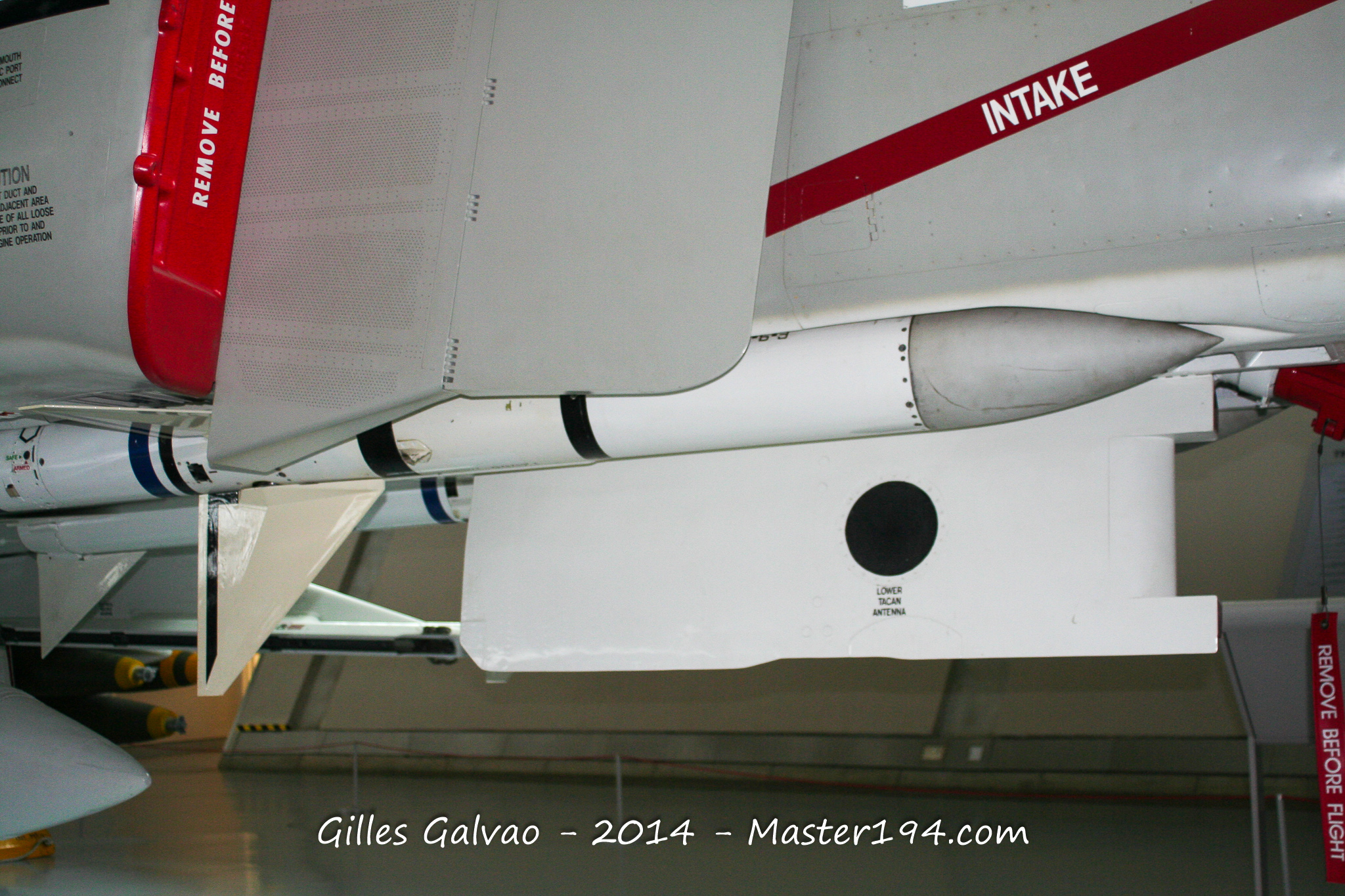
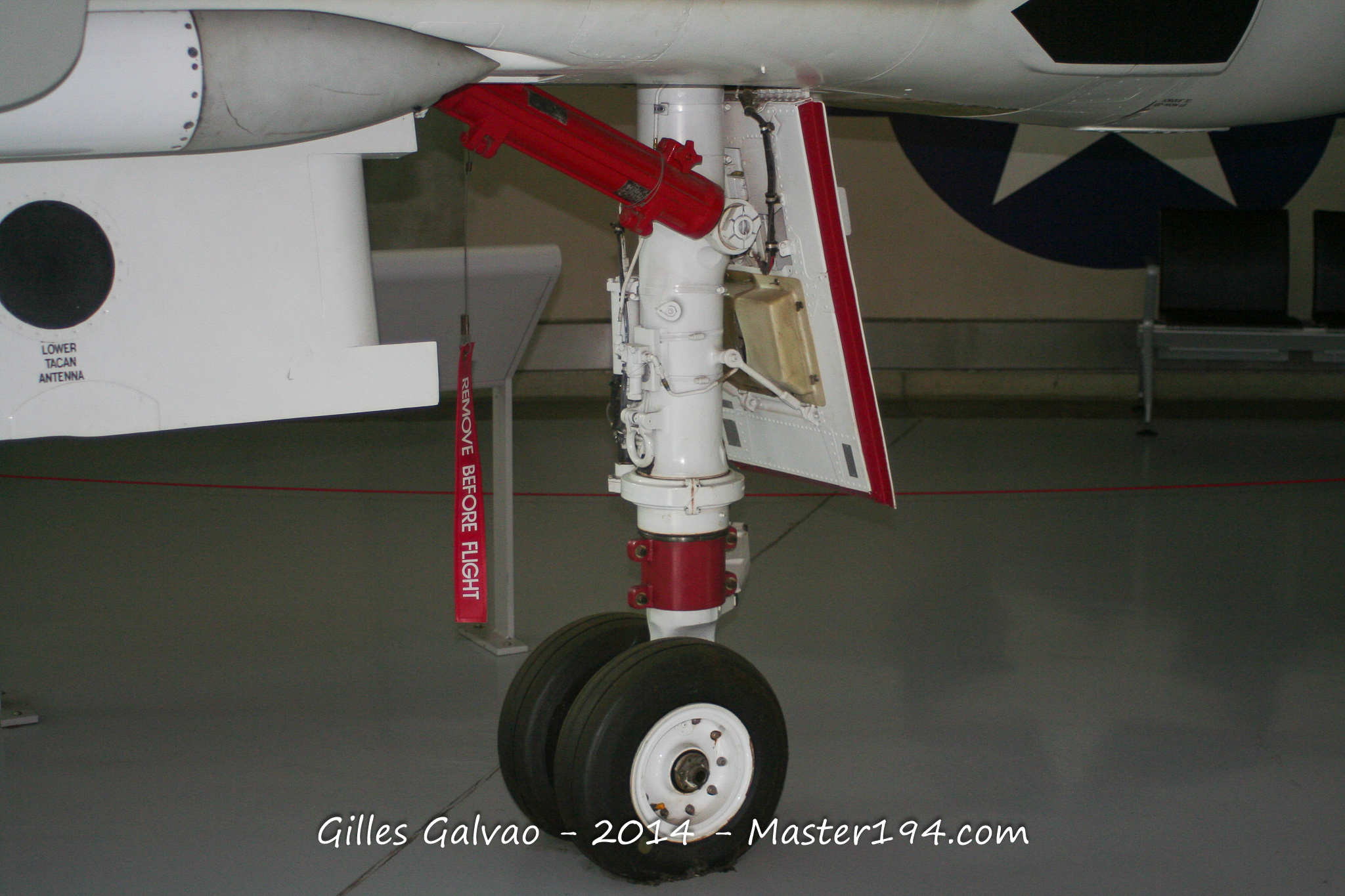
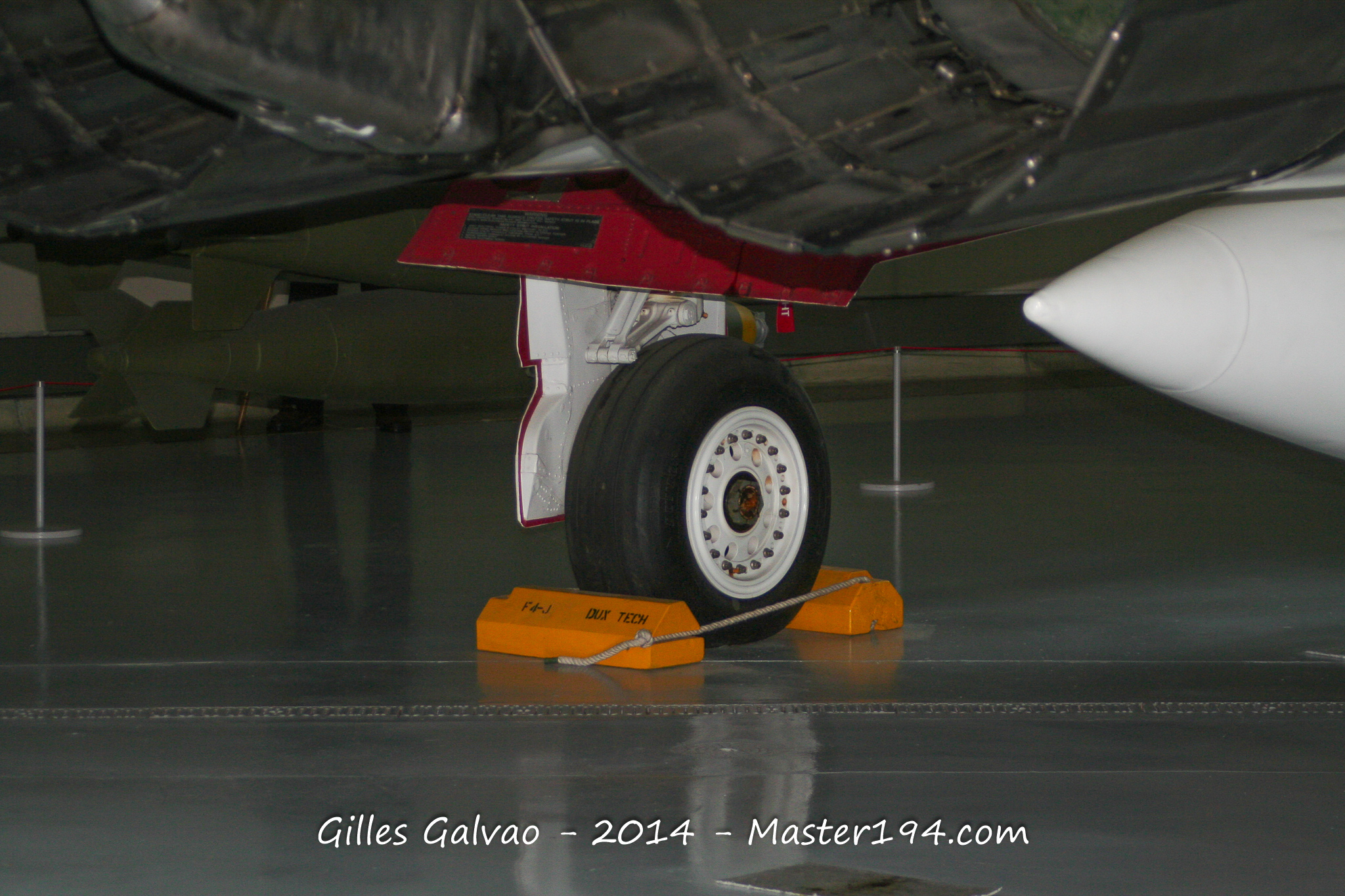
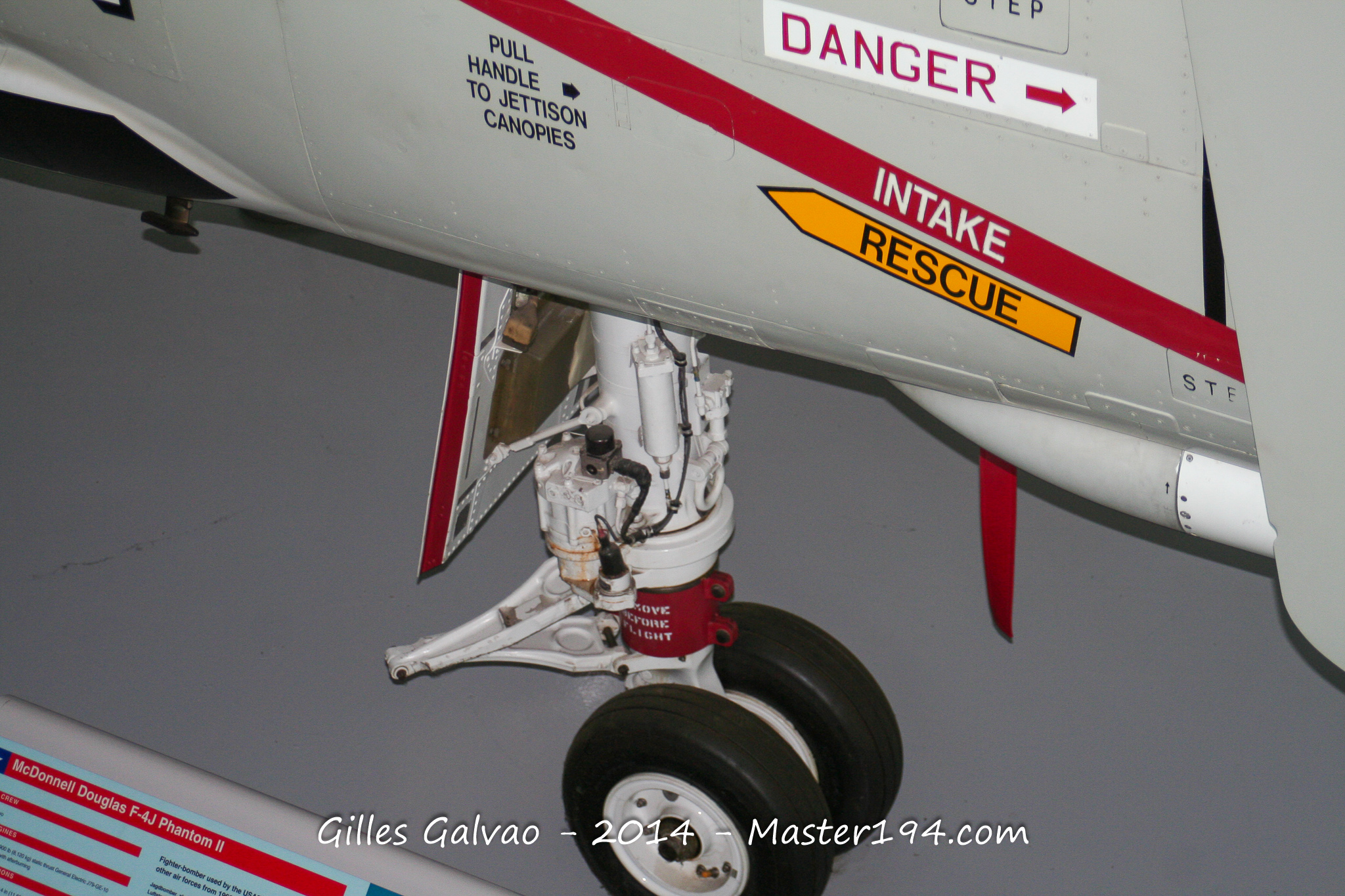
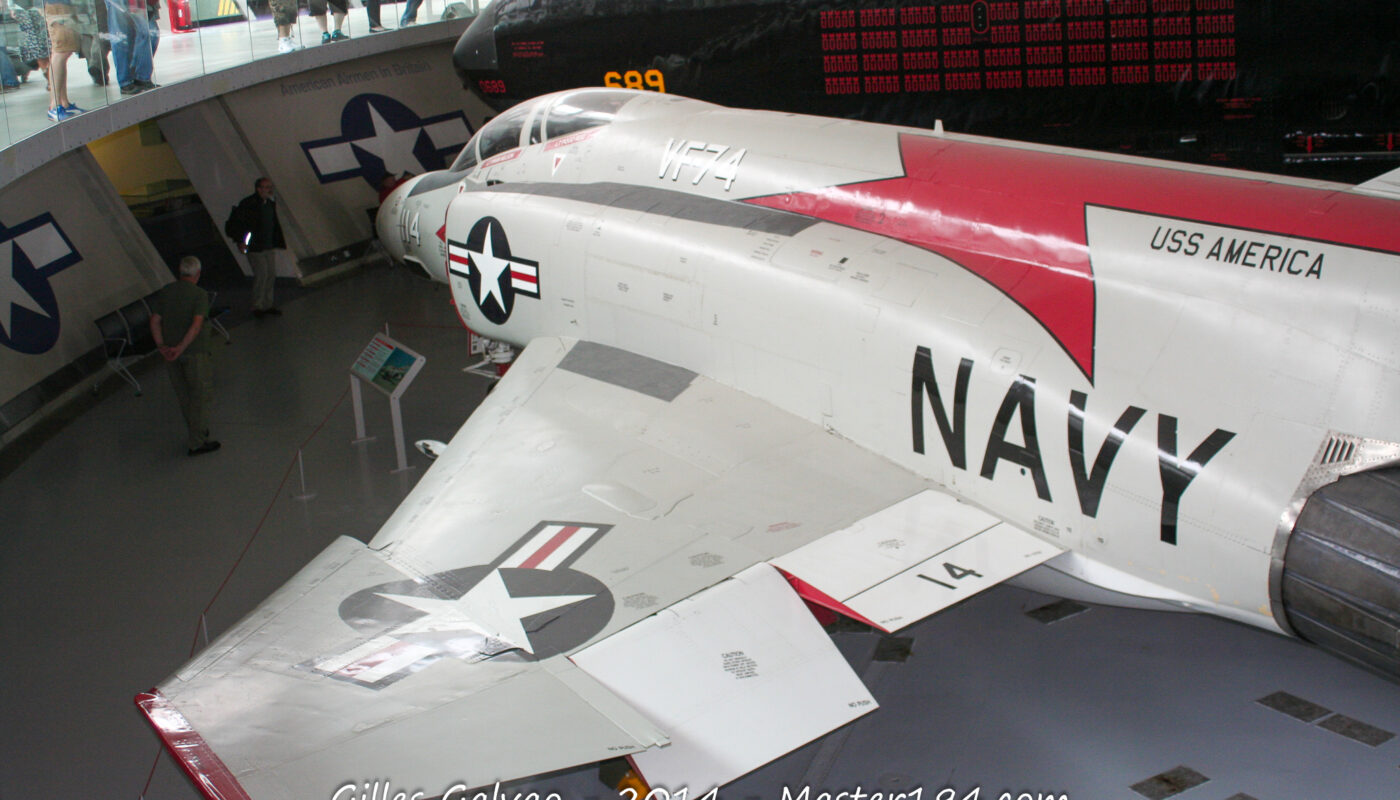
The main landing gear was reinforced and fitted with wider tires, necessitating the characteristic wing bulges on both the upper and lower wing surfaces—one of the key visual identifiers used to distinguish land and carrier variants of the Phantom.
Combat Over Vietnam
Entering service in 1966, the F-4J saw rapid deployment in Southeast Asia, becoming the backbone of U.S. Navy fighter operations during the final years of the Vietnam War.
The type is forever linked to one of the most famous air combat engagements over North Vietnam. On May 10, 1972, Lieutenant Randall “Duke” Cunningham and his Radar Intercept Officer, Lieutenant Junior Grade William P. “Irish” Driscoll, flying an F-4J (Showtime 100, BuNo 155800) from VF-96 Fighting Falcons, shot down three MiG-17s in a single mission. This brought their total to five aerial victories, making them the U.S. Navy’s only aces of the Vietnam War.
Their aircraft was subsequently damaged by a surface-to-air missile during the return flight to USS Constellation, forcing both crew members to eject over the Gulf of Tonkin.
A Second Career in the United Kingdom
Following its U.S. Navy service, the F-4J embarked on a unique second career with the Royal Air Force.
To plug the air defense gap left in the UK military architecture following the Falklands War, the RAF acquired fifteen ex-U.S. Navy F-4Js in 1984. Selected from stored airframes with the highest remaining fatigue life, they were overhauled and modernized at NAS North Island, California, before entering British service as the F-4J(UK).
Their upgrade was inspired by the U.S. Navy F-4S program, updating the fire control system to AN/AWG-10B standard, adding compatibility with the British Skyflash missile and SUU-23/A gun pod, alongside airframe life-extension modifications. However, the F-4J(UK) retained its General Electric J79-GE-10B engines and American avionics architecture, and unlike the F-4S, did not receive leading-edge maneuvering slats.
Assigned to No. 74 Squadron “Tigers” at RAF Wattisham, these airframes were officially designated F-4J(UK)—rather than the proposed Phantom F.3—to prevent confusion with the Tornado F.3. They fulfilled the UK air defense alert role until early 1991, when they were retired following the availability of RAF Phantom FGR.2s.
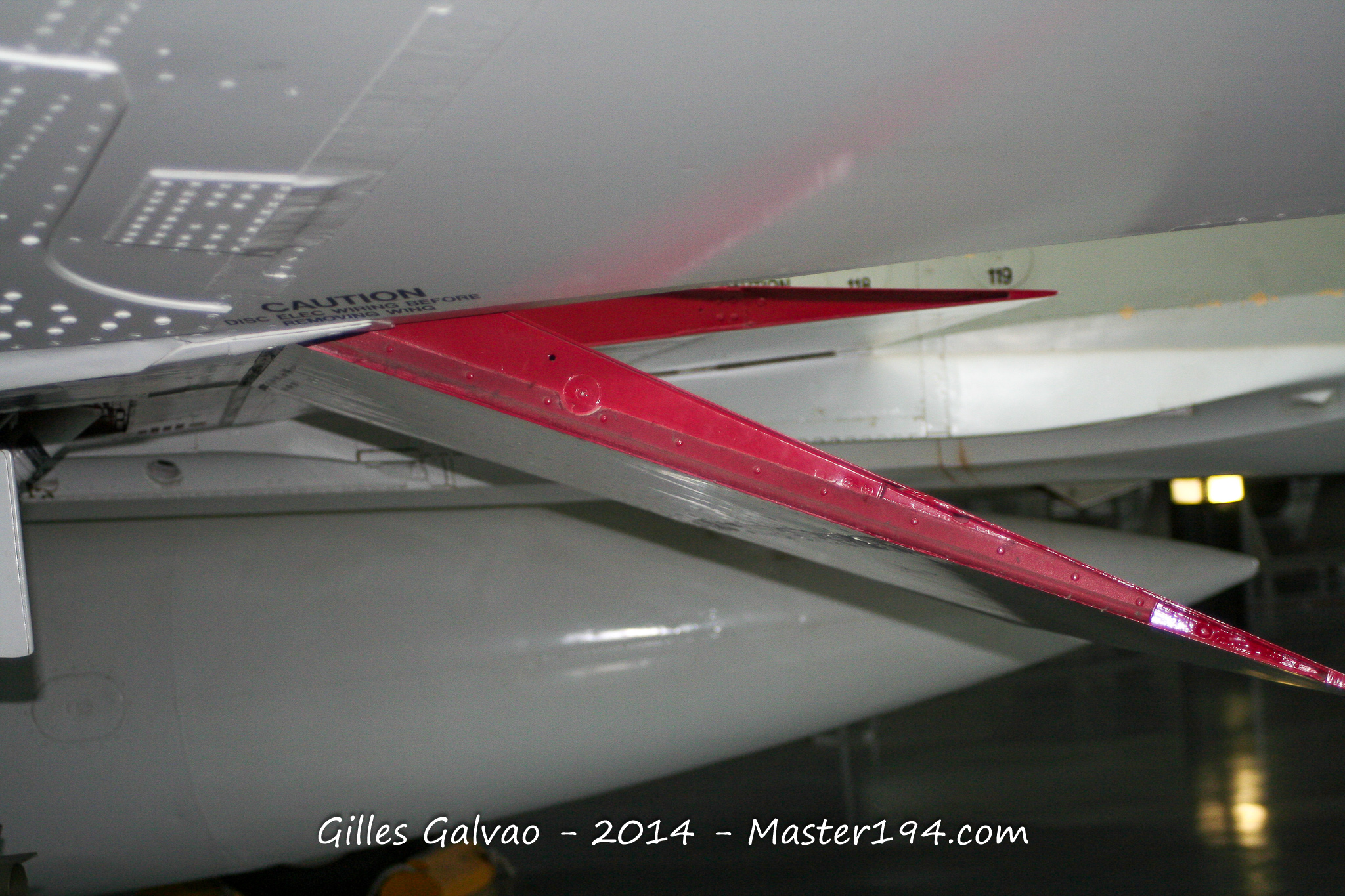
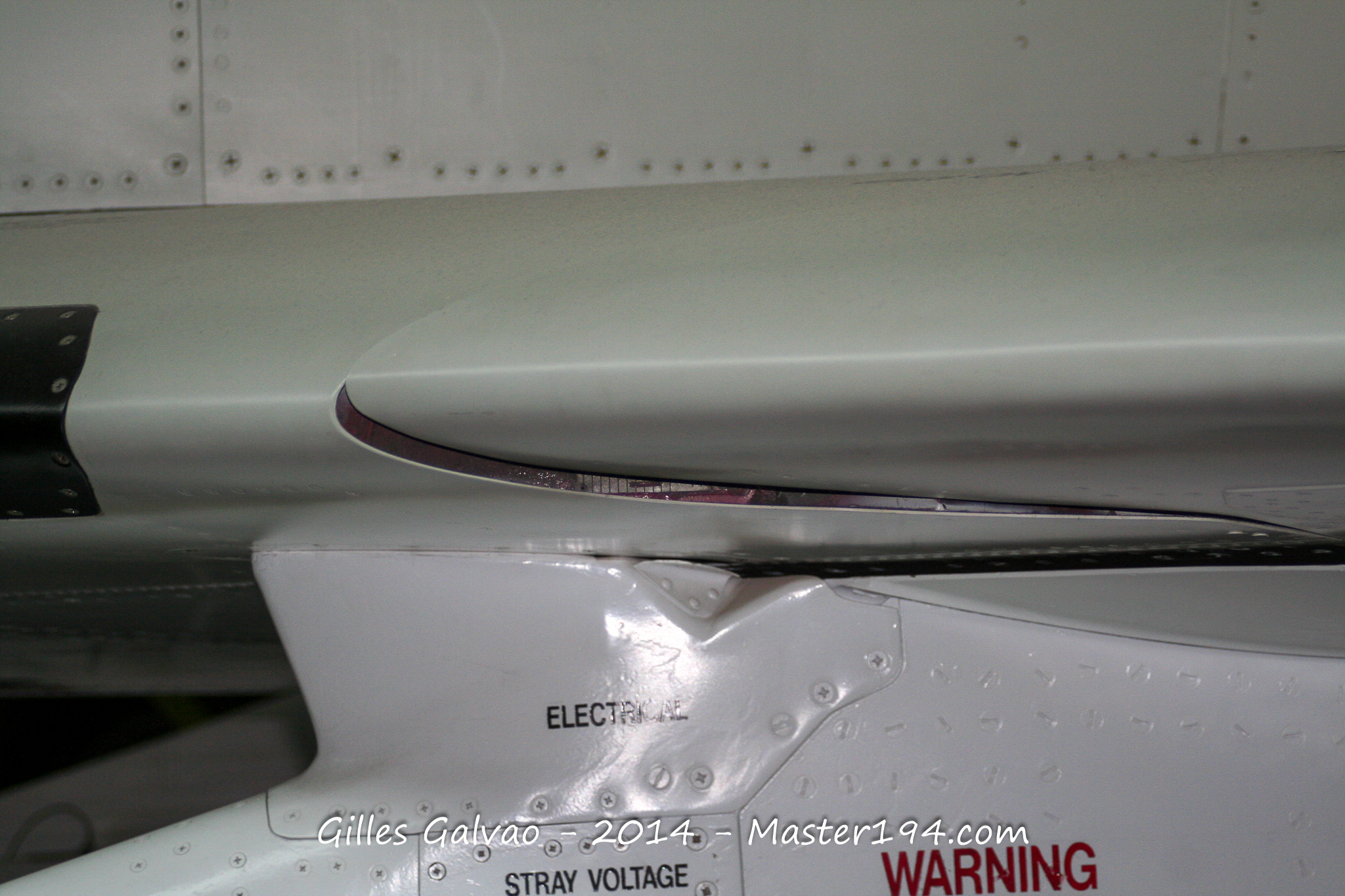
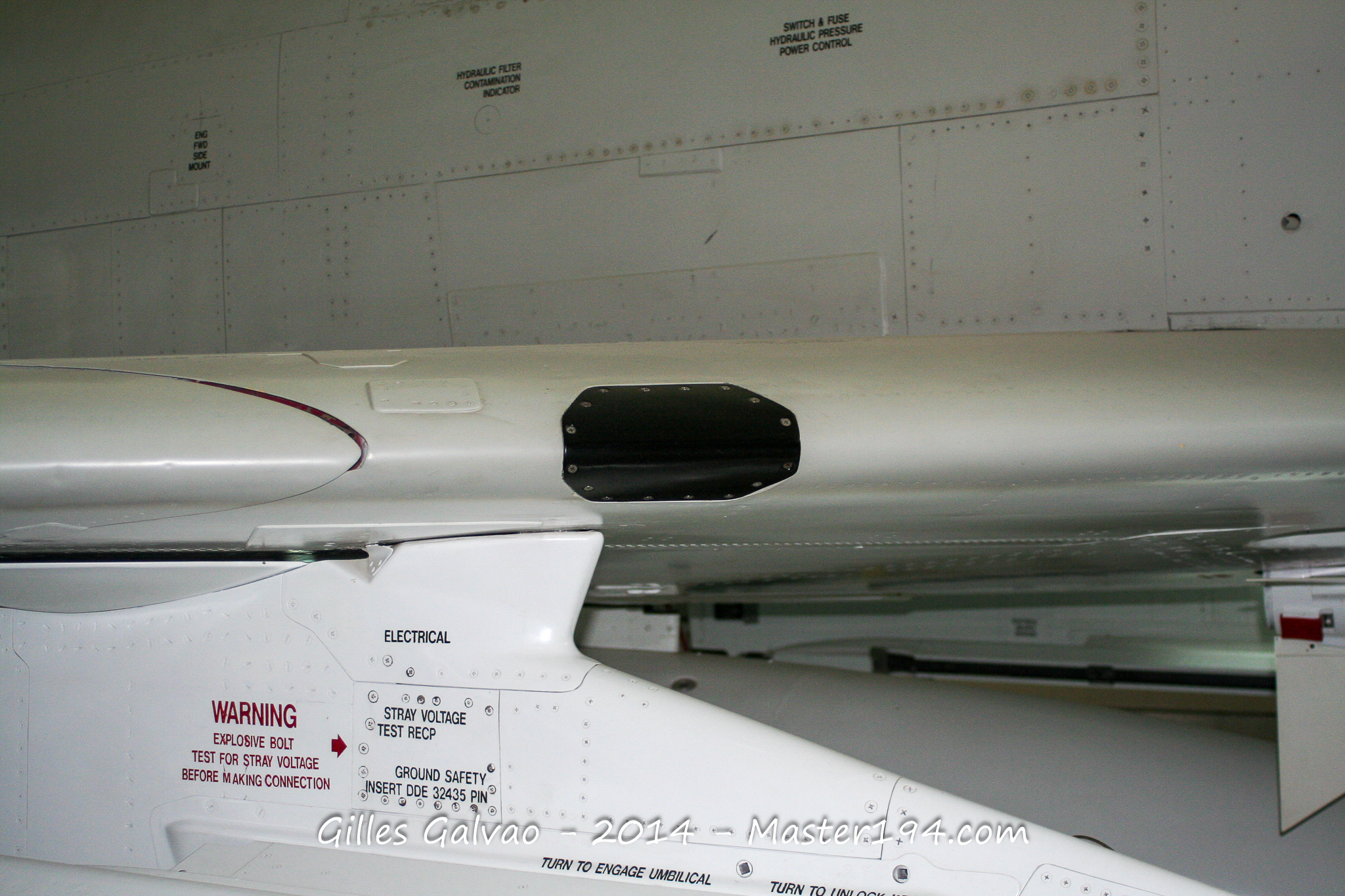
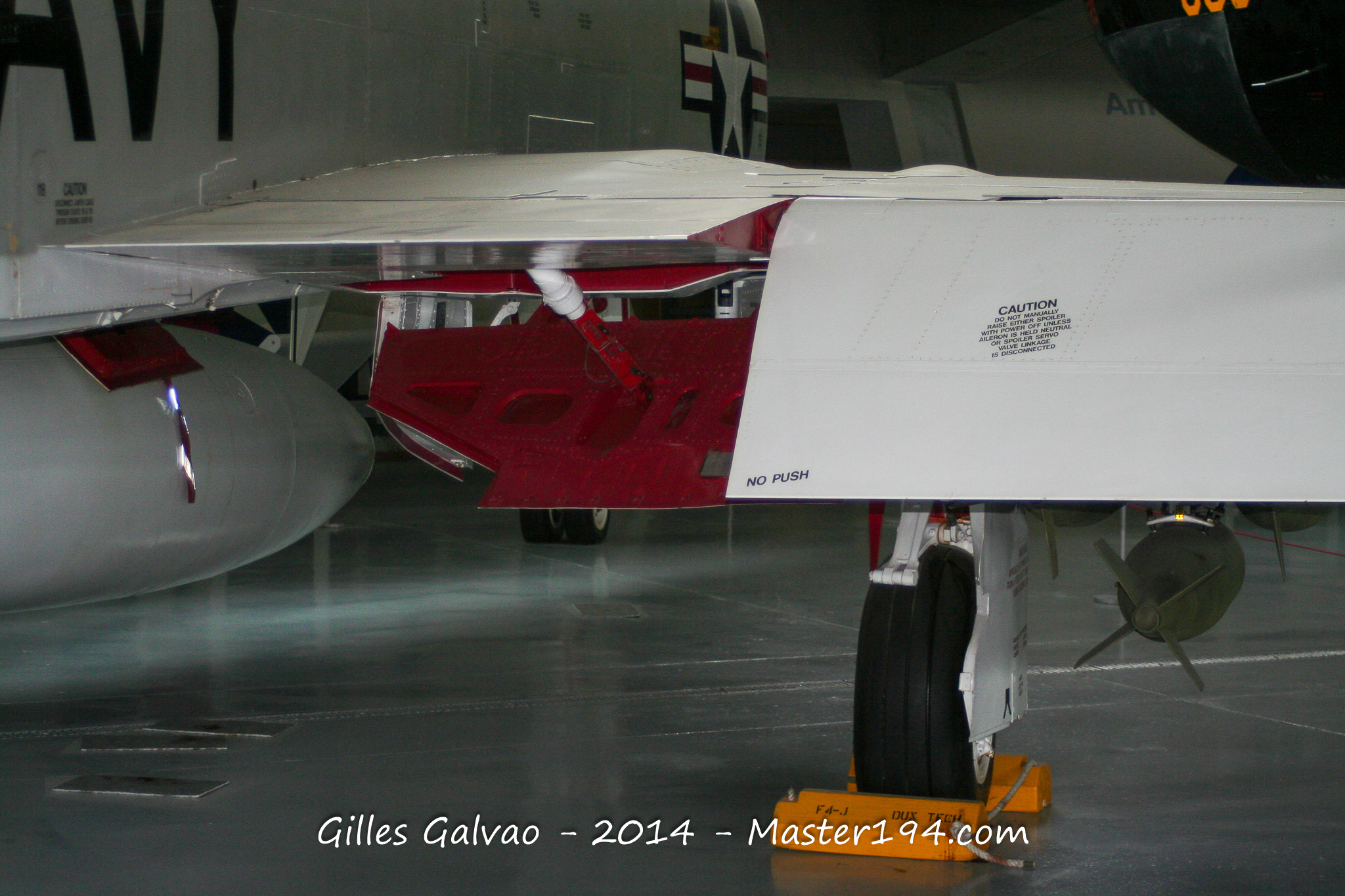
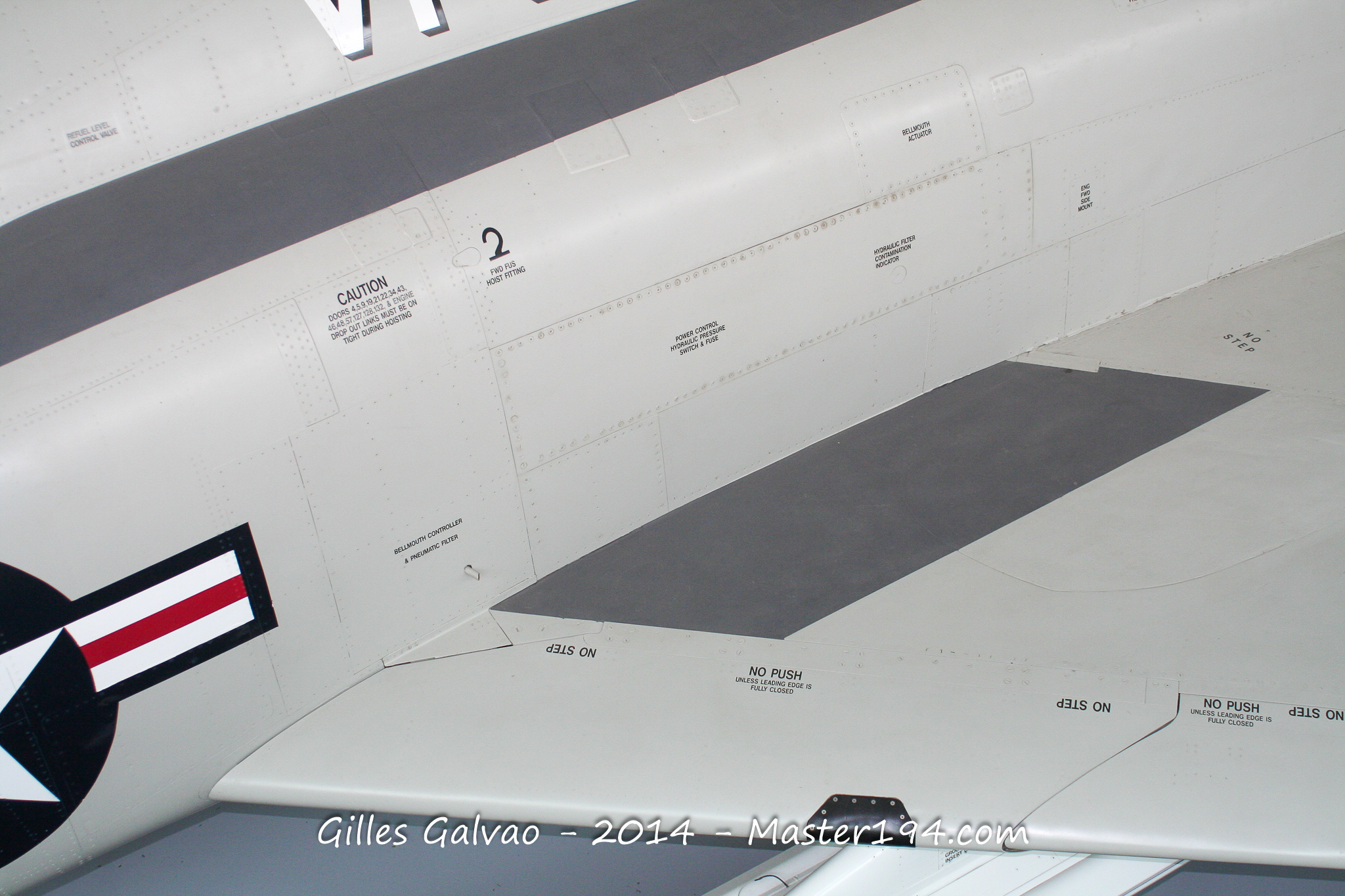
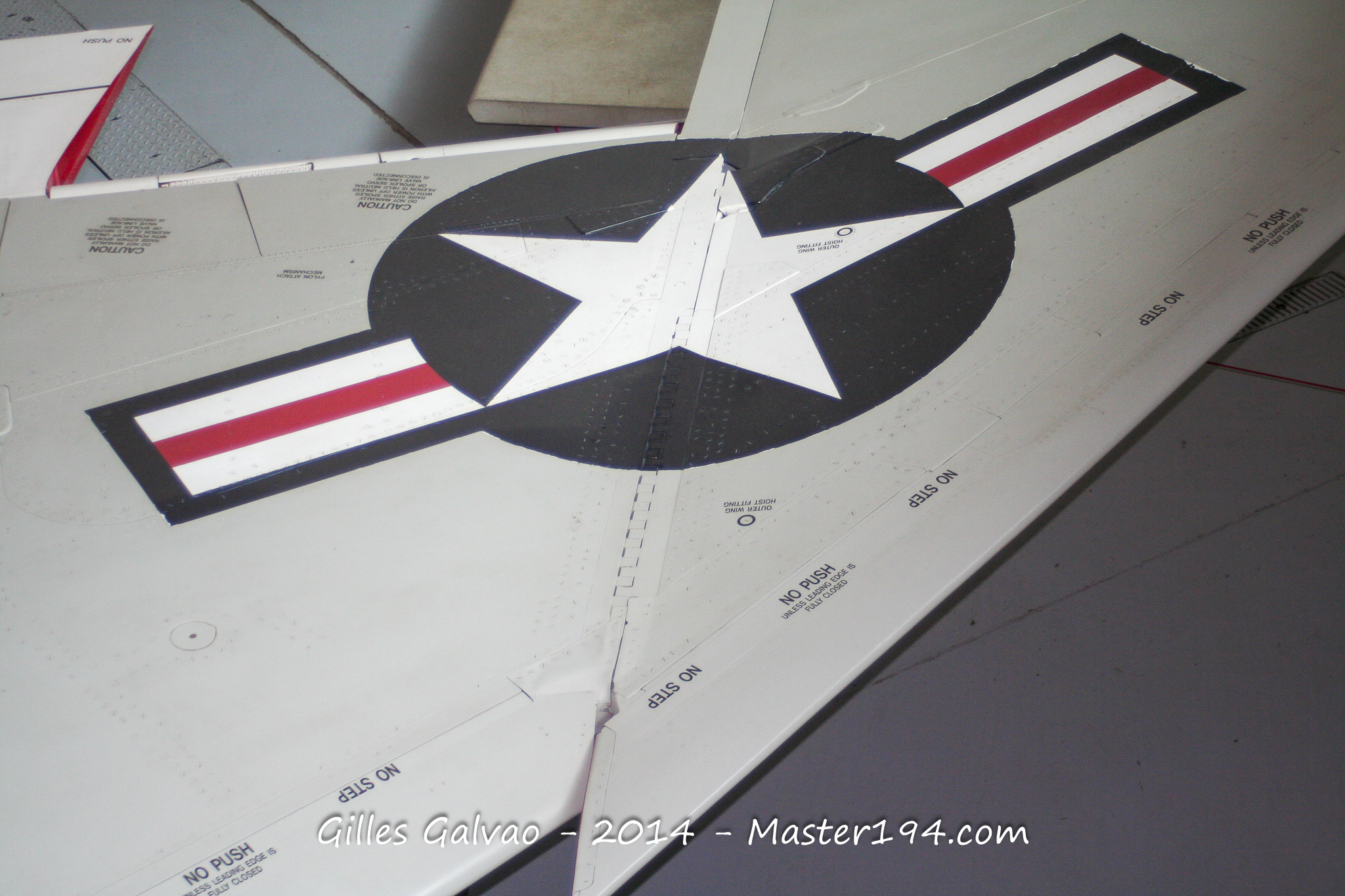
The Duxford F-4J
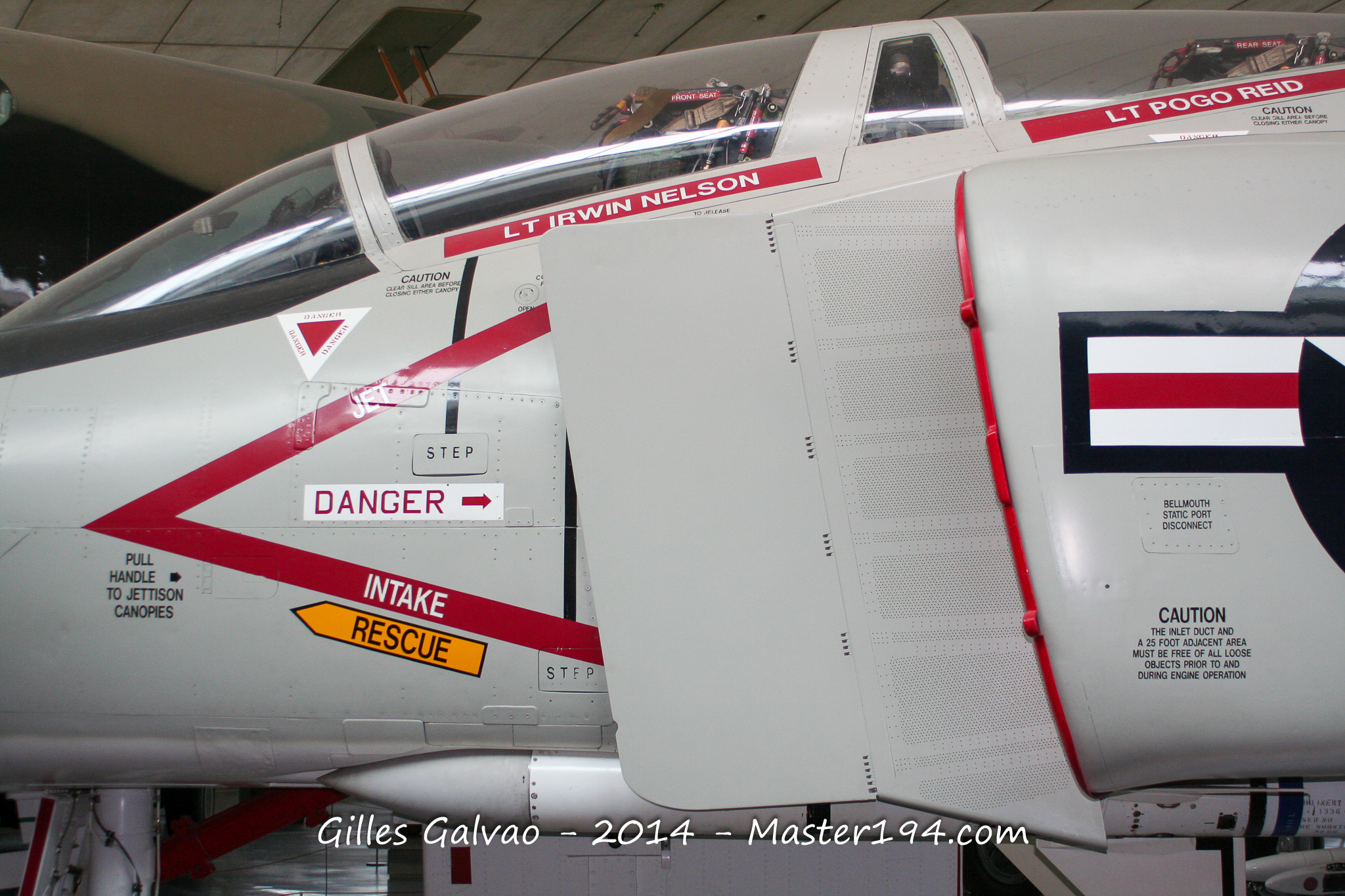
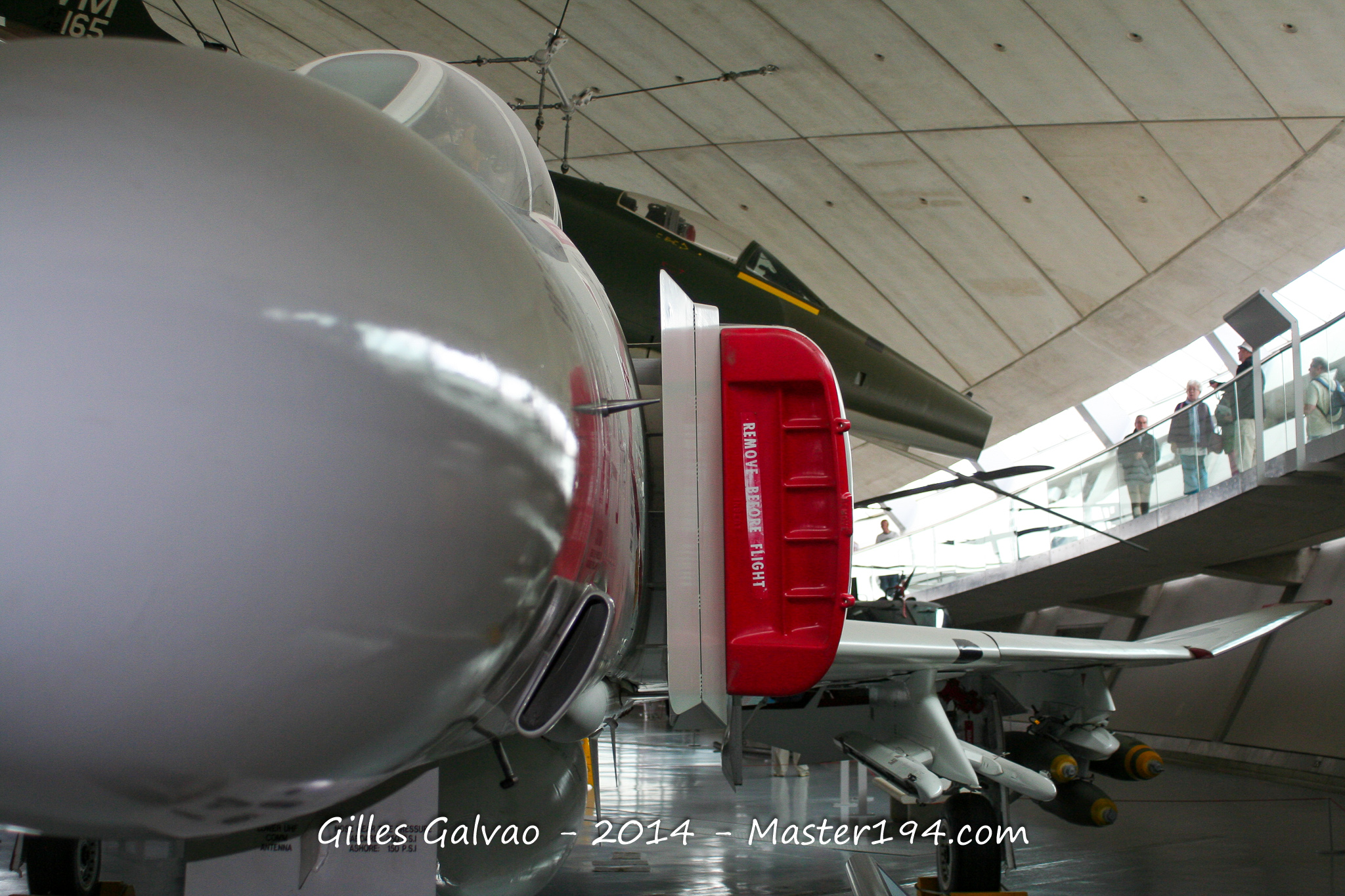
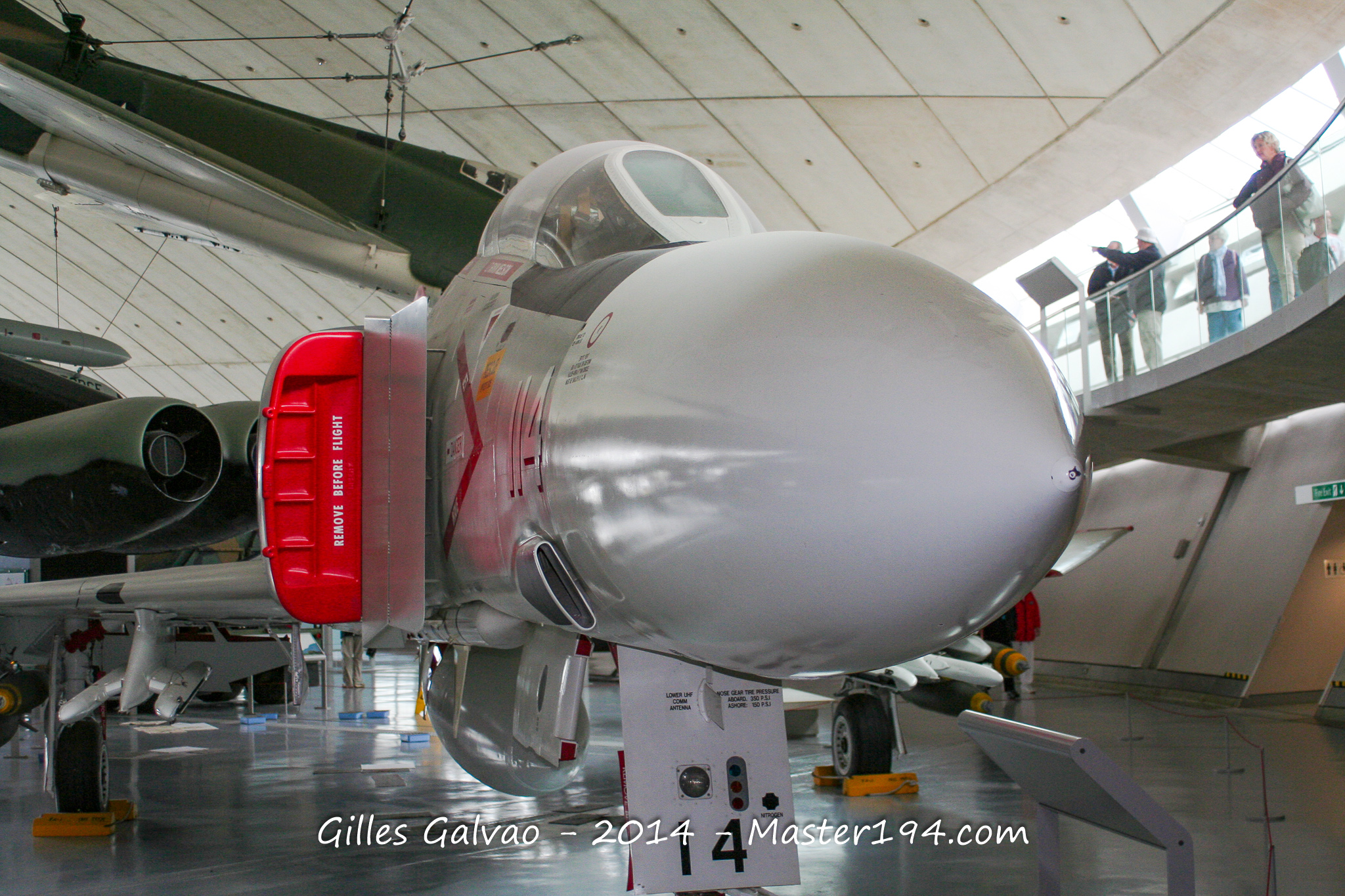
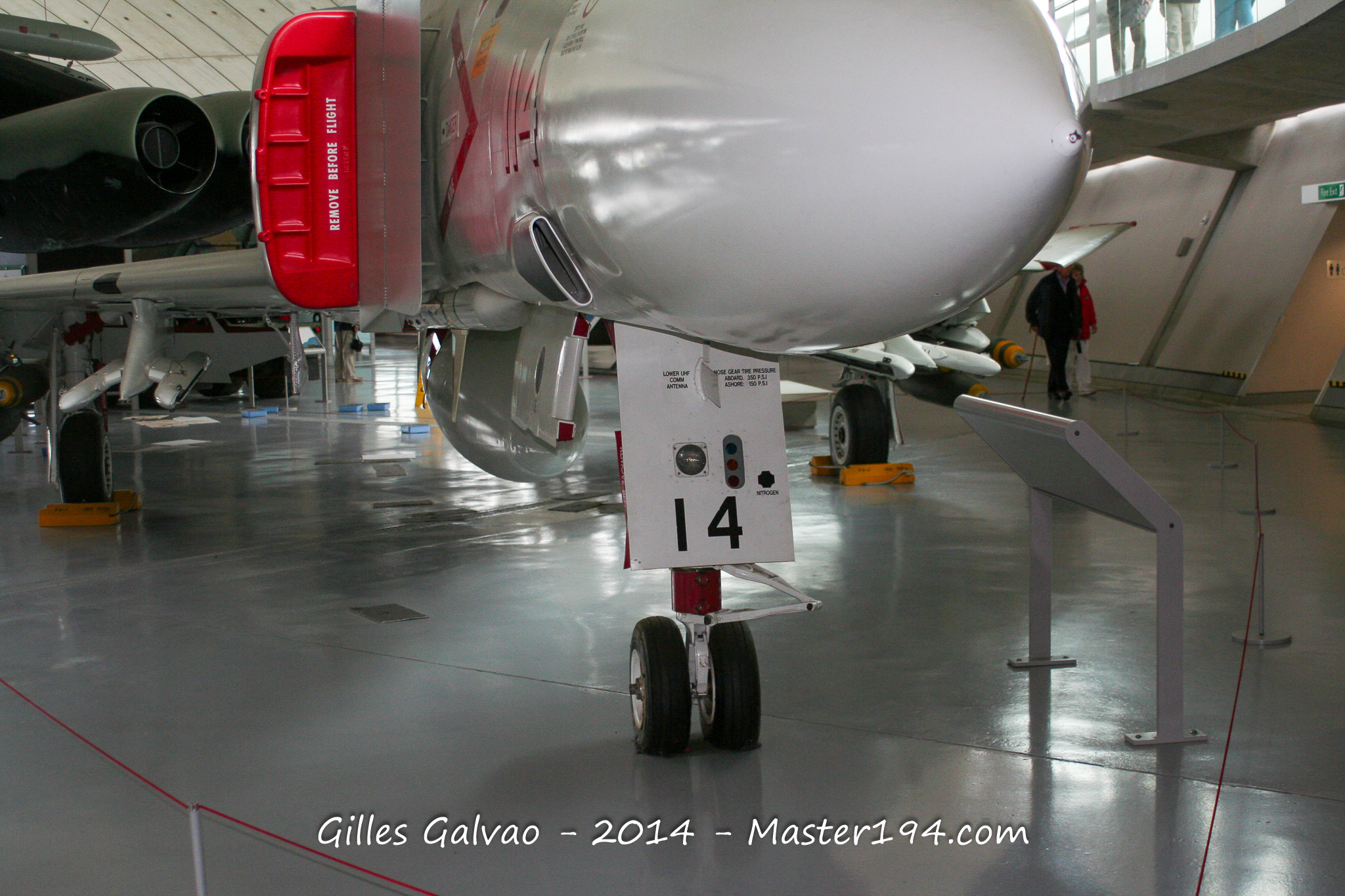
The airframe on display at the Imperial War Museum Duxford holds a rich operational history.
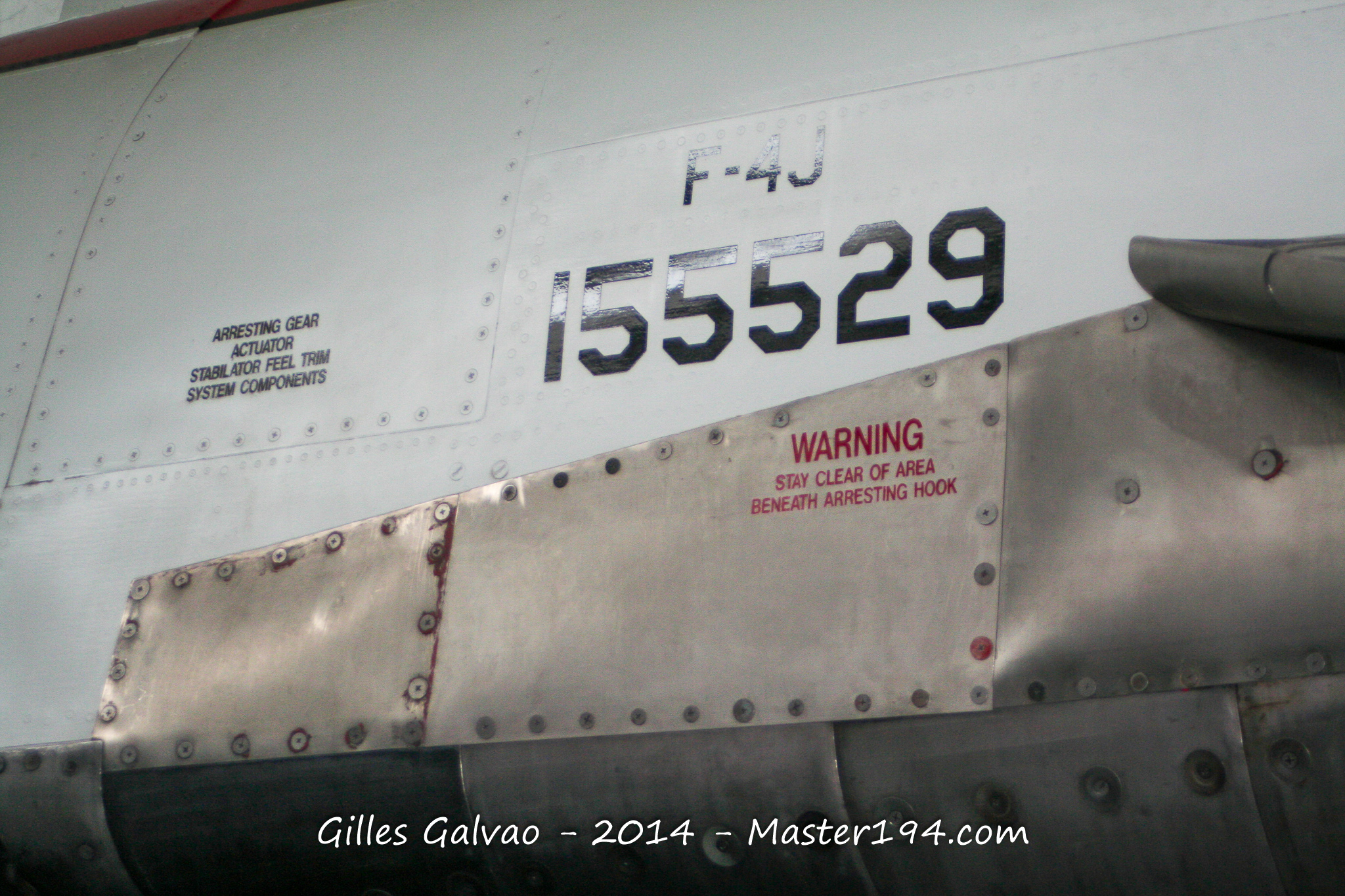
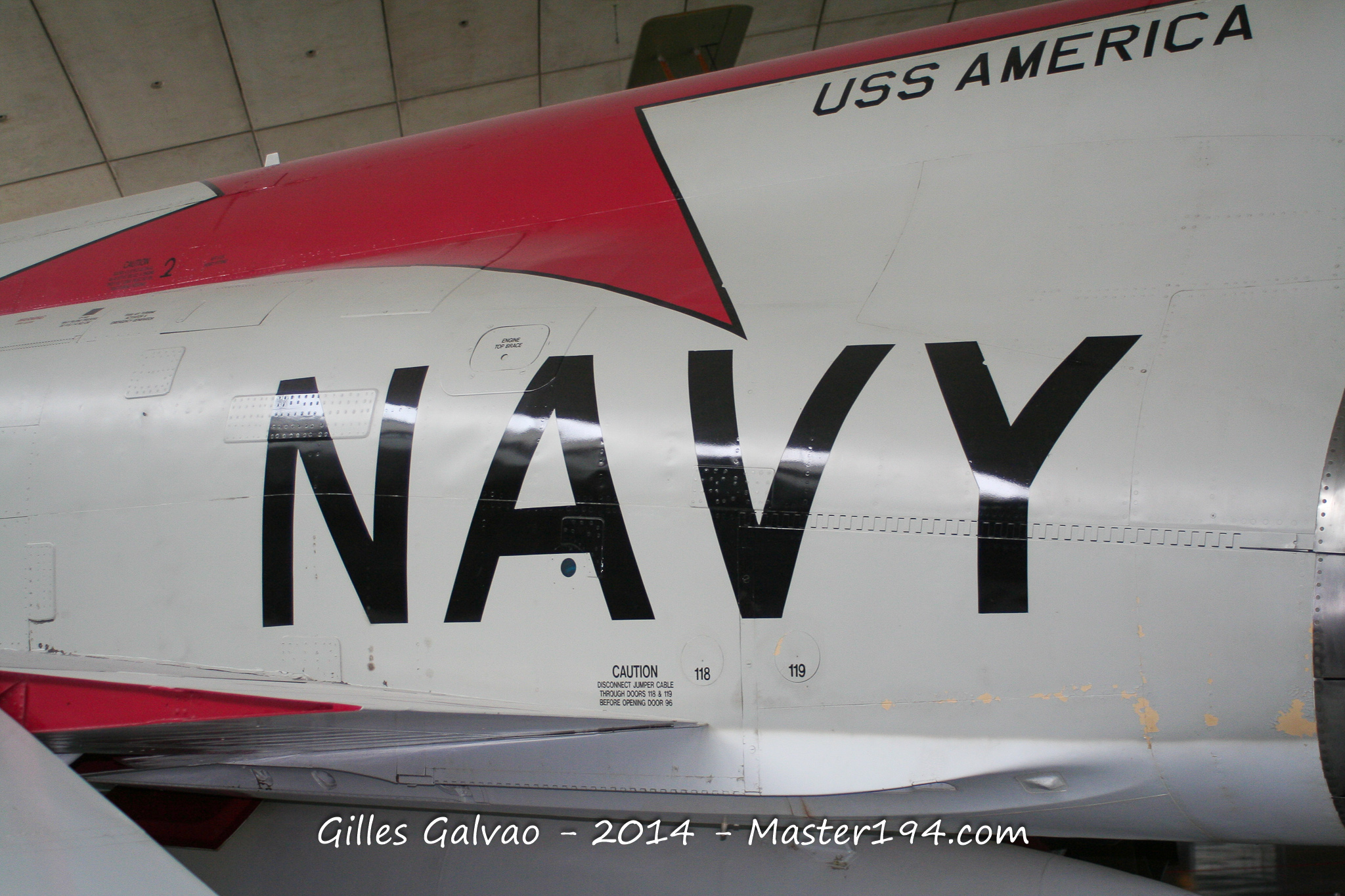
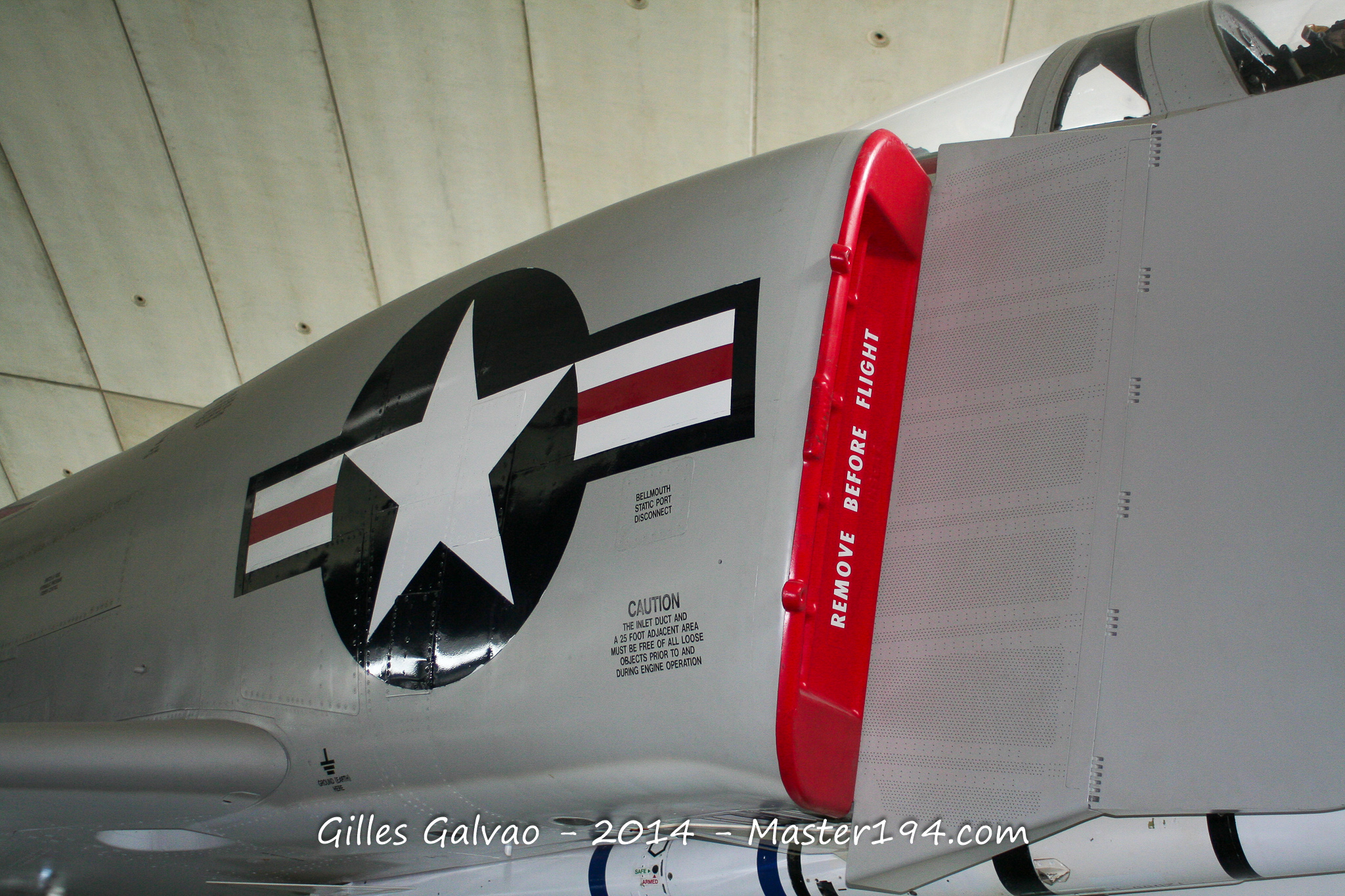
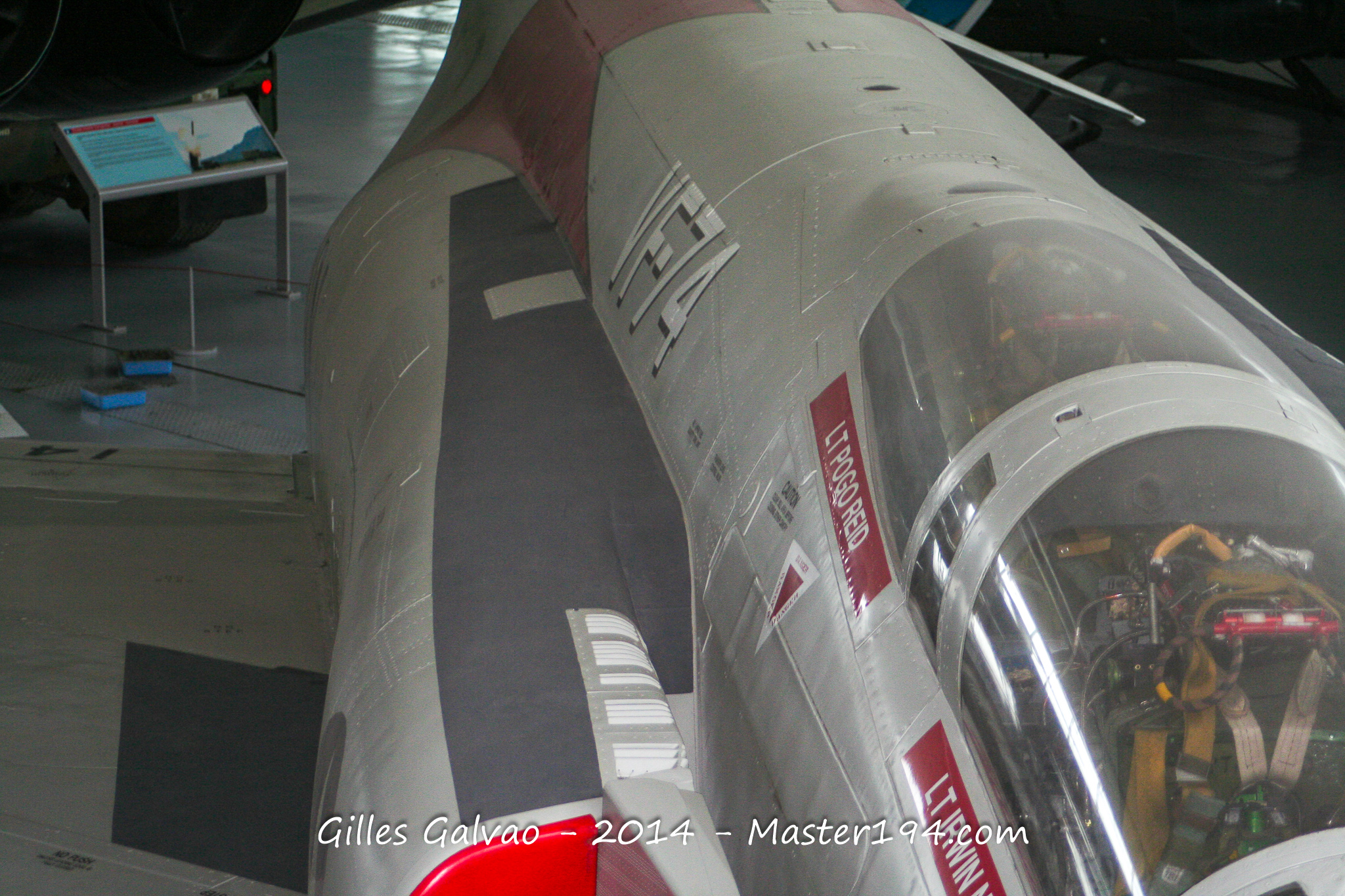
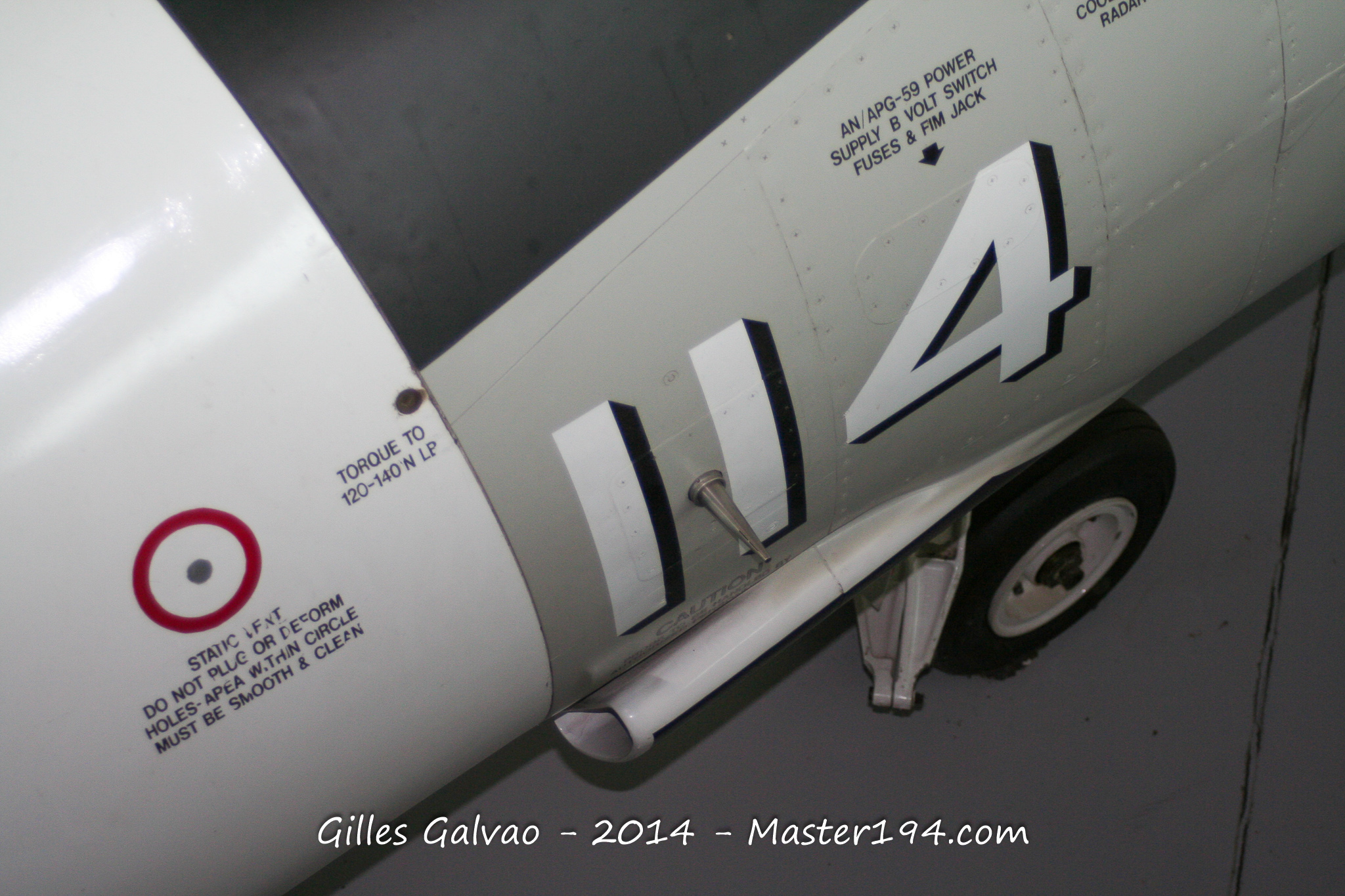
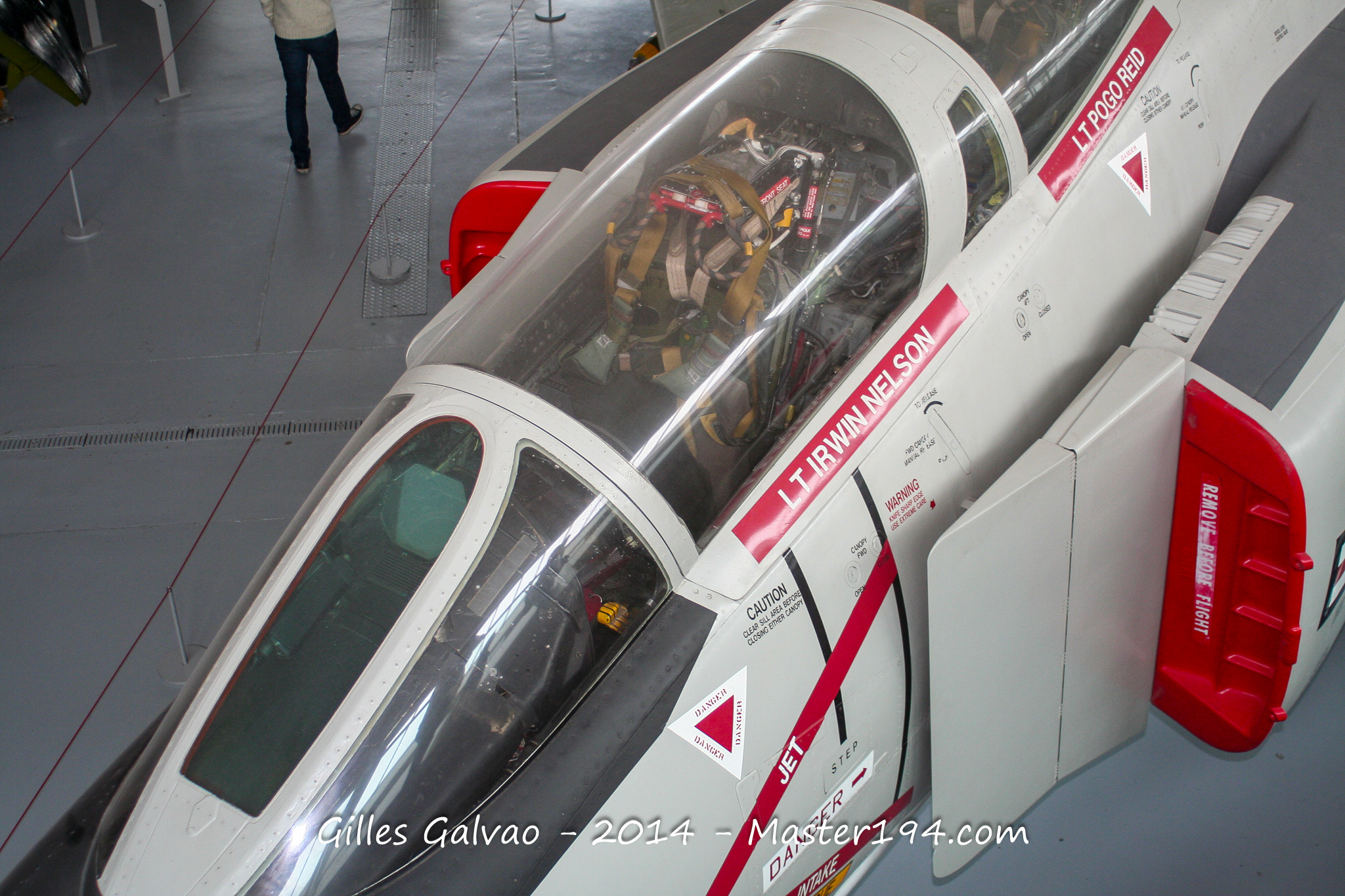
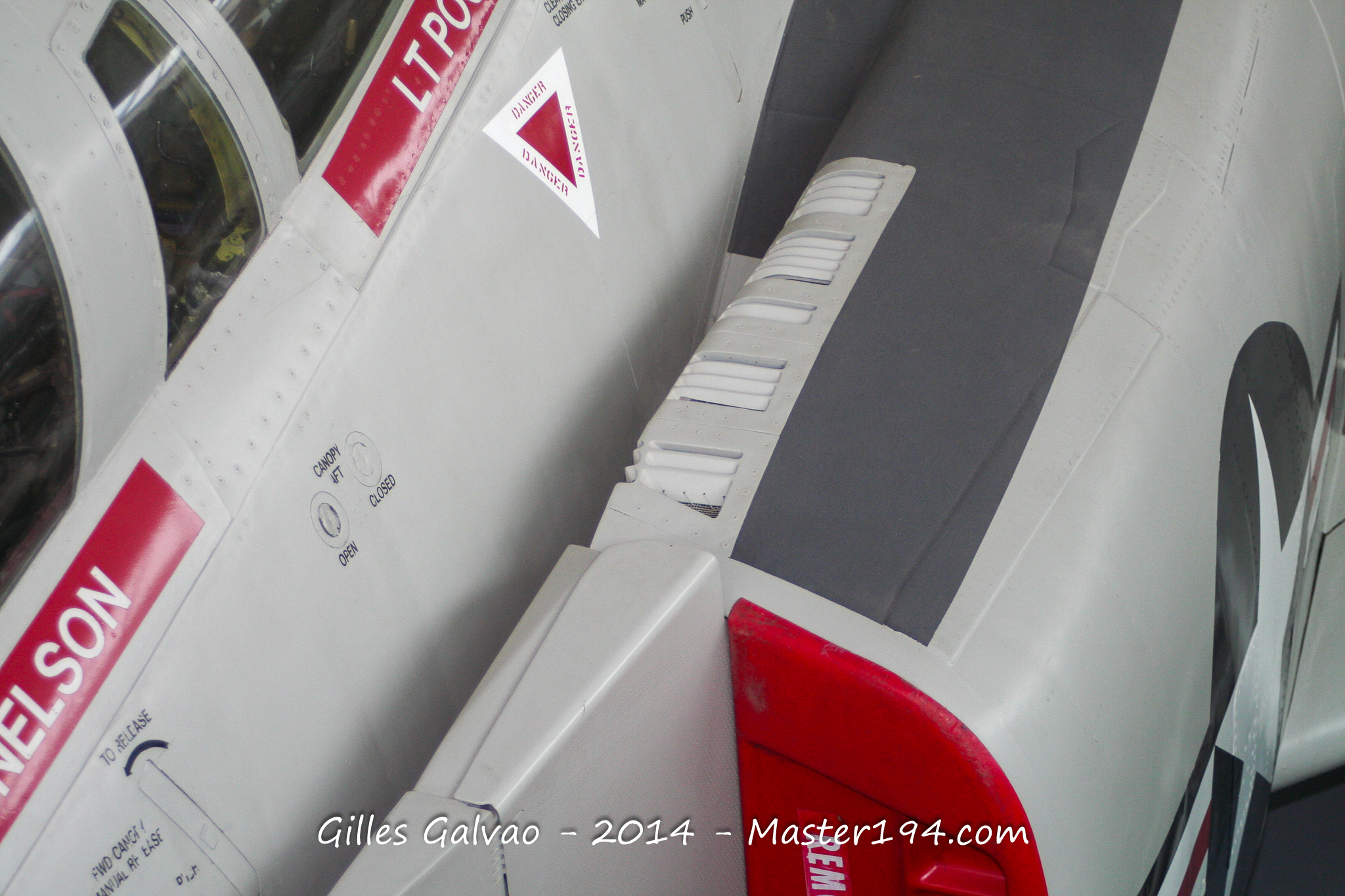
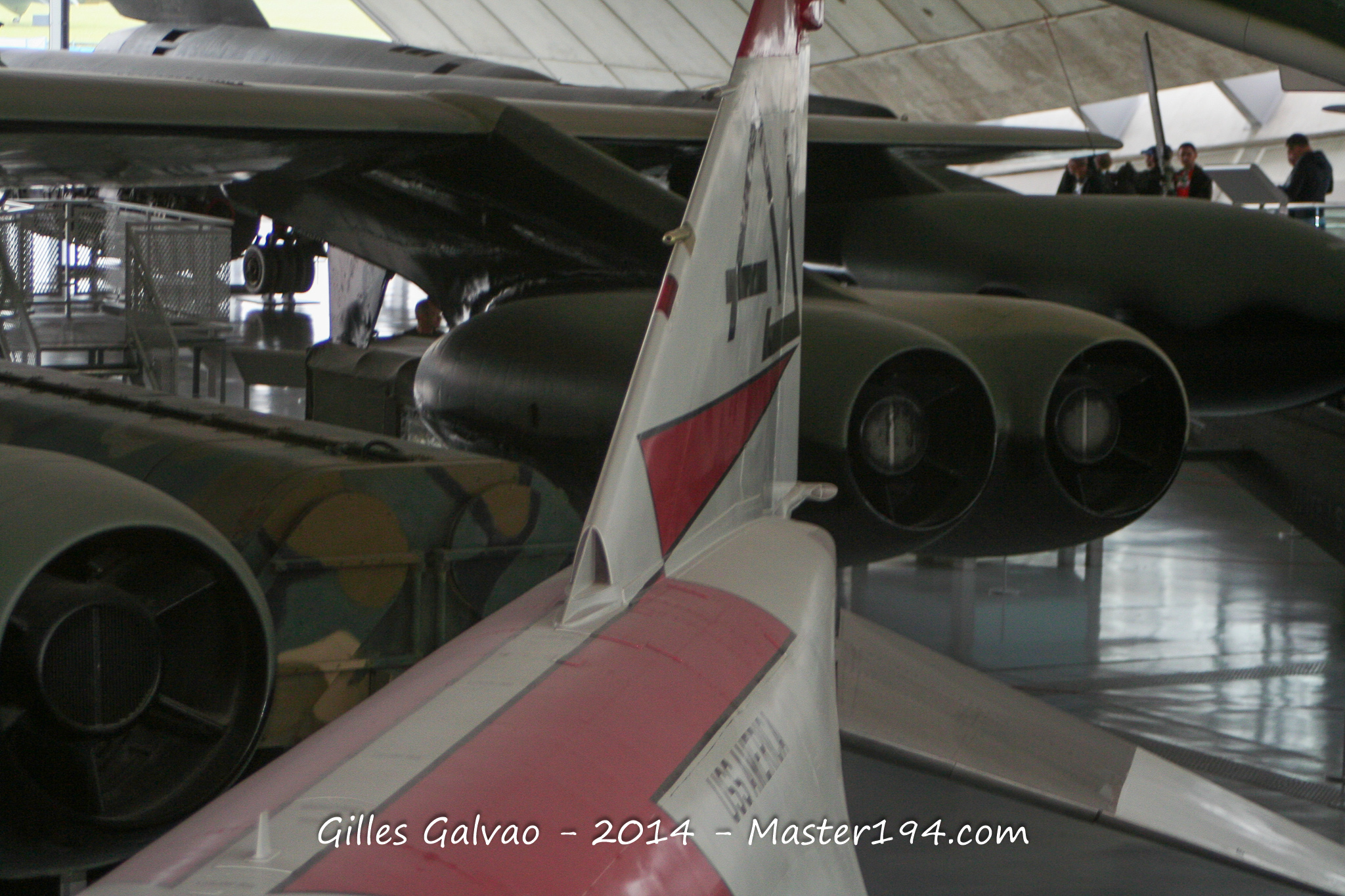
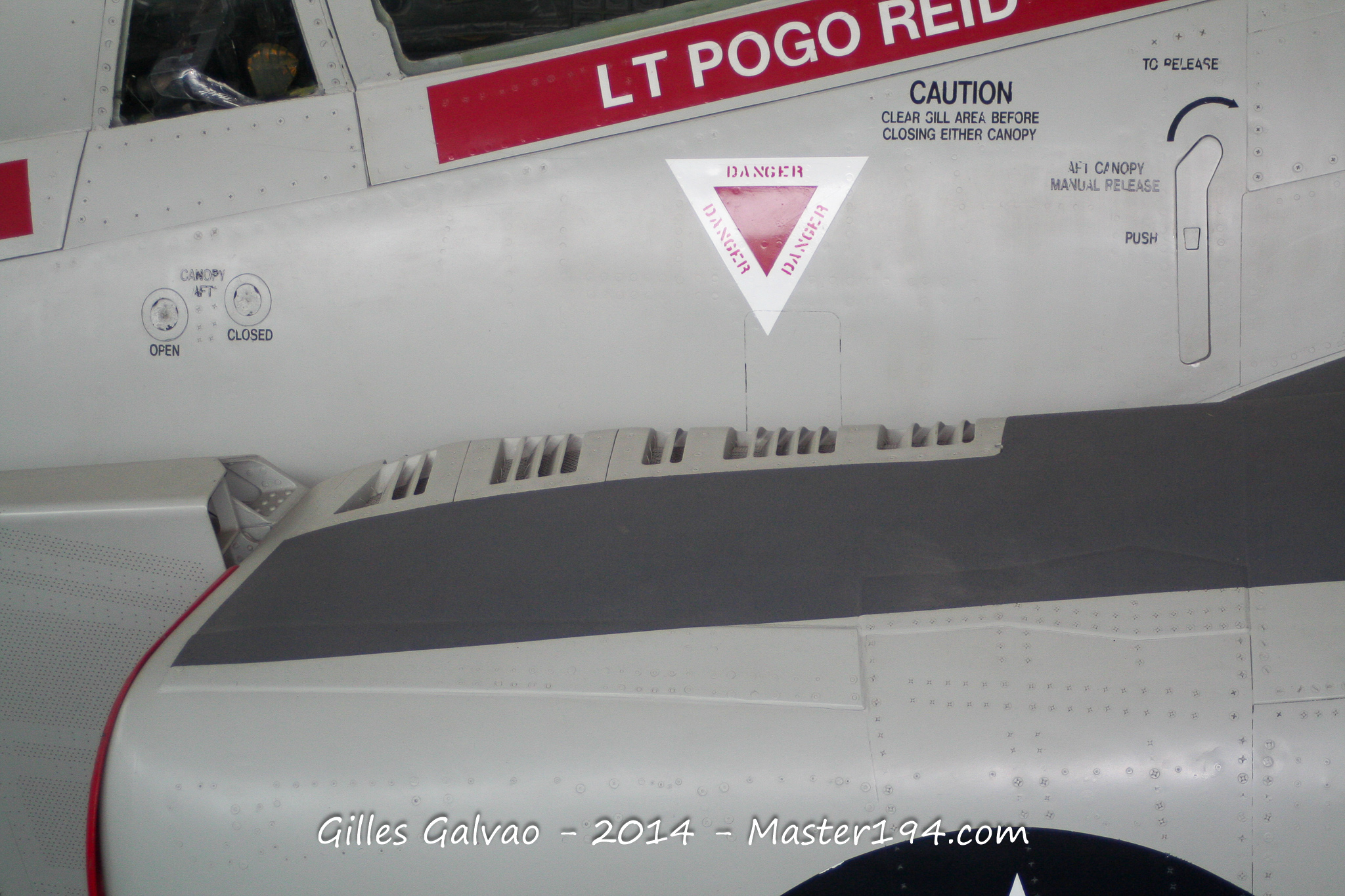
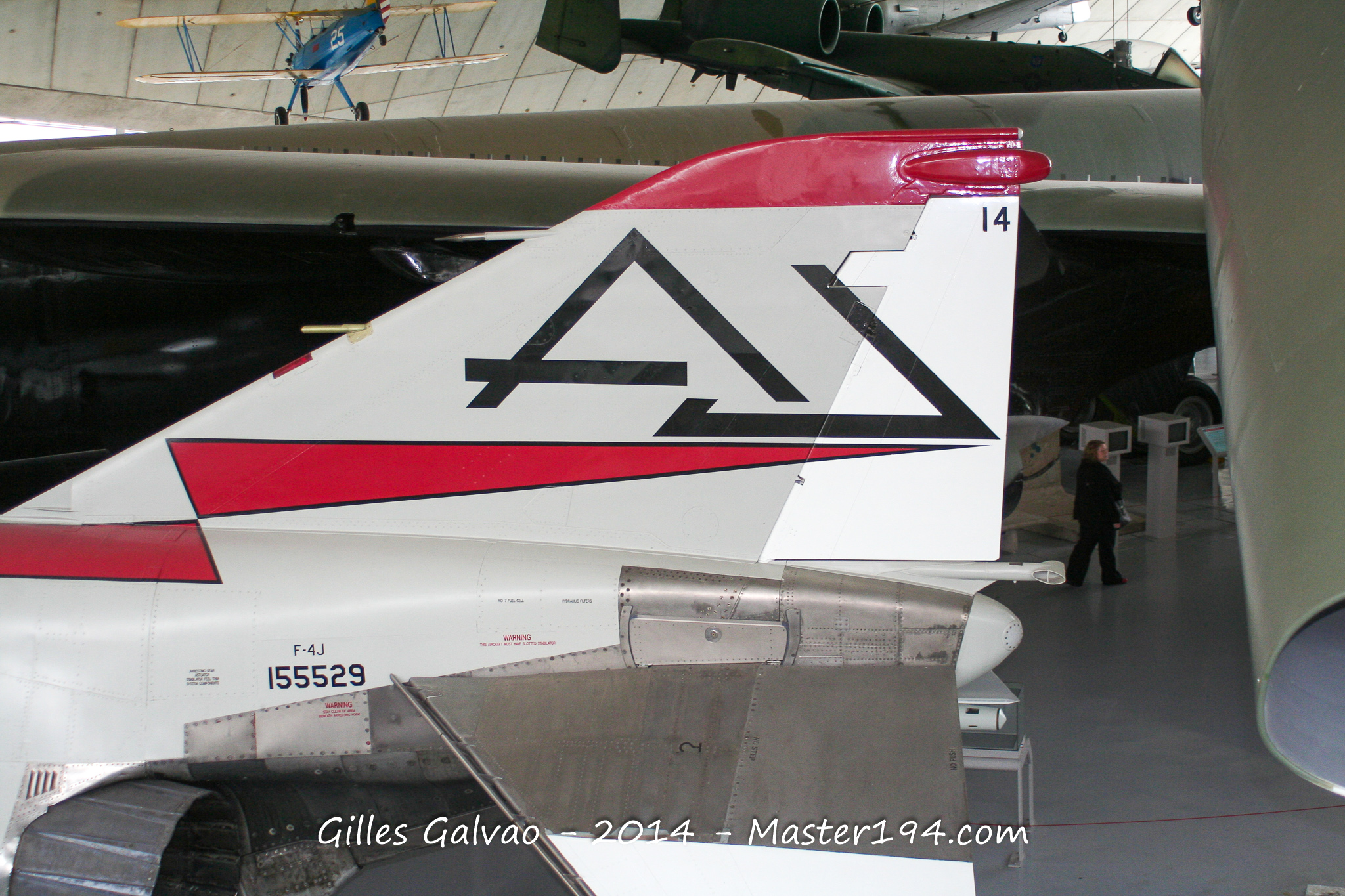
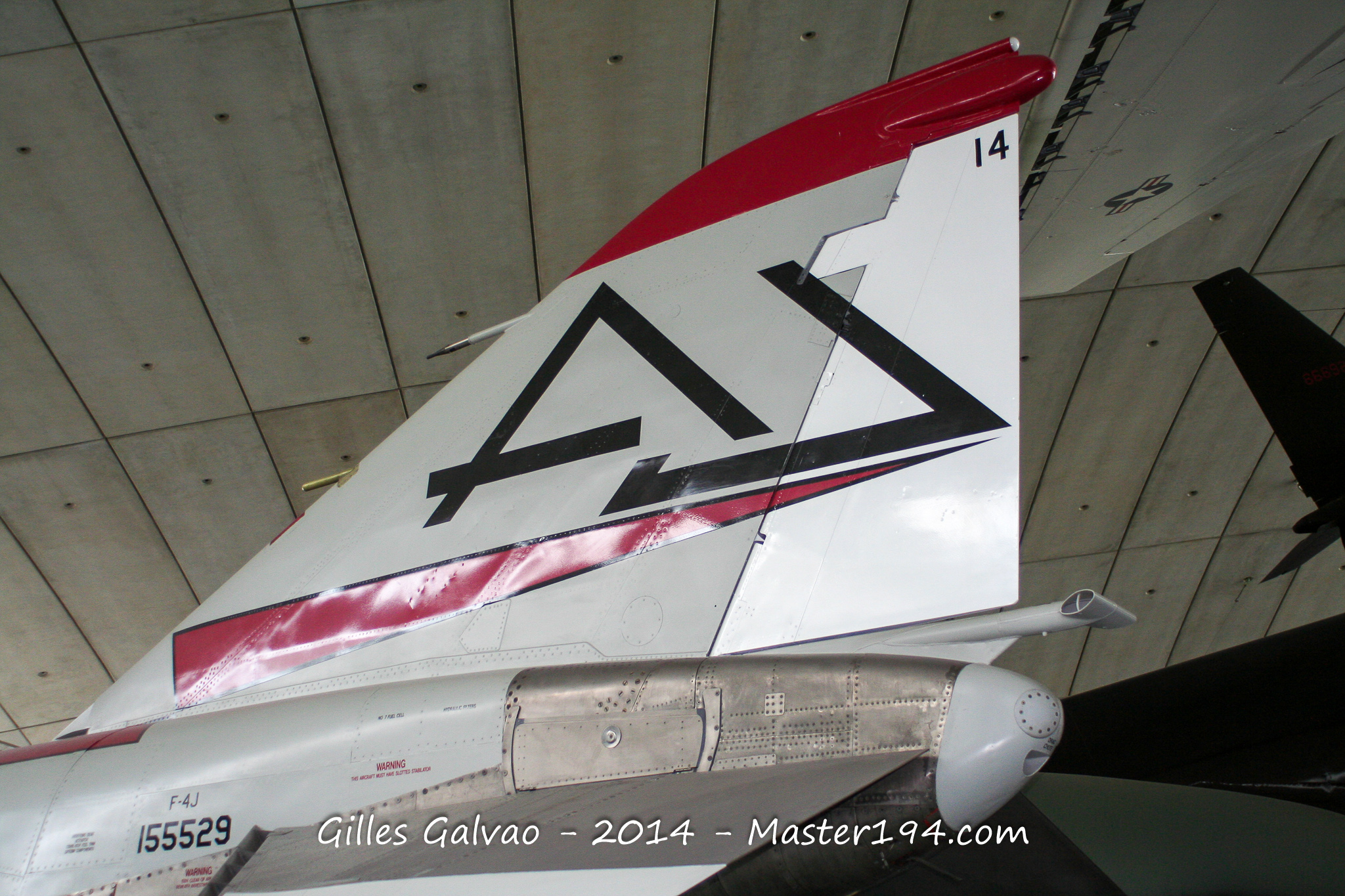
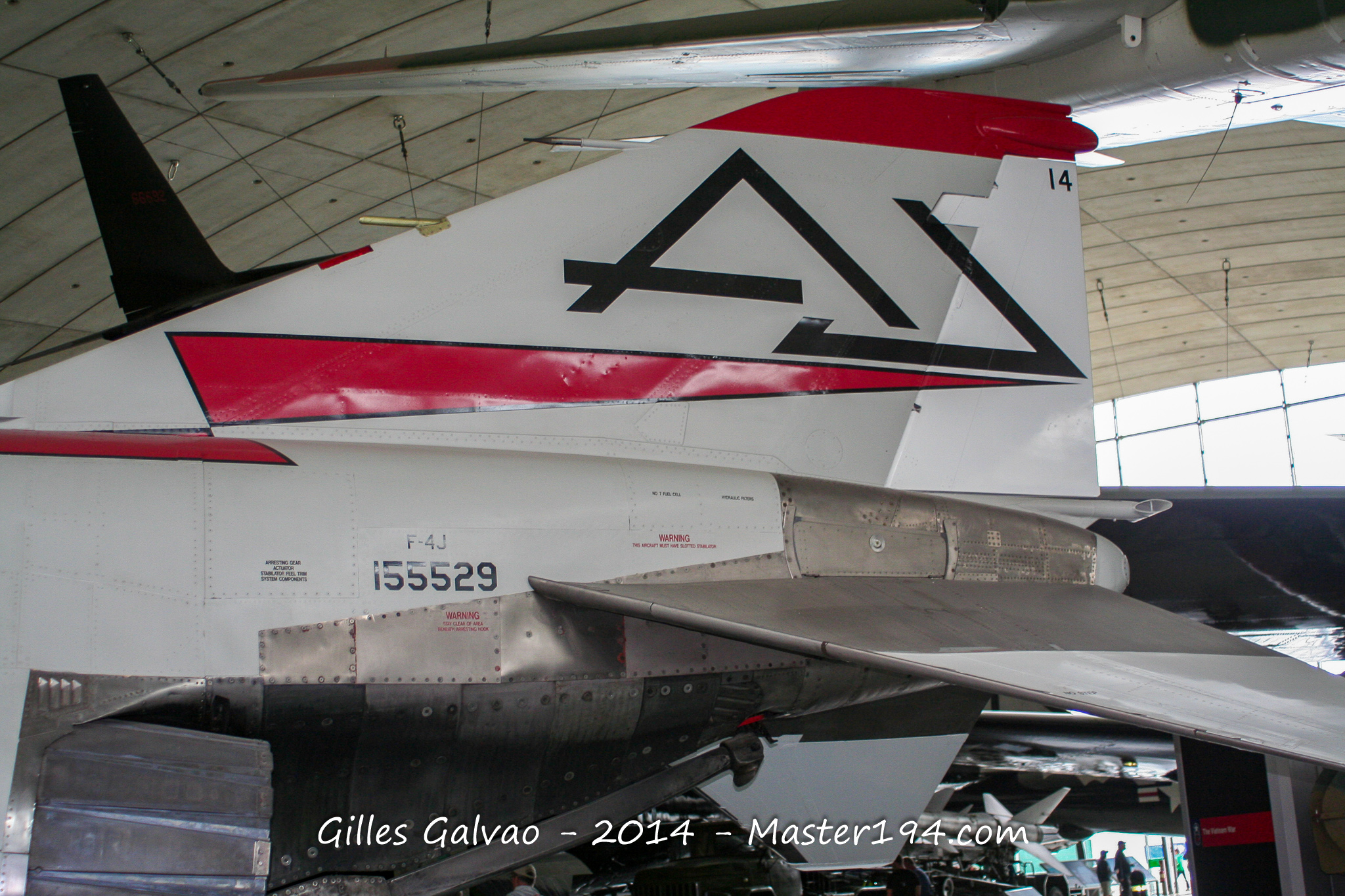
Designated ZE359 in RAF service, this airframe is former U.S. Navy BuNo 155529. Built in 1967, it served with U.S. Navy VF-74 Be-Devilers, deploying to Vietnam aboard USS America (CVA-66) in 1972–1973. Following storage at AMARC, BuNo 155529 was selected for the F-4J(UK) program, reworked in California, and delivered to No. 74 Squadron at RAF Wattisham in August 1984 as ZE359.
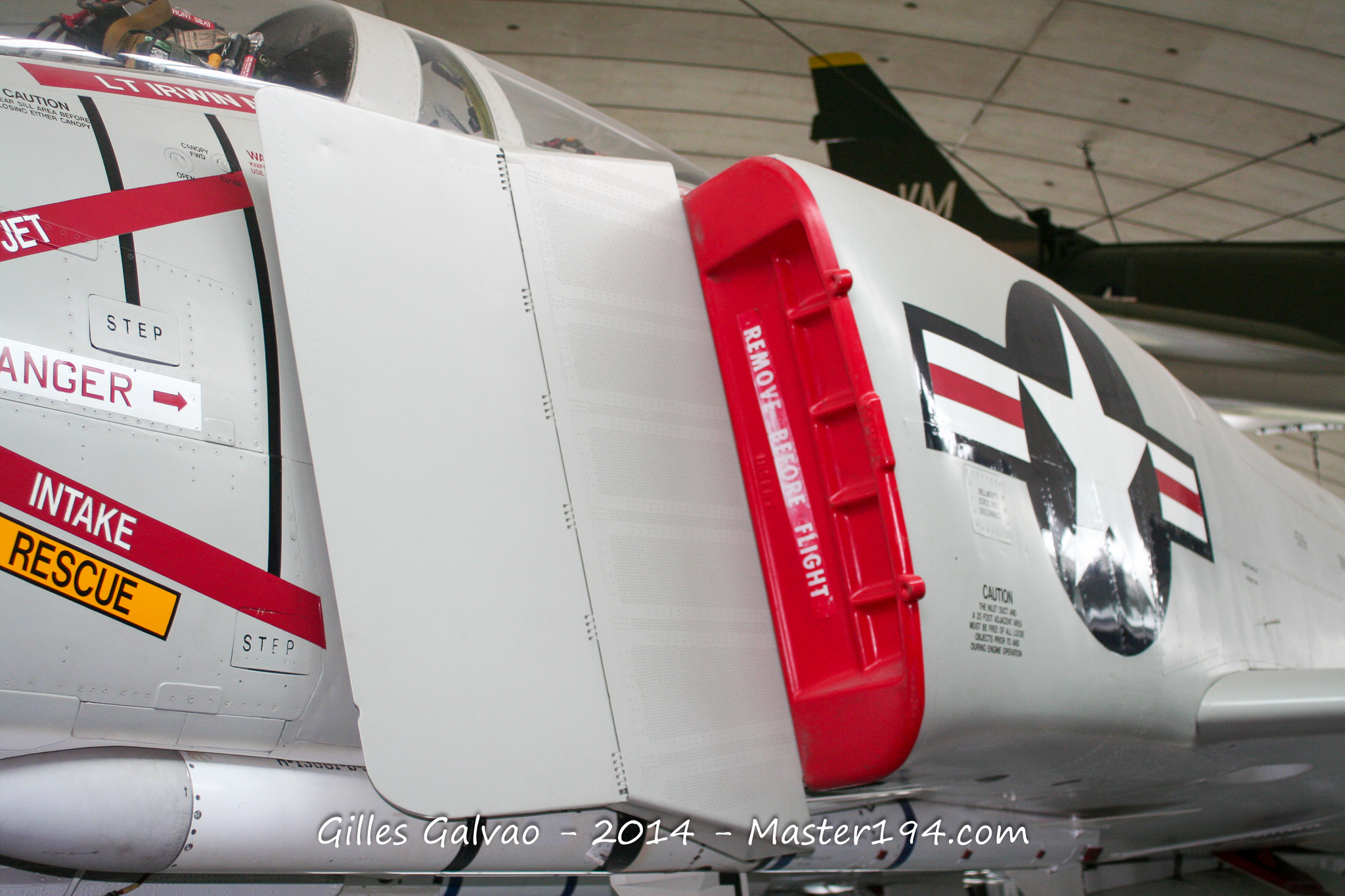
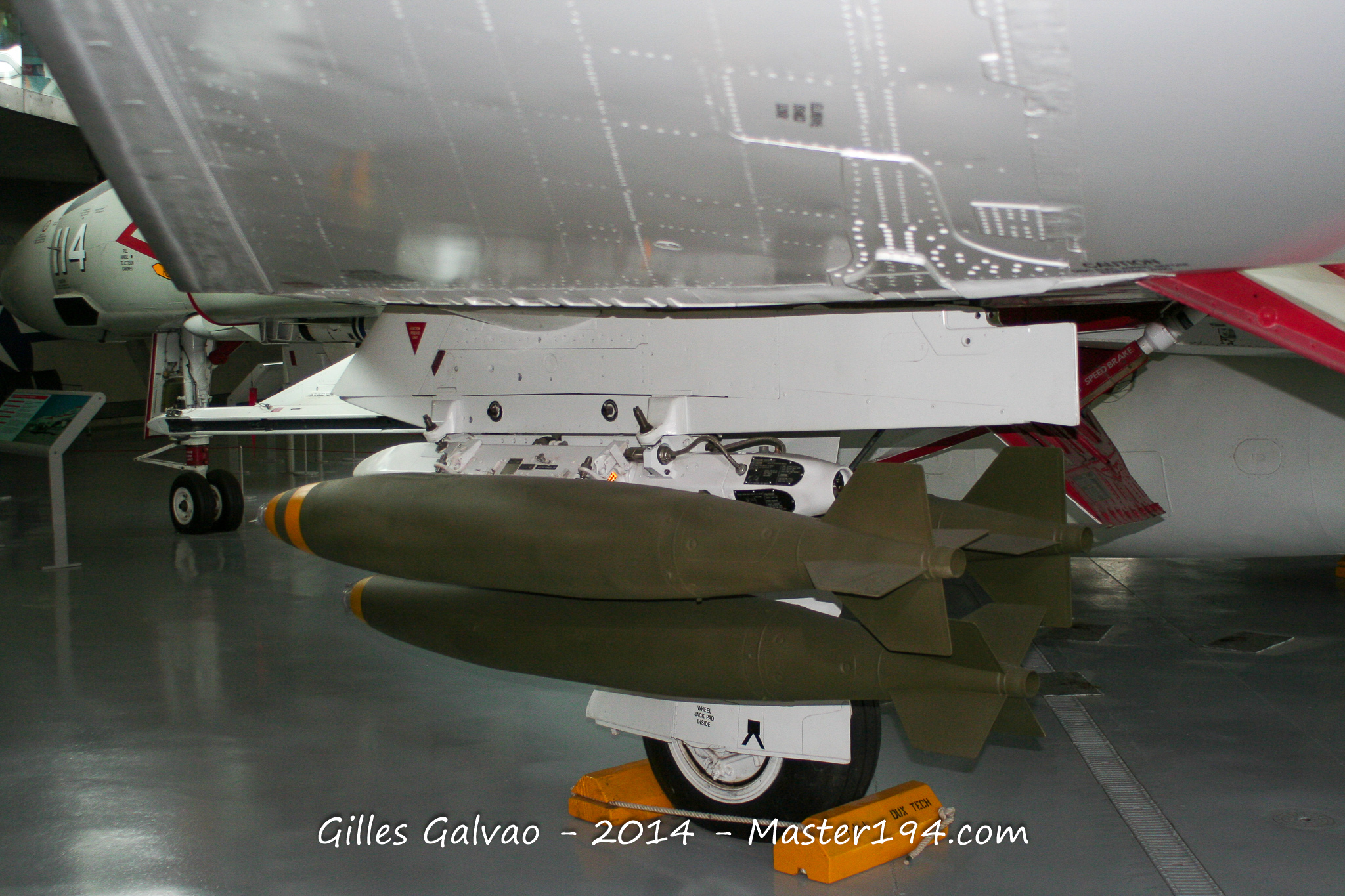
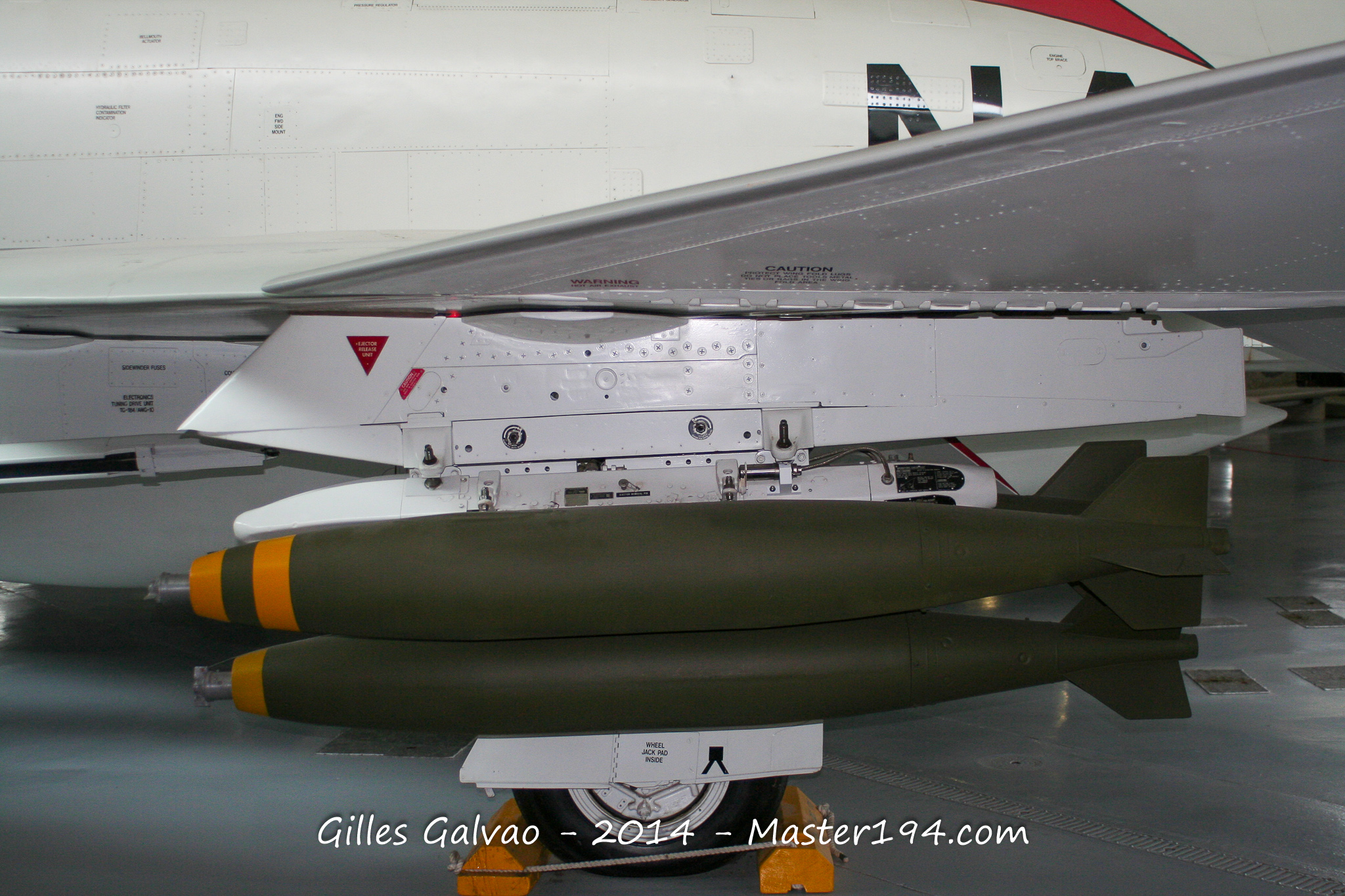
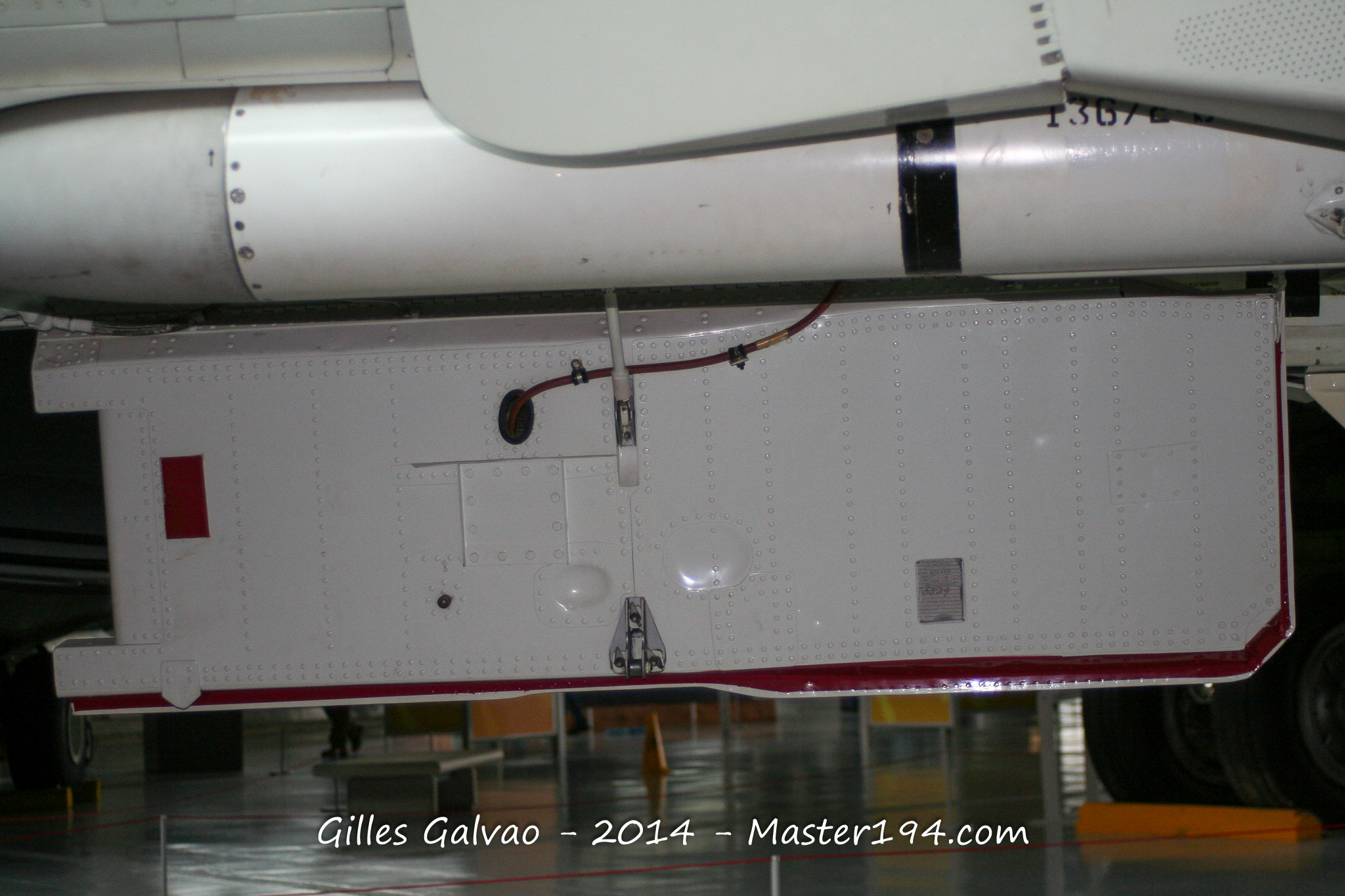
Upon retirement in June 1991, ZE359 was transferred to Duxford and subsequently restored to its historical U.S. Navy VF-74 markings. Today, it is displayed inside the American Air Museum and remains one of only two complete F-4J(UK) airframes preserved worldwide.
Technical Specifications
| Feature | F-4J Phantom II |
| Crew | 2 |
| Length | 19.20 m |
| Wingspan | 11.71 m |
| Powerplant | 2 × General Electric J79-GE-10 |
| Maximum Thrust (with Afterburner) | ≈ 79 kN per engine |
| Maximum Speed | Approx. Mach 2.2 |
| Radar | AN/APG-59 |
| Fire Control System | AN/AWG-10 |
| Primary Armament | AIM-7 Sparrow / AIM-9 Sidewinder |
| Internal Cannon | None on the F-4J |
| Maximum External Payload | Approx. 7,250 kg |