 by
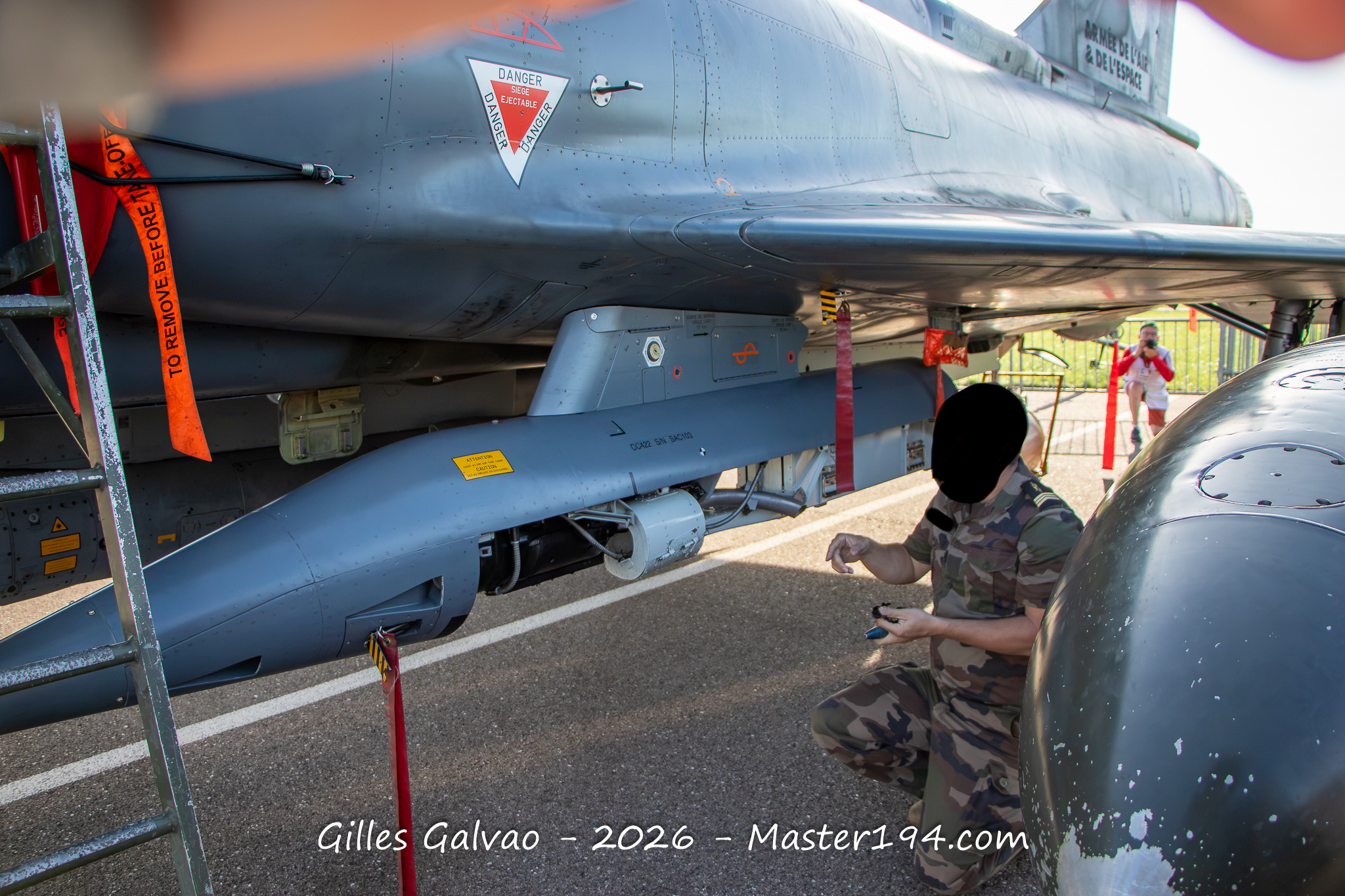
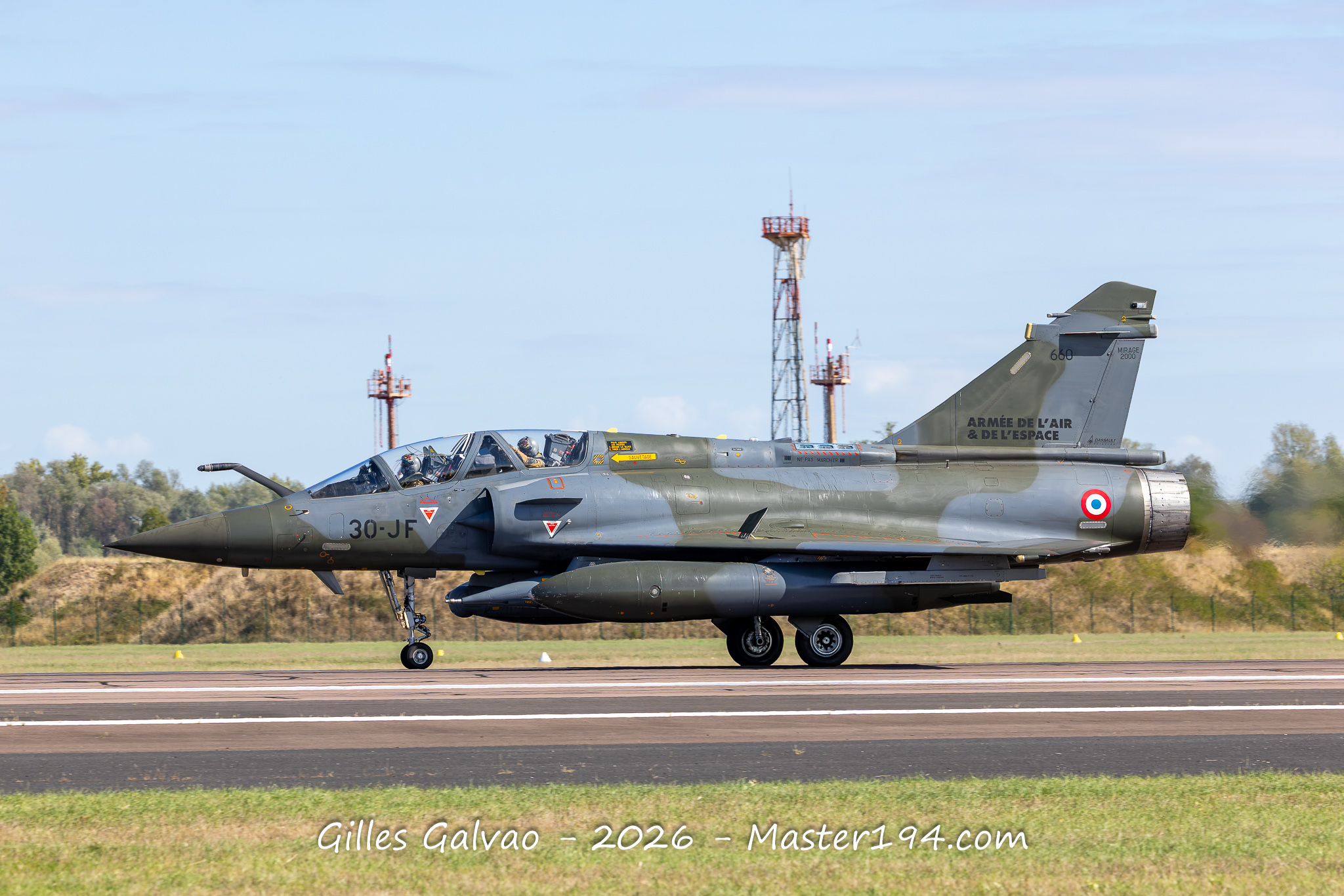
For decades, the Mirage 2000D occupied a unique position within the French Air and Space Force (Armée de l’Air et de l’Espace): explicitly optimized for all-weather low-level interdiction and Close Air Support (CAS), it was built without an internal gun assembly. This capability gap was systematically resolved under the Mid-Life Upgrade (RMV — Rénovation Mi-Vie) through the development and integration of a dedicated gun pod designated CC422.
AD
From the CC420 to the CC422 Architecture
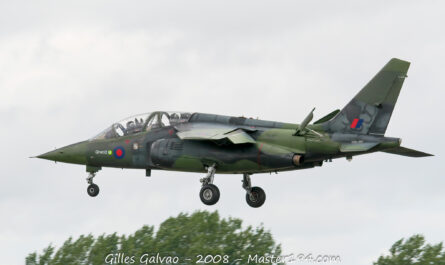
The CC422 derives directly from the legacy Dassault Aviation CC420 gun pod previously carried by the two-seat Mirage F1B. Rather than engineering an entirely new weapons platform from scratch, Dassault adapted a combat-proven architecture to the specific airframe parameters of the Mirage 2000D.
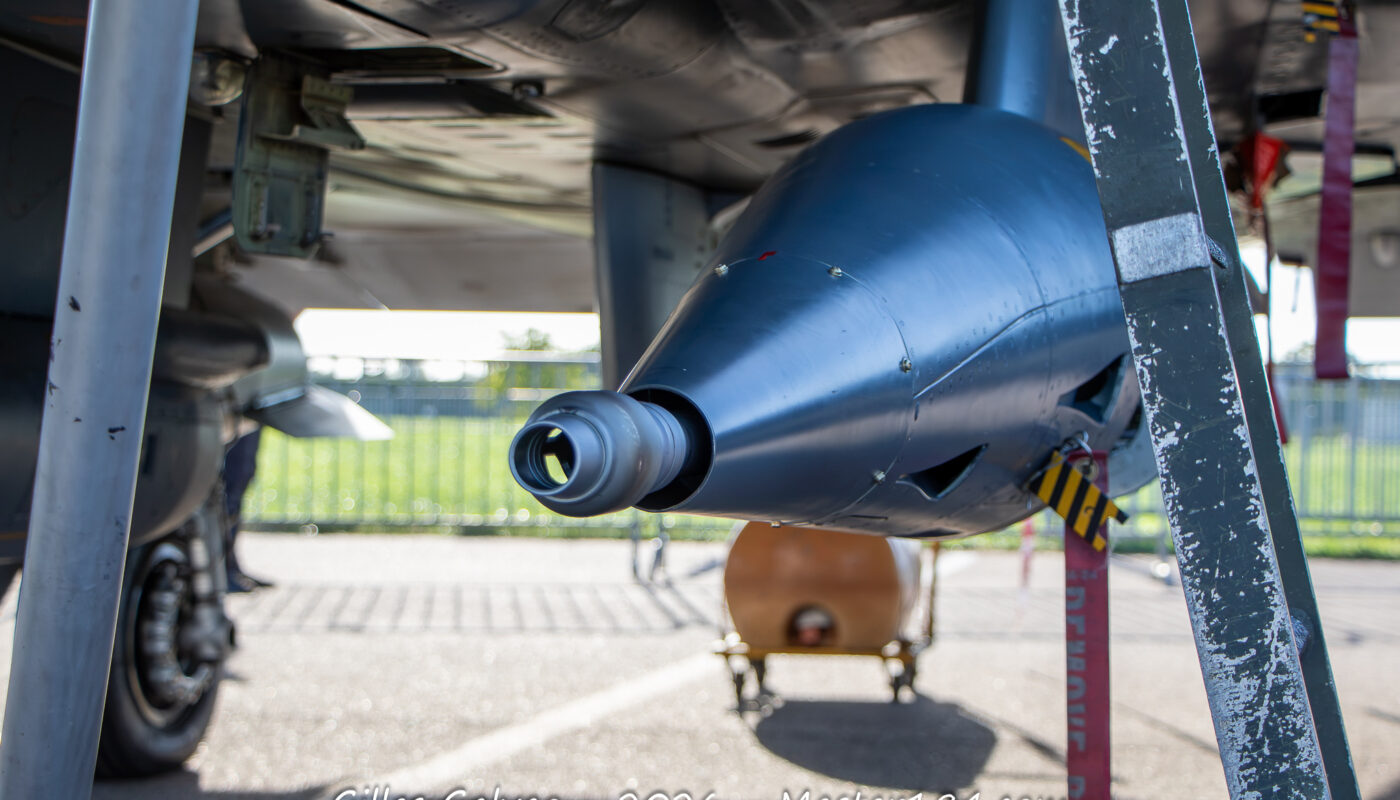
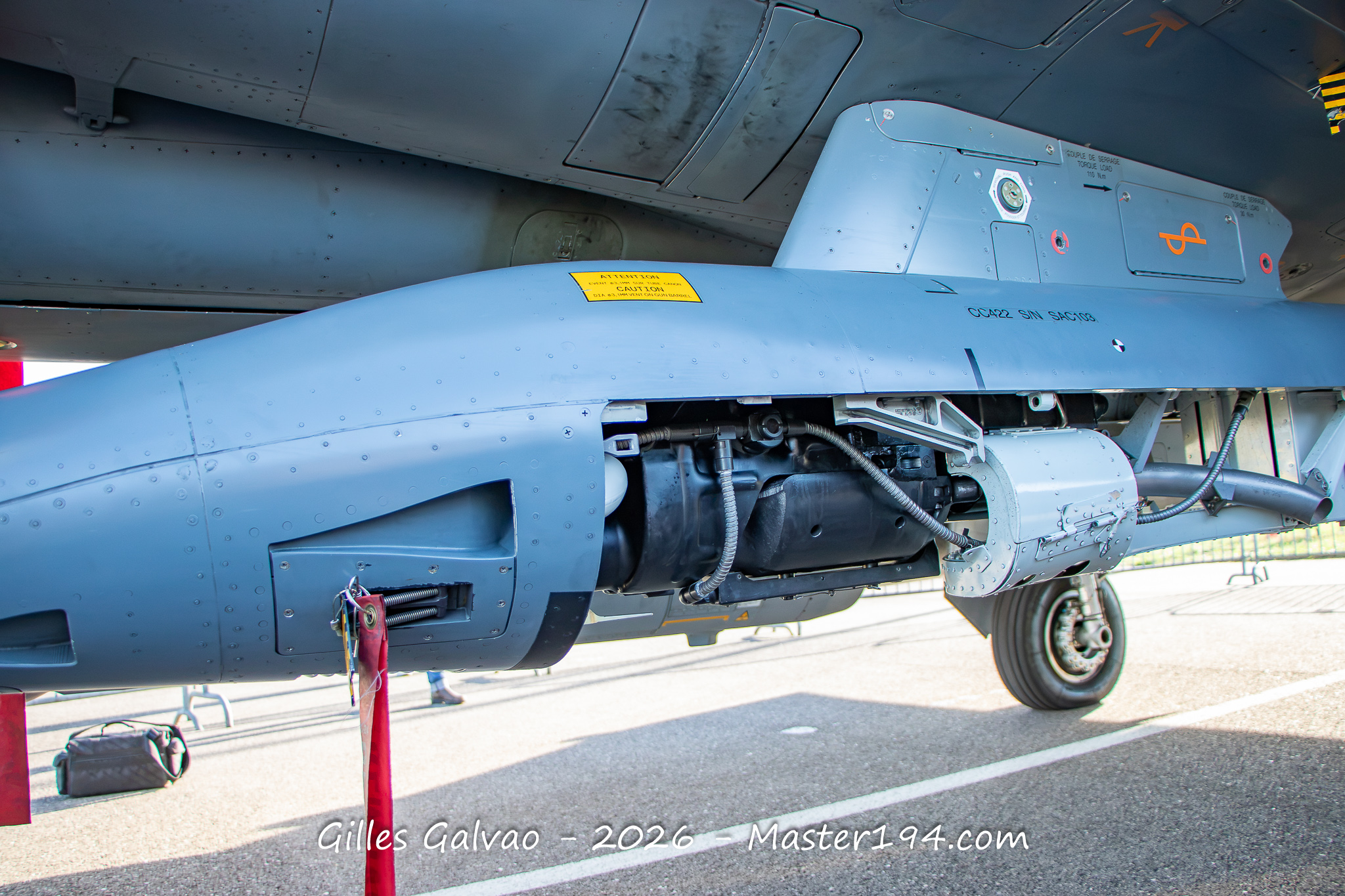
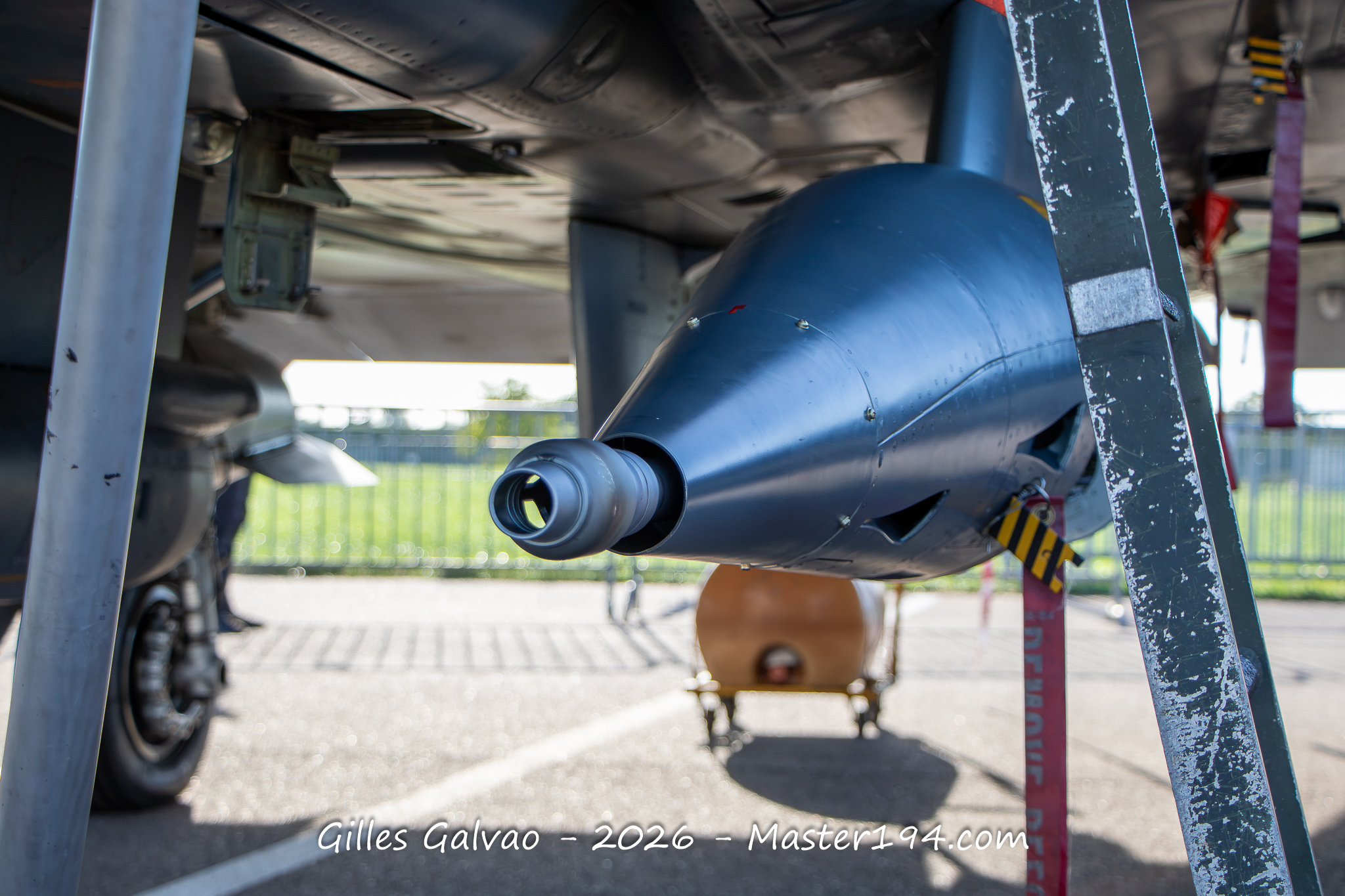
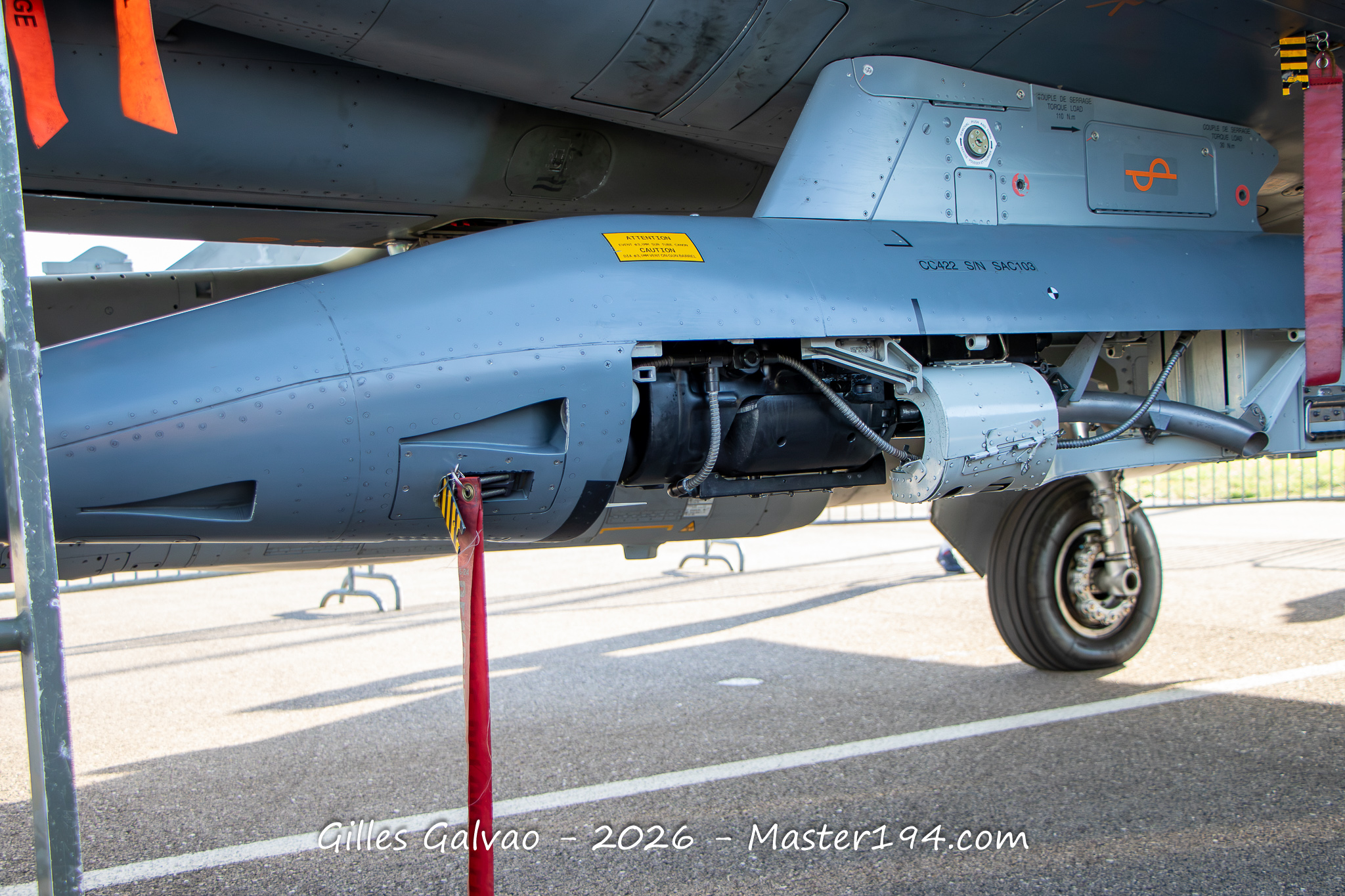
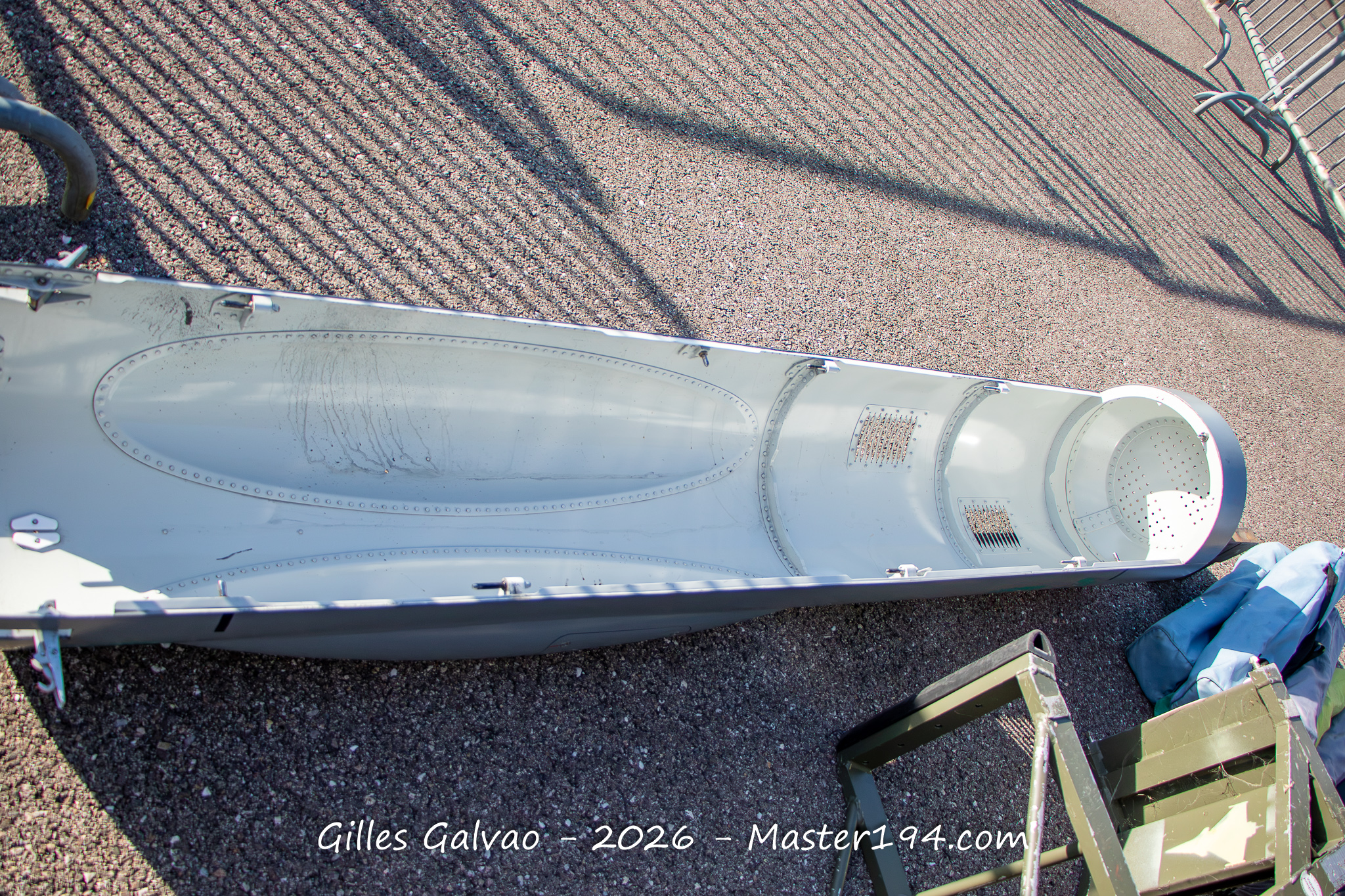
The principal structural modification involved shortening the overall pod housing. The resulting CC422 features a shortened shell optimized for under-fuselage mounting, clearing critical ground margins and landing gear oleo-strut travel.
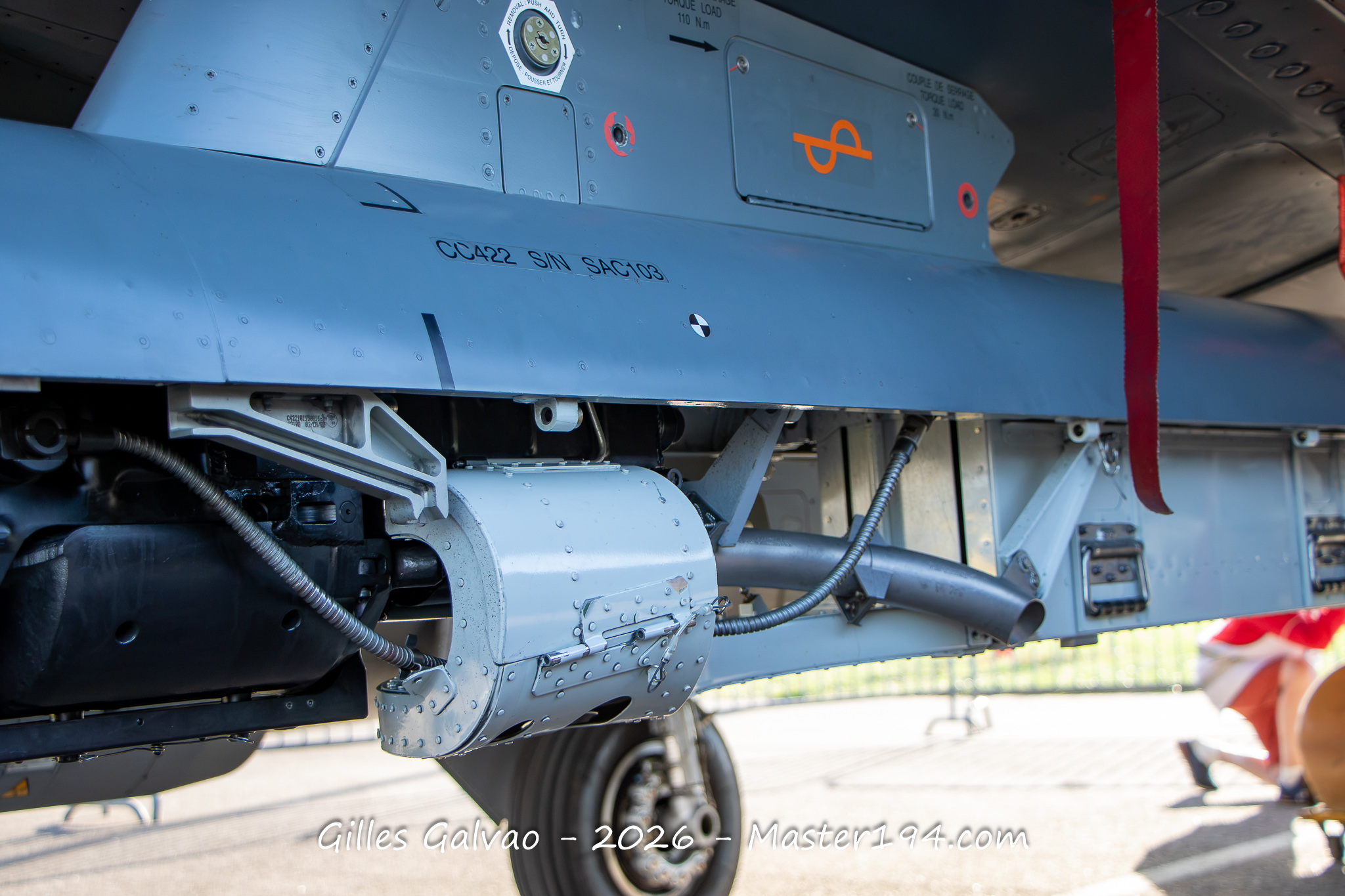
Internally, the pod houses a single 30 mm revolving cannon from the DEFA 550 family, designated DEFA 550 F3 in official RMV technical documentation. This provides the strike fighter with a organic strafing capability to complement its primary air-to-ground ordnance, which includes unguided, laser-guided, and GPS-guided precision munitions.
Asymmetric Under-Fuselage Mount
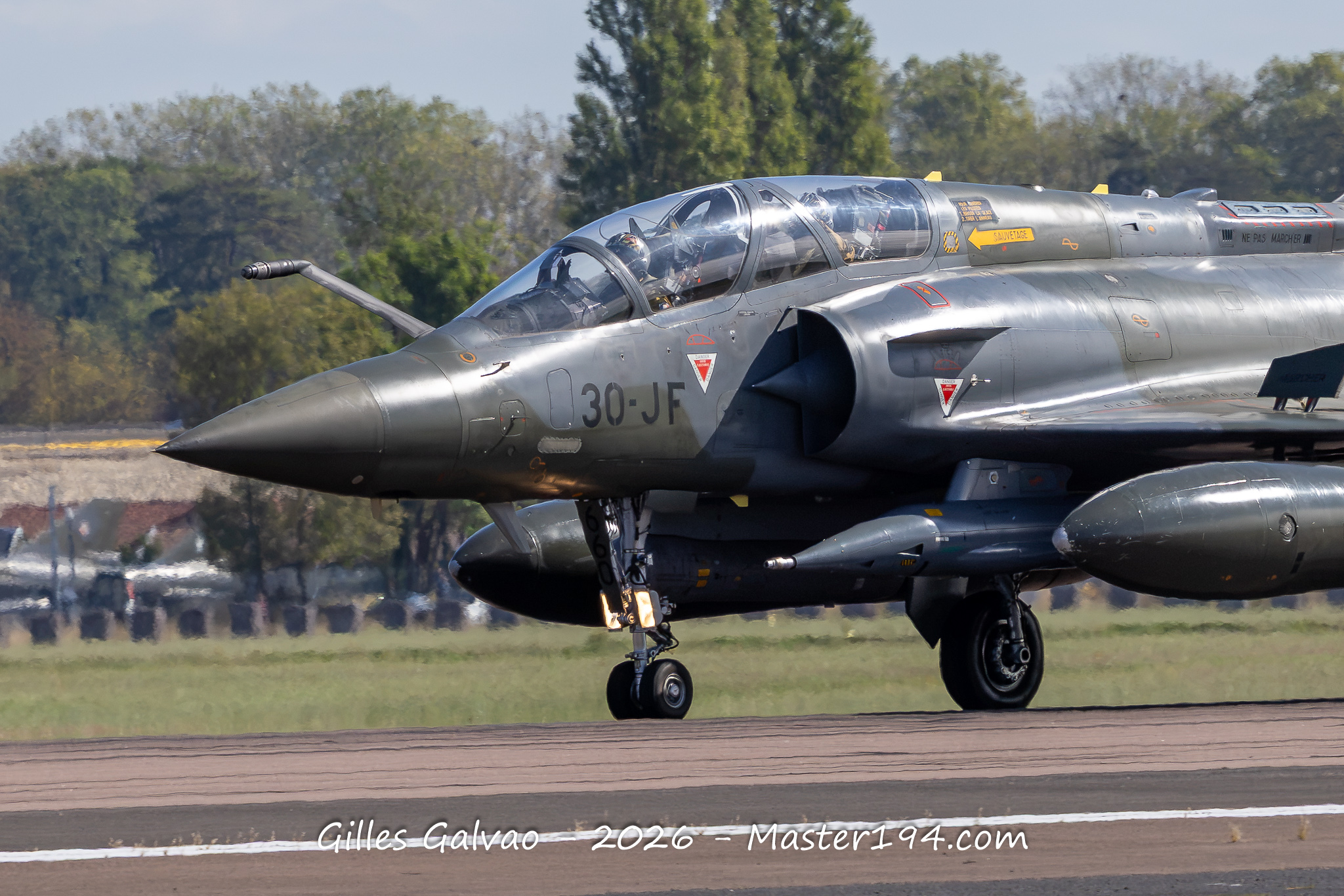
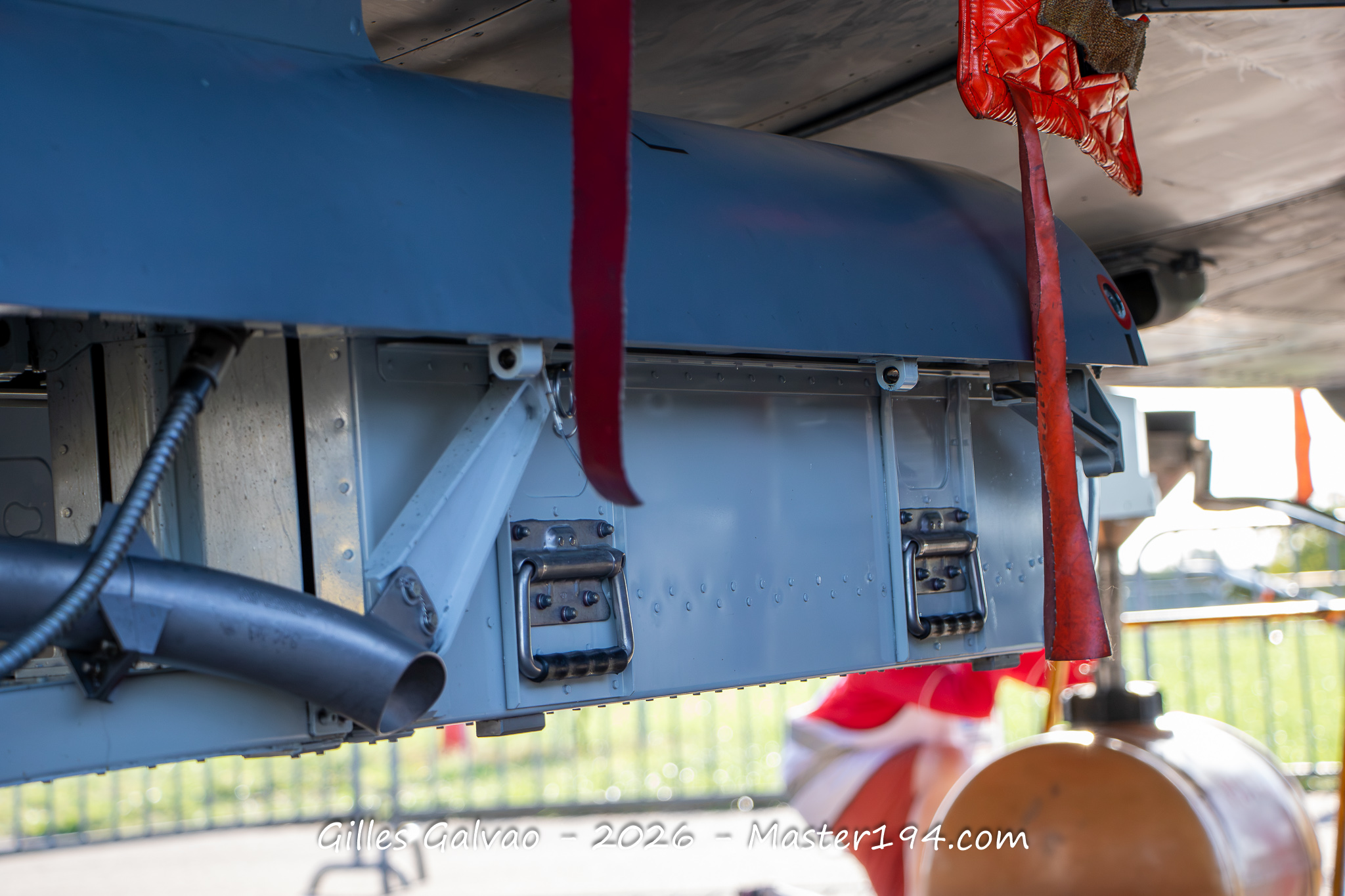
The installation of the CC422 represents one of the most distinctive visual identifiers of the modernized Mirage 2000D RMV. The pod is mounted asymmetrically on the forward left under-fuselage hardpoint, rather than on an underwing pylon.
This asymmetric disposition satisfies strict payload integration requirements, expanding the aircraft’s weapons carriage envelope without reducing underwing hardpoints reserved for heavy ordnance or external fuel tanks. The CC422 fits seamlessly into the broader RMV avionics upgrade without compromising the aircraft’s primary interdiction role.
By adopting a detachable external pod, Dassault provided a tailored solution for an airframe whose baseline airframe lacked internal gun bays—unlike the air-to-air Mirage 2000C and Mirage 2000-5 variants, which incorporate twin internal 30 mm DEFA cannons inside the lower ducting.
Testing Timeline & Validation (2018–2019)
Integration of the CC422 followed a rigorous multi-stage qualification protocol:
- Flight Test Campaign: Airborne flight testing concluded successfully in November 2019, clearing the CC422 for full operational integration within the RMV standard flight clearance envelope.
- Rig Firing Trials: Initial ground rig firing tests took place in September 2018, followed by pre-production pod live-fire trials in July 2019 to validate internal feed mechanisms and recoil absorption.
- Static Airframe Live-Fire: The pre-production pod was installed on Mirage 2000D airframe No. 607 for static ground-firing campaigns aimed at evaluating complete system link integration, recoil dynamics on the hardpoint, and gun sight alignment accuracy.
Enhanced CAS Operational Capability
The integration of the CC422 addresses a long-standing frontline operational requirement: equipping the Mirage 2000D with a rapid-reaction 30 mm strafing option during Close Air Support (CAS) sorties in asymmetric counter-insurgency theaters.
While precision-guided bombs remain the crew’s main strike effectors, the 30 mm cannon adds a low-collateral direct-fire effect for close-proximity troop support. The CC422 illustrates the ongoing evolution of the Mirage 2000D throughout its operational life—transitioning from a deep-penetration strike platform into a multi-role attack fighter equipped with battle-proven, cost-effective hardware.
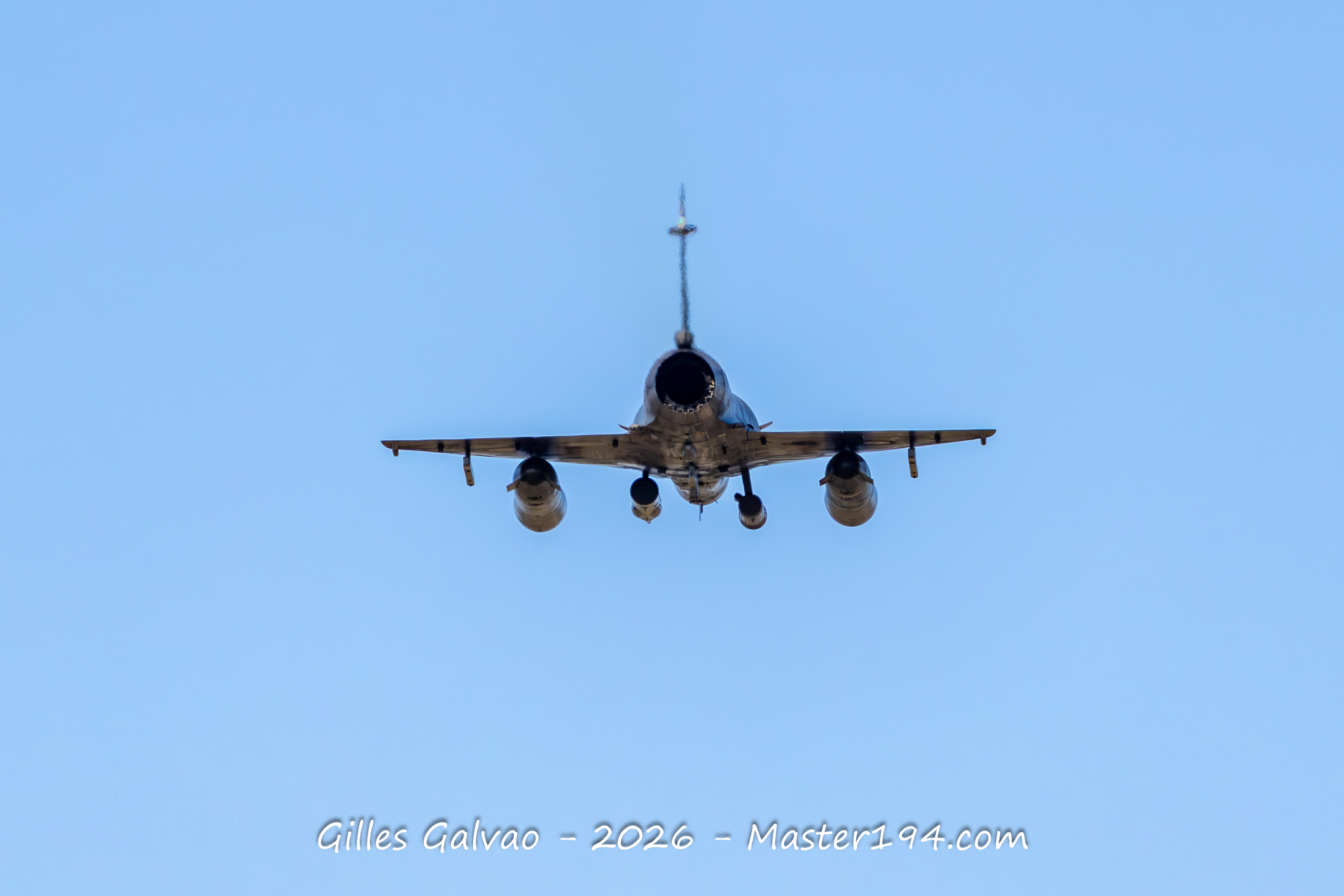
All photographs were taken during the 2026 Open House Day (Journées Portes Ouvertes 2026) at Air Base 113 Saint-Dizier, with the kind authorization of the personnel present, to whom I extend my sincere thanks.