 by
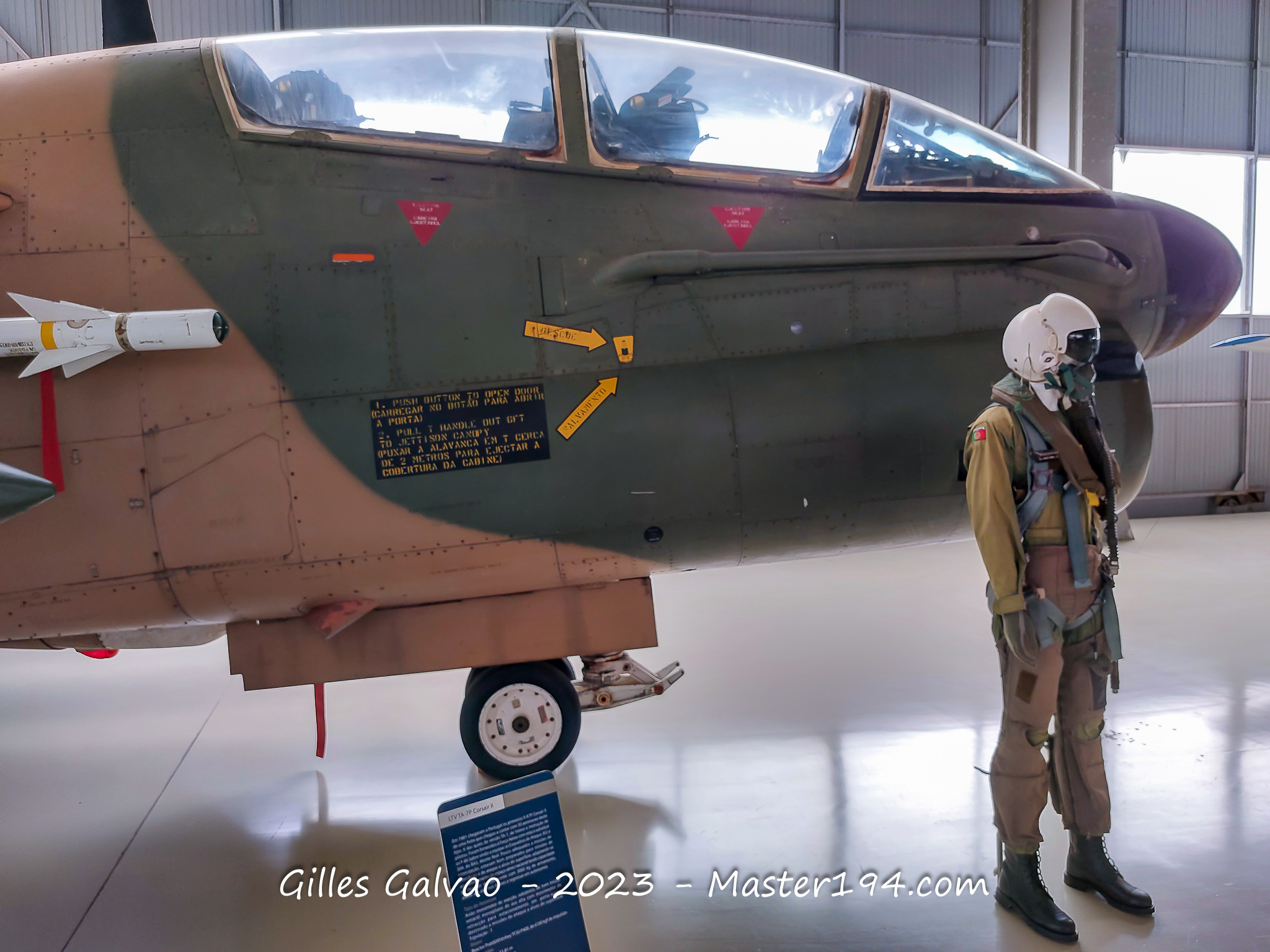
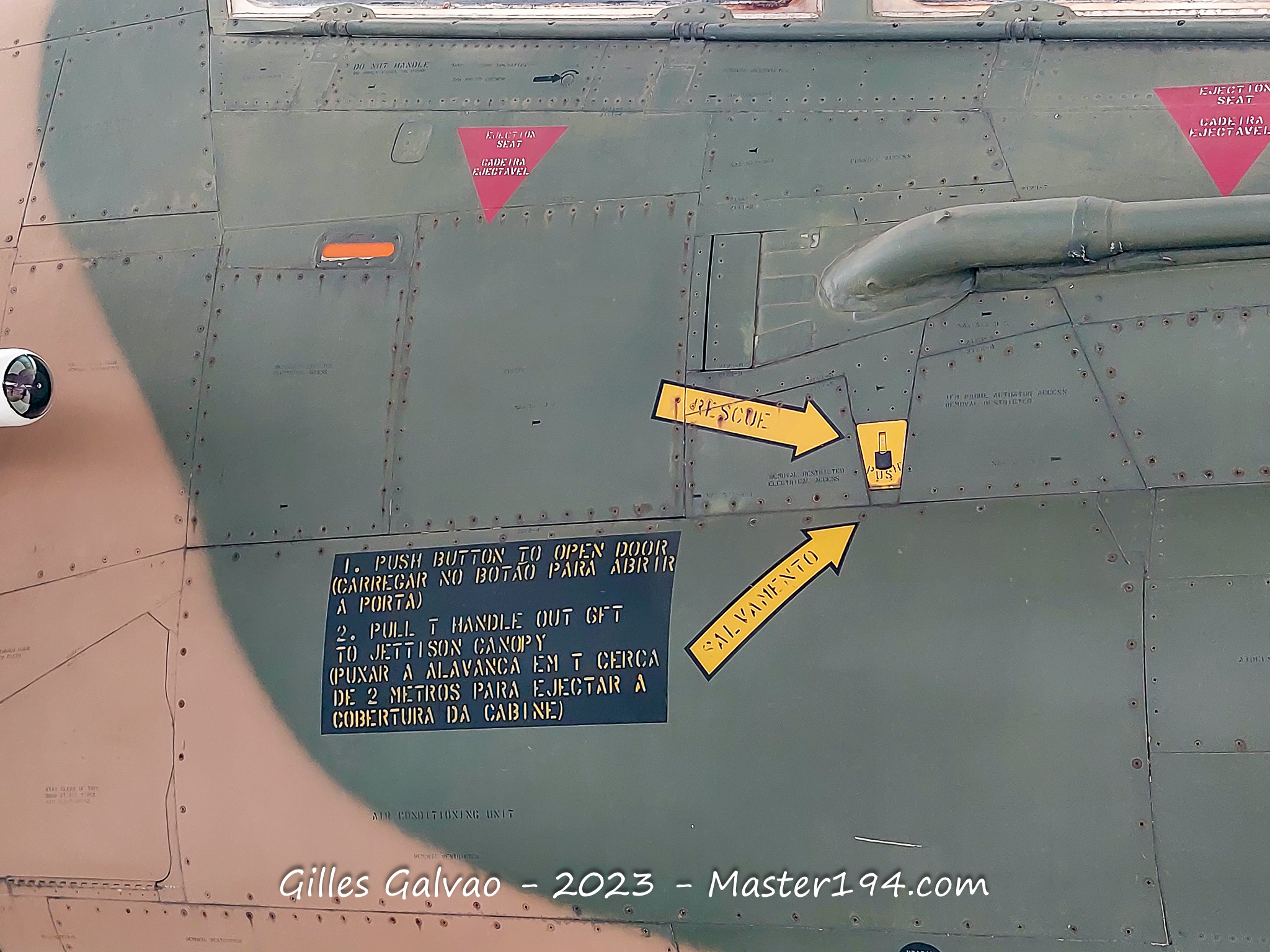
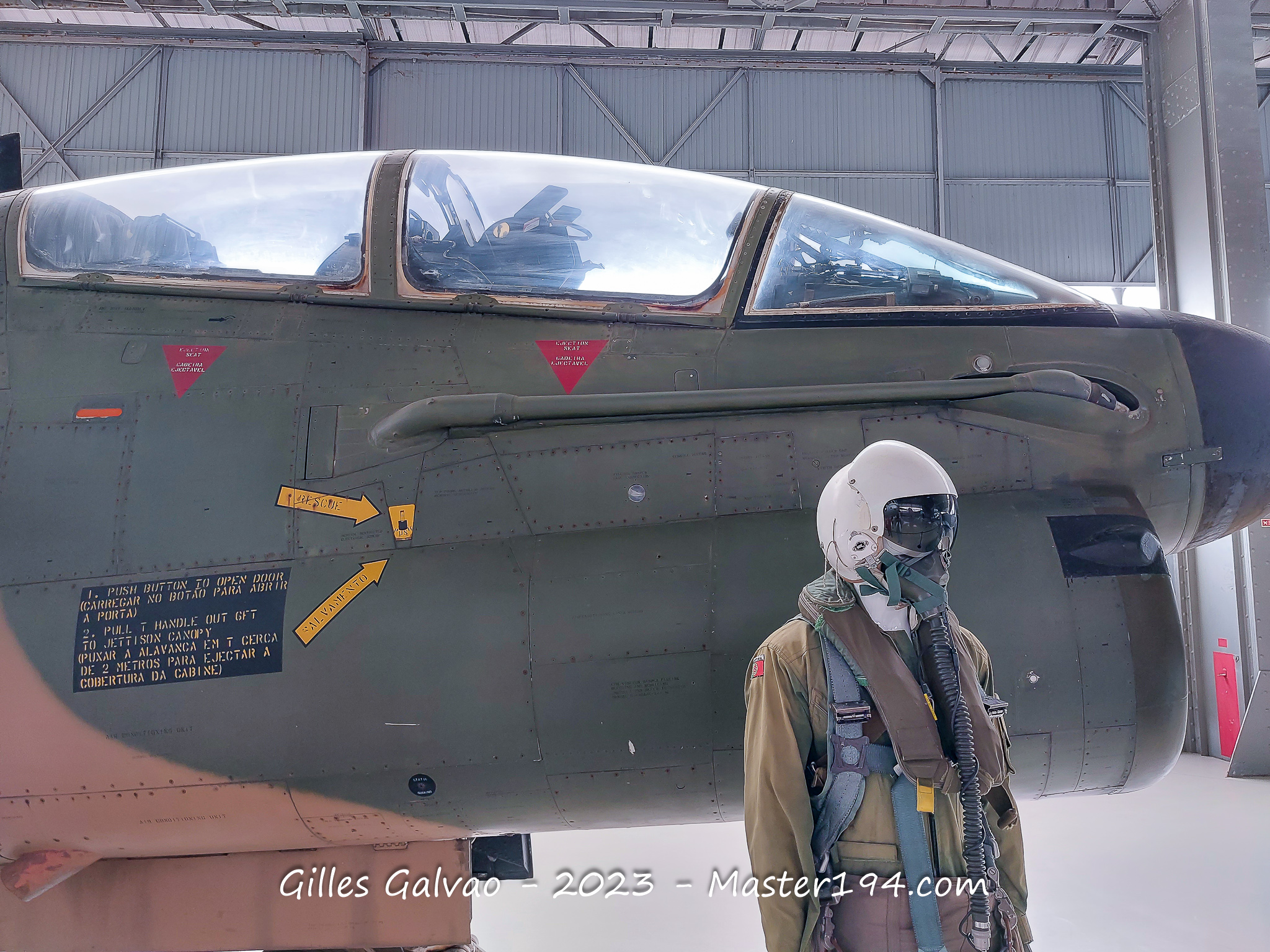
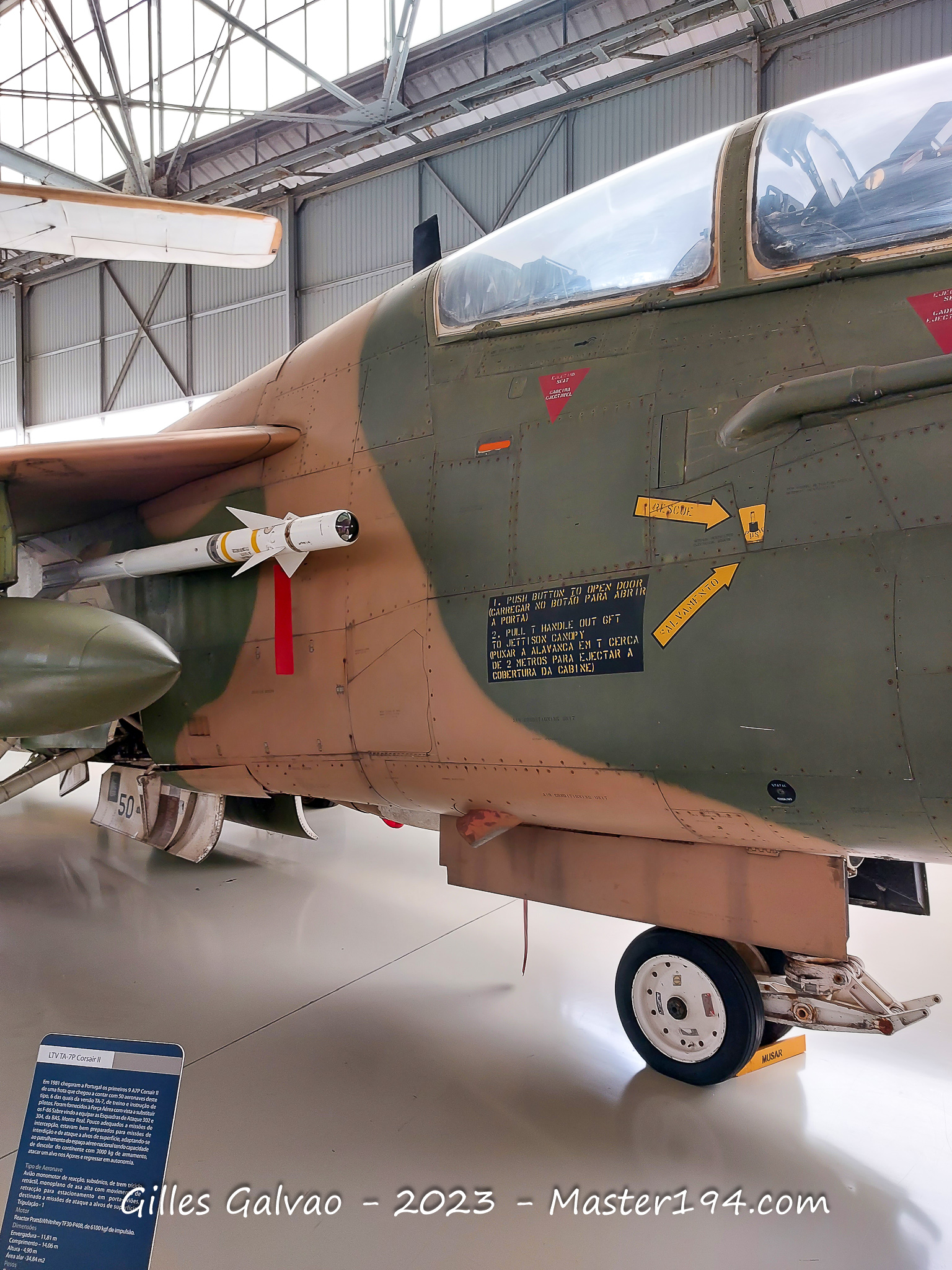
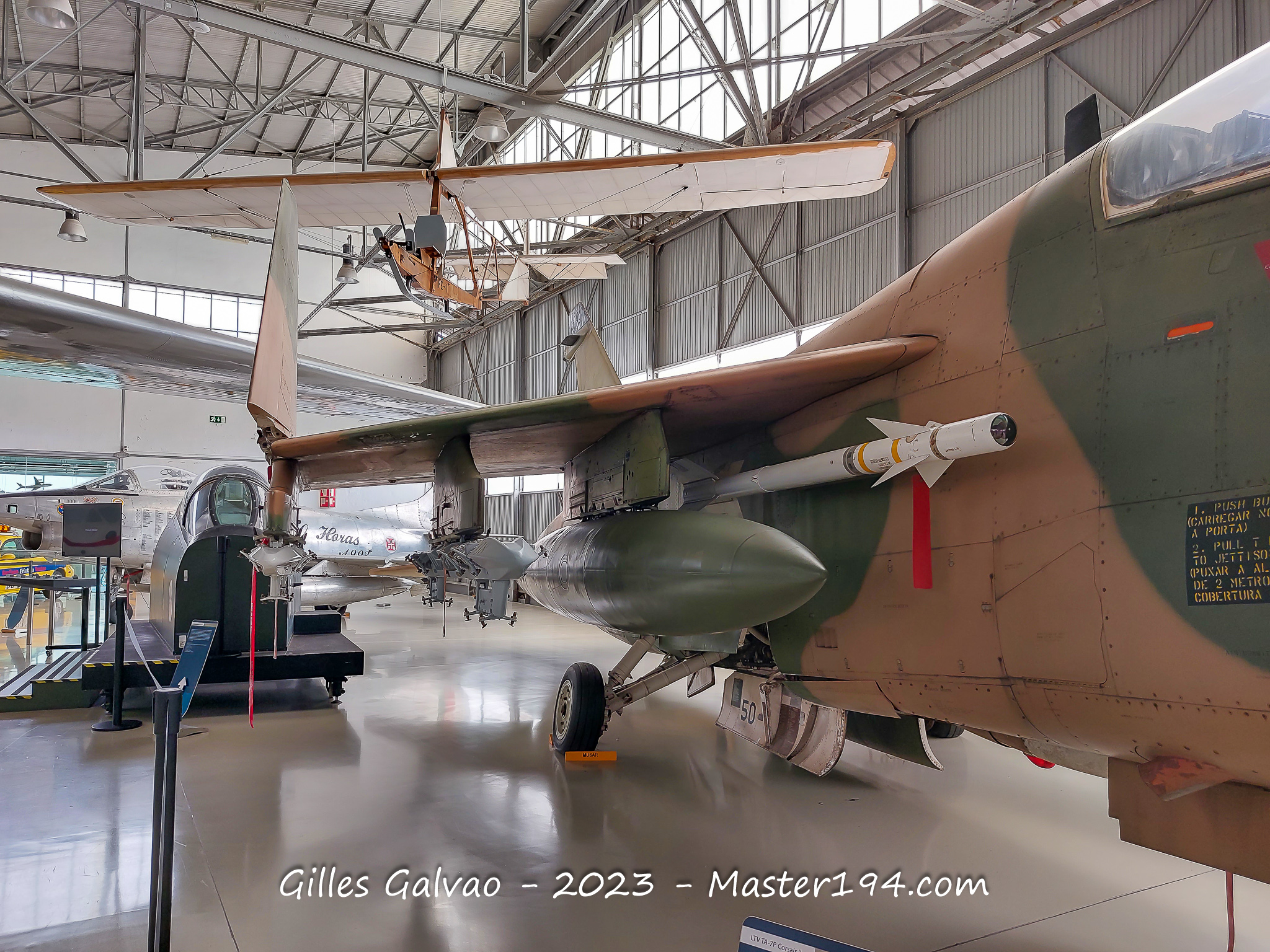
The TA-7P is the two-seat operational training and conversion version of the Portuguese A-7P. Six airframes were built from former US Navy A-7A airframes, deeply modernized and modified to accommodate a second crew member in tandem.
AD
While its general architecture is reminiscent of the American TA-7C, the TA-7P has a specific origin: indeed, the US Navy’s TA-7Cs were primarily obtained by converting A-7B and A-7C airframes, whereas the Portuguese aircraft stem directly from A-7A airframes.
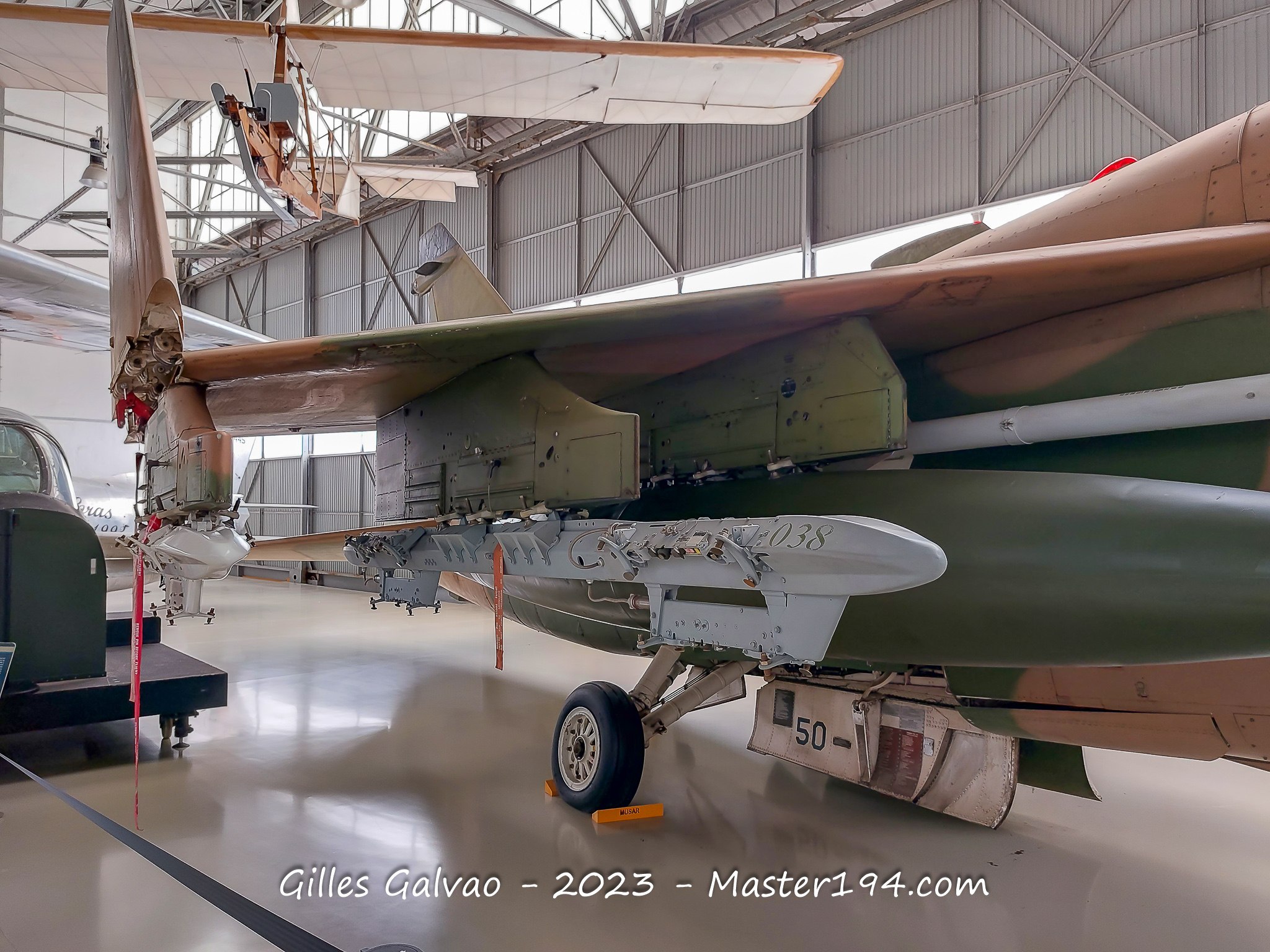
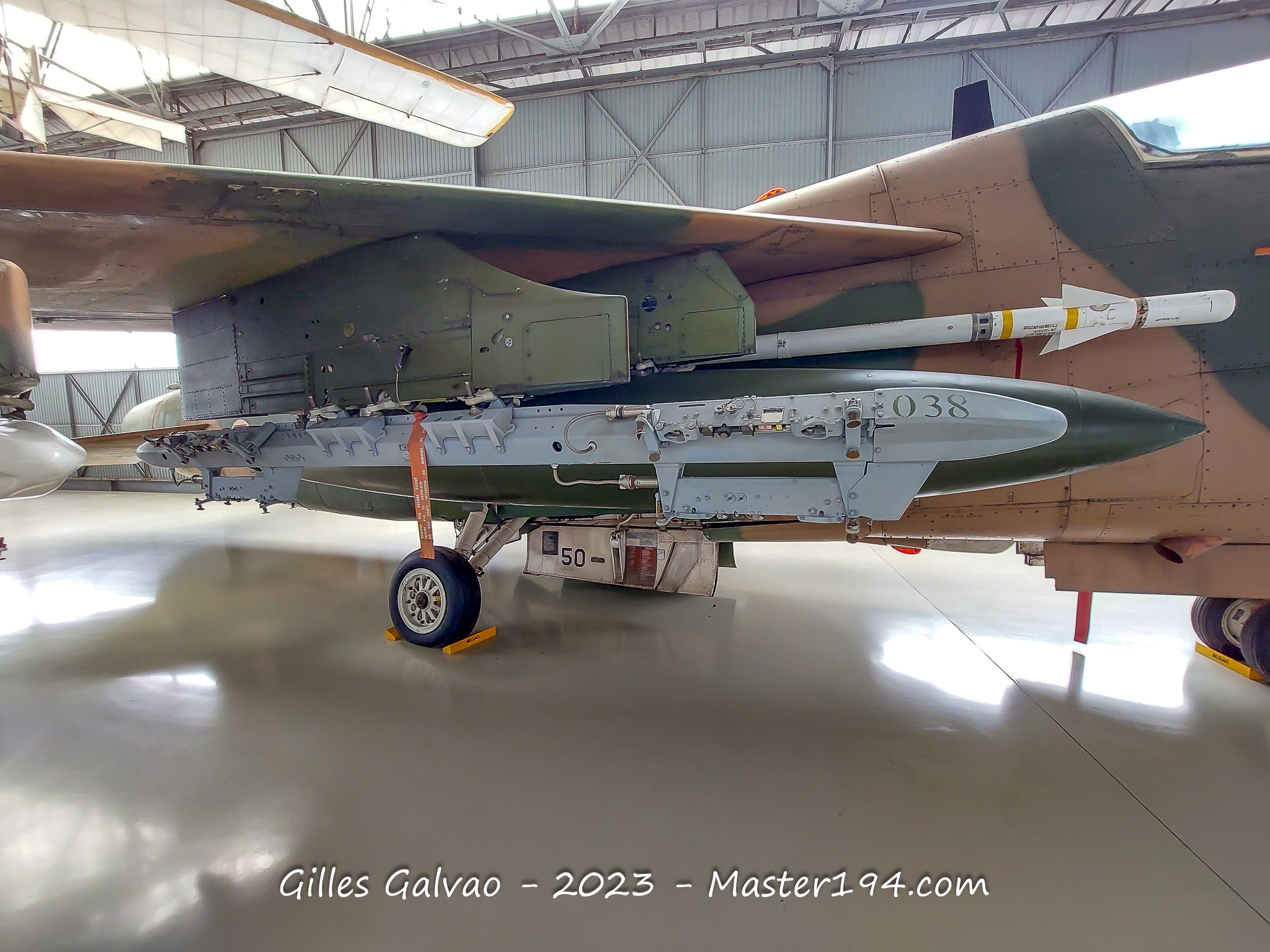
The TA-7Ps benefit from the same extensive upgrade package as the single-seat A-7Ps, notably featuring the adoption of the Pratt & Whitney TF30-P-408 turbofan and modernized avionics close to the A-7E standard. They retain their operational capabilities and can carry weaponry, although the single-seater’s two Colt Mk 12 20 mm cannons were removed to make room for the equipment required by the tandem configuration.
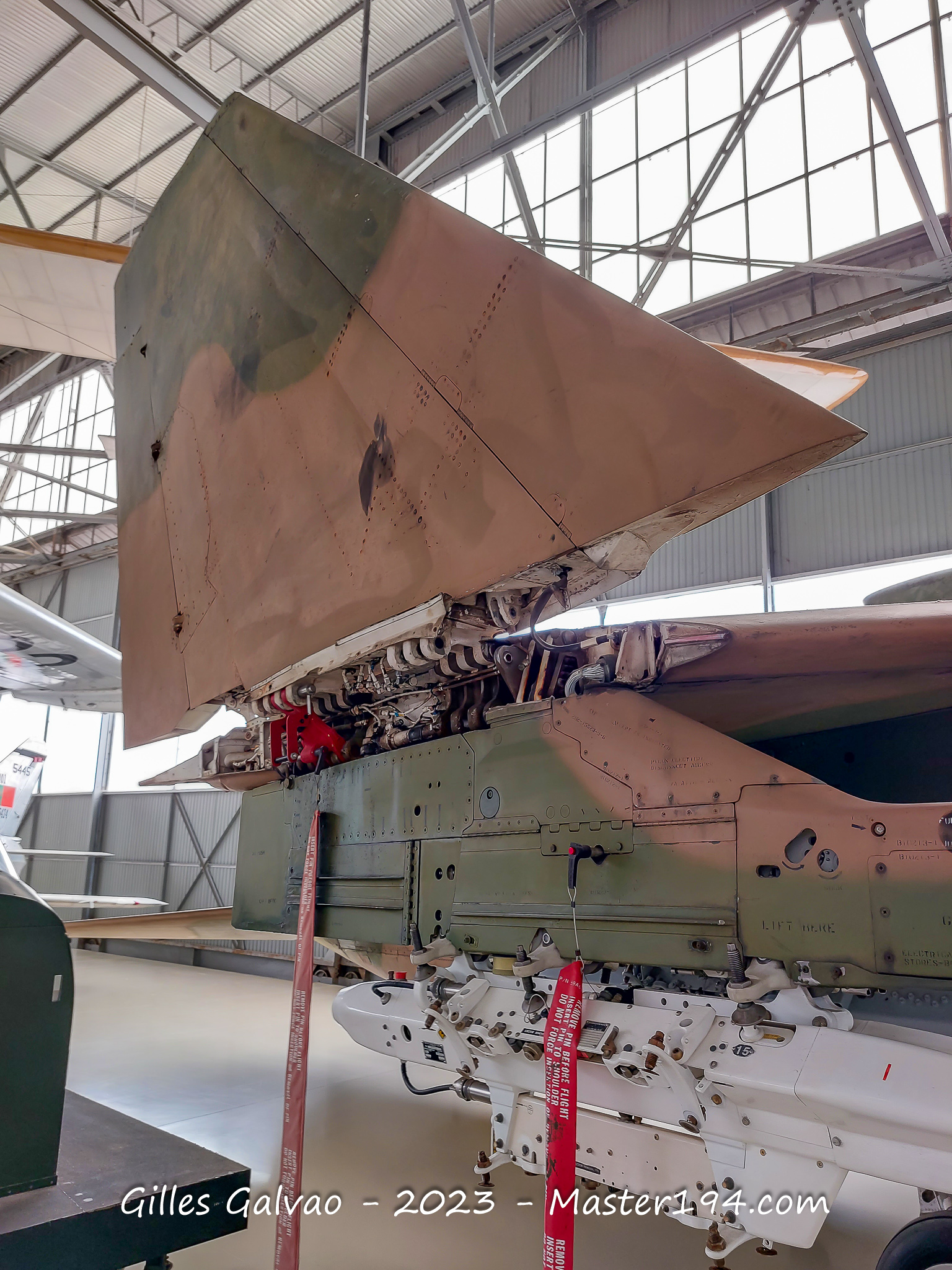
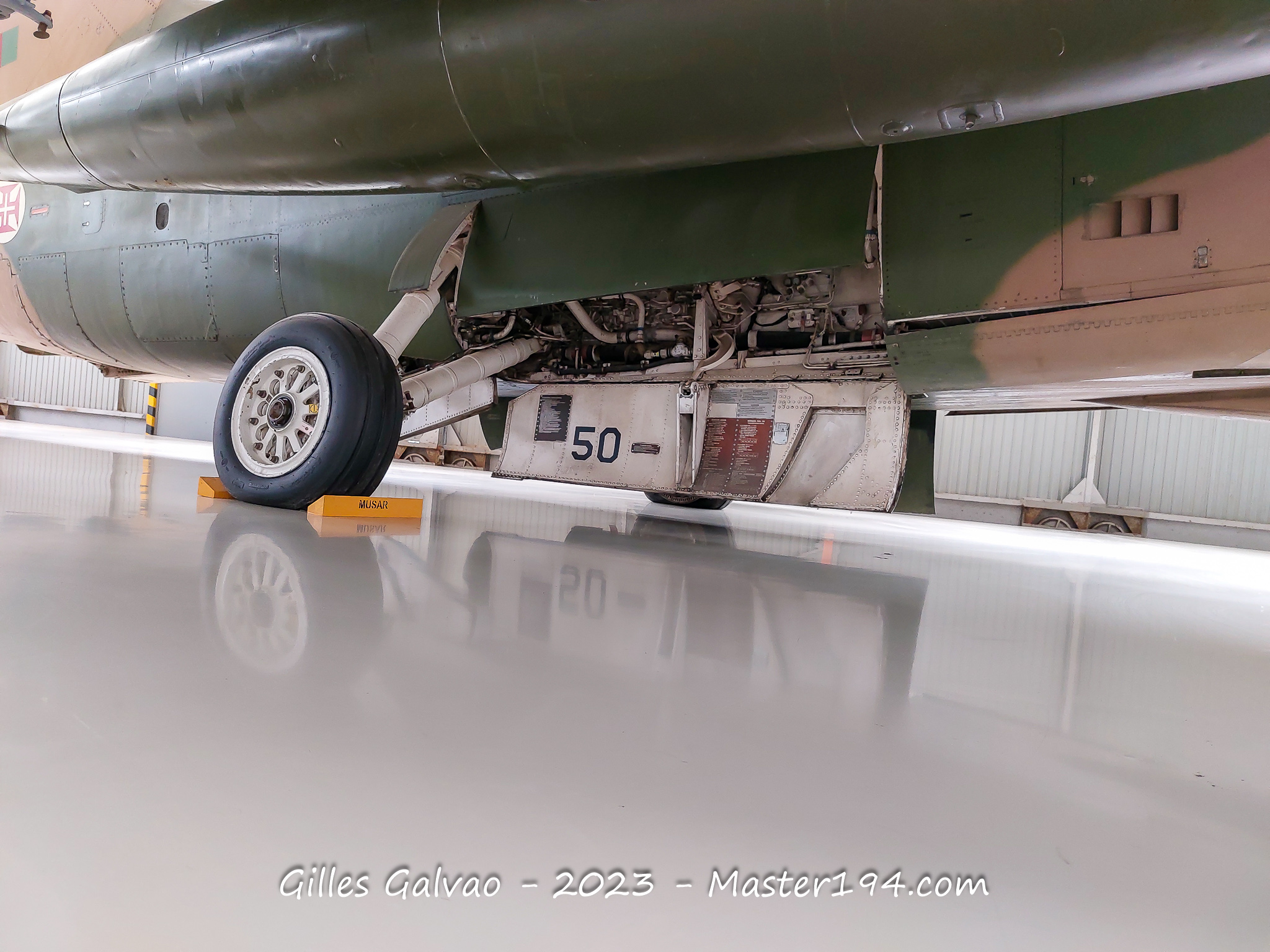
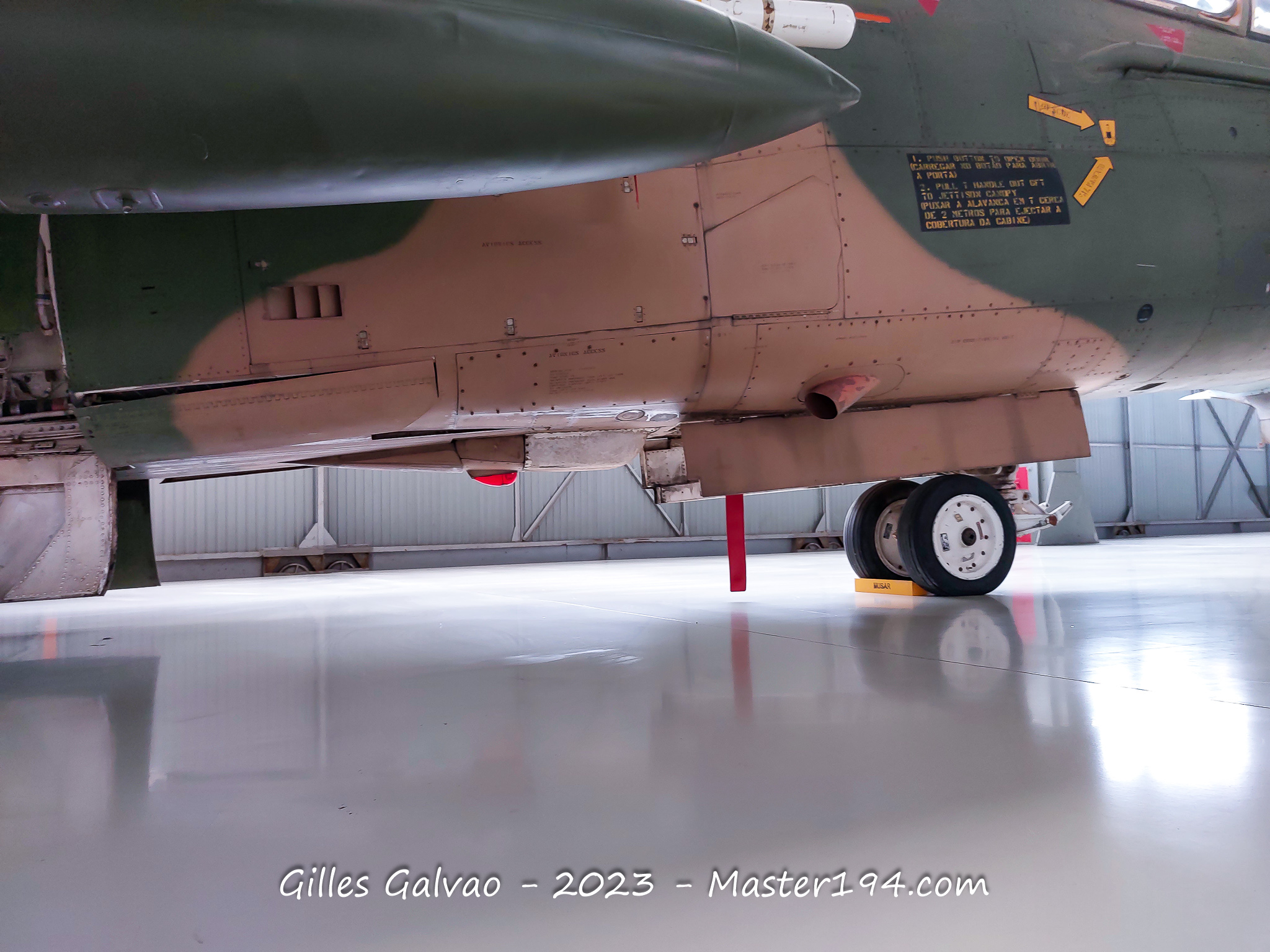
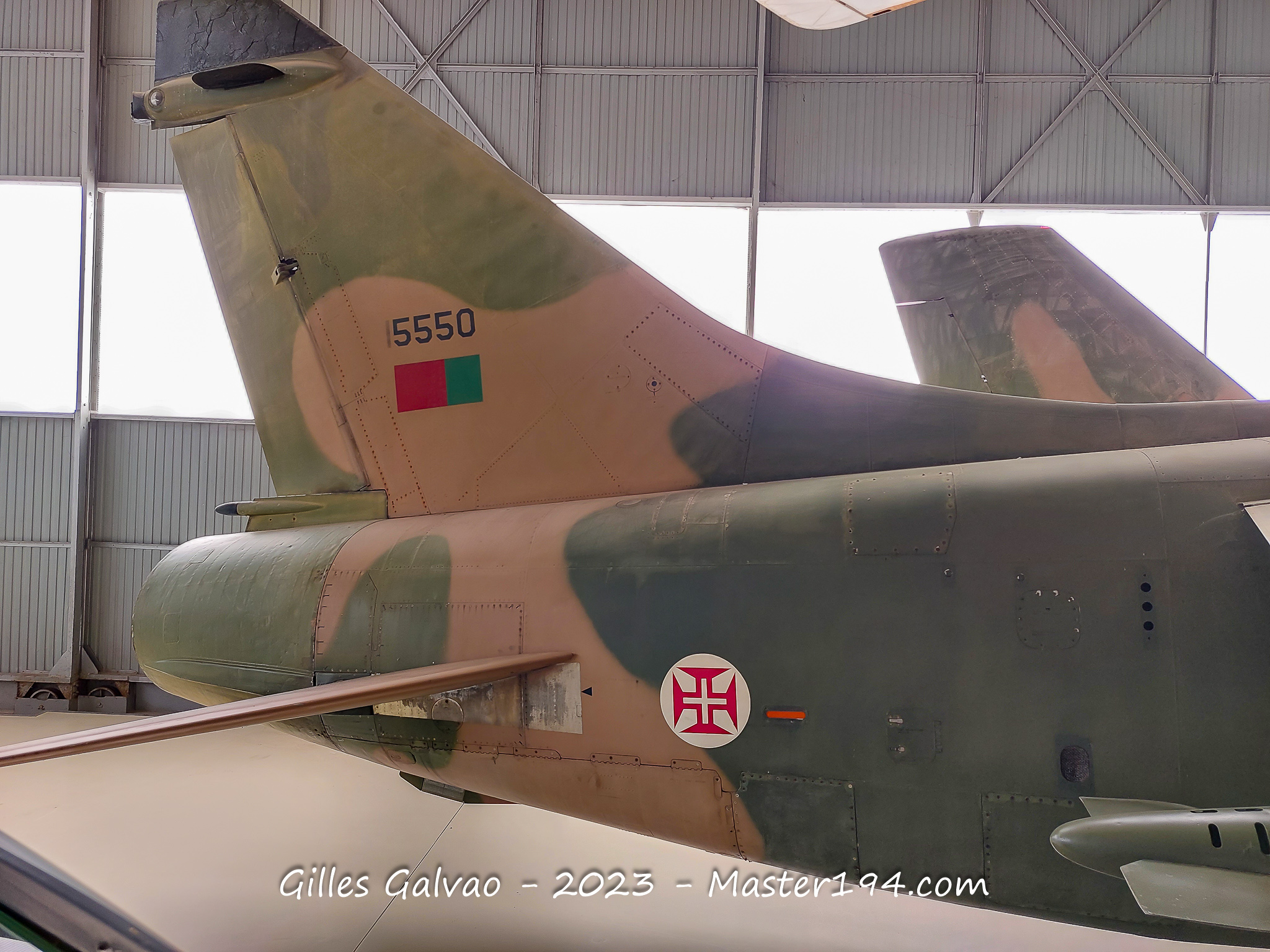
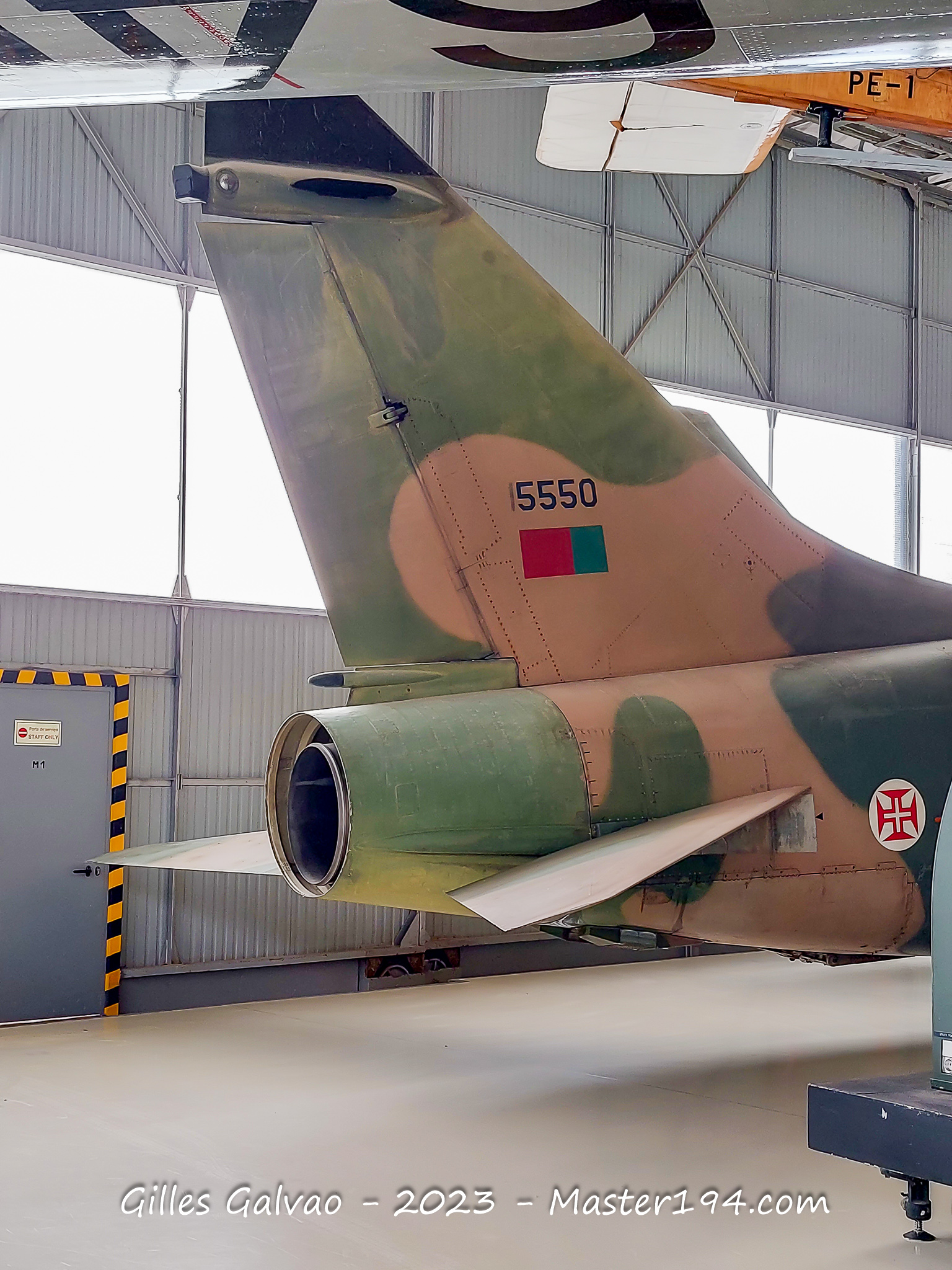
History of aircraft 5550
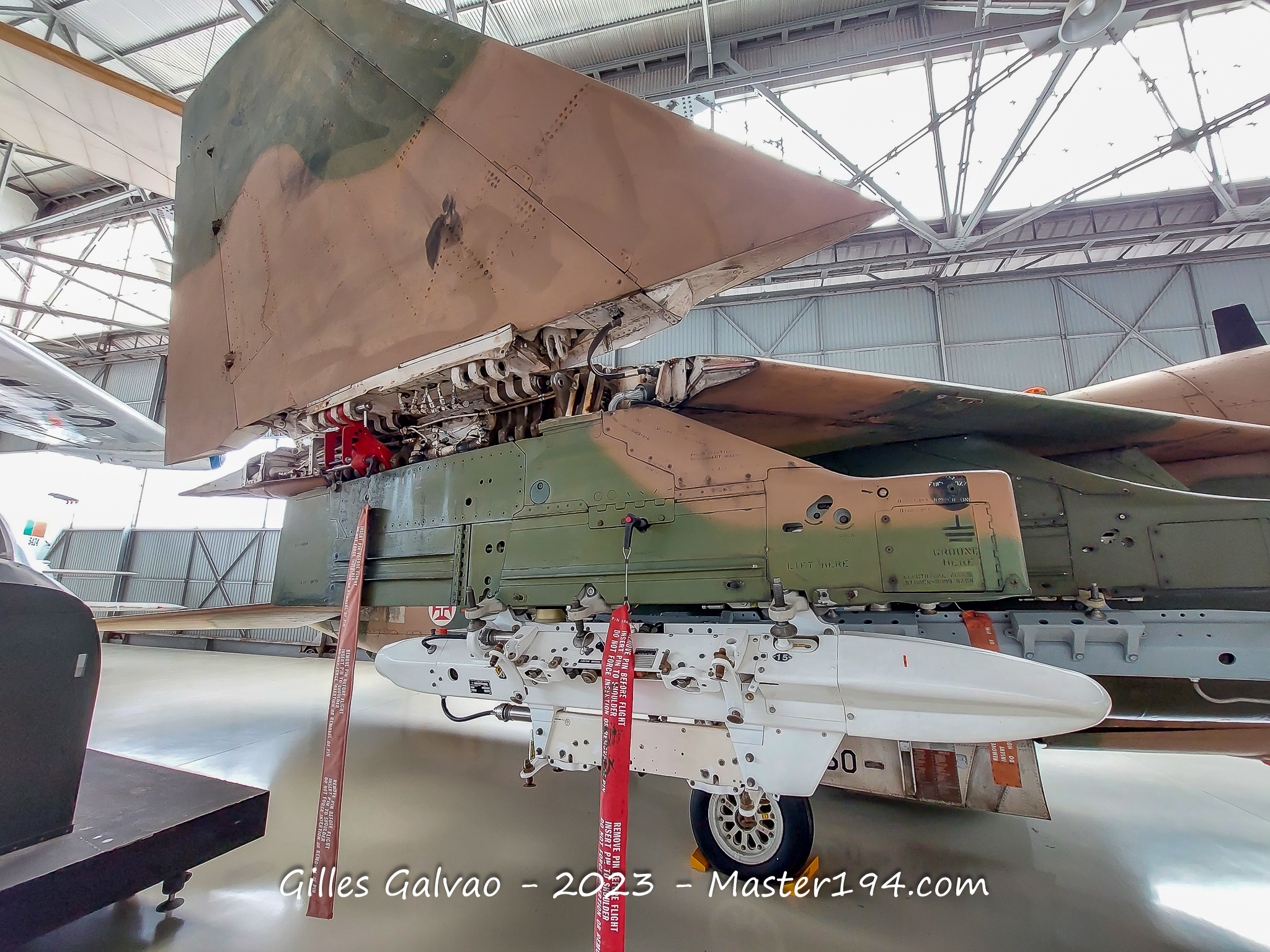
The aircraft featured in this walkaround wears serial number 5550, which became 15550 starting in 1994. Originally built as an A-7A for the US Navy, it then bore the US Bureau Number (BuNo) 154354. It served notably with reserve squadrons VA-303 and VA-305 before being placed in storage at Davis-Monthan Air Force Base in Arizona in June 1978.
Selected to be converted to the Portuguese TA-7P standard, it returned to Vought in September 1983 to receive its two-seat configuration and modernized equipment. It subsequently joined the Força Aérea Portuguesa (Portuguese Air Force), where it remained in service until its retirement in 1997.
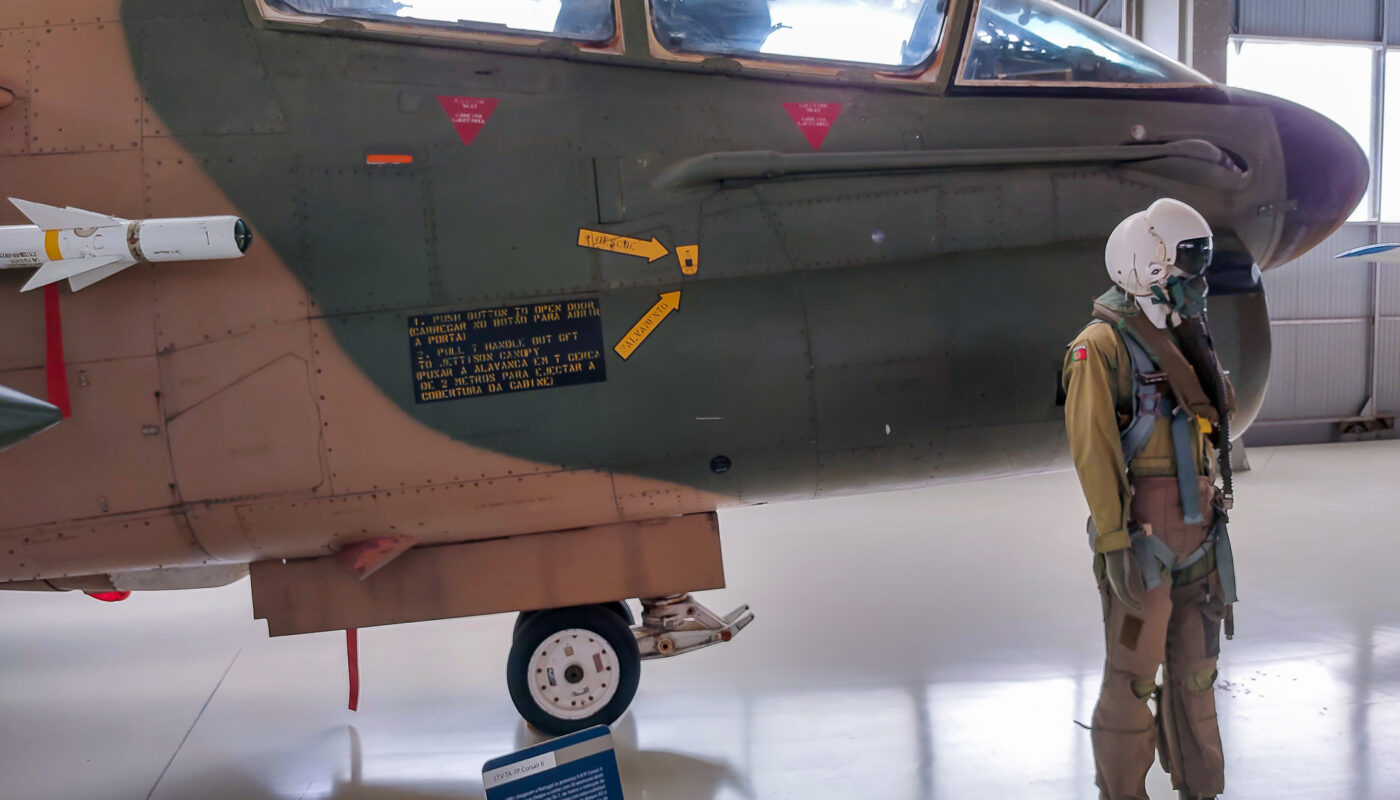
This aircraft is preserved at the Museu do Ar in Portugal.

Walkaround
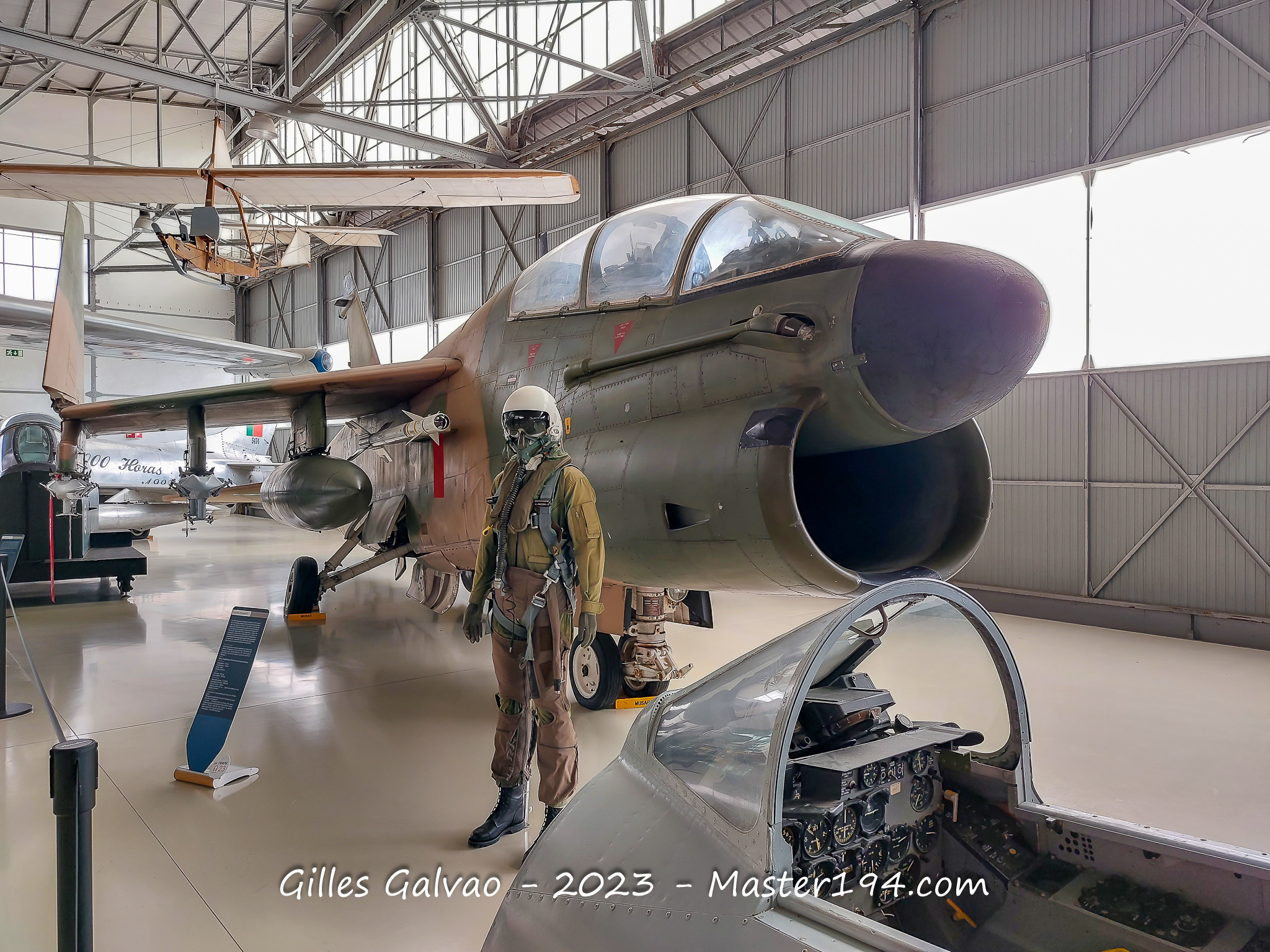
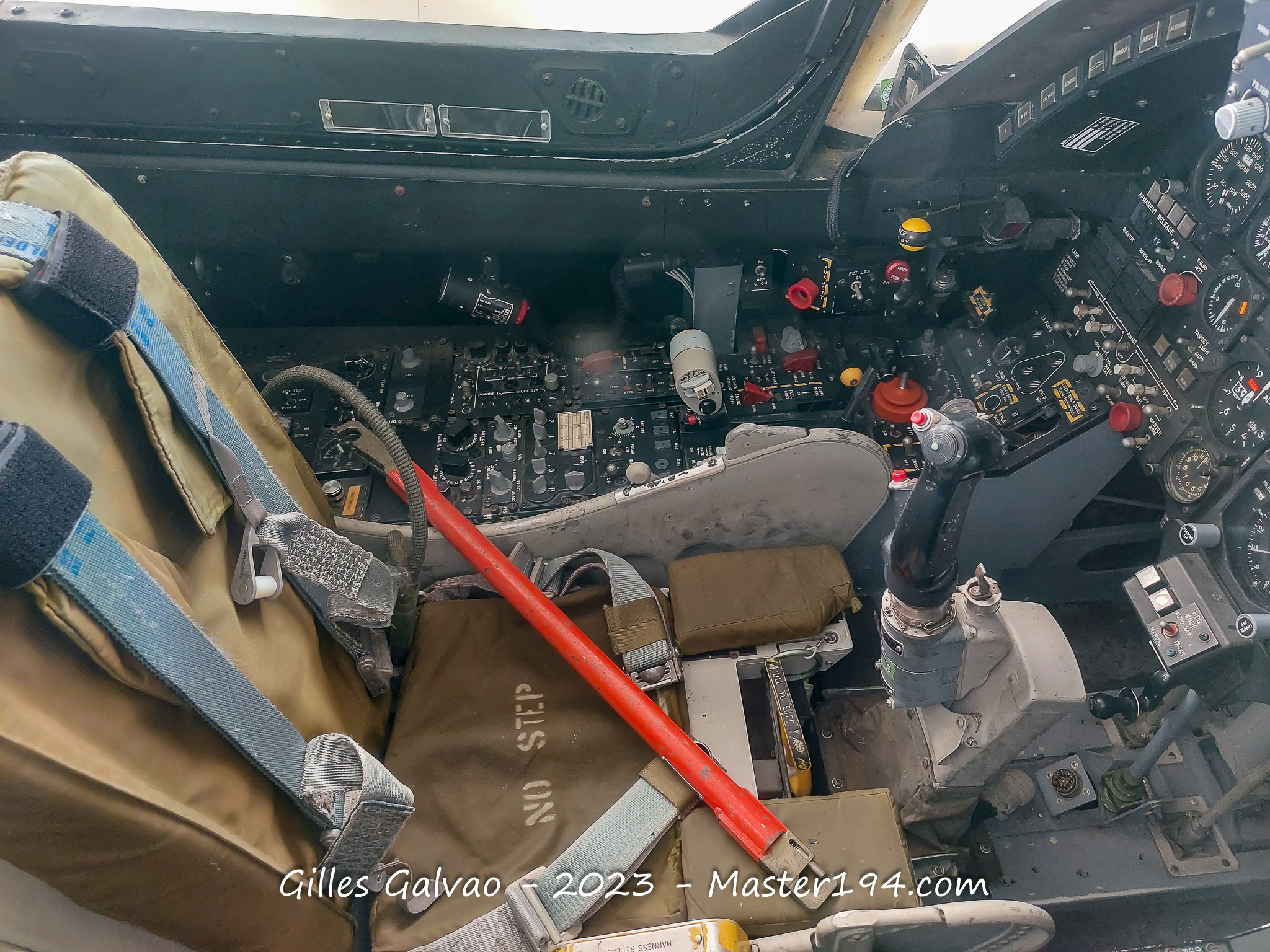
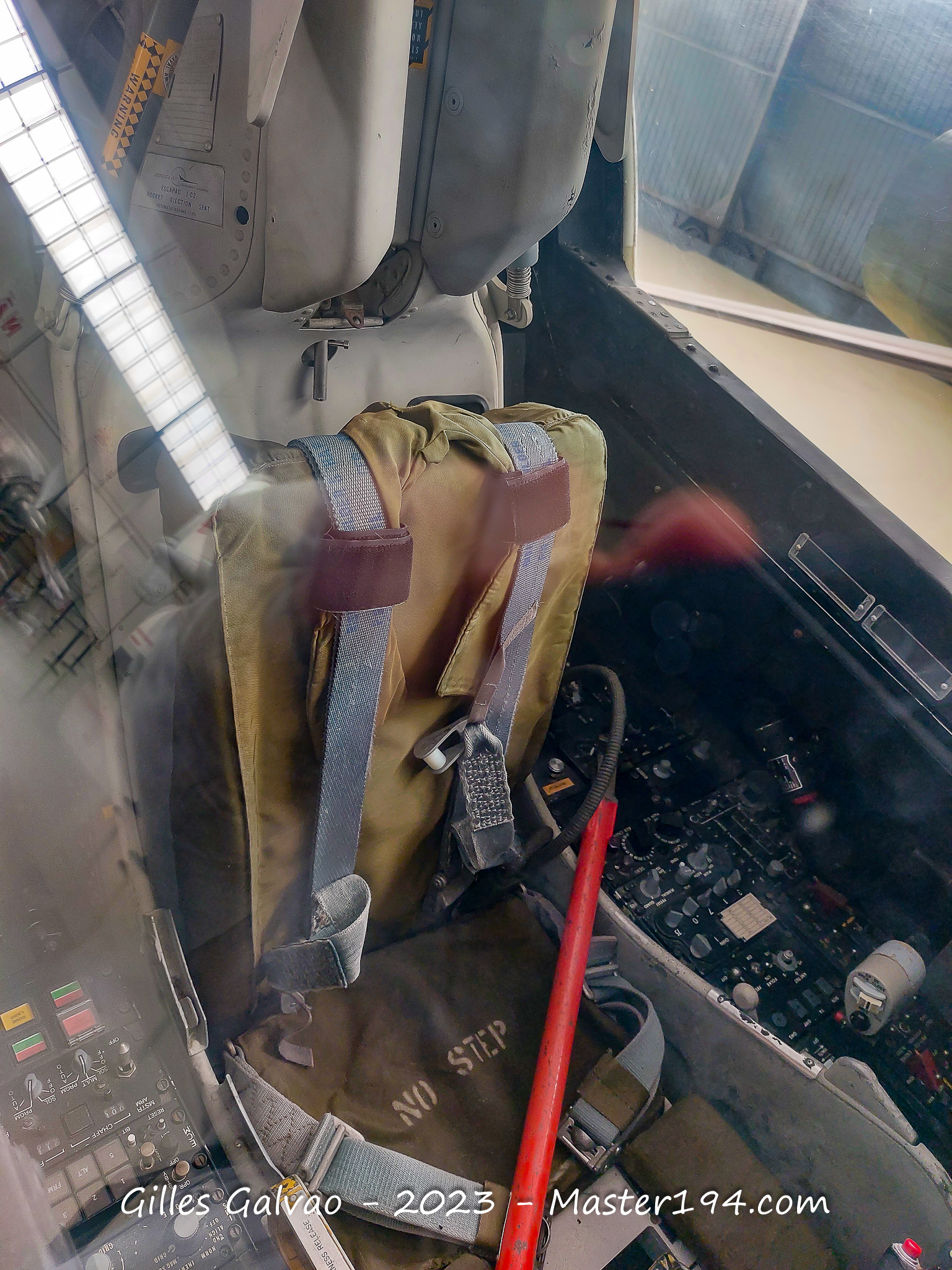
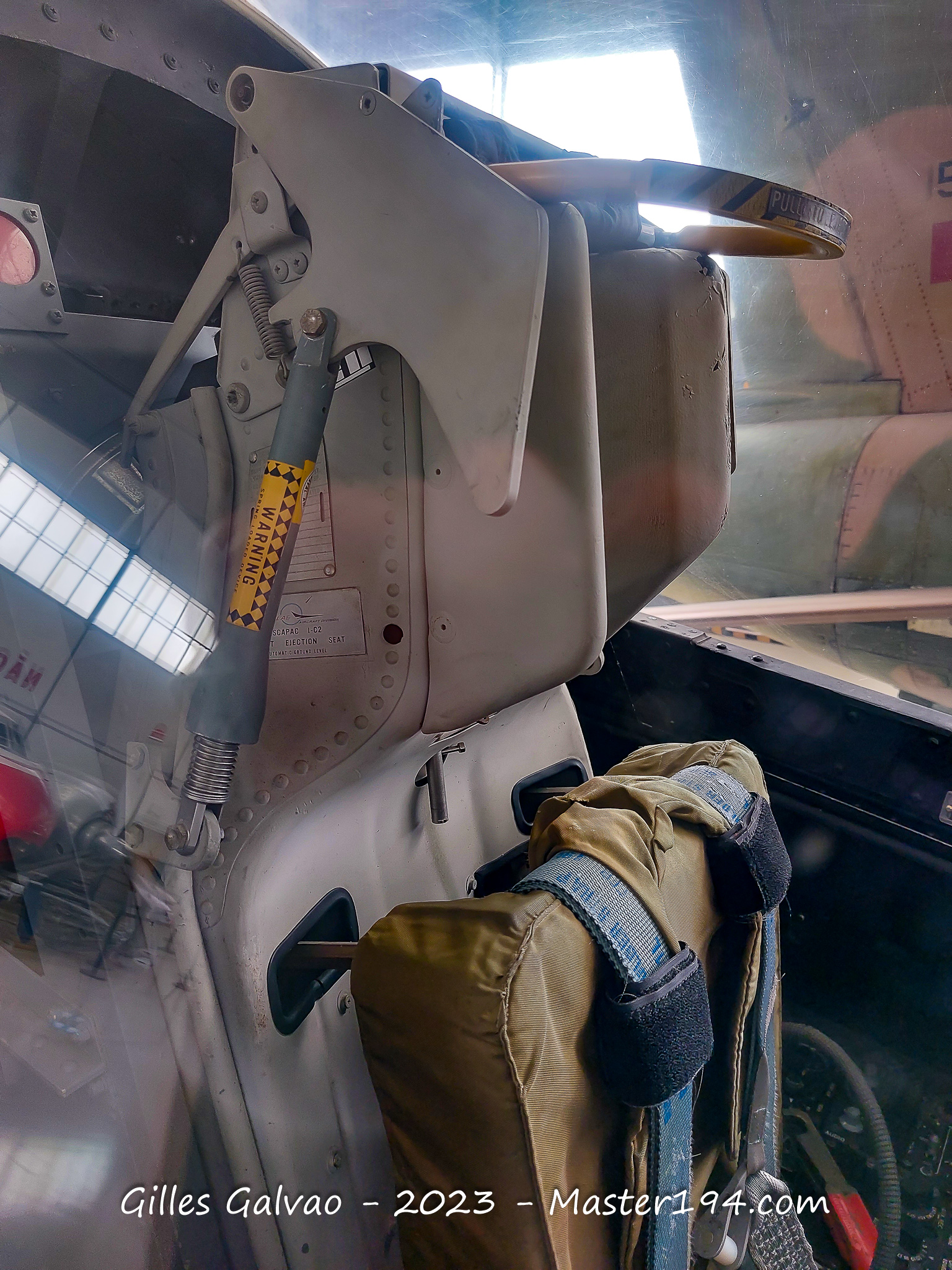
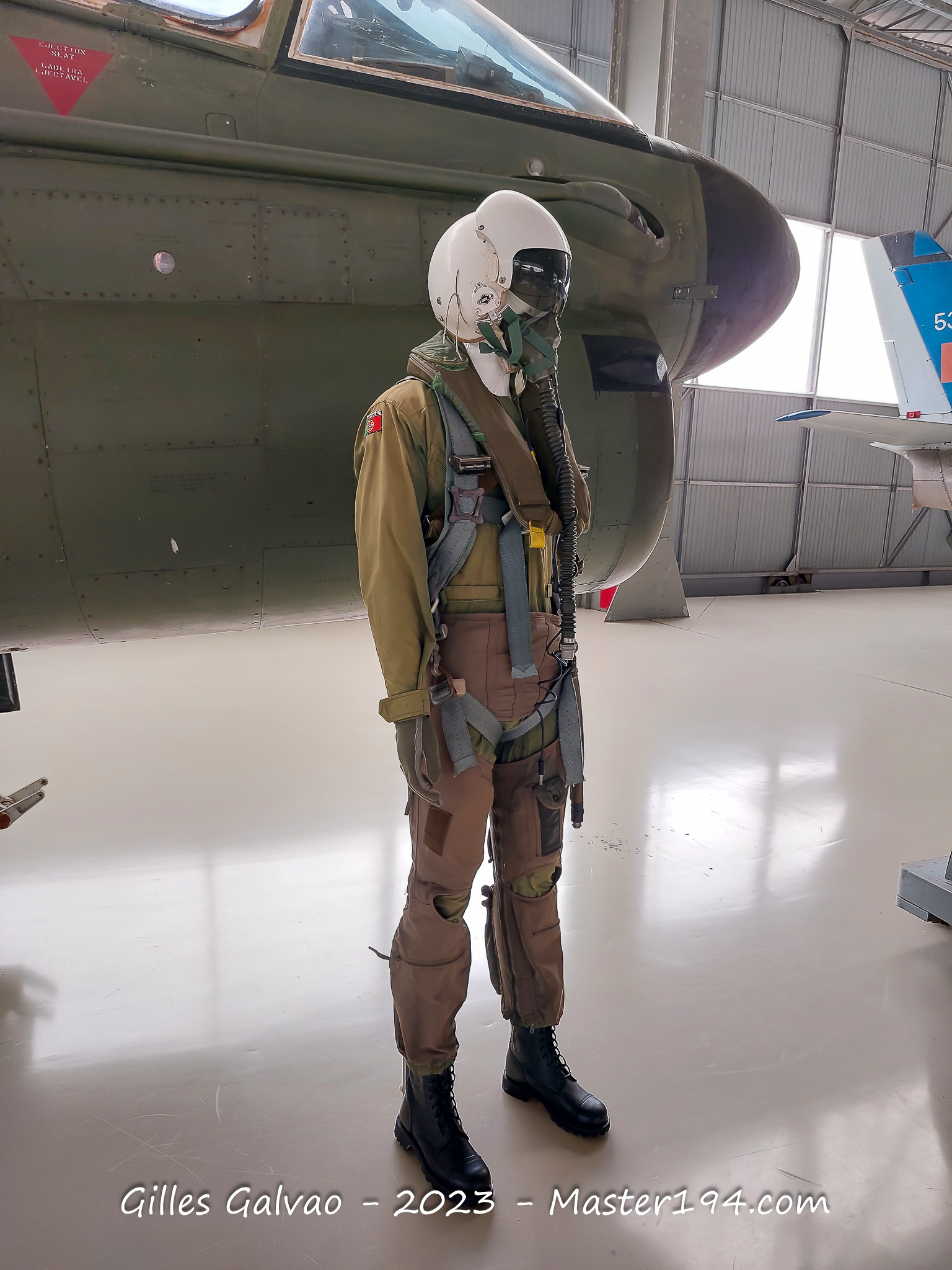
And to wrap things up, an A-7P cockpit and a pilot’s flight gear: