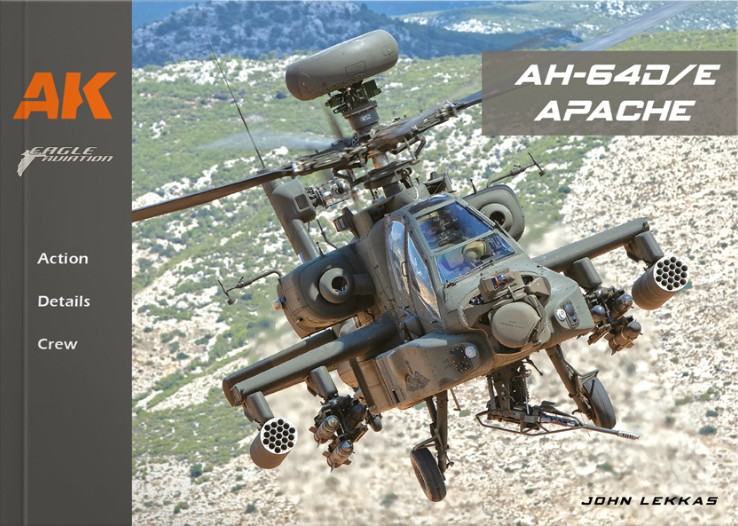
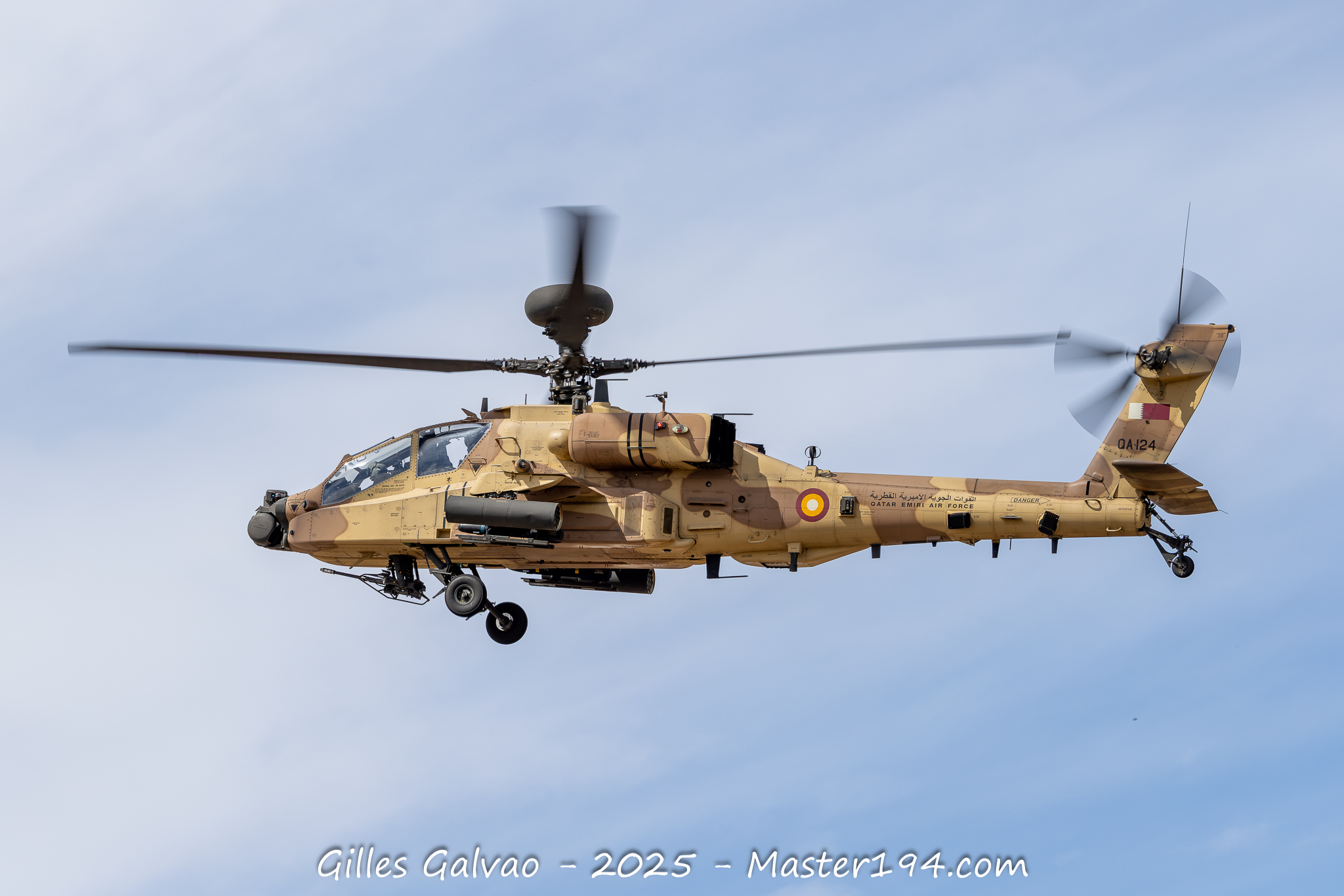
More than just a combat helicopter, the Boeing AH-64 Apache has established itself as one of the world’s premier attack helicopters. Designed in the United States starting in the 1970s to meet US Army requirements, it entered service in 1986 and has since been adopted by numerous air and land forces worldwide.
Recognizable by its distinctly aggressive profile, the Apache combines heavy firepower with sophisticated avionics and highly advanced optronic systems. Its tandem two-seat layout, 30 mm M230 chain gun, and payload capacity for Hellfire missiles and rocket pods have become signature features of the AH-64 family.
AD
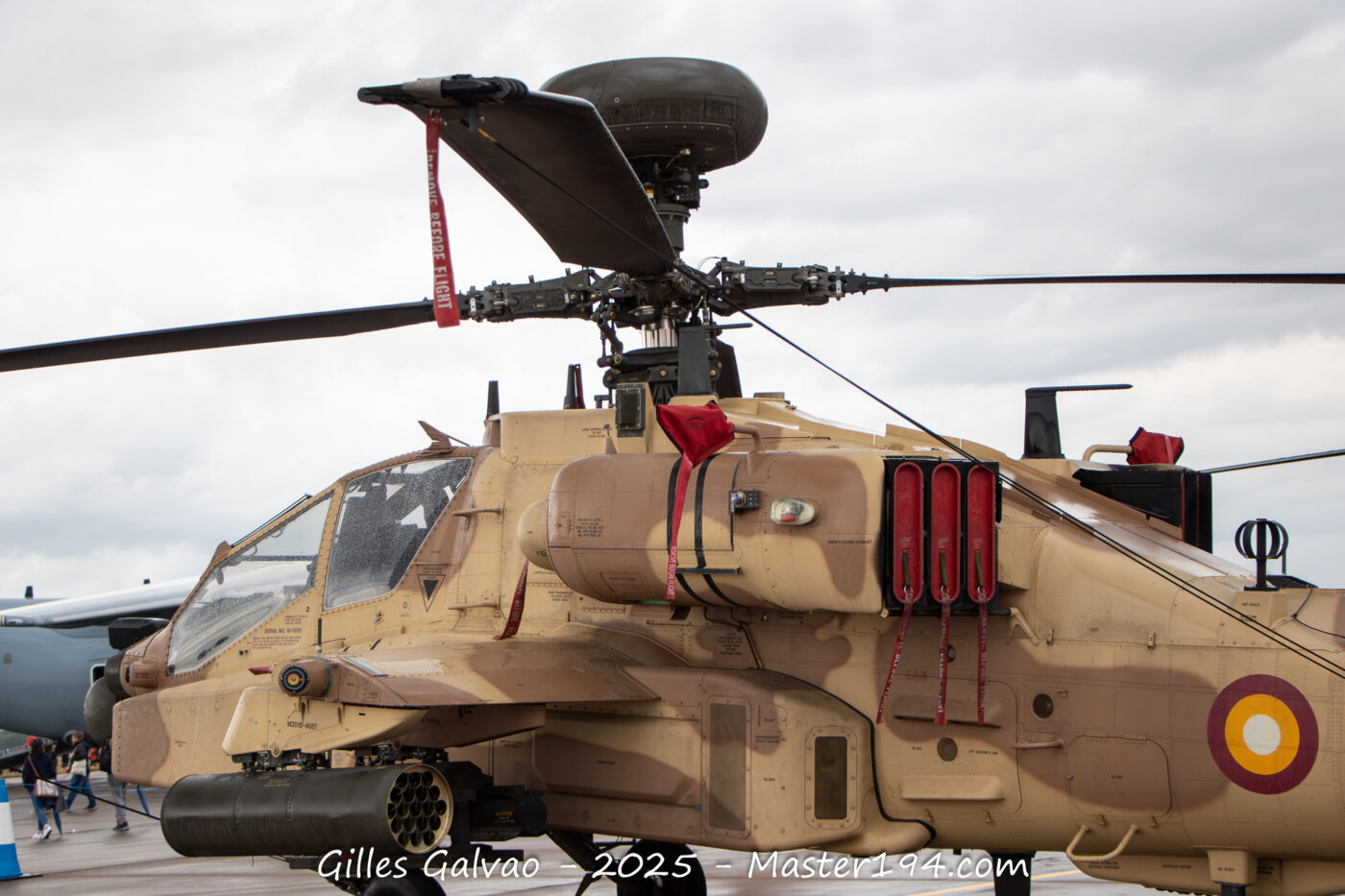
Yet beneath an airframe that may seem familiar, variations between versions and operators are extensive. Specific mission hardware, sensors, antennas, ordnance, camouflage schemes, and markings allow for the identification of numerous distinct configurations.
For both aviation enthusiasts and scale modelers, the Apache represents an exceptionally rich subject. Whether you are looking to document the intricate details of the TADS/PNVS sensor suite for your next 1/35 scale build, compare the equipment of an AH-64D versus an AH-64E, or simply verify details of an aircraft photographed at an airshow, this central hub gathers all our dedicated Apache resources.
From Origins to the First Apache
The program that led to the Apache originated from the US Army’s need for a dedicated anti-tank and close air support helicopter capable of operating in heavily defended environments.
The first prototype, designated the YAH-64, made its maiden flight in 1975. Following the selection of the Hughes design over Bell’s YAH-63, development progressed until the AH-64A Apache officially entered service in the mid-1980s.
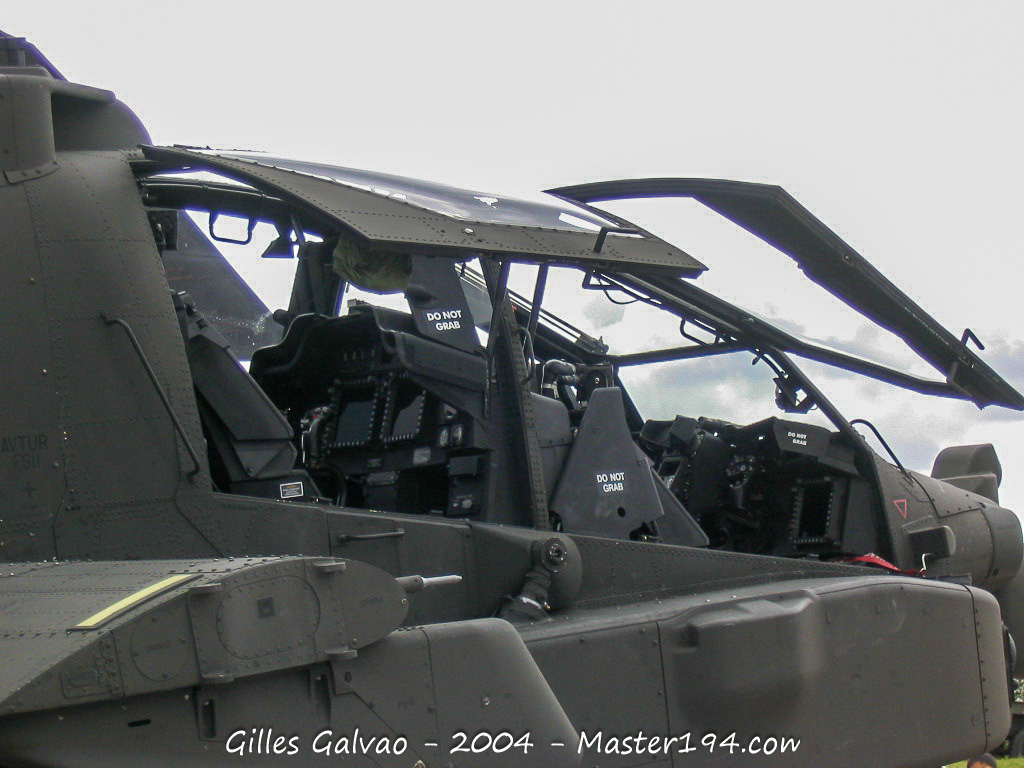
The aircraft stands out notably for its tandem seating arrangement: the co-pilot/gunner is seated in the front, while the pilot occupies the elevated rear position. This layout, combined with various targeting and sensor systems, provides the crew with optimal visibility while efficiently dividing operational tasks.
The Apache subsequently underwent extensive modernization across its avionics, sensor suites, communications, and weapons integration.
From AH-64A to AH-64E
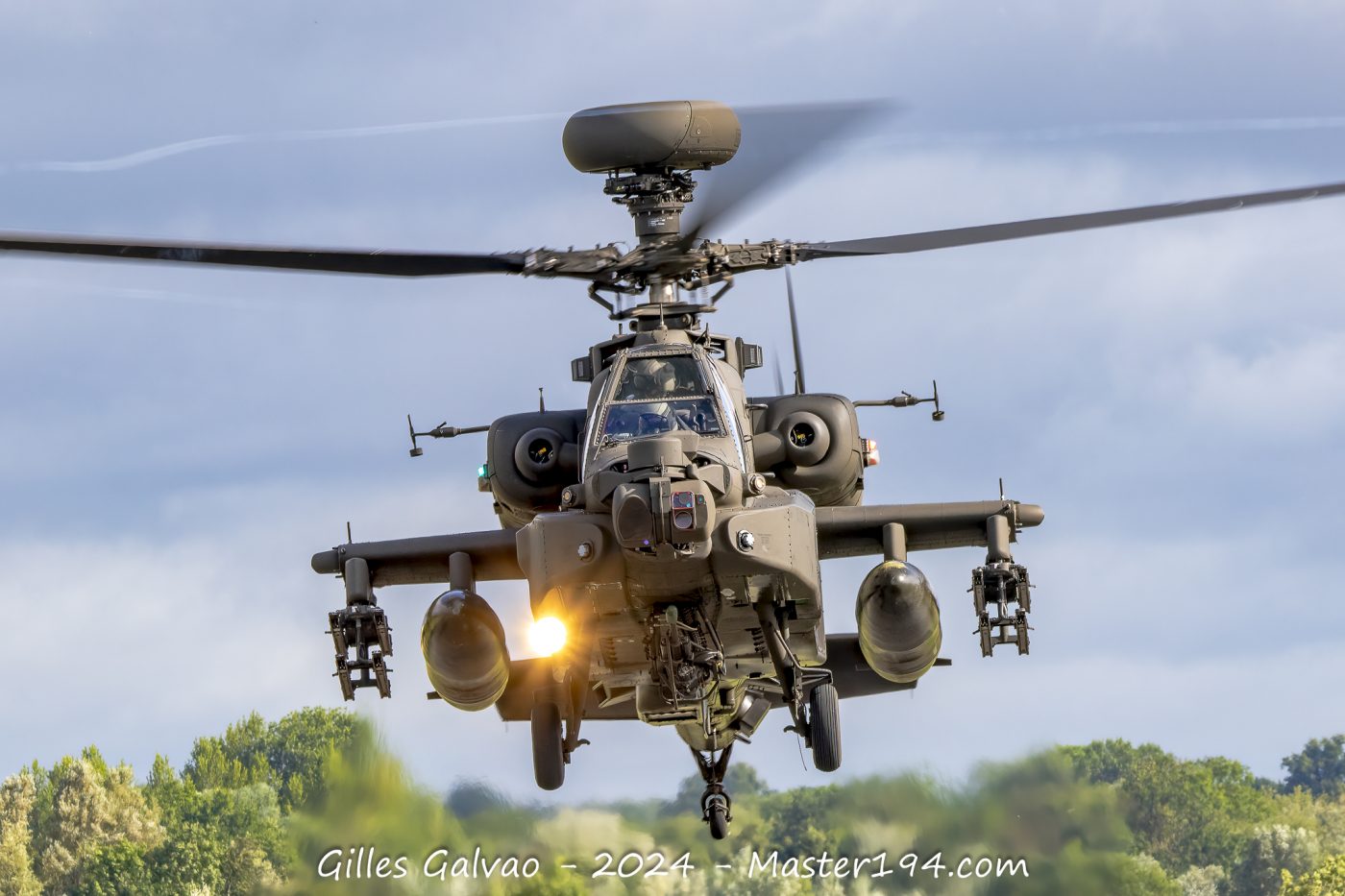
The initial AH-64A variant gradually gave way to modernized aircraft, most notably the AH-64D Apache Longbow, easily identified by the AN/APG-78 mast-mounted radar dome above the main rotor hub when installed.
The AH-64D brought a major leap forward in avionics, target acquisition, and tactical data-sharing capabilities. The nose-mounted TADS/PNVS system remains one of the aircraft’s most distinctive visual features.
Evolution continued with the AH-64E, originally designated the AH-64D Block III. This variant features significant upgrades to electronic systems, communications suites, and overall flight performance, earning the official name Guardian.
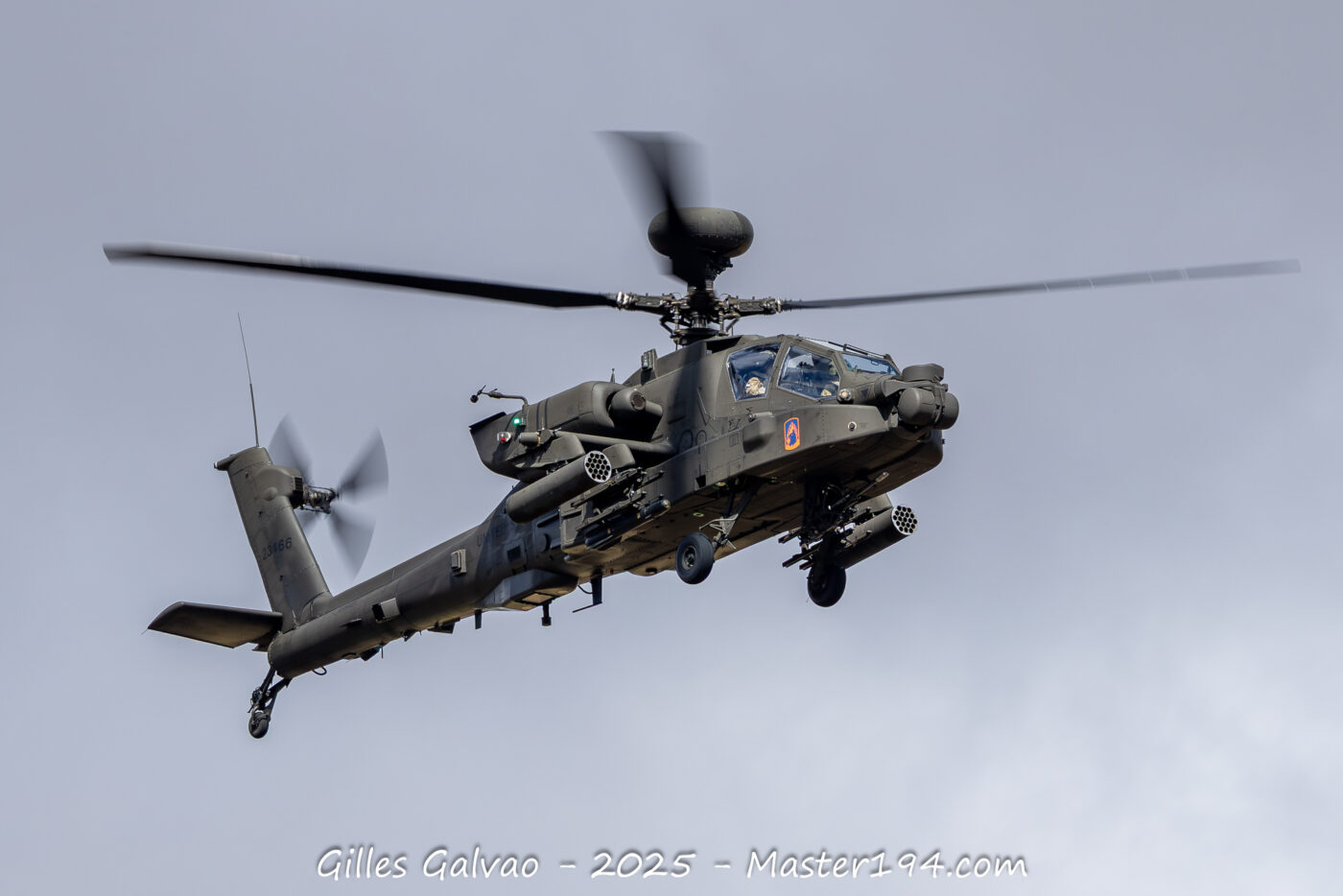
However, these generational advancements are not the only source of visual distinctions. Specific hardware integration and component layout also vary widely depending on the export operator and mission configuration.
Apaches Around the World
The Apache is no longer solely an American asset. Numerous international operators have adopted various iterations of the airframe, often incorporating tailored modifications to meet specific operational requirements.
Key operators include the United Kingdom, the Netherlands, Greece, Israel, Qatar, Saudi Arabia, the United Arab Emirates, Egypt, India, and Japan.
Documentation and Scale Modeling
The Apache is a favorite subject among scale modelers. However, the sheer variety of variants and configurations makes detailed photographic documentation essential before starting a build.
- 1/35 Scale: Takom offers detailed kits of the AH-64D Longbow and AH-64E Guardian, alongside high-end options from Meng.
- 1/48 Scale: There are five basic tooling options: Monogram (later reissued by Revell), Italeri, Academy, Hasegawa and, most recently, Trumpeter. Not all manufacturers have covered every variant.
- 1/72 Scale: The offerings are extensive, with options from Academy, Hasegawa, Revell, Italeri, HobbyBoss, and Zvezda.
- 1/144 Scale: A few references exist—primarily from Revell, Dragon, Italeri, and Zvezda—though the selection remains significantly more limited.