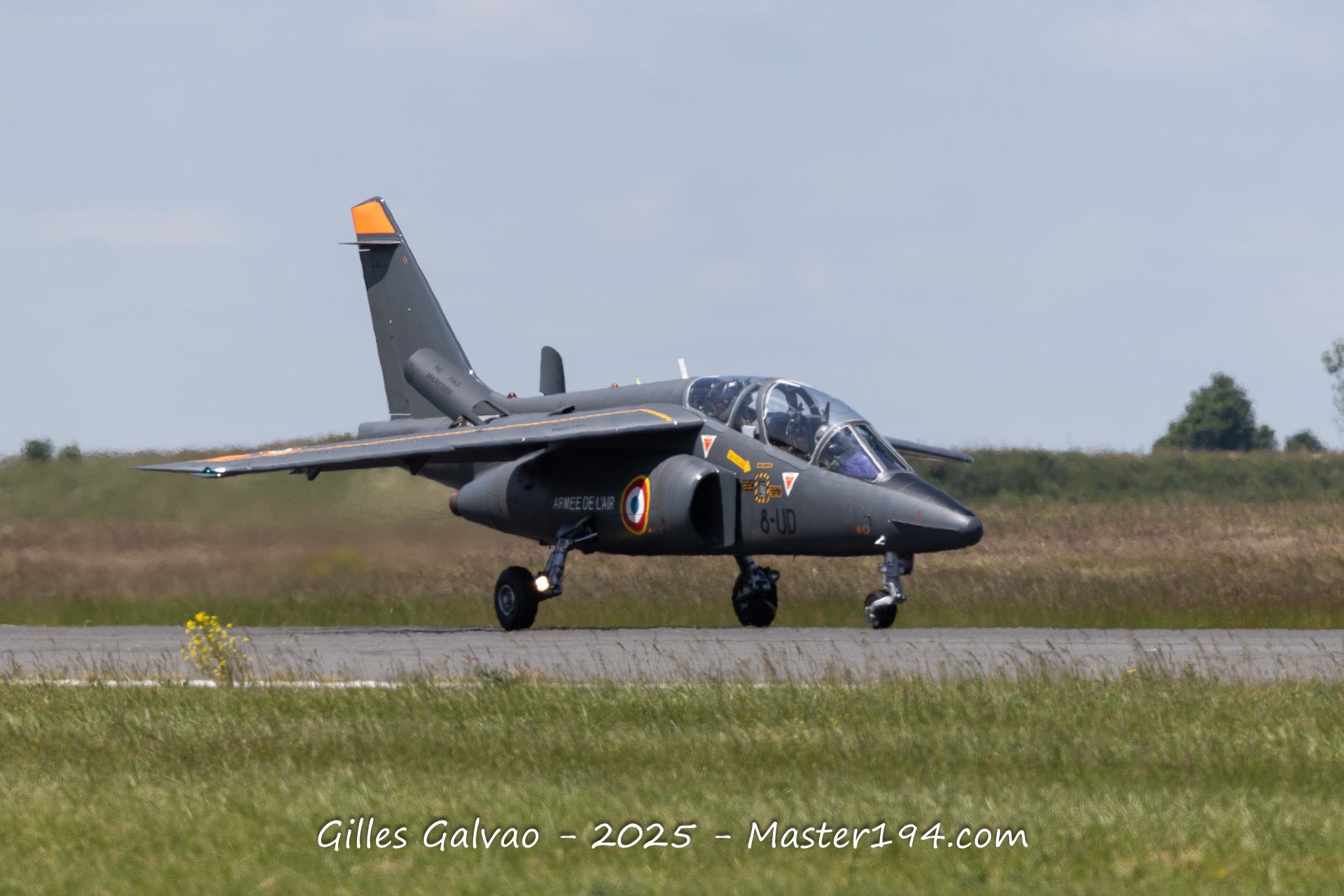
Jointly developed in the late 1960s, the Dassault-Dornier Alpha Jet established itself as an iconic jet trainer and light attack platform. Initially engineered to meet distinct operational requirements for France and West Germany, the aircraft stands out for its remarkable versatility and exceptional service longevity.
In French service, the Alpha Jet E served primarily as an advanced jet trainer for qualifying future fighter pilots. It also achieved global renown as the flagship demonstration aircraft of the Patrouille de France, remaining the backbone of the precision aerobatic team to this day.
In Germany, the Alpha Jet A was conversely developed as a light attack and close air support (CAS) platform. This fundamental difference perfectly illustrates the uniqueness of the joint program: a single, shared airframe engineered to fulfill two distinct operational philosophies.
Over the decades, the Alpha Jet enjoyed a prolific international career. Adopted by numerous air arms worldwide, built under license in select nations, and continuously upgraded, the aircraft remained active long past the end of the Cold War.
Whether you are a military aviation enthusiast, an airpower historian, or a scale modeler seeking precise reference material, this dedicated page serves as a centralized hub for all our Alpha Jet resources—covering development history, variants, operational deployments, high-resolution walkarounds, and detailed scale model builds.
This guide will be continuously updated over time. Additional archive photography, technical documentation, and detailed walkarounds are being actively processed to expand this resource.
Genesis and Concept of the Dassault-Dornier Alpha Jet
In the late 1960s, France and the Federal Republic of Germany both sought to modernize key segments of their military aviation fleets. Both nations needed a versatile two-seat jet aircraft capable of handling advanced flight training while also serving operational roles.
France primarily aimed to replace its aging Fouga CM.170 Magister fleet, used for advanced fighter pilot instruction. Conversely, West Germany required a lightweight platform dedicated to ground attack and tactical close air support, intended to succeed its Fiat G.91 attack jets.
To fulfill these distinct operational requirements within a single program, the two countries established a joint industrial partnership between Dassault-Breguet and Dornier. The resulting design featured a tandem two-seat cockpit layout, swept wings, and twin turbofan engines housed in lateral fuselage nacelles.
The prototype successfully completed its maiden flight on October 26, 1973.
Structural Engineering and Operational Duality
The chosen architecture prioritizes simplicity, structural robustness, and responsive handling qualities. Compact and relatively lightweight, the Alpha Jet offers flight characteristics tailored equally well to advanced jet training and operational strike missions.
However, the joint program culminated in two major variants reflecting radically different operational philosophies:
- Alpha Jet E (École): Adopted by France, optimized primarily for advanced flight training, pilot qualification, and aerobatic demonstration.
- Alpha Jet A (Appui): Developed for Germany, specialized as a dedicated close air support (CAS) and light attack platform featuring an integrated centerline gun pod and upgraded weapon delivery systems.
This core duality represents one of the defining characteristics of the Alpha Jet’s history and export success.
The Primary Variants of the Alpha Jet
Throughout its operational career, the Alpha Jet underwent various structural and avionics evolutions. The two core historical variants are the French Alpha Jet E and the German Alpha Jet A, alongside numerous tailored configurations for international export customers.
Alpha Jet E: The French Advanced Jet Trainer
France stands as one of the two founding operators of the Alpha Jet program.
Designated Alpha Jet E (for “École” or School), the aircraft was primary engineered to provide advanced jet instruction for future French Air Force (Armée de l’Air) fighter pilots. It progressively succeeded the iconic Fouga CM.170 Magister, becoming an indispensable pillar of the military flight training syllabus.
The Alpha Jet E enabled student pilots to transition onto modern jet handling characteristics, paving the way for conversion onto front-line combat aircraft. Its docile flight behavior, high maneuverability, and tandem dual-control cockpit layout made it uniquely suited for advanced flight instruction.
The type also achieved worldwide acclaim as the primary demonstration aircraft of the Patrouille de France aerobatic display team.

The Patrouille de France and the Alpha Jet
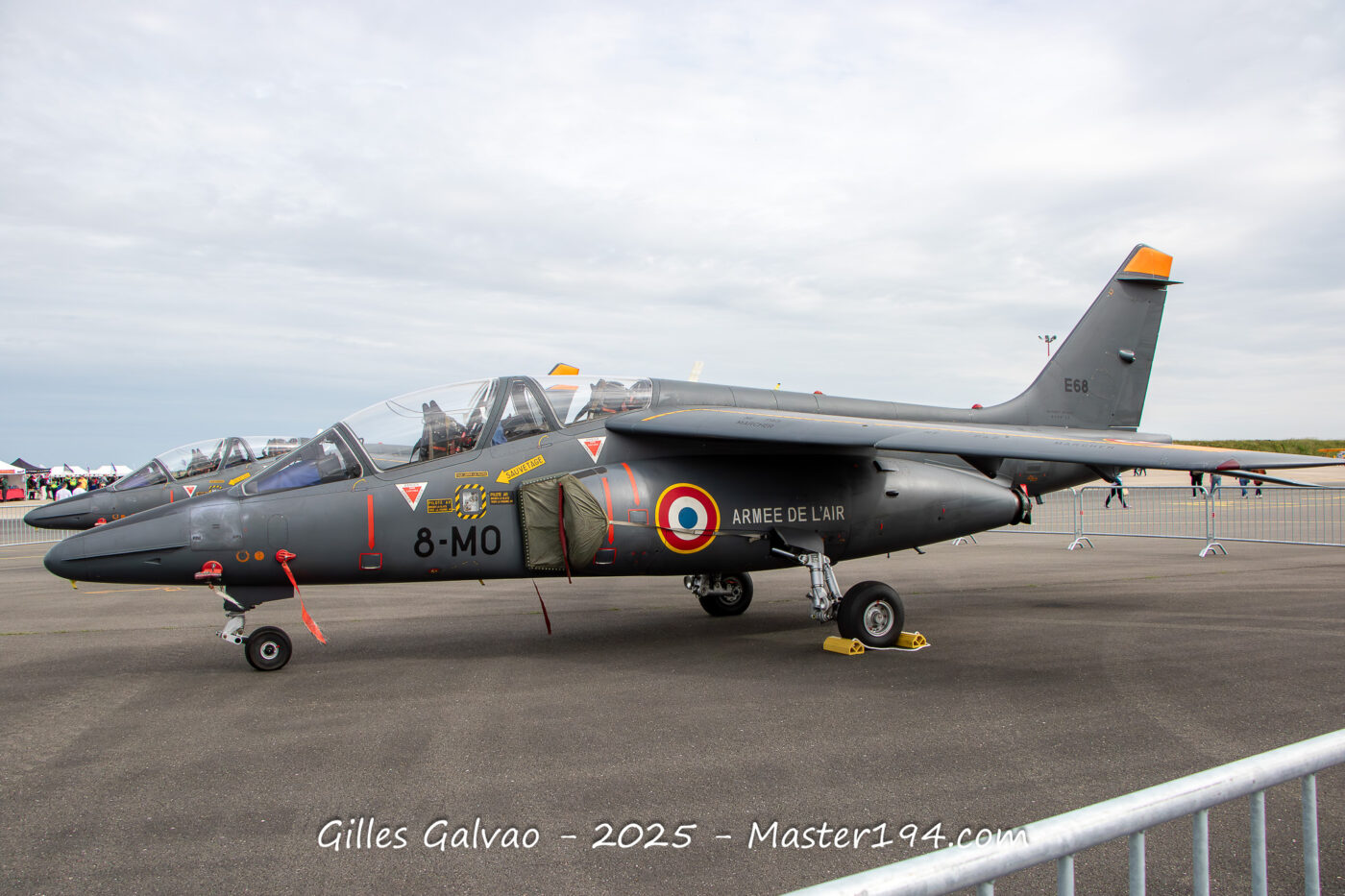
Since its introduction into service with the Patrouille de France (PAF), the Alpha Jet has become inextricably linked with the prestige of French aerial display flying.
Its compact airframe design, precise handling qualities, and exceptional stability during close-formation maneuvers make it ideally suited to the rigorous demands of professional aerobatics.
The Alpha Jets operated by the Patrouille de France feature an iconic, high-visibility blue, white, and red national livery. Each year, the team represents French aviation excellence across numerous national and international airshows.
For the general public and aviation enthusiasts worldwide, the Alpha Jet has firmly established itself as one of the most recognizable symbols of French military aviation.
Alpha Jet A: German Light Attack & Close Air Support
The Federal Republic of Germany adopted a fundamentally different operational concept for its airframe fleet.
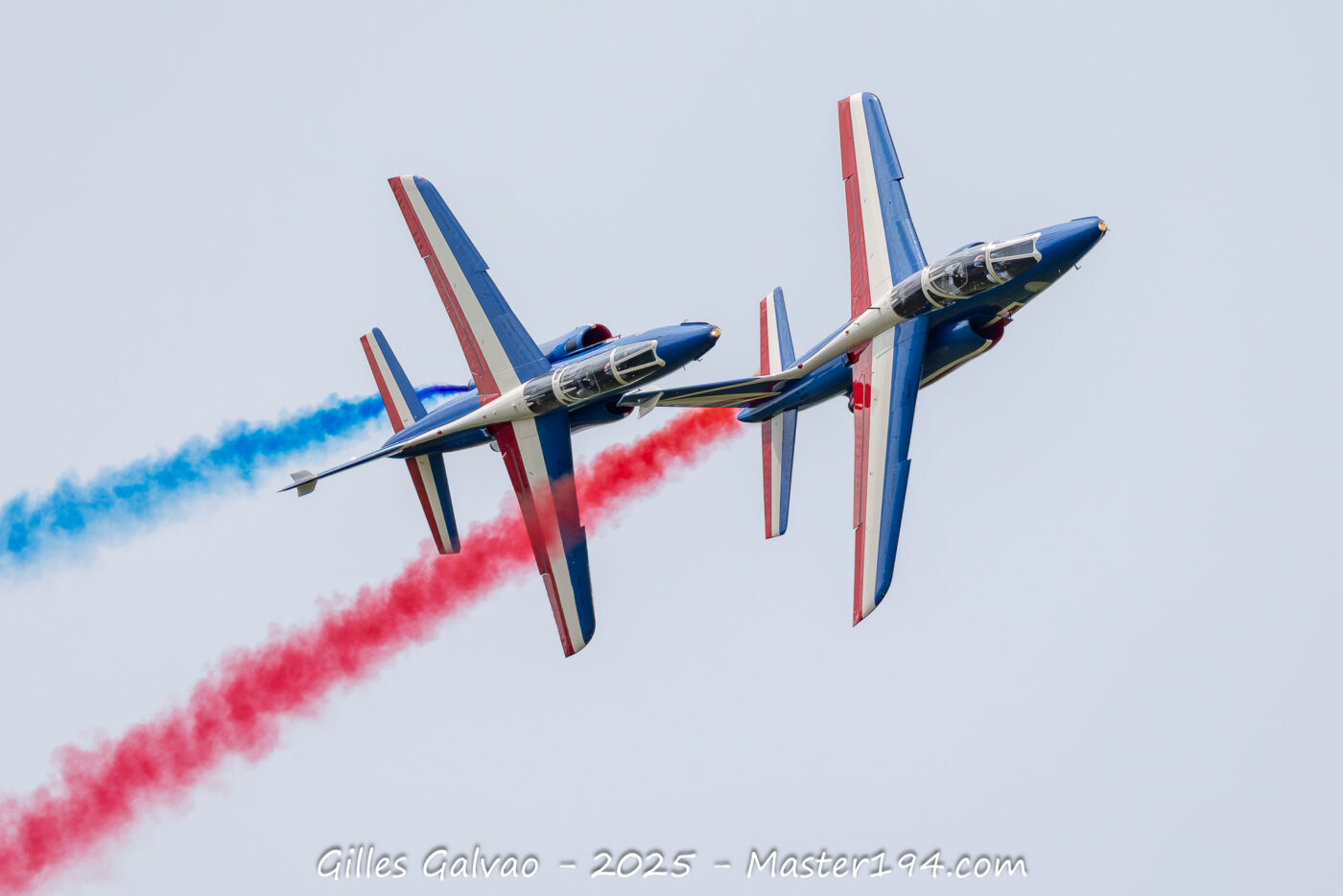
Designated Alpha Jet A (for “Appui” or Close Air Support), the aircraft was specifically engineered to execute ground attack and tactical reconnaissance missions, serving as a direct replacement for the Luftwaffe’s aging Fiat G.91 fleet.
Unlike the French Alpha Jet E trainer variant, the German Alpha Jet A was equipped with operational avionics, target acquisition systems, and underwing hardpoints configured for diverse weapons payloads.
Integrated directly into West Germany’s Cold War defense scheme, these aircraft were tasked with providing tactical air support for NATO ground forces and executing precision strikes against frontline ground targets.
The Luftwaffe gradually phased out its Alpha Jet A fleet starting in the early 1990s, following the conclusion of the Cold War and the subsequent restructuring of the German Armed Forces. A significant portion of these decommissioned airframes was subsequently transferred to foreign operators, further expanding the Alpha Jet’s global operational history.
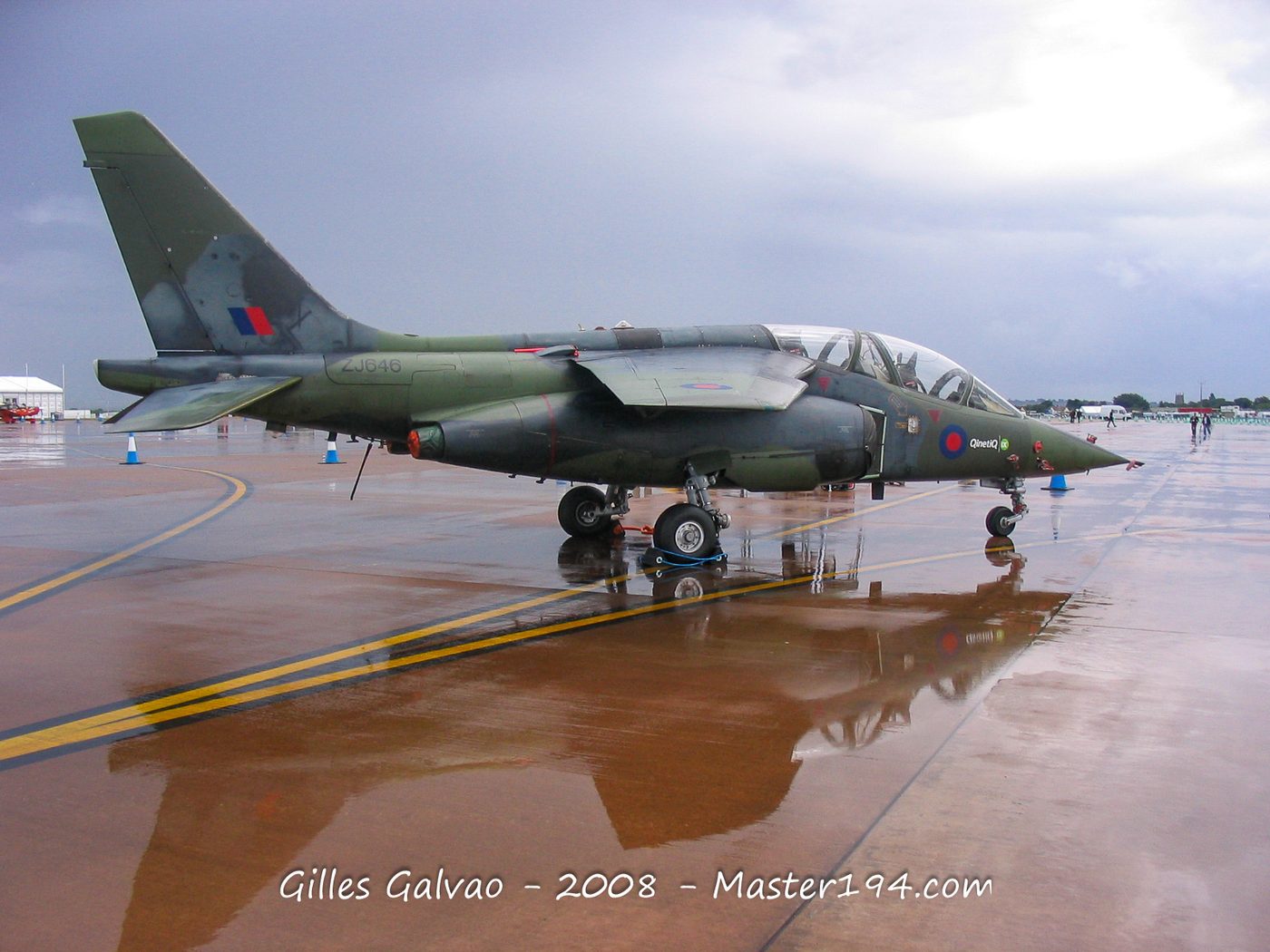
A Prolific International Legacy
The success of the Alpha Jet extended far beyond the borders of France and Germany.
Its robust engineering, forgiving flight characteristics, and operational versatility made it an attractive candidate for foreign air arms seeking a cost-effective advanced jet trainer or a dual-role light attack platform. Consequently, the Alpha Jet was adopted by operators across Europe, Africa, the Middle East, and Asia.
Depending on the customer’s doctrine, these airframes performed a variety of missions: advanced fighter instruction, ground attack, tactical reconnaissance, or point air defense. This global footprint spawned multiple tailored export configurations, with significant variations in avionics suites, weapon delivery systems, and cockpit layouts.
Detailed breakdowns of French, German, and specific export variants are available in our dedicated operator walkarounds and technical guides below.
Belgium: The Belgian Air Component Fleet
Belgium selected the Alpha Jet to modernize its advanced training pipeline.
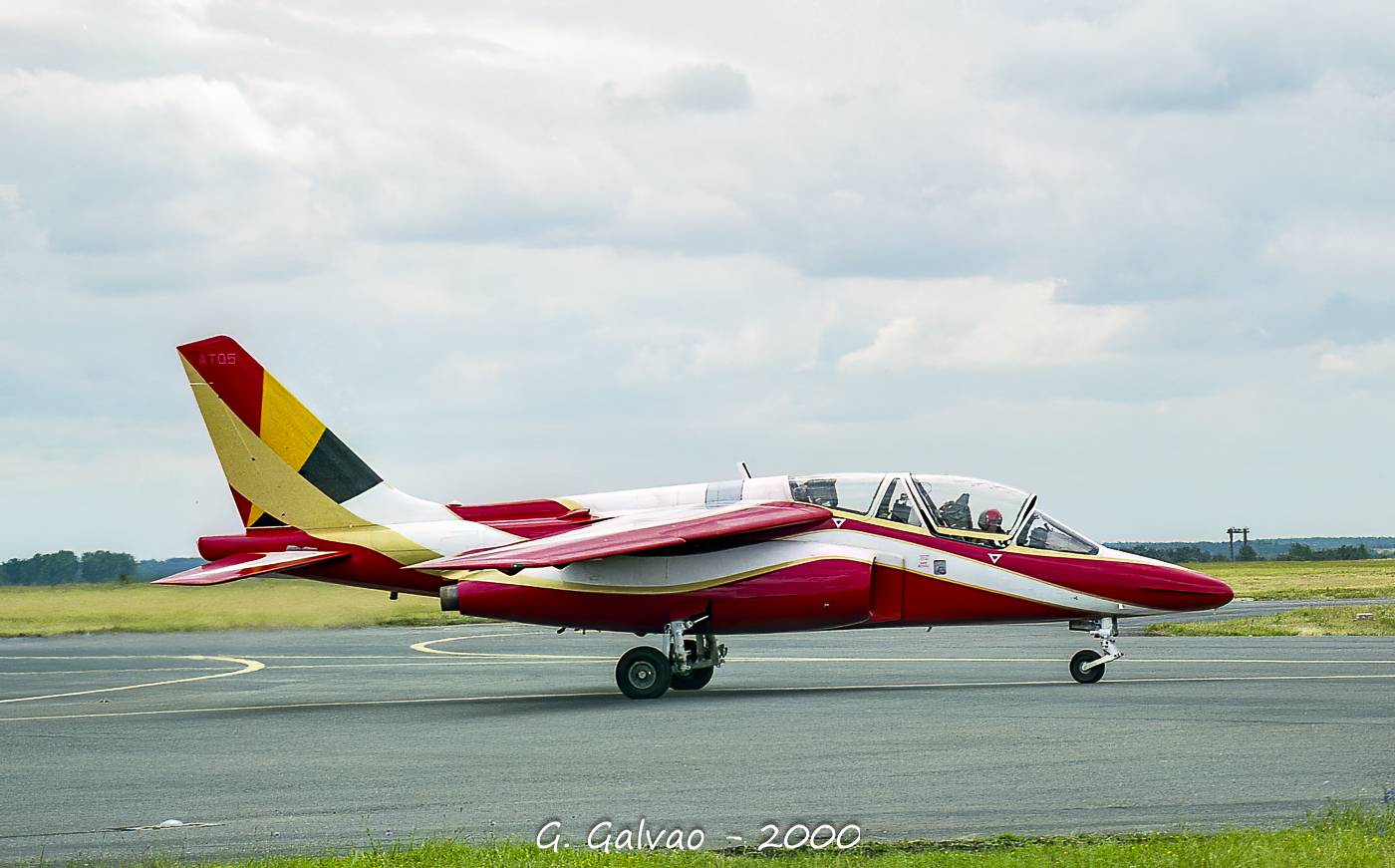
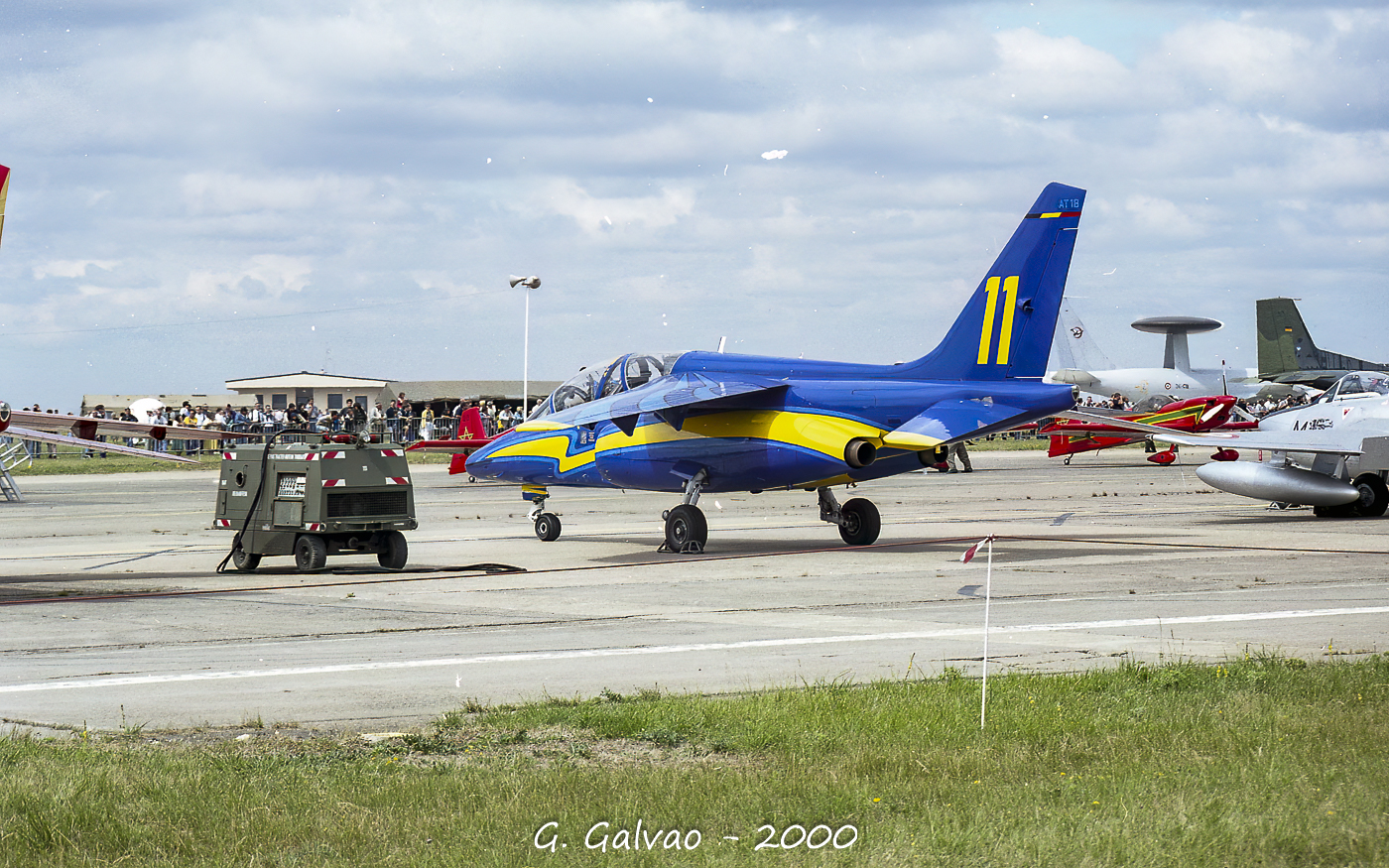
Designated Alpha Jet 1B, the aircraft served primarily with the Belgian Air Component (Composante Air) for qualifying future jet pilots prior to their conversion onto front-line fighters such as the F-16 Fighting Falcon.
The Belgian Alpha Jet fleet played a central role in European joint pilot training initiatives, notably within the Advanced Jet Pilot Training (AJeTS) framework in France, before the type’s gradual retirement and the subsequent restructuring of military flight instruction.
Portugal: A Long Service Life Under the Portuguese Cockade
Portugal also established itself as a major international operator of the Alpha Jet.
The airframes operated by the Portuguese Air Force (Força Aérea Portuguesa – FAP) were primarily assigned to advanced jet pilot training and tactical operational missions. Their adoption reflected the FAP’s strategy to maintain a modern pilot instruction pipeline while deploying a versatile, cost-effective platform tailored to national defense requirements.
The Portuguese Alpha Jets enjoyed a remarkably long operational career, participating regularly in national and NATO joint exercises as well as routine operational air support activities.


Egypt: Licensed Production and Operational Service
Egypt stands as one of the most strategic international operators of the Alpha Jet.
The nation assembled a significant portion of its fleet locally under license (designated MS1 and MS2), establishing indigenous industrial maintenance capabilities tailored to its defense requirements.
Egyptian Alpha Jets were assigned dual roles: advanced jet training and light tactical strike missions. This arm of the export program highlighted the airframe’s adaptability to military environments far removed from its original Central European operational theater.
Morocco and Global Export Nations
The Royal Moroccan Air Force (Forces Royales Air) also deployed the Alpha Jet extensively, focusing on advanced flight training and operational conversion for front-line aircrews.
Beyond its major European adopters, the platform was integrated into numerous African and Asian air arms. Operator nations including Nigeria, Togo, and Cameroon incorporated the type into their active inventories.
This widespread adoption ensured the program’s remarkable longevity, allowing the aircraft to remain active in foreign service long after its retirement from its co-founding nations.
A Discreet Yet Proven Combat Record
The Alpha Jet was never intended to replicate the high-intensity air superiority career of a frontline fighter like the Mirage 2000 or the F-4 Phantom II. Its primary assignment as a trainer across Western Europe naturally limited its exposure to large-scale international conflicts.
However, its dedicated close air support (CAS) variants were built for combat. Select international operators deployed their airframes into real-world engagements.
These operational sorties—predominantly across various African theaters—demonstrated the aircraft’s efficiency in light attack, counter-insurgency (COIN), and tactical support roles across demanding environments.
Ultimately, the Alpha Jet earned its reputation as a highly versatile bridge between advanced jet instruction and light attack, rather than a primary air-superiority fighter.
Exceptional Longevity
One of the most impressive aspects of the Alpha Jet design is its sustained operational life.
More than five decades after its maiden flight, early production airframes remain active or flight-ready with specialized military and civilian operators.
In France, the type trained generations of fighter pilots and gained global renown with the Patrouille de France. Worldwide, remaining fleets have undergone avionics upgrades, secondary market transfers, or repurposed flight testing roles—a lasting testament to the soundness of the original Dassault-Dornier design.
Modeling the Alpha Jet: Kits and Pitfalls
With its compact, instantly recognizable silhouette, wide array of global operators, and striking camouflage schemes, the Alpha Jet is a prime subject for scale modelers. However, the primary pitfall is assuming all Alpha Jets are identical.
Significant structural and cockpit differences exist between the French Alpha Jet E (trainer) and the German Alpha Jet A (close air support), while export variants feature specific avionics, nose shapes, and armament configurations. Selecting the correct decal scheme requires matching it strictly to a specific airframe and operational timeframe.
Major Alpha Jet Scale Kits by Scale
1/72 Scale
The 1/72 scale offering remains somewhat limited and generally lags behind current modern tooling standards:
- KP (Kovozávody Prostějov): The only modern tool featuring fine recessed panel lines. It represents the best current starting point despite typical short-run kit assembly characteristics.
- Heller (Airfix / Revell reboxings): The classic vintage kit with highly accurate overall shape and dimensions, though features raised panel lines. It remains an excellent base when combined with aftermarket resin sets.
- Fujimi: A solid alternative vintage tooling with recessed lines, though increasingly difficult to source on the secondary market.
- Matchbox: Reserved mainly for nostalgic kit collectors.
1/48 Scale
Options in 1/48 scale are sparse:
- Heller: Vintage release (actually closer to 1/50 scale), now largely superseded.
- Kinetic: The definitive modern 1/48 option, allowing modelers to build multiple international variants and operational schemes.
A Franco-German Icon
Born from a joint venture between Dassault-Breguet and Dornier, the Alpha Jet was engineered to fulfill two distinct military doctrines. In France, the Alpha Jet E became the cornerstone of advanced fighter pilot instruction and the world-famous aerobatic mount of the Patrouille de France. In Germany, the Alpha Jet A served as a light attack and tactical air support platform.
This dual-role heritage did not hinder its global reach. Adopted by dozens of international air forces for both instruction and tactical missions, the airframe proved remarkably adaptable over decades of service.
Its exceptional longevity stems directly from a balanced design philosophy combining structural ruggedness, ease of maintenance, and forgiving flight characteristics. Today, the Alpha Jet holds a iconic place in European military aviation history—symbolizing a successful era of Franco-German industrial cooperation and a key bridge between flight training and front-line jet operations.