The Eurofighter Typhoon is a twin-engine multirole fighter aircraft developed through a joint industrial and defense partnership between four European nations. Initially designed to guarantee air superiority against late-Cold War Soviet threats, it has steadily evolved into a fully agile multirole platform capable of air defense, interception, and precision air-to-ground strike missions.
Entering operational service in the early 2000s, the Typhoon currently forms the backbone of several European and Middle Eastern air forces. Powered by twin Eurojet EJ200 turbofans, its delta-canard airframe design and continuously modernized avionics architecture ensure it remains a premier asset in modern combat fleets.
AD
From the origins of the EFA program to the latest evolutions in mission systems, explore the history of the Eurofighter Typhoon, its technical specifications, major production tranches, and the international air forces operating the type.
Origins of the Eurofighter Typhoon
The EFA Program: A European Fighter for the Cold War
In the late 1970s, European air forces began planning the replacement for several generations of combat aircraft. The emergence of highly capable Soviet fighters—most notably the MiG-29 Fulcrum and Su-27 Flanker—underscored the necessity for a next-generation platform capable of maintaining air superiority against increasingly sophisticated threats.
Several European nations initiated discussions around a joint program designated the European Fighter Aircraft (EFA). The objective was to design a modern fighter combining extreme agility, superior high-altitude performance, and advanced avionics for Beyond Visual Range (BVR) target detection and engagement.
The United Kingdom, West Germany, Italy, Spain, and France joined the initial feasibility studies. However, operational requirements and industrial ambitions gradually diverged:
- The French Position: France sought an airframe adaptable to both the Air Force and Naval Aviation (Aéronavale), requiring carrier-capability for aircraft carrier operations. France also insisted on prime contractor leadership and engine development authority.
- The Four-Nation Partner Position: The remaining partner nations prioritized a land-based air-defense fighter optimized specifically for land-based air force operations.
Irreconcilable differences regarding airframe design parameters, industrial workshare distribution, and development costs ultimately led to France’s withdrawal from the program in 1985. France pursued its own national program, which produced the Dassault Rafale, while the four remaining partner nations continued joint development of the future European fighter.
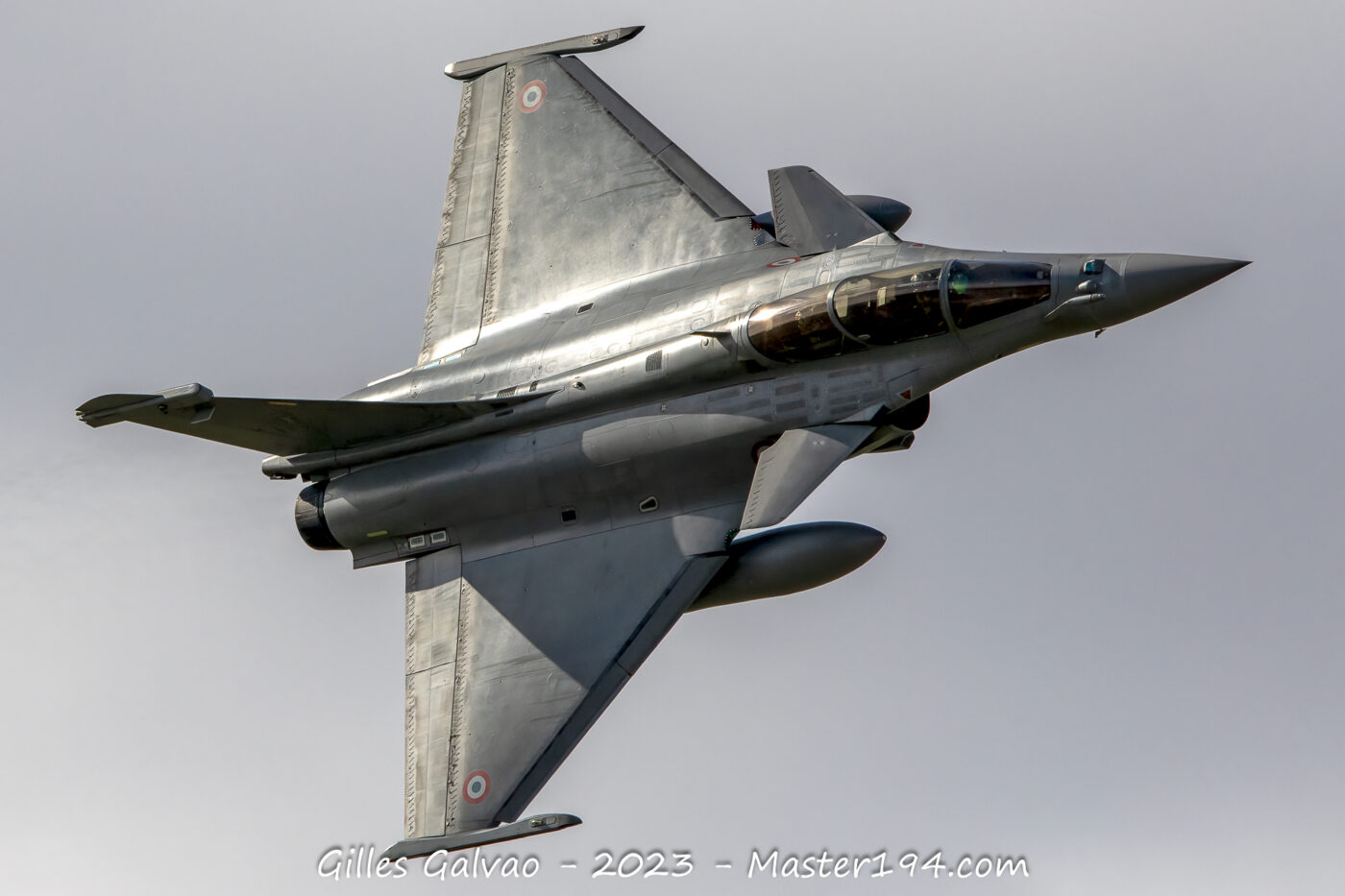
Dassault Rafale : walkaround, technical informations and build reviews
The EAP Demonstrator and Early Prototypes
The development of the Eurofighter relied heavily on the Experimental Aircraft Programme (EAP), a British technology demonstrator built to validate multiple aerodynamic and avionics concepts. Developed by British Aerospace with Italian industrial participation, the EAP made its maiden flight on August 6, 1986.
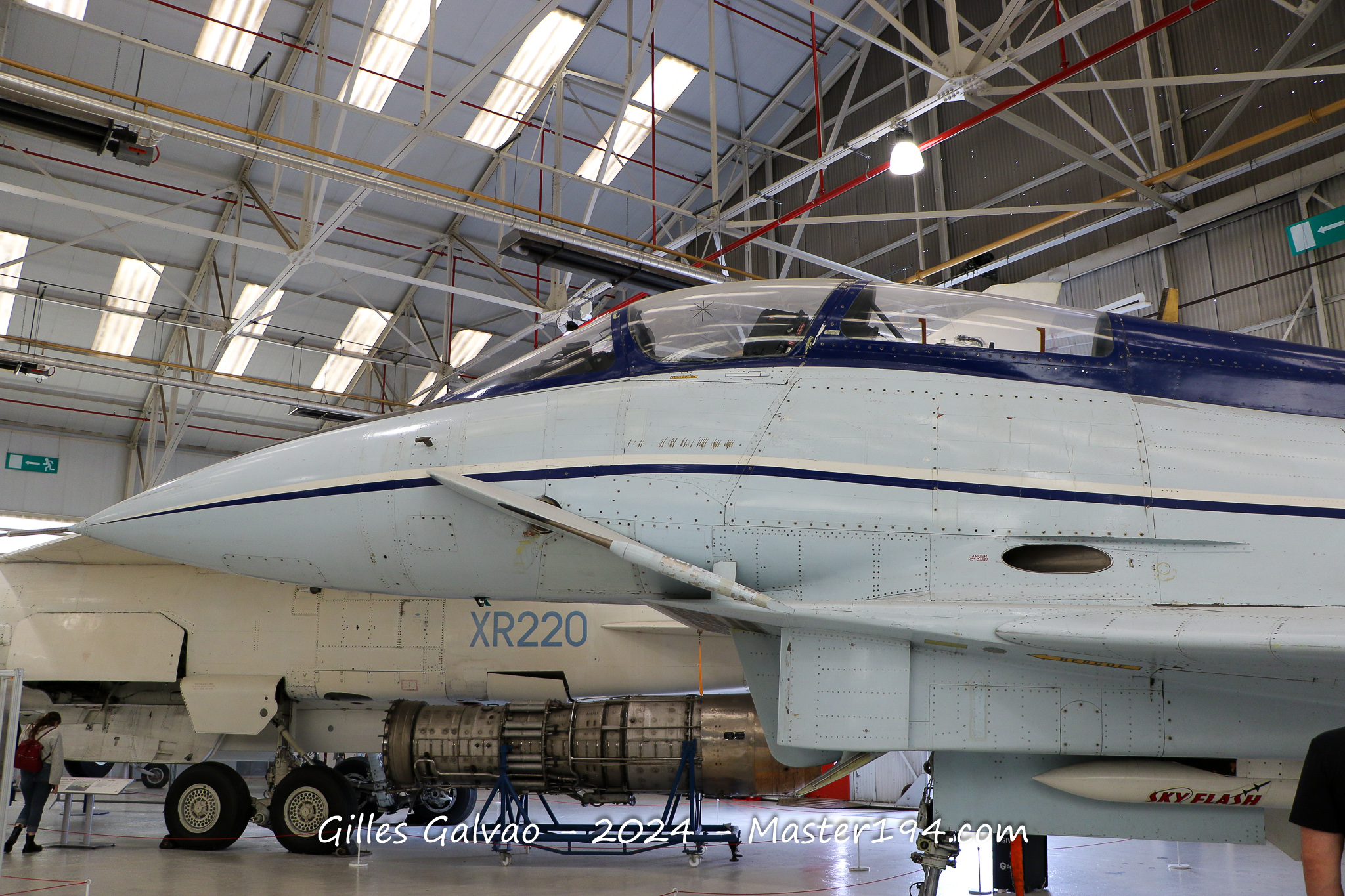
It played a pivotal role in researching the delta-canard configuration and fly-by-wire control systems that would define the future production aircraft.
The definitive program was subsequently structured around four partner nations and their respective aerospace contractors: British Aerospace (now BAE Systems), MBB and German entities grouped under Airbus, CASA in Spain, and the Italian firms consolidated into Leonardo.
The Eurofighter GmbH consortium coordinates the industrial management of the program, while partner companies divide responsibility for design and manufacturing.
The first development prototype, designated DA1, performed its inaugural flight on March 27, 1994, in Manching, Germany. Additional prototypes followed to conduct flight tests, qualify onboard systems, and progressively validate the aircraft’s performance envelope.
Following an extended development phase, the first deliveries to partner air forces took place in the early 2000s. The Typhoon entered operational service across the four founding nations between 2003 and 2005.
Design and Technical Characteristics
The Eurofighter Typhoon is a twin-engine multirole fighter whose design prioritizes agility, acceleration, and dogfighting performance. Its aerodynamic architecture and flight control systems were engineered to operate effectively across an extensive flight envelope.
A Delta-Canard Configuration
The airframe is based on a delta wing combined with two canard foreplanes located forward of the fuselage. This layout provides an optimal balance of lift, maneuverability, and high-speed performance.
The canards assist with aircraft control and aerodynamic management. The airframe features a relaxed static stability design, which enhances maneuverability but requires a sophisticated fly-by-wire (FBW) flight control system. Flight control computers constantly adjust control inputs to maintain stability and pilot authority within the authorized flight envelope.
The structure makes extensive use of composite materials and advanced structural alloys to minimize weight while withstanding the intense mechanical and thermal stresses associated with supersonic flight.
The Eurojet EJ200 Powerplant
The Typhoon is powered by two Eurojet EJ200 turbofans equipped with afterburners. Developed through European industrial cooperation, this engine combines high thrust, relatively low weight, and an architecture tailored to modern aerial combat demands.
Each engine delivers approximately 60 kN of dry thrust and nearly 90 kN with afterburner, providing a combined thrust of around 180 kN in full reheat. This propulsion package drives the aircraft’s exceptional acceleration, climb rates, and interception performance.
The Typhoon is also capable of supercruise—sustained supersonic flight without engaging afterburners. However, the exact operating parameters for supercruise depend on altitude, gross weight, loading configuration, and mission profile.
Radar, Sensors, and Avionics
Detection and data-processing capabilities have evolved progressively since initial production batches.
Early variants are equipped with the mechanical-scan CAPTOR radar, designed to detect and track multiple aerial targets. Subsequent program upgrades introduced advanced mission systems, notably the development of the CAPTOR-E family of Active Electronically Scanned Array (AESA) radars. Radar configurations vary across nations, airframes, and retrofit standards; consequently, not all Typhoons share identical sensor equipment.
The Typhoon is also integrated with the PIRATE (Passive Infra-Red Airborne Track Equipment) system, an infrared search and track (IRST) sensor used to detect and track thermal signatures, such as hostile aircraft. Unlike radar, this type of sensor operates passively without electromagnetic emissions, though its performance varies depending on atmospheric conditions and environmental background.
The Praetorian self-protection suite, also known as the Defensive Aids Sub-System (DASS), integrates various electronic warfare and defensive countermeasures. Depending on the configuration, it combines warning systems, jamming equipment, and decoy deployment to maximize aircraft survivability.
Together, these onboard systems perform sensor fusion, merging inputs from multiple sources to present a unified tactical picture to the pilot for mission management.
Fiche technique de l’Eurofighter Typhoon
| Feature | Specification / Data |
|---|---|
| Crew | 1 pilot (two-seat conversion/trainer variants as required) |
| Layout | Twin-engine, delta-canard configuration |
| Overall Length | Approx. 15.96 m (52.36 ft) |
| Wingspan | Approx. 10.95 m (35.92 ft) |
| Overall Height | Approx. 5.28 m (17.32 ft) |
| Powerplant | 2 × Eurojet EJ200 turbofans |
| Maximum Thrust | Environ 2 × 90 kN avec postcombustion |
| Maximum Speed | Mach 2.0+ at high altitude |
| Service Ceiling | Approx. 19,800 m (65,000 ft) |
| Hard Points | 13 external hardpoints |
| Maximum External Payload | ~7.5 to 9 metric tons (depending on configuration and source data) |
These data represent generally published order-of-magnitude figures. Gross weights, performance figures, and payload capacities vary depending on the specific variant, installed hardware, and mission profile. The maximum external payload does not represent a standard operational configuration.
Versions and Evolution of the Eurofighter Typhoon
Since entering service, the Eurofighter Typhoon has gone through multiple production batches and modernization milestones. Aircraft are categorized primarily by “Tranches” (Tranche 1, Tranche 2, and Tranche 3), which correspond to the program’s primary manufacturing phases. In addition to these production categories, specific hardware and software standards determine the operational capabilities actually equipped on each airframe.
This incremental evolution has allowed the Typhoon to expand its mission profile from initial air defense toward true multirole versatility, while paving the way for the integration of next-generation sensors and ordnance.
Tranche 1: Early Production Airframes
Eurofighter Tranche 1 aircraft represent the initial batches delivered to the partner air forces. Their capabilities are primarily focused on air defense and point interception.
While they enabled the four partner nations to introduce the new aircraft and progressively phase out older fighter types, their baseline capabilities—particularly regarding air-to-ground strike missions—are significantly more limited compared to subsequent production batches.
Tranche 2: Expanding Multirole Capabilities
Tranche 2 introduced major avionics and mission-system enhancements, along with greater growth potential for future upgrades. It marked the transition of the Typhoon from a dedicated air-superiority fighter into a true multirole platform capable of executing diverse missions depending on configuration and software standard.
Tranche 3: Preparing for Future Evolutions
Tranche 3 brought structural enhancements and provisions designed to facilitate the integration of advanced hardware. It supports the ongoing modernization pipelines of the operating fleets.
Aircraft from this tranche can receive more sophisticated systems and capabilities, but their exact operational fit depends on individual national upgrade programs. The presence of an active electronically scanned array (AESA) radar, specific weapons integration, or specialized functional packages does not automatically follow from the tranche designation alone.
Tranche 4 and Modern Standards
The designation Tranche 4 is notably associated with recent procurement contracts aimed at renewing the German and Spanish air fleets (such as the German Quadriga and Spanish Halcón programs).
These aircraft feature modernized configurations designed to maintain the Typhoon’s operational edge well into the future. Concurrently, in-service airframes undergo continuous retrofit programs introducing new radar suites, avionics improvements, and expanded weapons inventories.
It is therefore essential to distinguish an aircraft’s production tranche from its actual capability standard. Two Typhoons from different tranches may share certain common upgrades, while two aircraft from the exact same tranche can exhibit distinct equipment differences depending on the user nation and its specific modernization roadmap.
Operating Air Forces
The Eurofighter Typhoon is operated by the air forces of the four partner nations and has been successfully exported to several European and Middle Eastern countries.
United Kingdom: Royal Air Force
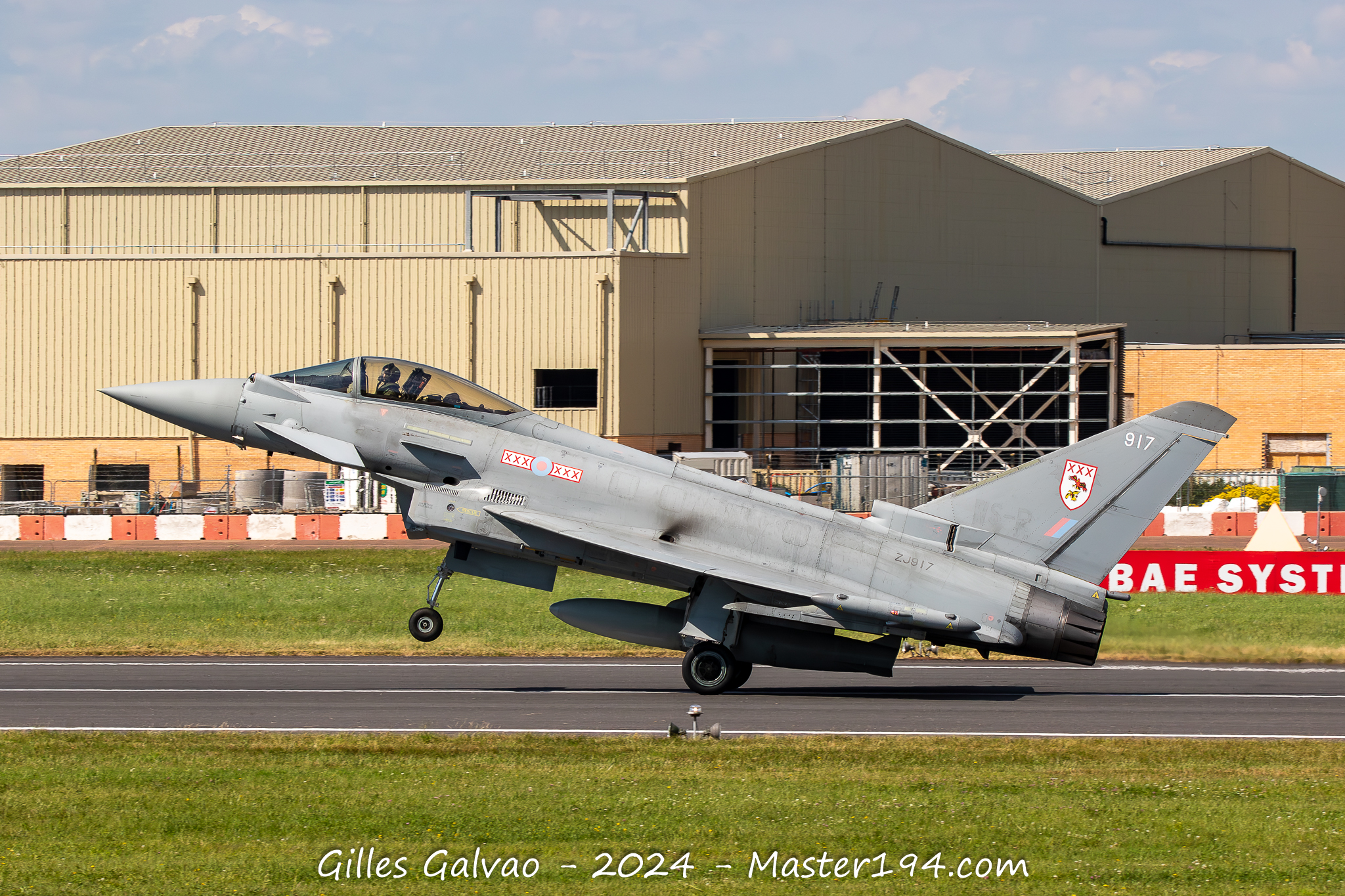
The Royal Air Force (RAF) received its first Eurofighter Typhoons in the early 2000s. Initially designated Typhoon F2, the earliest airframes were dedicated primarily to air defense roles. With the expansion of their capabilities to include precision strike and broader multirole missions, they adopted the designation Typhoon FGR4, which remains in service with the RAF today.
The Typhoon progressively replaced the Tornado F3 (withdrawn in 2011) in air defense and Quick Reaction Alert (QRA) missions, and subsequently took over a portion of the ground-attack duties previously handled by the Tornado GR4 (retired in 2019).
By 2026, the Typhoon stands as a pillar of British air power, securing national airspace and participating in NATO air-policing missions abroad. It has also seen active combat deployment in foreign operations, including the 2011 Libyan campaign and operations against the Islamic State in Iraq and Syria (Daesh). Continuous upgrades and weapons integrations ensure its multirole effectiveness remains at the forefront.
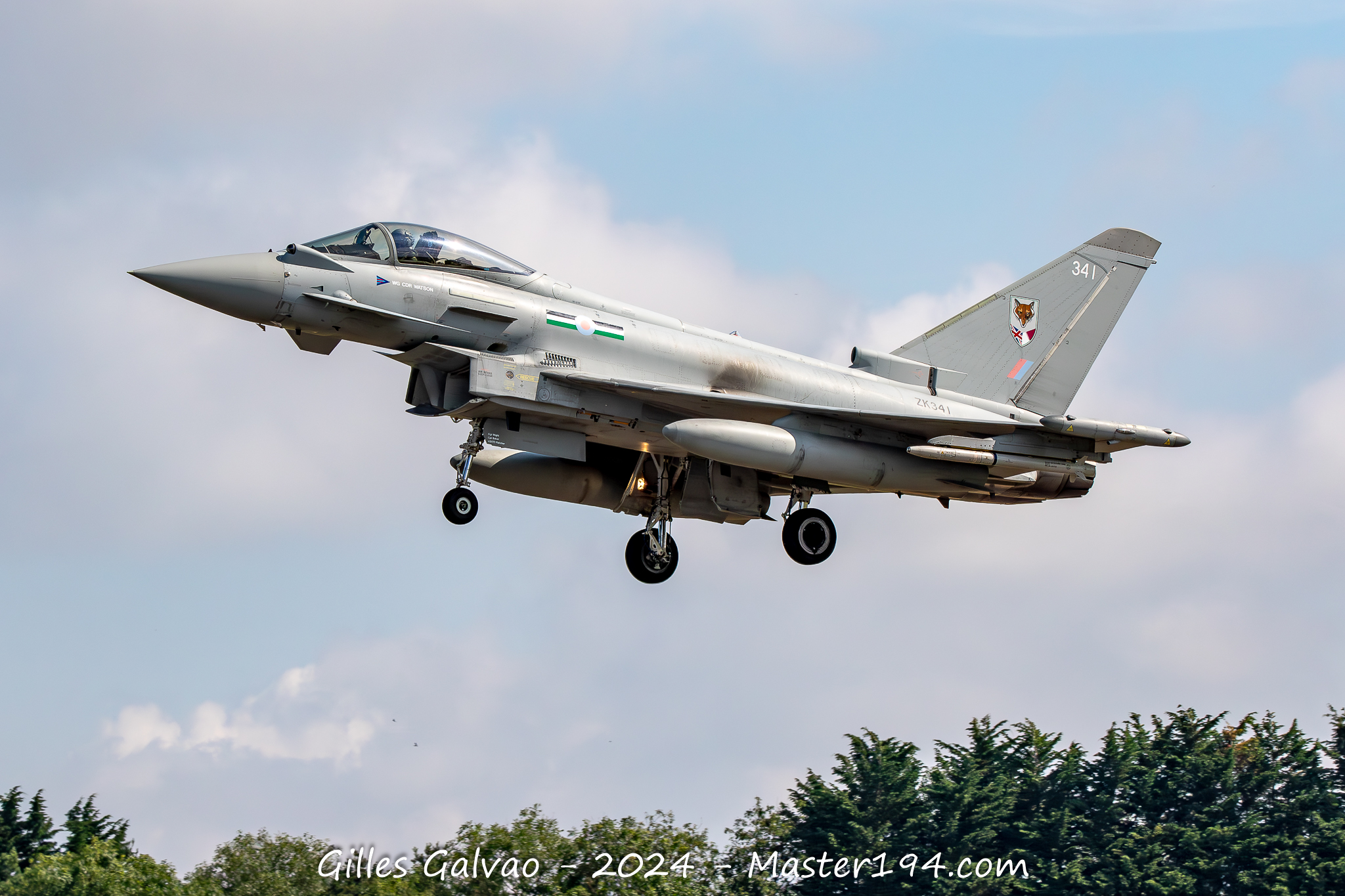
Germany: Luftwaffe
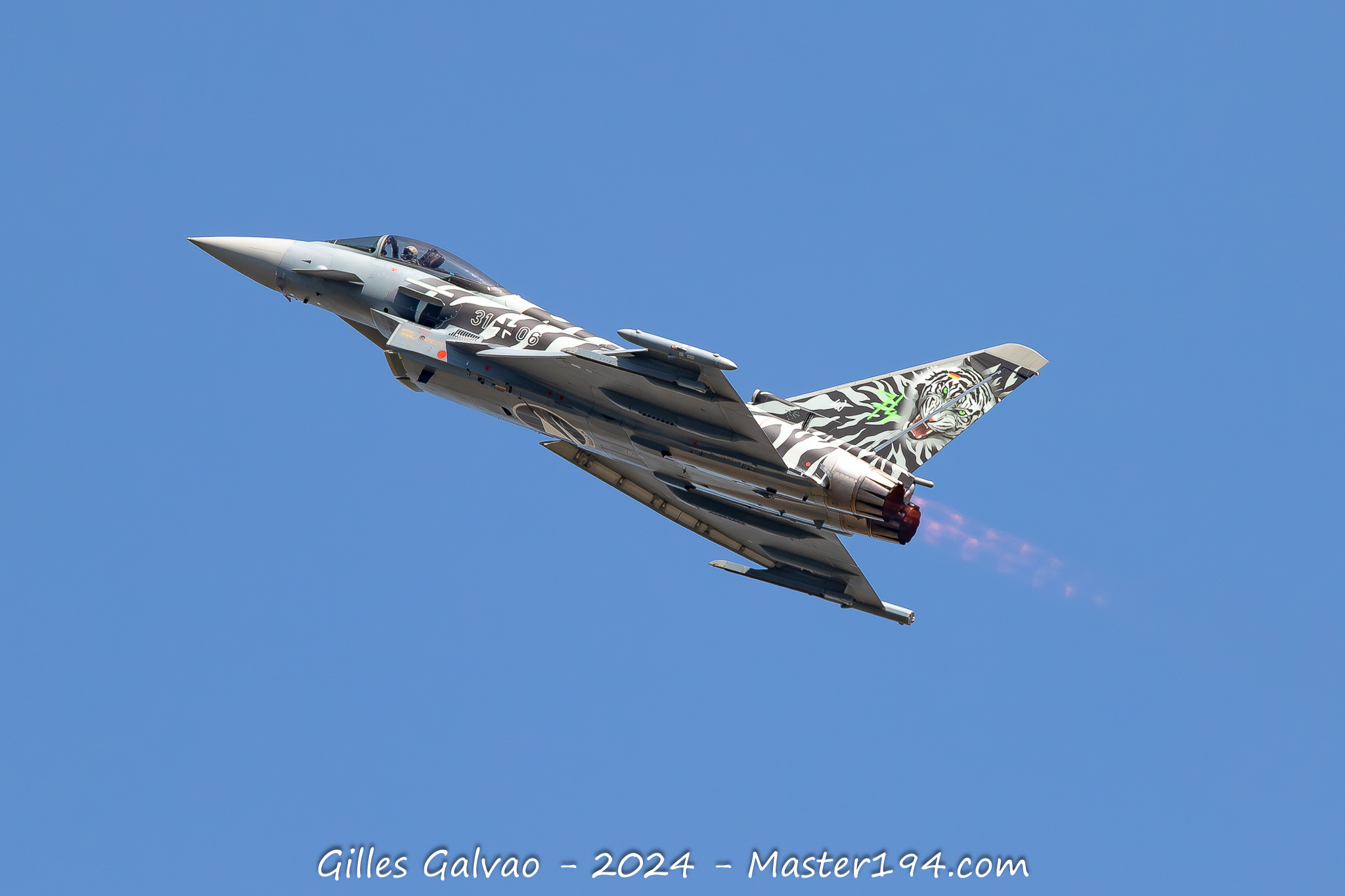
The Luftwaffe officially designates its Eurofighter Typhoons as the Eurofighter EF-2000. This designation is commonly used in the German operational context, though it does not represent a granular sub-variant nomenclature like that used by the Royal Air Force.
The Luftwaffe employs the Typhoon to secure German national airspace and contribute to NATO Air Policing missions. These aircraft also regularly deploy with Allied forces, particularly along the Alliance’s Eastern Flank.
Concurrently, Germany is executing a fleet renewal and modernization strategy. The Quadriga program provides for the acquisition of new-build aircraft featuring upgraded sensor suites and avionics, while in-service Typhoons undergo continuous upgrades to preserve and expand their operational readiness.
Italy: Aeronautica Militare
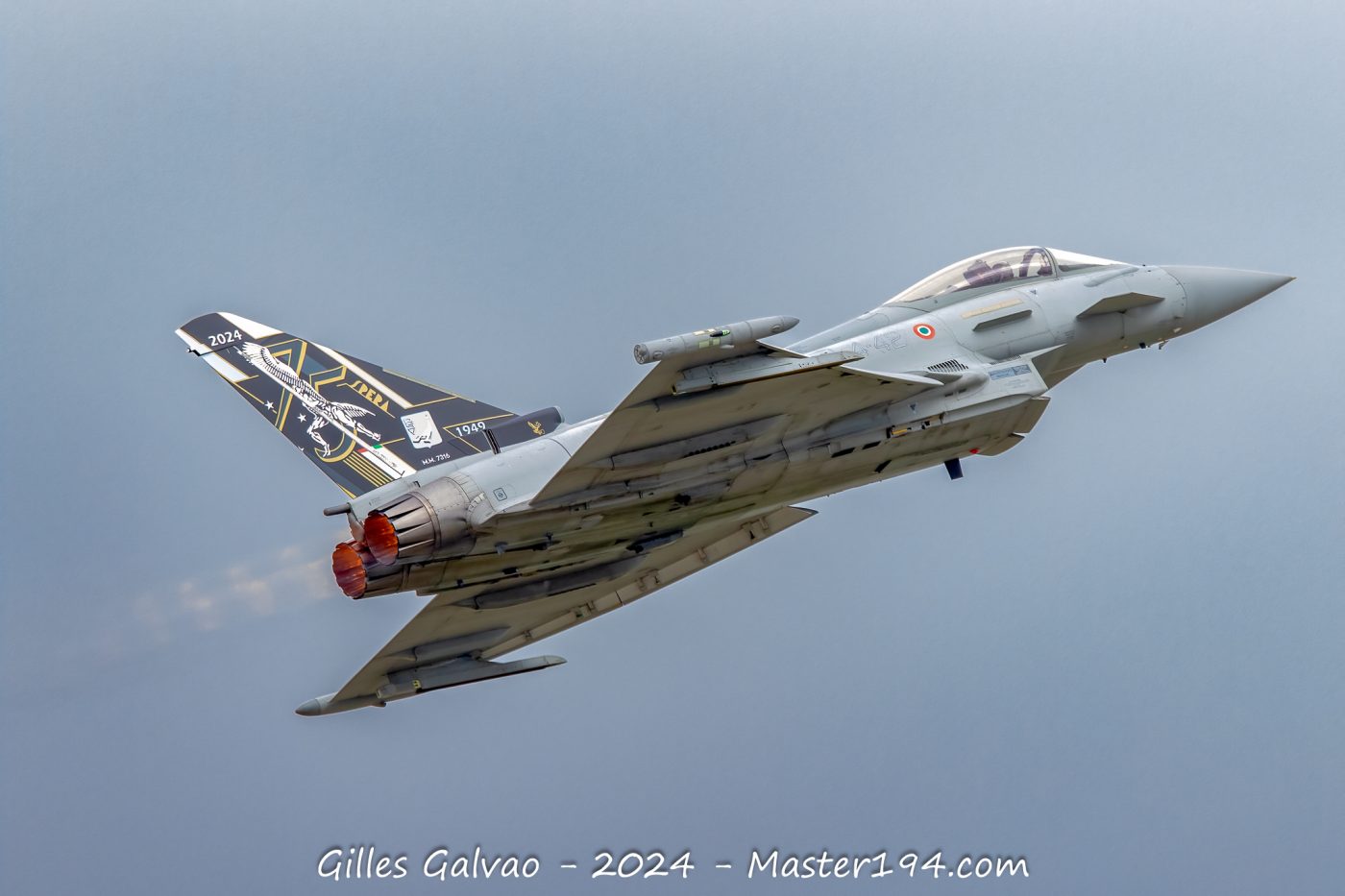
The Aeronautica Militare designates its single-seat Eurofighter Typhoons as the F-2000A, with two-seat variants designated TF-2000A. Two-seaters are dedicated primarily to conversion and operational training while retaining full combat capabilities consistent with their airframe standard.
Italy utilizes the Typhoon for homeland air defense, point interception, and air policing. Italian airframes actively support NATO’s collective defense architecture and Allied foreign deployments, notably reinforcing airspace surveillance over the Eastern Flank.
The Aeronautica Militare continues to advance its fleet upgrade roadmaps to maintain the Typhoon’s combat effectiveness and adapt its systems to evolving contemporary mission requirements.
Spain: Ejército del Aire y del Espacio
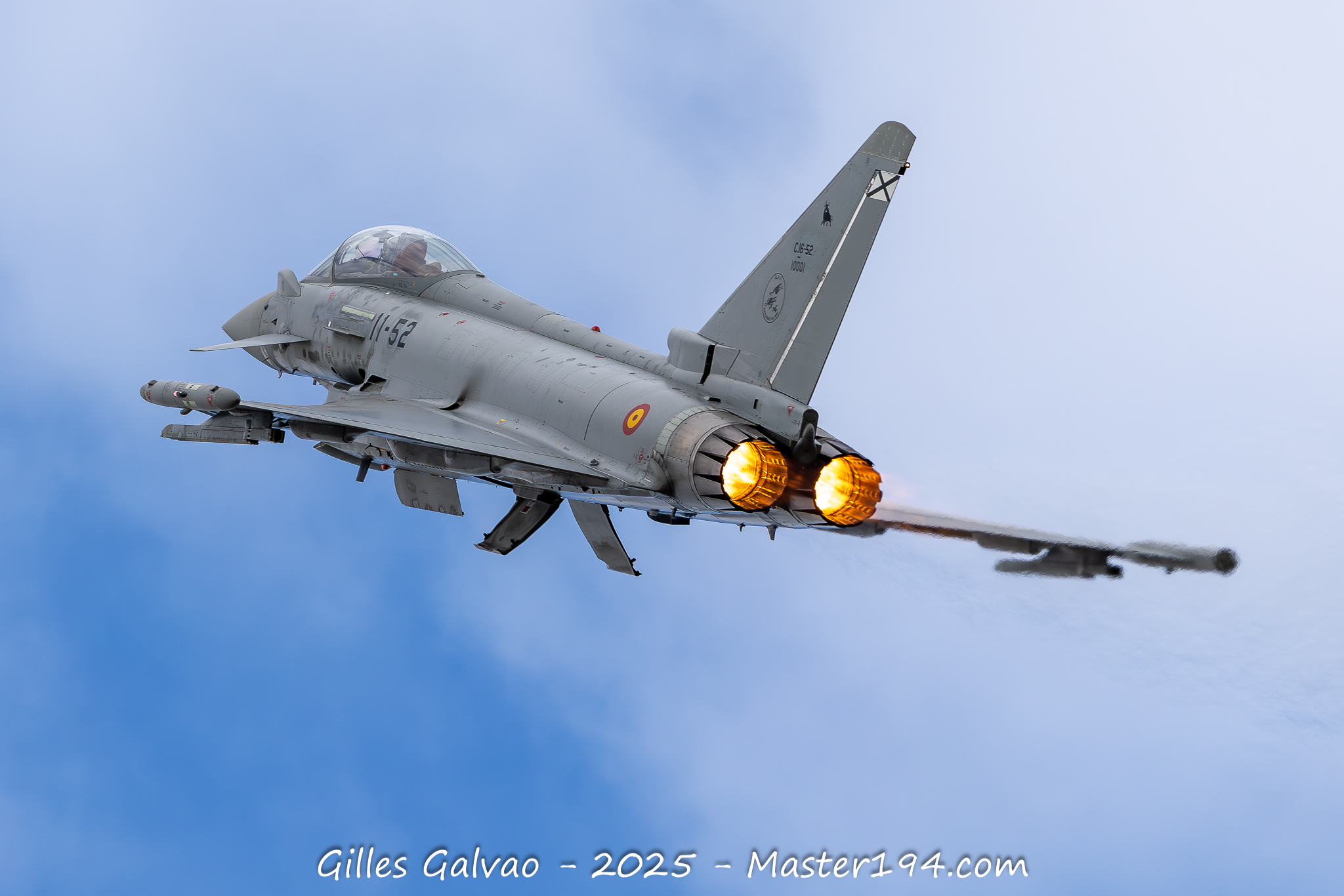
The Spanish Air and Space Force (Ejército del Aire y del Espacio) designates its single-seat Eurofighter Typhoons as the C.16 and two-seat variants as the CE.16, adhering to standard Spanish military aircraft nomenclature.
Spain deploys the Typhoon for national air defense, point interception, and contributions to NATO Air Policing architectures. Spanish airframes also regularly join Allied forward deployments to reinforce airspace surveillance and protection across Europe.
Fleet modernization continues under the Halcón program, which provides for the acquisition of new-build Typhoons to progressively replace legacy F/A-18 Hornets (C.15) and maintain the operational edge of Spanish fighter aviation. These new deliveries feature upgraded configurations designed to ensure the long-term sustainability of the platform.
Export Customers
The Typhoon has also been selected by several nations outside the founding industrial consortium.
Austria
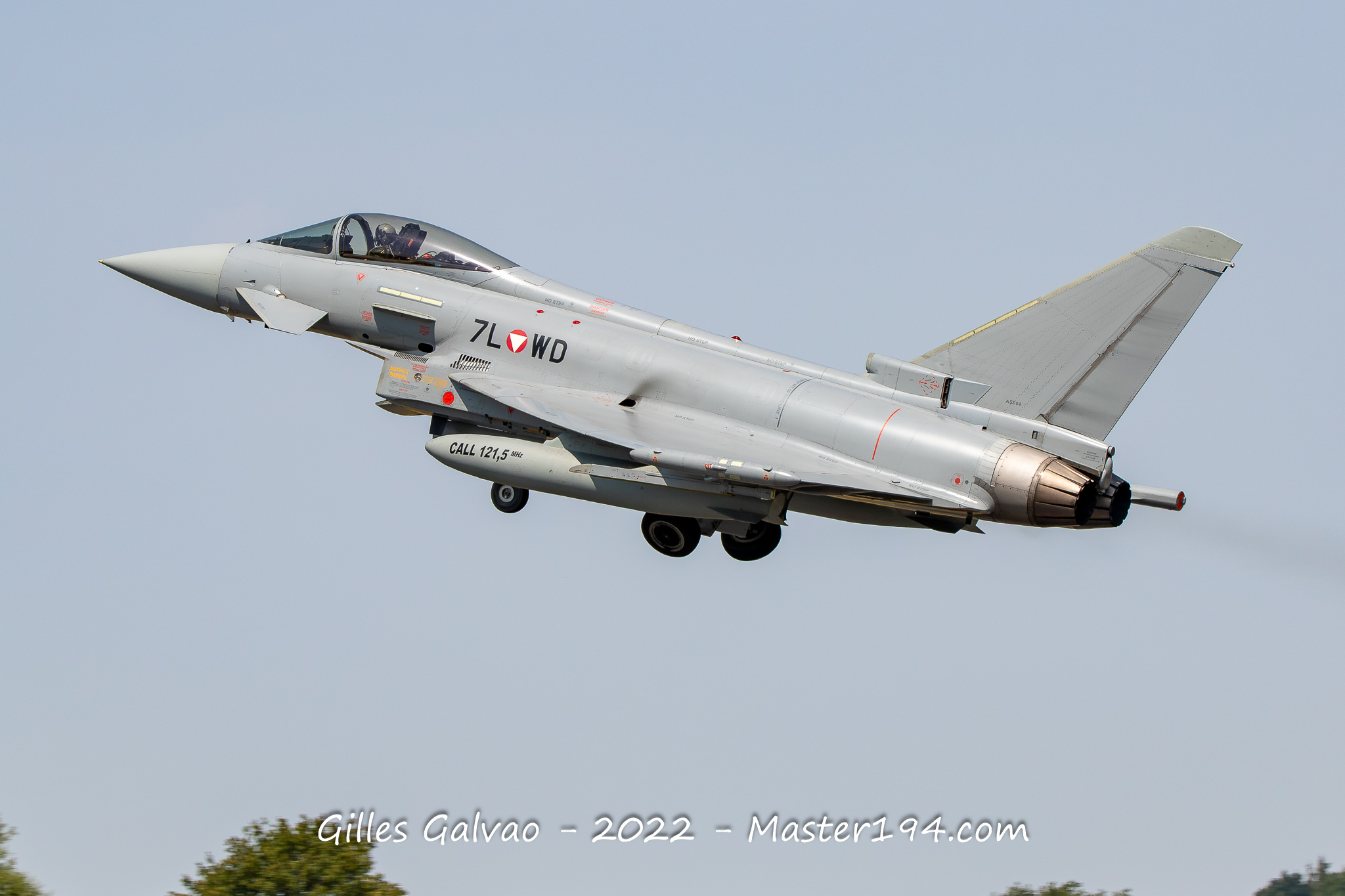
The Austrian Air Force (Luftstreitkräfte) designates its aircraft as the Eurofighter EF-2000. The fleet consists strictly of single-seat Tranche 1 airframes, utilized primarily for national airspace surveillance and point defense. The Eurofighter fleet performs air intercept and identification duties for non-compliant or unidentified aircraft entering Austrian airspace.
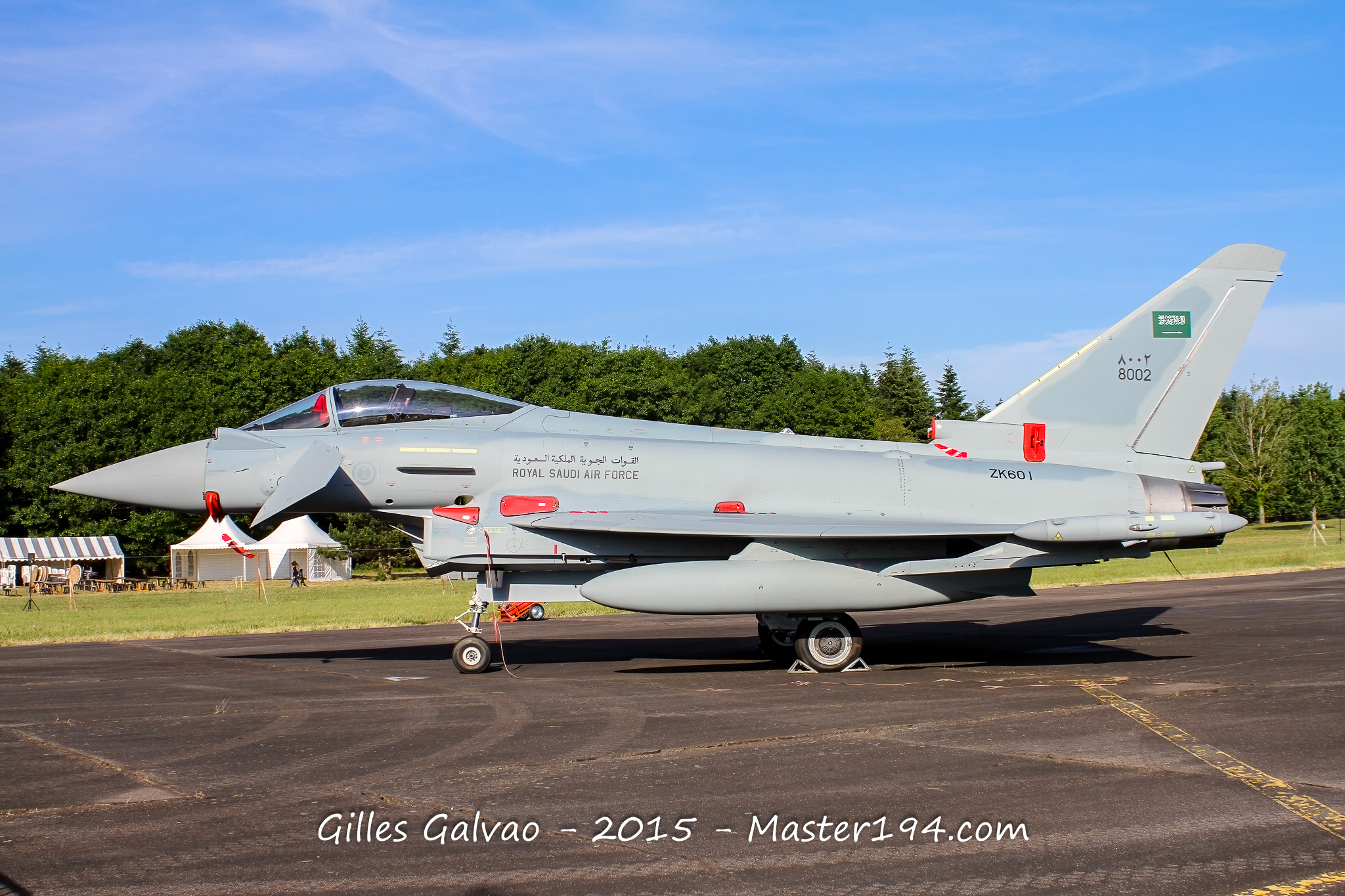
Saudi Arabia
The Kingdom of Saudi Arabia operates a substantial fleet of Typhoons, actively deployed for national air defense missions and regional operations.
Oman
The Royal Air Force of Oman (RAFO) operates the Typhoon to enhance its tactical air combat and air defense capabilities.
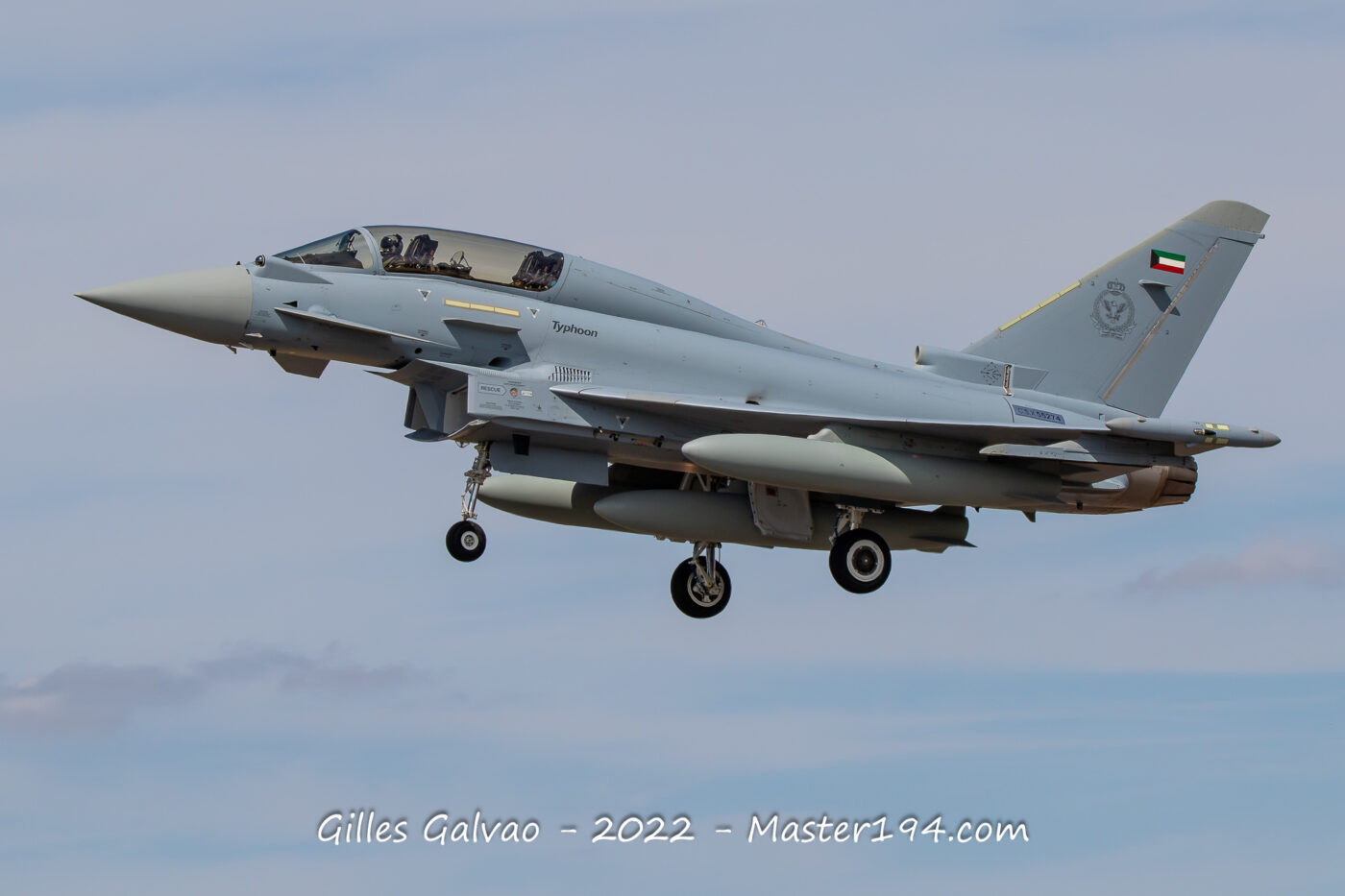
Kuwait
Kuwaiti Typhoons were procured under a modernized procurement package featuring advanced mission systems, notably including Active Electronically Scanned Array (AESA) radar suites.
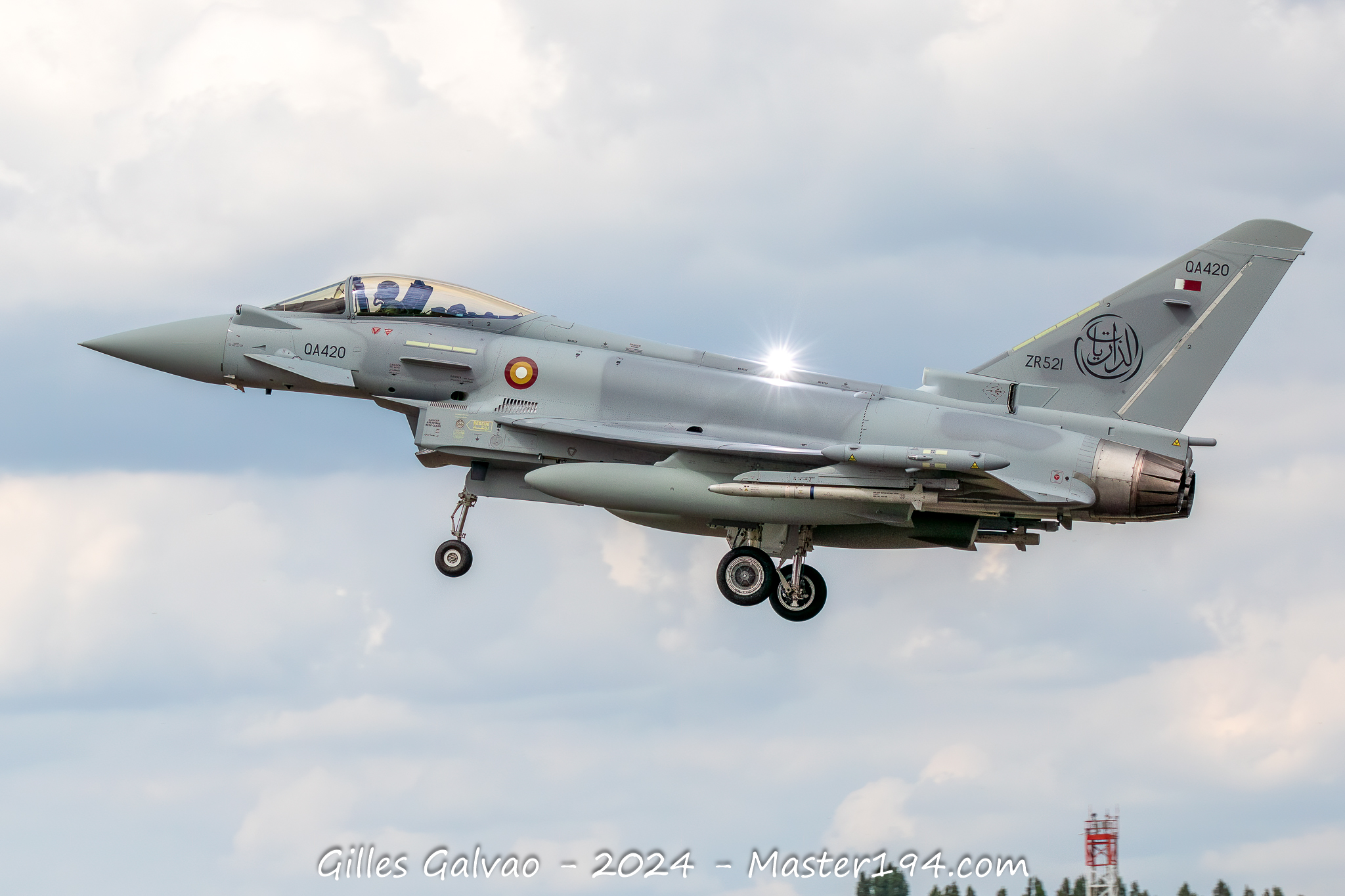
Qatar
The Qatari airframes contribute to the ongoing modernization of the Emirate’s air combat capabilities.
Airframe quantities, technical standards, and equipment configurations vary significantly from one operator to another. Procurement orders, active deliveries, and operational entry-into-service milestones must also be clearly distinguished when assessing fleet statuses.
Operational Deployments
The Eurofighter Typhoon was originally designed for air superiority. Its operational role has steadily expanded to encompass ground attack, tactical reconnaissance, and participation in multinational coalitions.
Libya 2011: Early Air-to-Ground Missions
The international intervention in Libya marked a pivotal milestone in the operational evolution of the British Typhoon.
At the onset of the operation, the aircraft were primarily assigned to air defense and escort missions. Starting in April 2011, Royal Air Force Typhoons began executing air-to-ground precision strikes using Enhanced Paveway II laser/GPS-guided bombs.
This evolution marked a key step in expanding the airframe’s multirole capability. These missions were integrated into joint packages alongside other British and Allied assets, including Tornado GR4s operating with their own dedicated ordnance configurations.
Operations Against ISIS / Operation Shader
RAF Typhoons were subsequently deployed under Operation Shader, the United Kingdom’s contribution to the international coalition against ISIS.
The aircraft performed armed reconnaissance, close air support (CAS), and precision strike sorties. As operational standards matured, they employed a range of guided munitions, including Paveway IV precision-guided bombs and Brimstone air-to-surface missiles.
These deployments illustrated the Typhoon’s transition from a point-interception fighter into a versatile multirole combat platform. However, specific ordnance clearance and availability remain tied to individual national fleet standards.
Air Policing and NATO Deployments
Operating air forces routinely deploy their Typhoons on Quick Reaction Alert (QRA) and NATO Air Policing missions.
These duties involve securing national airspace, intercepting and identifying non-responsive aircraft, and maintaining an active defensive posture across strategic operational theaters.
Typhoons regularly support NATO air-policing detachments in the Baltic region and along the Eastern Flank, demonstrating their interception performance, high readiness, and seamless integration within coalition command structures.
Armament and Multirole Capabilities
The Eurofighter Typhoon features multiple external hardpoints to tailor its weapons loadout to specific mission requirements. Cleared ordnance varies by user nation, software flight standards, and installed targeting avionics.
Air-to-Air Combat
For air superiority and interception sorties, the Typhoon carries short-, medium-, and long-range air-to-air missiles.
Depending on the operator, primary weapons include the AIM-120 AMRAAM, AIM-9 Sidewinder, and IRIS-T, alongside the ramjet-powered Meteor Beyond Visual Range Air-to-Air Missile (BVRAAM) developed through European industrial collaboration.
An internal 27 mm Mauser BK-27 cannon complements the missile armament for close-range engagements.
Air-to-Ground Strike
Air-to-surface strike capabilities were integrated incrementally. Depending on national retrofit standards, the Typhoon can carry precision-guided bombs, stand-off air-to-ground missiles, and advanced targeting pods (such as Litening).
In-service weapons across various operating fleets include the Paveway family of guided bombs, Brimstone anti-armor missiles, and Storm Shadow / SCALP stand-off cruise missiles. Weapon clearances are managed at the national fleet level; consequently, not all ordnance options are universally fielded across all user air forces.
Continuous Upgrade Potential
Integrating advanced sensors, expanded weapons inventories, and open-architecture avionics represents a primary focus of the program’s lifecycle management.
These upgrades encompass hardware retrofit, flight control software updates, secure tactical data-links, and advanced self-protection countermeasure suites to meet evolving threat environments.
A Long-Term European Industrial Partnership
The Eurofighter Typhoon relies on a distributed industrial architecture across its four core partner nations.
BAE Systems, Airbus, and Leonardo hold primary industrial responsibilities. The baseline workshare distribution is conventionally split as approximately 33% United Kingdom, 33% Germany, 21% Italy, and 13% Spain.
This partnership spans airframe engineering, sub-assembly manufacturing, final assembly lines, and subsystem integration, supported by an extensive supply chain across Europe.
While this structure preserves vital defense-industrial skills within partner nations, it involves complex multi-national governance where upgrade roadmaps, funding allocation, and export authorizations require consensus. Despite these operational constraints, continuous modernization programs and export contracts sustain production lines and operational relevance.
Conclusion
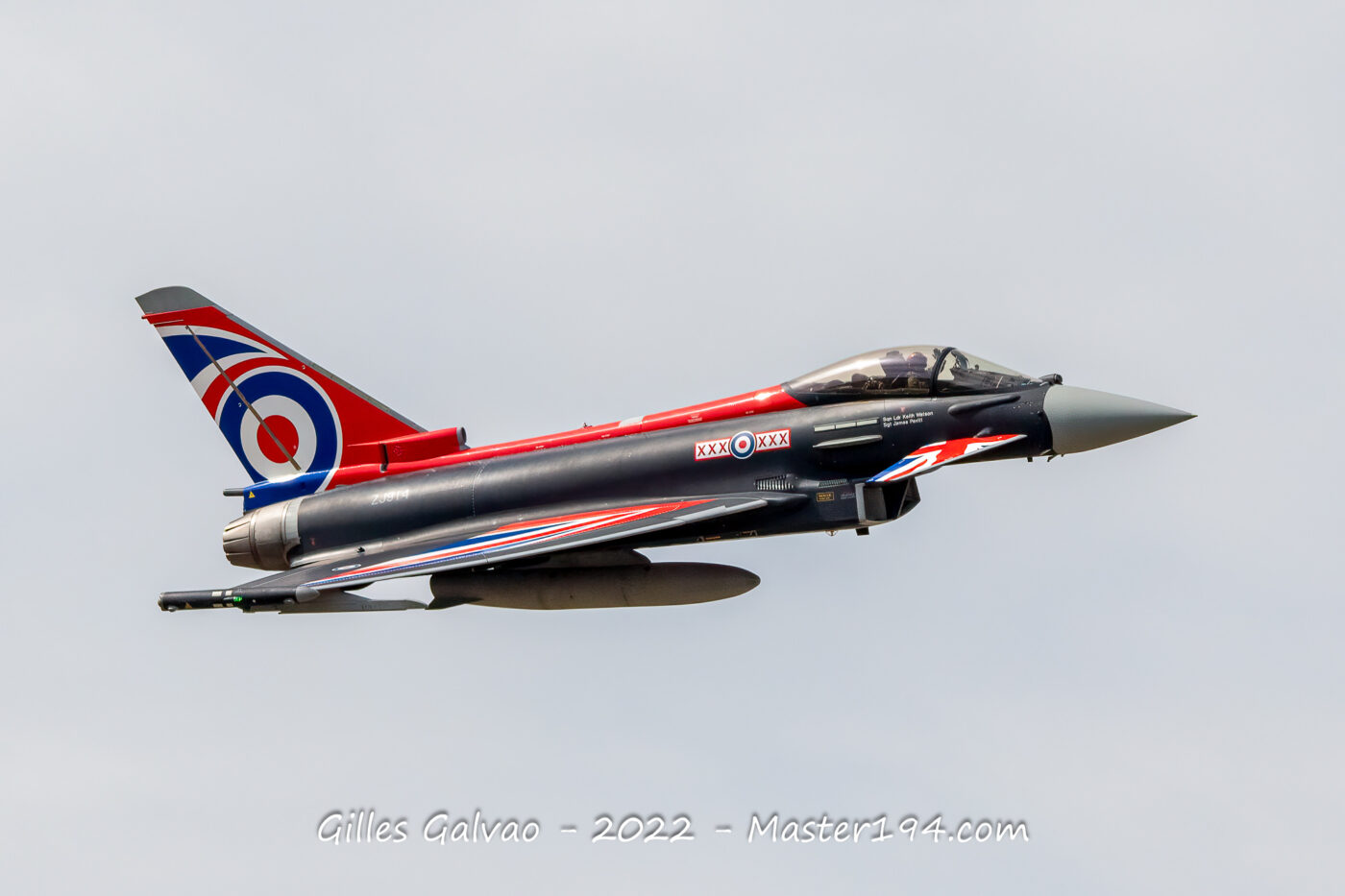
The Eurofighter Typhoon stands as a flagship achievement of European defense aerospace collaboration. Born out of an ambitious Cold War requirement, it has adapted to fulfill diverse operational roles far beyond its initial interceptor baseline.
Its delta-canard airframe, twin Eurojet EJ200 turbofans, and evolving sensor-fusion suite ensure its place as a front-line air-defense and strike asset. As partner air forces maintain ongoing retrofit pipelines, the Typhoon will remain a core component of European air power ahead of next-generation combat systems.