 by
Jointly developed by Pakistan and China, the JF-17 Thunder is a lightweight multirole fighter designed to meet the operational and industrial needs of the Pakistan Air Force (PAF). Designated FC-1 Xiaolong in China, this single-engine aircraft has become a cornerstone of the modernization of Pakistani combat aviation.
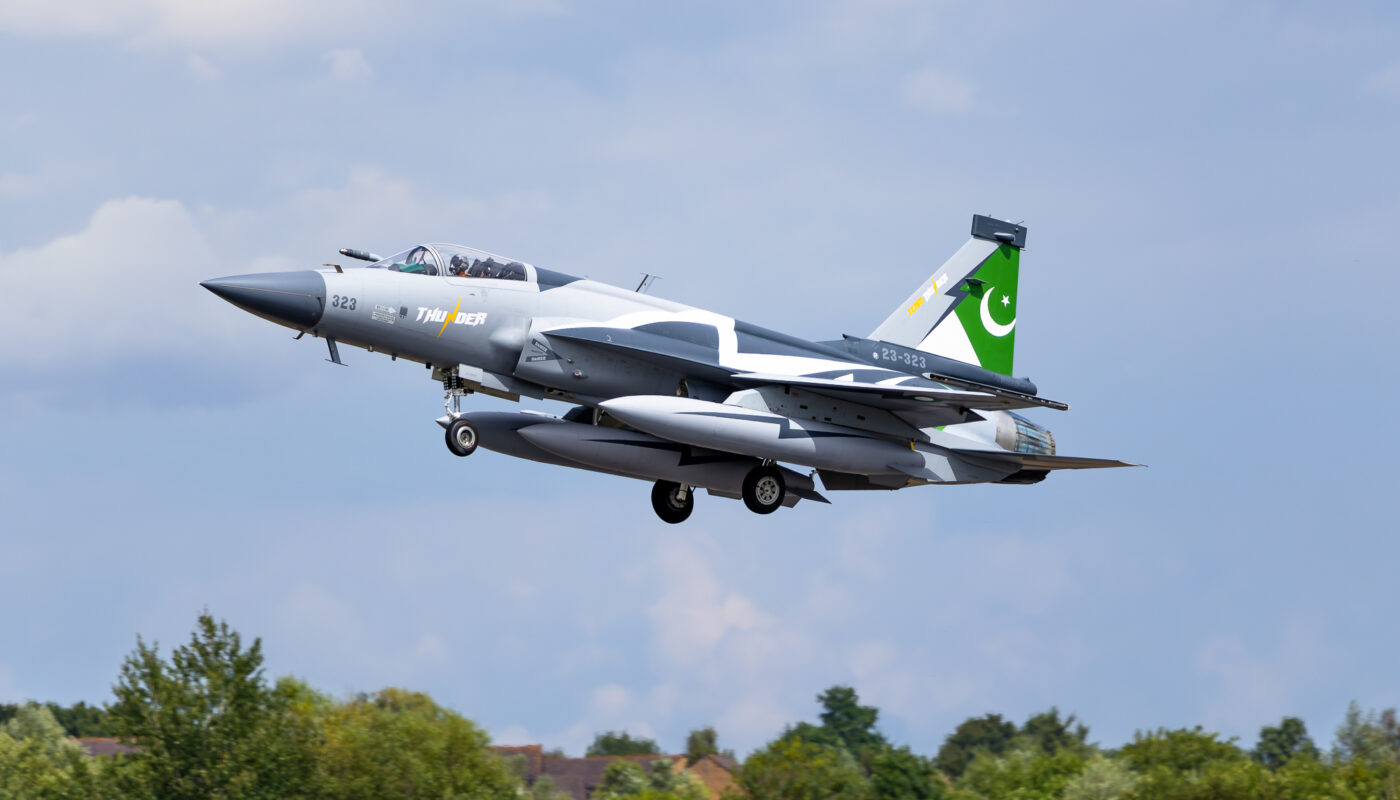
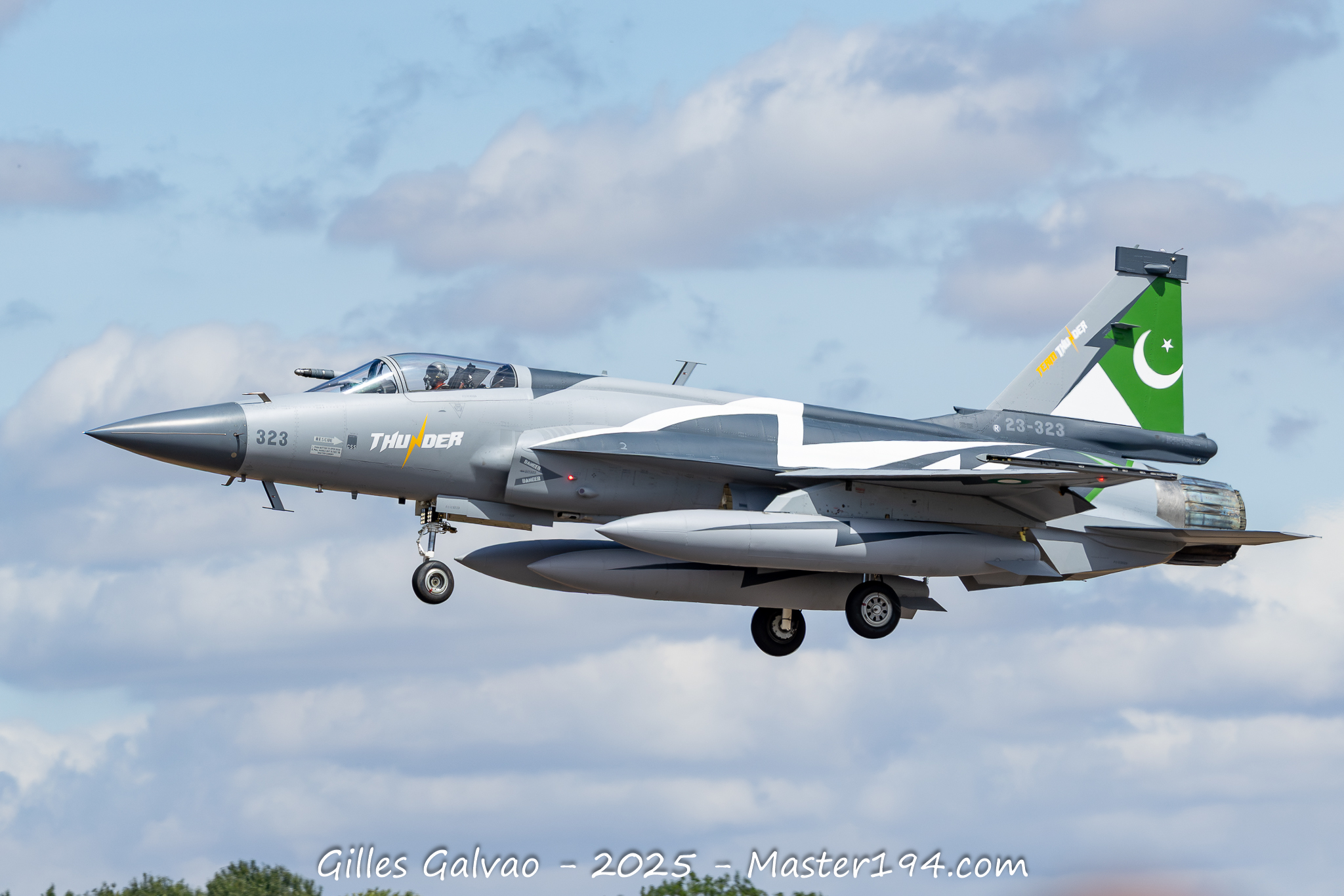
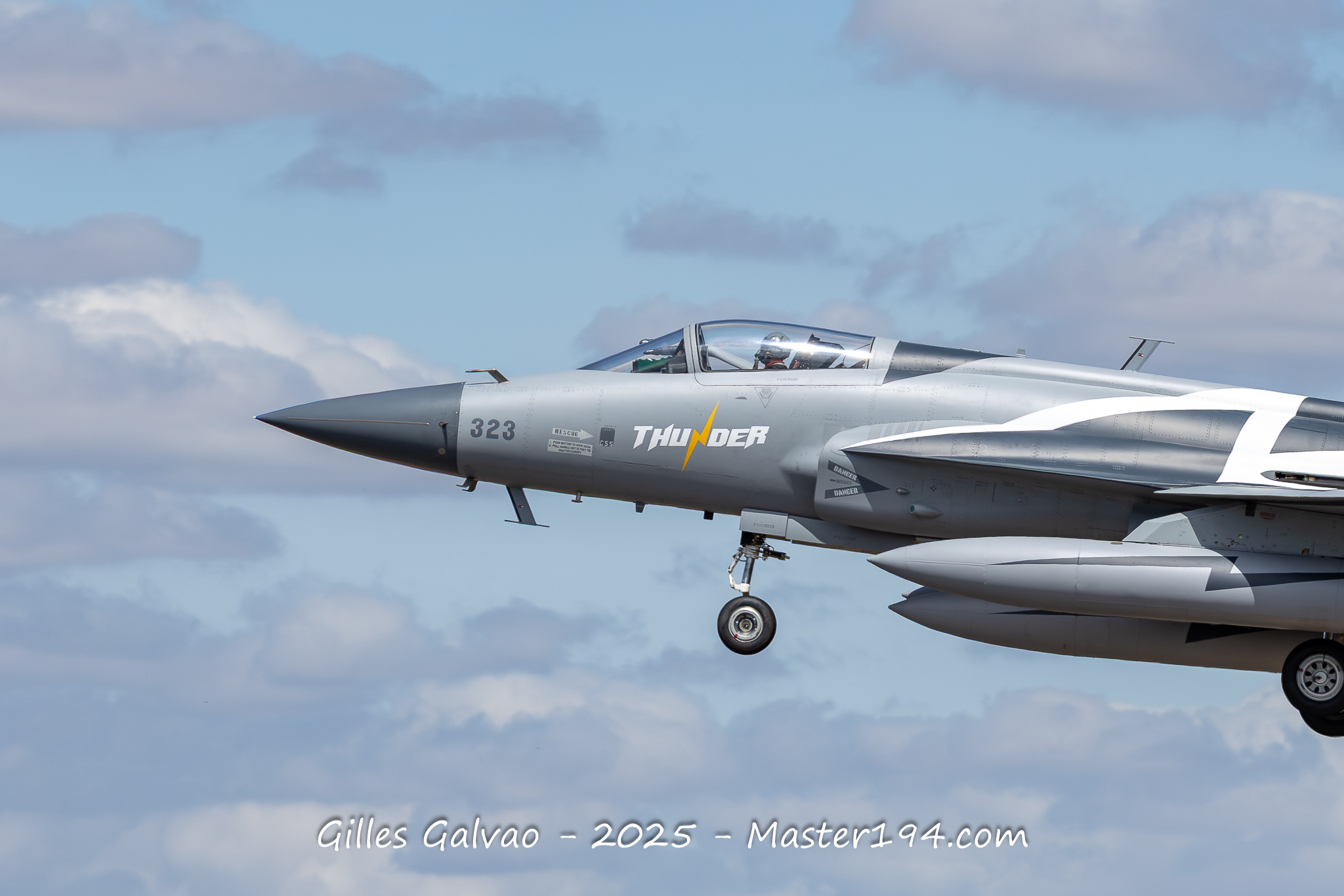
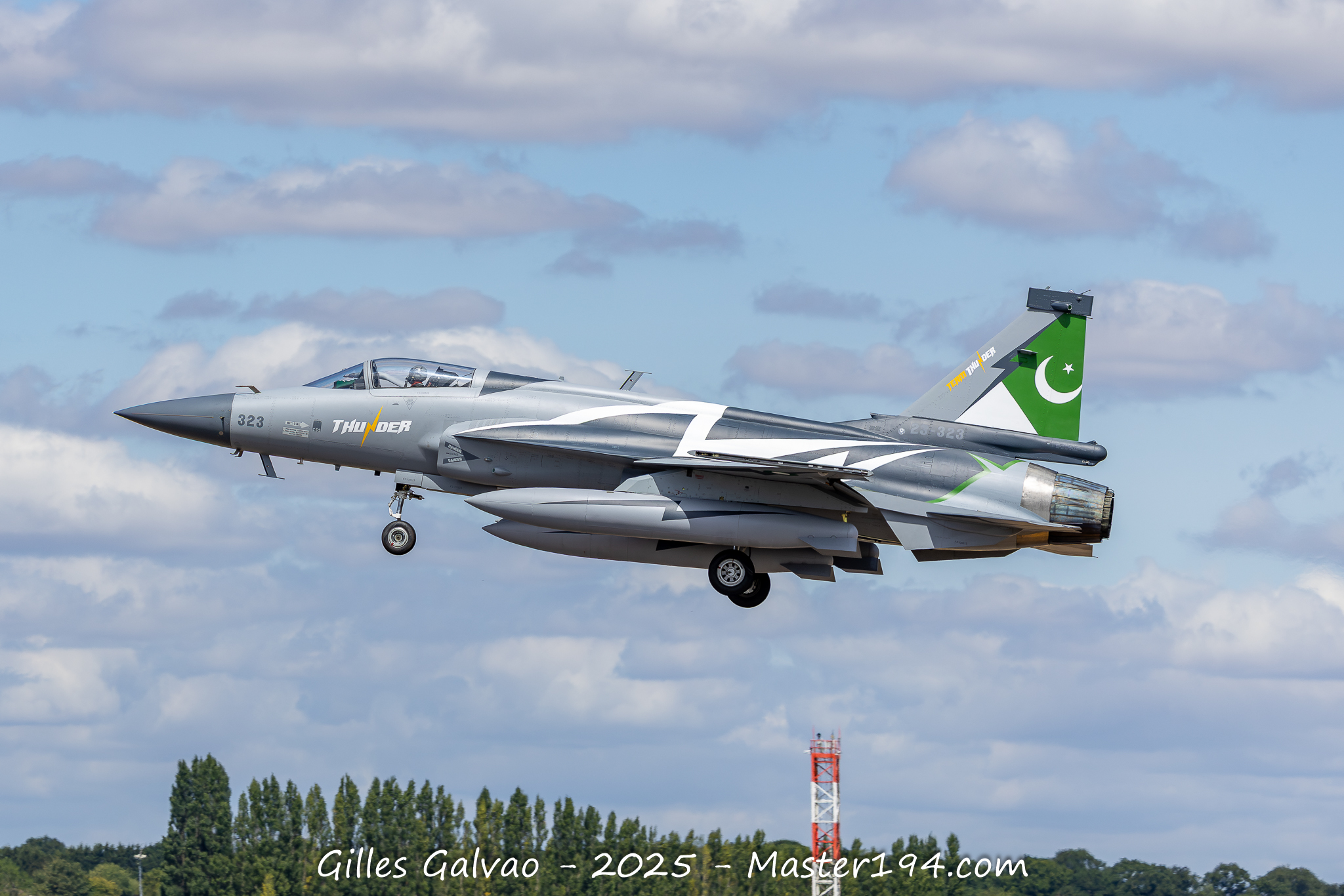
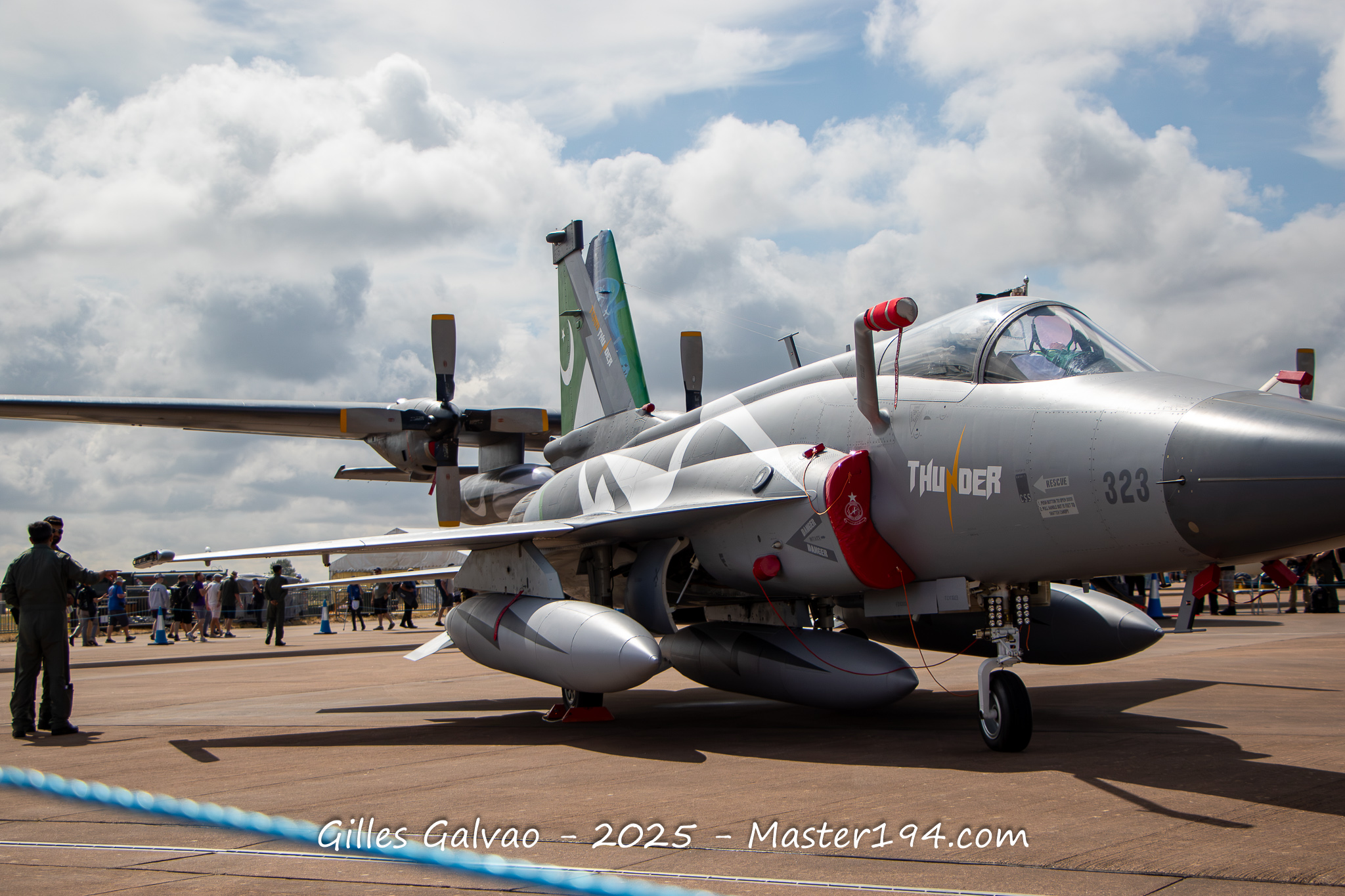
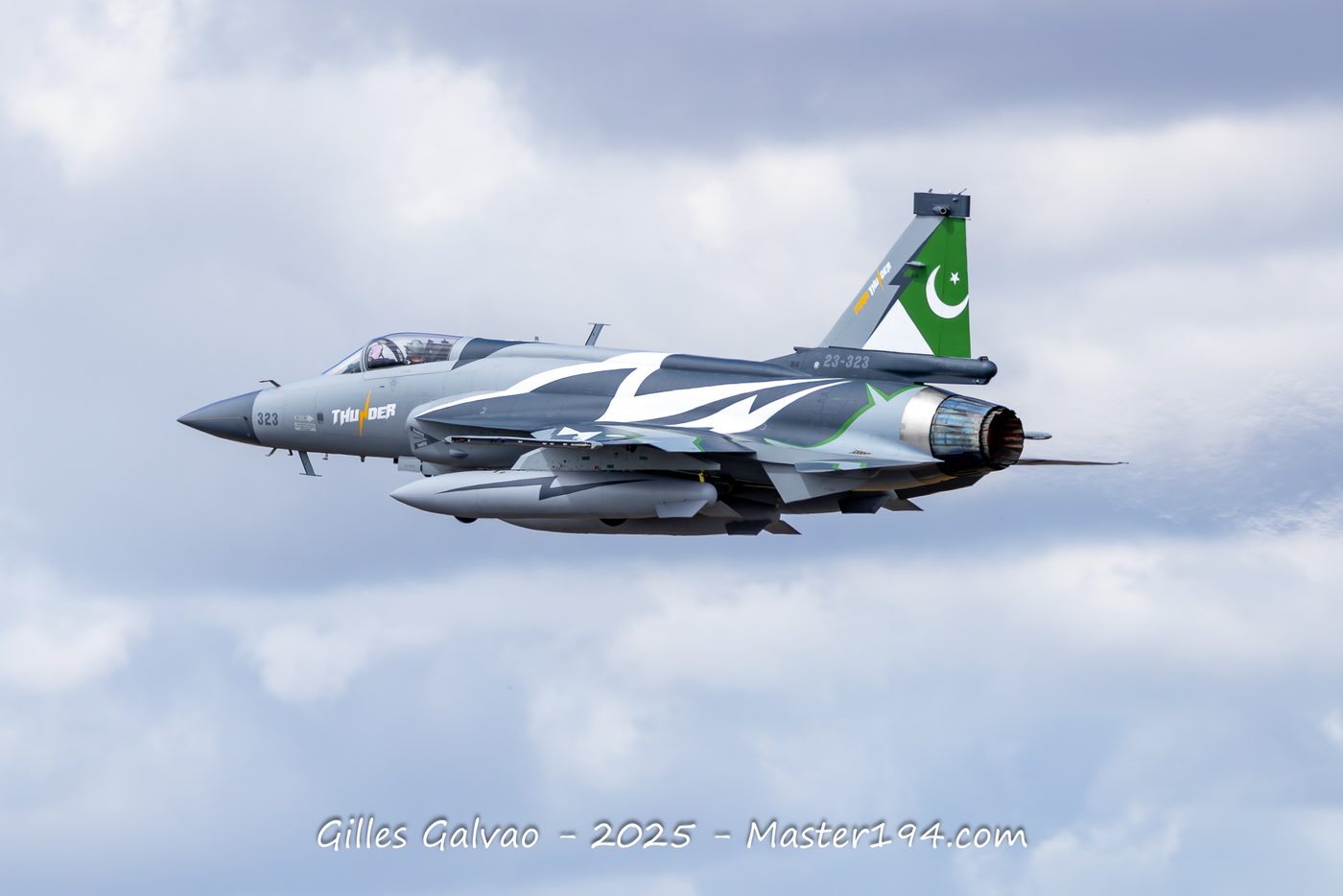
The JF-17C Block III 23-323 and 23-319, photographed during the Royal International Air Tattoo (RIAT) held at RAF Fairford in July 2025, illustrate the most recent developments of this aircraft. The presence of these two Pakistani fighters in the United Kingdom provided an opportunity to closely observe this modernized version of the Thunder, whose capabilities rely notably on an active electronically scanned array (AESA) radar, renewed avionics, and the integration of next-generation air-to-air armaments.
AD
Designed to replace several generations of aging combat aircraft, the Thunder combines a relatively compact airframe with progressively modernized avionics and a wide range of armaments. Its development is based on industrial cooperation between the Pakistan Aeronautical Complex (PAC) and the Chengdu Aircraft Corporation (CAC), with a central objective: to possess a versatile fighter whose production and maintenance in operational condition remain economically accessible.
The evolution of the program, from the earliest units to the JF-17C Block III, highlights the growing strength of this cooperation. This latest version notably benefits from an AESA radar, a modernized cockpit, and expanded combat capabilities.
Genesis and Program Development
n the late 1980s and early 1990s, the Pakistan Air Force had to prepare for the progressive replacement of a part of its combat fleet. This fleet notably included the Chengdu F-7 (derived from the Soviet MiG-21), the Nanchang A-5 of Chinese origin, and the French-designed Dassault Mirage III/V.
The aging of these aircraft, the costs associated with their maintenance, and the difficulties in procuring foreign equipment encouraged Islamabad to seek a sustainable solution. Pakistan wished to operate a modern fighter capable of performing multiple types of missions while offering greater control over its industrial production.
Initial discussions fell within the continuity of the Super-7 project, which originally aimed to develop an evolution of the Chengdu F-7. The program progressively took on a new dimension thanks to cooperation with the Chinese aviation industry..
The partnership between the Chengdu Aircraft Corporation and the Pakistan Aeronautical Complex was formalized in 1999. The project received the designation JF-17 in Pakistan, for Joint Fighter-17, while China adopted FC-1 Xiaolong, generally translated as “Fierce Dragon”.
The first prototype made its maiden flight on August 25, 2003, in Chengdu. However, flight tests revealed the need for further development. Several prototypes were built, and the program benefited from airframe and system evolutions before reaching a satisfactory configuration for serial production.
The JF-17 finally entered service with the Pakistan Air Force in 2007. Serial production was then progressively transferred to Pakistan, at the Pakistan Aeronautical Complex in Kamra, which handles assembly for PAF aircraft.
The announced industrial split allocates approximately 58% of the airframe manufacturing to Pakistan, compared to 42% in China. This sharing contributed to the development of Pakistani aeronautical skills, even though the program remains dependent on foreign suppliers for certain essential equipment, notably the propulsion system of the early versions.
The JF-17 thus represents as much a combat aircraft program as an instrument of industrial development for Pakistan.
Architecture and Technical Characteristics
The JF-17 is a single-engine fighter of conventional design, equipped with a swept wing, a single vertical stabilizer, and two lateral air intakes. Its configuration prioritizes versatility, relative airframe simplicity, and the capability to progressively integrate new equipment.
A Compact Airframe
The Thunder’s airframe mainly utilizes metallic alloys, complemented by composite materials whose usage increased with successive evolutions of the program.
The swept wing is paired with Leading Edge Root Extensions (LERX) designed to improve aerodynamic behavior at high angles of attack. This configuration helps preserve the aircraft’s maneuverability across various flight regimes.
The lateral air intakes supply the engine housed within the fuselage. On the most recent versions, the design of the air intake region also contributes to reducing radar cross-section, without making the JF-17 a stealth aircraft in the sense of fifth-generation fighters.
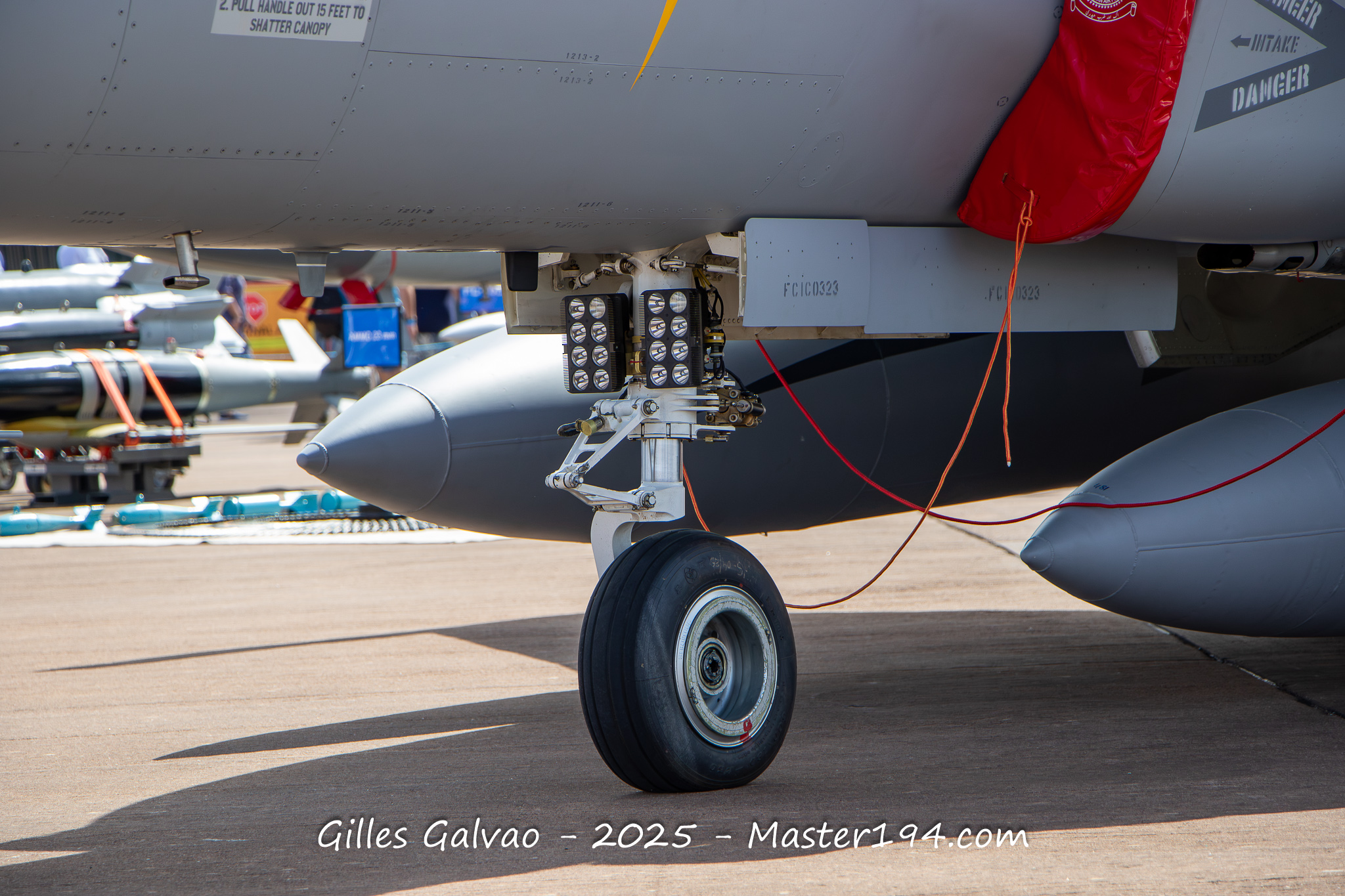
The retractable tricycle landing gear allows operations from conventional runways. The aircraft also features an in-flight refueling probe on versions equipped for this mission, a capability that extends its operational radius and facilitates long-distance deployments.
Russian-Origin Powerplant
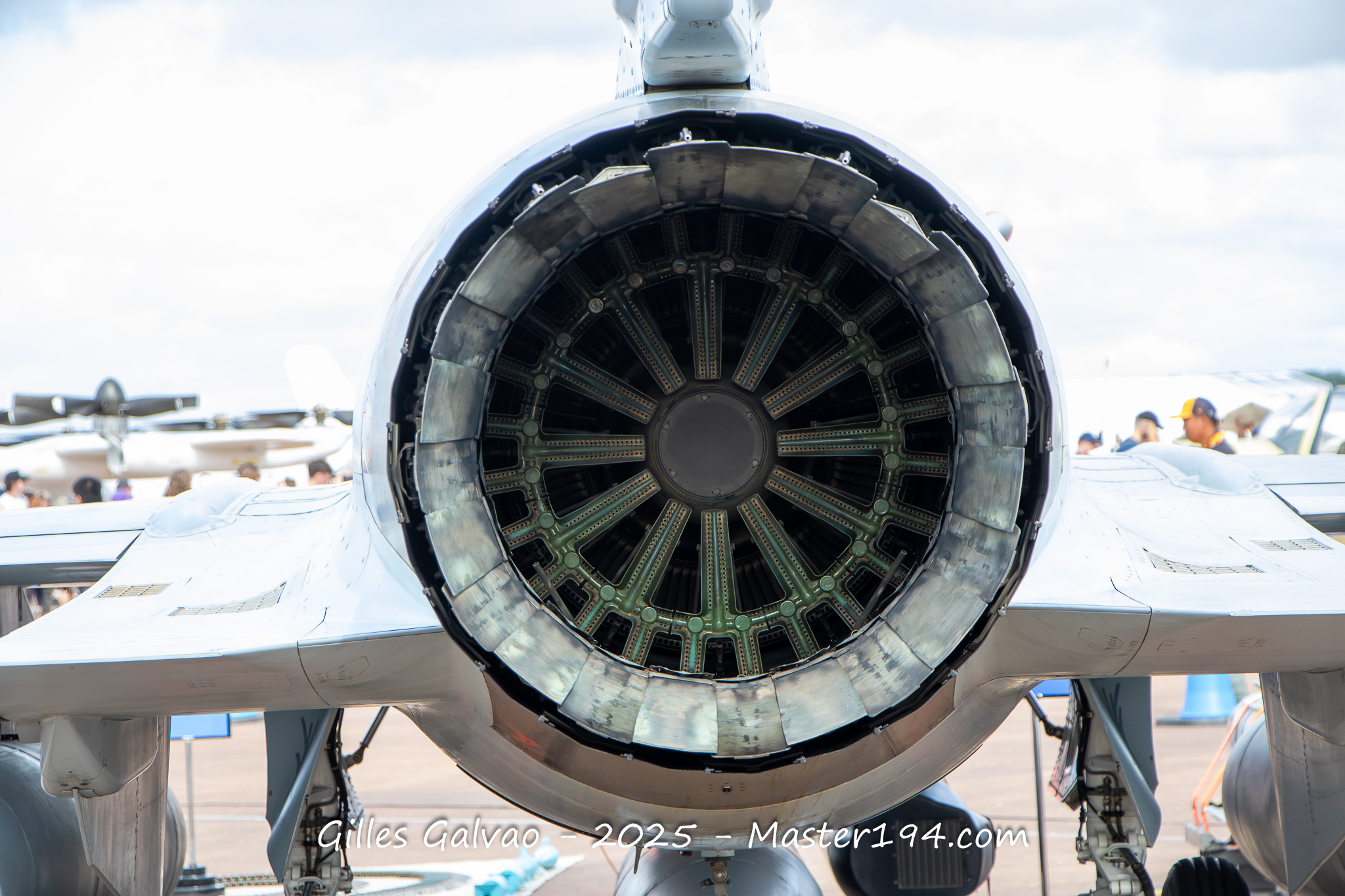
The initial JF-17s are powered by a Klimov RD-93 turbofan, a variant derived from the RD-33 used notably on the MiG-29 family. This low-bypass turbofan with afterburner produces a maximum thrust of approximately 84 kN.
The RD-93 allows the Thunder to reach an announced maximum speed of approximately Mach 1.6 to Mach 1.8 depending on sources and flight conditions. The actual speed available depends notably on altitude, payload configuration, and fuel load onboard.
Engine evolutions, including the RD-93MA, have also been proposed or associated with the program’s developments. It is necessary, however, to distinguish between engines actually installed on production aircraft and solutions contemplated for future developments.
Main Characteristics
The figures below correspond to general orders of magnitude published for the JF-17 family. They may vary according to version and configuration.
- Crew: One pilot for the single-seat version, two for the JF-17B.
- Length: Approximately 14.3 to 15 m depending on references.
- Wingspan: Approximately 9.45 m.
- Announced Maximum Speed: Up to approximately Mach 1.8.
- Service Ceiling: On the order of 16,700 m (55,000 ft).
- Hardpoints: Generally seven on early configurations, with an hardpoint architecture that can evolve depending on the version.
- Missions: Interception, air combat, ground attack, reconnaissance, and anti-ship strike depending on integrated equipment.
The maximum external payload and mission performance depend on the selected configuration, onboard fuel, and limitations specific to each weapon system. Theoretical figures should therefore not be interpreted as capabilities simultaneously available under all operational conditions.
The Variants of the JF-17
The program evolved through successive stages designated as Blocks. Each production tranche introduces improvements concerning avionics, payload capabilities, navigation systems, and combat suites.
JF-17 Block I: The Initial Production Version
The first production aircraft were delivered to the Pakistan Air Force starting in 2007. They enabled the PAF to begin the progressive replacement of its oldest combat aircraft.
The Block I is equipped with a mechanically scanned radar from the KLJ-7 family. Its weapon system notably allows the use of short-range air-to-air missiles and beyond-visual-range (BVR) missiles from the SD-10 family, also known under the Chinese designation PL-12.
The aircraft can also carry ordnance intended for ground attack. The progressive integration of guided munitions expanded its mission profile beyond classical interception.
This initial version formed the bedrock of the program. It provided the PAF with a relatively modern multirole fighter while fostering the industrial capabilities necessary for subsequent evolutions.
JF-17 Block II: Enhanced Versatility
The Block II introduced several improvements intended to strengthen the Thunder’s operational capabilities.
One of the most visible evolutions is the in-flight refueling probe, which increases the aircraft’s operational flexibility. Improvements also concerned avionics, electronic warfare (EW) suites, and the integration of new weapons.
Increased use of composite materials contributed to the evolution of the airframe. Mission systems were also upgraded to facilitate air-to-air and air-to-ground operations.
The Block II can be equipped with precision-guided munitions and specialized weaponry, notably in the anti-ship role depending on the selected configuration. Exact capabilities remain dependent on integrated and qualified systems.
This version represents an important step: the JF-17 was no longer limited to replacing older light fighters, but evolved into a multirole platform whose systems could be tailored to operational needs.
JF-17B: The Two-Seater Variant
The JF-17B is the twin-seat version of the Thunder. Its development met the requirement for an aircraft enabling advanced training and operational conversion for aircrews.
The forward fuselage was modified to accommodate two crew members in tandem. This modification resulted in structural and internal capacity differences compared to the single-seater.
The JF-17B retains operational combat capability and should not be viewed merely as a trainer devoid of combat potential. Exact capabilities depend, however, on its configuration and equipment standard.
The presence of a second crew member can also prove useful in missions requiring intensive management of systems and weaponry. This does not imply, however, that all JF-17Bs systematically operate with a dedicated Weapon Systems Officer (WSO), as seen in certain Western twin-seat aircraft.
JF-17C Block III: A Major Modernization
The Block III represents a major evolution of the Thunder family. Its first prototype completed its maiden flight in December 2019, prior to the entry into service of production aircraft in the early 2020s.
The main evolution concerns the radar. The Block III is paired with the KLJ-7A Active Electronically Scanned Array (AESA) radar. Unlike conventional mechanically scanned radars, this system uses an antenna array composed of numerous transmit/receive modules, allowing electronic beam steering.
This technology notably improves tracking capabilities against multiple targets and operational flexibility. Actual detection performance and resistance to jamming depend on system characteristics, target type, and the electromagnetic environment.
The cockpit also received a major modernization, featuring an advanced display setup and an interface adapted to managing a more complex weapon system. A Helmet-Mounted Display (HMD) allows the pilot to view key information and facilitates target designation within their field of view.
Furthermore, the Block III features upgraded avionics, electronic warfare suites, and flight controls. It is paired with a more advanced fly-by-wire architecture than early versions.
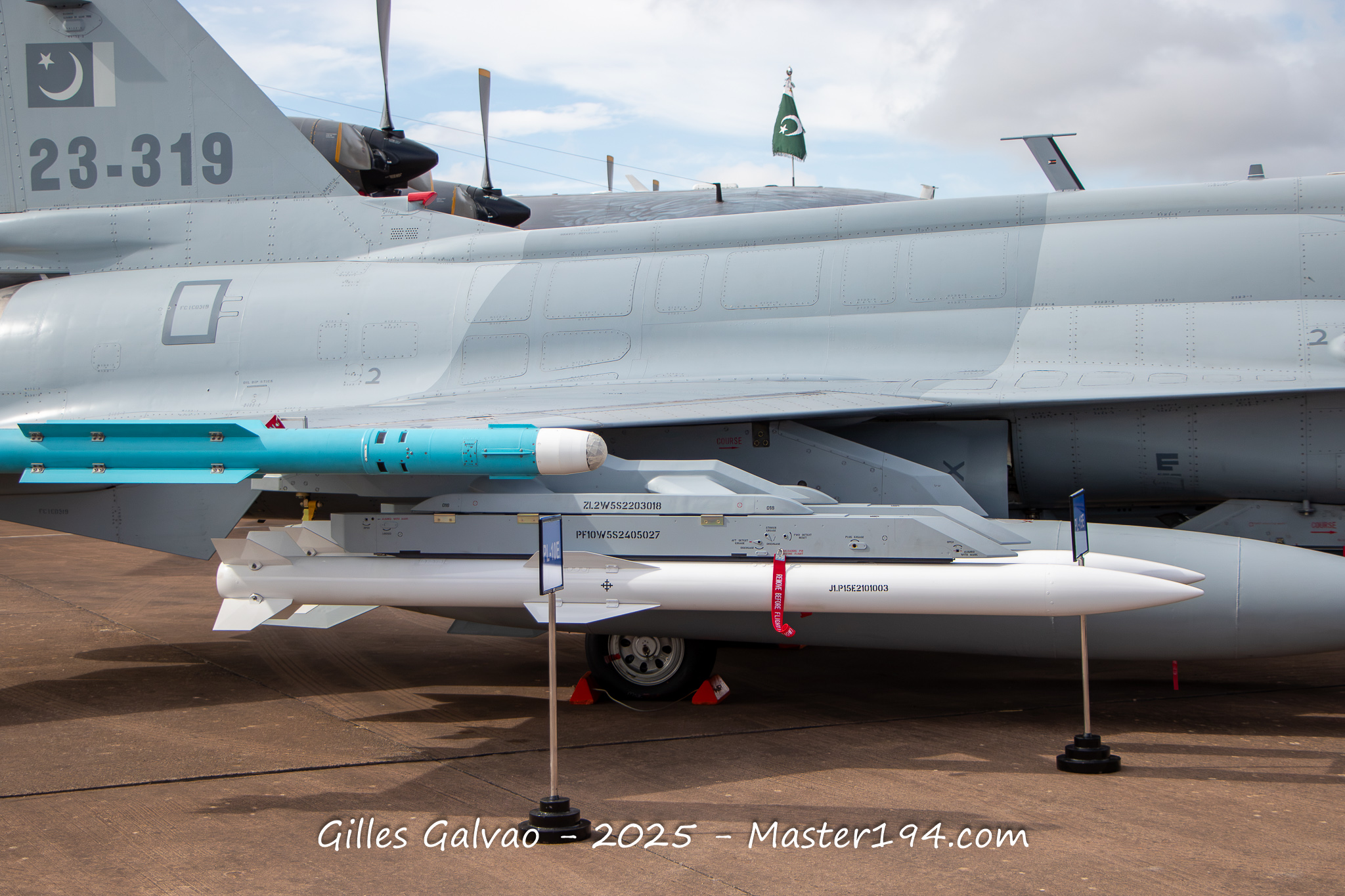
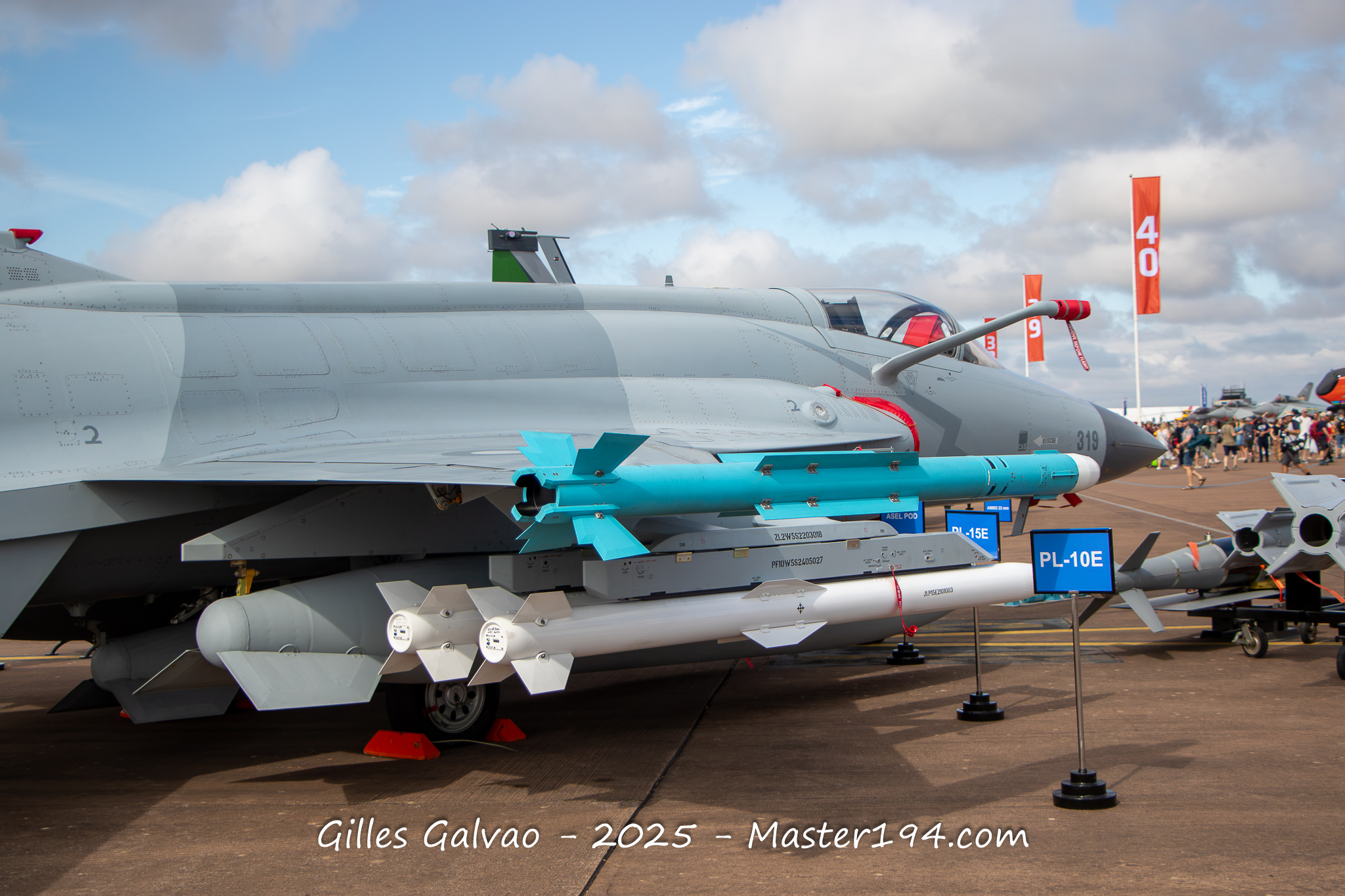
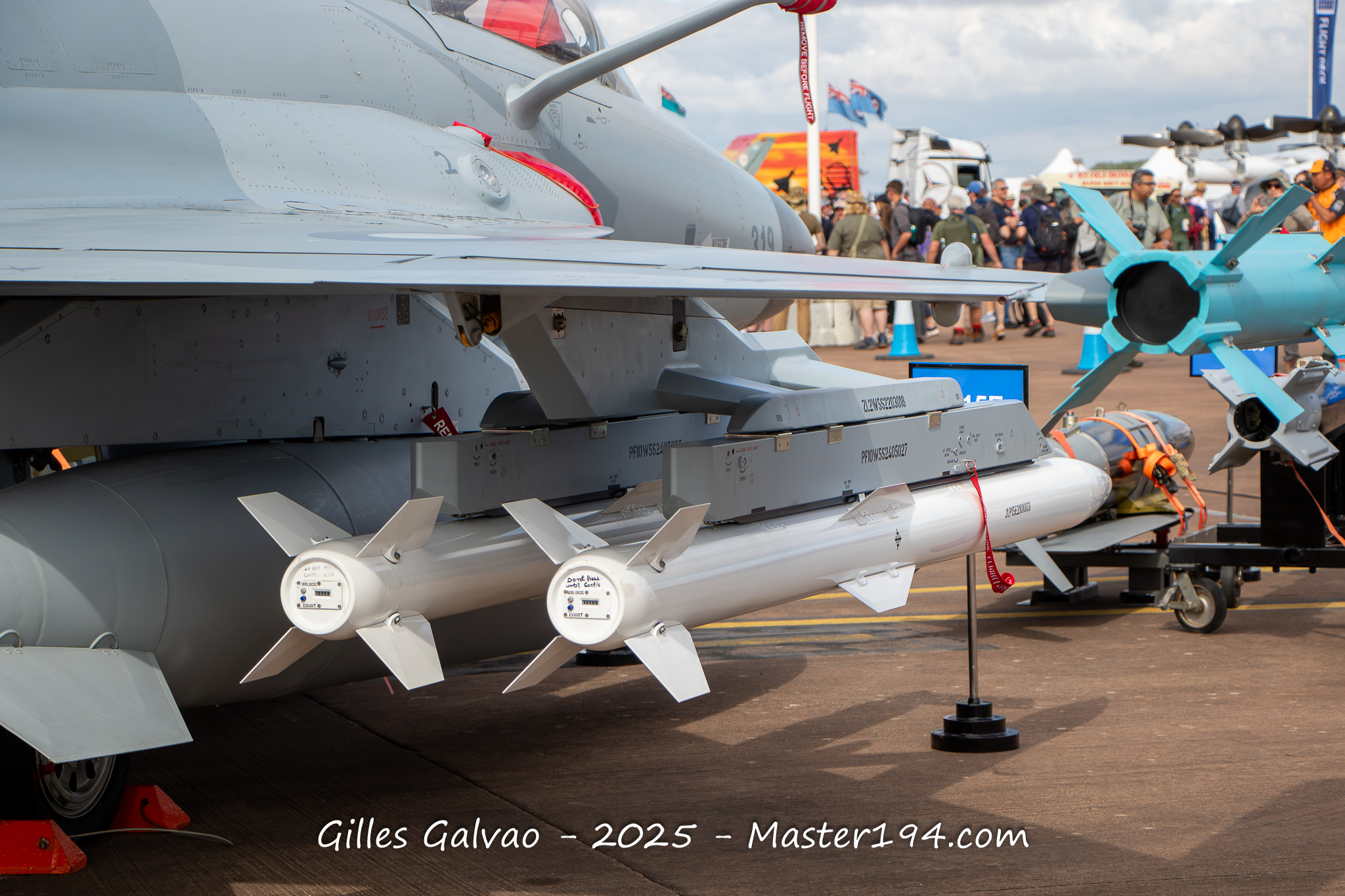
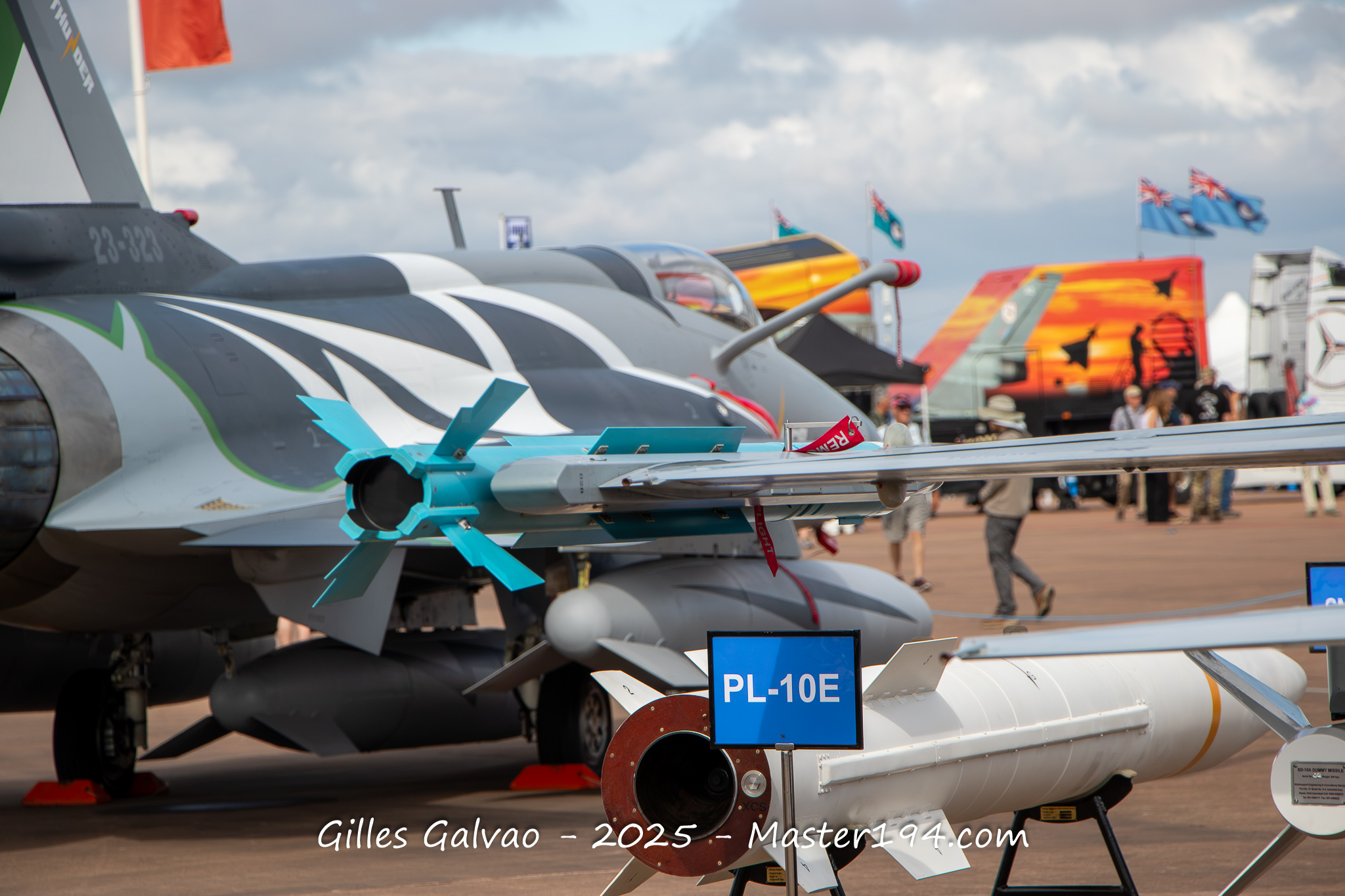
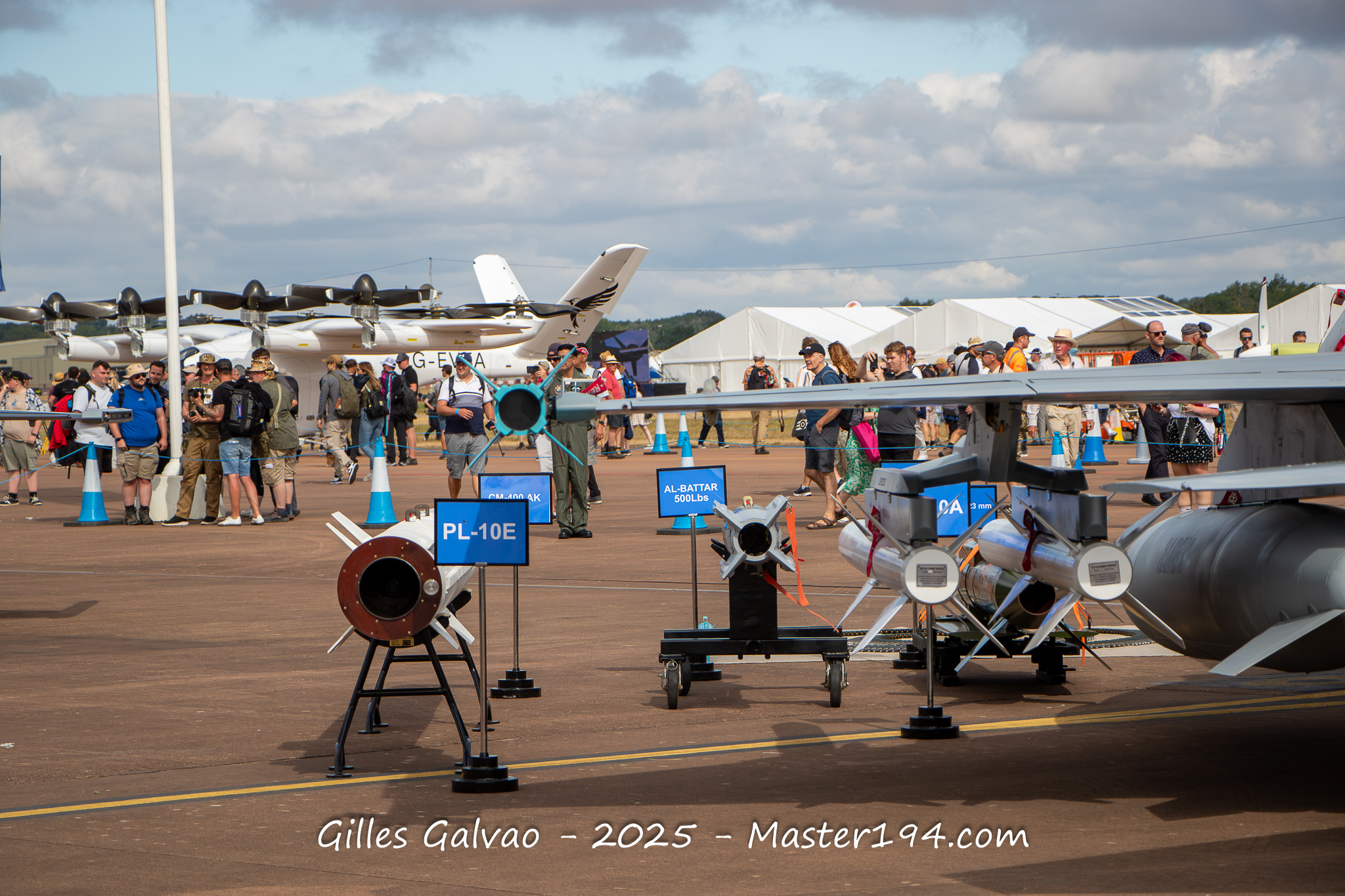
Regarding weaponry, this variant can deploy the PL-10E short-range air-to-air missile and the PL-15E, designed for longer-range engagements. The effective range of these weapons is not a fixed value: it depends on altitude, speed, interception geometry, and engagement conditions.
The Block III thus retains the general architecture of the JF-17 while significantly evolving its detection, information presentation, and air combat capabilities.

The JF-17 Within the Pakistan Air Force
Pakistan is the primary operator of the JF-17. The aircraft plays a major role in modernizing the combat fleet and allows for the progressive retirement of older aircraft whose maintenance has become increasingly demanding.
The PAF also operates American F-16s and Chinese Chengdu J-10Cs. These aircraft do not fulfill identical roles or share the same equipment, but their coexistence allows missions to be distributed based on available capabilities.
The JF-17 meets the requirement for a high volume of multirole fighters capable of carrying out air defense, strike, and armed reconnaissance missions. Its value lies in the combination of controlled procurement costs, partially local production, and progressive modernization.
This strategy matches a high-low mix organizational model, in which multiple categories of aircraft are employed in a complementary manner. It should not be inferred, however, that the JF-17 is restricted to secondary missions: its operational value depends on its Block, equipment, and available ordnance.
Local production in Pakistan is also a vital element of the industrial strategy. Local assembly and PAC involvement help develop skills in airframe manufacturing, maintenance, and upgrade paths. Dependence on foreign suppliers remains a reality, however, particularly for engines and several electronic systems.
Operational Experience in Context
The JF-17 has been deployed in counter-insurgency operations conducted by Pakistan, notably during campaigns against armed groups in tribal areas. These missions utilized ground-attack capabilities with ordnance tailored to the targeted objectives.
Its role during tensions between Pakistan and India must be described with greater nuance. In February 2019, during the Pakistani operation Swift Retort, JF-17s were involved in air operations. The exact distribution of missions and claims regarding air-to-air engagements have been subject to conflicting accounts.
It is therefore preferable not to present any air victory record for the JF-17 during this episode as definitively established.
In January 2024, Pakistan also conducted strikes inside Iranian territory against target groups it identified as armed organizations. JF-17s were cited in operational reports regarding Pakistani air capabilities, but individual strike attribution must be verified on a case-by-case basis.
More broadly, the term combat proven should be used with discernment. Operational use of an aircraft does not in itself demonstrate the efficiency of every sensor or weapon onboard, nor its superiority over an opposing aircraft.
The operational experience of the JF-17 remains nonetheless significant for the PAF, which relies on its deployment to refine its tactics, equipment, and employment doctrine.
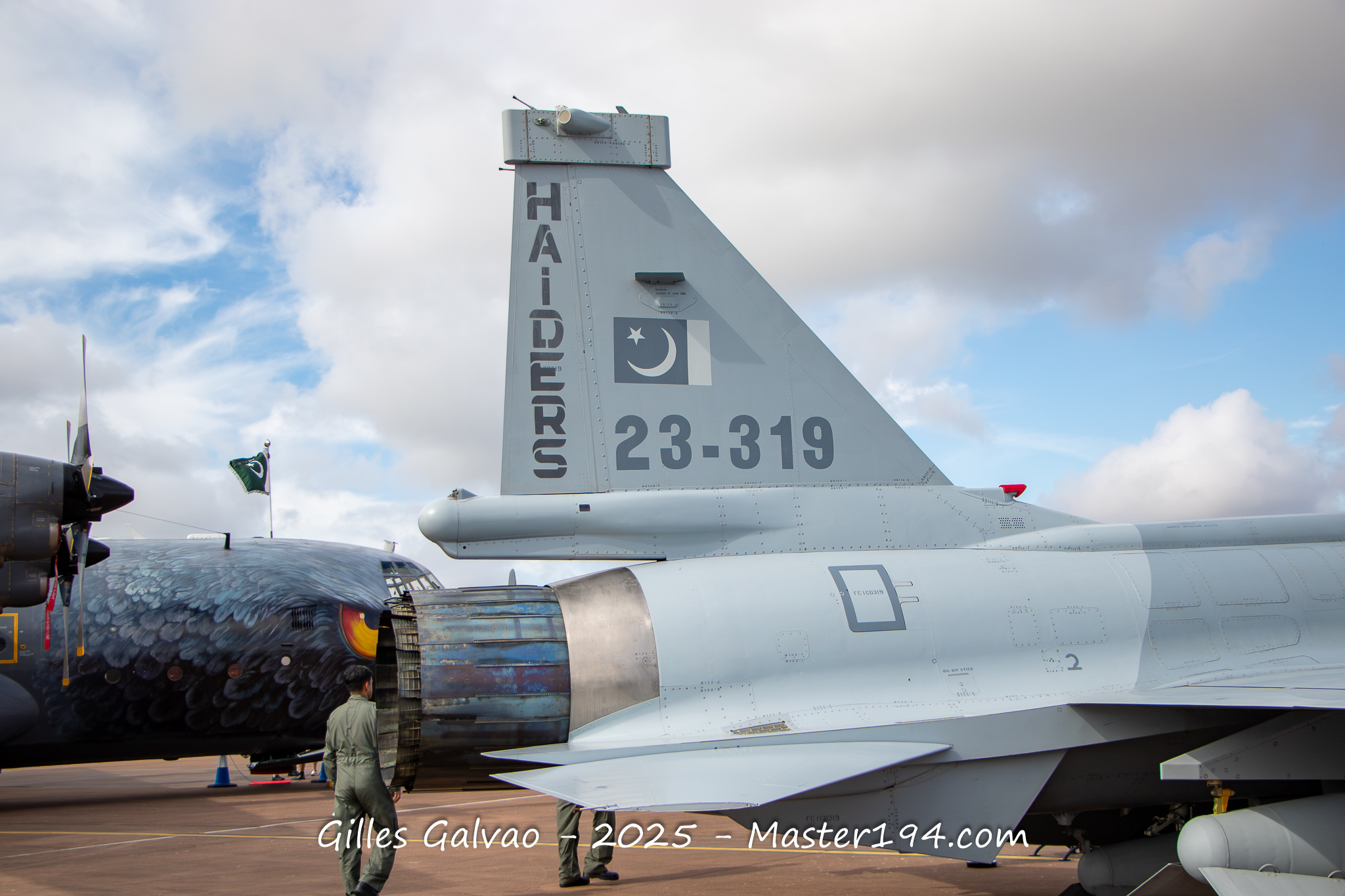
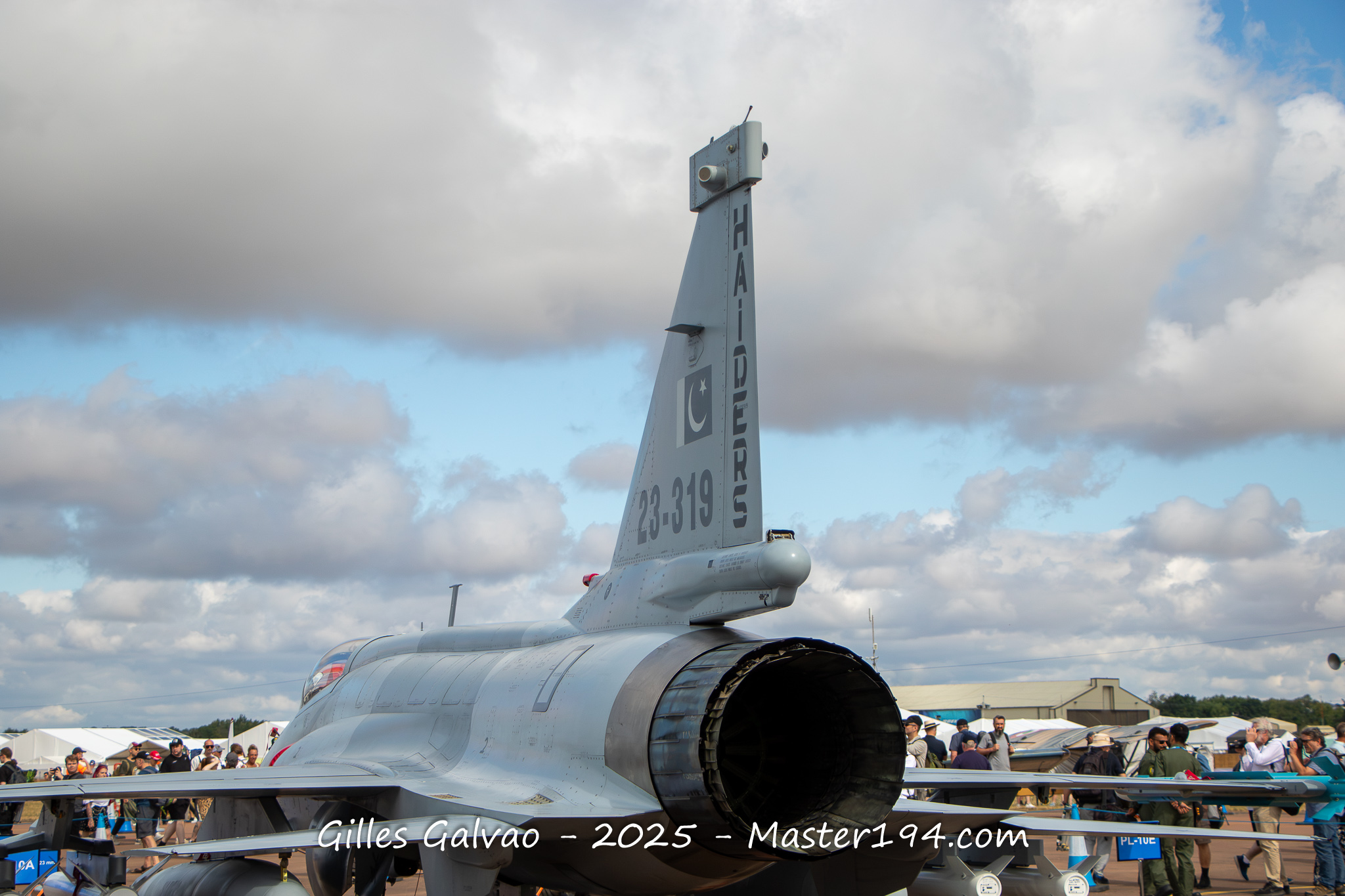
The JF-17C Block III 23-323 and 23-319
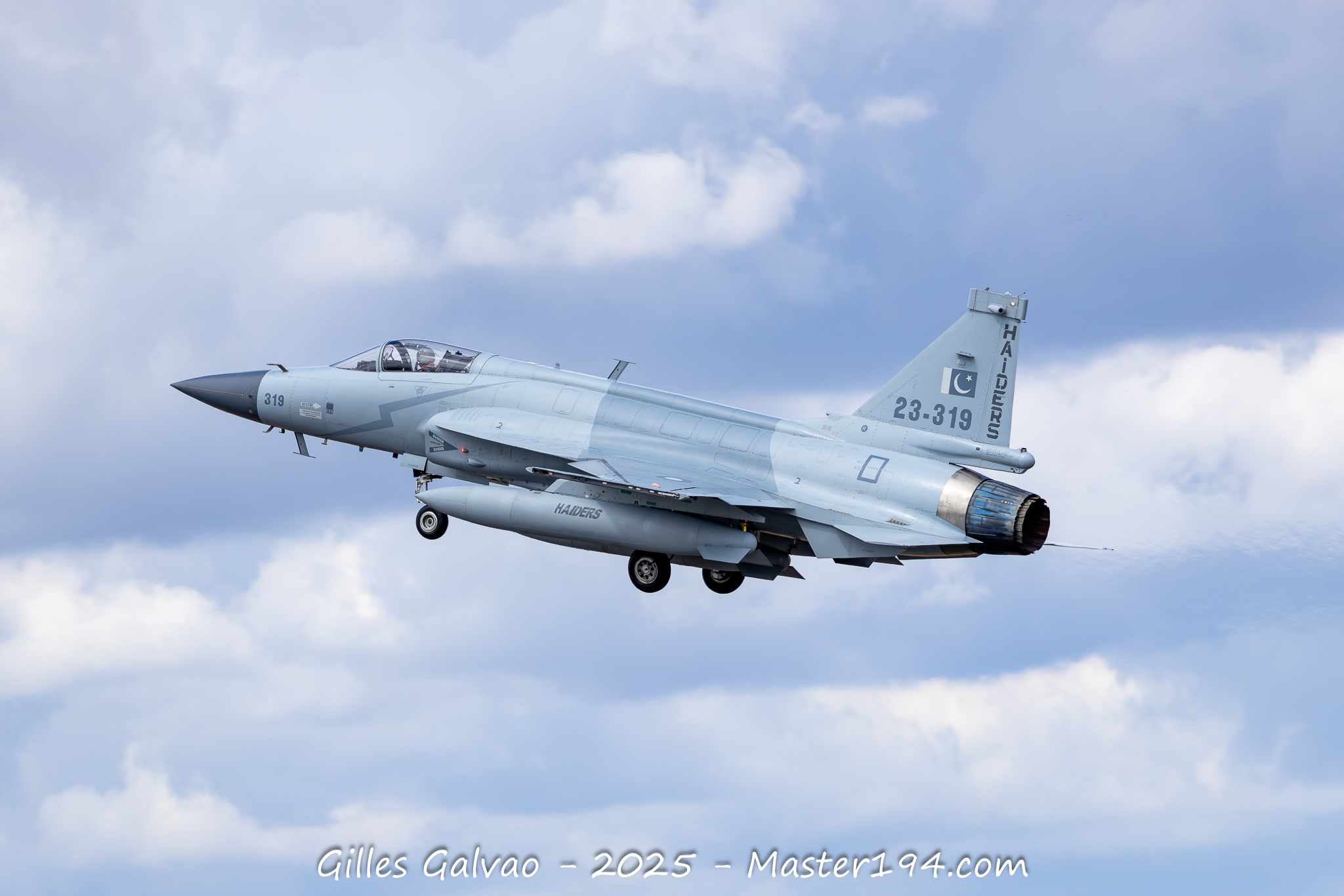
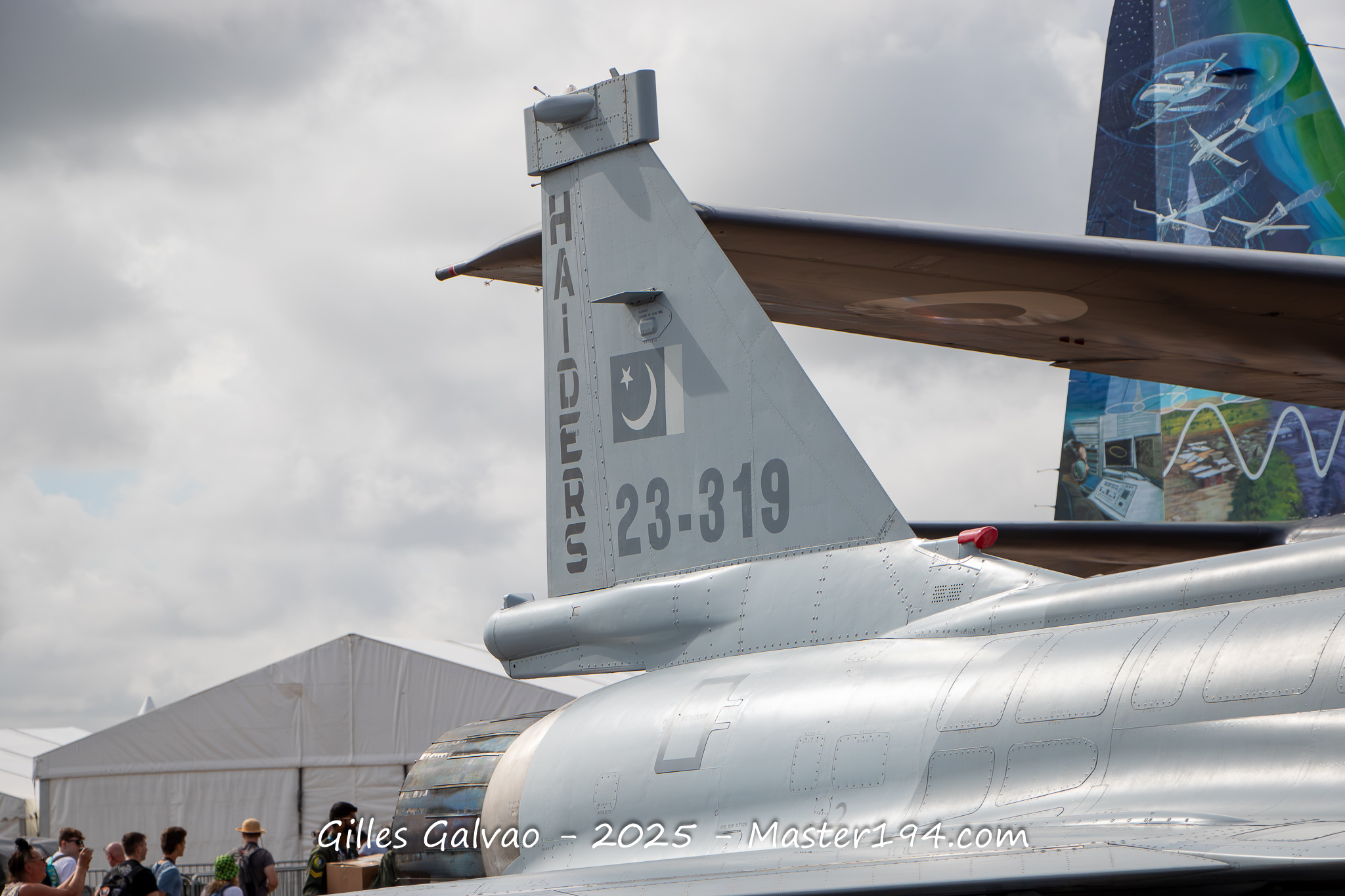
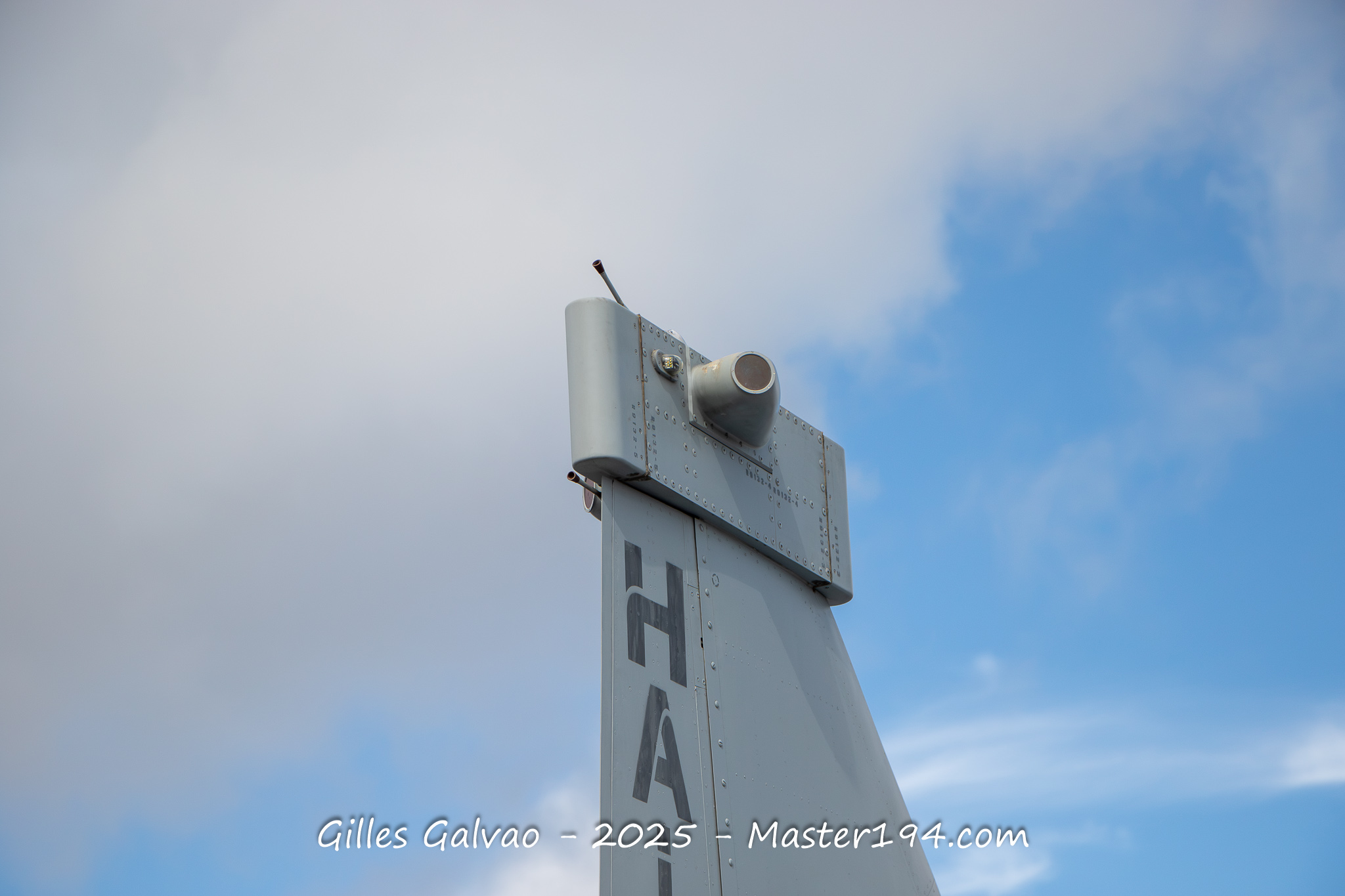
The two aircraft presented here illustrate the most recent version of the Thunder in service with the Pakistan Air Force. These are JF-17C Block III aircraft bearing serial numbers 23-323 and 23-319, assigned to No. 8 Squadron “Haiders”.
Both were deployed to the United Kingdom in July 2025 to participate in the Royal International Air Tattoo (RIAT), held at RAF Fairford from July 18 to 20. This participation provided an opportunity to present the Pakistani fighter to the European public.
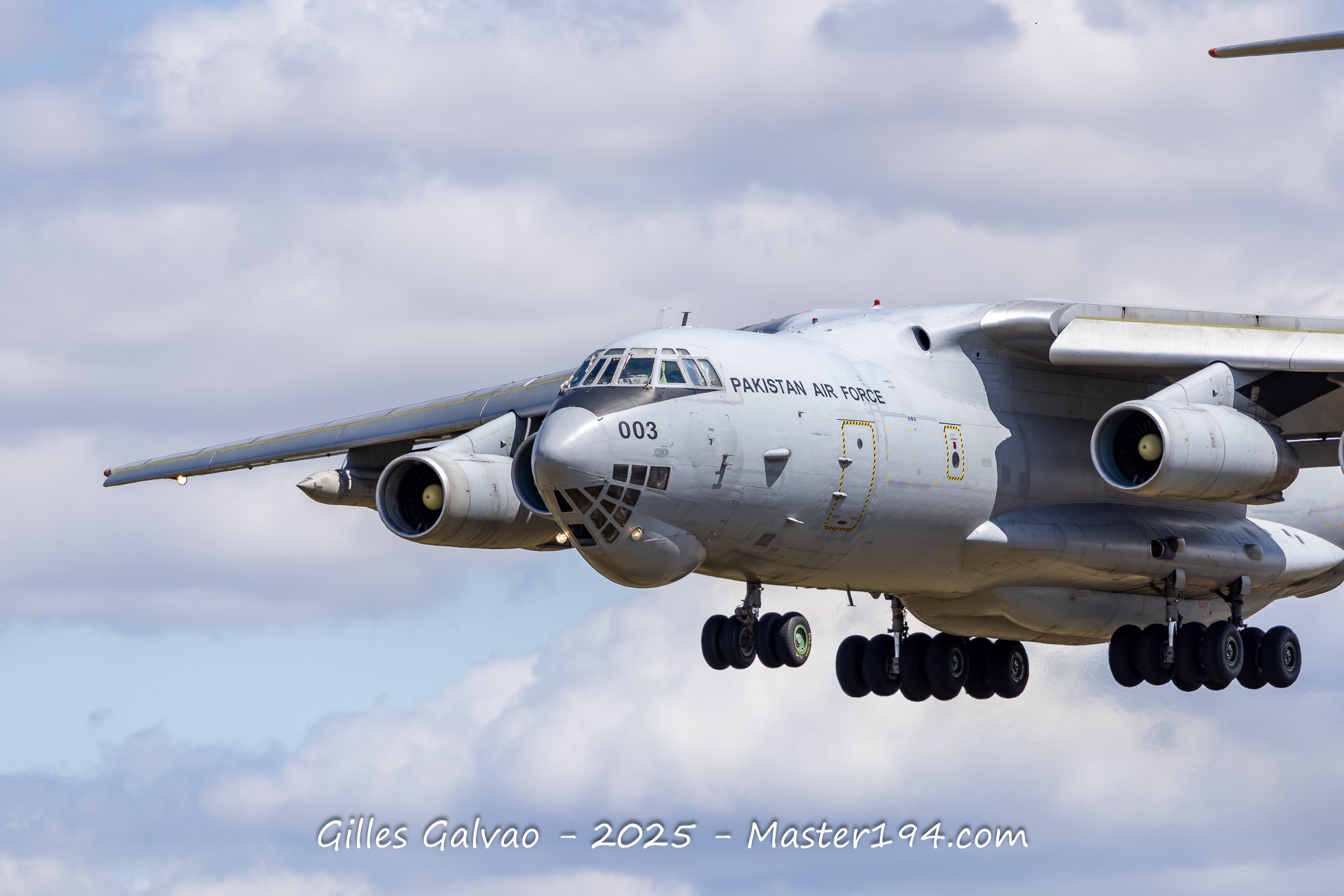
The long-range deployment also demonstrated the capability to execute long-distance ferry flights with aerial refueling. The PAF indicated that the JF-17 Block IIIs conducted refueling operations with an IL-78 tanker during their transit to the United Kingdom.
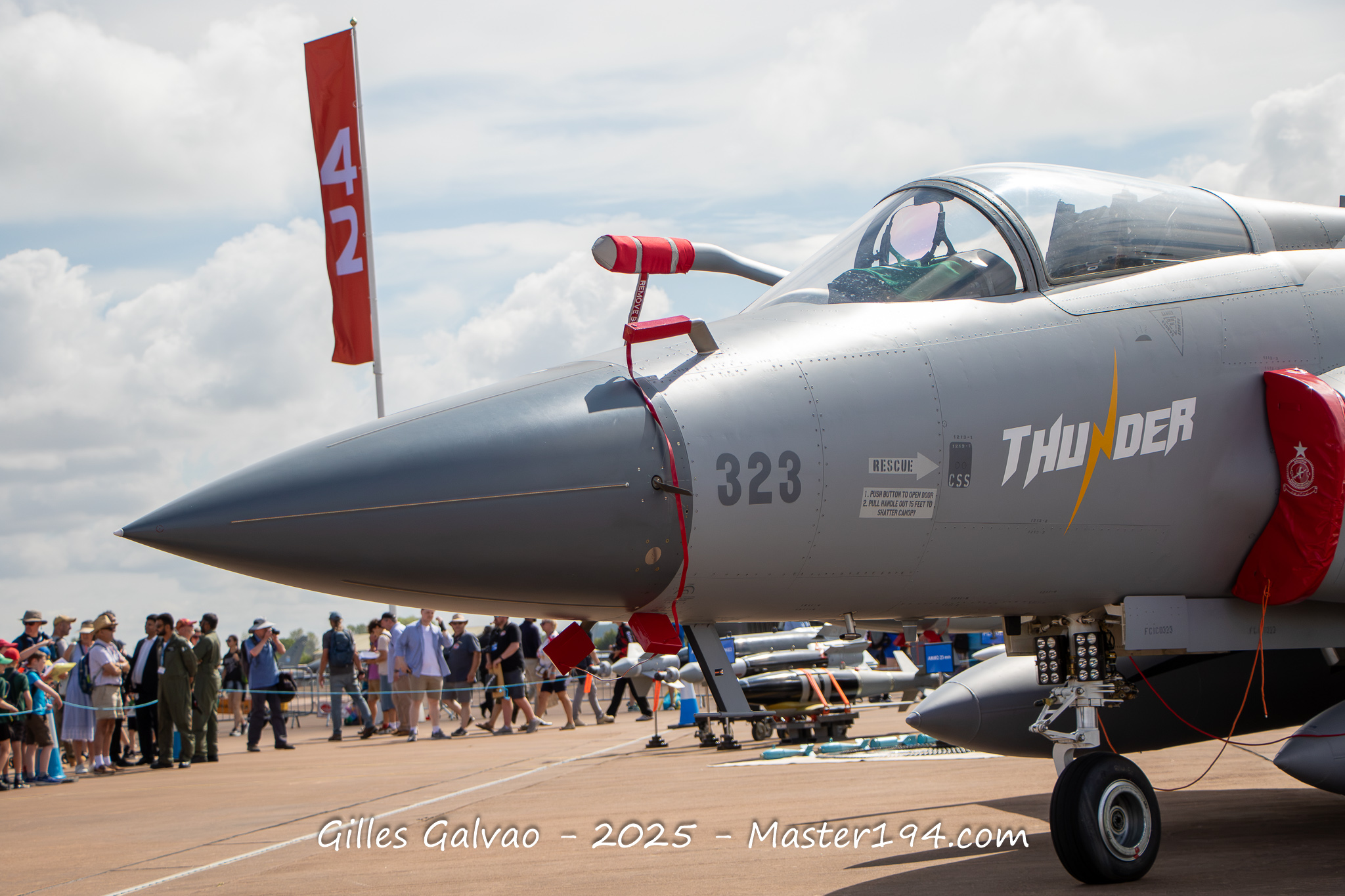
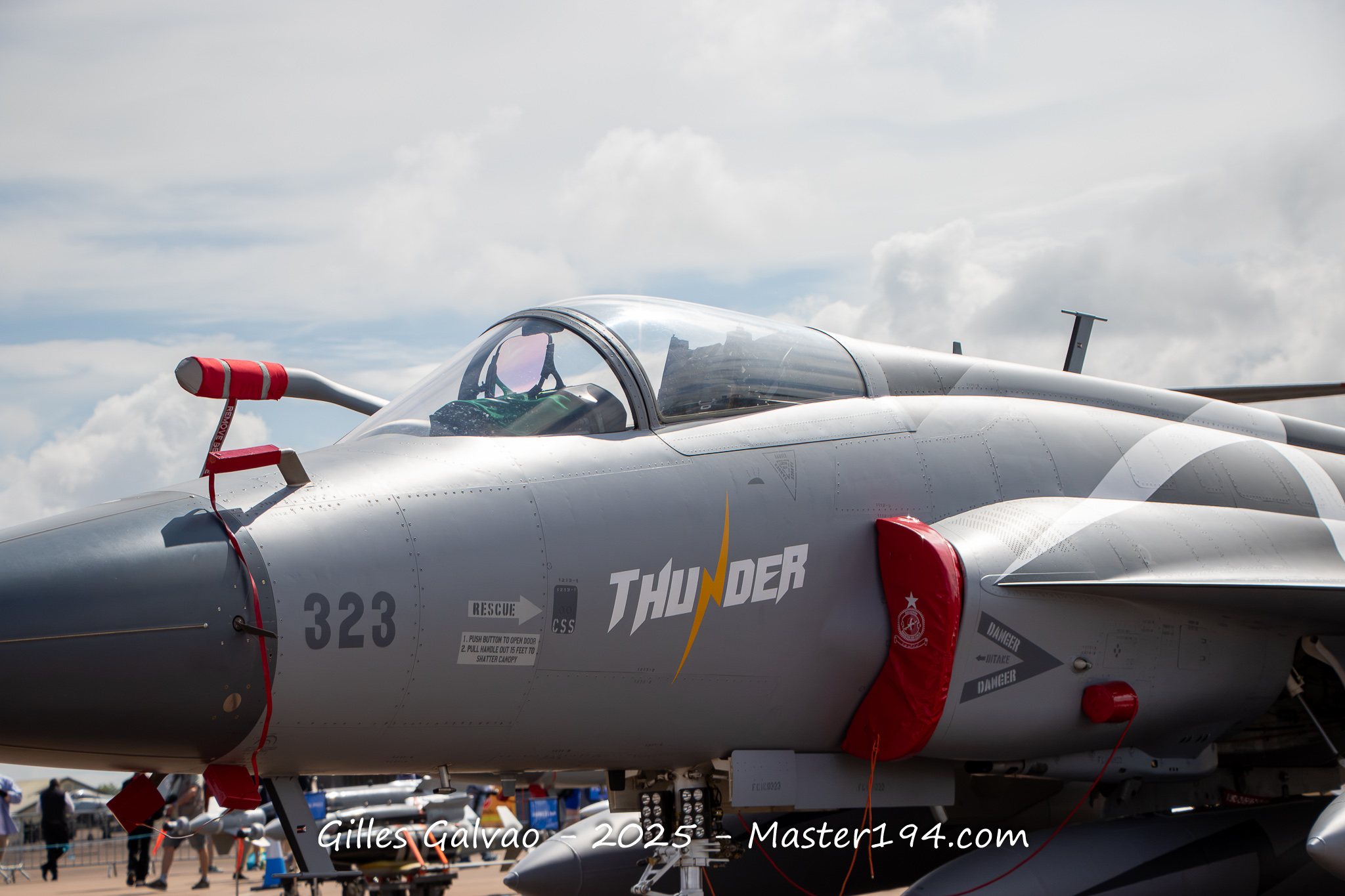
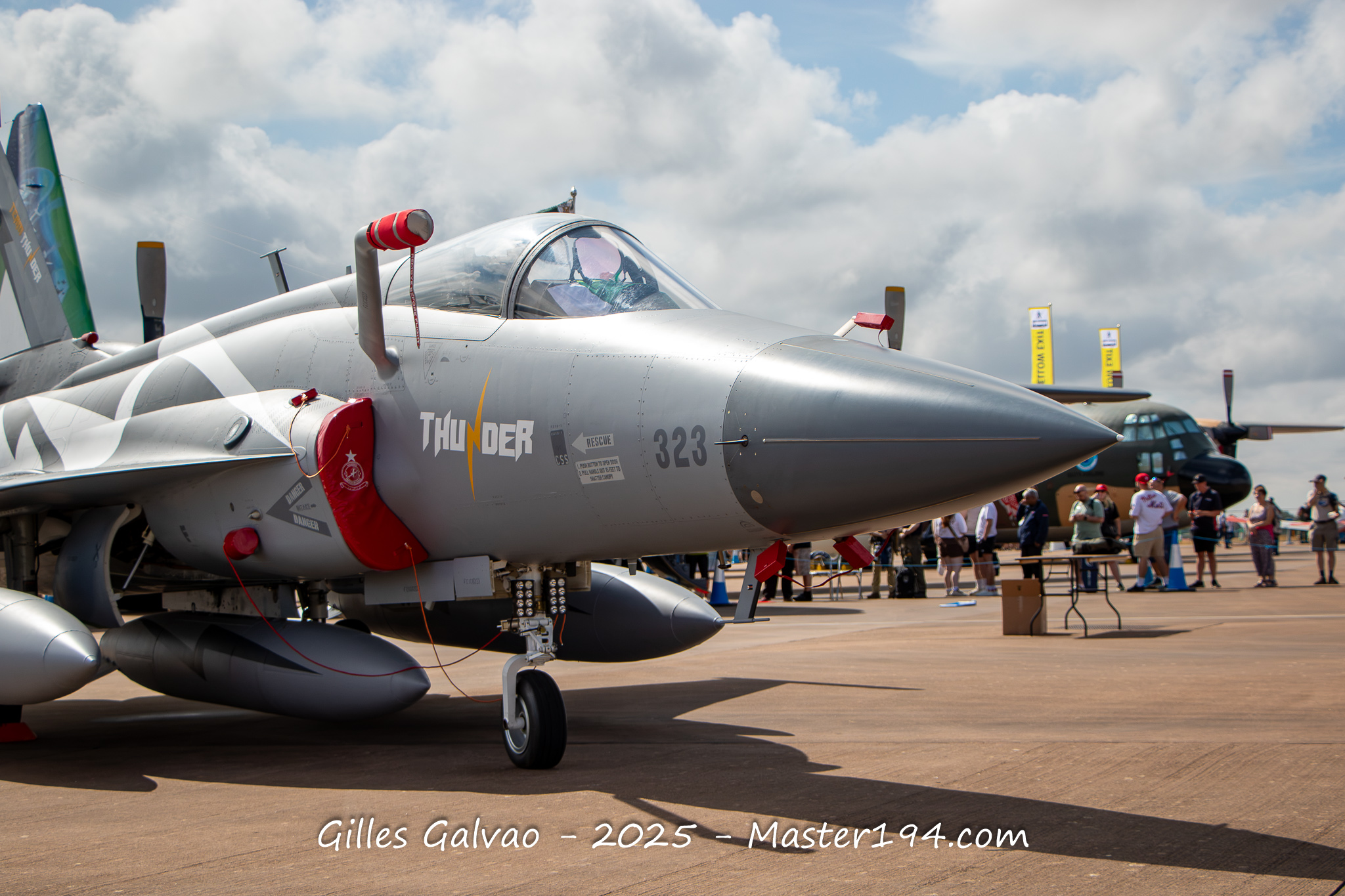
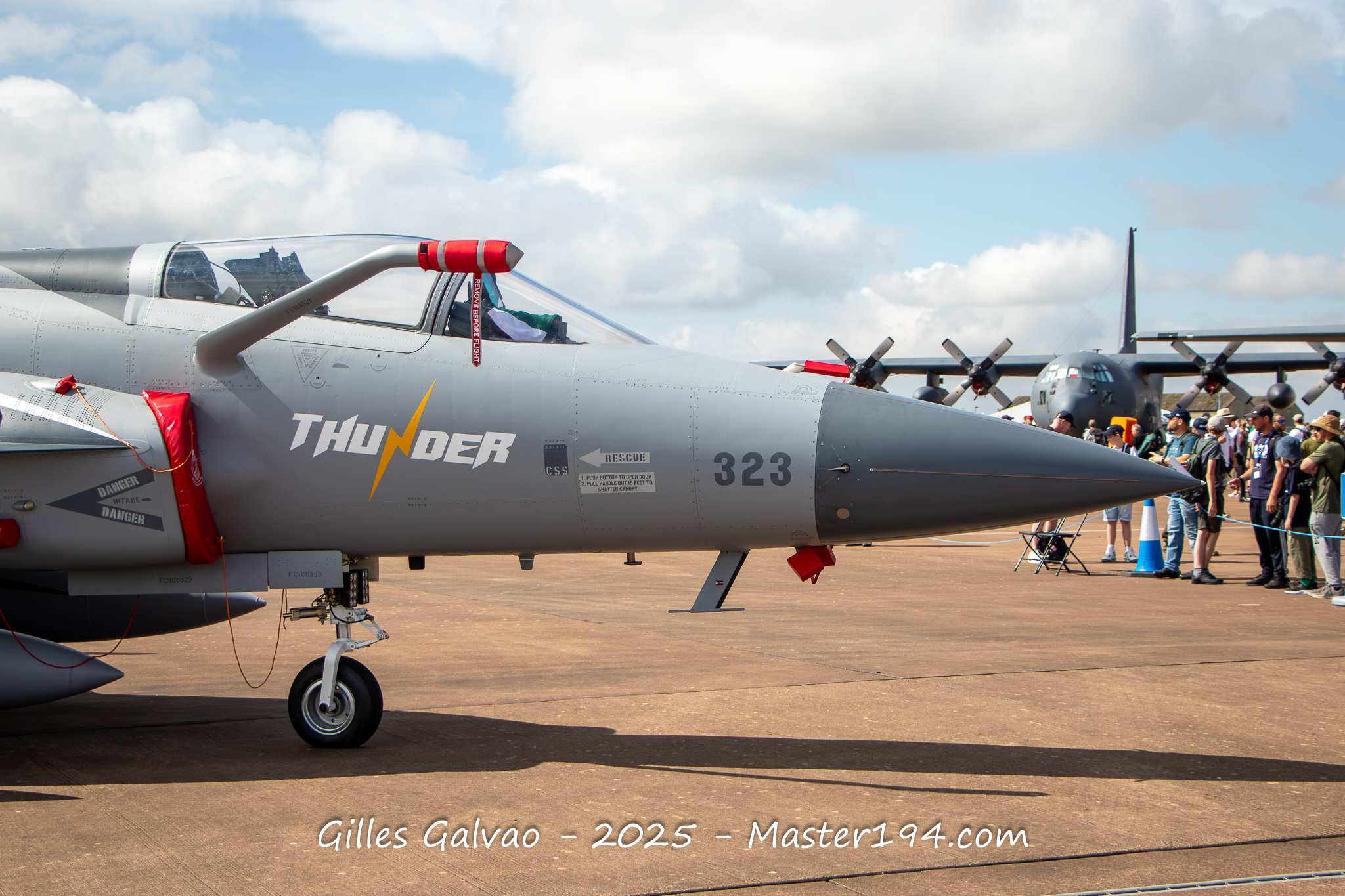
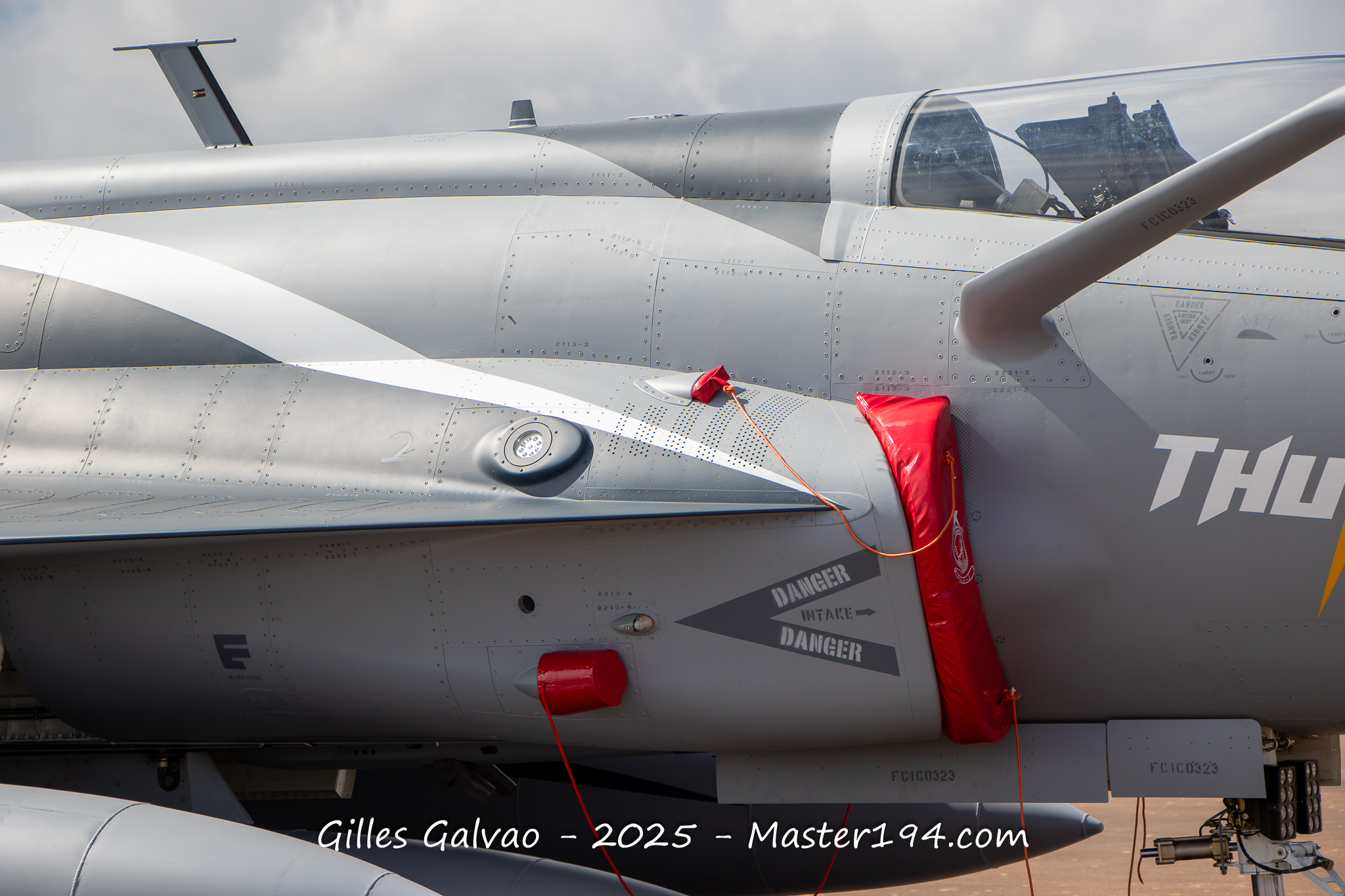
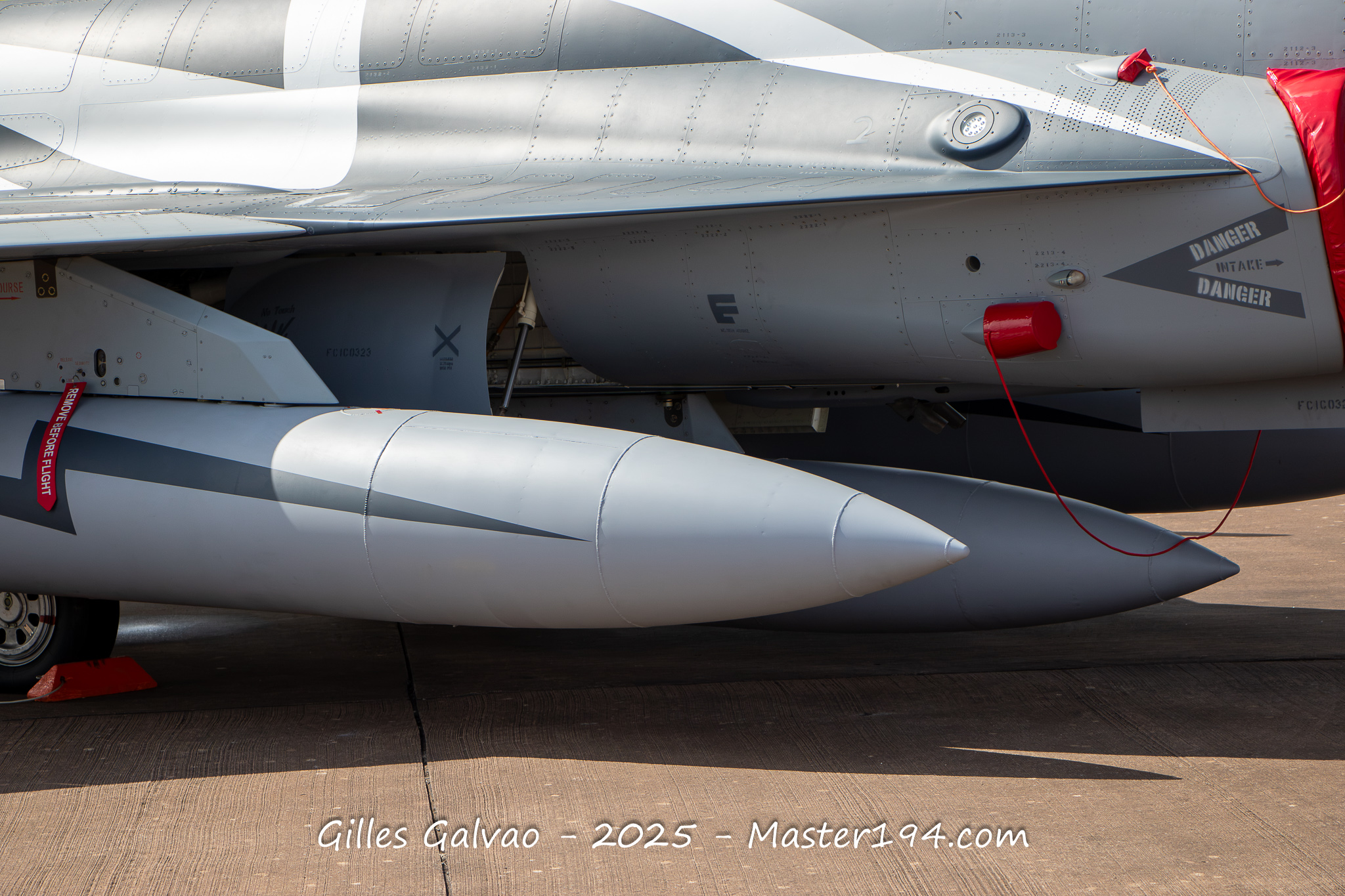
Aircraft 23-323
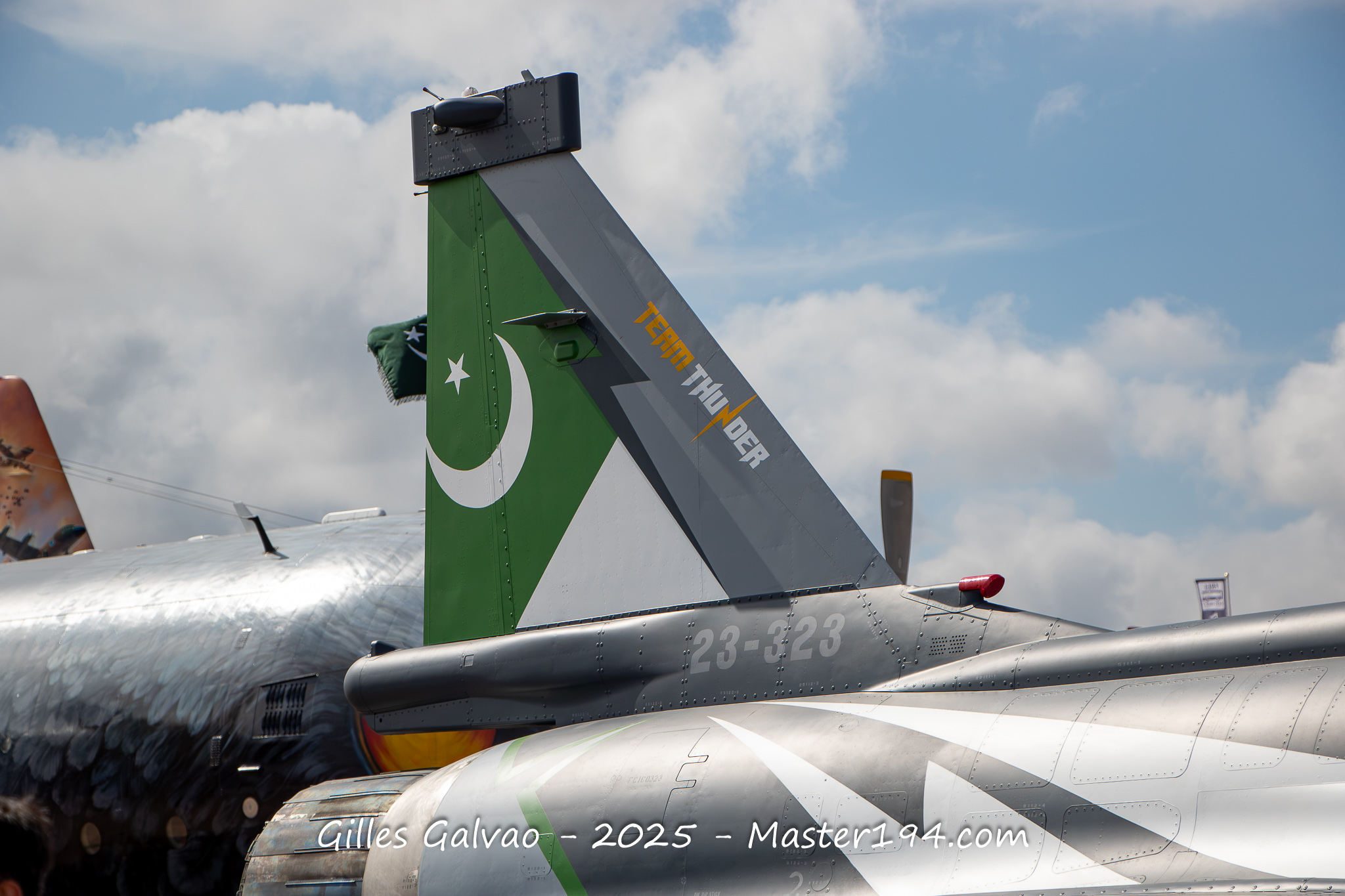
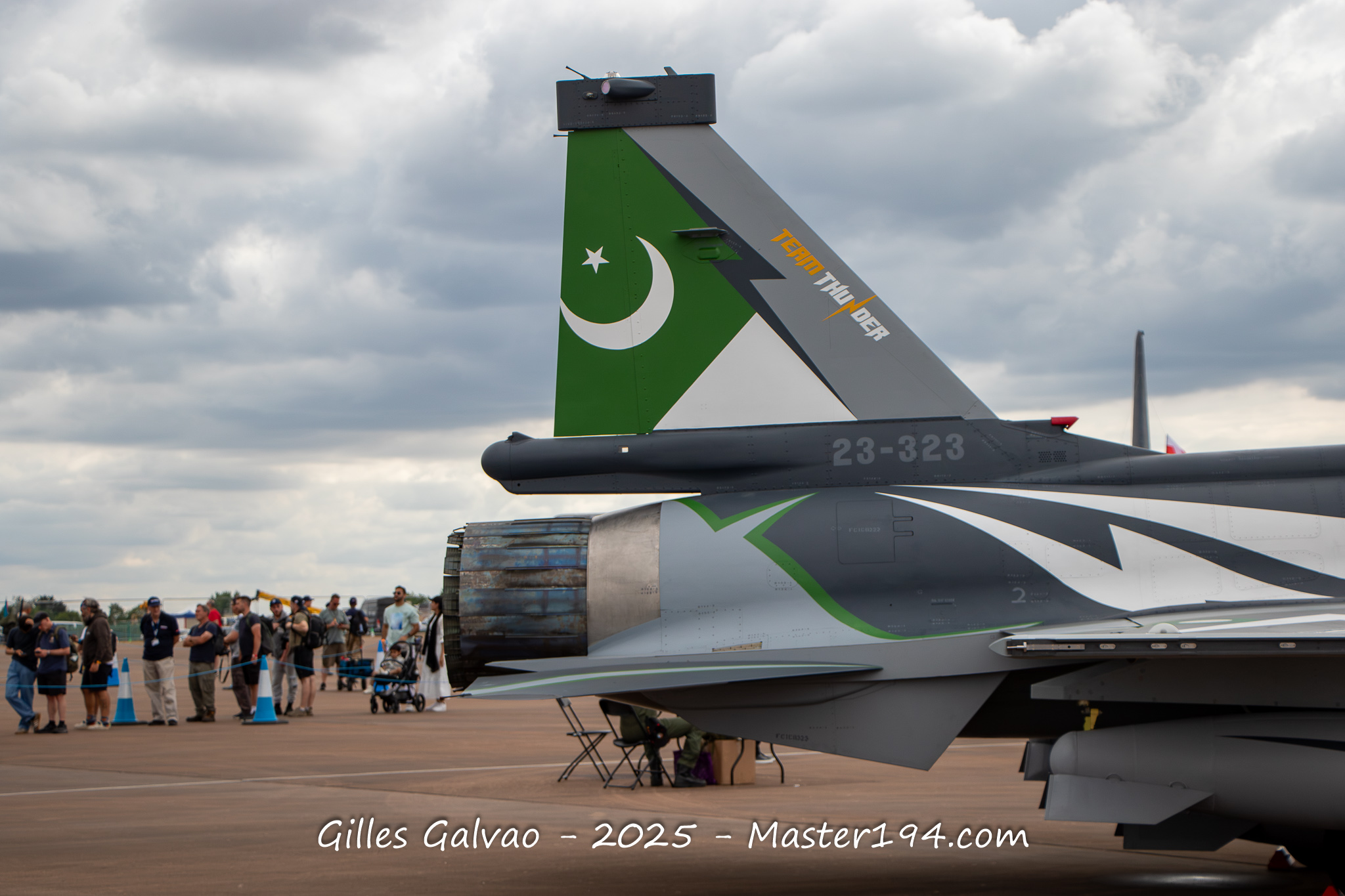
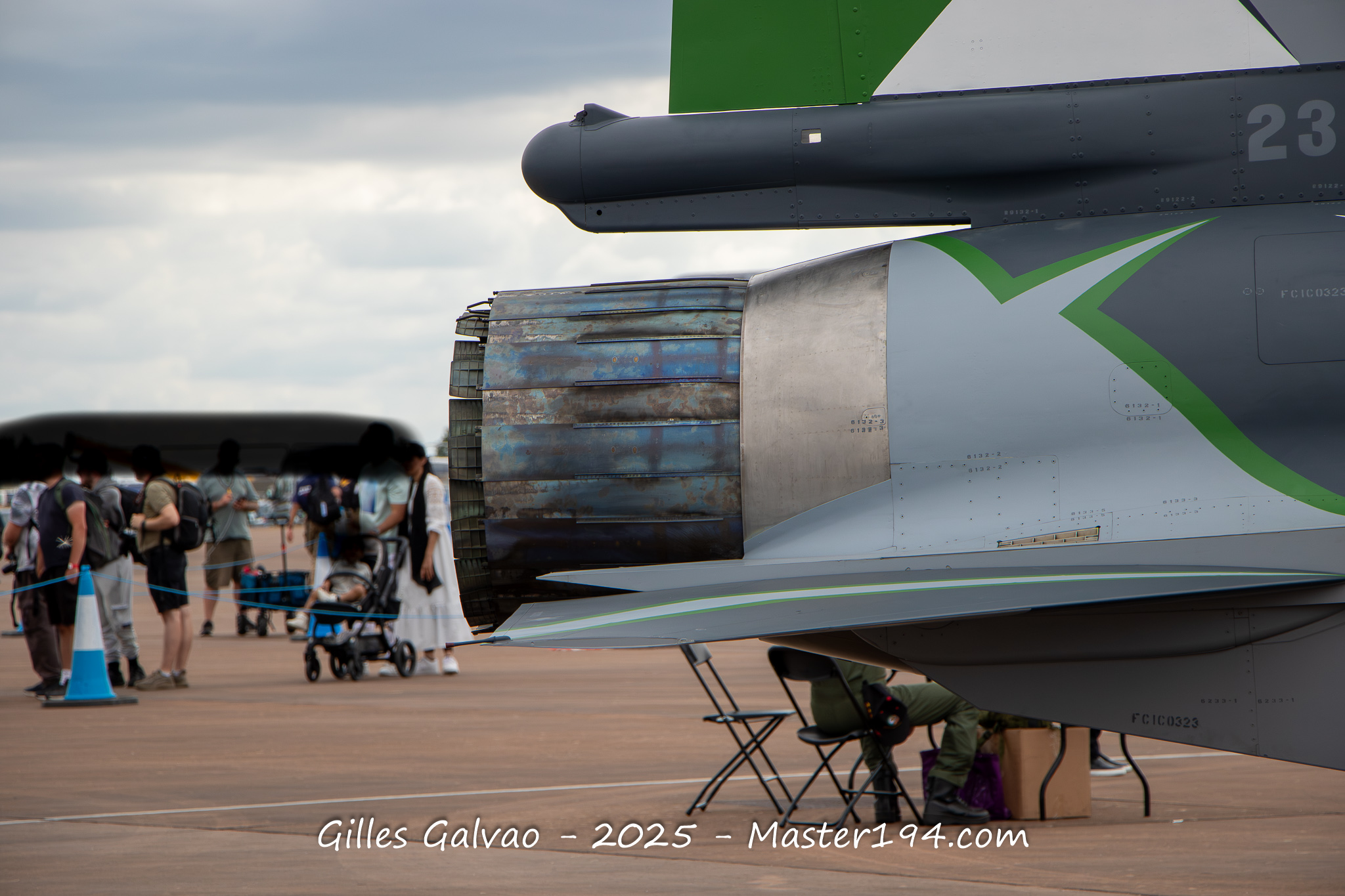
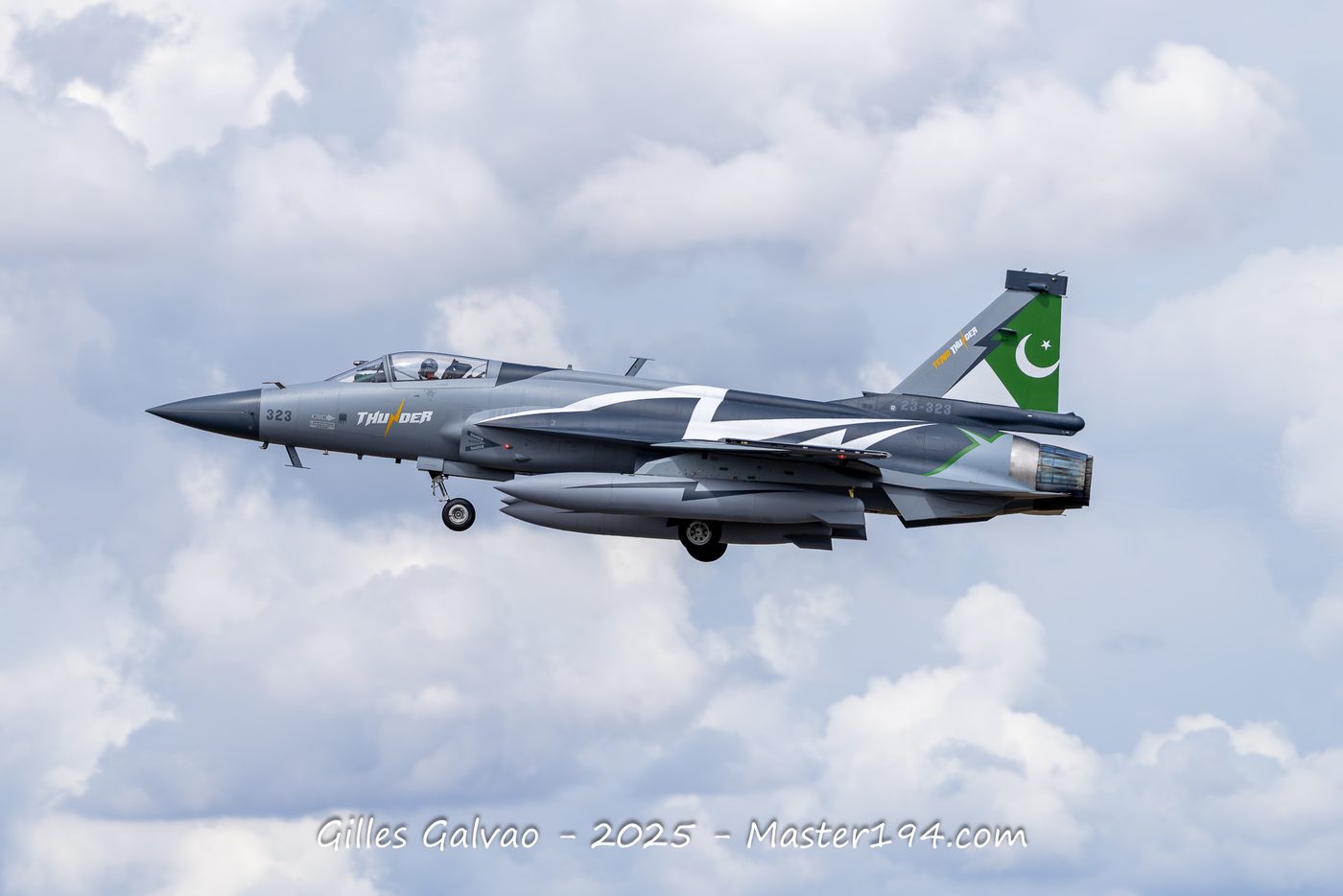
The JF-17C bearing serial 23-323 is distinguished by its special tail scheme. This livery gives it a distinctive visual identity within the Pakistani detachment present at RIAT 2025.
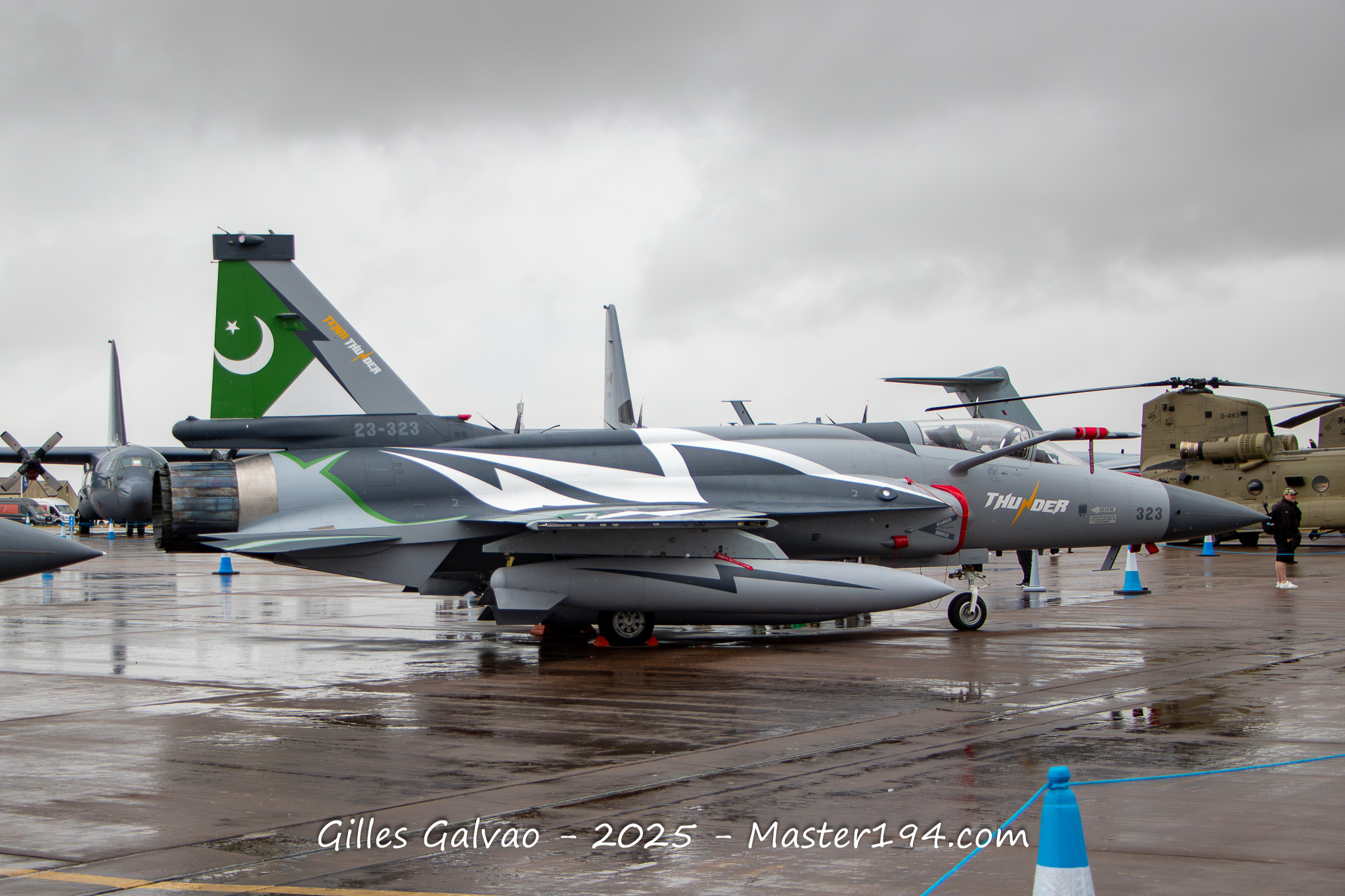
Beyond its external appearance, the aircraft belongs to the Block III standard, combining the KLJ-7A AESA radar, modernized avionics, and the capability to employ newer weapon systems.
The special scheme provides an interesting subject for observing markings and specific presentation details of the Pakistan Air Force during international airshows.
Walkaround
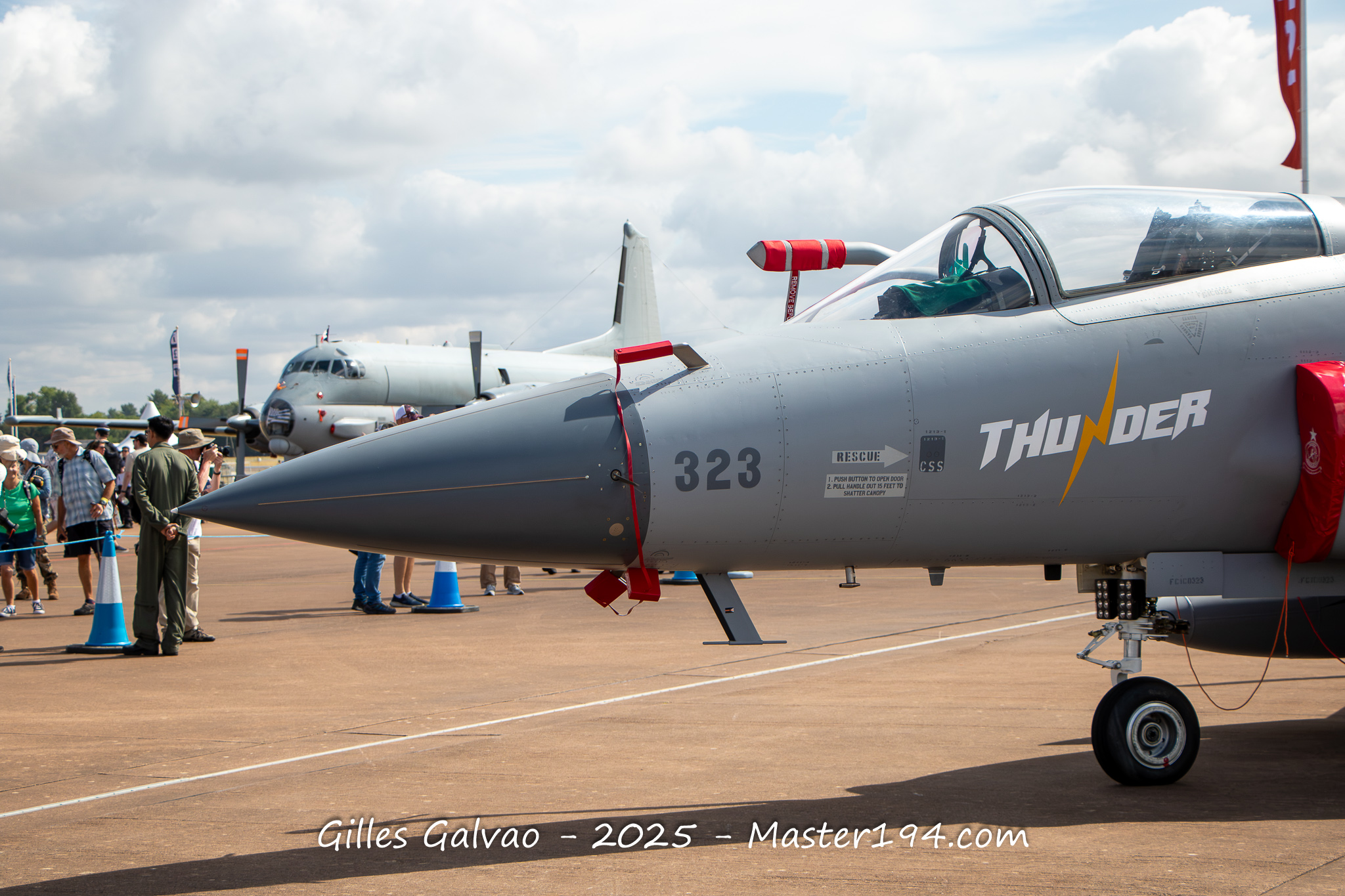
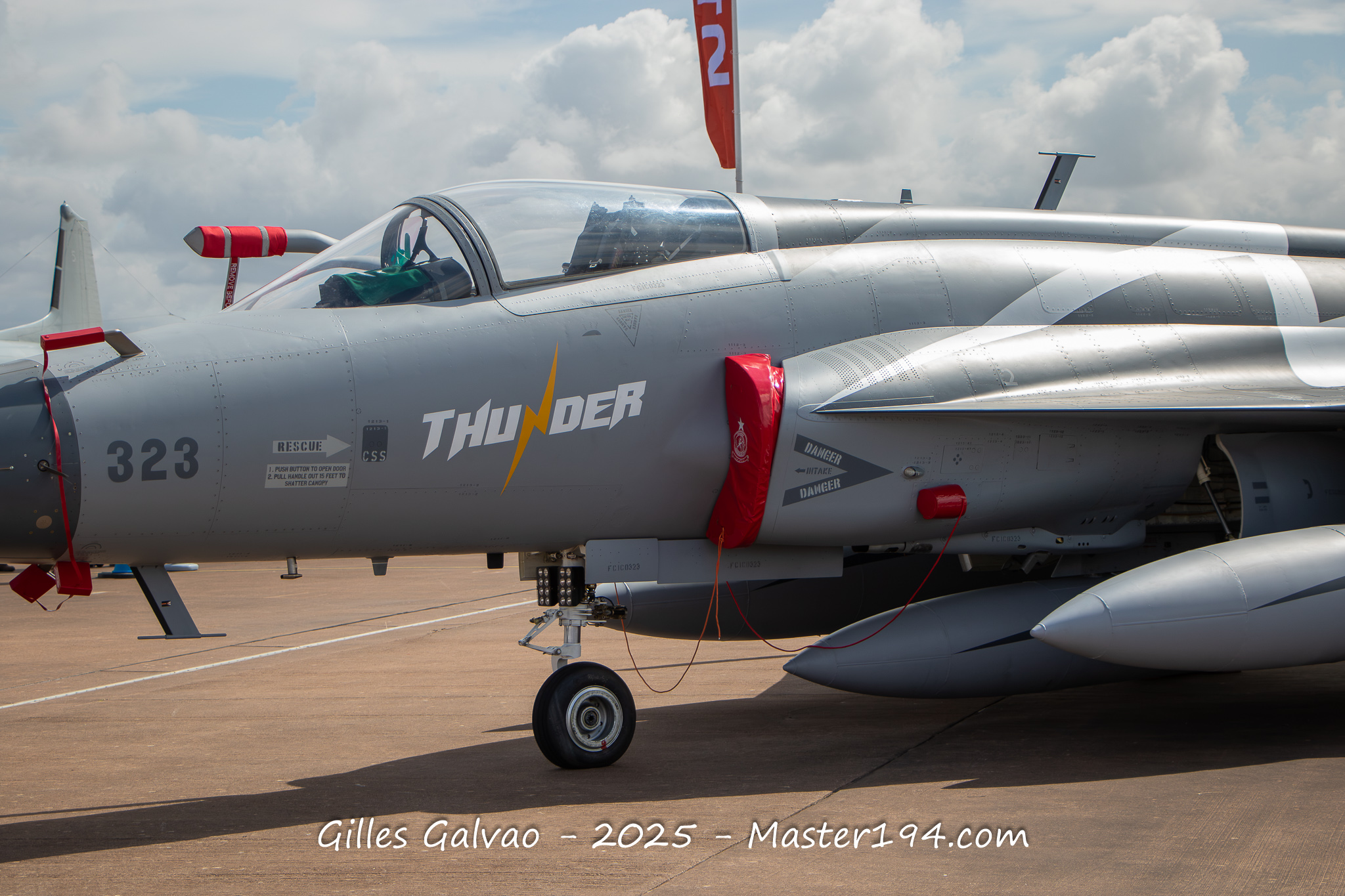
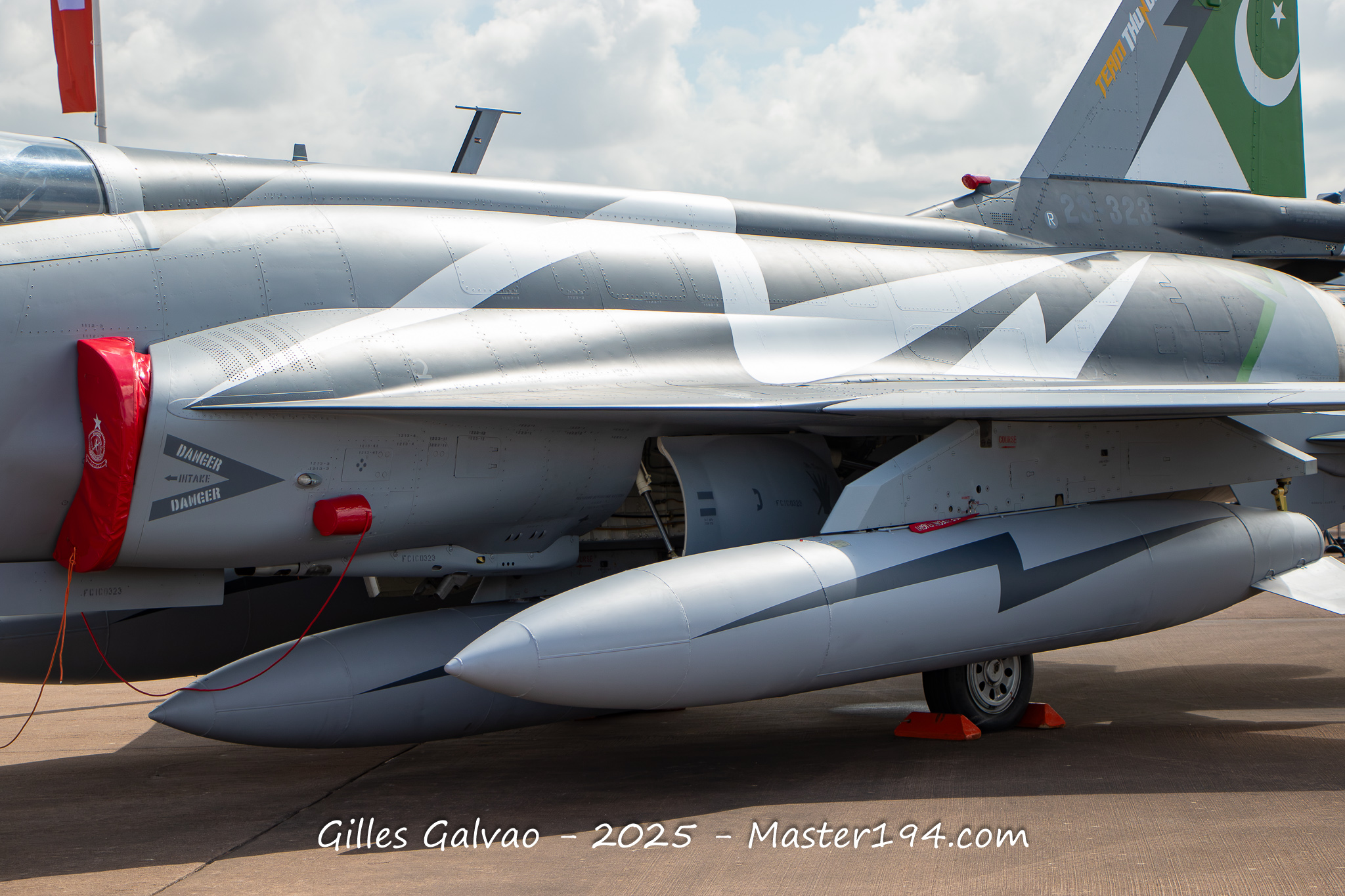
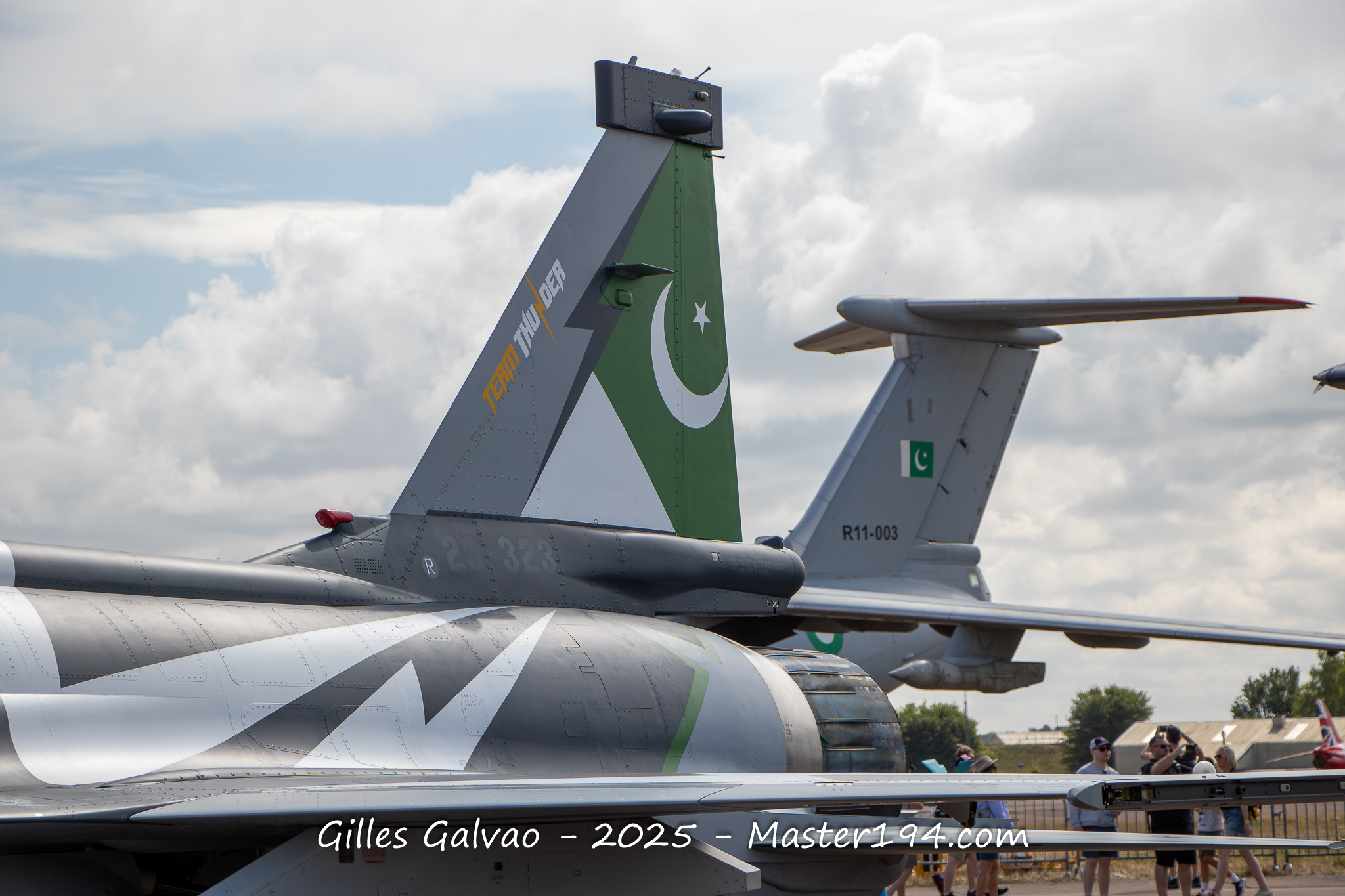
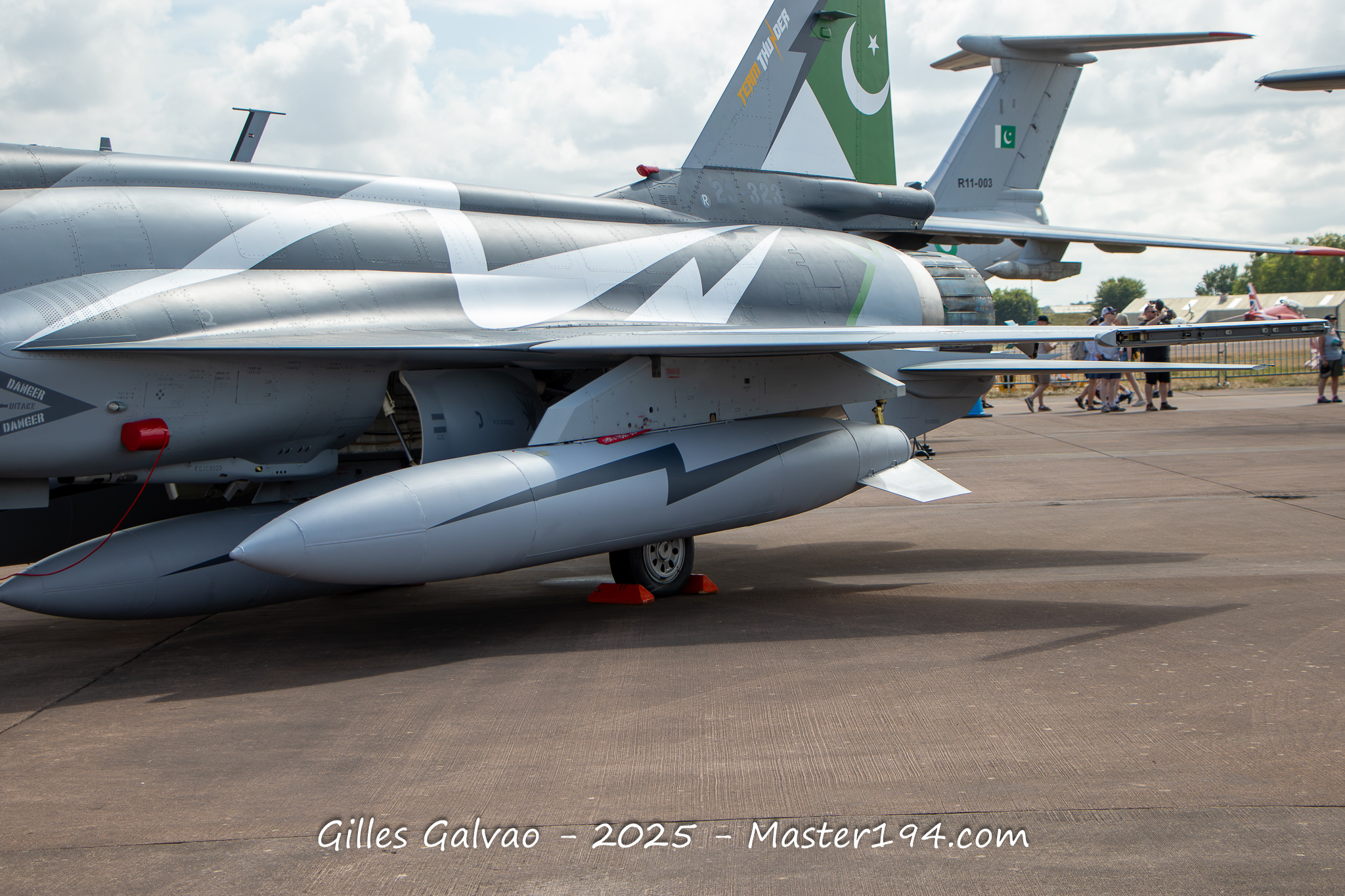
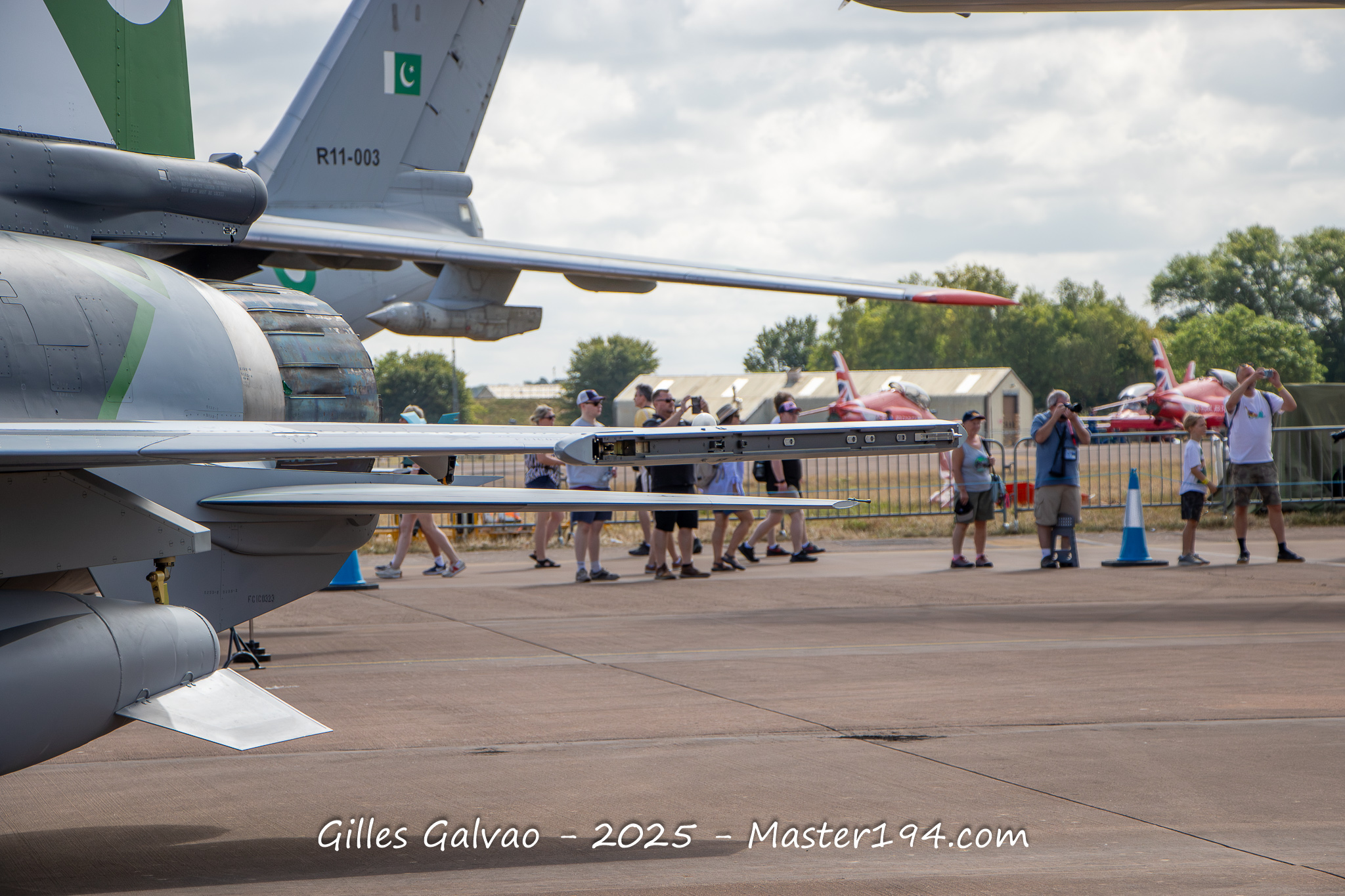
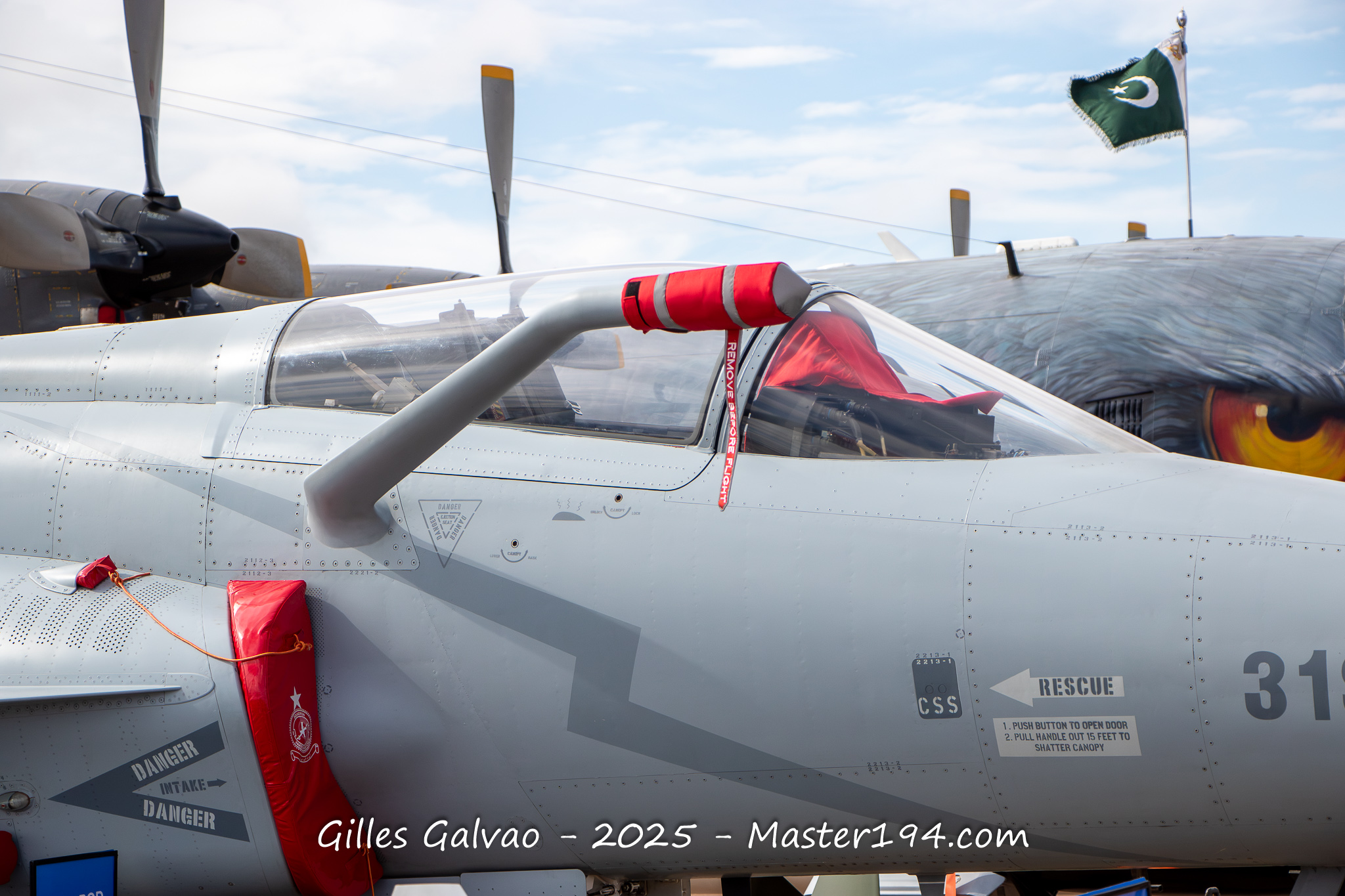
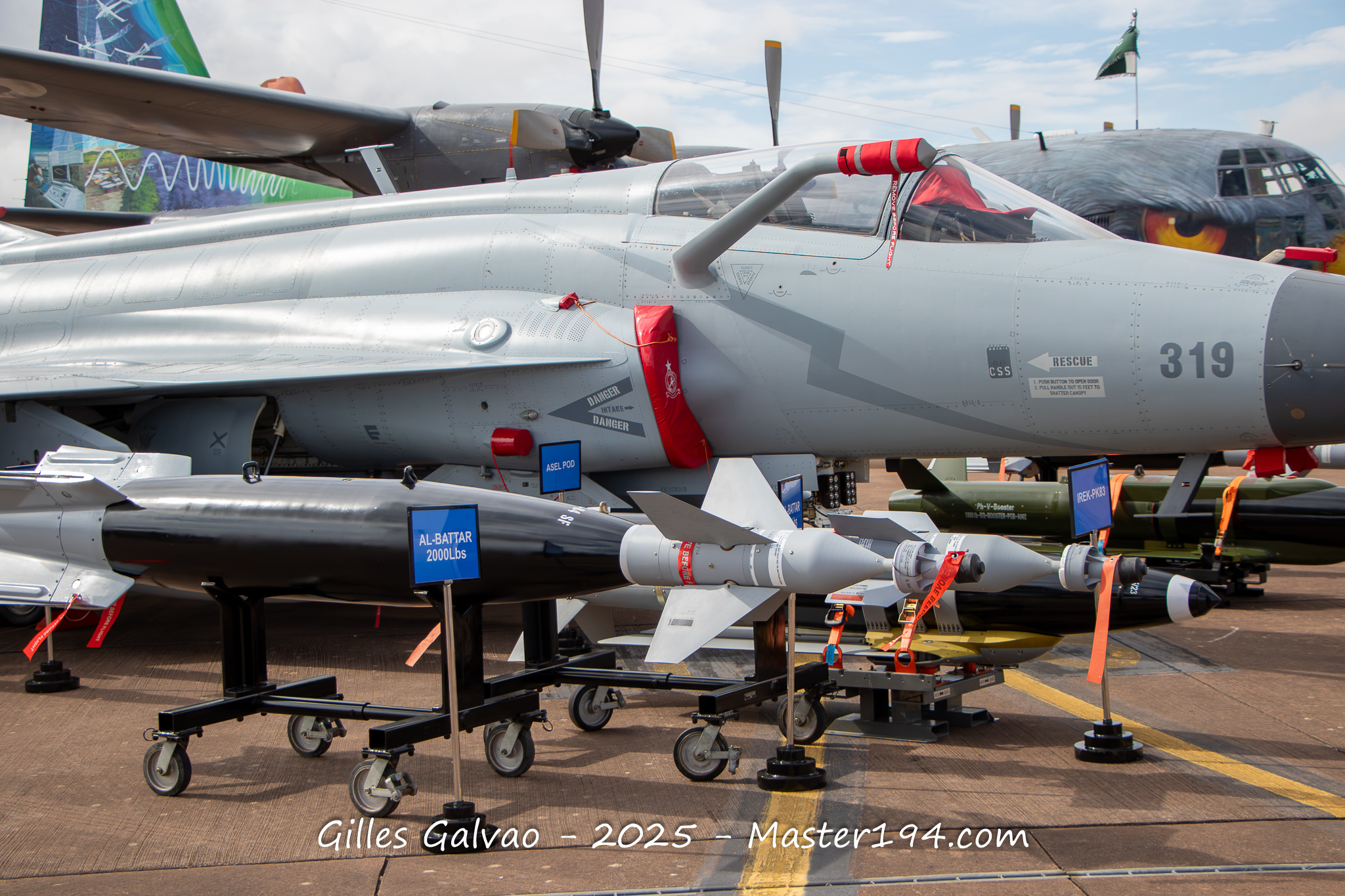
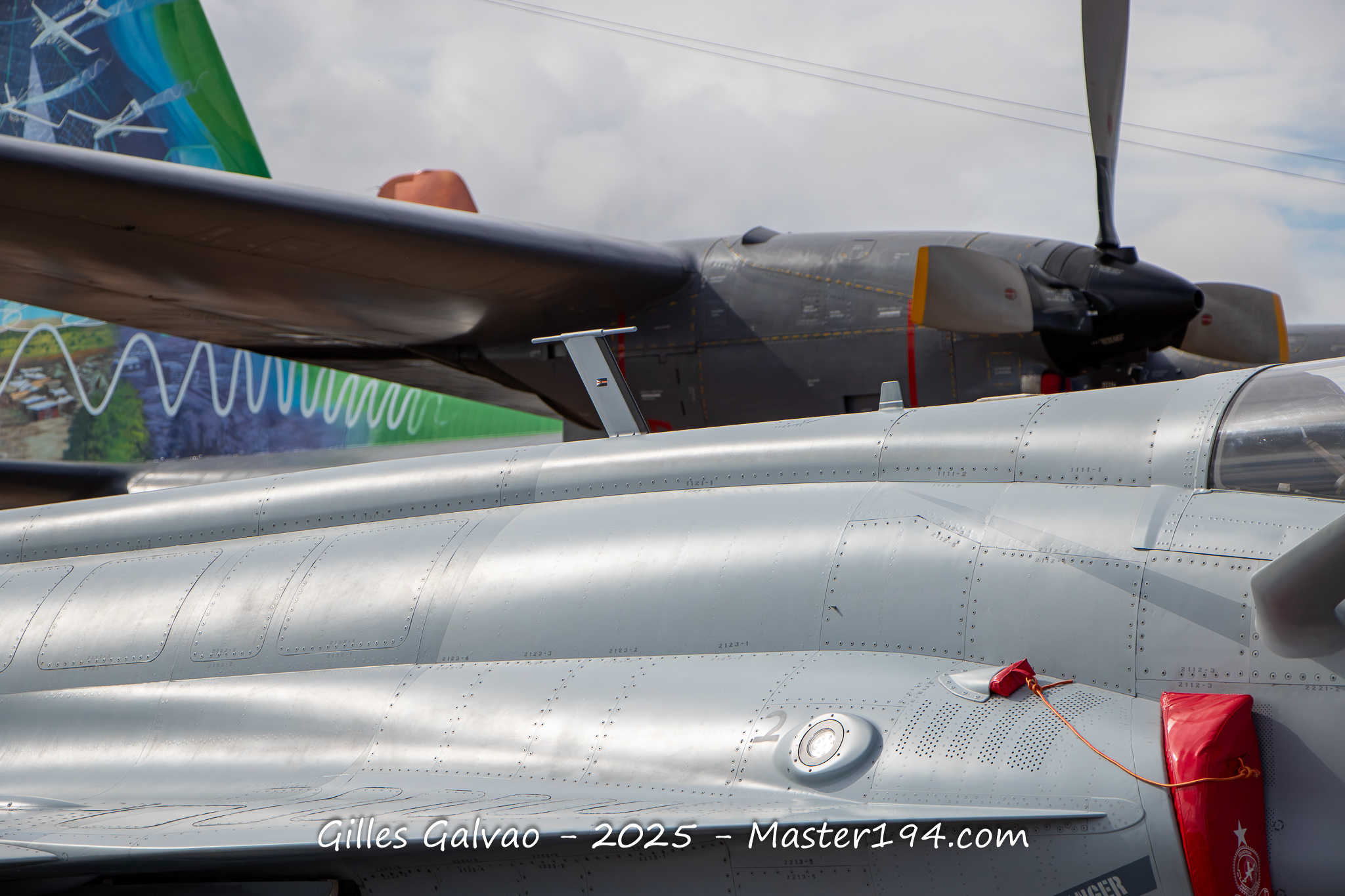
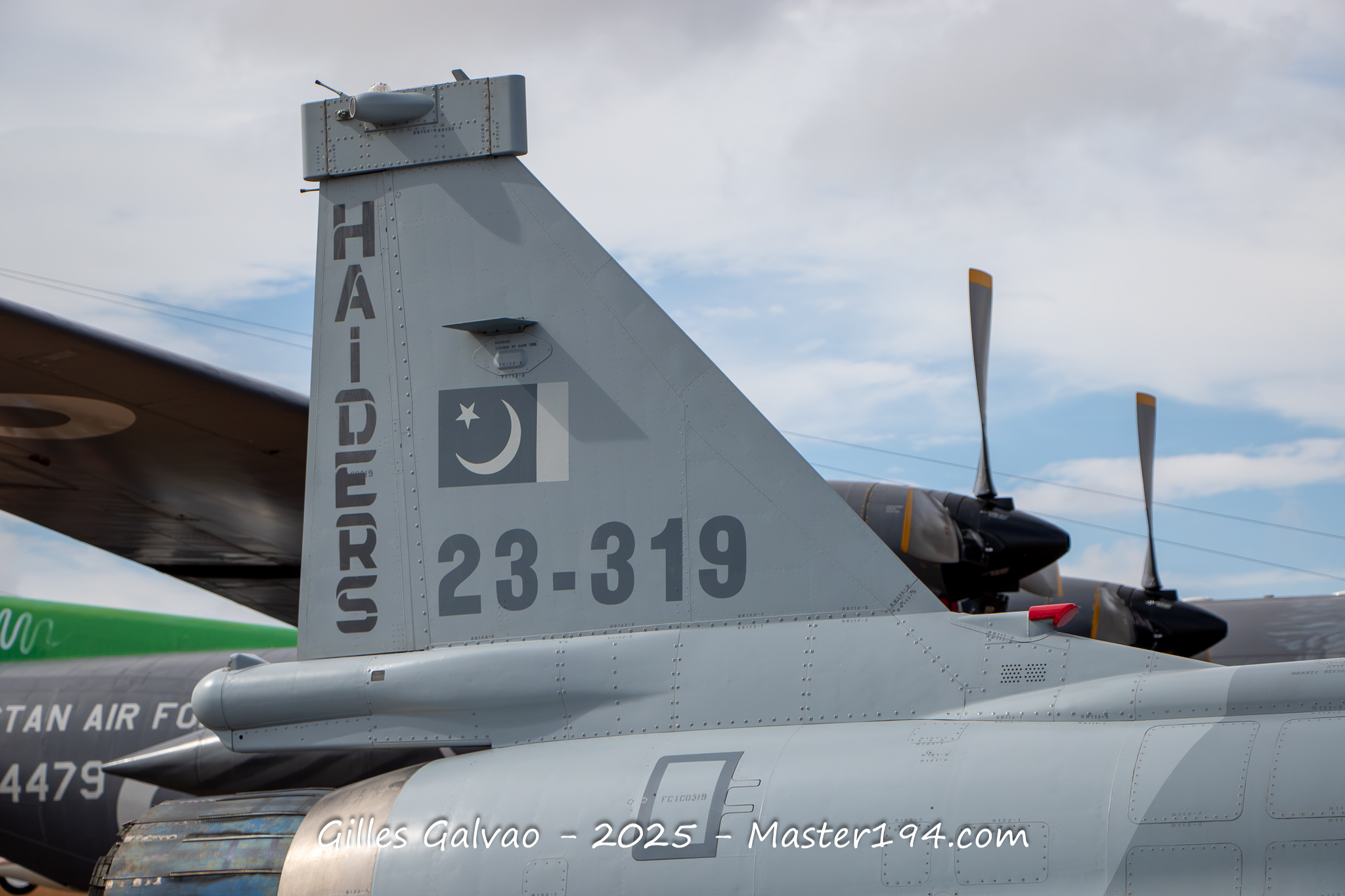
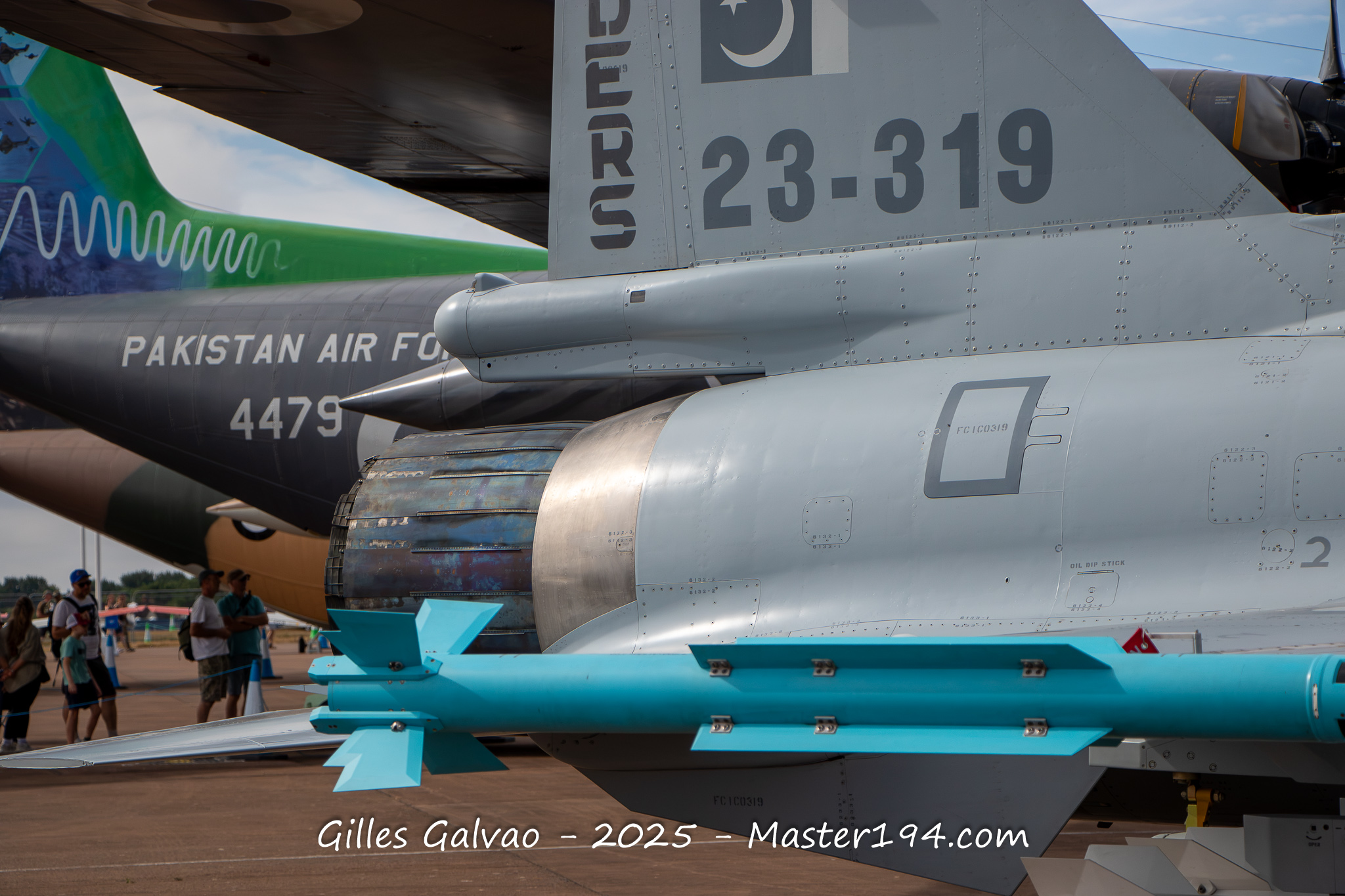
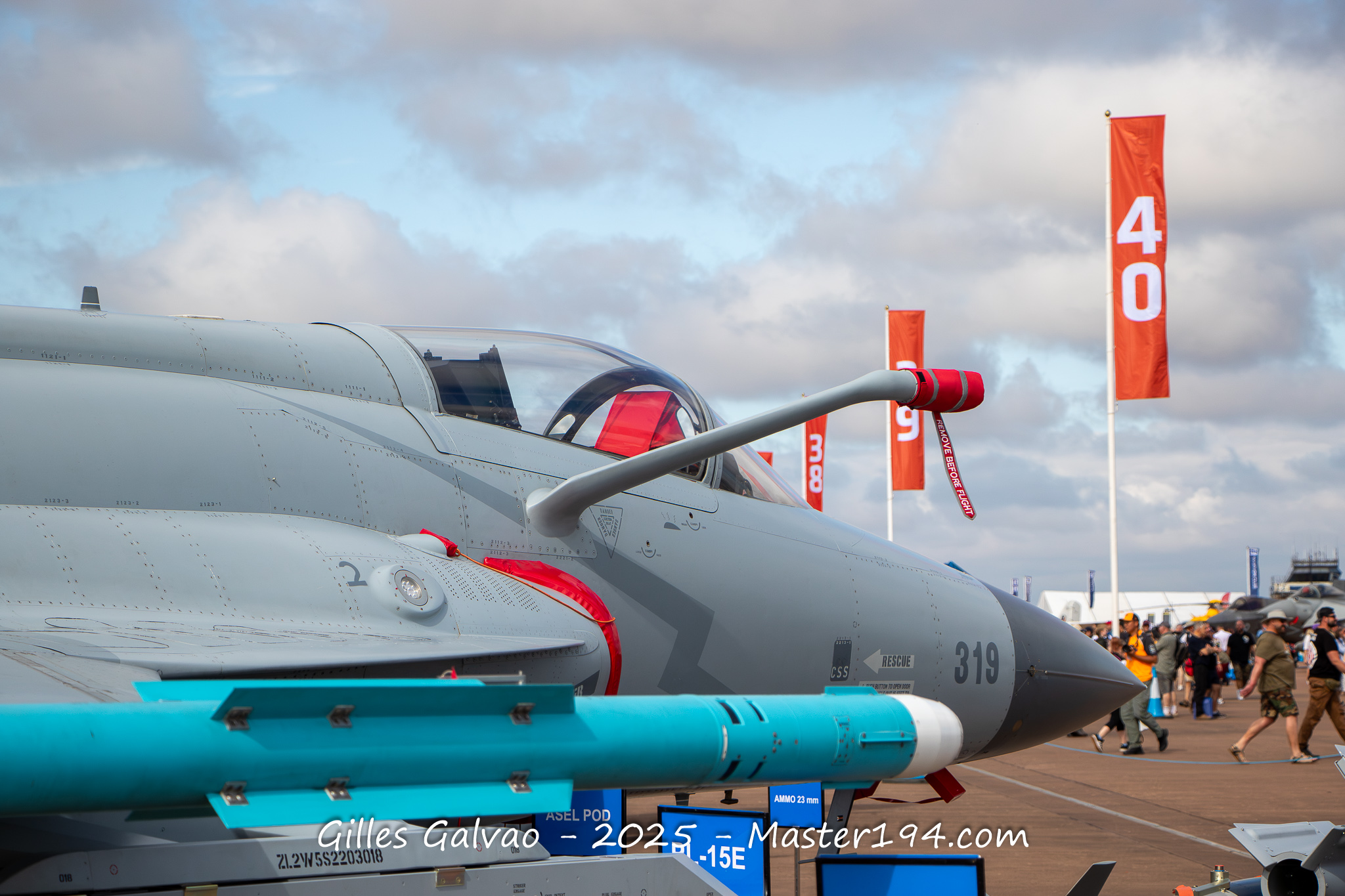
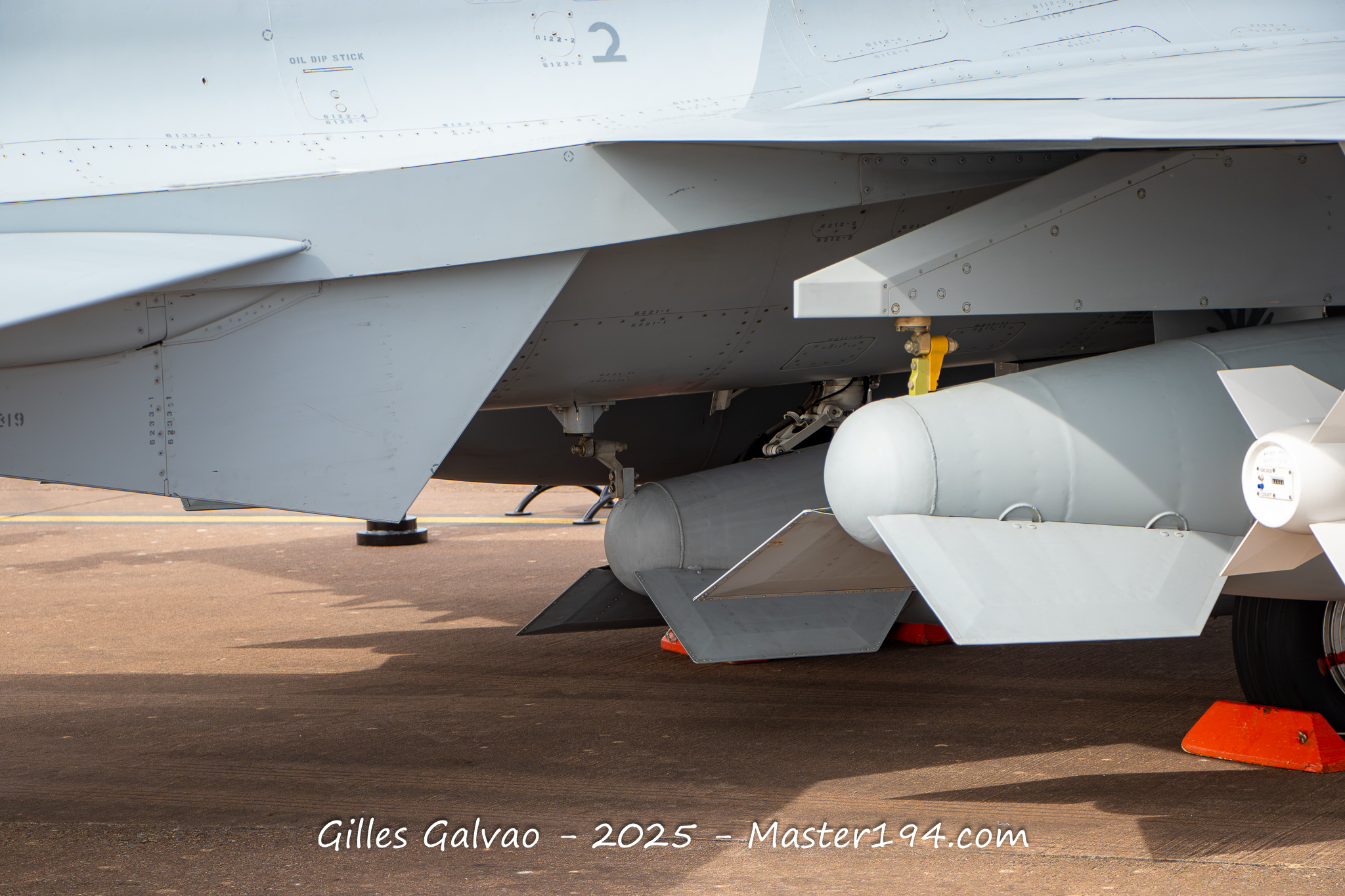
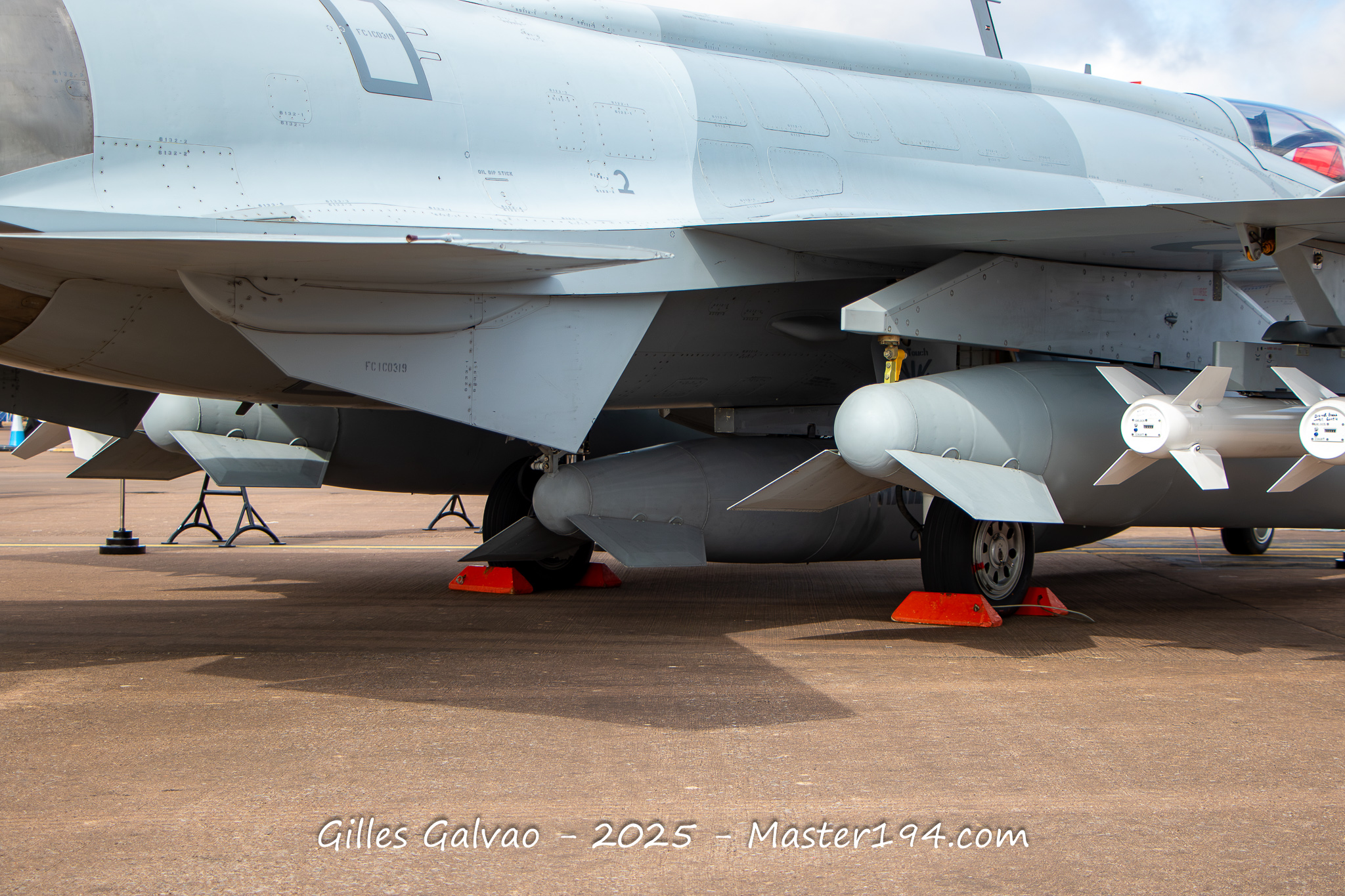
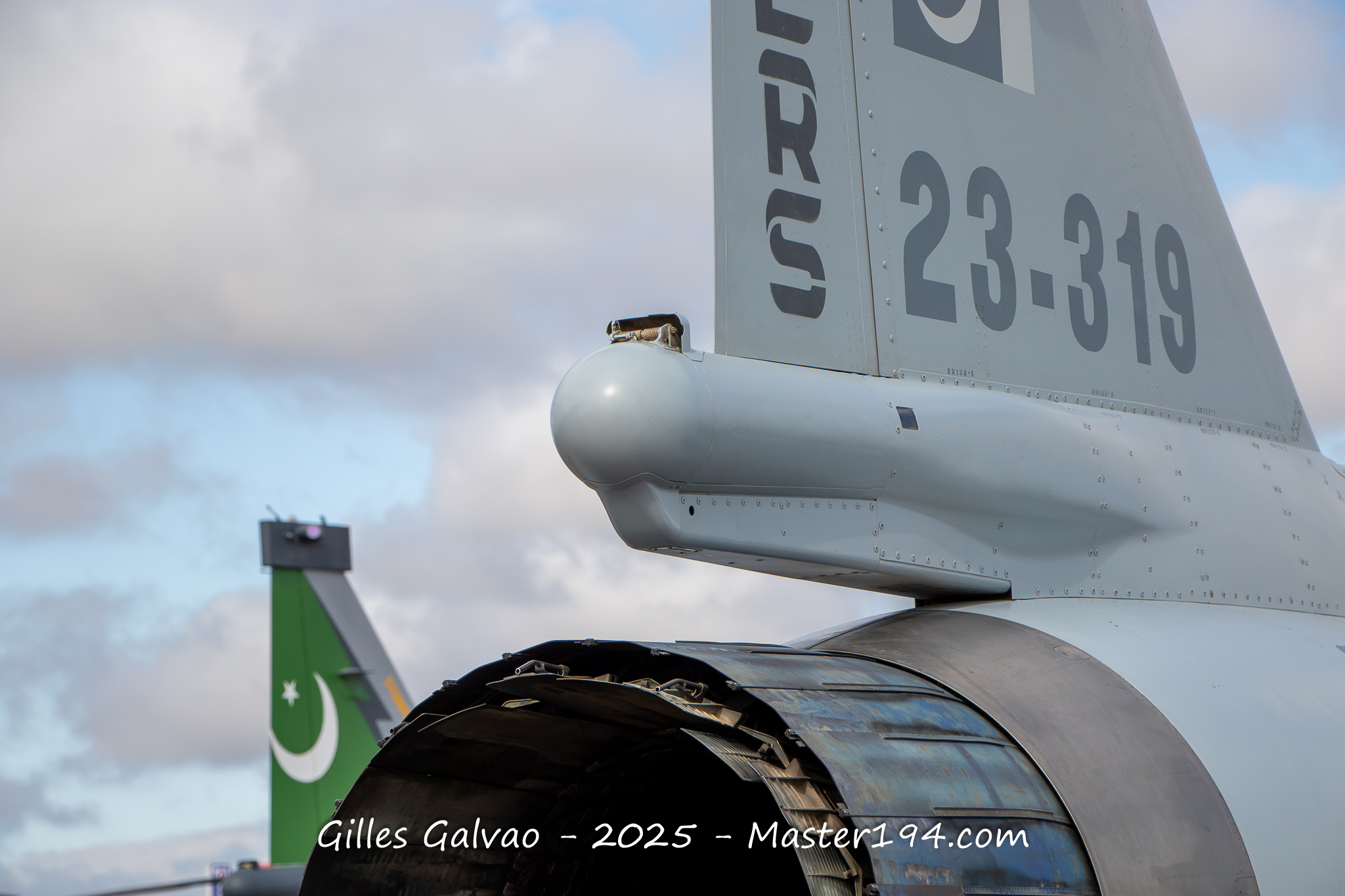
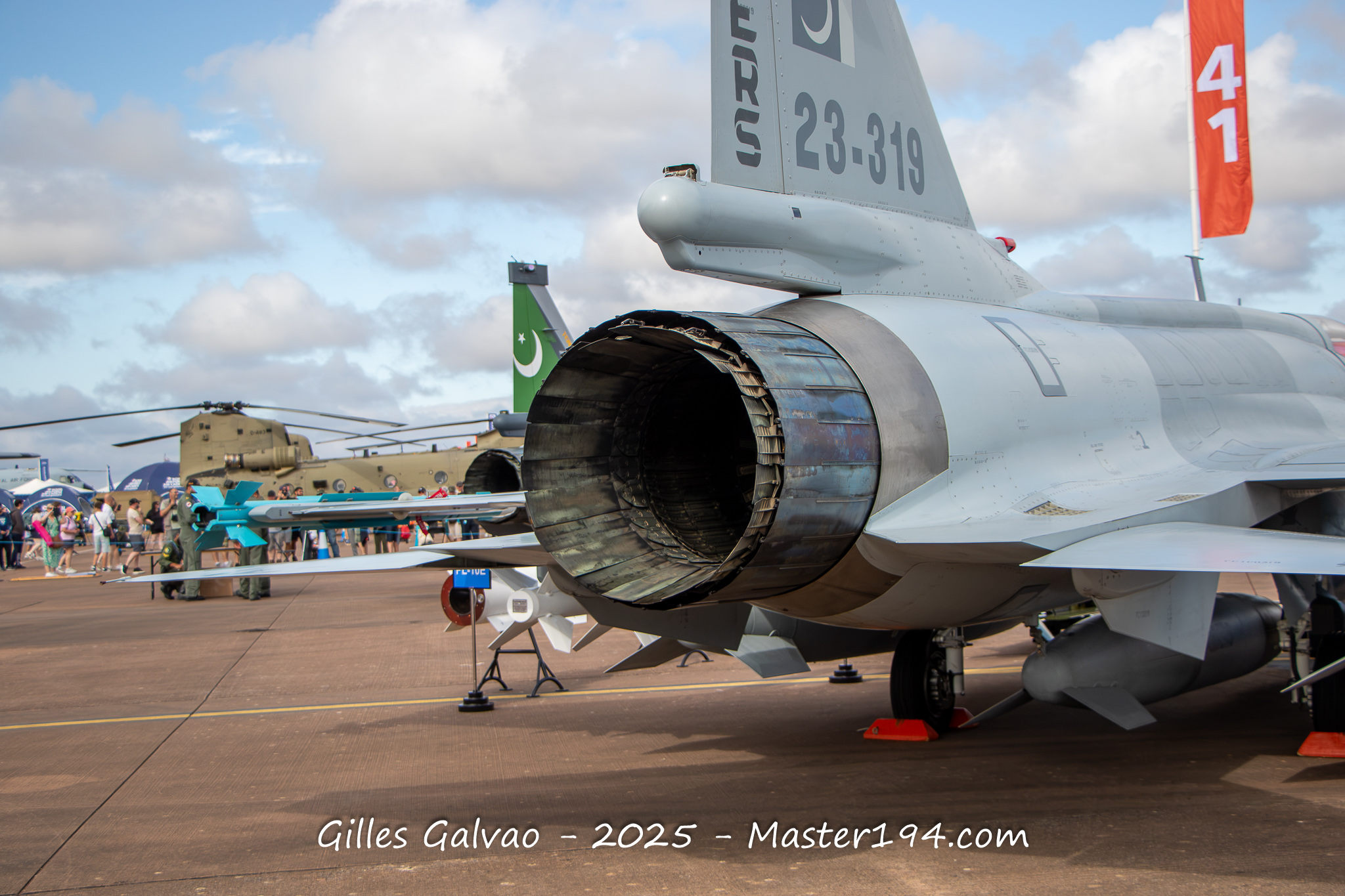
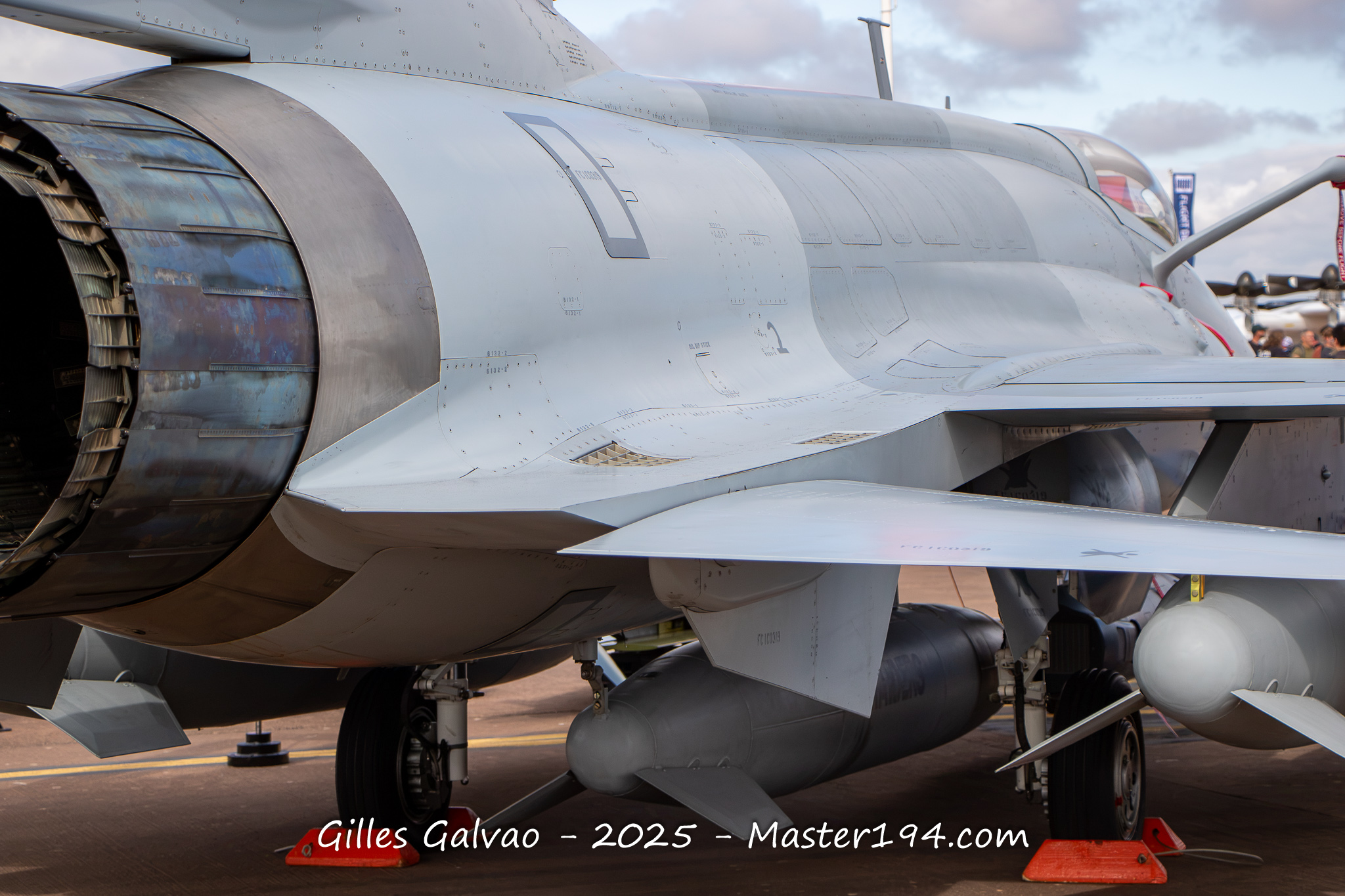
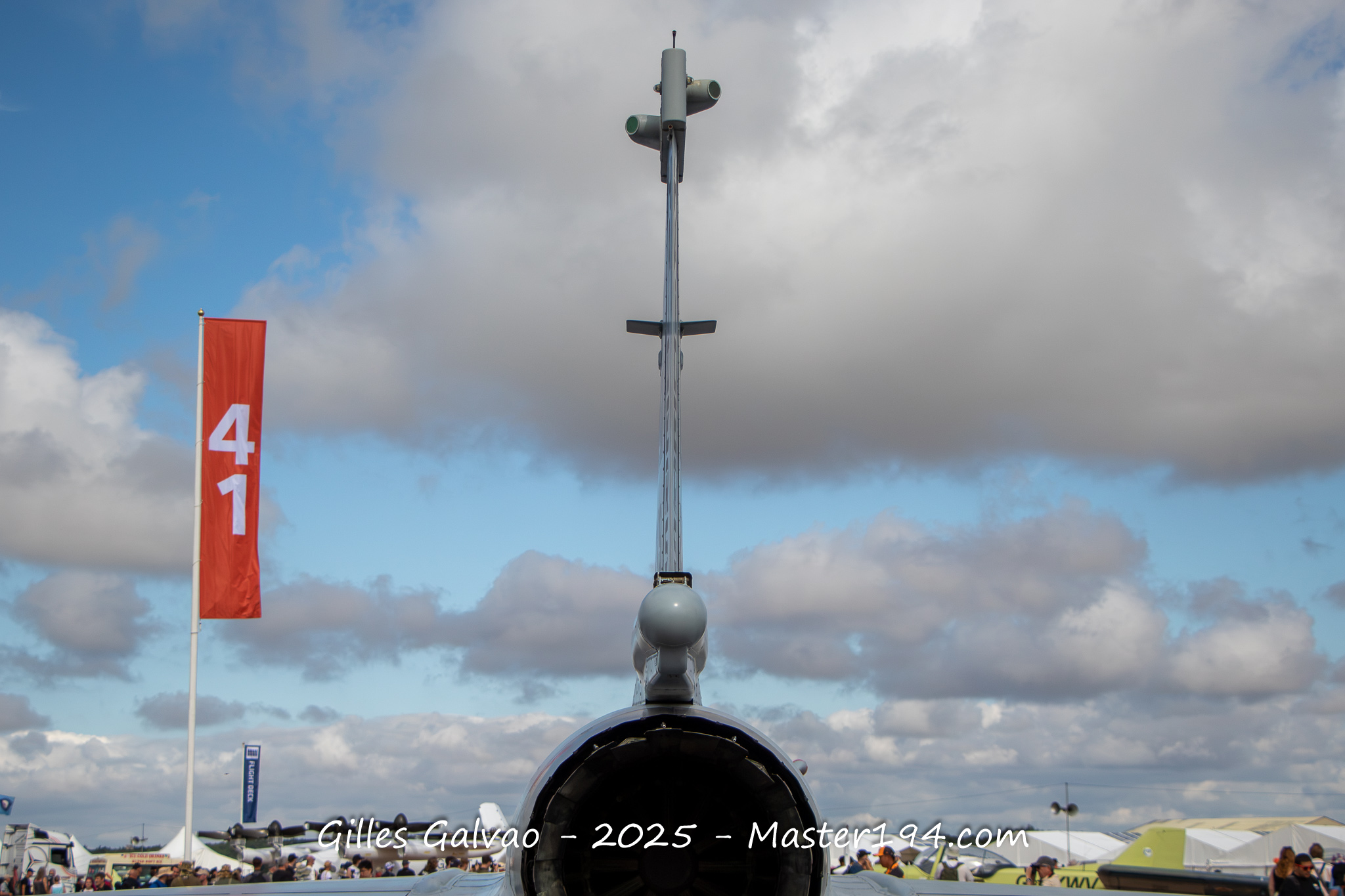
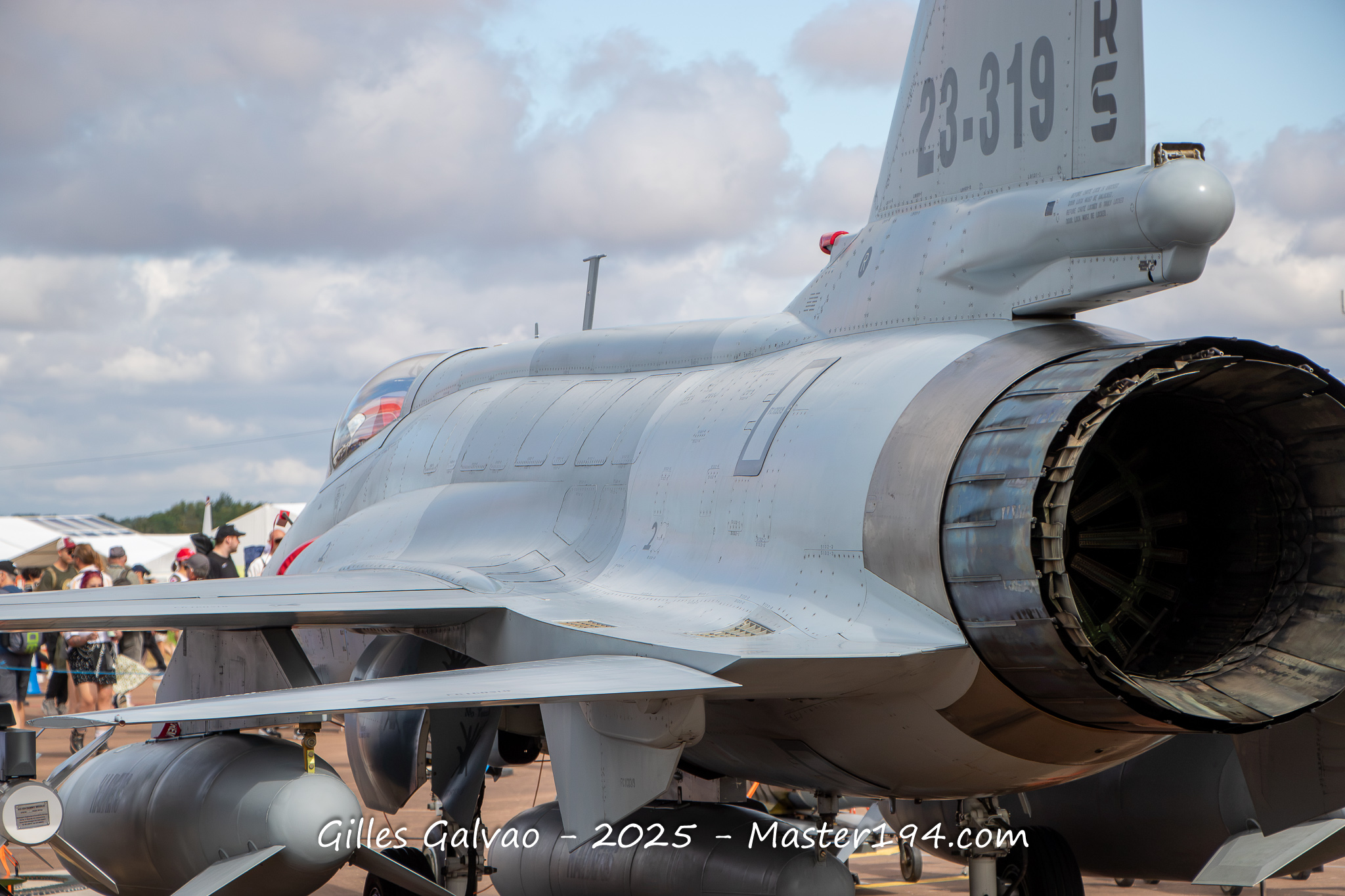
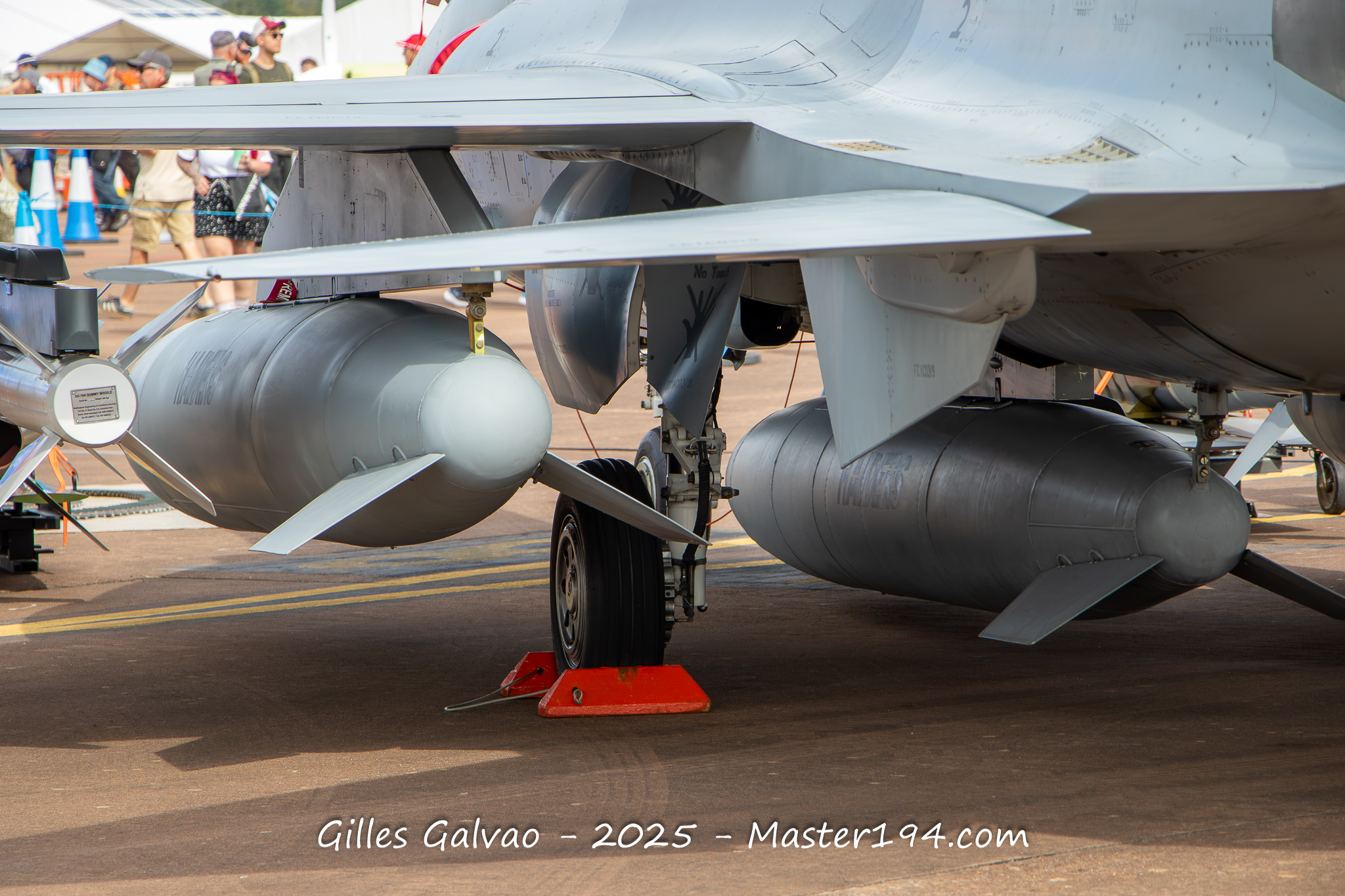
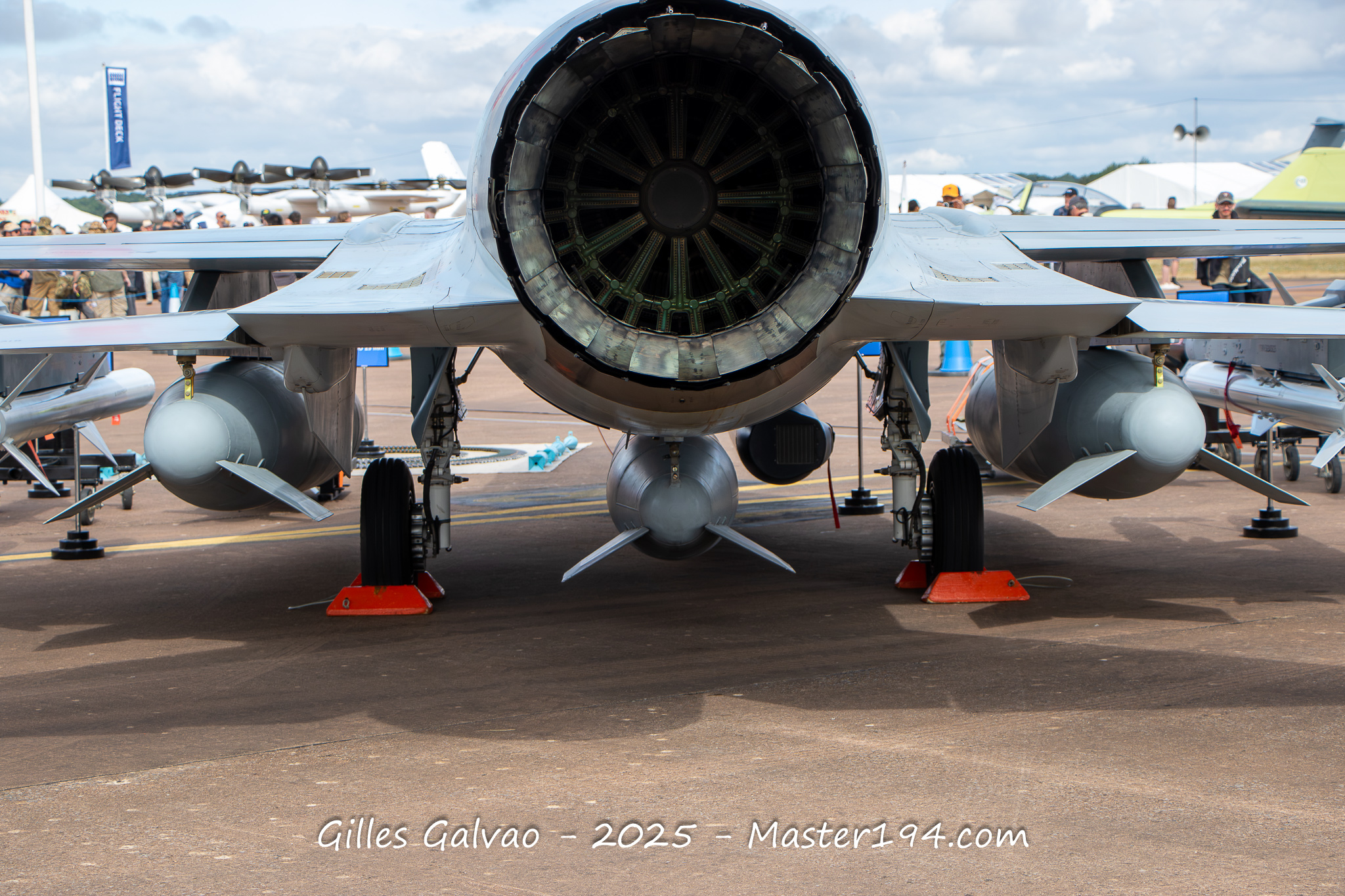
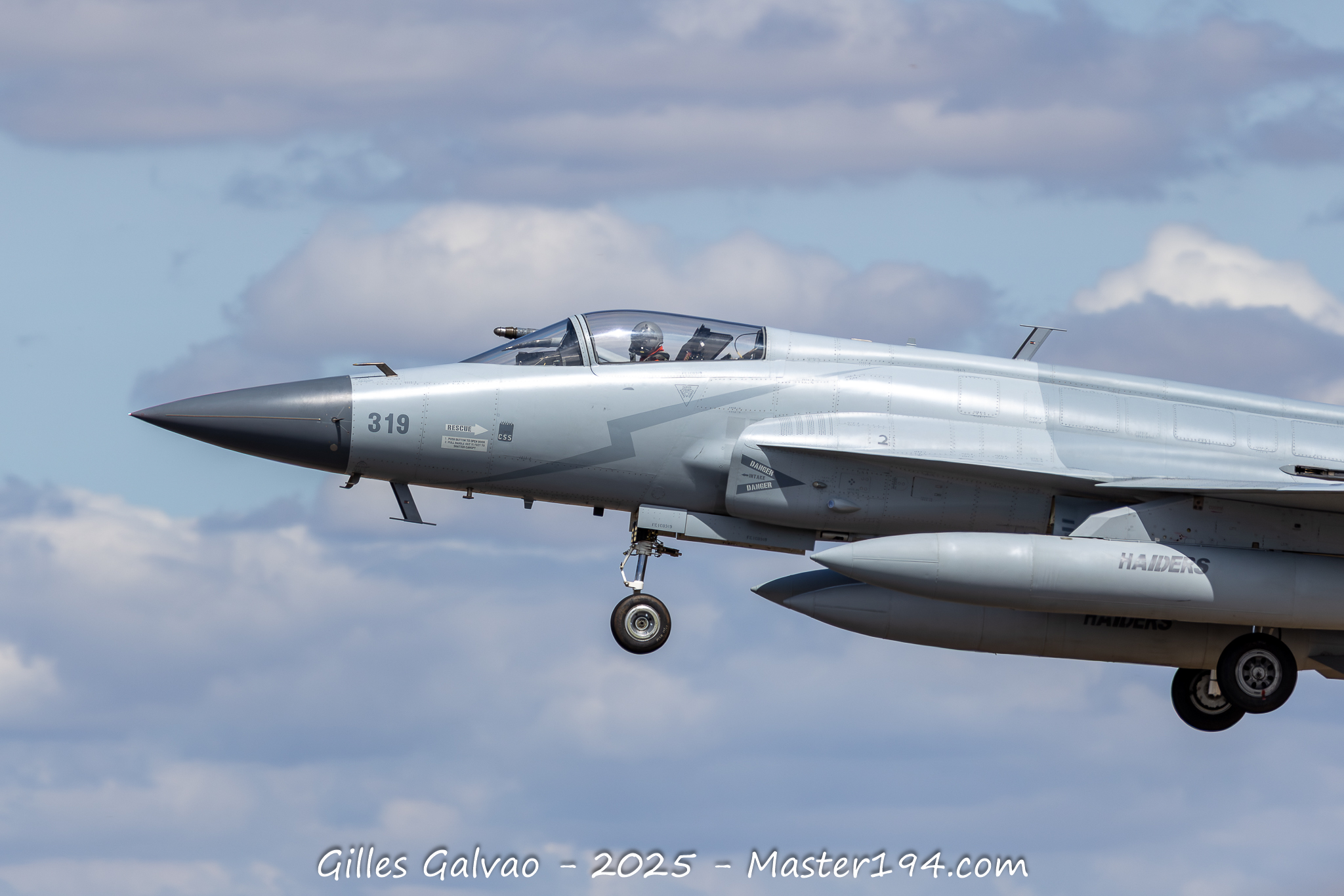
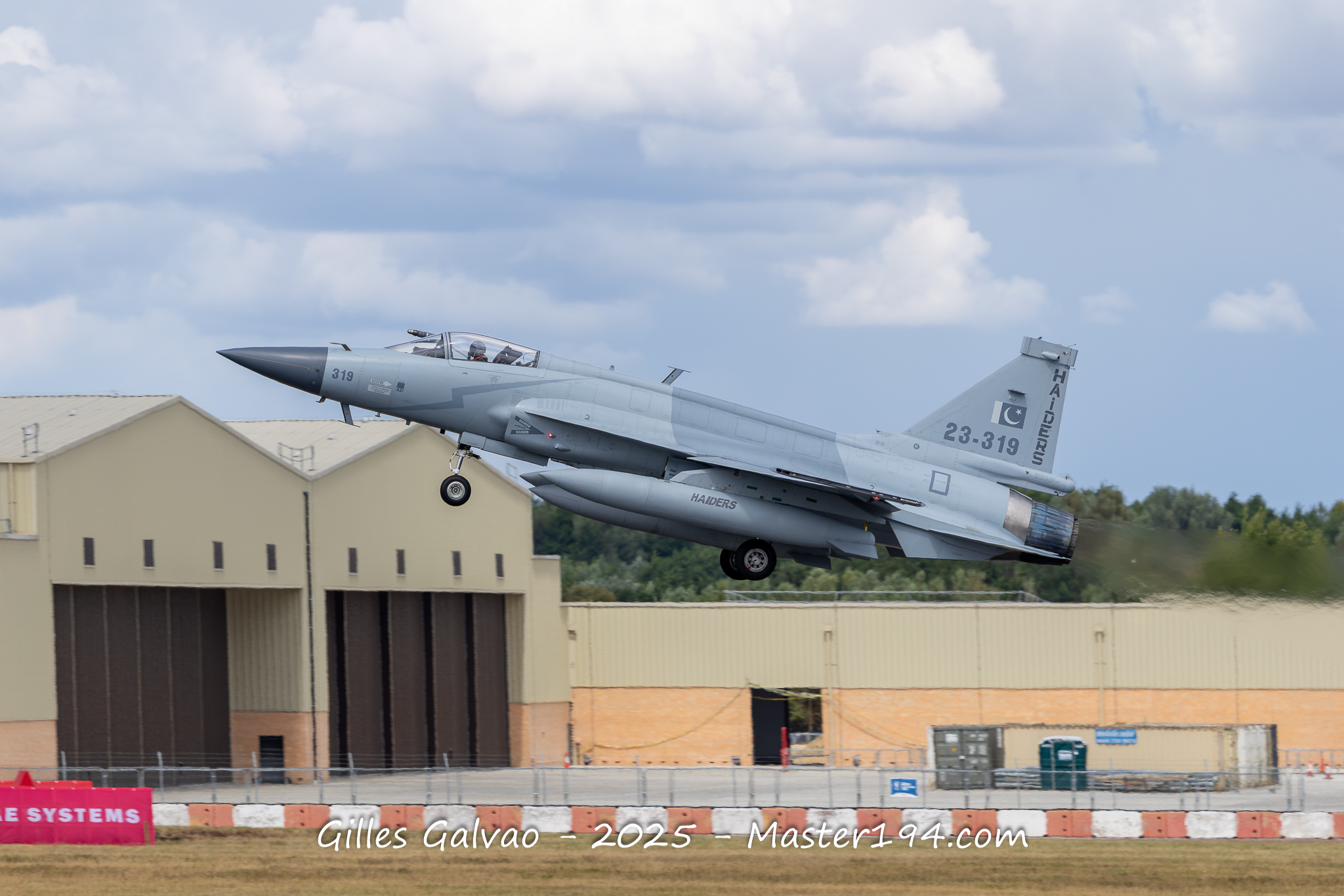
Aircraft 23-319
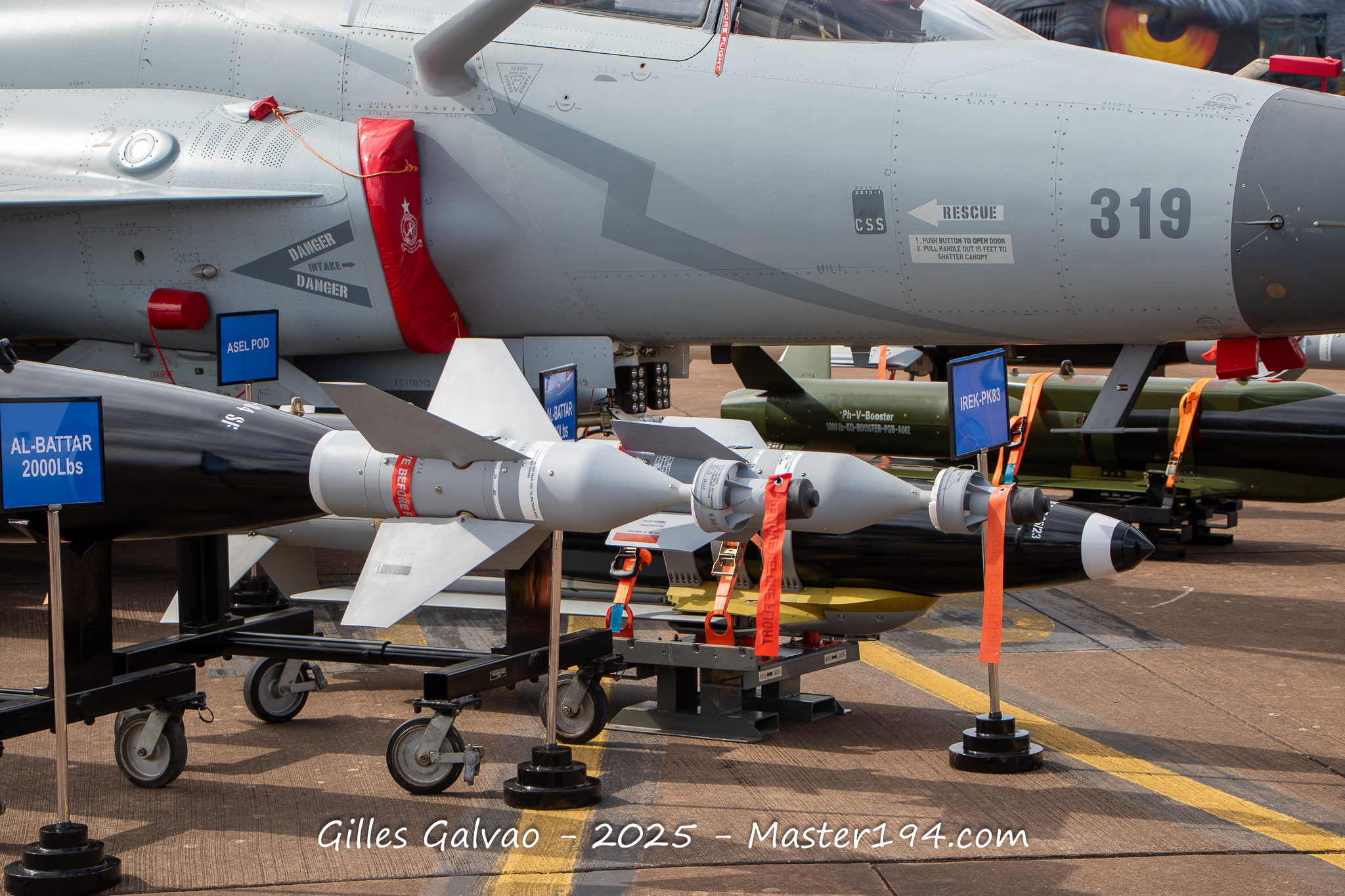
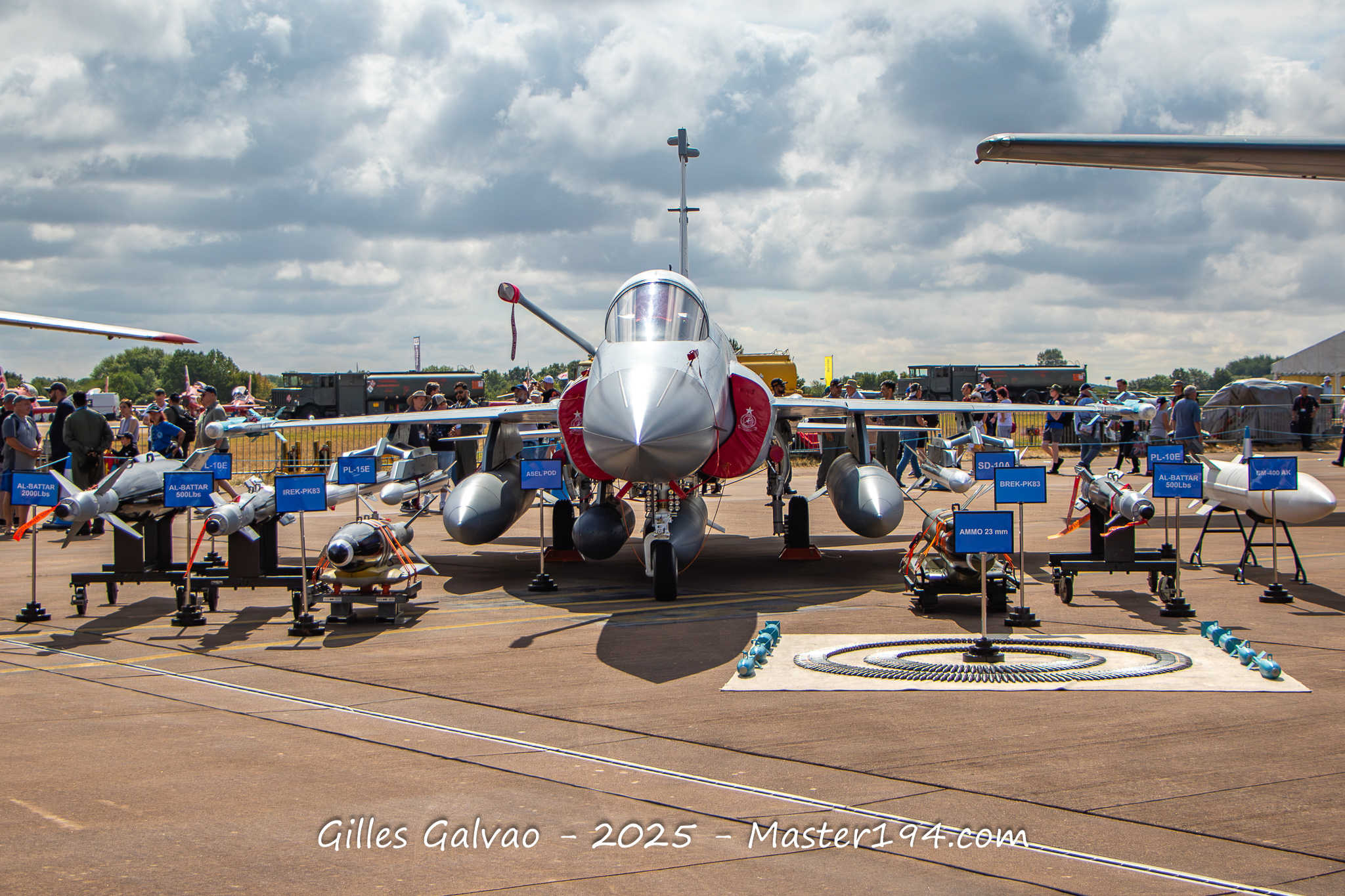
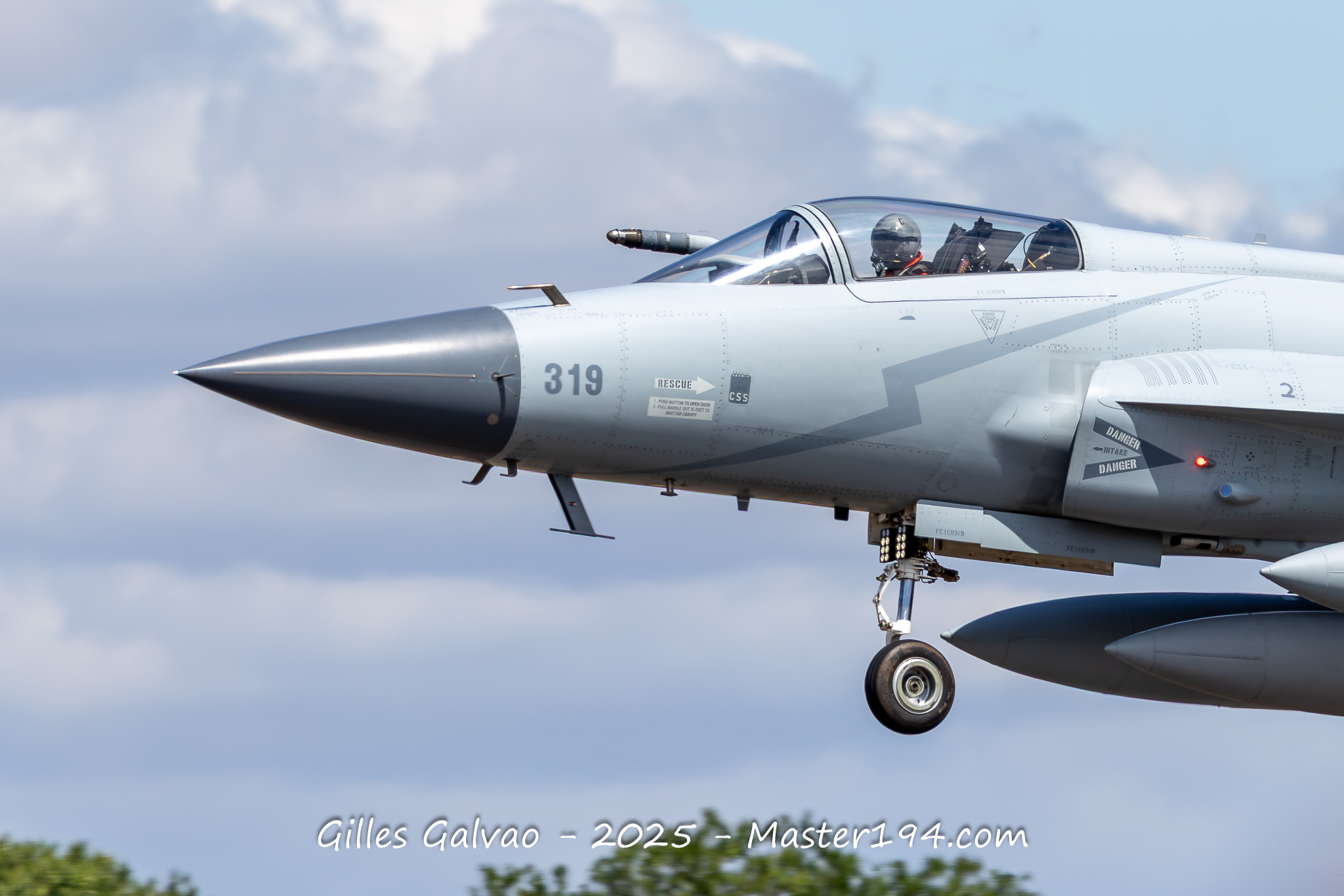
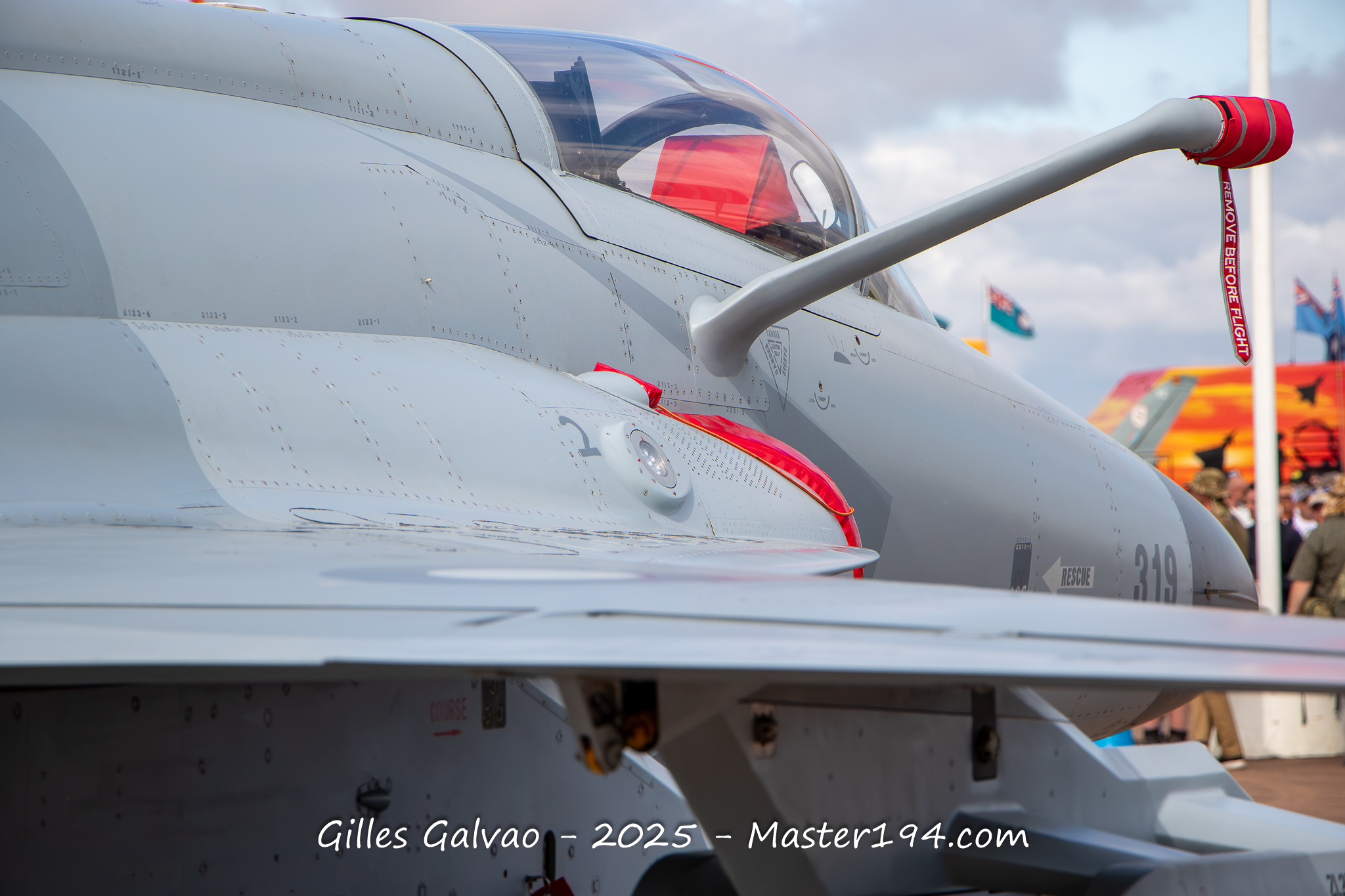
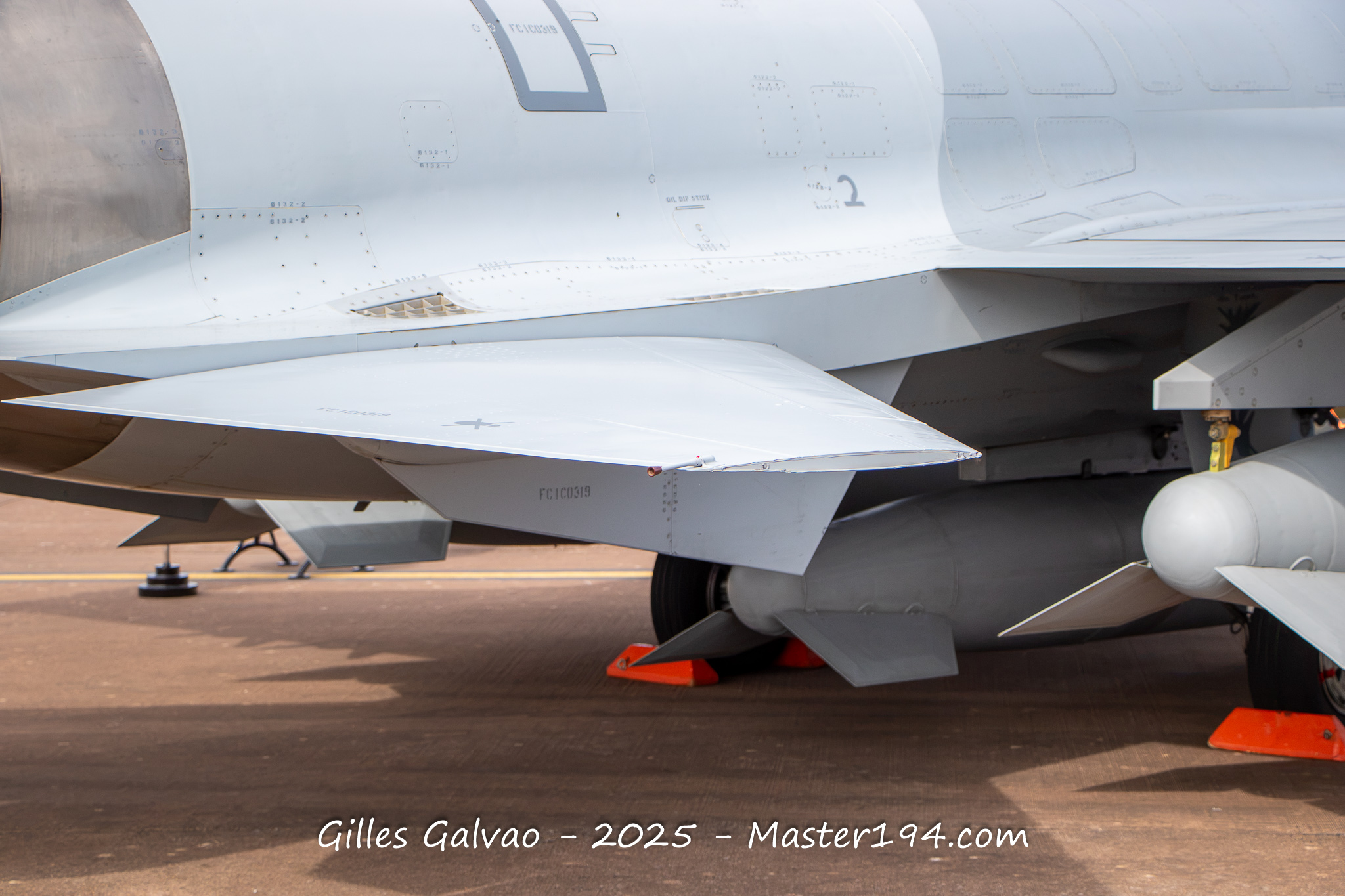
The JF-17C 23-319 accompanied 23-323 during the deployment to the United Kingdom. It also represents the Block III standard, featuring upgrades to avionics, radar, and weapon management systems.
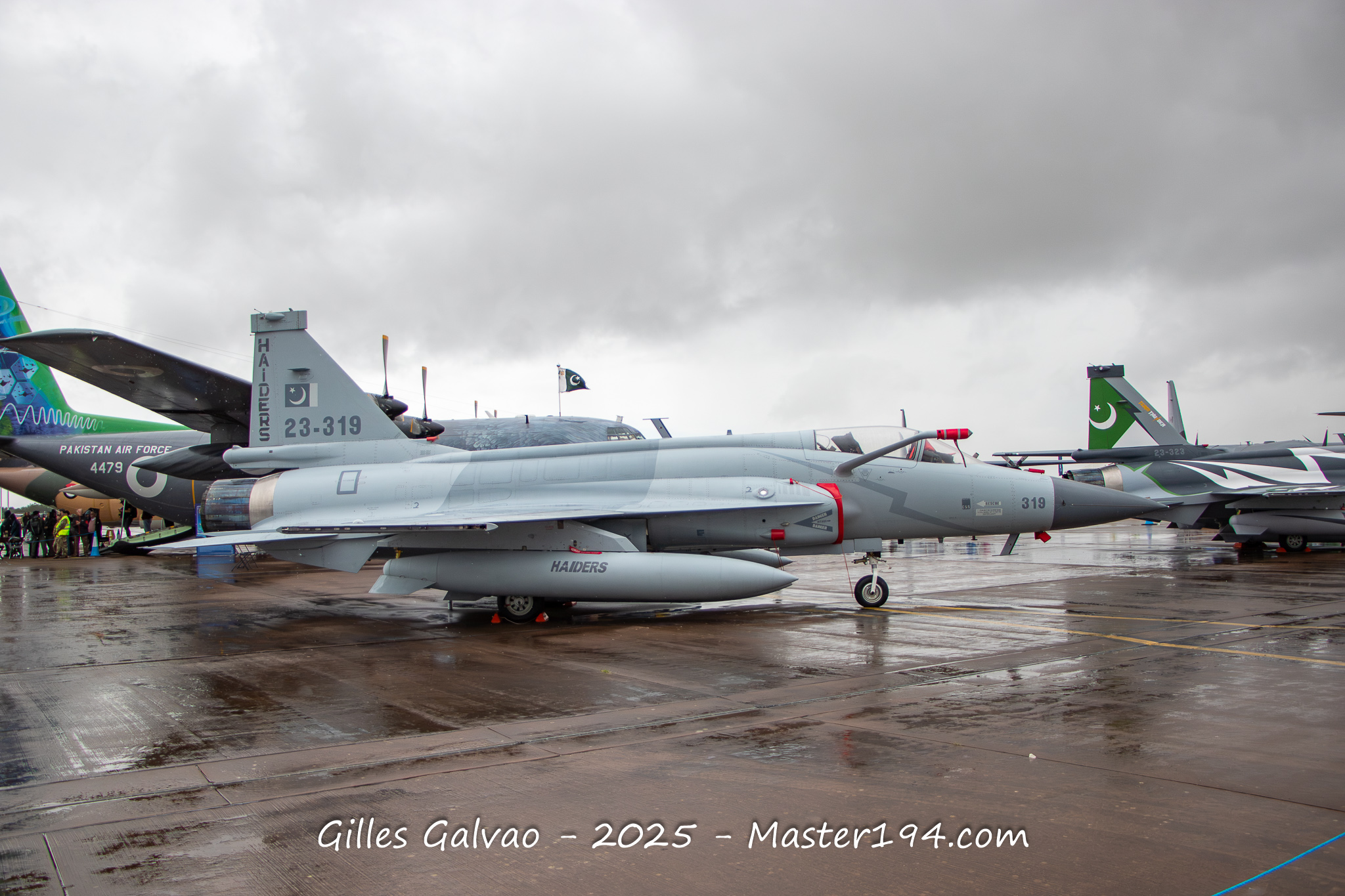
Observing two aircraft of the same version allows for a direct comparison of markings, detail finishes, and visible airframe equipment. For aviation enthusiasts and scale modelers alike, these differences offer a valuable complement to general program information.
Walkaround
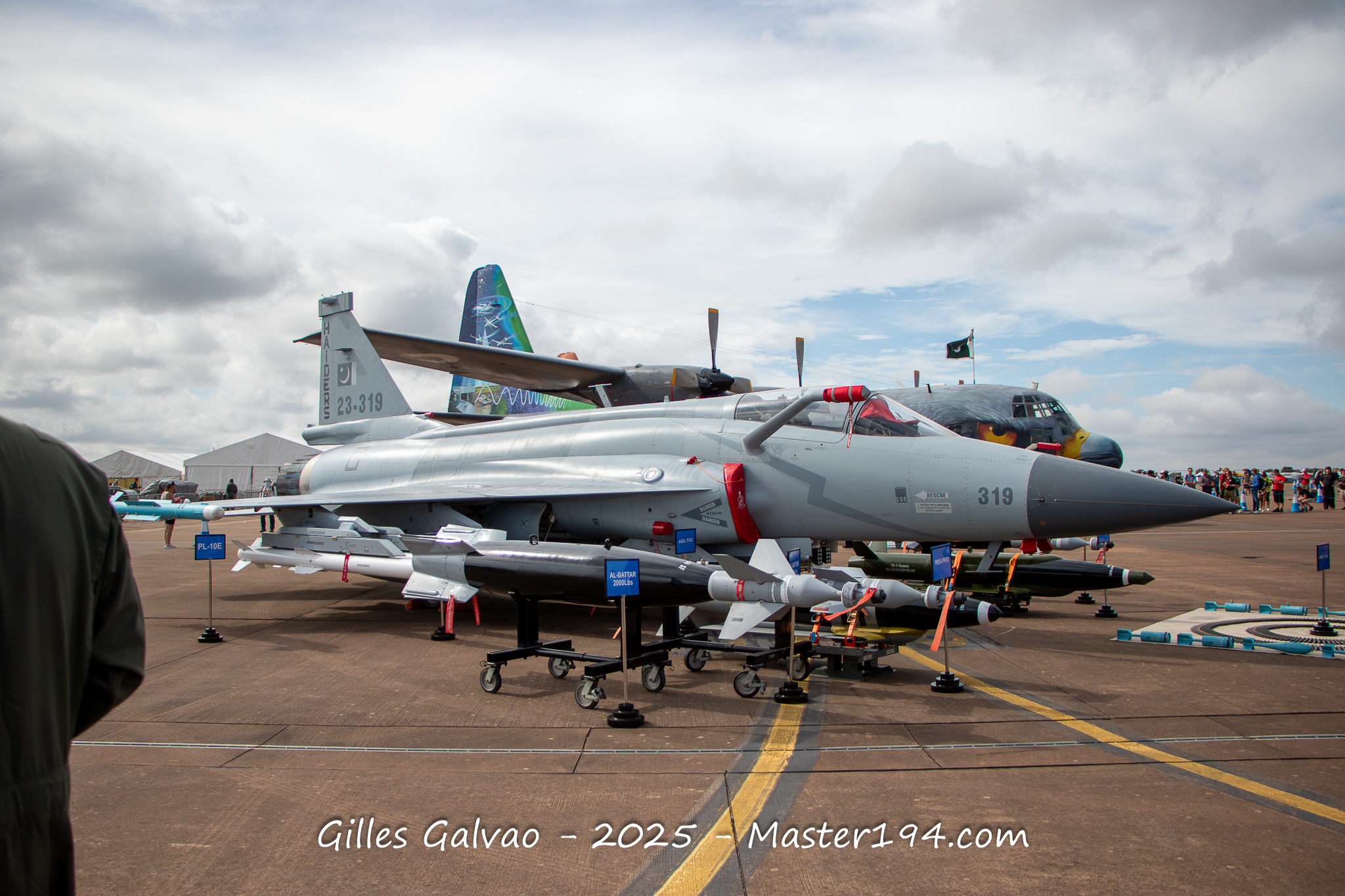
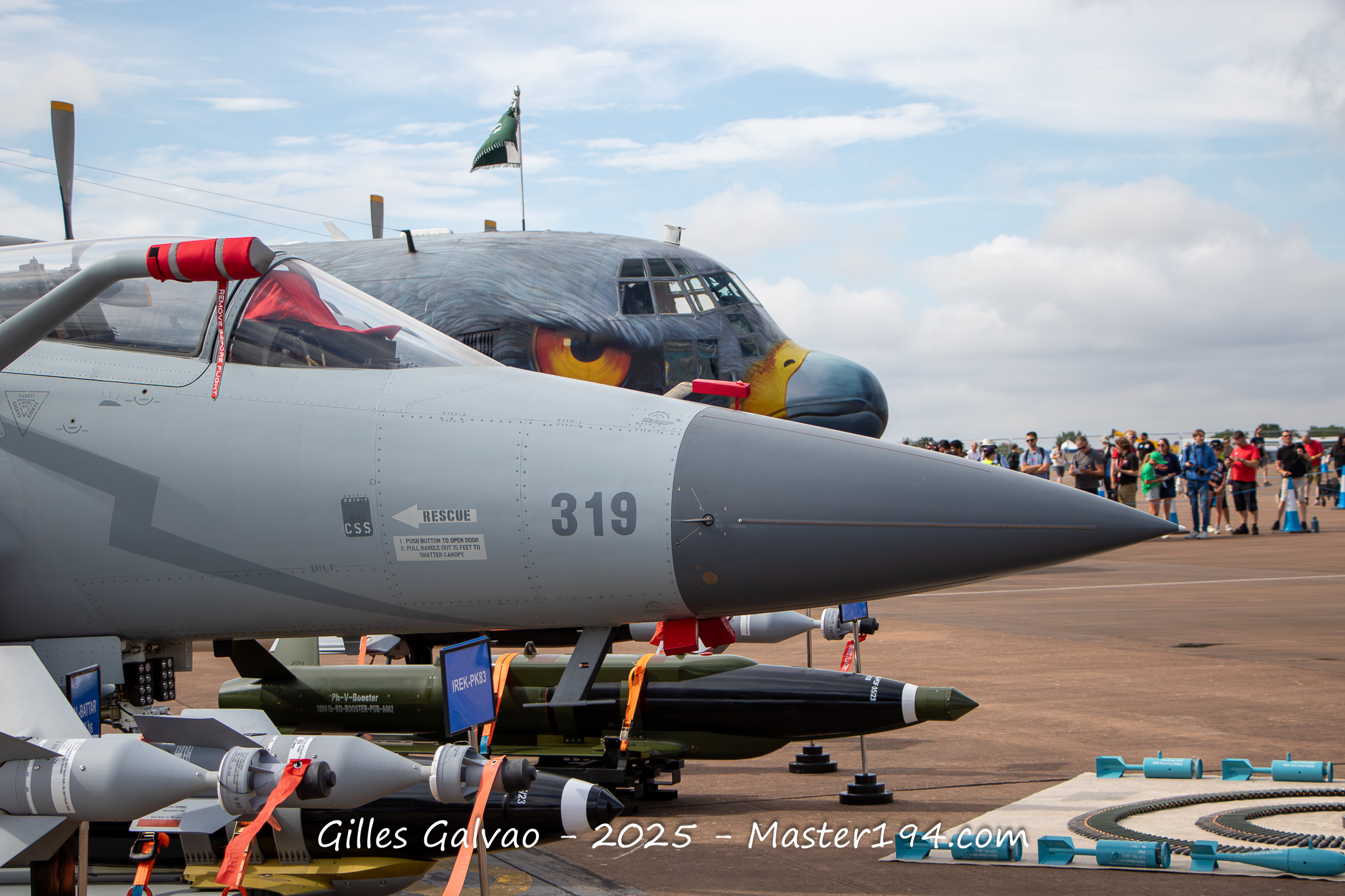
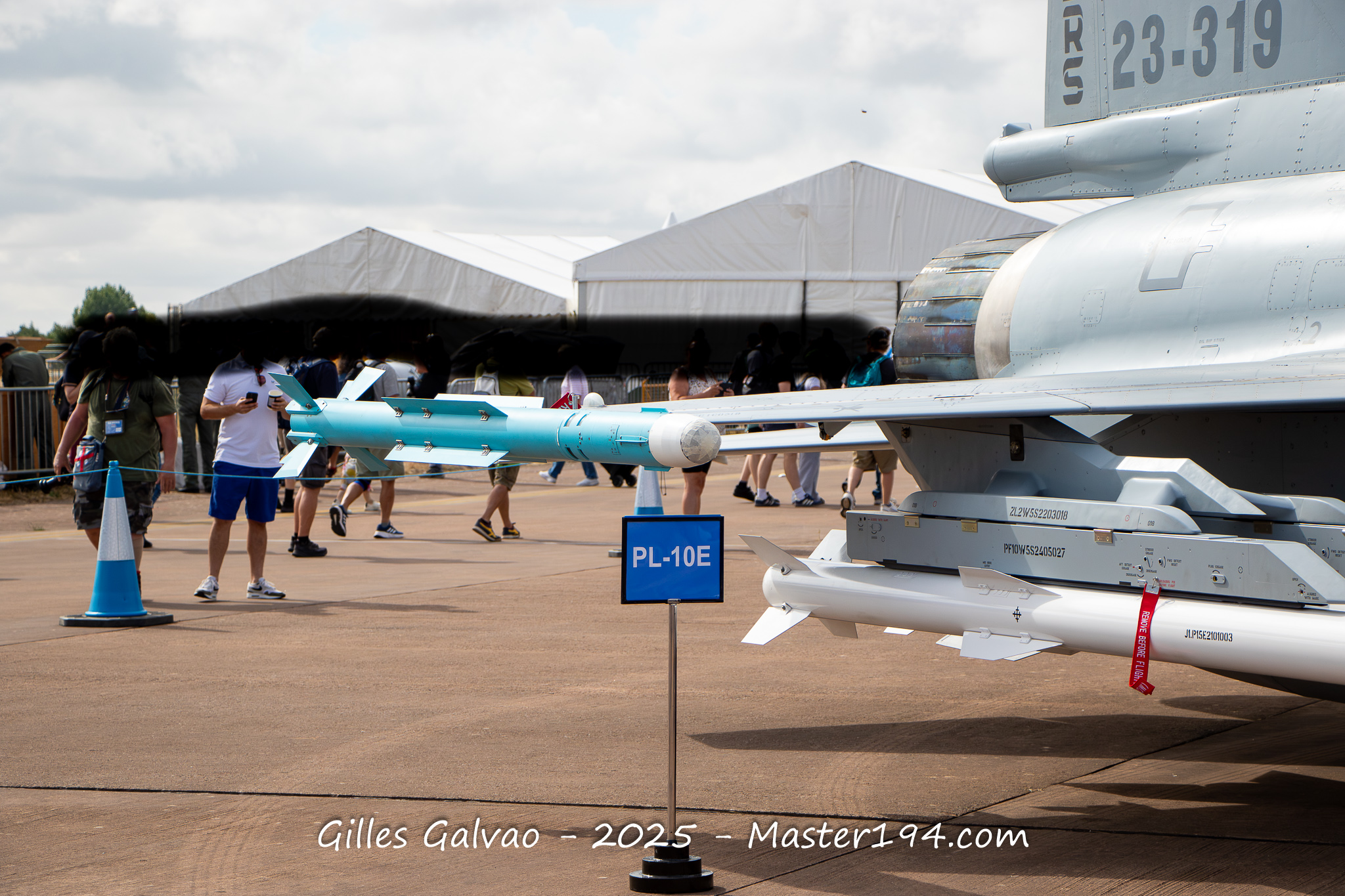
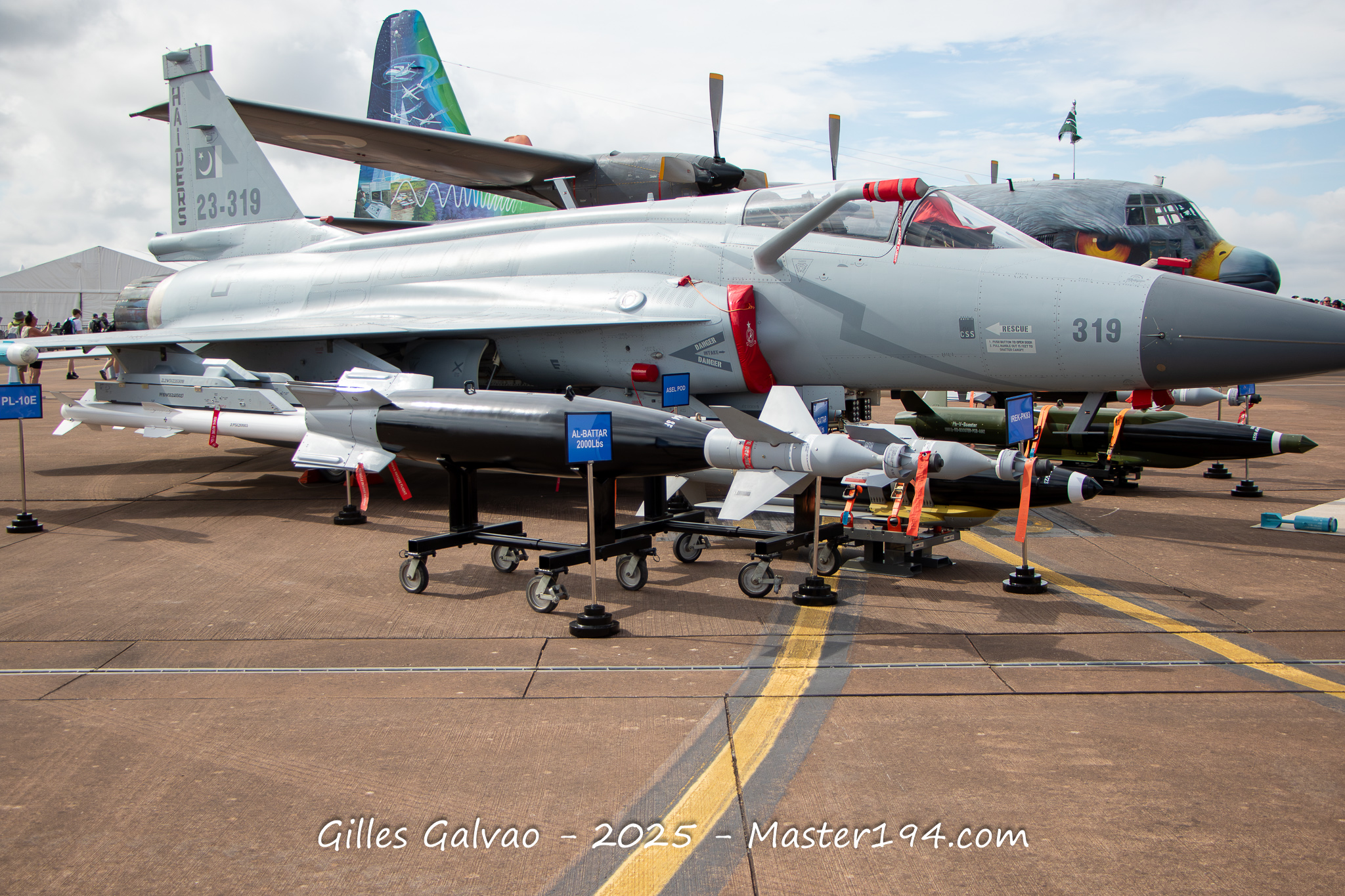
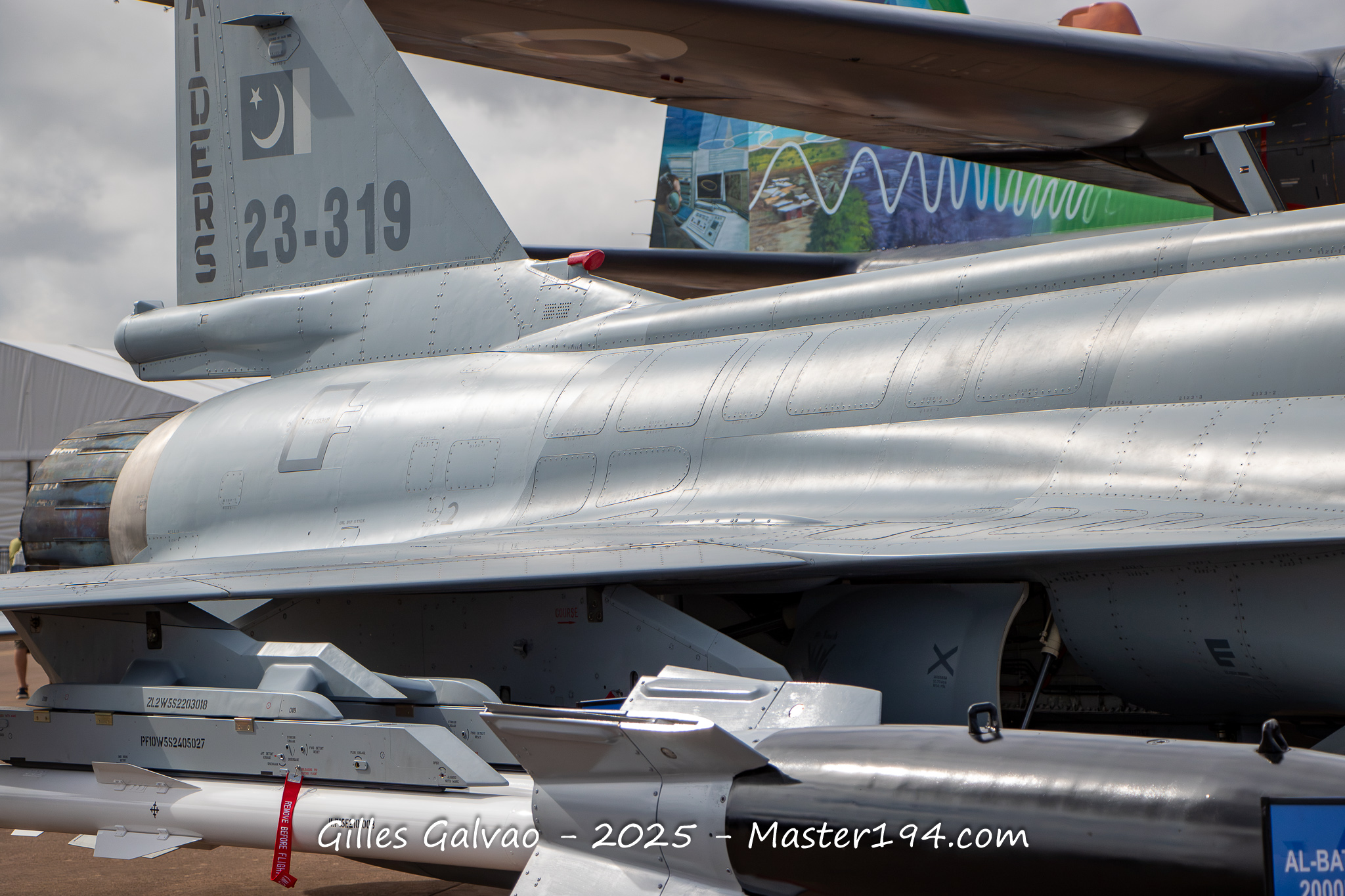
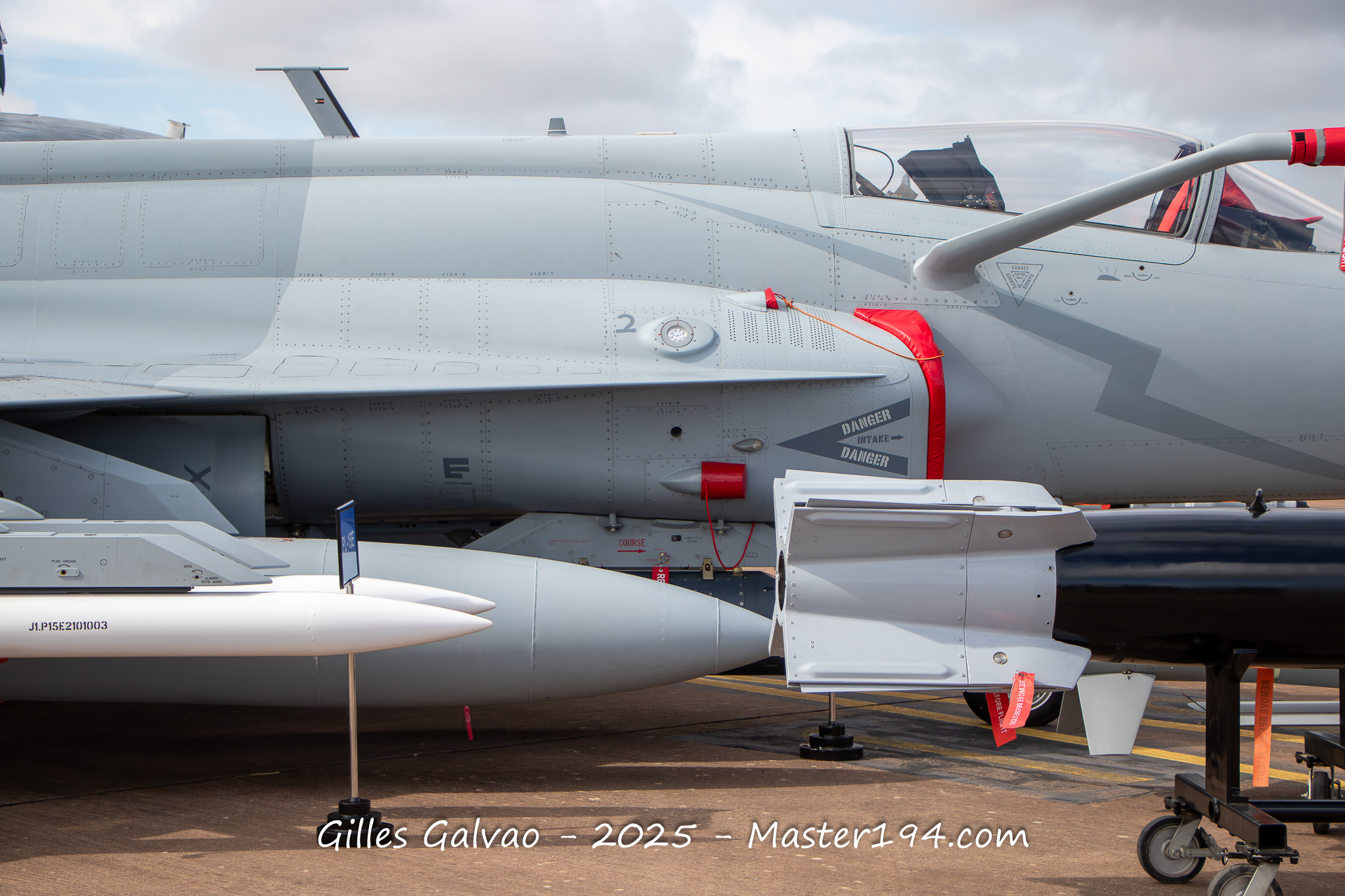
Ordnance & Payloads
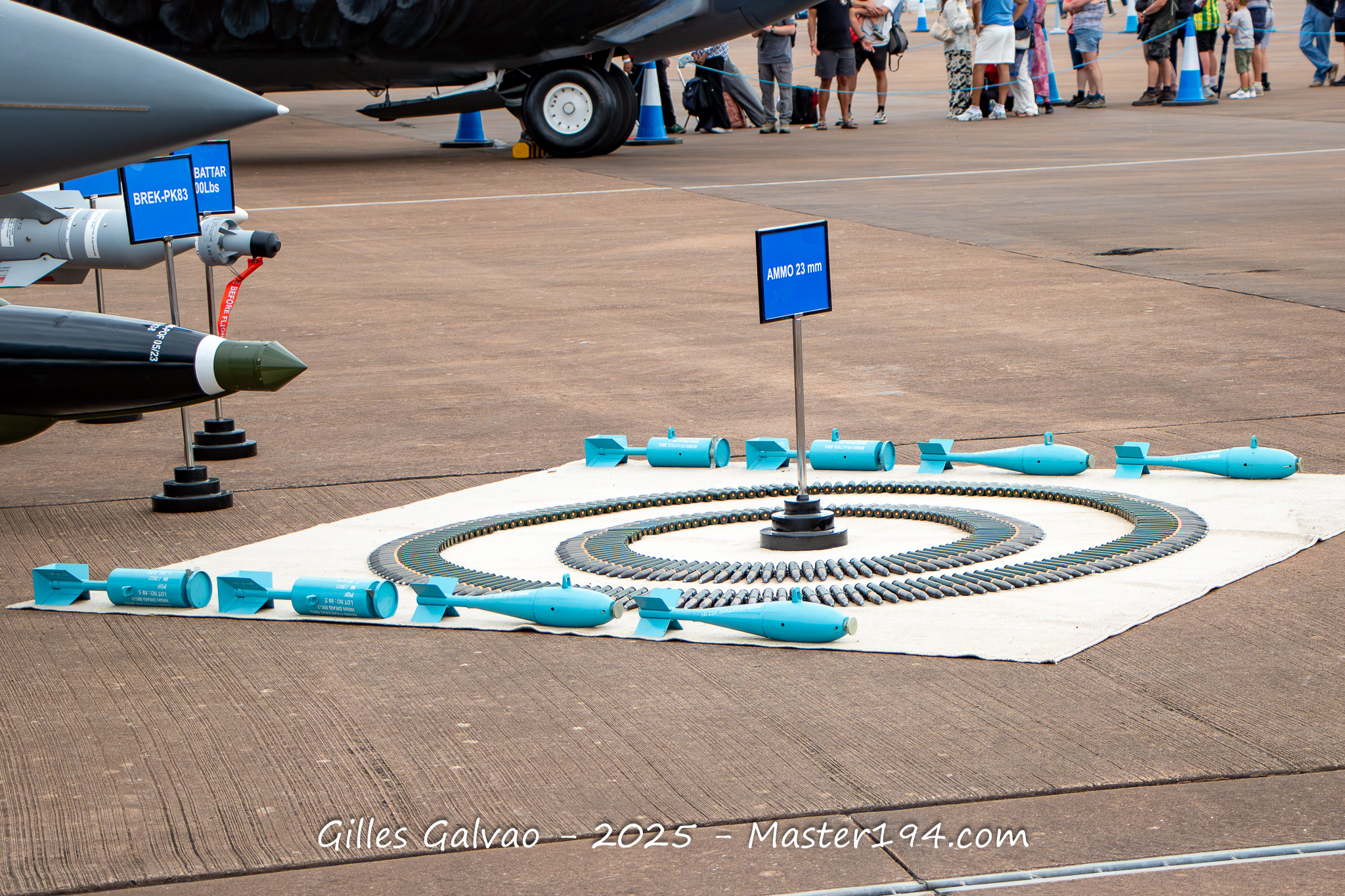
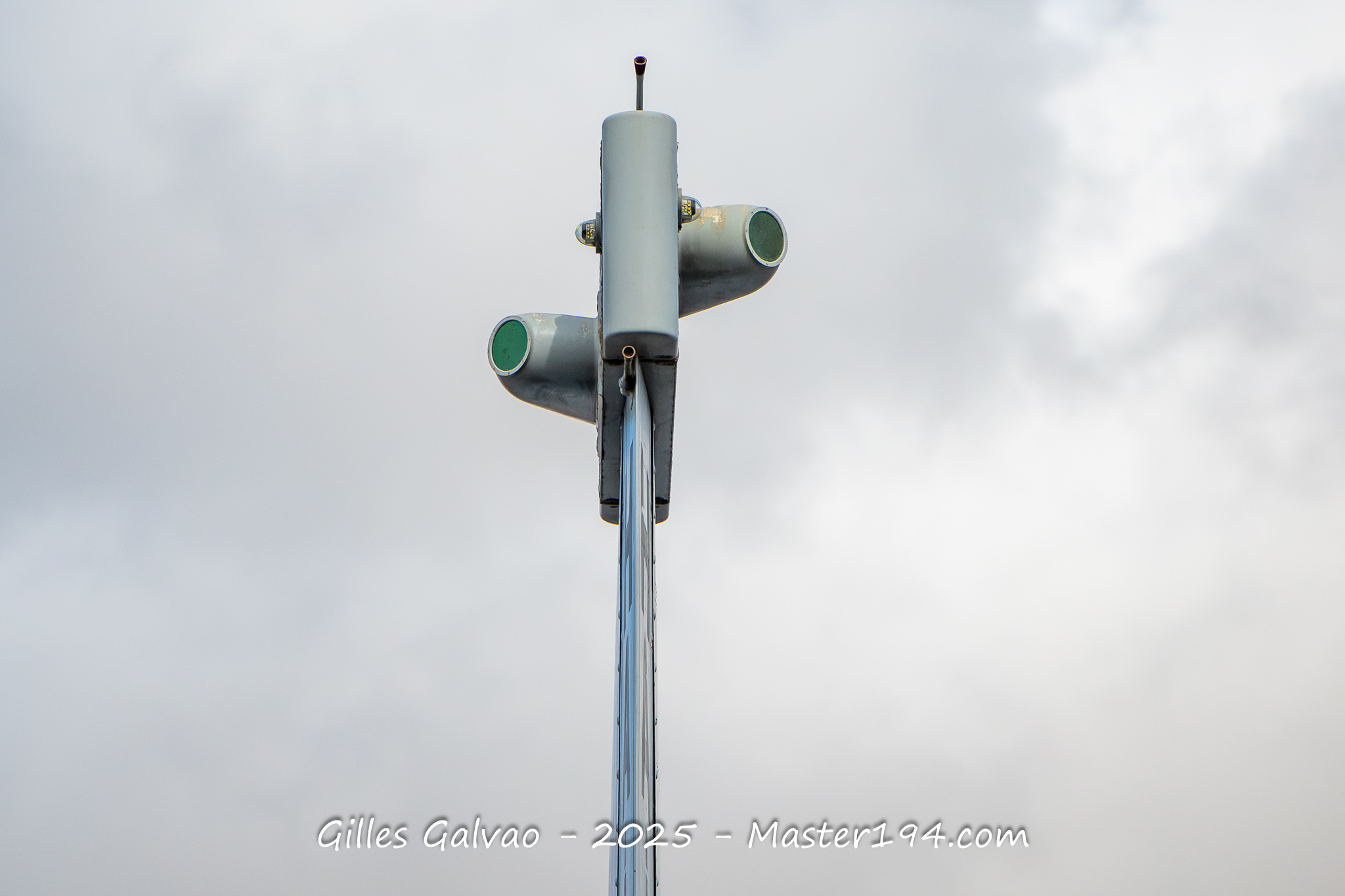
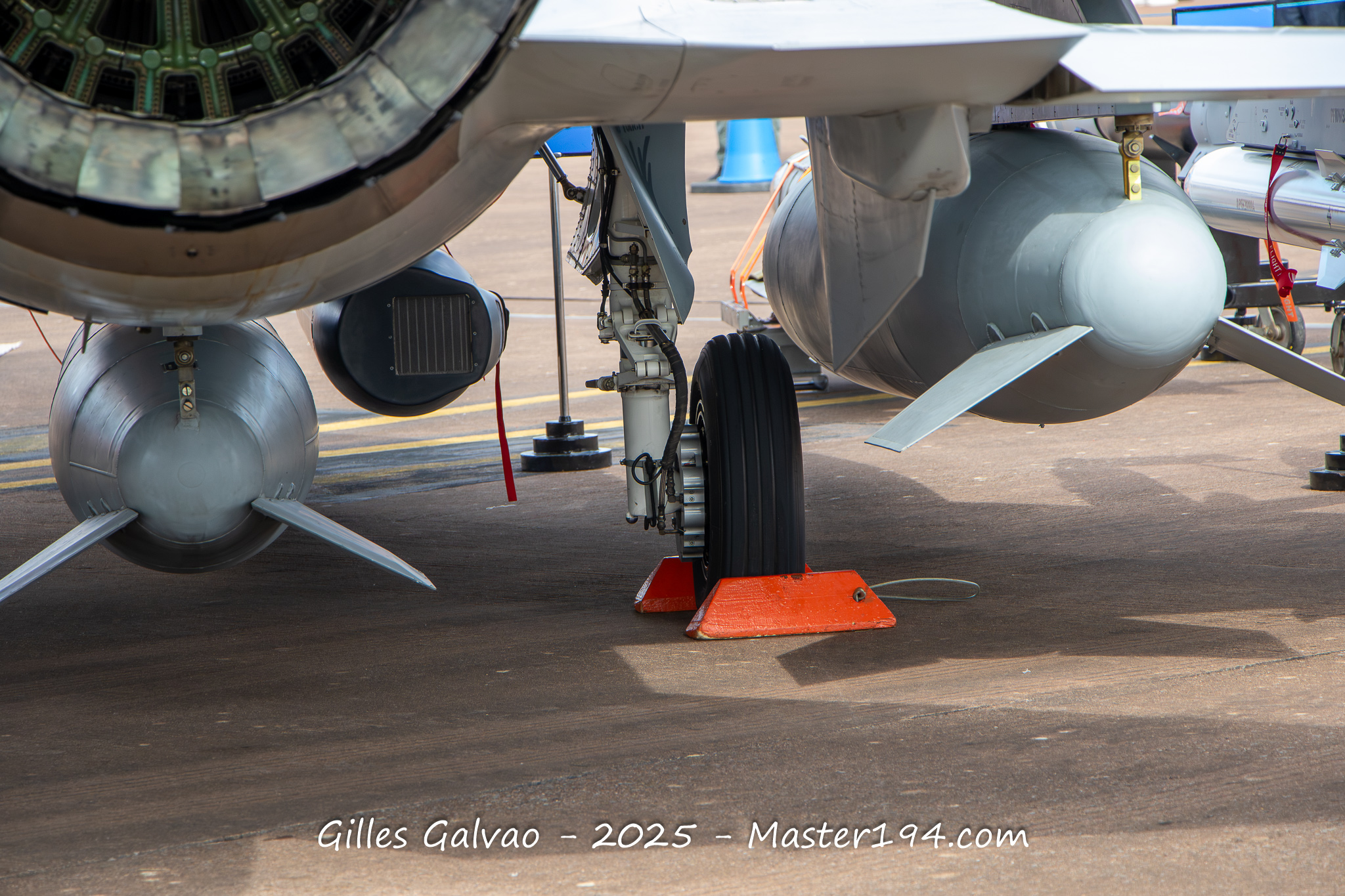
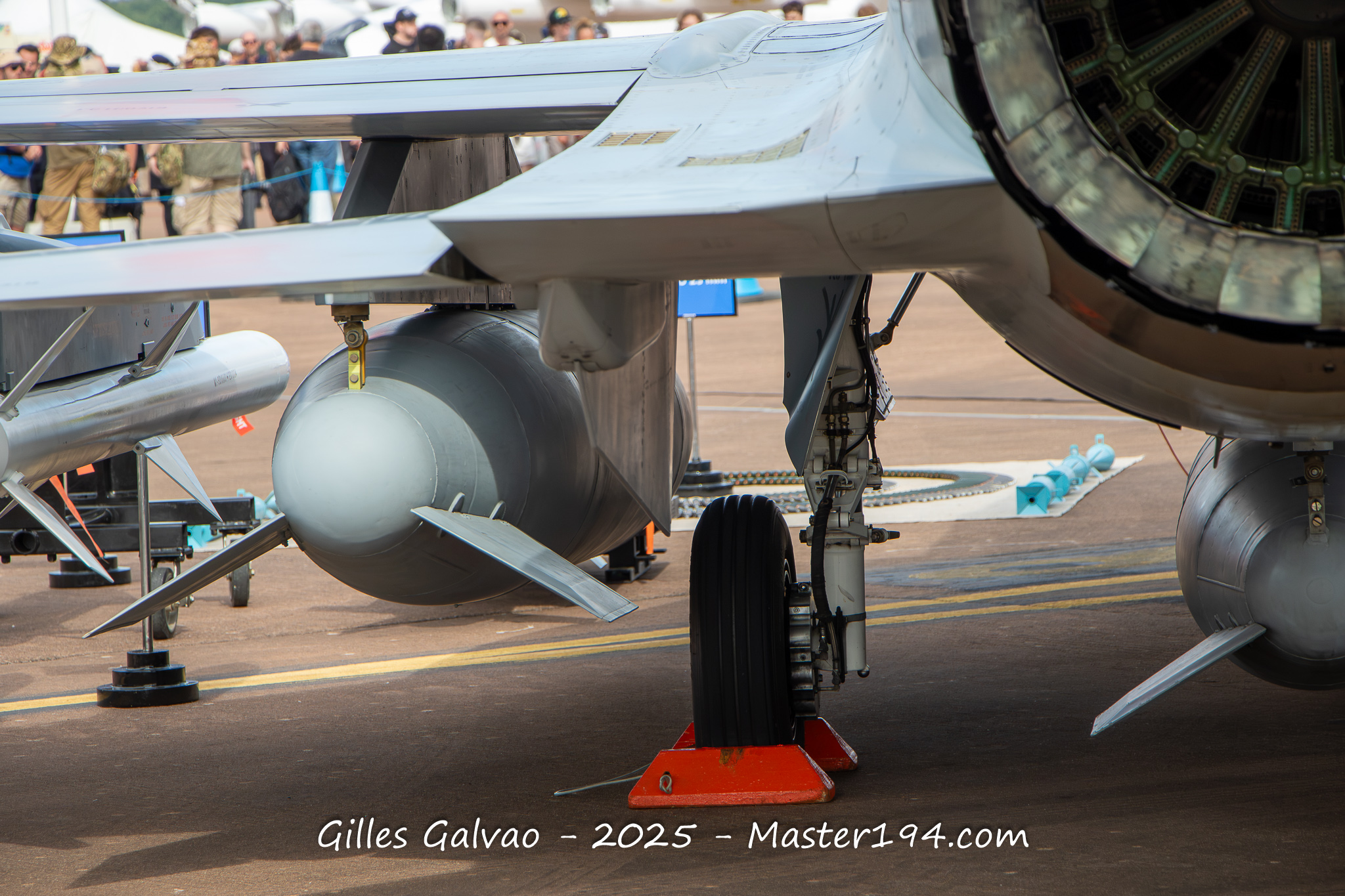
Pakistan presented a broad overview of the available armaments and stores for the JF-17.