
 by
The origins of the V-22 Osprey date back to the early 1980s. The failure of Operation Eagle Claw in 1980 highlighted serious shortcomings, both in terms of equipment and organizational structure.
Special operations faced challenges for certain missions: helicopters were not fast enough or lacked range, while fixed-wing aircraft could not land just anywhere. The V-22 Osprey concept provided the solution: a tiltrotor aircraft combining the vertical takeoff and landing capabilities of a helicopter with the speed and range of a turboprop airplane.
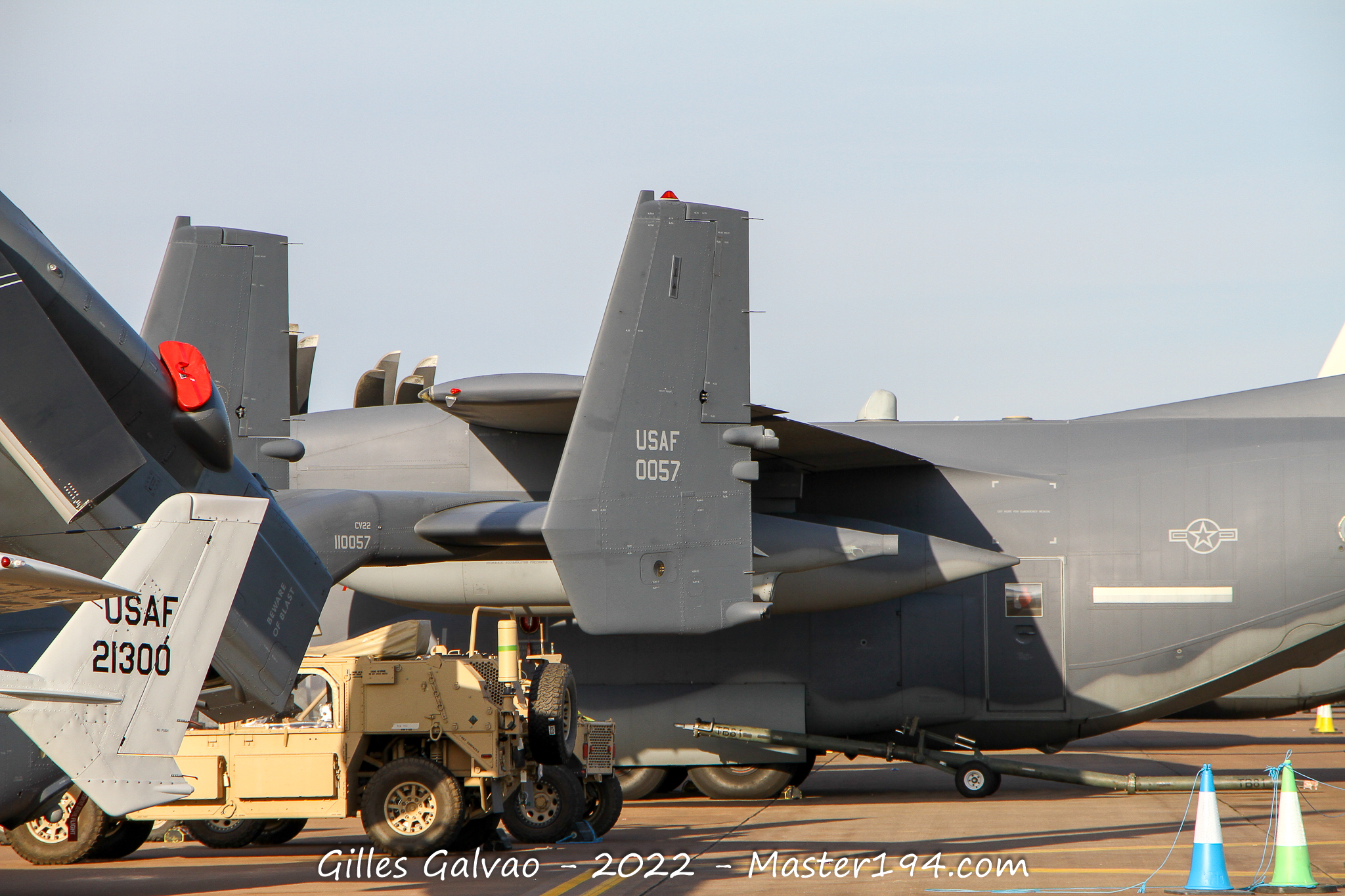
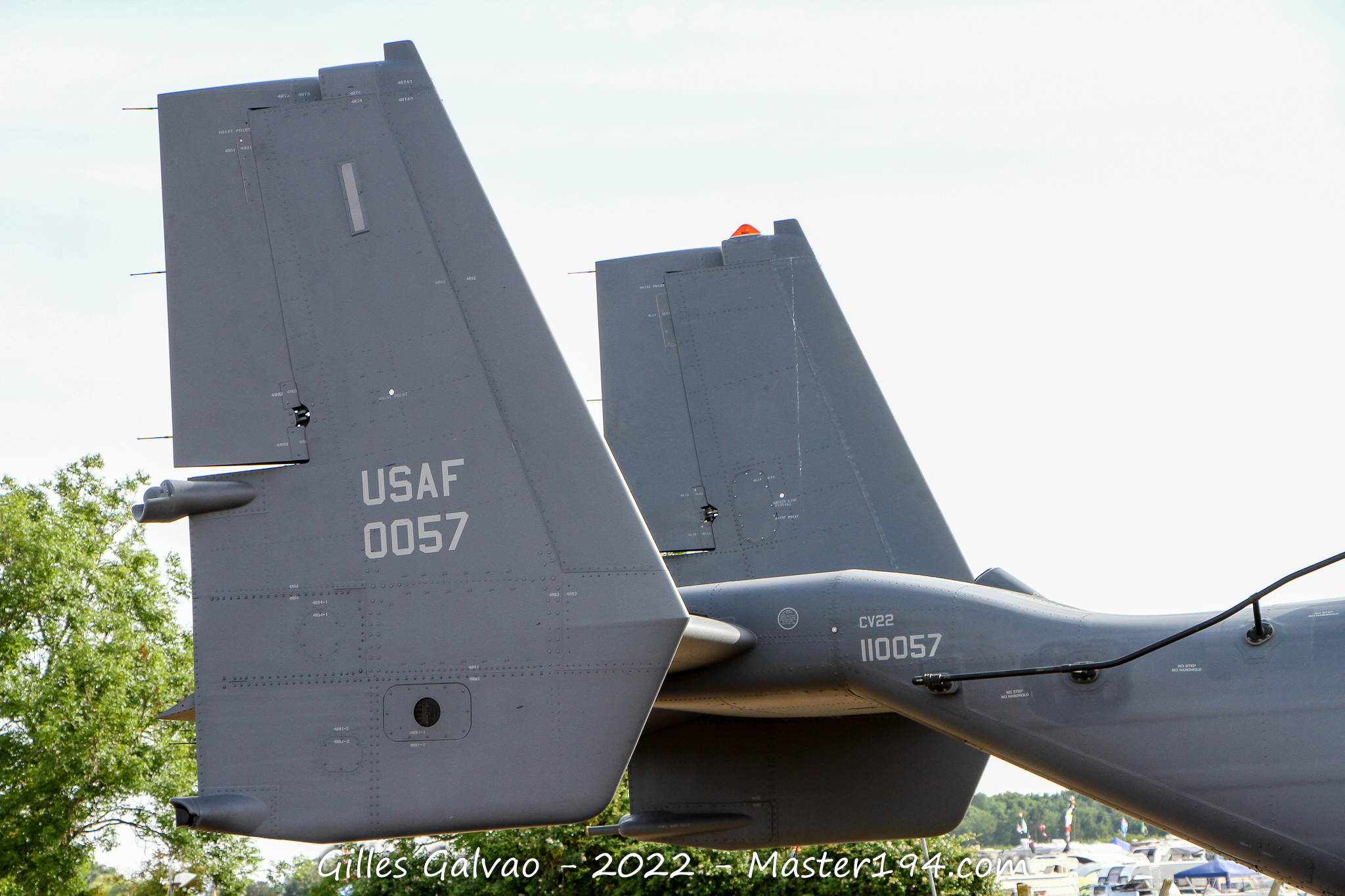
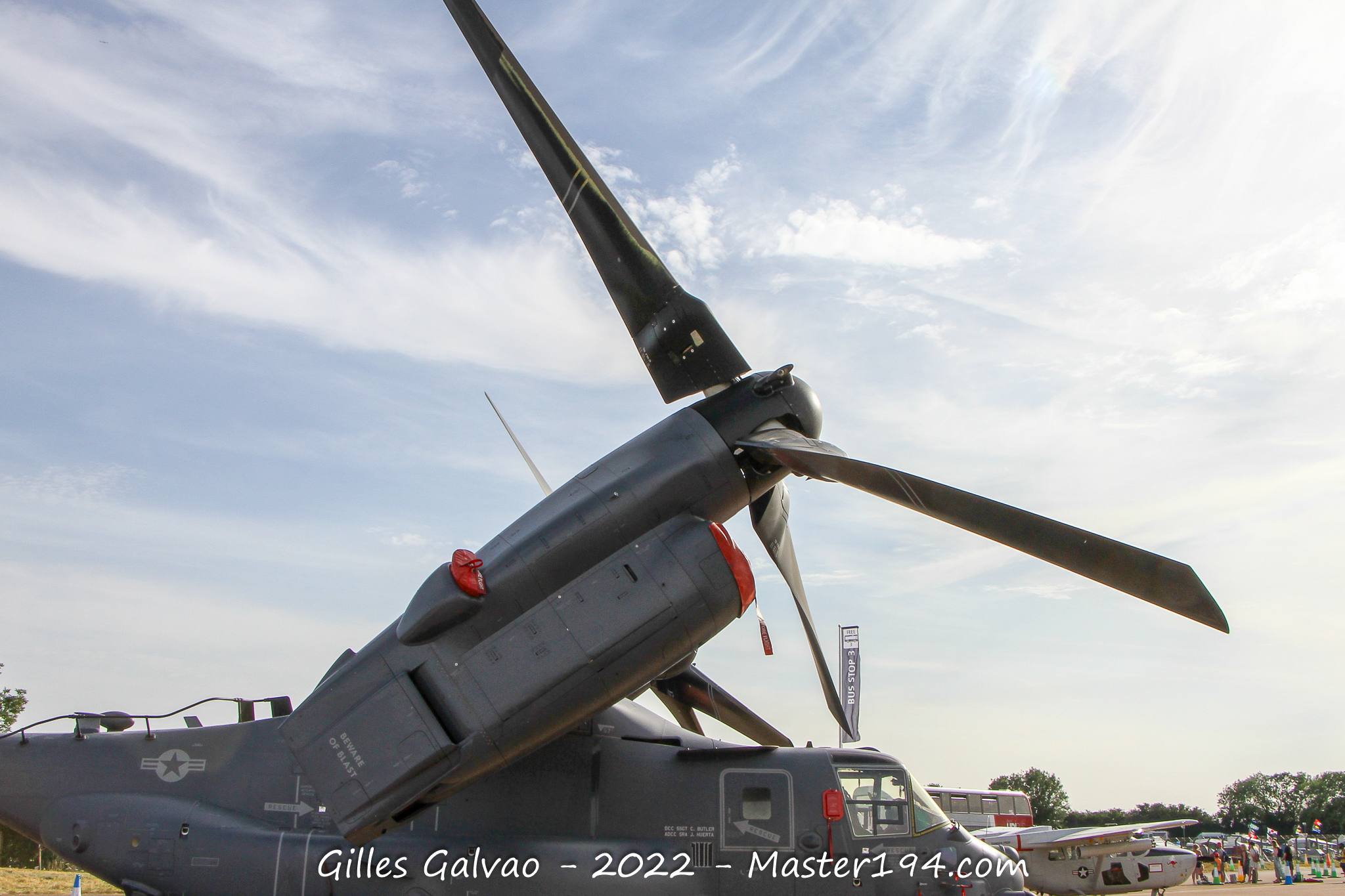
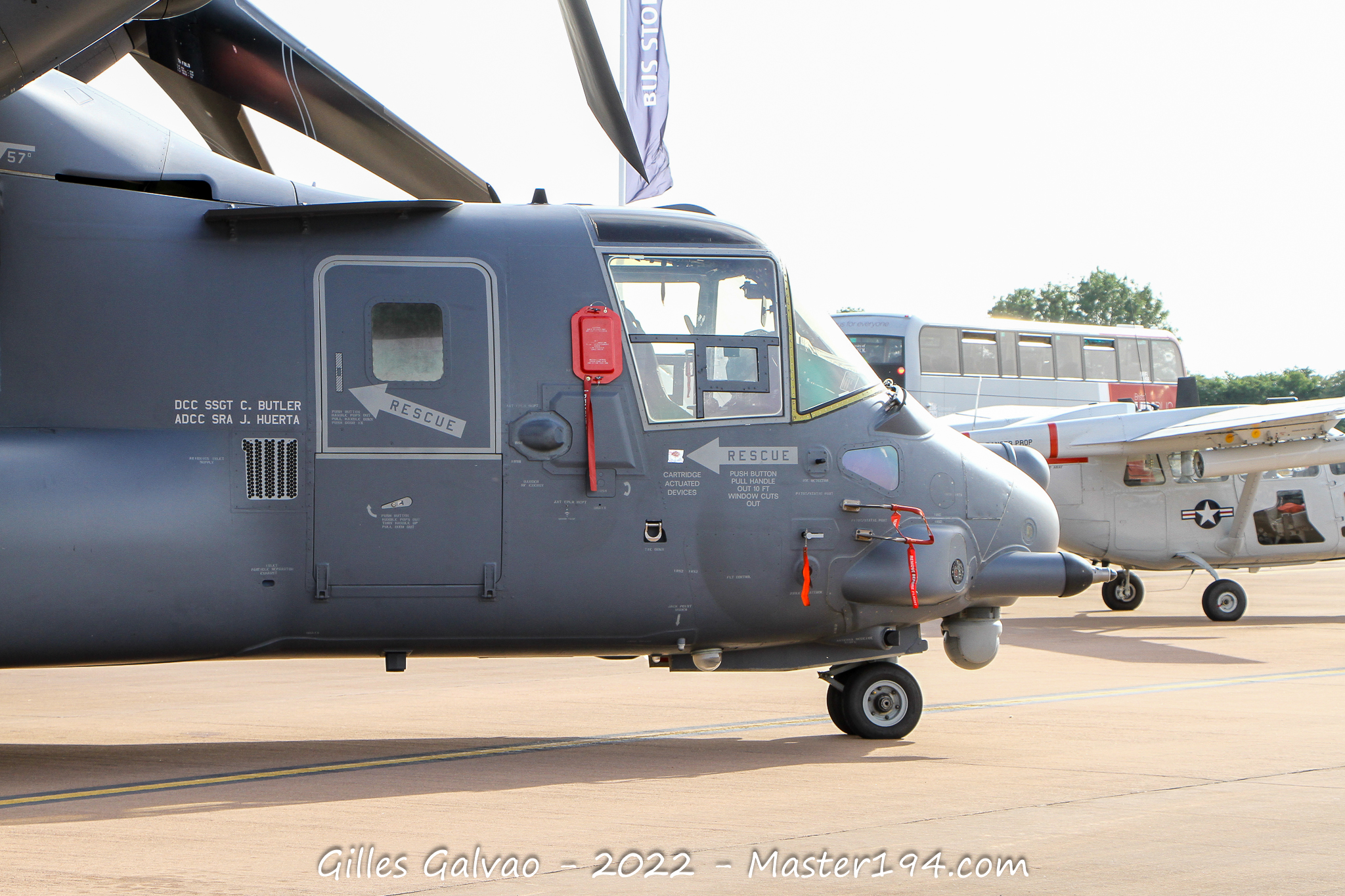
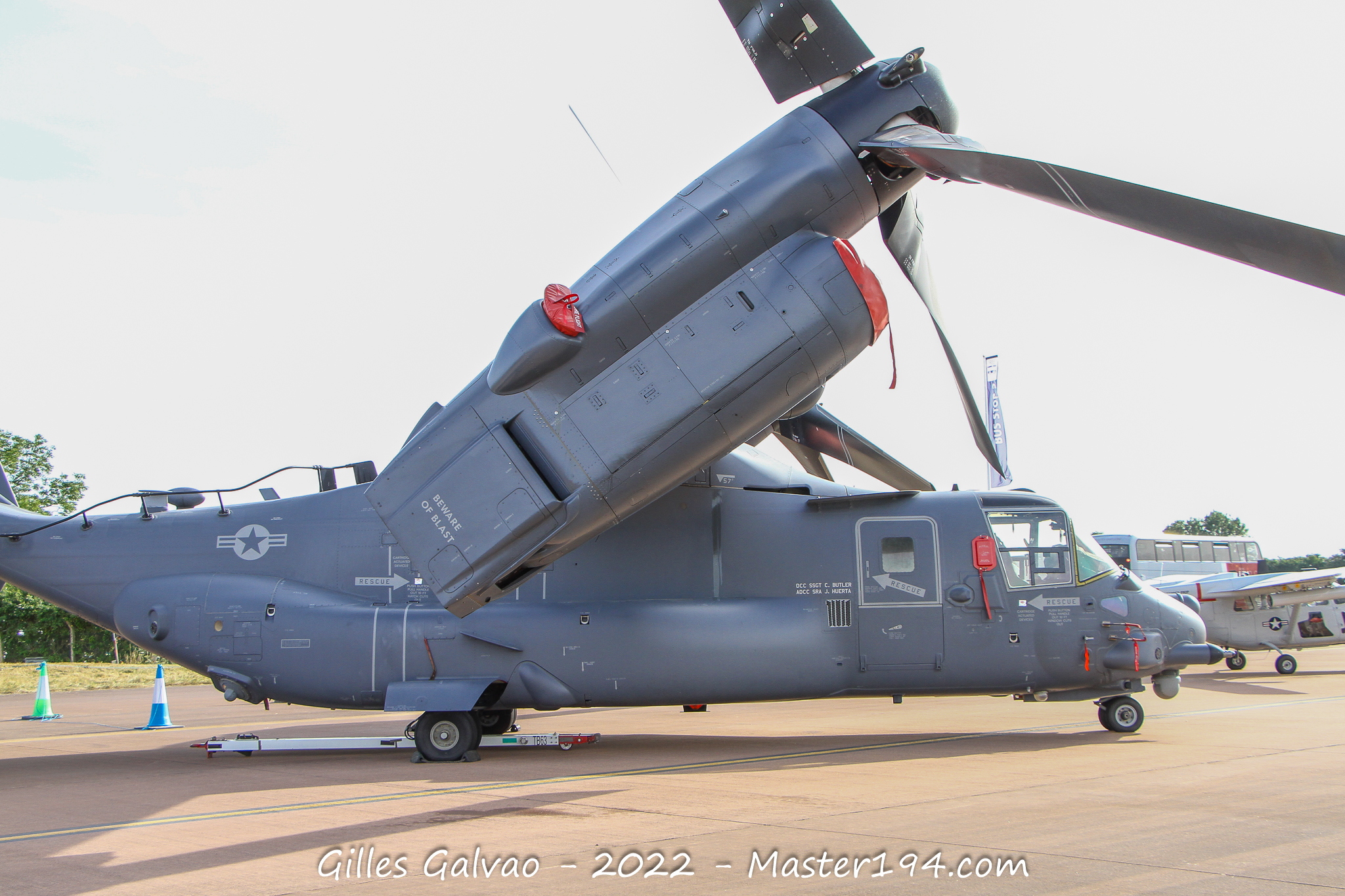
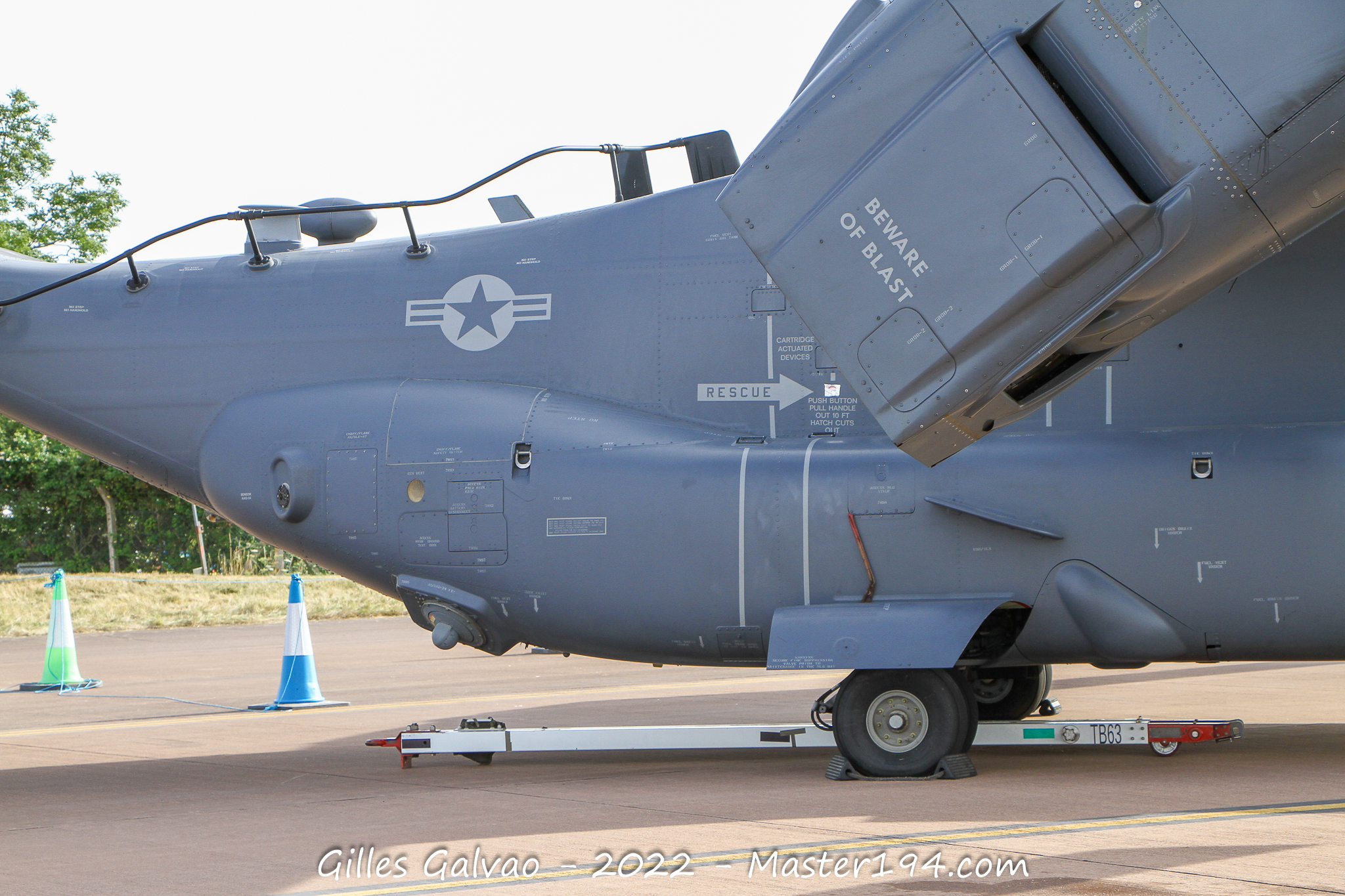
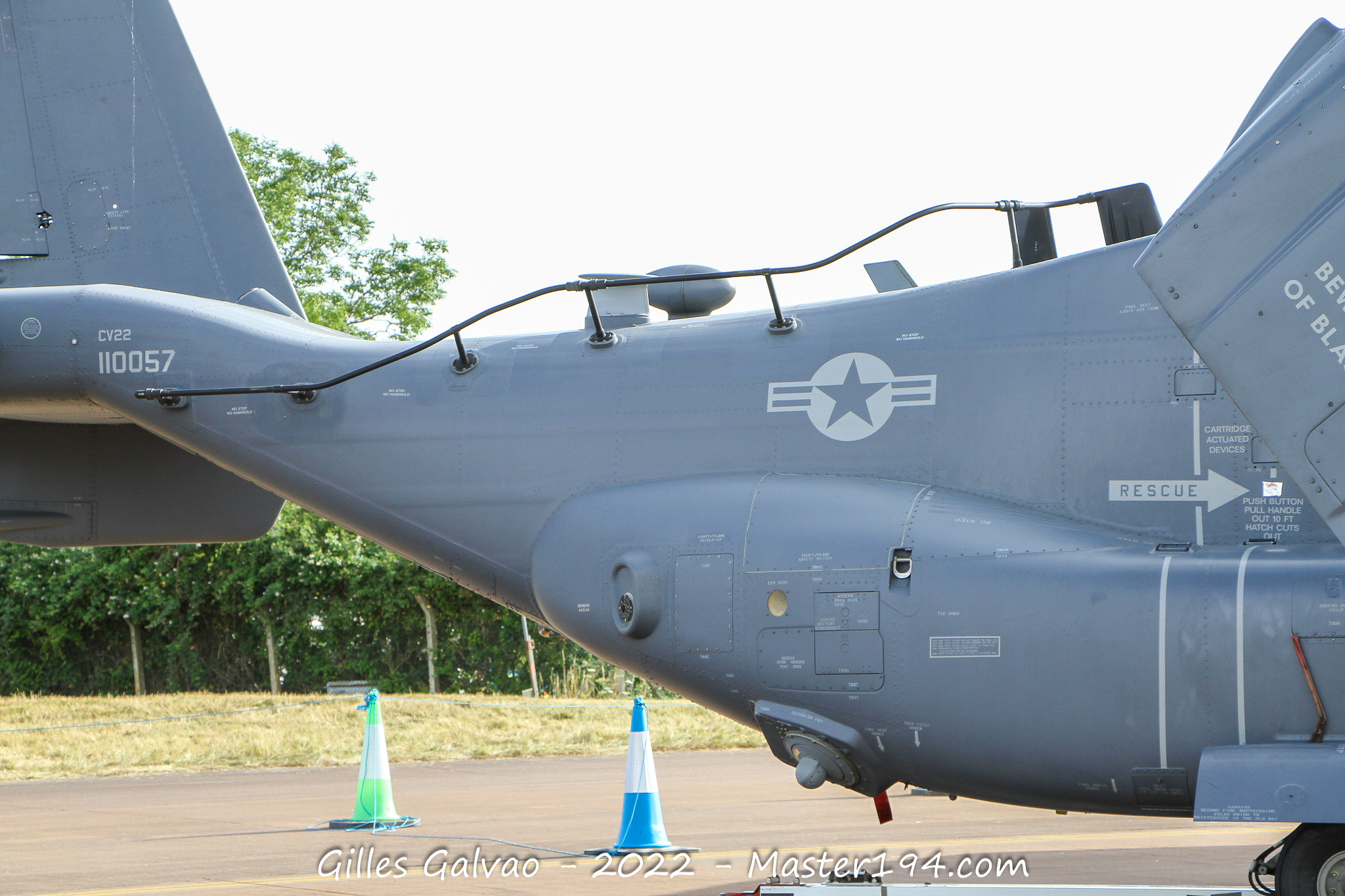
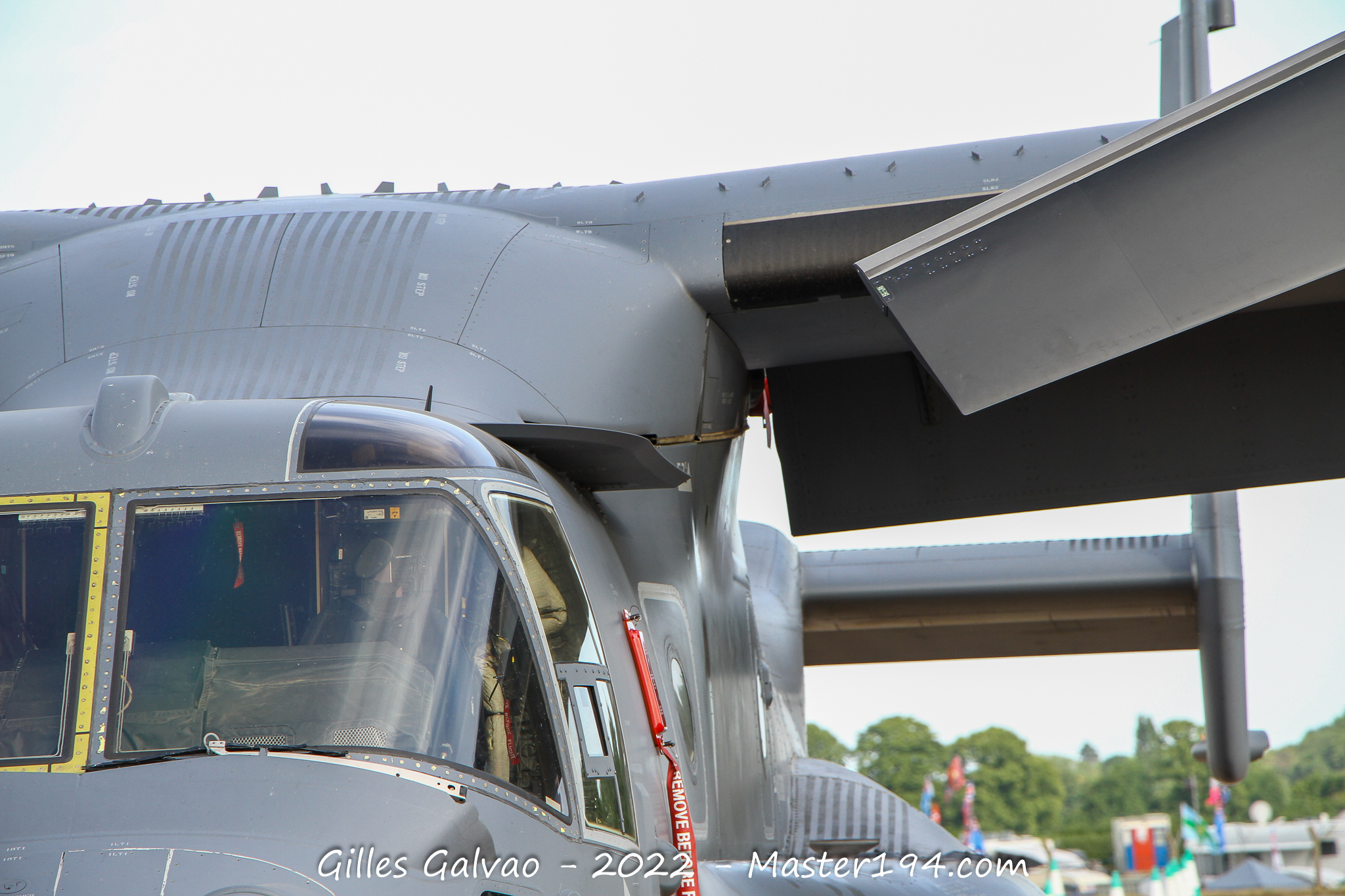
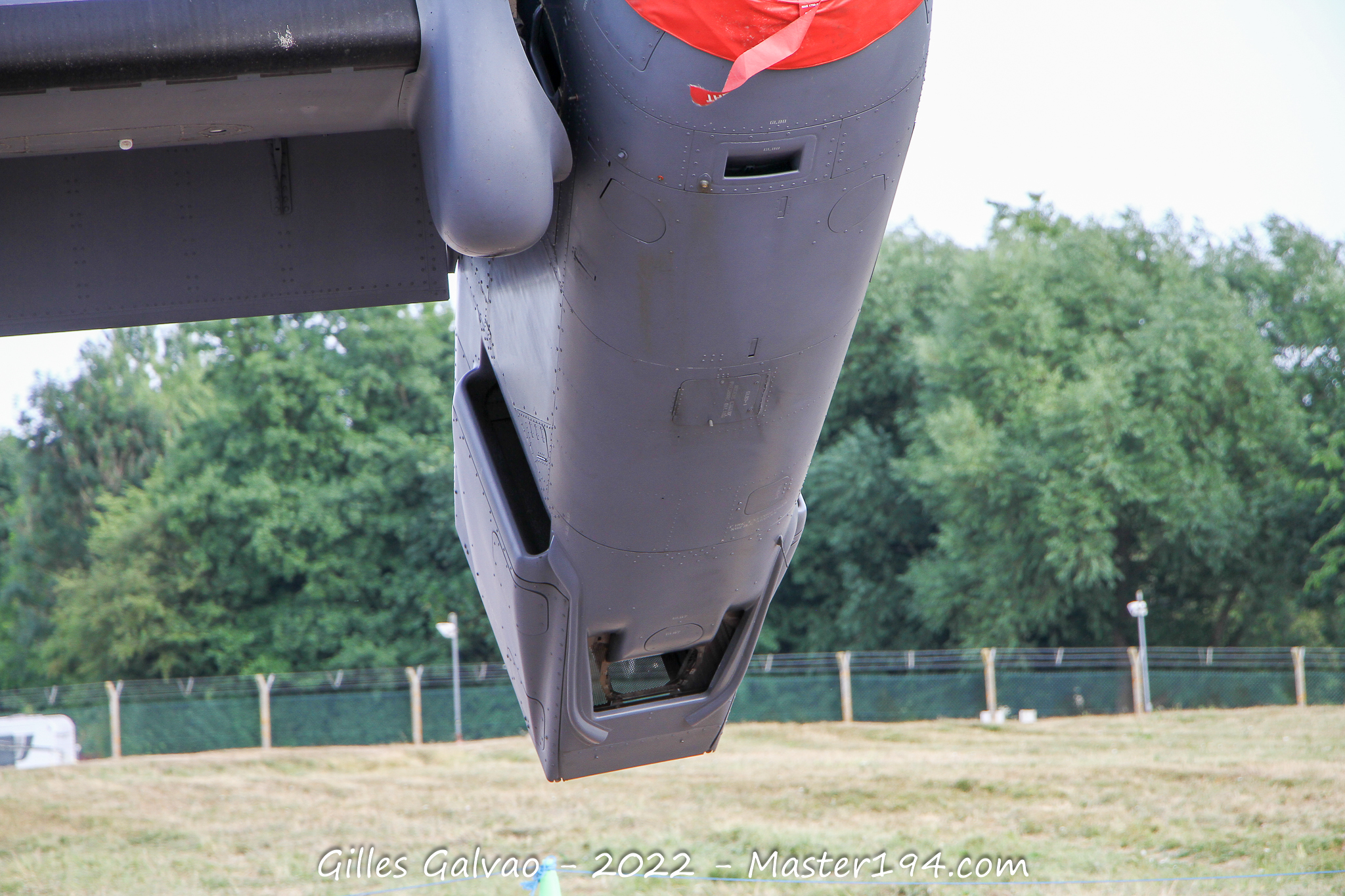
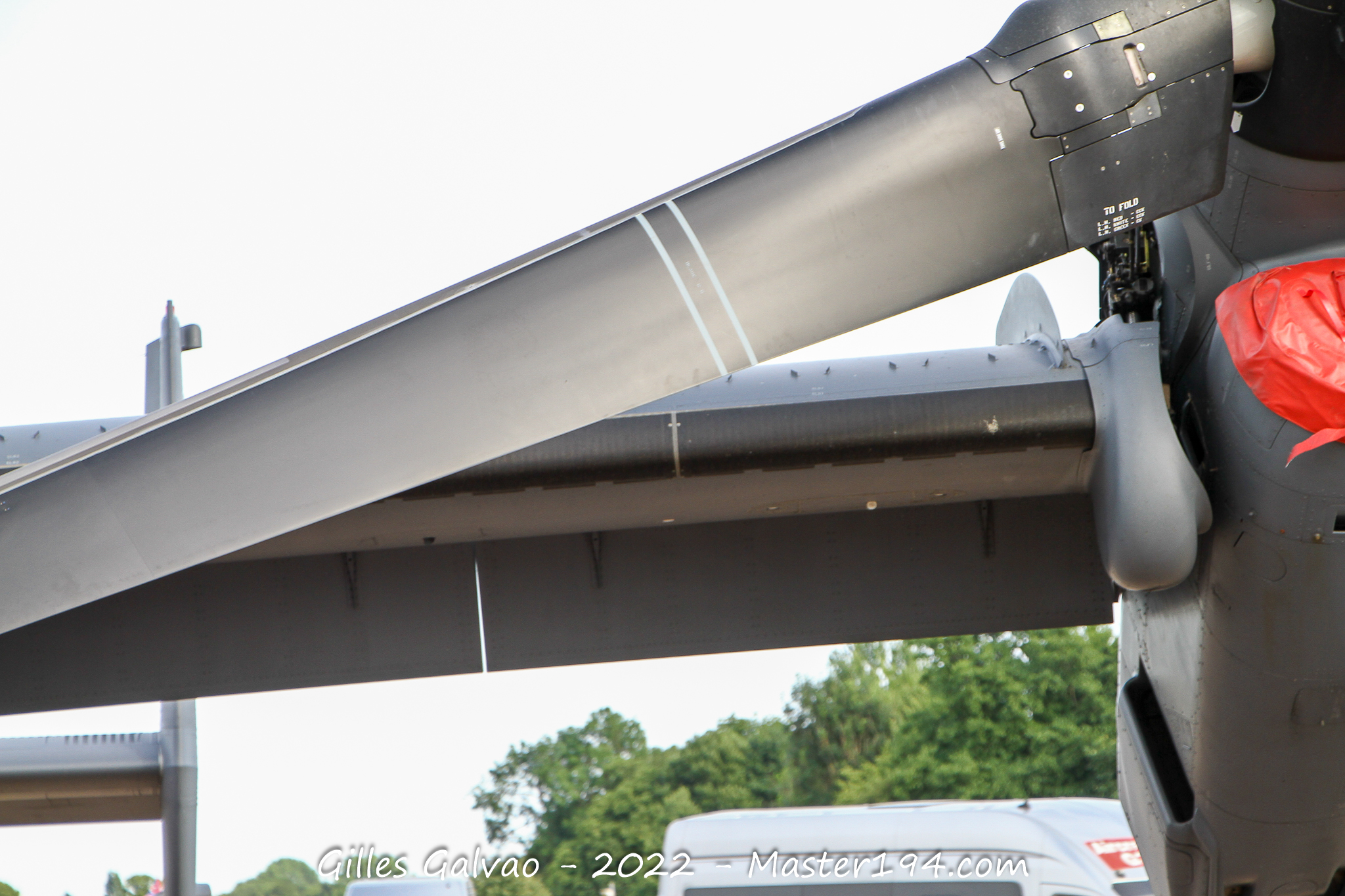
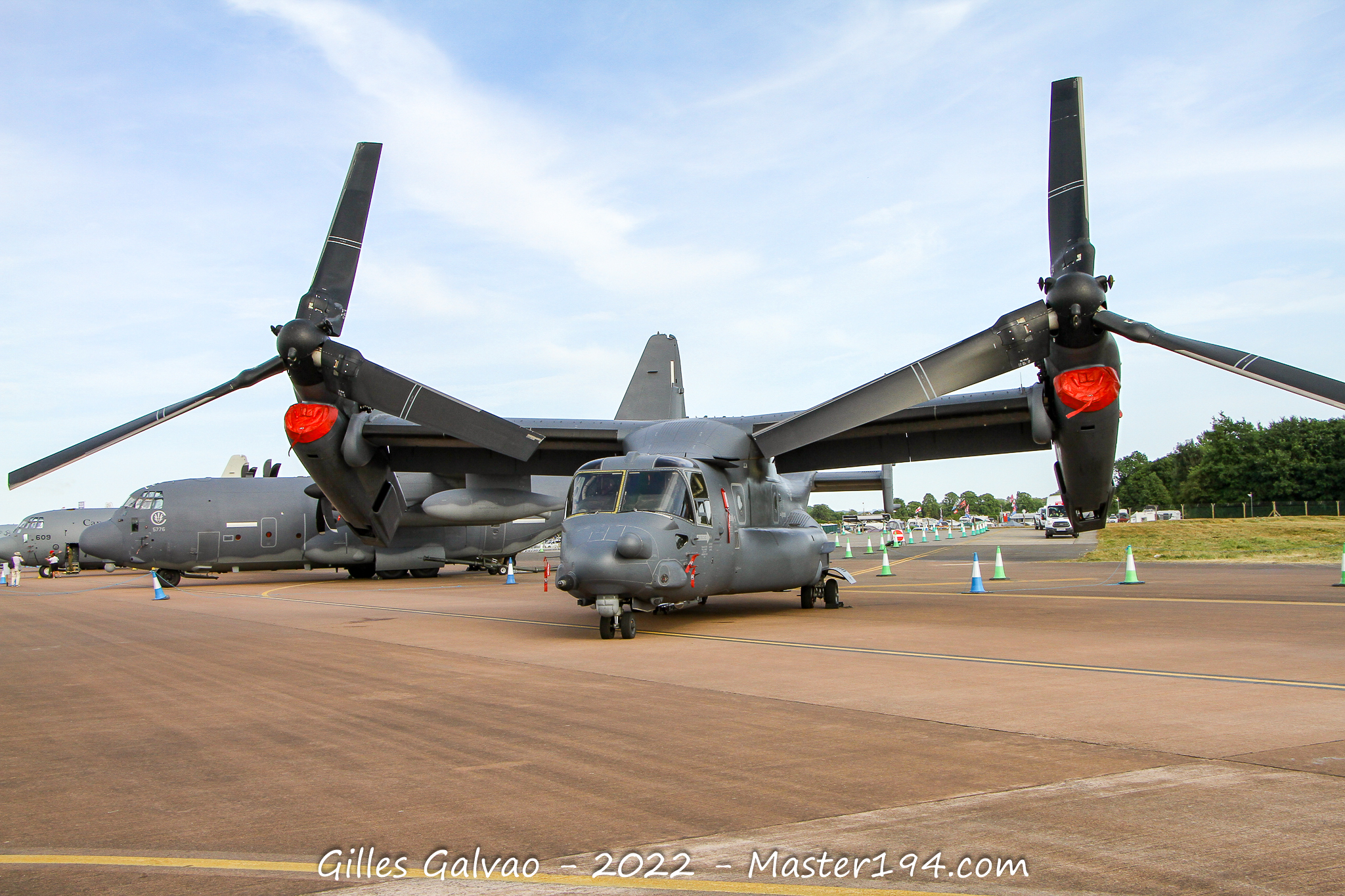
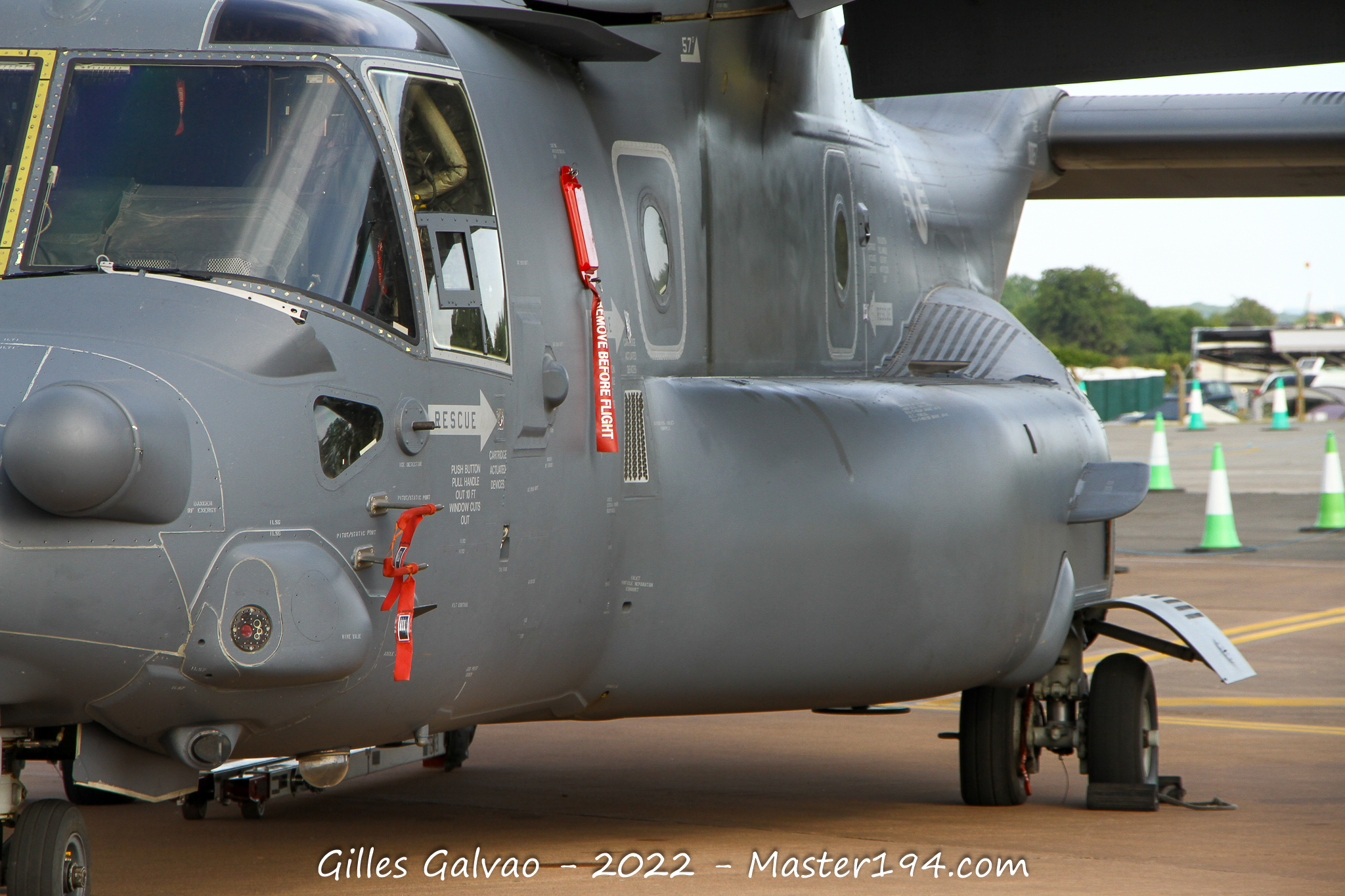
For the Royal International Air Tattoo 2022, the US Air Force sent two CV-22B Ospreys. Both aircraft belong to the 7th Special Operations Squadron under the 352nd Special Operations Wing, based in England at RAF Mildenhall. The aircraft on display were CV-22B 100053 and 110057.


The Development of the V-22 Osprey
The Pentagon launched the JVX program (Joint Vertical-lift Experimental), and in 1983, Bell Helicopter and Boeing Vertol were selected to develop this innovative aircraft.
In 1988, the first V-22 was assembled, and in 1989, its maiden flight on March 19, 1989 demonstrated vertical takeoff, hovering, translation, and landing. It was only on the 7th flight, on September 14, 1989, that the V-22 successfully transitioned from vertical to horizontal flight — a major milestone in the test program.
However, it then took ten more years (1990–2000) to finalize the aircraft. Development was complex, and two crashes in 1991 and 1992, which led to a temporary program suspension, revealed stability and control issues. Testing and modifications extended far longer than expected, resulting in heavily criticized budget overruns.
Before certification in 2000, the US Marine Corps and the US Air Force began training pilots to evaluate the V-22 in real mission scenarios. These flights included landing exercises, formation flying, and combat operation simulations. Unfortunately, two tragic accidents occurred during these exercises: one on April 8, 2000, killing 19 Marines, and another on December 19, 2000, killing 4 Marines, causing another temporary halt for investigations.
Following additional modifications and the program’s resumption, the V-22 finally received its operational certification in 2005.
The Different Versions of the V-22 Osprey
Here is the list of versions:
- MV-22B
- Operated by the US Marine Corps
- Troop transport, logistical resupply, and aerial support for amphibious operations
- CV-22B
- Operated by the US Air Force Special Operations
- Special operations, infiltration/exfiltration of special forces, resupply, and medical evacuation
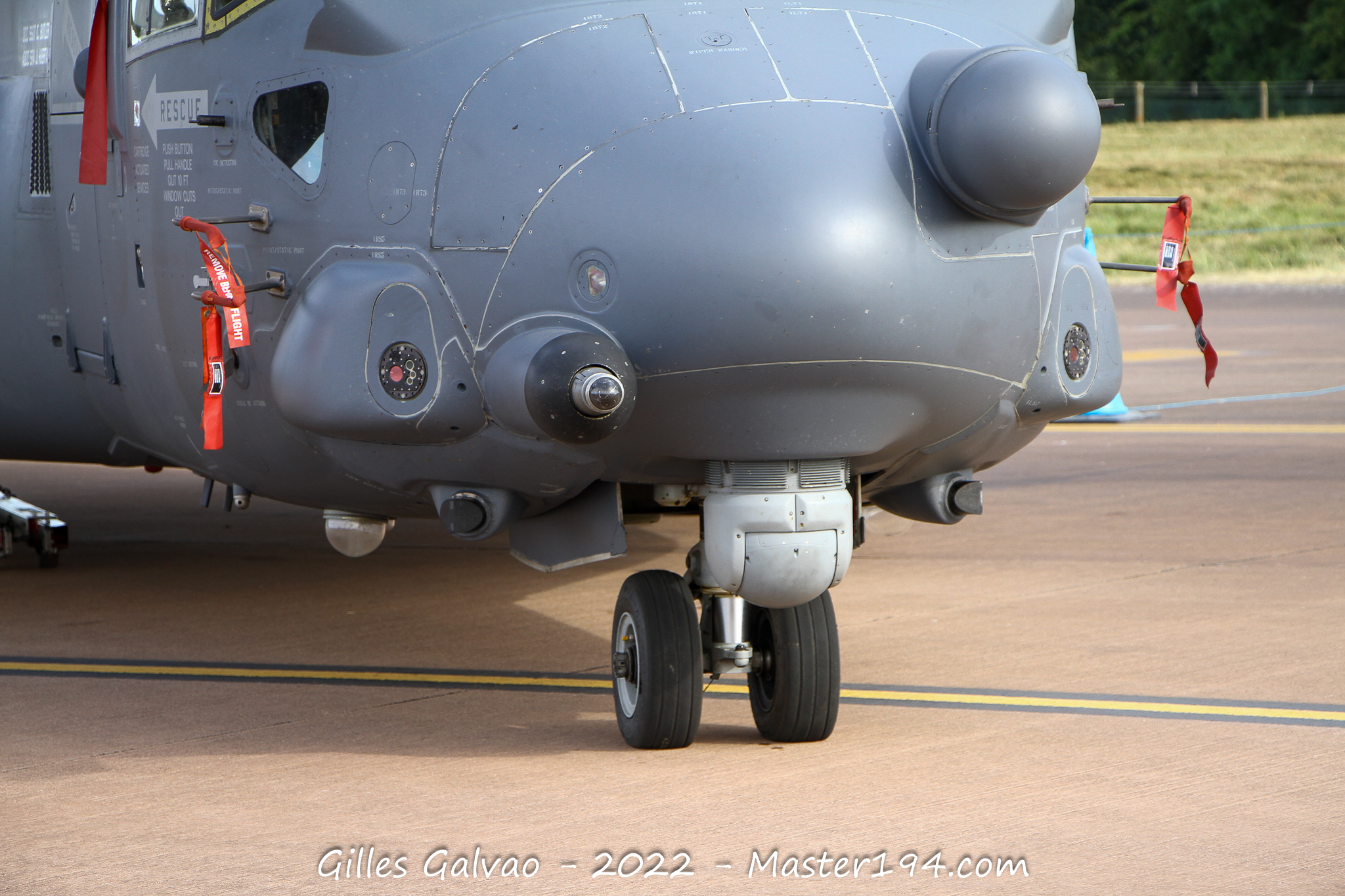
- Equipped with terrain-following radar and electronic countermeasure systems
- Capable of in-flight refueling
- CMV-22B
- Operated by the US Navy
- Logistical transport and support for aircraft carriers at sea
- Designed to replace the C-2 Greyhound in Carrier Onboard Delivery (COD) missions
- Extended range for overwater missions
- EV-22 → Electronic warfare and surveillance (proposed project)
- HV-22 → Search and rescue at sea (not realized)
The CV-22B 100053 performed the flight demonstrations, with some photos shown here.
All photos are available in 2048×1365 resolution by clicking on them!


A chance to share a short video
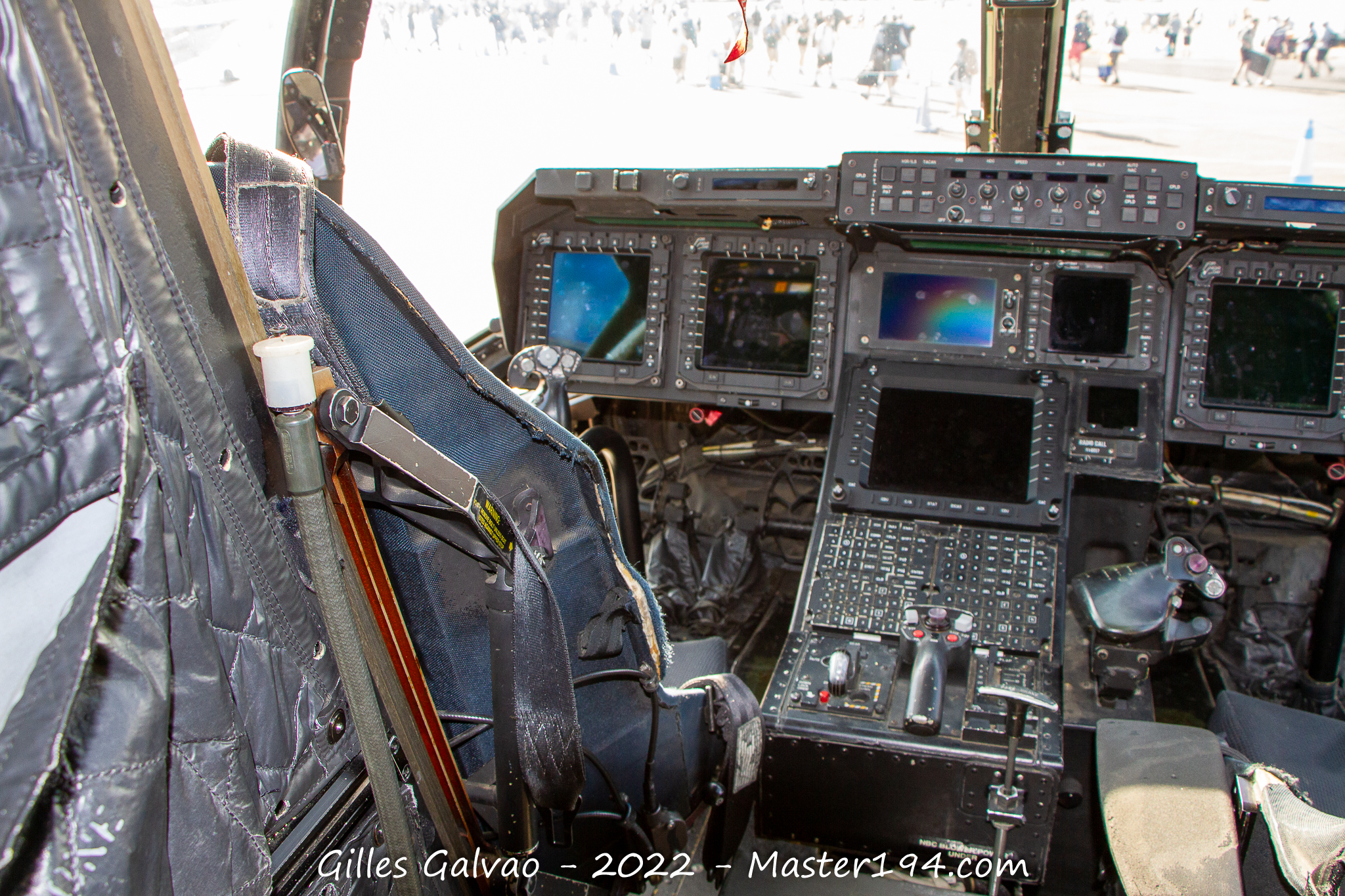
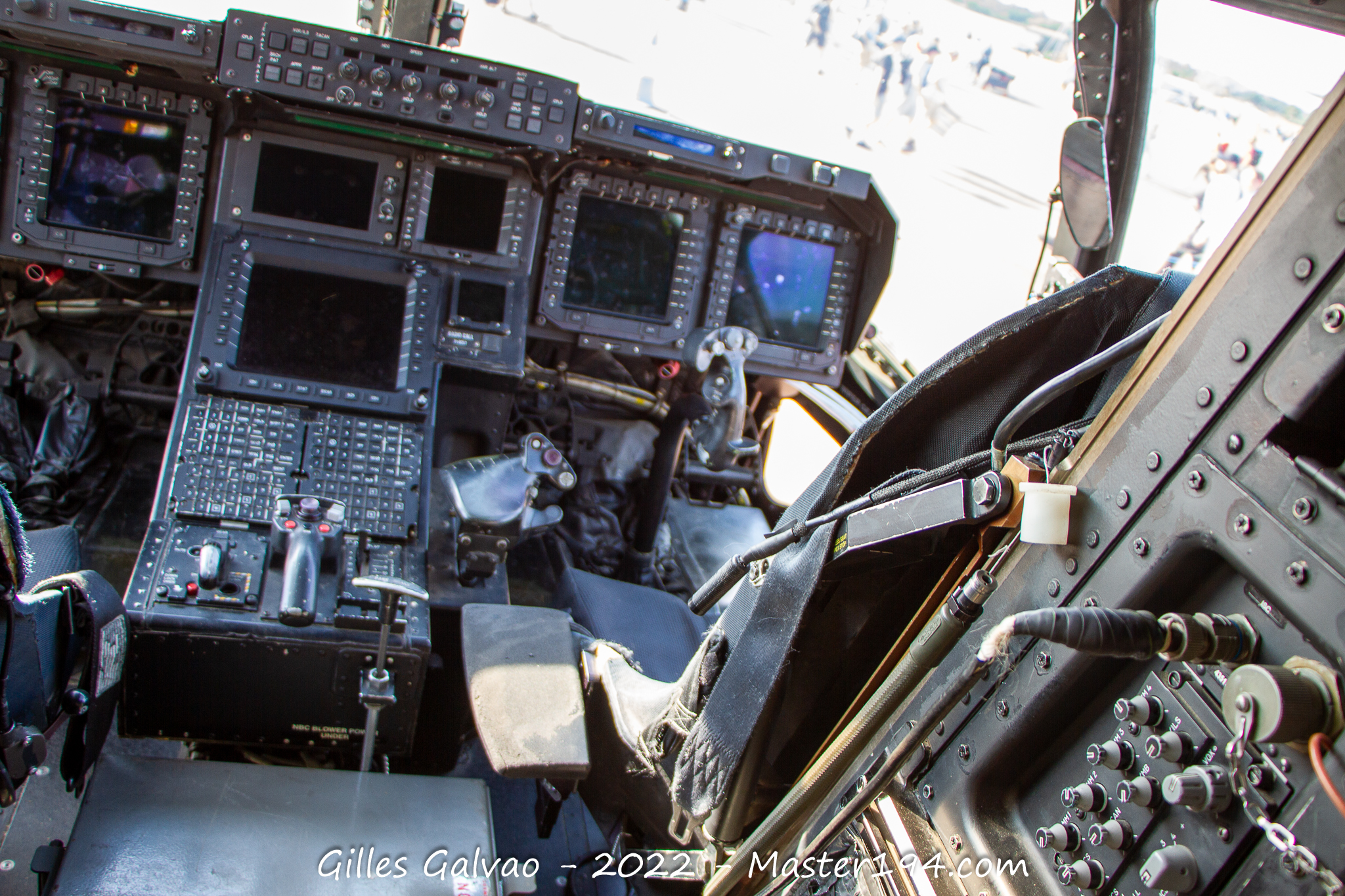
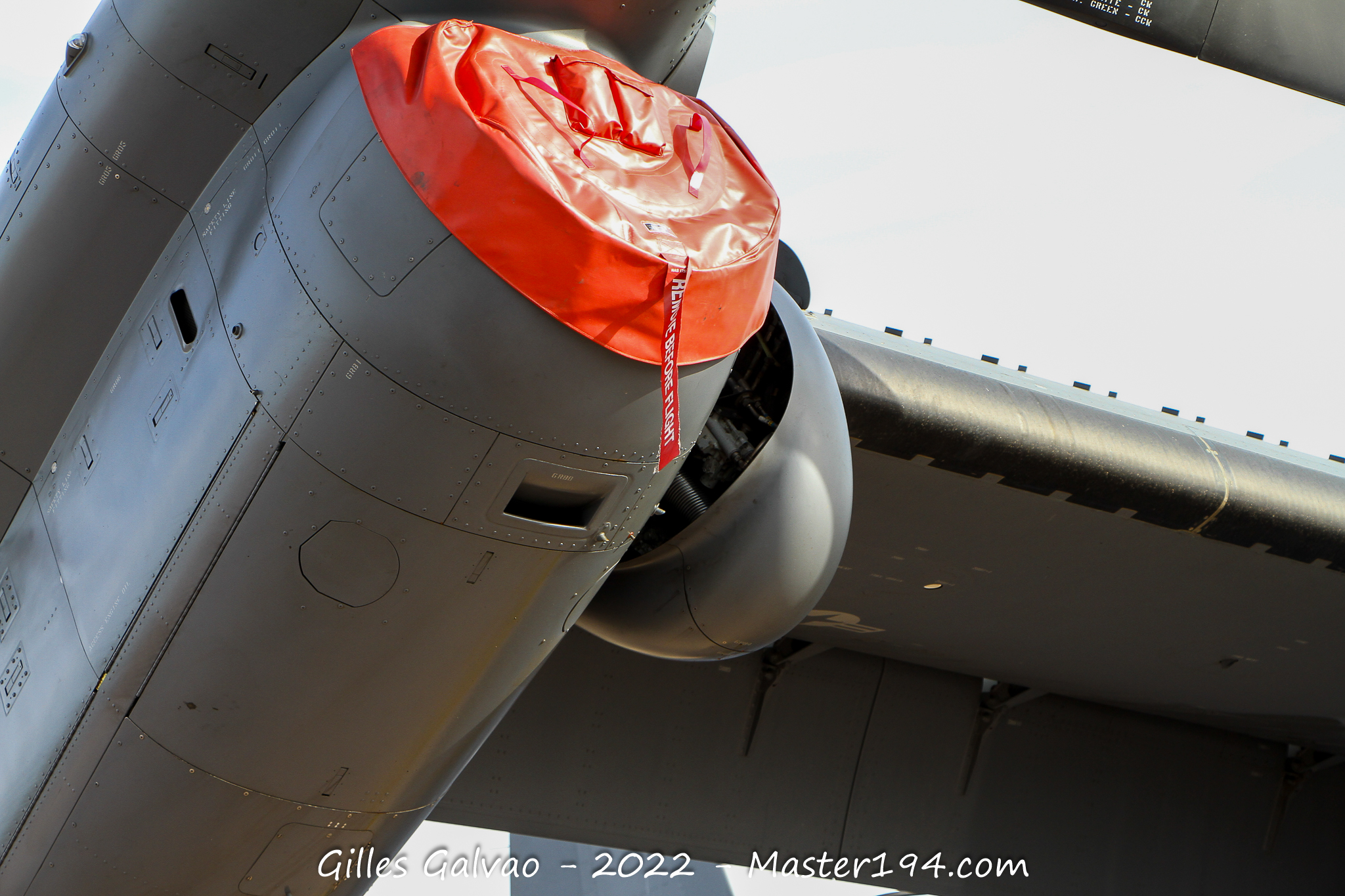
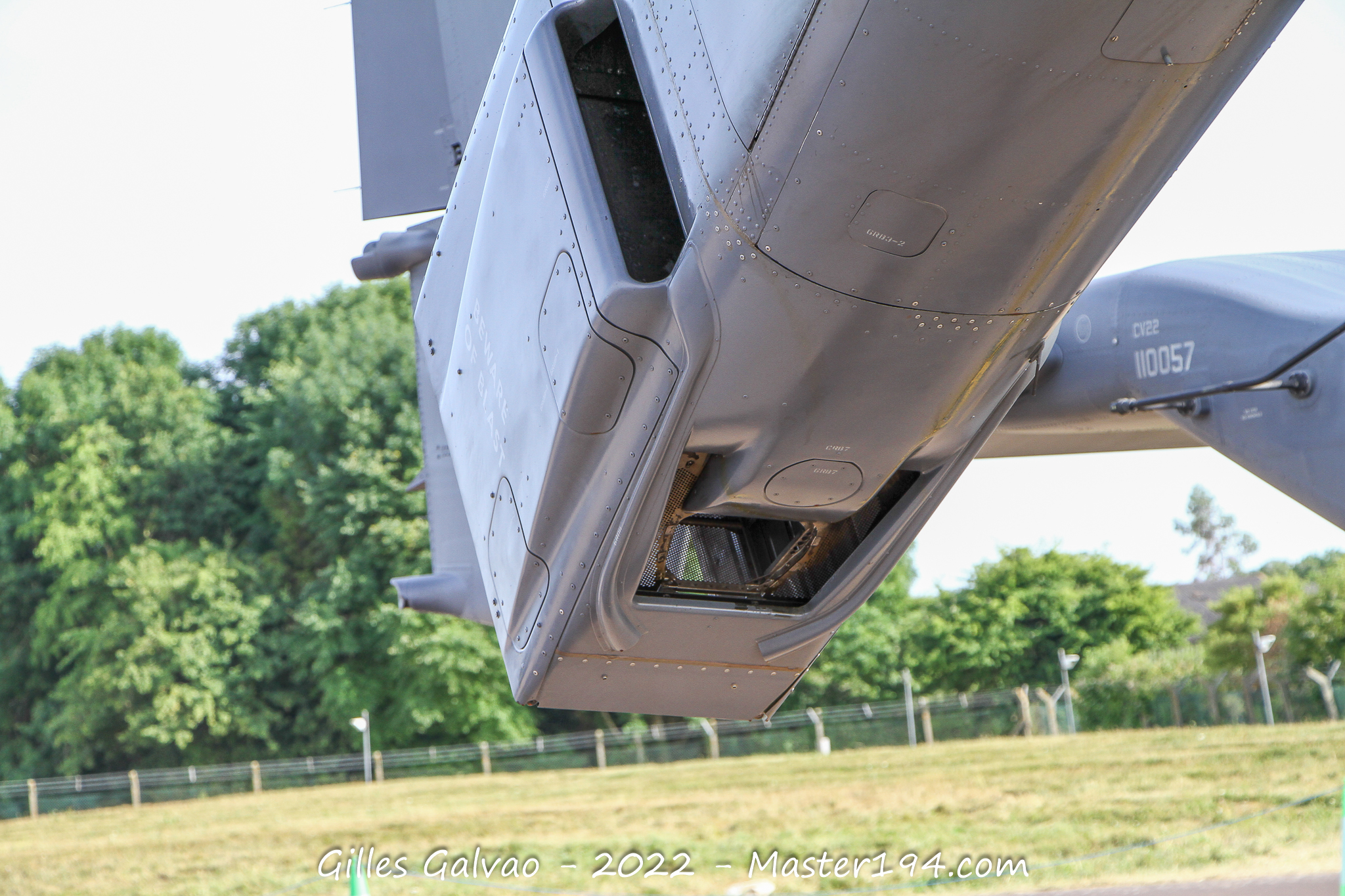
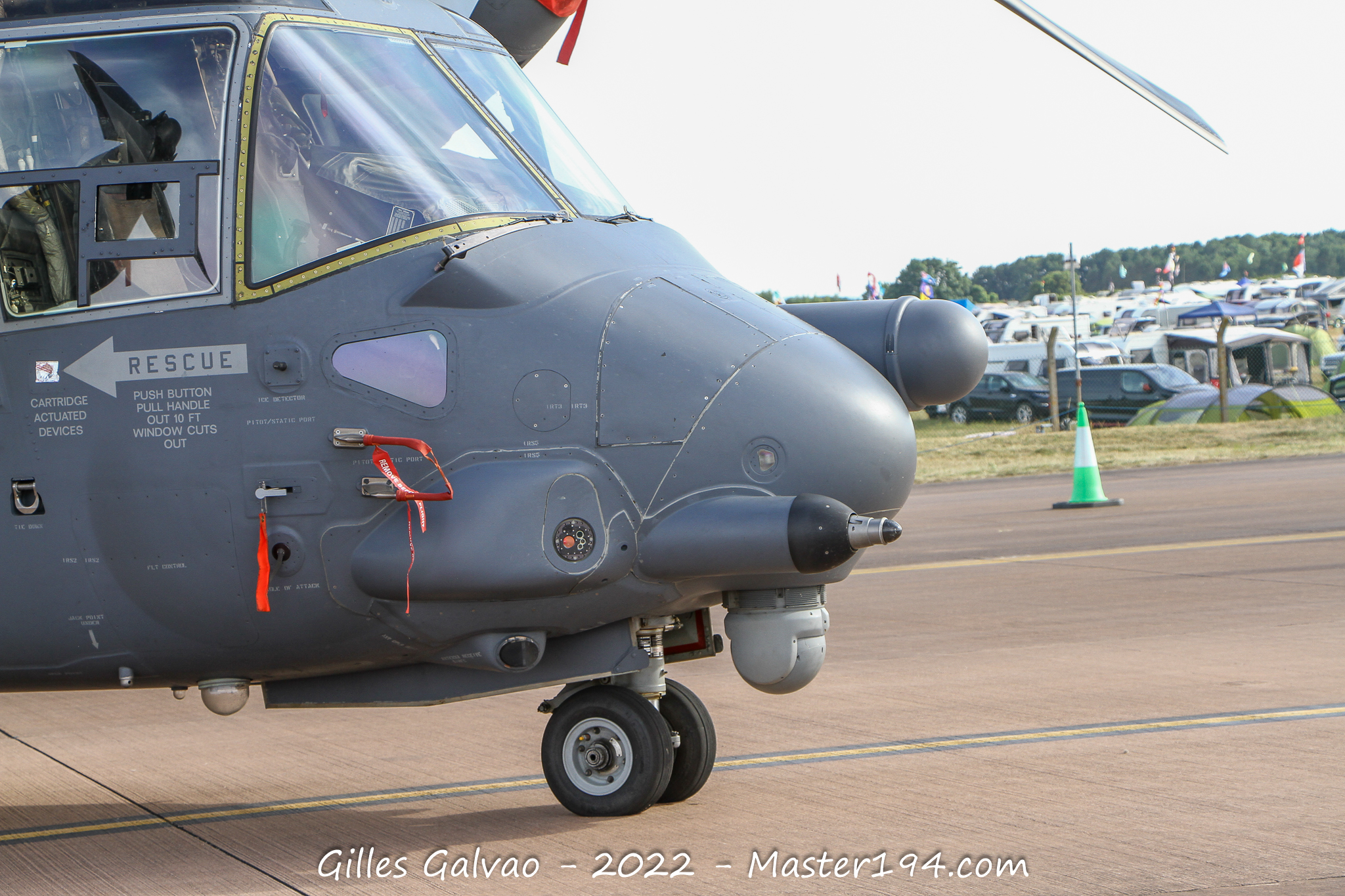
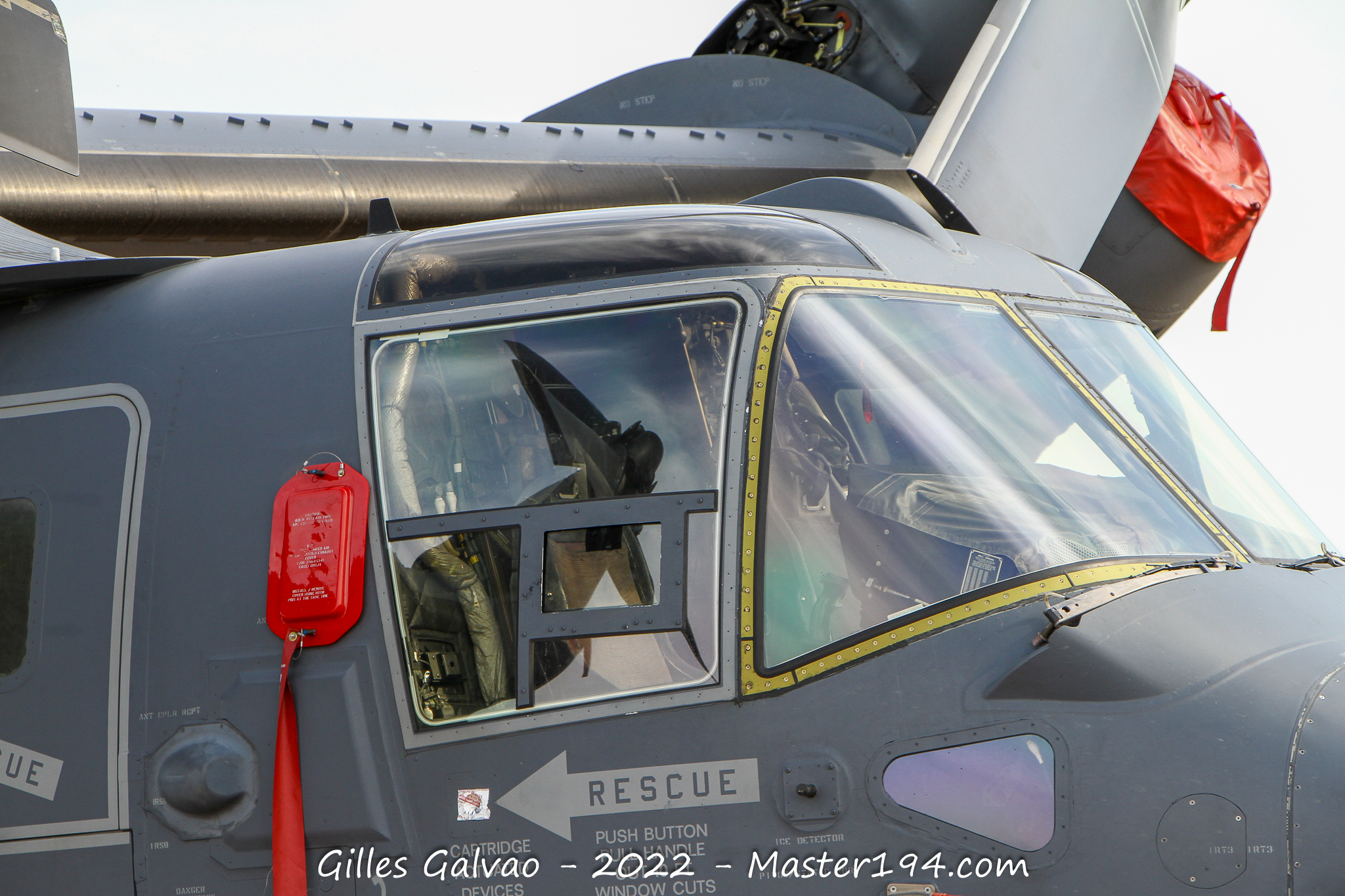
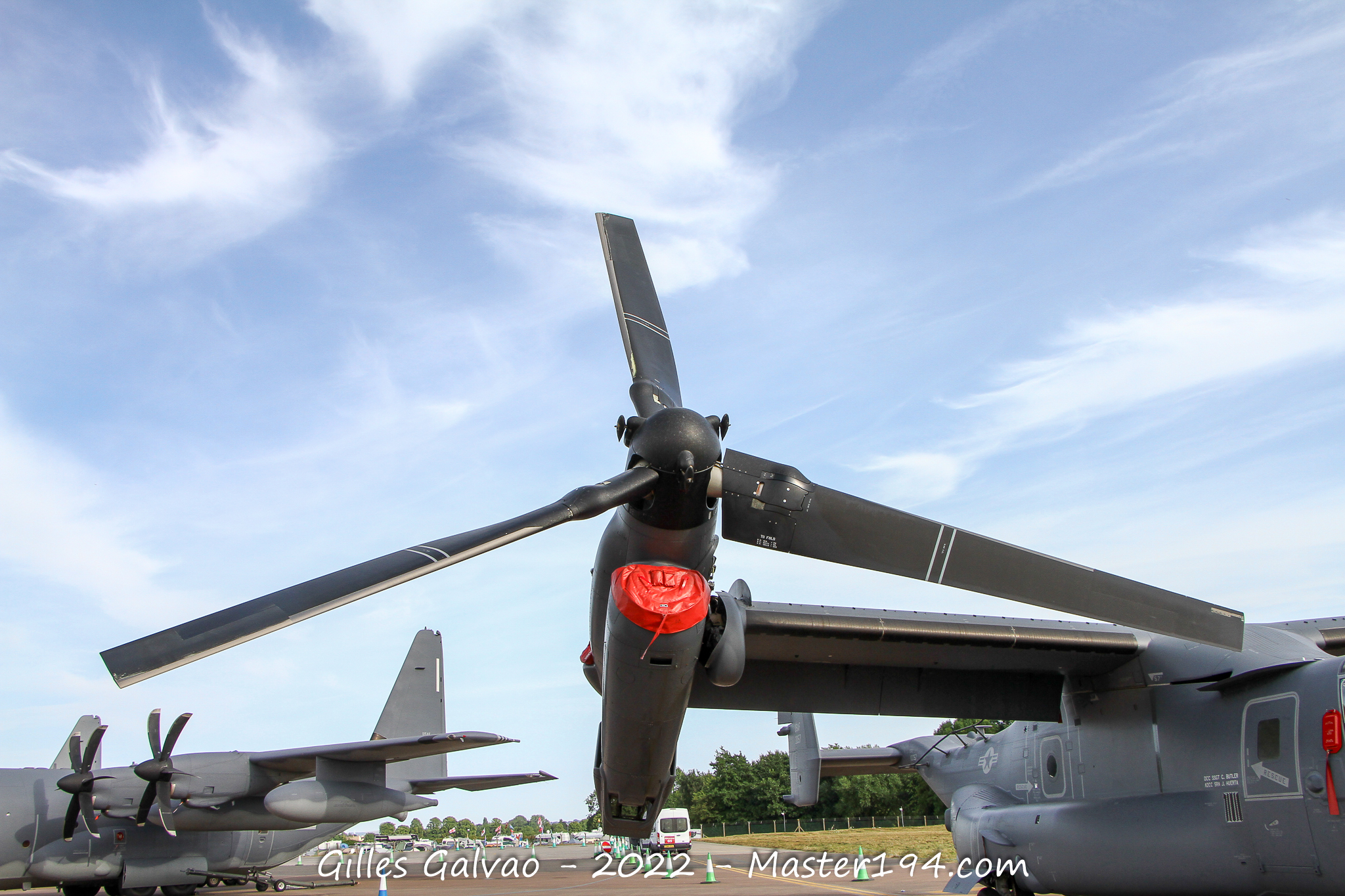
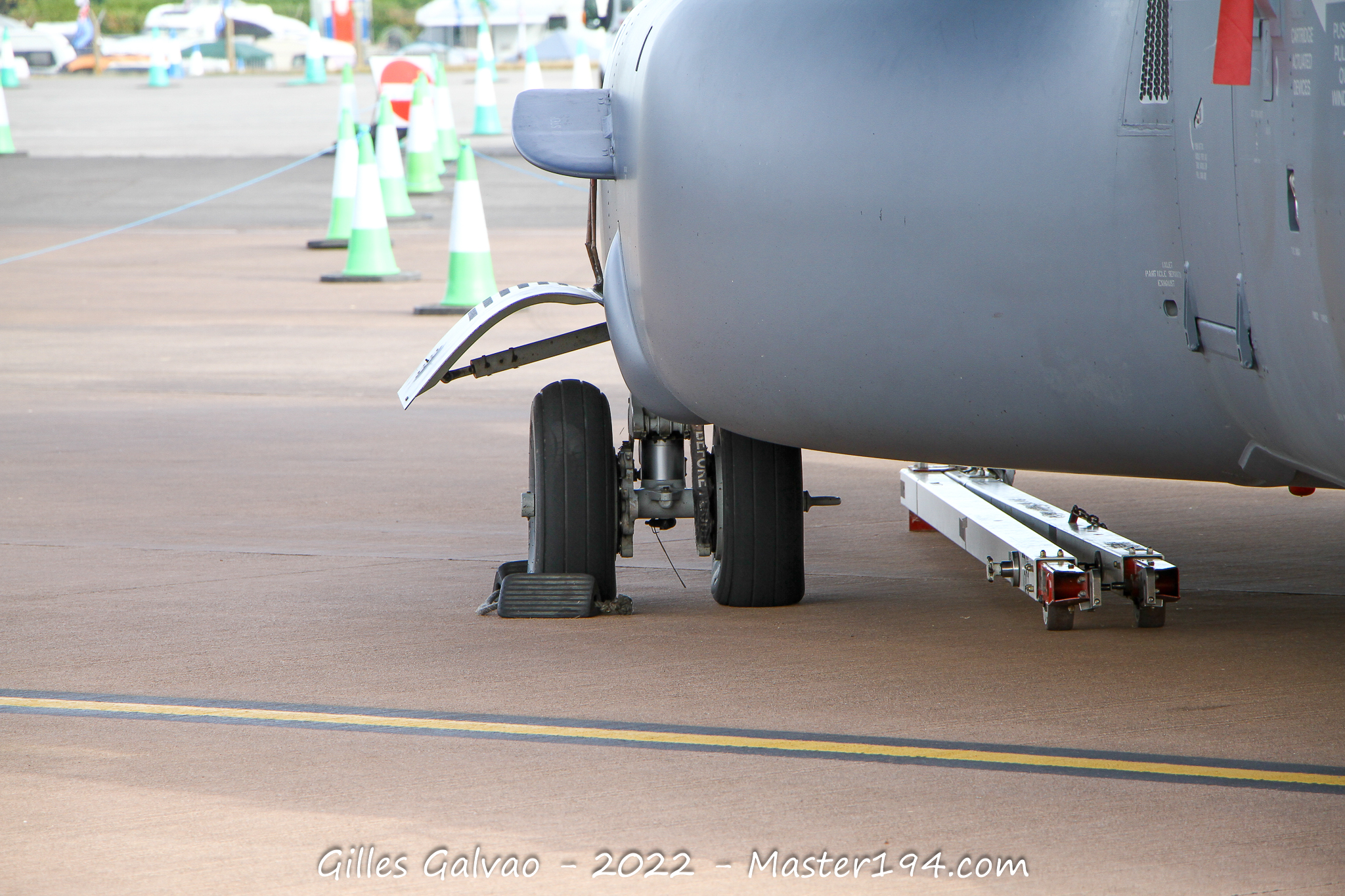
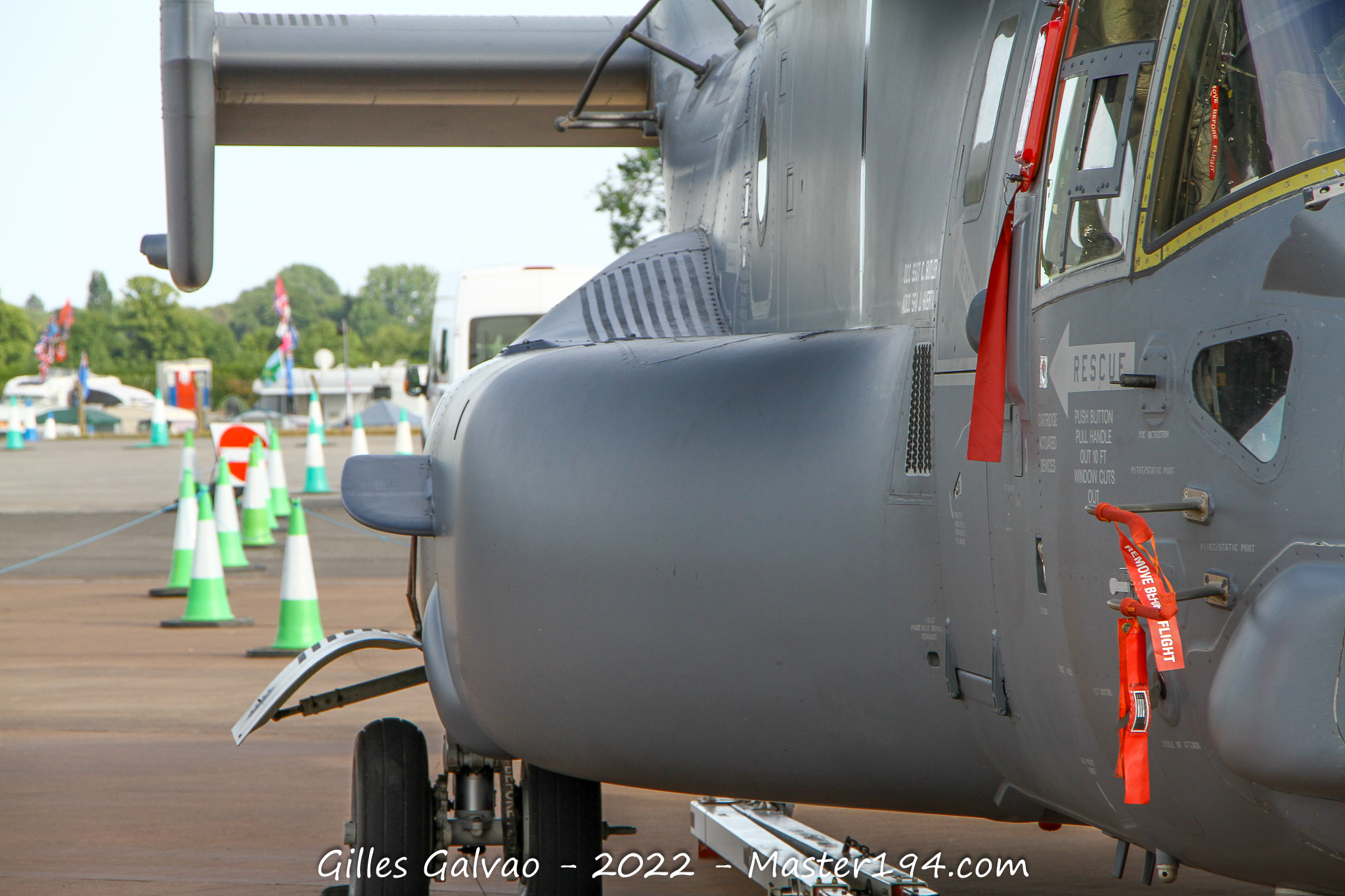
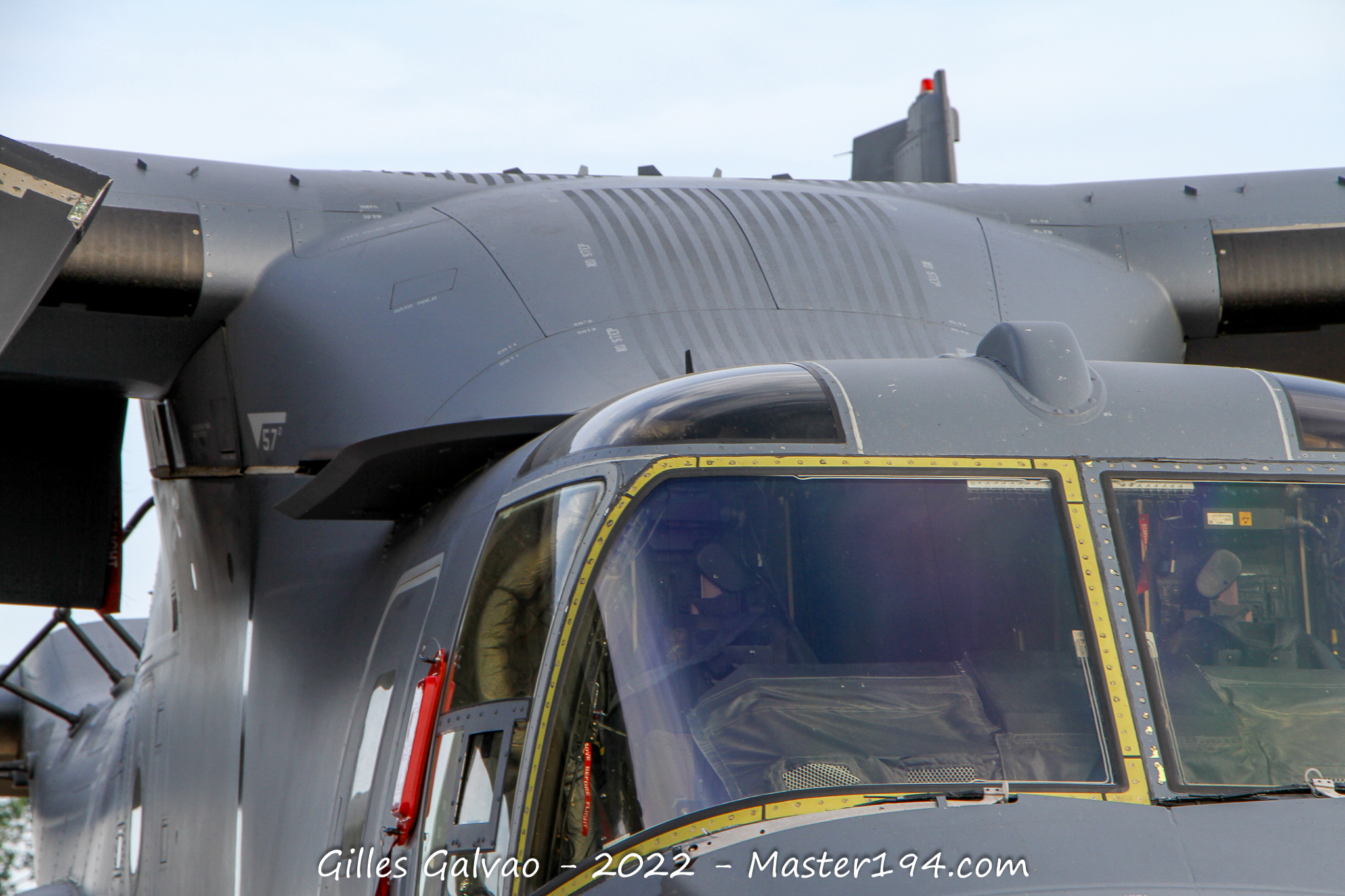
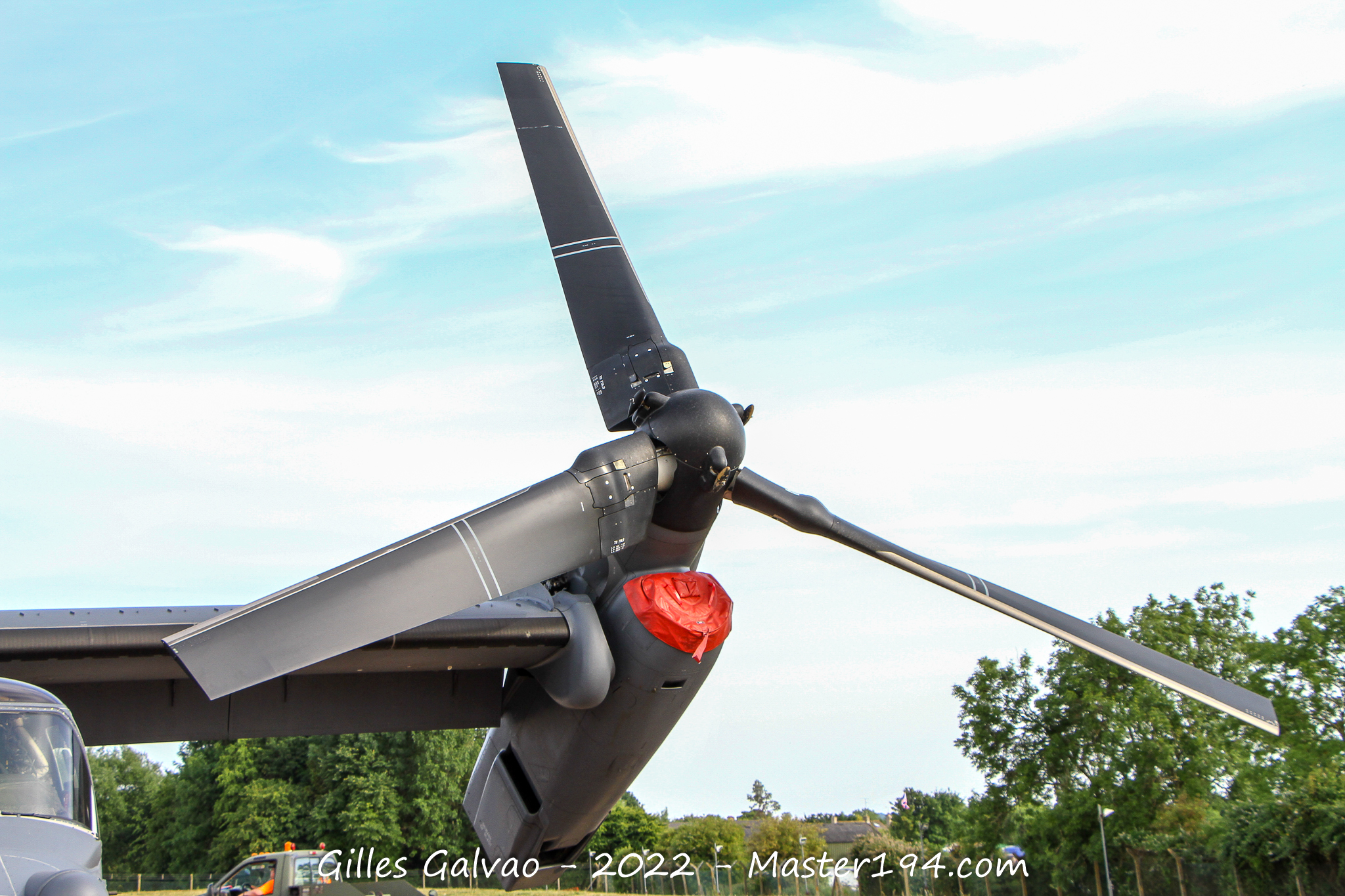
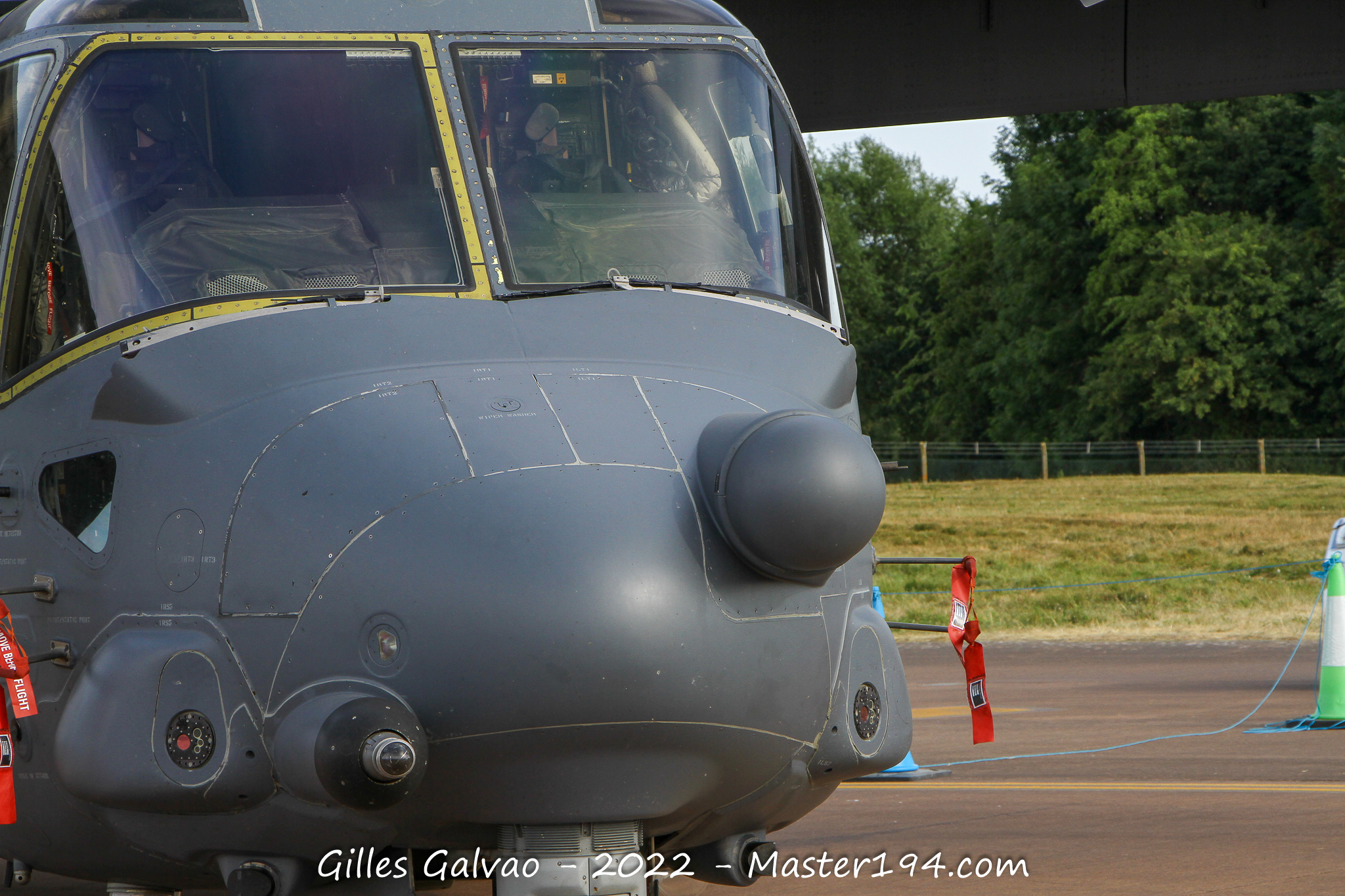
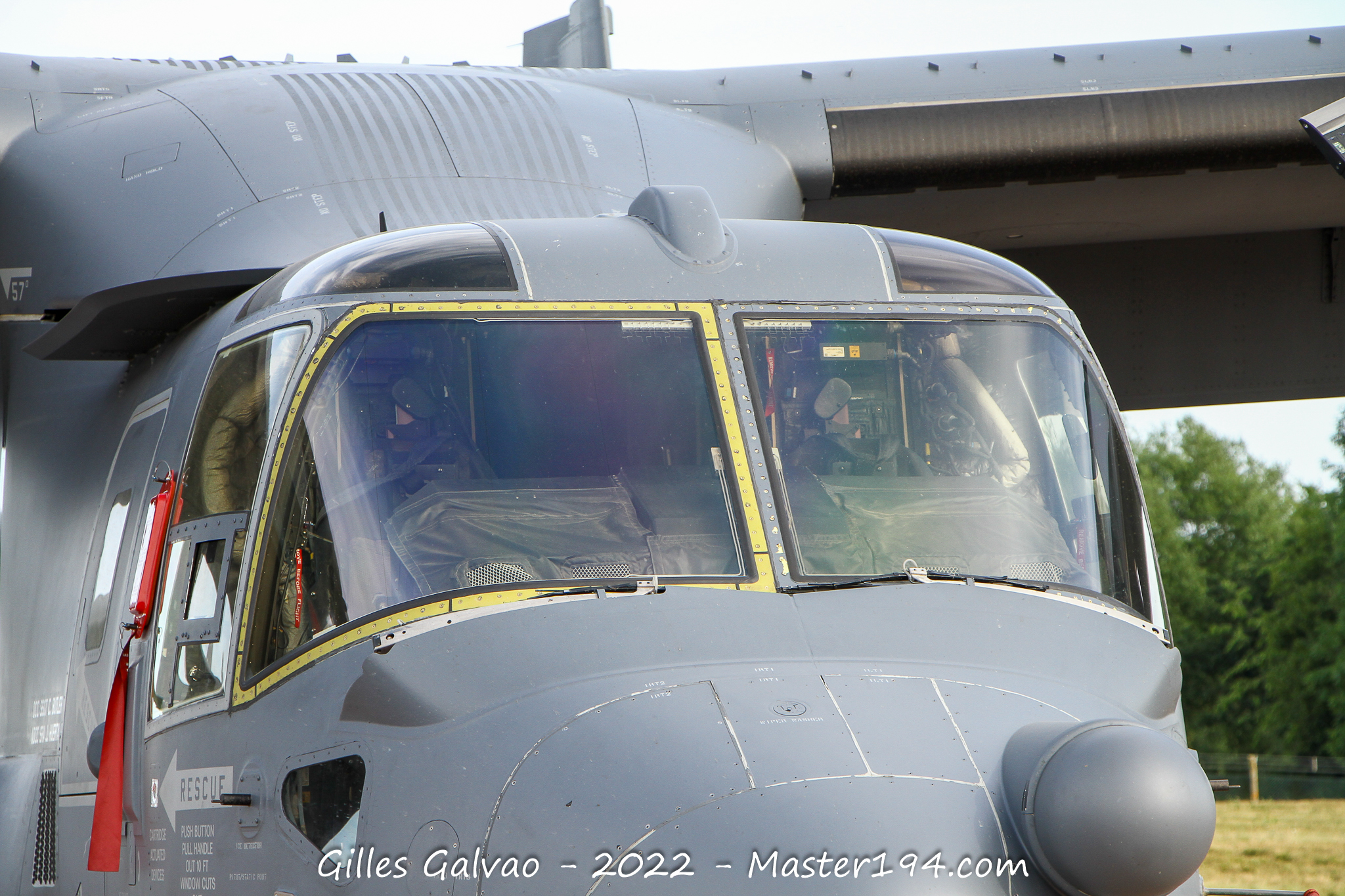
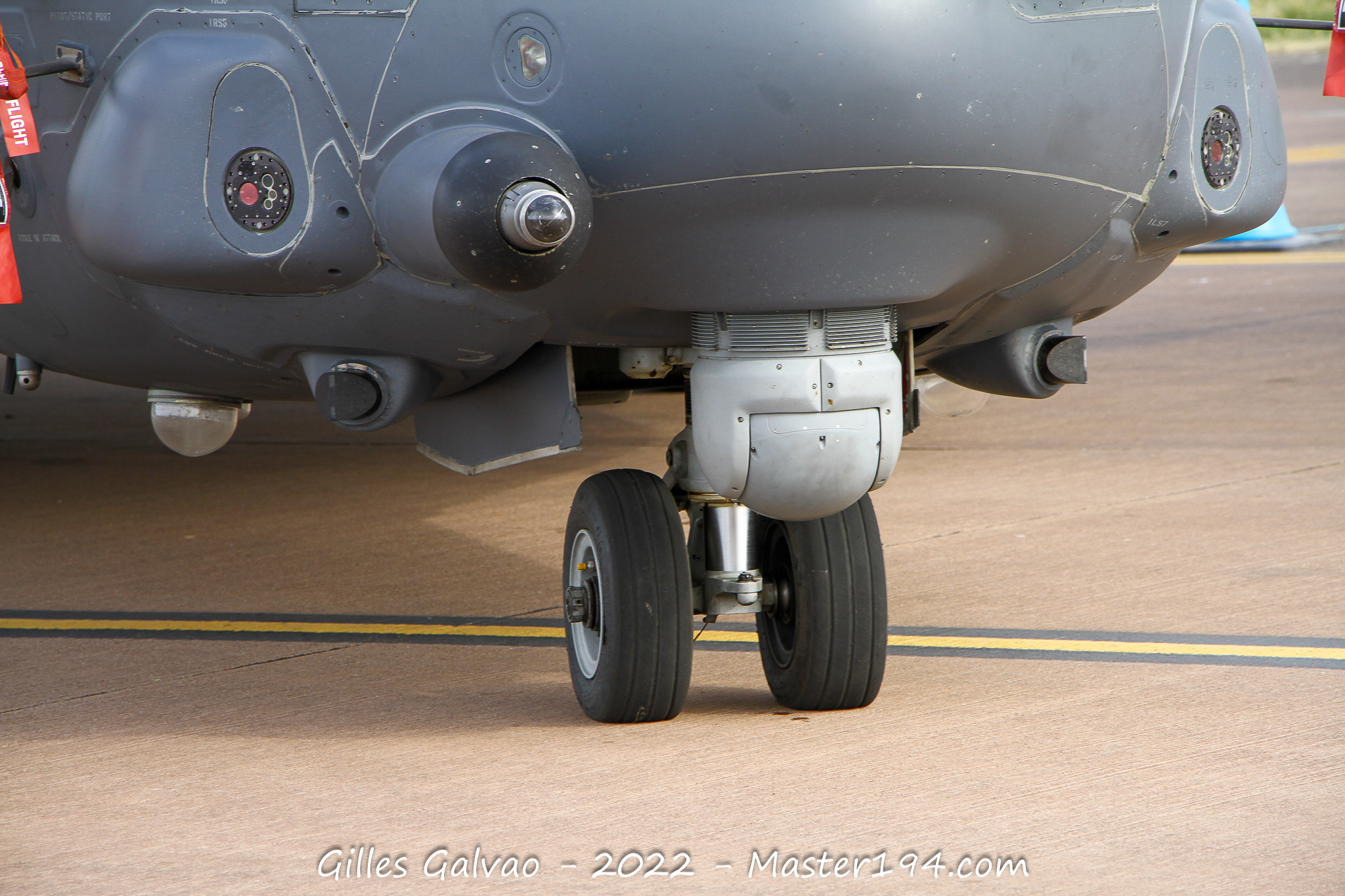
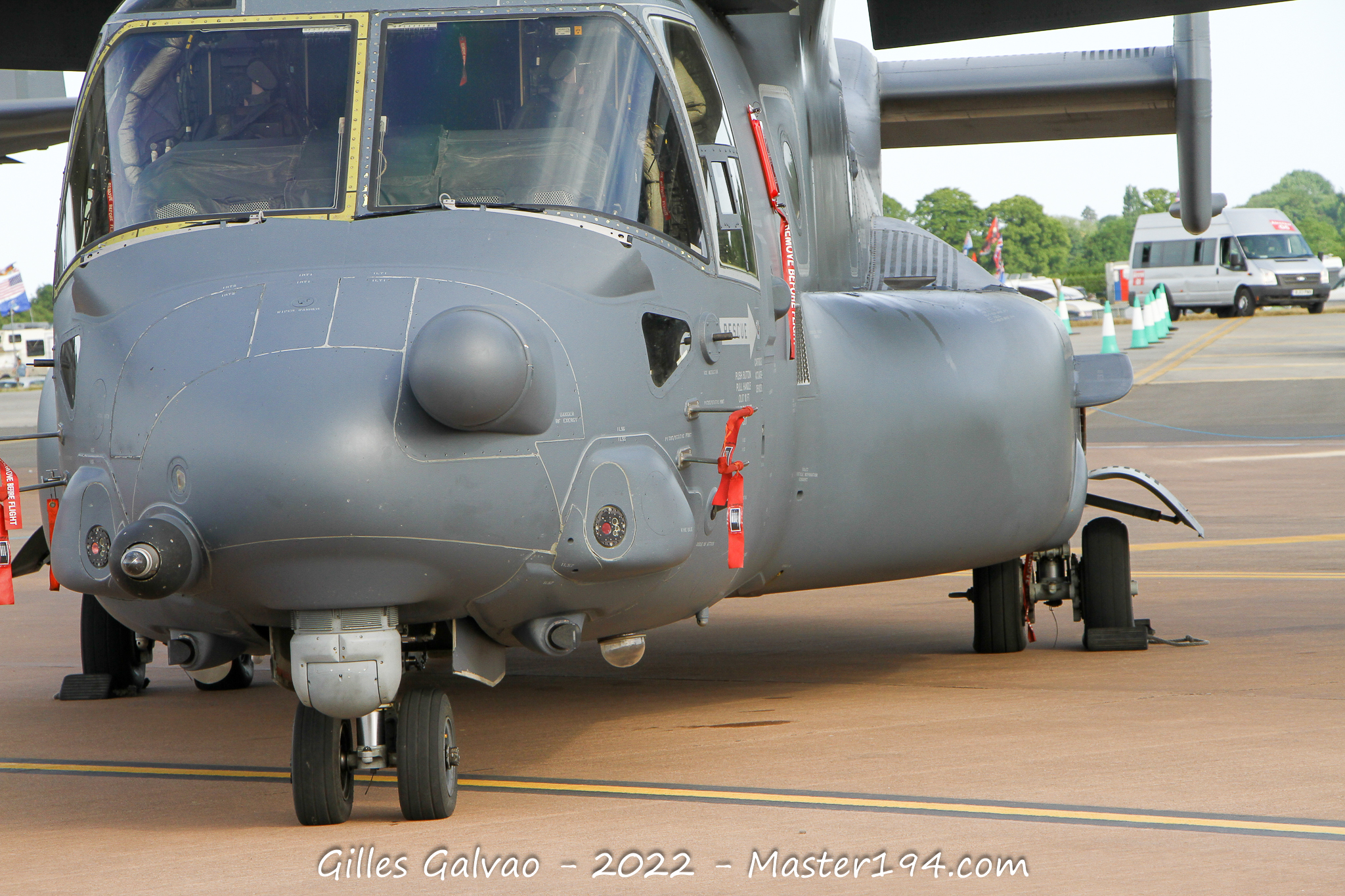
The CV-22B 110057 was displayed on the ground.
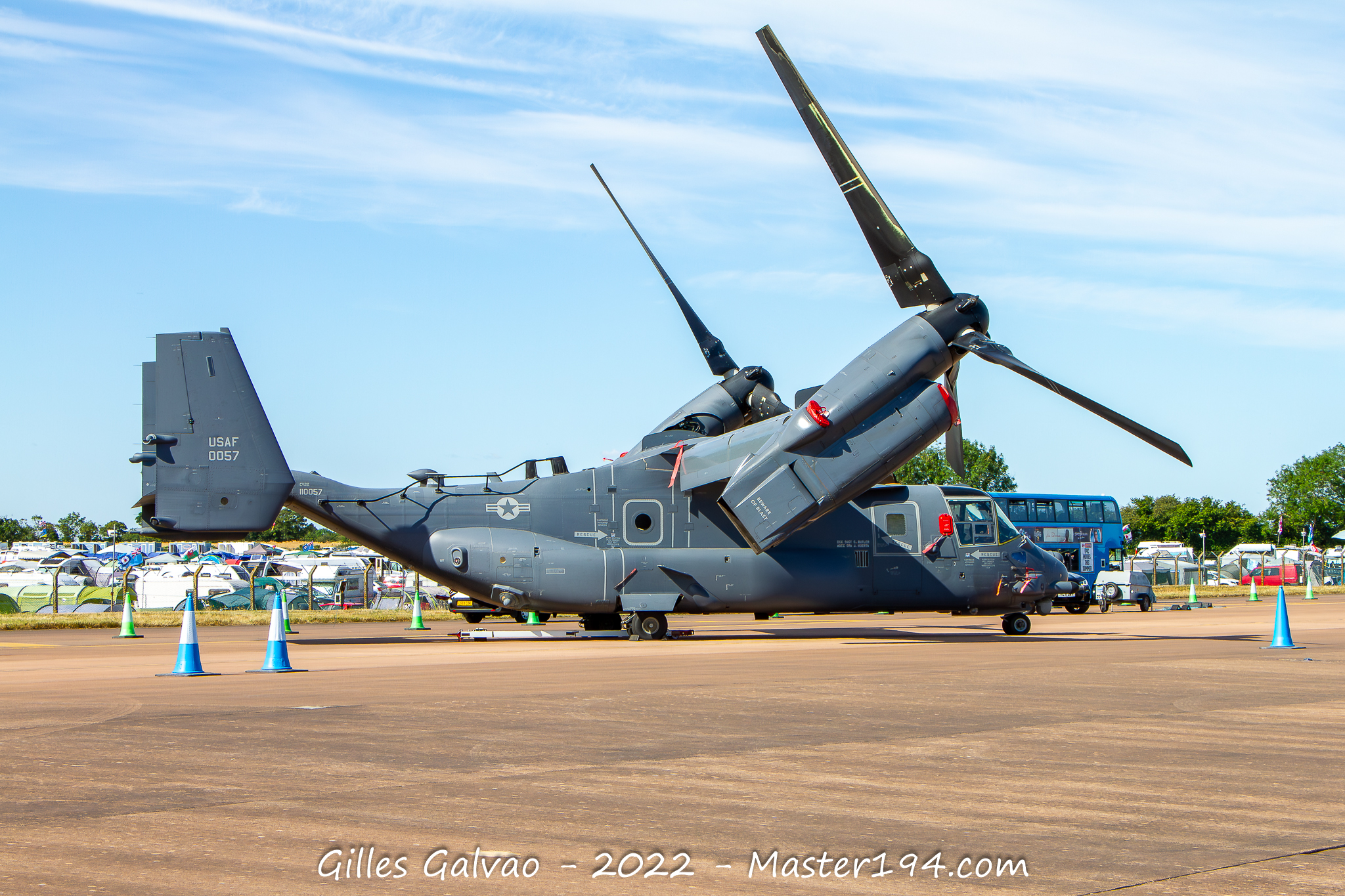
And here are 2 photos of its arrival.


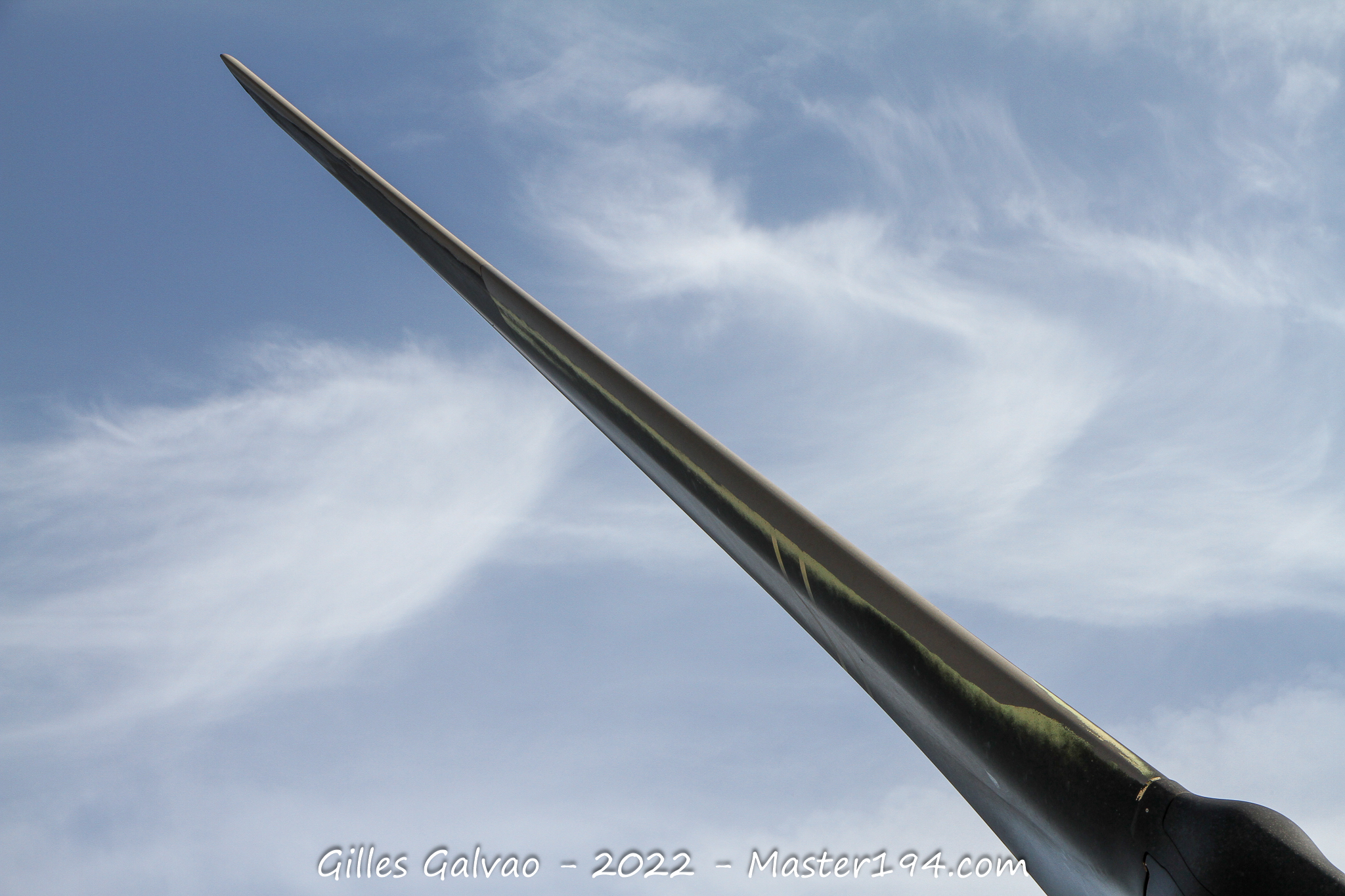
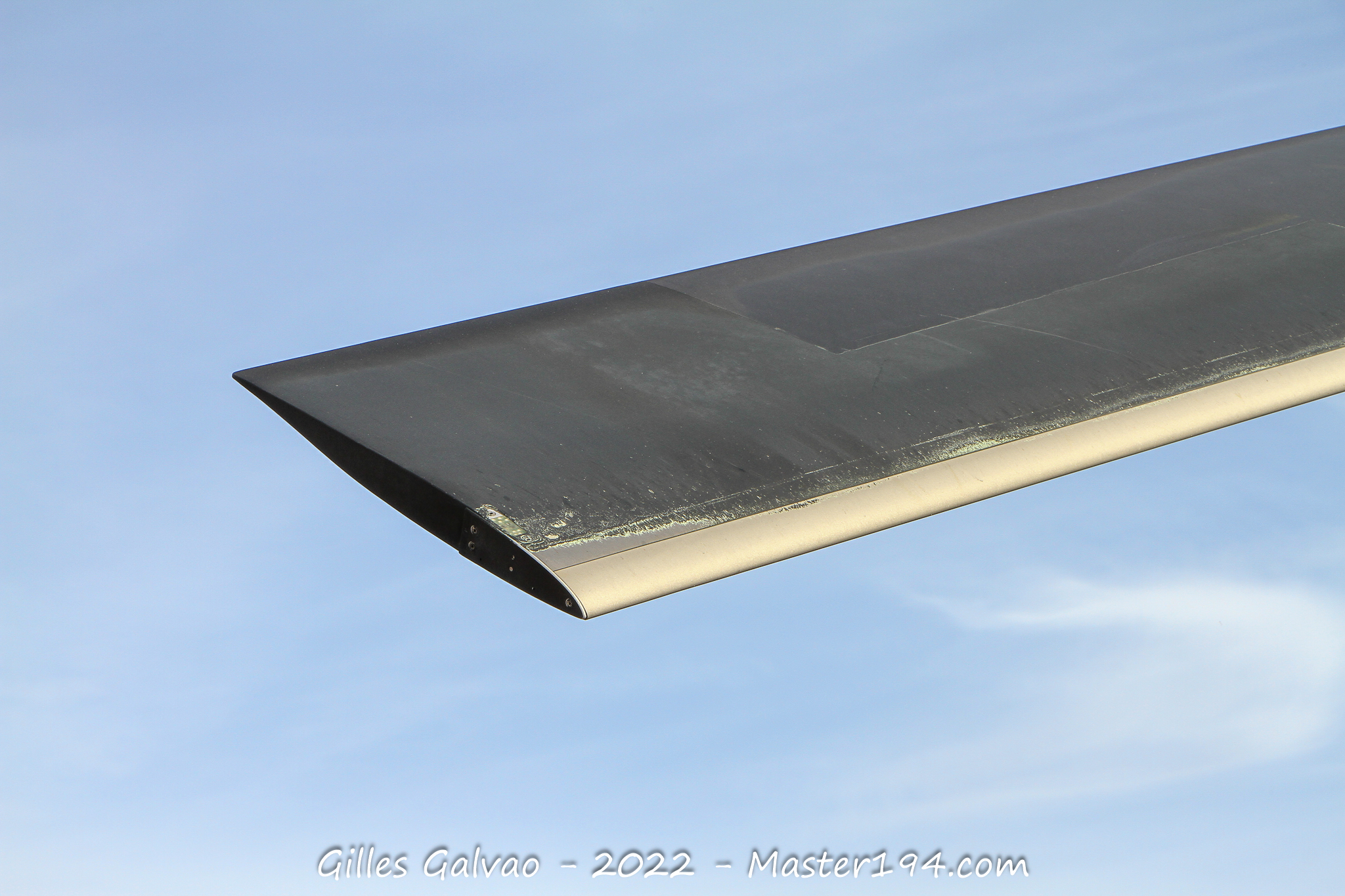
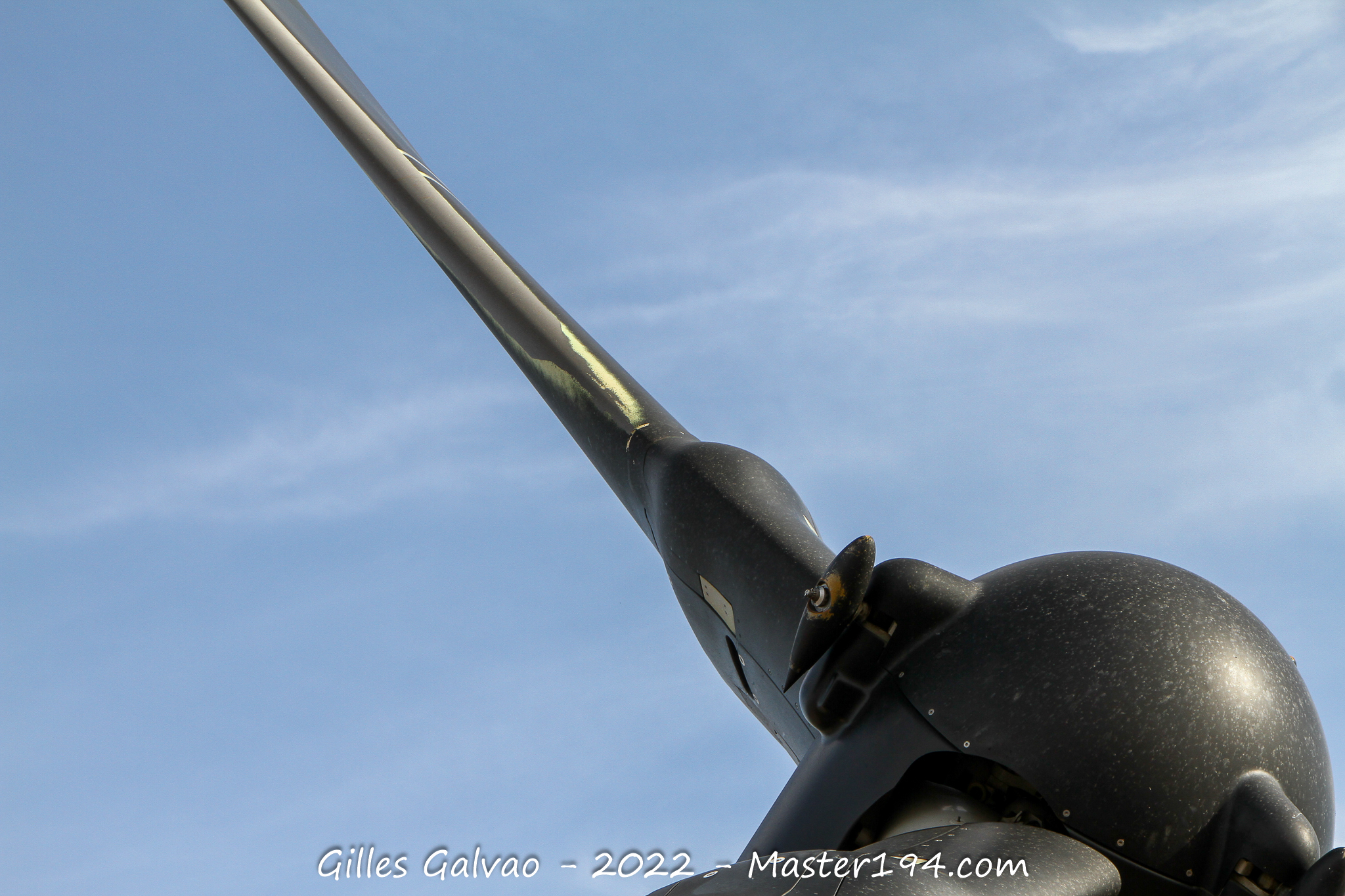
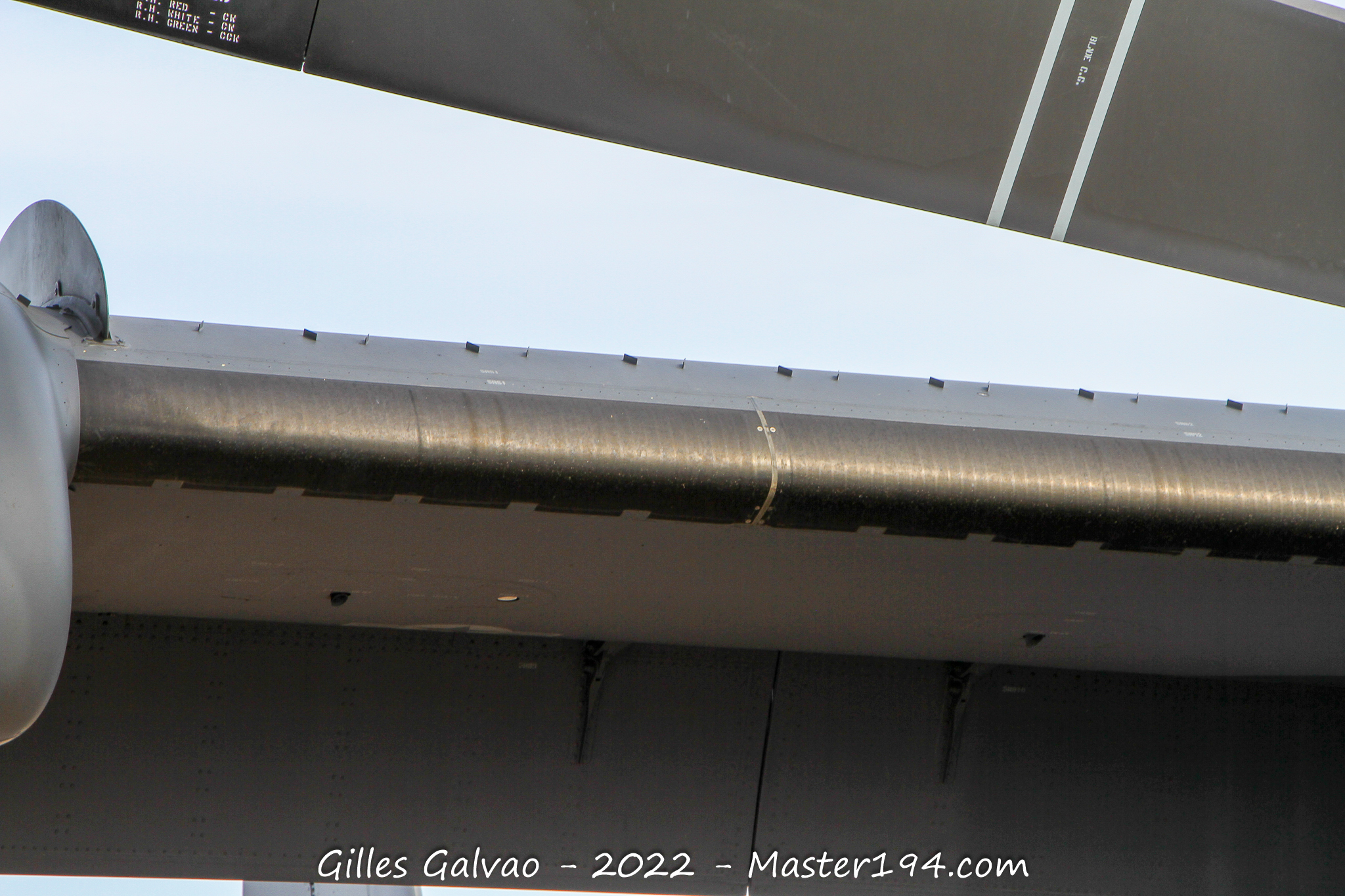
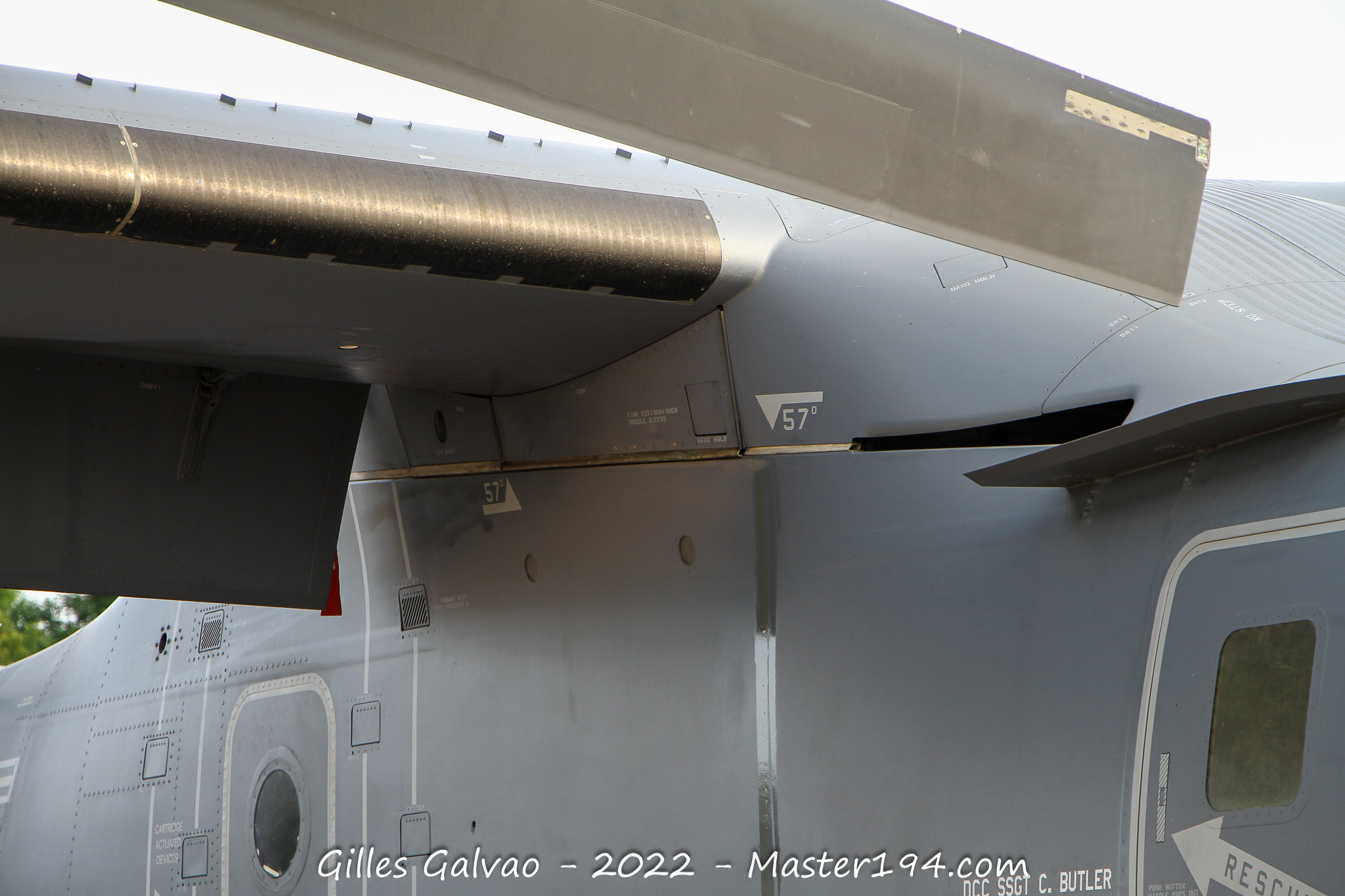
Being on the ground allowed for a walkaround and a look inside the aircraft. The crowd made it impossible for me to photograph the cargo area. However, you’ll have Sril’s photoscope of an MV-22, which I will be reposting soon.
Walkaround CV-22B Osprey