 by
The F-4 Phantom II is a legendary aircraft: built in more than 5,000 examples across all versions, it has been operated by a great many countries. Naturally, the United States (US Marine Corps, US Navy, and US Air Force), but also Japan, Iran, Turkey, Germany, the United Kingdom, Australia, Egypt, and many others.
Only three countries still operate it: Iran, Turkey, and Greece. It is precisely the Greek version that we will focus on here.
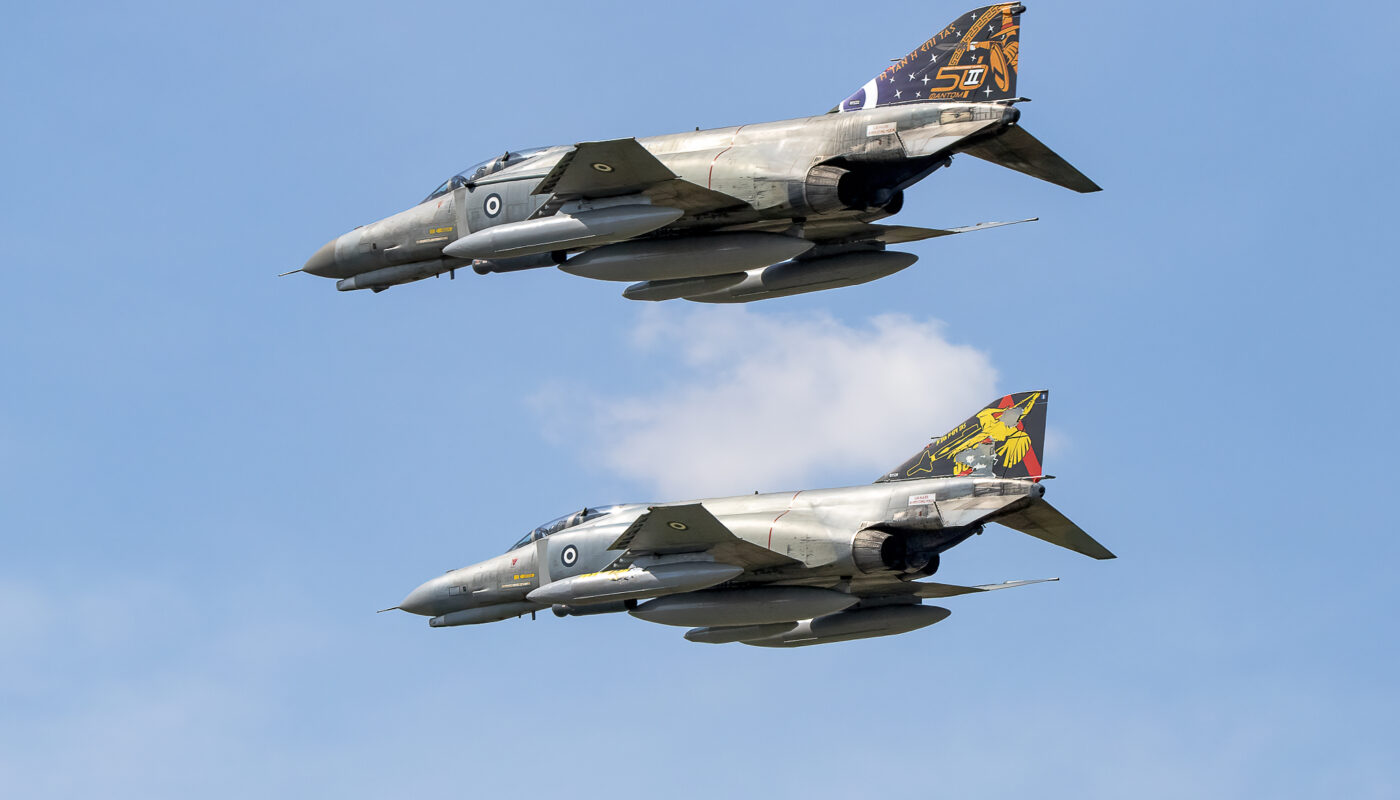
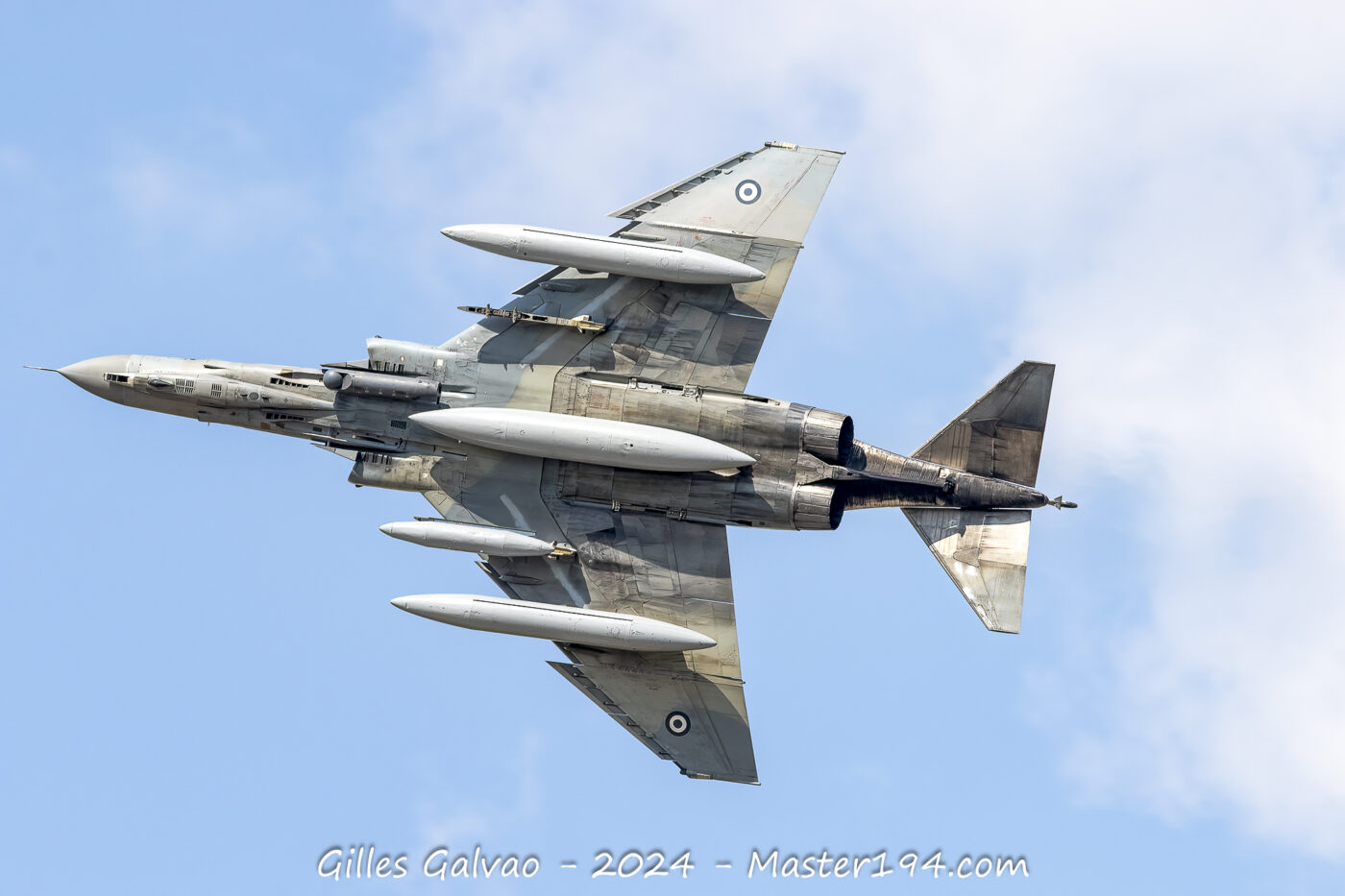
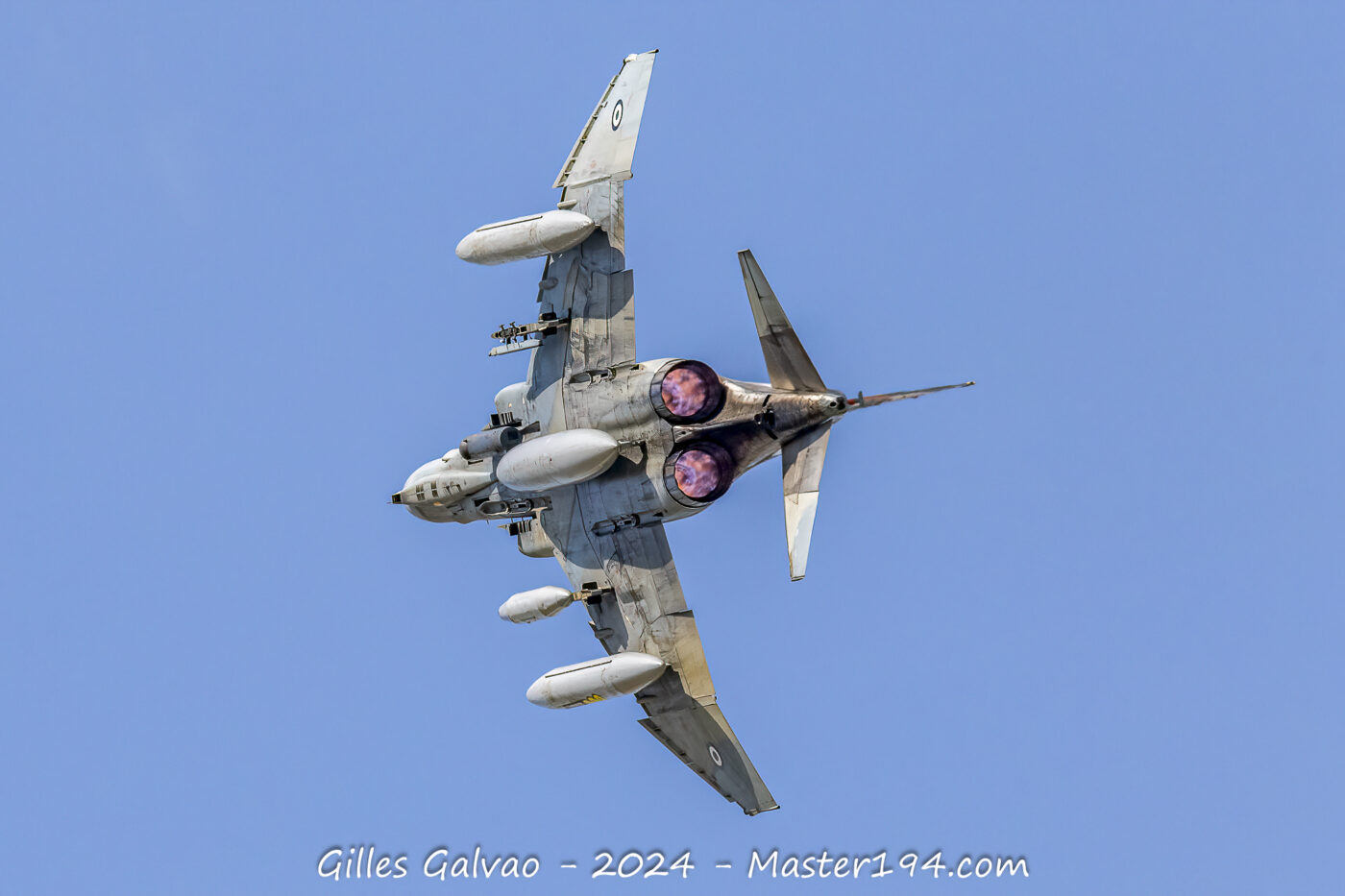
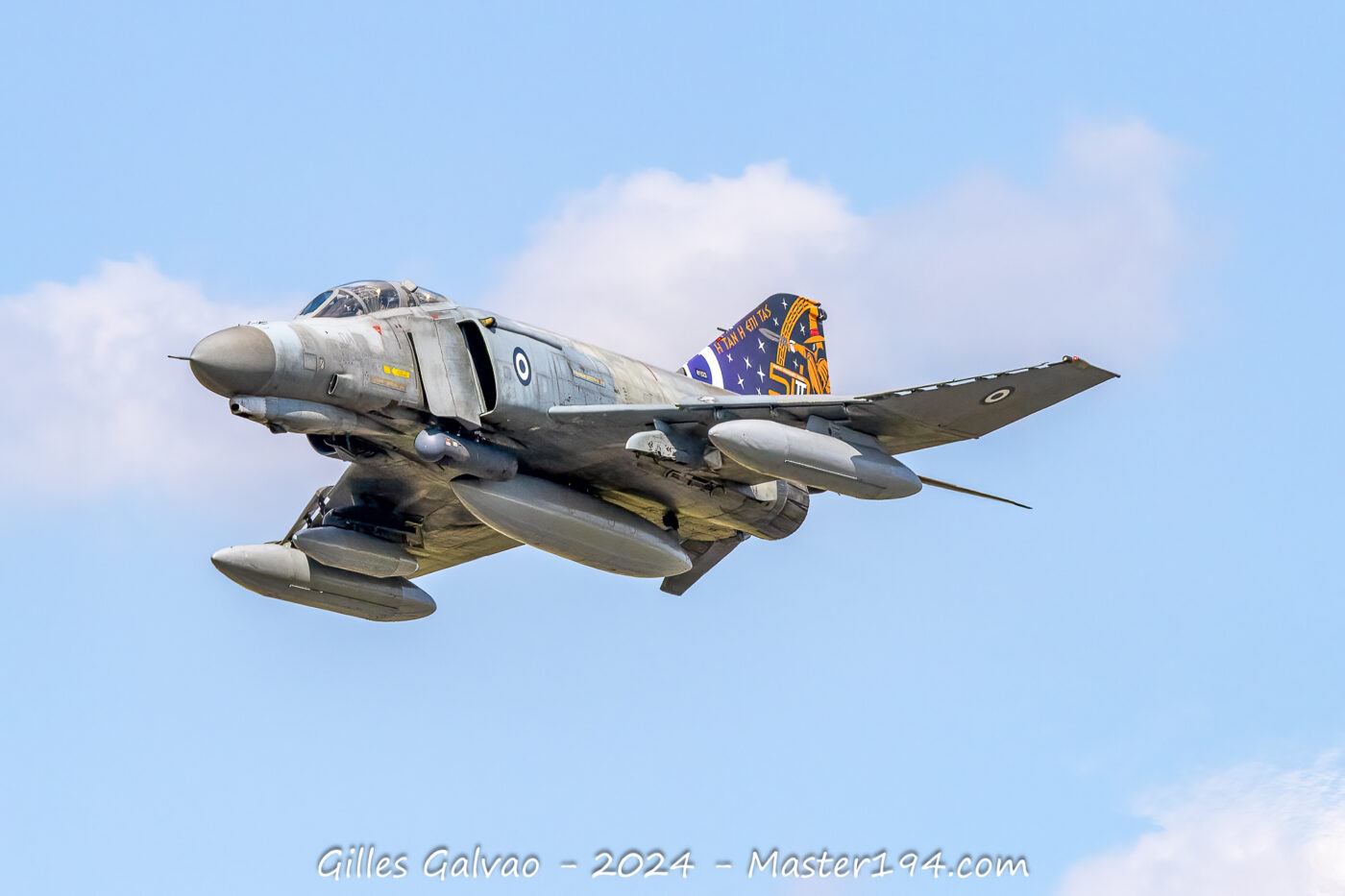
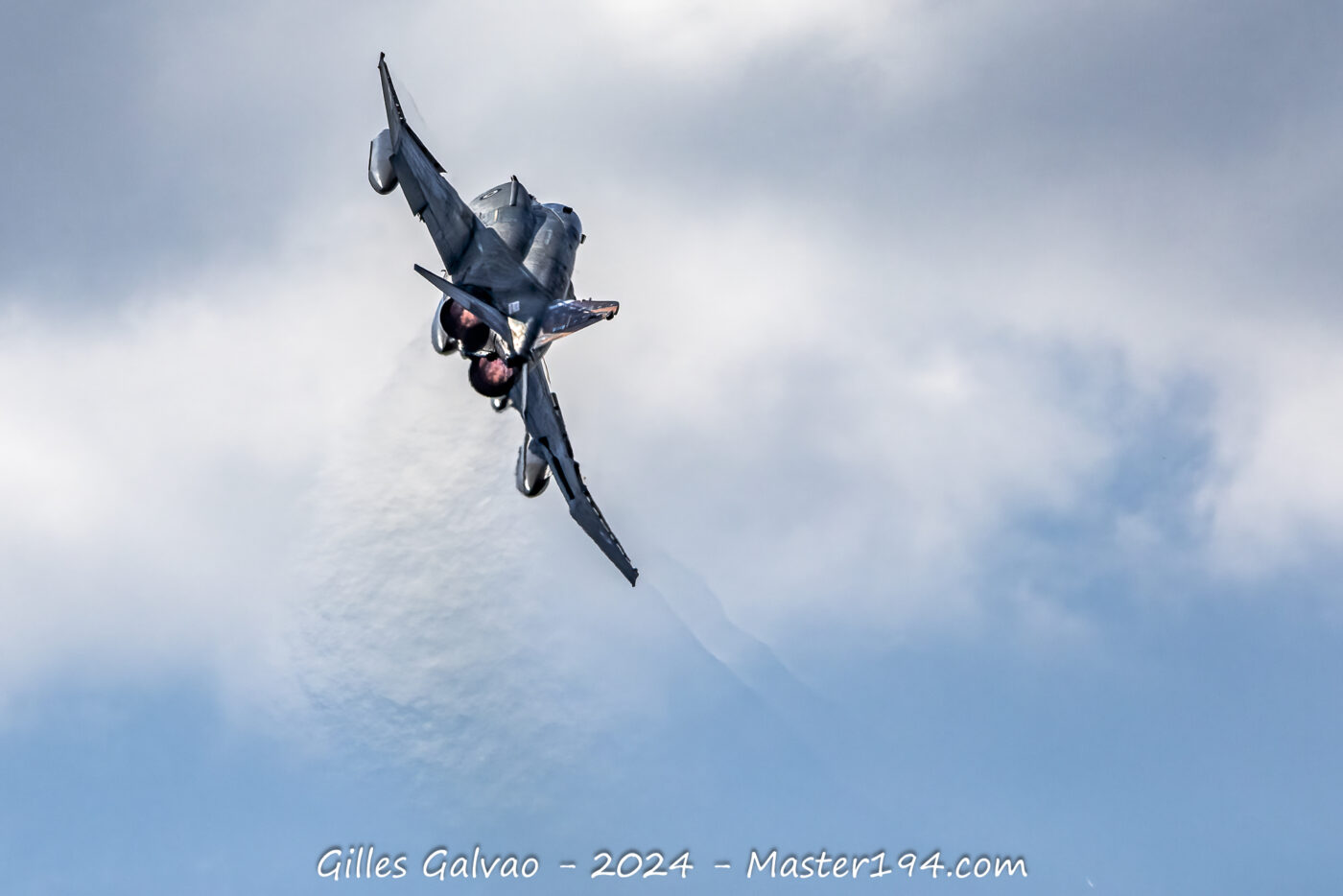
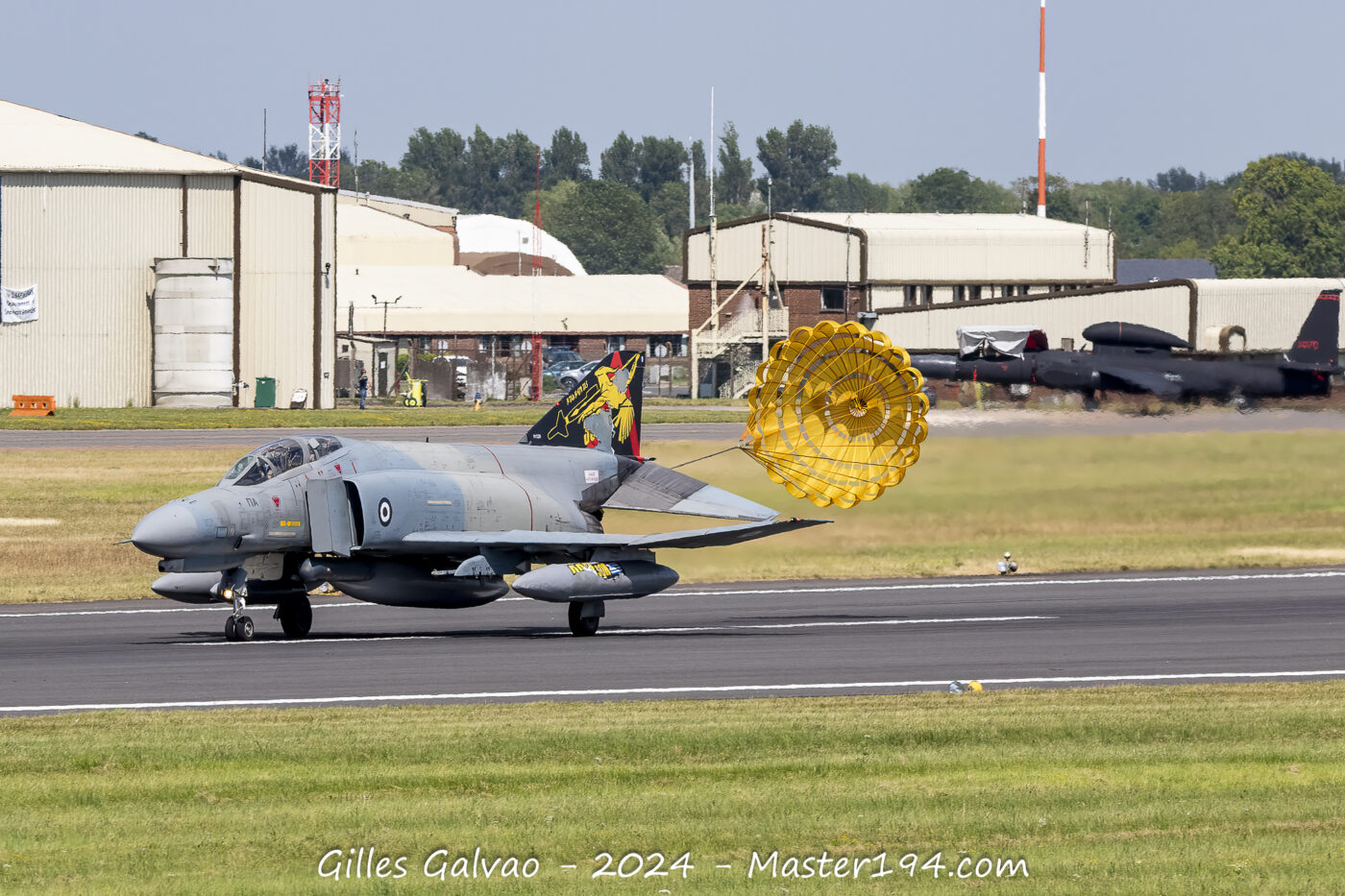
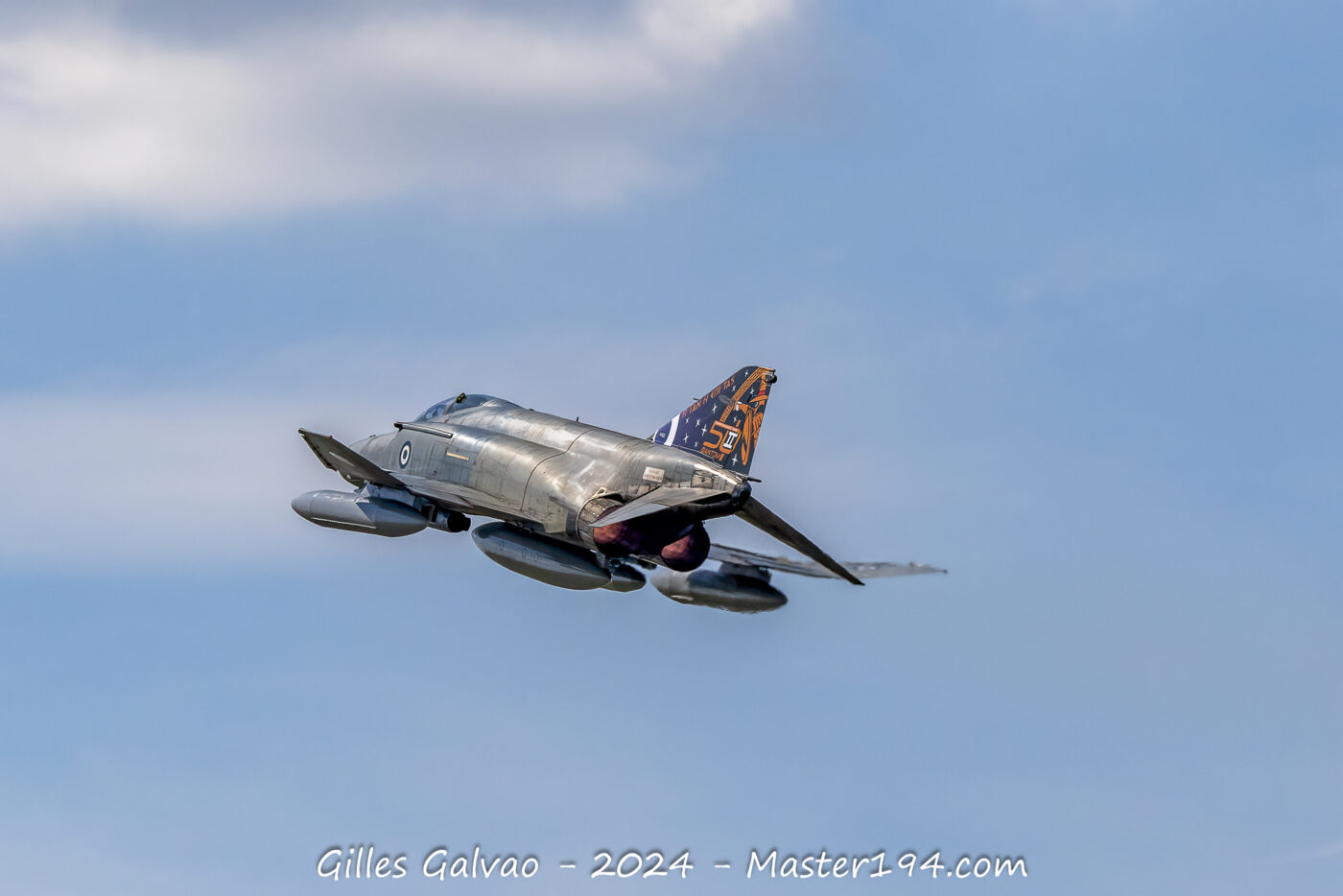
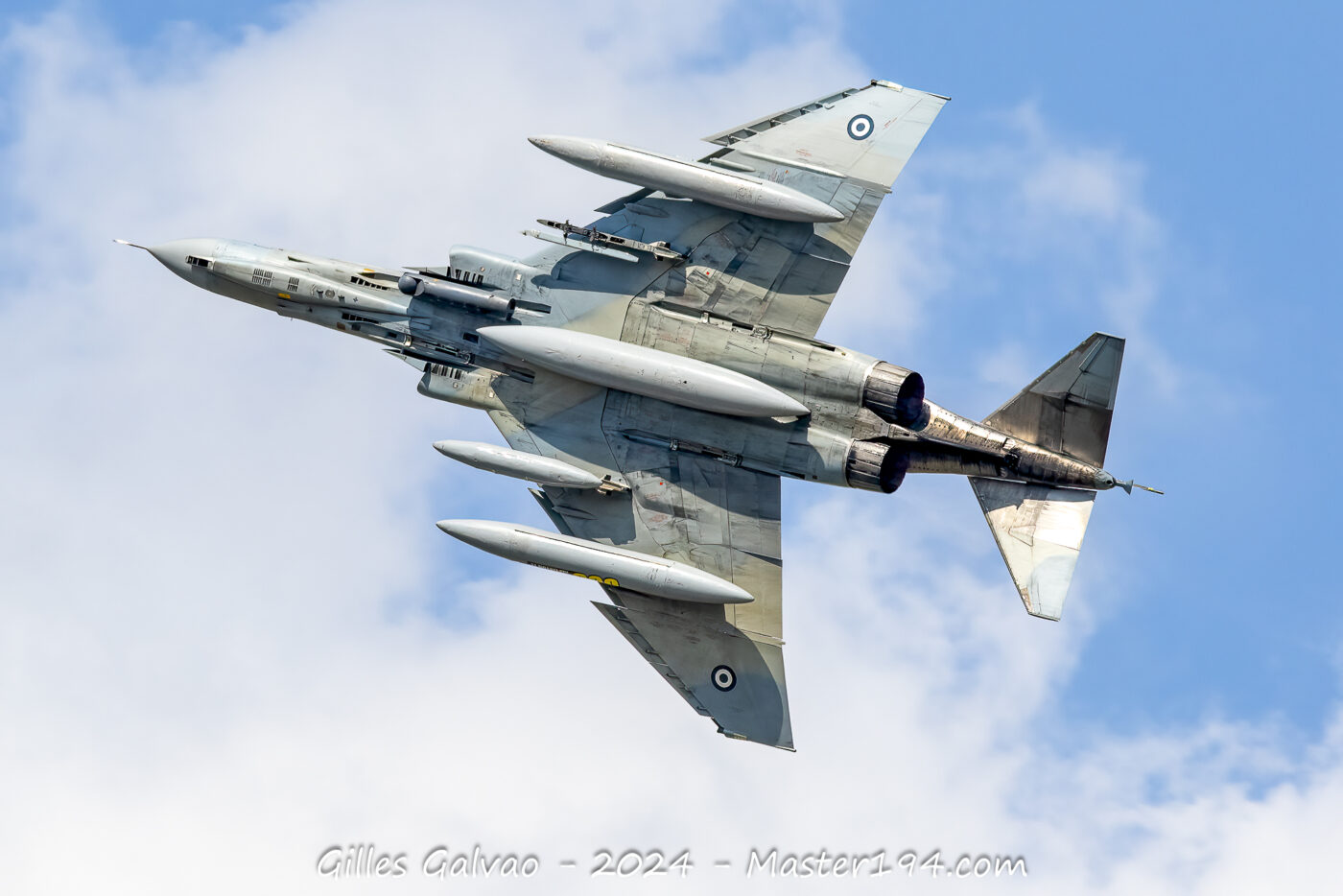
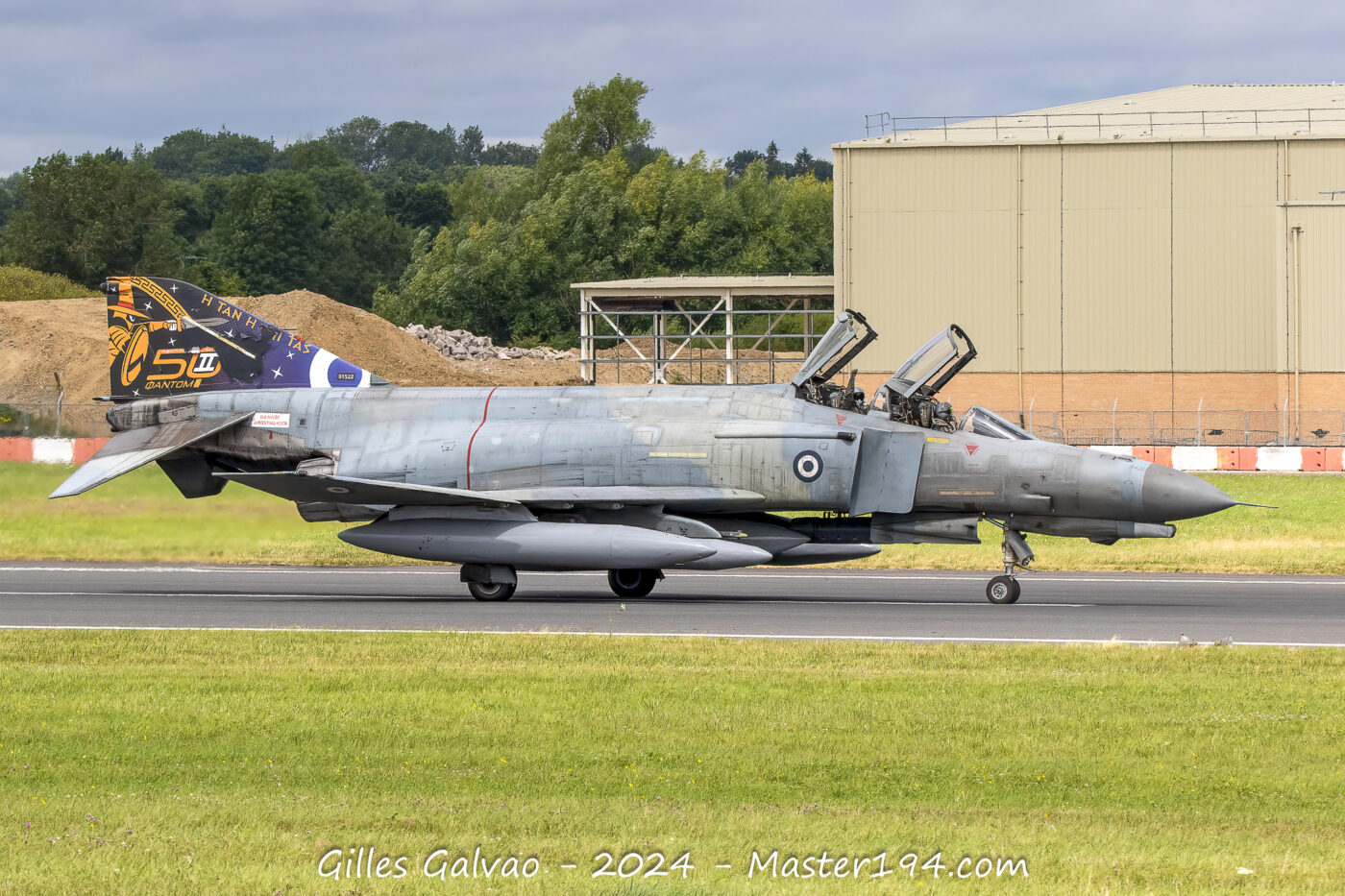
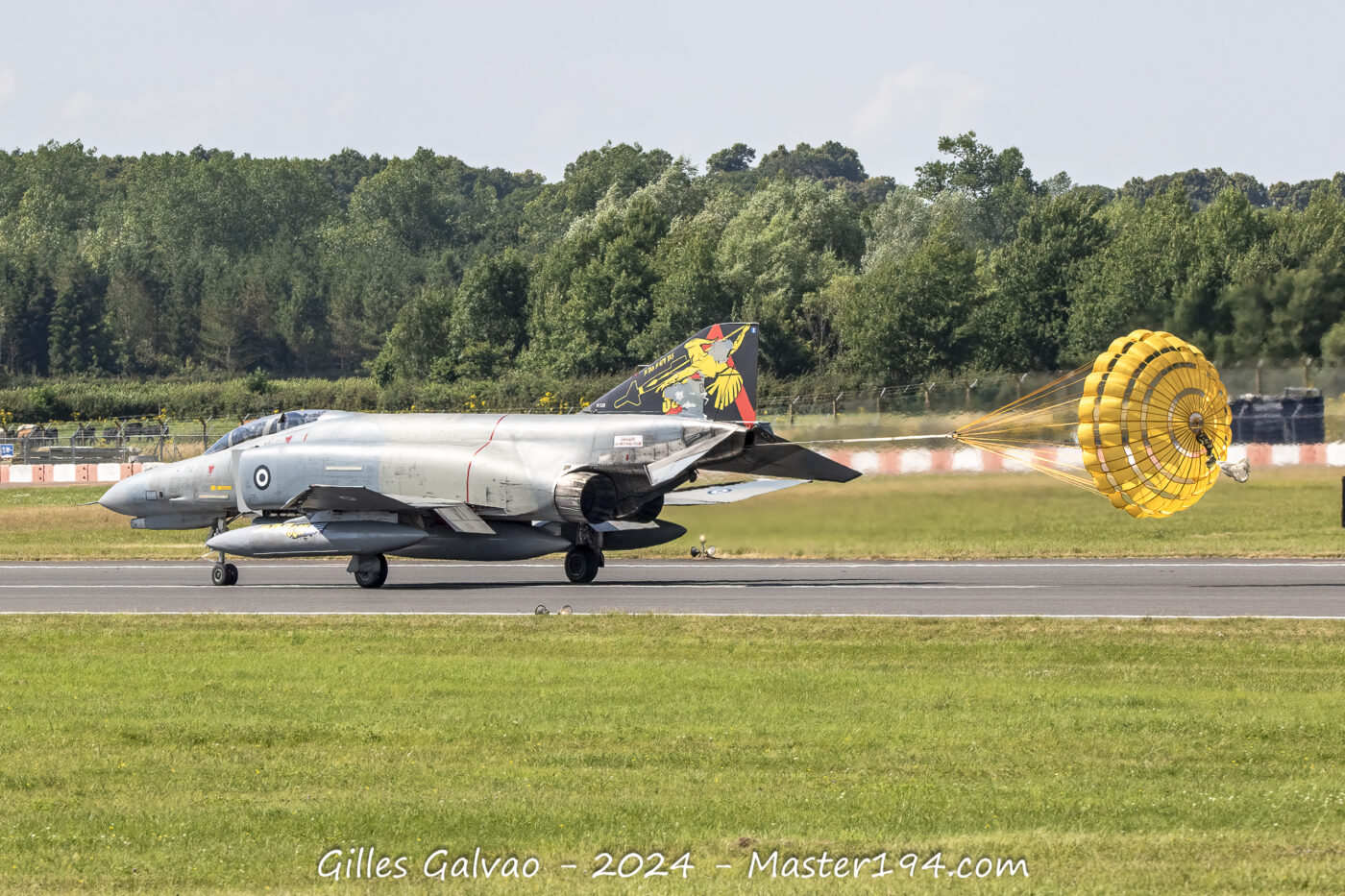
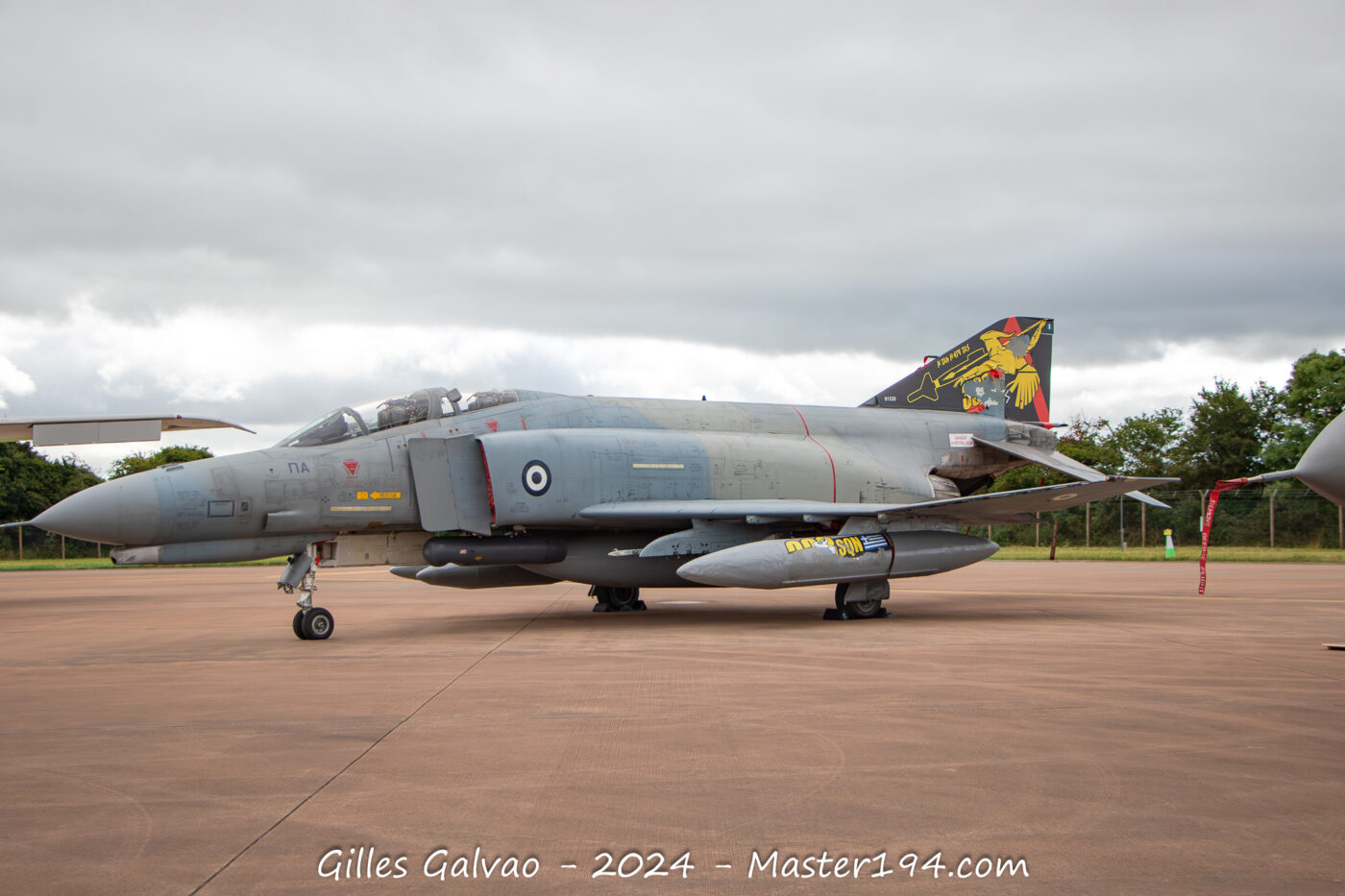
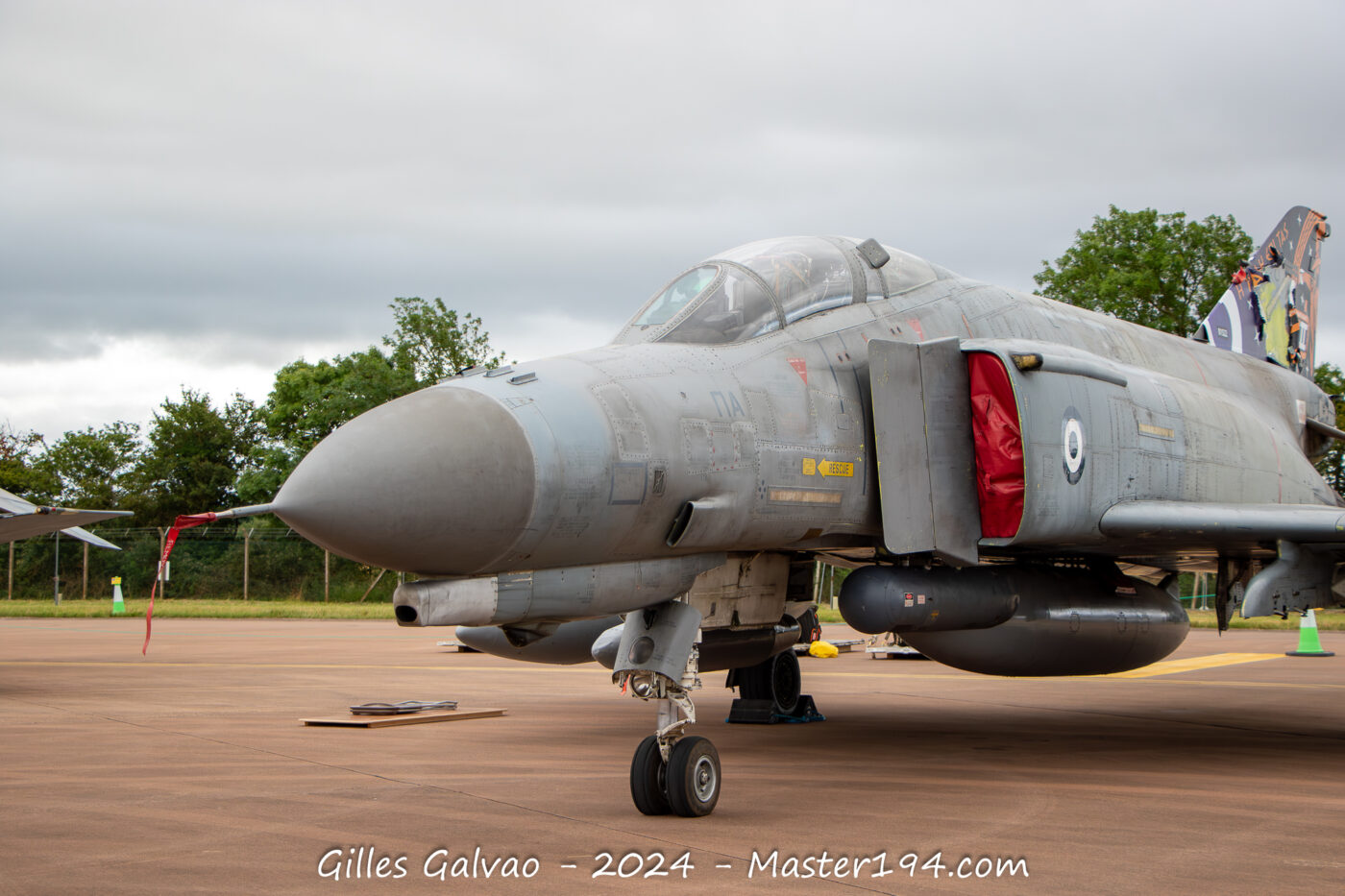
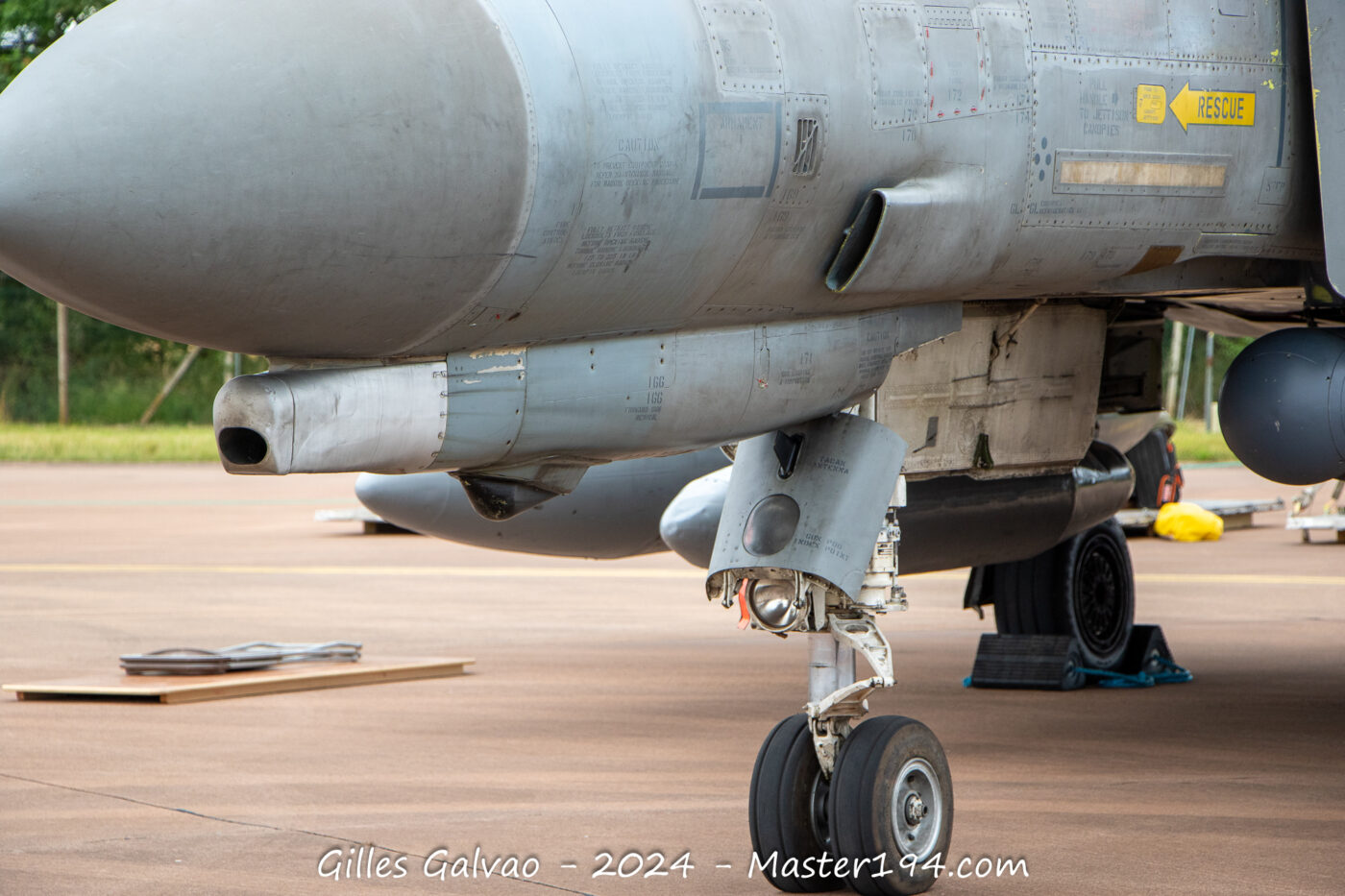
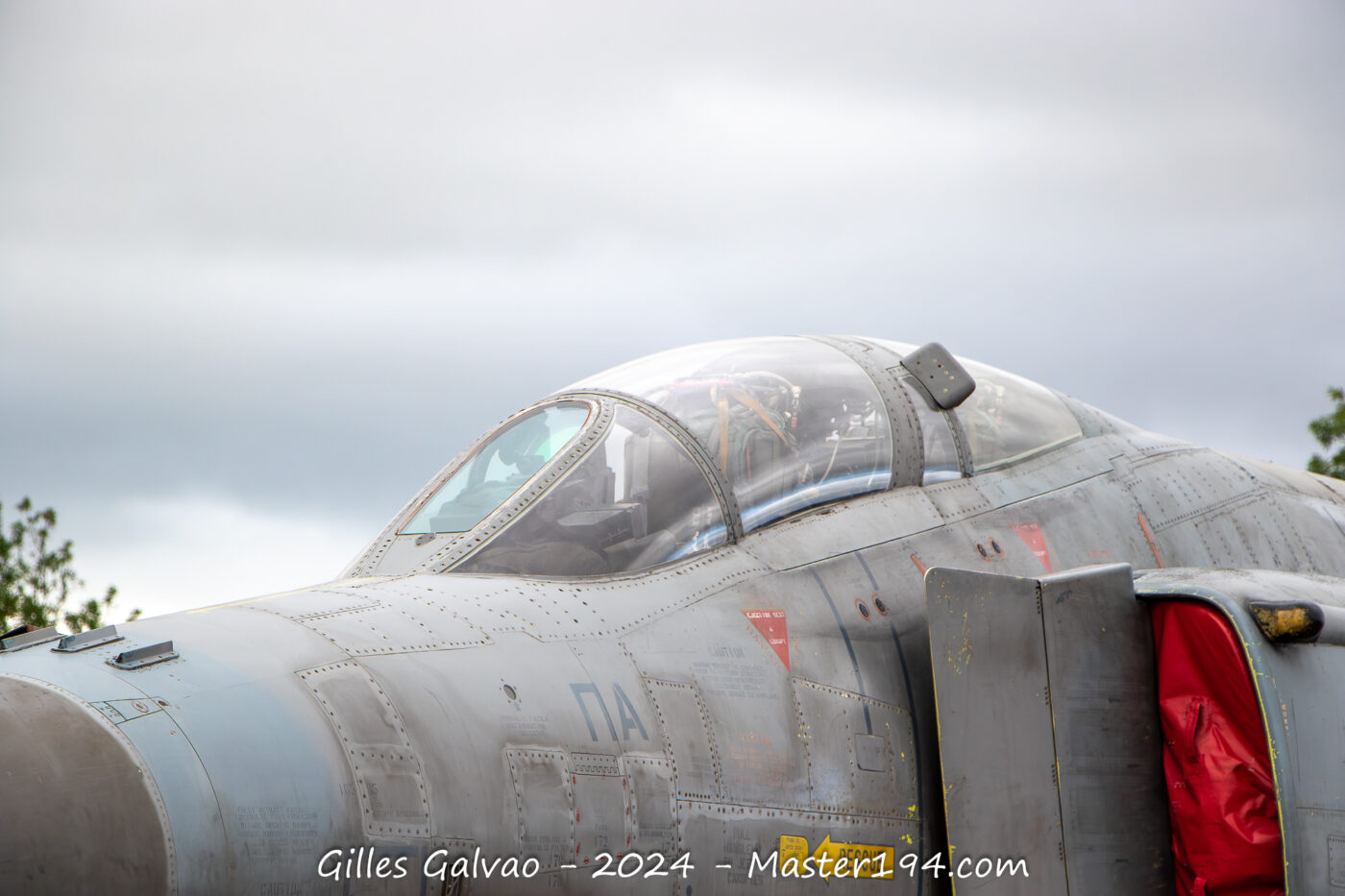
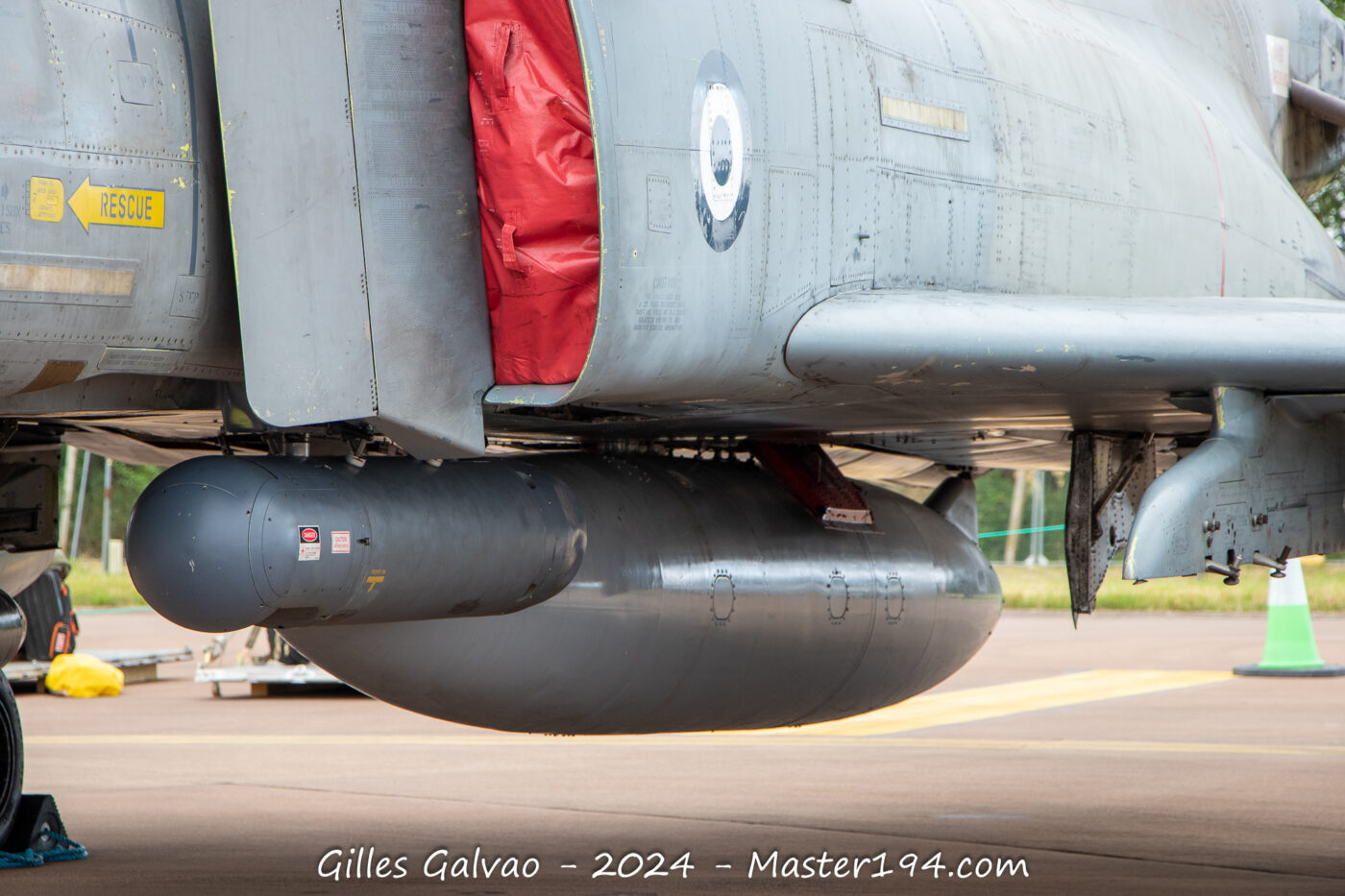
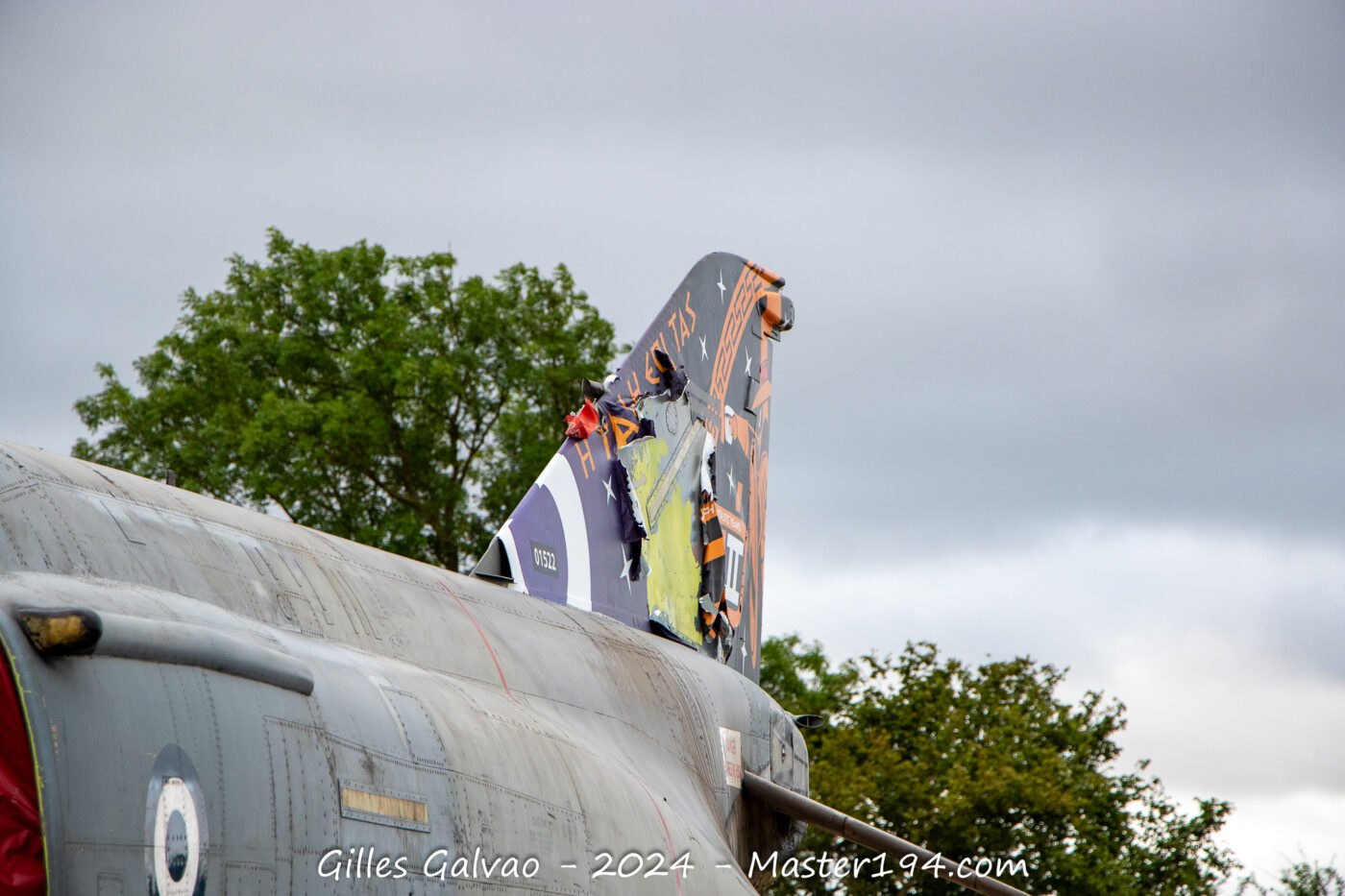
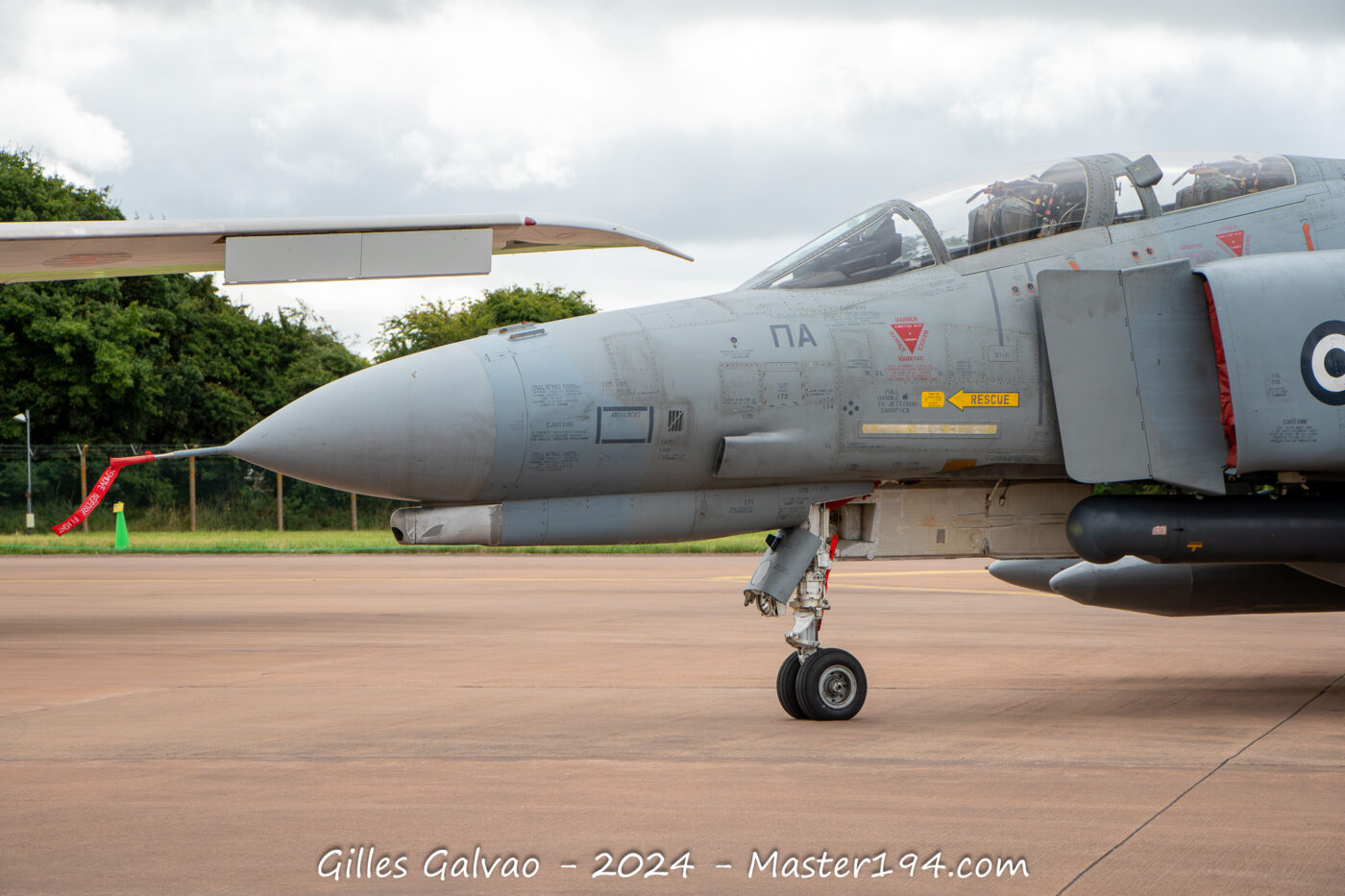
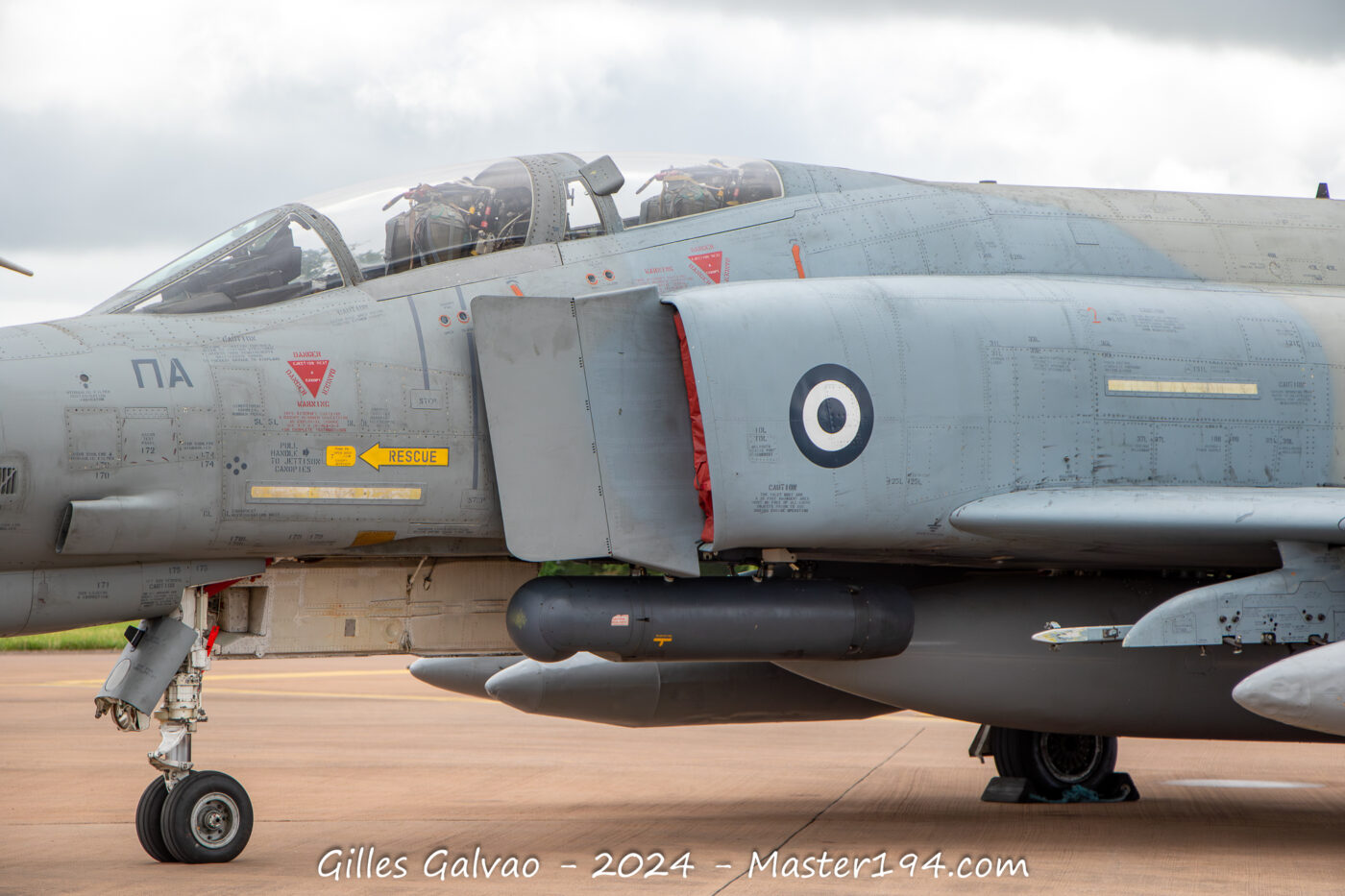
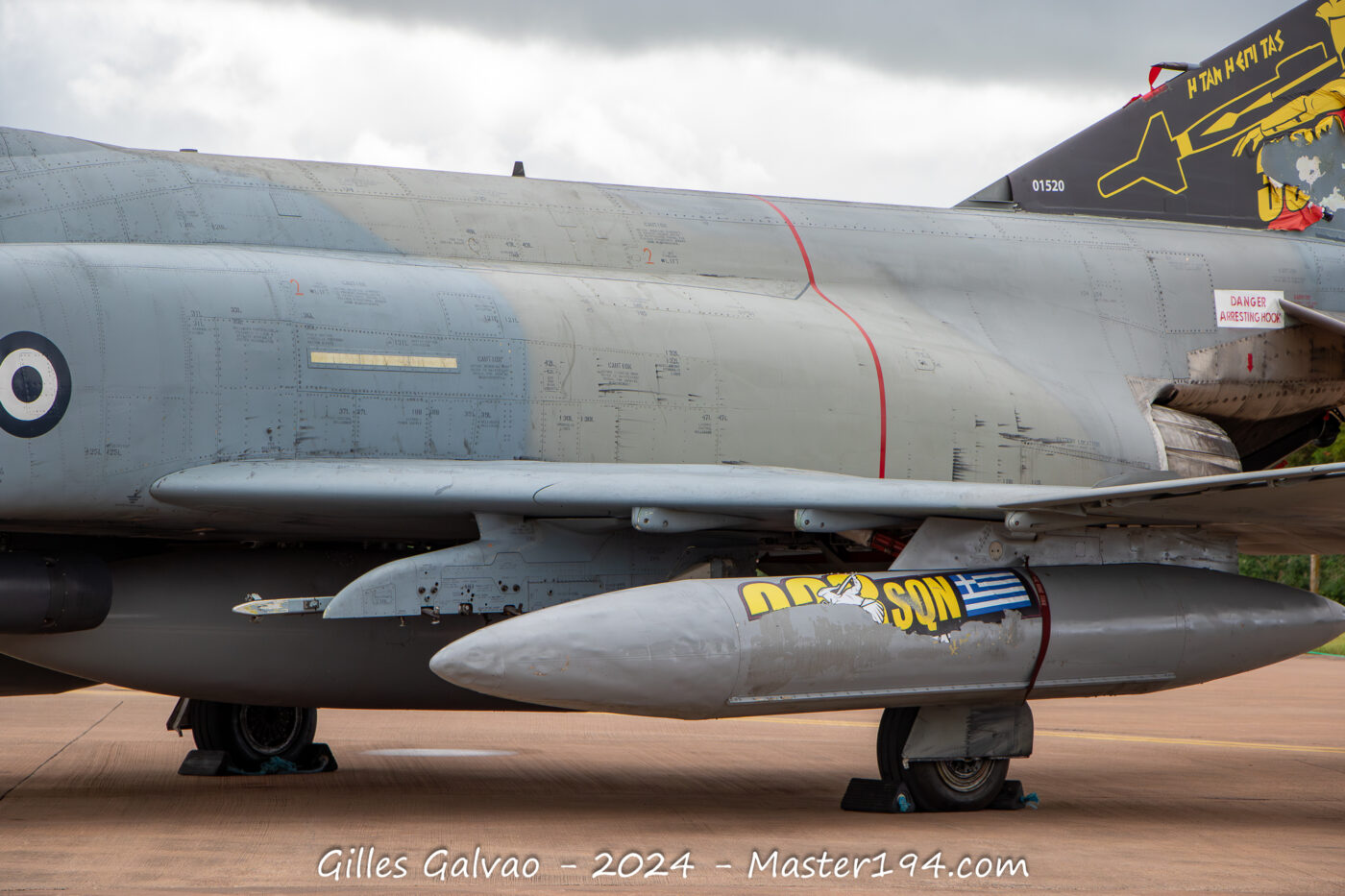
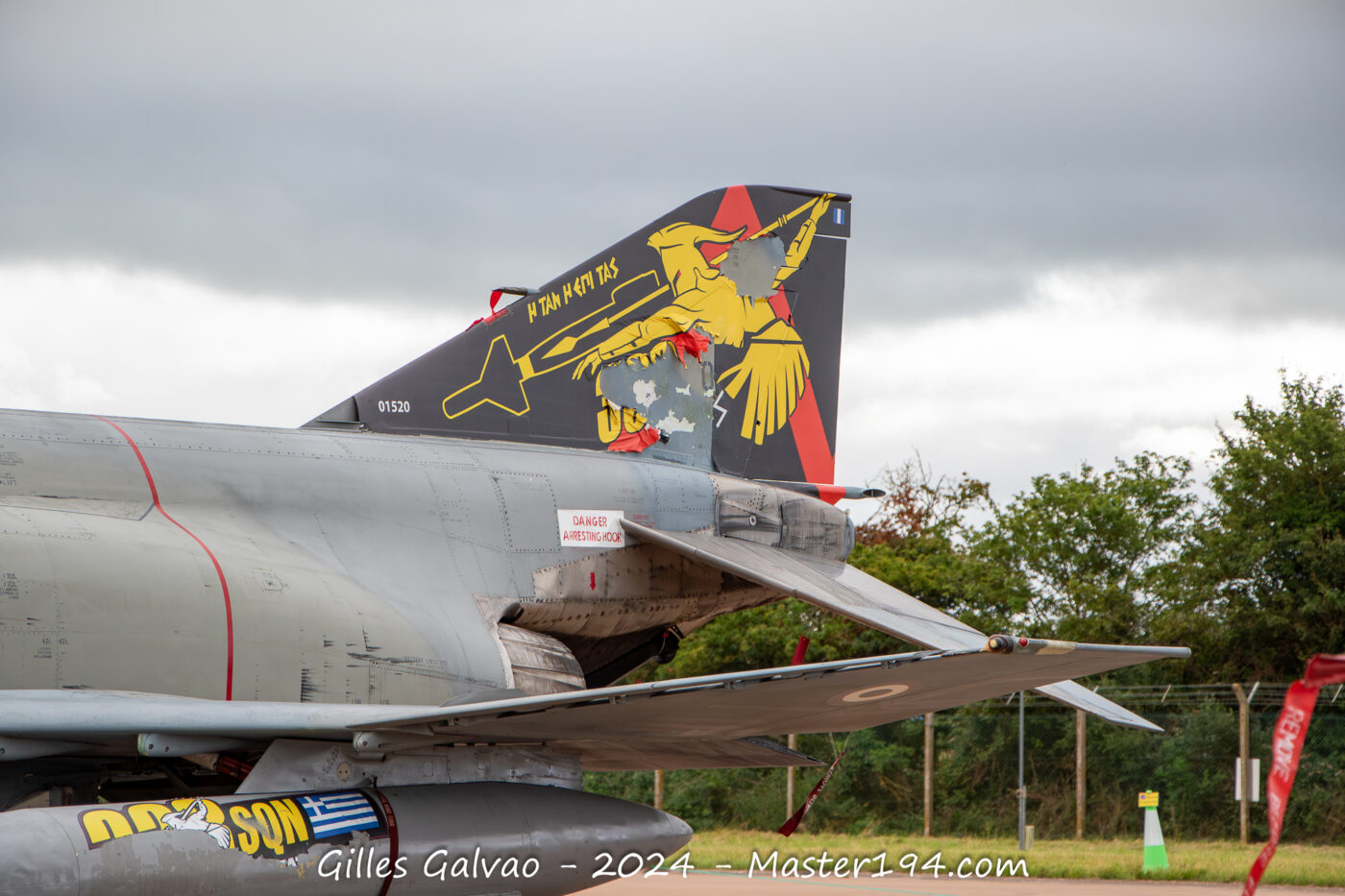
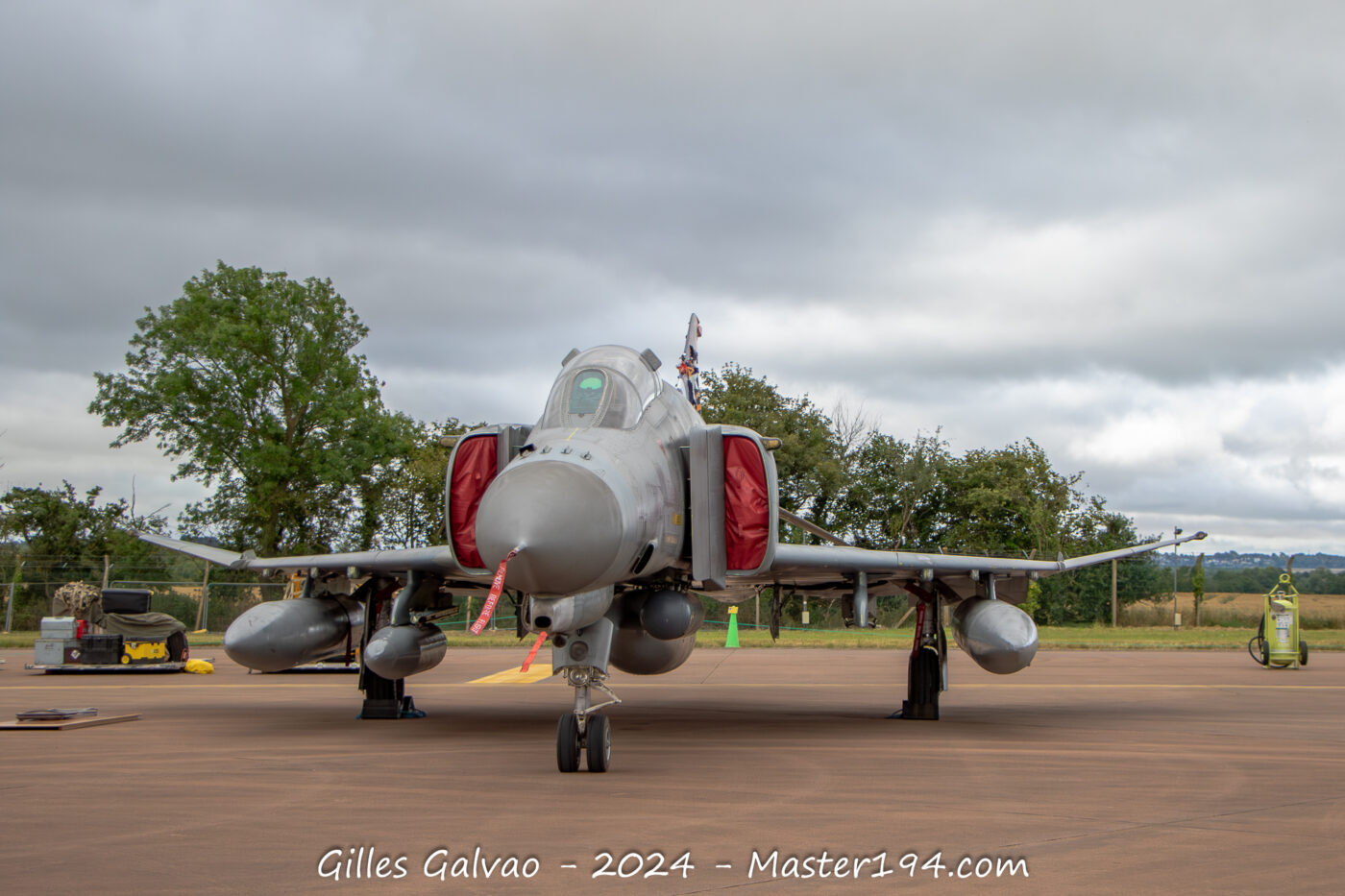
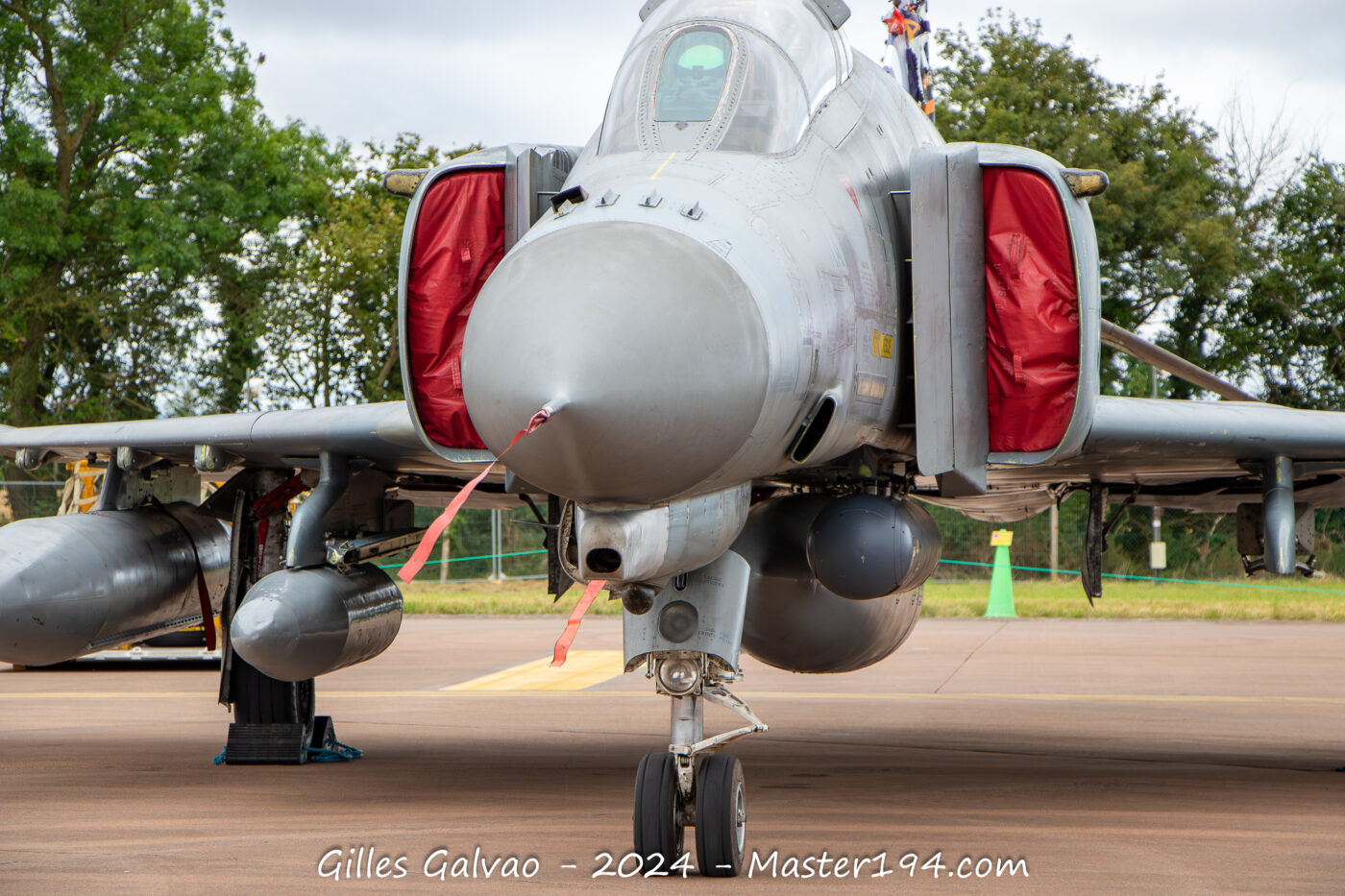
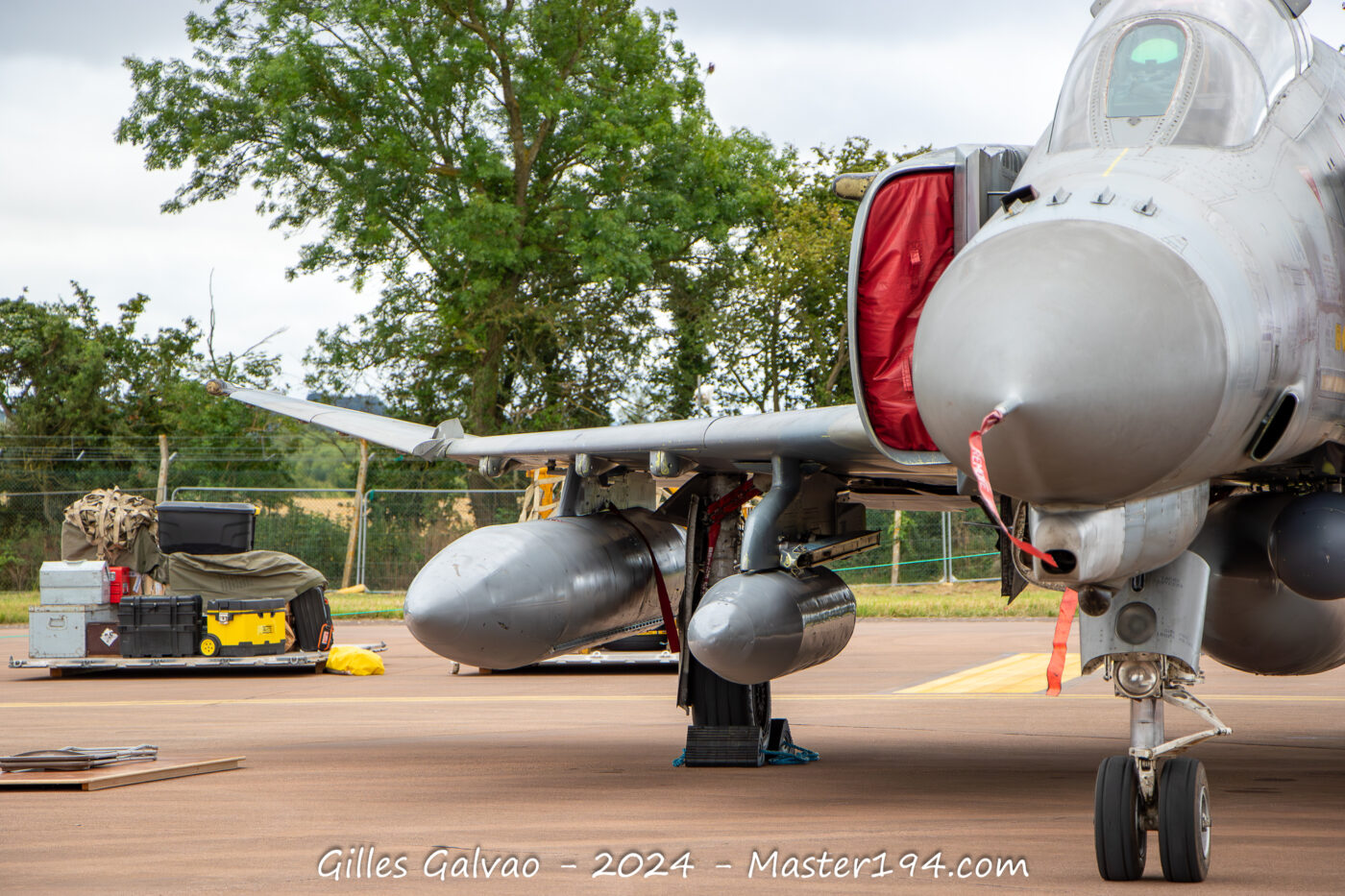
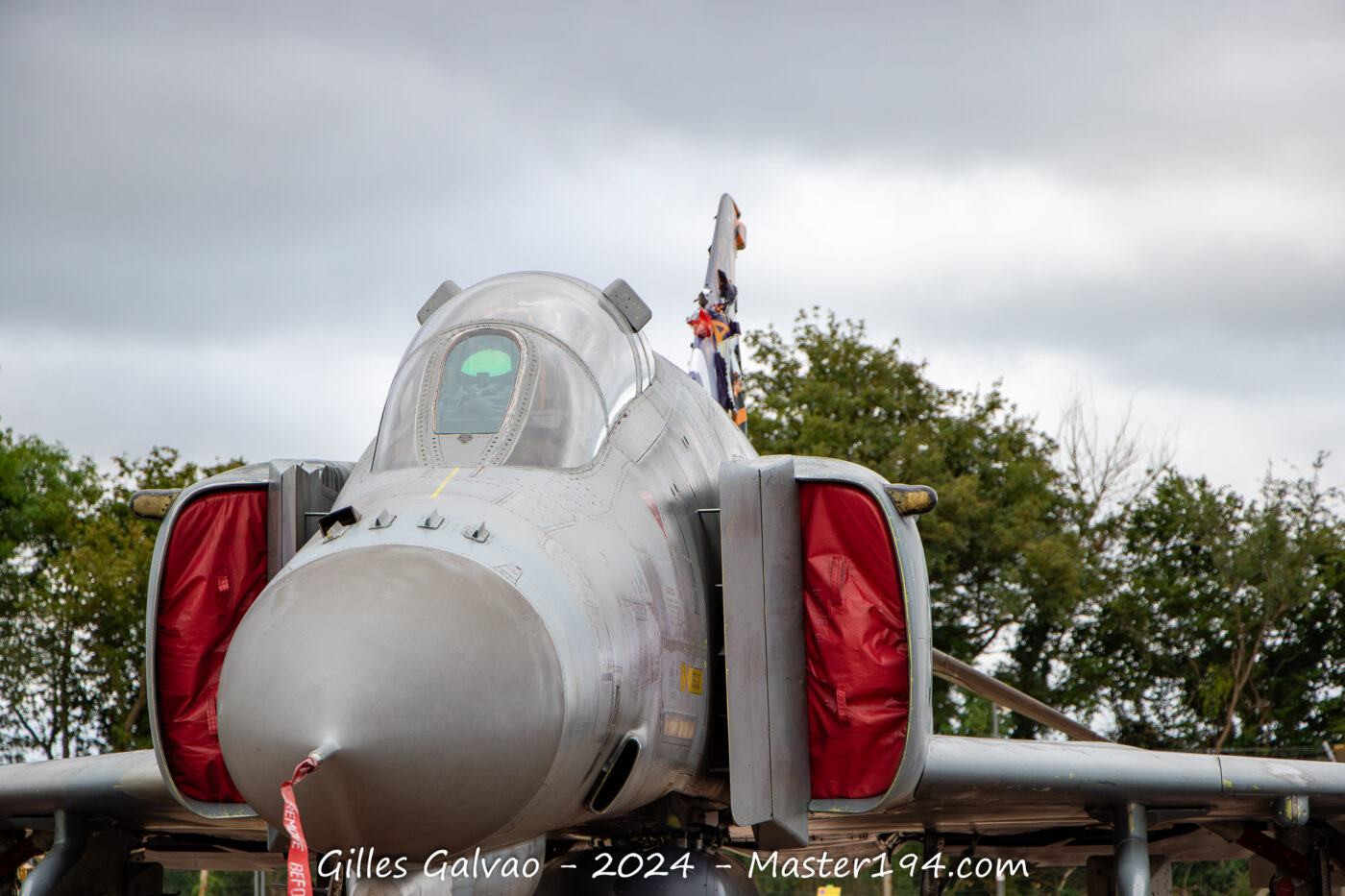
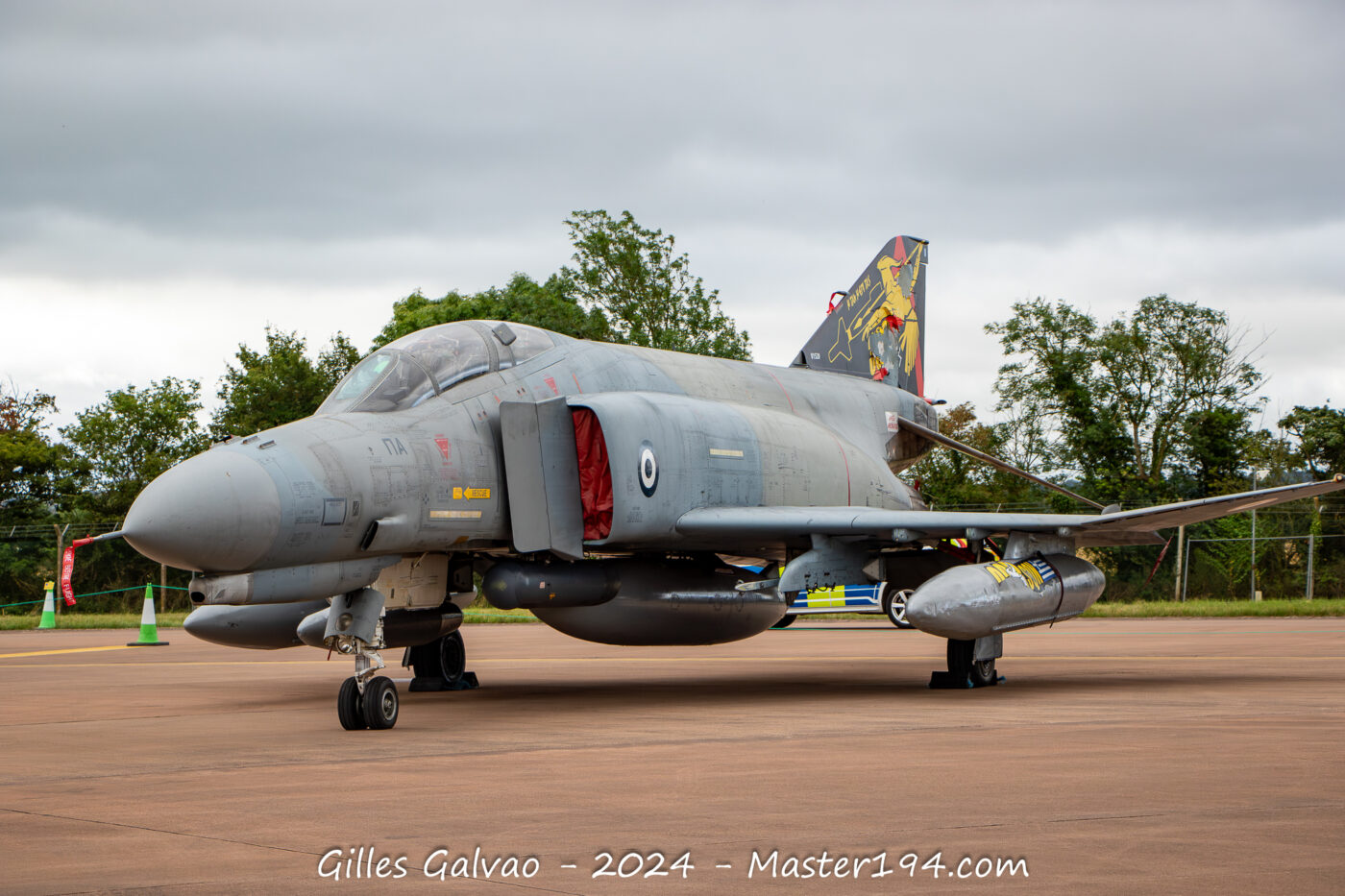
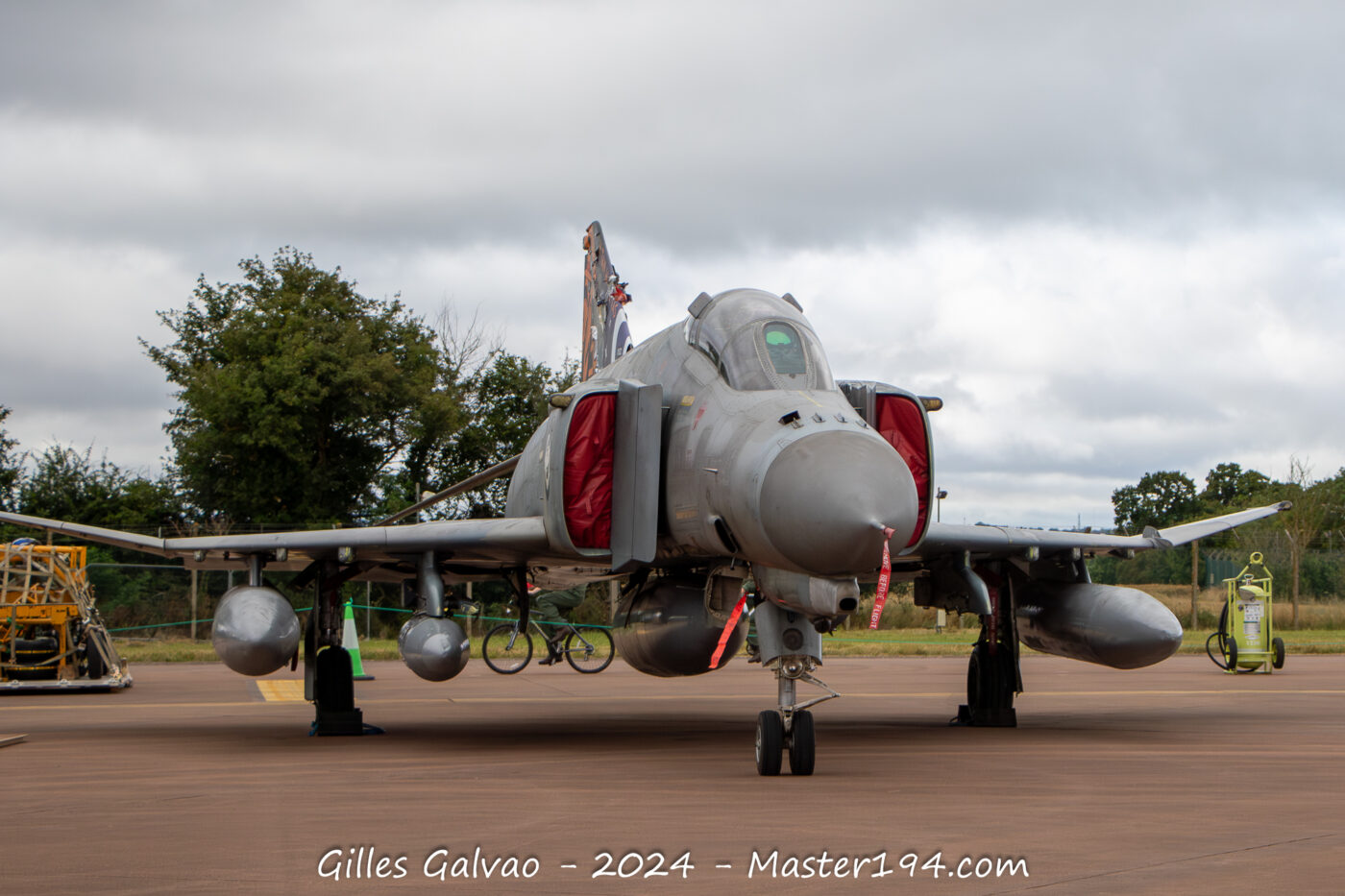
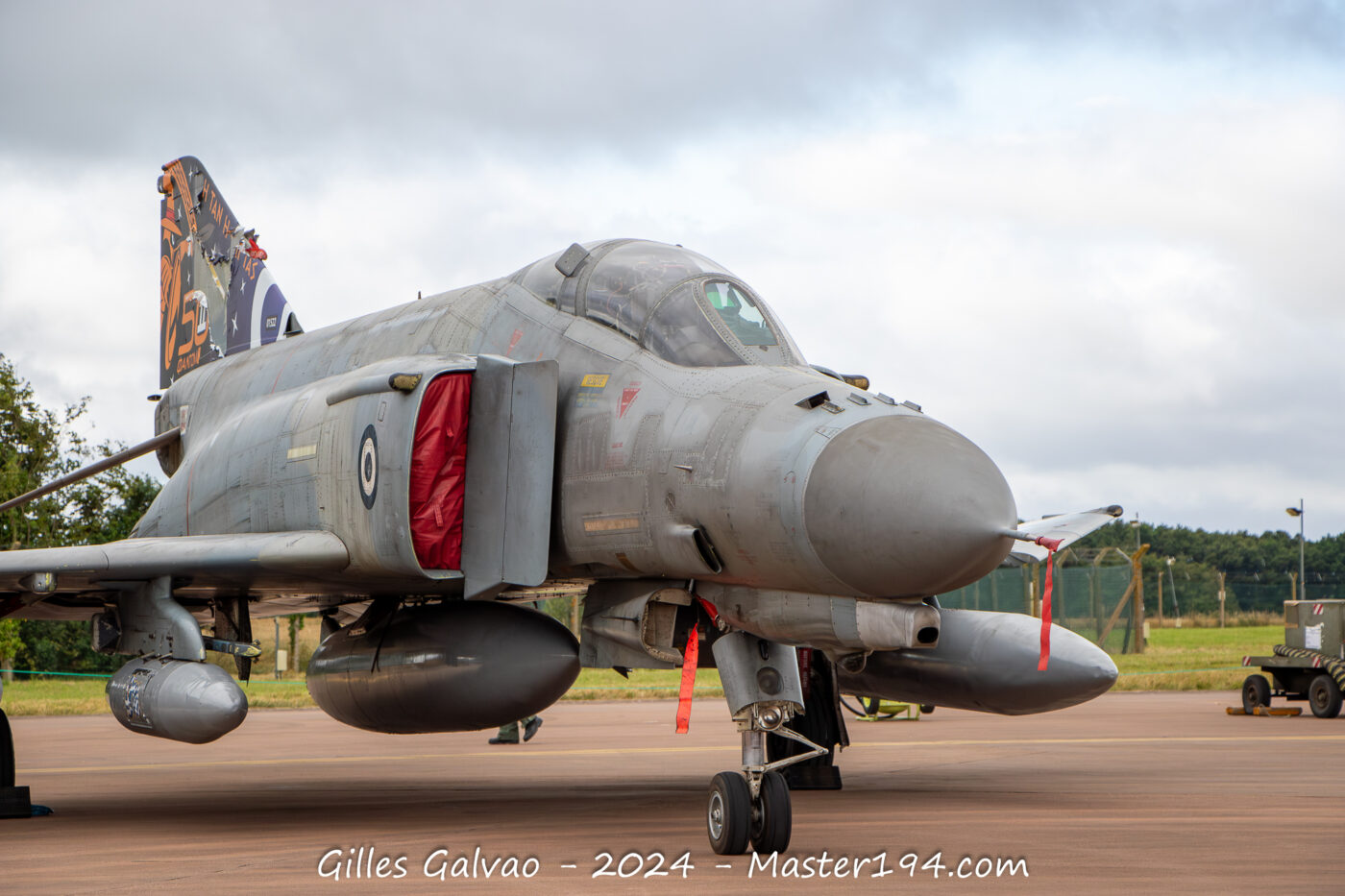
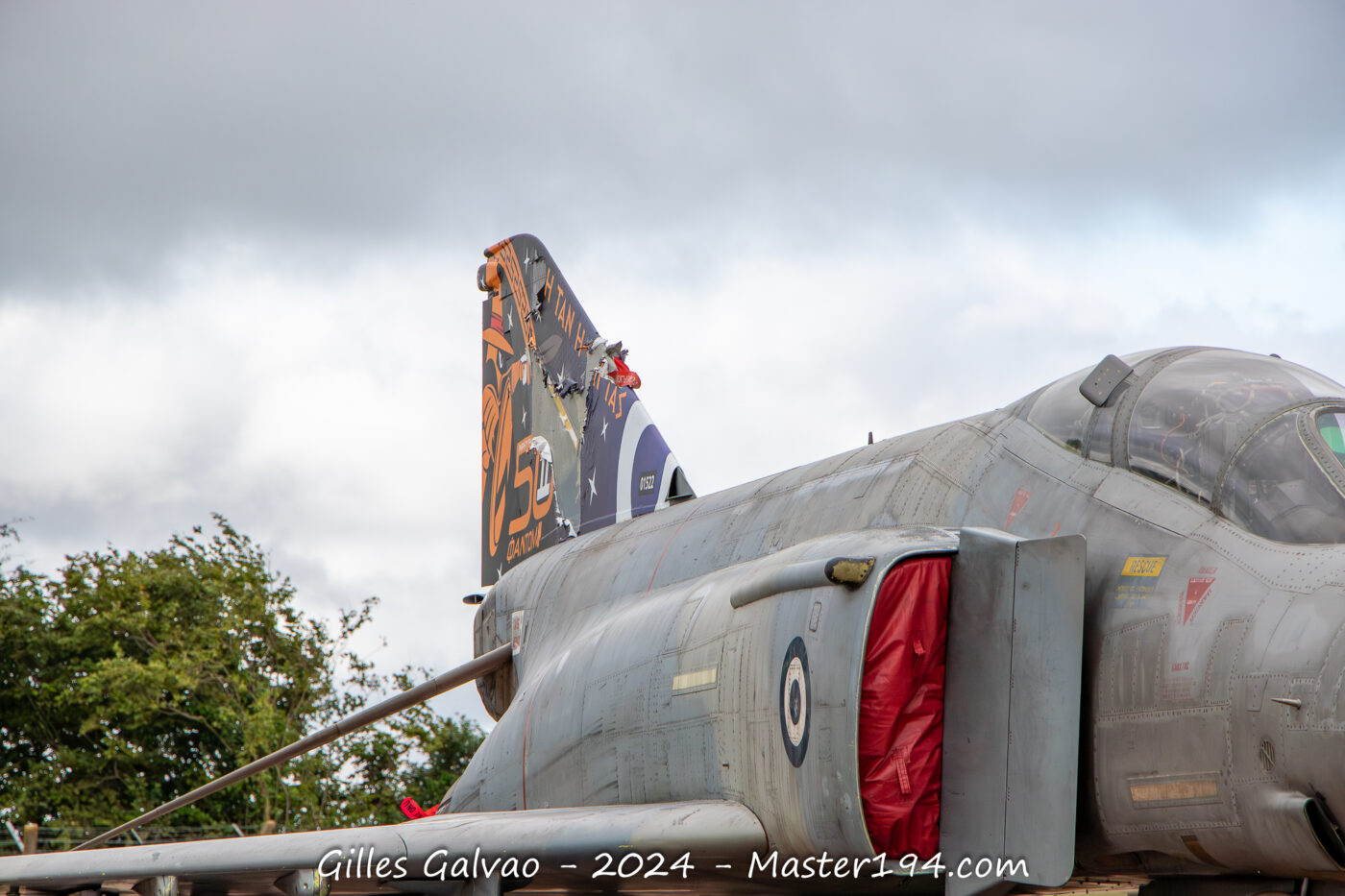
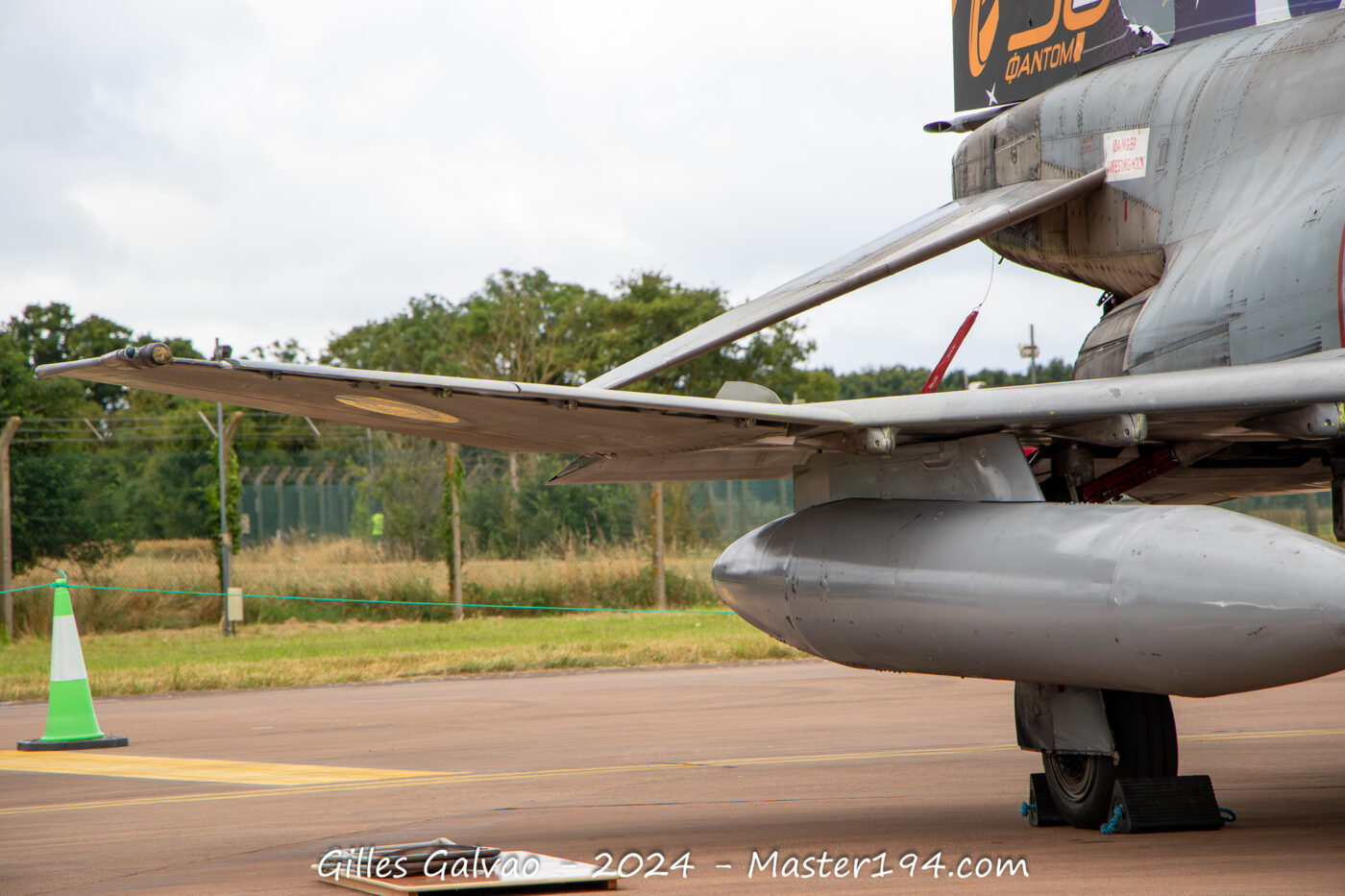
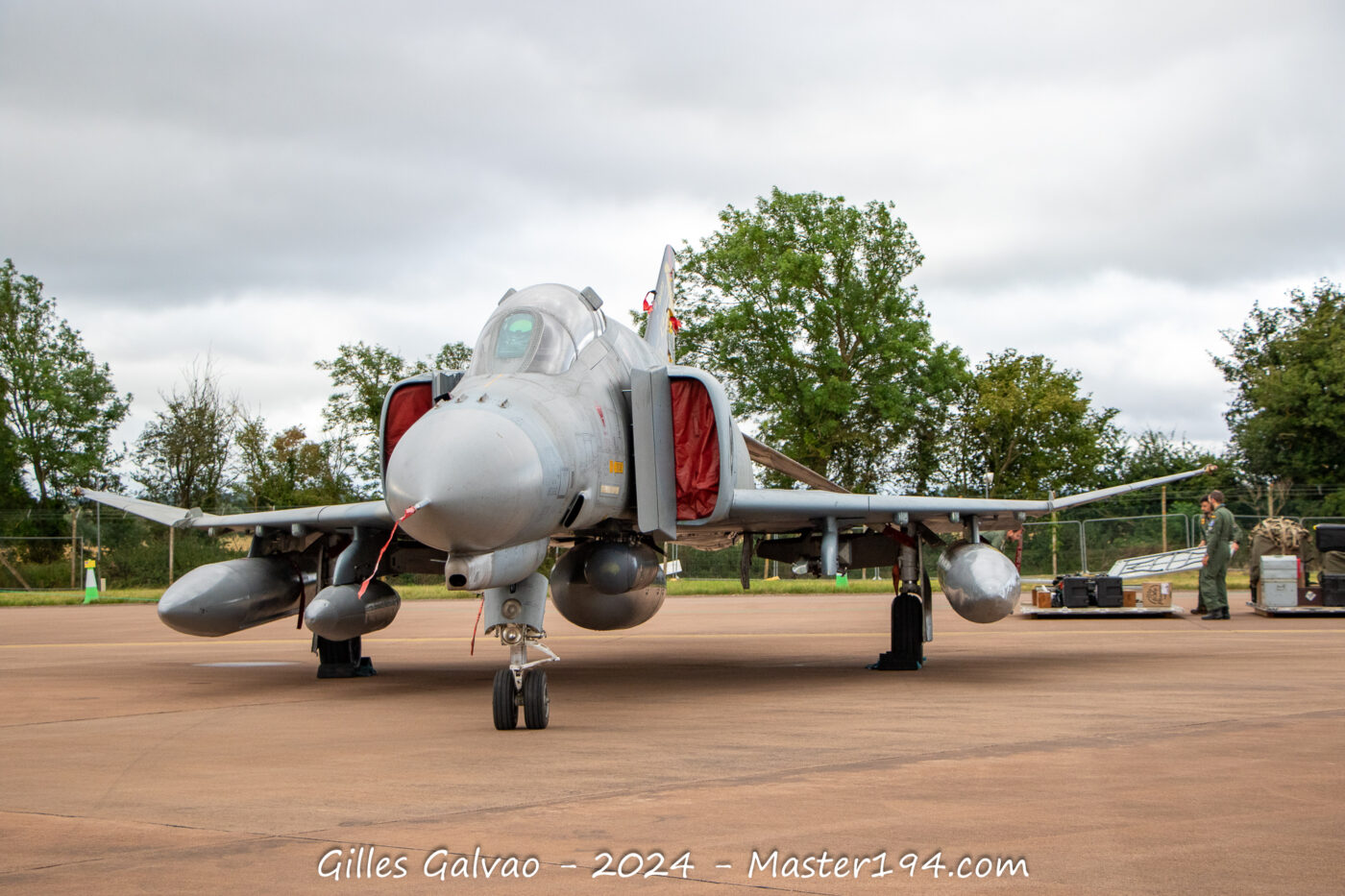
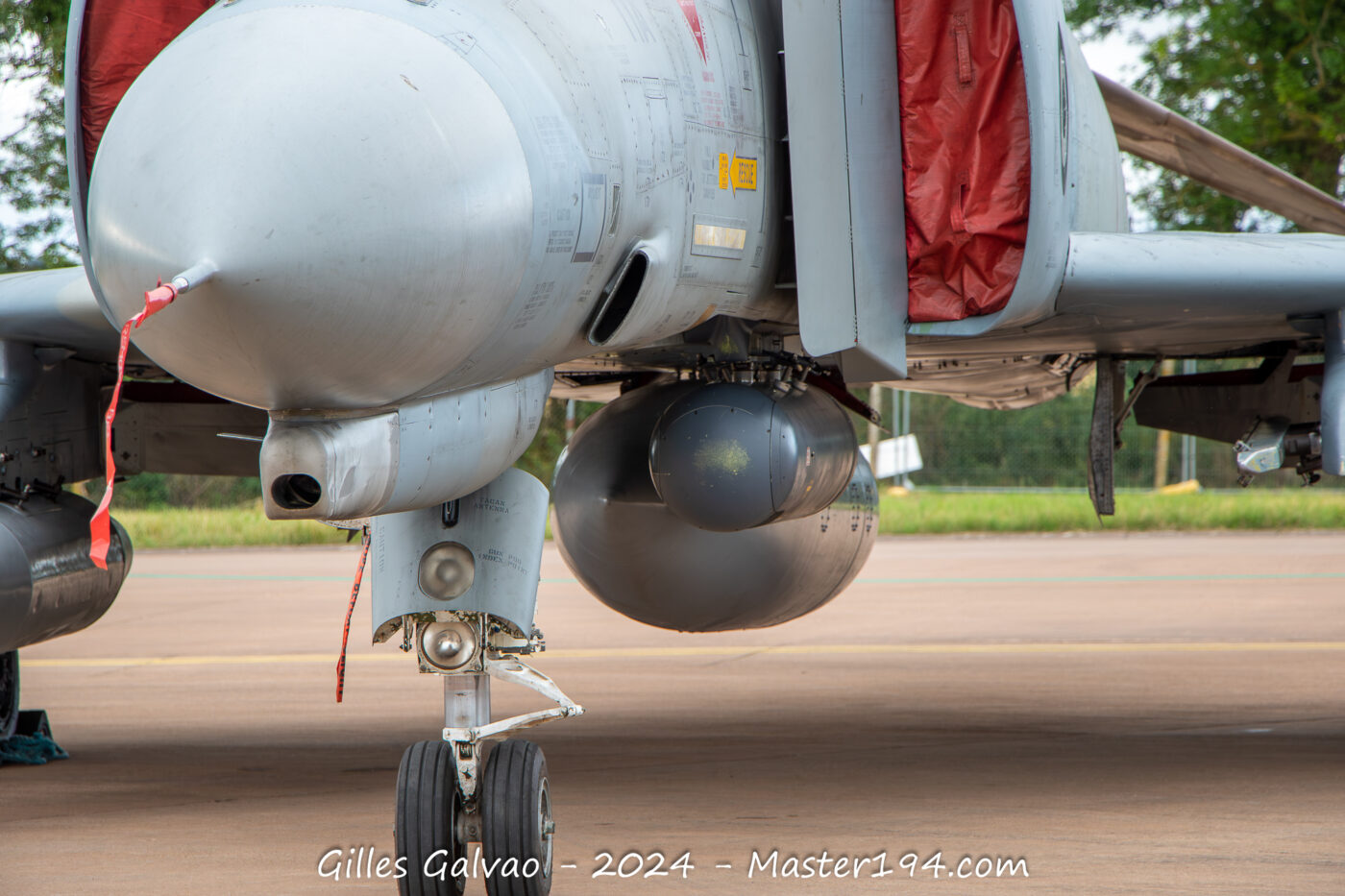
I had the opportunity to see — and photograph — Greek F-4E Phantoms at RIAT 2024. The release of the Meng 1/48 kit dedicated to this version is therefore the ideal opportunity to share these photos, especially since the aircraft photographed correspond to two of the three markings options offered by Meng.

Introduction & entry into service
Greece introduced the McDonnell Douglas F-4 Phantom II into its inventory in 1974 as part of the “Peace Icarus” armament program with the United States. This was the F-4E variant, used for multi-role missions: interception, air superiority, ground attack, and reconnaissance (via the RF-4E).
Greek versions & specificities
F-4E Phantom II
- Main version operated by the Hellenic Air Force (HAF) and the only one still in service today in a modernized form.
- Characteristics:
- Two crew members (pilot + WSO)
- Twin General Electric J79 engines
- Speed: Mach 2+
- Multi-role: air-to-air, air-to-ground, reconnaissance (with pods)
RF-4E Phantom II
- Variant dedicated to photographic and electronic reconnaissance, featuring a specific nose without radar, integrating various optical and infrared sensors.
- Intensively used for monitoring the Aegean Sea,
- Retired from service in 2017, making the Greek RF-4E the last operational reconnaissance Phantom in Europe.
Major modernizations: Peace Icarus 2000 / AUP
To maintain the operational relevance of its Phantoms, Greece launched a comprehensive modernization in the late 1990s known as Peace Icarus 2000, or AUP (Avionics Upgrade Program).
- Revamped avionics: AN/APG-65 radar (similar to that of the F/A-18), modern navigation systems, mission computers.
- Expanded armament capabilities:
- Air-to-air missiles: AIM-120 AMRAAM, AIM-9 Sidewinder
- Air-to-ground weapons: AGM-65 Maverick, laser-guided bombs with targeting pods
- Other improvements: upgraded displays, electronic warfare systems, compatibility with reconnaissance and targeting pods.
Thanks to these upgrades, the Greek Phantoms — often referred to as F‑4E(AUP) or Peace Icarus 2000 — remain credible and effective platforms despite their age.
Operational role and engagements
Standard missions
- Airspace patrols over the Aegean, quick-reaction alert against intrusions.
- International exercises:
- Iniochos 2025: major multinational exercise where the Phantoms operated alongside other allies.
- Ramstein Flag 2024: low-level flights and complex missions with allied forces.
Regional crises
- 1976 – Aegean continental shelf crisis
- Maximum alert, armed interceptions, engagement preparations.
- Late 1970s to today – Ongoing tensions in the Aegean Sea
- QRA (Quick Reaction Alert) active, frequent interceptions, radar locks, and aggressive maneuvers.
- 1980s–1990s – Greek-Turkish air incidents
- Actual interception missions, with several fatal accidents during operational service.
- March 1987 – Major Aegean crisis
- Near-war situation: armed F-4s, strike plans against naval and ground targets prepared.
- January 1996 – Imia / Kardak crisis
- Enhanced air coverage and armed deterrence, without any live firing.
- 1990s – Balkans / former Yugoslavia (NATO framework)
- Presence and coordination missions, without strikes.
- 2002–2010 – Entry into service of F-4E AUP
- Role of heavy deterrence, credible BVR capability thanks to the AMRAAM.
- 2010–2020 – Rising tensions in the Aegean and Eastern Mediterranean
- Continuation of armed missions and integration into crisis scenarios.
- 2020–2024 – Crises related to EEZs and energy
- Enhanced alert, F-4 still included in operational plans.
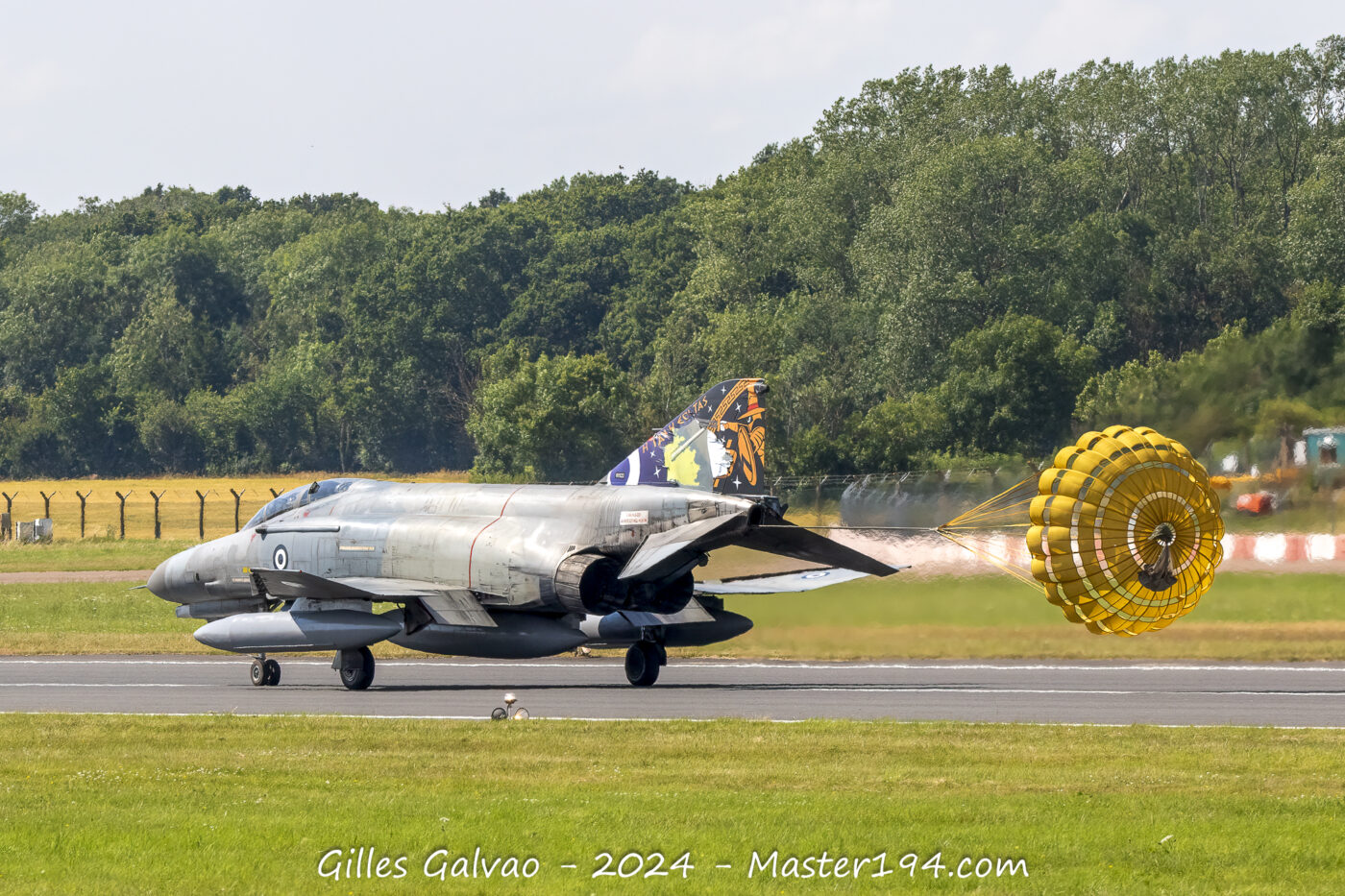
Current situation (2025)
- About twenty F-4E AUP still in service
- Based mainly at Andravida Air Base (117 Combat Wing):
- 338 Squadron “Ares”
- 339 Squadron “Aias”
- RF-4E retired from service in 2017
- Definitive retirement of Greek F-4s planned around 2026, with the ramp-up of Rafale F3R/F4 and future F-35A.

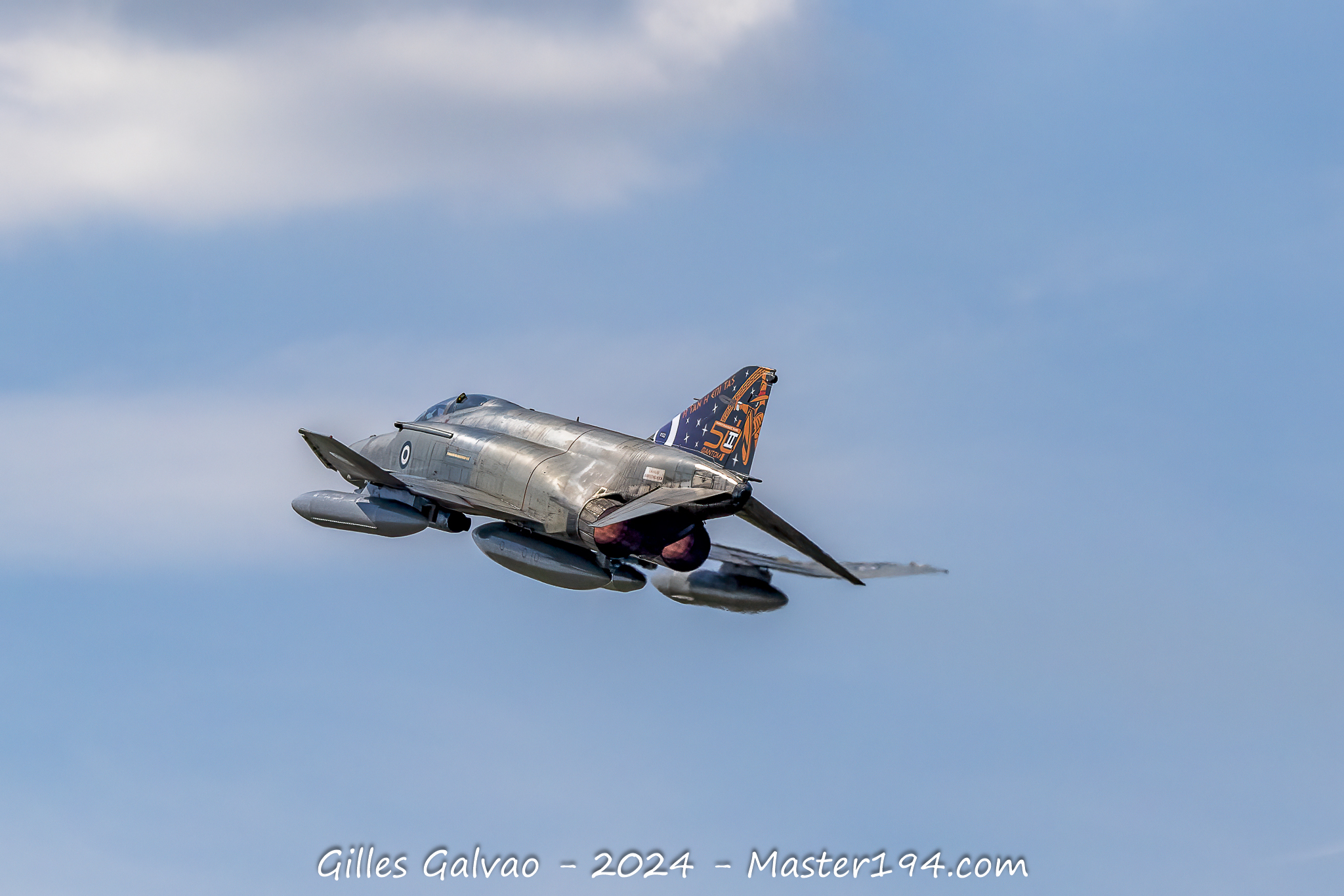
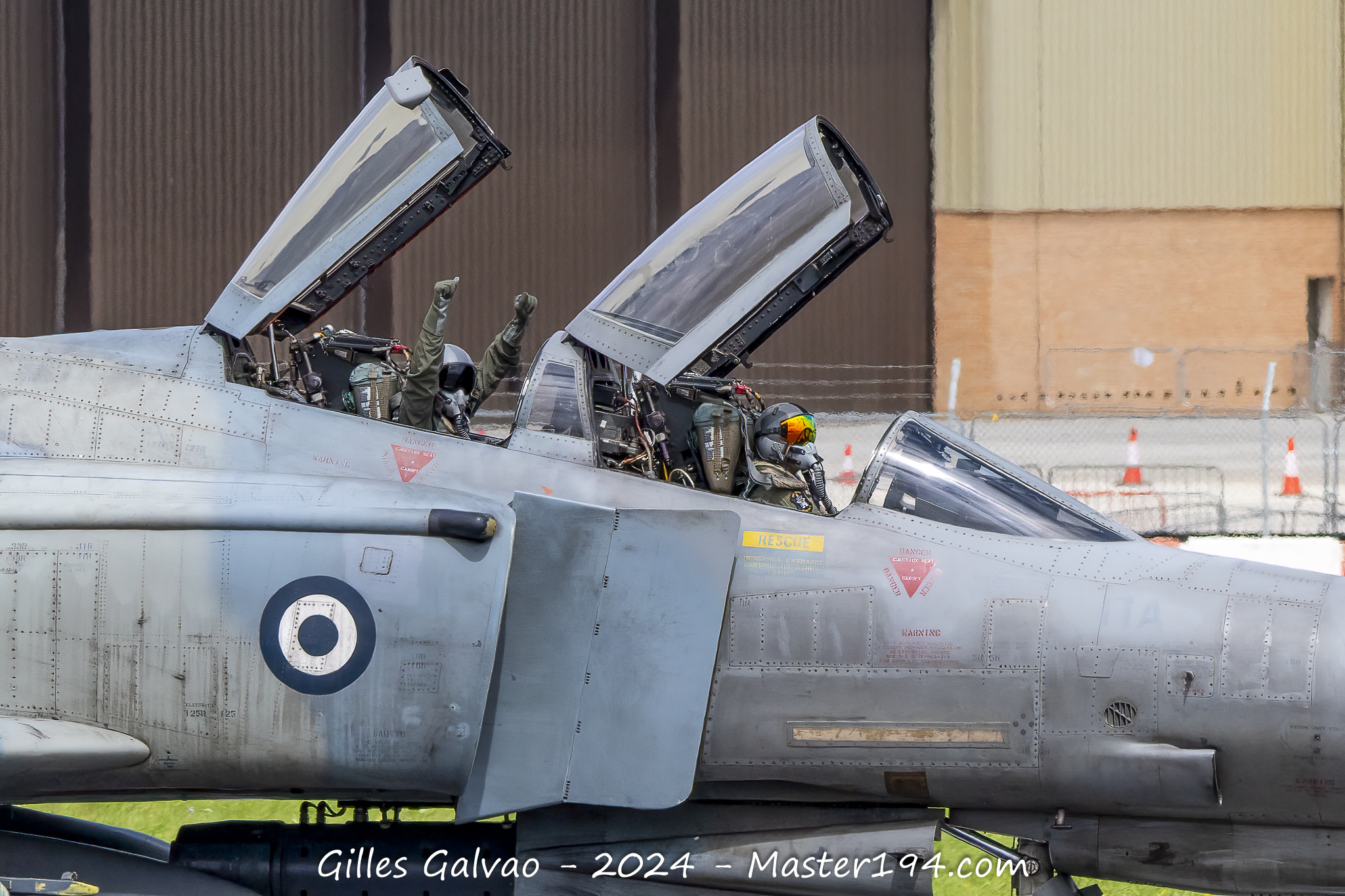
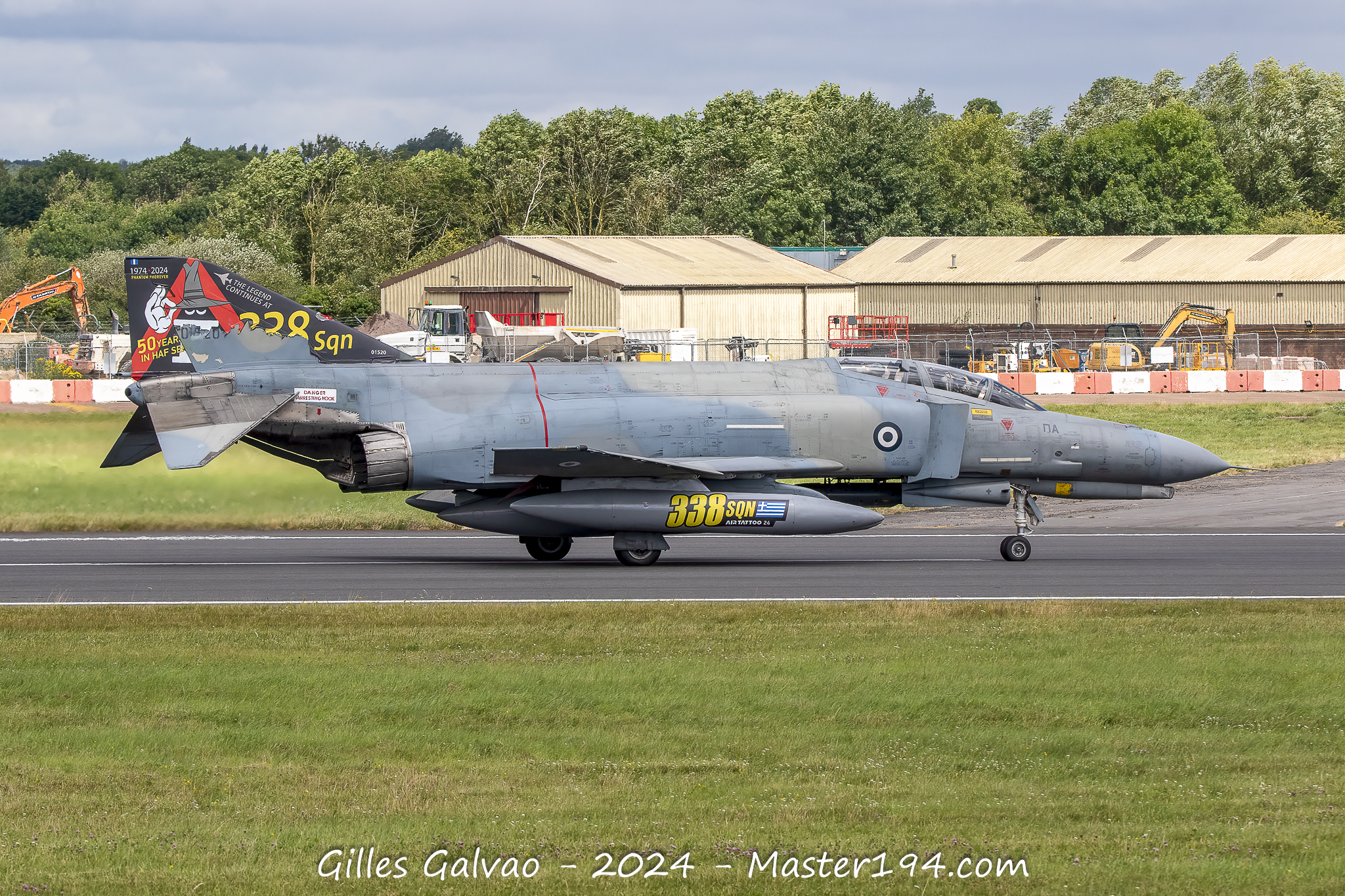
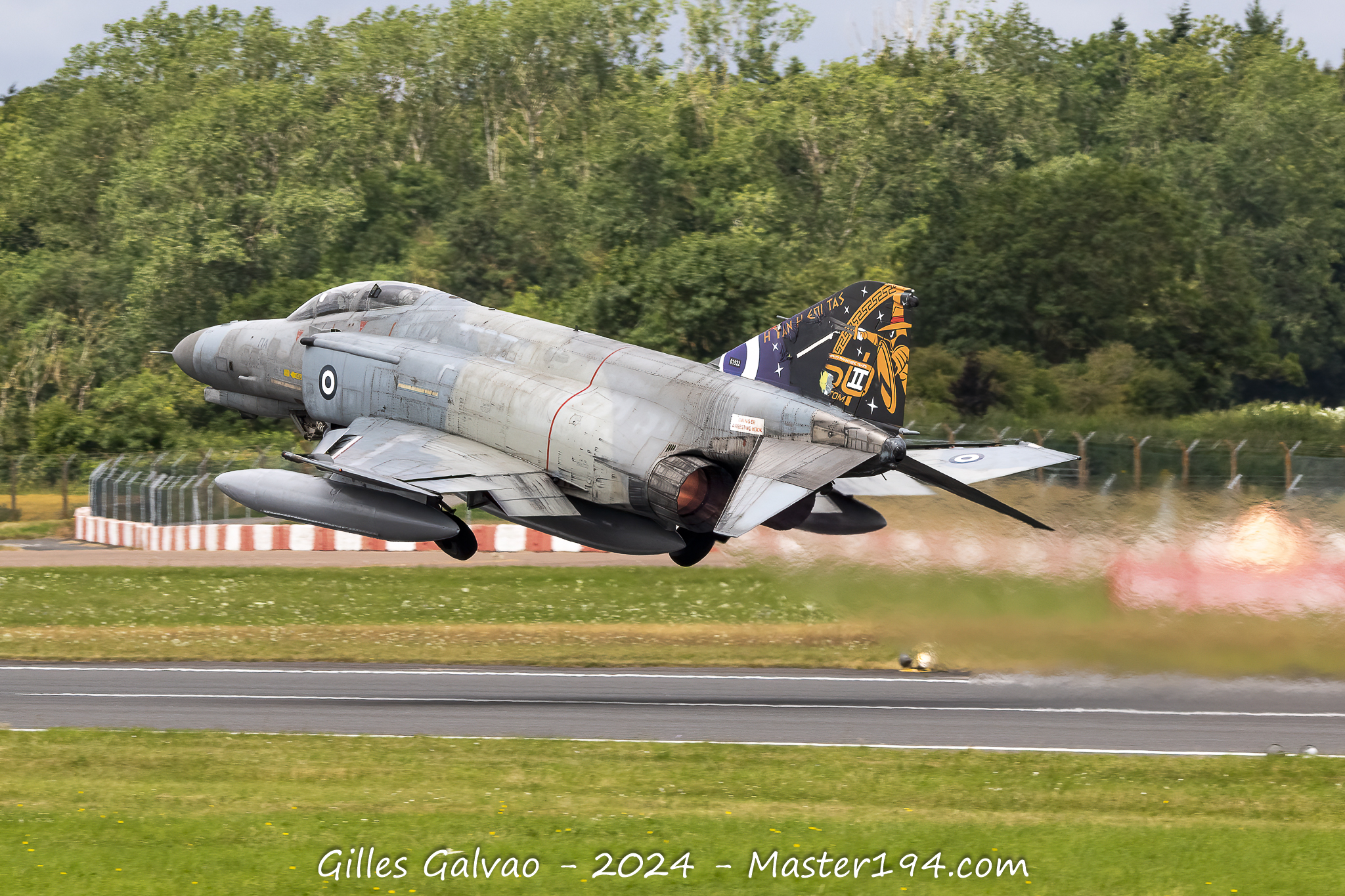
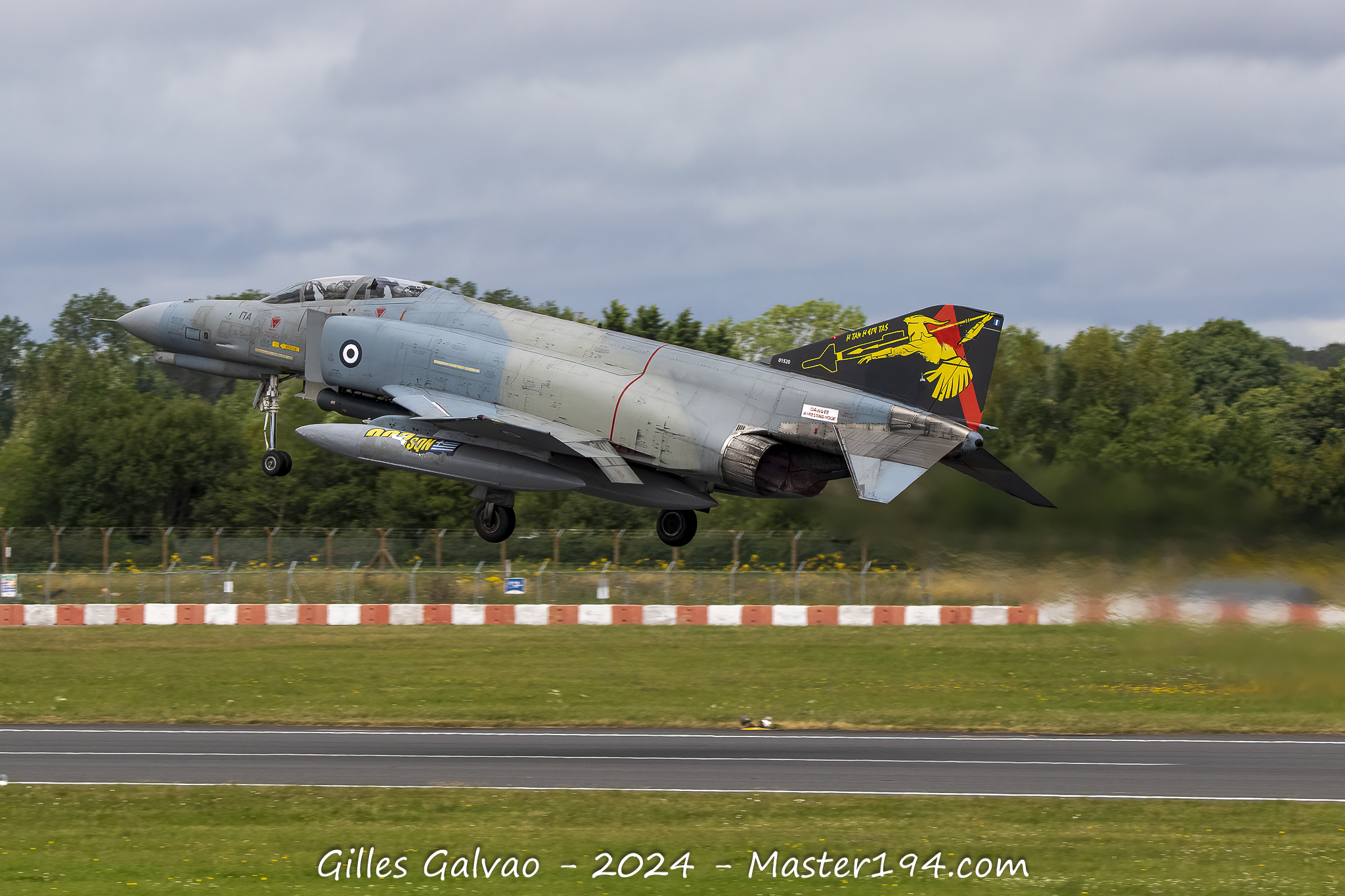
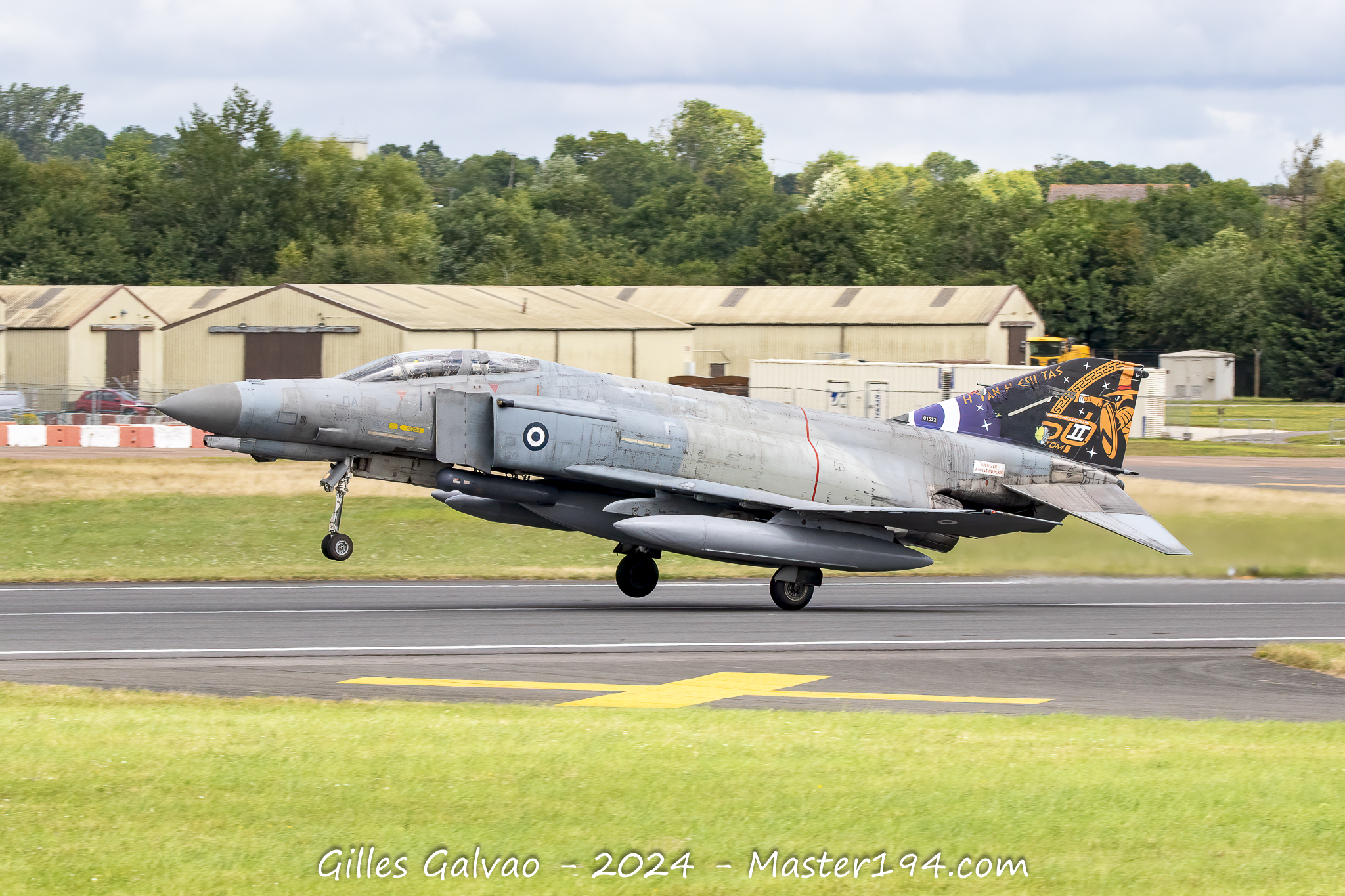
Aircraft seen at the Royal International Air Tattoo
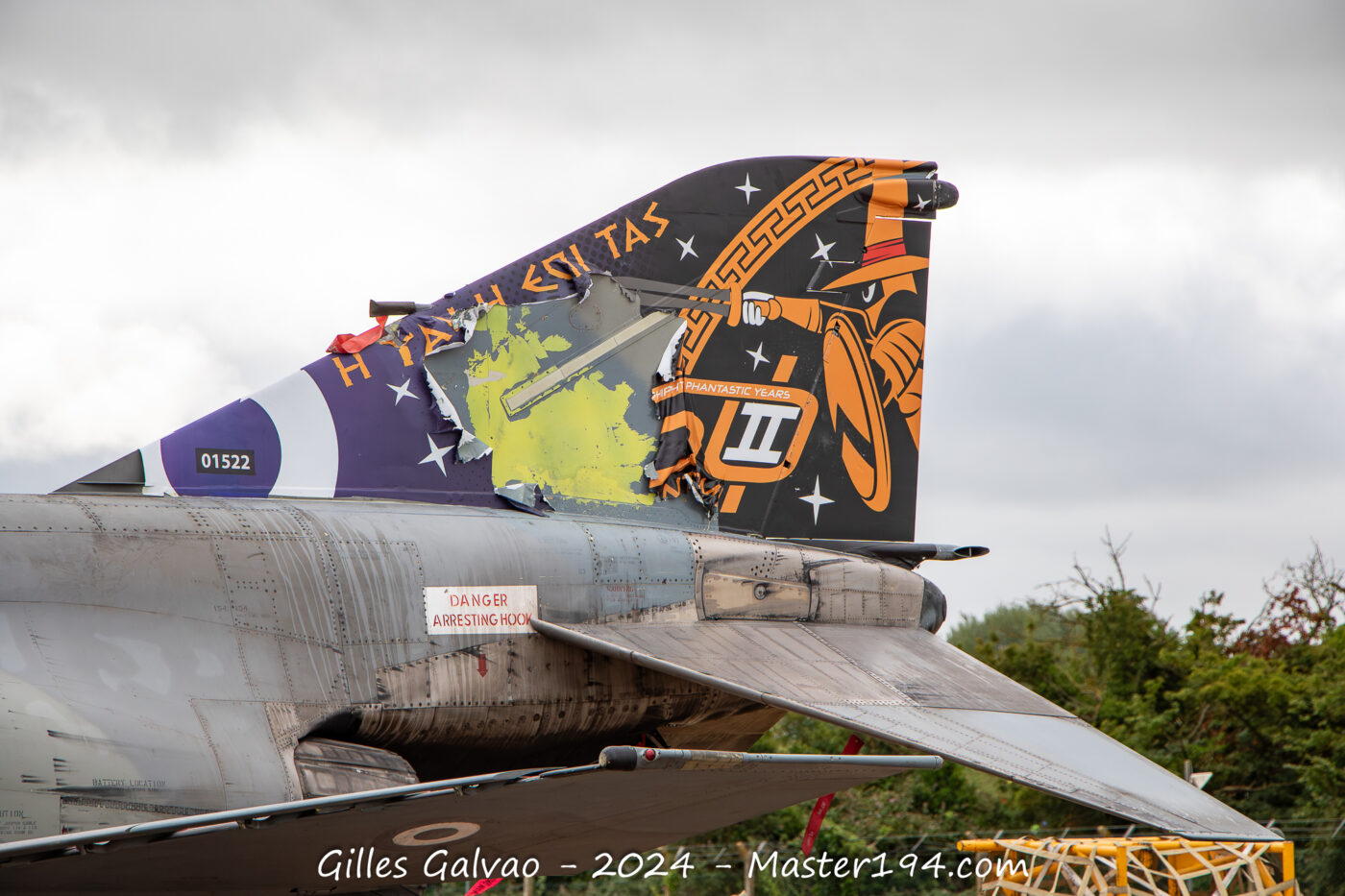
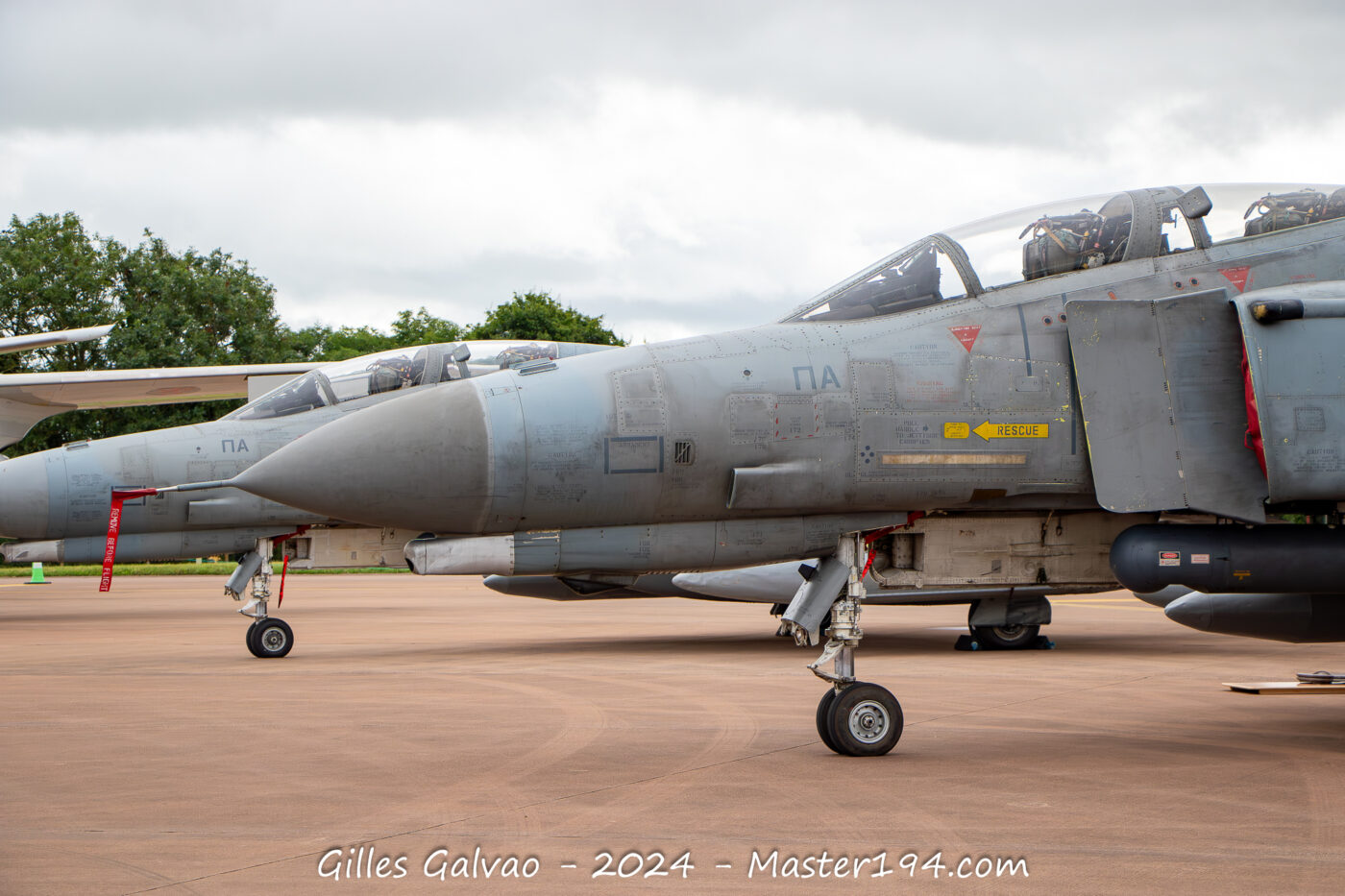
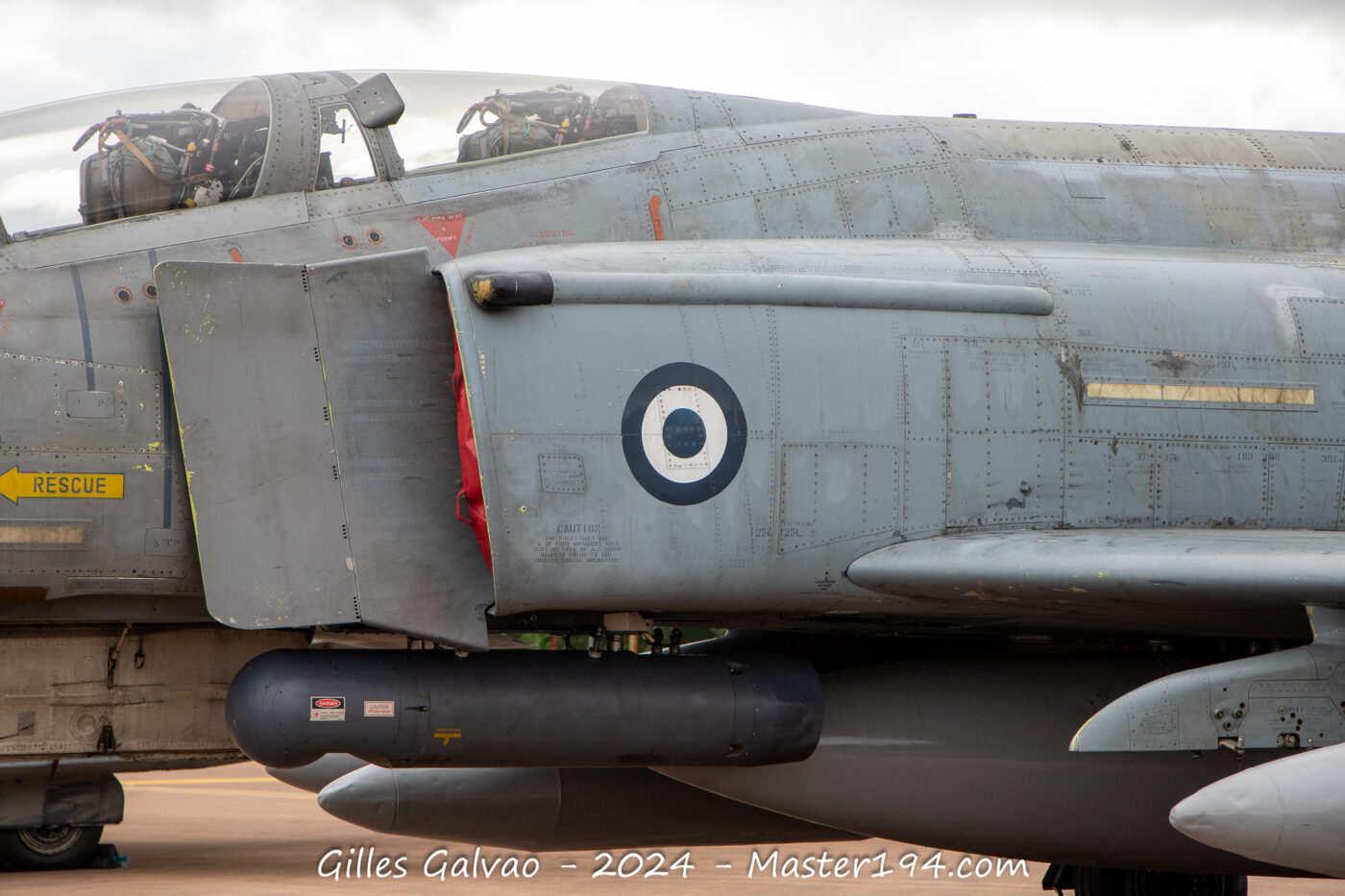
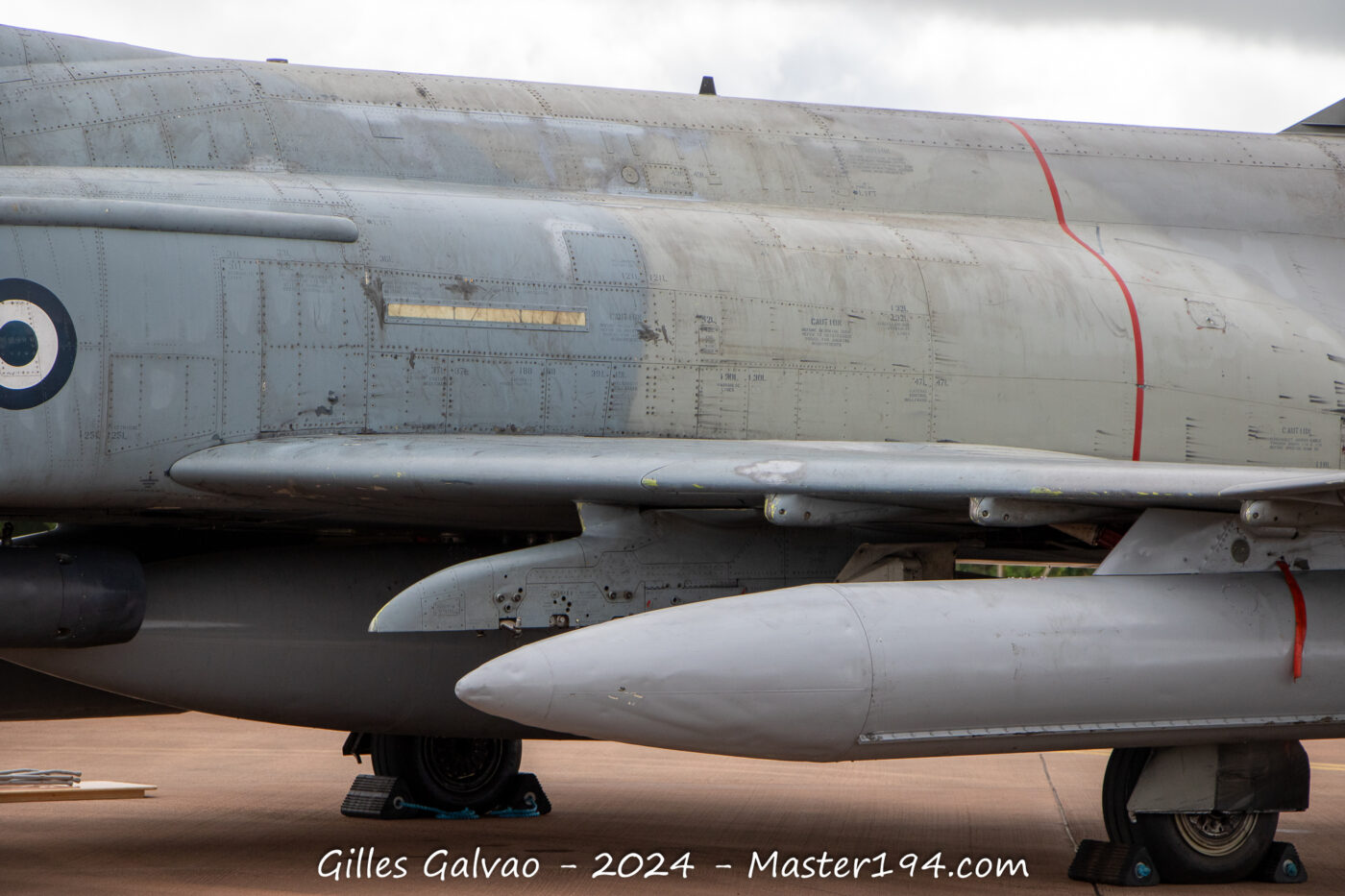
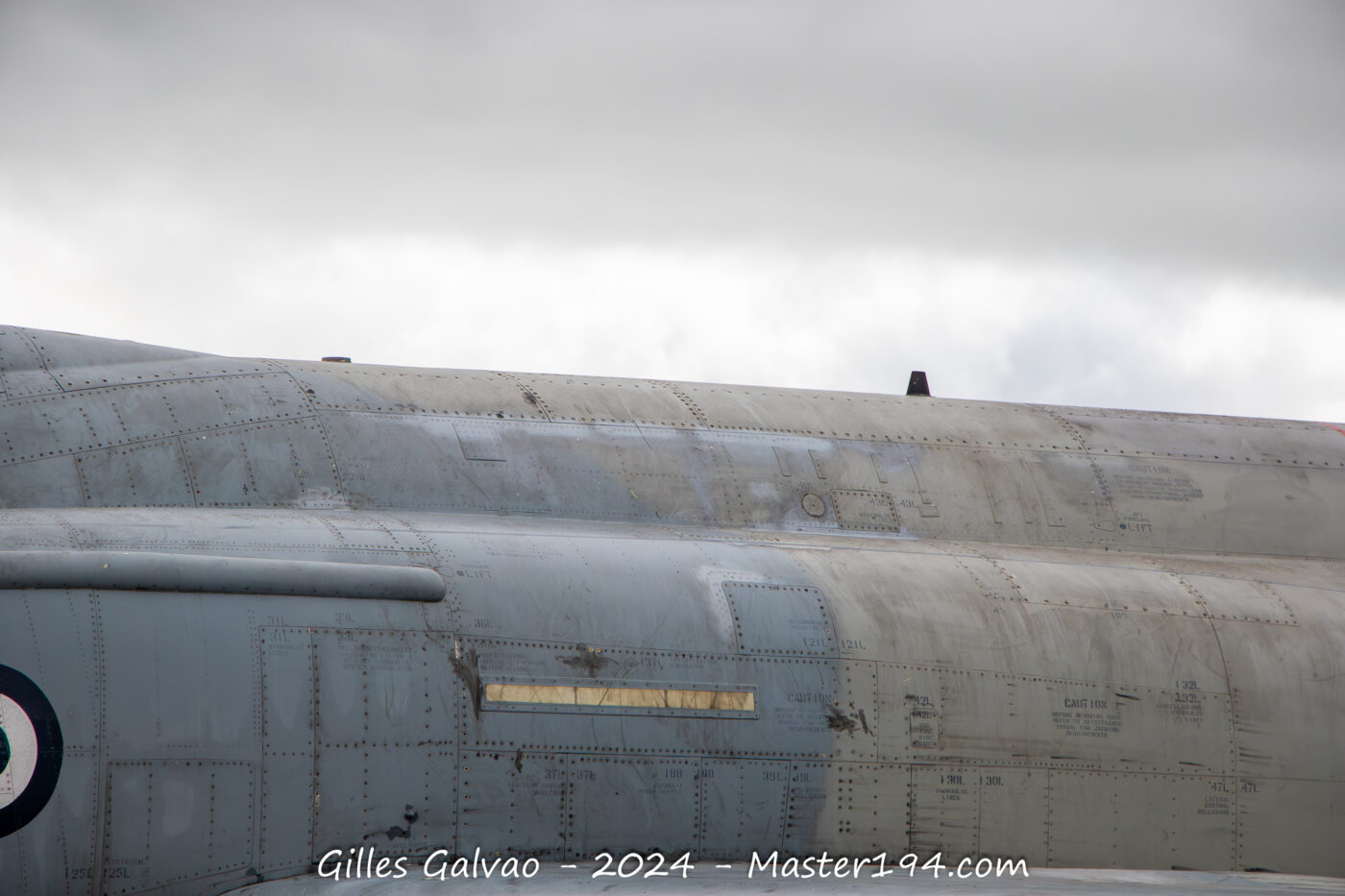
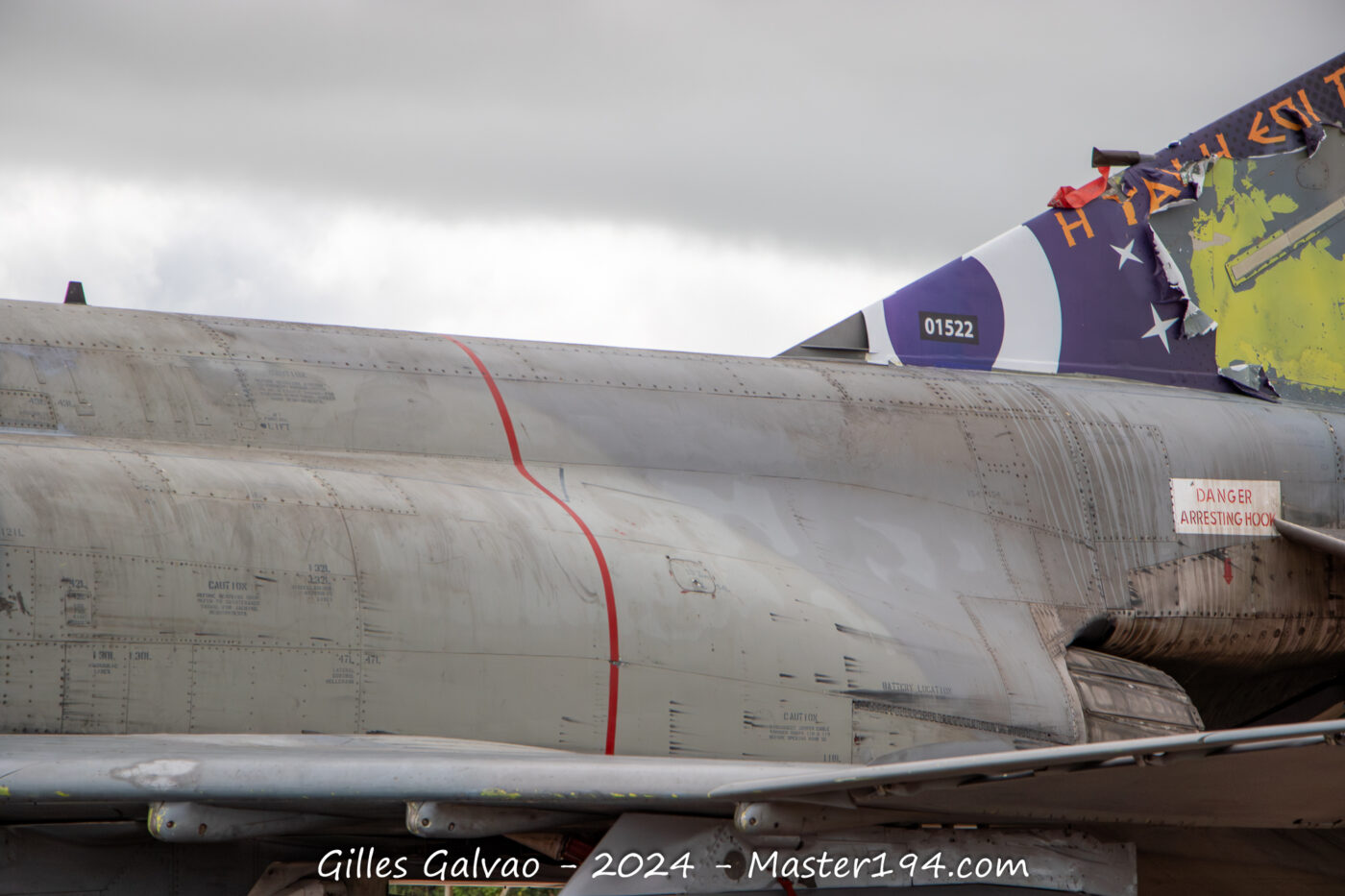
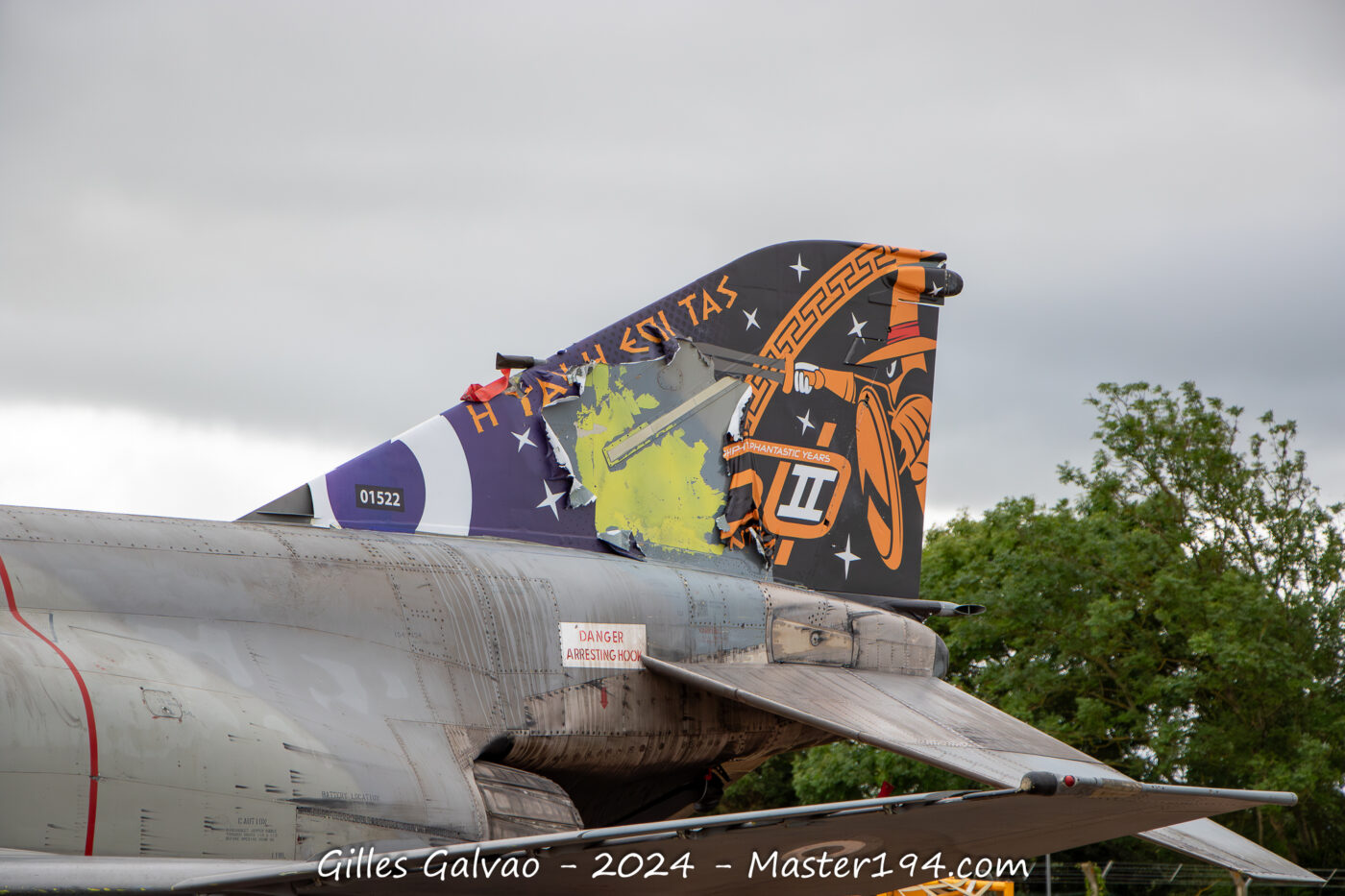
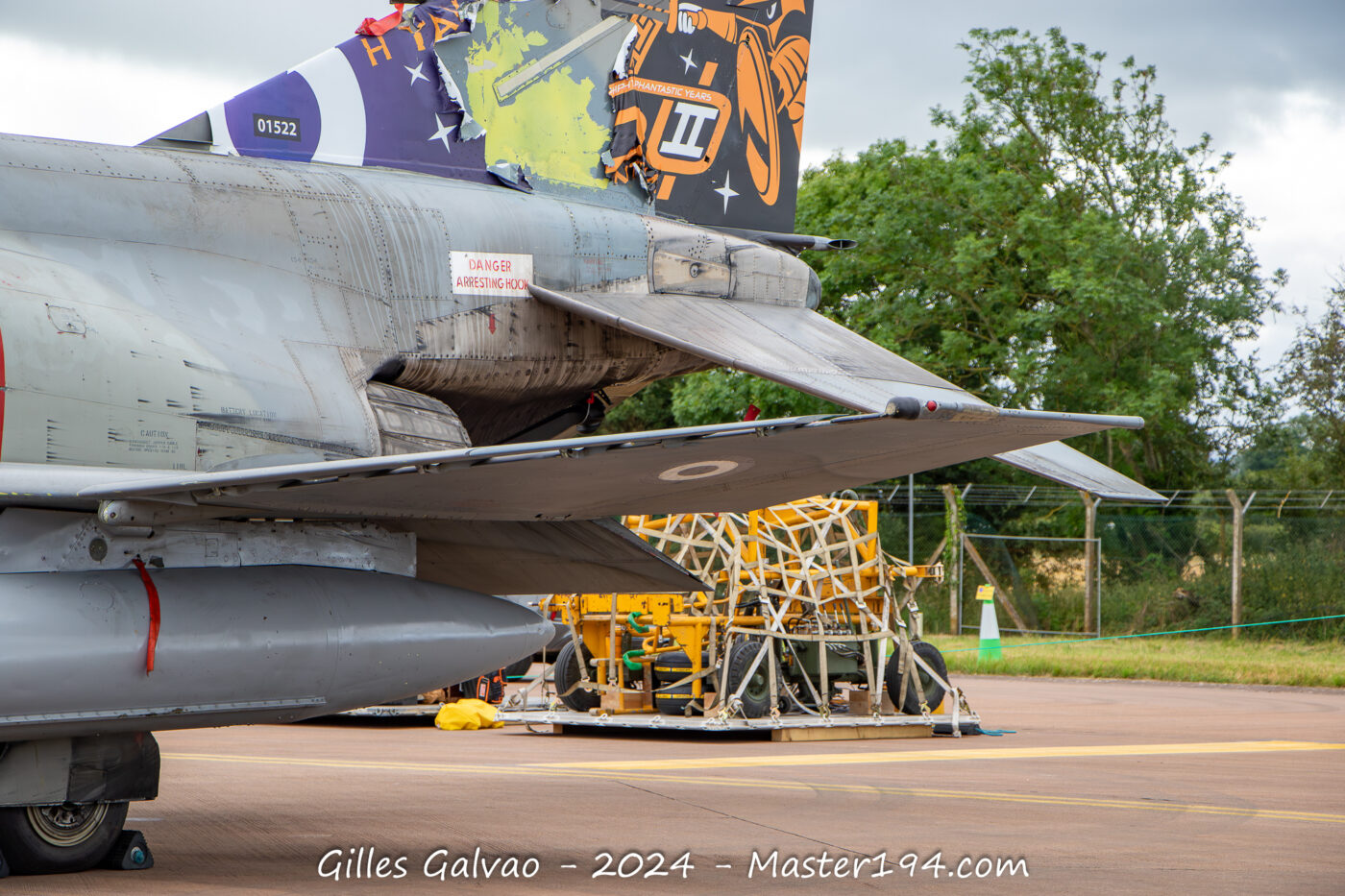
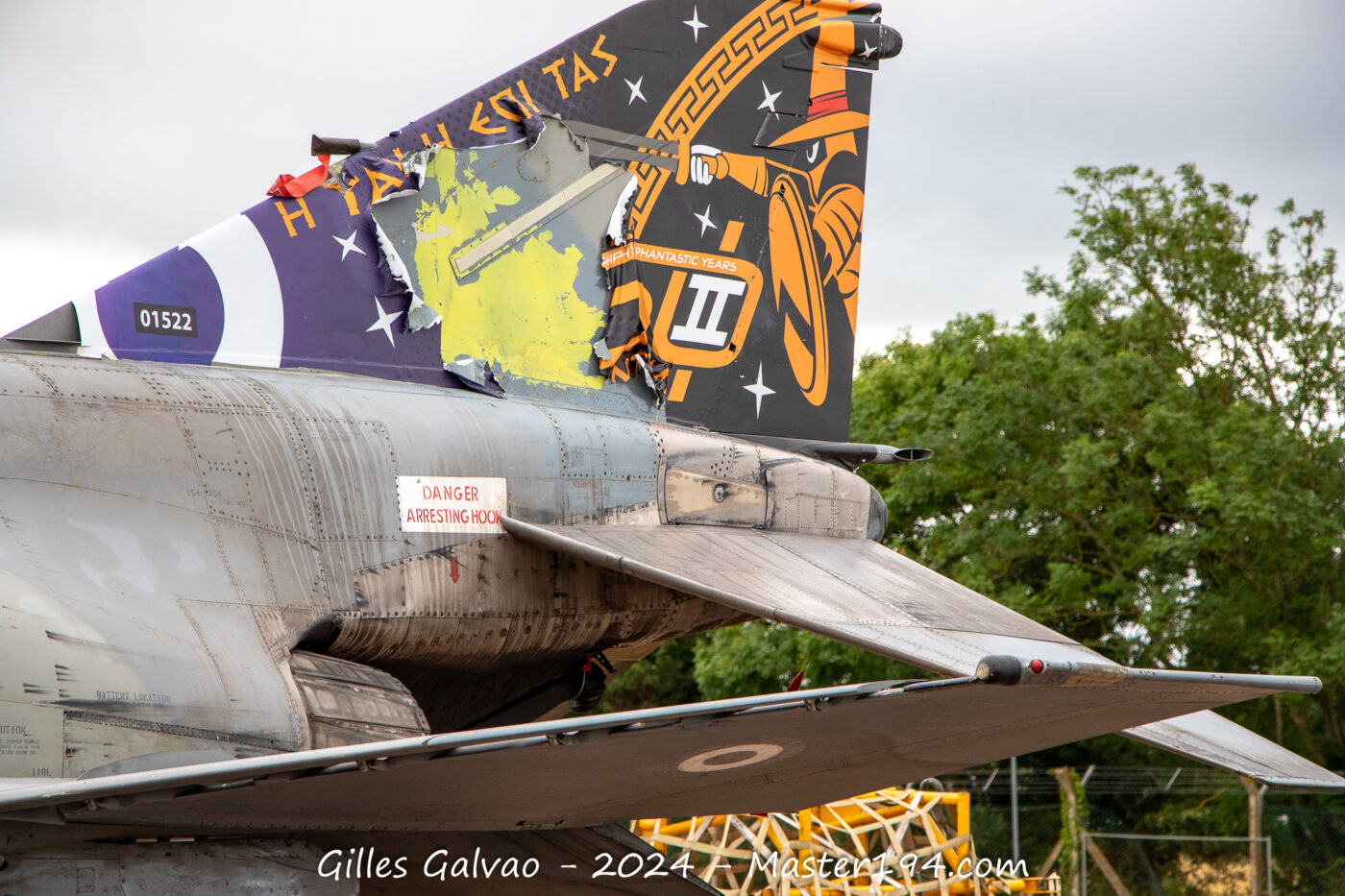
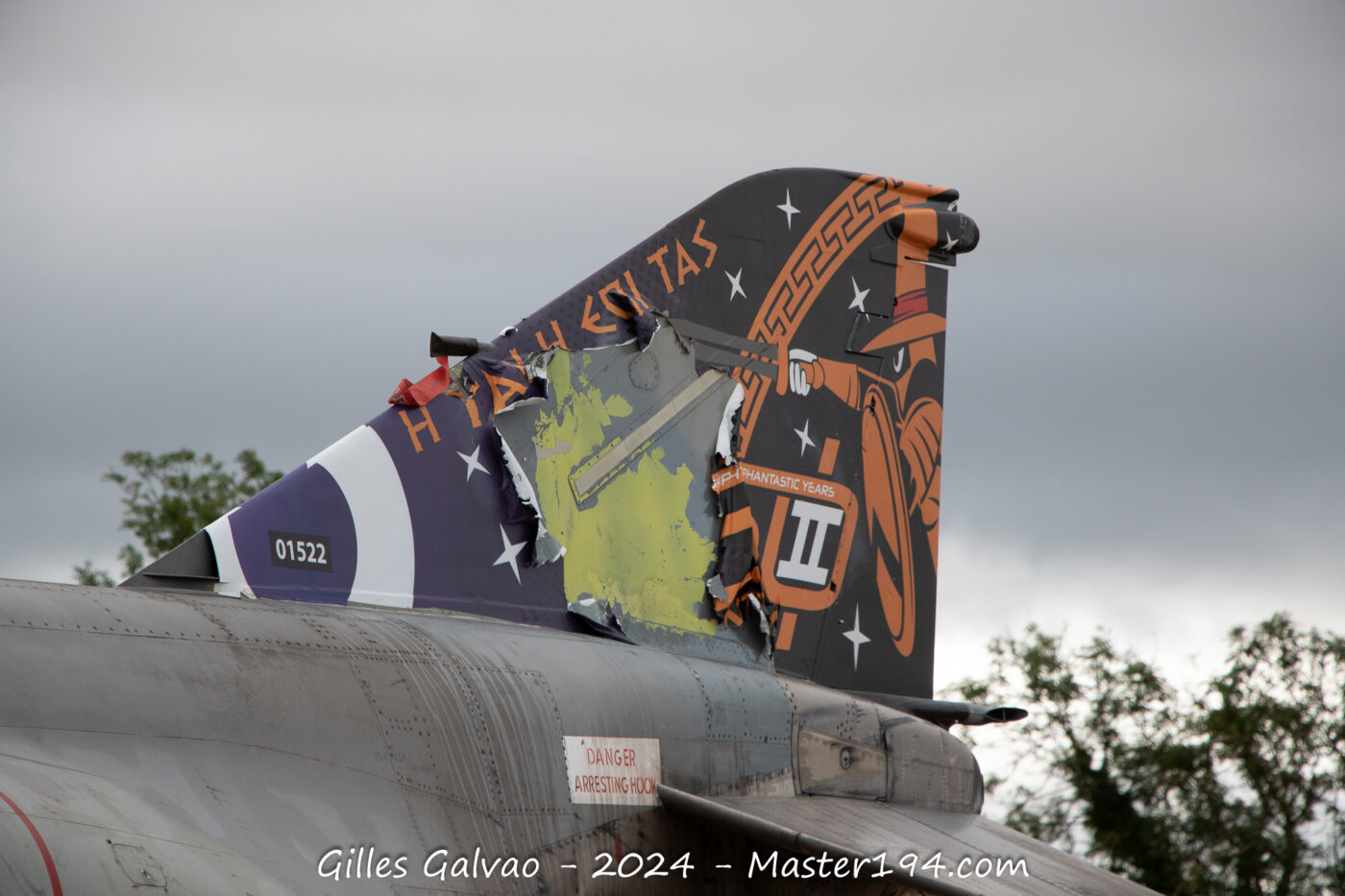
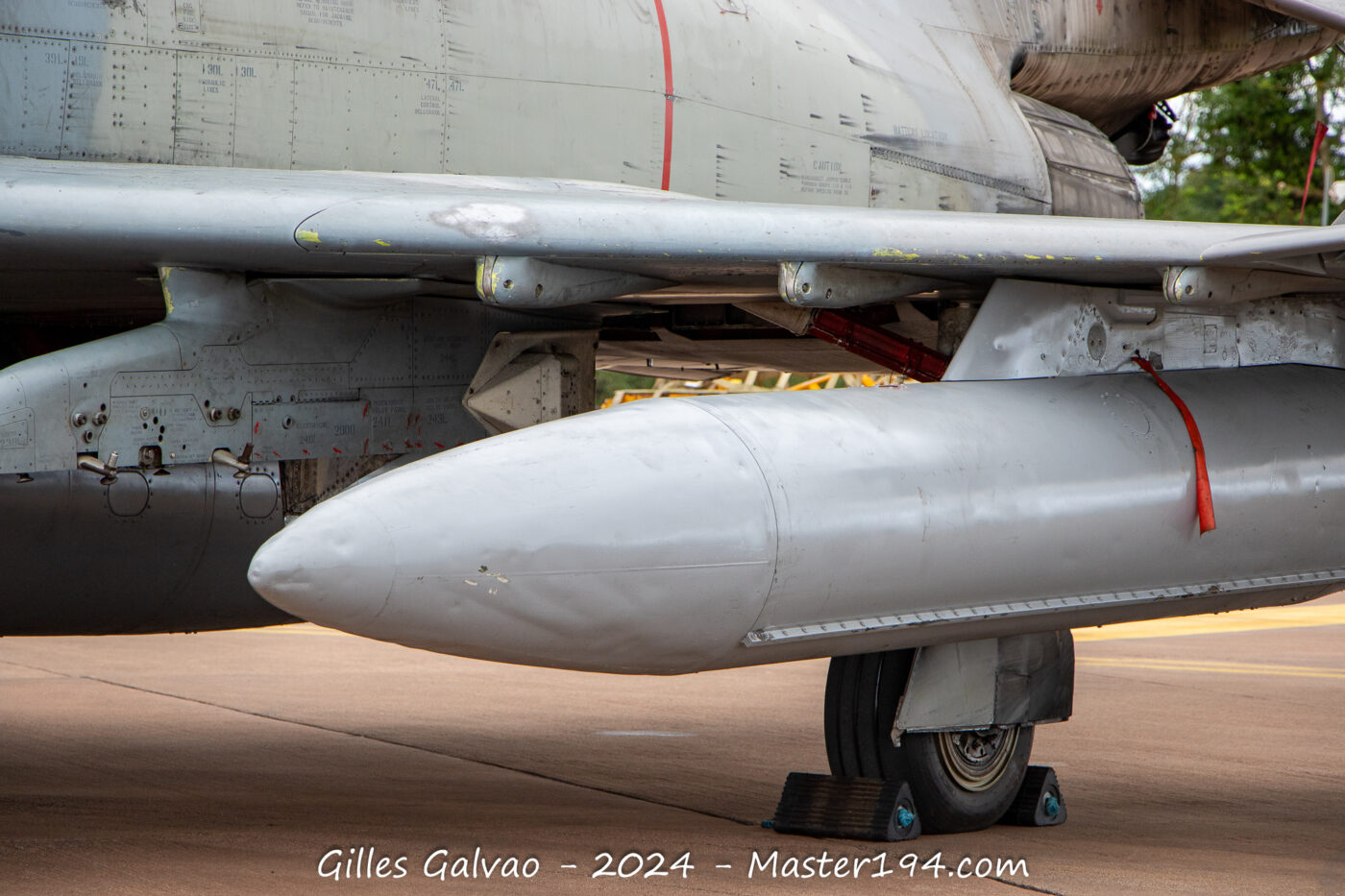
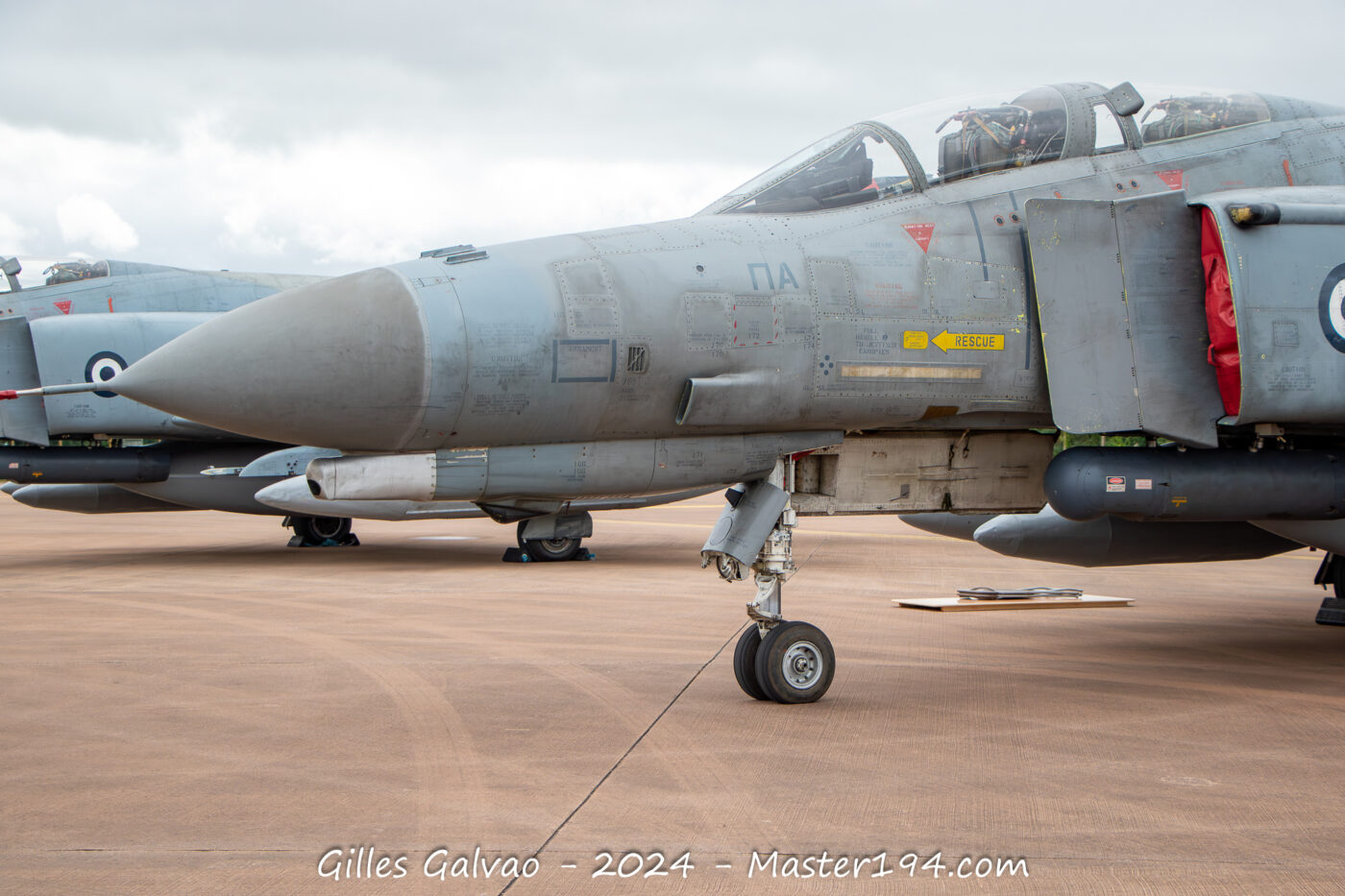
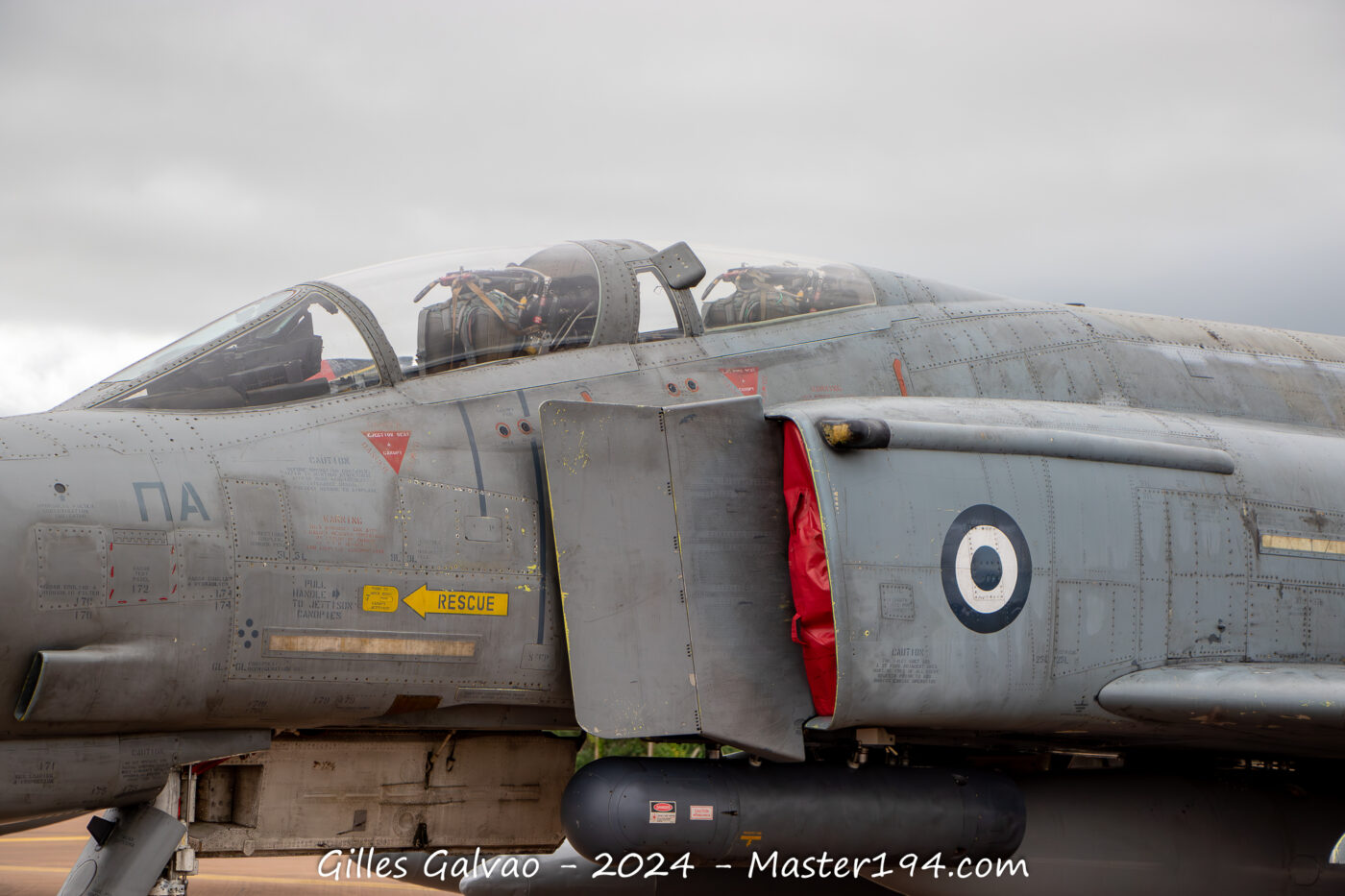
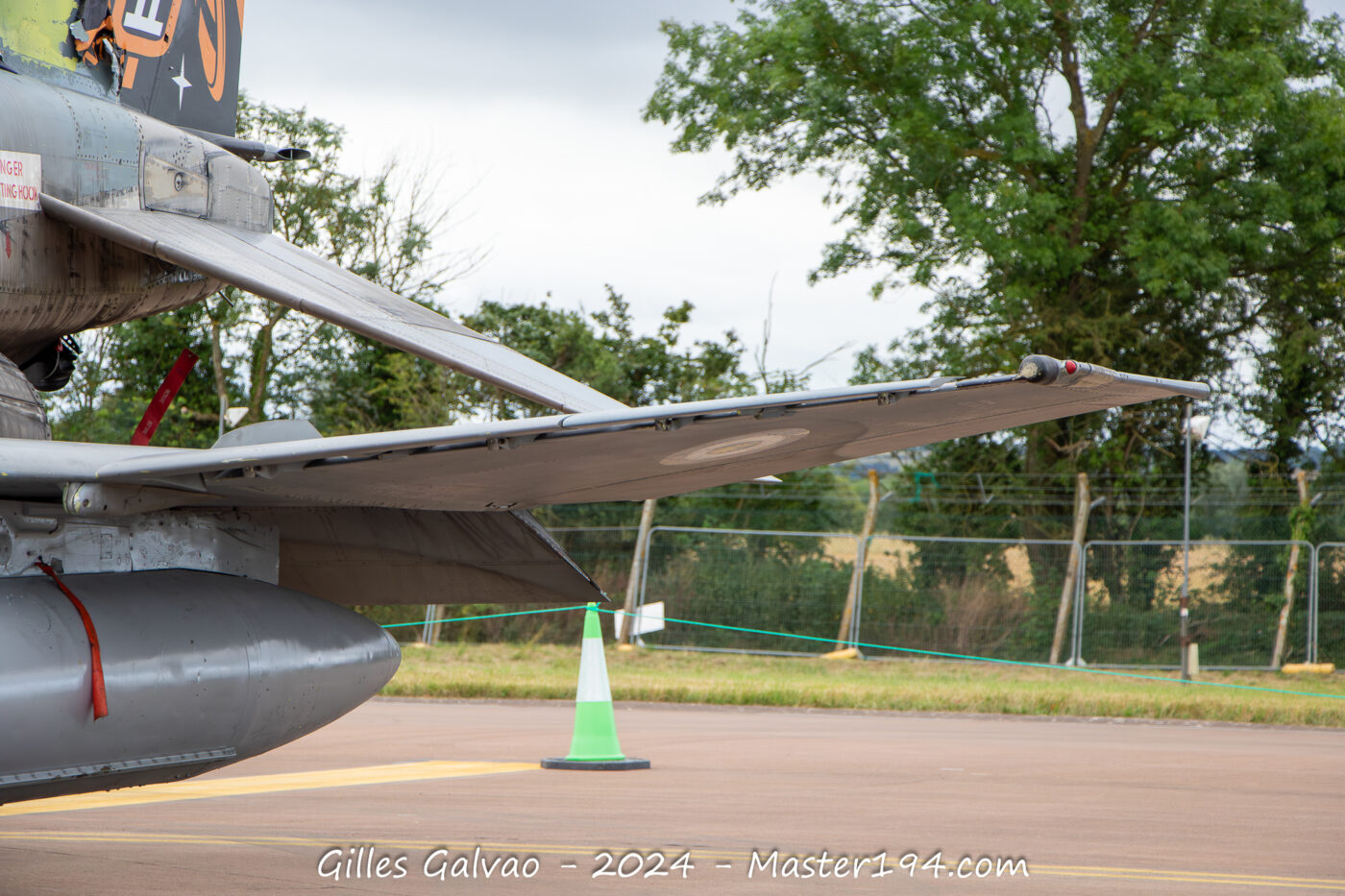
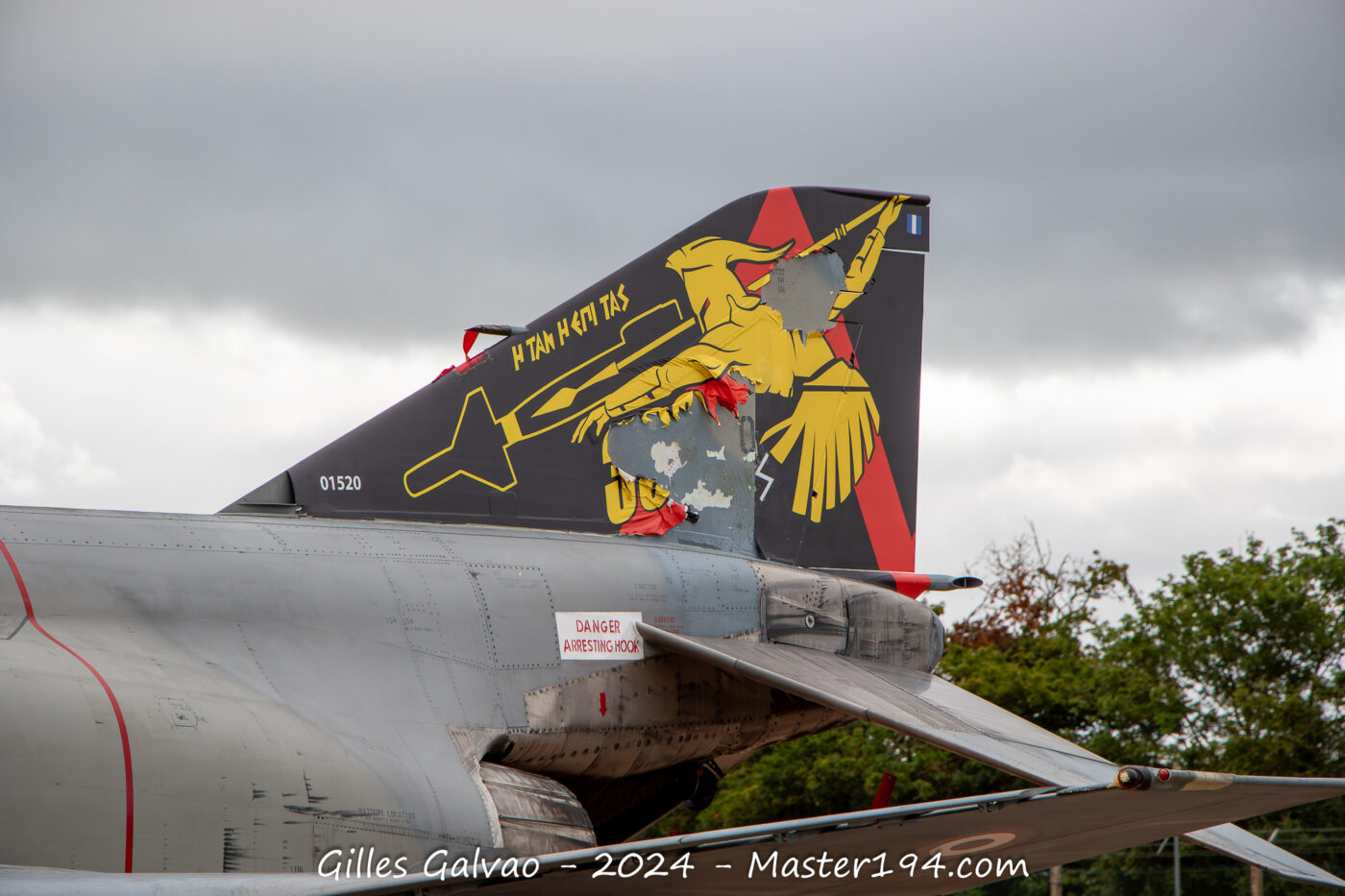
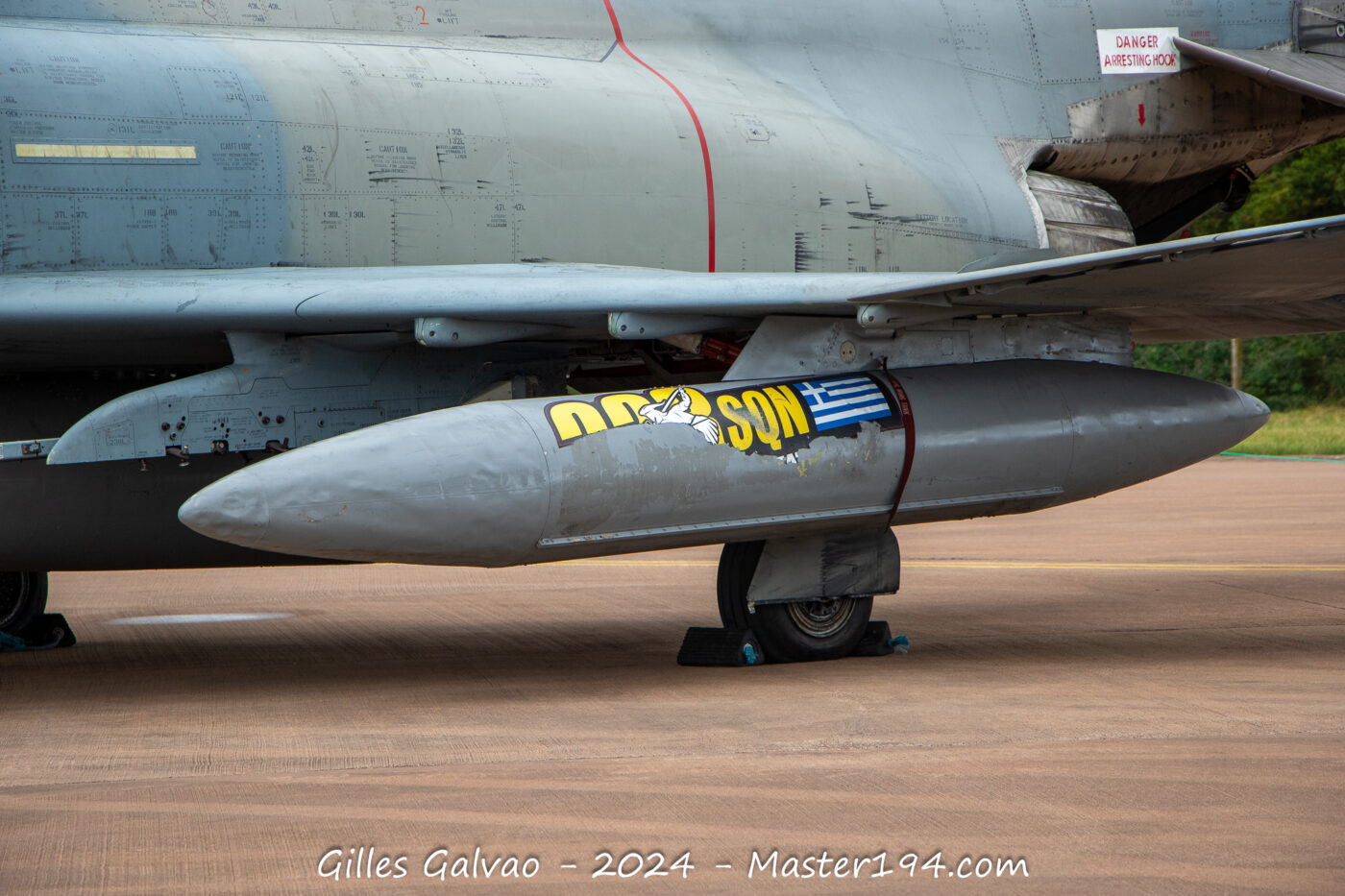
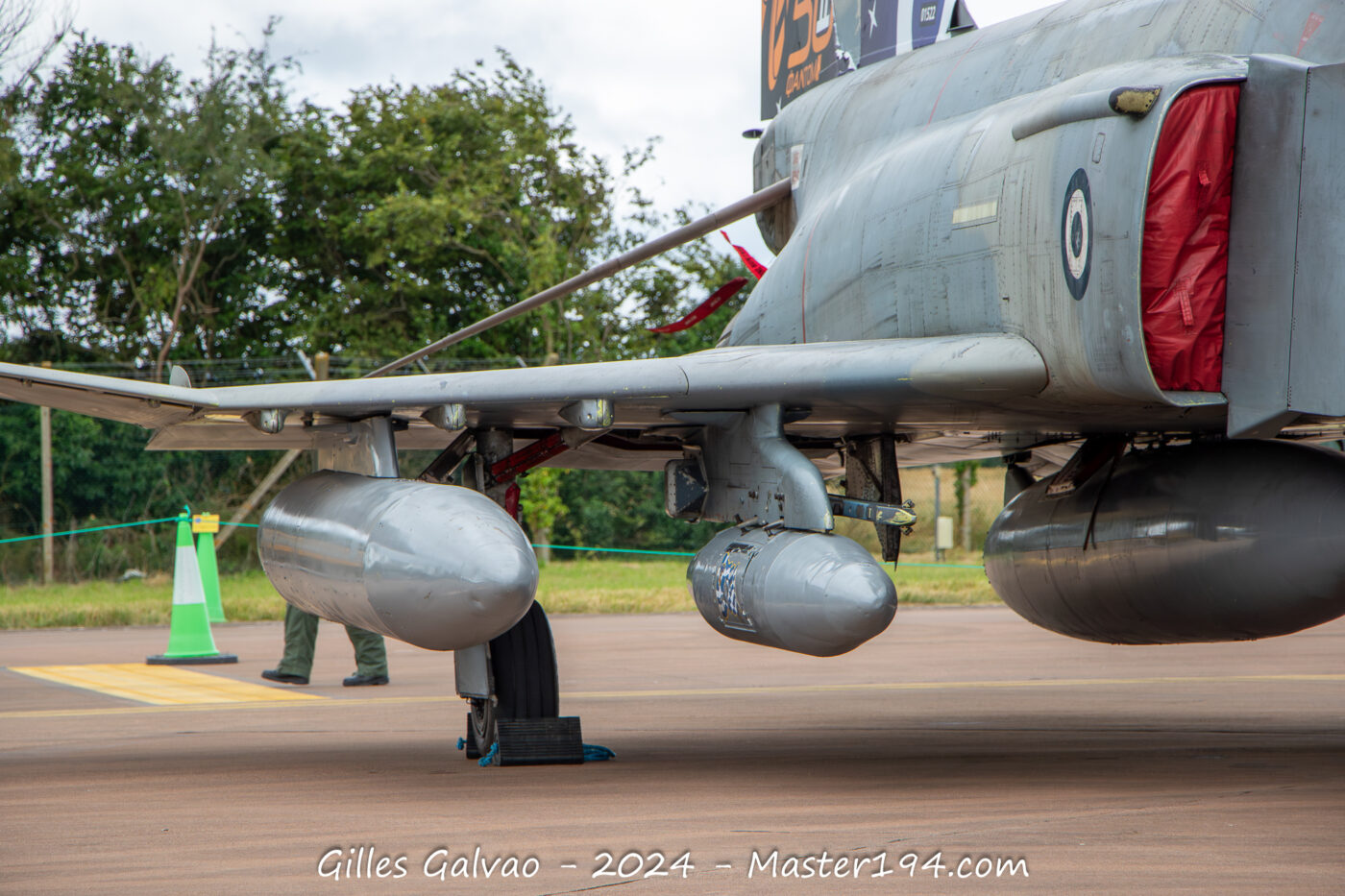
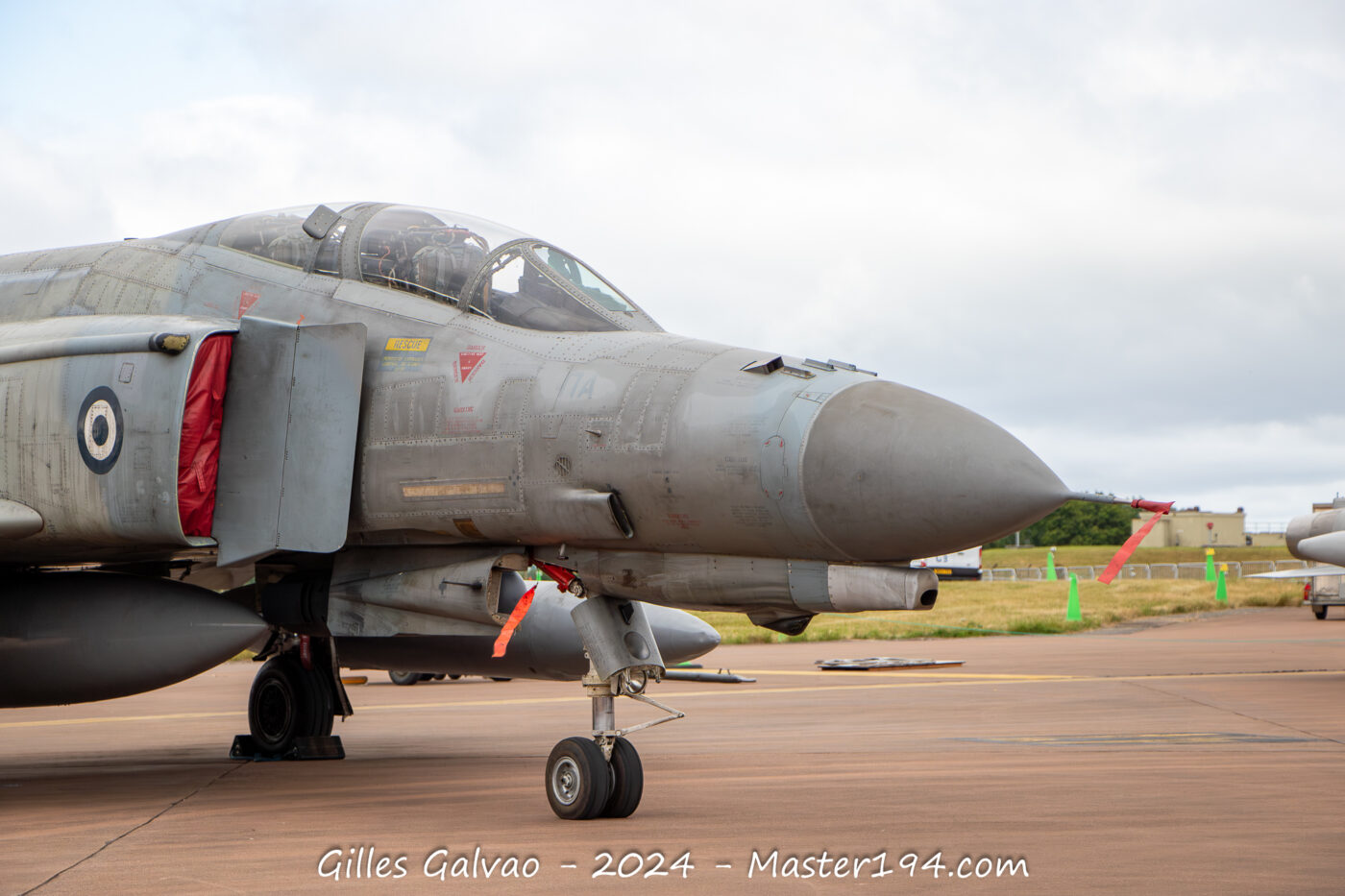
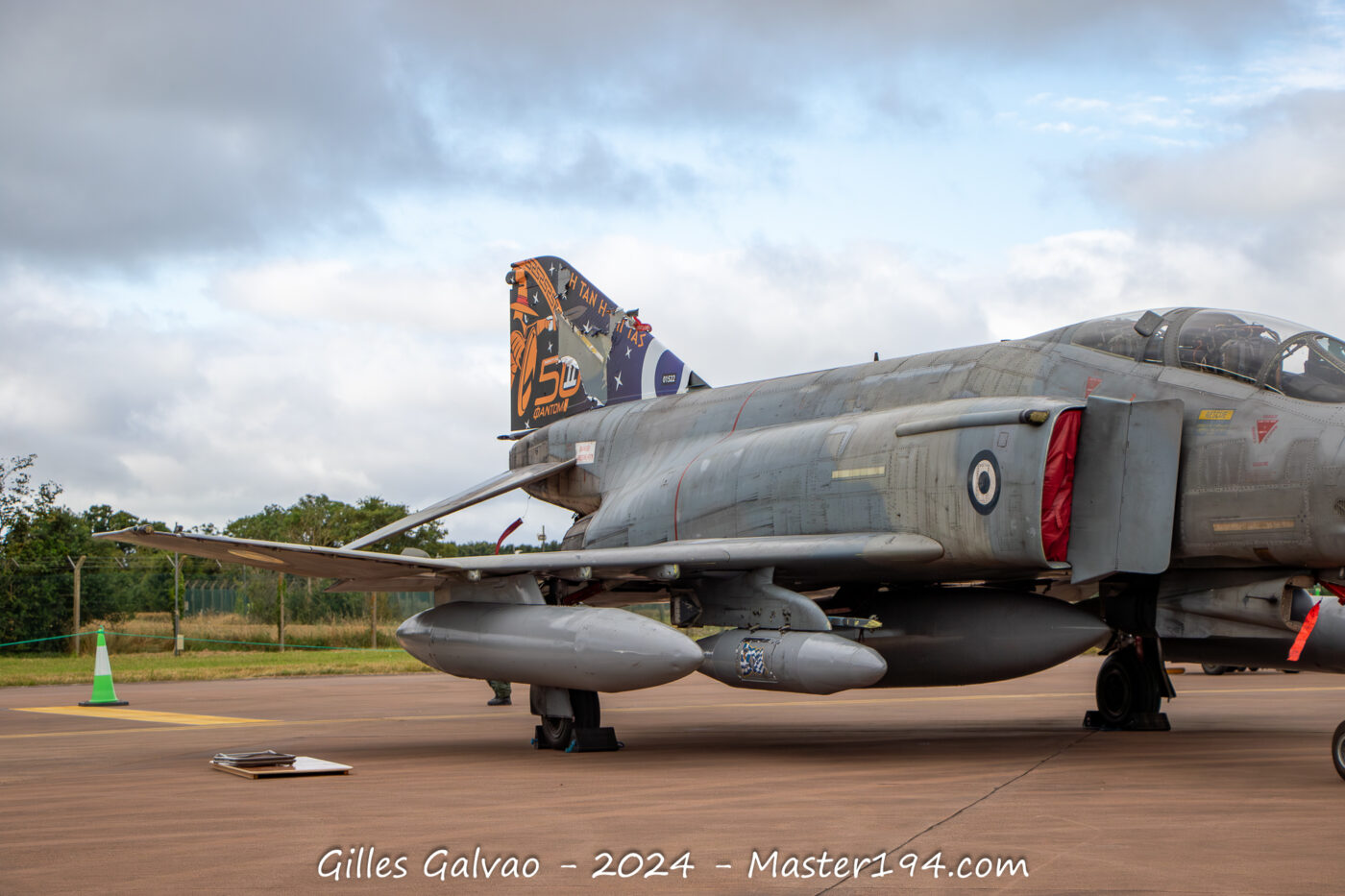
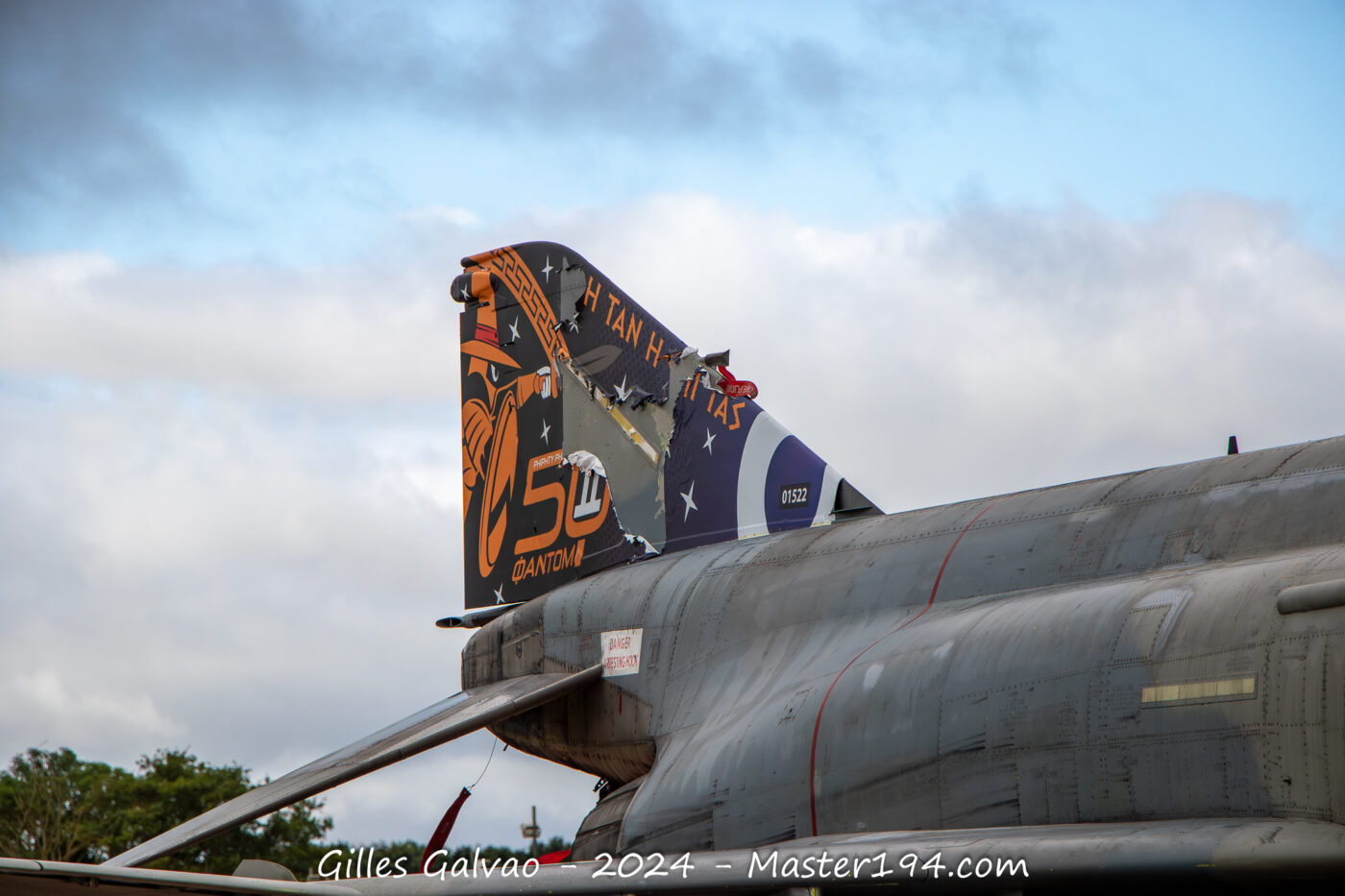
The two aircraft present are F-4E Phantom II AUP, specifically 01520 and 01522. Each had a decorated tail fin, which came off just before landing. On the photos of their arrival, the decorations are intact, but after a few passes, the tail markings were torn off.

Walkaround / photoscope
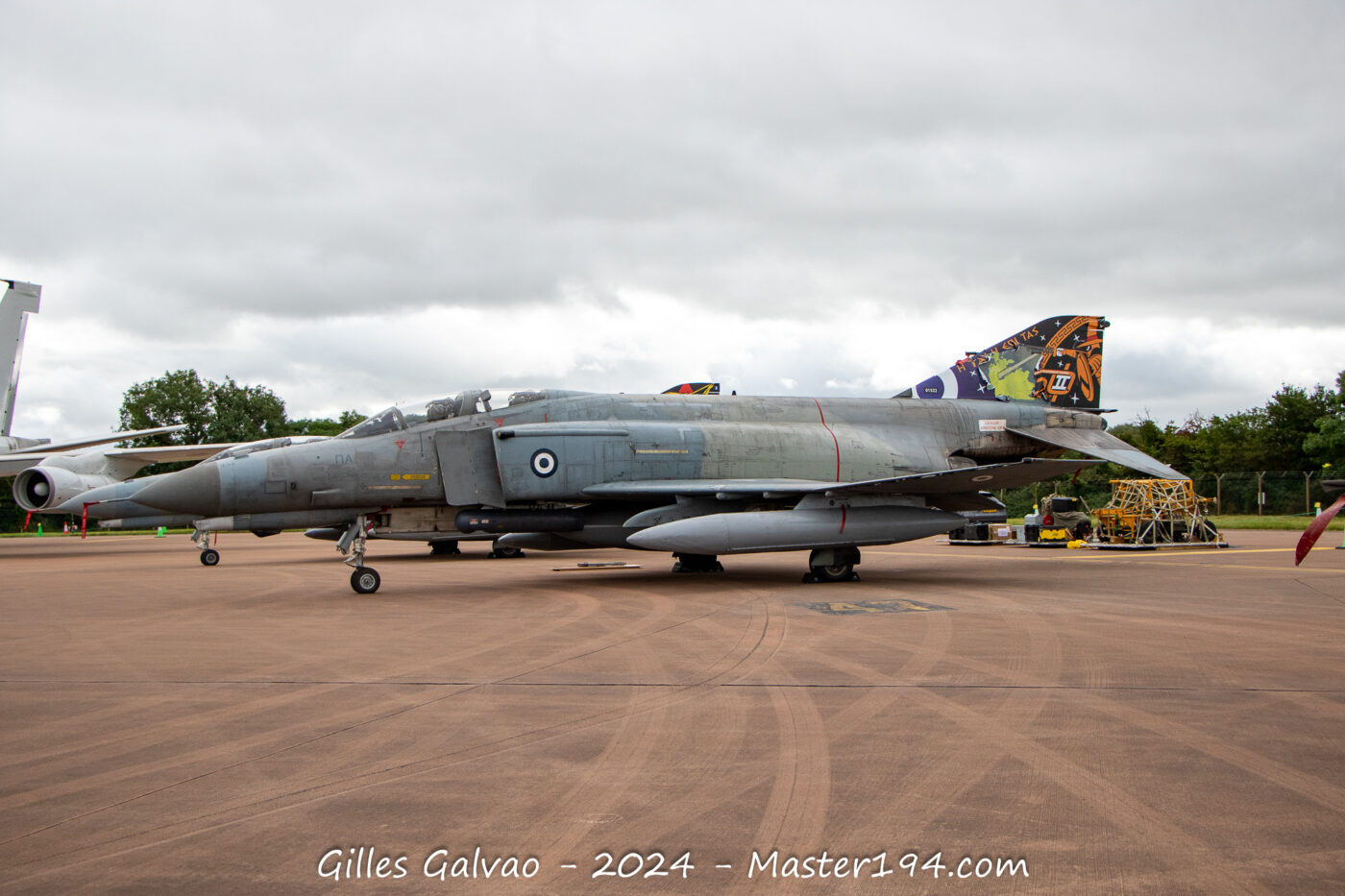
We’ll finish with a short souvenir video of the arrival and departures of the two aircraft.