
 by
The Origins of the A400M
At the end of the Cold War, several European air forces faced the same problem: their tactical transport aircraft—notably the C-160 Transall and a portion of the Lockheed C-130 Hercules fleet—were reaching their limits in the face of new operational requirements. Missions were evolving: rapid troop projection, humanitarian operations, long-range interventions, and logistical support for multinational operations.
As early as the 1980s, several European nations began considering the development of a new military transport aircraft capable of combining strategic capacity with tactical agility. The project gradually took shape in the 1990s under the name ‘Future Large Aircraft’ (FLA). The objective was ambitious: to design an aircraft capable of carrying heavy loads over long distances, while maintaining the ability to operate from short, unpaved runways and perform troop or equipment airdrops.
The program was ultimately entrusted to Airbus, with management handled for the partner nations by OCCAR (Organisation for Joint Armament Cooperation). After several years of development, the first prototype of the future Airbus A400M Atlas took off on December 11, 2009, from Seville Airport. This flight marked the beginning of an extensive flight test campaign to validate the performance and systems of an aircraft destined to become the new pillar of European military transport.
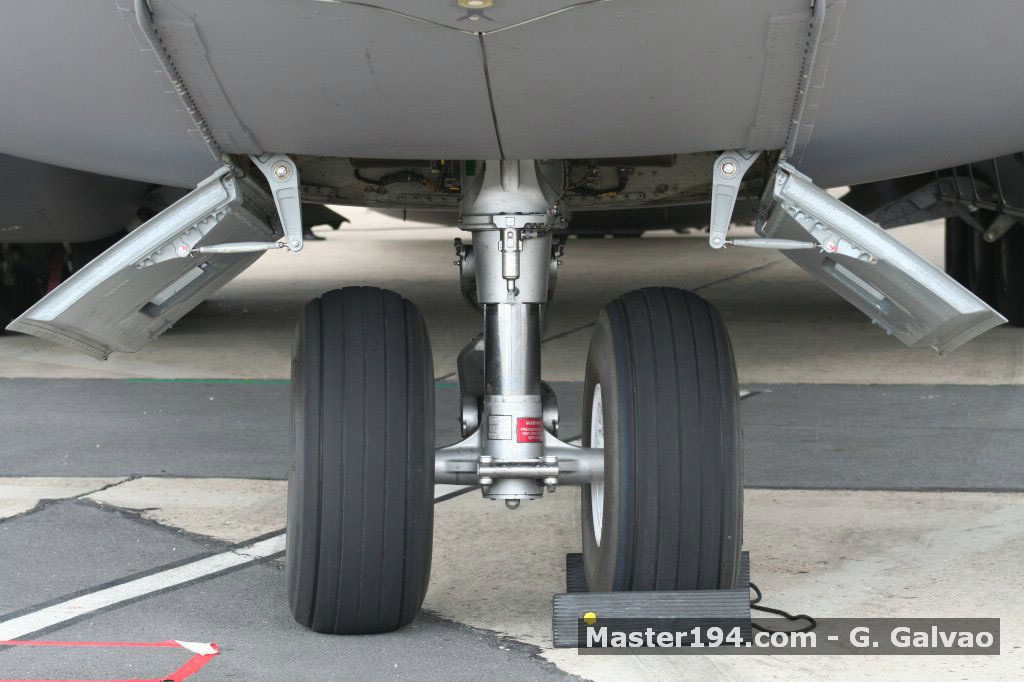
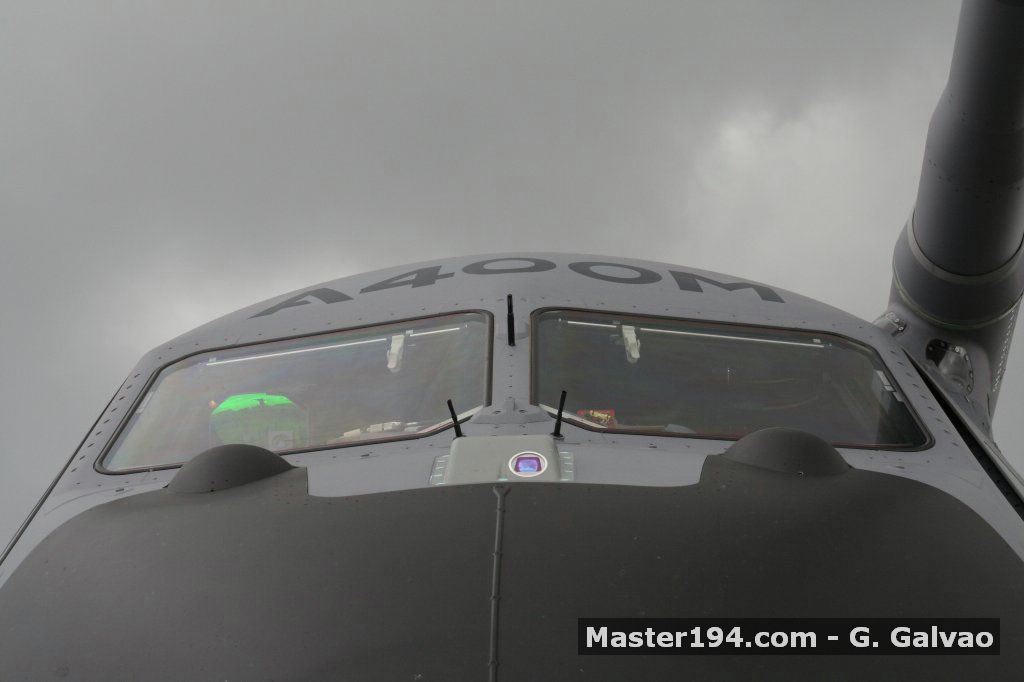
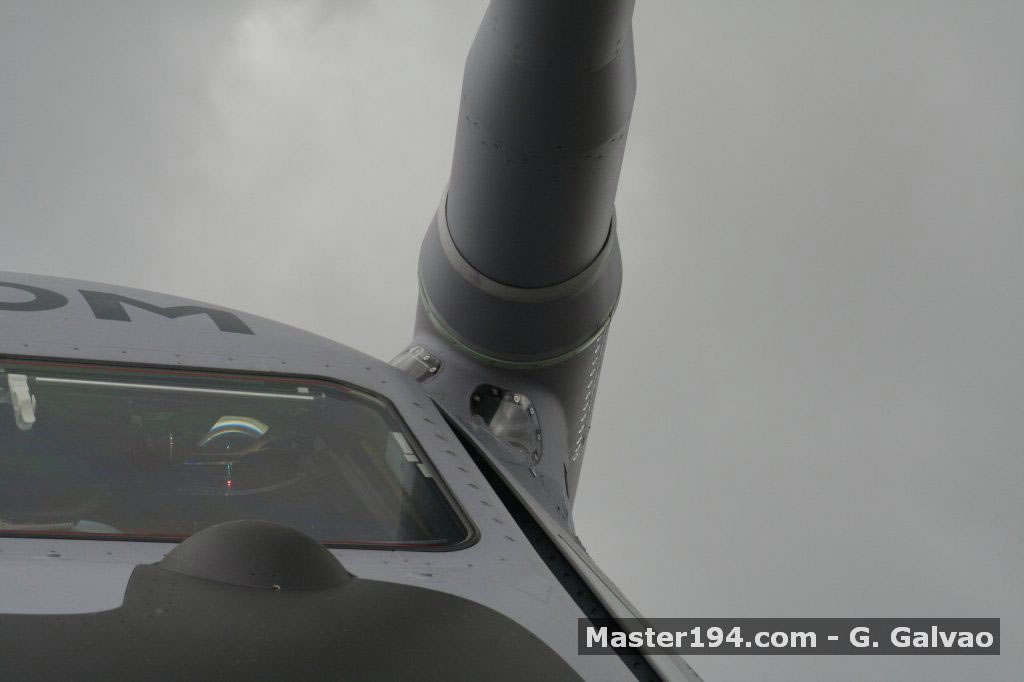
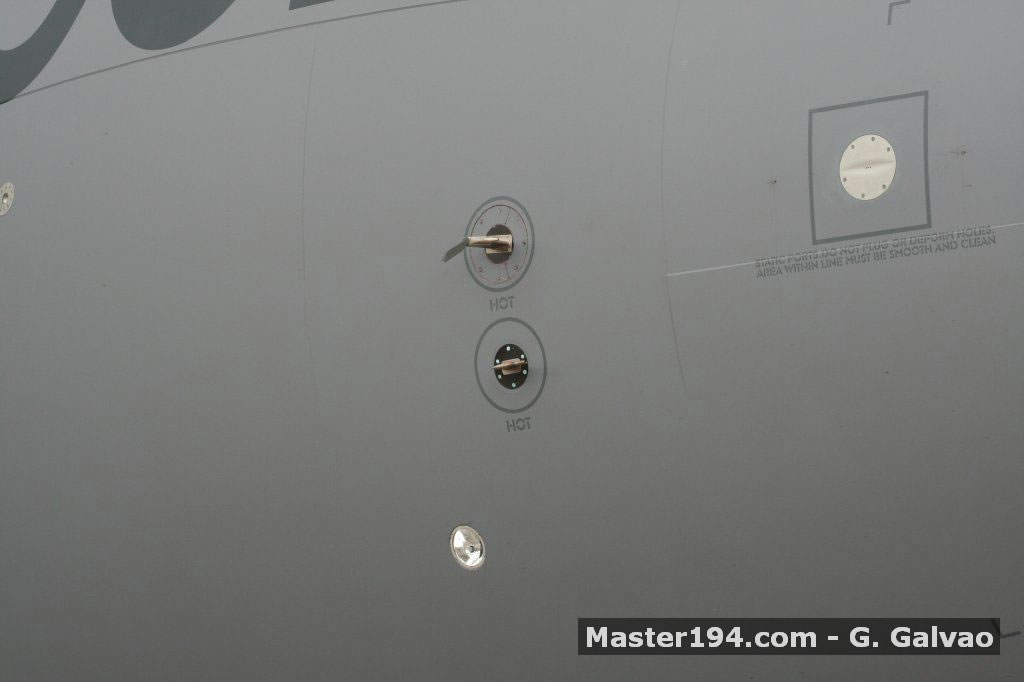
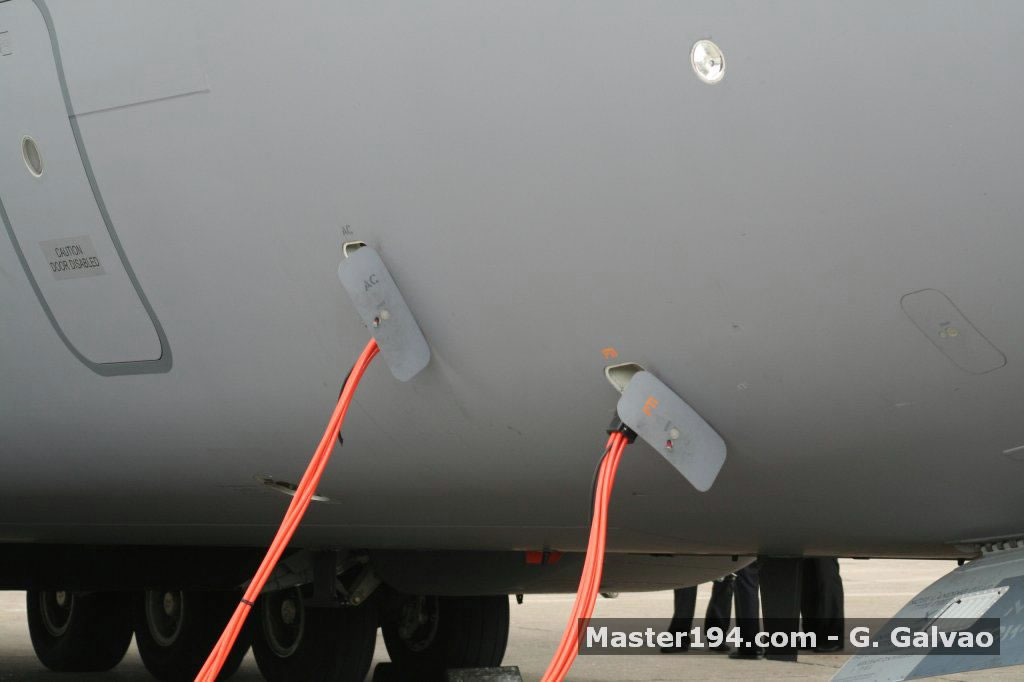
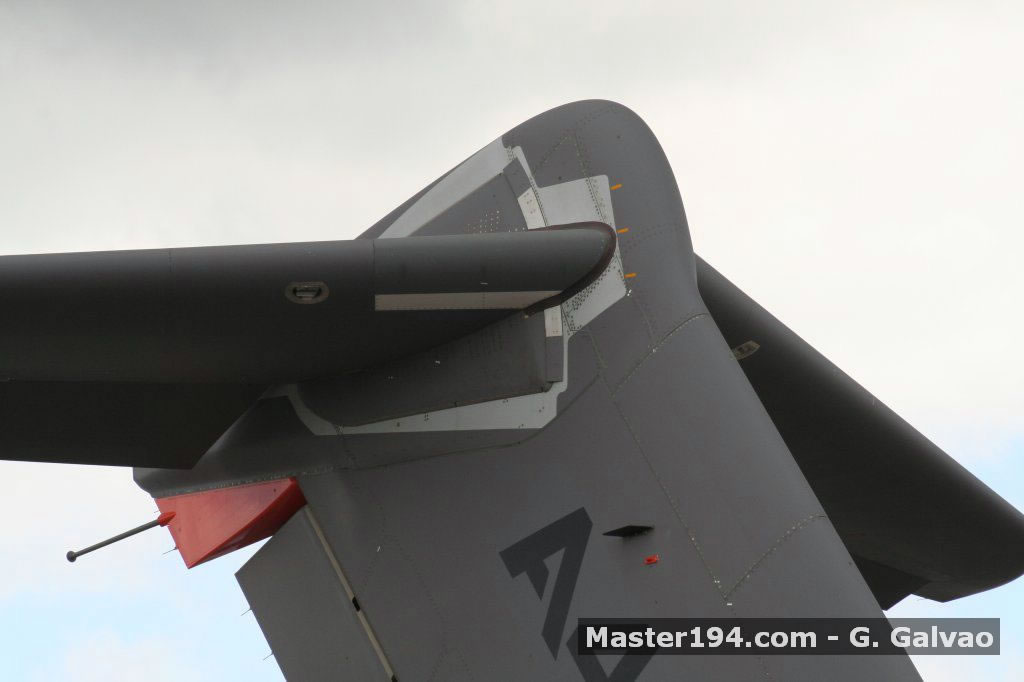
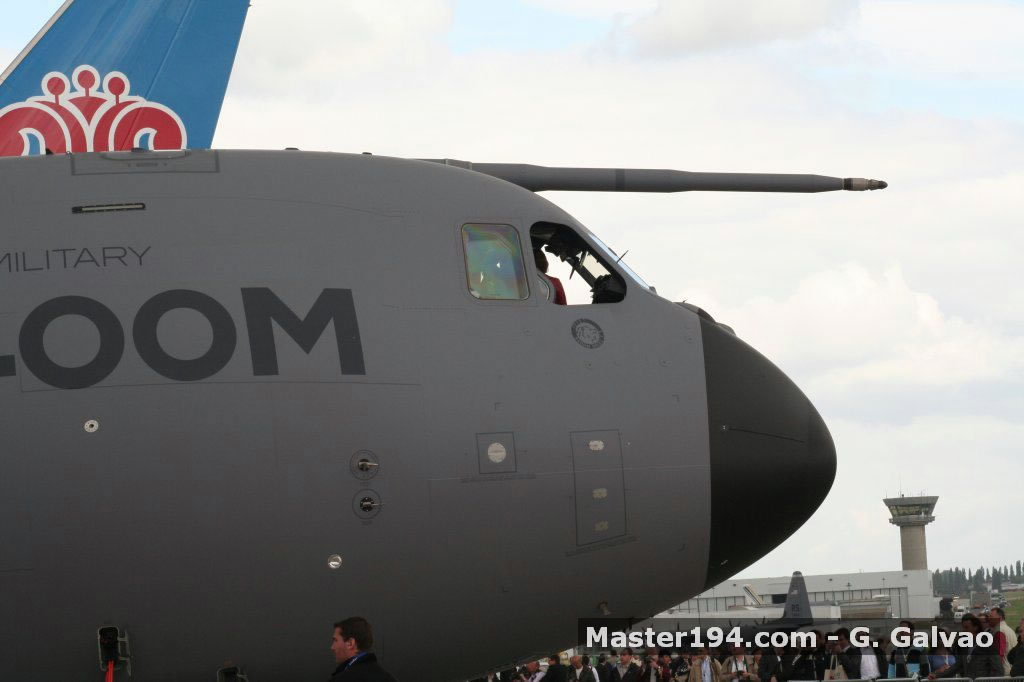
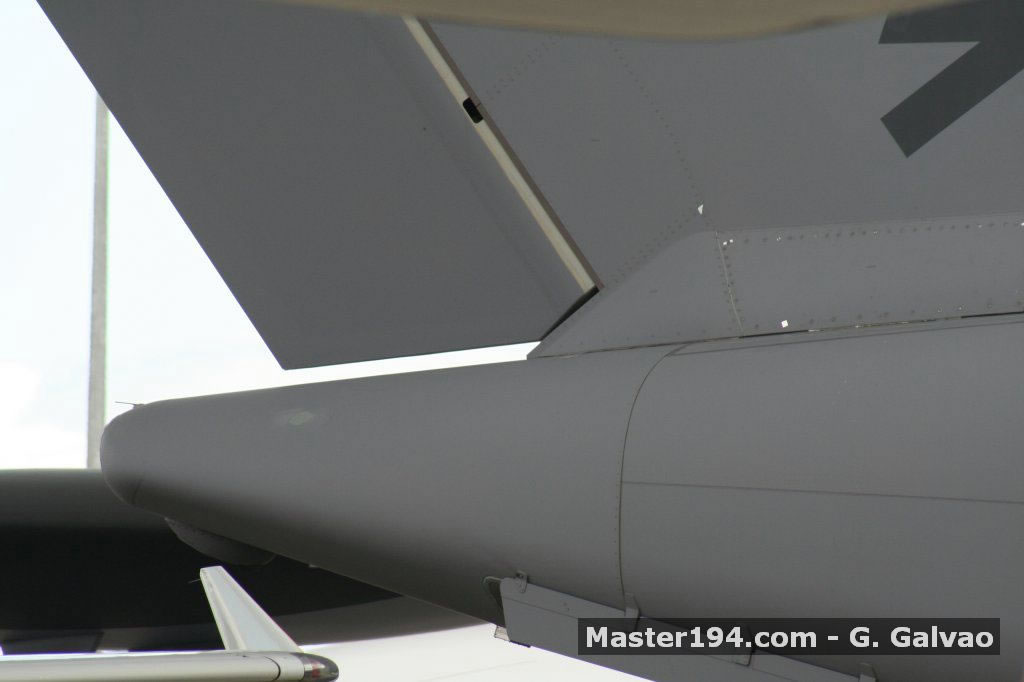
I was fortunate enough to see one of the A400M prototypes on static display at the Paris Air Show (Le Bourget)
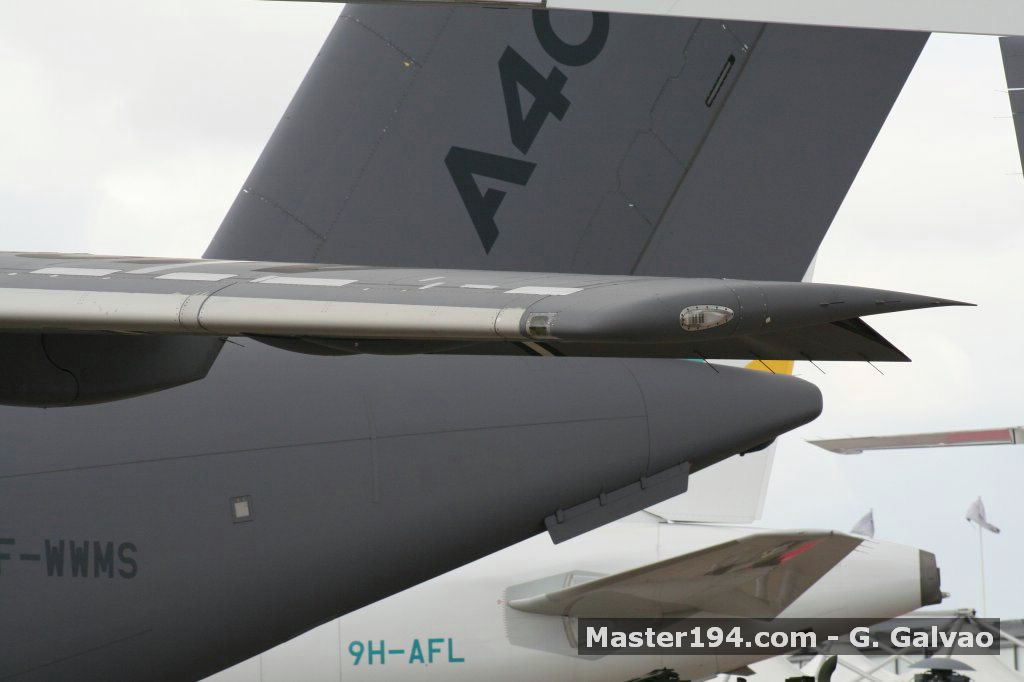
The Prototype F-WWMS (MSN003)
Among the aircraft involved in this campaign was the third prototype, F-WWMS, manufacturer serial number MSN003. Like the other test aircraft in the program, it received a French registration typical of Airbus experimental planes.
In service during the early 2010s, MSN003 played a key role in the progressive validation of the A400M’s capabilities: systems testing, flight envelope expansion, trials in diverse climatic conditions, and operational demonstrations. Based primarily in Spain and South-West France, it was part of the core group of aircraft that helped transform a prototype into a fully operational machine.
Once the primary goals of the test campaign were achieved and the production aircraft were delivered to customer air forces, MSN003 was gradually retired from flight duties. After being stored for a long time at the Airbus site in Seville, it was finally dismantled in 2024, following more than a decade as a silent witness to the development of the A400M. However, certain parts have been preserved, serving as a reminder of the role played by this aircraft in perfecting the great European military transporter.
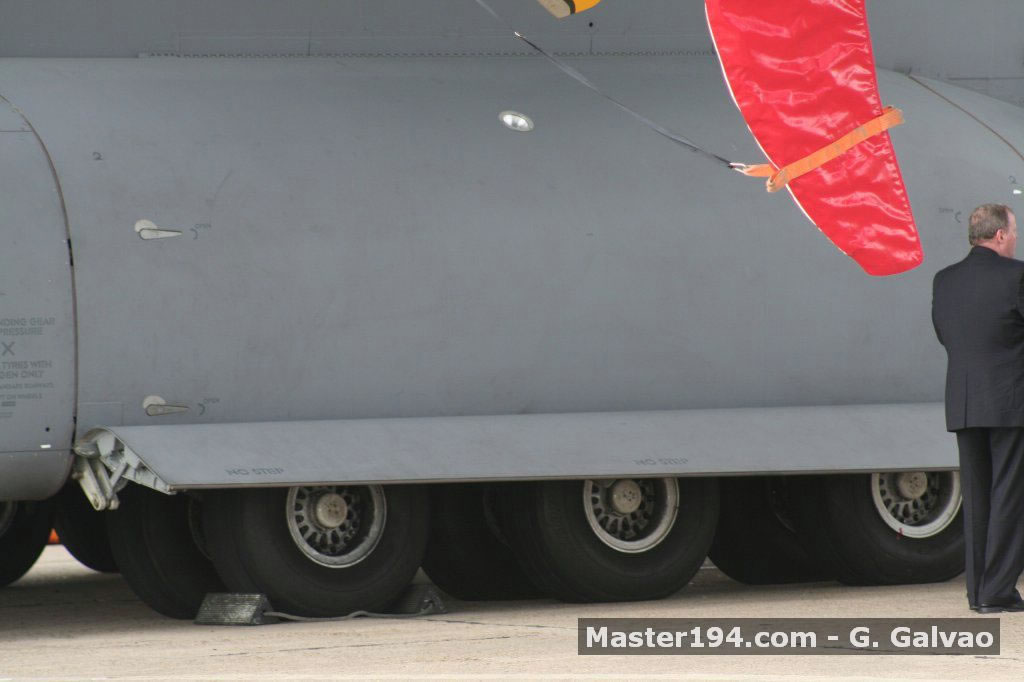
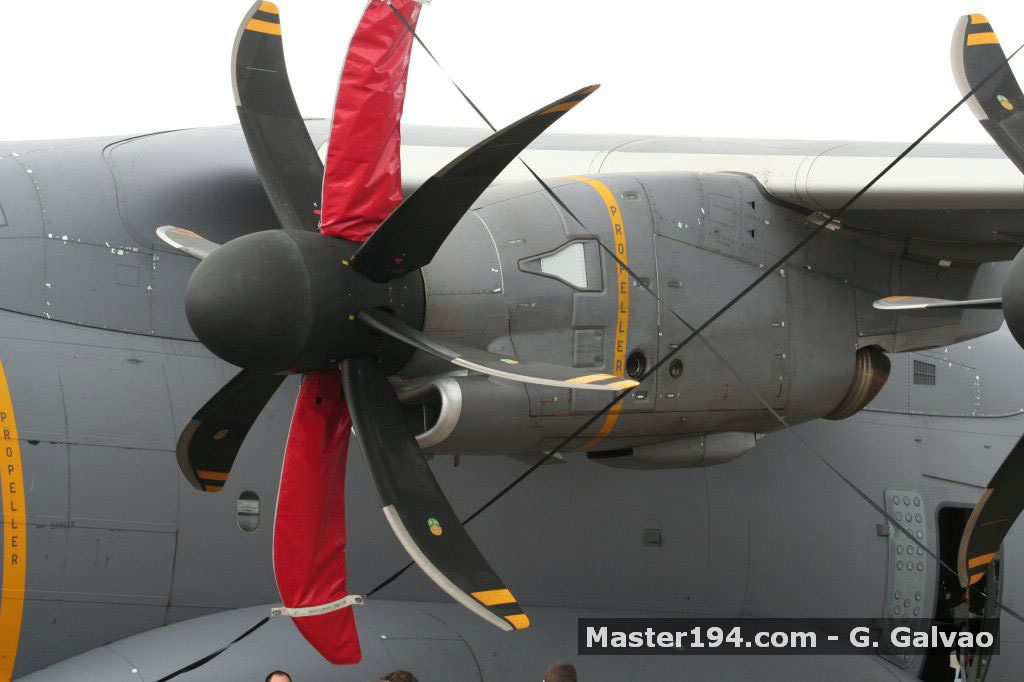
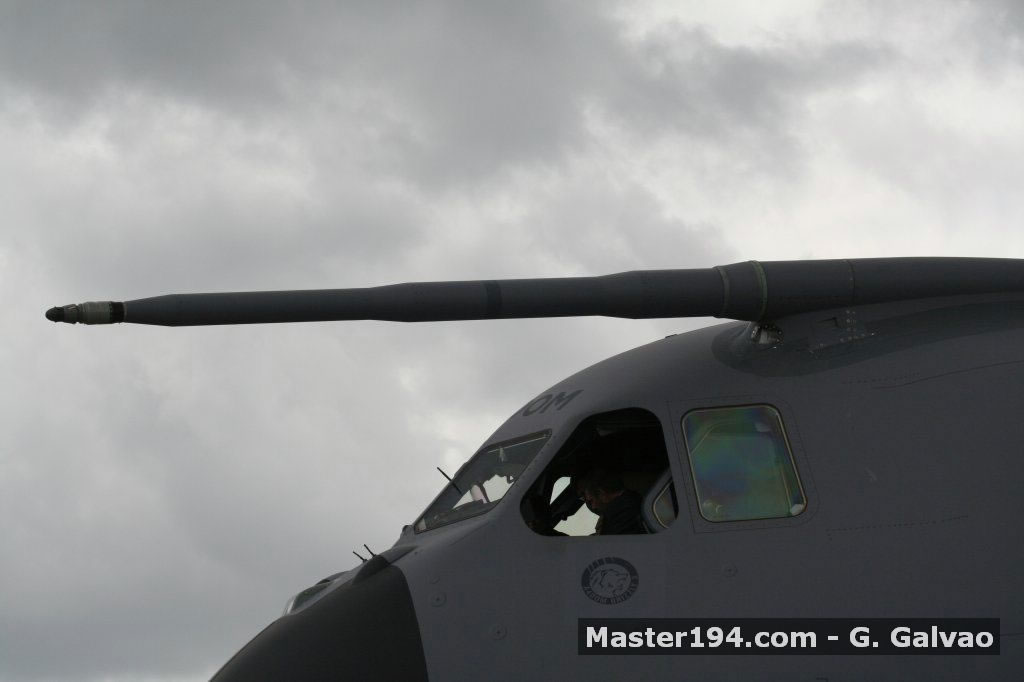
This walkaround was shot during the 2011 Paris Air Show at Le Bourget.



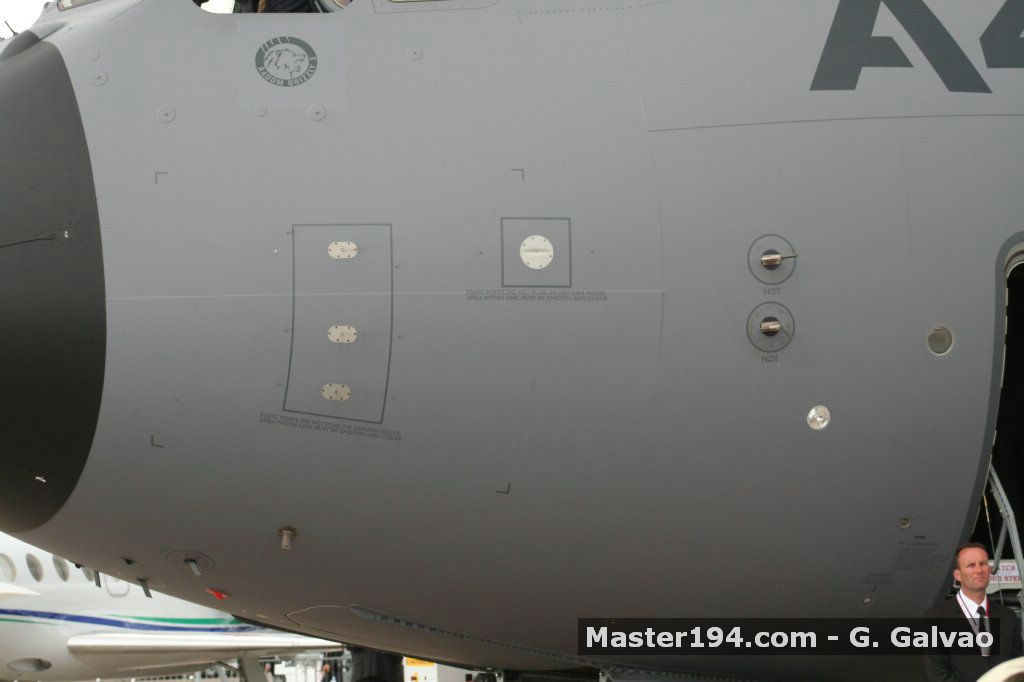

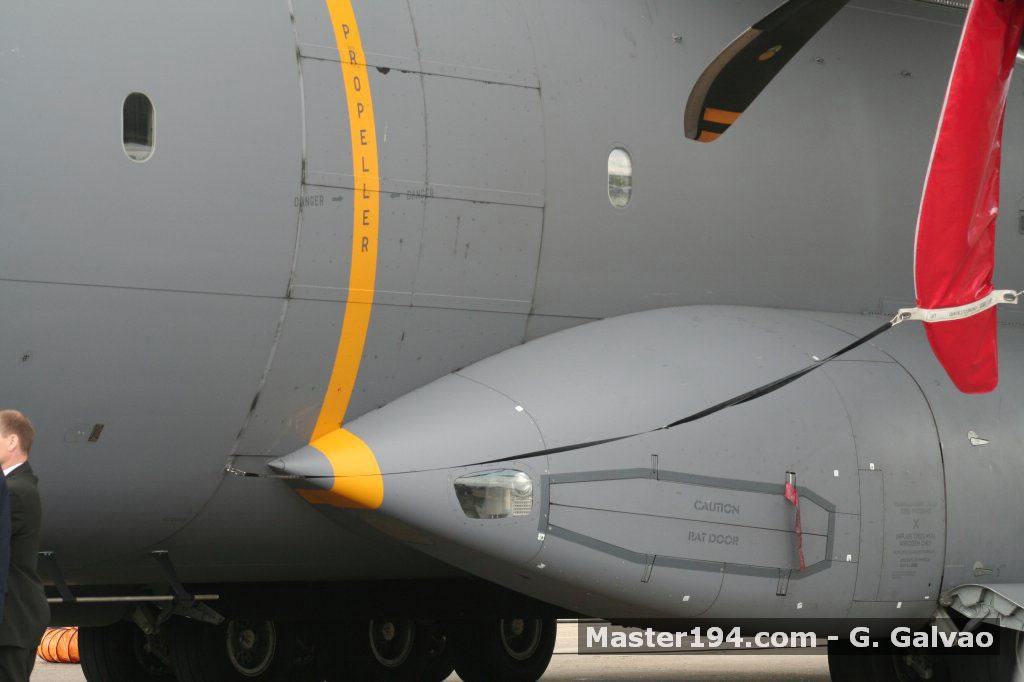
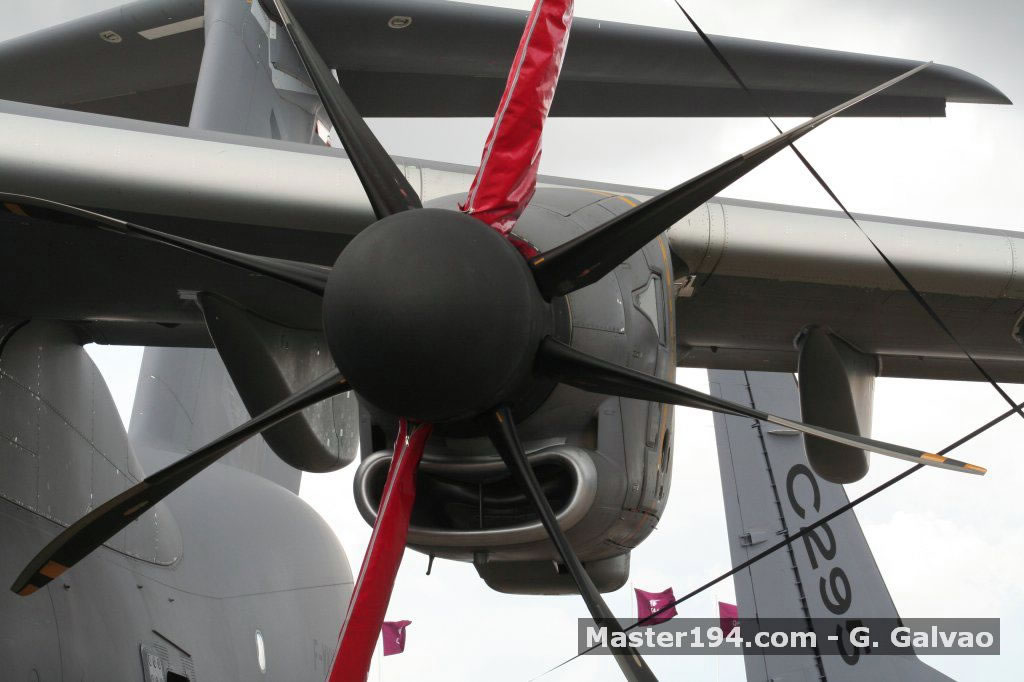

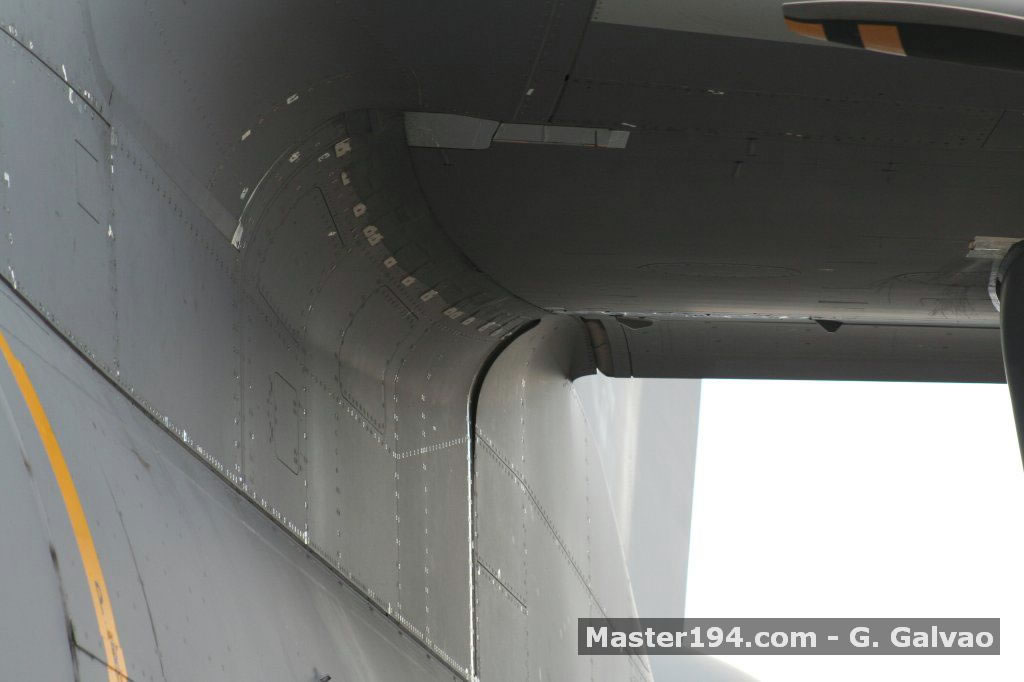









Why is the A400M called ‘Grizzly’ or ‘Atlas’?
During its development, the Airbus A400M was given the name ‘Grizzly’ as a radio callsign and an informal nickname for the prototypes. Throughout the flight test campaign (2009–2013), the aircraft frequently used the ‘Grizzly’ callsign followed by a number during their test sorties.
As the aircraft entered operational service, several air forces—most notably the Royal Air Force—adopted ‘Atlas’ as the official service designation. This name subsequently became the most widely used term in official communications and the media.