 by
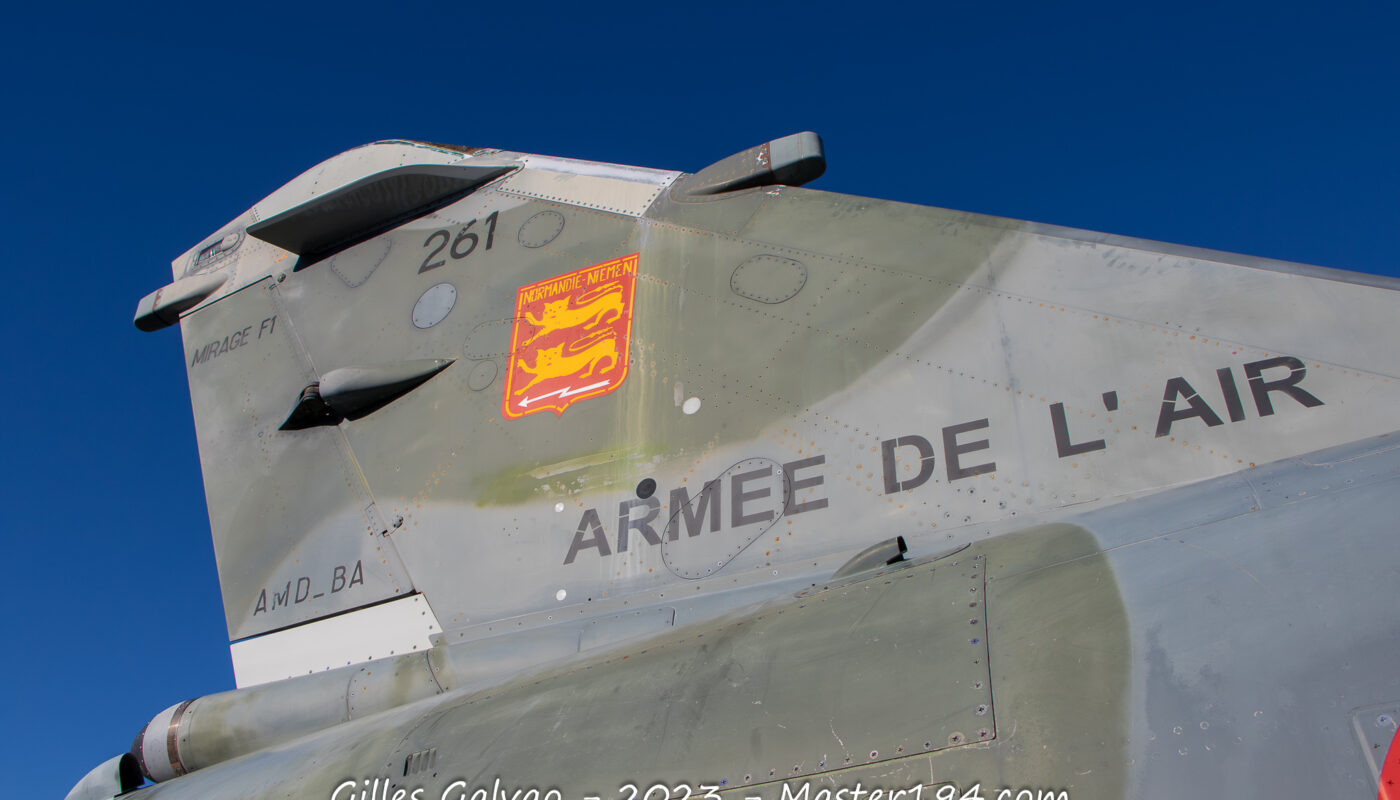
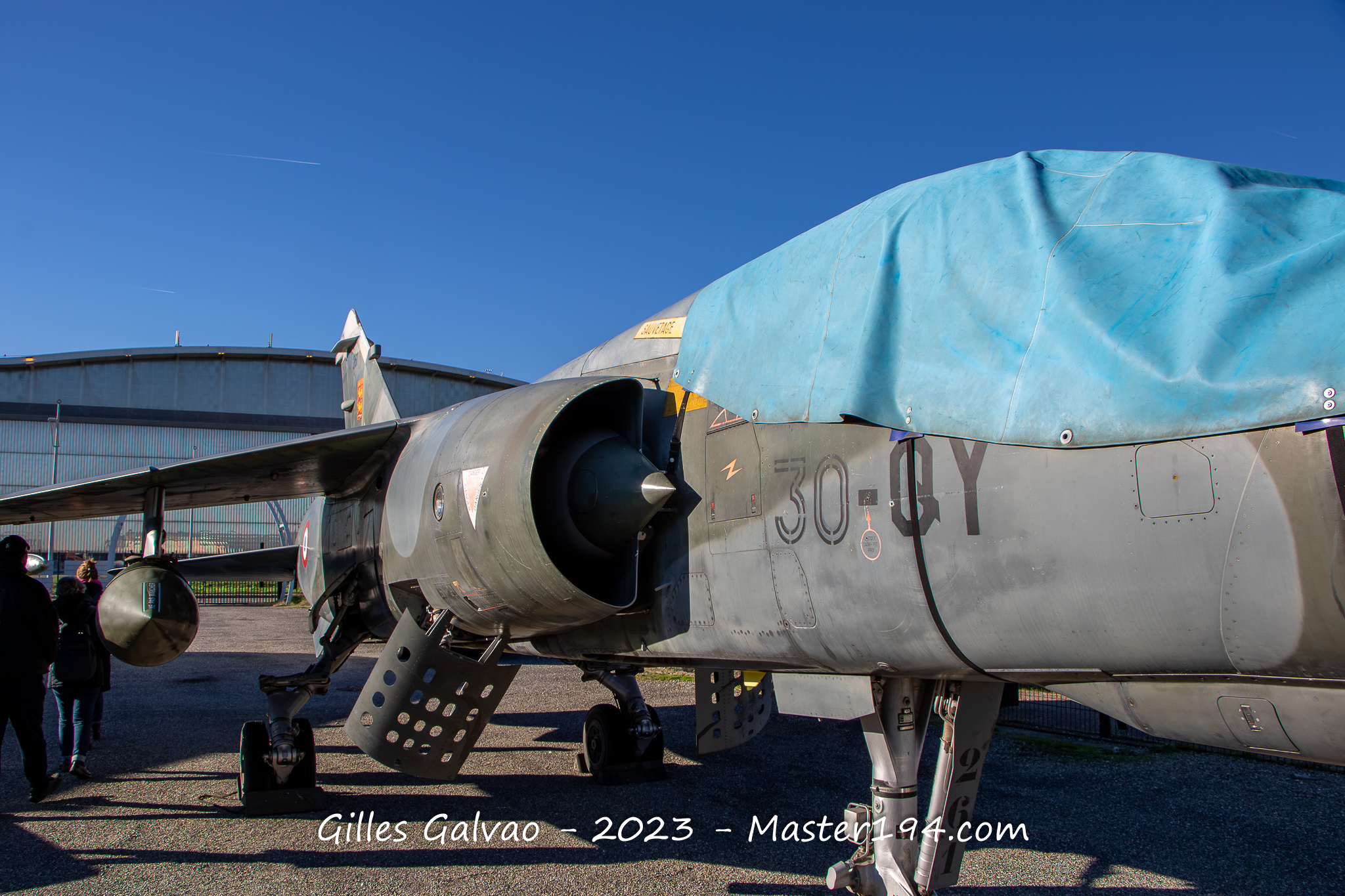
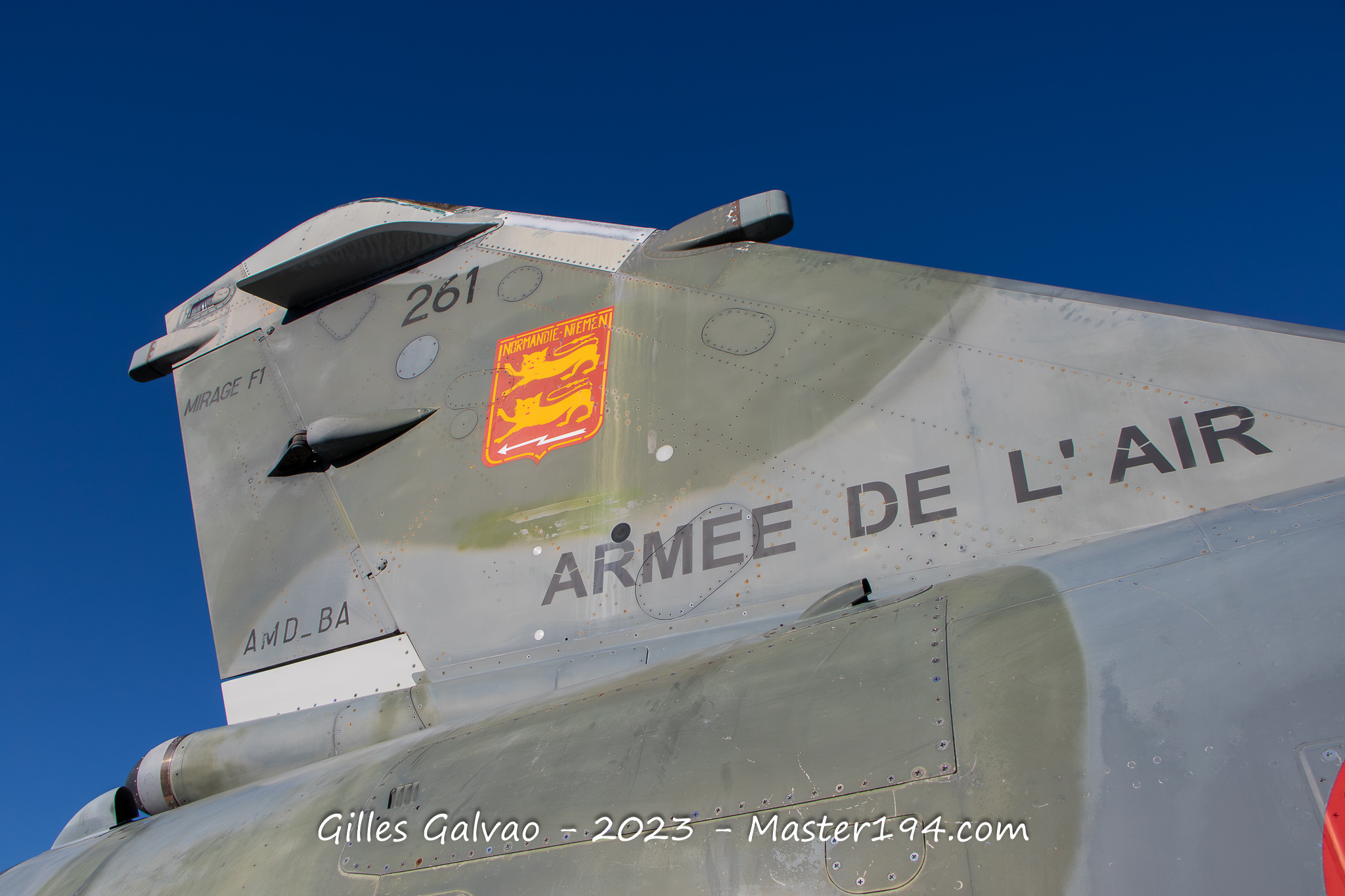
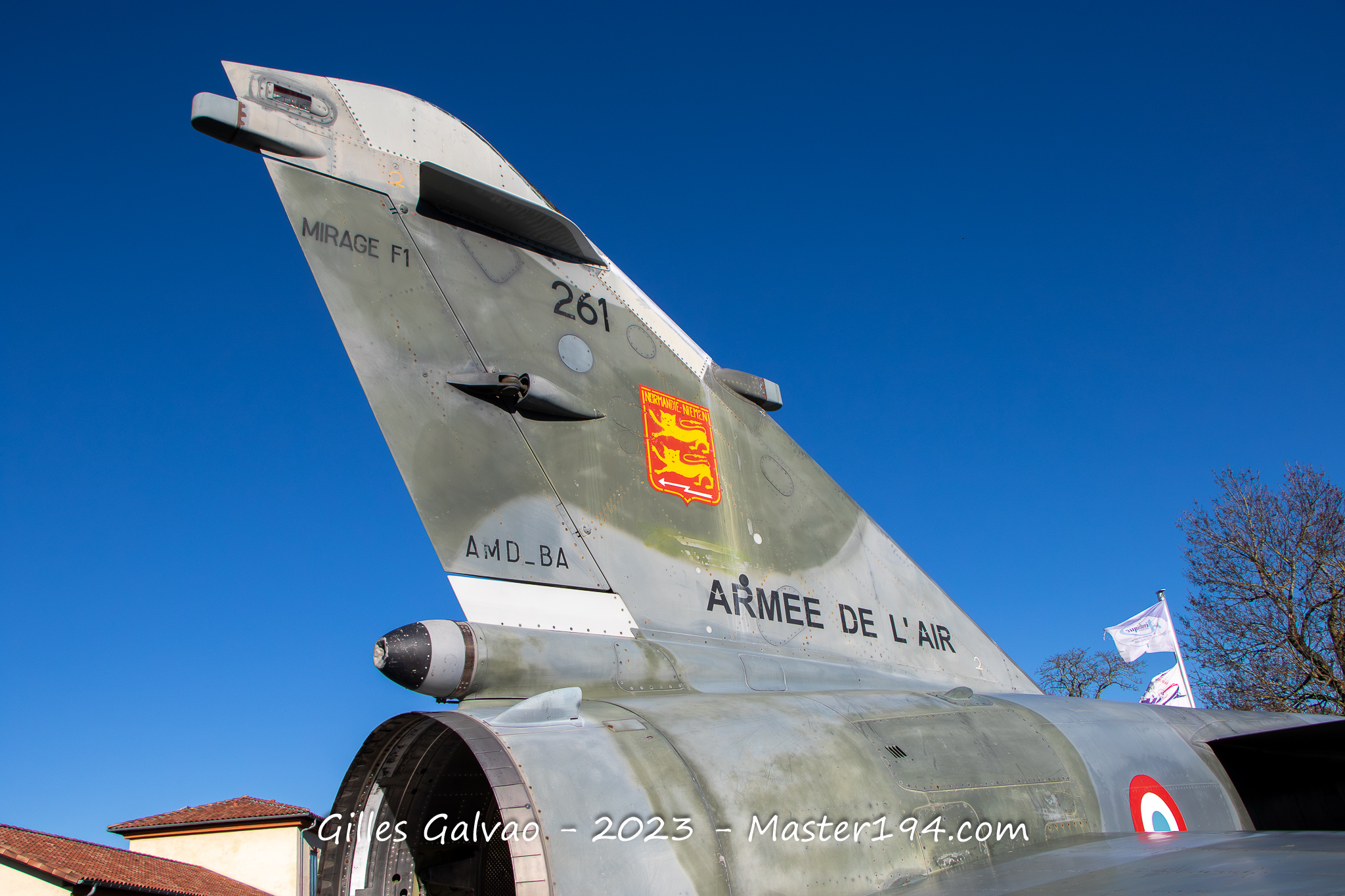
Discover Dassault Mirage F1CT No. 261, now preserved by Ailes Anciennes Toulouse. Behind its tactical code 30-QY lies an aircraft with an extensive operational service history prior to joining the museum collection.
AD
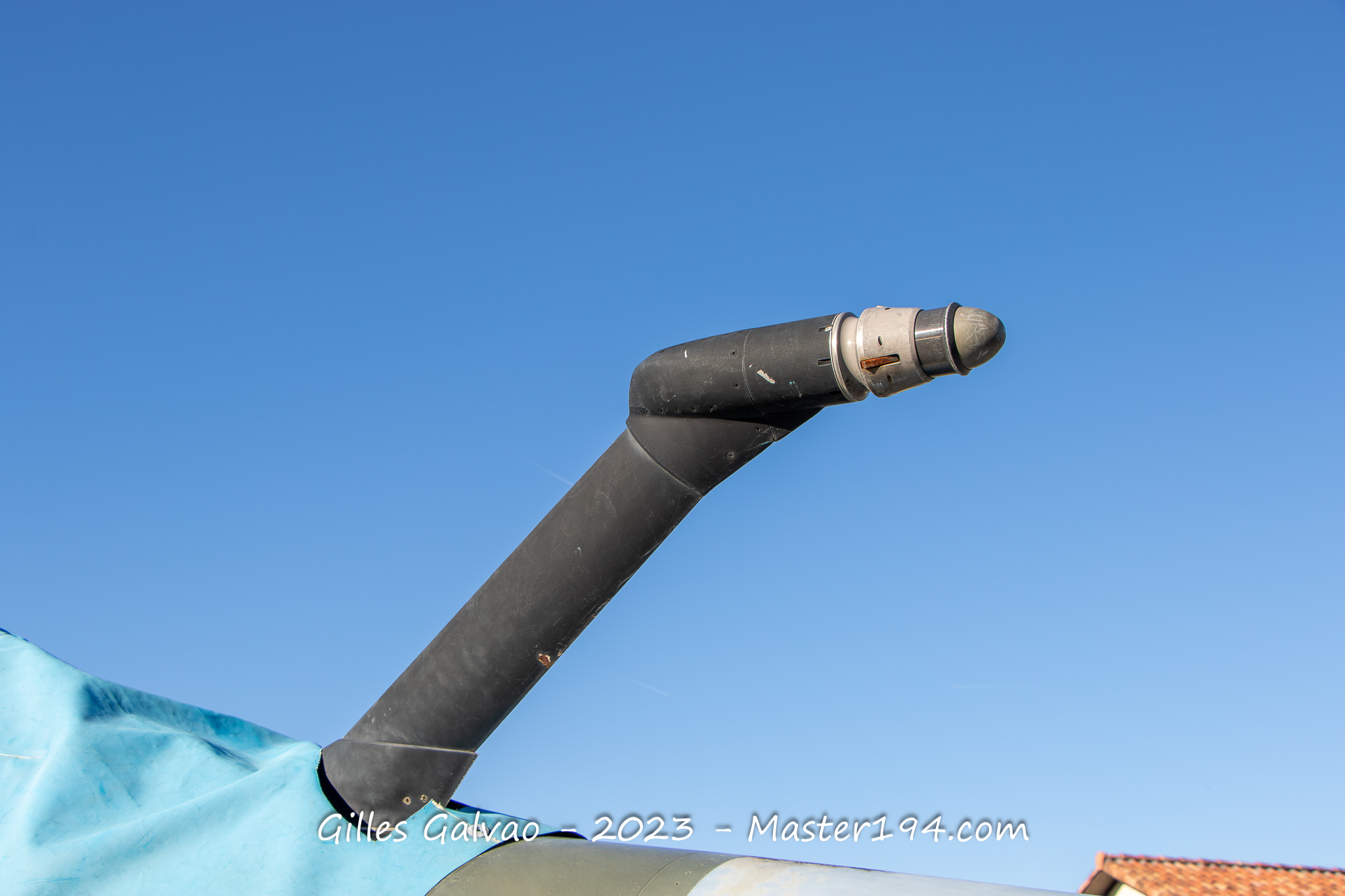
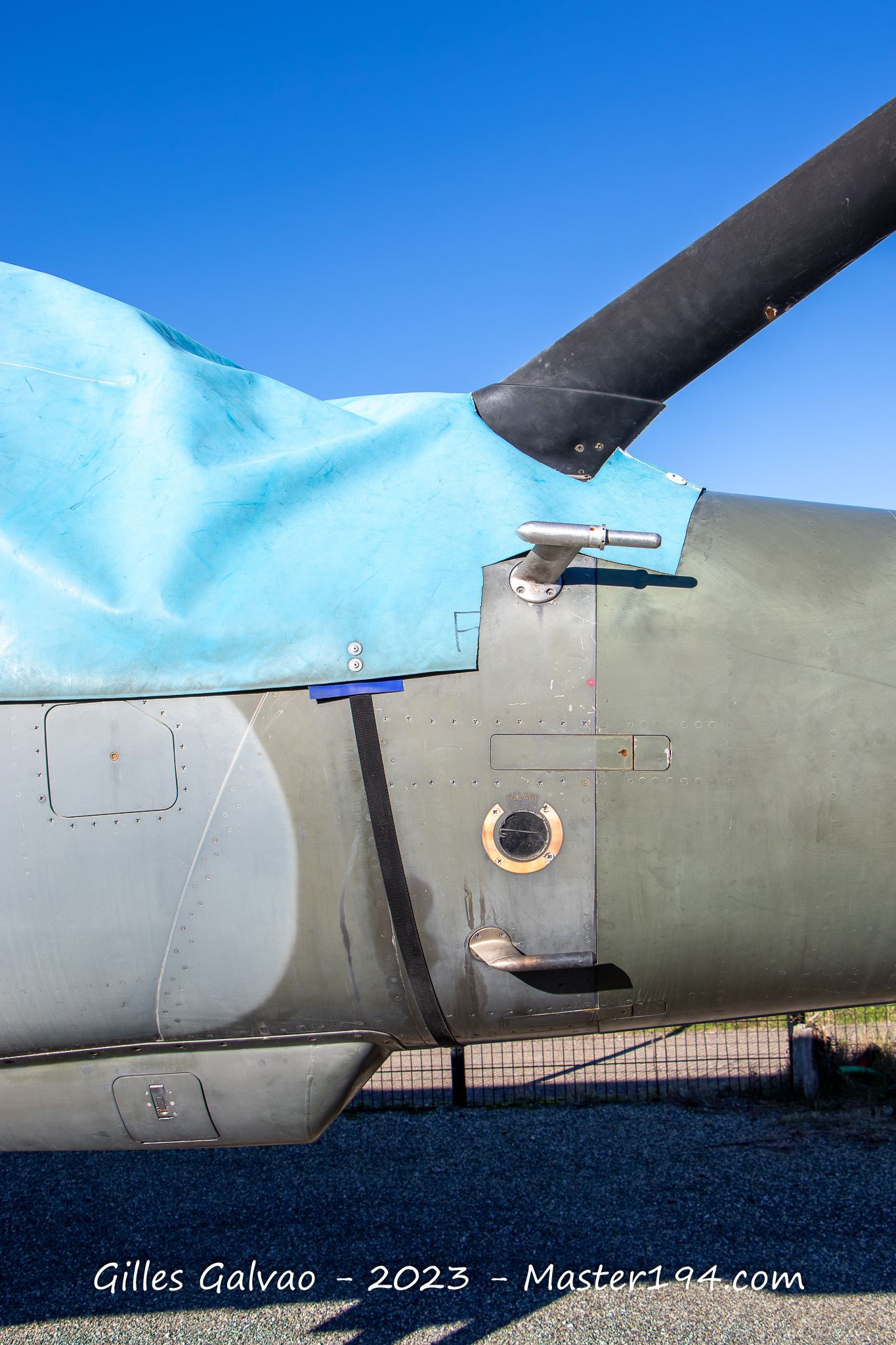
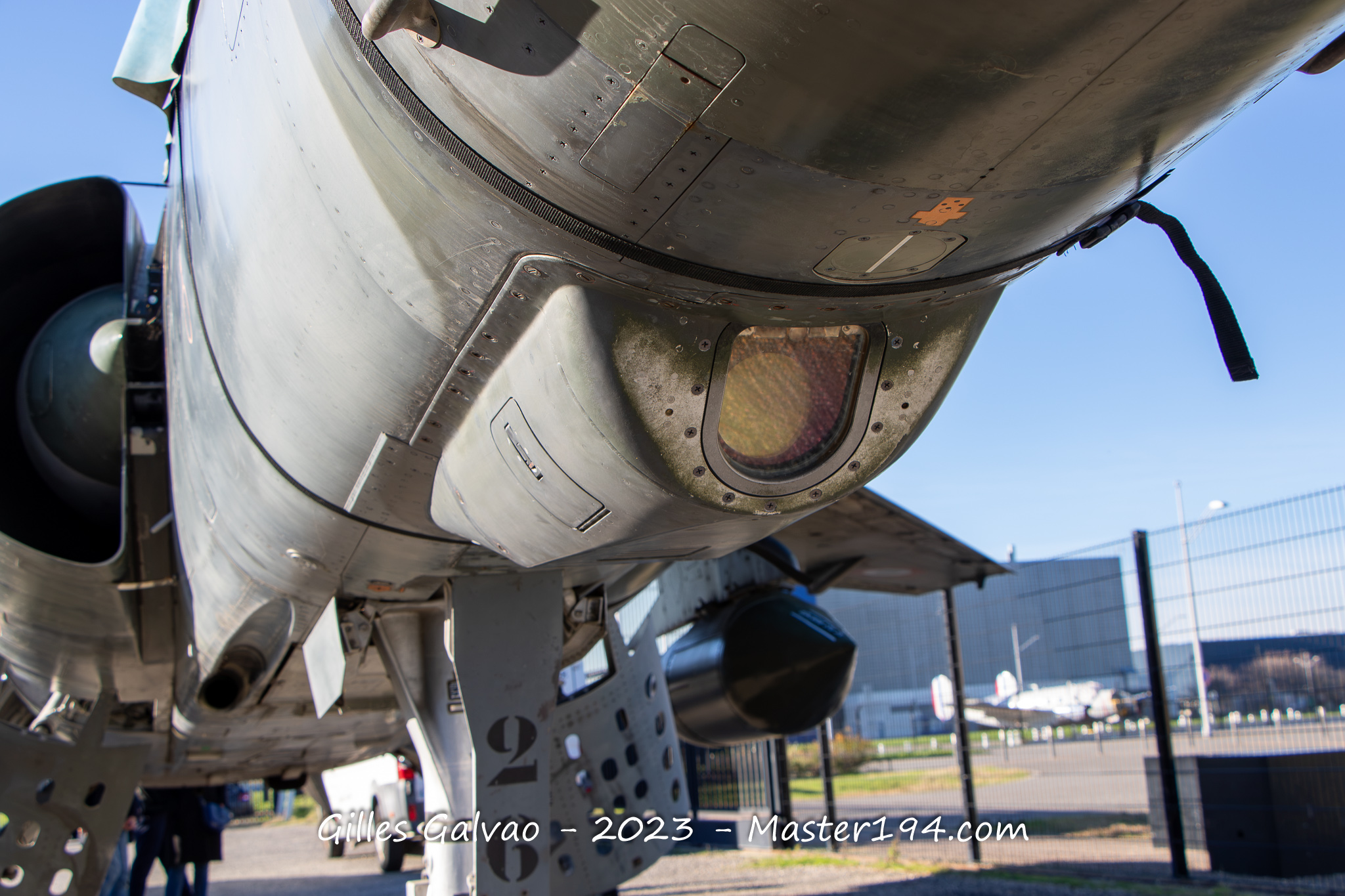
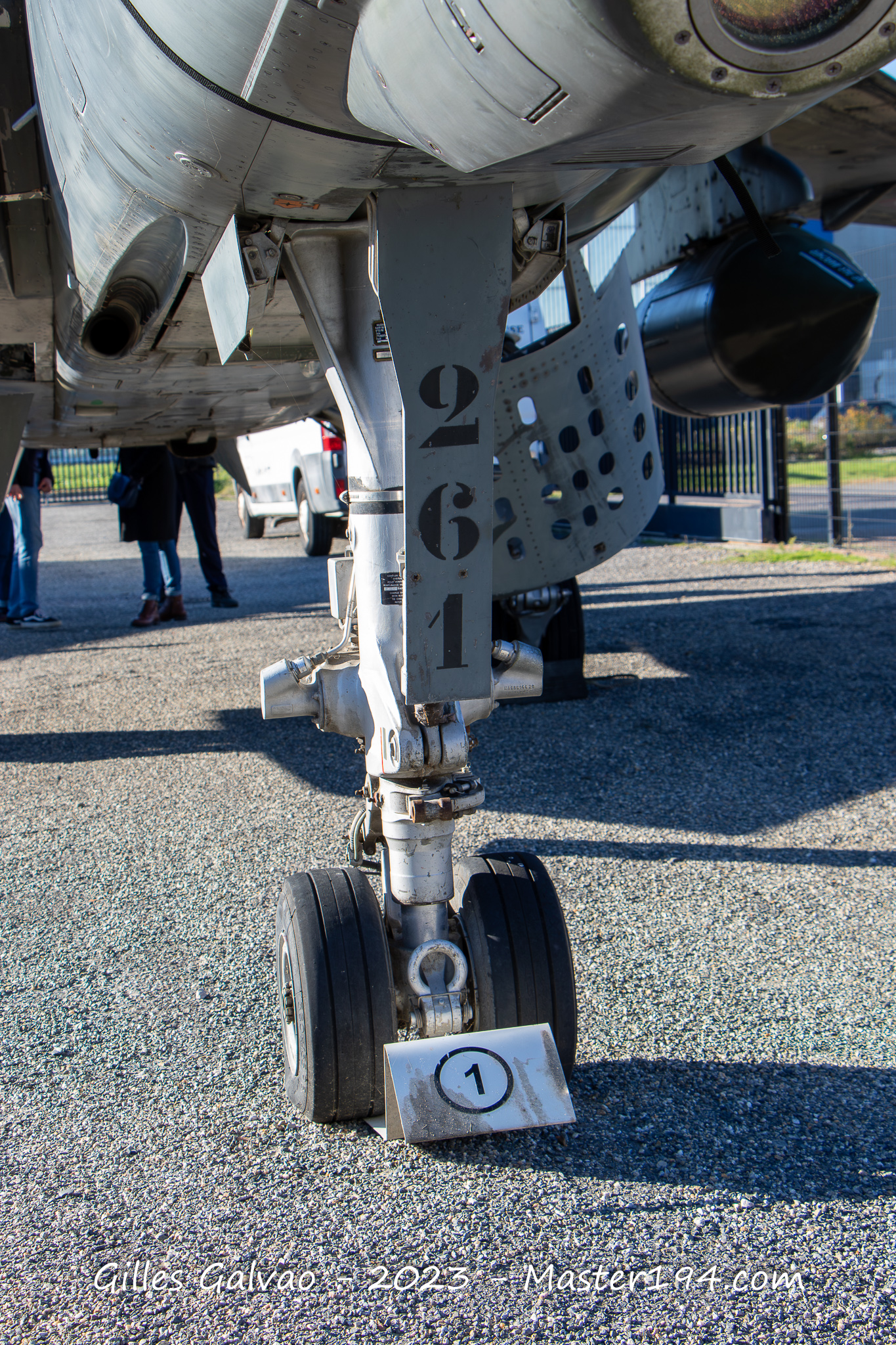
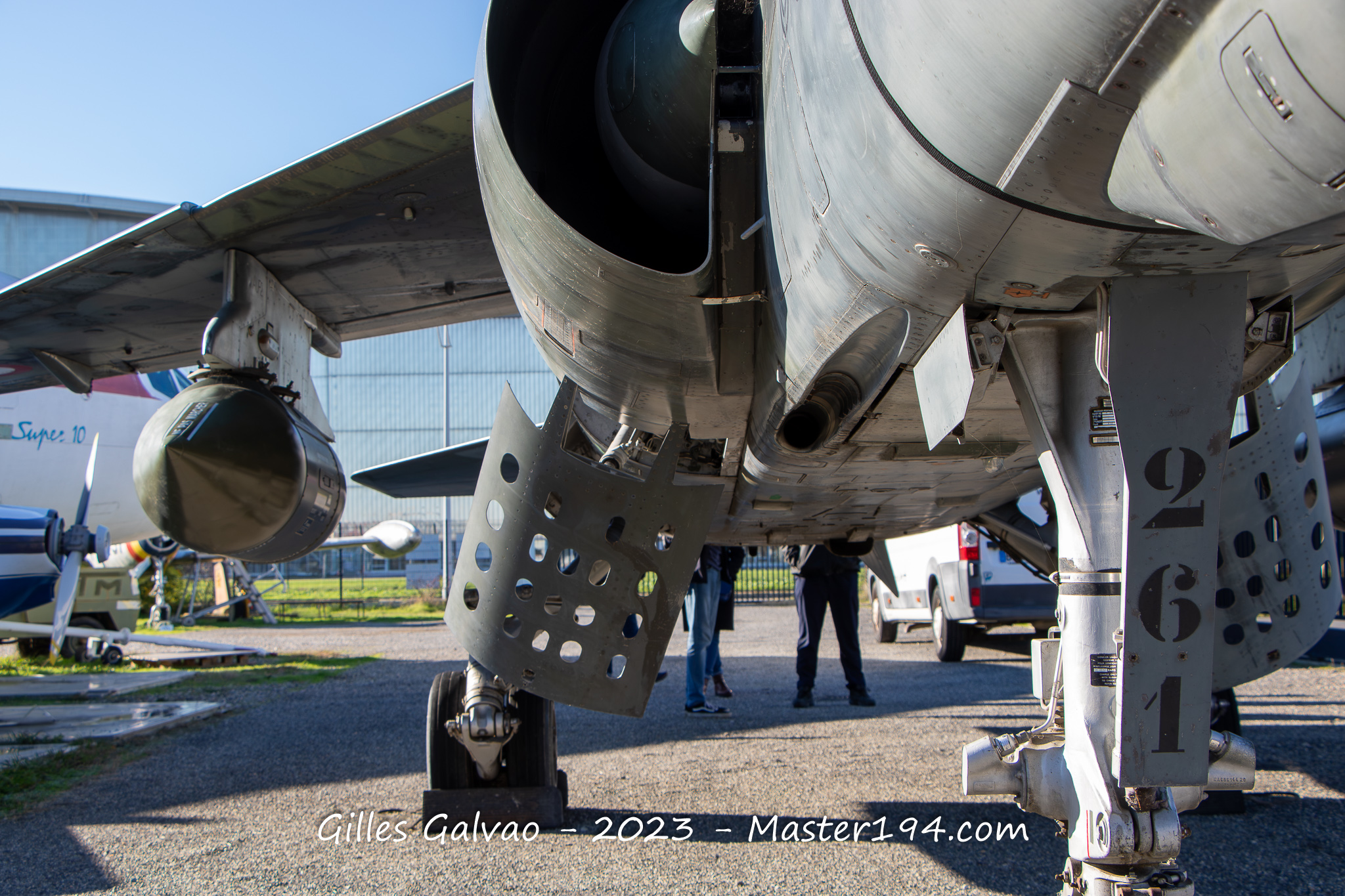
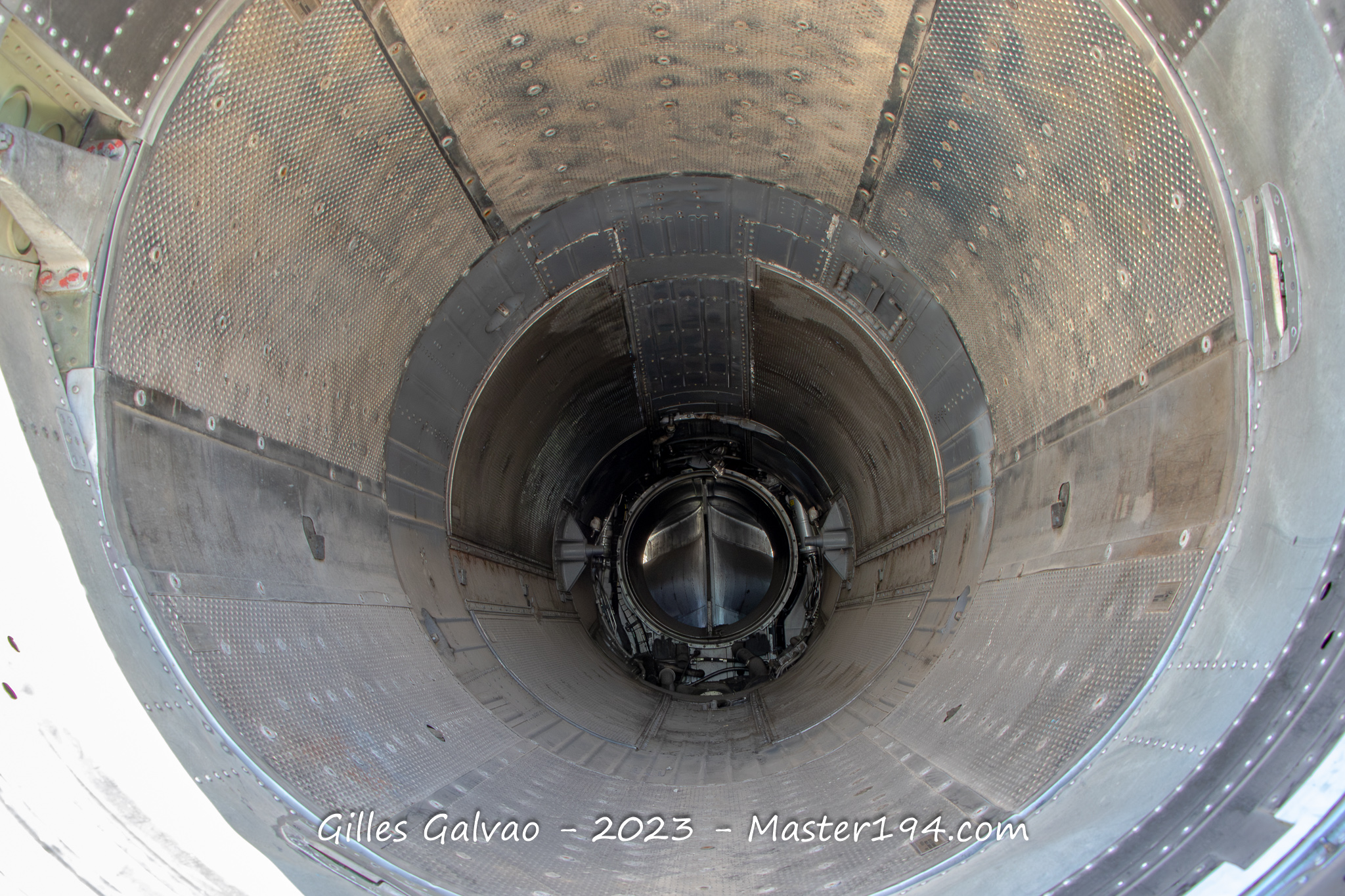
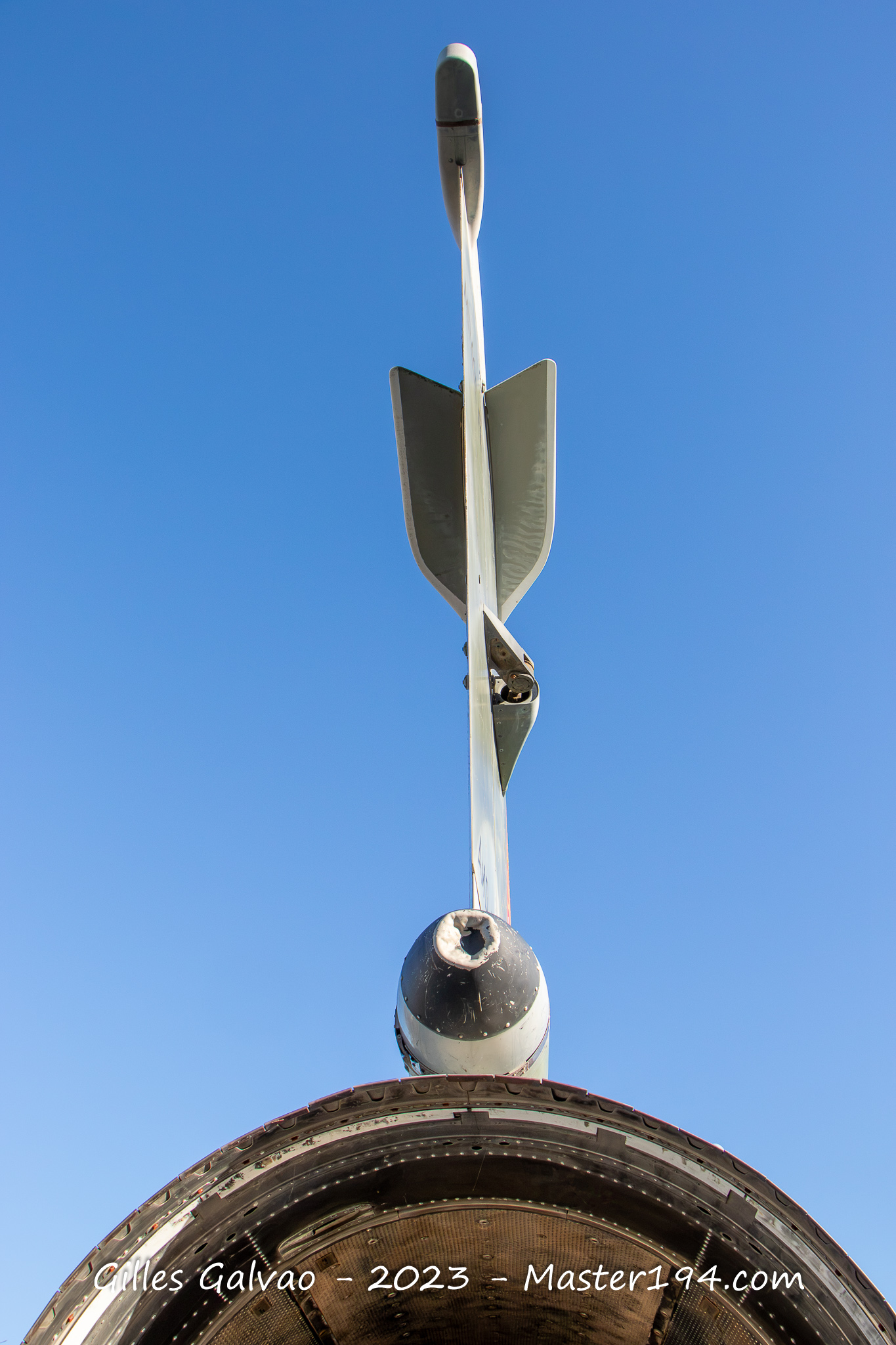
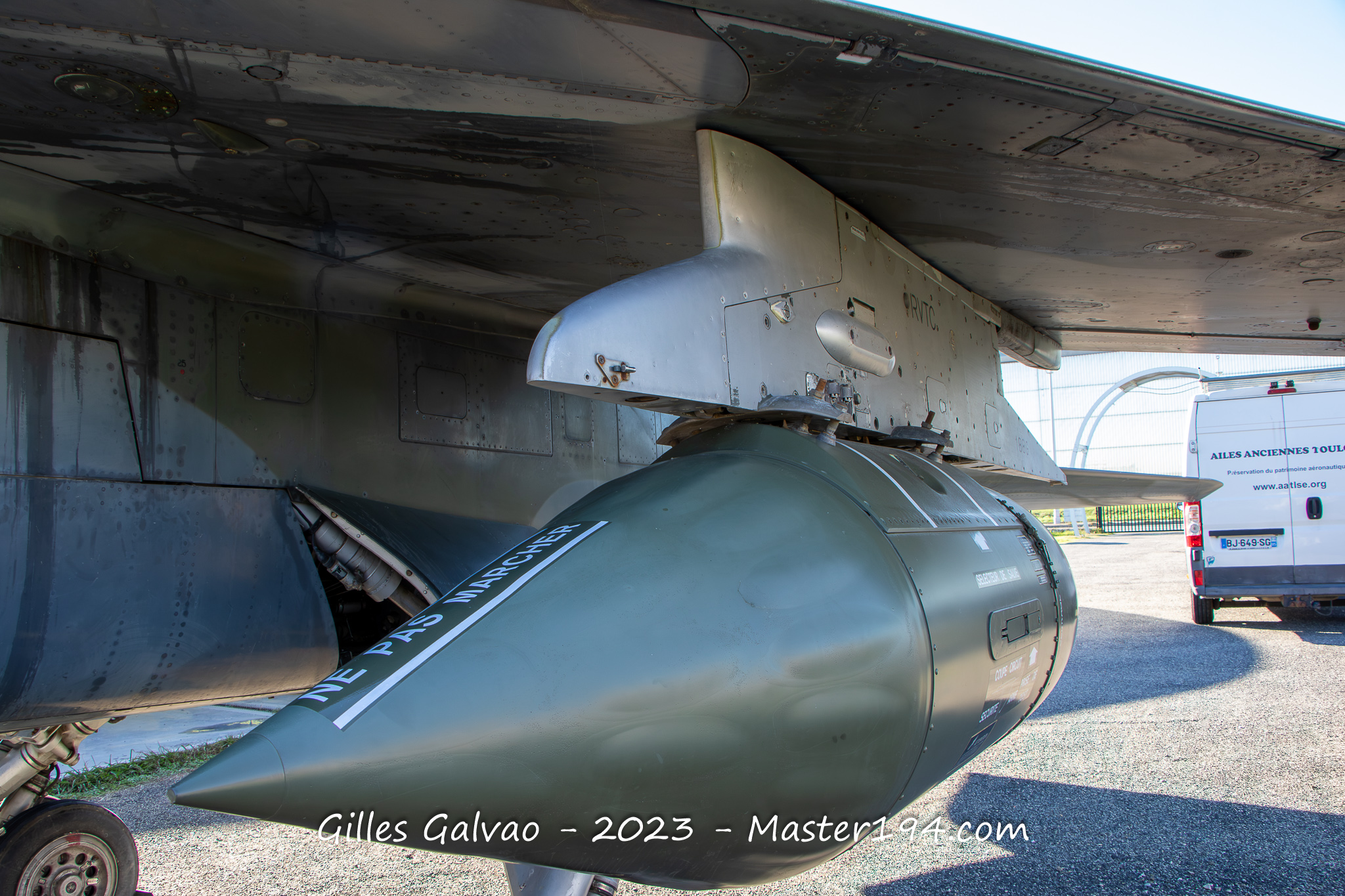
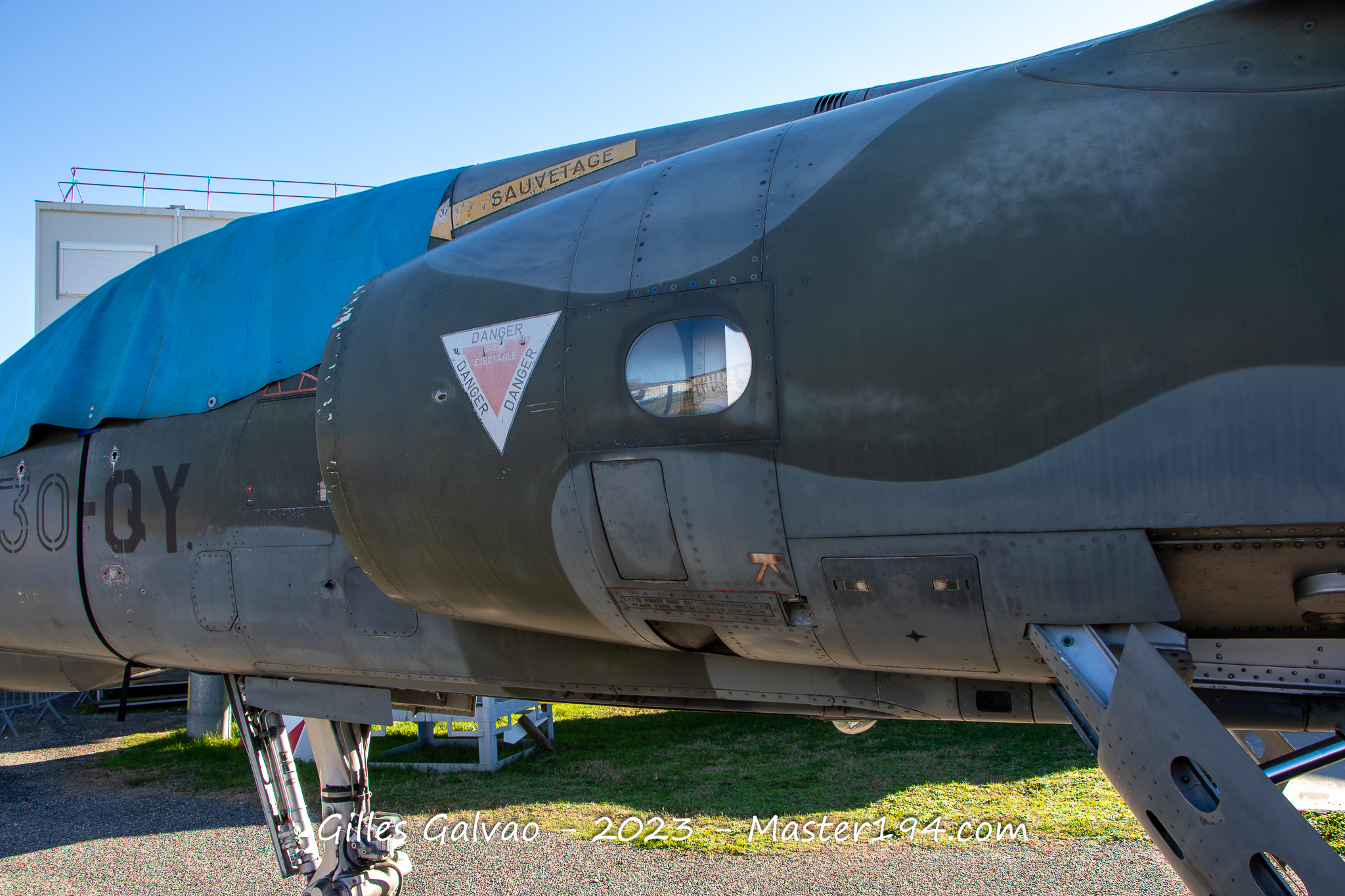
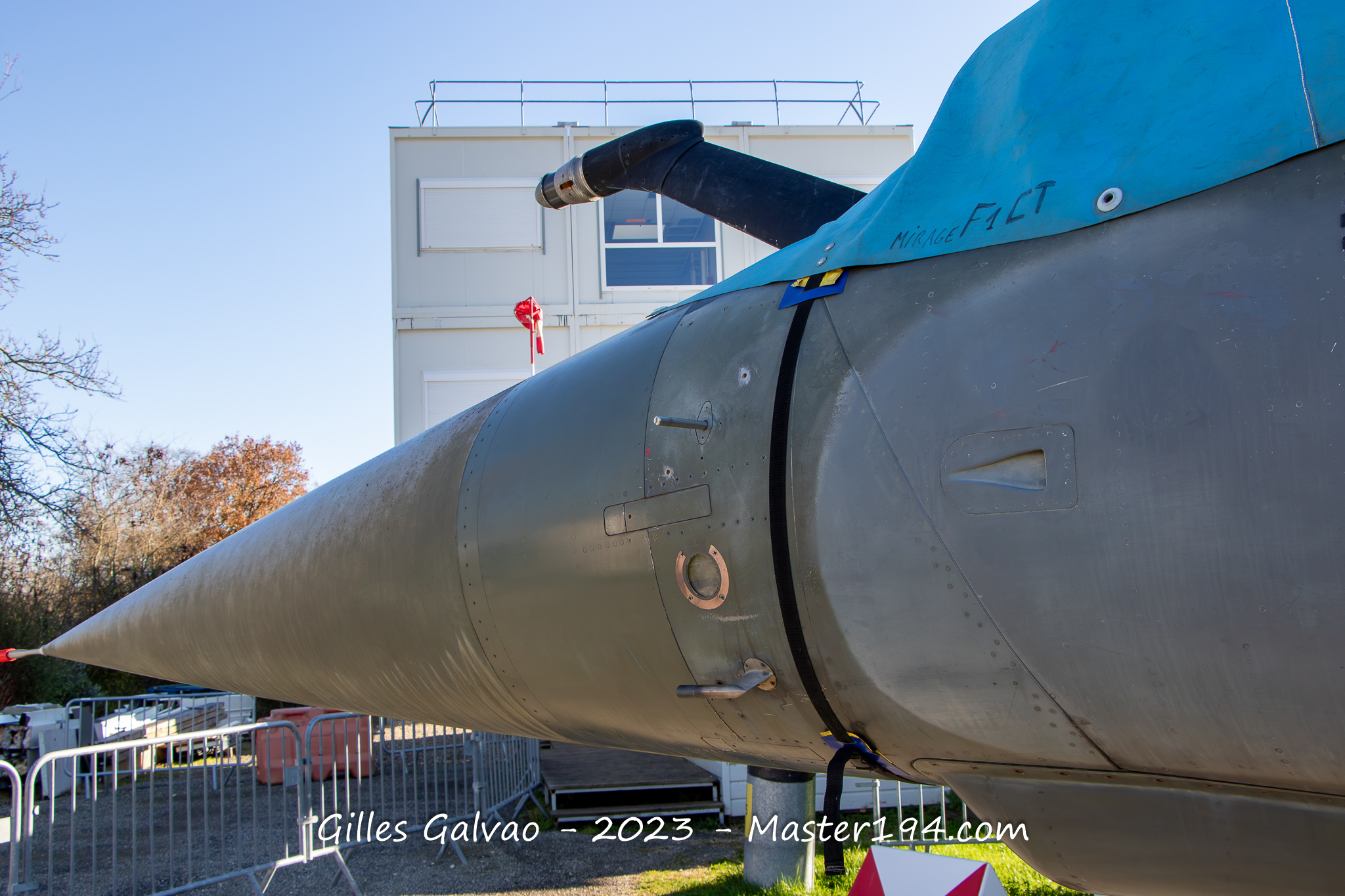
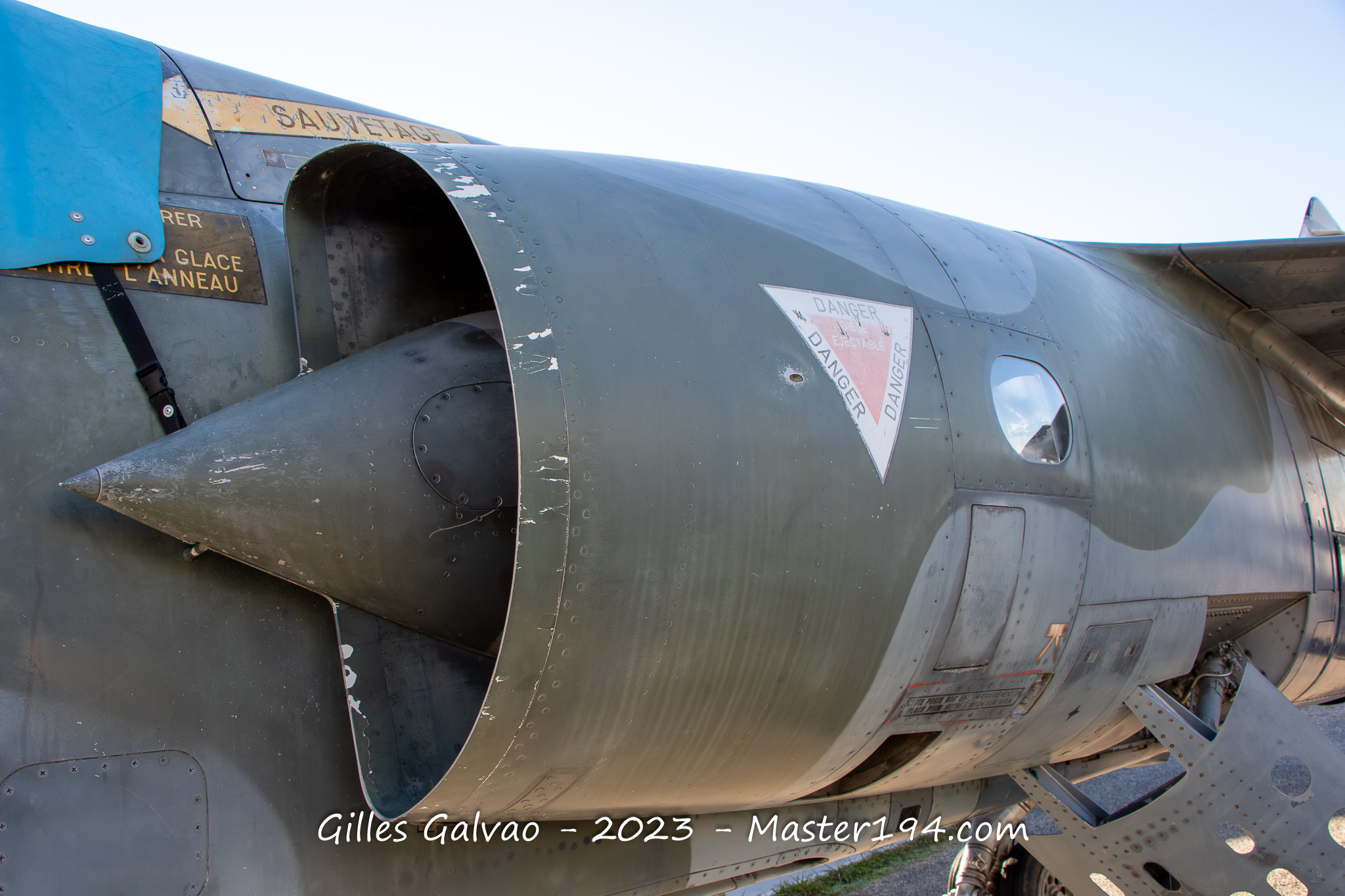
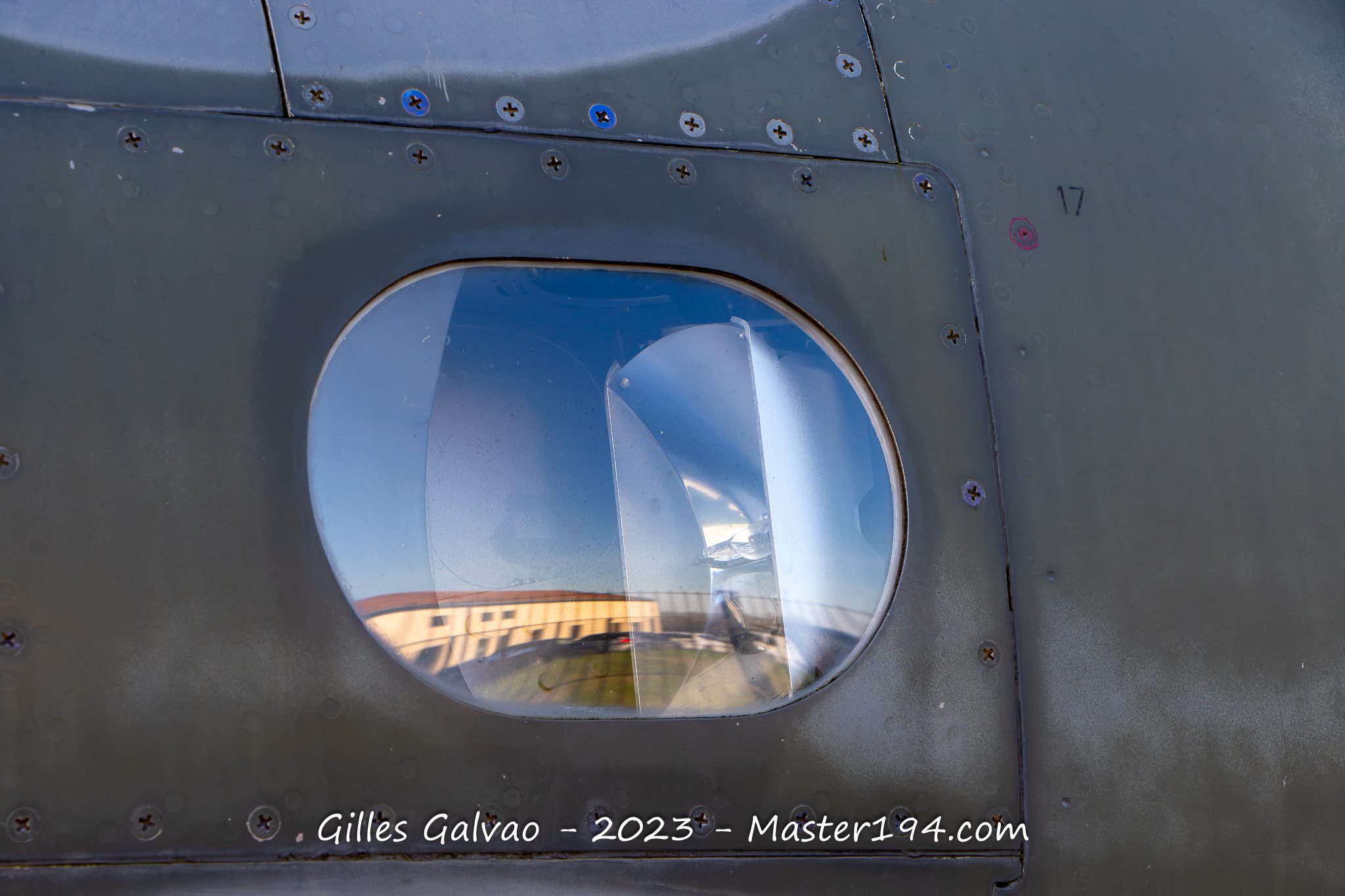
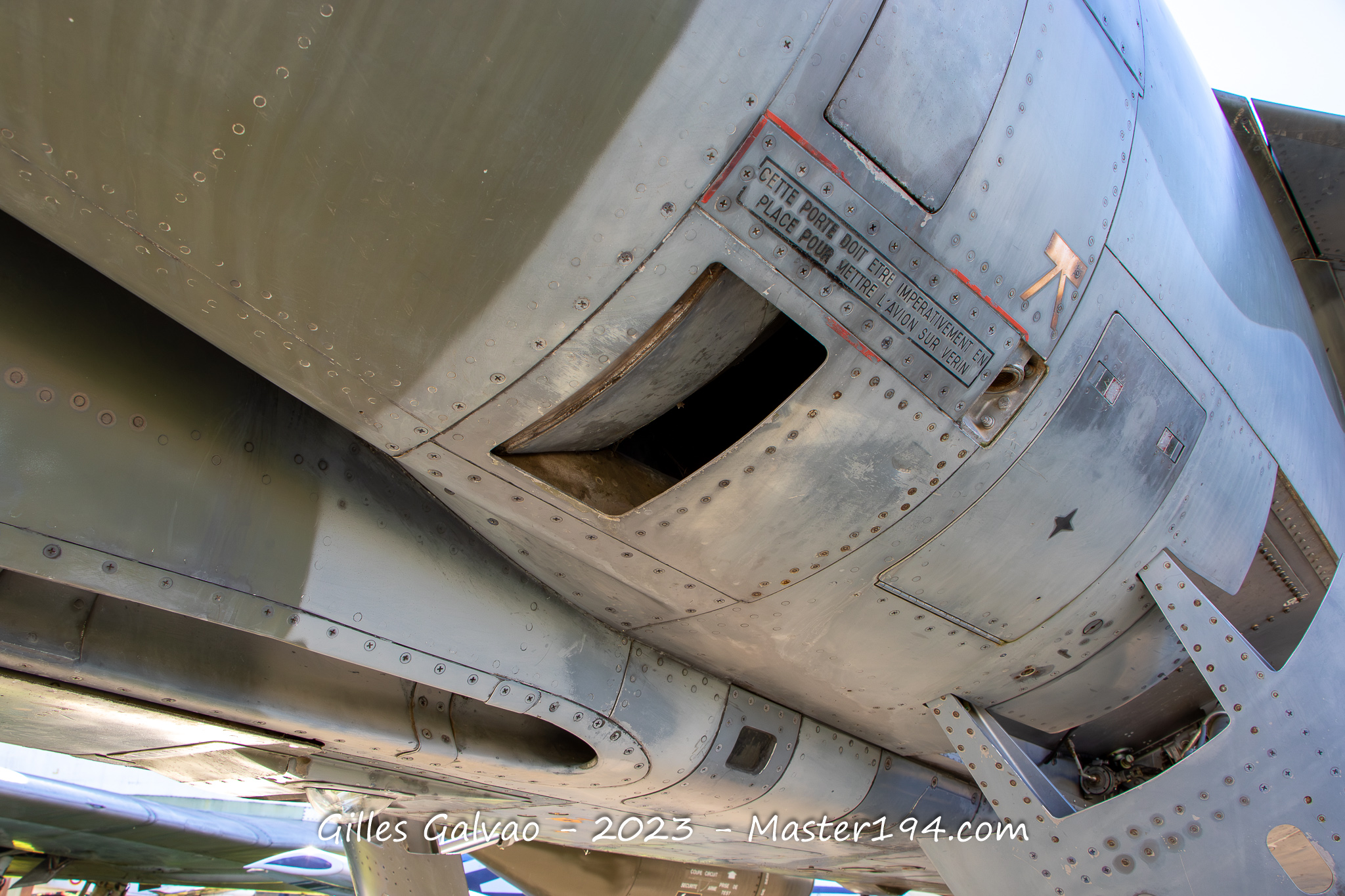
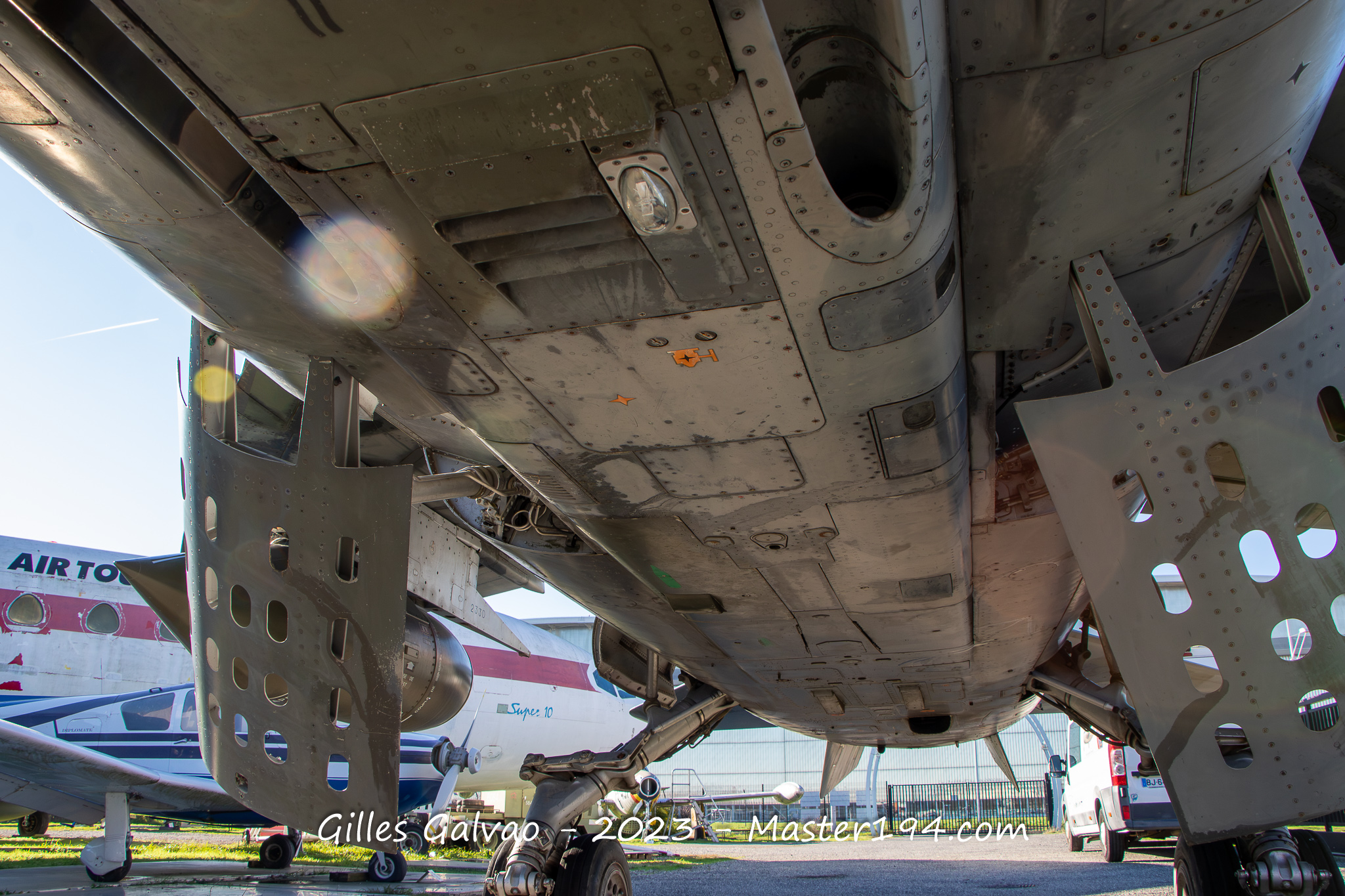
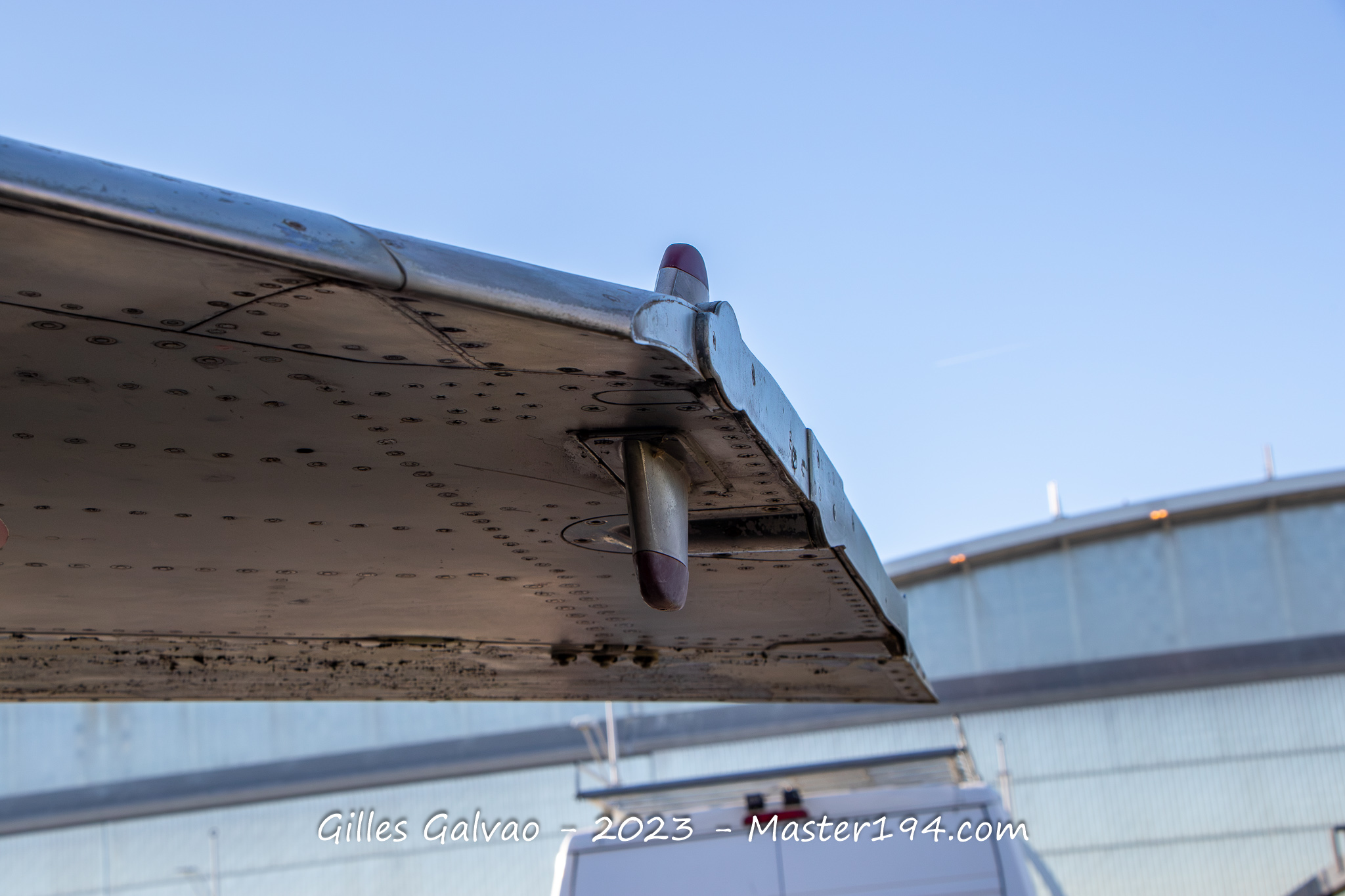
Preserved on site at Ailes Anciennes Toulouse, this Mirage F1—even in an incomplete state—presents a fascinating subject. This detailed photo walkaround offers an opportunity to appreciate its technical nuances up close, while tracing back the history of this specific airframe.
The Mirage F1 originated in the 1960s to meet the requirements of the French Air Force (Armée de l’Air), which sought a more versatile multirole fighter than the Mirage III while retaining high-end performance. Unlike its tailless delta-wing predecessor, the new design adopted a high-mounted swept wing paired with a conventional tailplane, delivering superior handling at low speeds and short-field operations. Following its maiden flight in December 1966, the Mirage F1 quickly became a cornerstone of French fighter aviation, with over 700 airframes produced, a significant portion of which was exported worldwide.
Mirage F1C No. 261
Delivered as a Mirage F1C-200, airframe No. 261 joined Fighter Squadron (Escadron de Chasse) 3/12 “Cornouaille”, based at Cambrai-Épinoy. At the time, the unit served as a cornerstone of French air defense, having operated the Mirage F1 since the late 1970s. Inheriting the traditions of the 12th Fighter Wing (12e Escadre de Chasse), “Cornouaille” conducted interception, air policing, and operational training missions, deploying aircraft capable of extended-range operations thanks to their in-flight refueling capability.
In the spring of 1984, Mirage F1C-200 No. 261 was documented carrying the tactical code 12-ZV at Cambrai-Épinoy Air Base, sporting the characteristic livery and markings of the 12th Fighter Wing’s Mirage F1s. This period coincided with the years when Cambrai-based Mirage F1Cs provided daily quick reaction alert (QRA) and air defense coverage over French territory while regularly participating in joint national and international exercises.
Another photographic record shows the aircraft in May 1986 wearing the tactical code 12-ZI, captured at RAF Gütersloh in Germany during Exercise “Berlin Corridor”.
Mirage F1CT No. 261
In the early 1990s, the French Air Force (Armée de l’Air) decided to convert 55 Mirage F1C-200s into tactical support and ground-attack fighters to complement the SEPECAT Jaguar fleet. This modernization introduced updated avionics specifically tailored for air-to-ground missions while fully retaining the F1’s excellent flight handling characteristics.
Airframe No. 261 was converted and assigned the tactical registration 30-QY upon joining the prestigious Normandie-Niemen Fighter Squadron (Escadron de Chasse 2/30) based at Mont-de-Marsan. The F1CT served there through the final operational era of the variant until its progressive phase-out in 2008. It stands as a representative witness to the closing years of the Mirage F1’s career in the French Air Force, prior to the widespread adoption of the Mirage 2000D and eventually the Rafale for tactical strike roles.
Like many retired French military aircraft, No. 261 was subsequently transferred to Châteaudun Air Base for storage. Its story could have ended there. However, in 2018, volunteers from Ailes Anciennes Toulouse initiated a major recovery project. Following several weeks of preparation, the Mirage was dismantled—wings, empennage, equipment, and engine—and transported to Blagnac, where it was progressively reassembled. This extensive preservation effort has successfully saved a valuable representative of the final French Mirage F1CTs.
Dassault Mirage F1CT walkaround
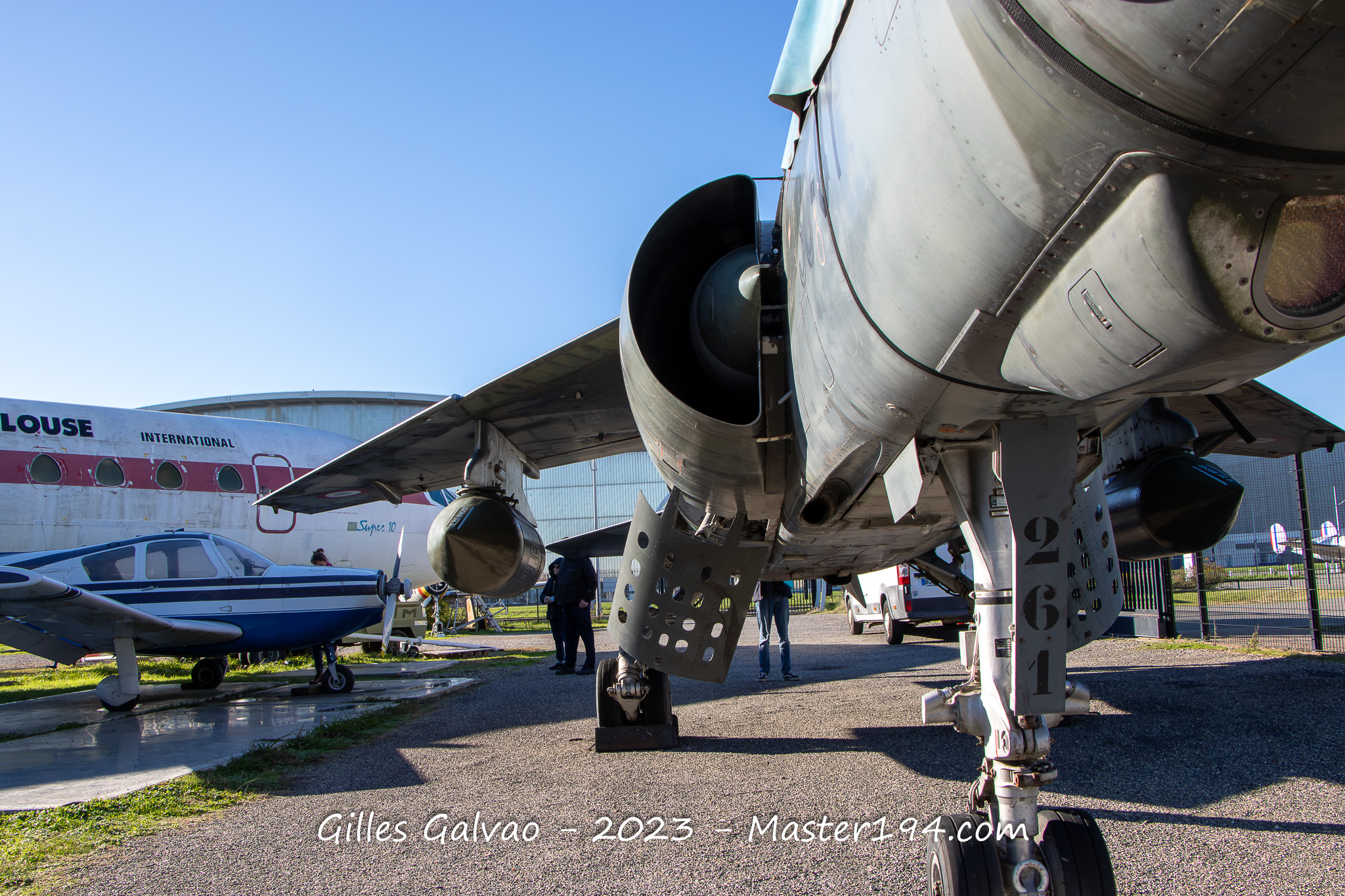
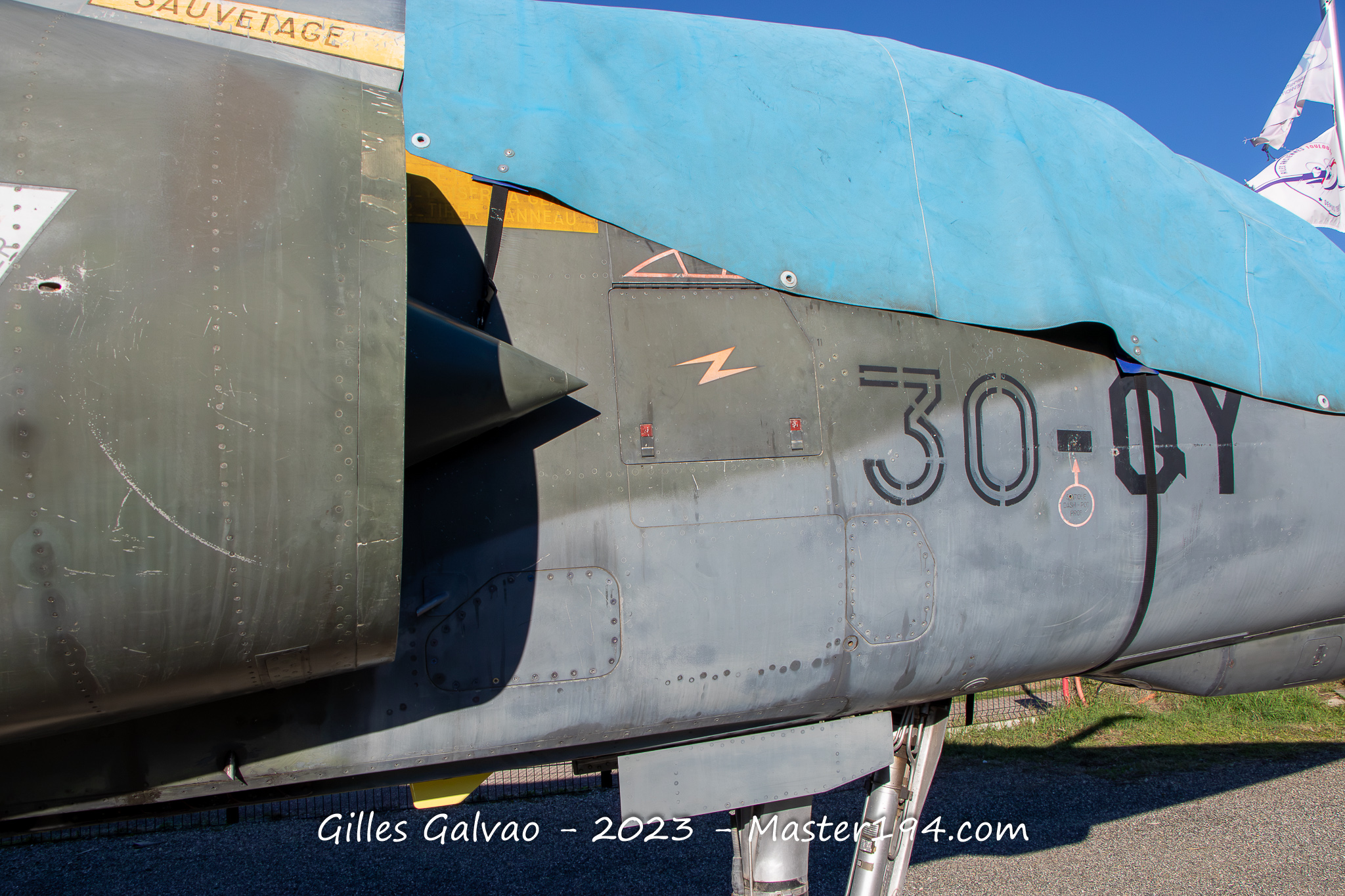
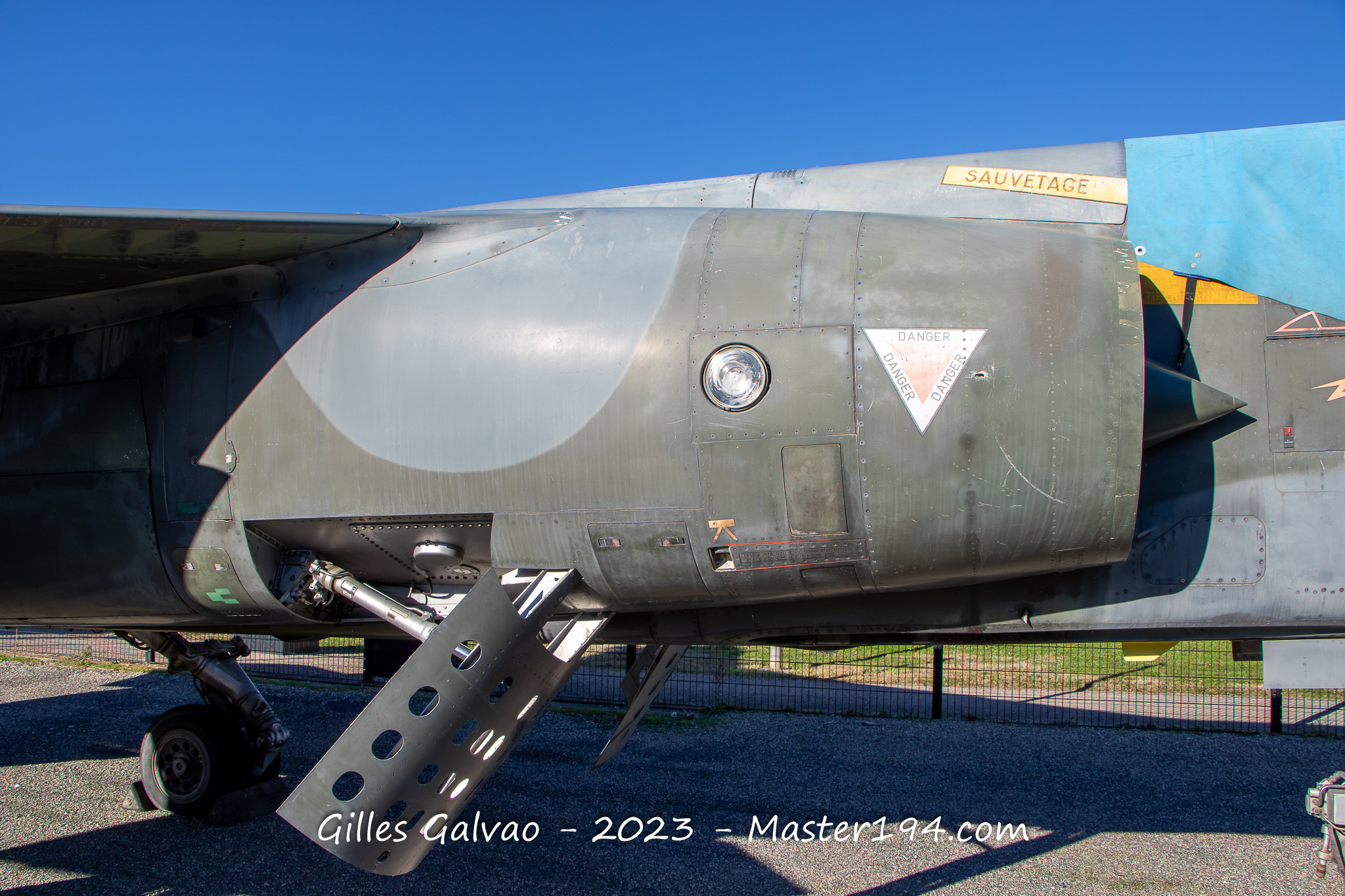
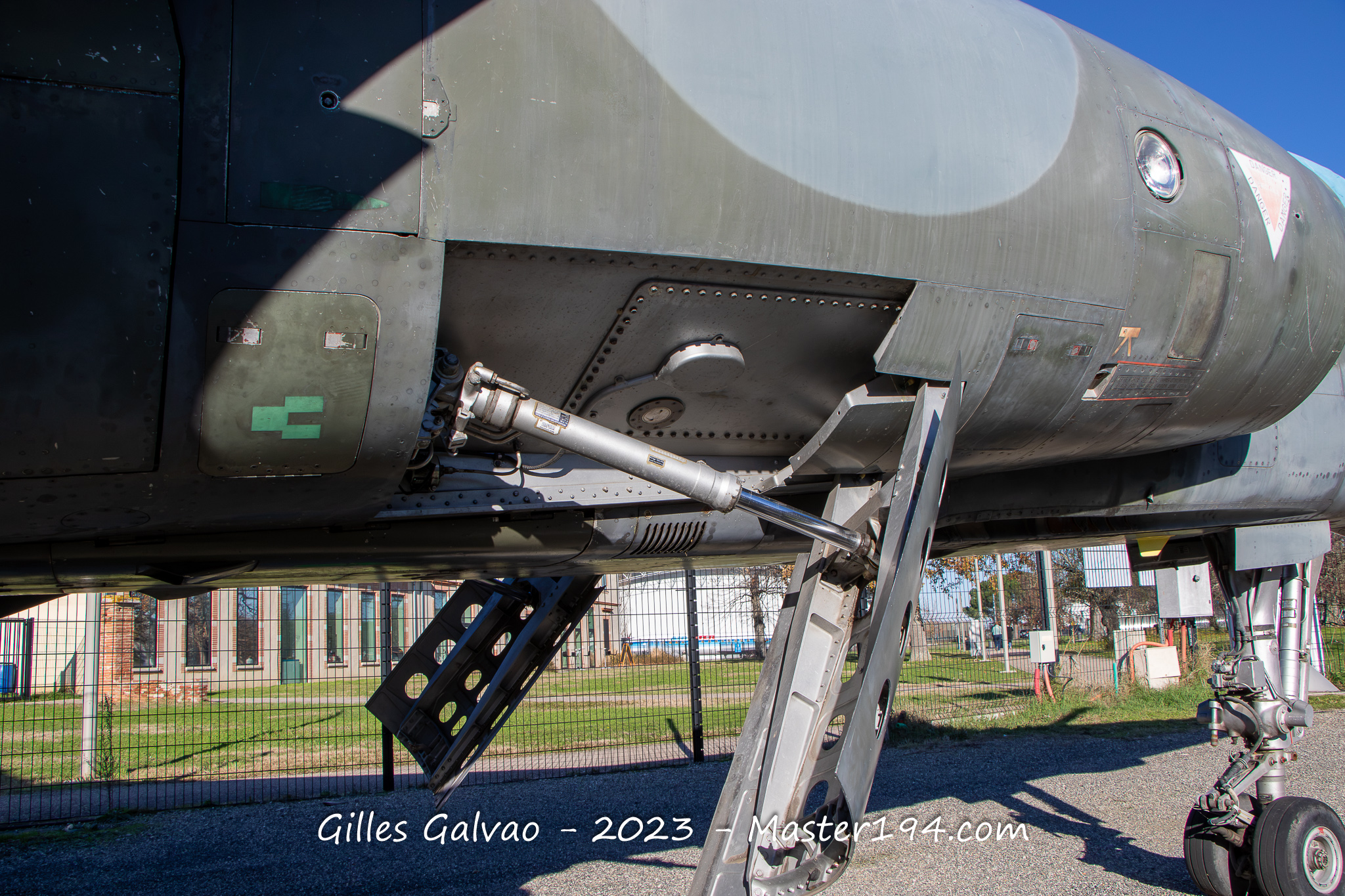
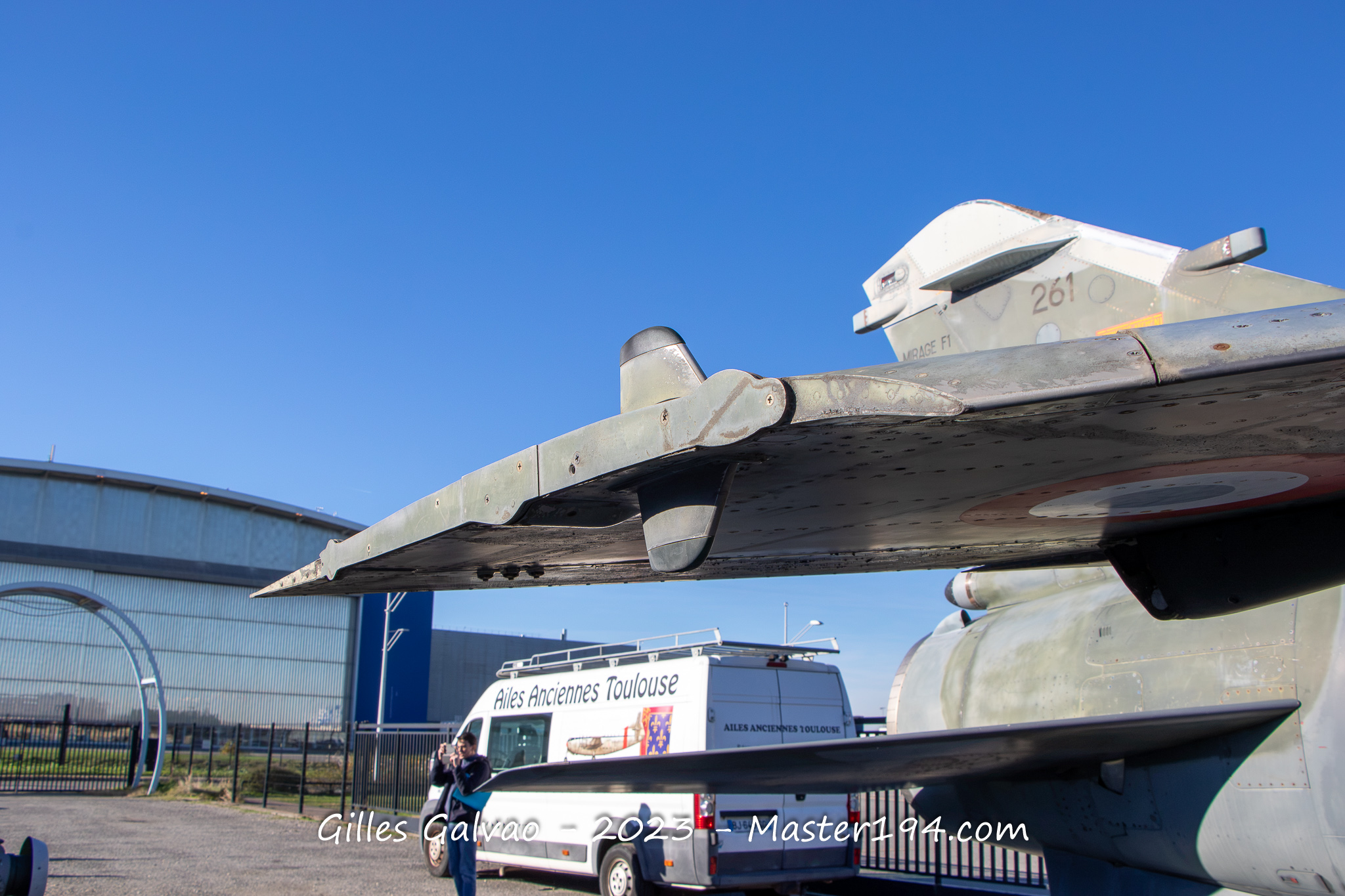
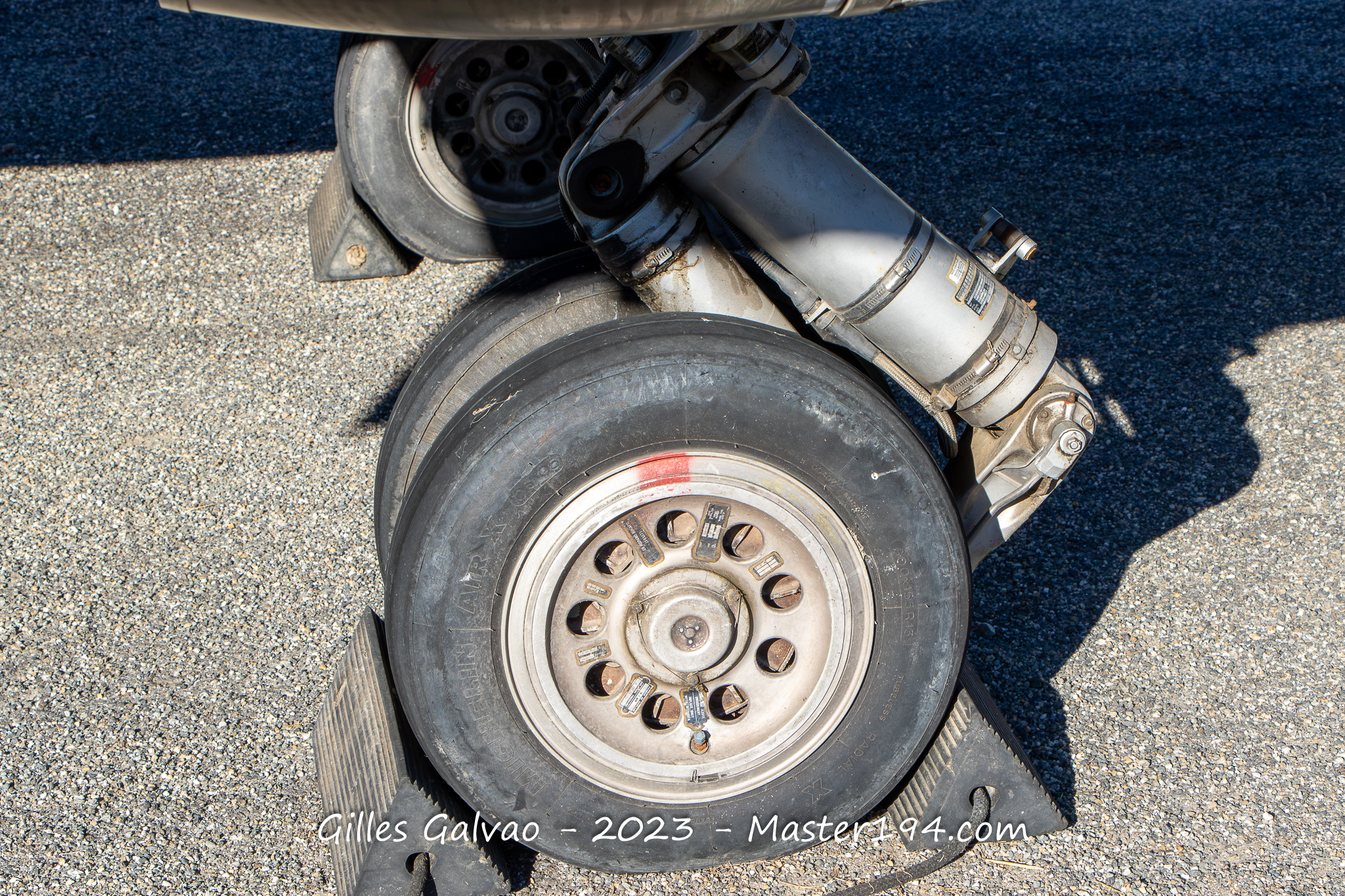
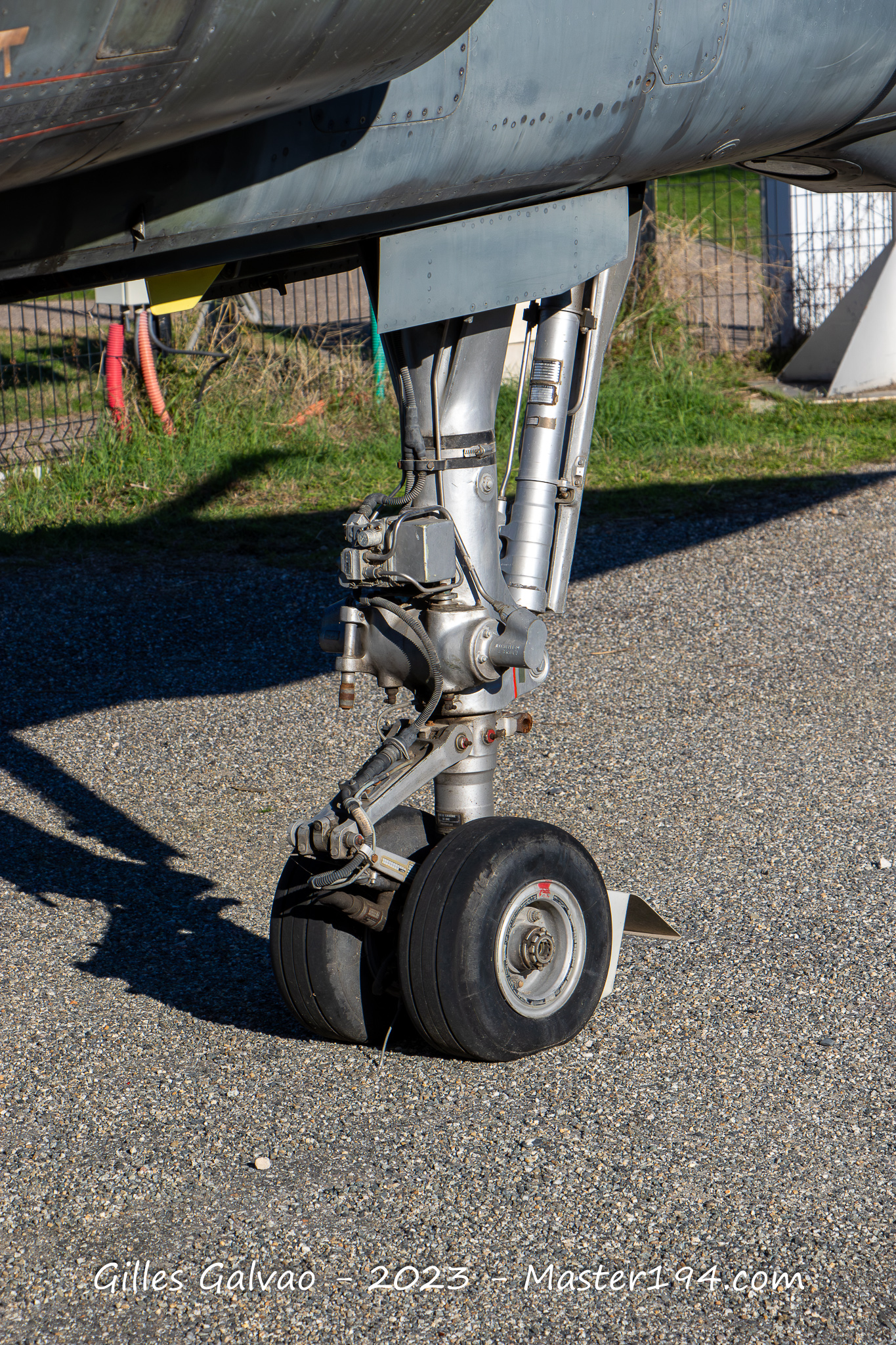
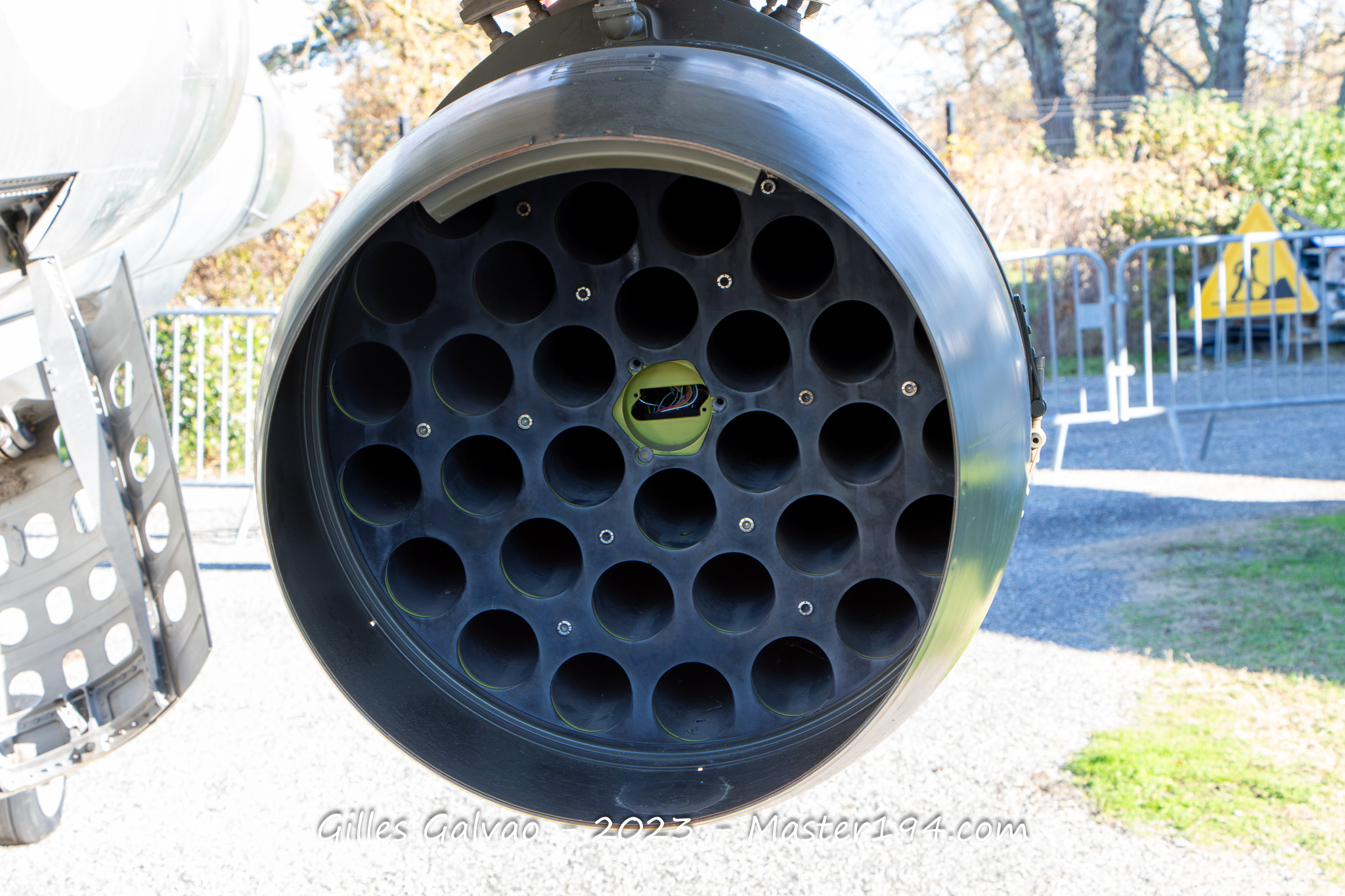
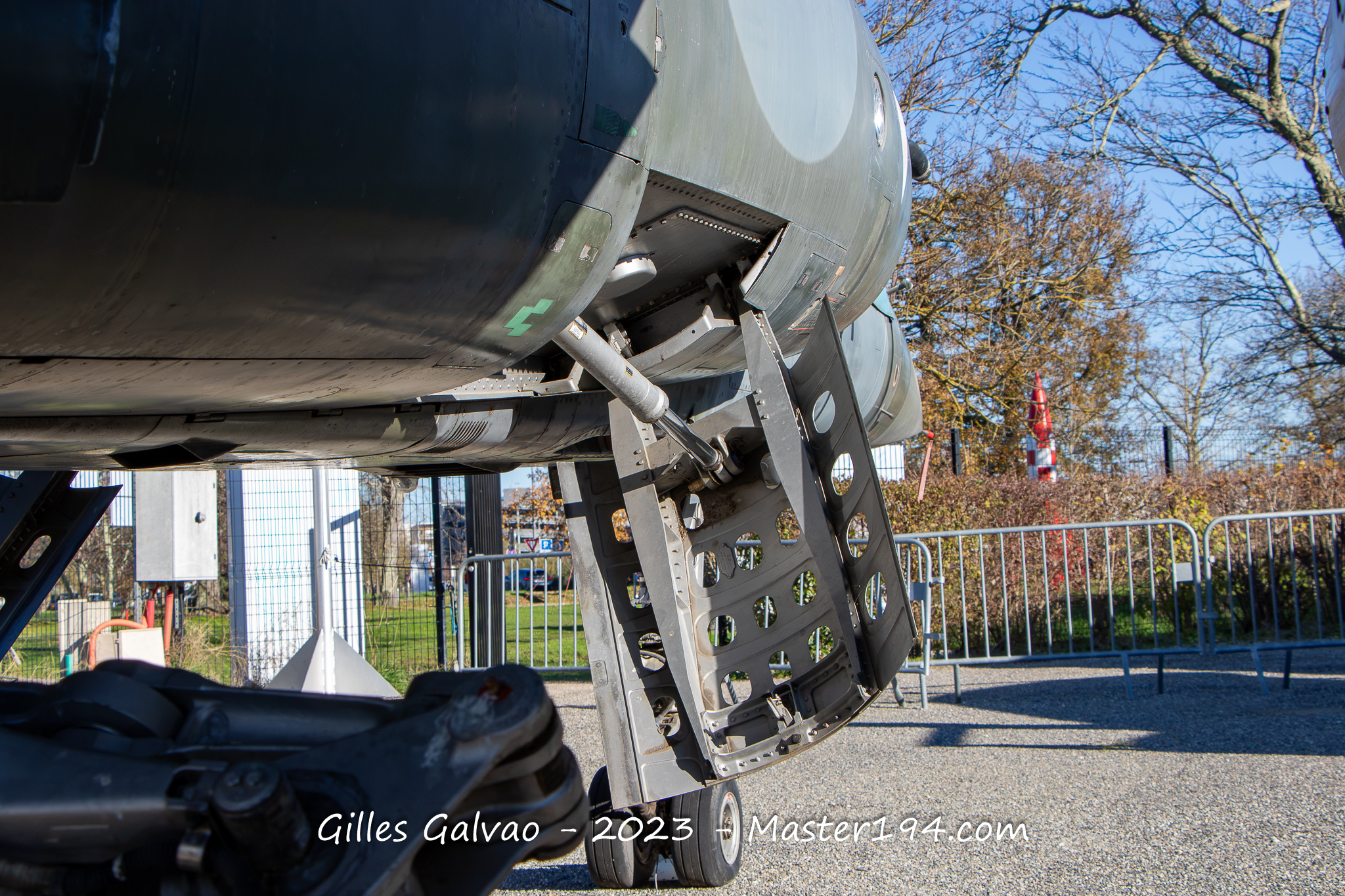
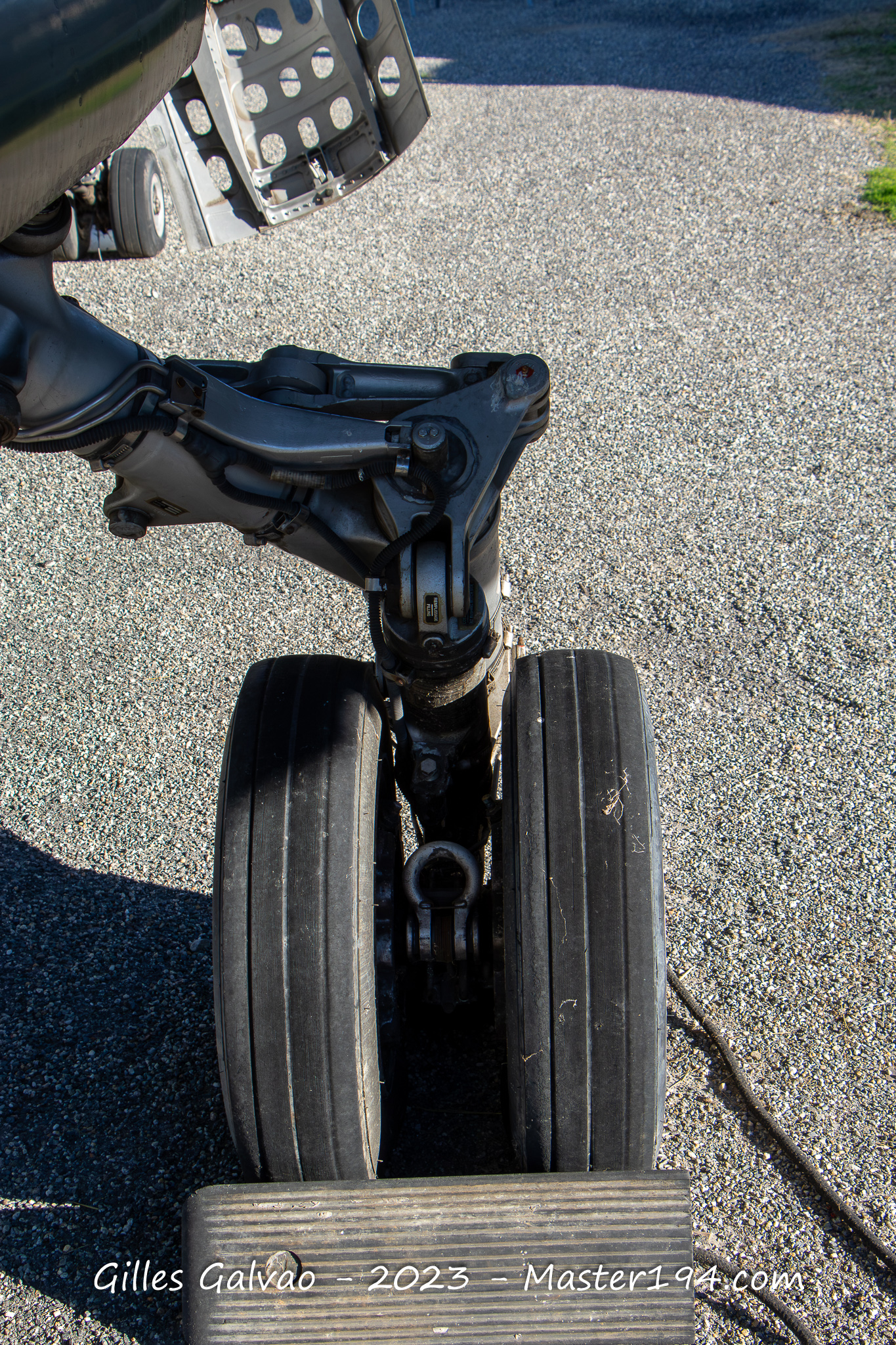
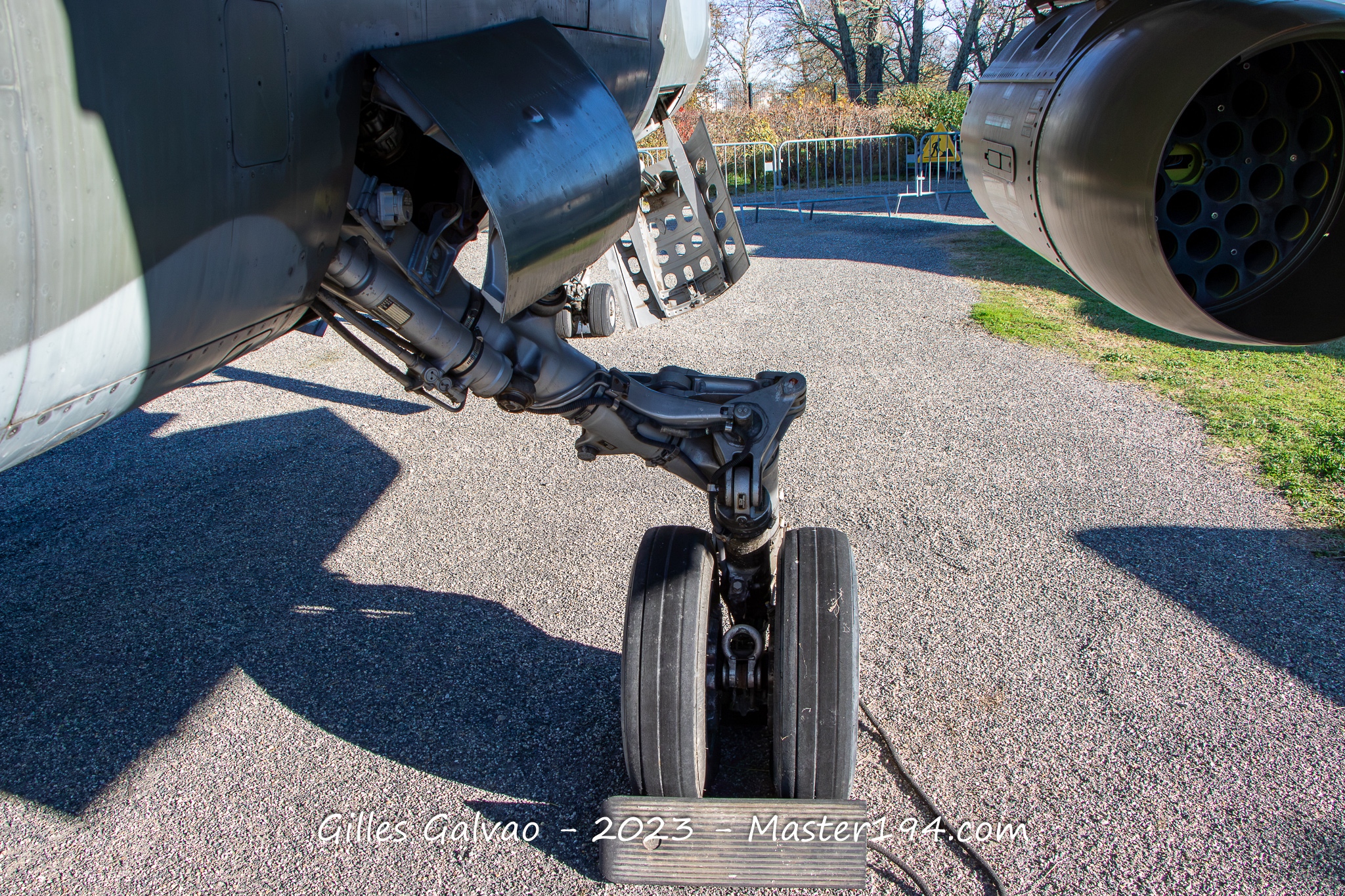
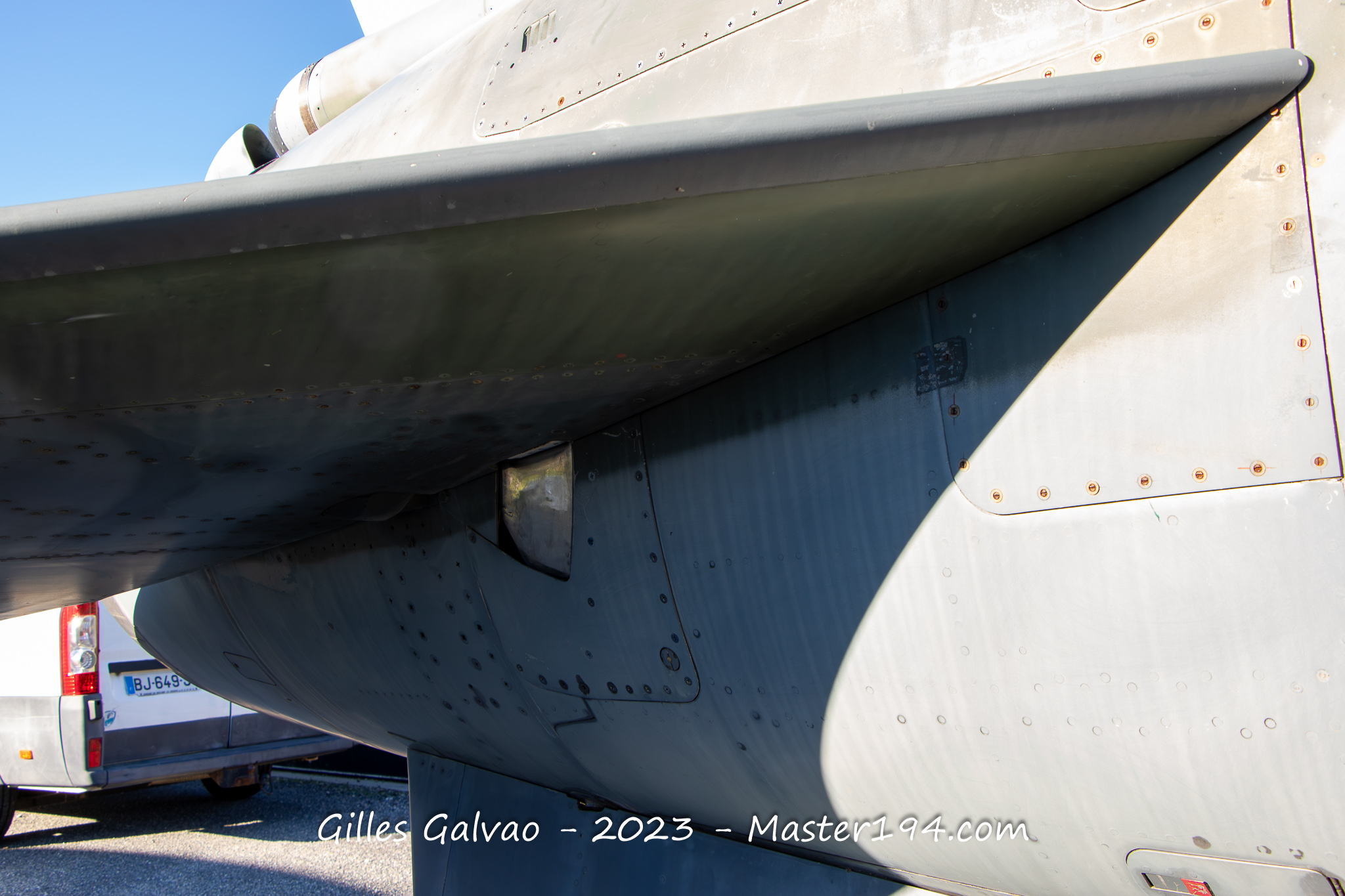
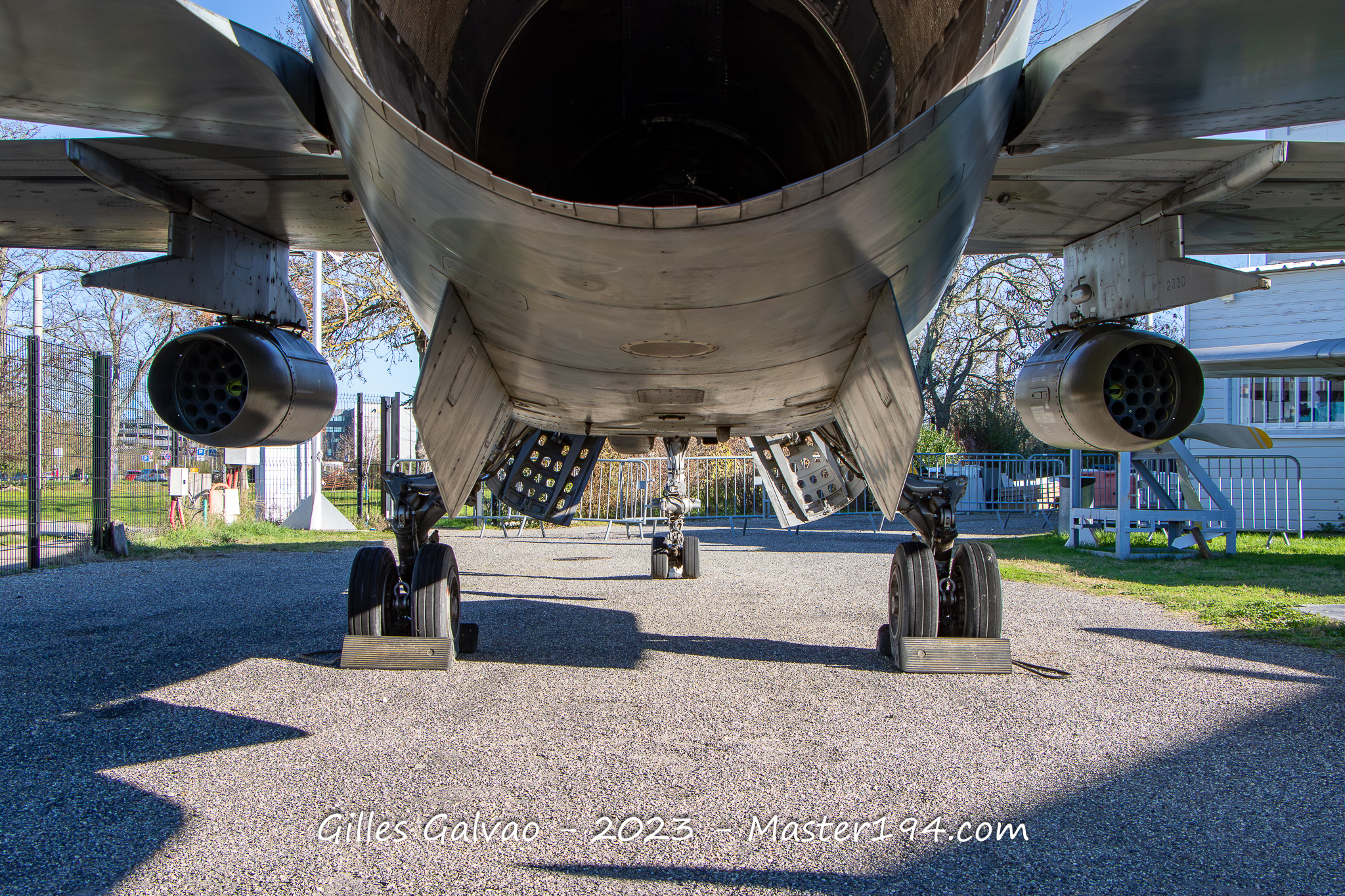
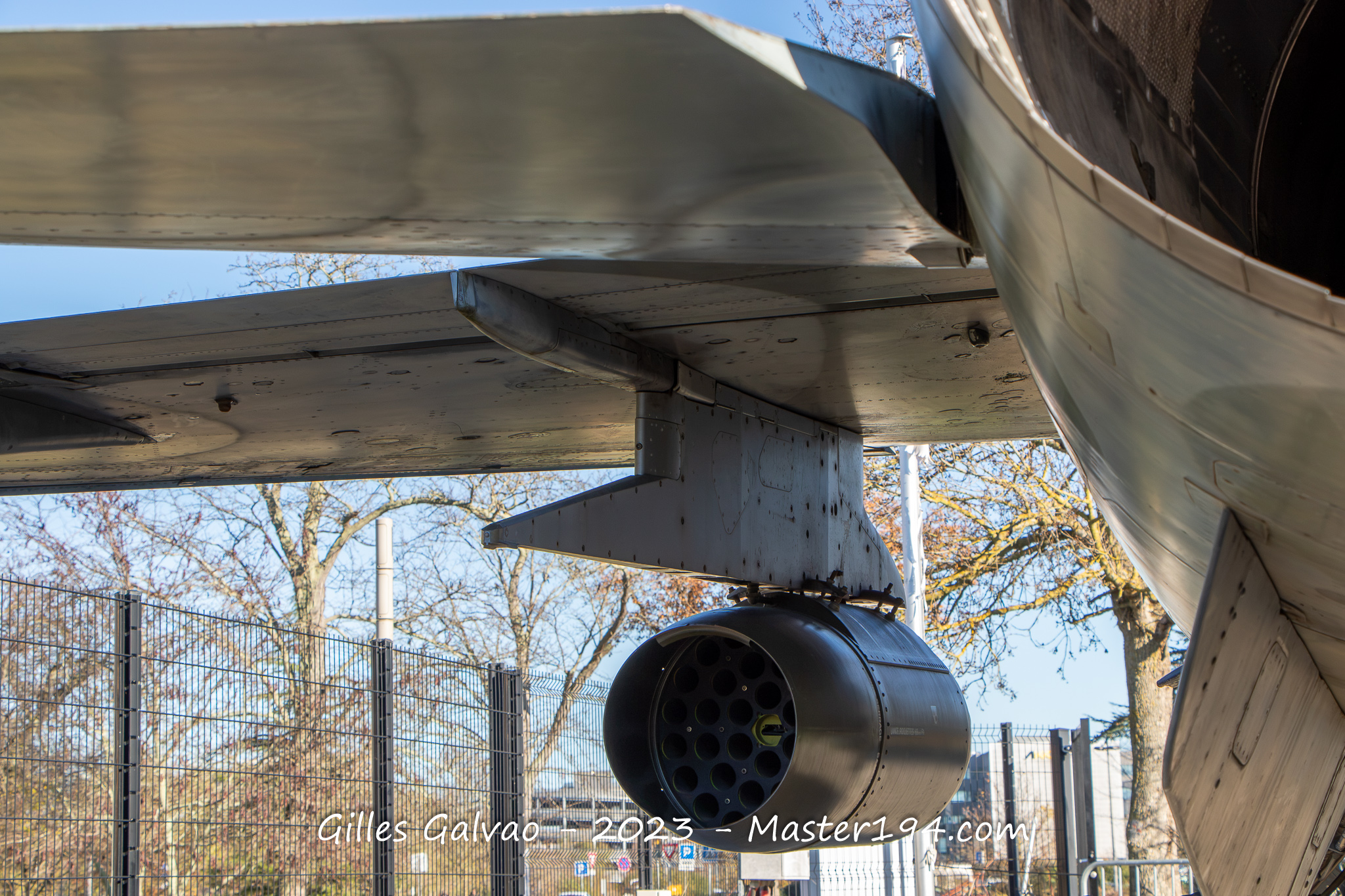
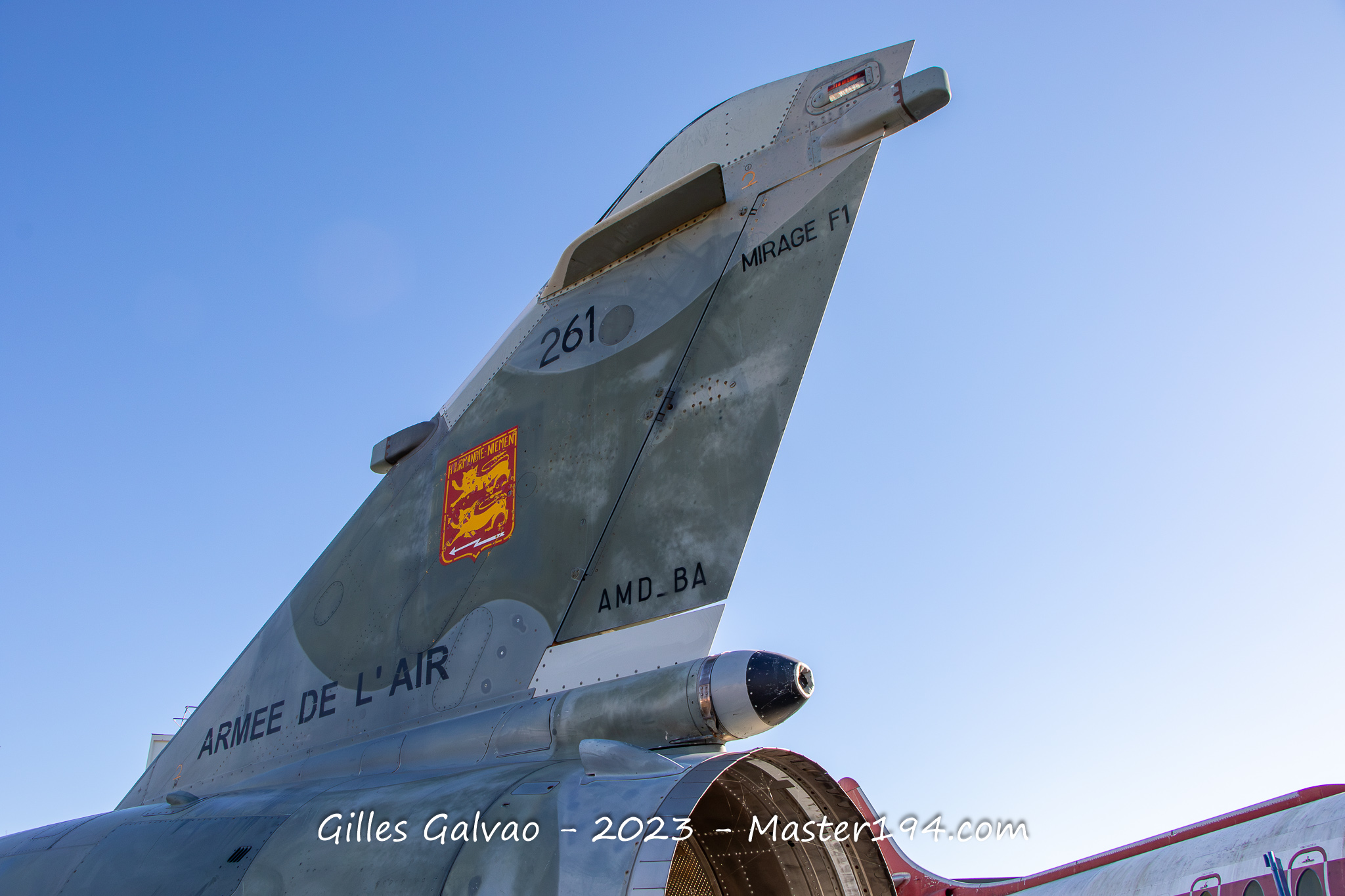
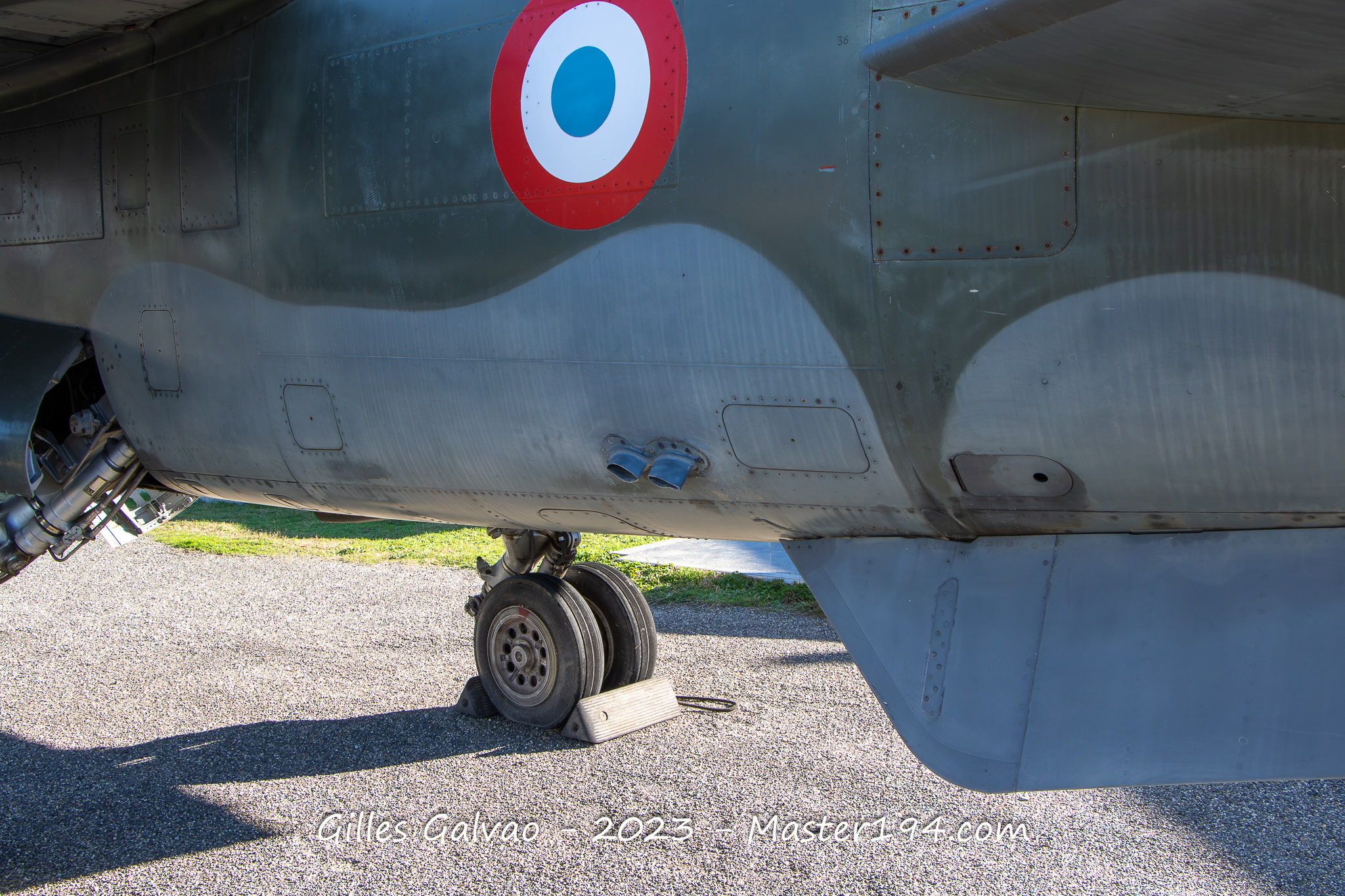
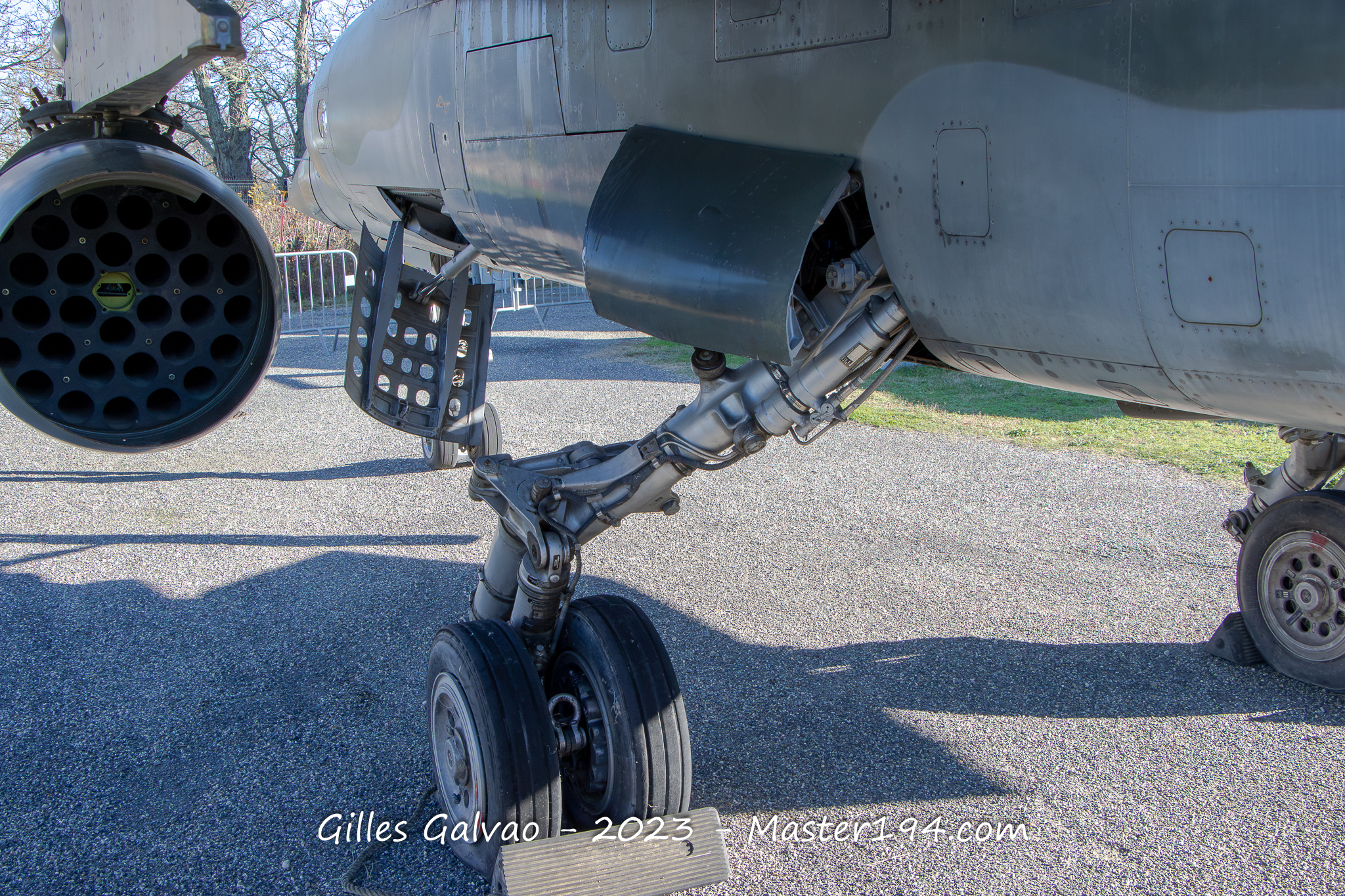
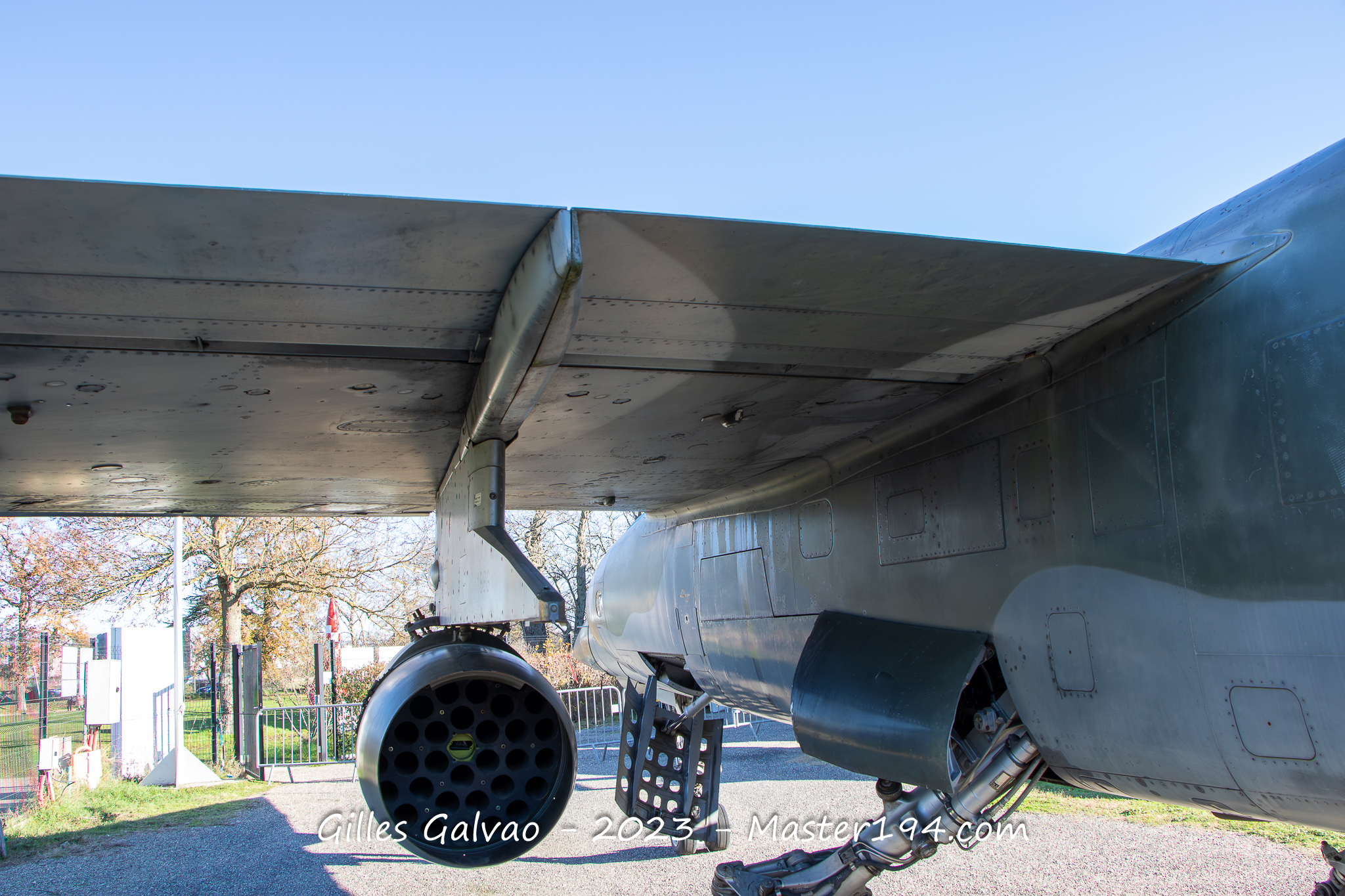
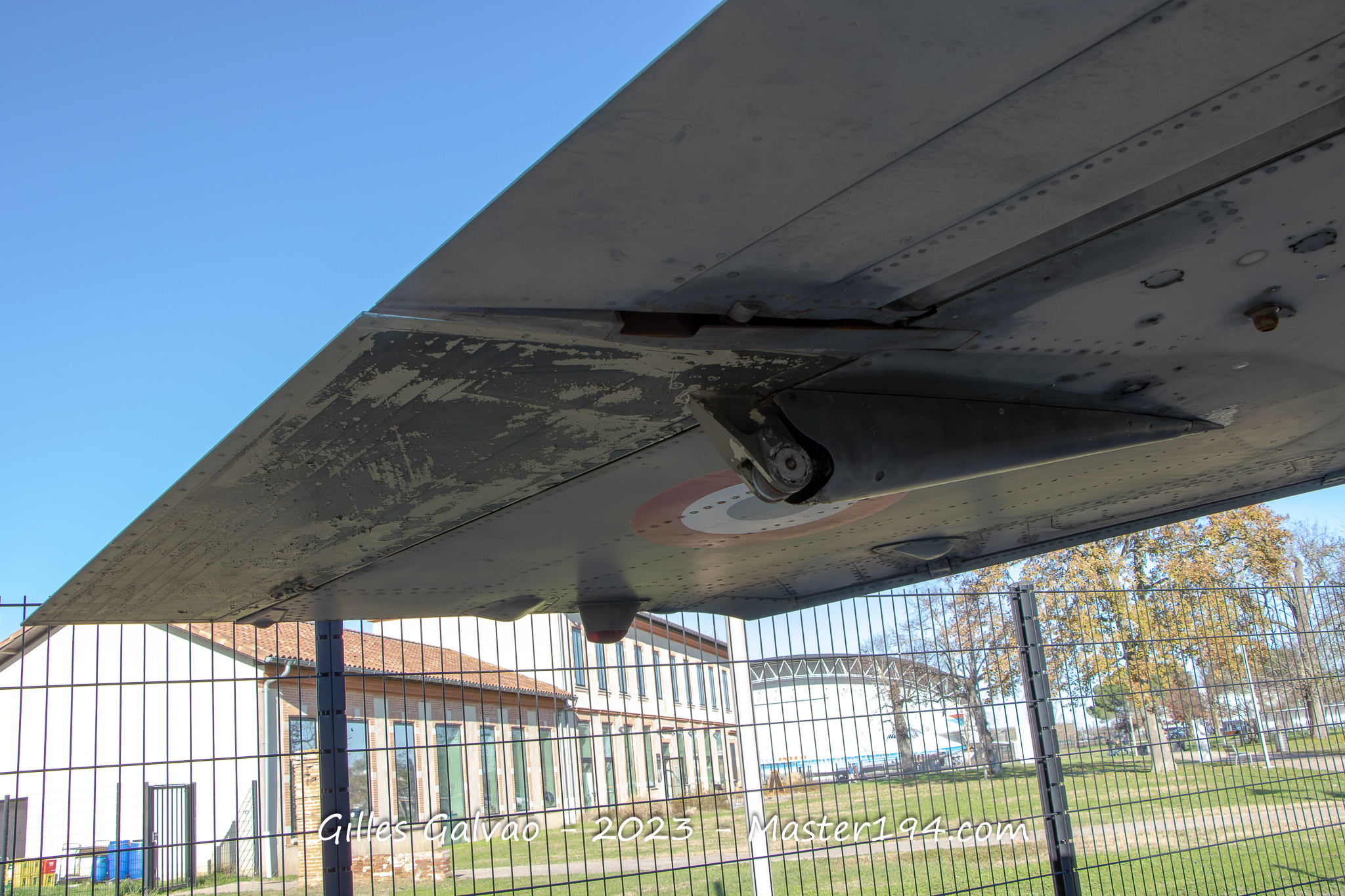
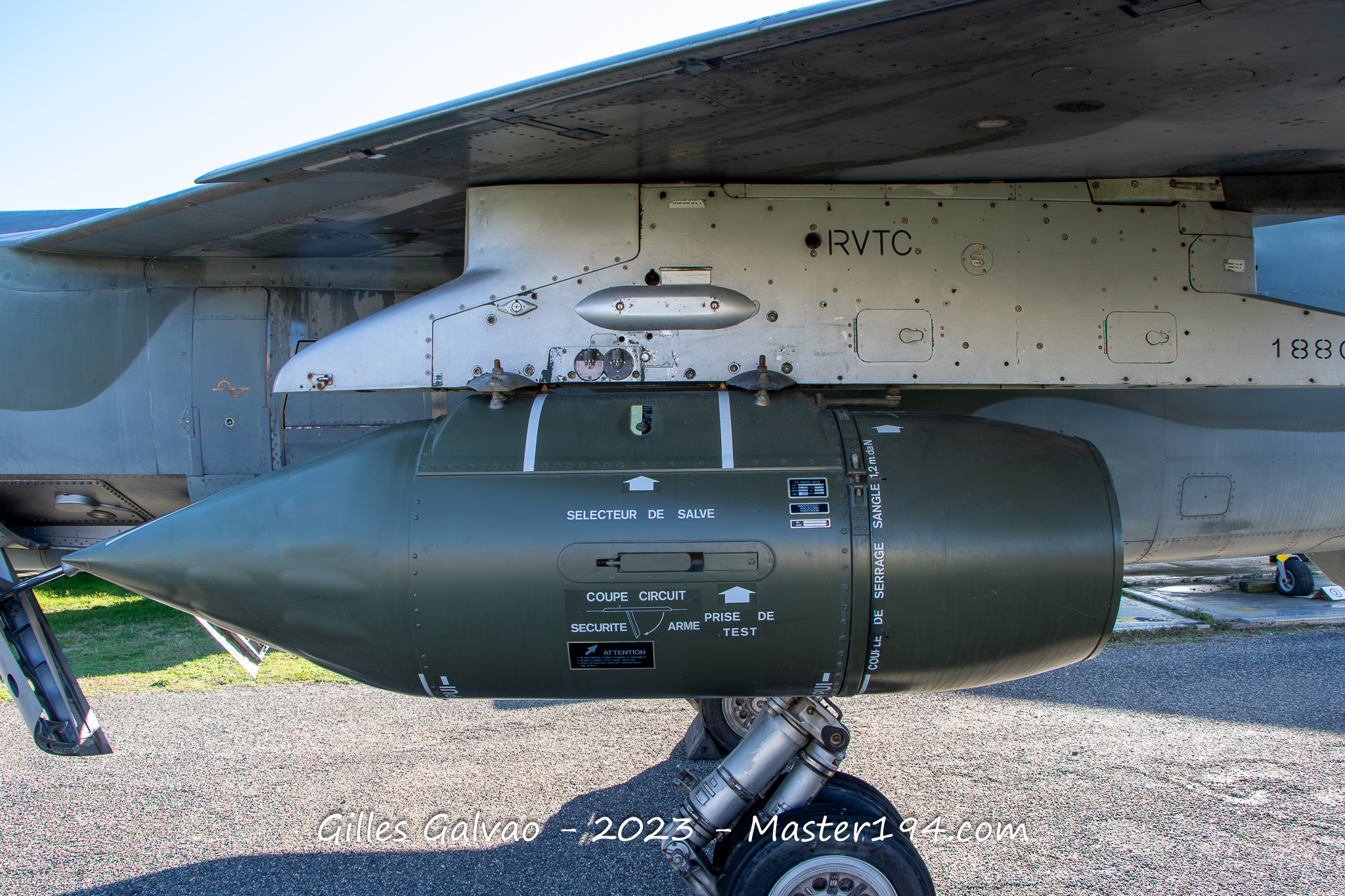
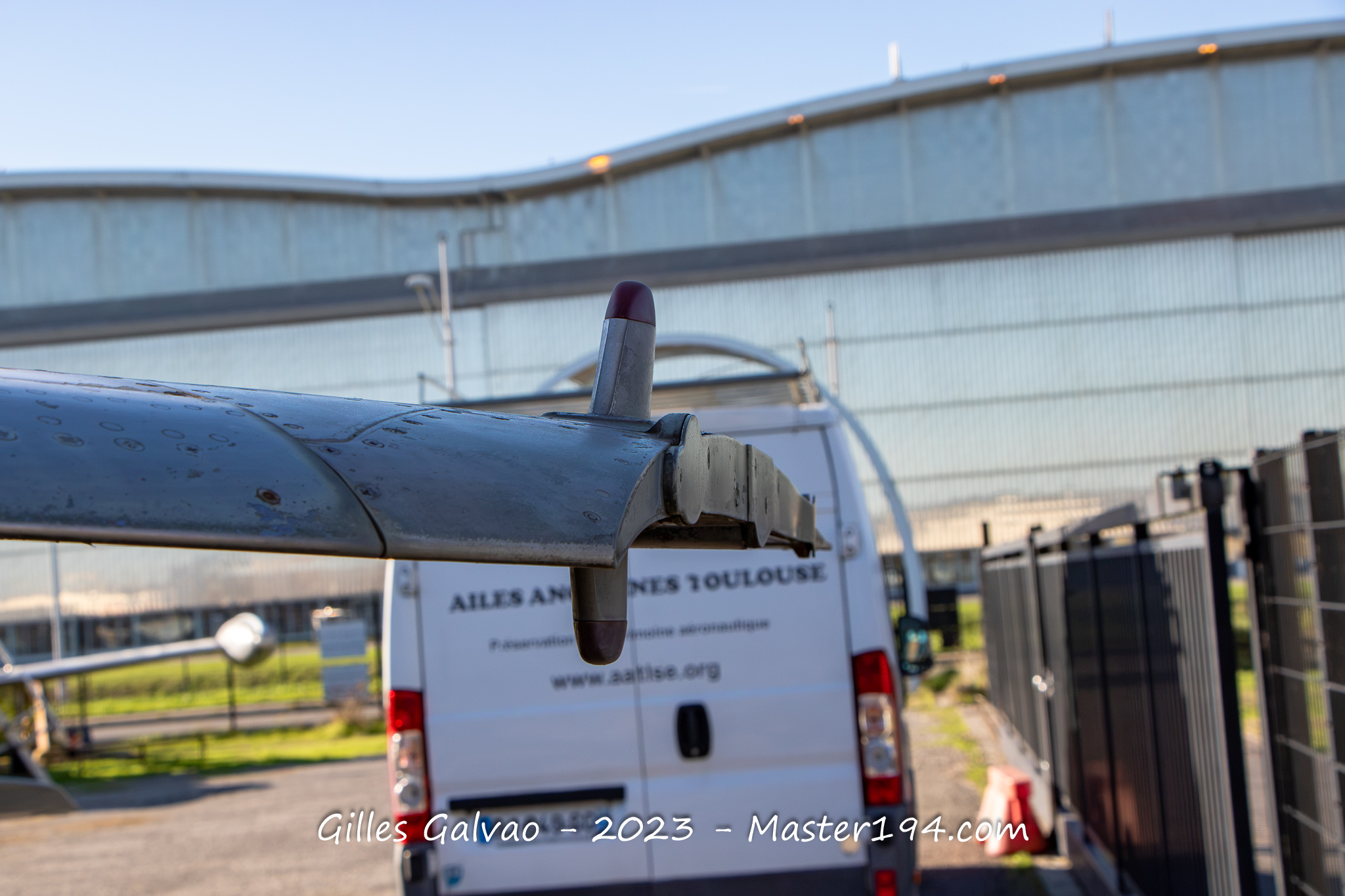
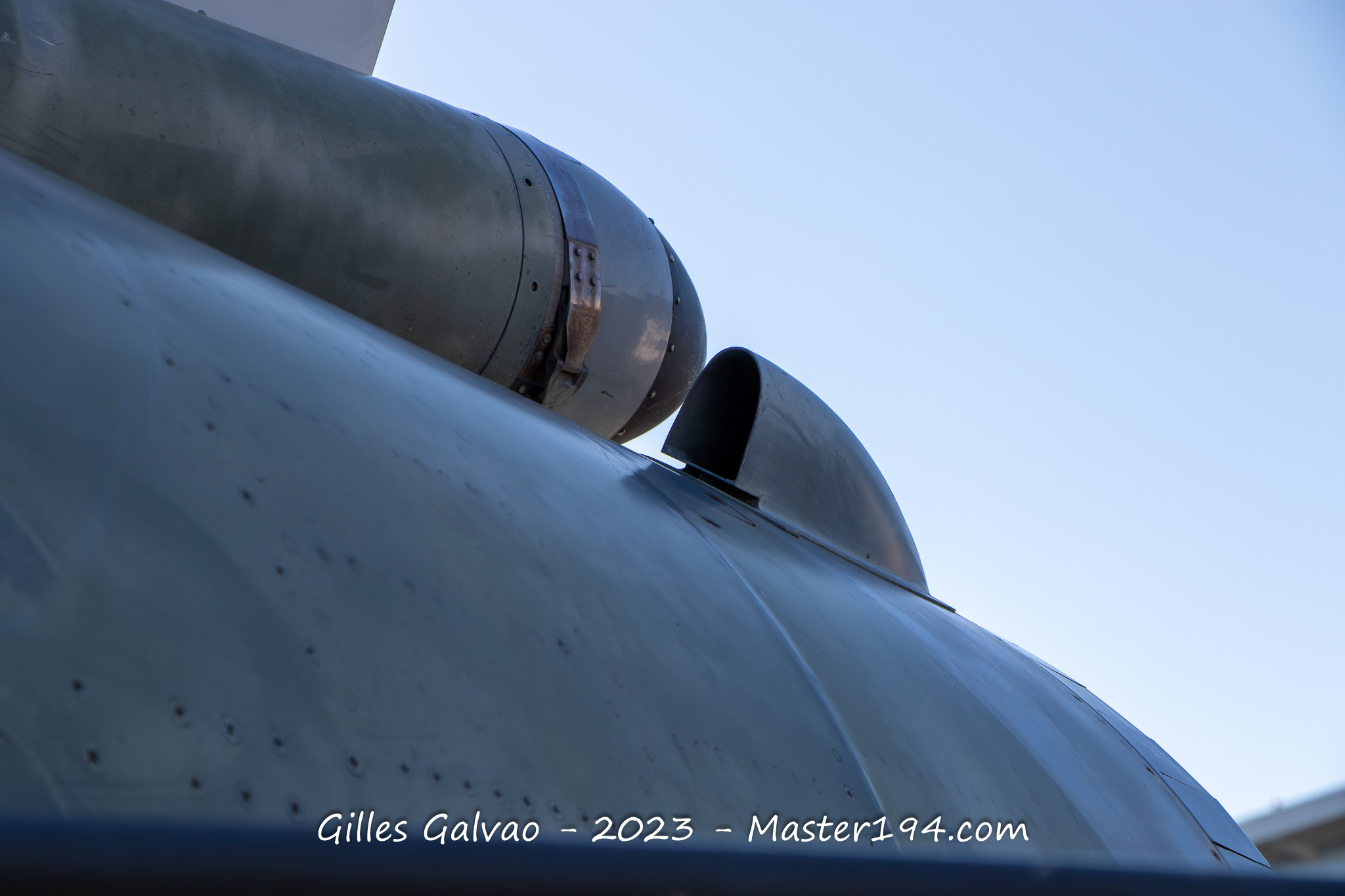
If you would like to see this aircraft along with an impressive collection, I encourage you to visit the Ailes Anciennes de Toulouse, located in Blagnac right next to the airport and the Aeroscopia Museum—both well worth a visit while you are there.


