 by
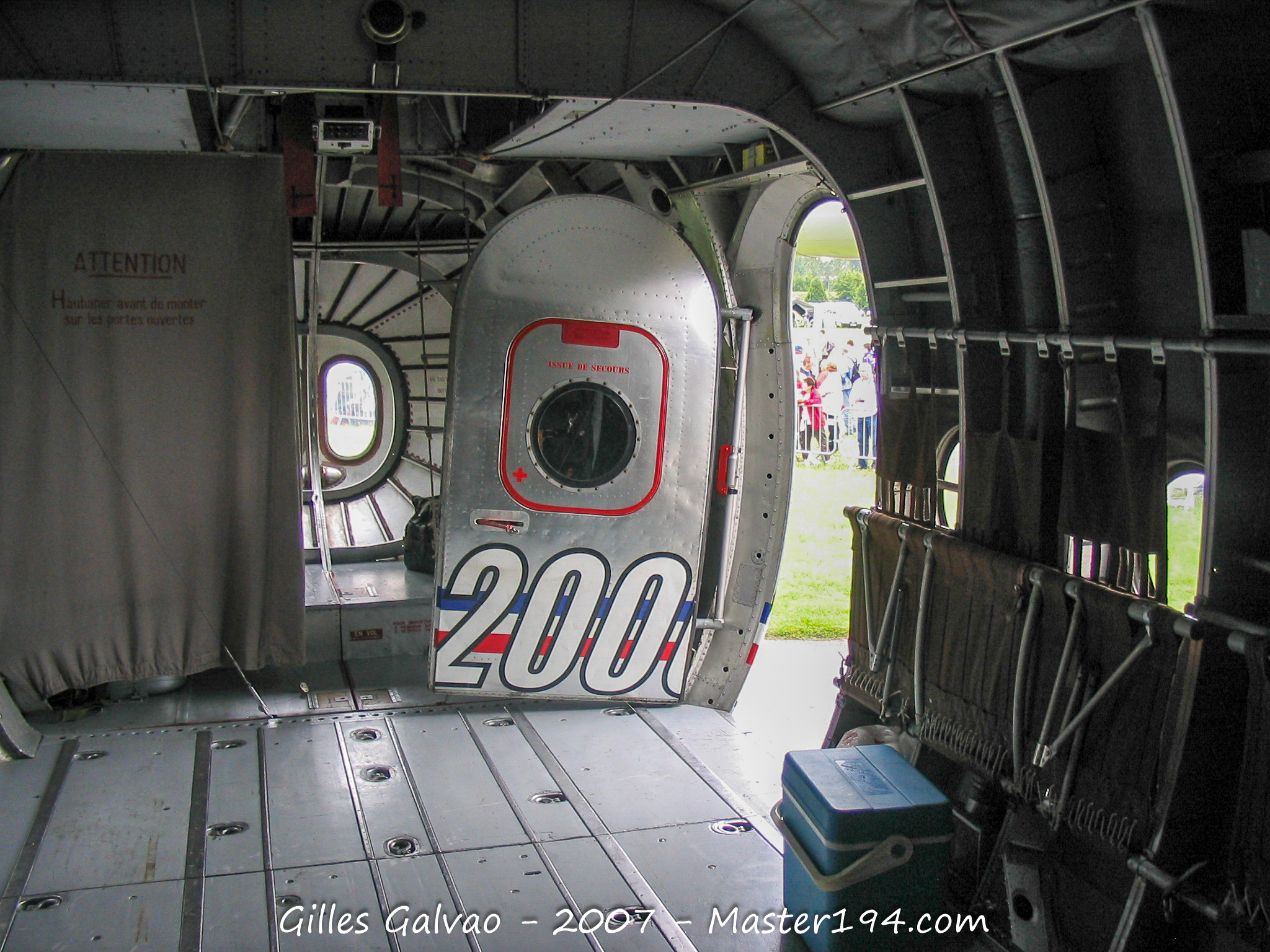
In 2007, I had the opportunity to visit the Noratlas 105 on display at the Évreux airshow, guided by Christian Estieoulle, then head of communications for the Noratlas de Provence association. It was also the occasion to write a short article and produce a walkaround.

At the time, I wrote:
Abandoned until 1993 at the Aix – Les Milles airfield, a team of volunteers recovered the aircraft and began restoring it with the aim of getting it back in the air.
After two years and 18,000 hours of work, it returned to the skies on May 20, 1995, under a temporary permit allowing only a limited period of flying. Two years later, after a series of administrative and legal procedures, it was finally authorized to fly under a CNRAC certificate, registered as “F-AZVM” — “Victor Mike” being a nod to its last operational registration.
Christian explains:
“A ‘Noratlas de Provence’ year is divided into two parts:
– Flying activities, including:
o airshows, generally from late April to late September
o a few late-season commitments (October/November), such as parachute drops or specific events
o crew requalification by the DGAC
– Maintenance activities, generally from November to late April
During this period, routine scheduled operations are systematically carried out (regular checks, filters, ignition, hydraulics, etc.), along with work or inspections on longer cycles (usually structural checks).The aircraft flies an average of 40 hours per year (between 25 and 60 depending on the season). The maintenance we perform is ‘above and beyond’ what would normally be required for such hours, but thanks to this, potential issues are identified early, which gives us excellent reliability throughout the airshow season — something greatly valued by organizers and crews alike.
In more than ten years of operations, only two commitments had to be cancelled on our side due to engine problems (which required replacement).
On the regulatory front, crews must undergo an annual requalification conducted by an OCV appointed by the DGAC, and the aircraft itself is subject to an inspection by the GSAC (formerly Bureau Veritas).”
Keeping such an aircraft flying means meeting a budget and complying with strict regulations: with fuel costs alone (500 liters per hour in cruise… at €2 per liter!), the greatest challenge remains increasingly strict regulations, which often fail to take into account the specific nature of heritage aircraft.
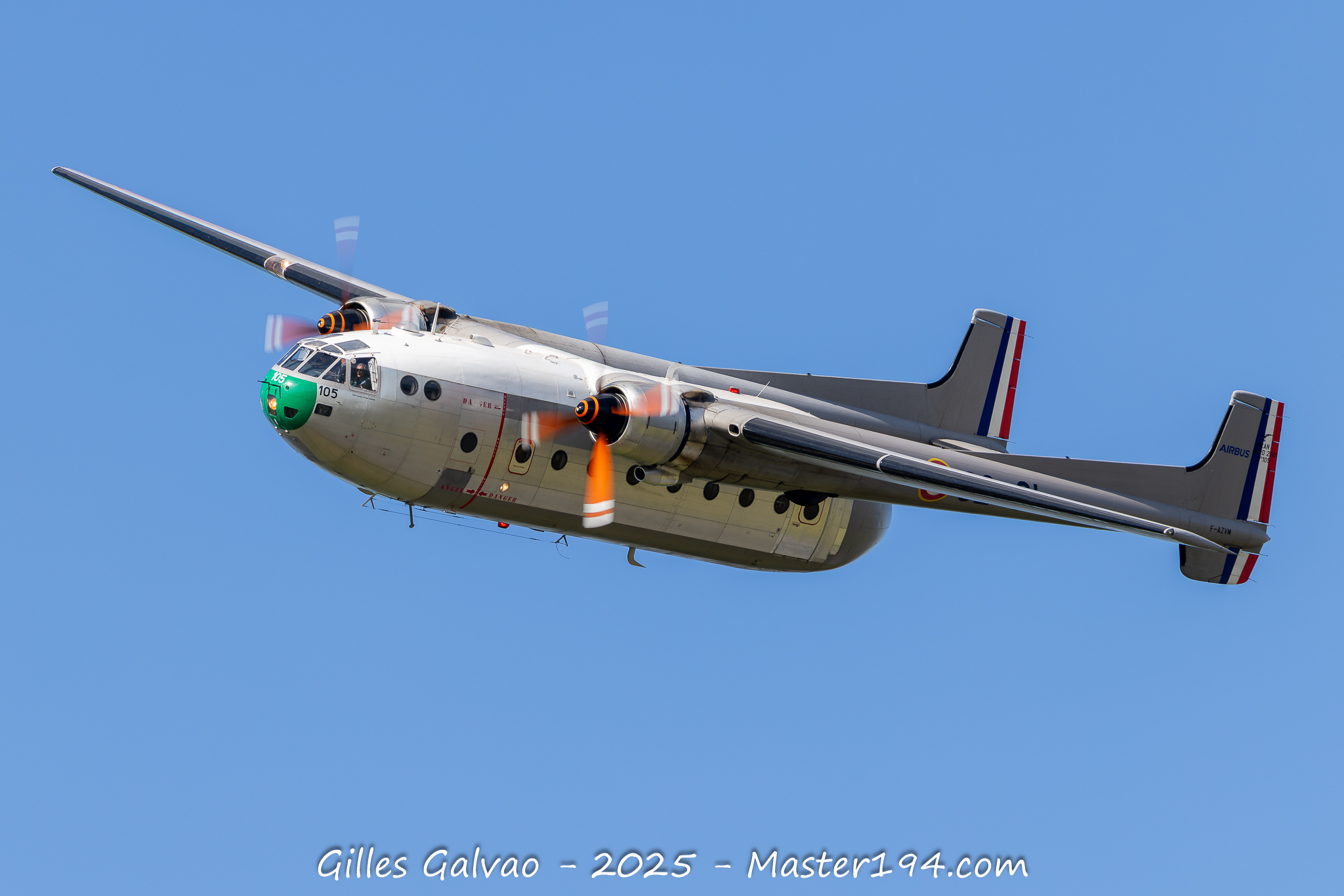
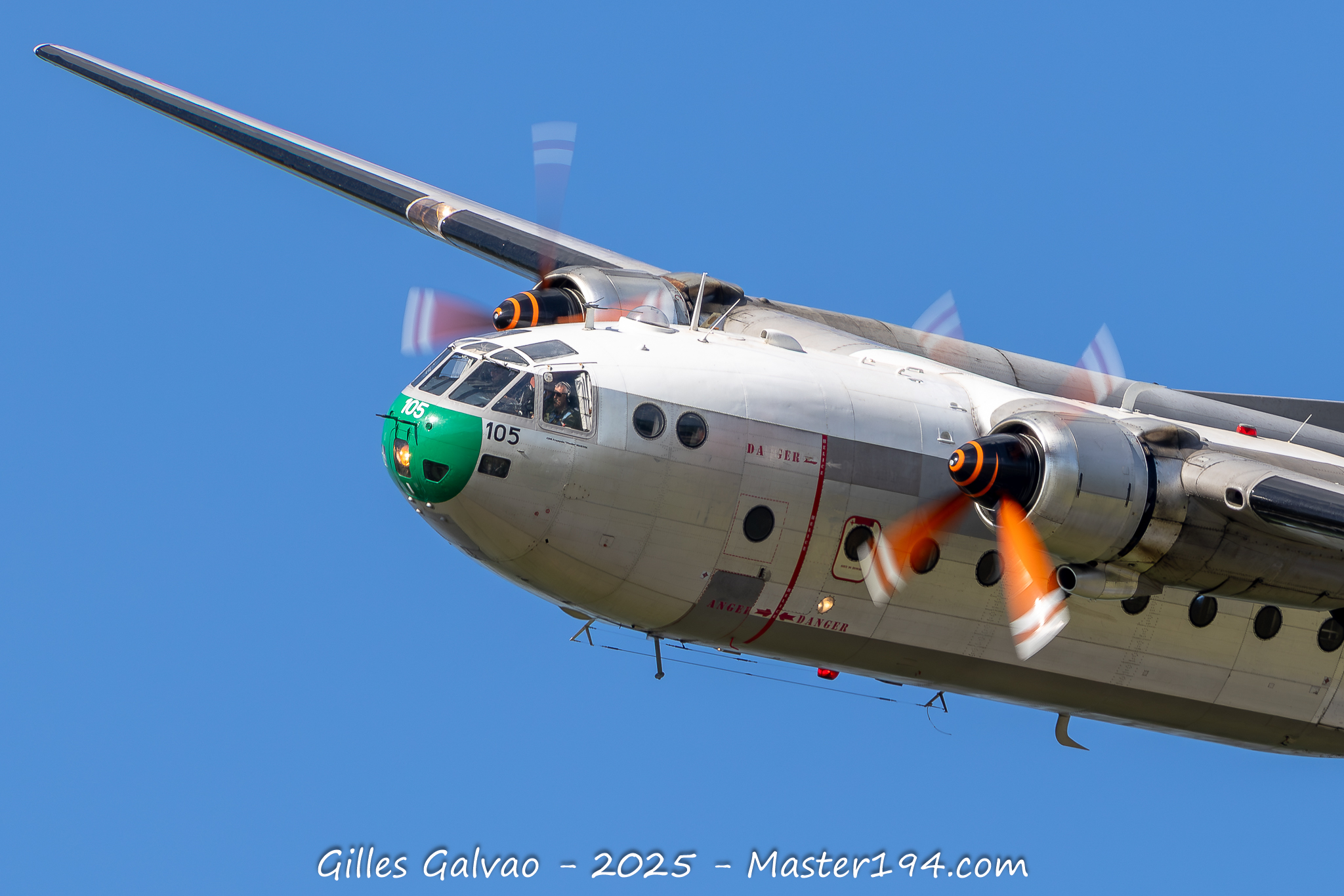
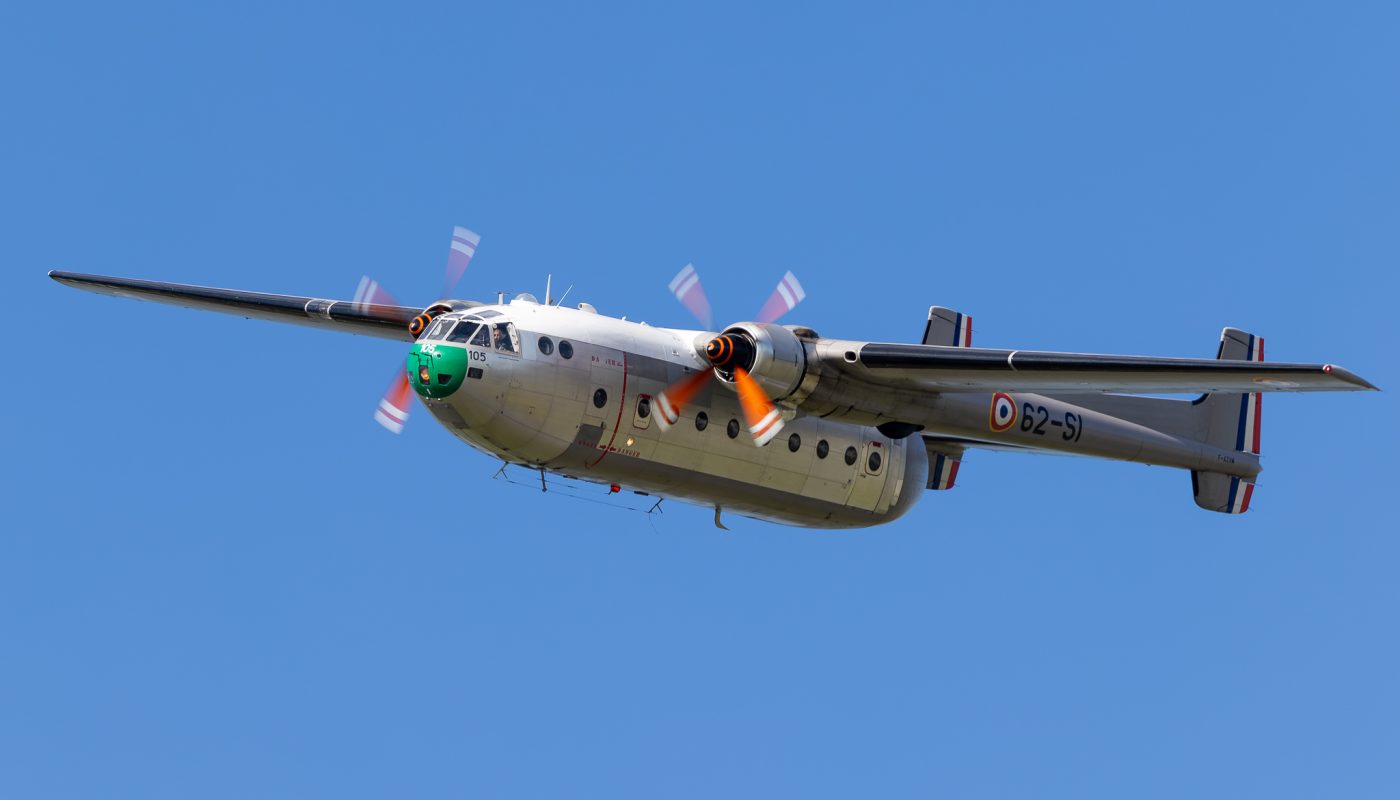
Eighteen years later, the paint scheme has changed, but “La Grise” is still flying — and has even been designated a Monument Historique — thanks to the tireless work of the Noratlas de Provence association. It’s worth remembering that its very first flight took place on May 24, 1956… nearly 69 years ago.
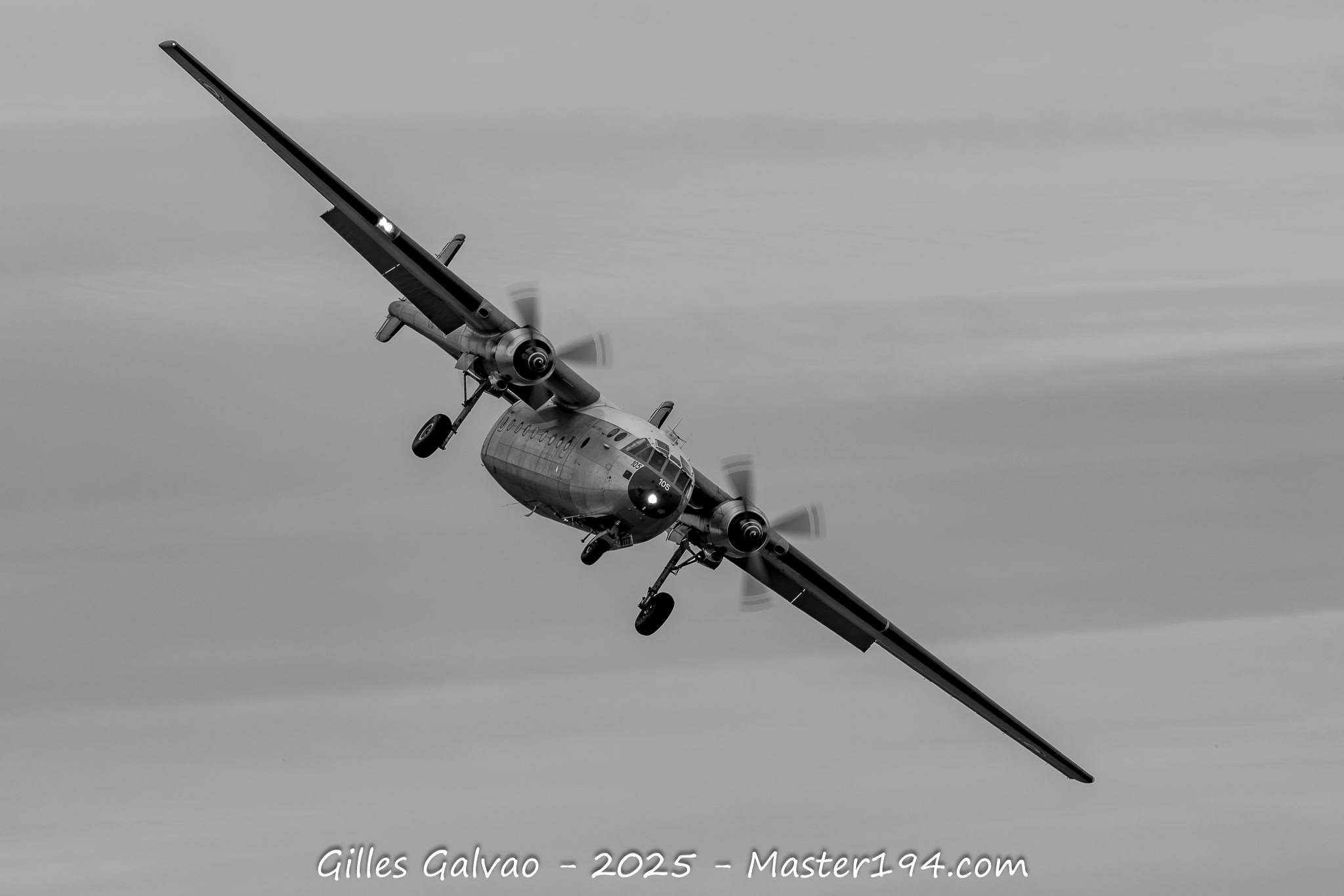
The Noratlas 105 continues to appear every year at a variety of events: airshows, commemorations open to the public, flight demonstrations, and even parachute drops.
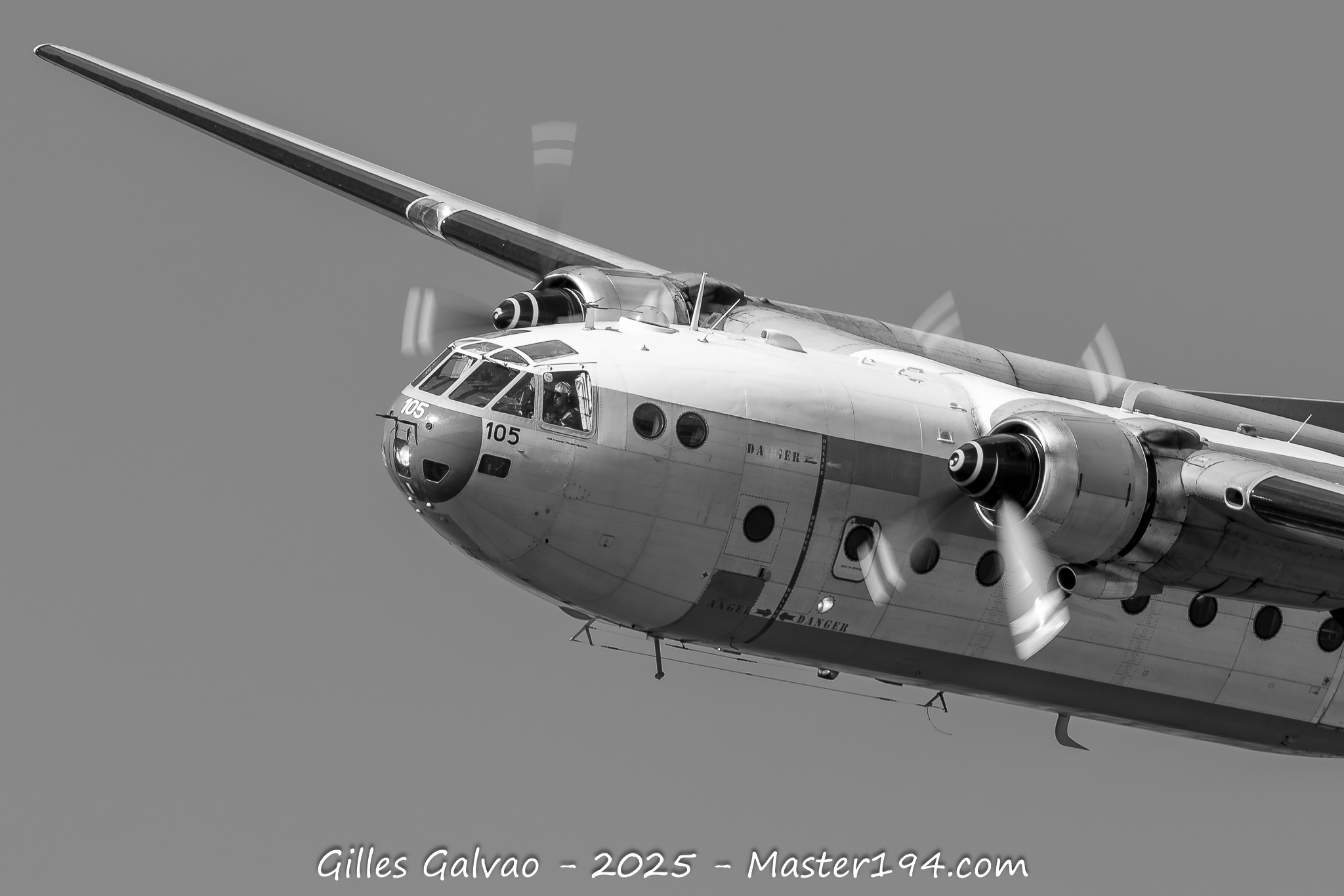
I last saw it at the 2025 Meeting de l’Air at Air Base 123 Orléans–Bricy, where I had the chance to capture new shots of its flying display — an impressive performance for an aircraft of such size and age.
We begin by an inside walkaround
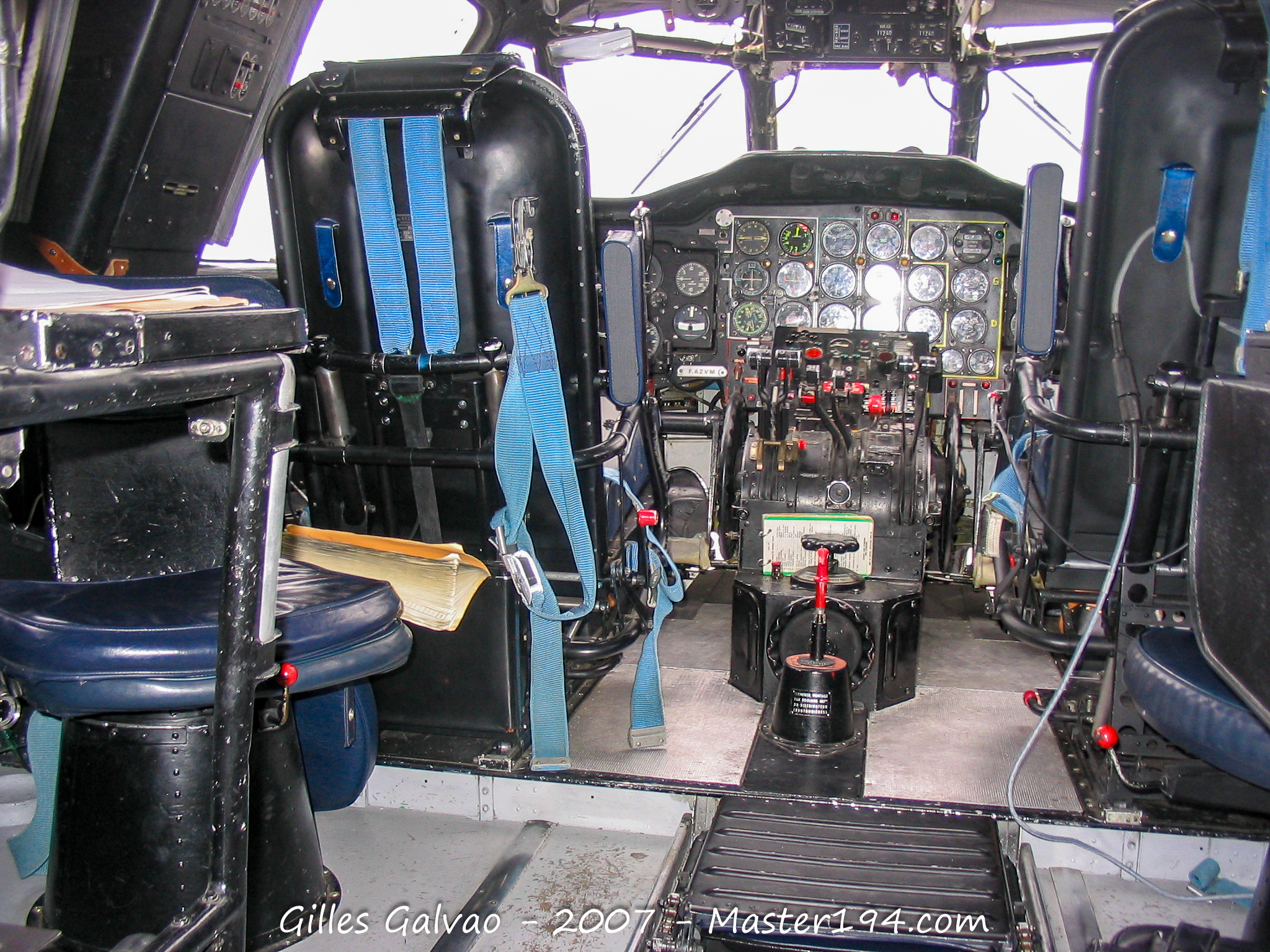
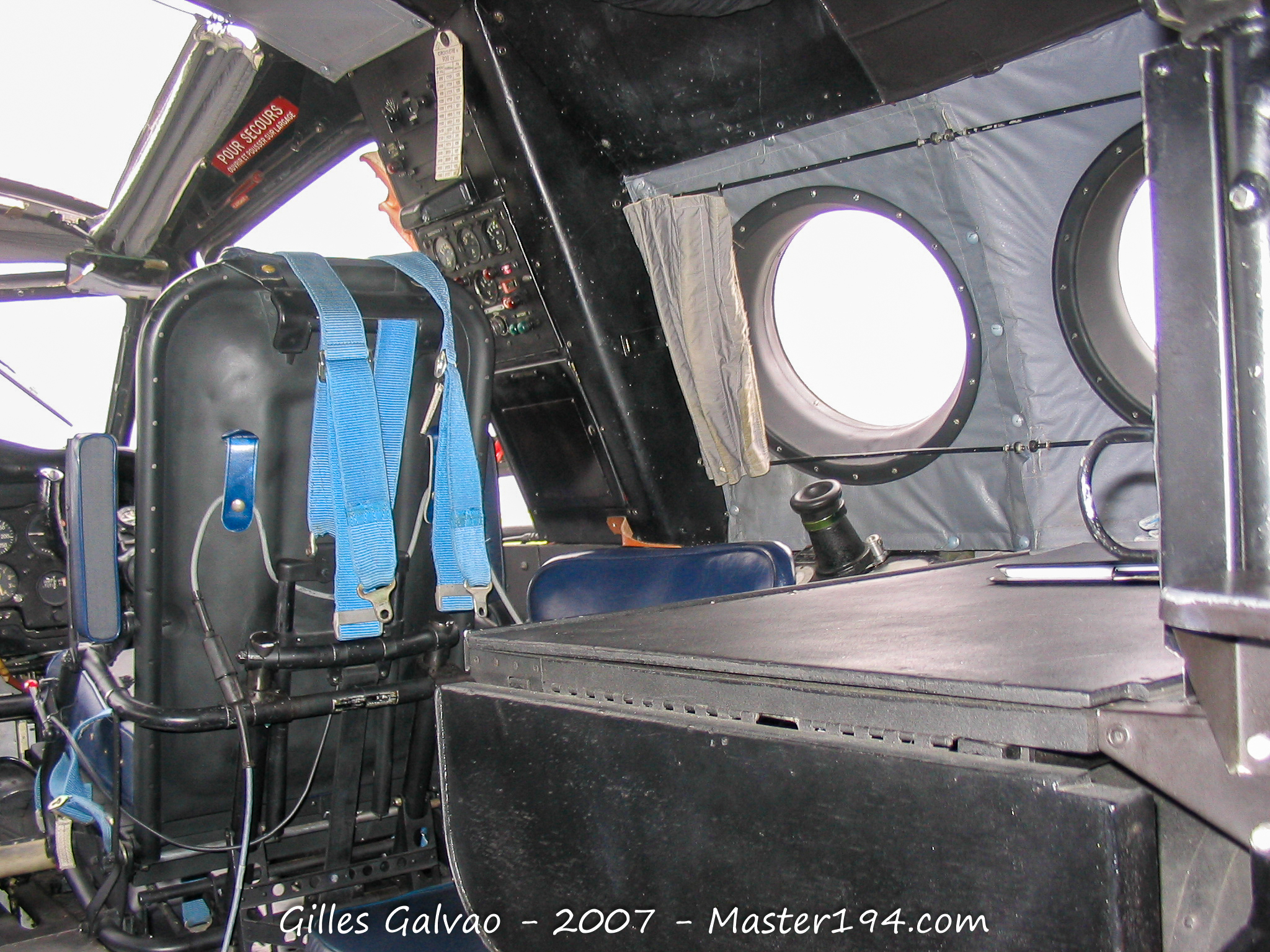
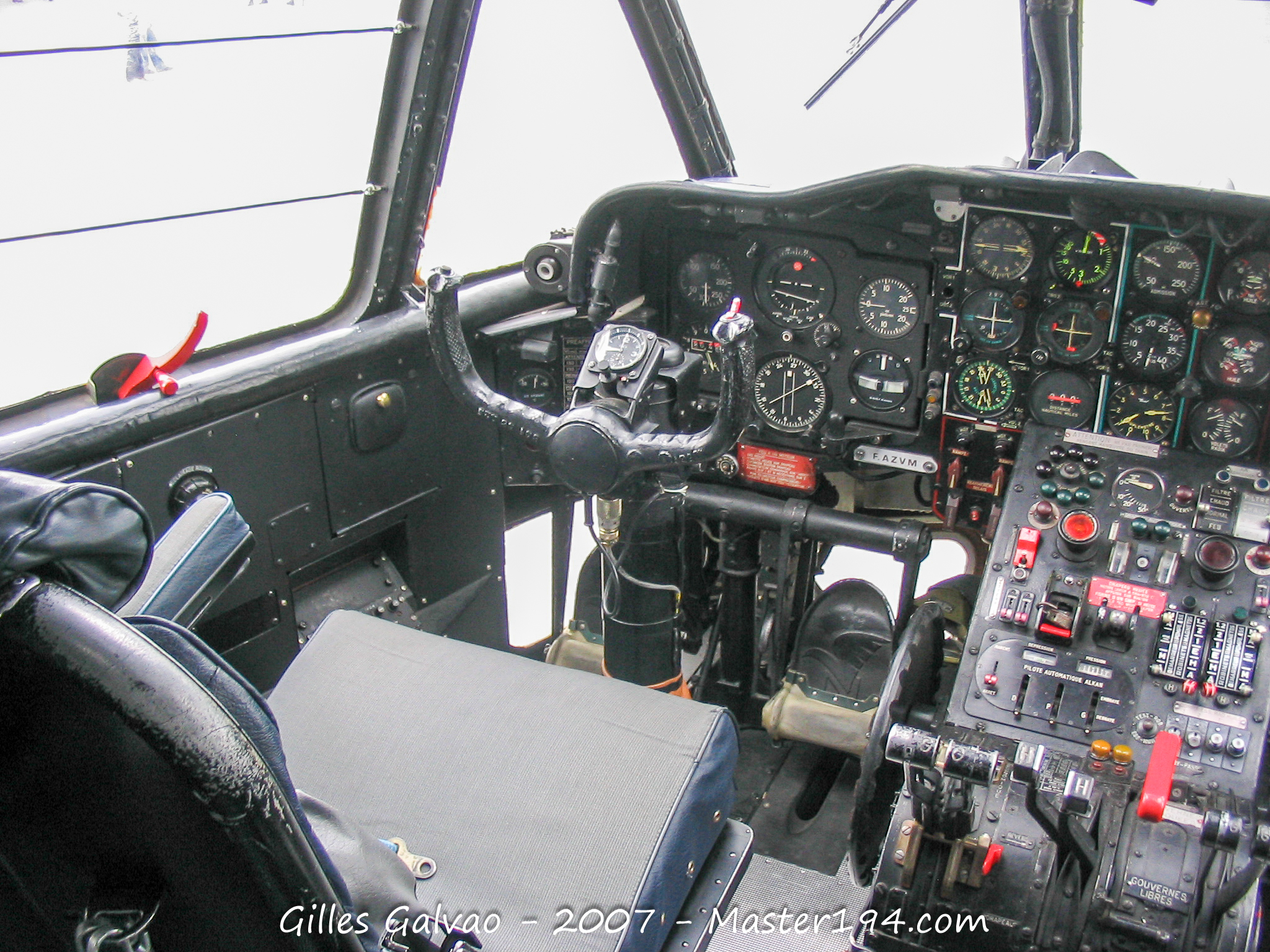
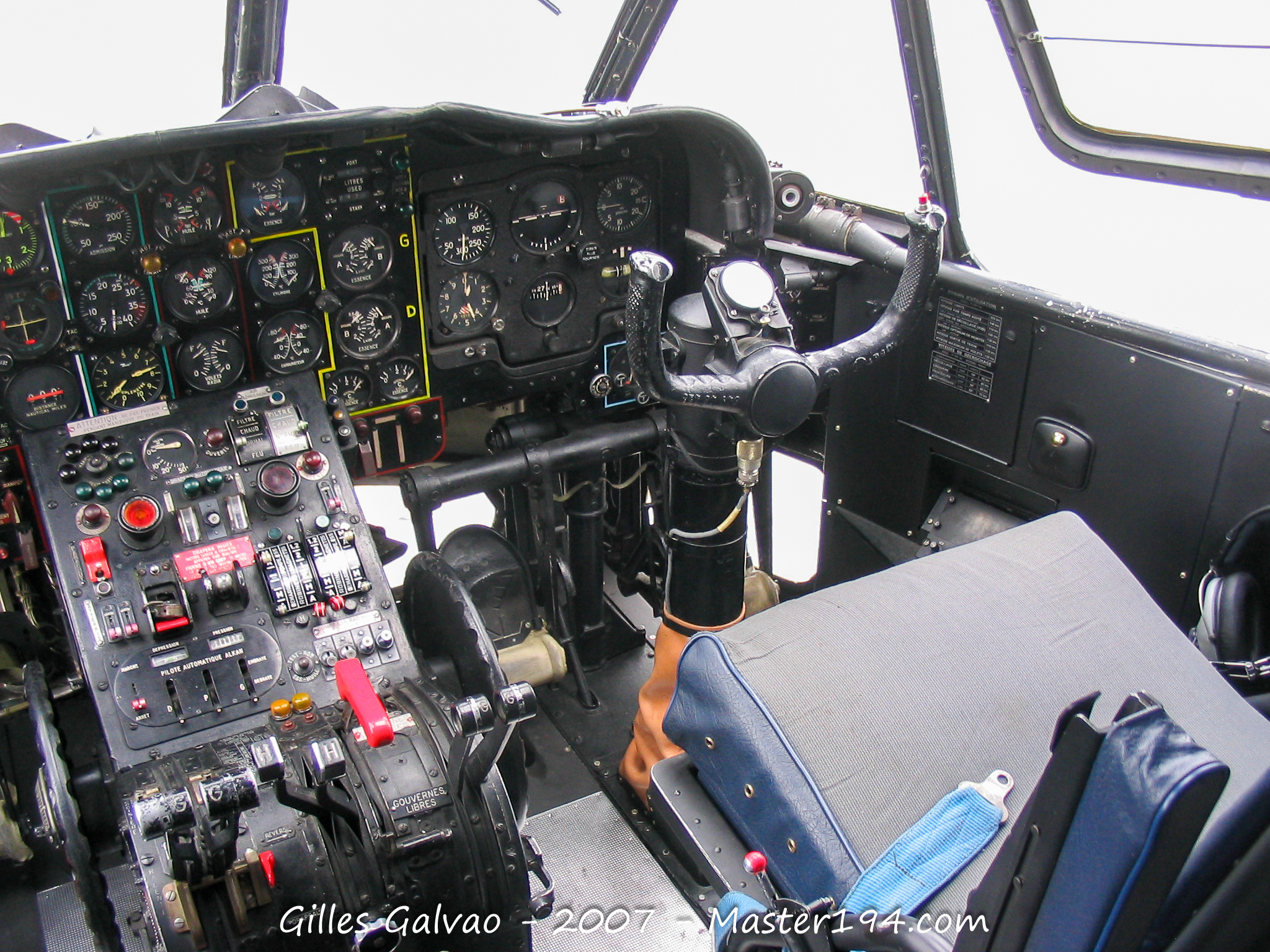
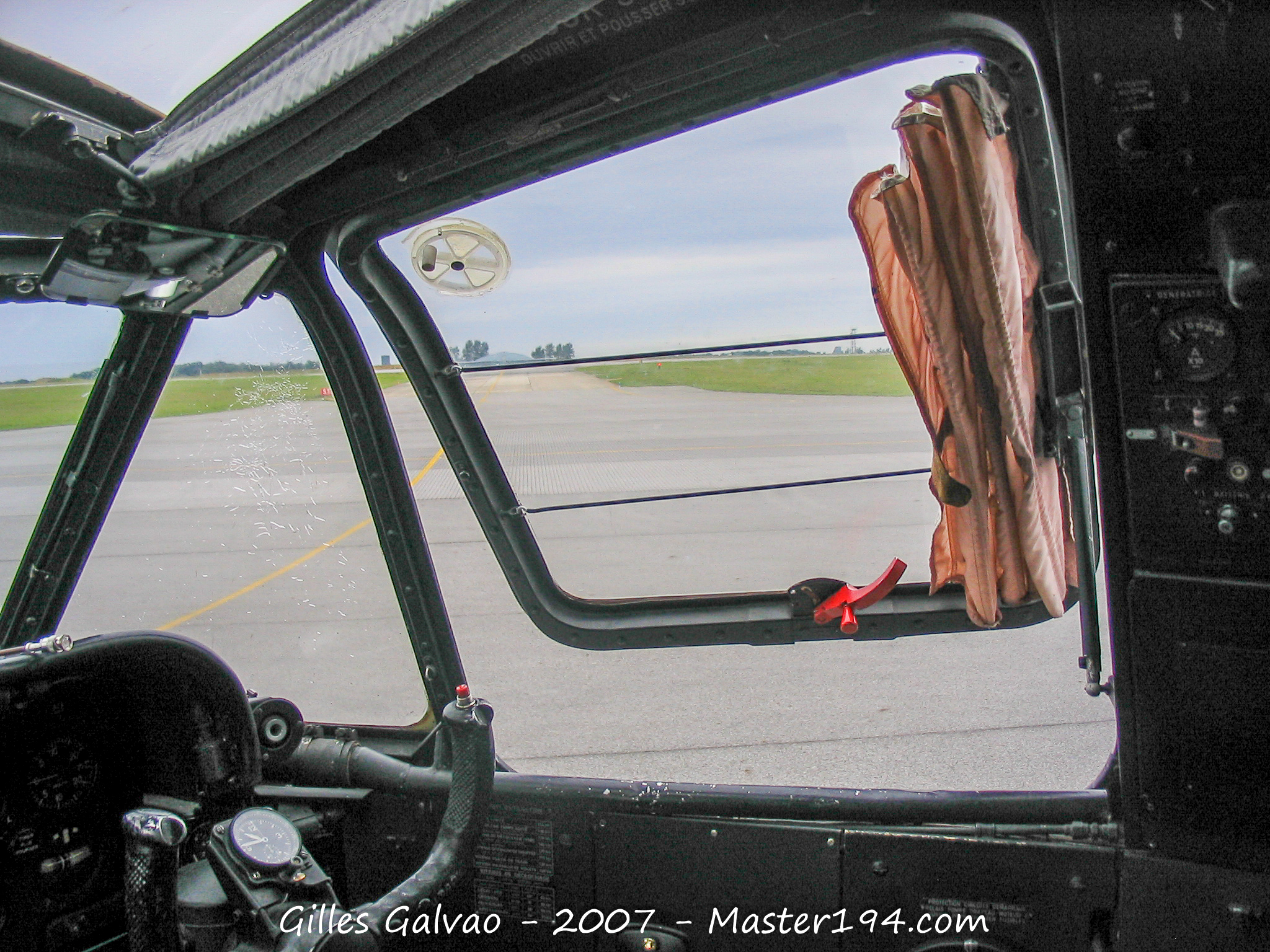
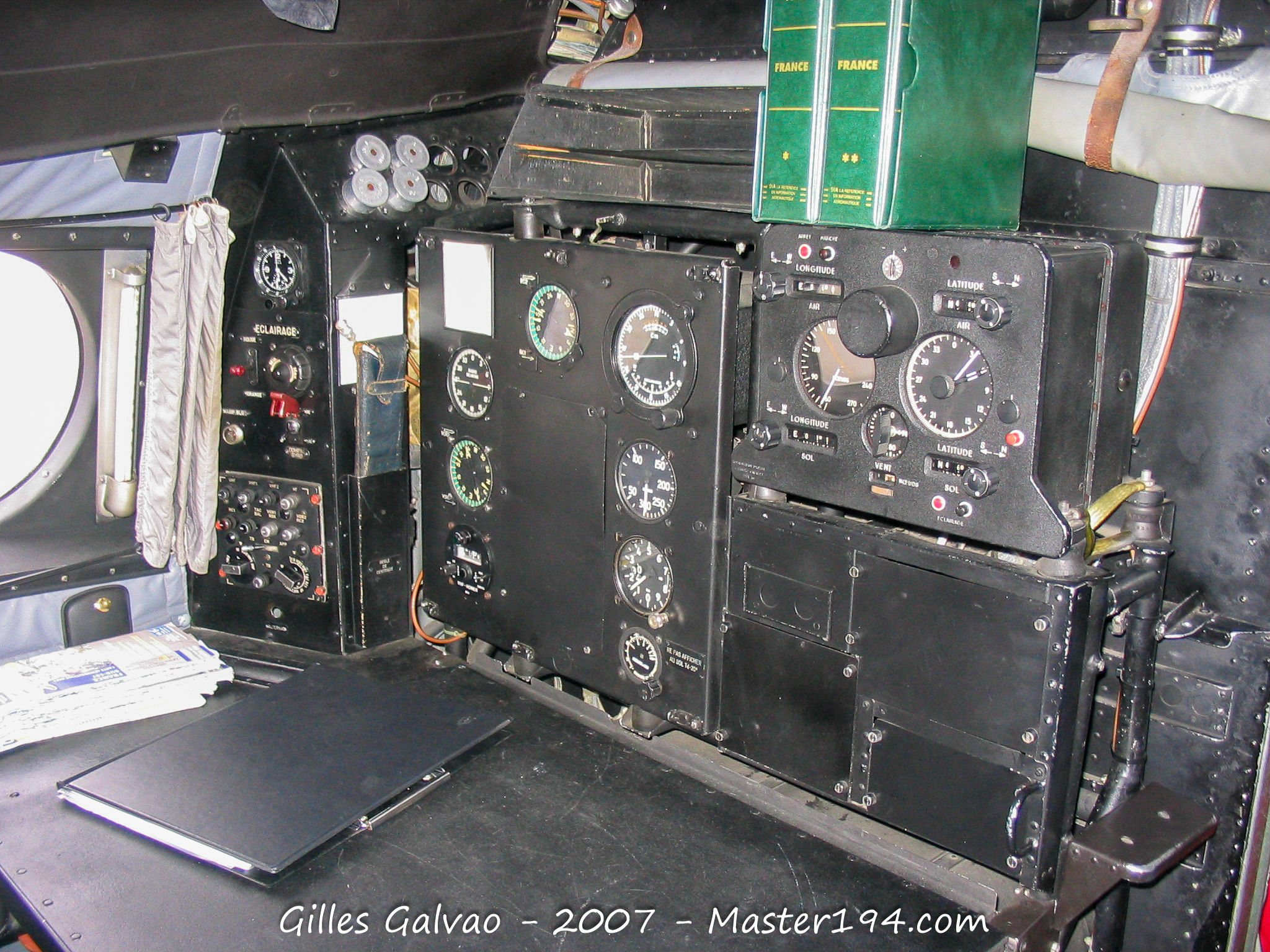
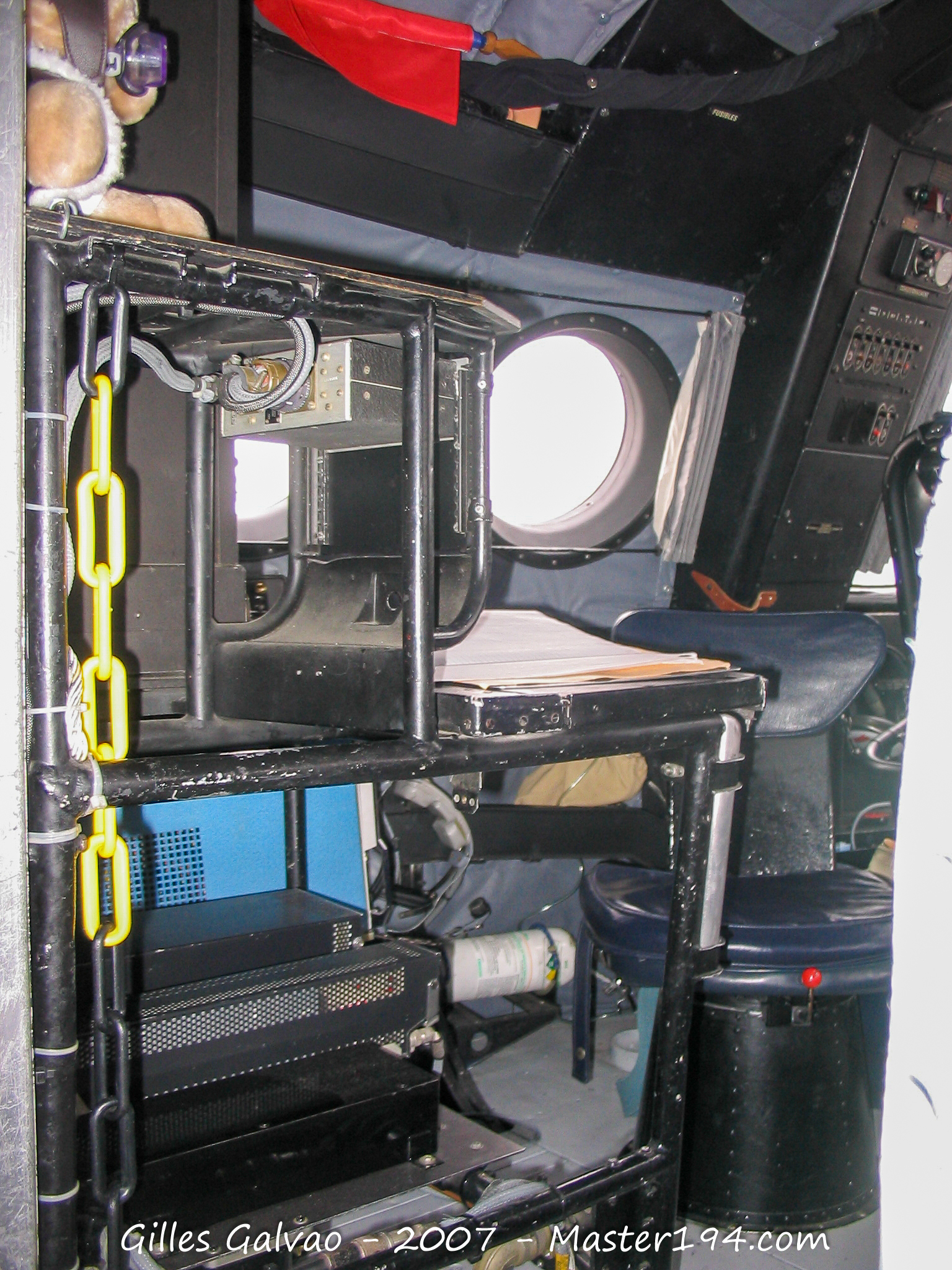
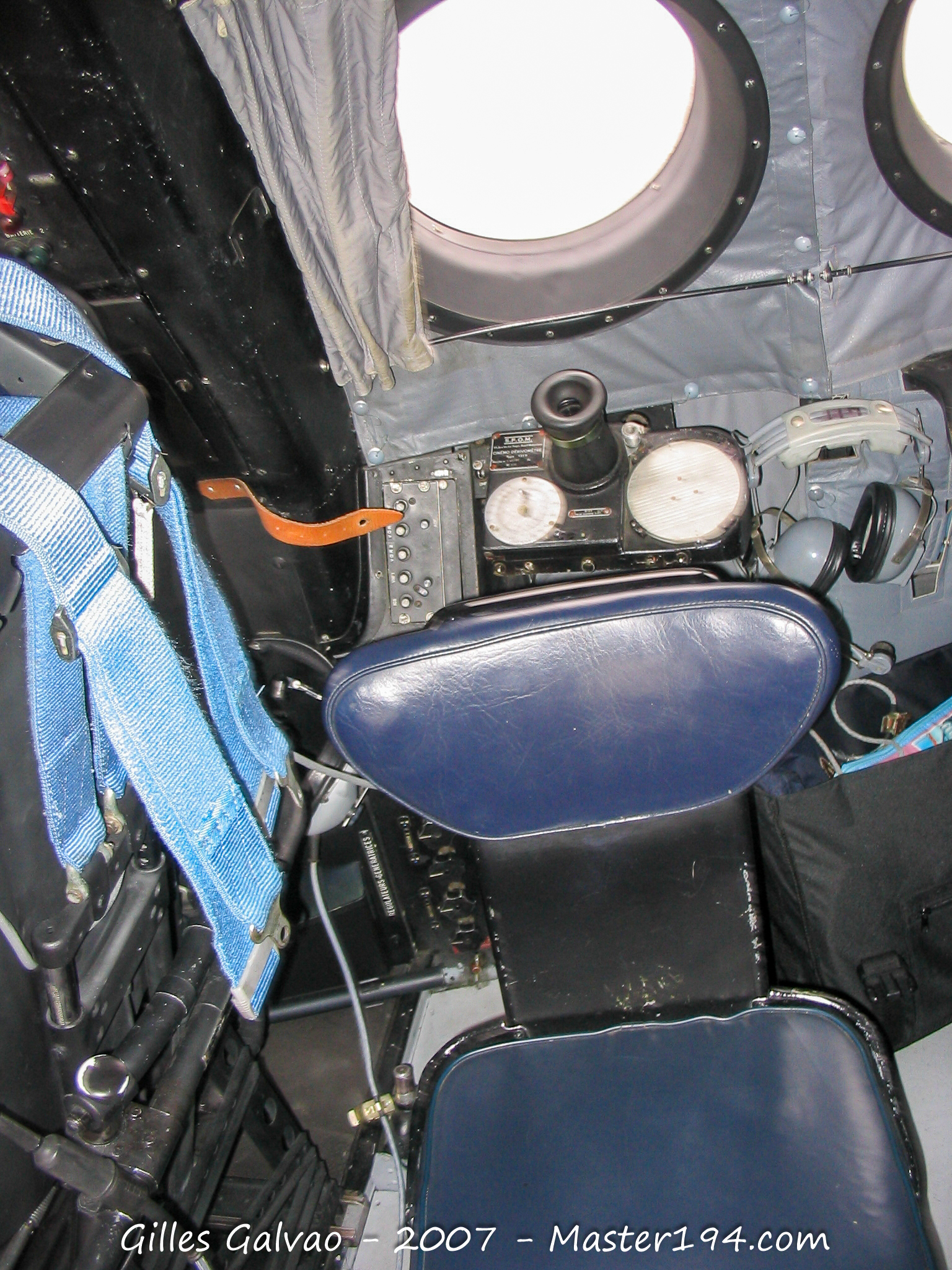
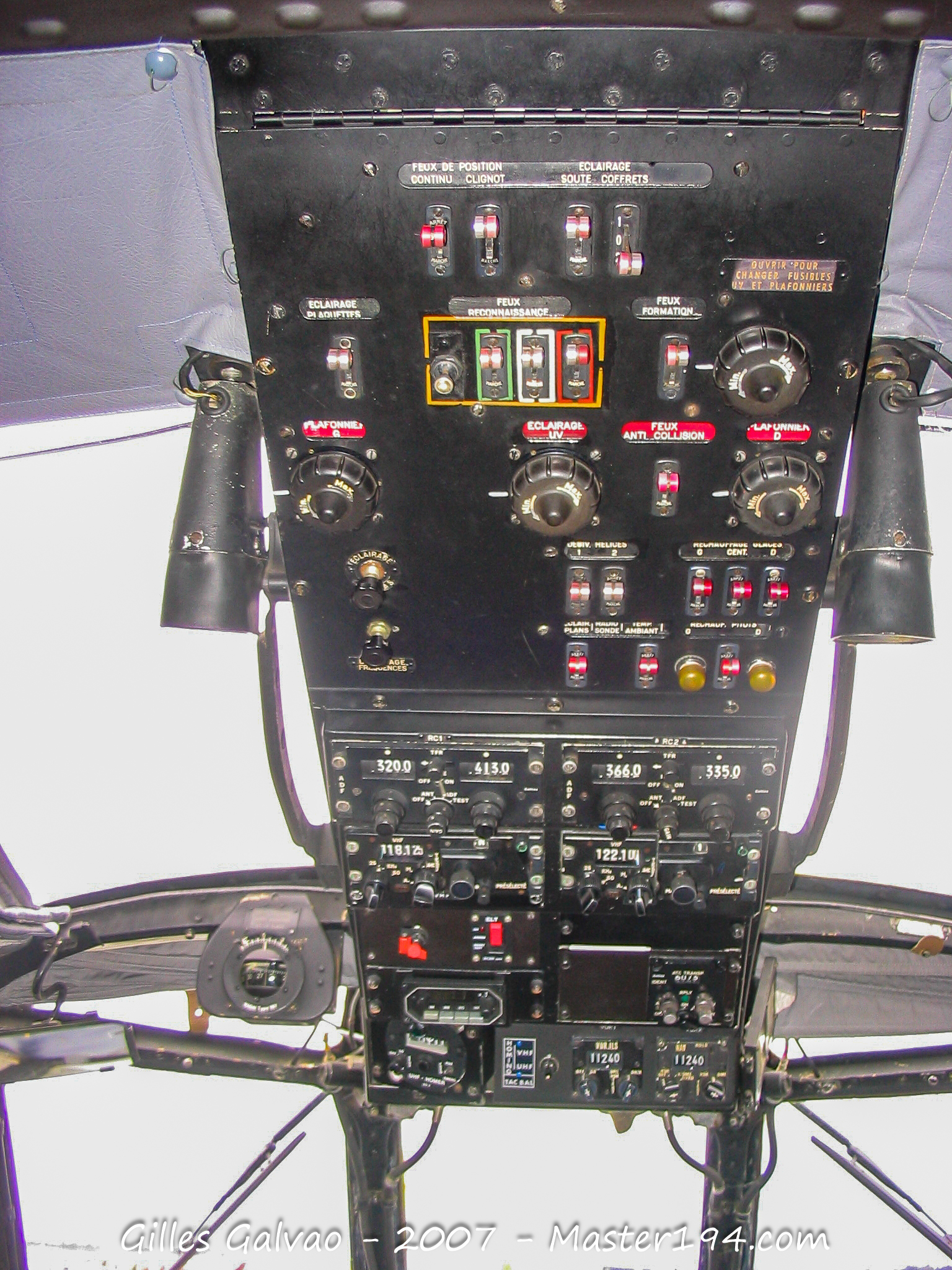
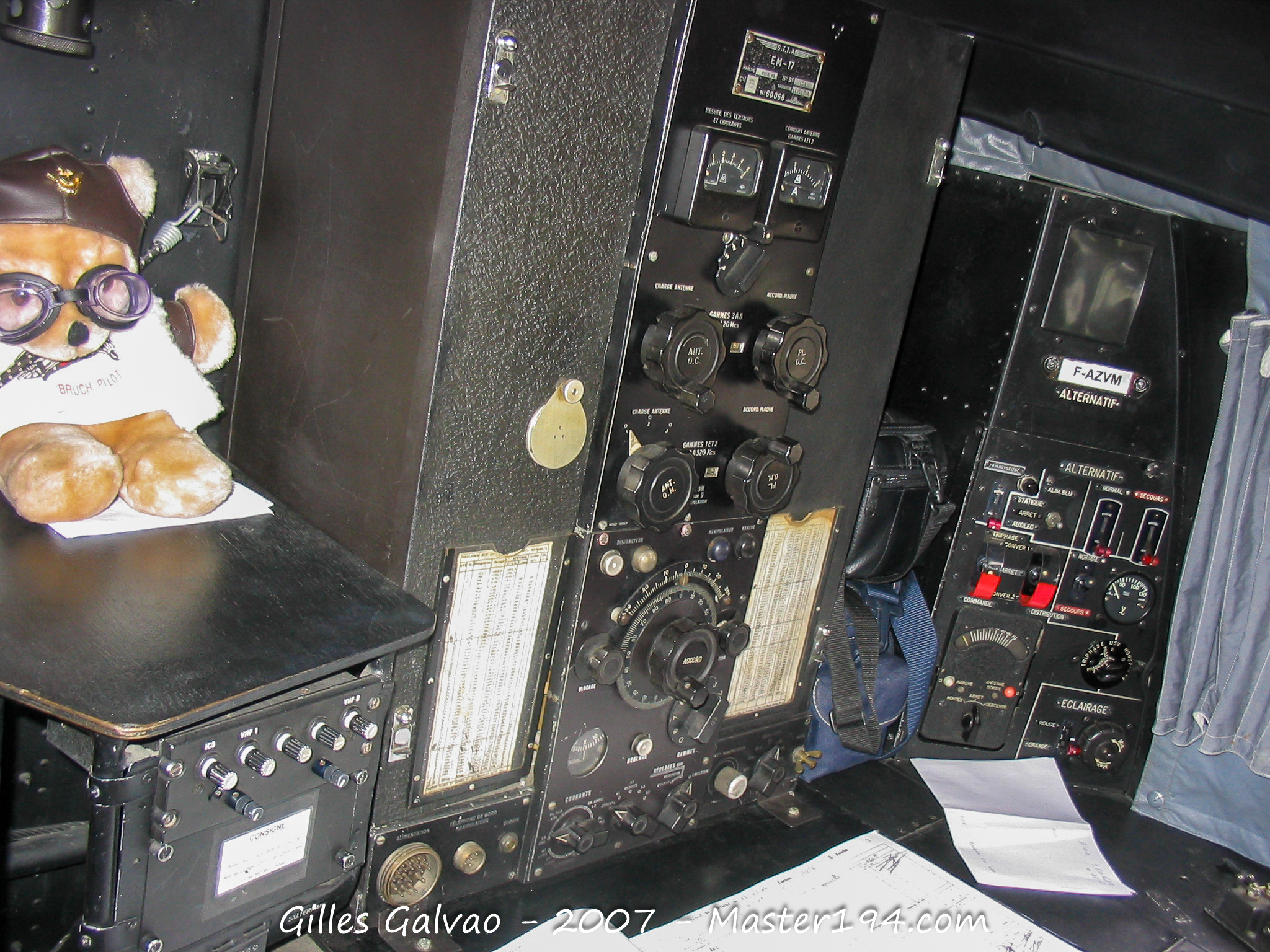
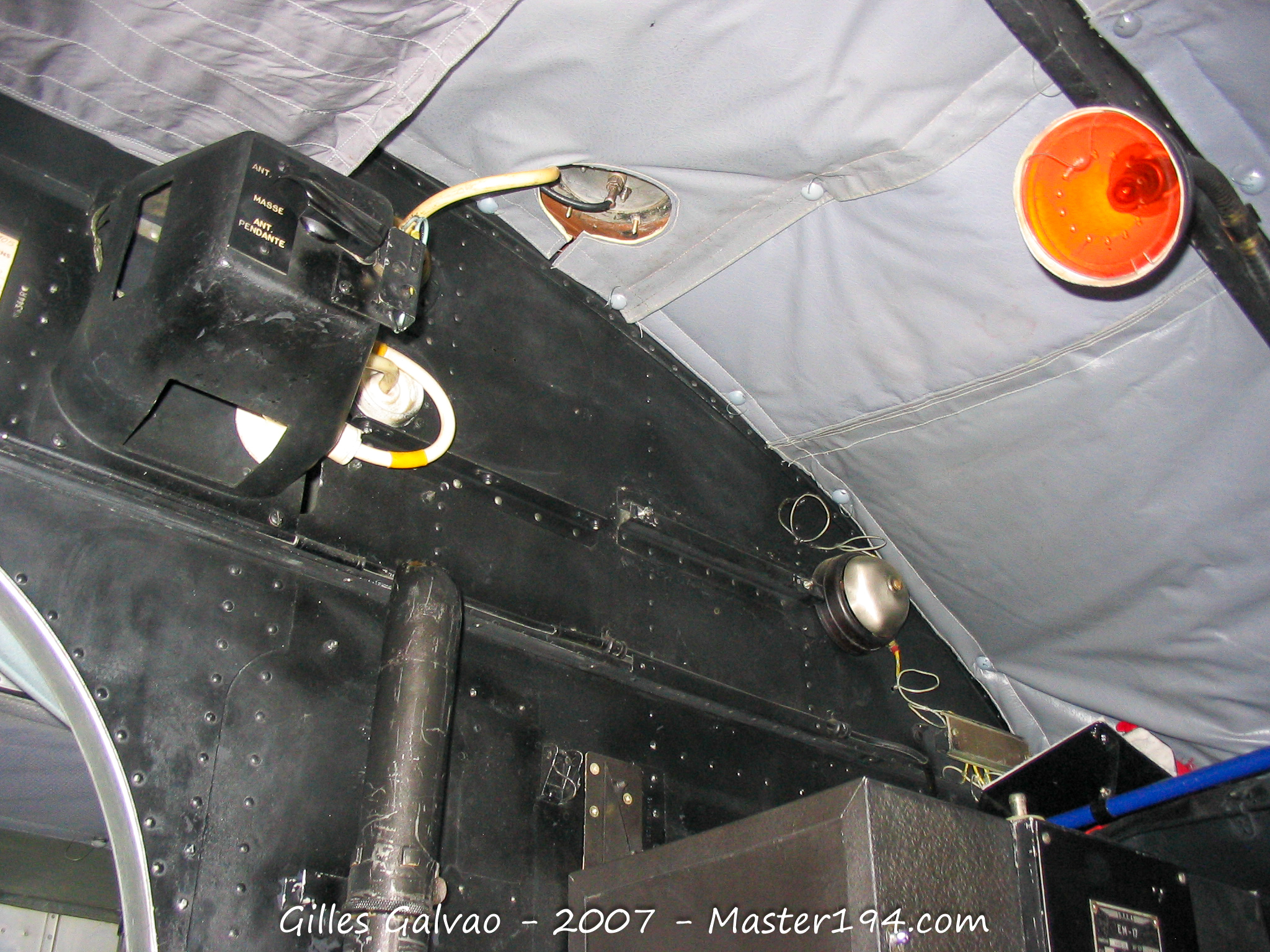
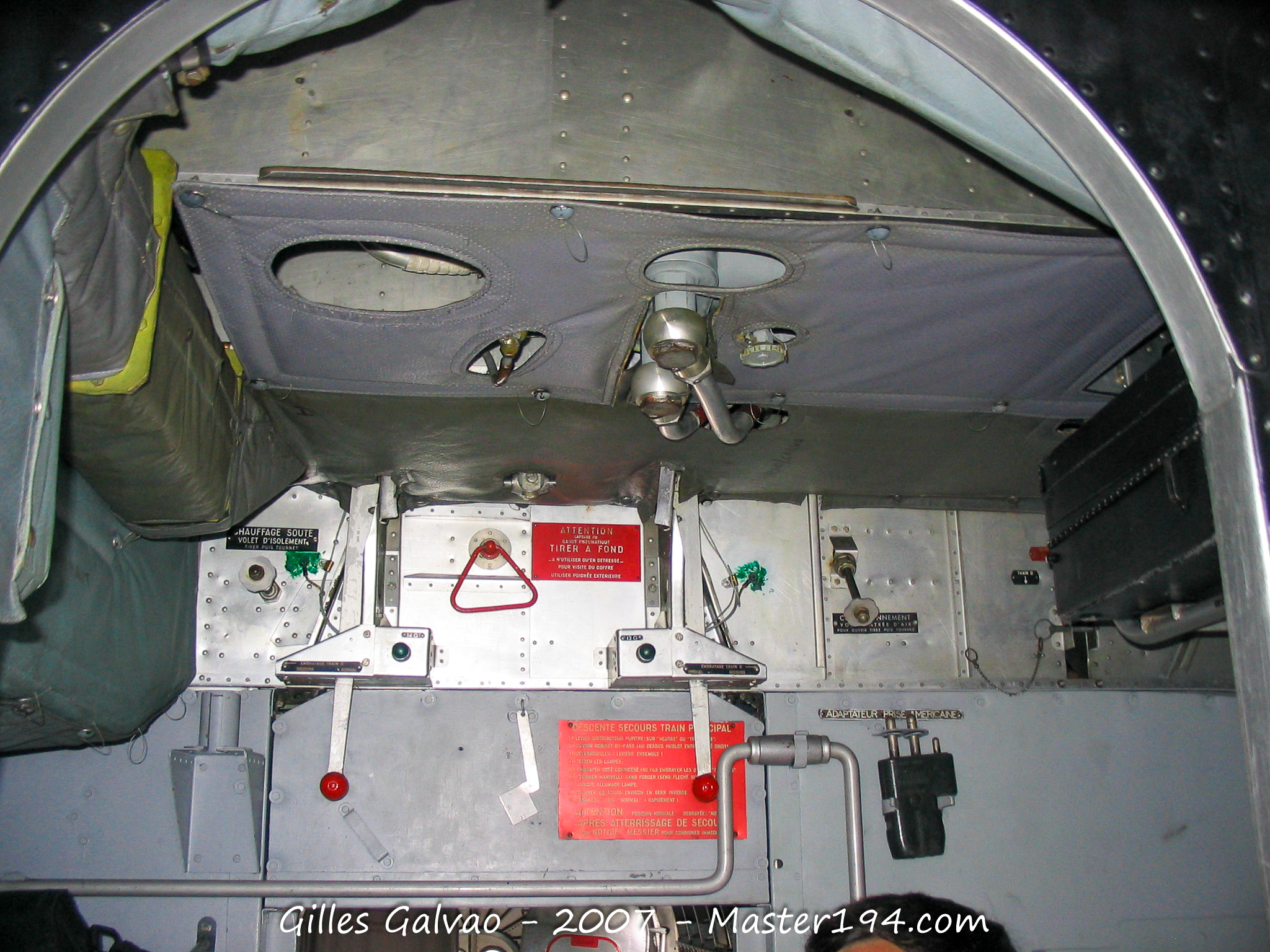
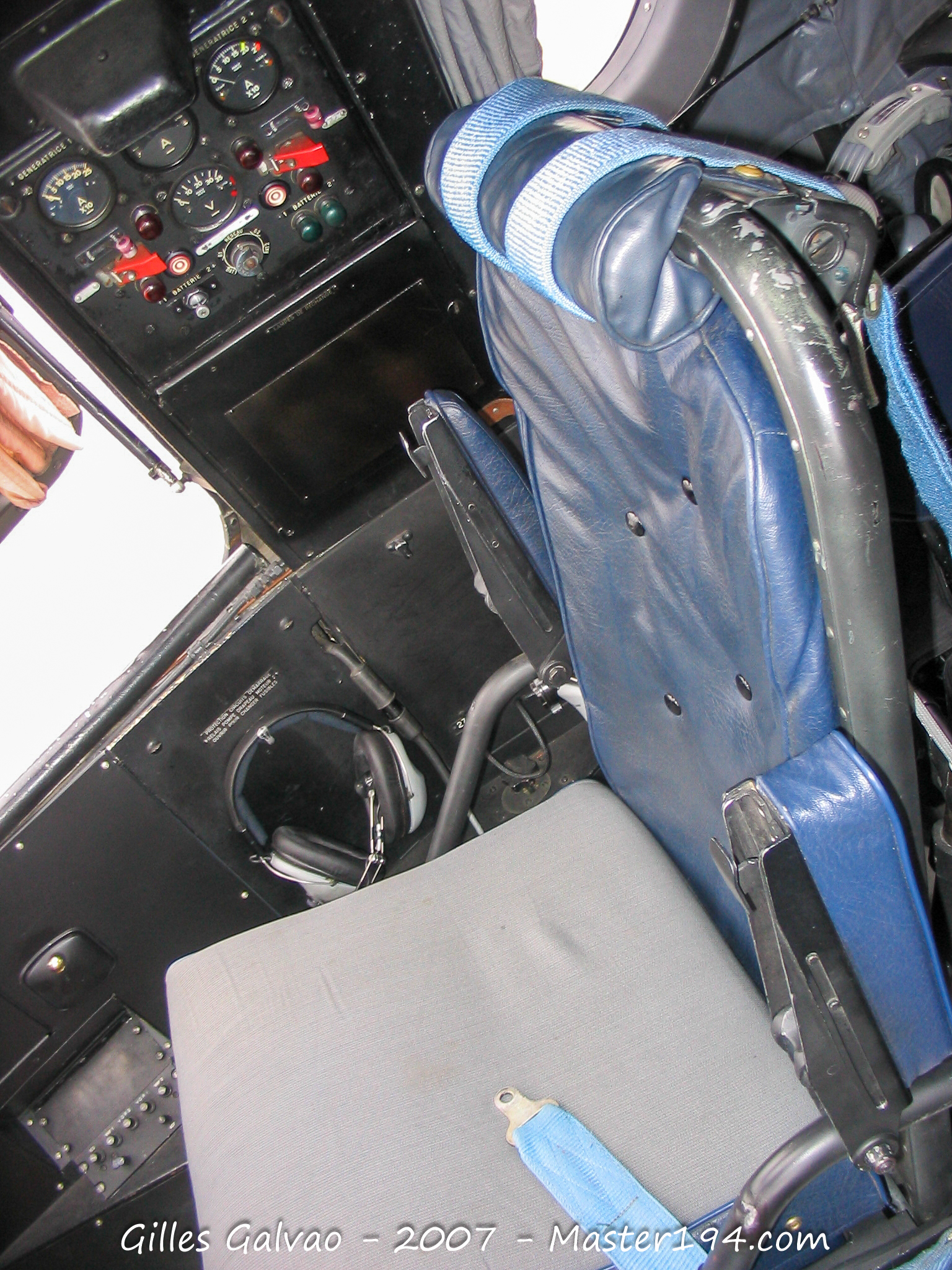
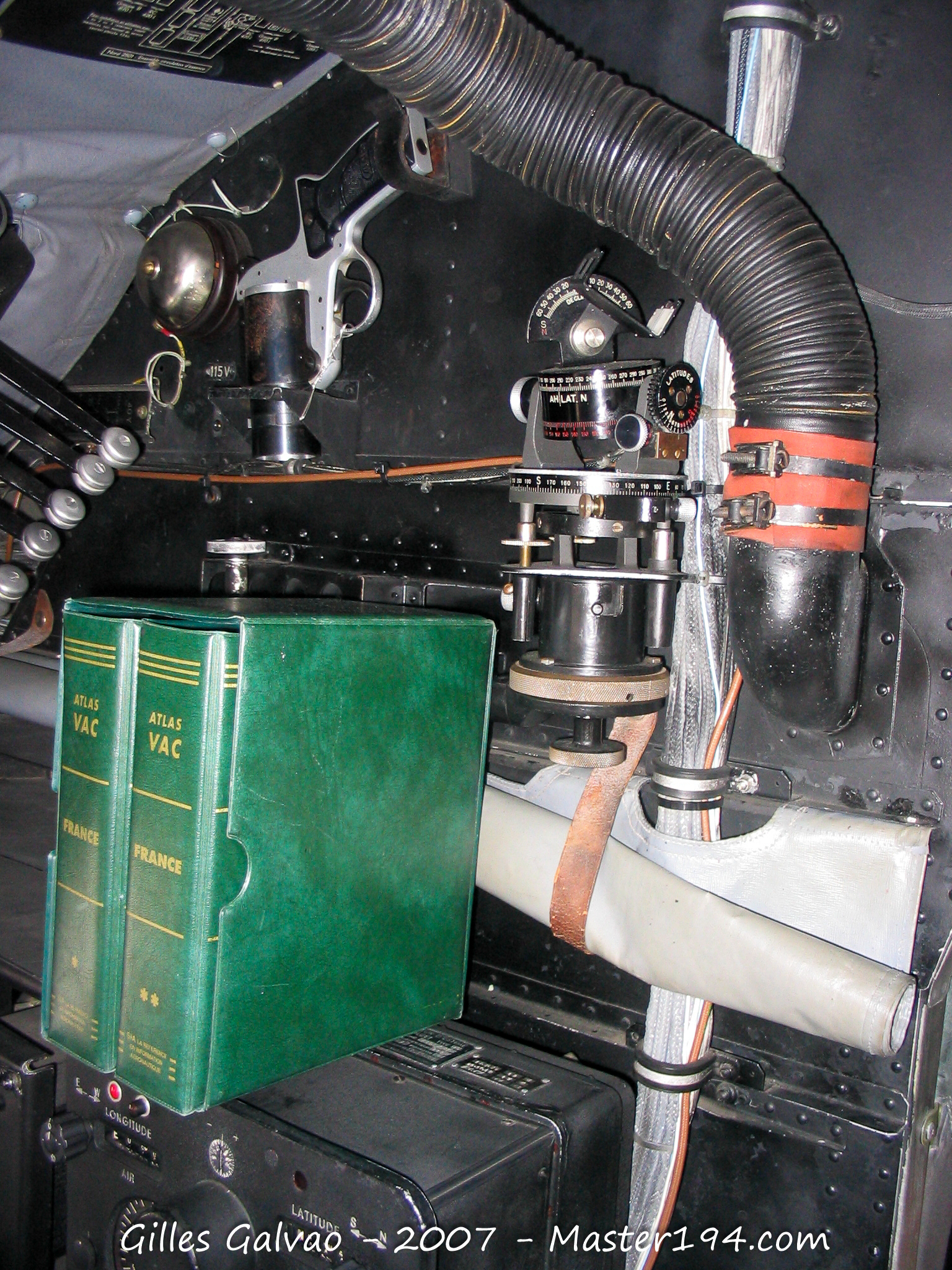
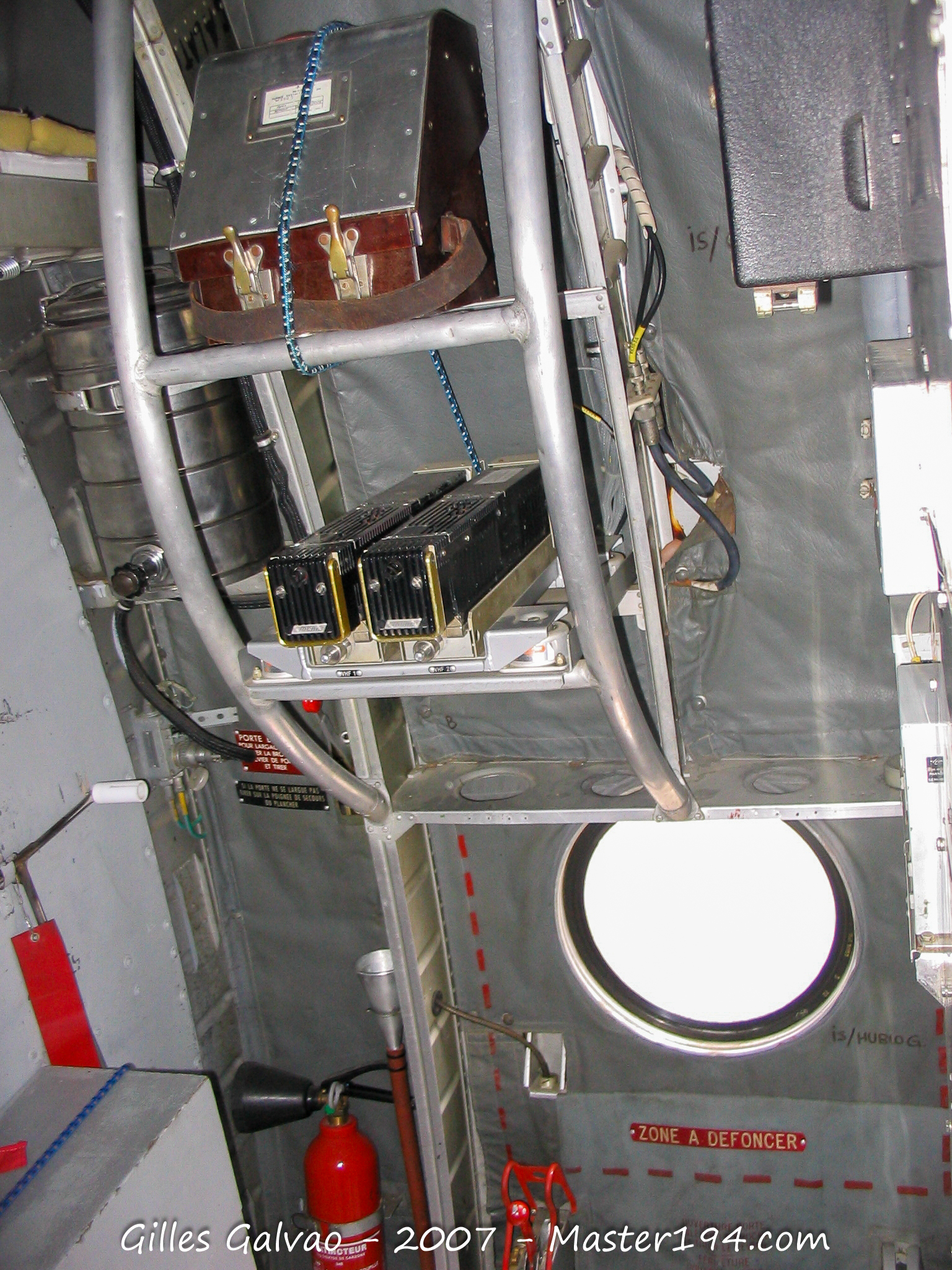
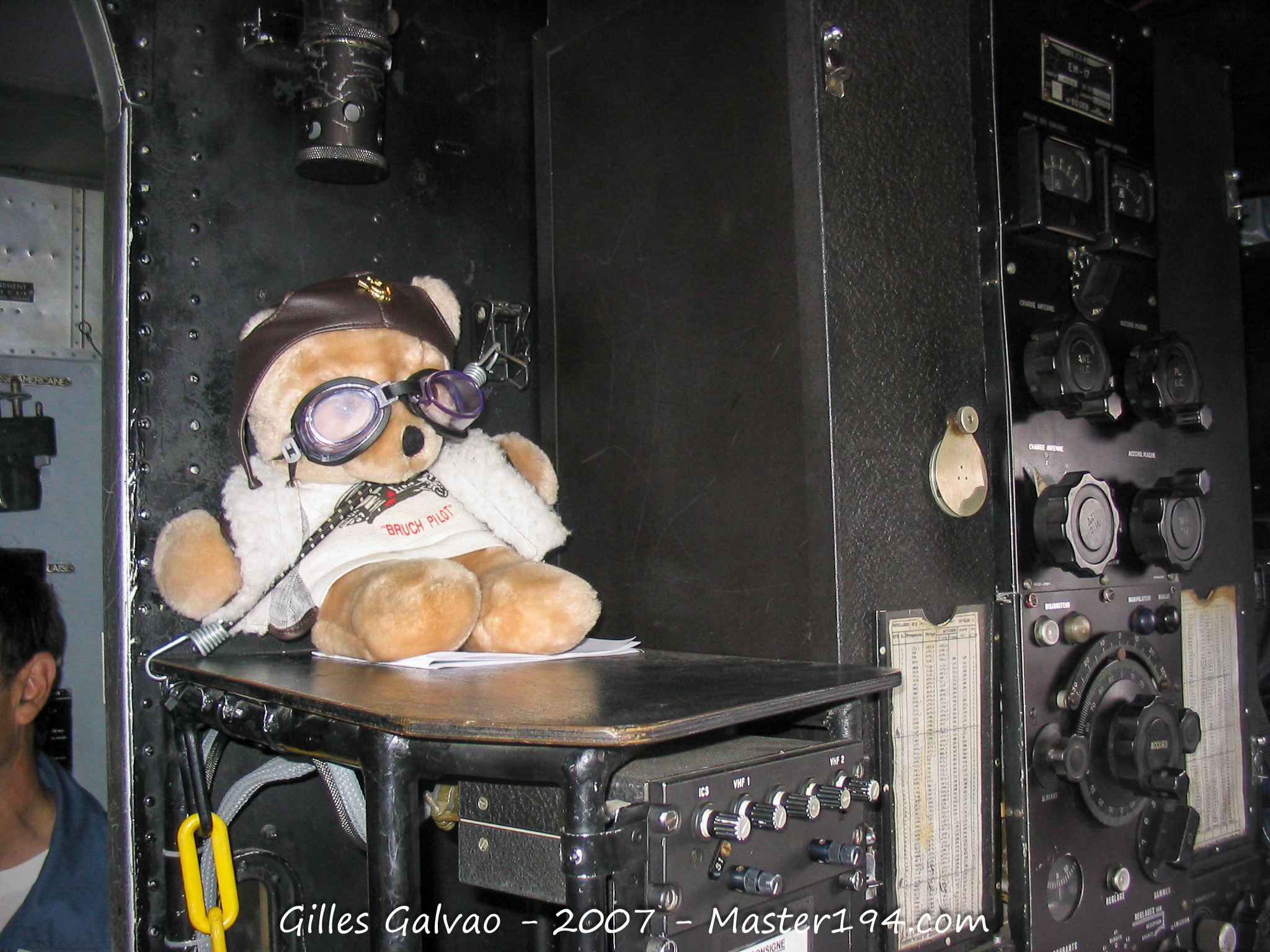
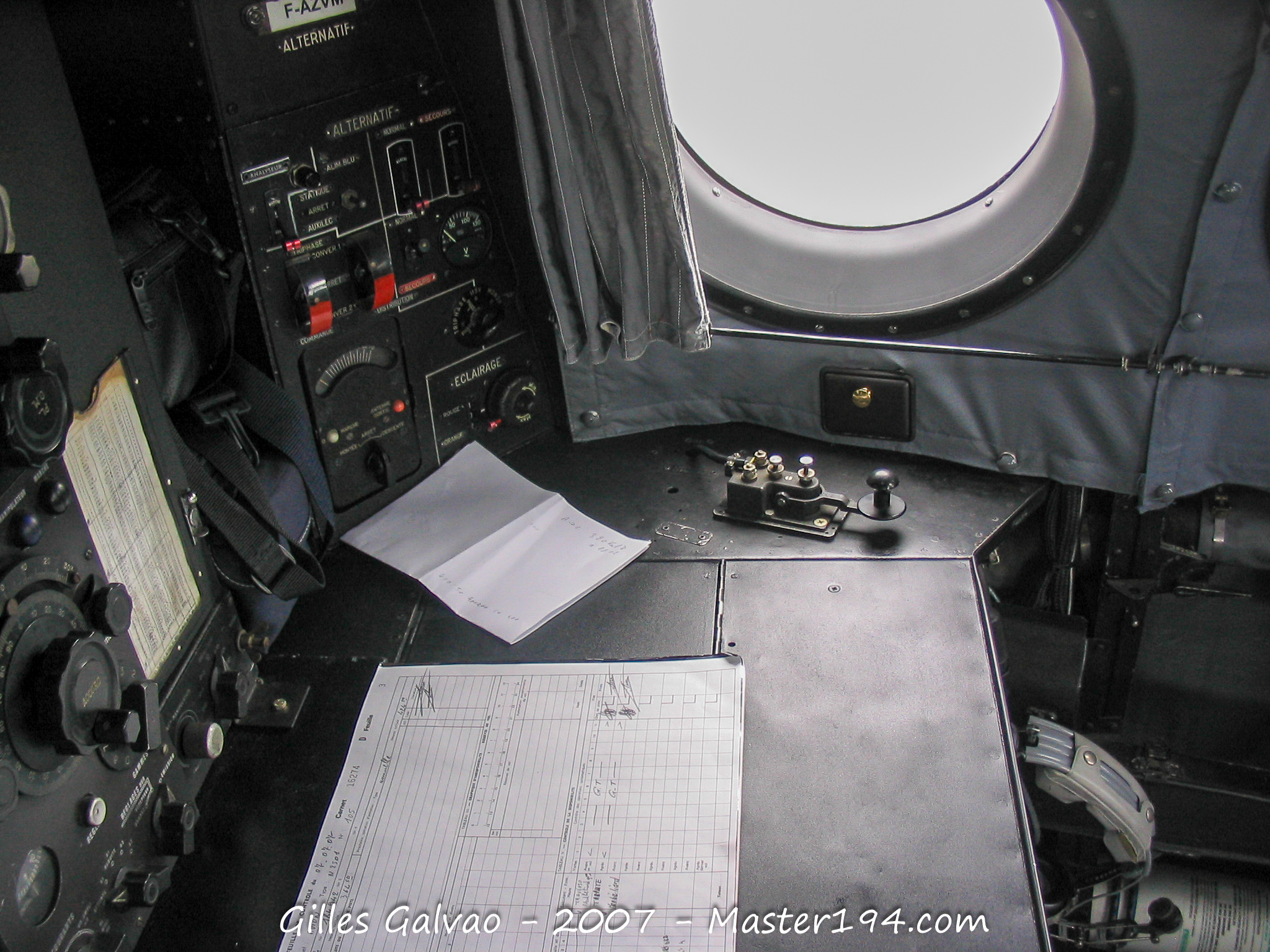
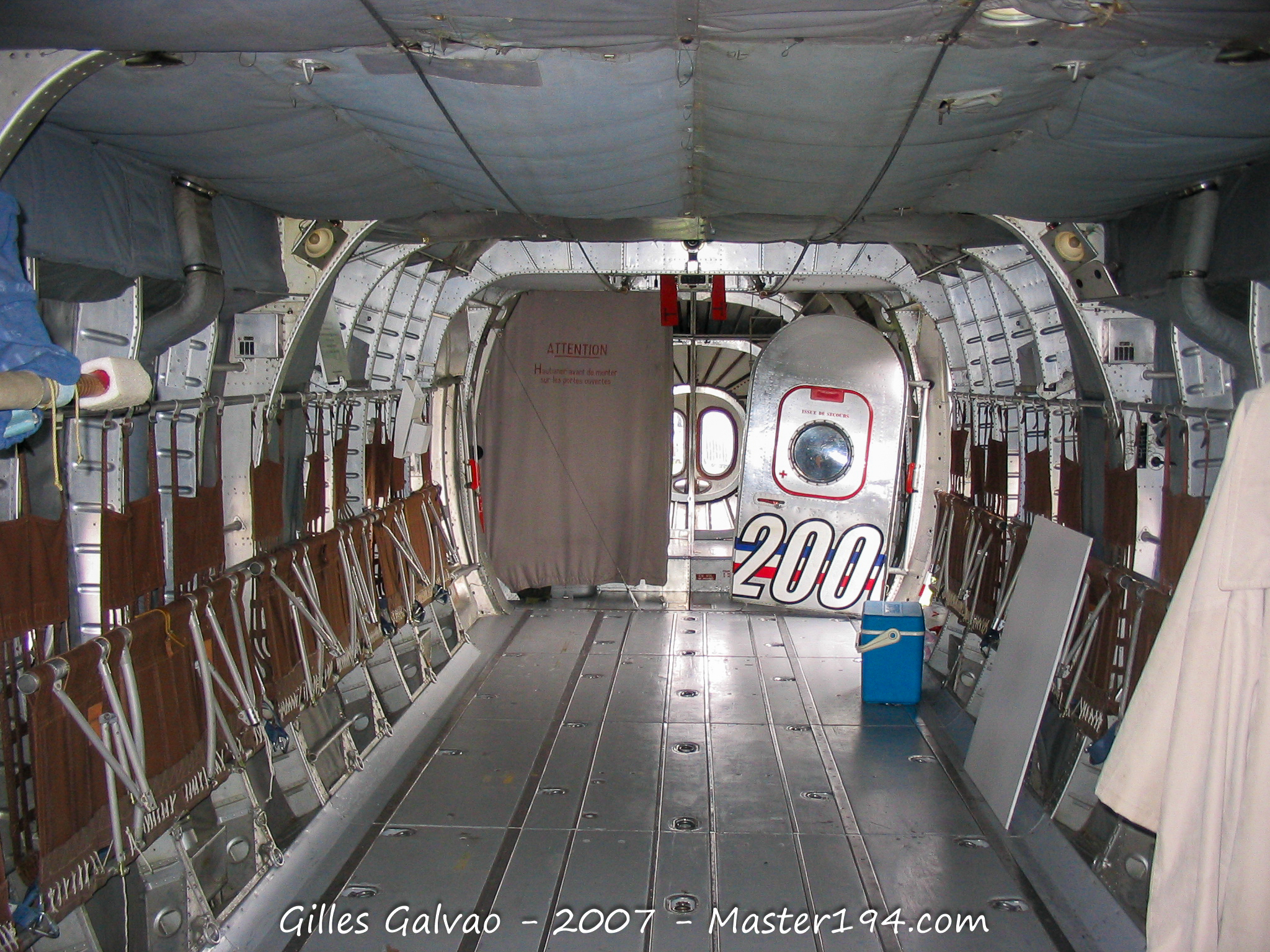
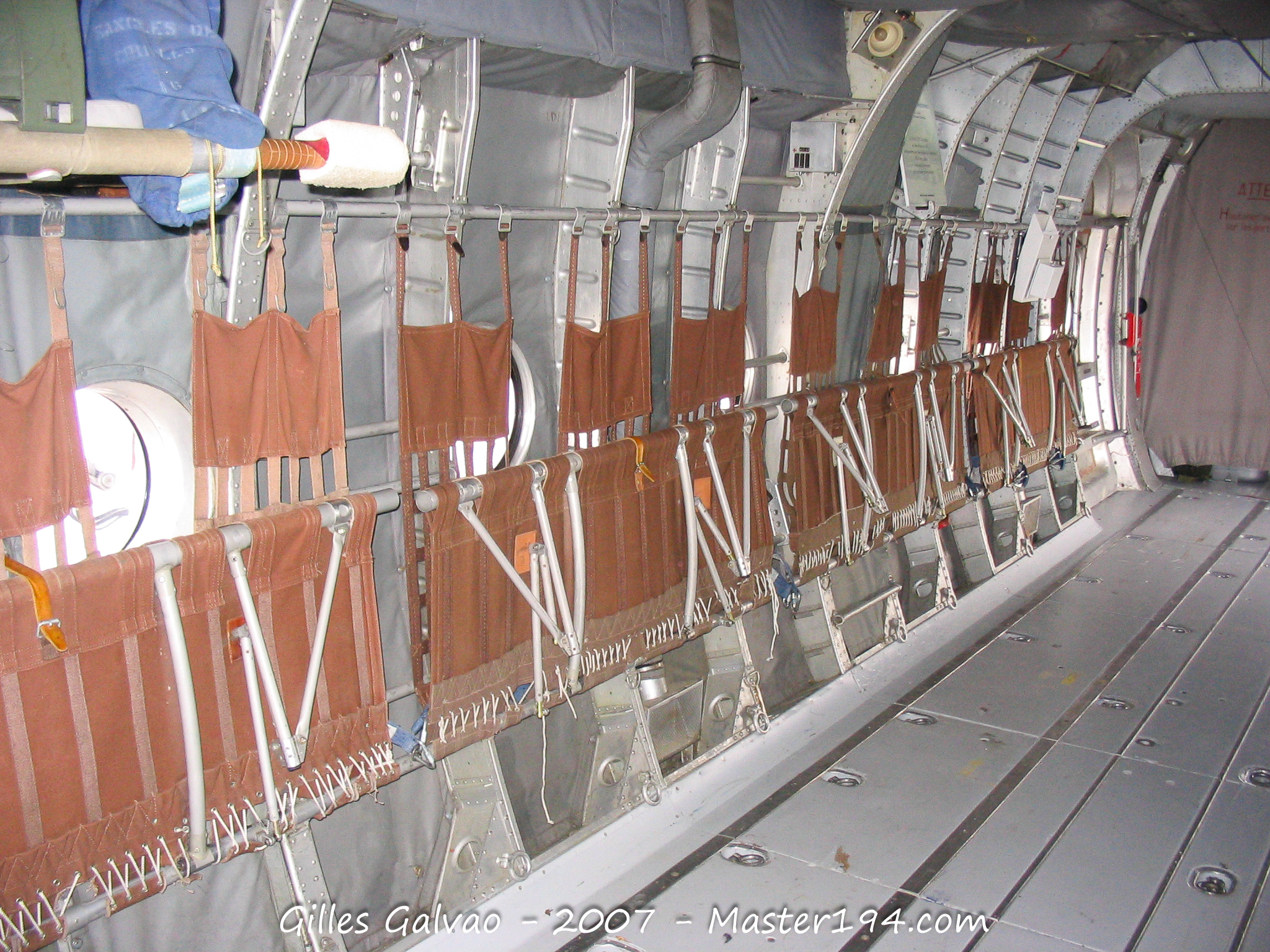
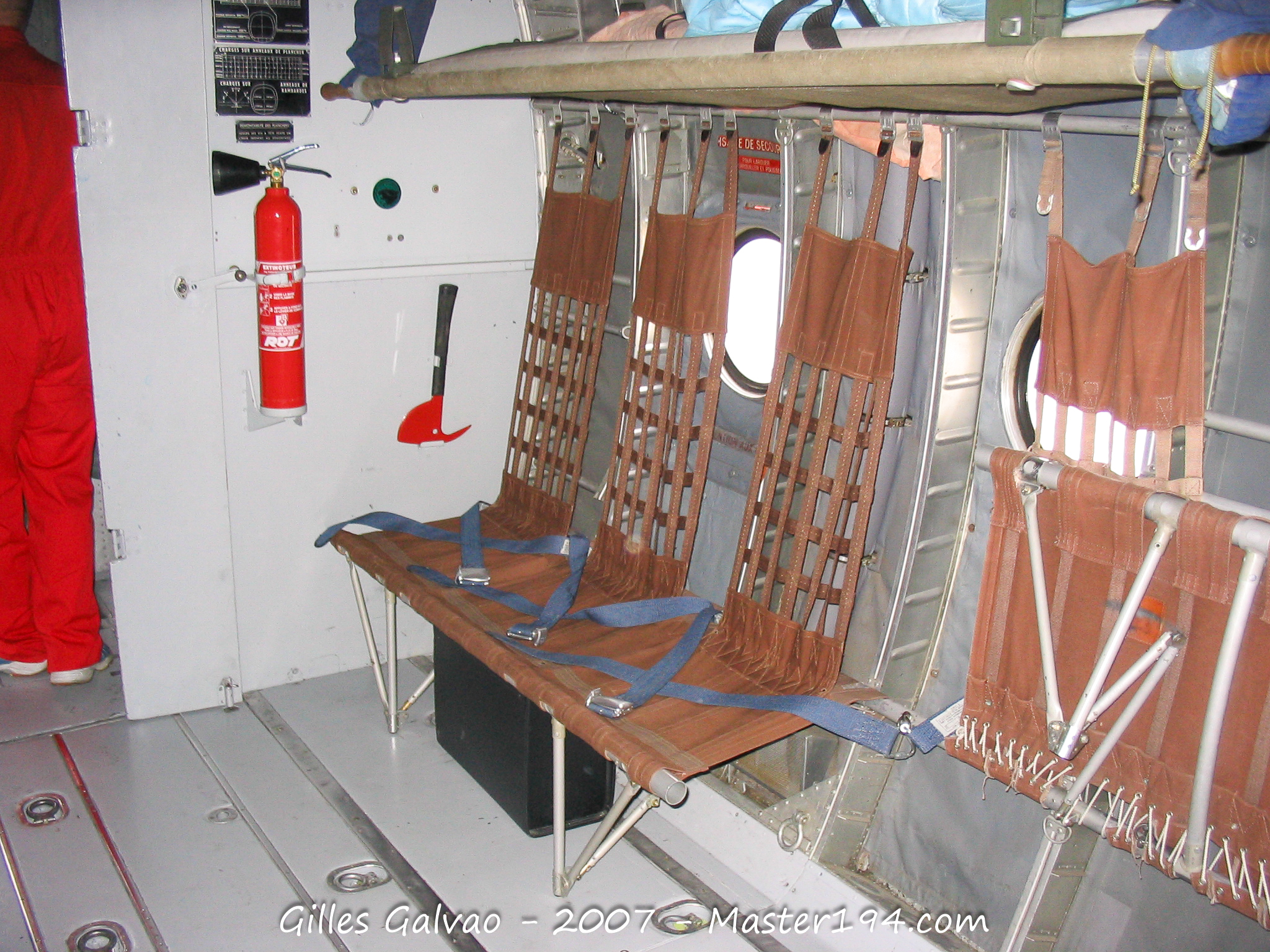
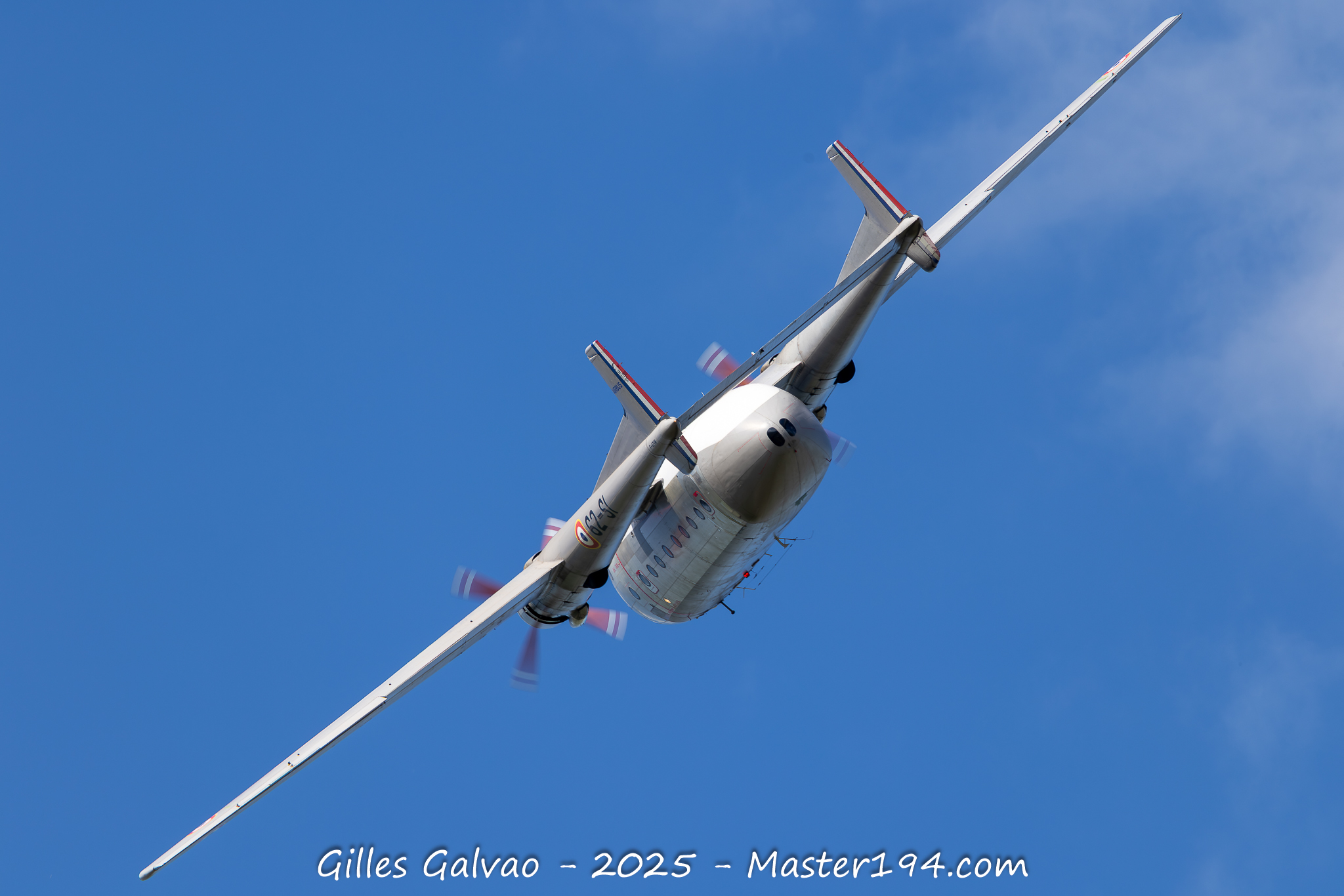
The Noratlas 105, as seen in 2007, with its 50th-anniversary livery!
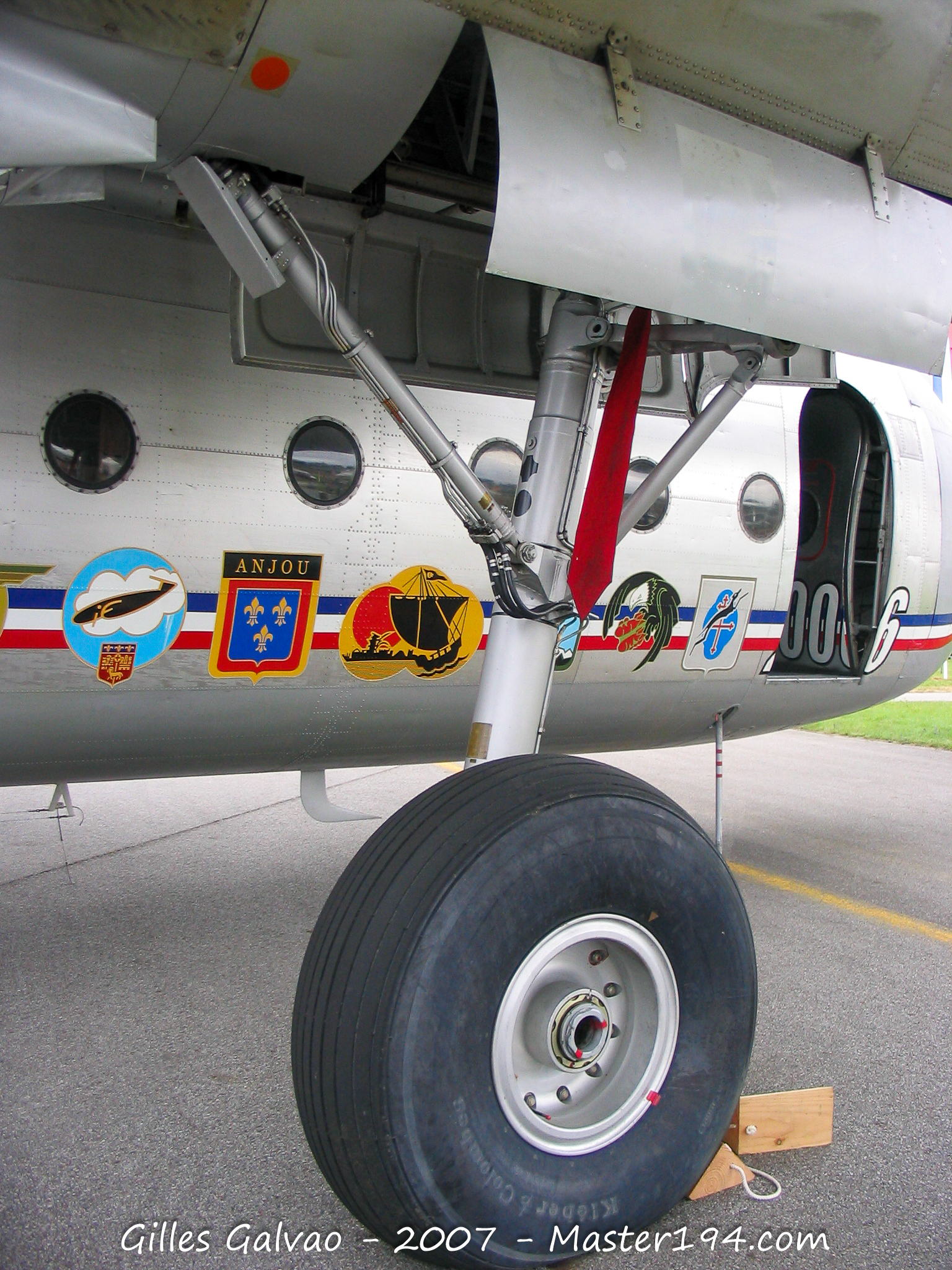
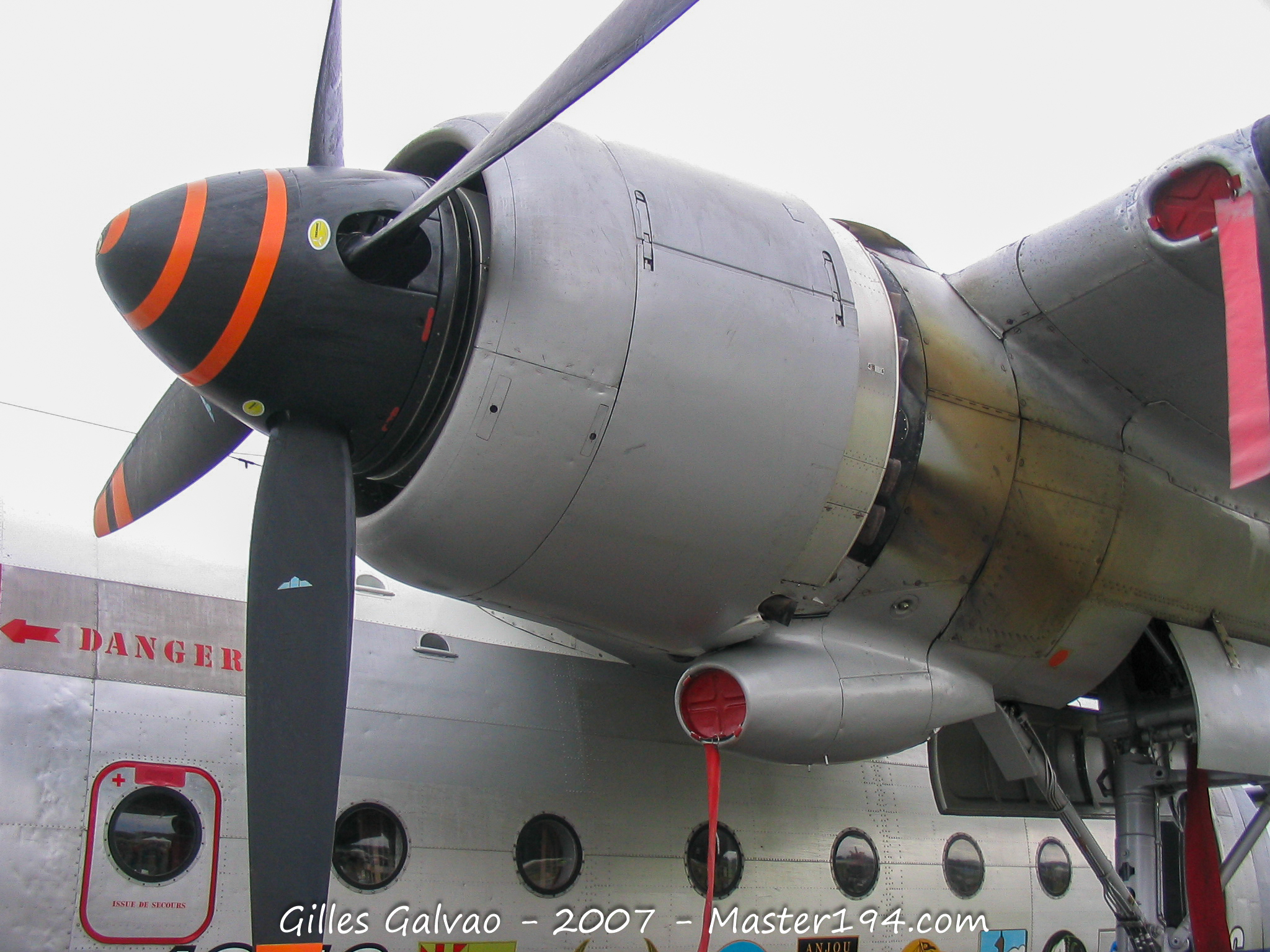
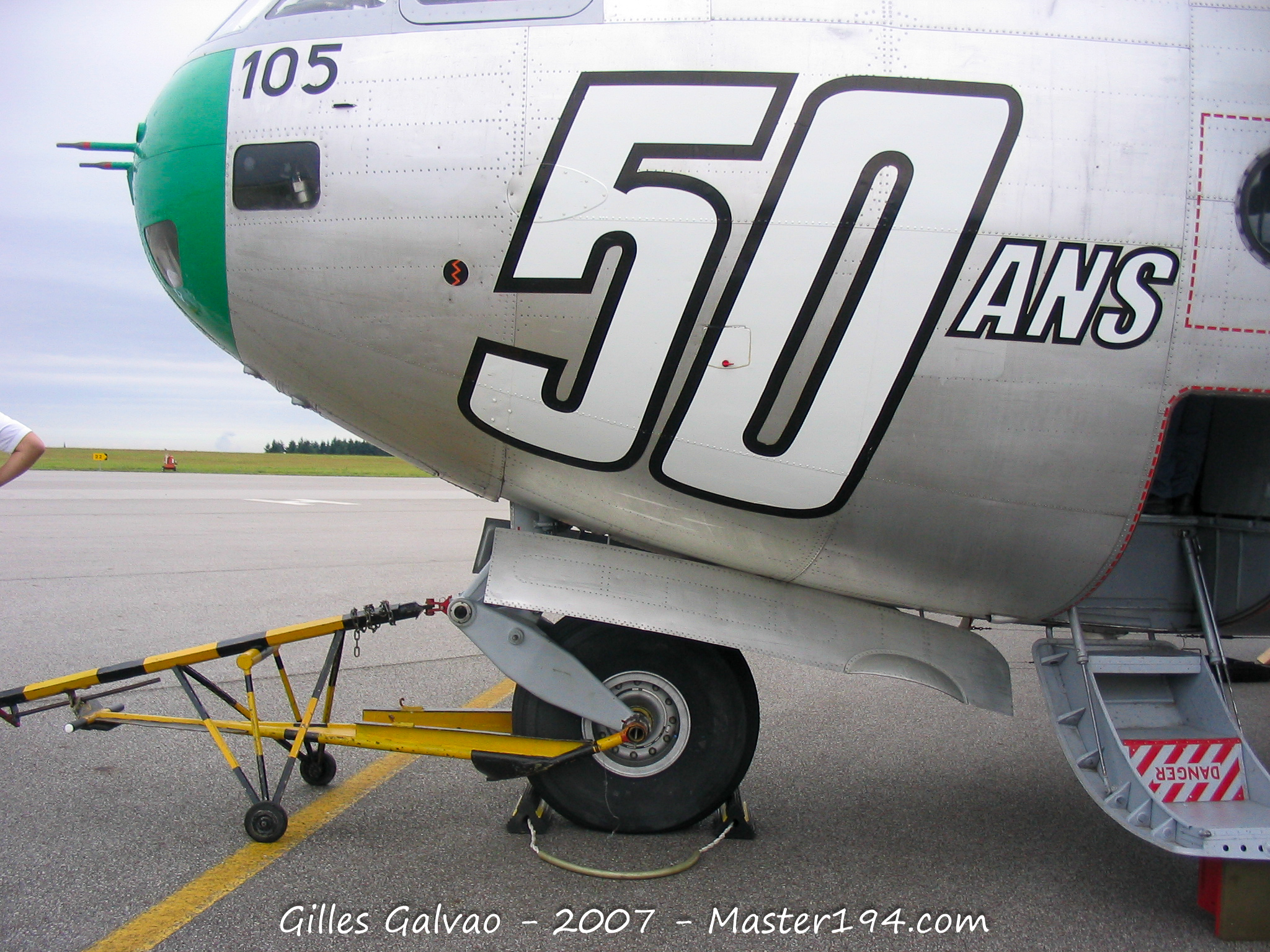
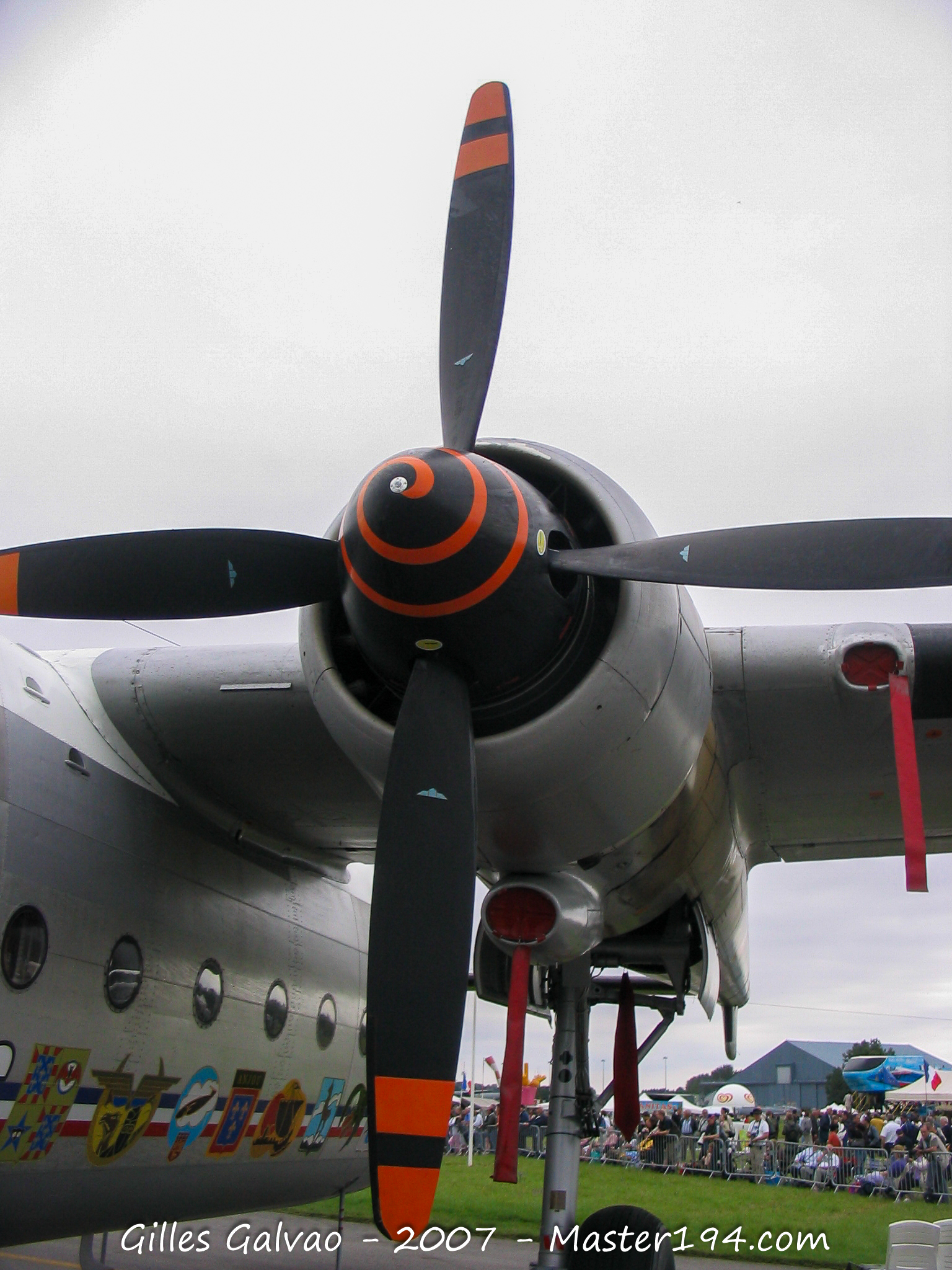
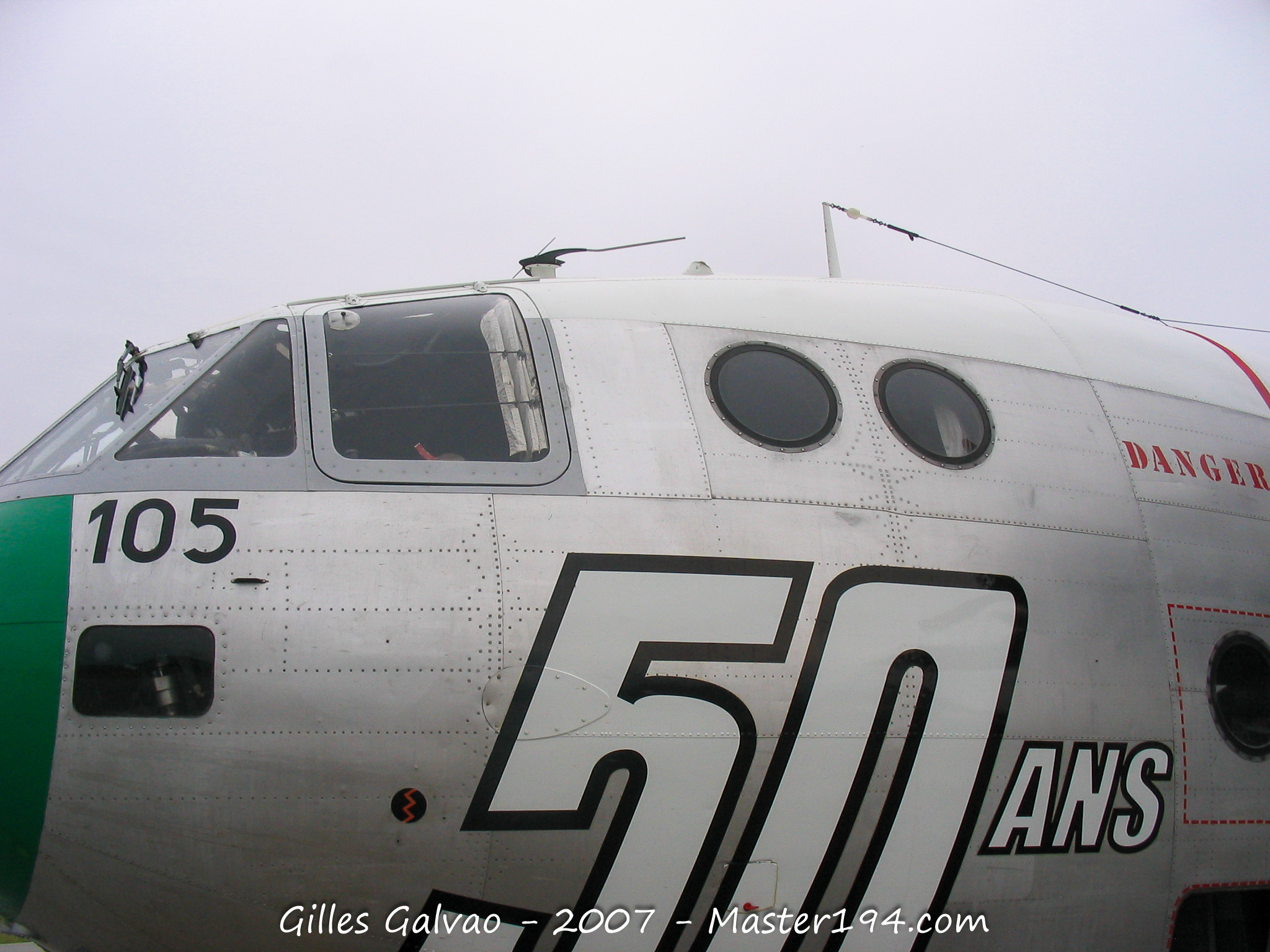
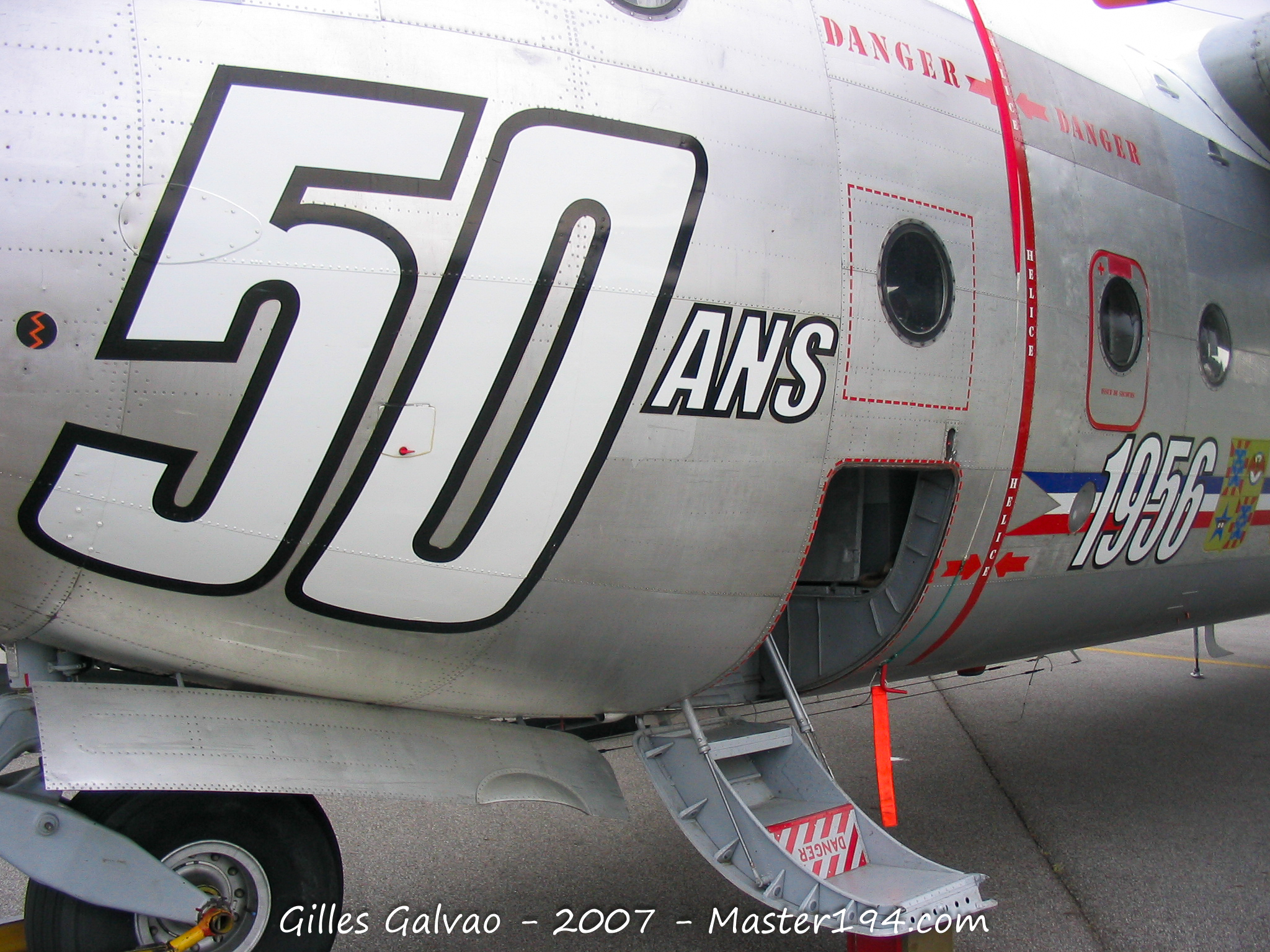
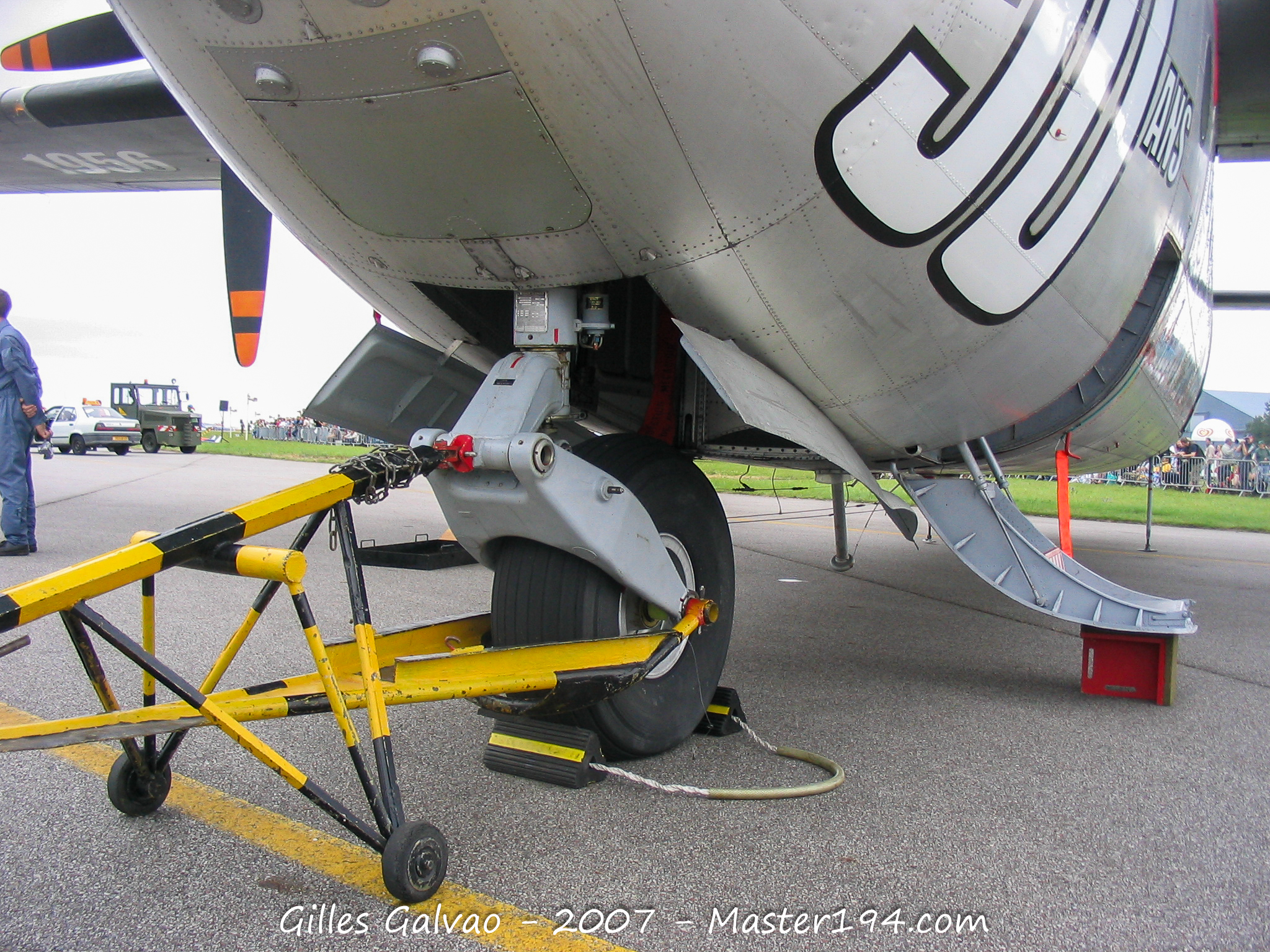
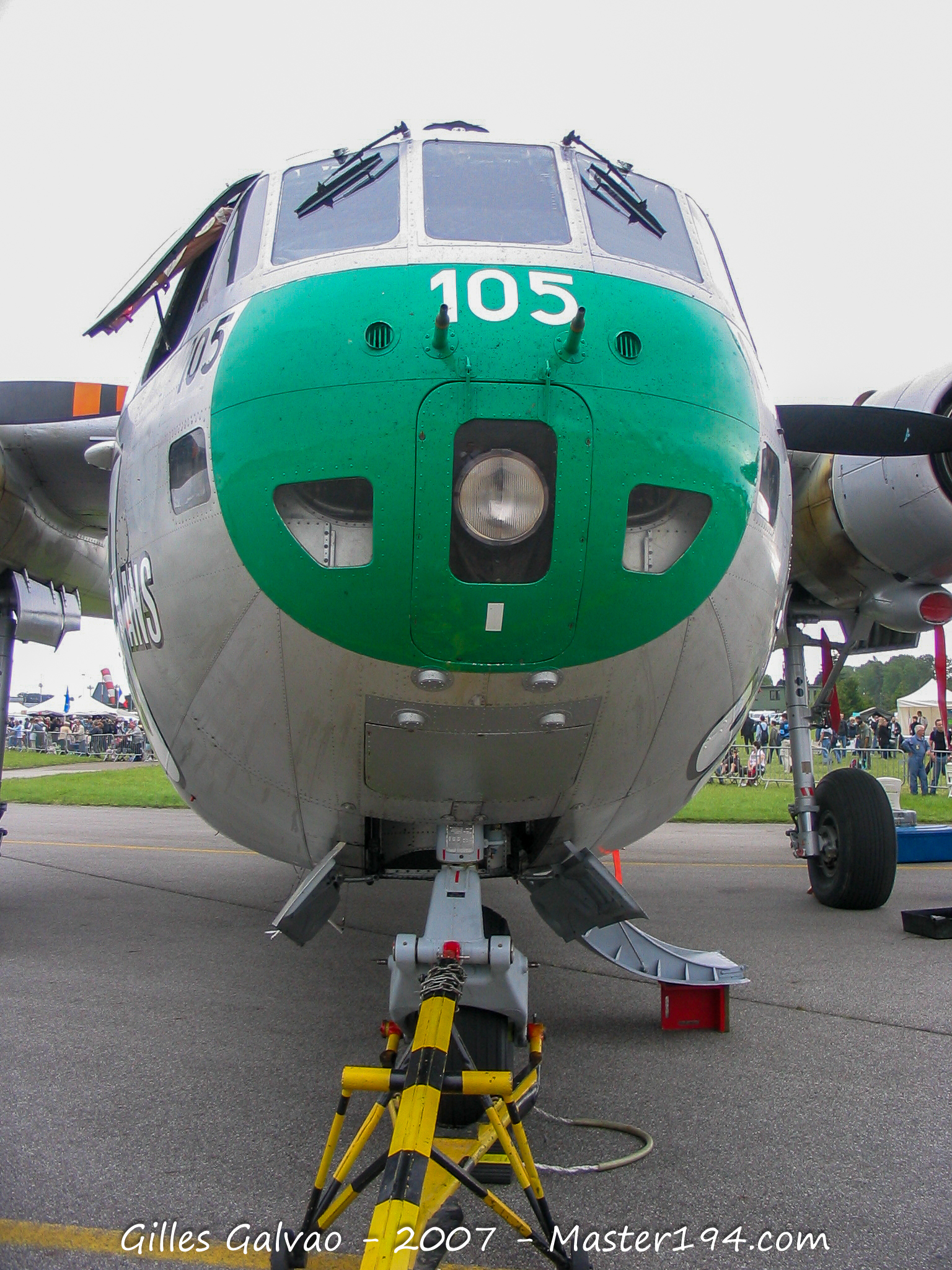
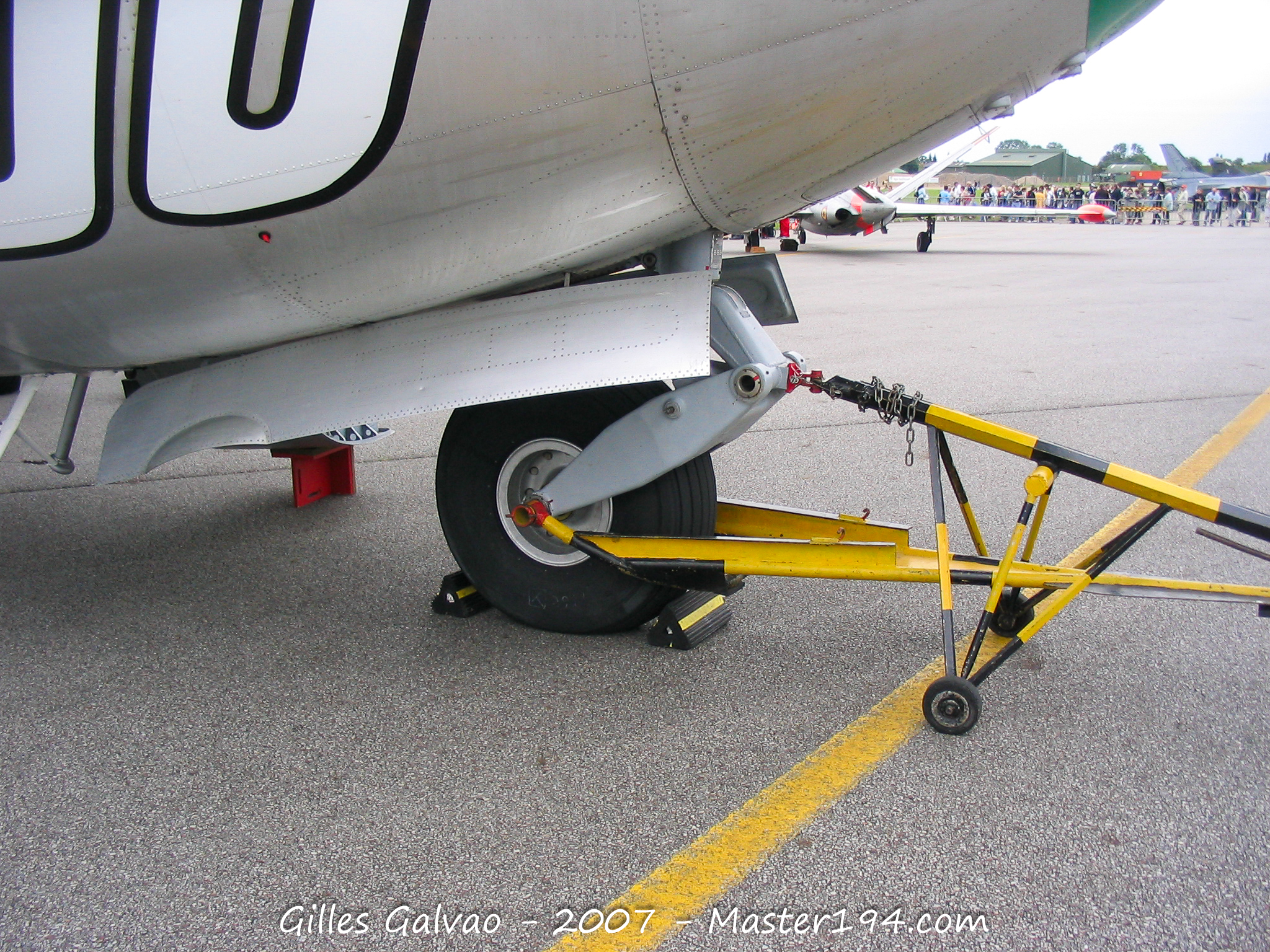
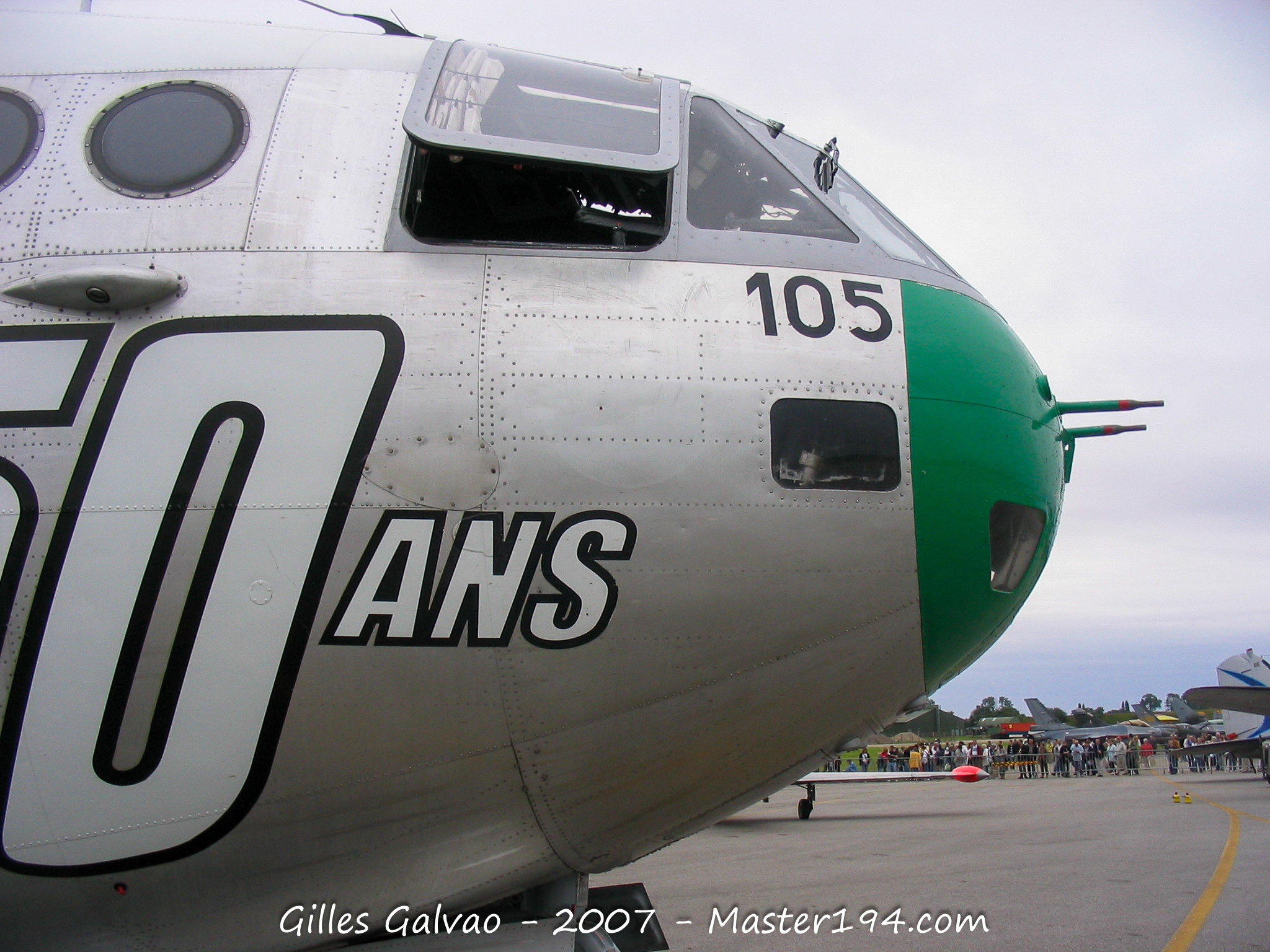
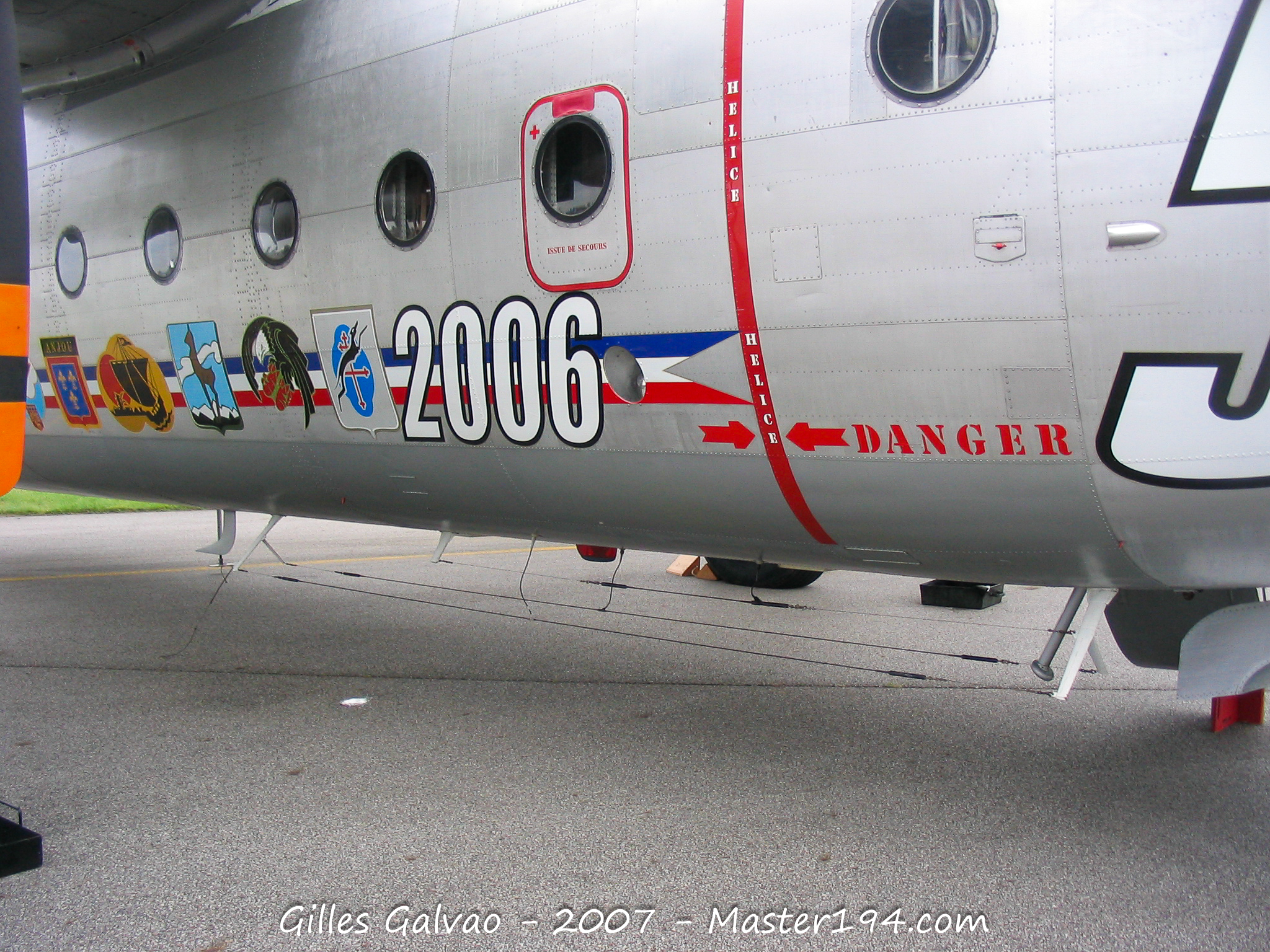
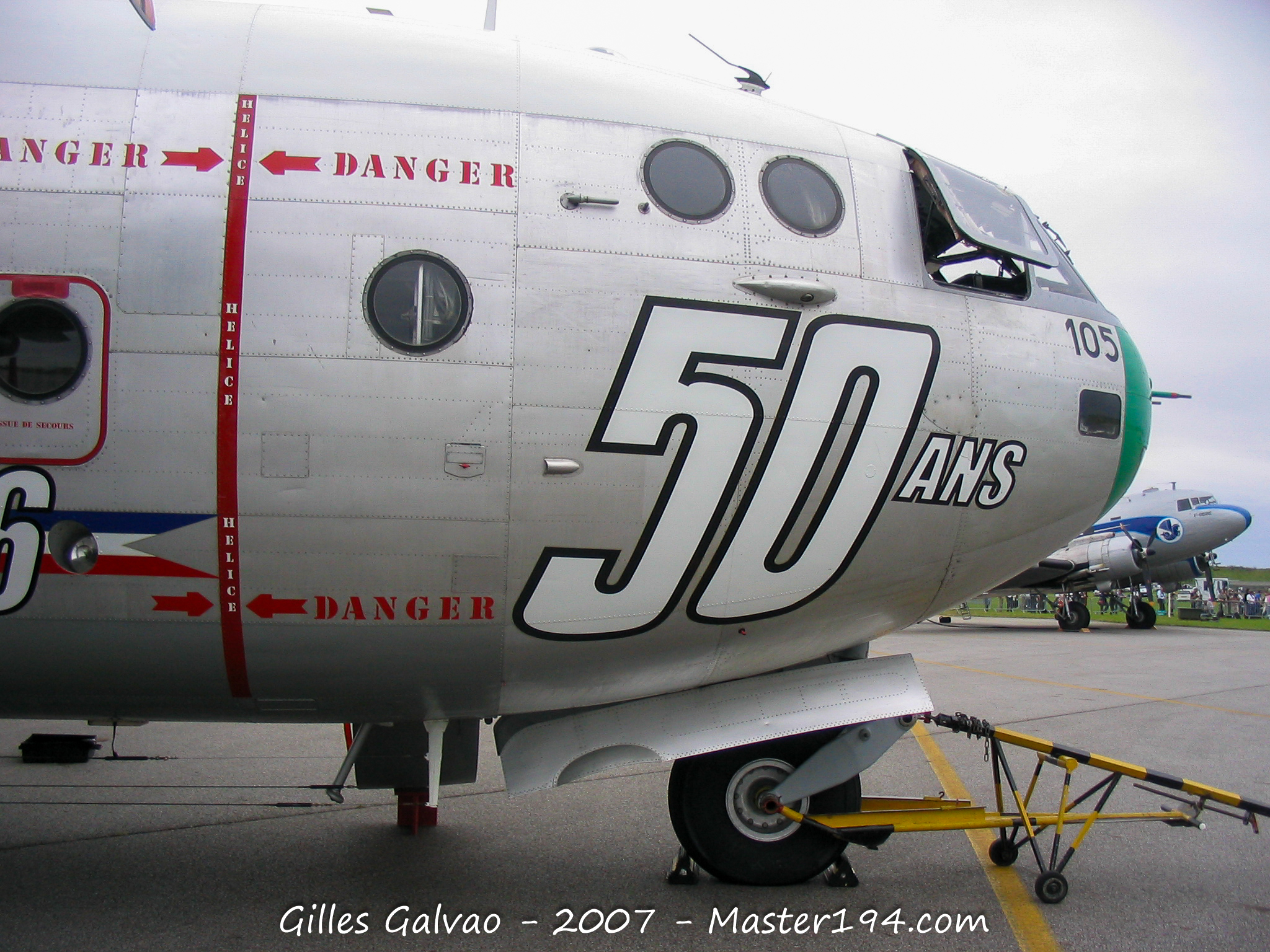
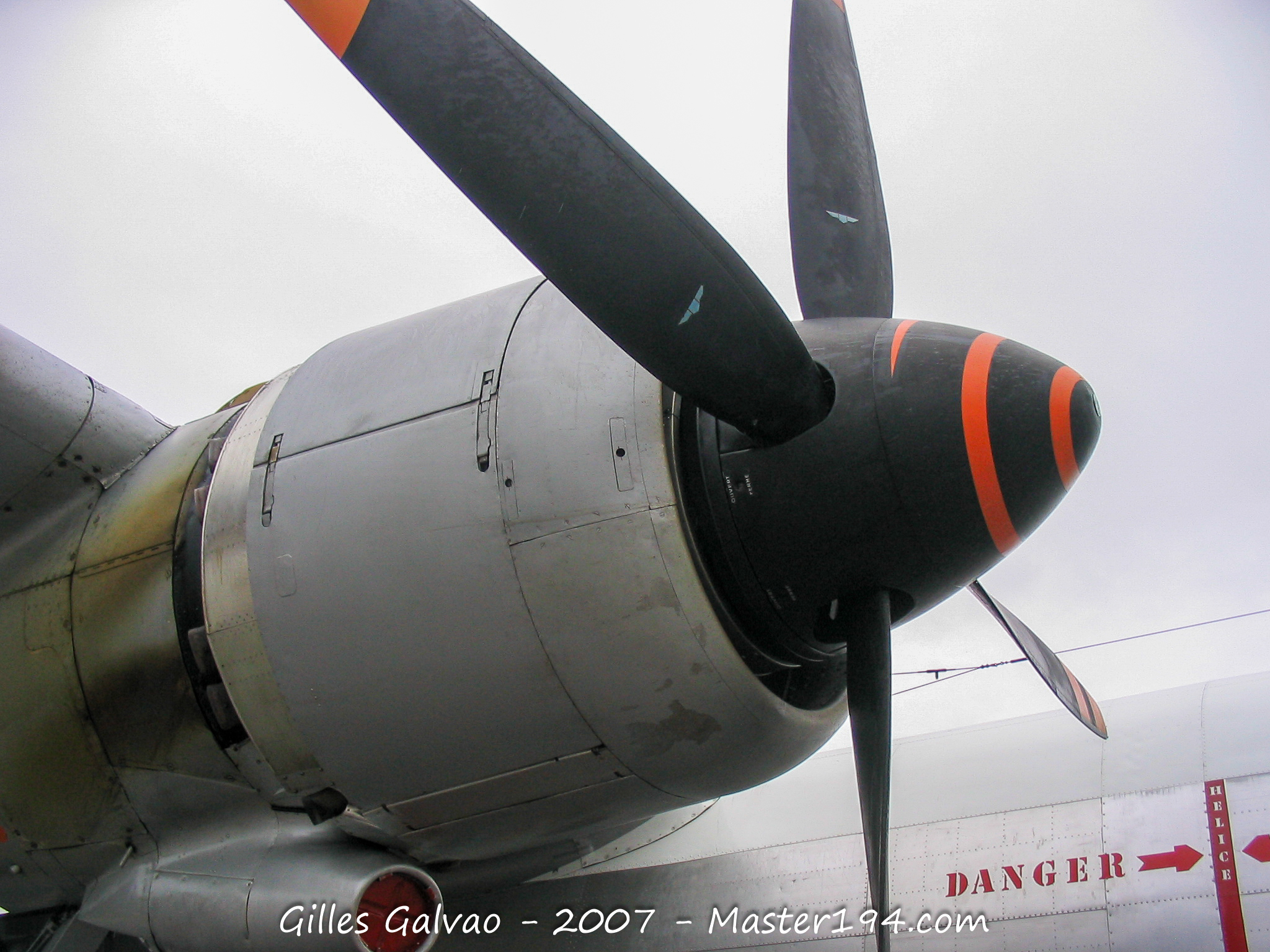
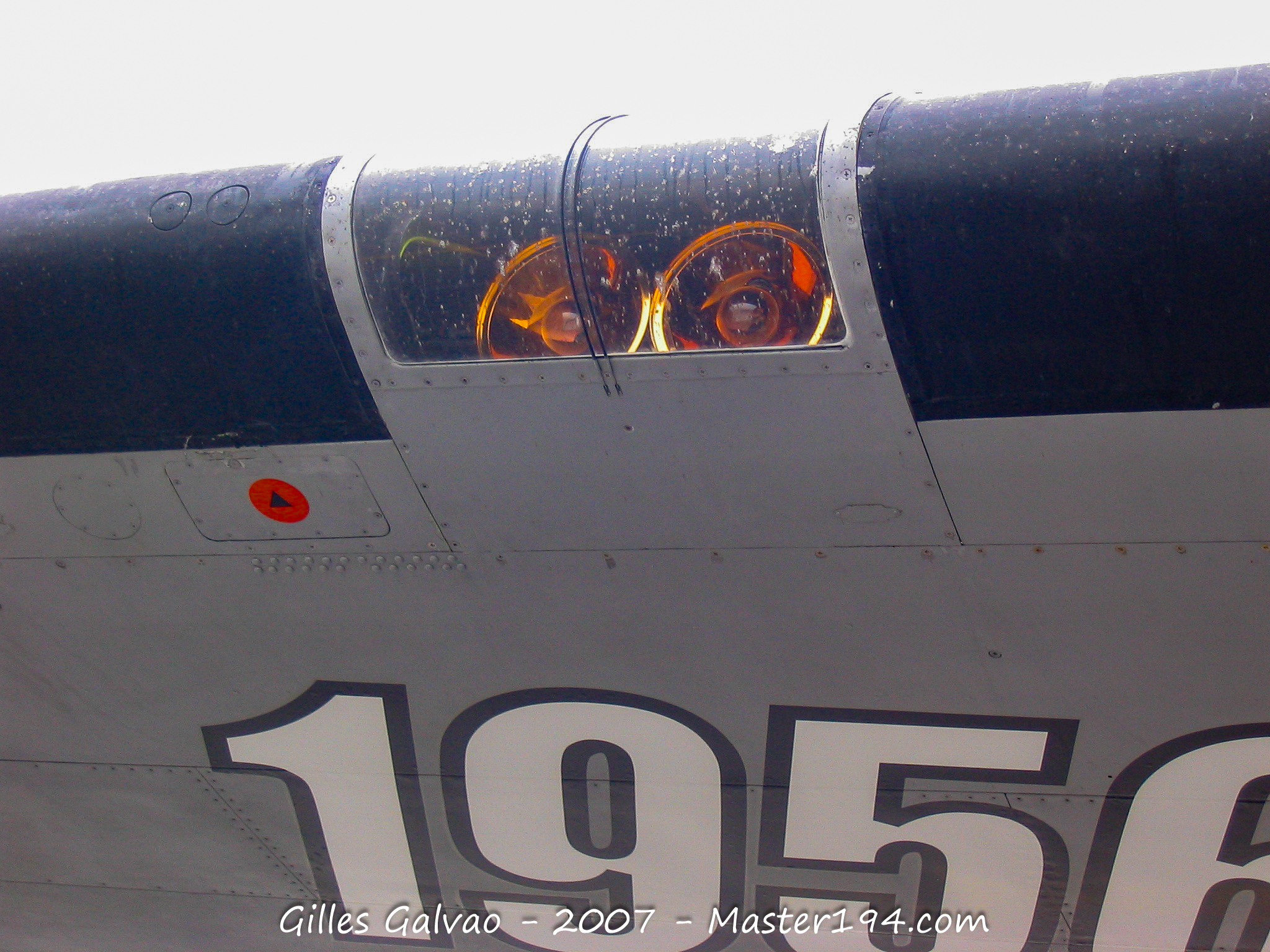
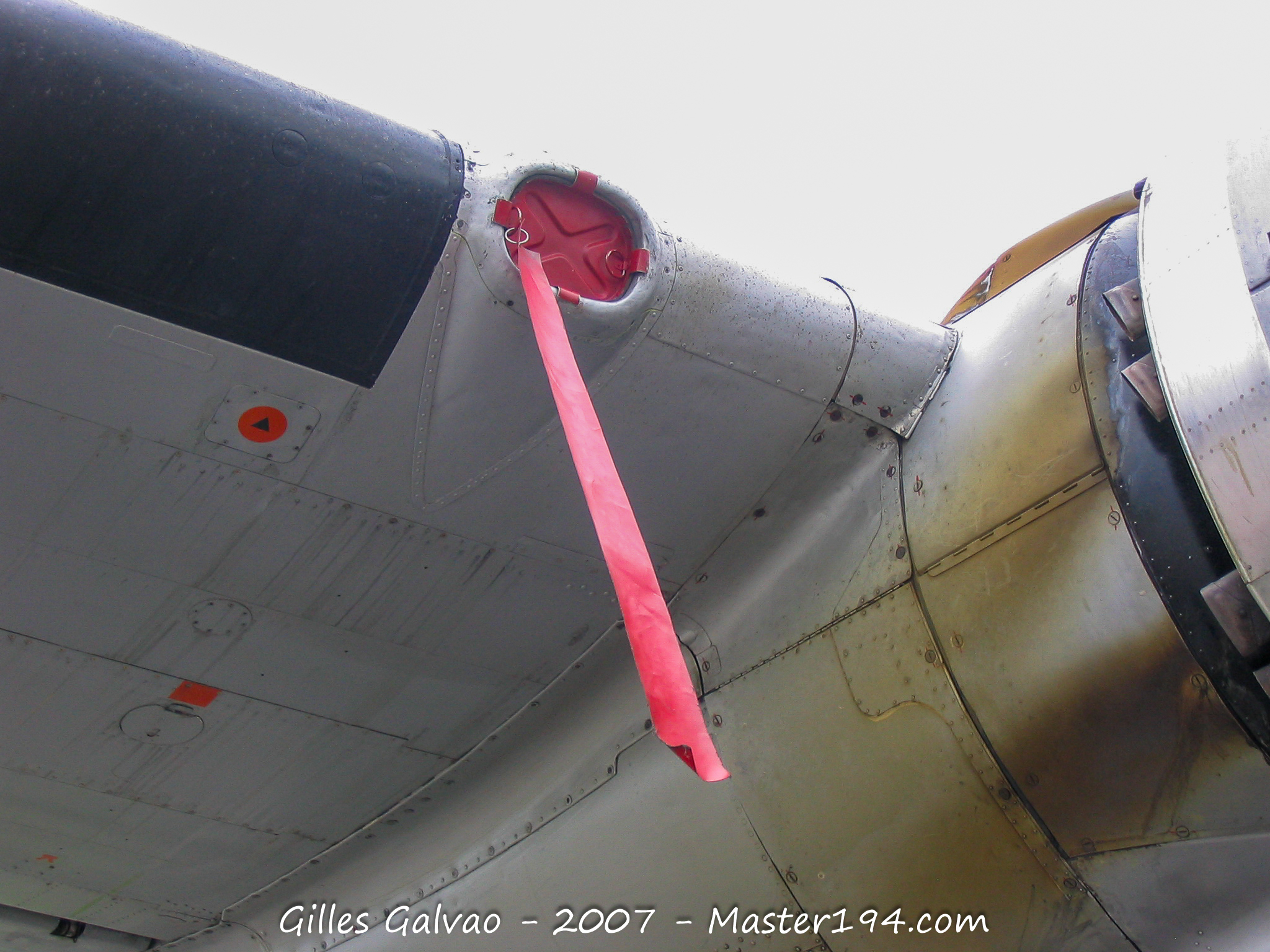
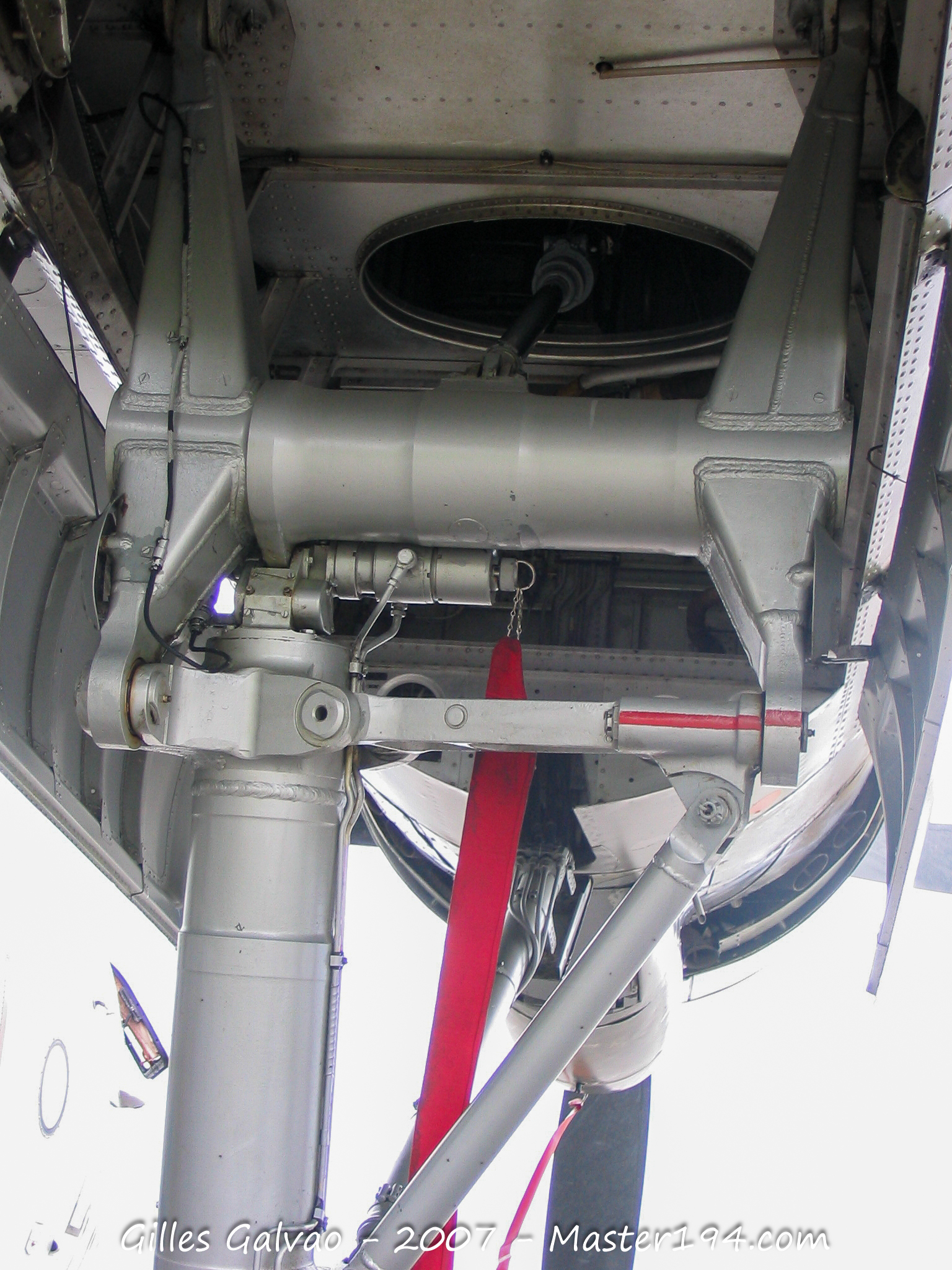
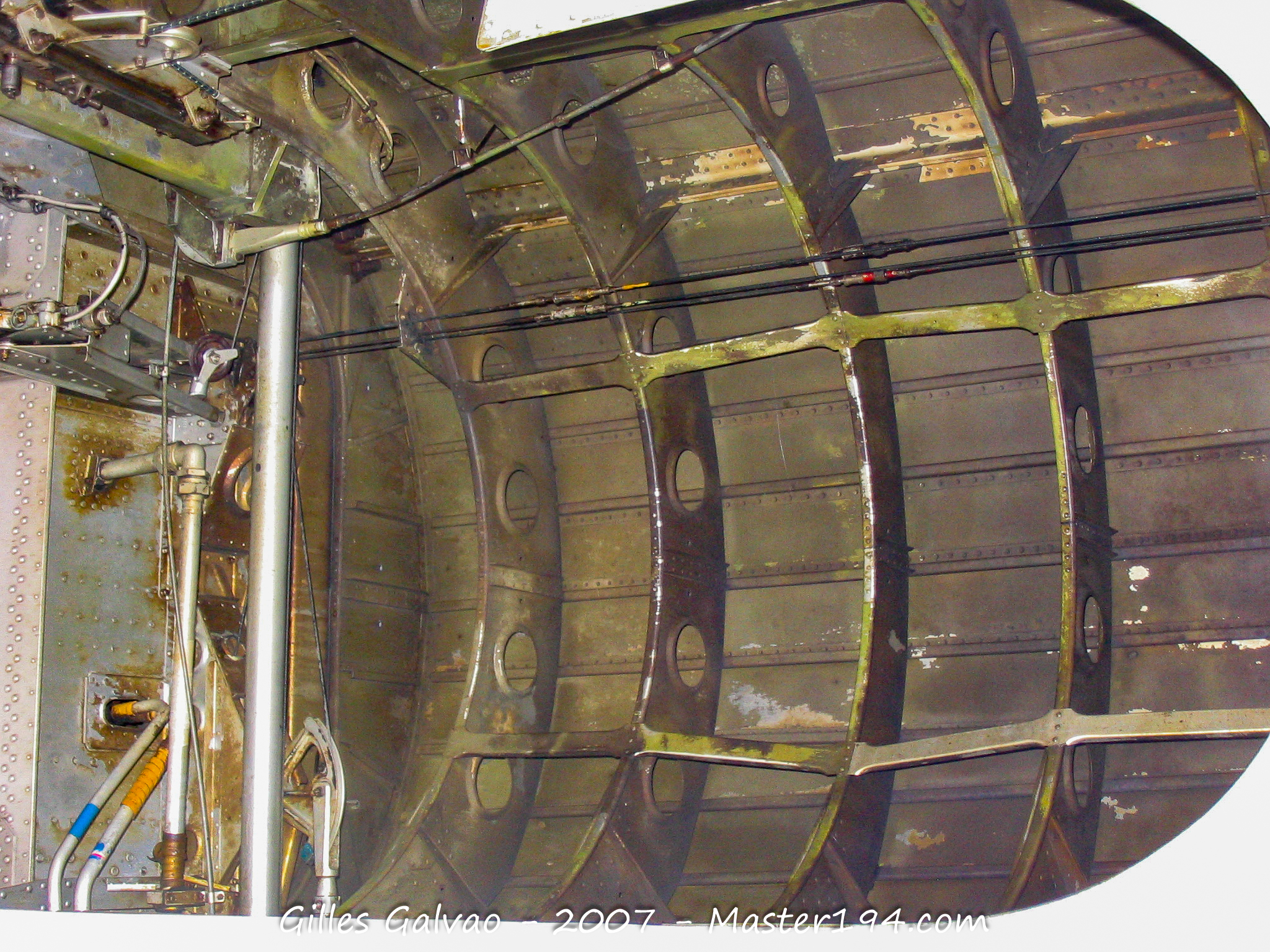
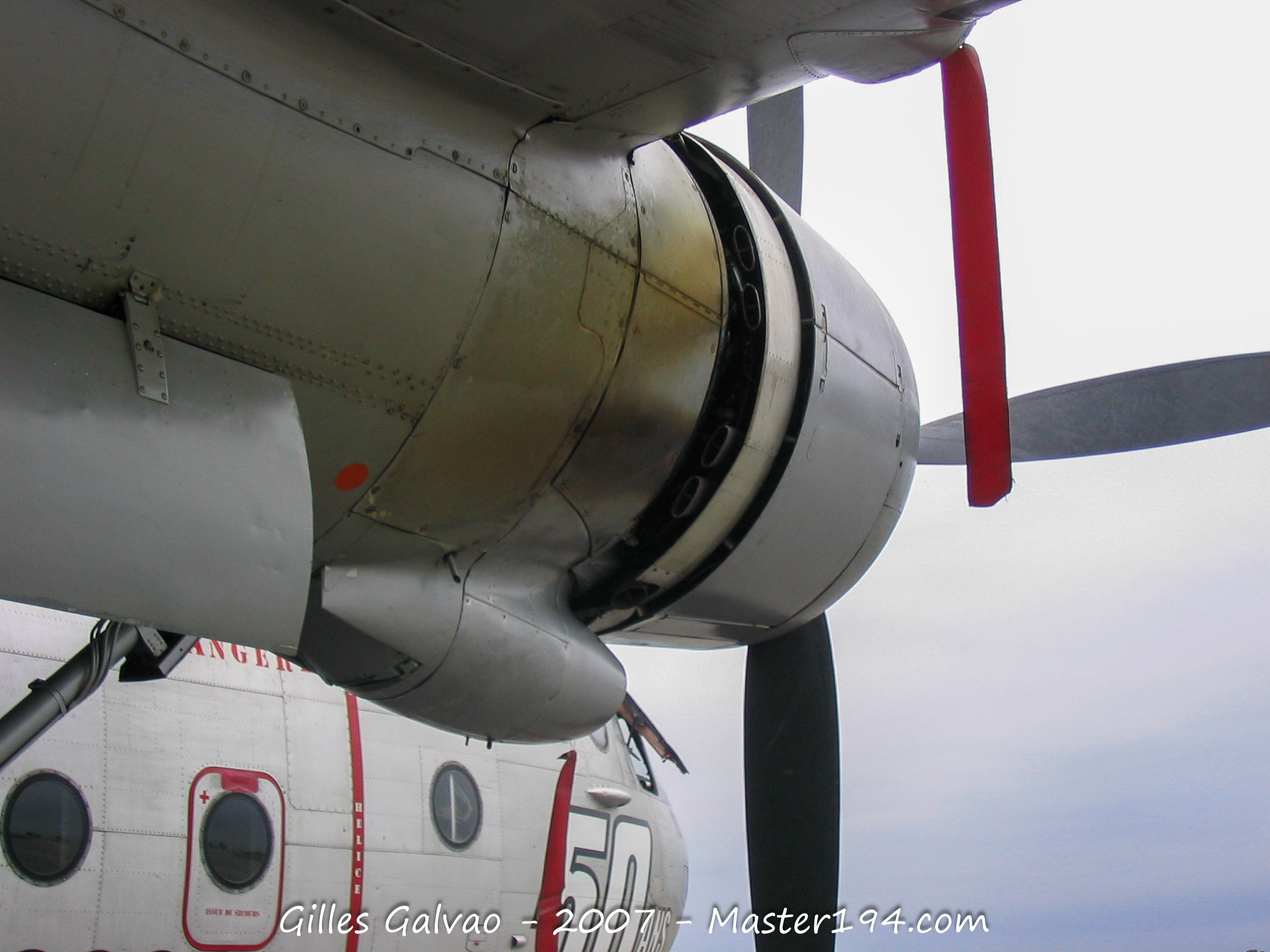
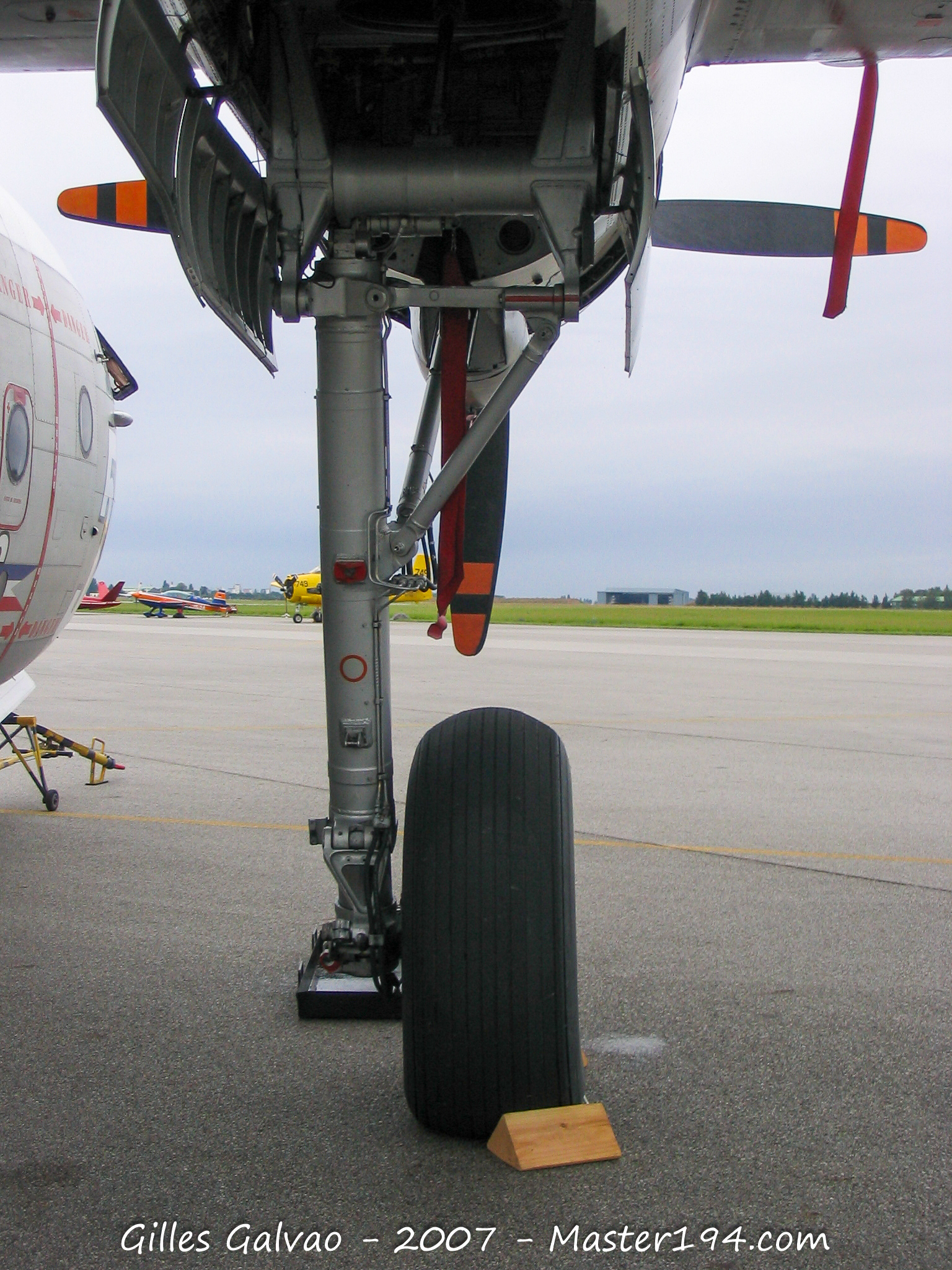
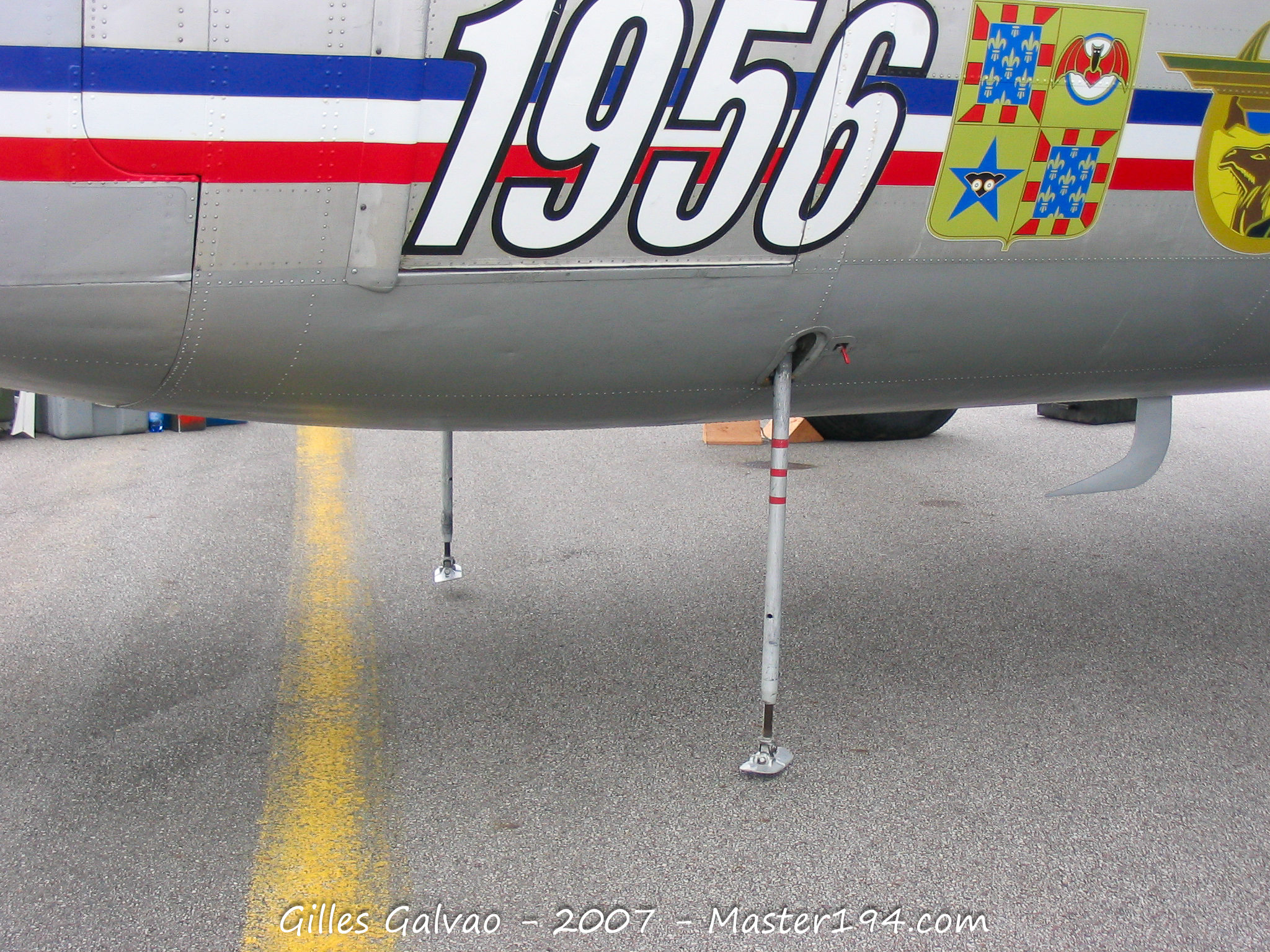
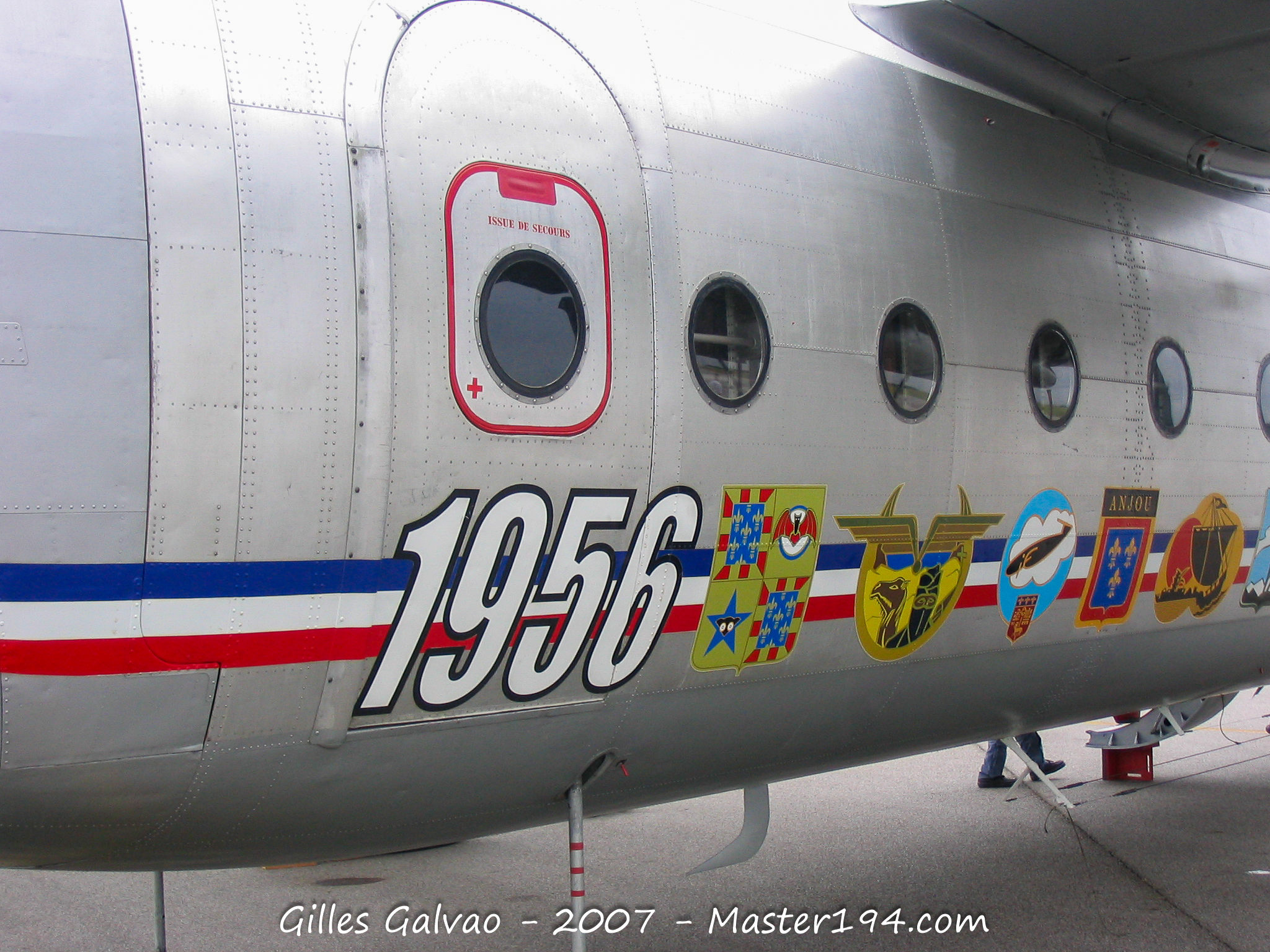
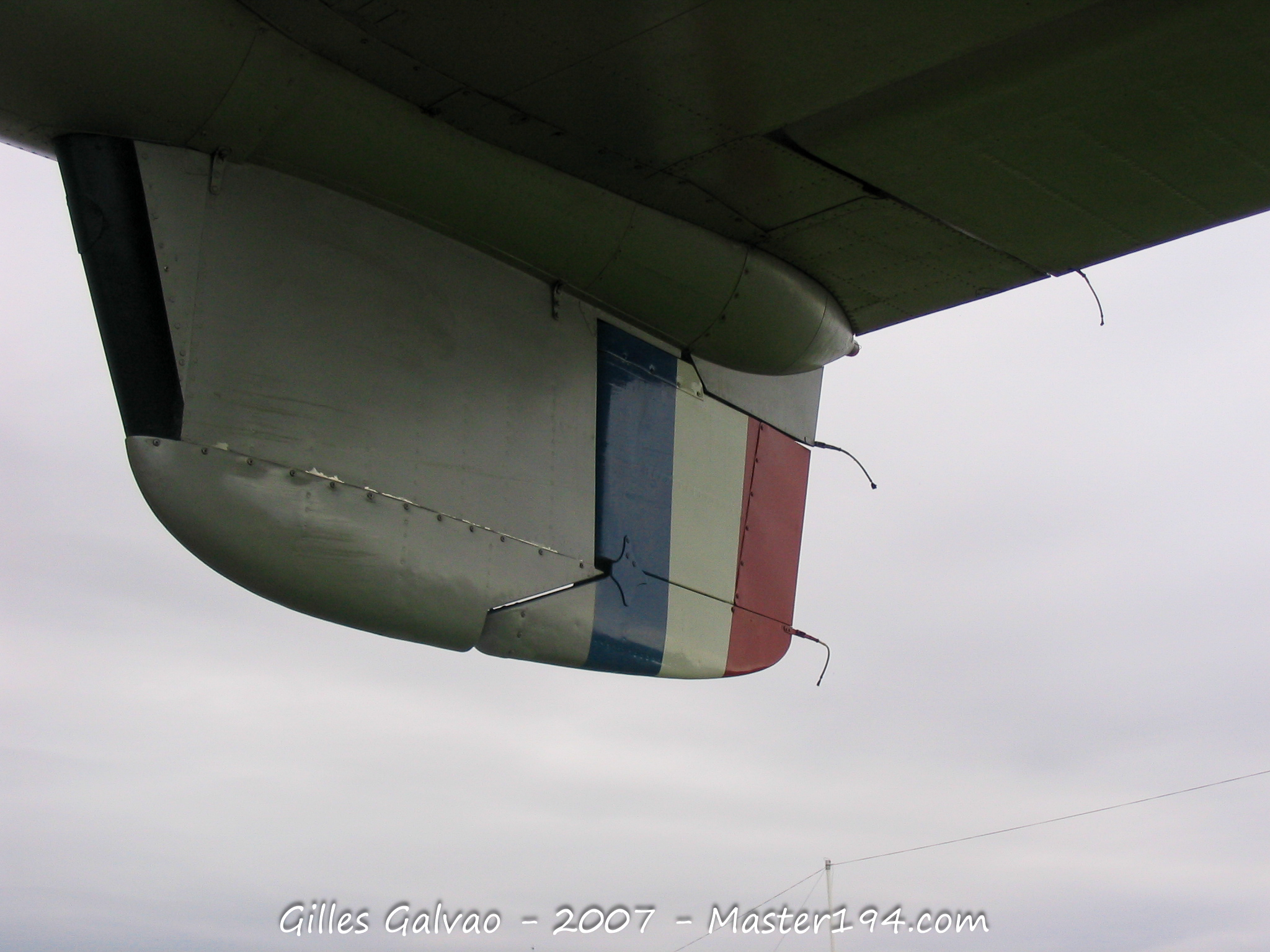
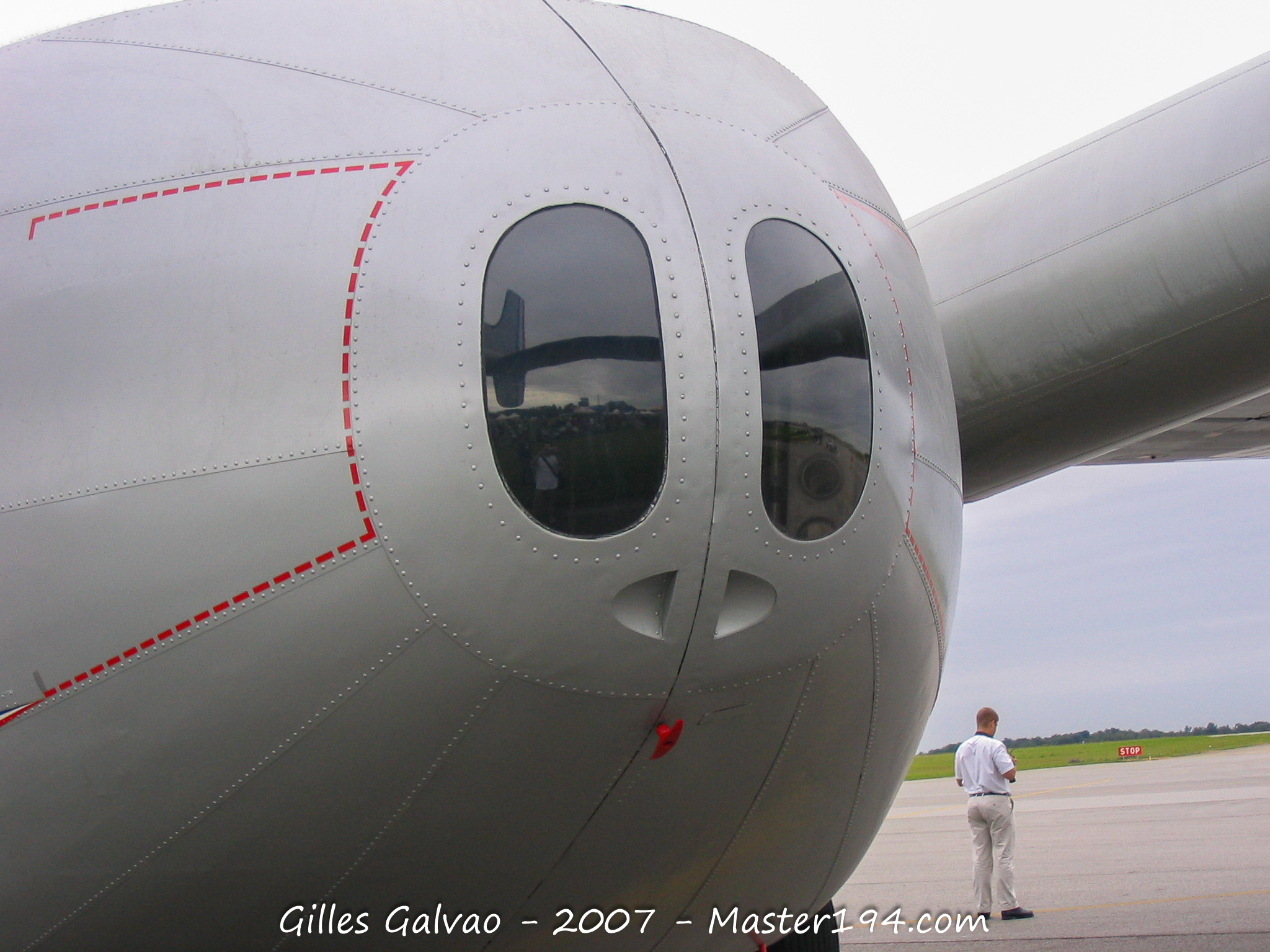
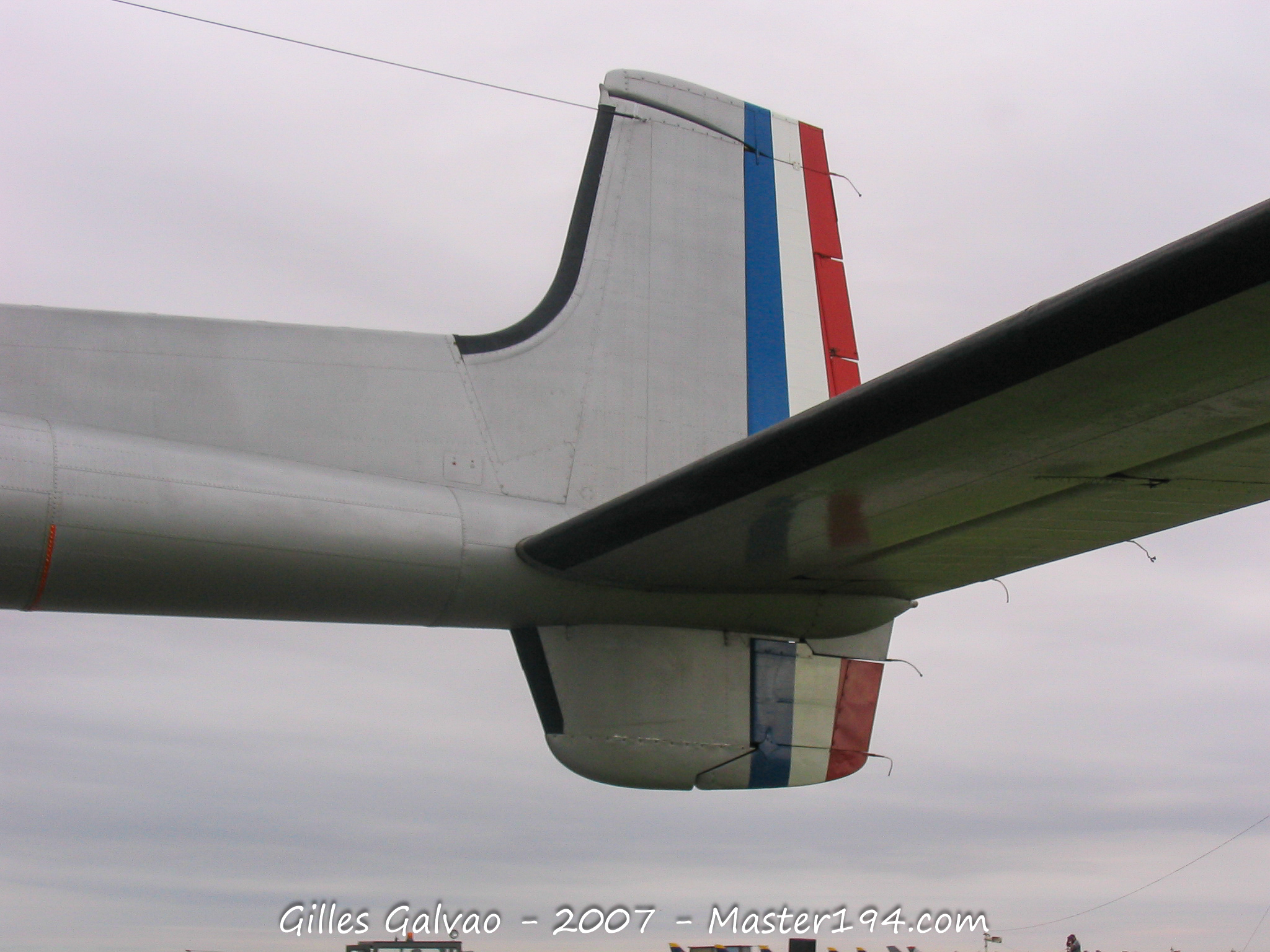
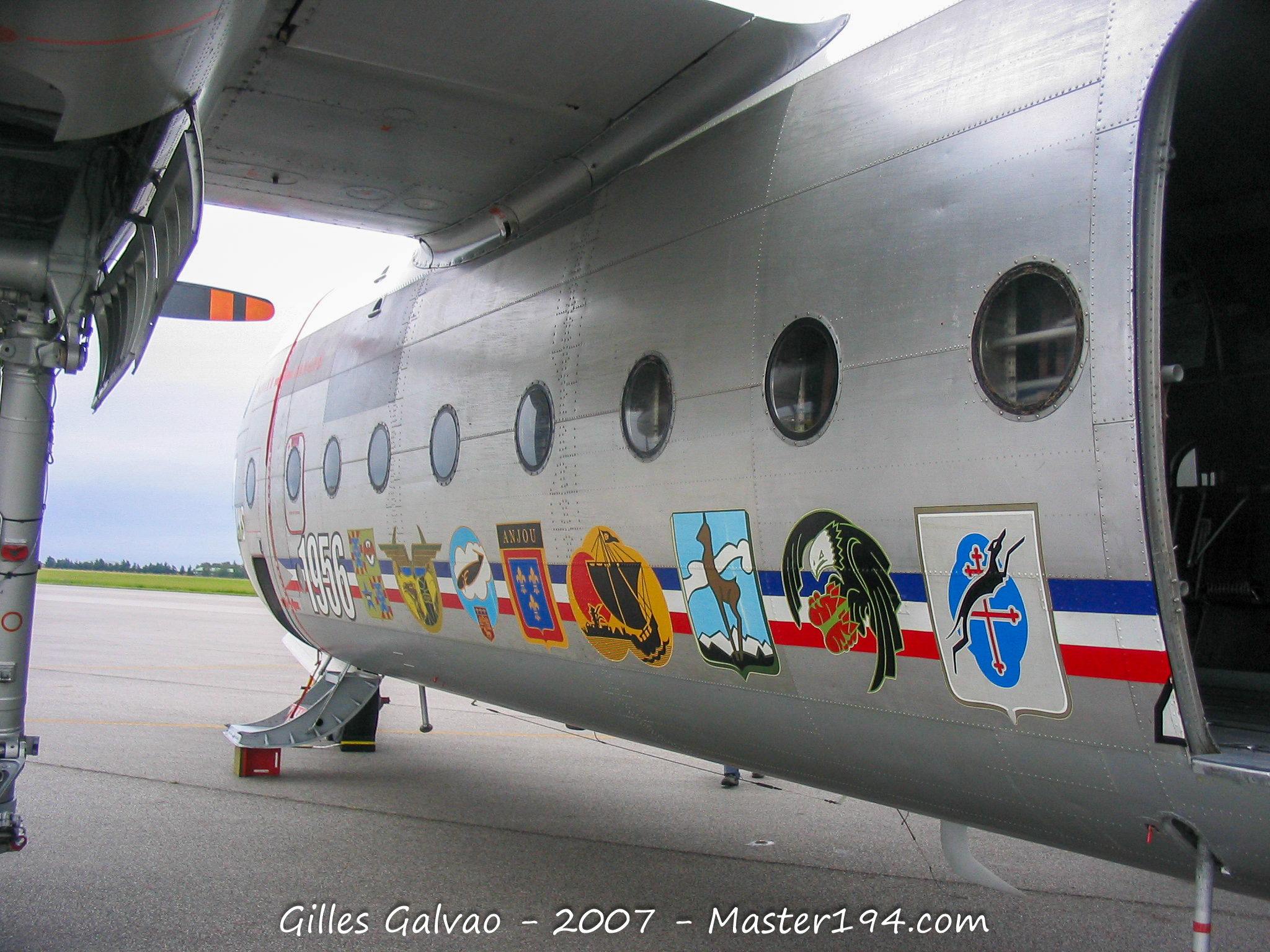
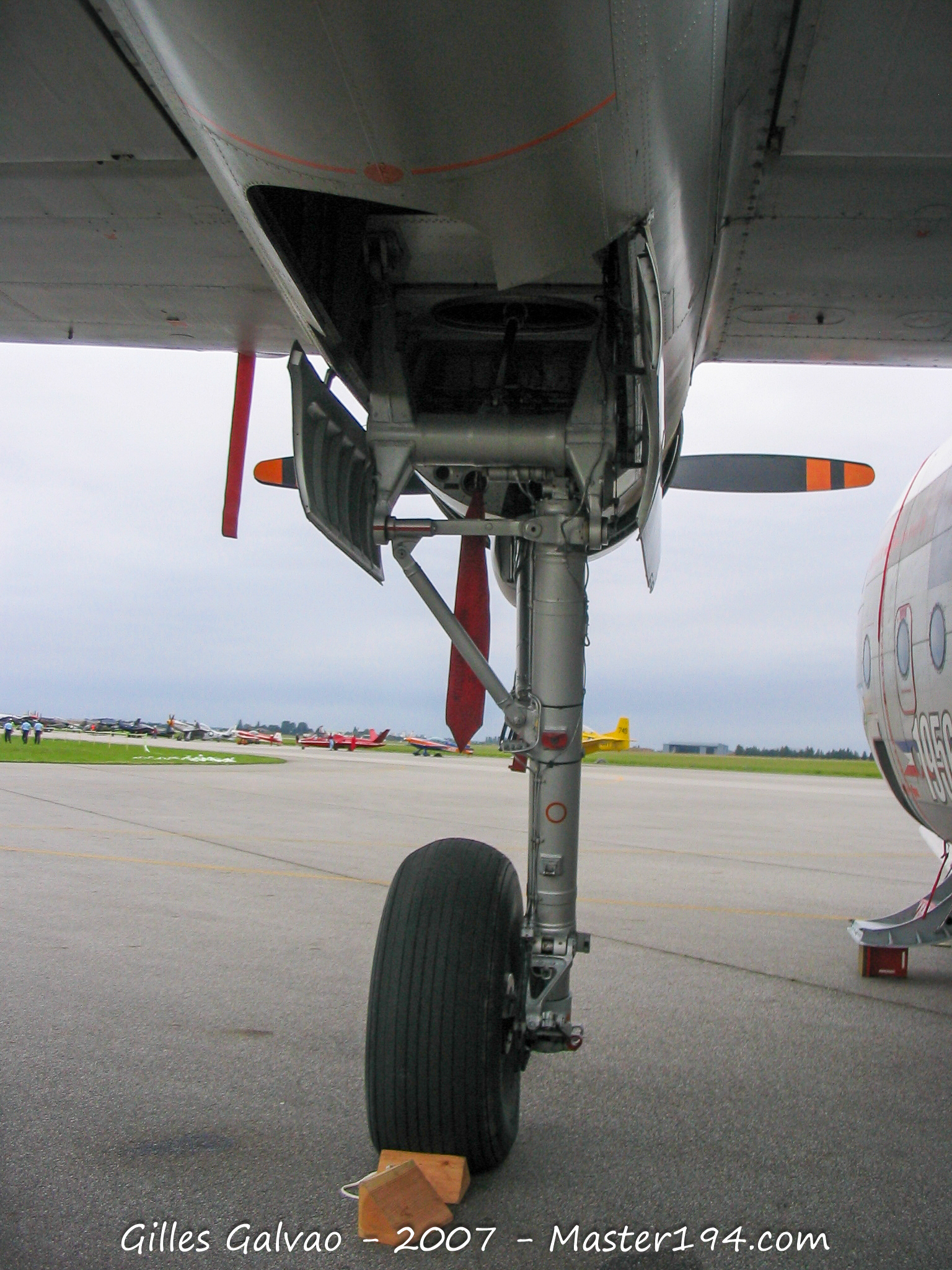
It is truly a joy and a privilege to still be able to see this aircraft in flight, as it is the only one of its kind in the world! Don’t hesitate to visit the association’s website to discover the full history of this aircraft, as well as the upcoming opportunities to see it flying. And why not support them, too?
Click on the logo to visit their website!