
 by
Among the multitude of iconic aircraft on display in this museum, the Dassault Super Étendard is, of course, a standout. I have previously mentioned the Naval Aviation Museum in Rochefort, and you can find the full feature on it right here: https://master194.com/2024/05/01/a-n-a-m-a-n-musee-de-laeronautique-navale-de-rochefort/
🇫🇷 Français :
🌍 Cet article est désormais disponible en deux langues ! Pour la version française, suivez ce lien :
https://master194.com/2025/02/18/dassault-super-etendard-du-musee-de-laeronautique-navale-de-rochefort/
The Super Étendard is a French carrier-based strike aircraft designed by Dassault Aviation. It is an evolution of the Étendard IV. The Super Étendard’s maiden flight took place on October 28, 1974, and it entered service in 1978. The French Navy (Marine Nationale) ordered 71 units, 14 of which were lost during its operational life.
Compared to the Étendard IV, although the Super Étendard looks very similar (in fact, Étendard IVM airframes were used as prototypes and the dimensions are nearly identical), many aspects have significantly evolved.
The main upgrades of the Super Étendard compared to the Étendard include:
- Modernized avionics coupled with the Agave radar
- An improved weapon system, notably allowing the carriage and firing of the AM39 Exocet missile
- All-weather capabilities, for both day and night operations
- Increased versatility, capable of ground attack, reconnaissance, and anti-ship missions
- Heavier overall weight, but equipped with a new, more powerful engine: the Snecma Atar 8K-50 ($5.1\text{ t}$ of thrust)
- A payload capacity increased by 800kg
- A wider and more modern range of weaponry: air-to-air missiles, laser-guided bombs, and reconnaissance pods
- “Buddy-buddy” (buddy refueling) capability, allowing it to refuel other aircraft using the Douglas ventral pod
Super Etendard and Modernised Super Etendard
There is the Super Étendard (known as the SUE) and the Modernized Super Étendard (SEM). Here is a bit more history to help you distinguish between them.
In 1987, a modernization project for the Super Étendard was launched, and the SUE progressively evolved into the SEM. The primary focus was the modernization of the avionics and the weapon system. A total of 54 SUE aircraft were upgraded to SEM standard. The upgrade process began in 1993, and the SEM continued to evolve through several ‘standards’ (software and hardware increments) until 2006.
The Different SEM Standards (Summary):
- Standard 1 (1993) – Modernization Kick-off
- Upgraded Radar: Transition from the Agave Radar to the Anémone Radar, offering superior performance for maritime and ground target detection.
- New Navigation System: Integration of GPS.
- Structural Modifications: Aimed at improving overall reliability.
- Standard 2 (1995) – Countermeasures Upgrade
- Electronic Warfare Enhancement: Updated jamming systems and dispensers (chaff and flare countermeasures).
- New Generation HUD: Installation of a modern Head-Up Display.
- Improved Bomb Integration: Better management of guided munitions.
- Standard 3 (1997) – Precision Strike Capability
- Laser-Guided Strikes: Addition of the AS-30L air-to-surface laser-guided missile.
- Pod Compatibility: Integration of the ATLIS II laser designator pod for guiding precision bombs and missiles.
- Standard 4 (2001) – Enhanced Sensors and Weapon Systems
- Color HUD: New Head-Up Display featuring a color screen.
- Electronic Warfare Boost: More effective jamming capabilities against enemy radars.
- Mission Recorder: Implementation of a flight data recorder for mission analysis.
- Standard 5 (2006) – Final Major Evolution
- Damoclès Pod: Integration of the Damoclès laser designator pod for guiding GBU-12 and GBU-49 bombs.
- Tactical Data Link: New system for real-time information exchange with other units.
- System Optimization: Final refinements to the radar and mission systems.
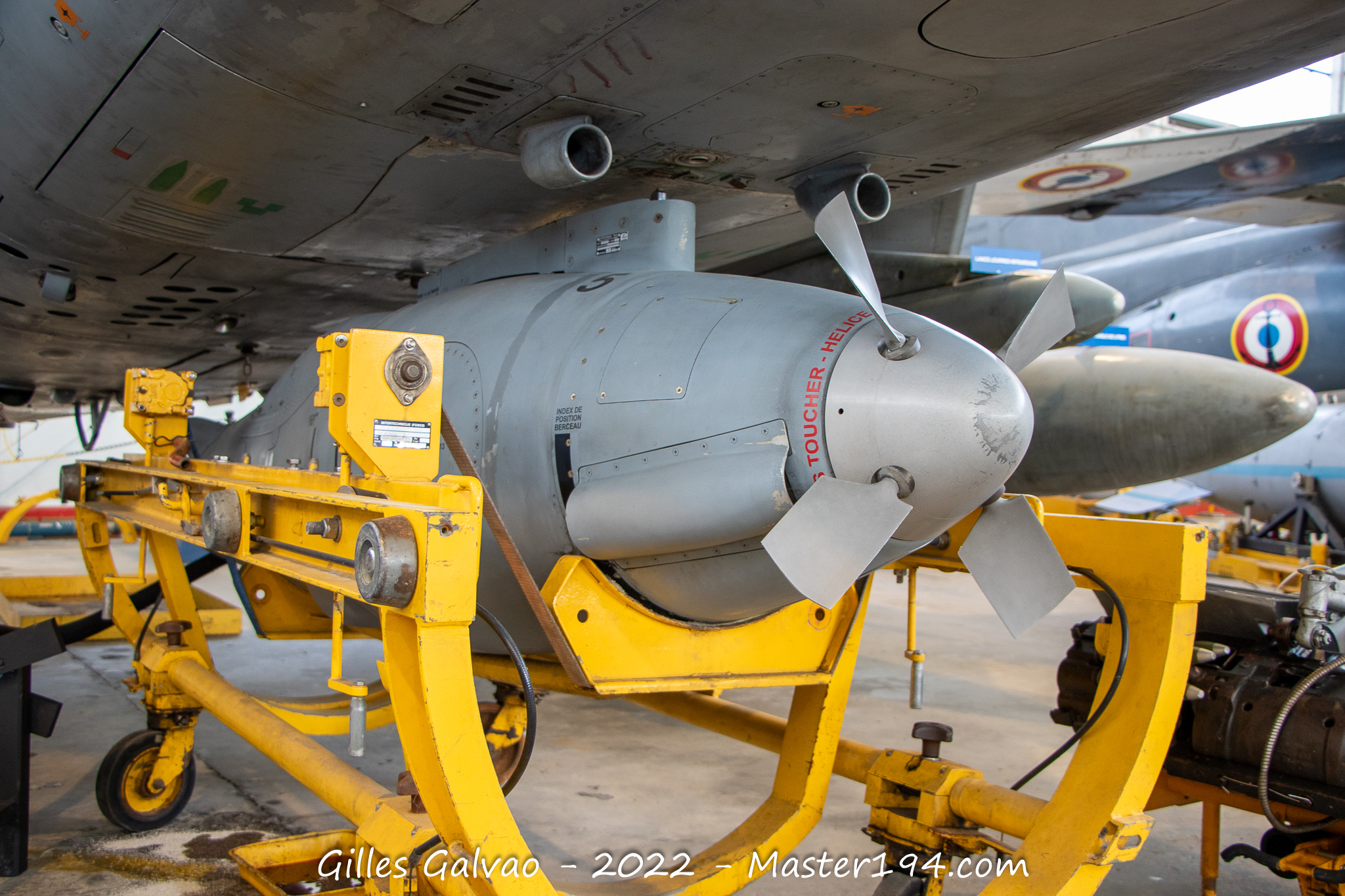
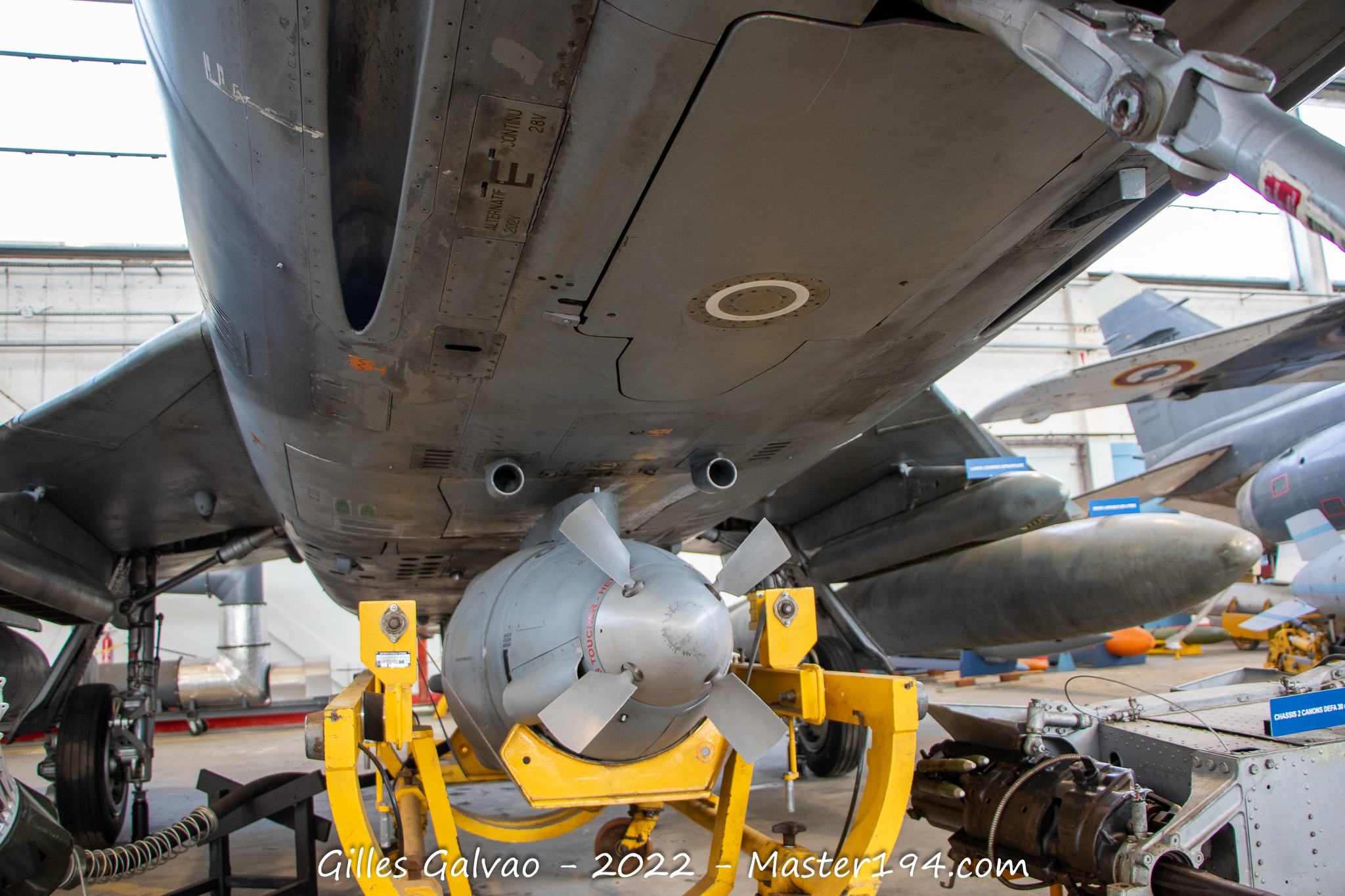
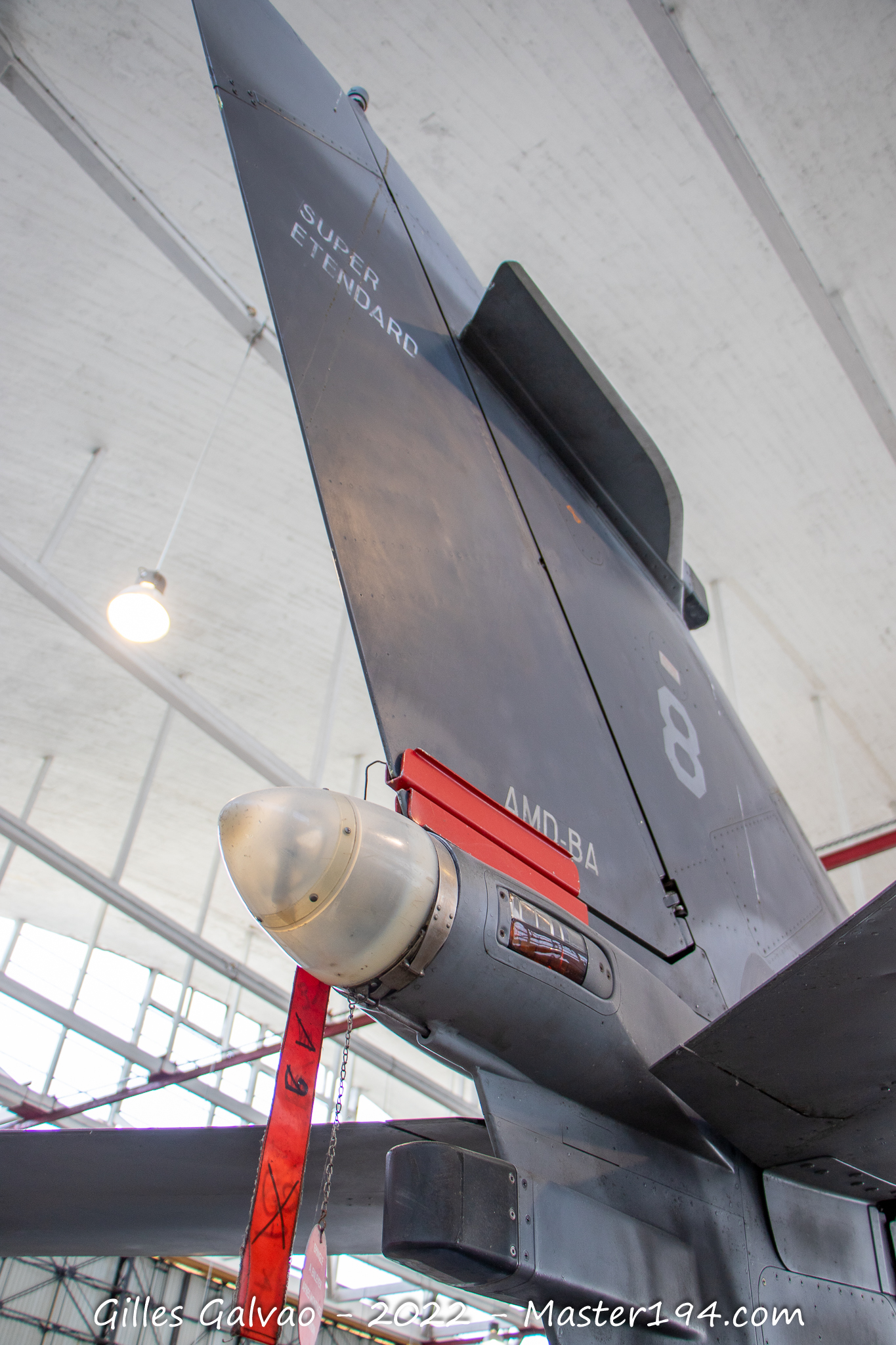
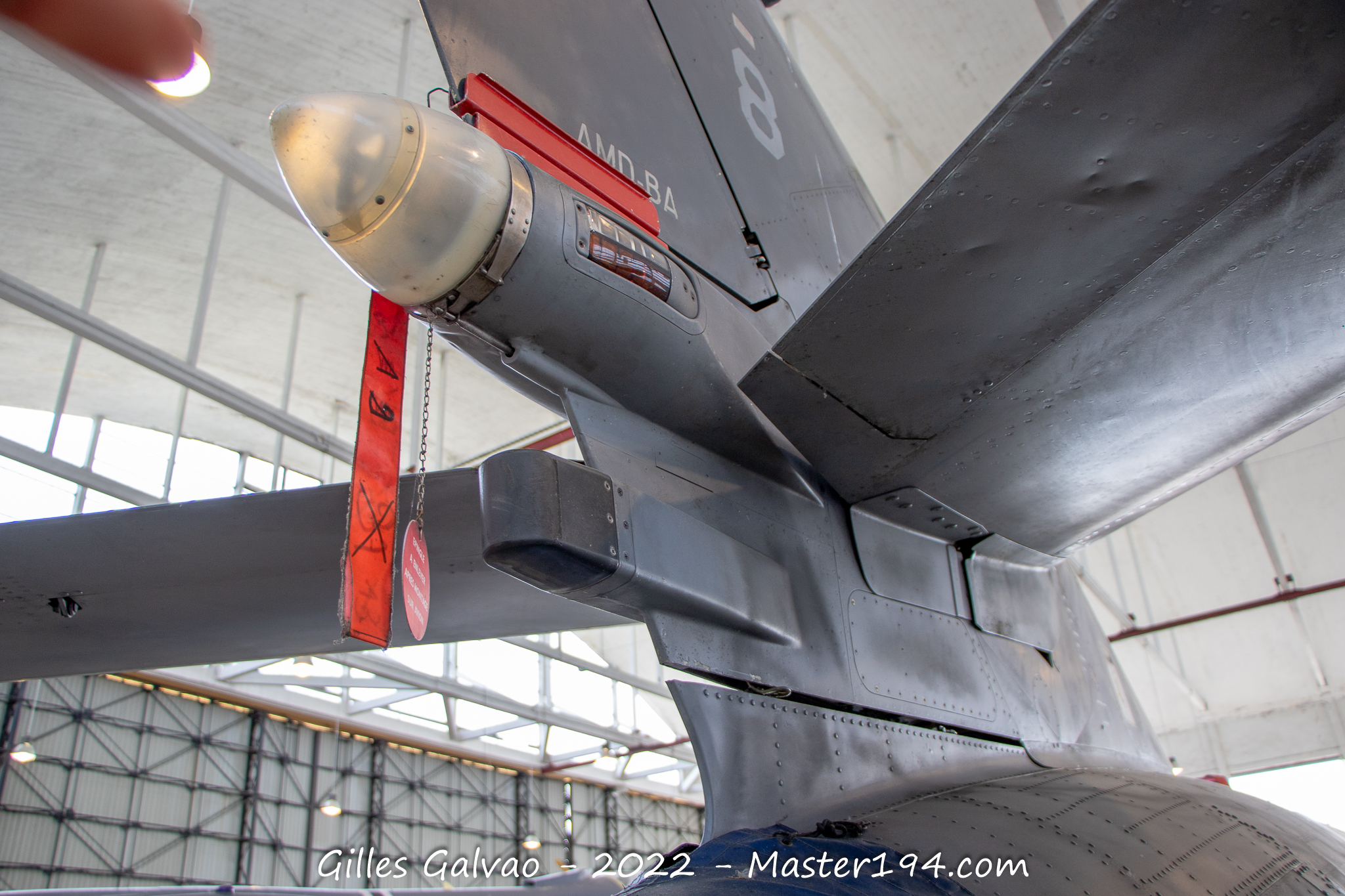
Walkaround of the refueling pod under the Super Étendard
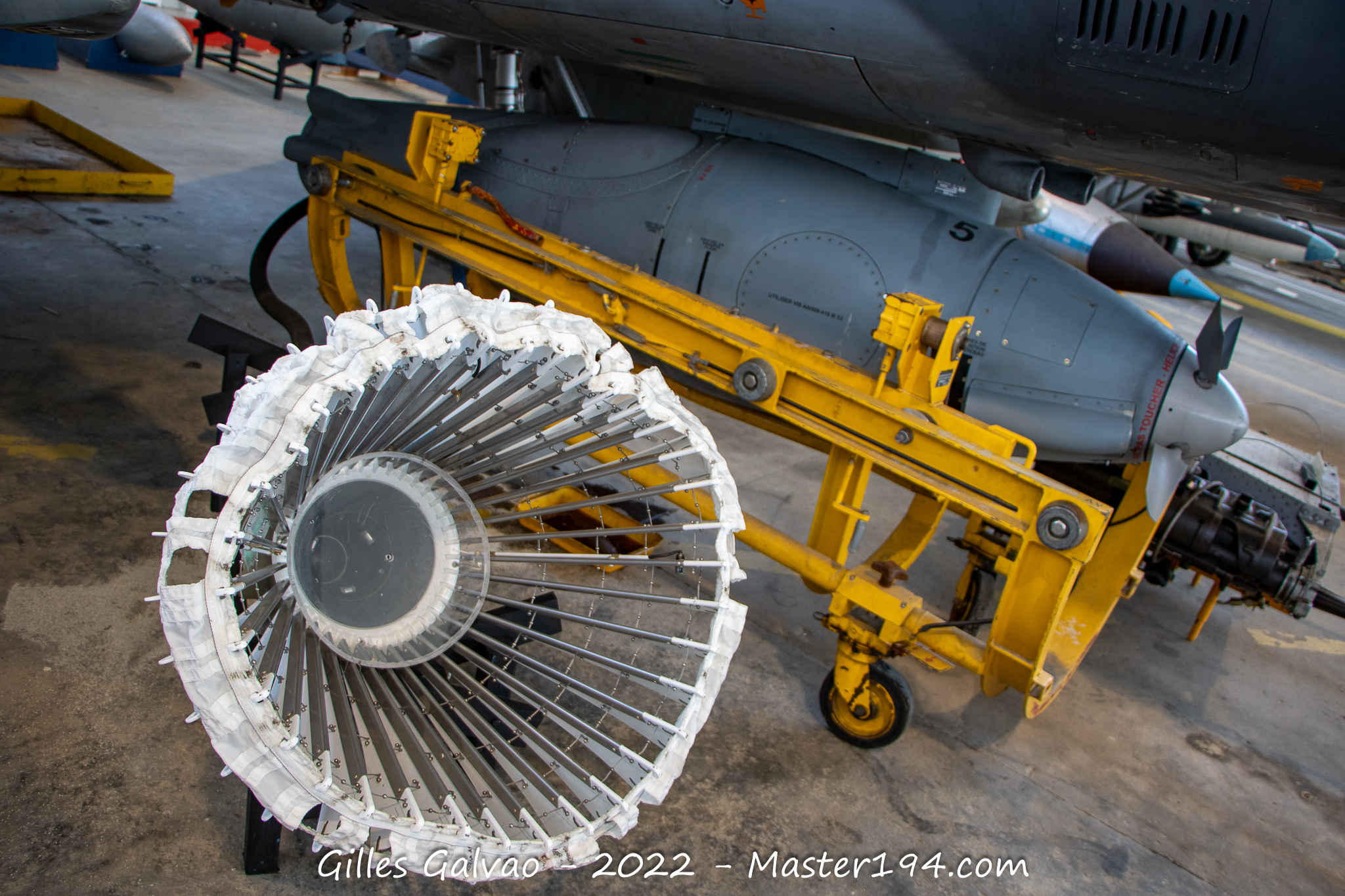
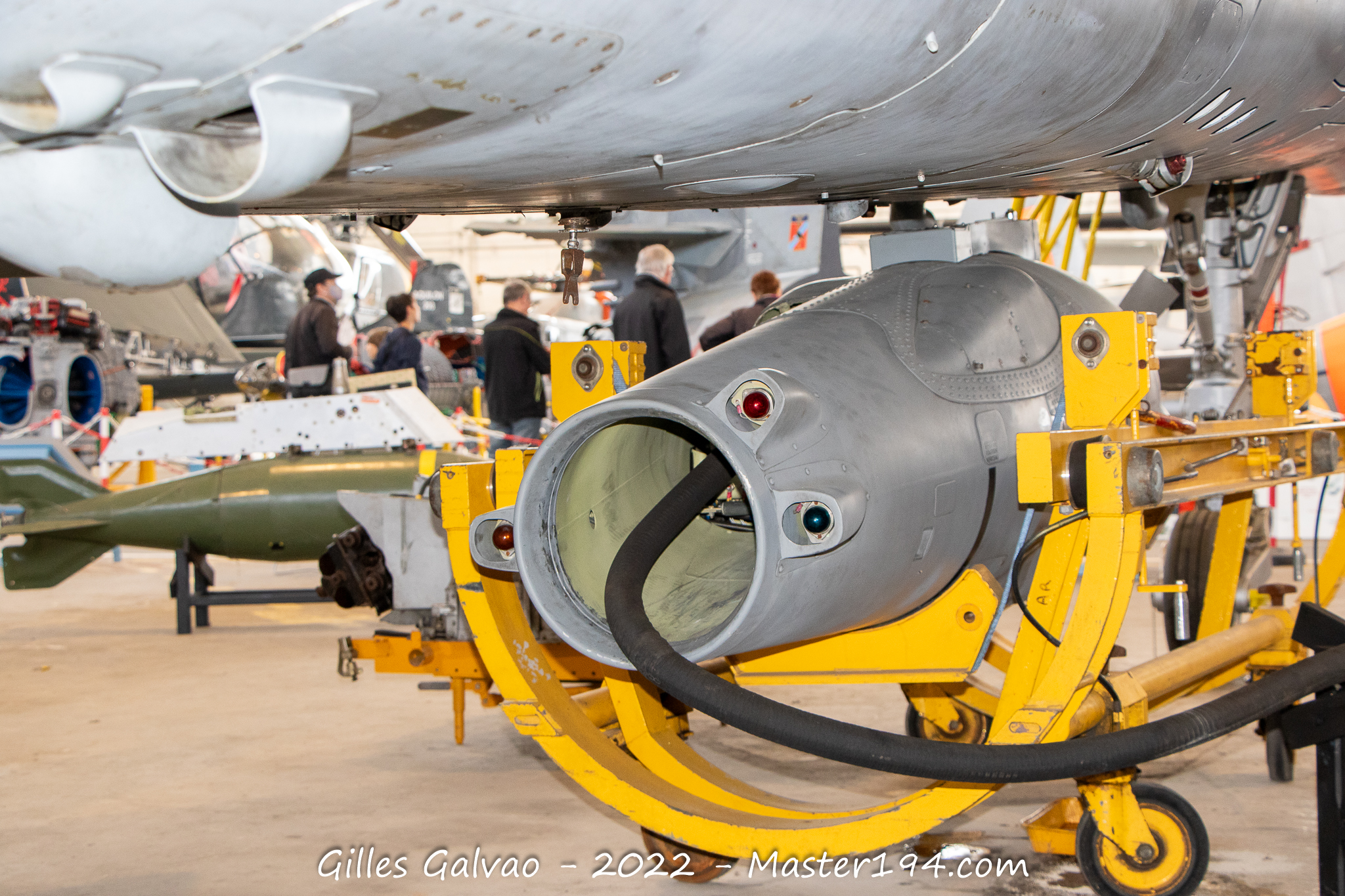
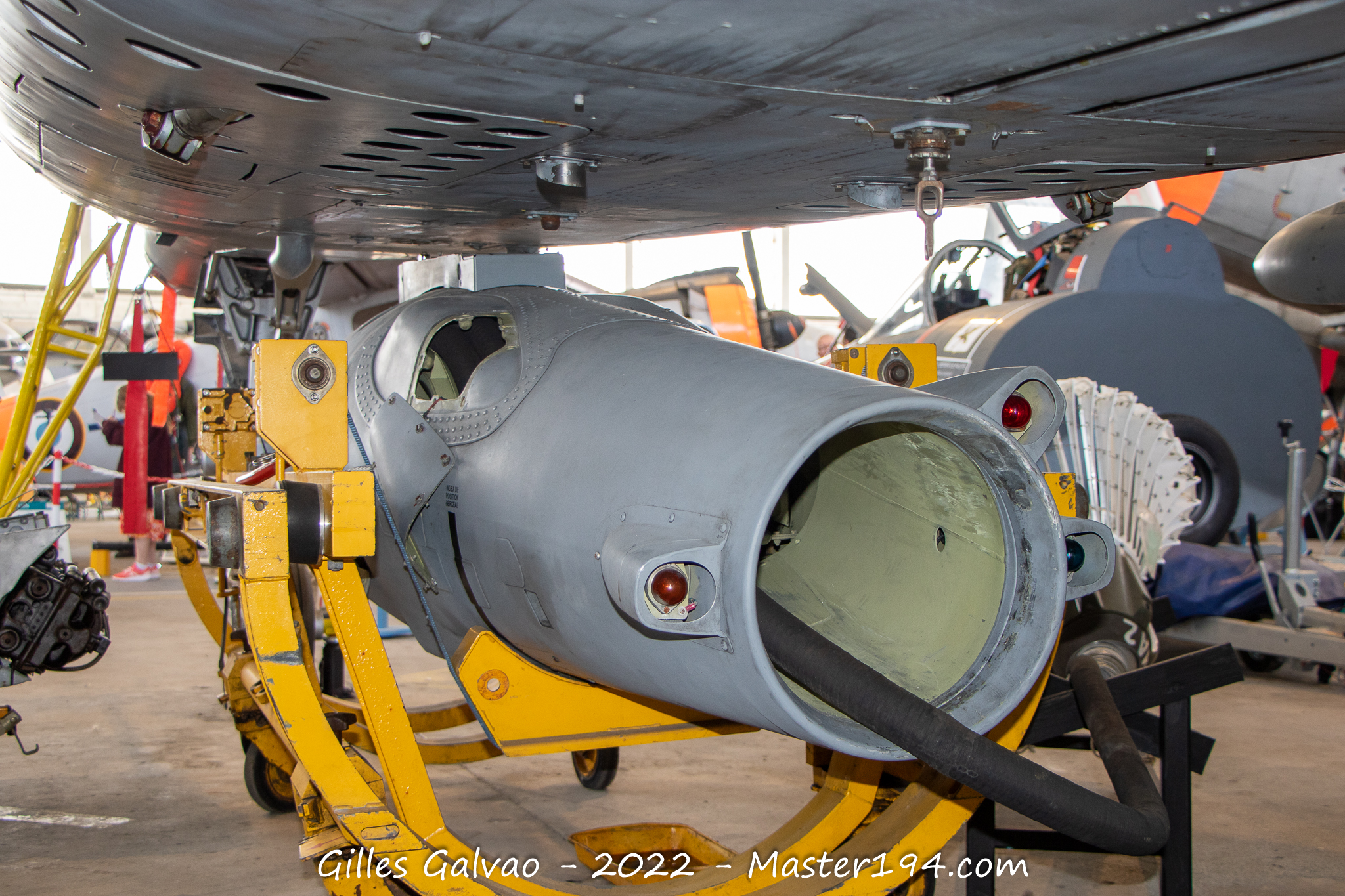
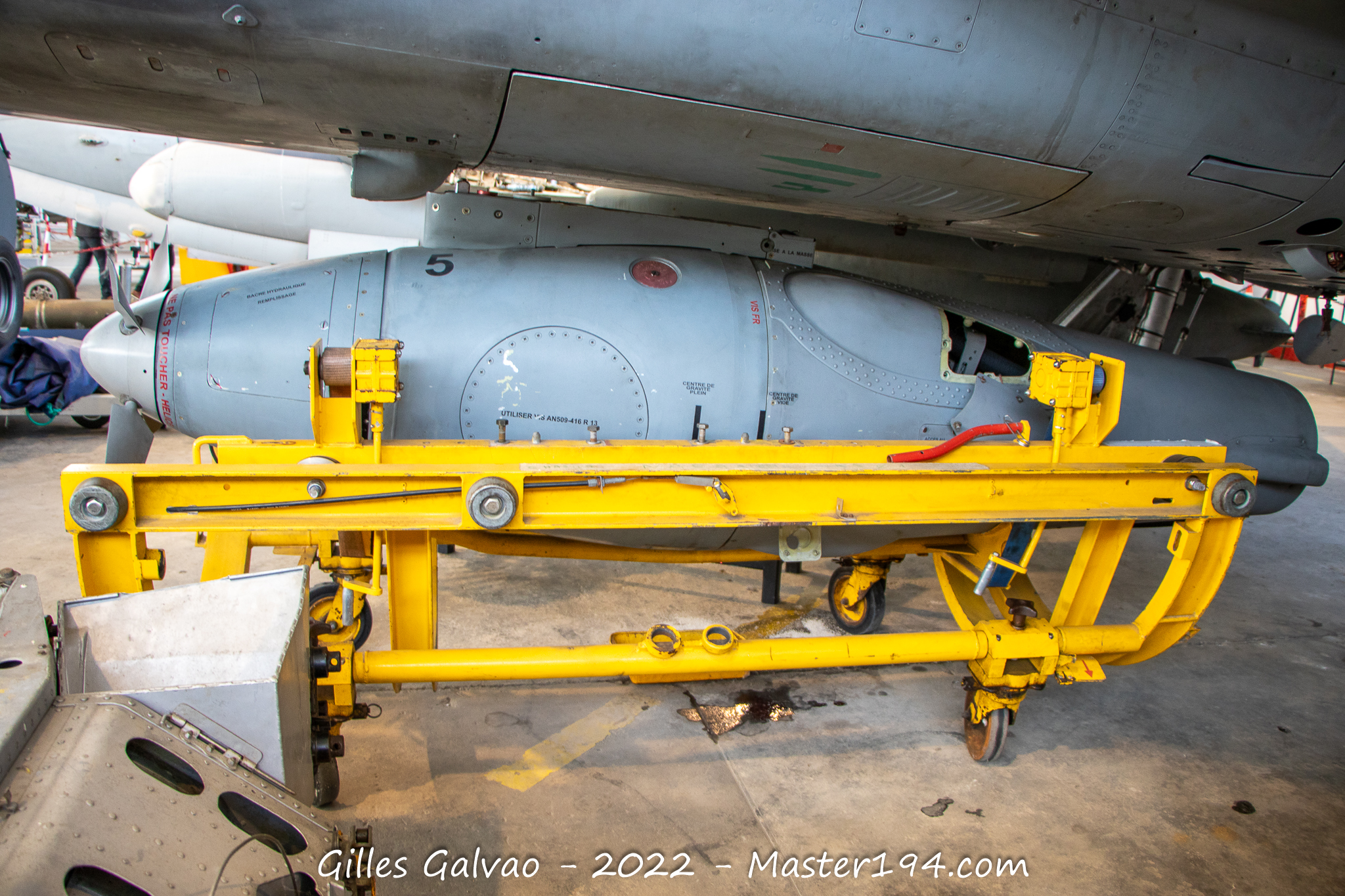
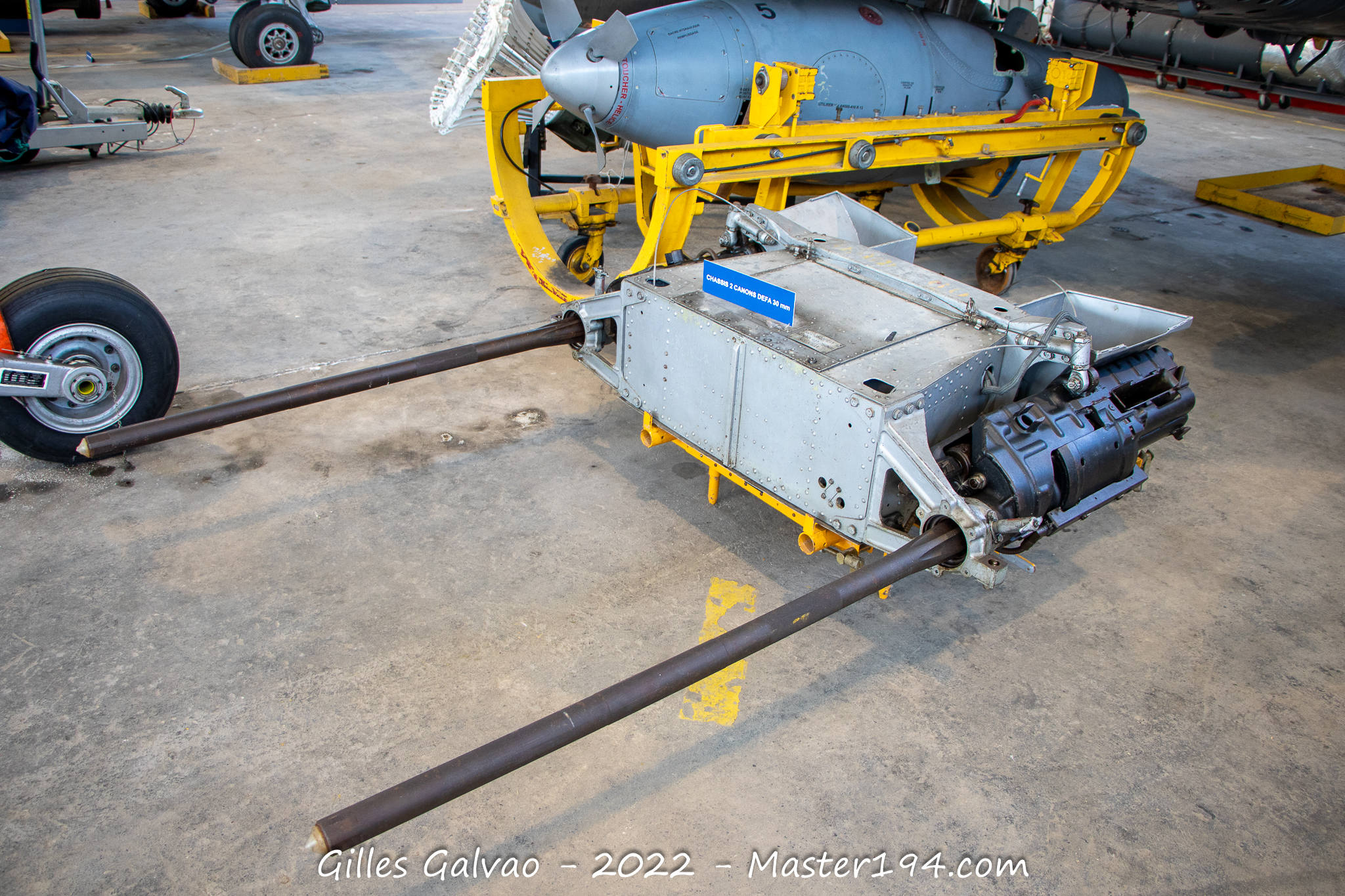
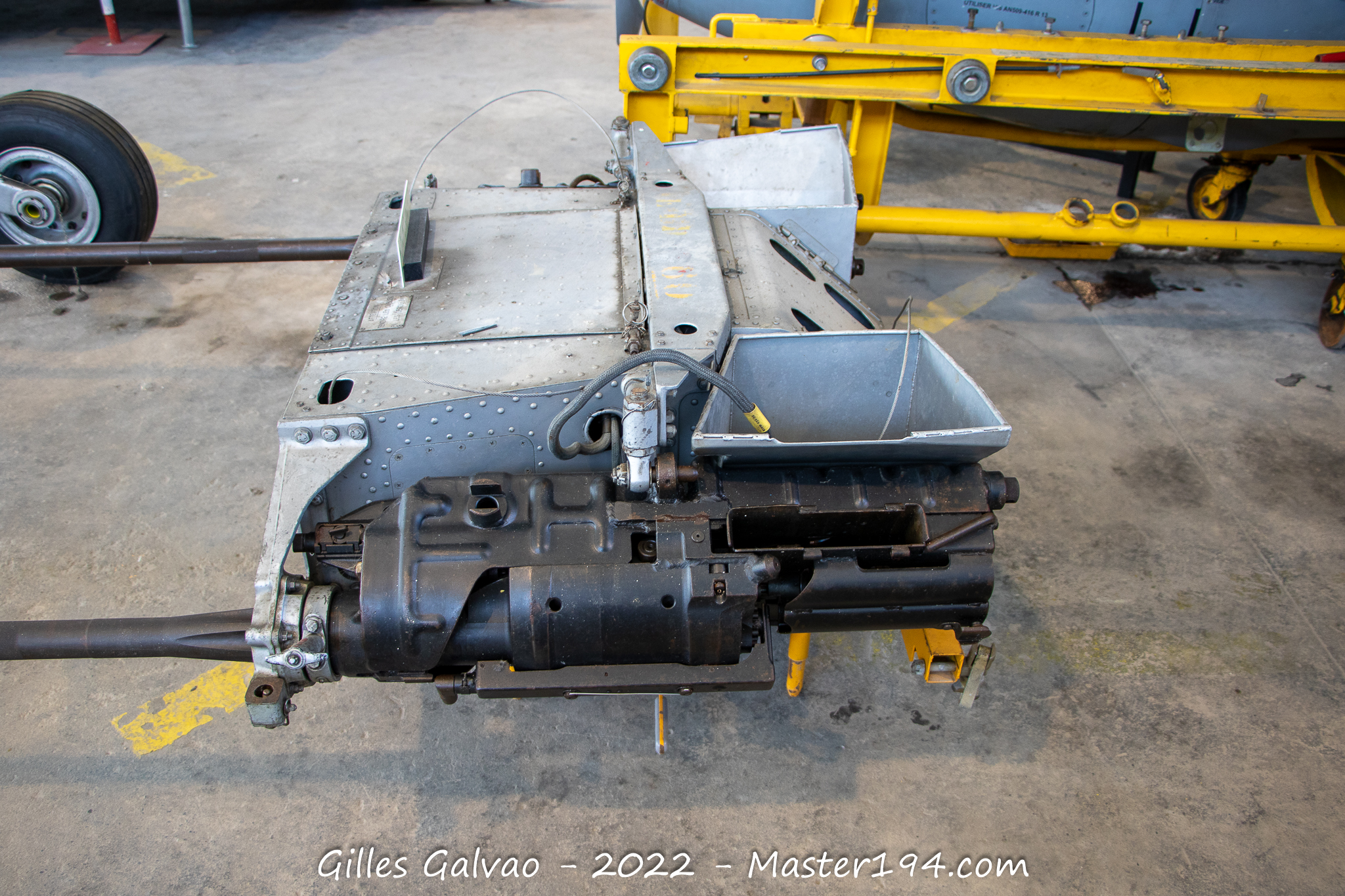
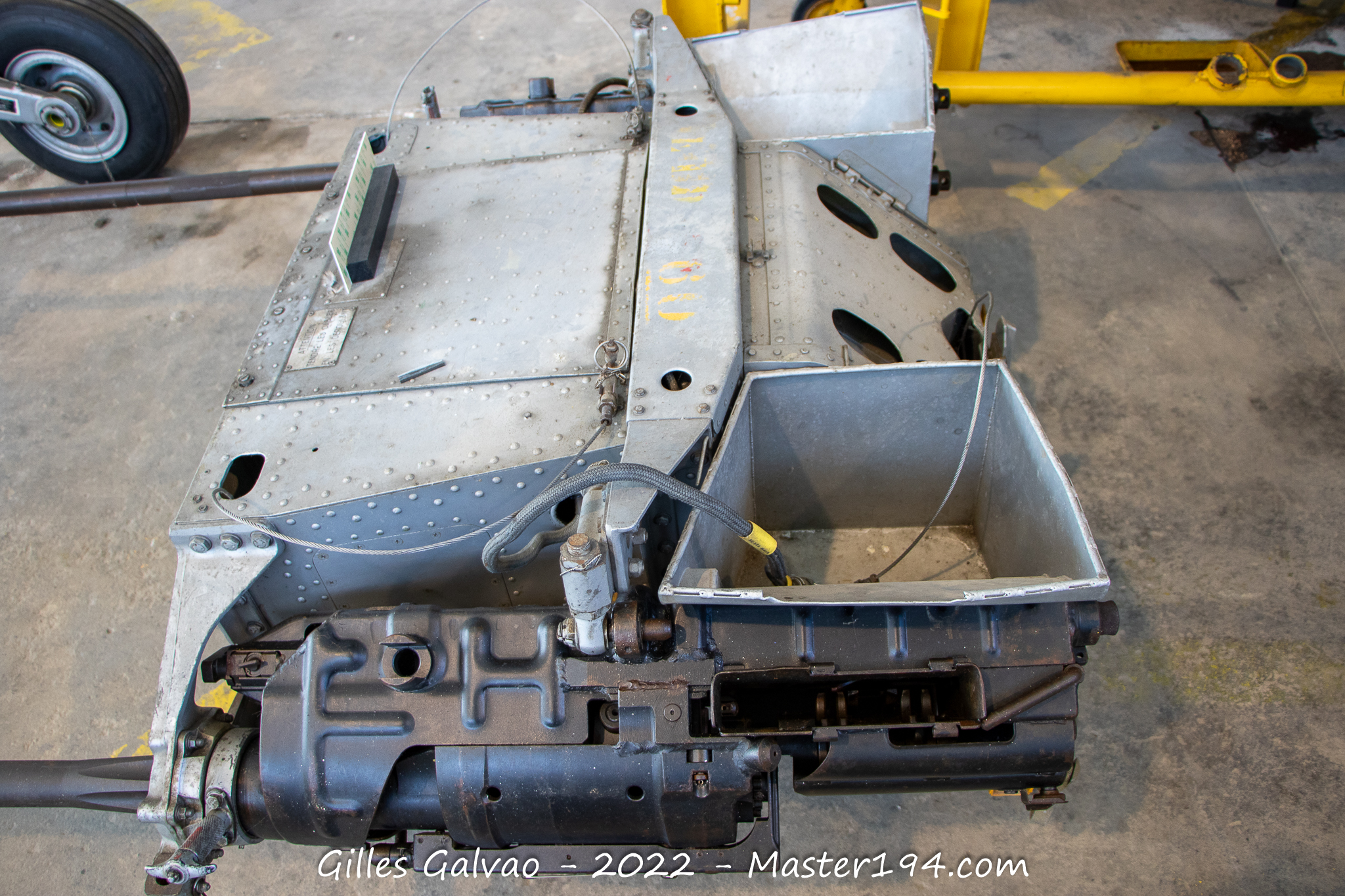
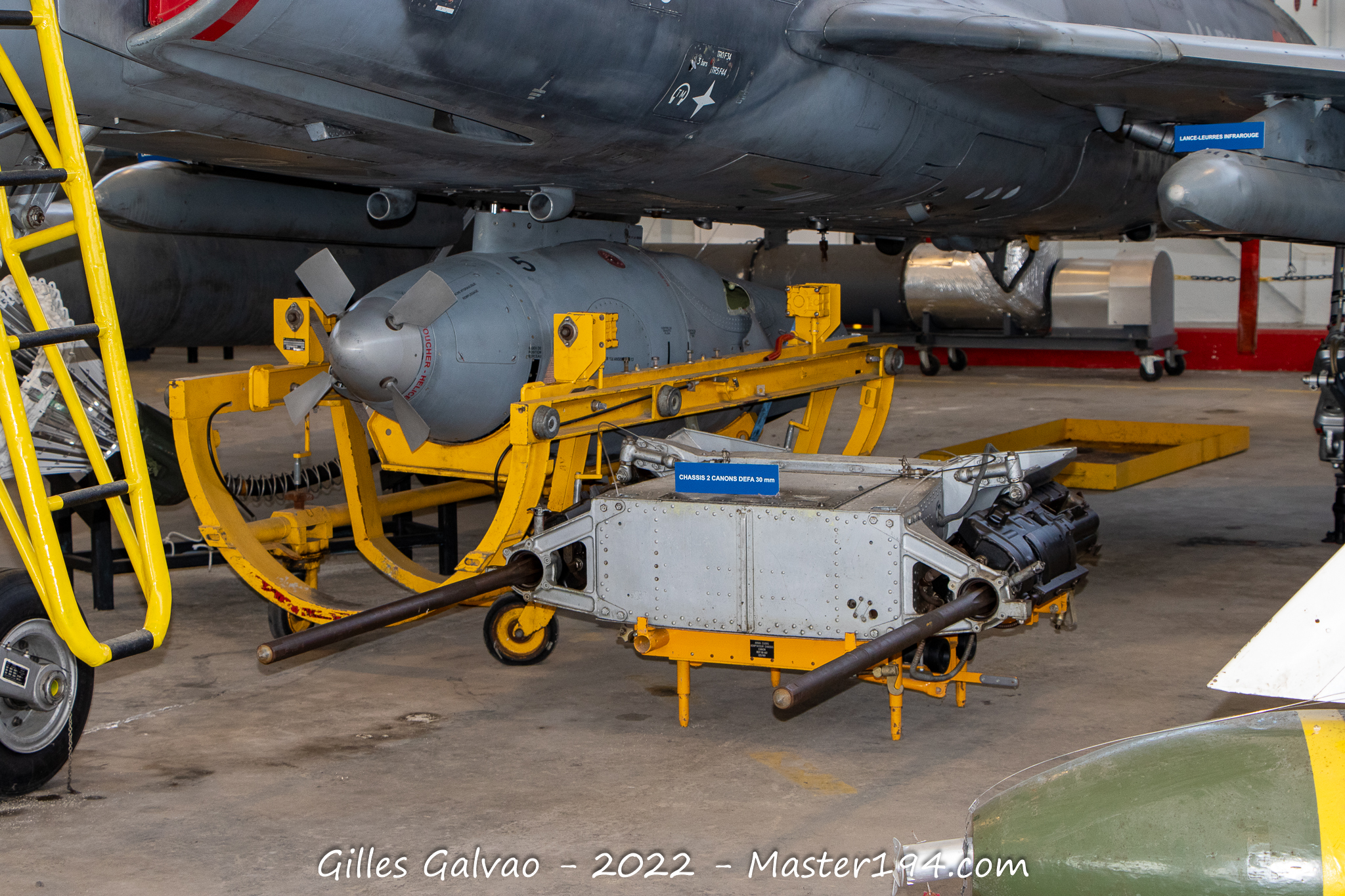
DEFA 30mm gun
The Super Étendard in action
Operated by the French Navy (Marine Nationale) and deployed aboard the aircraft carriers Charles de Gaulle and Foch, the Super Étendard took part in Gulf War operations during Operation Daguet in 1991, performing both reconnaissance and ground attack missions. It was also involved in conflicts in Kosovo and Afghanistan.
The Super Étendard was also used by the Argentine Navy (Armada), where it played a major role during the Falklands War (Guerra de las Malvinas). Its most significant feat of arms remains the destruction of the HMS Sheffield on May 4, 1982, as well as the sinking of the Atlantic Conveyor (May 25, 1982), both achieved with AM39 Exocet missiles. The human toll of these two successful attacks—lest we forget that these superb machines are, first and foremost, weapons of war—was 22 killed and 26 wounded.
It is worth noting that Argentina purchased 14 aircraft in 1980, but only 5 had been delivered before the Falklands War began. Furthermore, Argentina had only one AM39 Exocet missile per aircraft, meaning a total of five at the time of the conflict, two of which were used successfully. In 2019, Argentina purchased five Modernized Super Étendards (SEM), which they upgraded themselves and designated as SUM.
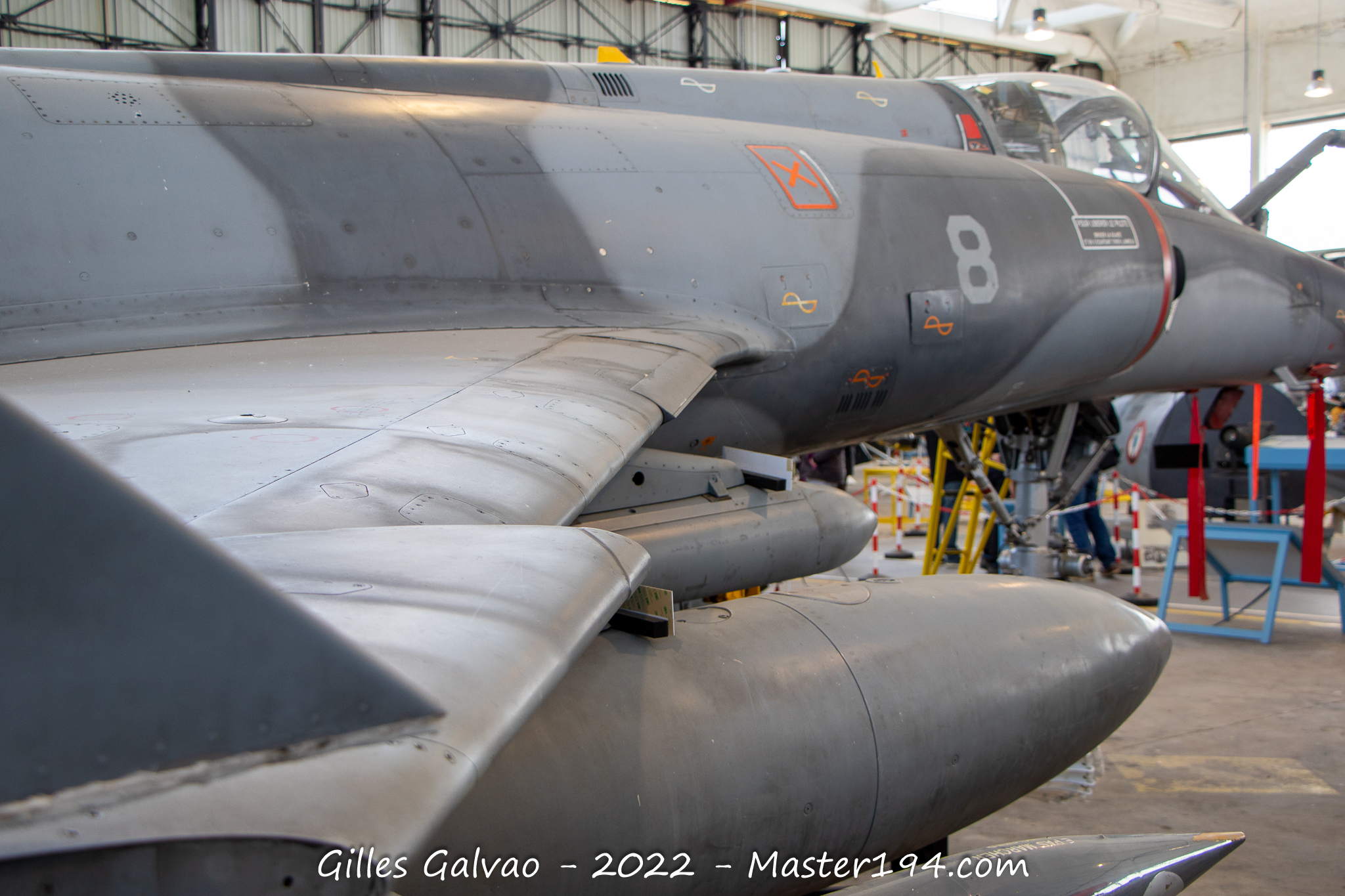
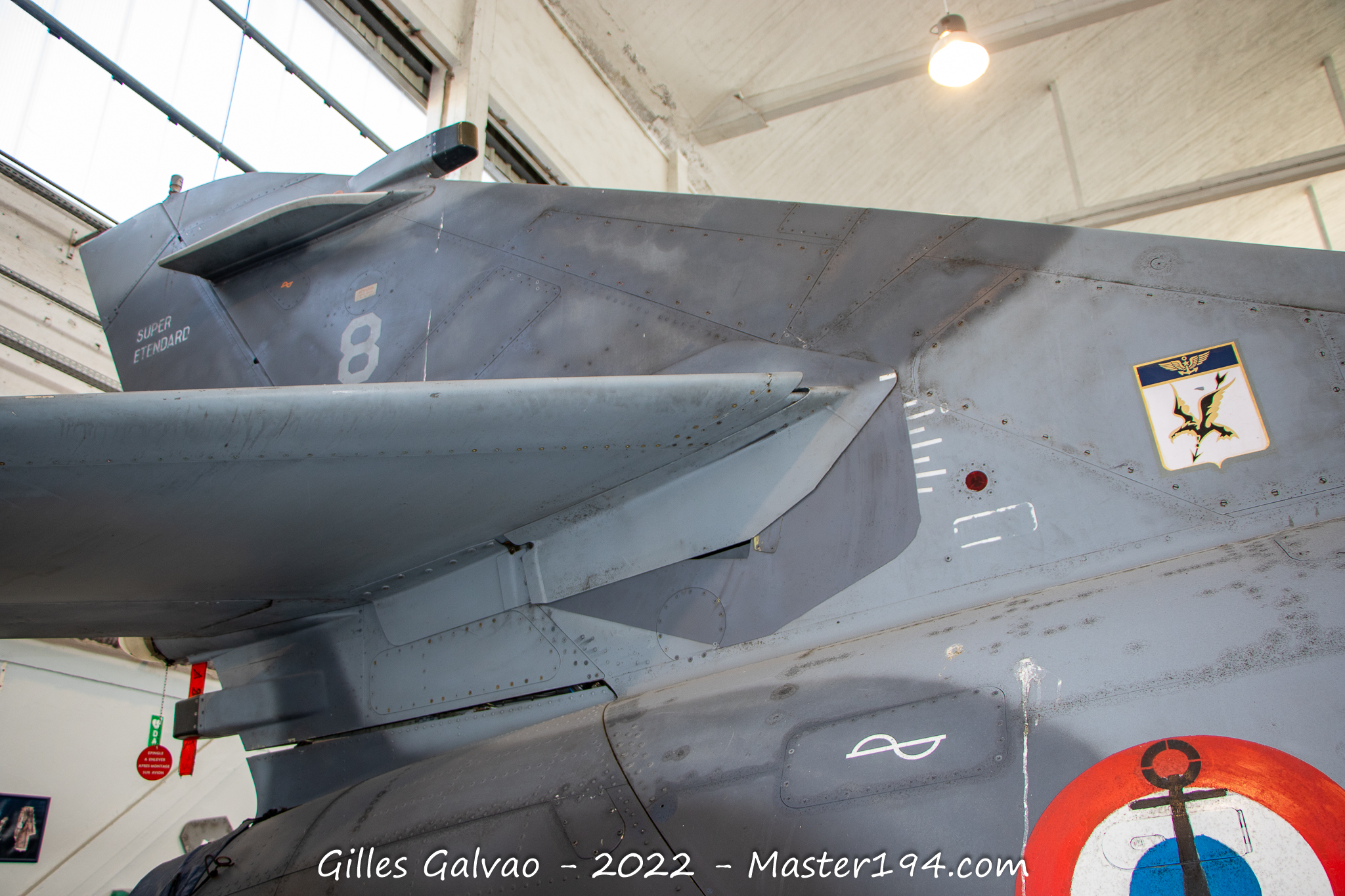
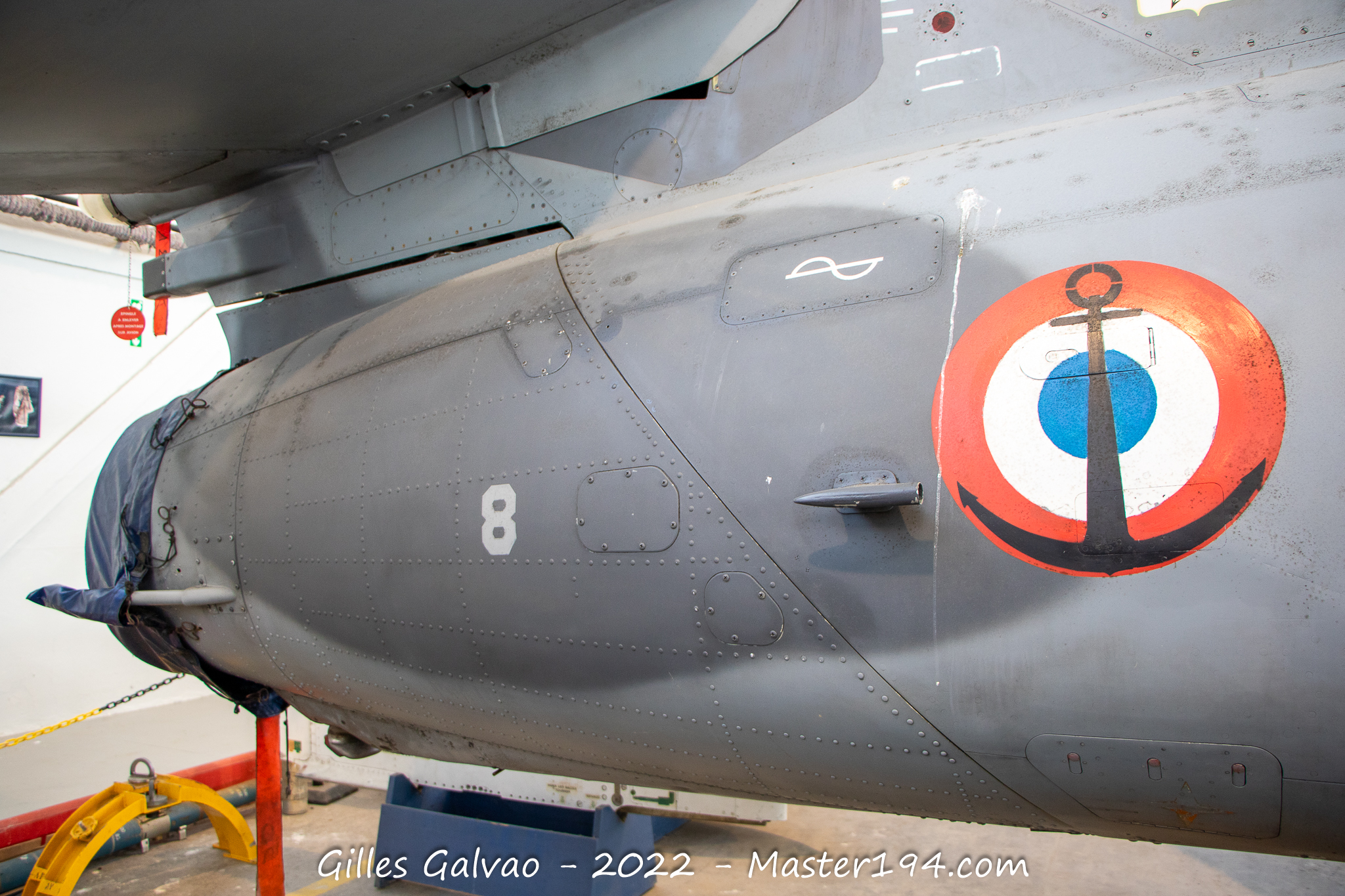
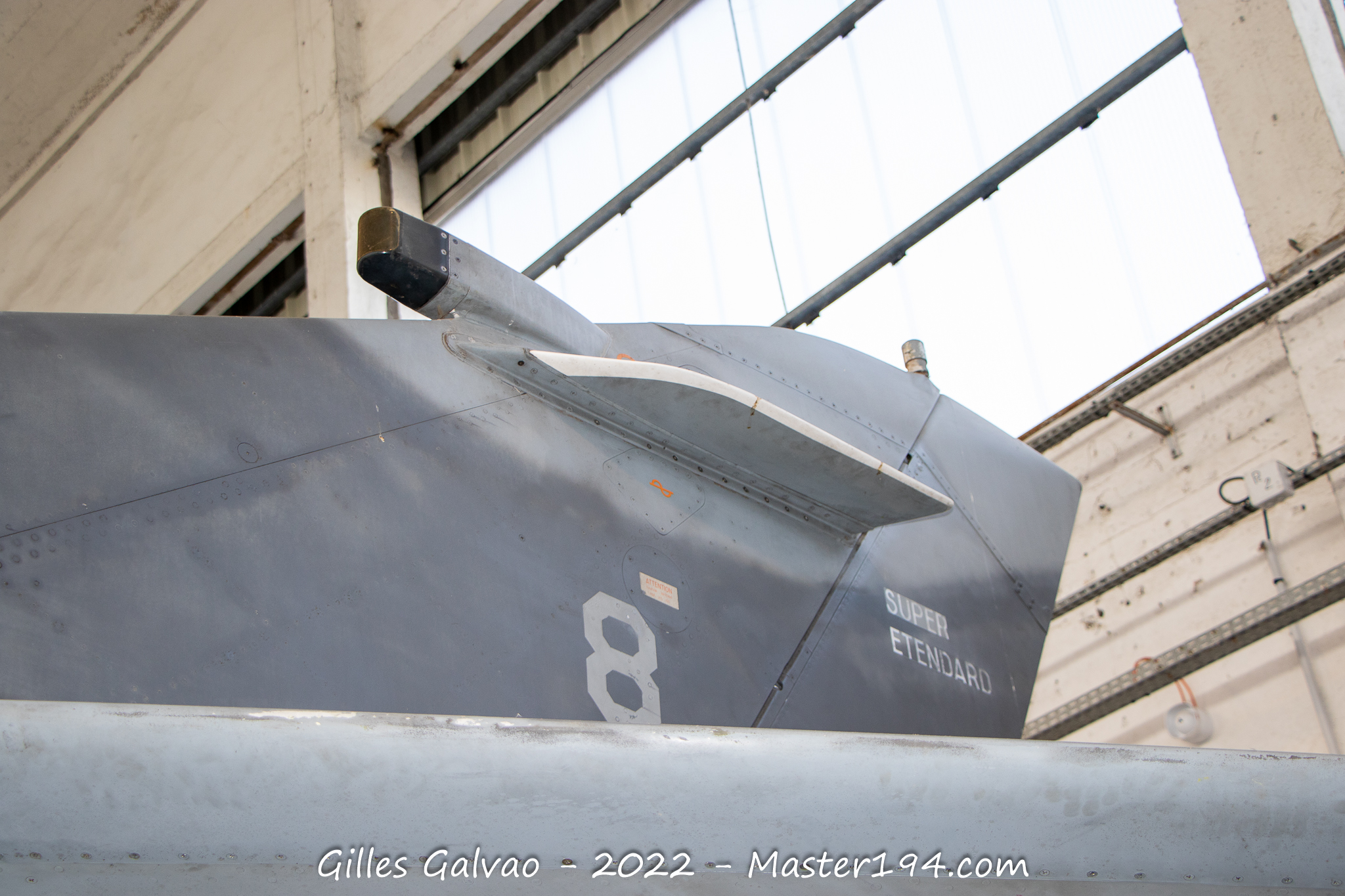
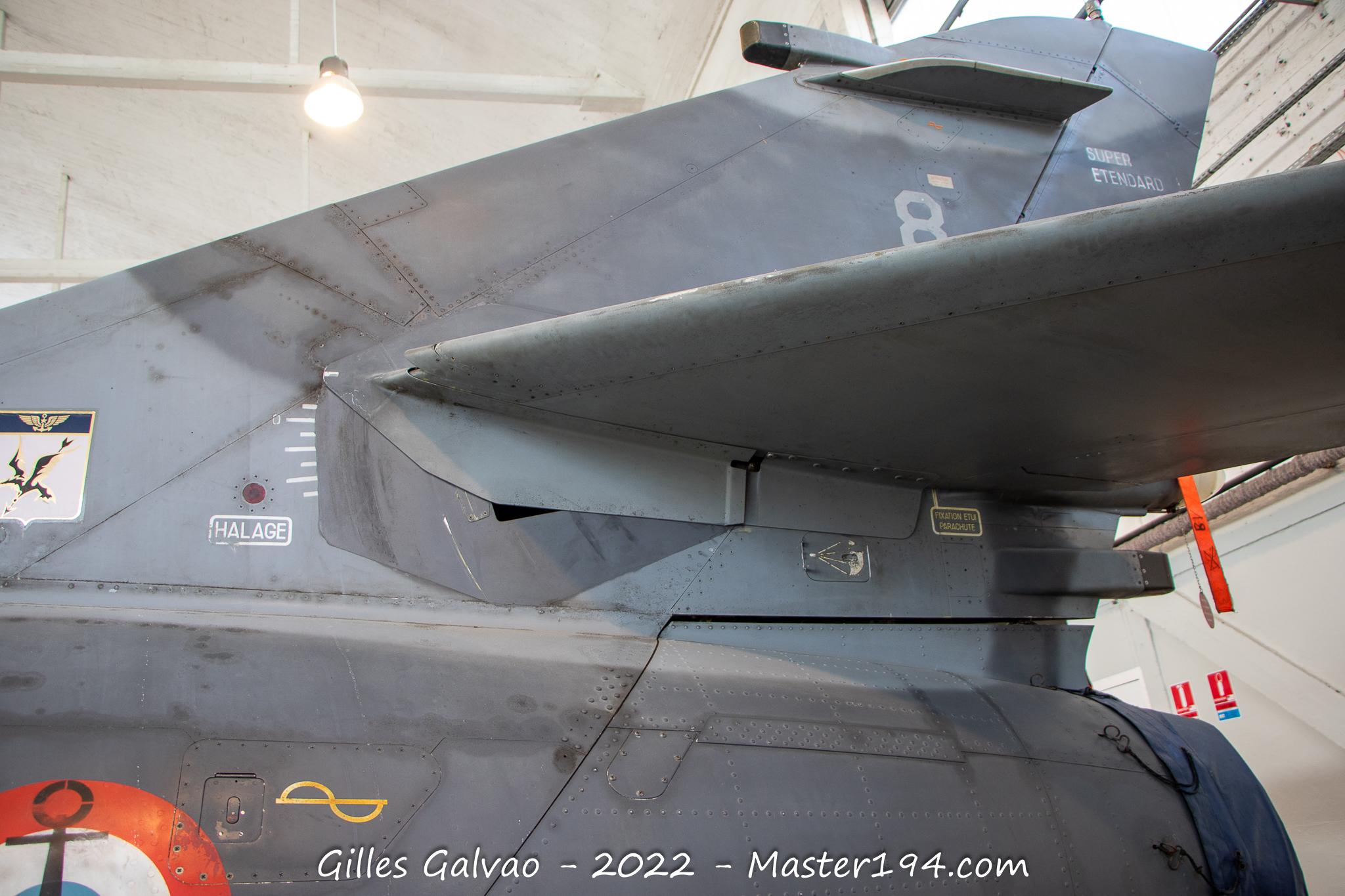
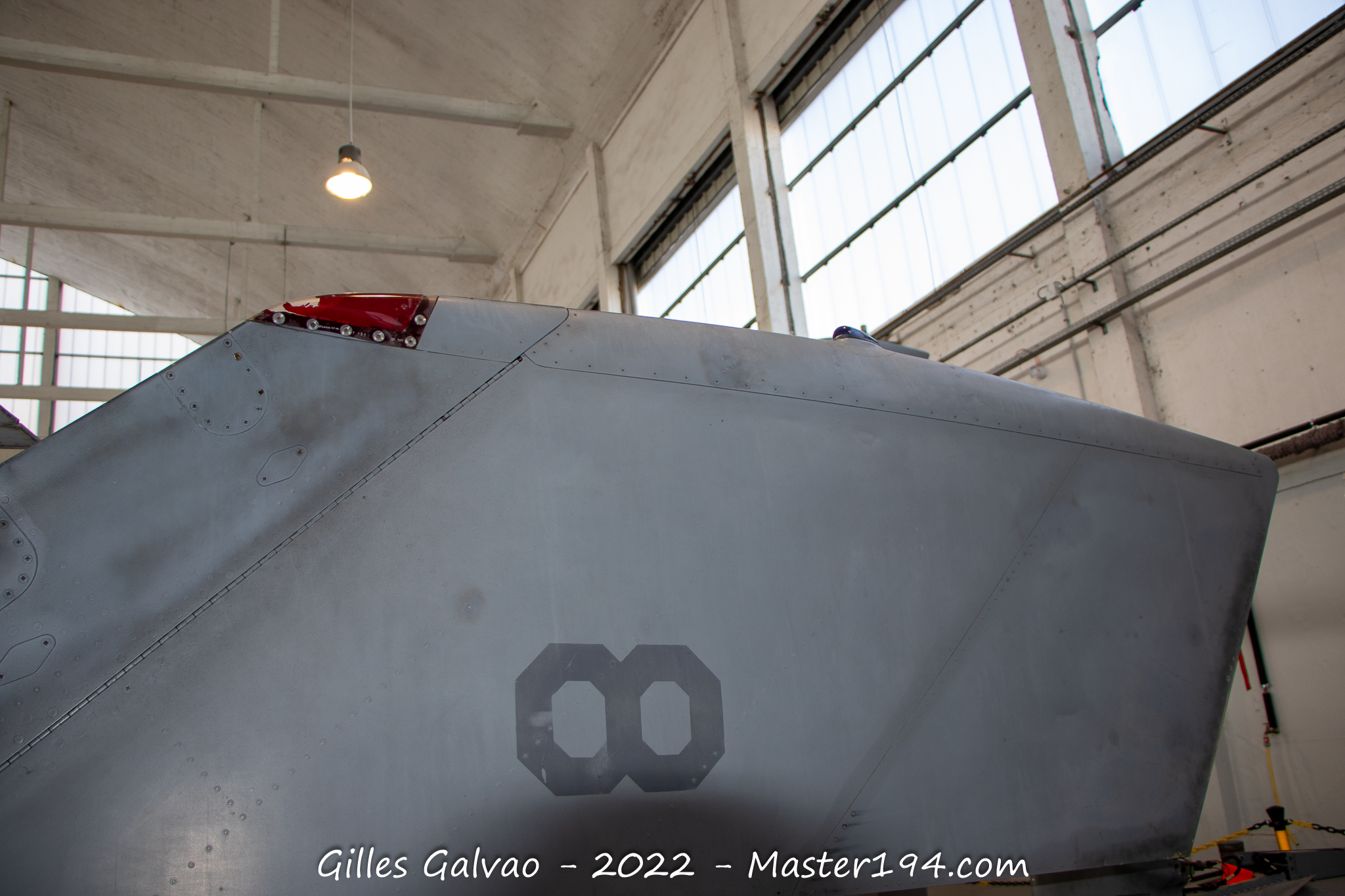
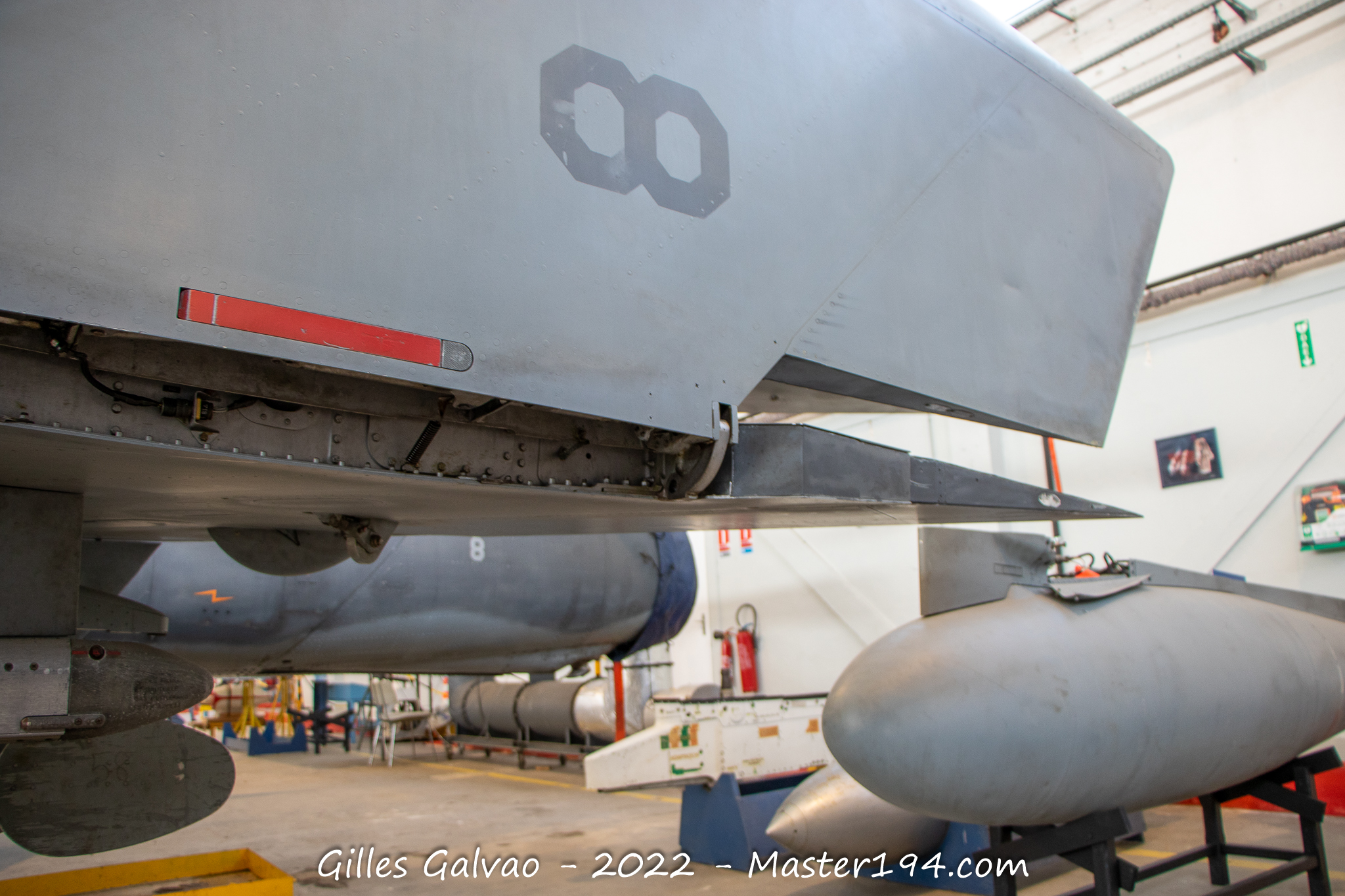
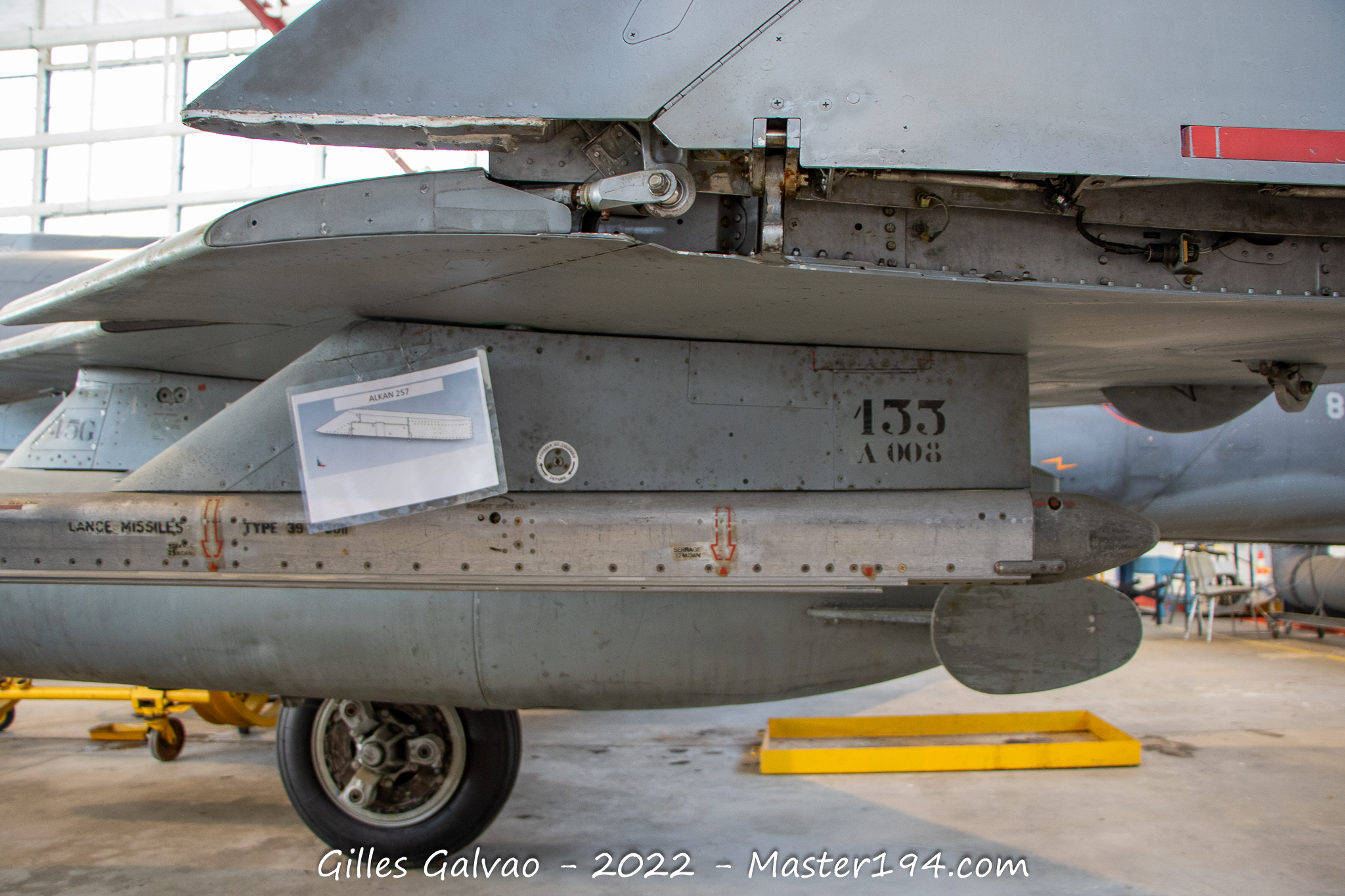
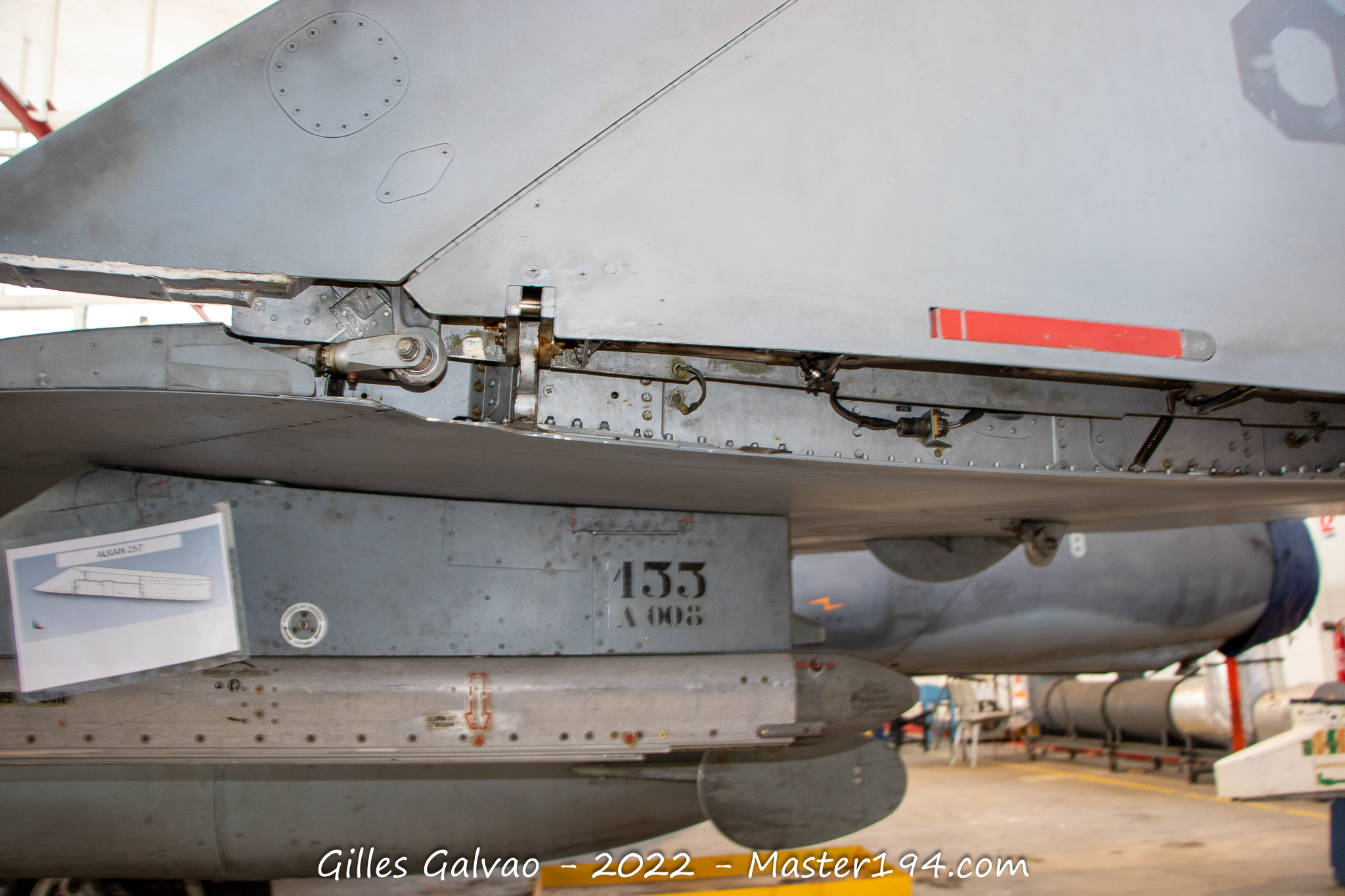
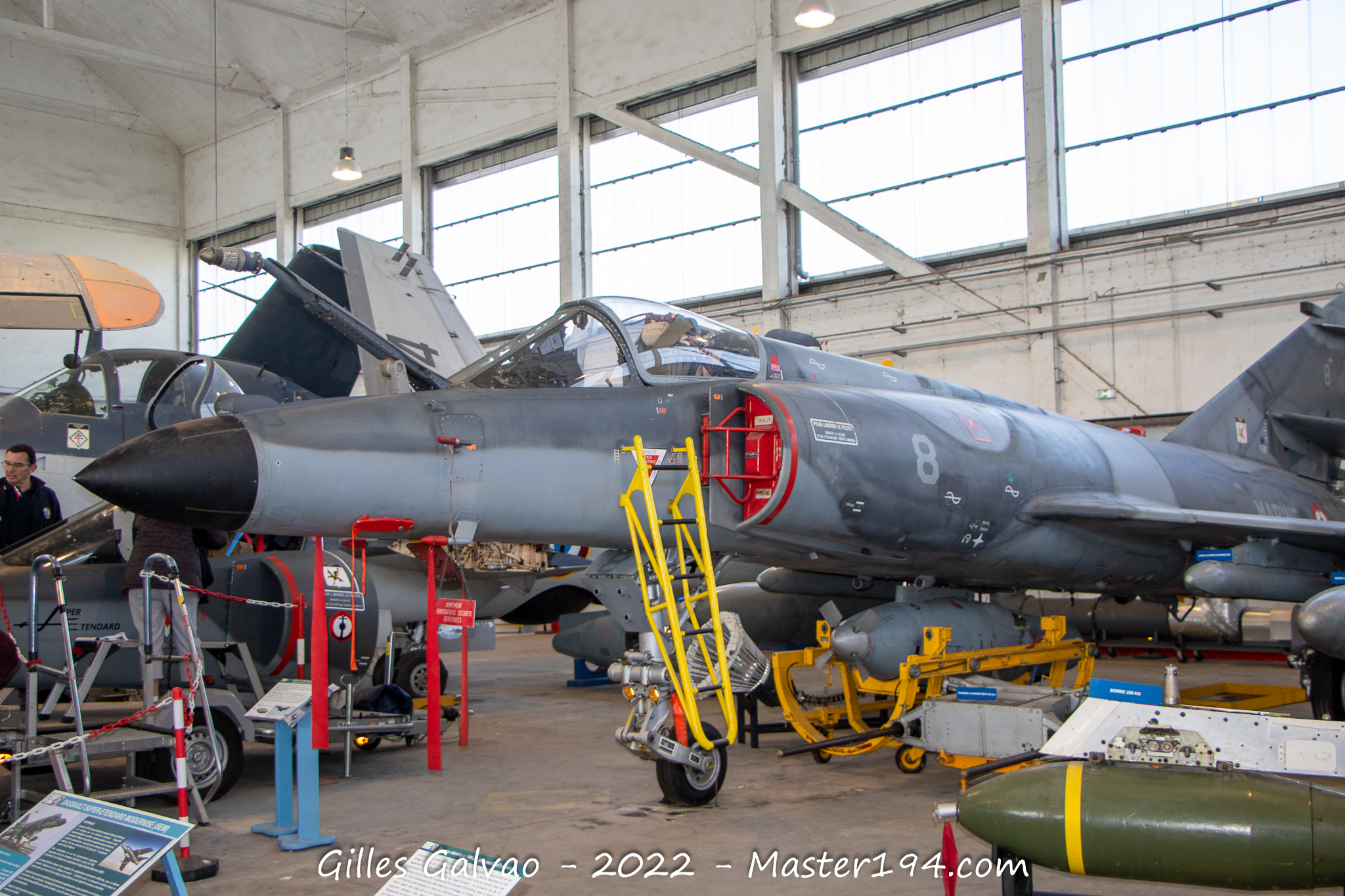
The number 8 Super Etendard
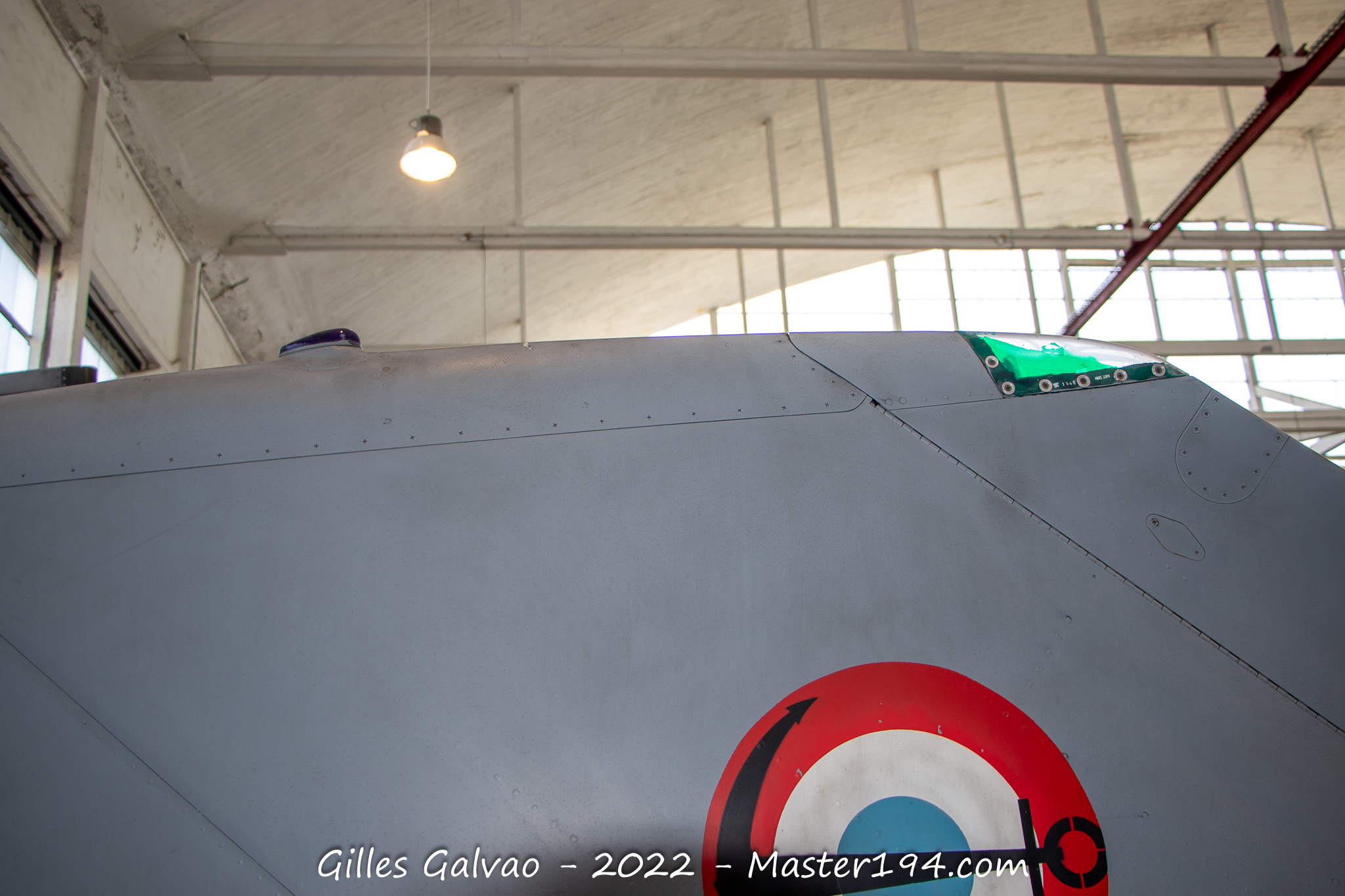
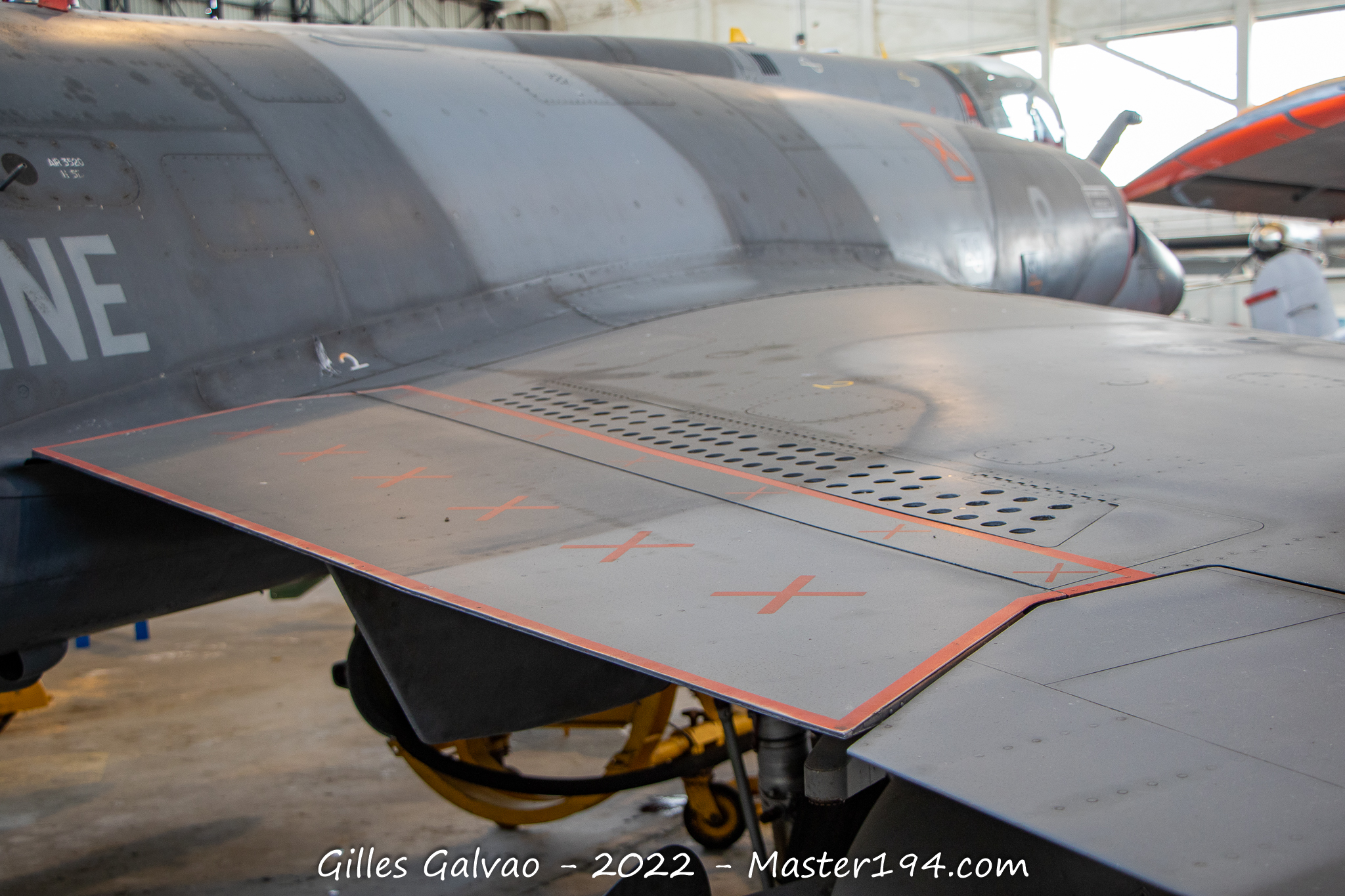
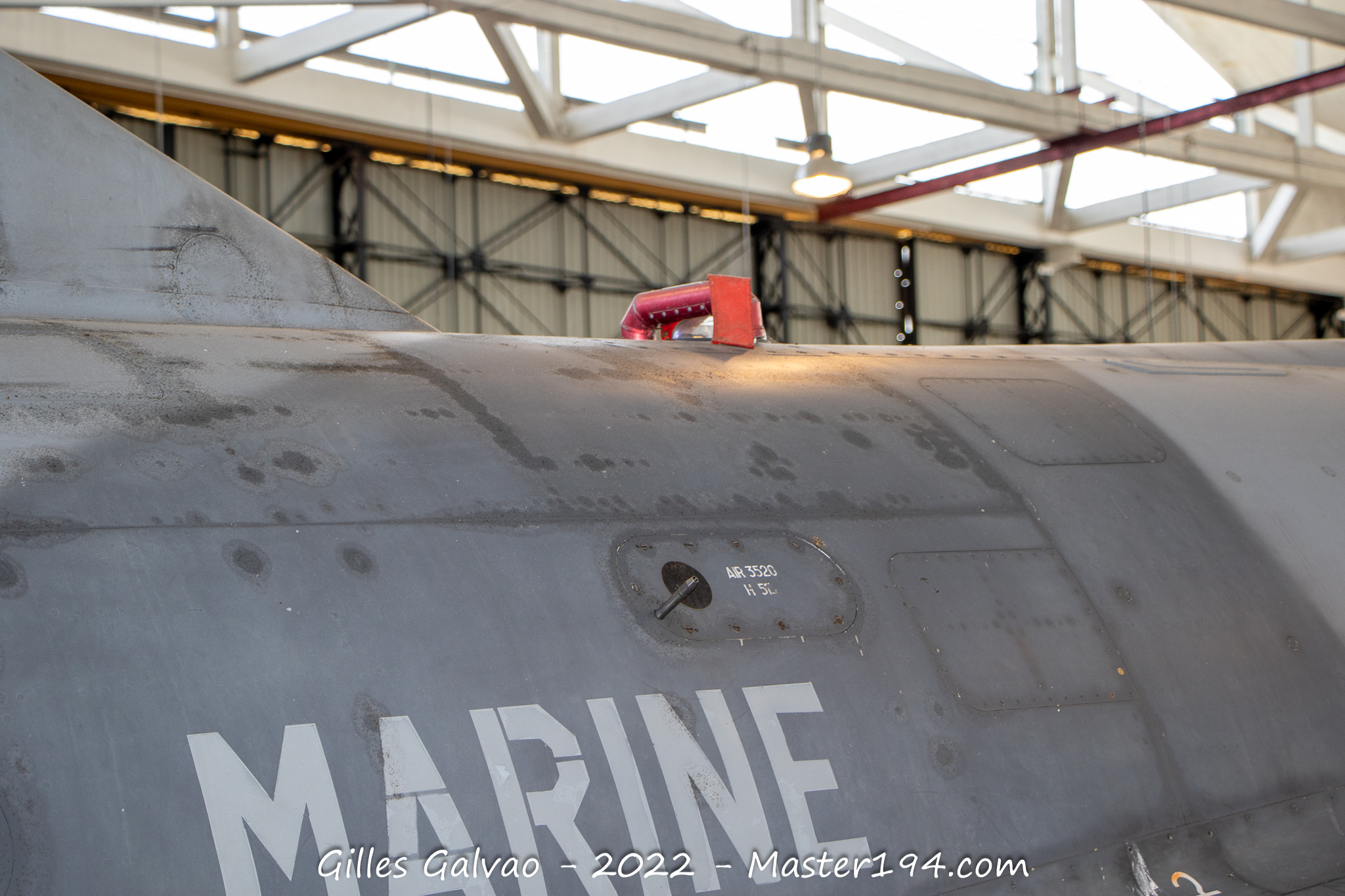
The aircraft on display at the Rochefort Naval Aviation Museum, airframe number 8, is a Super Étendard Modernized to Standard 5 (S5). It was delivered to the French Navy in December 1978 and served with 11.F squadron between 1979 and 1989, and later with 17.F from 2013 to 2015. Its final flight took place on October 16, 2015. This aircraft operated from both the Foch and the Charles de Gaulle and took part in missions over Afghanistan.
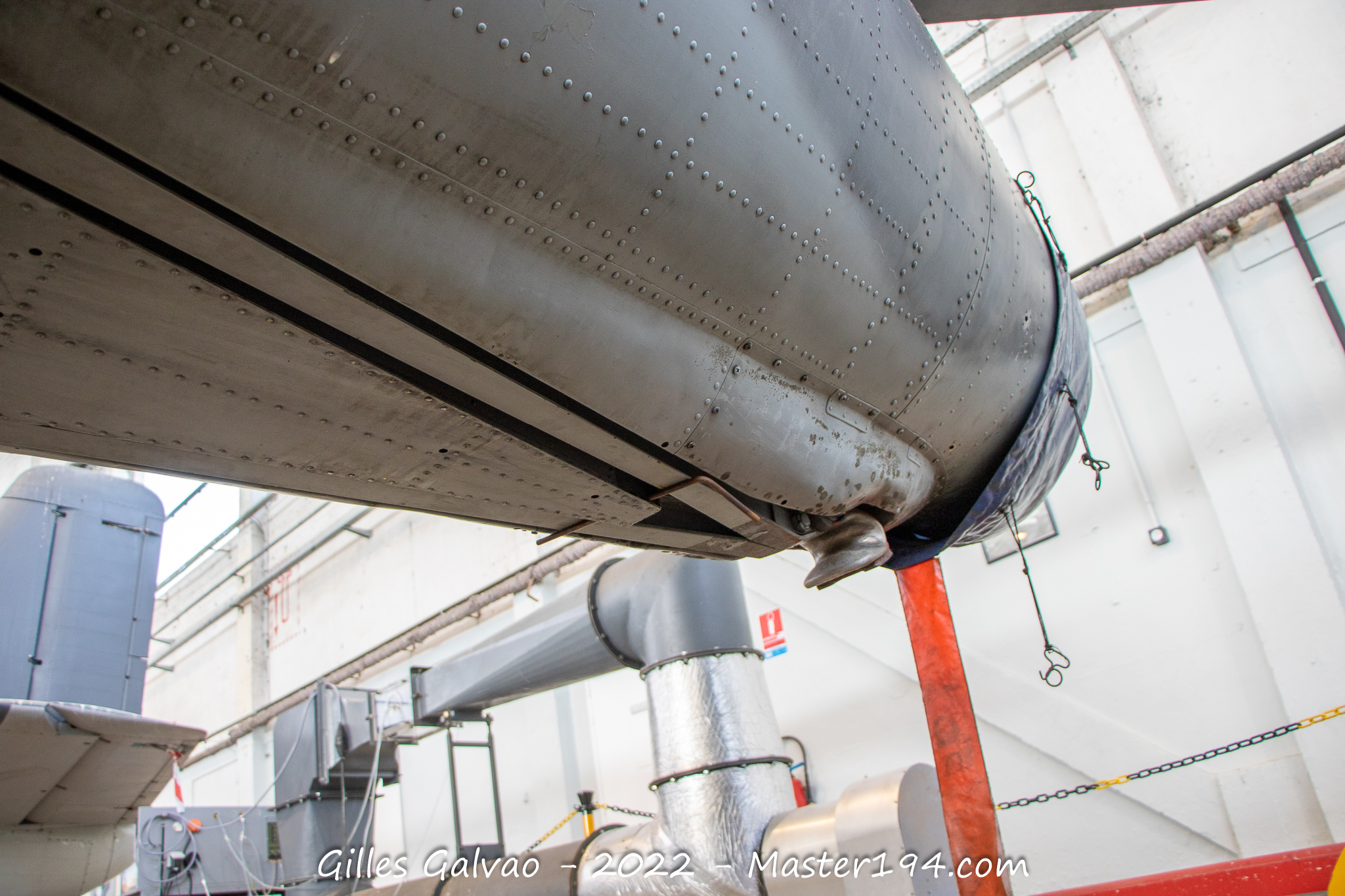
It arrived at the museum on a trailer in 2016 and was reassembled by sailors from Landivisiau ‘in its original condition’ (dans son jus). The engine is no longer present; because it contained asbestos components, it was completely removed.
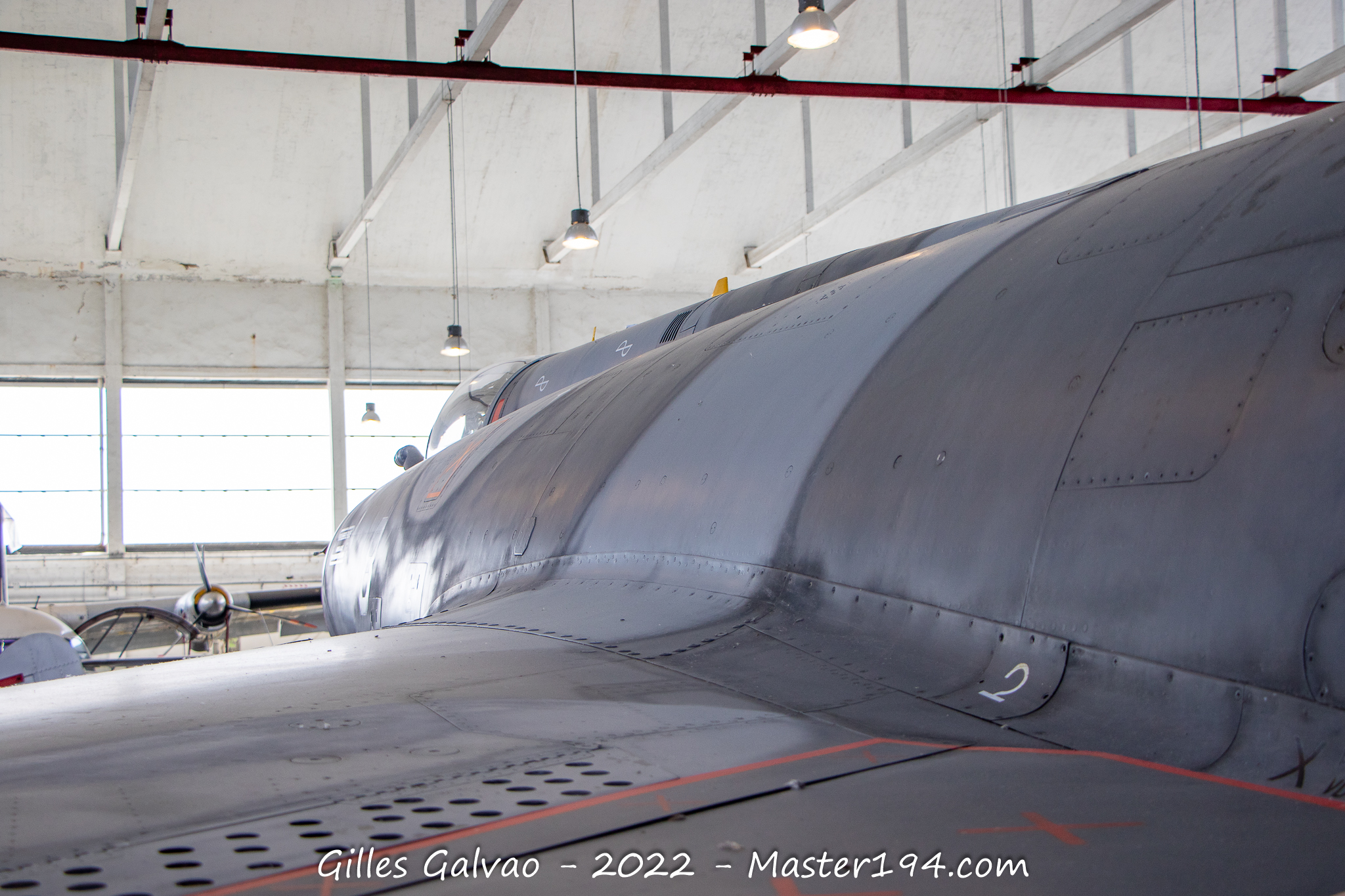
Full Super Etendard Walkround
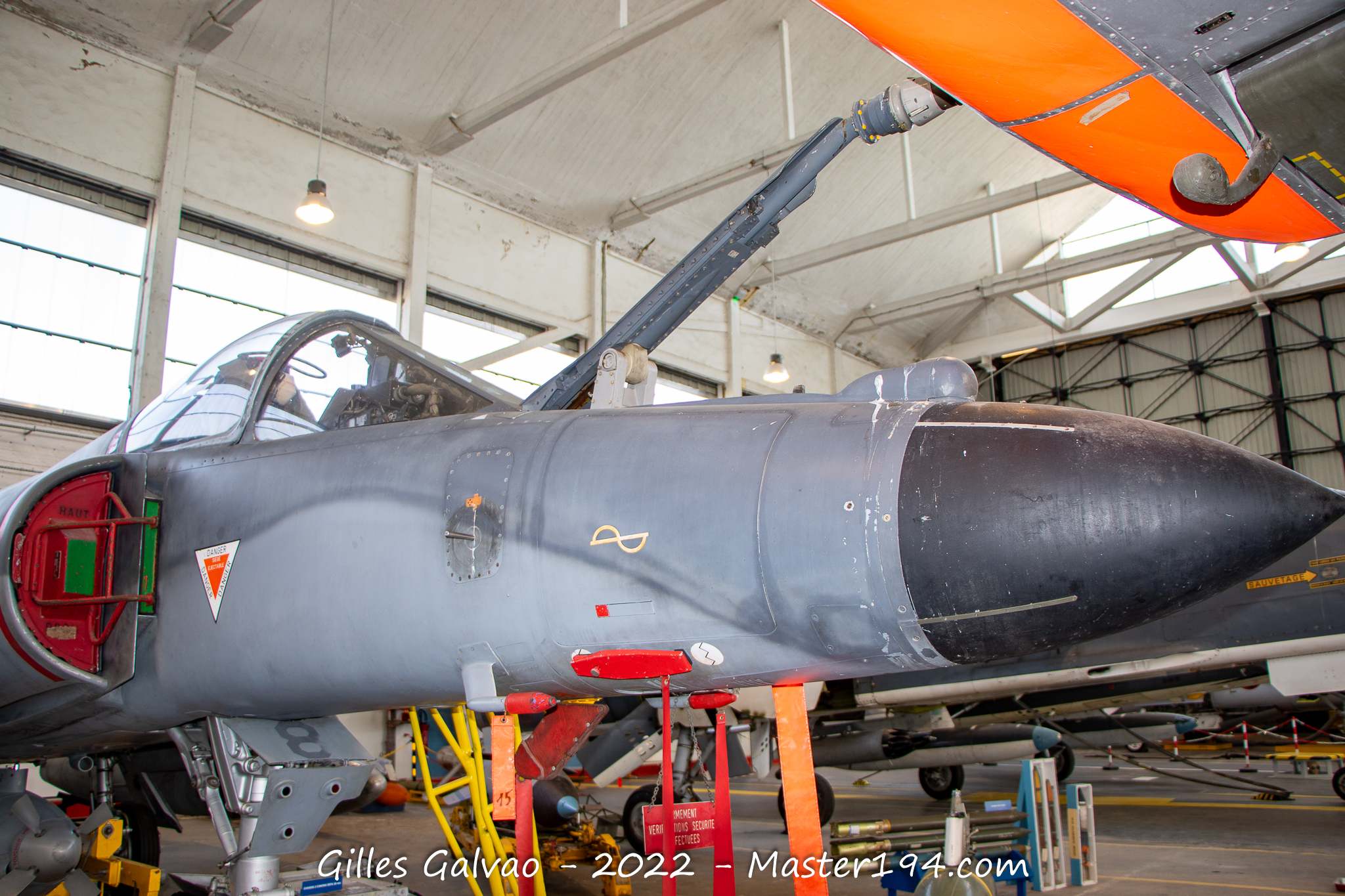
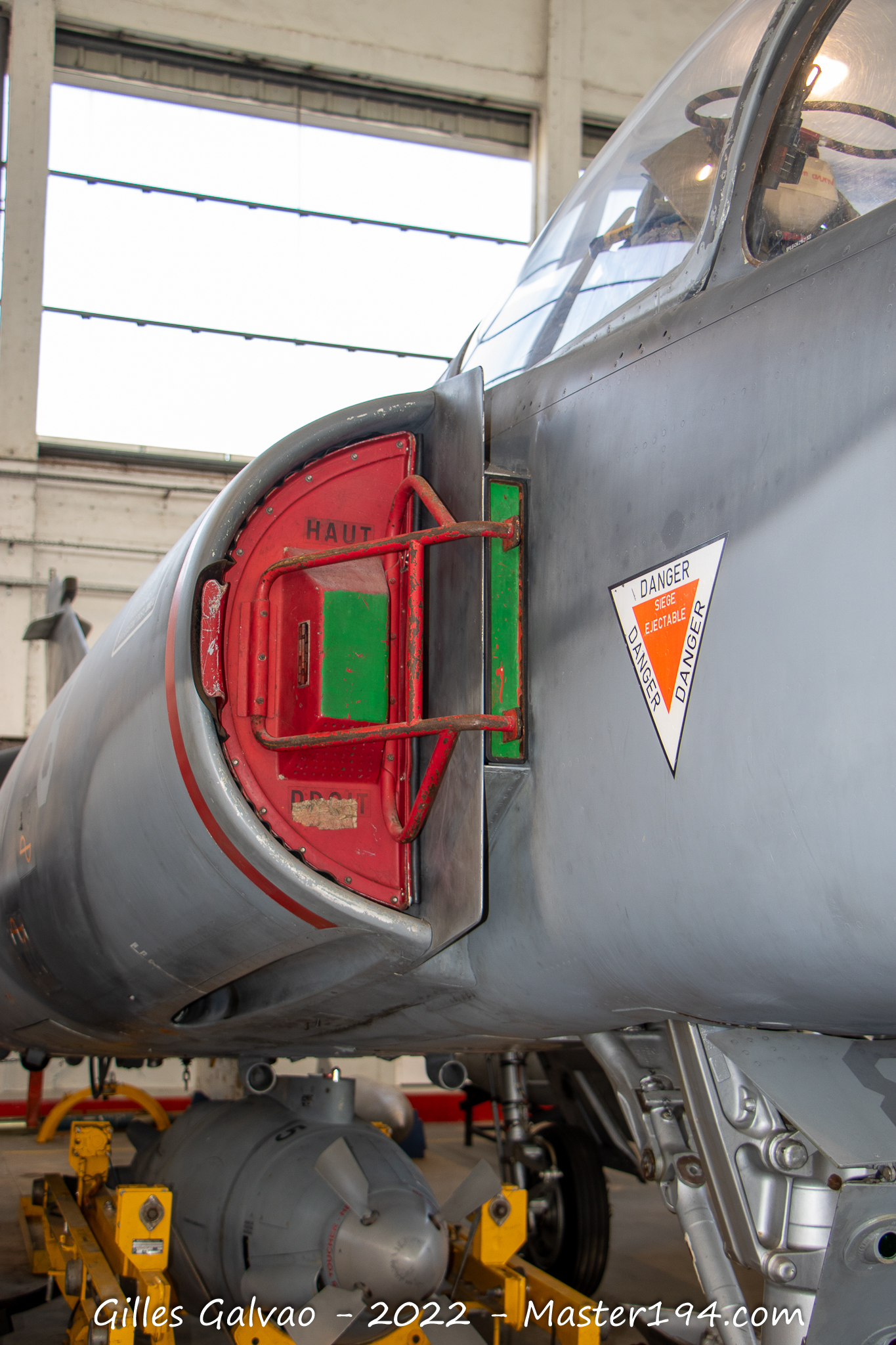
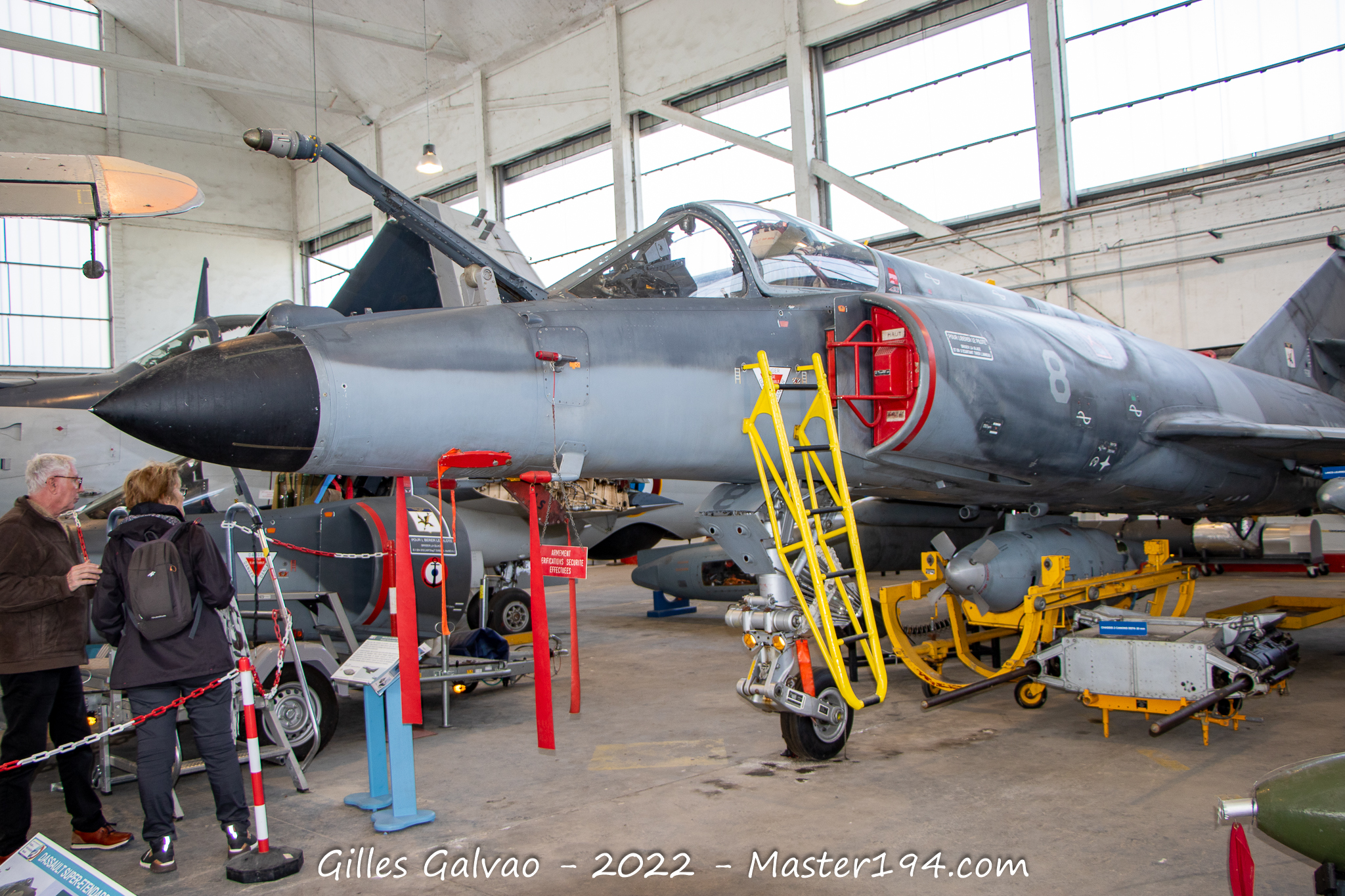
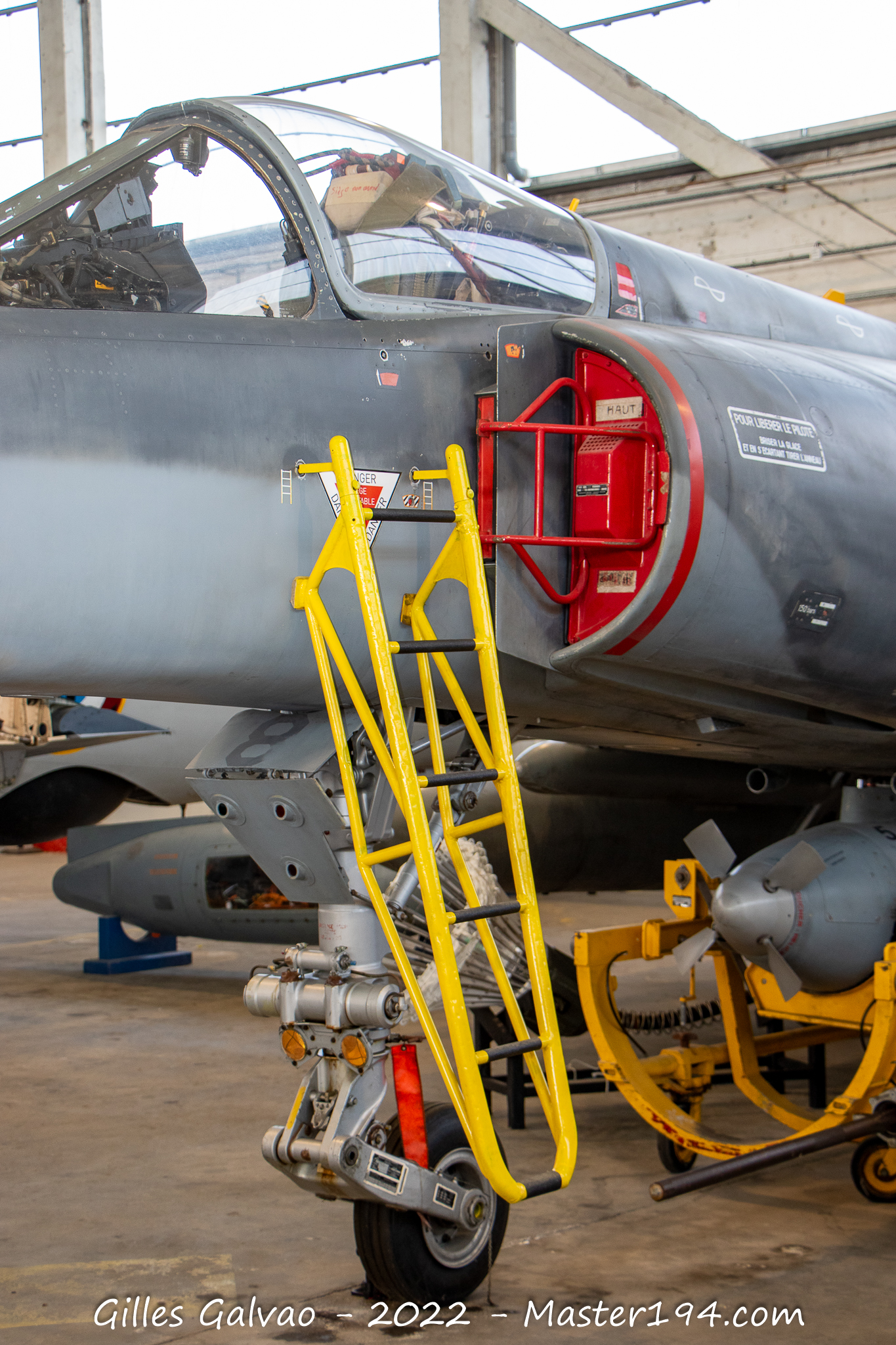
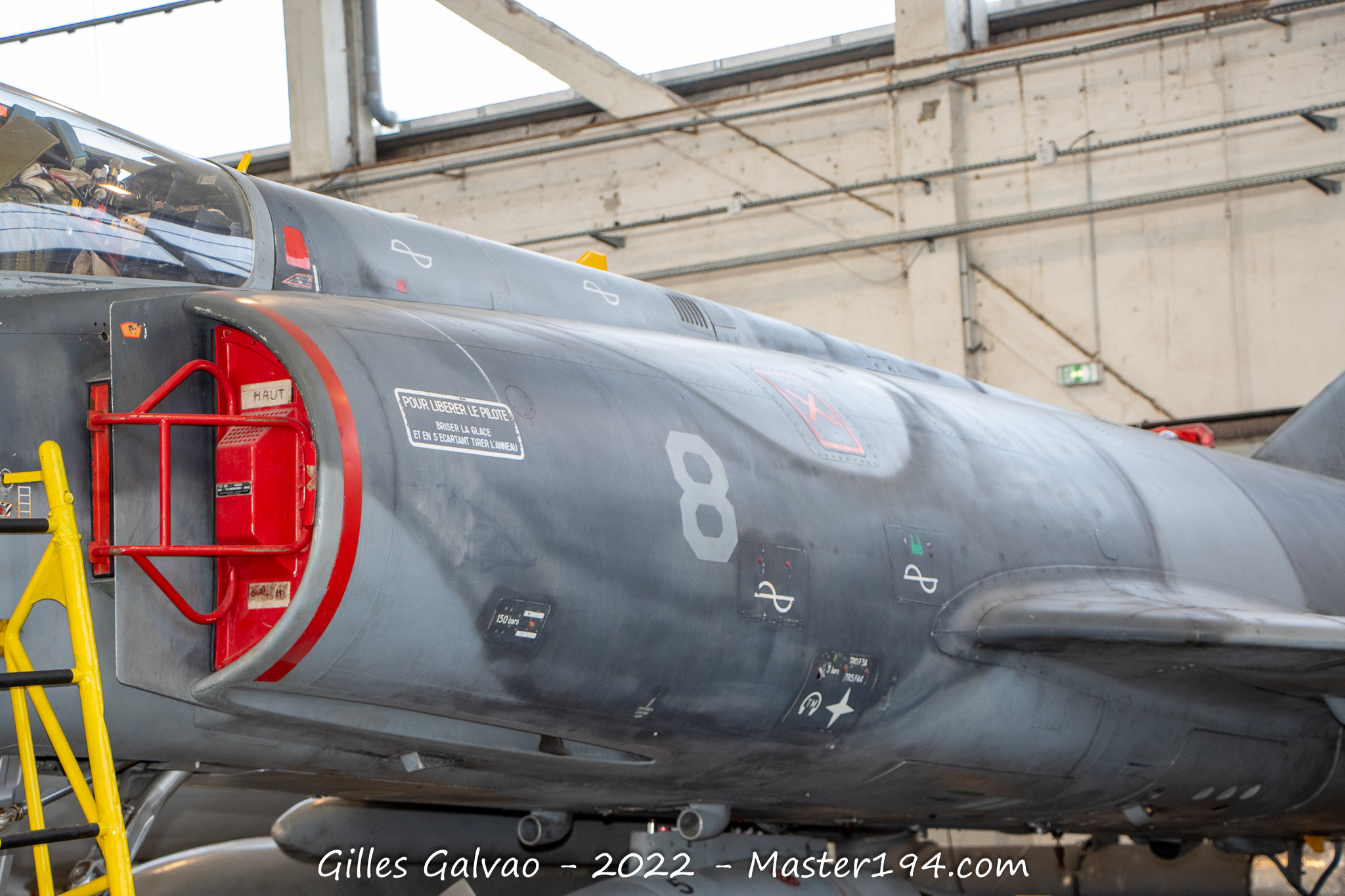
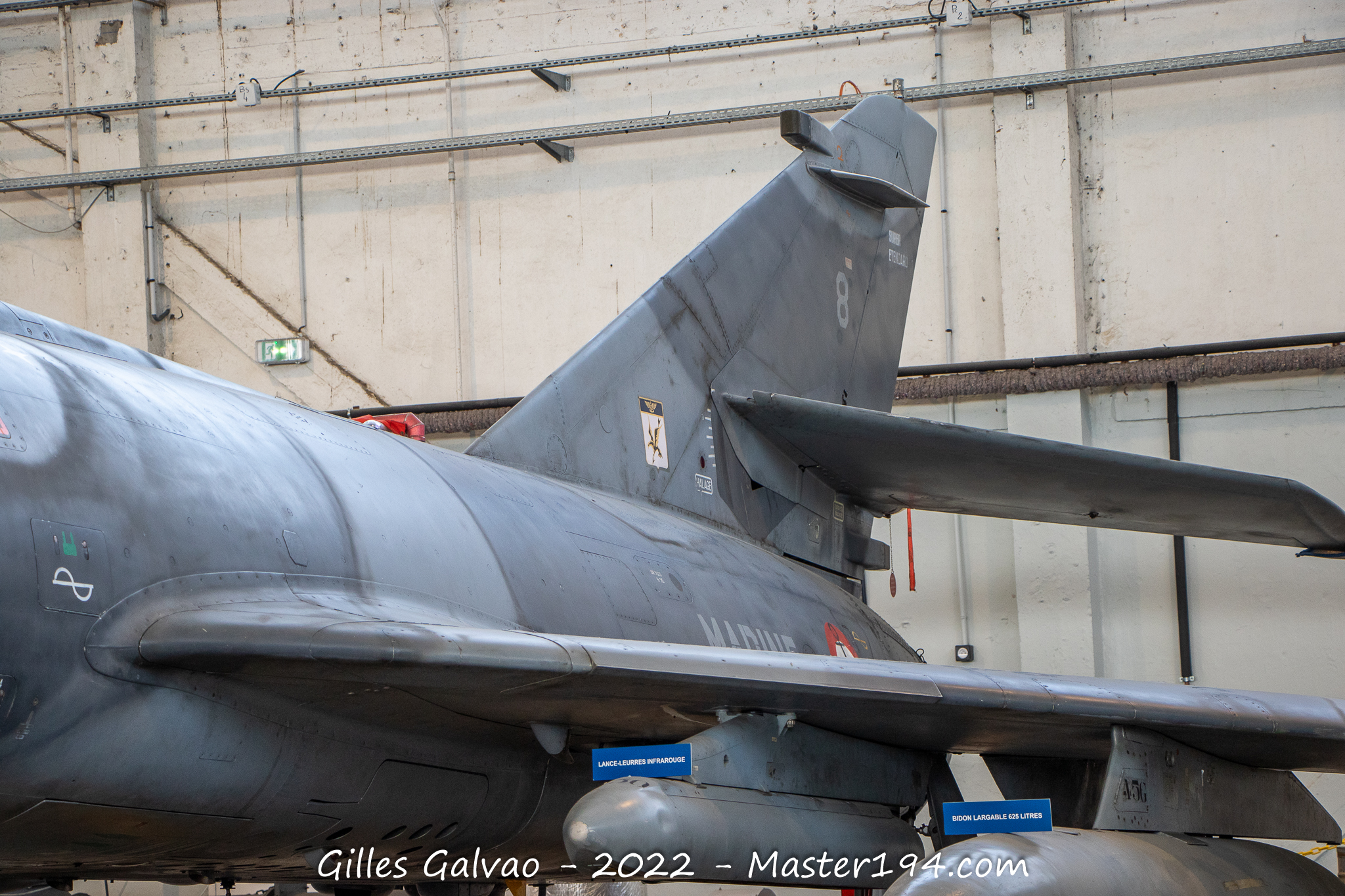
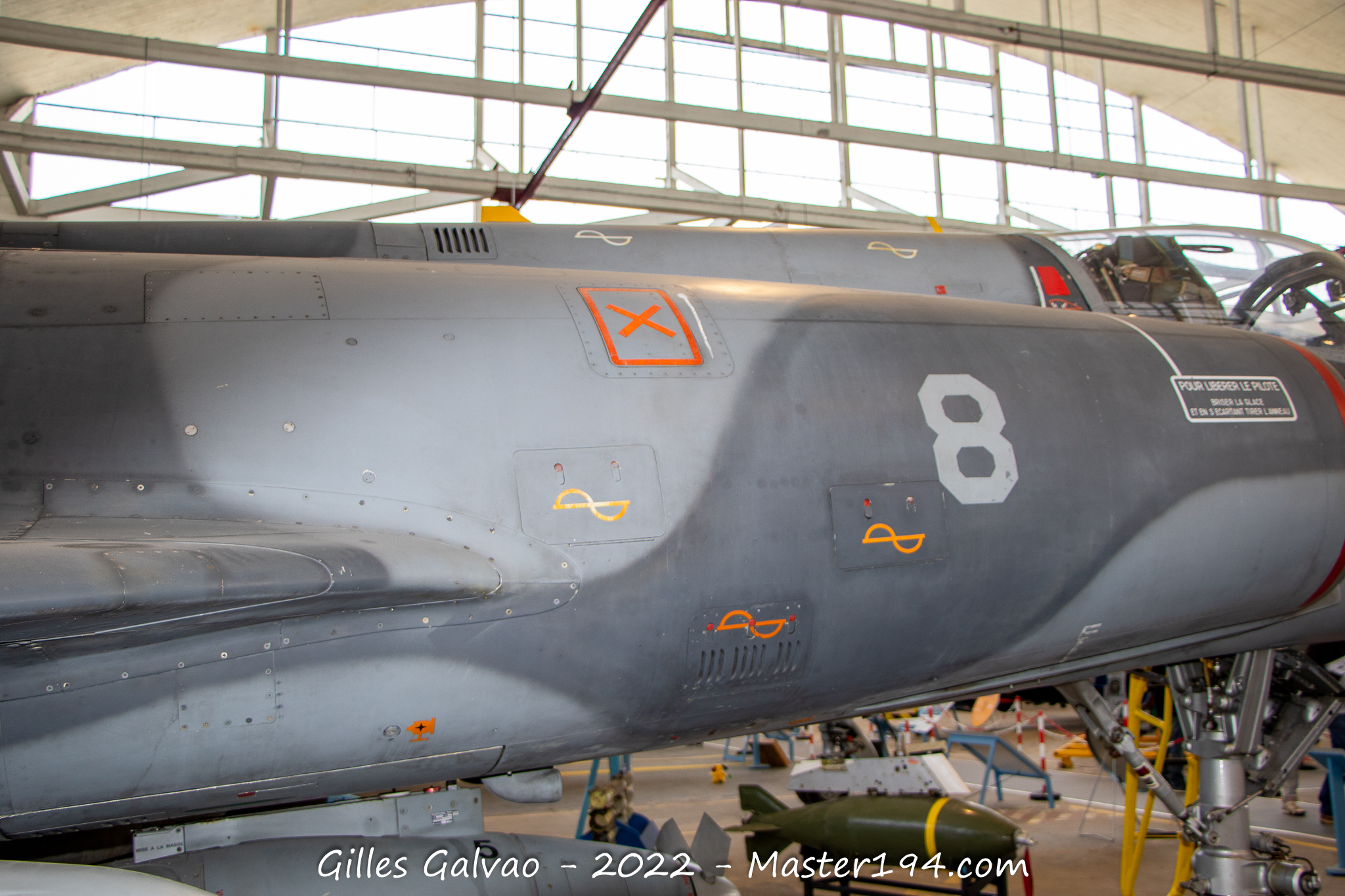
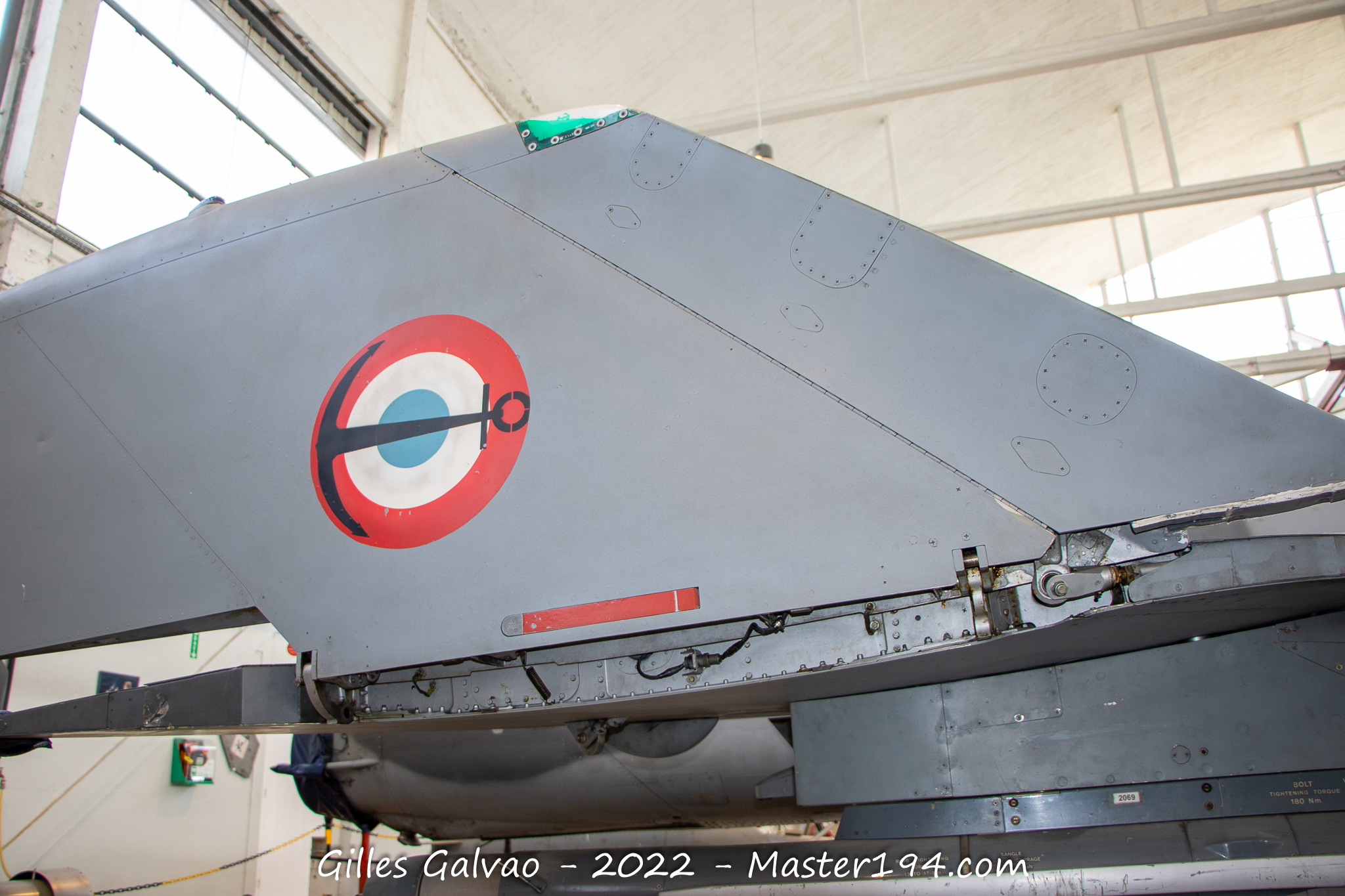
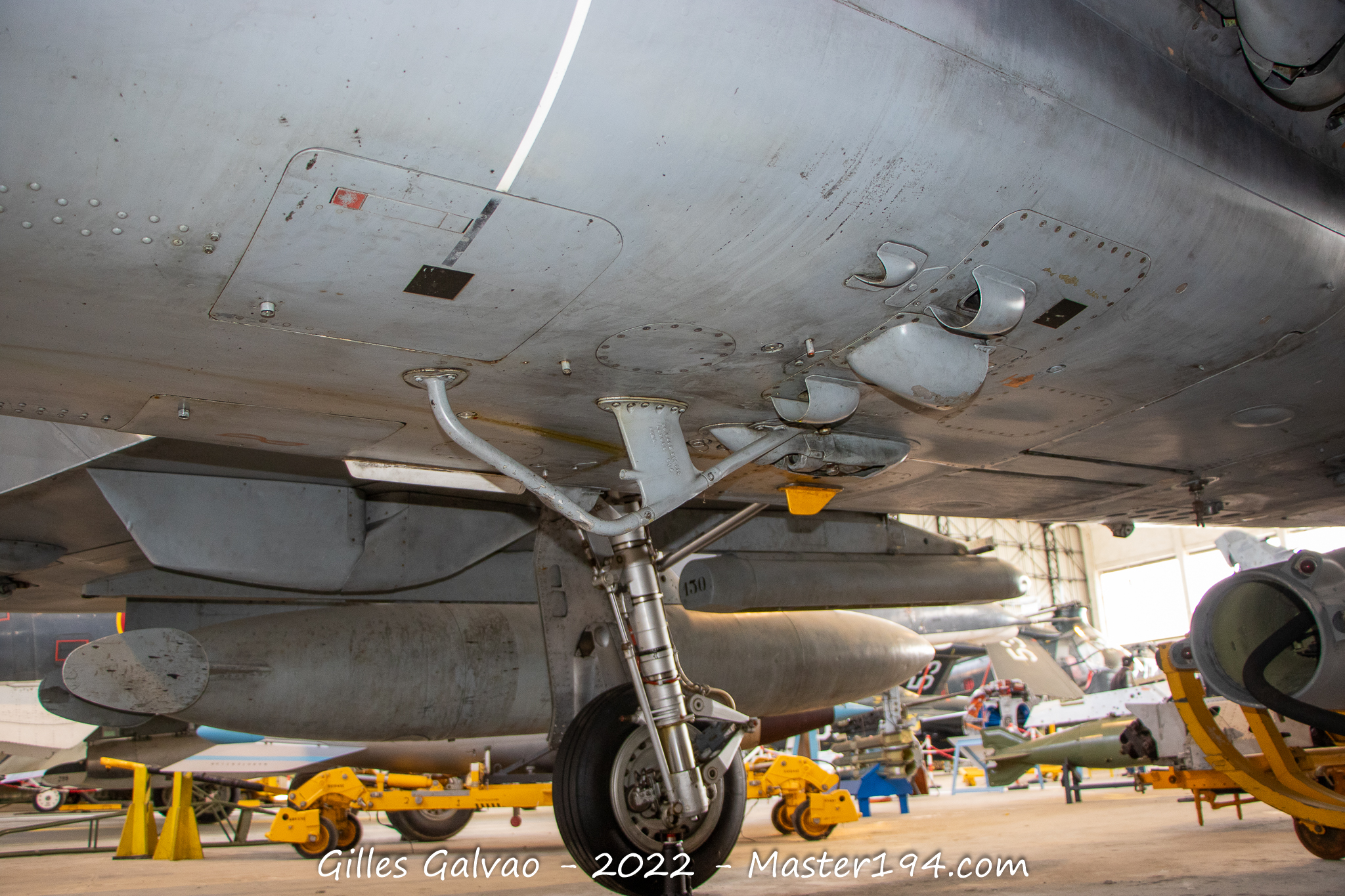
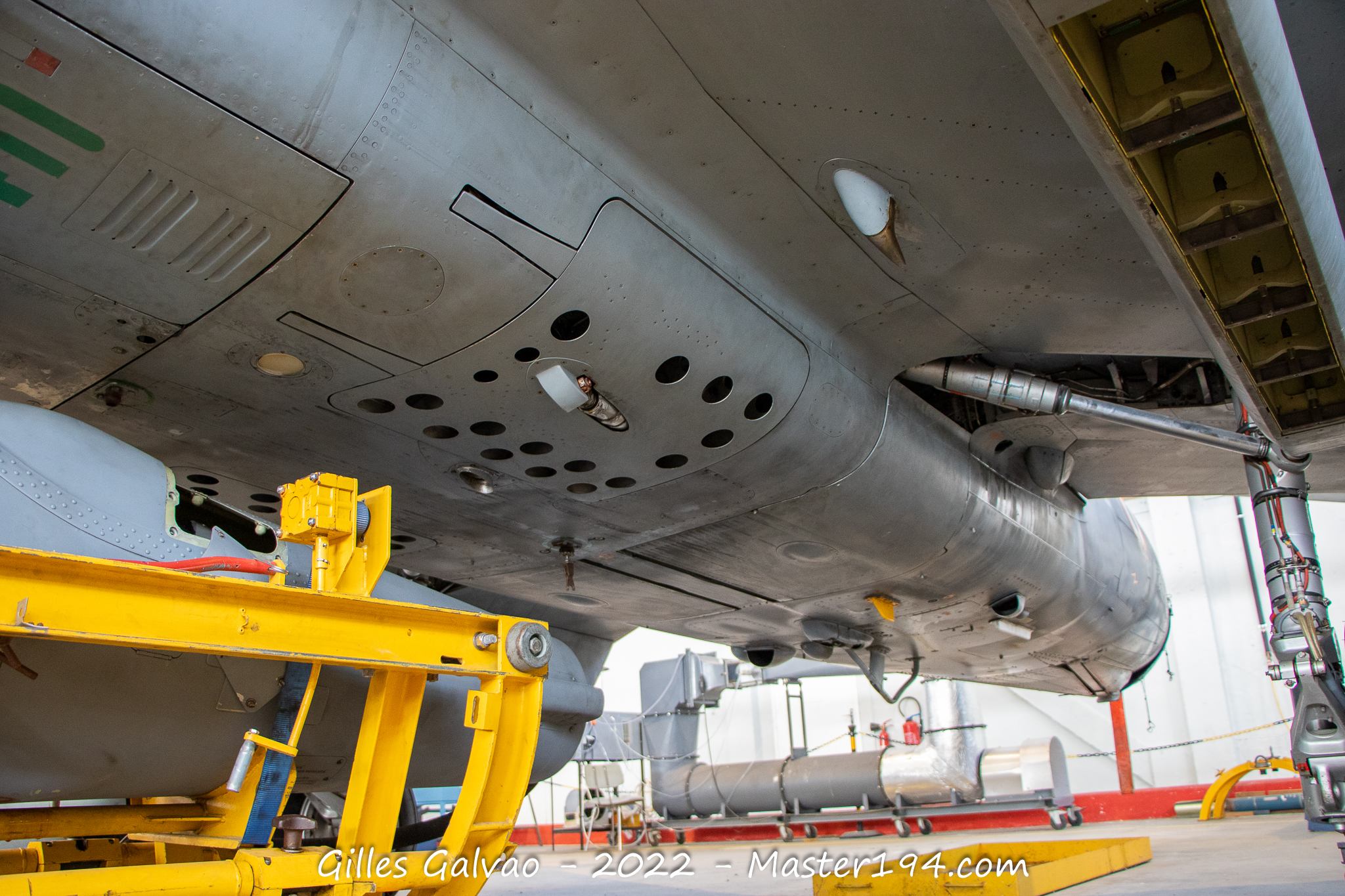
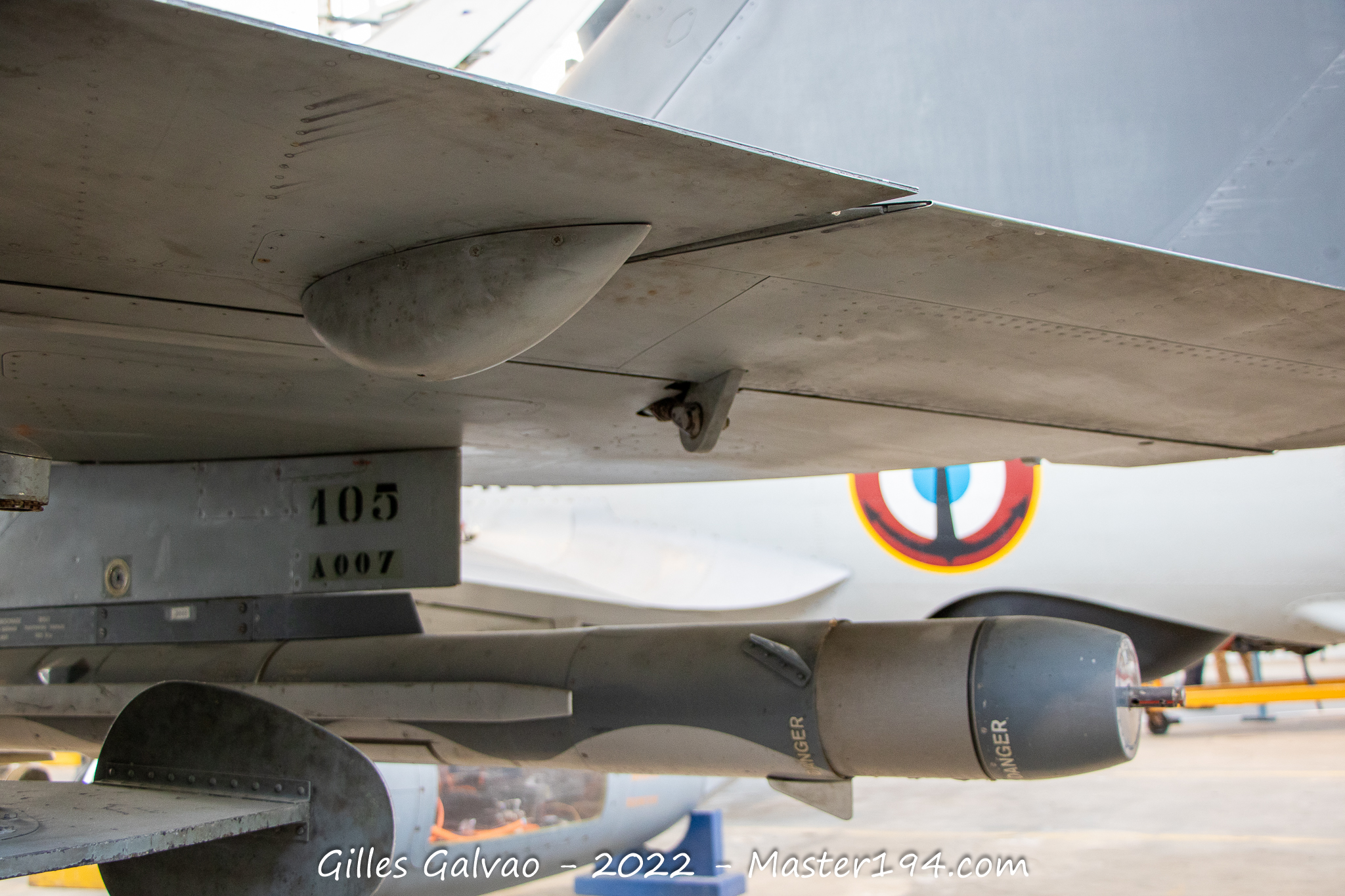
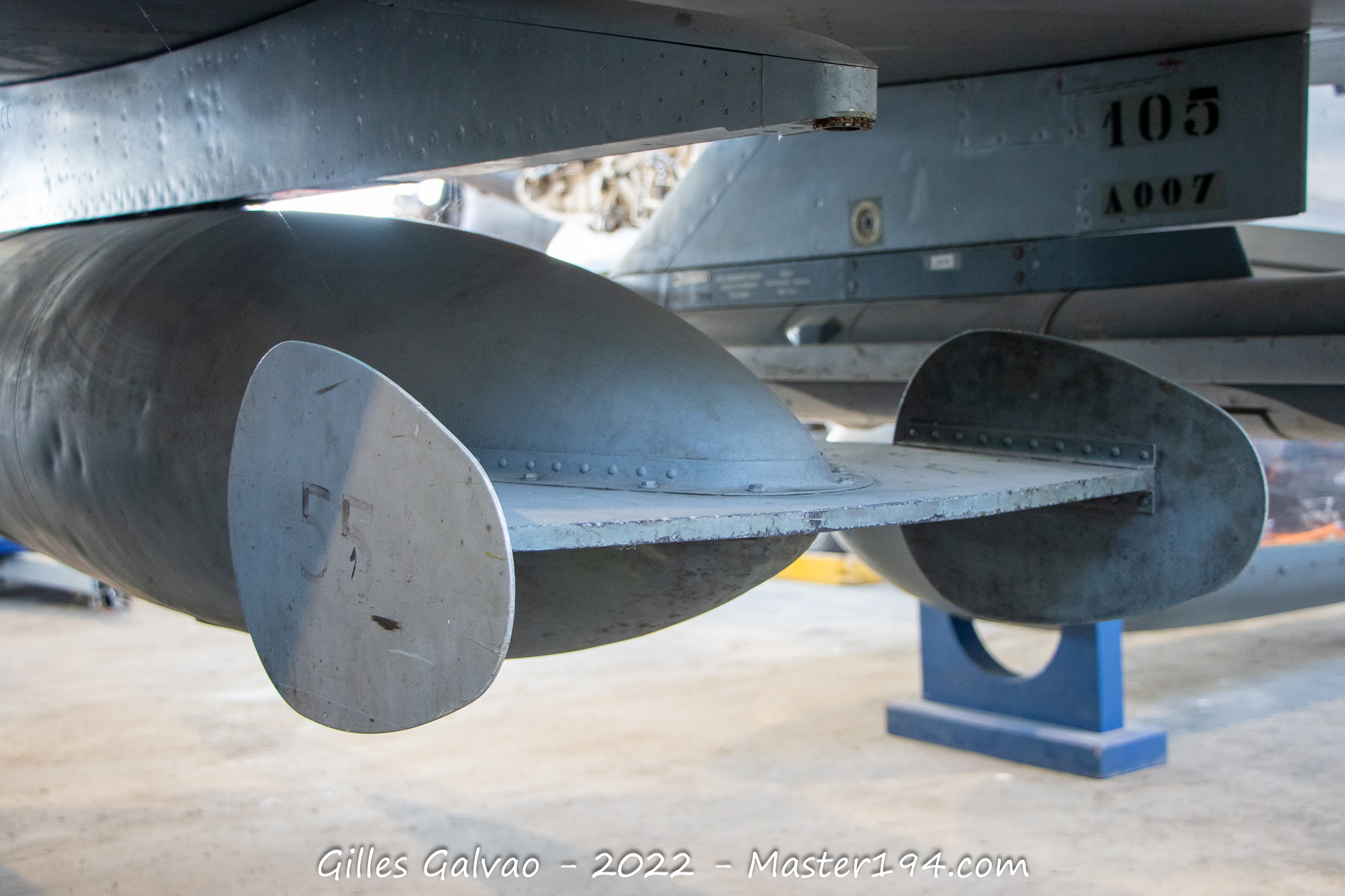
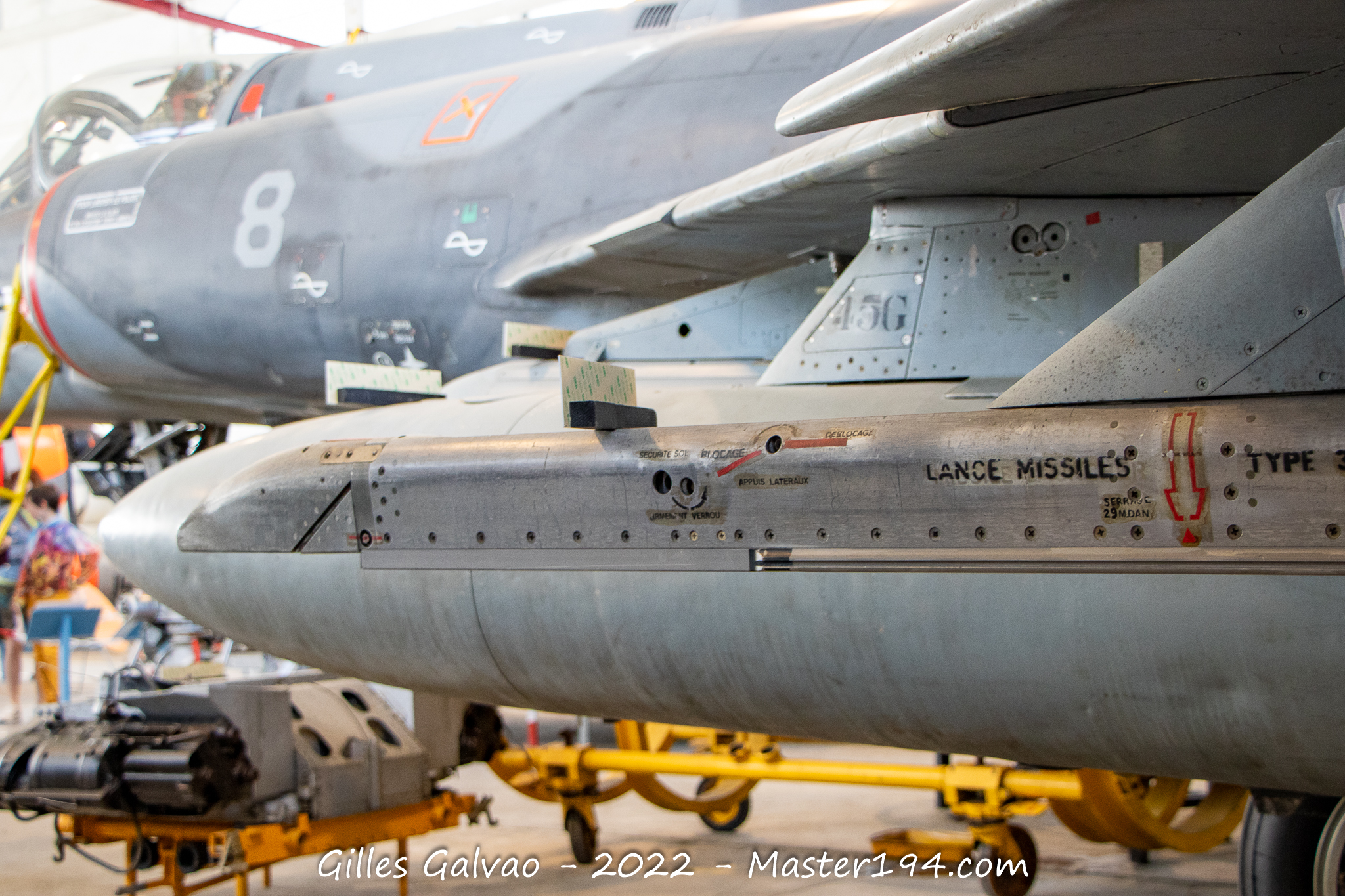
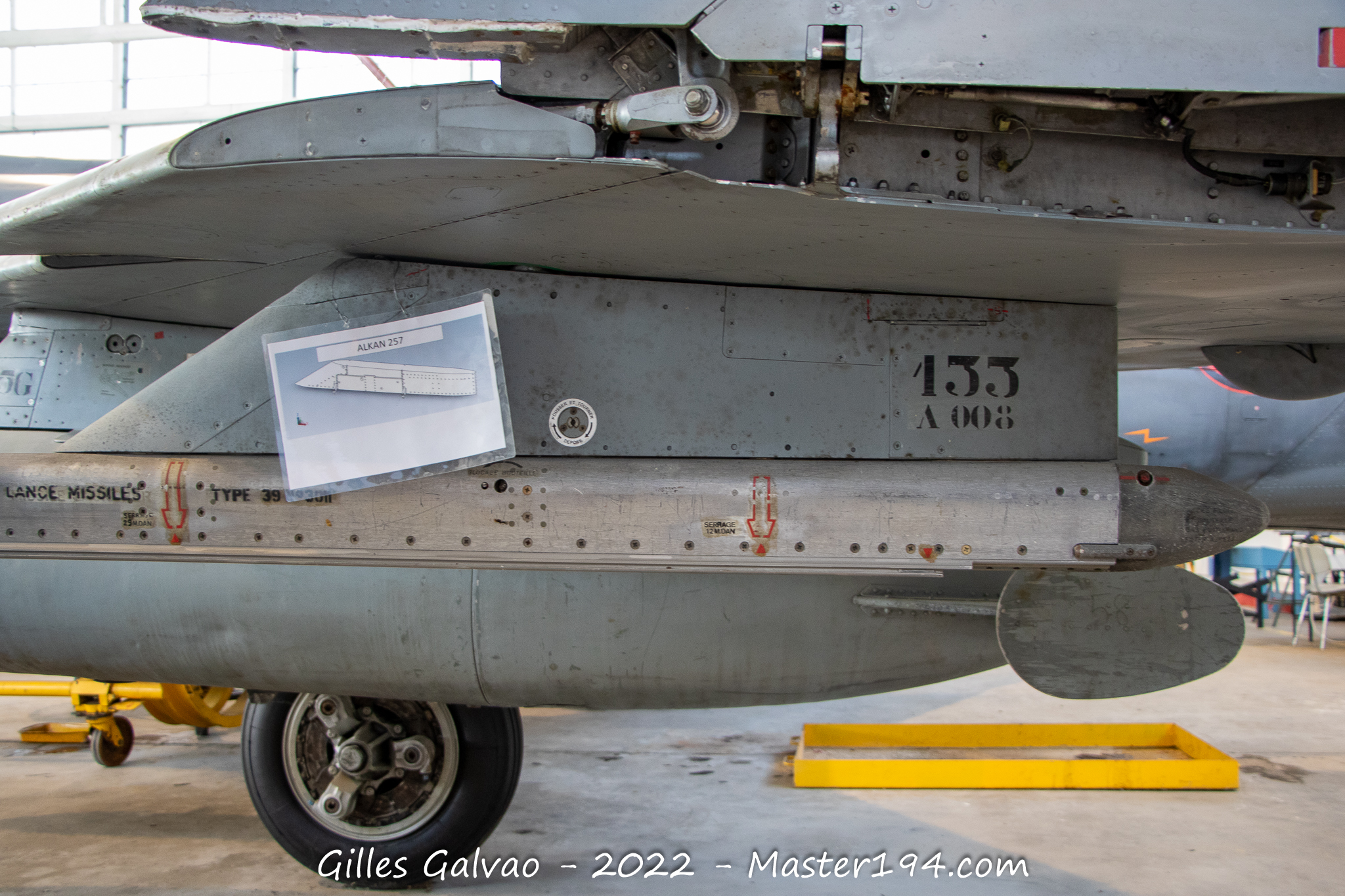
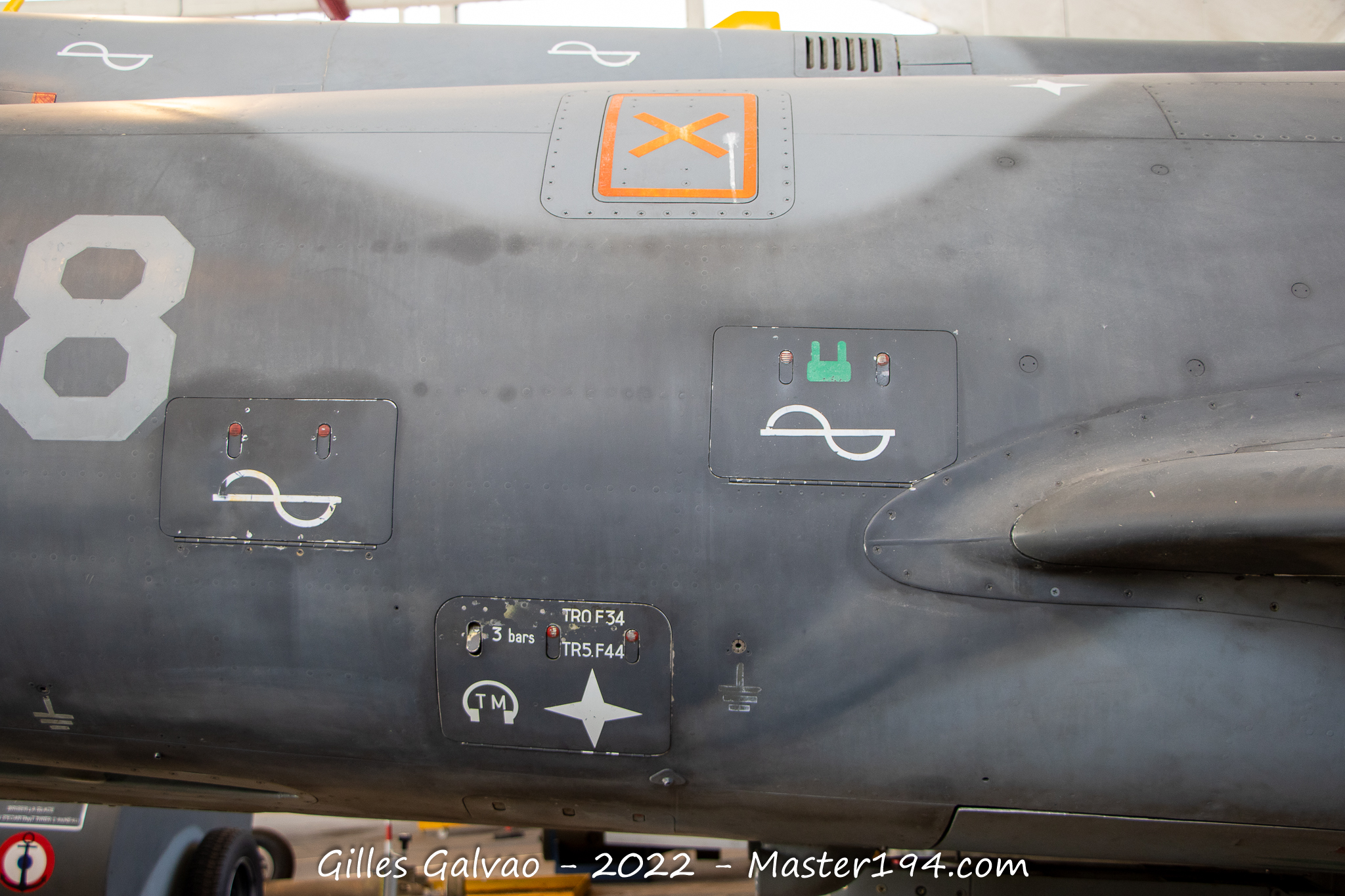
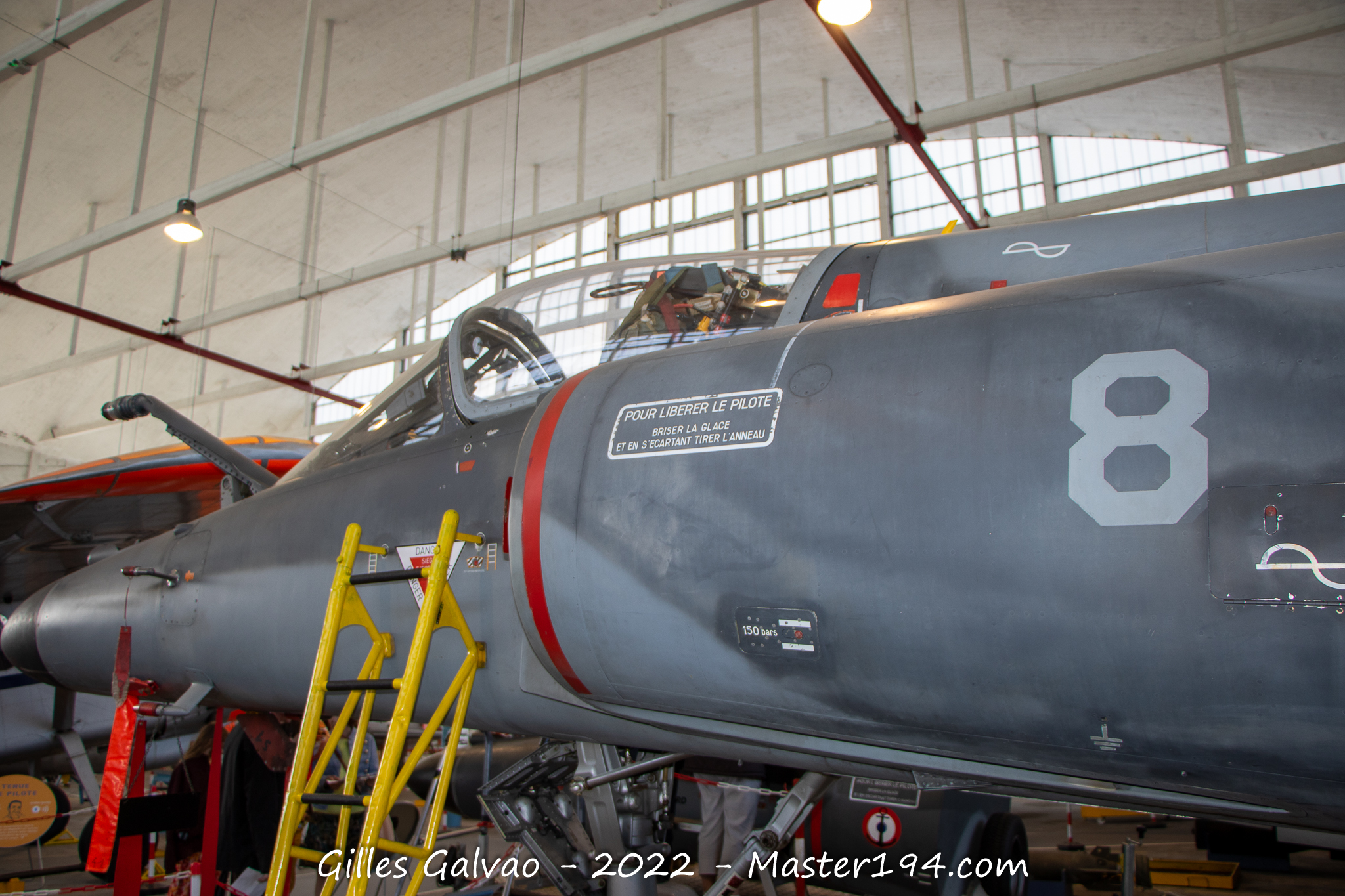
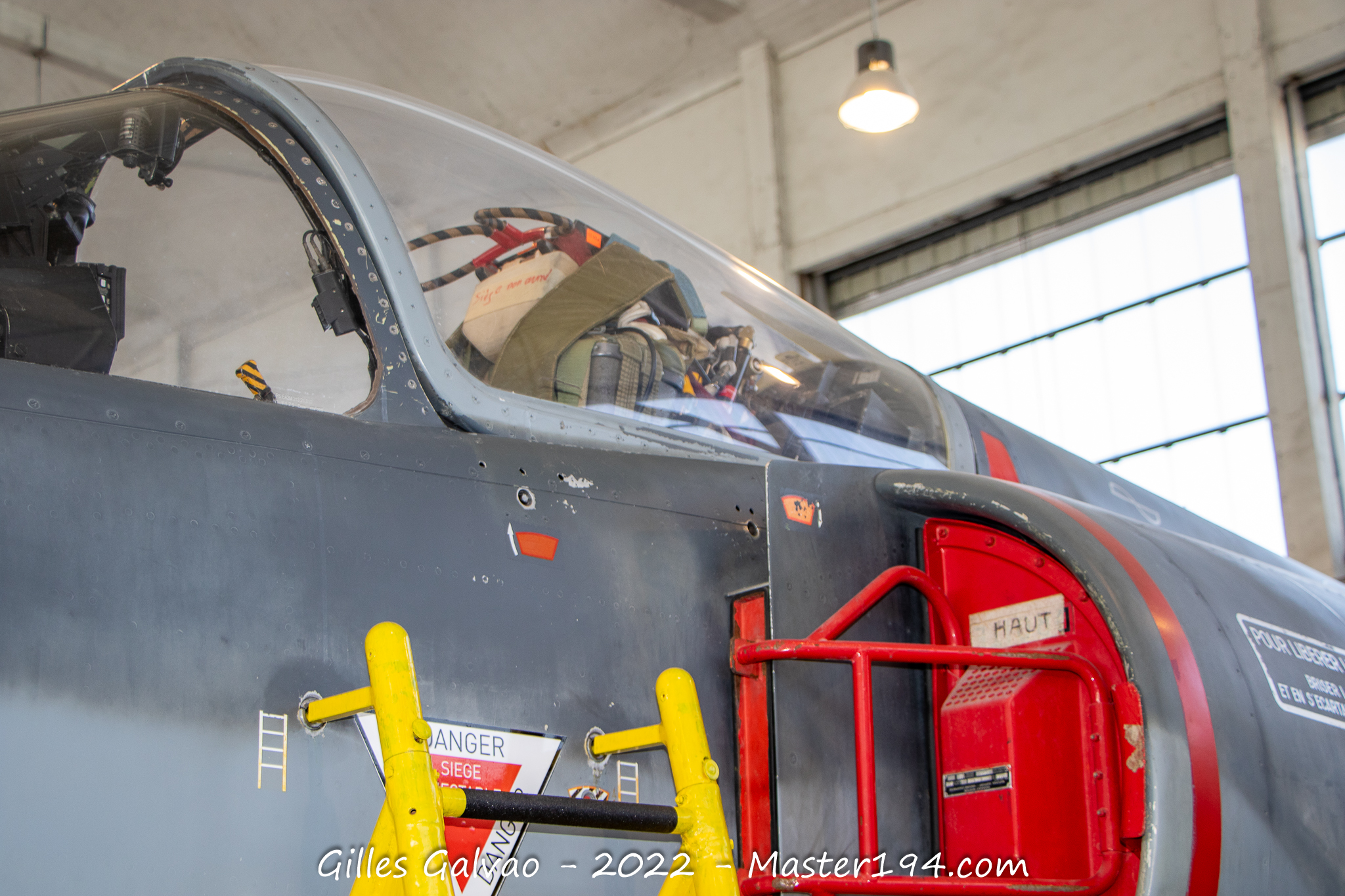
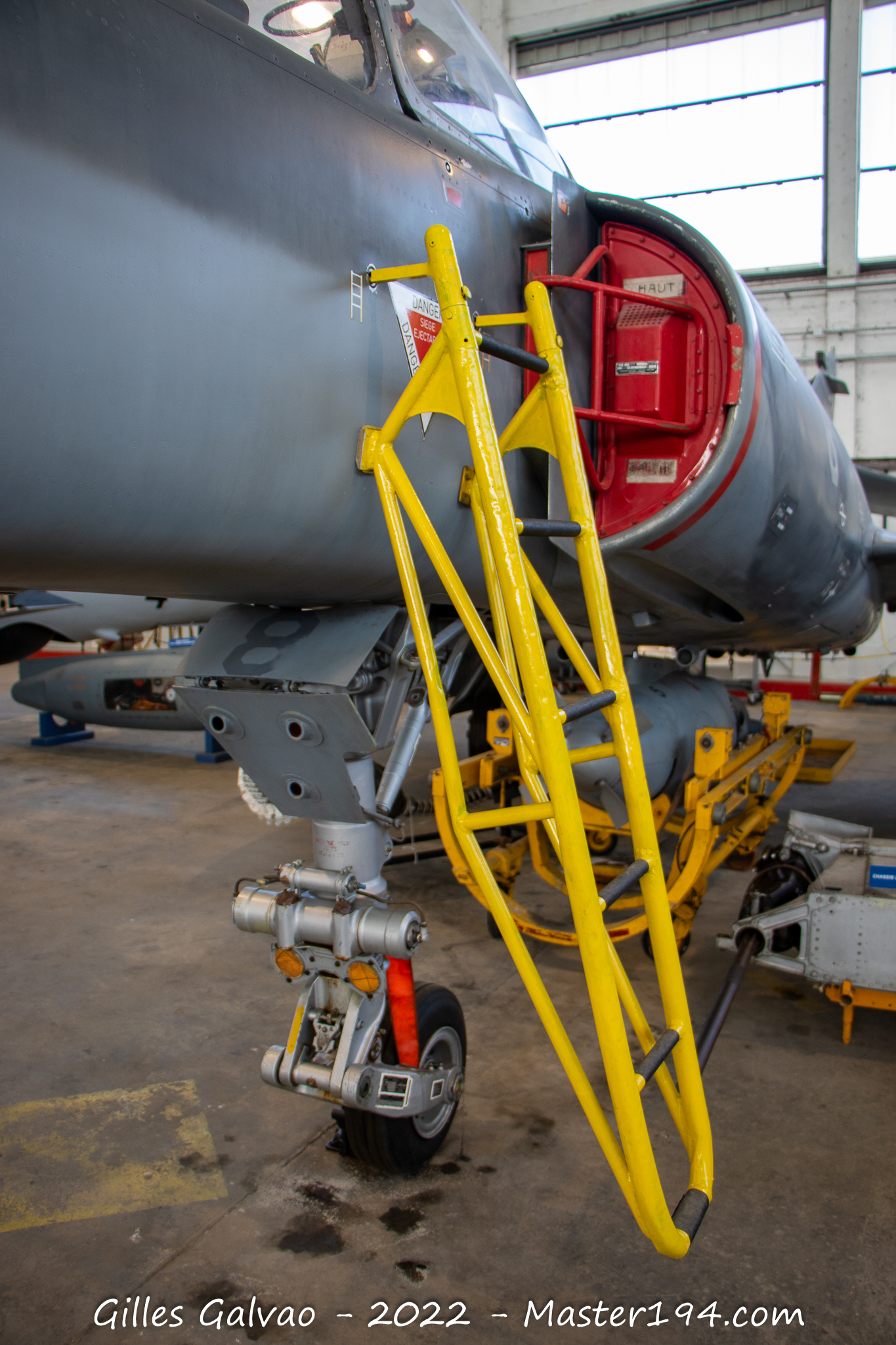
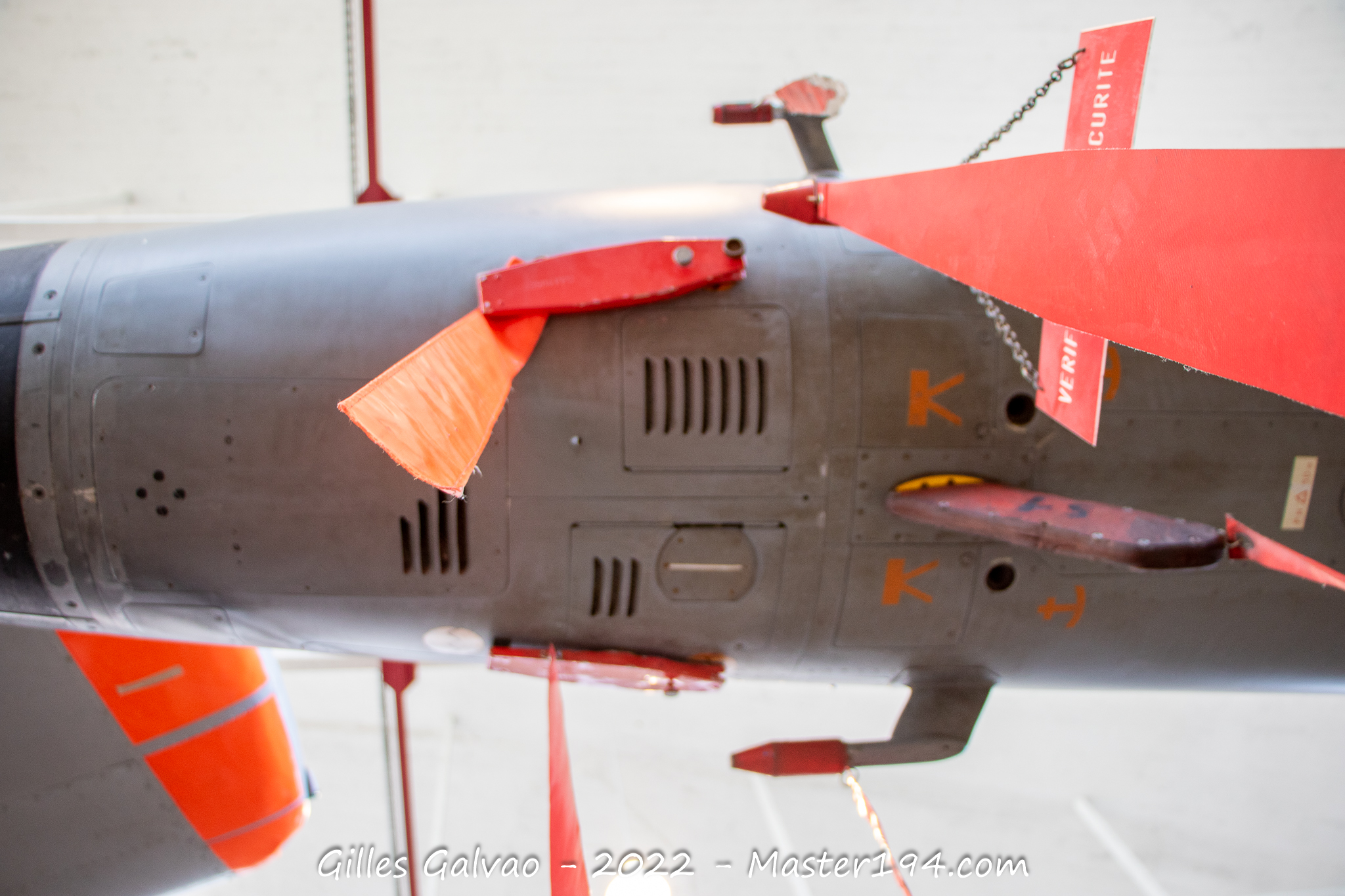
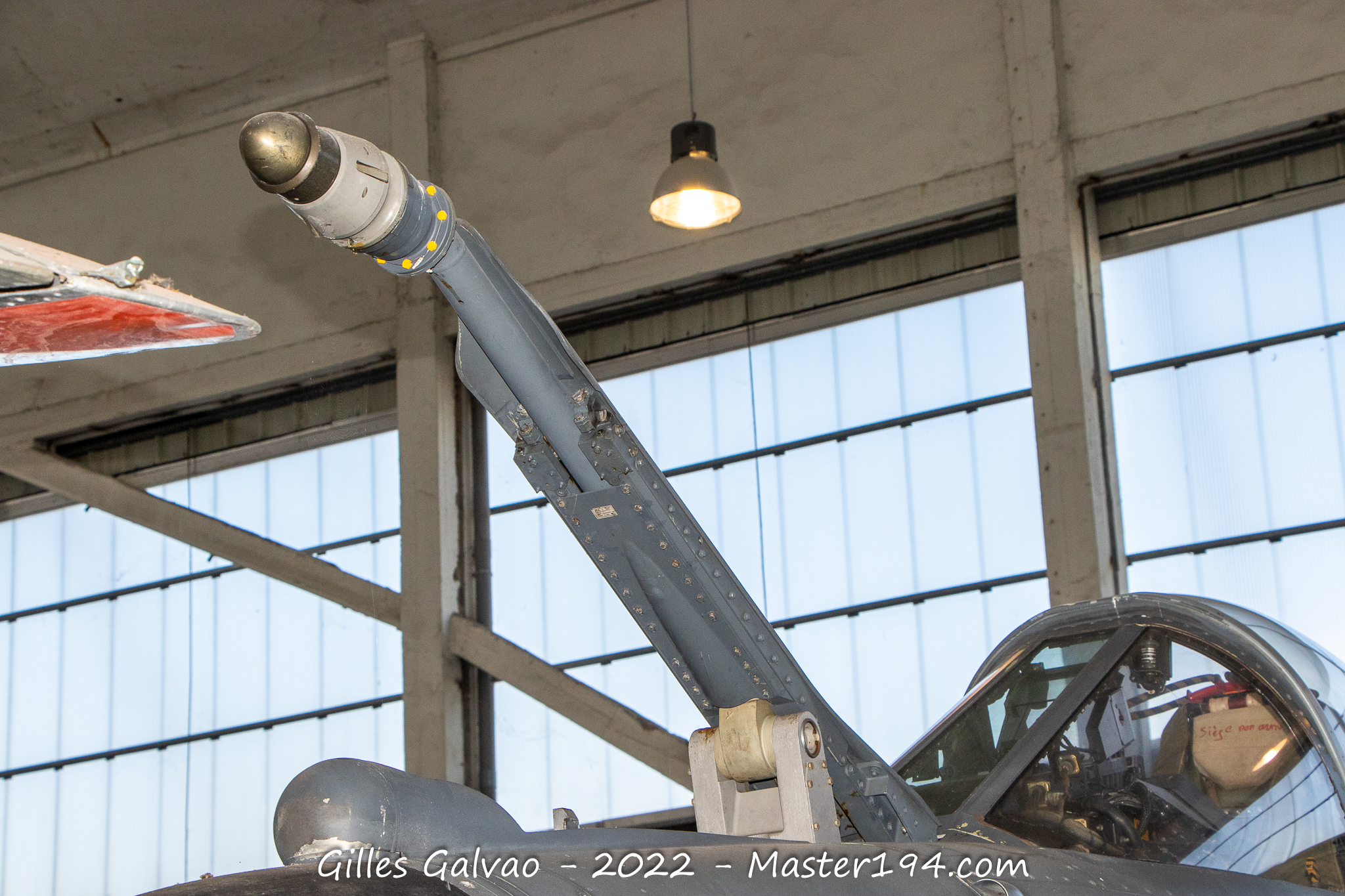
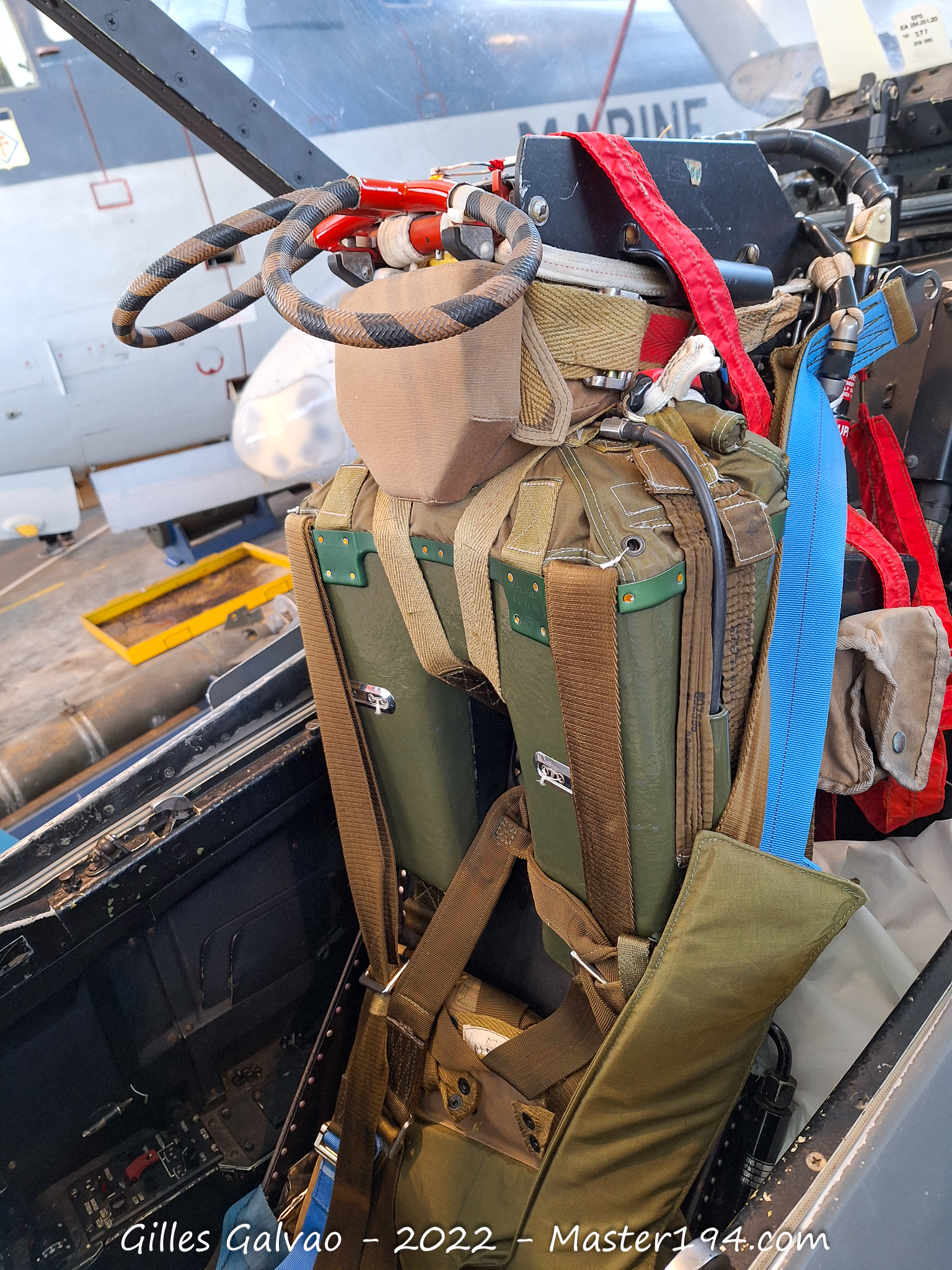
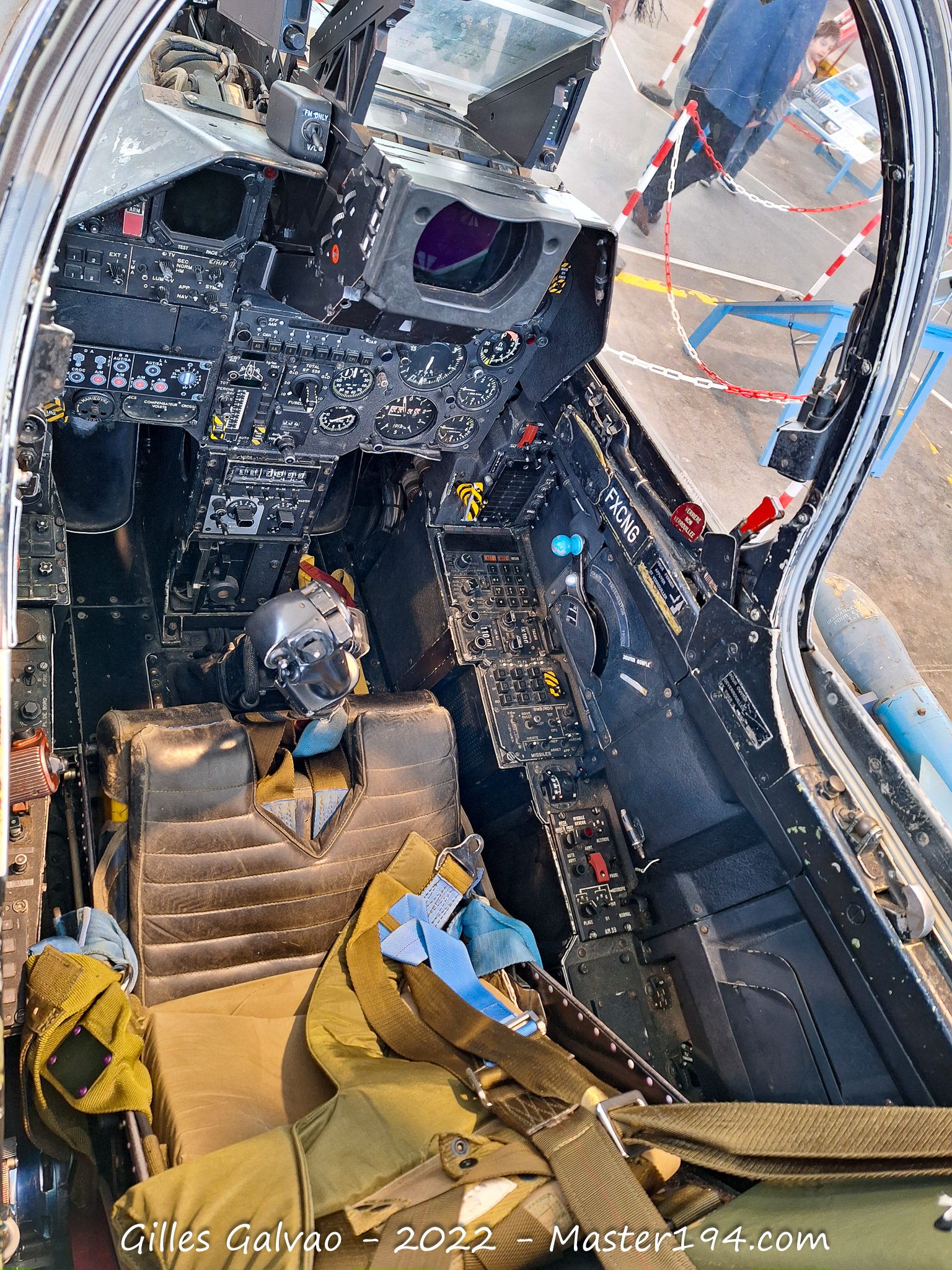
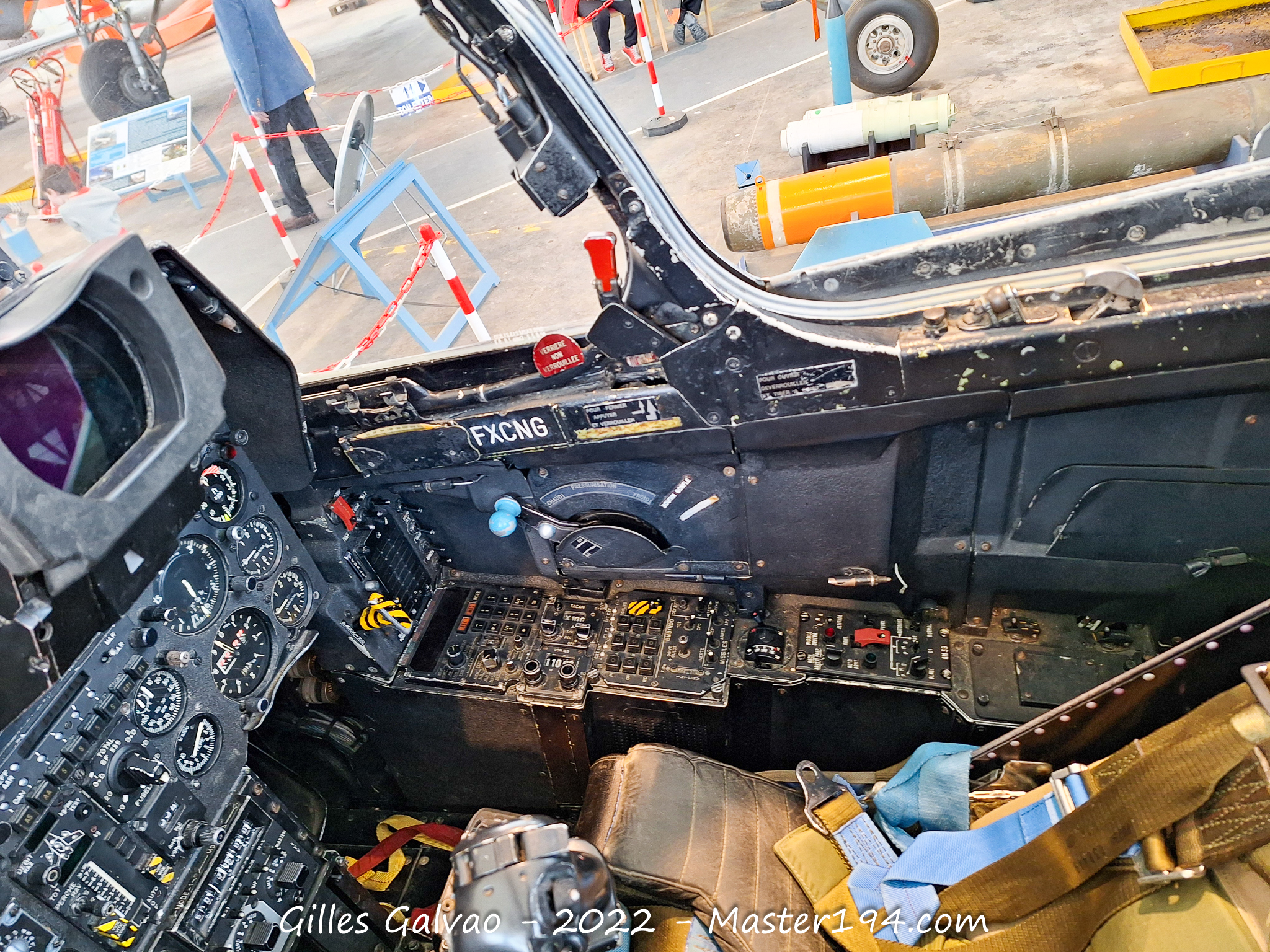
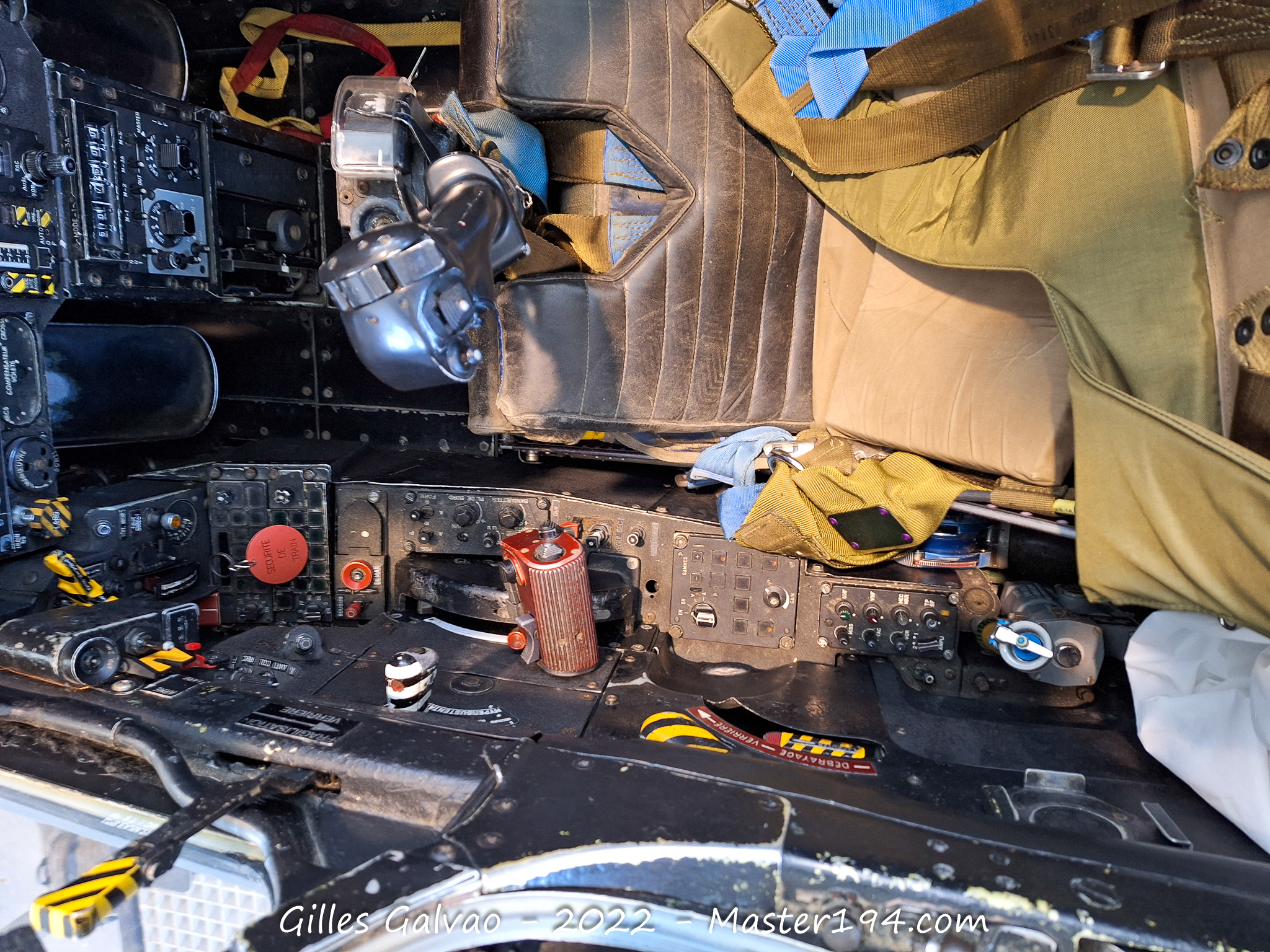
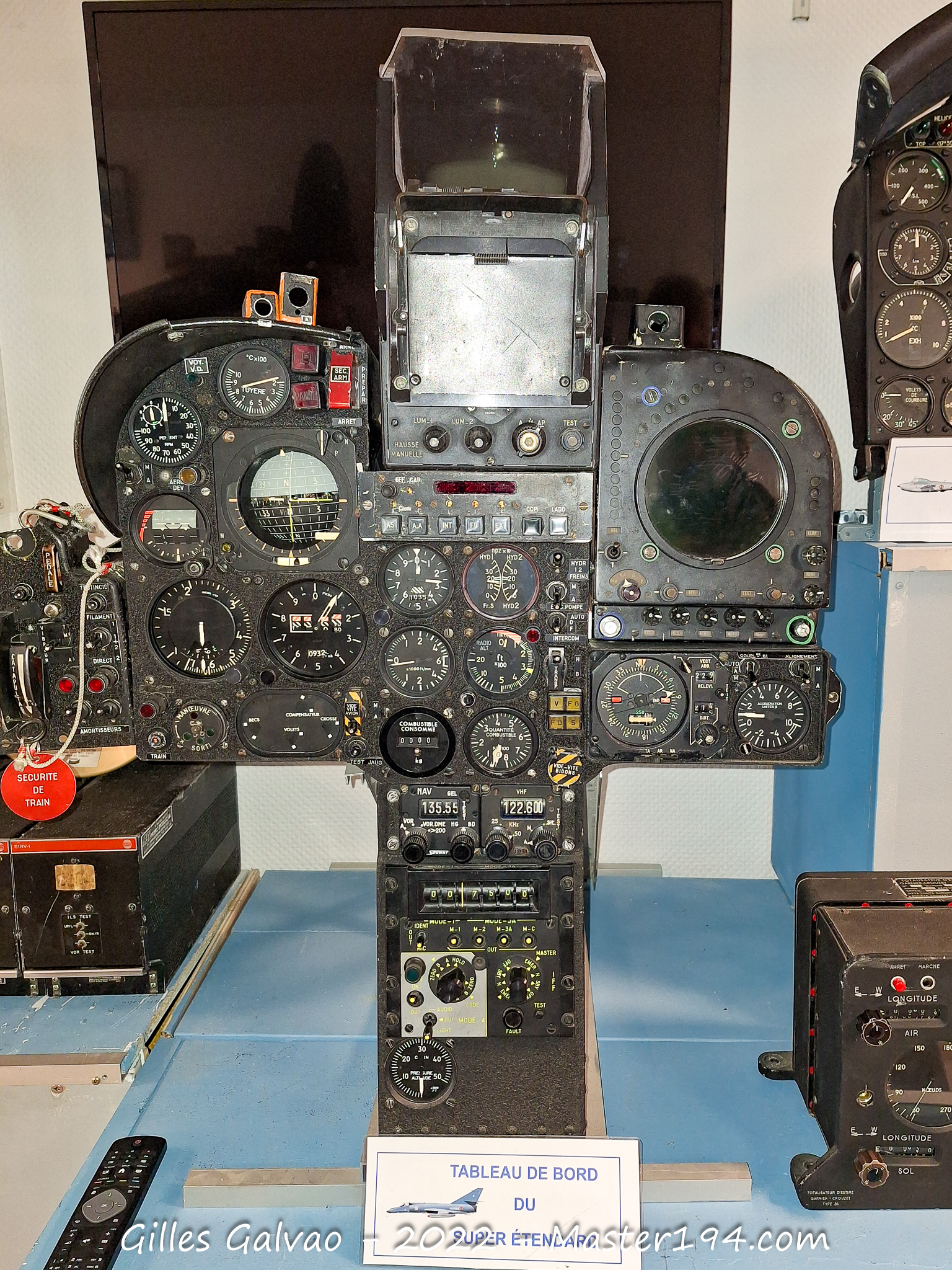
The cockpit shown here is from a different SEM, not from airframe number 8. During your visit to the museum, you can actually sit inside it.
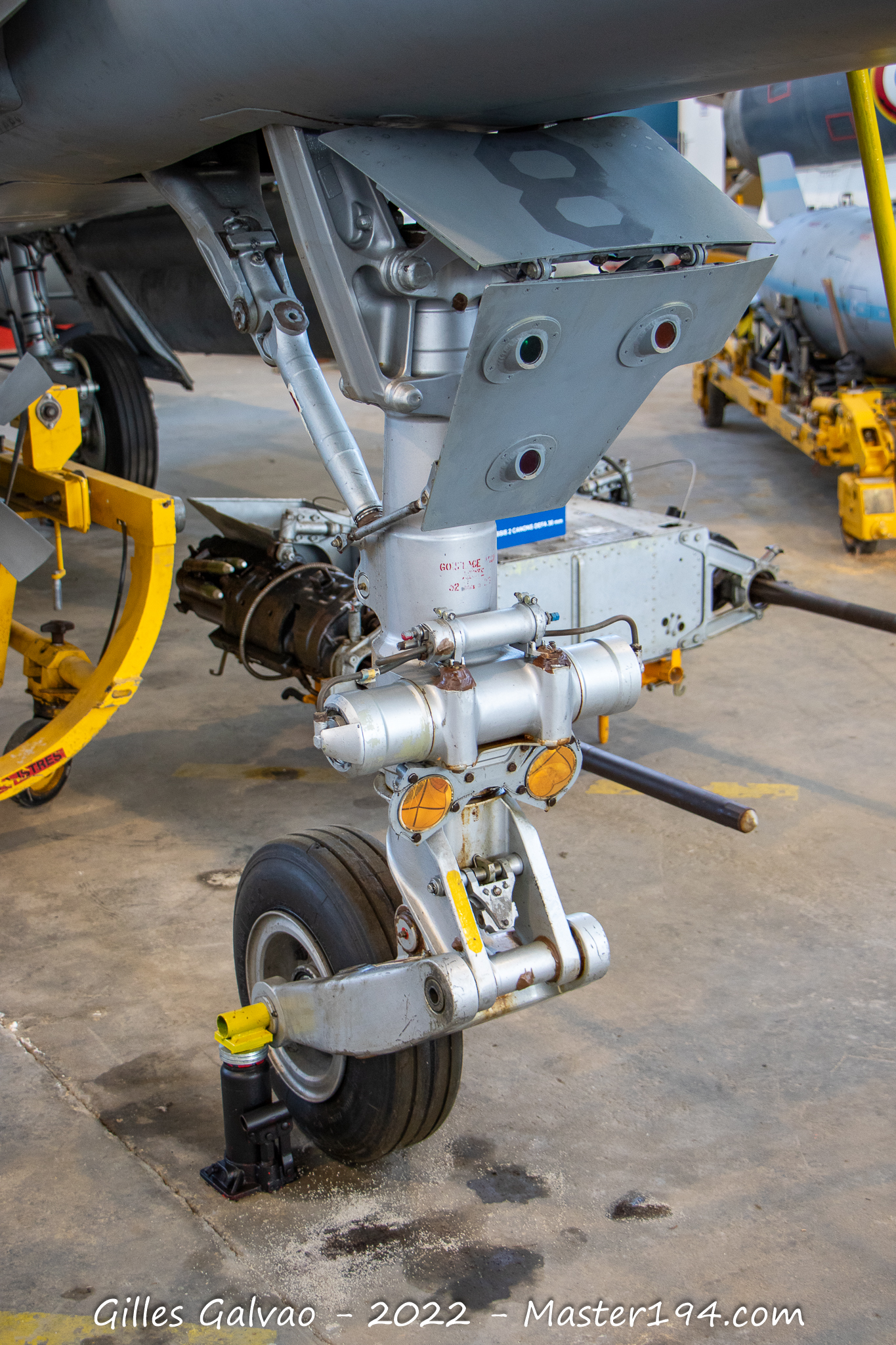
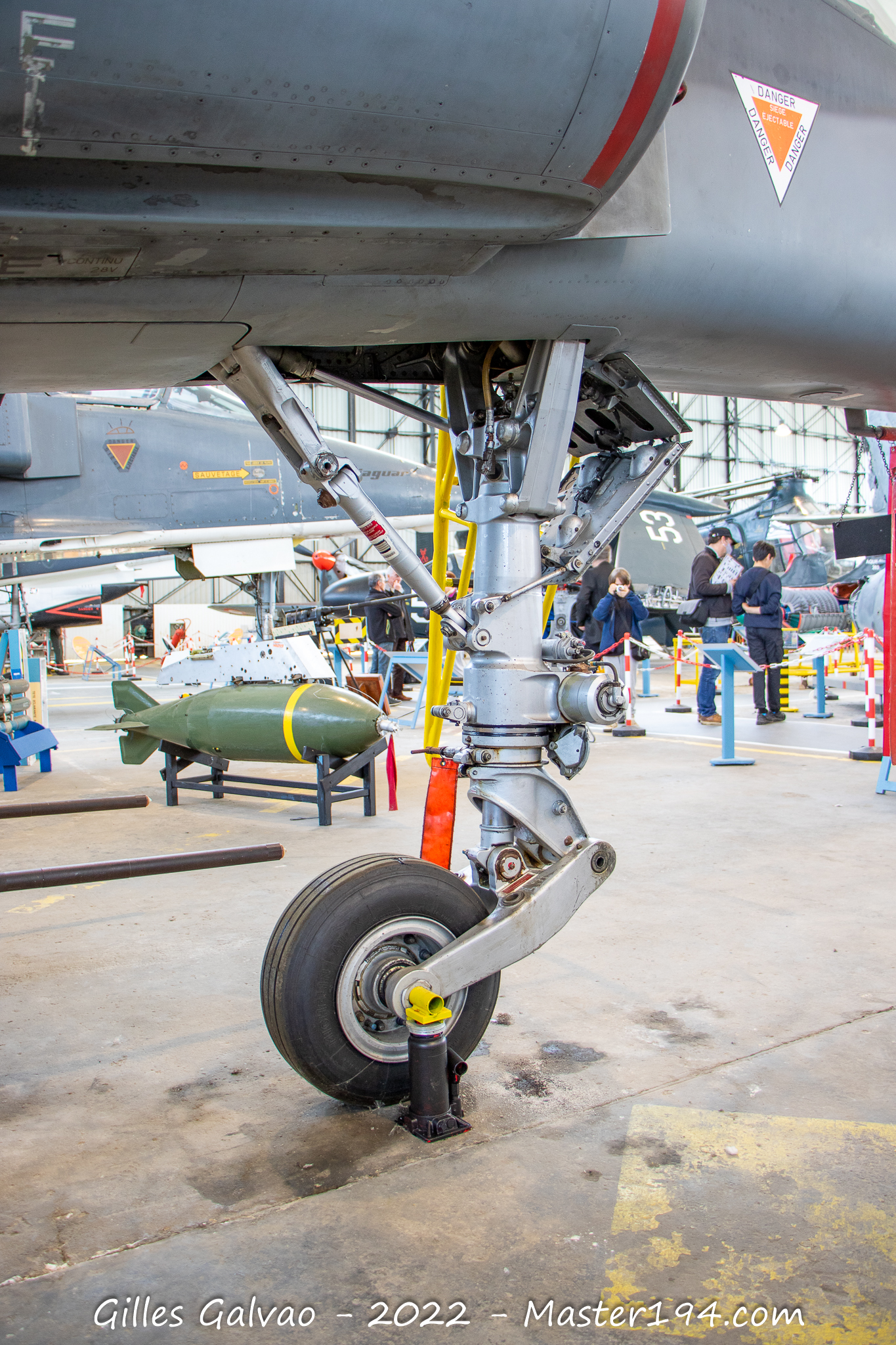
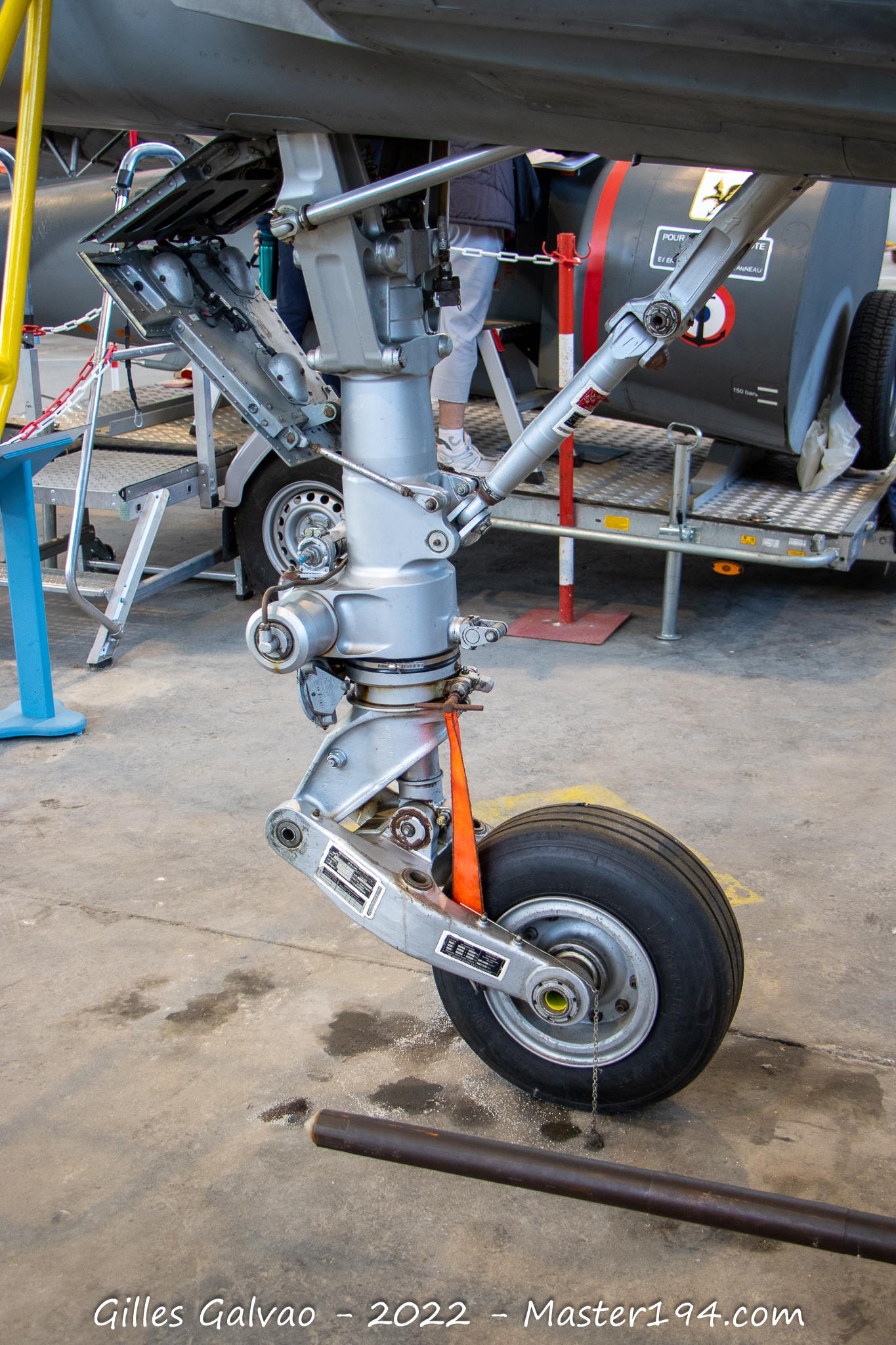
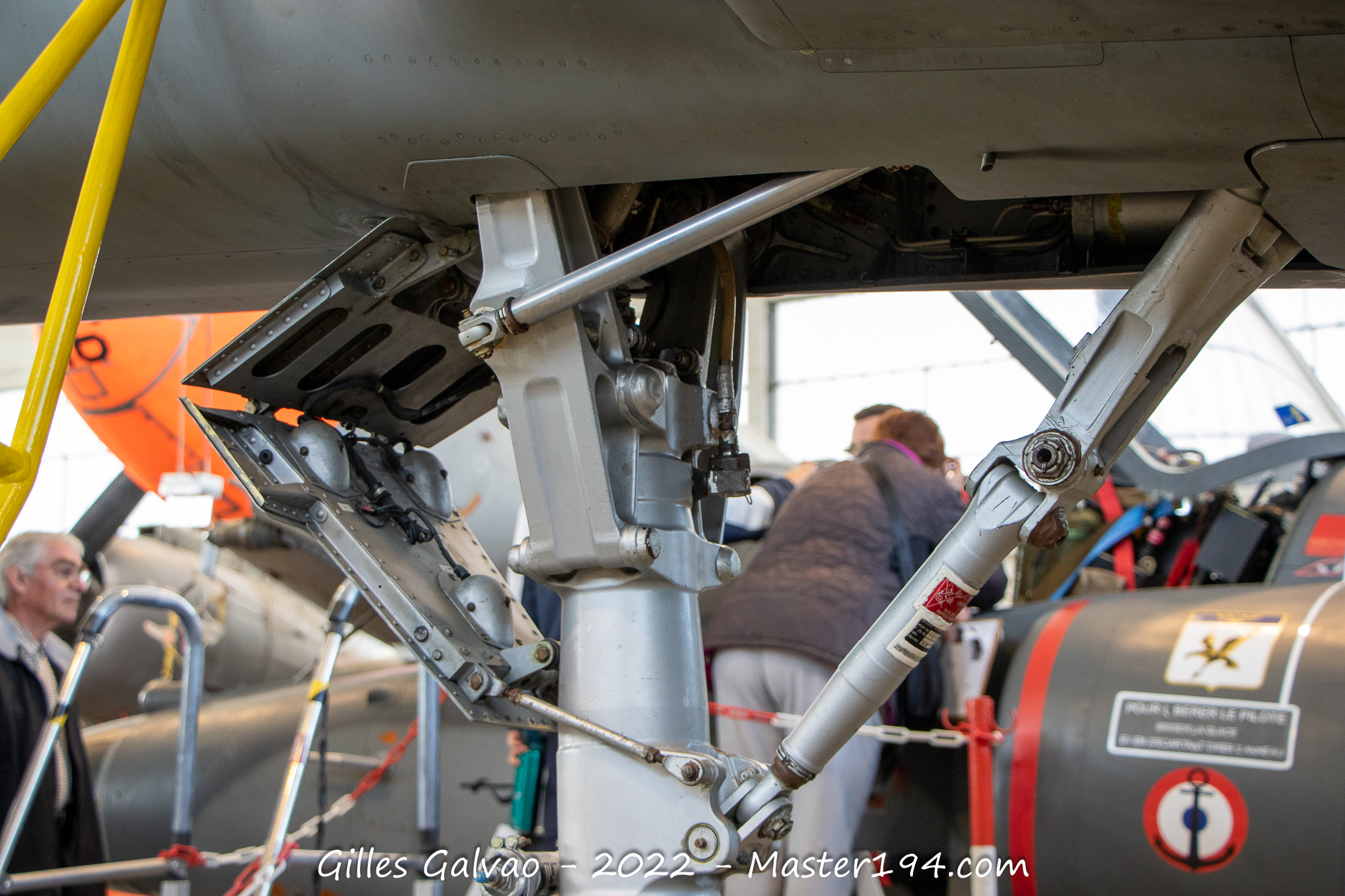
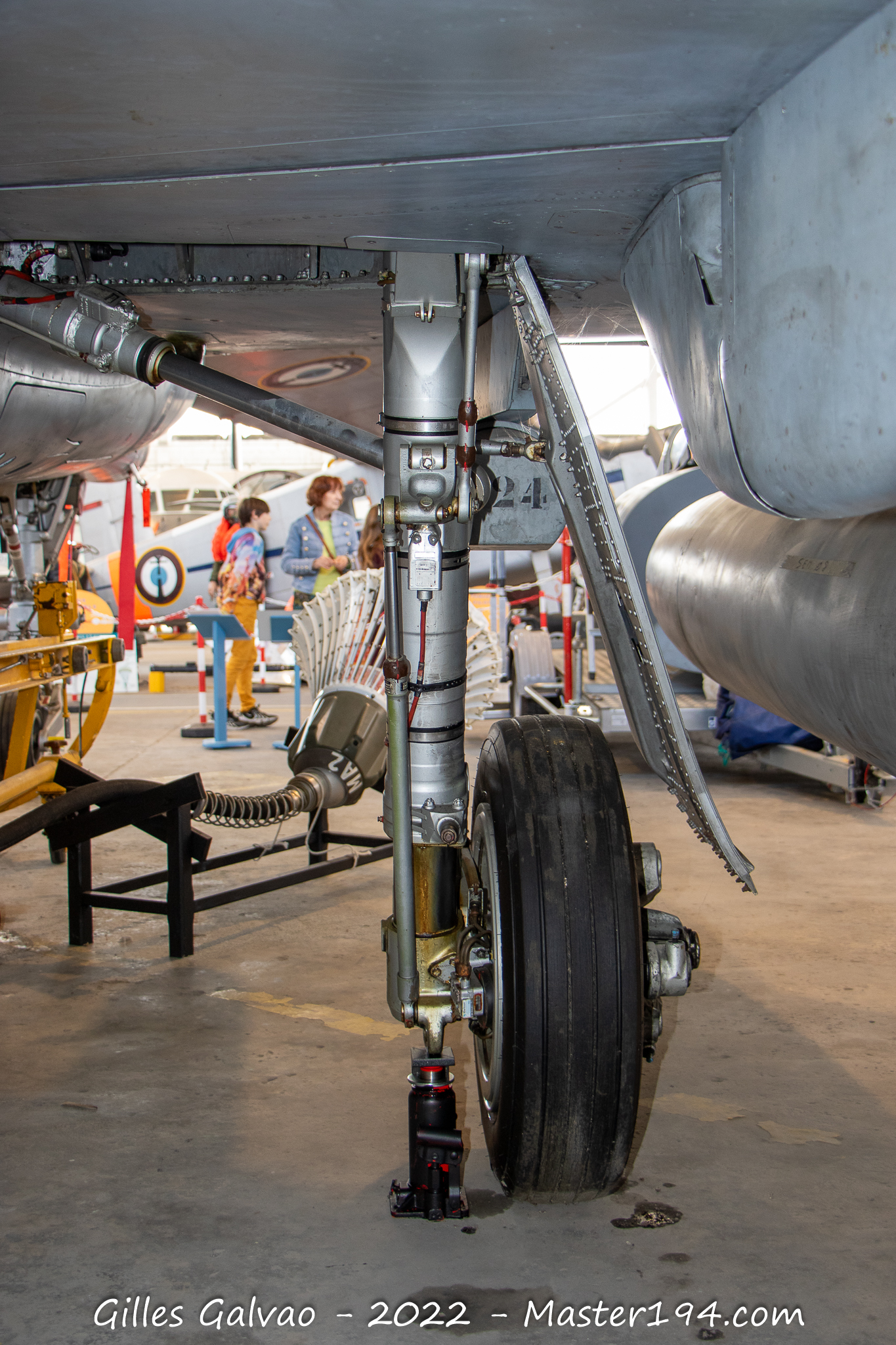
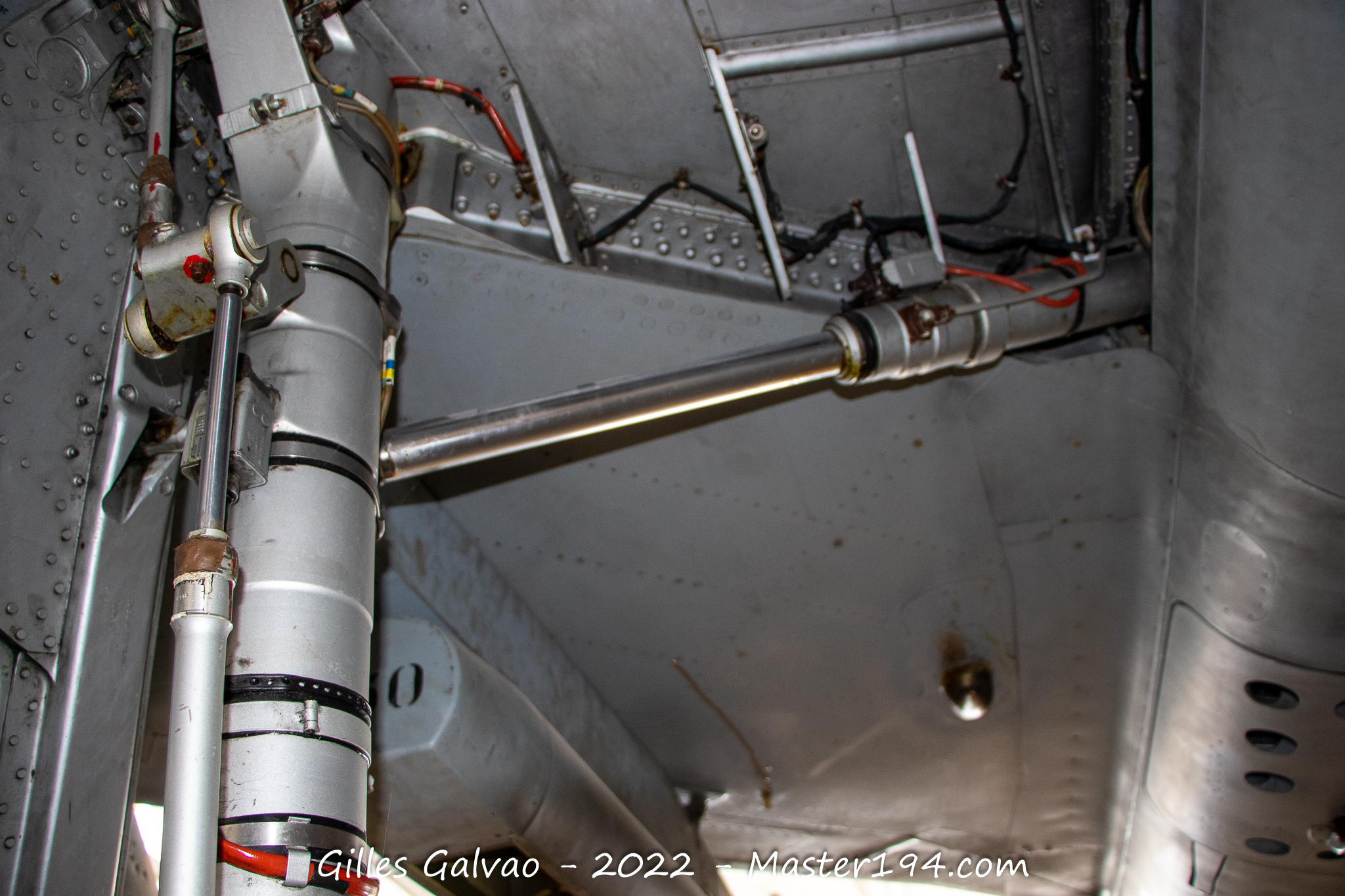
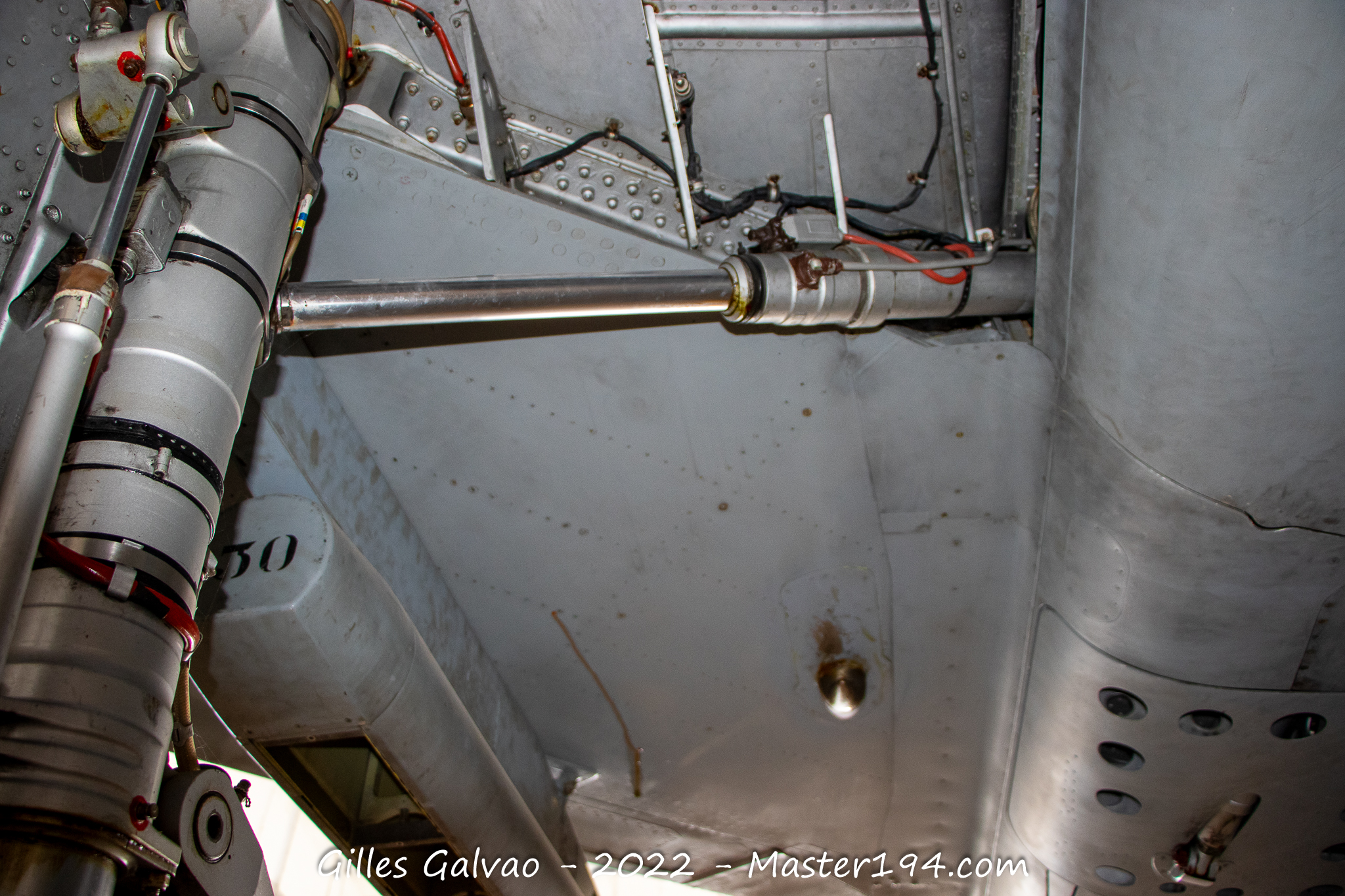
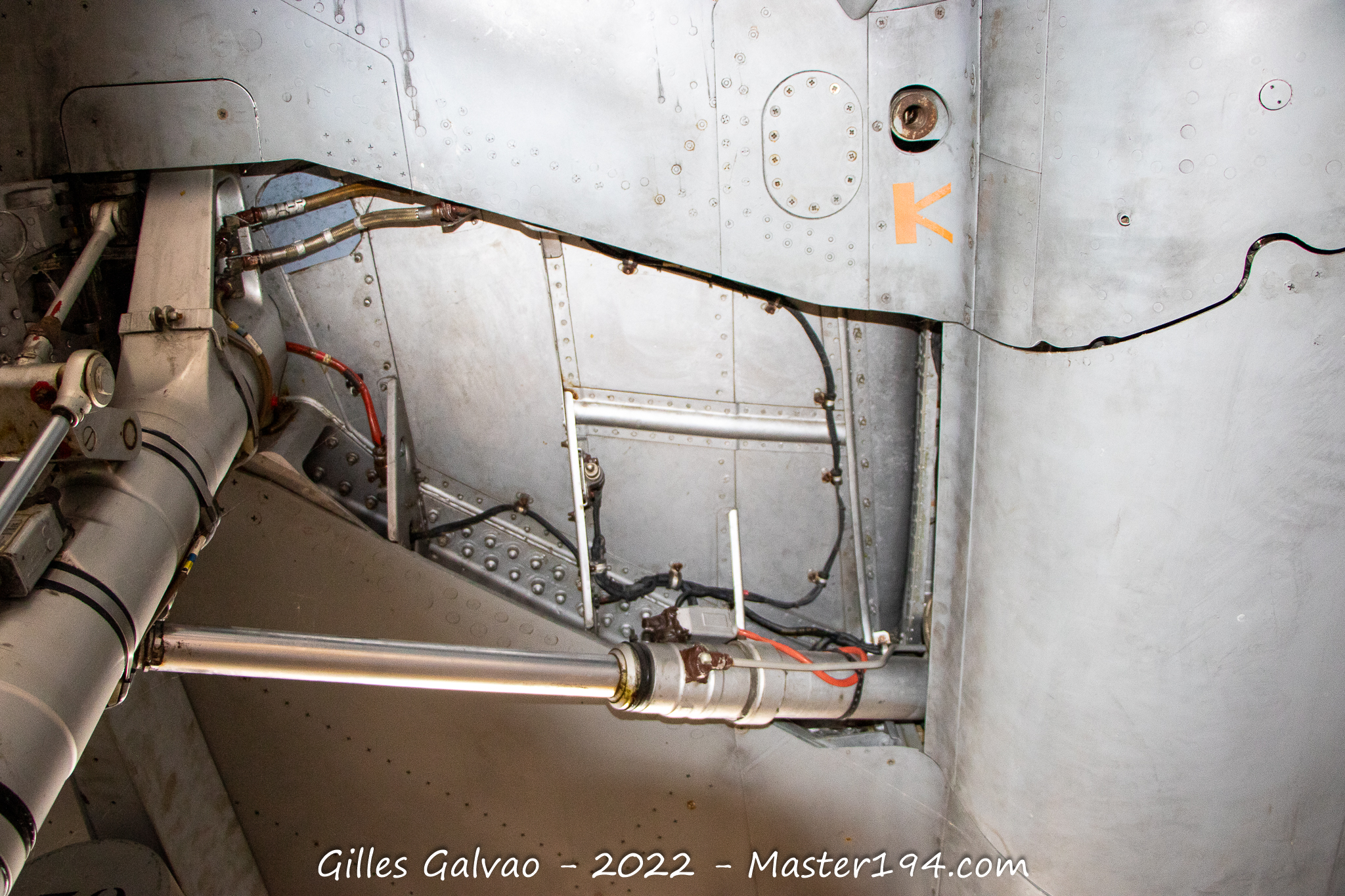
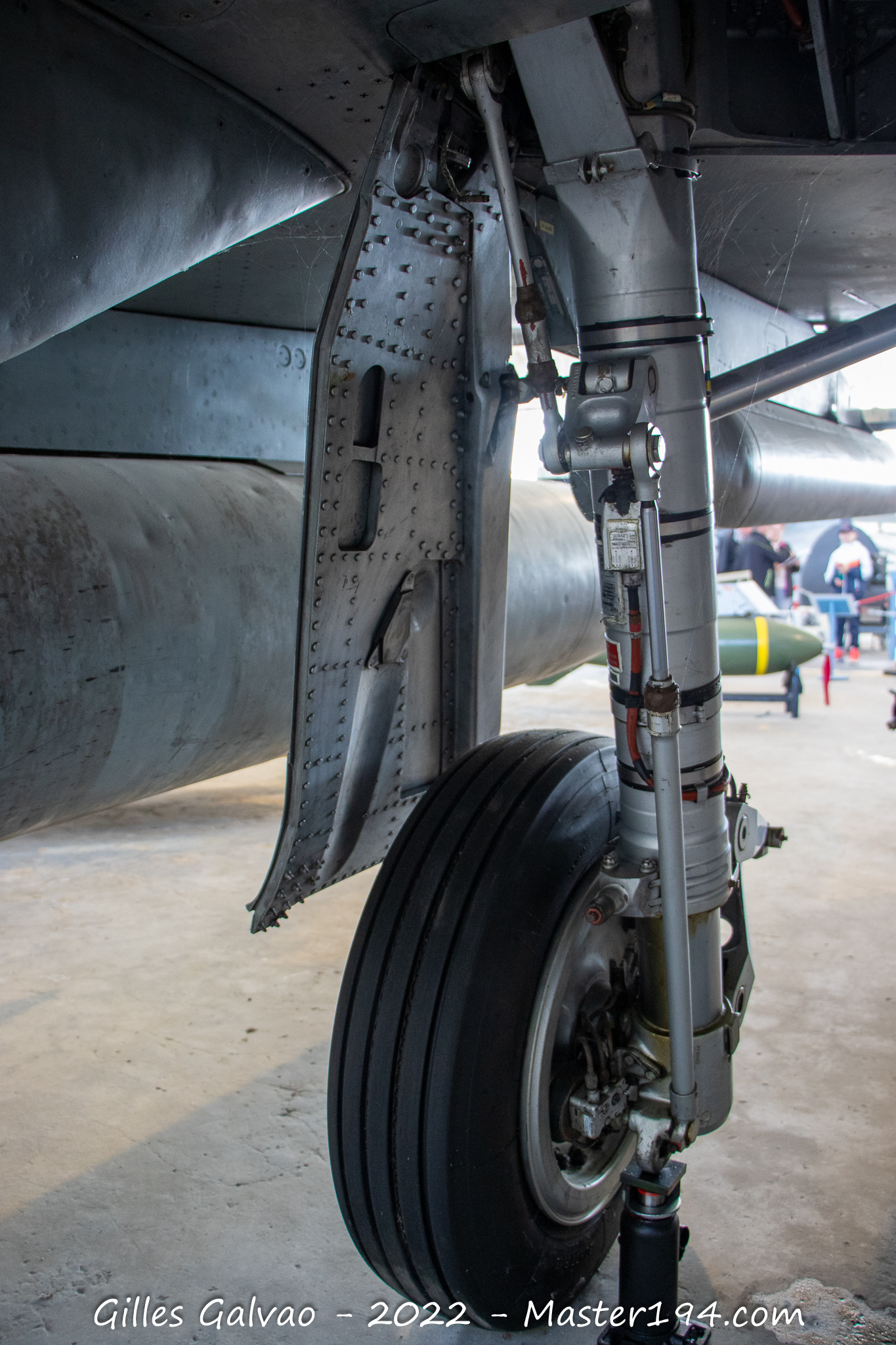
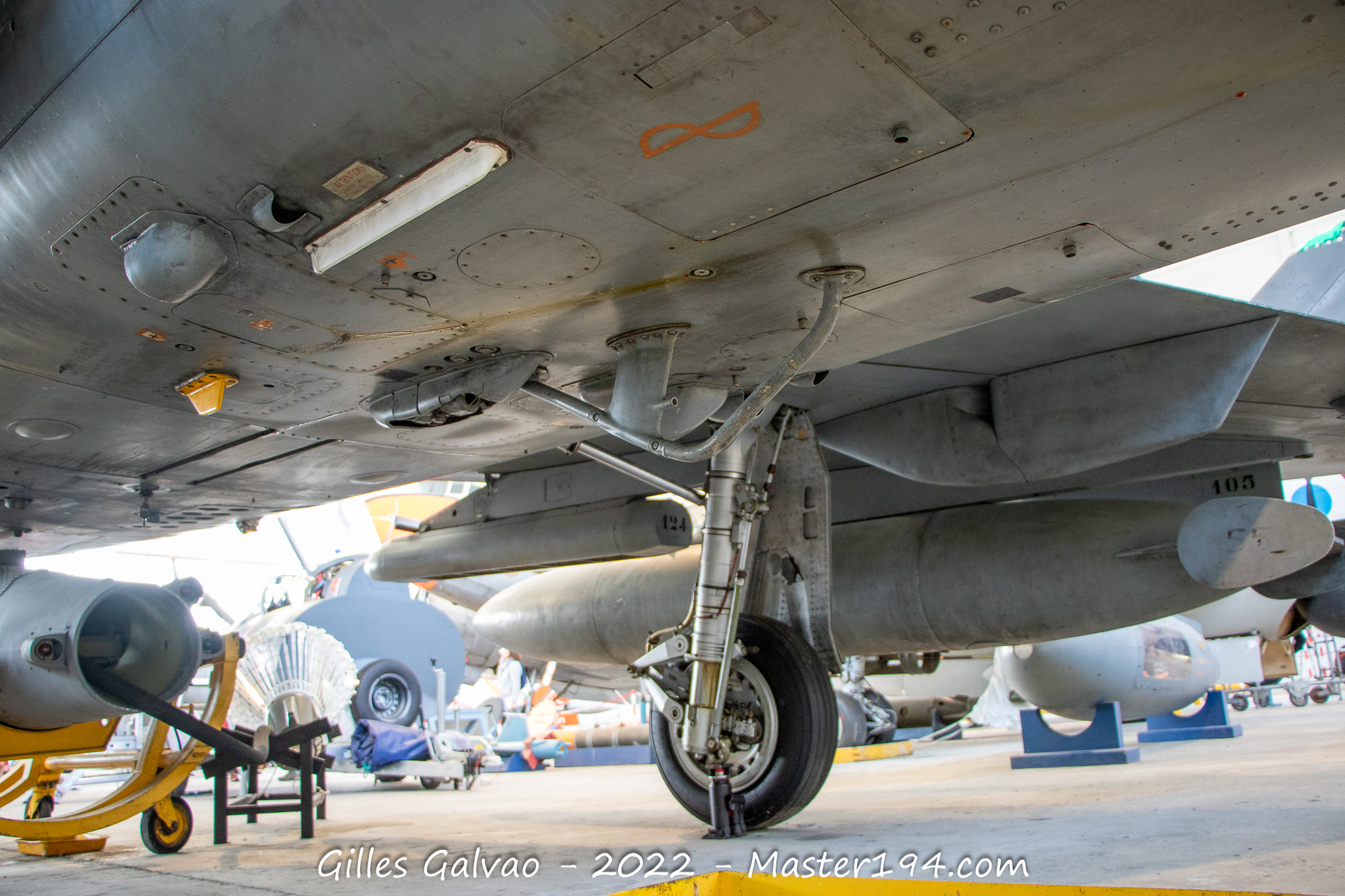
Gear details walkaround of Super Etendard
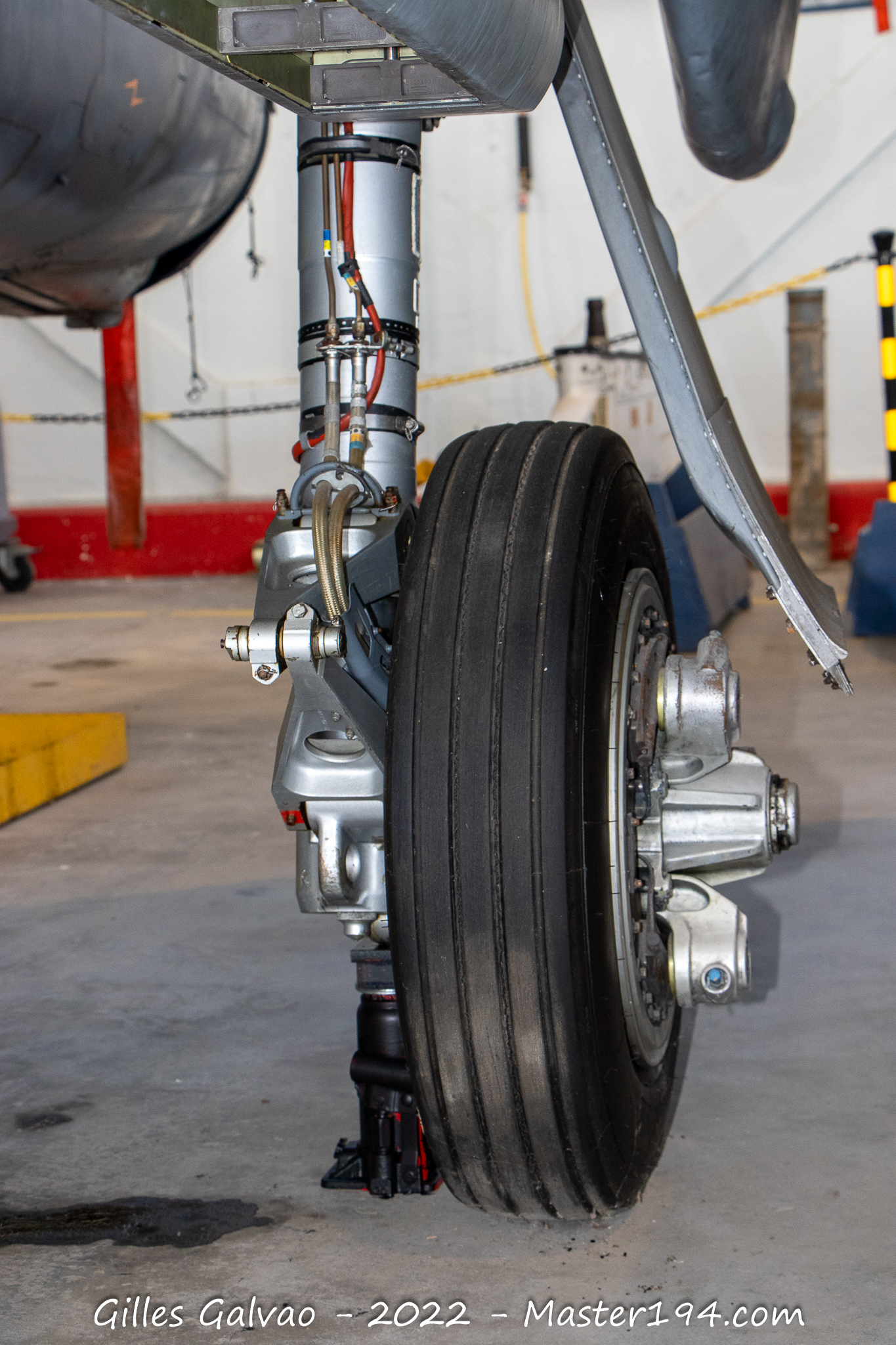
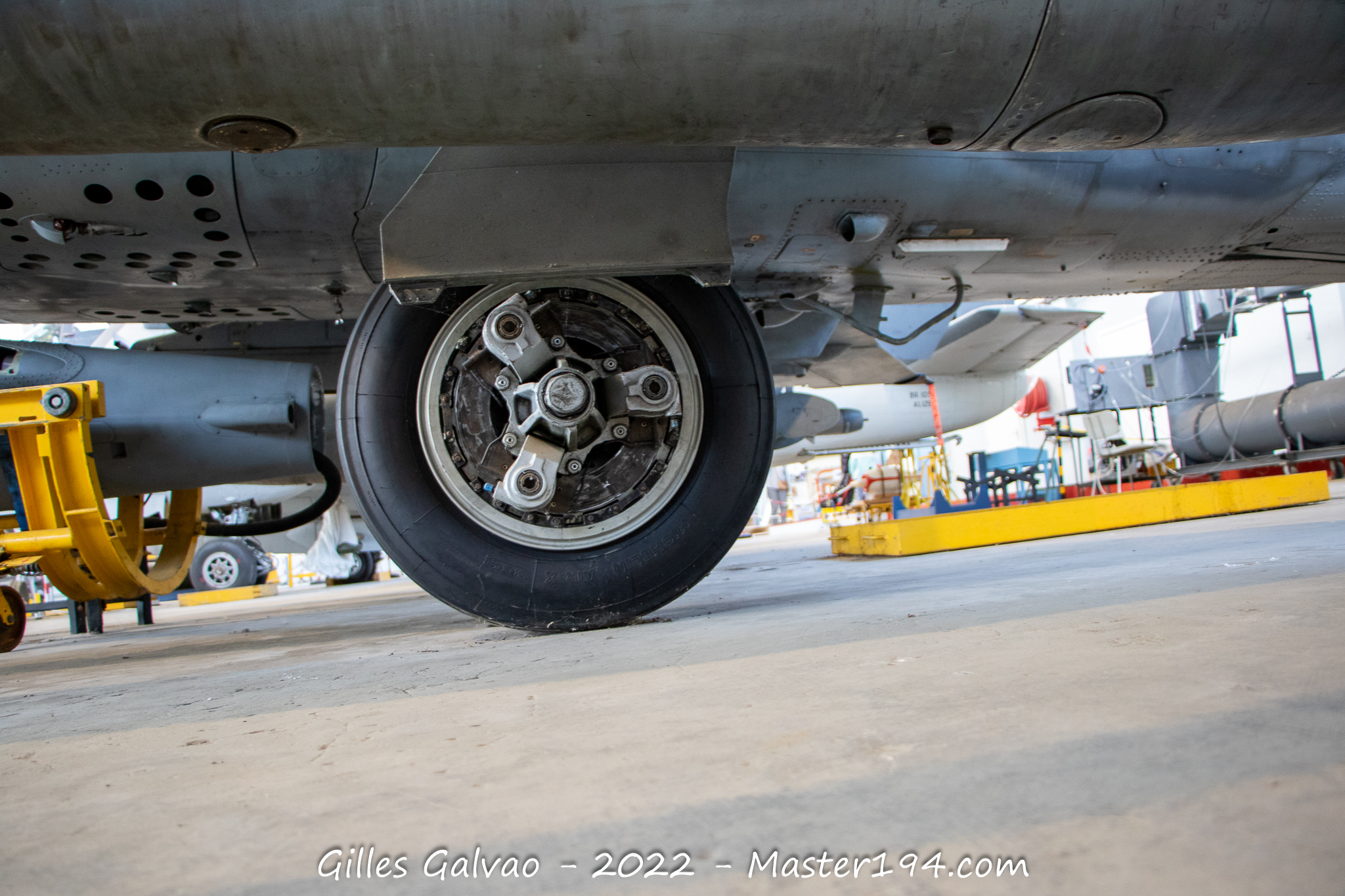
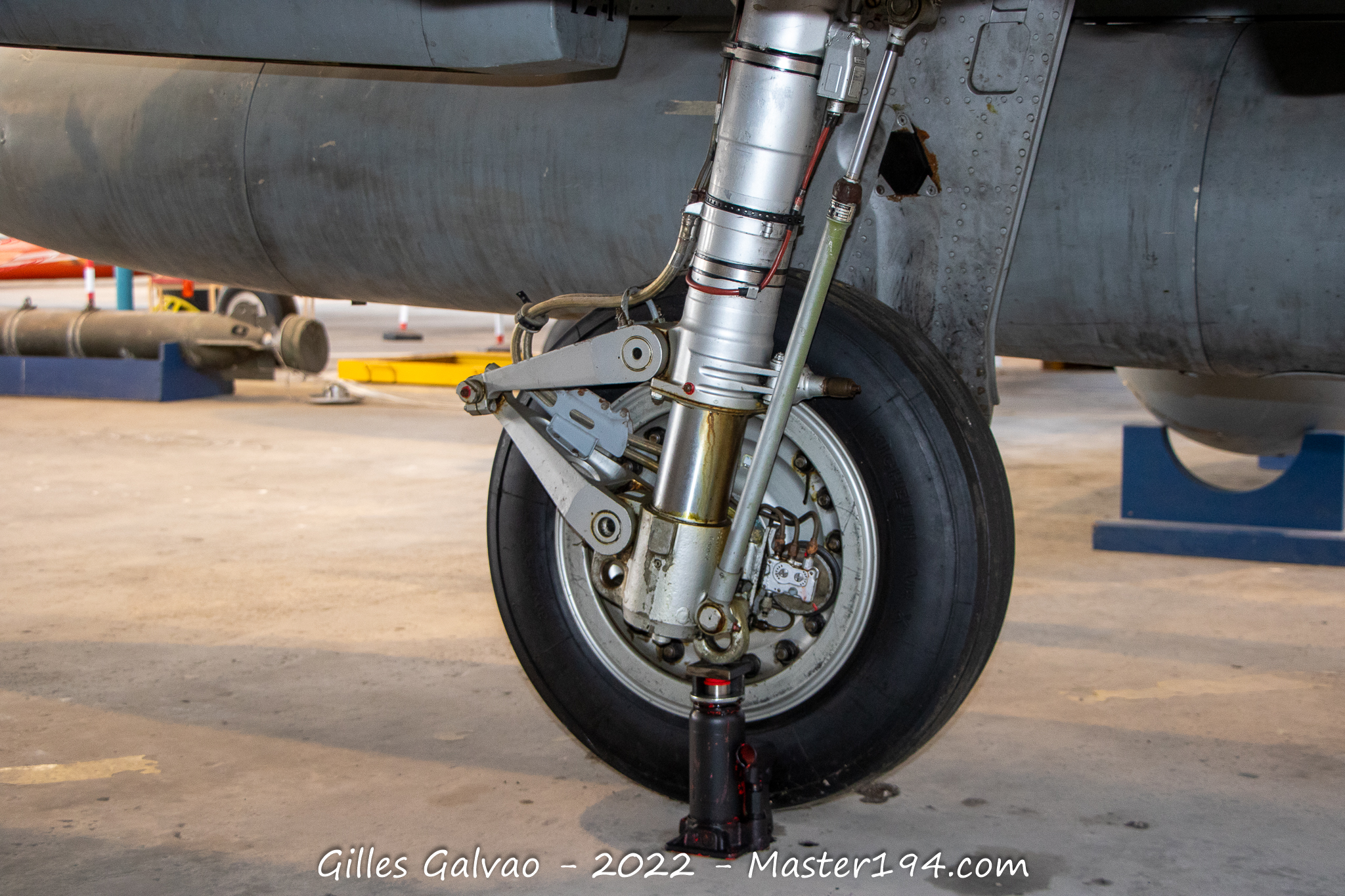
My thanks to the teams at the Musée de l’Aéronautique Navale de Rochefort for their hard work, their warm welcome, and for allowing me to take these photographs.
And don’t forget, if you are in the area, be sure to stop by and visit this superb museum—it is well worth the detour!