 by
The Vought F4U-7 Corsair was the final production variant of the legendary Corsair, specifically built for France in the early 1950s. At that time, the French Navy (Marine nationale) was seeking a modern carrier-based fighter-bomber to equip its naval aviation arm (Aéronautique navale), as the Indochina War was raging and French aircraft carriers were returning to intense operational activity.
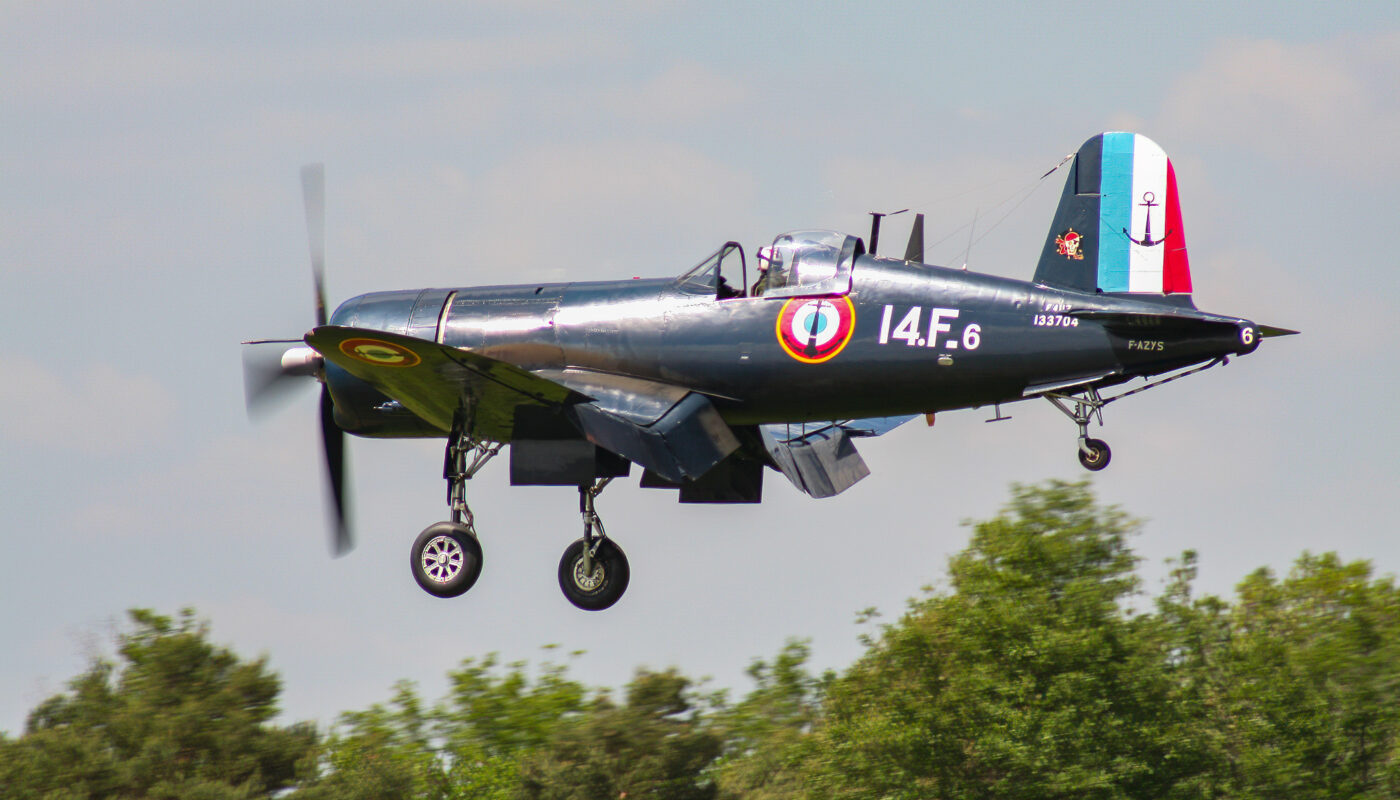
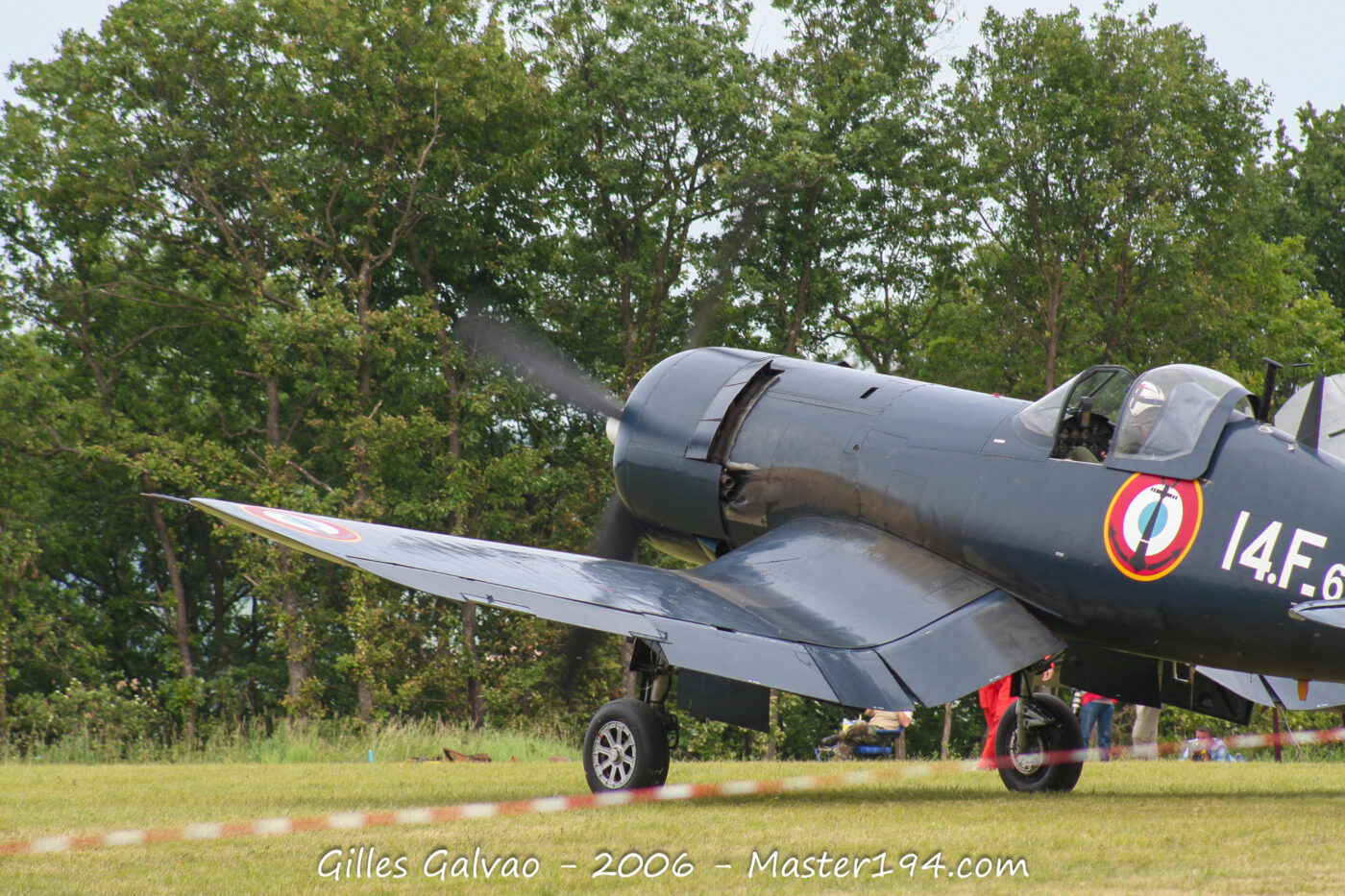
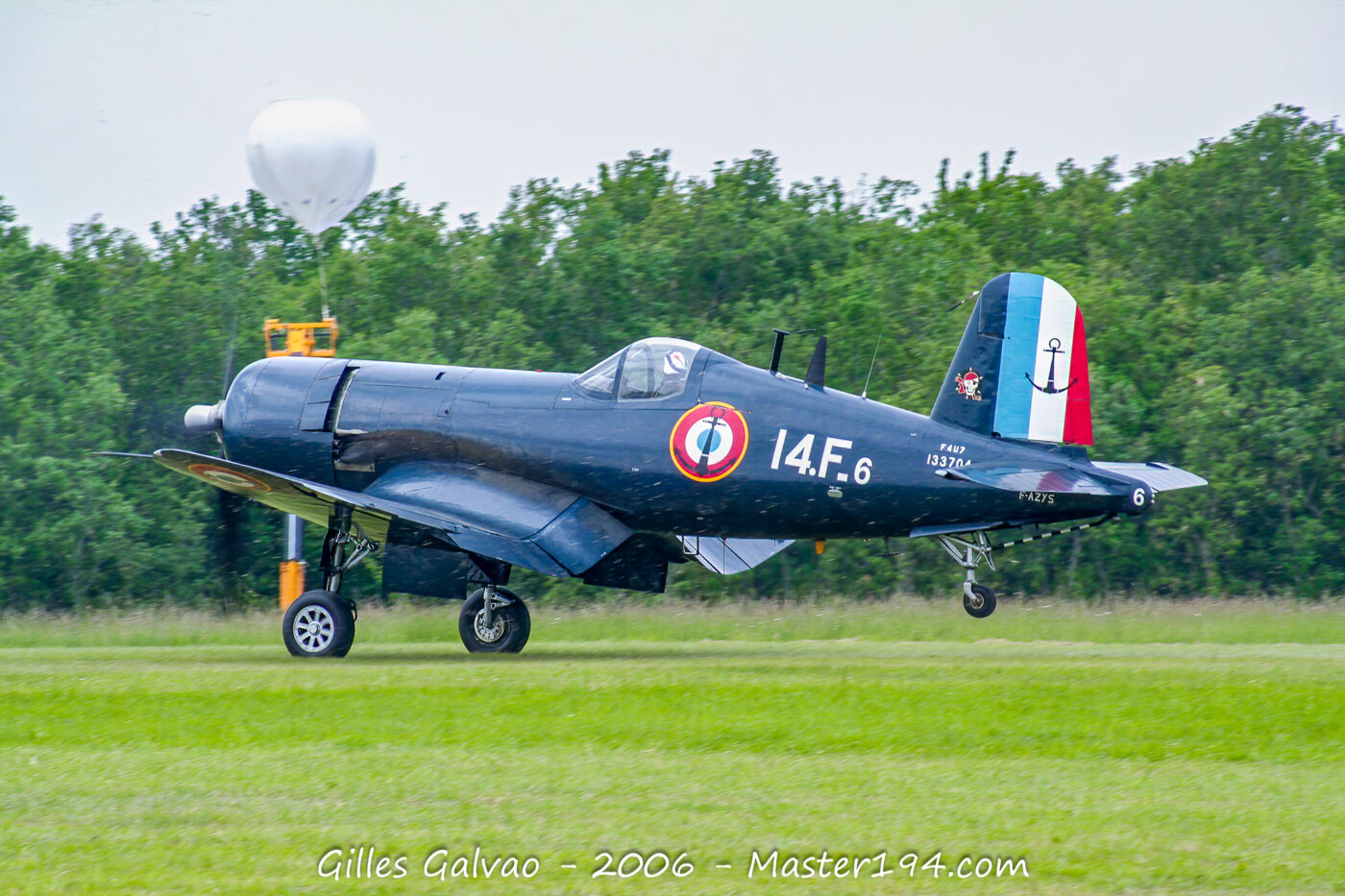
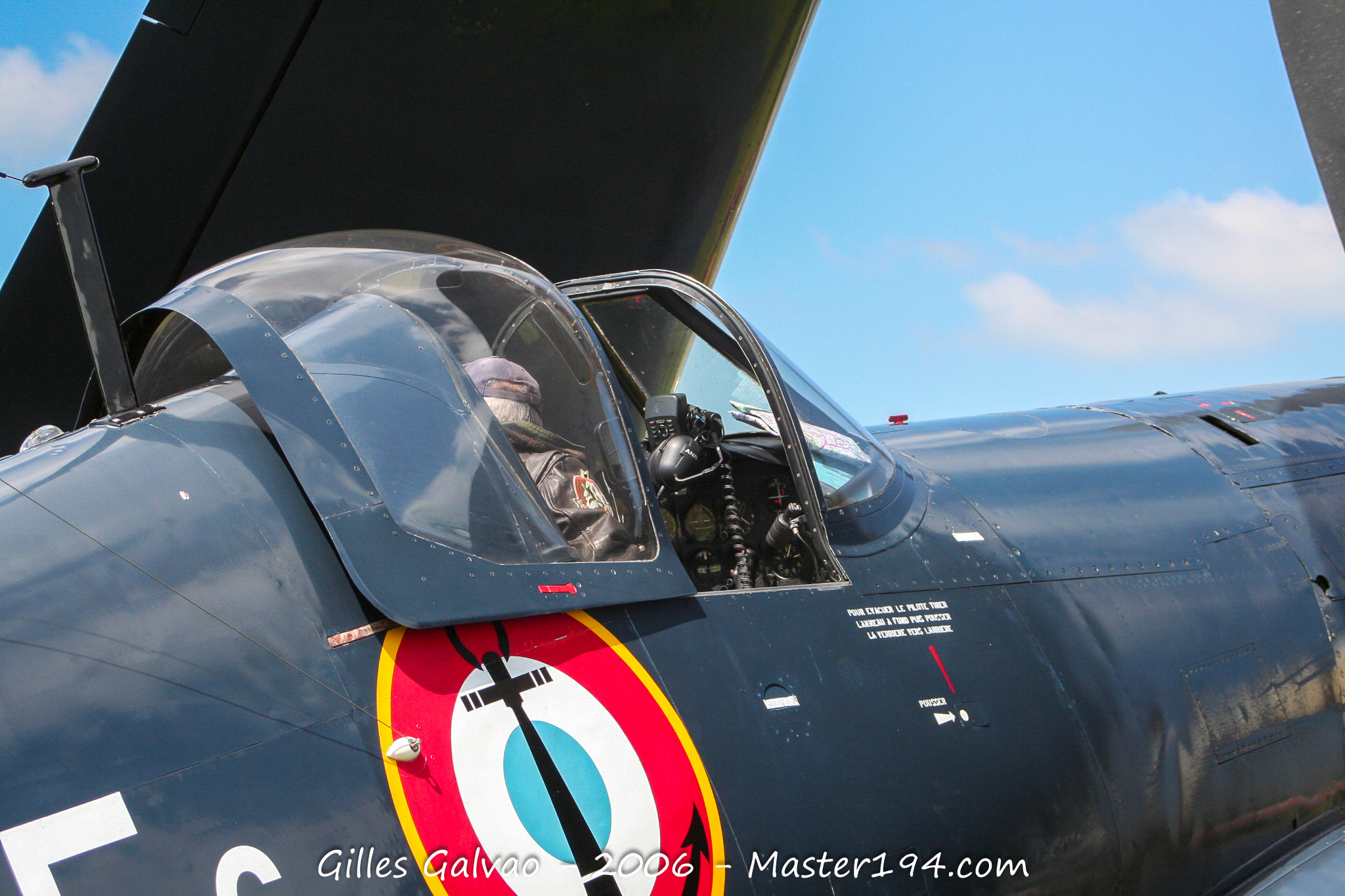
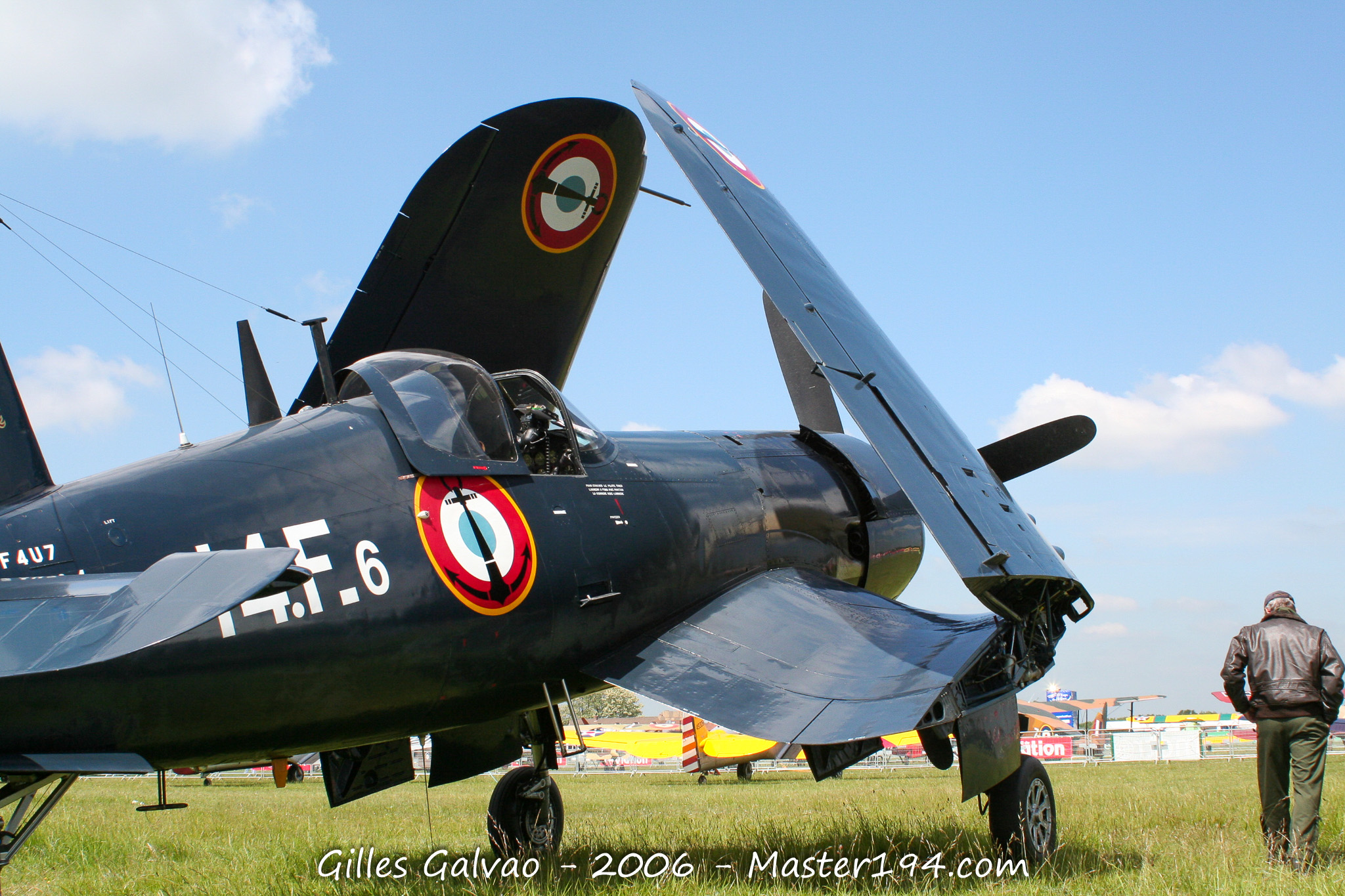
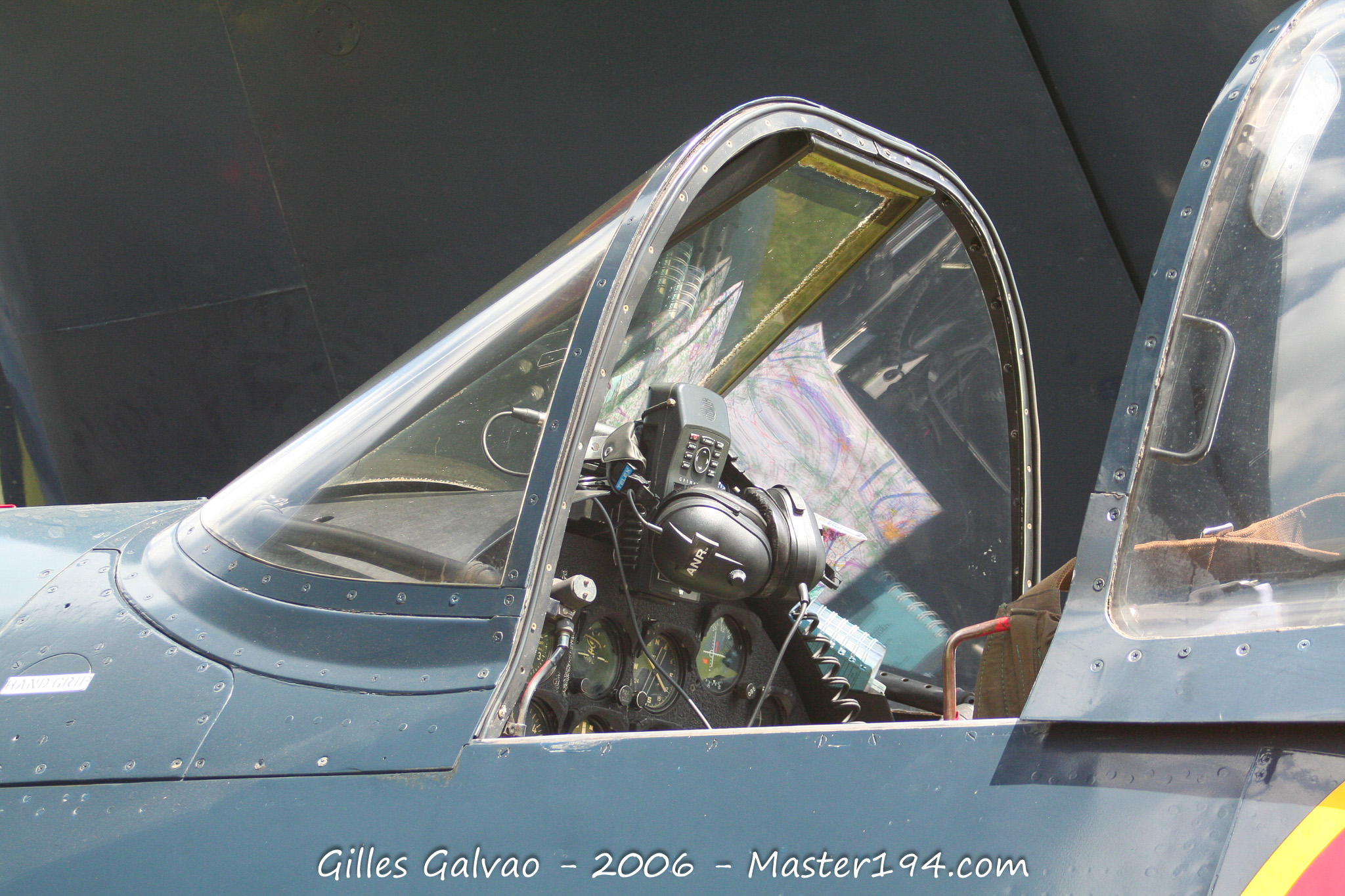
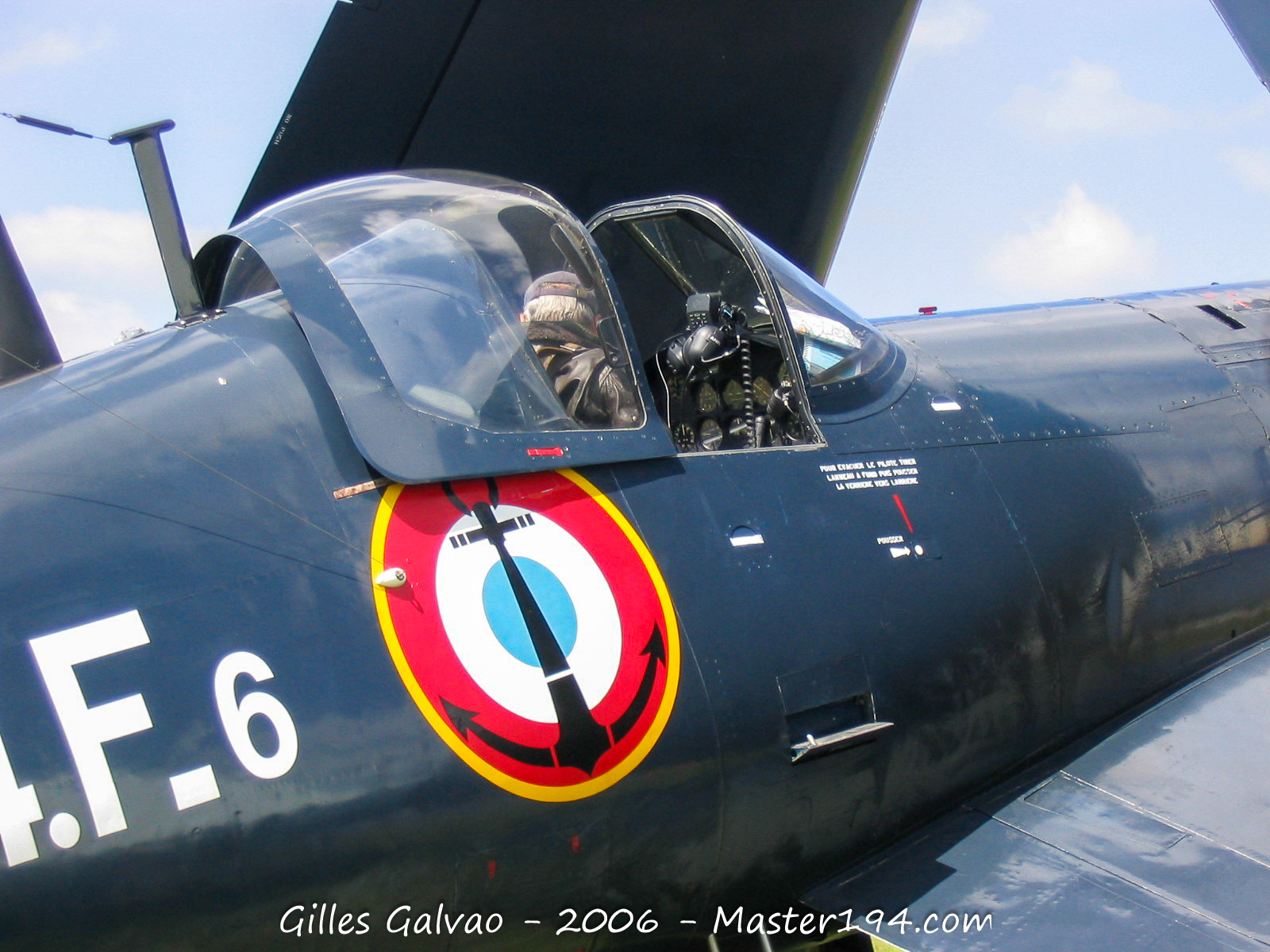
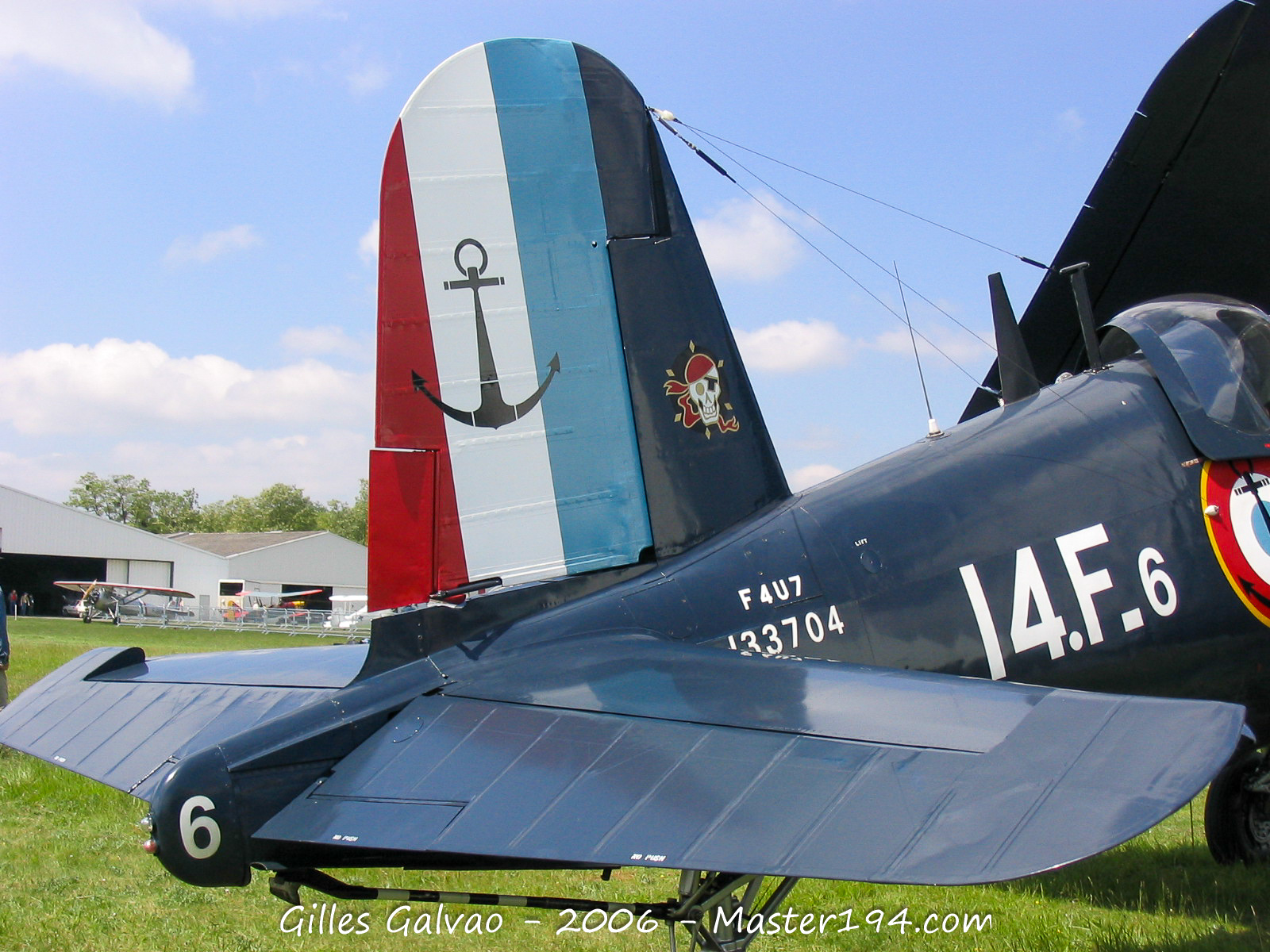
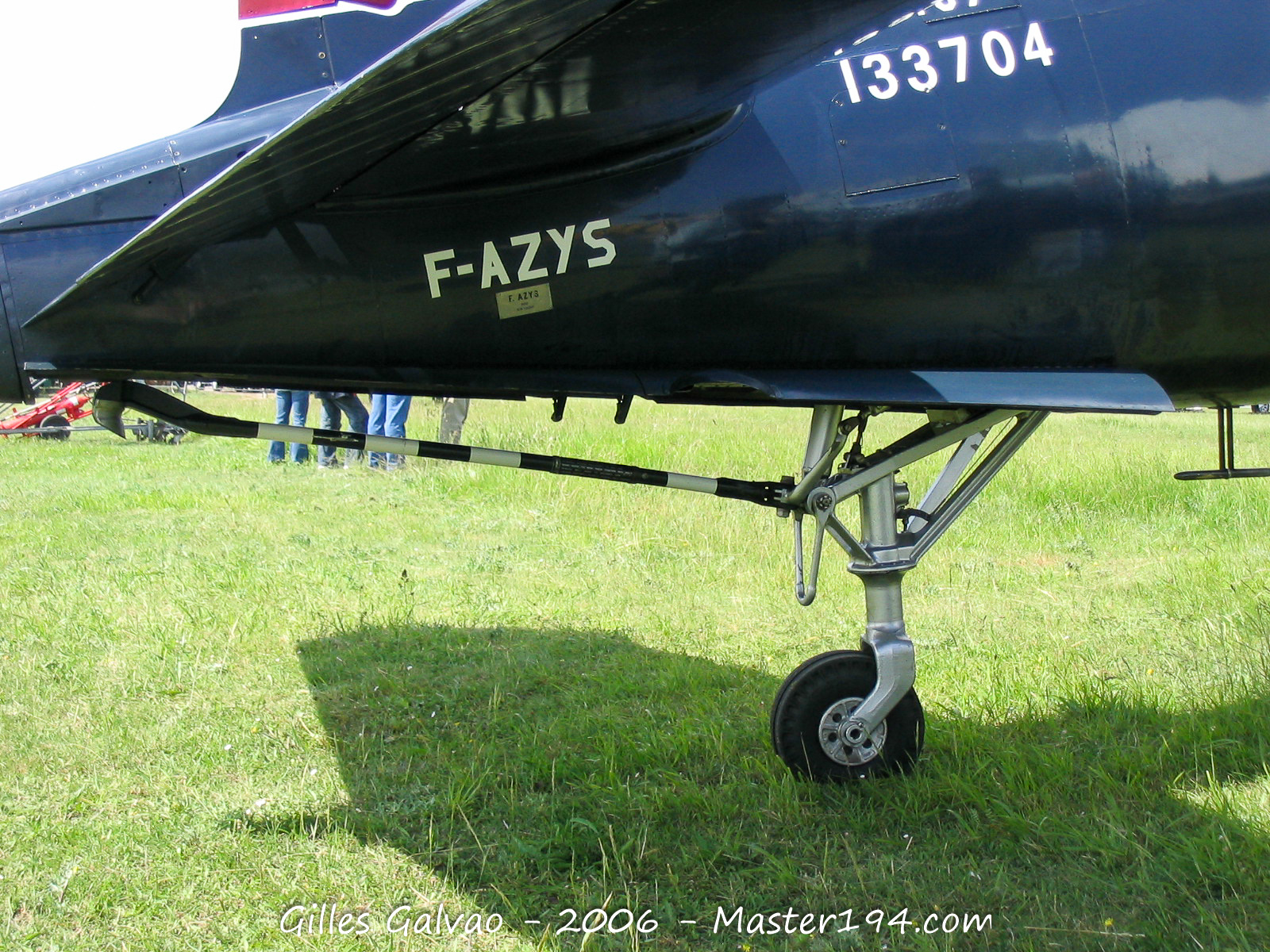
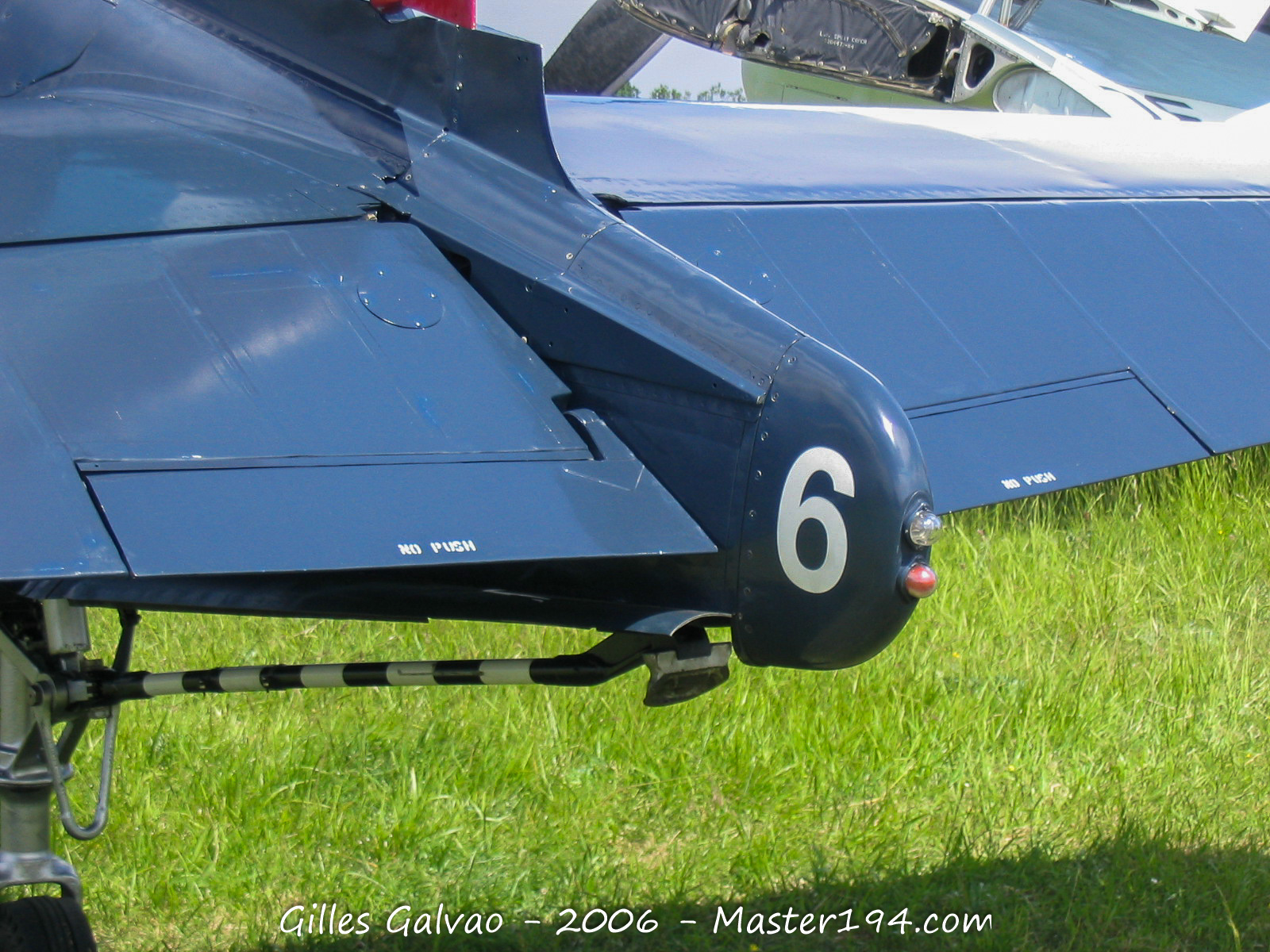
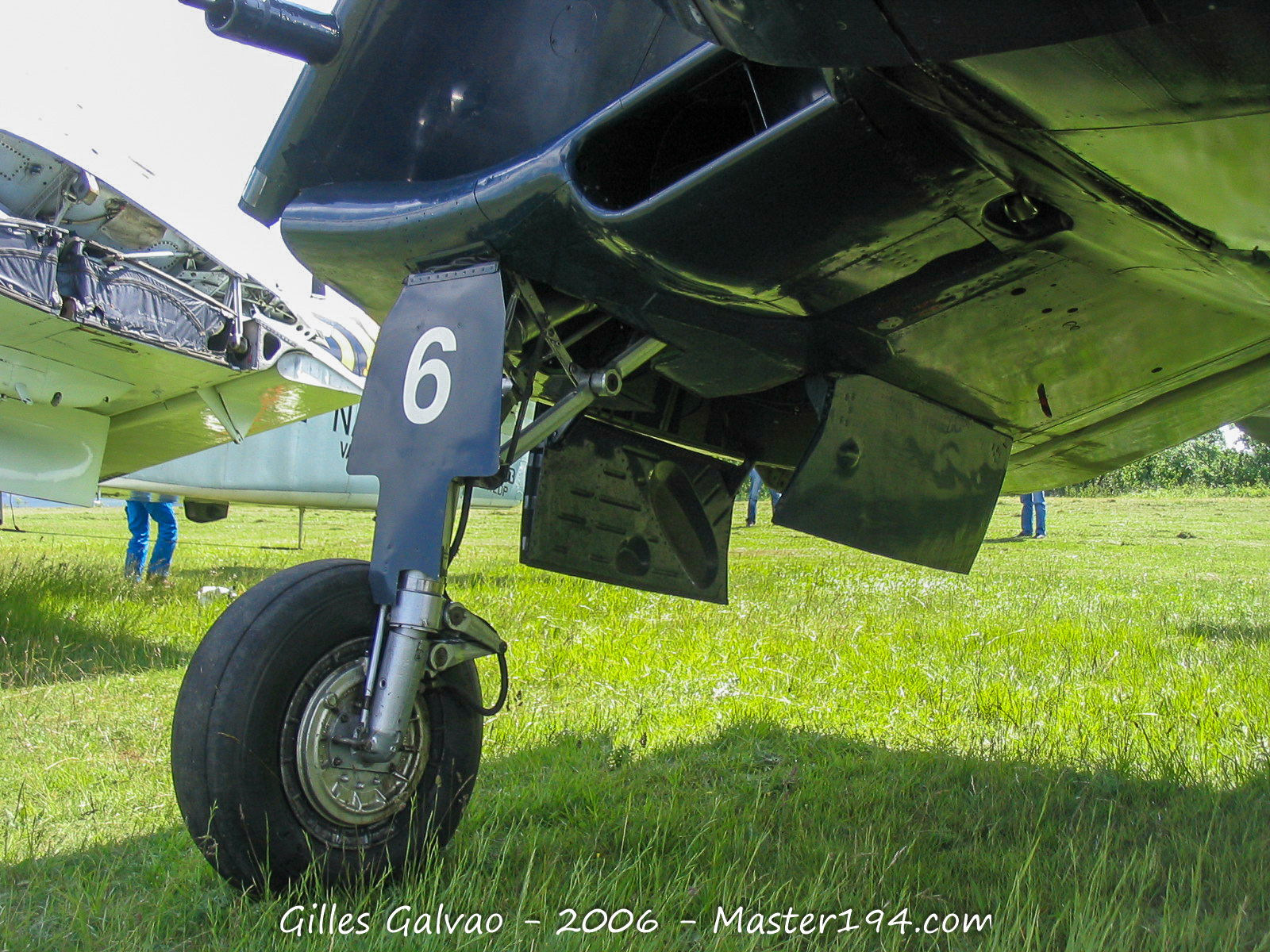
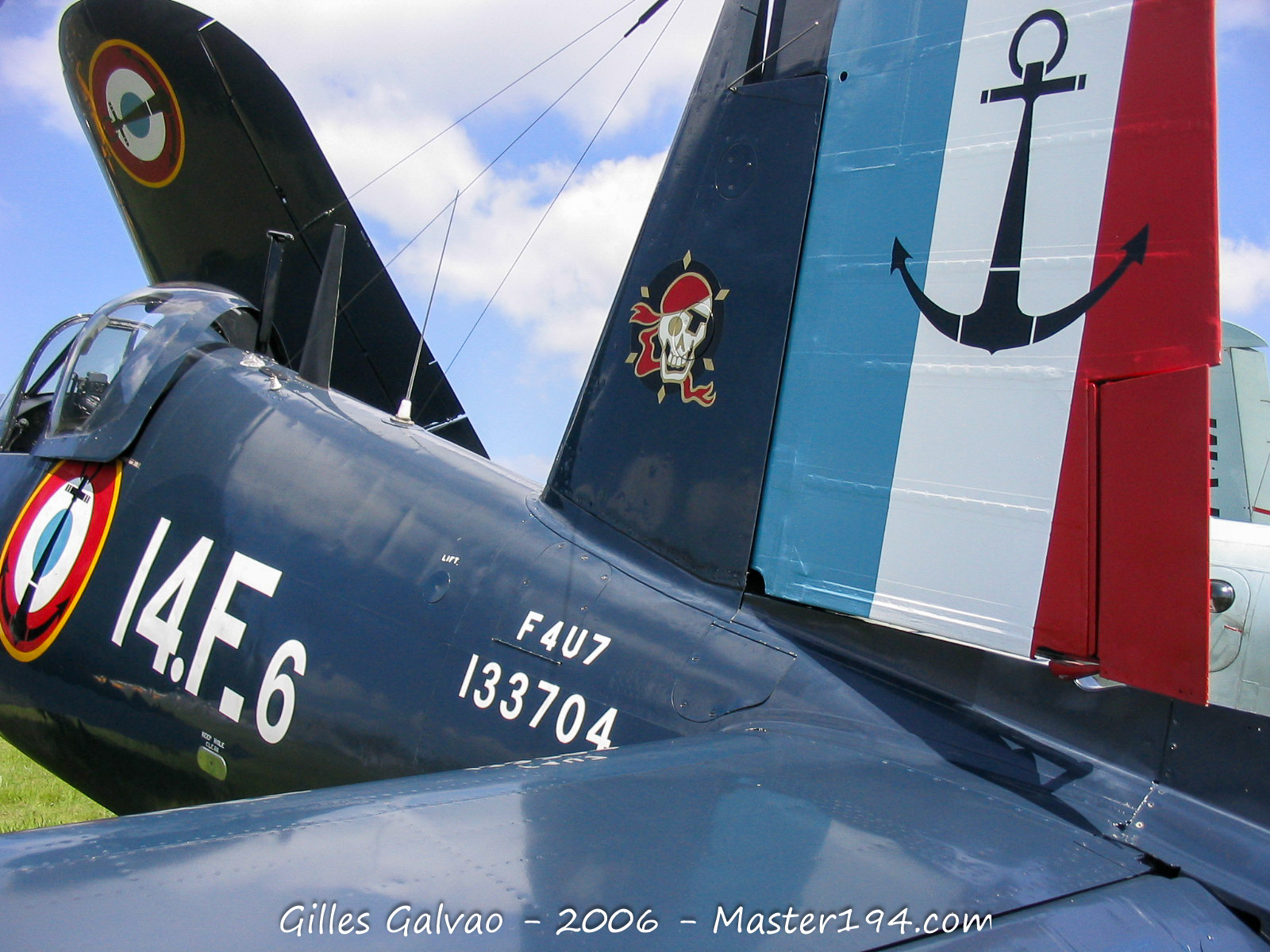
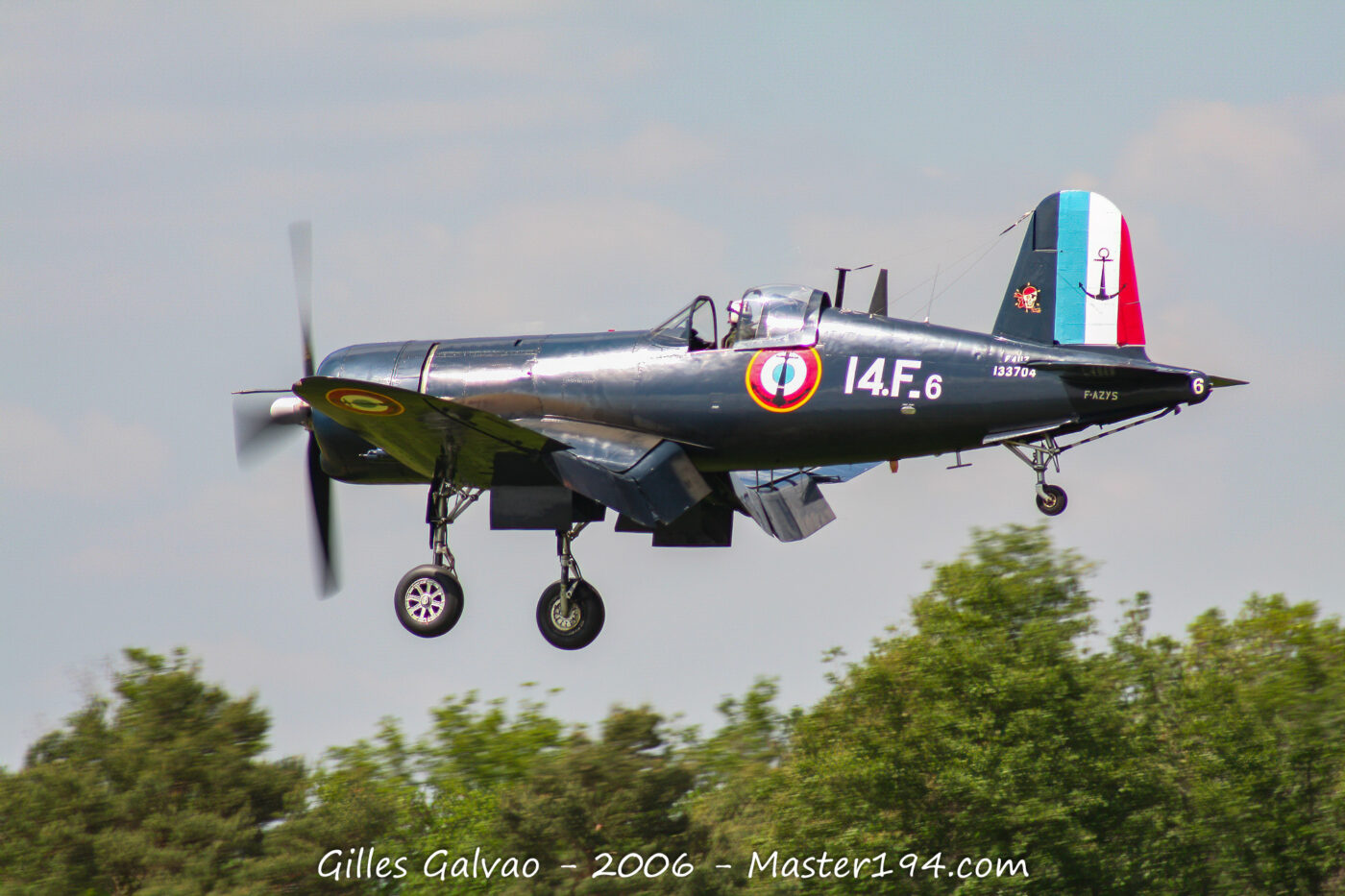
The Corsair F-AZYS as seen at the “Le Temps des Hélices” airshow in La Ferté-Alais back in 2006.
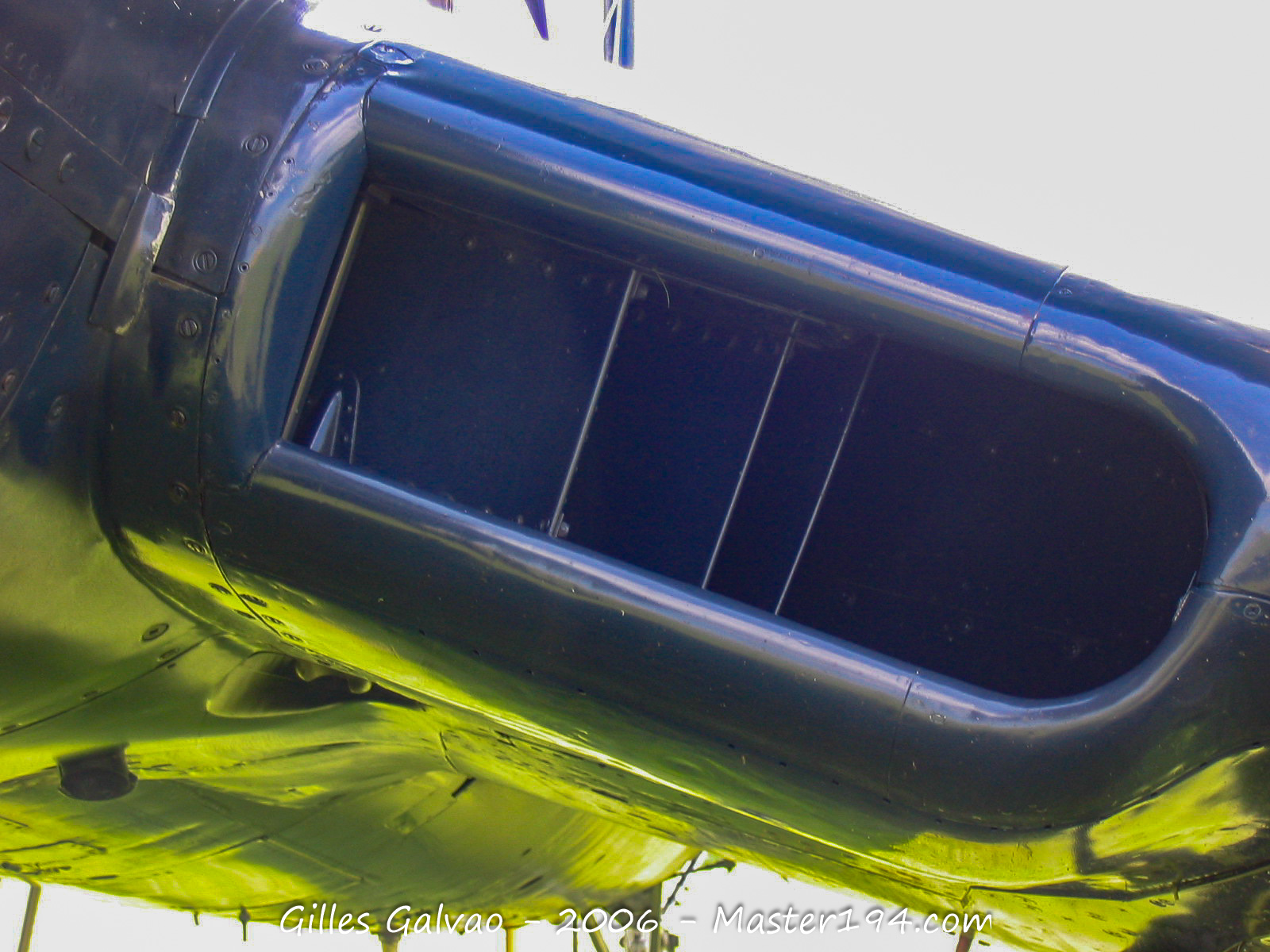
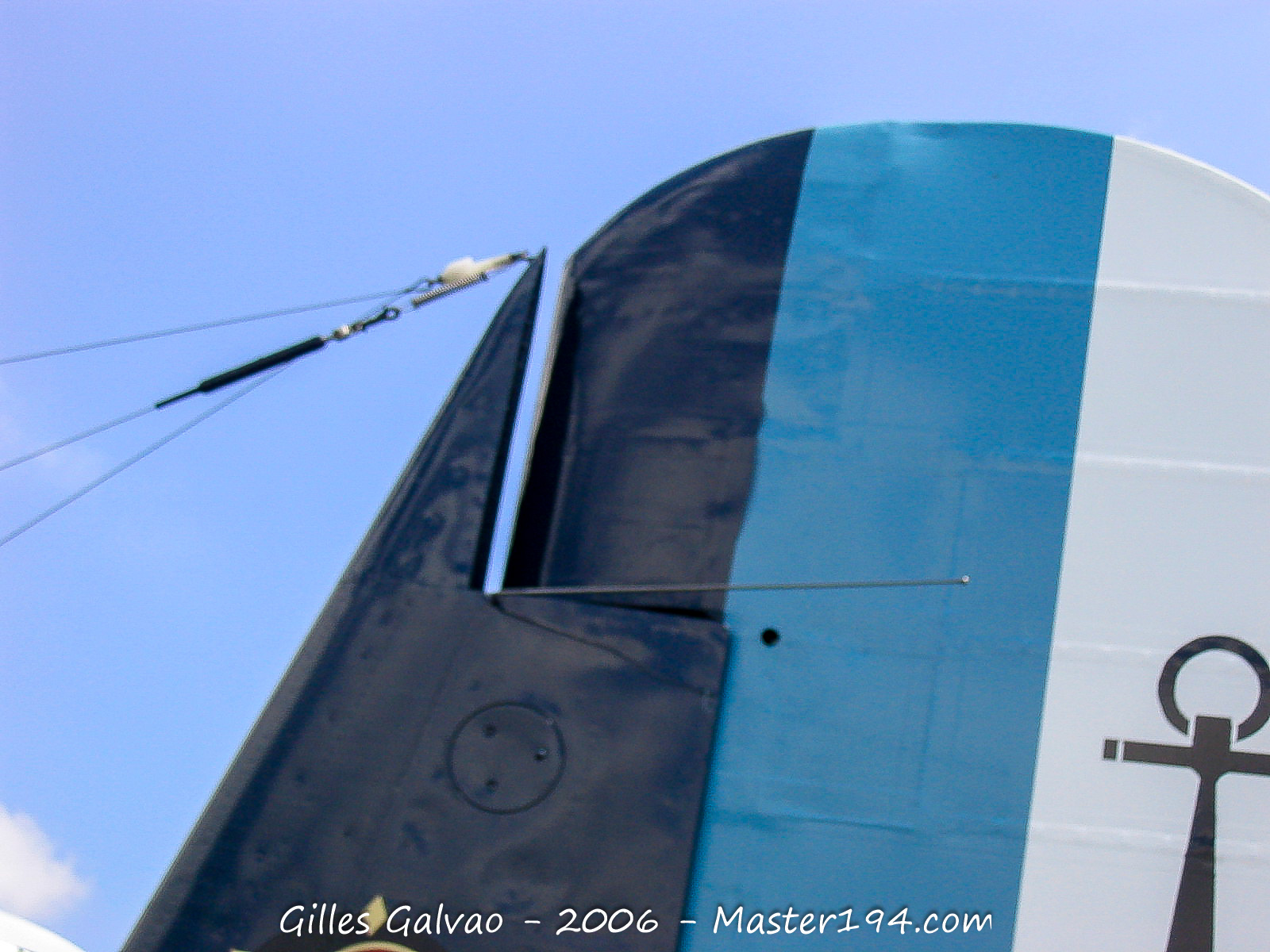
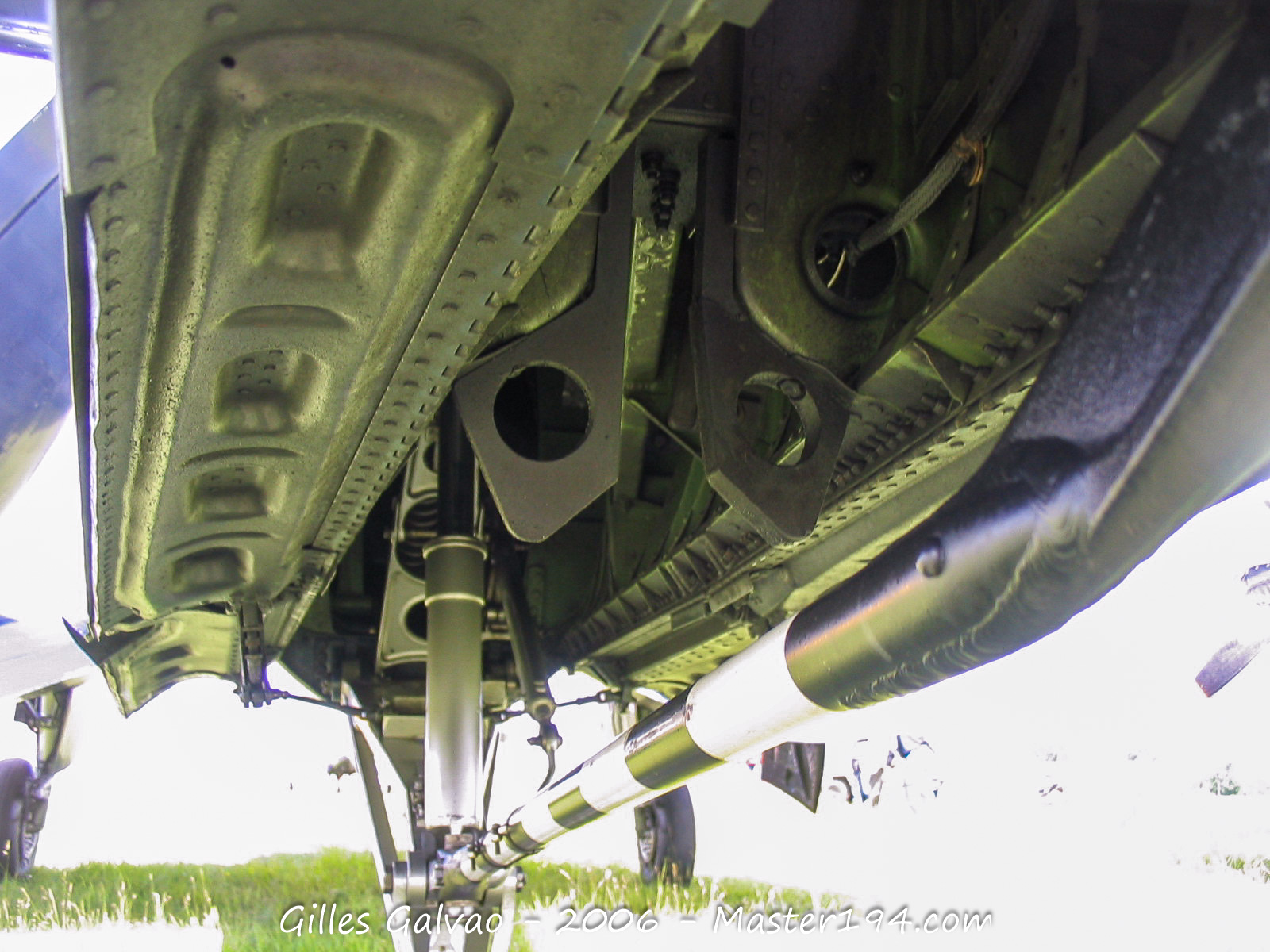
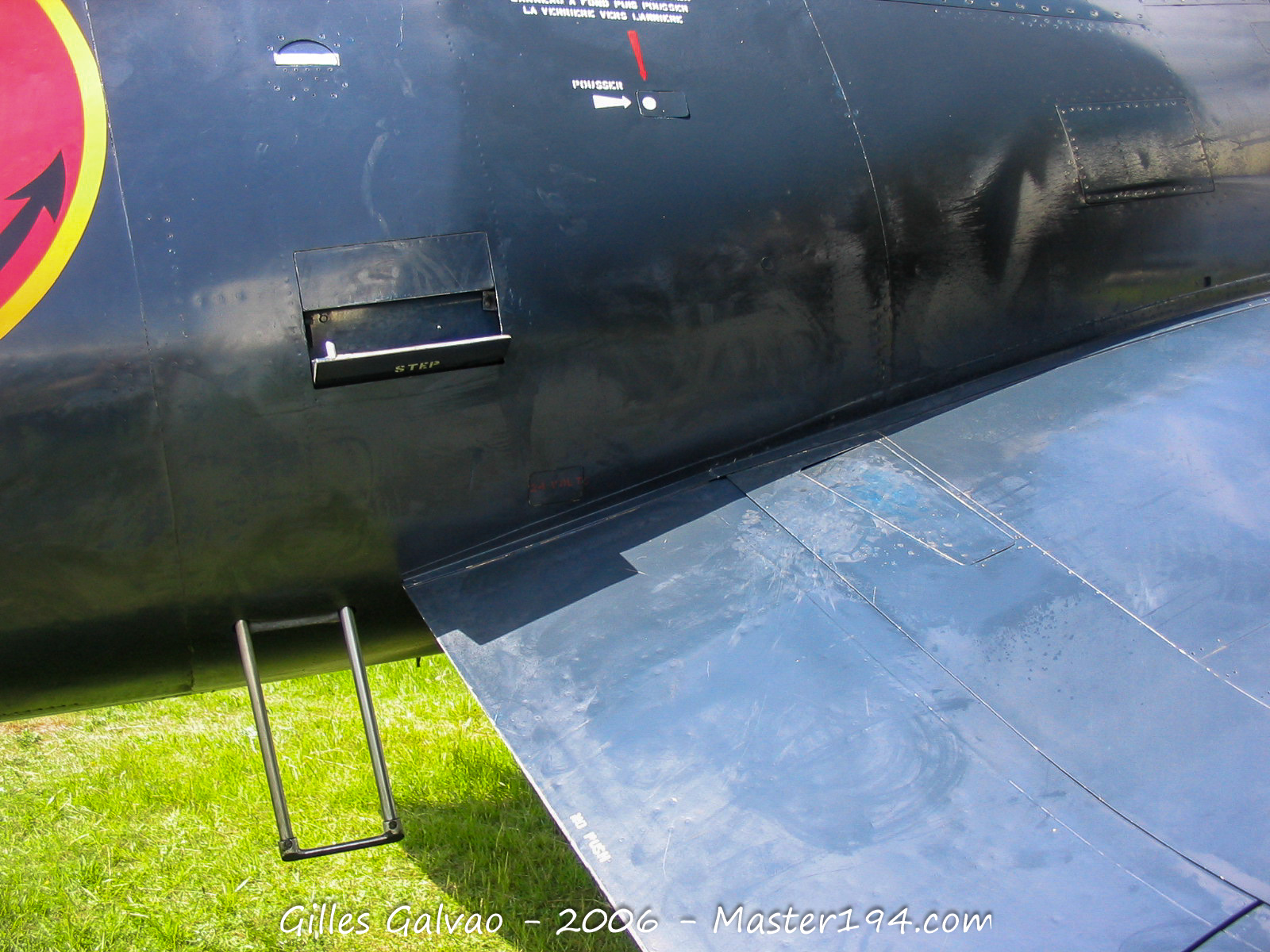
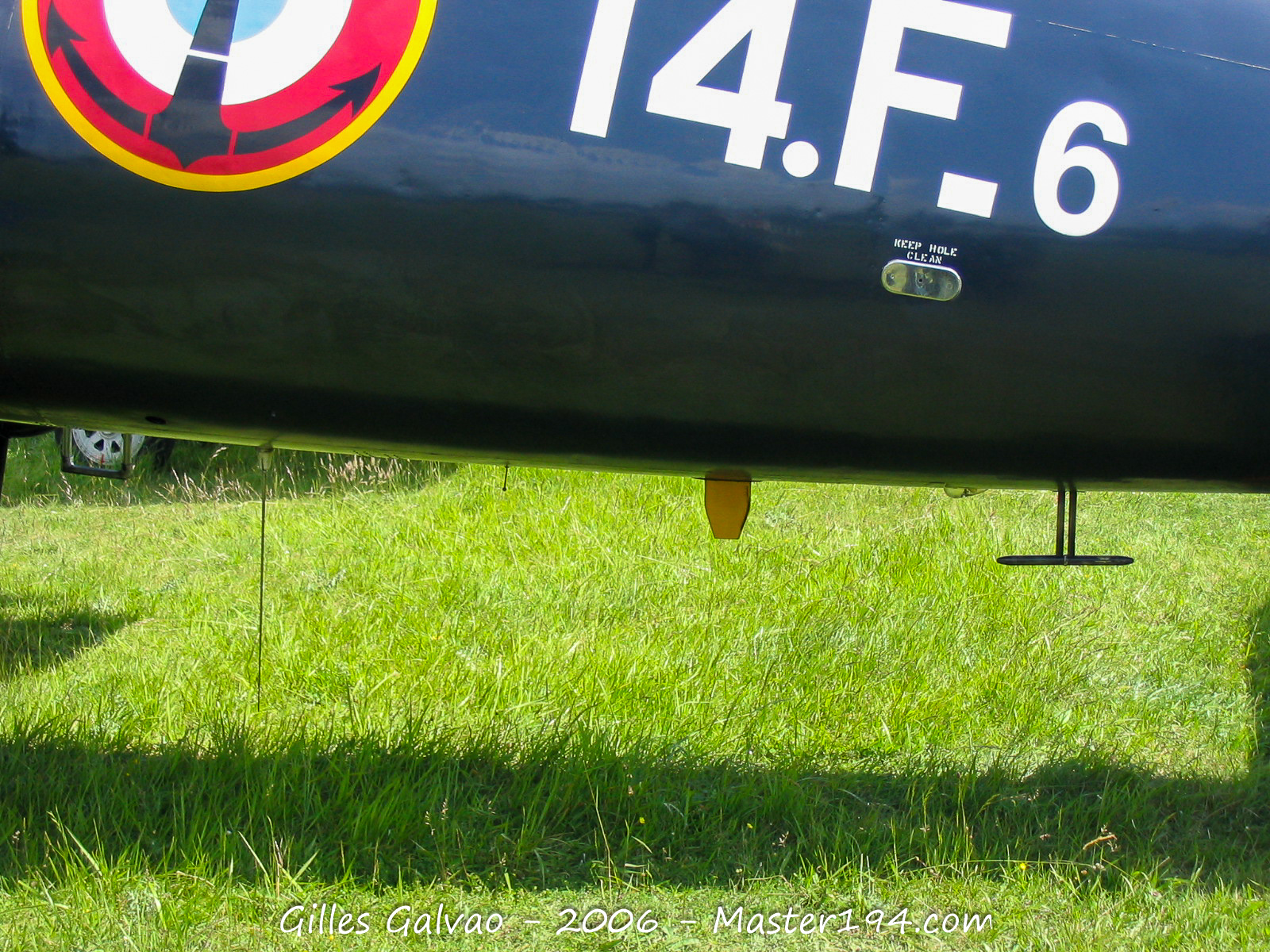
This example was photographed during the “Temps des Hélices” airshow at La Ferté-Alais in 2006. However, it is not a genuine F4U-7, but rather a Vought F4U-5NL Corsair acquired from Argentina and subsequently modified to replicate the appearance of a French Navy Corsair.
To achieve this:
- the F4U-5NL’s wing-mounted radar pod was removed,
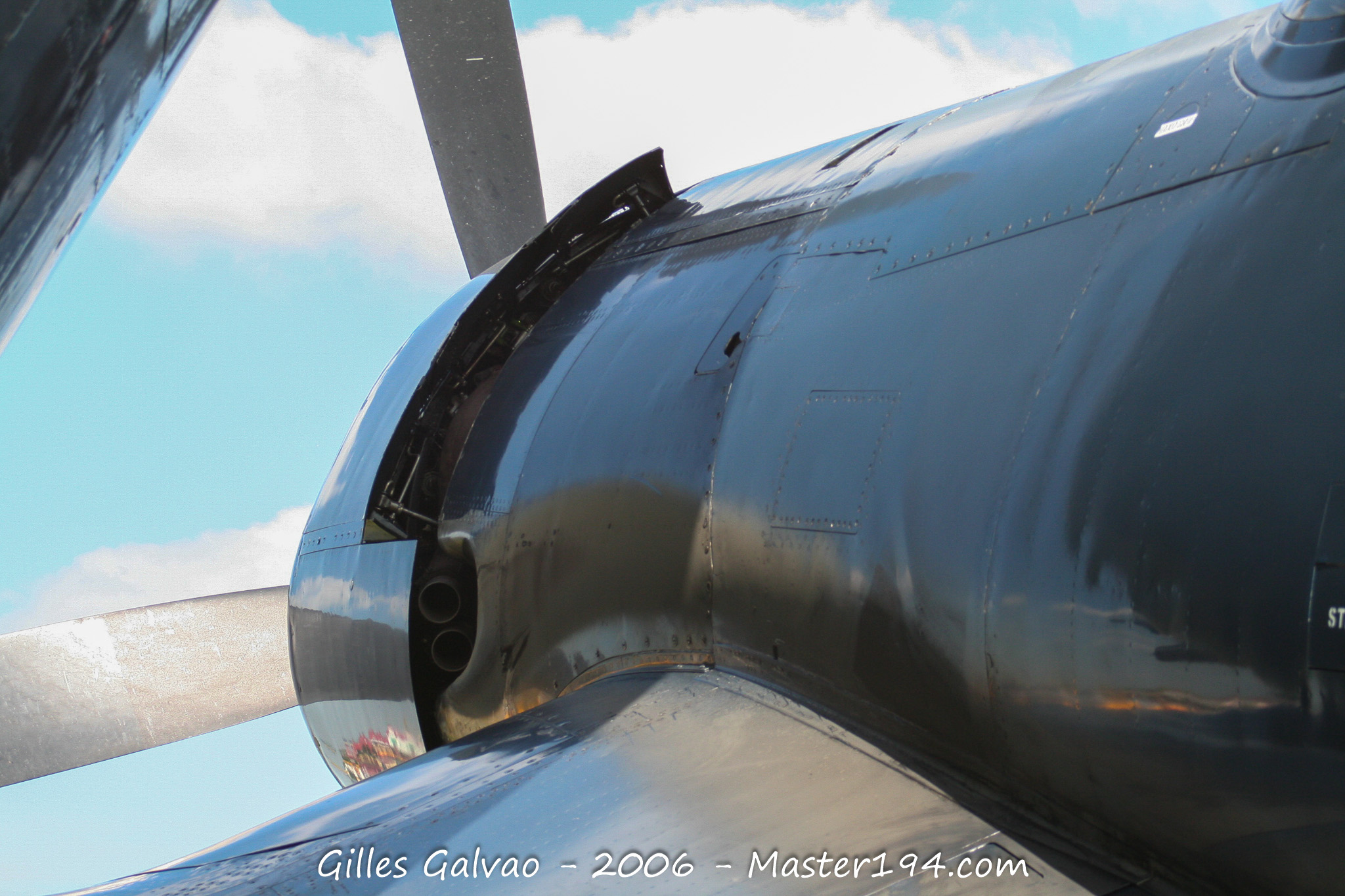
- a genuine F4U-7 engine cowling was installed,
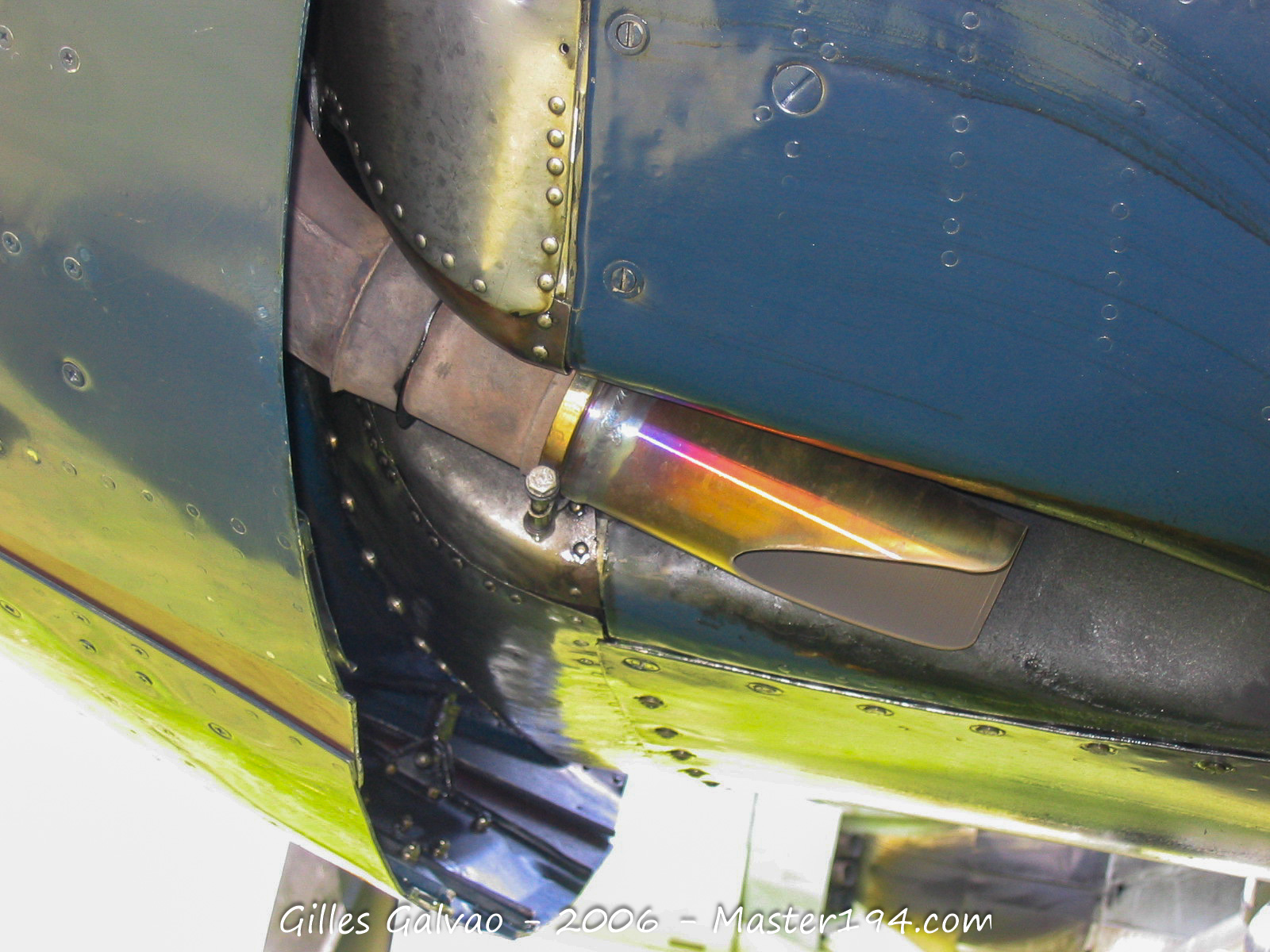
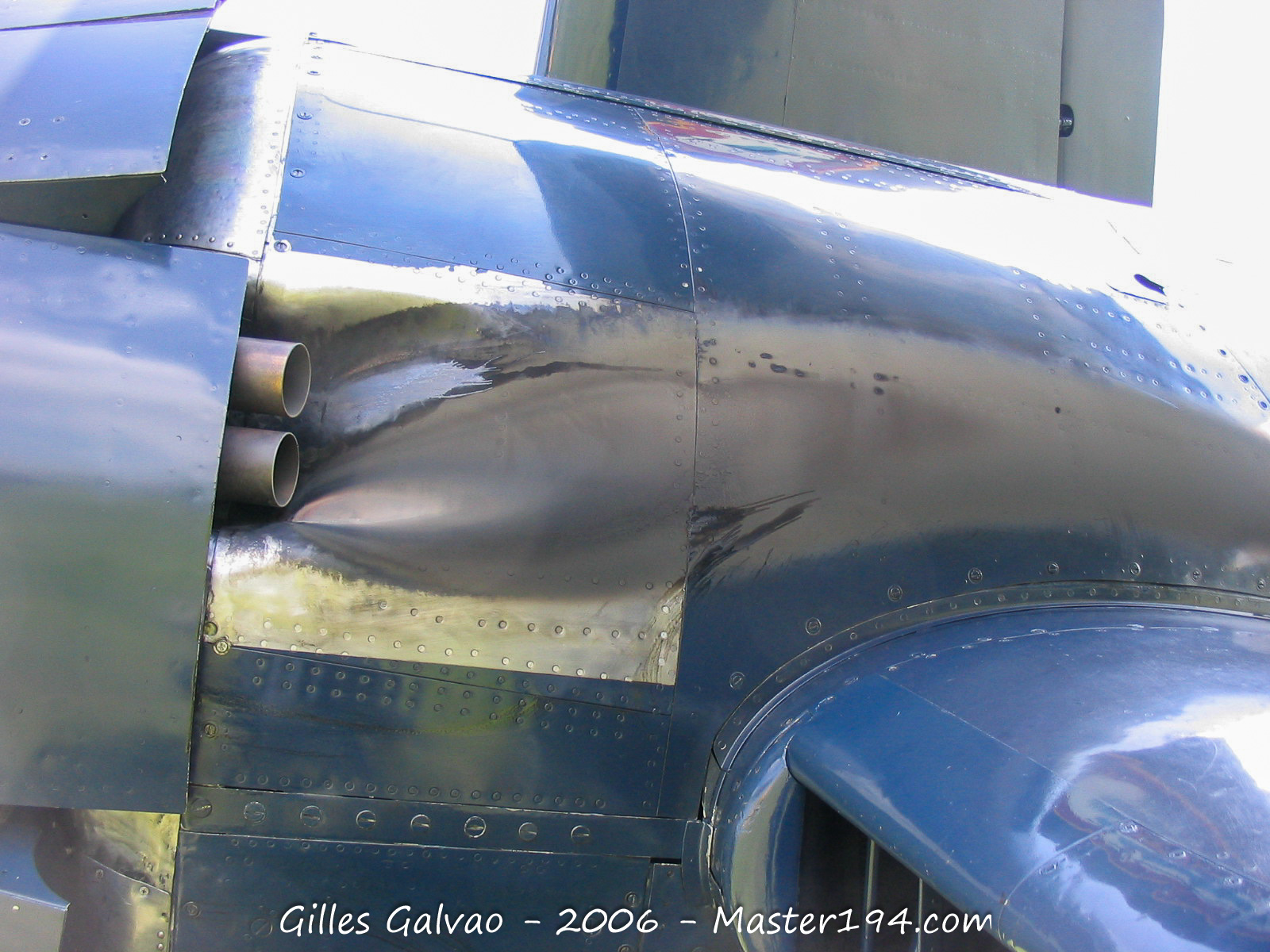
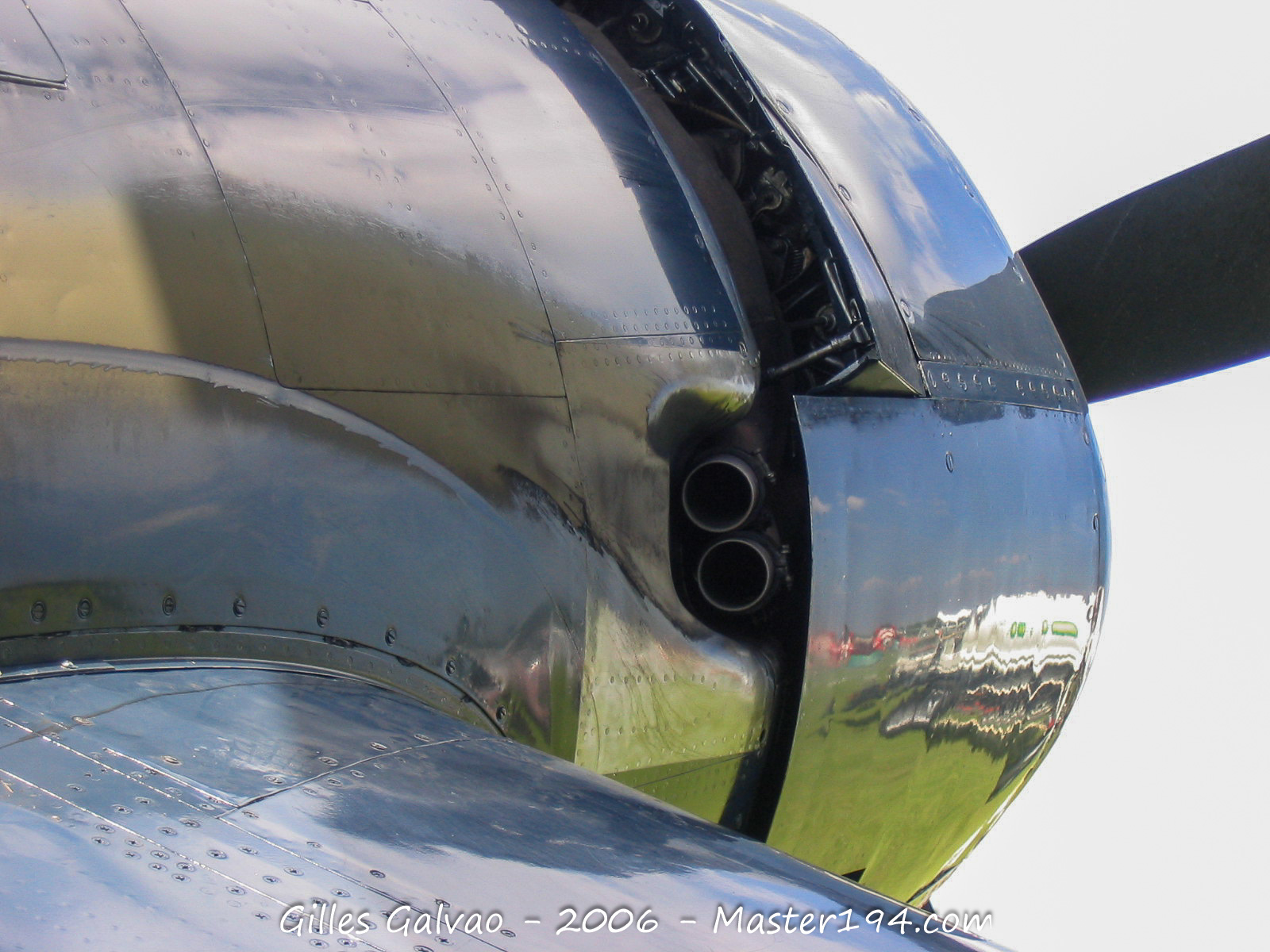
- specific F4U-7 exhaust stacks were refitted,
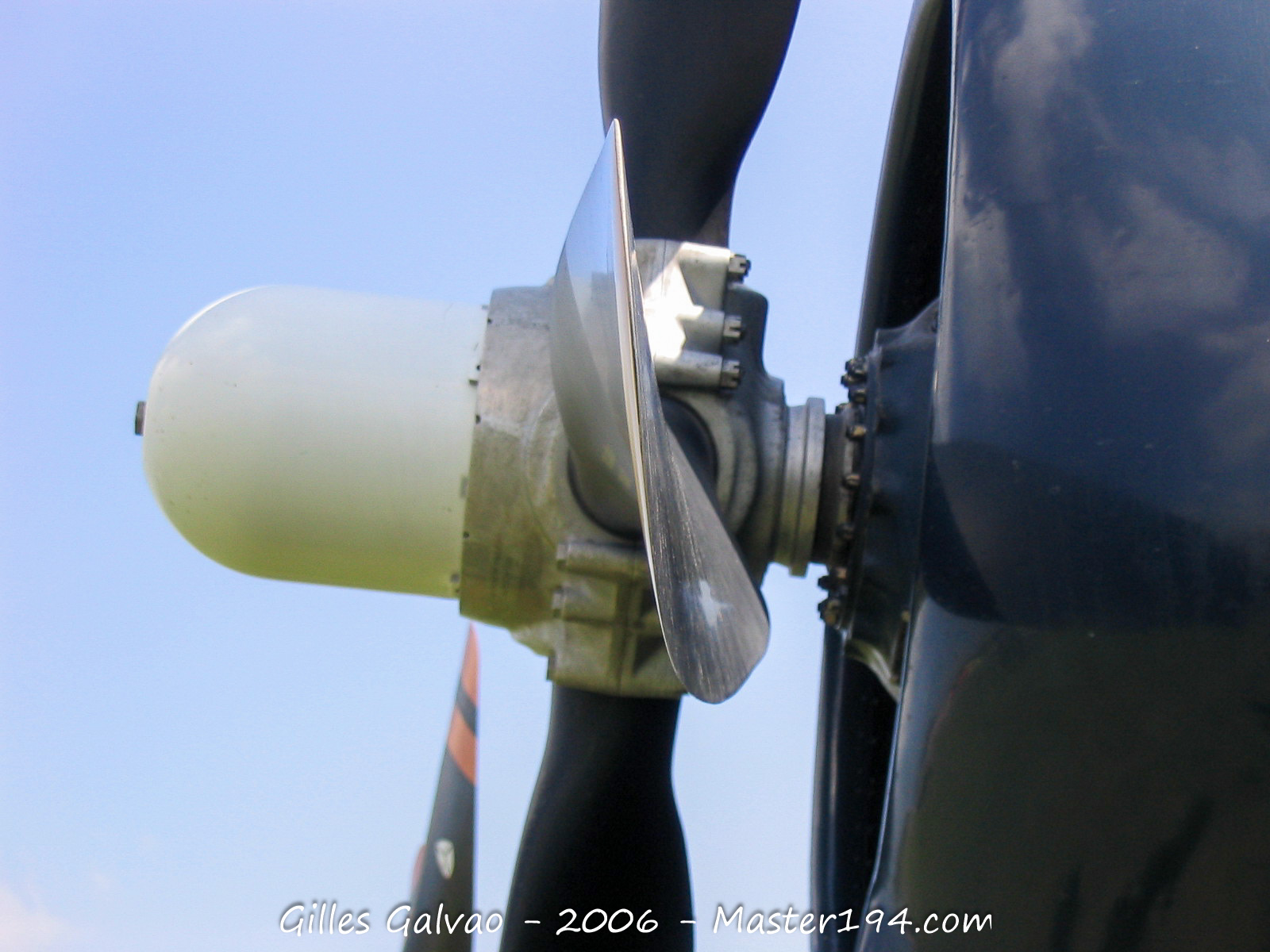
- and the original Pratt & Whitney R-2800-32W engine was replaced by a Pratt & Whitney R-2800-CB16.
At that time, the aircraft wore the “133704” livery of the Flottille 14F. It is worth noting that F-AZYS was flown during airshows by Ramon Josa, a former French Navy Corsair pilot.
THE FRENCH NAVY’S CORSAIR: F4U-7
A total of 94 aircraft were built exclusively for the French Navy (Aéronautique navale) between 1952 and 1953. These units were funded by the United States through the MDAP (Mutual Defense Assistance Program) specifically for France.
Ordered from Vought in 1952, the F4U-7 utilized the rugged airframe of the final American Corsair variants but was fitted with the powerful Pratt & Whitney R-2800 engine from the AU-1 ground-attack version, optimized for tactical support missions.
Under the French roundels, the F4U-7 quickly became an icon of the “Royale” (French Navy) carrier-borne aviation. It saw combat in Indochina starting in 1954 and was heavily involved in operations during the Algerian War, notably operating from the aircraft carriers Arromanches (R95), La Fayette (R96), and Bois Belleau (R97). Robust and capable of carrying bombs, rockets, and external fuel tanks, it excelled in close air support missions.
The French Corsair also took part in the Suez Crisis in 1956 during Operation Musketeer, where French Navy aircraft struck Egyptian positions alongside British forces.
Here is a video of the Corsair during its return to the parking ramp, featuring the wing-folding sequence:
Key features of the F4U-7
The Vought F4U-7 Corsair possesses several specific features that distinguish it from other Corsair variants—making it a truly unique version, virtually custom-designed for the French Navy (Marine nationale).
A High-Performance AU-1 Engine
It was equipped with the Pratt & Whitney R-2800-18W from the Vought AU-1 Corsair, delivering approximately 2,100 hp with water injection. This engine was tuned for low-altitude power, making it ideal for:
- Operations in hot climates.
- Ground attack missions,
- Carrier-deck takeoffs.
A dedicated Carrier-Based attack aircraft
The F4U-7 was designed for tactical support rather than pure aerial combat. It featured:
- Numerous underwing hardpoints,
- High payload capacity for bombs and rockets,
- Excellent range,
- An extremely rugged airframe.
It could carry a wide array of ordnance:
- Bombs,
- HVAR rockets,
- MATRA rocket pods,
- Napalm,
- External fuel tanks.
Late-War style cannon armament
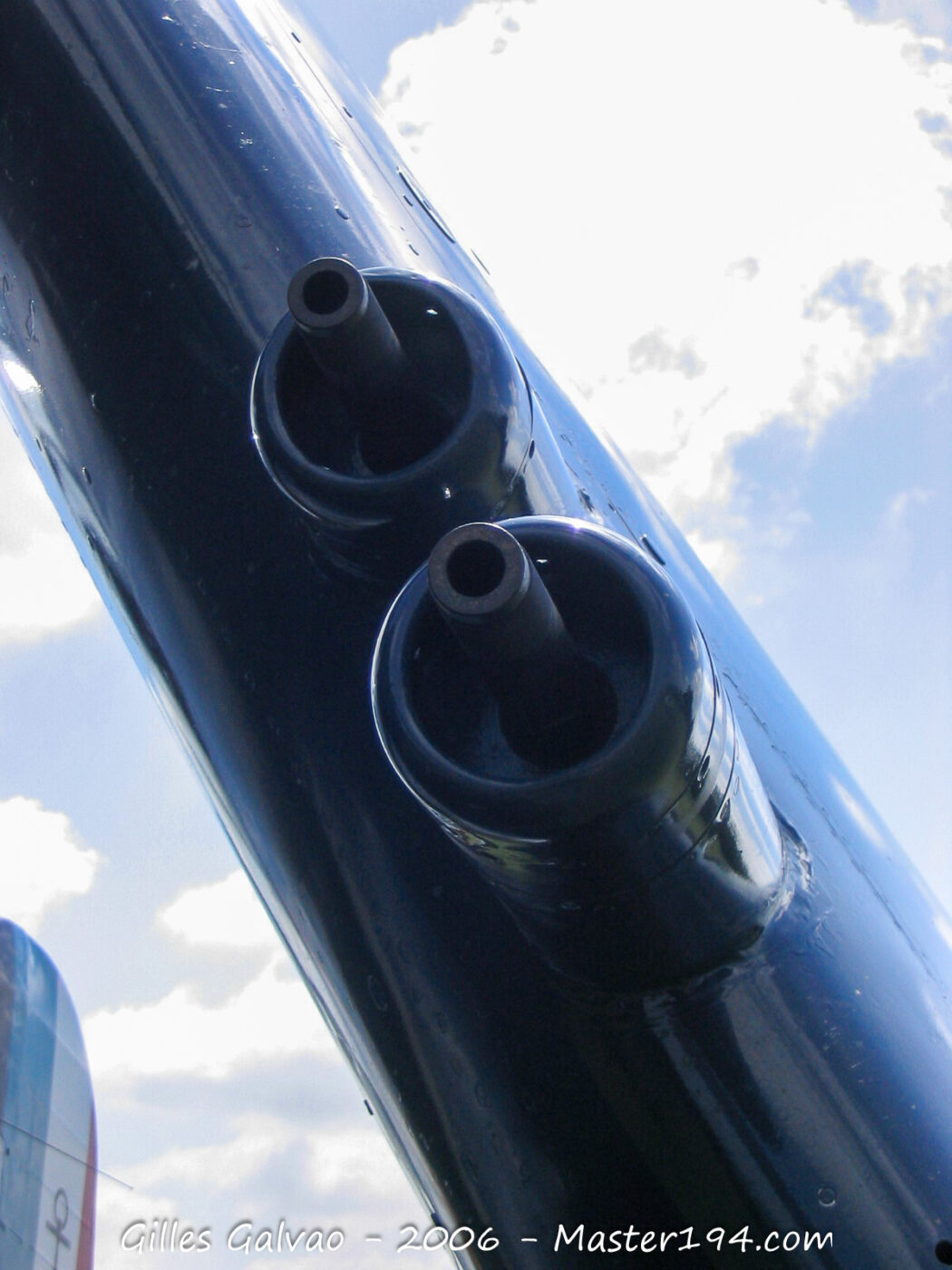
Like the final U.S. Corsair variants, it was armed with four 20mm cannons instead of the traditional .50 caliber Browning machine guns found on earlier models.
Theaters of operations
- Indochina: Arriving too late to influence the outcome of Dien Bien Phu (the Flottille 14F arrived just after the fall), they nonetheless provided cover for the French withdrawal.
- Suez (1956): The famous yellow and black “invasion stripes” were painted on the Corsairs of the 14F and 15F operating from the aircraft carriers Arromanches and La Fayette.
- Algeria: The primary theater for heavy close air support, involving the 12F, 14F, 15F, and 17F squadrons.
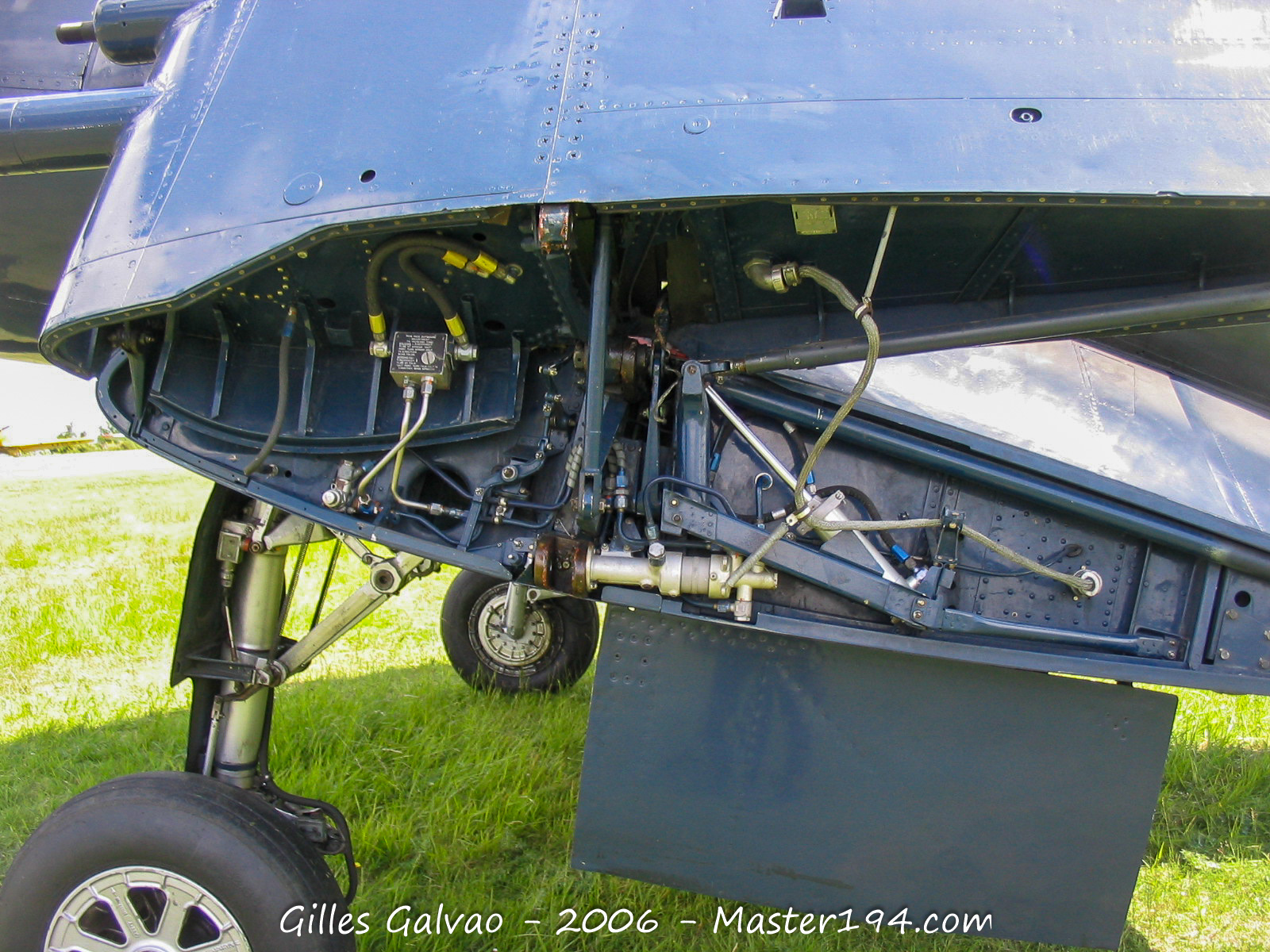
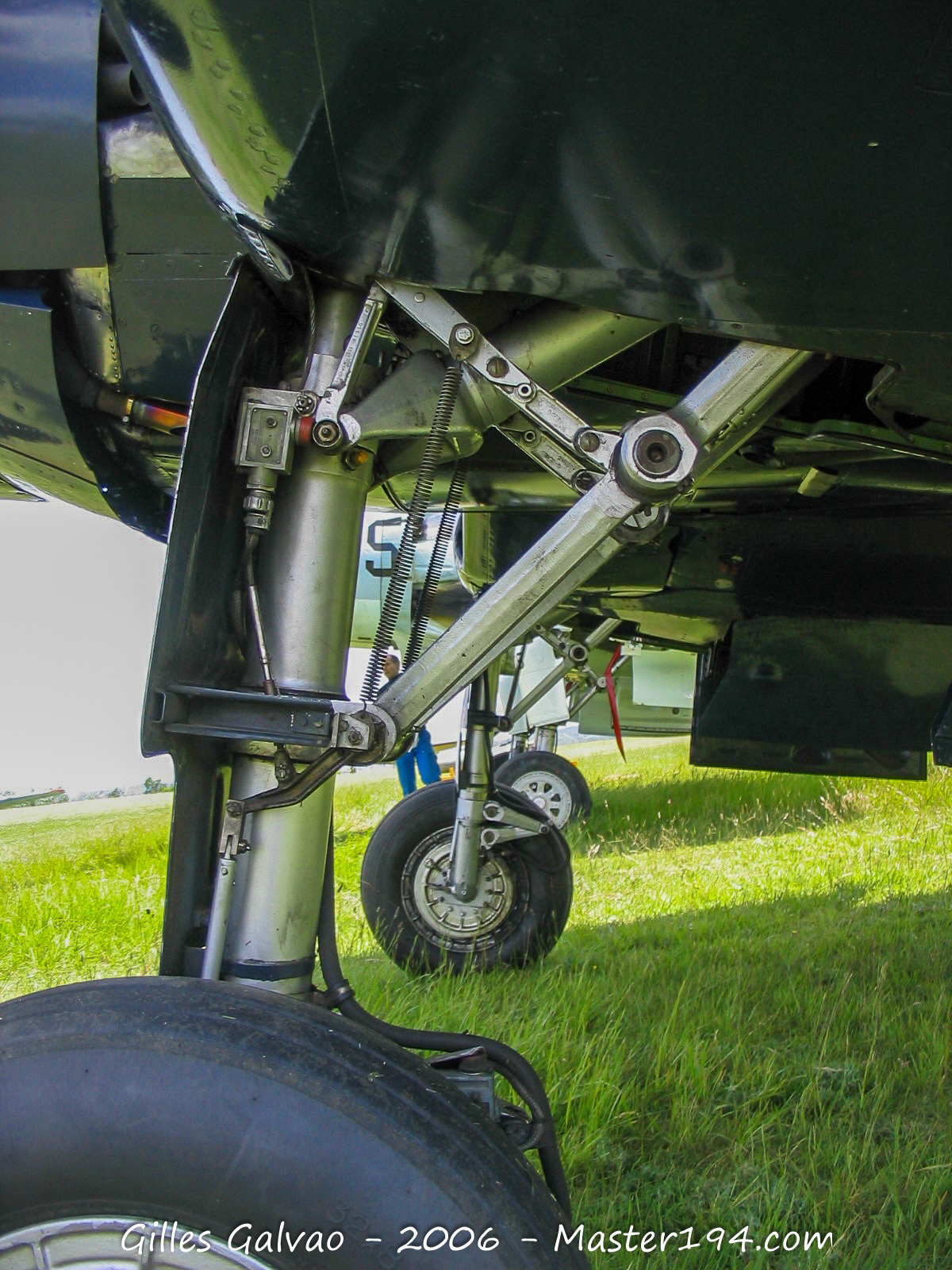
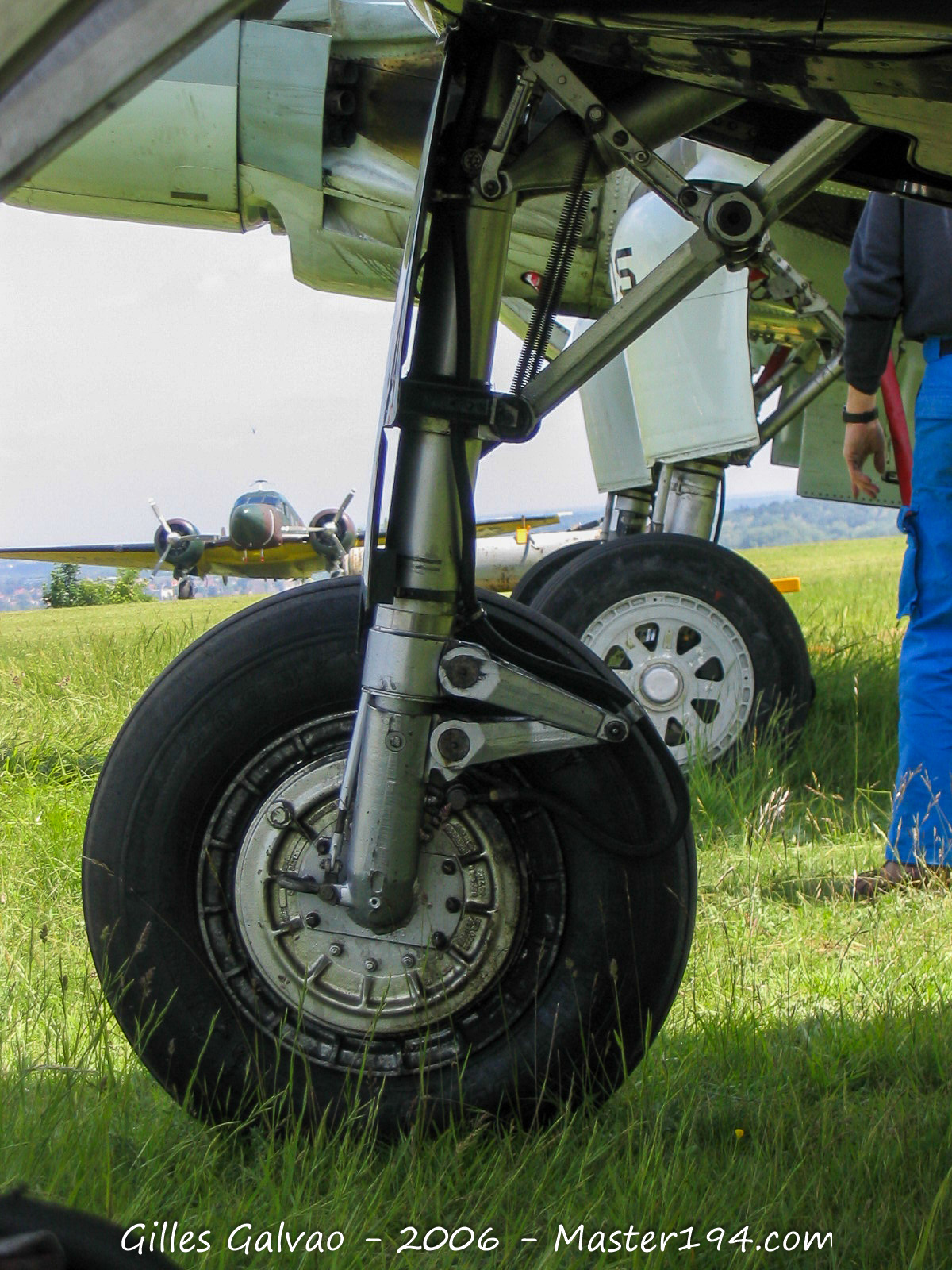
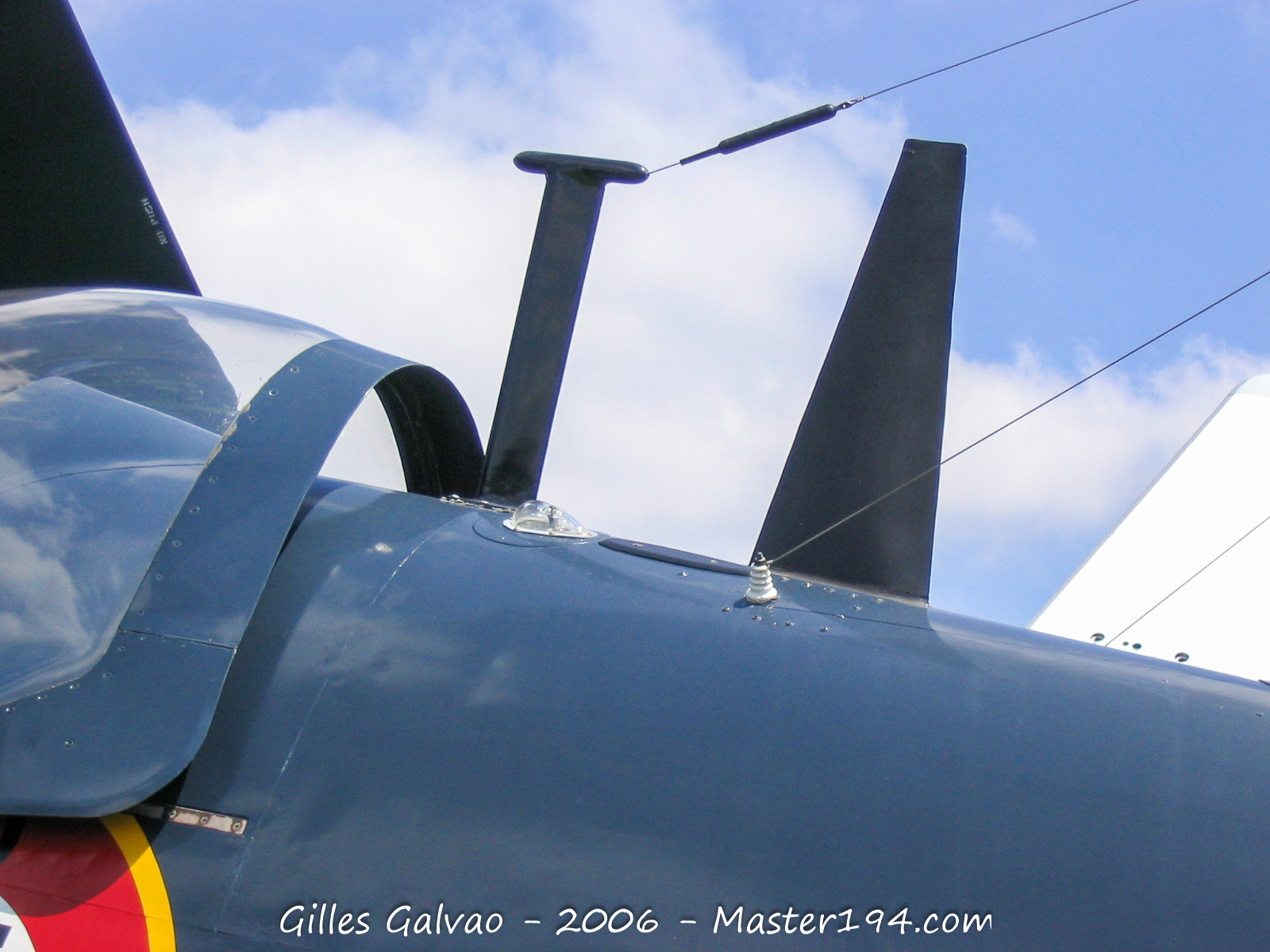
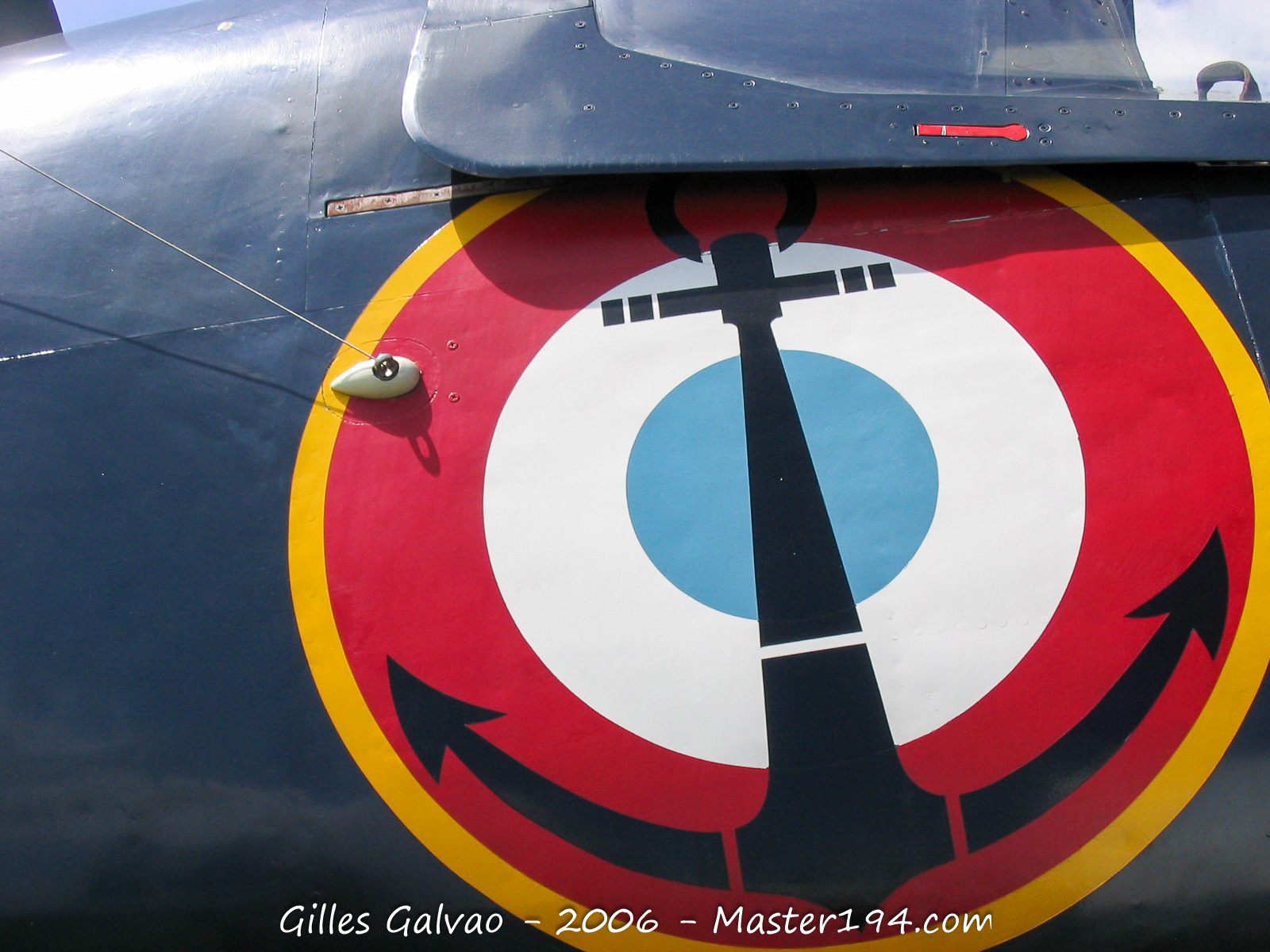
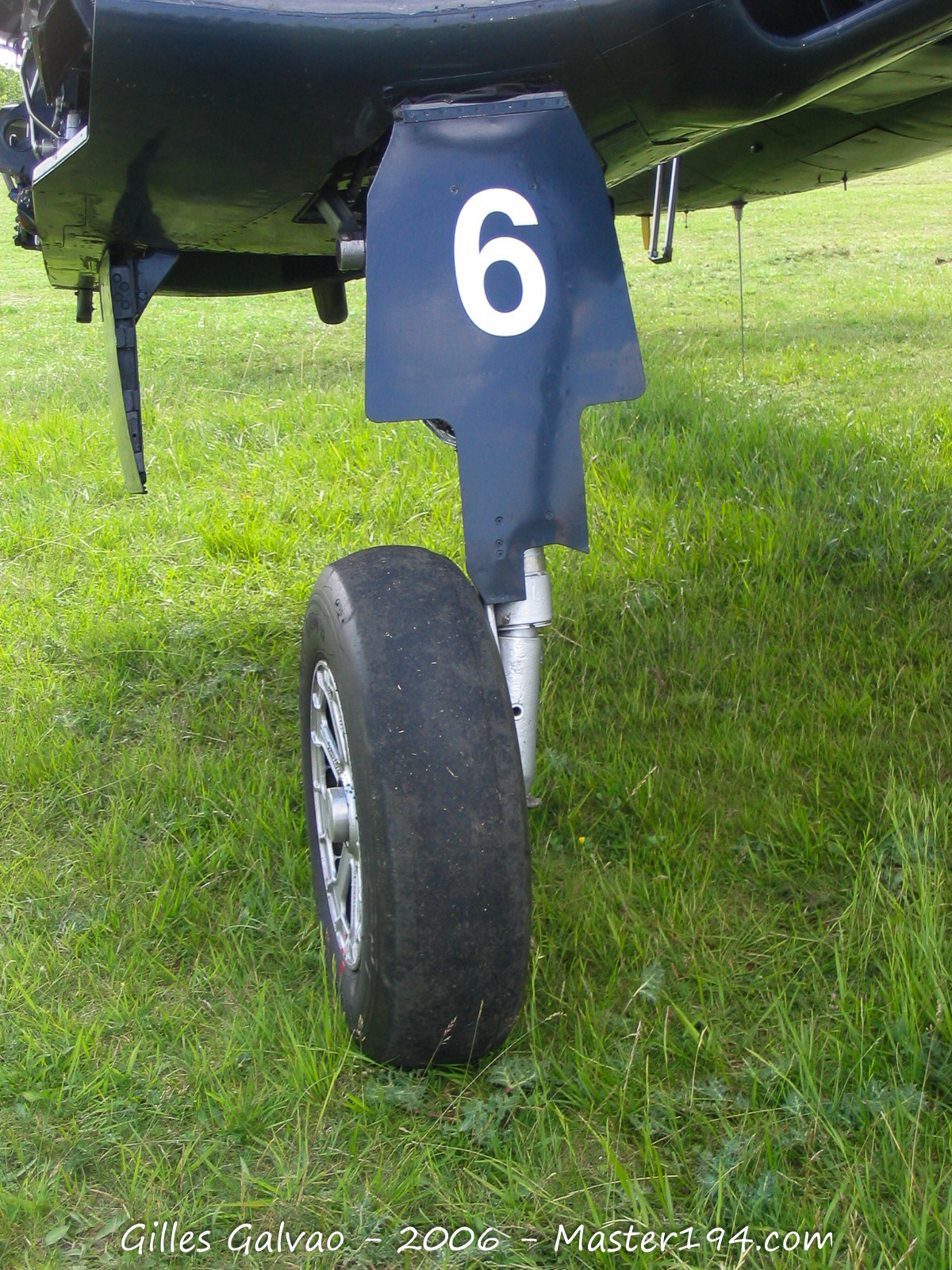
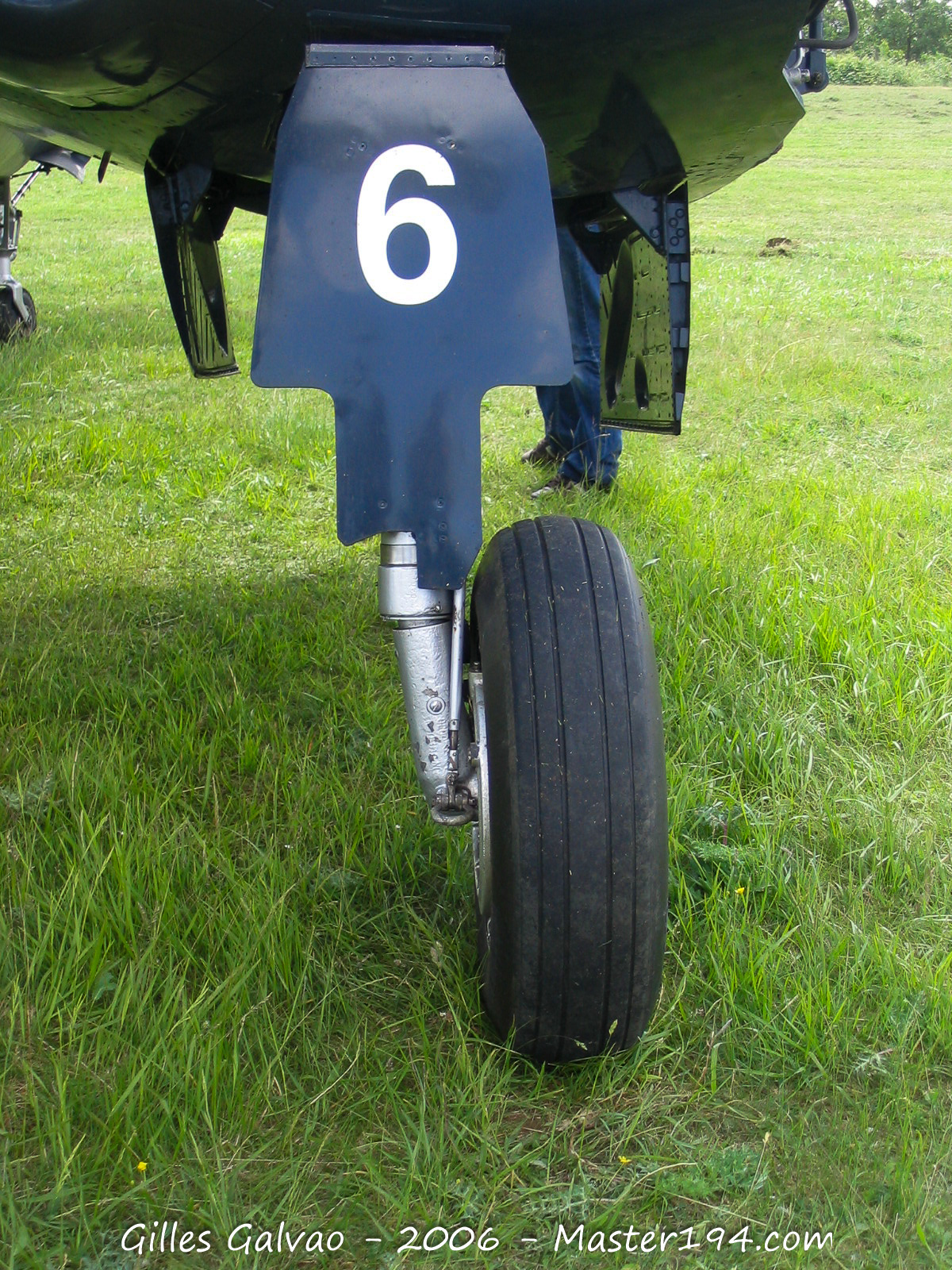
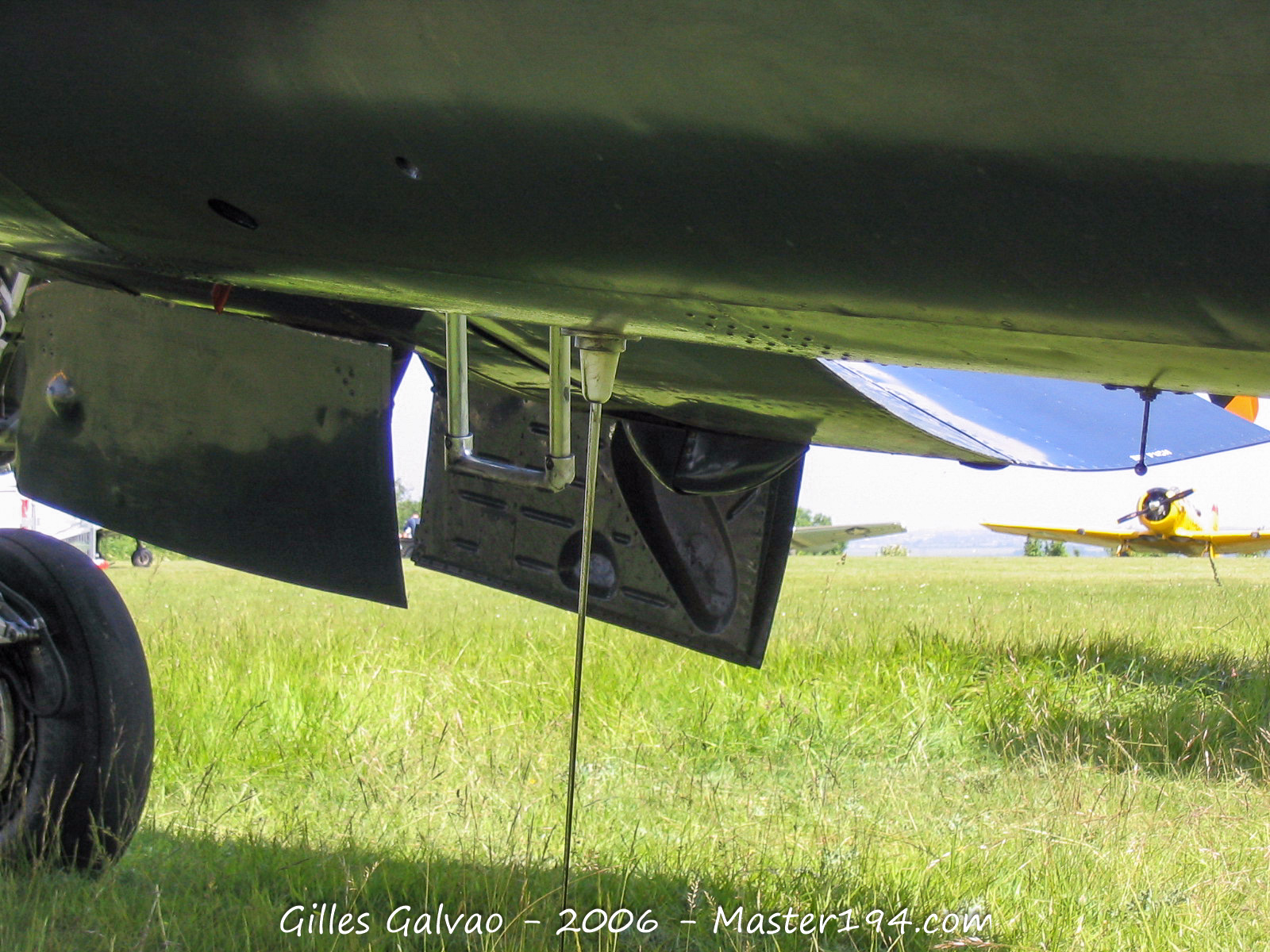
The “Royale” (French Navy) would become one of the last operational users of the Corsair in the world. The F4U-7 remained in active service until 1964—nearly twenty years after the Corsair’s first combat missions during World War II.
F-AZYS becomes D-FCOR
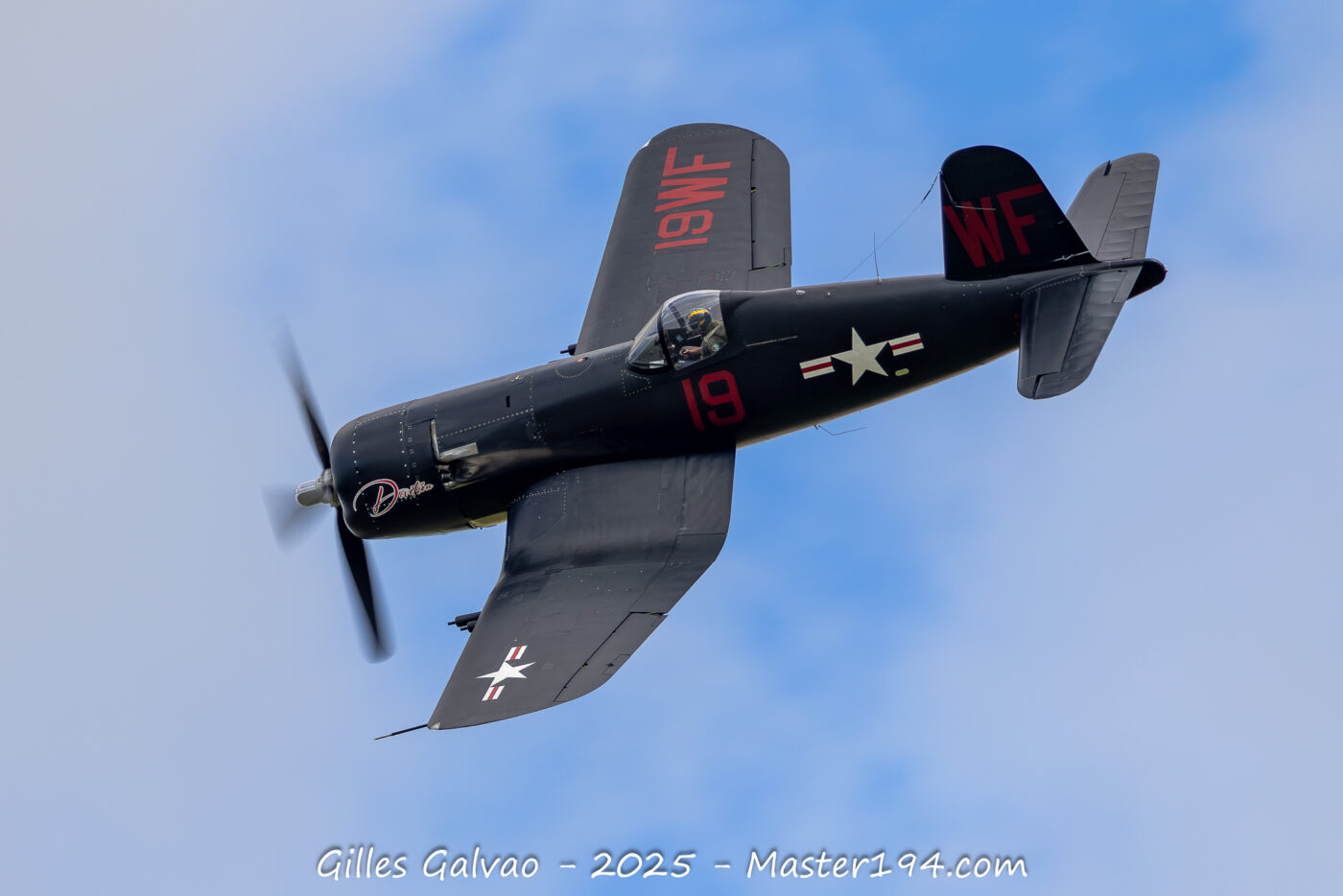
Long known to the French public under the registration F-AZYS and the livery of the 14F Flotilla, this Corsair finally regained its true historical identity in 2011. Restored in Germany by Meier Motors, it now flies under the registration D-FCOR in its original F4U-5NL Korean War configuration. Here is a photo of the aircraft today:
I invite you to visit our dedicated page for the Corsair D-FCOR.