 by
At first glance, the Mirage 2000-5 looks like any other Mirage 2000. It shares the same iconic delta wing, the same sleek silhouette, and the same Snecma M53 engine. Yet, behind this apparent continuity lies a major evolution that profoundly transformed the French fighter.
AD
Entering service with the French Air Force in the late 1990s, the Mirage 2000-5F (the ‘-5F’ designation being specific to the French Air and Space Force) marked the Mirage family’s entry into the era of digital air combat. Designed to counter evolving threats and maintain the French fighter’s competitiveness against fourth-generation aircraft, it benefited from a thorough modernization of its avionics and weapons systems.
A Next-Generation Interceptor
Unlike ground-attack variants such as the Mirage 2000D, the Mirage 2000-5 is primarily dedicated to air superiority and homeland defense missions.
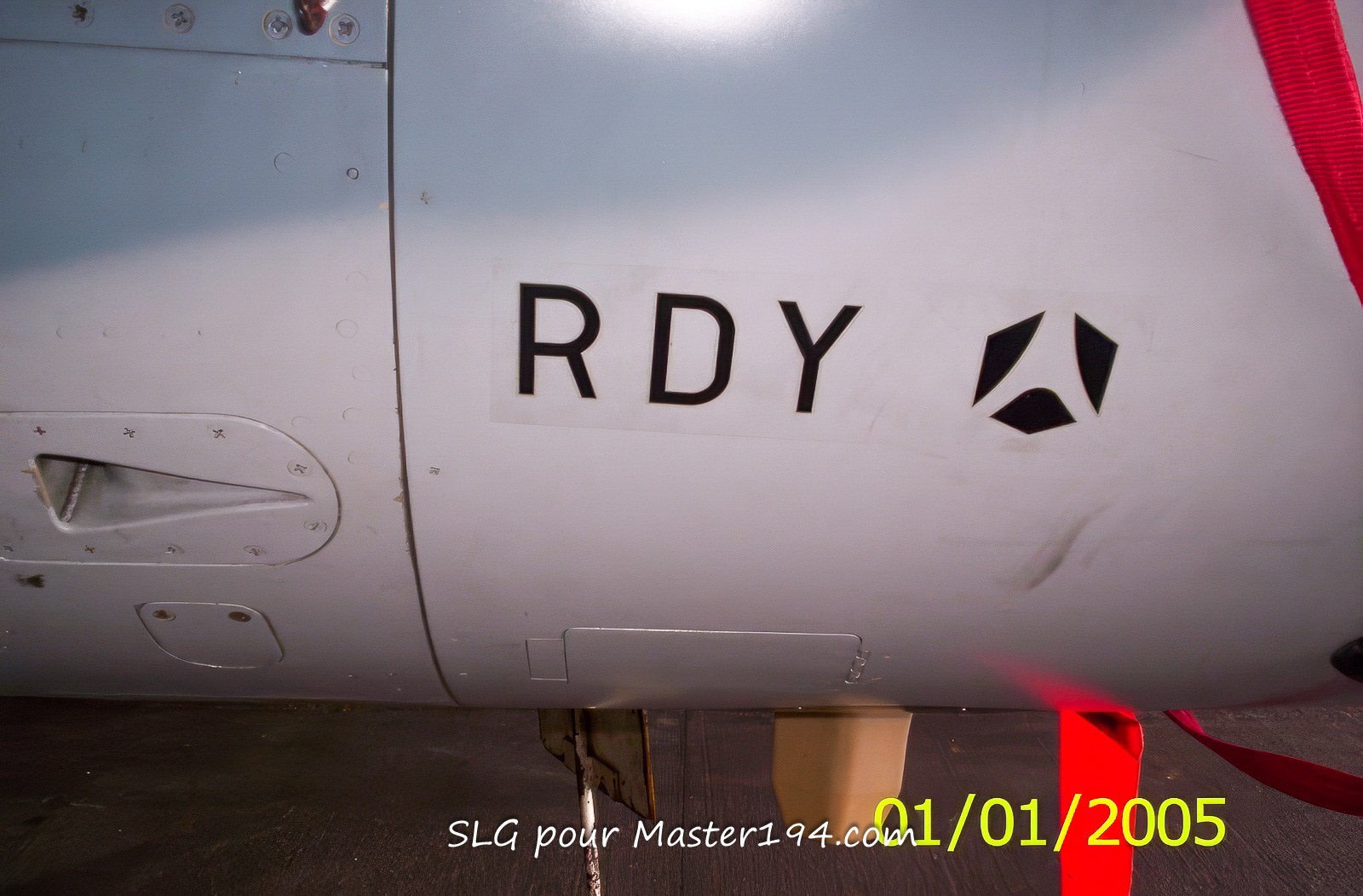
Its core objective is to detect, identify, and engage airborne targets at long range, day or night, and in all weather conditions. It notably ensures Quick Reaction Alert (QRA) duties, securing French airspace sovereignty. To fulfill these tasks, the aircraft is equipped with the Thomson-CSF RDY (Multi-target Doppler Radar), capable of simultaneously detecting, tracking, and engaging multiple targets.
This multi-target capability represents a major evolutionary leap over previous variants of the Mirage 2000.
The RDY-MICA Tandem: An Operational Revolution
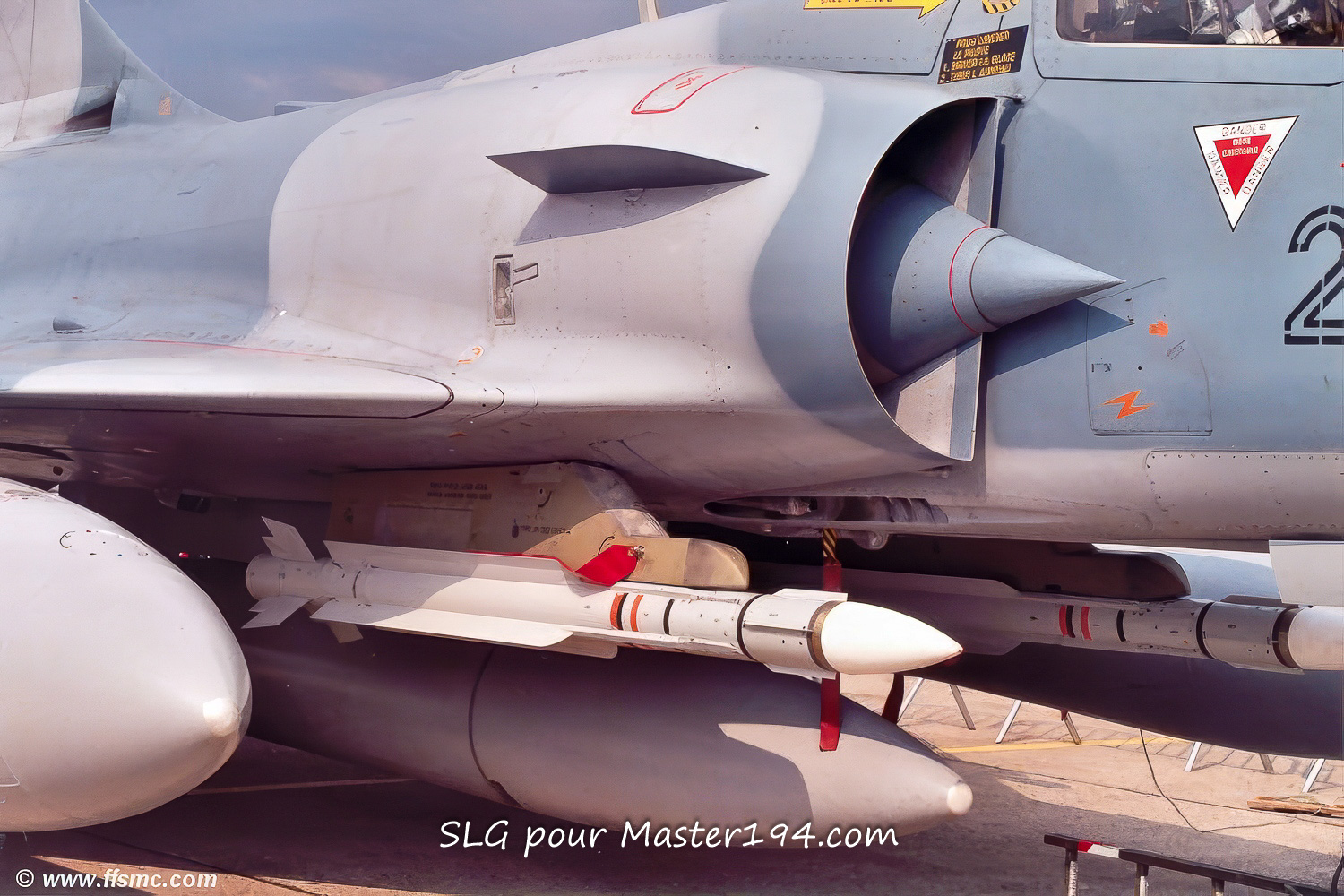
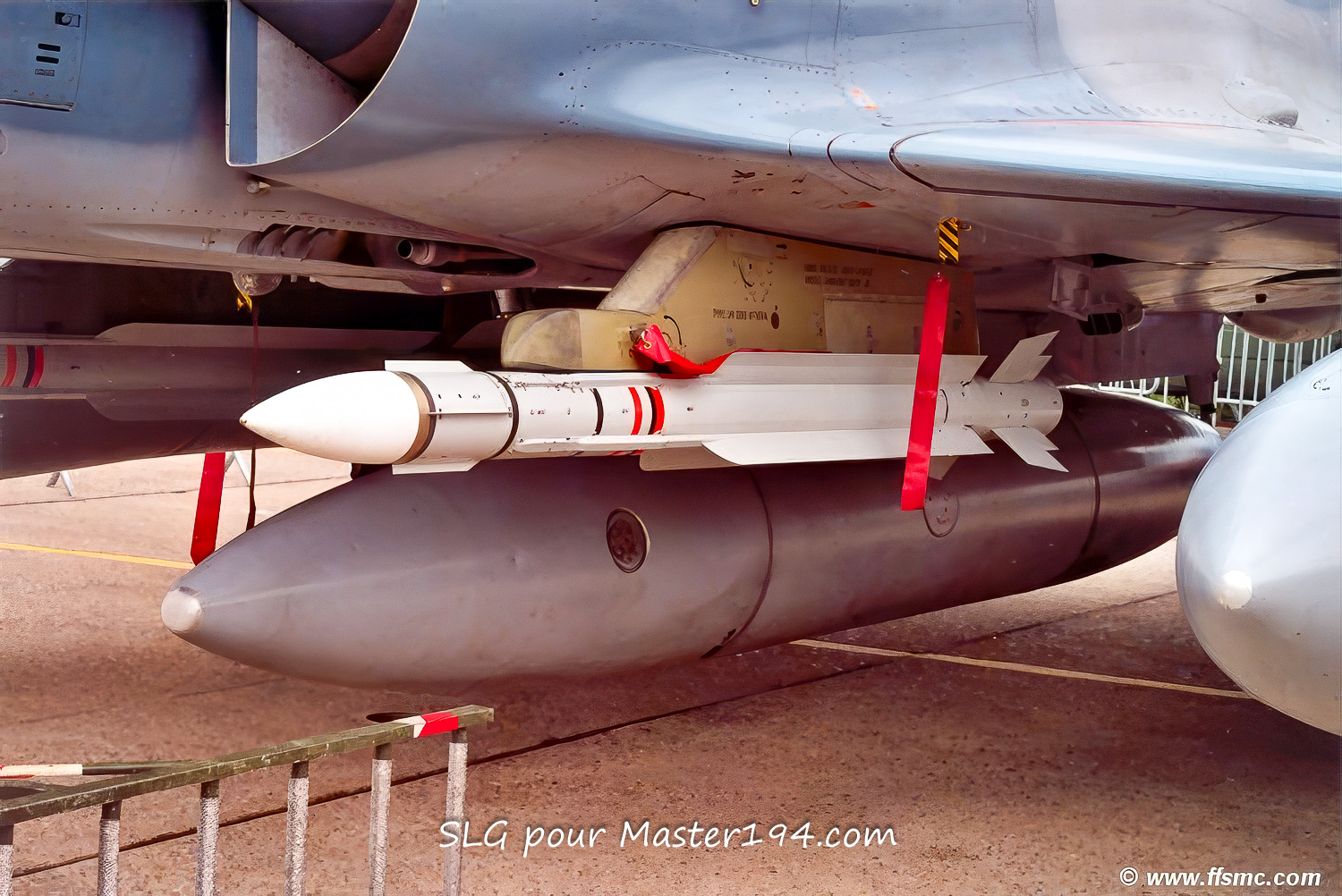
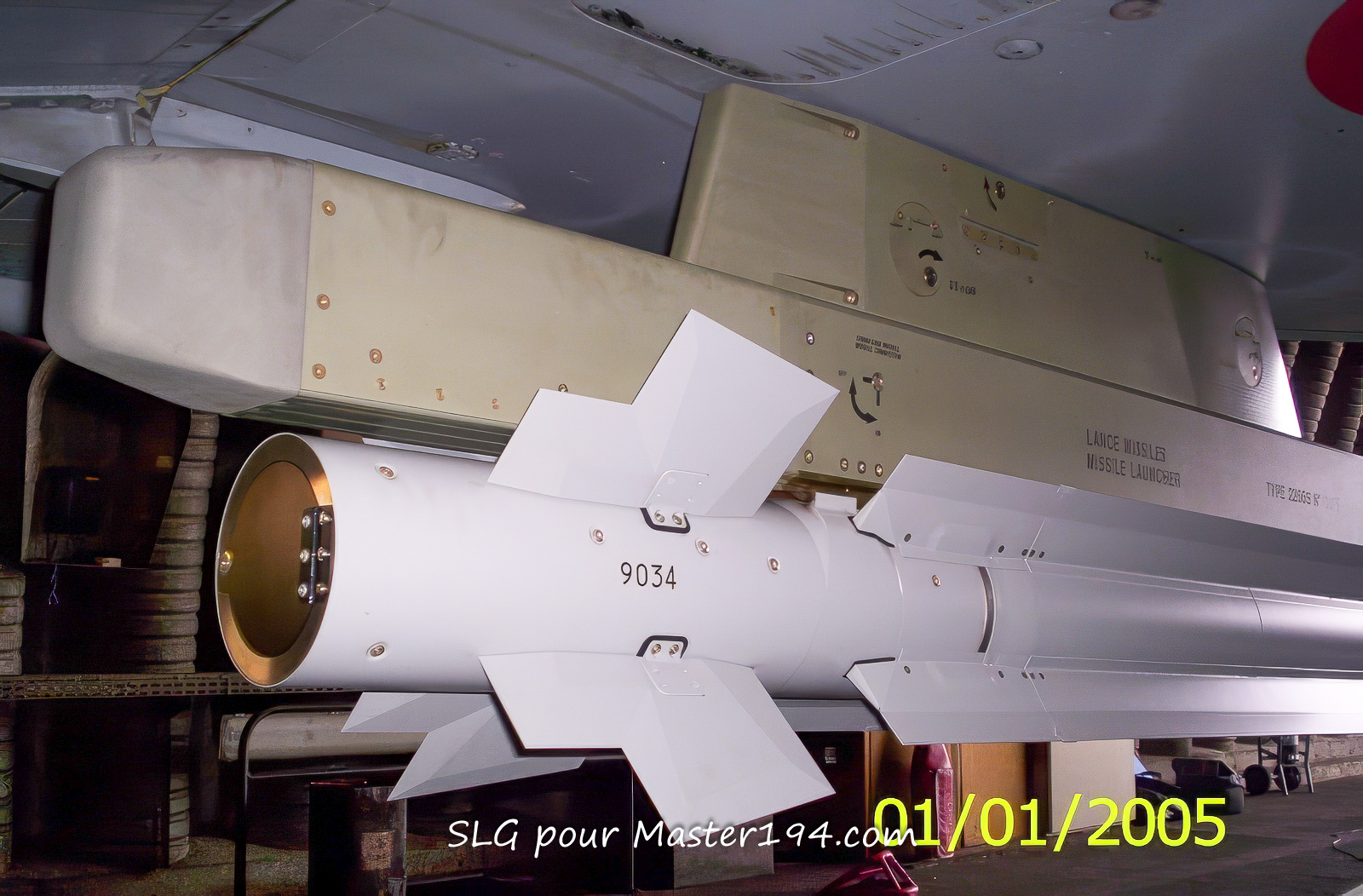
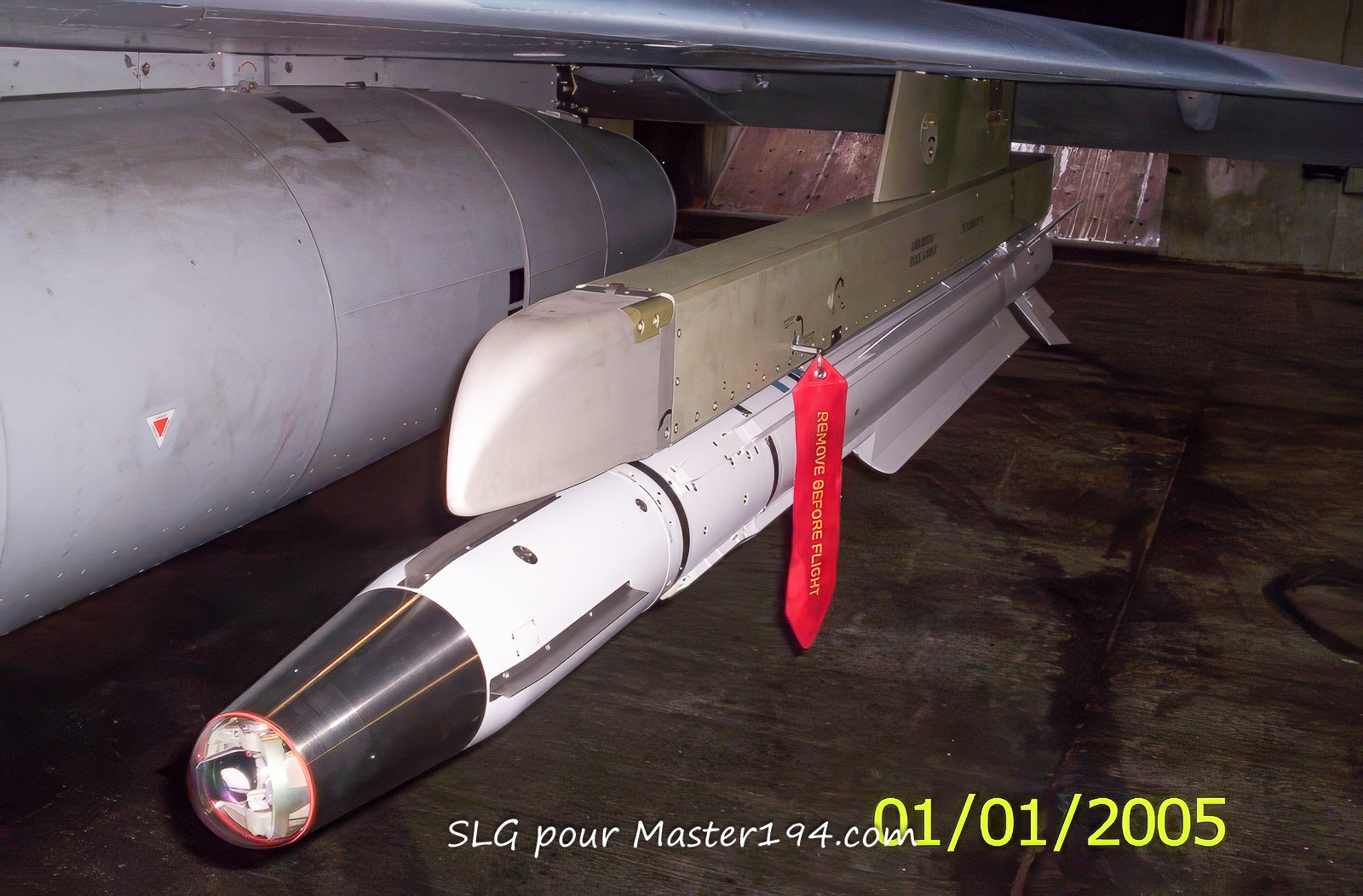
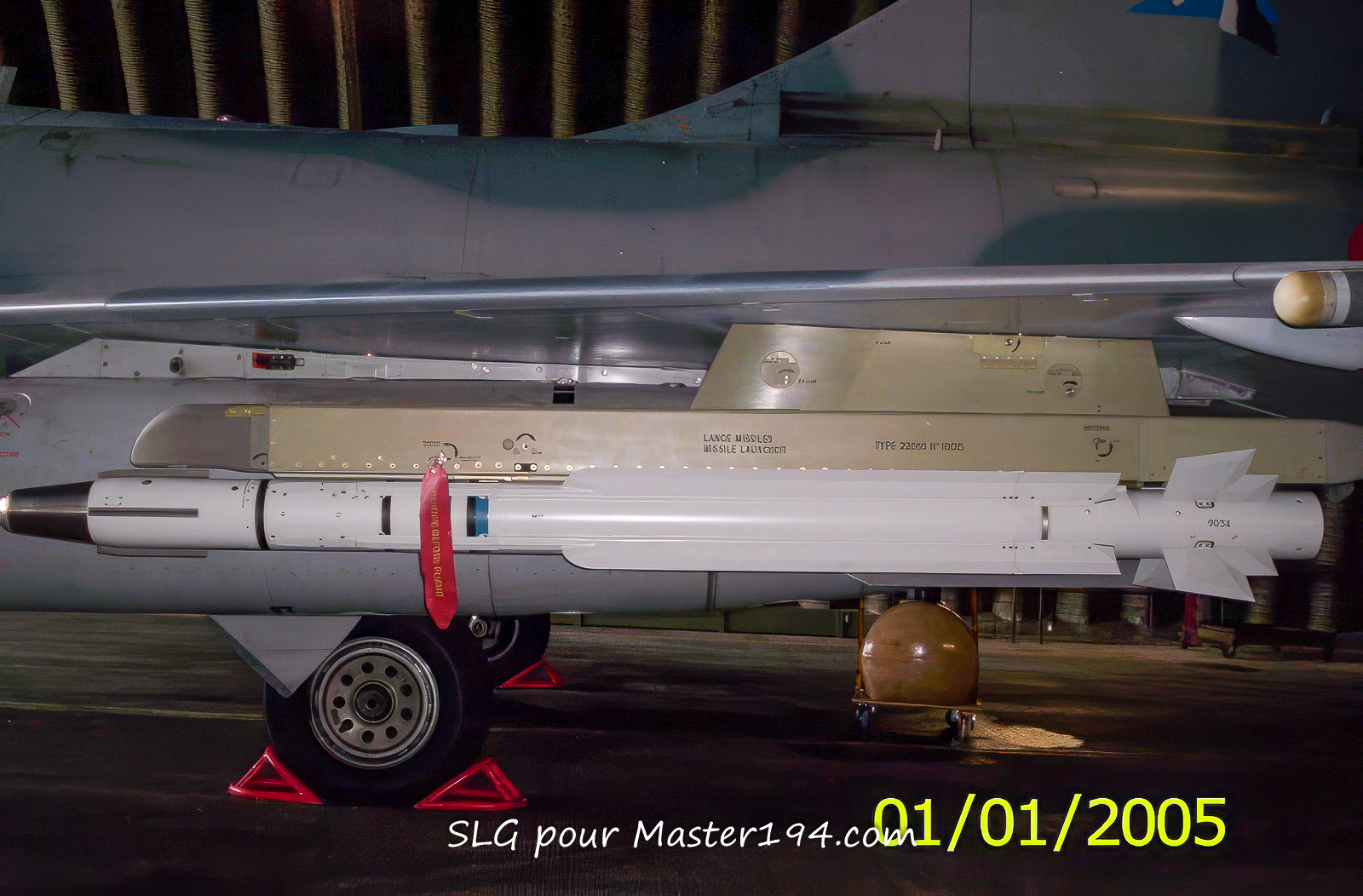
The other major innovation introduced with the Mirage 2000-5 is its primary armament: the MICA missile.
Available in both active radar homing (MICA EM) and infrared (MICA IR) versions, it provides the pilot with outstanding tactical flexibility. Capable of Beyond Visual Range (BVR) intercepts, the MICA allows the Mirage 2000-5 to engage adversaries well before visual contact is established.
Thanks to this synergy between the RDY radar and the MICA missile, the Mirage 2000-5 became the first French fighter to boast a true “Fox 3” capability, deploying fire-and-forget missiles.
Discrete Yet Vital Upgrades
Beyond the visible external changes, the Mirage 2000-5 integrates a brand-new computing architecture, a more precise ring laser gyro inertial navigation system, a modernized electronic warfare suite, and enhanced data link capabilities.
These upgrades allow the aircraft to integrate seamlessly into a network-centric warfare environment, exchanging real-time tactical data with other platforms
A Deeply Transformed Mirage
While its airframe remains very close to that of the Mirage 2000C, the Mirage 2000-5 is fundamentally a profoundly different machine.
By combining the proven aerodynamic qualities of the Mirage 2000 with entirely modernized avionics, Dassault delivered a fighter capable of remaining at the cutting edge well into the early 21st century.
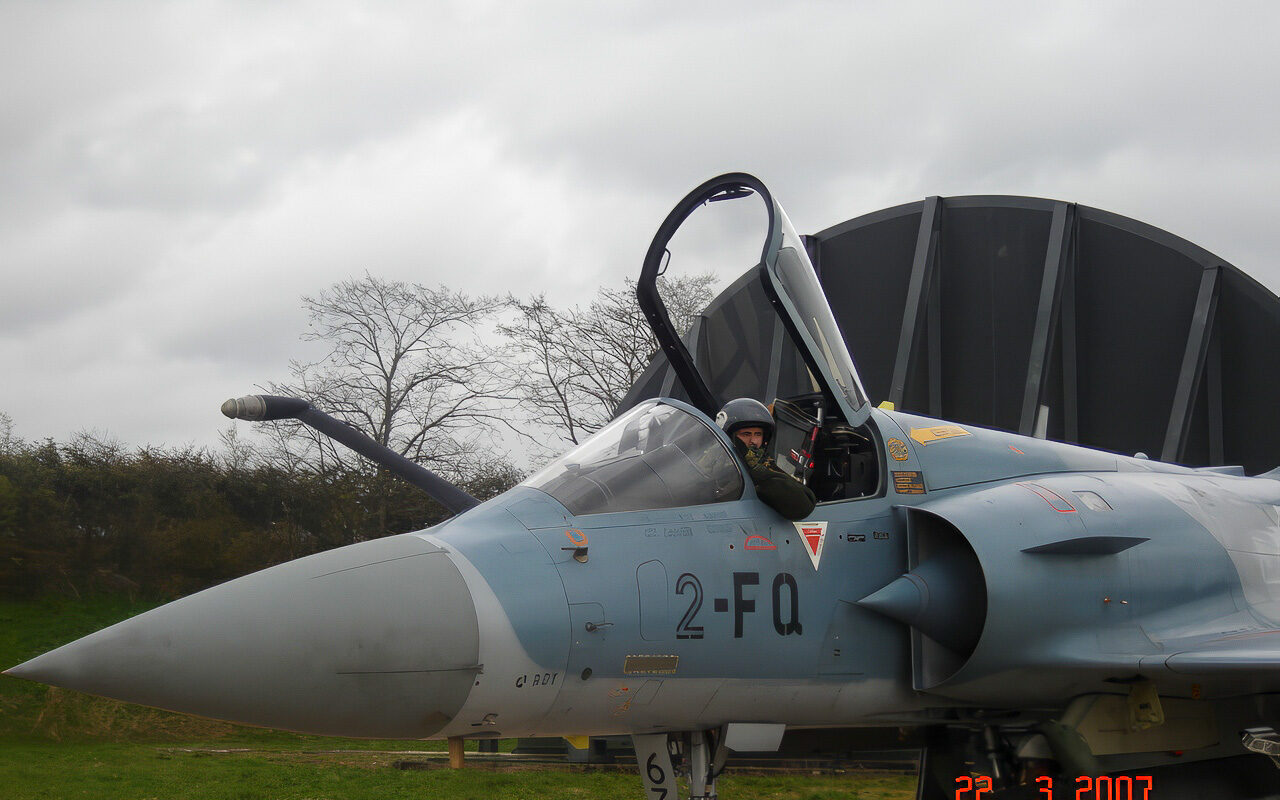
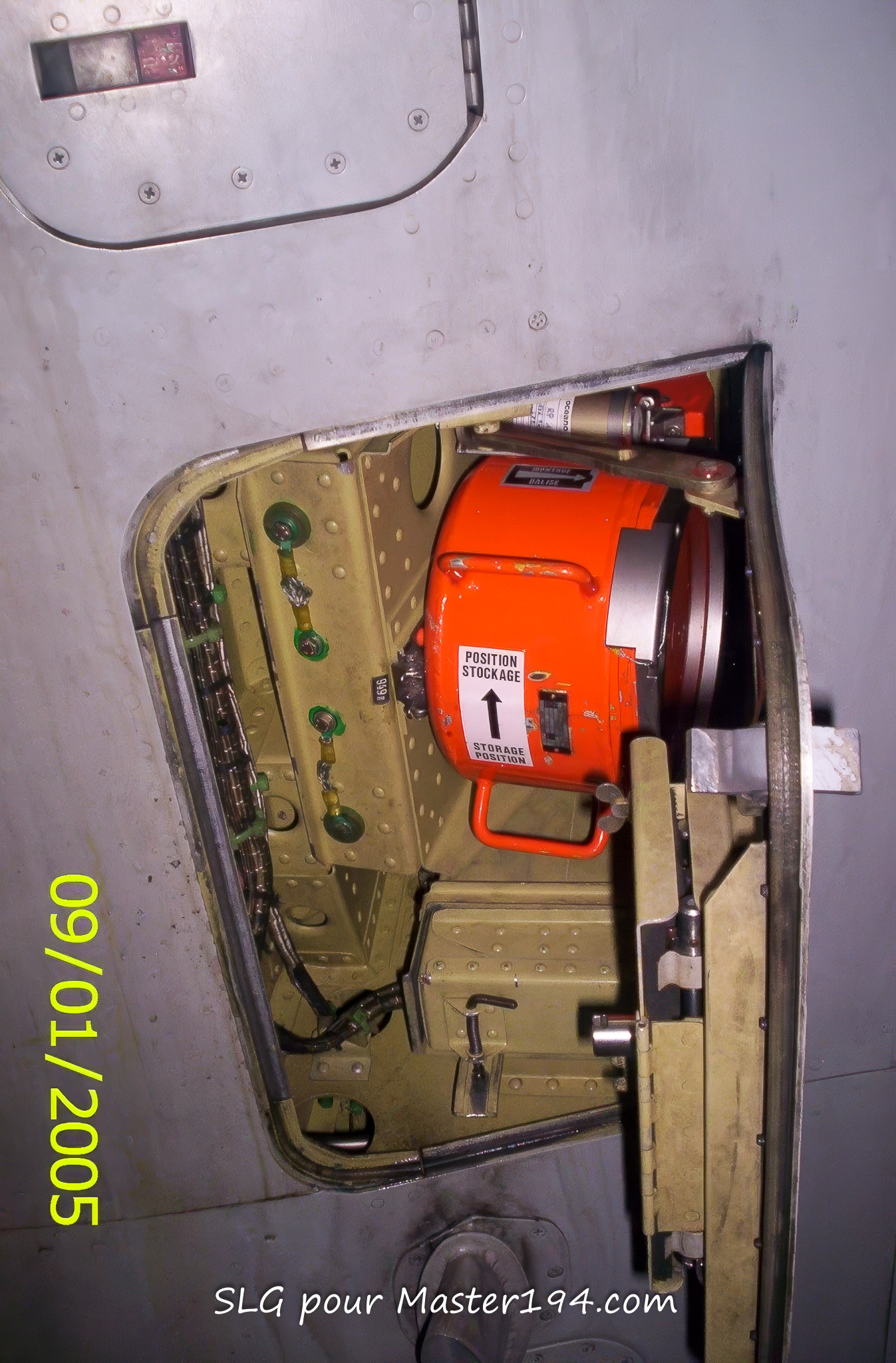
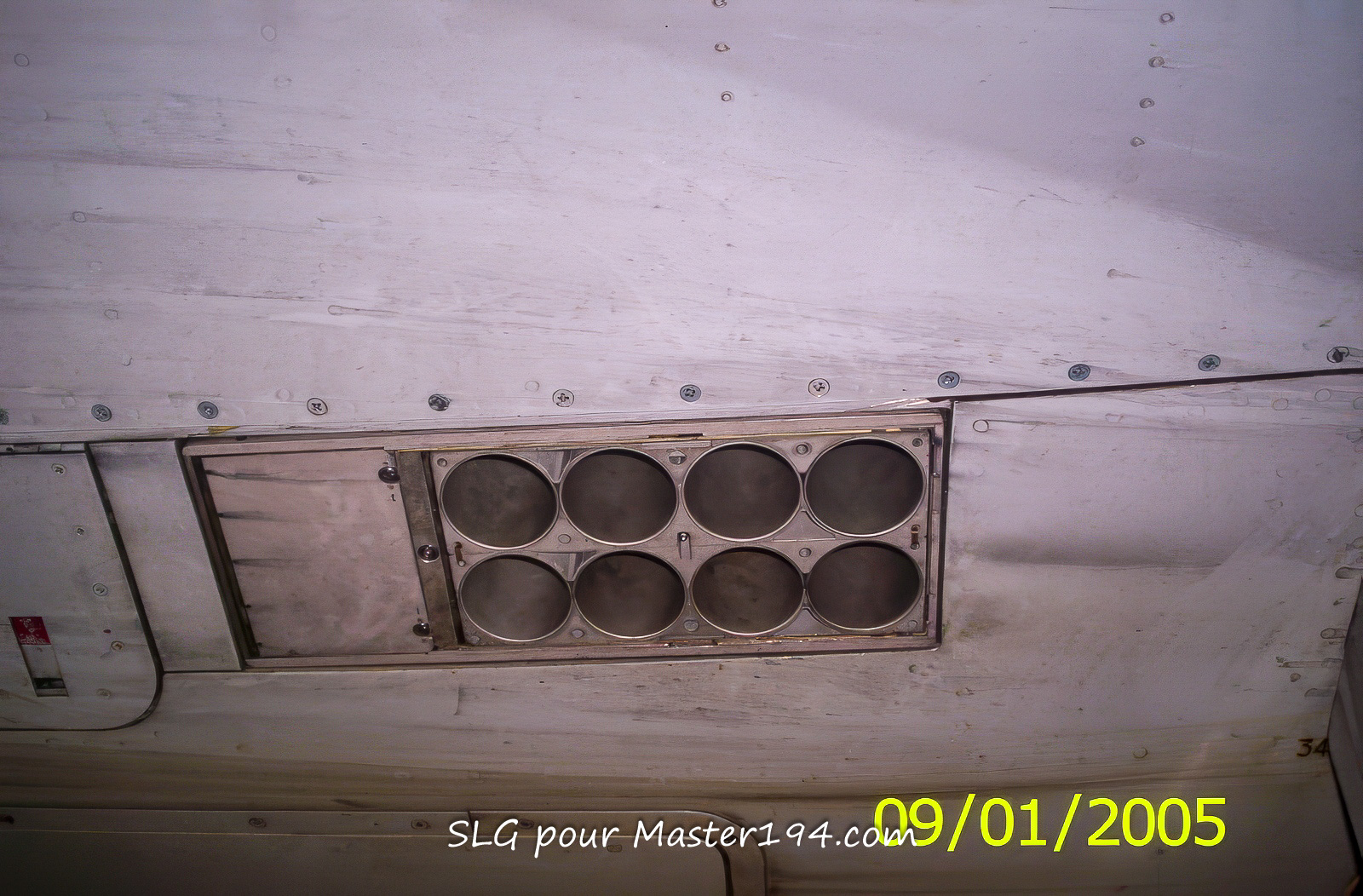
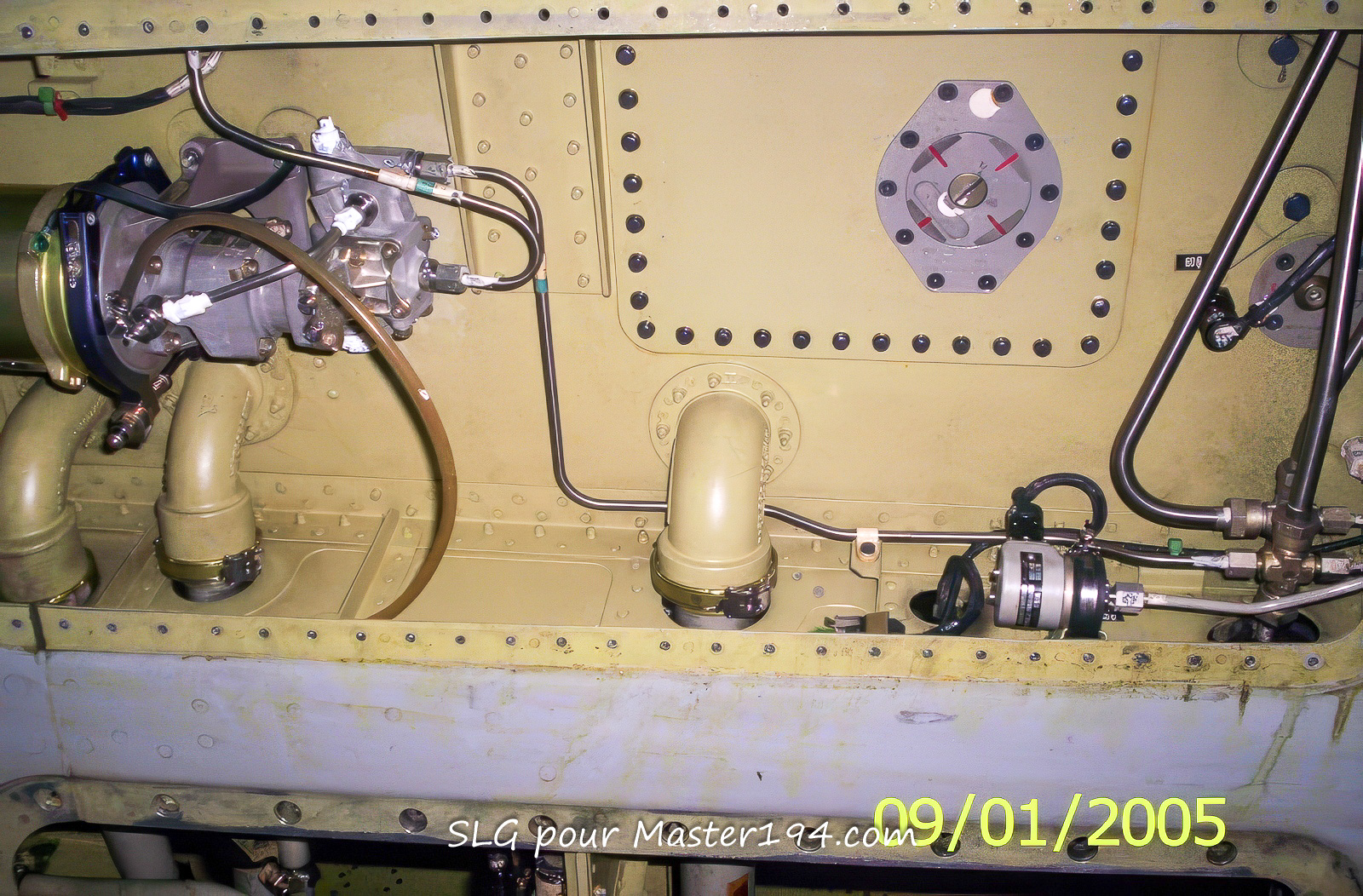
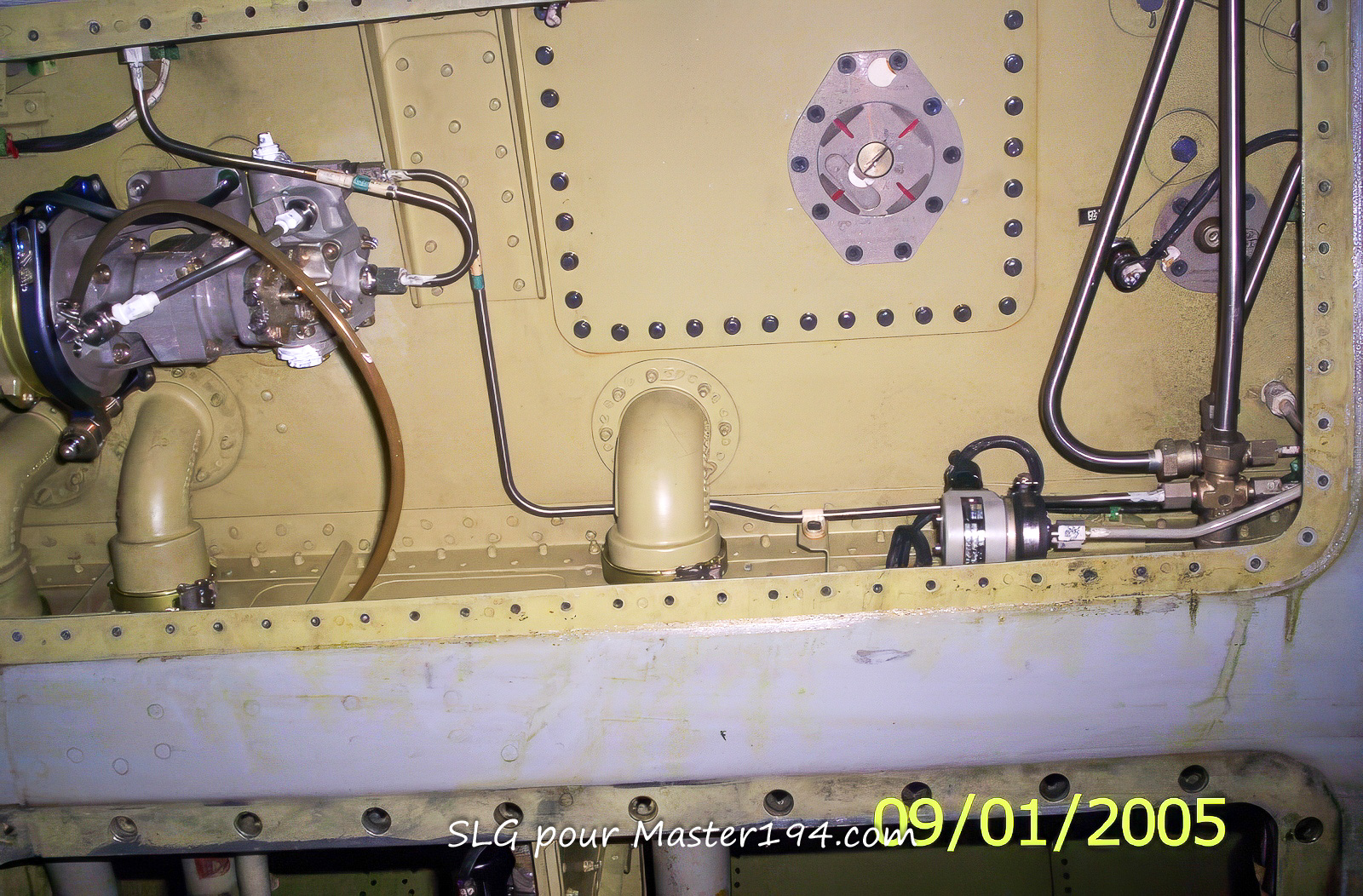
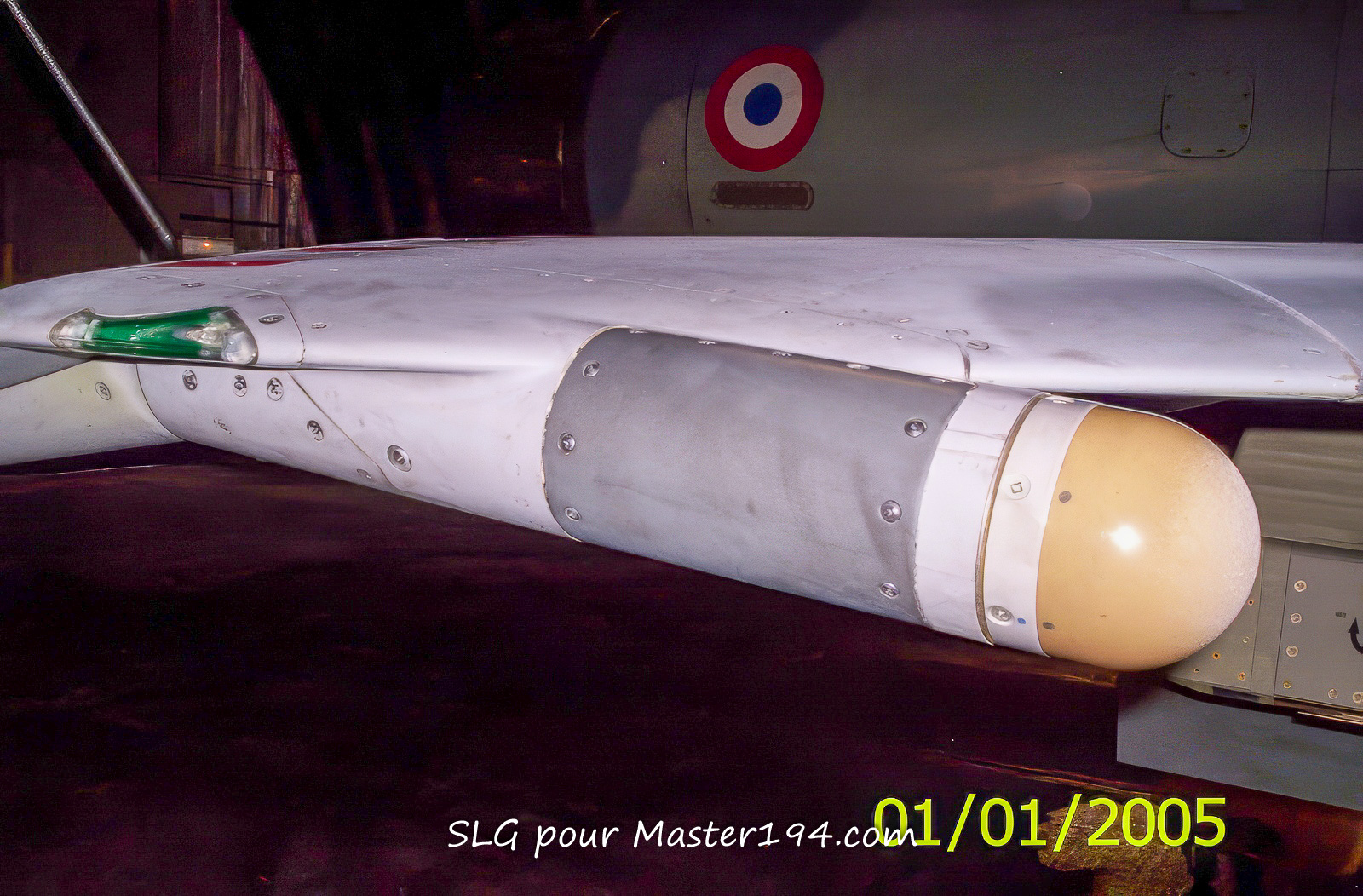
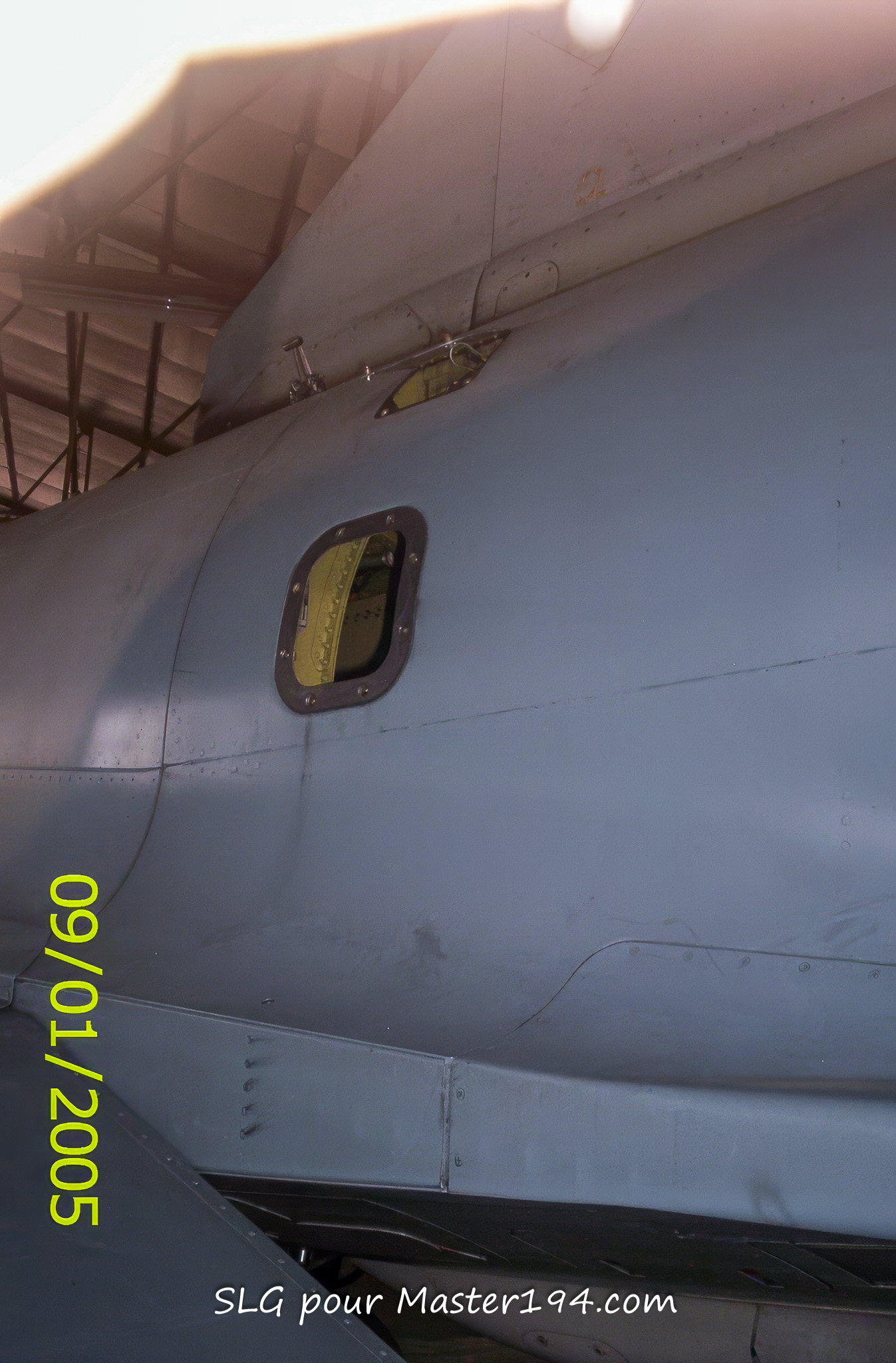
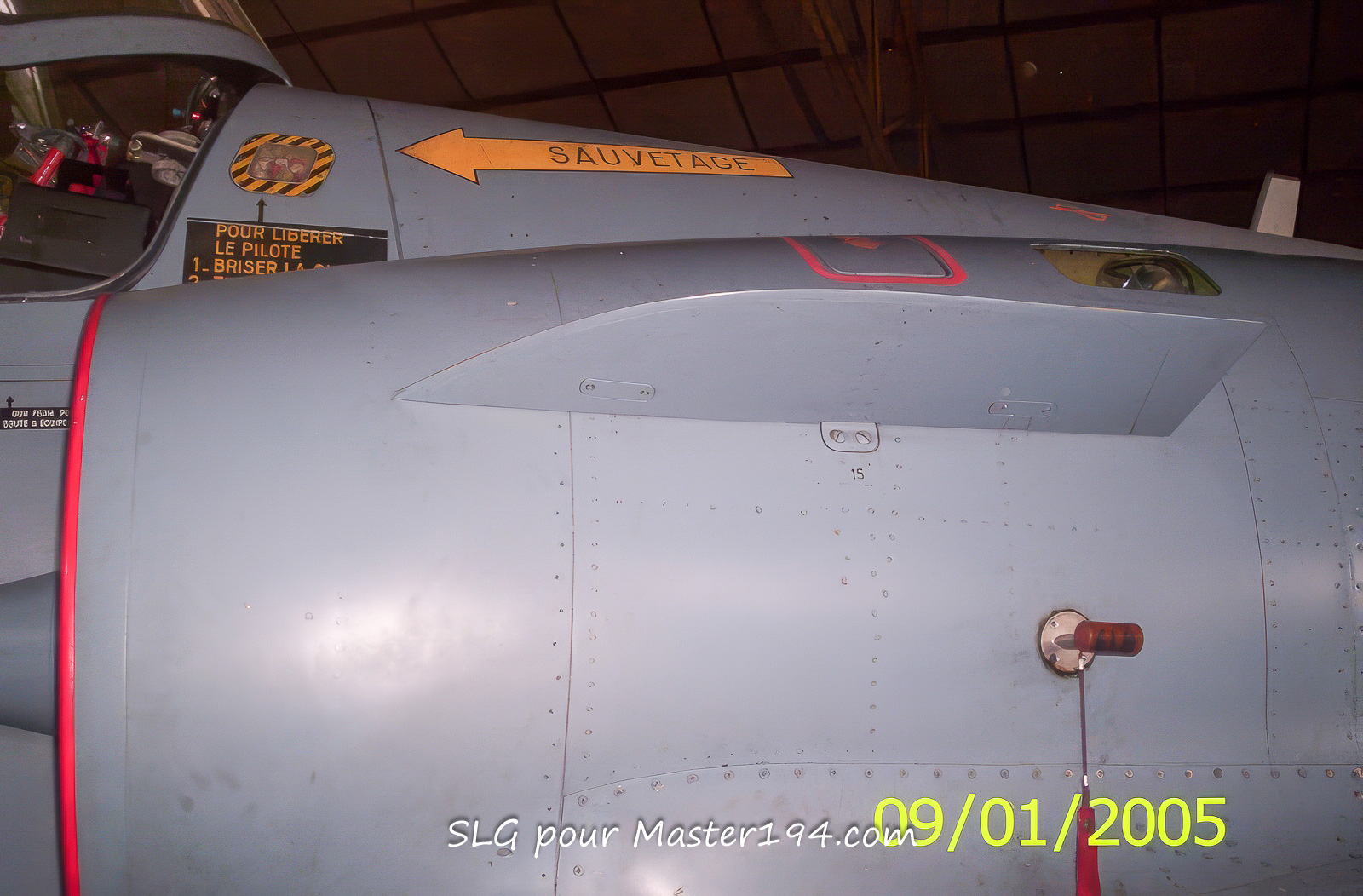
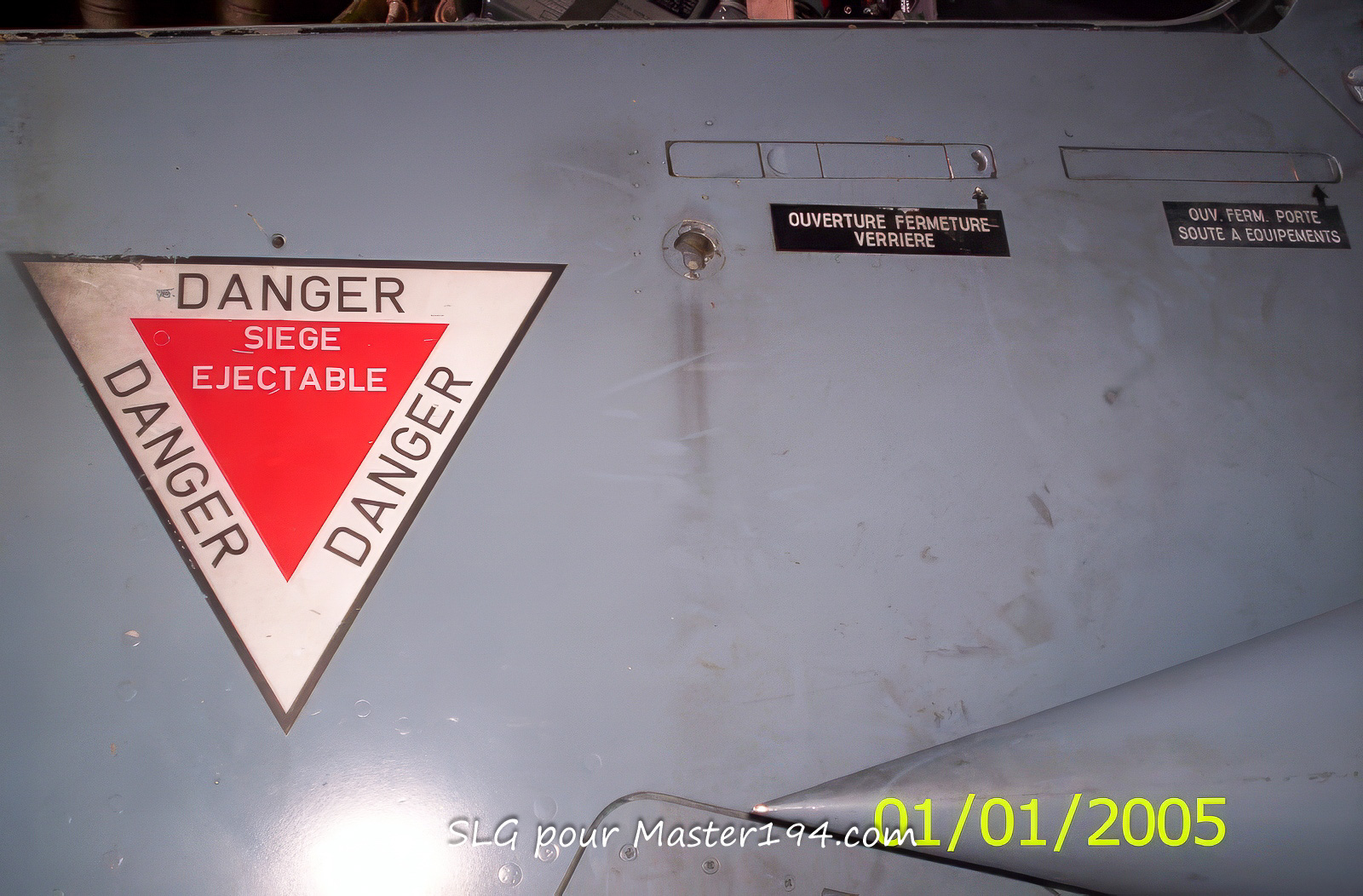
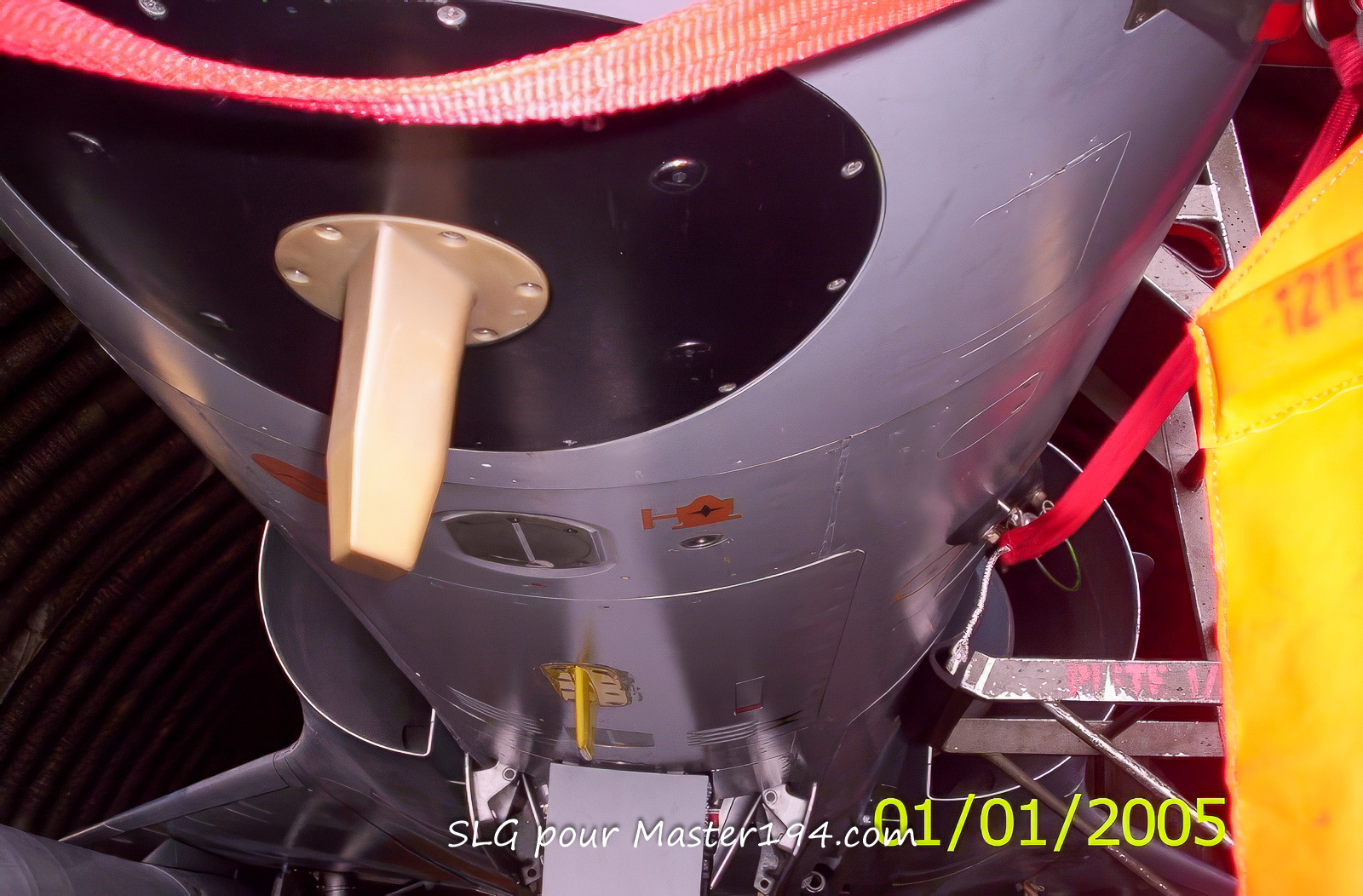
This walkaround, captured in 2005, highlights a pivotal era in French military aviation history, when the Mirage 2000-5 stood as the spearhead of national air defense, just prior to the gradual introduction of the Rafale.
A Fully Redesigned Cockpit
The most dramatic transformation is found inside the cockpit.
A separate feature is specifically dedicated to the cockpit details:
Dassault Mirage 2000-5F cockpit walkaround
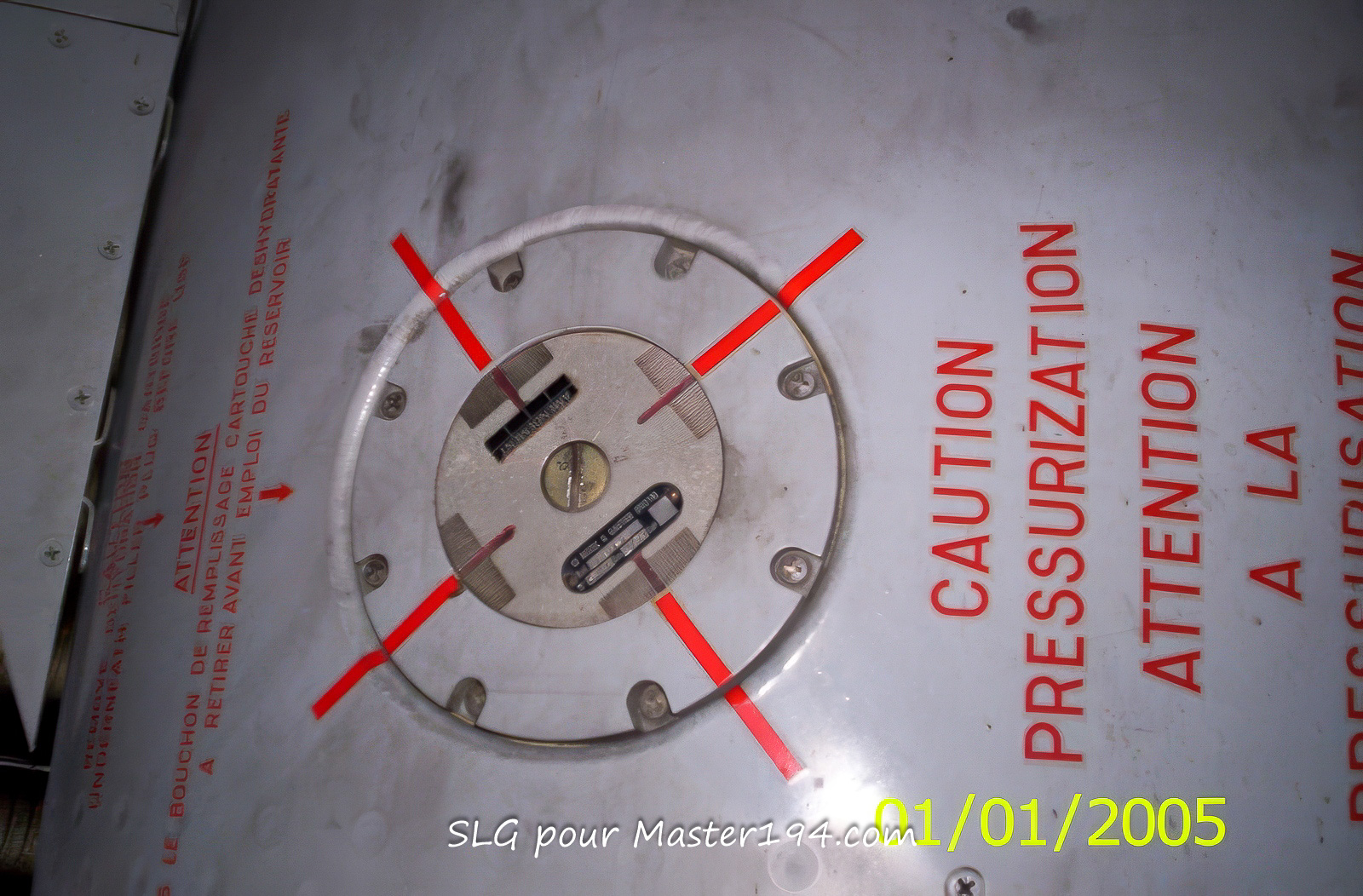
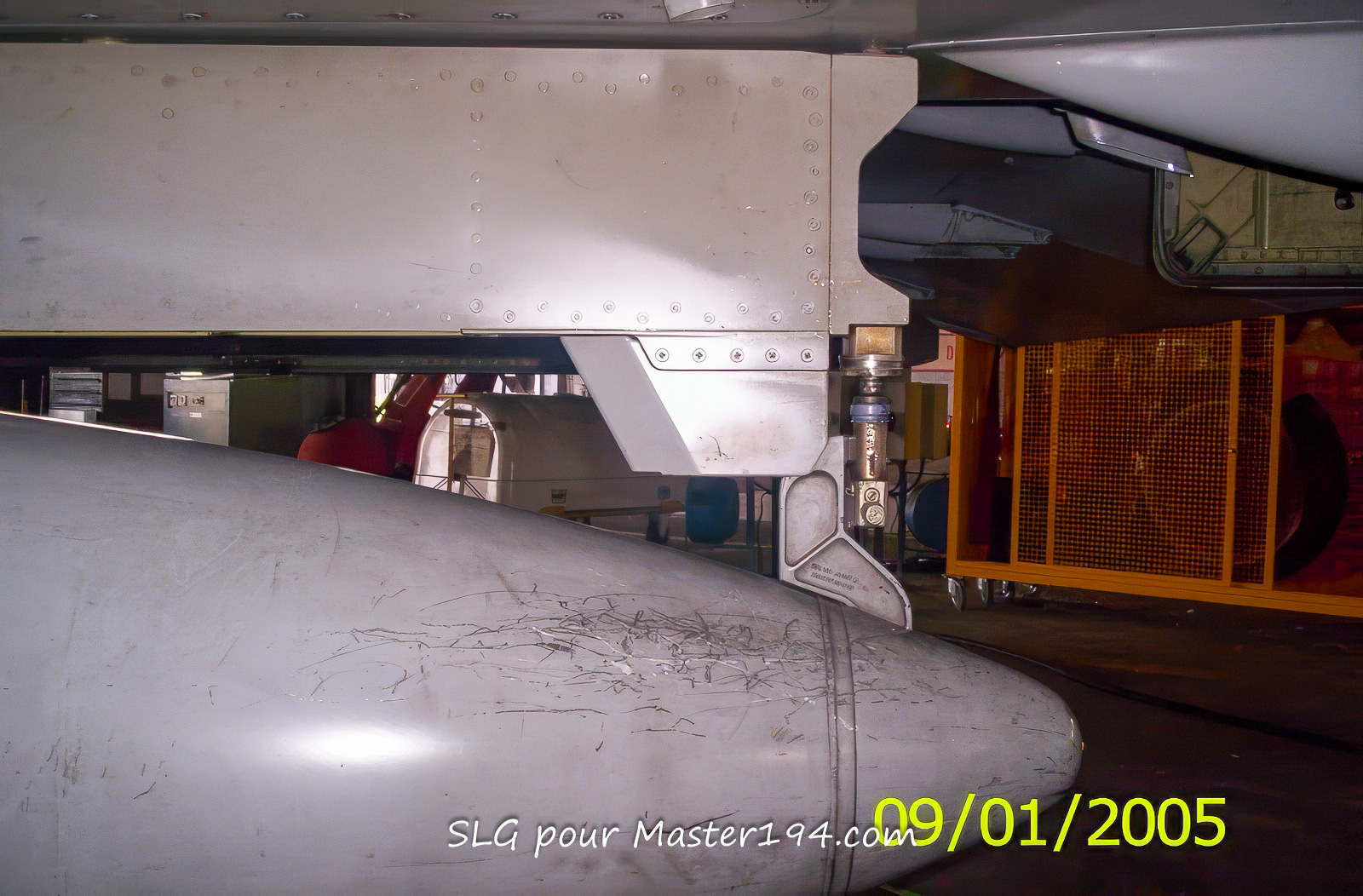
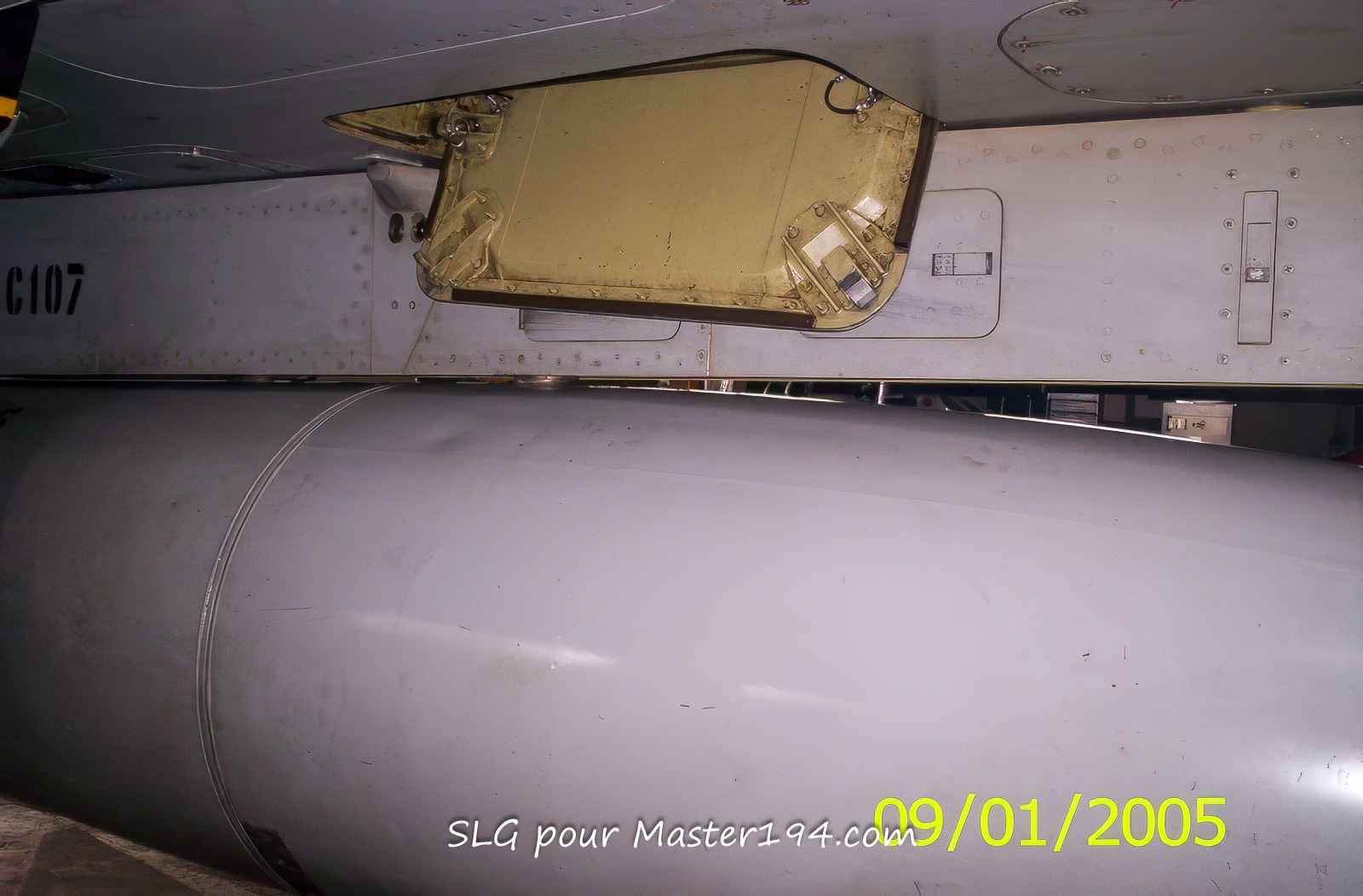
Walkaround
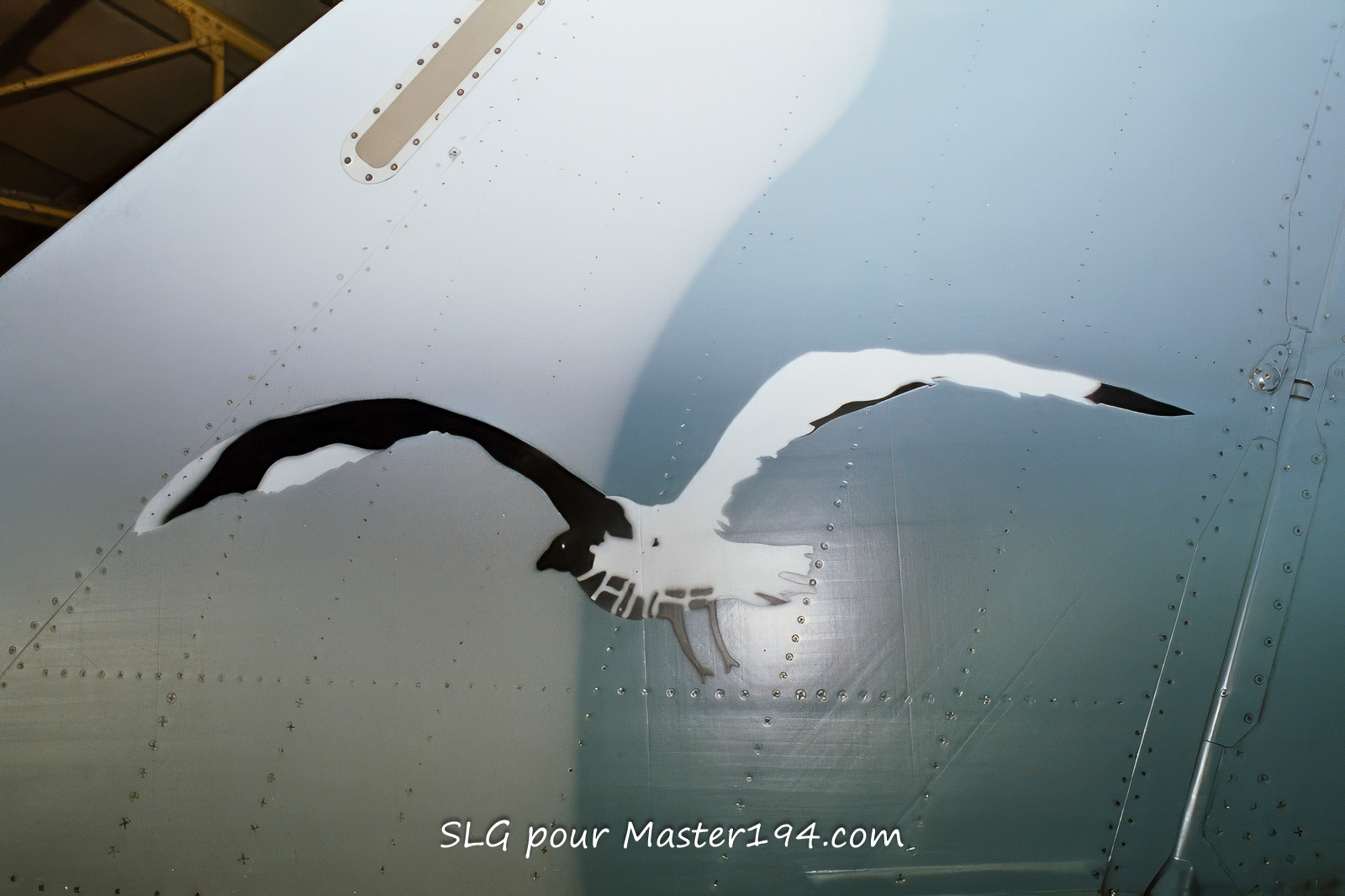
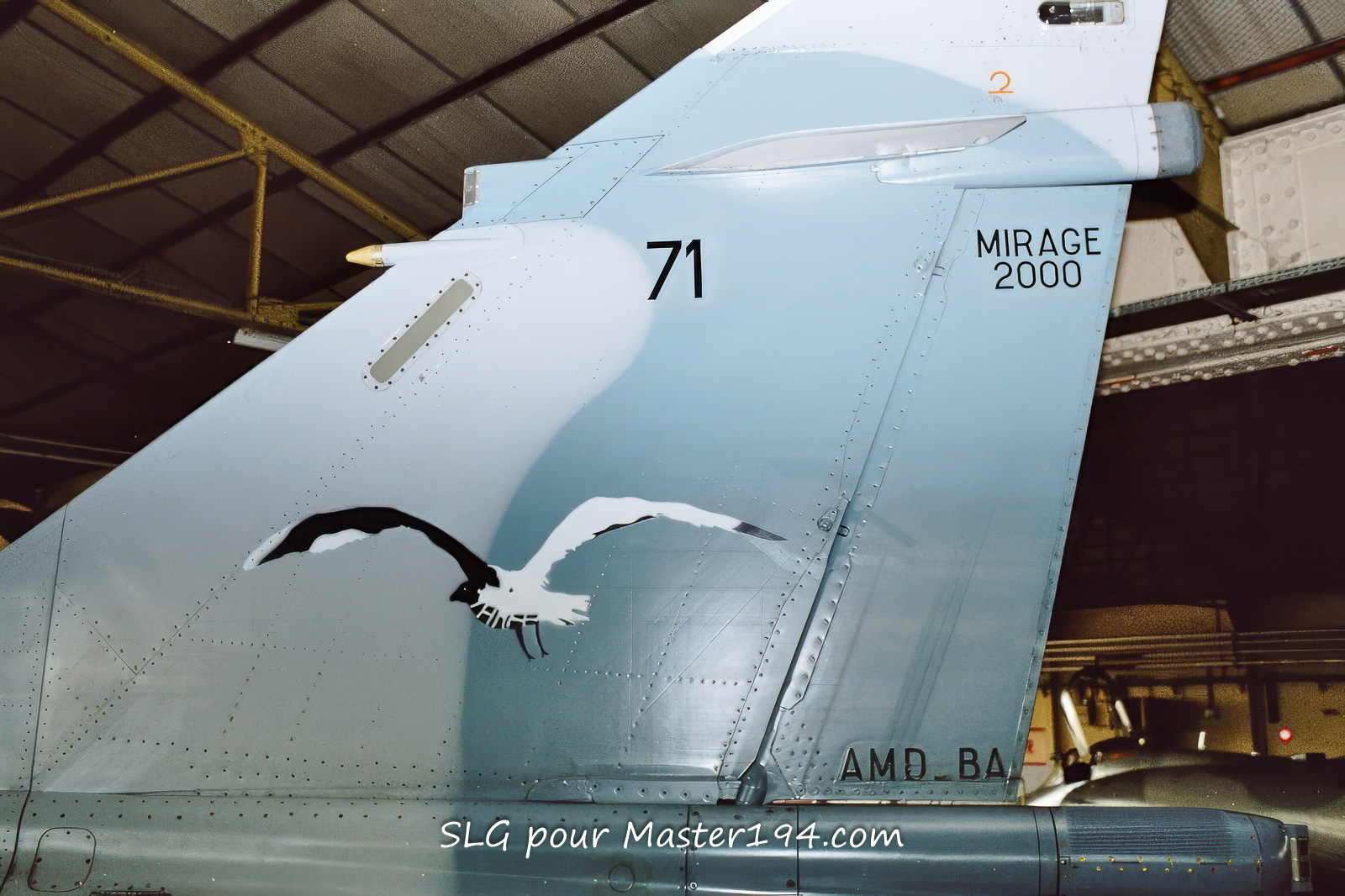
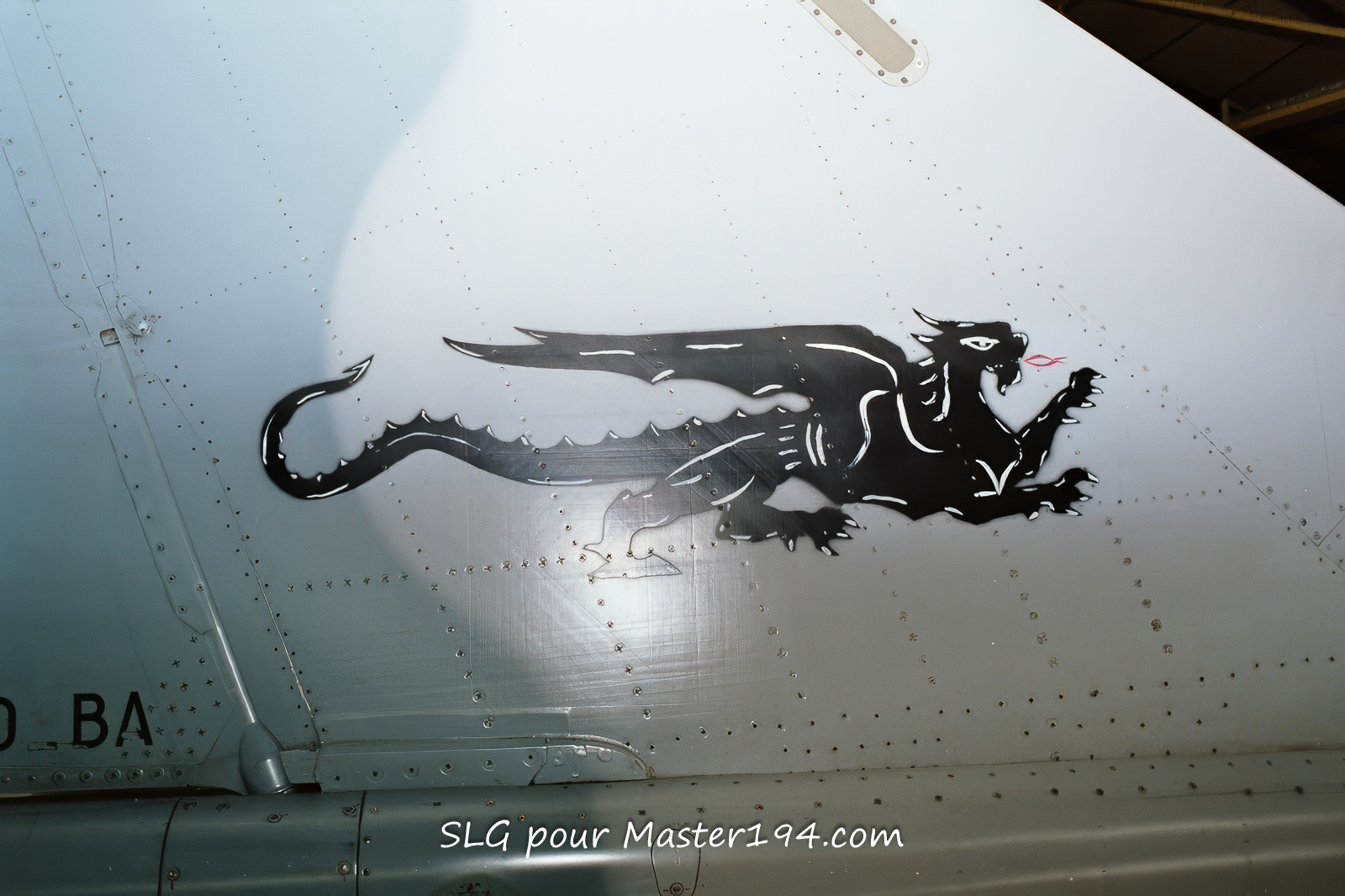
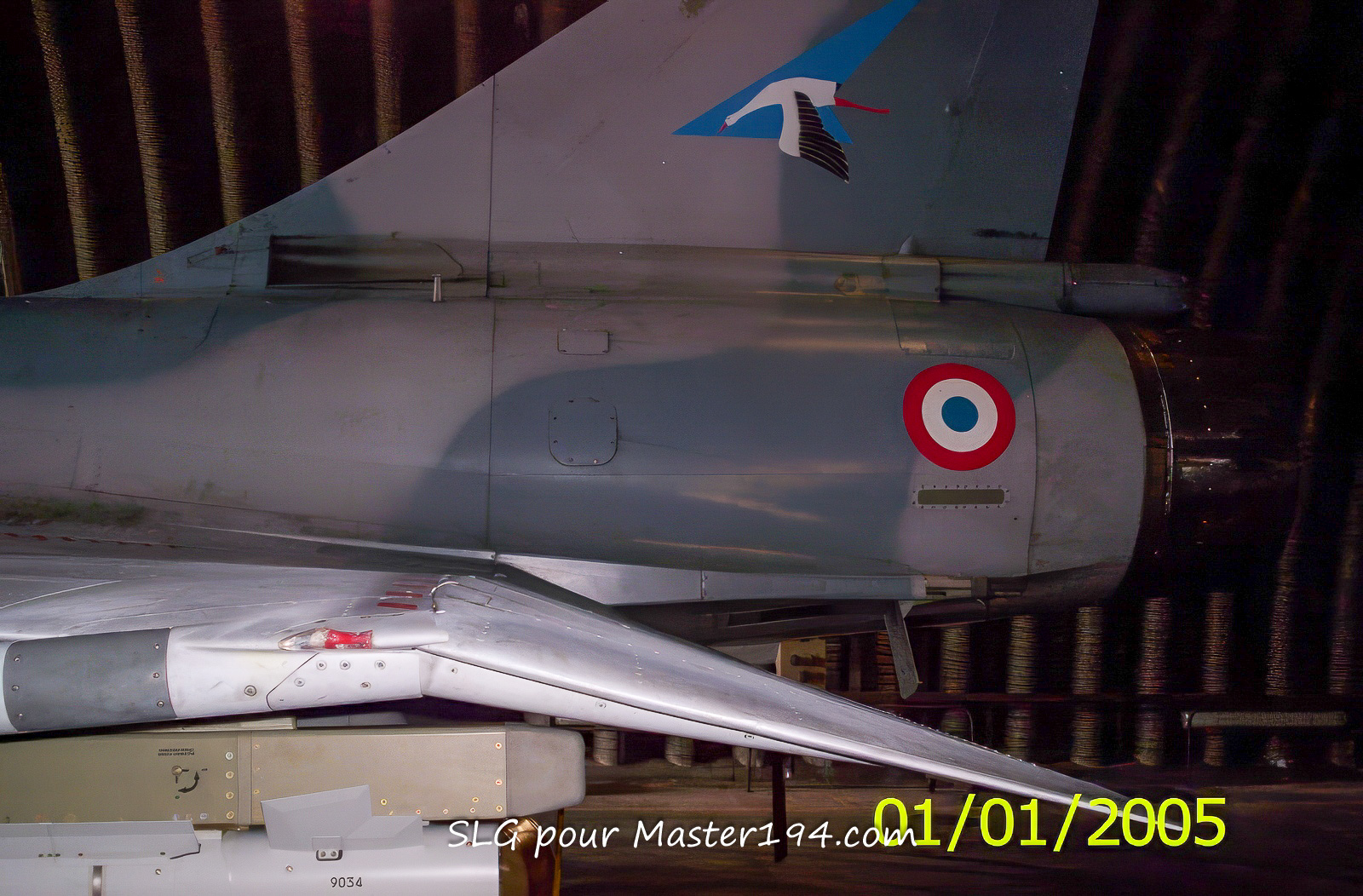
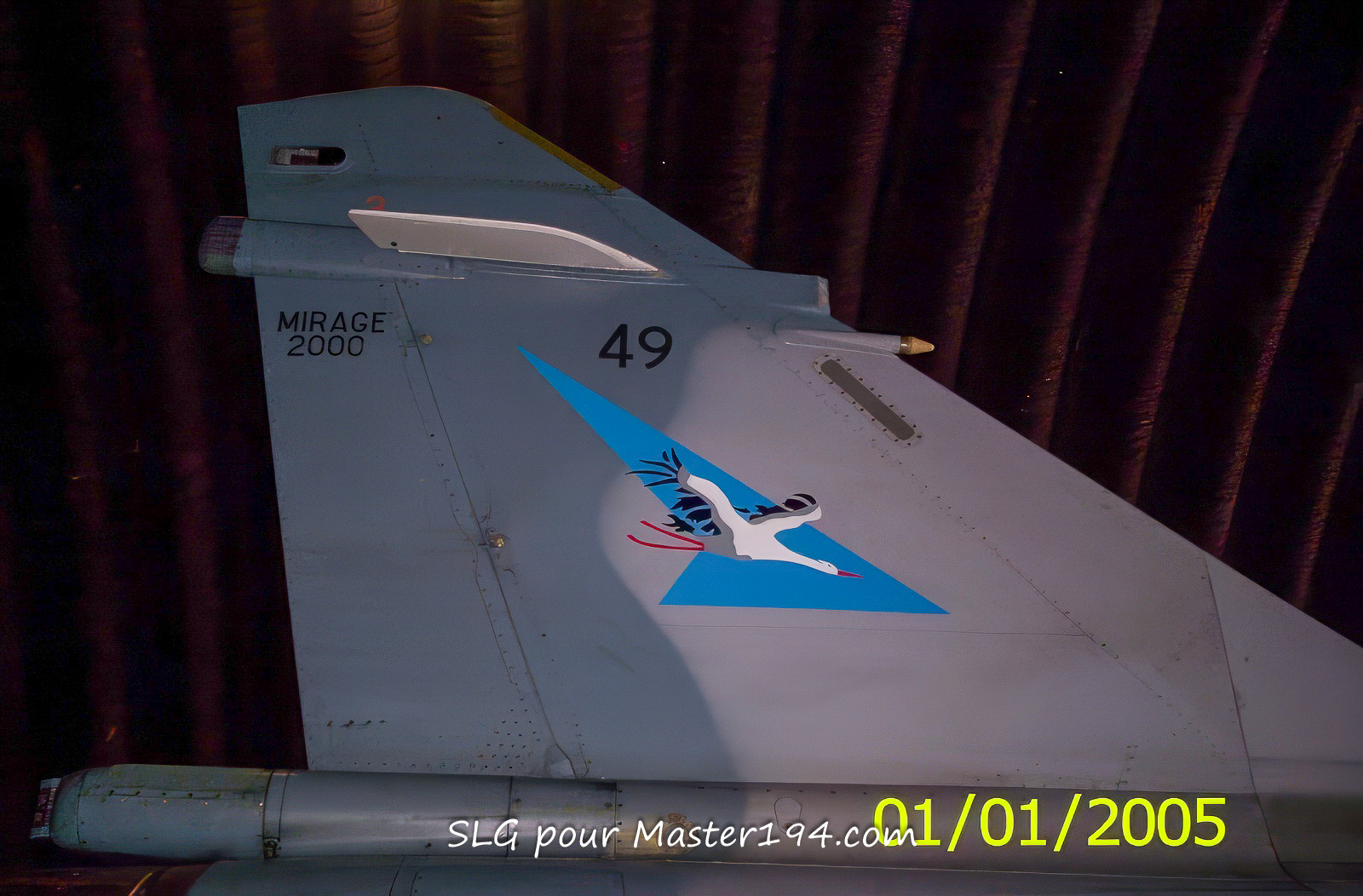
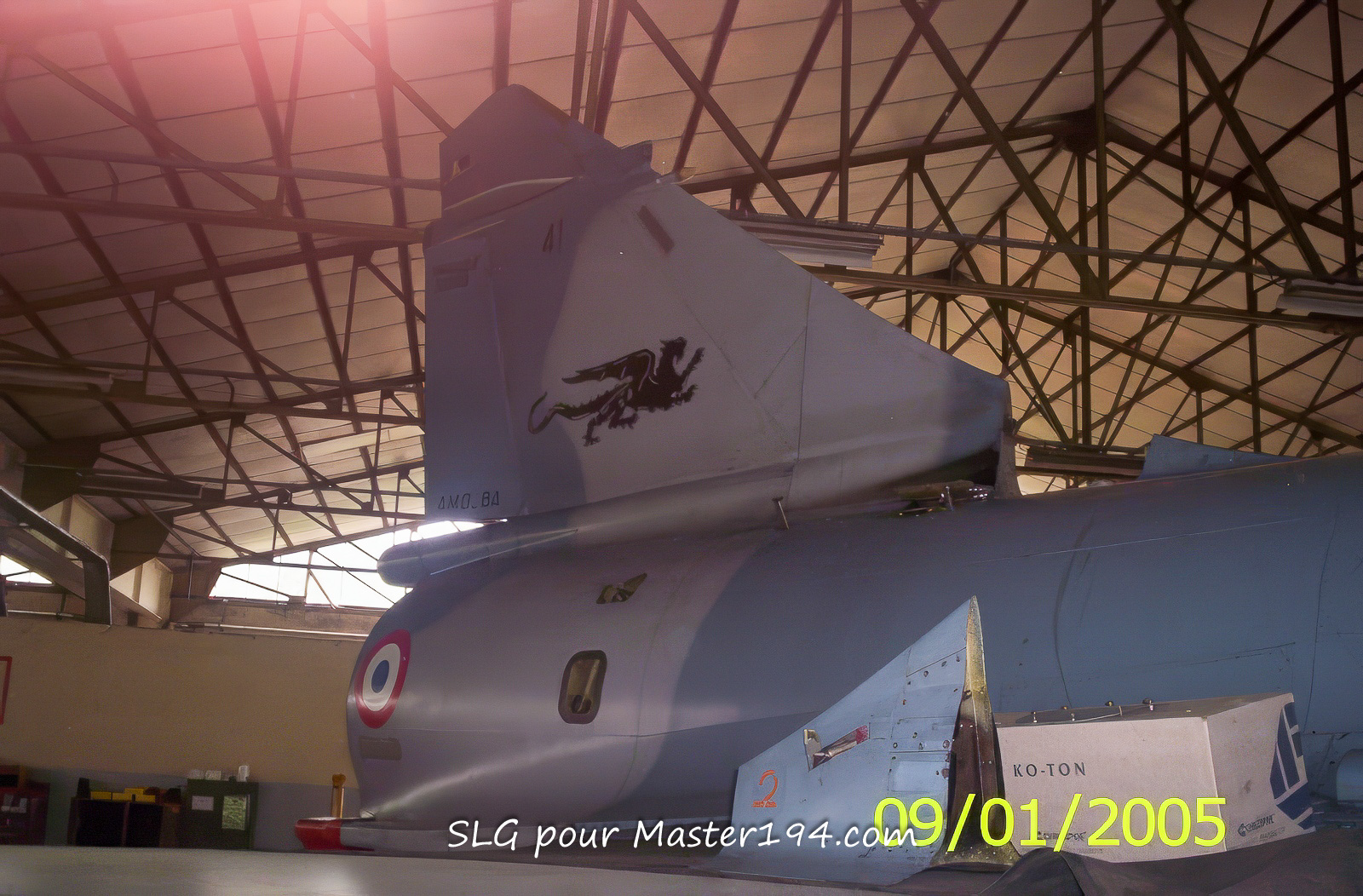
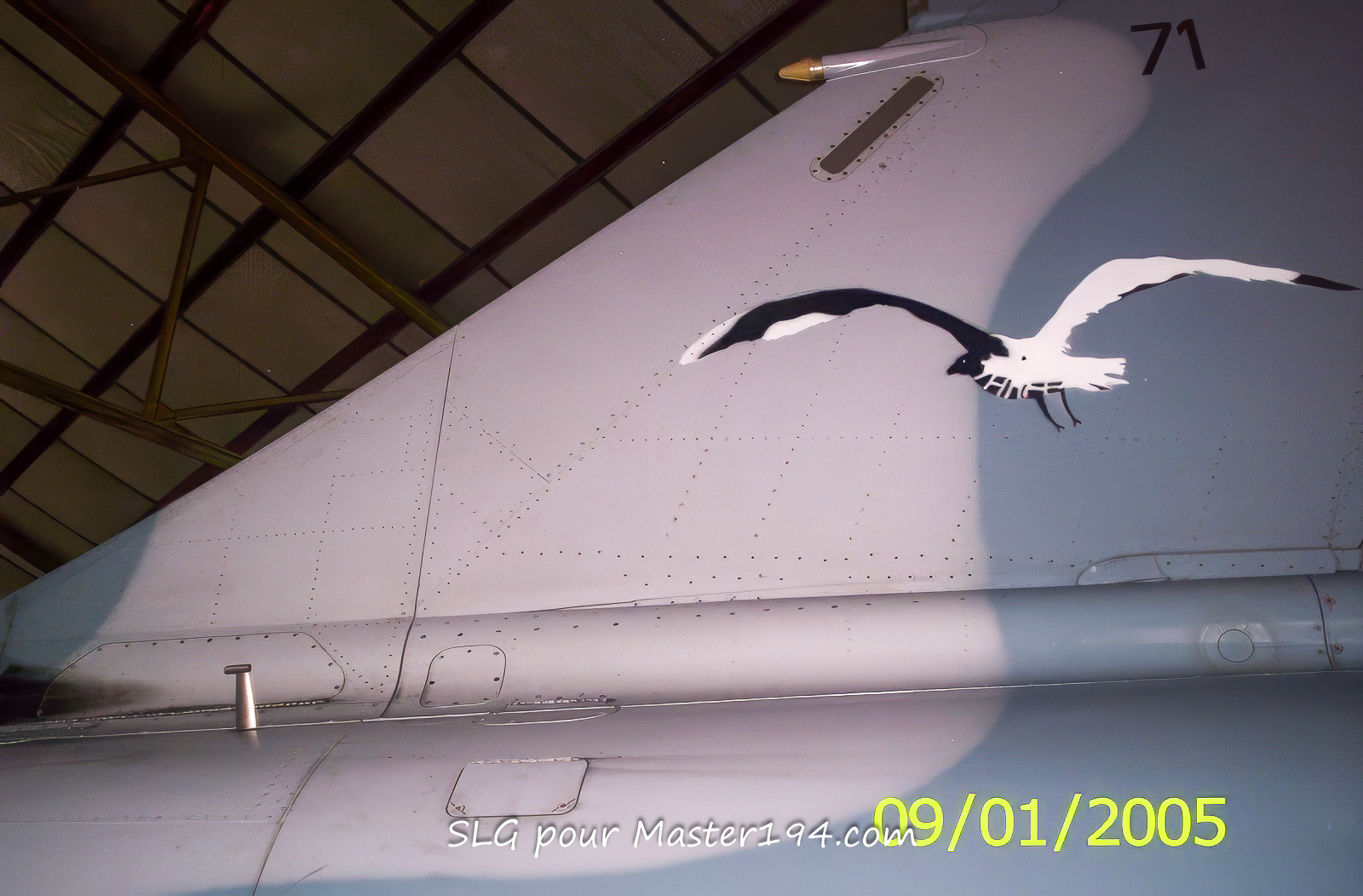
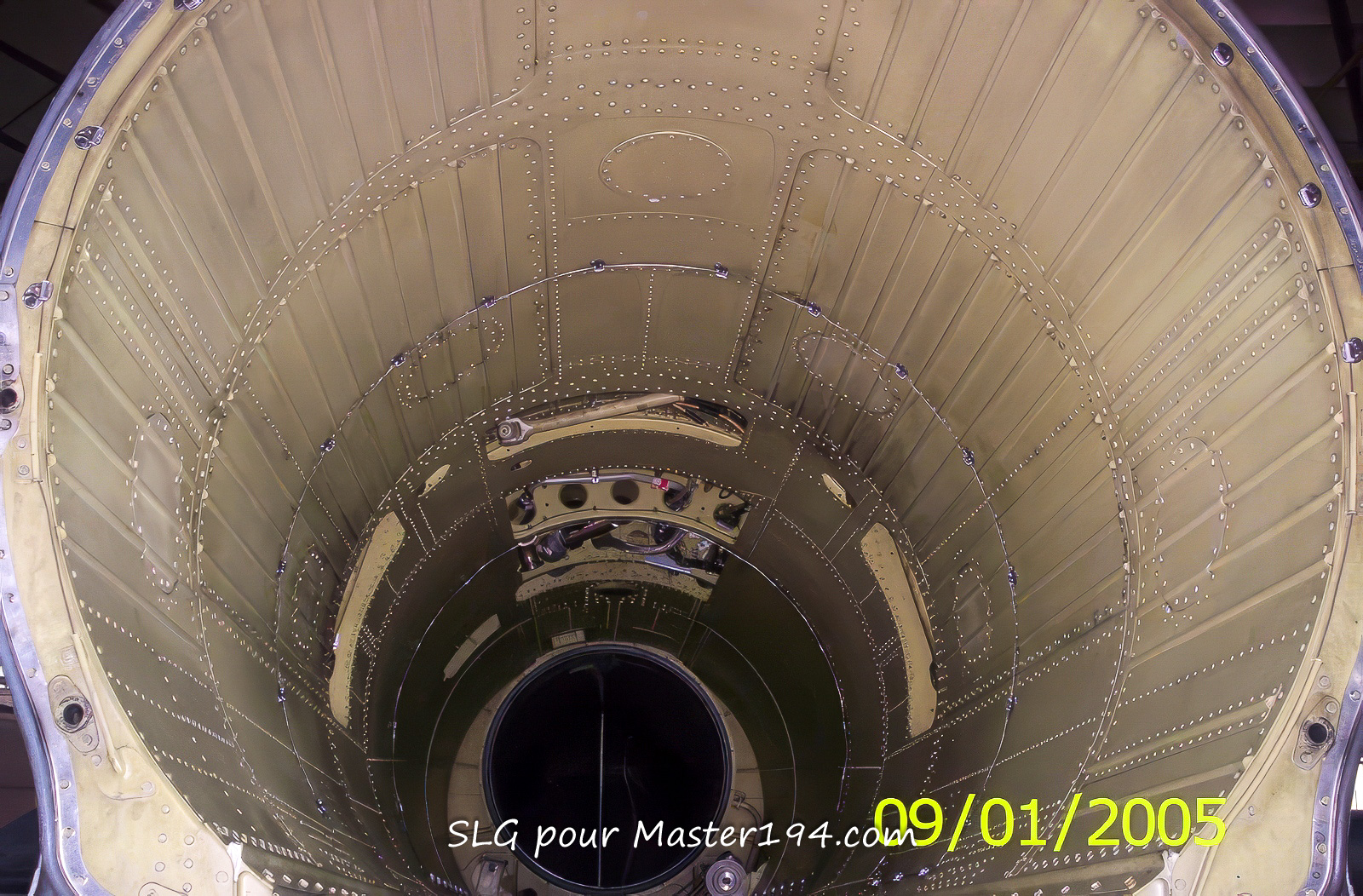
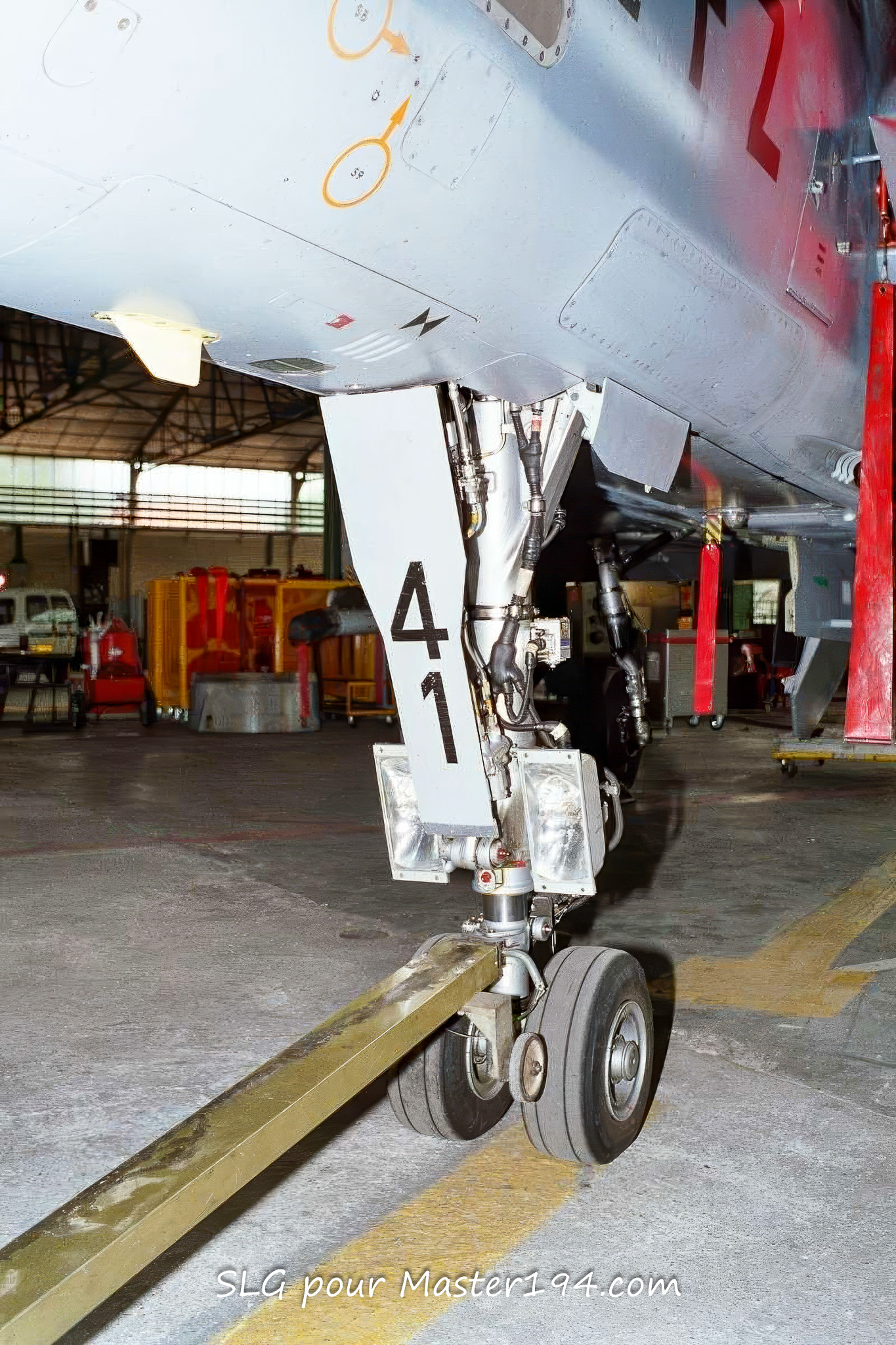
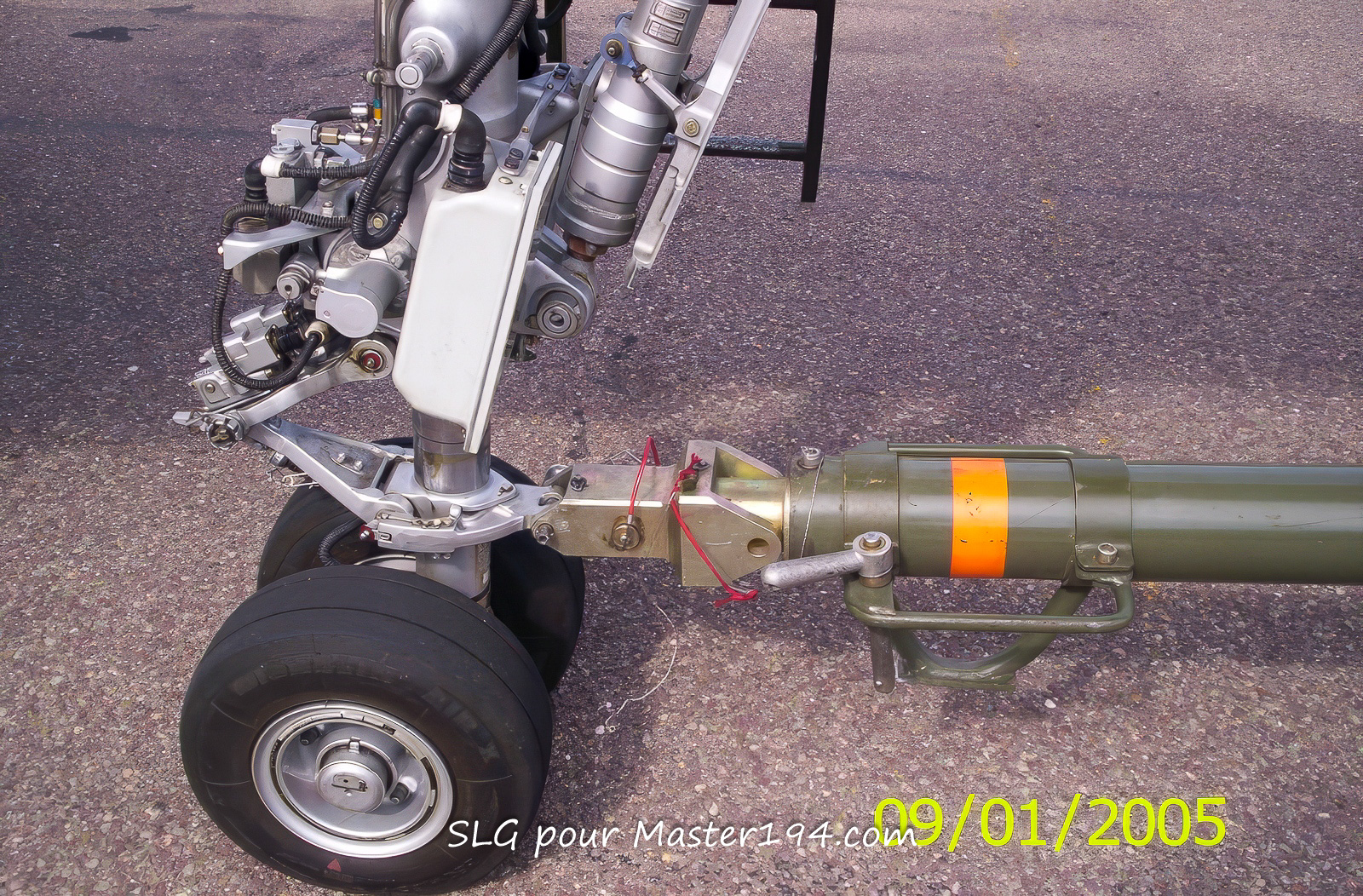
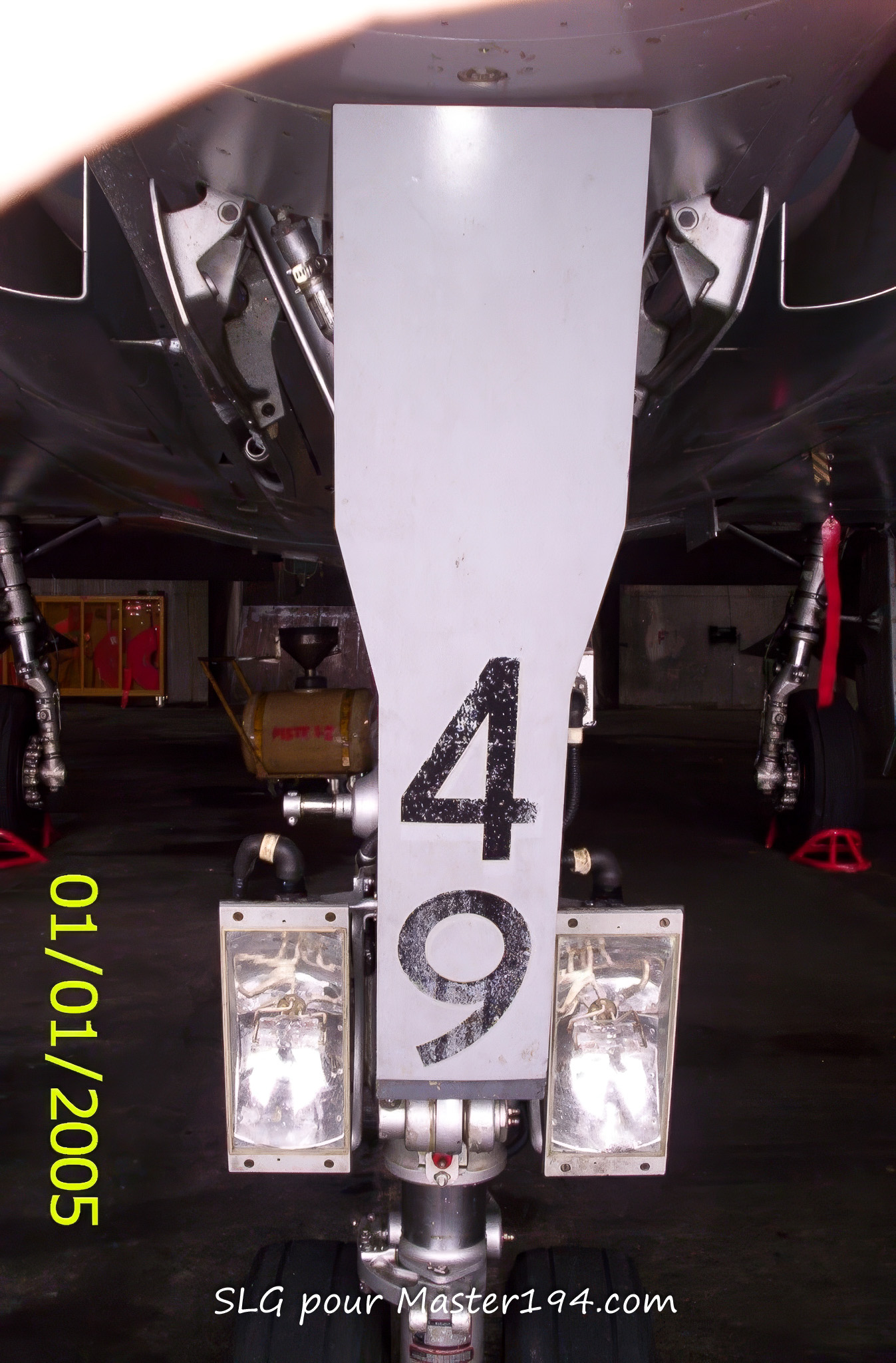
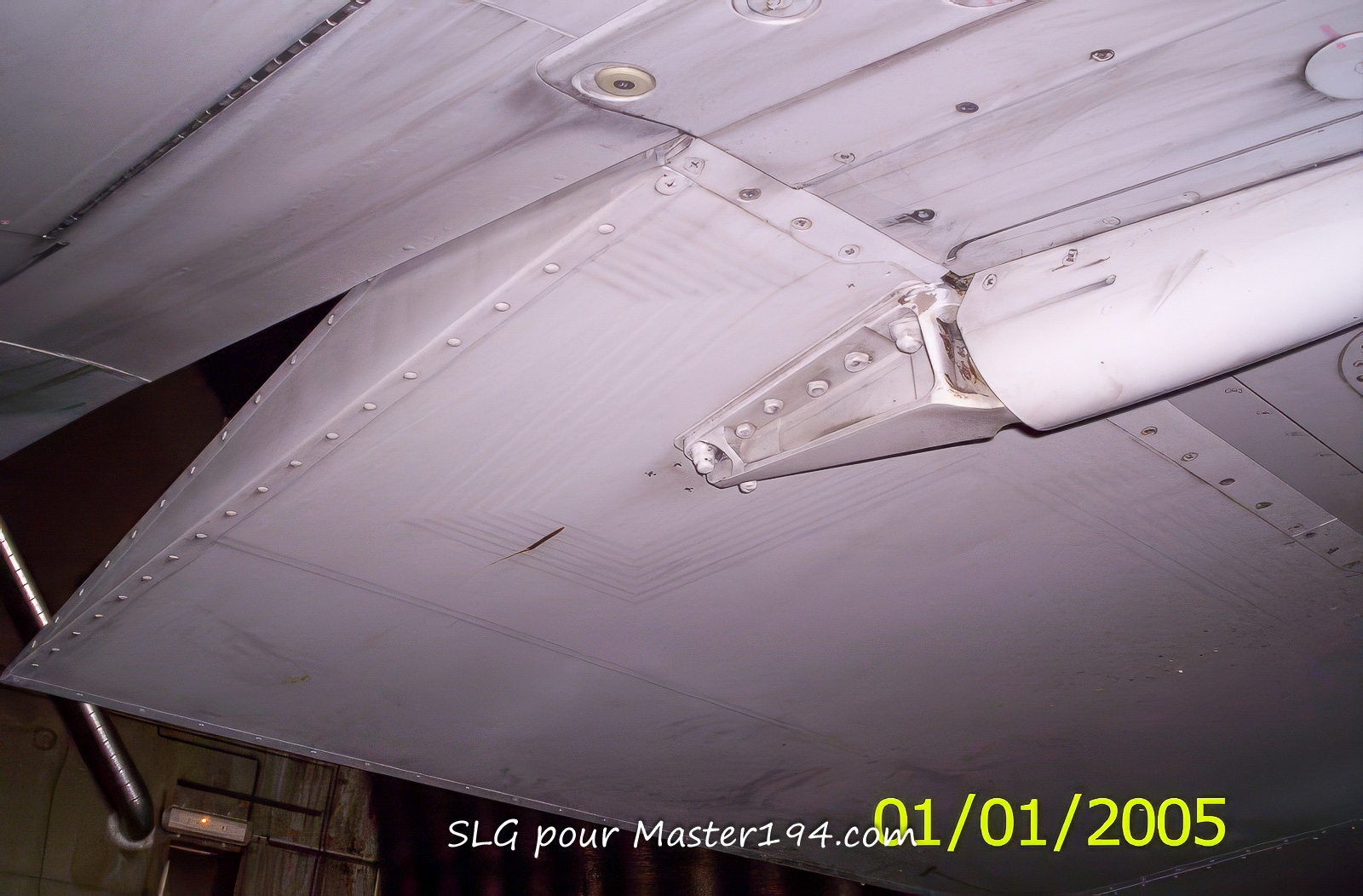
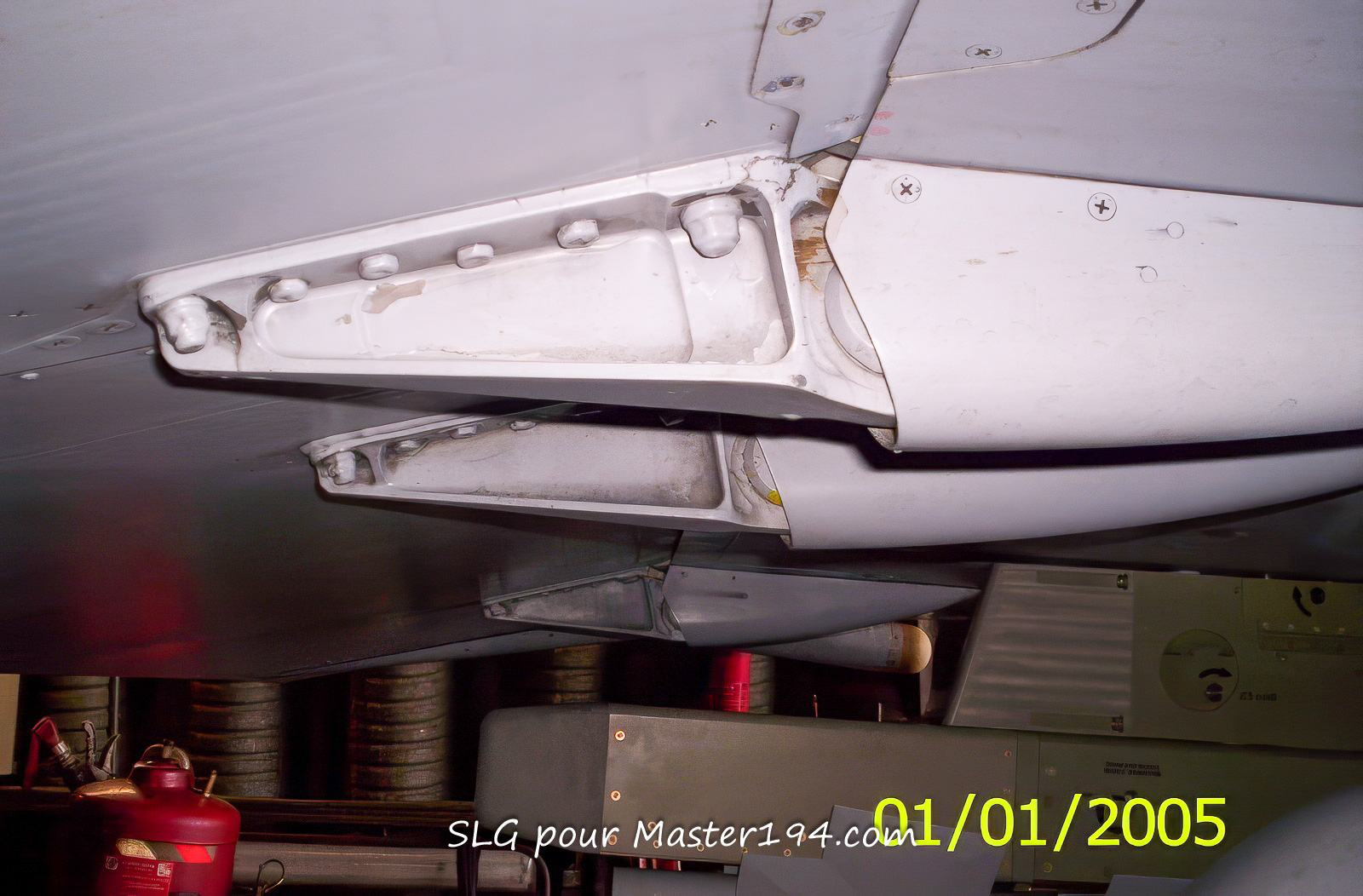
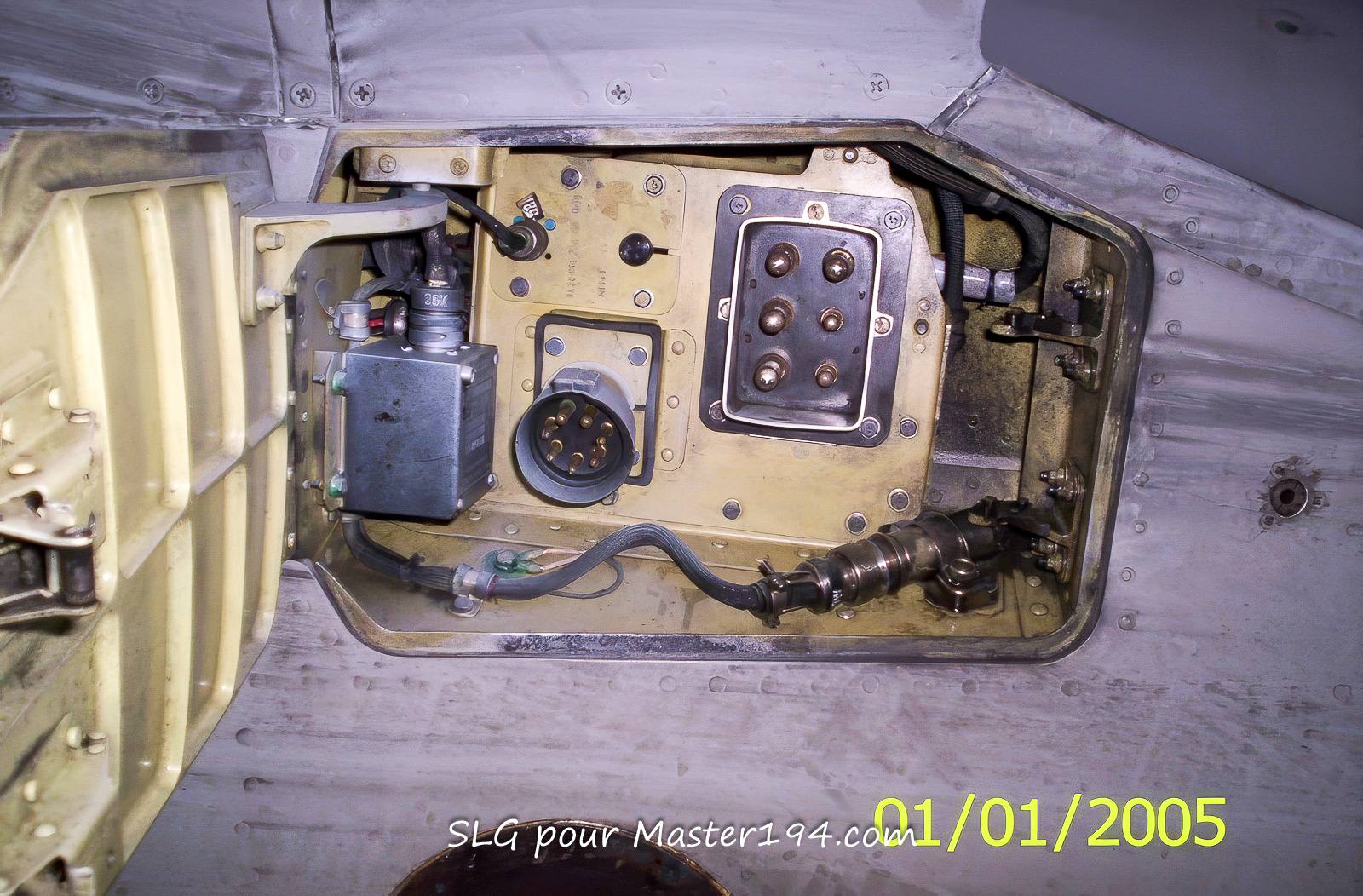
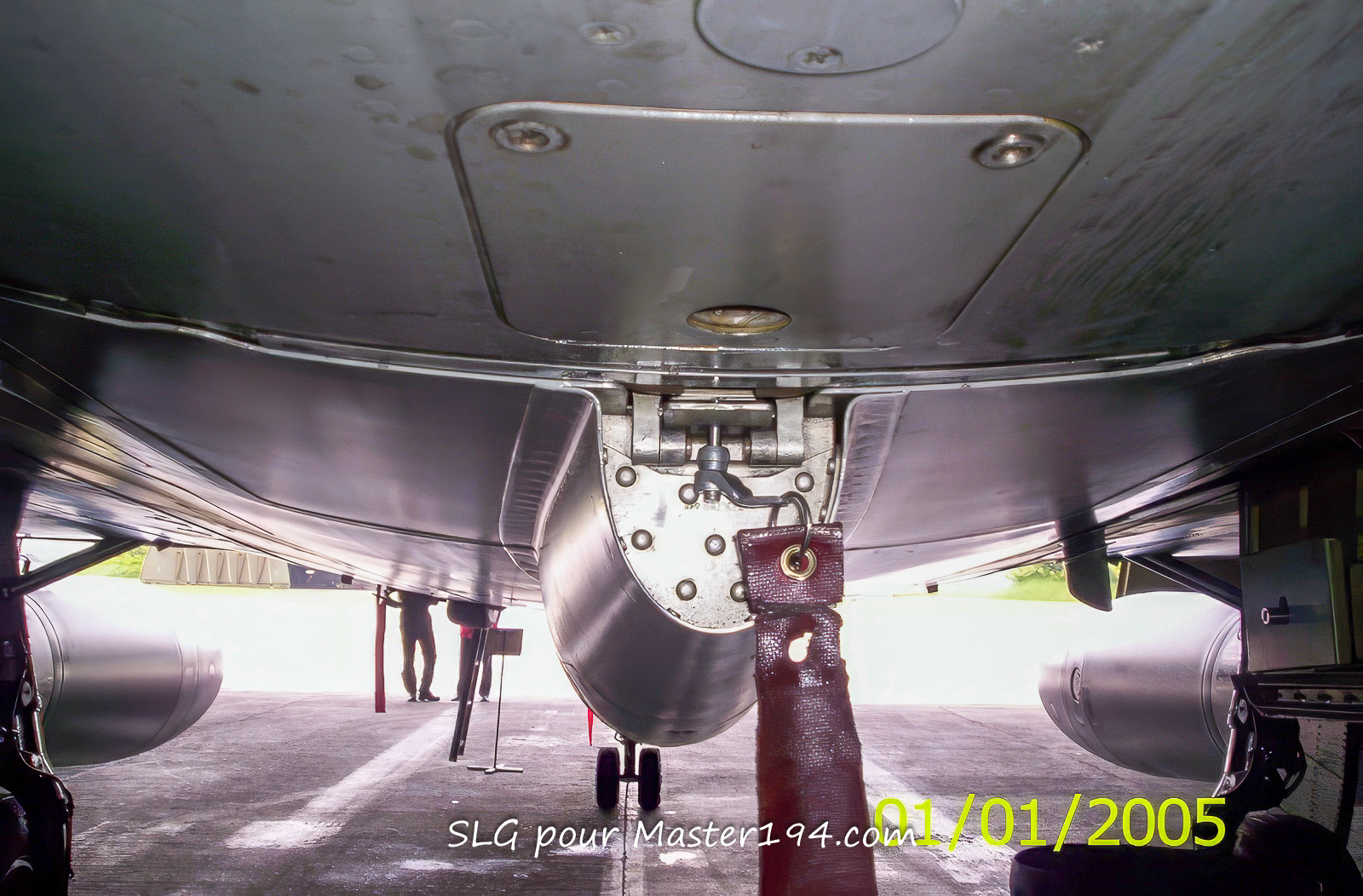
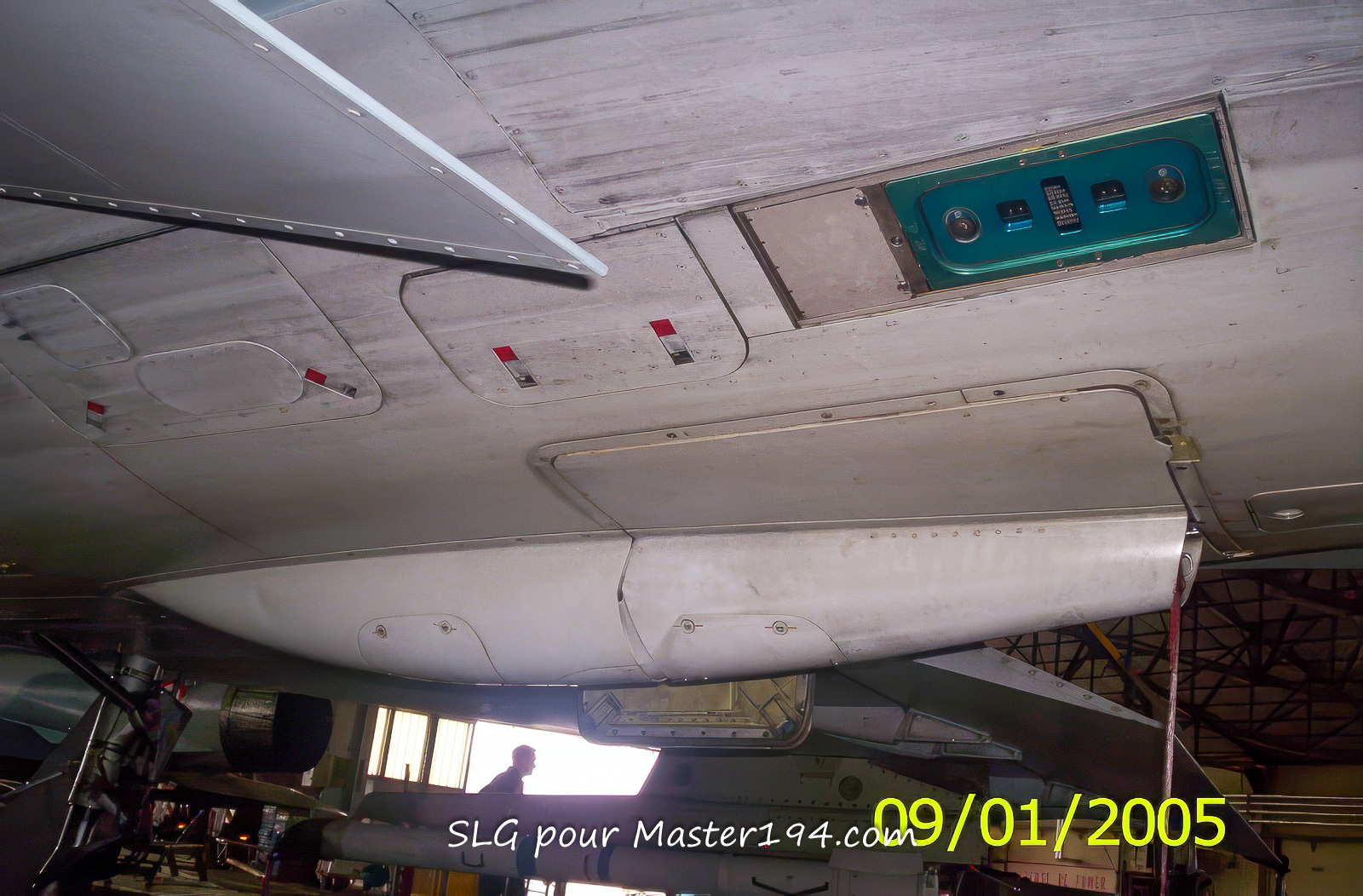
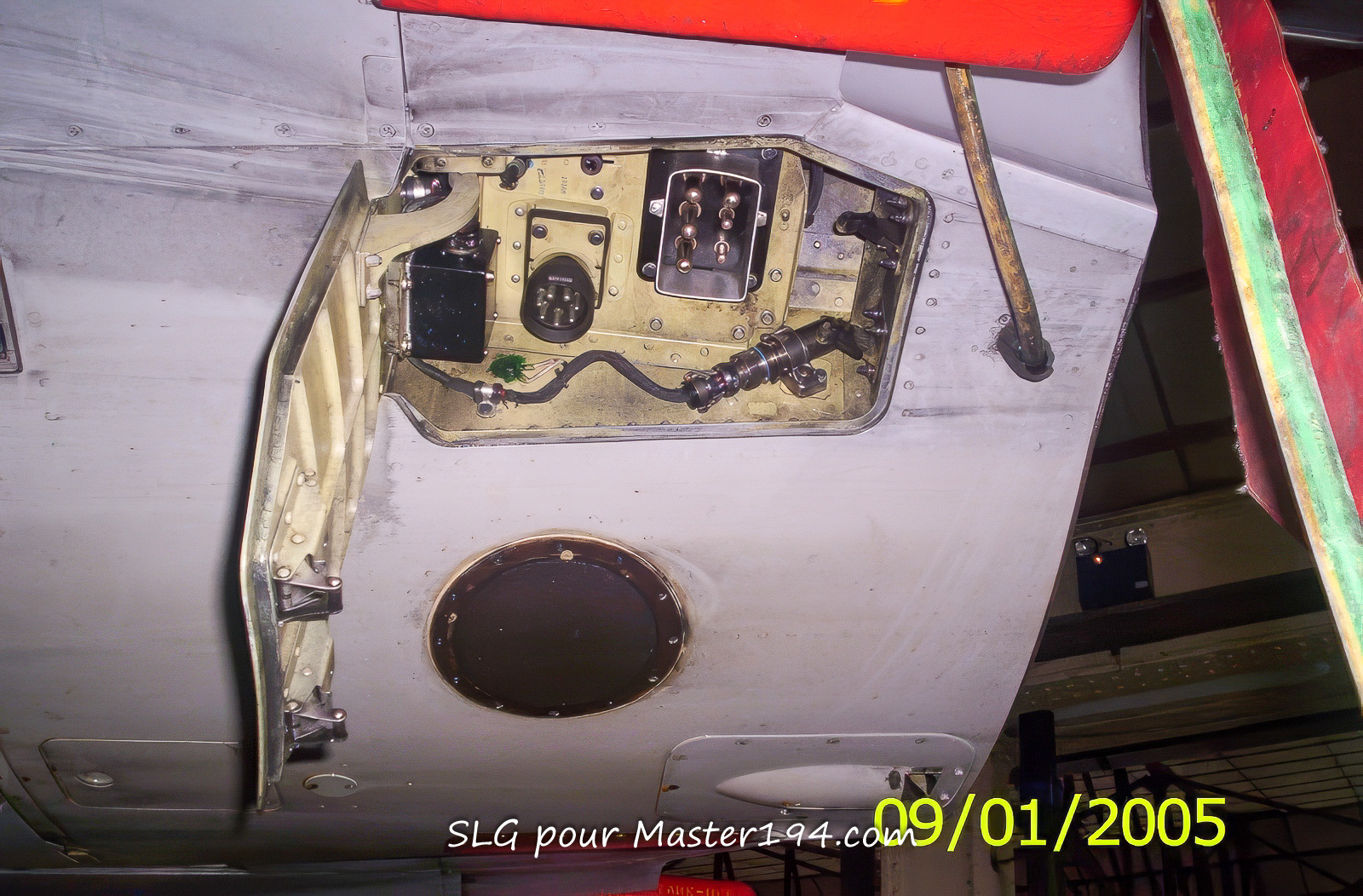
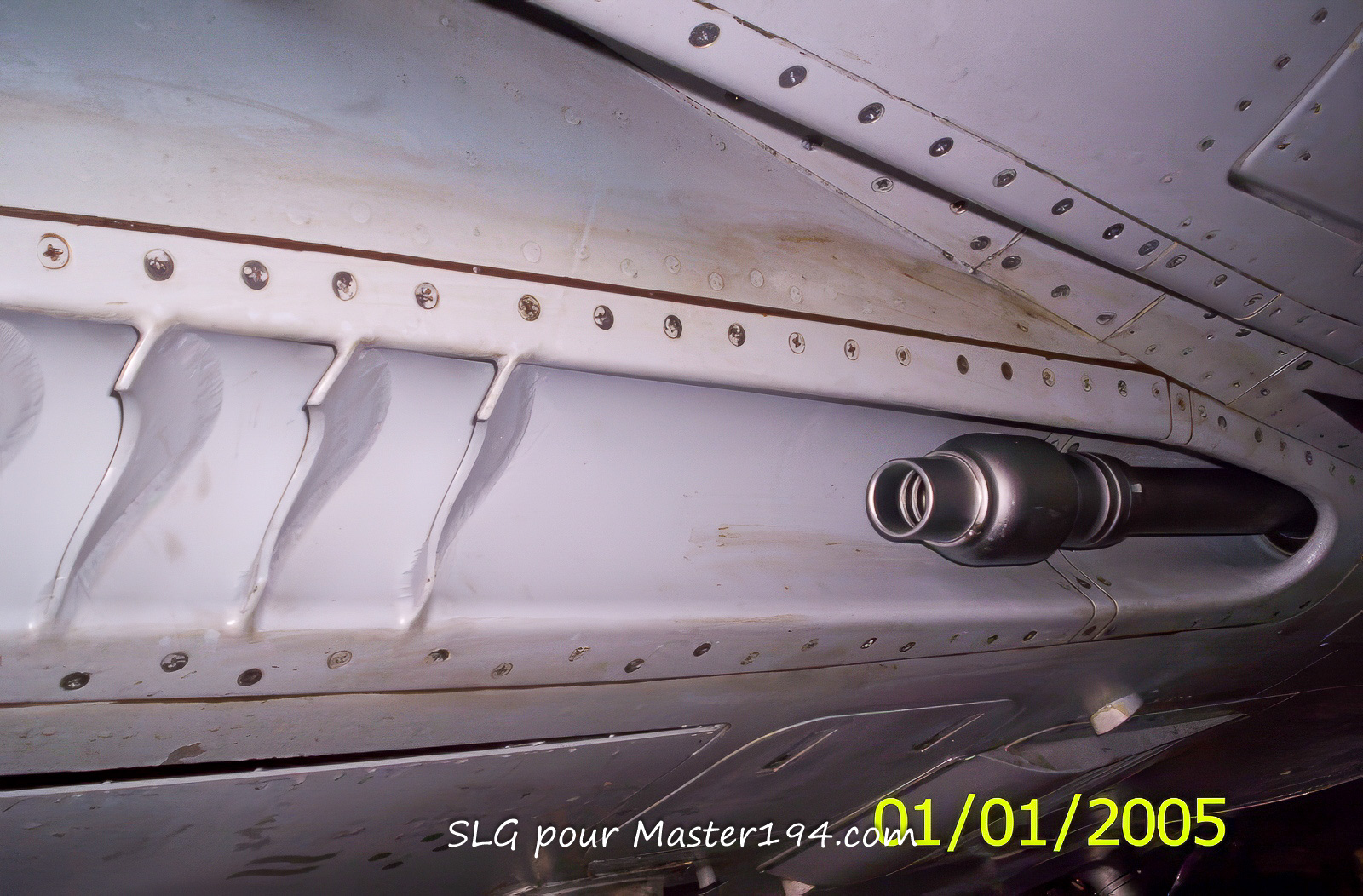
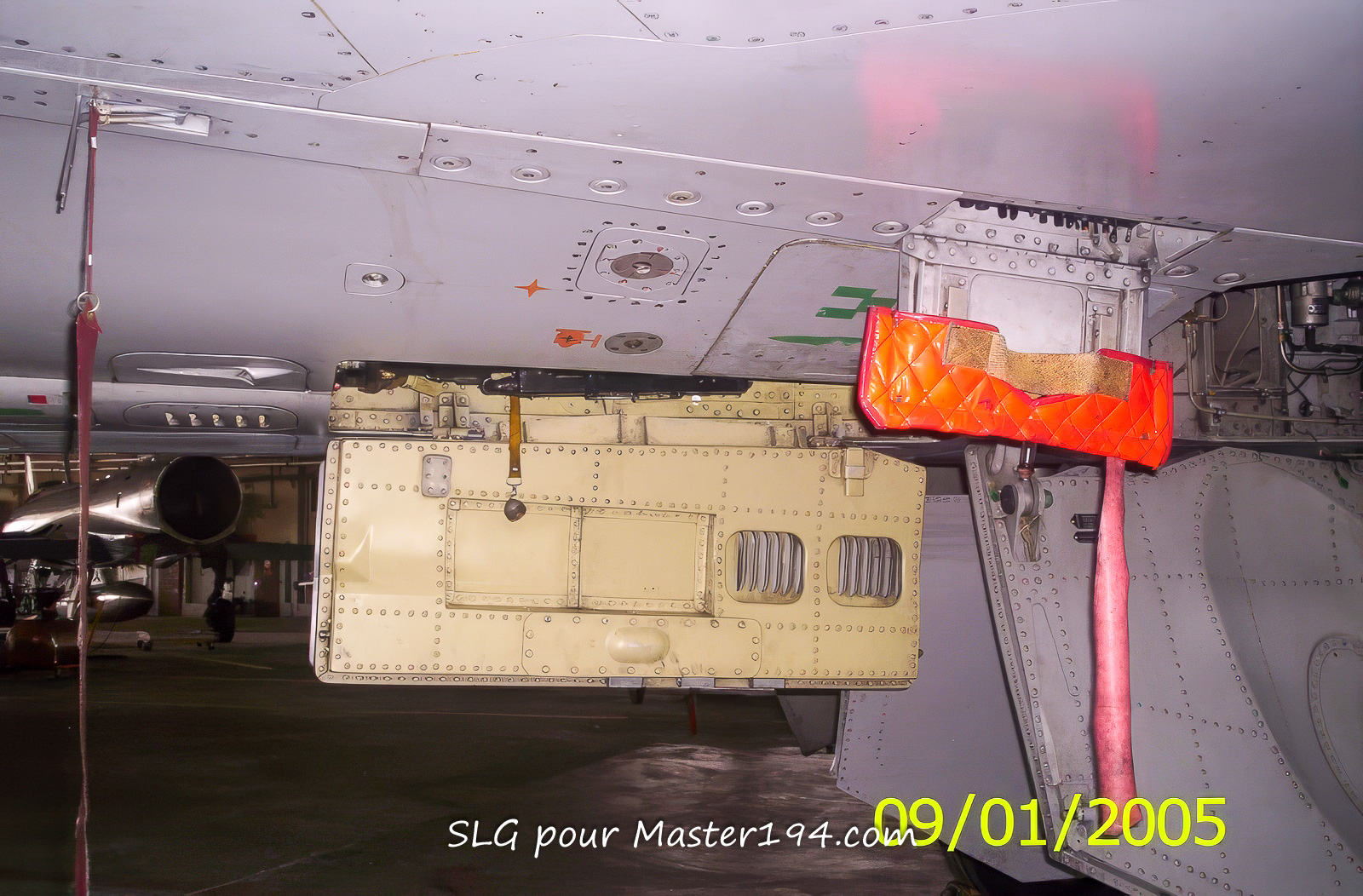
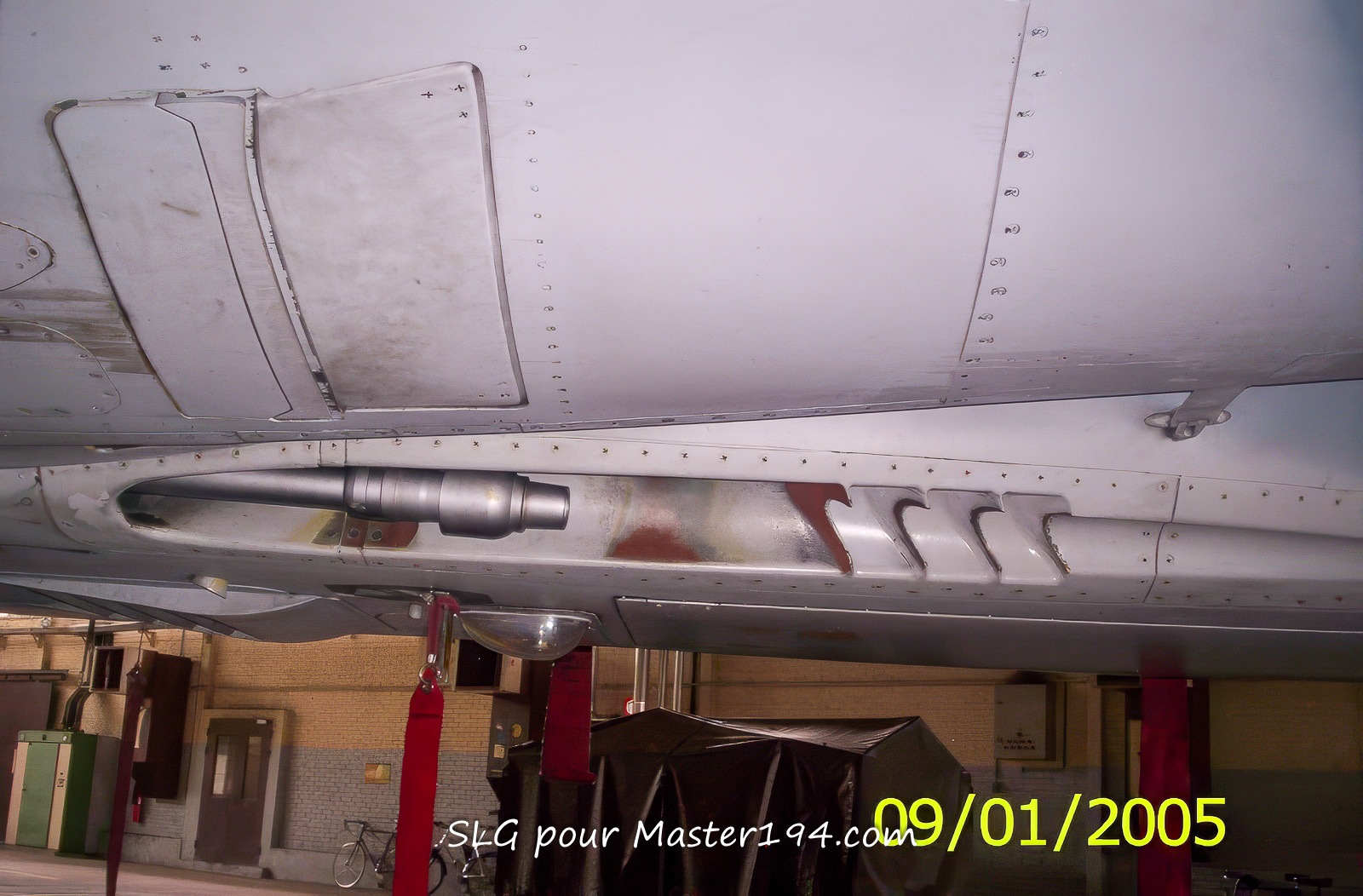
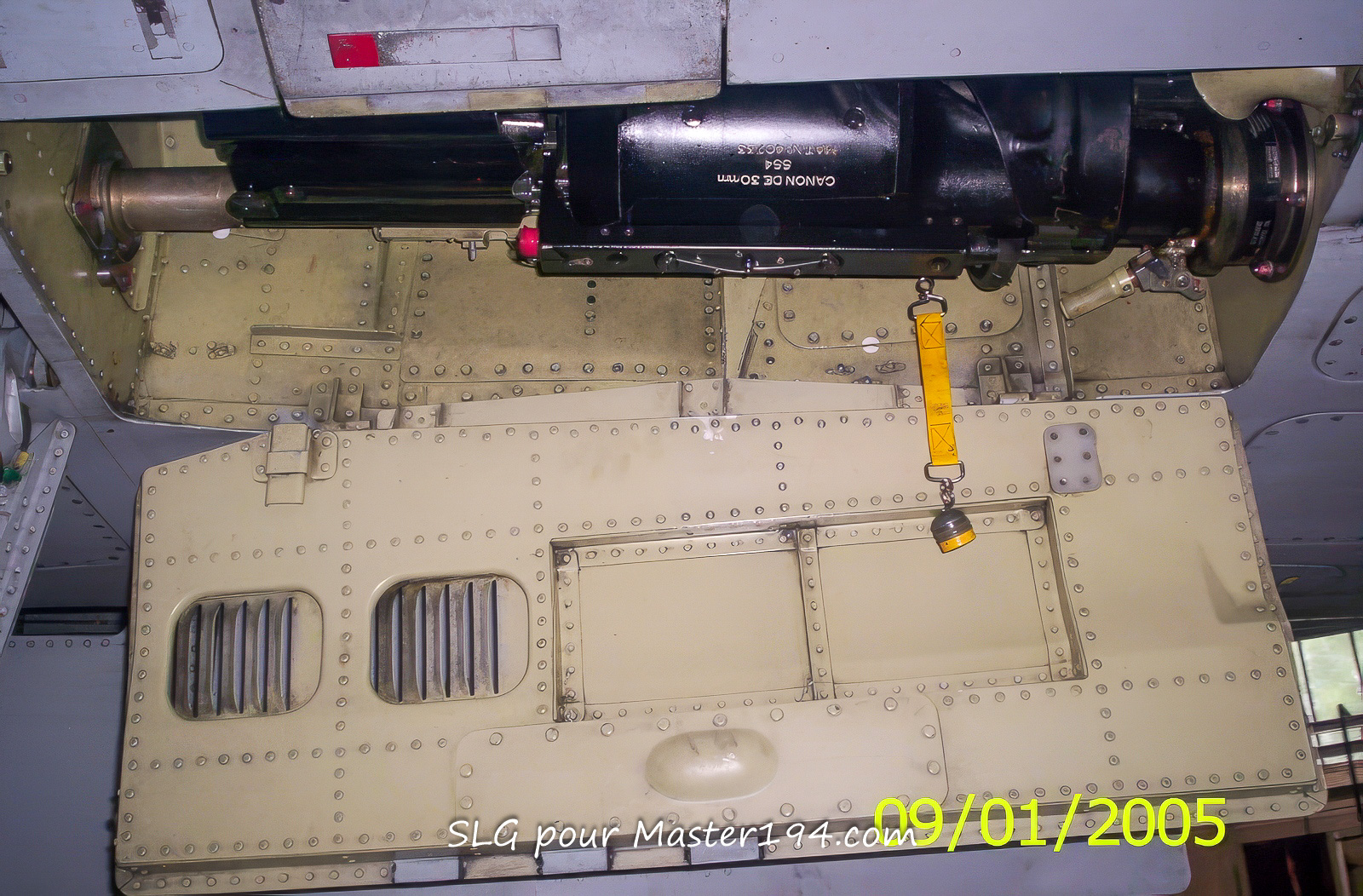
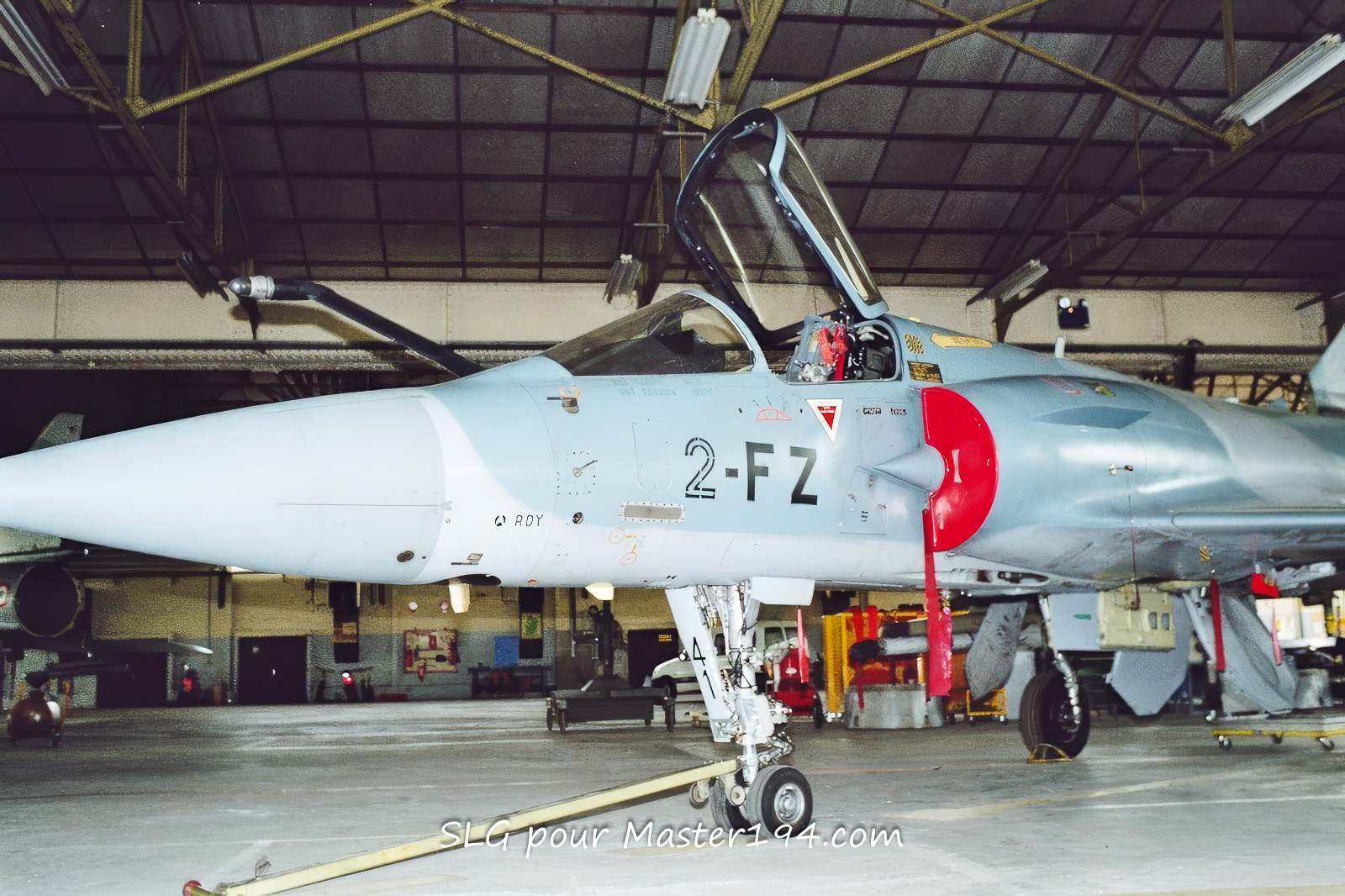
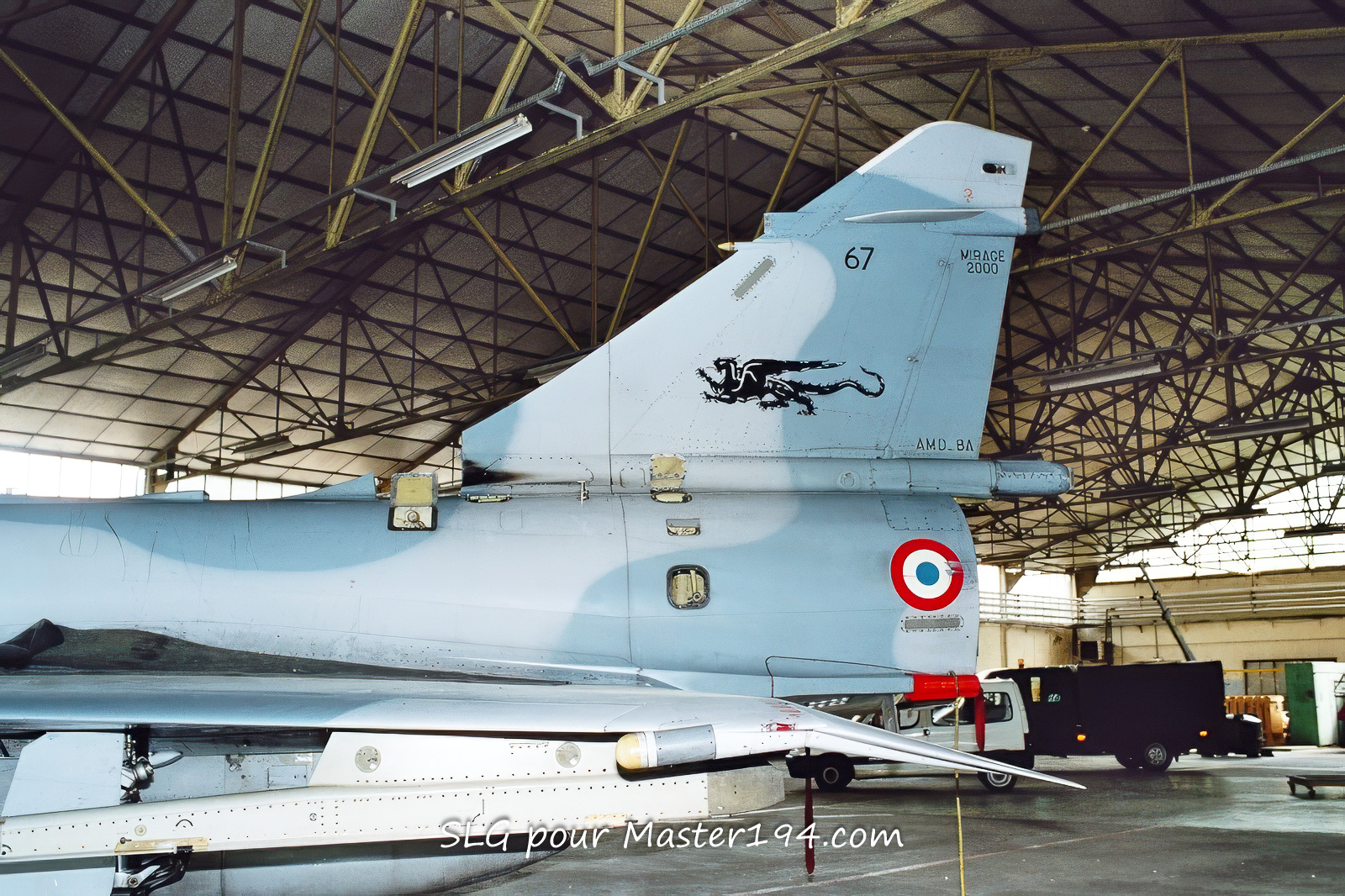
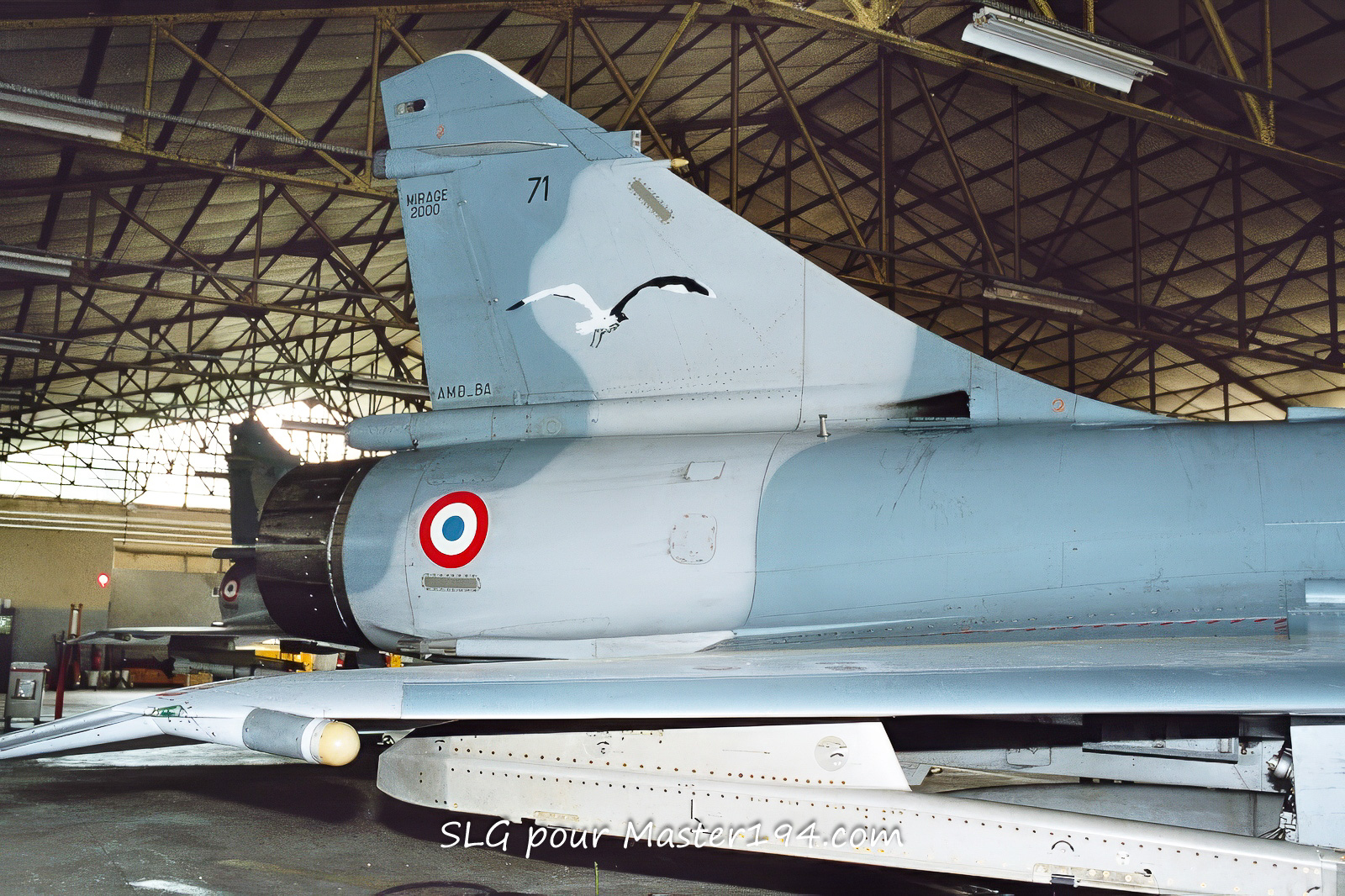
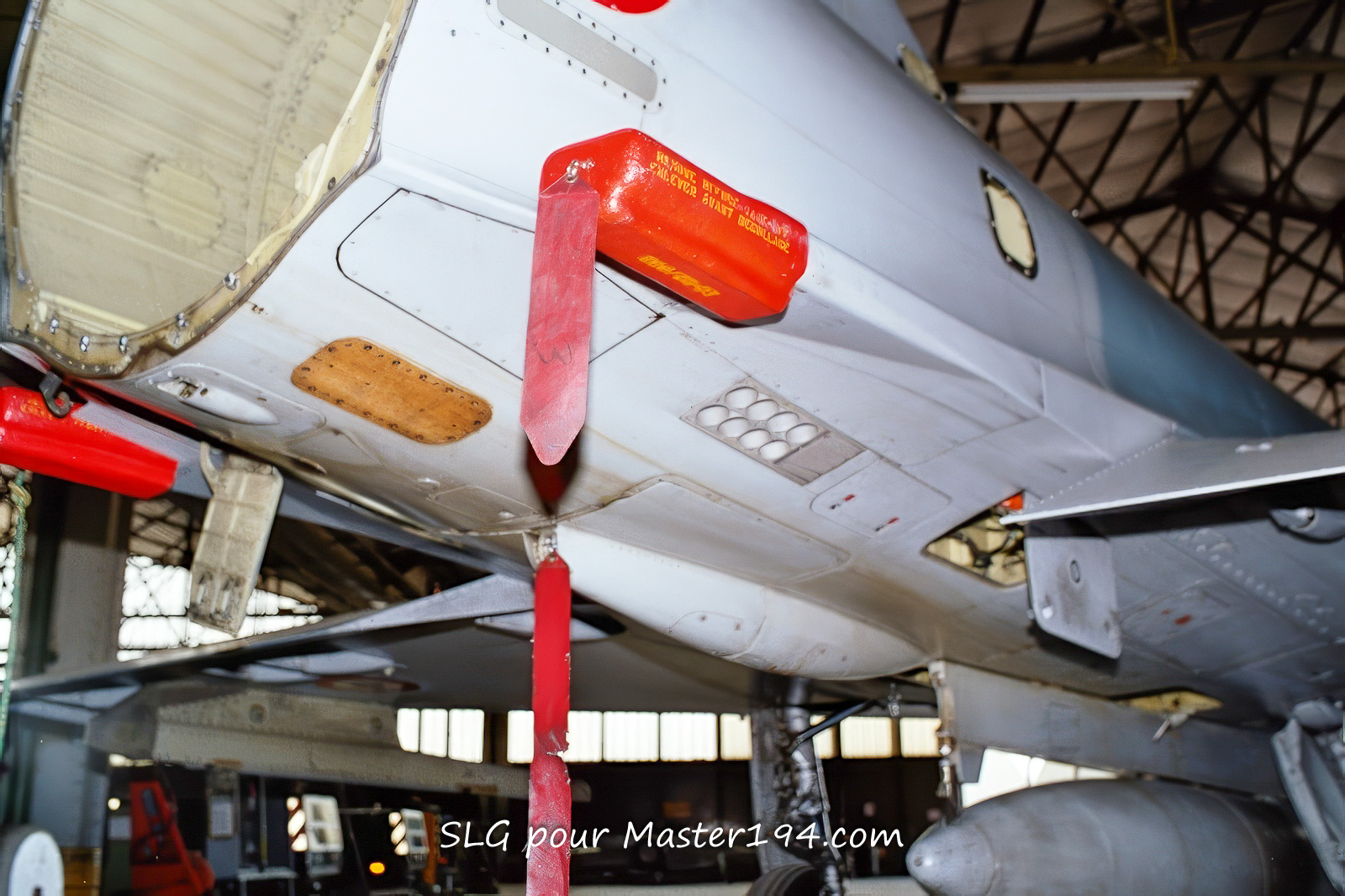
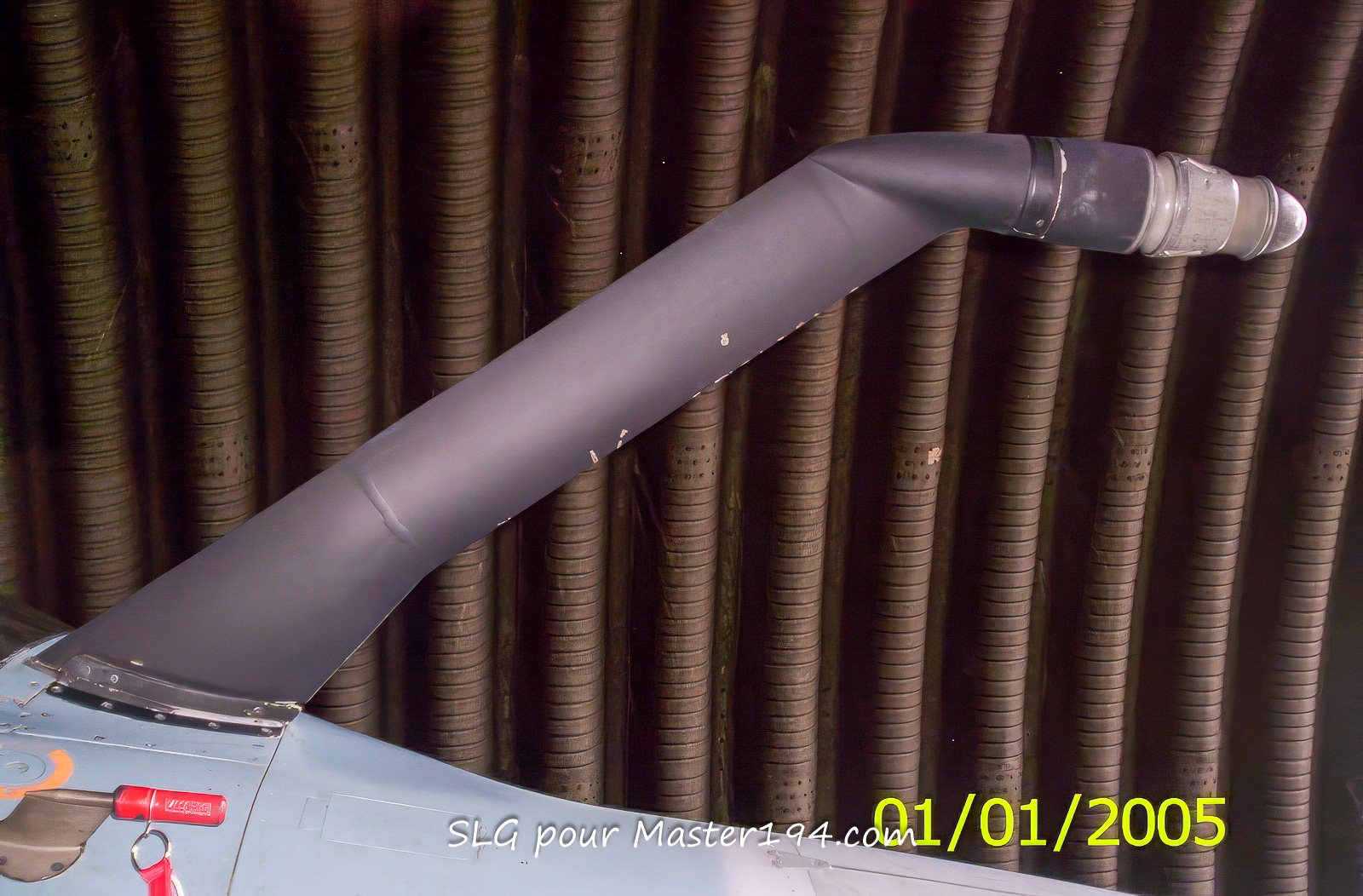
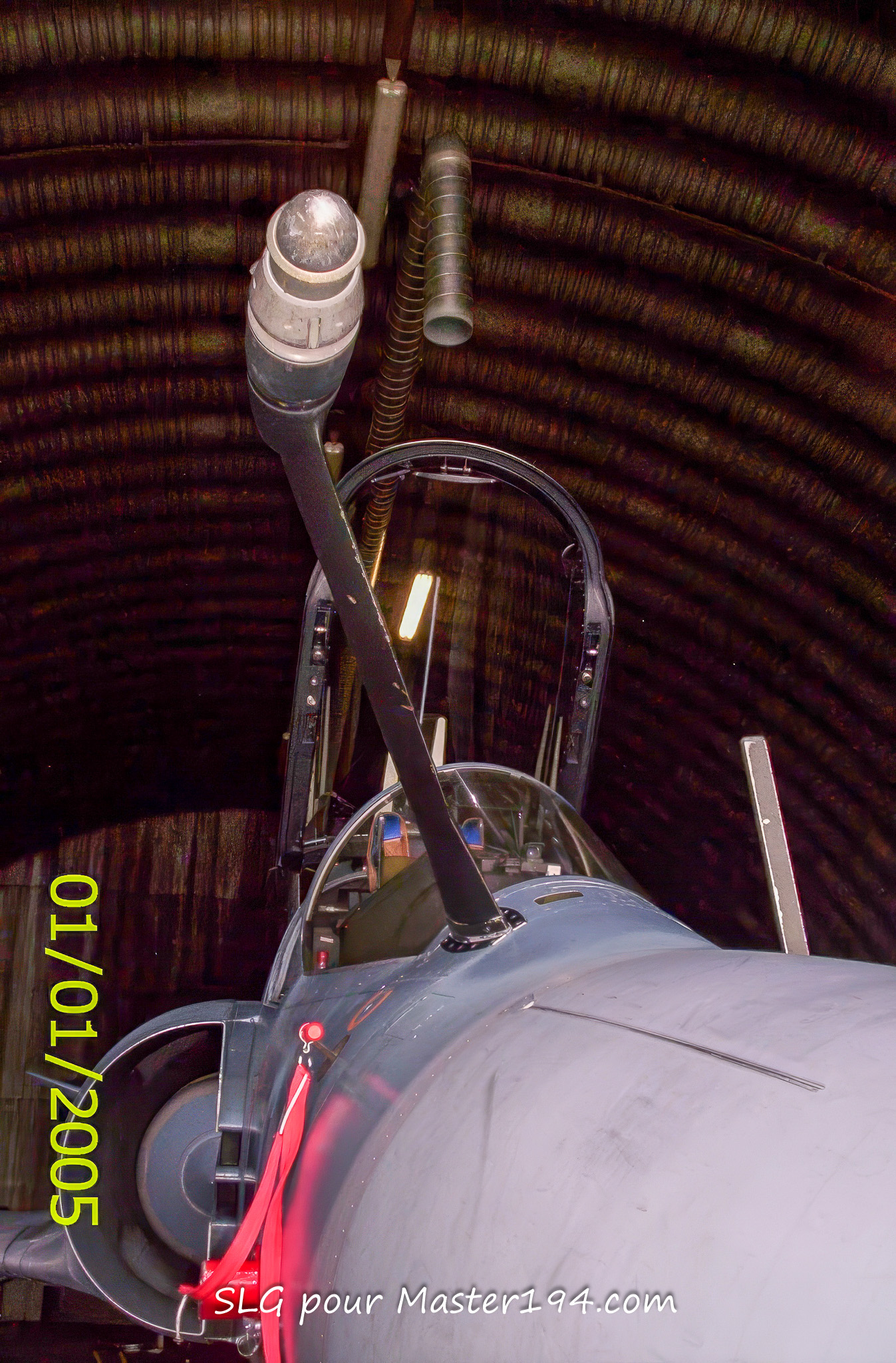
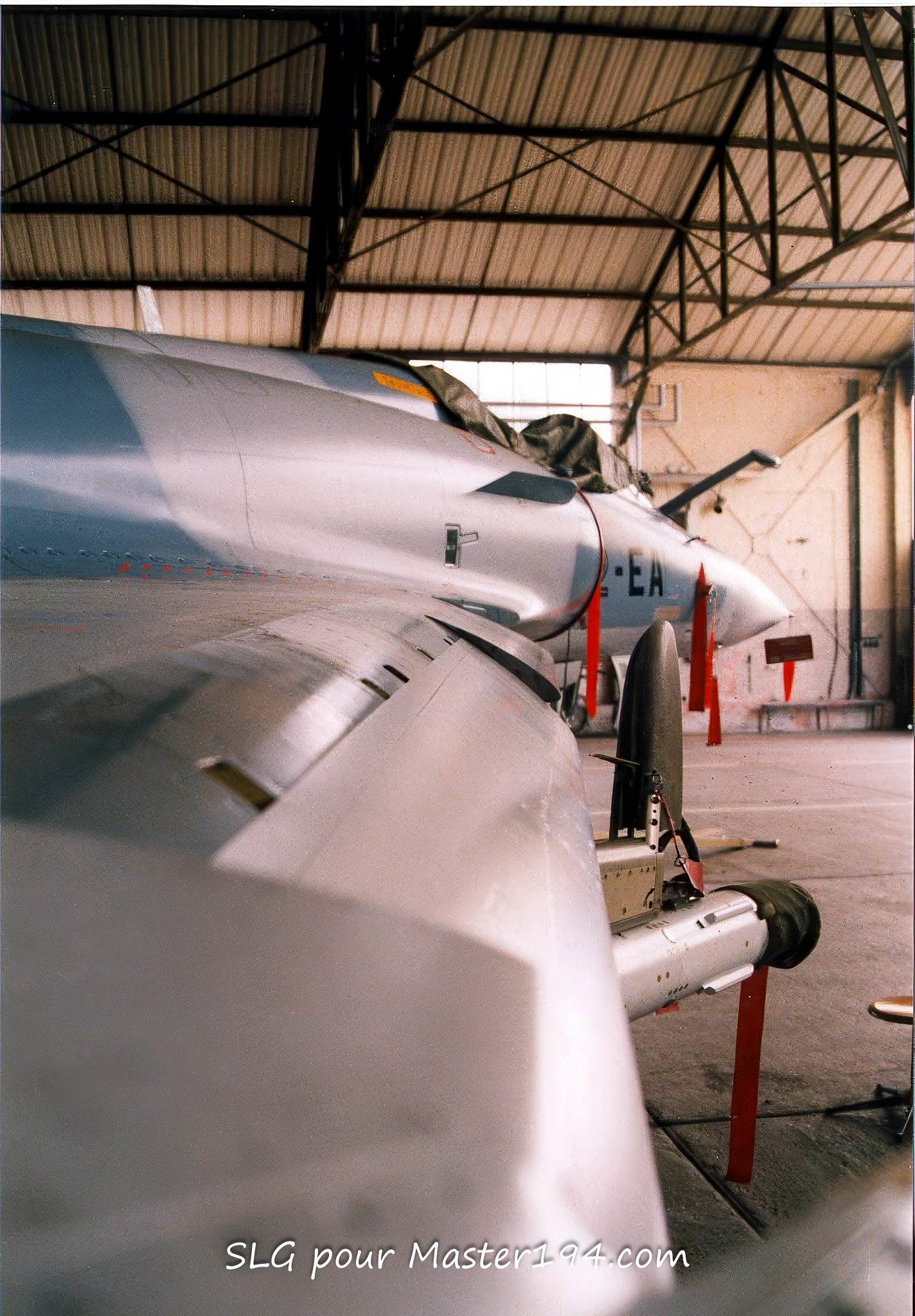
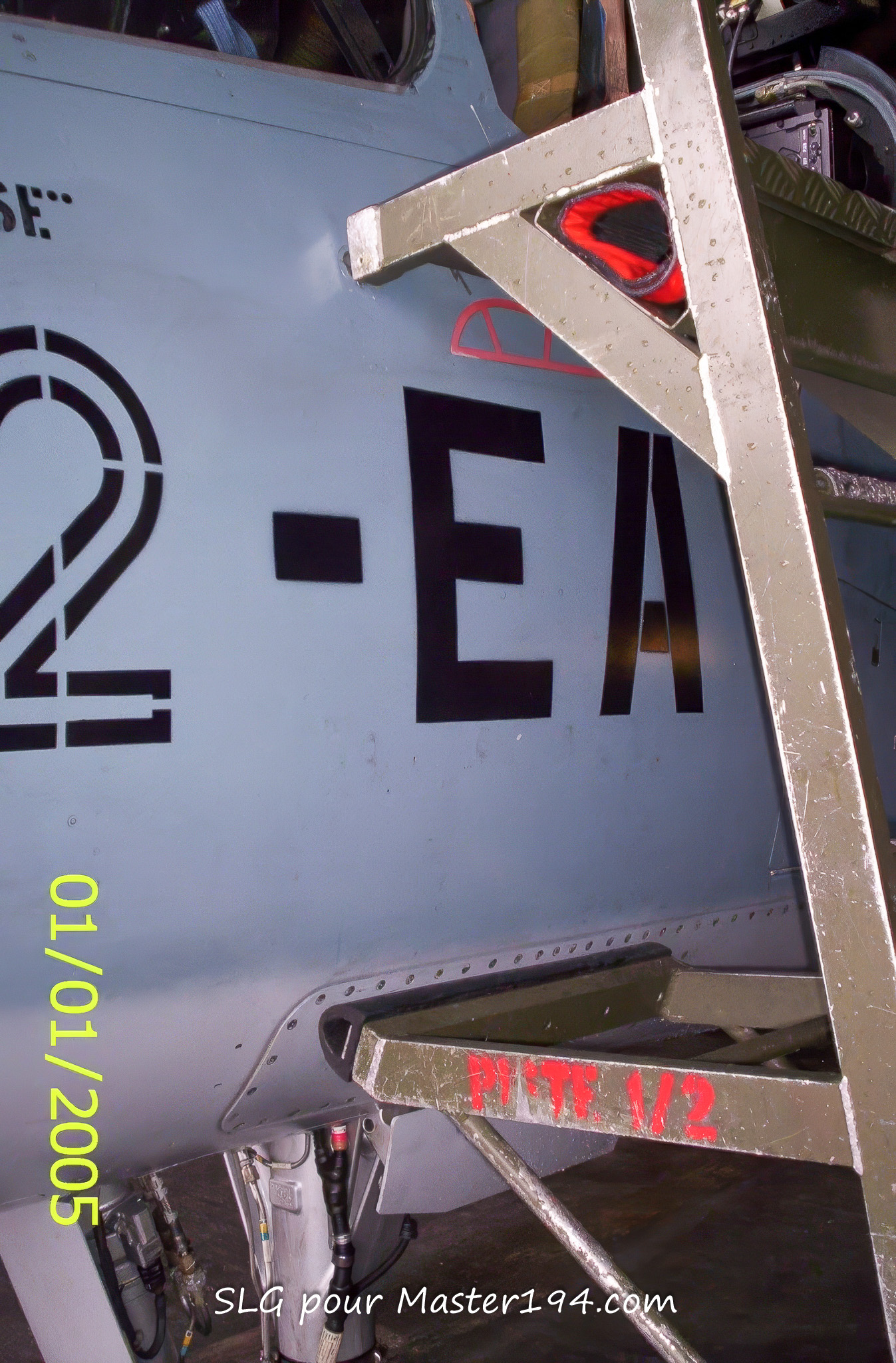
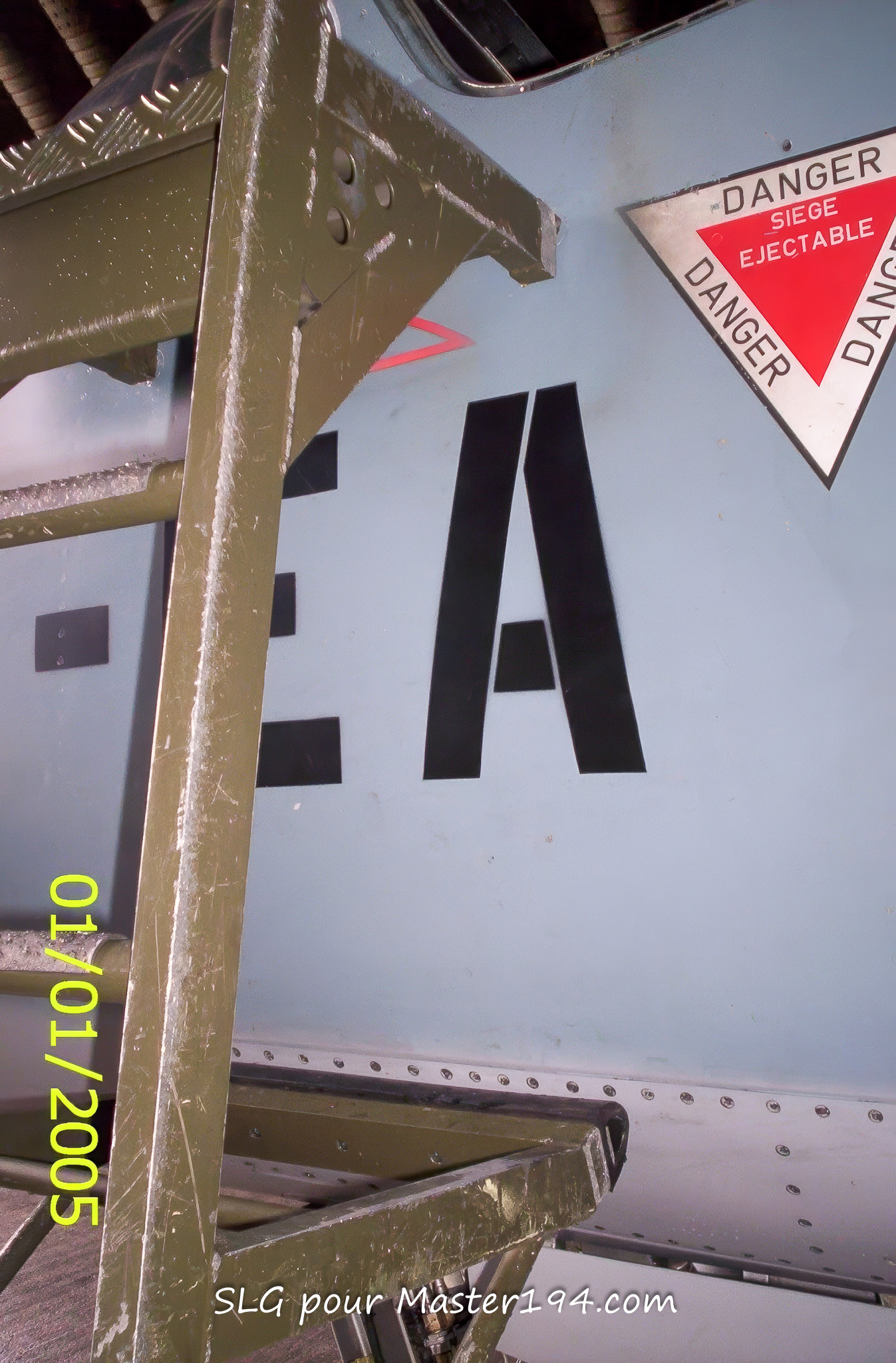
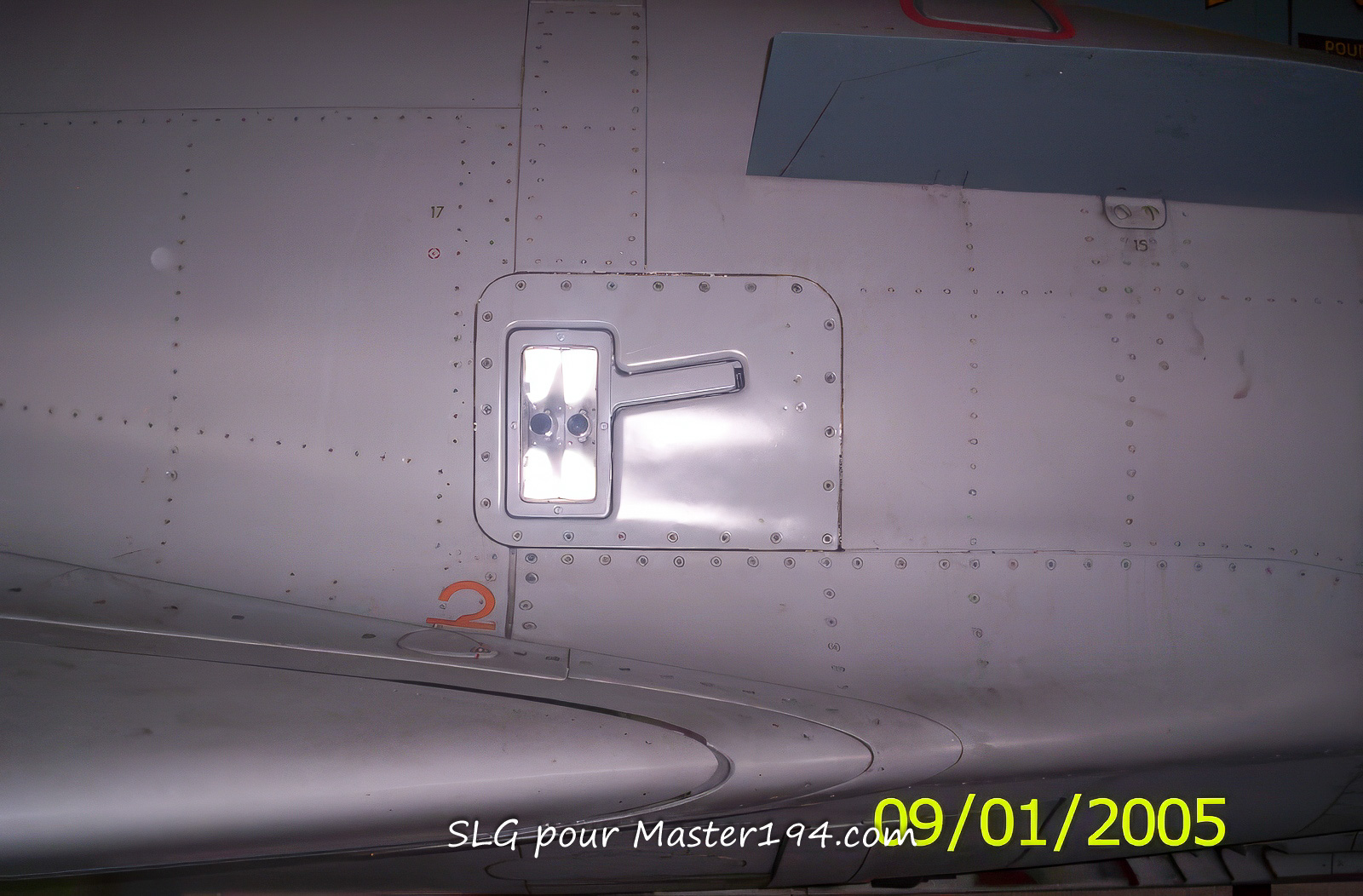
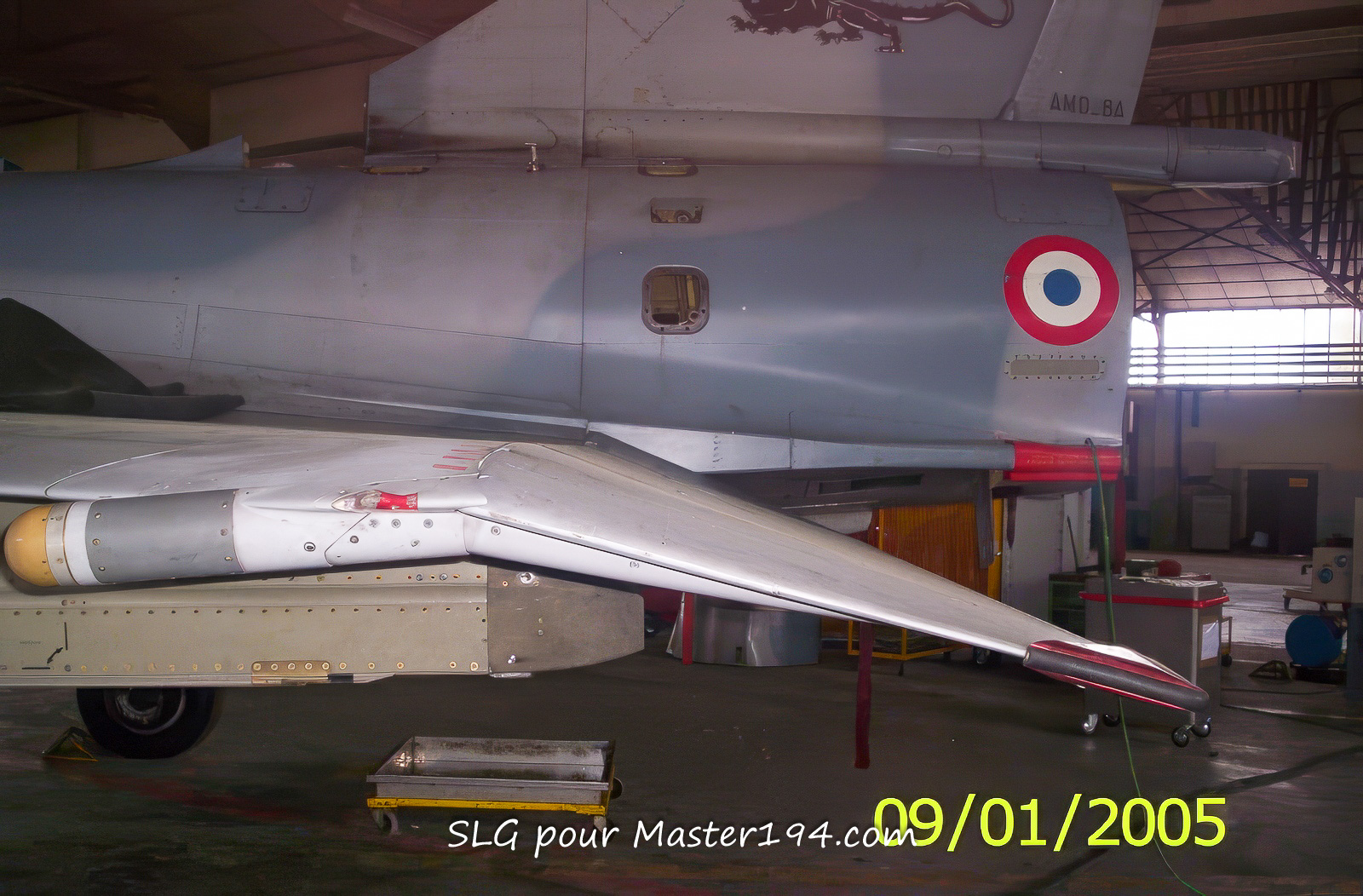
All photographs were taken at Air Base 102 Dijon-Longvic between 2005 and 2007 by our good friend Sébastien “SLG”. Massive thanks to him for kindly providing these images.
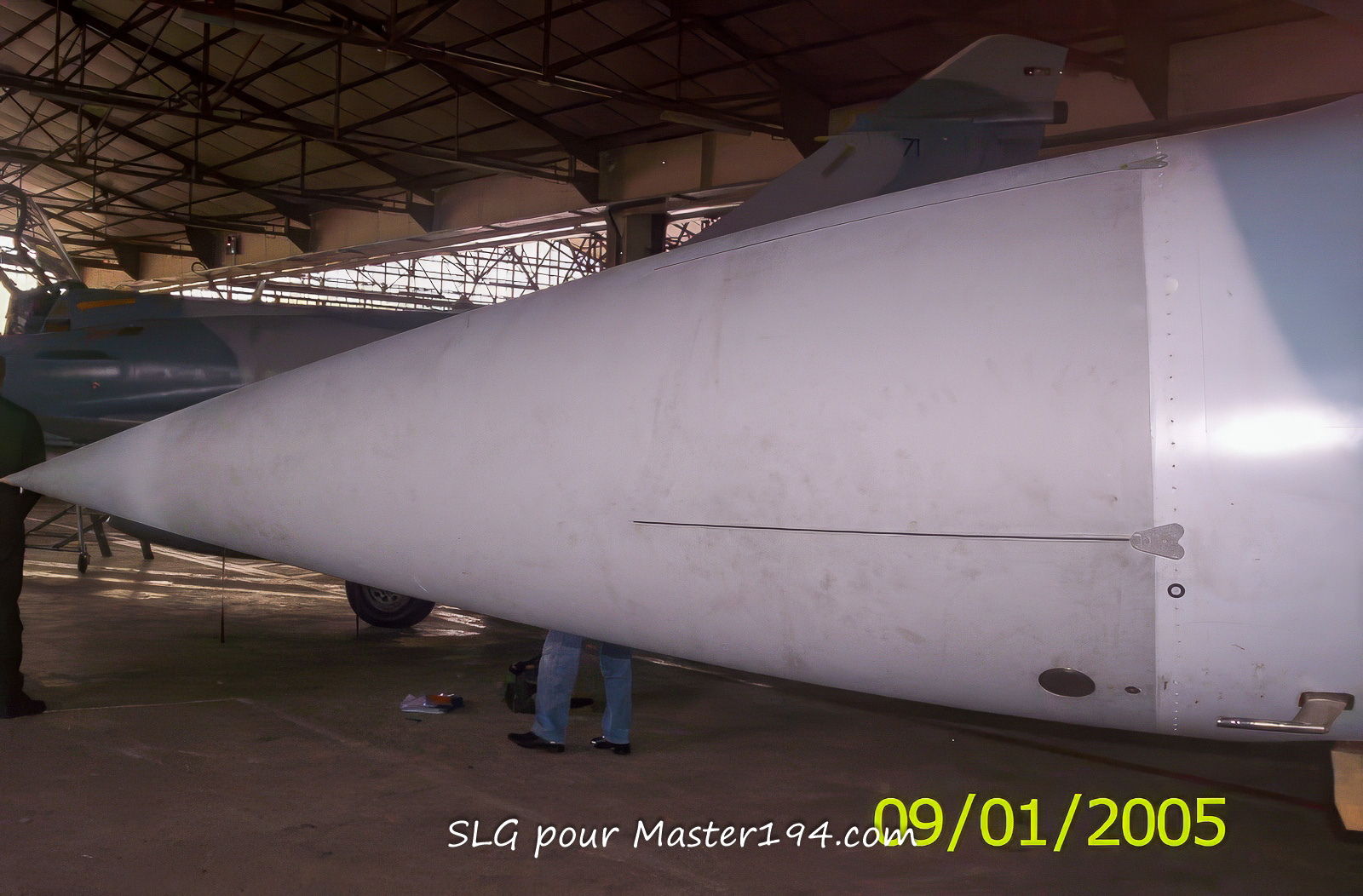
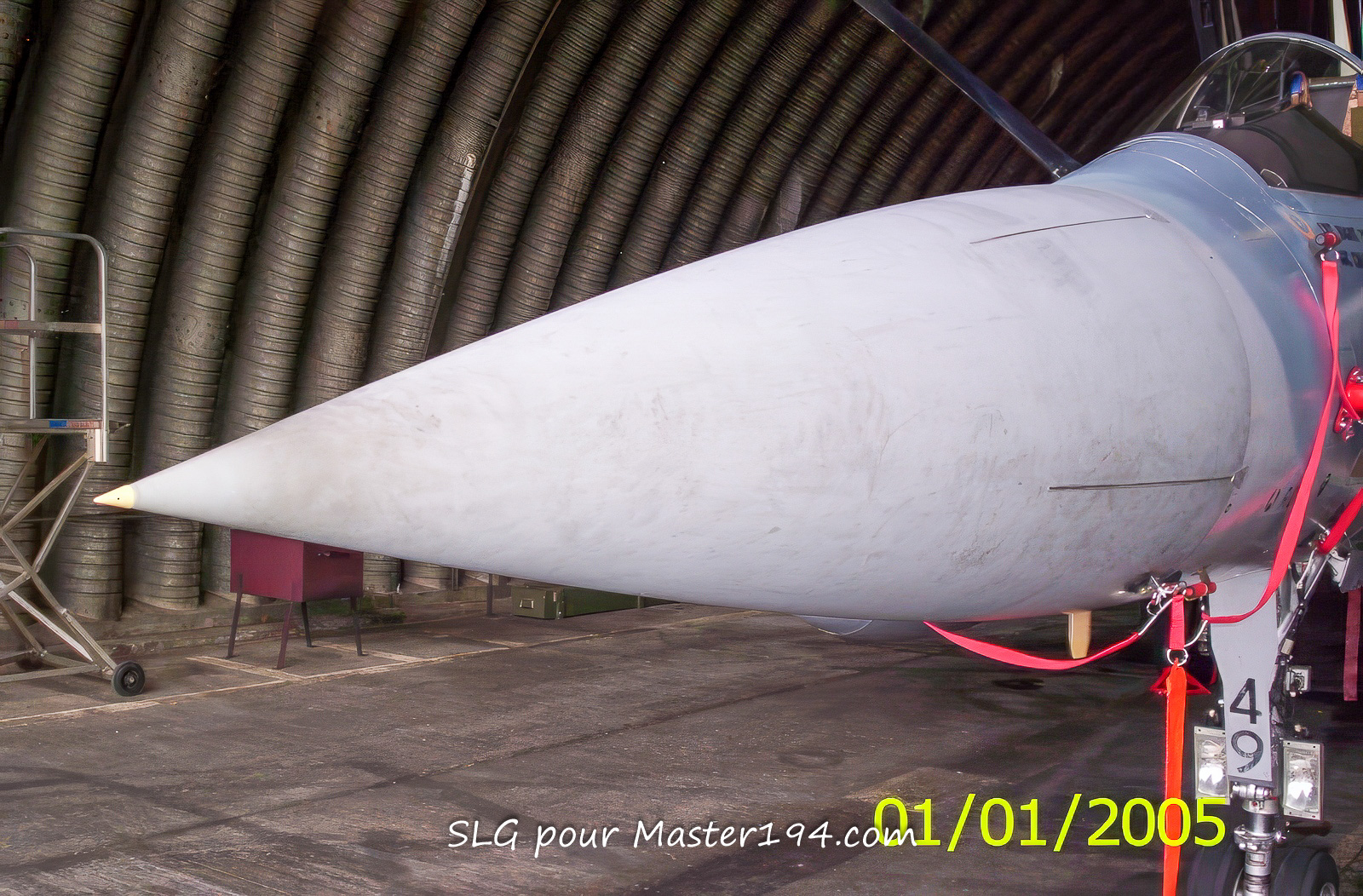
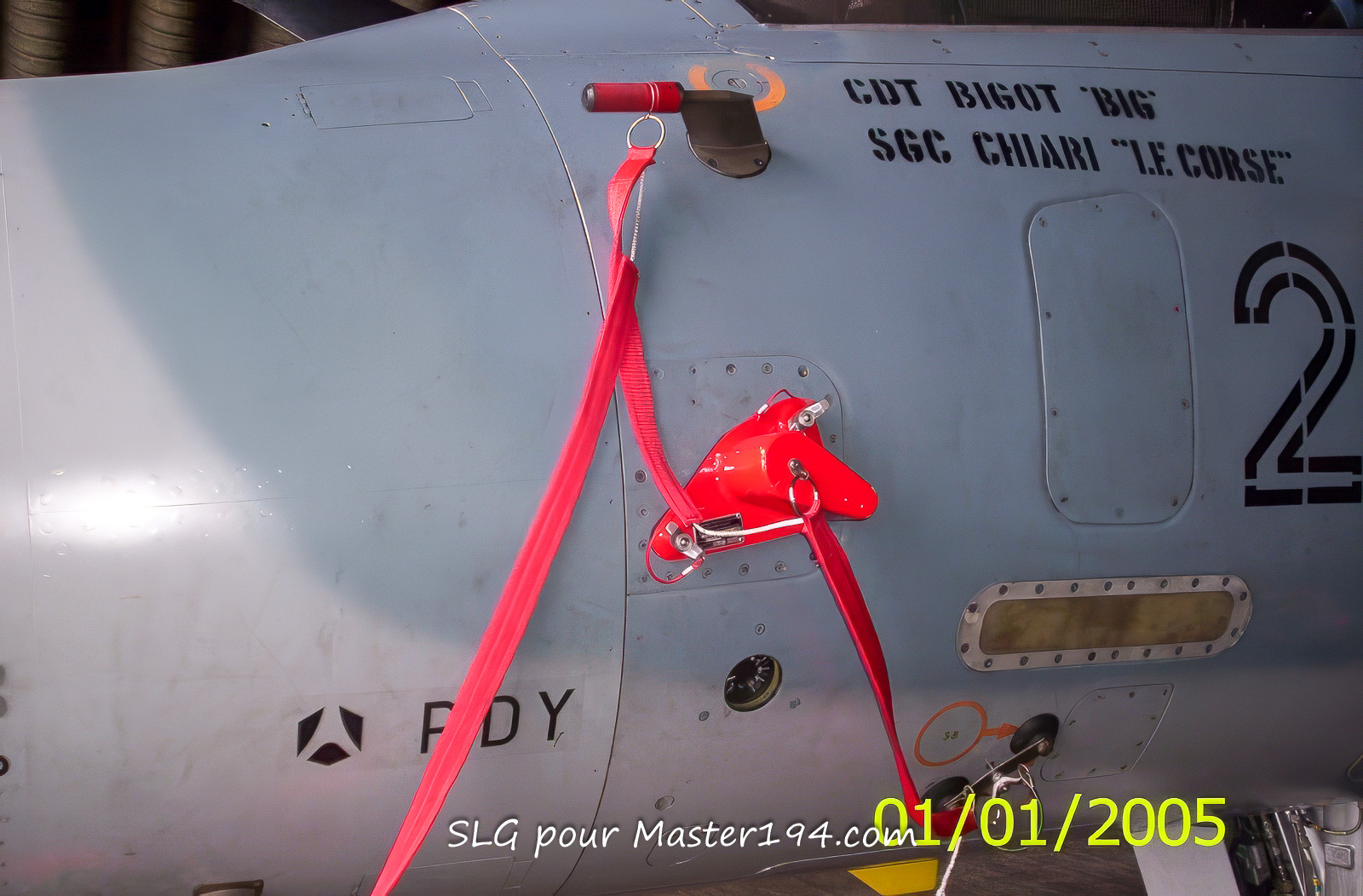
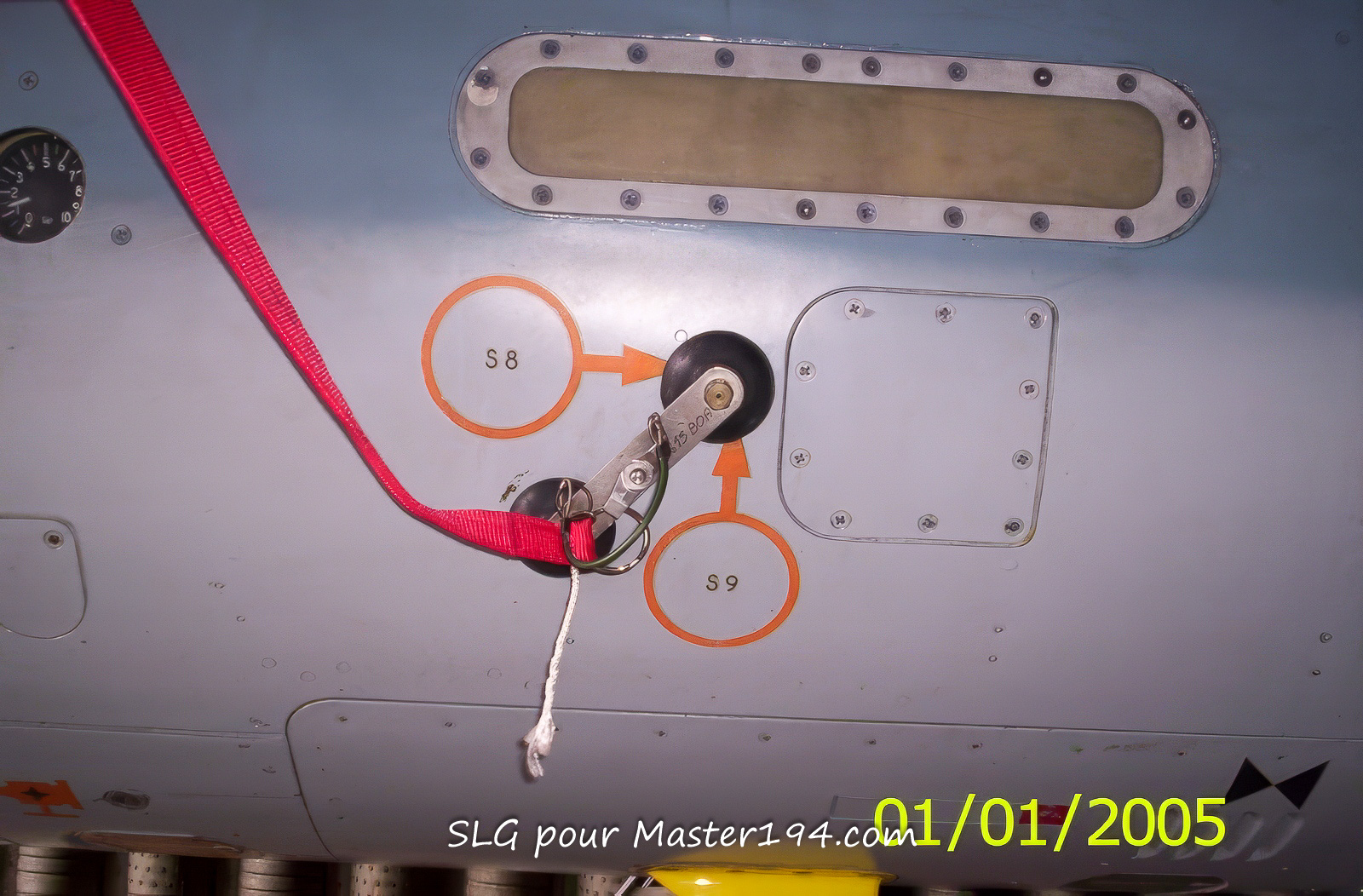
Forward Fuselage
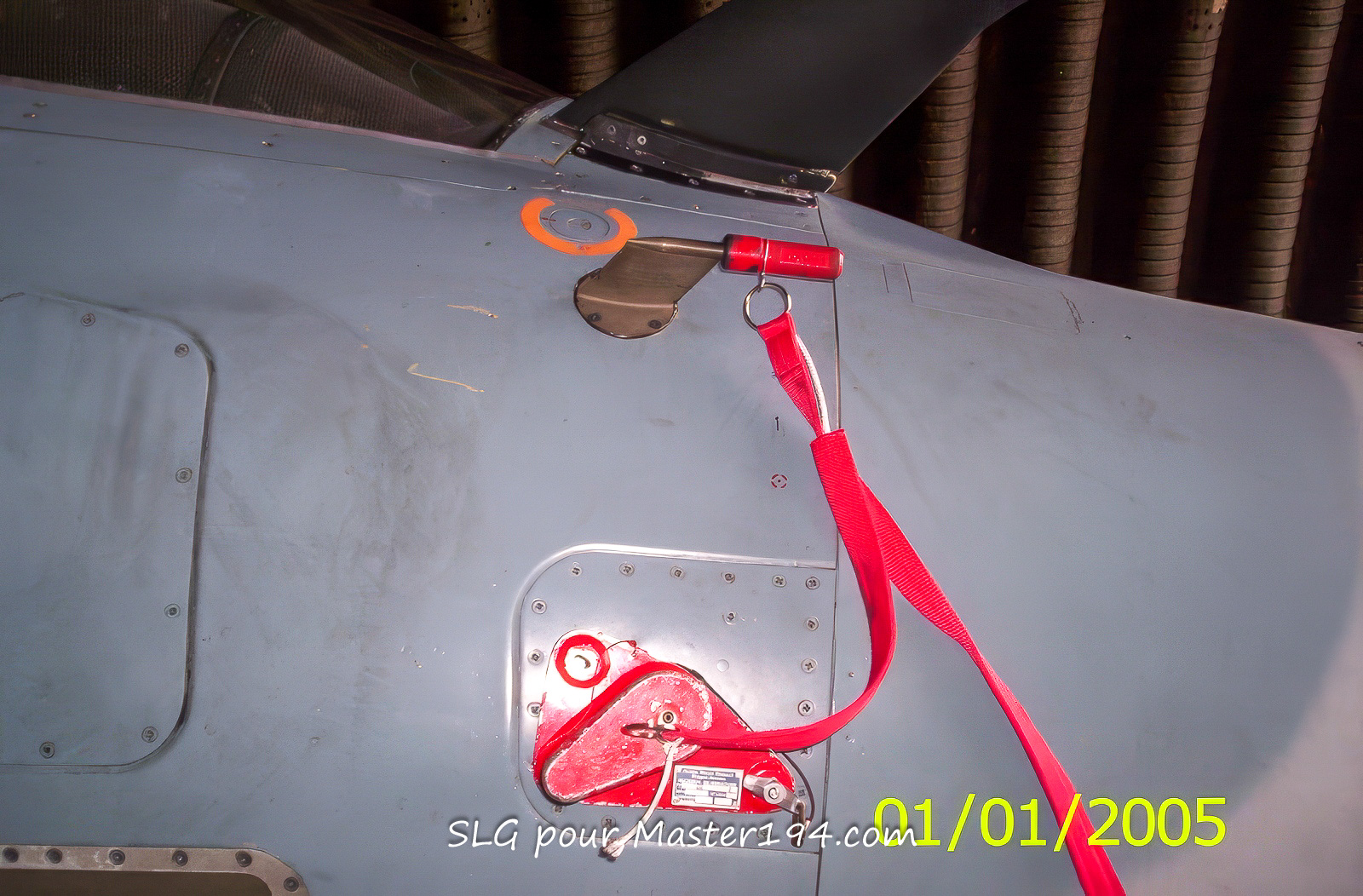
From the outside, the clearest visual distinction between the Mirage 2000-5 and earlier variants is the removal of the long nose-mounted Pitot probe, replaced here by other sensor arrays.
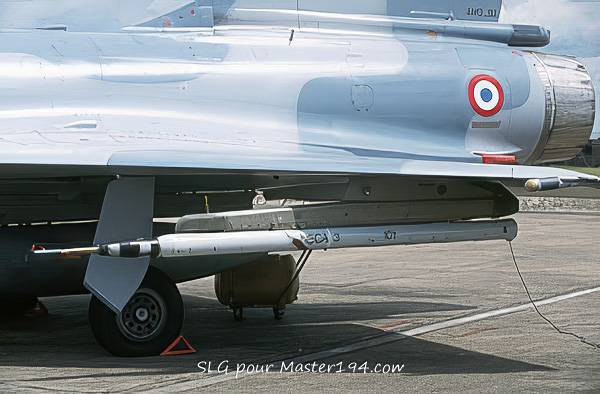
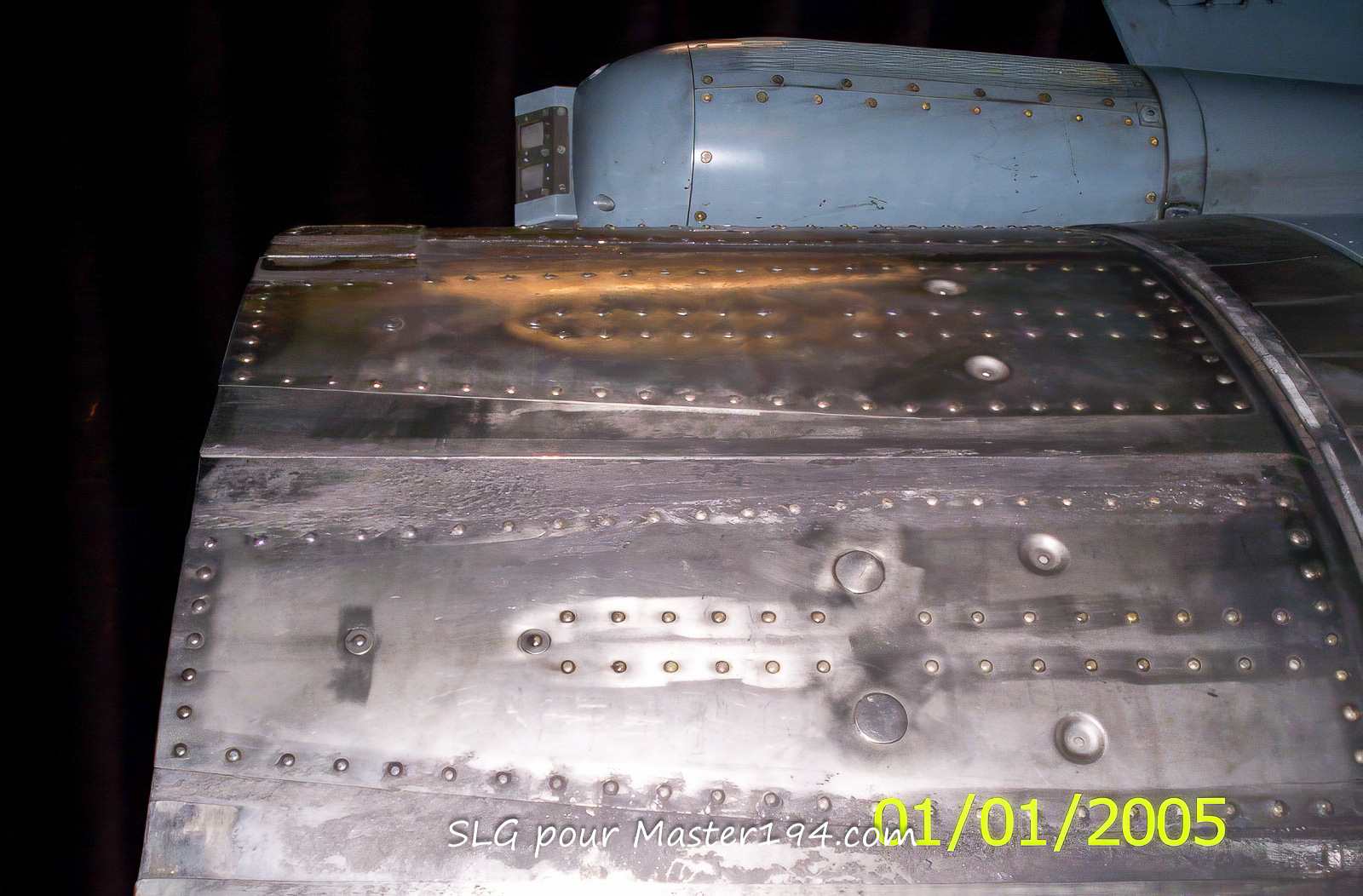
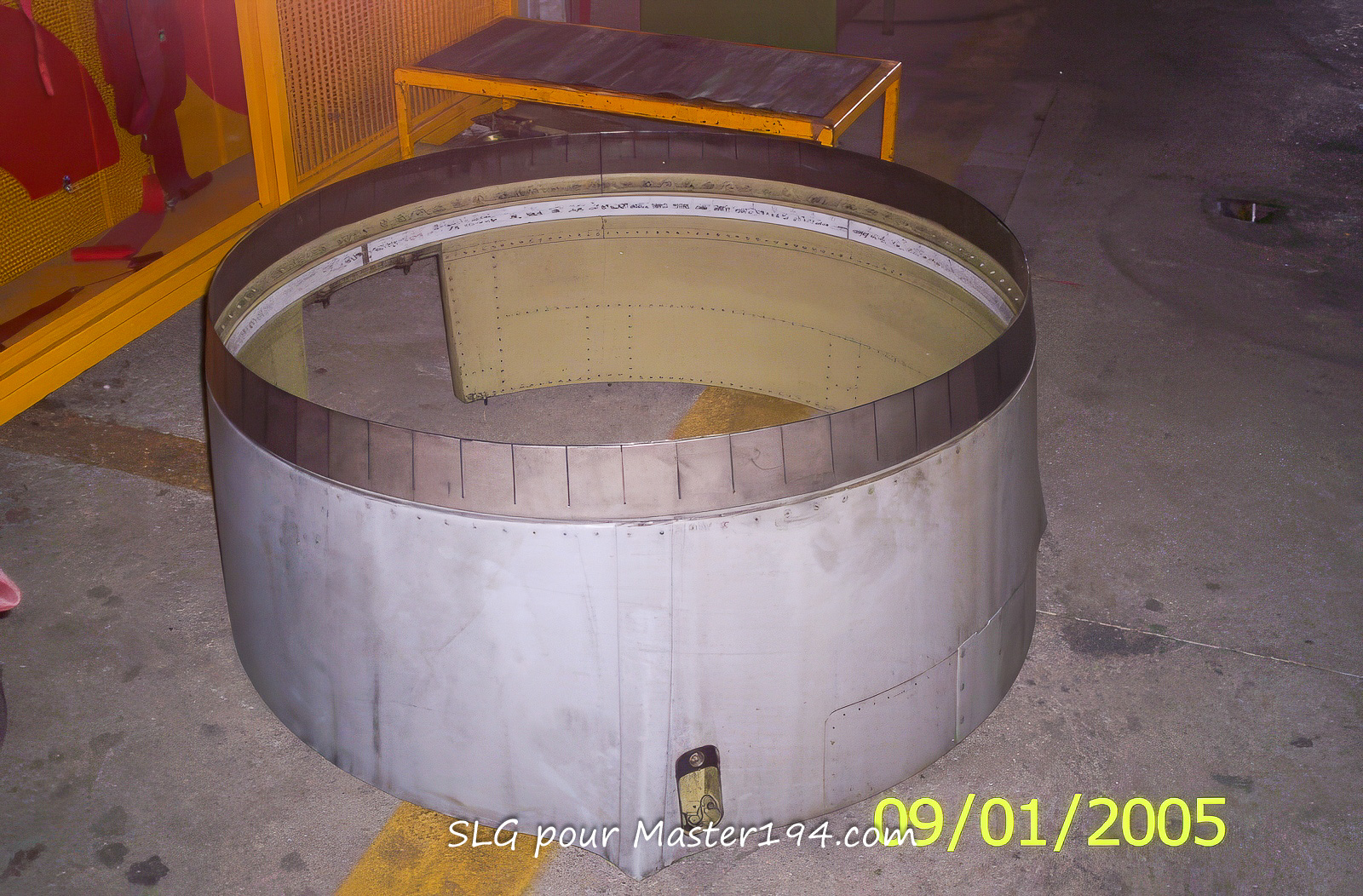
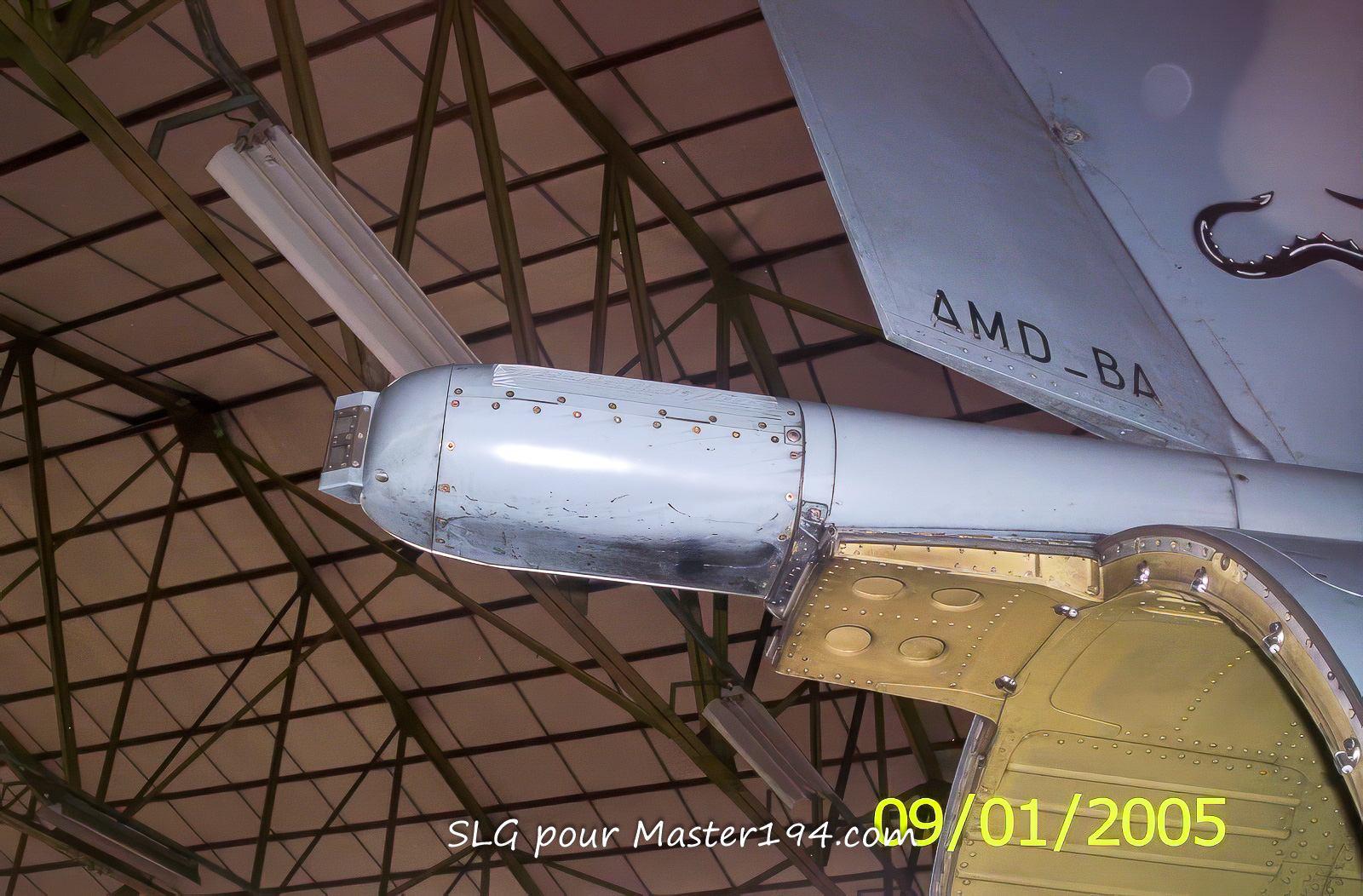
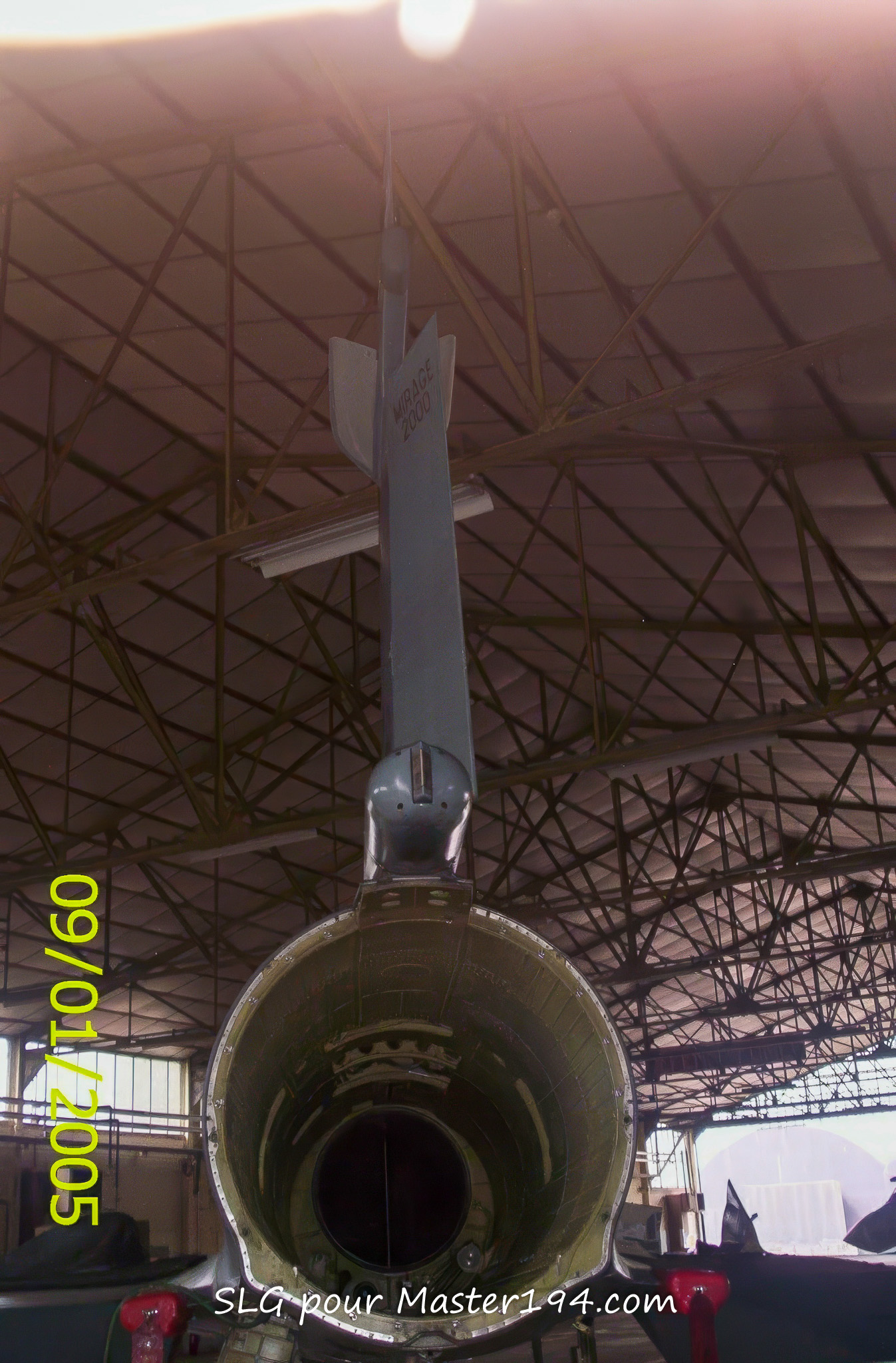
Tail Section
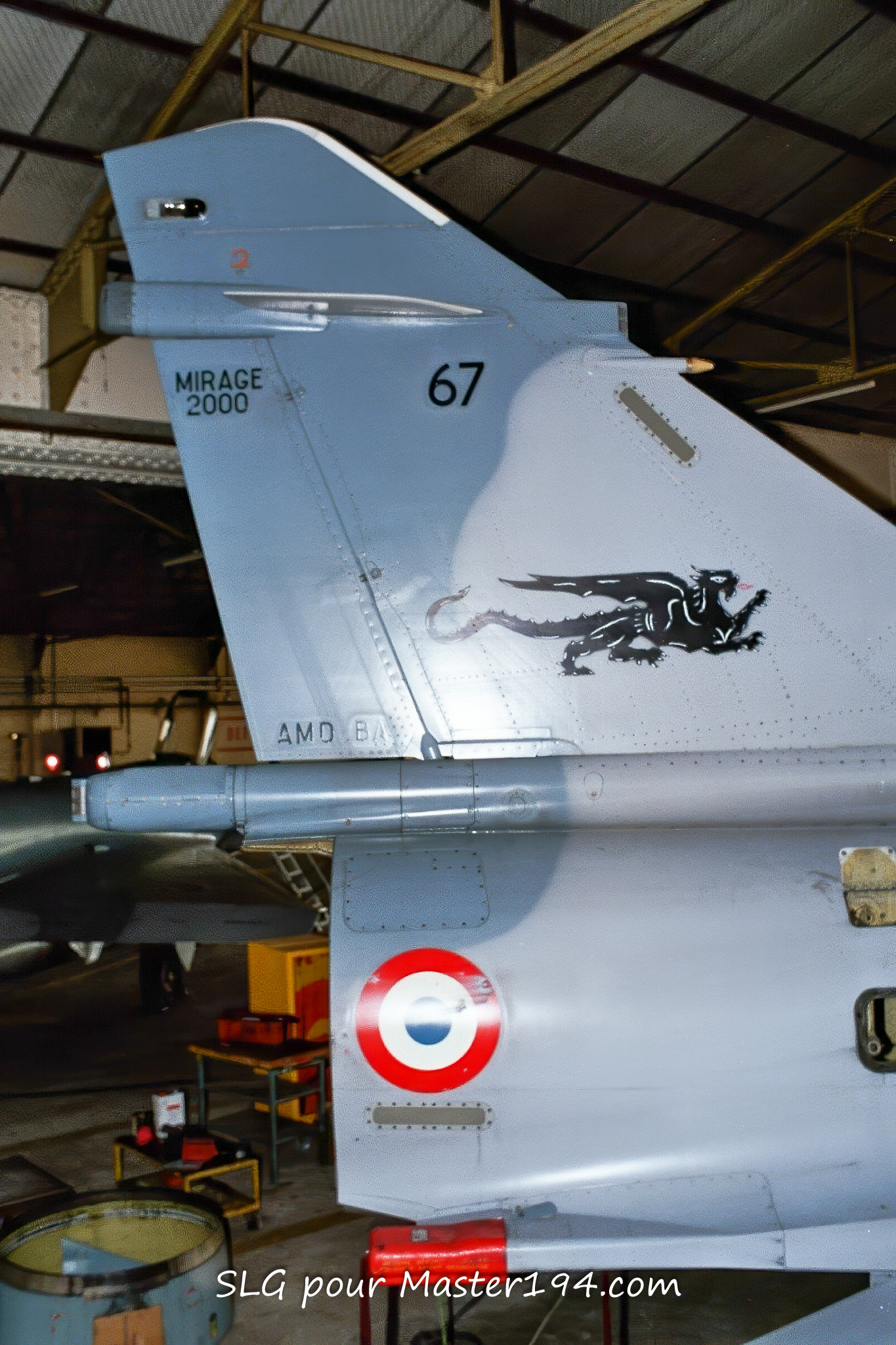
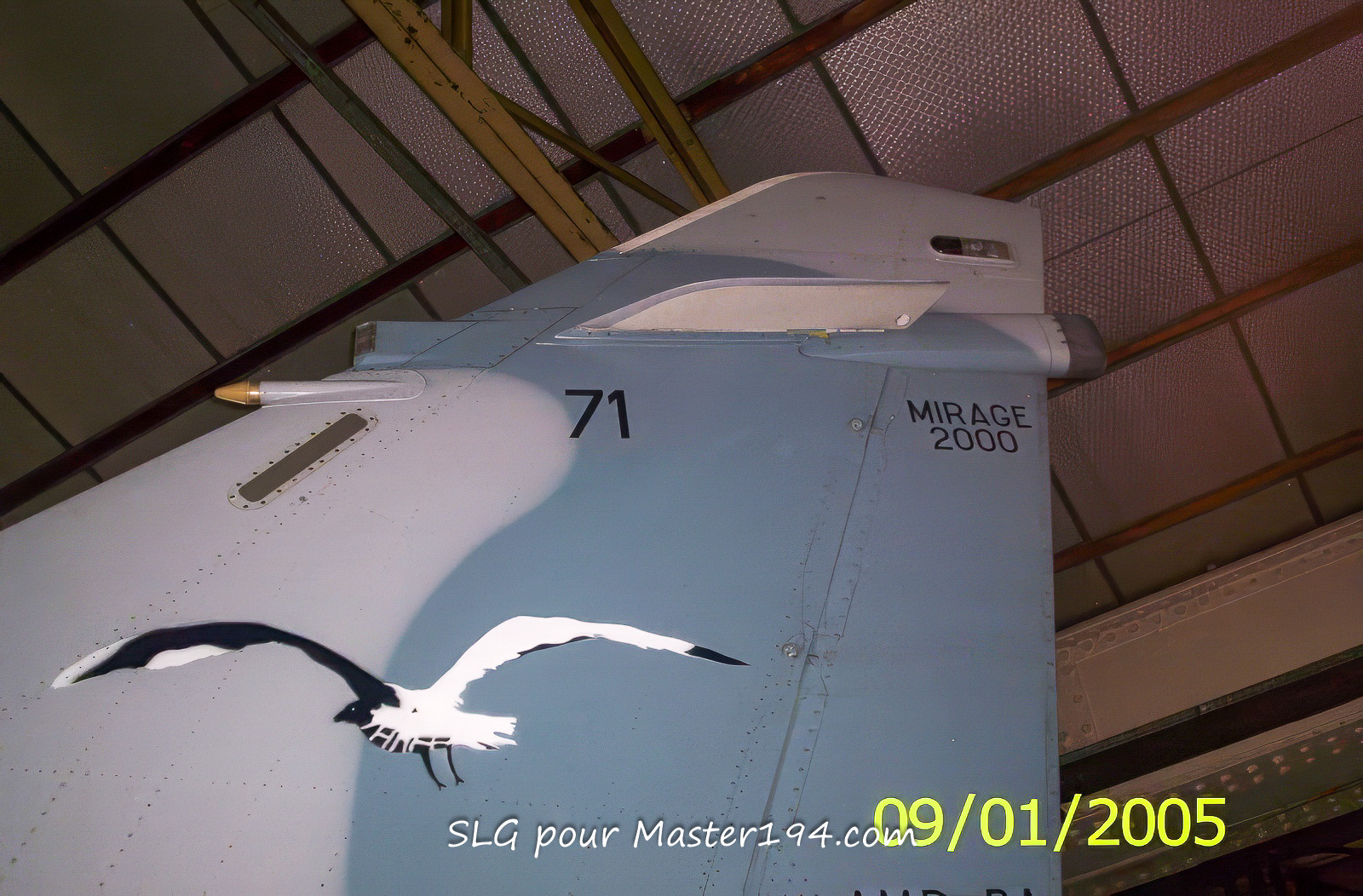
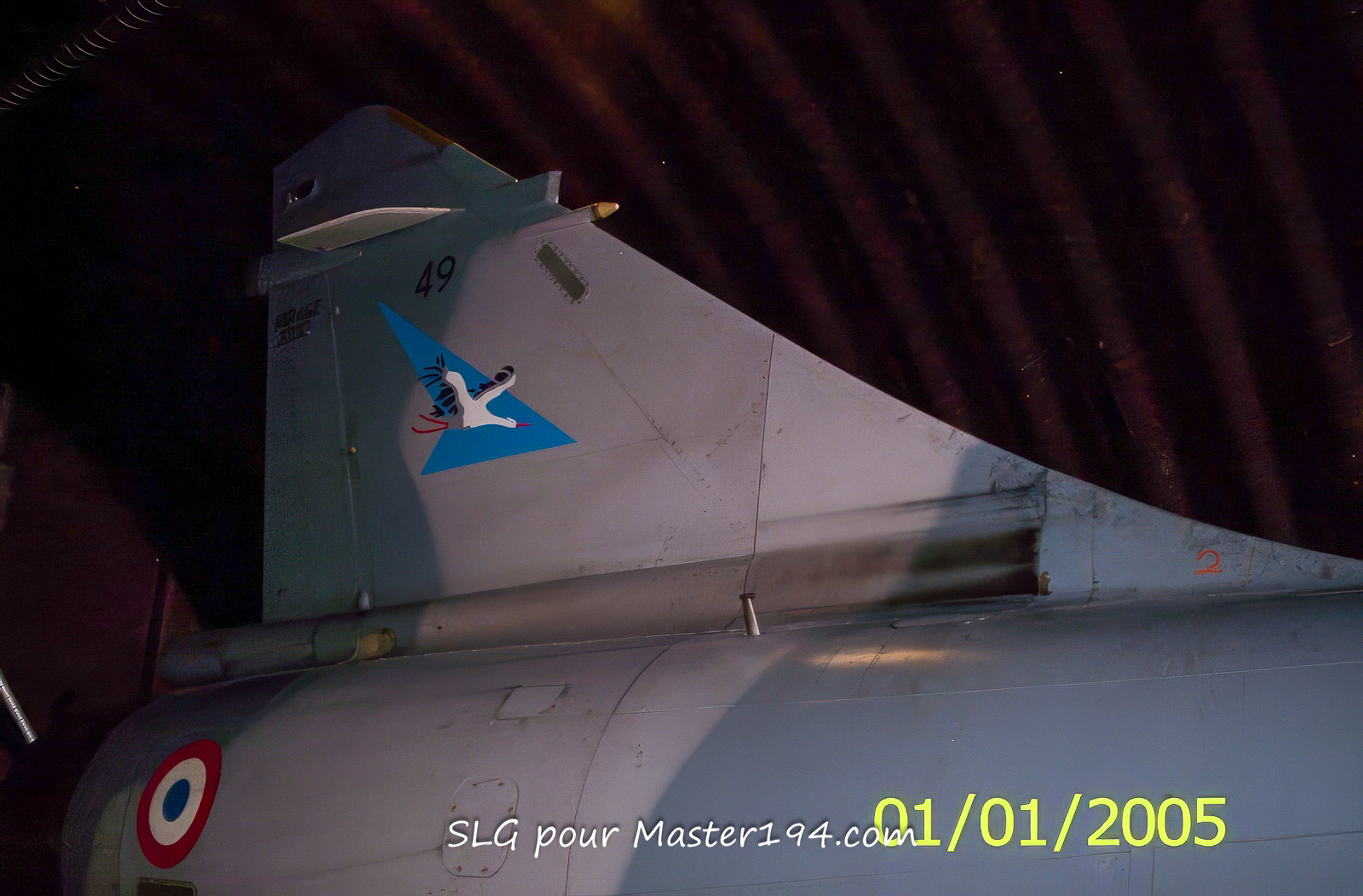
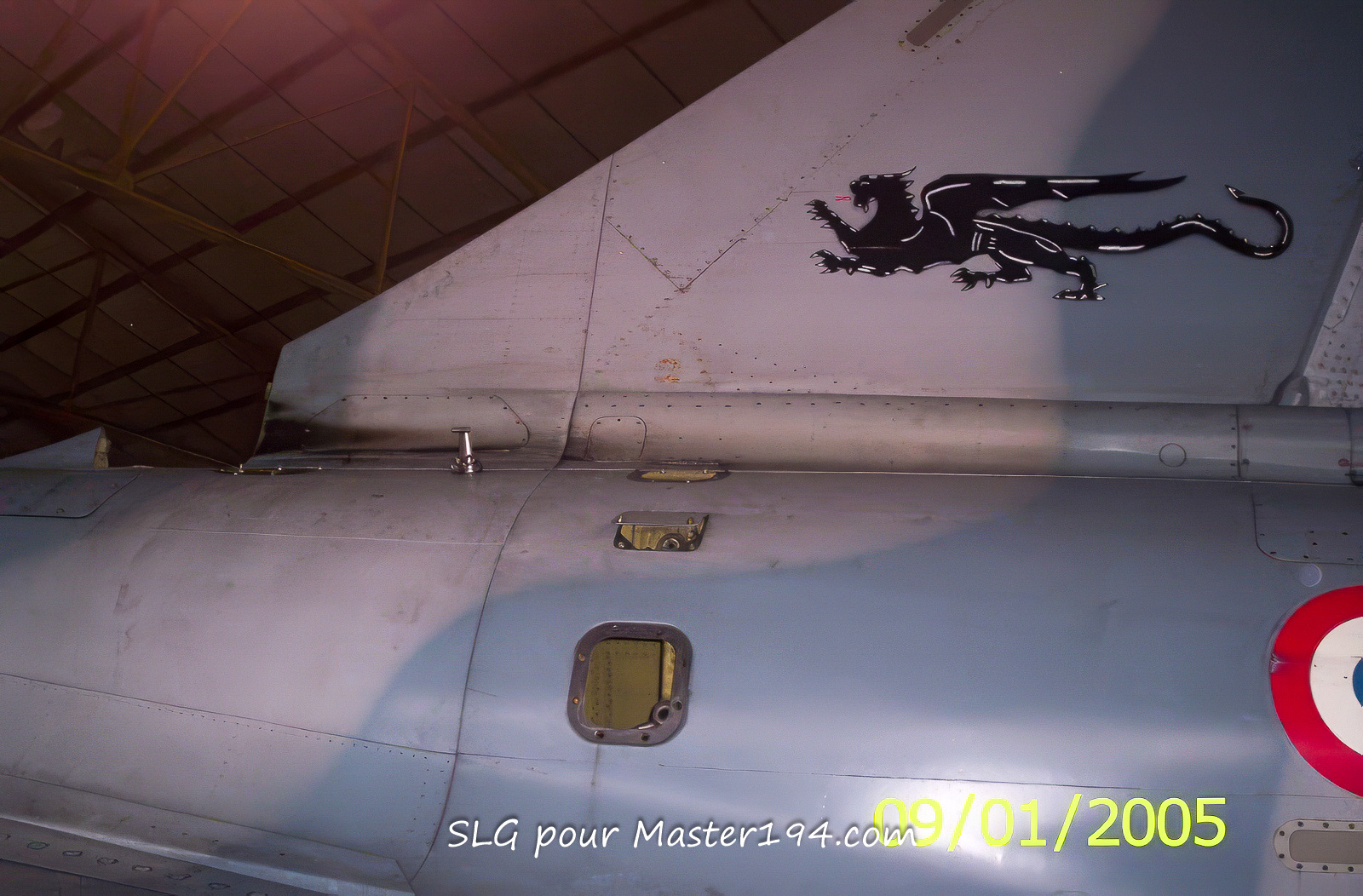
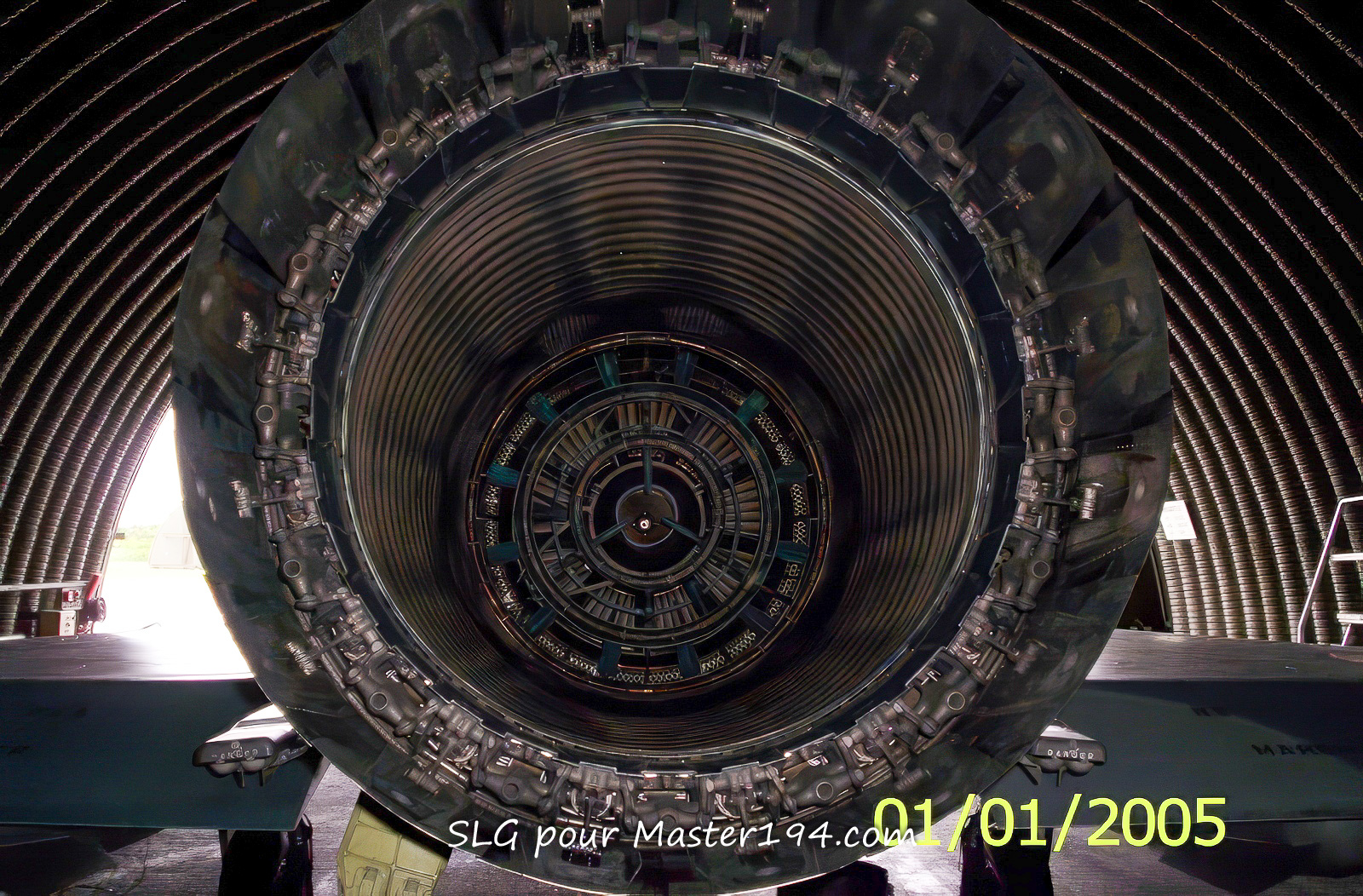
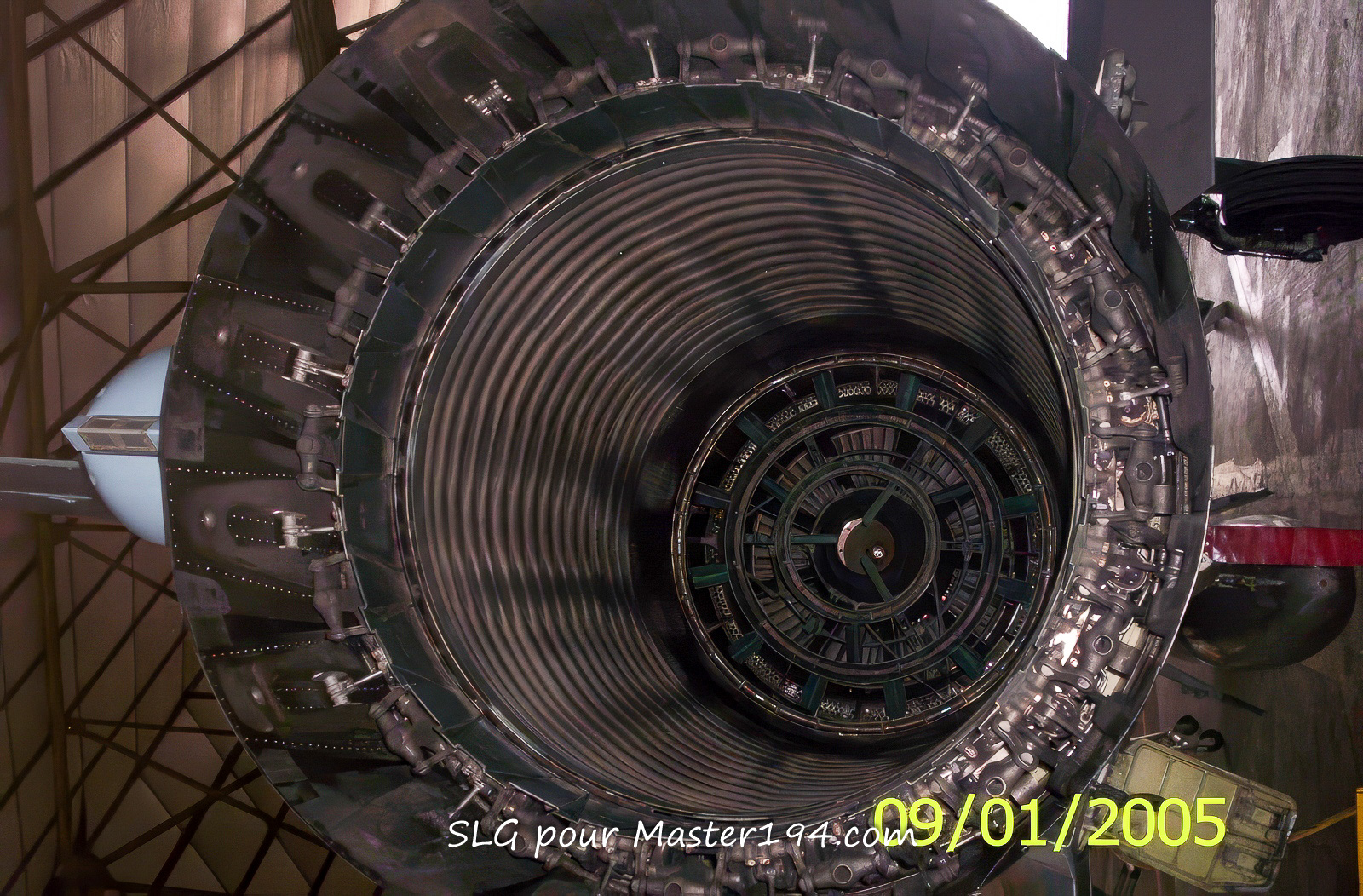
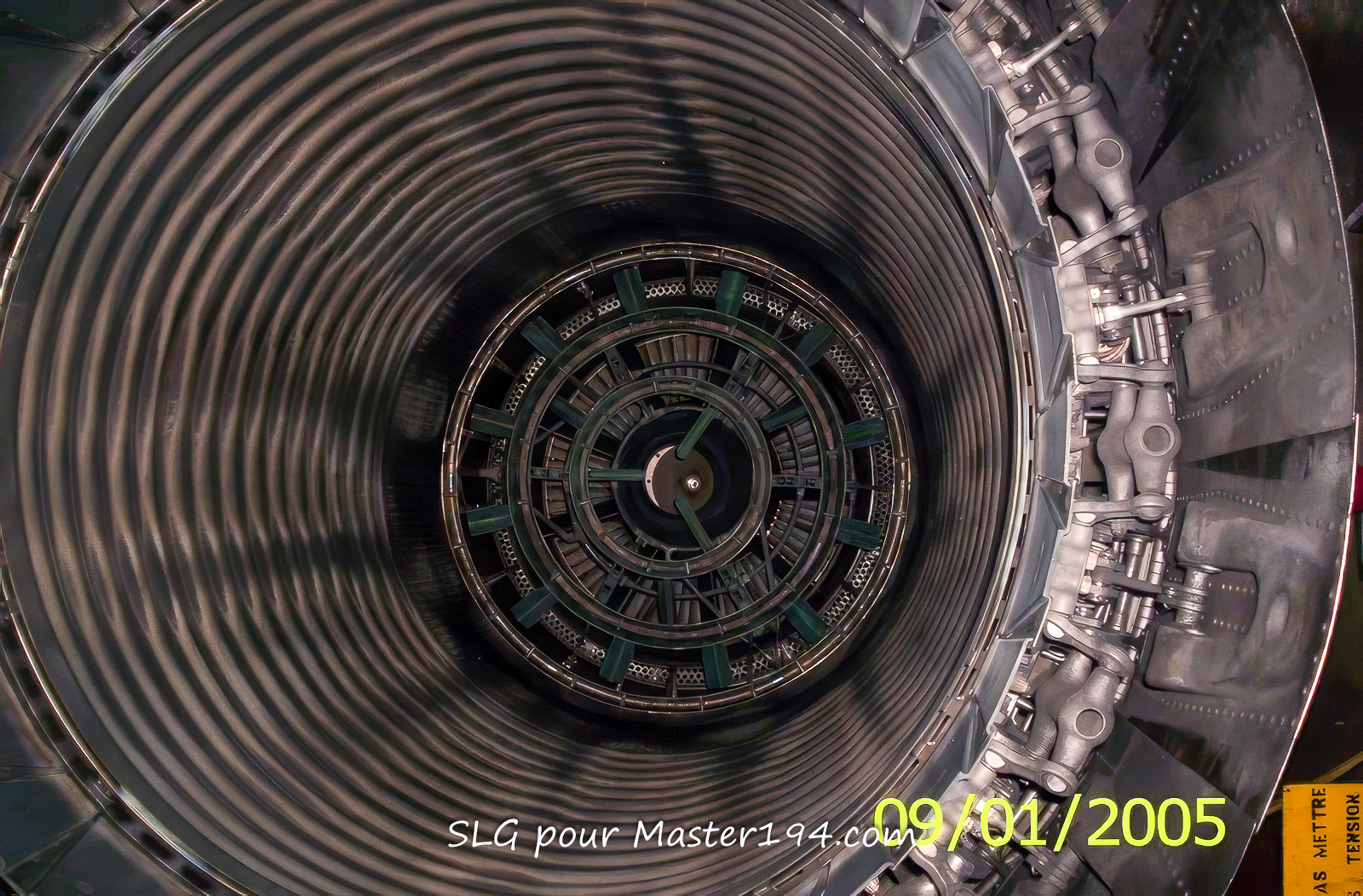
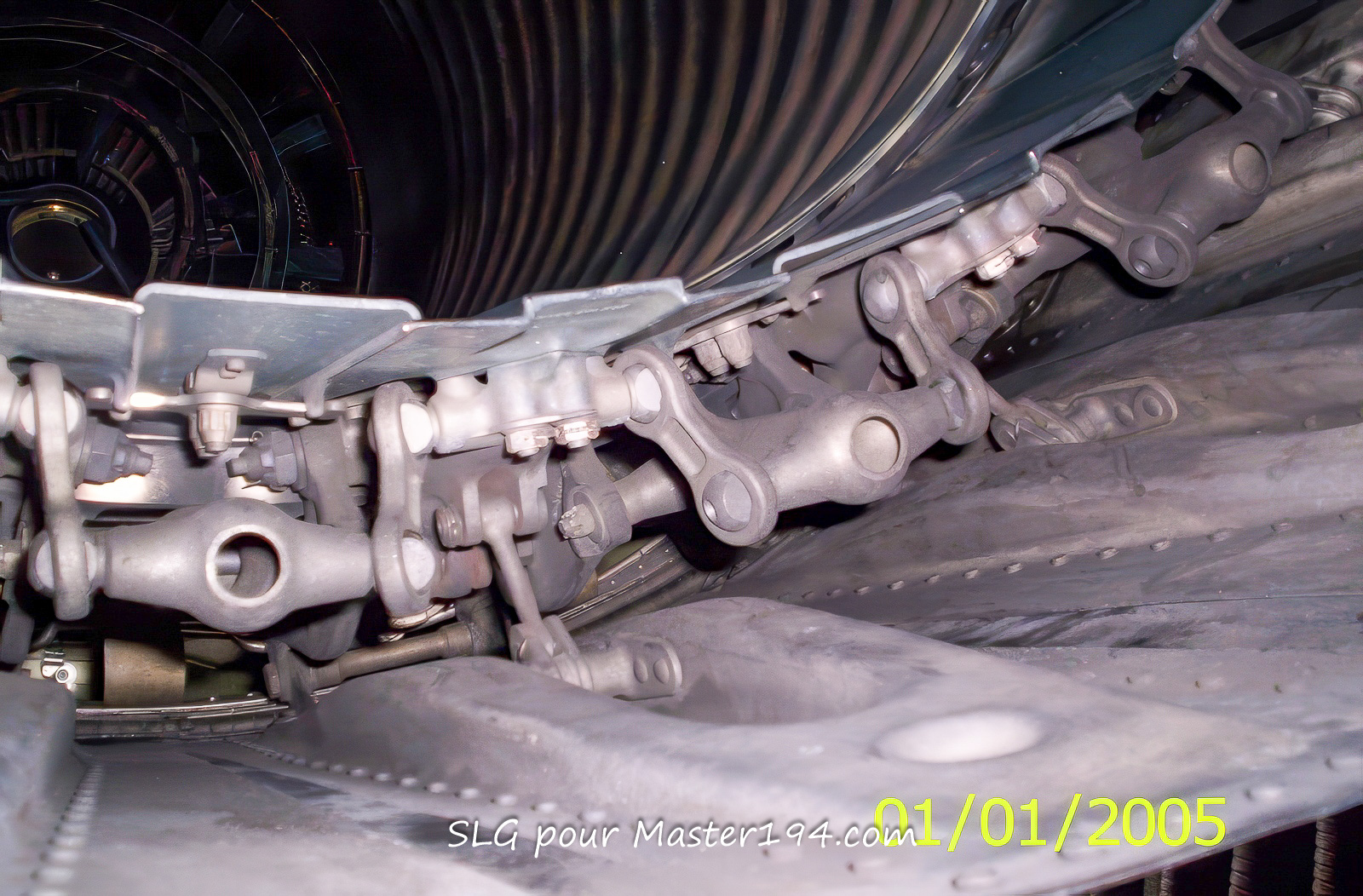
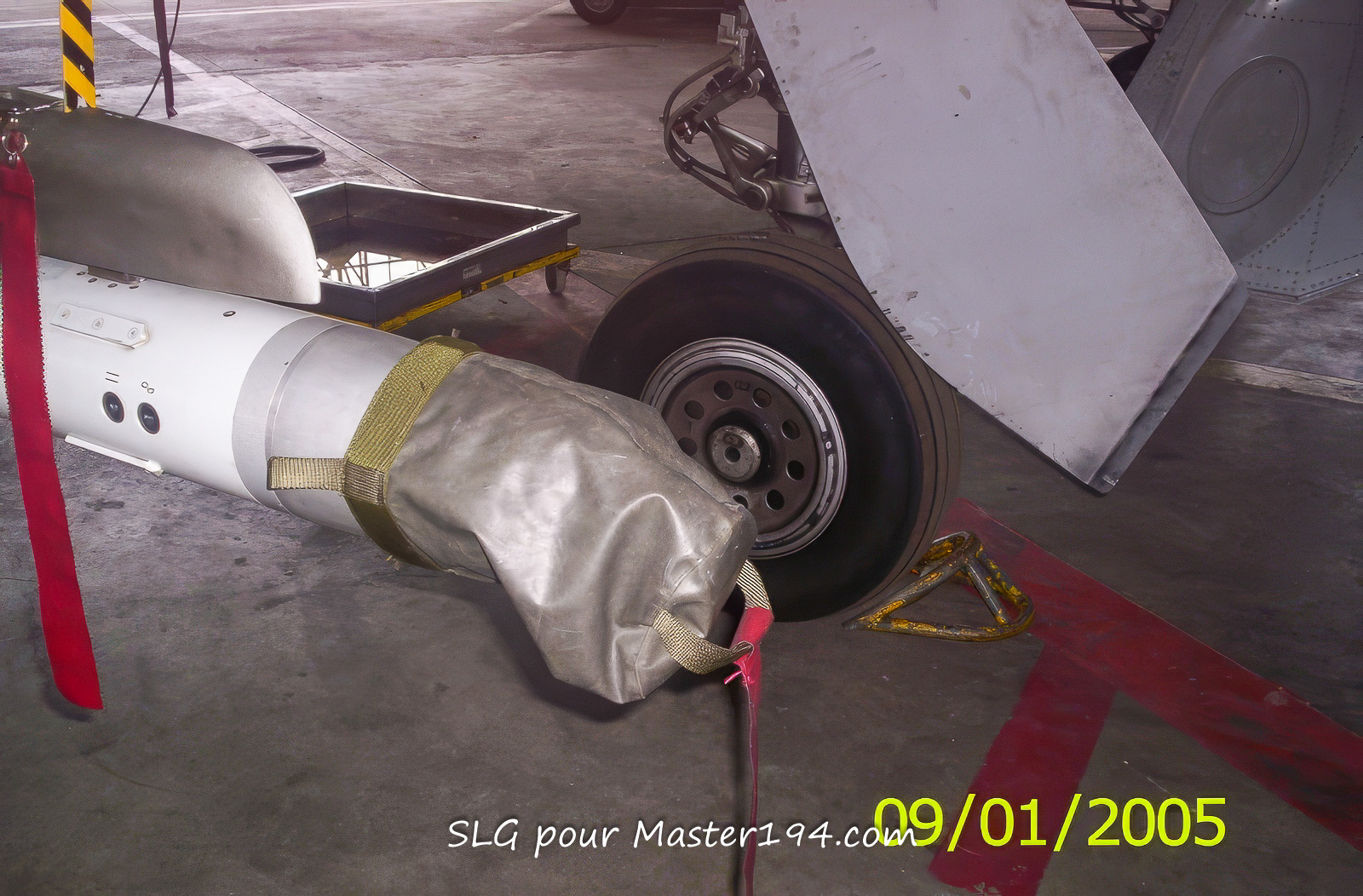
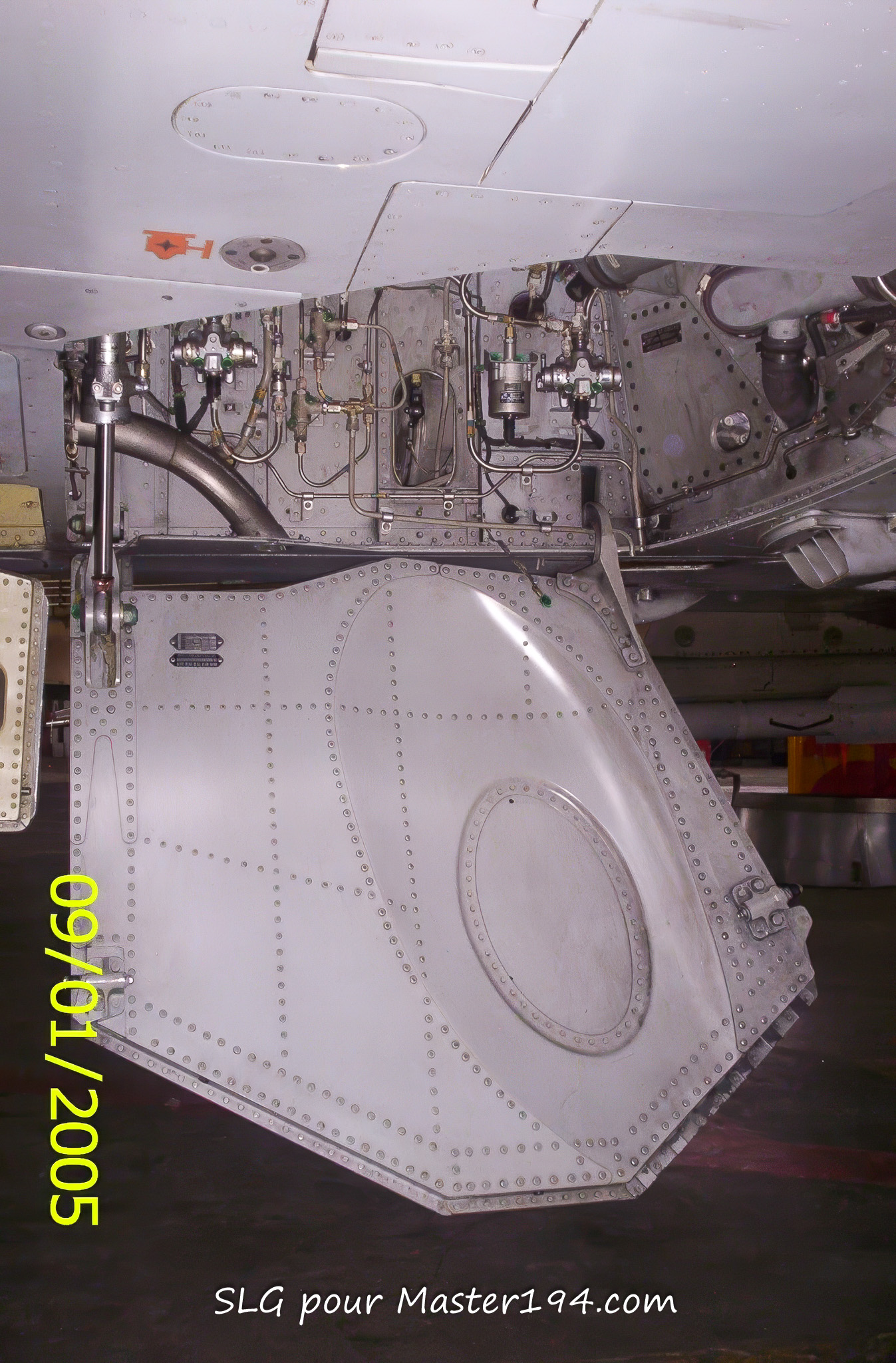
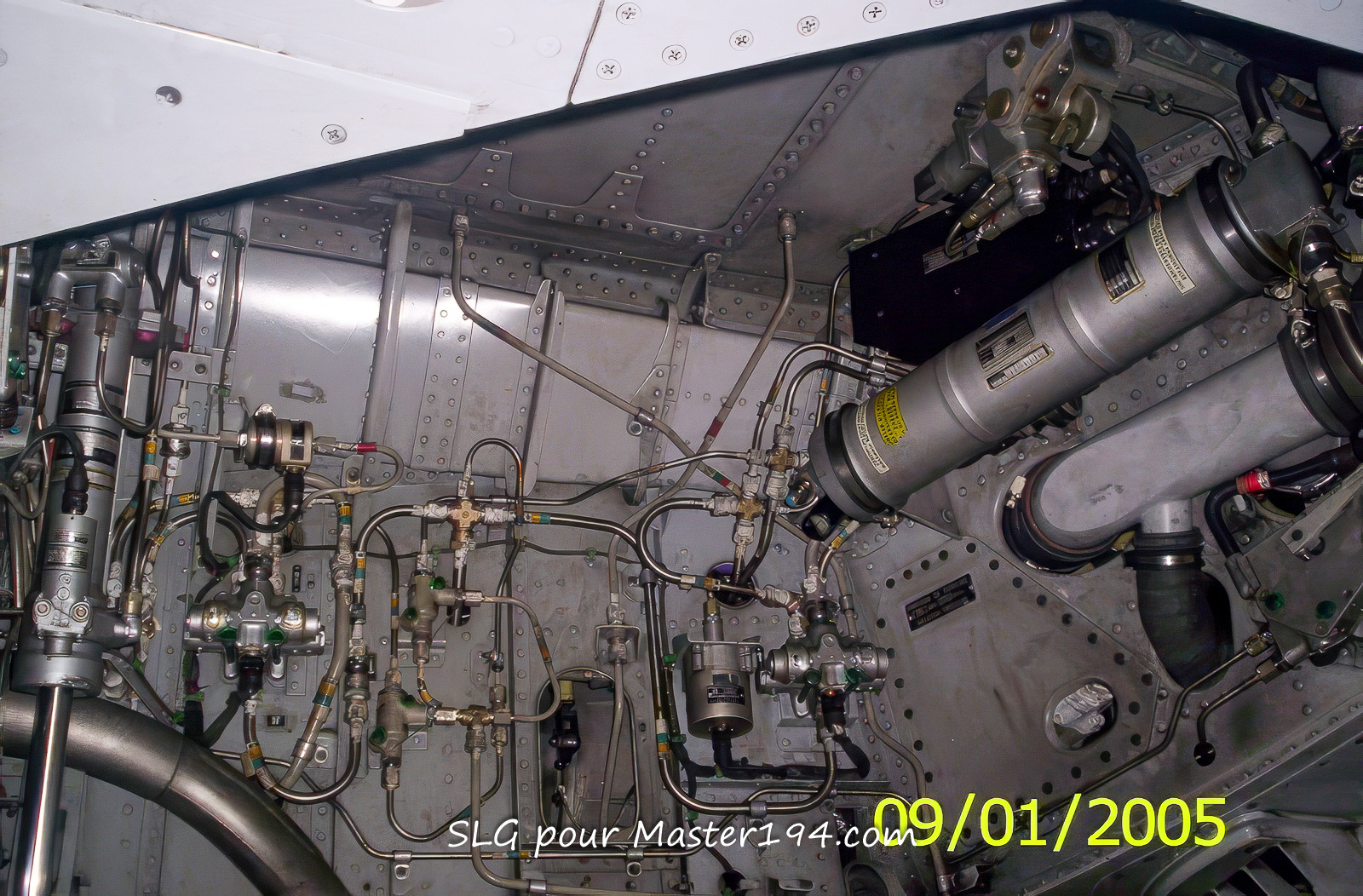
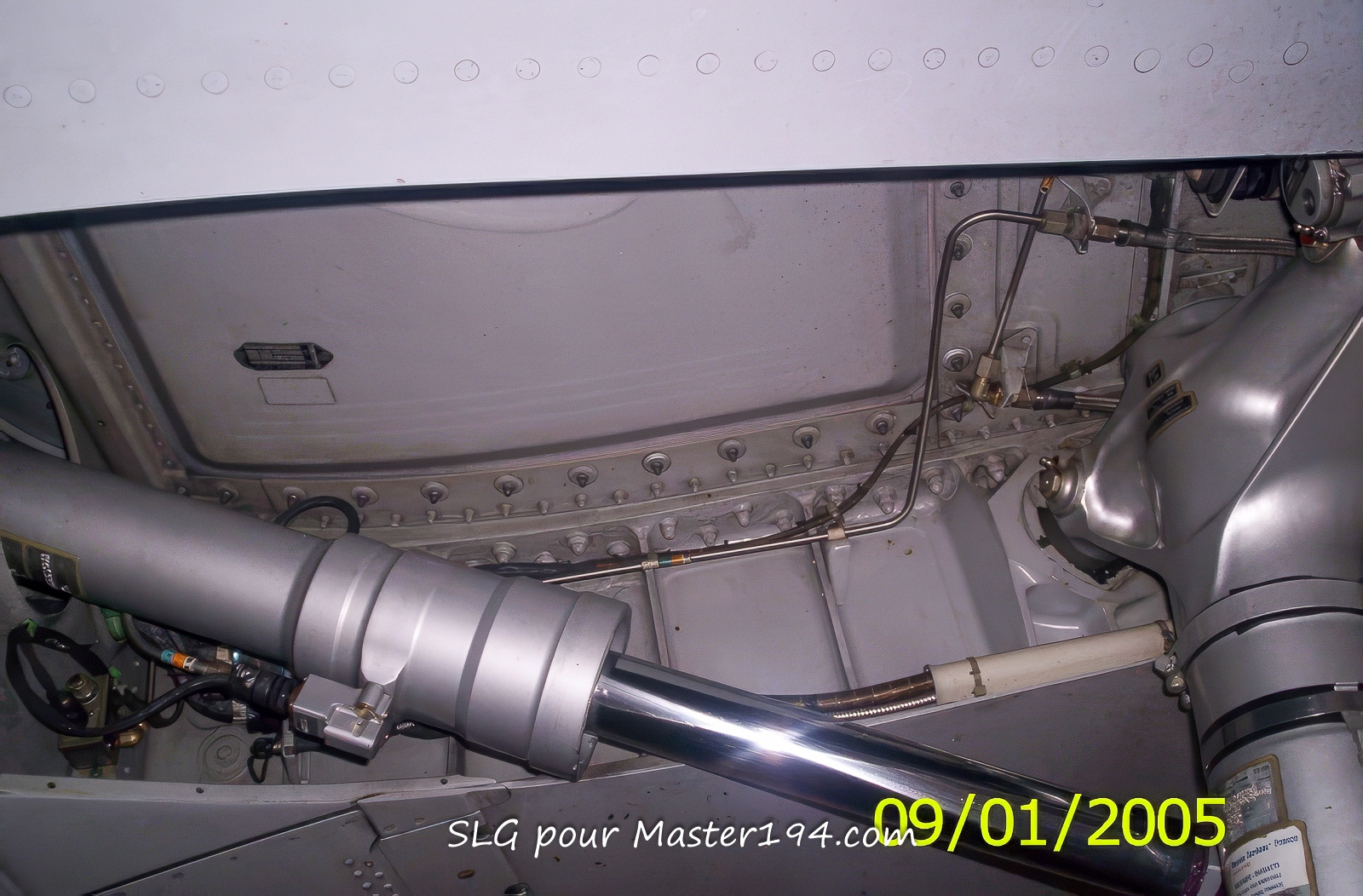
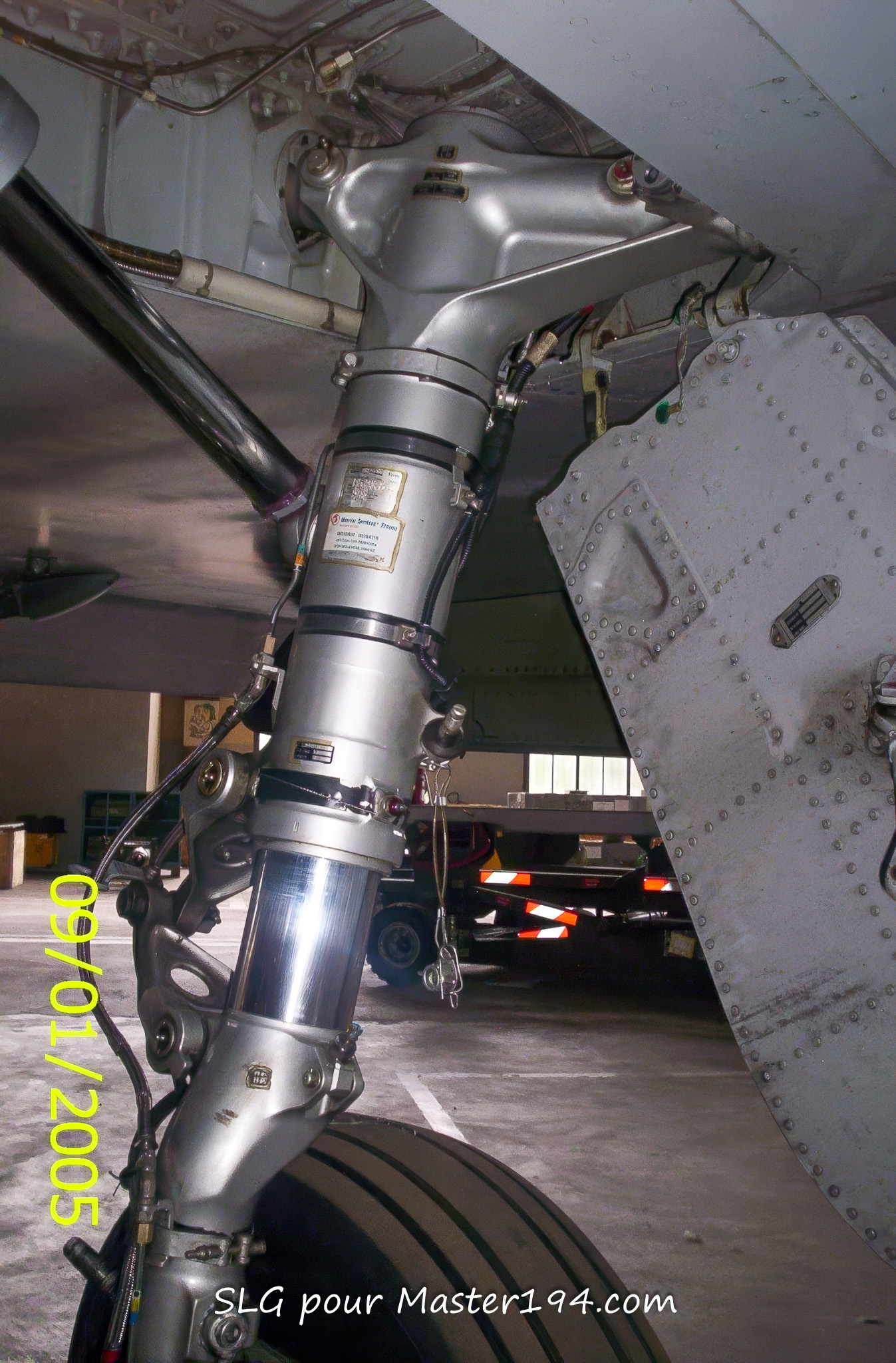
Landing gears
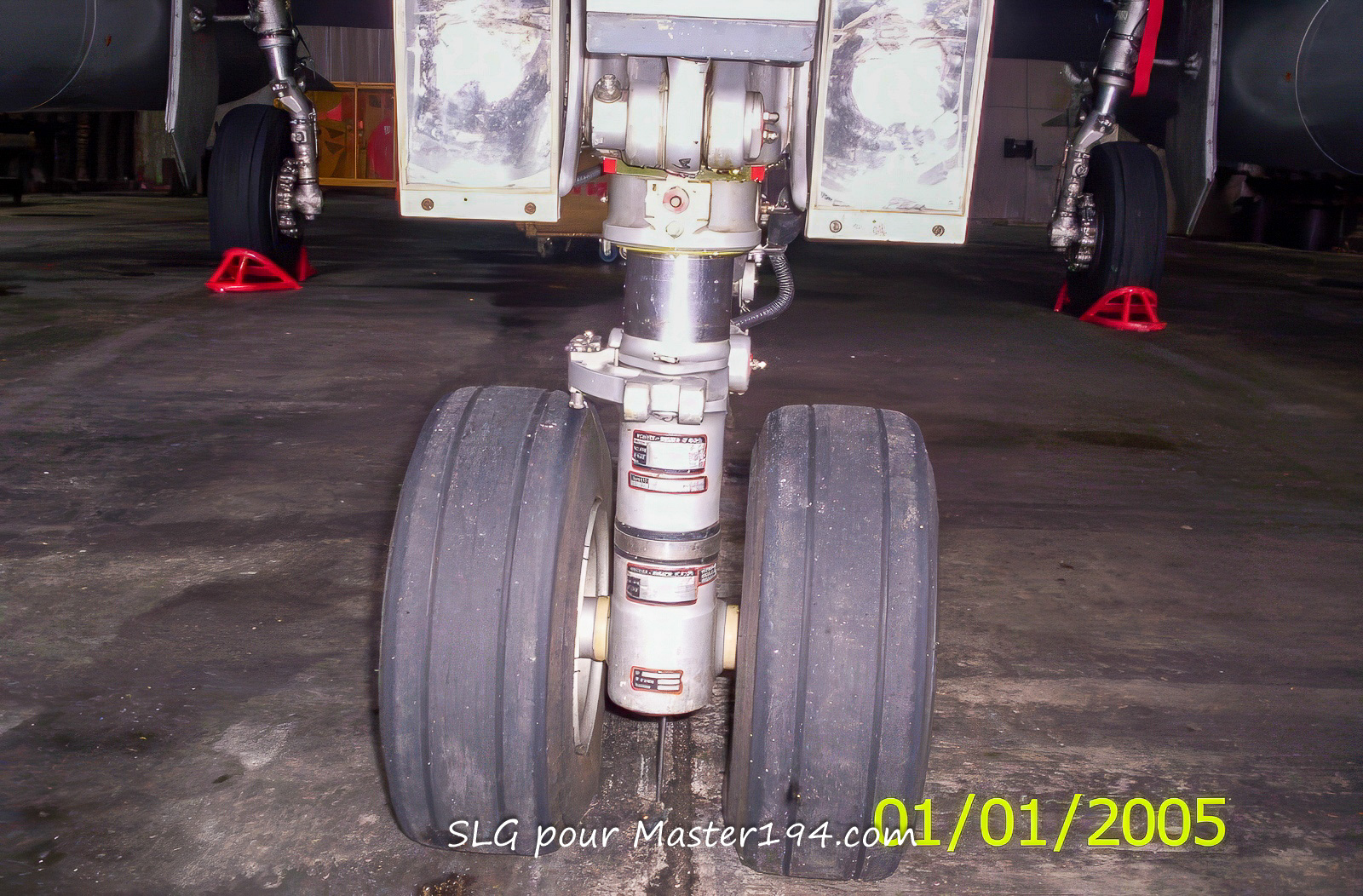
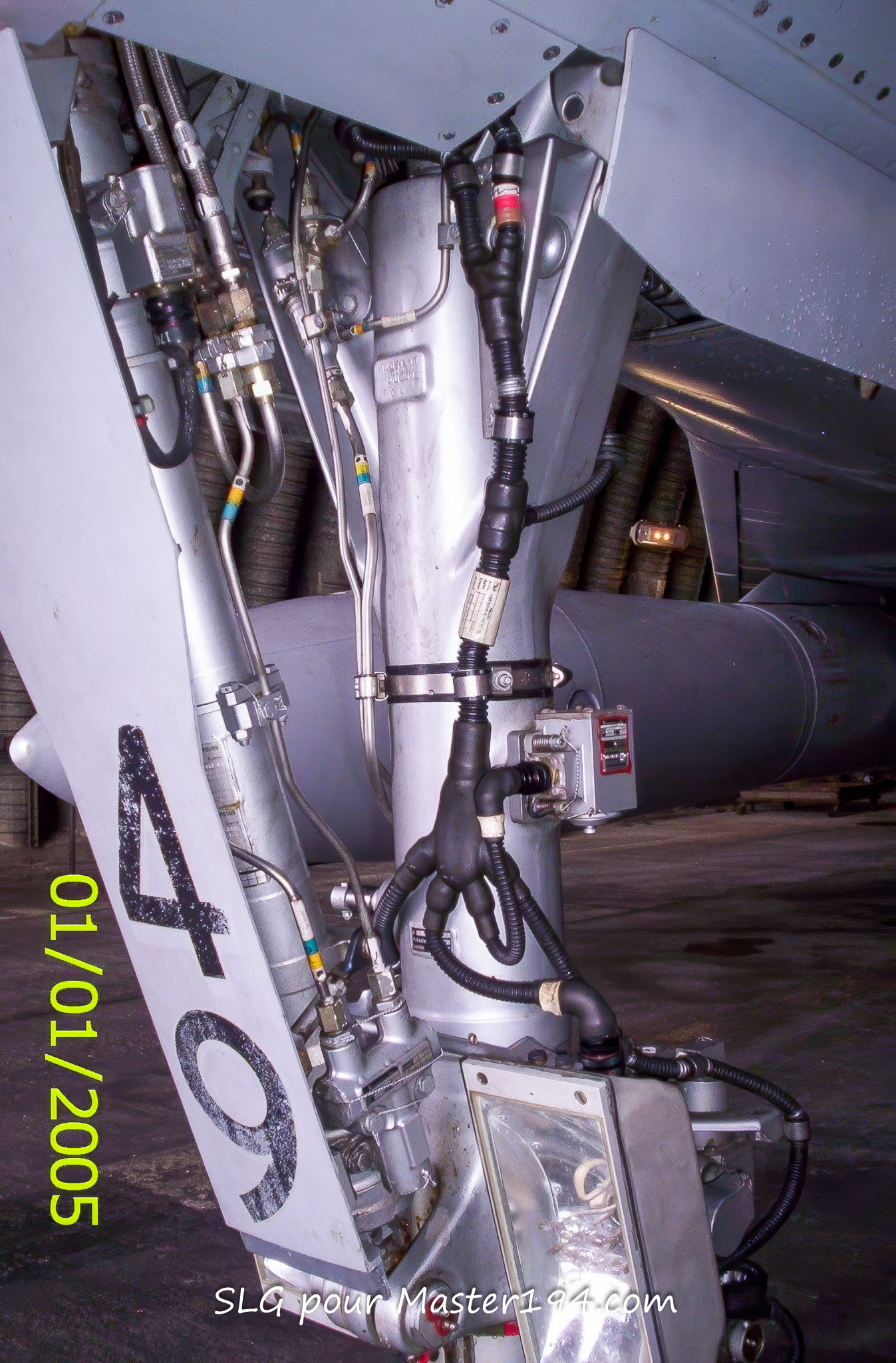
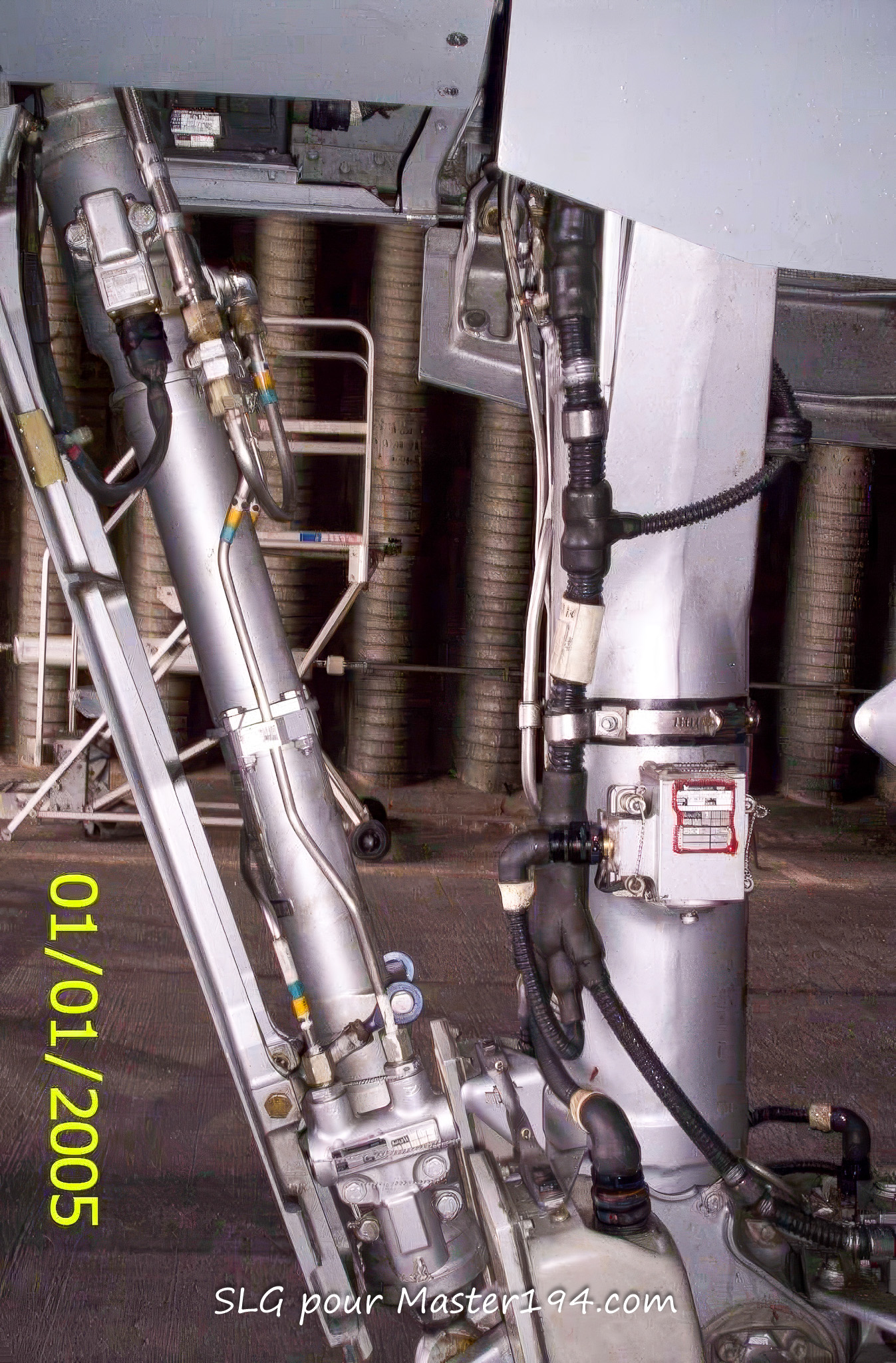
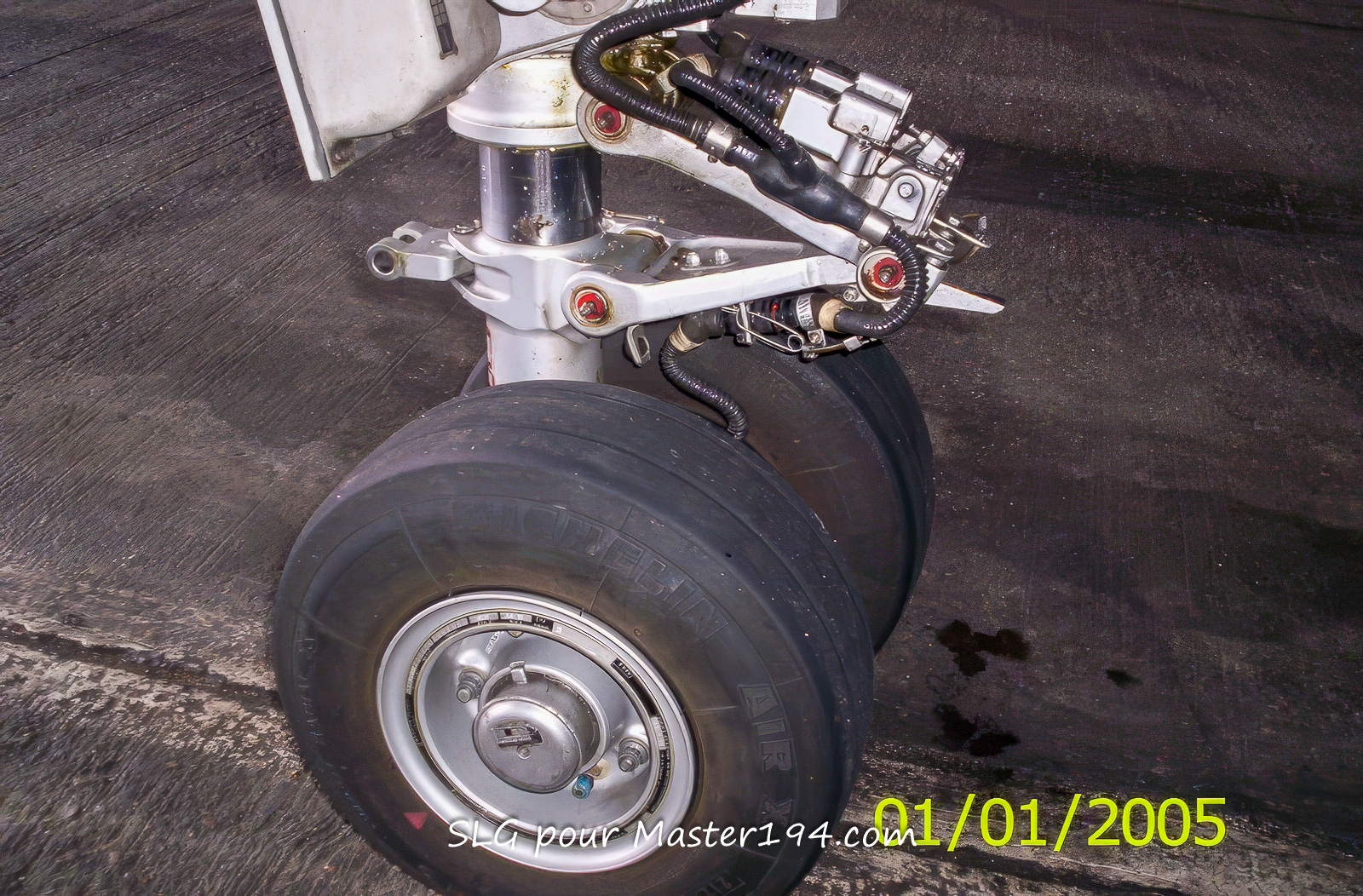
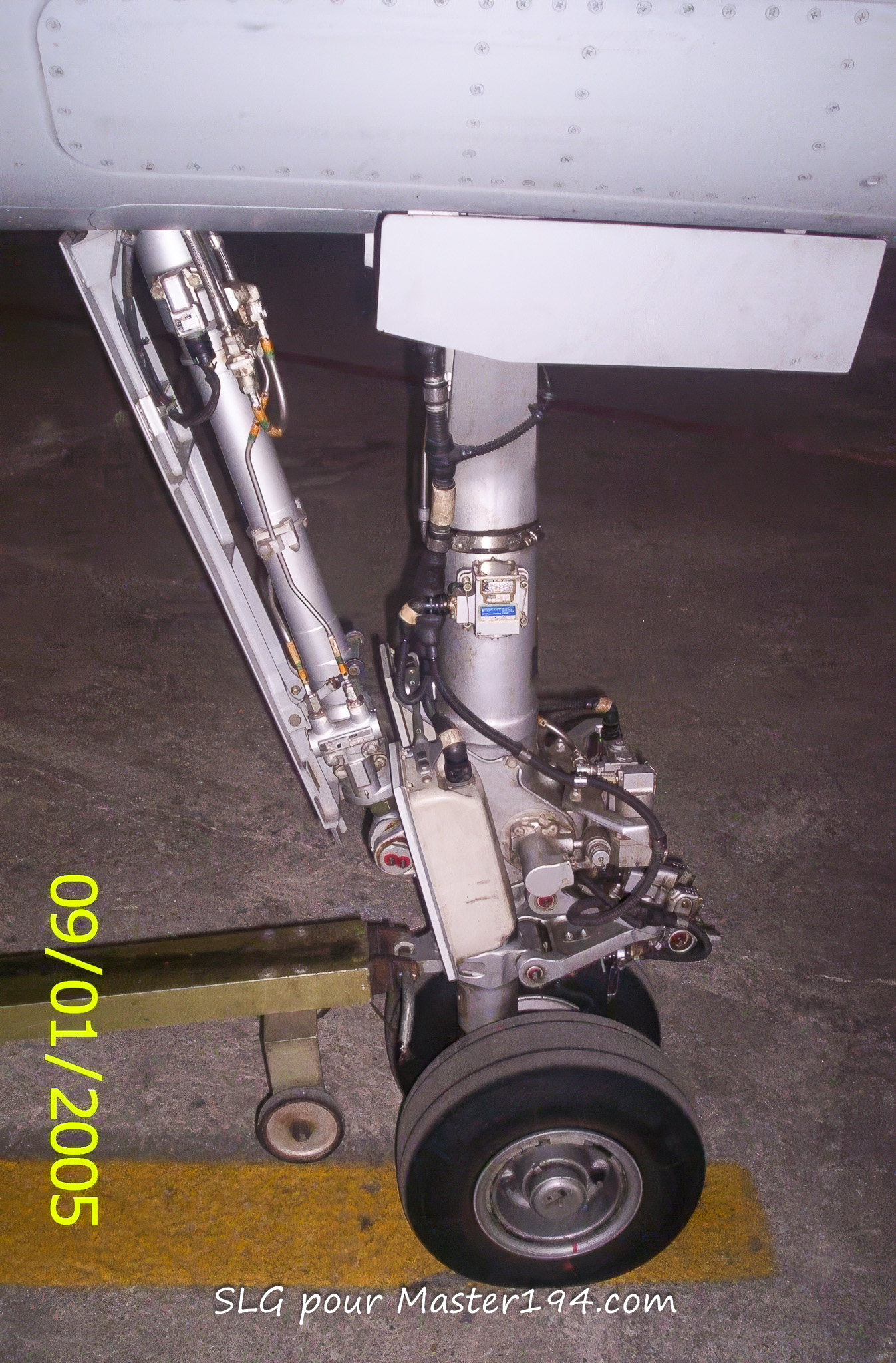
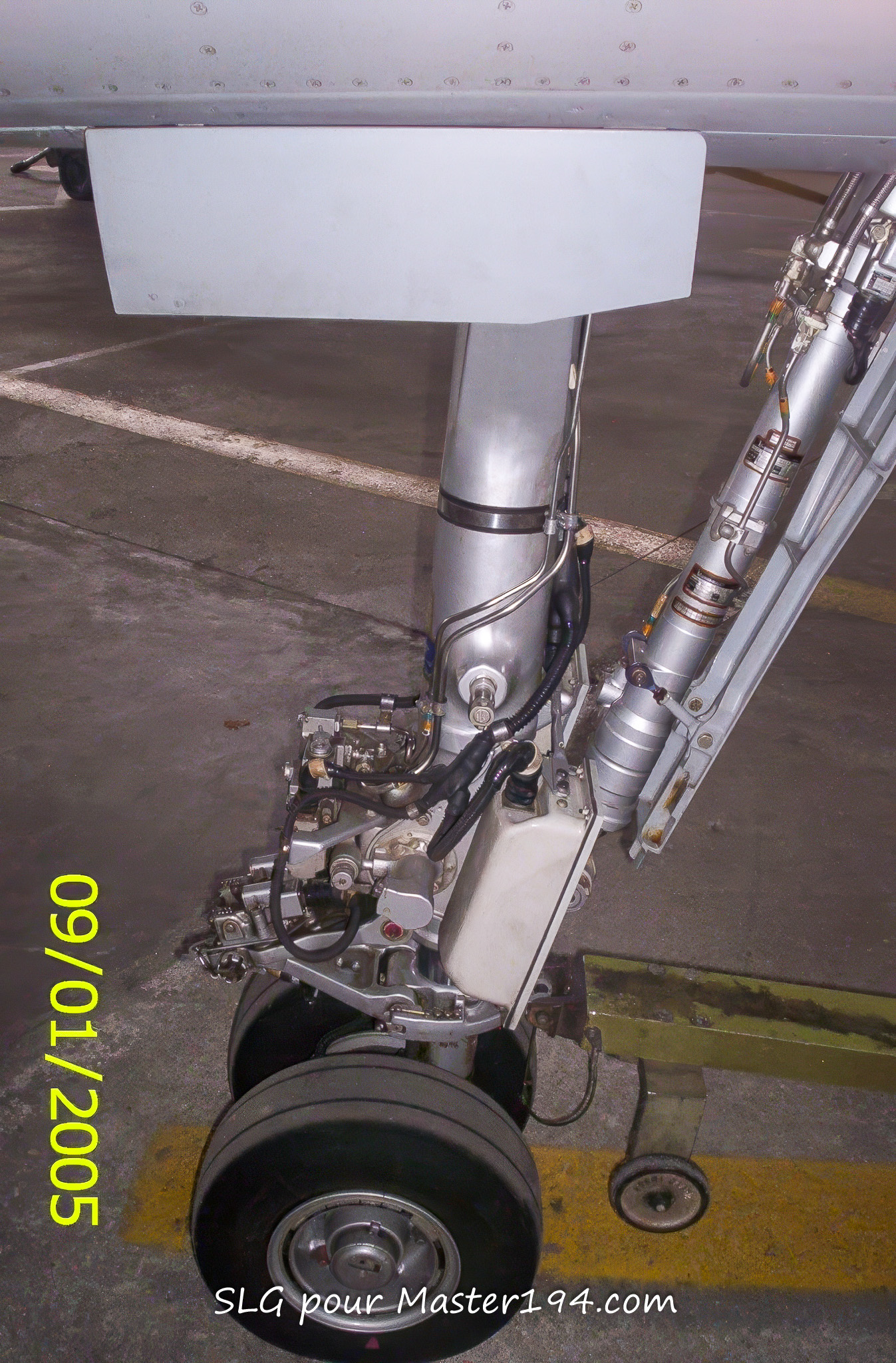
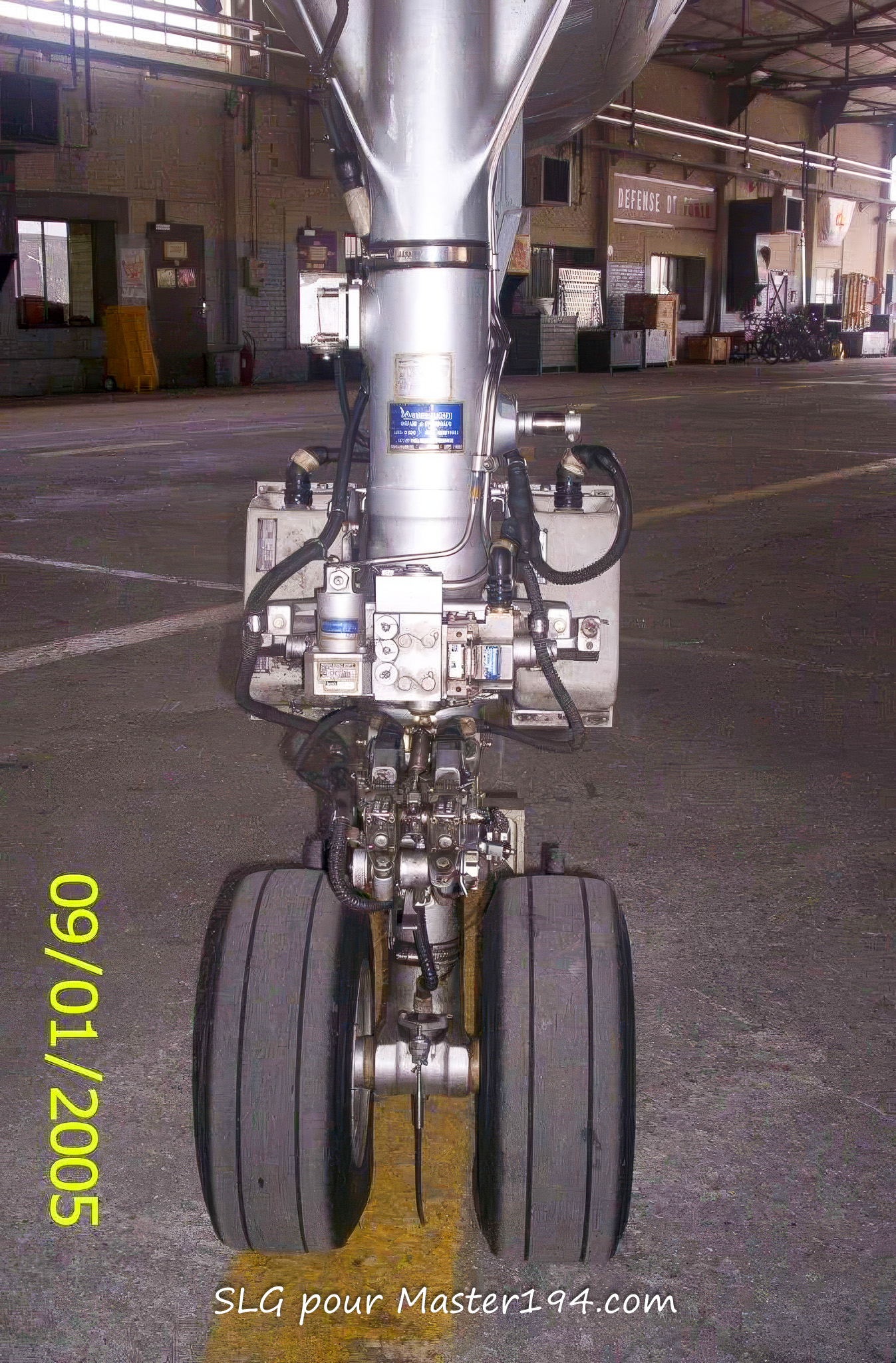
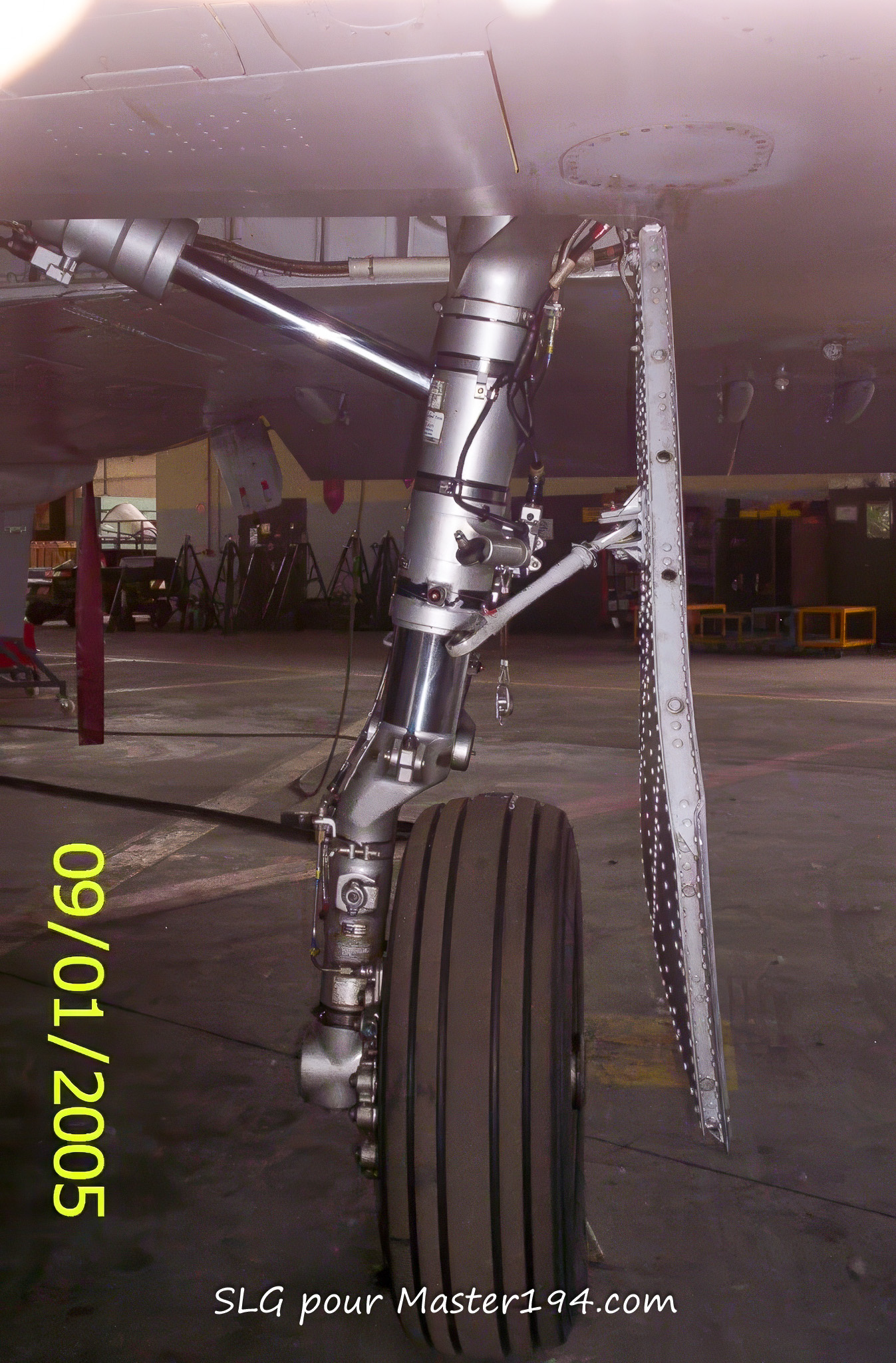
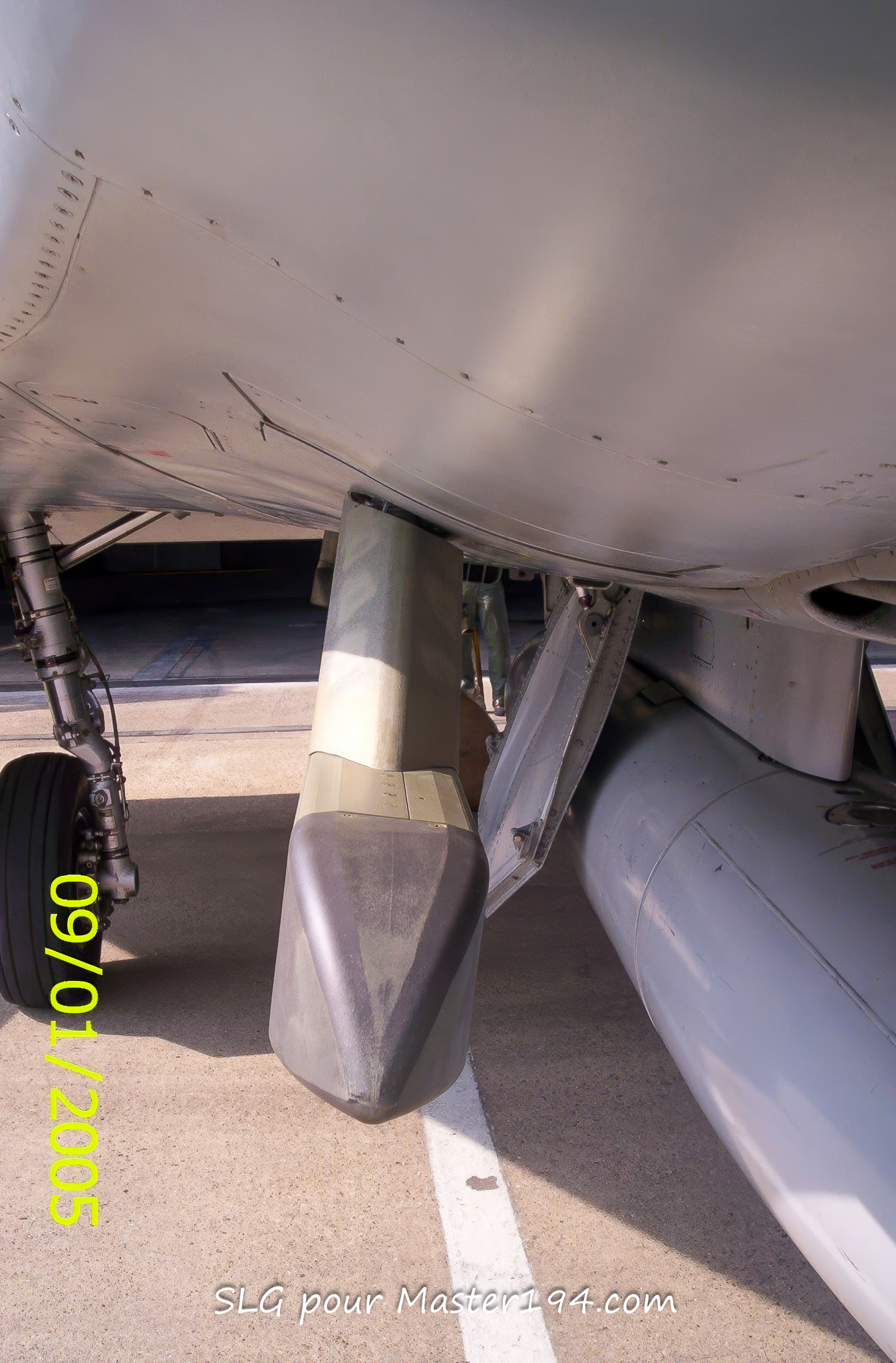
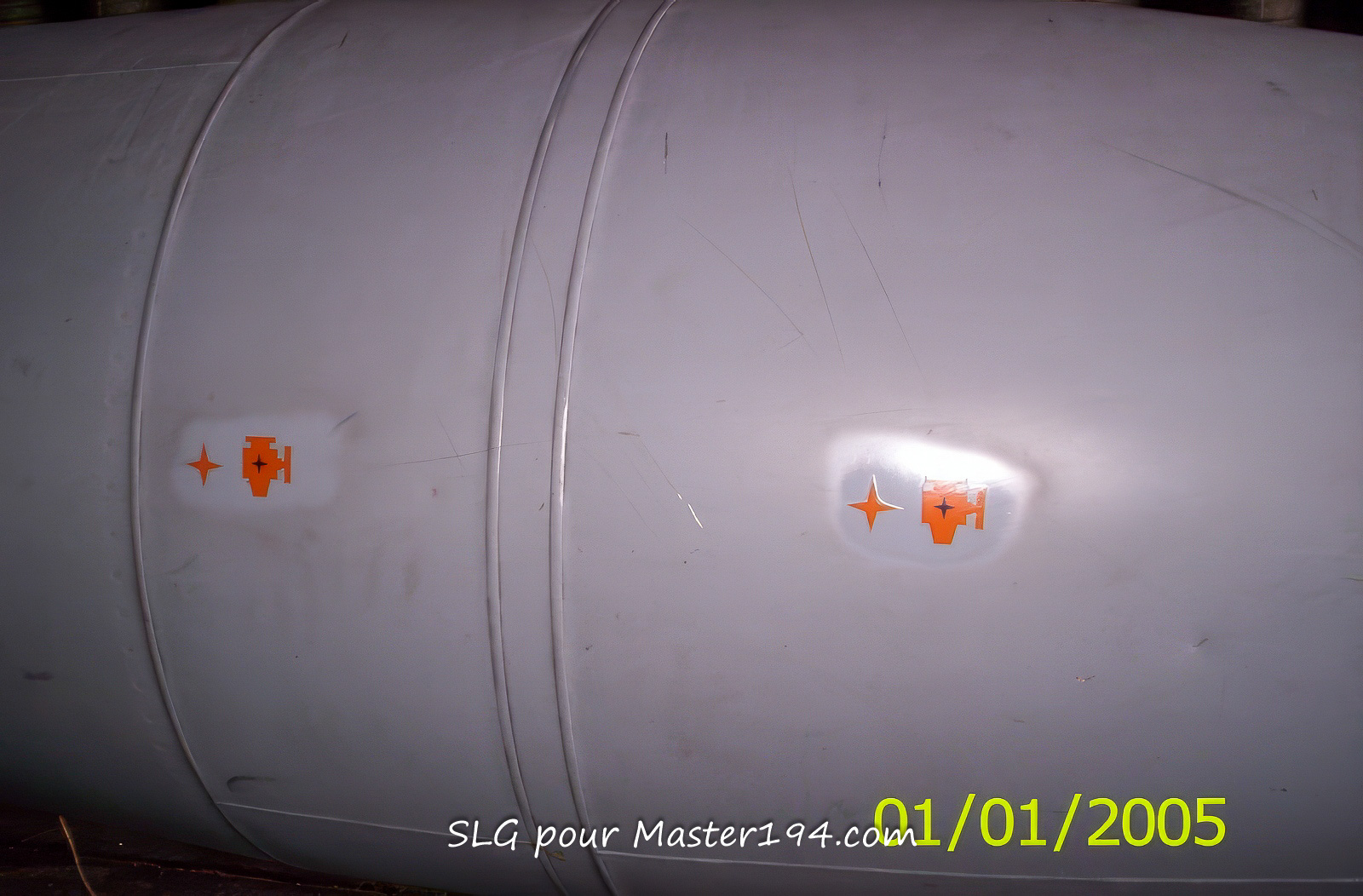
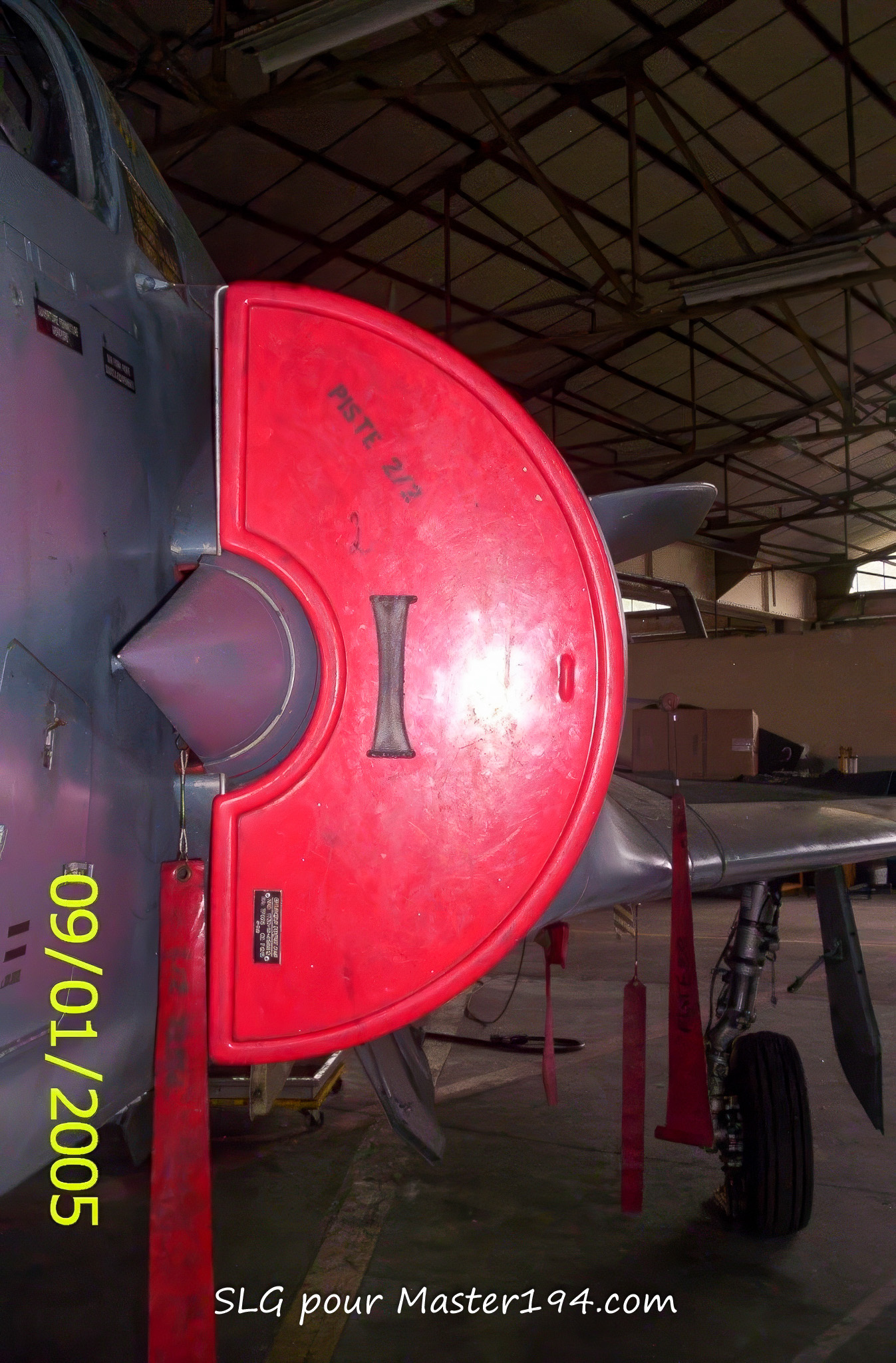
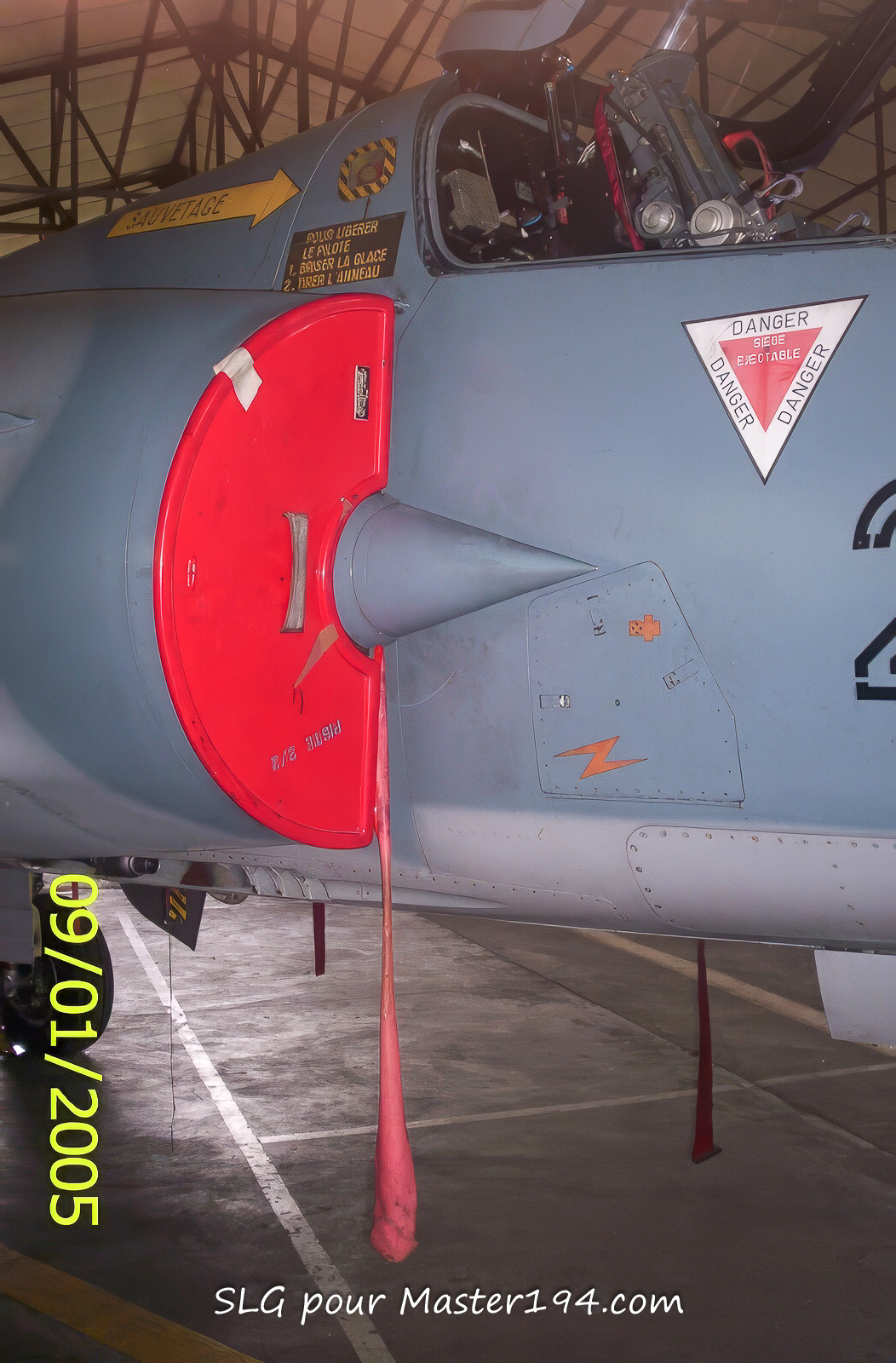
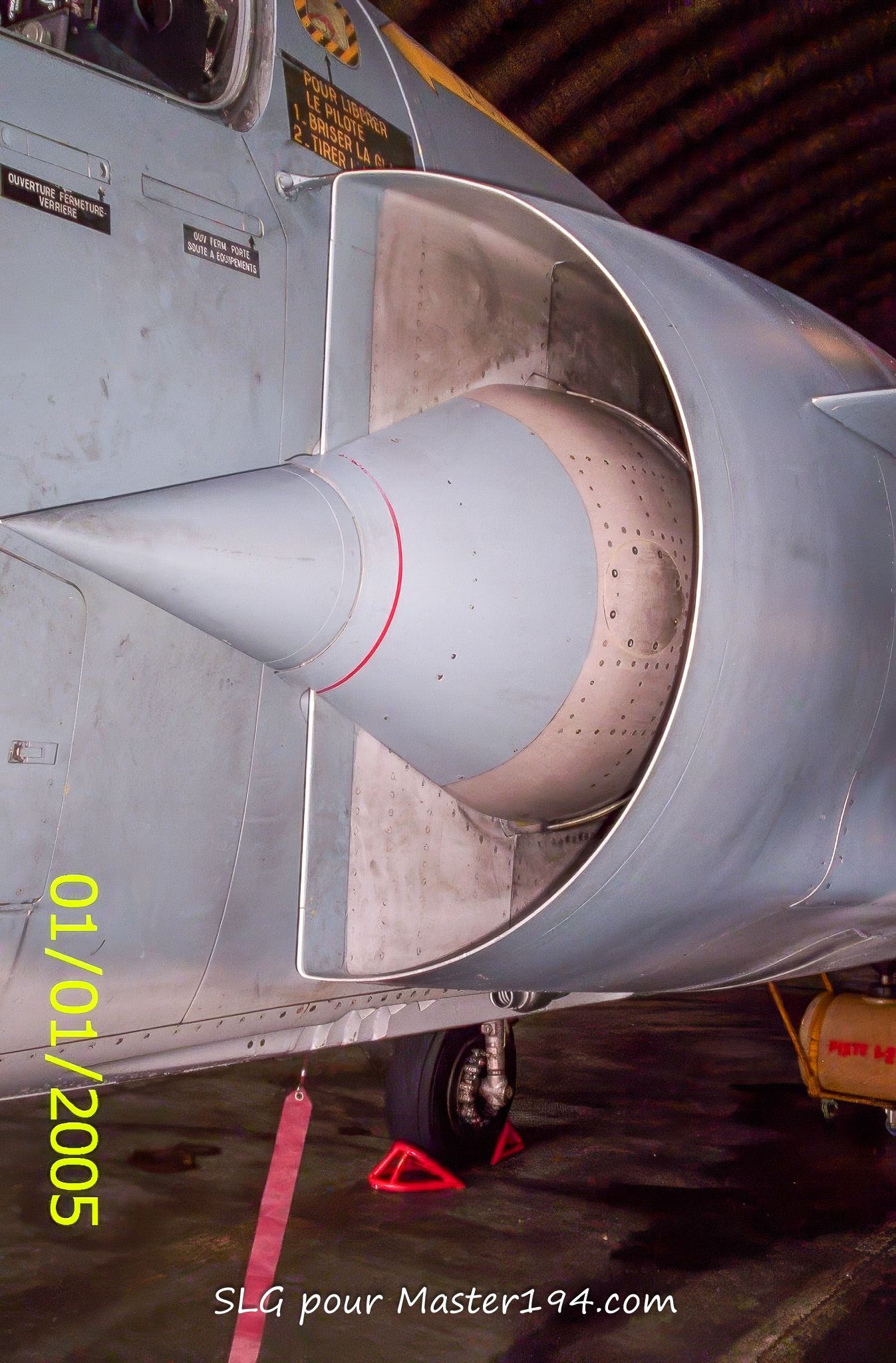
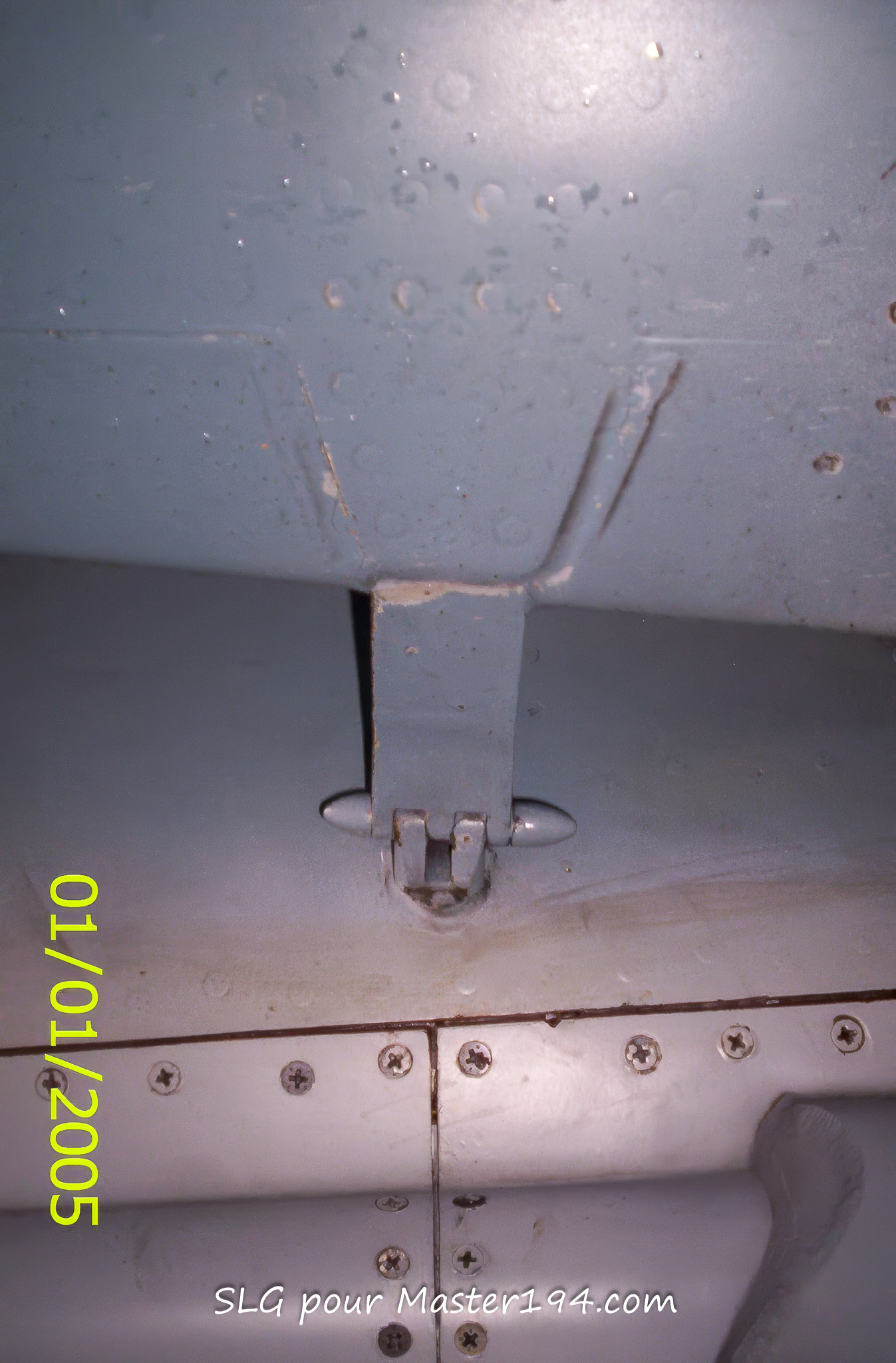
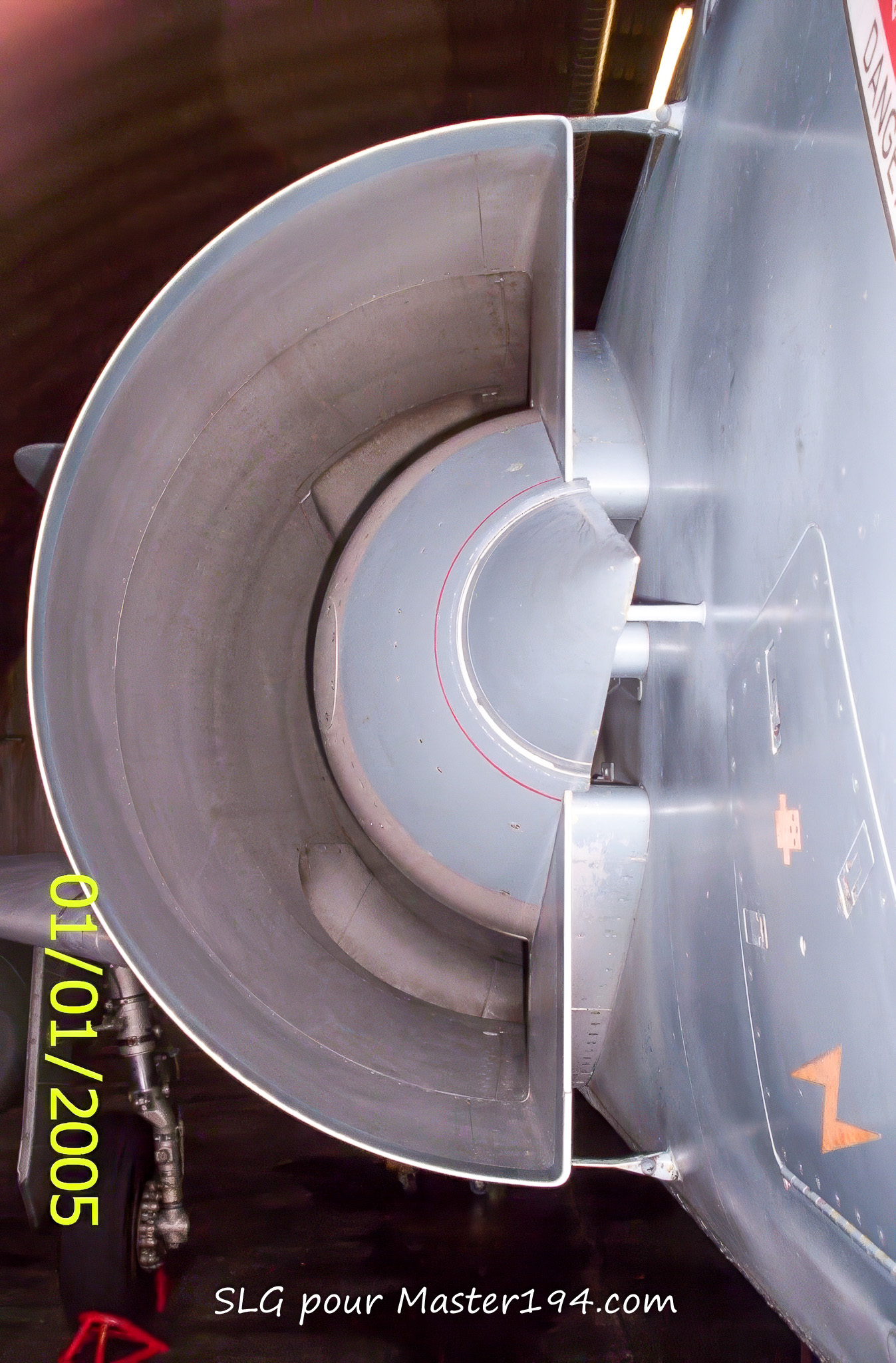
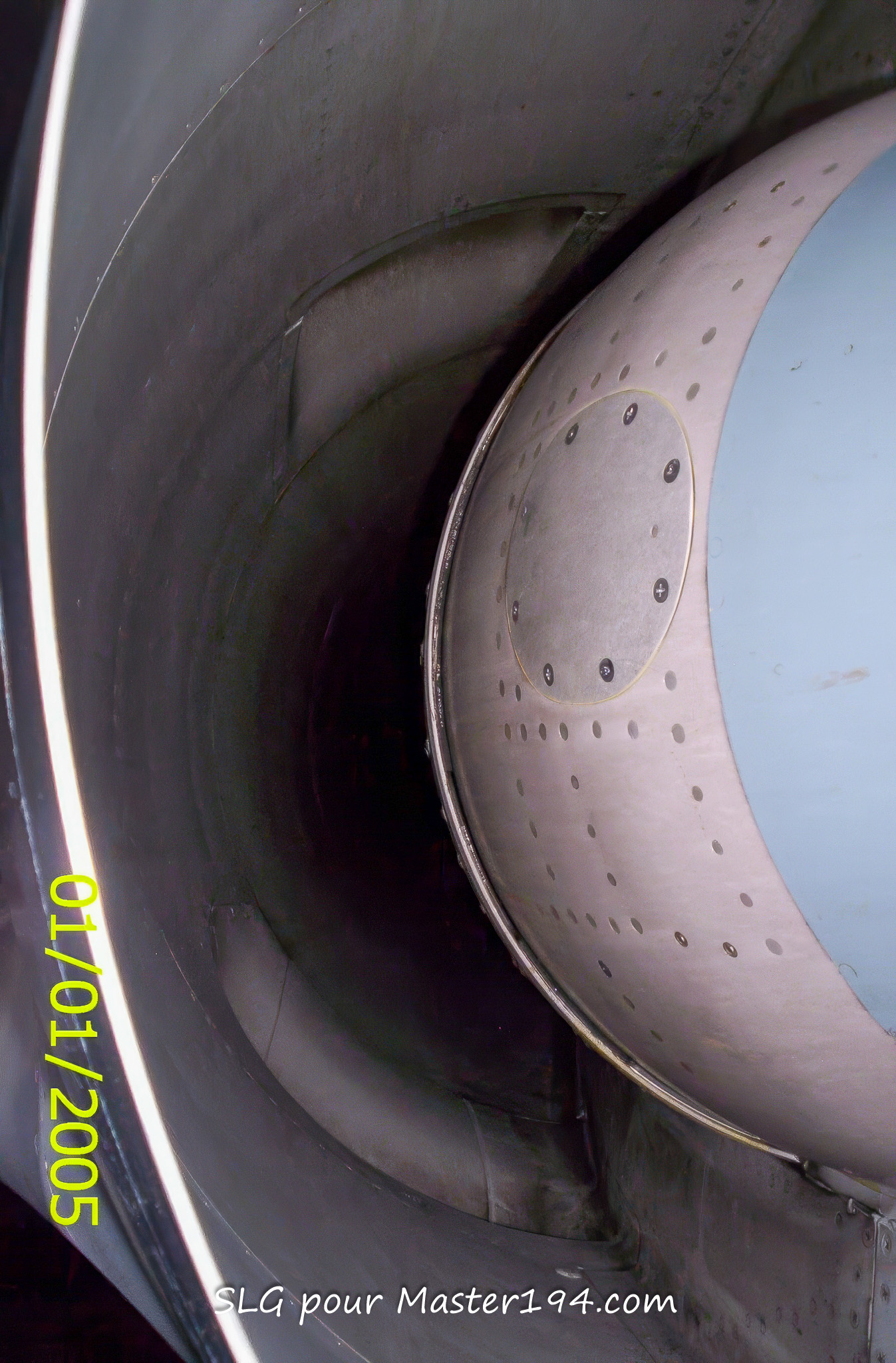
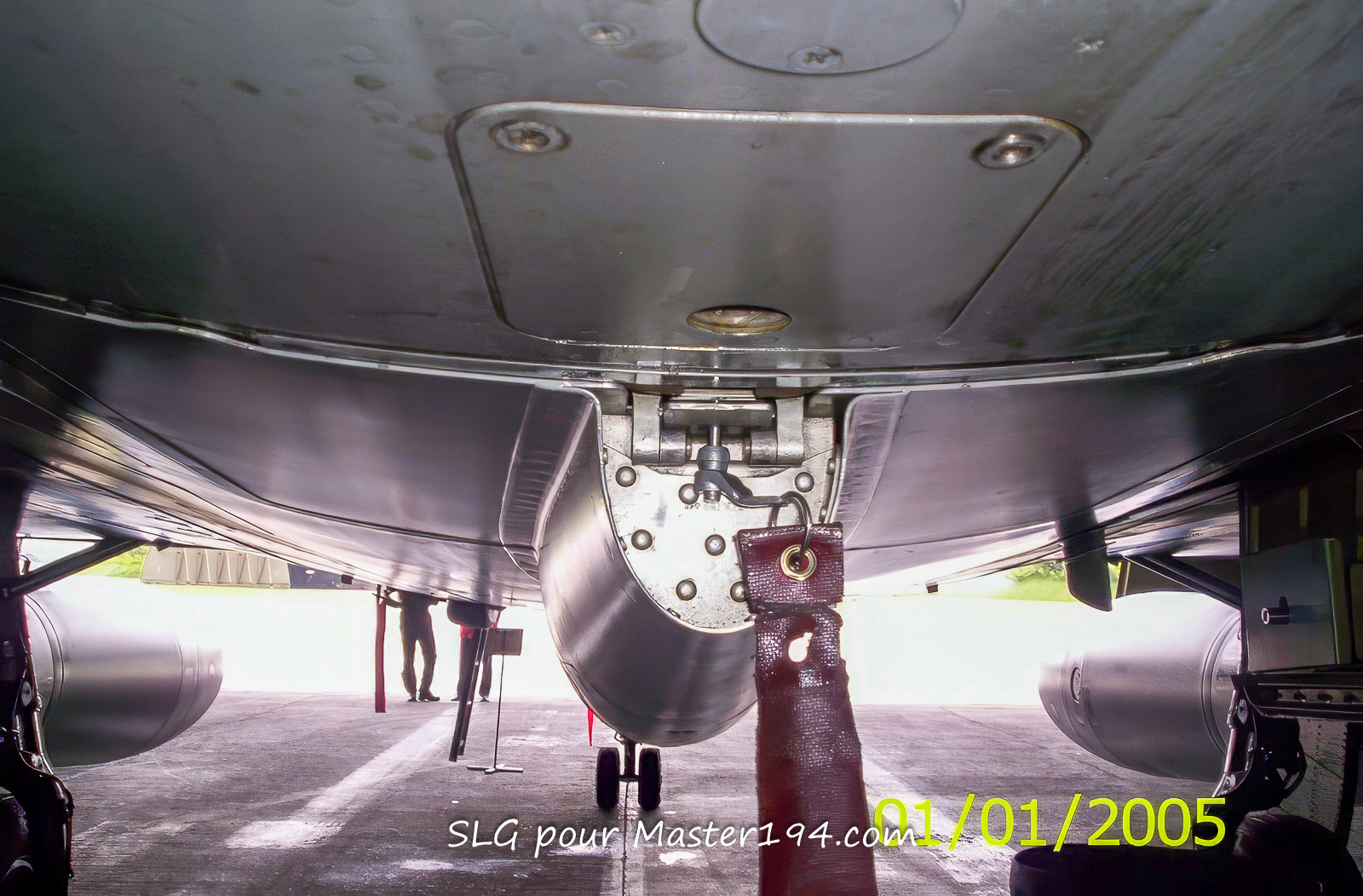
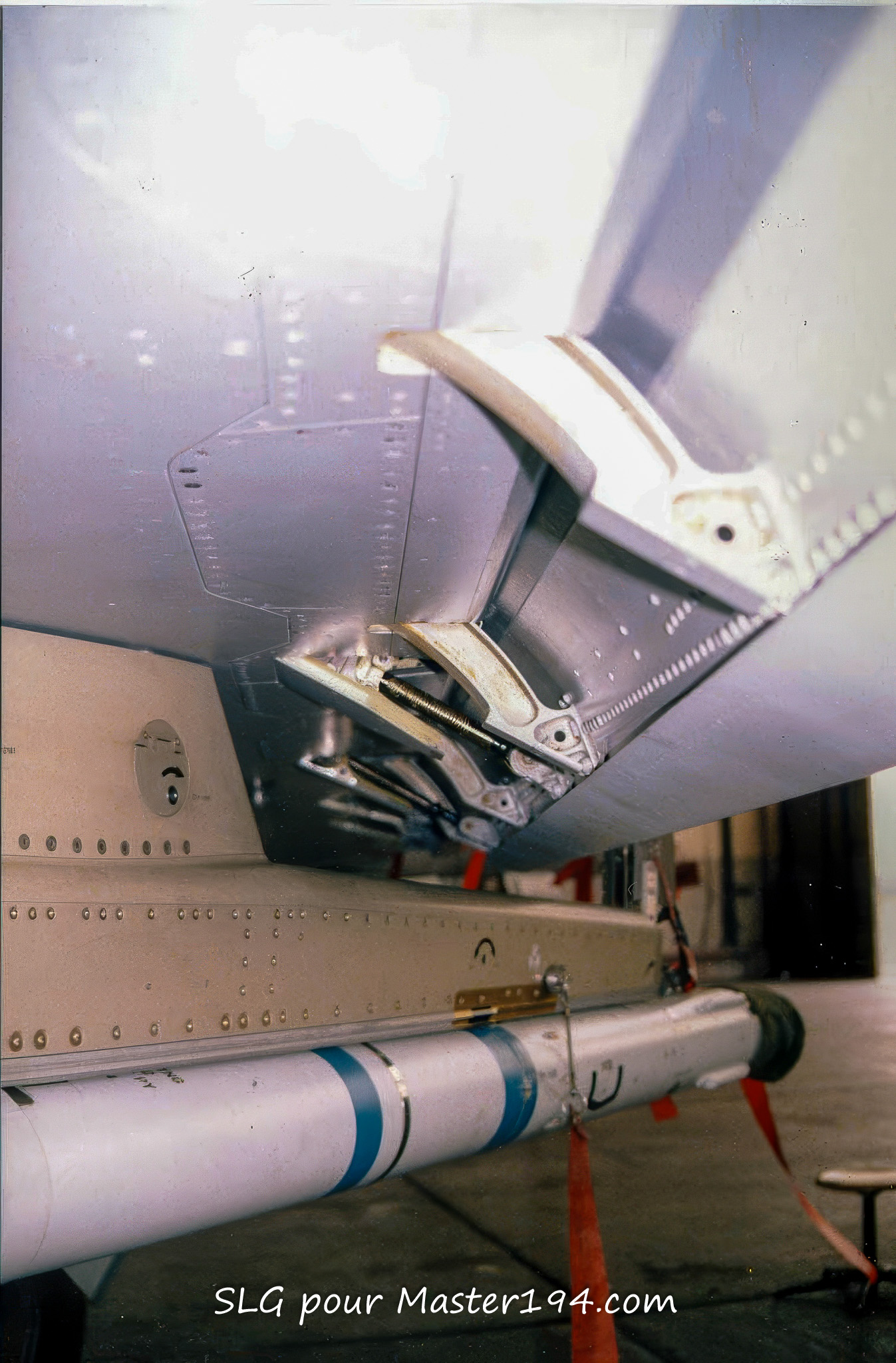
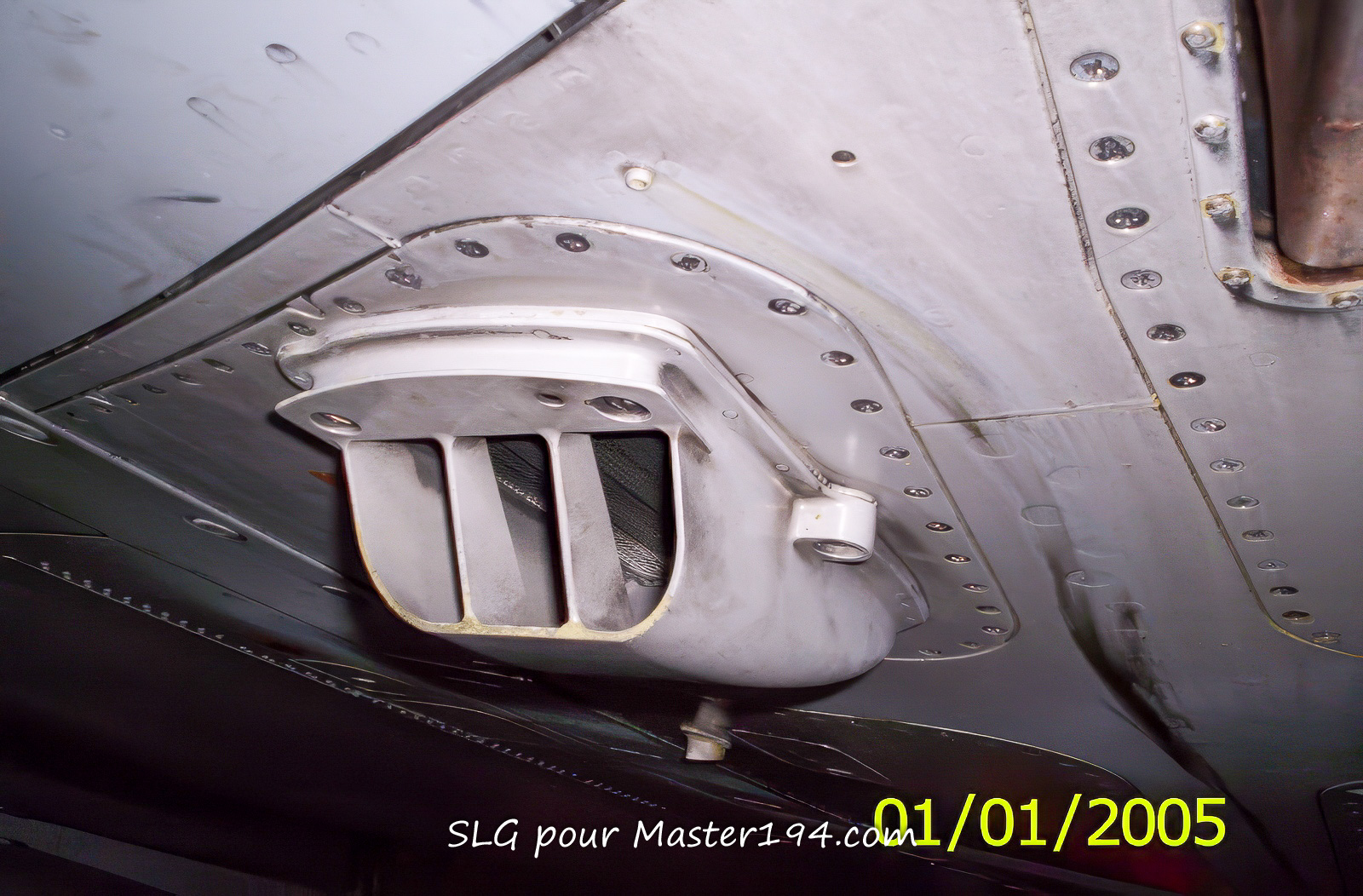
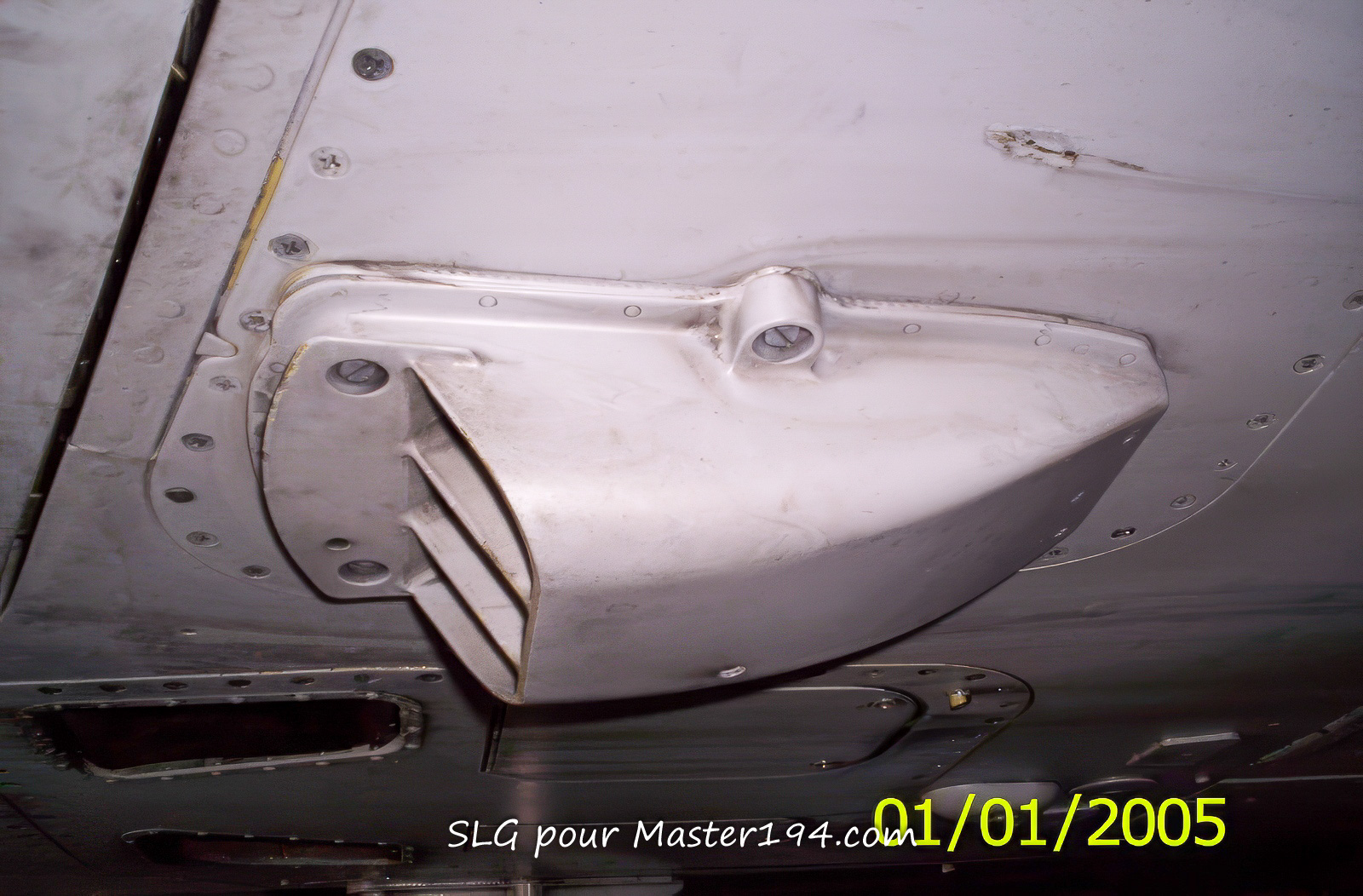
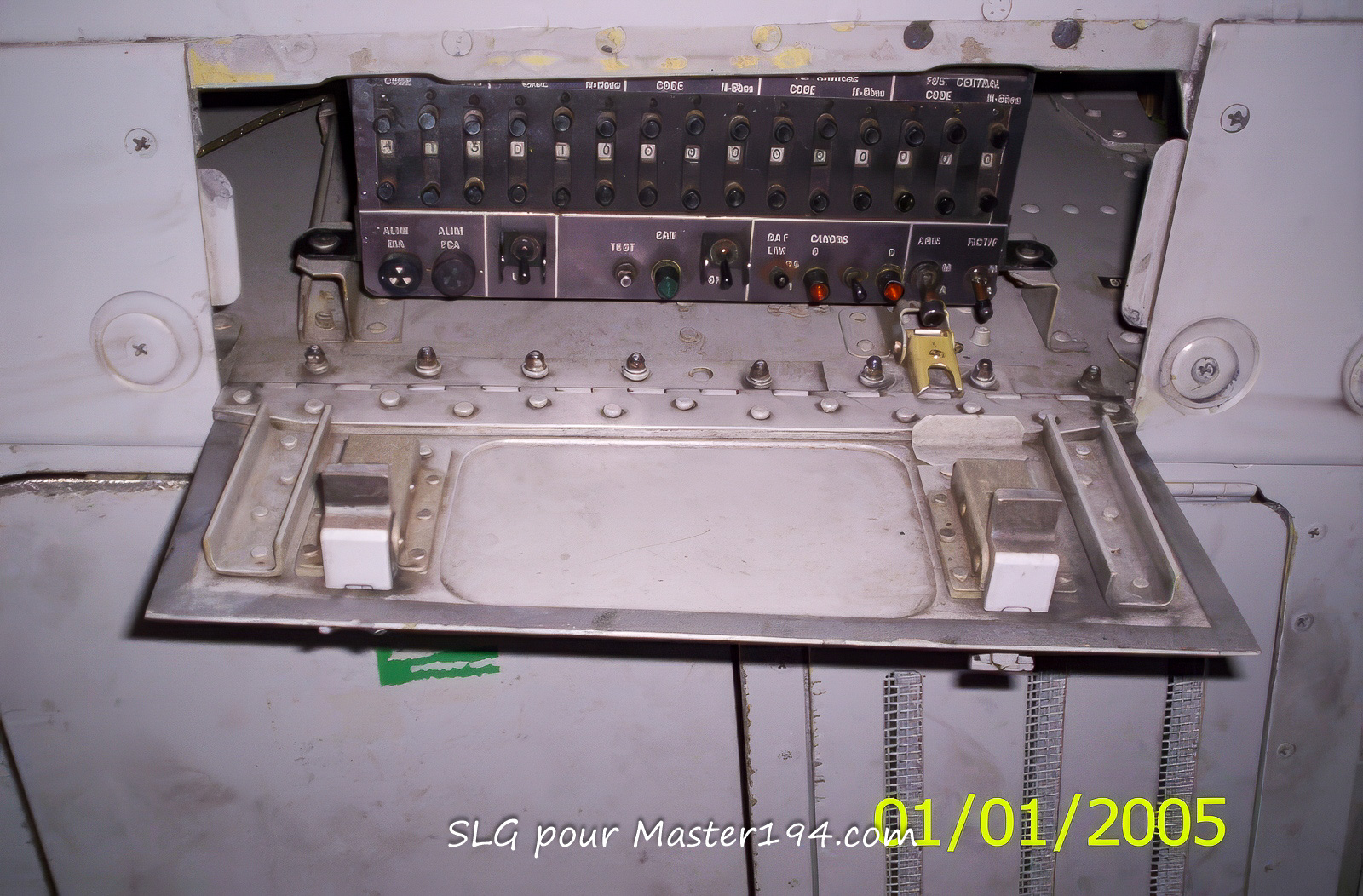
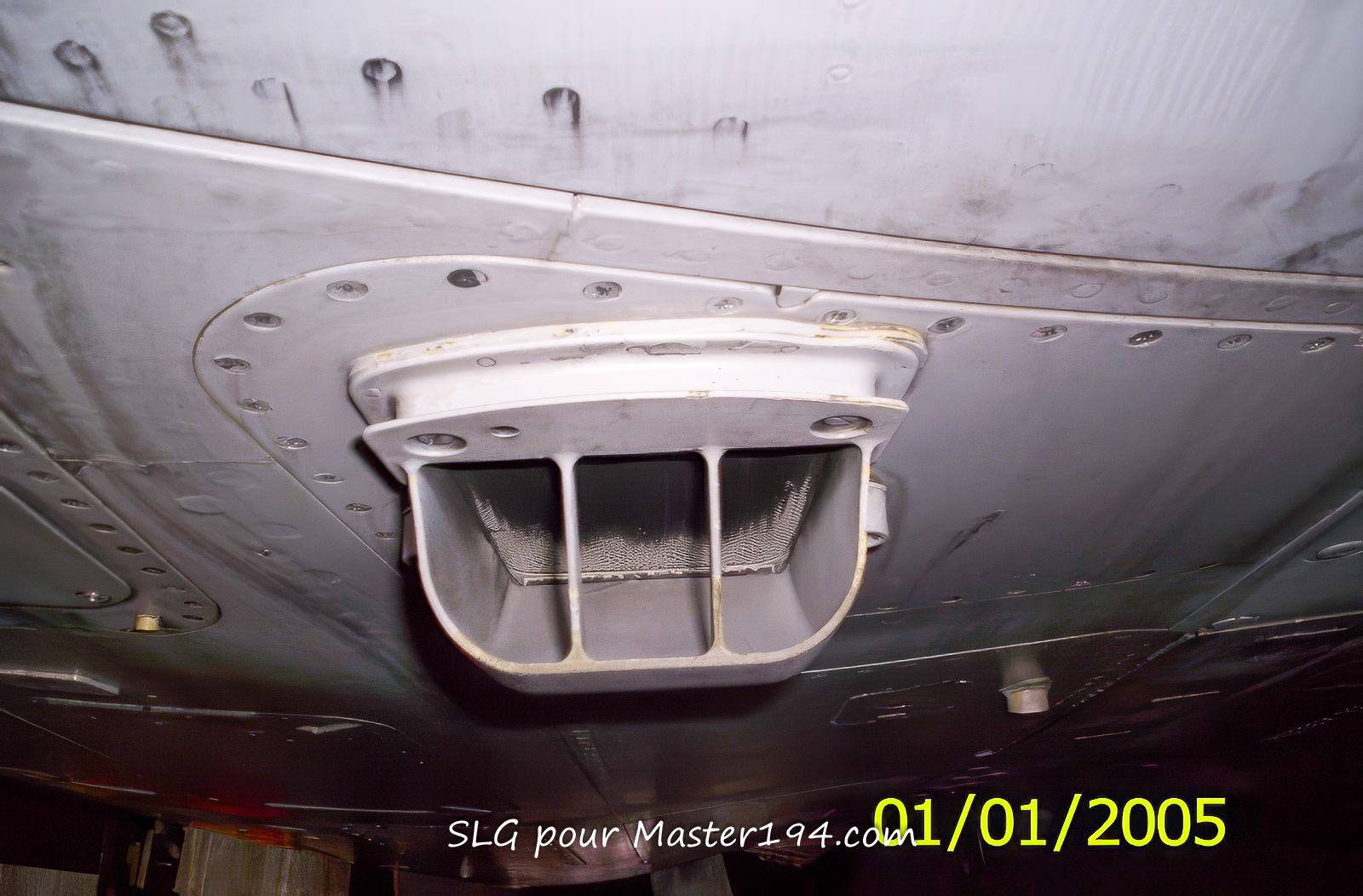
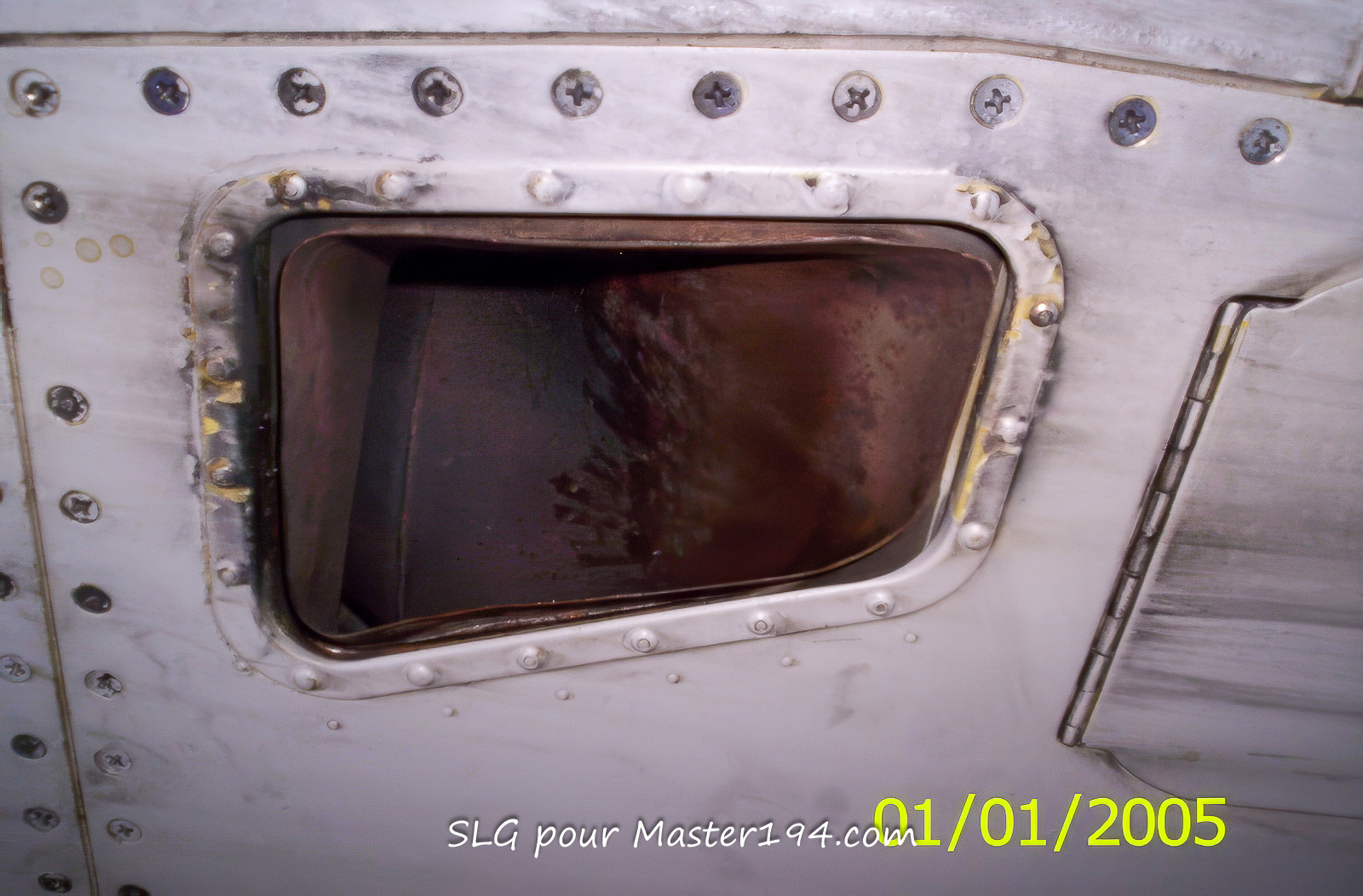
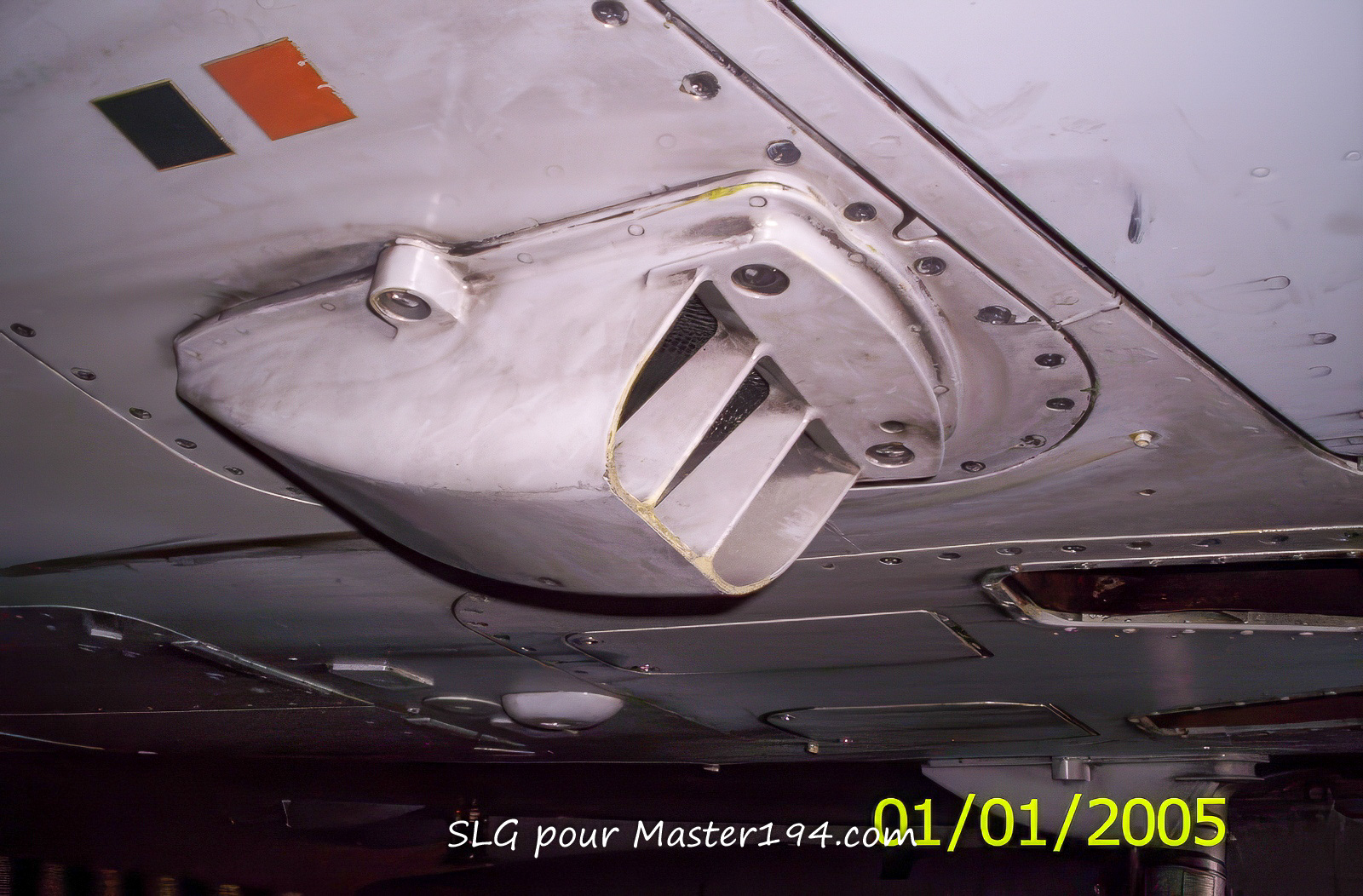
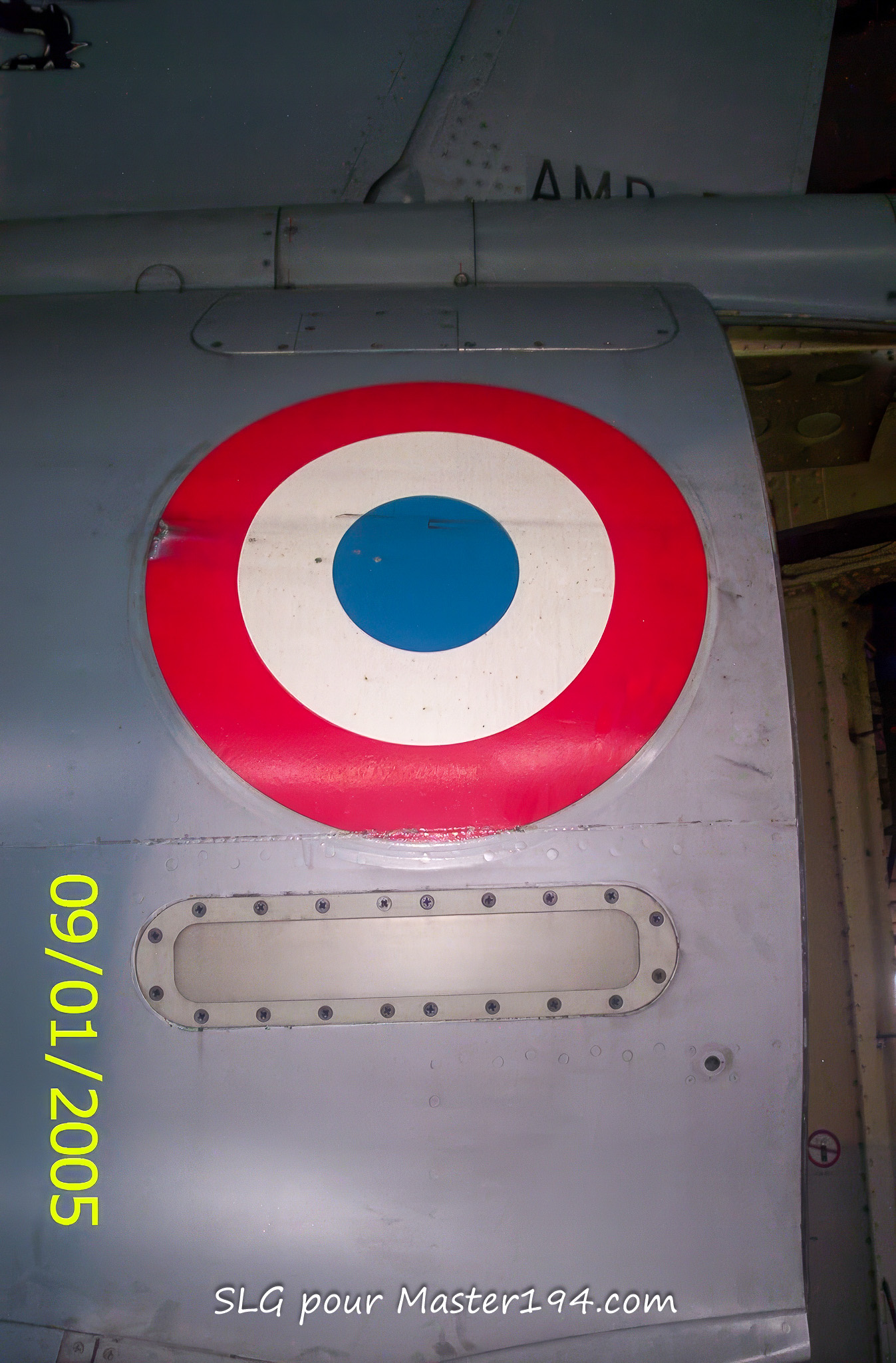
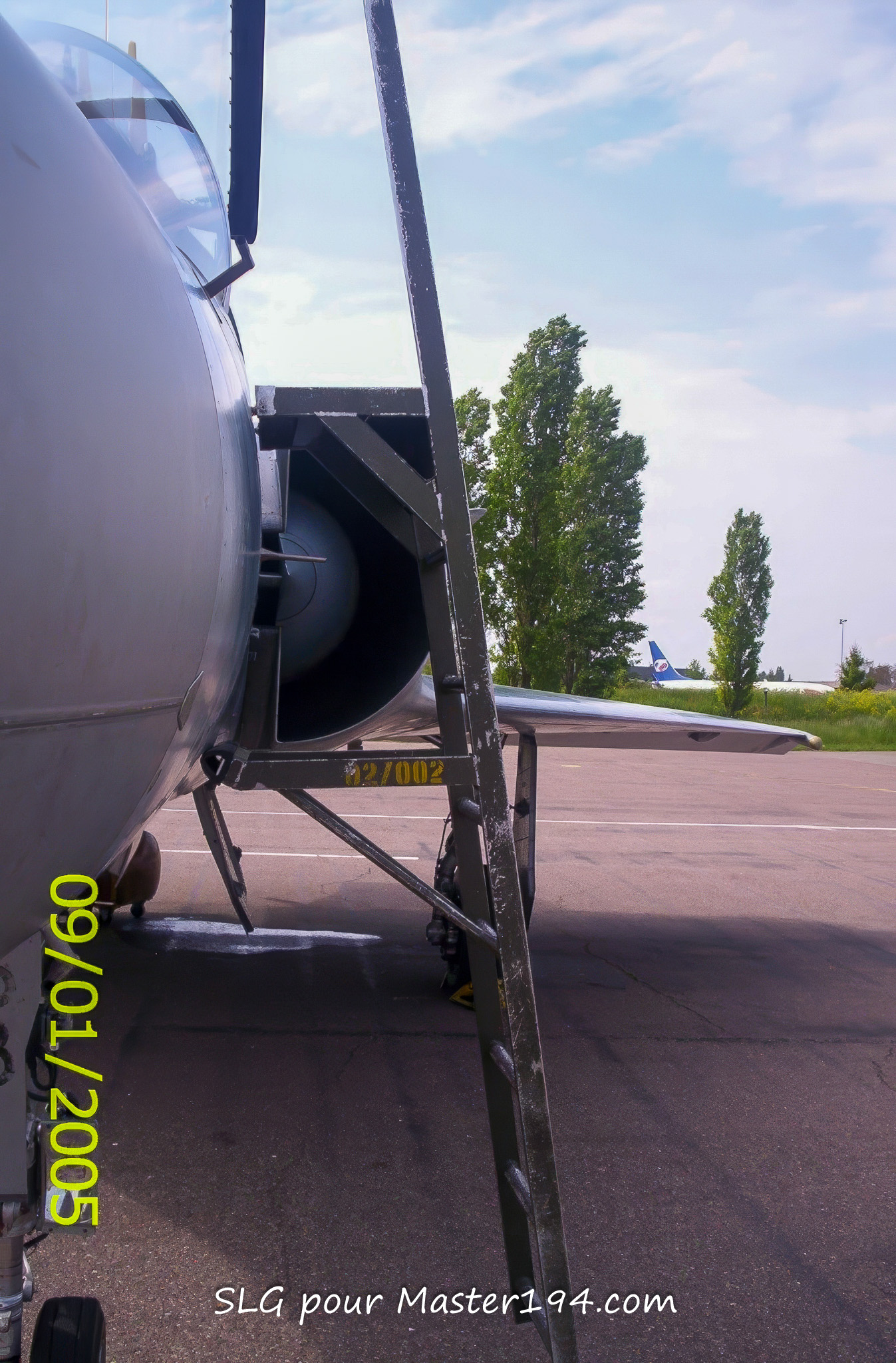
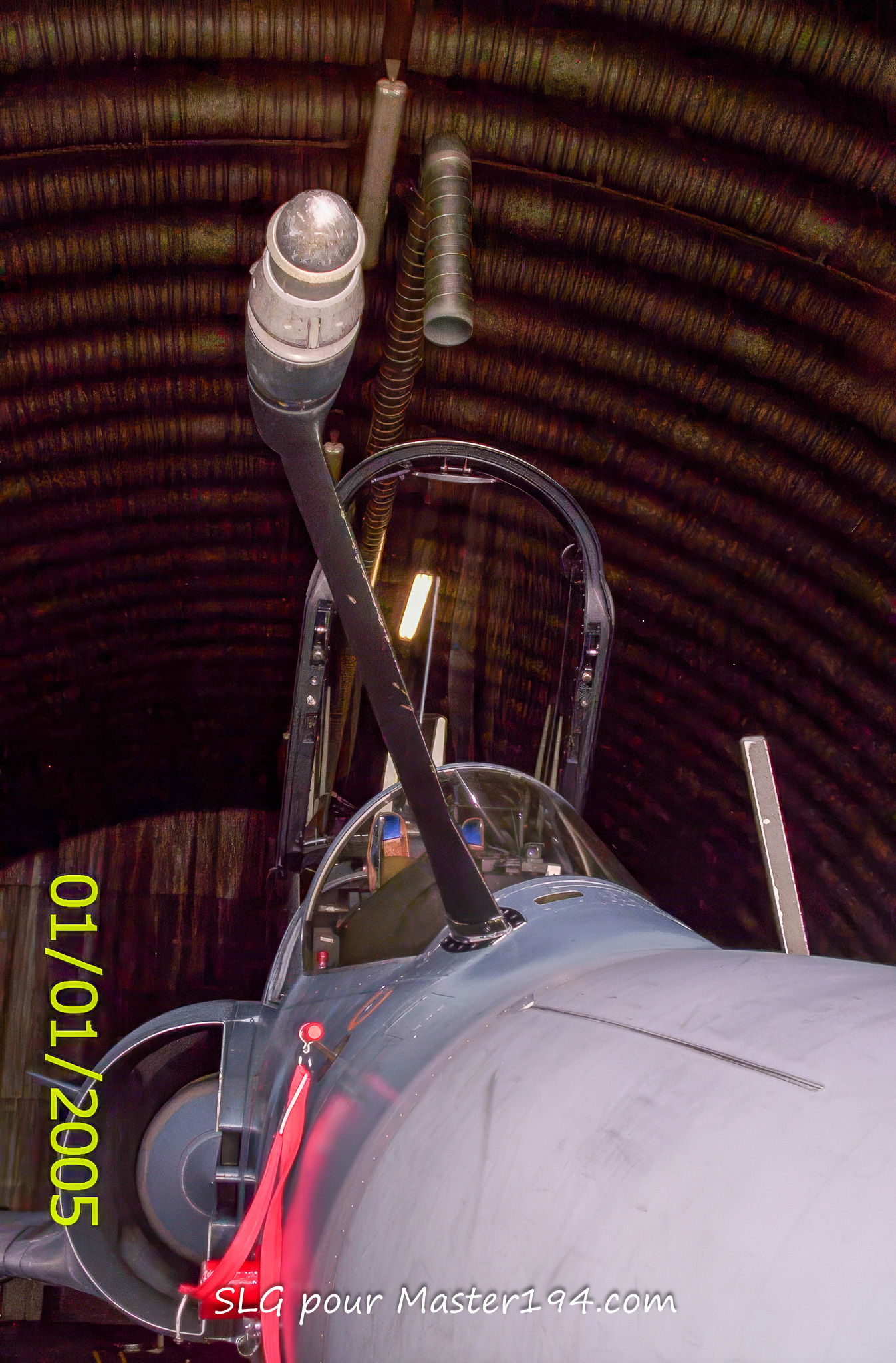
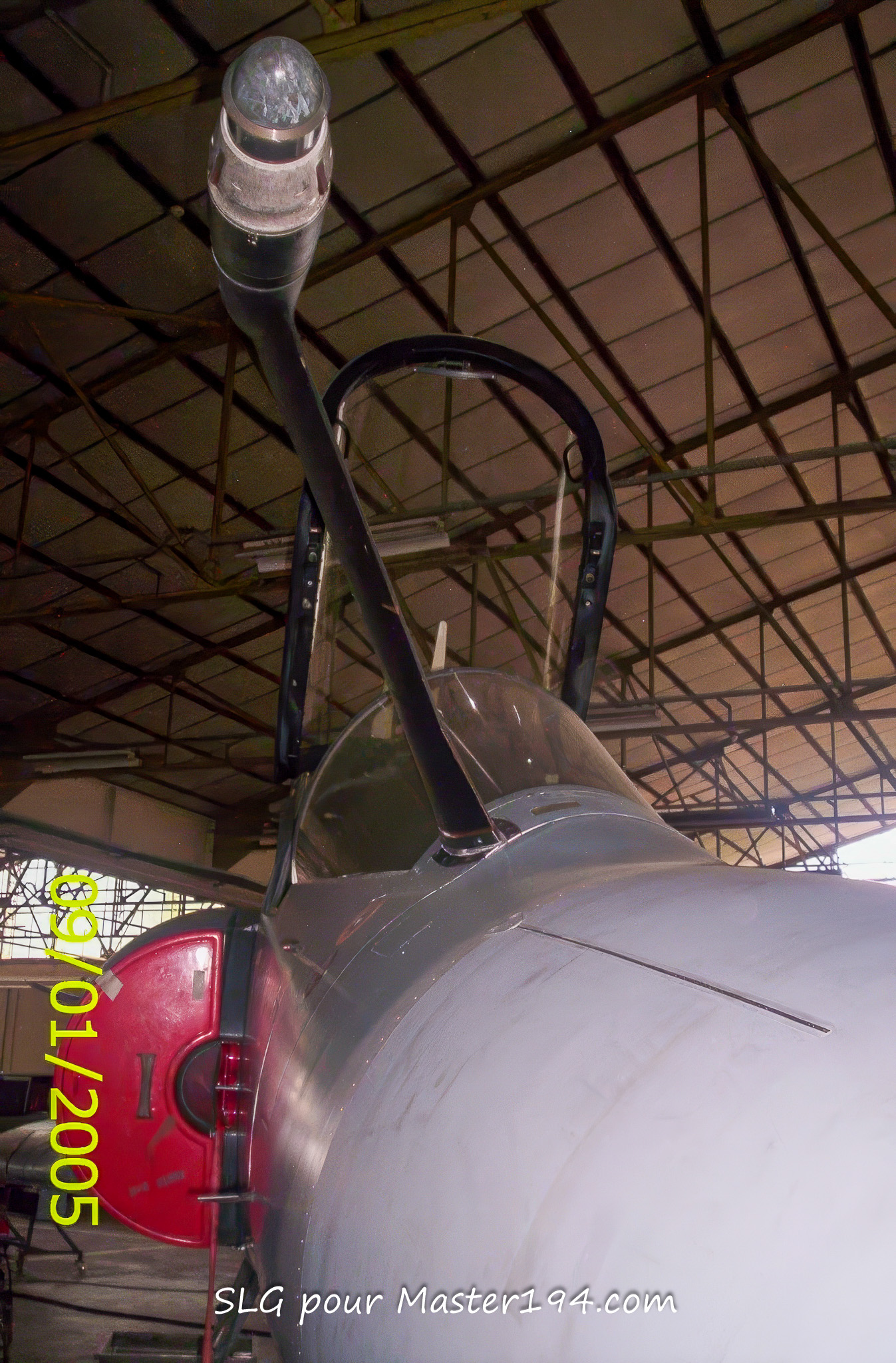
Air Intakes & Fuselage Details
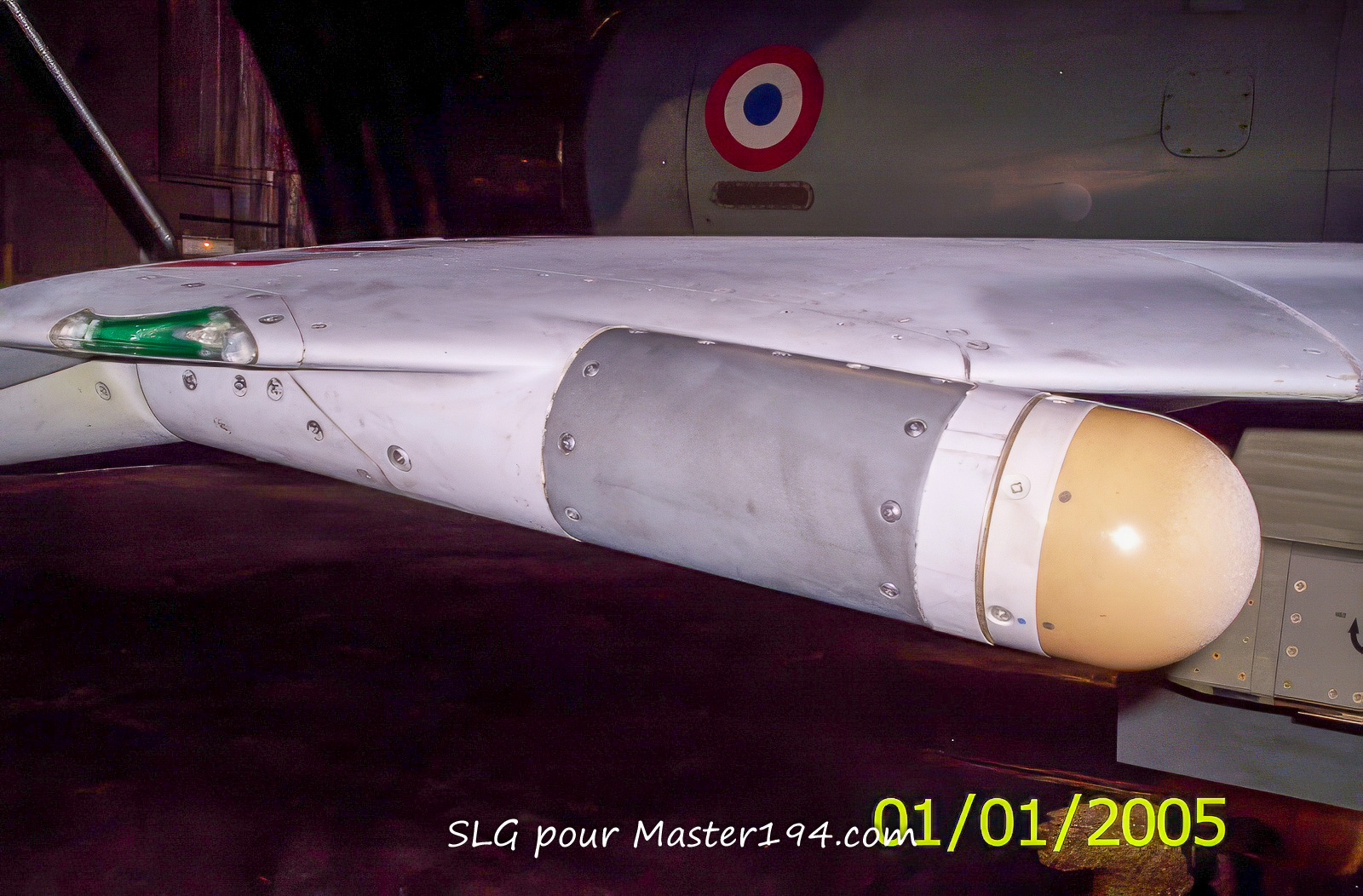
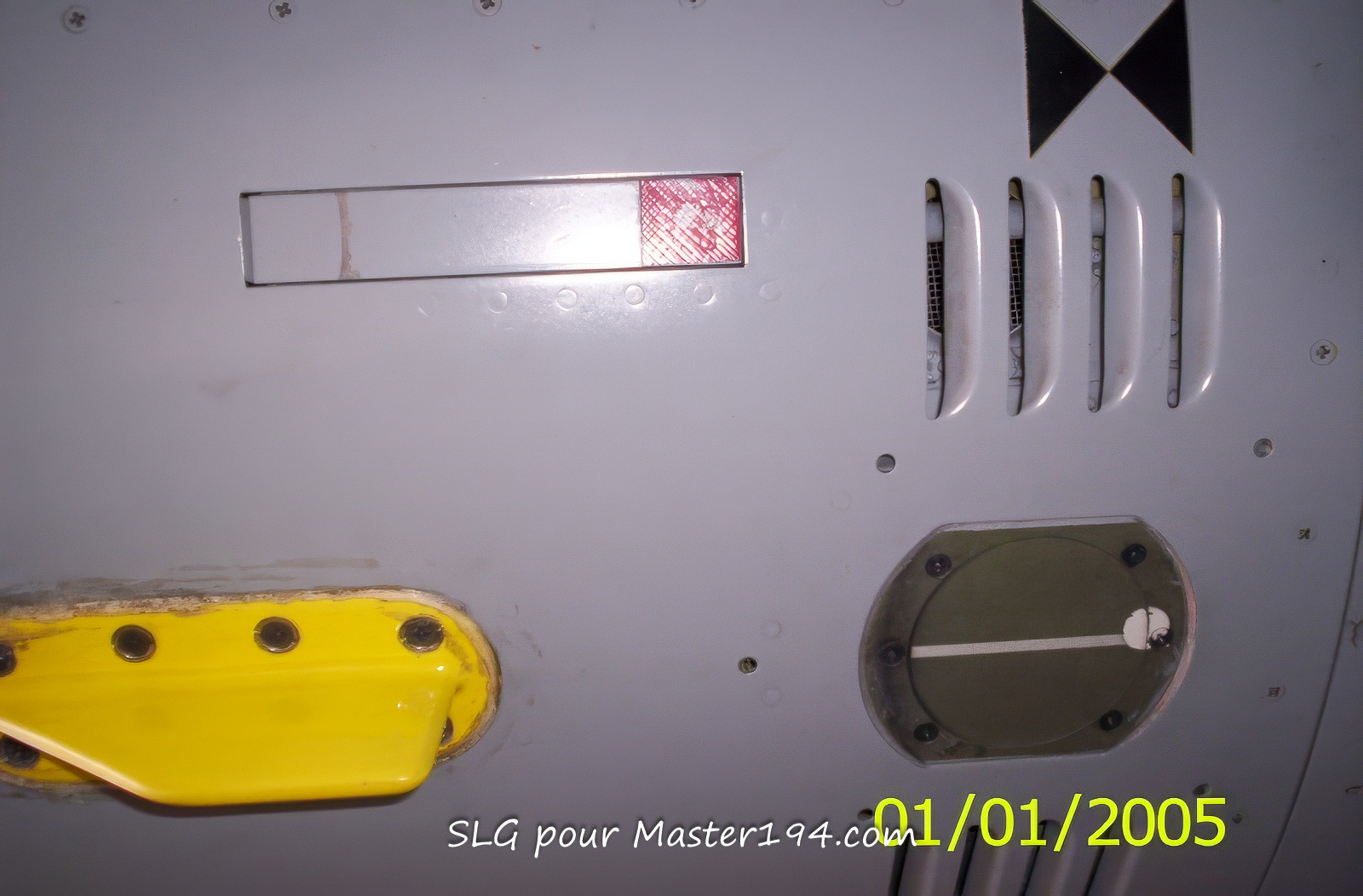
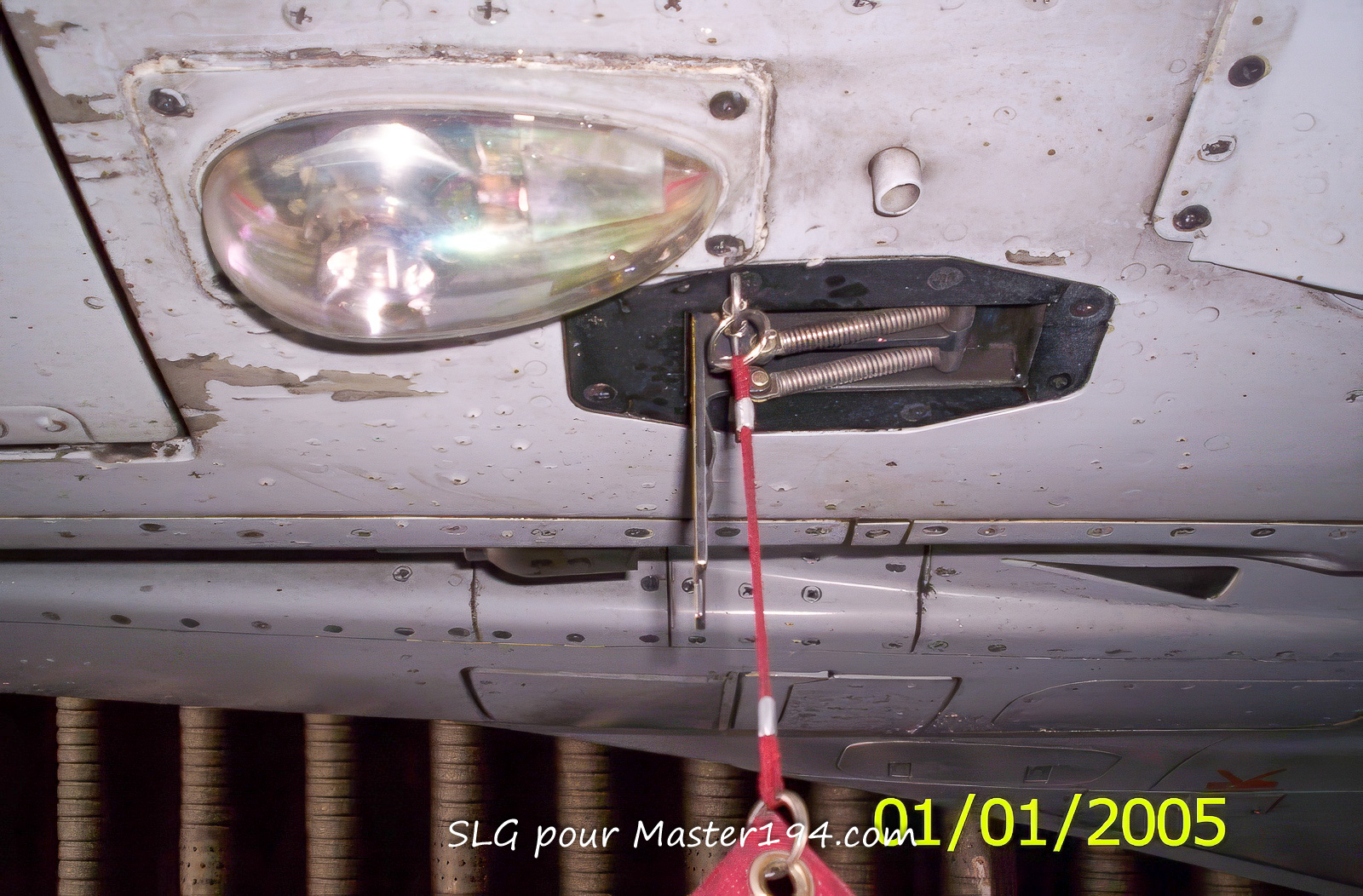
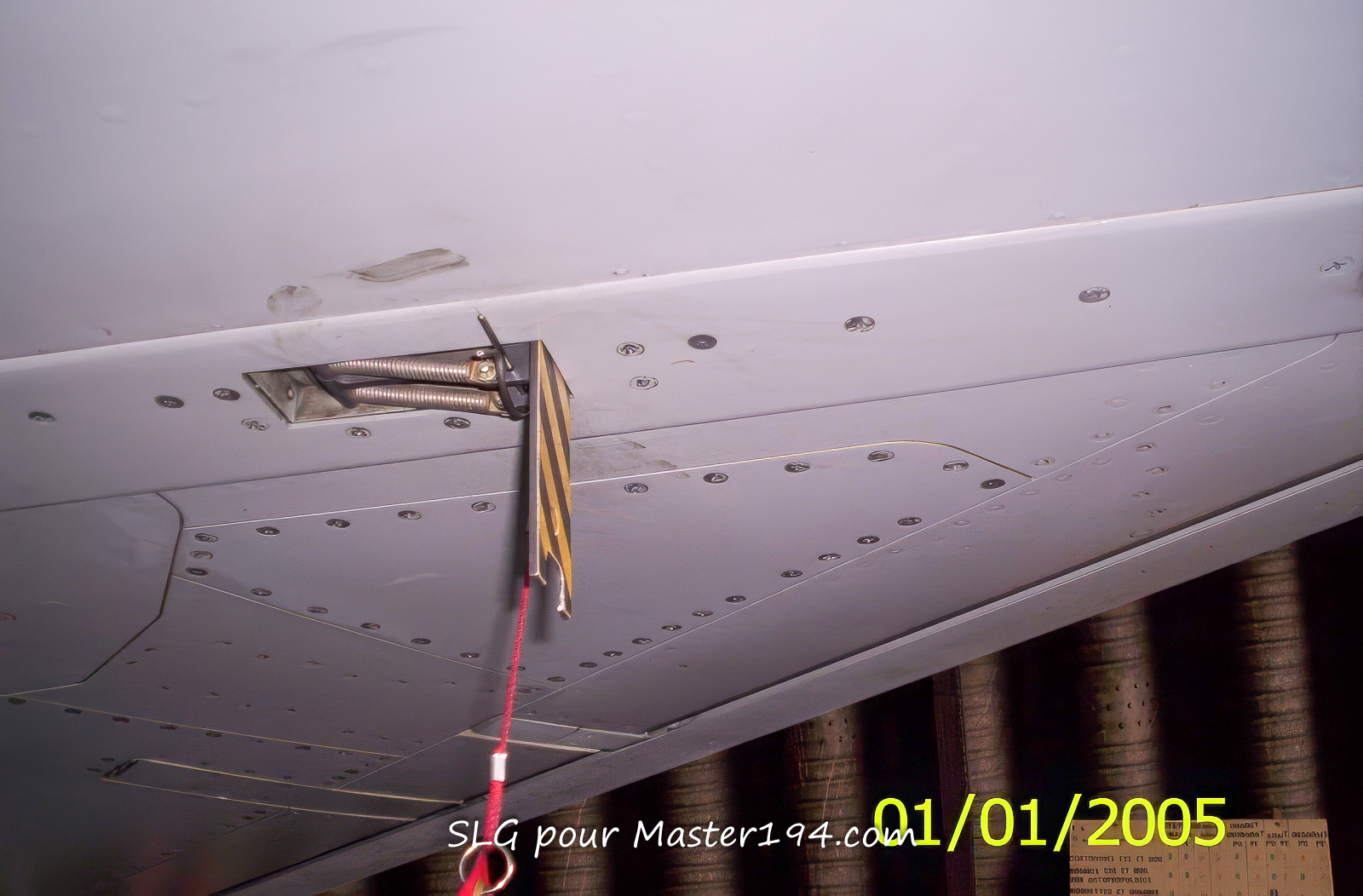
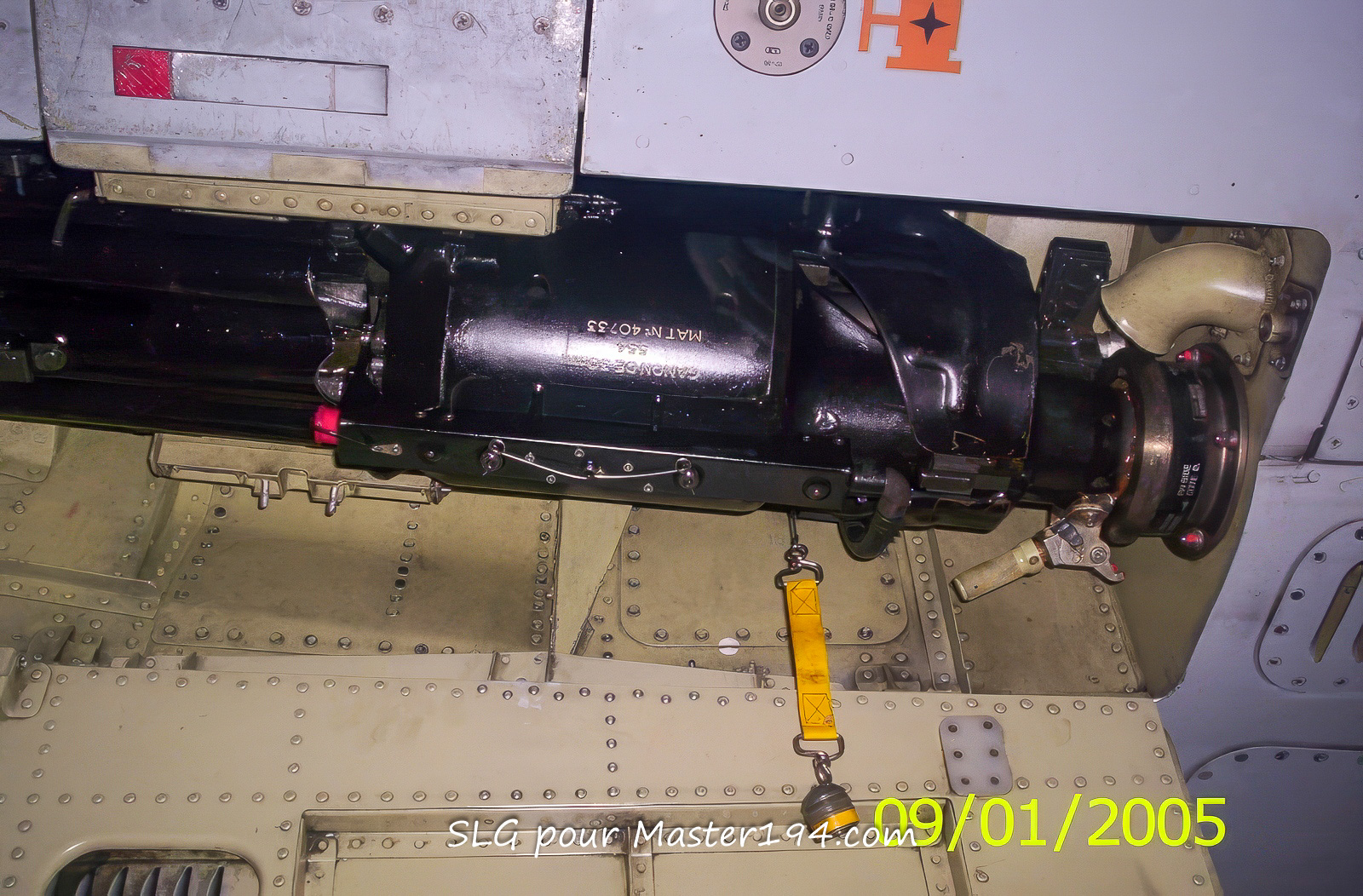
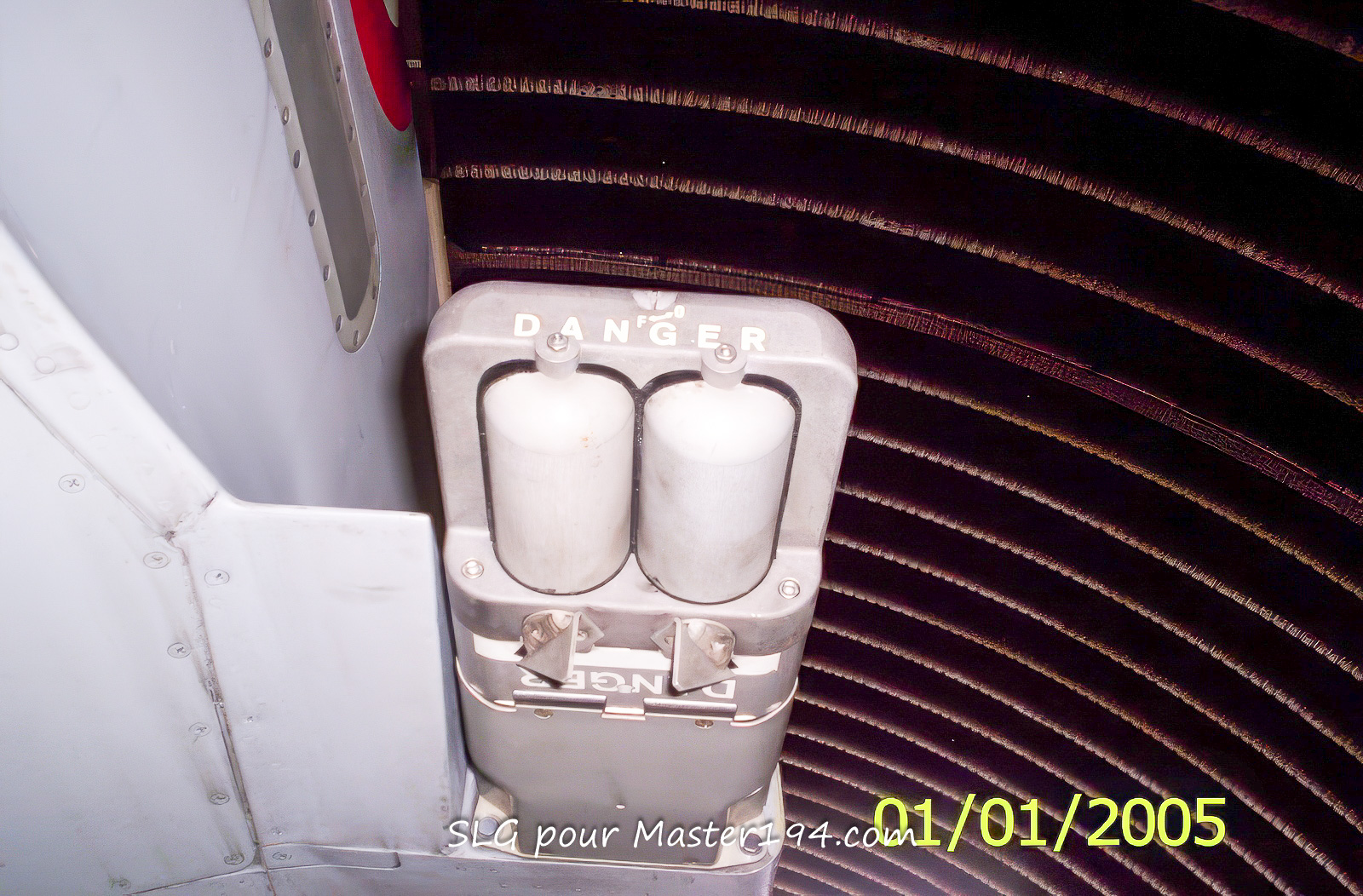
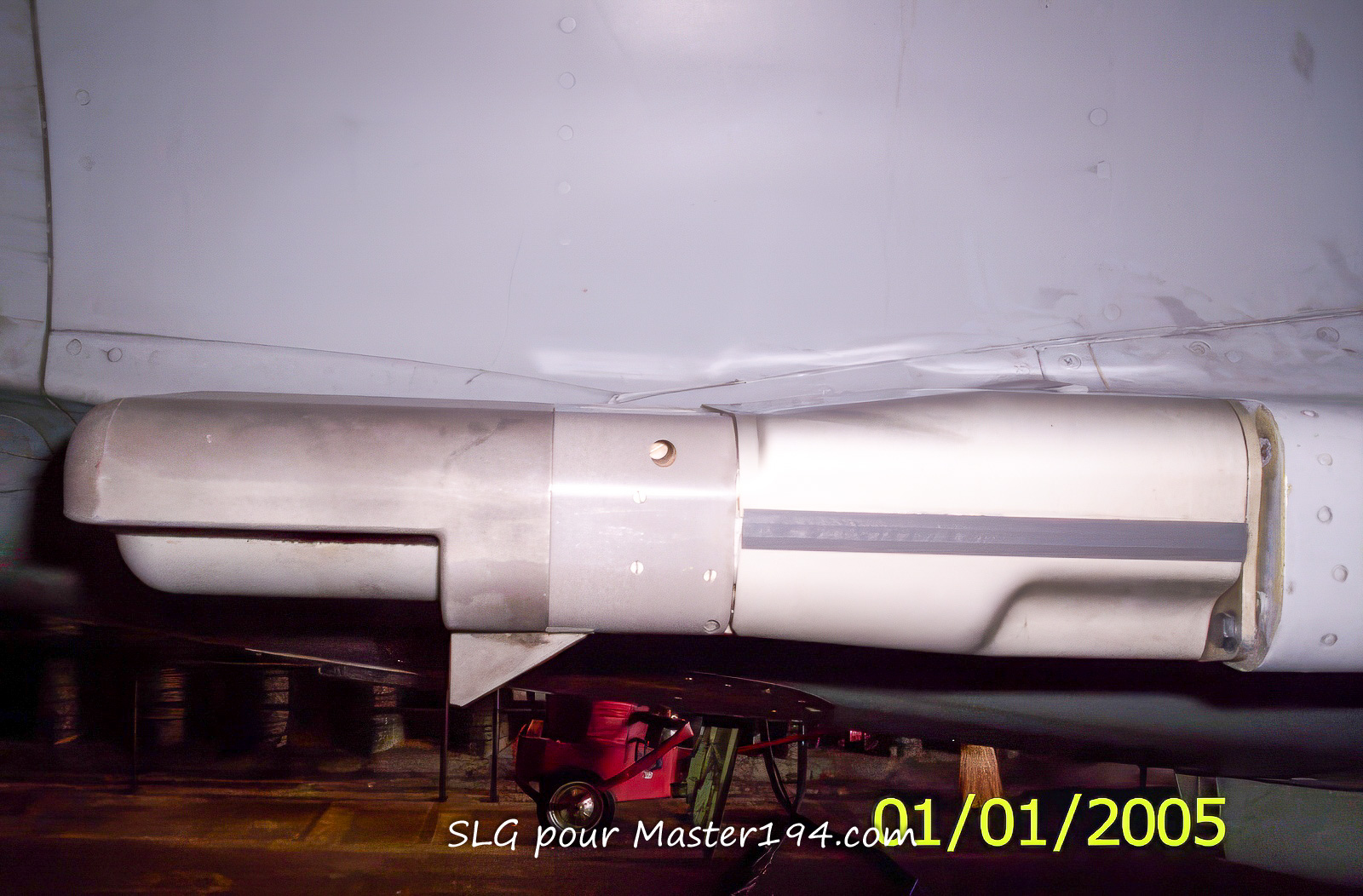
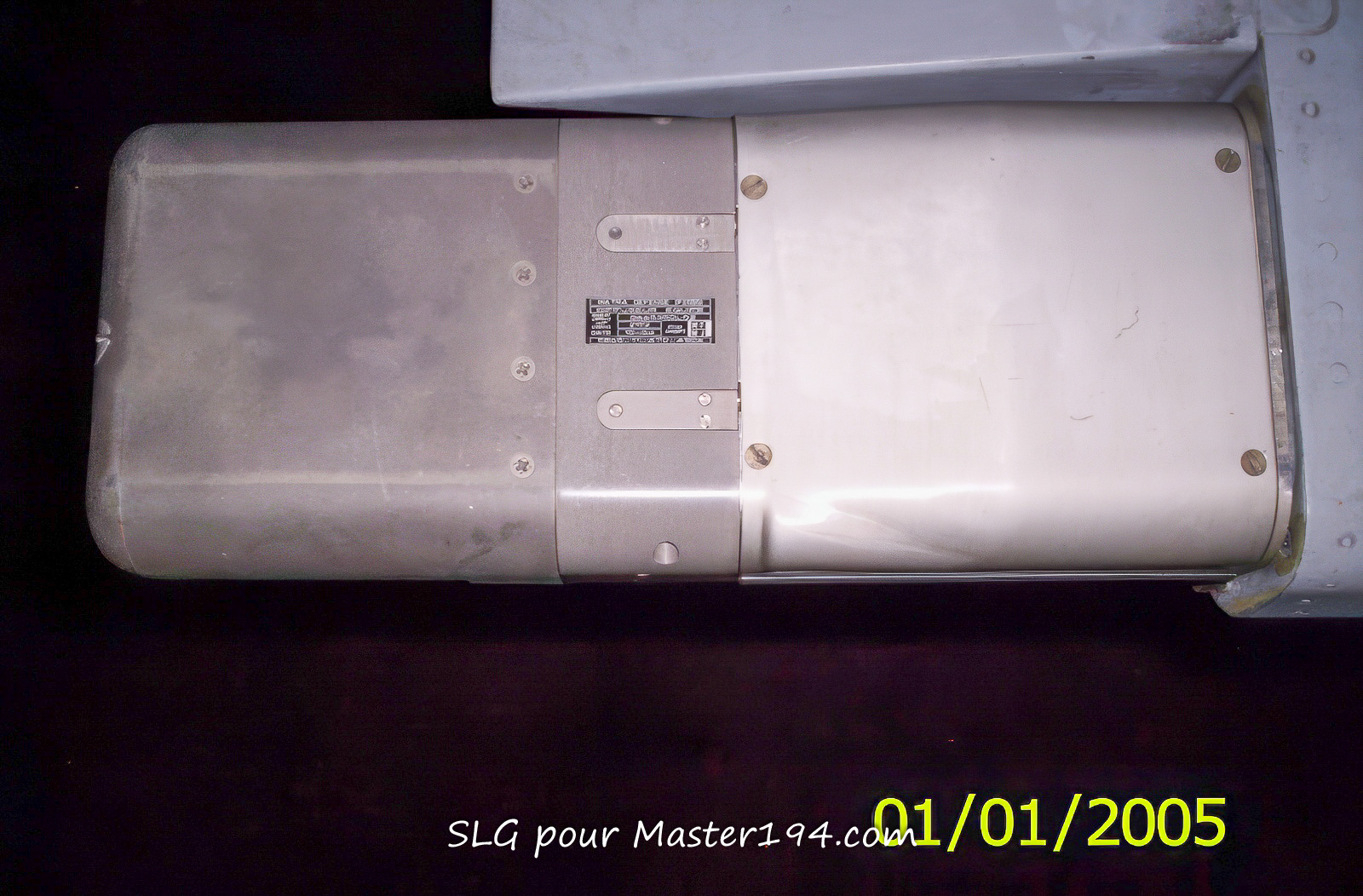
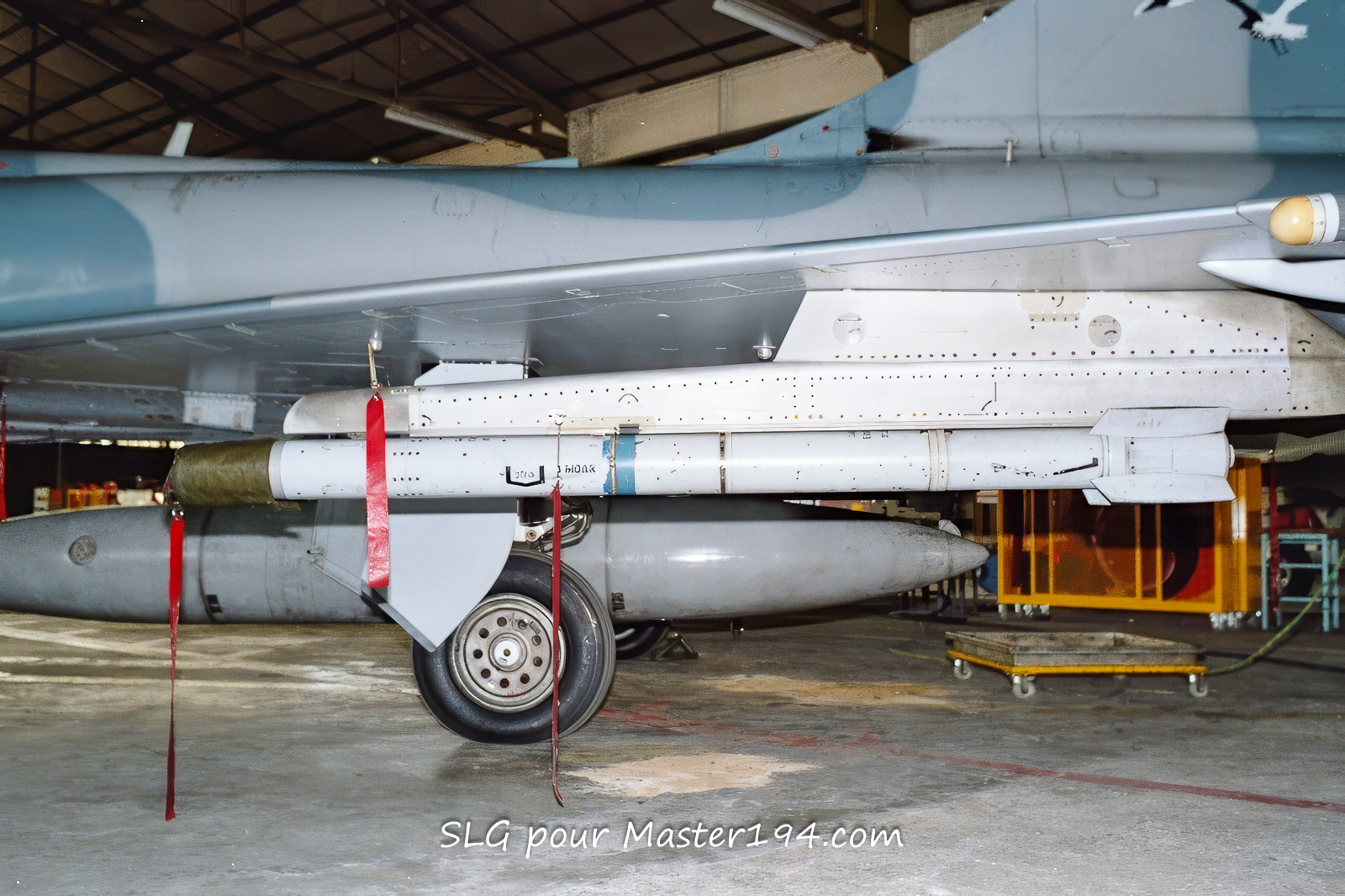
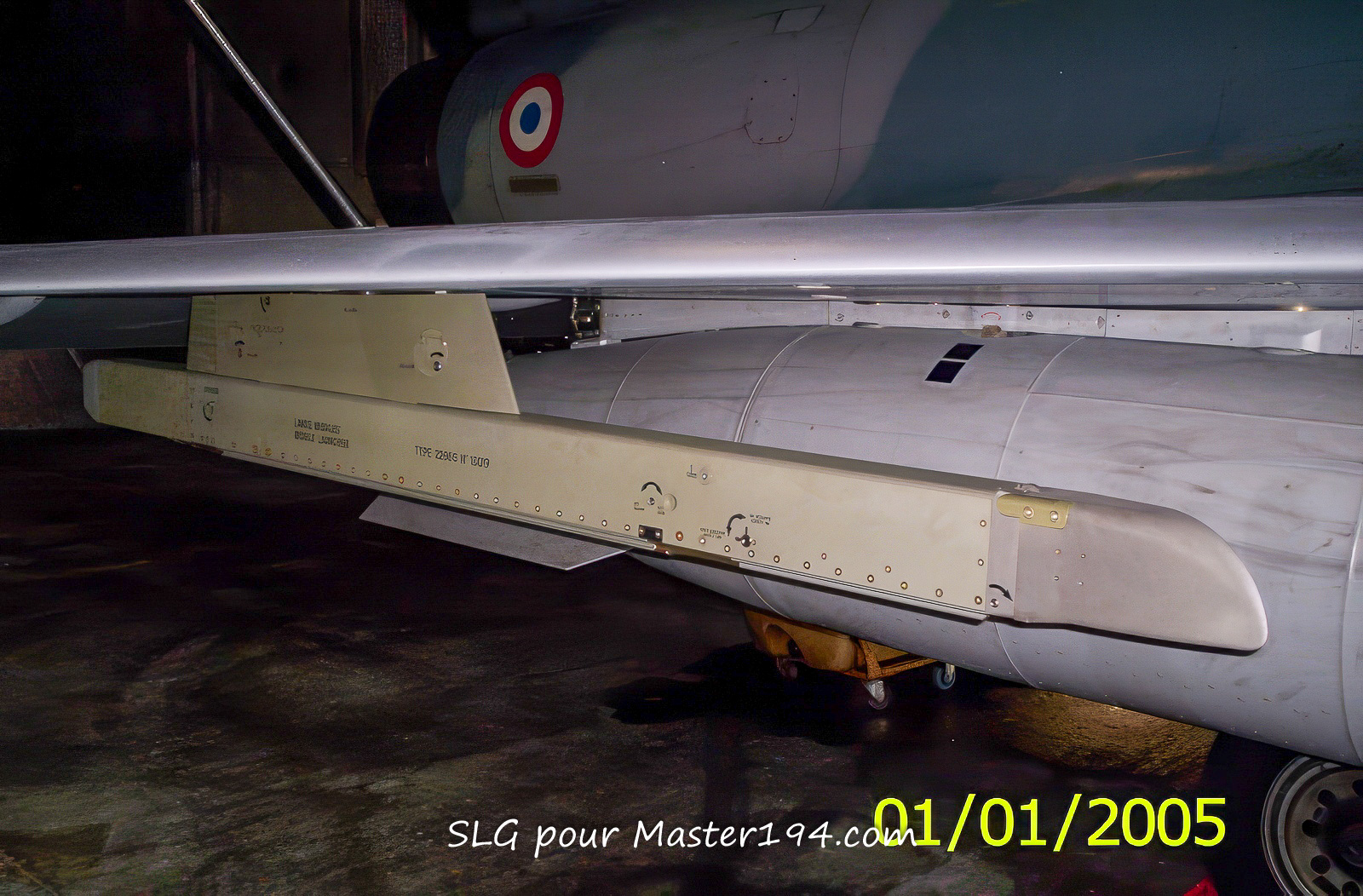
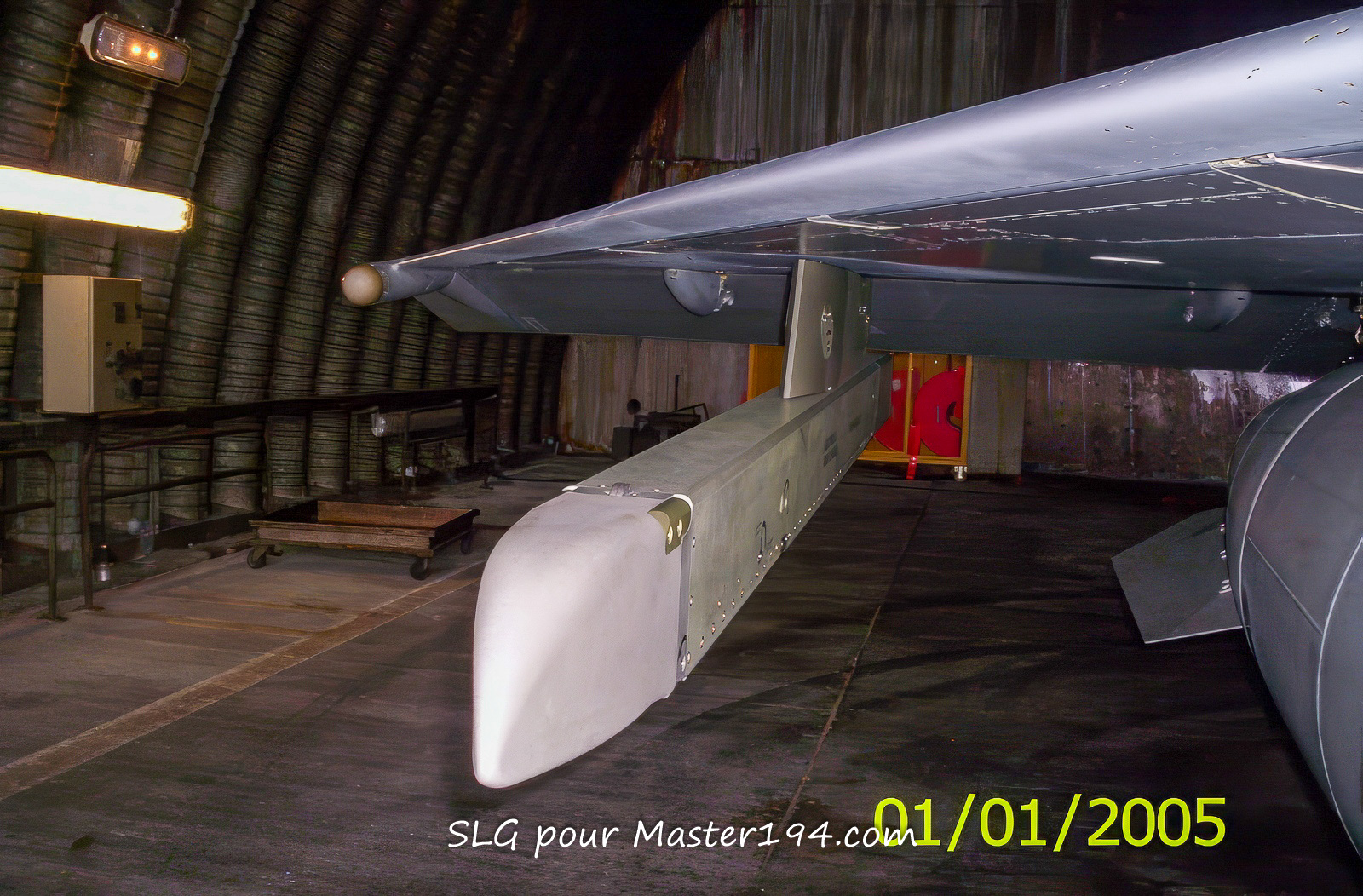
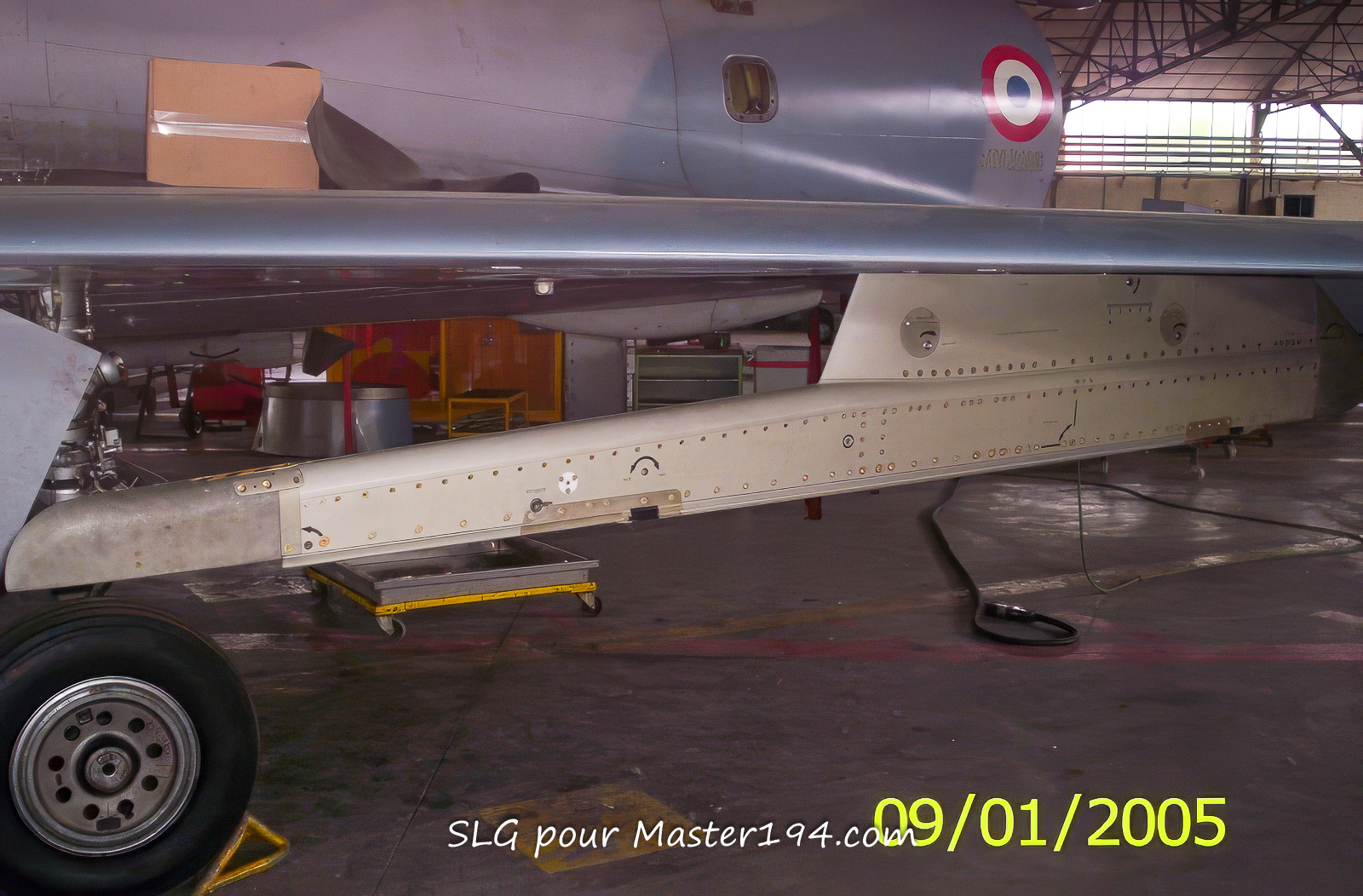
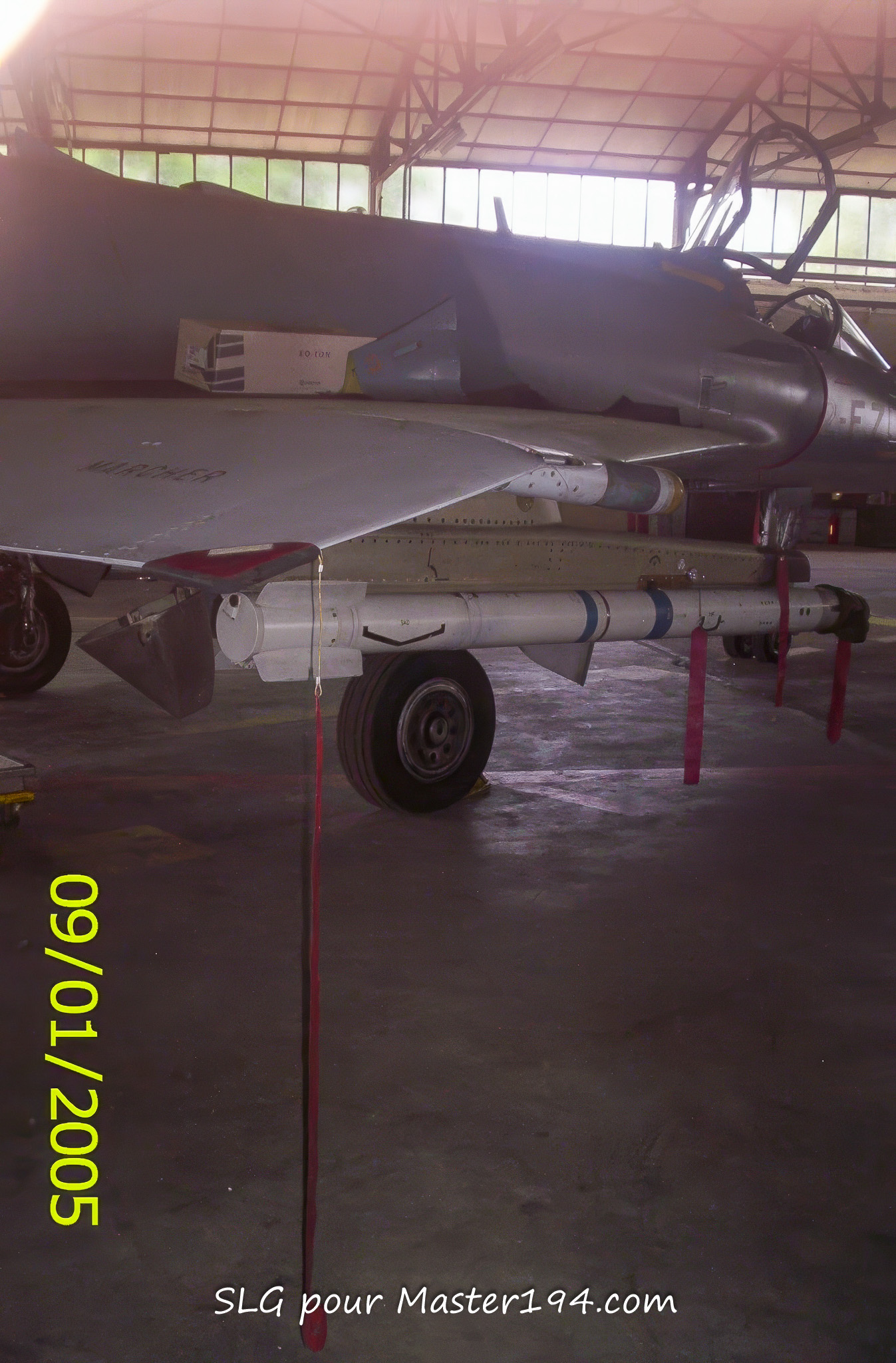
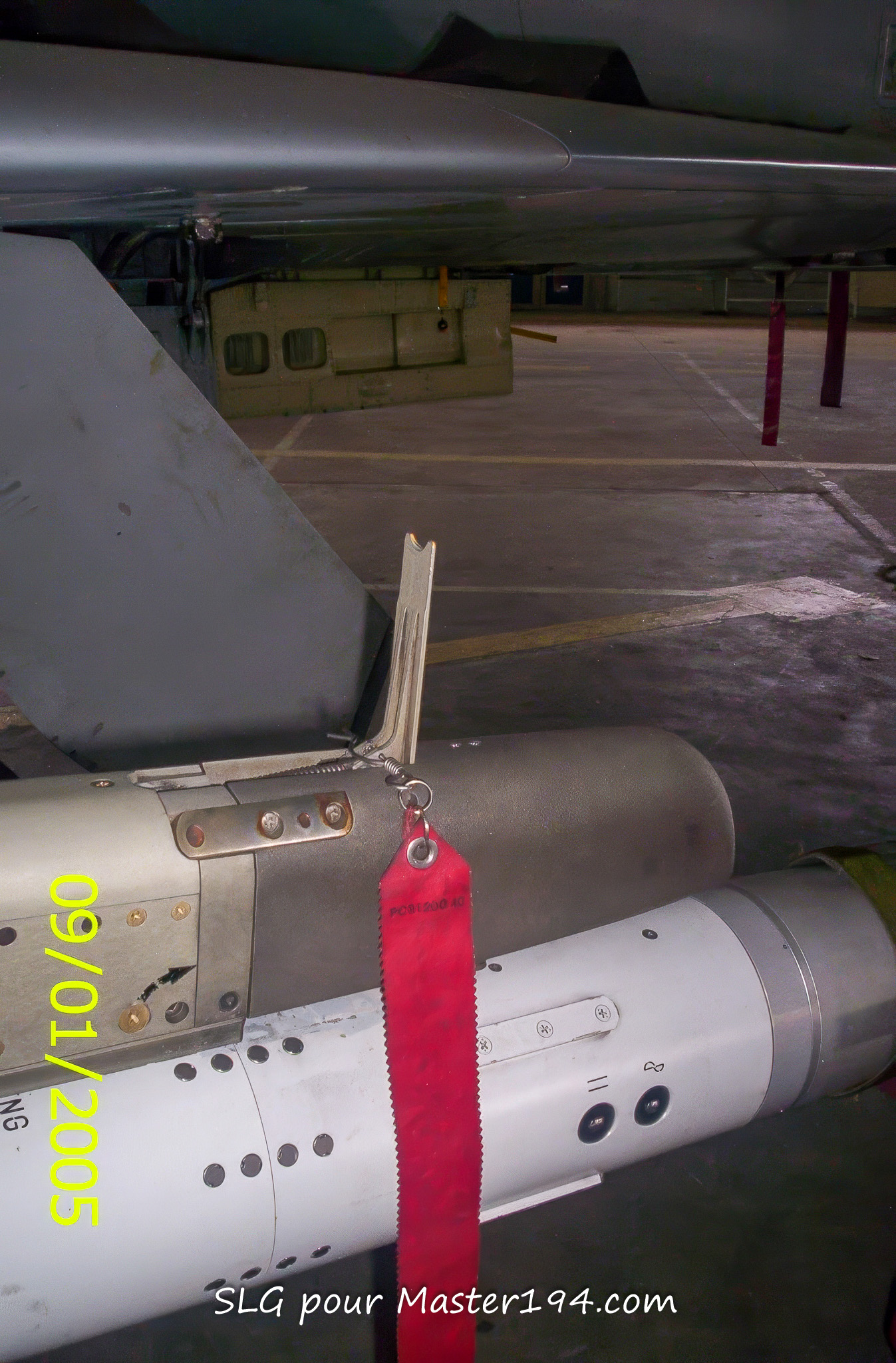
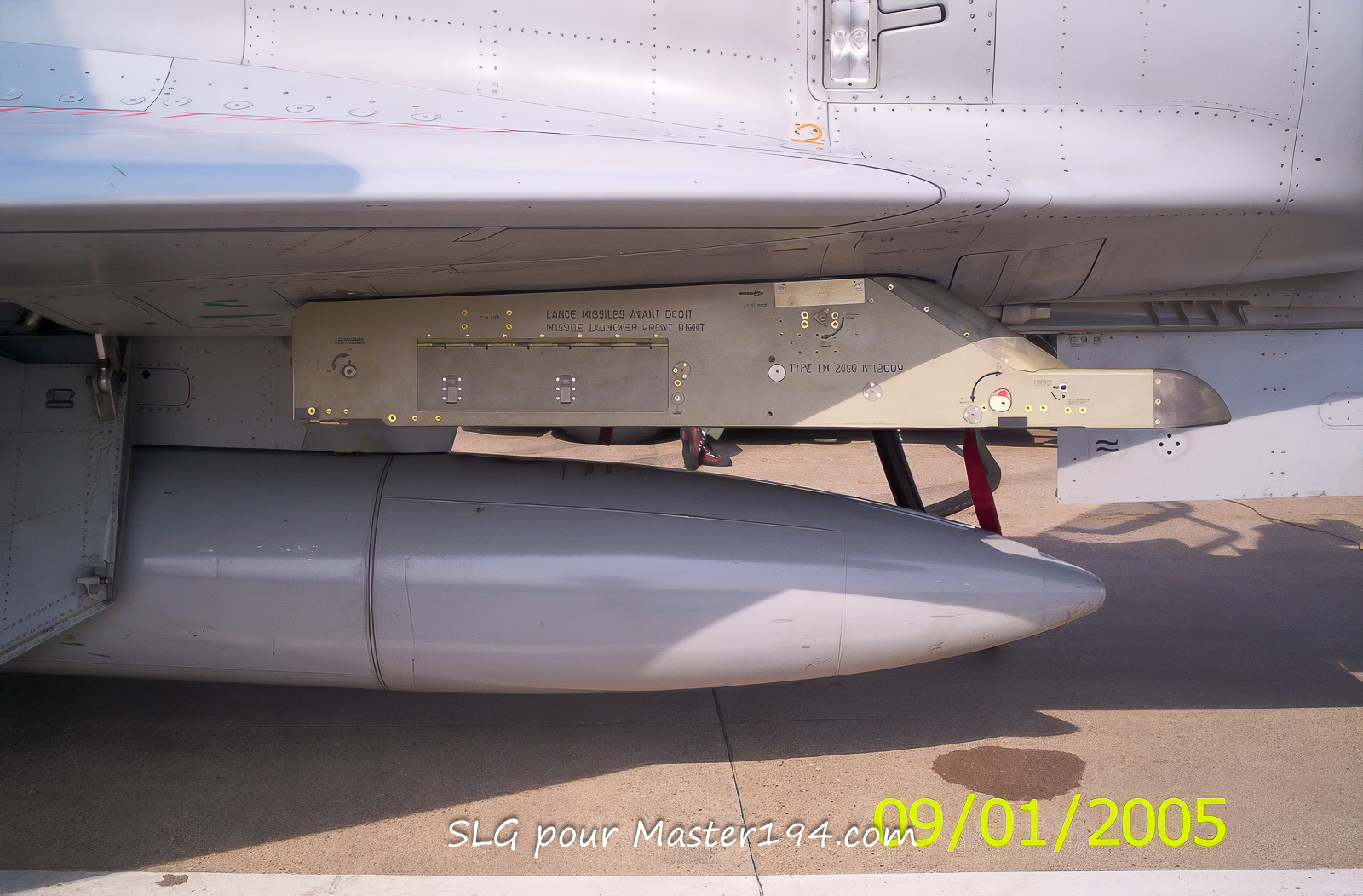
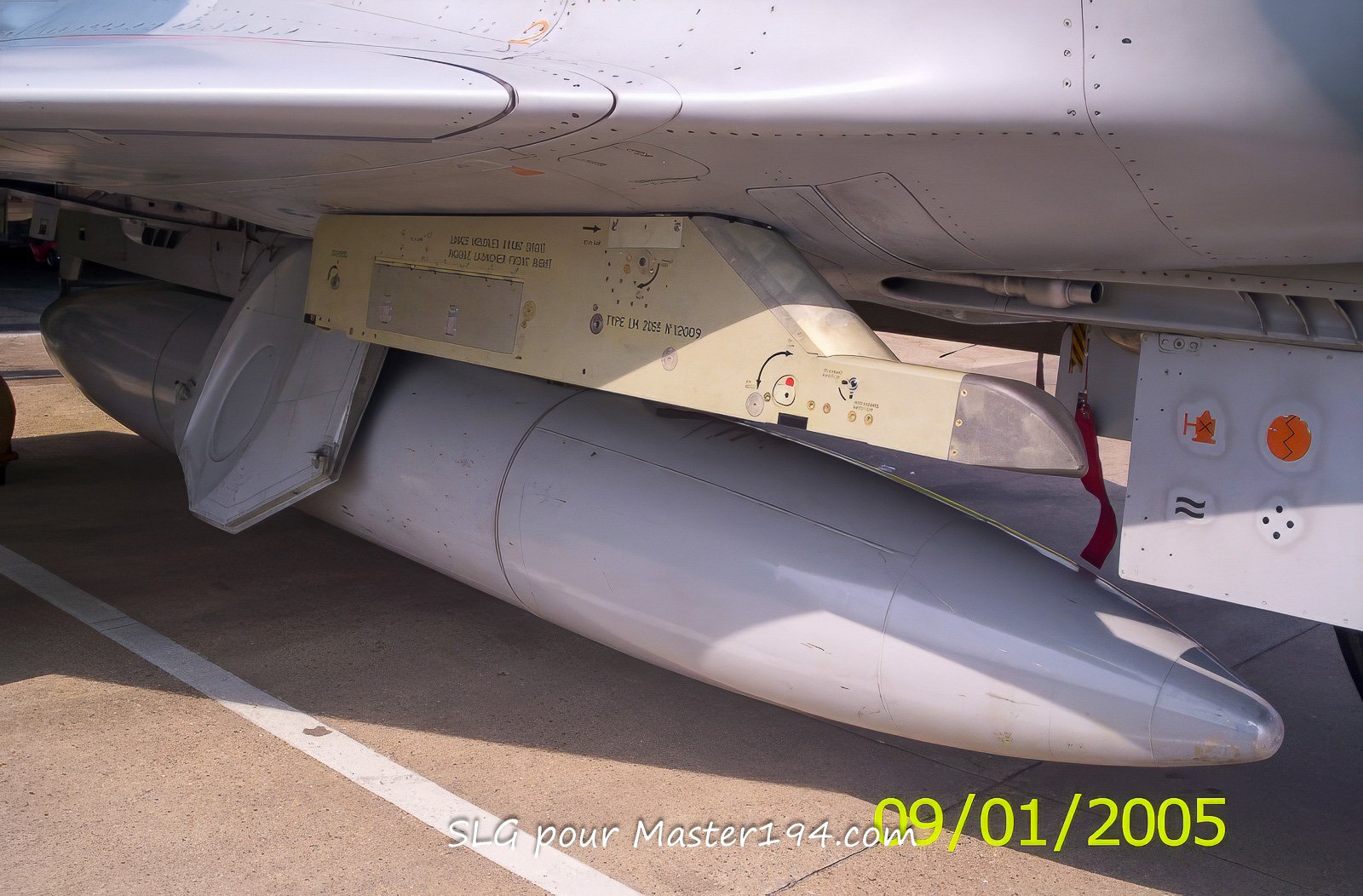
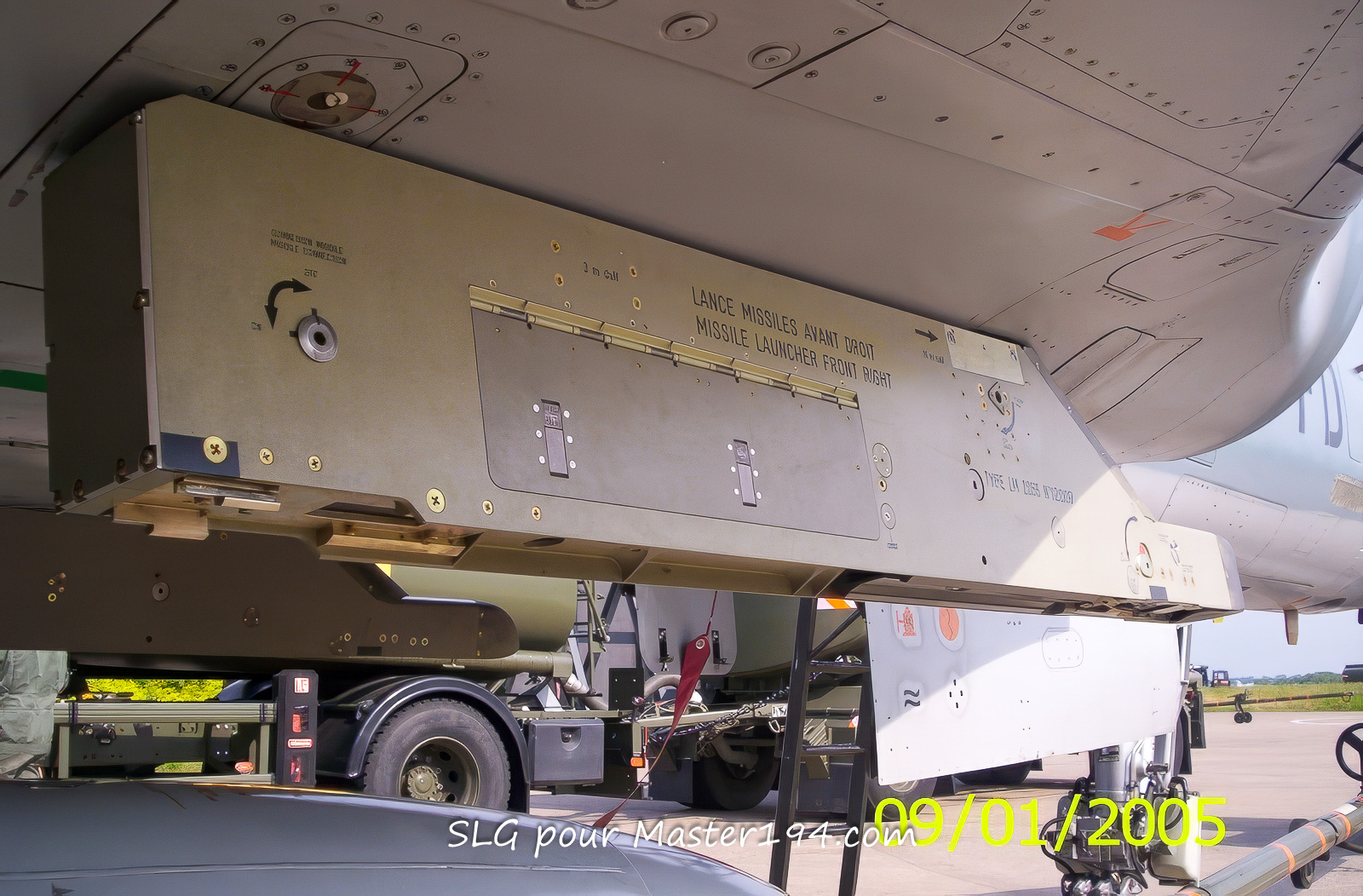
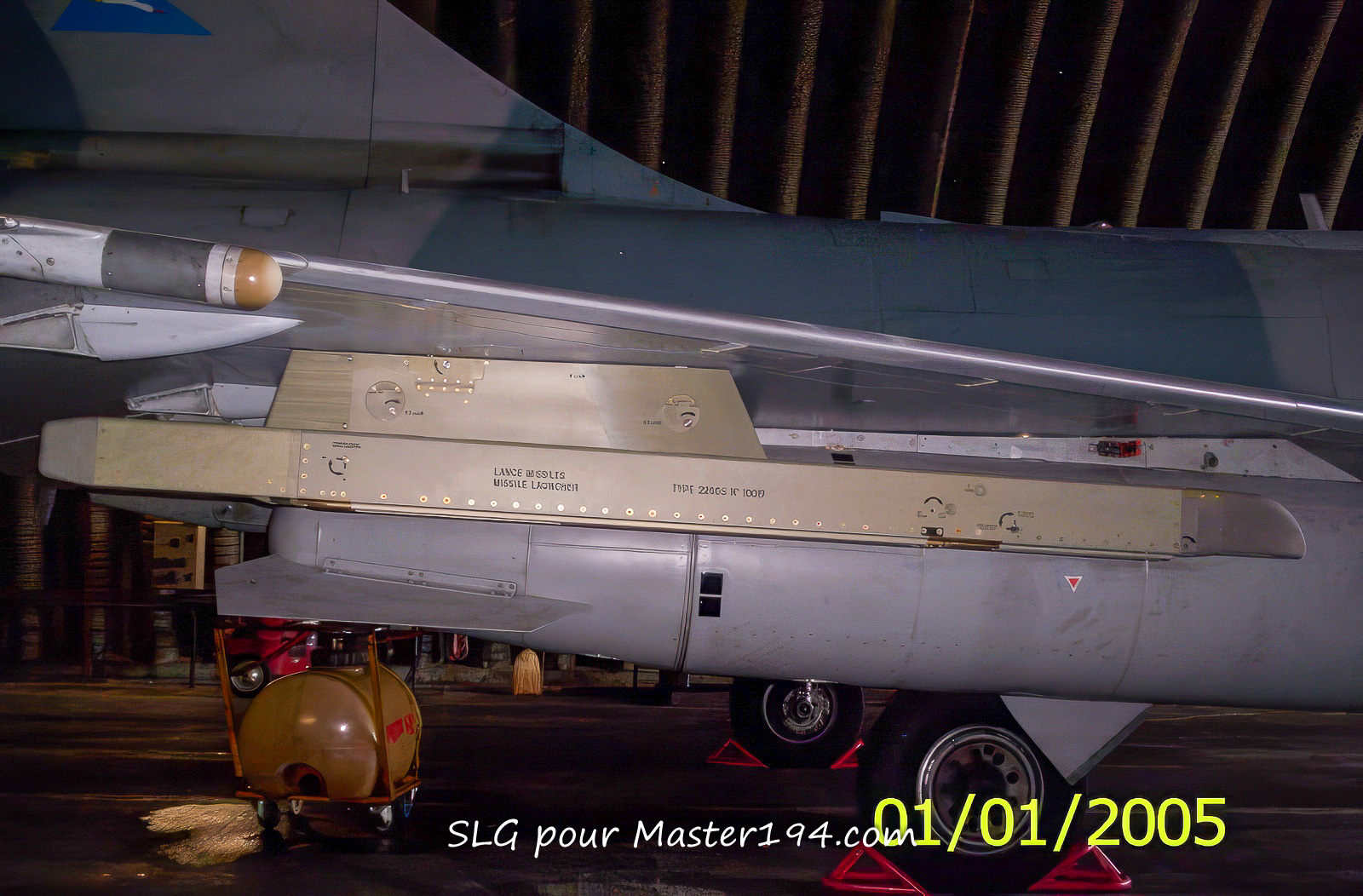
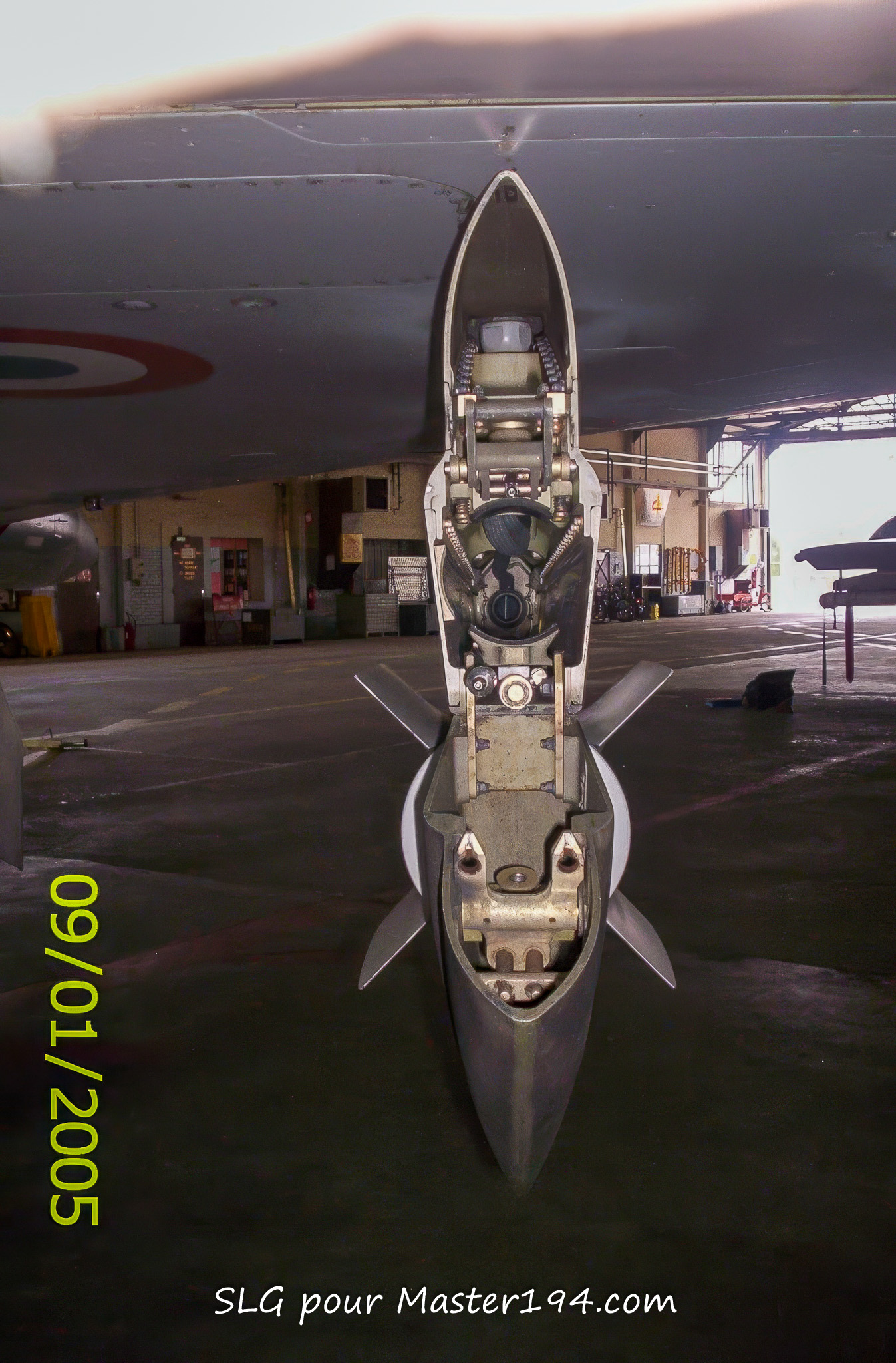
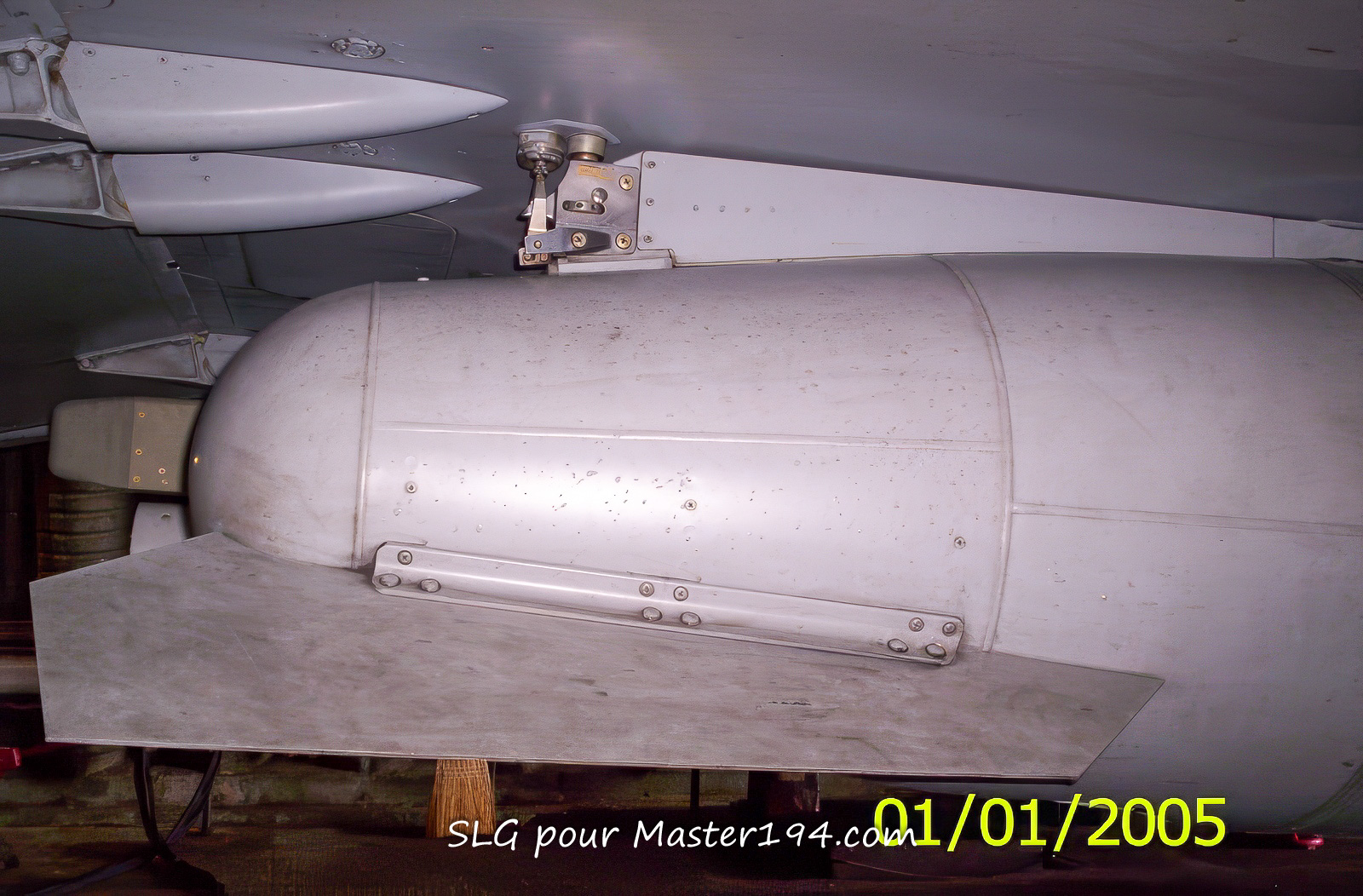
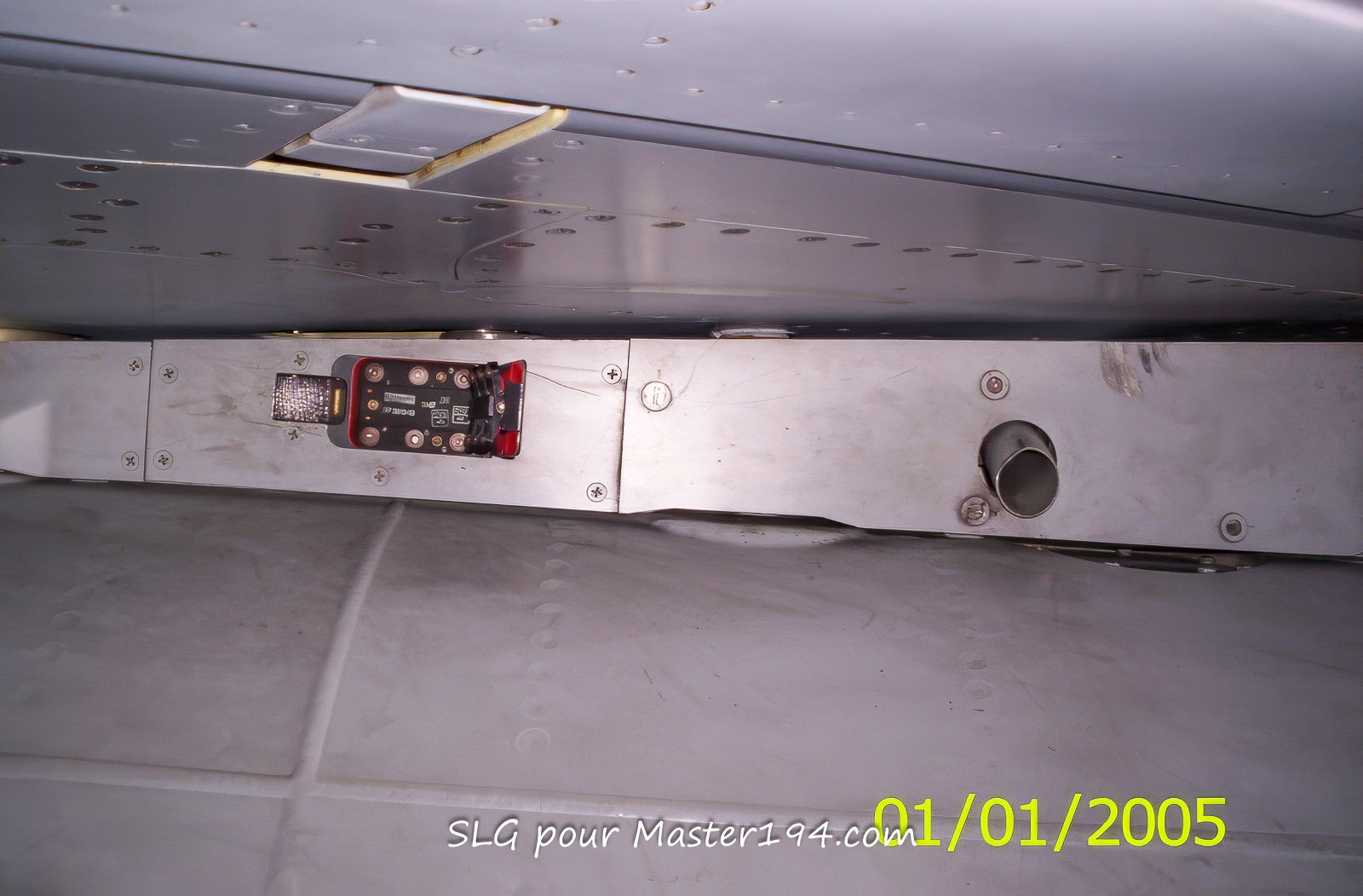
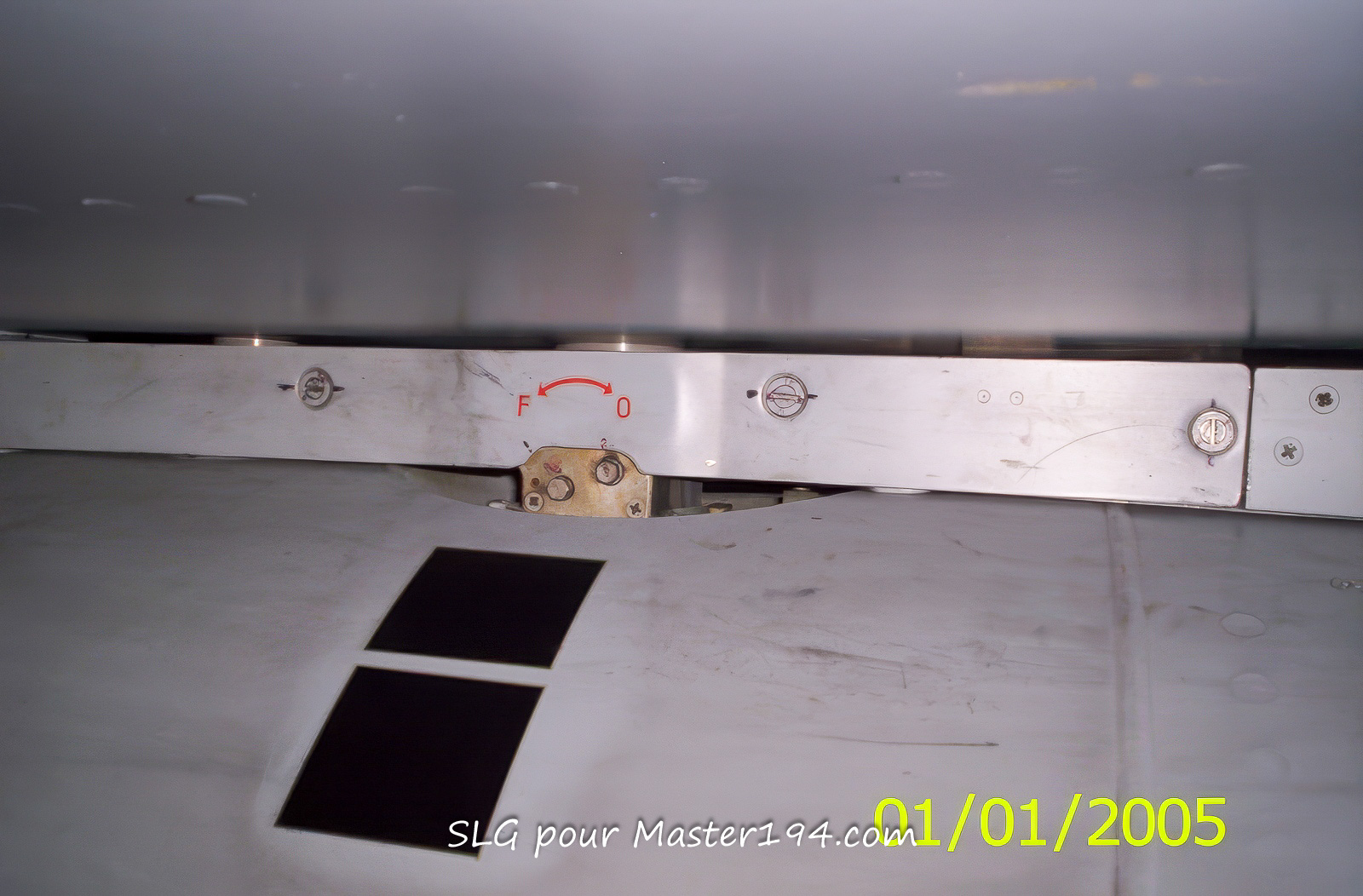
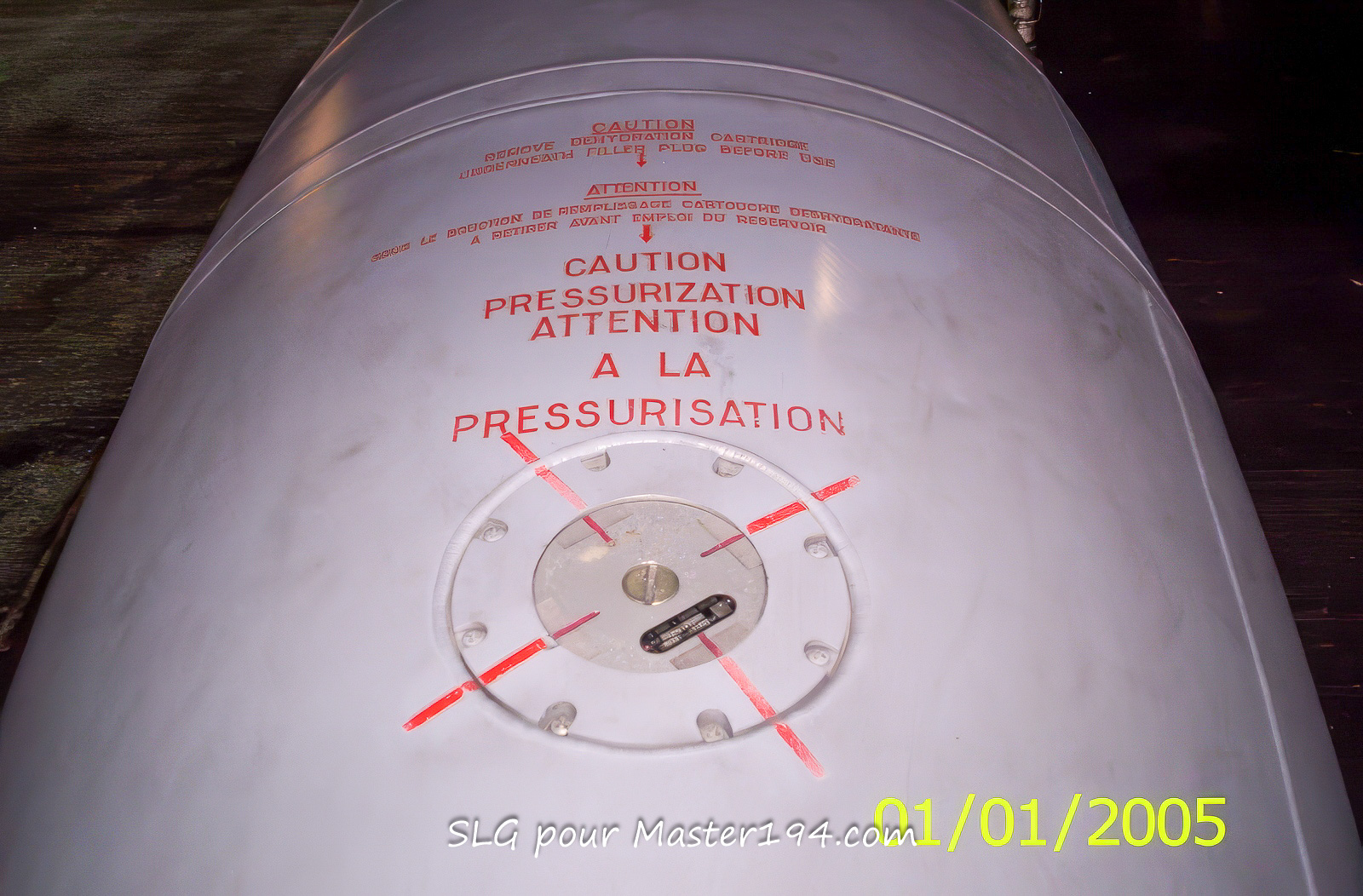
Pylons & External Stores