 by
Entering service in 1973, the Mirage F1 marked a significant departure in the history of Dassault fighter aircraft. Unlike the delta-wing Mirage III and Mirage 5, it featured a swept wing and conventional tail configuration, offering improved low-level performance, shorter takeoff and landing distances, and enhanced maneuverability in close-range dogfights. It was designed to succeed the Mirage III while fulfilling the requirement for a more versatile platform better suited to modern operational environments.
With 726 airframes built, the Mirage F1 was exported to around ten countries and saw action in numerous conflicts, from Chad and the Gulf to Afghanistan and Libya. In France, it remained in operational service for nearly forty years, until its retirement in 2014.
Main French Variants
Mirage F1C
The first production variant was an all-weather interceptor dedicated to air defense.
Key Features:
- Radar: Cyrano IV radar.
- Armament: Twin 30 mm DEFA cannons.
- Missiles: Matra R530, later upgraded to Super 530F and Magic.
- Performance: Maximum speed exceeding Mach 2.
It formed the backbone of French fighter aviation until the arrival of the Mirage 2000.
Mirage F1C-200
Developed as an evolution of the F1C, this variant featured:
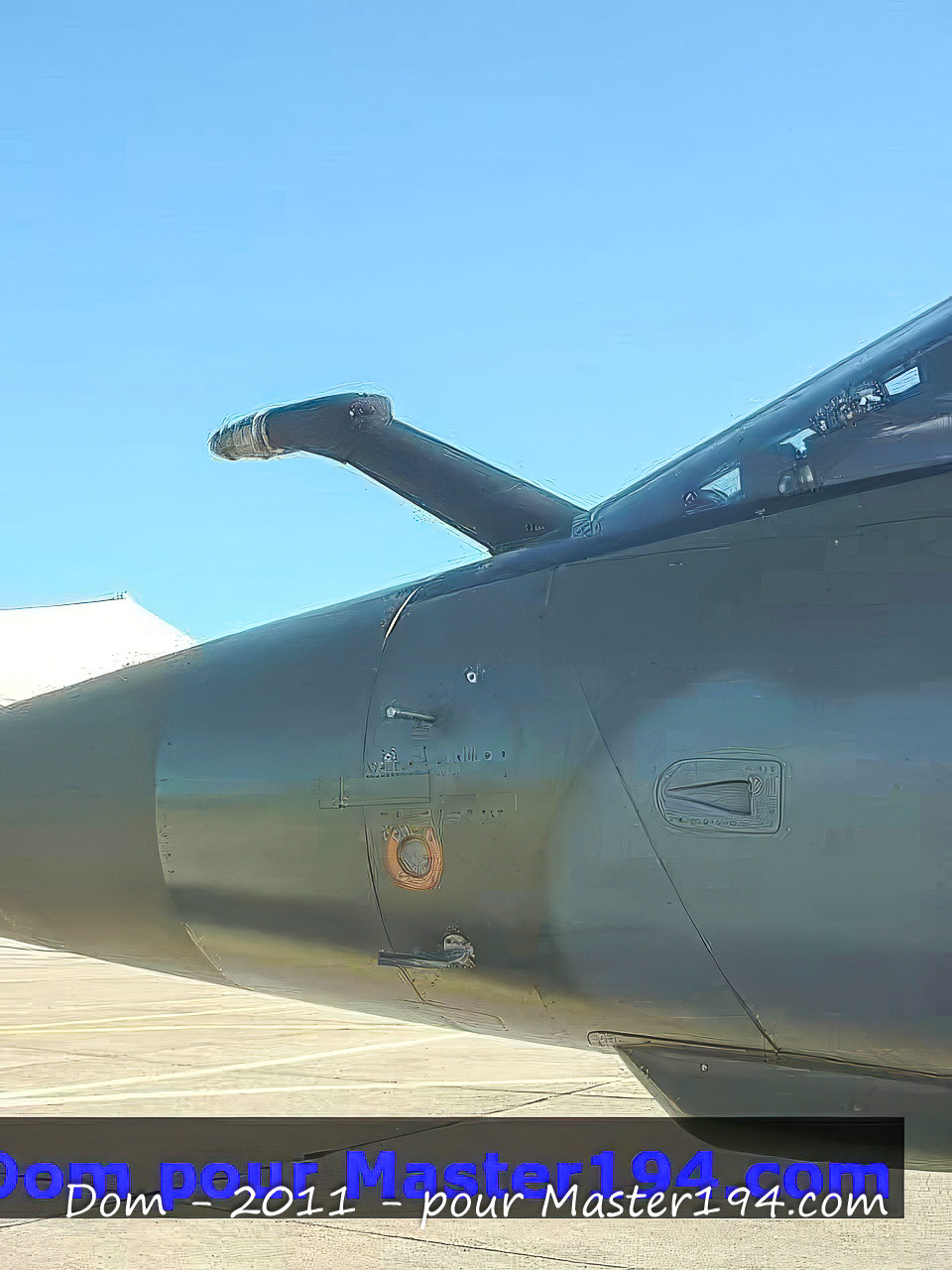
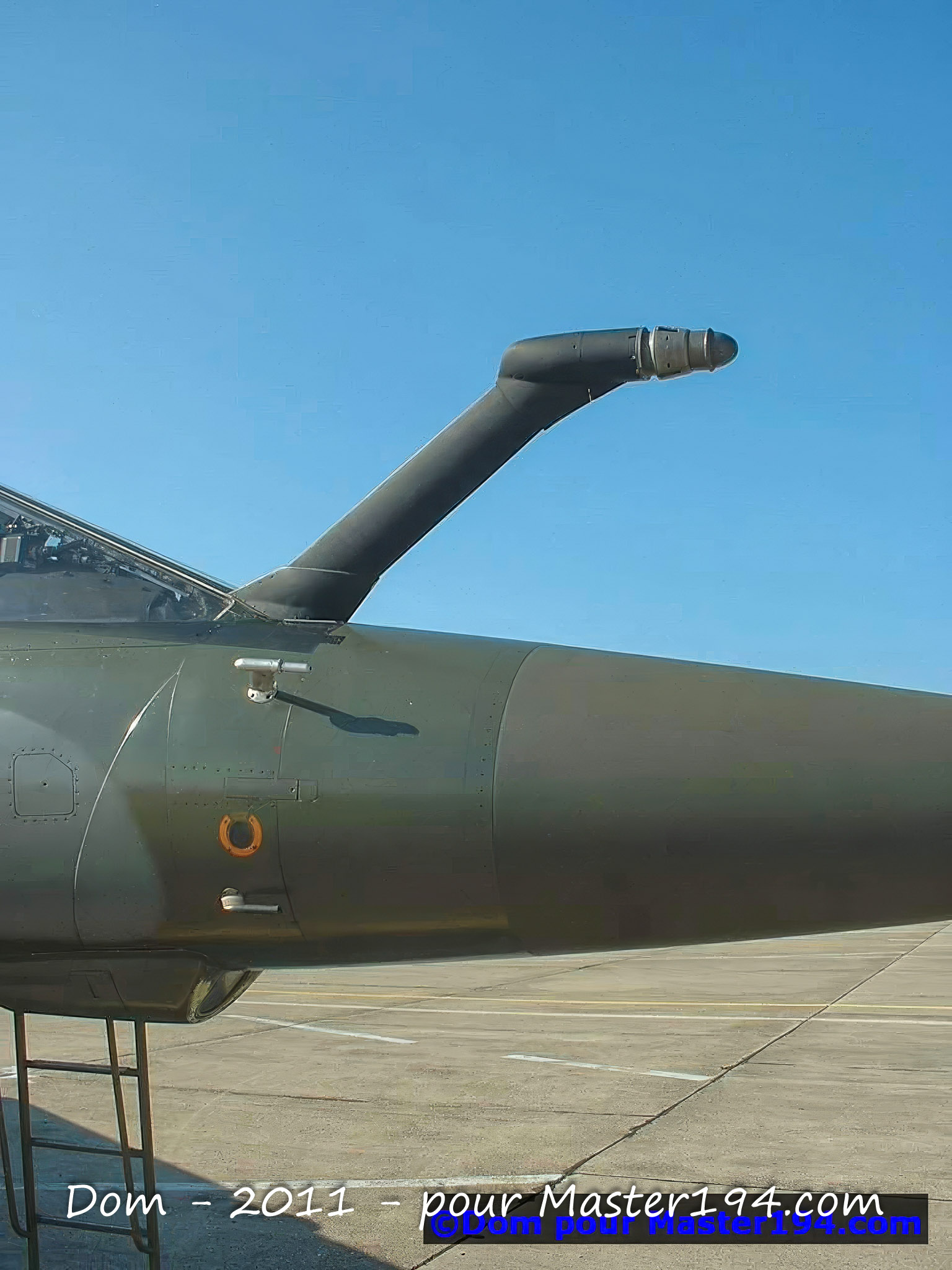
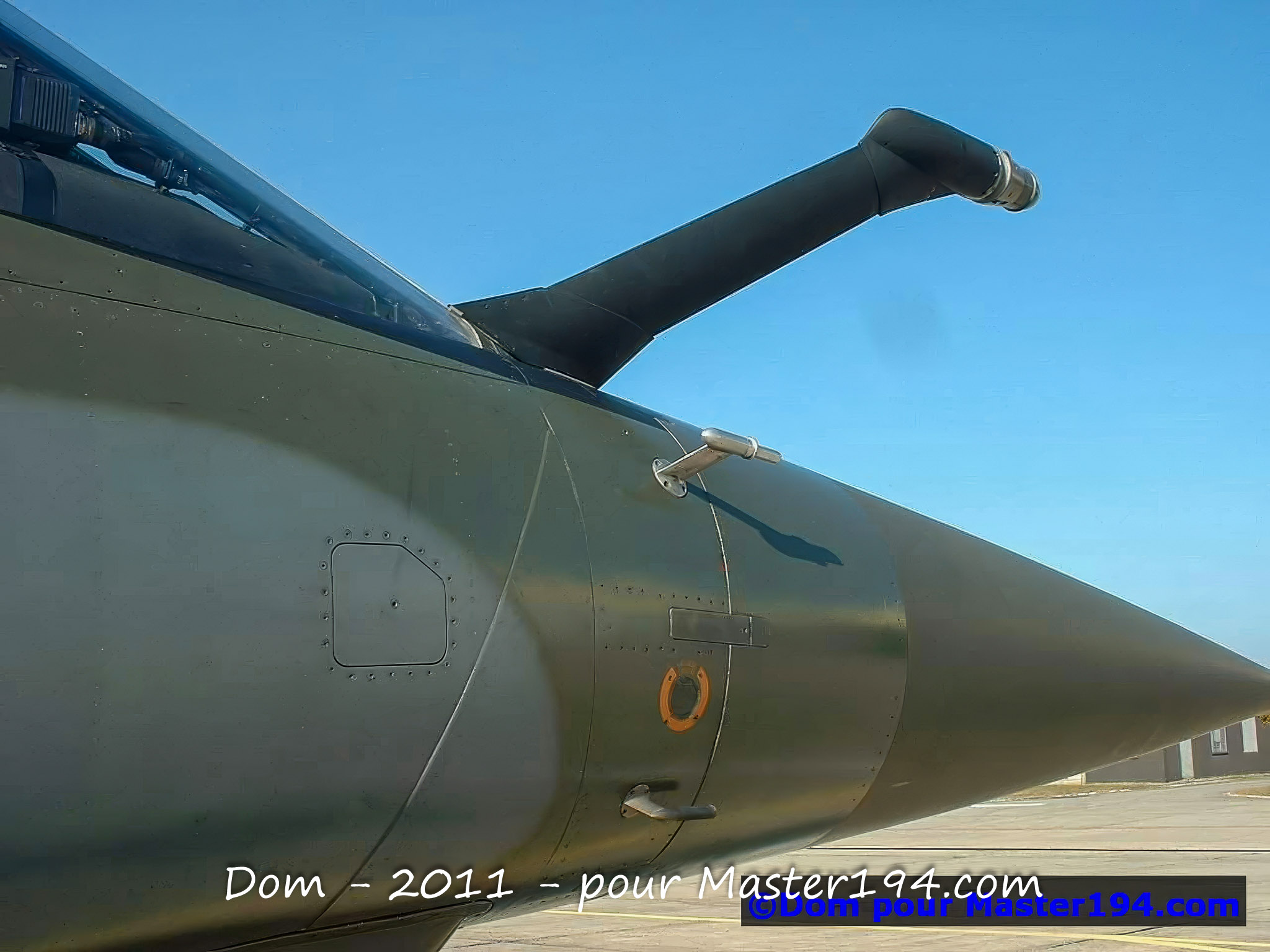
- A fixed in-flight refueling probe;
- Slightly extended range.
This version later served as the foundation for the F1CT conversion program.
Mirage F1B
Twin-seat trainer version, which retained robust combat capabilities.
Mirage F1CR
A variant specialized in tactical reconnaissance, it was equipped with:
- High-definition cameras;
- Infrared sensors;
- Reconnaissance pods;
- Highly advanced navigation avionics.
The F1CR saw active deployment notably during the Gulf War, Kosovo, Afghanistan, Libya, and the Sahel region.
Focus on the Mirage F1CT
The Mirage F1CT (CT standing for Chasse Tactique / Tactical Fighter) is arguably the most unique variant in the entire family.
Why Create the F1CT?
Starting in the mid-1980s, the Mirage 2000 gradually took over air interception duties. The French Air Force (Armée de l’Air) found itself with a large fleet of Mirage F1C-200 airframes still in pristine condition.
Instead of retiring them prematurely, the decision was made to convert them into ground-attack aircraft to replace the aging Mirage IIIE and Mirage 5 fleets. The conversion program was officially launched in 1988.
Key Modifications
Externally, the F1CT closely resembles the standard F1C, but its internal systems underwent deep evolution. Upgrades notably included:
- A Cyrano IVM-R radar equipped with air-to-ground modes;
- A modernized navigation and attack system;
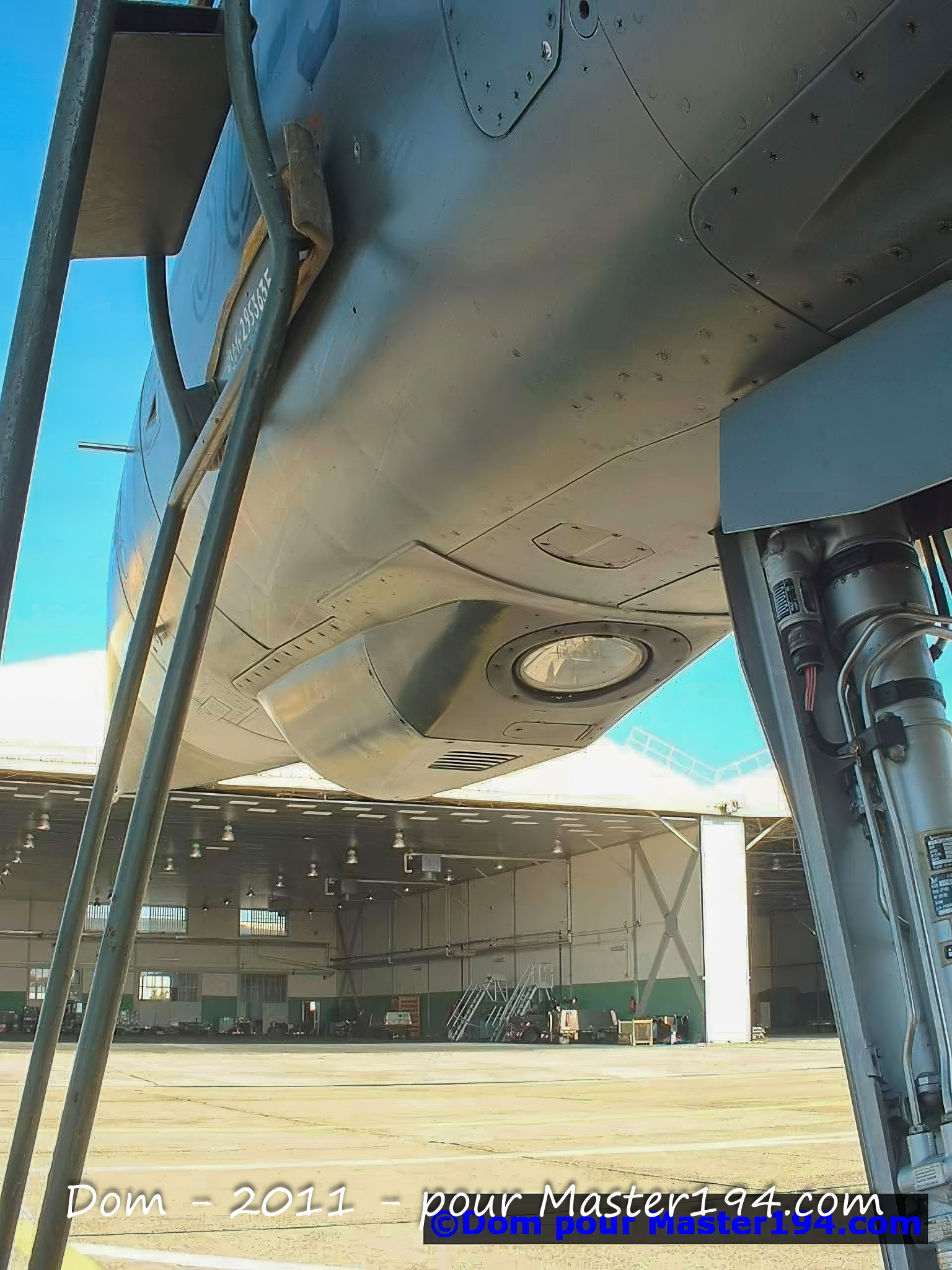
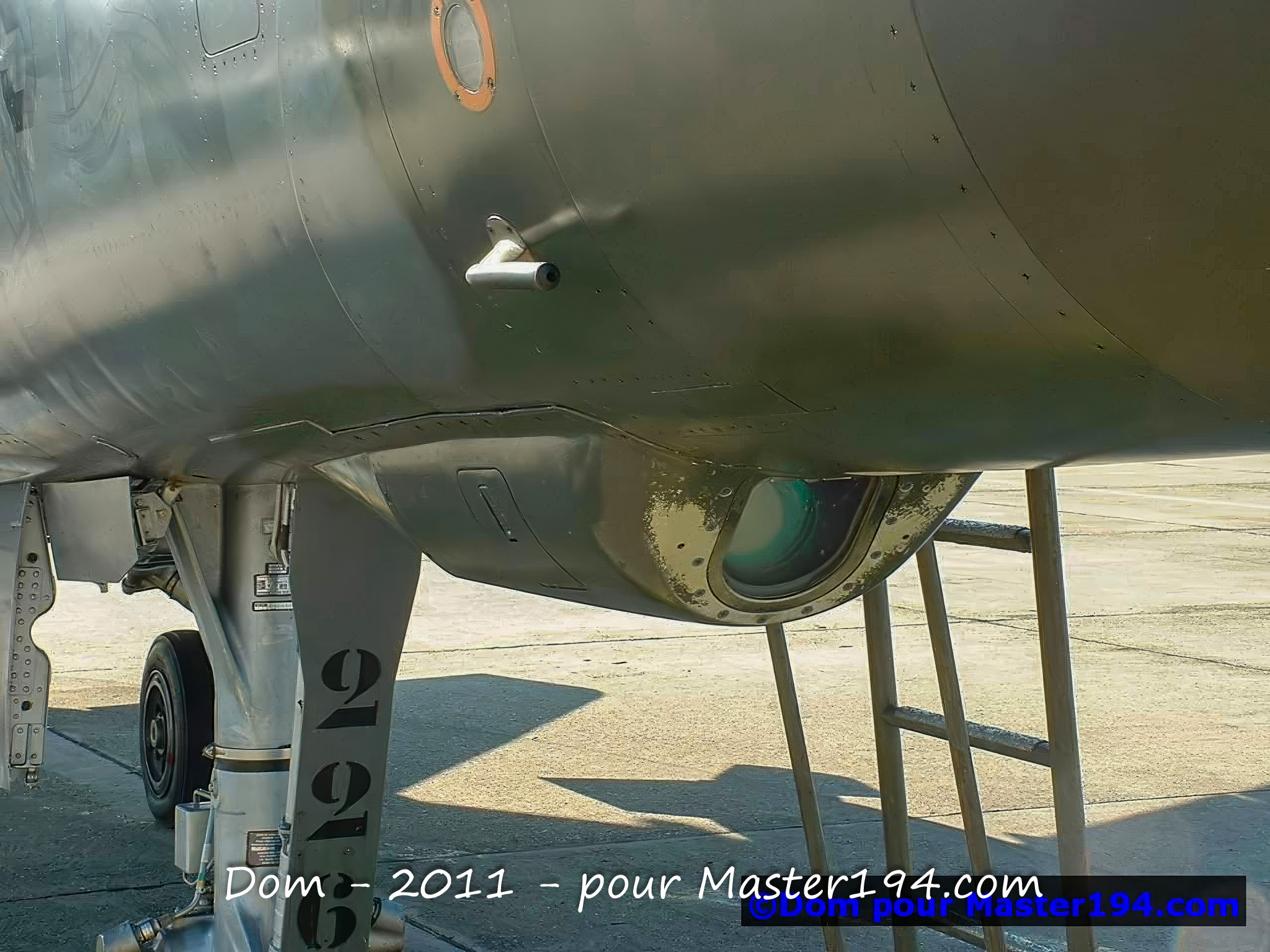
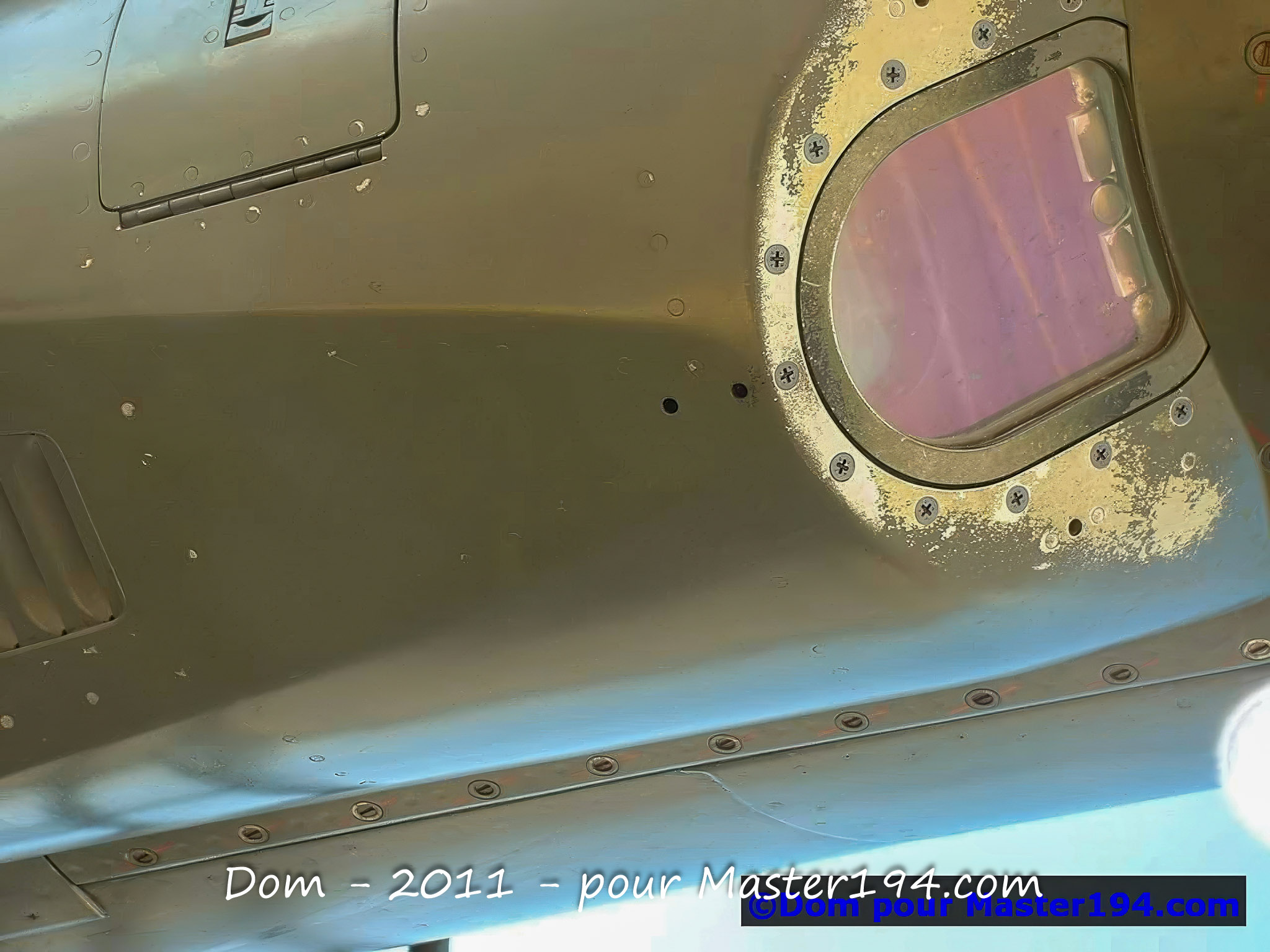
- An under-nose laser rangefinder to improve strike accuracy;
- A higher-performance fire-control computer;
- An enhanced self-protection suite (radar warning receivers, chaff/flare dispensers, secure radios);
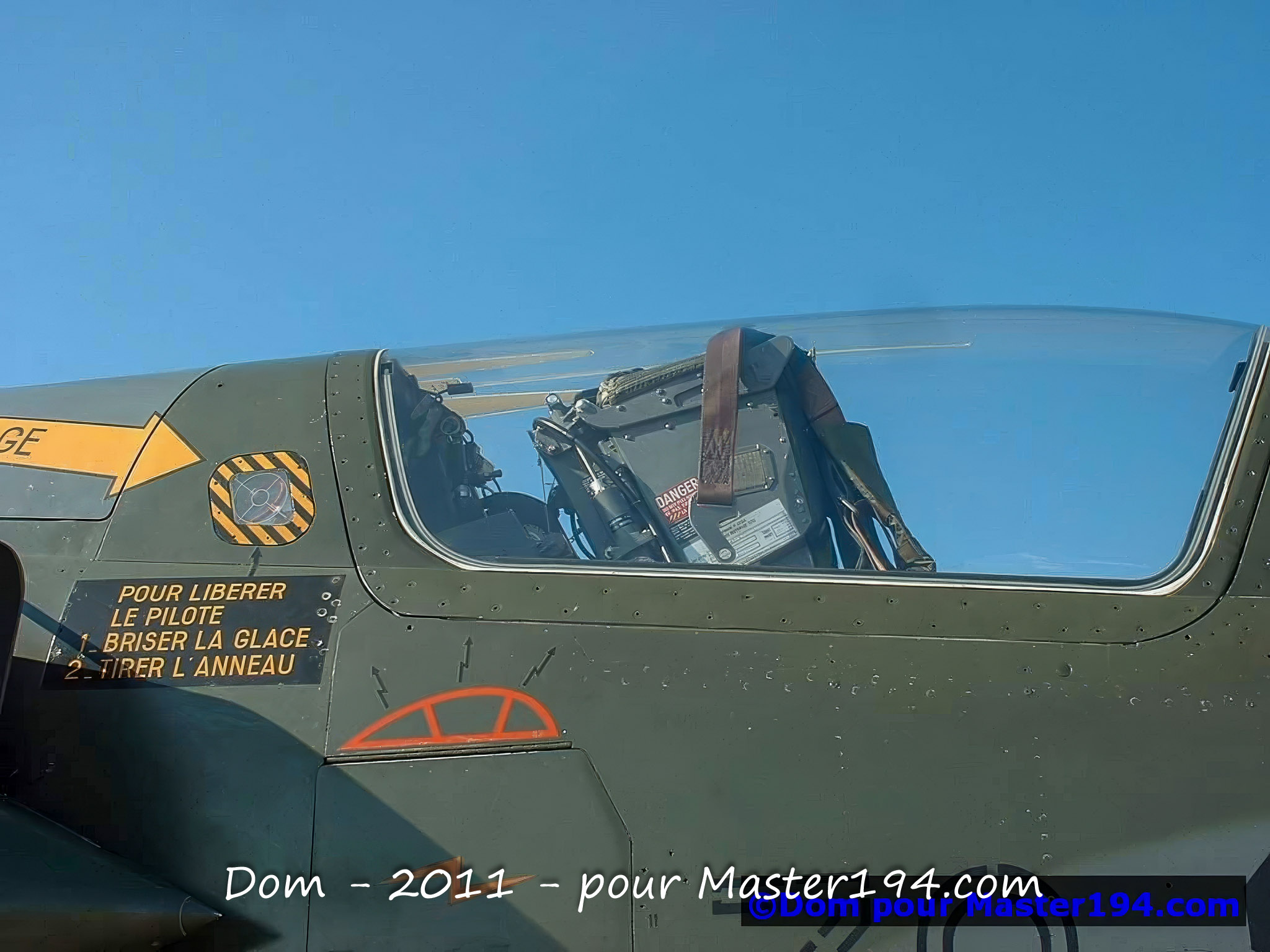
- A more modern Martin-Baker Mk10 ejection seat.
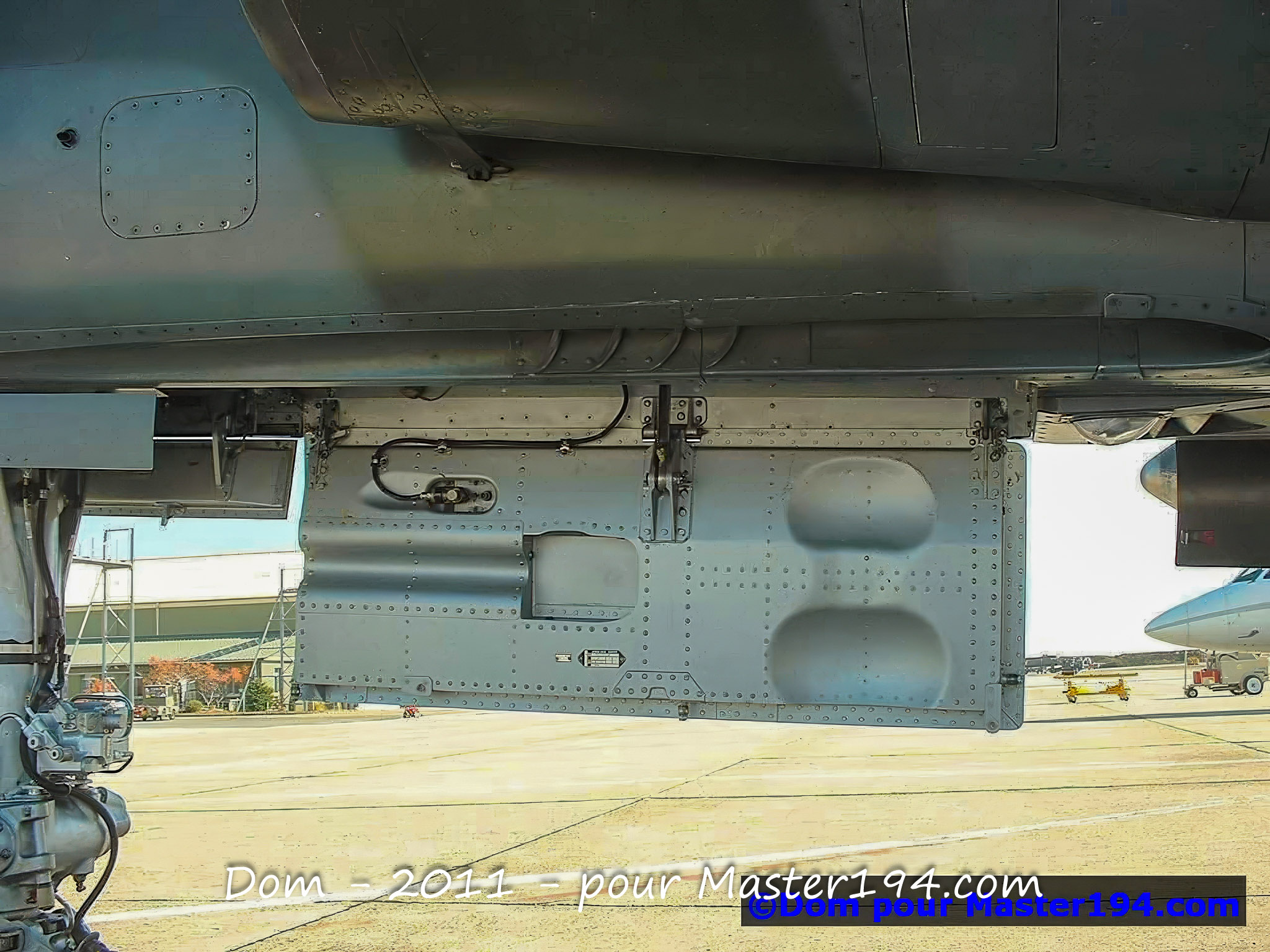
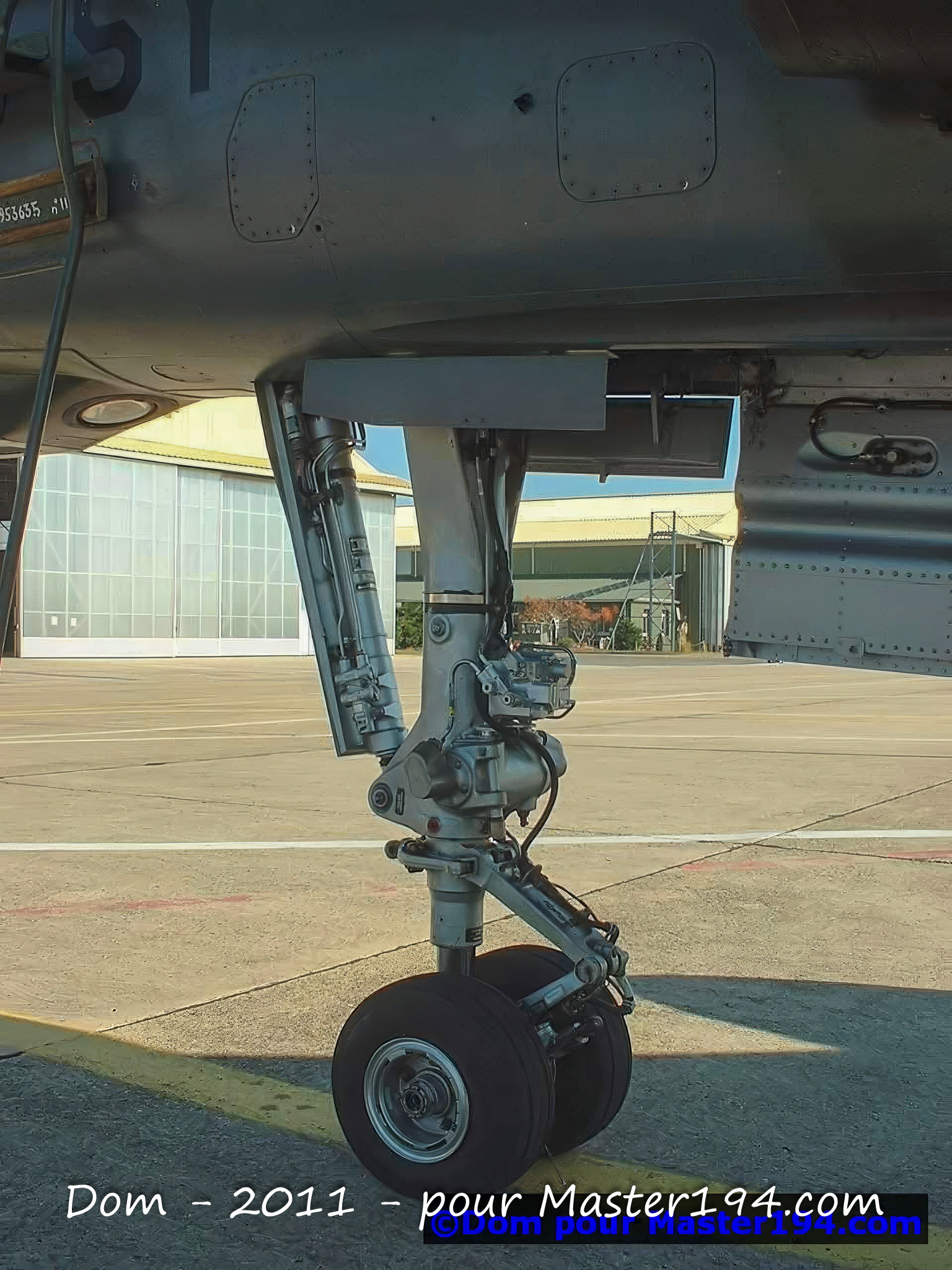
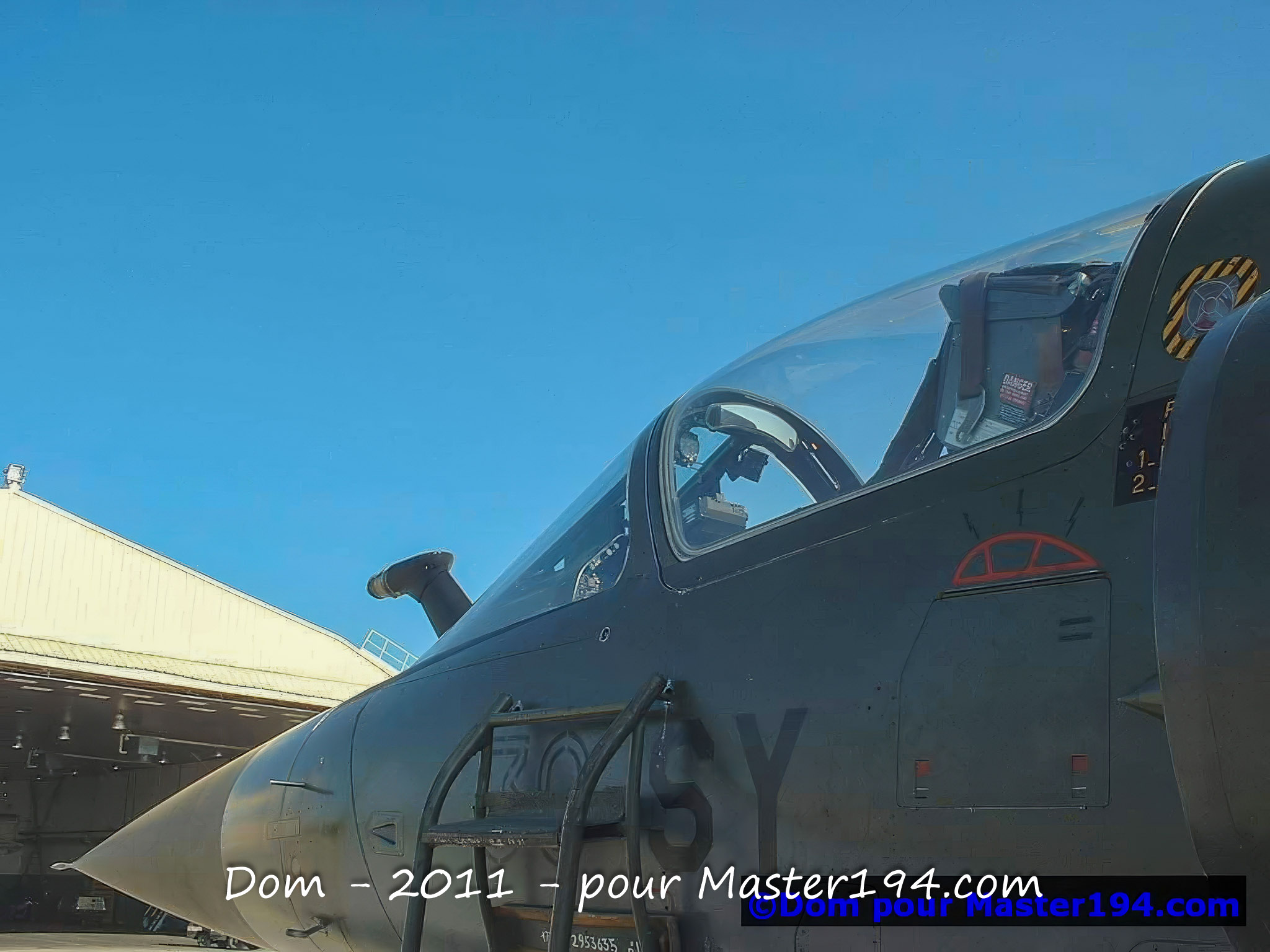
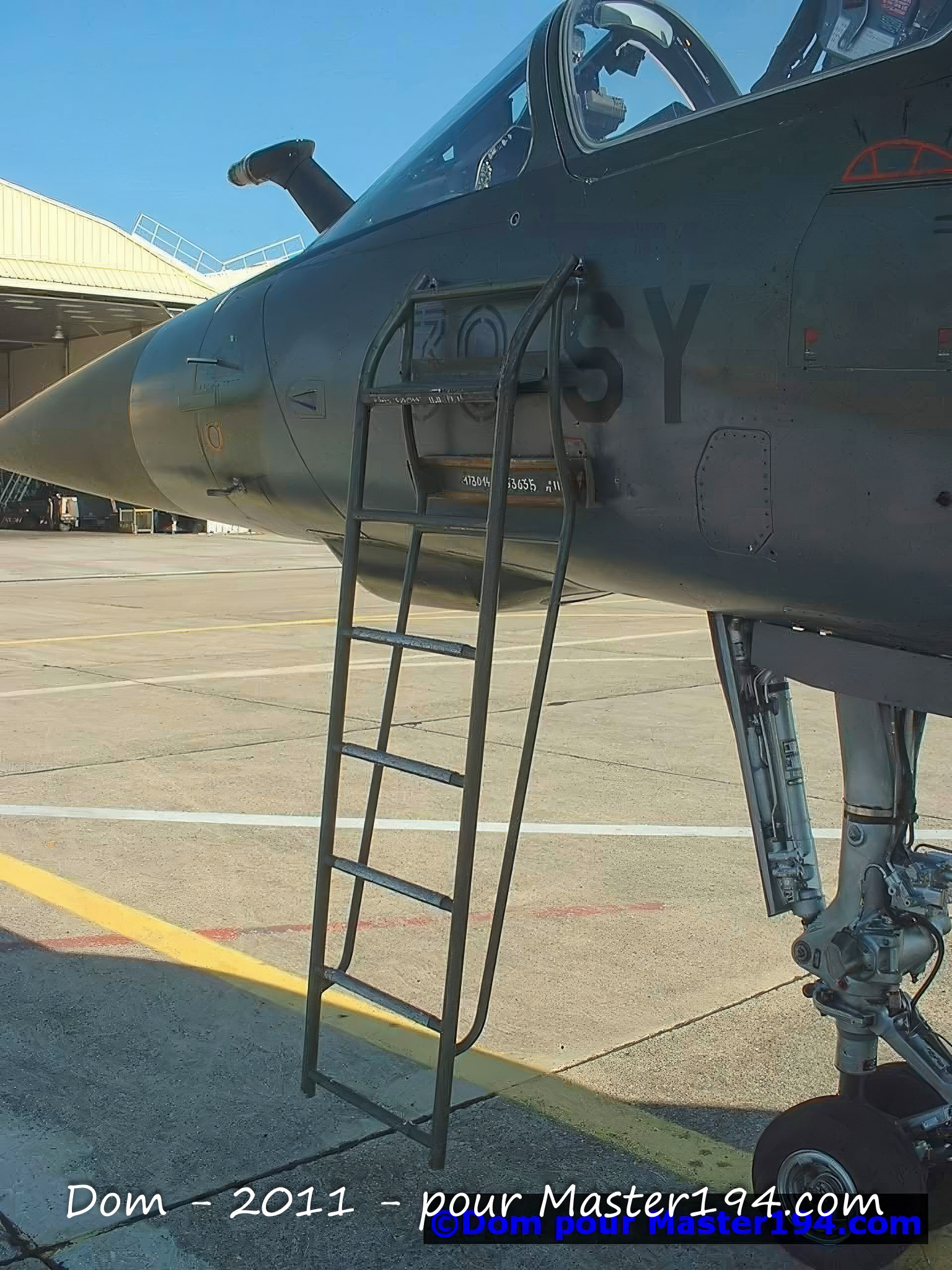
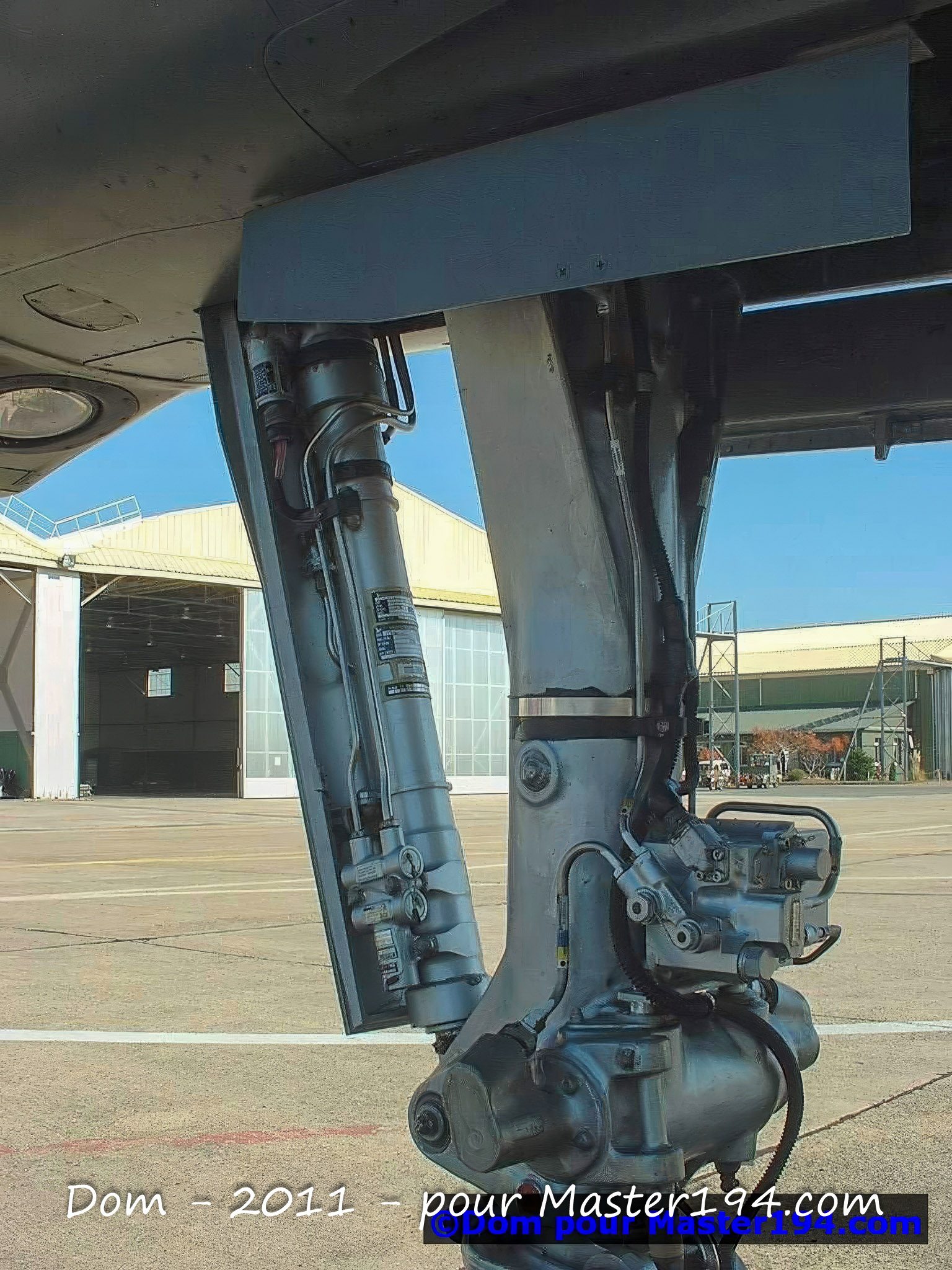
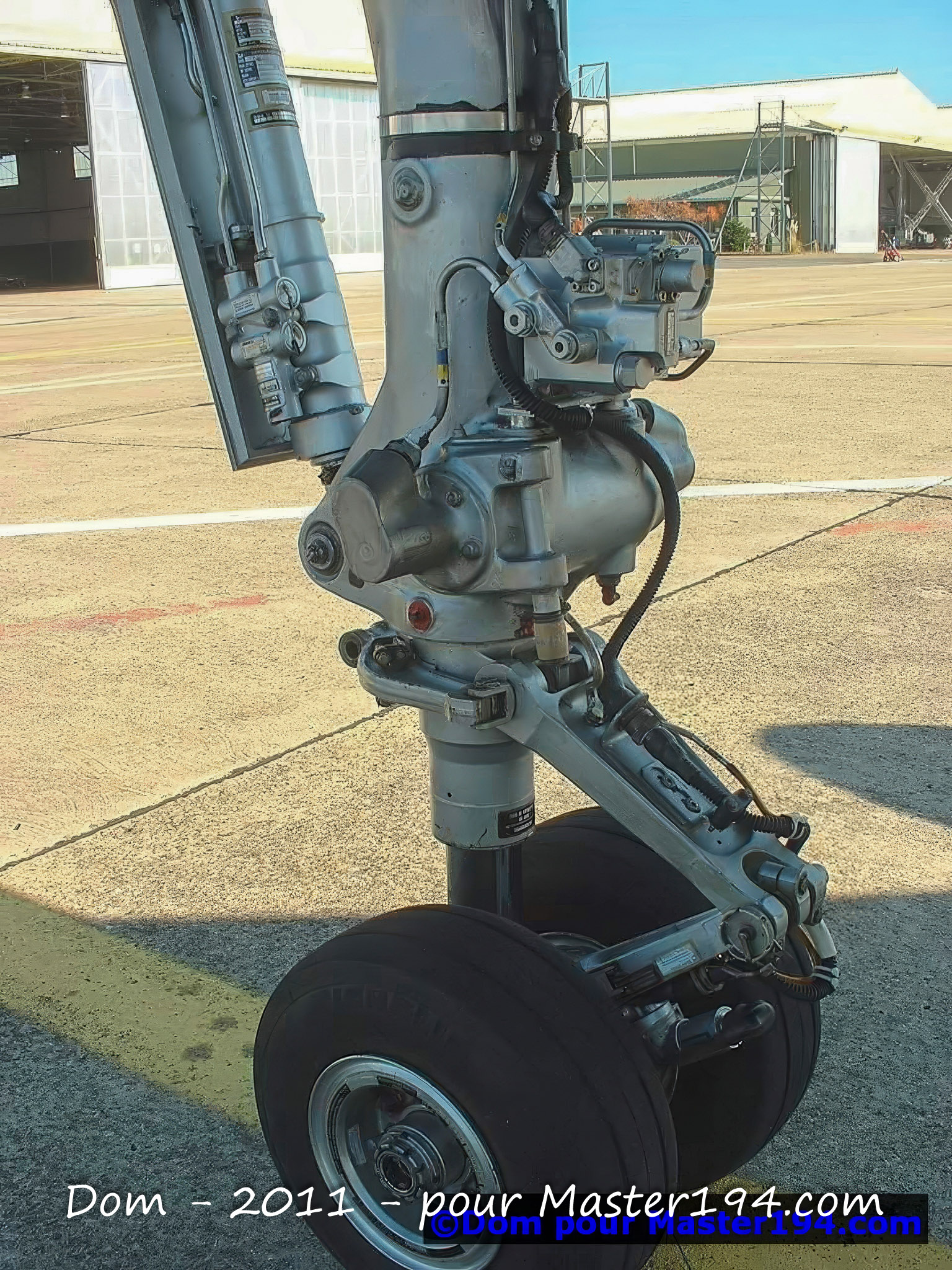
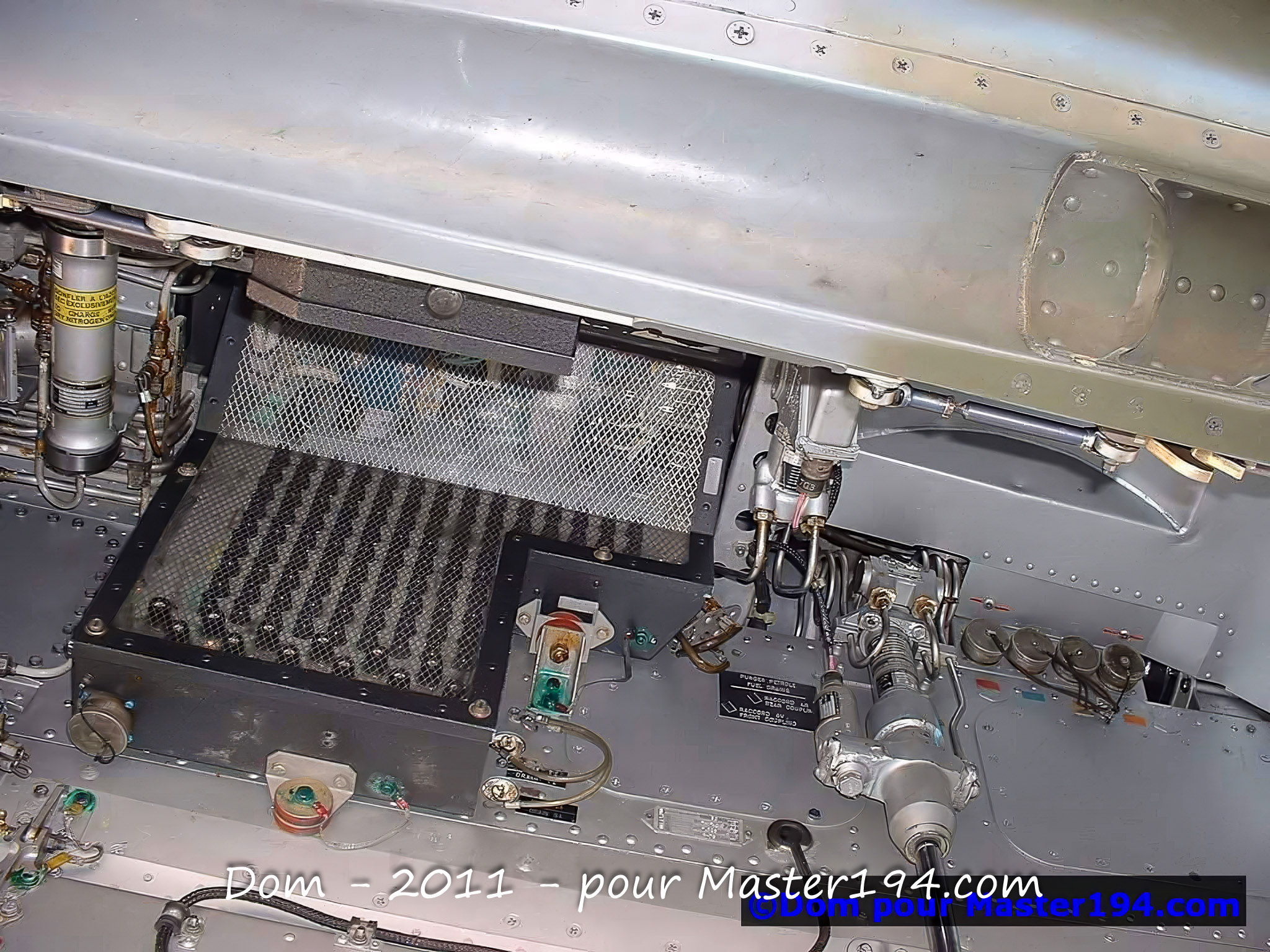
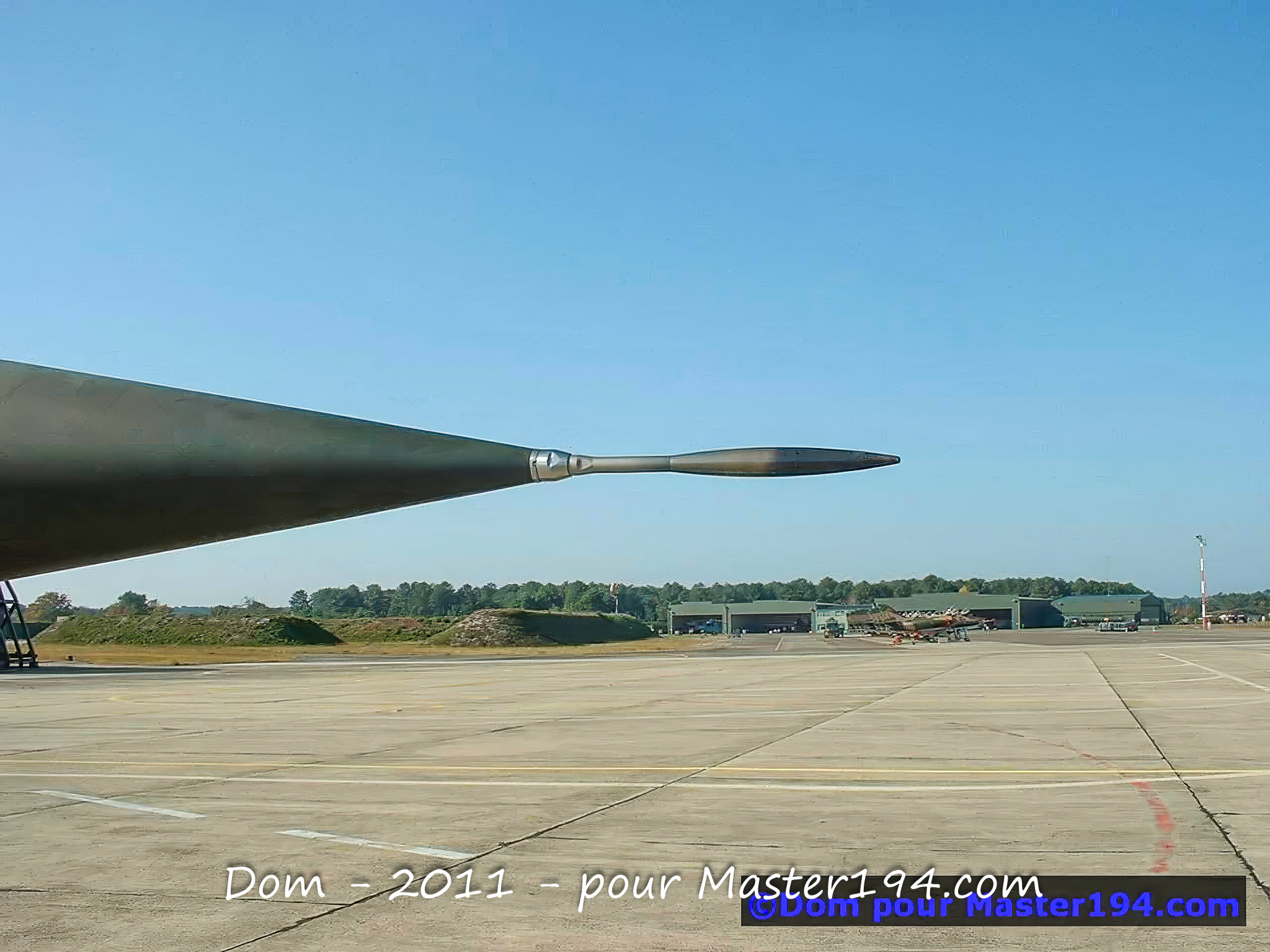
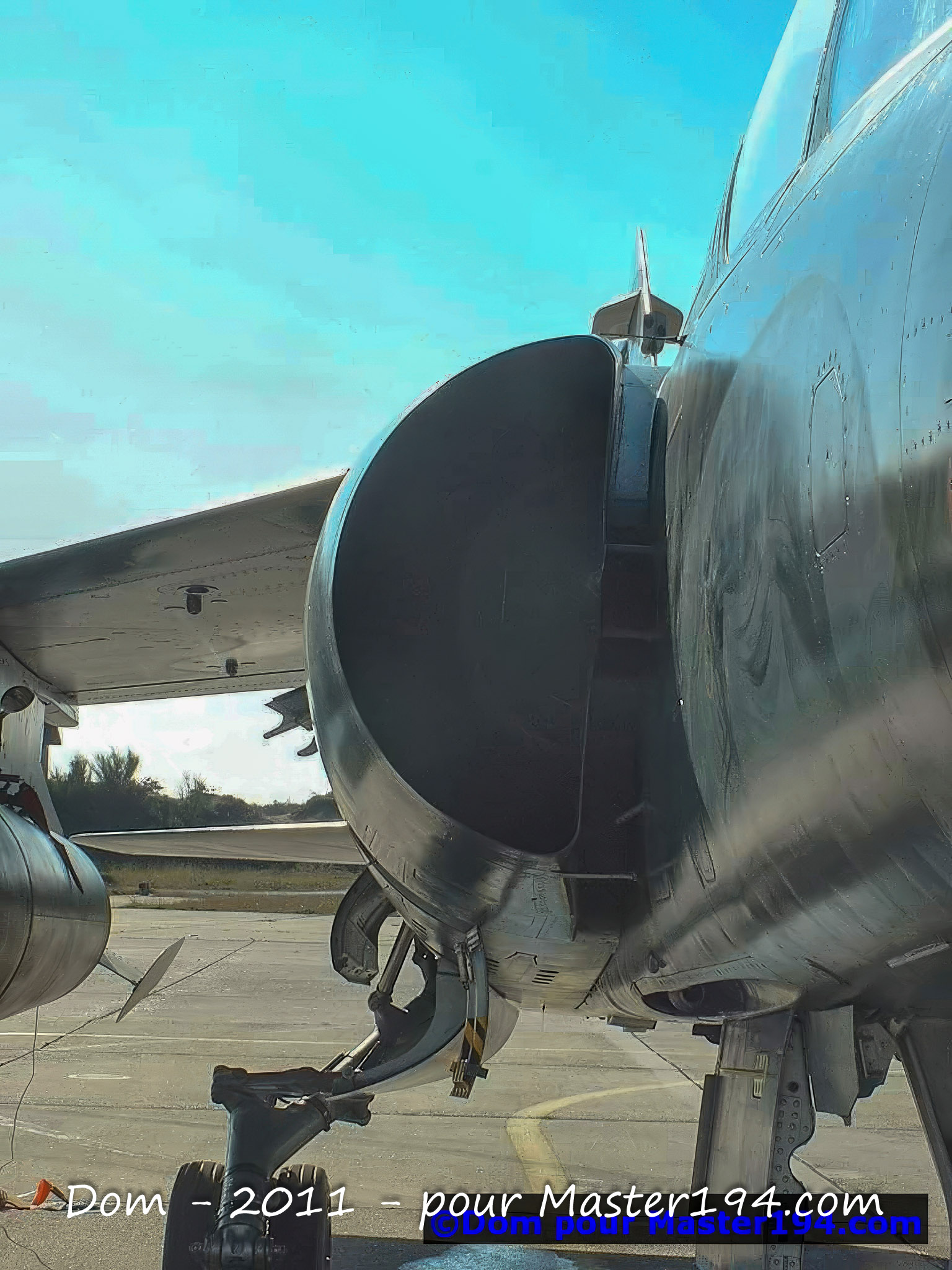
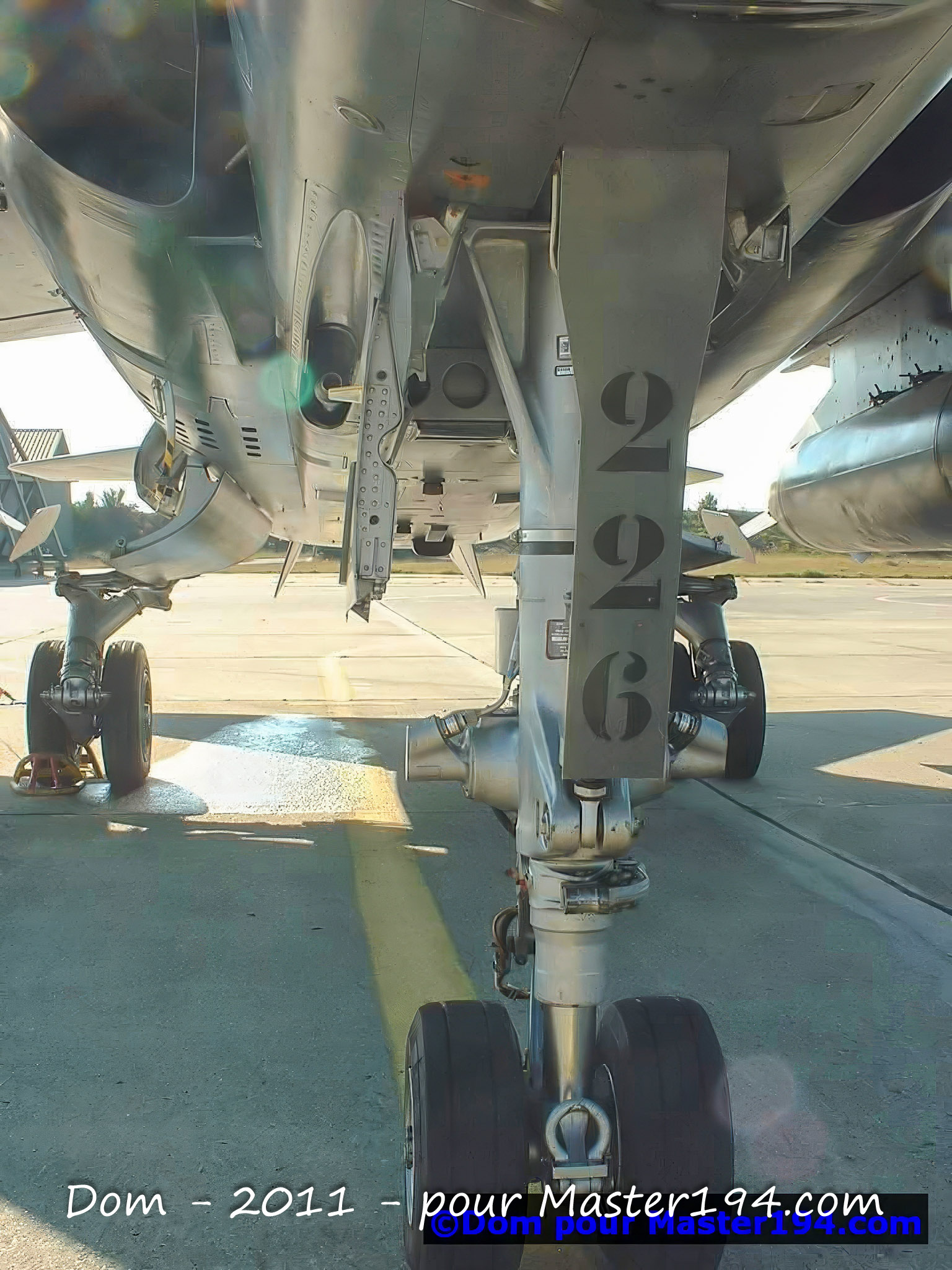
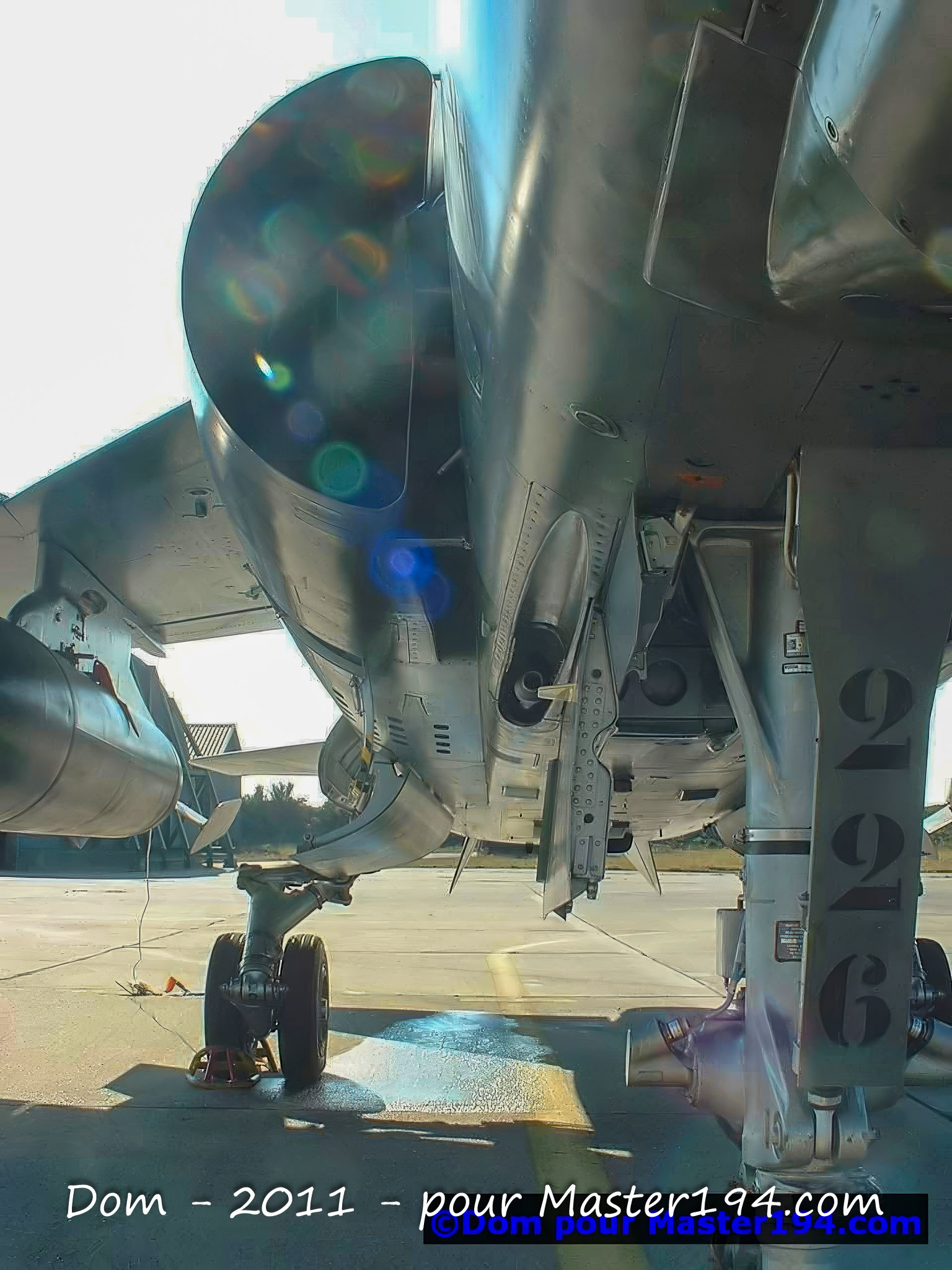
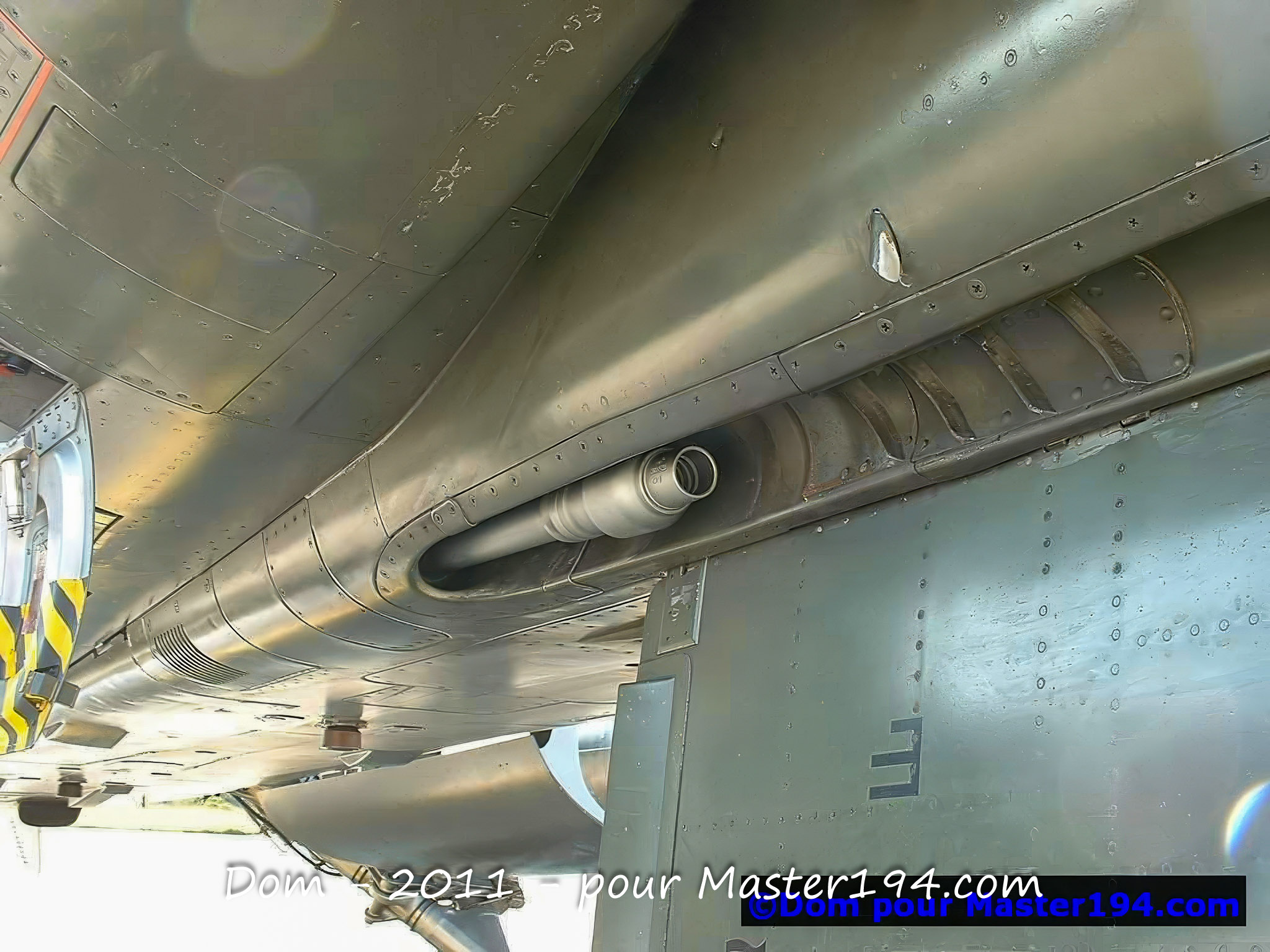
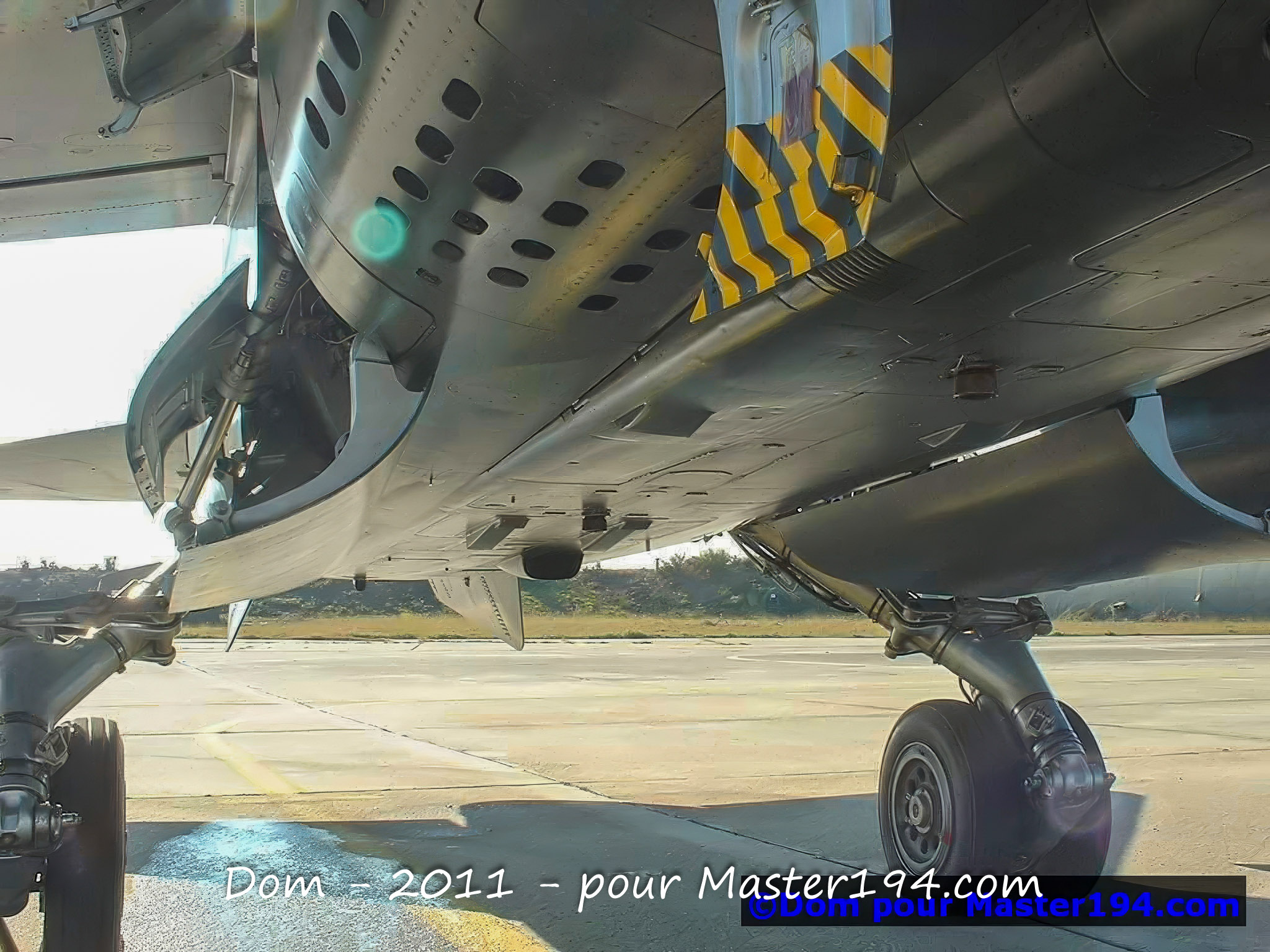
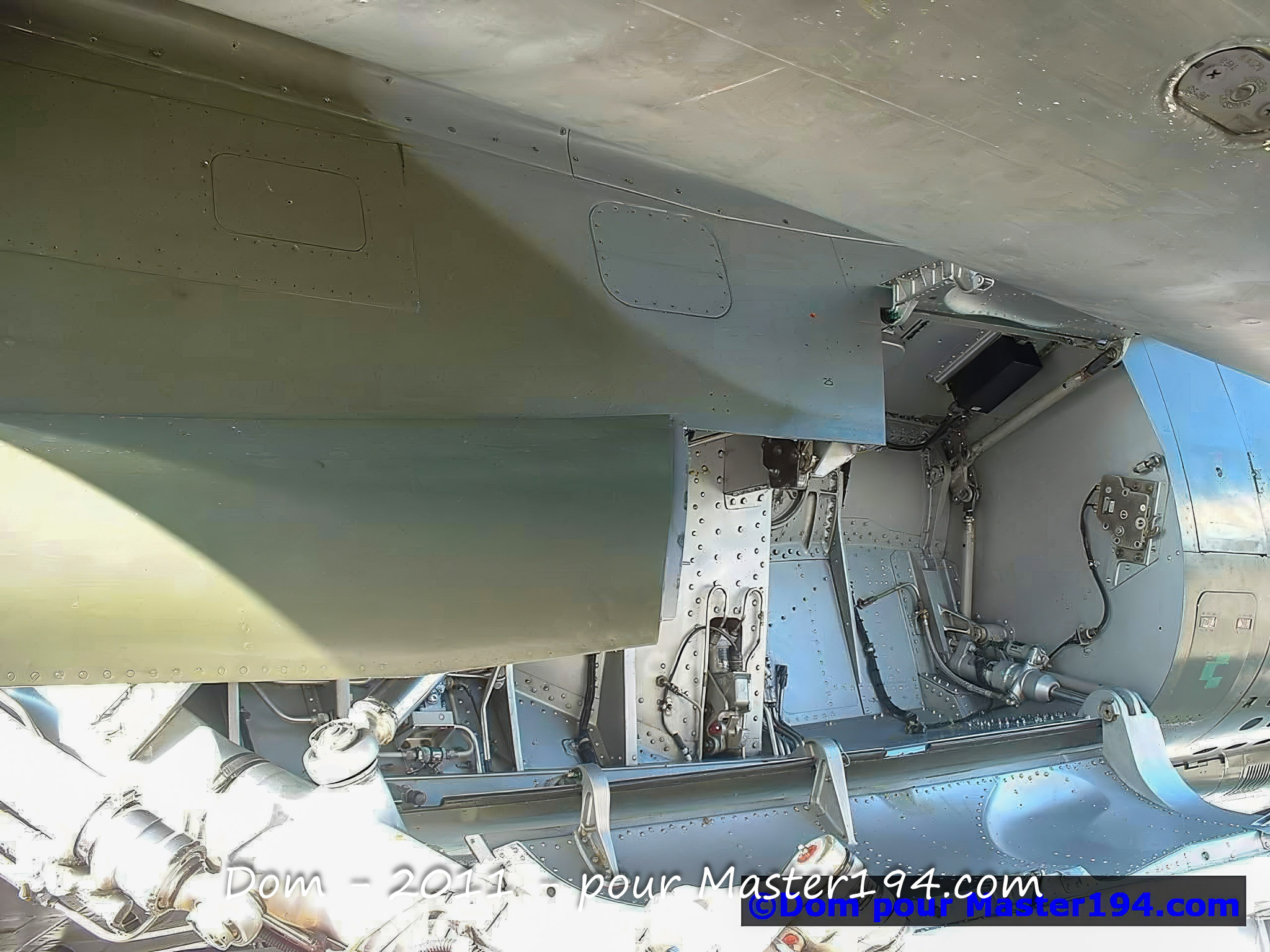
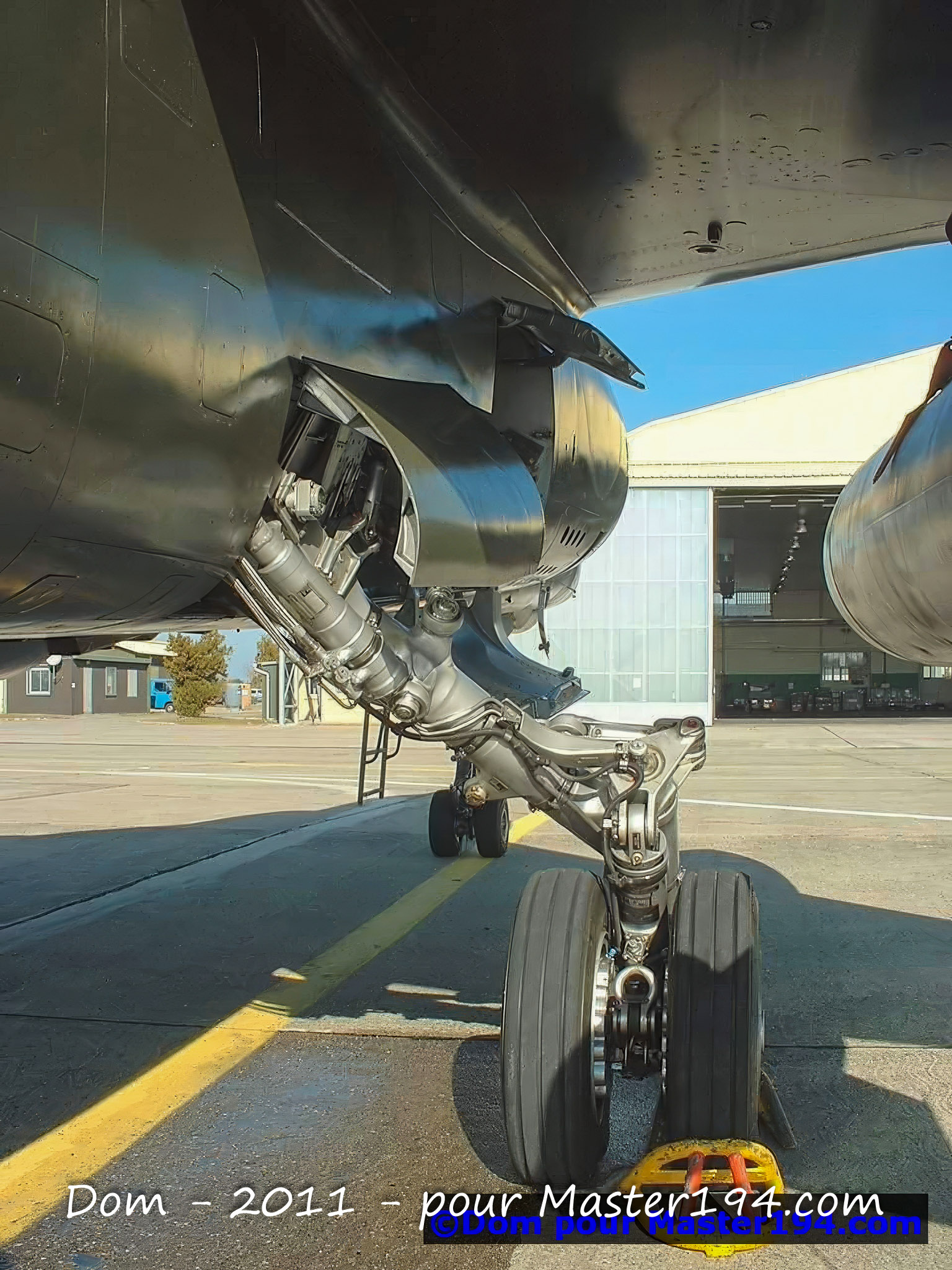
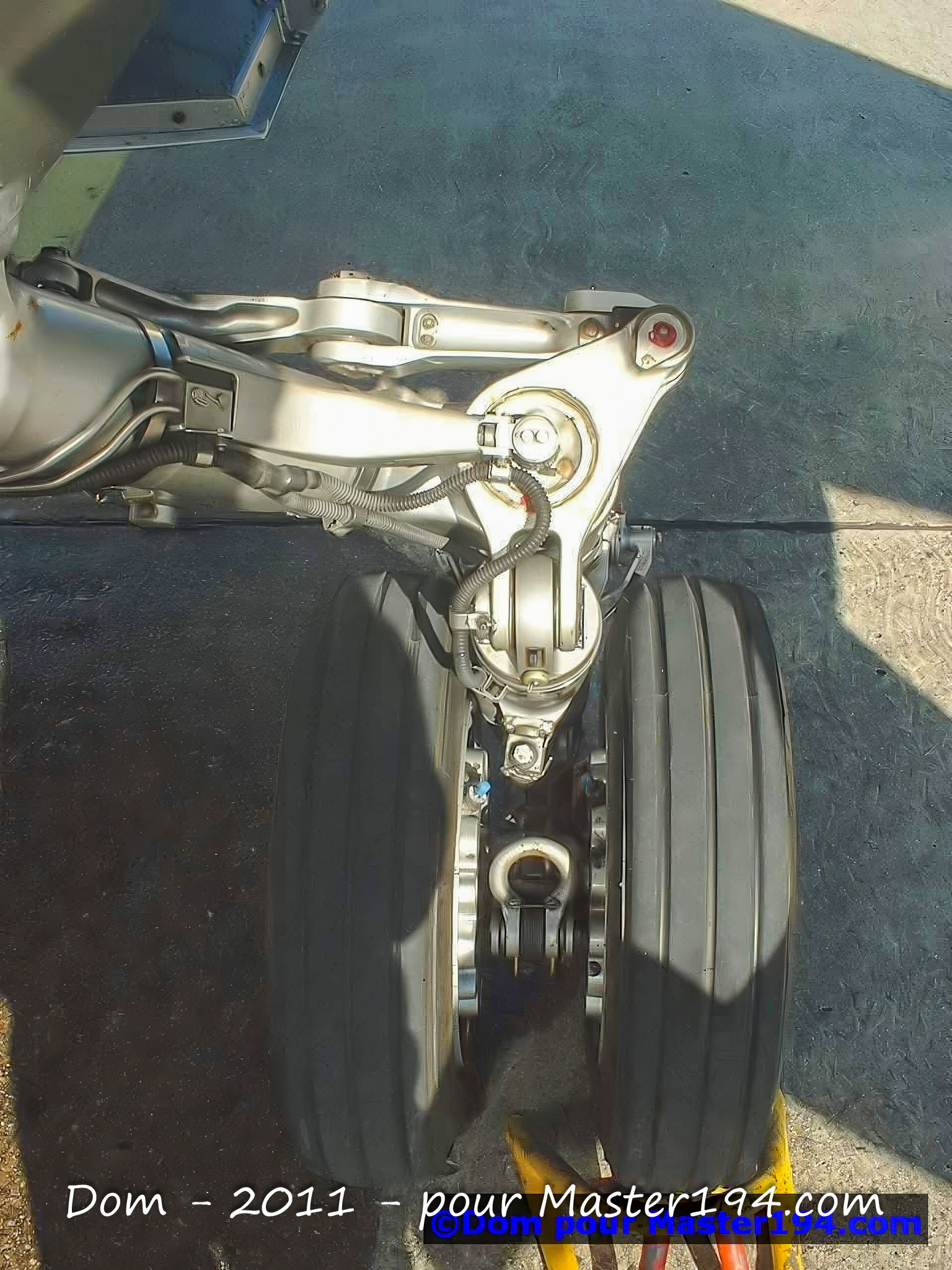
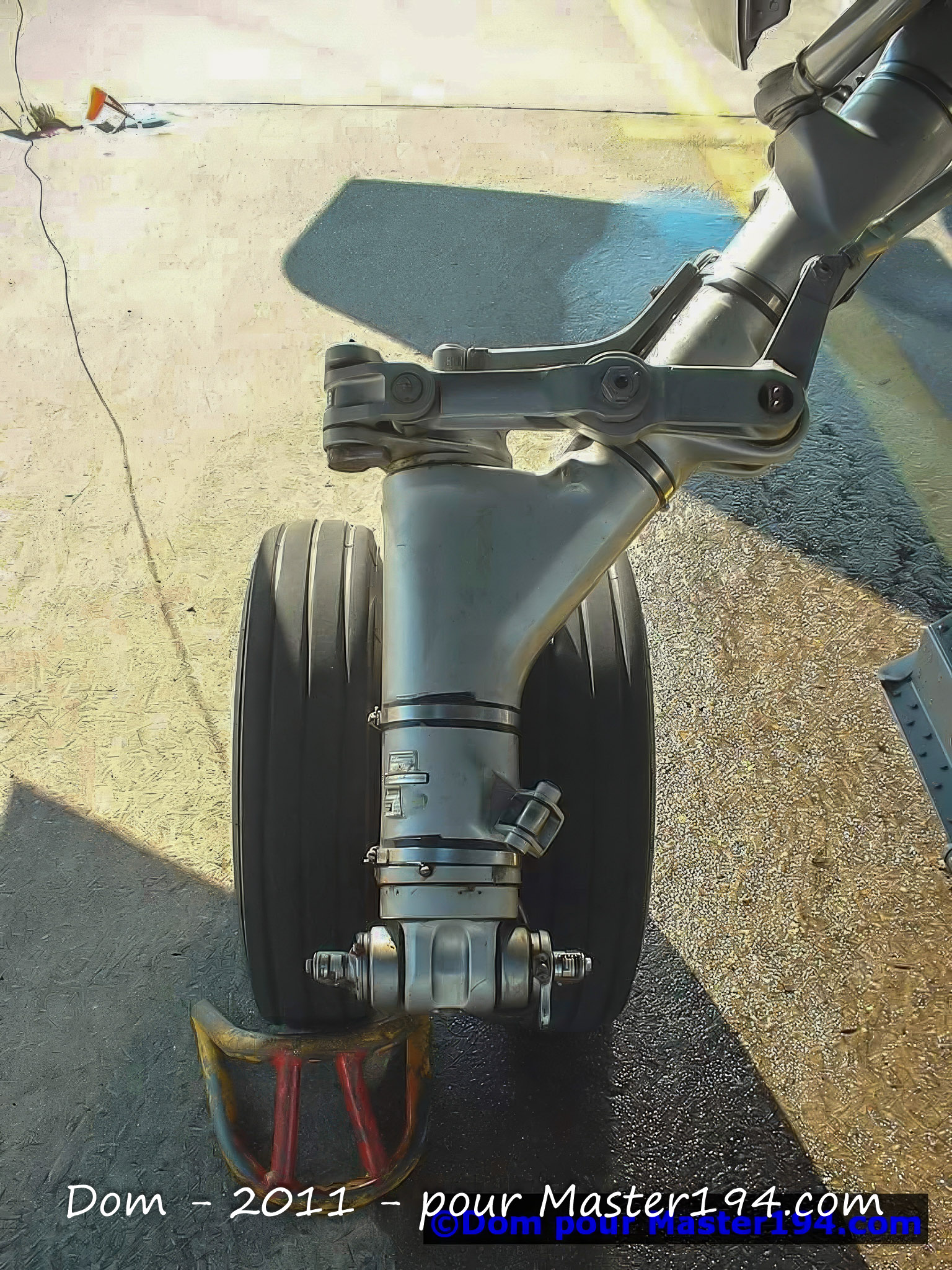
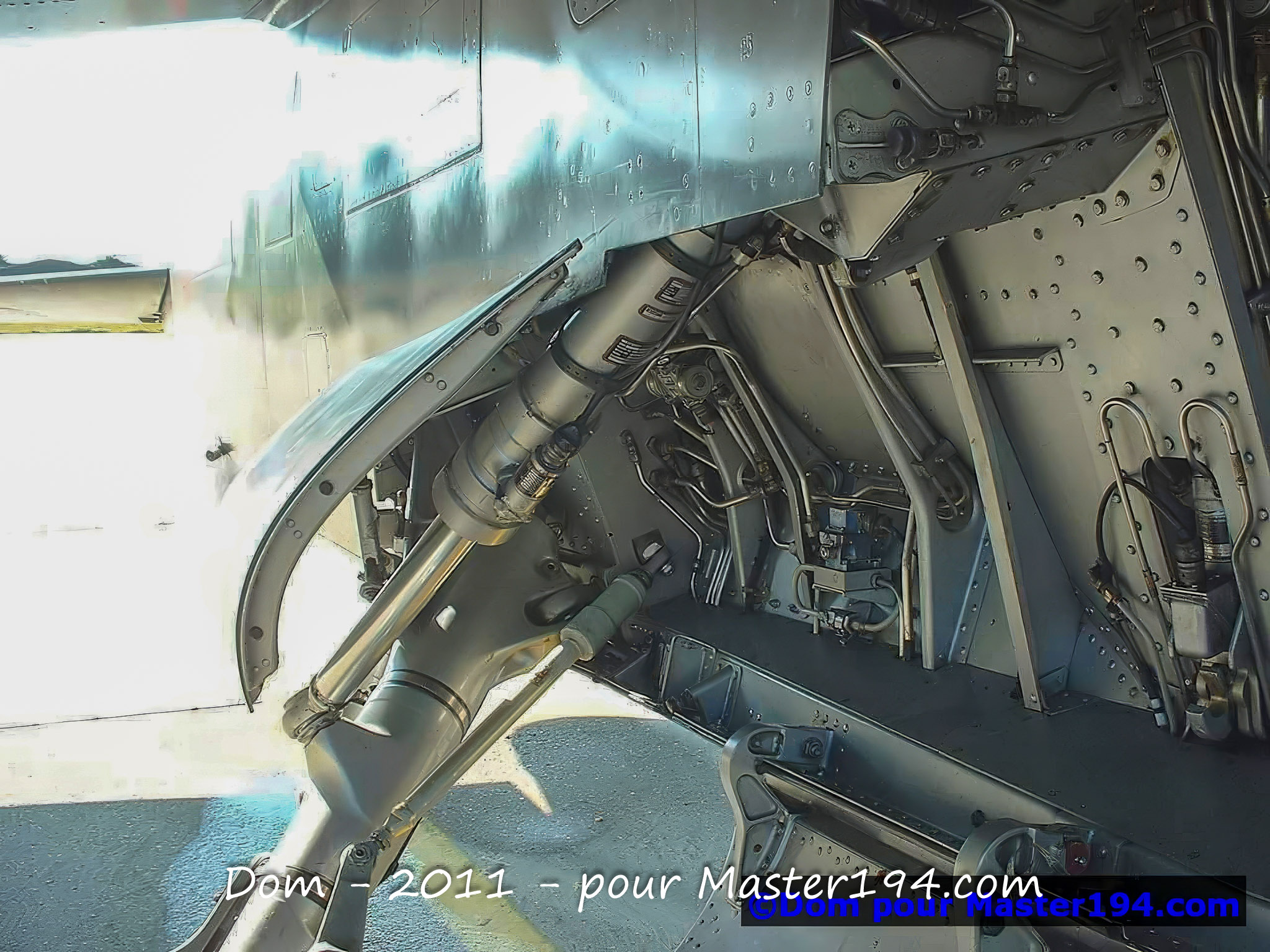
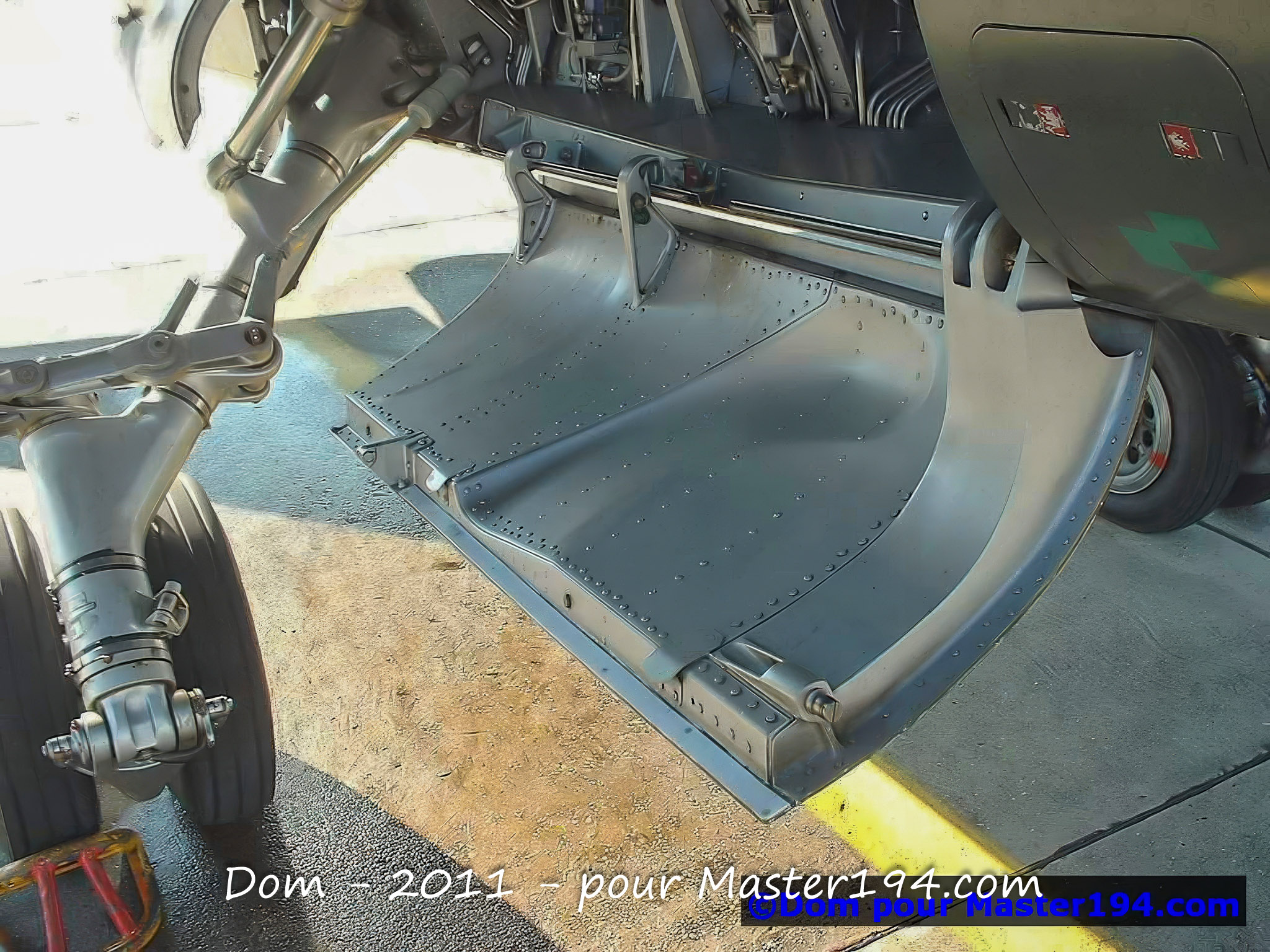
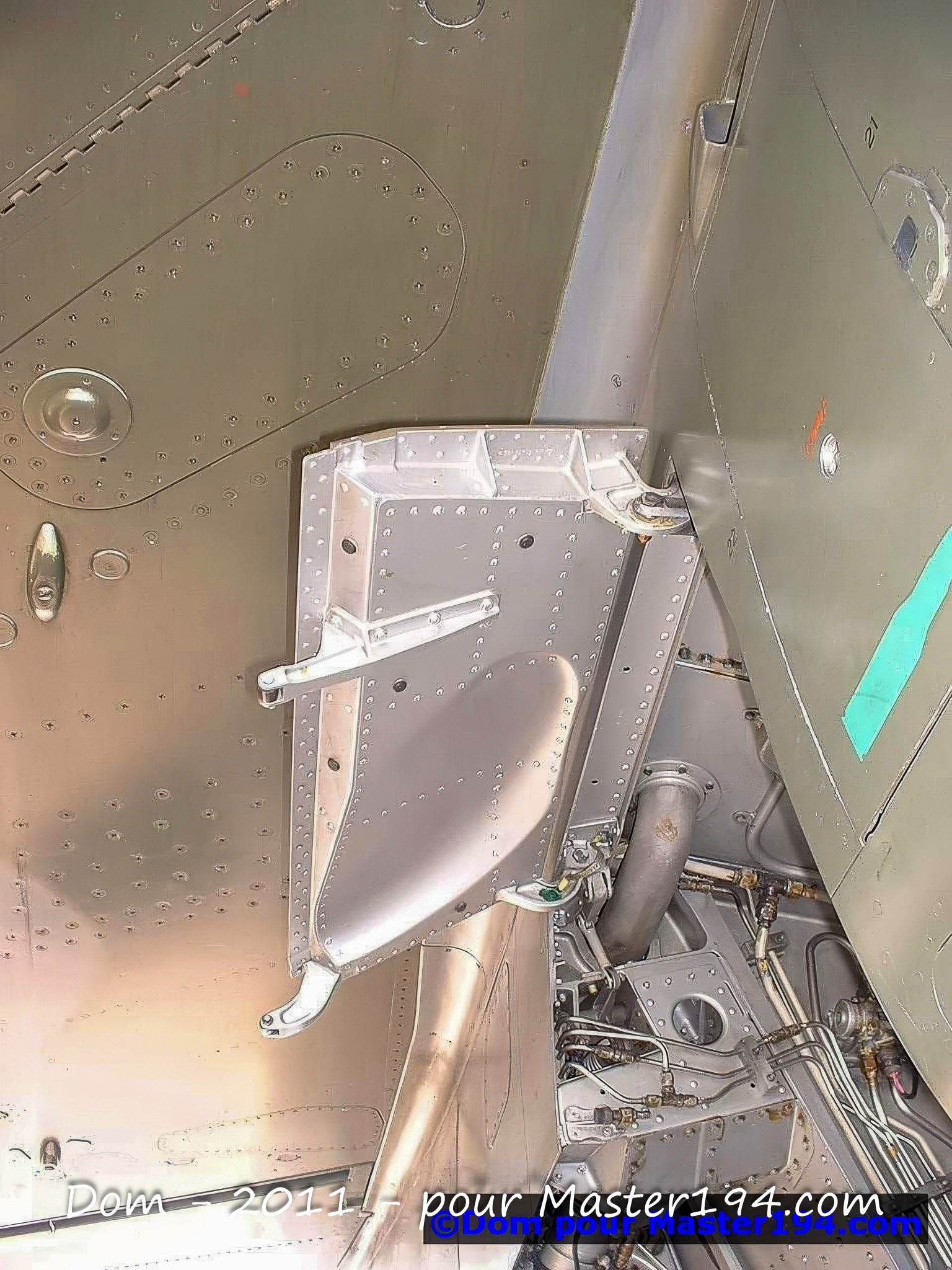
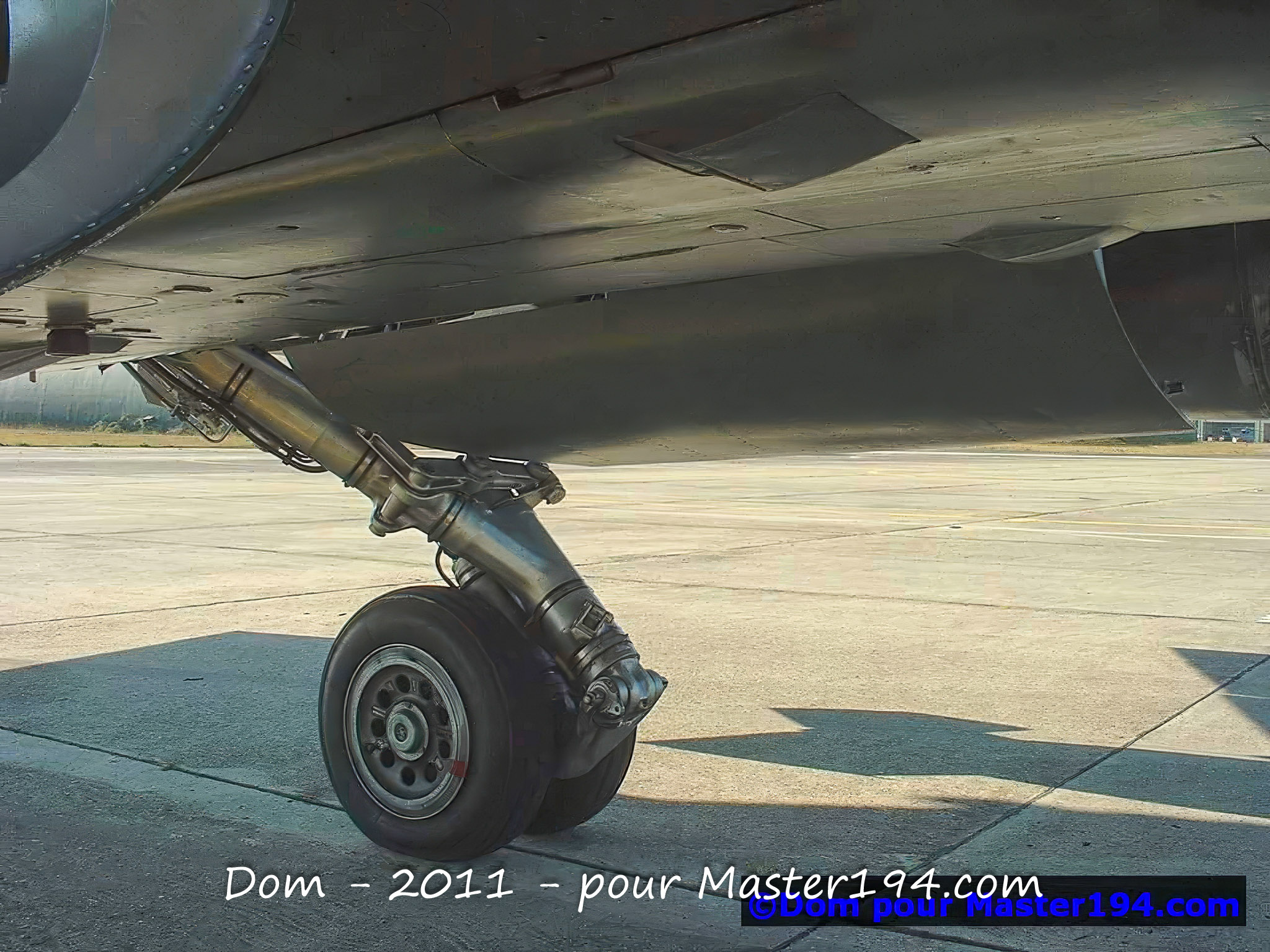
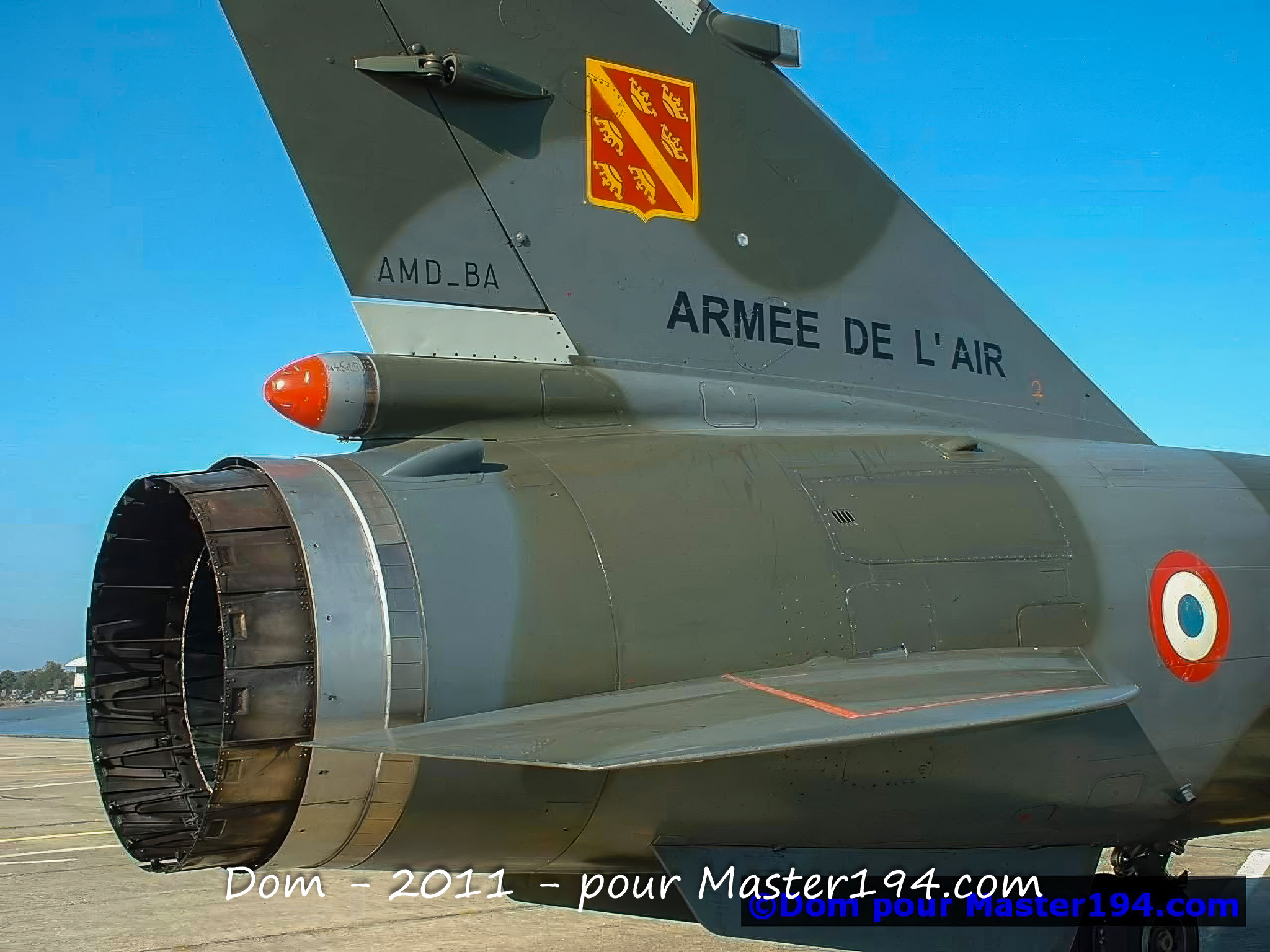
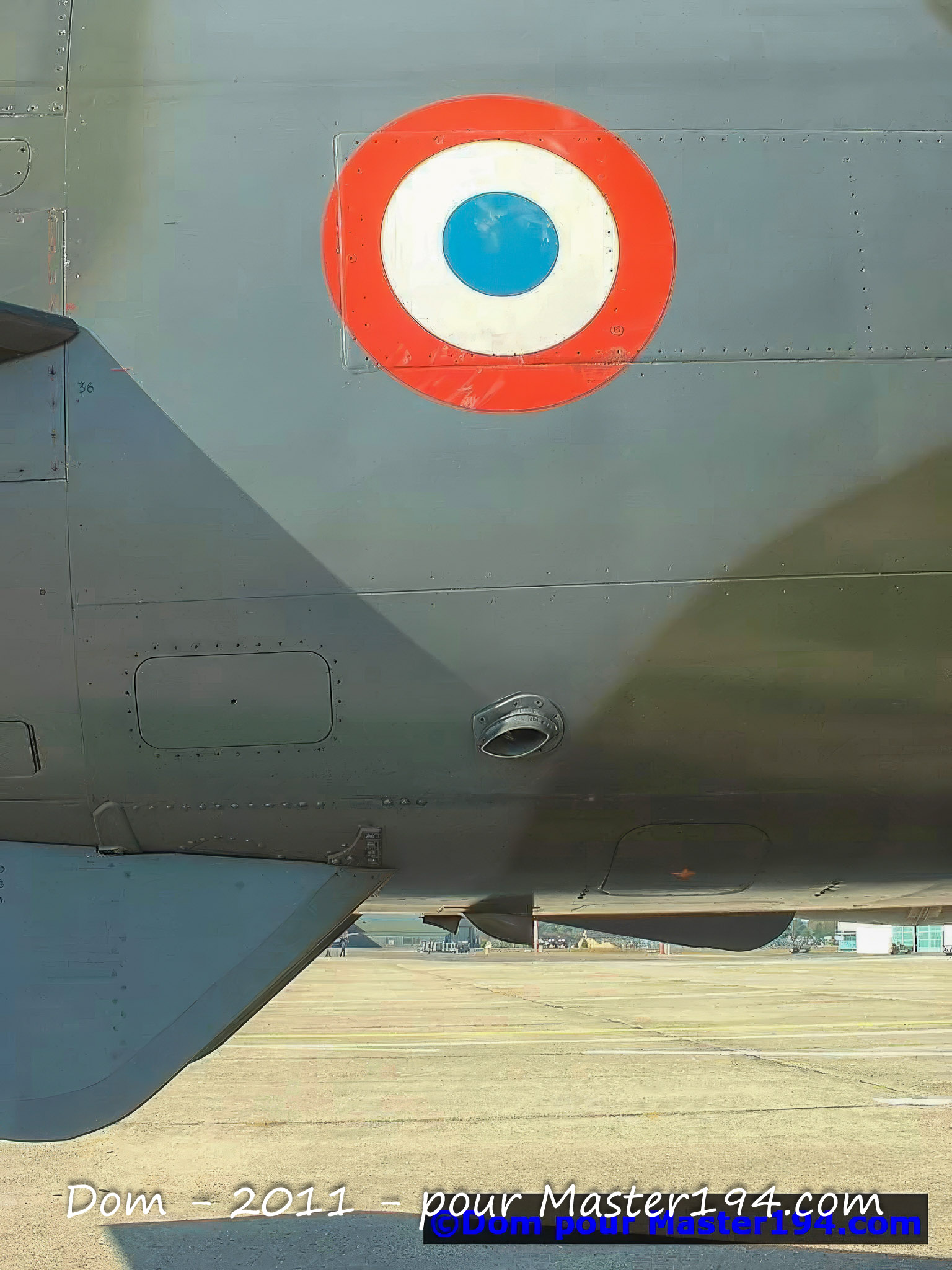
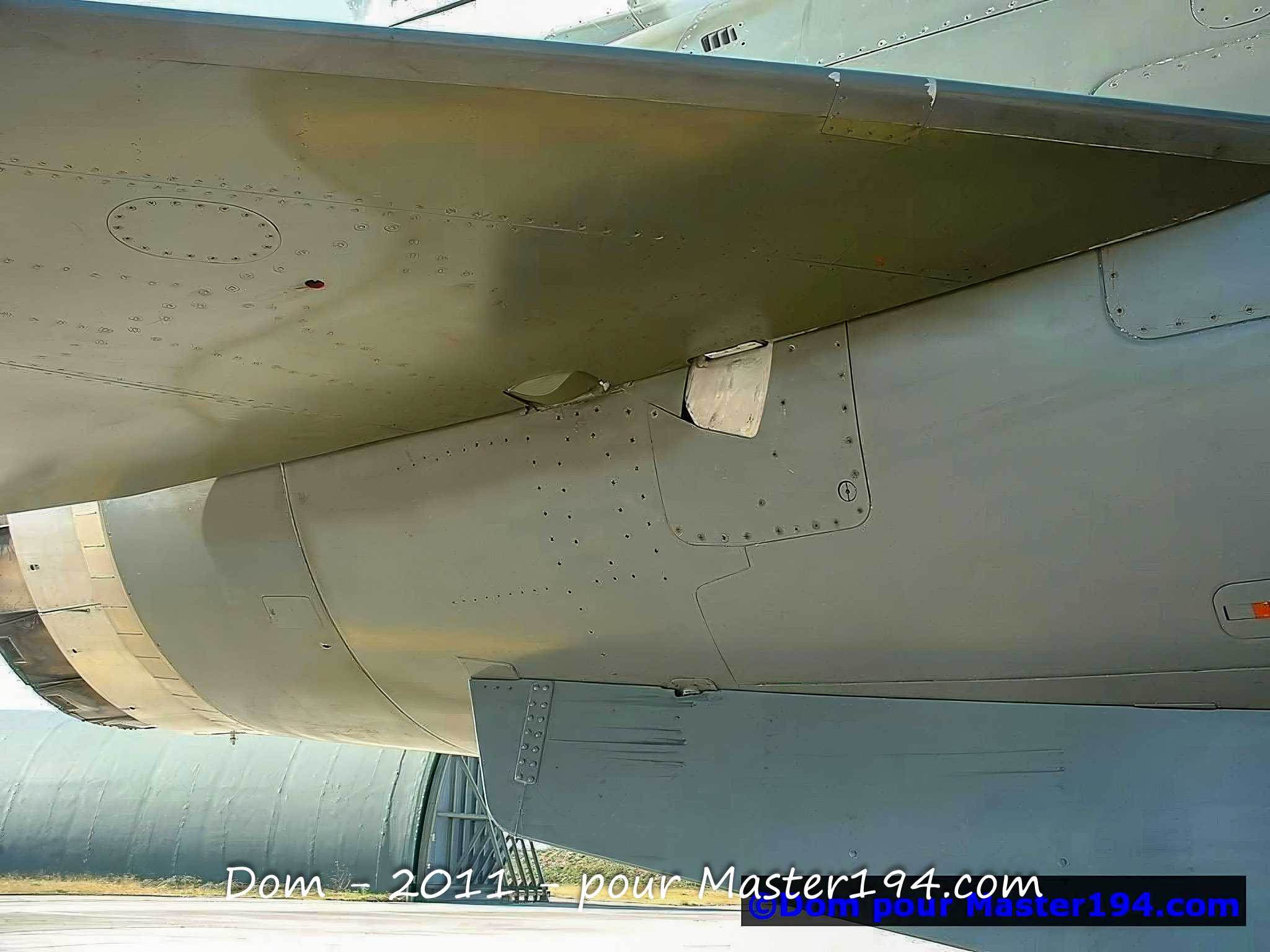
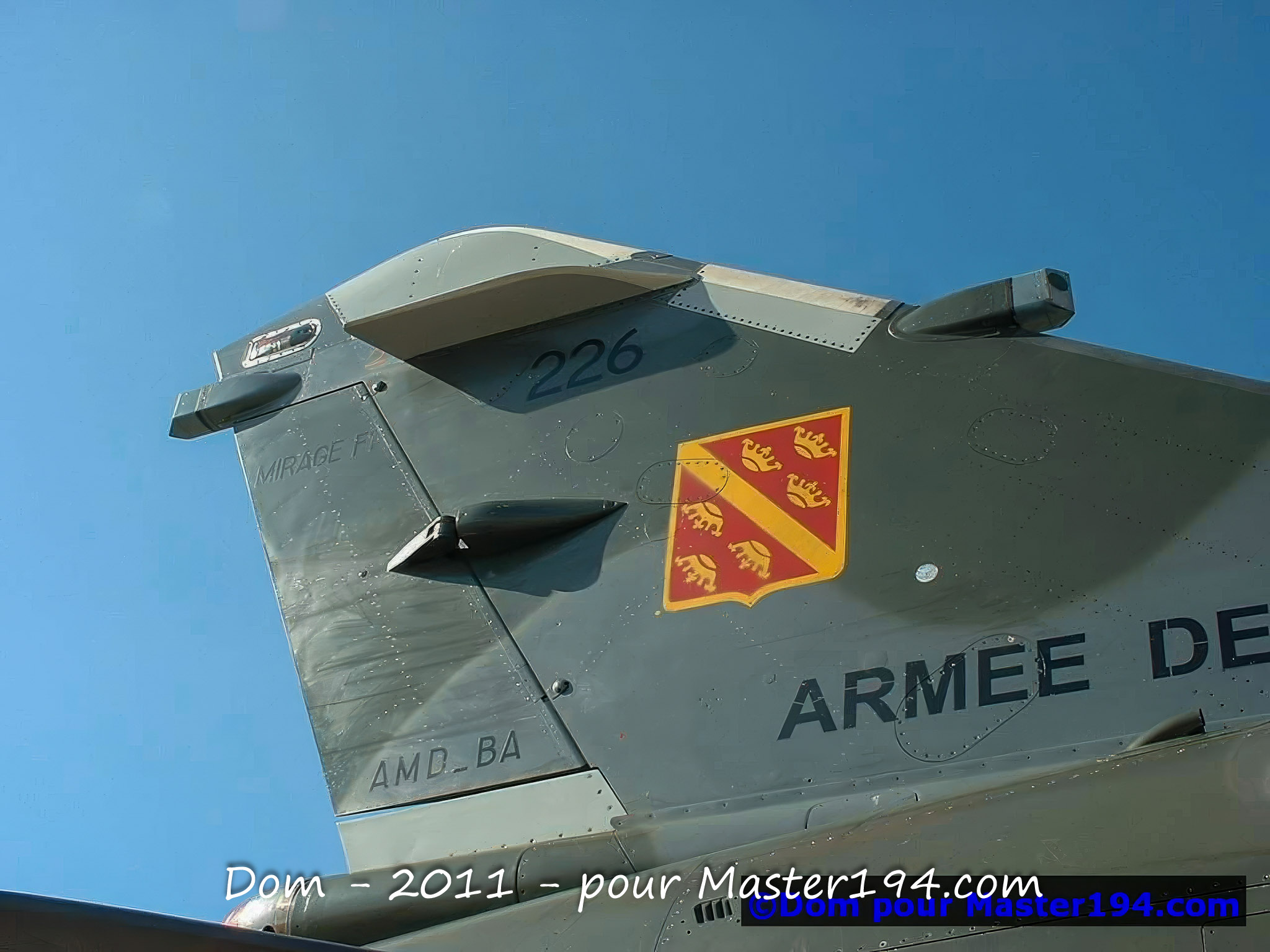
Walkaround
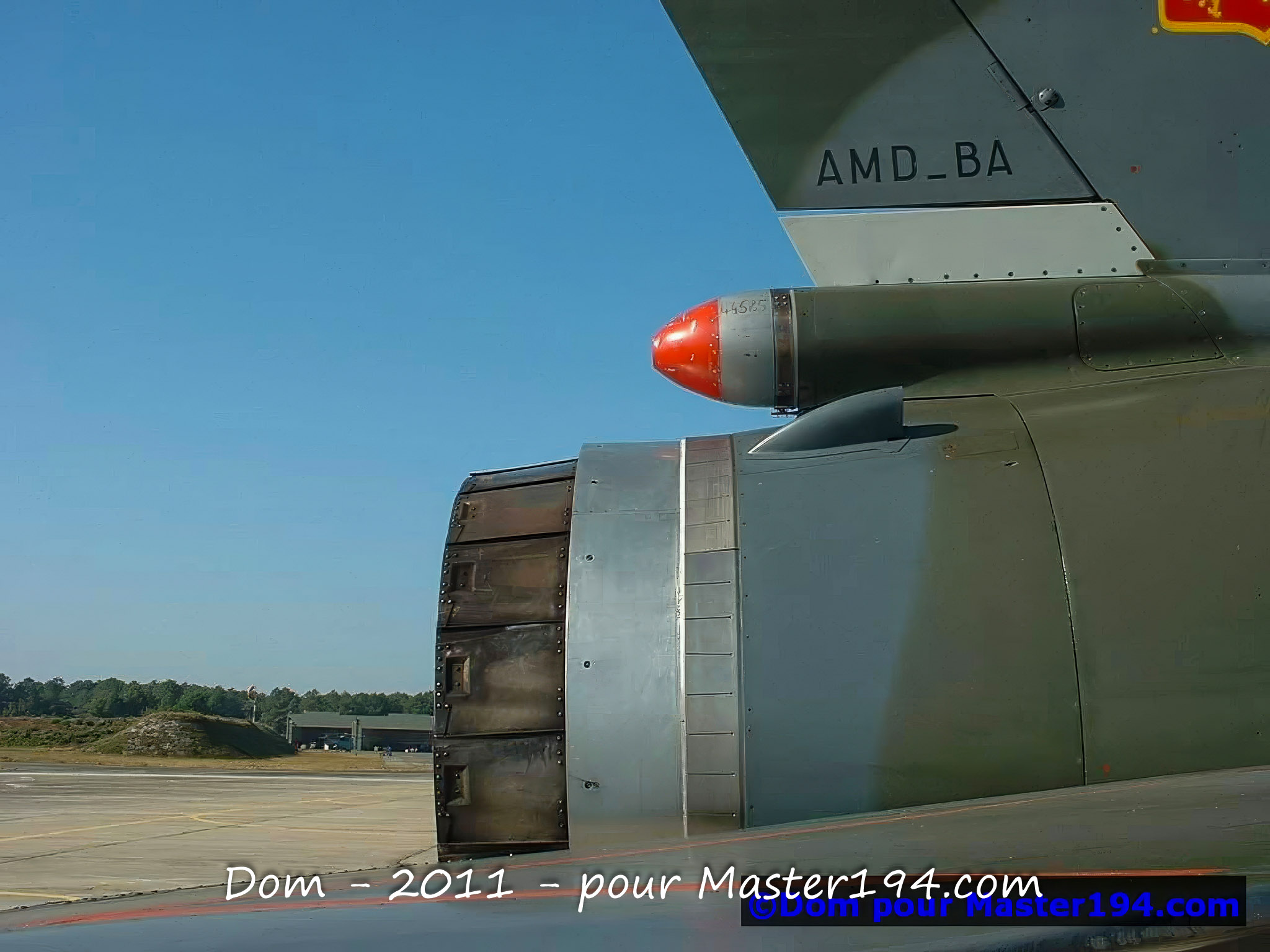
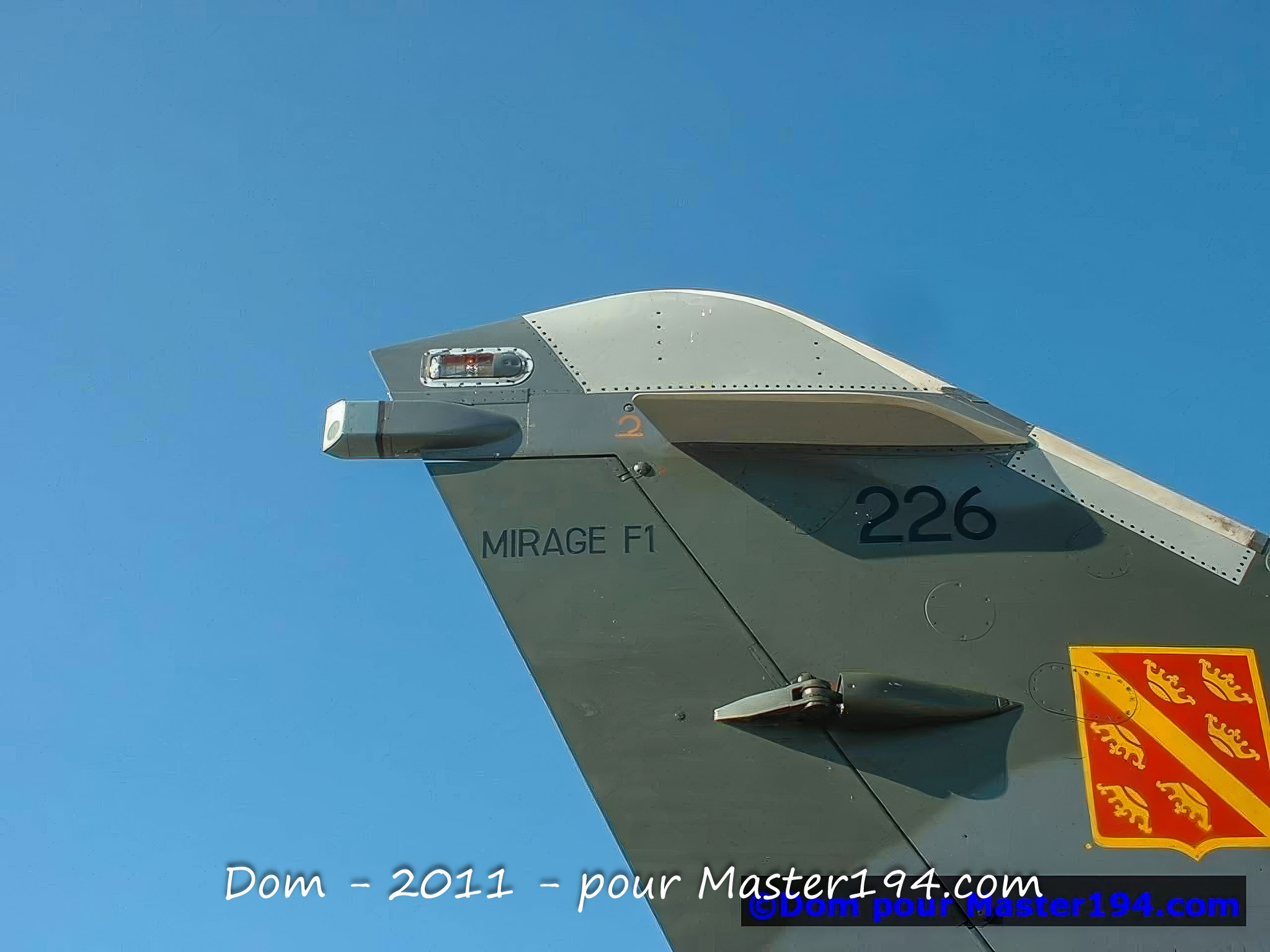
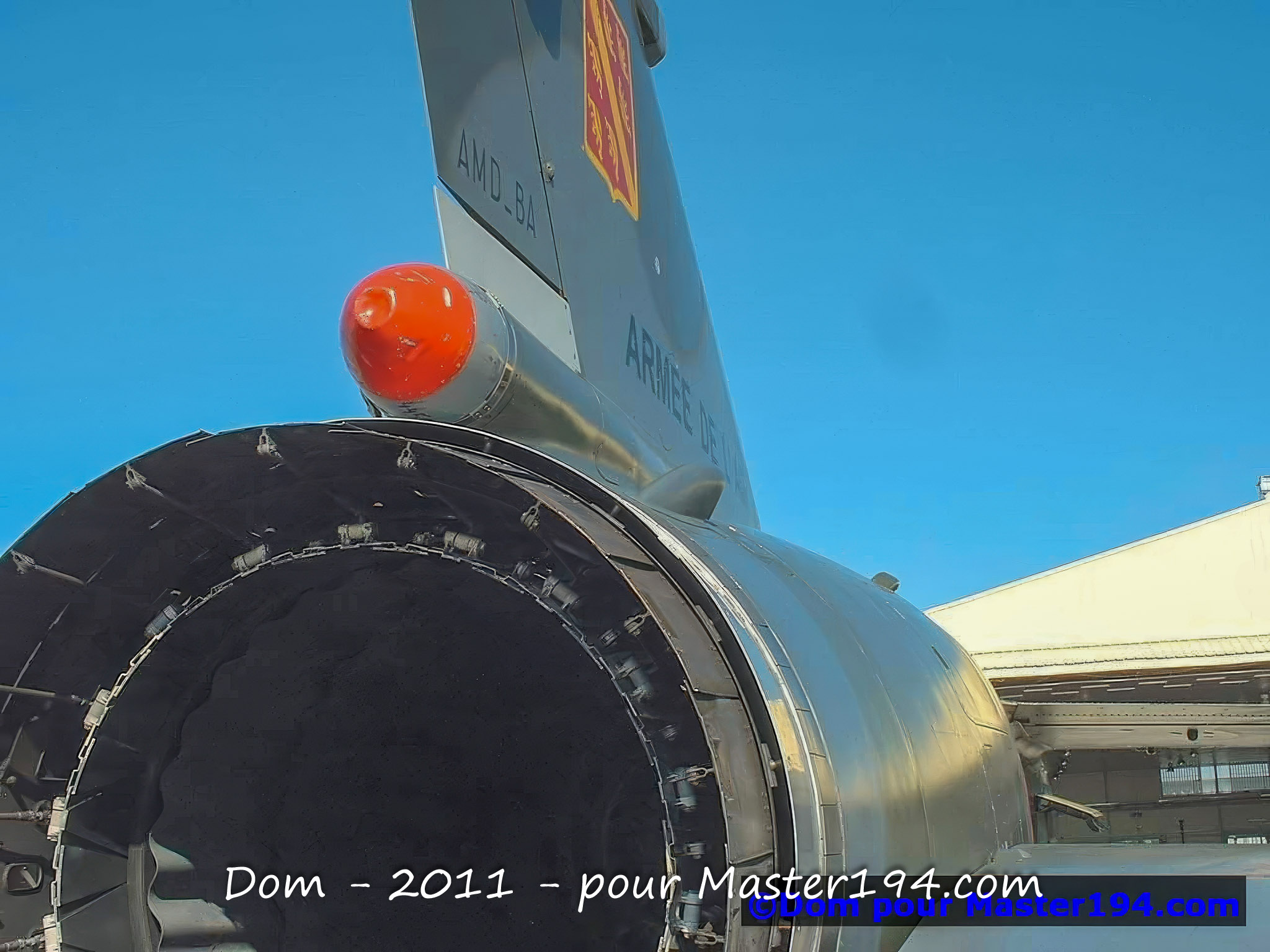
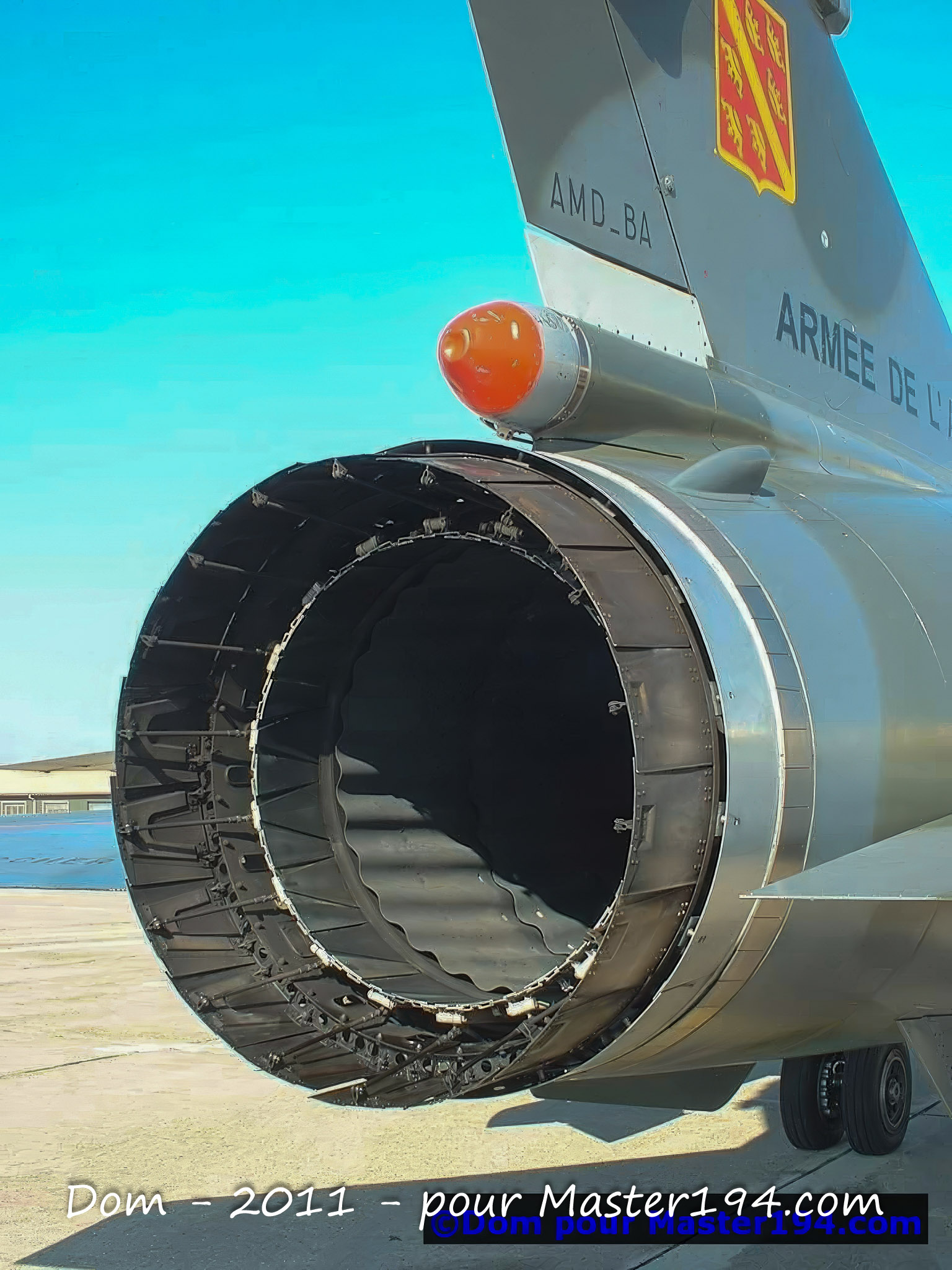
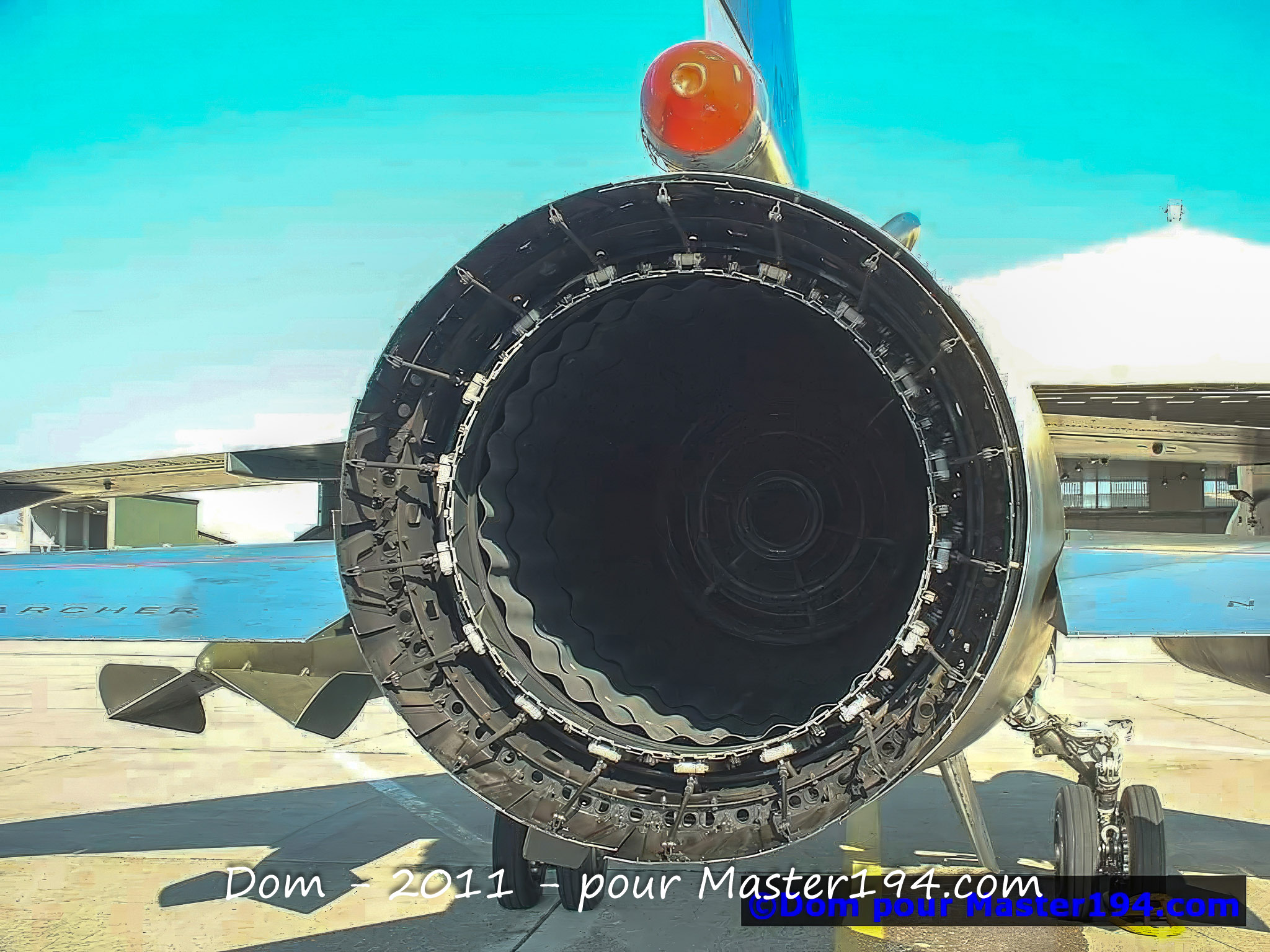
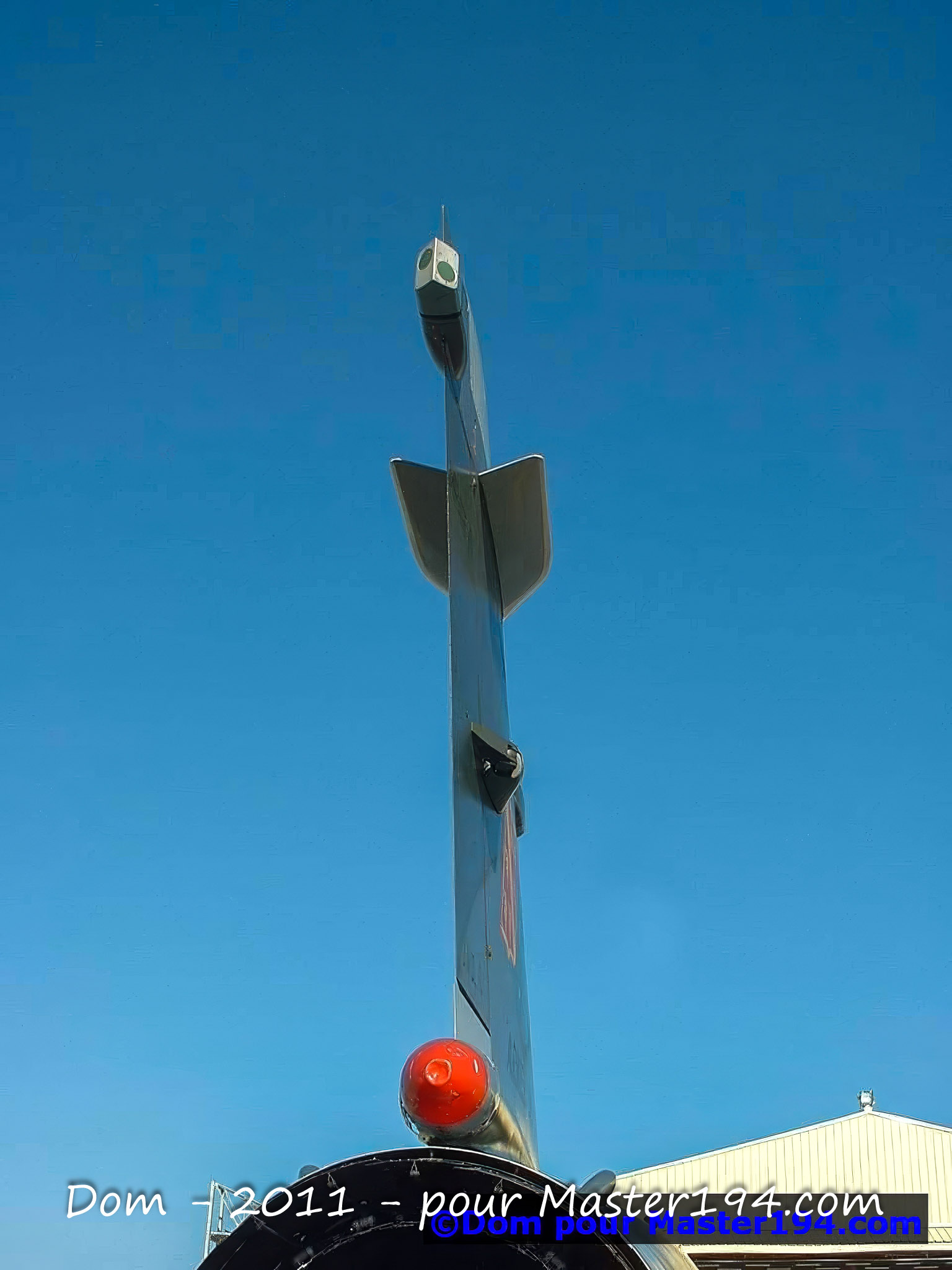
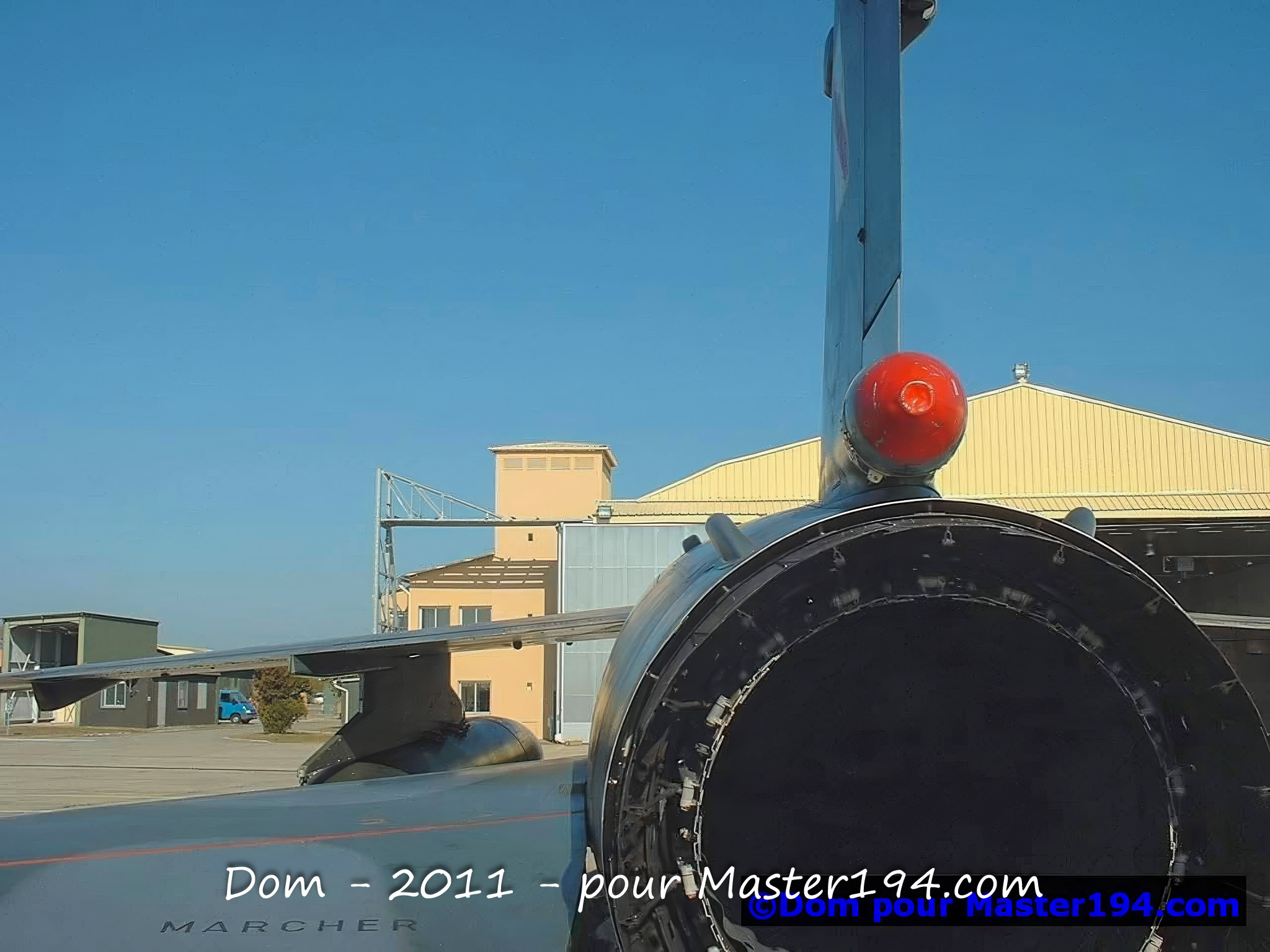
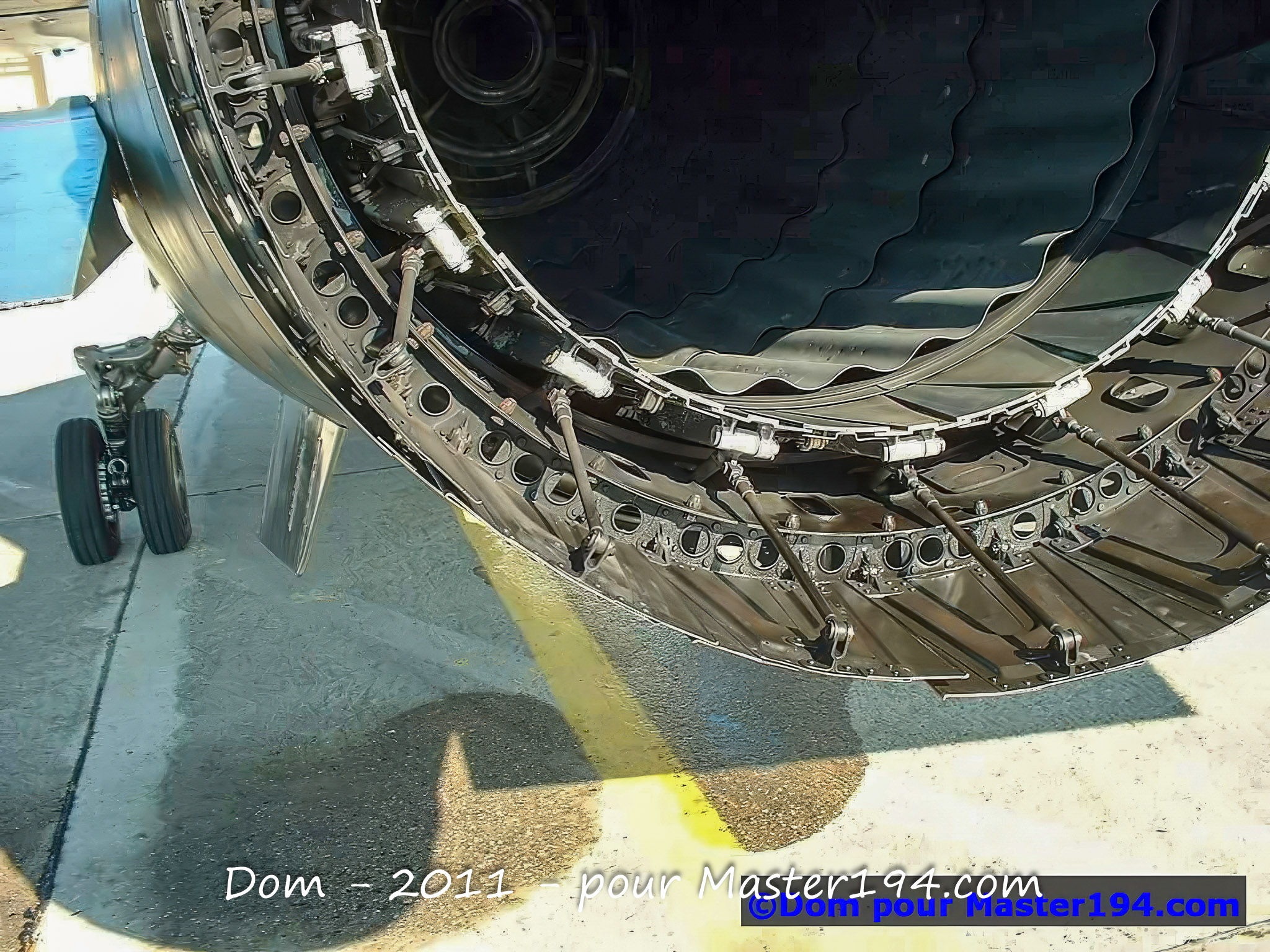
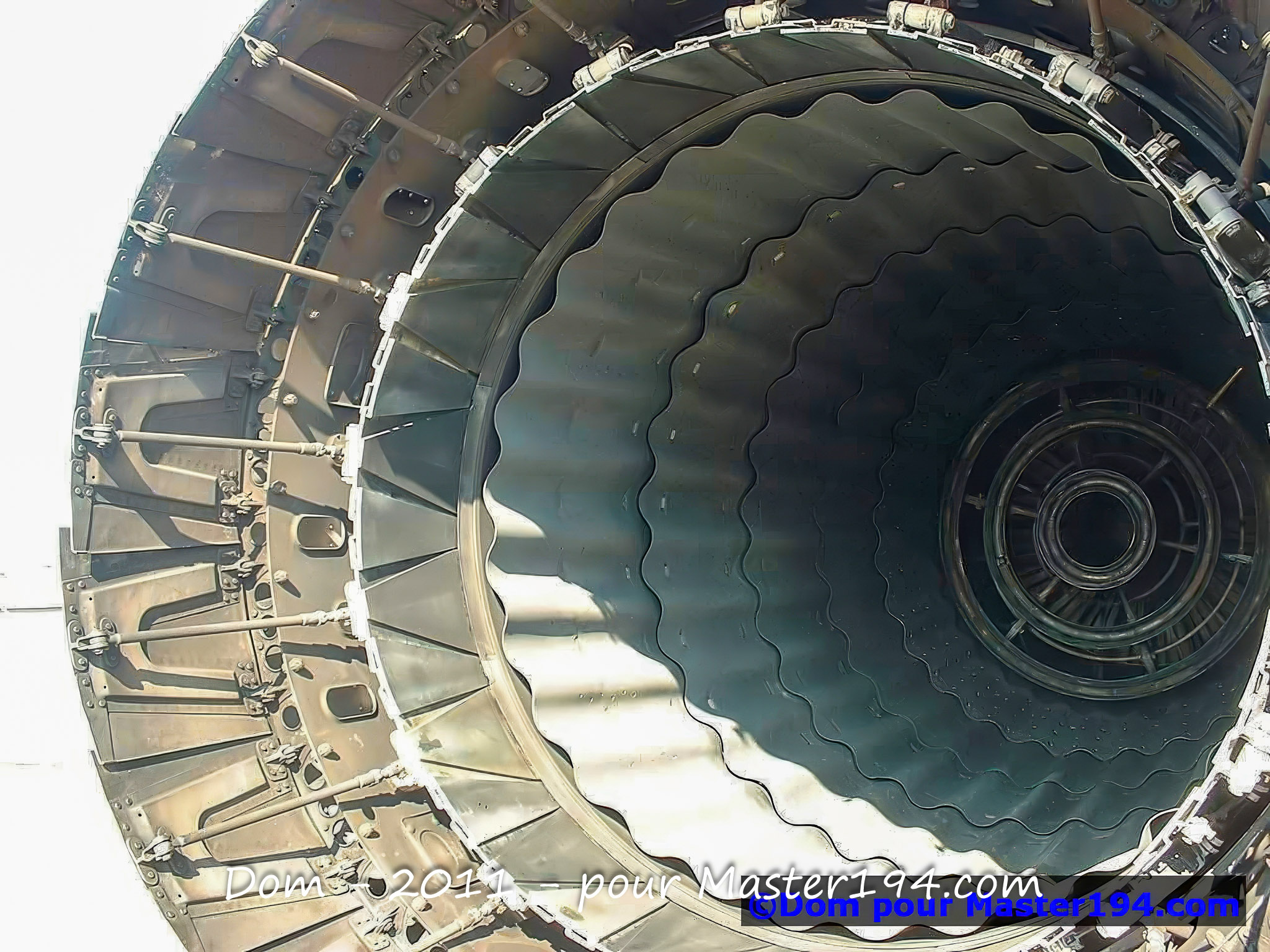
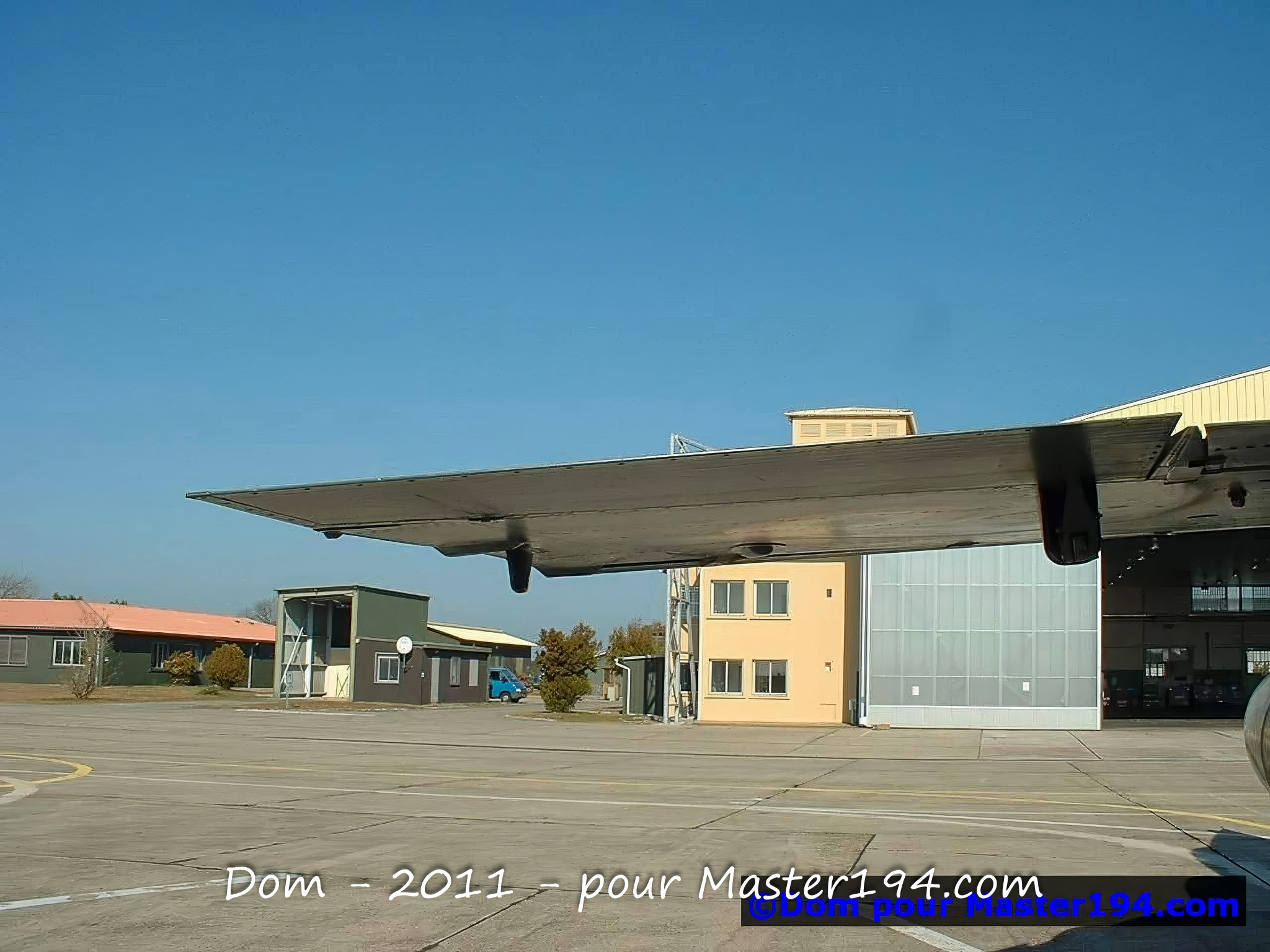
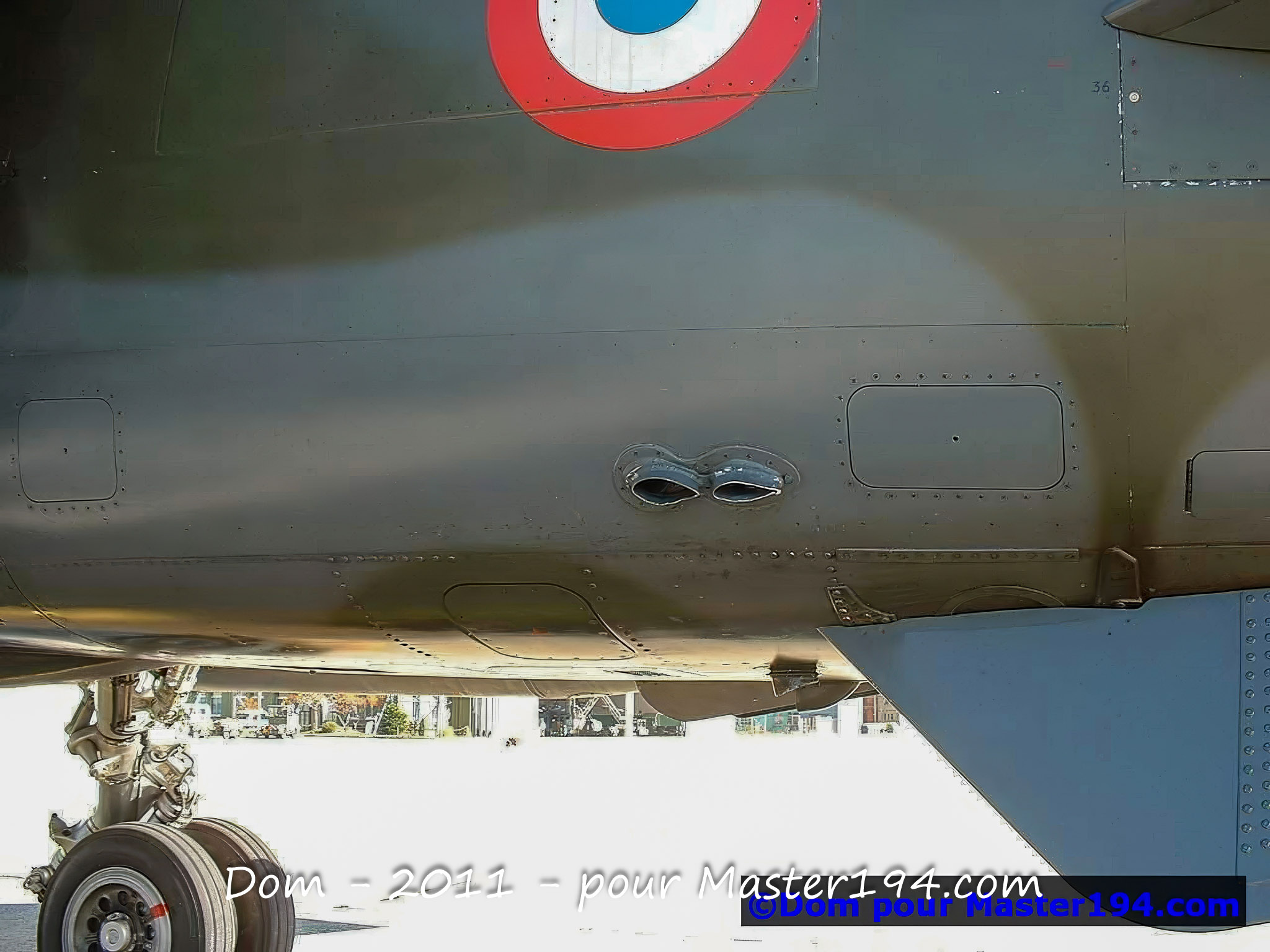
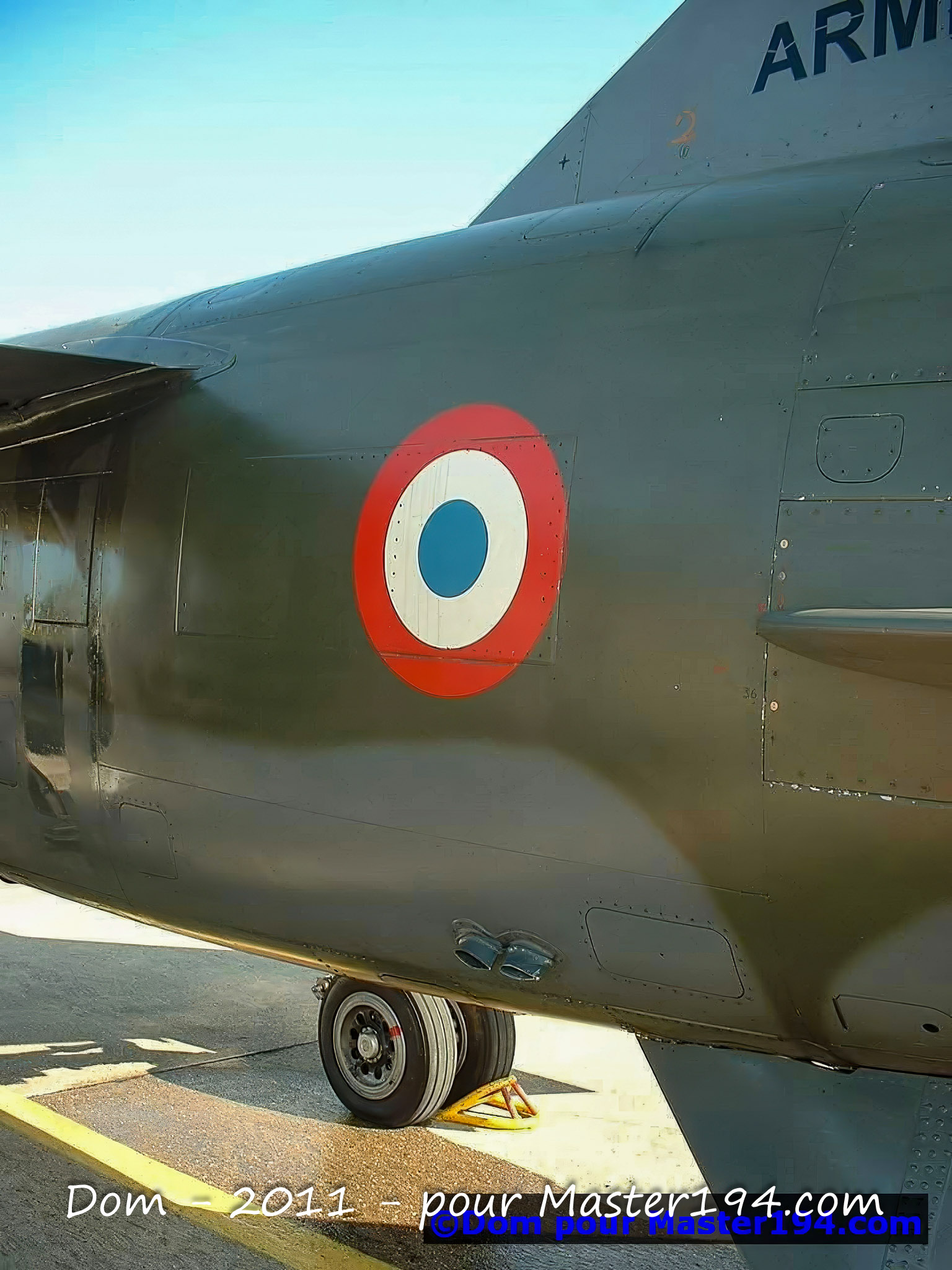
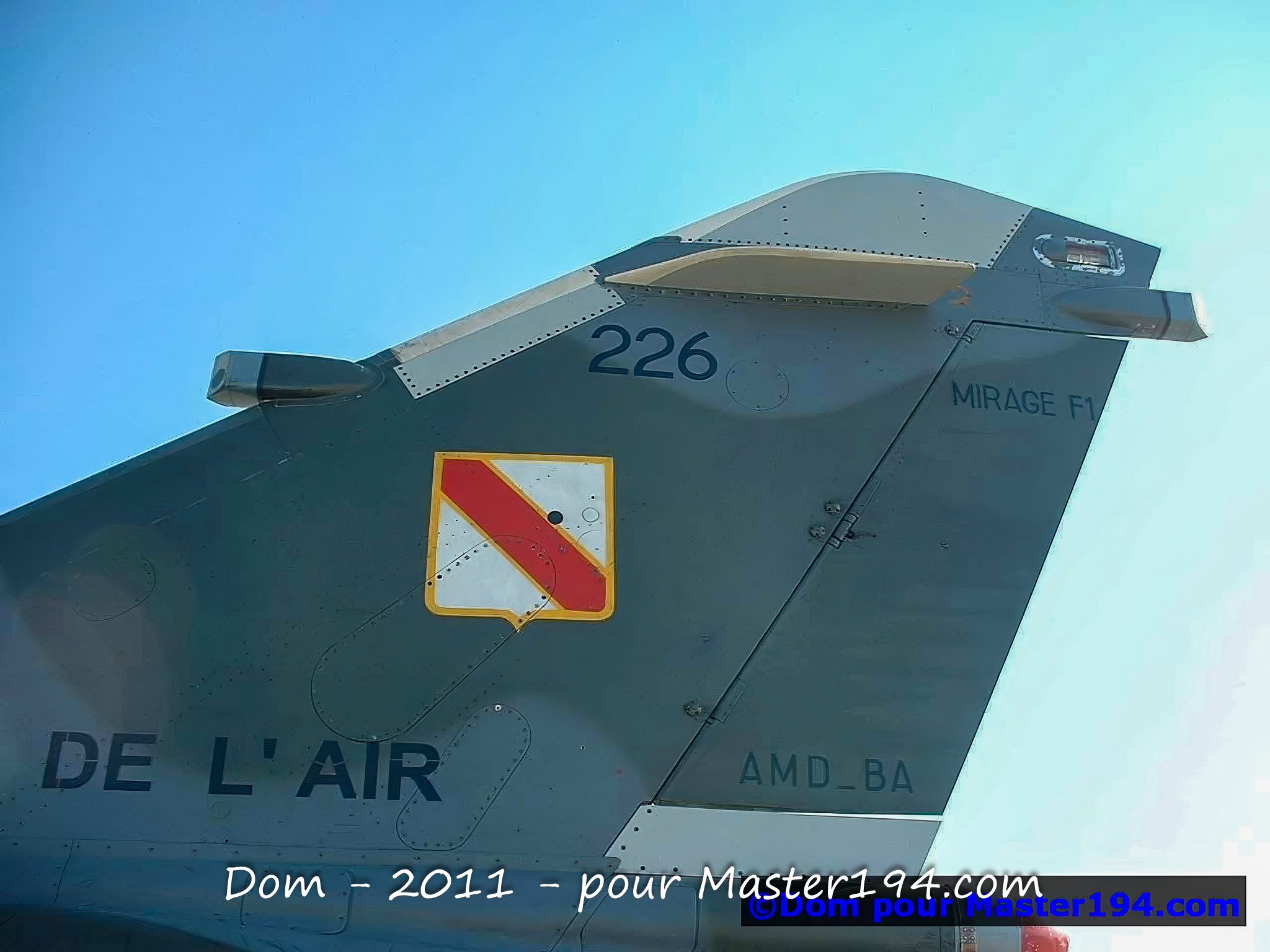
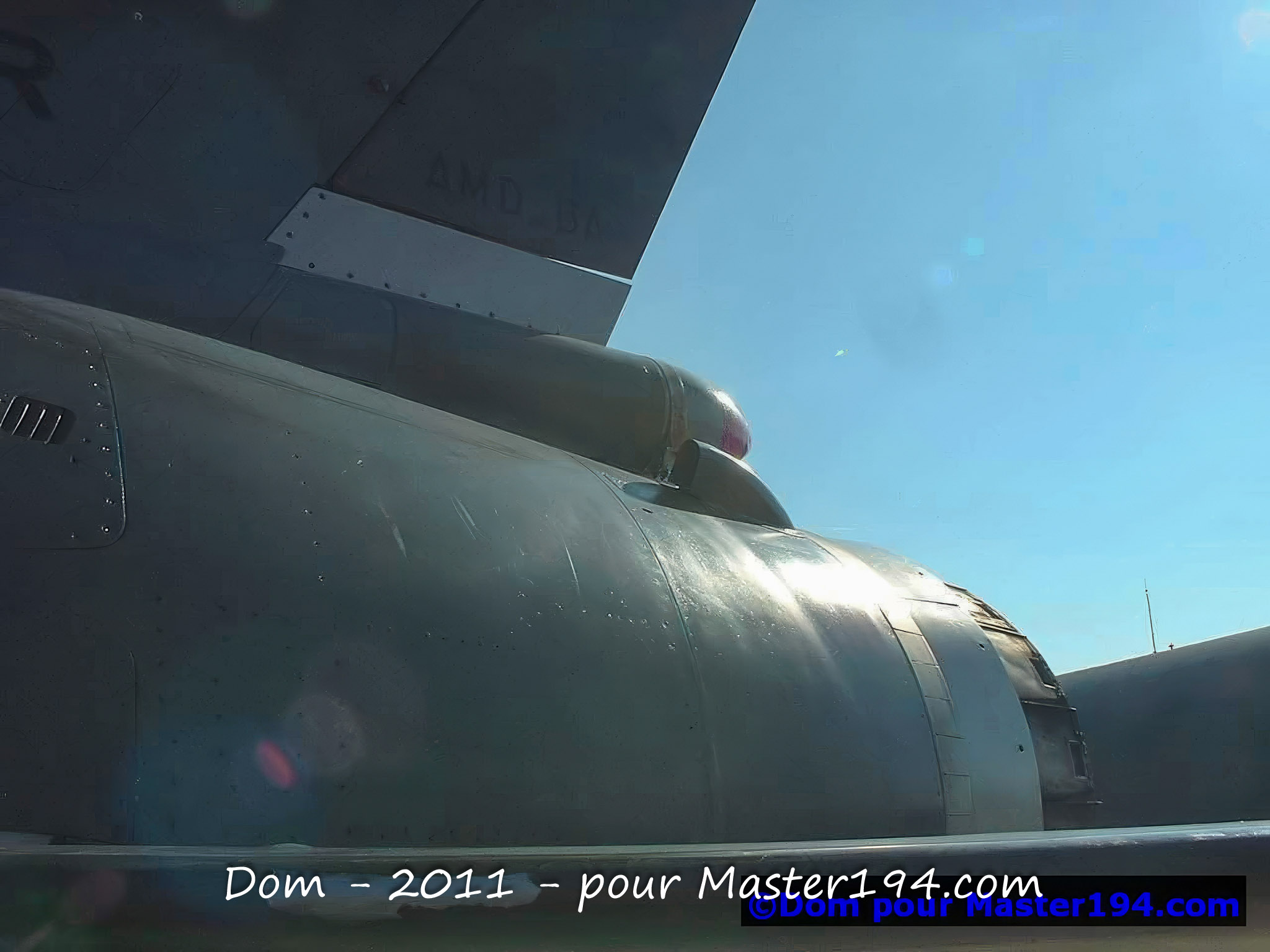
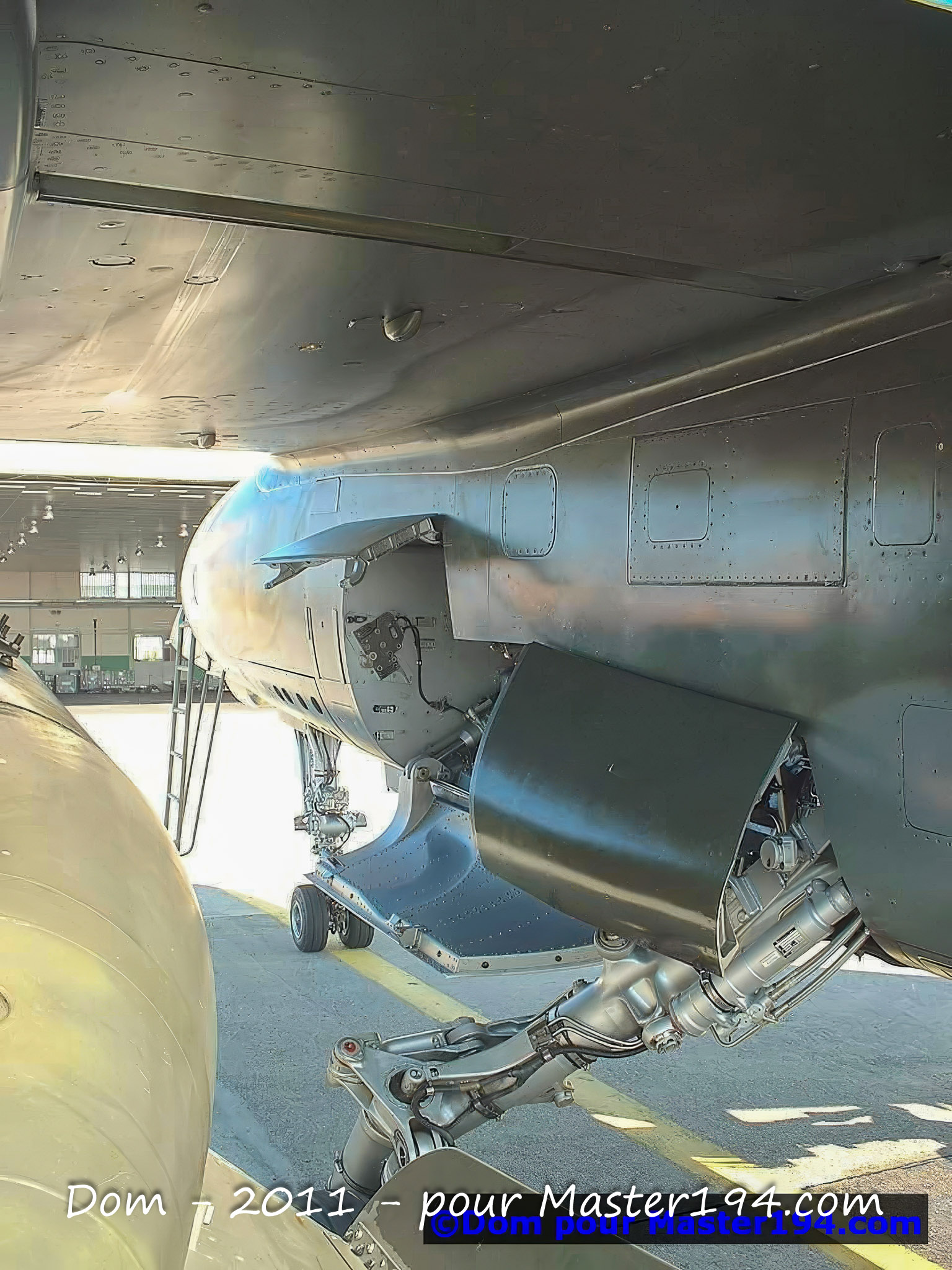
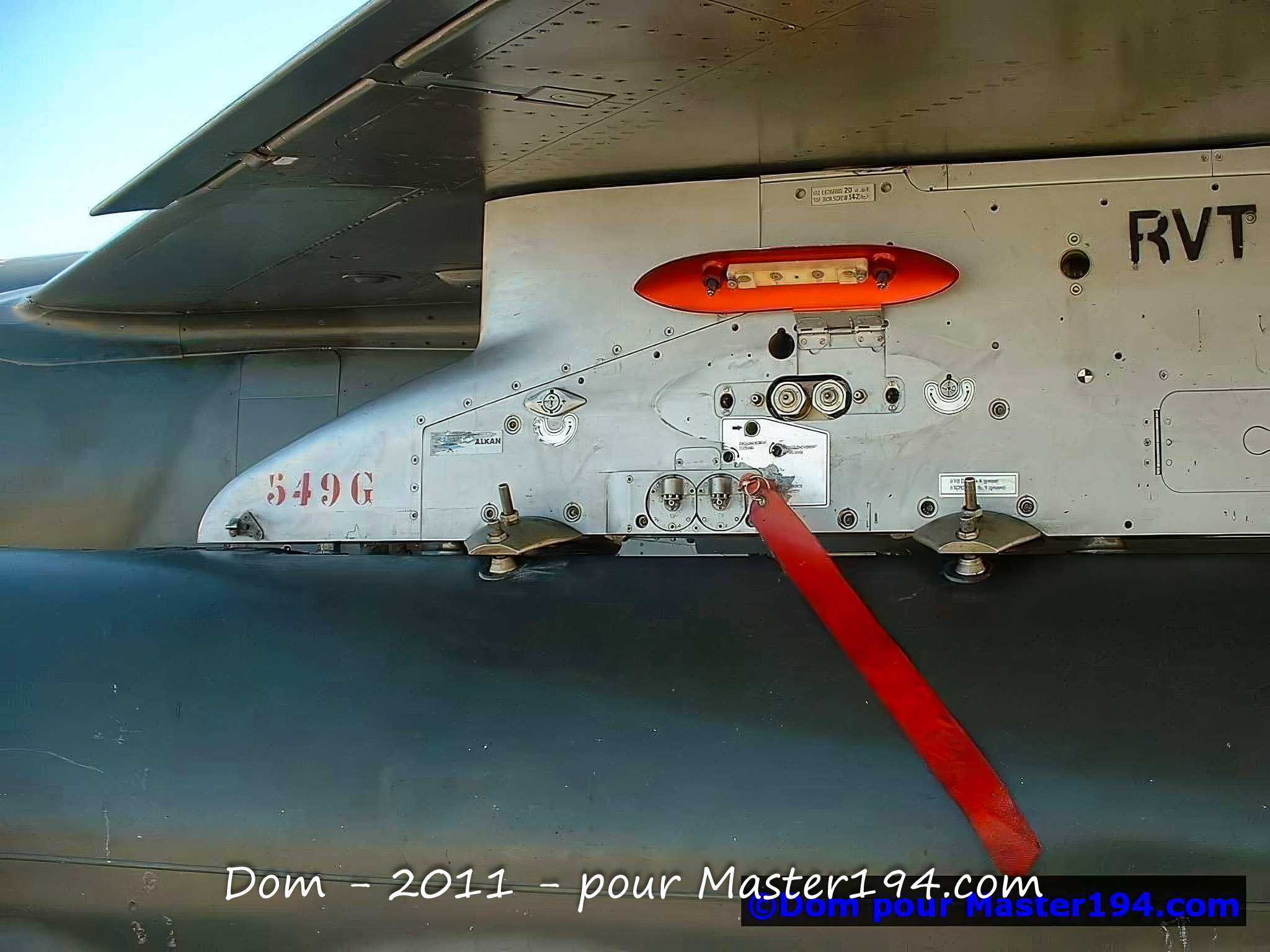
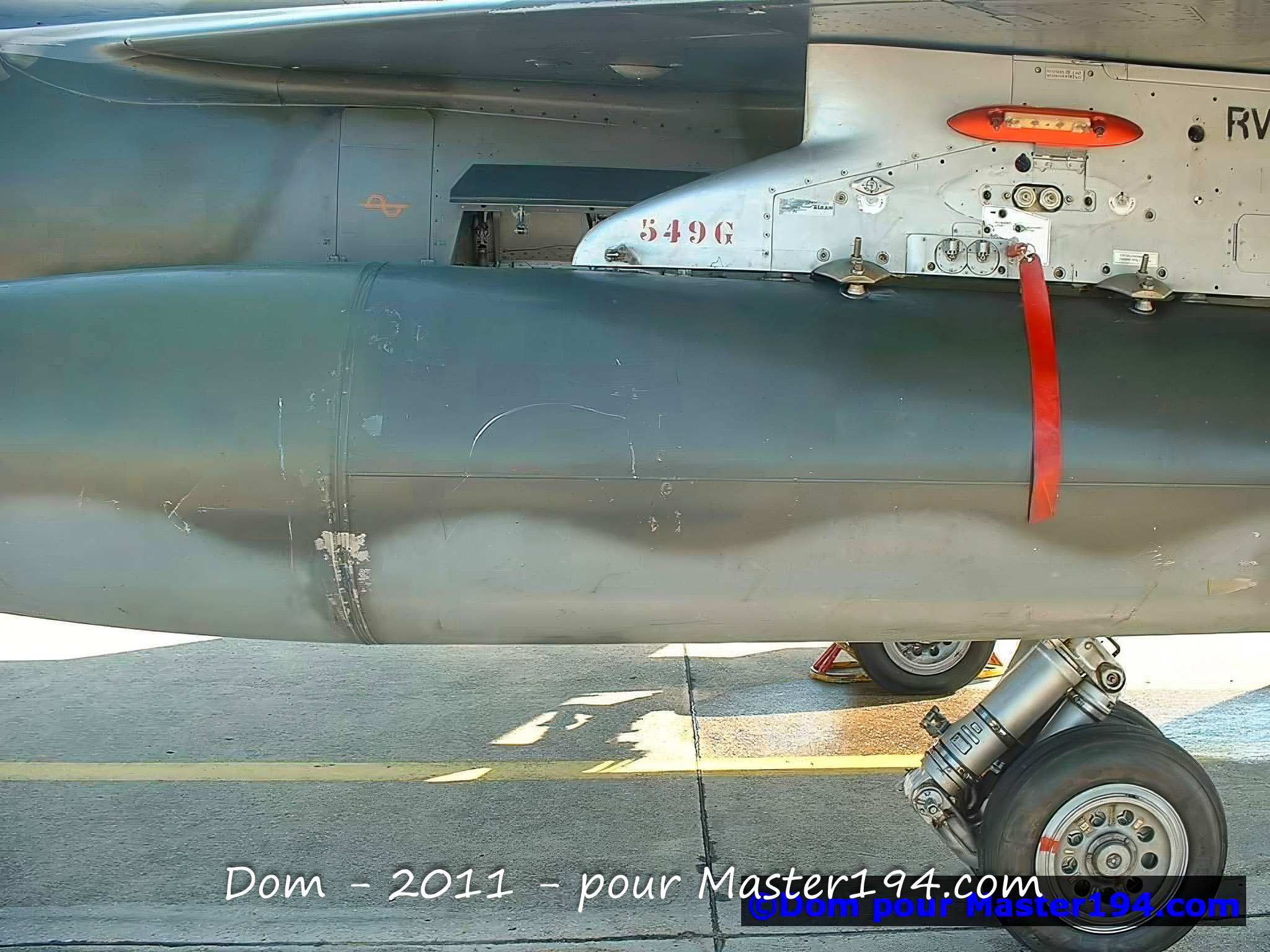
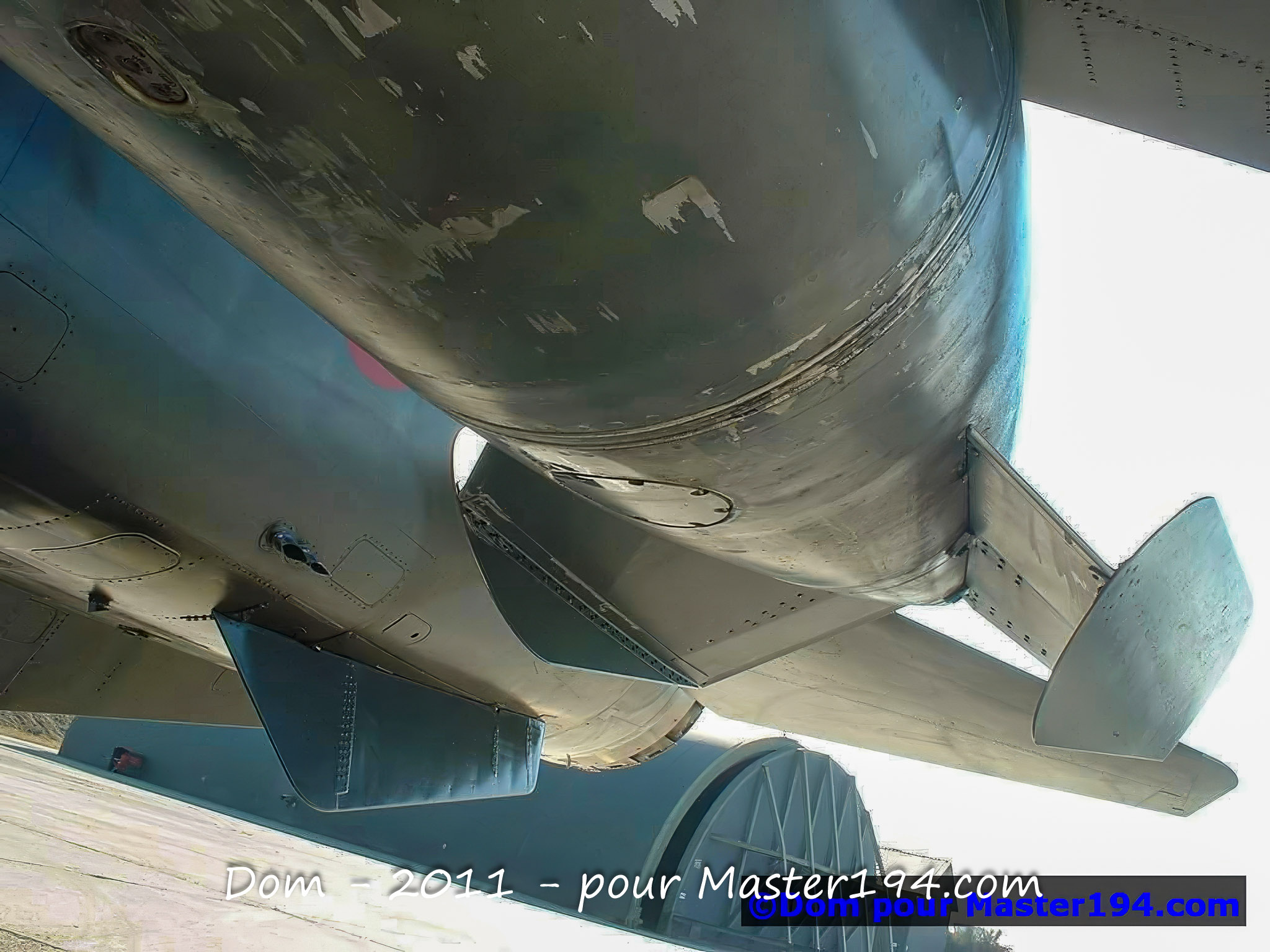
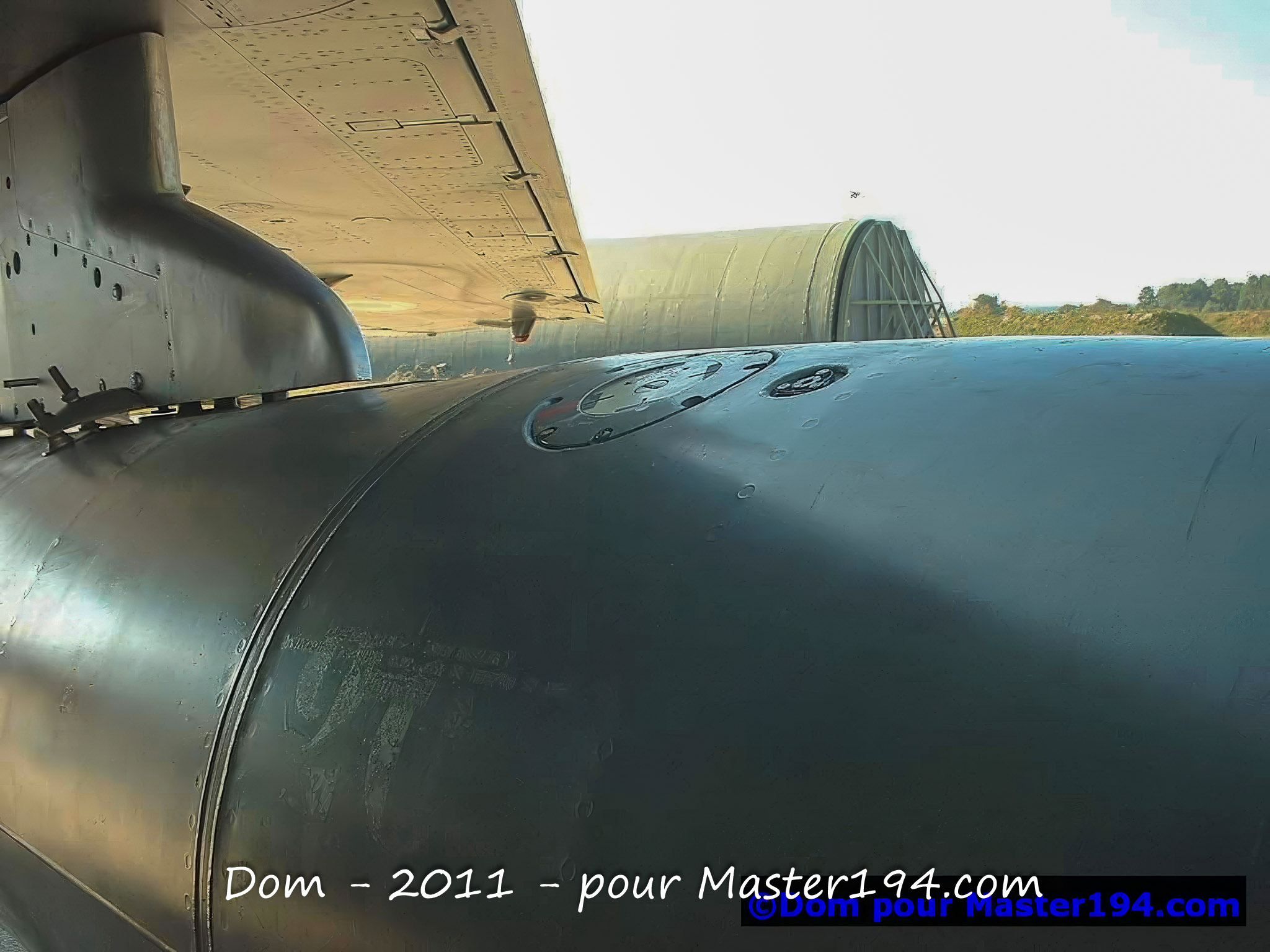
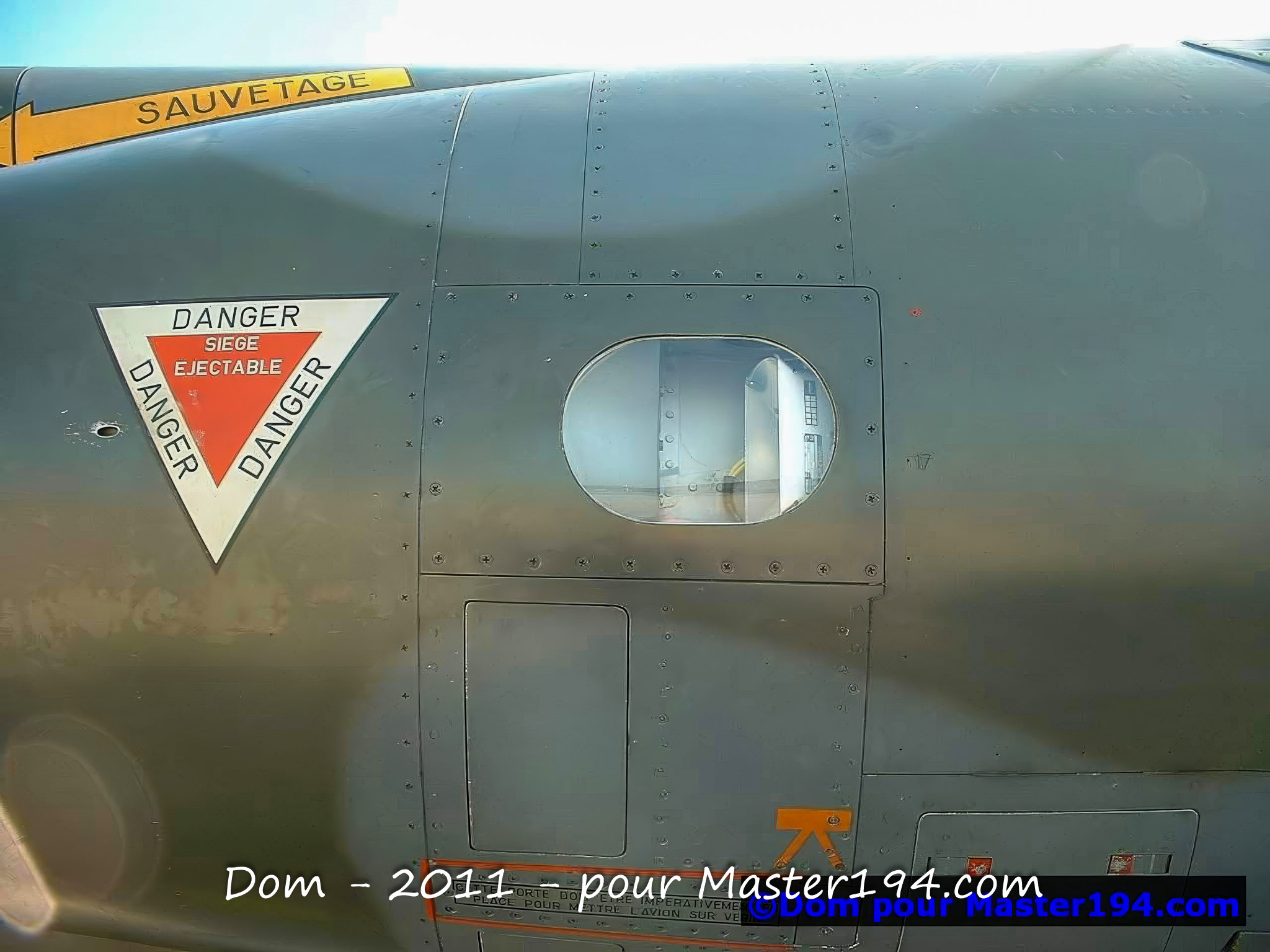
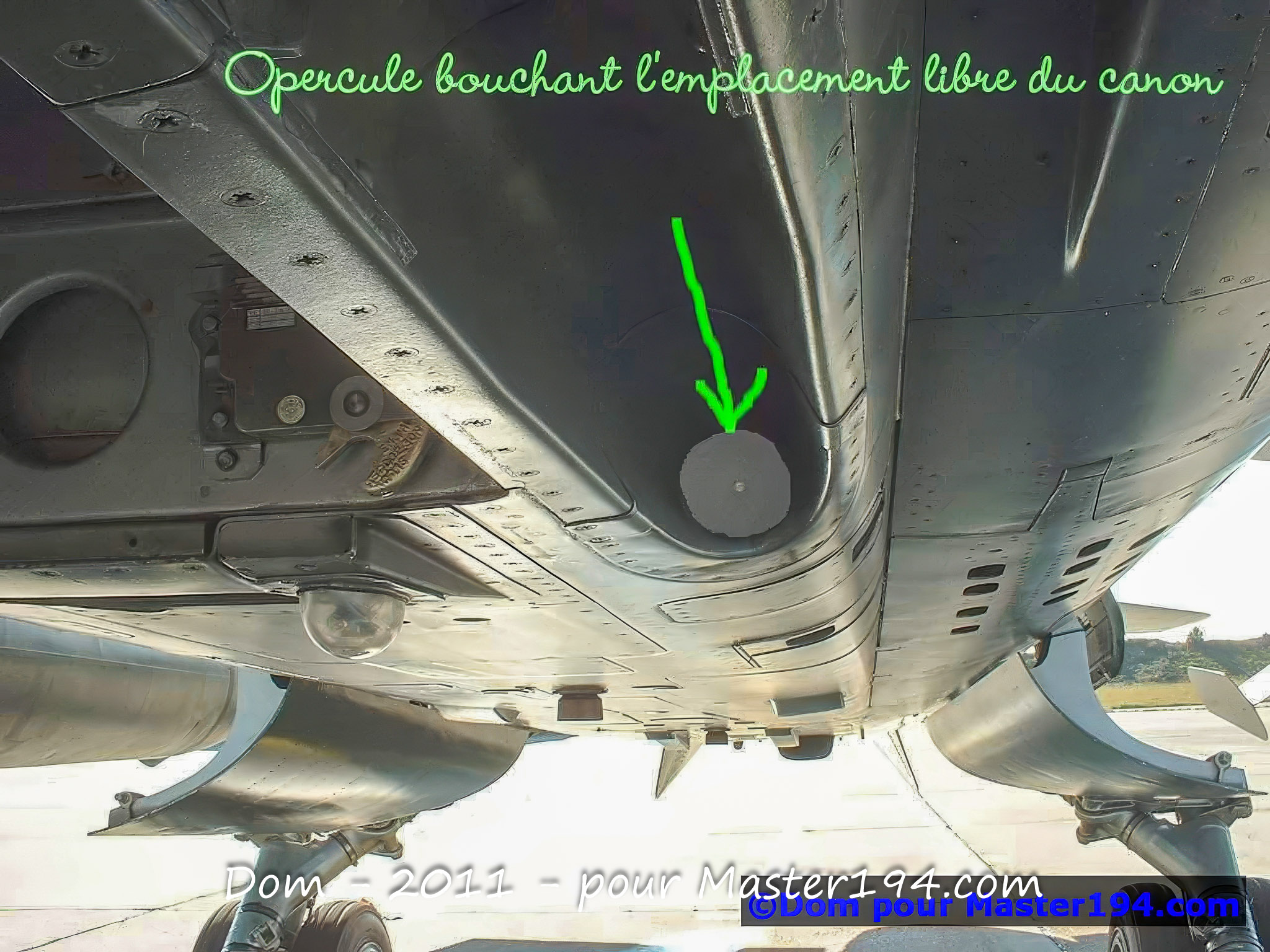
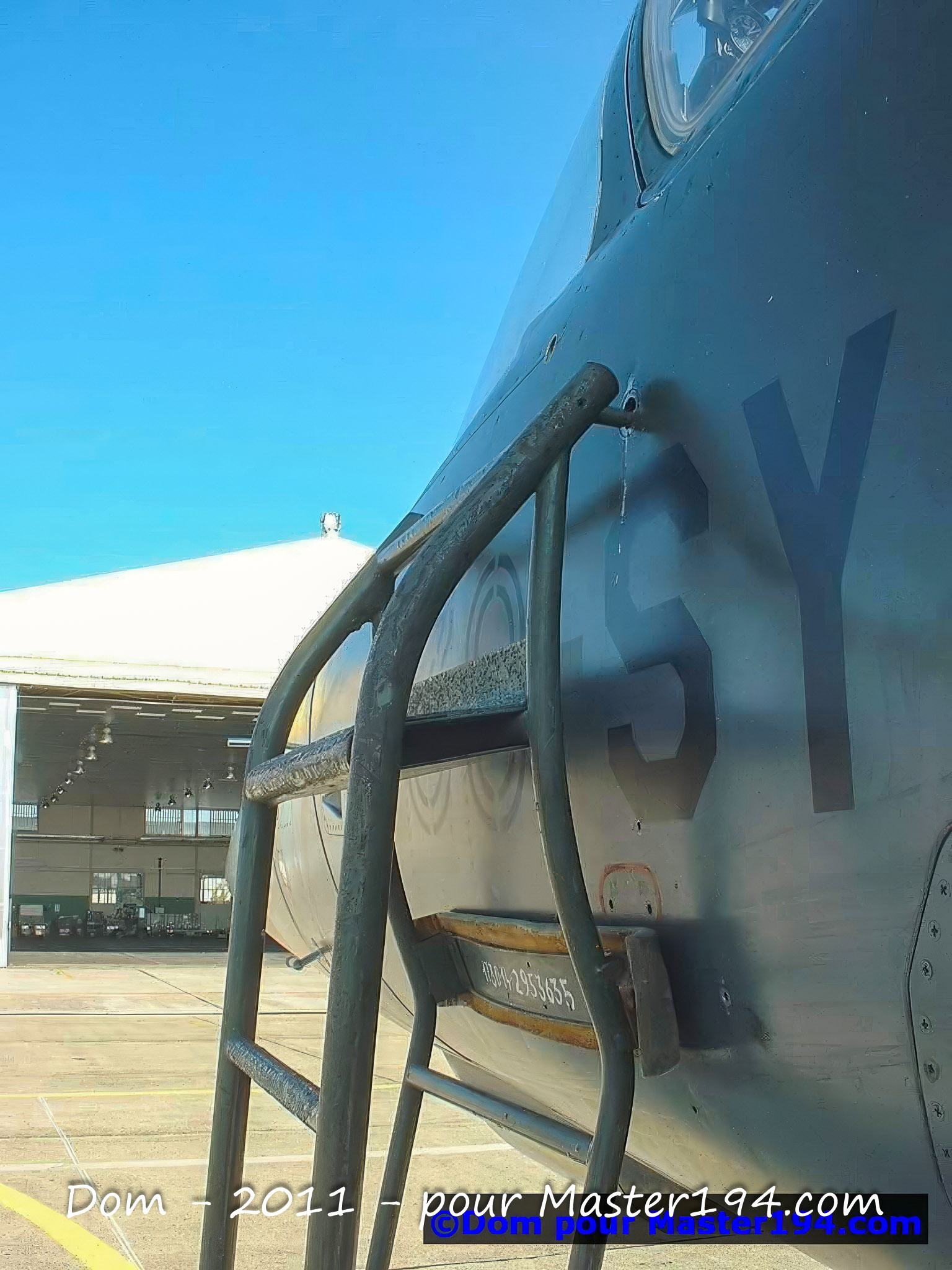
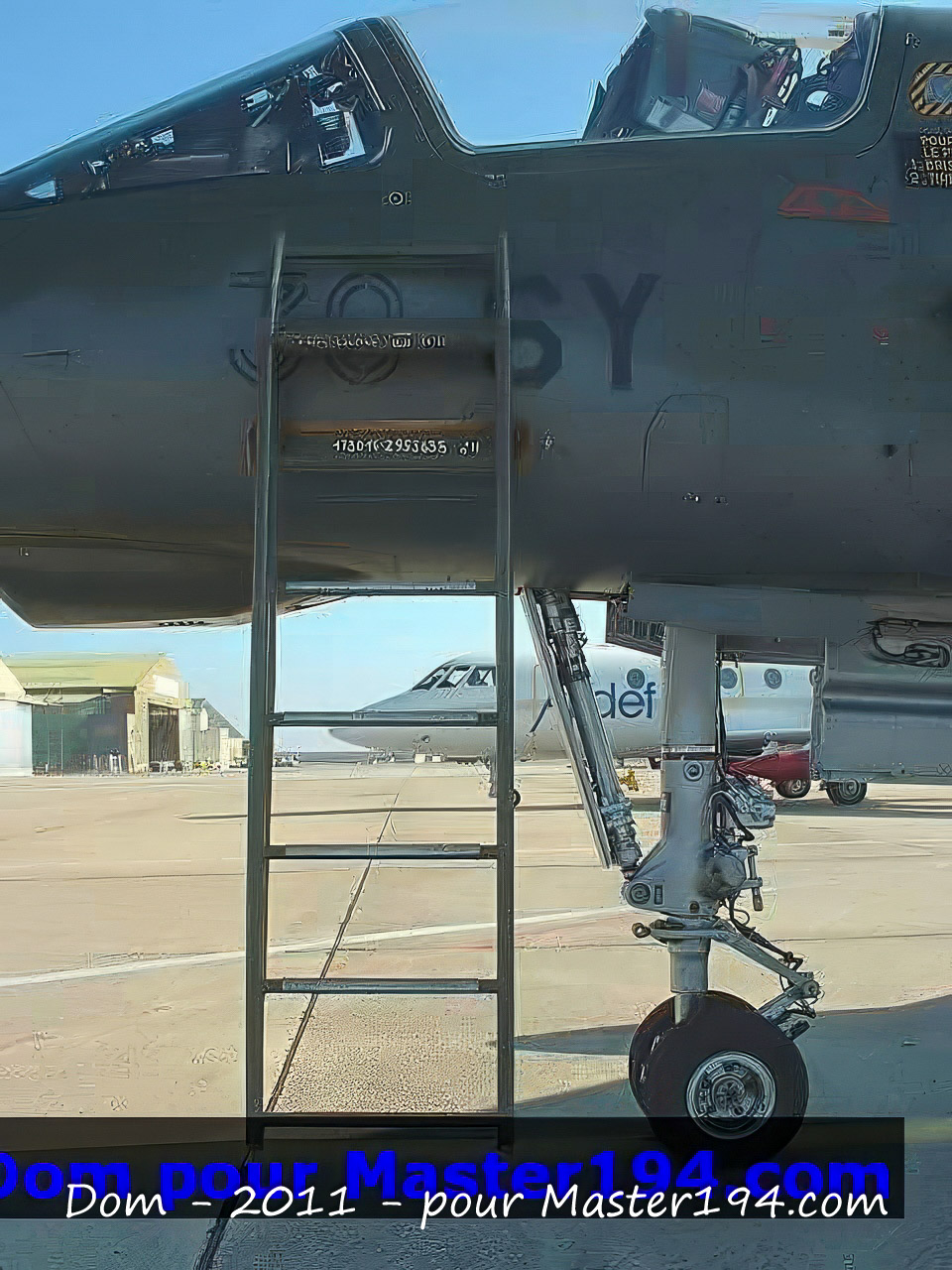
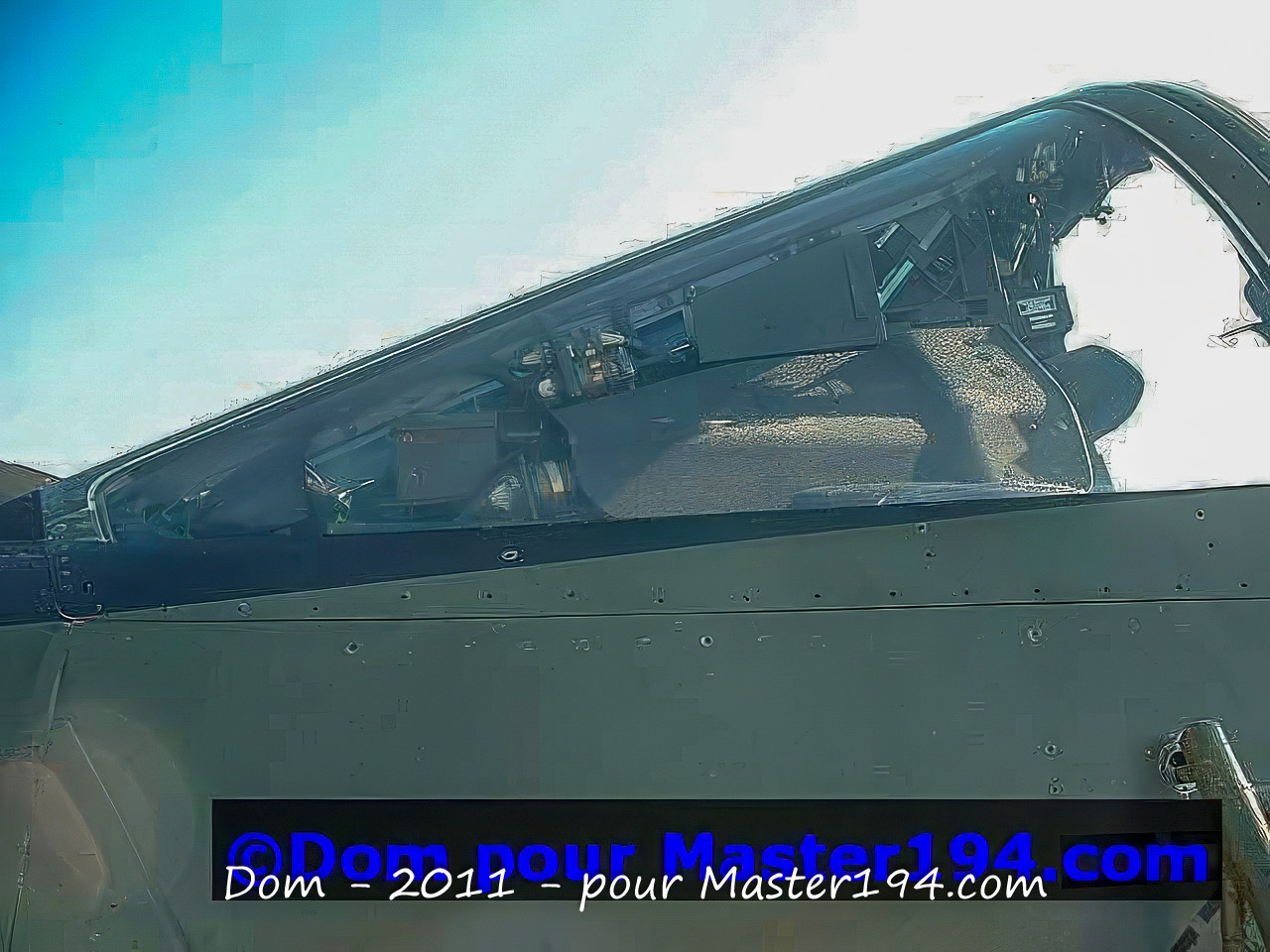
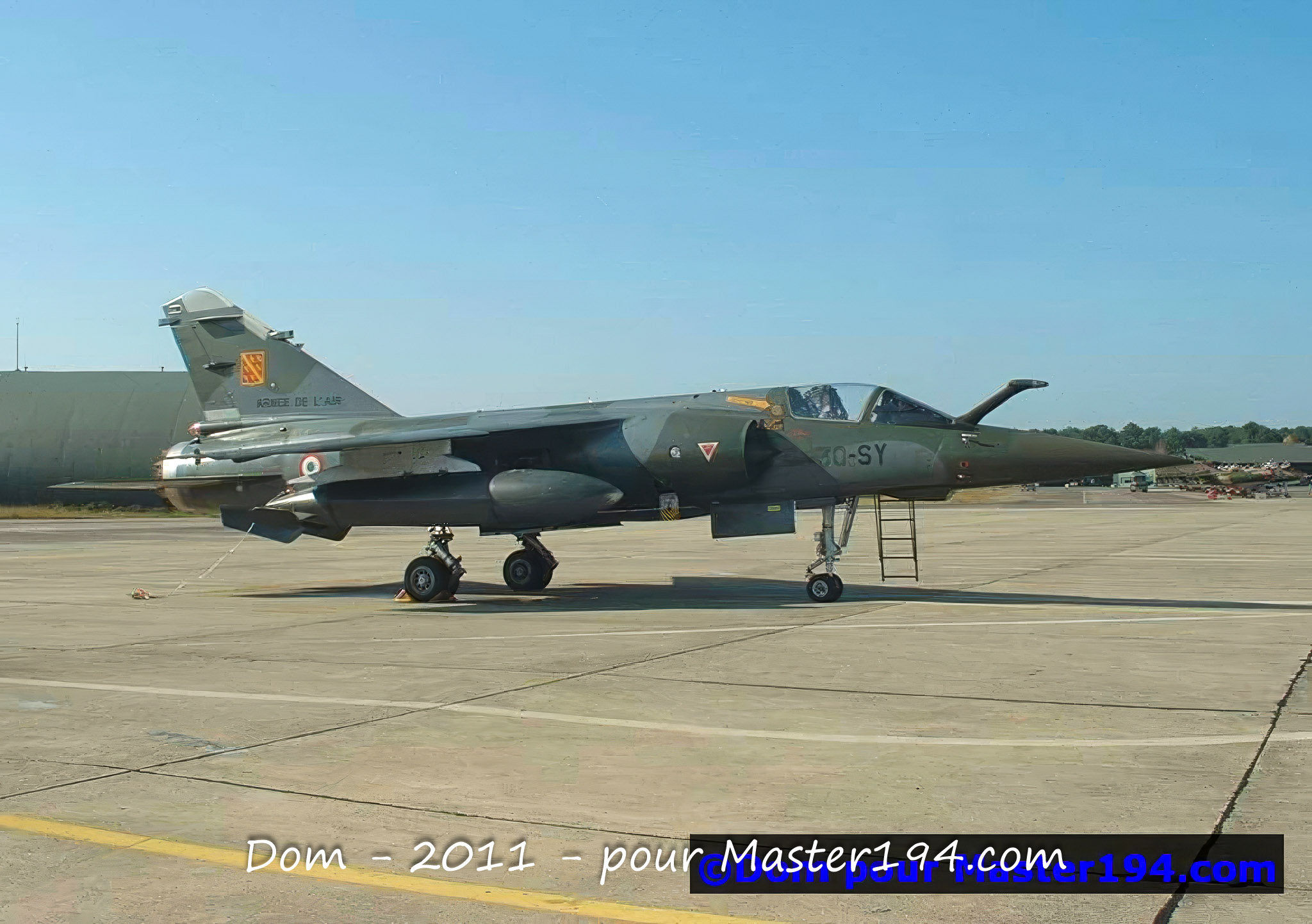
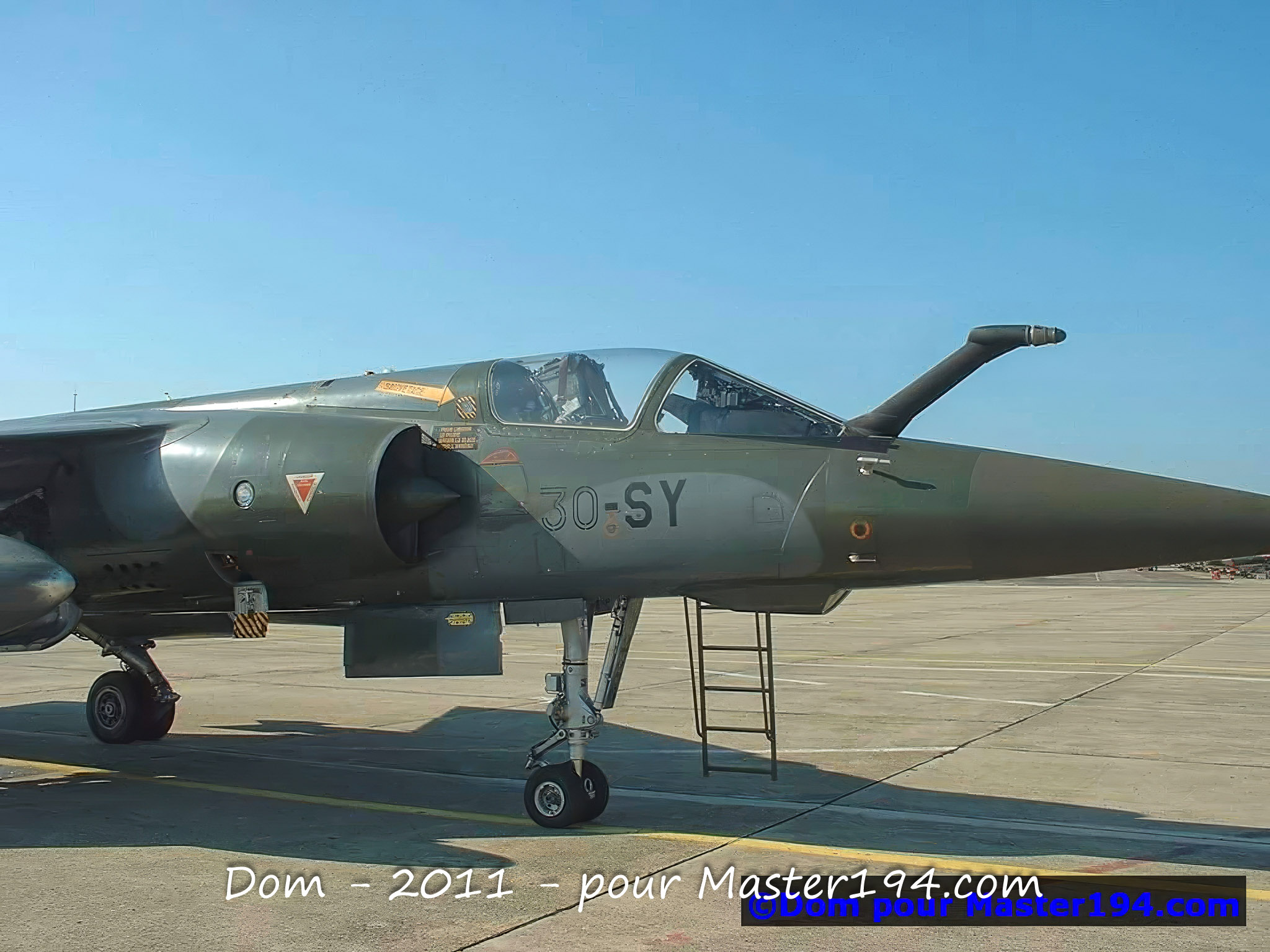
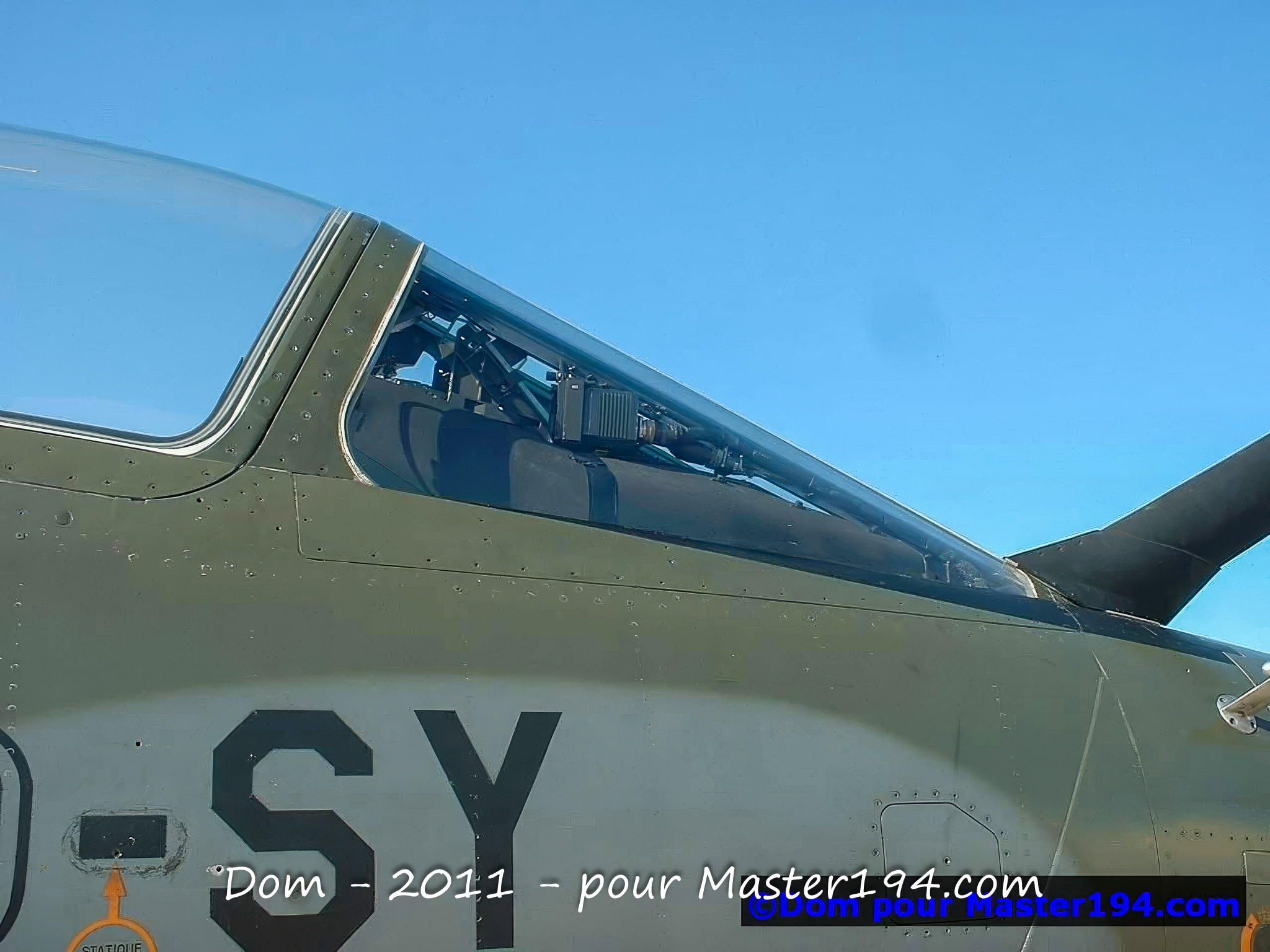
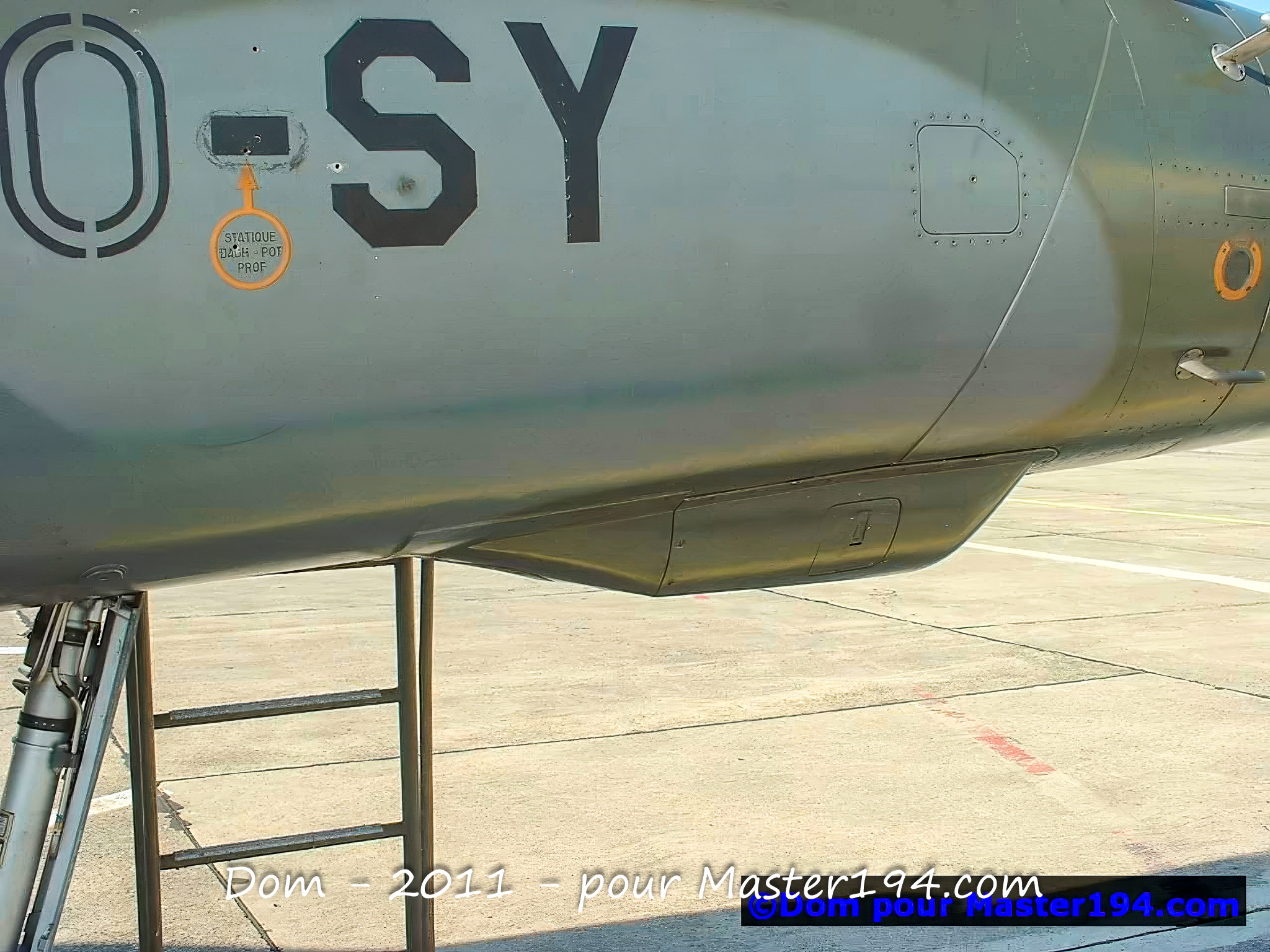
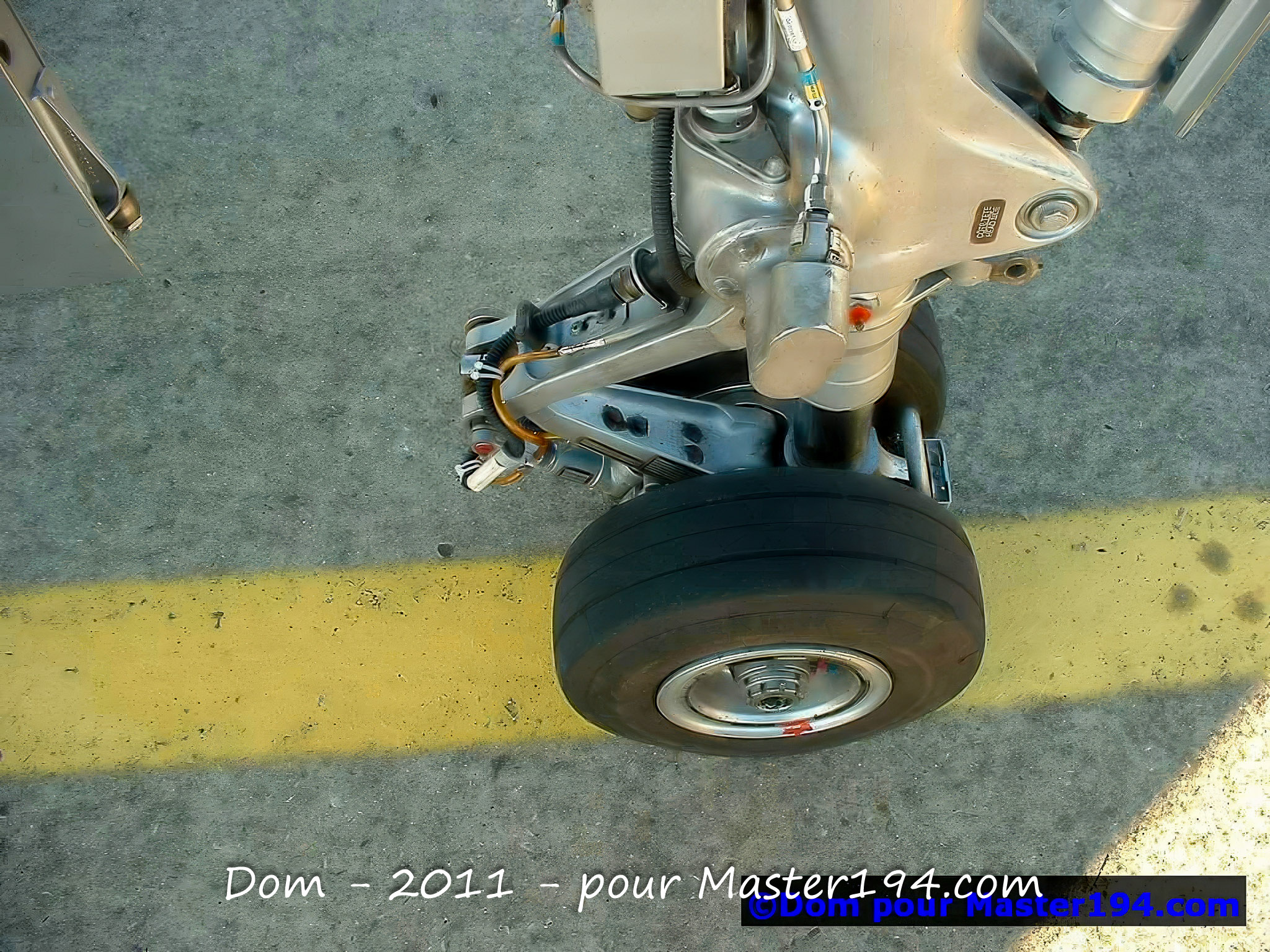
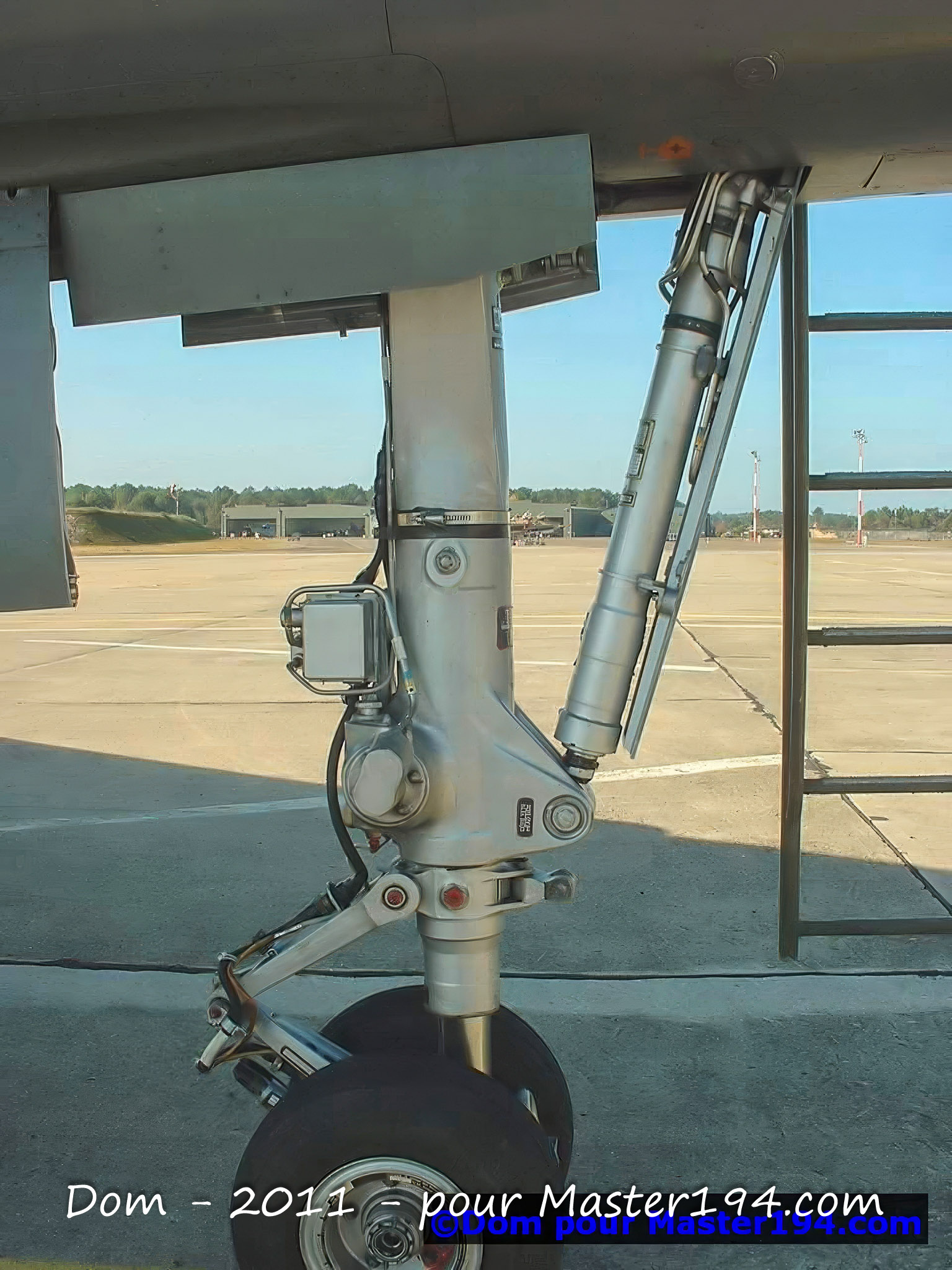
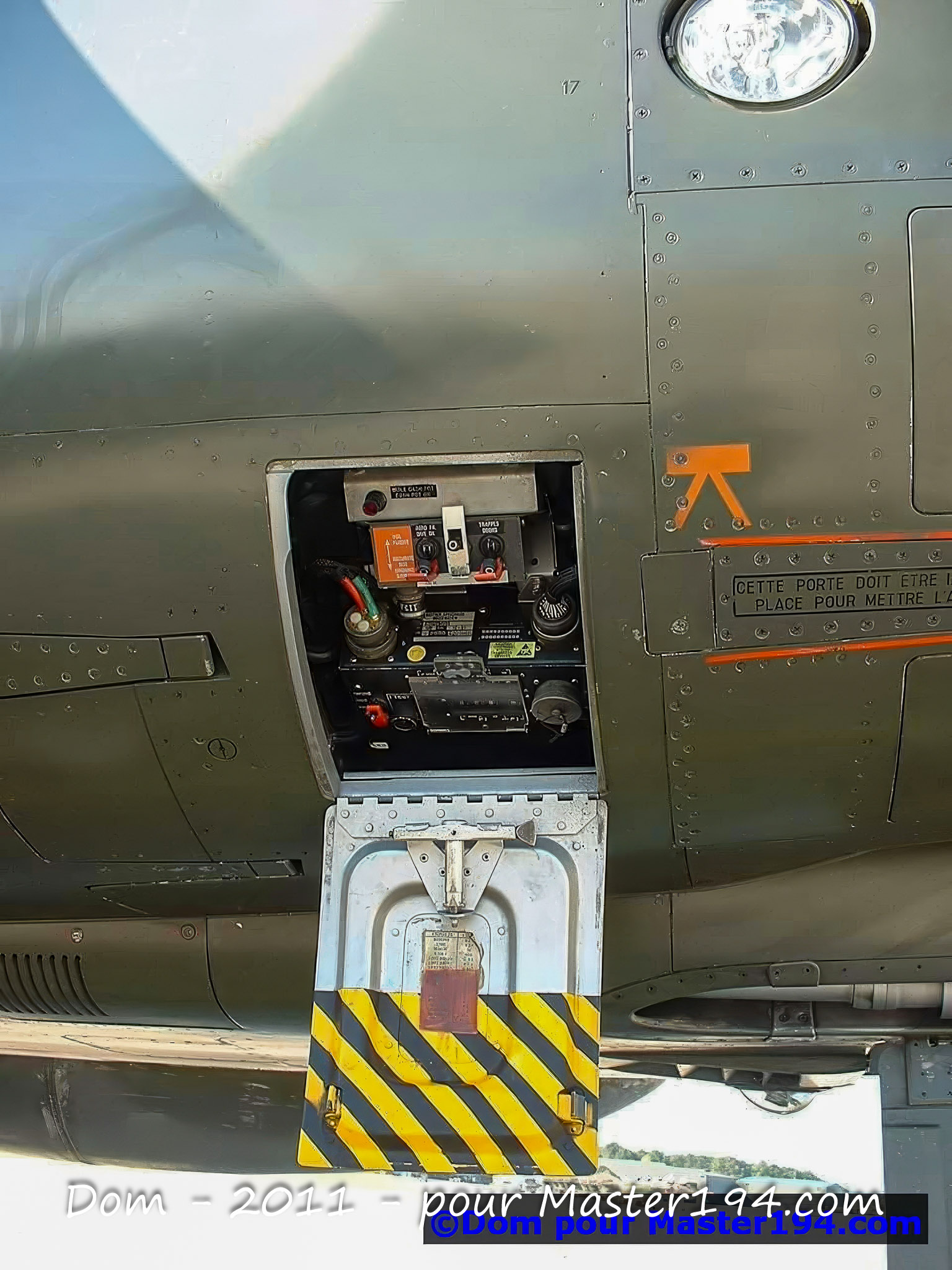
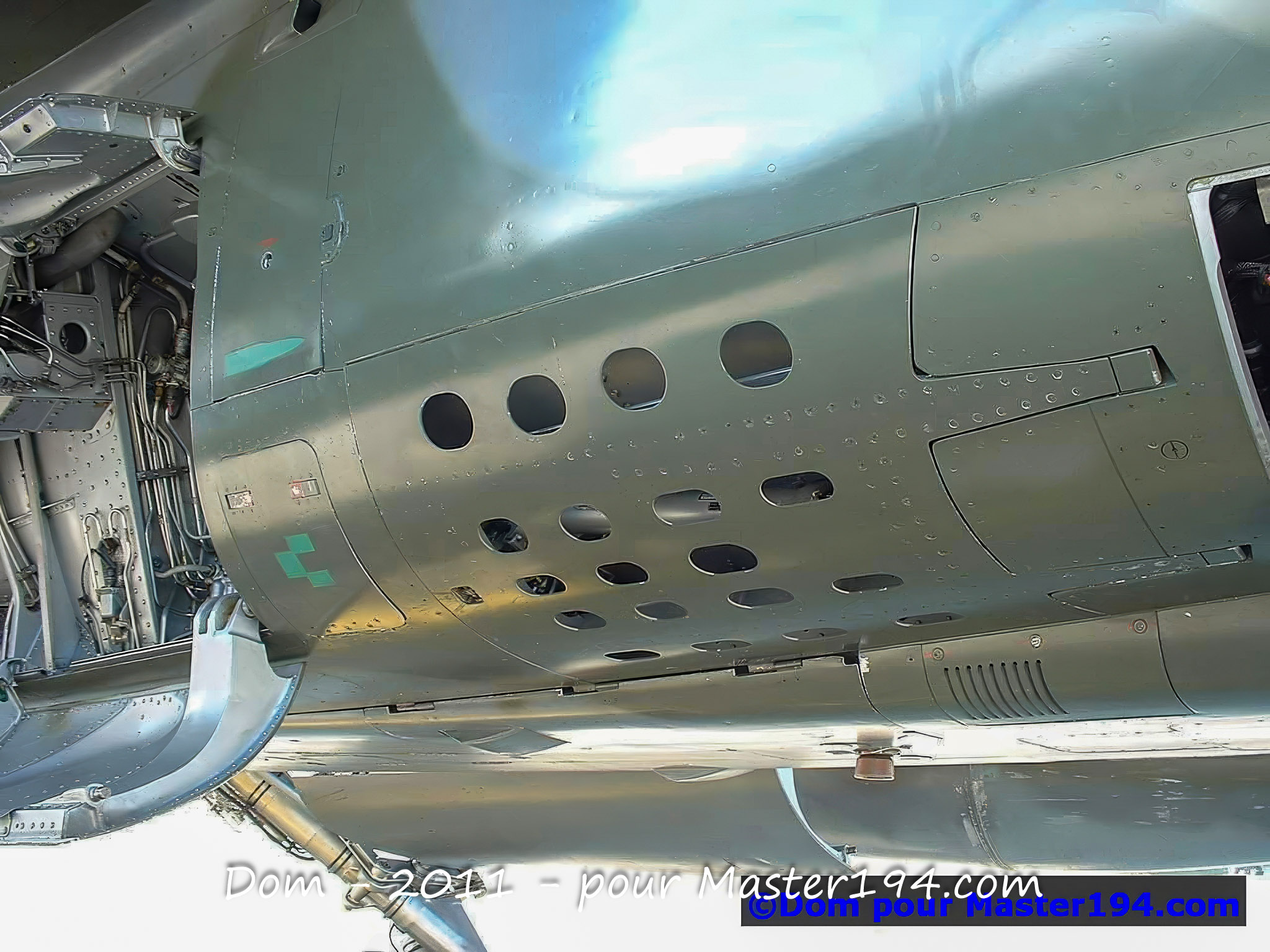
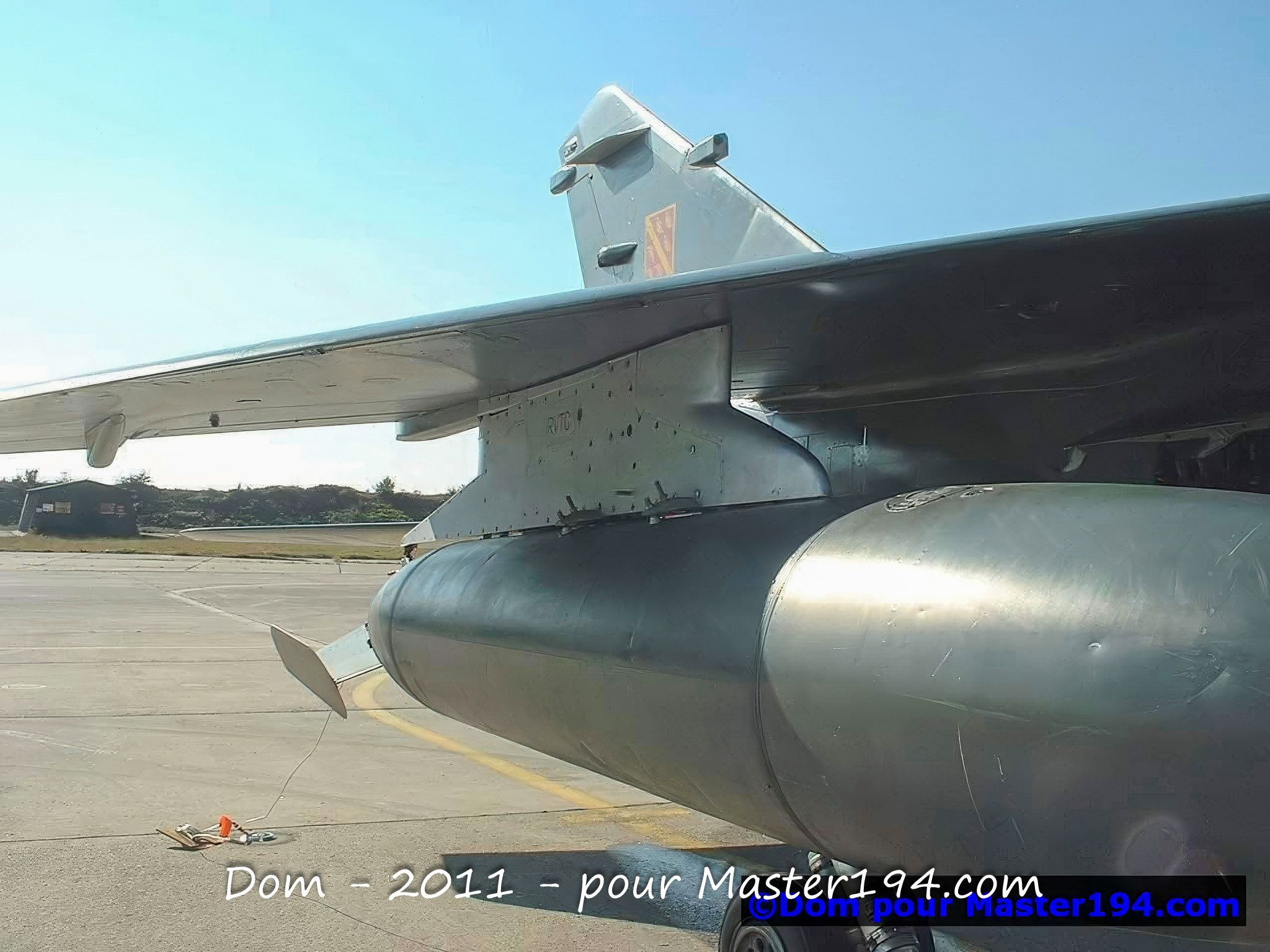
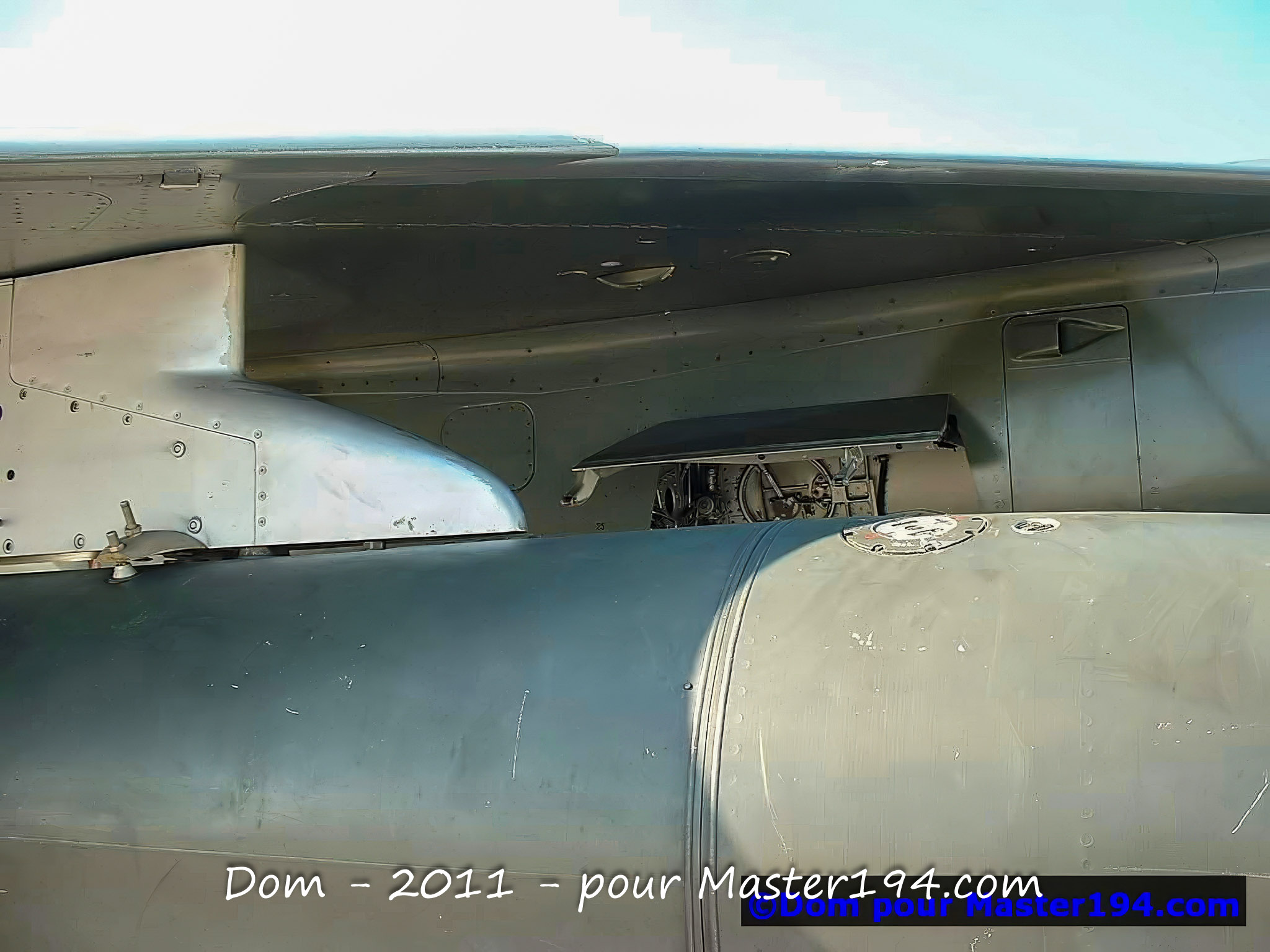
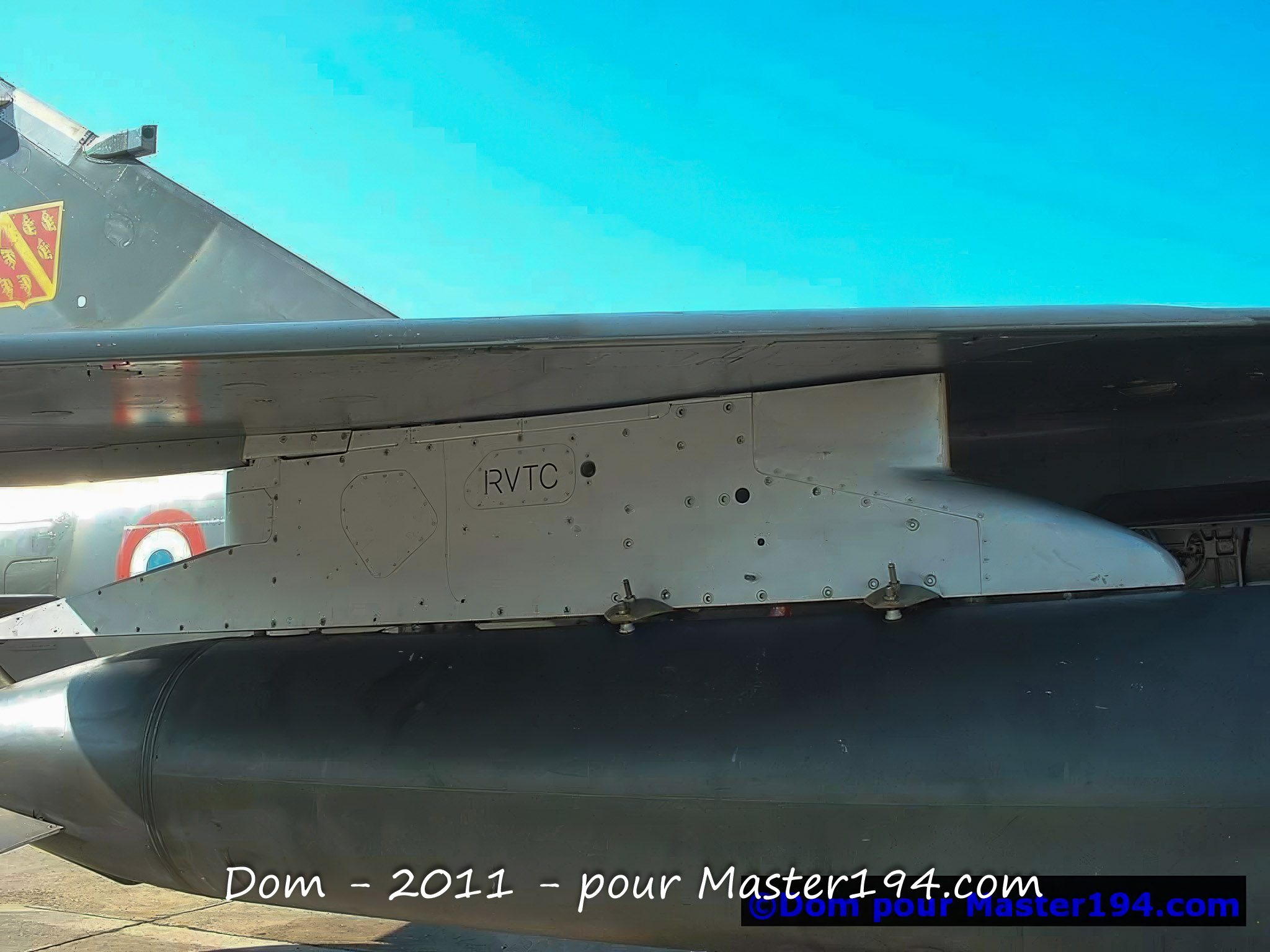
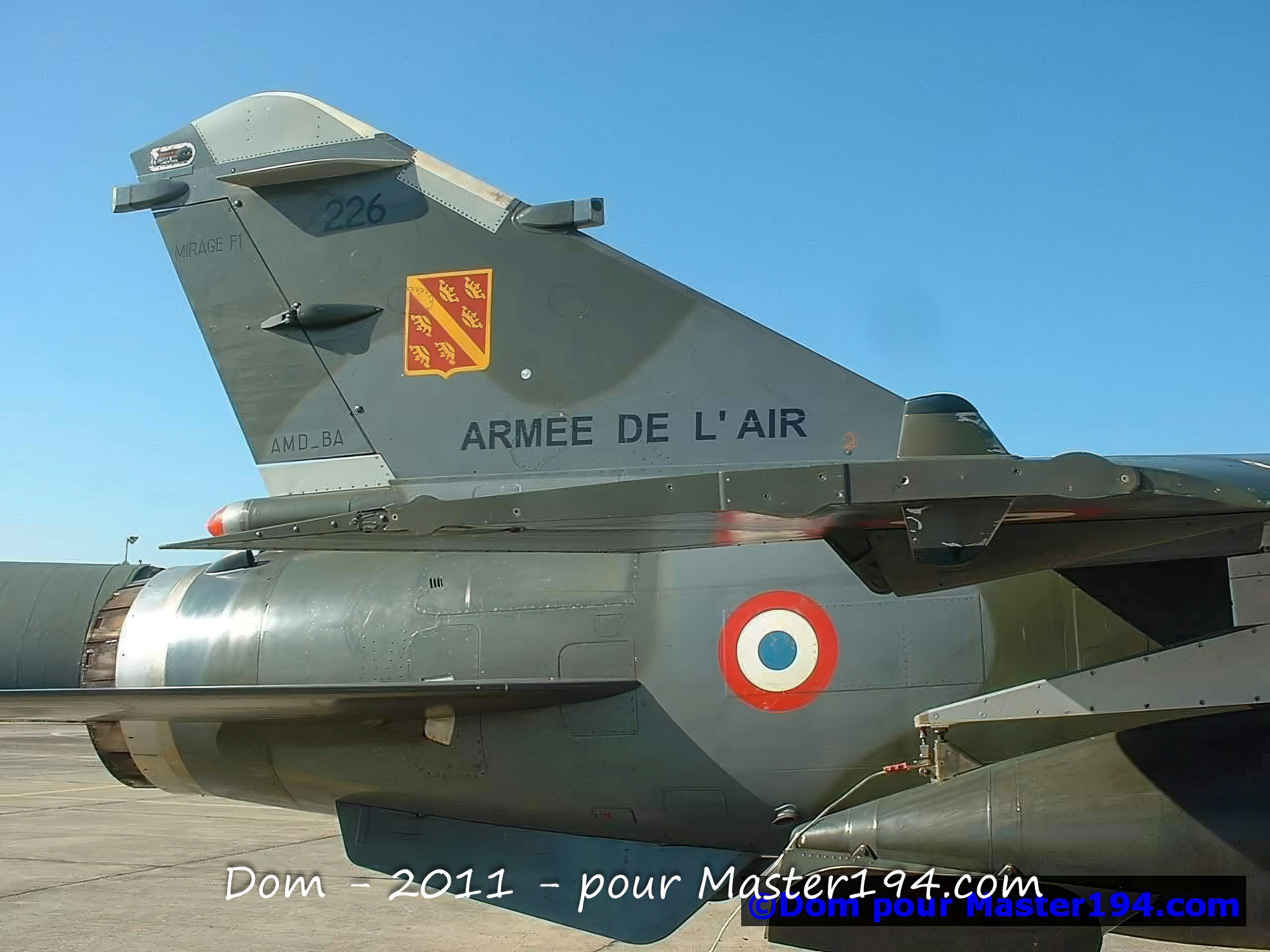
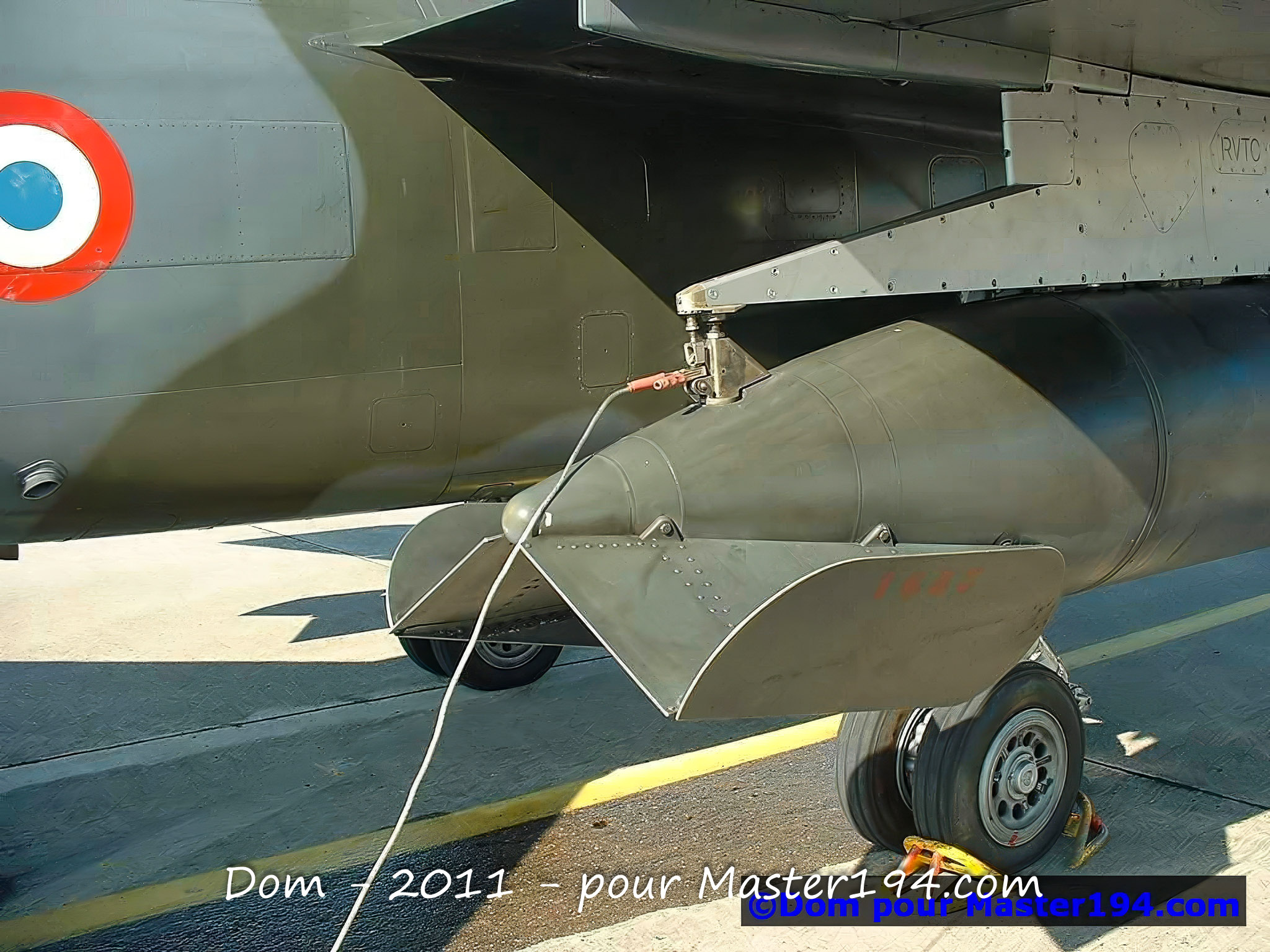
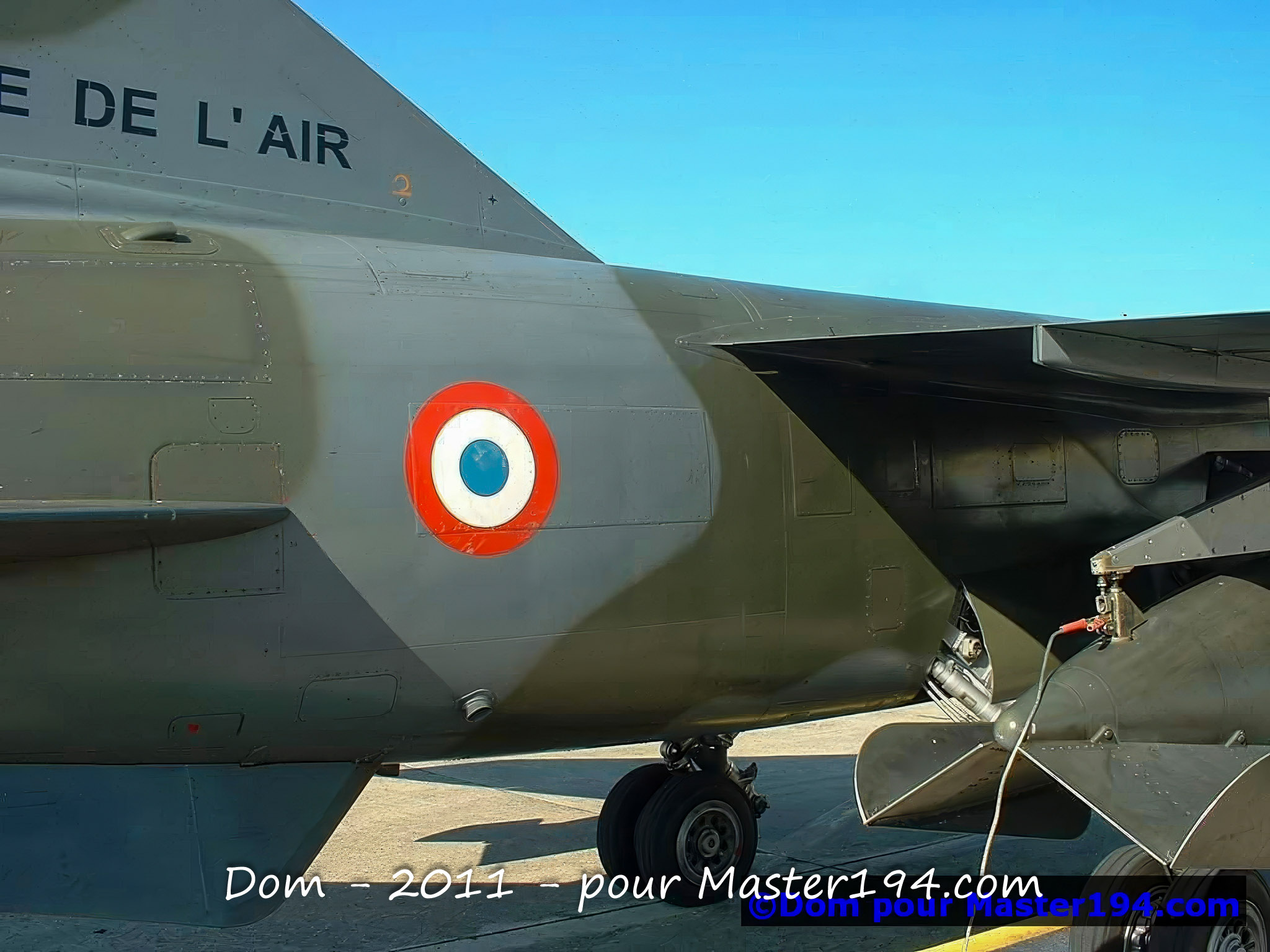
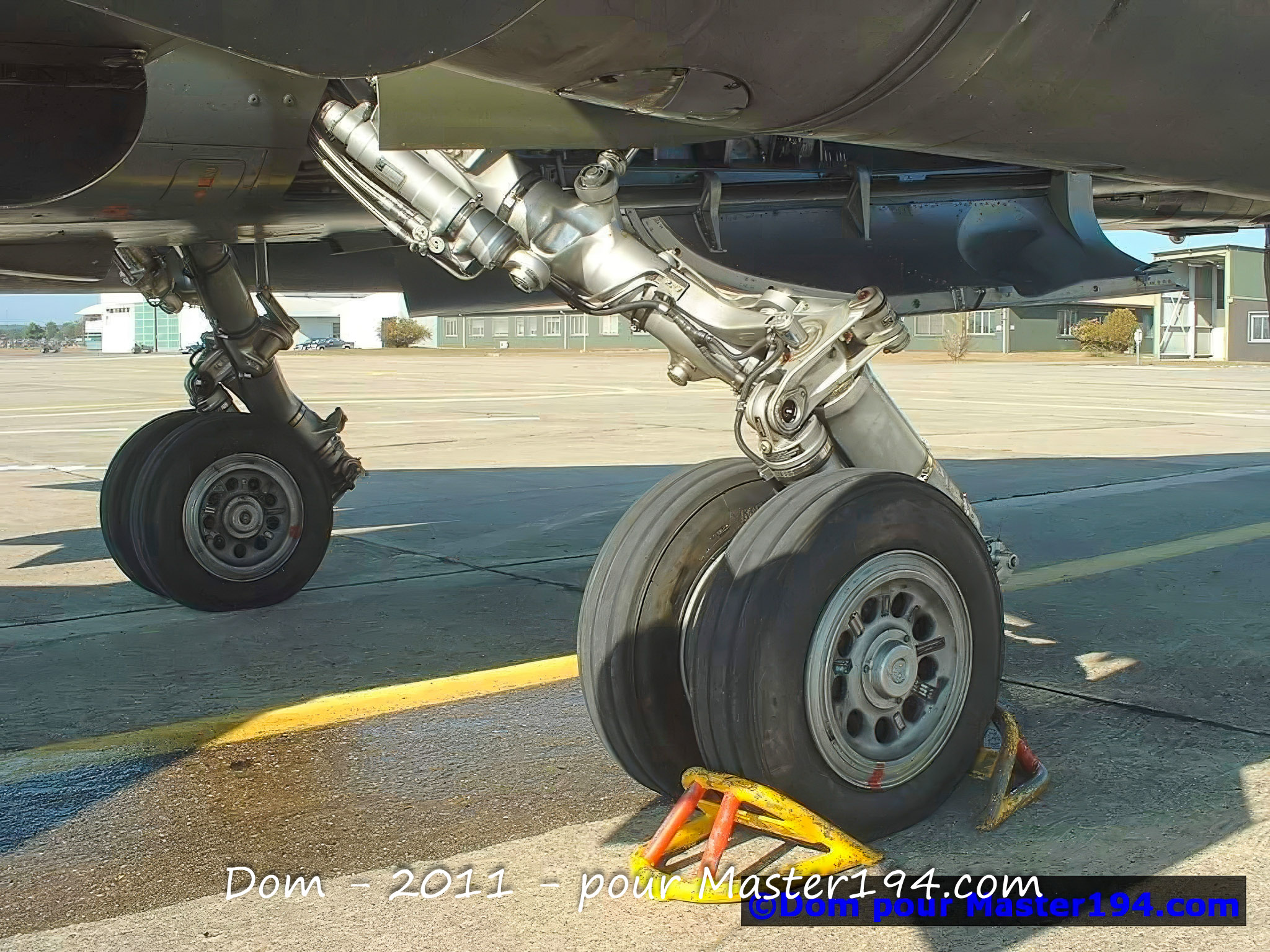
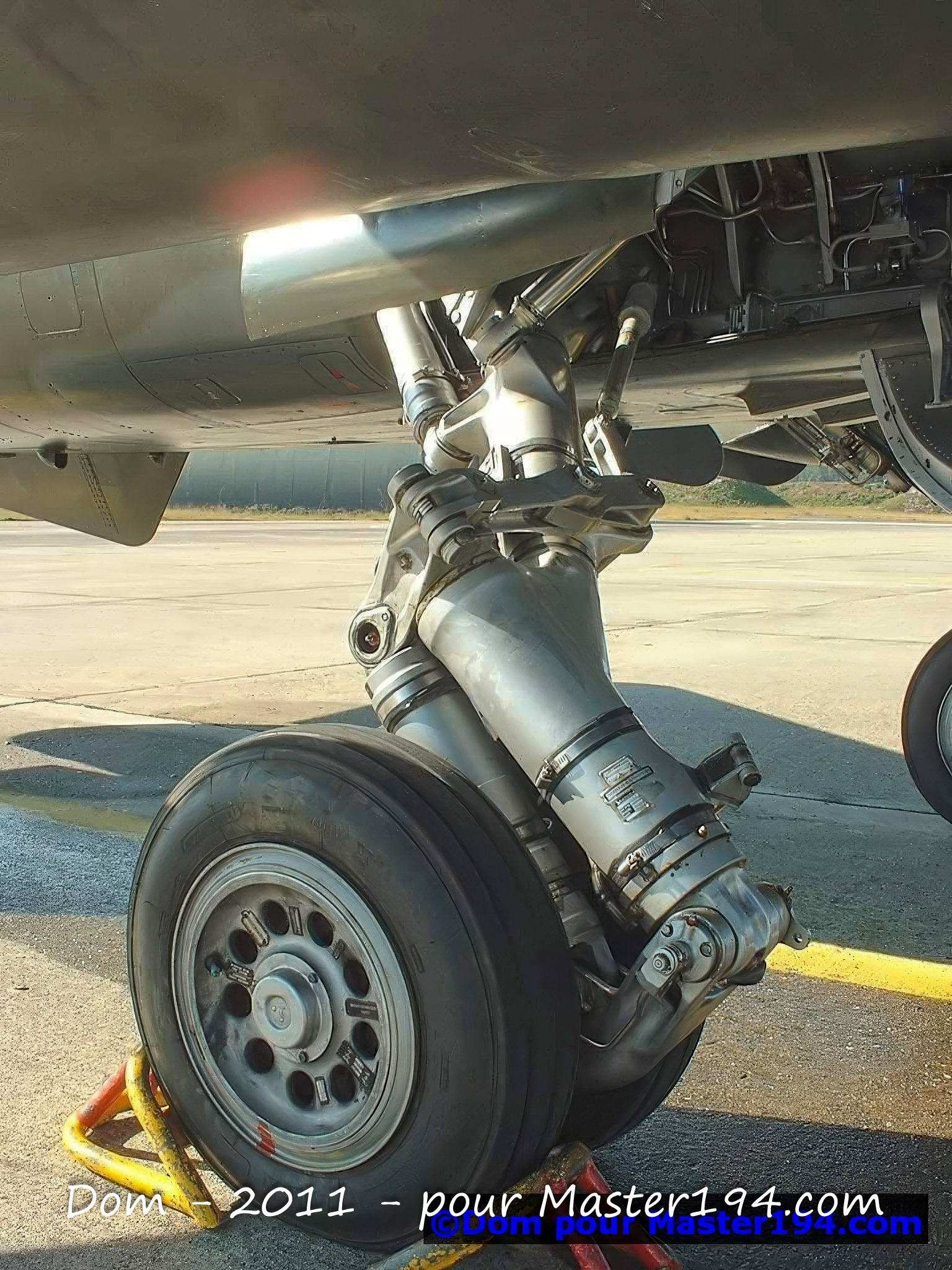
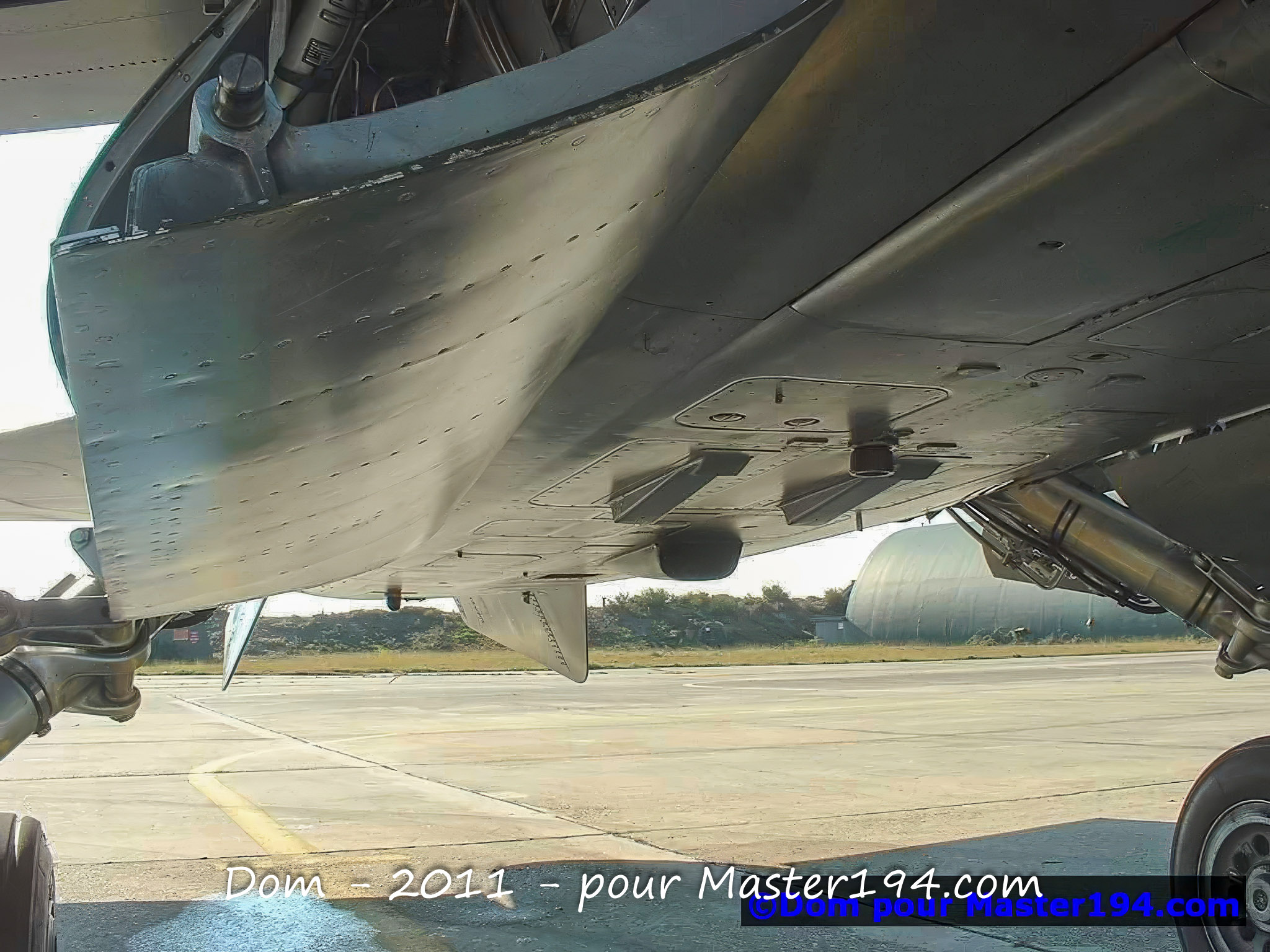
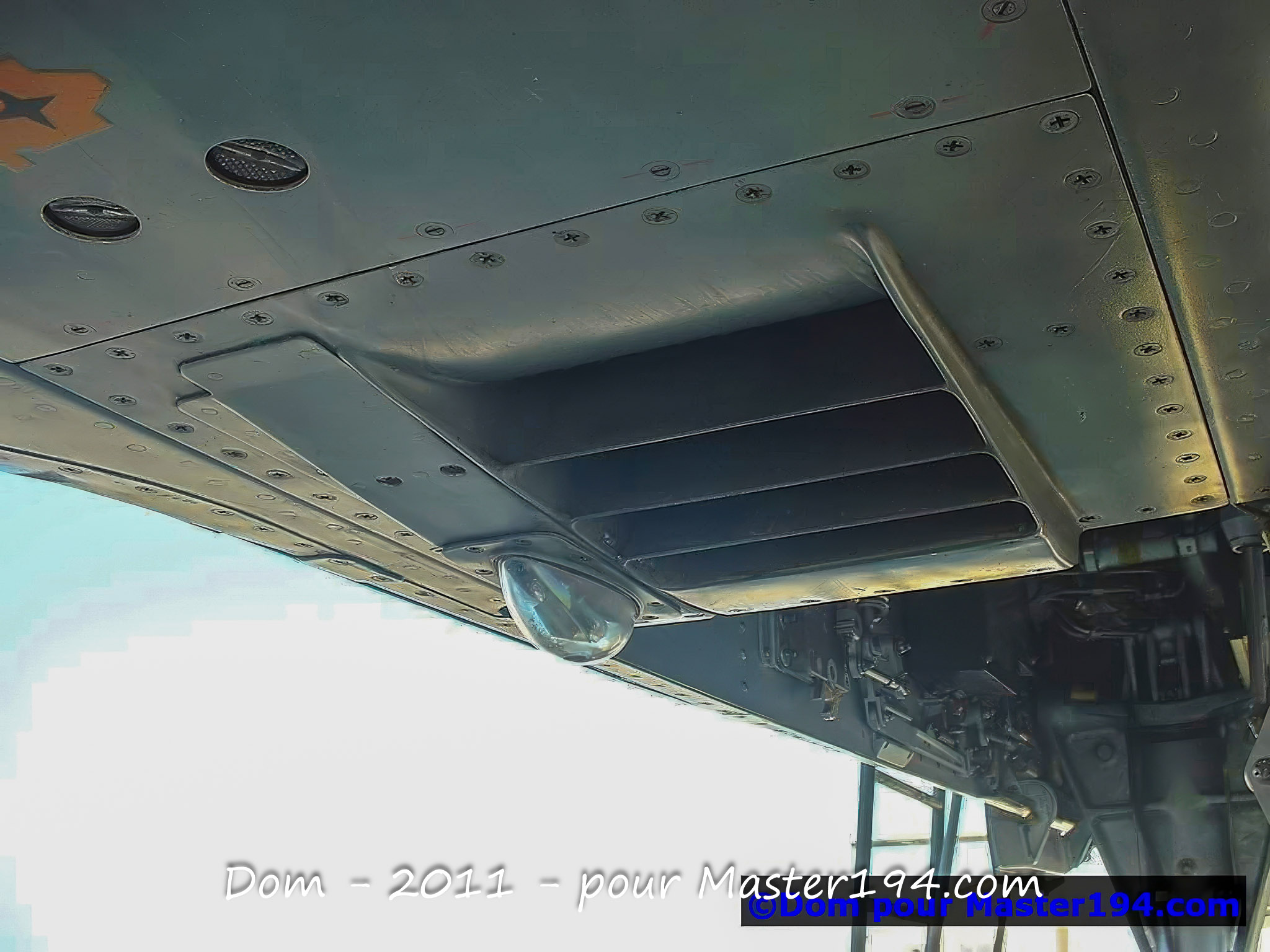
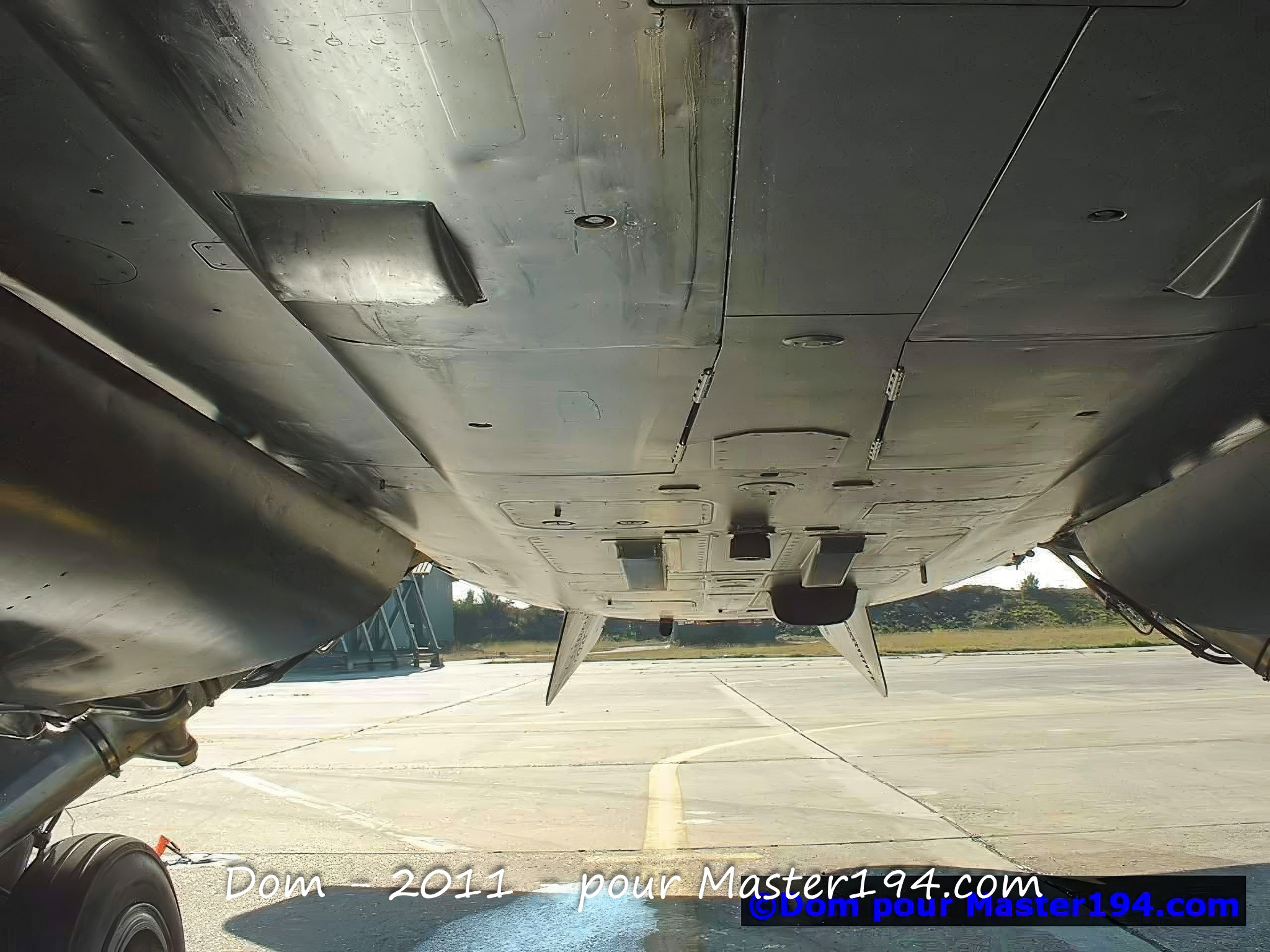
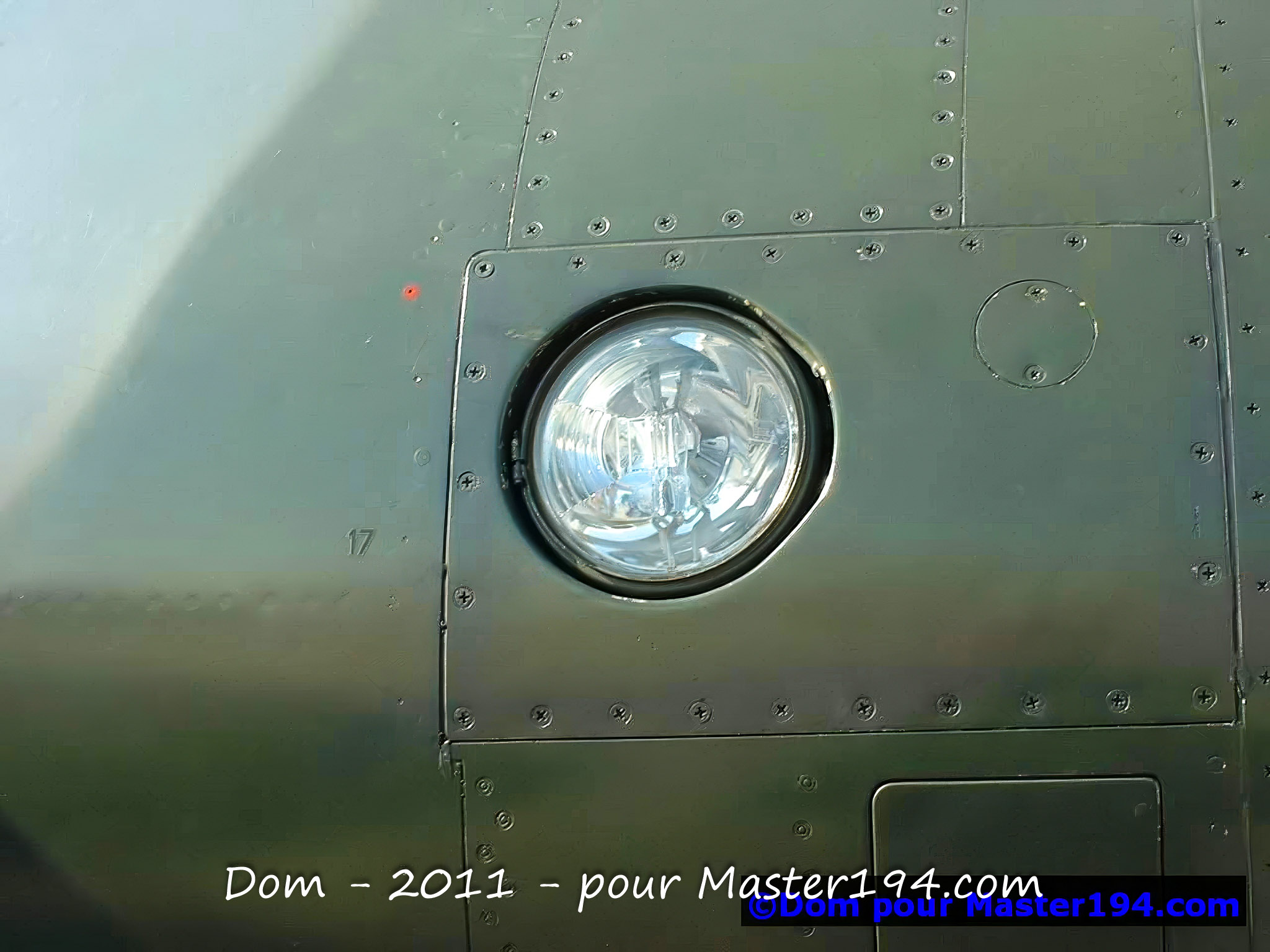
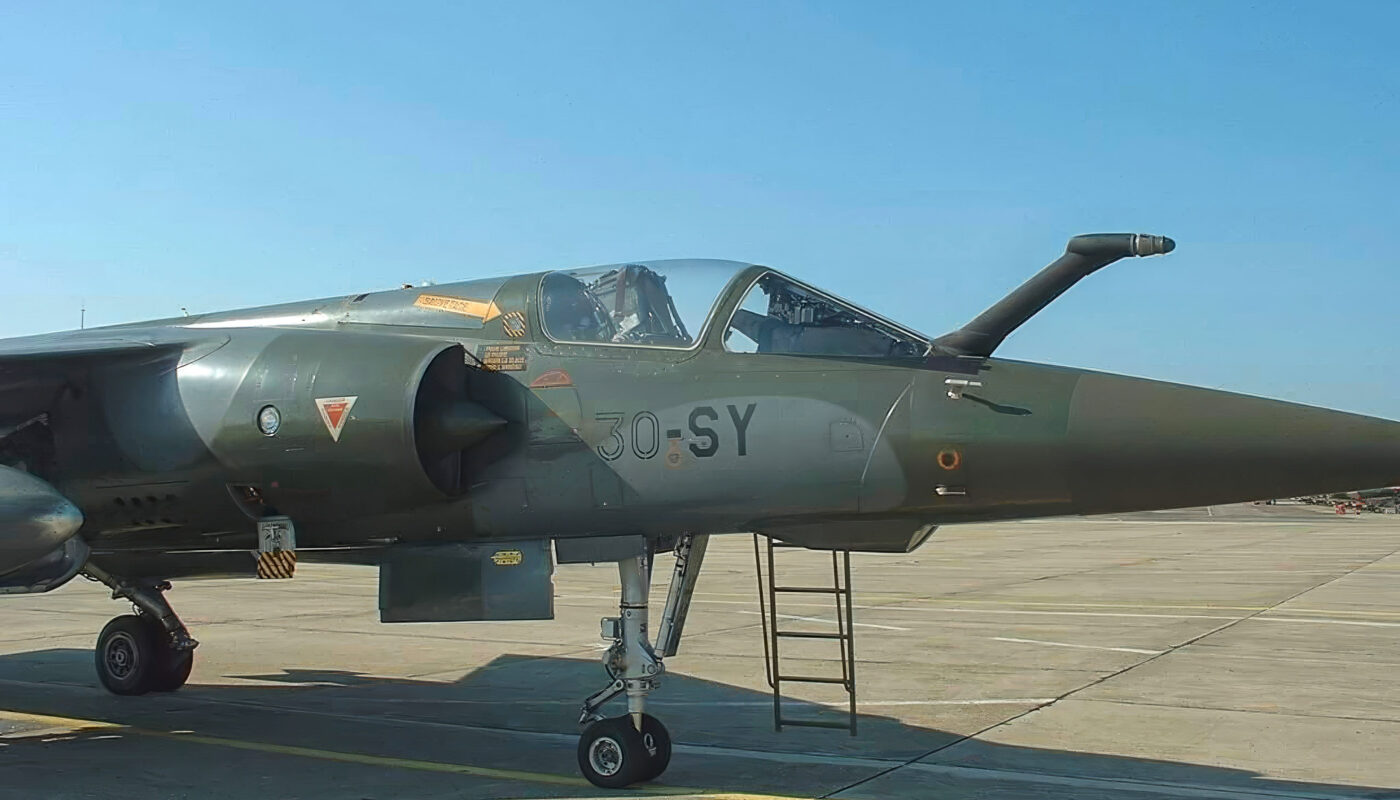
The photographs presented here were taken by Dom. The aircraft featured is Mirage F1CT No. 262, coded 30-SY, assigned to Fighter Squadron (Régiment de Chasse) 2/30 “Normandie-Niémen”.