 by
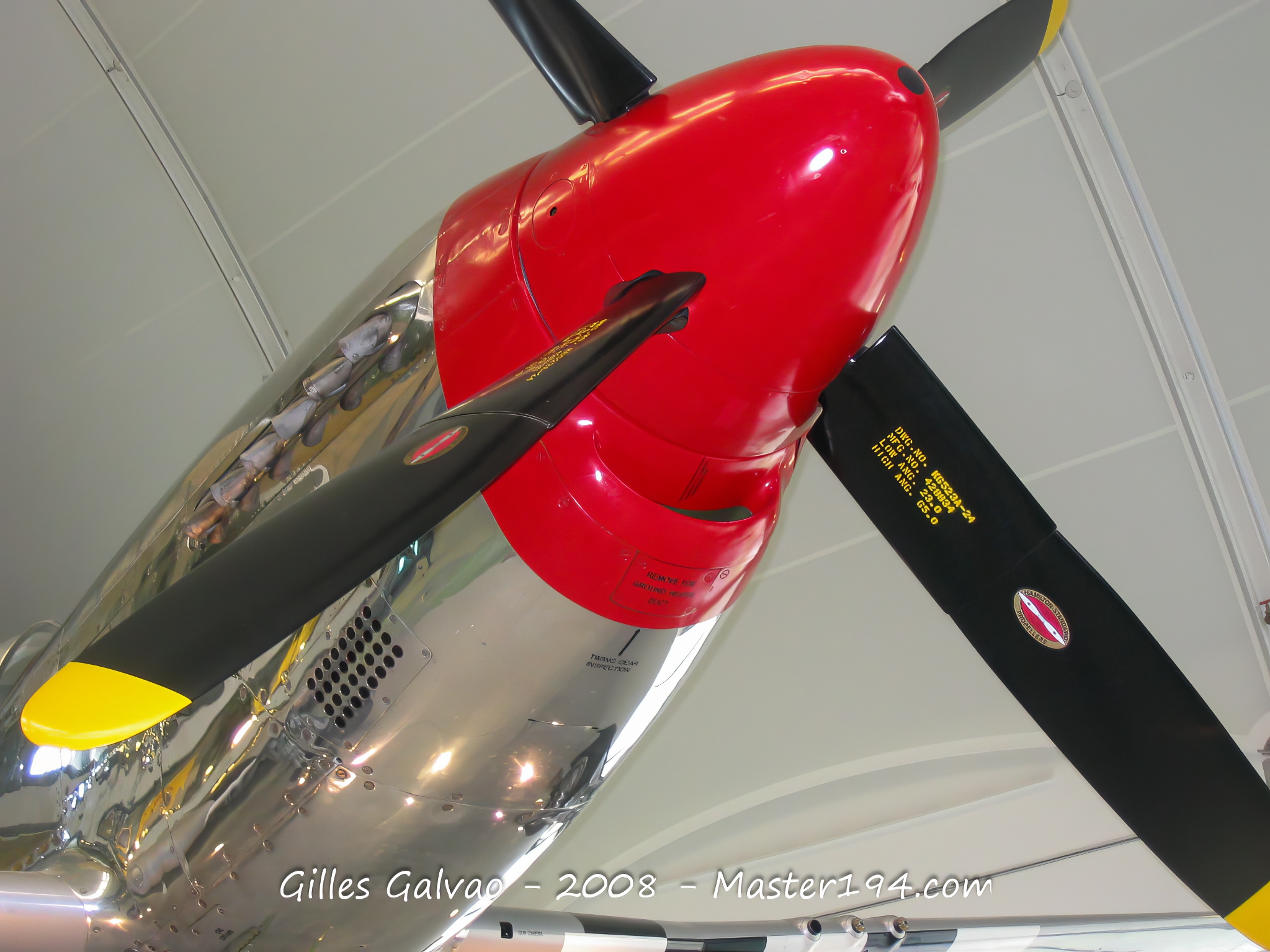
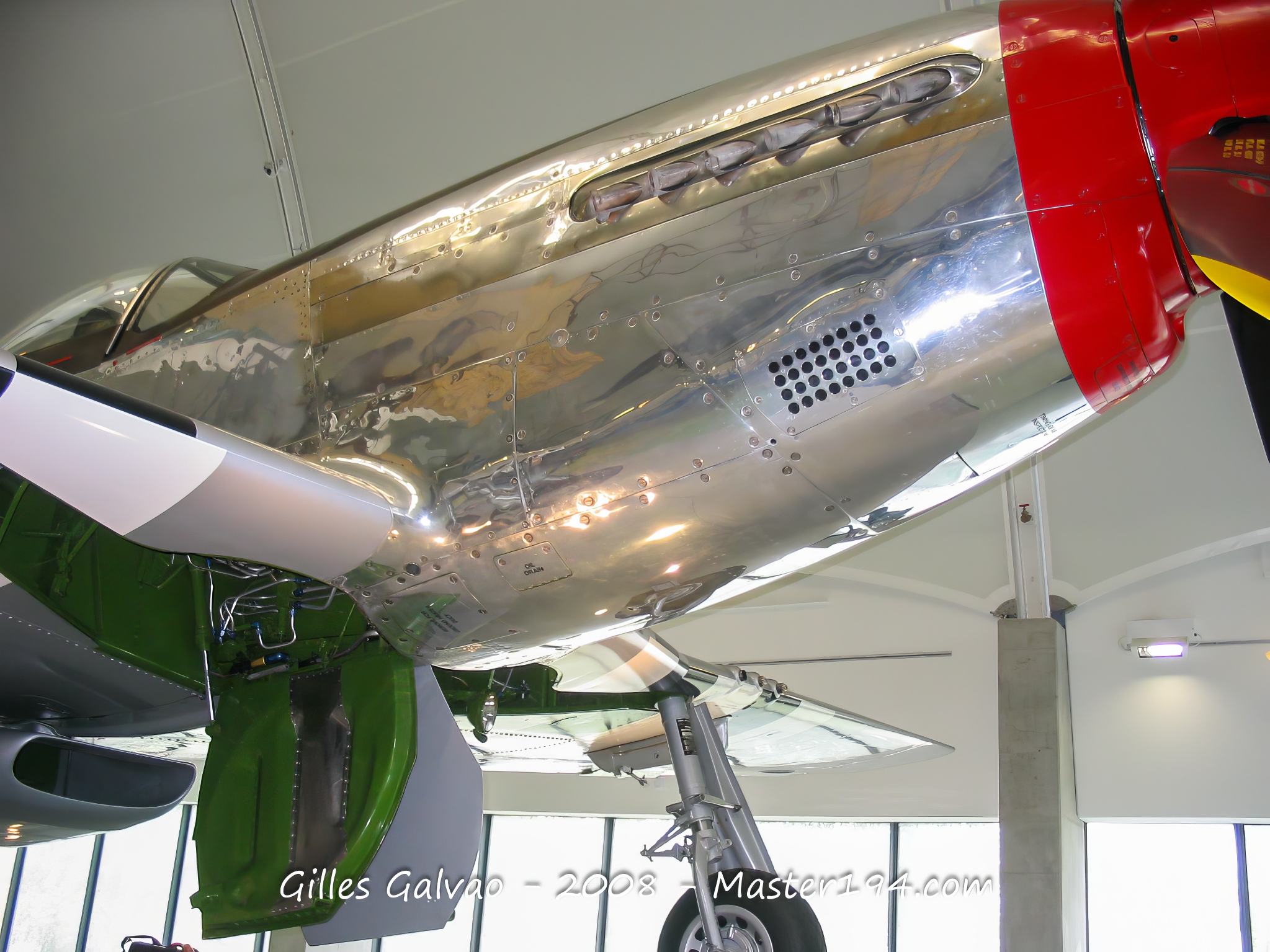
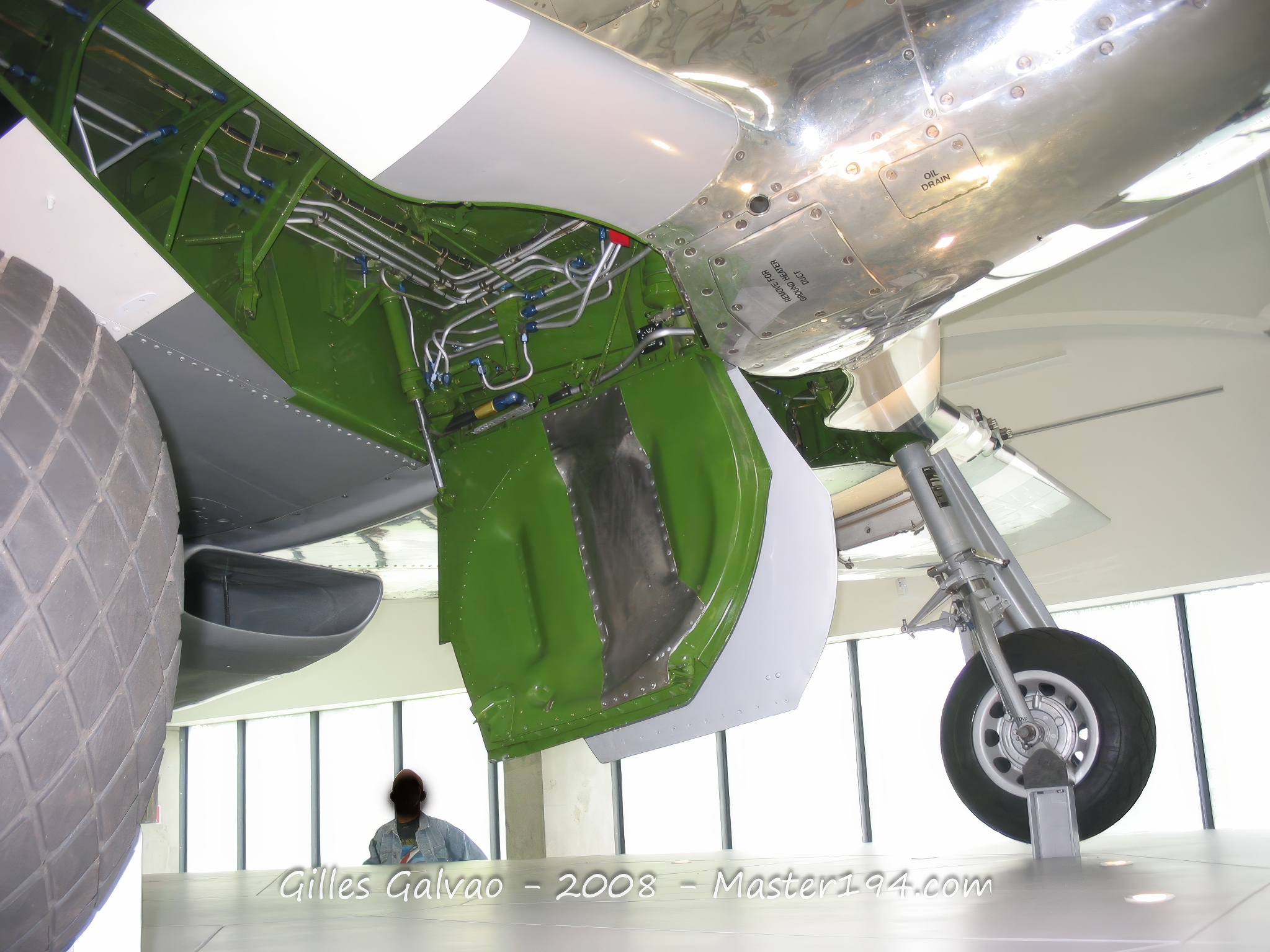
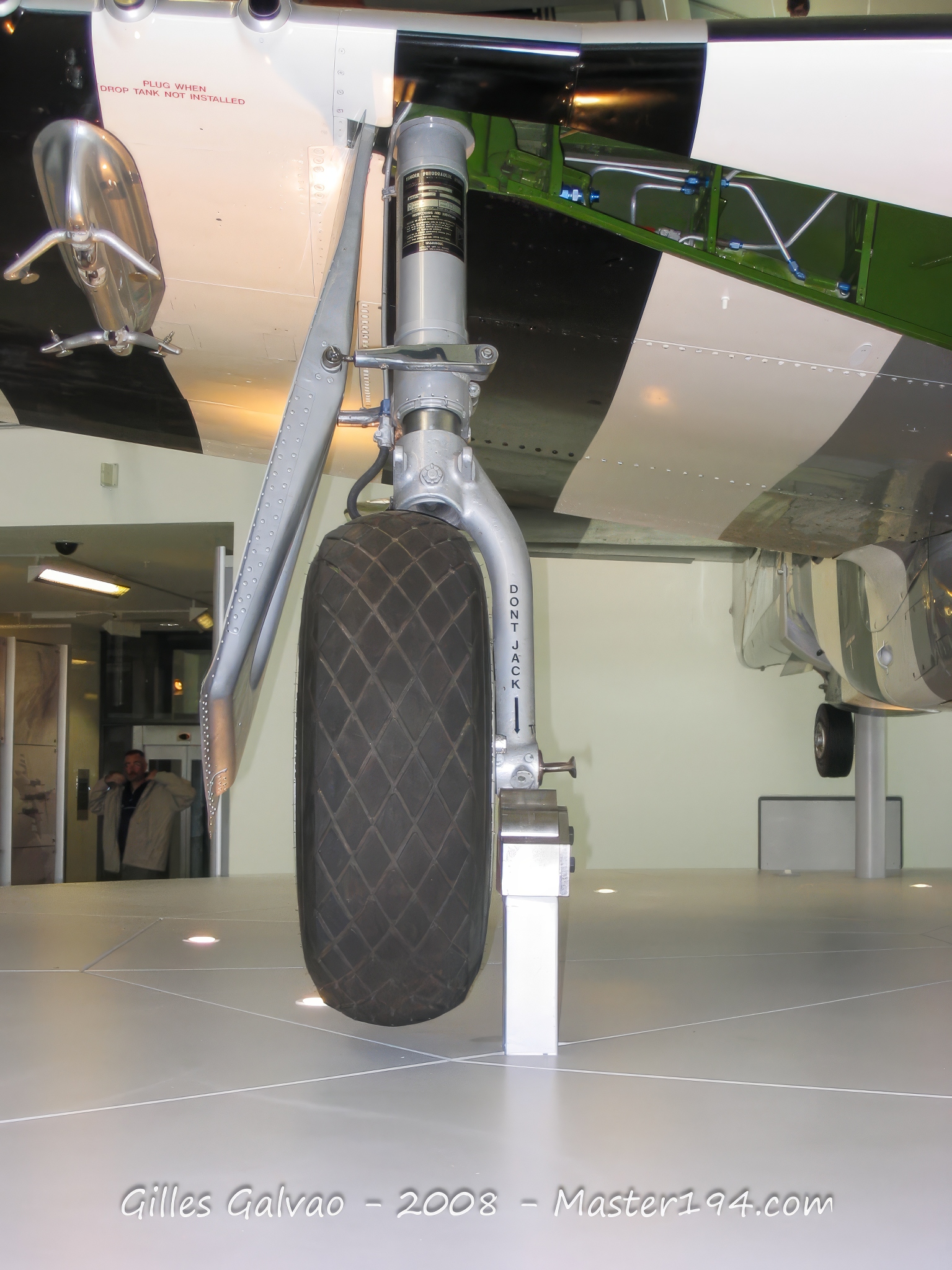
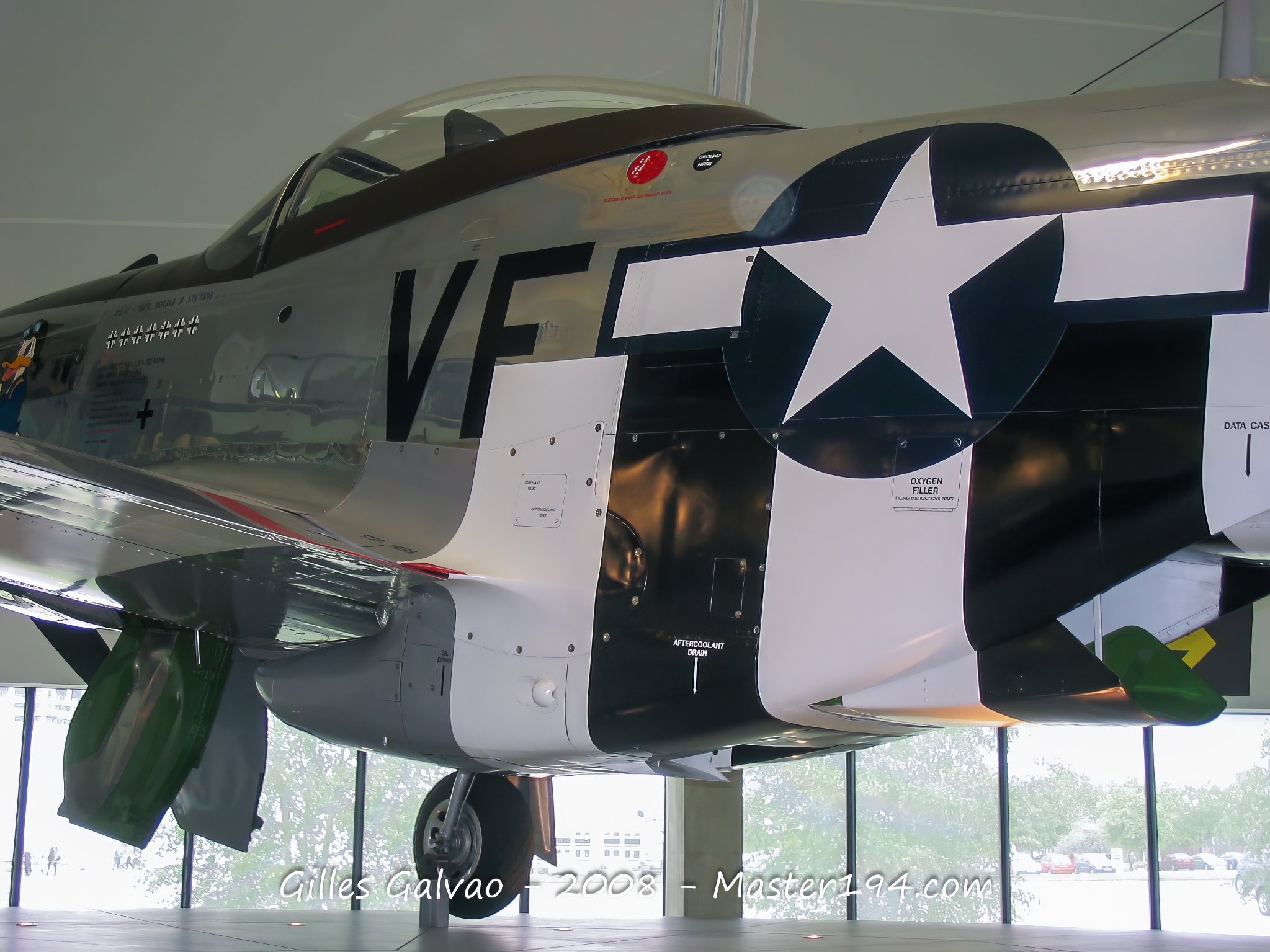
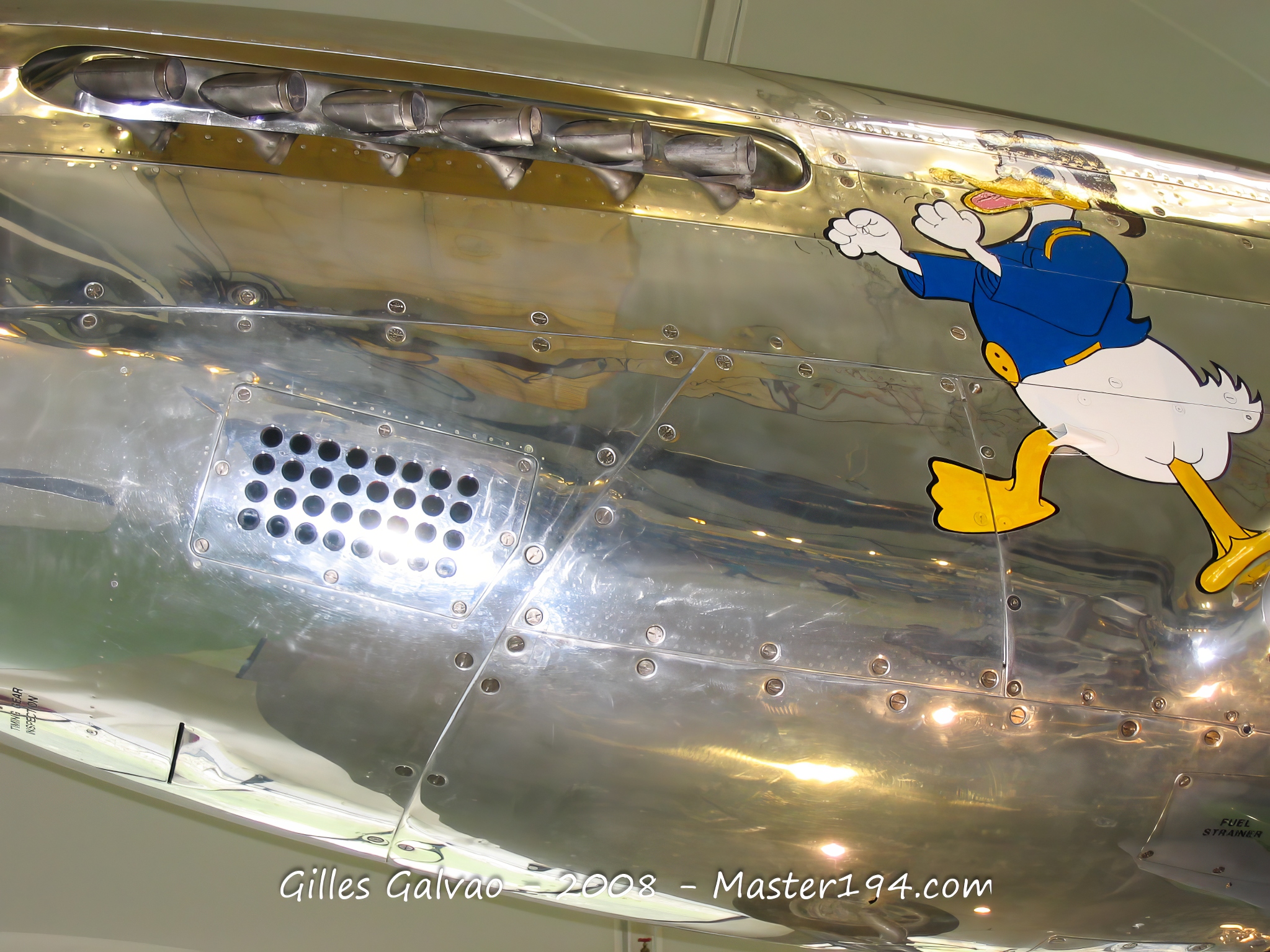
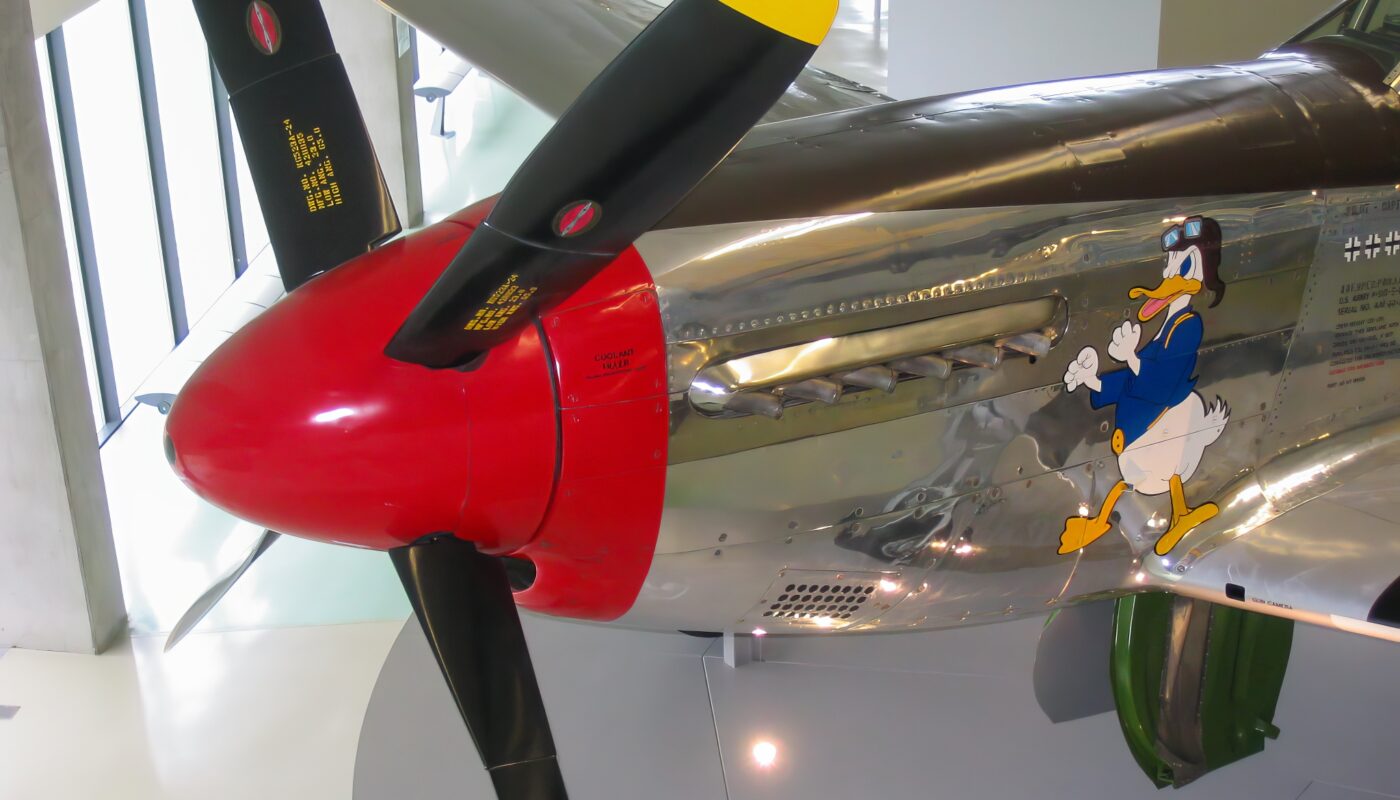
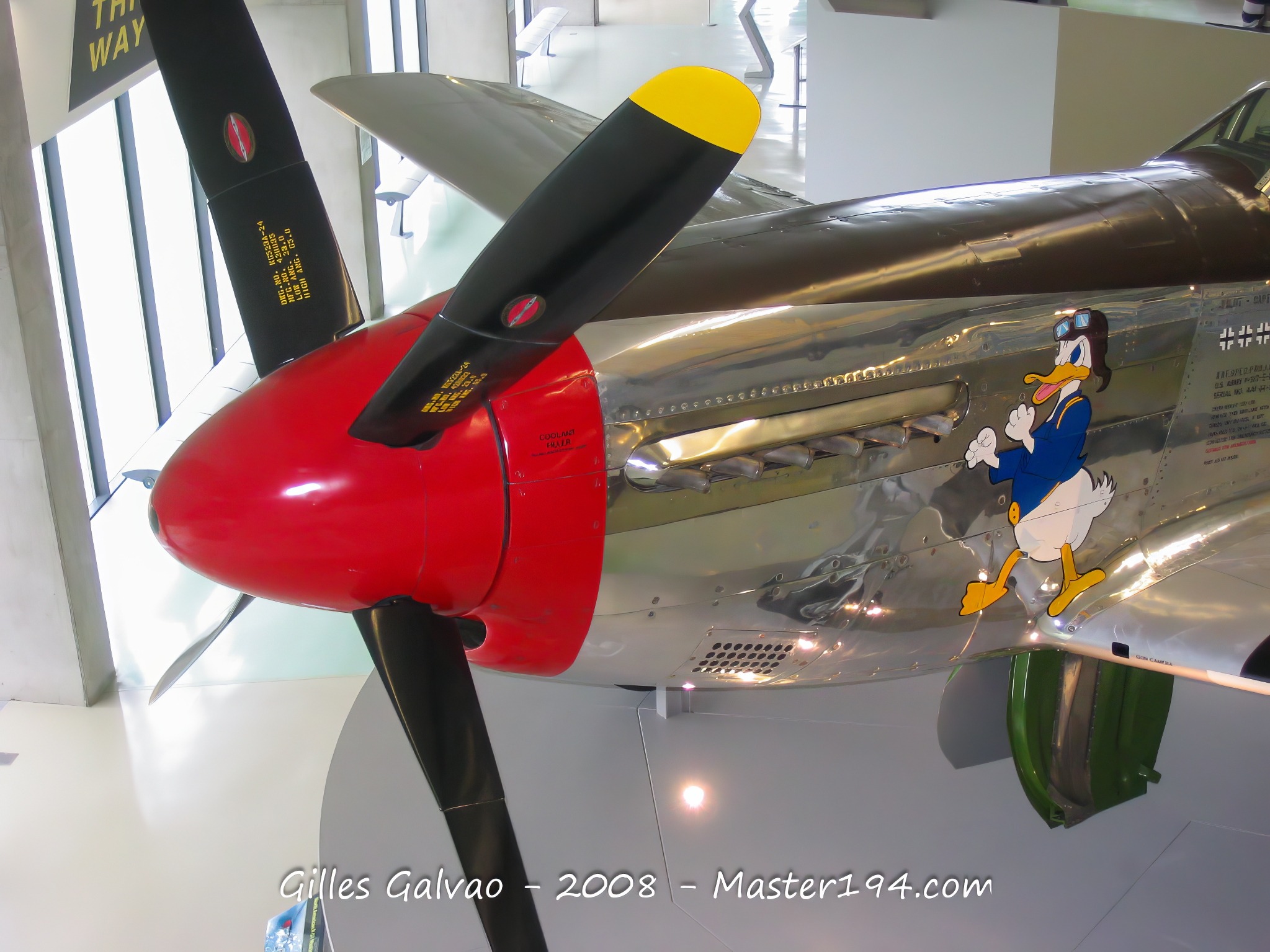
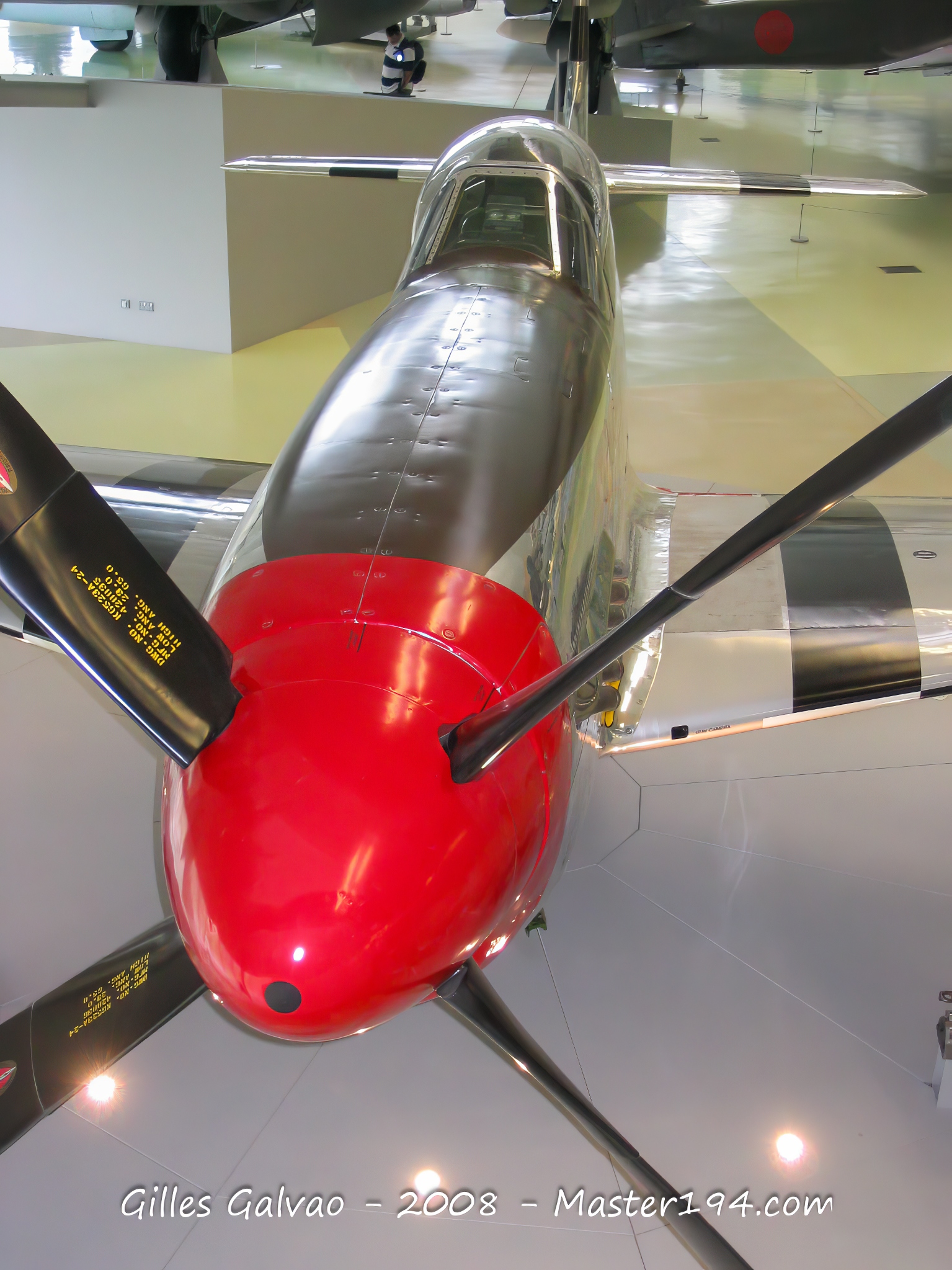
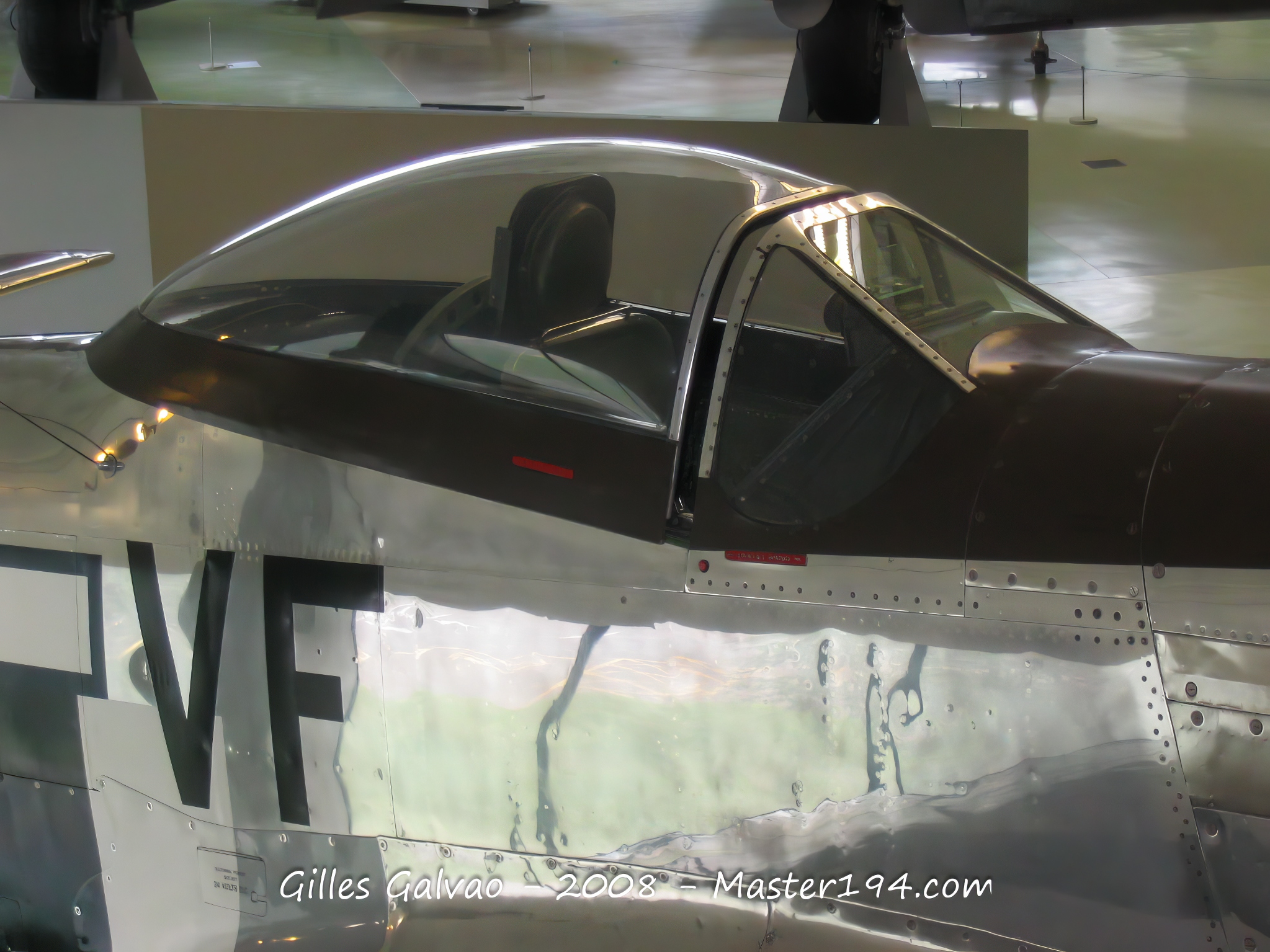
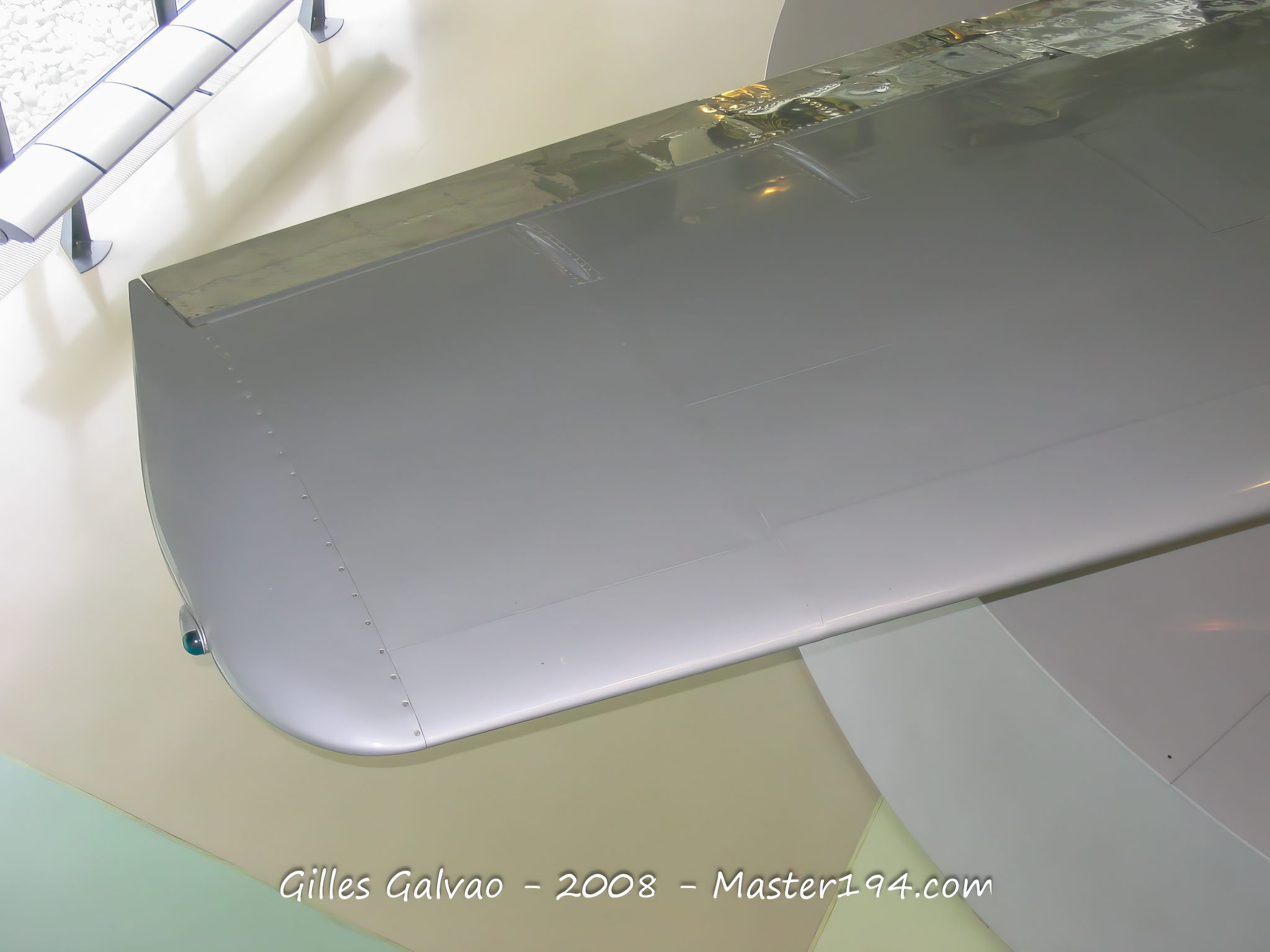
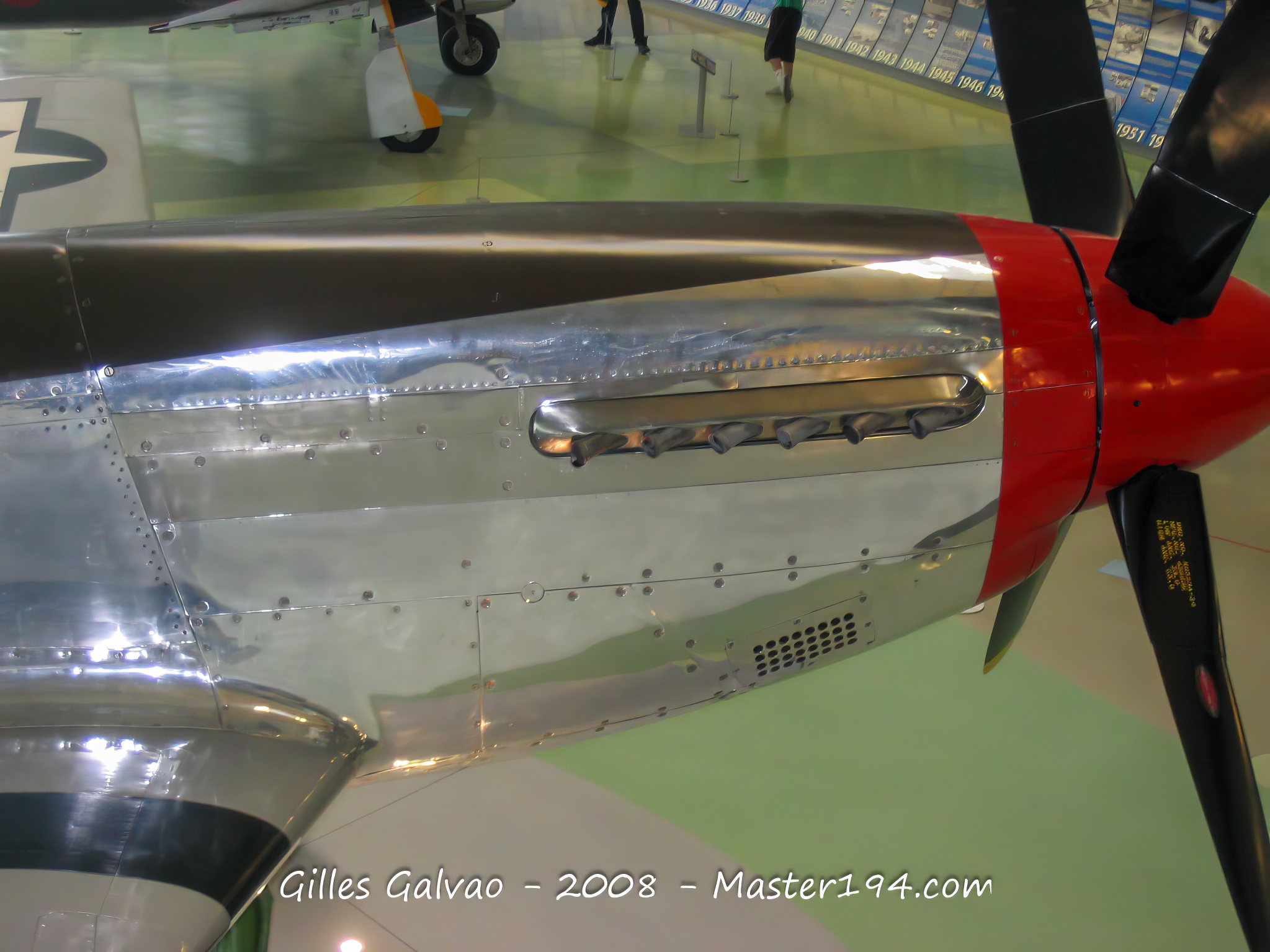
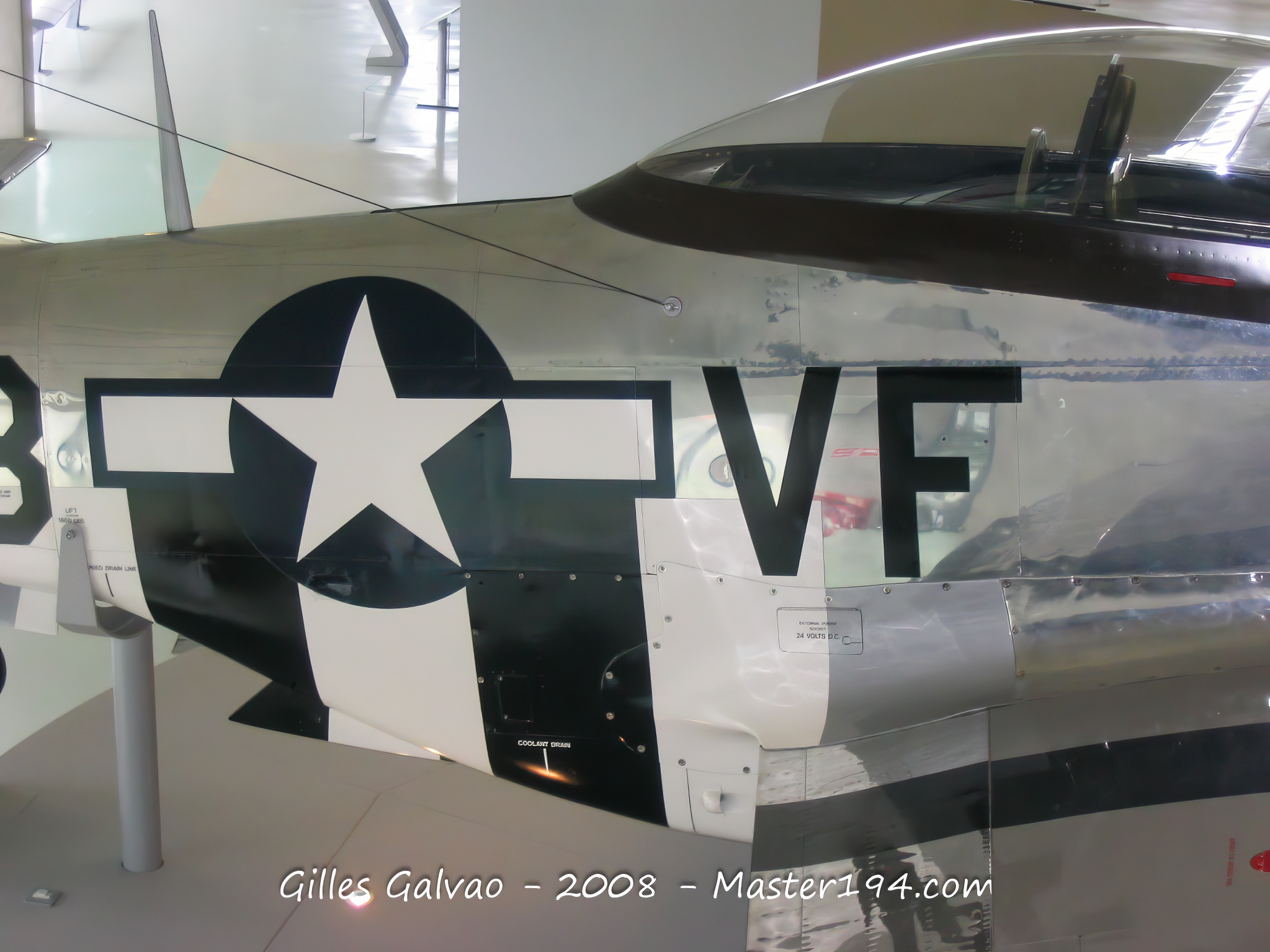
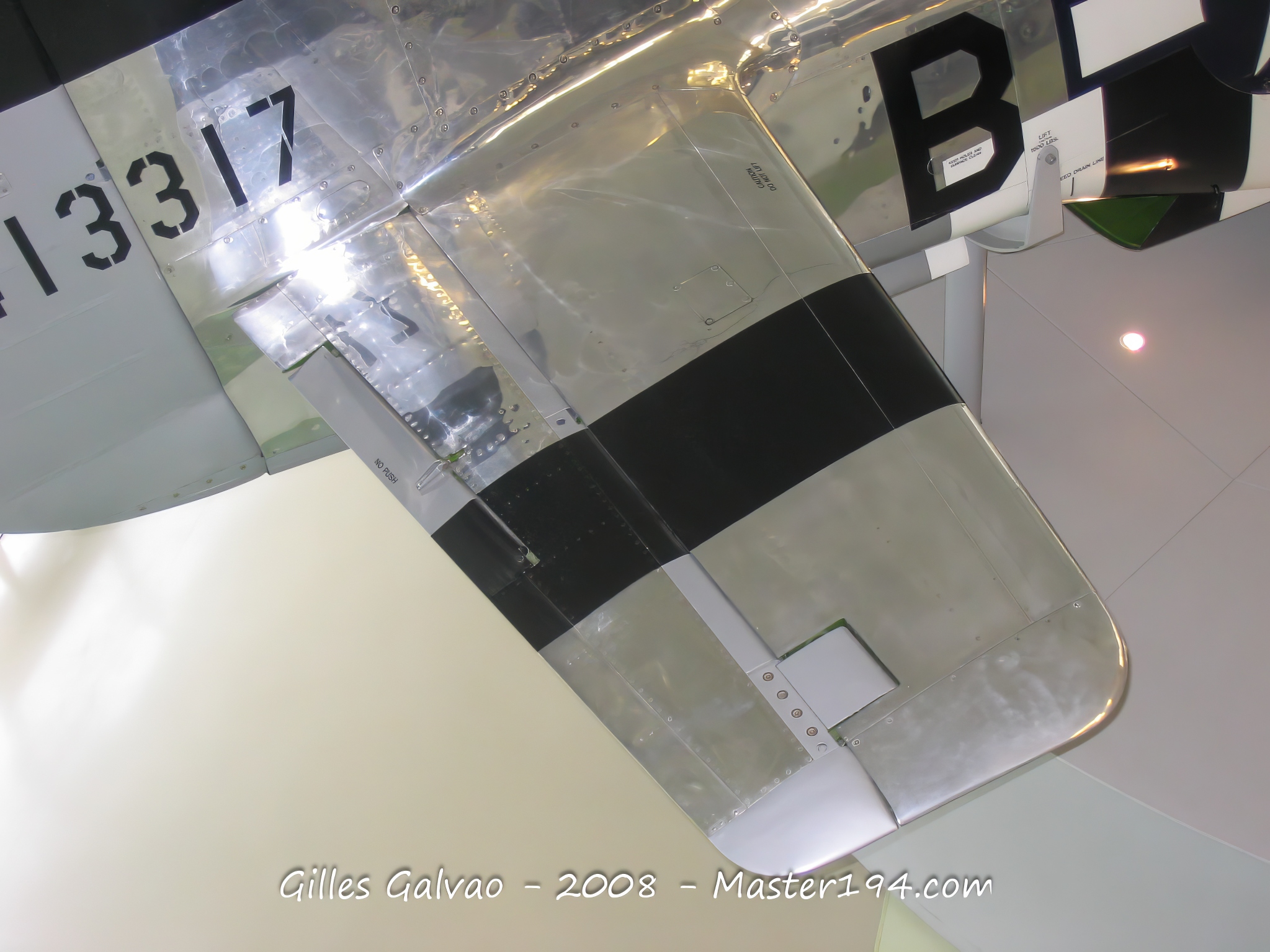
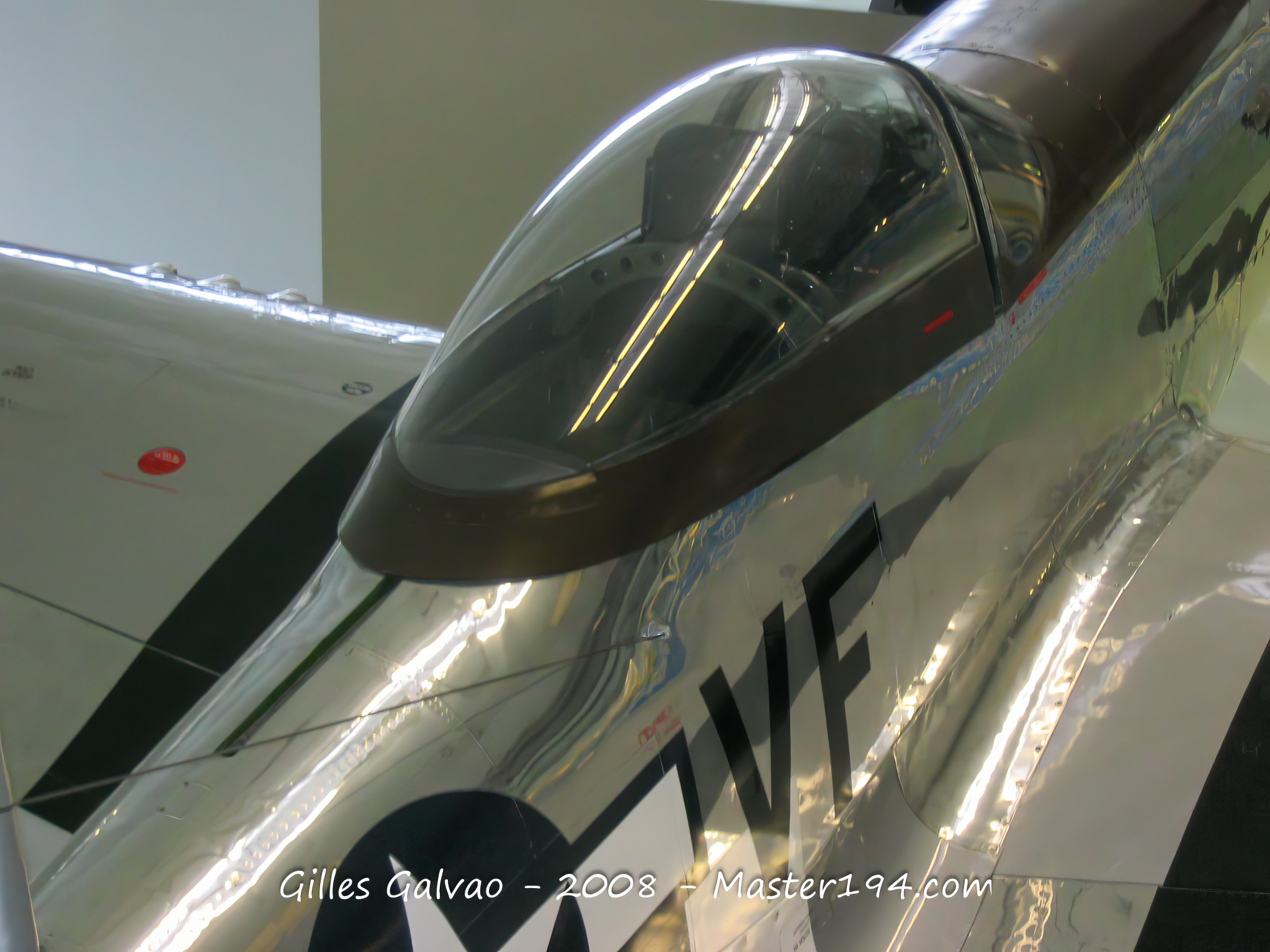
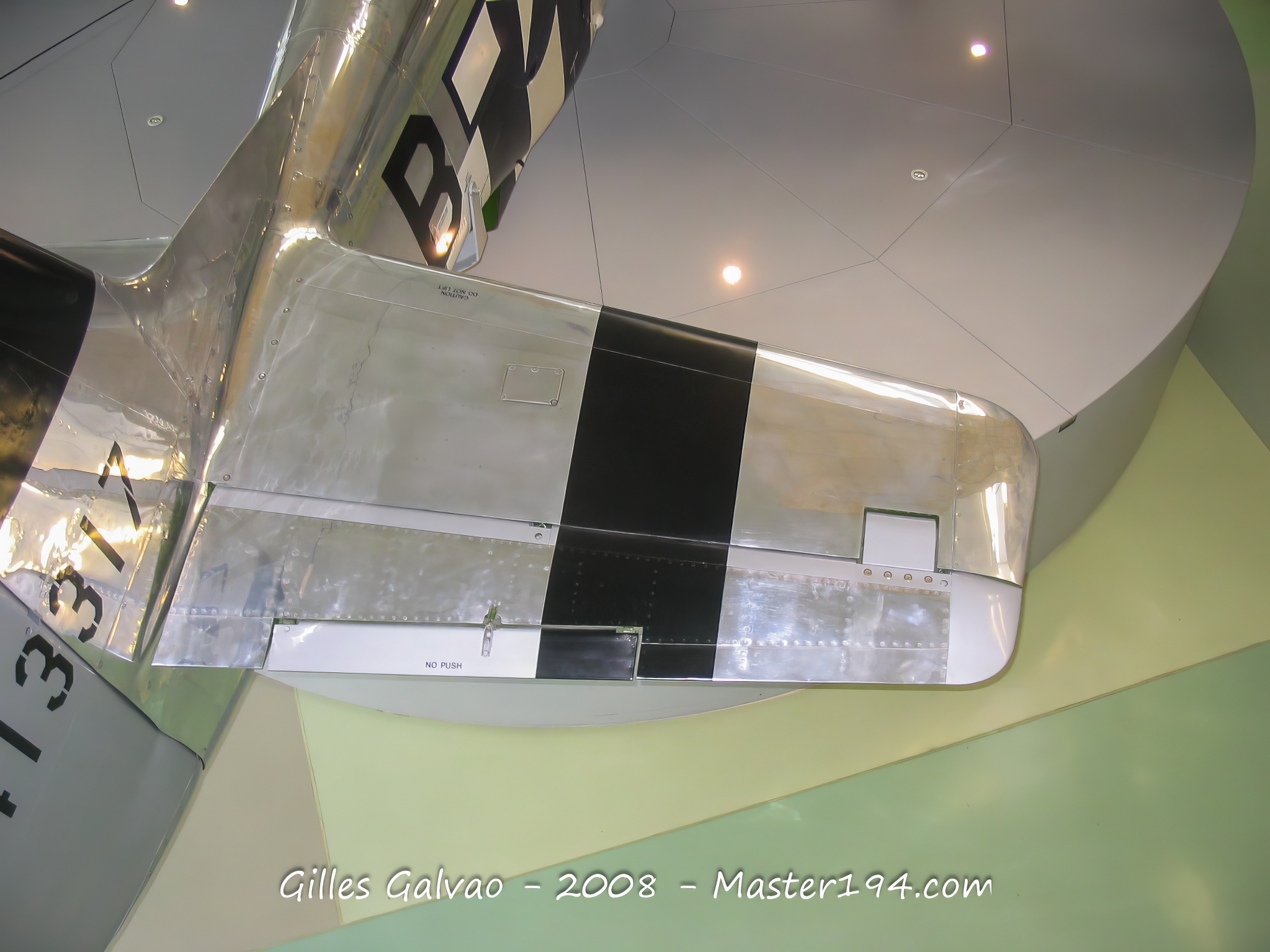
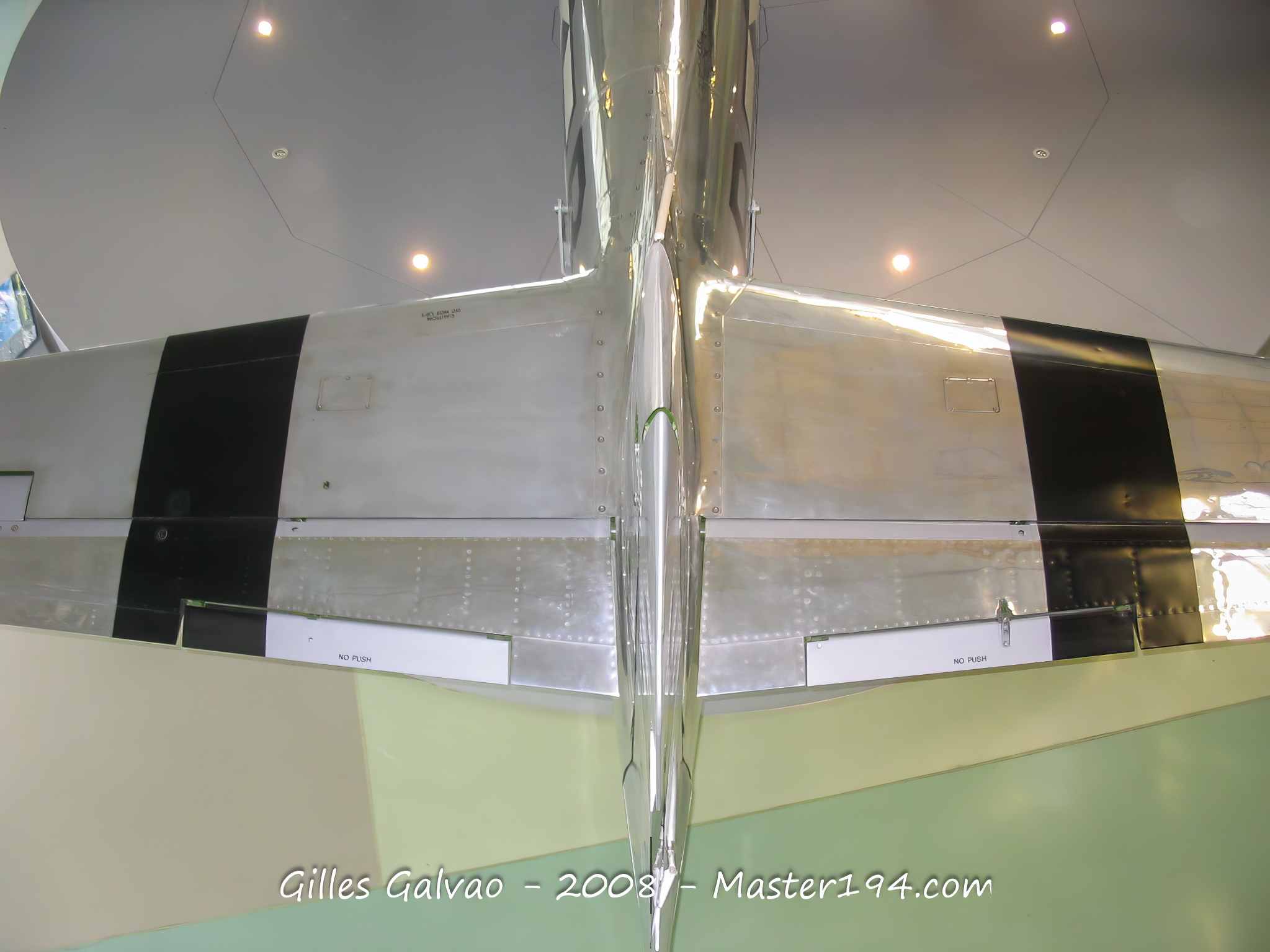
The North American P-51D Mustang on display at the RAF Museum in London is an interesting aircraft: wearing the livery of Captain Donald R. Emerson’s famous “Donald Duck”, it represents a unique case. In fact, the aircraft on display is not the actual wartime Mustang, but an airframe built too late to see combat.
AD
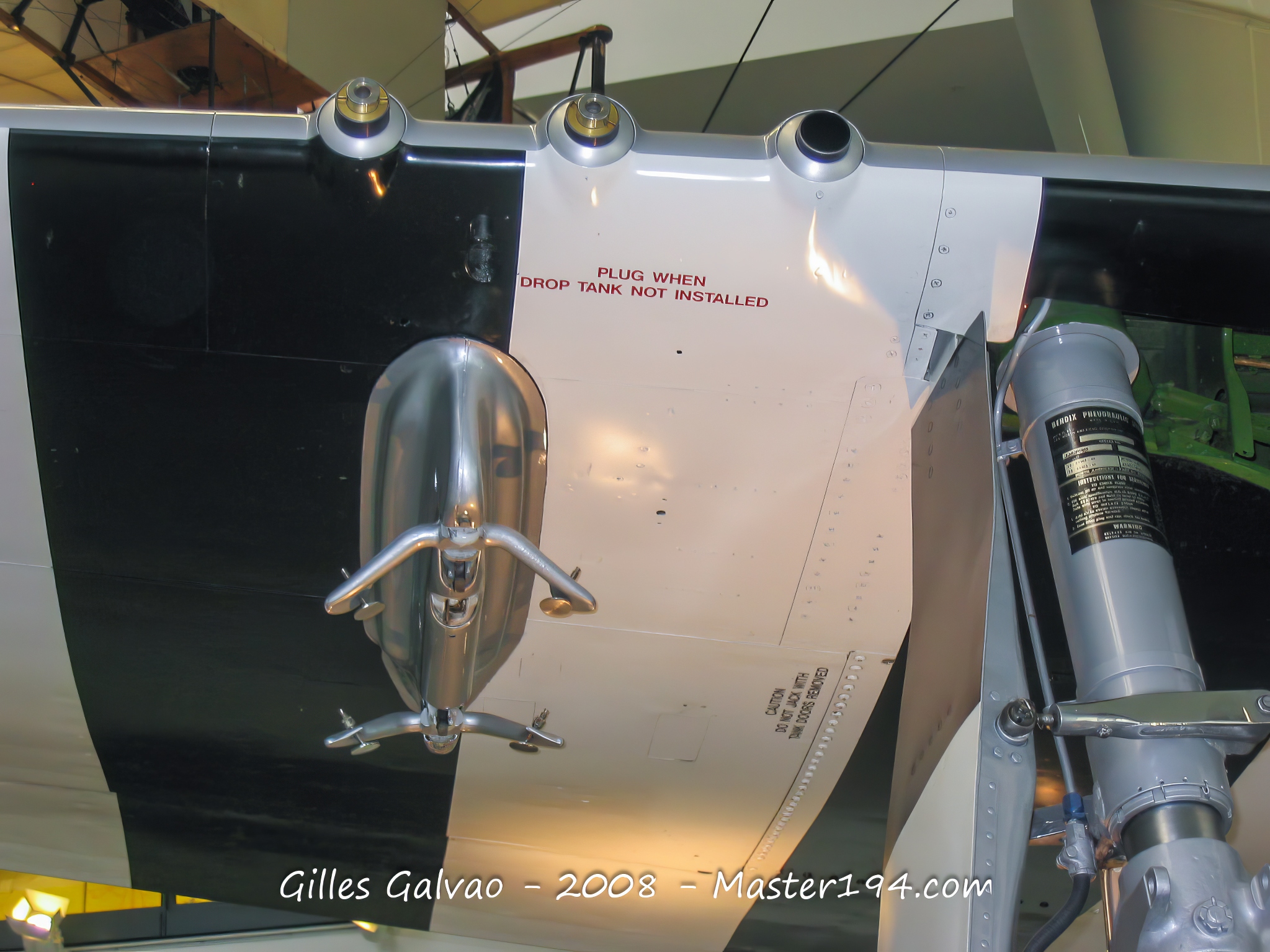
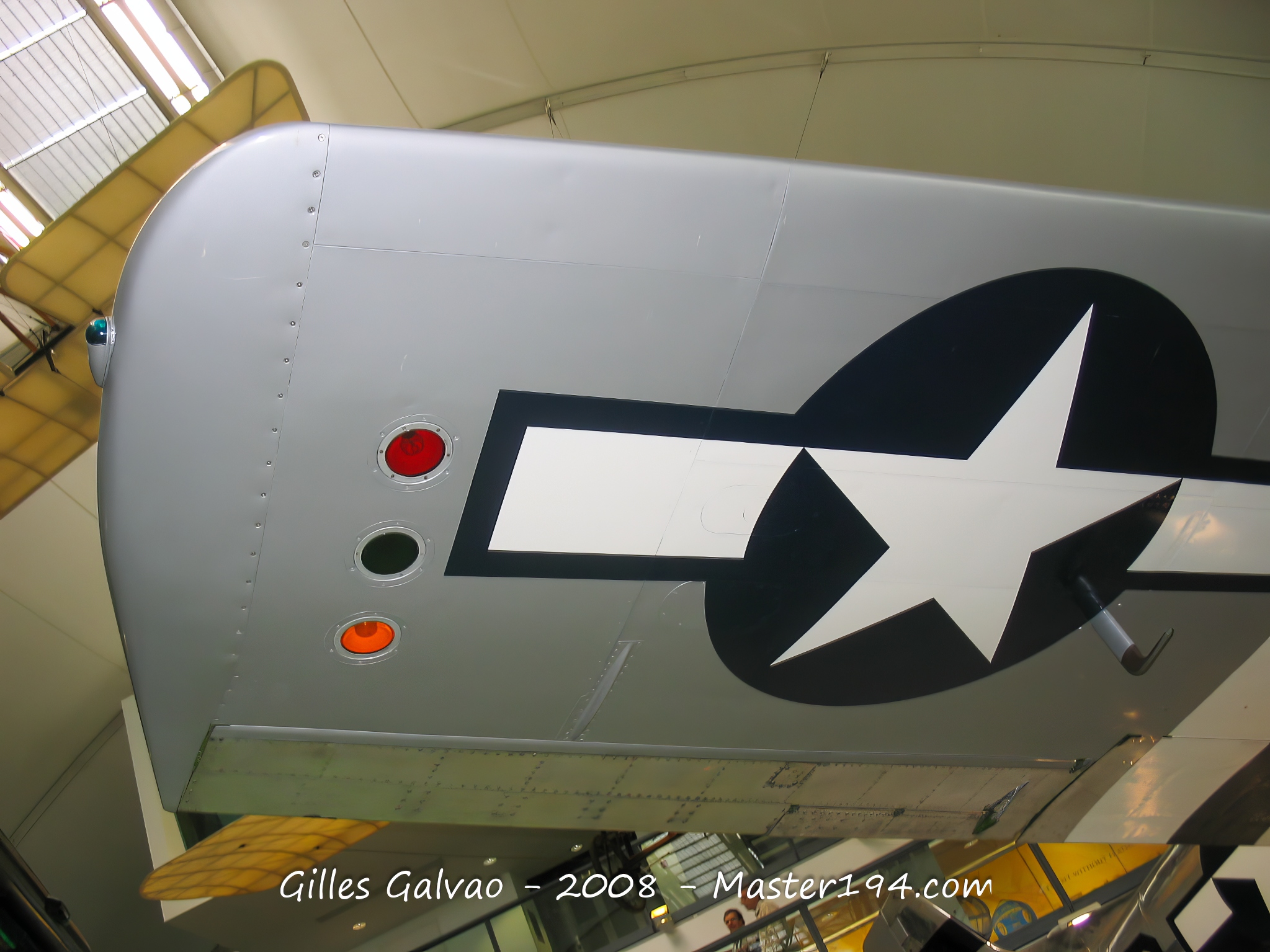
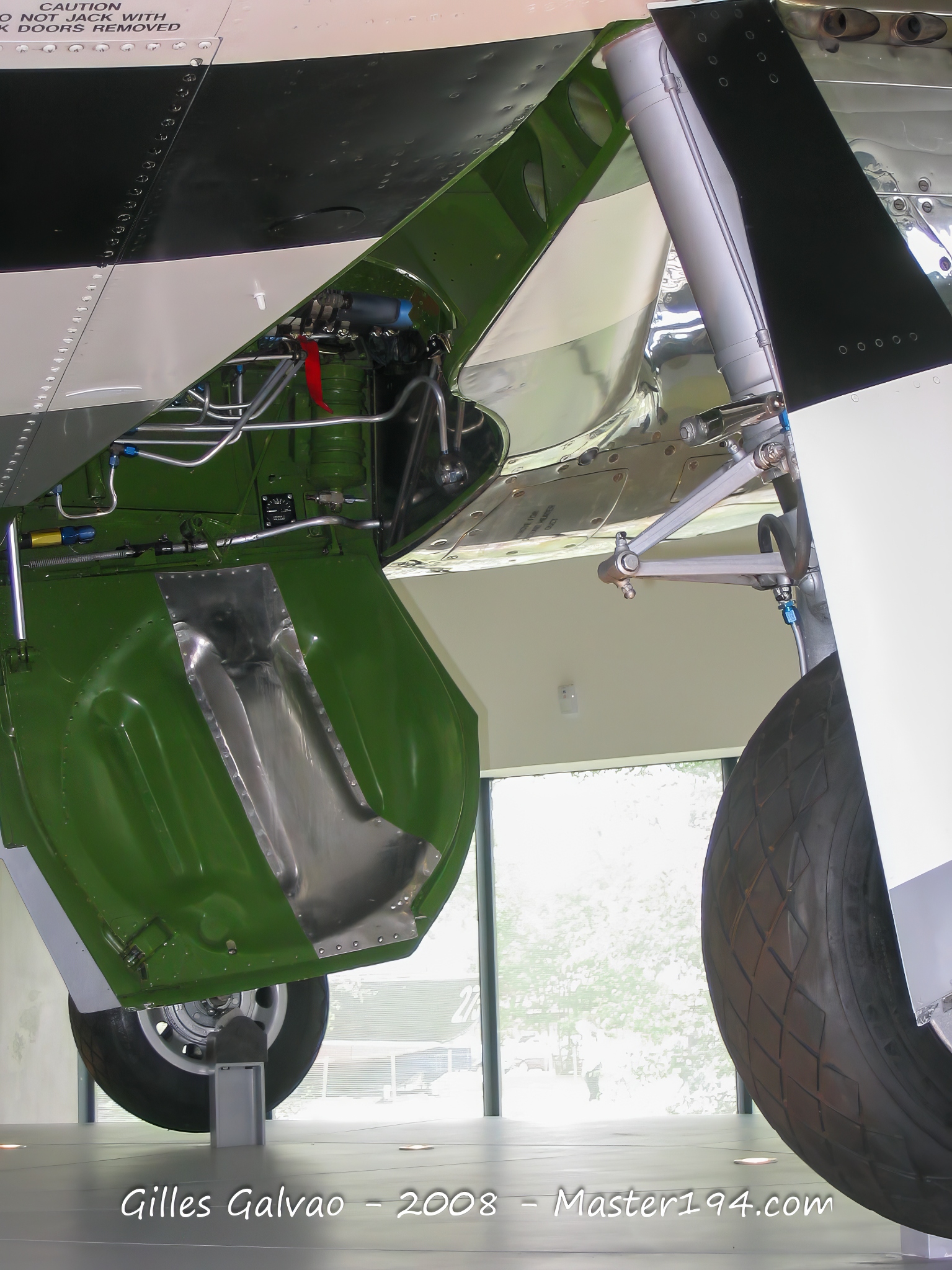
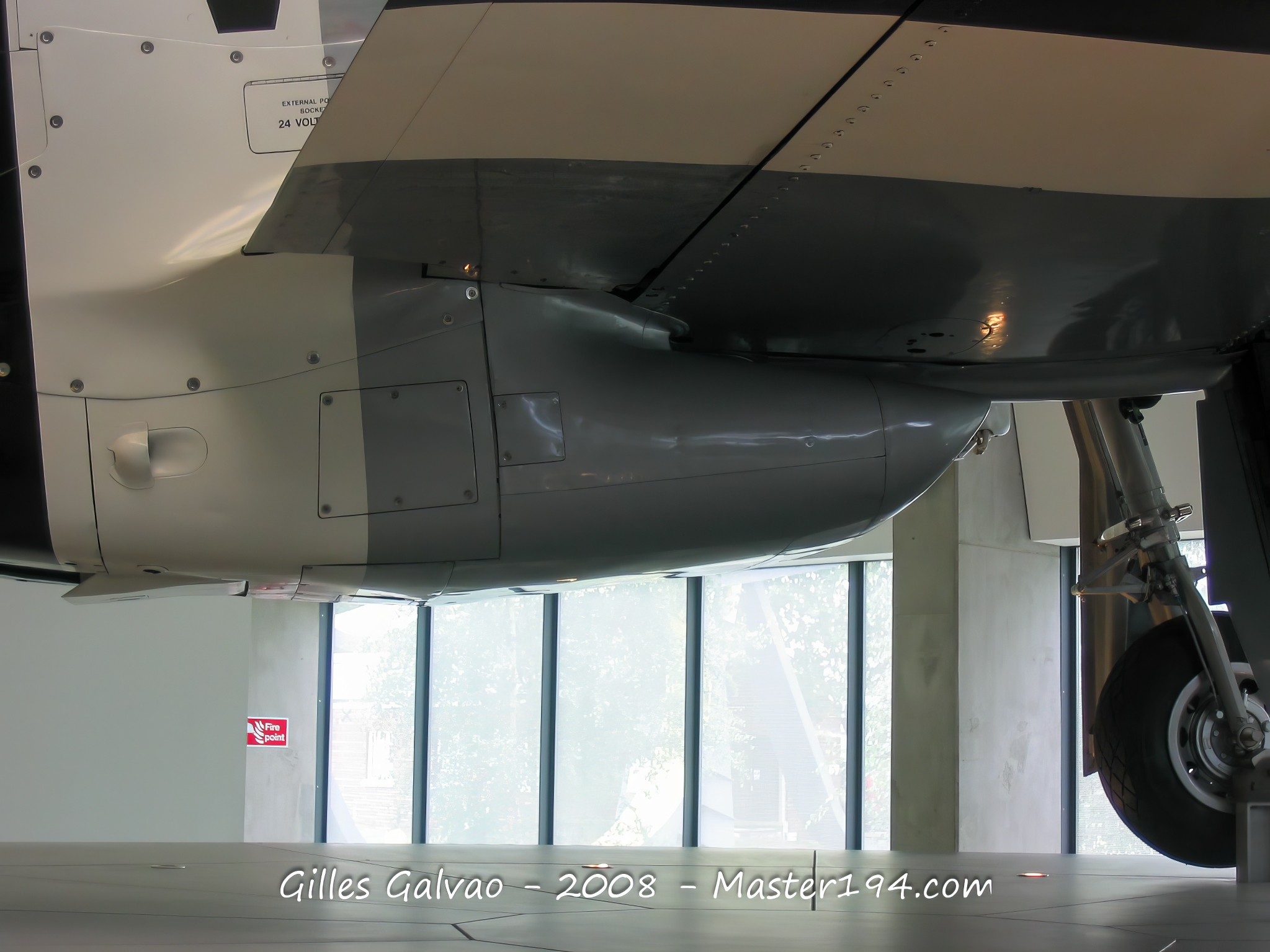
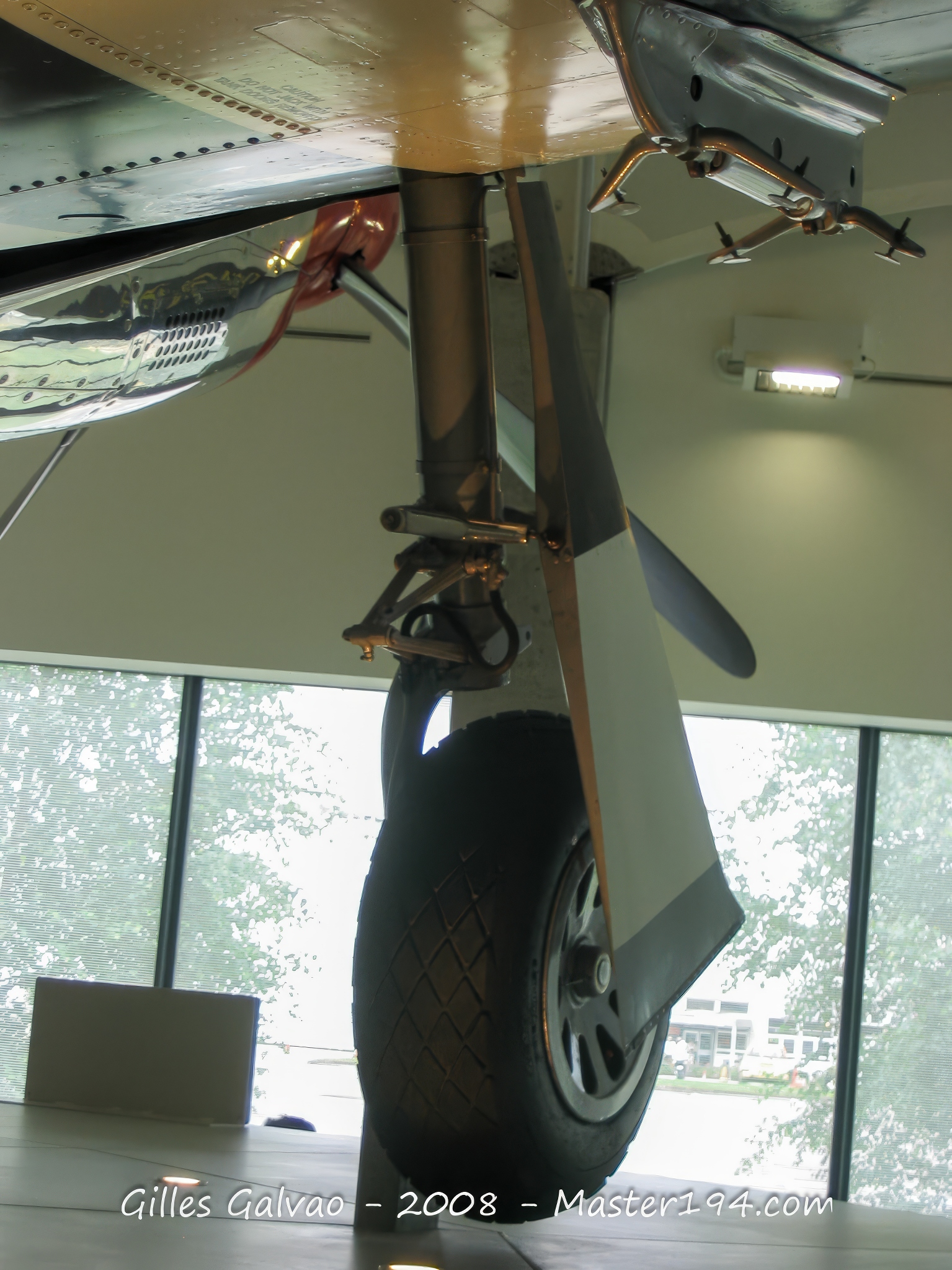
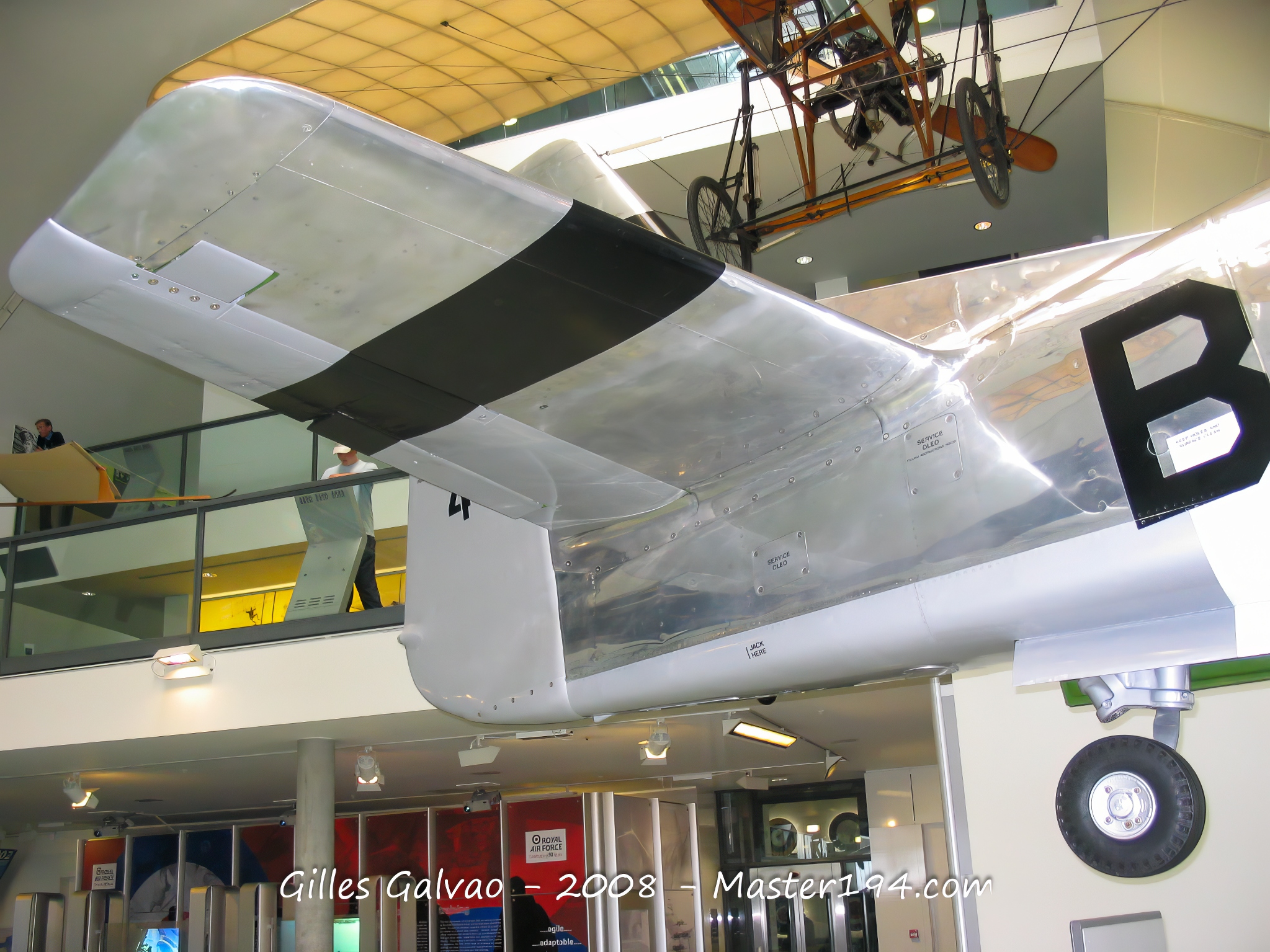
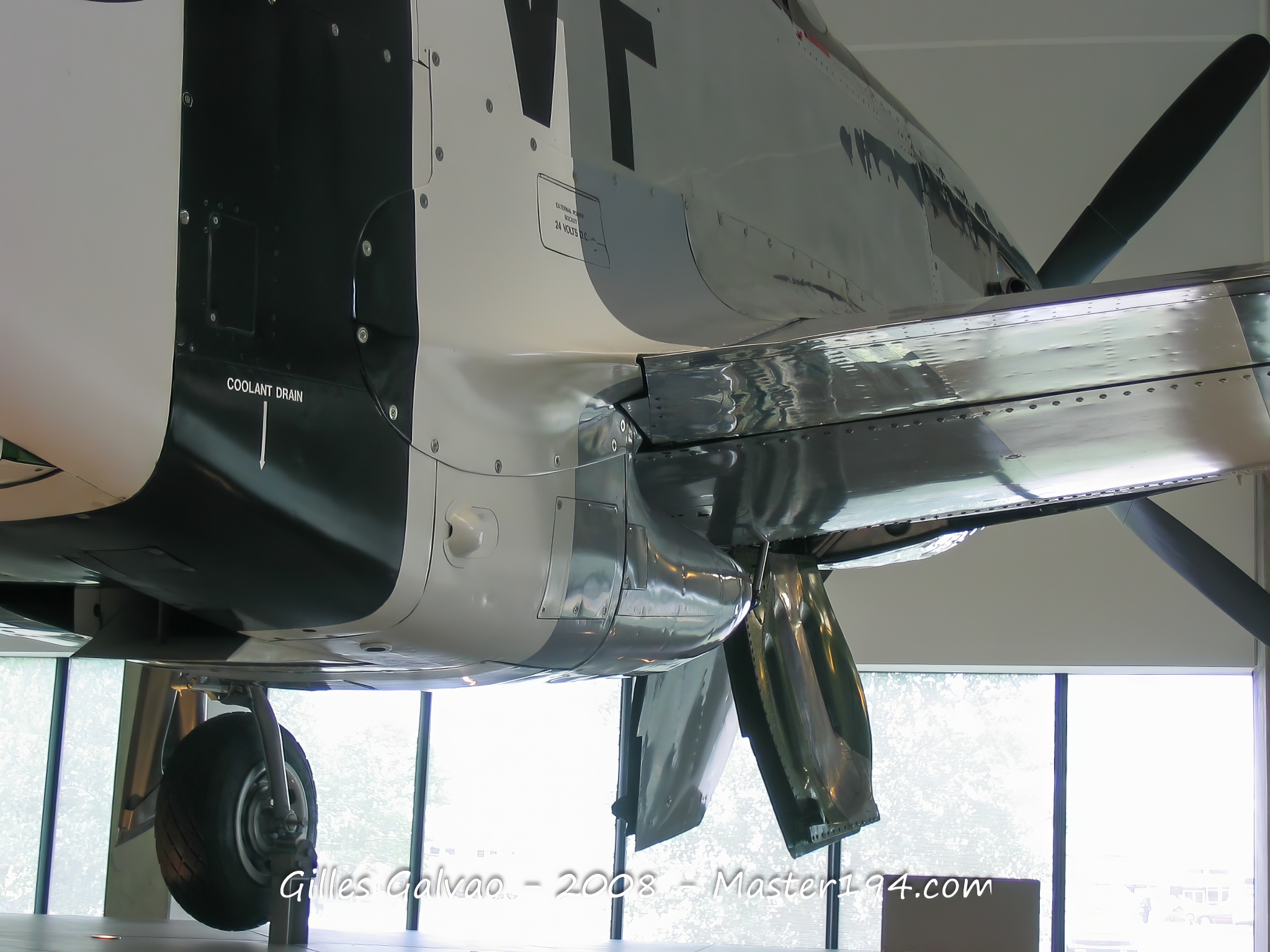
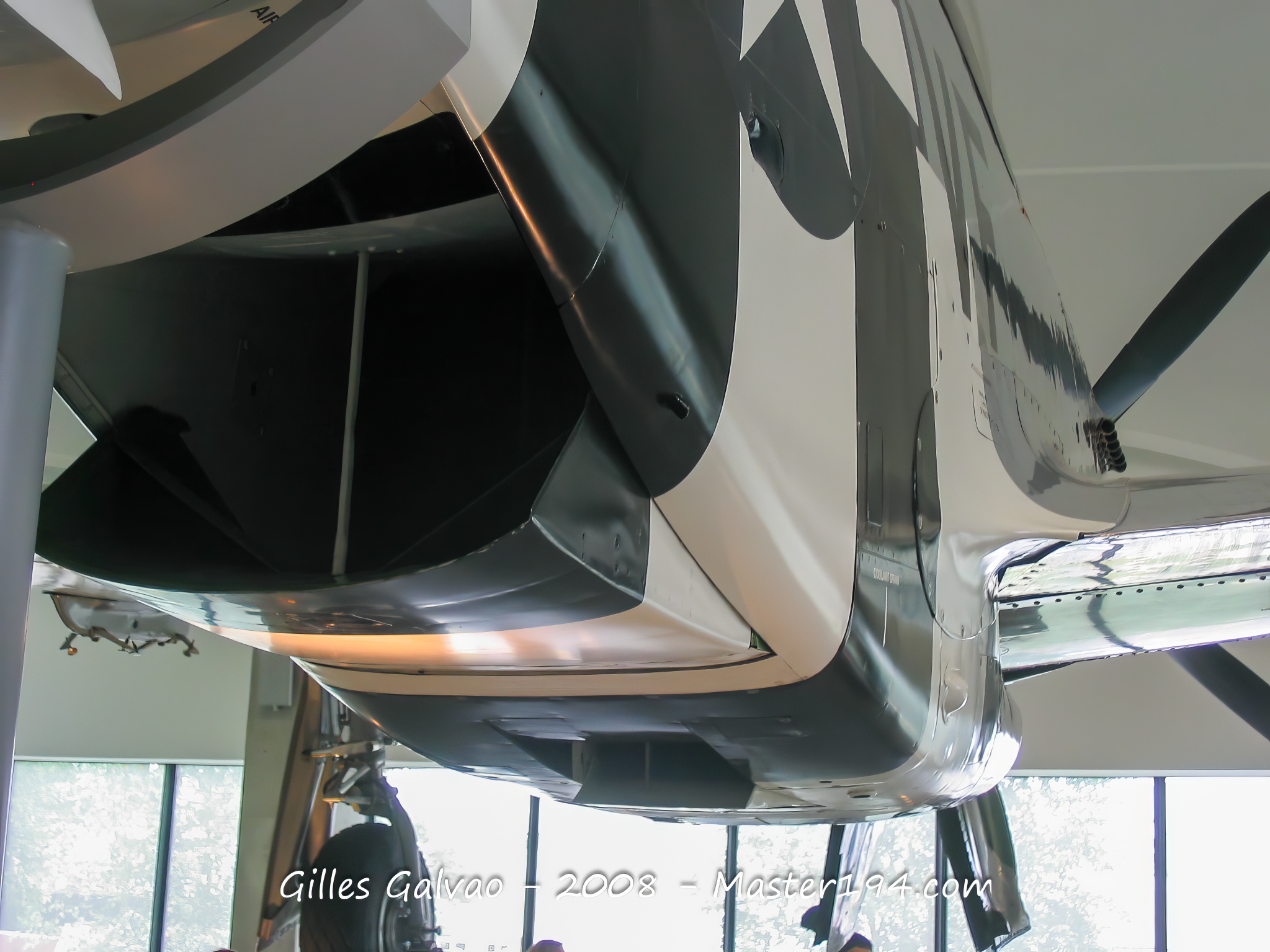
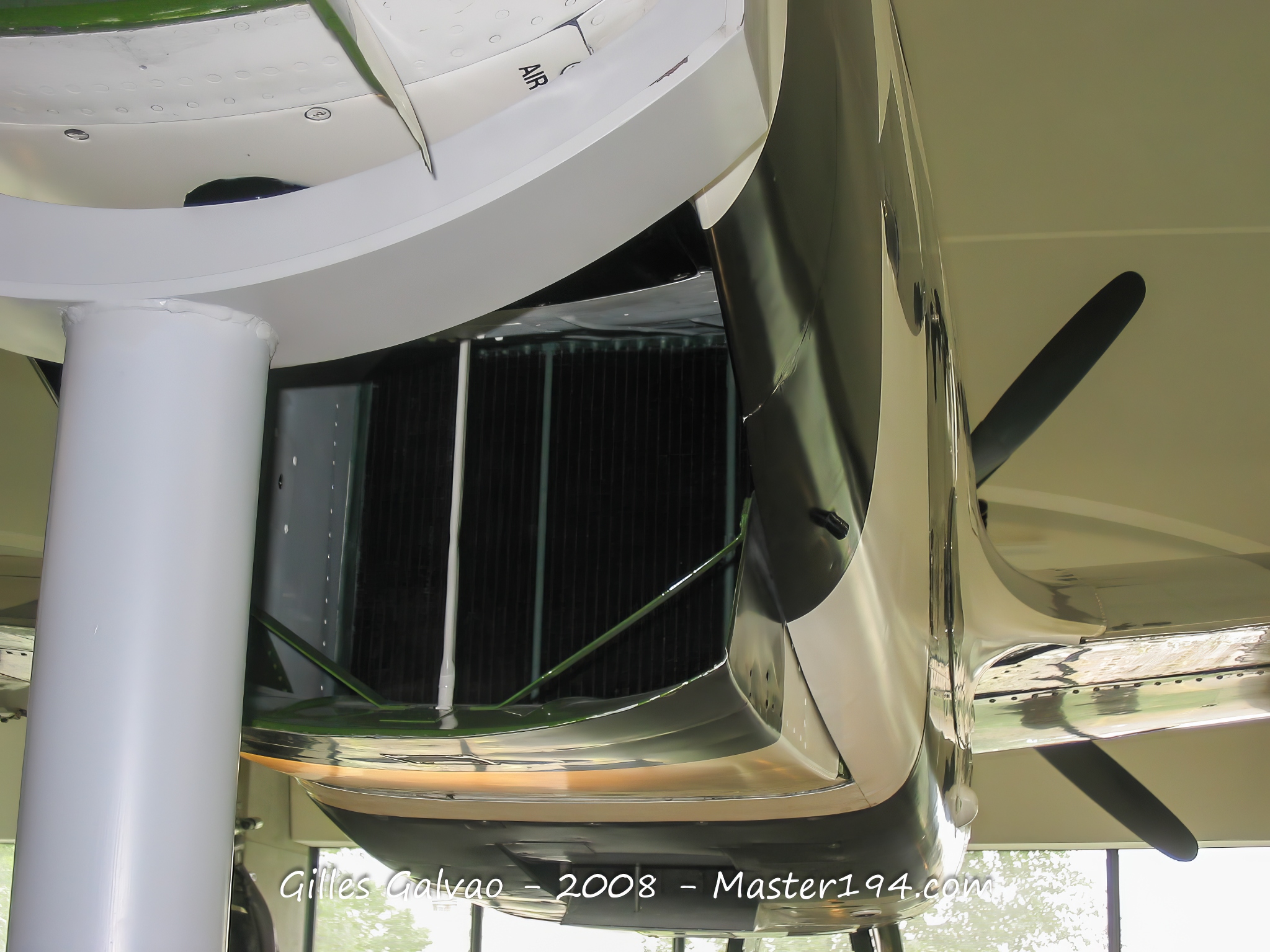
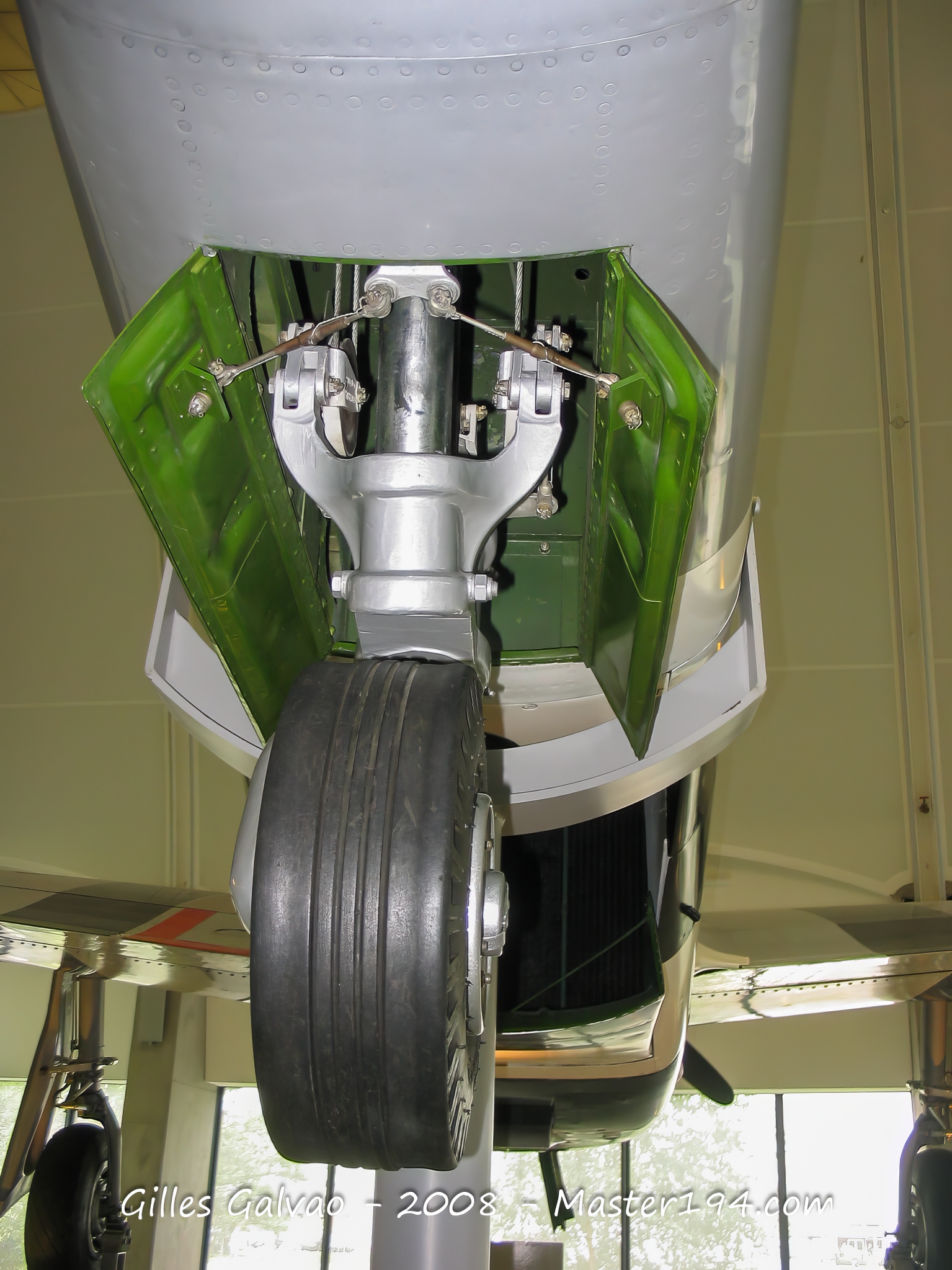
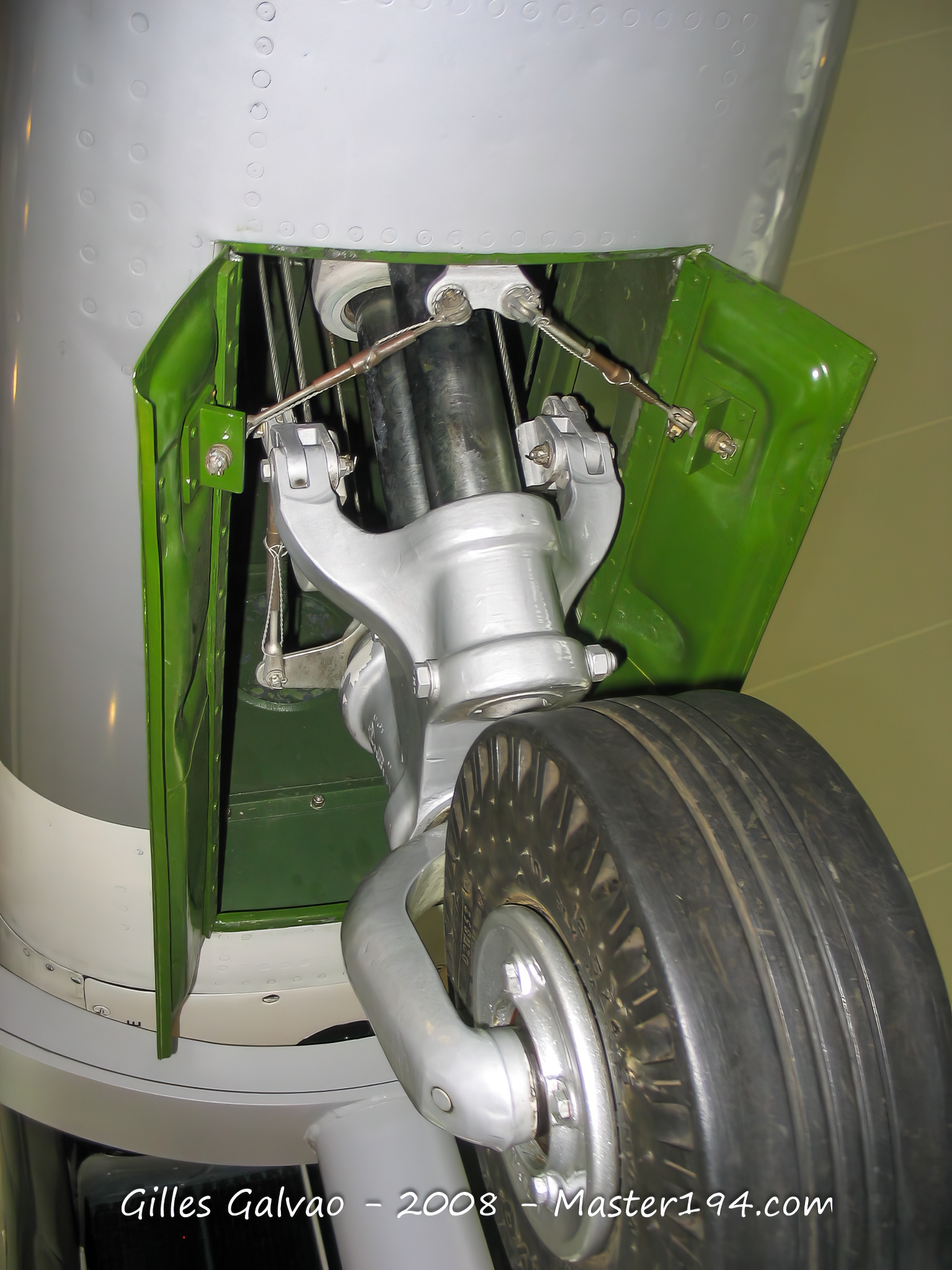
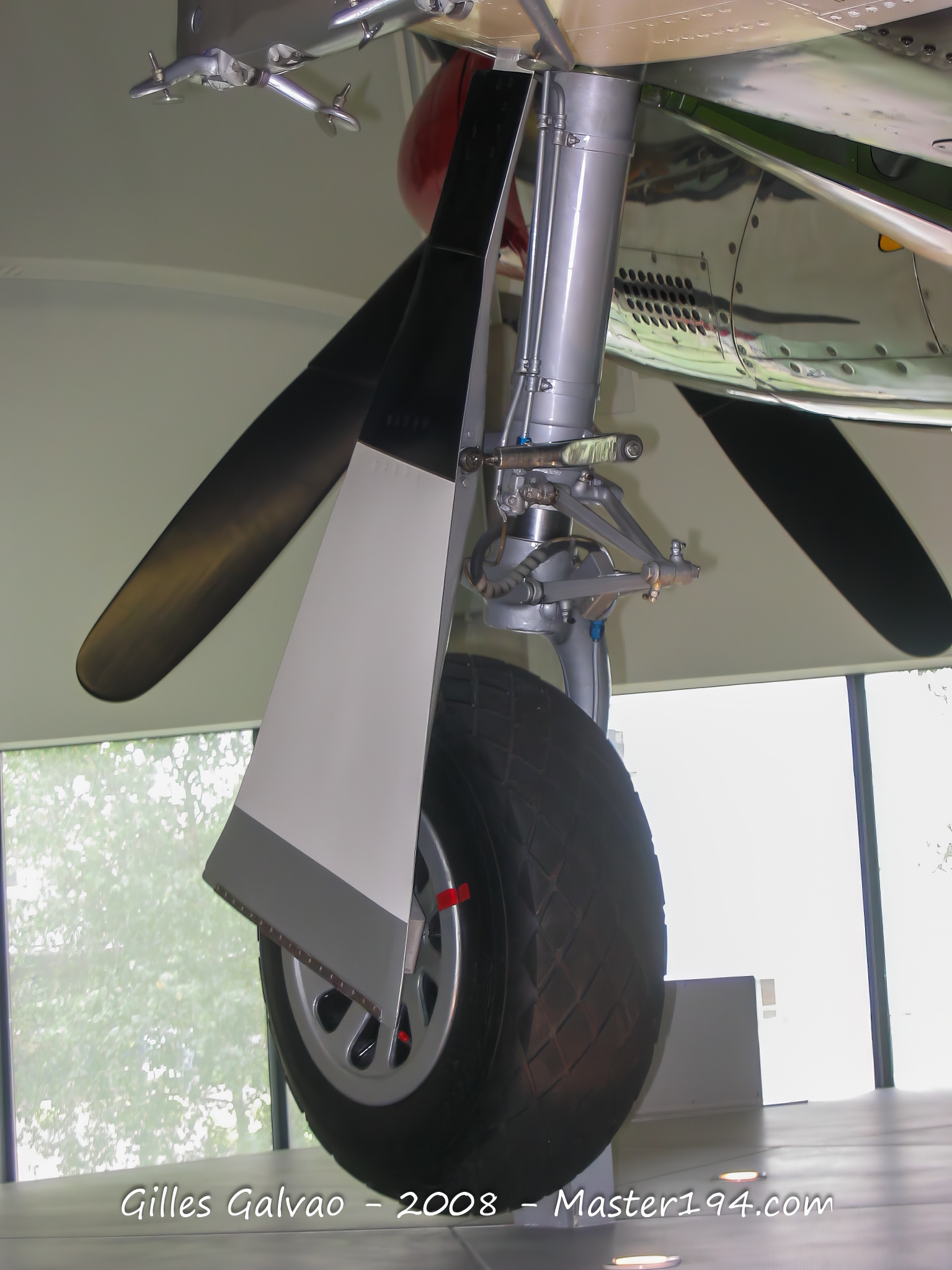
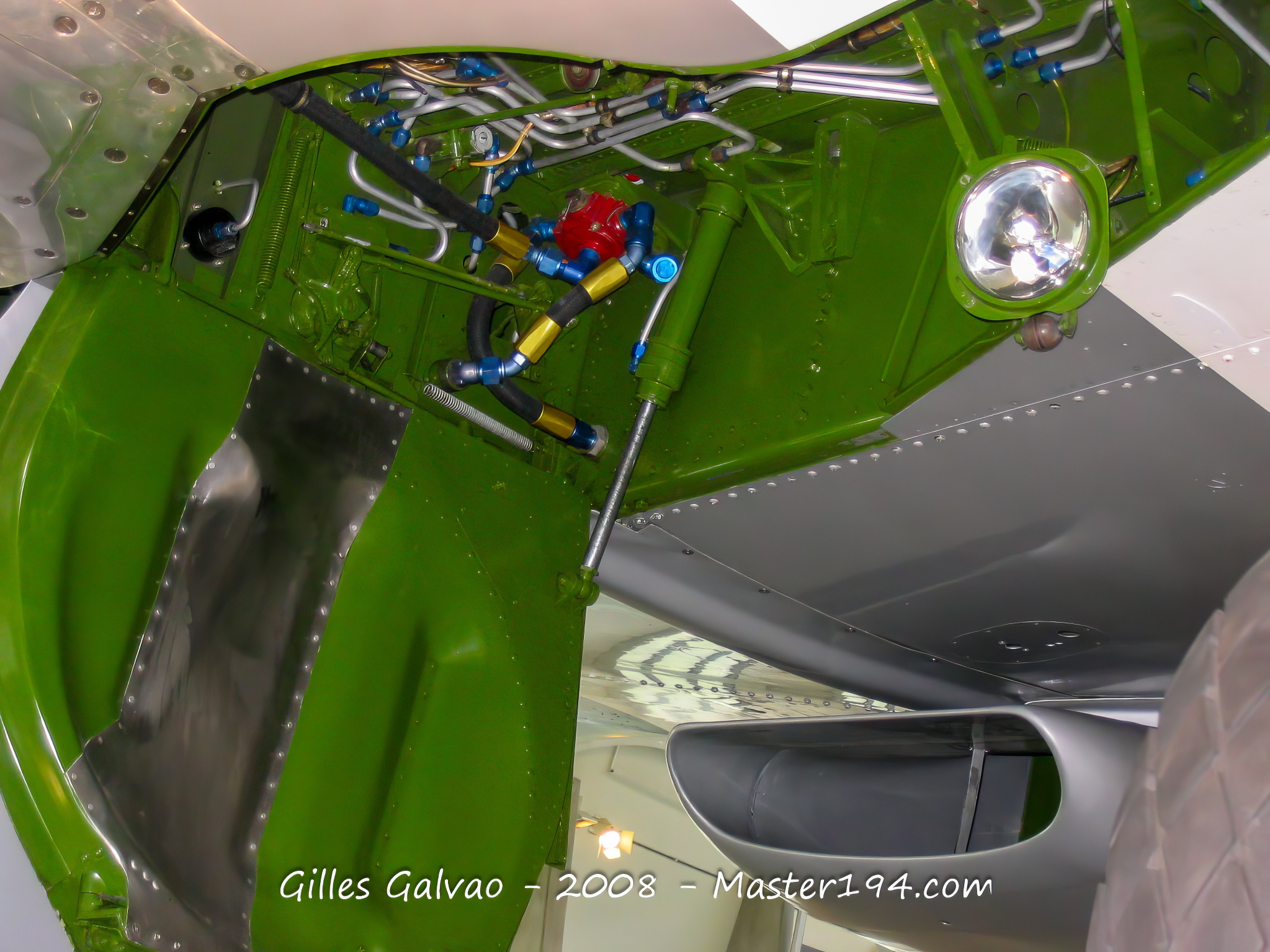
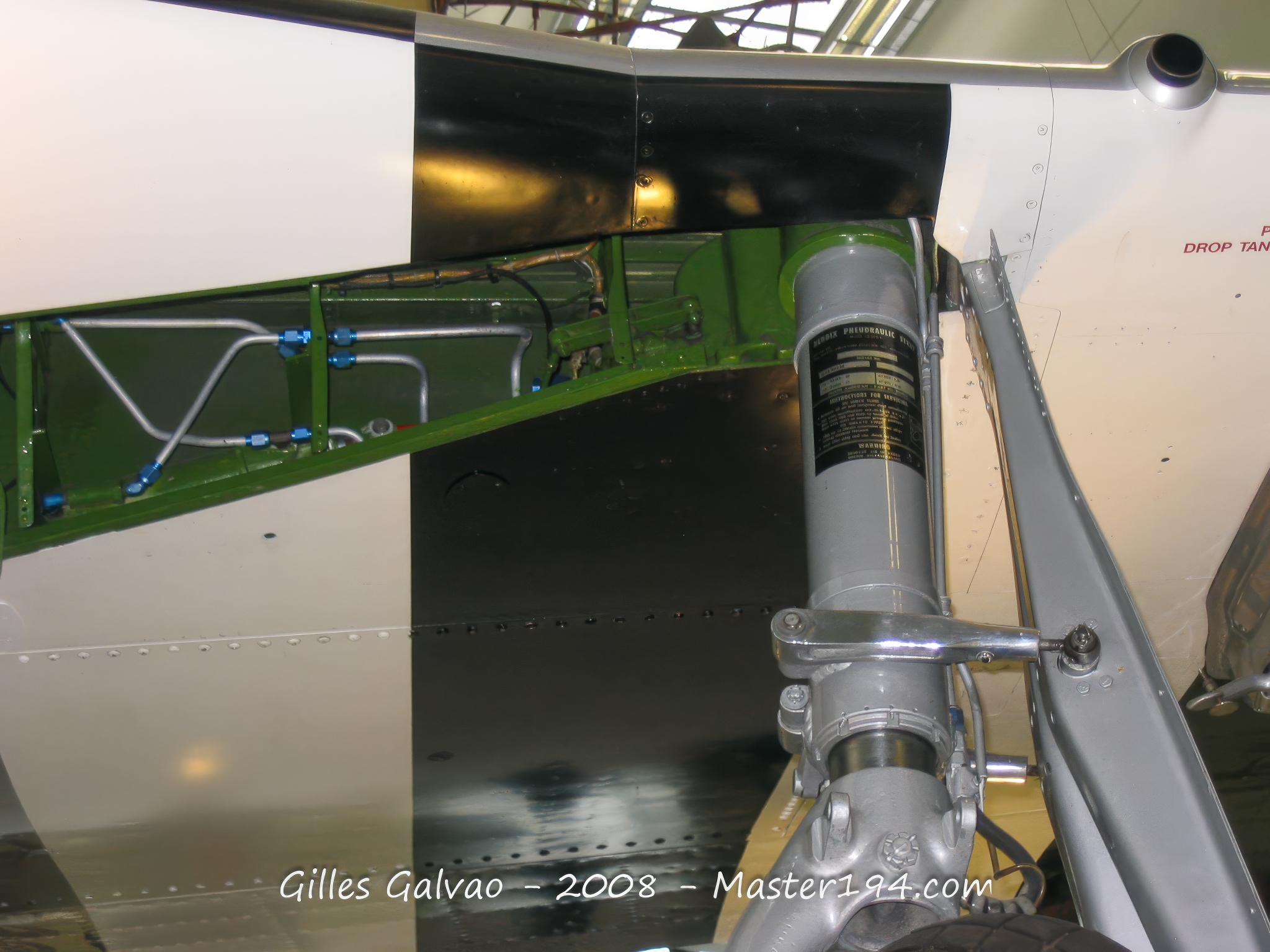
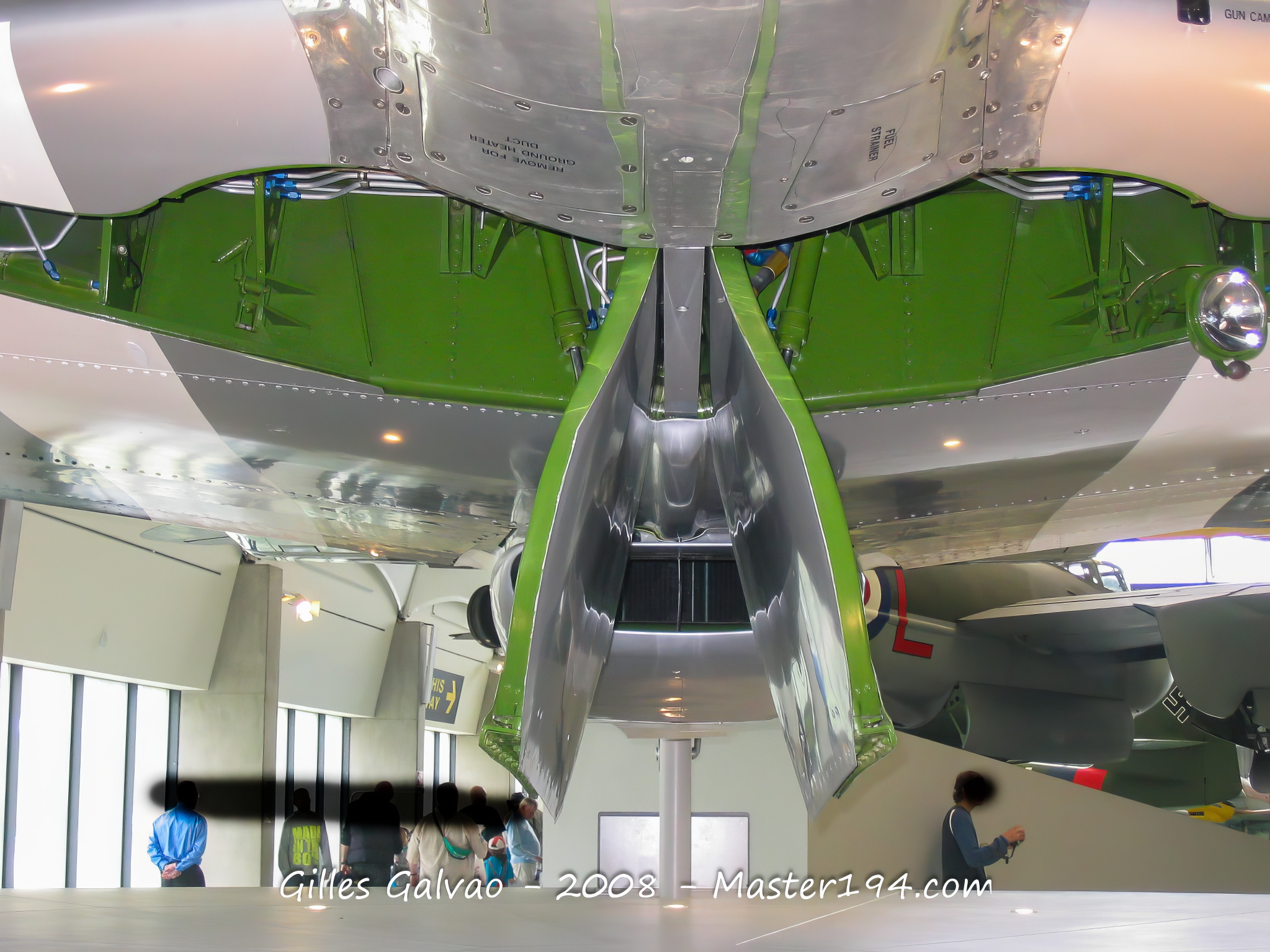
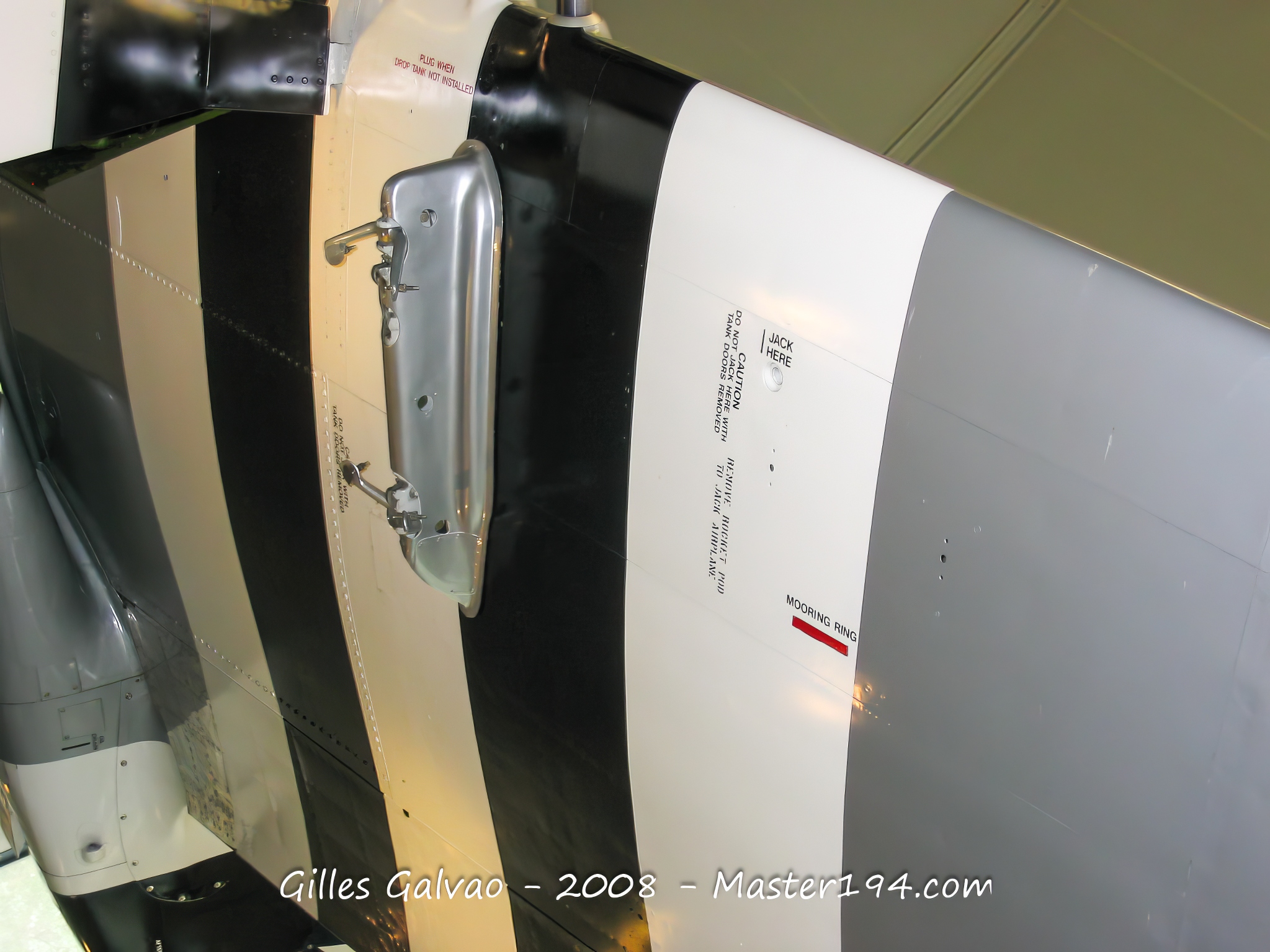
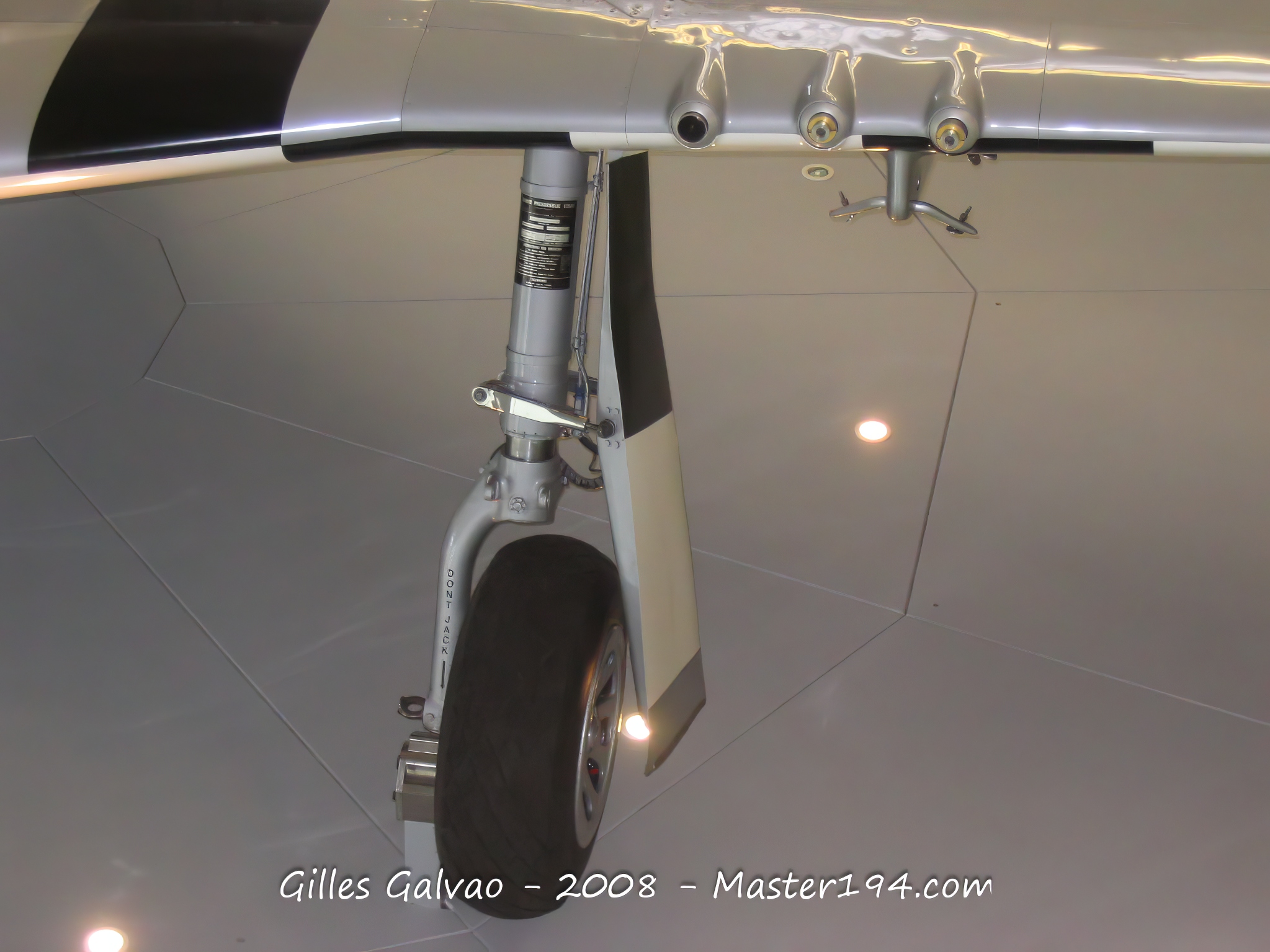
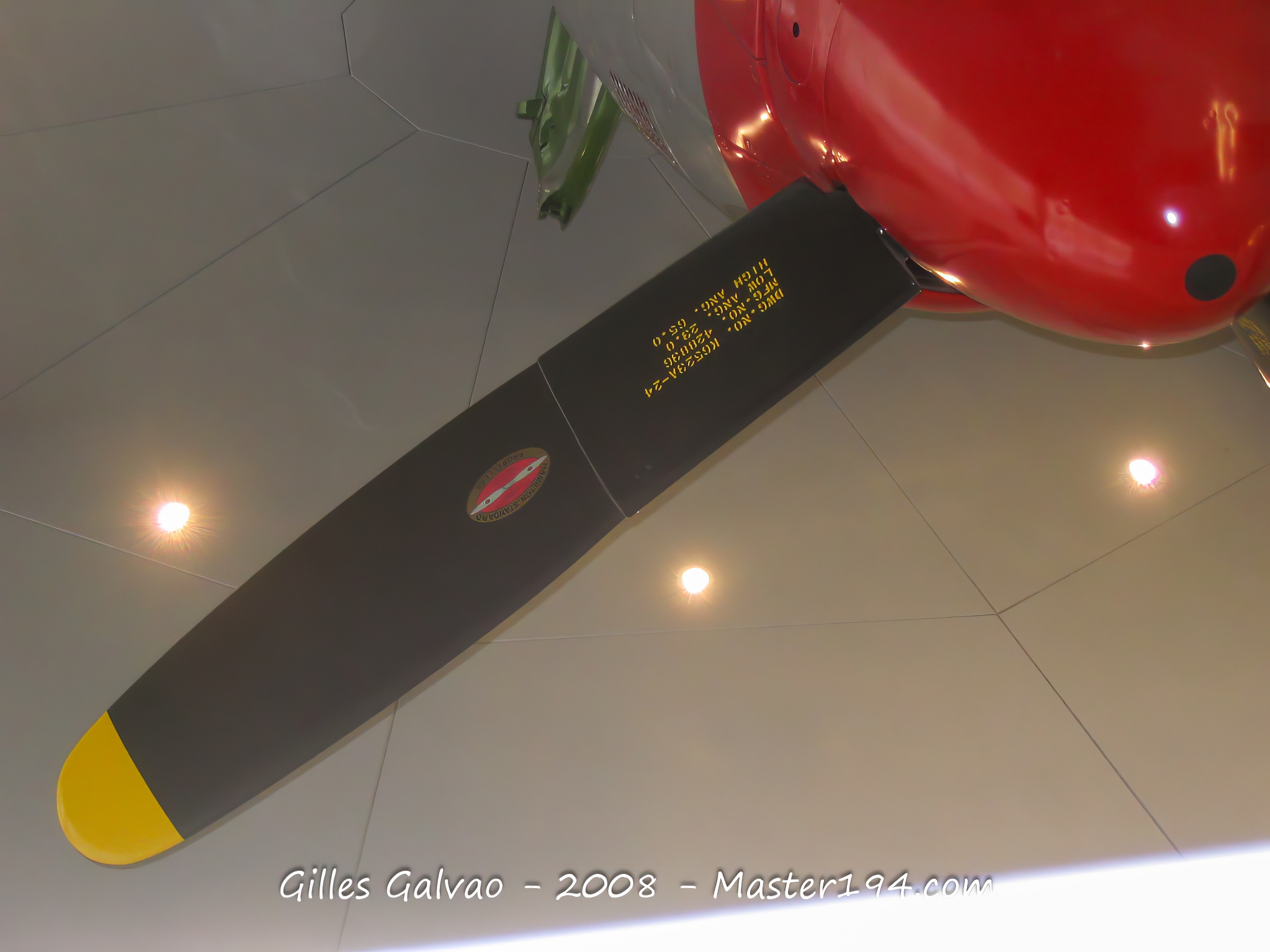
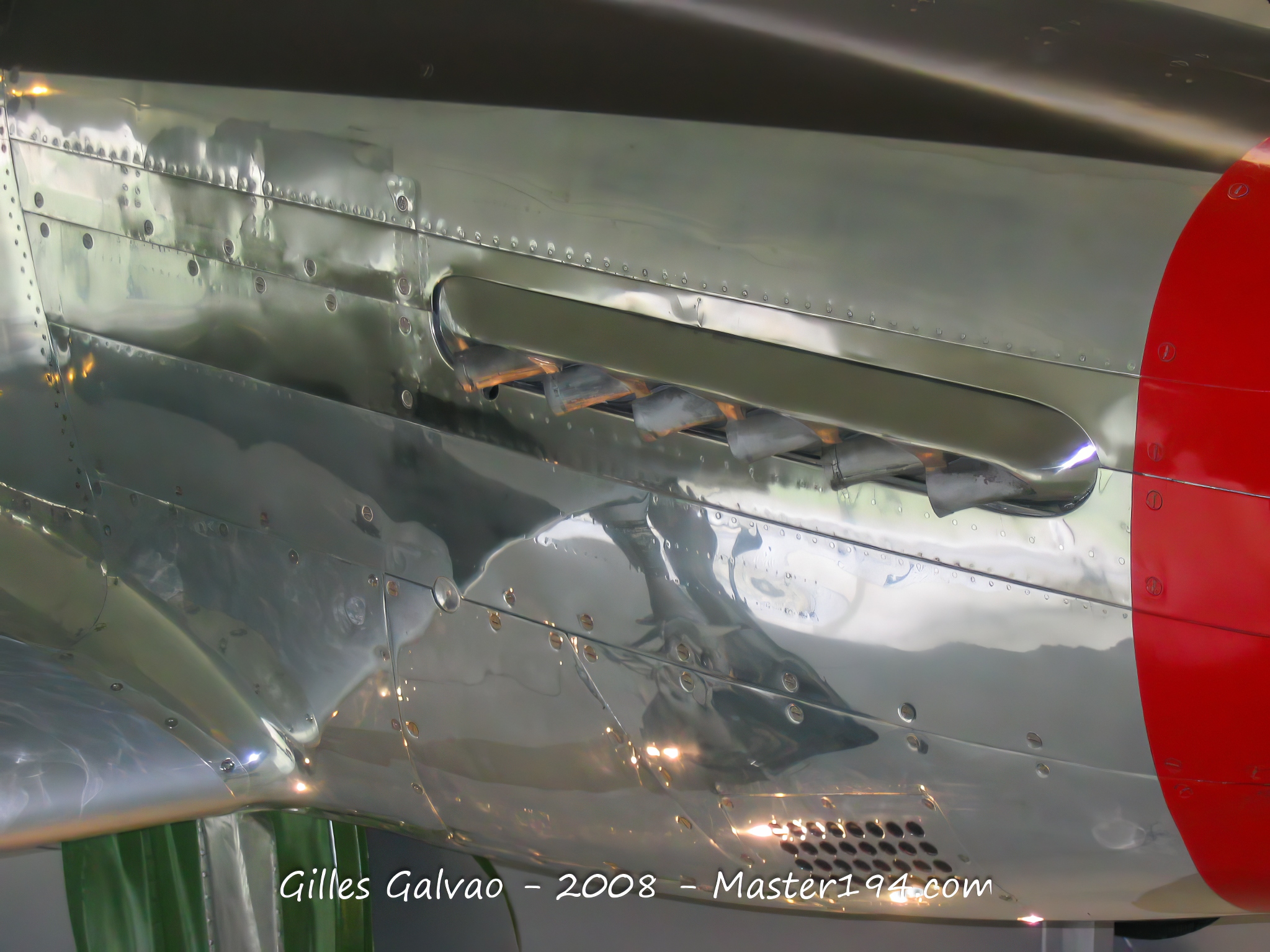
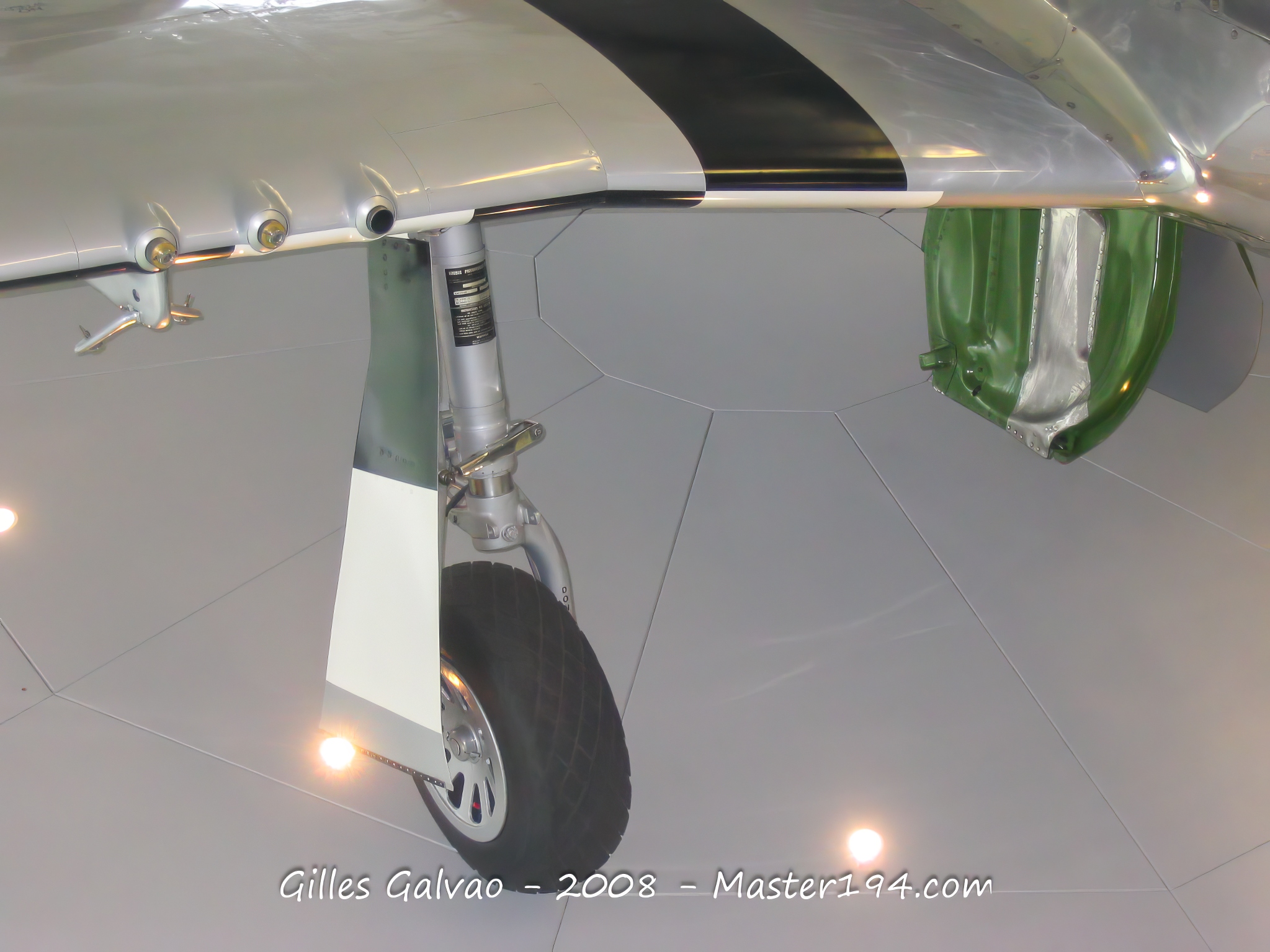
Meticulously restored, it nevertheless pays tribute to the pilots of the 4th Fighter Group while providing visitors with an excellent representation of a late-WWII Mustang. The perfect opportunity to share a bit of history along with a detailed P-51D Mustang walkaround.
A Tribute to Captain Donald R. Emerson
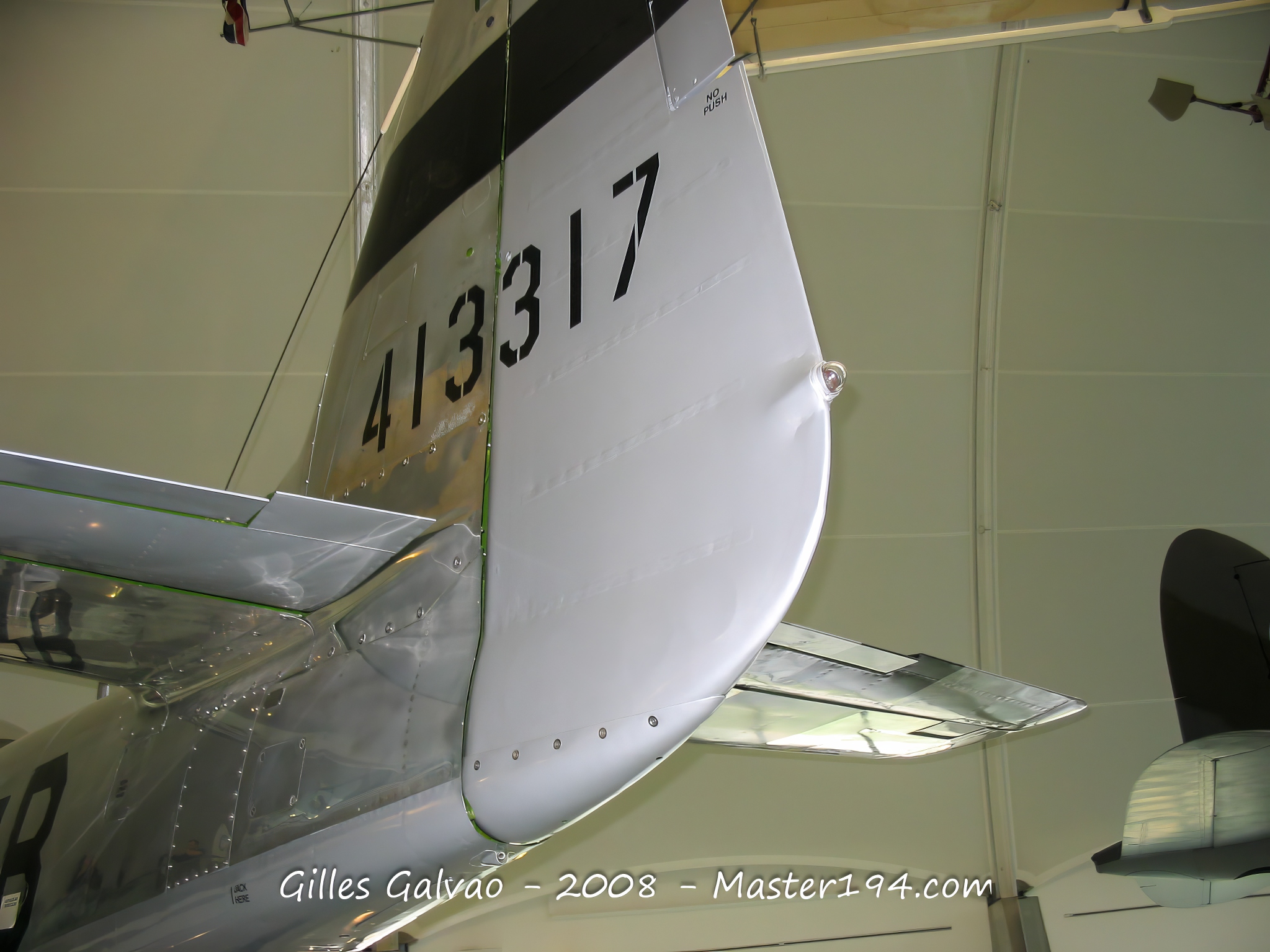
The camouflage reproduces P-51D 44-13317, coded VF-B and nicknamed “Donald Duck”, flown by Captain Donald R. Emerson of the 336th Fighter Squadron, 4th Fighter Group, based at Debden in England.
Emerson was one of the aces of the prestigious 4th Fighter Group, a direct descendant of the American Eagle Squadrons that served within the RAF before the United States entered the war. He was killed on December 25, 1944, during an escort mission over Belgium during the Battle of the Bulge. The RAF Museum chose to preserve his memory by displaying his Mustang, which has become iconic among the escort fighters of the 8th Air Force.
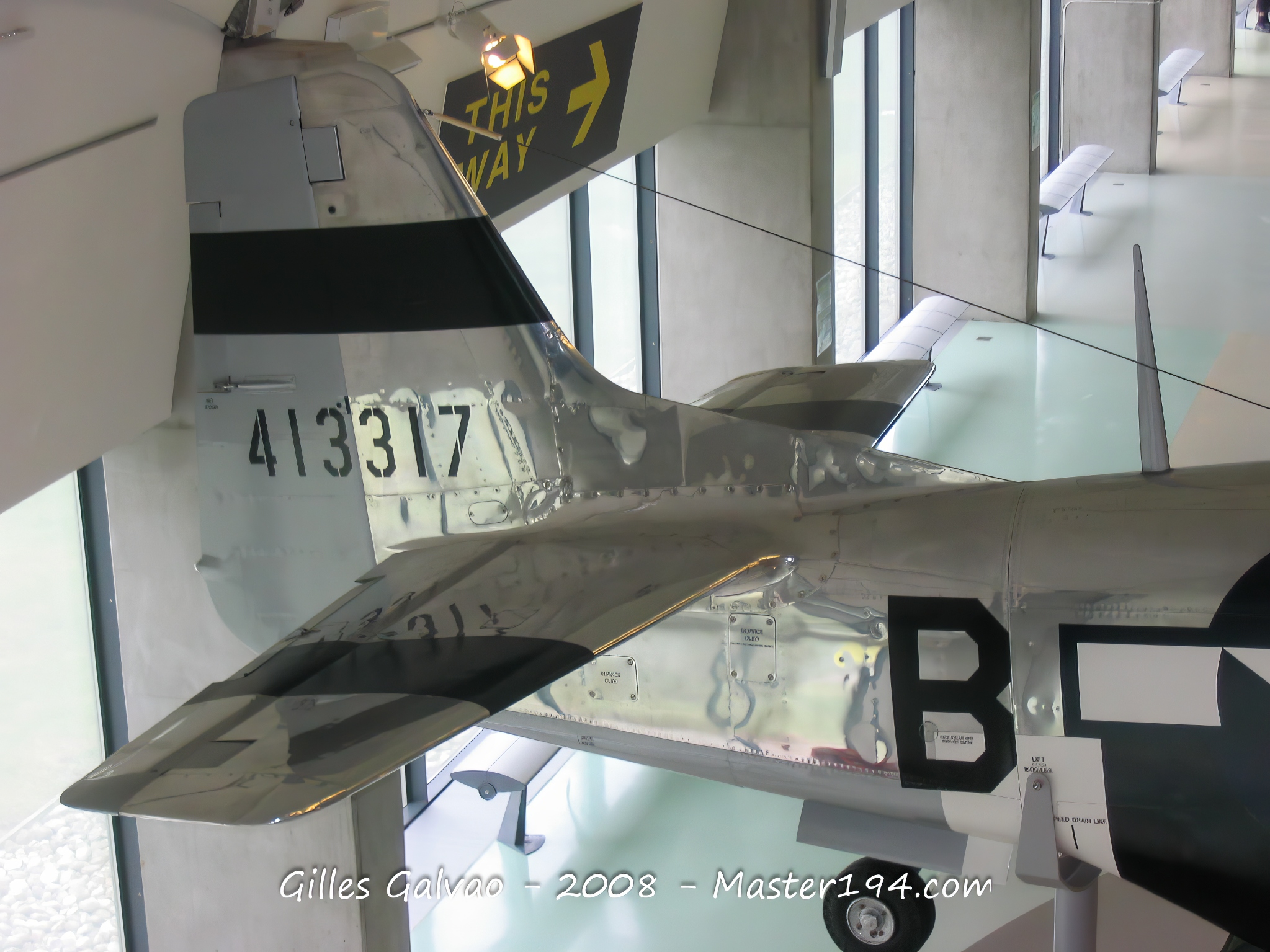
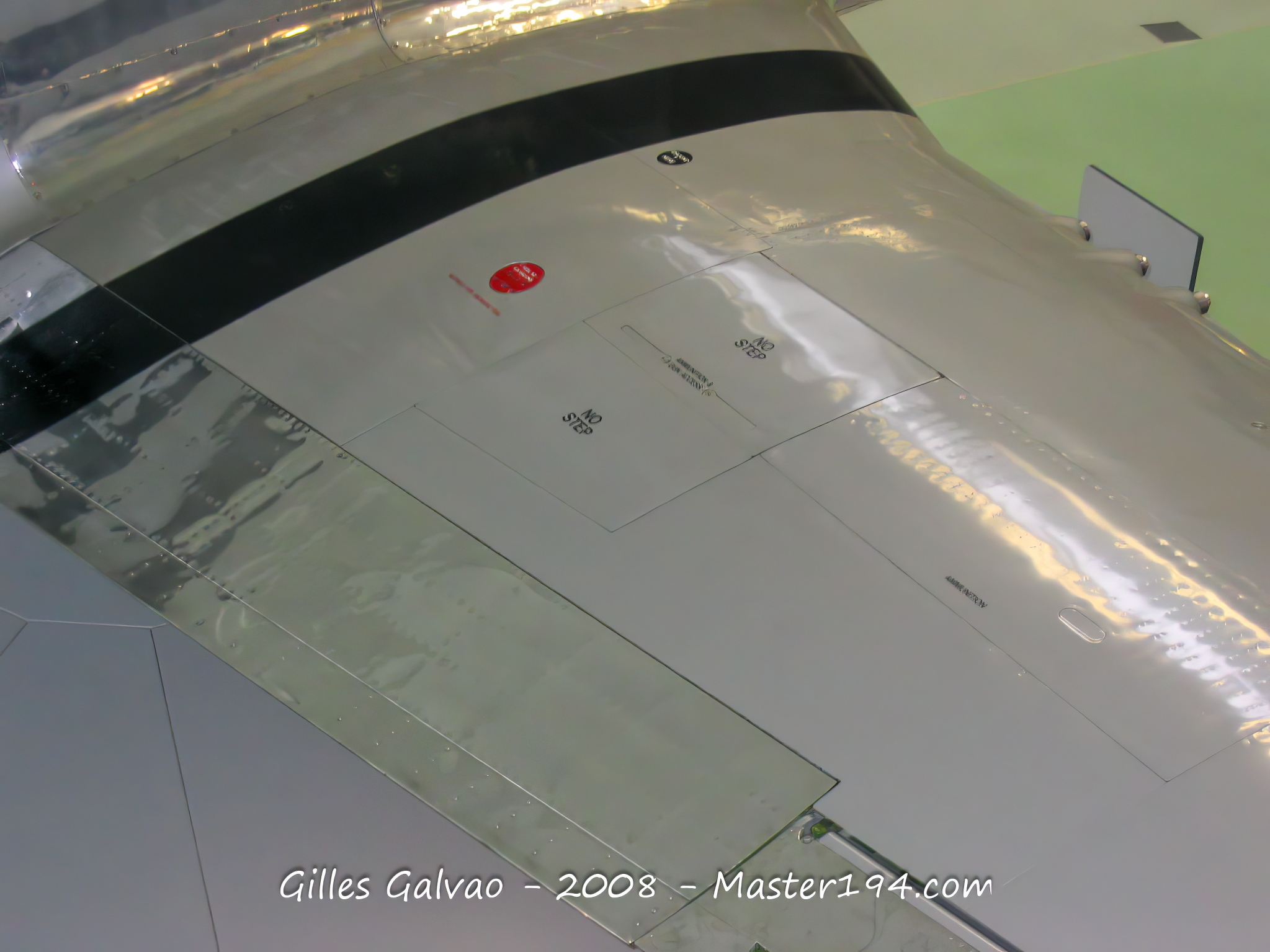
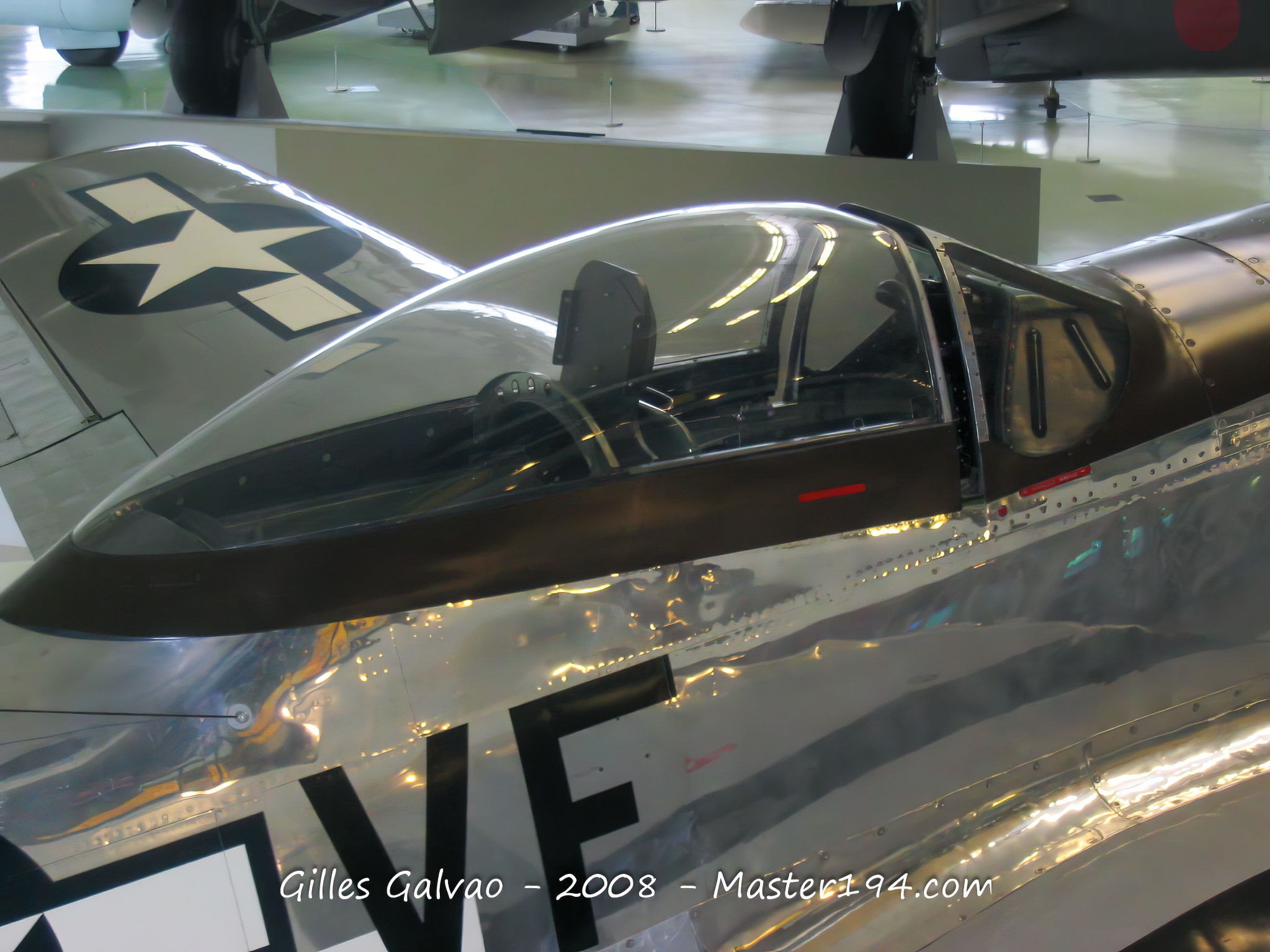
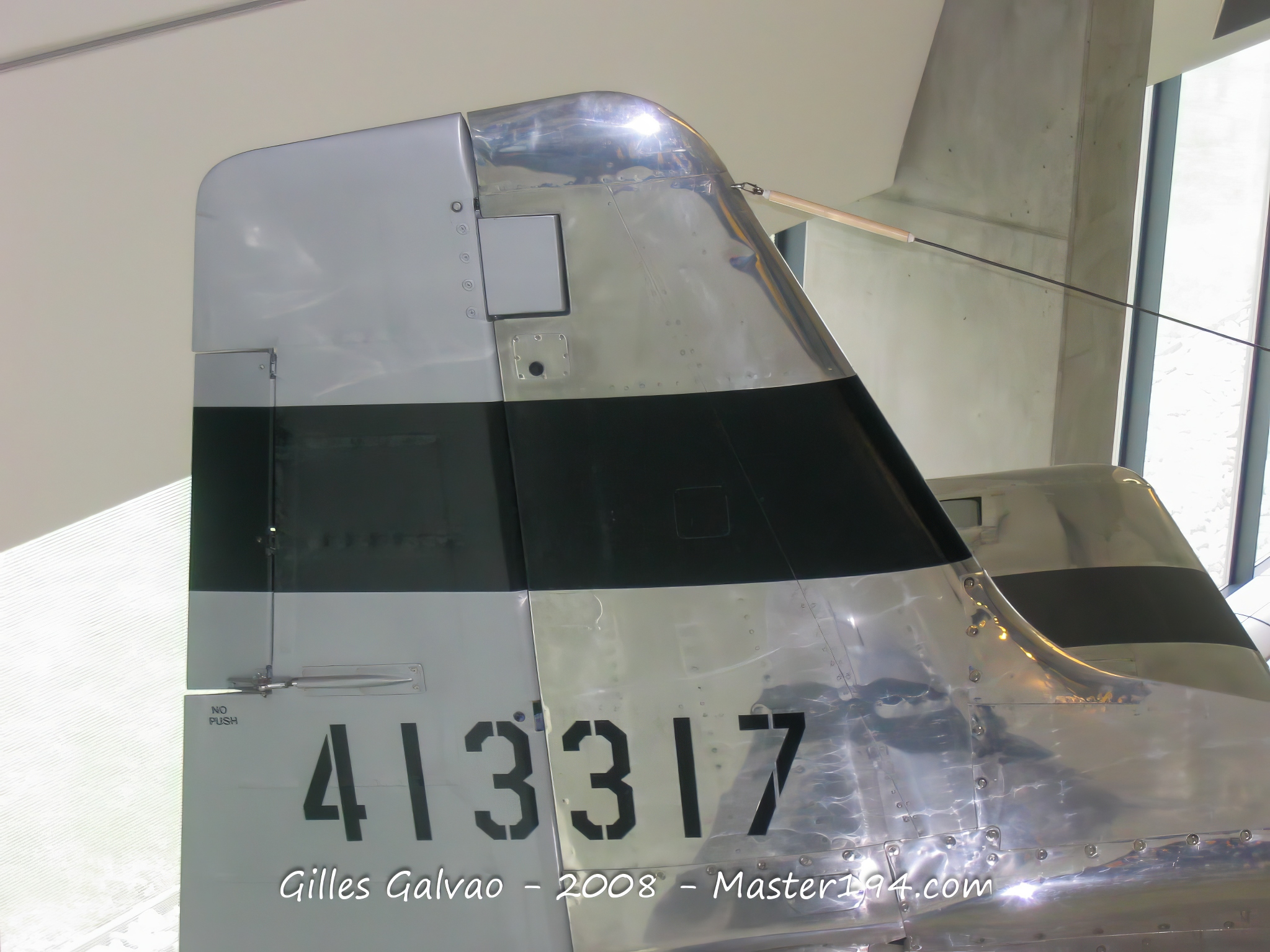
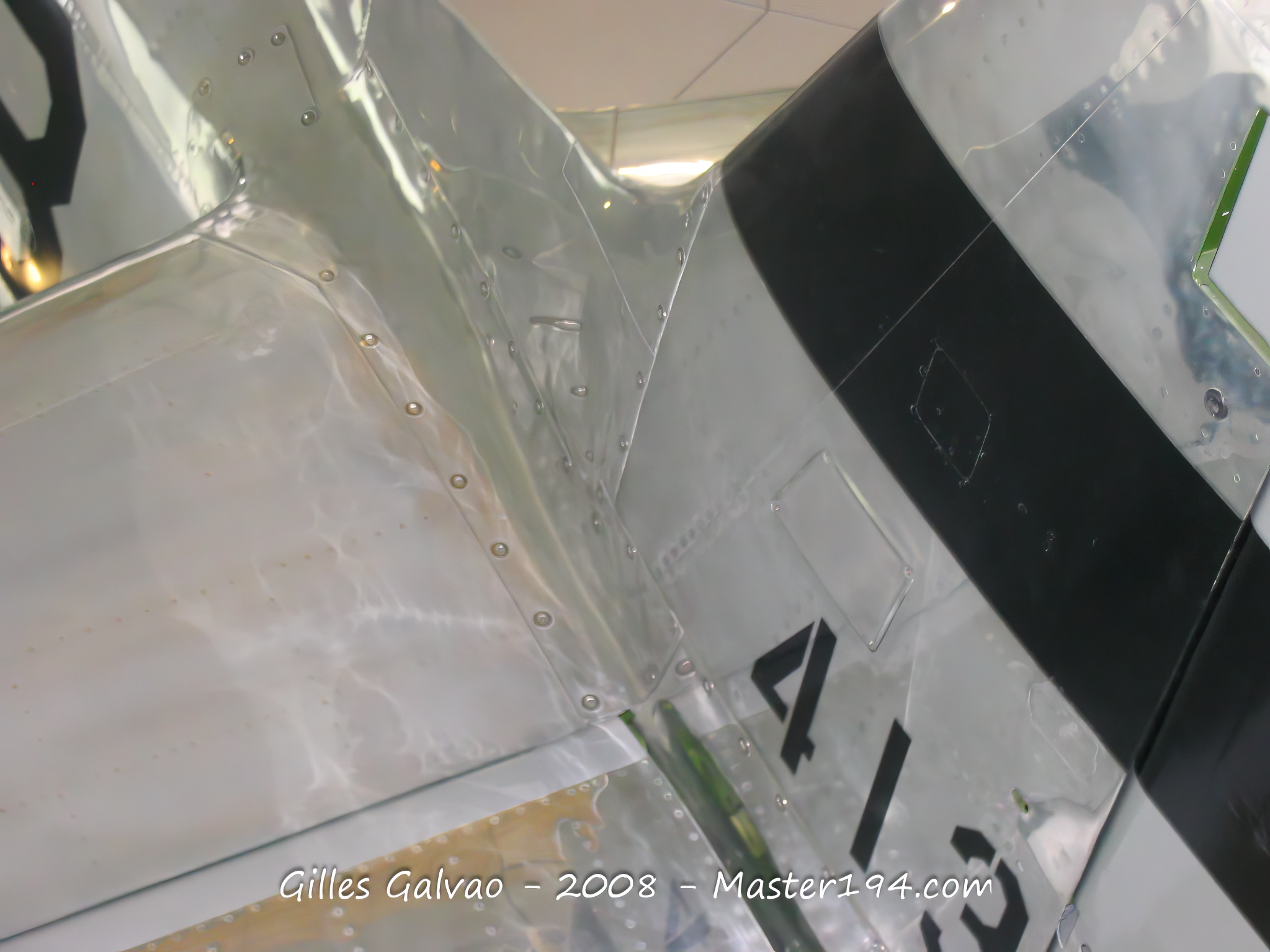
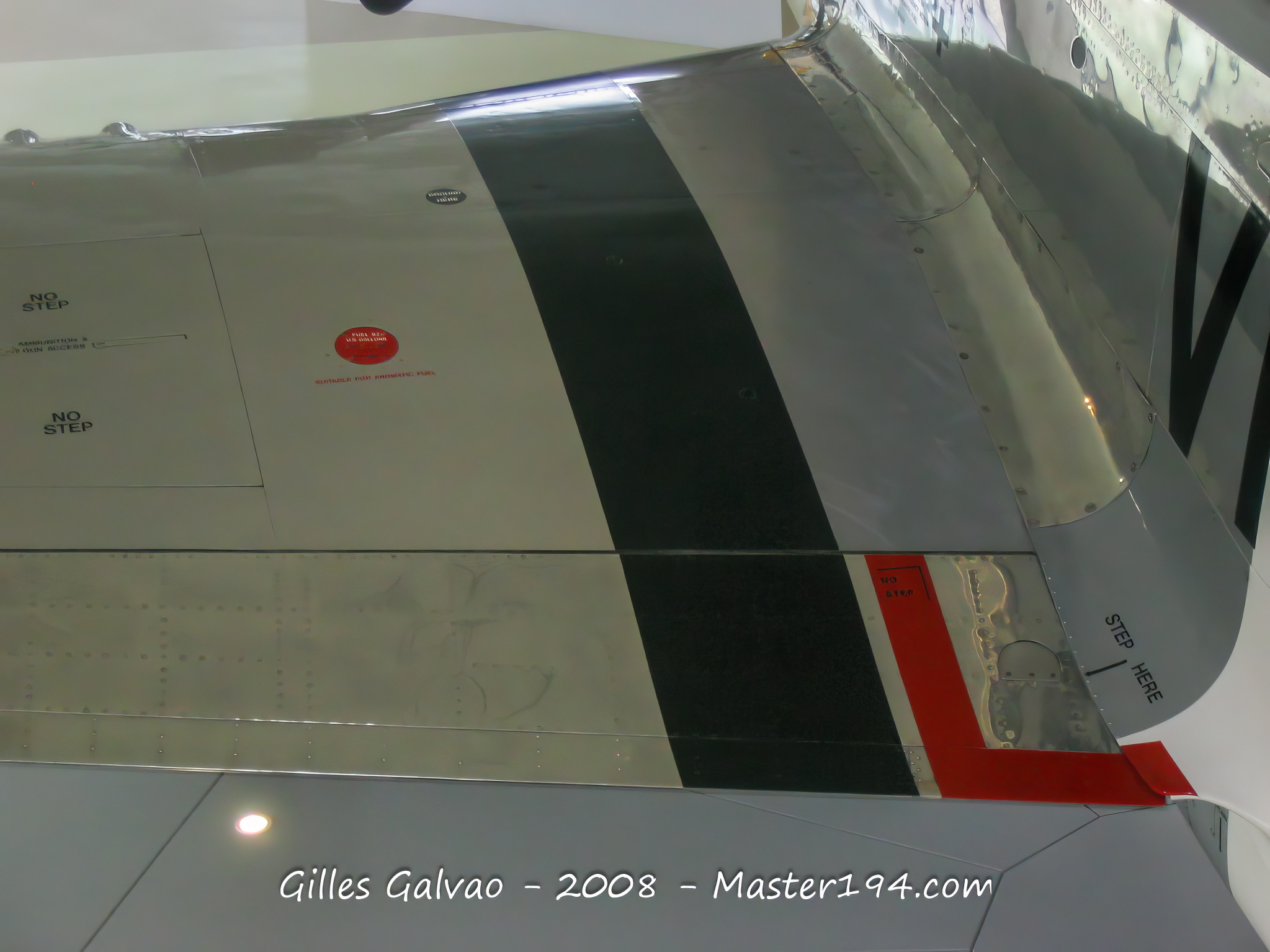
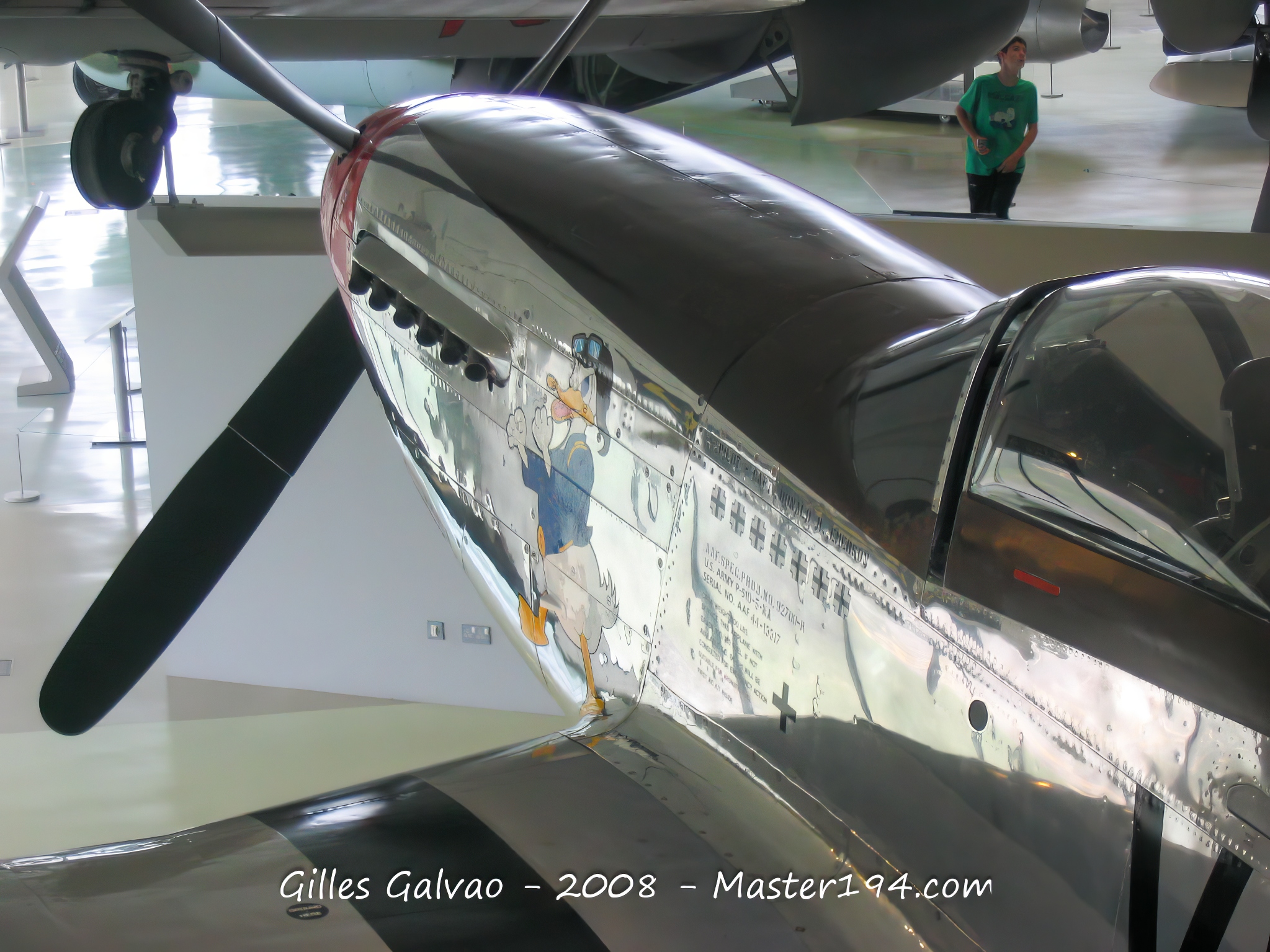
The Aircraft on Display is a Different Mustang
However, the Mustang visible today carries a completely different serial number.
It is P-51D-30-NA 44-74409 (construction number 122-40949), built at Inglewood in 1945. Completed as the war was drawing to a close, it never saw operational service in Europe. Assigned to a training unit of the 3rd Air Force, it was quickly placed in storage before being transferred to Canada under the Military Assistance Program.
Operating under the serial number RCAF 9235, it served with the 402, 403, and 417 Auxiliary Squadrons of the Royal Canadian Air Force until its retirement from service in 1958. This marked the beginning of a long civilian career during which it changed hands multiple times, flying in the United States and later in Venezuela, before being acquired by pilot and collector Robert C. Tullius. He had the aircraft fully restored and displayed it in the “Donald Duck” livery before donating it to the RAF Museum in 2003