
 by
The Hawker Siddeley Harrier GR.3 represents the culmination of the first-generation Harrier, the world’s first operational V/STOL (Vertical/Short Take-Off and Landing) jet fighter. Designed to operate independently of conventional runways, the Harrier was intended to allow the Royal Air Force to carry out close air support missions even if its main bases were destroyed or neutralized.
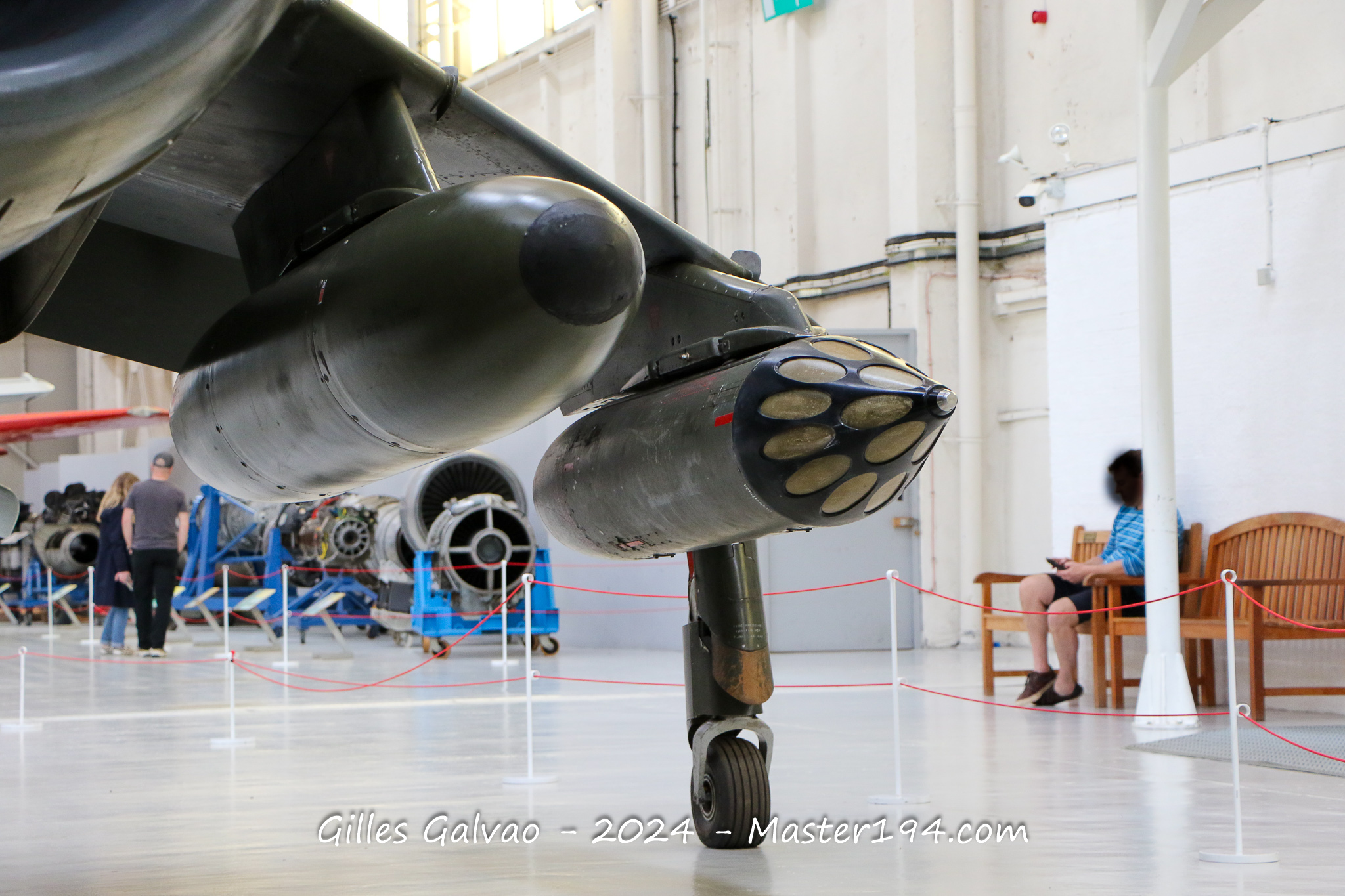
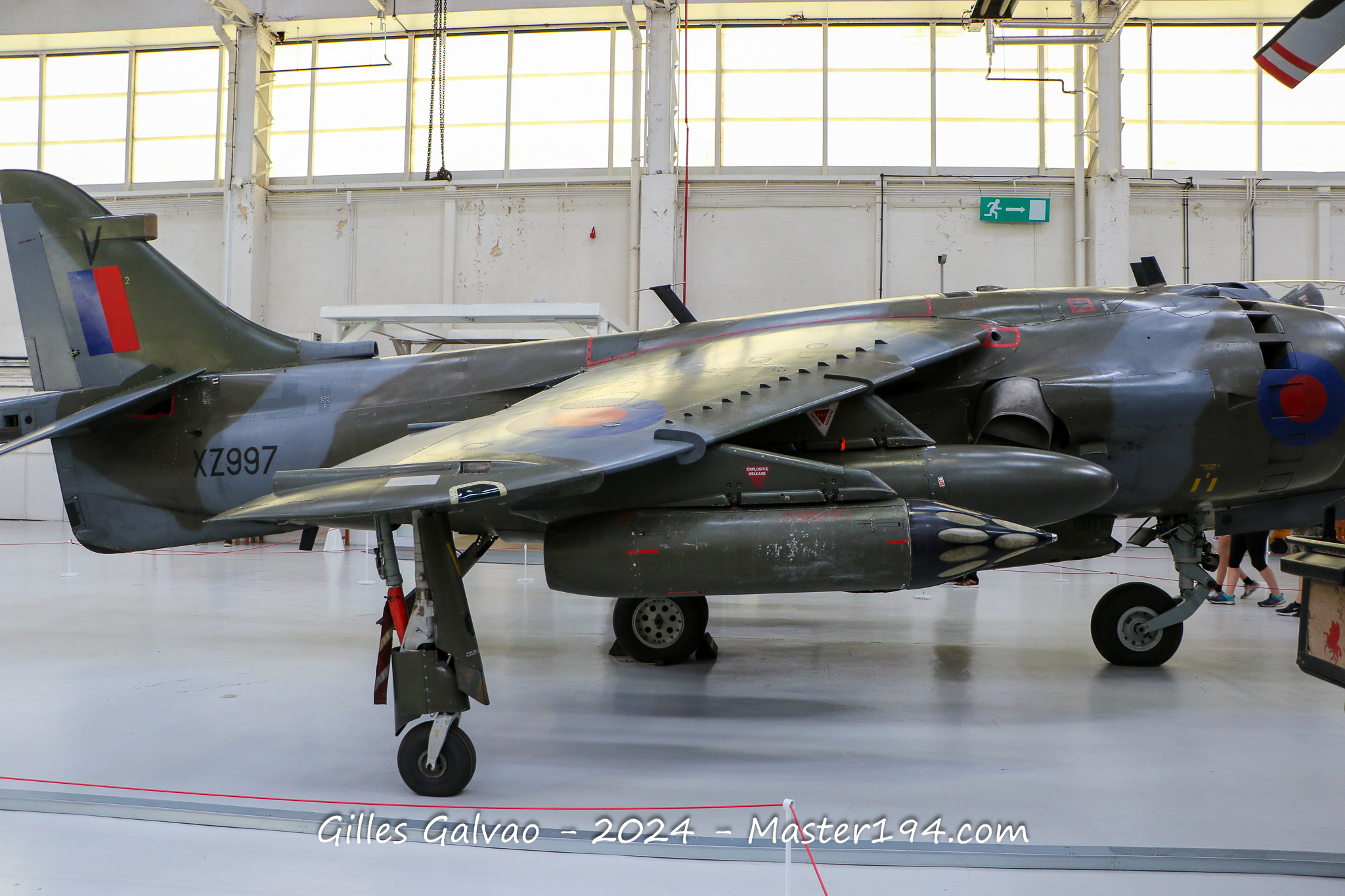
This capability proved its full worth in 1982, when British Harriers were deployed during the Falklands War. Among them was the GR.3 XZ997, now preserved at the RAF Museum Cosford. Its service history provides a particularly interesting insight into how the Harrier was used operationally during the conflict.
The Harrier GR.3: The apex of the first generation
Derived from the P.1127 program and the Harrier GR.1, the GR.3 entered service with the Royal Air Force in 1976. It was the final major development of the original airframe before the arrival of the Harrier II.
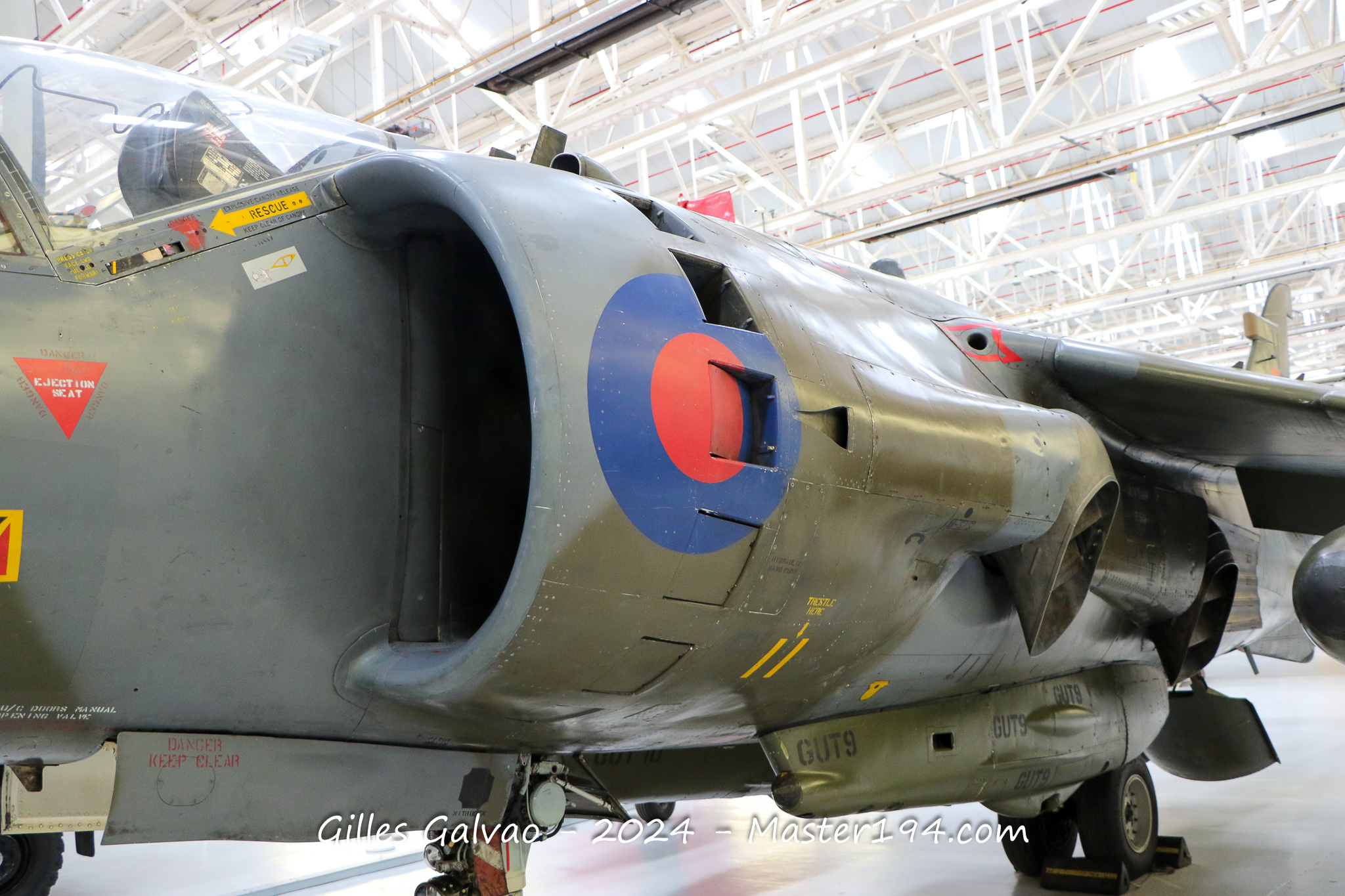
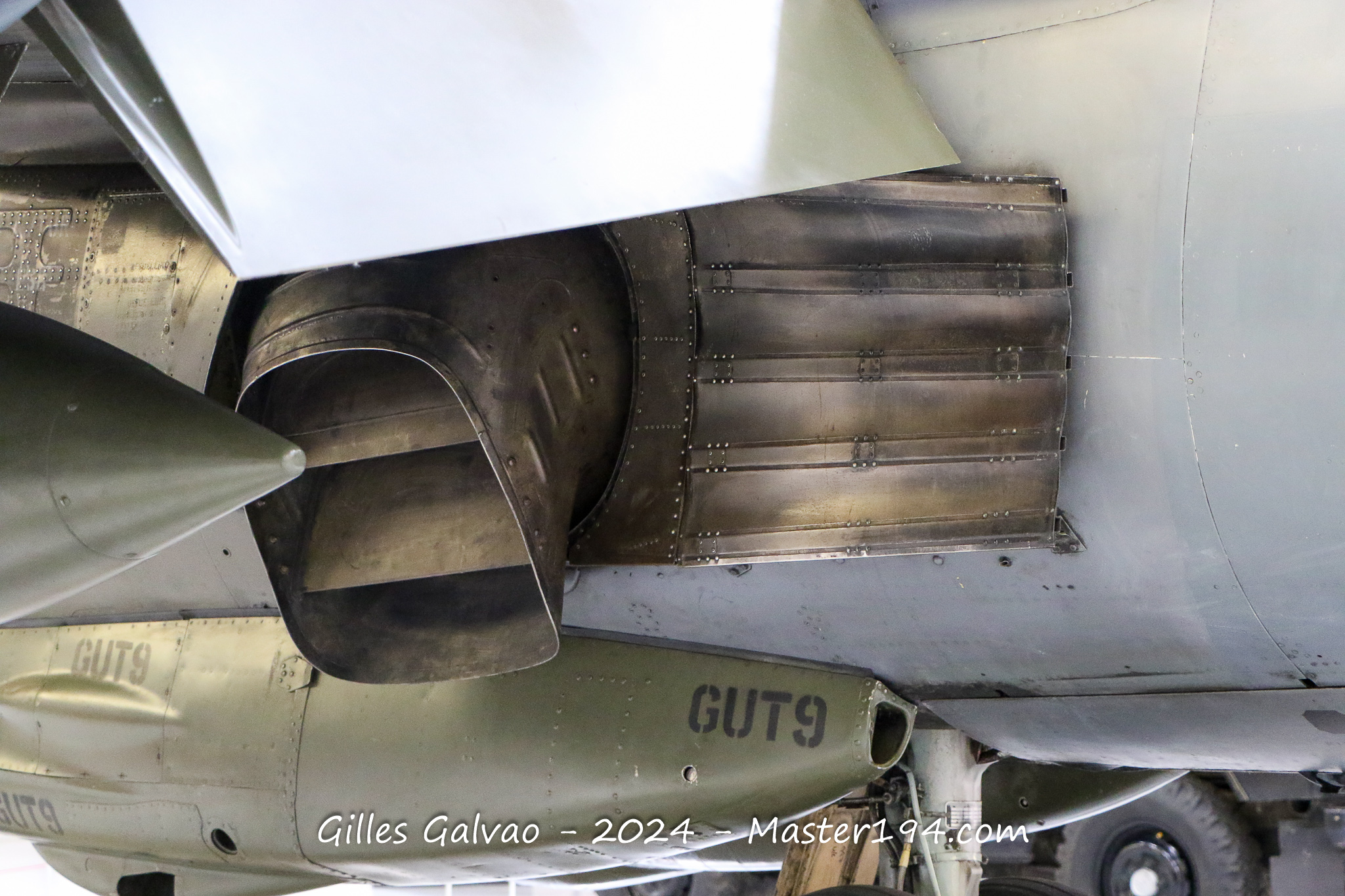
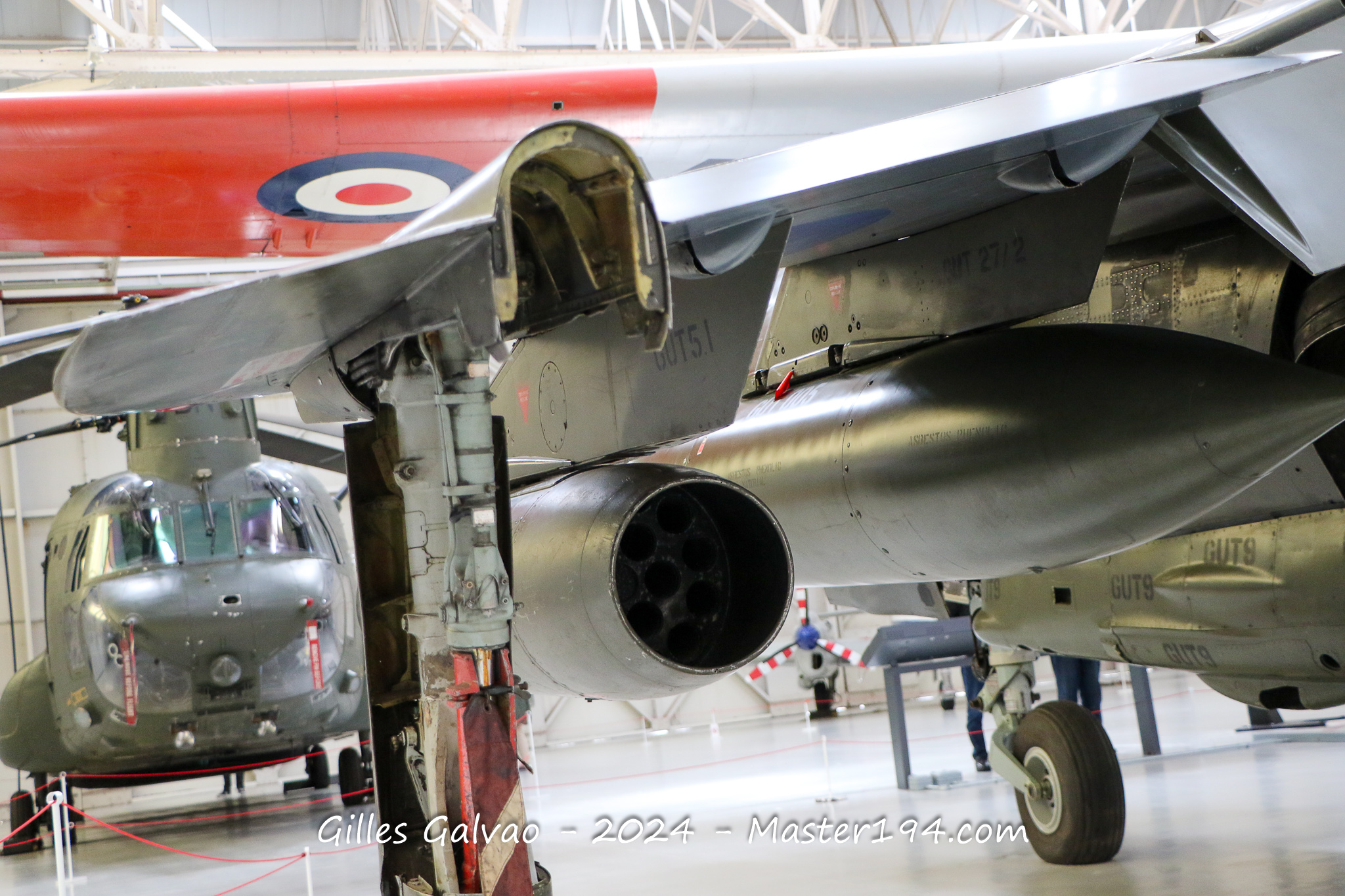
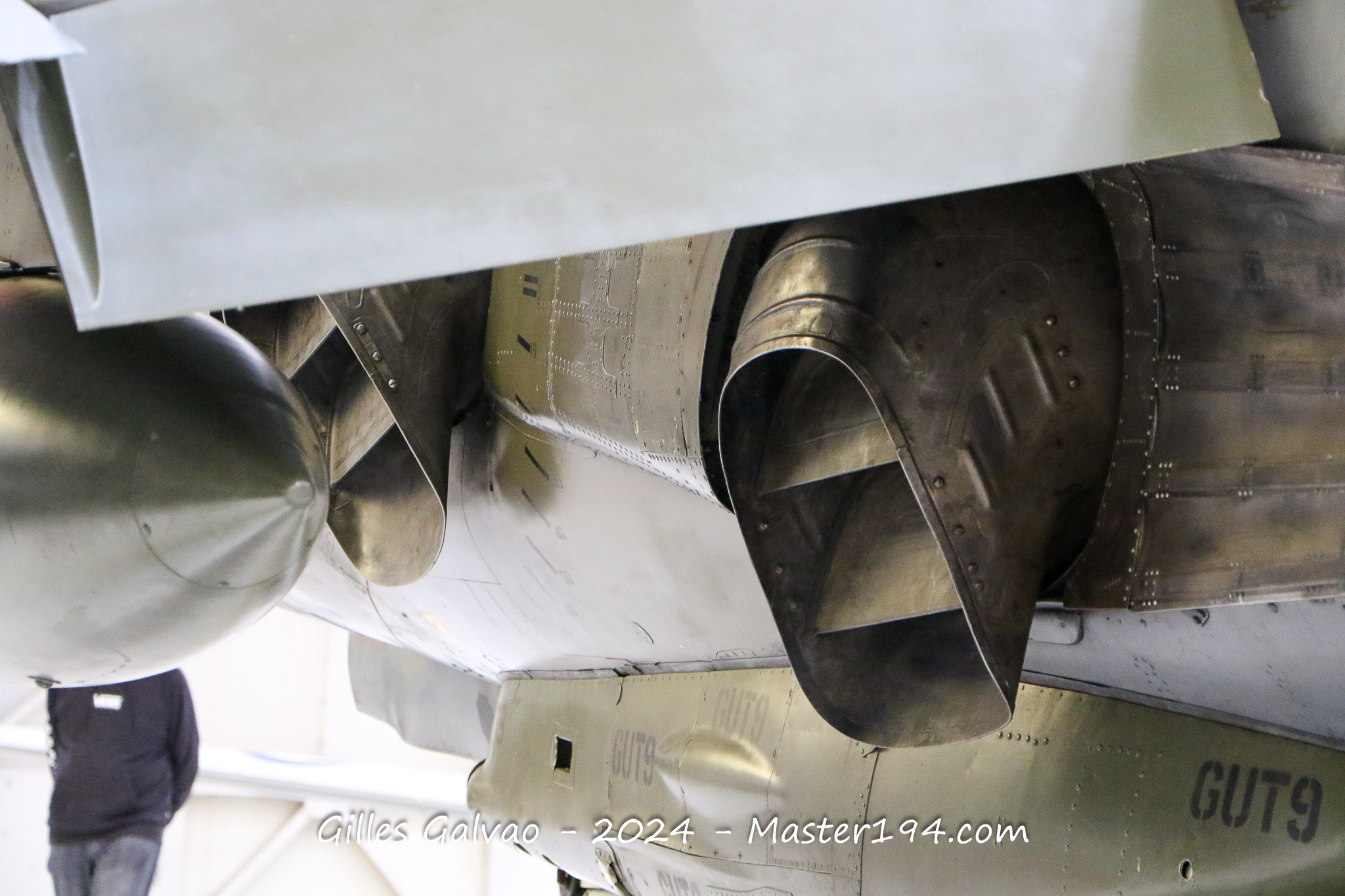
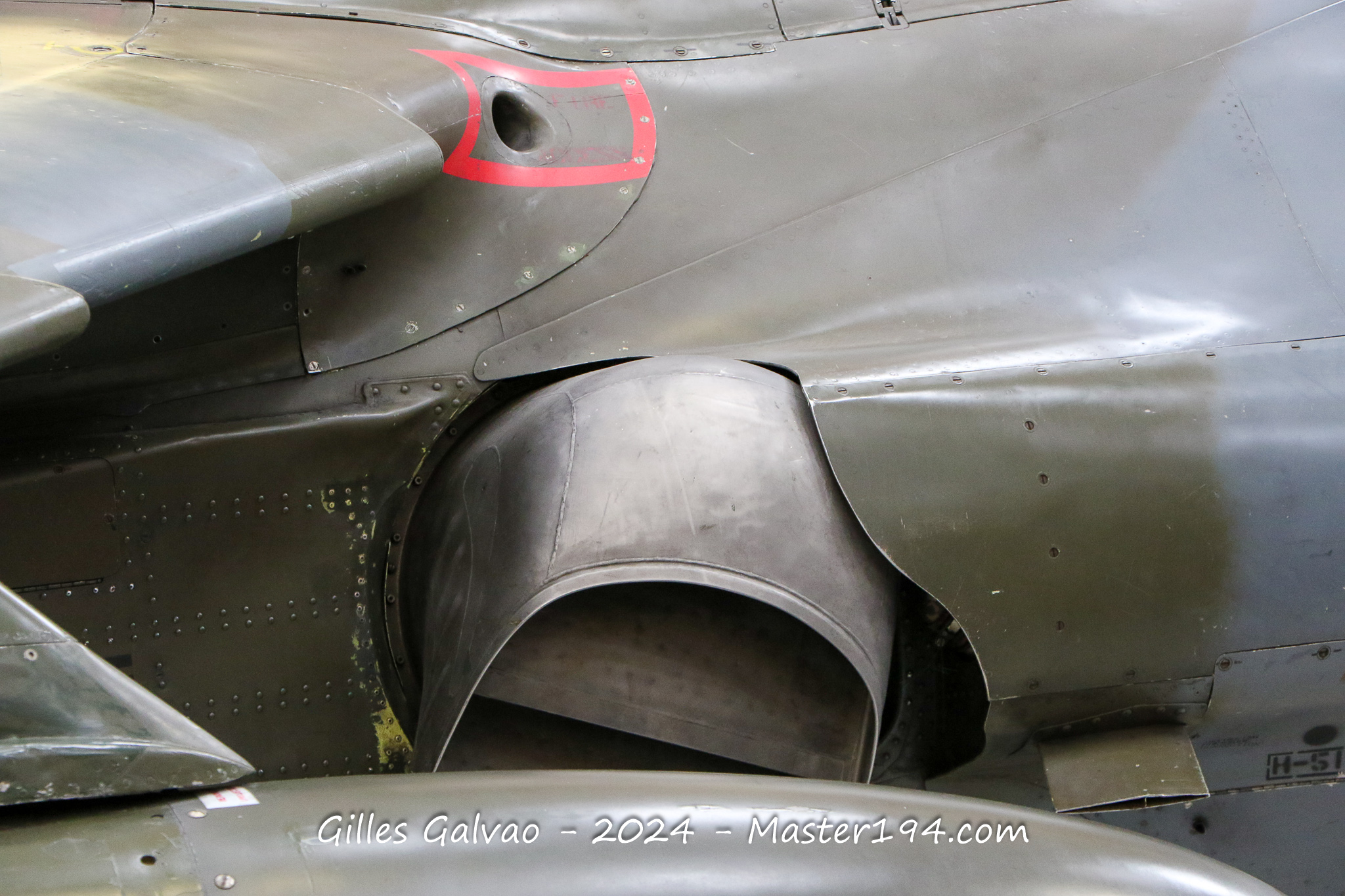
The GR.3 was fitted with the Rolls-Royce Pegasus Mk.103 engine, delivering approximately 95.7 kN of thrust. This turbofan engine featured four swiveling nozzles, allowing the pilot to vector thrust and transition between forward flight and short or vertical takeoff and landing.
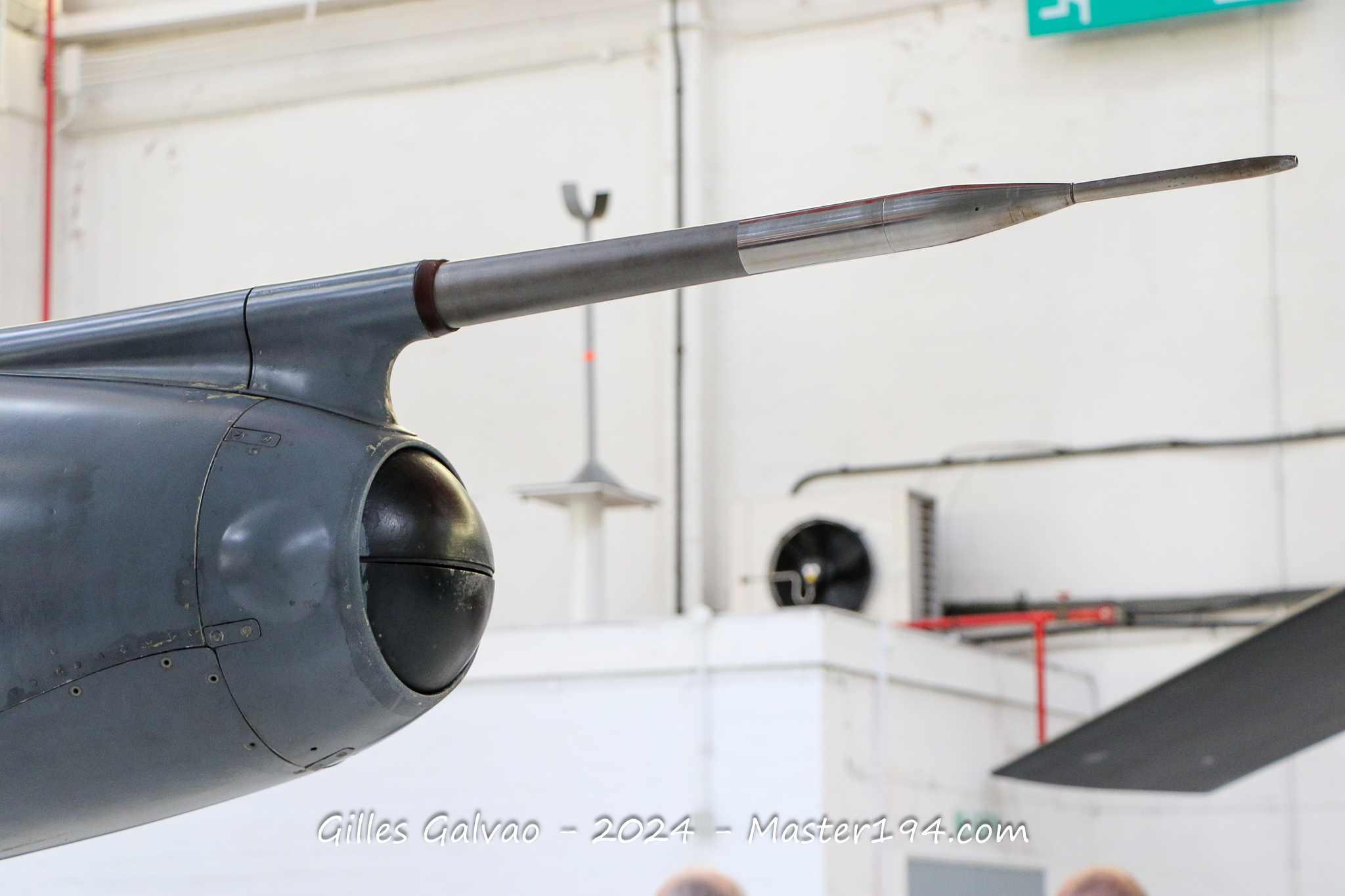
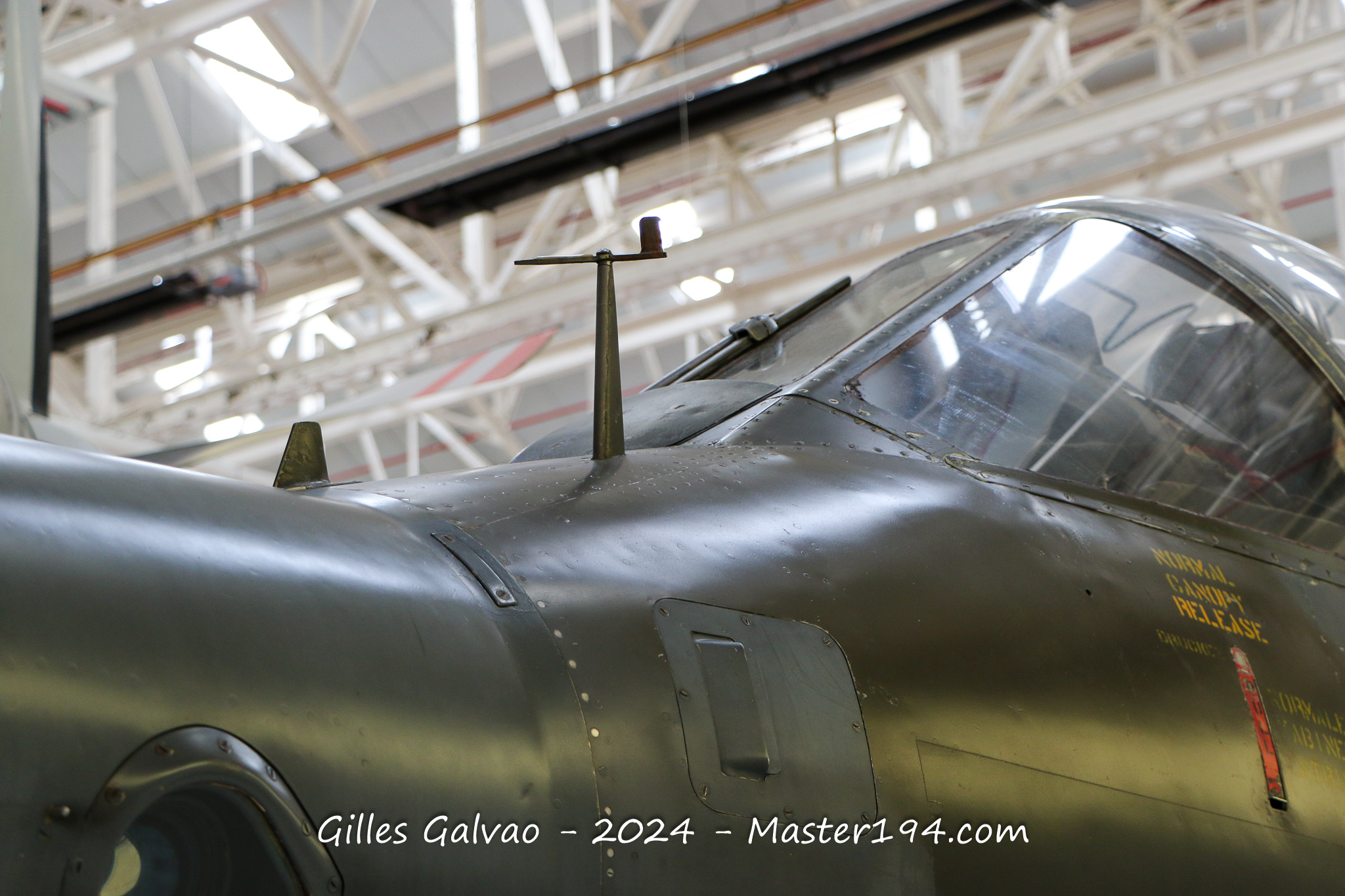
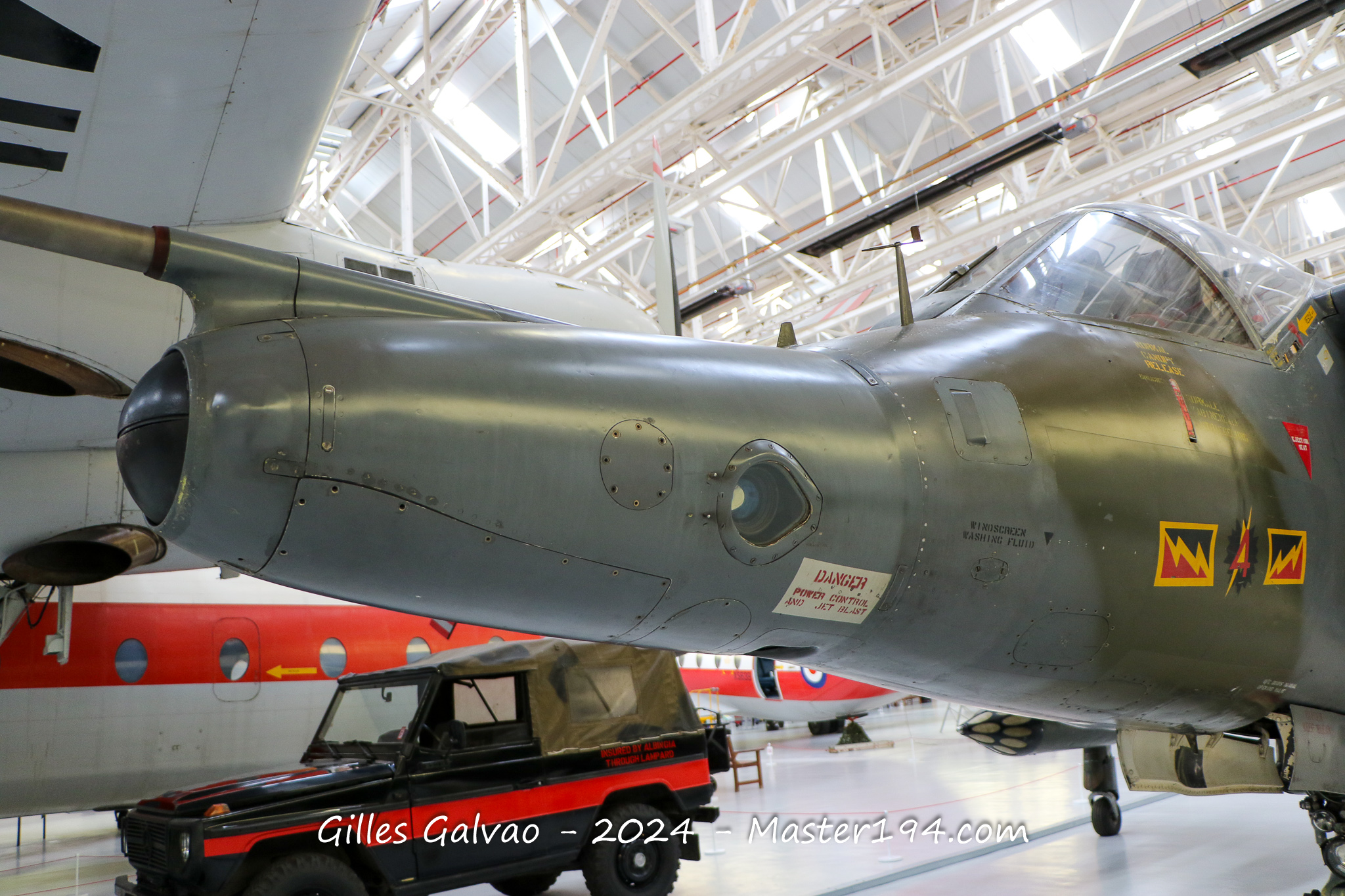
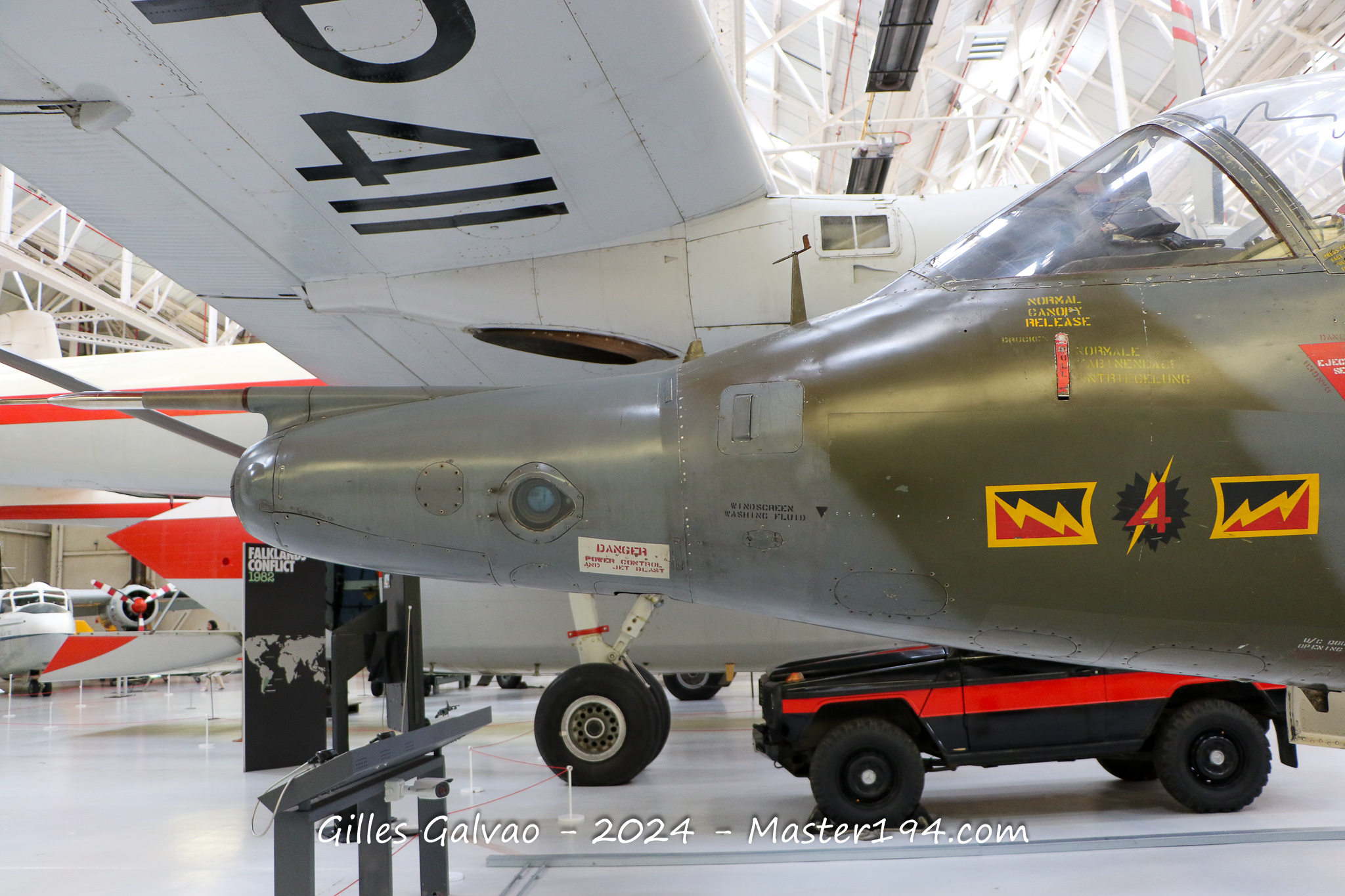
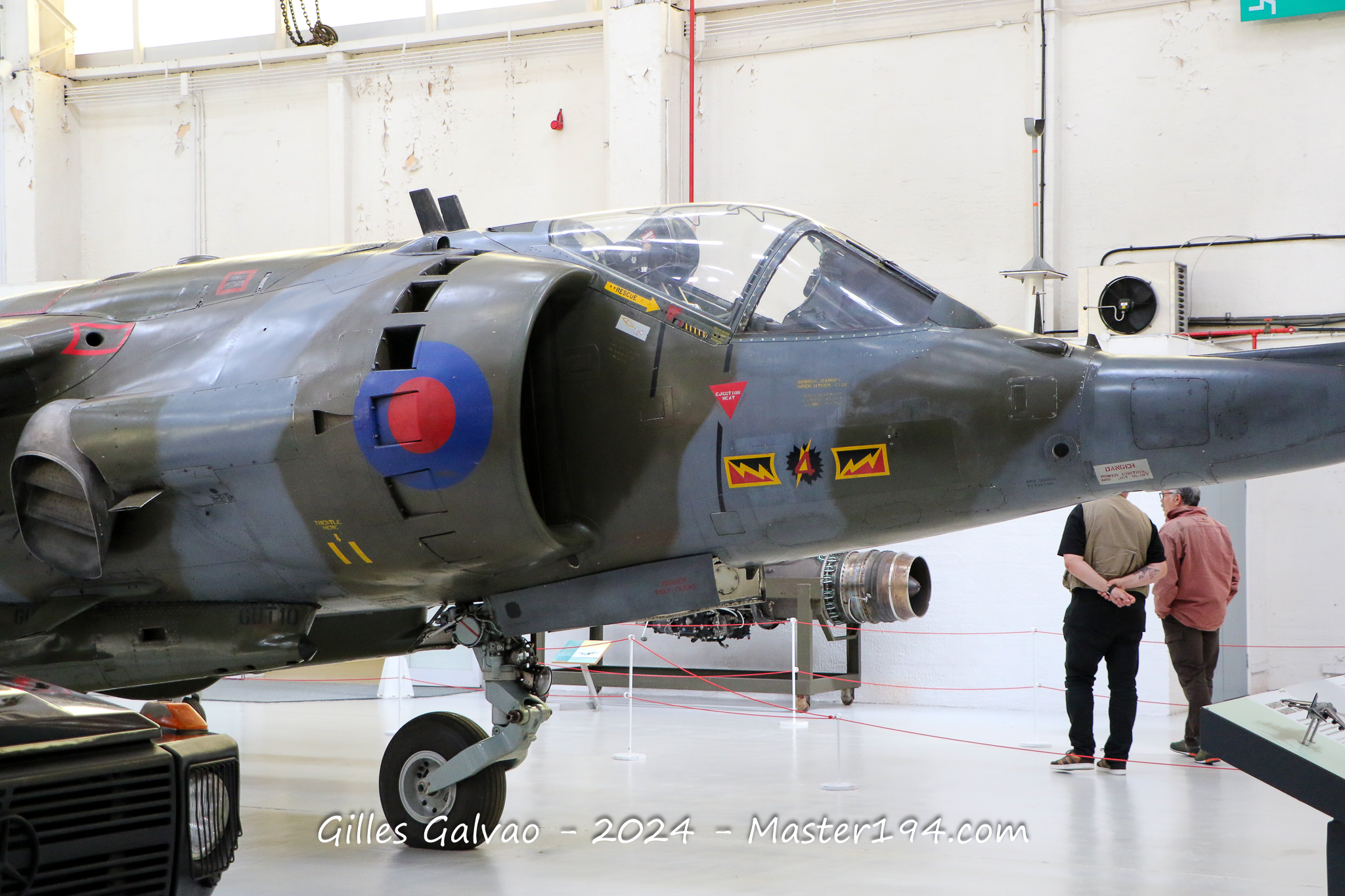
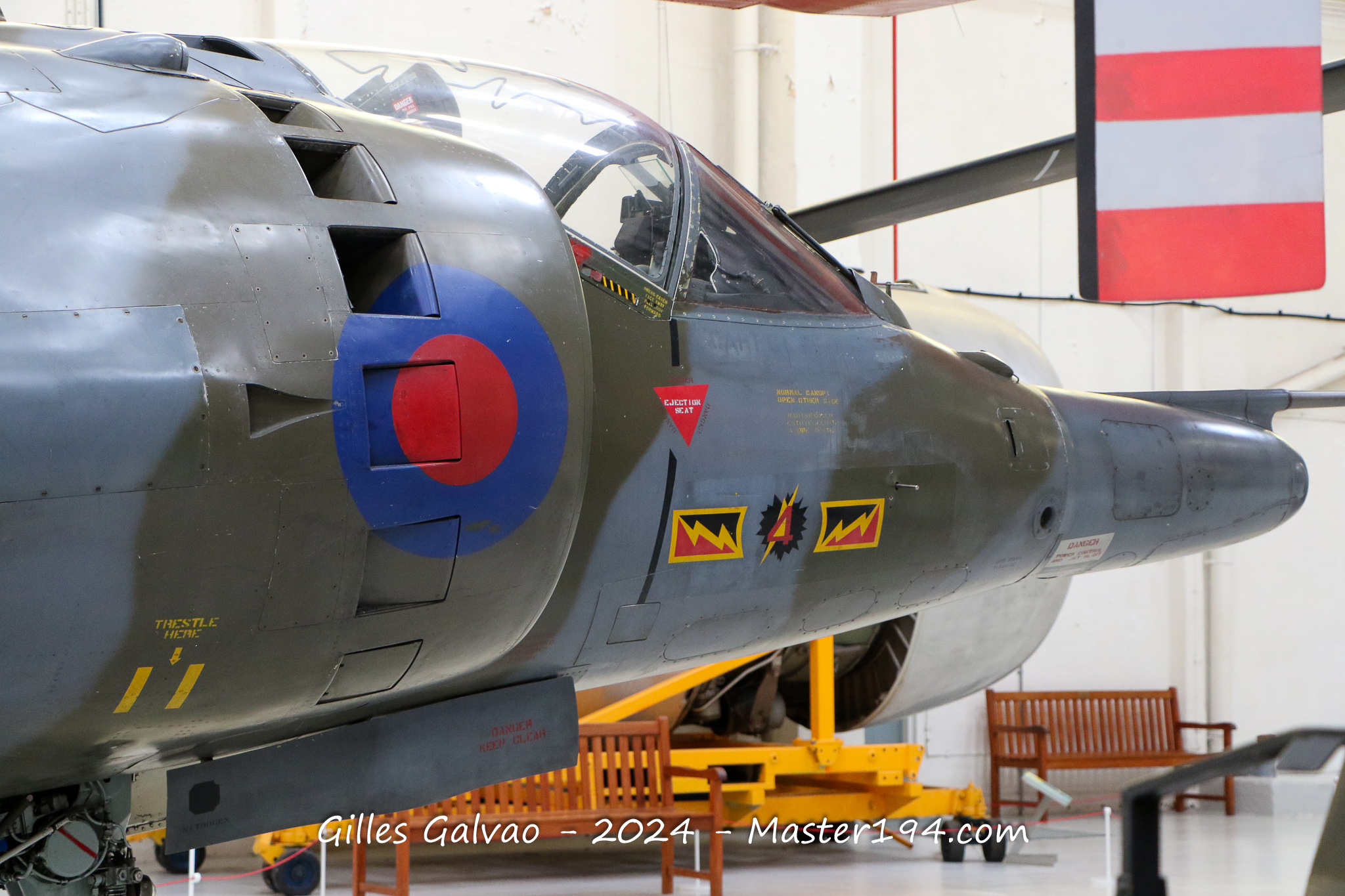
One of the most noticeable modifications on the GR.3 was at the front of the fuselage. Its elongated nose, quickly nicknamed “Snoopy”, housed the LRMTS (Laser Ranger and Marked Target Seeker) system. This provided laser rangefinding and target identification capabilities, paving the way for the use of laser-guided bombs.
The GR.3 also received upgraded navigation and self-defense equipment, including a radar warning receiver (RWR). The aircraft was primarily tailored for close air support (CAS) and armed reconnaissance at low altitude.
The ability to operate from austere locations was a cornerstone of Harrier doctrine. In Germany, RAF units were trained to rapidly disperse from primary airfields to hidden or improvised sites to ensure survival in the event of a attack by the Warsaw Pact.

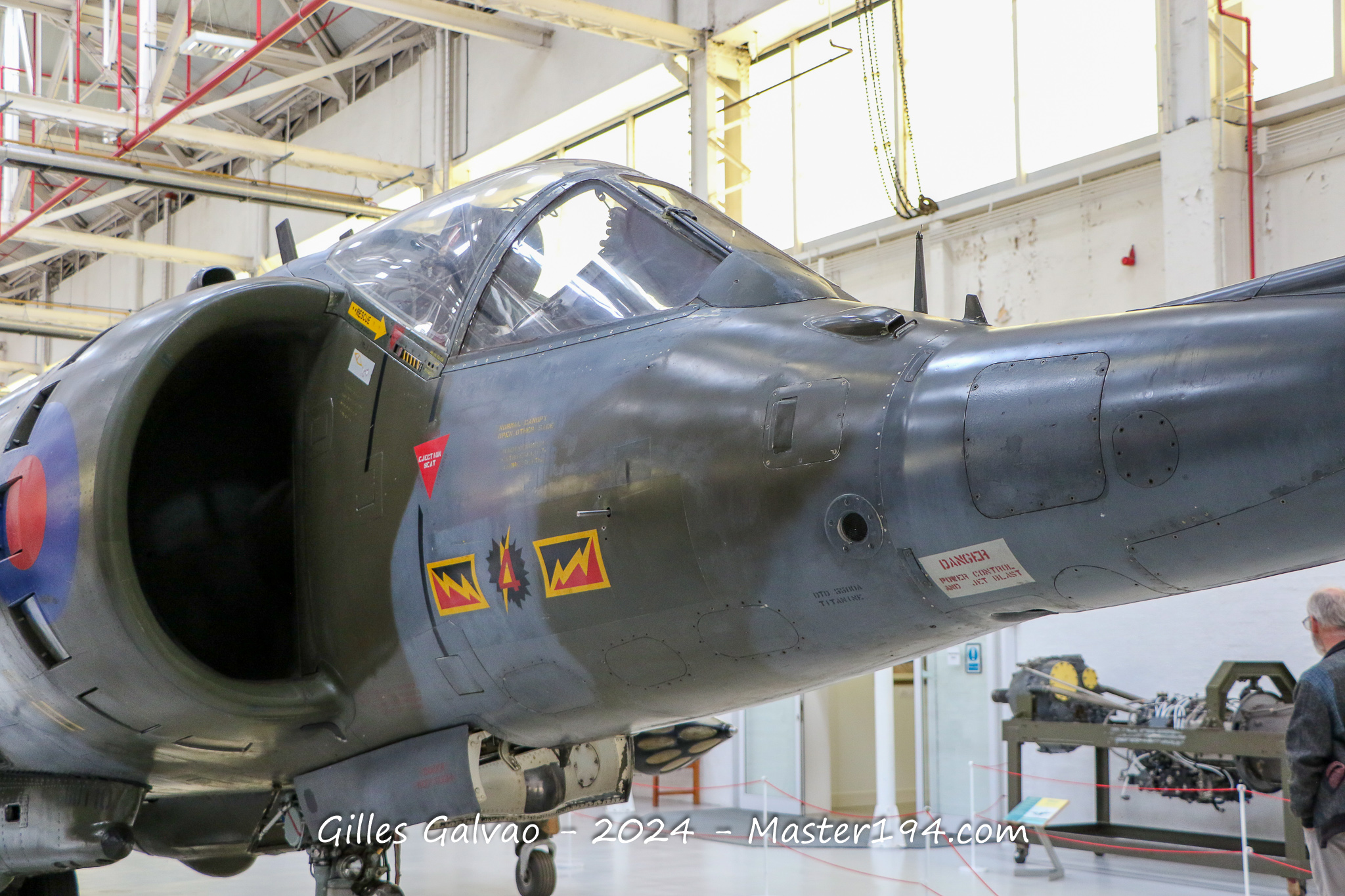
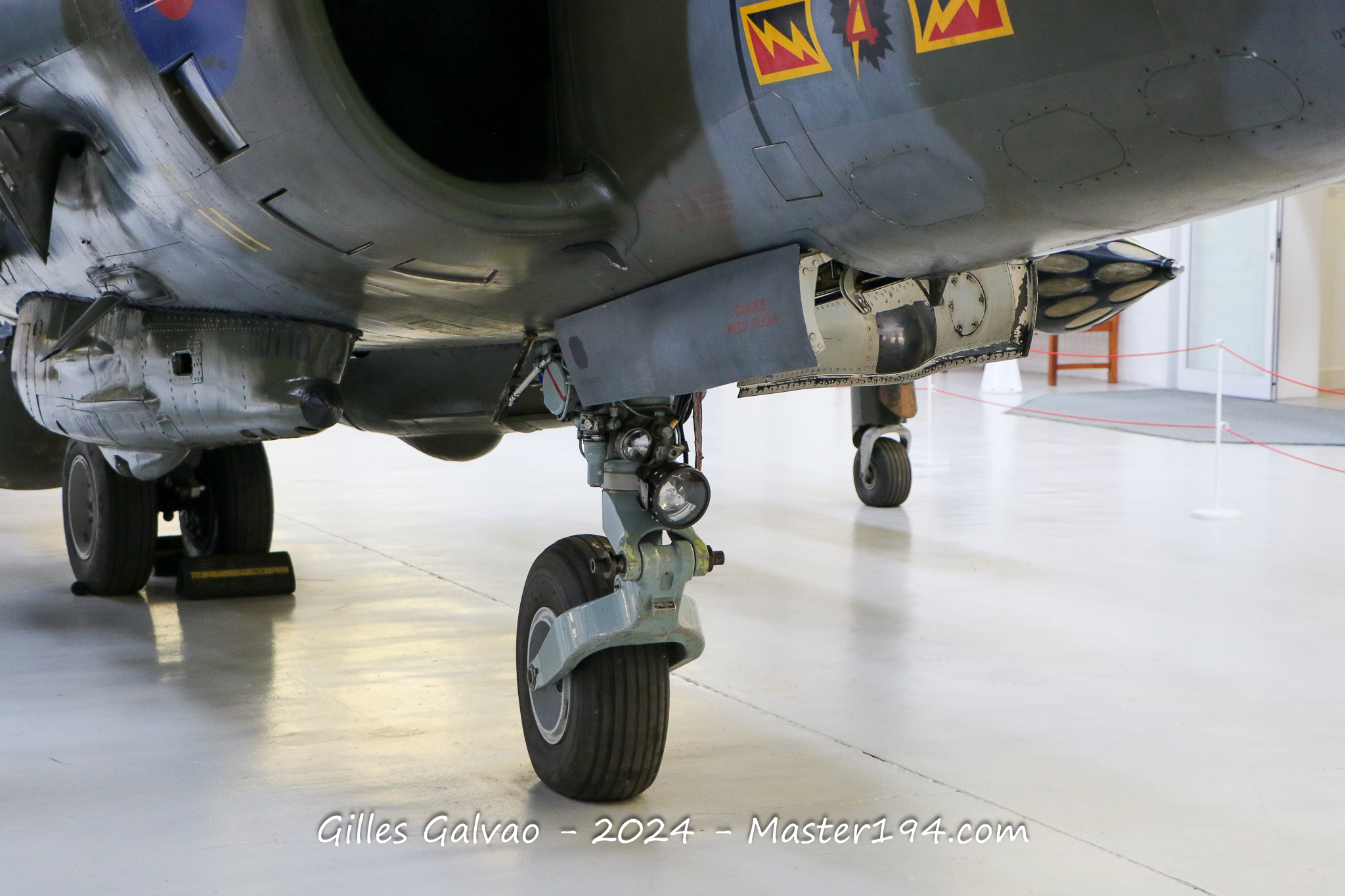
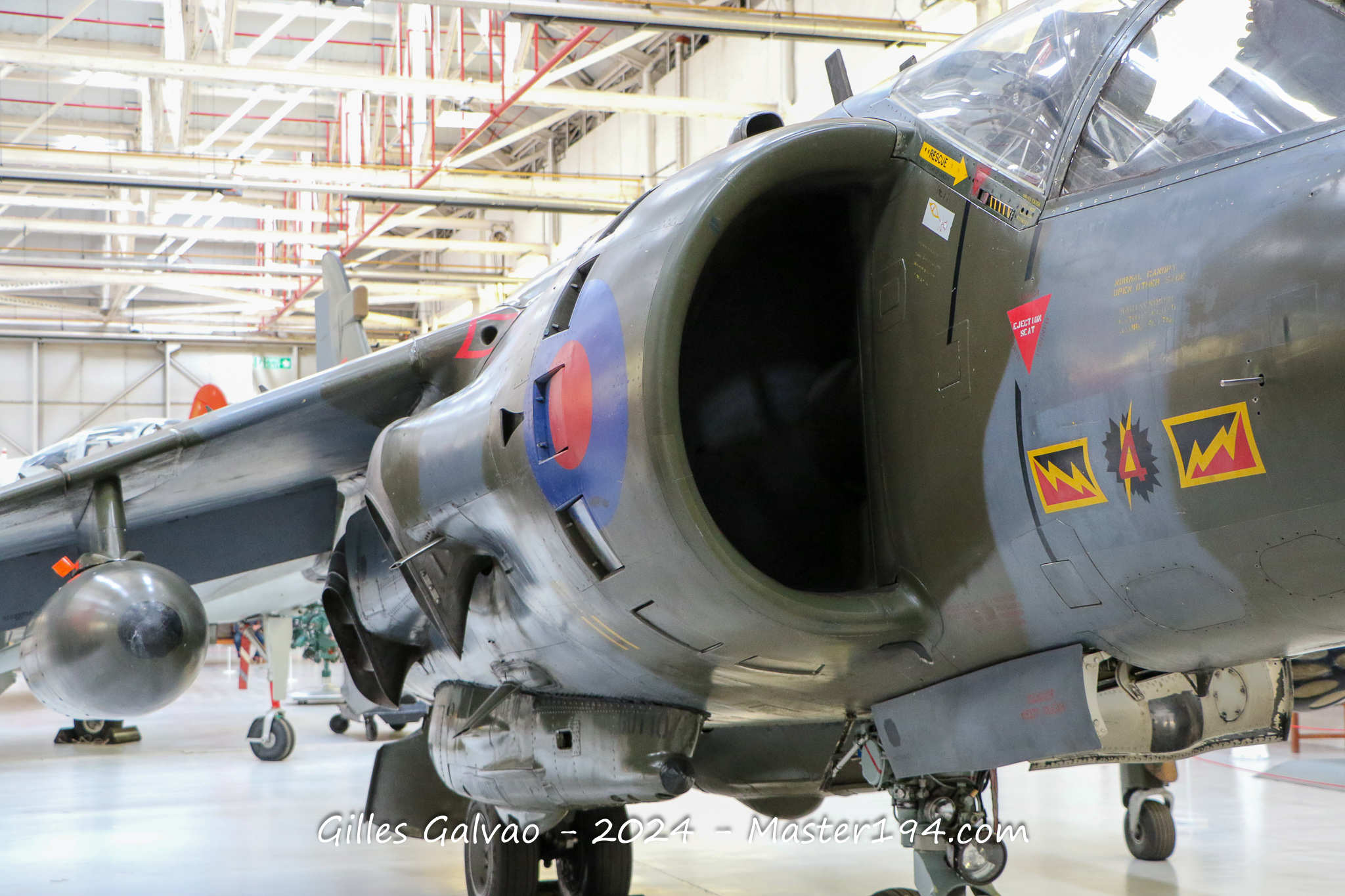
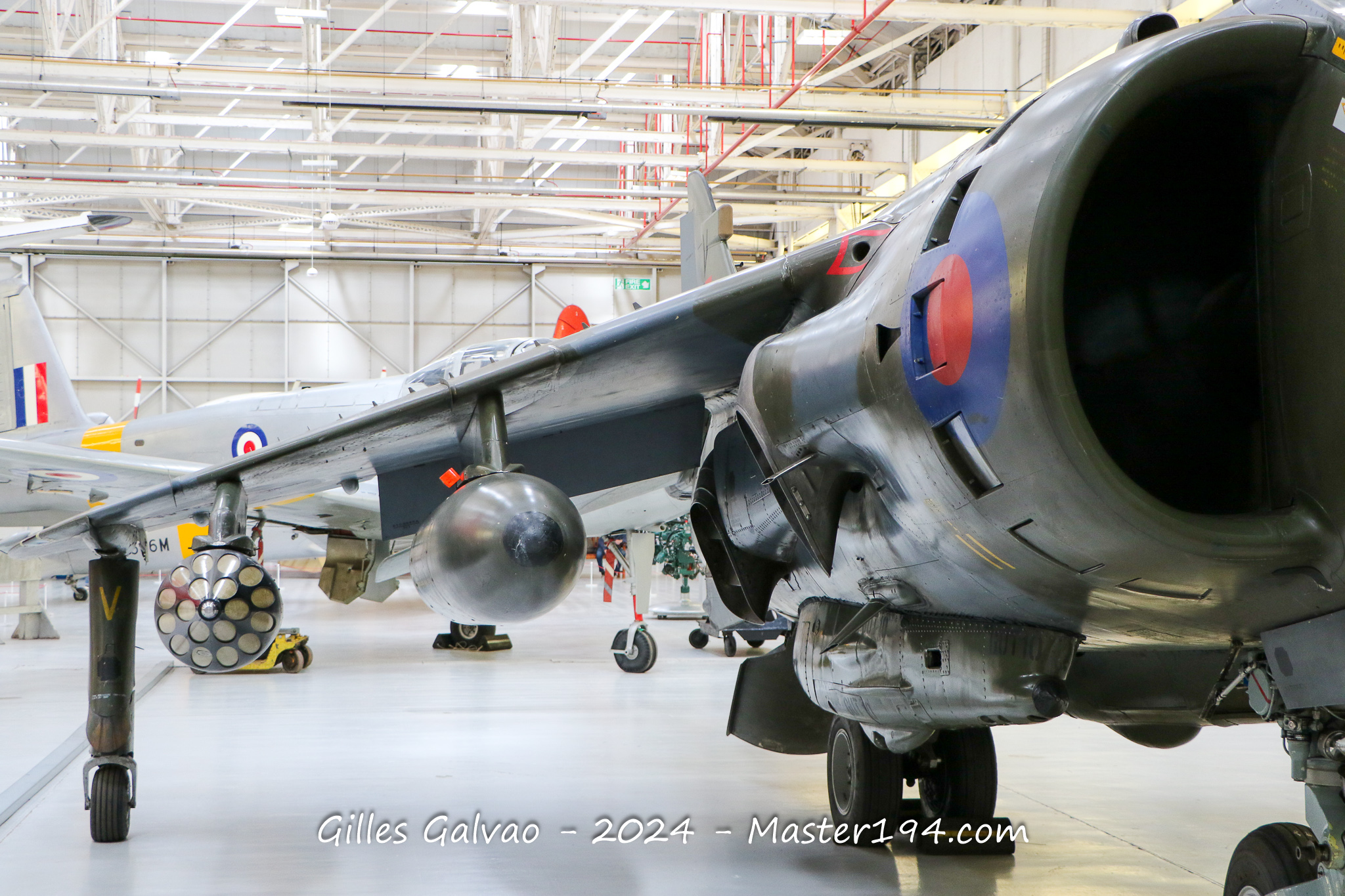
XZ997: From Gütersloh to the Falklands
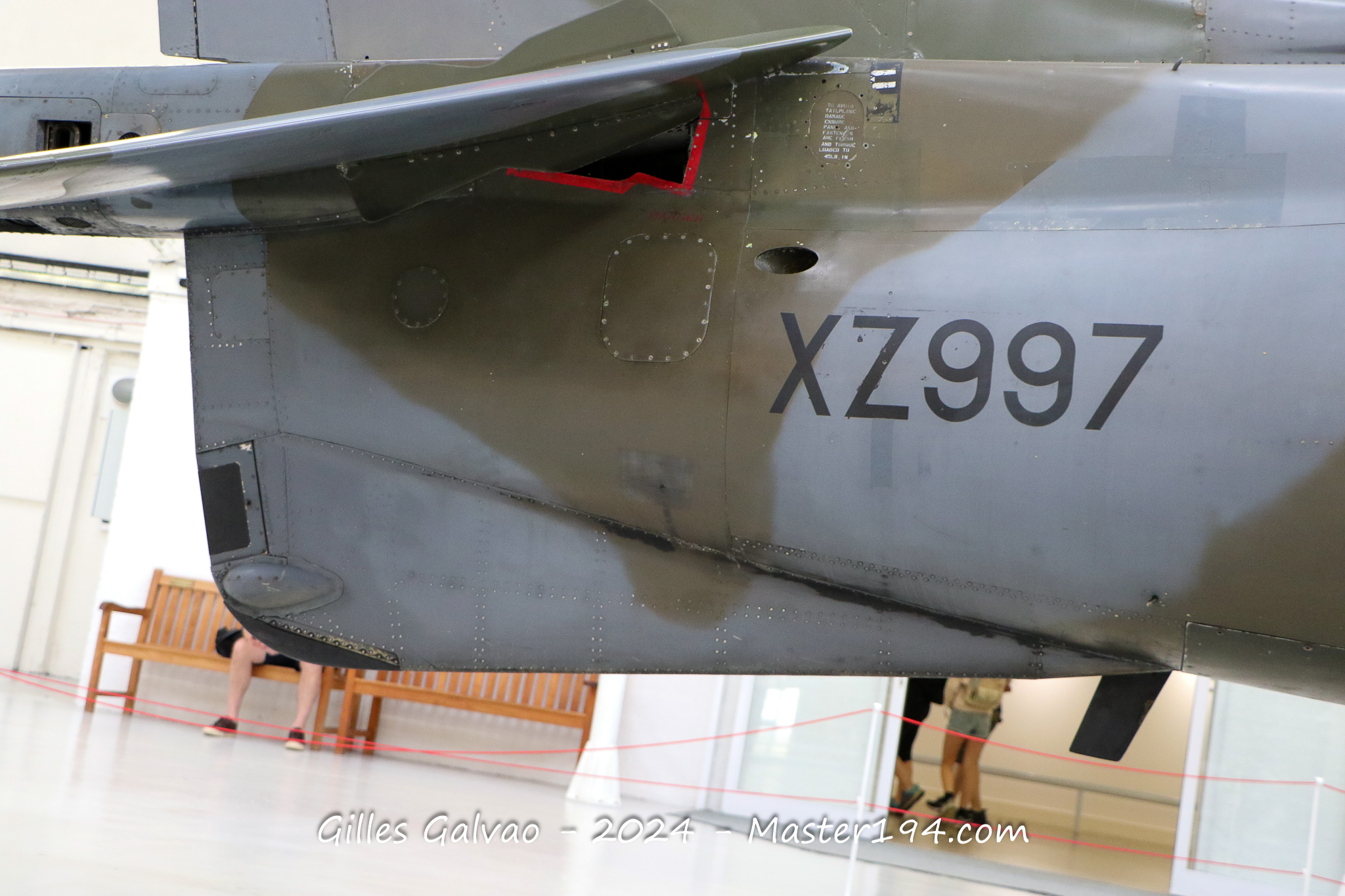
XZ997, built at Dunsfold under construction number 712220, joined the Royal Air Force in 1982.
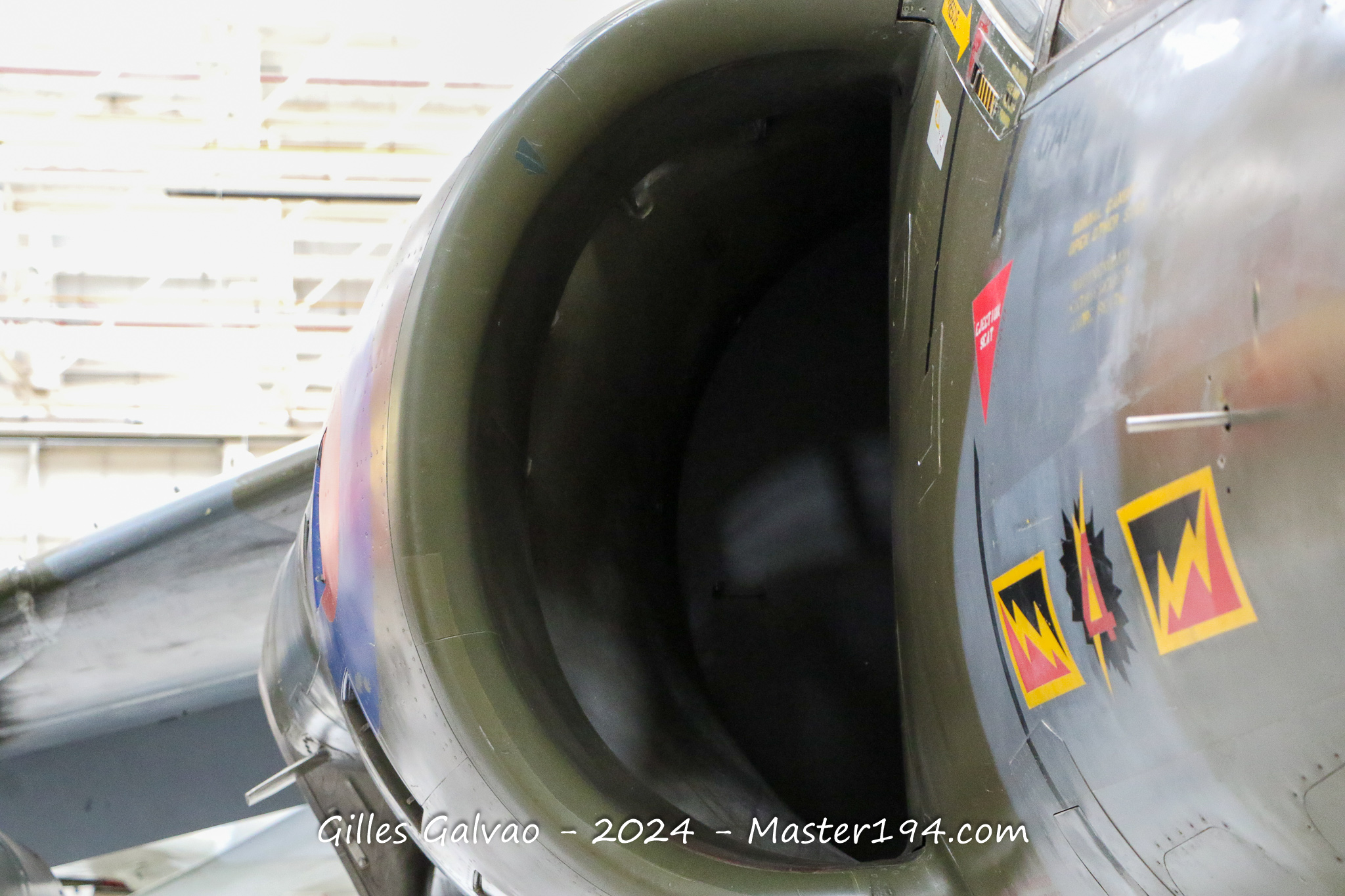
It was initially assigned to No. 4 Squadron at RAF Gütersloh in Germany, before joining No. 1 (Fighter) Squadron. When the Falklands Crisis broke out in the spring of 1982, XZ997 was among the Harriers mobilized to take part in the British operation.
Preparations for deployment were particularly intense. Pilots had to train specifically for naval operations and for takeoffs using the ski-jump ramps on British aircraft carriers.
On May 4, 1982, XZ997 and other Harriers completed the long ferry flight from the United Kingdom to Ascension Island, covering approximately 4,600 miles in 9 hours and 15 minutes with the support of Handley Page Victor aerial refueling tankers. A few days later, it continued its journey toward the South Atlantic.
The Harrier was about to be deployed in conditions vastly different from those originally envisioned for the European theater.
The Harrier in the Falklands War
No. 1 (Fighter) Squadron operated from the aircraft carrier HMS Hermes, while British forces progressively set up forward operating facilities on the islands.
XZ997 took part in initial operations around San Carlos starting May 21. Missions were primarily dedicated to supporting British troops, striking Argentine positions, and attacking military installations.
On May 22, XZ997 participated in an attack against Argentine vehicles at Goose Green using cluster bombs. The following day, it struck positions at Dunnose Head before attacking the Stanley airfield on May 24 with 1,000 lb bombs.
Missions continued over the following days. On May 28, XZ997 notably attacked Argentine positions at Goose Green.
These missions illustrated one of the Harrier’s primary advantages: its ability to react swiftly from relatively small carriers and operate at low altitude over the battlefield.
However, this capability did not make the aircraft invulnerable.
On May 31, XZ997 was hit by small-arms fire. The damage was repaired aboard HMS Hermes, allowing the aircraft to return to operations.
LRMTS and First Laser-Guided Bombs
One of the most interesting aspects of the Harrier GR.3’s deployment in the Falklands was the operational use of laser-guided bombs (LGBs).
While the GR.3 featured the LRMTS integrated into its extended nose, employing these weapons under Falklands conditions represented a relatively new capability. Missions required tight coordination with forward air controllers and other assets designating targets.
On June 11, XZ997 took part in a mission using laser-guided bombs, though without achieving the desired result on the primary target.
Two days later, on June 13, 1982, the aircraft flew a historic mission.
Flown by Wing Commander Peter Squire, XZ997 was tasked with striking an Argentine position on Mount Tumbledown, which housed a command headquarters. Two laser-guided bombs were delivered. The first missed the target, but the second scored a direct hit on the targeted building.
This mission marked the first successful operational employment of laser-guided bombs by British forces during the Falklands War.
The event highlights the rapid evolution of precision-strike tactics: just a few years after the Harrier GR.3 entered service, its LRMTS combined the flexibility of a V/STOL platform with a true precision-attack capability.
The Last Mission
On June 14, 1982, as the fighting around Port Stanley drew to a close, XZ997 flew its final combat mission.
Loaded with laser-guided bombs, the aircraft was tasked with striking Sapper Hill, where Argentine forces were still holding out.
However, during the flight, events moved rapidly. British controllers reported white flags appearing over Port Stanley. The attack was called off, and XZ997 turned back to HMS Hermes.
The Falklands War ended without the Harrier having to deliver this final strike.
After the Falklands
Following the conflict, XZ997 continued its service career with the Royal Air Force. It remained assigned to Harrier units in Germany and the UK before making its final flight on August 21, 1990.
By then, the airframe had logged approximately 2,200 flight hours and 6,050 landings—a telltale metric of the intensive operational tempo expected from an aircraft designed to operate repeatedly from dispersed forward locations.
XZ997 ultimately escaped the scrapper’s torch. Given the maintenance serial number 9122M, it joined the RAF Museum collection.
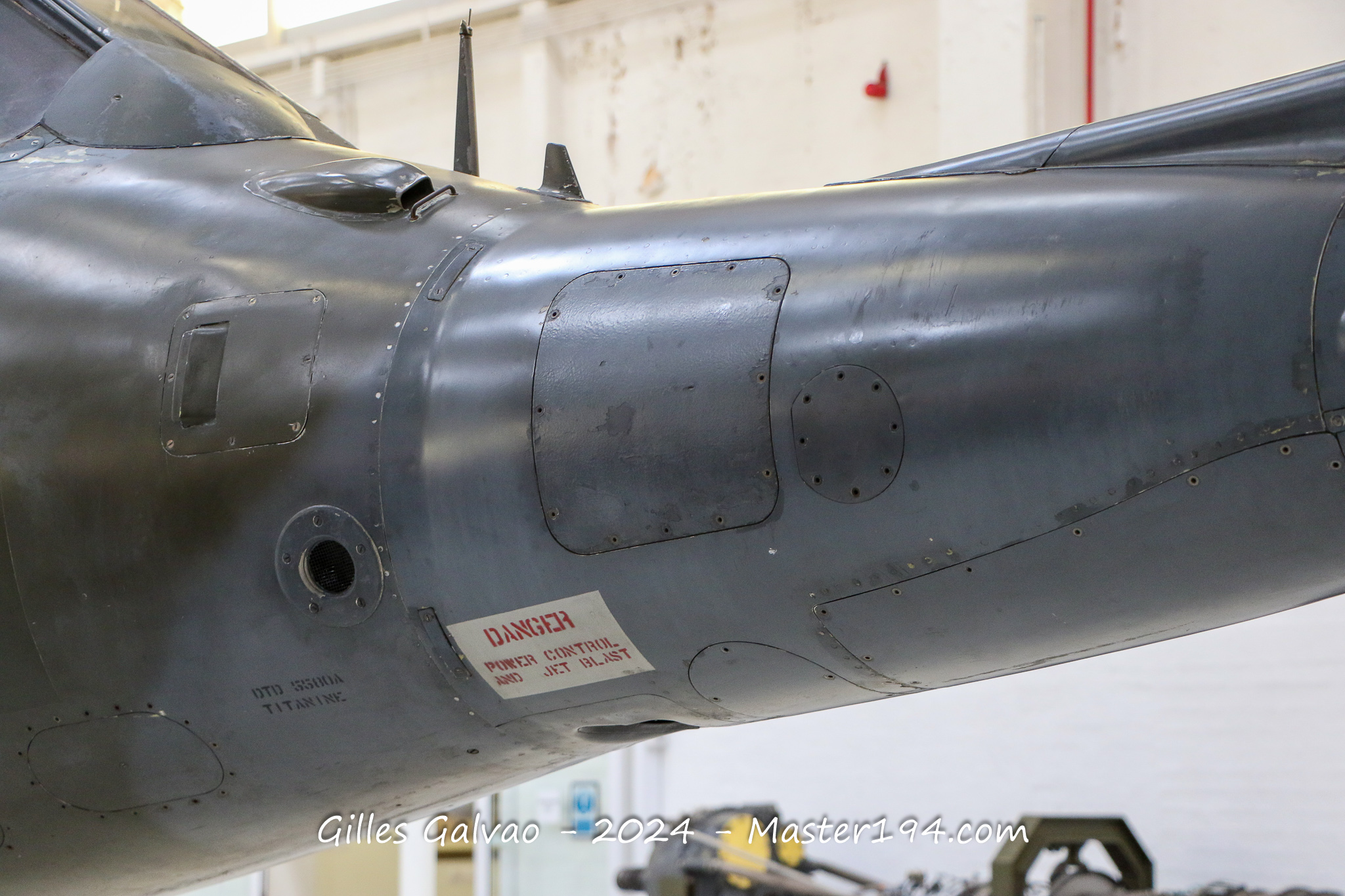
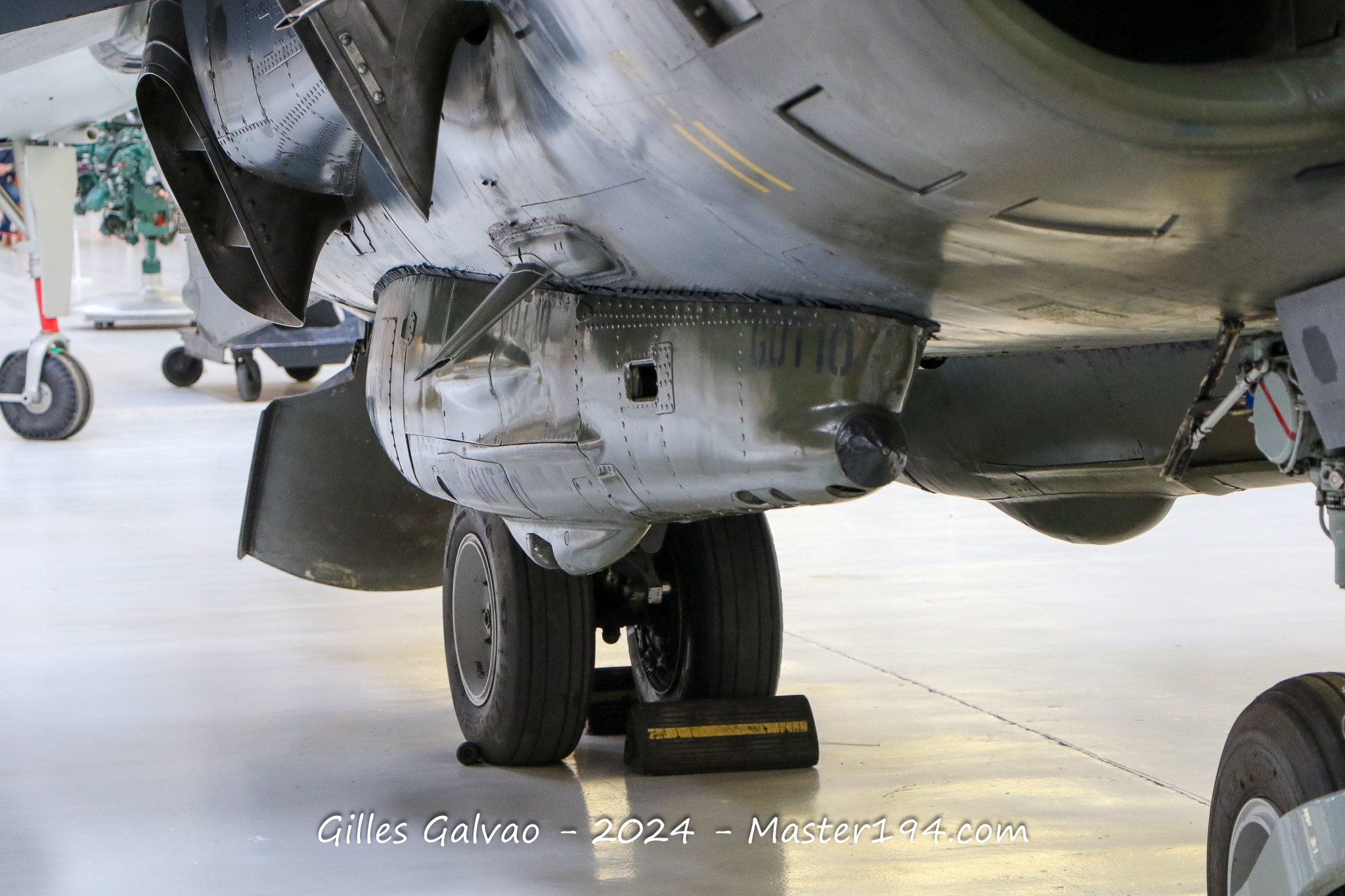
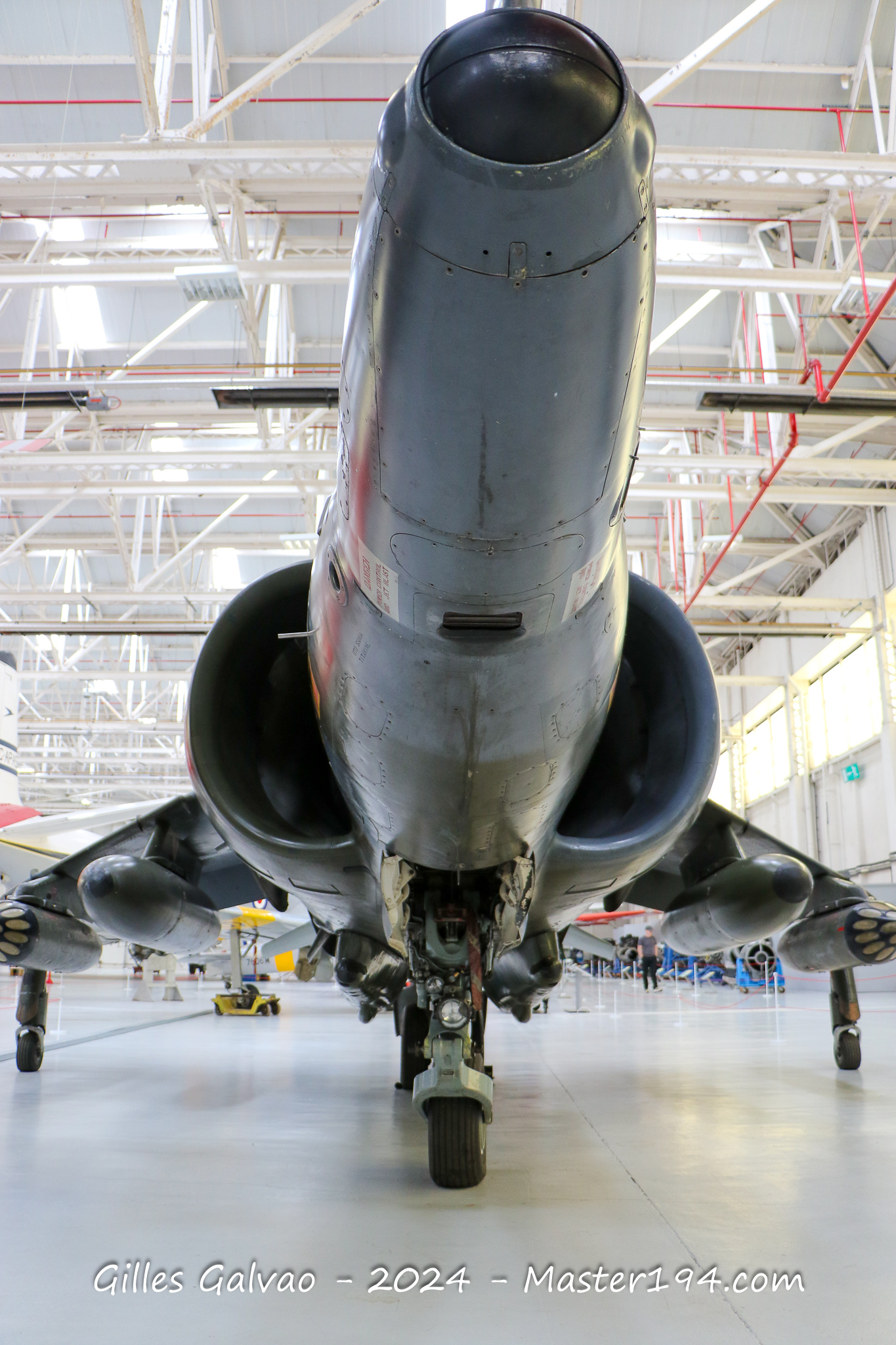
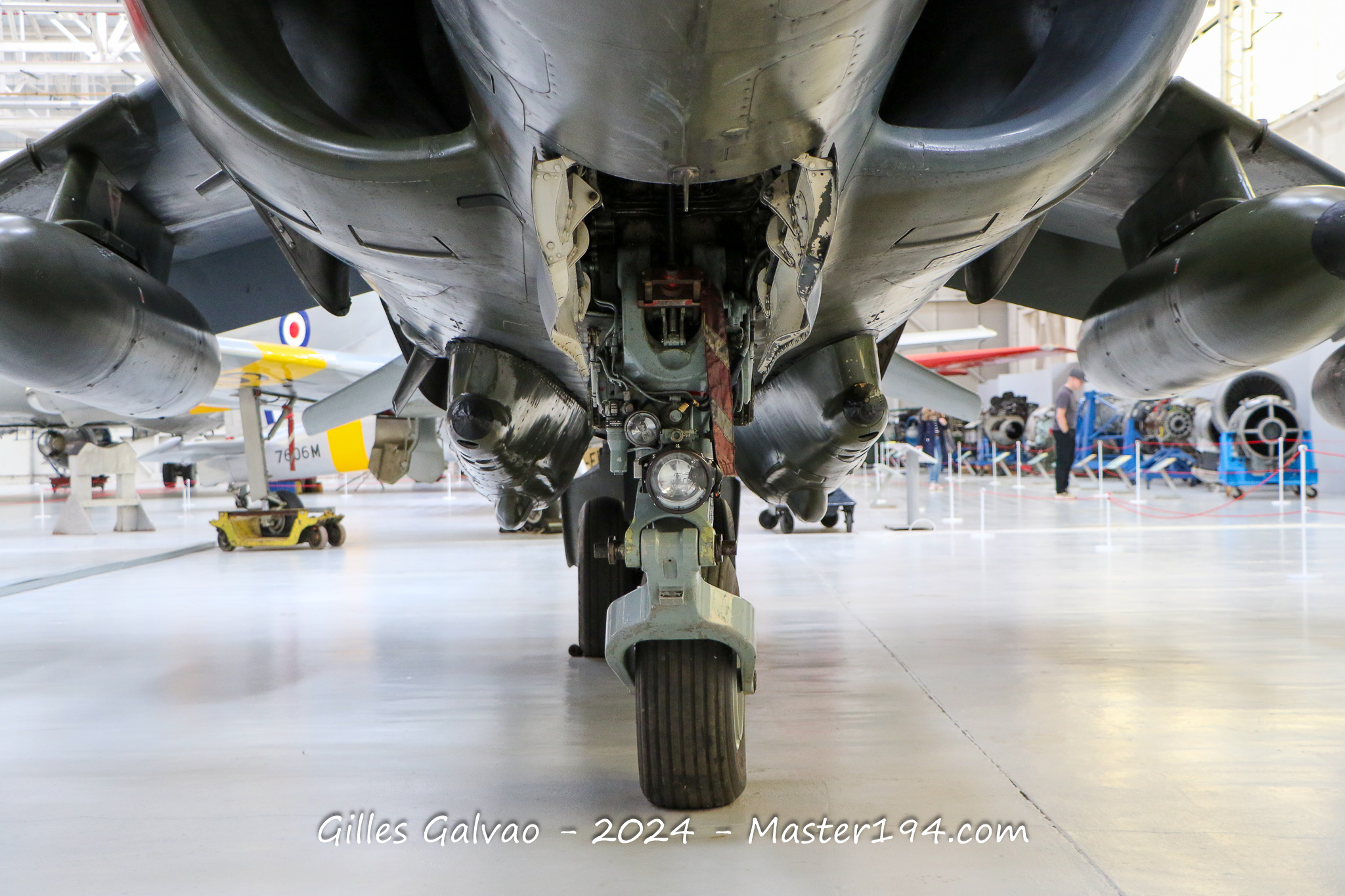
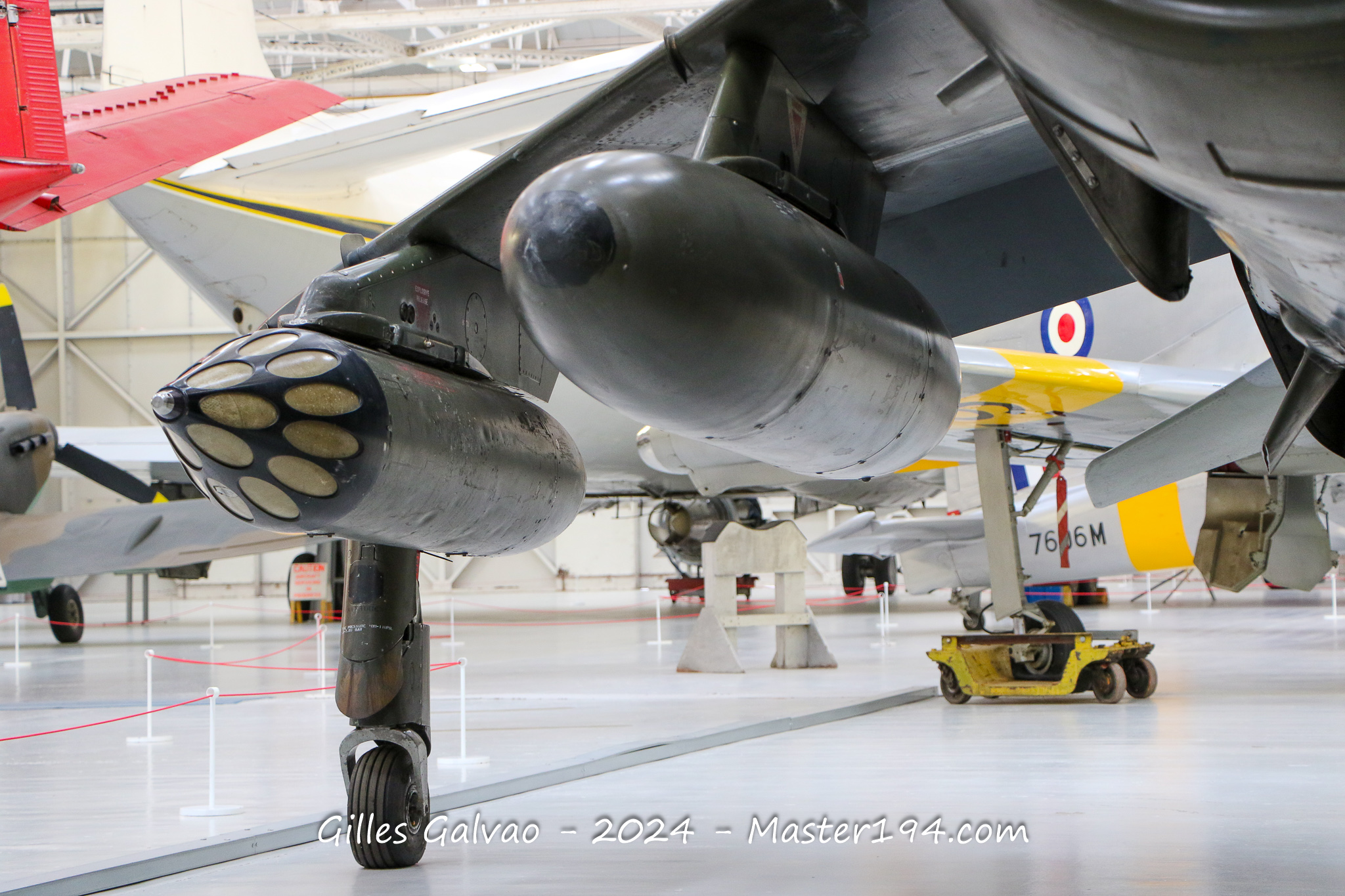
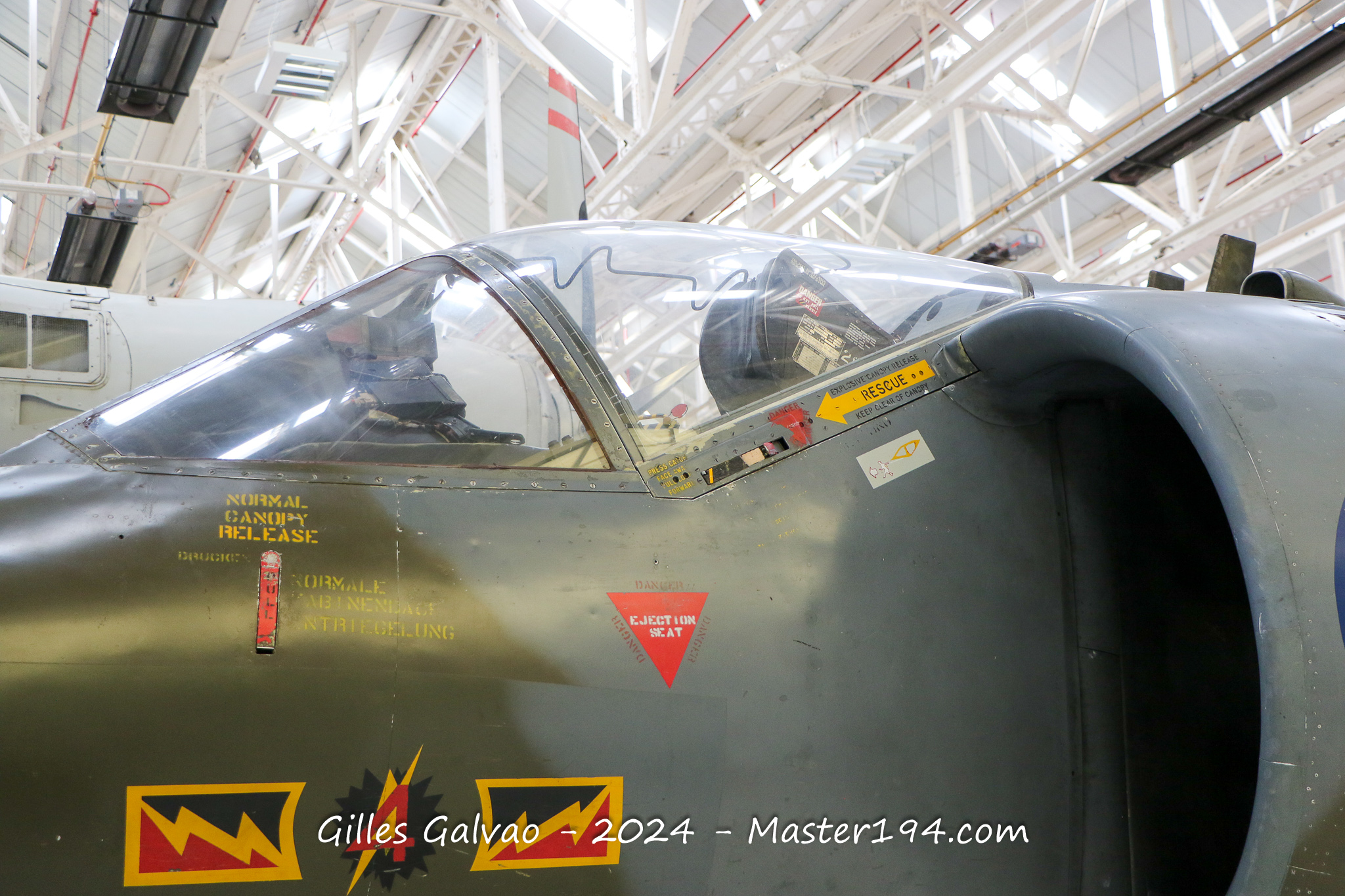
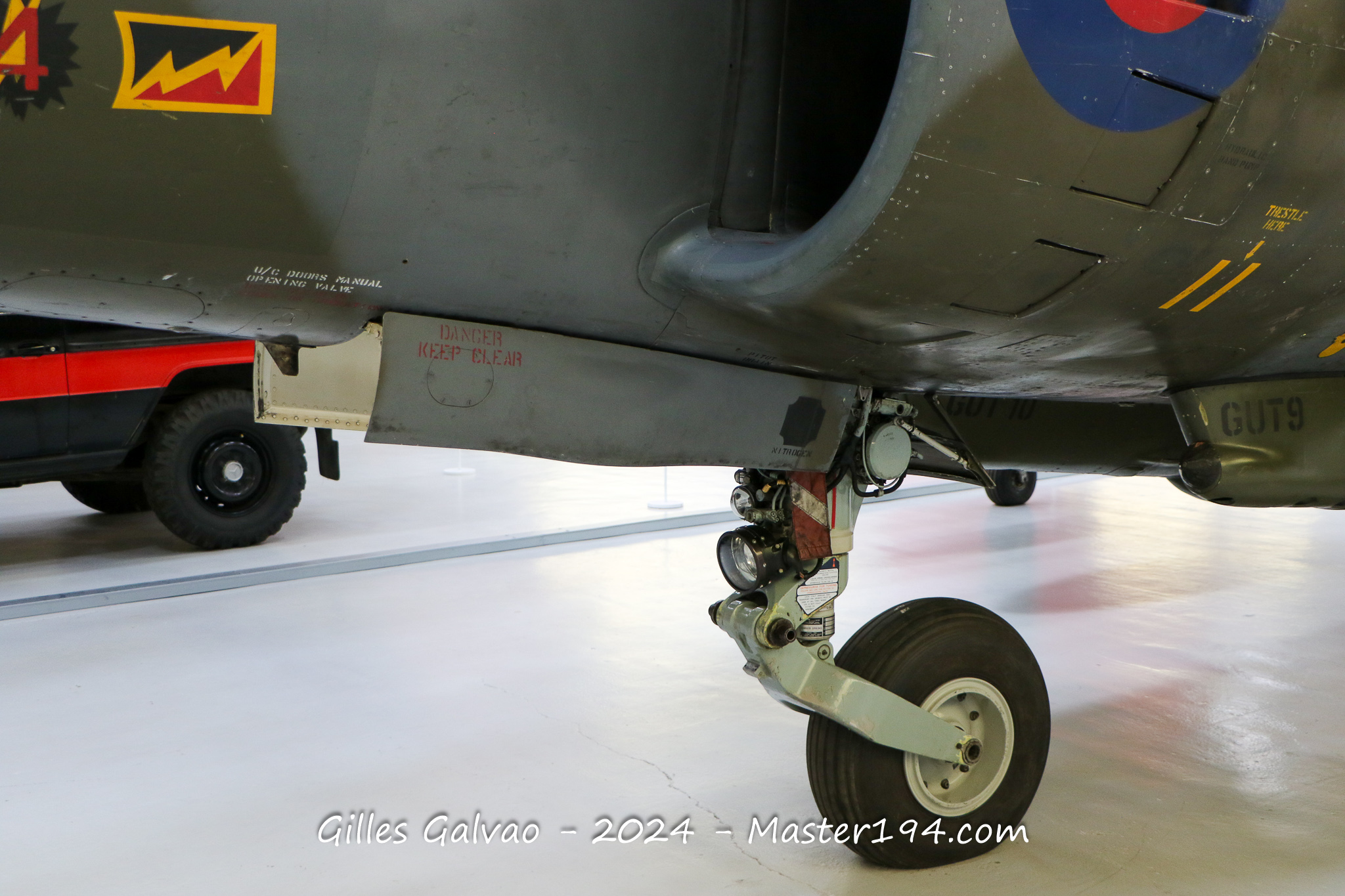
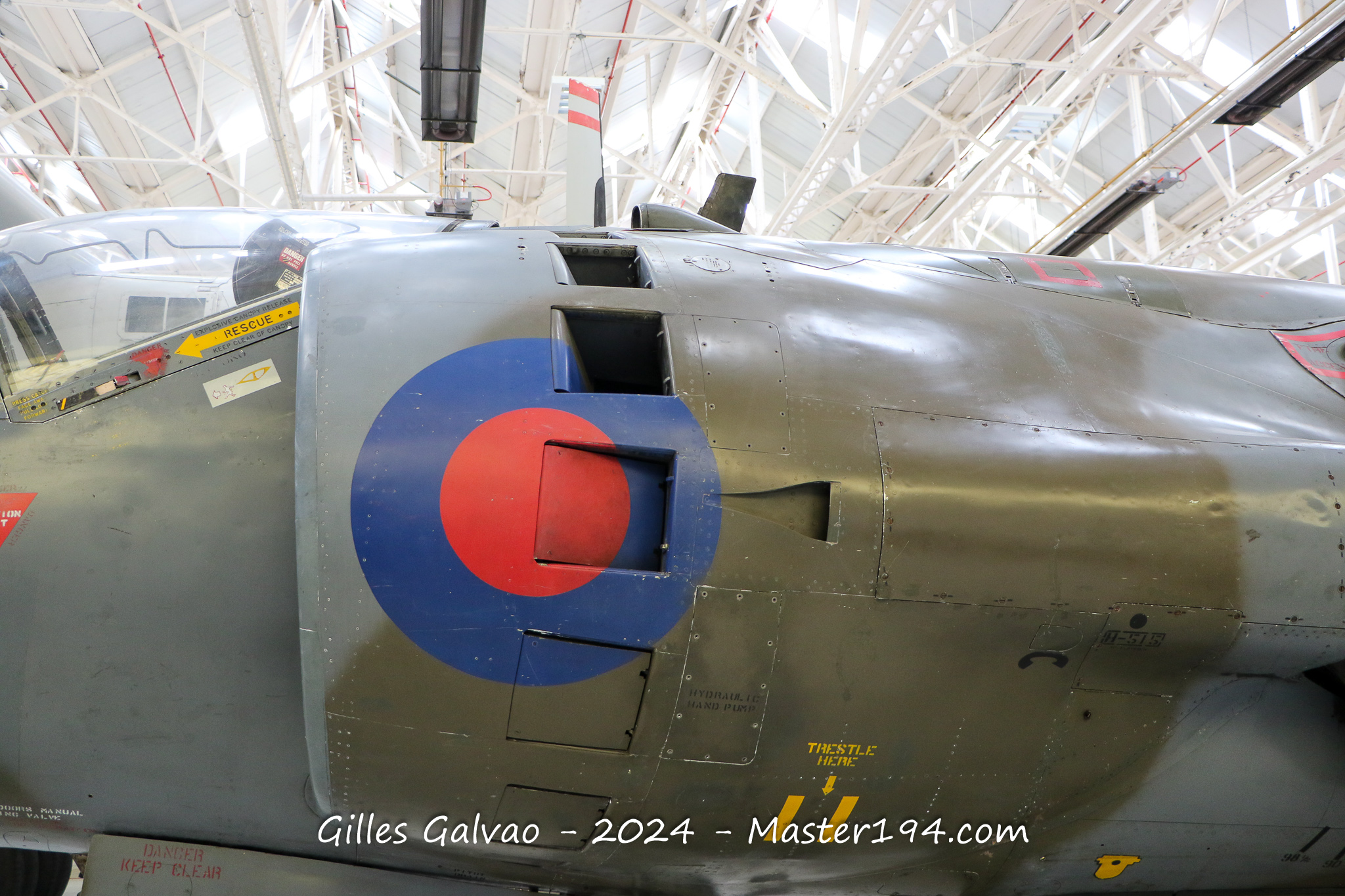
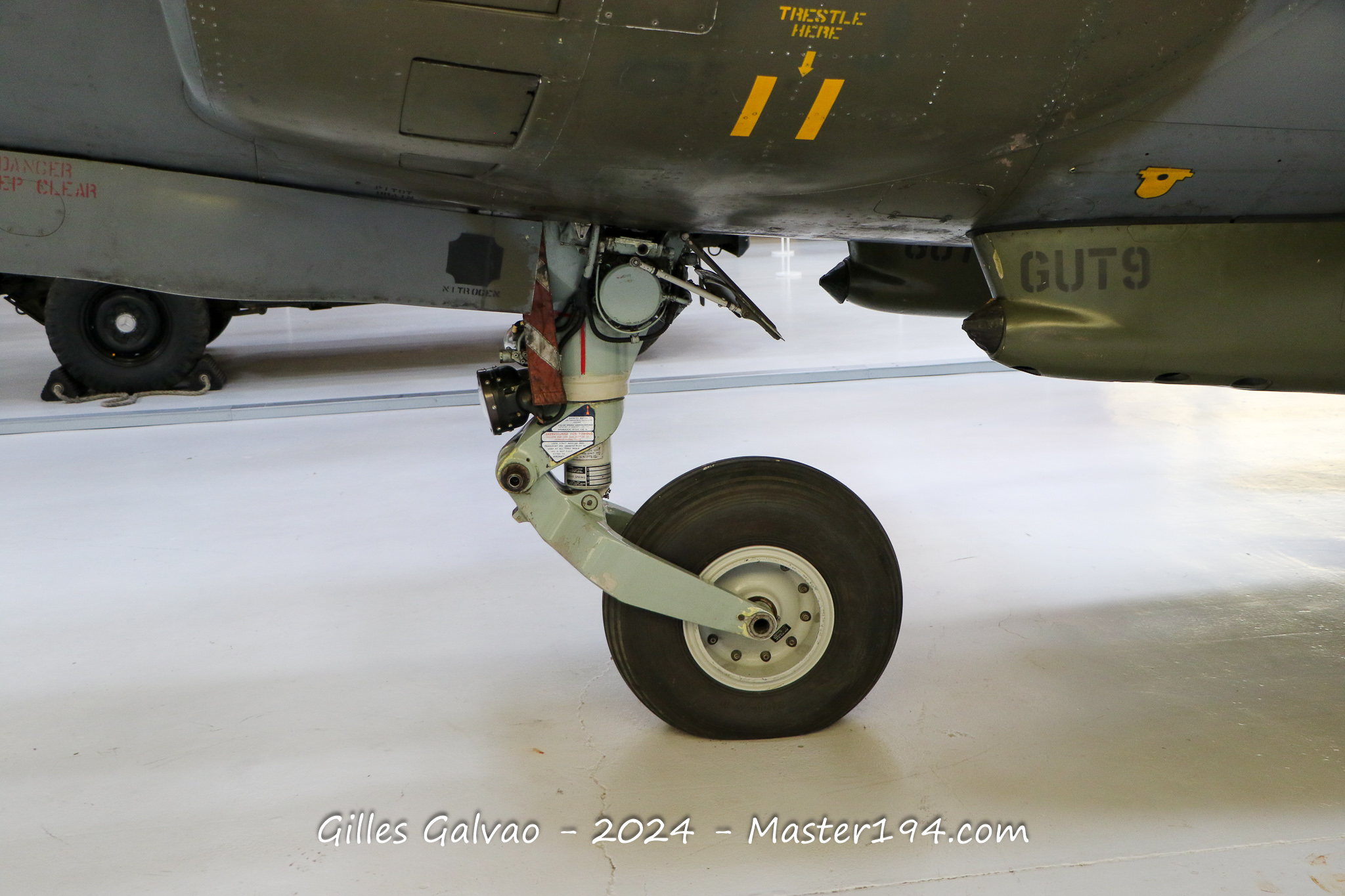
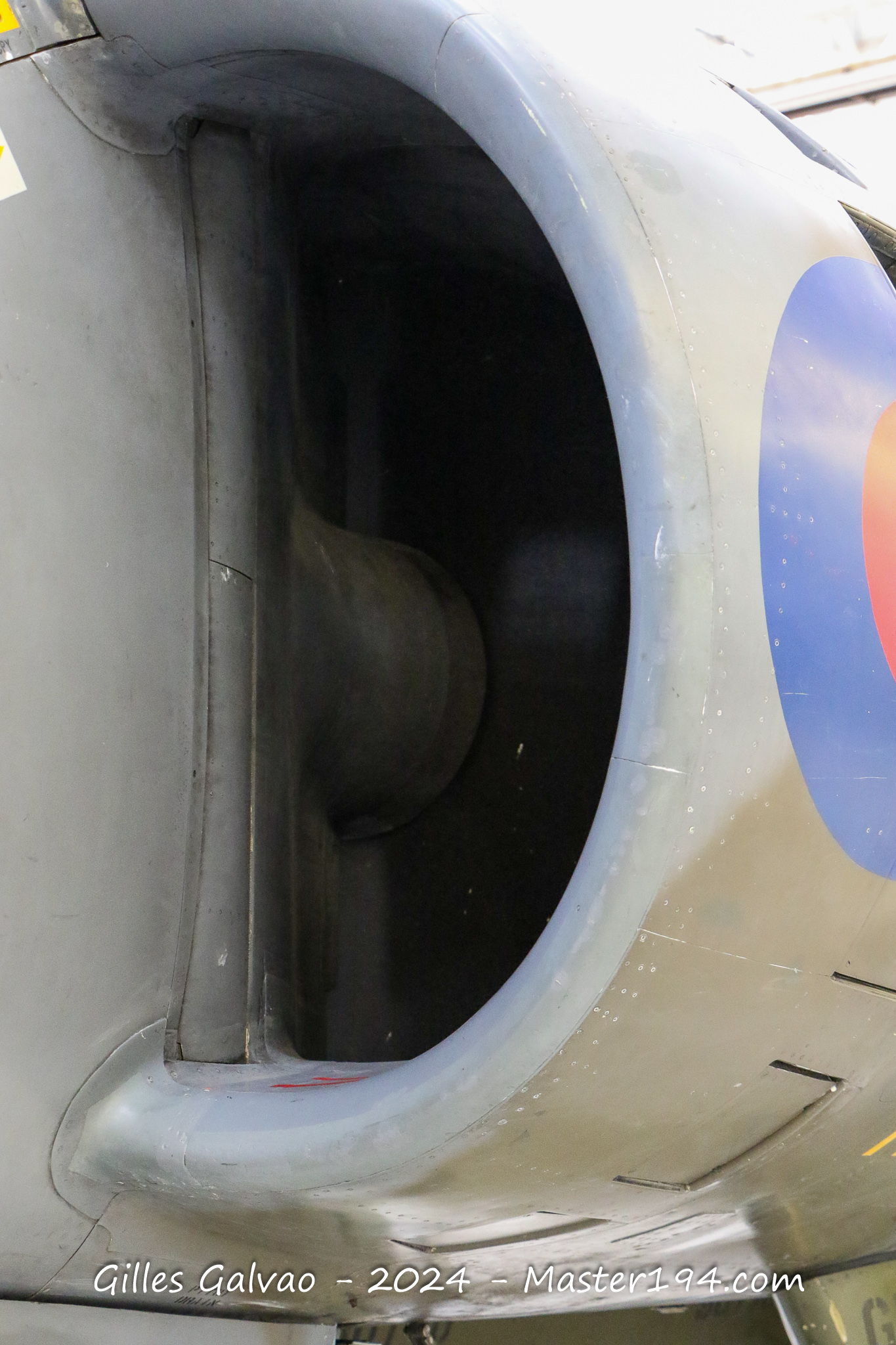
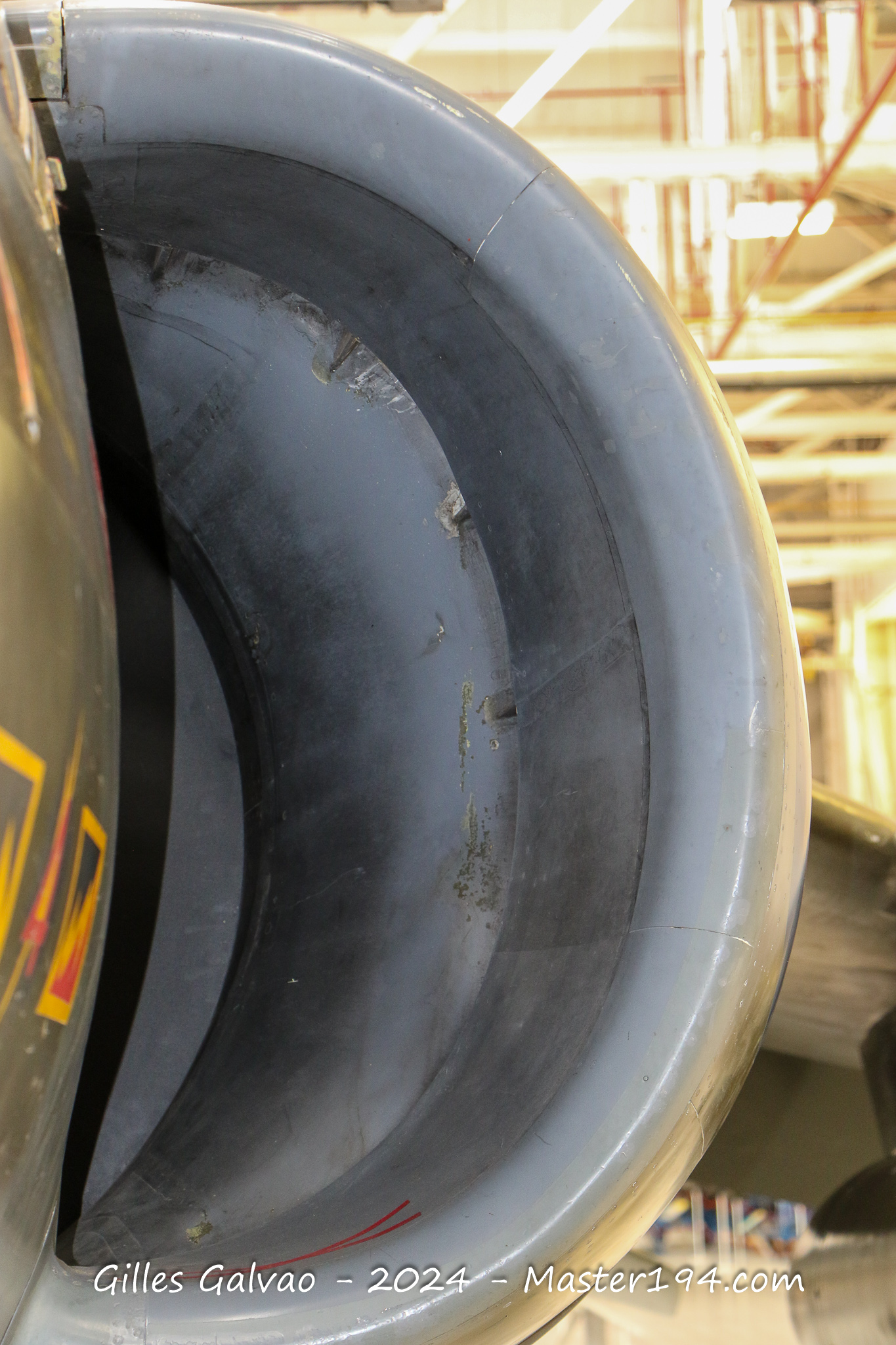
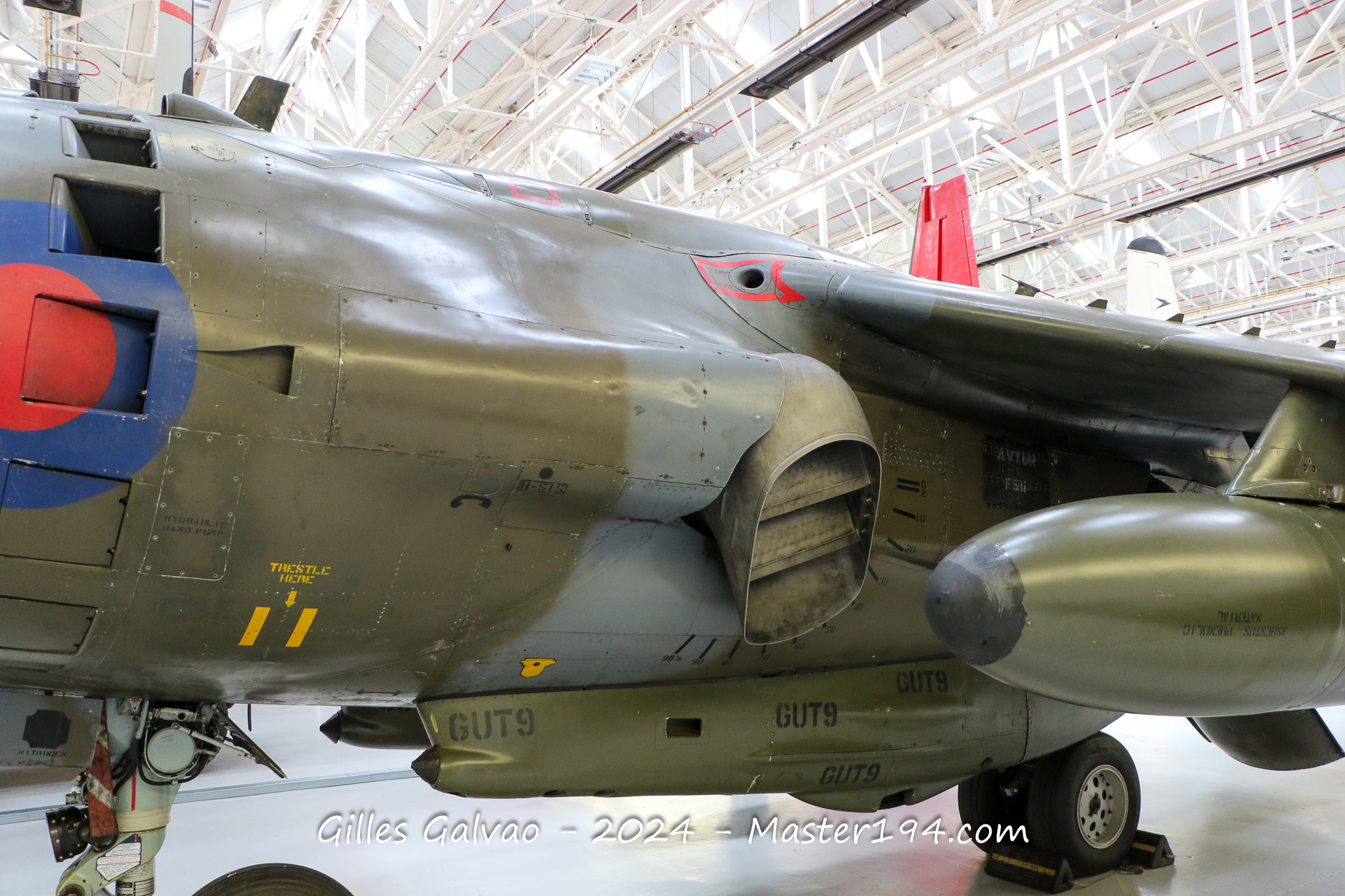
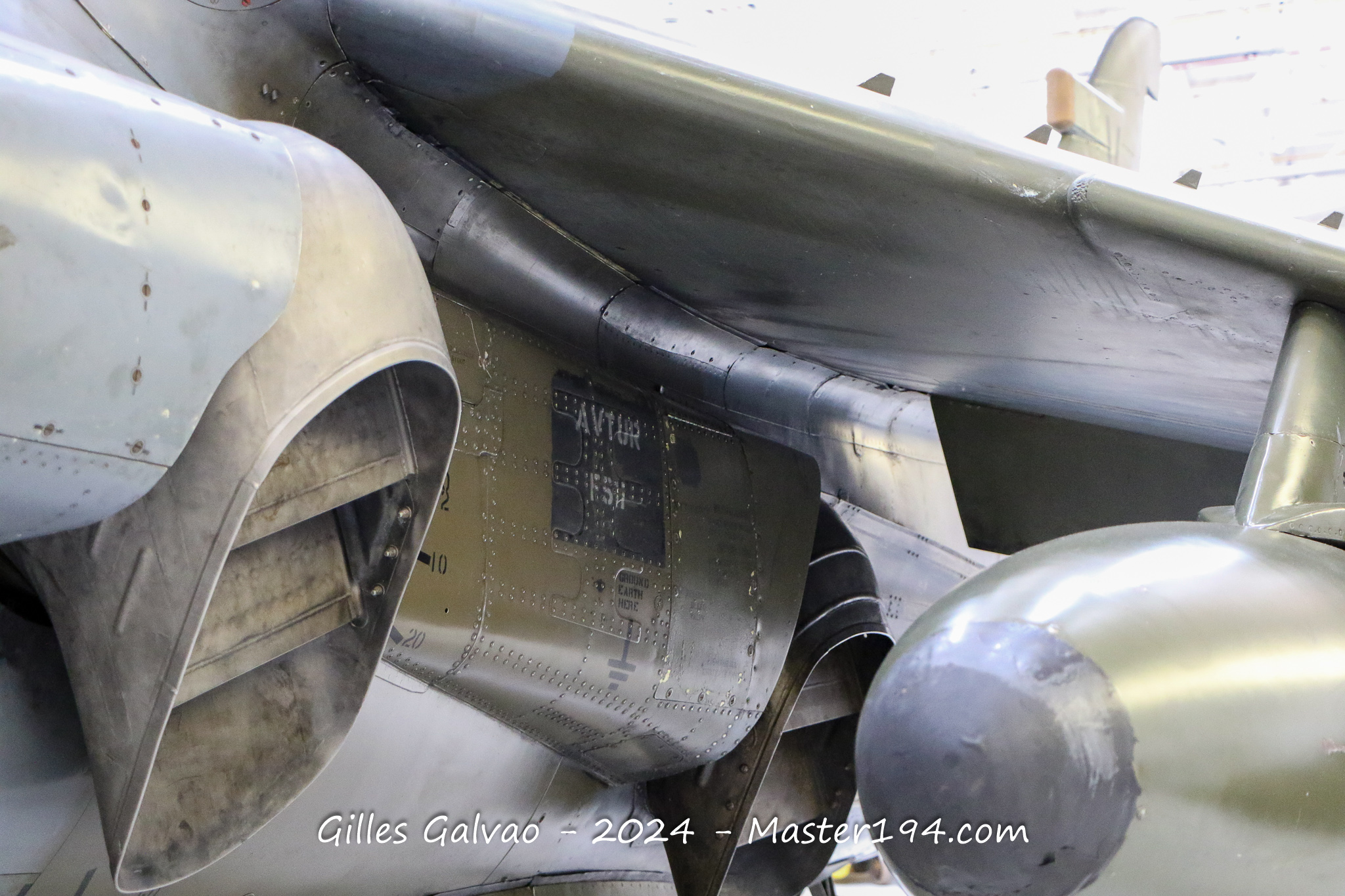
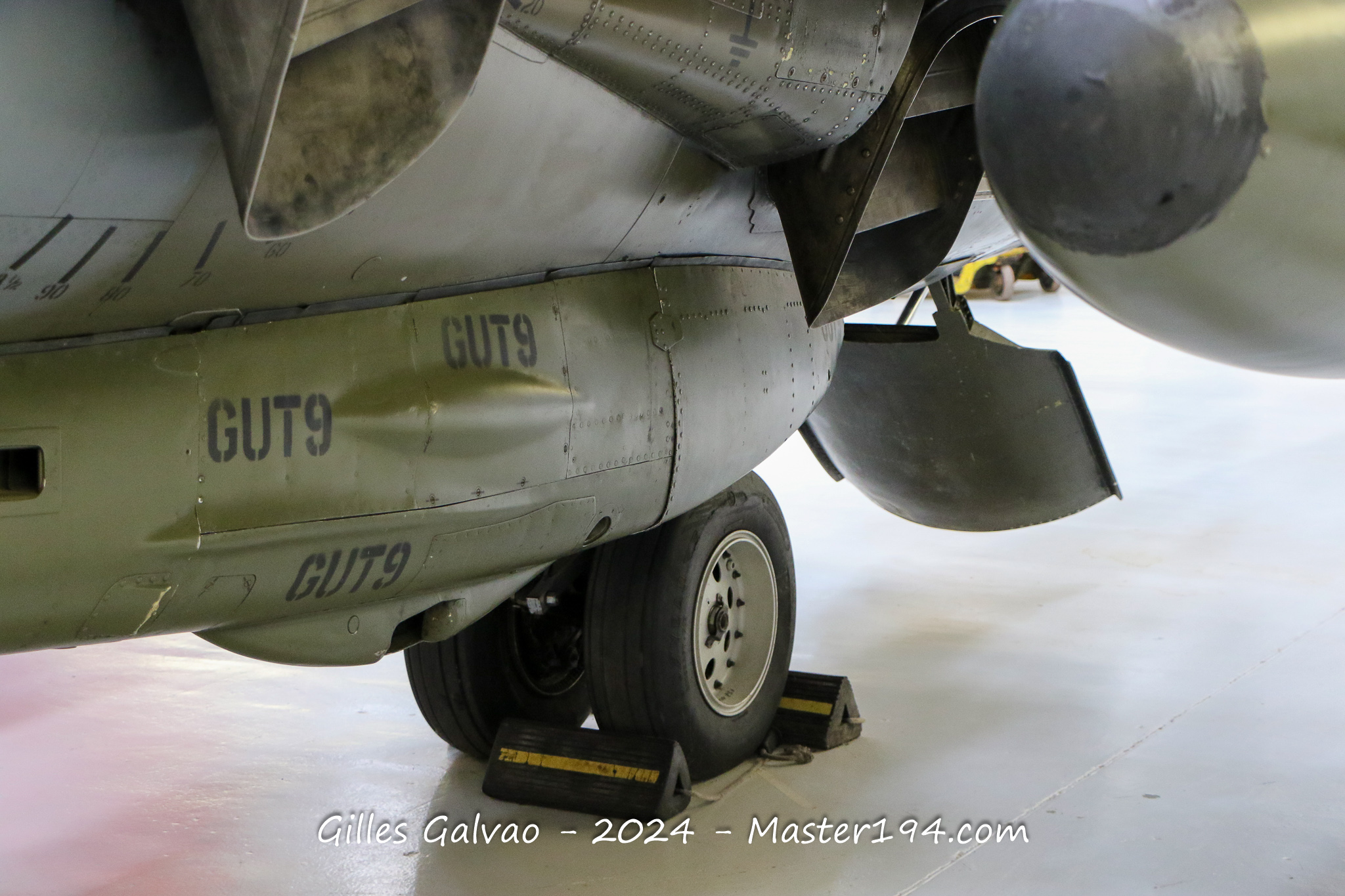
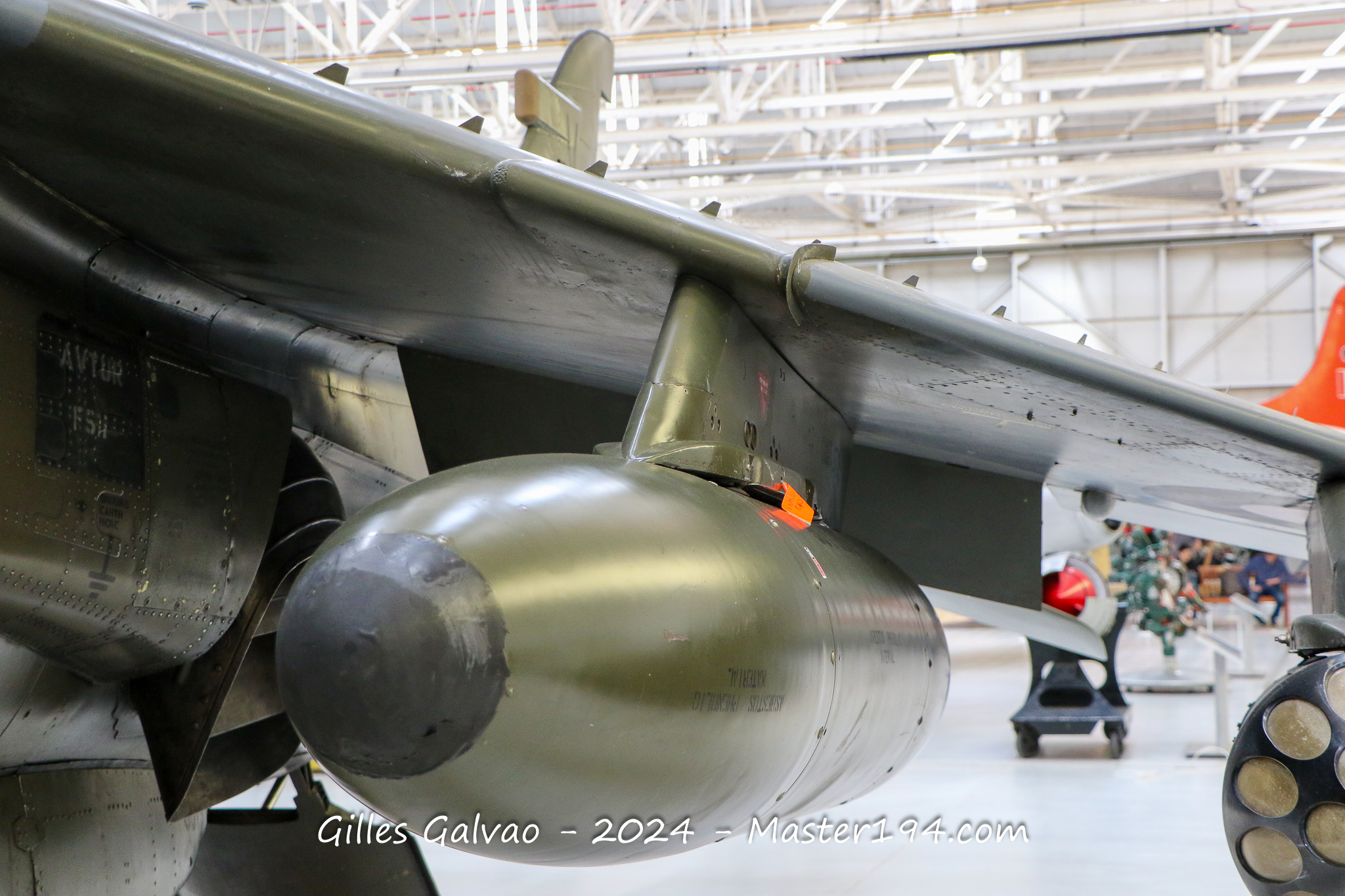
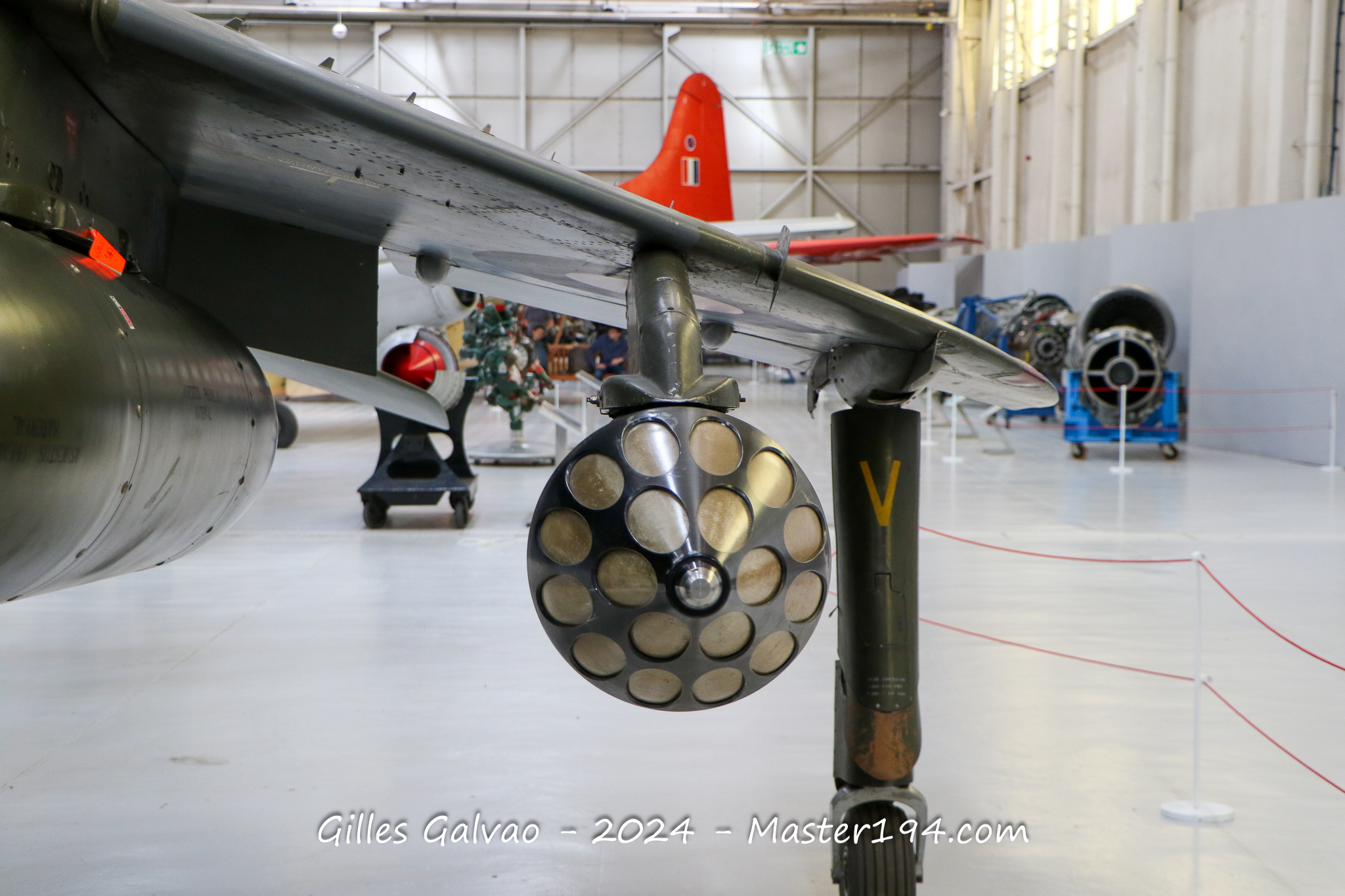
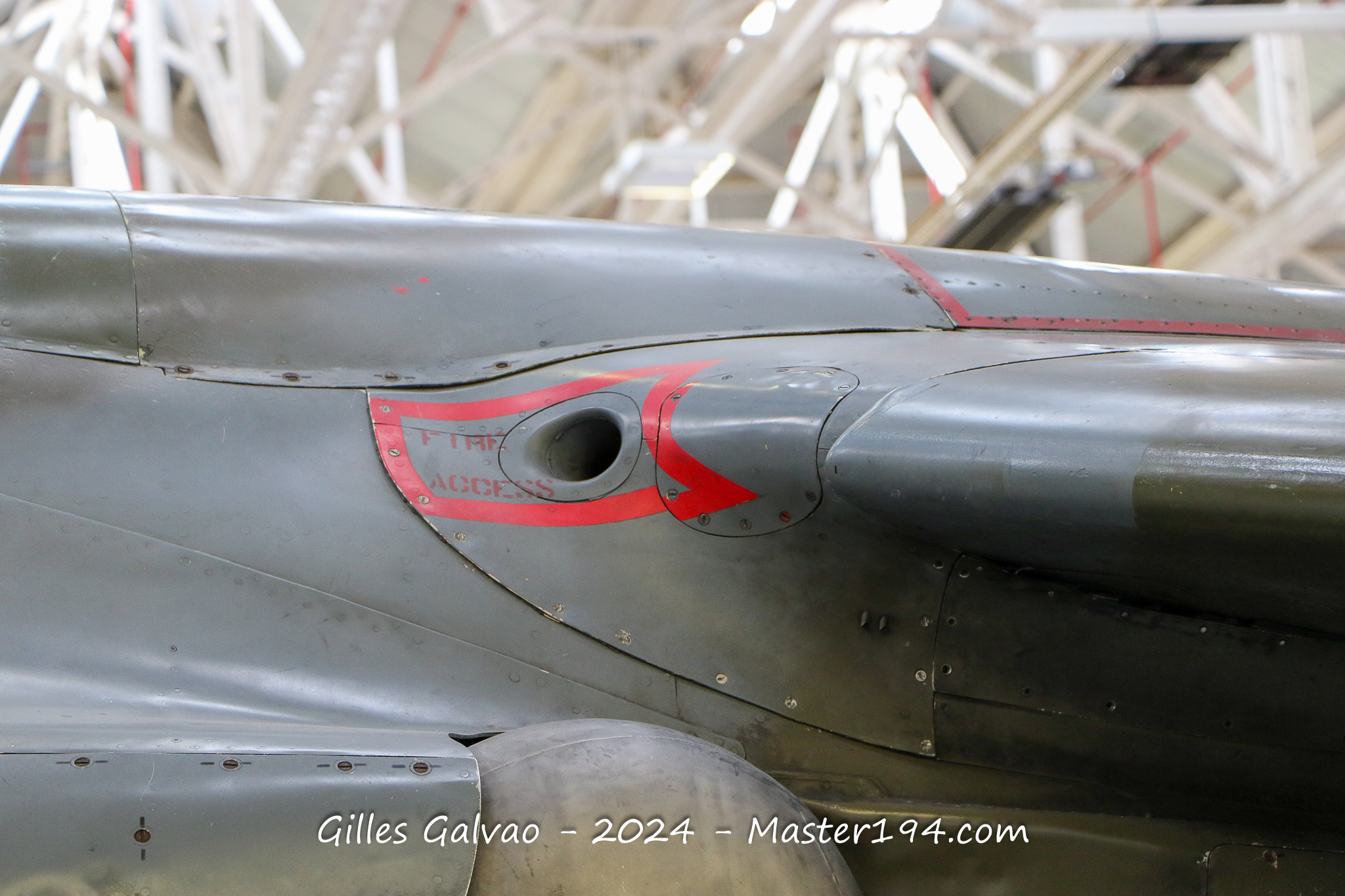
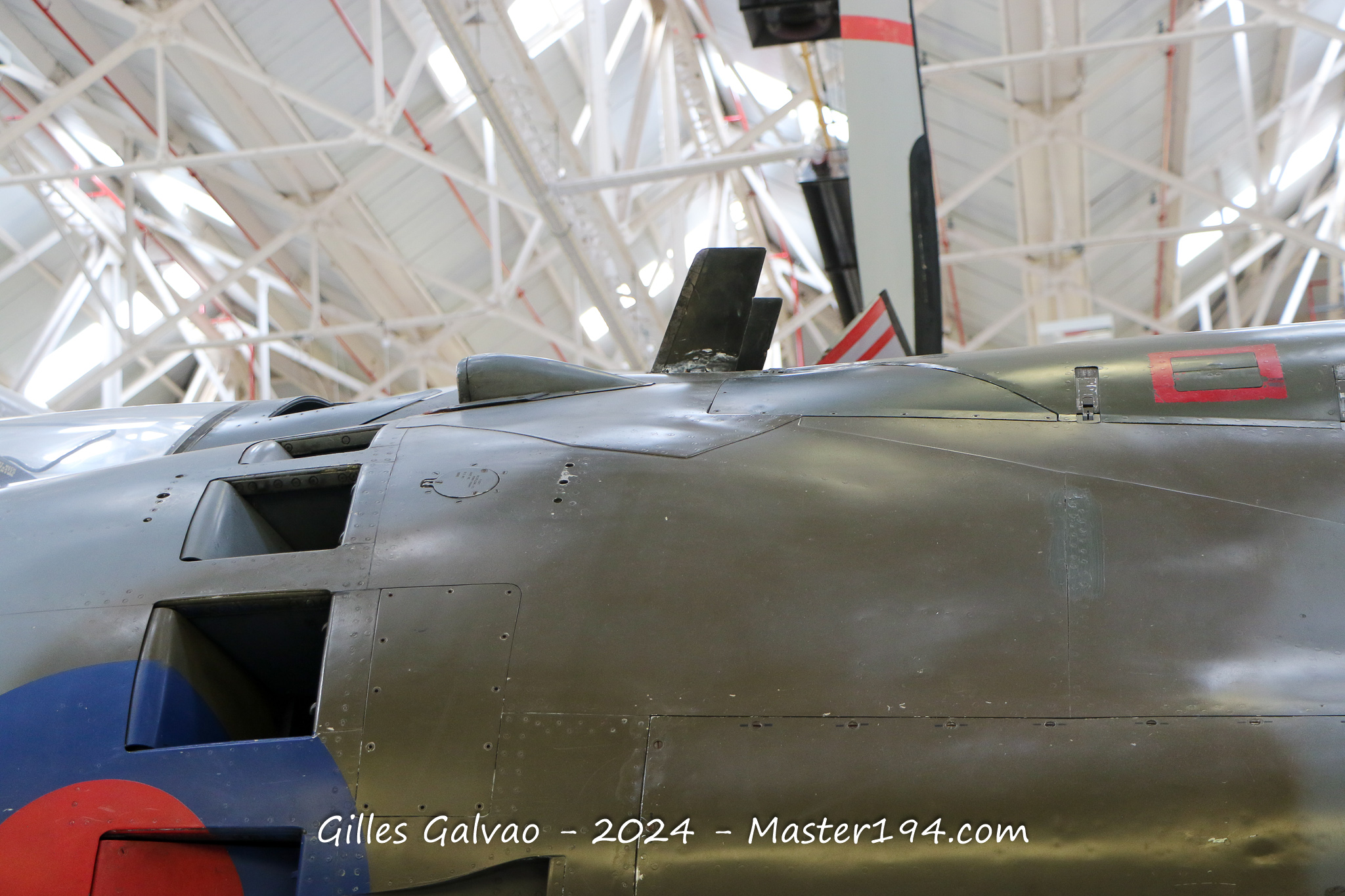
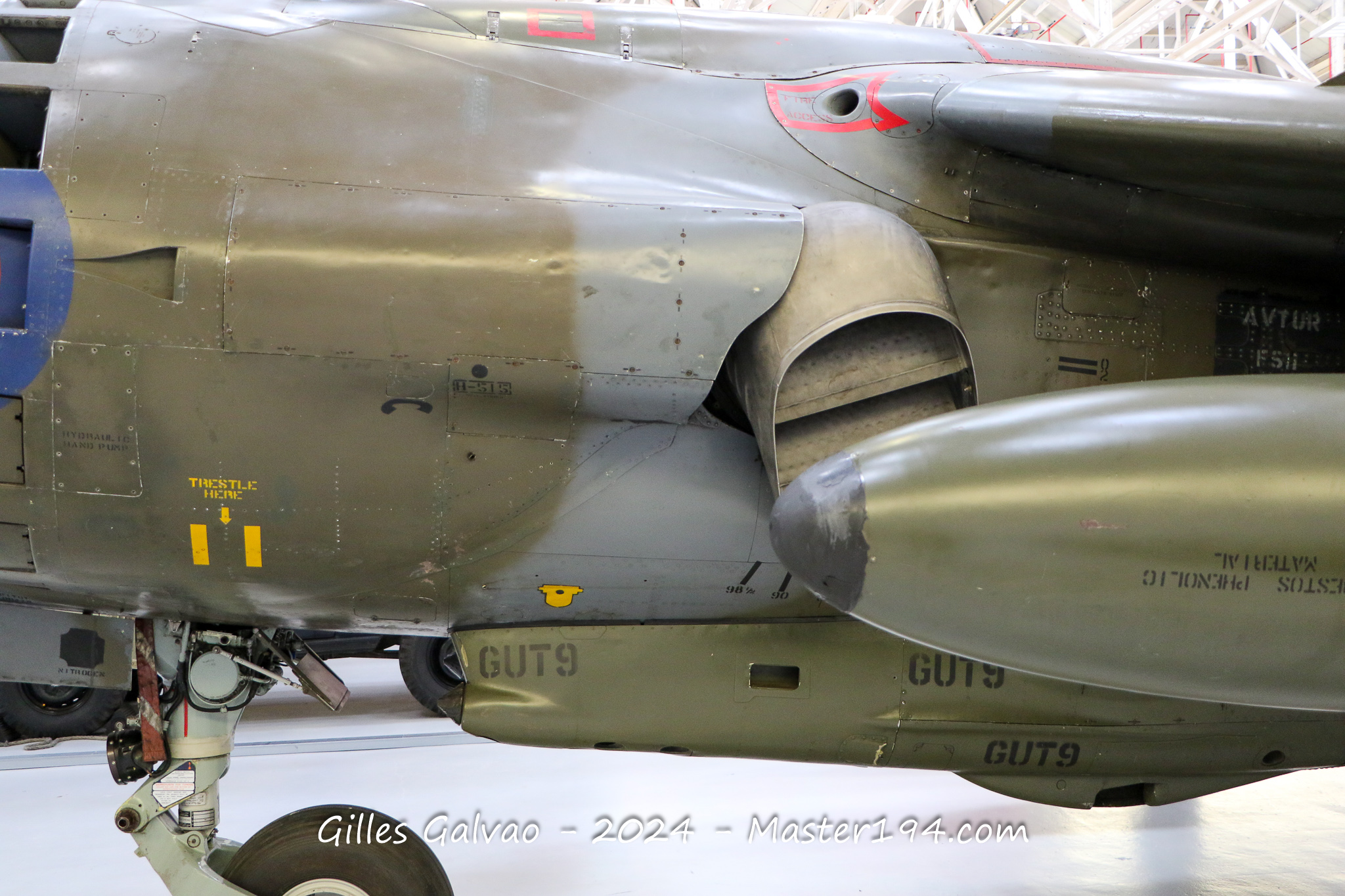
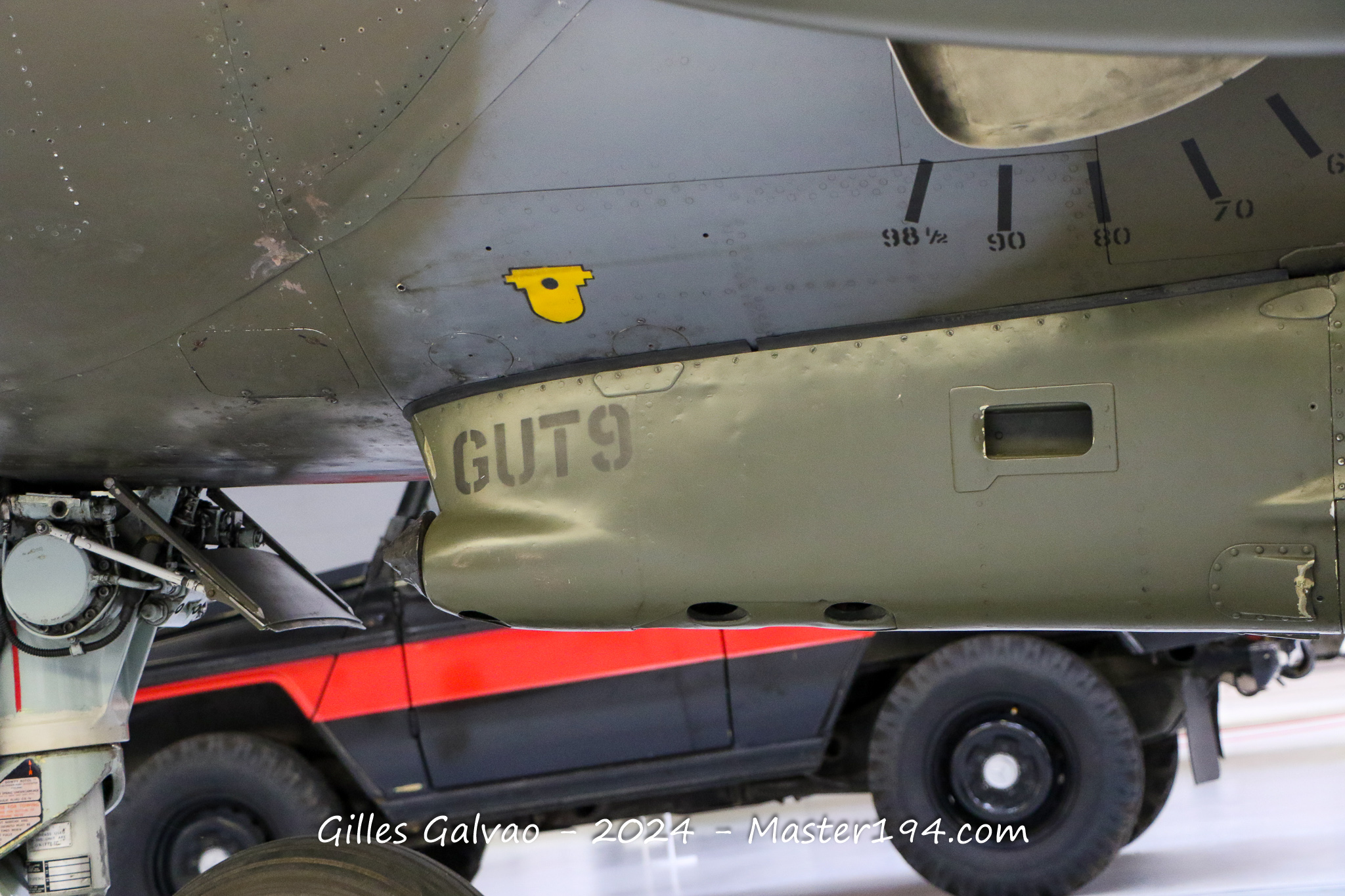
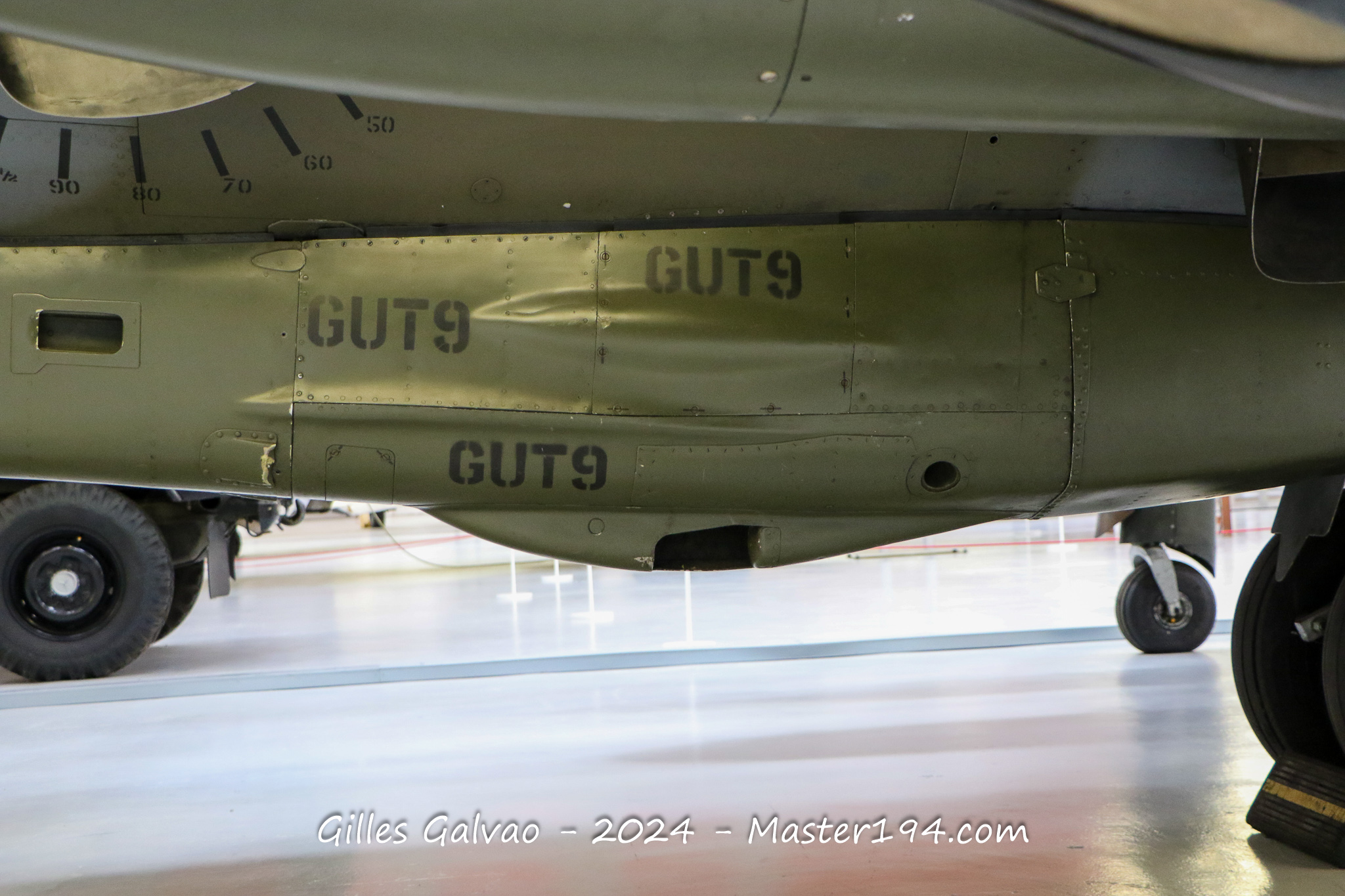
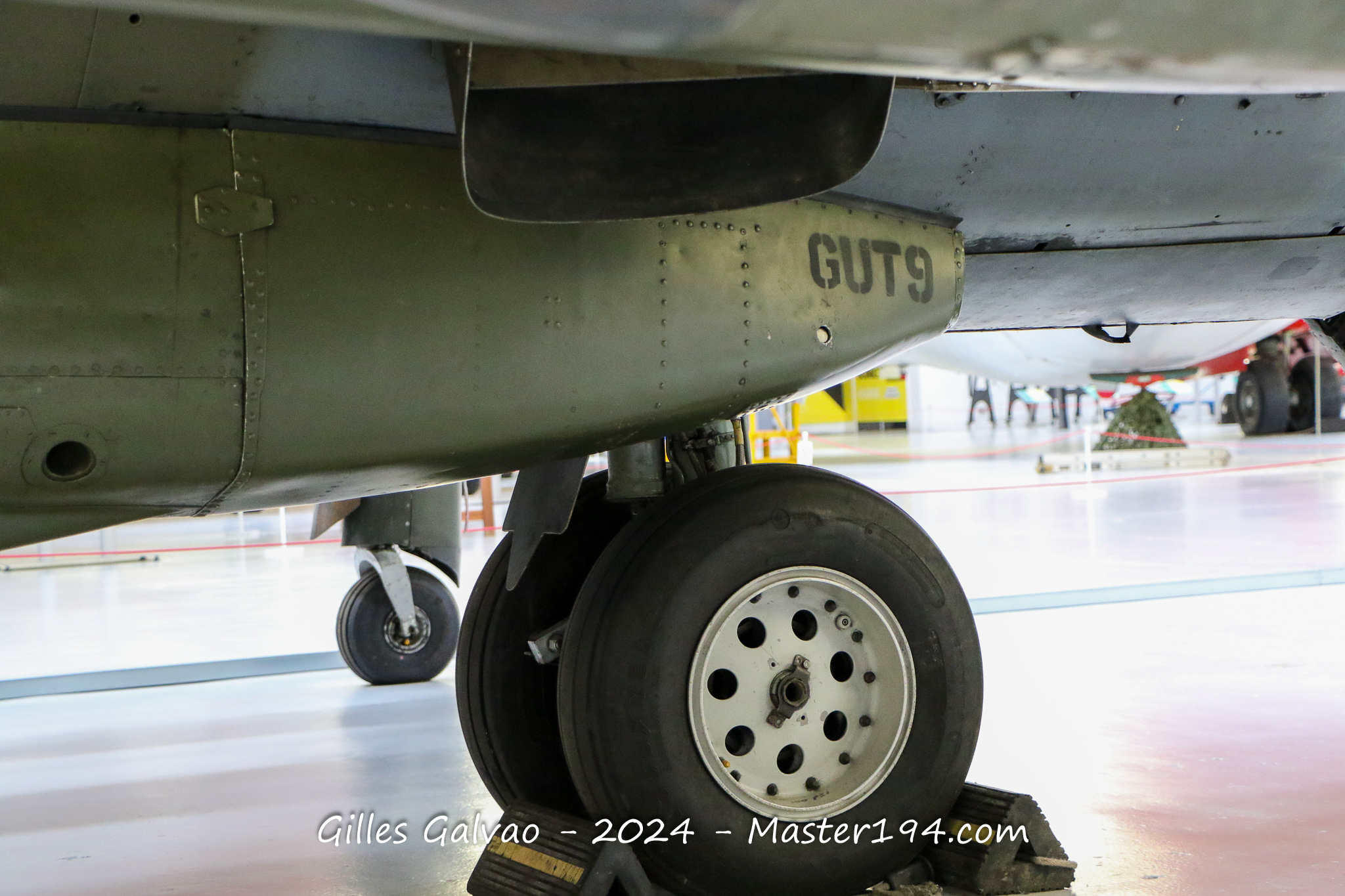
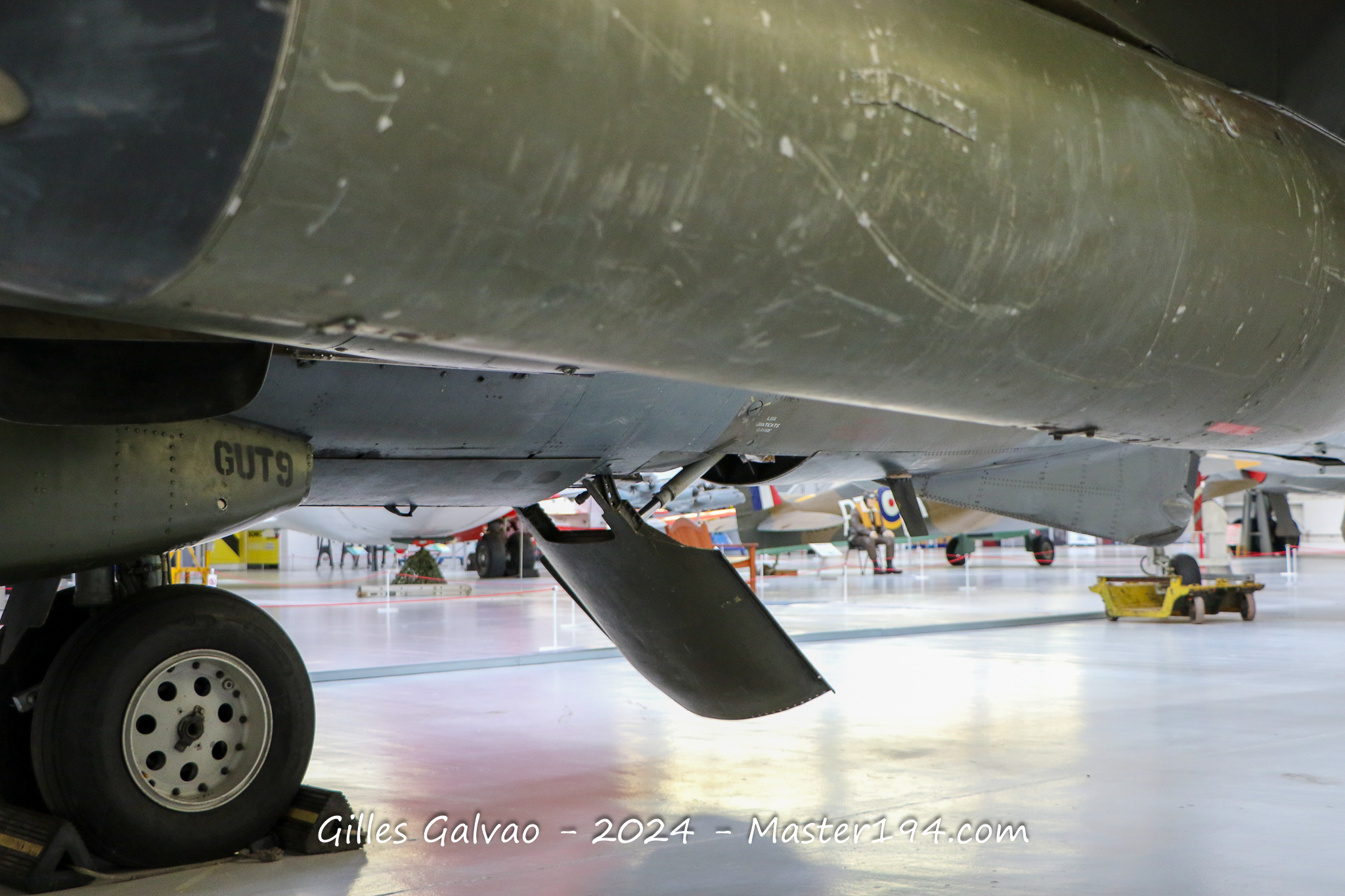
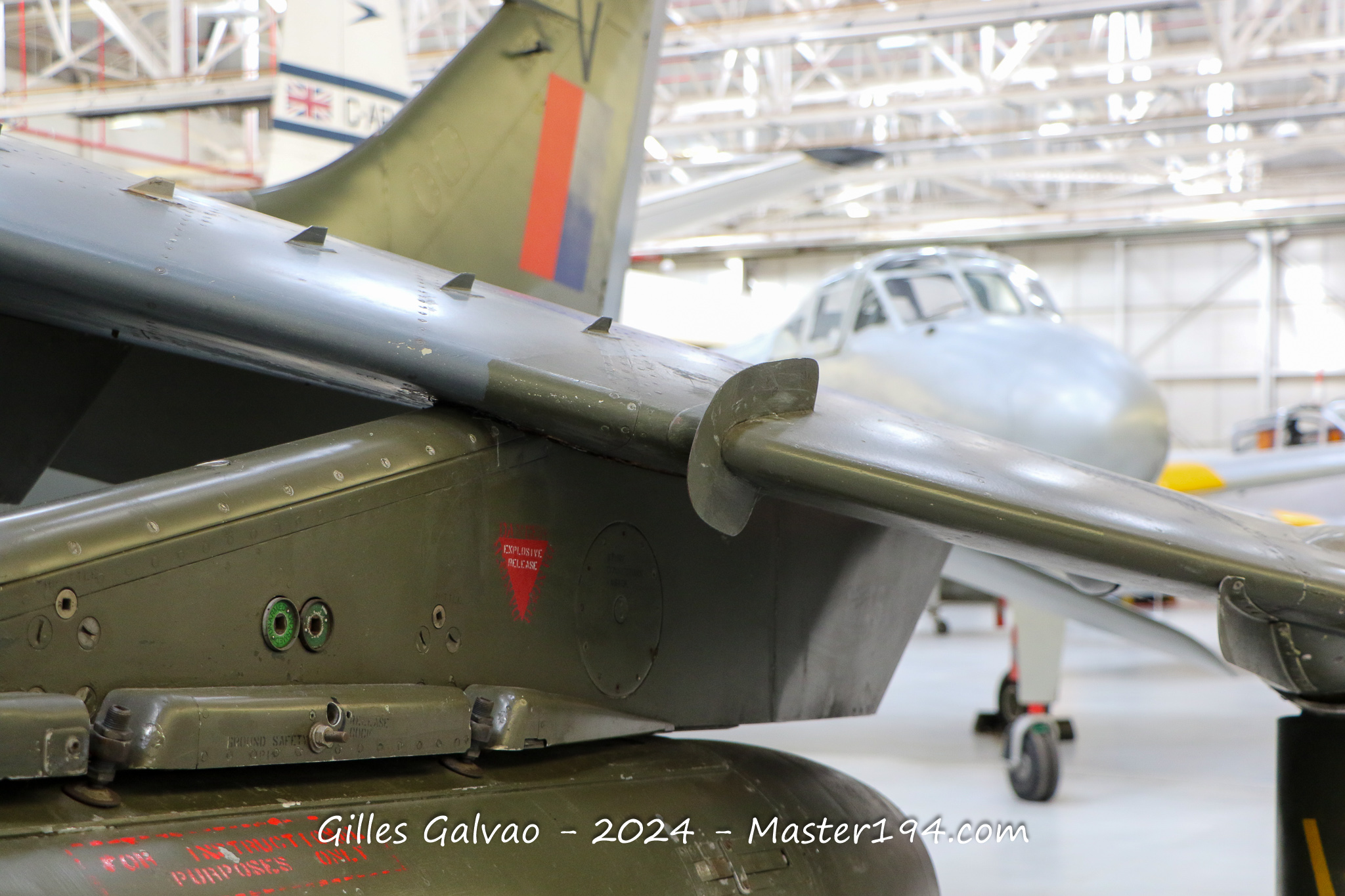
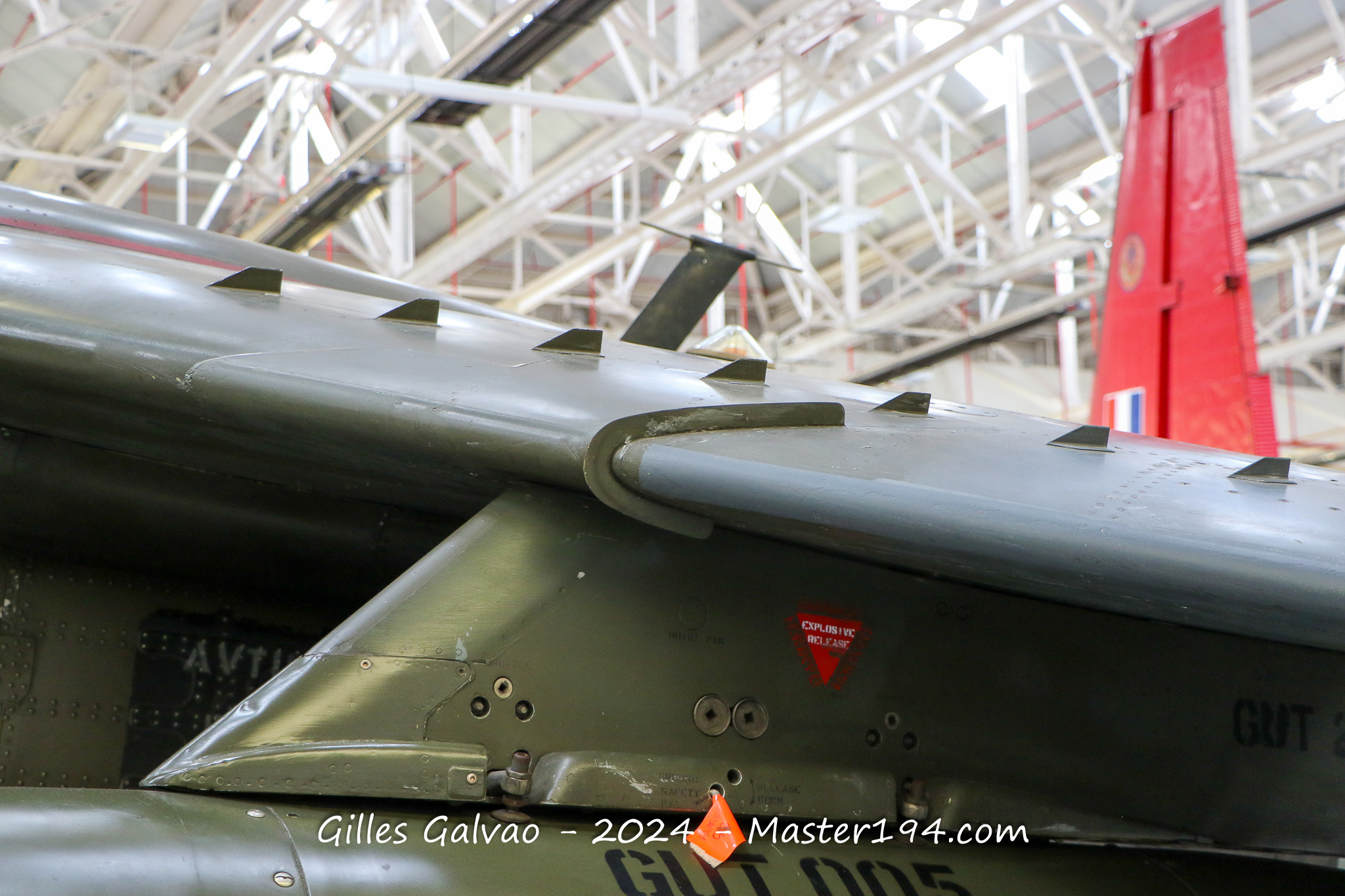
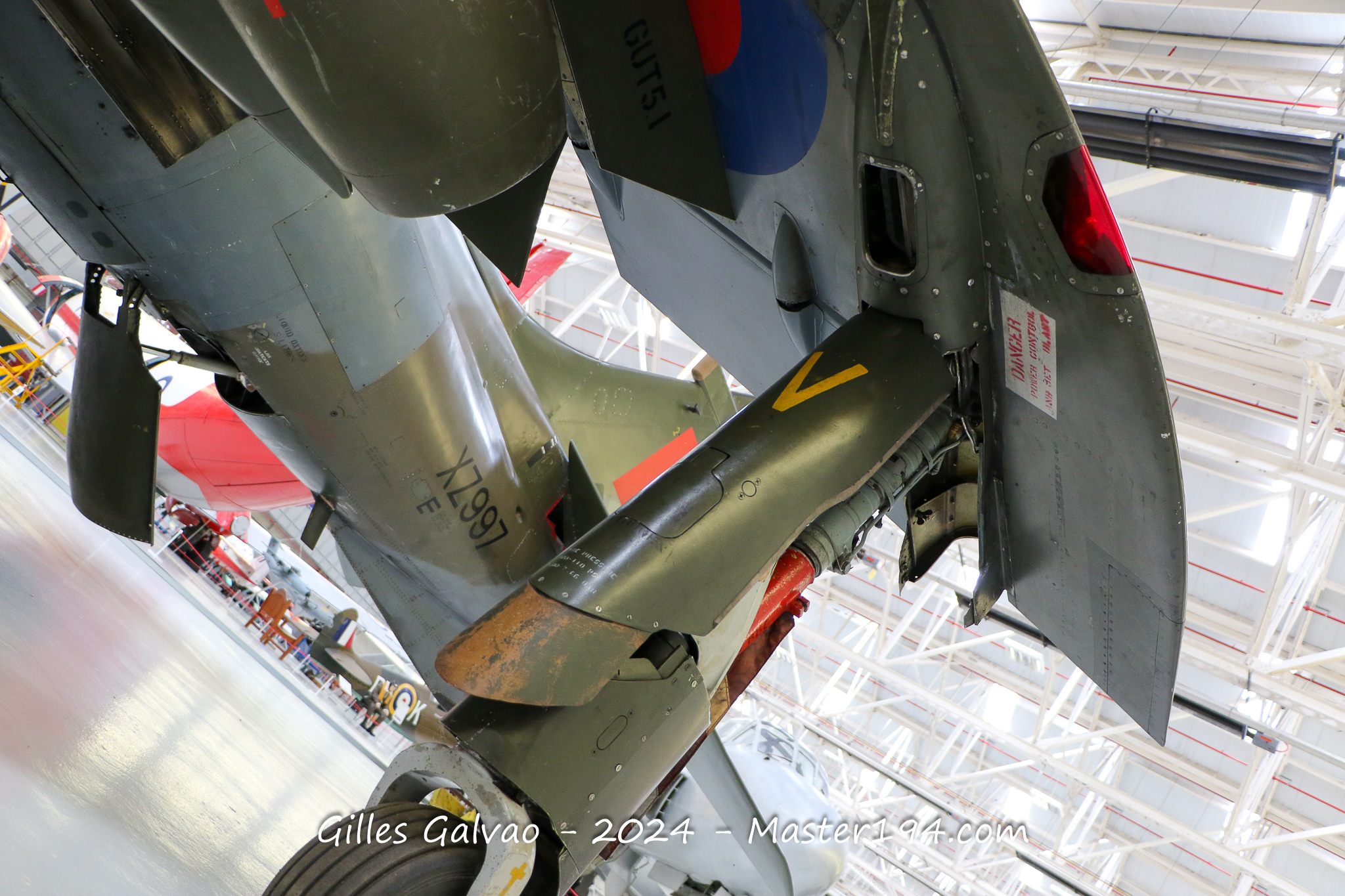
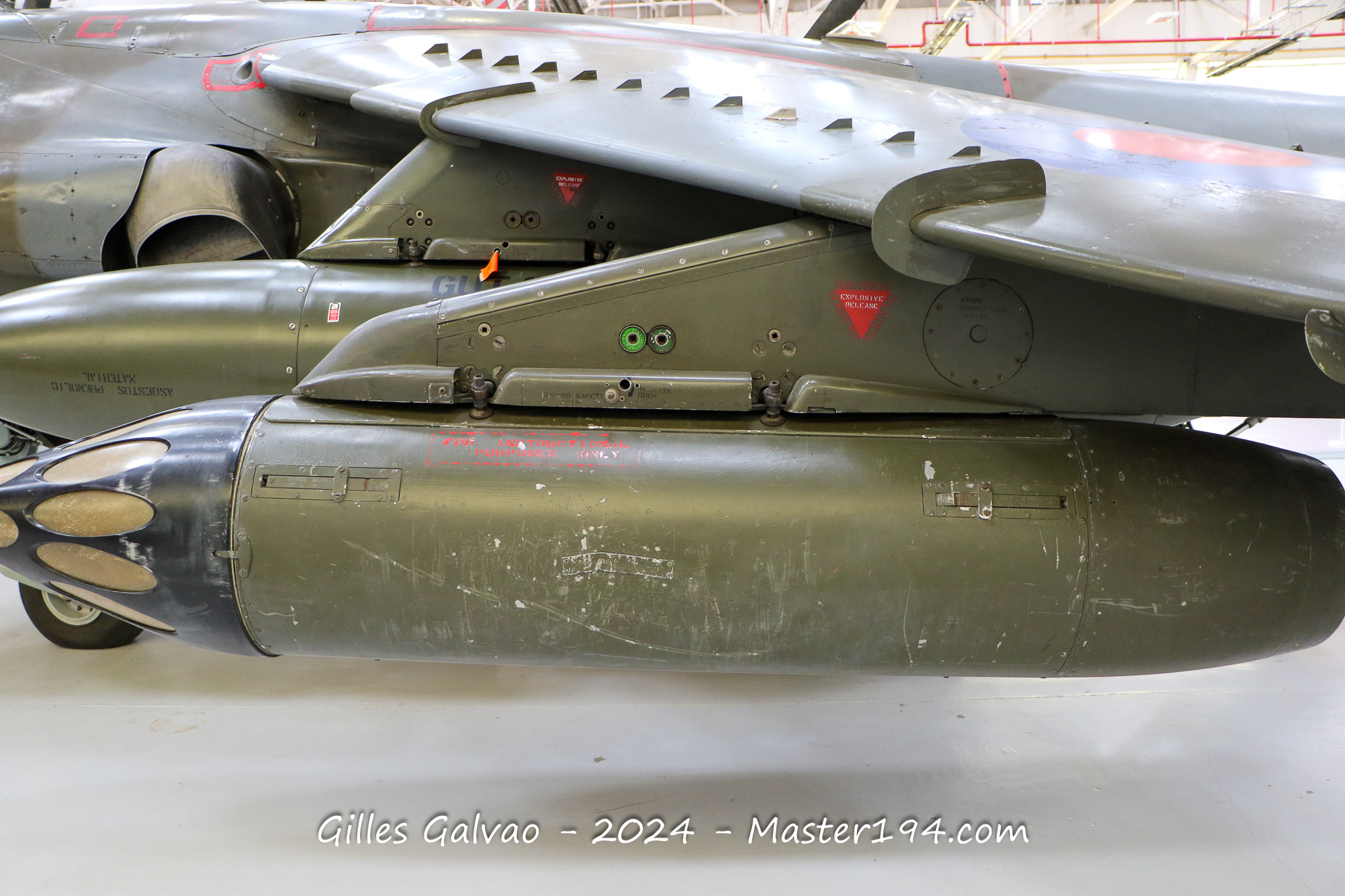
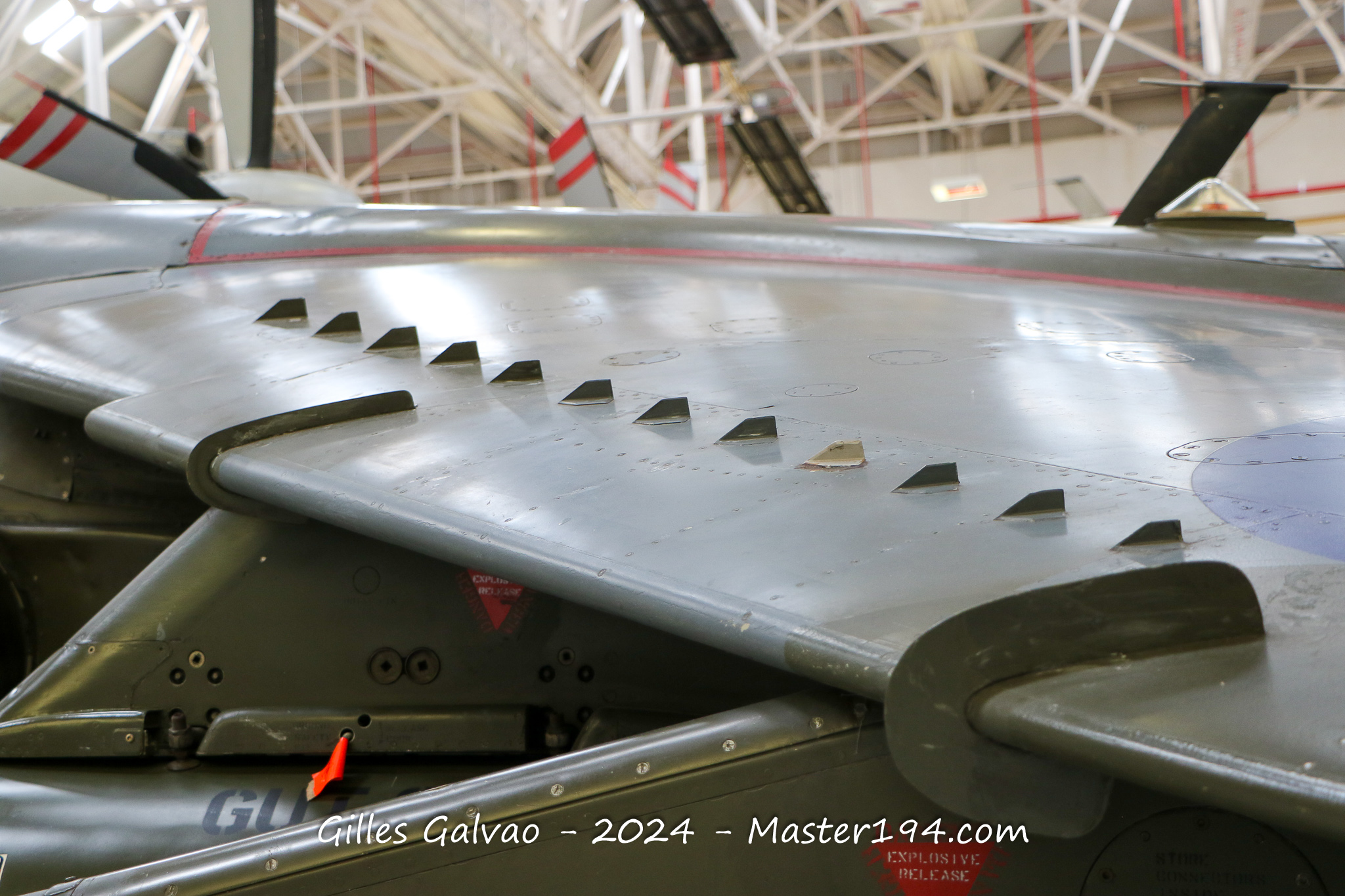
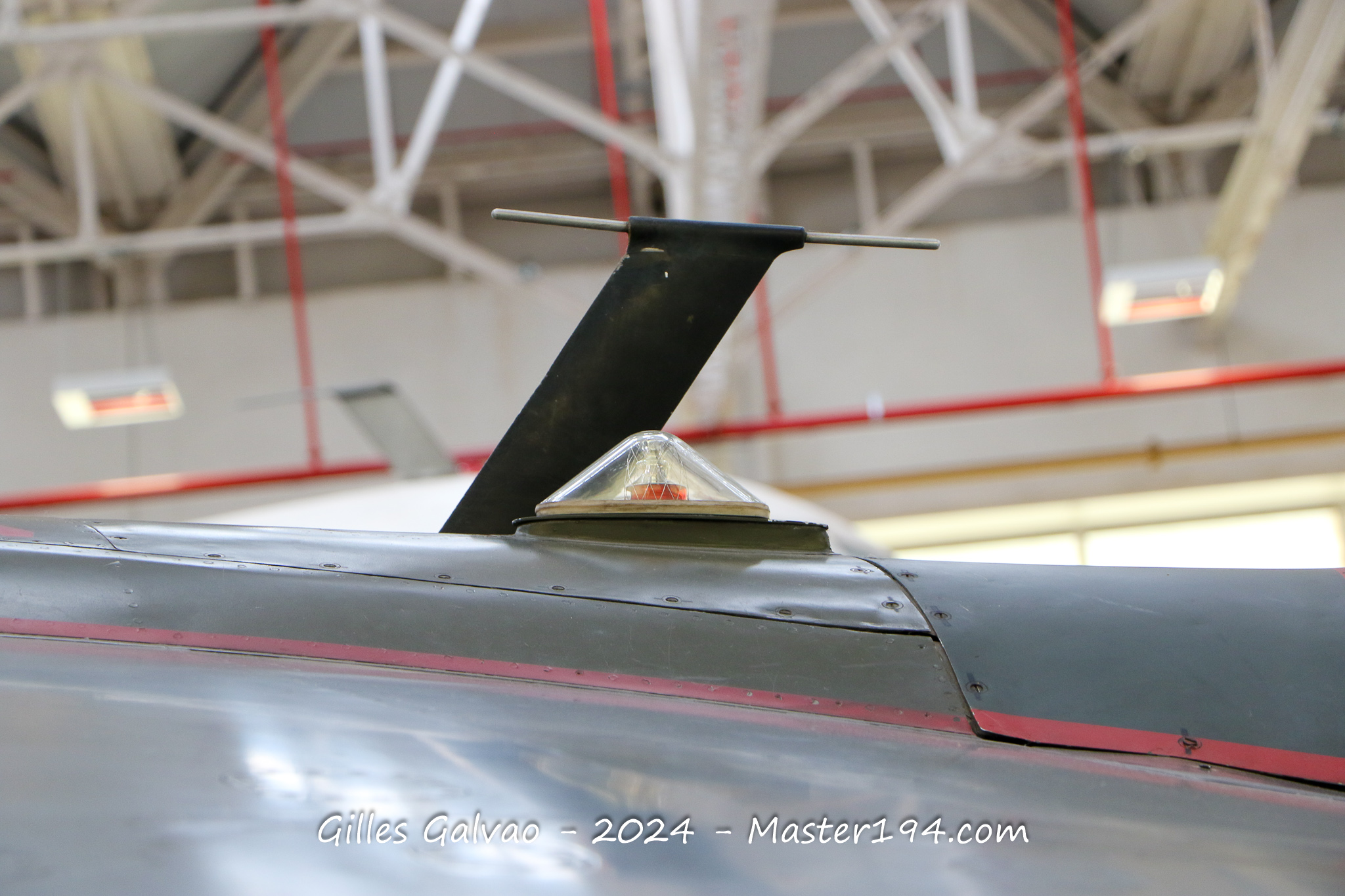
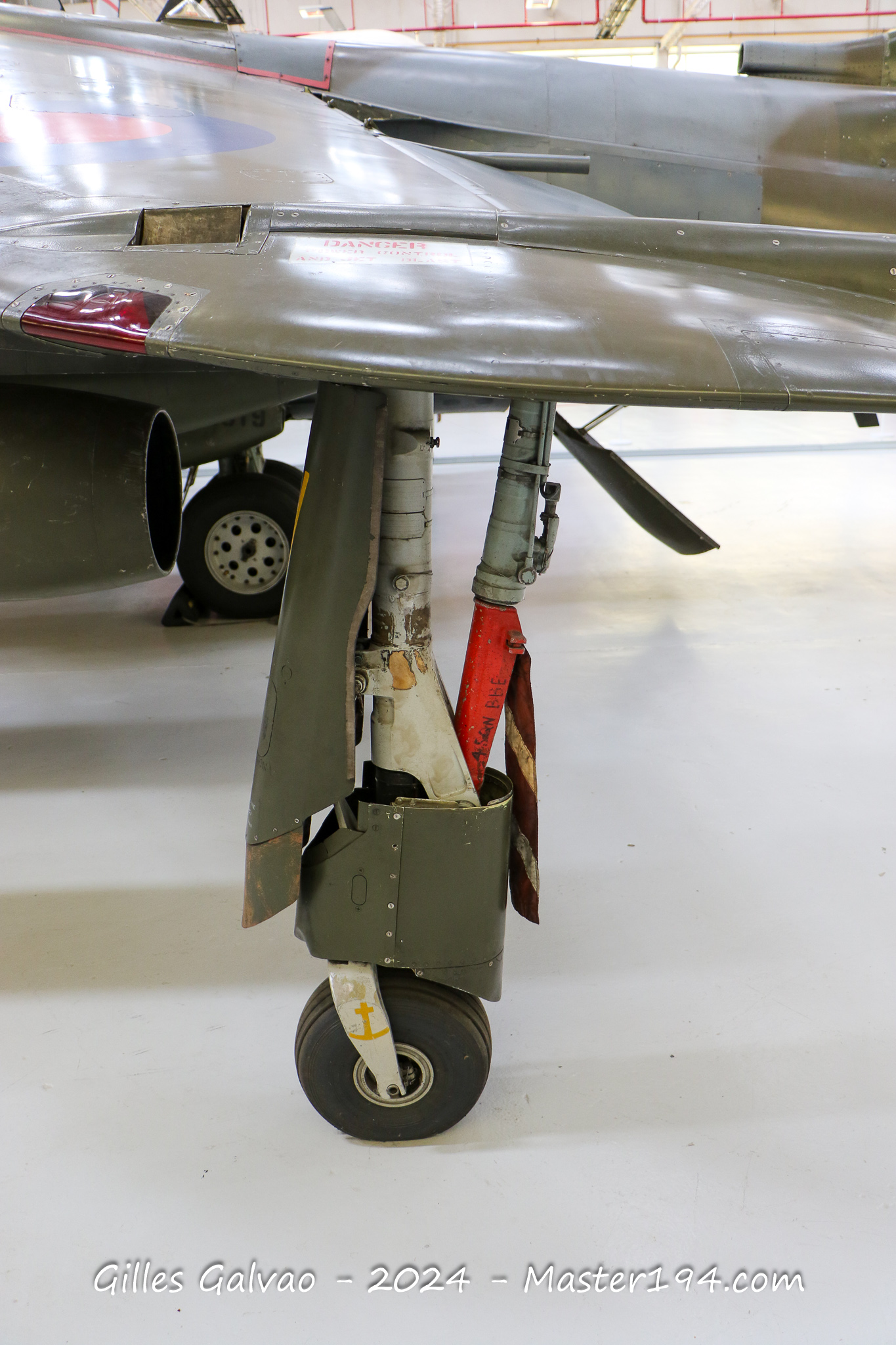
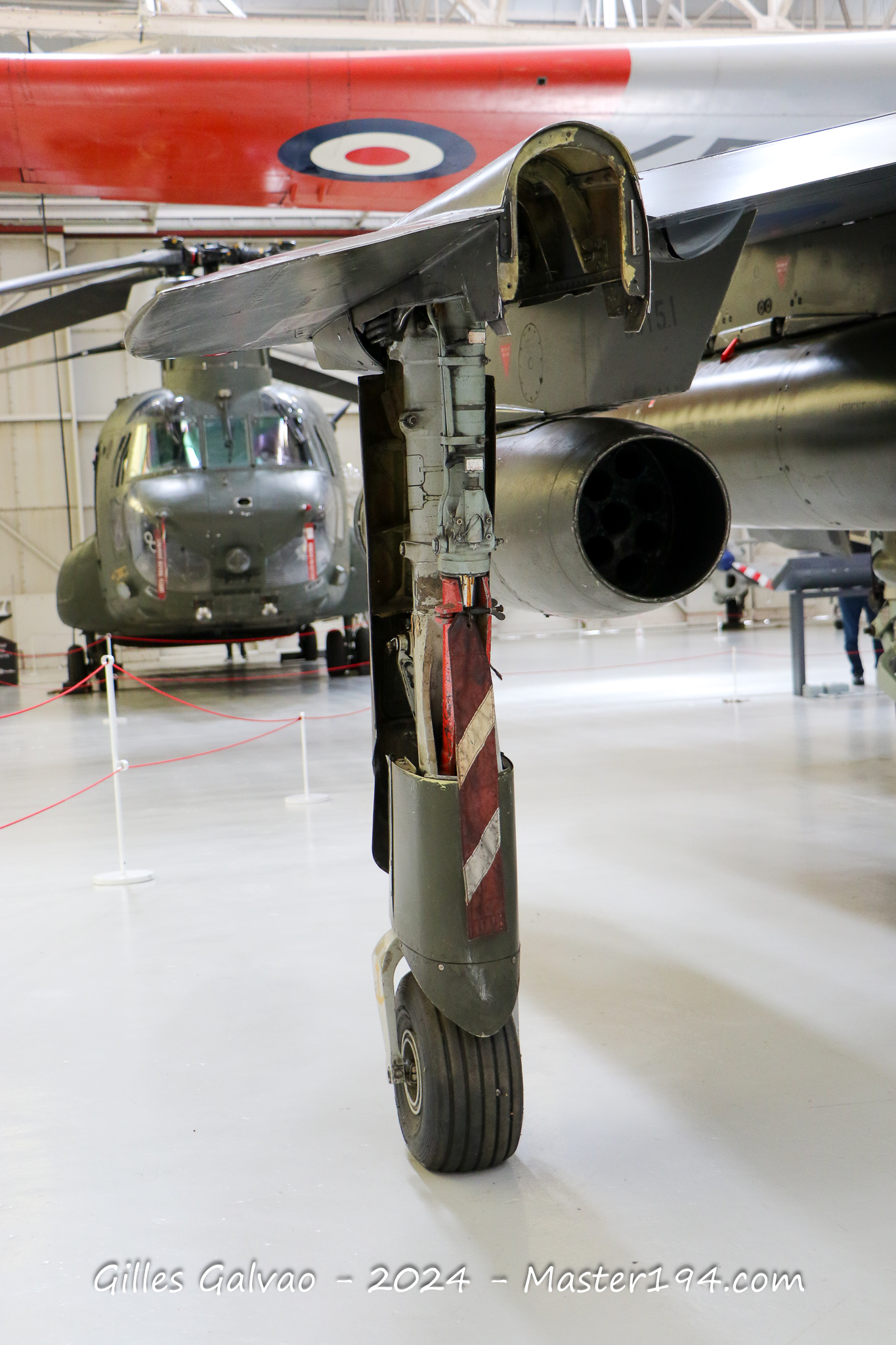
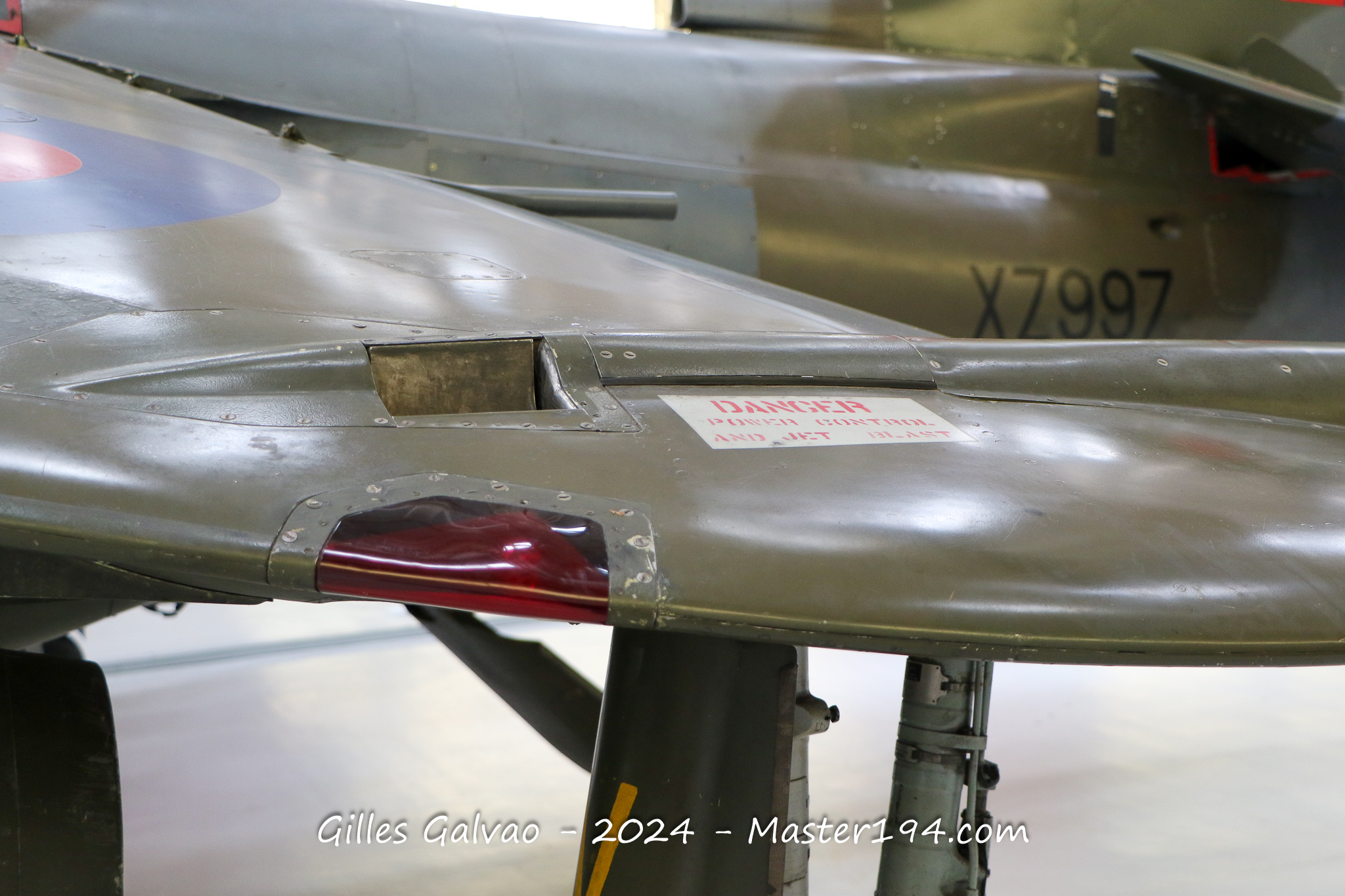
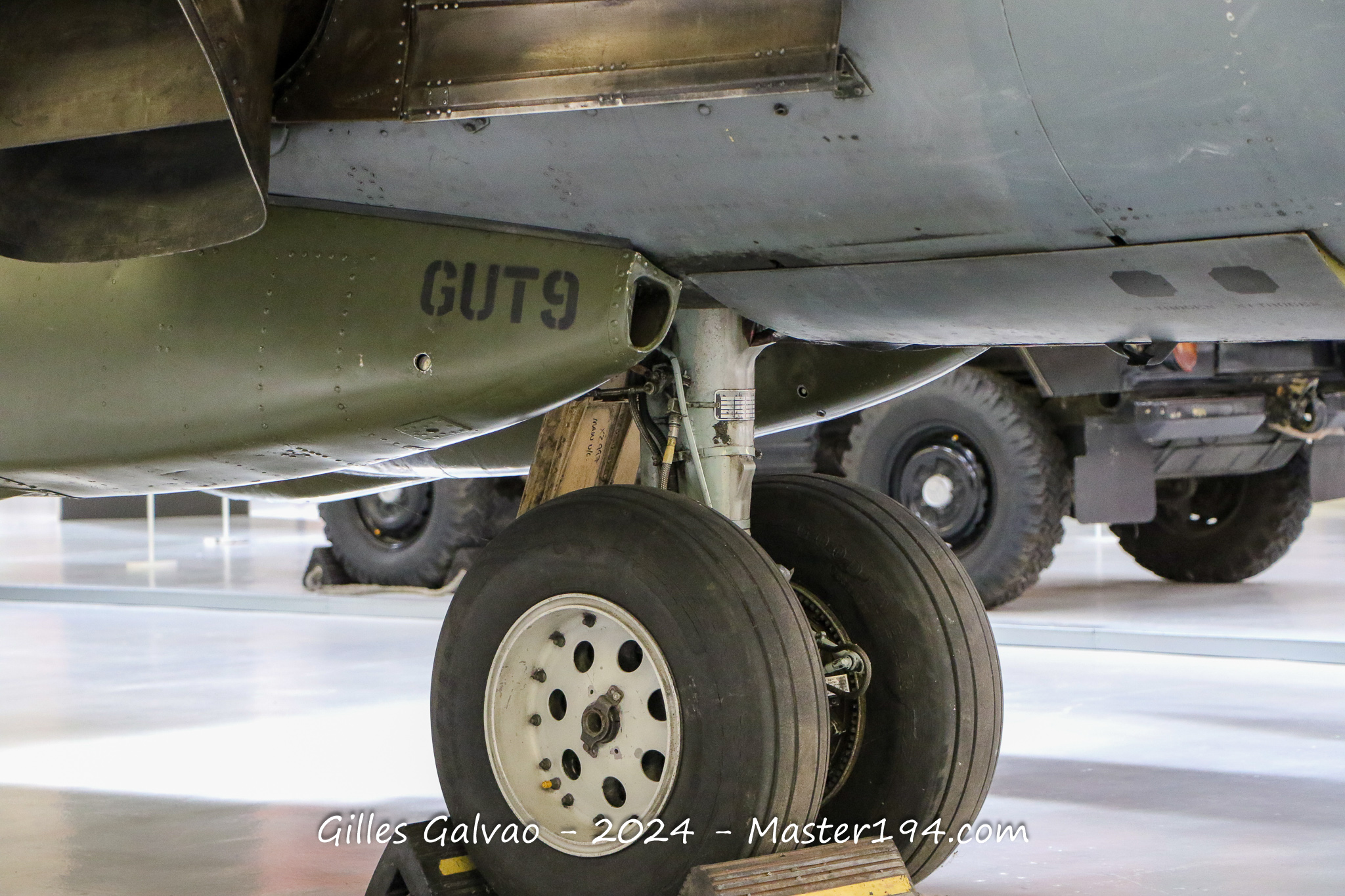
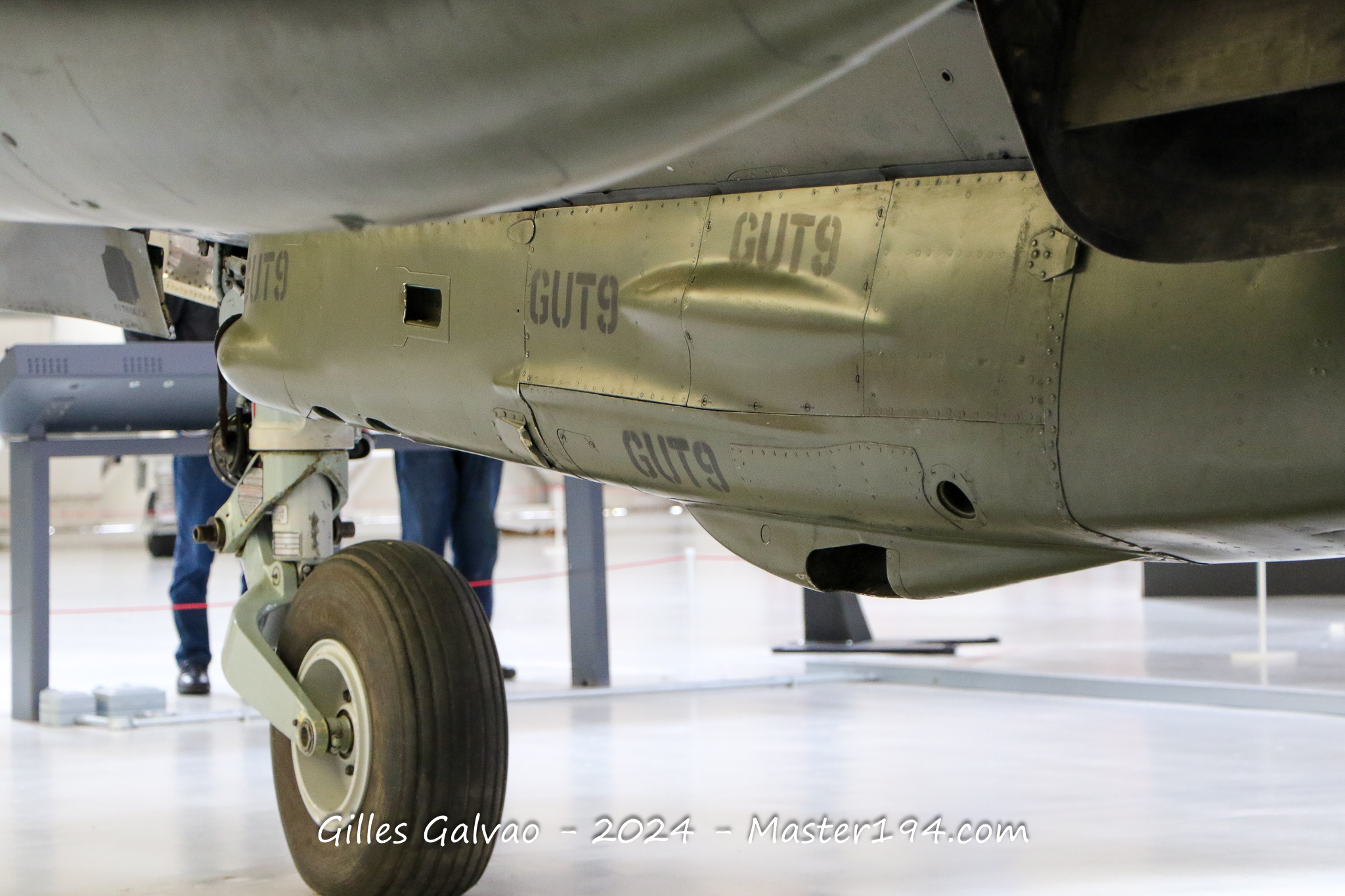
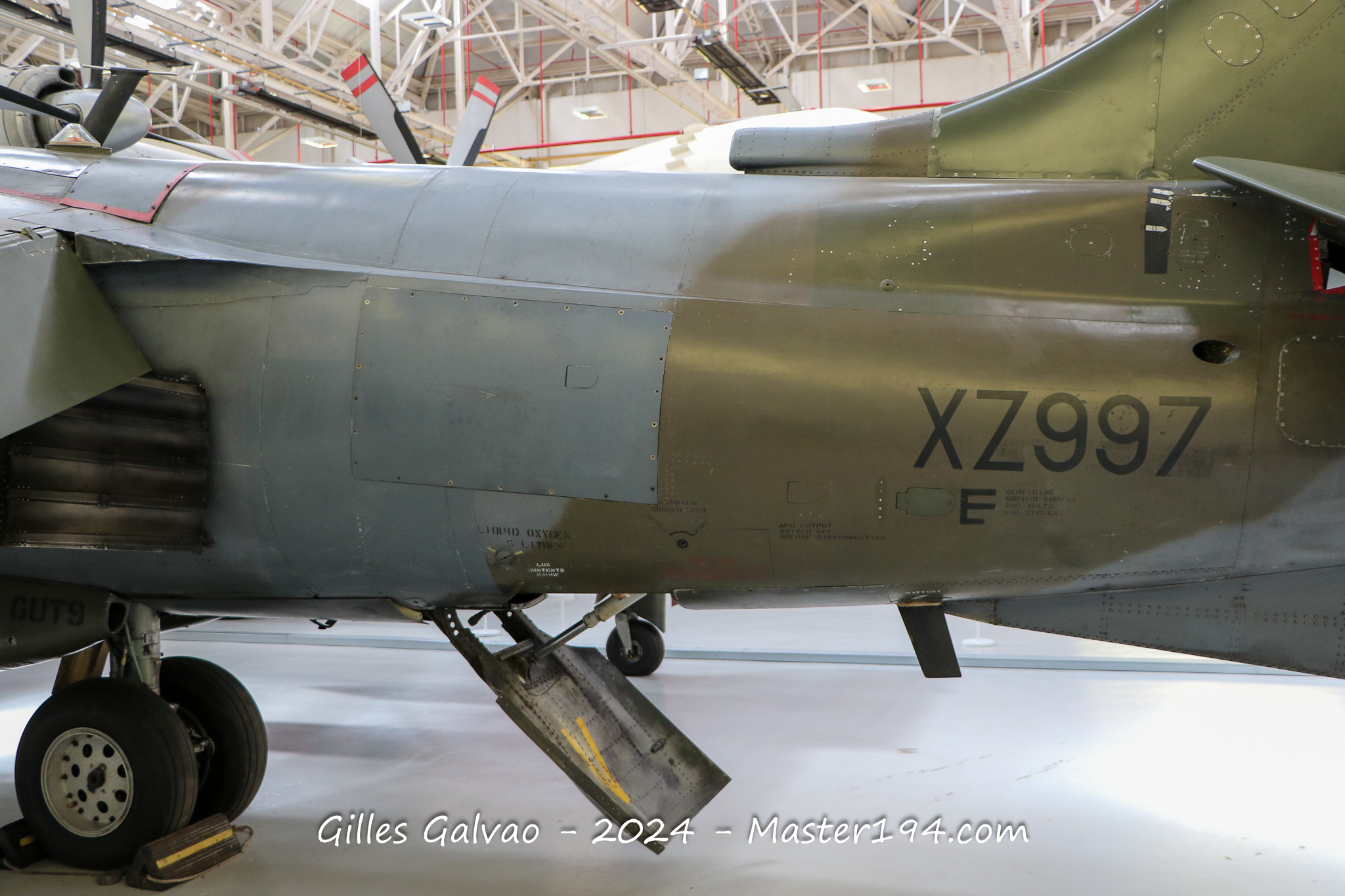
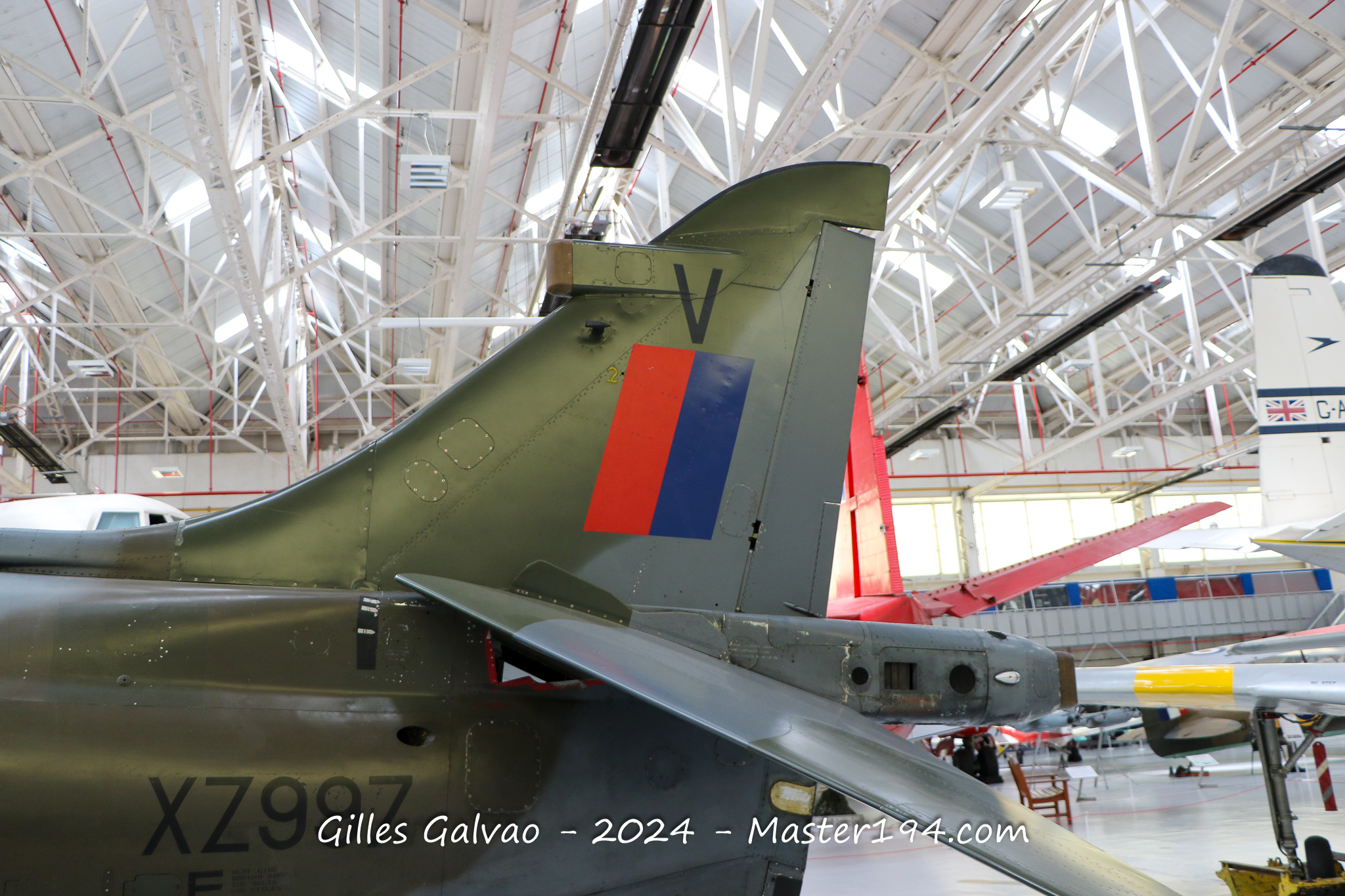
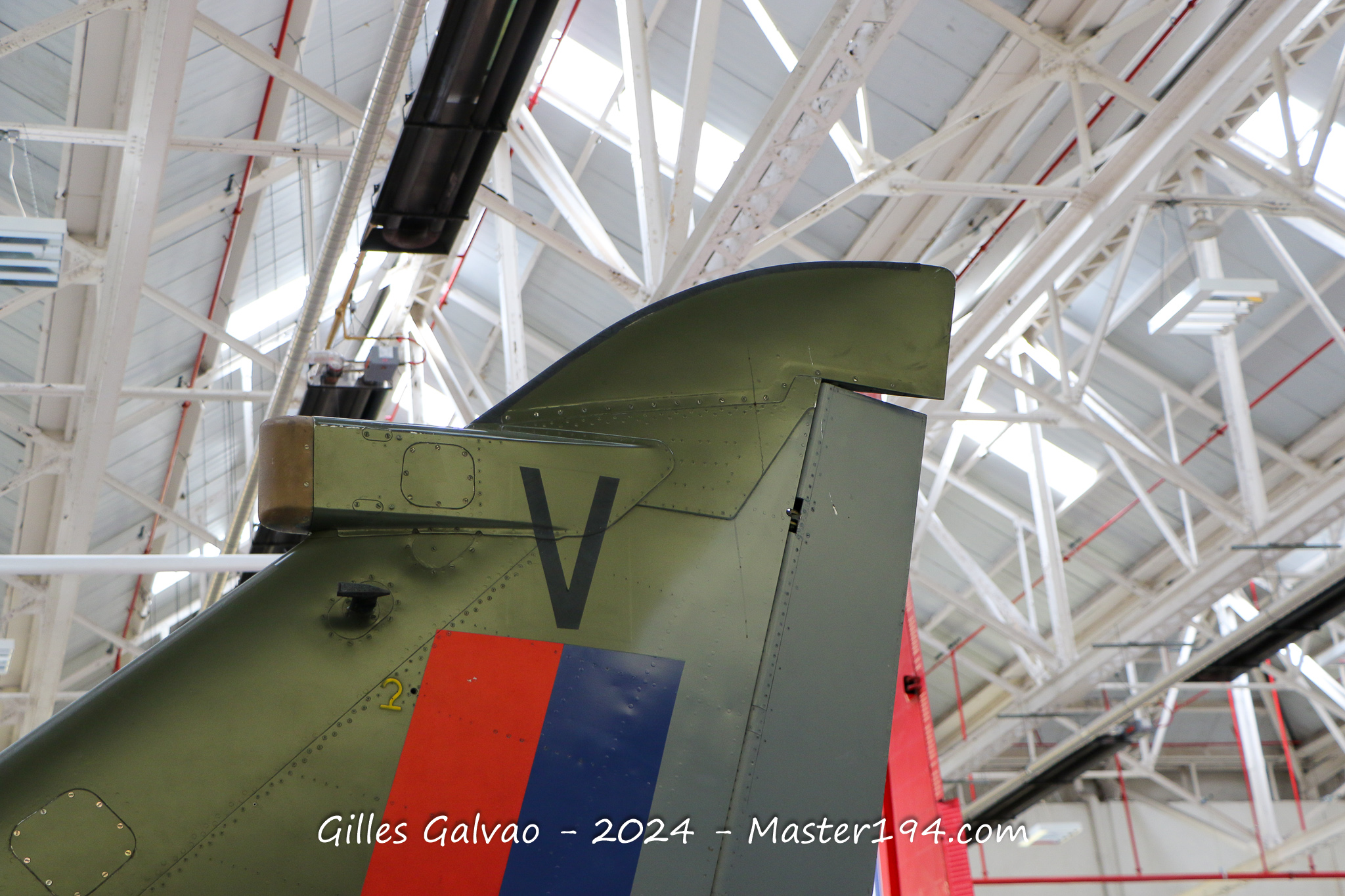
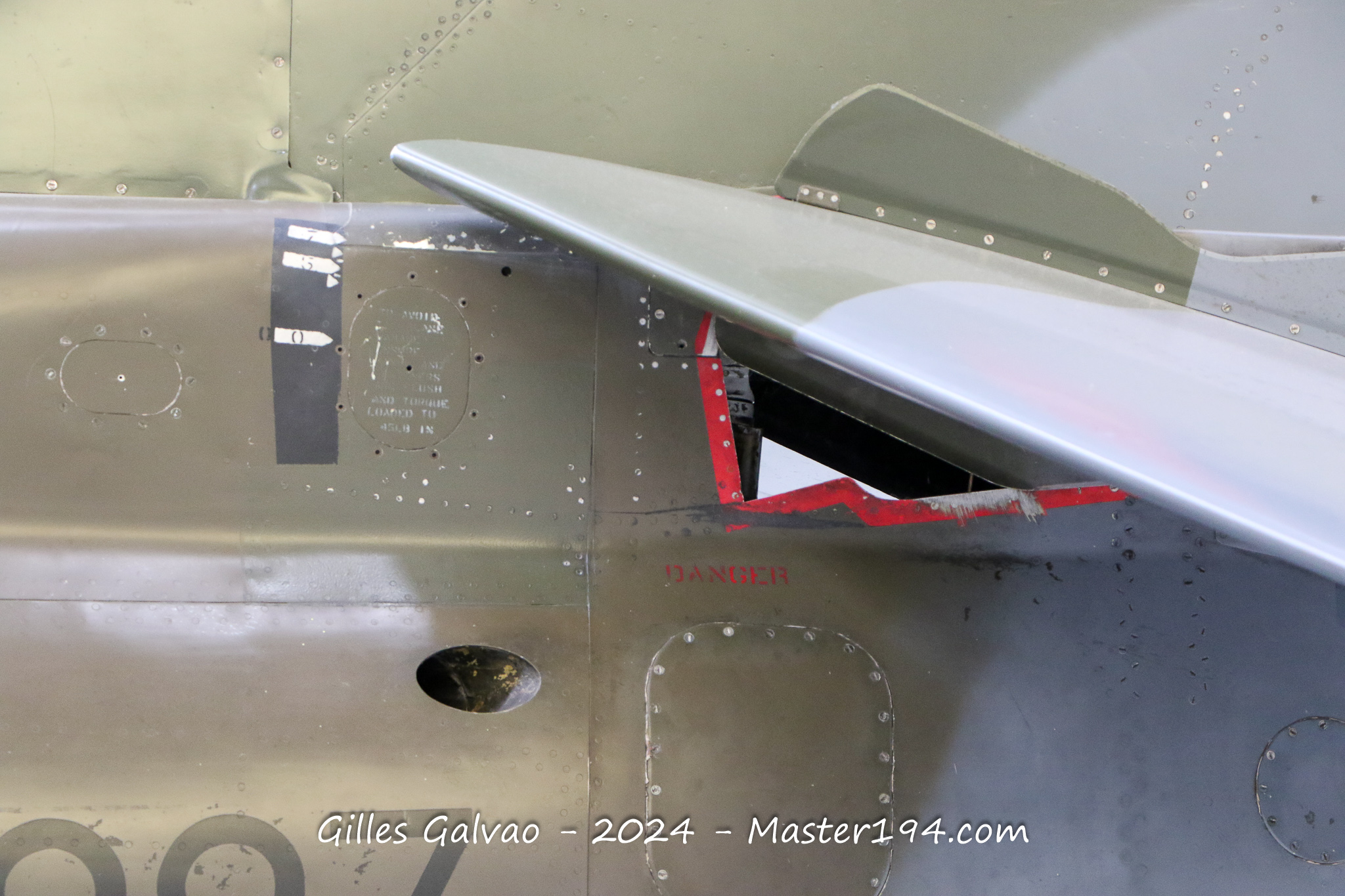
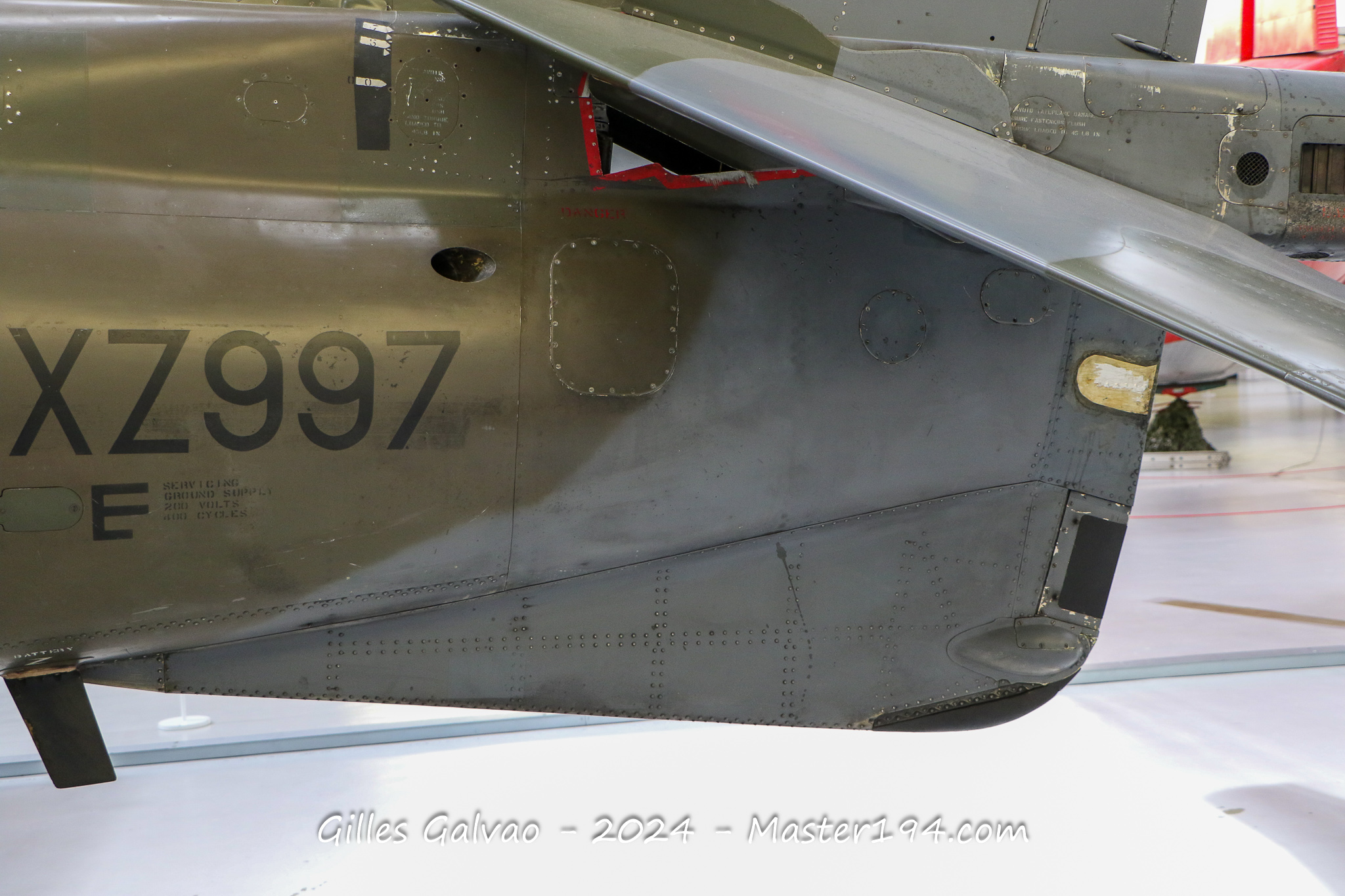
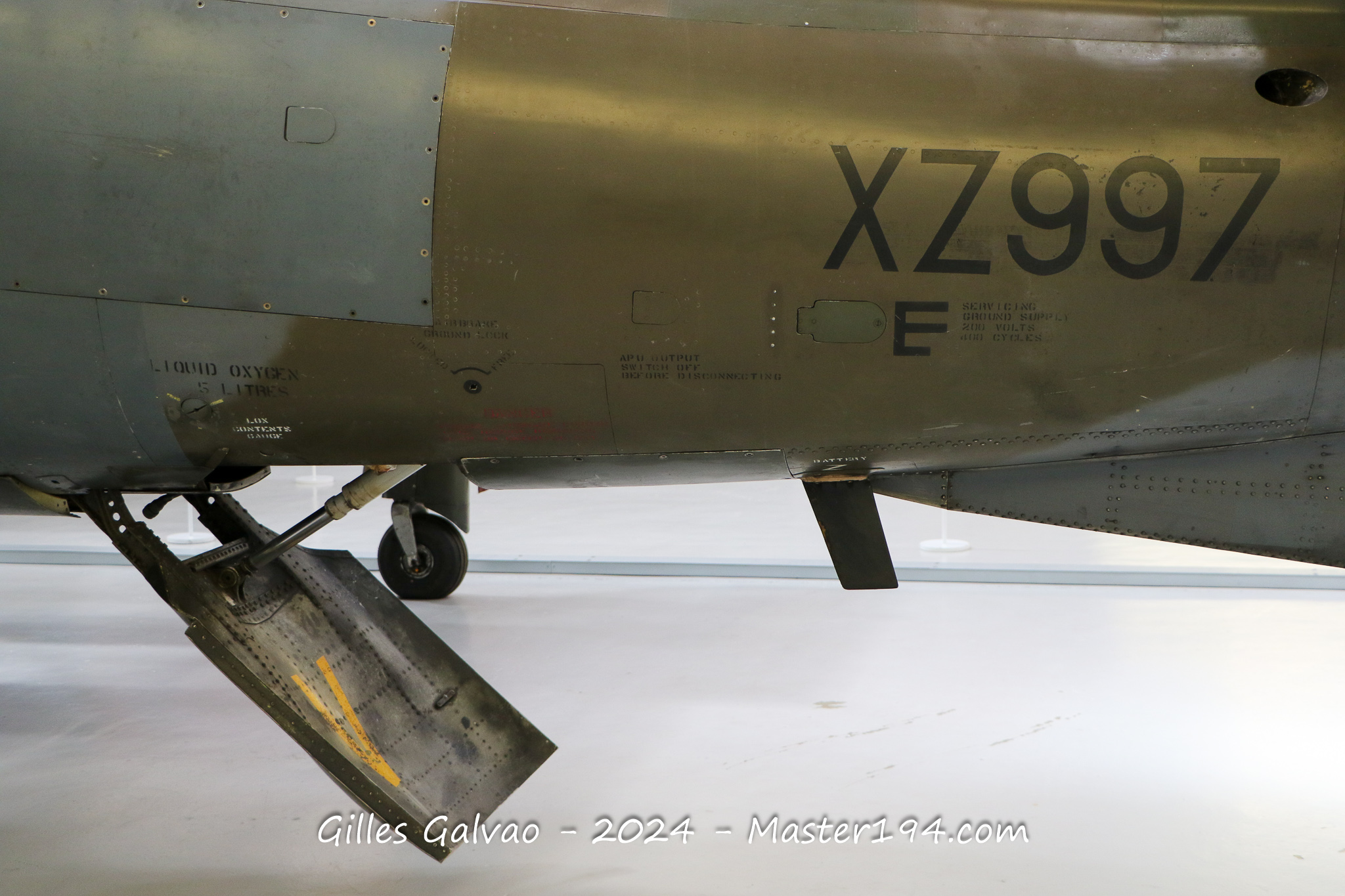
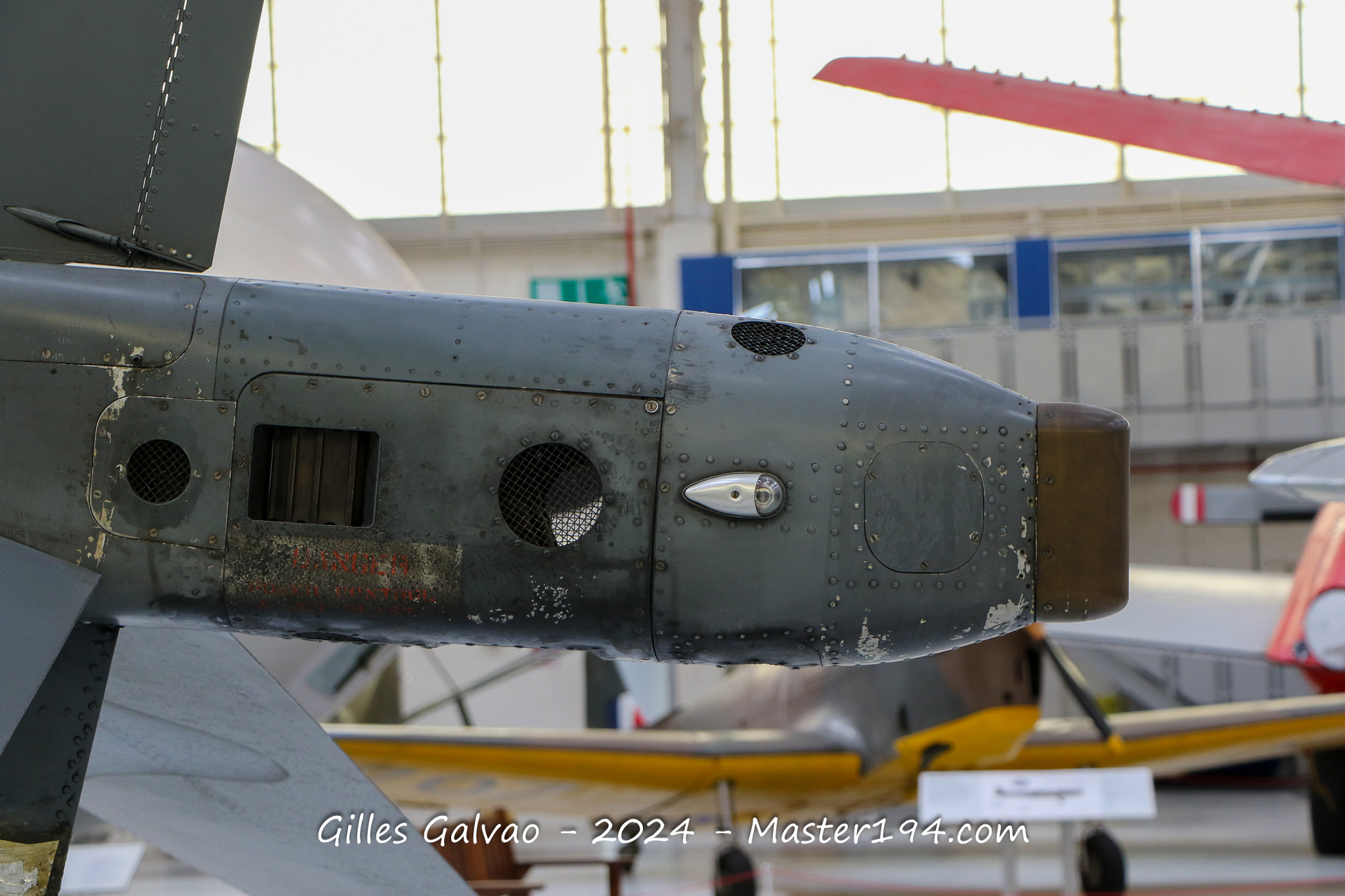
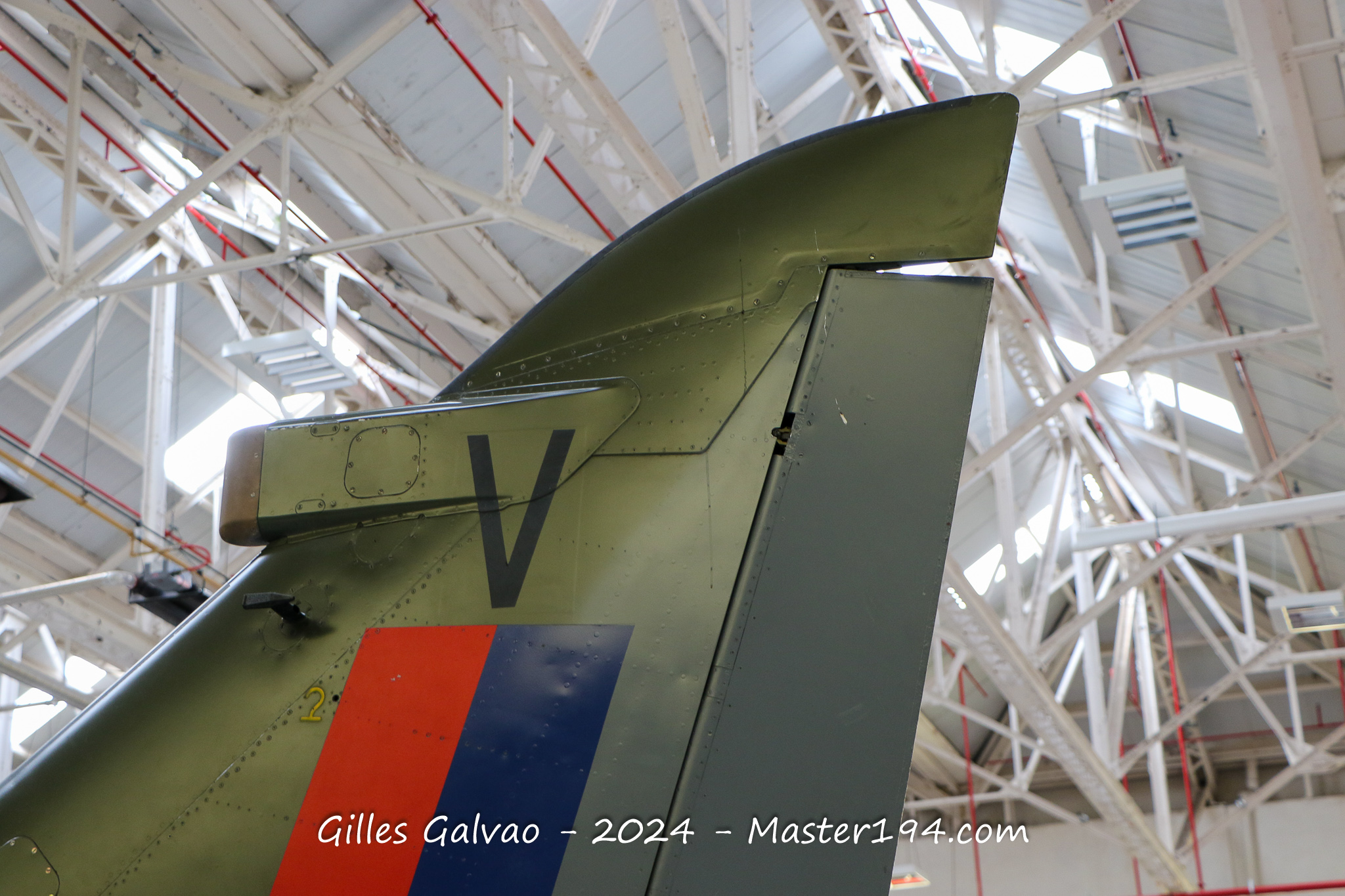
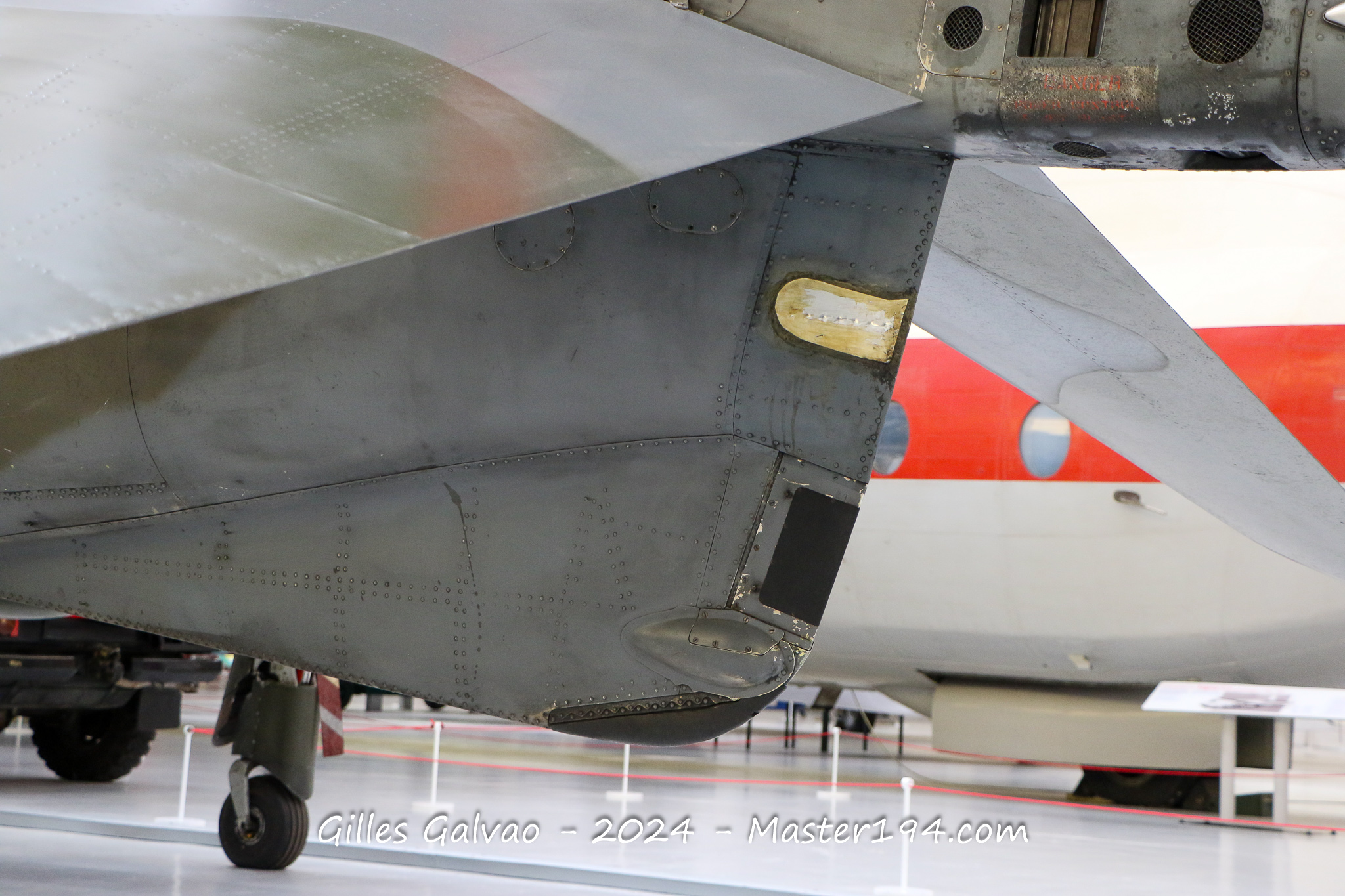
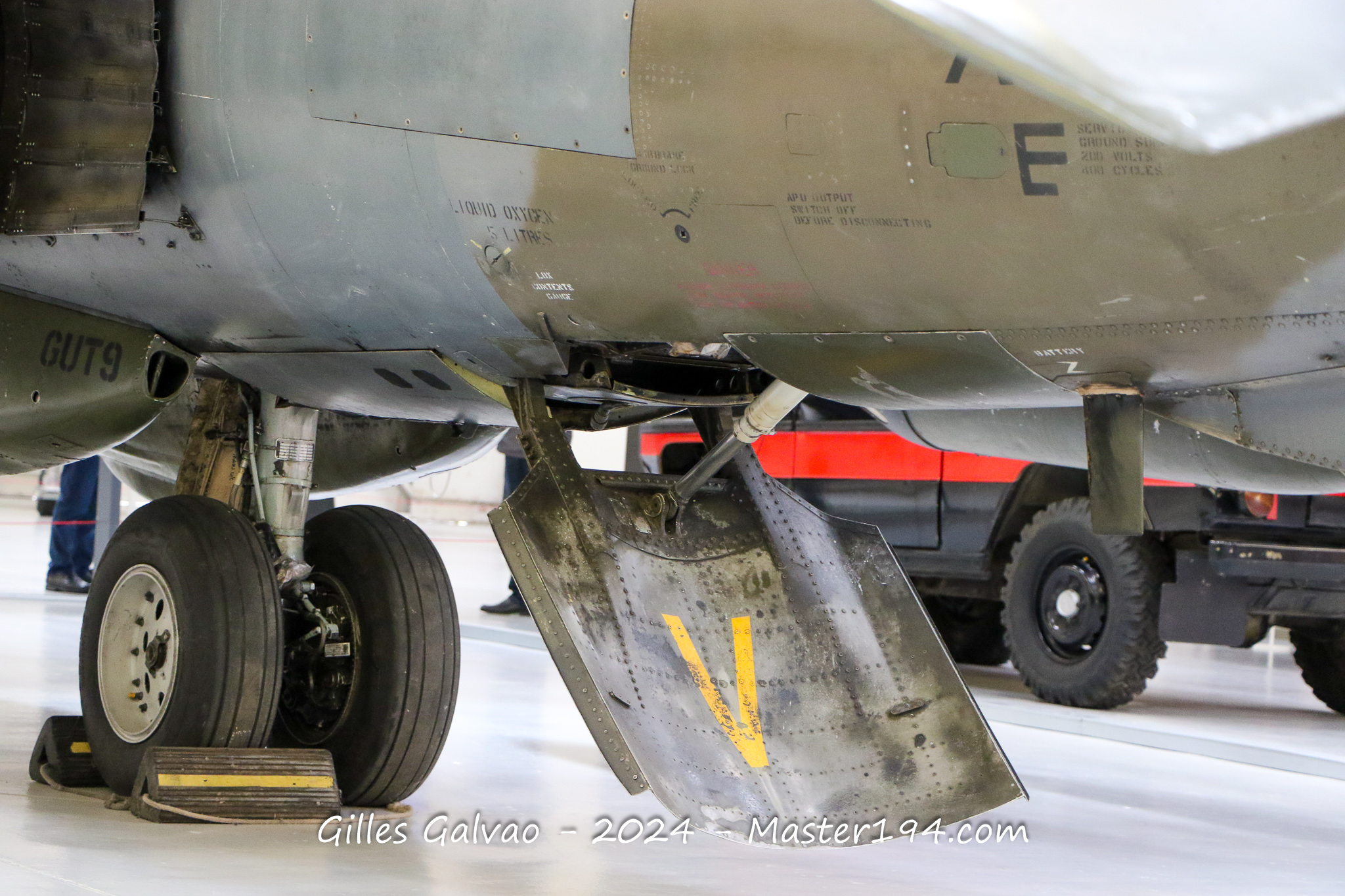
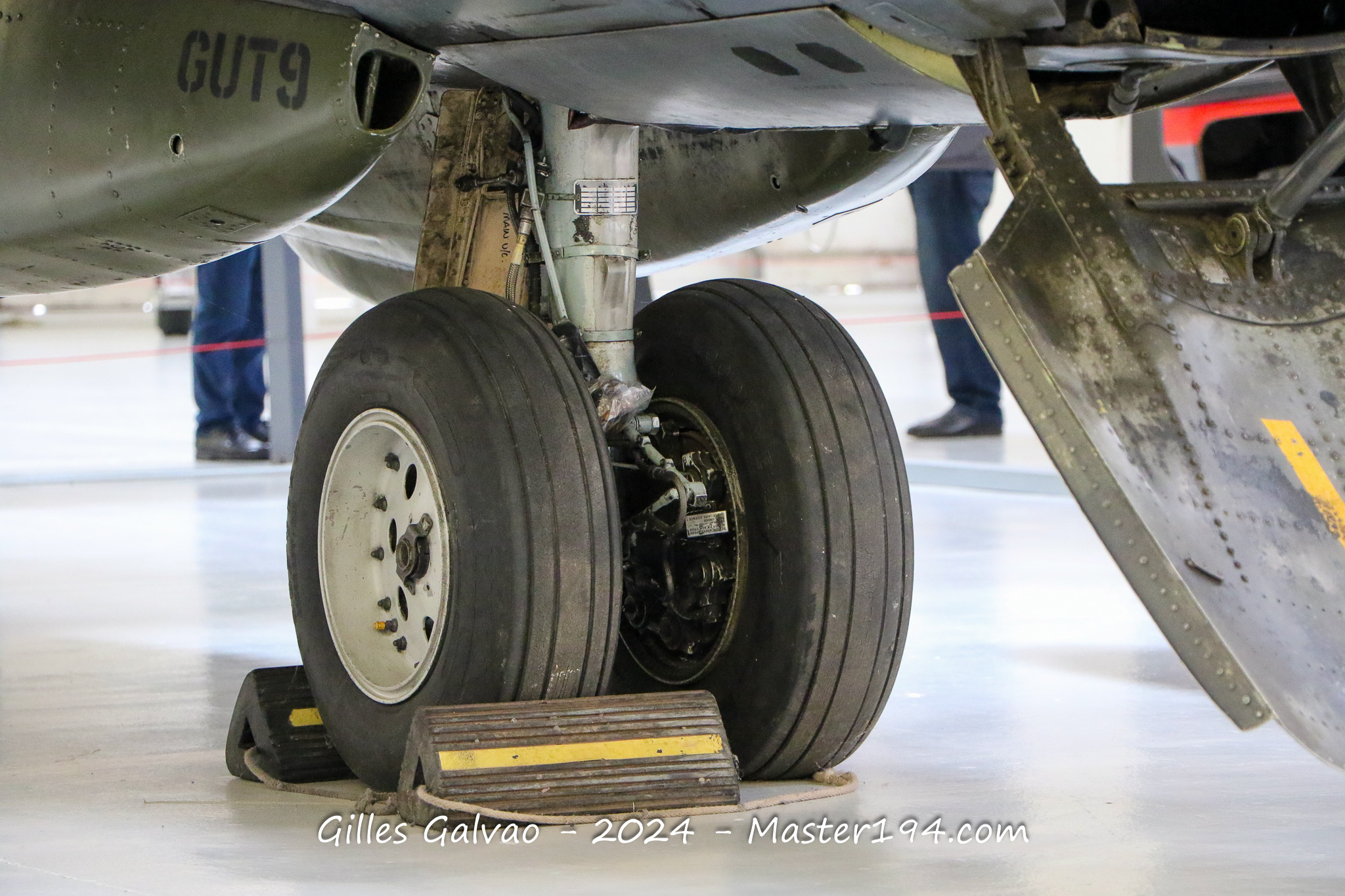
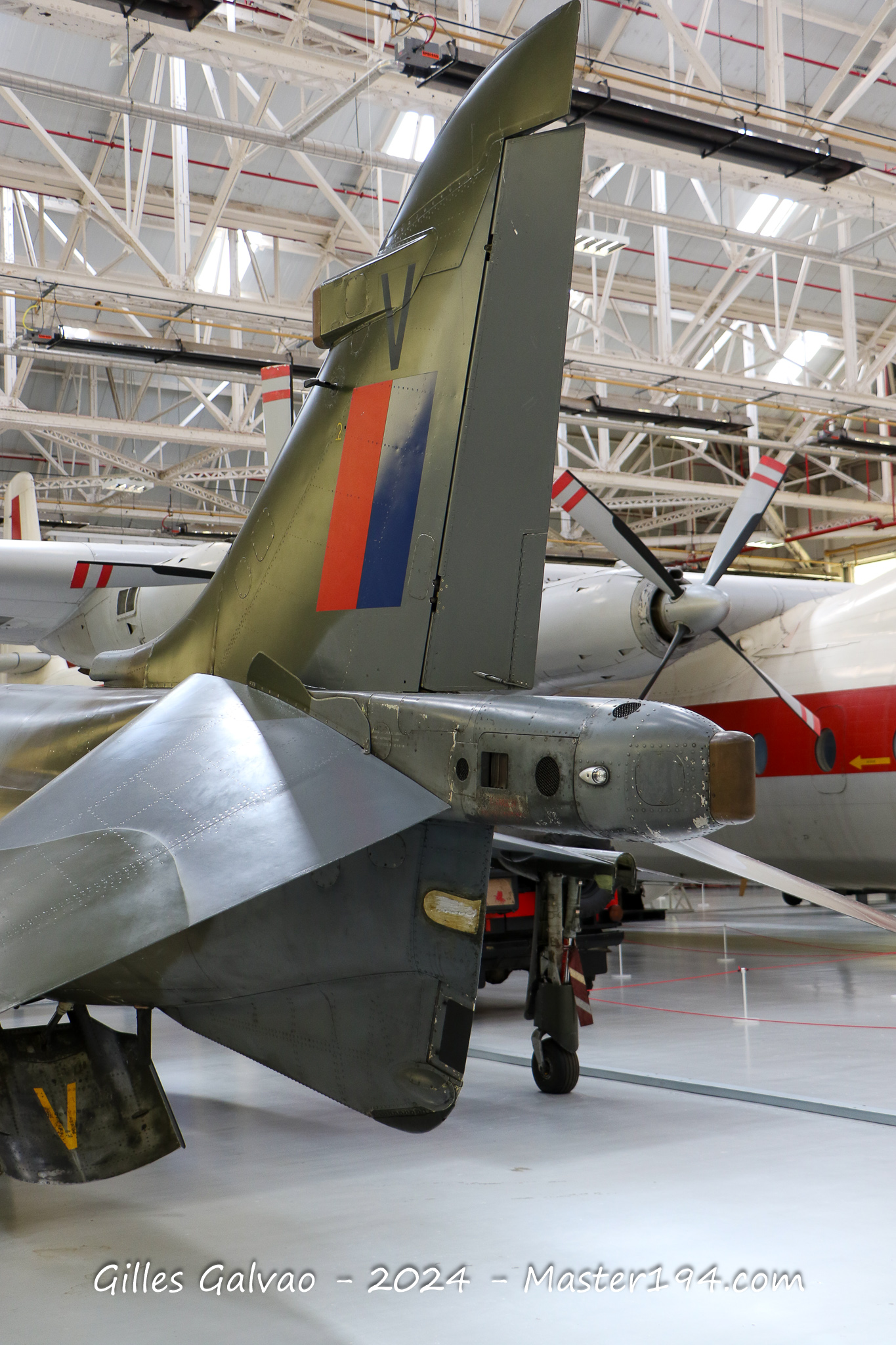
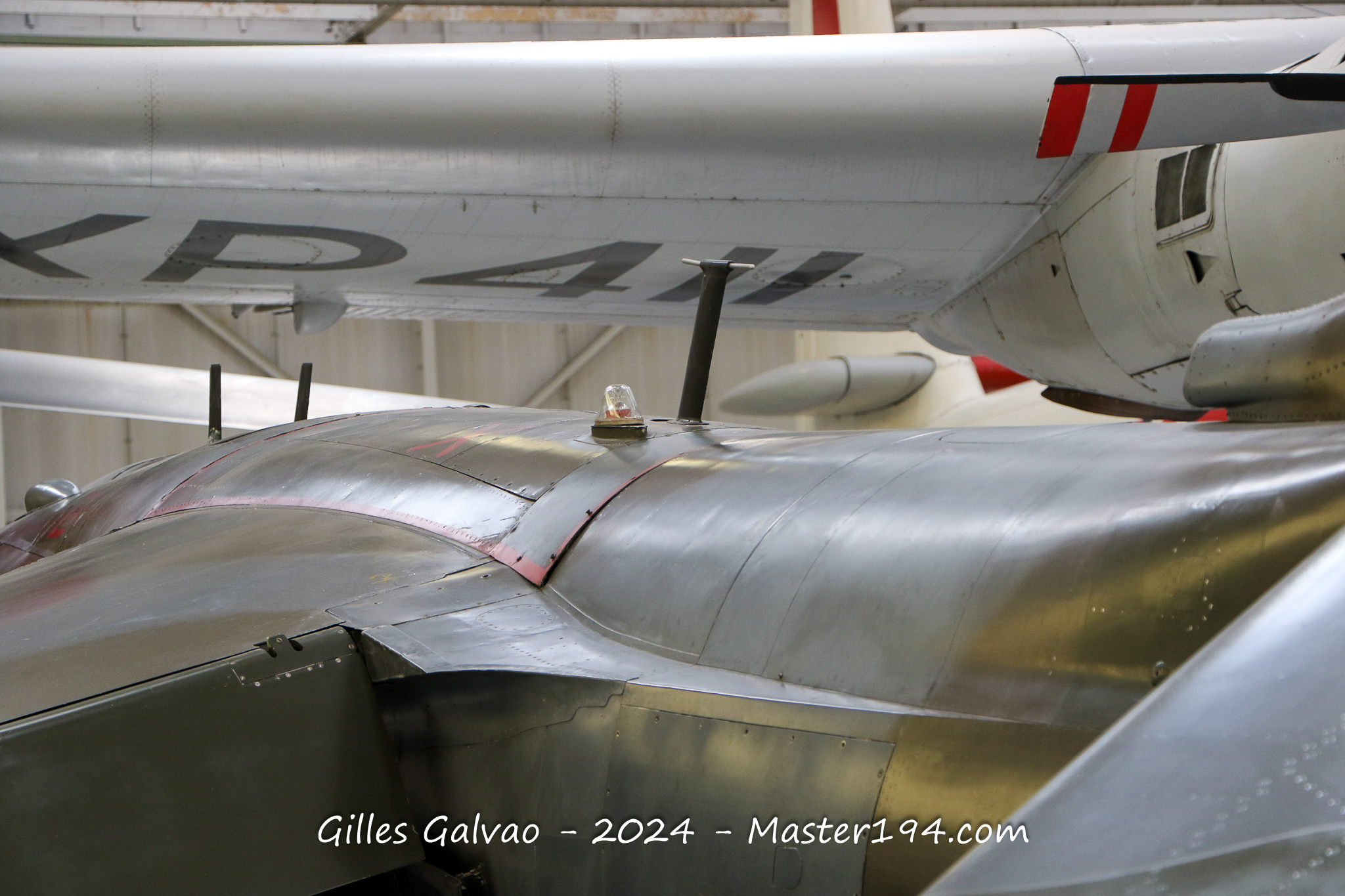
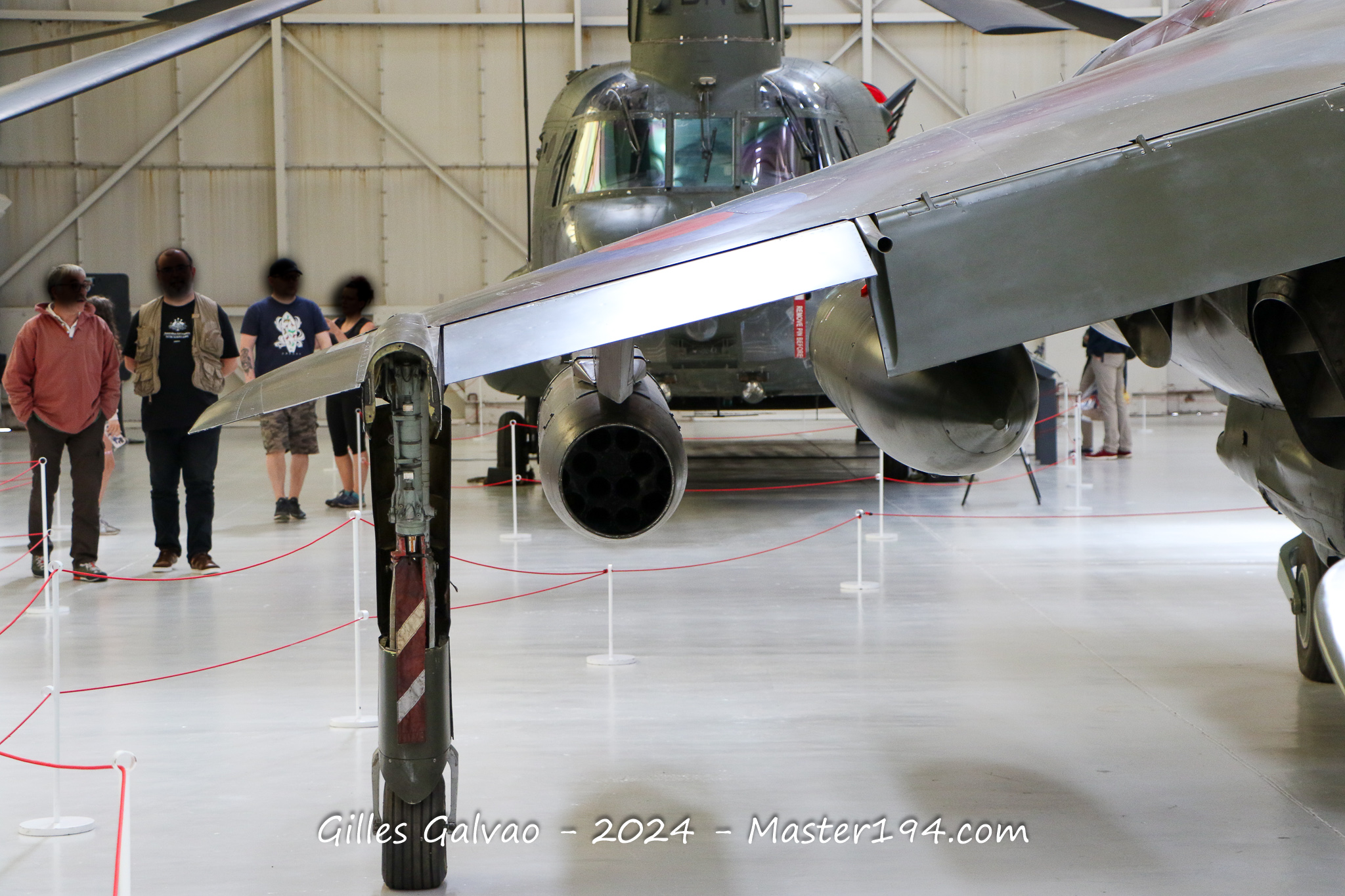
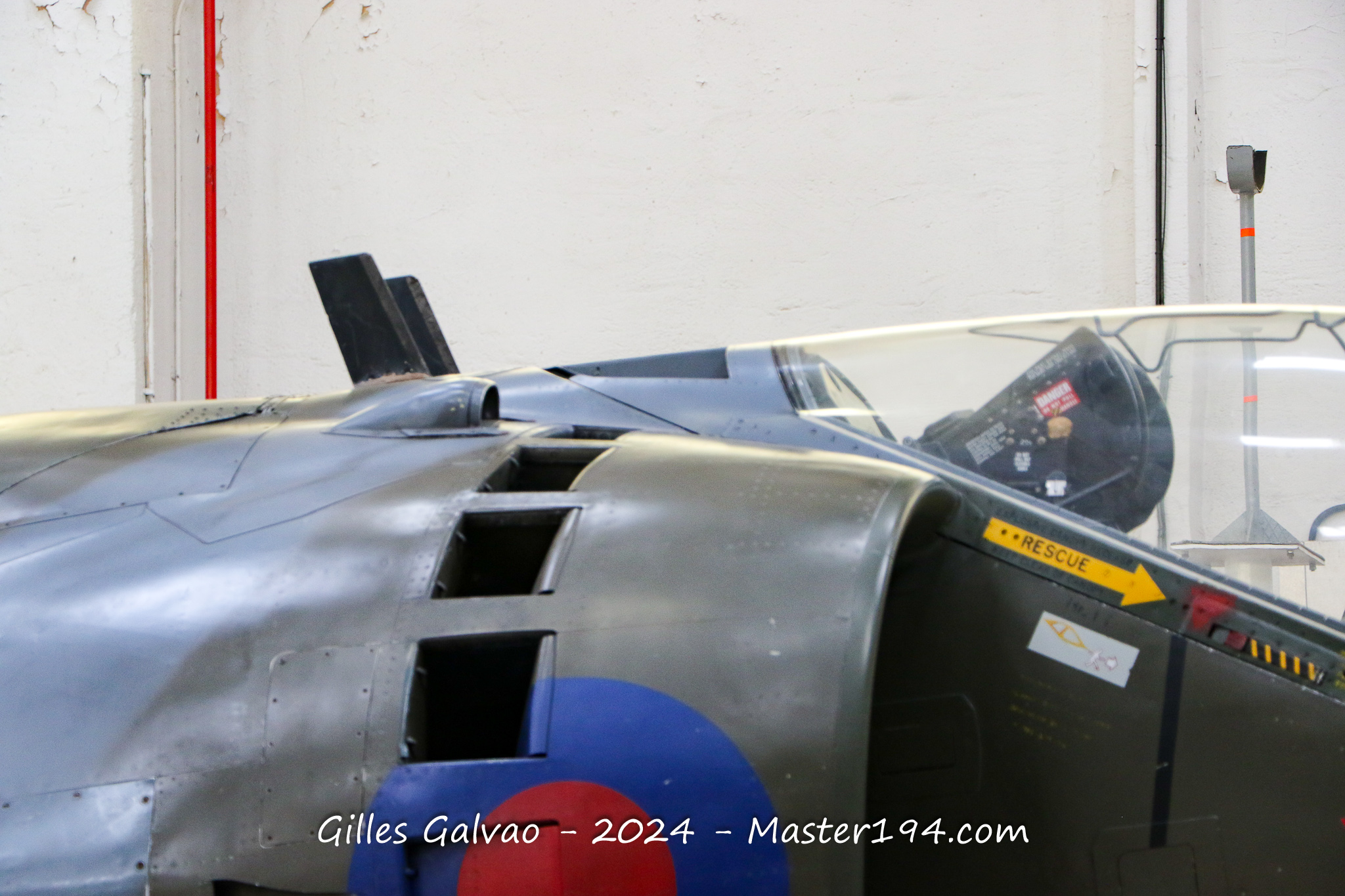
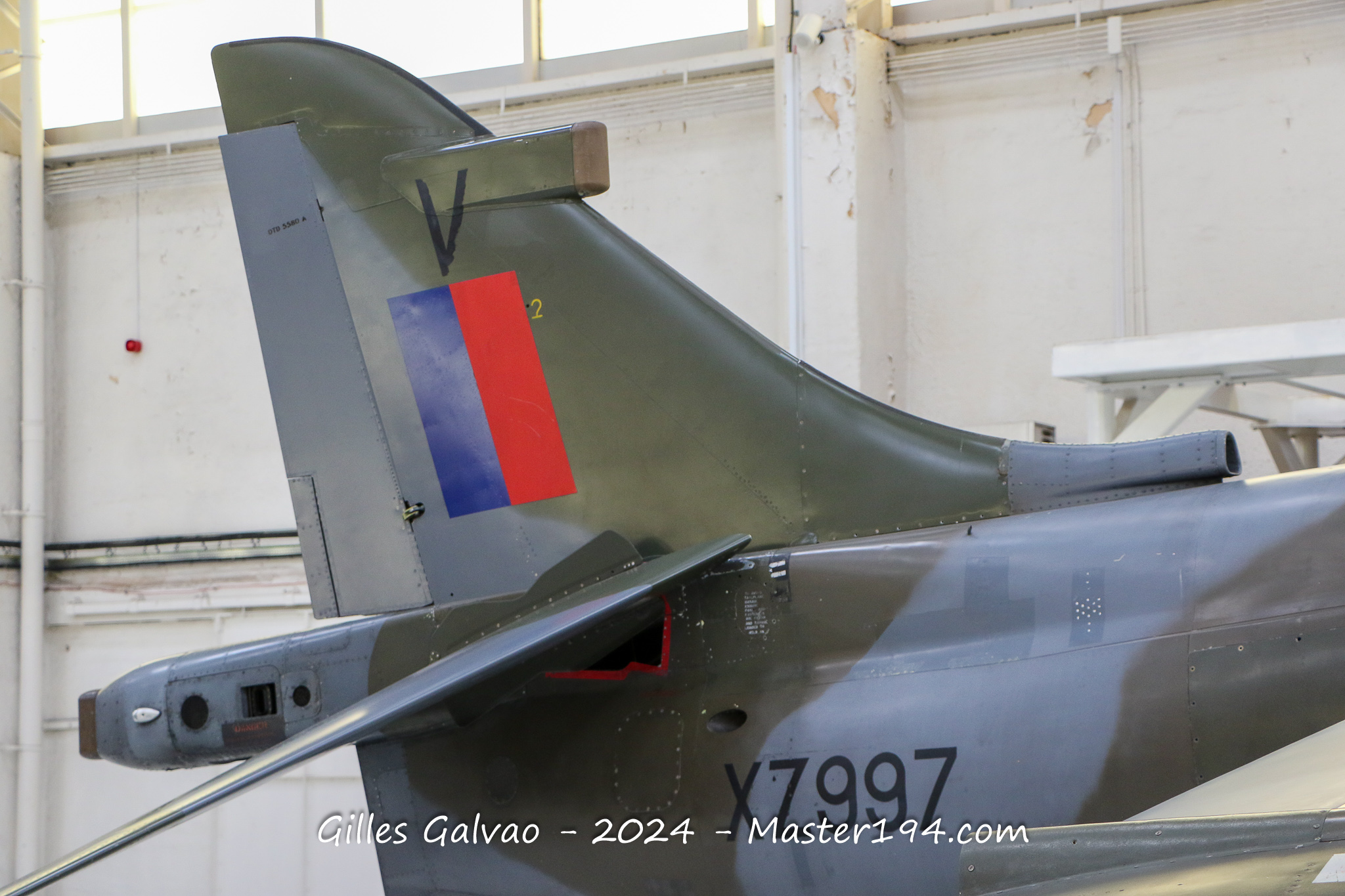
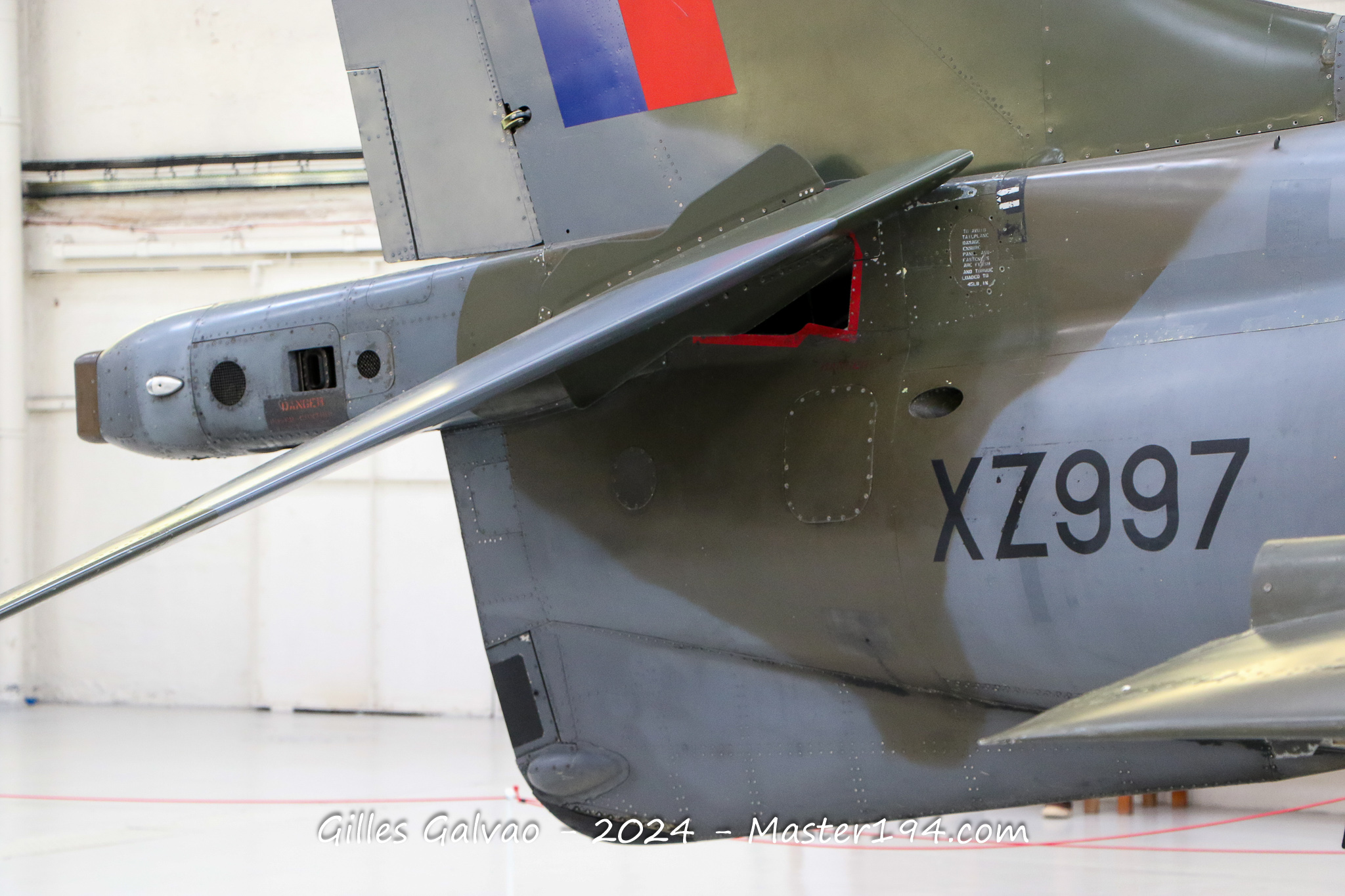
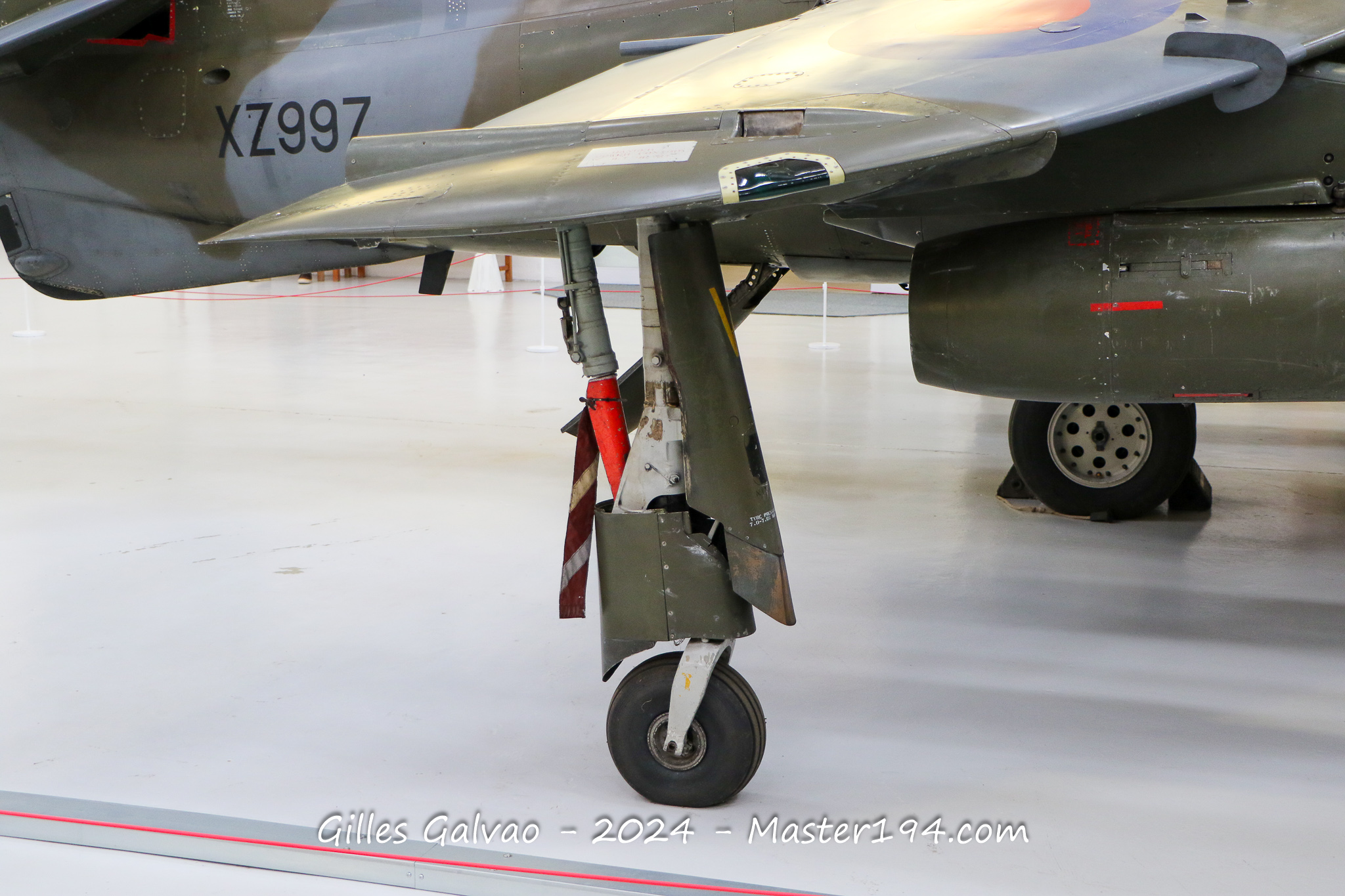
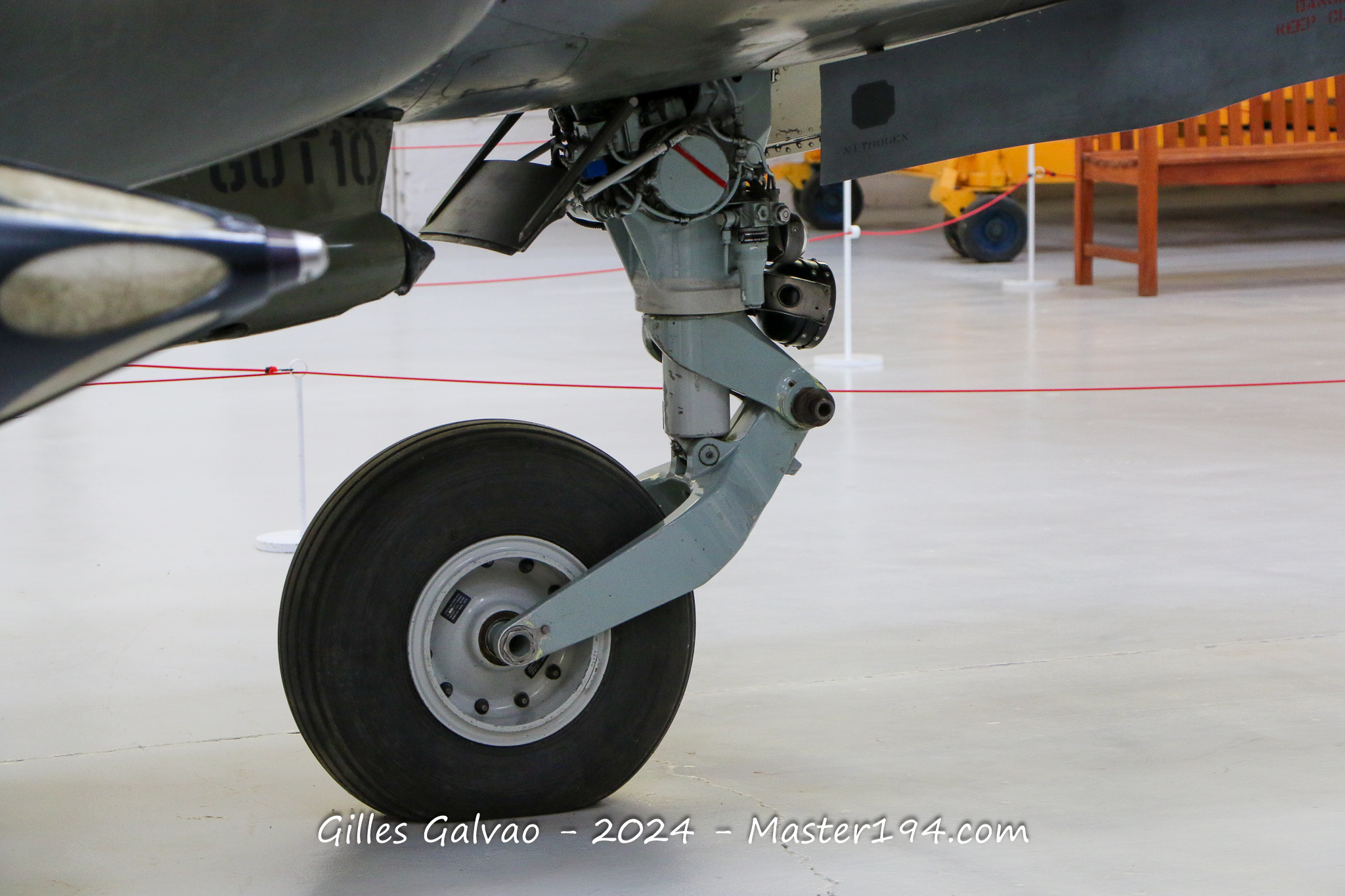
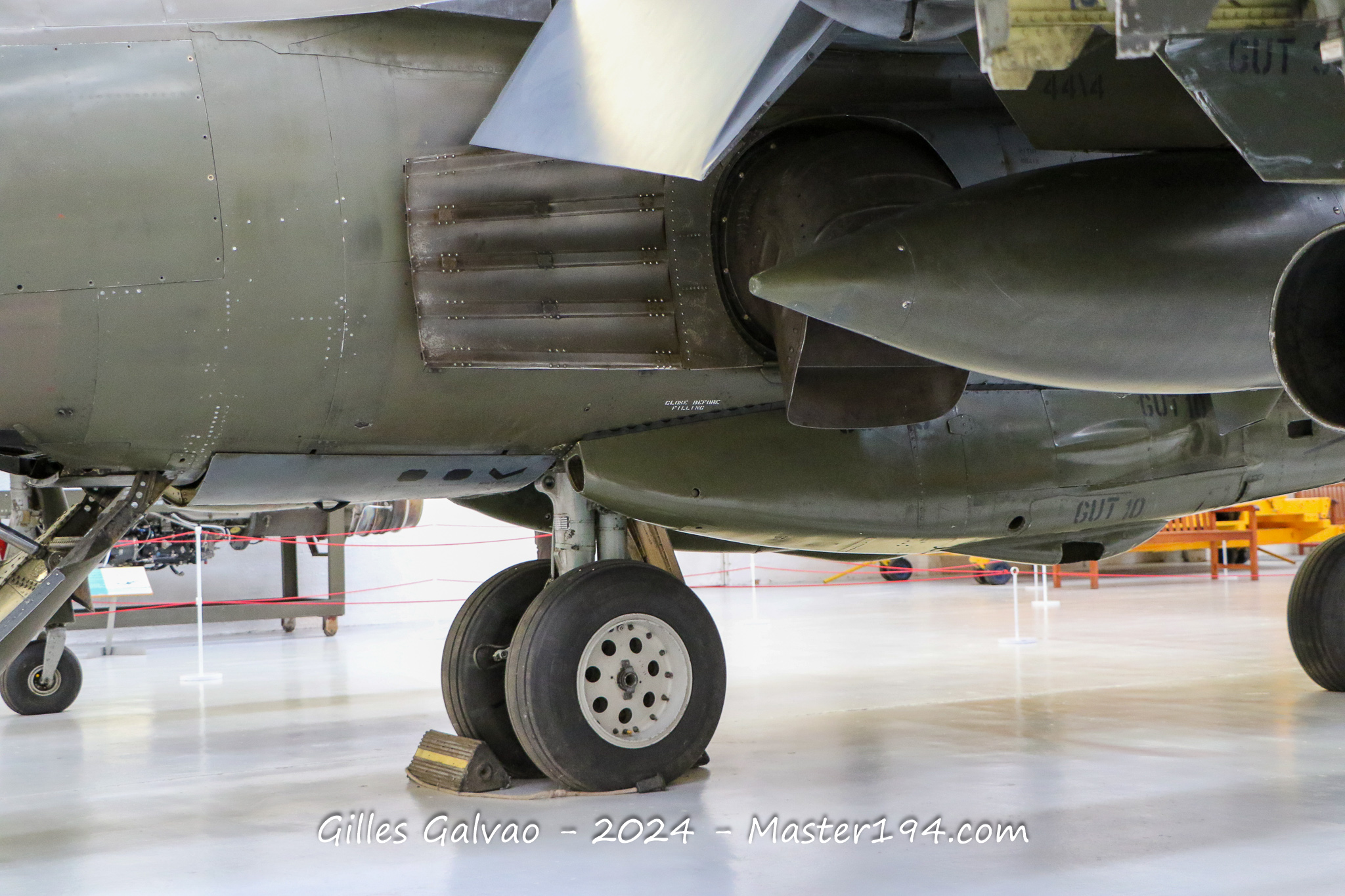
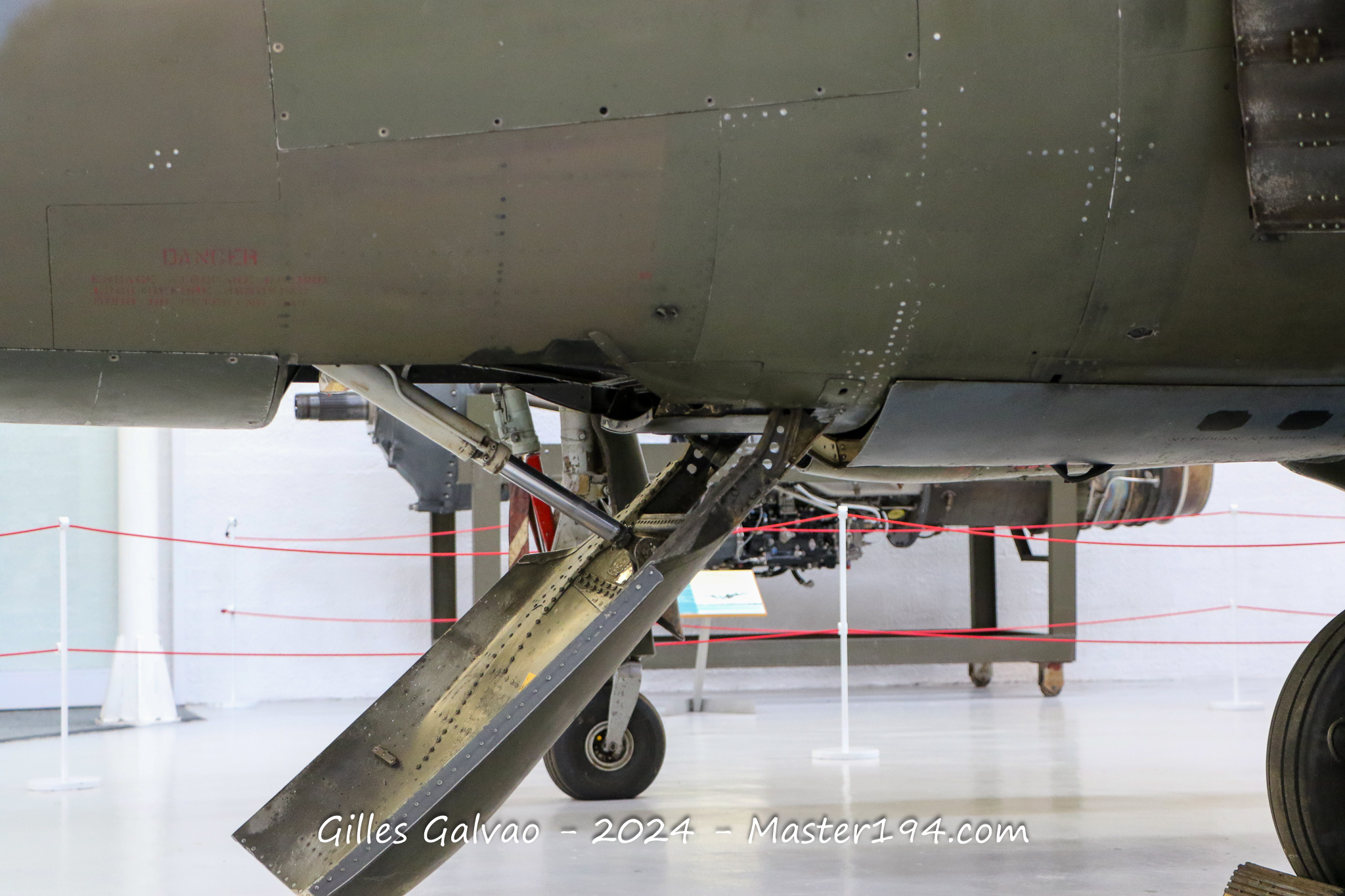
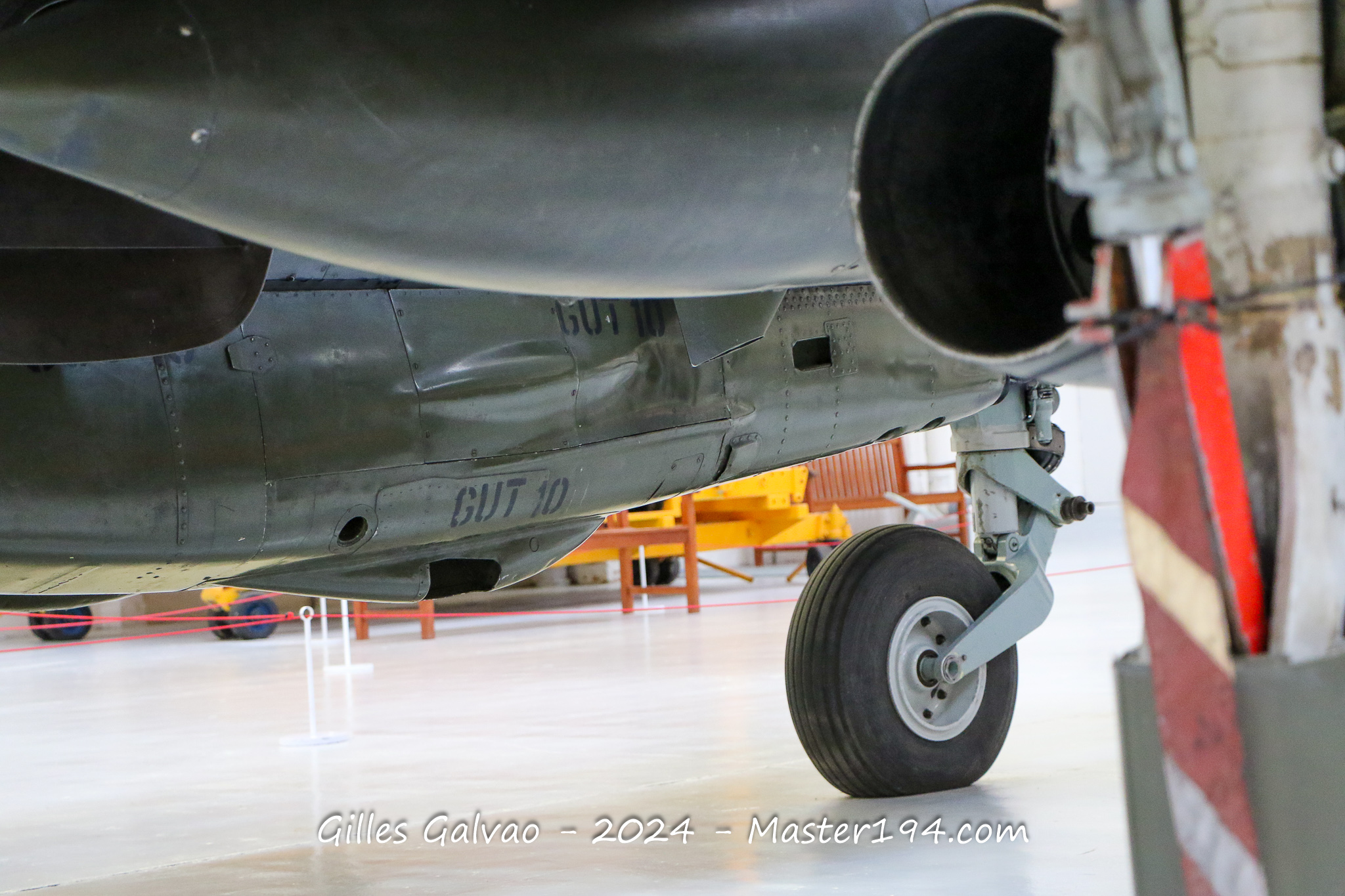
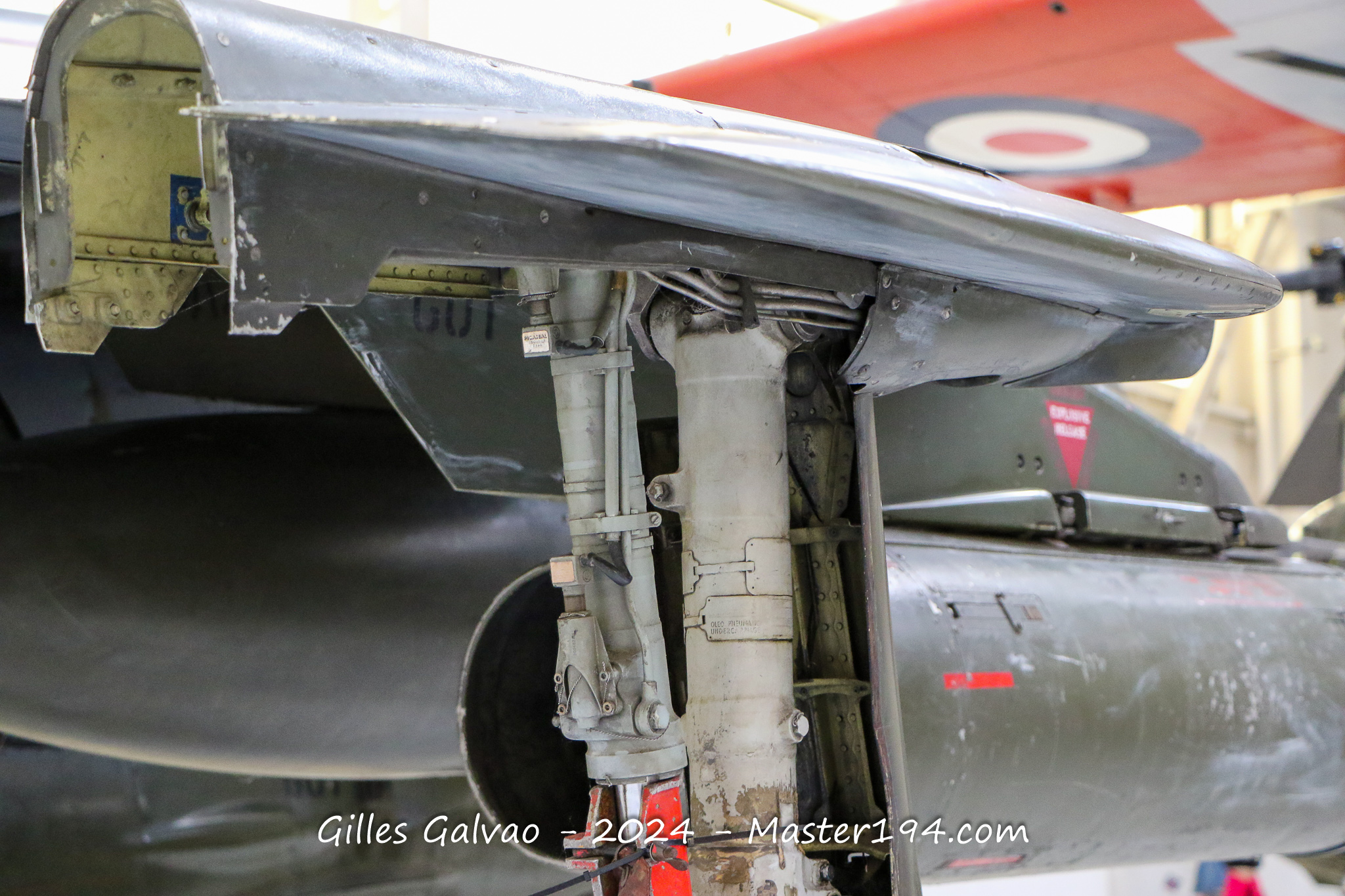
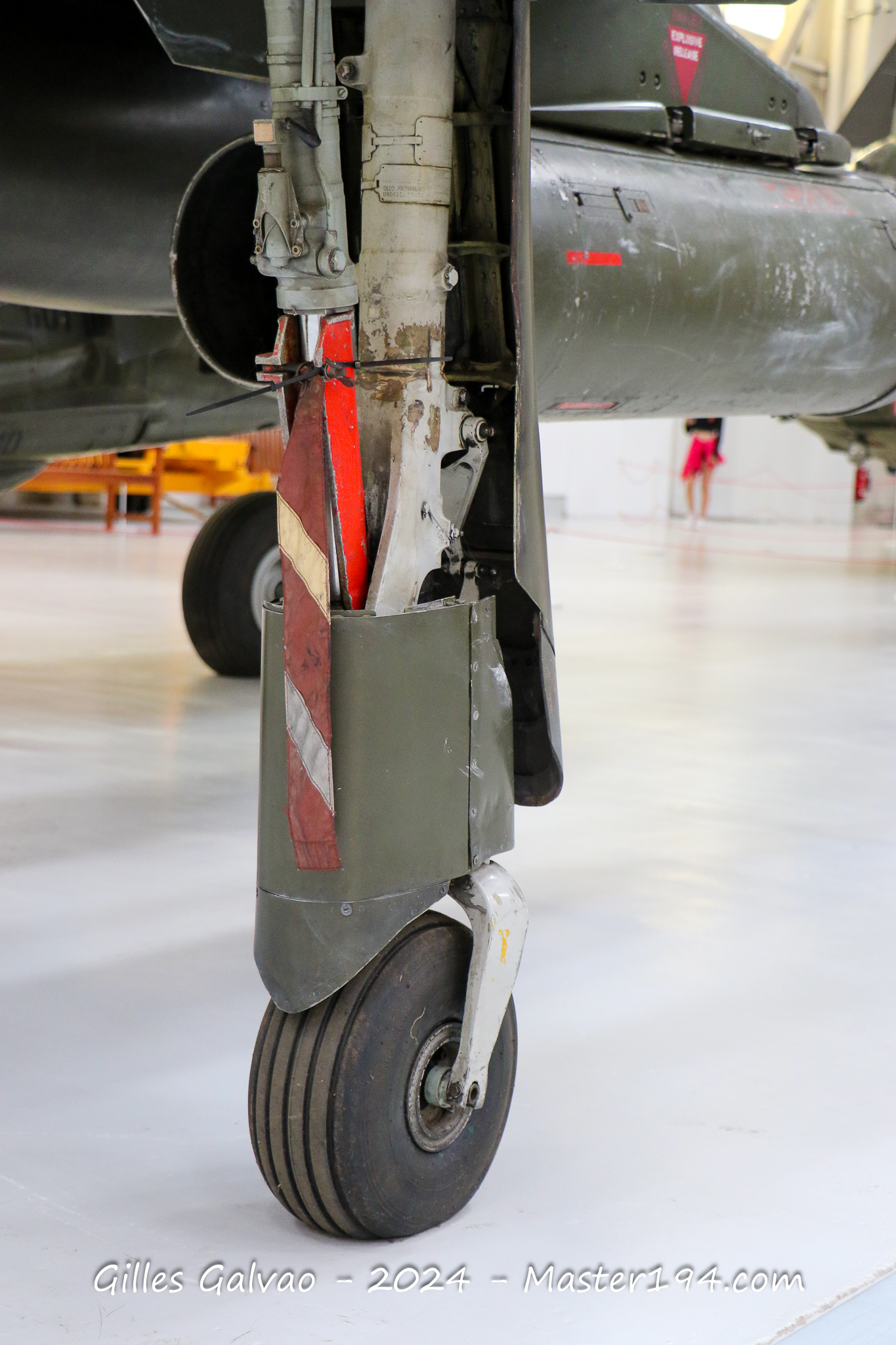
Today, it is preserved on display at the RAF Museum Midlands in Cosford, standing as a tangible witness to the Falklands campaign and the operational legacy of the Harrier. It is from this location that all the photos in this walkaround were taken.
A Harrier Marked by History
XZ997 is more than just a preserved example of the Harrier GR.3. Its airframe bears witness to a defining era in British military aviation—one in which V/STOL capability evolved from a technological achievement into a proven operational tool.
Engineered to keep fighting even if its primary airfields were lost, the Harrier found itself in 1982 operating thousands of miles from the UK, flying missions first from an aircraft carrier and later from rudimentary forward strips set up on the islands.
Through its close air support missions, low-altitude strikes, and pioneering use of laser-guided bombs, XZ997 perfectly illustrates the transition from the early Harriers of the 1960s to the far more sophisticated V/STOL aircraft that followed.
Now preserved at Cosford, Harrier GR.3 XZ997 serves as a tangible link to this chapter of operational history.