
 by
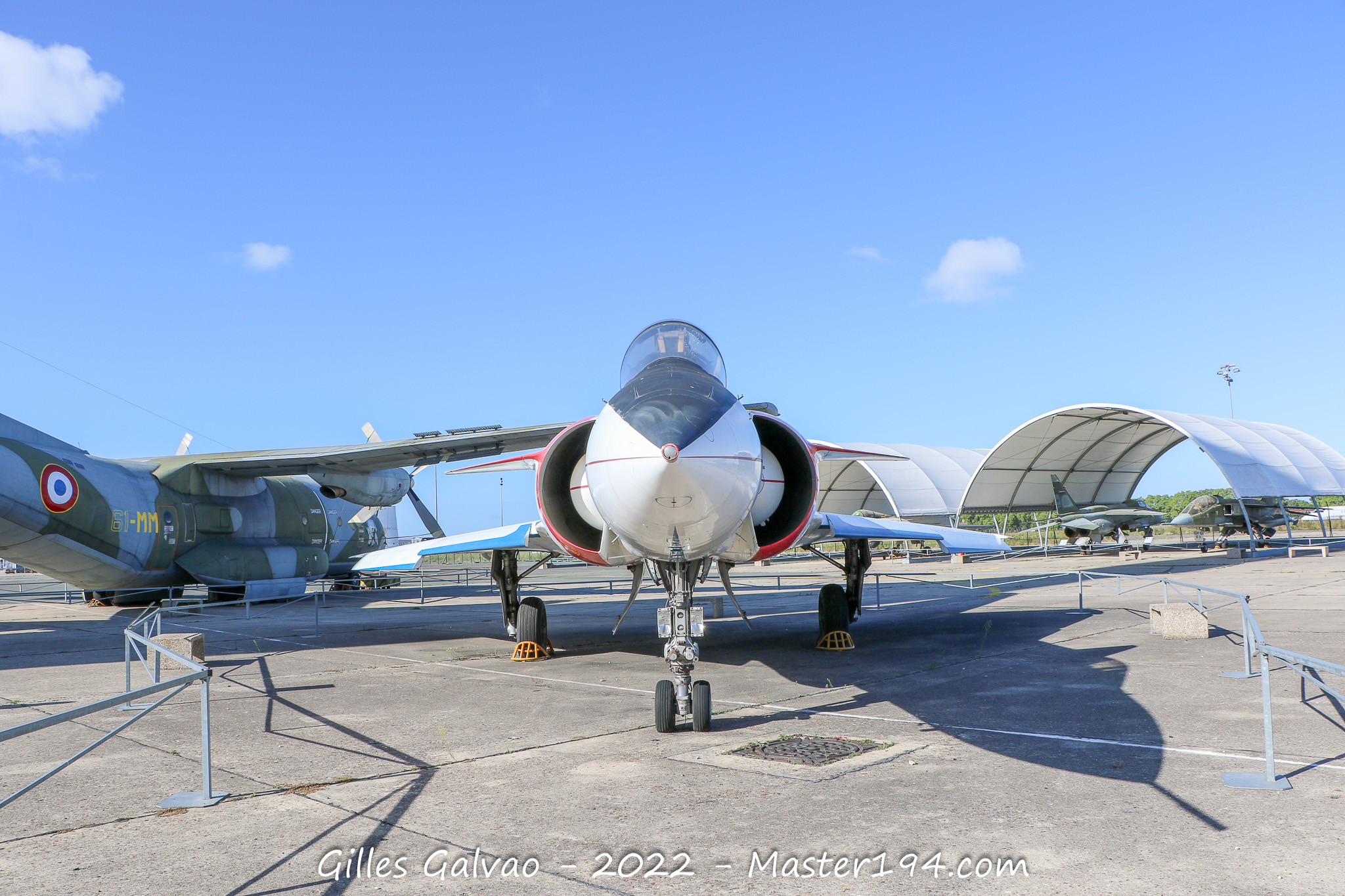
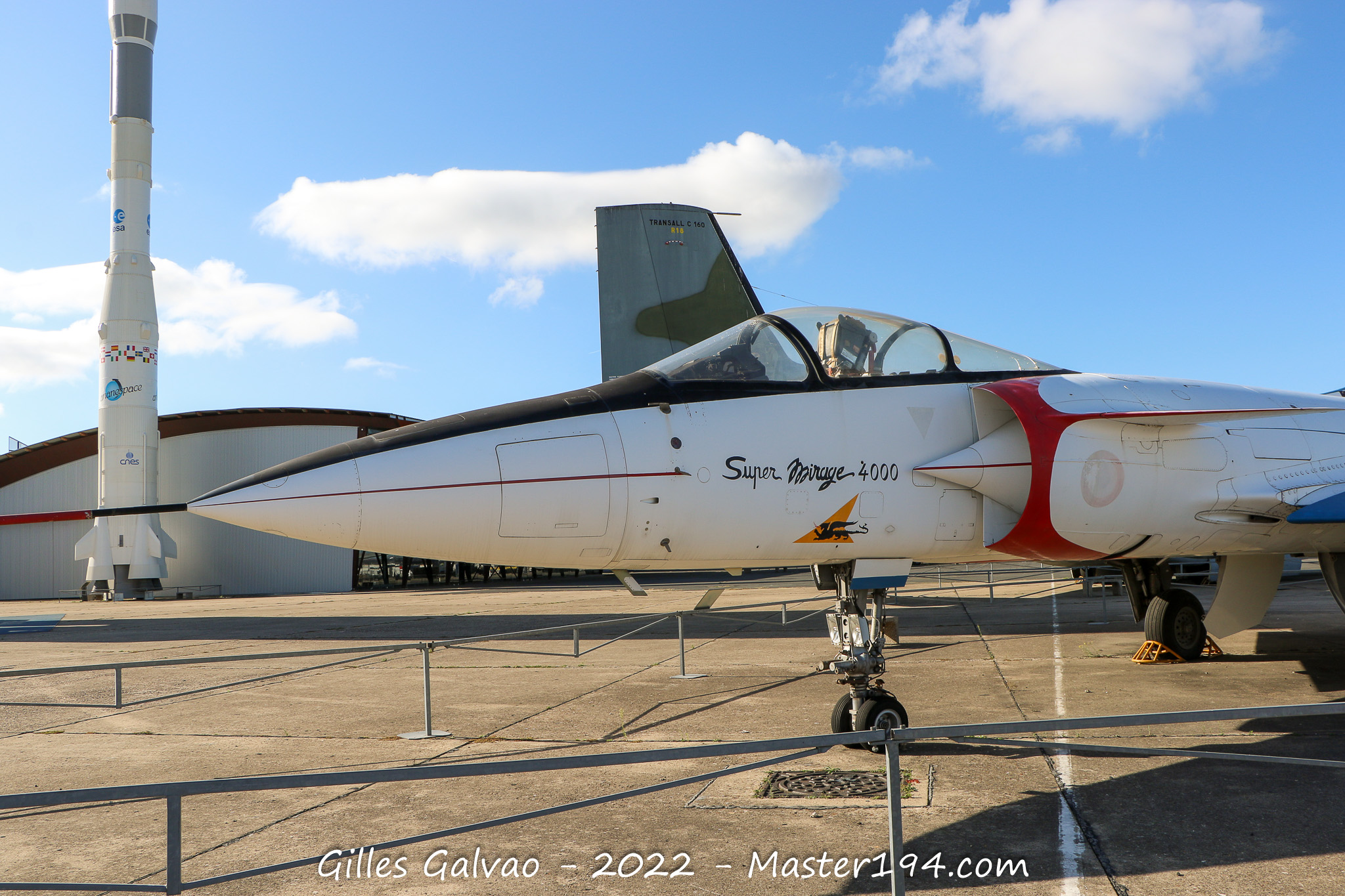
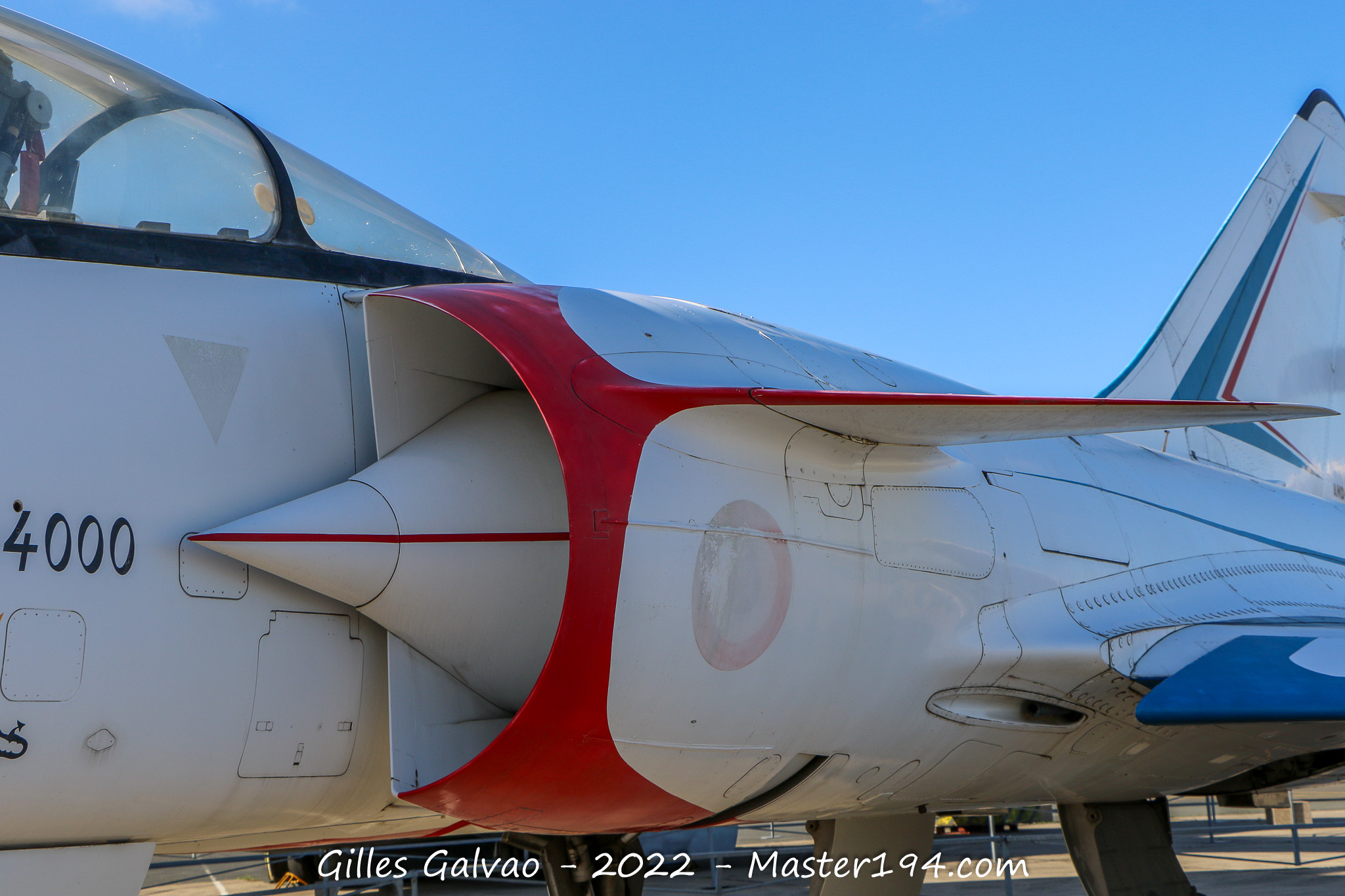
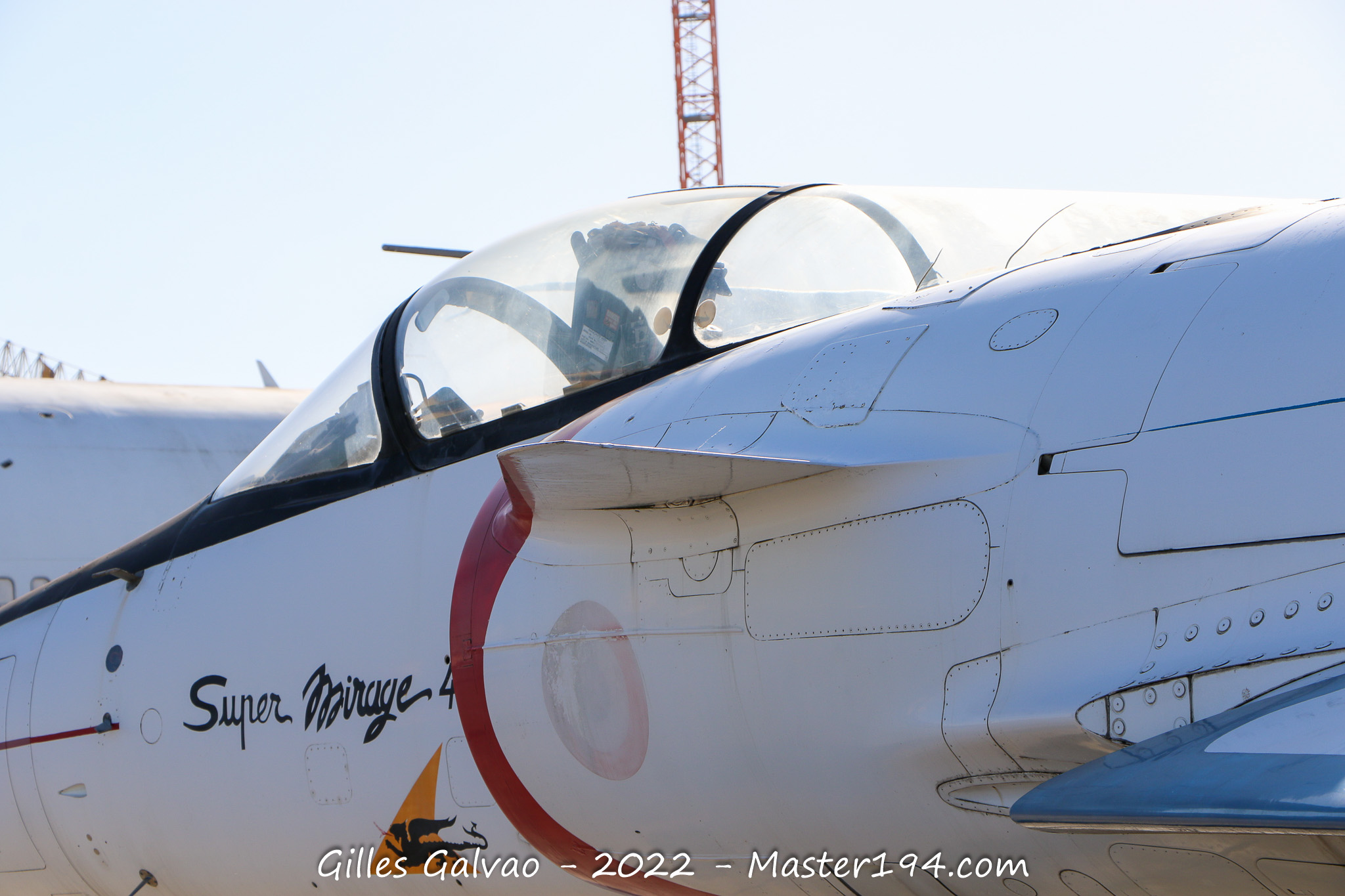
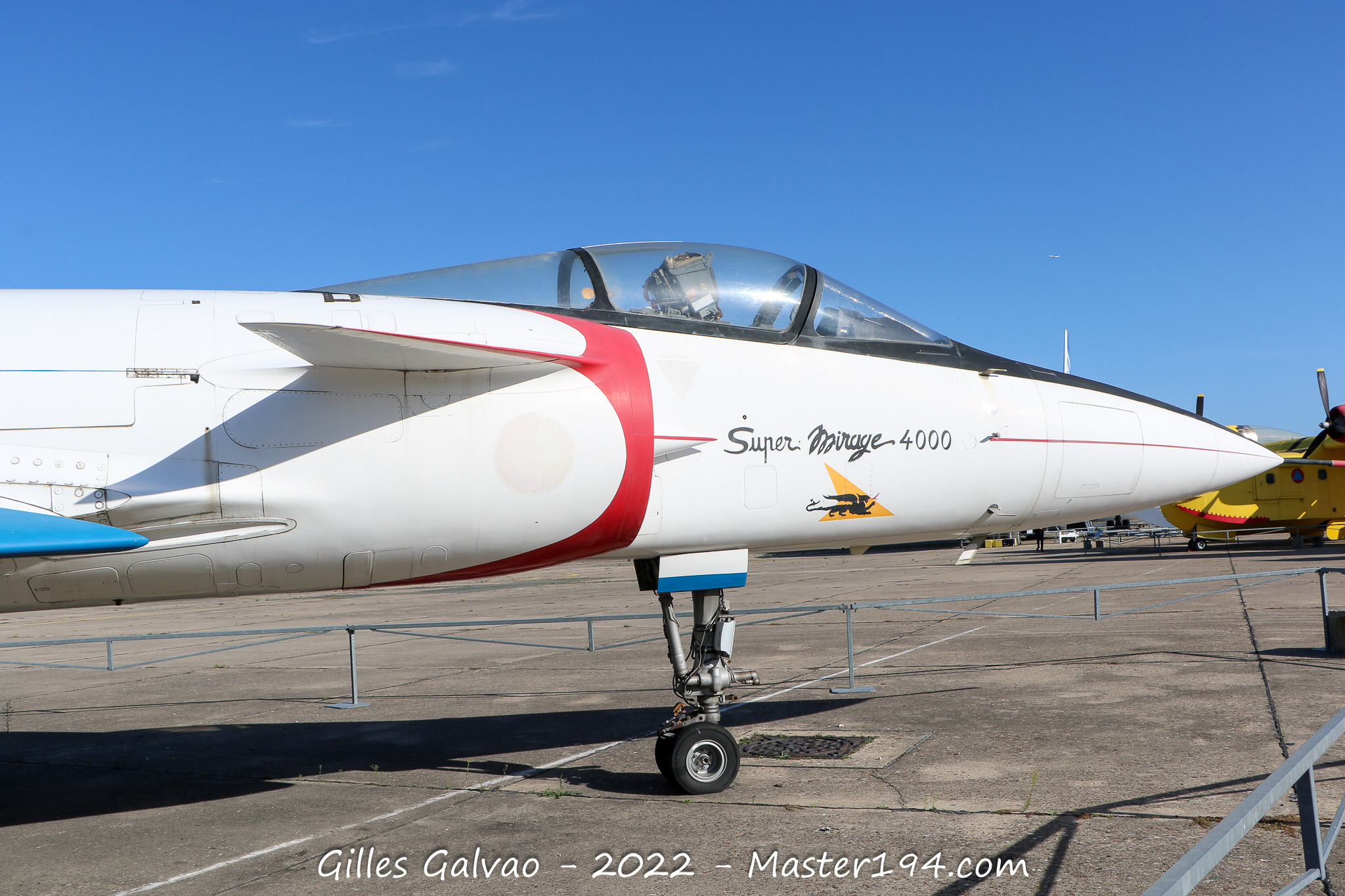
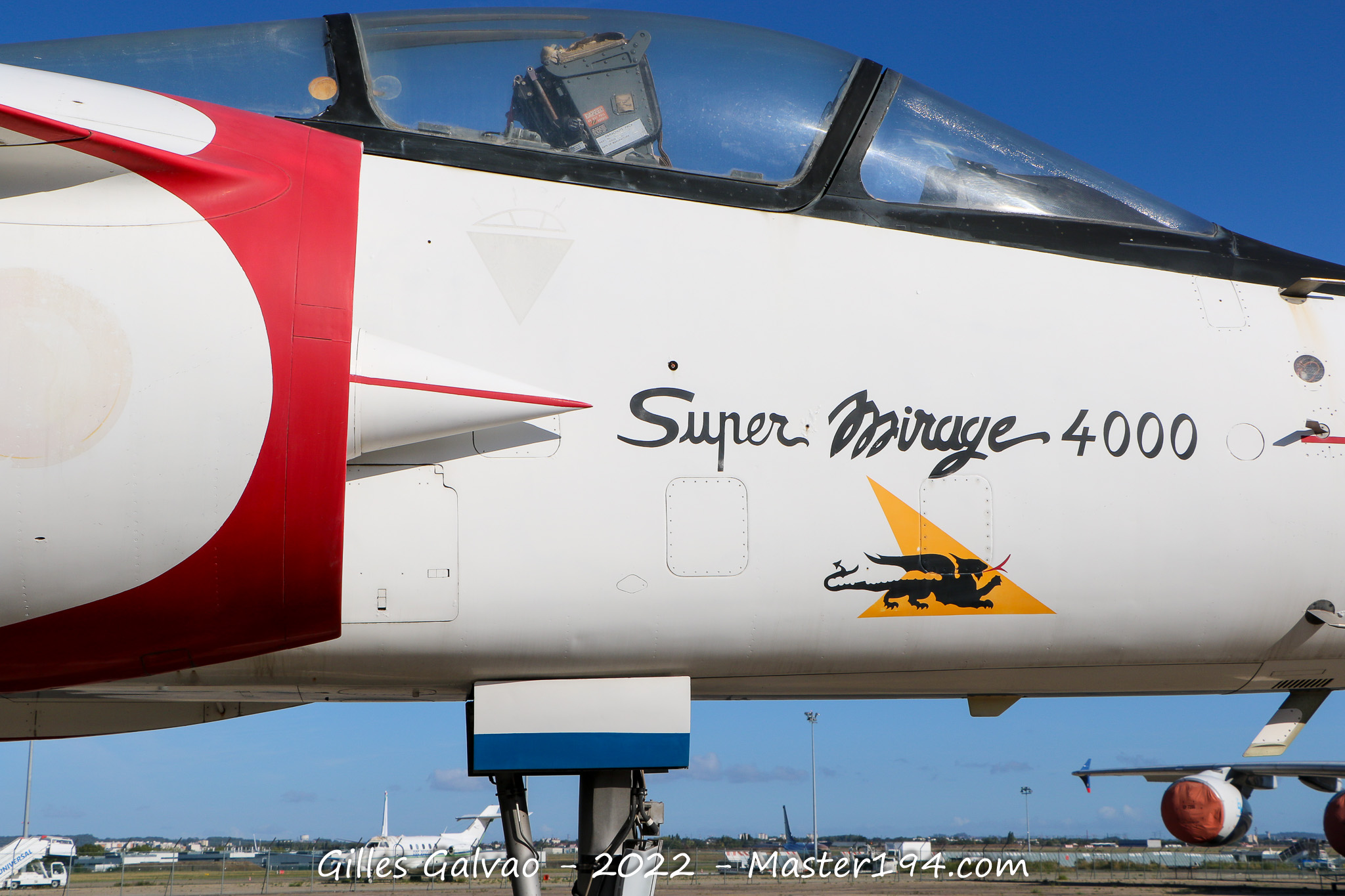
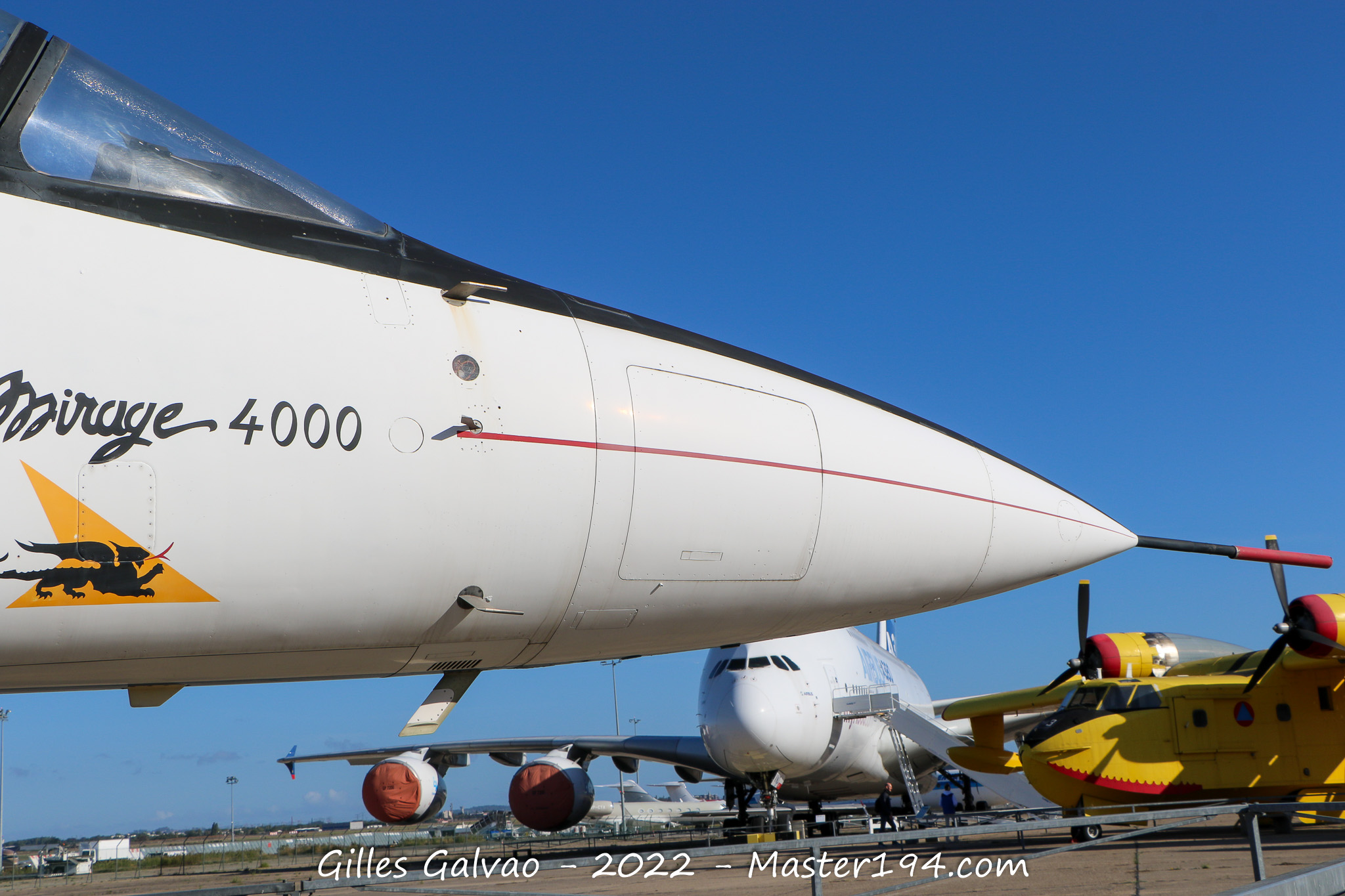
The Dassault Super Mirage 4000 remains, in the hearts of aviation enthusiasts and scale modelers alike, one of the greatest ‘what-ifs’ in French aeronautical history. As the only true European challenger to the F-15 Eagle in terms of power and weight, this unique prototype continues to fascinate in its iconic white livery at the Paris Air and Space Museum (Le Bourget).
An unprecedented technological ambition
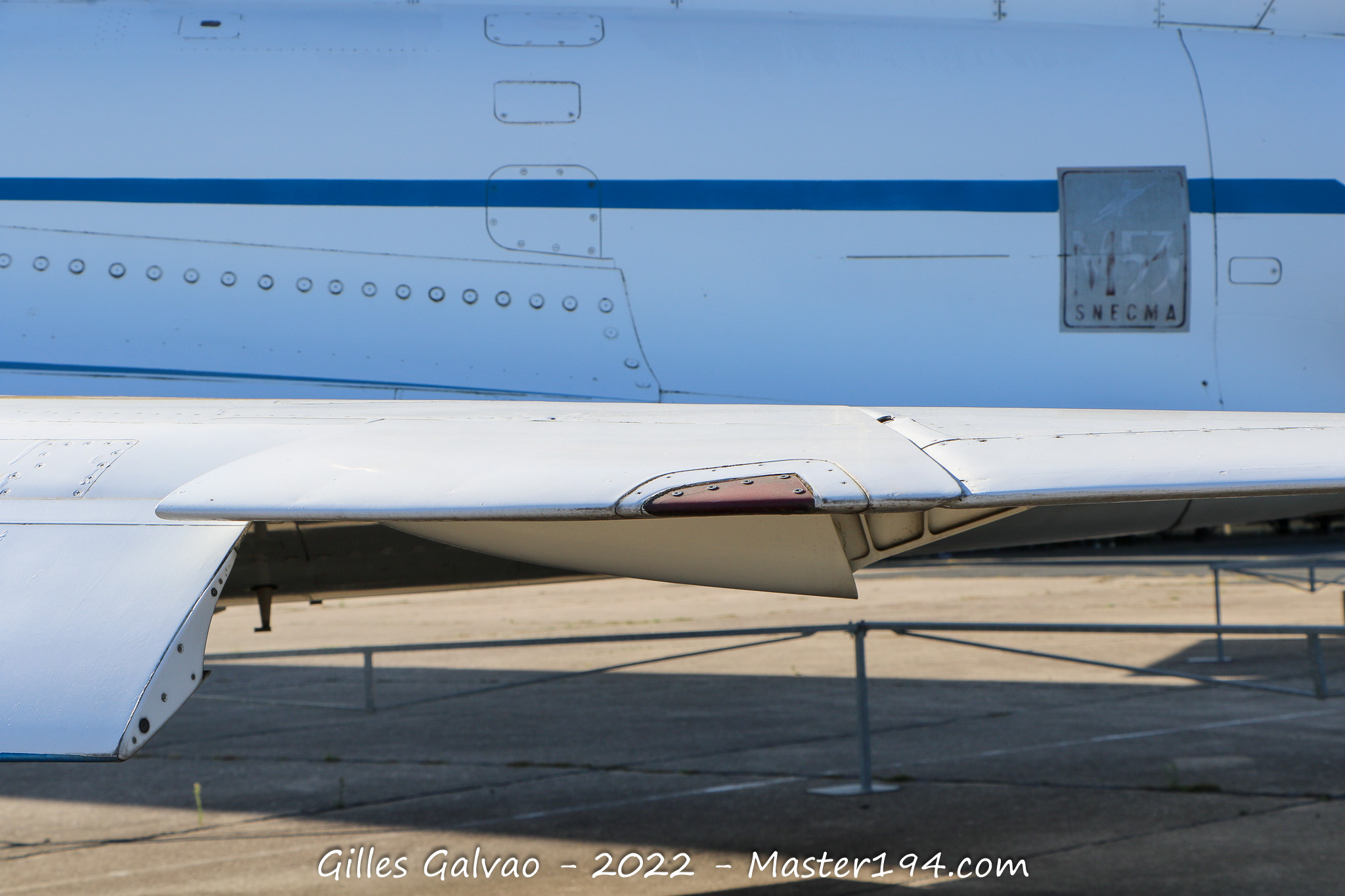
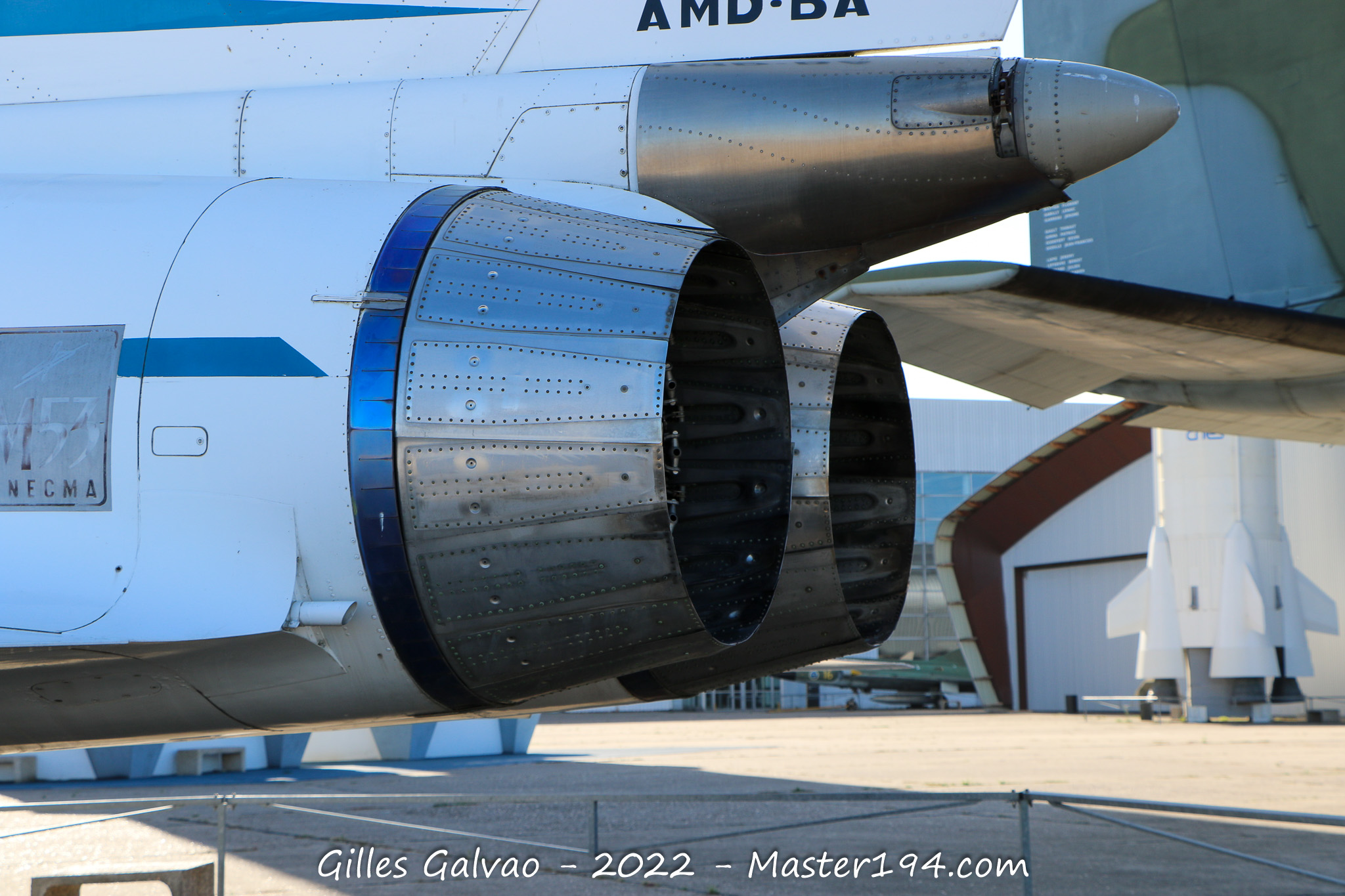
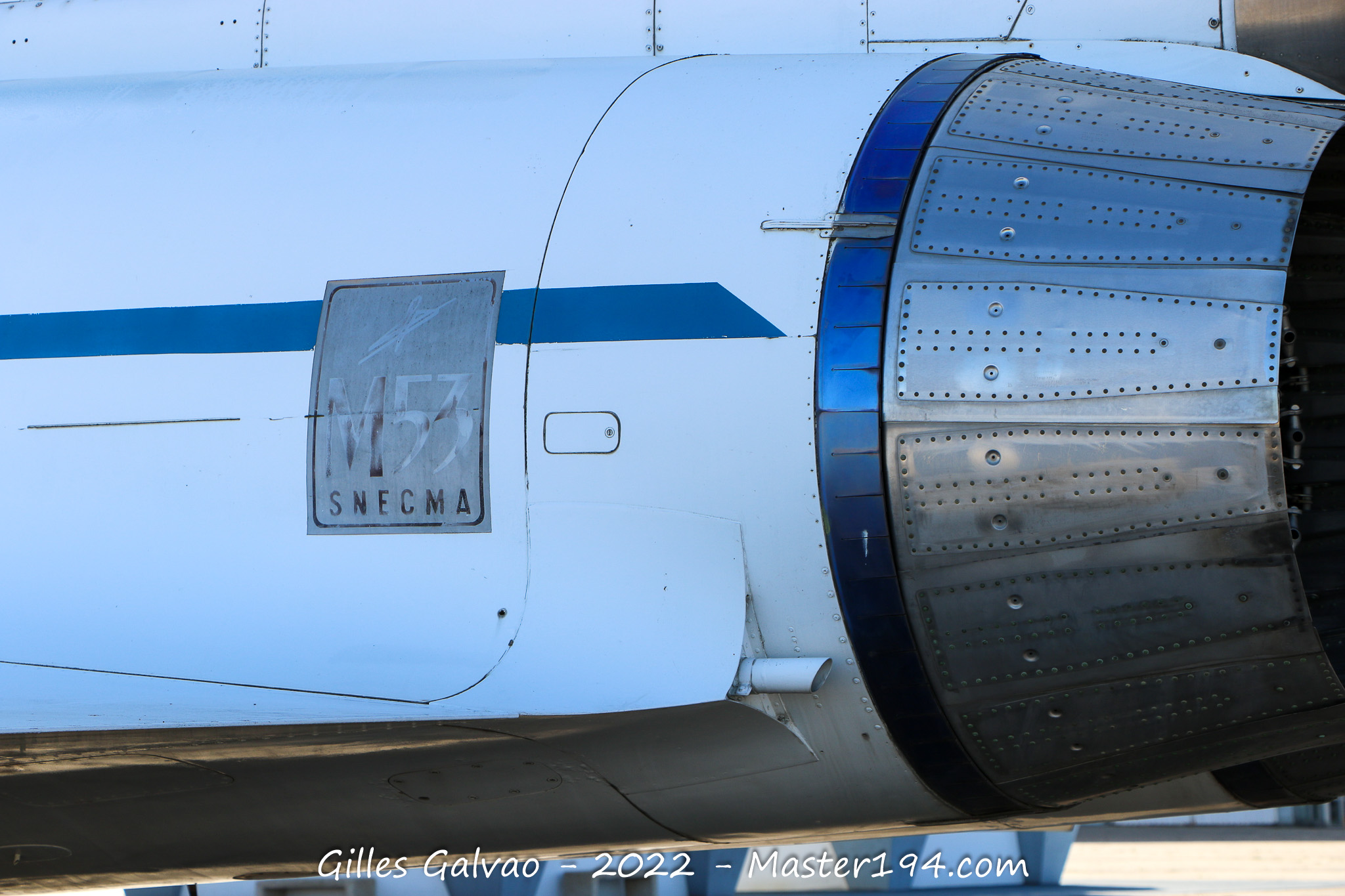
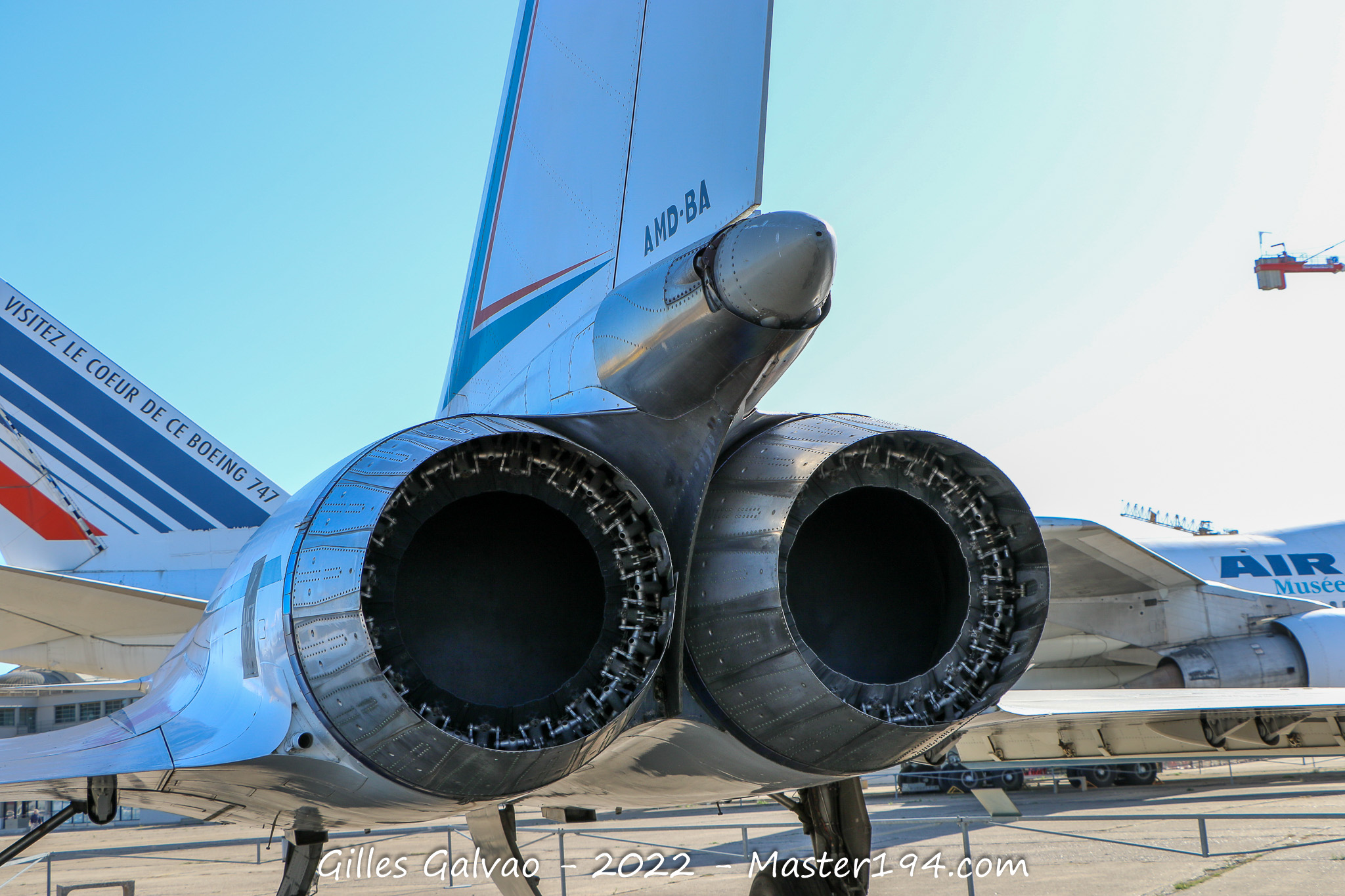
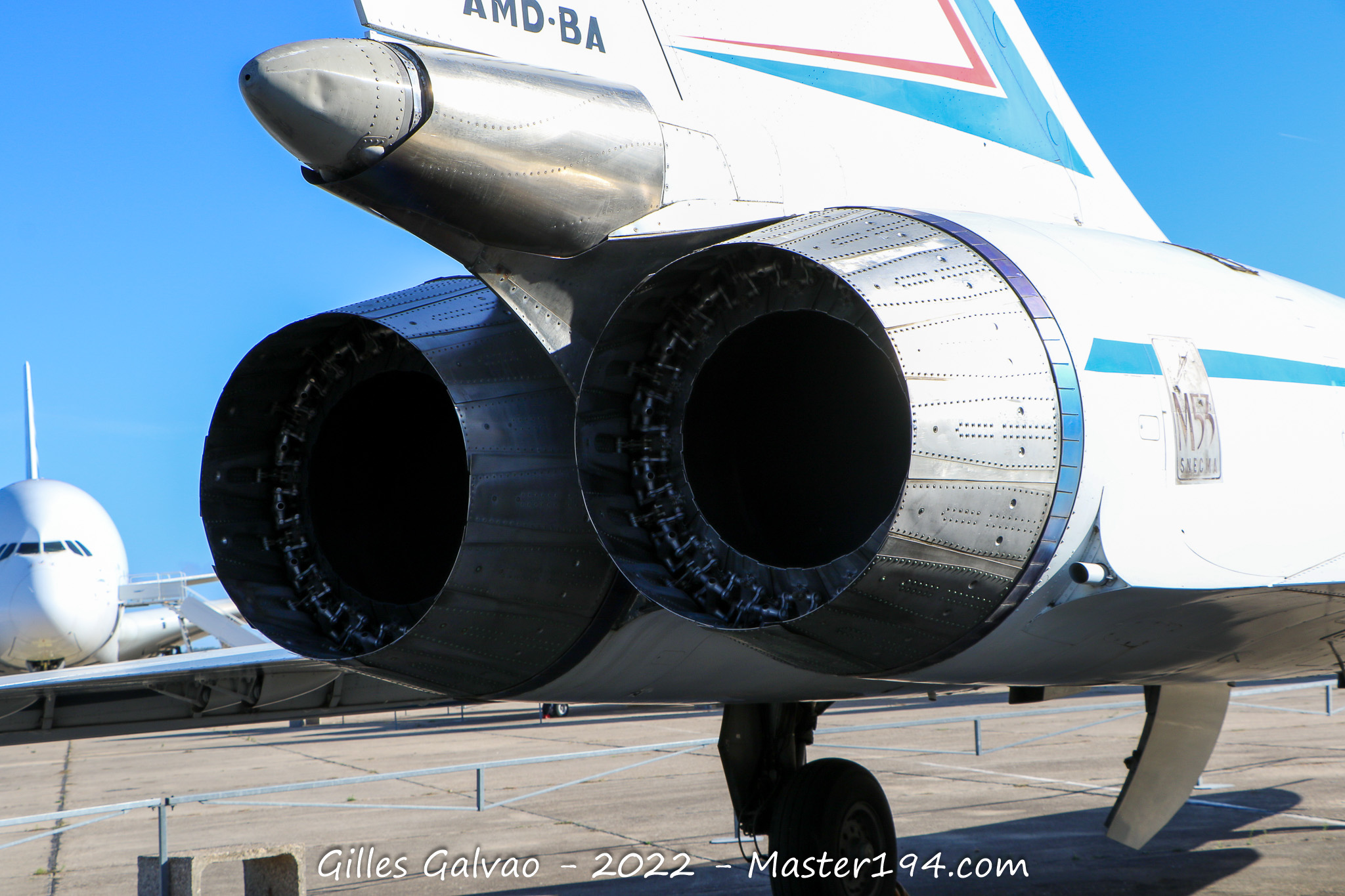
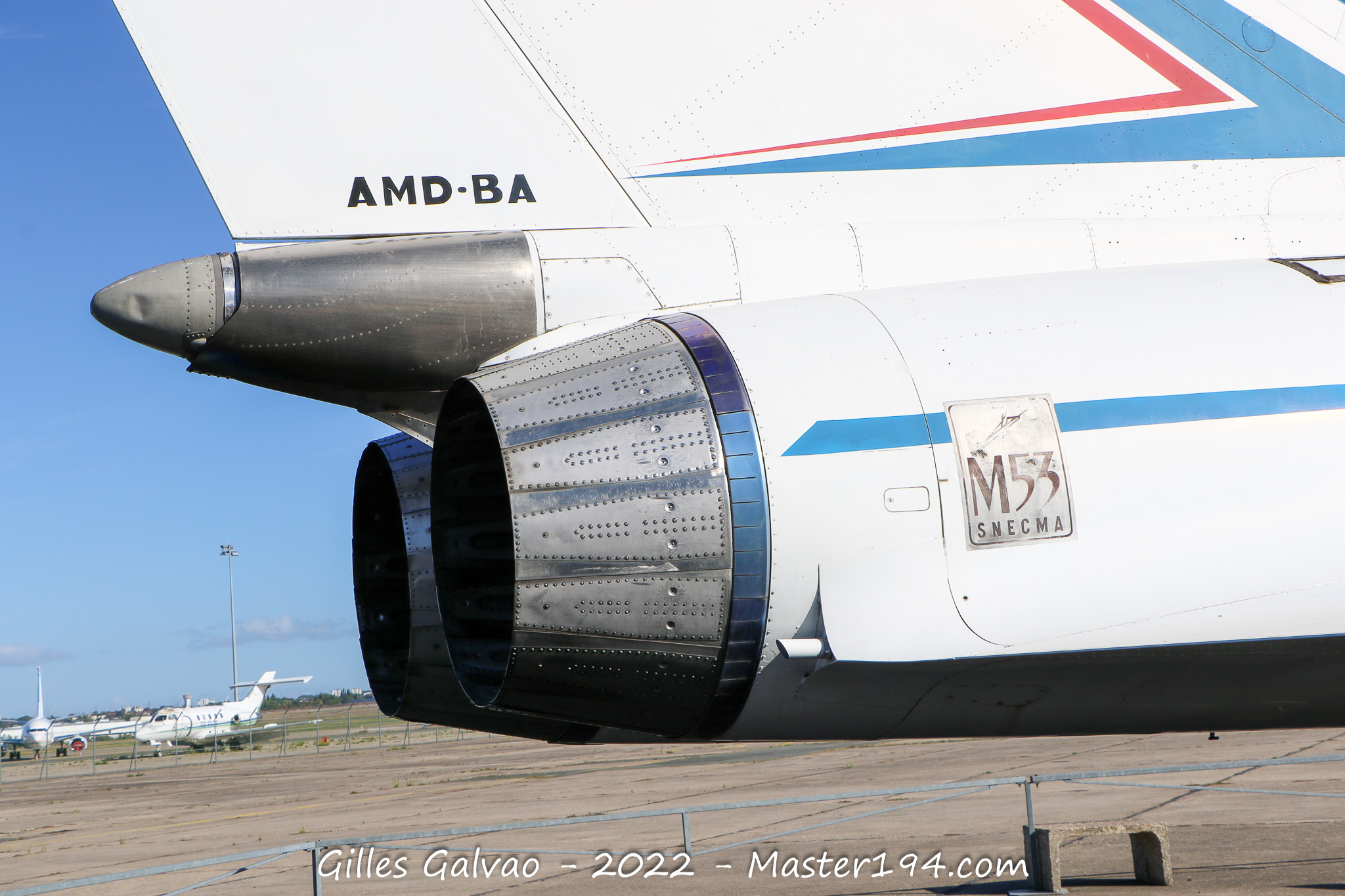
Initially developed as a private venture by Dassault in the late 1970s, the Mirage 4000 targeted the 20-ton heavy fighter segment. Powered by twin SNECMA M53-2 turbofans (identical to those of the Mirage 2000), it introduced major innovations for its time:
- Full fly-by-wire control systems.
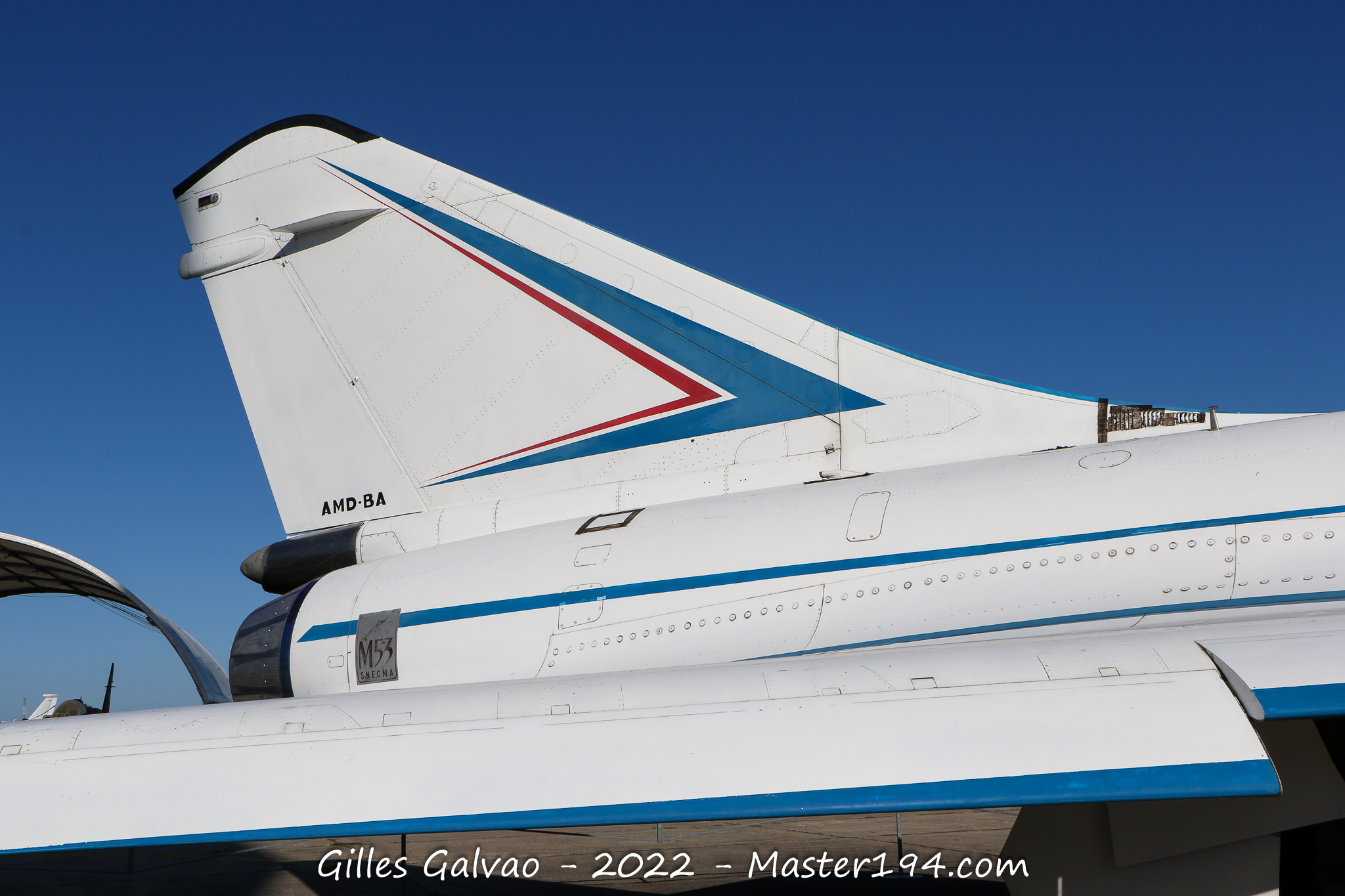
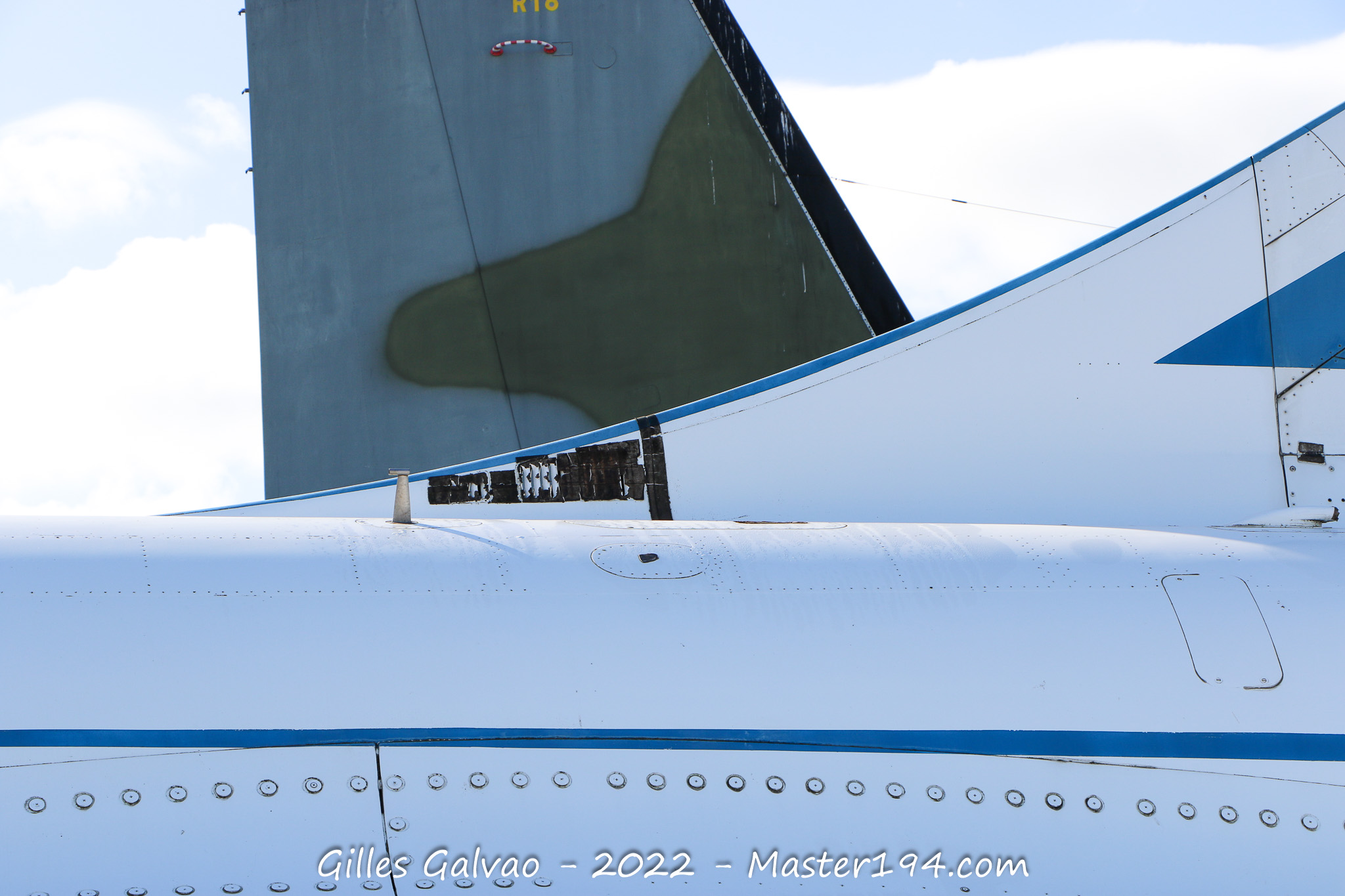
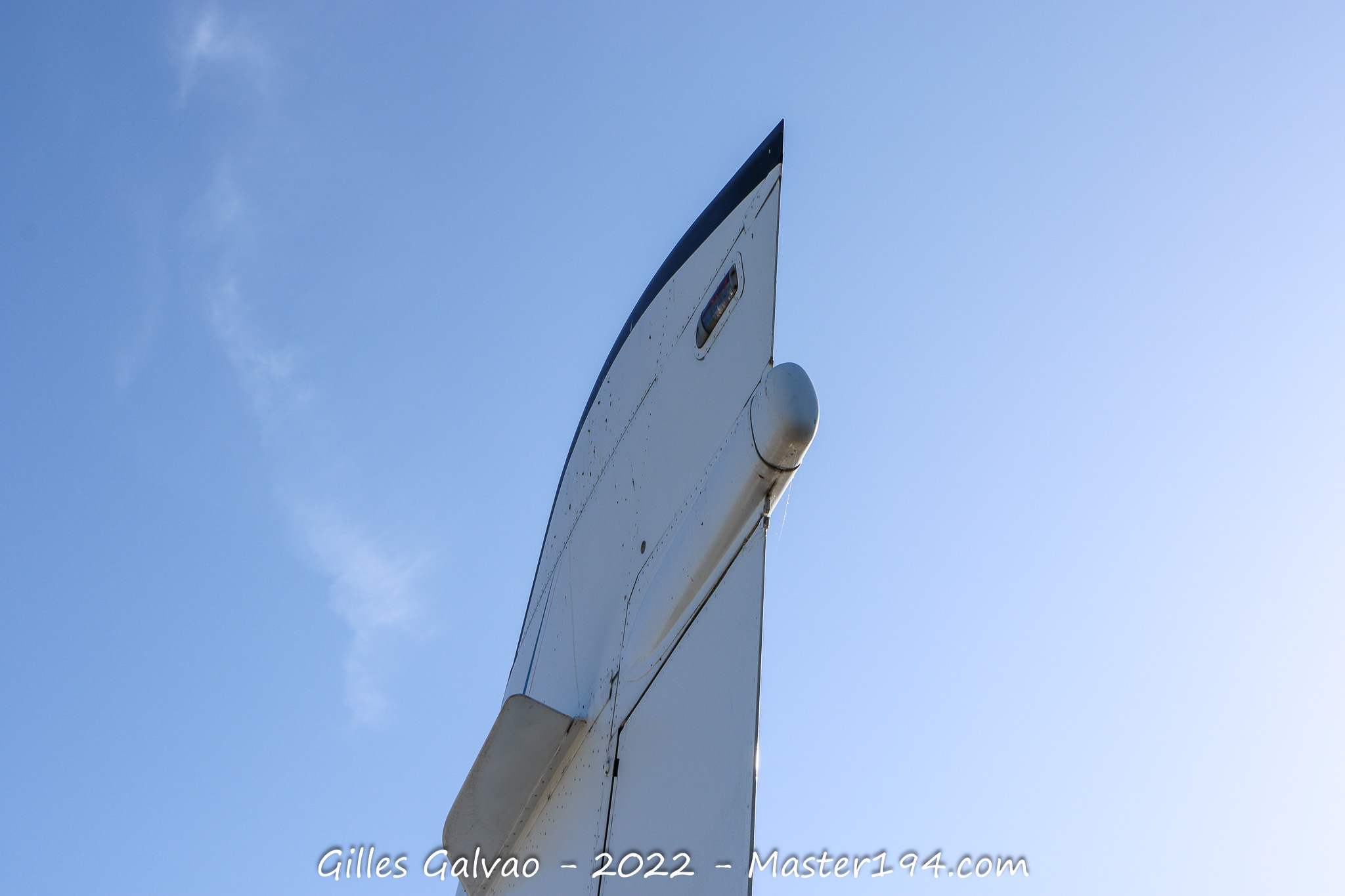
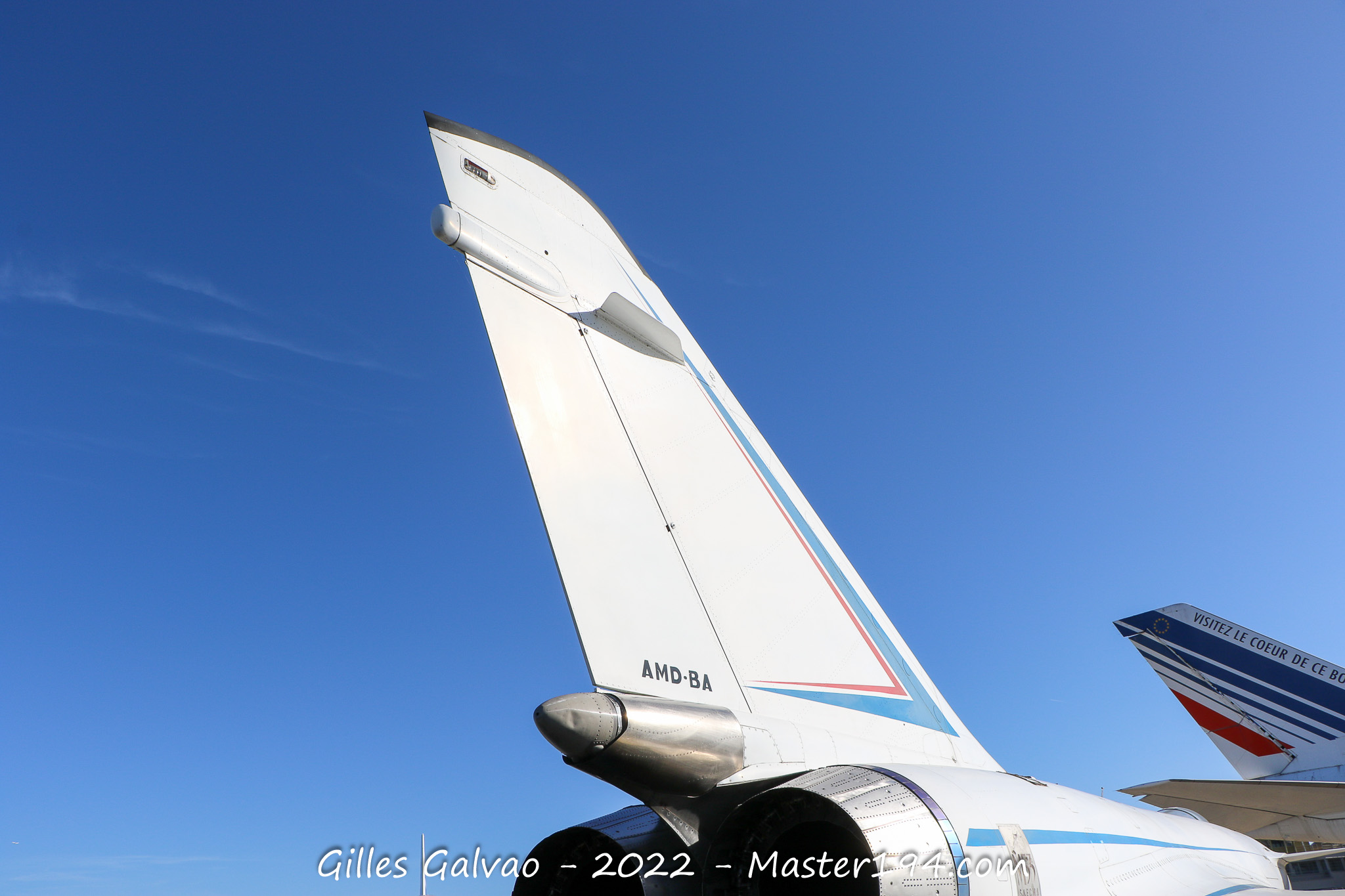
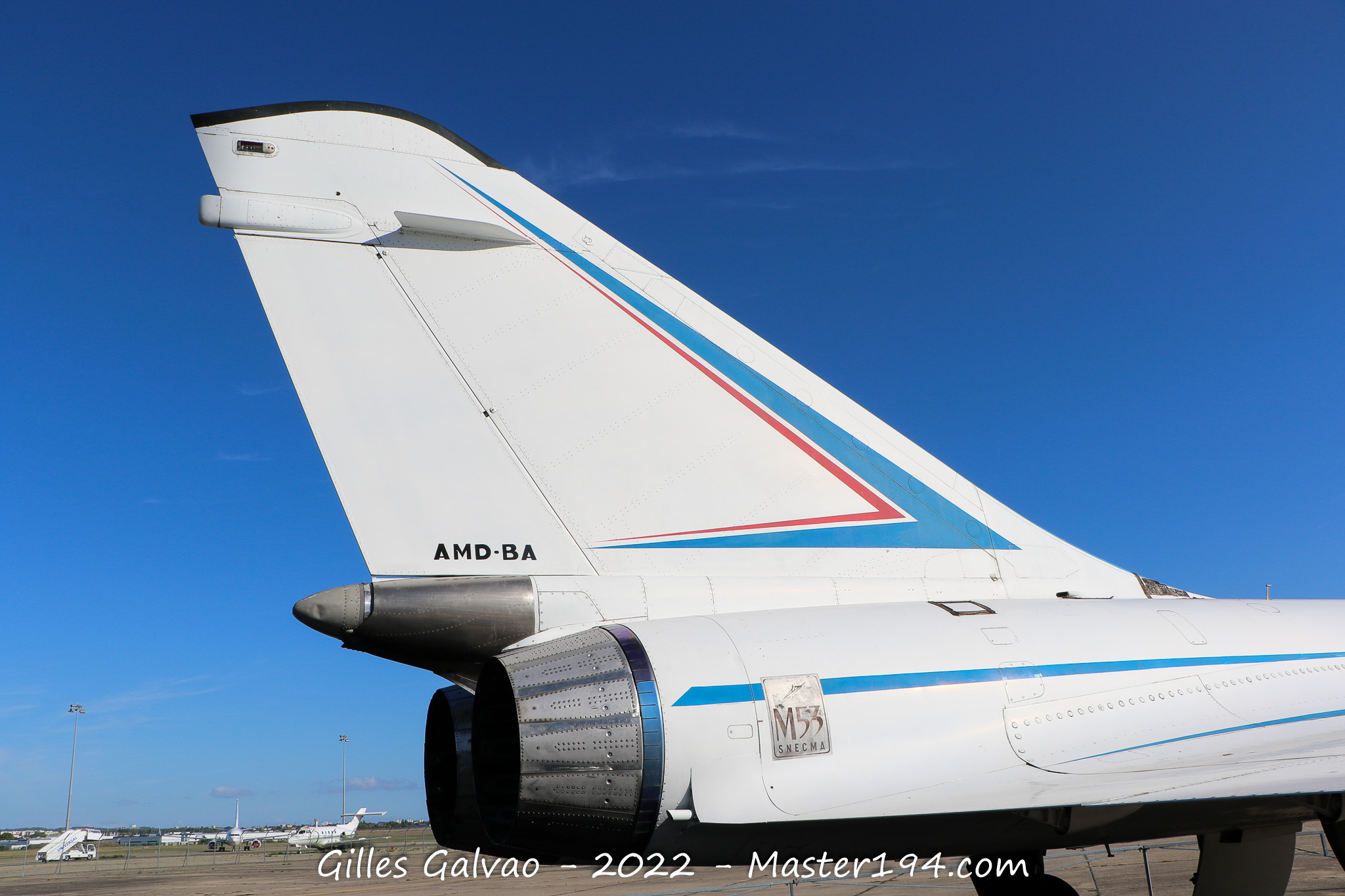
- Extensive use of composites (including a carbon fiber tail fin acting as a fuel tank).
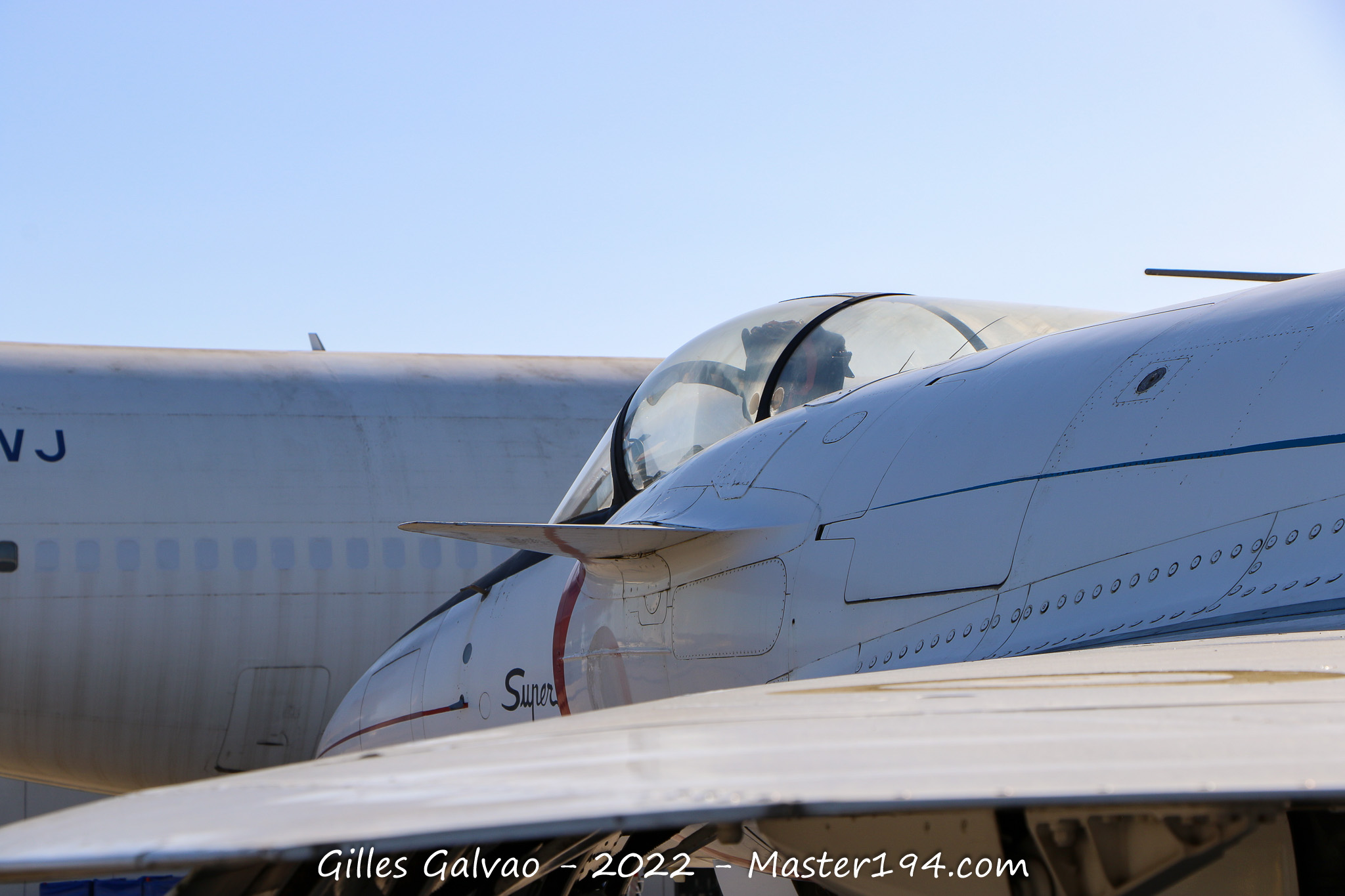
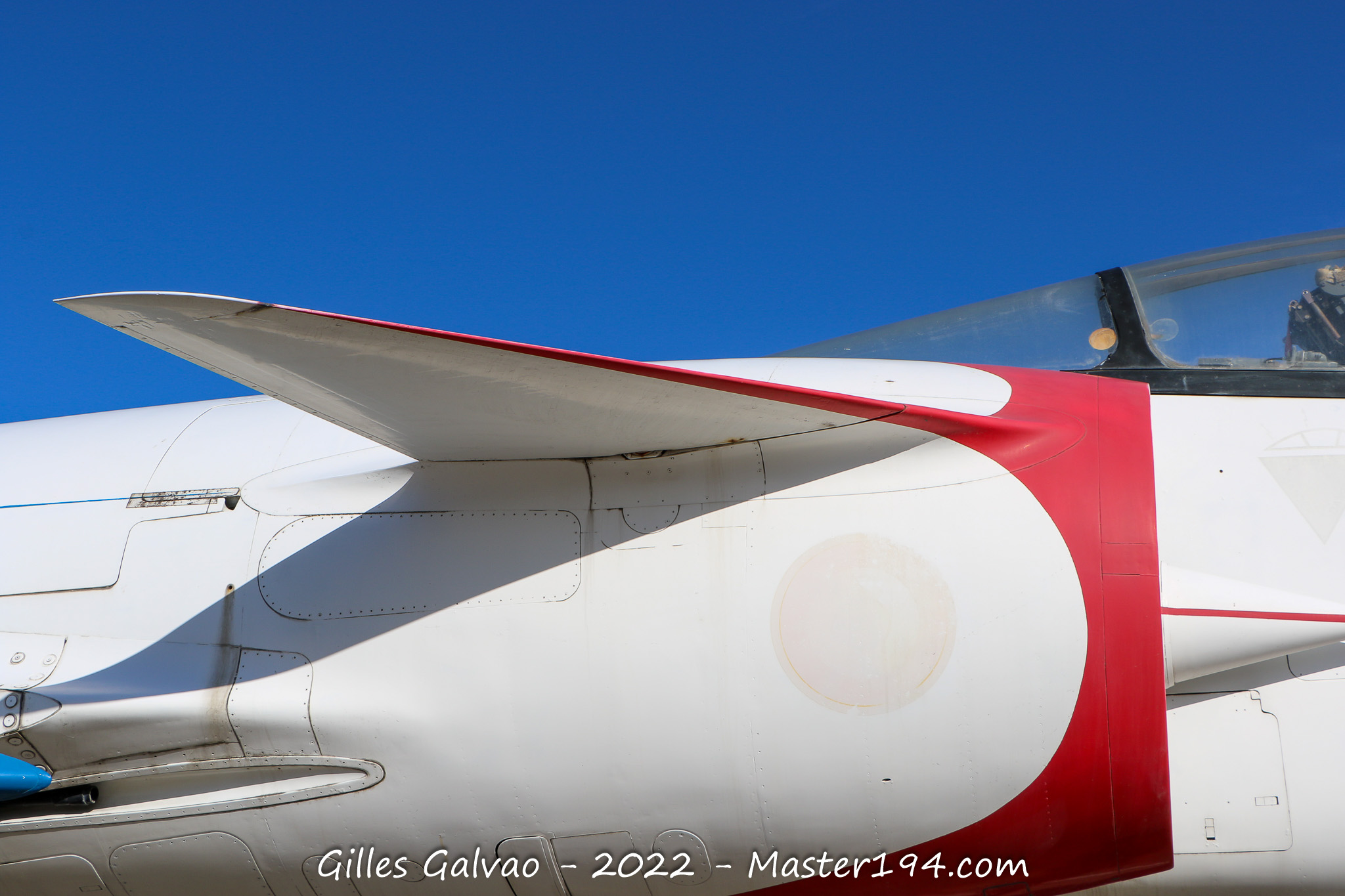
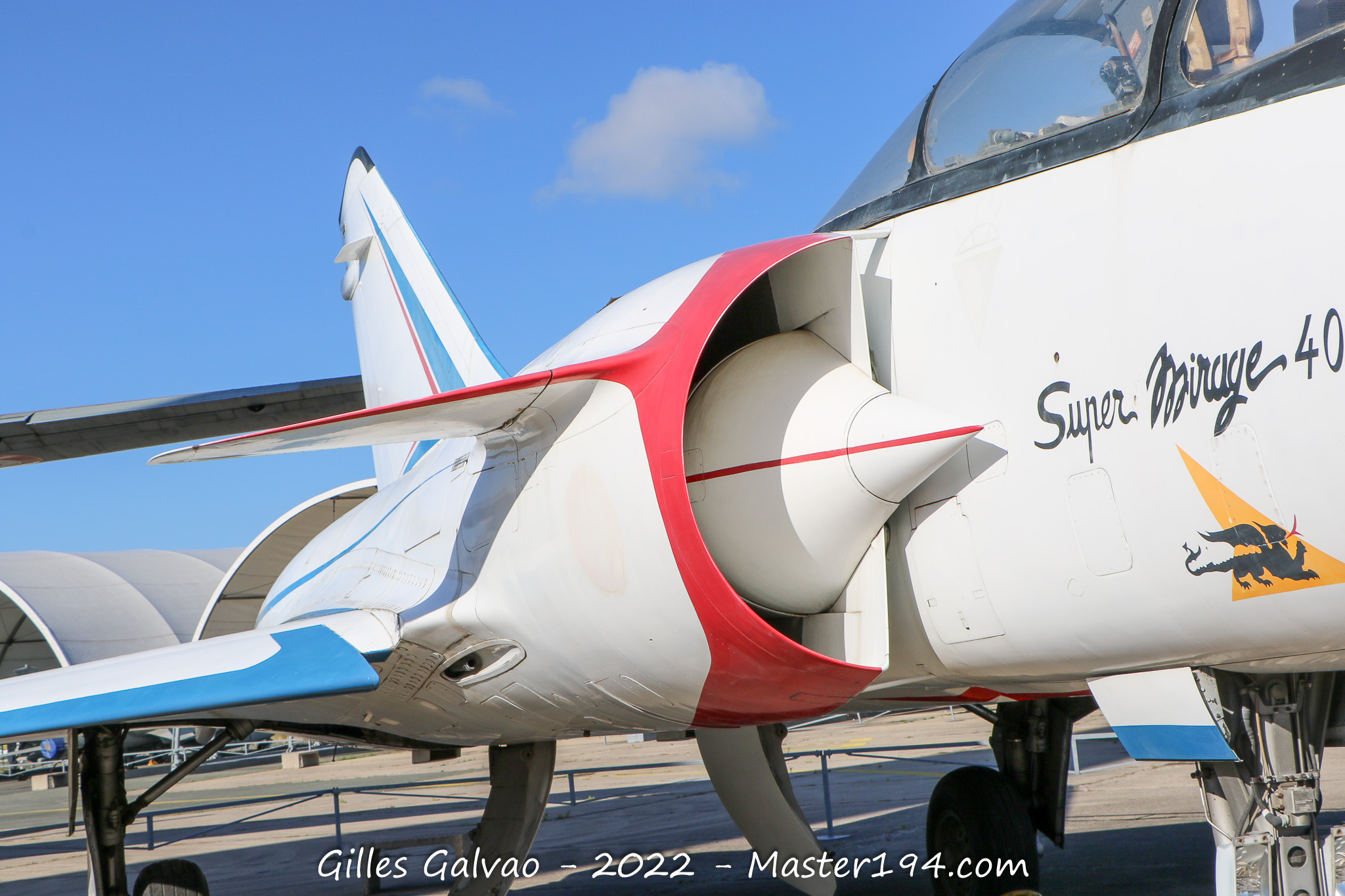
- Canard configuration for exceptional agility despite its size: it featured “fixed” canards that were disengageable and adjustable in flight.
- The world’s first aircraft to feature a carbon composite tail skin integrated as a wet wing (fuel-carrying) structure.
Outstanding performance but no customers
Despite impressive performance and considerable potential, the Mirage 4000 never found its market. The project was initially doomed by the lack of a firm order from the French Air Force, which favored the ACX (Avion de Combat eXpérimental) program—the future Rafale—deemed more compact and better suited to French operational needs.
However, hopes for an export contract with Saudi Arabia revived flight testing on December 18, 1985. During this period, the aircraft demonstrated its full maturity with staggering feats, such as 18 minutes of continuous flight at Mach 2—a performance that remains stratospheric even by today’s standards. It was capable of reaching 50,000 feet and Mach 2 in just 3 minutes and 50 seconds.
Ultimately, the order never materialized, and the prototype made its final flight on January 8, 1988.
Upon its arrival at the Paris Air and Space Museum (Le Bourget) in 1992, the aircraft wore the sand/brown camouflage livery intended to appeal to Middle Eastern customers. It was only in 2002, thanks to the dedicated efforts of the IT Mercure association, that it was restored to its original white livery, which is more emblematic of its early days.
Walkaround
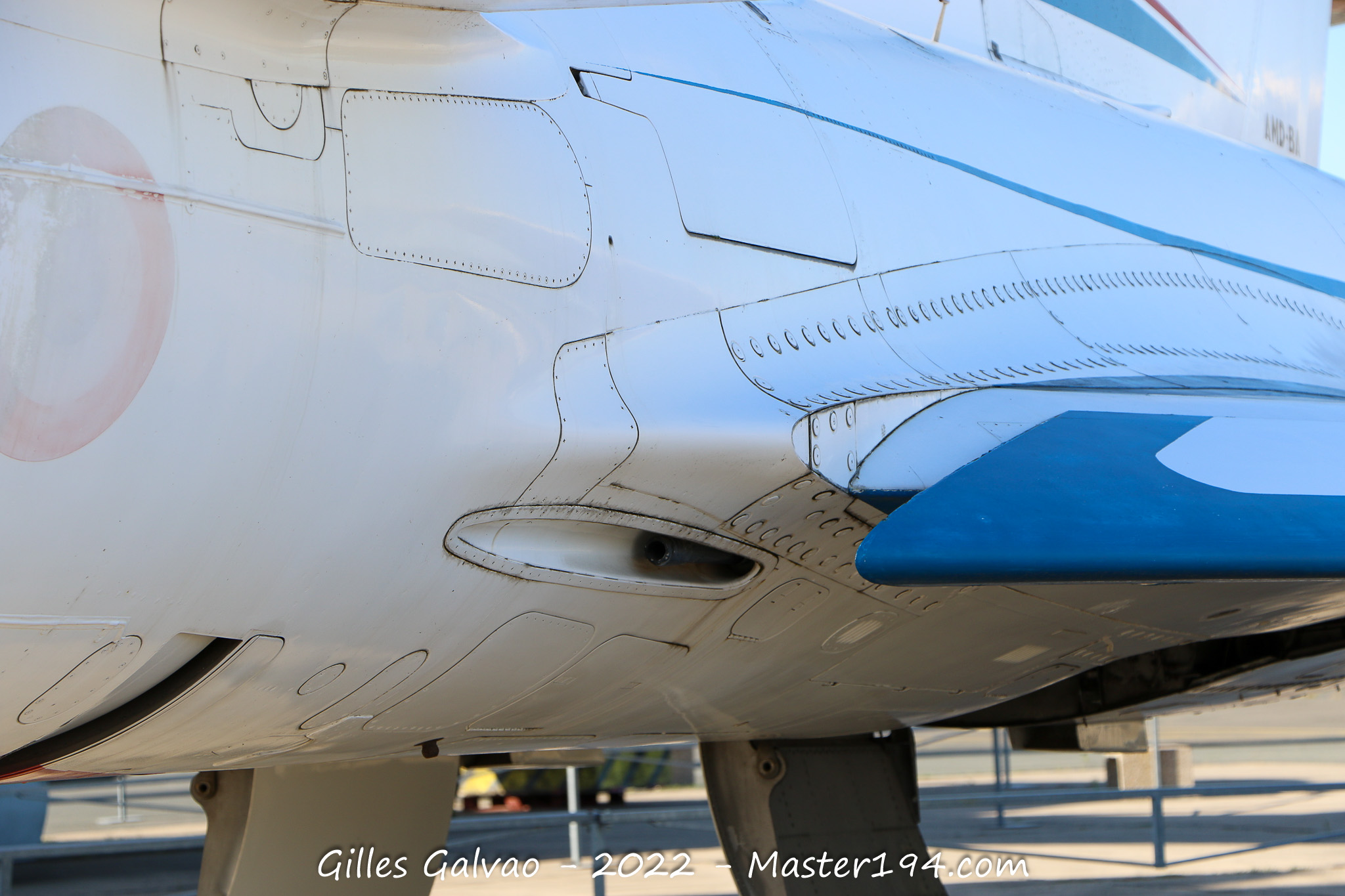
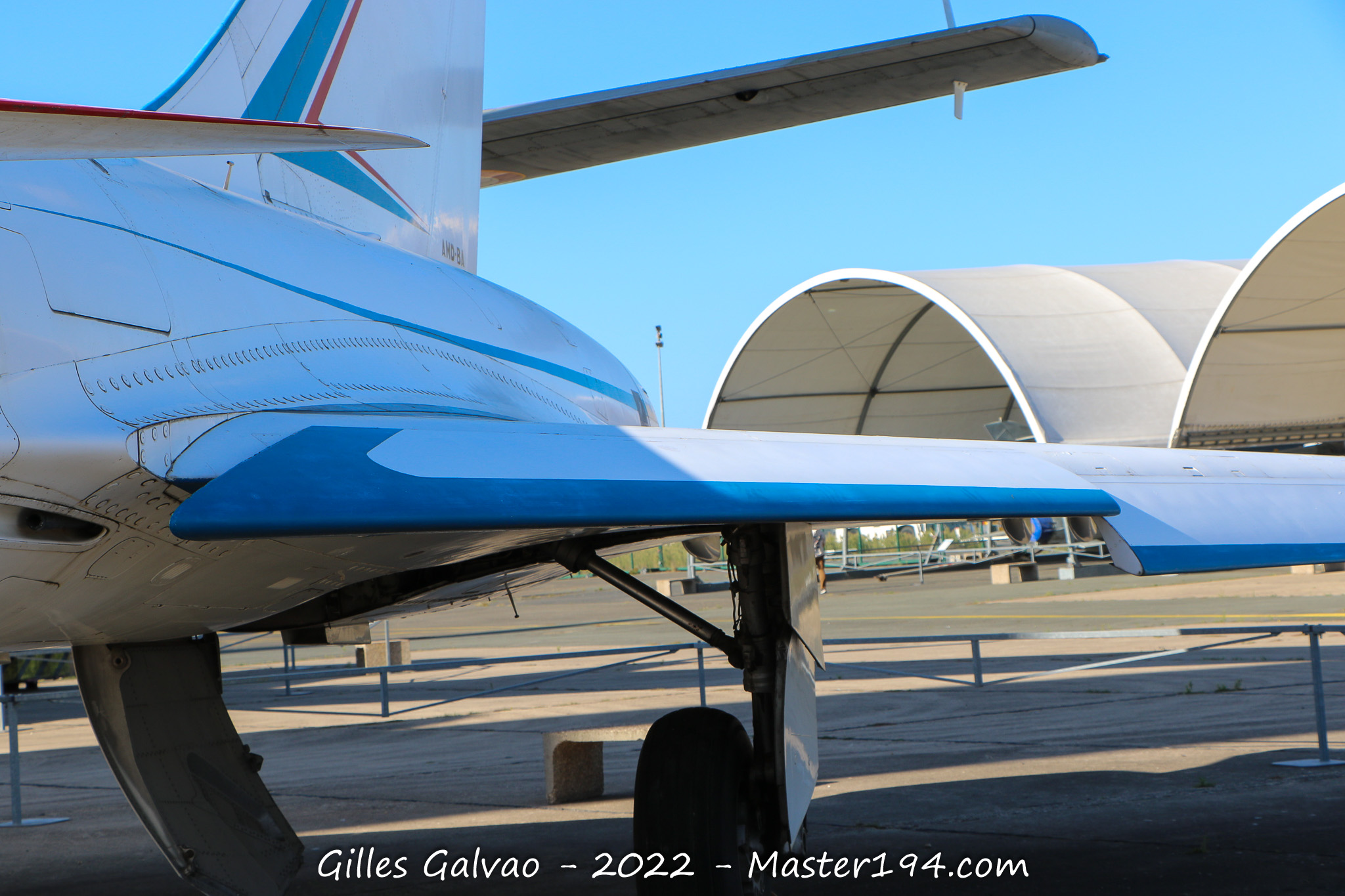
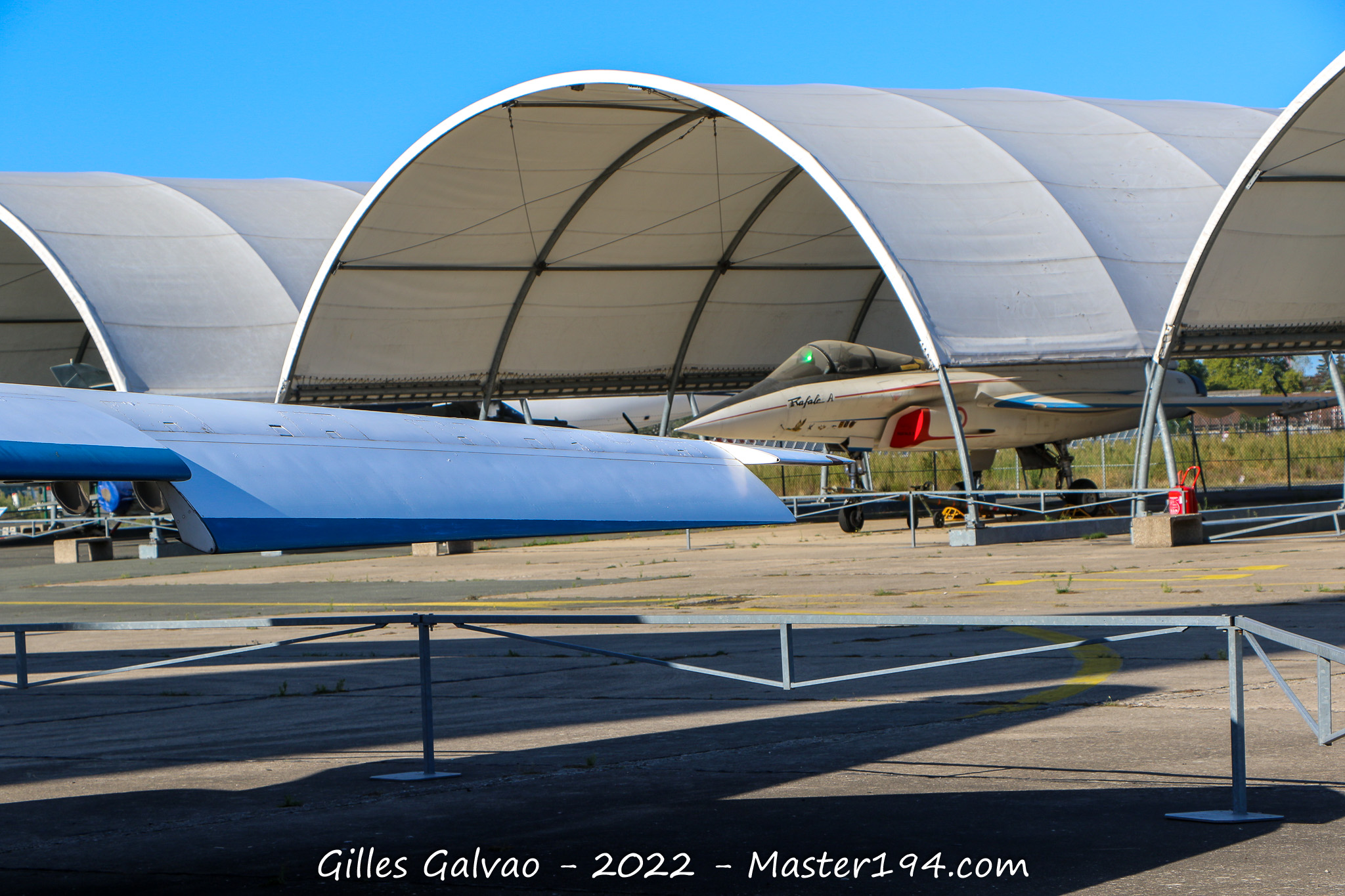
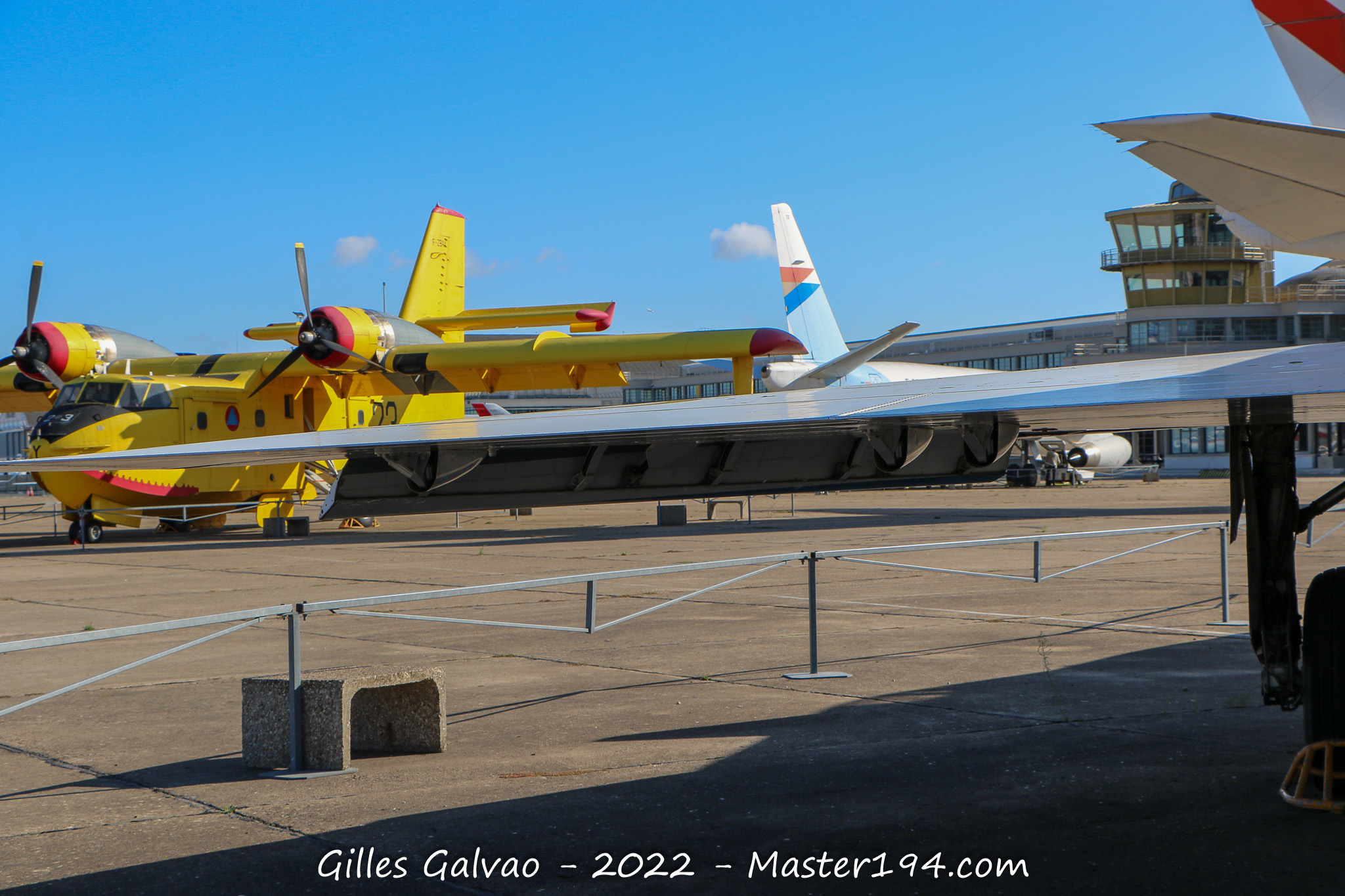
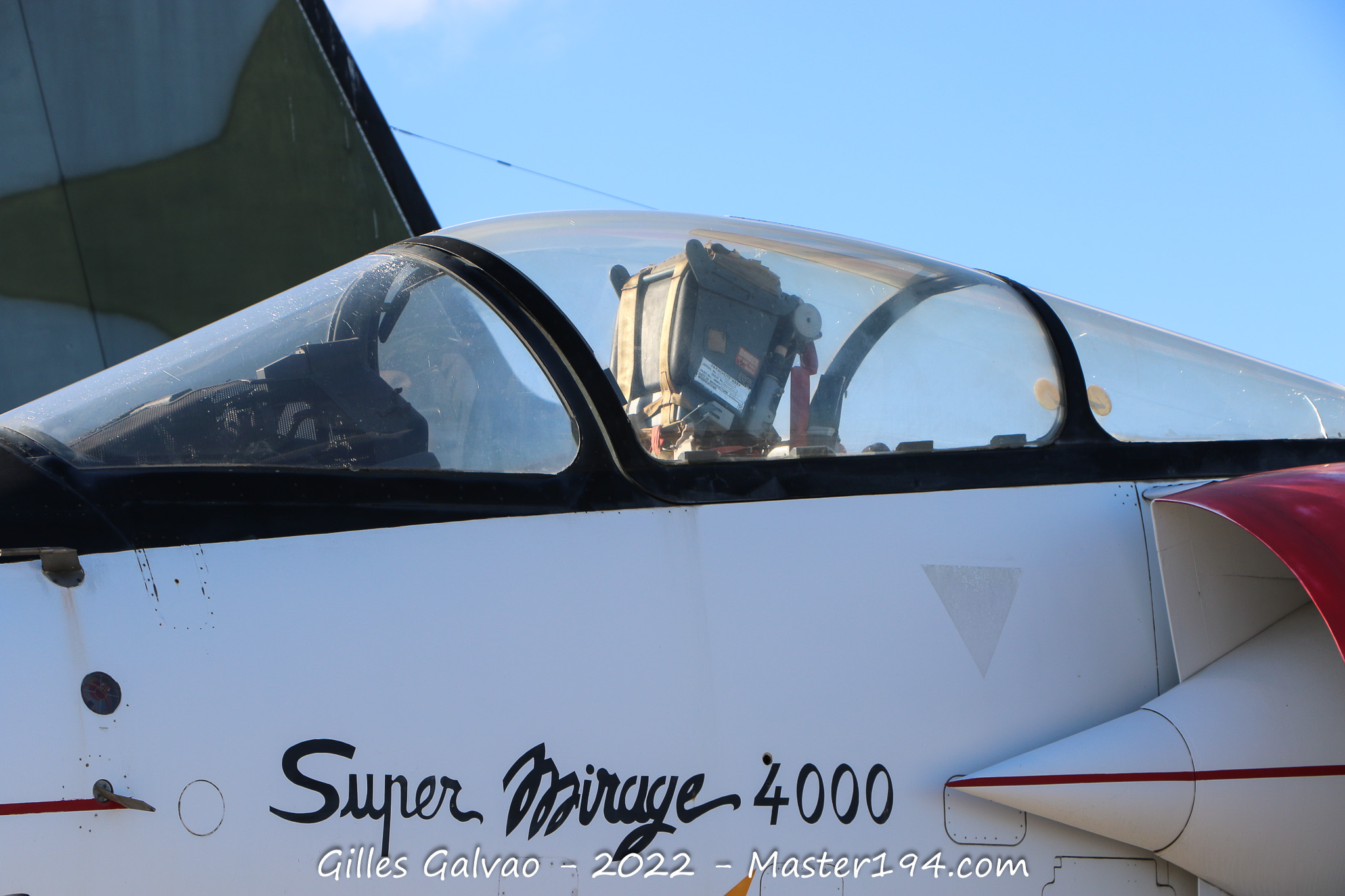
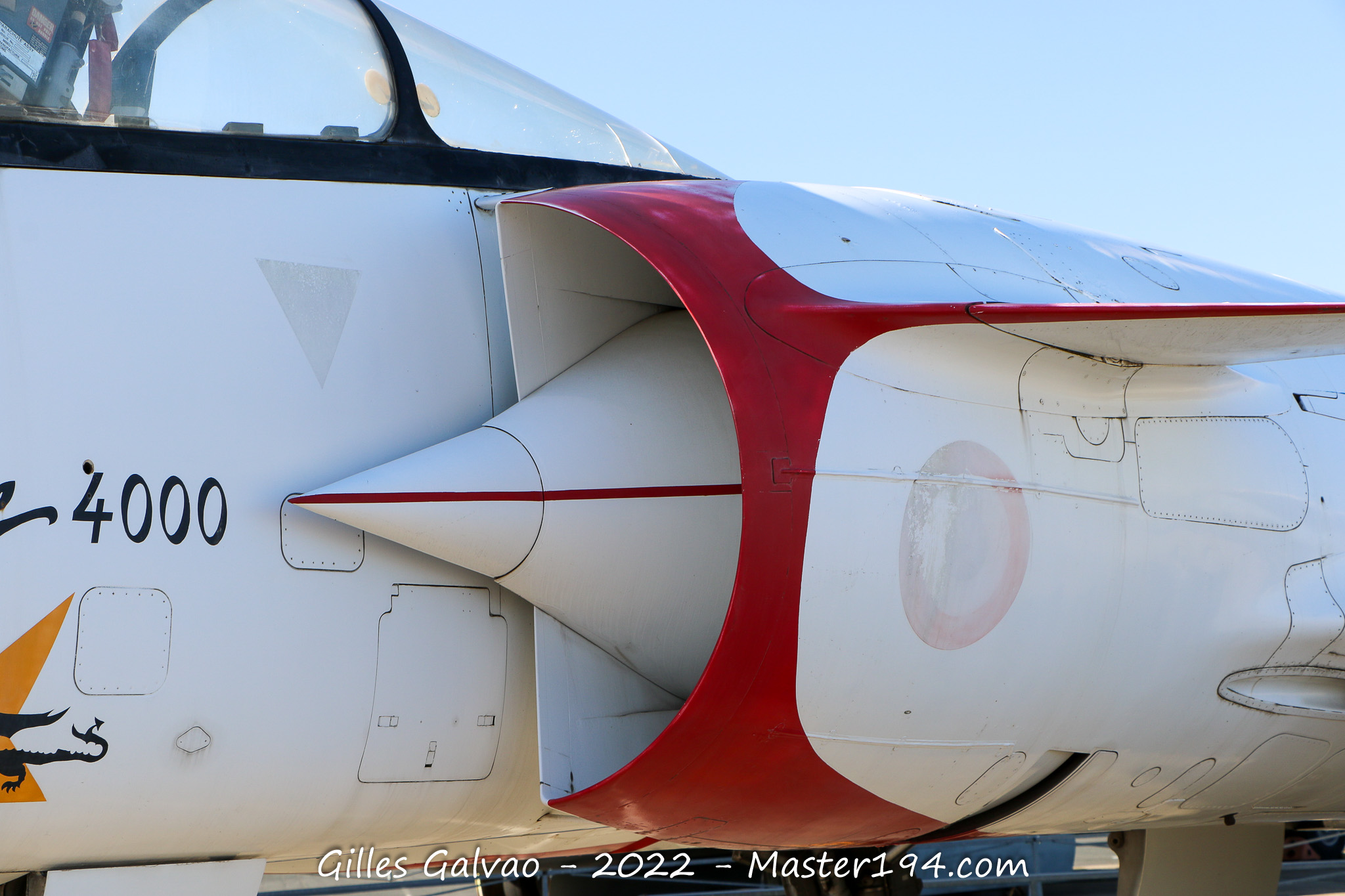
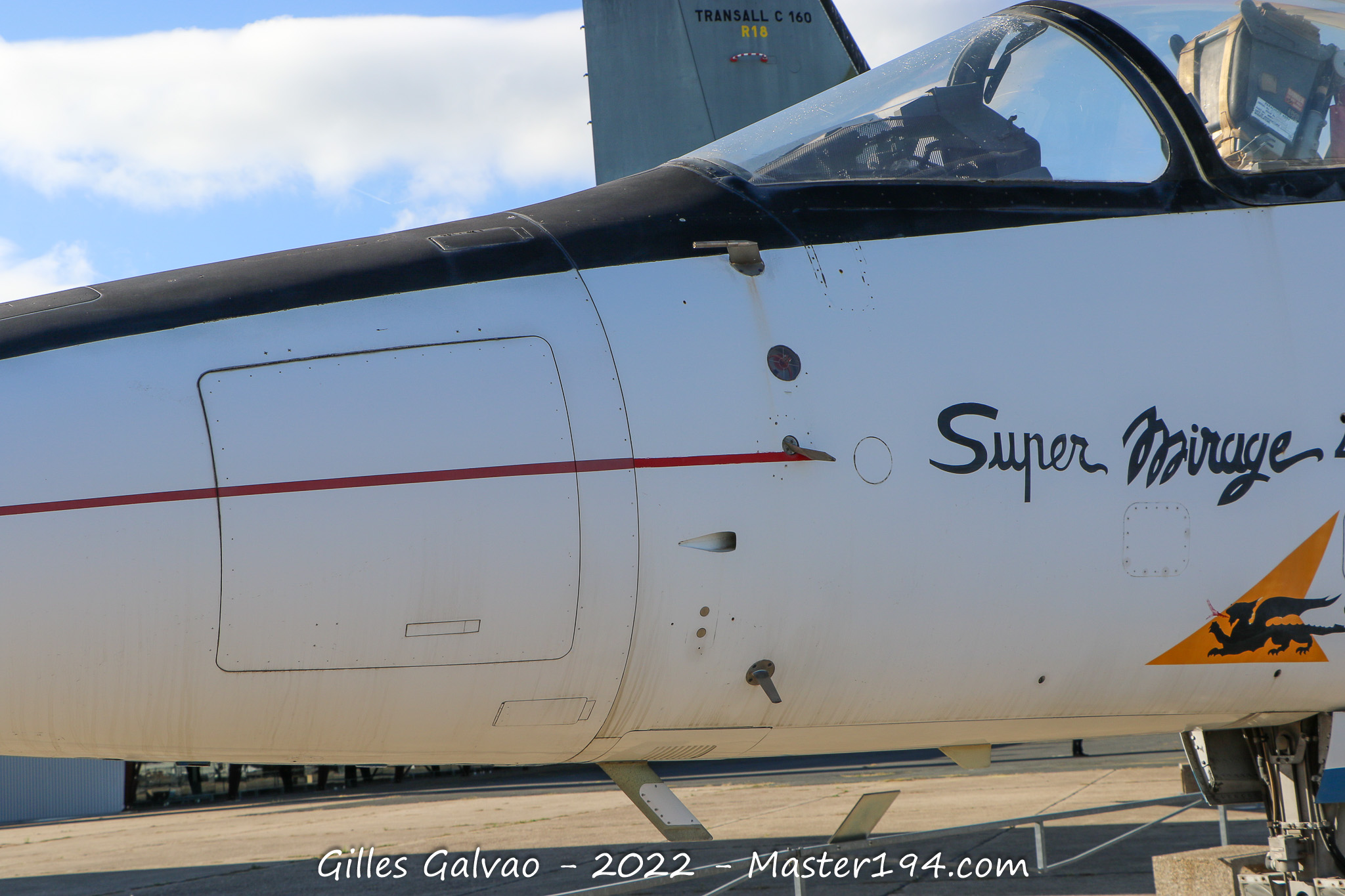
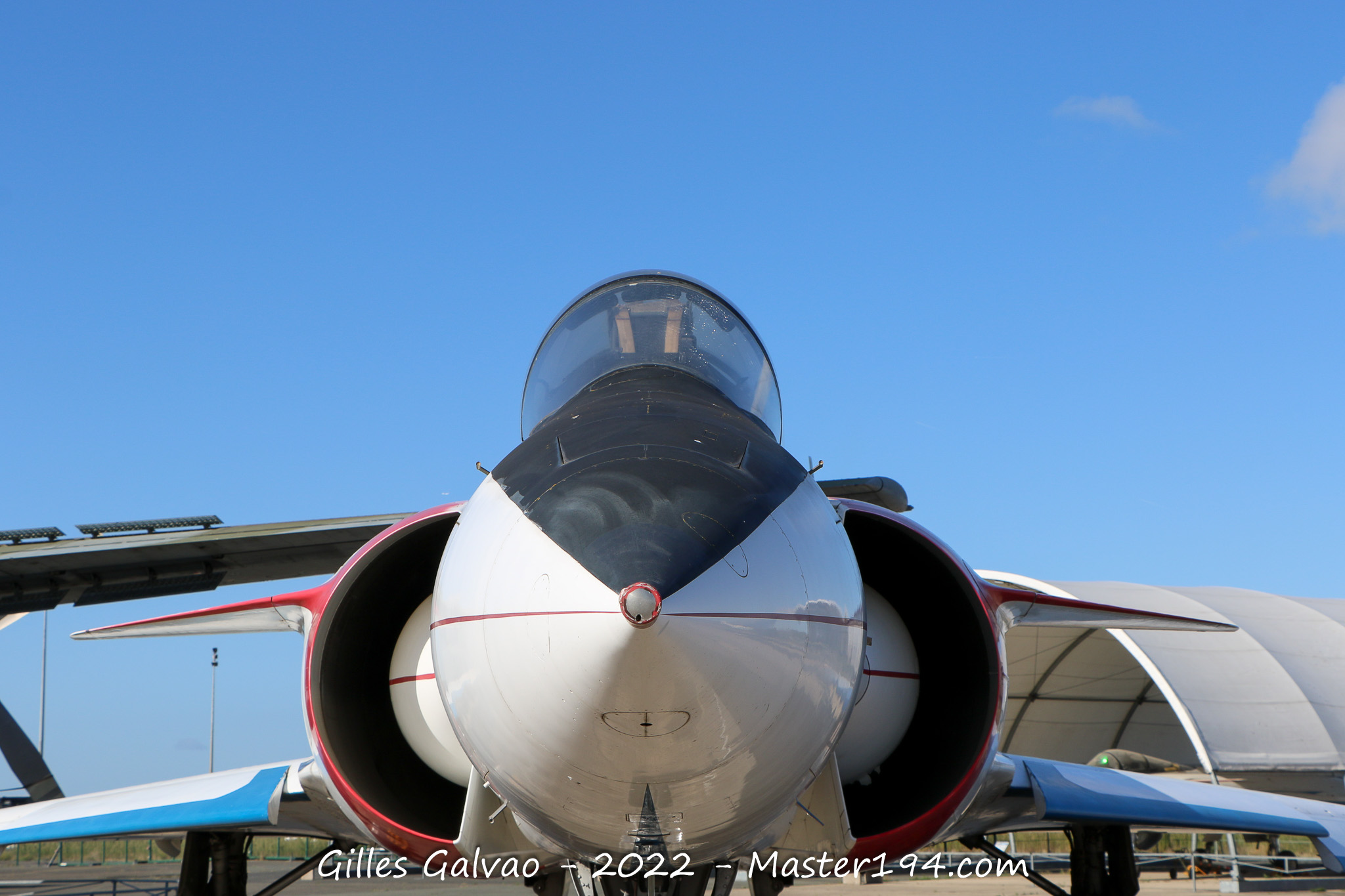
Now on display at the Paris Air and Space Museum (Le Bourget), the Mirage 4000 remains one of the most impressive French prototypes ever built. Its massive silhouette, monumental air intakes, and canard configuration continue to draw enthusiasts, photographers, and scale modelers more than forty years after its maiden flight.
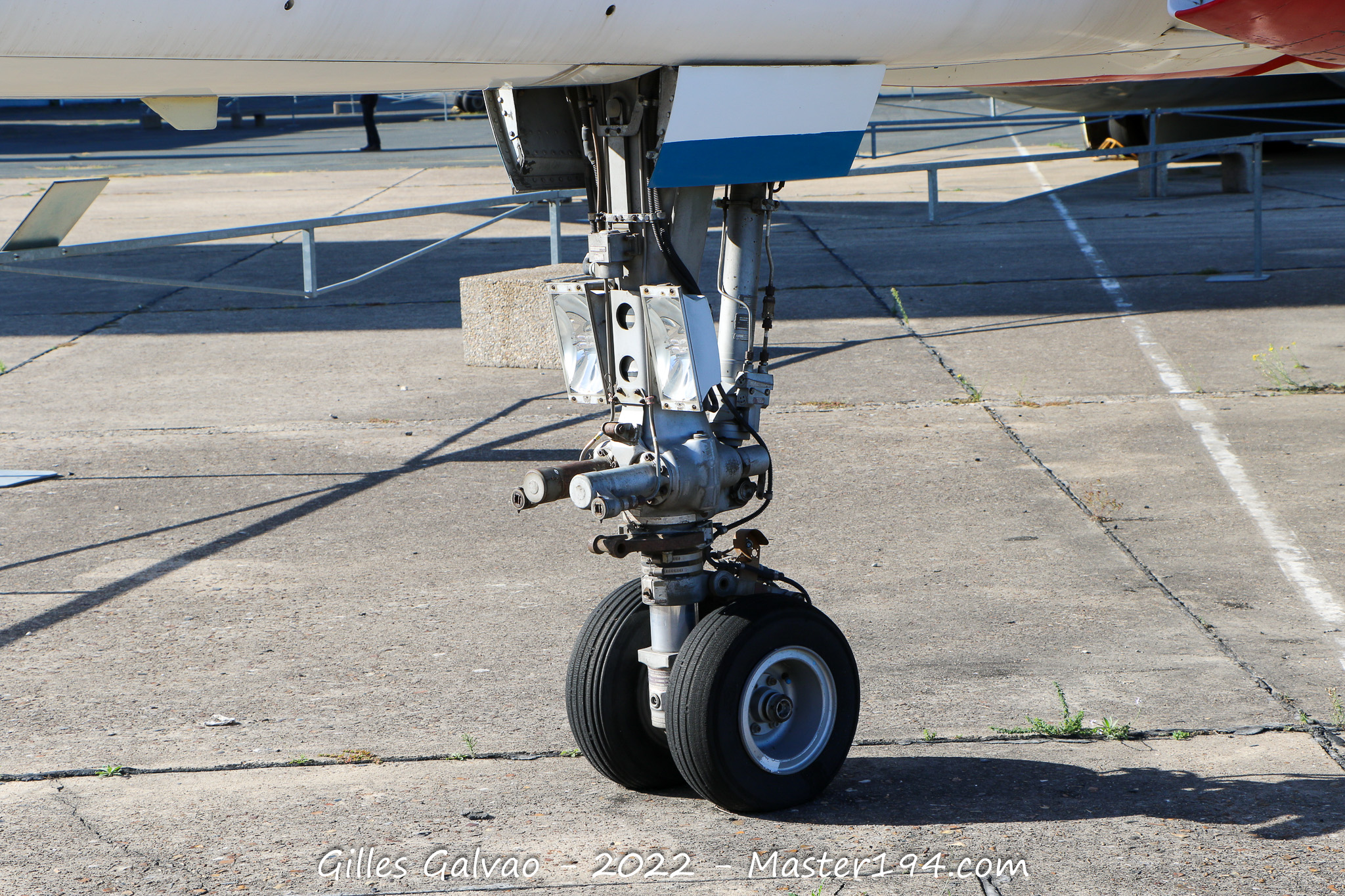
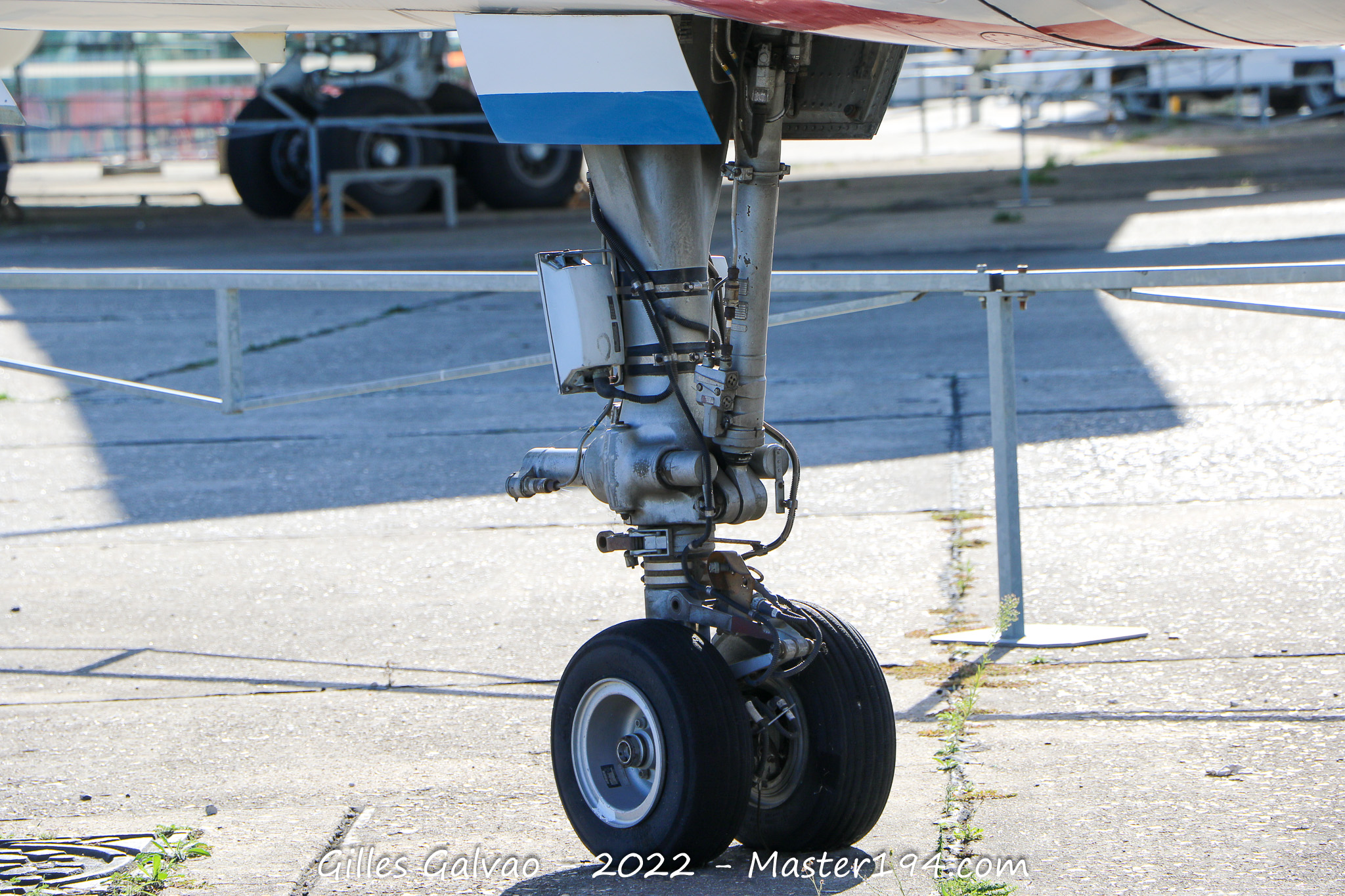
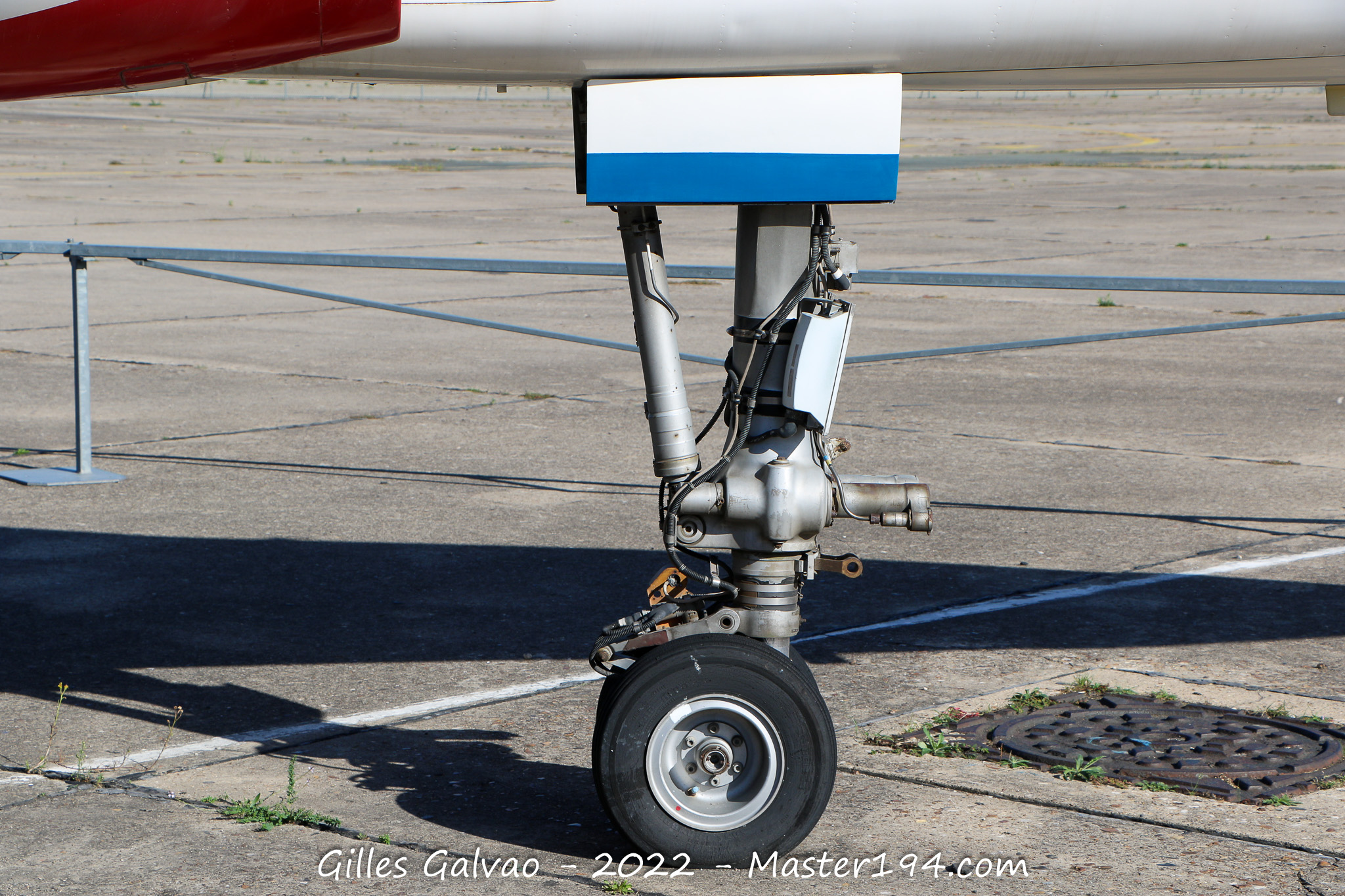
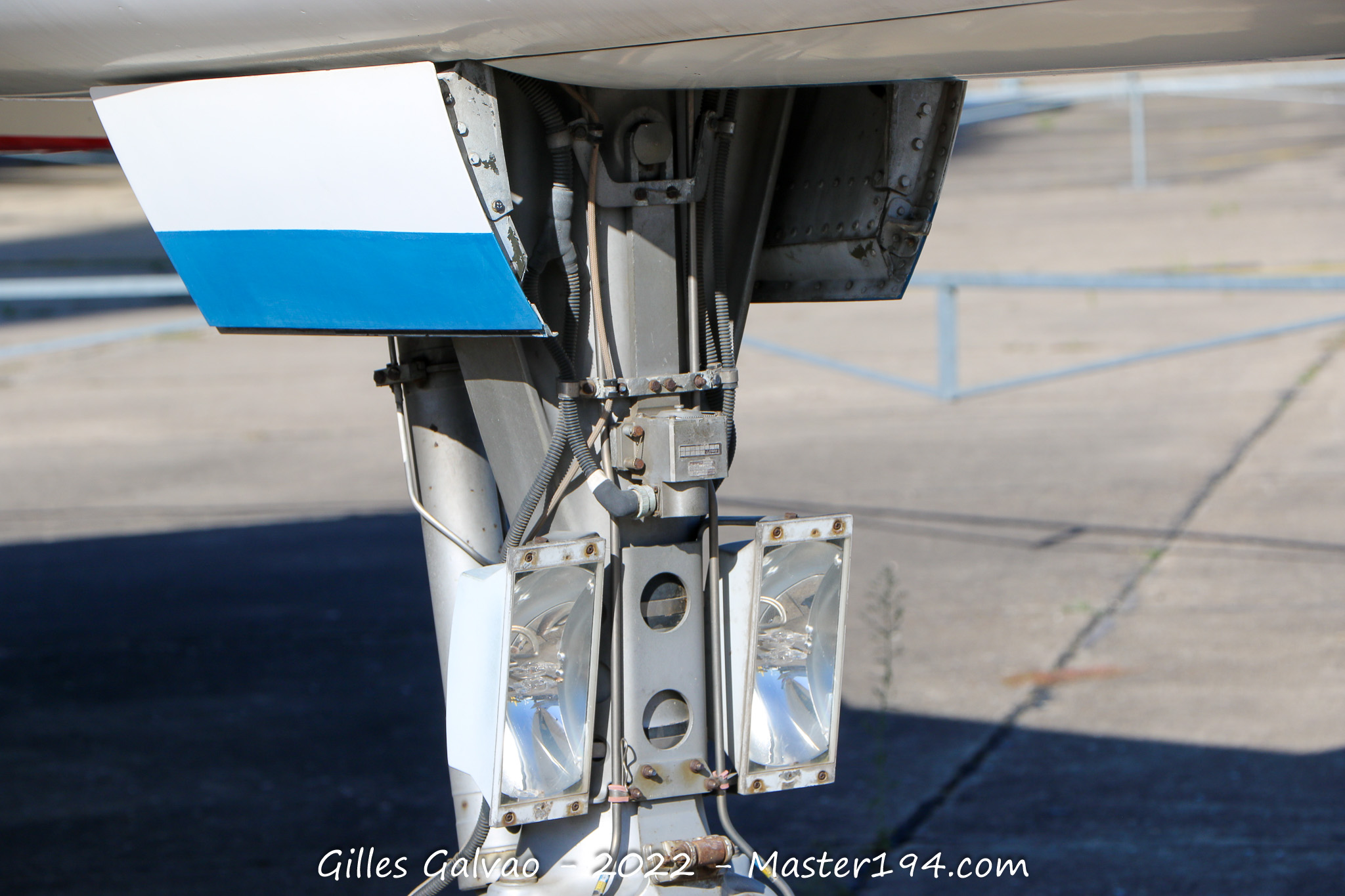
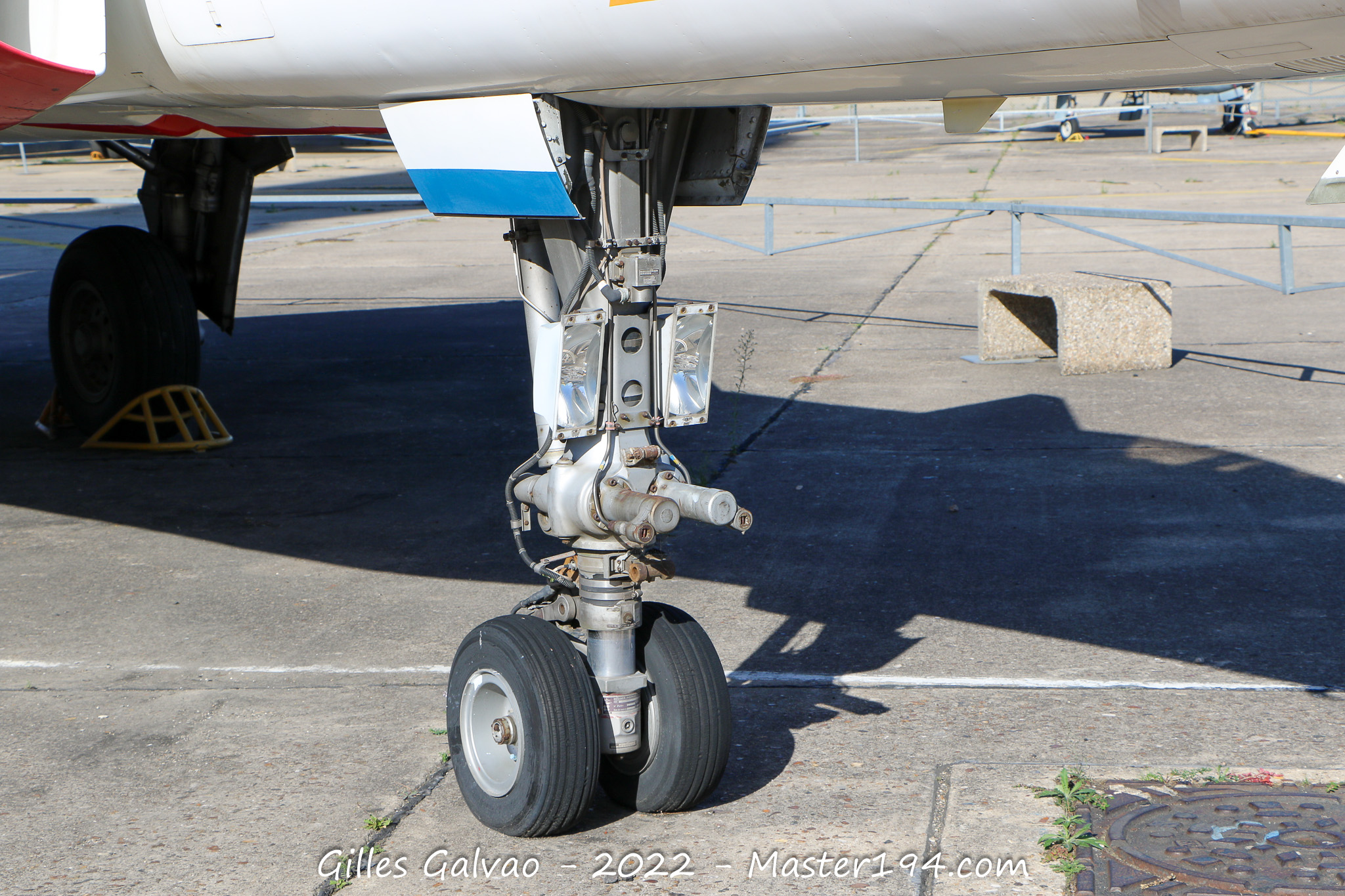
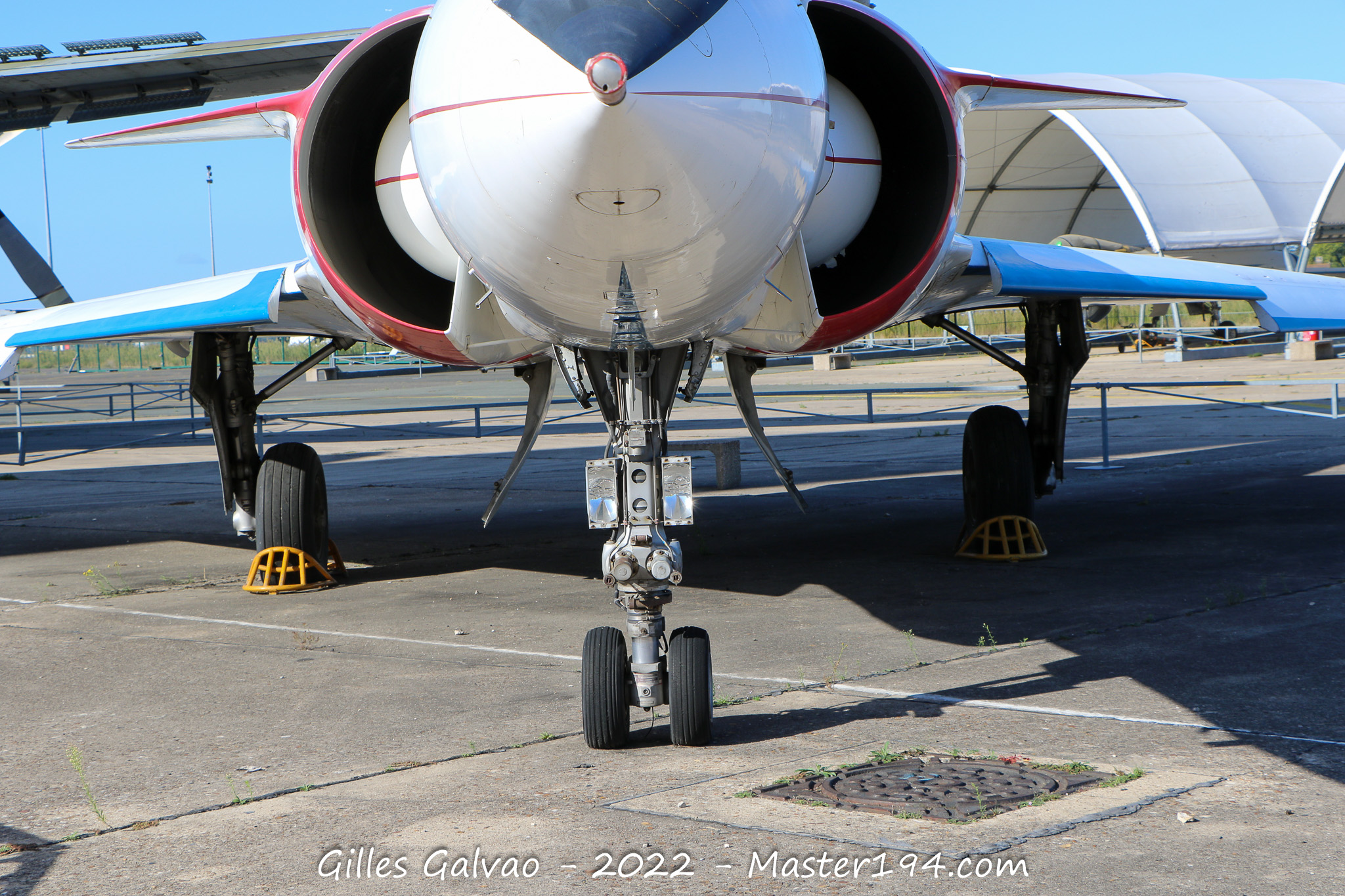
Nose landing gear
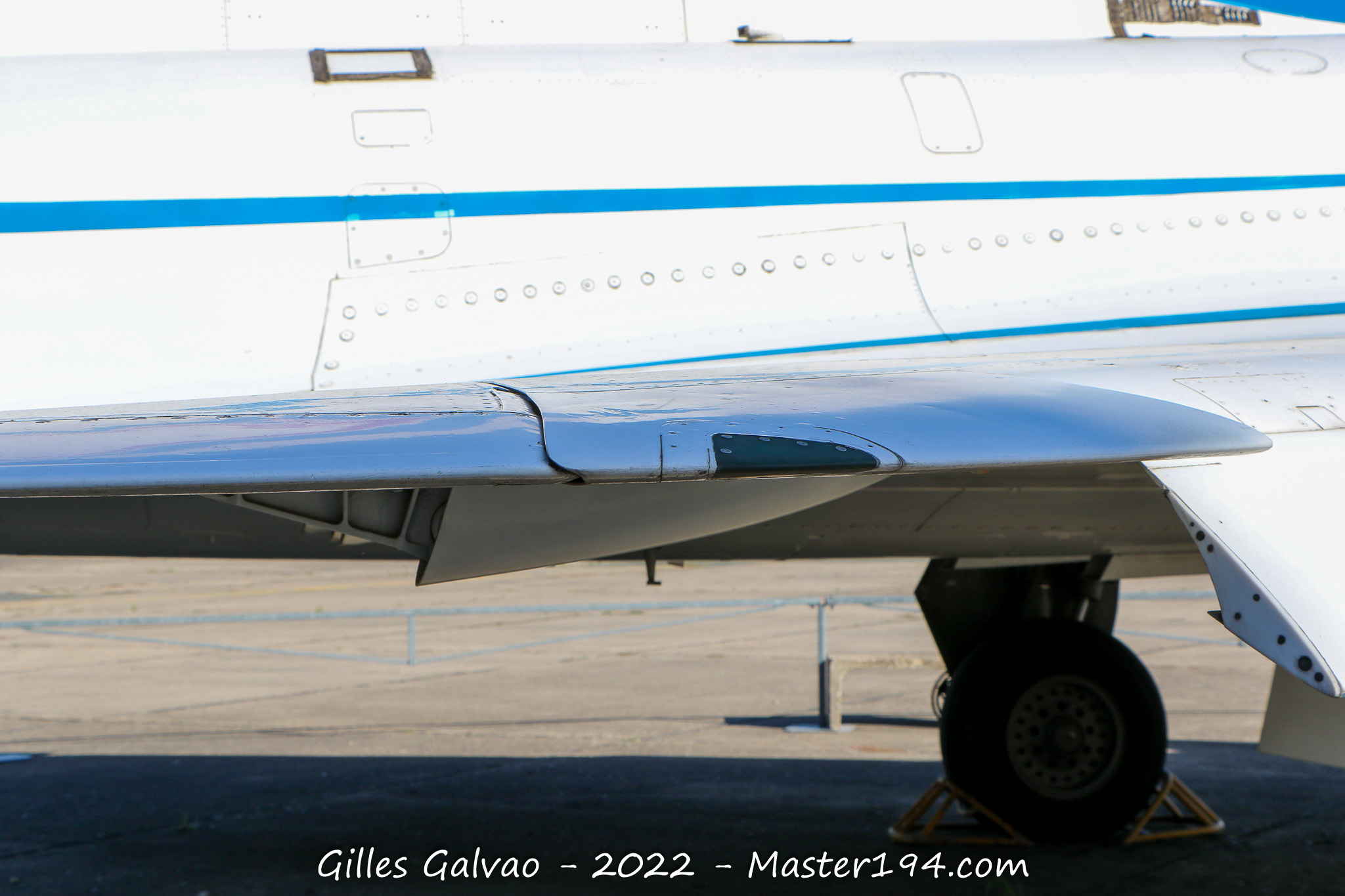
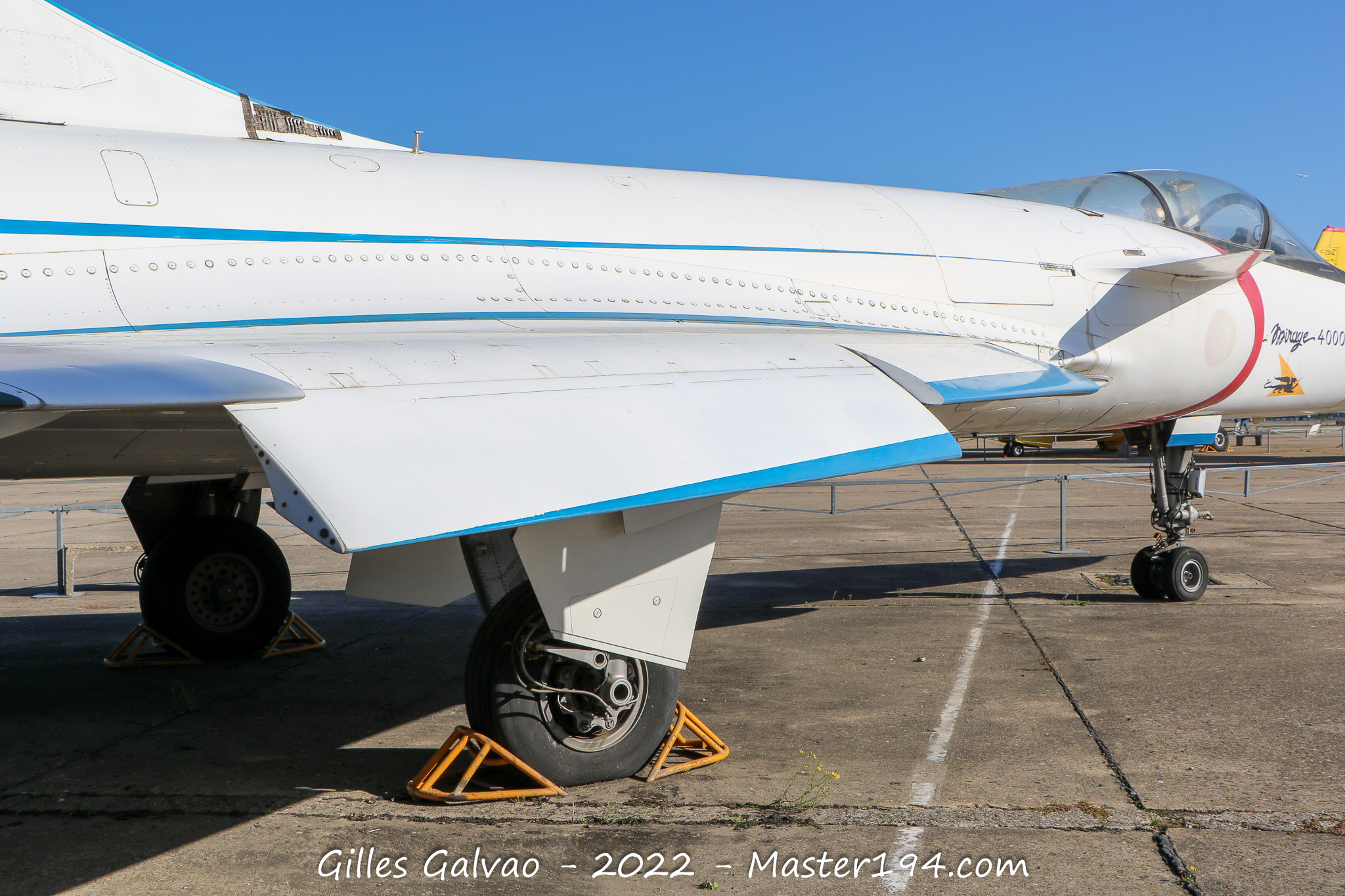
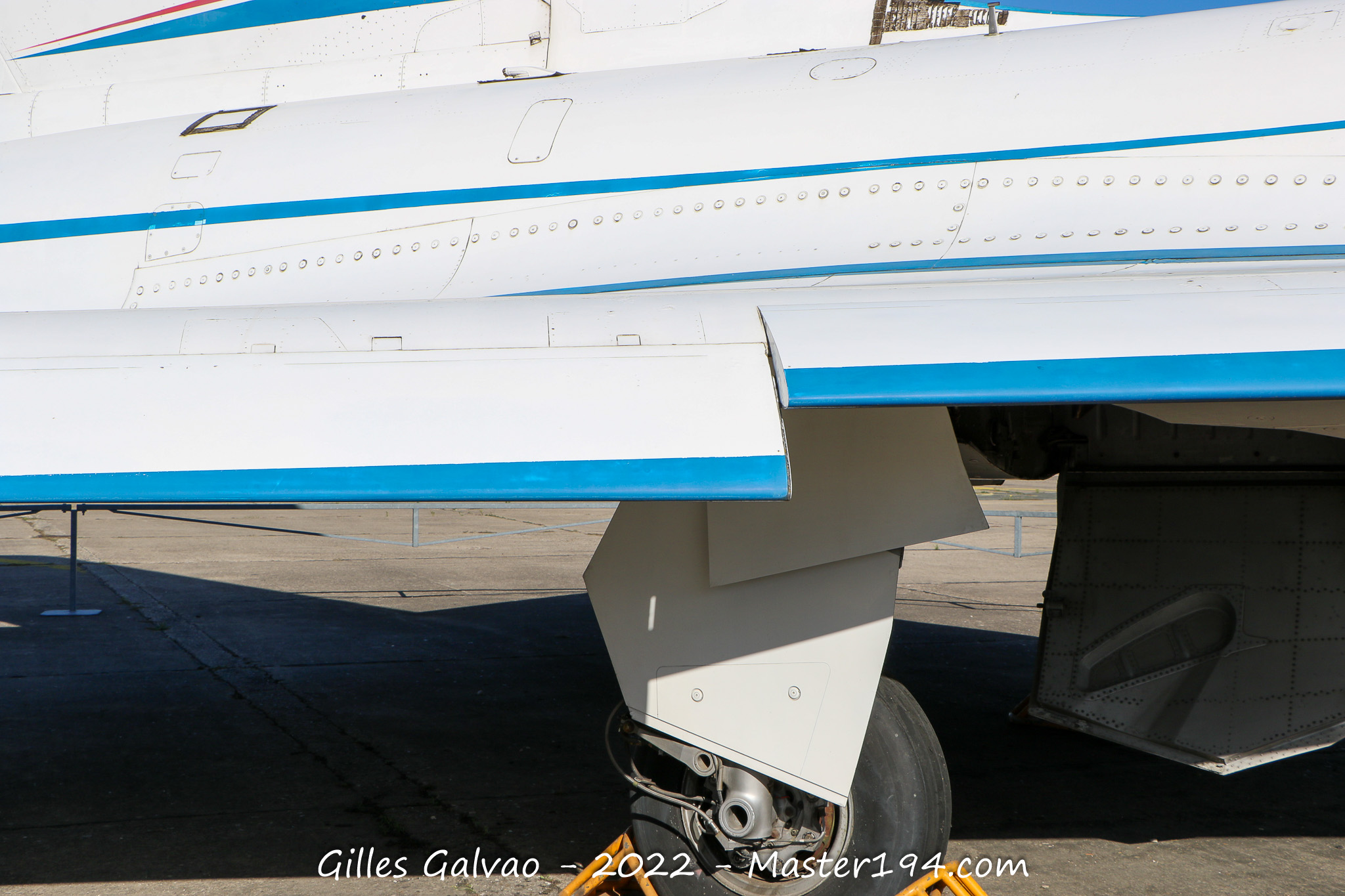
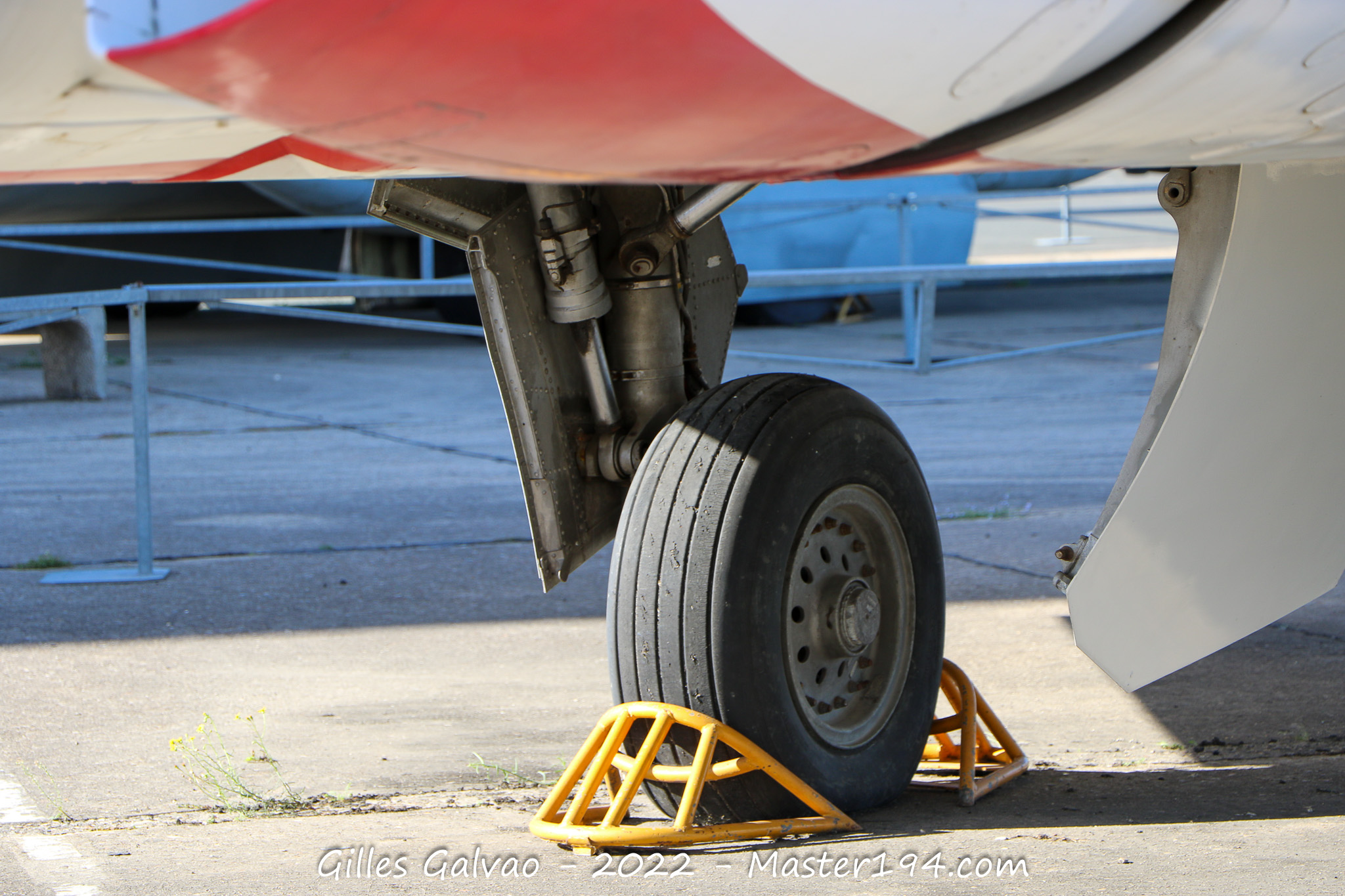
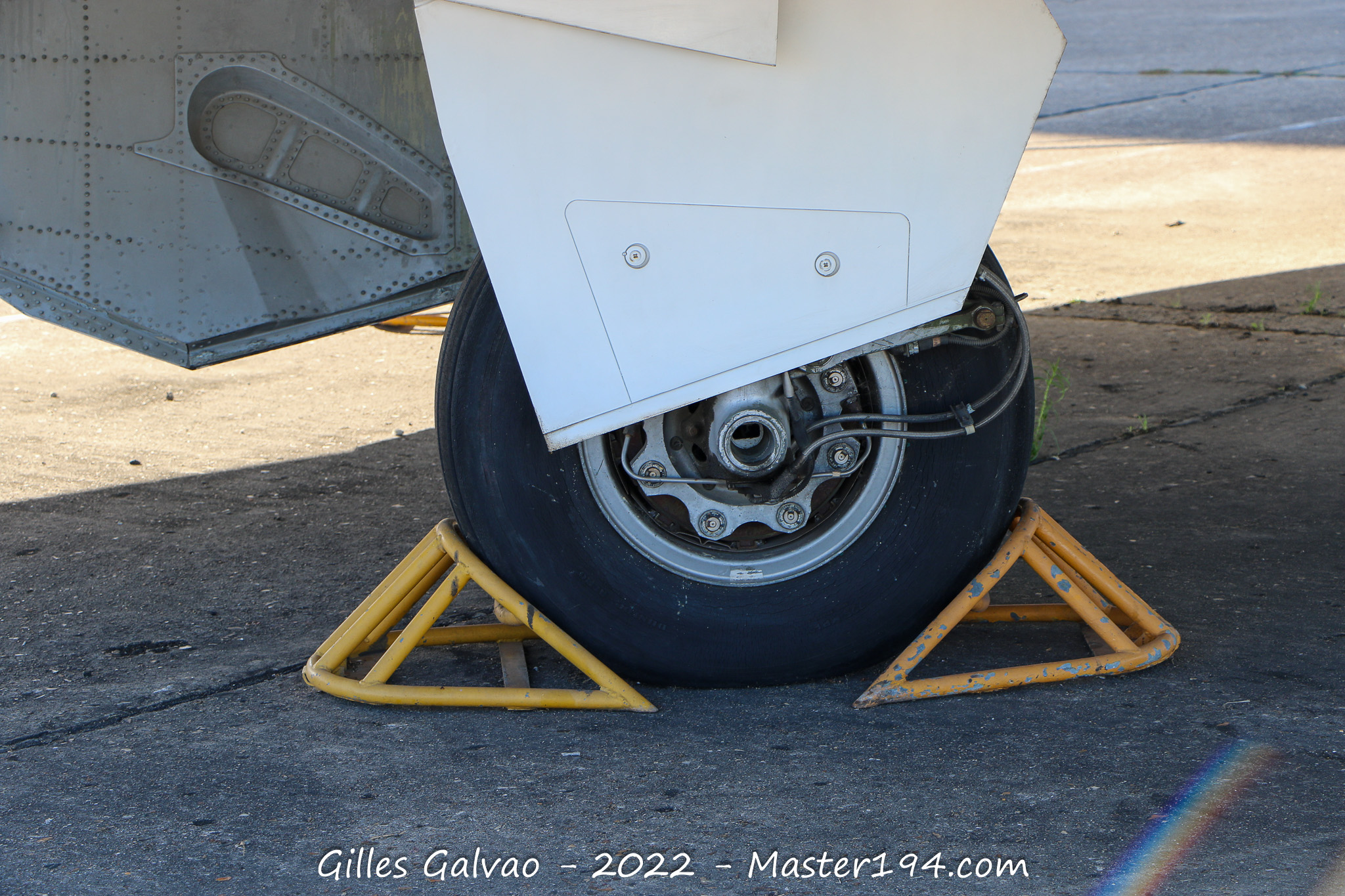
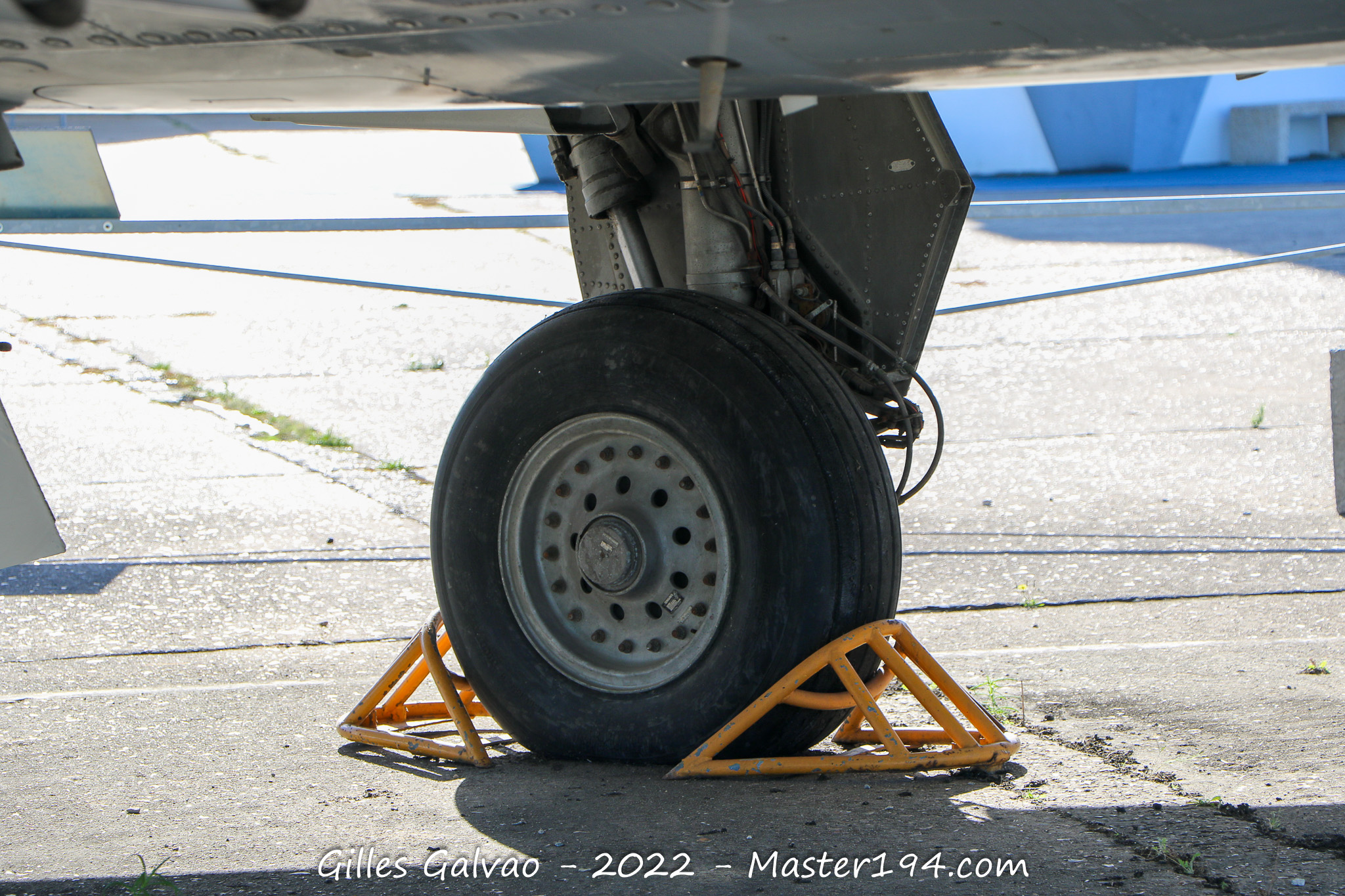
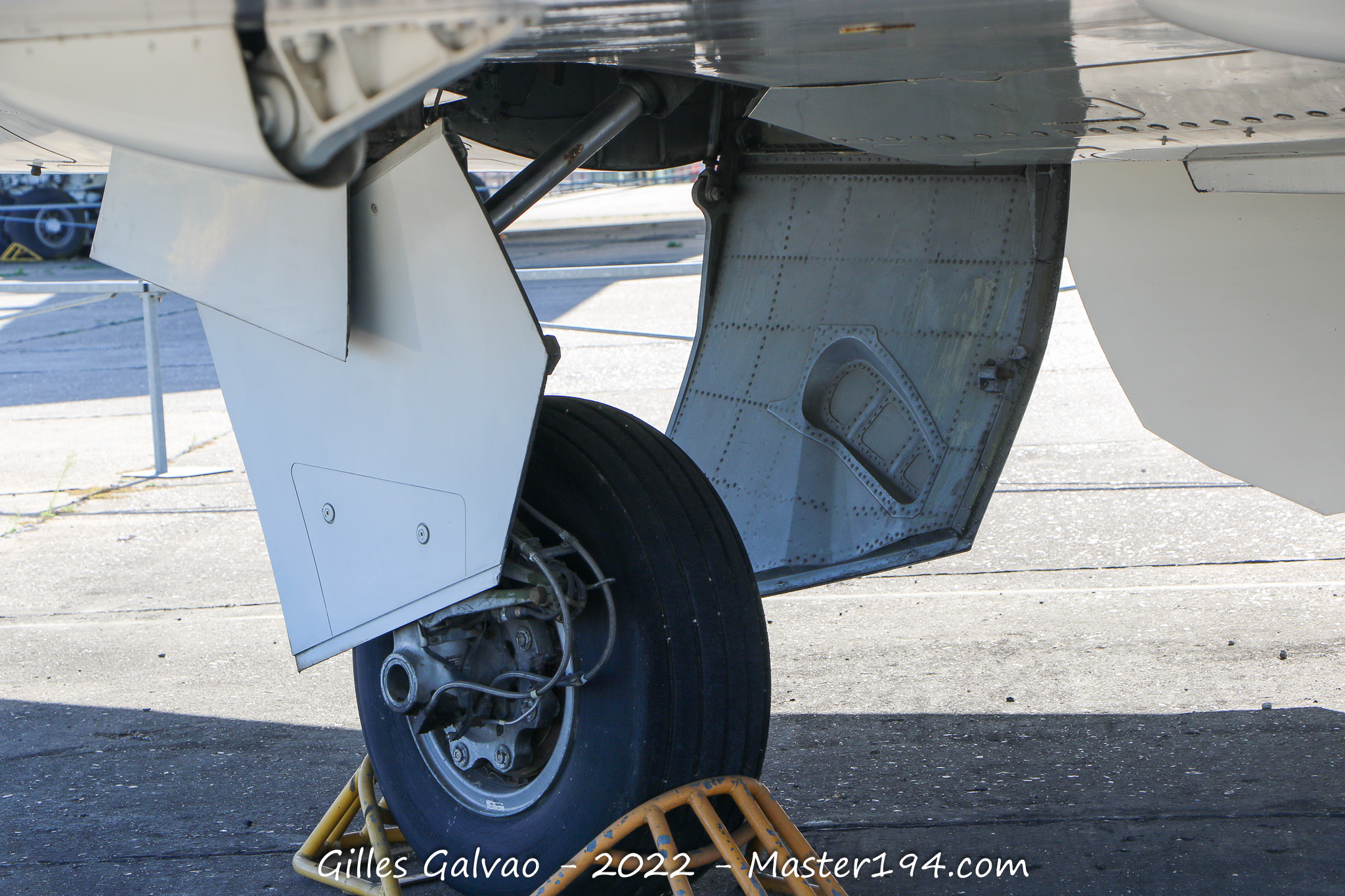
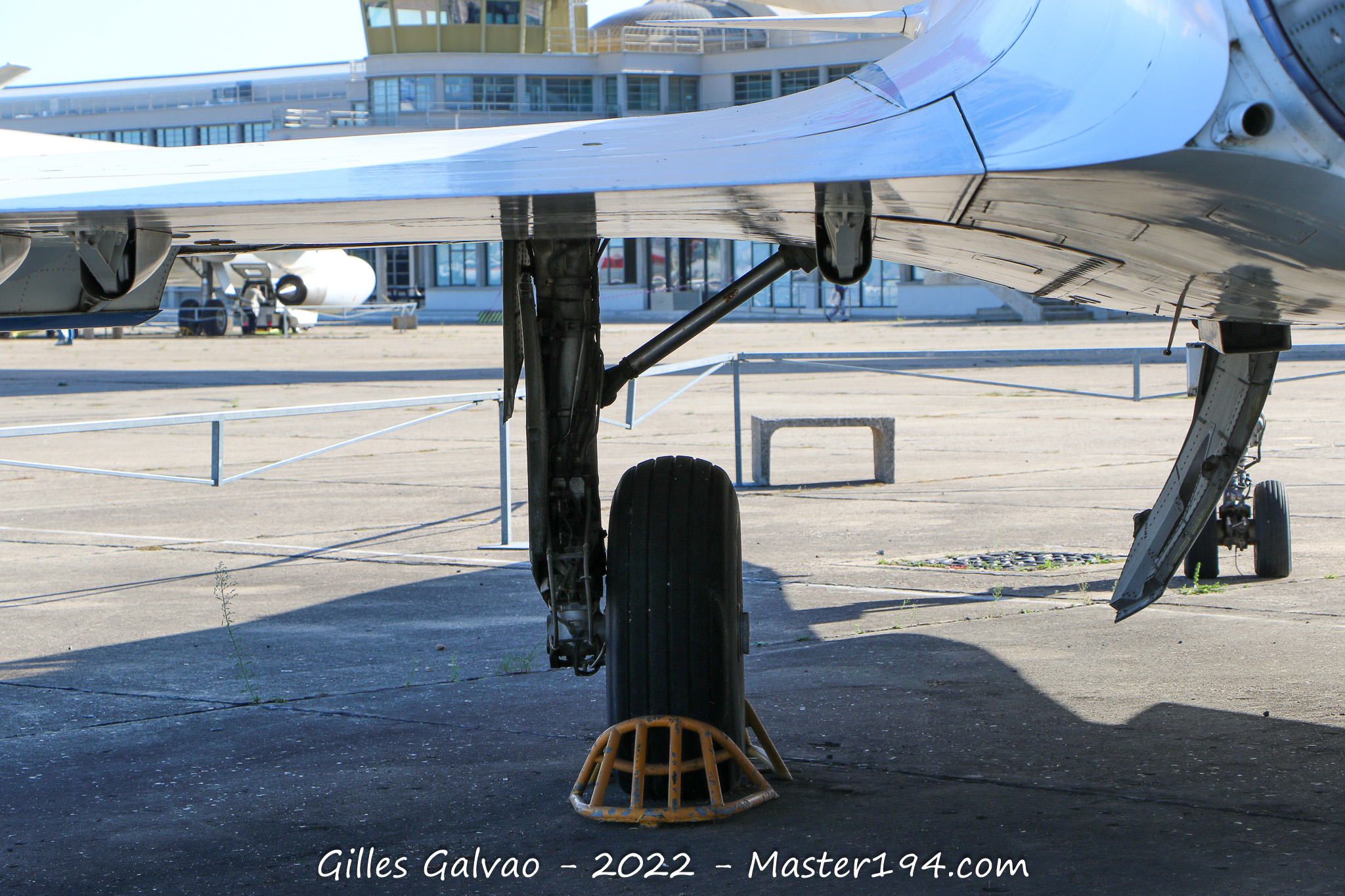
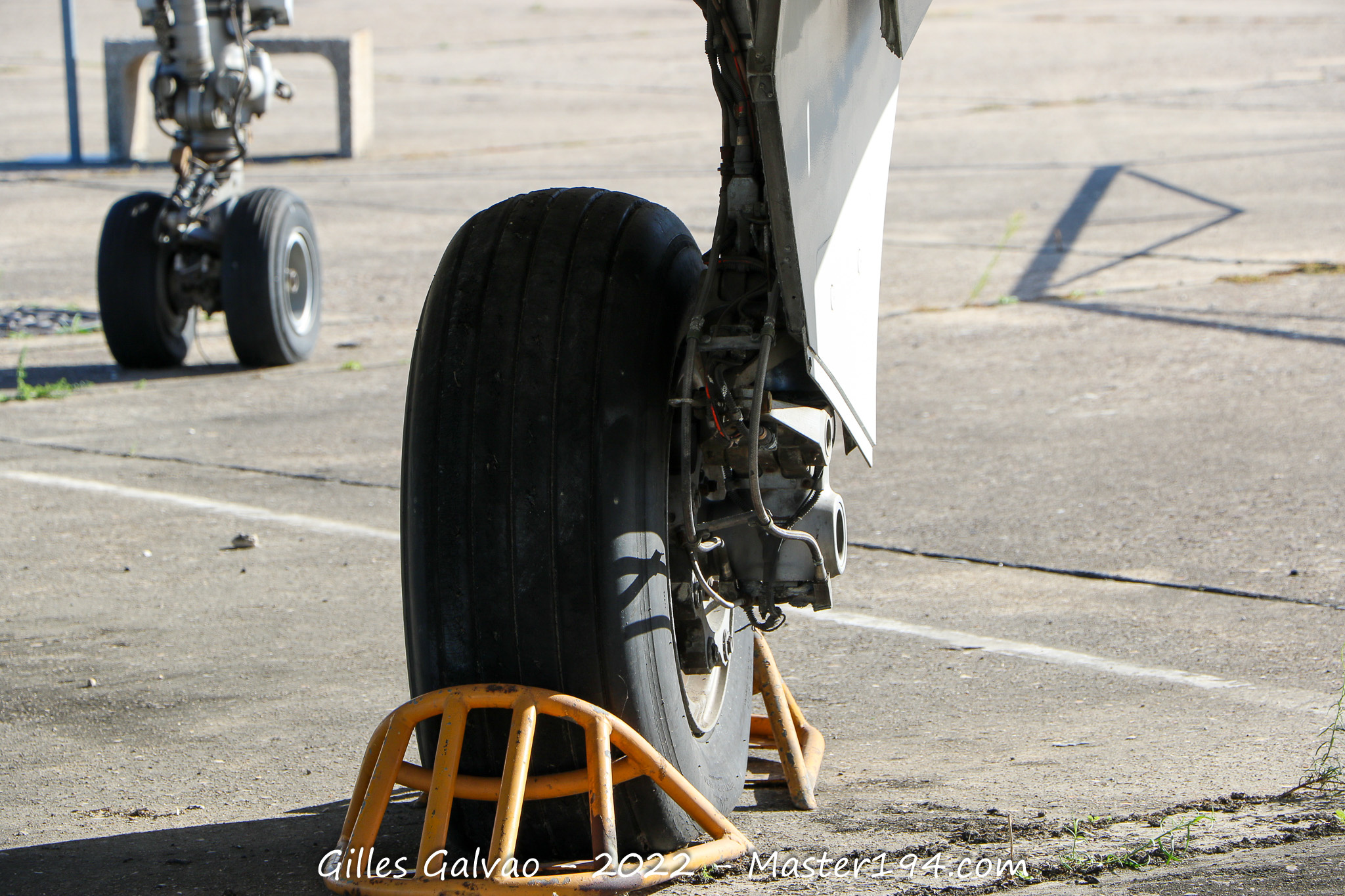
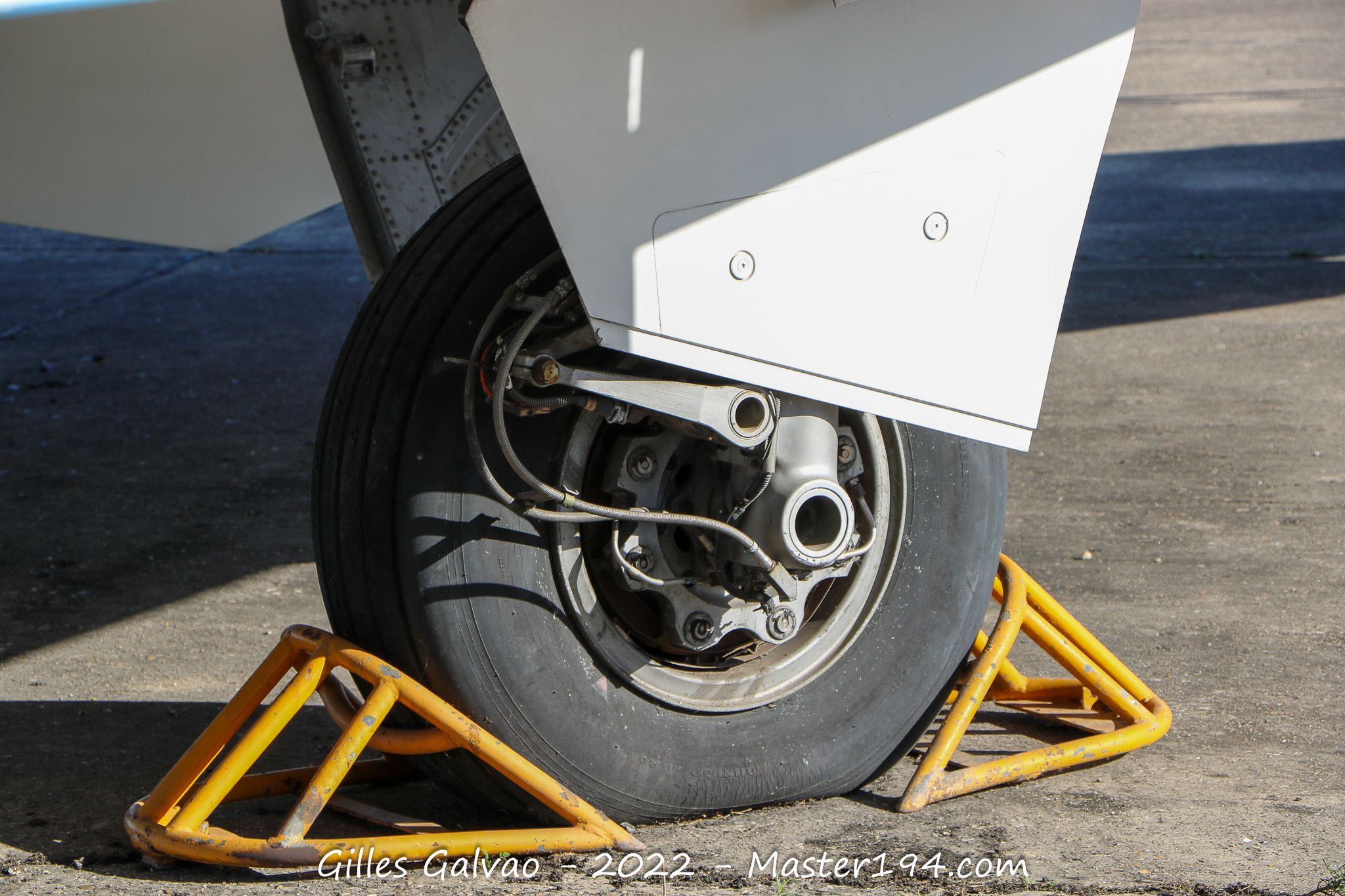
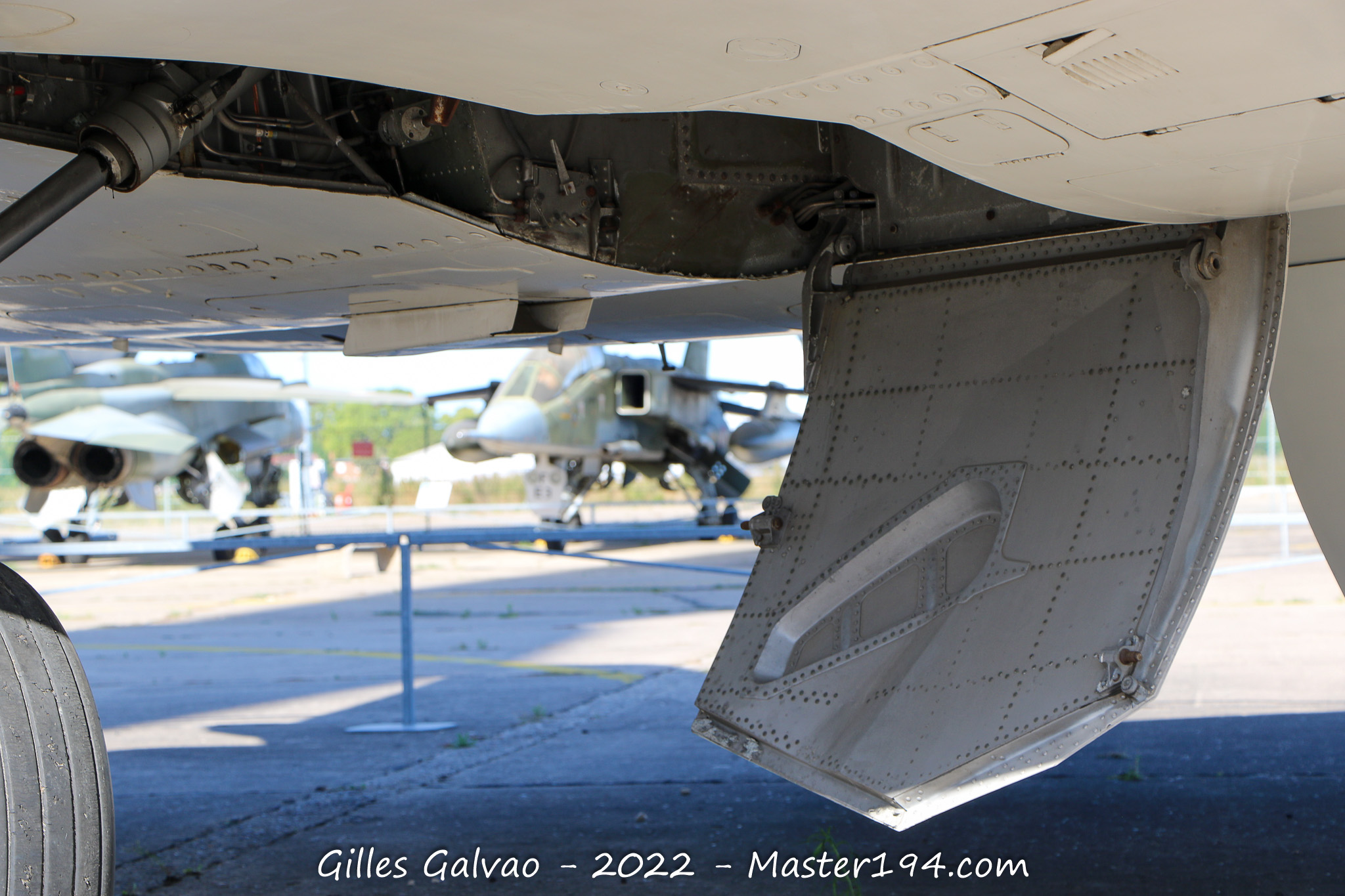
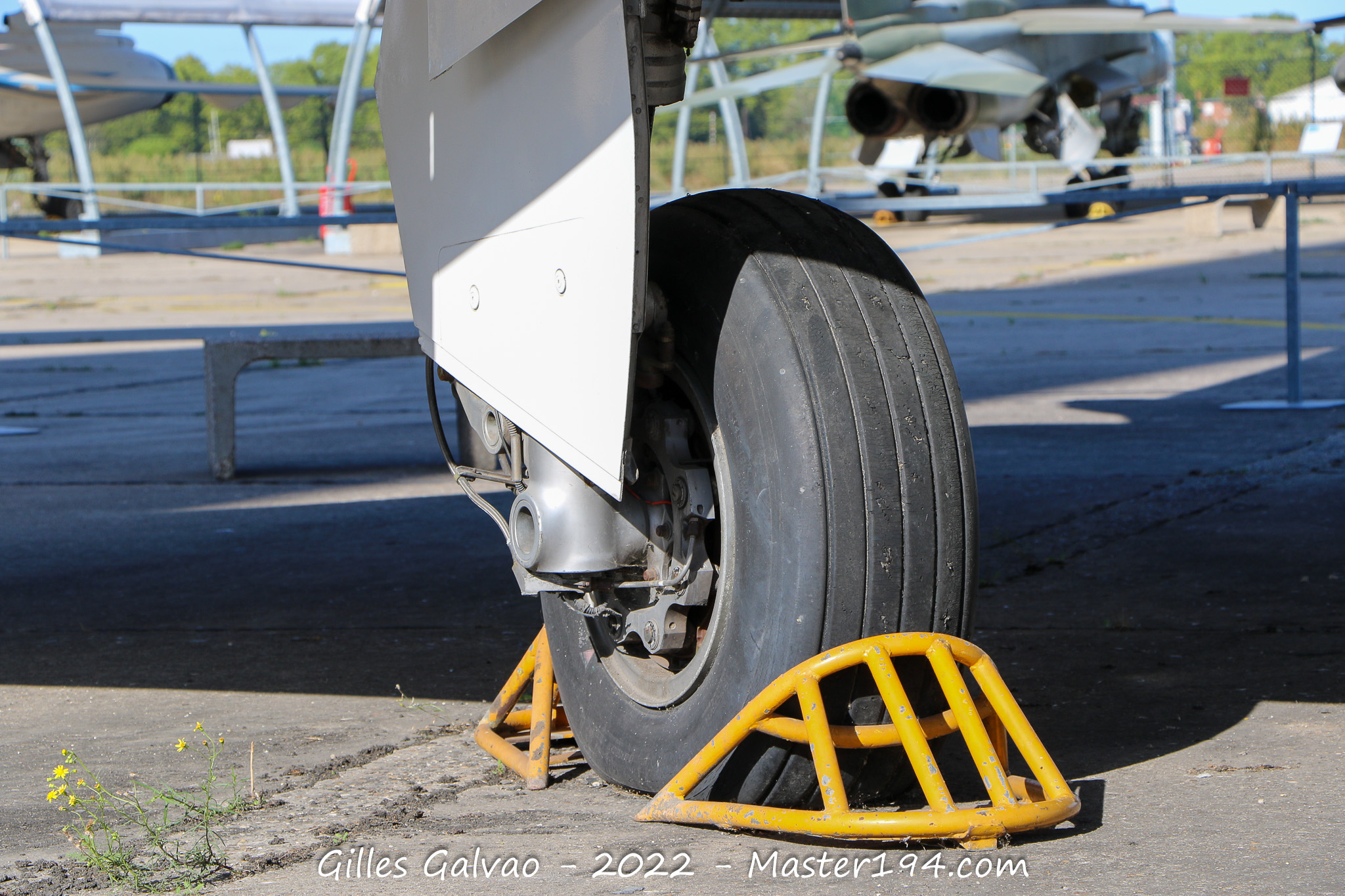
Main landing gear
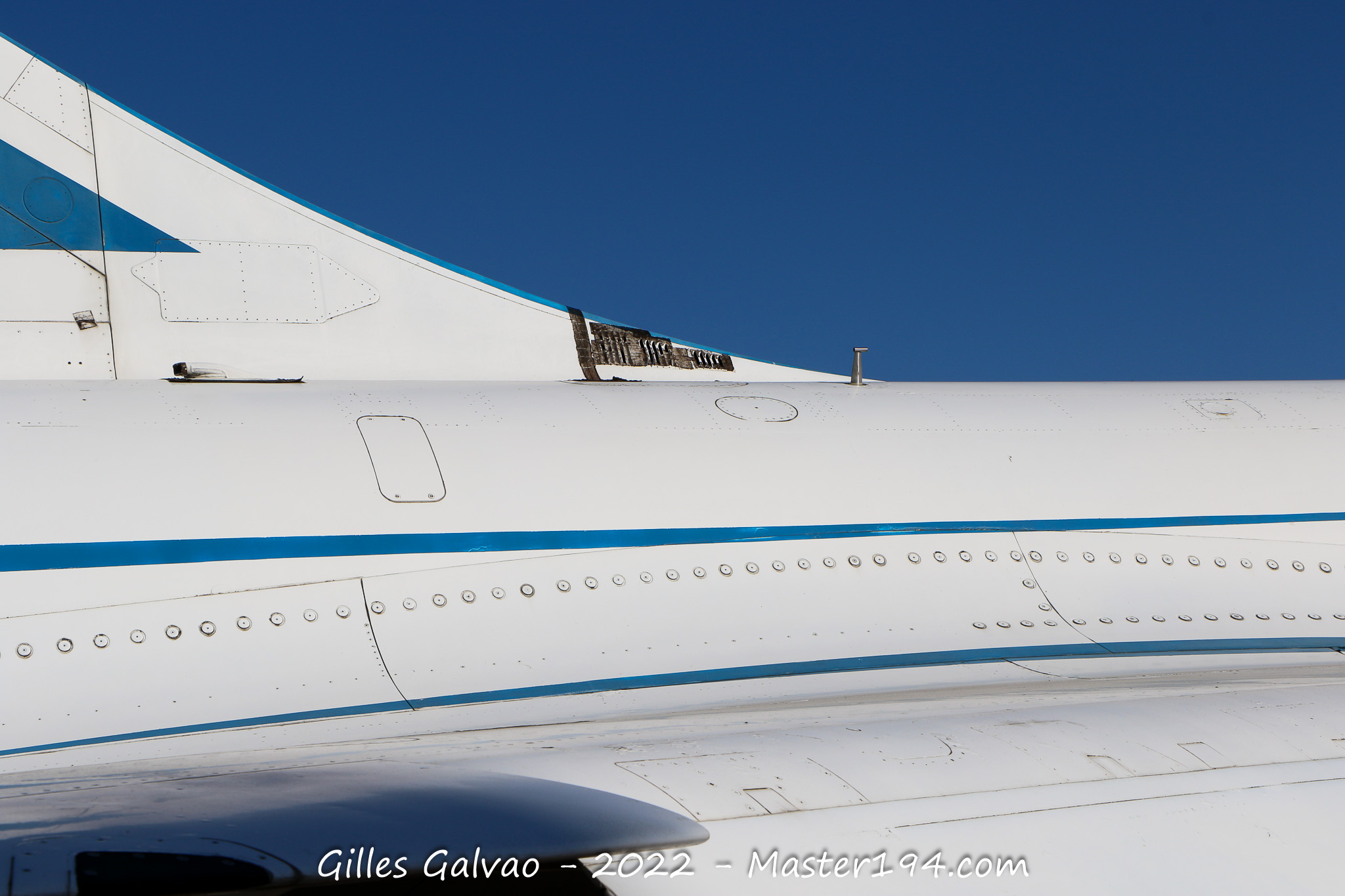
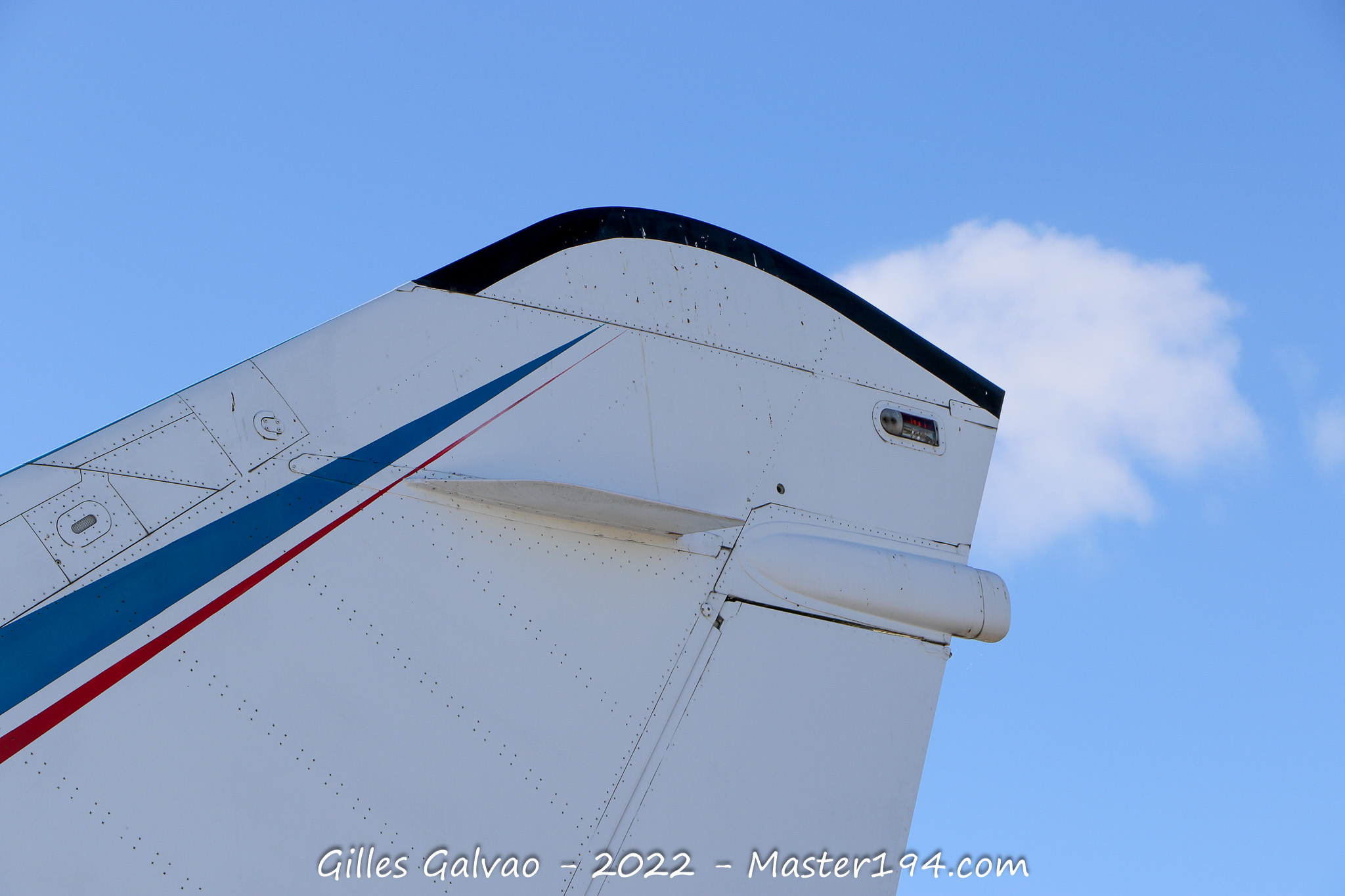
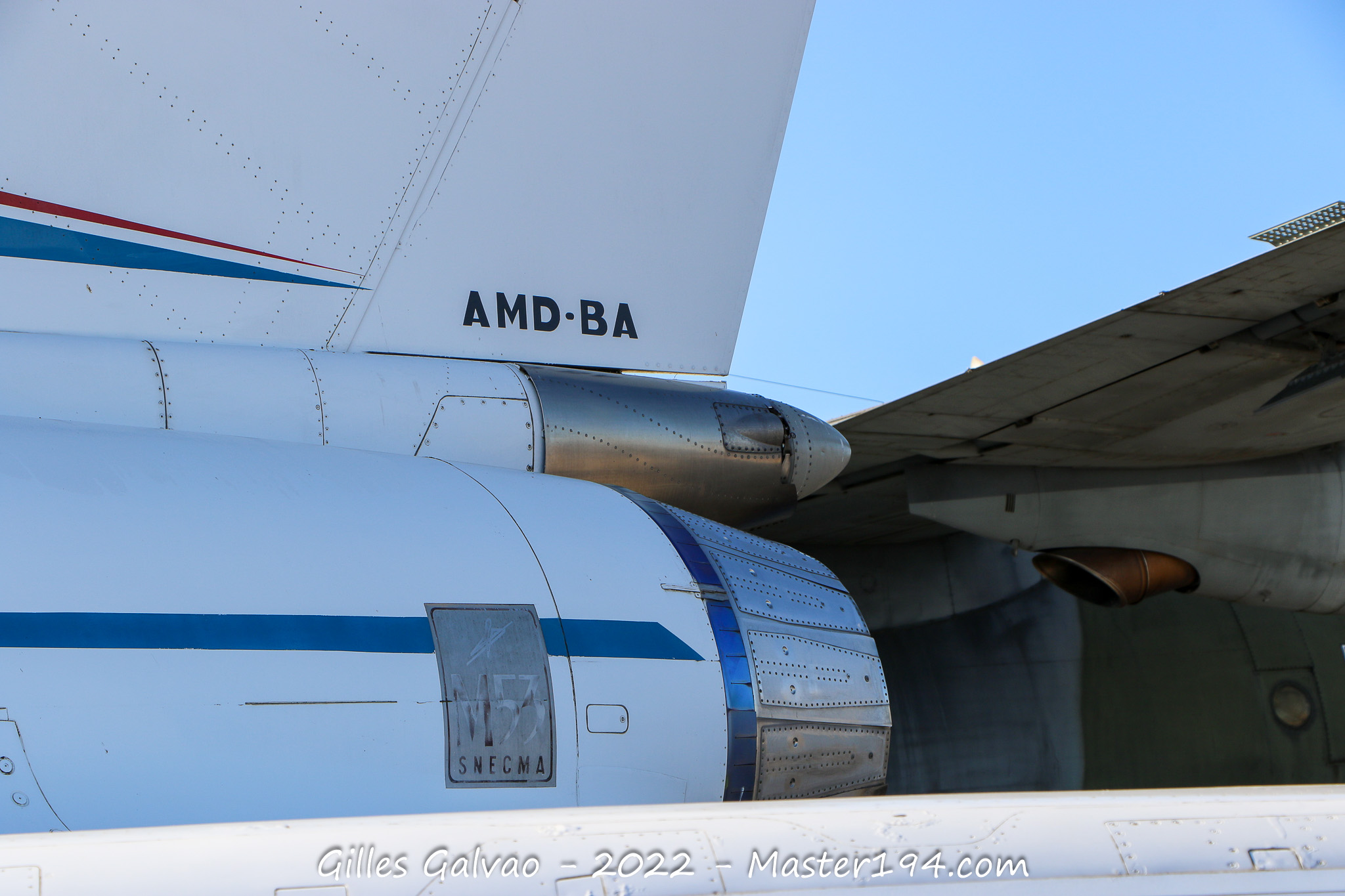
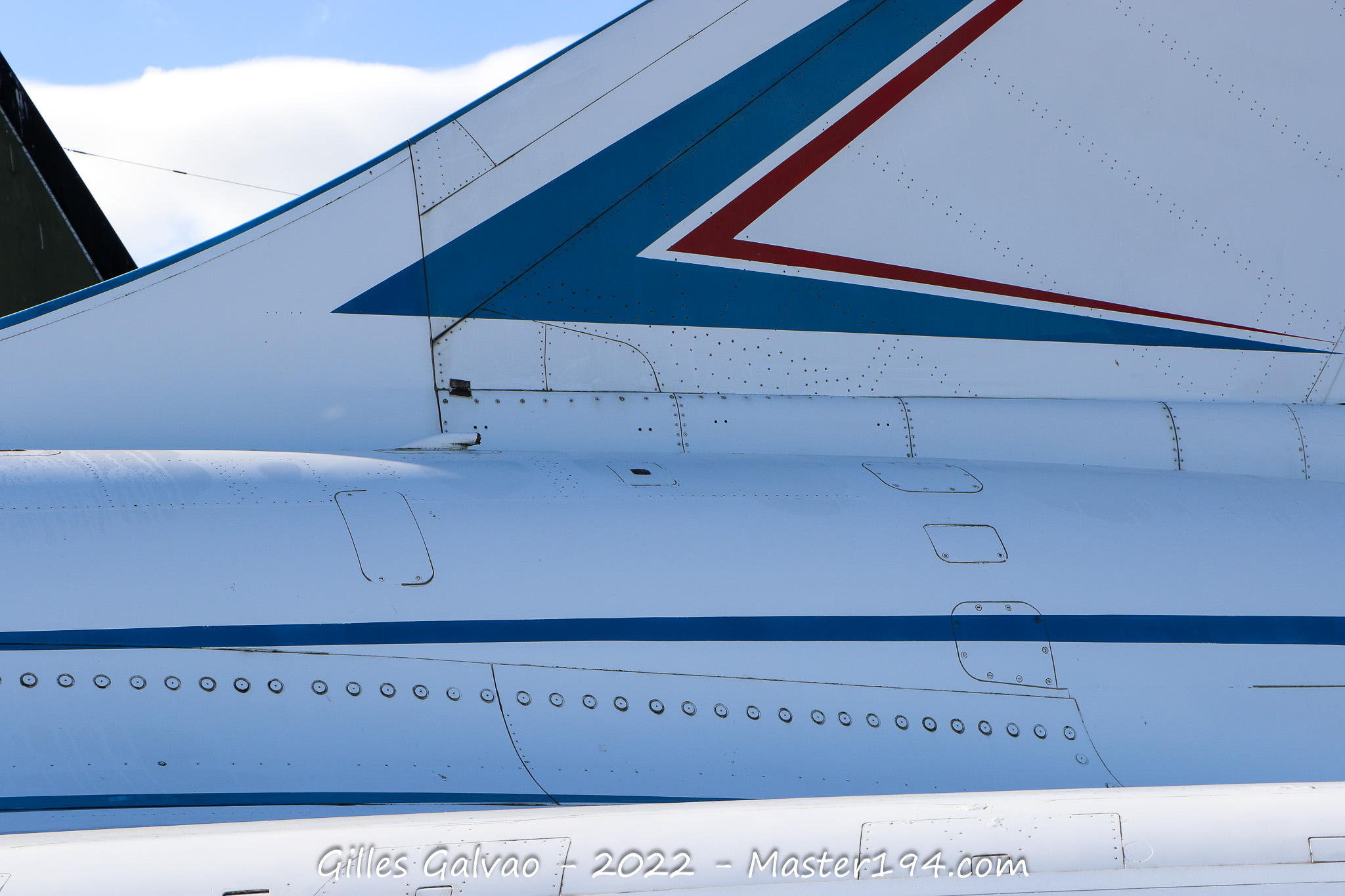
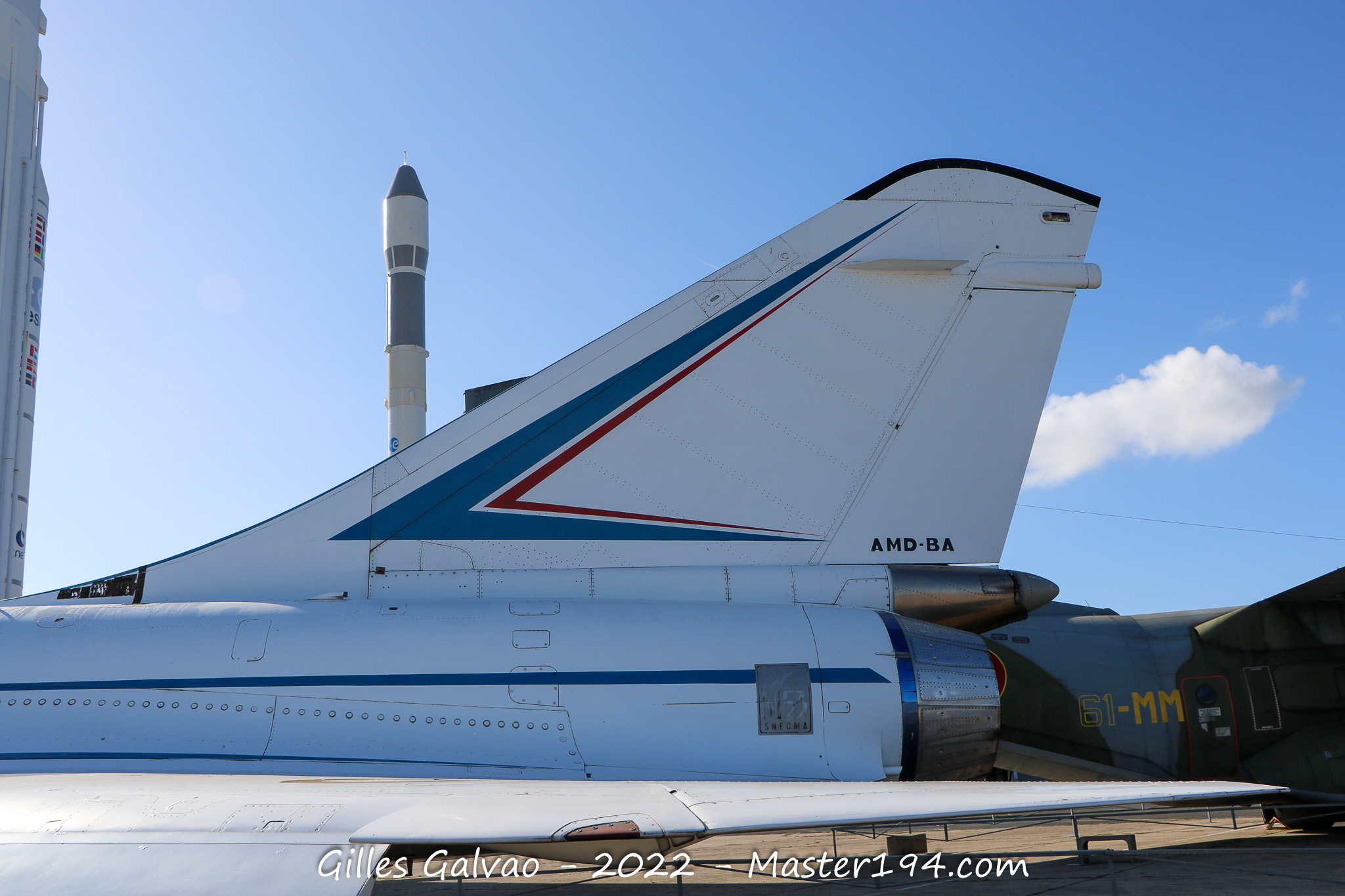
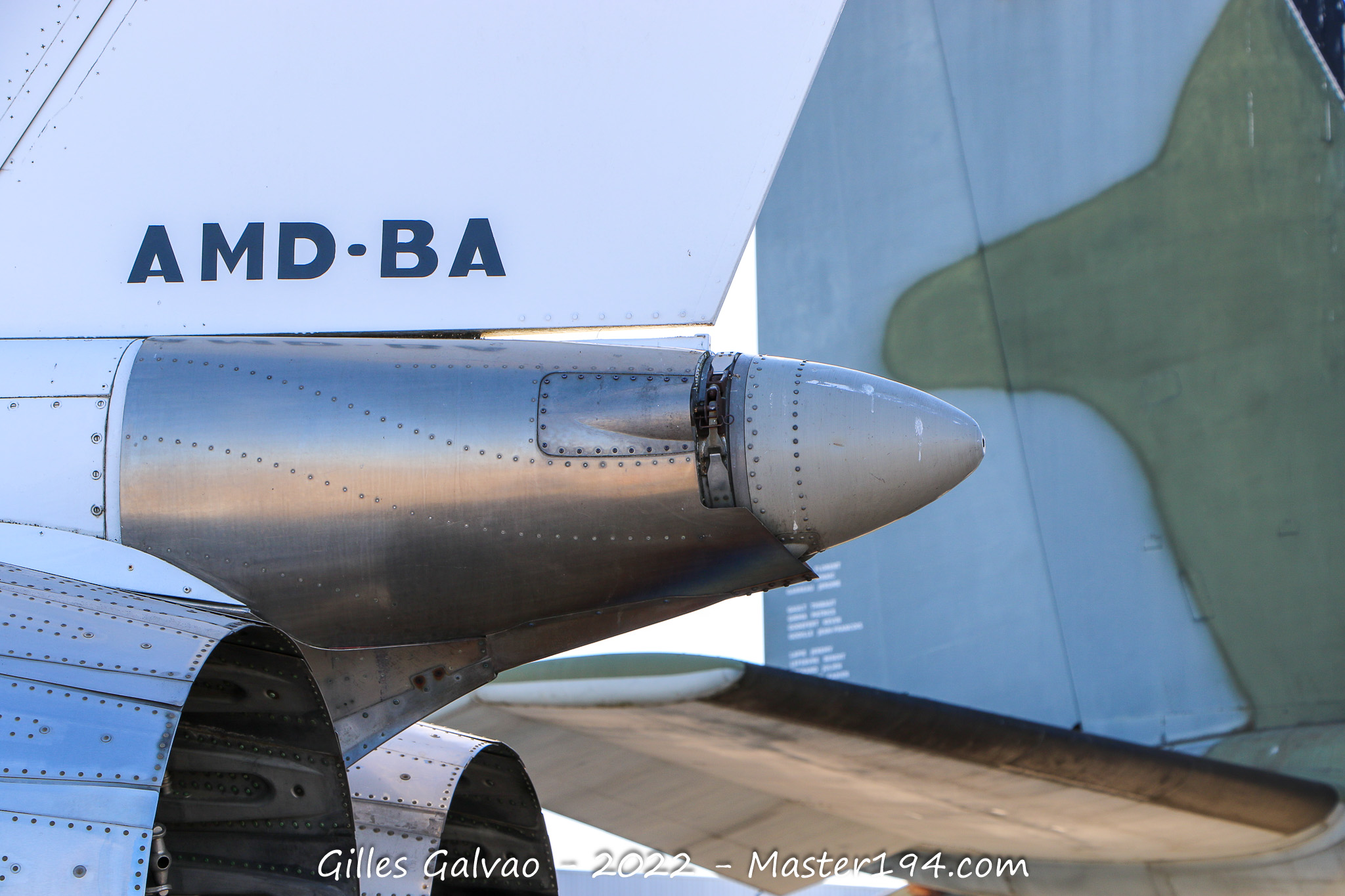
Tails details and exhausts
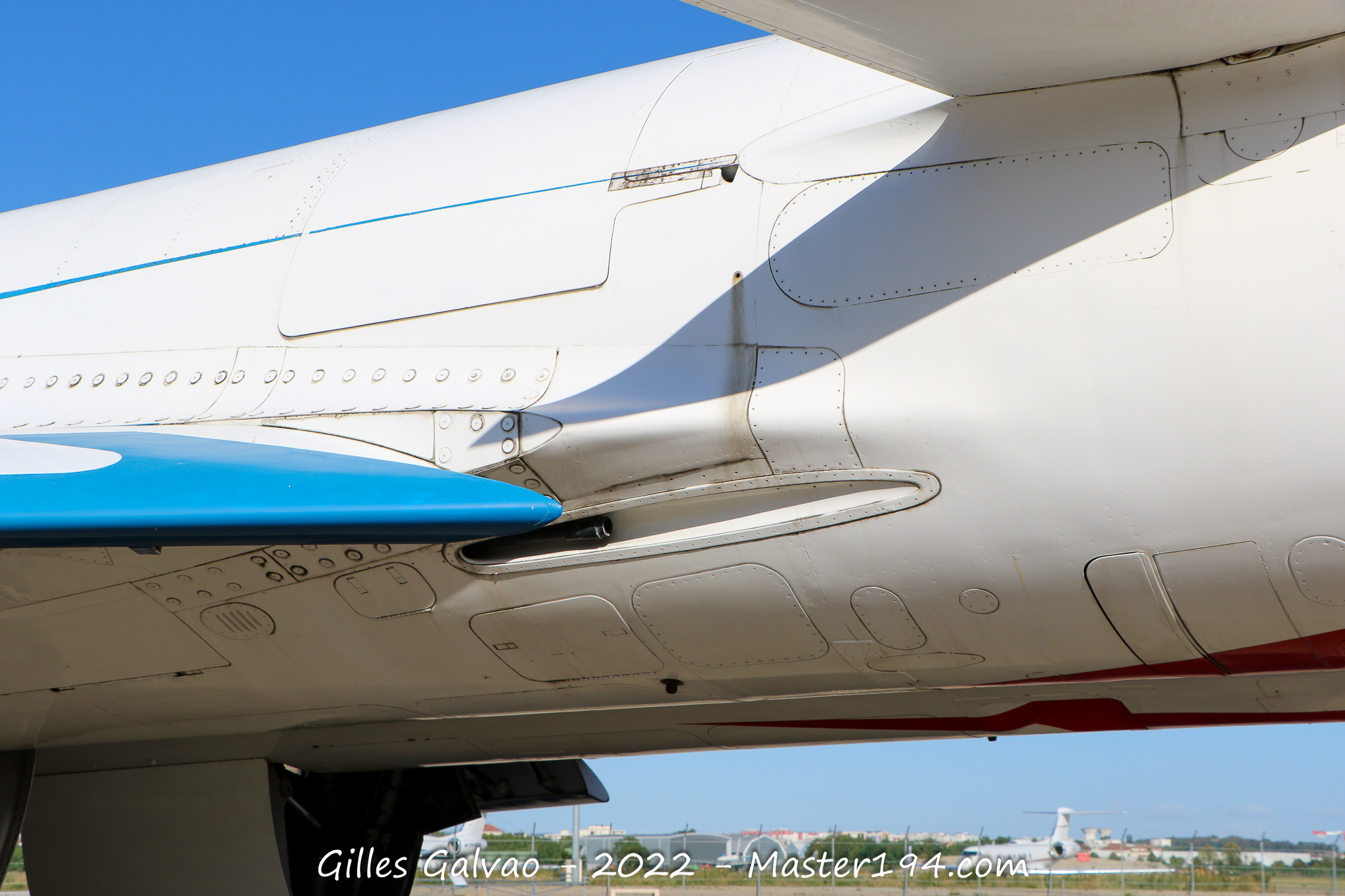
Other details