The V/STOL concept — standing for Vertical and/or Short Take-Off and Landing — refers to aircraft capable of taking off vertically or over a very short distance, and landing without the need for a conventional runway. Since the 1950s, engineers and military planners have dreamed of an aircraft combining the speed of a fighter jet with the operational flexibility of a helicopter. The objective is clear: to operate from austere strips, roadways, forward operating bases, or small vessels, without relying on long, vulnerable runways.
On this page, you will find all the links to our articles concerning V/STOL aircraft.
AD
The idea truly took shape at the dawn of the Cold War. Western headquarters feared that major airbases would be destroyed within the first hours of a nuclear conflict. V/STOL aircraft were intended to allow the dispersal of planes across multiple improvised sites. Several technical solutions were explored: thrust vectoring, vertical lift engines, lift fans, tilt-wings, or tilt-rotors. Most of these projects proved to be extremely complex, heavy, or unreliable.
The real turning point occurred in the United Kingdom with the work of French engineer Michel Wibault and engine manufacturer Bristol Siddeley, leading to the Pegasus thrust-vectoring engine. This technology gave birth to the Hawker P.1127 and subsequently the famous Harrier, the first truly operational V/STOL jet aircraft.
Why is V/STOL so challenging?
Unlike a conventional aircraft that uses its wings to generate lift as soon as it begins its takeoff roll, a VTOL aircraft must support its entire weight solely through engine thrust. This implies:
- Massive fuel consumption;
- Reduced payloads;
- Complex mechanical systems;
- Significant thermal stresses;
- Heavier maintenance requirements.
This is why most operational V/STOL aircraft primarily utilize the STOVL (Short Take-Off and Vertical Landing) mode: a short takeoff roll followed by a vertical landing. This approach allows the aircraft to carry significantly more fuel and weaponry.
Mass-Produced V/STOL Aircraft
Despite dozens of experimental programs, very few V/STOL aircraft have actually reached the operational stage.
Harrier
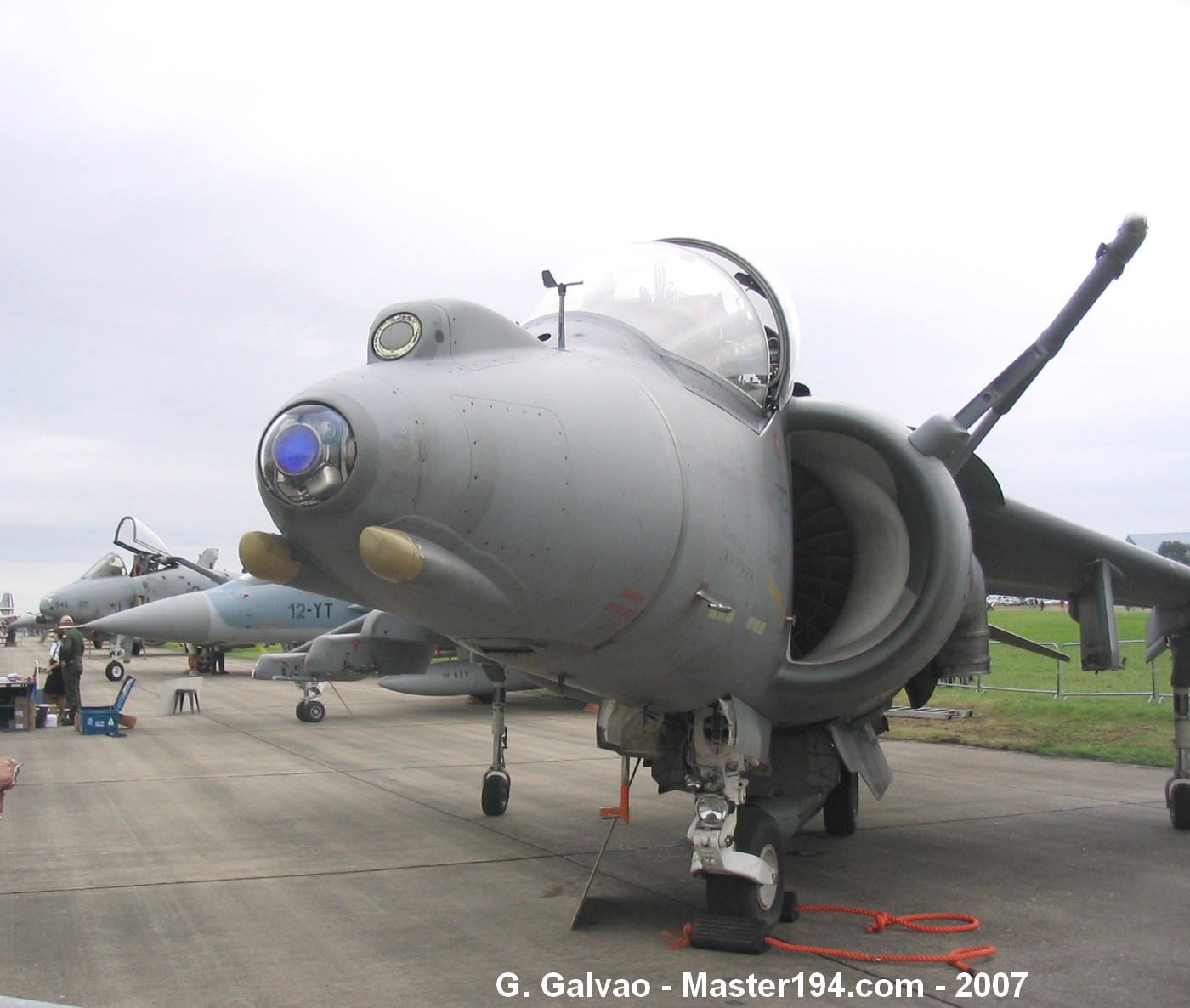
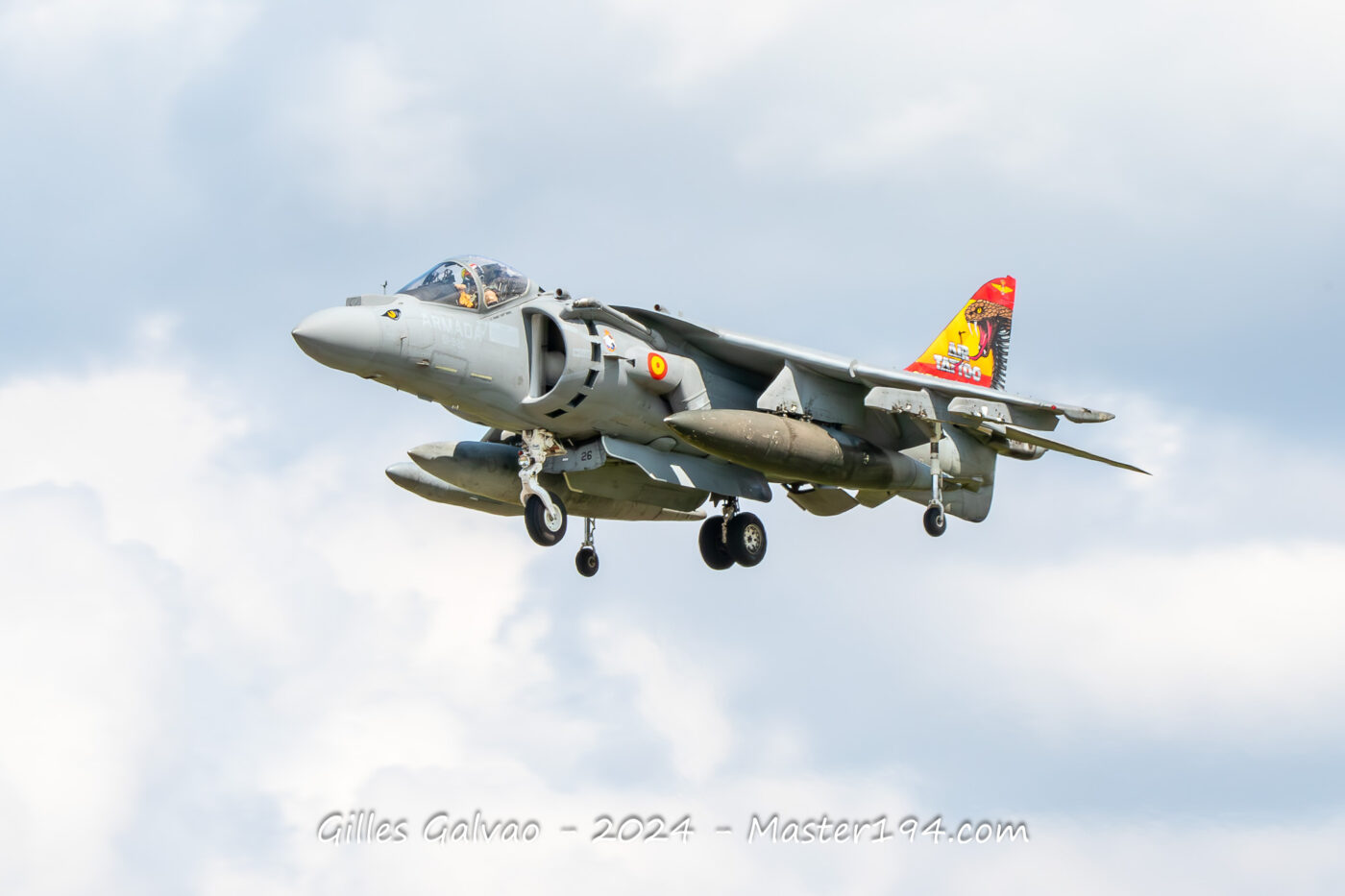
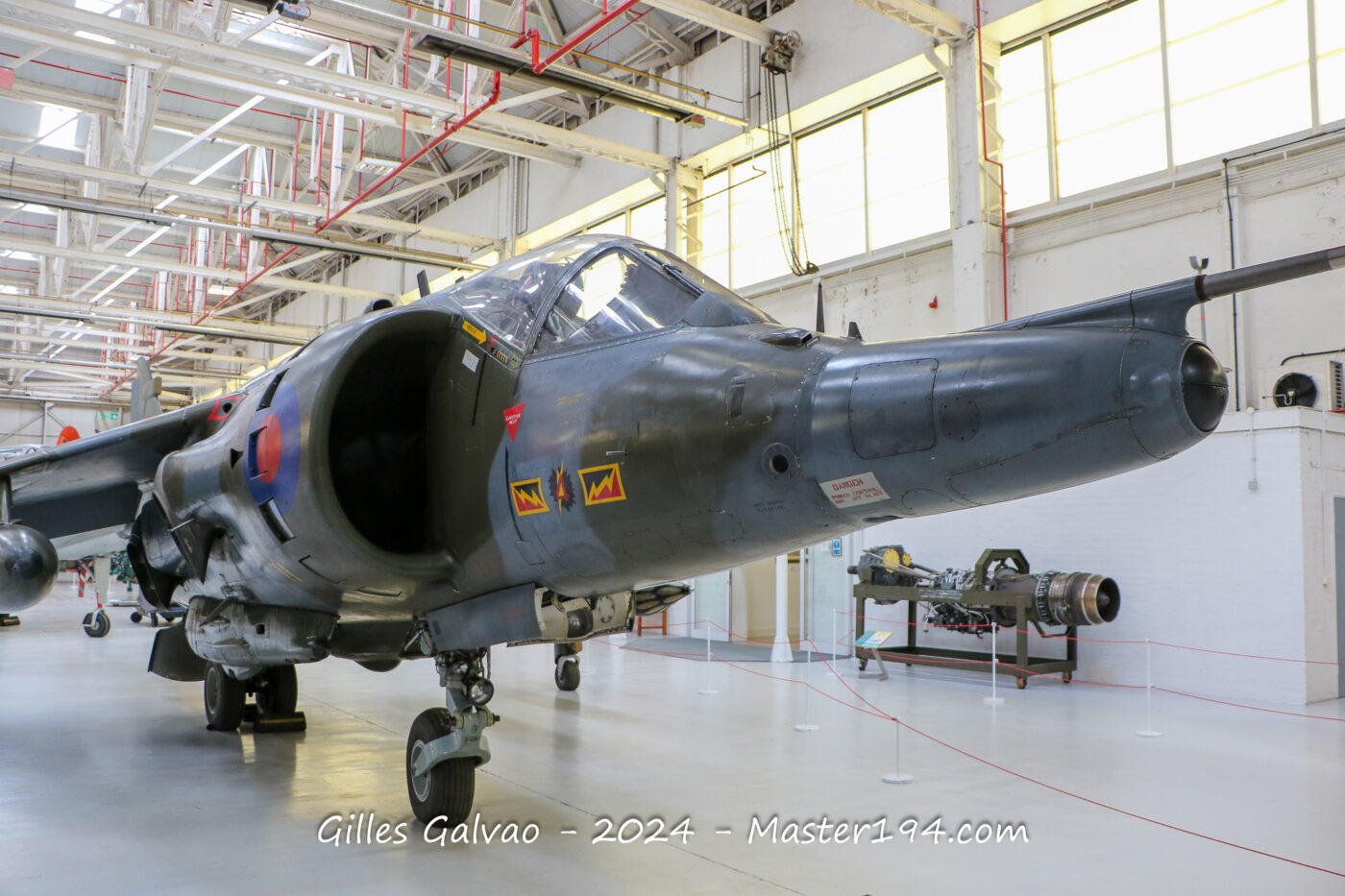
The first true success of the concept, the British Harrier entered service in the late 1960s. Powered by the Rolls-Royce Pegasus engine with its four swivelling nozzles, it could operate from improvised strips or small aircraft carriers. The Harrier was adopted by the RAF, the US Marine Corps, Spain, Italy, and India. Its fame skyrocketed during the 1982 Falklands War.
RAF Harrier GR.9 ZG480 Walkaround: External Details & History
Yakovlev Yak-38
As the Soviet response to the Harrier, the Yak-38 (NATO reporting name: Forger) entered service in the 1970s aboard the Kiev-class aircraft-carrying cruisers. The aircraft utilized a main engine with a vectoring nozzle, supplemented by two small vertical lift engines dedicated to hovering. Although its performance remained limited and its combat radius short, it remains the only Soviet VTOL aircraft to have reached full operational status.
Bell Boeing V-22 Osprey
The V-22 is not a conventional jet aircraft but a tiltrotor aircraft. Its two massive rotors can pivot to provide vertical takeoff, then tilt forward for high-speed flight like a conventional turboprop. Following an extremely long and controversial development period, it became operational with the U.S. Marine Corps in the 2000s

Lockheed Martin F-35B Lightning II
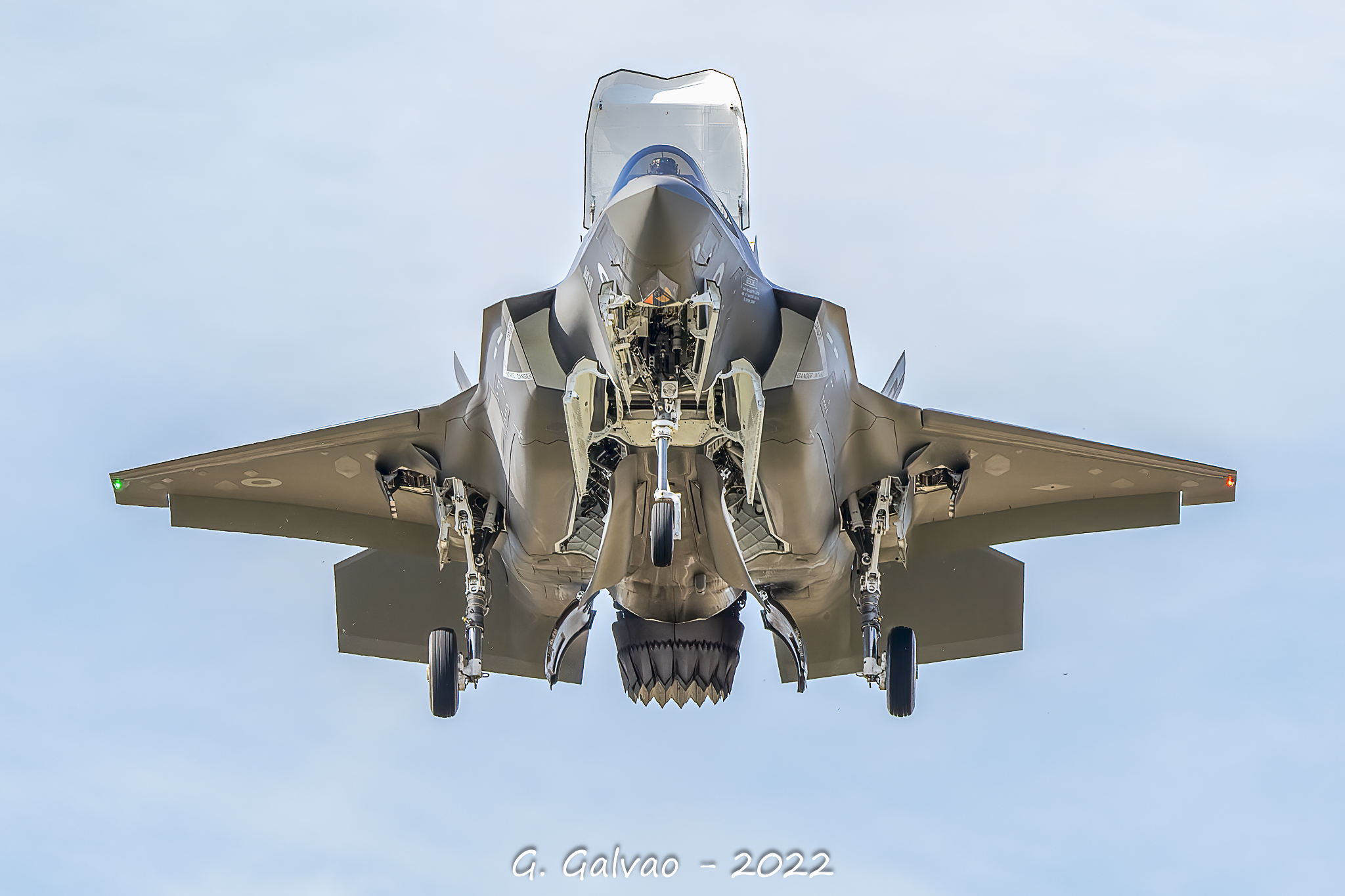
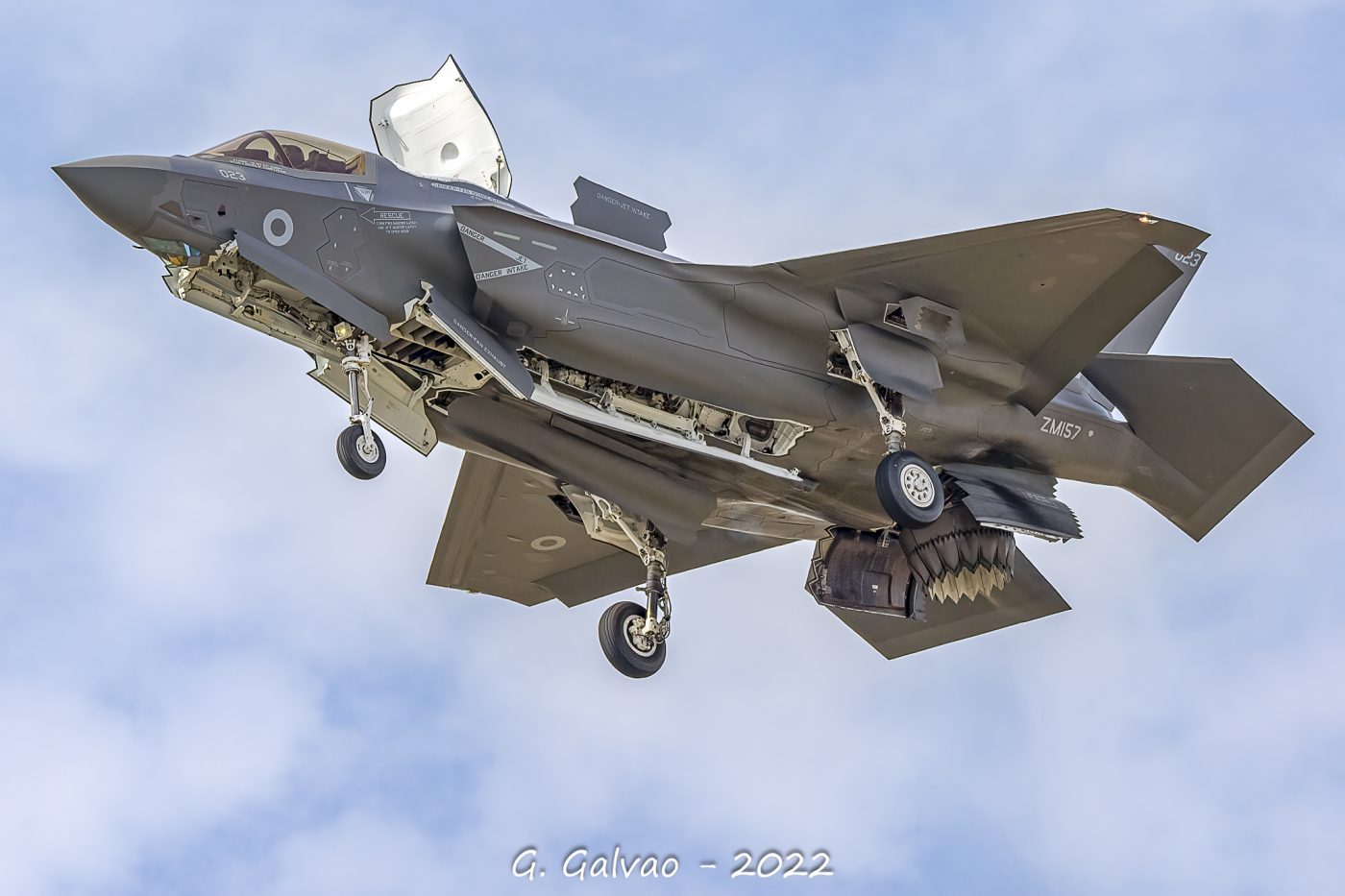
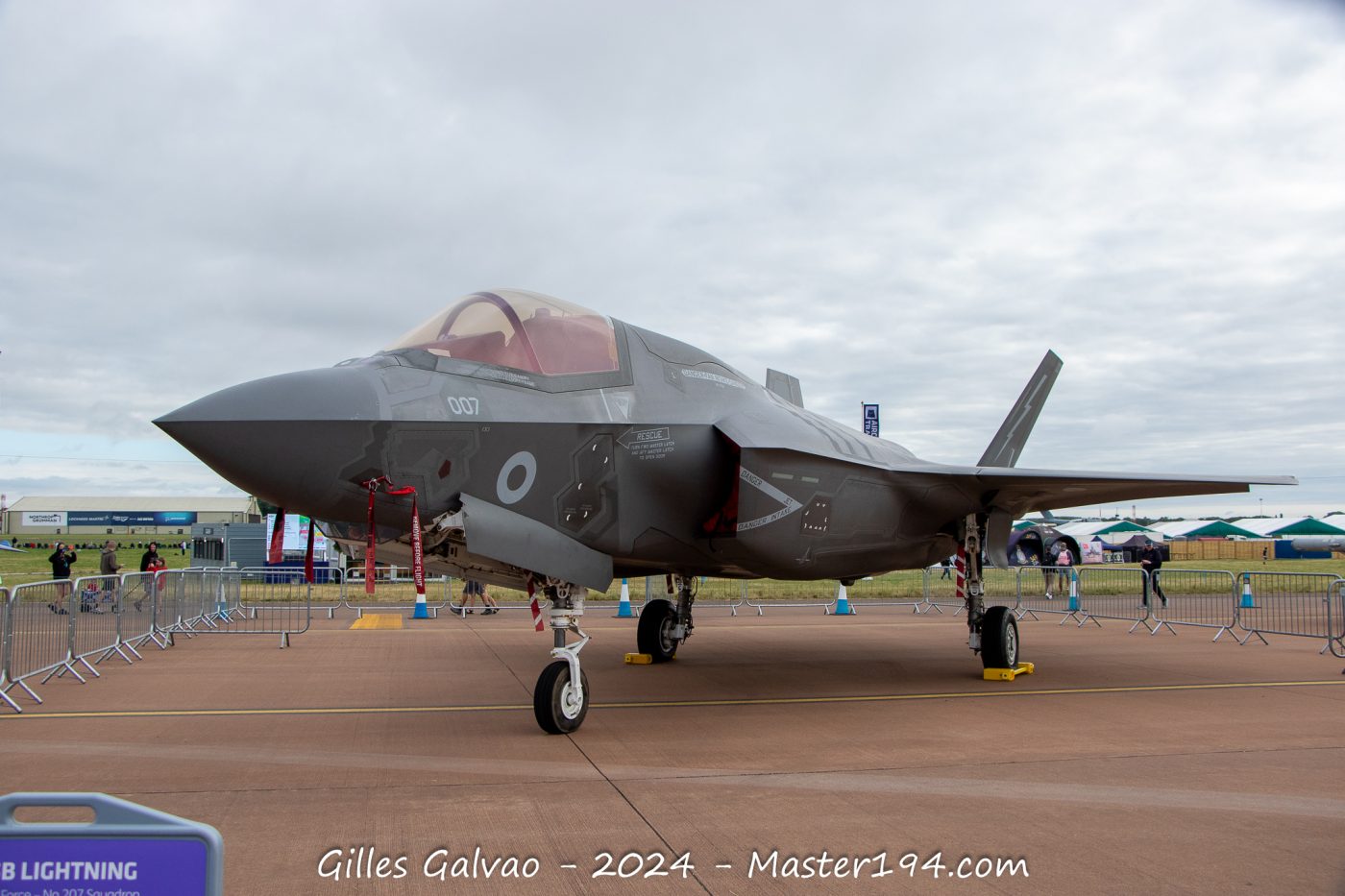
The F-35B represents the modern pinnacle of the STOVL concept today. Utilizing a vertical lift fan driven by a shaft from the main engine, combined with a swivelling rear nozzle, it merges stealth, advanced avionics, and vertical landing capability. It is currently in service with the U.S. Marine Corps, the Royal Navy, Italy, and Japan.
Prototypes and Abandoned Projects
The field of V/STOL is filled with spectacular projects, often too ambitious for their time. This list represents the most significant milestones in V/STOL history, yet it is far from exhaustive. Dozens of other ambitious programs, such as the German VJ 101 or the tilt-wing CL-84, also paved the way for modern vertical flight.
British Projects
- Hawker Siddeley P.1154: An ambitious supersonic VTOL fighter canceled in the 1960s.
- Hawker Siddeley P.1127: The original prototype that led to the Harrier.
- British Aerospace P.1216: A supersonic Harrier replacement project
French Projects
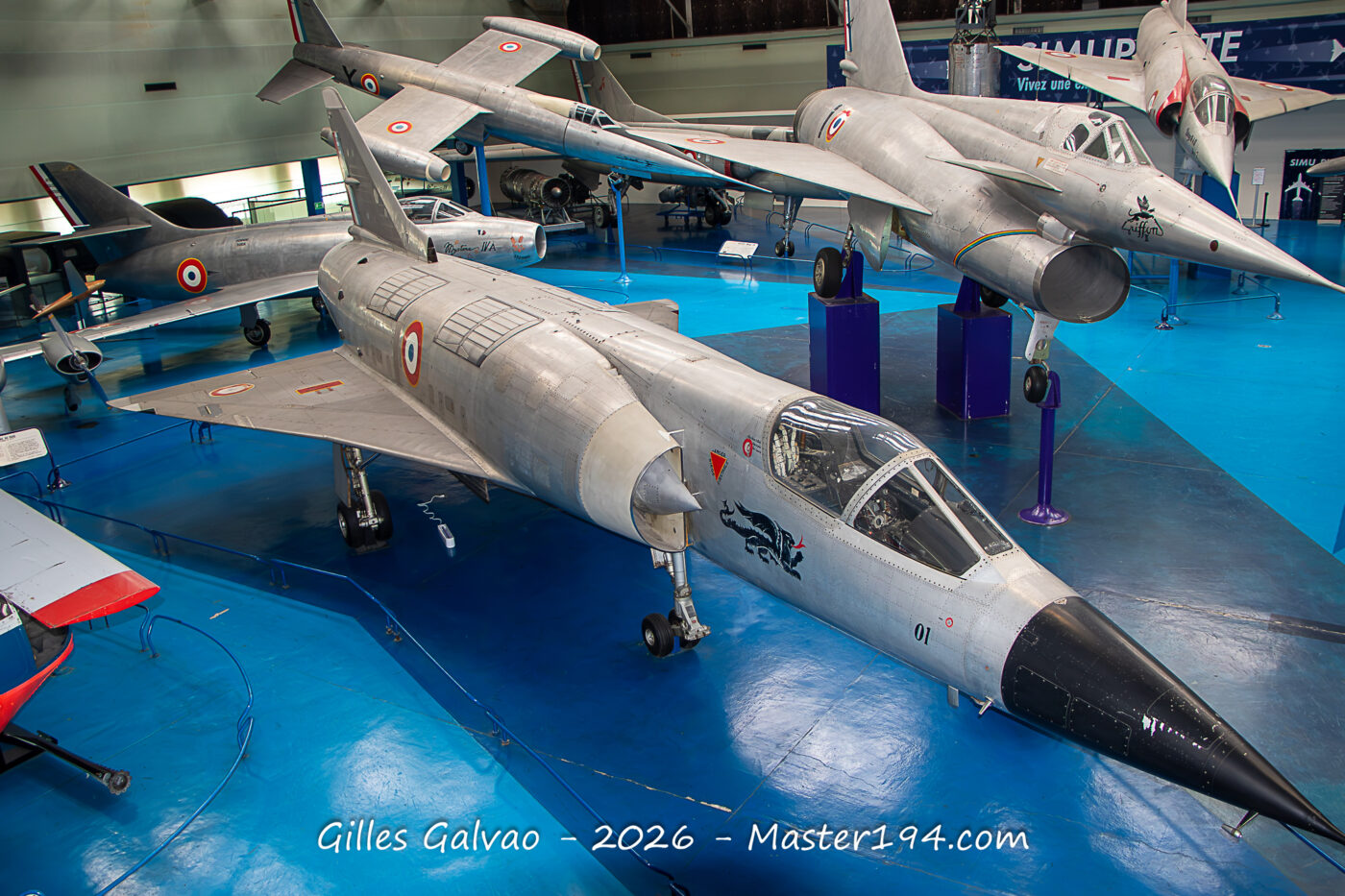
- Dassault Mirage IIIV: A spectacular derivative of the Mirage III equipped with eight vertical lift engines. Despite promising trials, the concept proved too heavy and complex.
- Balzac V: An experimental testbed used to prepare for the Mirage IIIV.
American Projects
- Bell X-14: An experimental aircraft utilized by NASA.
- Ryan XV-5 Vertifan: An aircraft using lift fans integrated into the wings.
- Rockwell XFV-12: A highly ambitious program that ultimately failed to achieve true vertical flight.
- Convair XFY Pogo & Lockheed XFV: Astonishing “tailsitters” designed to take off vertically on their tails.
- Avro Canada VZ-9 Avrocar: The famous military “flying saucer” that proved unable to fly beyond ground effect.
Soviet and Russian Projects
- Yakovlev Yak-141: An extremely advanced supersonic prototype whose technical solutions indirectly influenced research for the F-35B.
- Yakovlev Yak-36: The technology demonstrator that preceded the Yak-38.
- Multiple concepts: Various designs featuring lift fans, tilt-wings, or lift engines studied between the 1960s and 1980s.
A Concept Still at the Margins
Despite its spectacular appeal, V/STOL remains a niche field. Technical constraints and high costs significantly limit the number of truly effective aircraft. As of 2026, we are witnessing the end of an era: the AV-8B Harrier II is completing its final operational flights with the US Marine Corps, with its official retirement scheduled for June. This leaves the V-22 Osprey and the F-35B as the only enduring operational successes of the concept.
Nevertheless, these aircraft retain a unique aura: that of machines capable of operating where other combat aircraft simply cannot go.