 by
Article author : Yoyo
By the very late 1950s, with the entry into service of the first combat aircraft capable of reaching Mach 2, the runway length required for their operation became a major concern for military staffs. In the context of the Cold War, the vulnerability of airbases to massive surprise attacks raised fears that a significant portion of fighter fleets could be grounded within the initial hours of a conflict.
Several solutions were explored. Sweden notably focused on dispersing its aircraft along highway networks and utilizing austere road bases with minimal infrastructure. Switzerland relied on its mountainous geography and extensive hardened rock caverns. However, another path quickly captured the interest of numerous nations: the Vertical Take-off and Landing aircraft, or VTOL.
AD
France did not remain on the sidelines of this new technological race. In August 1960, the French Air Force Staff (État-major de l’Armée de l’air) issued a requirement specification for a supersonic combat aircraft capable of vertical take-off and landing.
Two French manufacturers entered the competition. Dassault submitted a proposal derived from the Mirage III 001 prototype, while Sud-Aviation developed the SA-X-600 concept. Ultimately, Dassault was awarded the contract to build the first French demonstrator, designated the Balzac V.
The Balzac: The First Step
The Balzac V utilized a heavily modified airframe from the Mirage III 001. To provide vertical lift, the aircraft was fitted with eight Rolls-Royce RB-108 lift engines arranged vertically within the fuselage. Horizontal propulsion was supplied by a single Bristol Siddeley Orpheus 3 turbojet.
The prototype, designated Balzac V 001, completed its maiden flight on October 12, 1962. Following several accidents—two of which were fatal—the experimental program was eventually halted. Nevertheless, these setbacks did not diminish the French military authorities’ commitment to the concept of vertical flight.
On August 29, 1961—even before the Balzac’s maiden flight—the DTIA (Direction Technique et Industrielle de l’Aéronautique) had requested Dassault, in cooperation with Sud-Aviation, to study and build two far more ambitious prototypes: the Mirage III V.
The Mirage III V
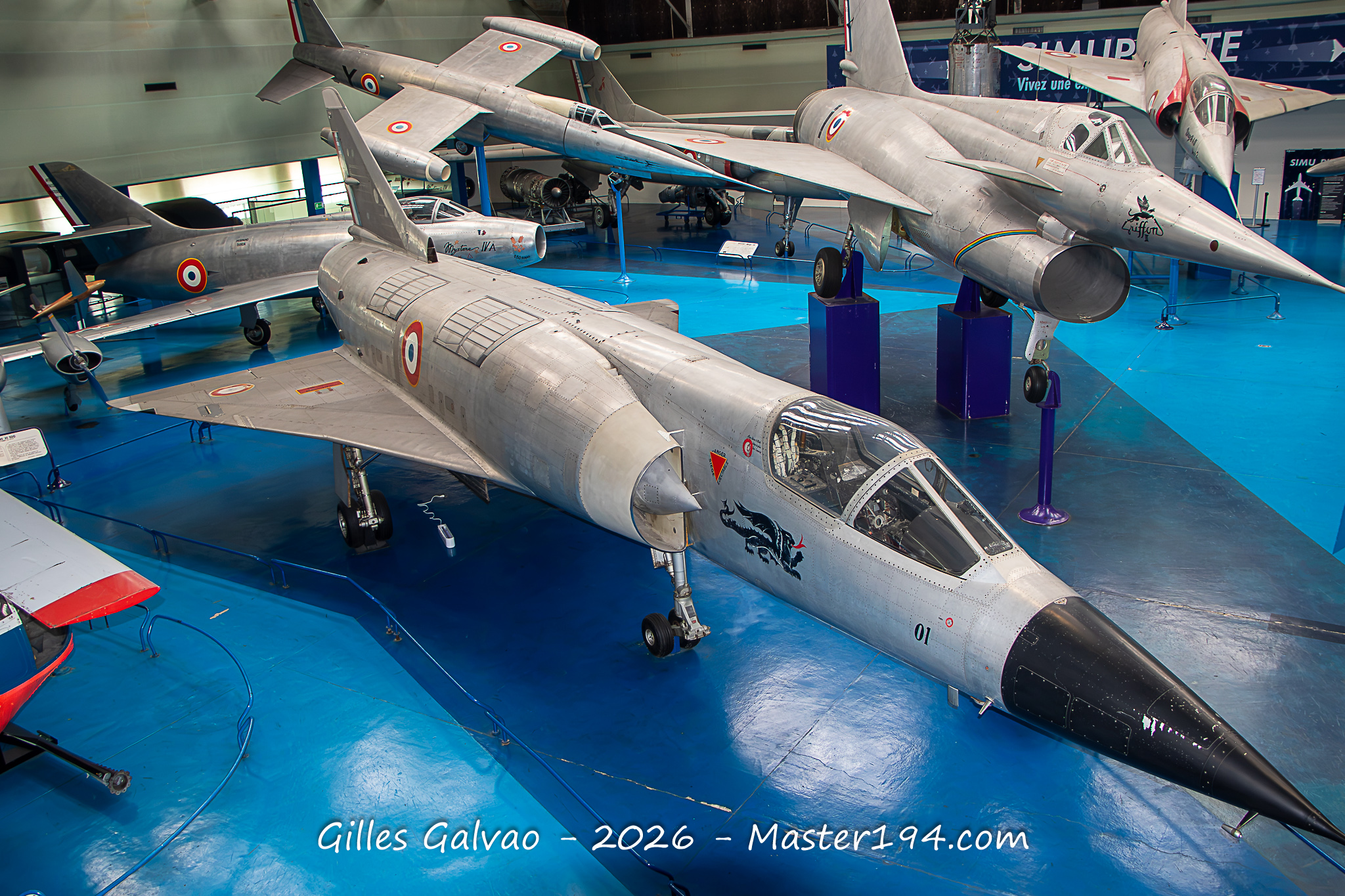
Despite its designation, the Mirage III V differed significantly from the production Mirage III. Only the forward fuselage section and the delta wing reflected its direct lineage to Dassault’s famous fighter. The main fuselage was extensively redesigned to accommodate the multiple engines required for vertical lift.
Accordingly, the Mirage III V-01 was fitted with eight Rolls-Royce RB-162 engines dedicated solely to lift. Horizontal propulsion was provided by a single Snecma TF-106 turbojet. The latter was derived from the Pratt & Whitney TF30, which would later power aircraft such as the General Dynamics F-111 Aardvark and the Grumman F-14 Tomcat.
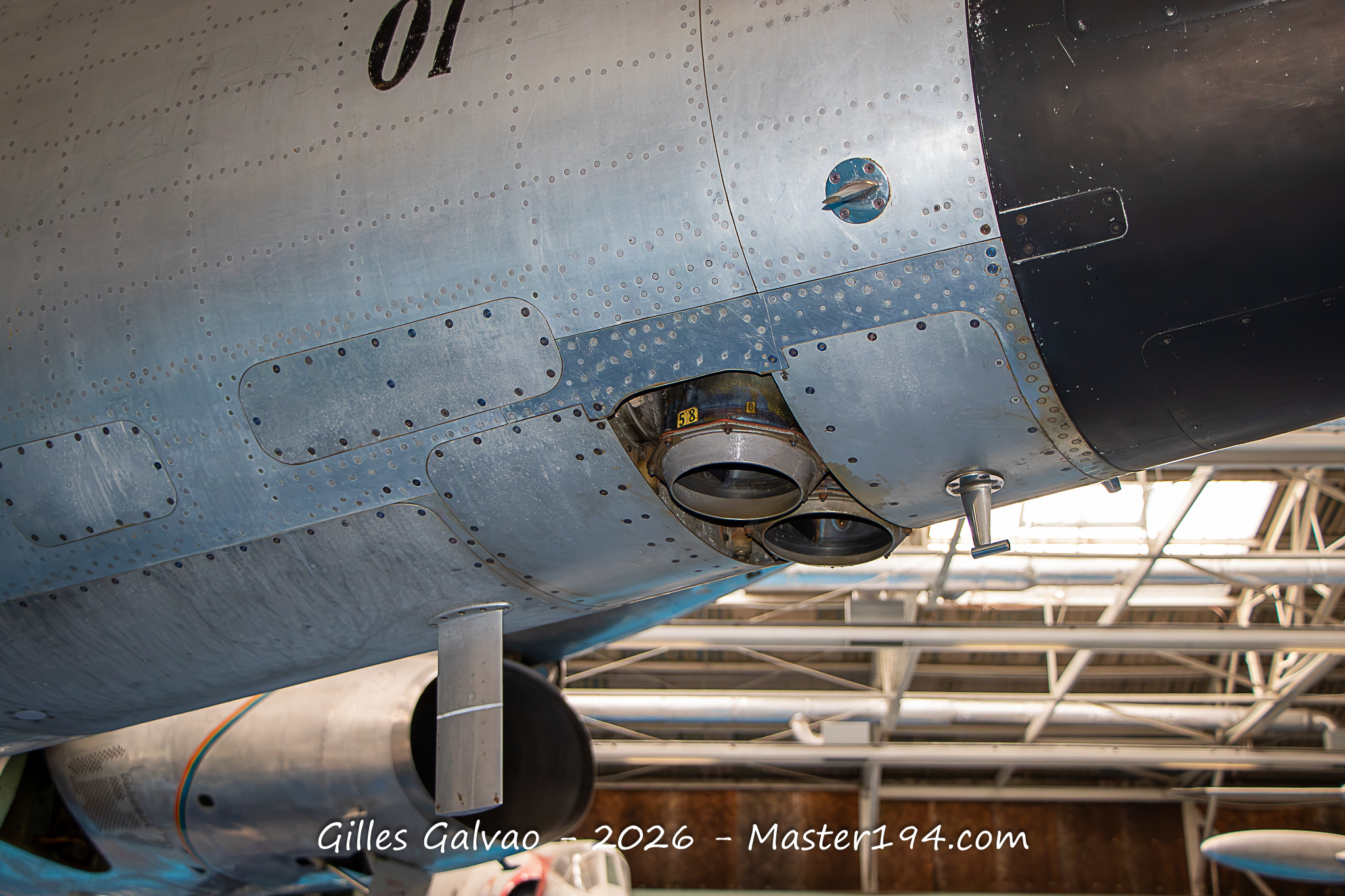
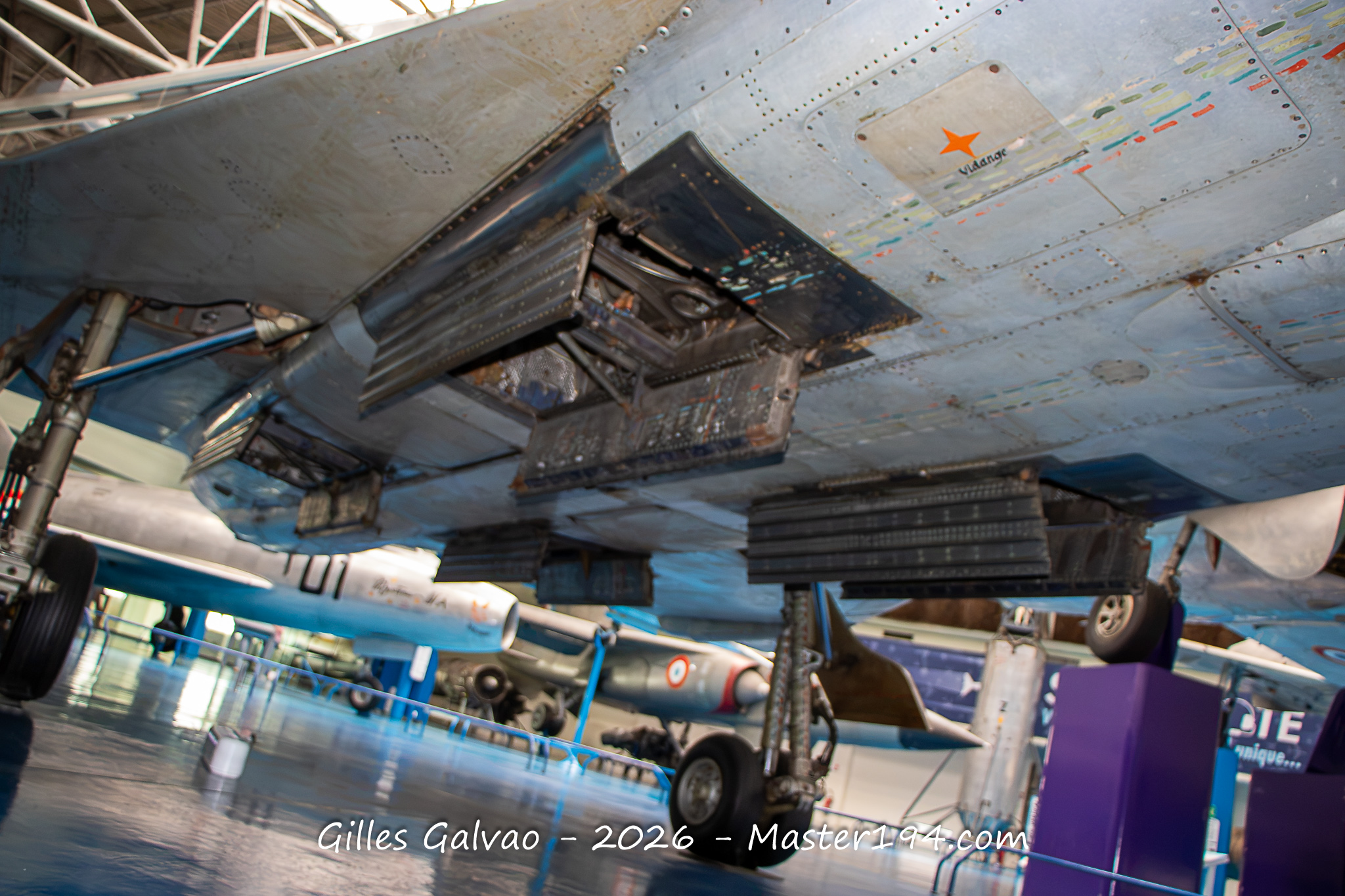
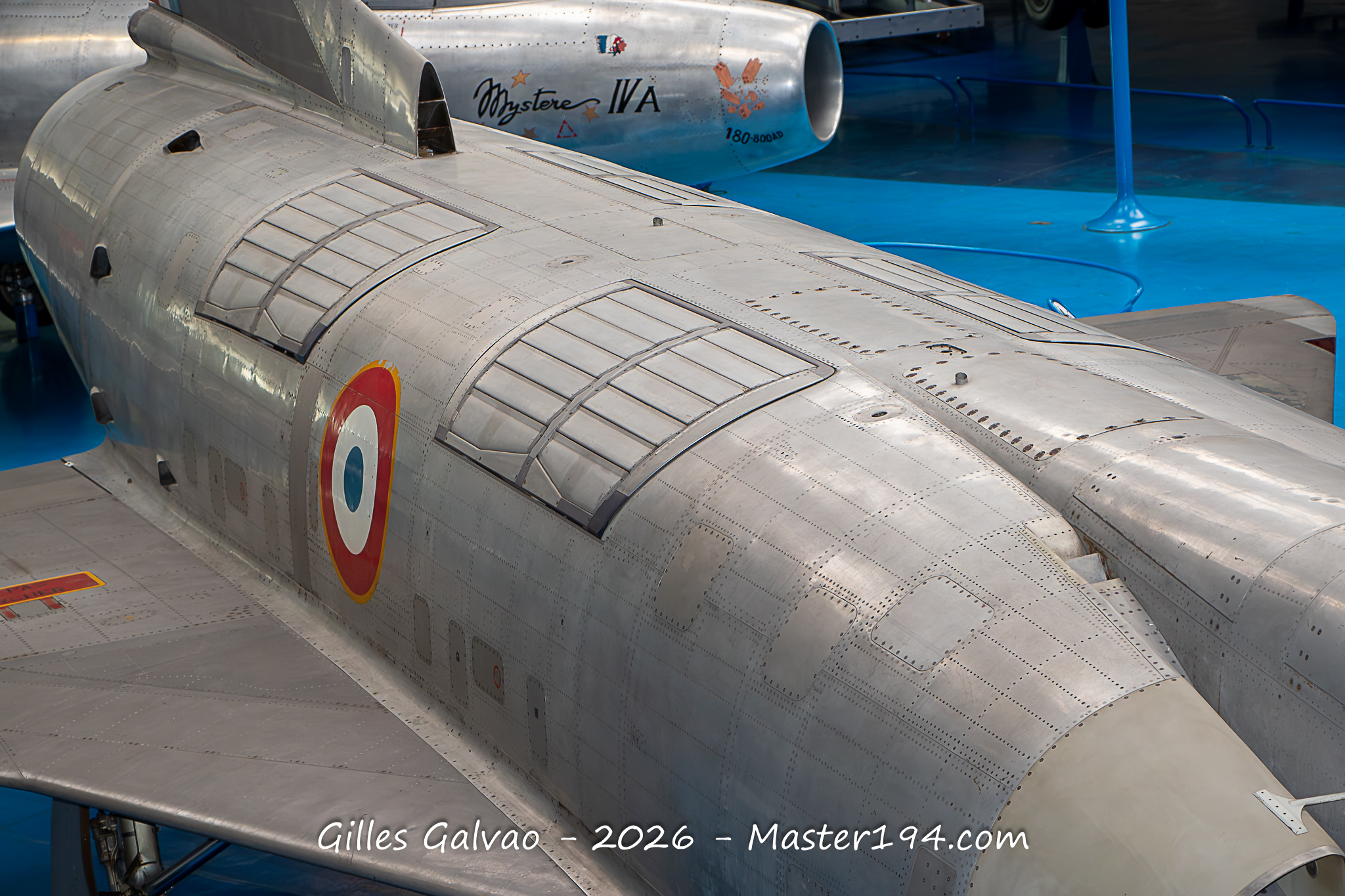
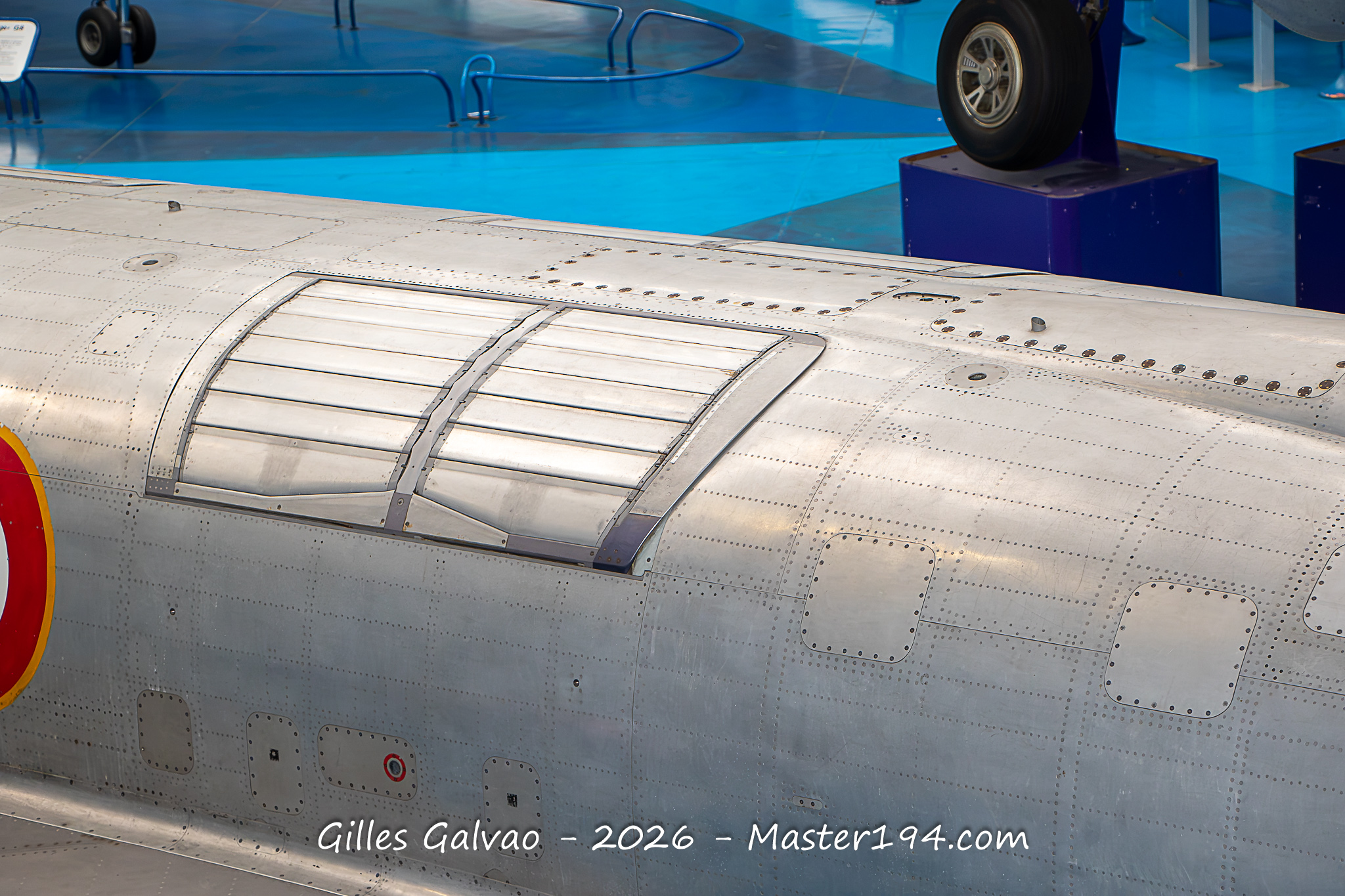
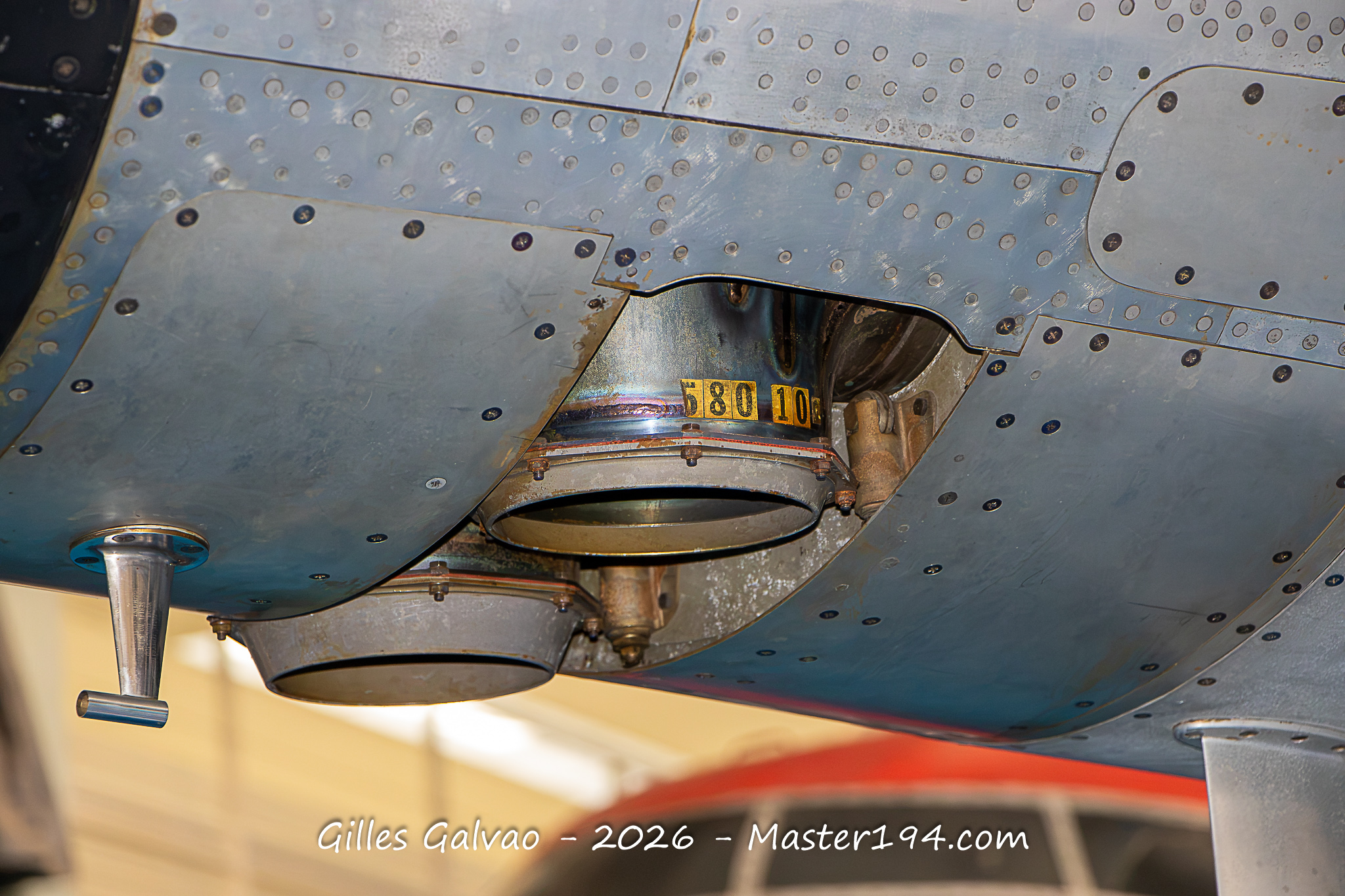
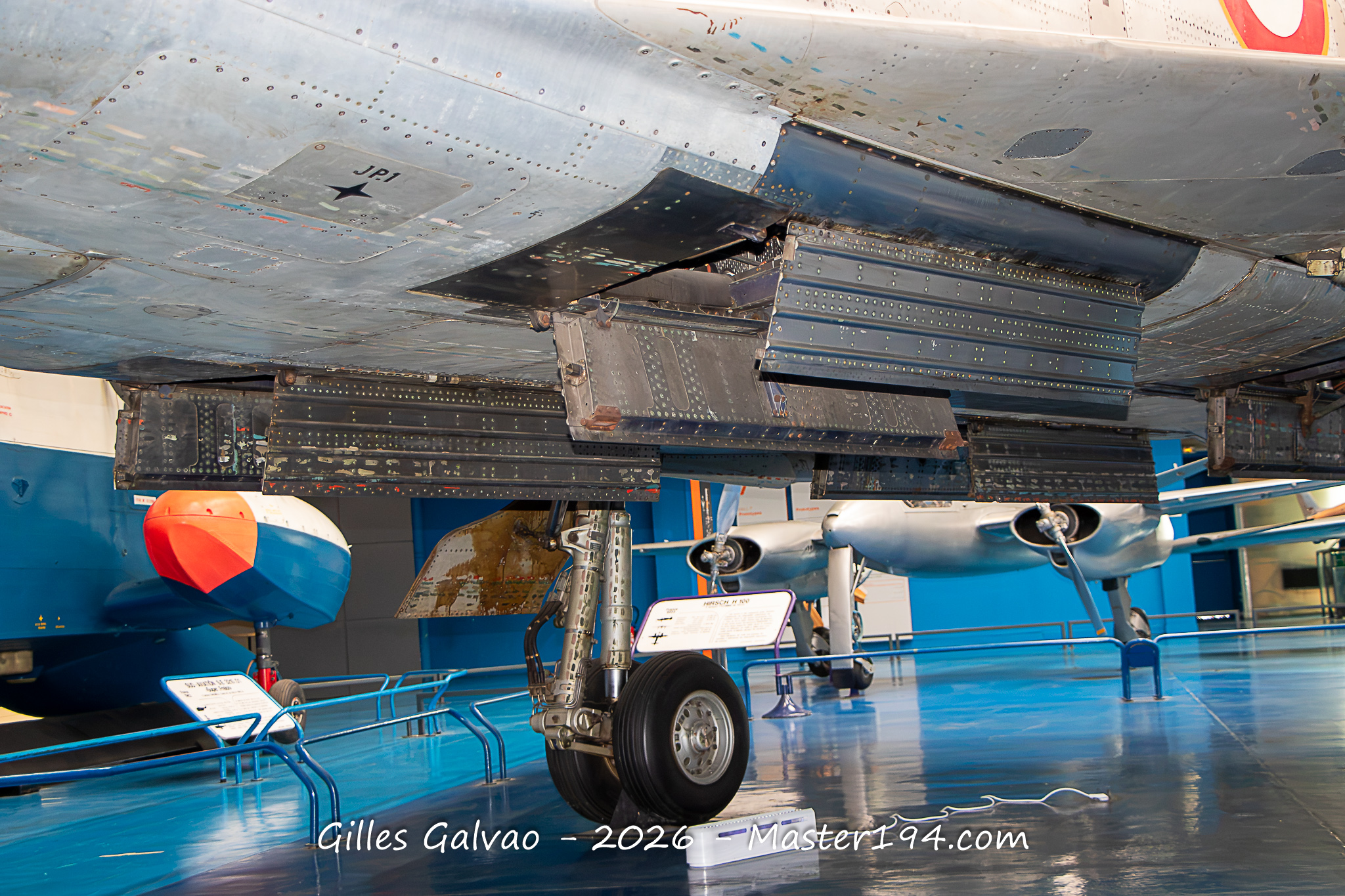
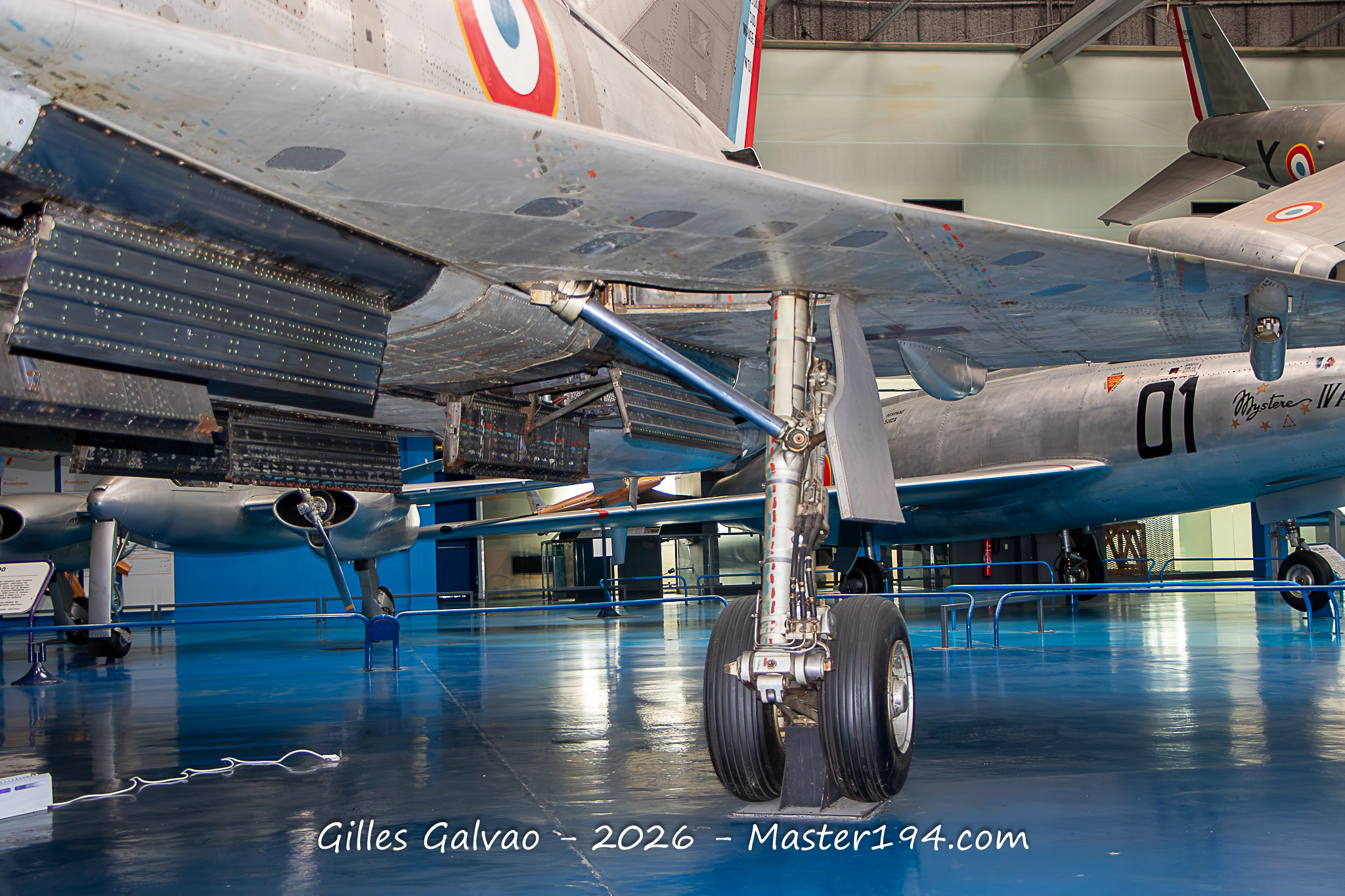
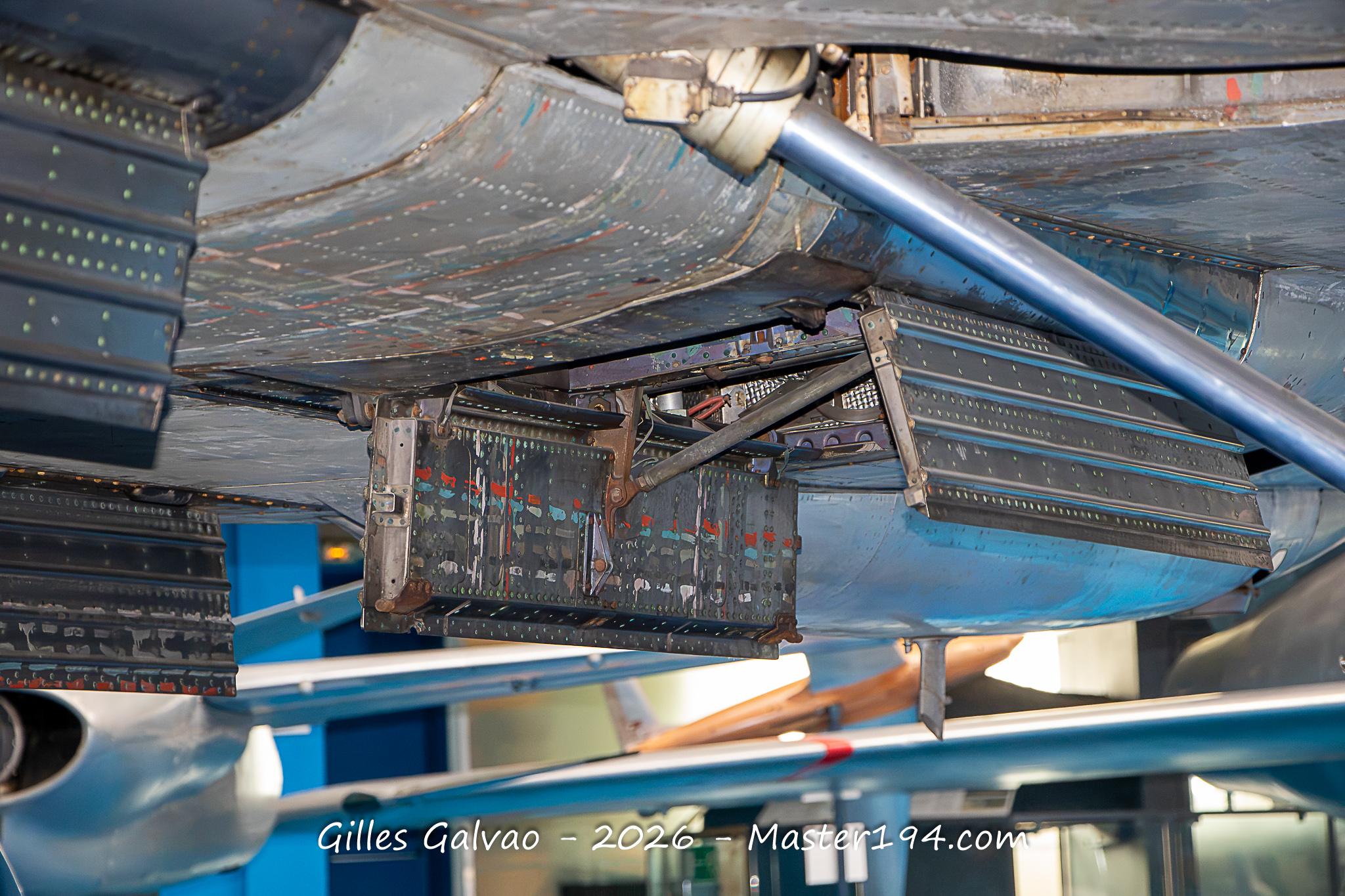
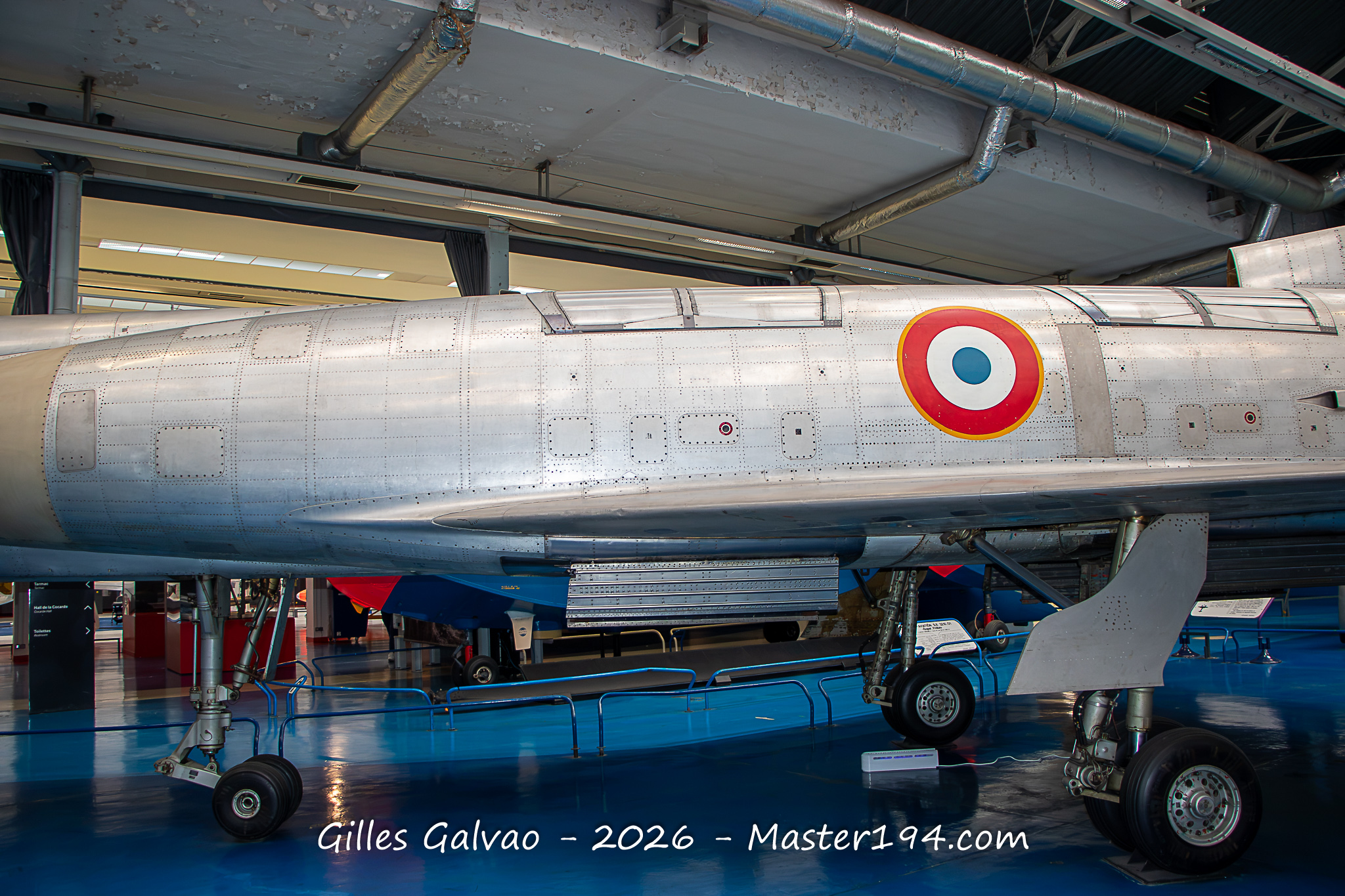
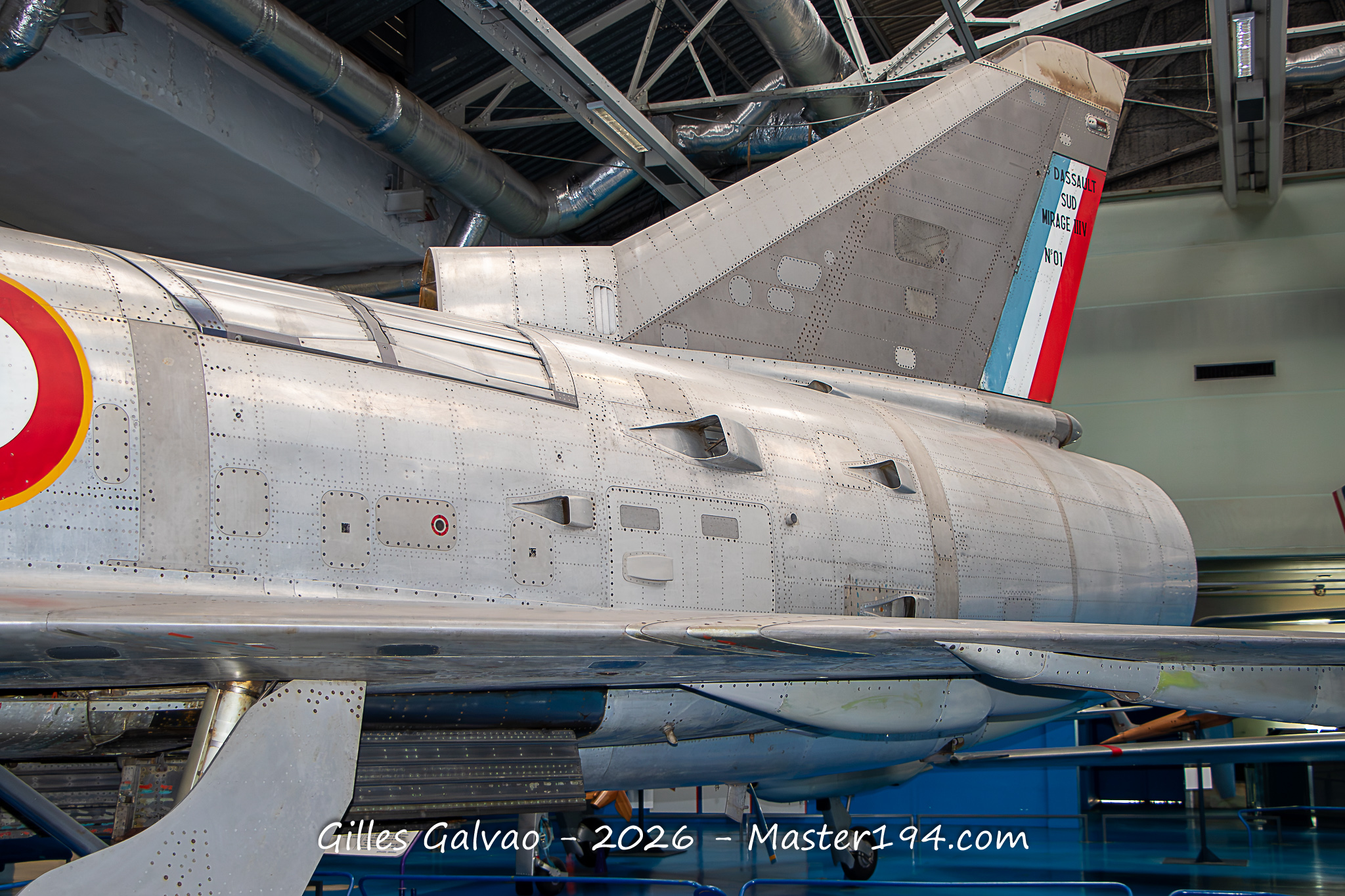
Integrating eight RB-162 lift engines required major structural modifications to the airframe. The air intakes and nozzles for the lift engines were distributed along the upper and lower fuselage, while their operation generated massive amounts of heat and exhaust gases in the immediate vicinity of the aircraft.
The Mirage III V performed its first hover flight on February 12, 1965. It was not until March 1966 that the prototype achieved its first full transition from vertical to horizontal flight.
The operational constraints imposed by the eight lift engines’ exhaust flows quickly became apparent. The downwash and thermal radiation generated beneath the airframe were so severe that vertical take-off tests had to be conducted from a platform elevated approximately one meter above the ground.
A Supersonic V/STOL
Despite its complex configuration, the Mirage III V demonstrated remarkable performance. The second prototype, the Mirage III V-02, was fitted with a more powerful propulsion engine, the TF306, and continued high-speed flight testing. On September 12, 1966, during its eleventh flight, it reached Mach 2.03 in level flight.
This performance set an exceptionally impressive benchmark for a vertical takeoff and landing aircraft. Above all, it illustrated the ambition of the program: the goal was not merely to demonstrate the feasibility of a V/STOL aircraft, but to combine vertical capability with top-tier supersonic performance.
However, the Mirage III V-02 was destroyed in a crash on November 28, 1966. This accident marked the end of the French supersonic V/STOL program.
A Highly Restrictive Architecture
The Mirage III V illustrates the fundamental challenges posed by aircraft using dedicated lift engines. The eight RB-162 engines were essential during vertical takeoff and landing phases, but effectively became dead weight once the aircraft transitioned to horizontal flight.
This problem was not unique to the French program. The Soviet Union developed a comparable architecture with the Yakovlev Yak-38, which entered service with Soviet Naval Aviation in 1978. The aircraft used two dedicated lift engines combined with a single main propulsion engine.
The Yak-38 proved that such an architecture could yield a operationally functional aircraft. However, its capabilities remained severely constrained by the mass and fuel consumption of the lift engines, particularly regarding payload and operational range.
Ultimately, a different approach proved far more practical: utilizing the same engine for both propulsion and vertical lift.
This was the design choice adopted for the Hawker Siddeley Harrier, built upon the concept pioneered in the 1950s by French engineer Michel Wibault. Its Rolls-Royce Pegasus engine used four vectored nozzles, allowing thrust to be directed backward for horizontal flight or downward for vertical takeoff and landing.
Decades later, the Lockheed Martin F-35B adopted another evolution of this philosophy, featuring a lift system that couples its main engine with a mechanically driven shaft-driven lift fan.
A Program Ahead of Its Time
eyond vertical propulsion, the Balzac and the Mirage III V allowed Dassault and its partners to pioneer several groundbreaking technologies for the era, notably fly-by-wire flight controls and ground-based flight data telemetry.
The French V/STOL program was ultimately abandoned as the technical, operational, and financial constraints of this aircraft type became increasingly difficult to overcome.
While the Mirage III V never progressed beyond the experimental stage, it demonstrated that a vertical takeoff aircraft could achieve extremely high supersonic speeds.
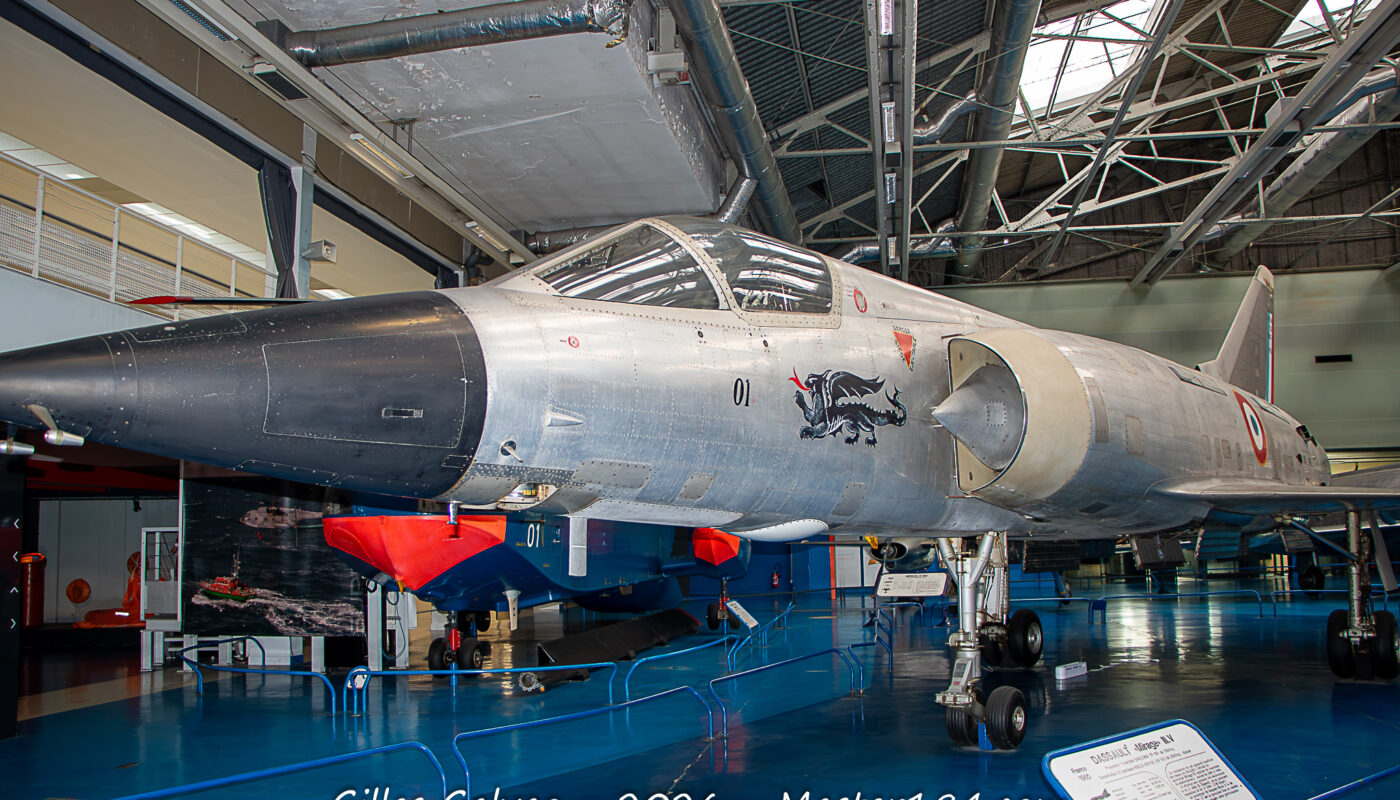
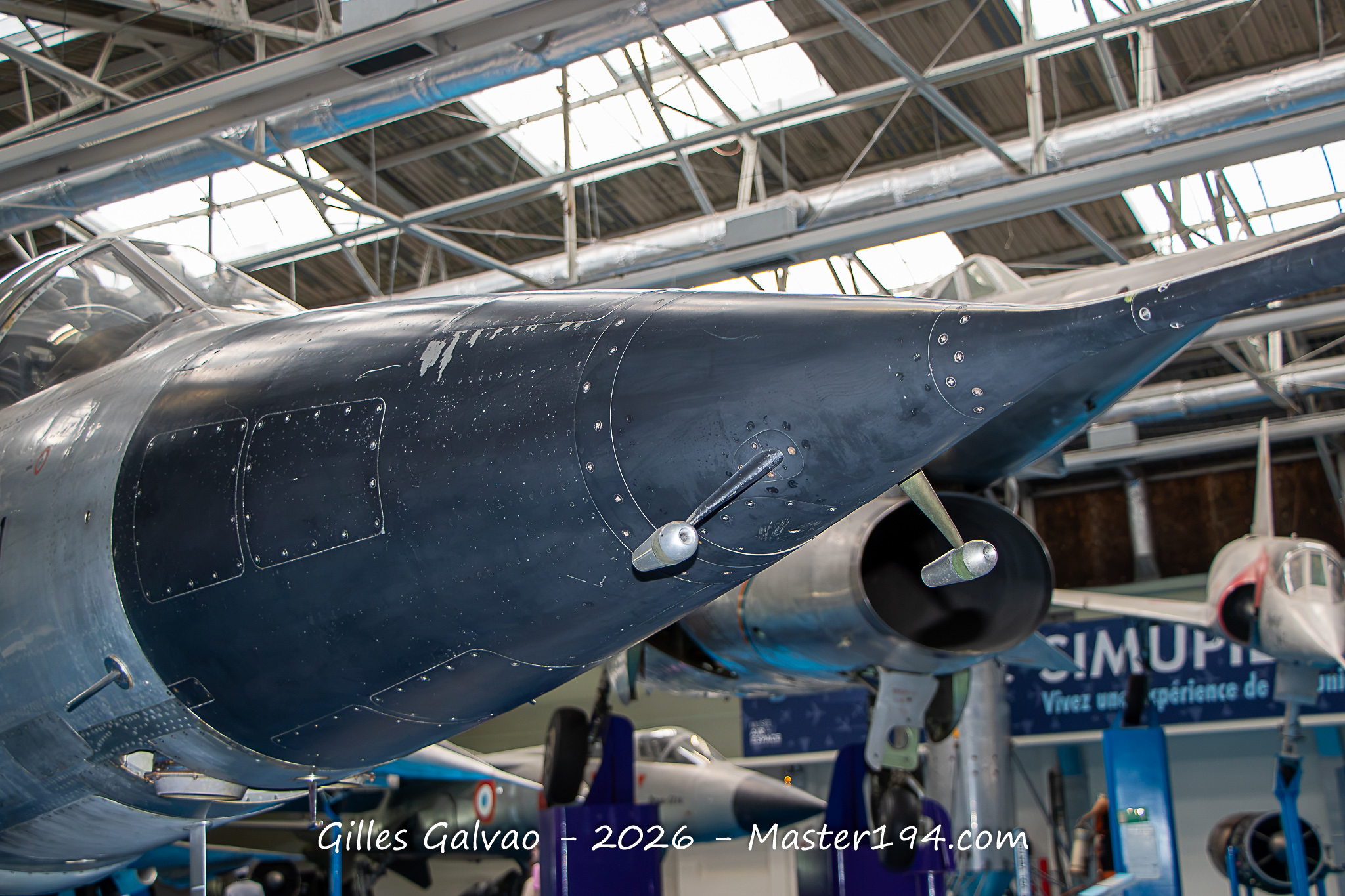
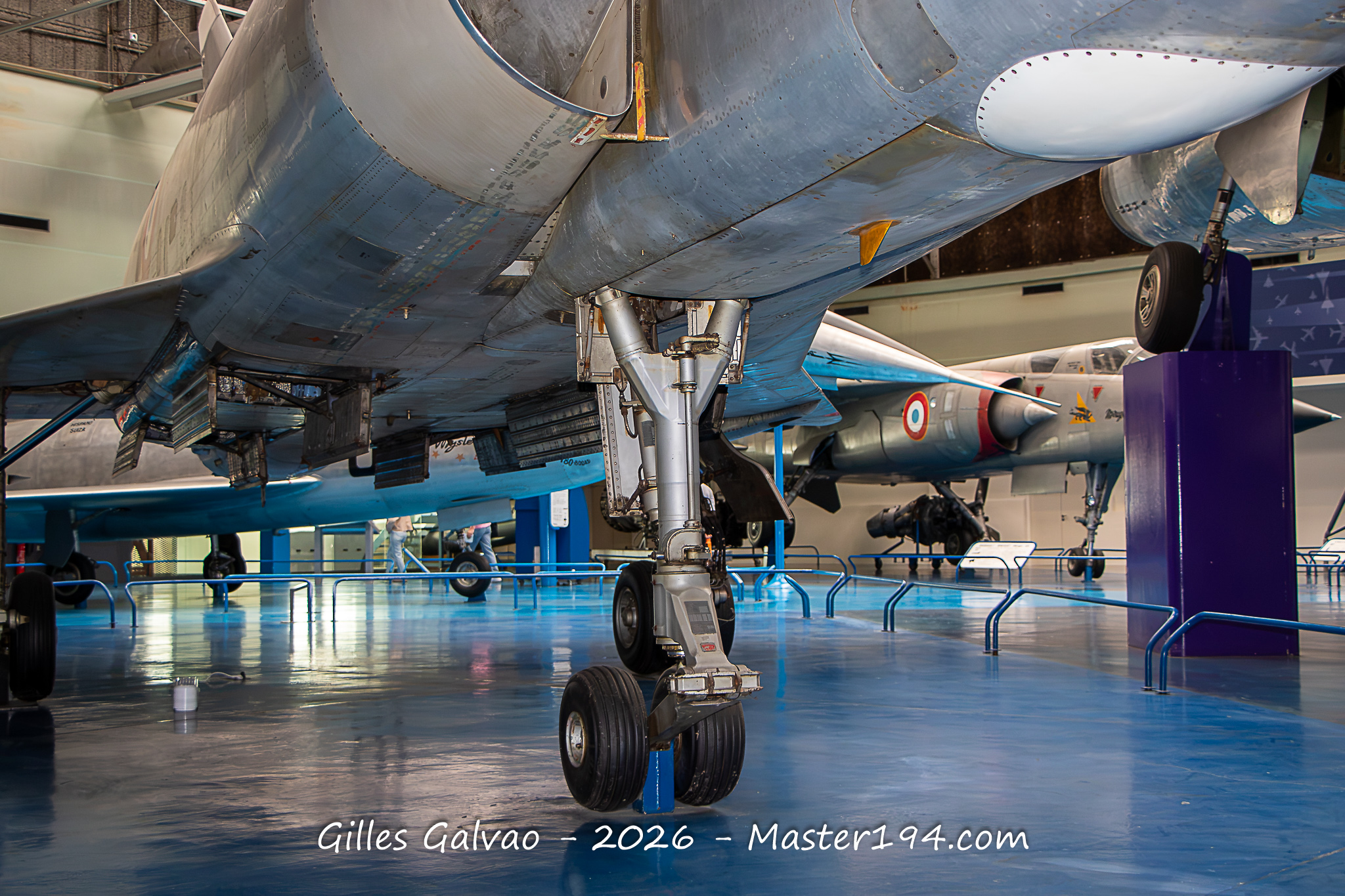
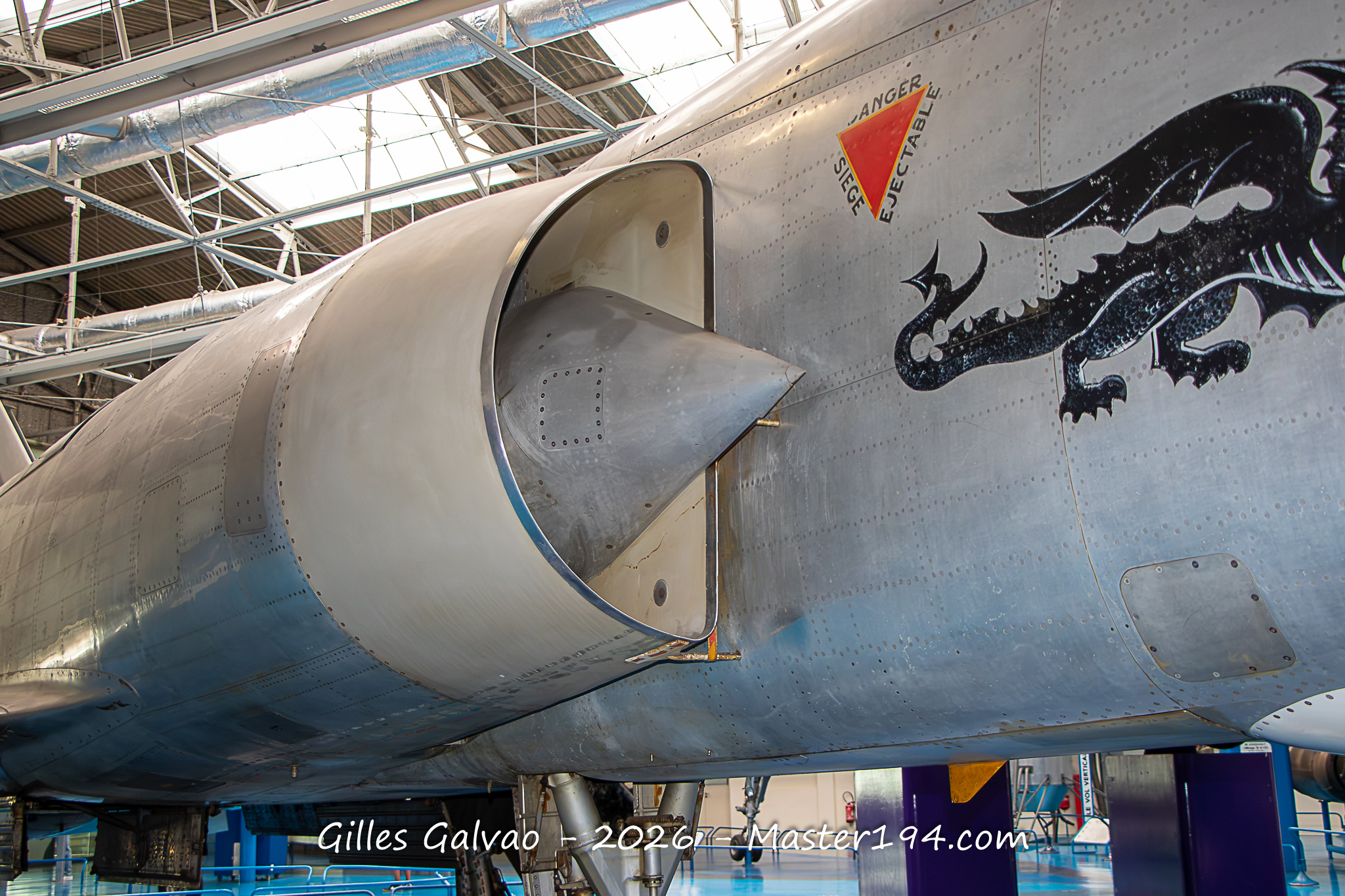
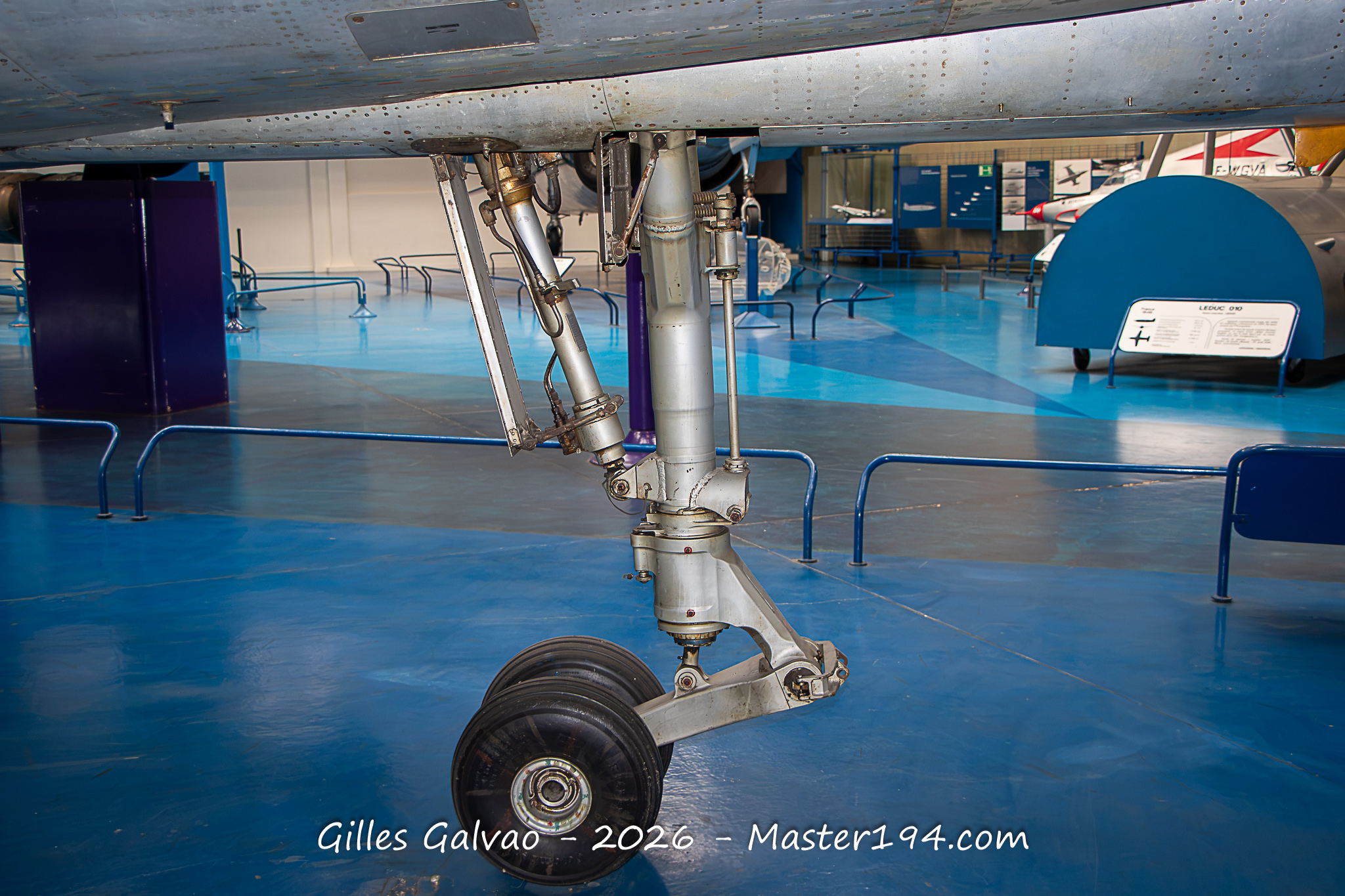
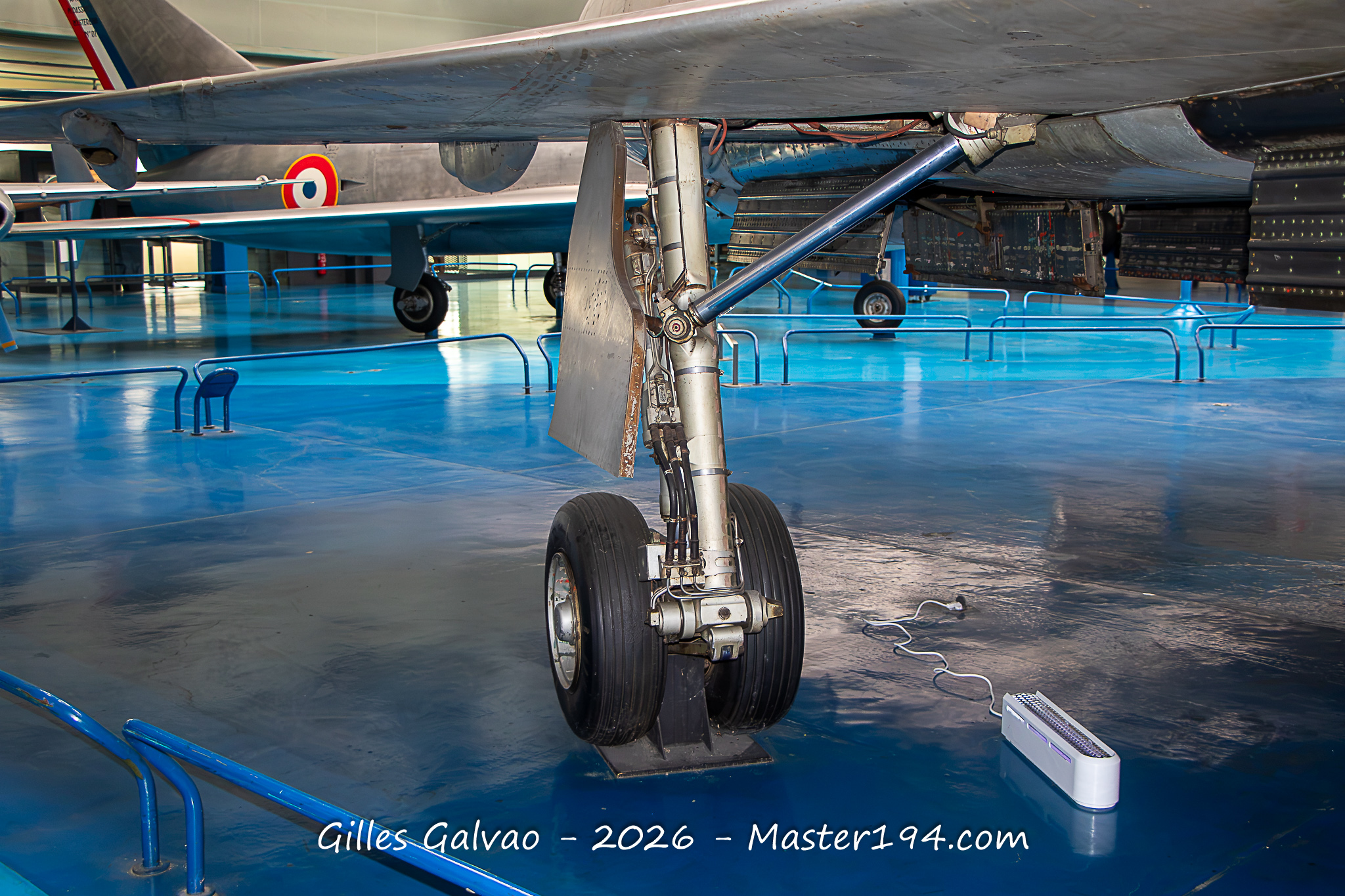
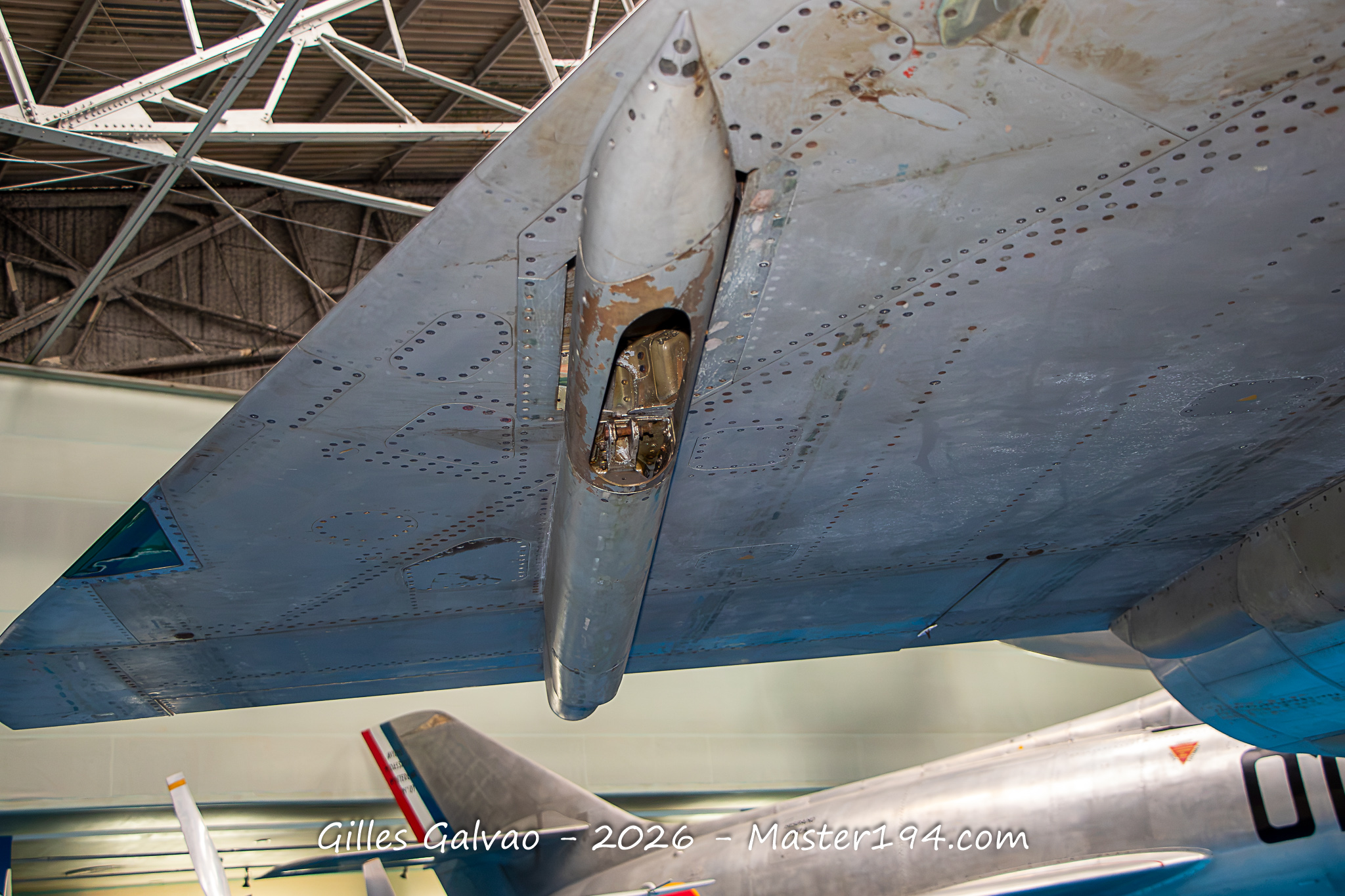
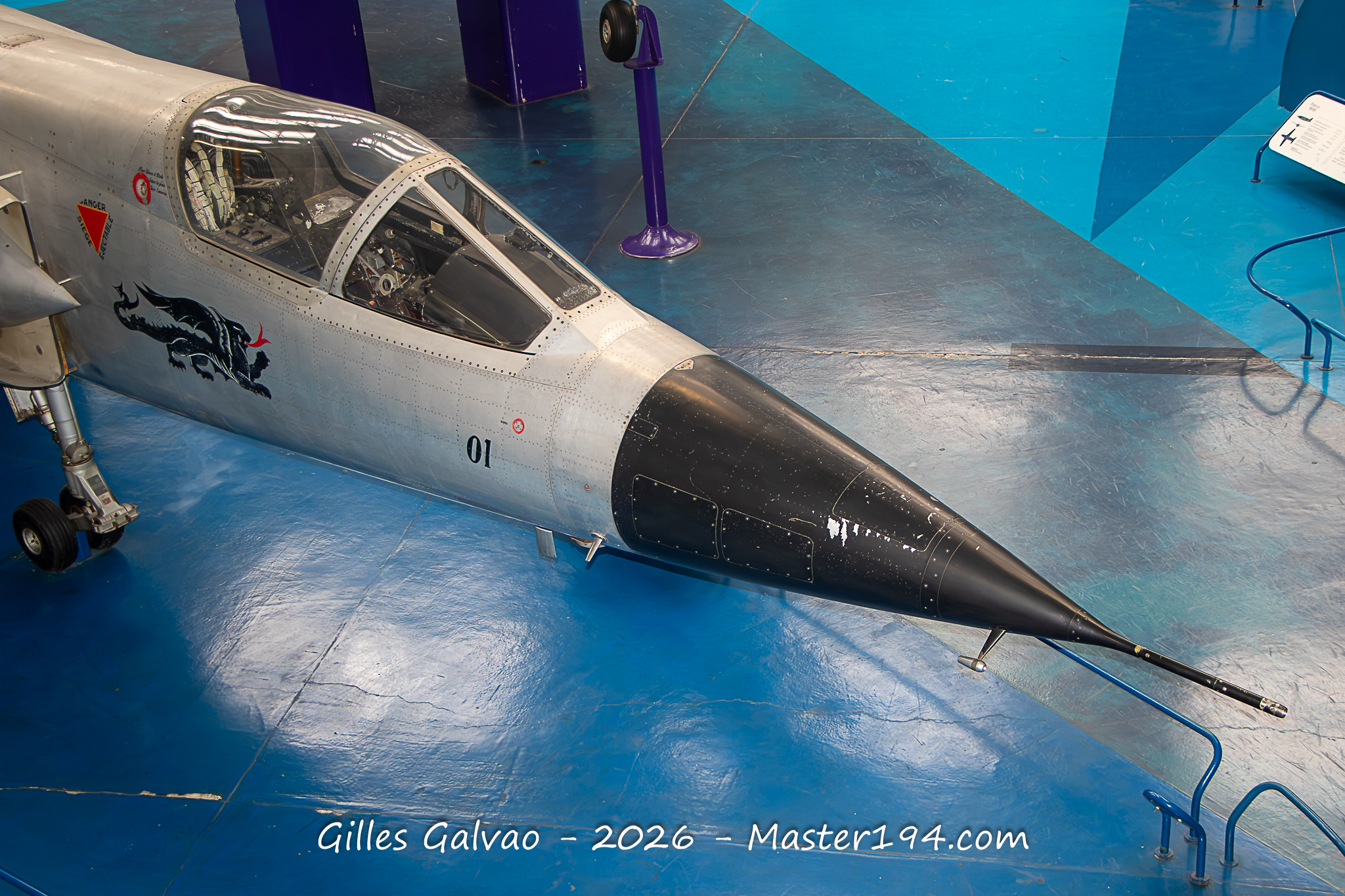
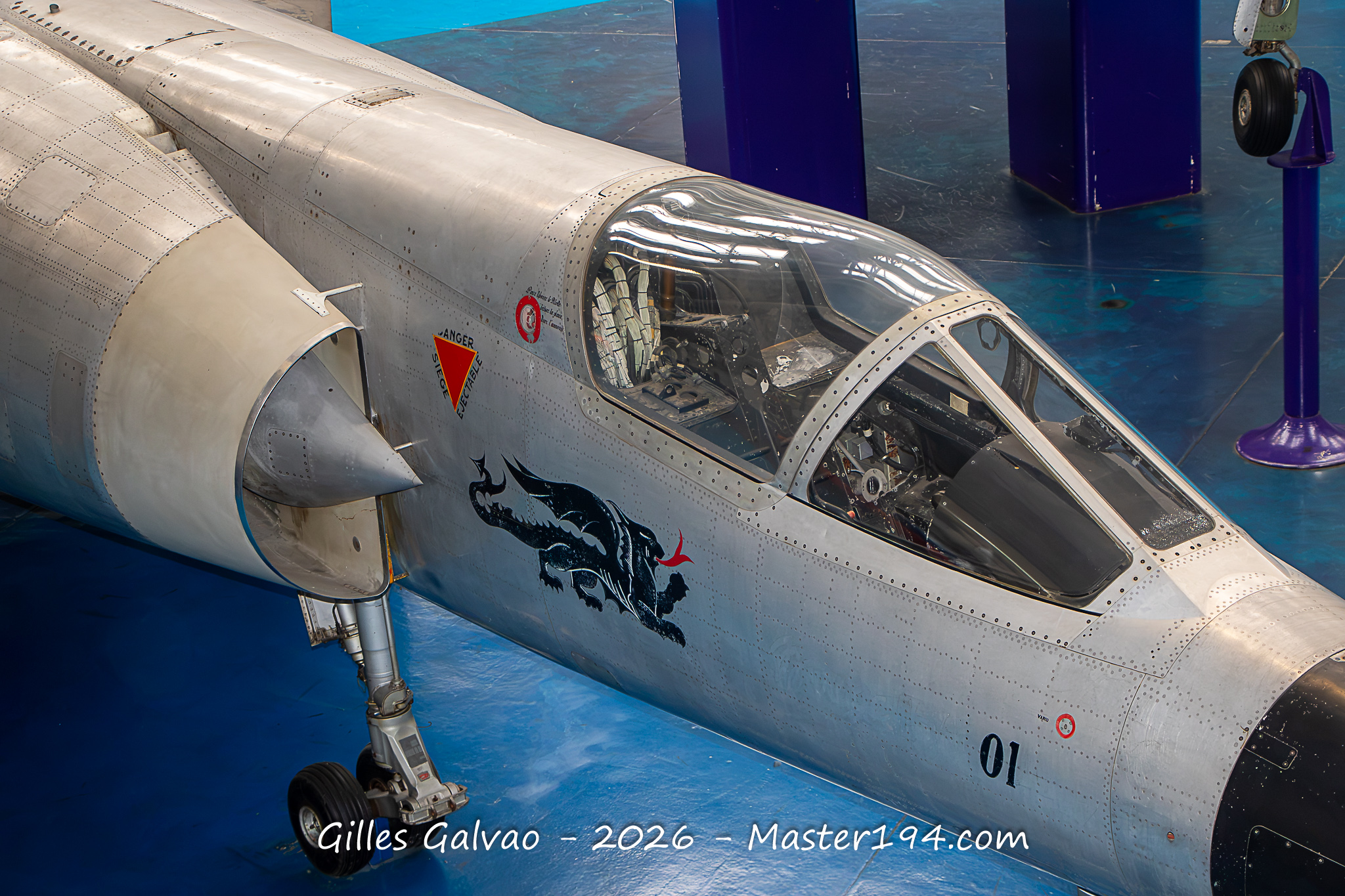
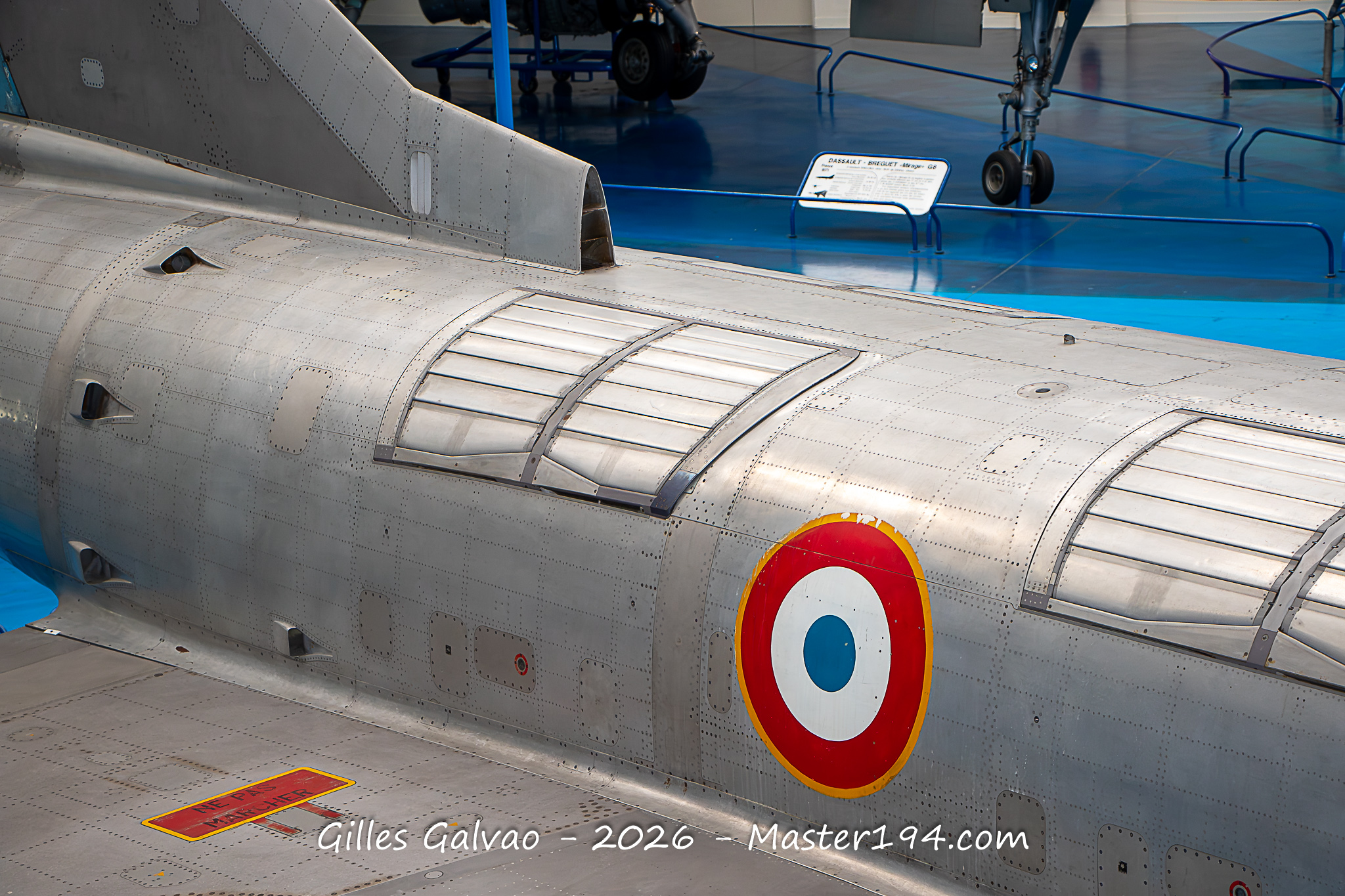
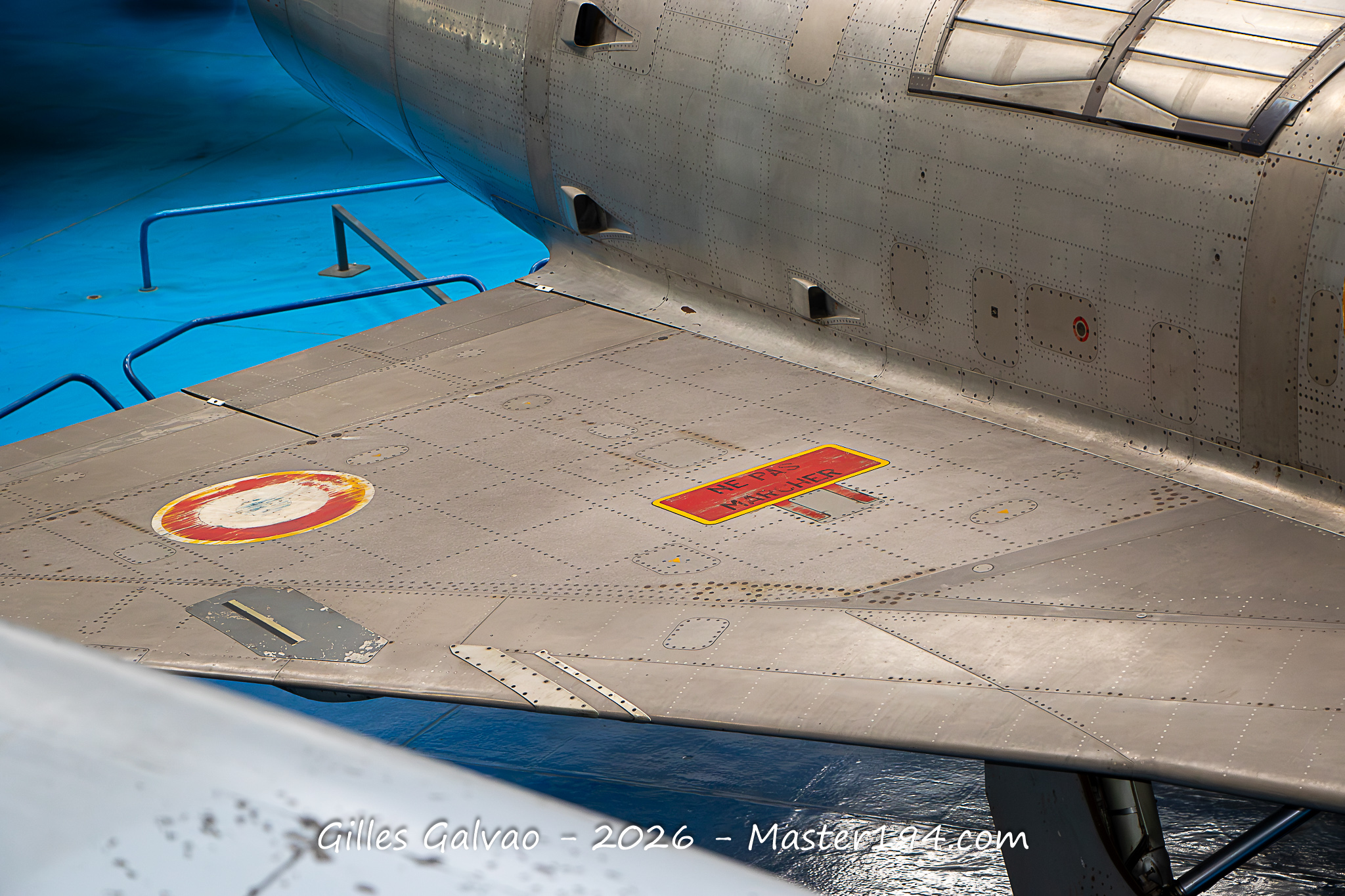
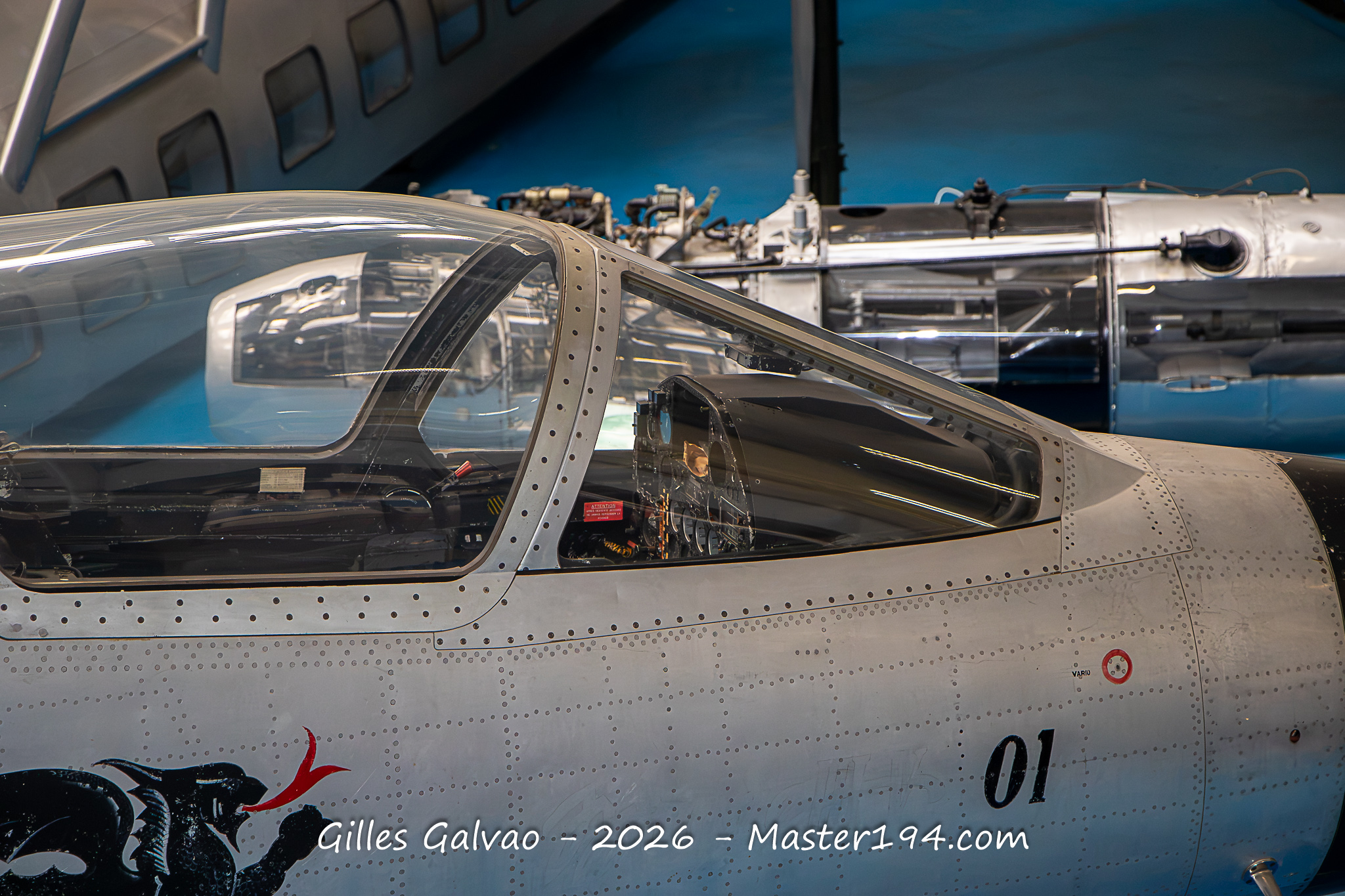
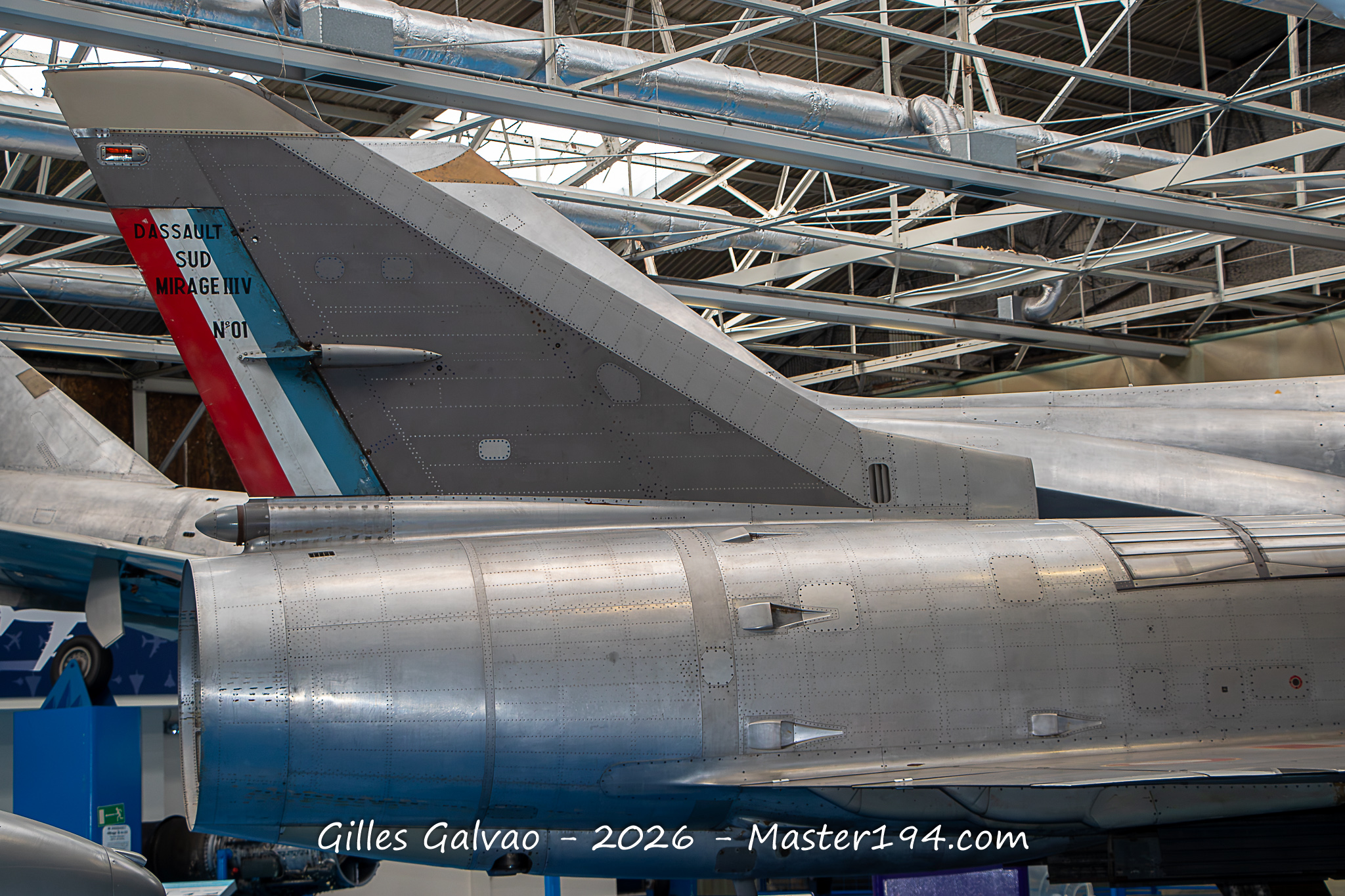
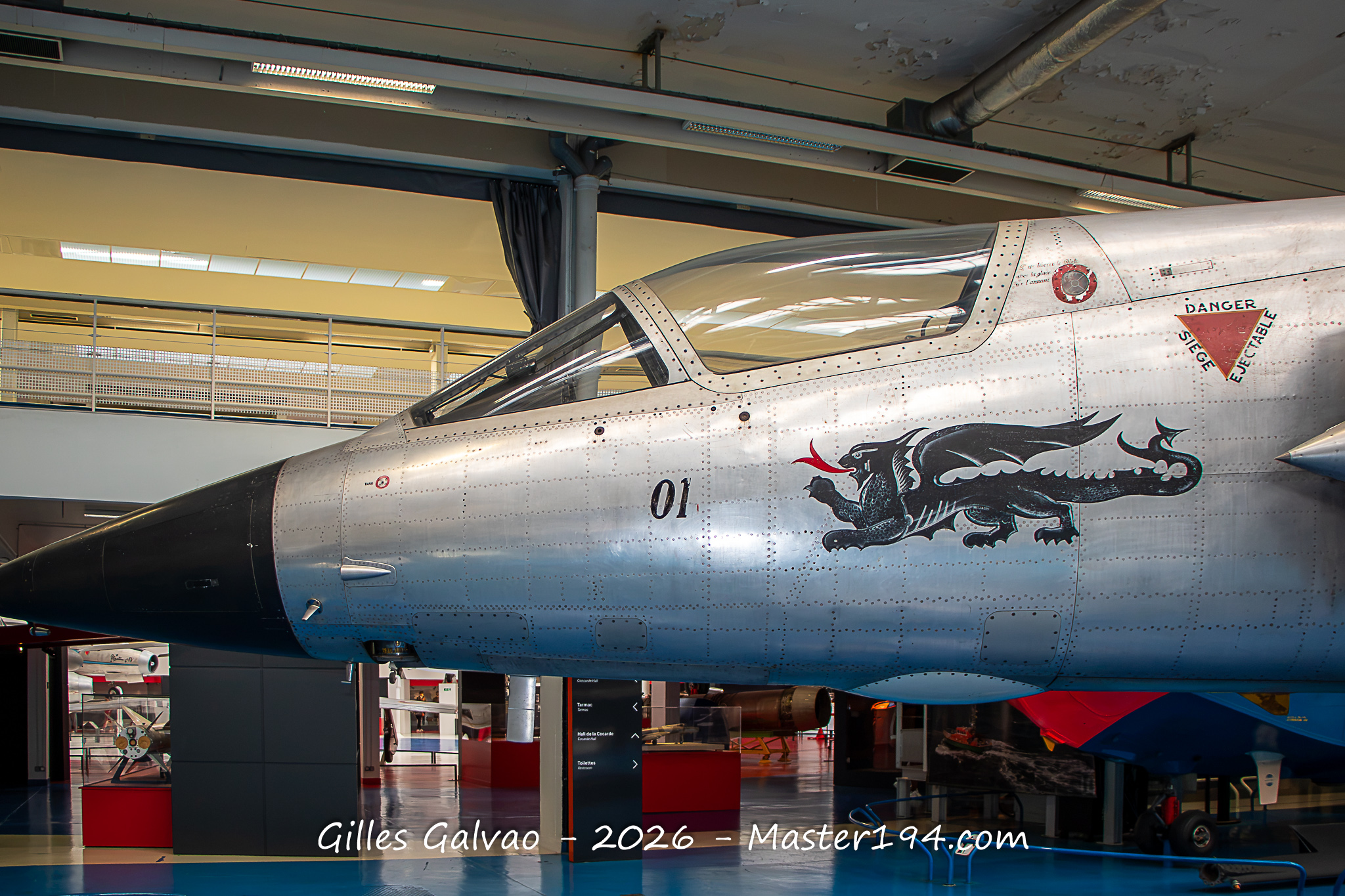
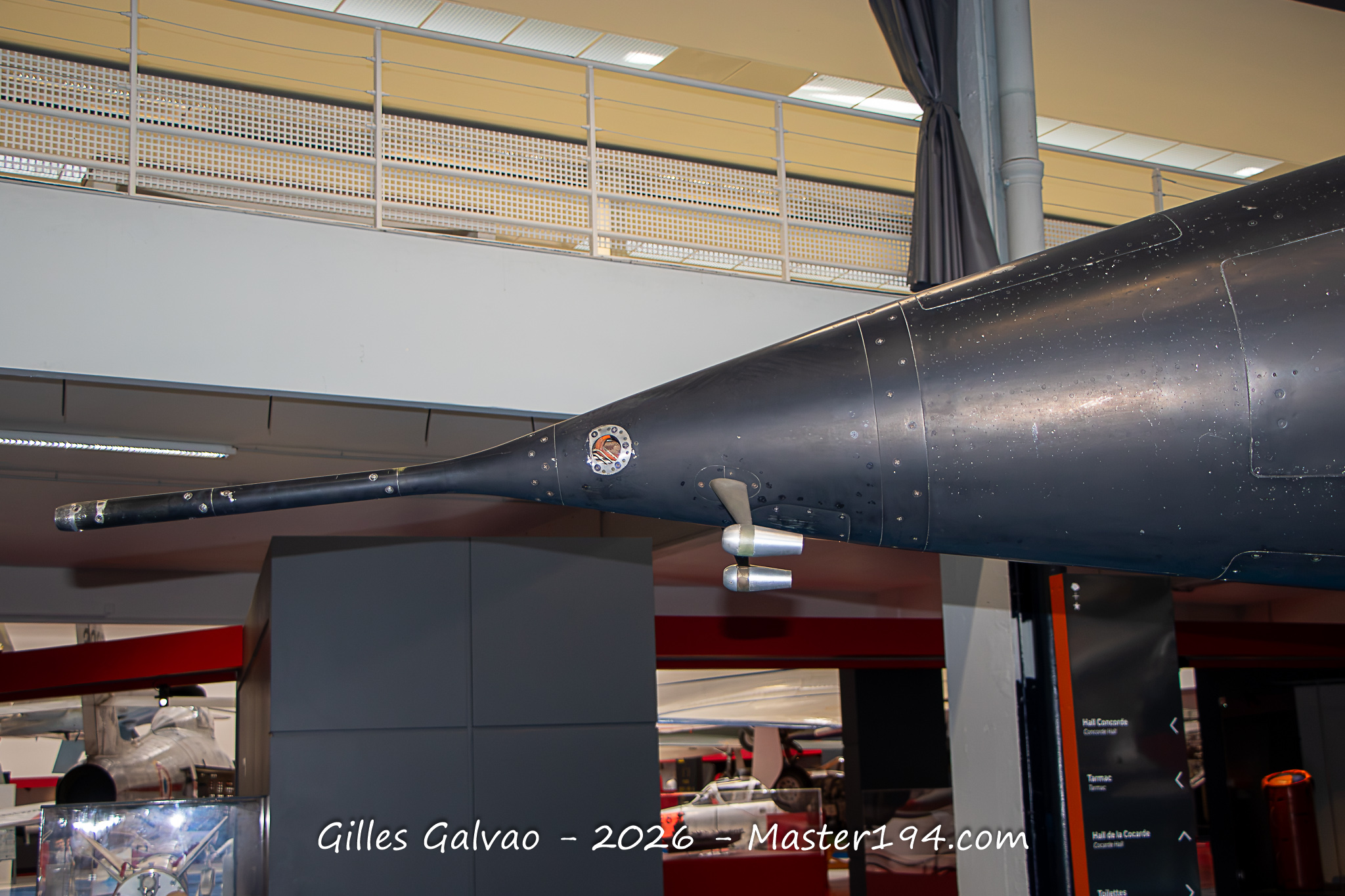
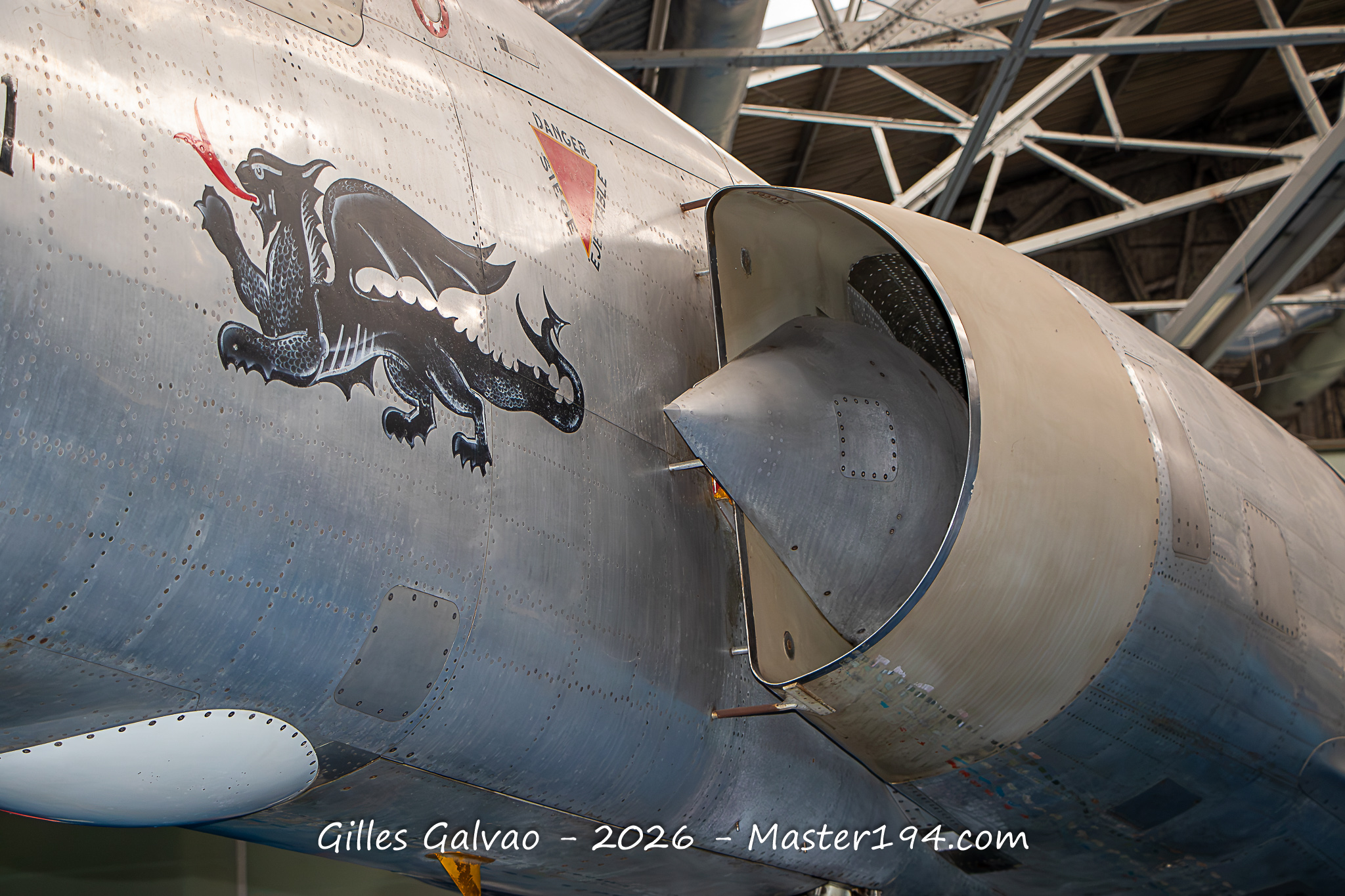
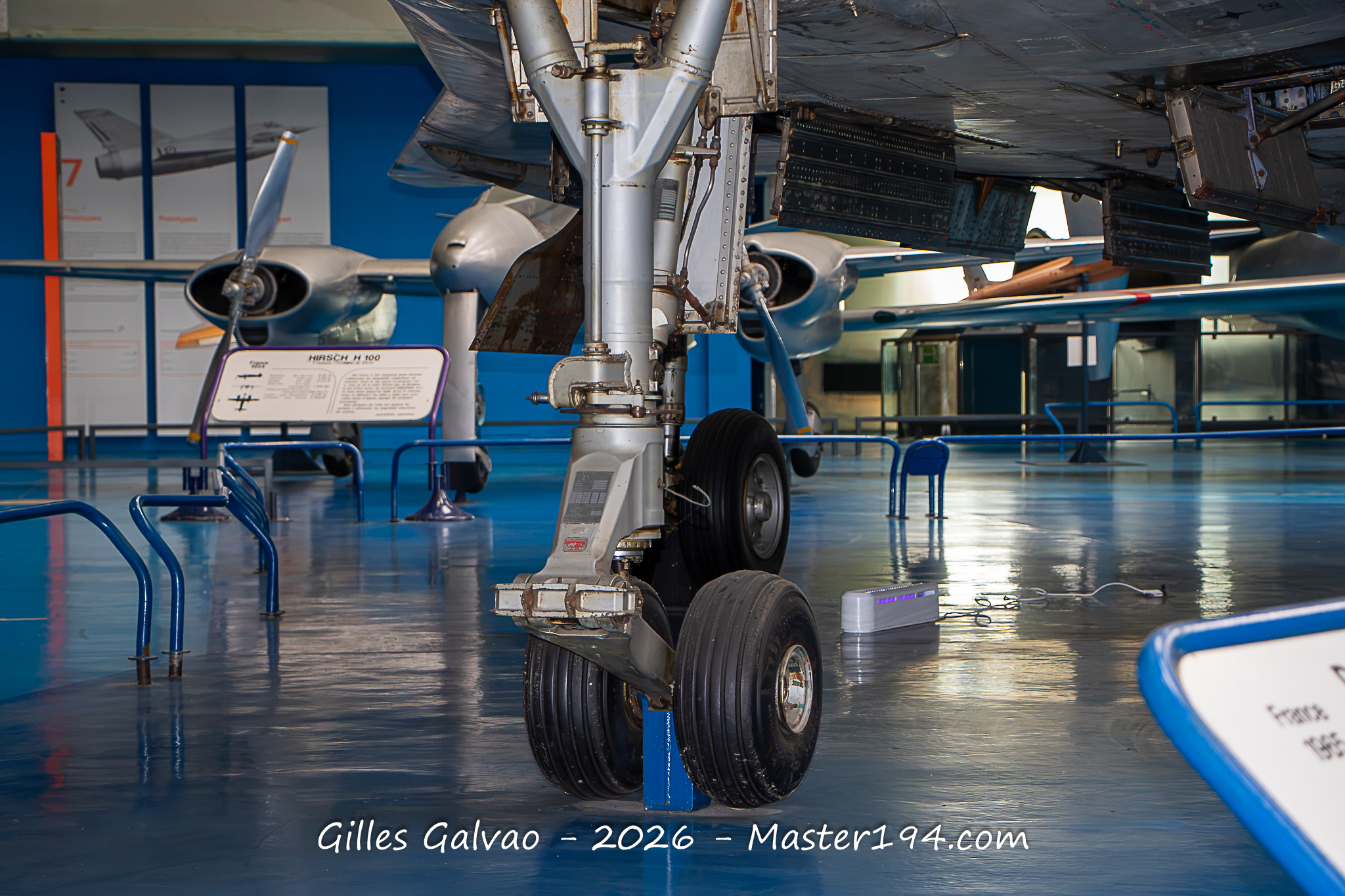
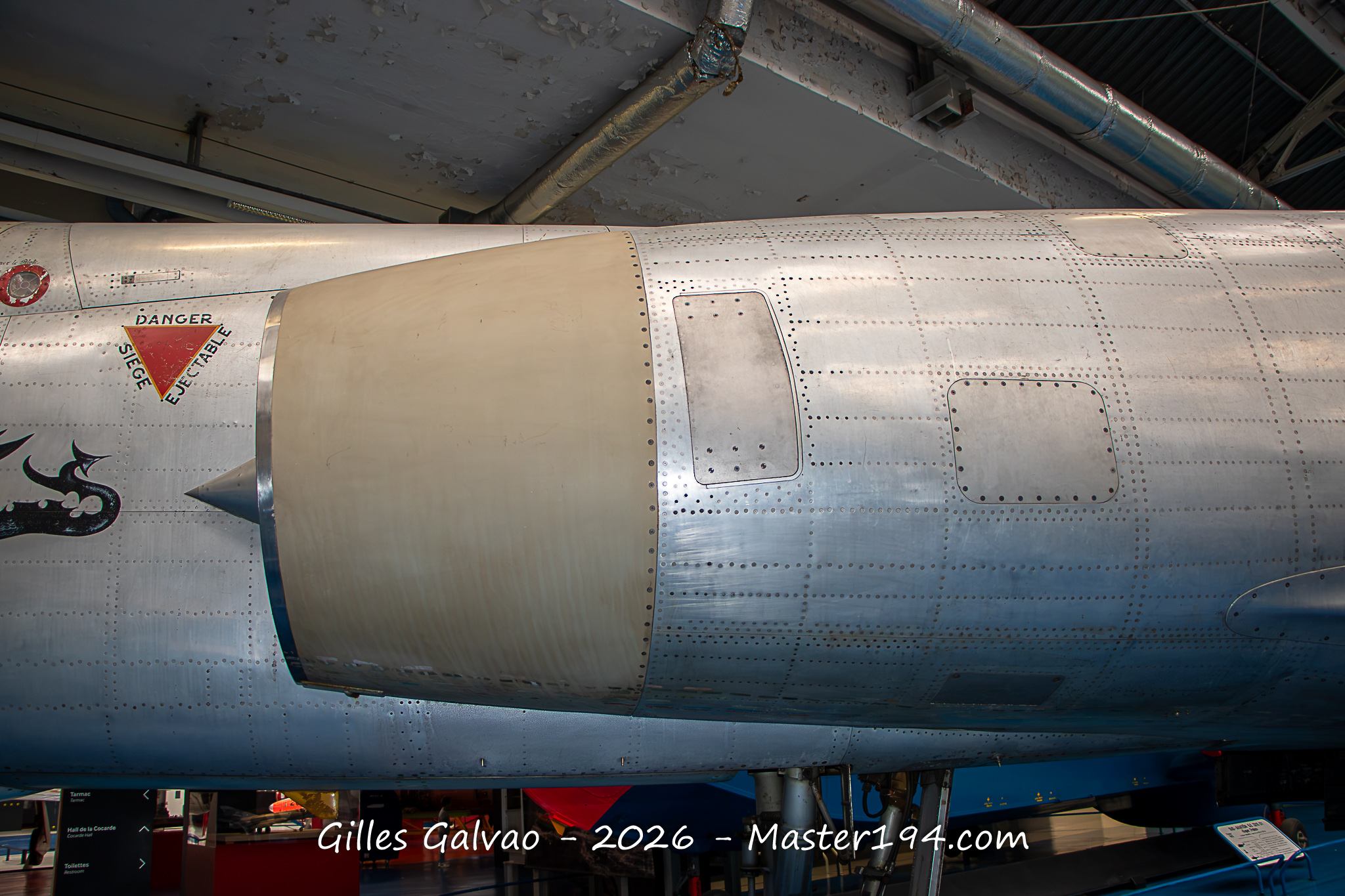
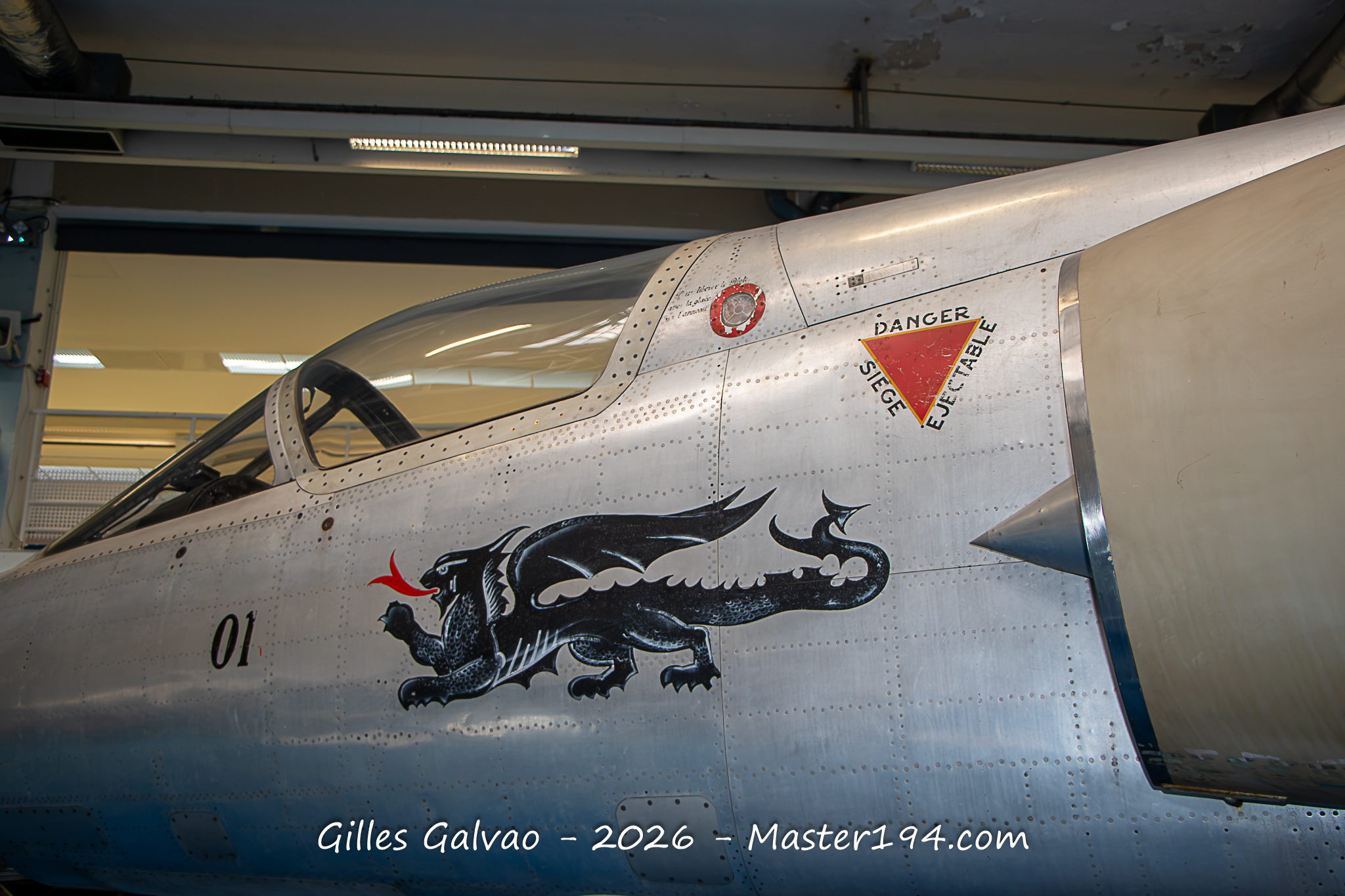
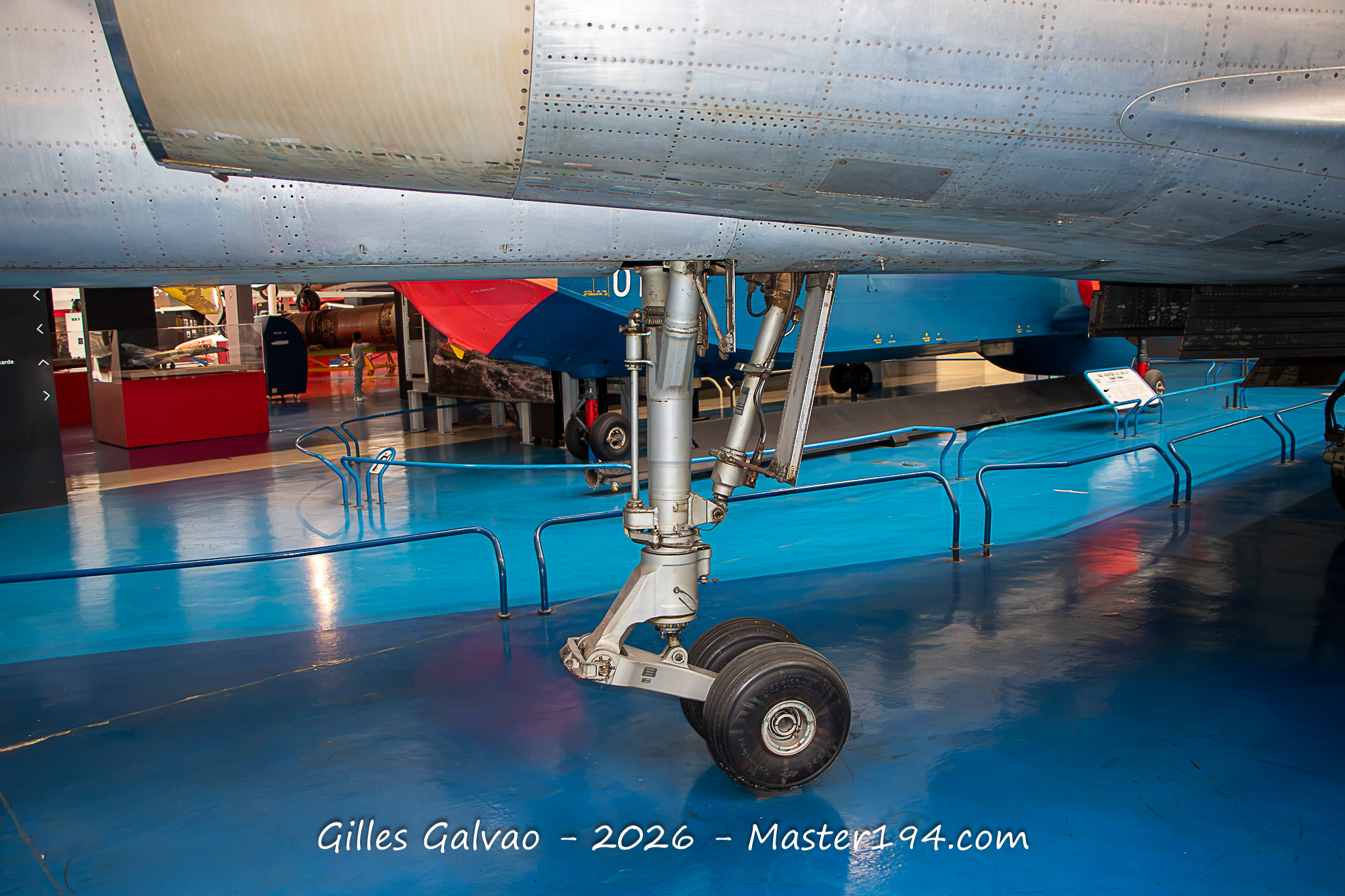
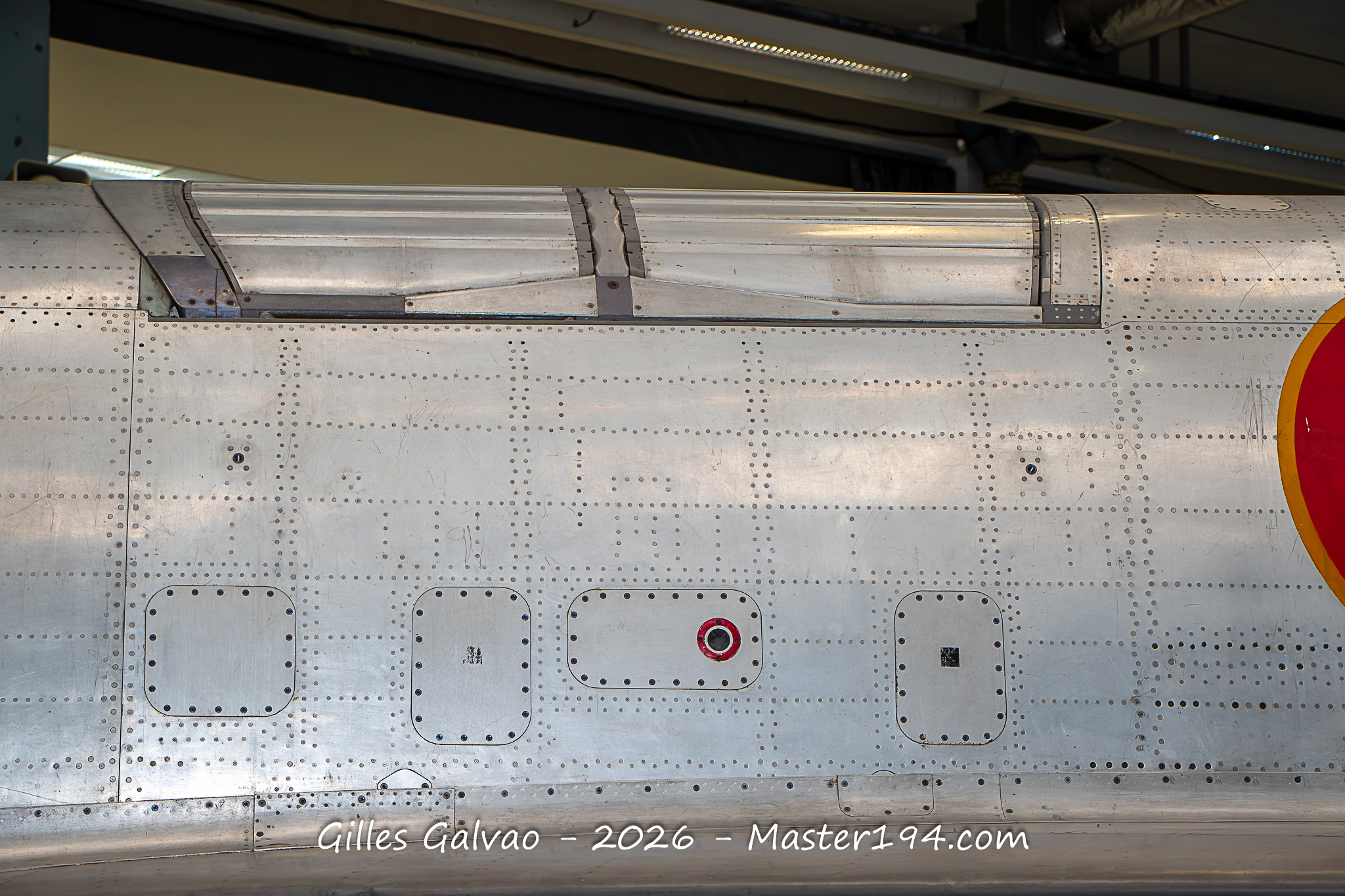
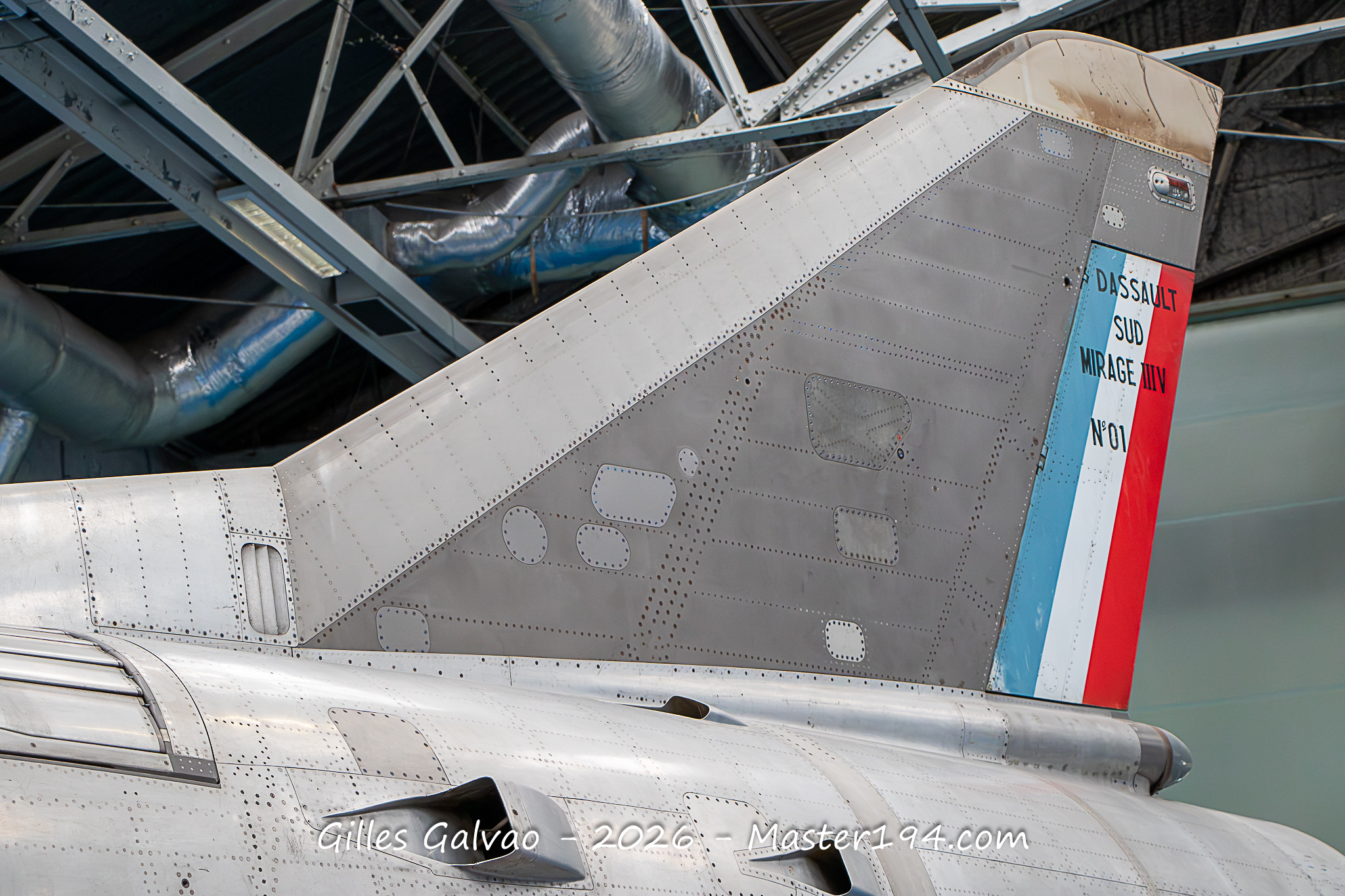
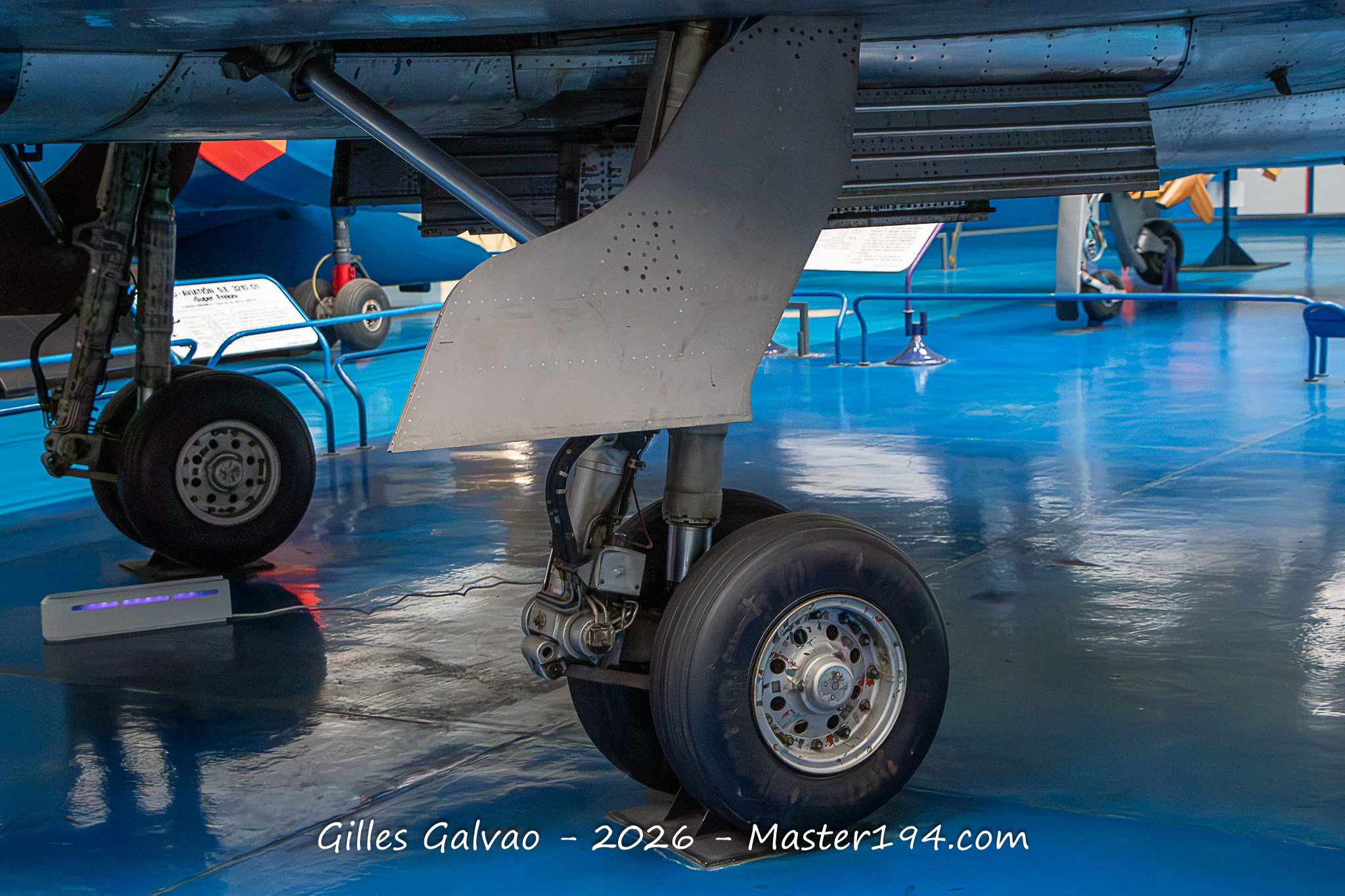
The Mirage III V-01 is preserved today at the Musée de l’Air et de l’Espace at Le Bourget, where it stands as a testament.
Walkaround
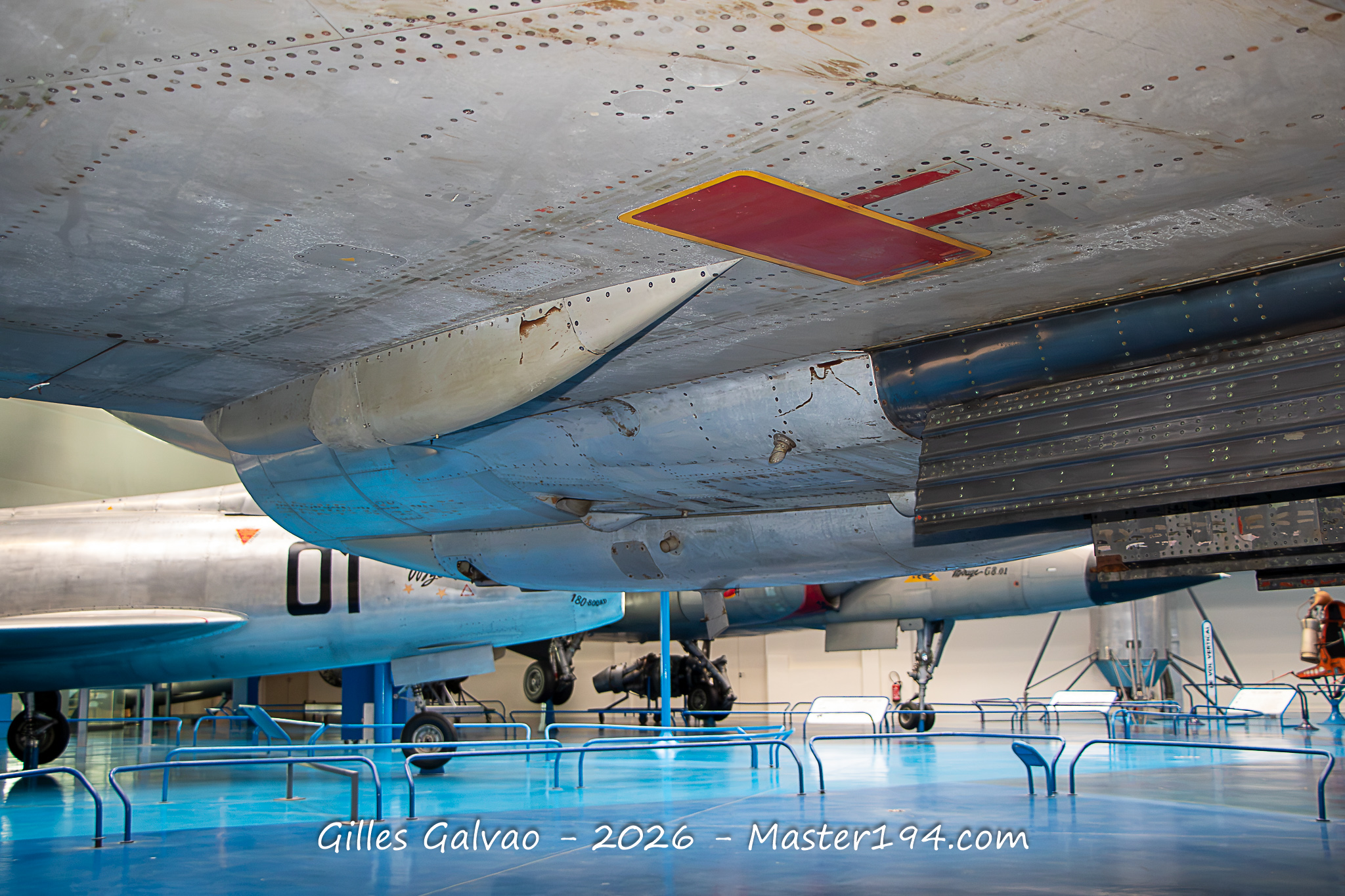
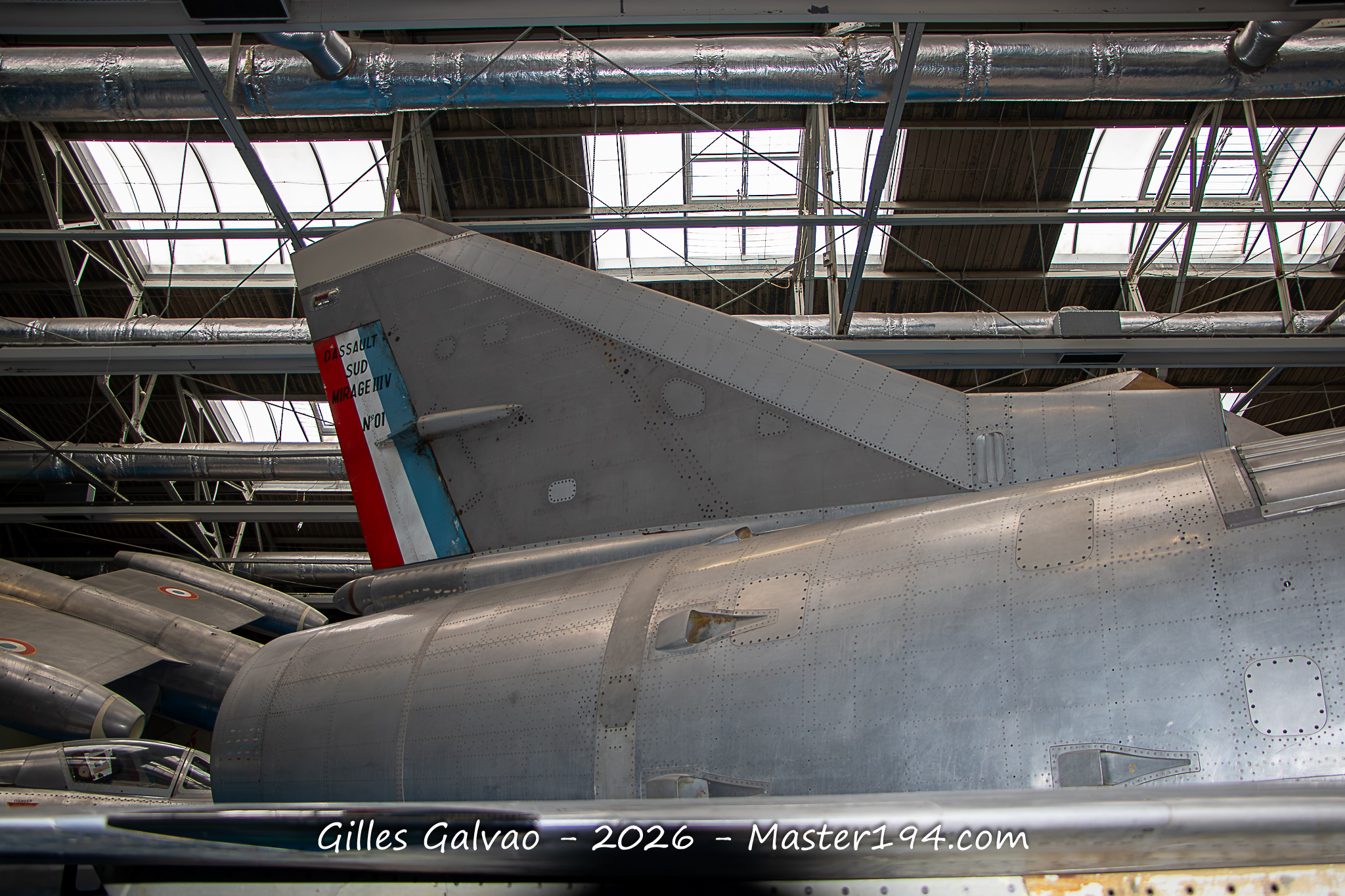
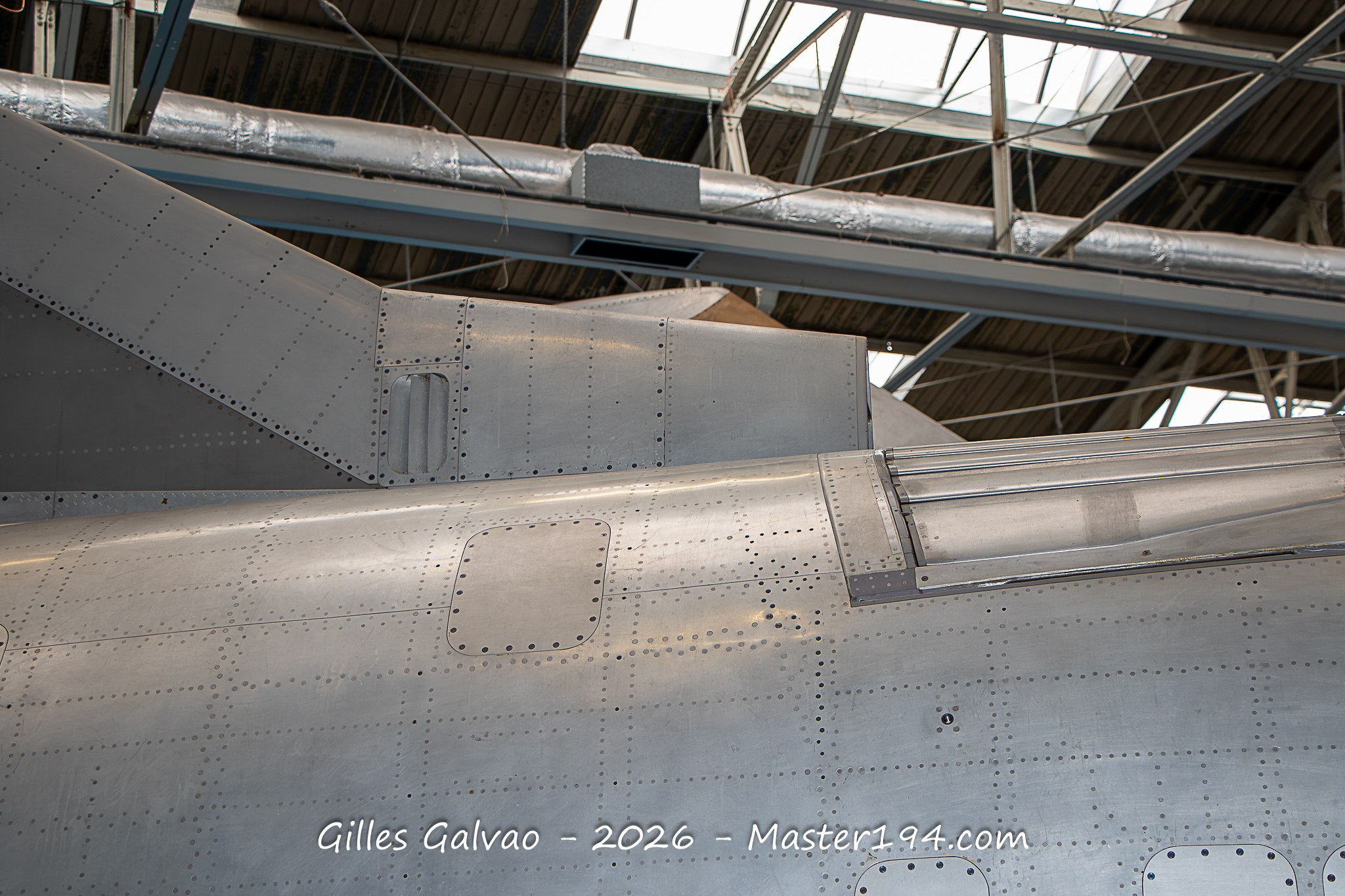
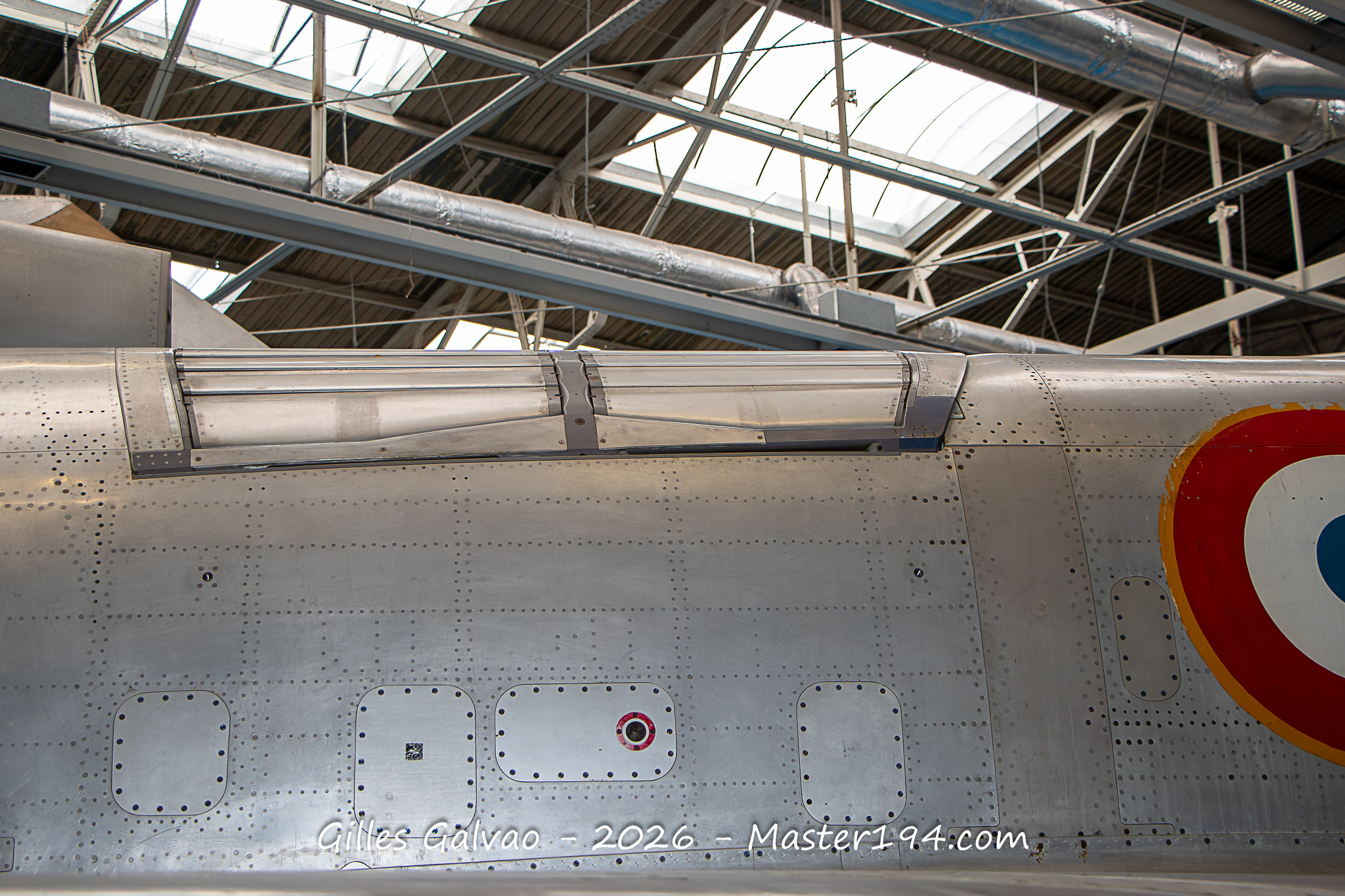
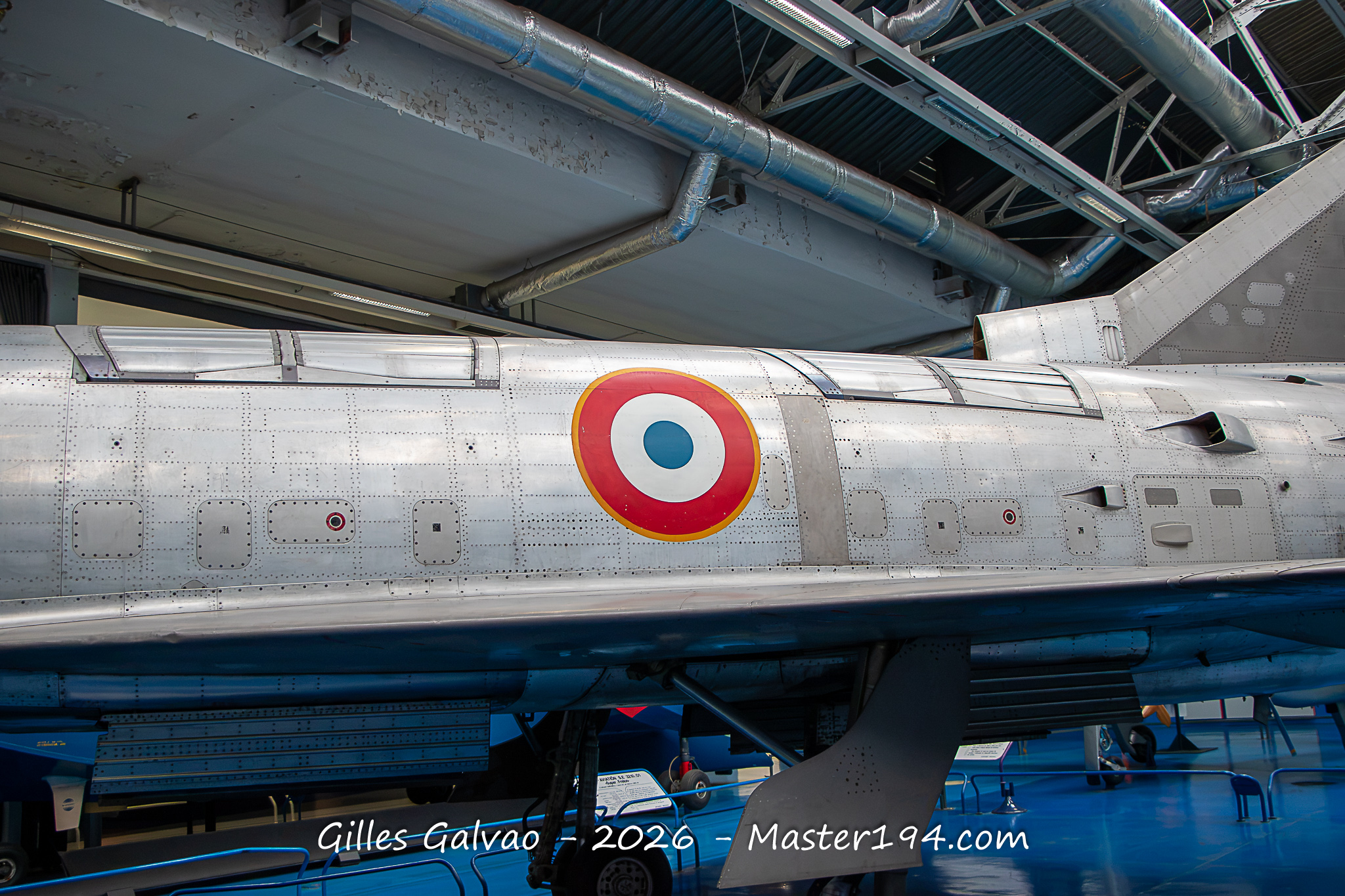
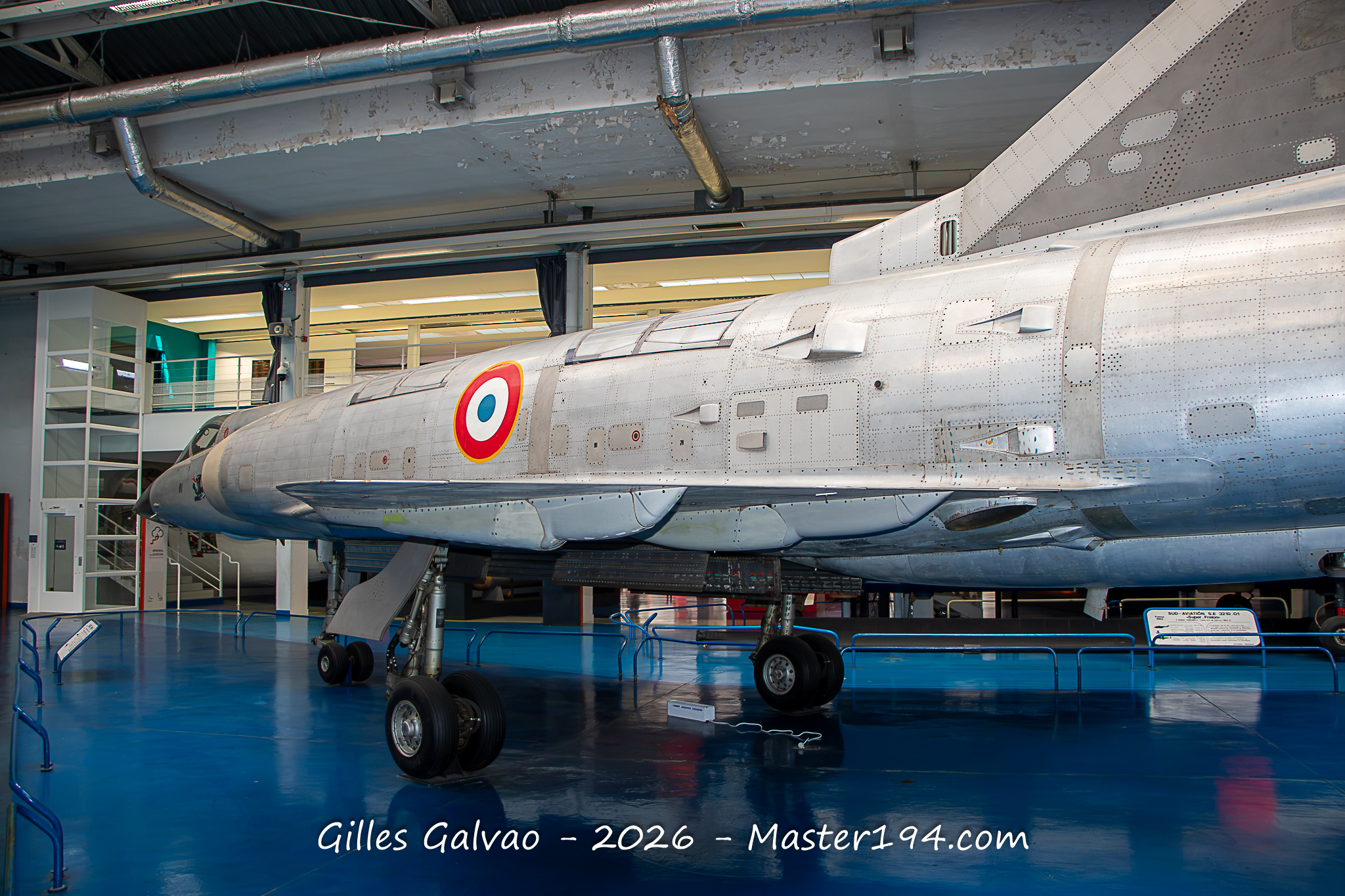
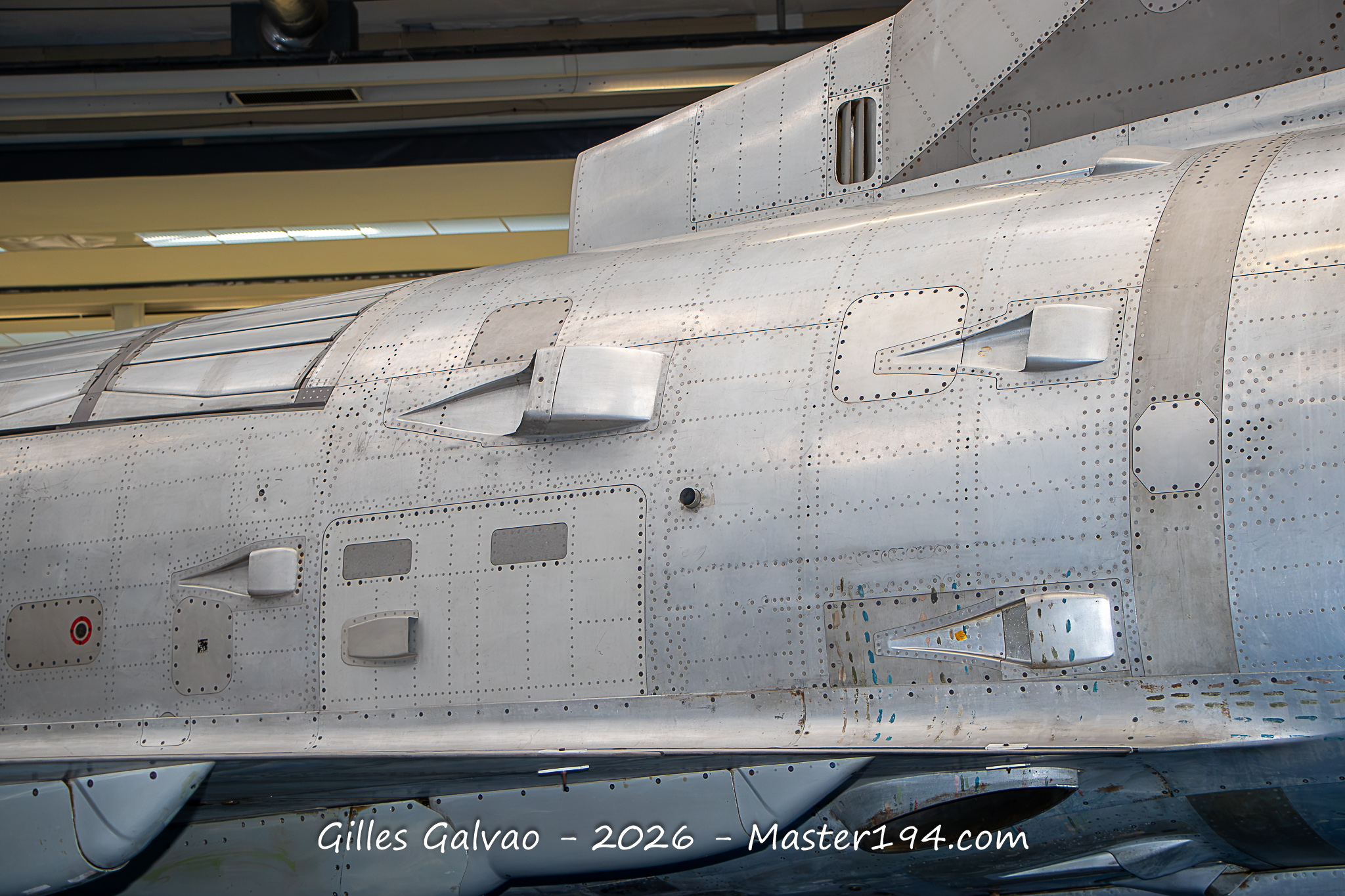
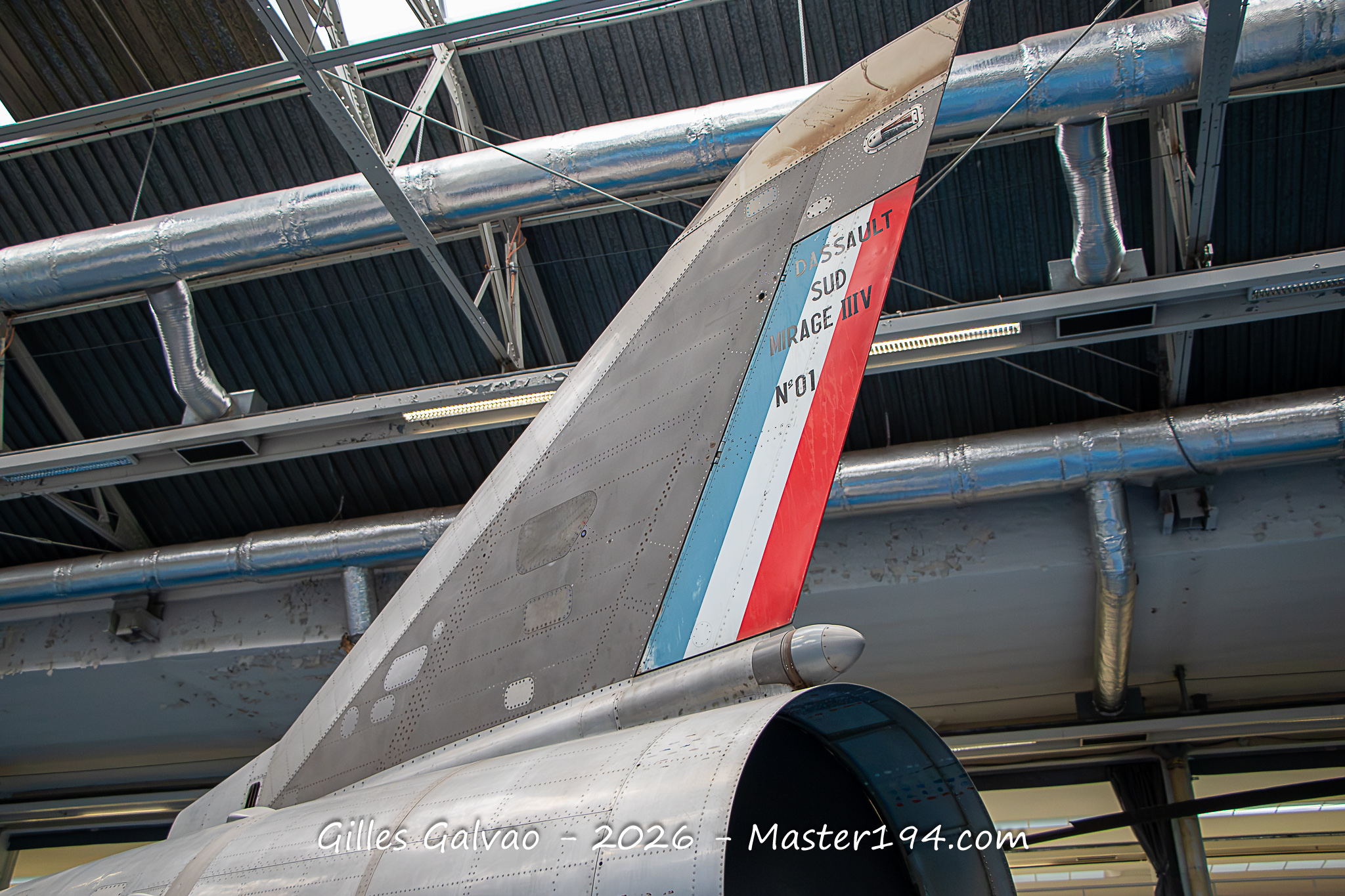
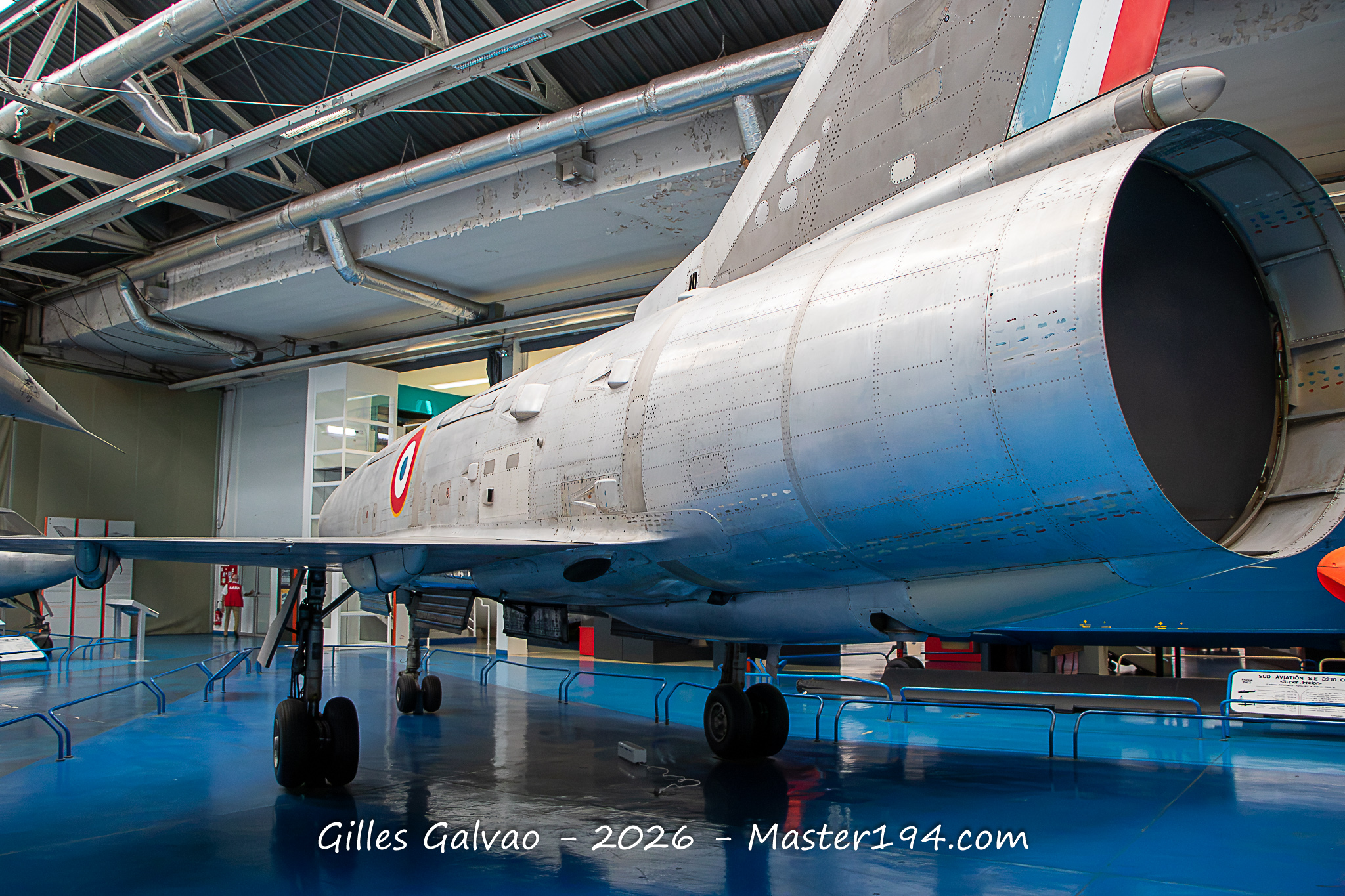
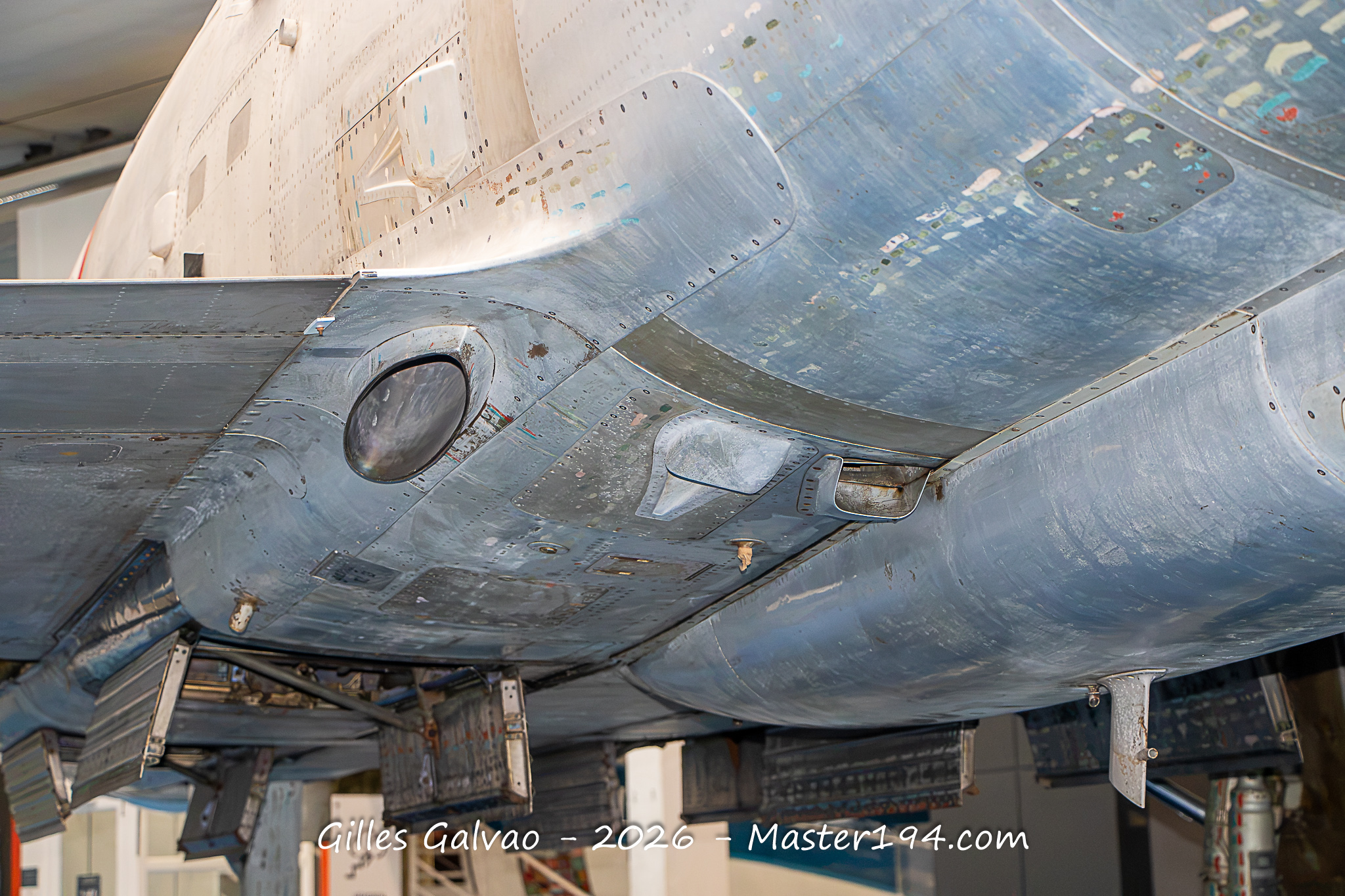
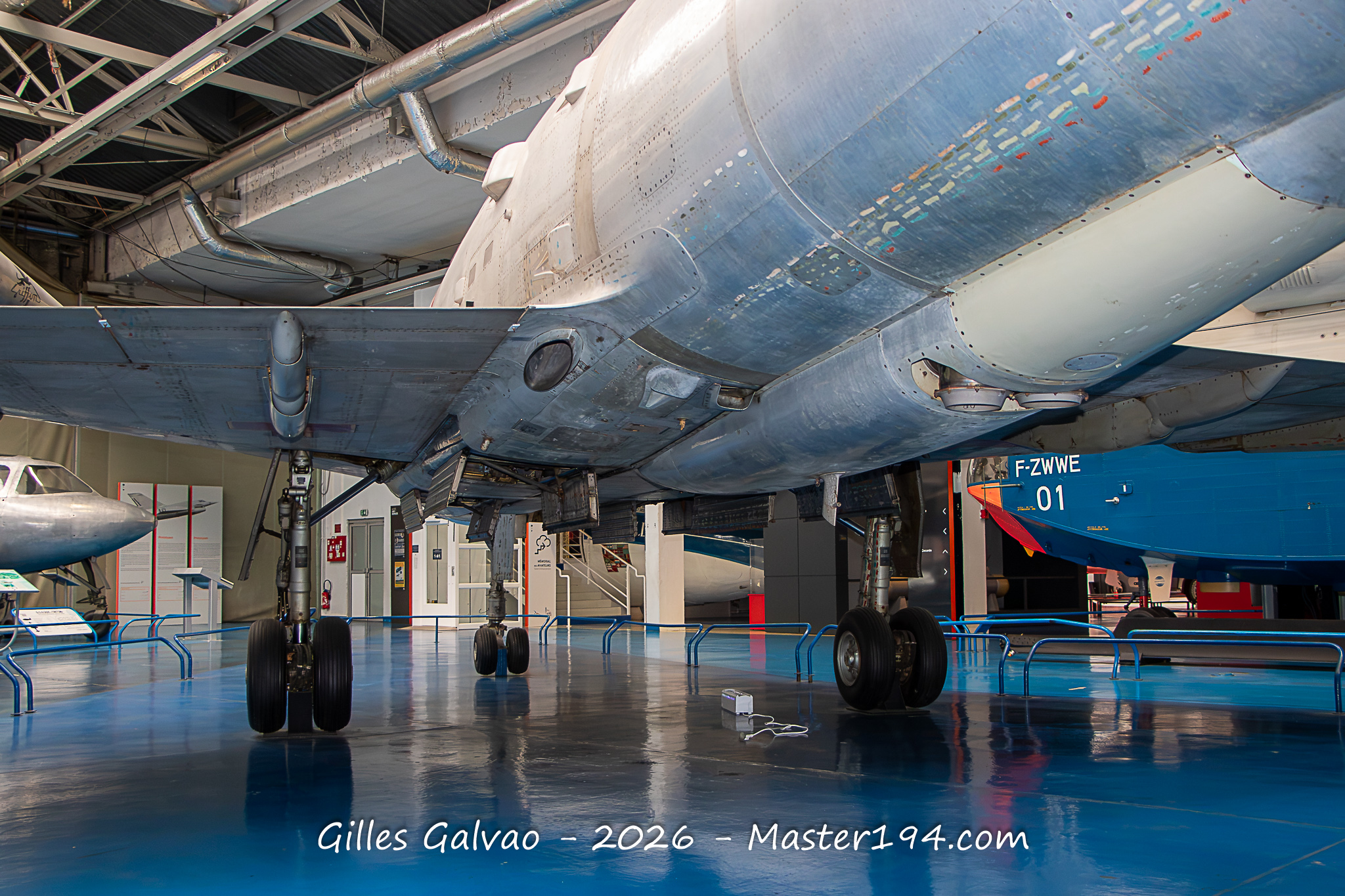
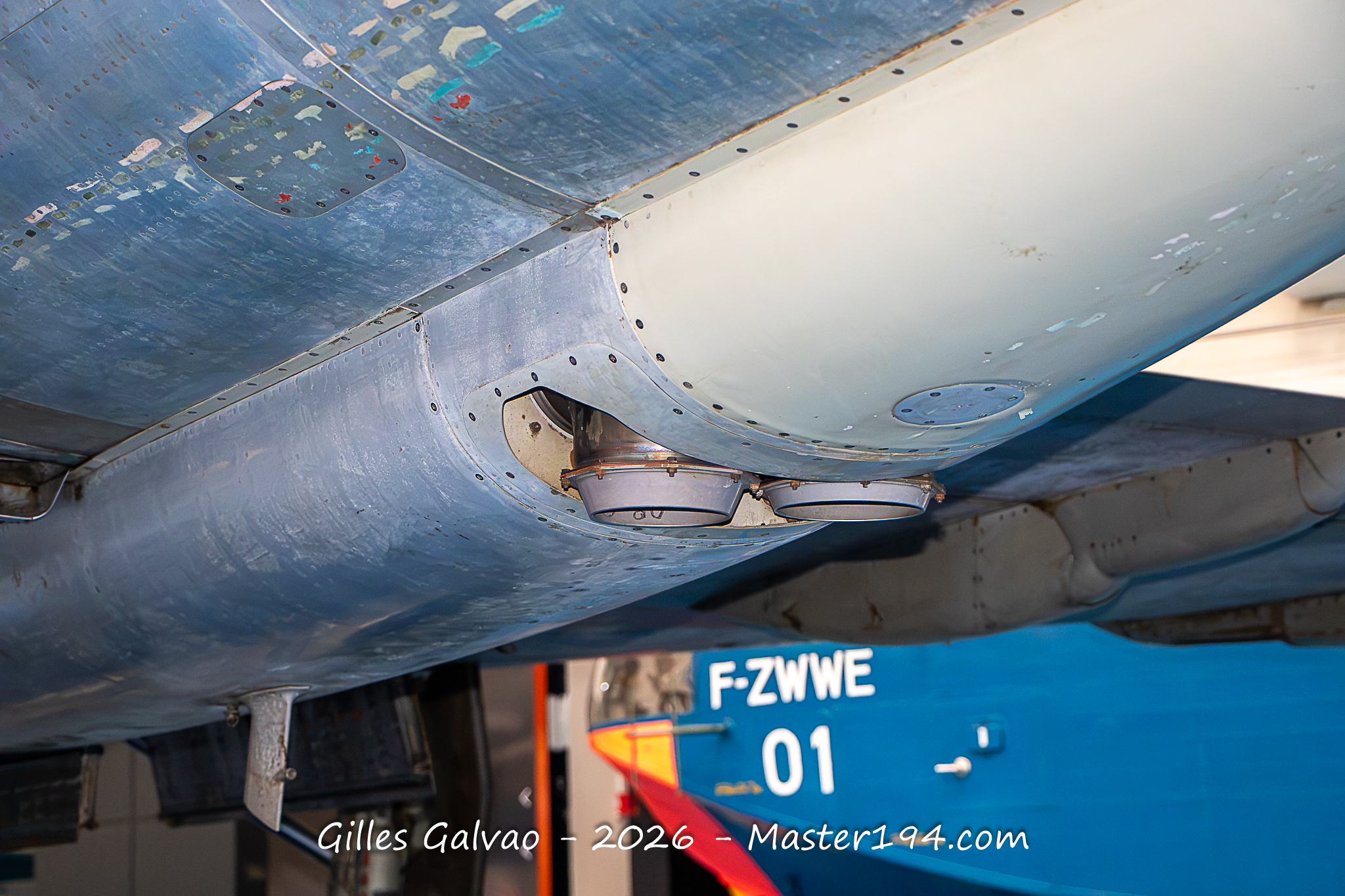
Article author : Yoyo
Photos taken at Musée de l’Air et de l’Espace du Bourget, where you can view this aircraft alongside many other remarkable flying machines!