
 by
In the early 2000s, the WAH-64D Apache symbolised the dramatic modernisation of the British Army Air Corps. Built under licence from Boeing by Westland and extensively tailored to UK requirements, this next-generation attack helicopter immediately impressed with its performance and aggressive stance.
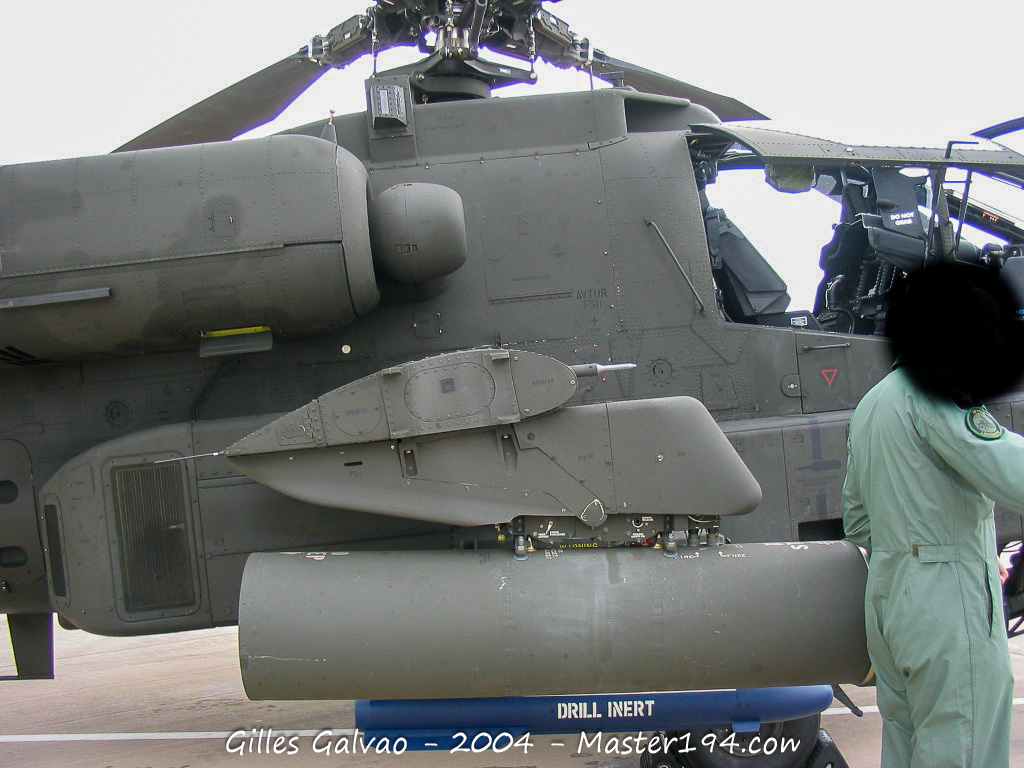
Among the first models delivered was ZJ211, an aircraft I had the opportunity to photograph in England during the summer of 2004 at RIAT. At that time, the British Apache was still a rare sight.
An Apache “made in Britain”
Contrary to popular belief, British Apaches are not simply off-the-shelf American AH-64s. London chose a version that was extensively tailored to national requirements.
Officially designated the Apache AH Mk.1 — and sometimes referred to as the WAH-64D by Westland — the aircraft was assembled under licence from Boeing by Westland Helicopters in Yeovil, UK.
One of the major differences lies in the engines. The British replaced the American General Electric turbines with more powerful Rolls-Royce/Turbomeca RTM322 engines, offering superior performance, particularly in hot environments or under heavy loads.
Another particularly interesting feature is that British Apaches are adapted for naval operations. The rotor blades can be folded, and several modifications allow for deployments from Royal Navy vessels — a rather unusual capability for an Apache.
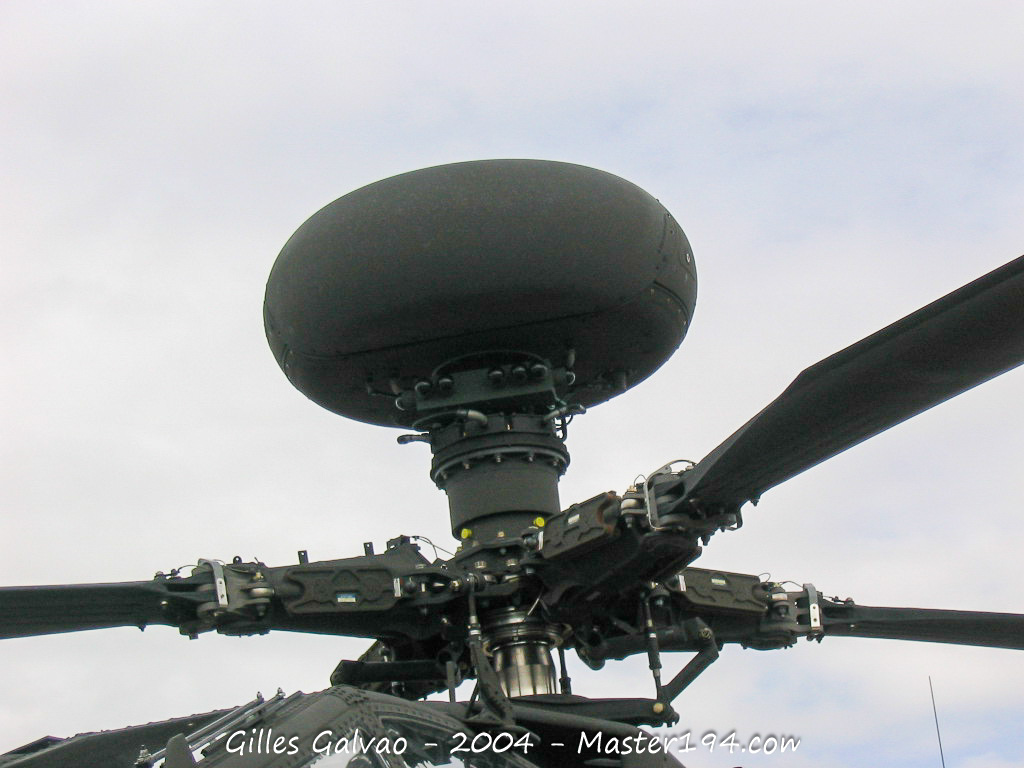

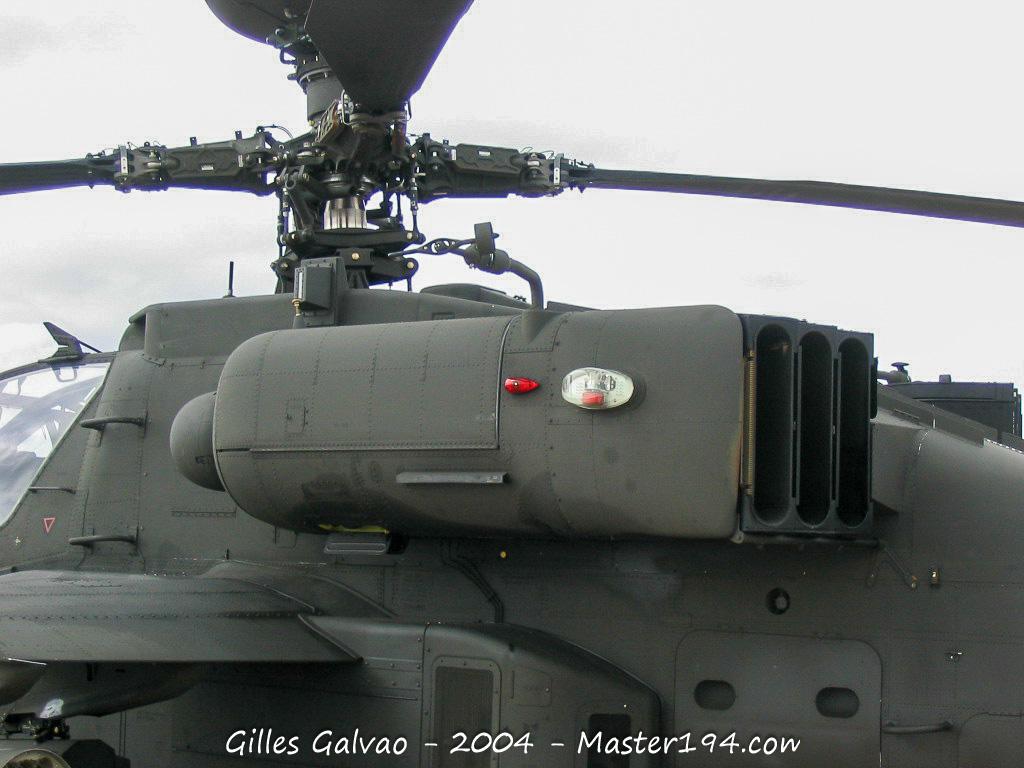
Summer 2004: the dawn of a new generation
When ZJ211 was photographed in July 2004, the type had only been in service for two years.
With its Longbow radar, advanced sensors, AGM-114 Hellfire missiles, and 30mm chain gun, the Apache represented a massive technological leap forward for the Army Air Corps.
At that time, the Apache AH Mk.1 fleet still sported a pristine appearance, a far cry from the heavily weathered machines that would later operate in Afghanistan or Iraq.
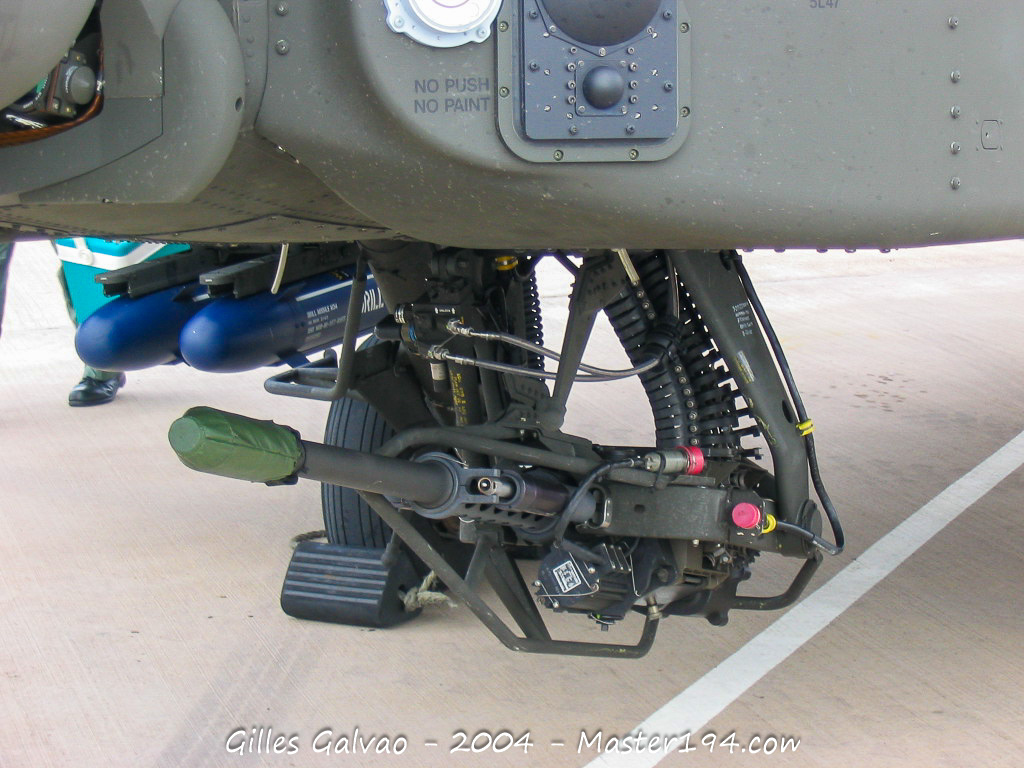

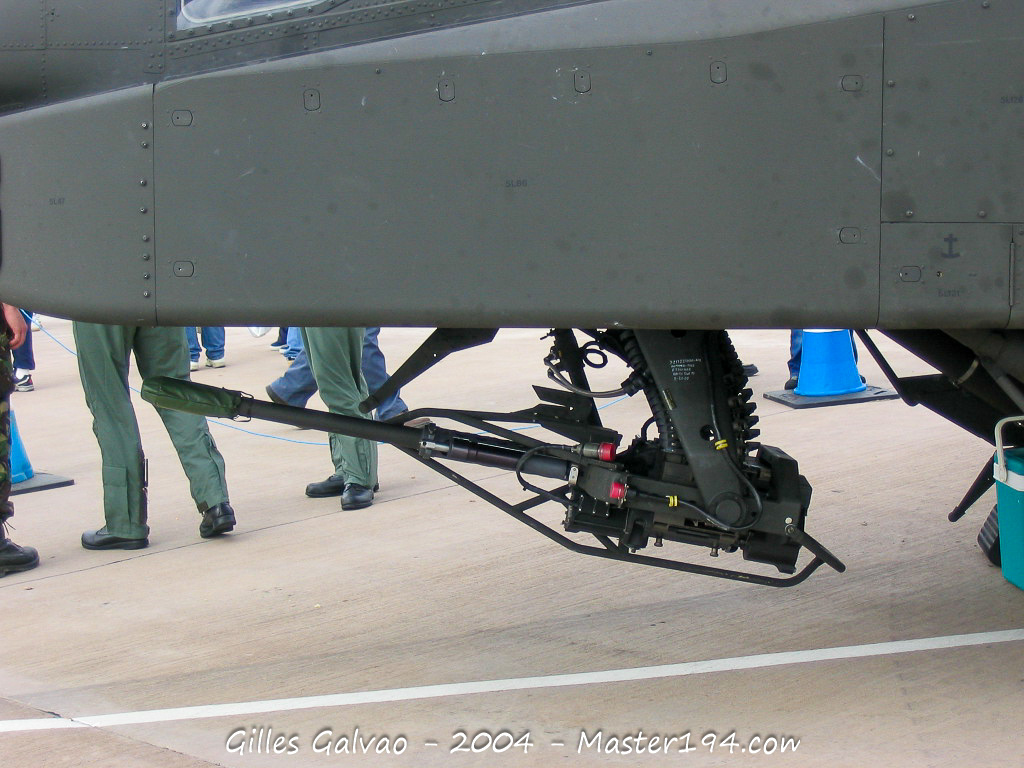
A busy operational career
Like the majority of the British fleet, ZJ211 would go on to pursue an active career over the next two decades.
The Apache AH Mk.1 quickly became an essential asset in British operations:
- Afghanistan,
- Iraq,
- Expeditionary operations,
- Deployments from Royal Navy vessels.
The type earned a solid reputation for its ruggedness and close air support capabilities. British crews regularly exploited the aircraft’s low-altitude flight characteristics—a domain in which the Apache particularly excels.


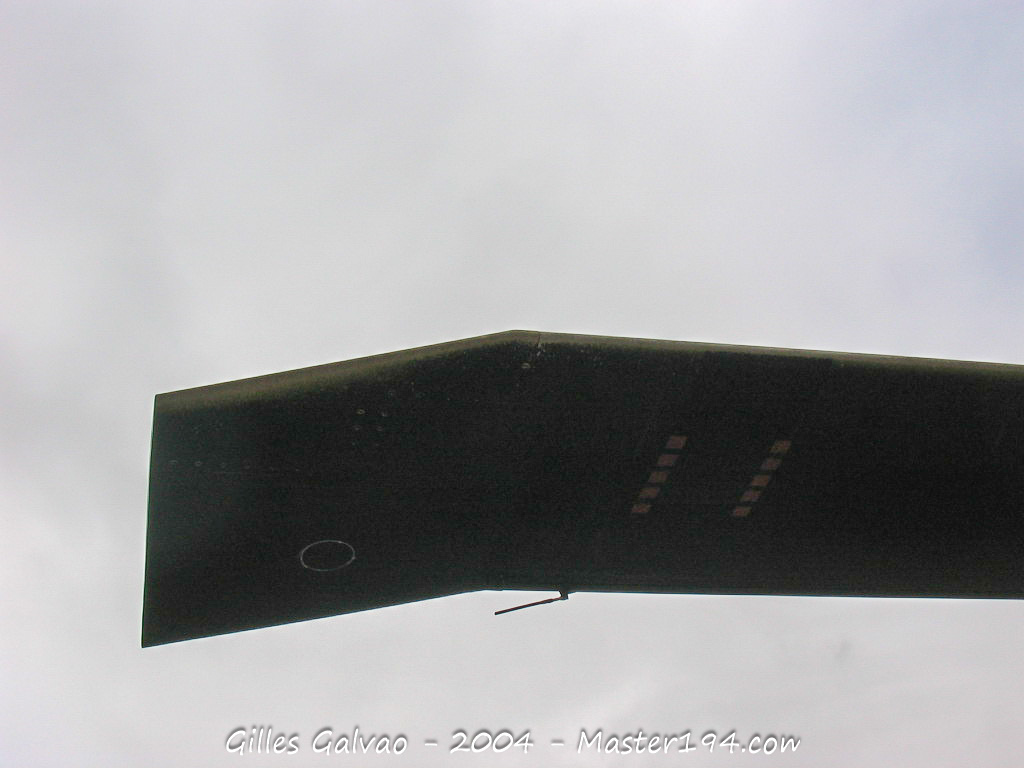
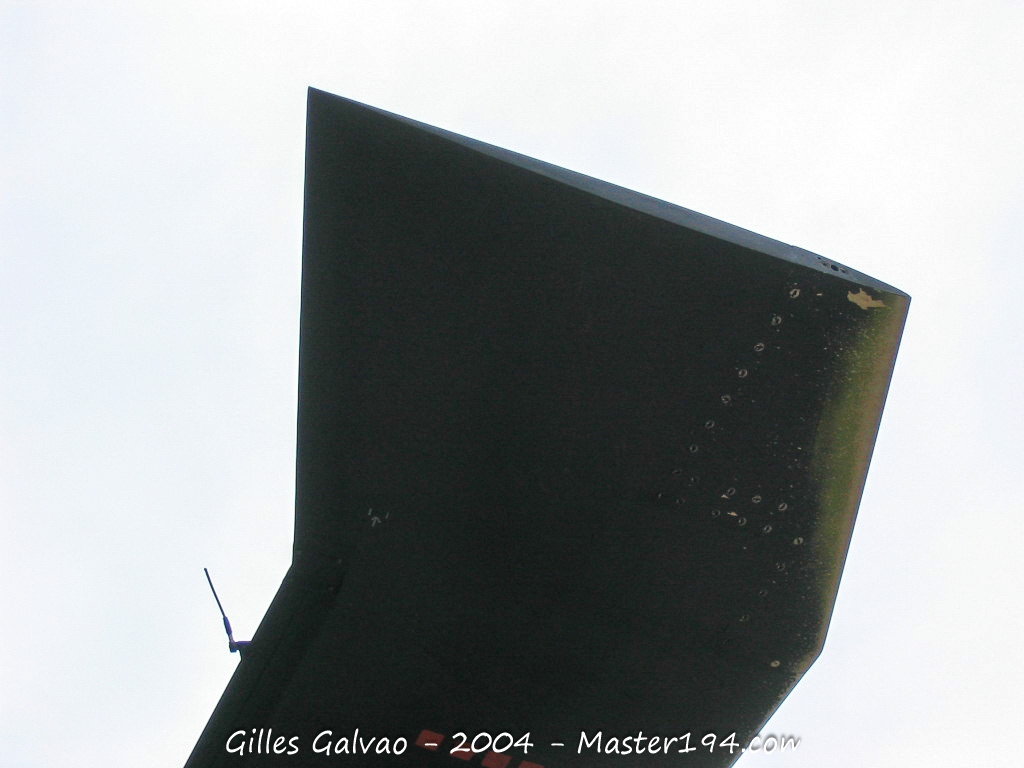
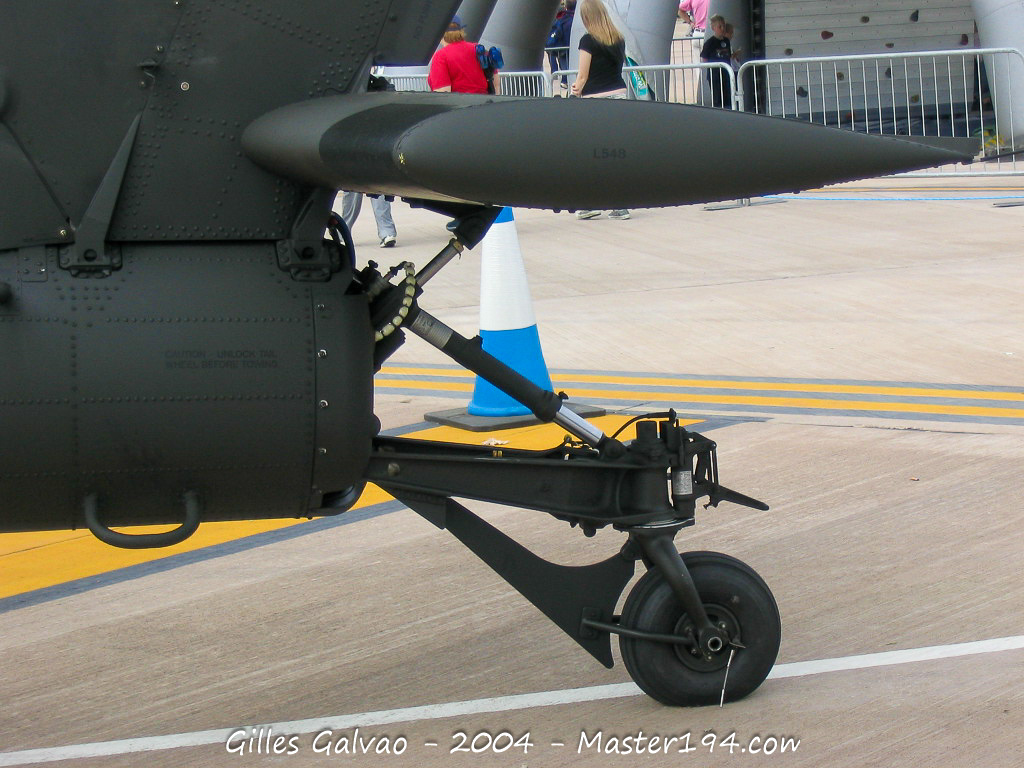

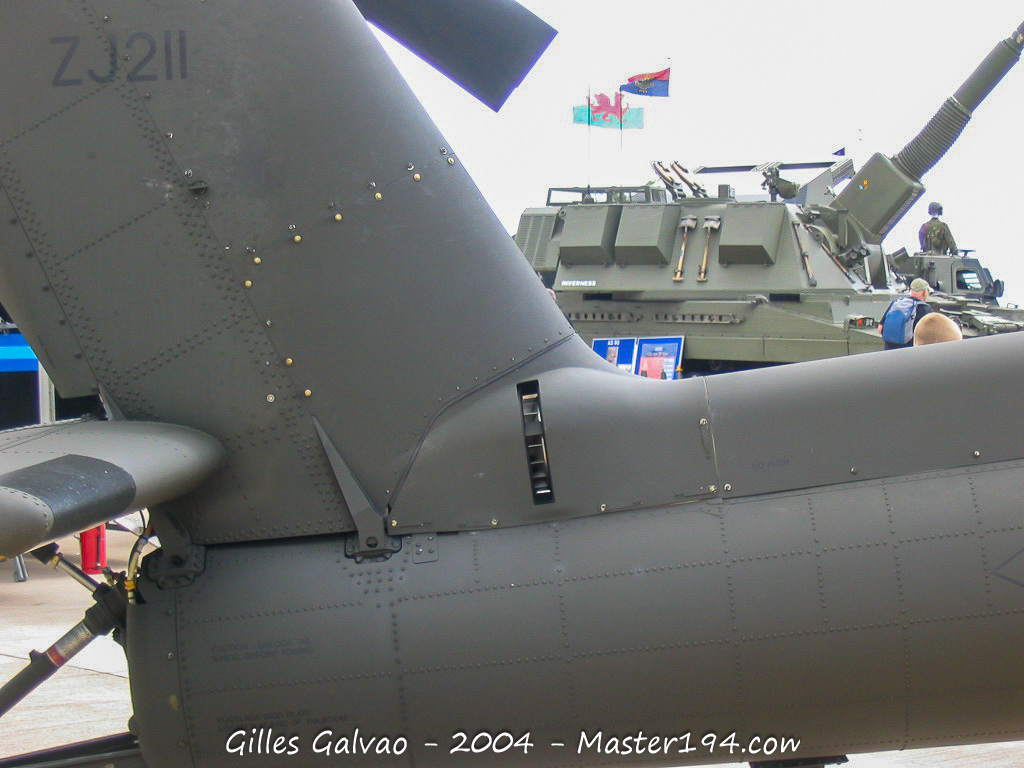
ZJ211 was also spotted at numerous British airshows and notably within the UK’s famous low-flying zones, where Apaches frequently put on spectacular displays of maneuverability.
A witness to a historic transition
Photographing ZJ211 in 2004 ultimately meant immortalising a pivotal moment for British military aviation.
The arrival of the Apache marked a major transition towards a new operational doctrine for combat helicopters in the United Kingdom. More powerful, better protected, and infinitely more sophisticated than the aircraft it replaced, the Apache AH Mk.1 opened a new chapter in the history of the British Army Air Corps.
To this day, the first British Apaches hold a special place in European aviation history: that of the machines that propelled British attack aviation into the 21st century.

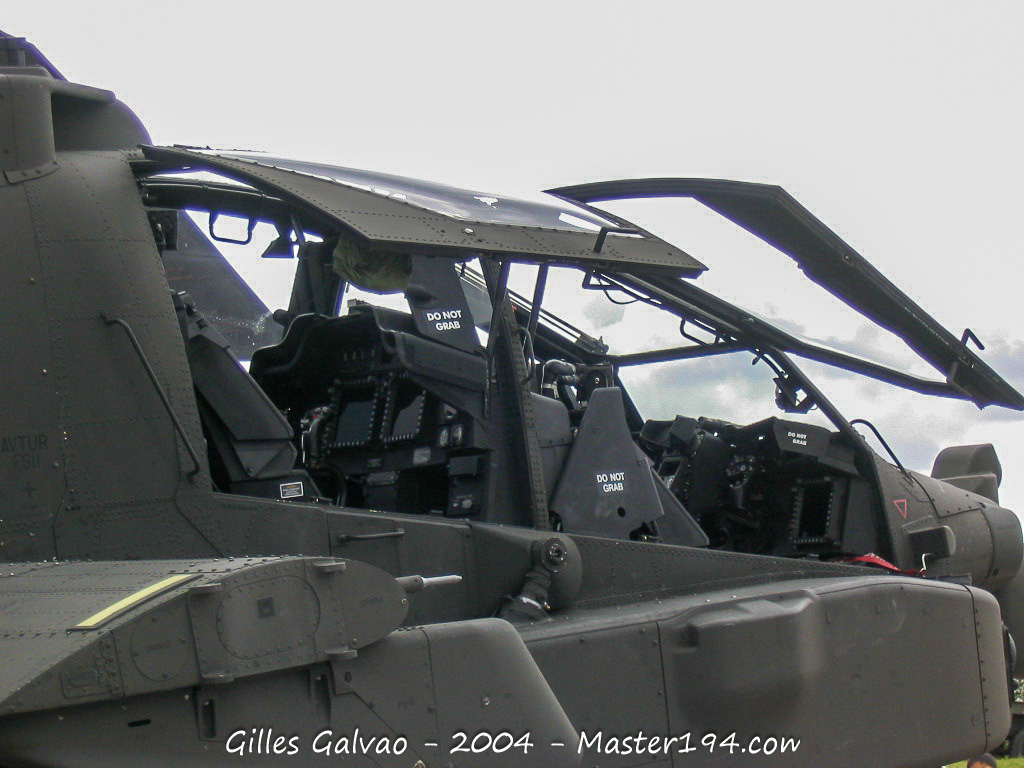
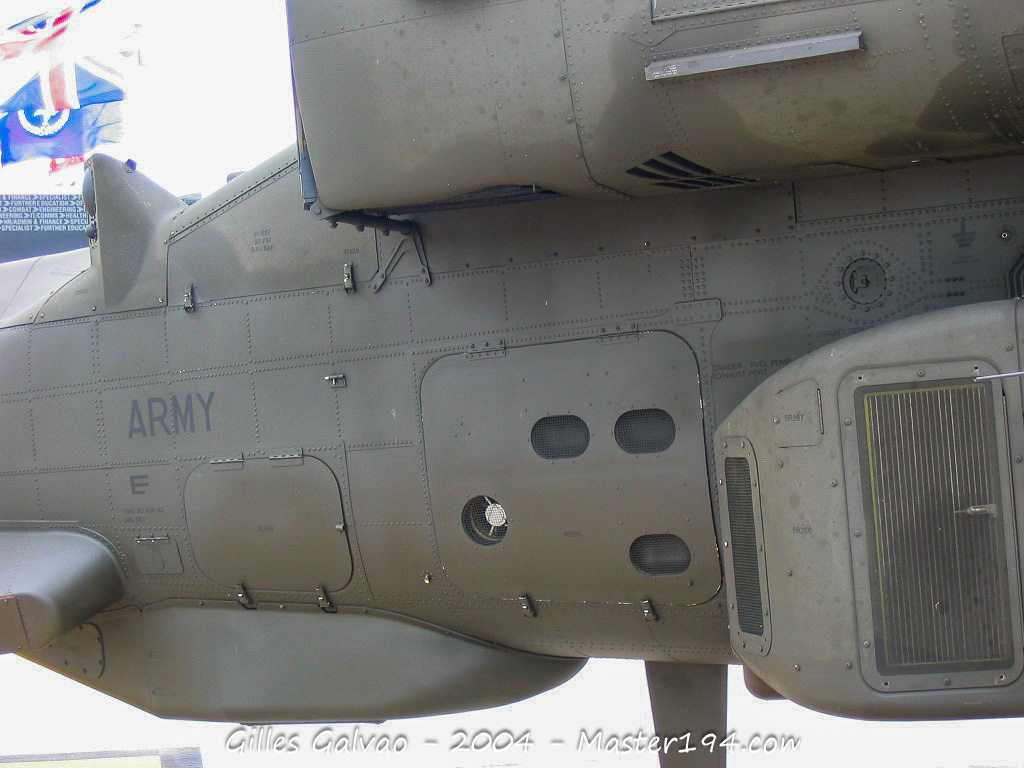
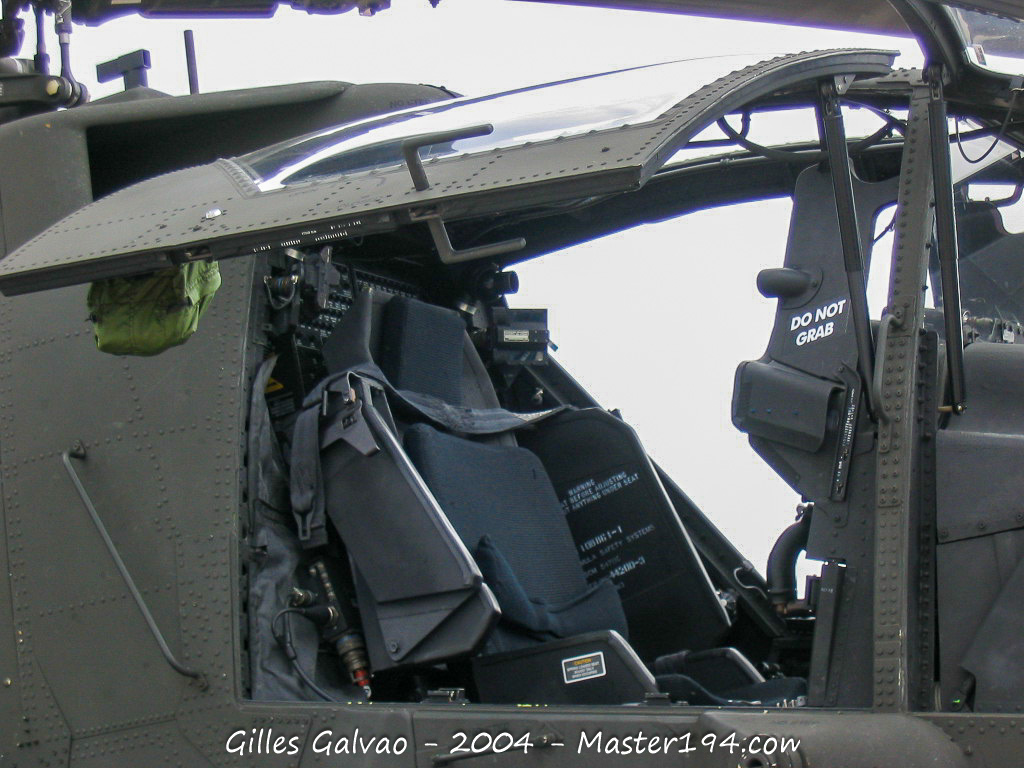
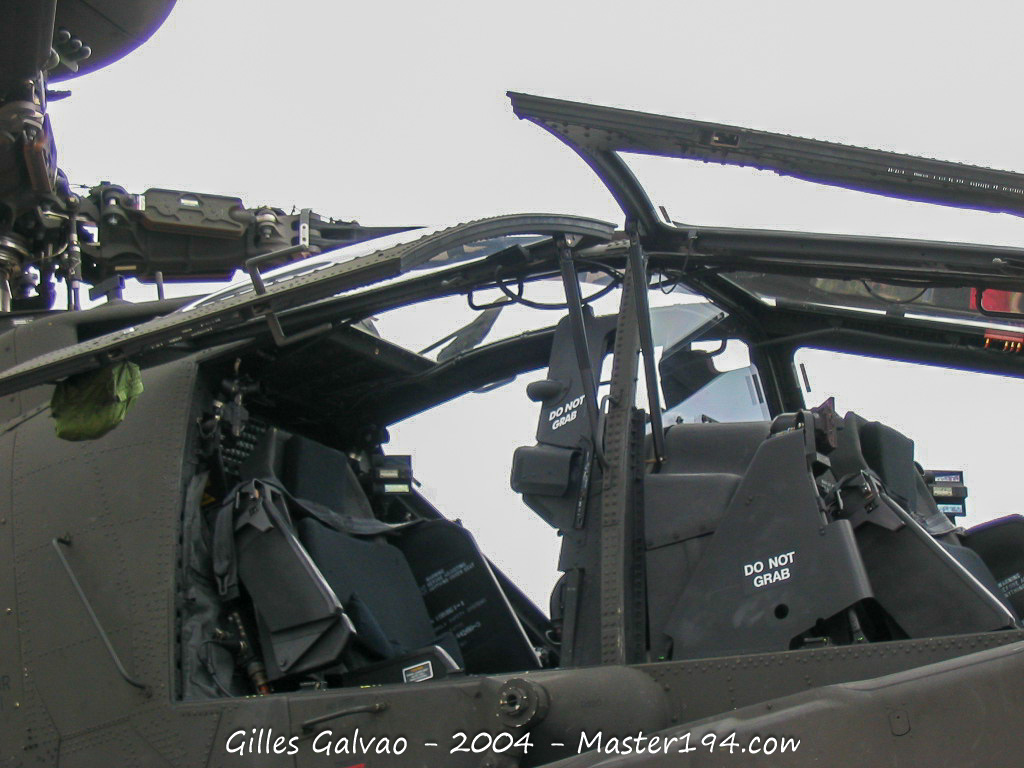
Main Characteristics of the Apache AH Mk.1
- Crew: 2
- Powerplant: 2 × Rolls-Royce/Turbomeca RTM322 turboshaft engines
- Maximum Speed: Approx. 290 km/h
- Armament:
- 1 × 30mm M230 chain gun
- AGM-114 Hellfire missiles
- CRV7 rockets (70mm)
- AIM-92 Stinger air-to-air missiles (depending on configuration)
- Radar: AN/APG-78 Longbow
- UK Manufacturer: Westland Helicopters
- Role: Attack and Close Air Support