 by
For many scale modellers, the Panavia Tornado instantly conjures up images of massive Cold War silhouettes, high-speed low-level dashes, and the Royal Air Force’s characteristic two-tone camouflage schemes. However, the specific airframe we are focusing on today, Tornado ZA541, has a unique history that will instantly resonate with an entire generation of enthusiasts.
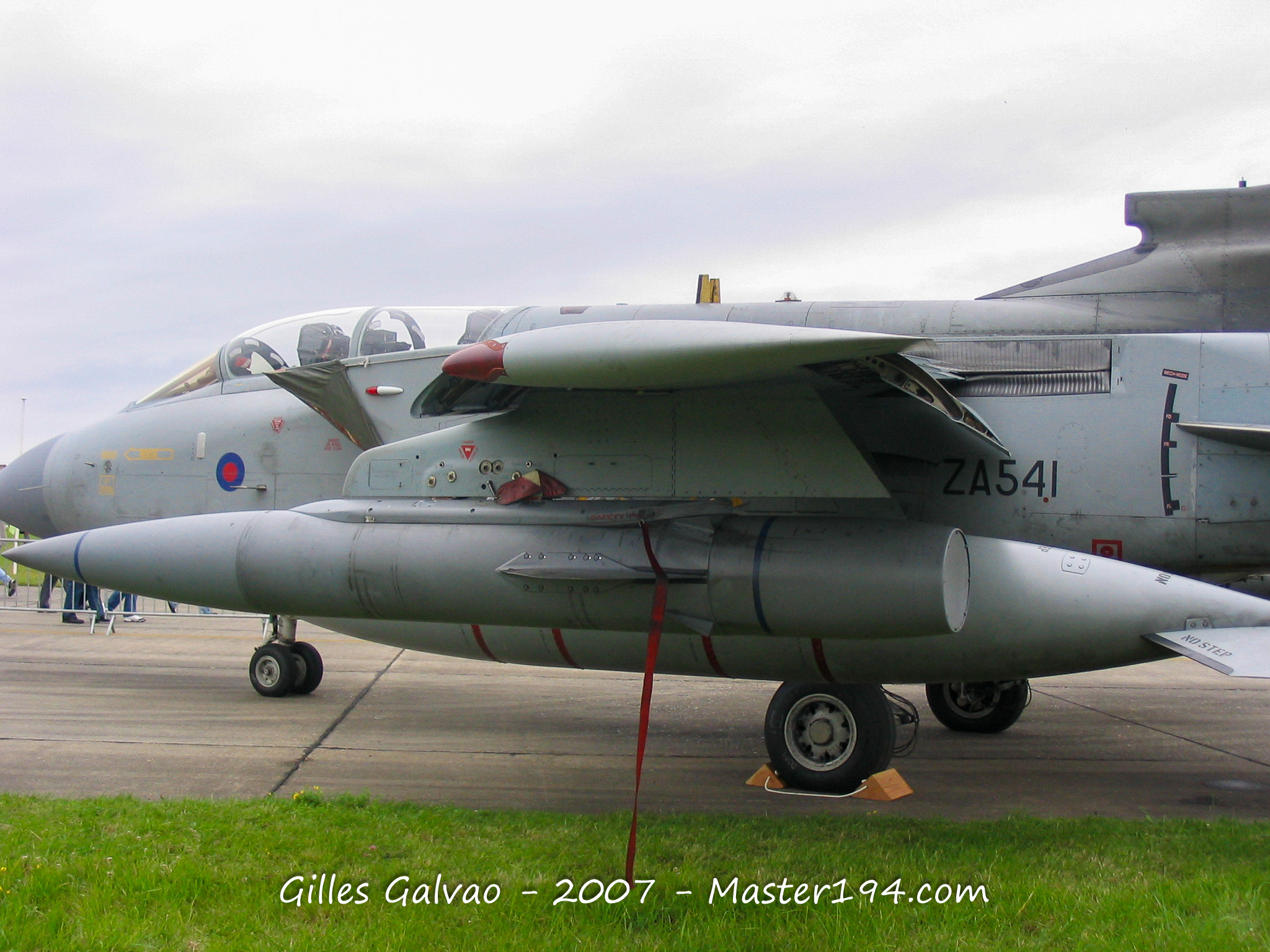
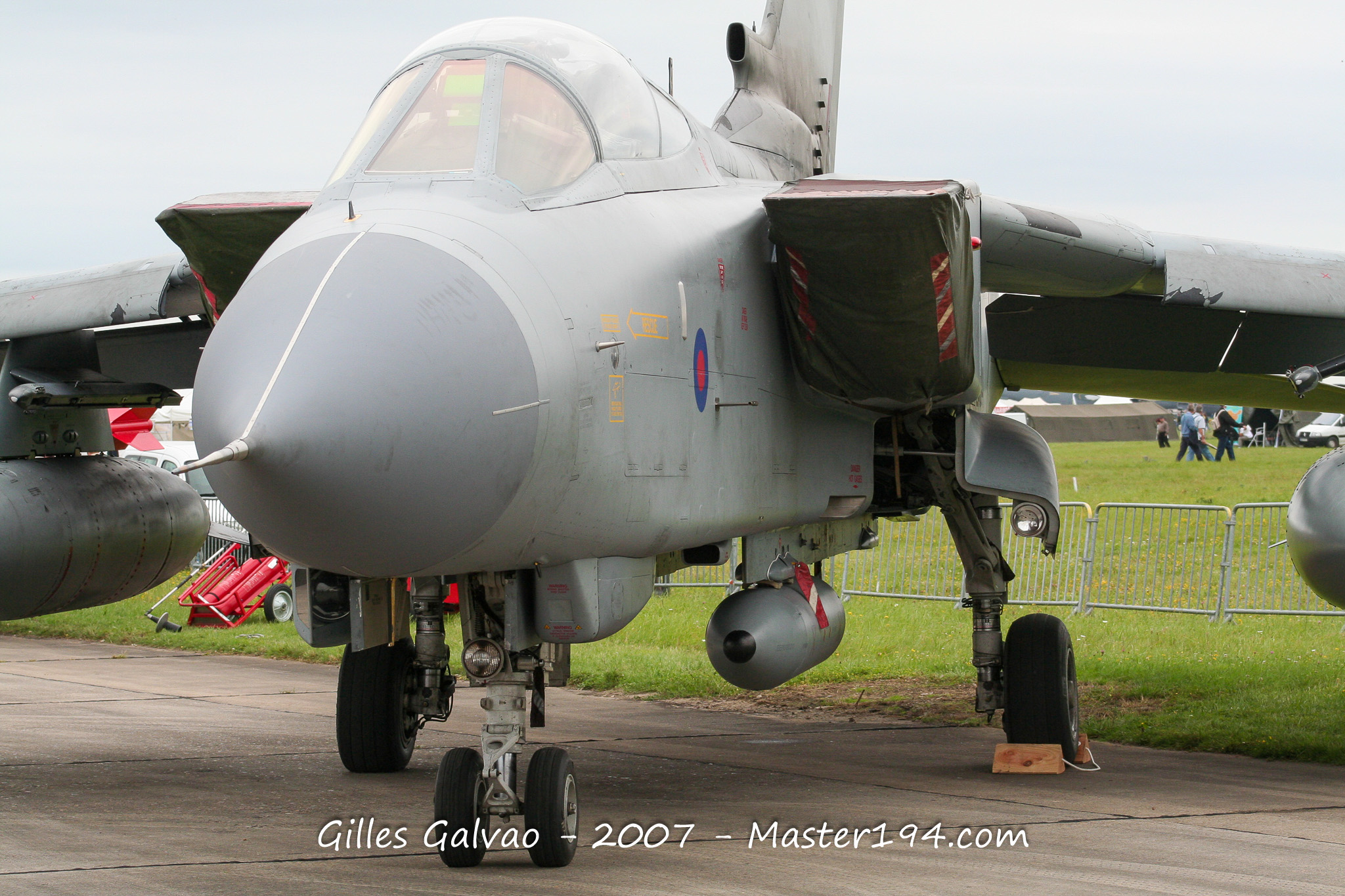
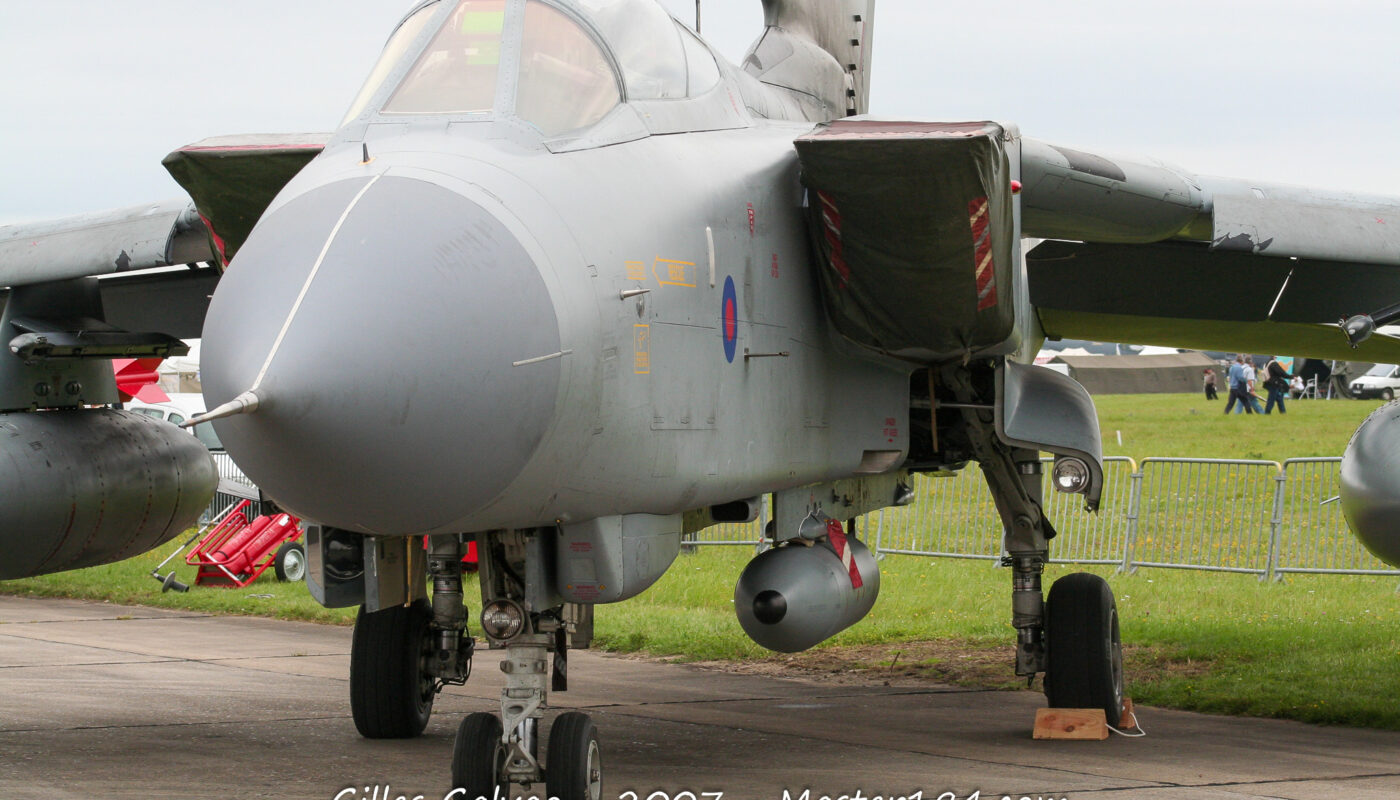
I had the opportunity to see this aircraft at the Evreux Airshow in 2007, sporting a grey camouflage scheme in its GR.4 configuration. It was on this occasion that I managed to shoot a walkaround.
From the Airfix workbench to real-world operations
Rolling out of the British Aerospace factory at Warton in July 1981, ZA541 is a historic aircraft in more ways than one. Starting life as a GR.1(T)—the twin-seat, dual-control version designed for training and operational conversion—it spent its early years of service with the Tornado Weapons Conversion Unit (TWCU), before joining the prestigious No. 617 “Dambusters” Squadron.
Wearing the classic Cold War Dark Green / Dark Sea Grey camouflage at the time, this exact airframe was chosen by Airfix to feature on and market its famous 1/72 scale kit (reference 04027), depicted in TWCU markings at RAF Honington in 1982. For a whole generation of enthusiasts, ZA541 was a model kit long before it was a real aircraft.
Thirty-five years of technical evolution
Standing as a testament to the Tornado’s remarkable longevity within the RAF, ZA541 did not remain frozen in time. In the late 1990s, it benefited from the extensive upgrade program that progressively converted GR.1 airframes into GR.4(T) standards.
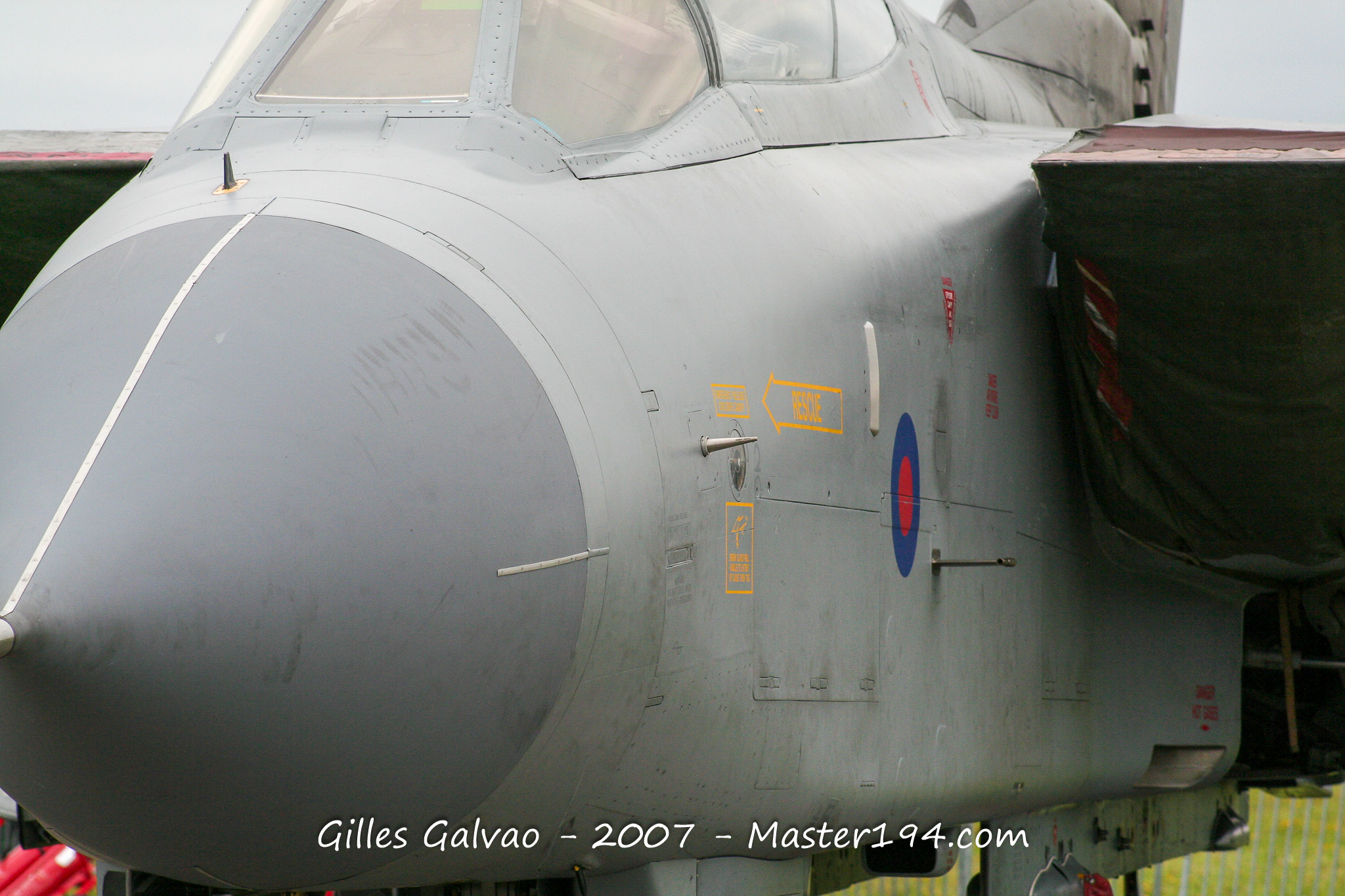
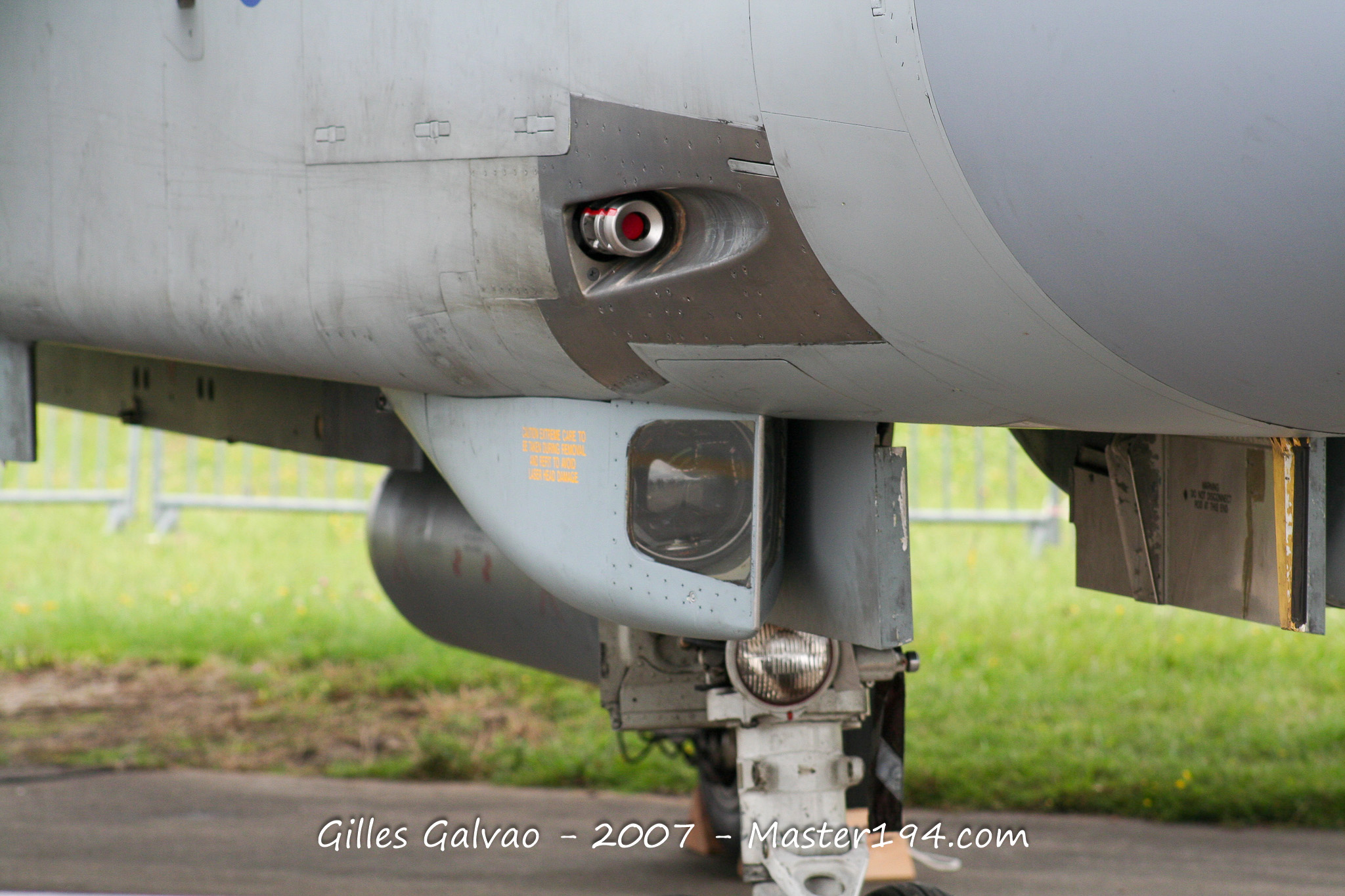
Exit the green and grey Cold War camouflage: the aircraft adopted a uniform Medium Sea Grey livery, received modernized avionics compatible with night vision goggles (NVGs), an under-nose FLIR system, and the capability to deploy new precision weapons.
It was in this modern configuration that it continued its career with No. 31 “Goldstars” Squadron and later No. 1 Squadron, prior to its final retirement from service in 2016.
The Modeller’s Corner
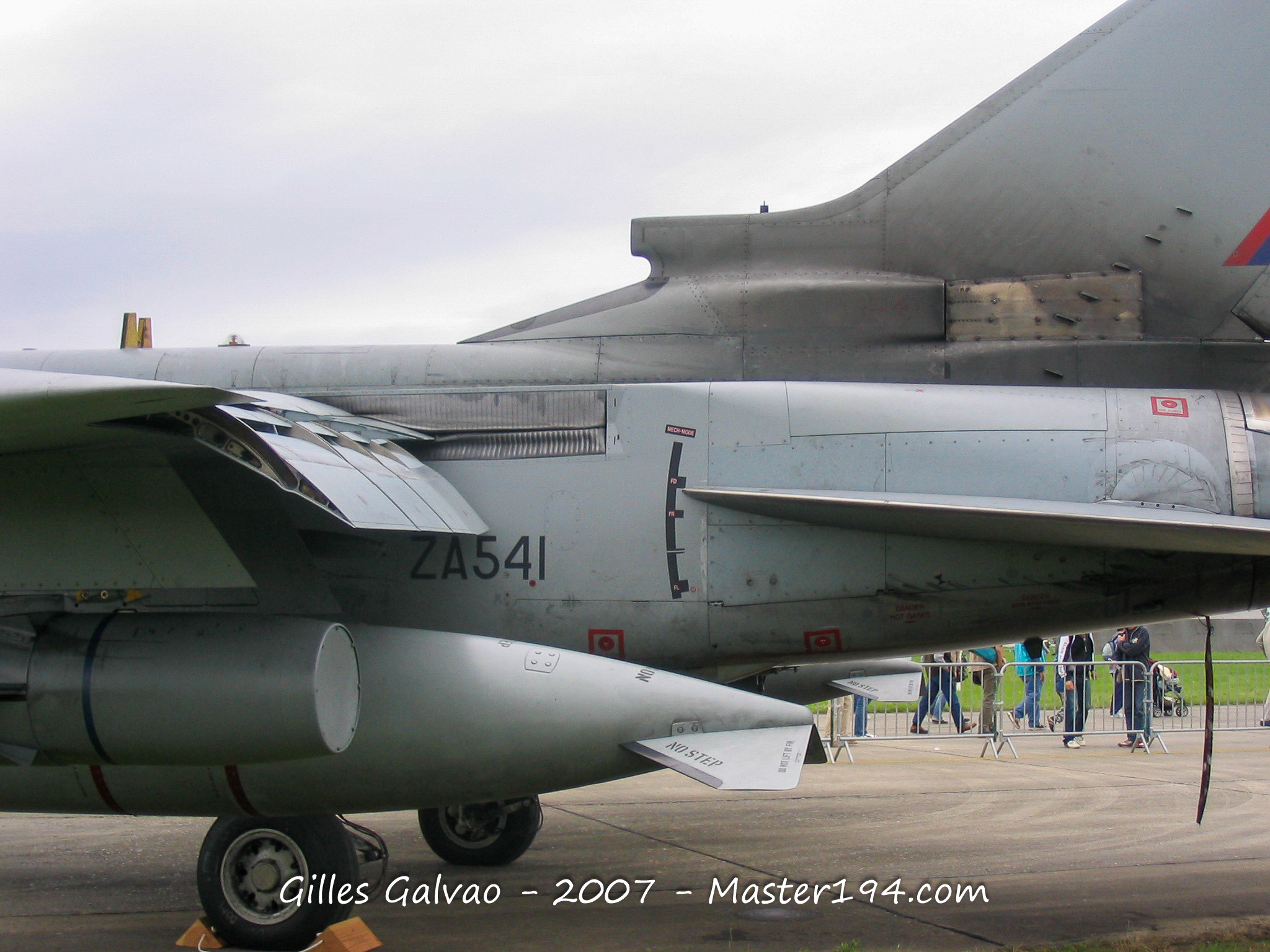
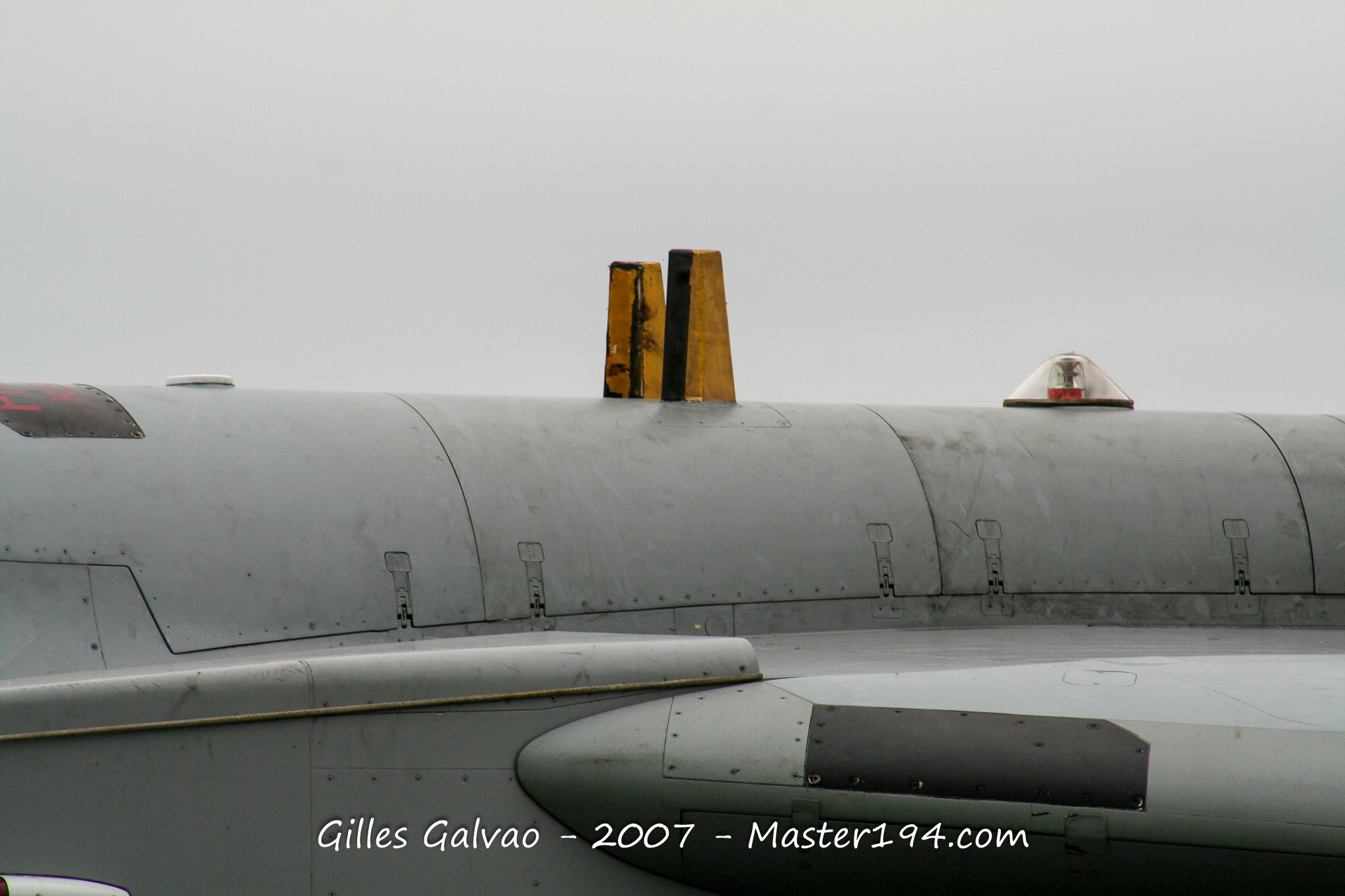
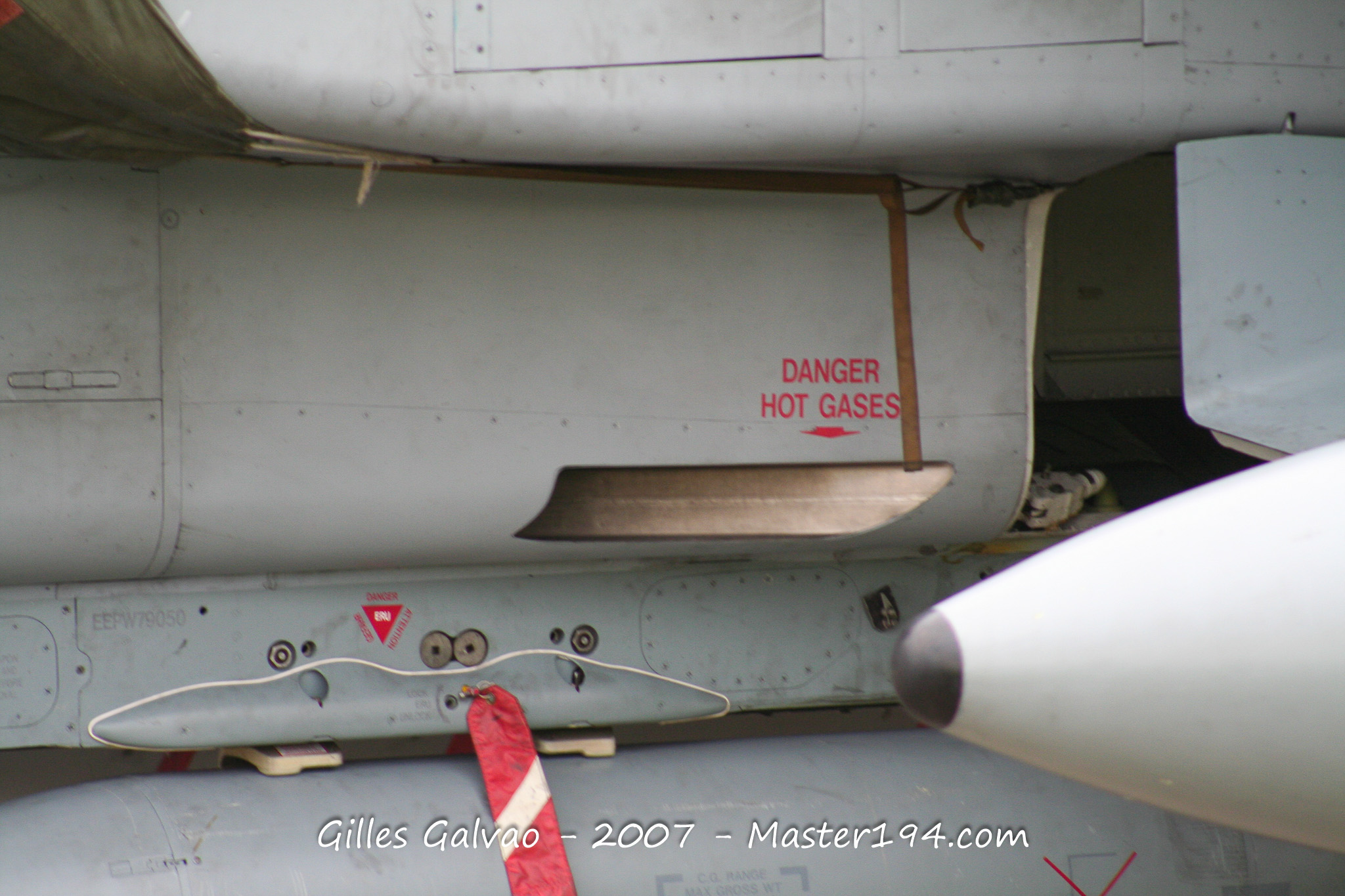
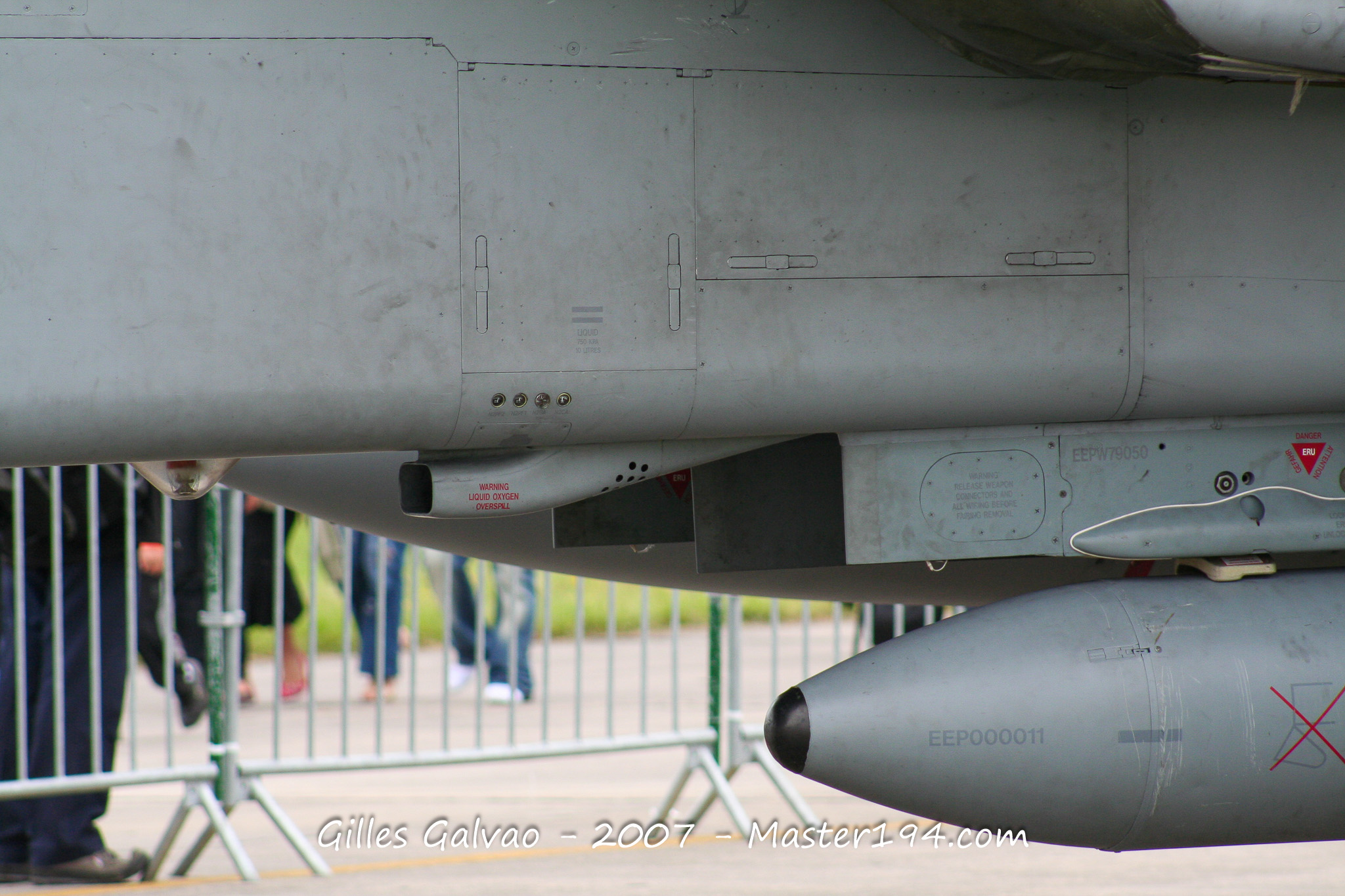
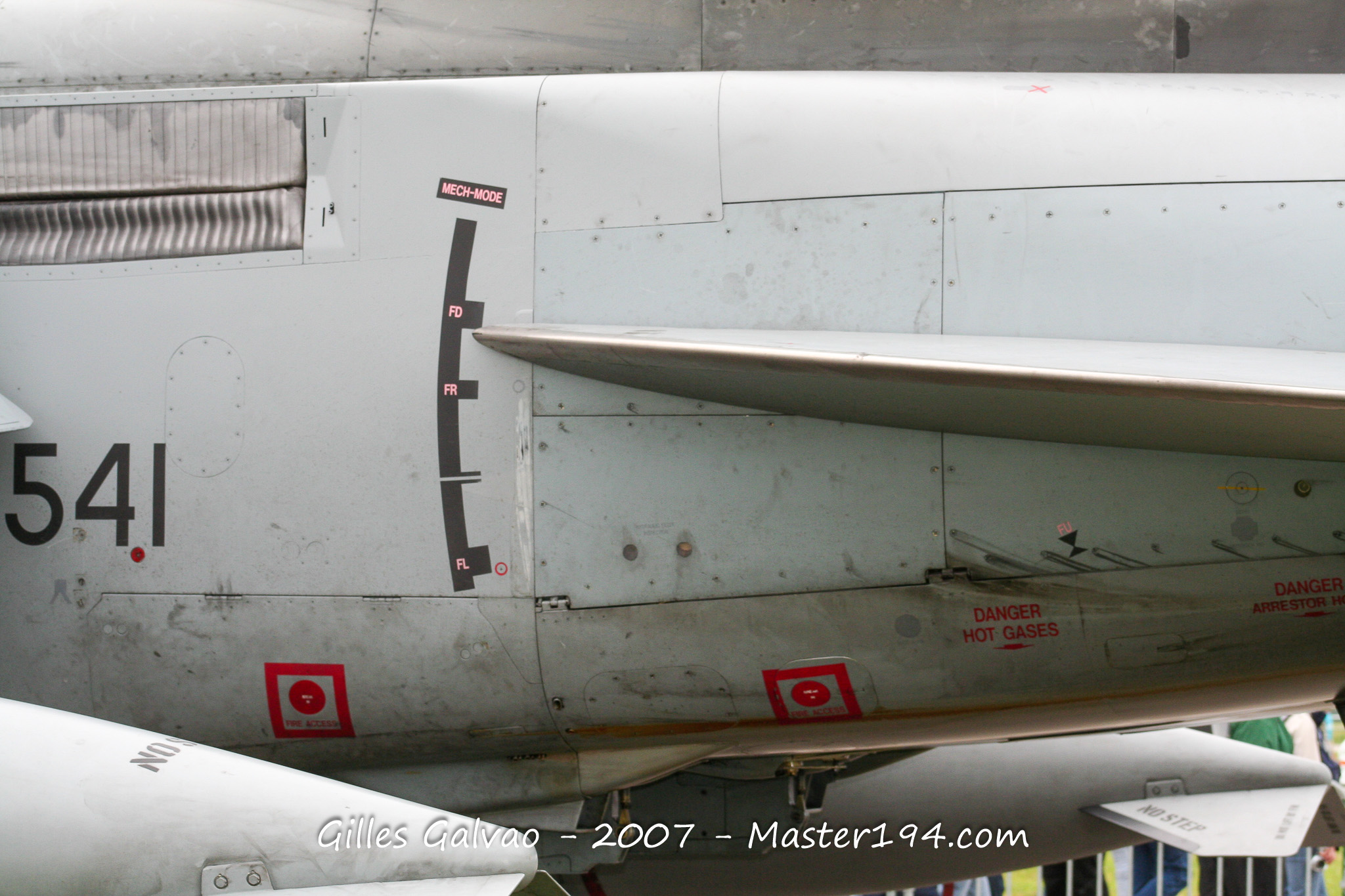
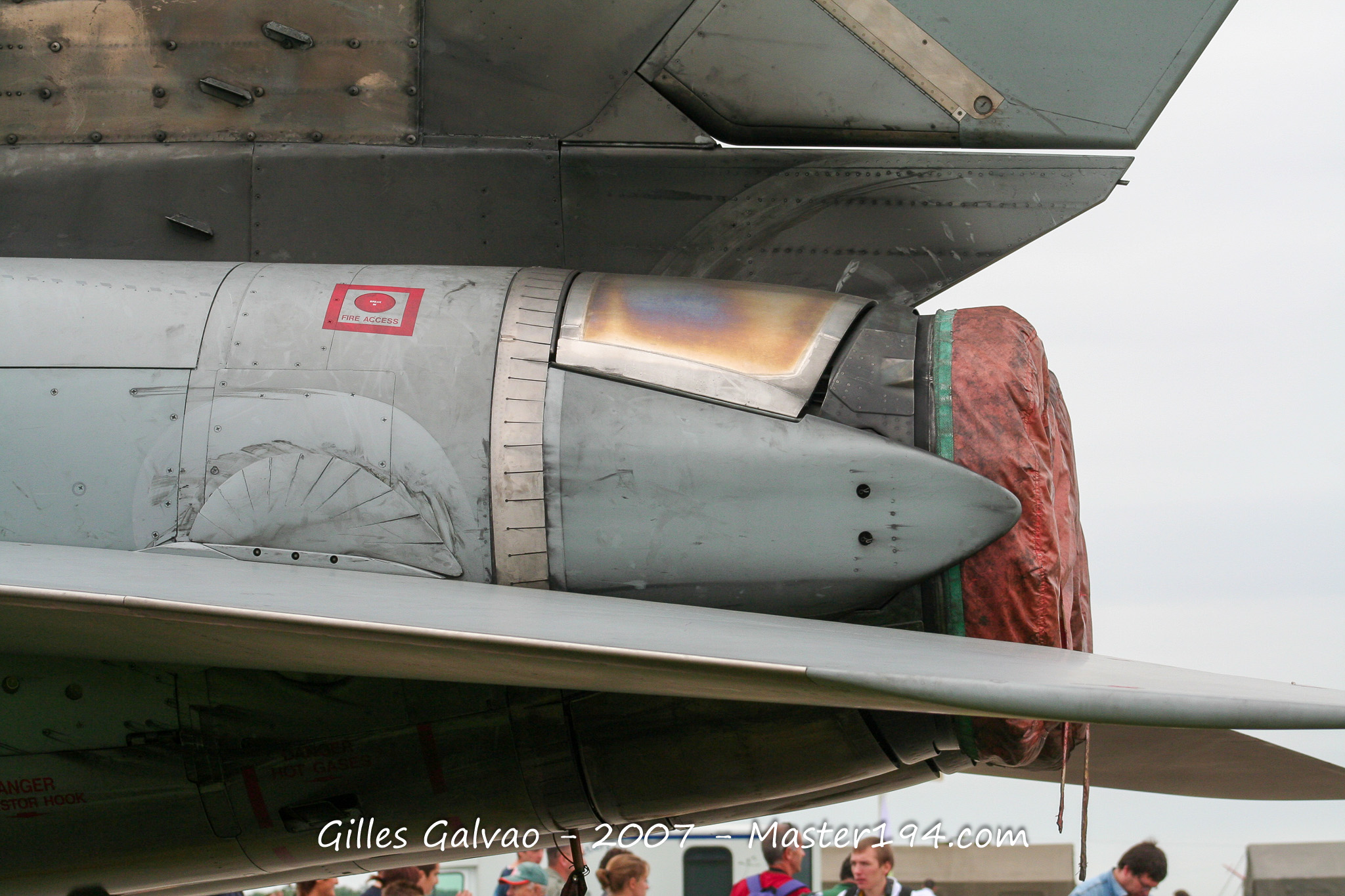
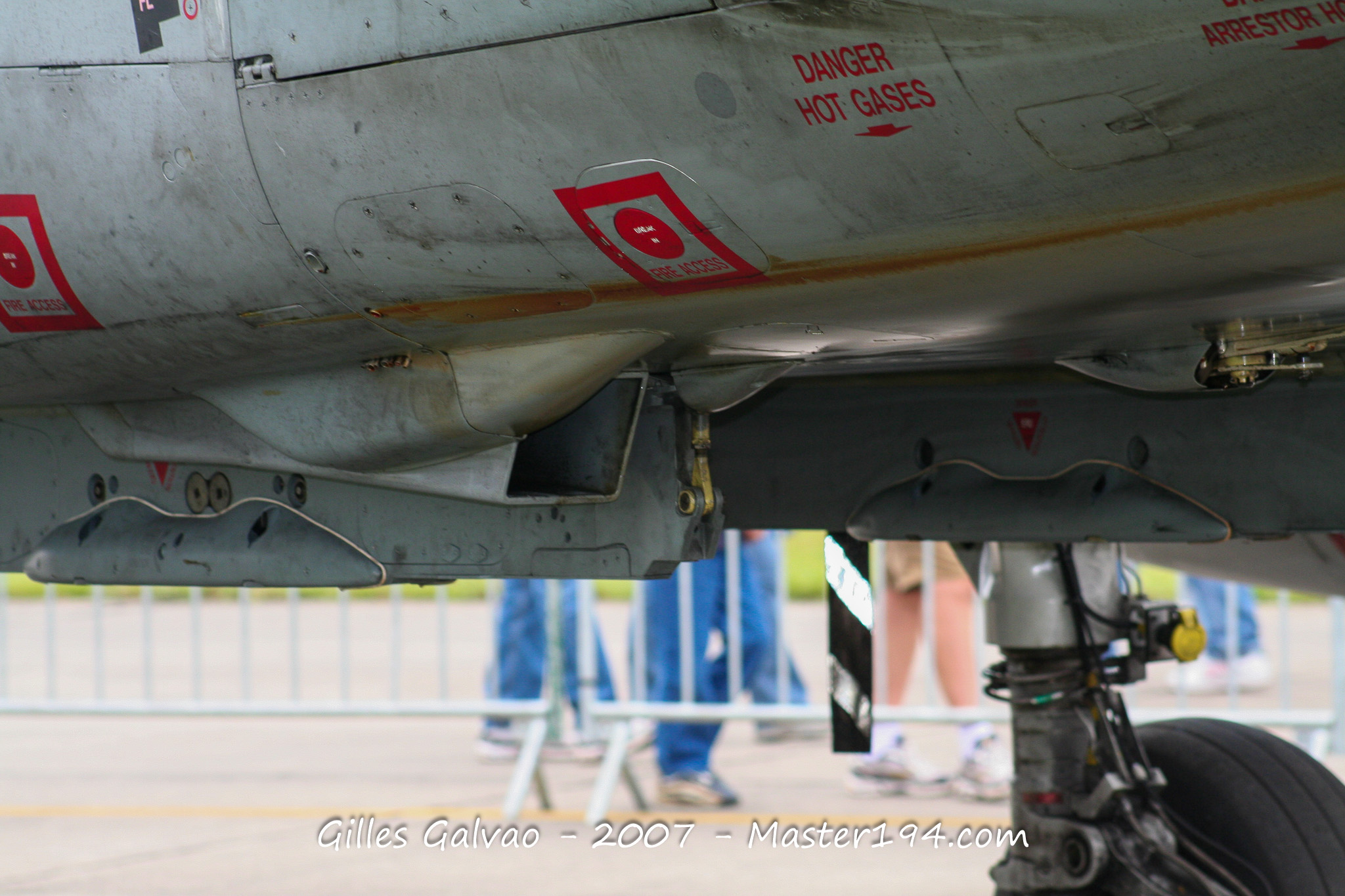
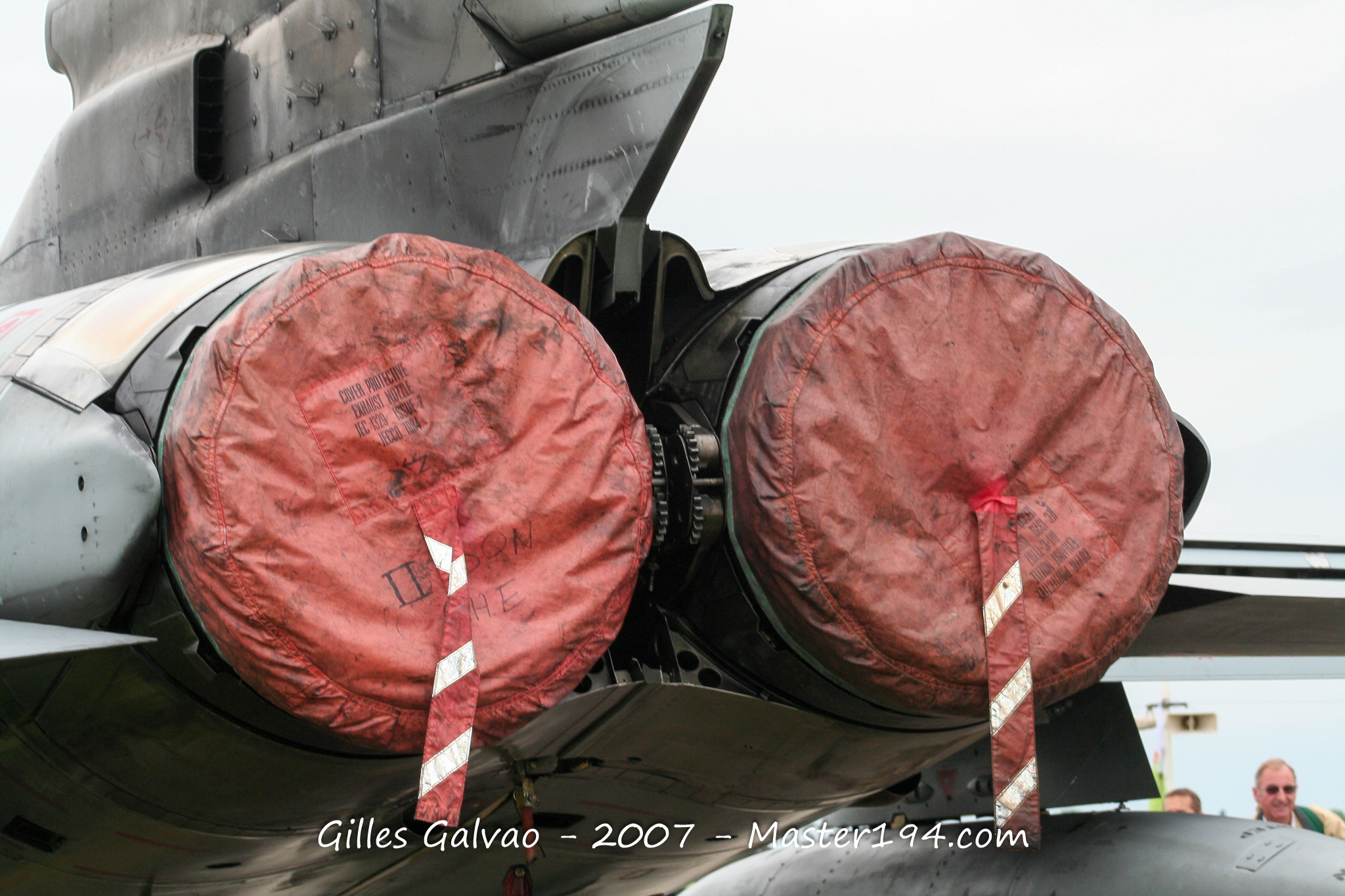
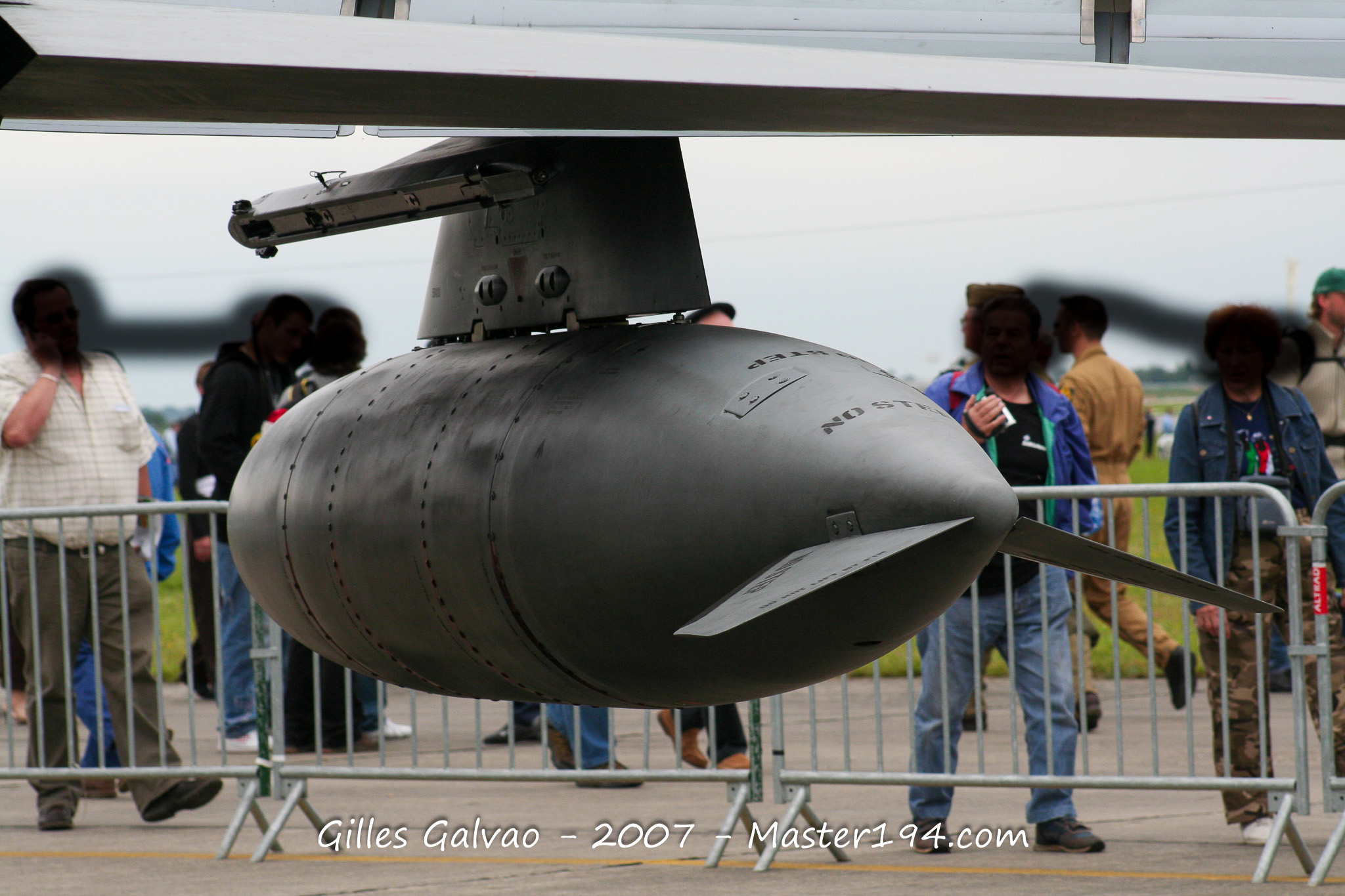
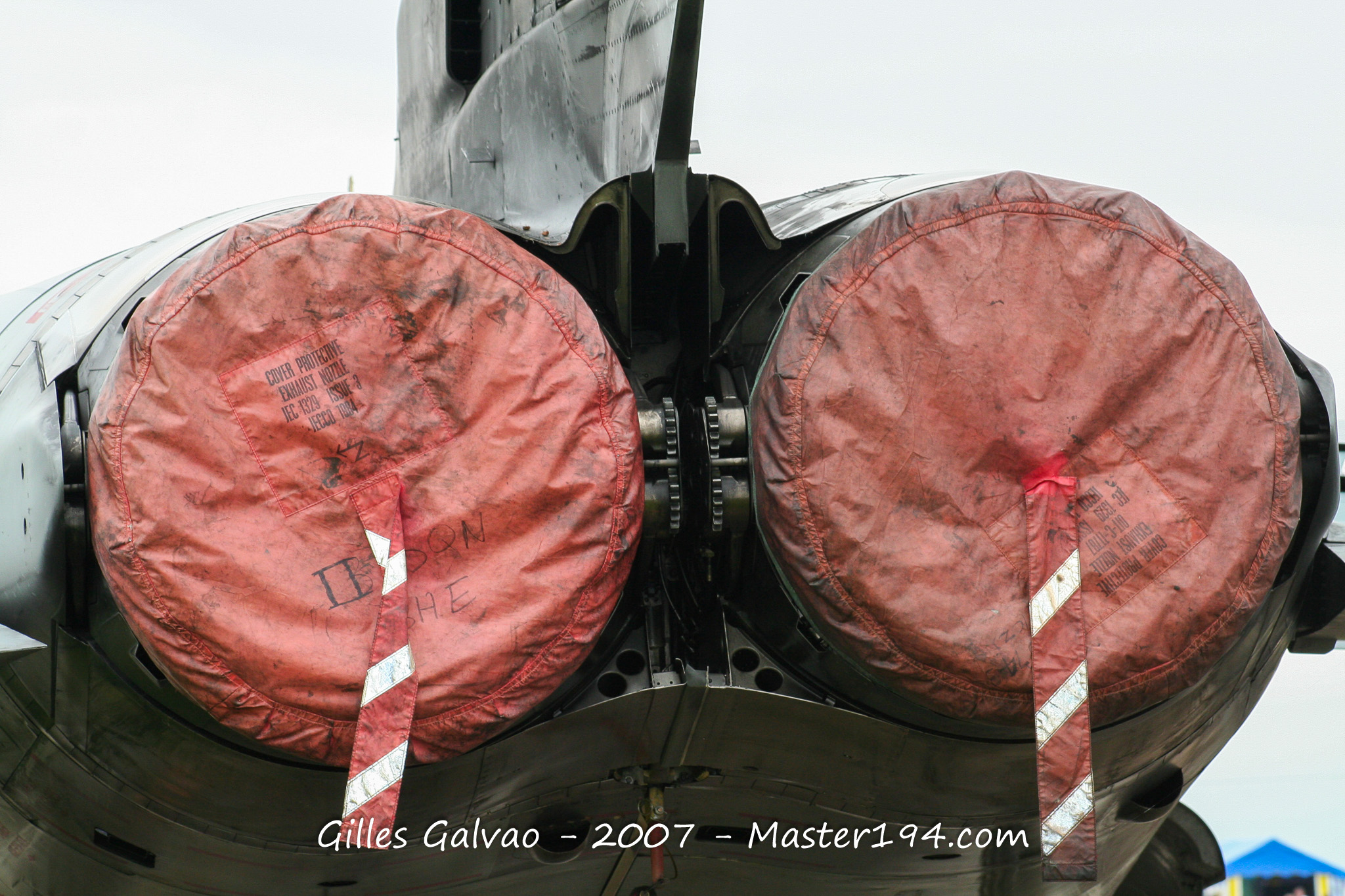
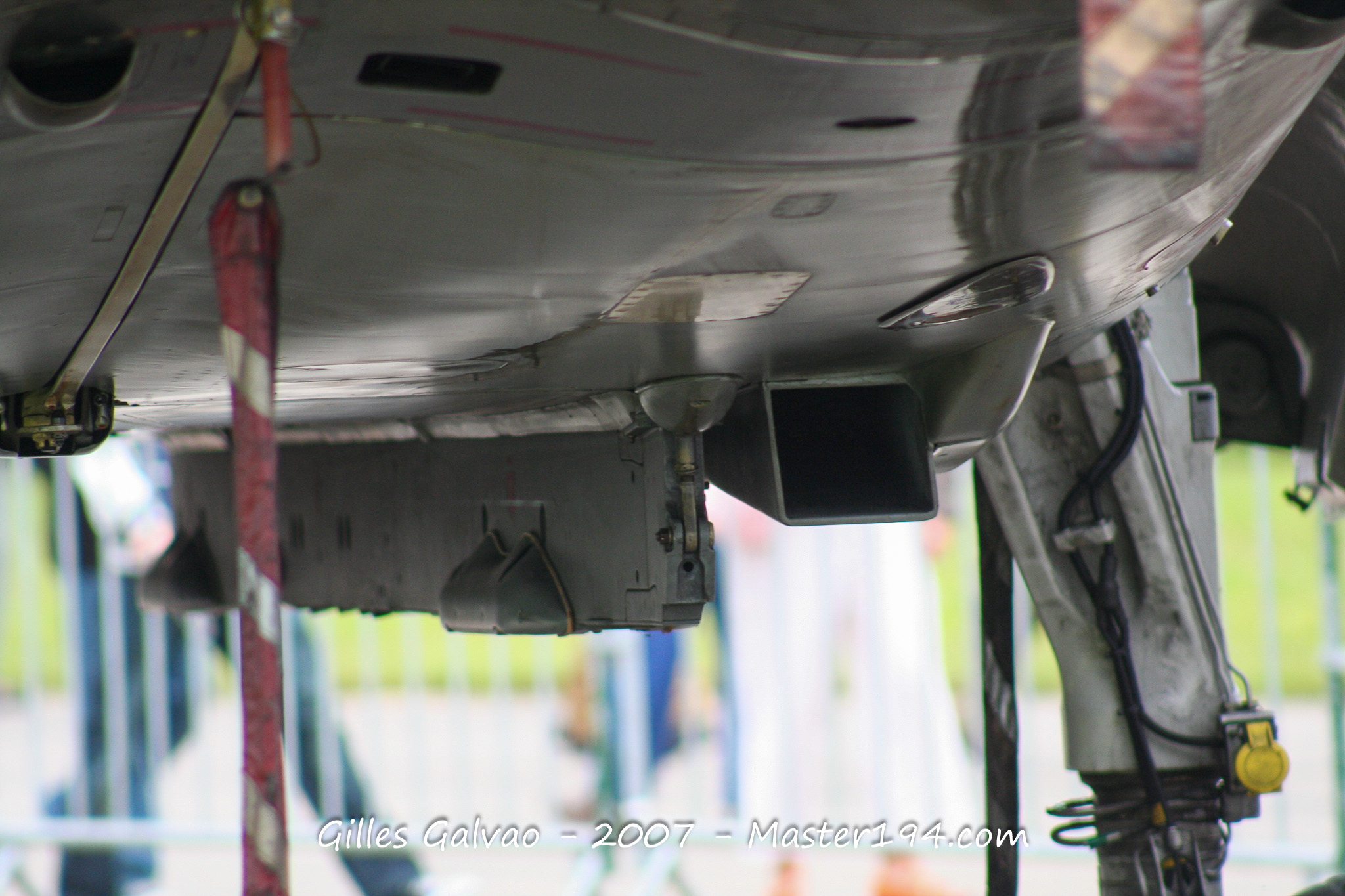
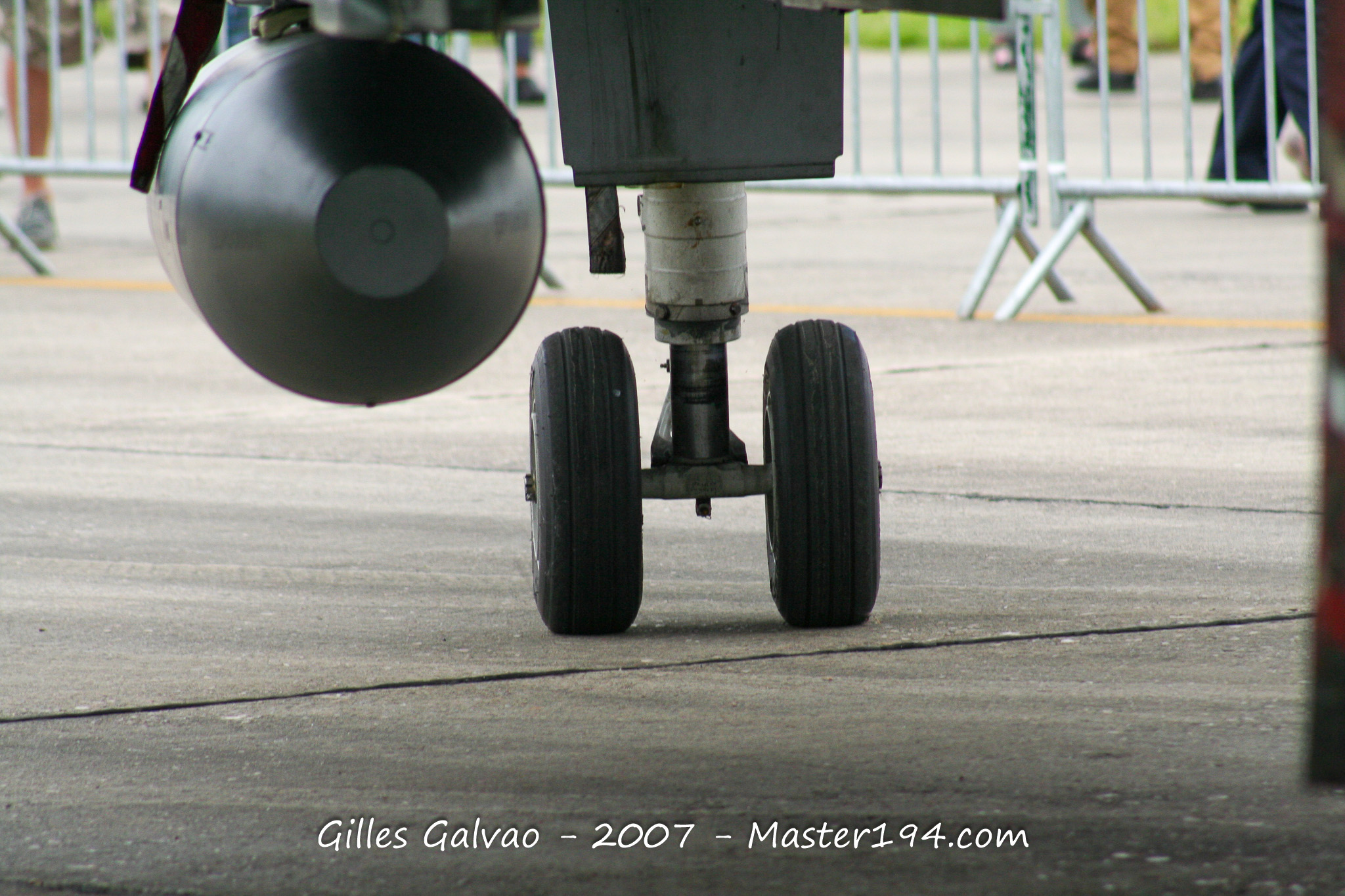
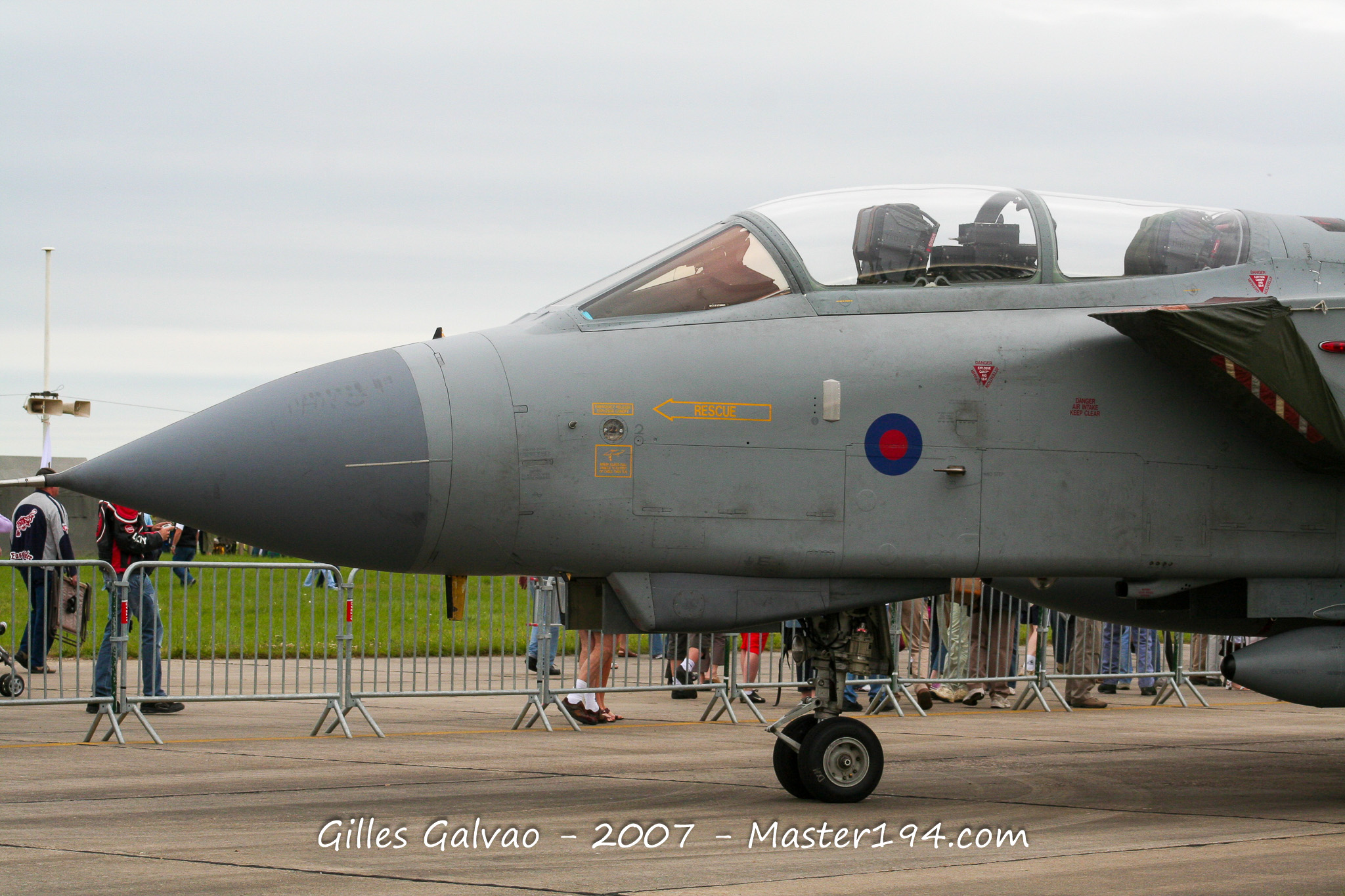
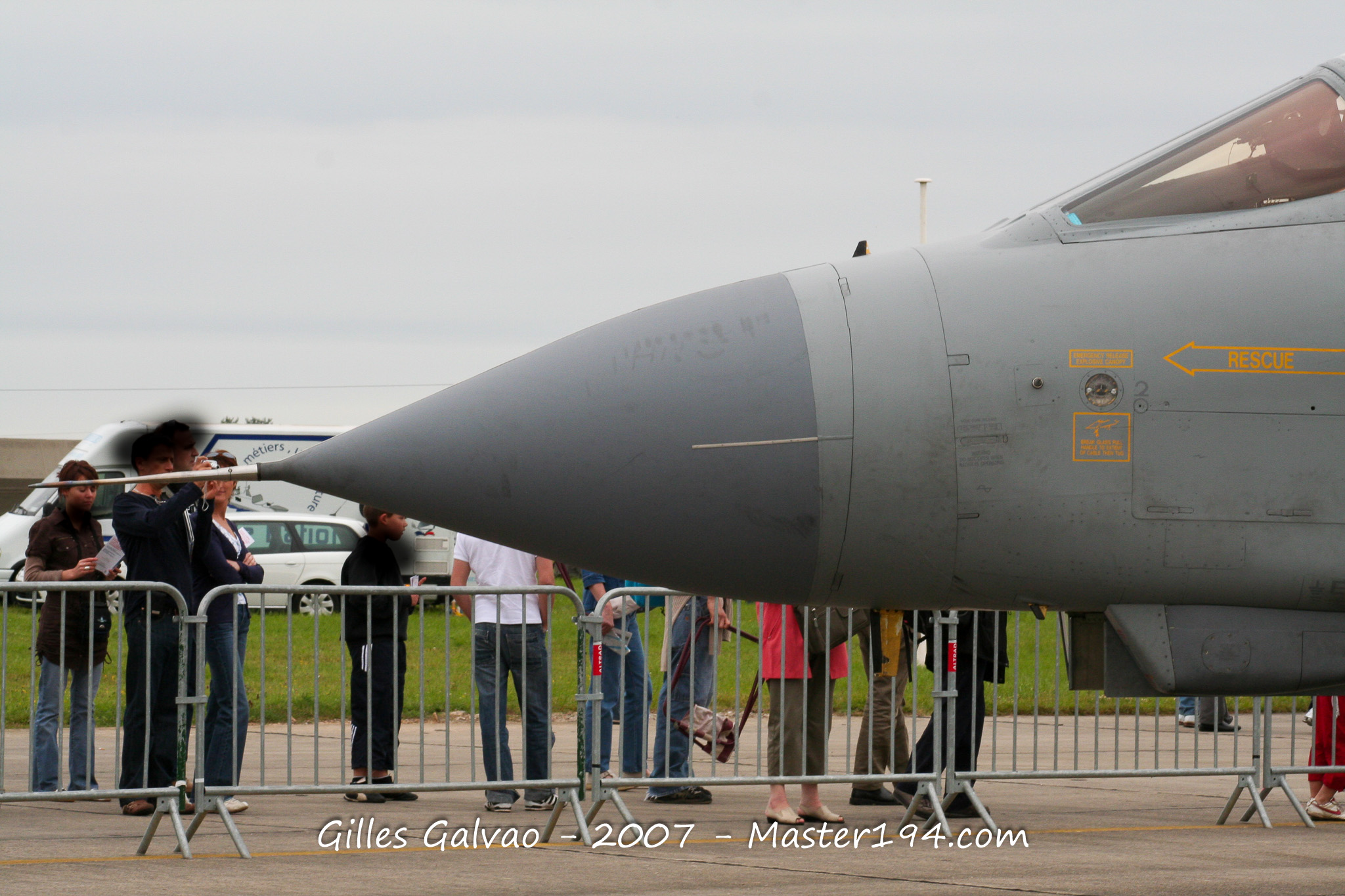
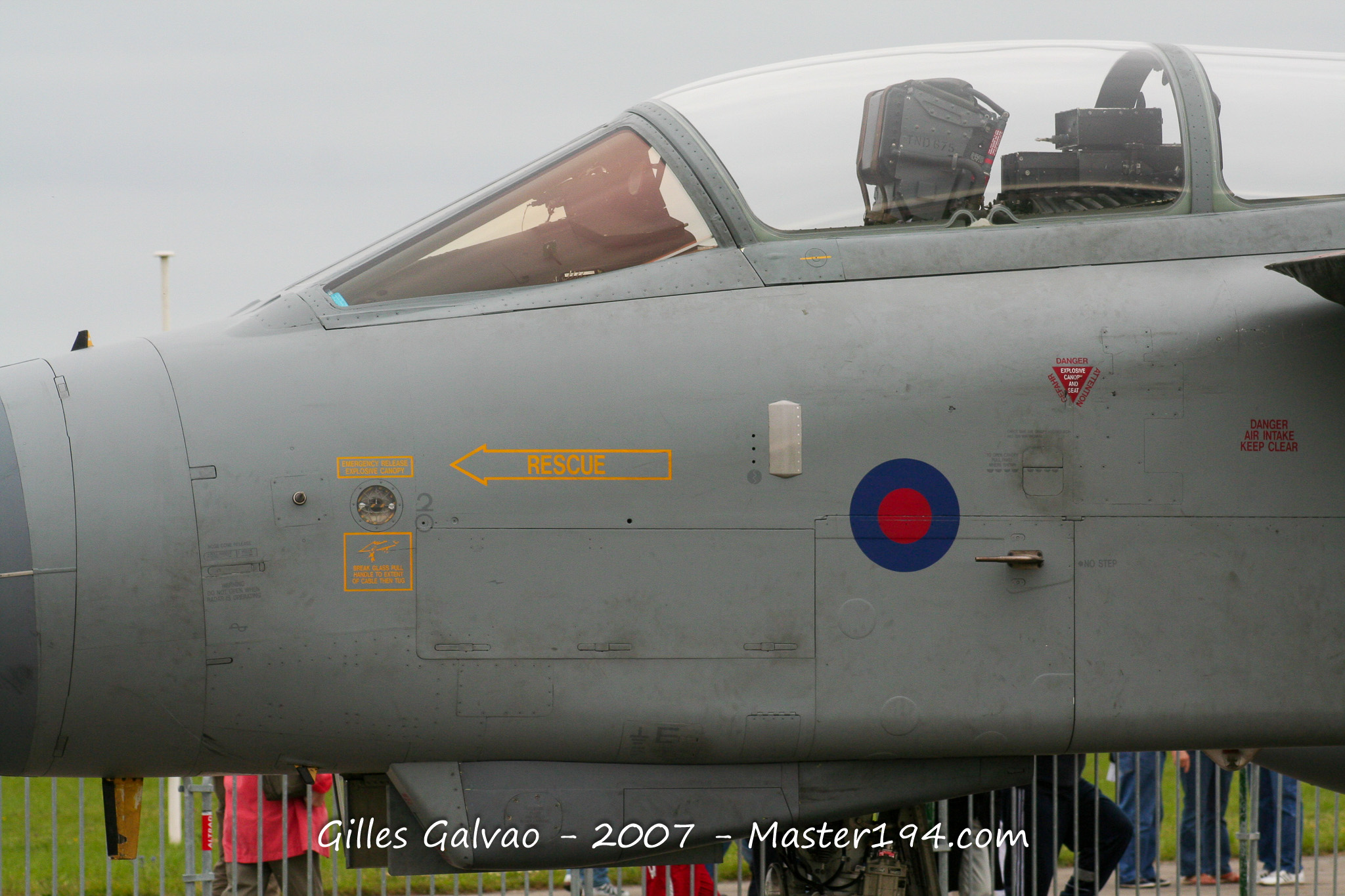
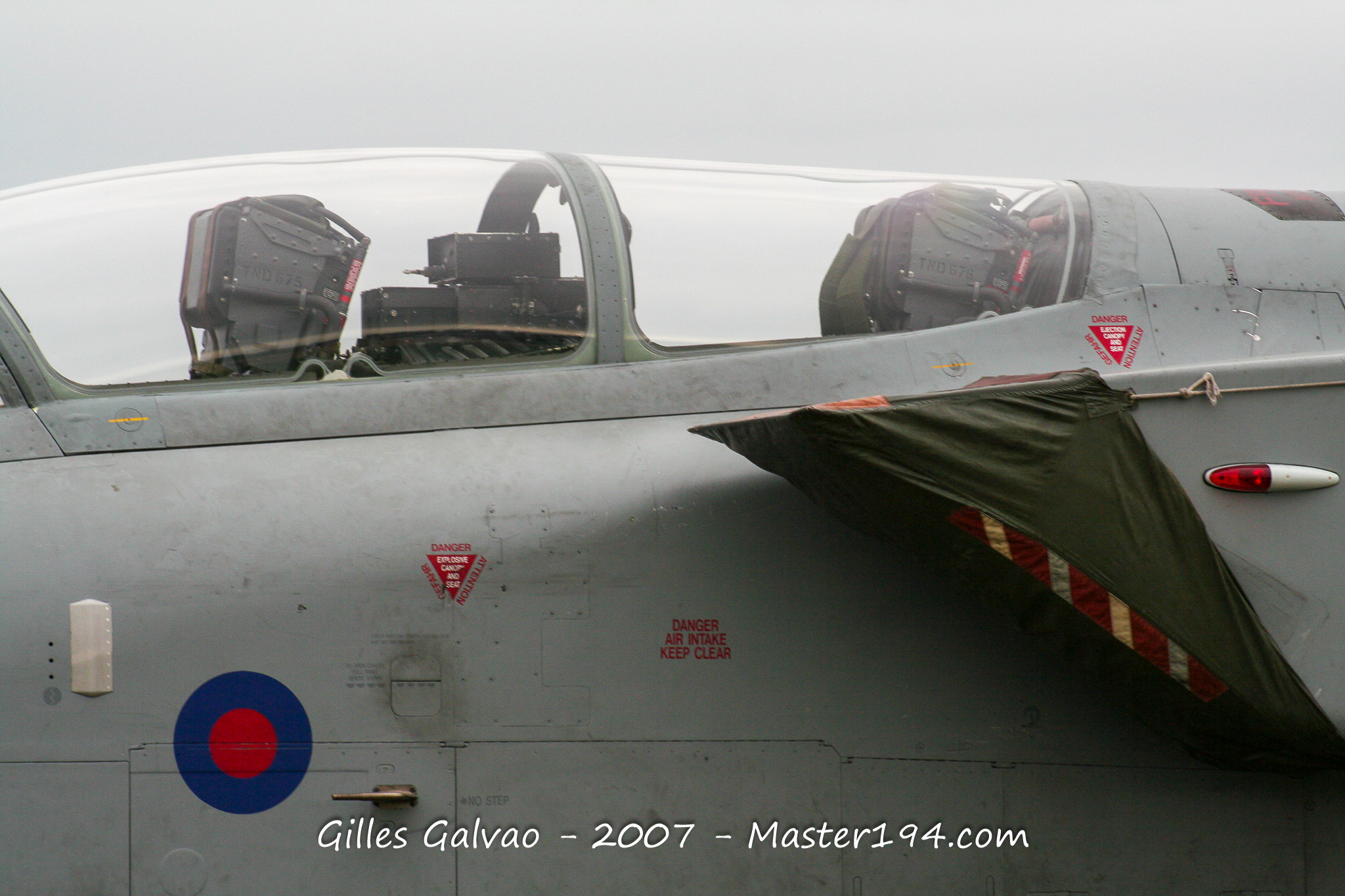
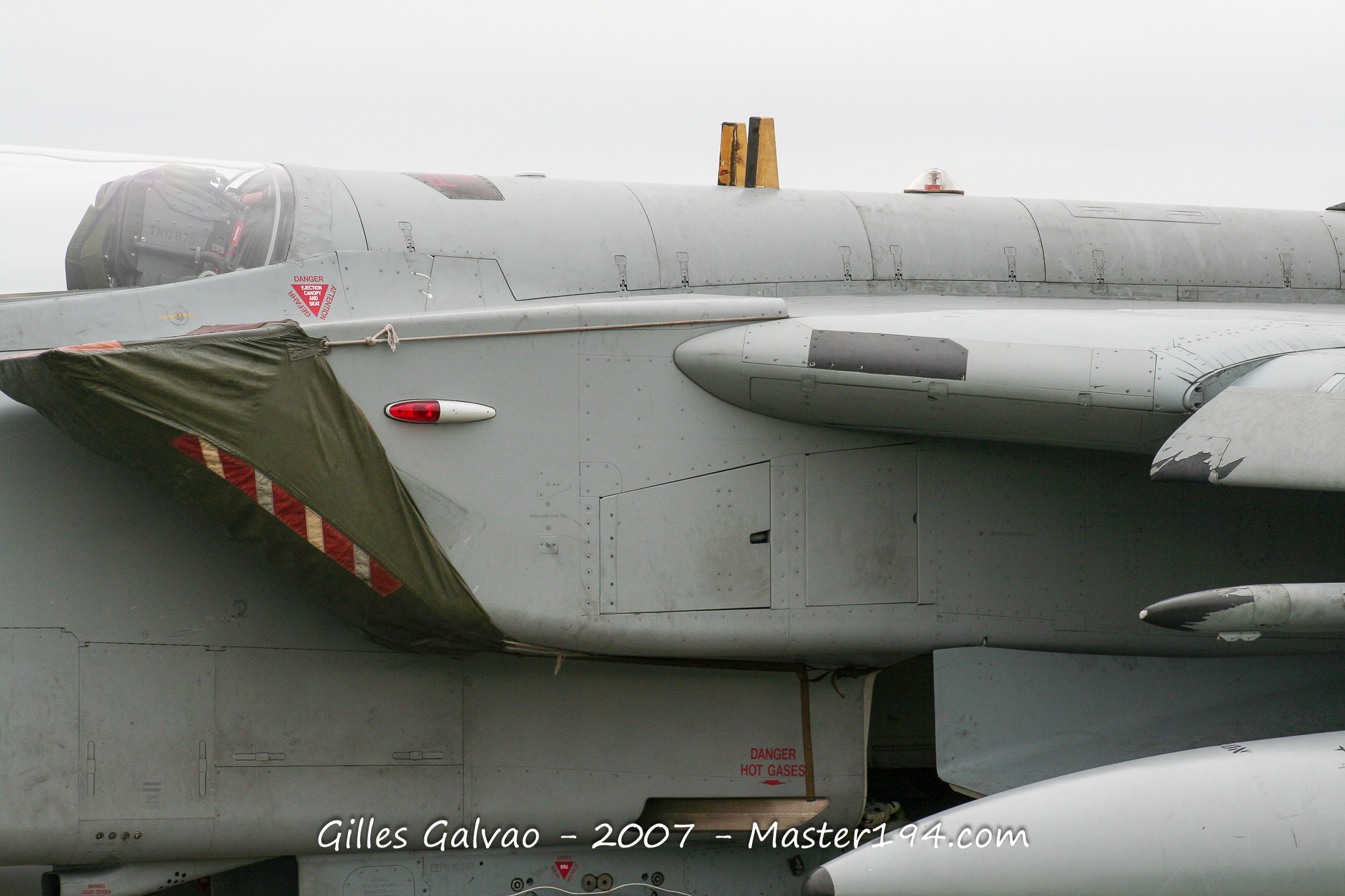
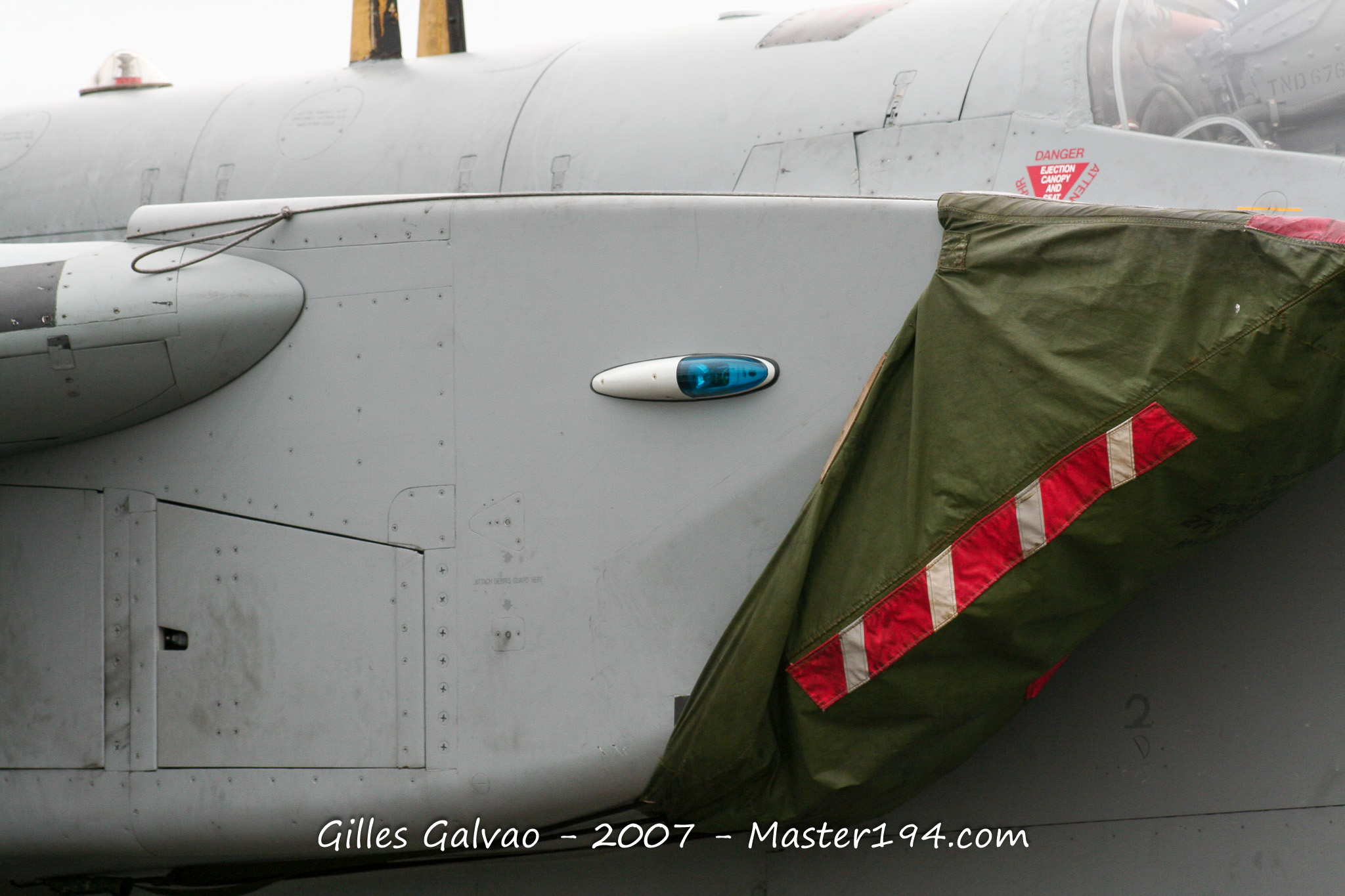
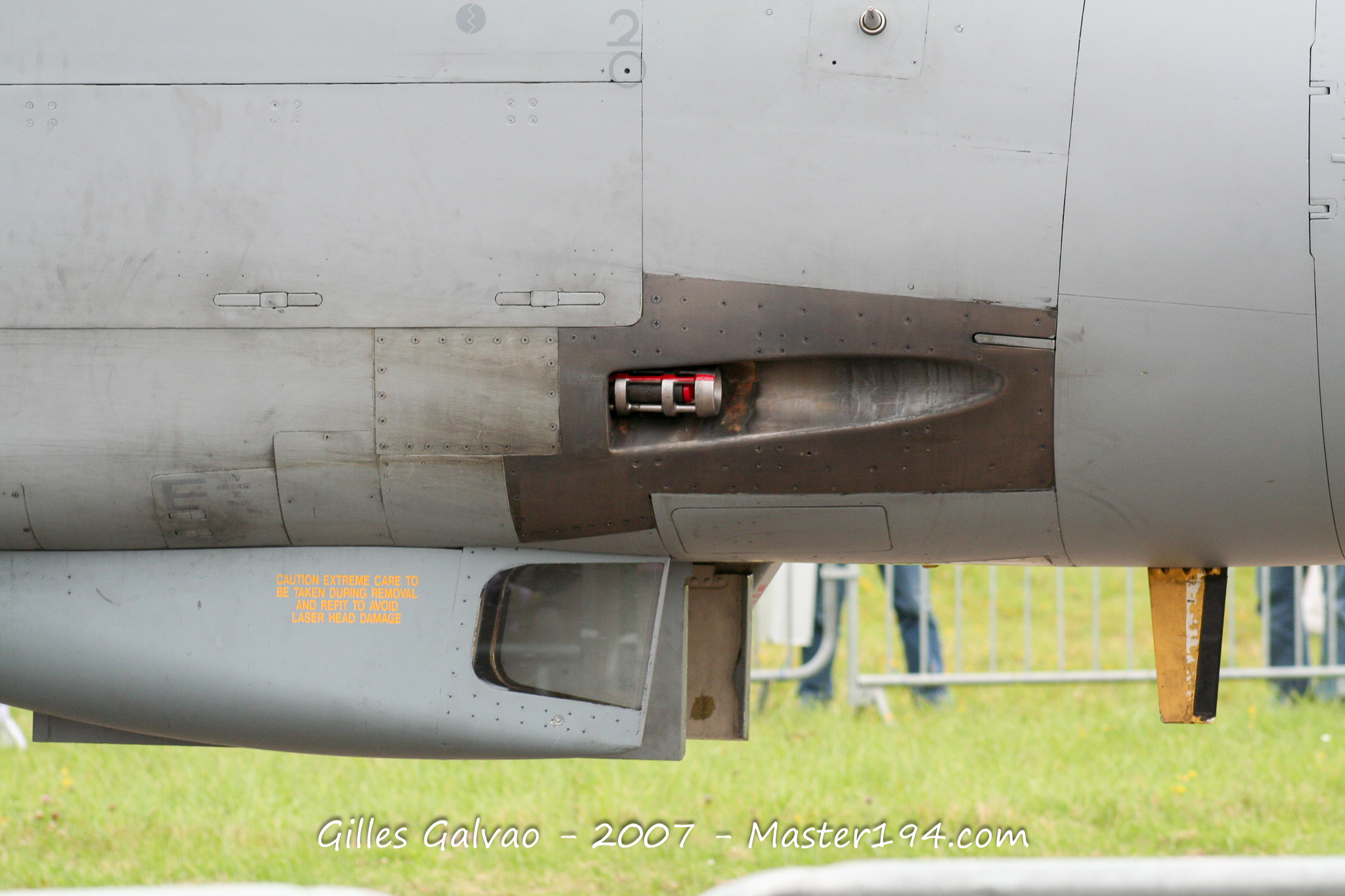
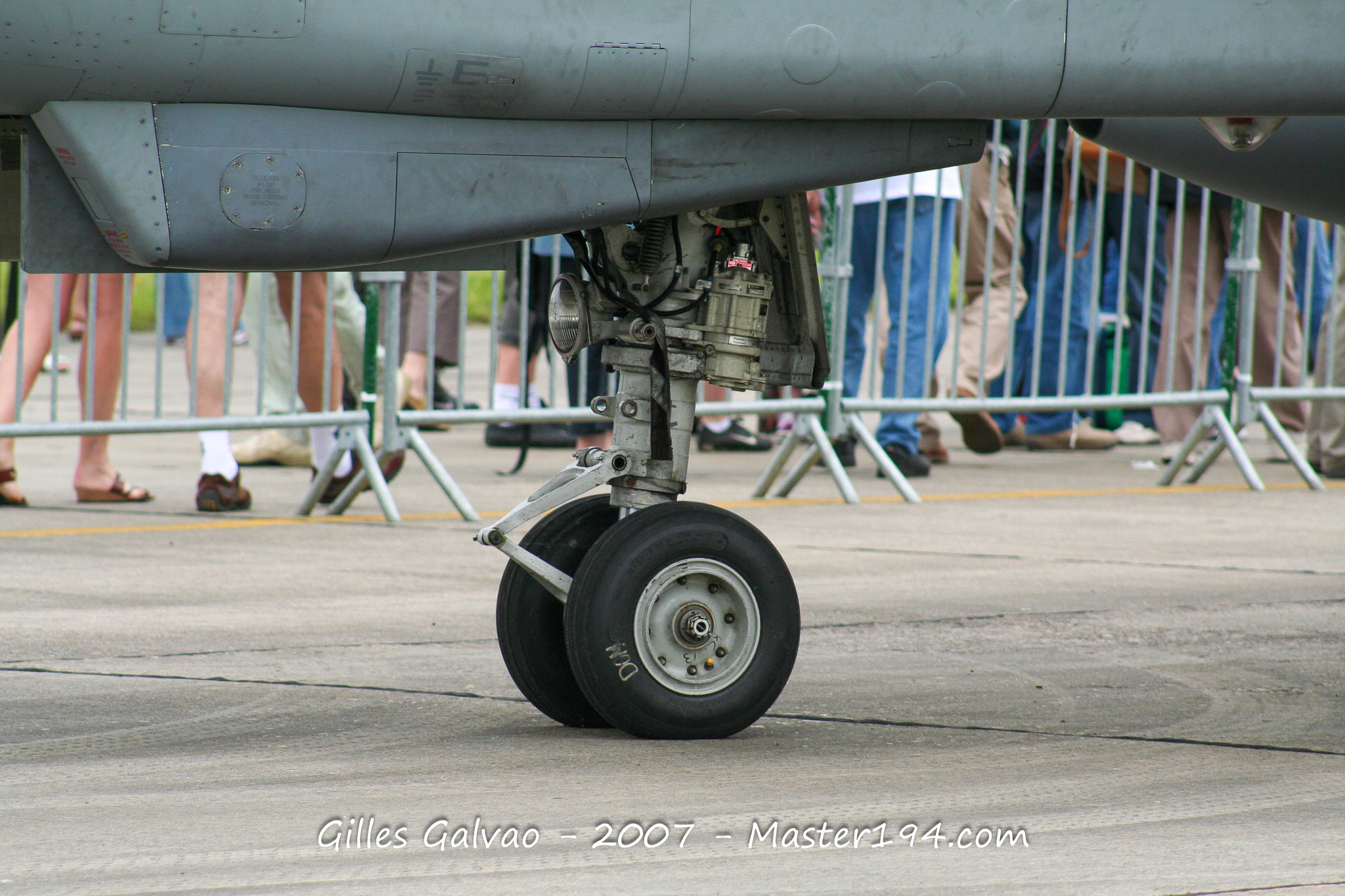
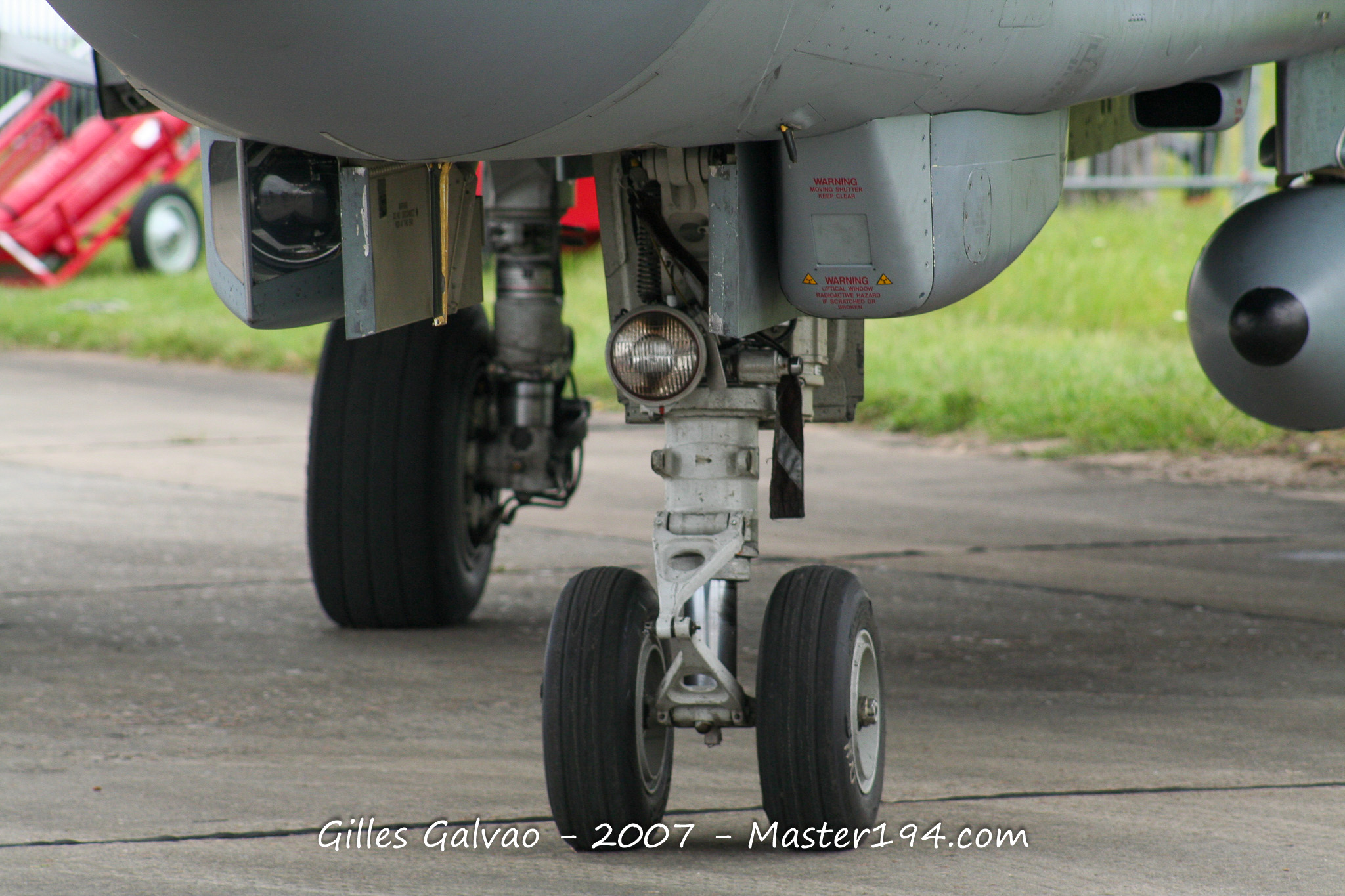
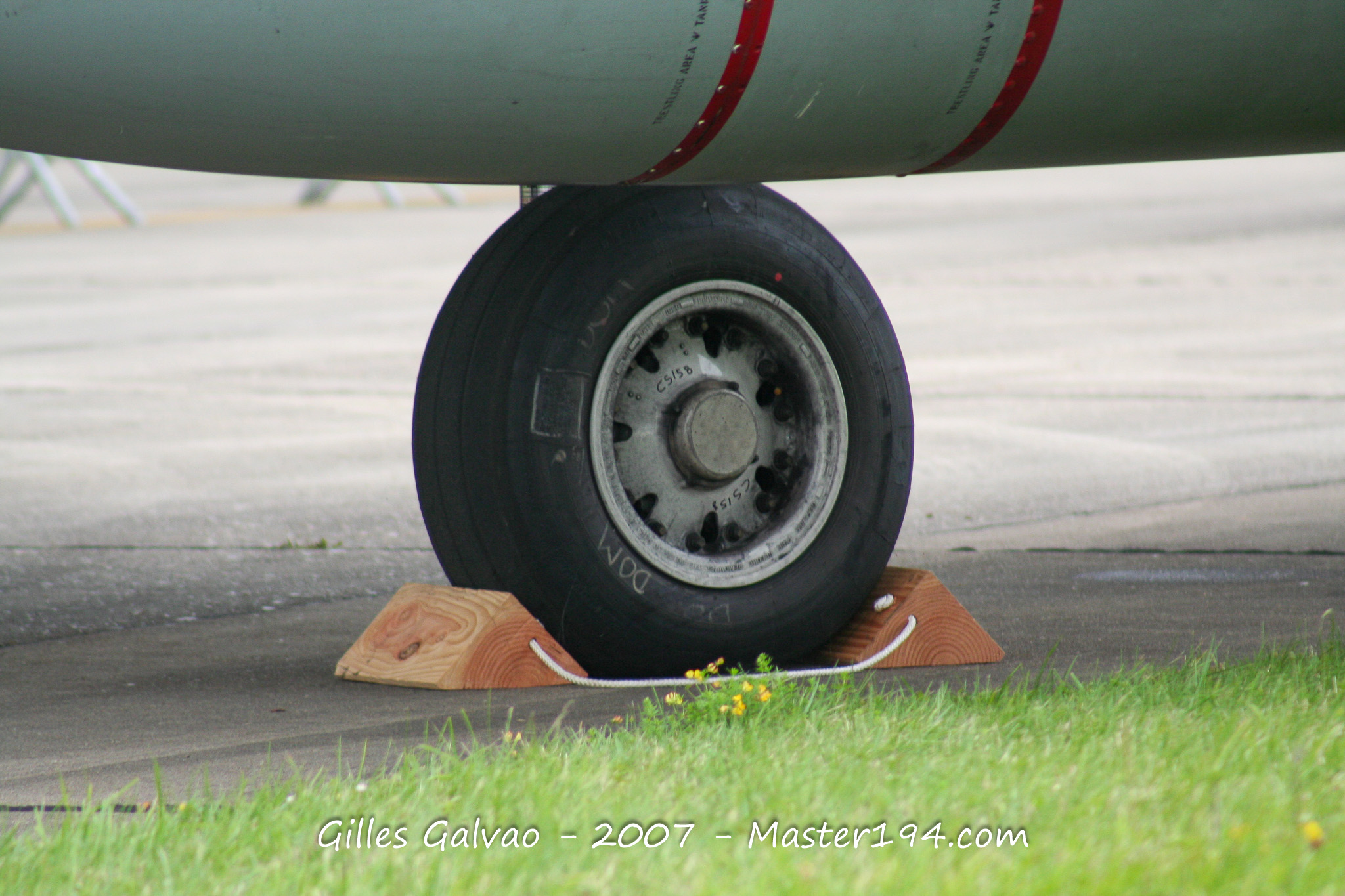
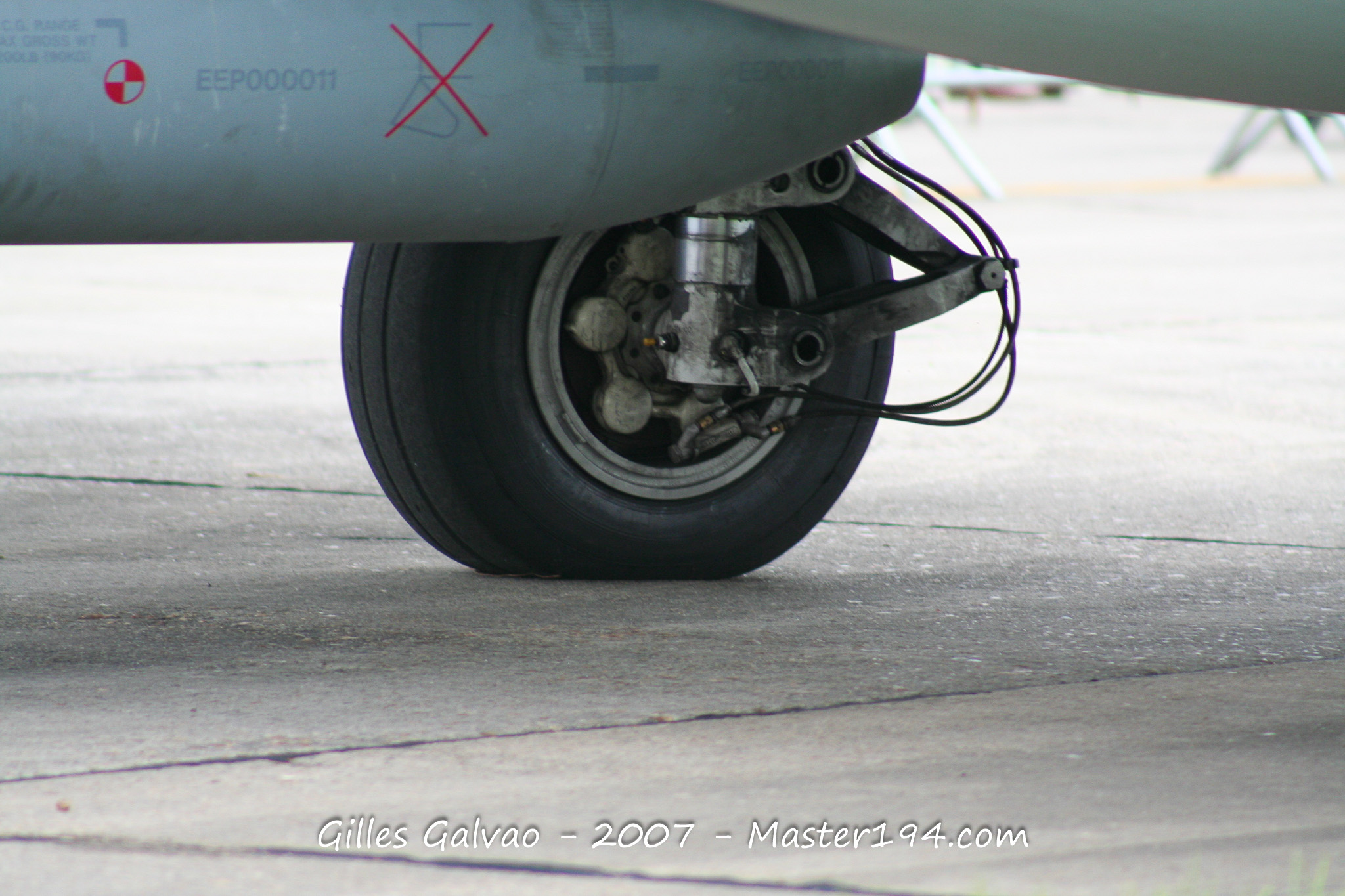
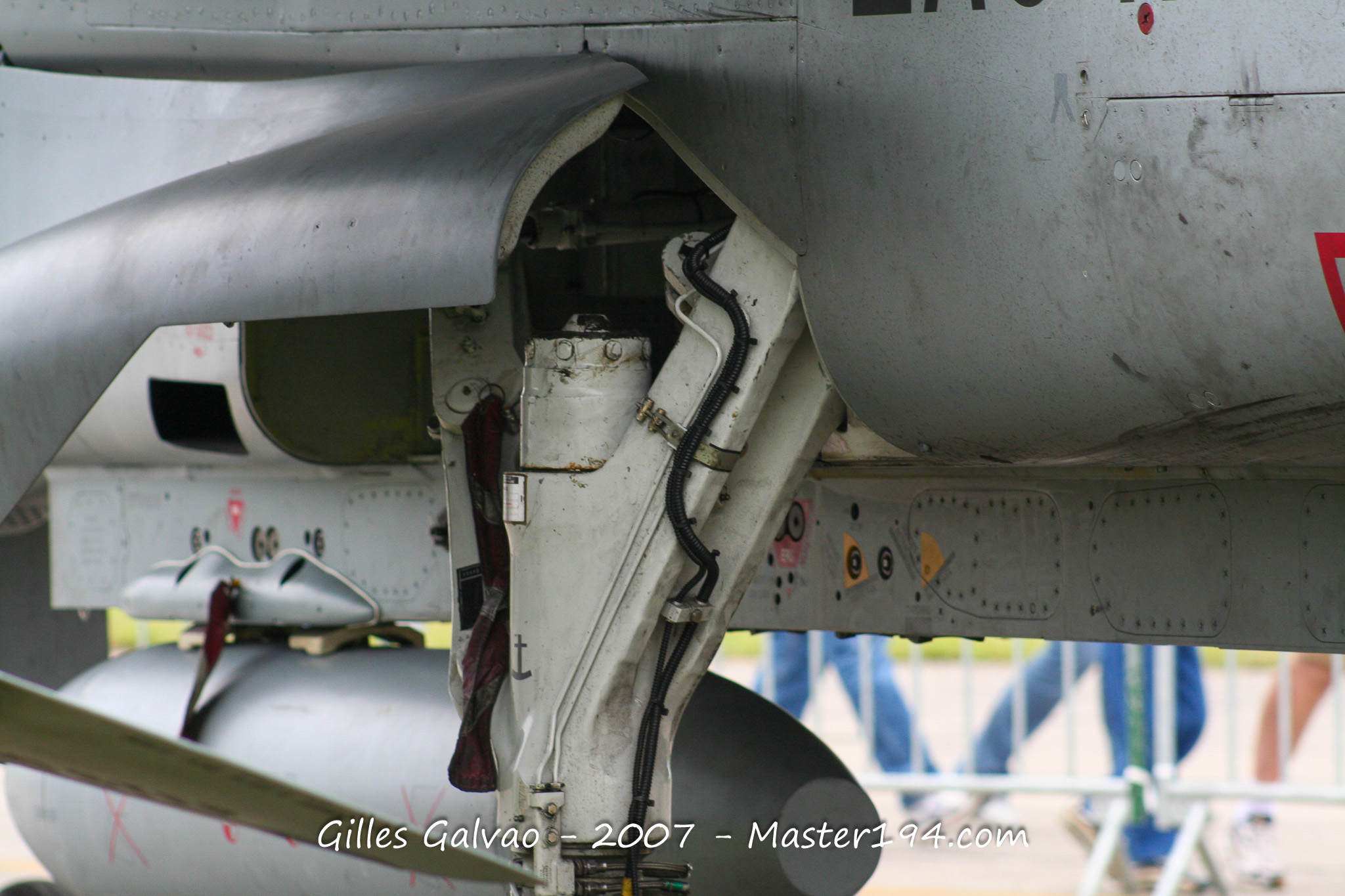
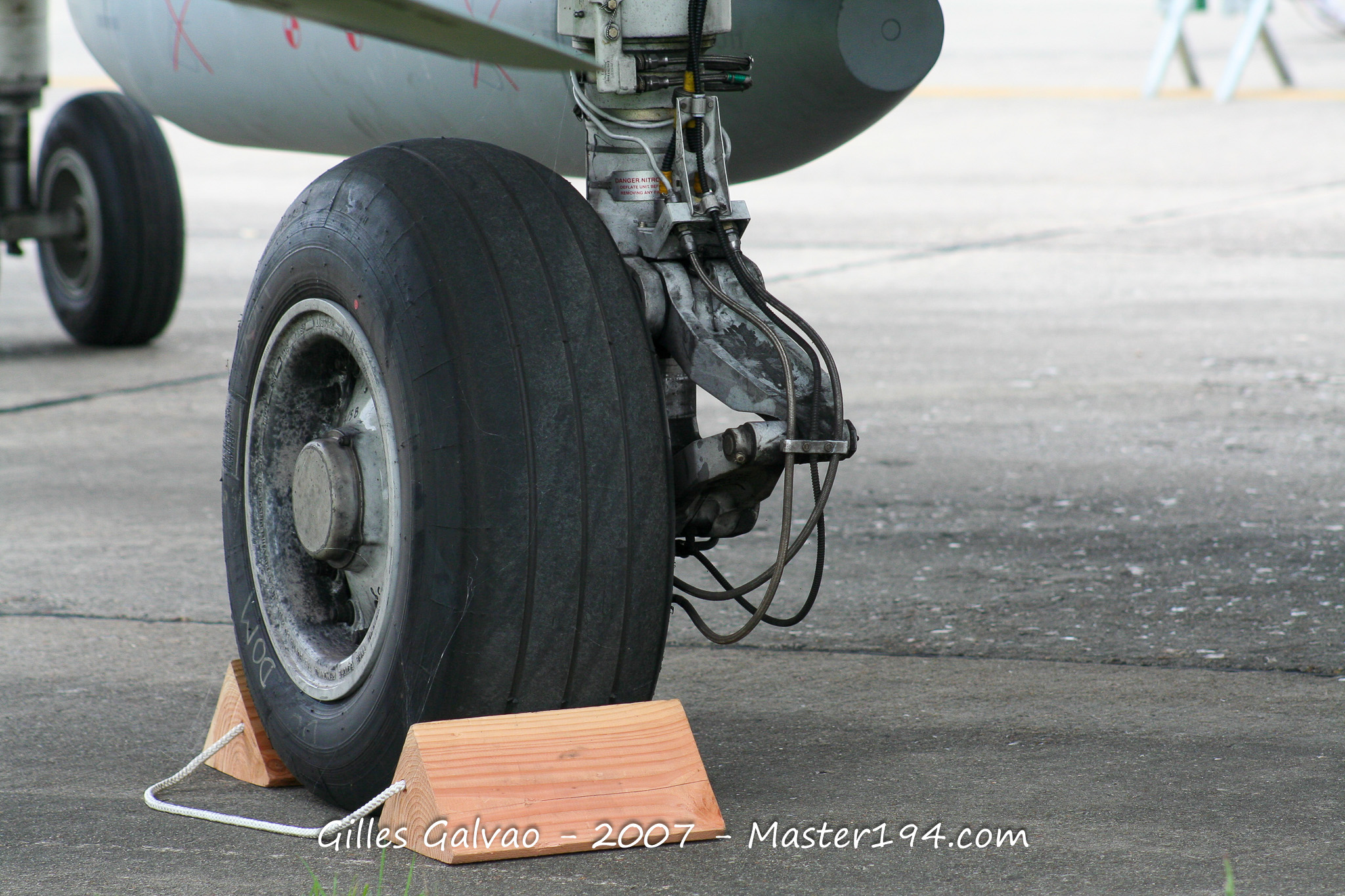
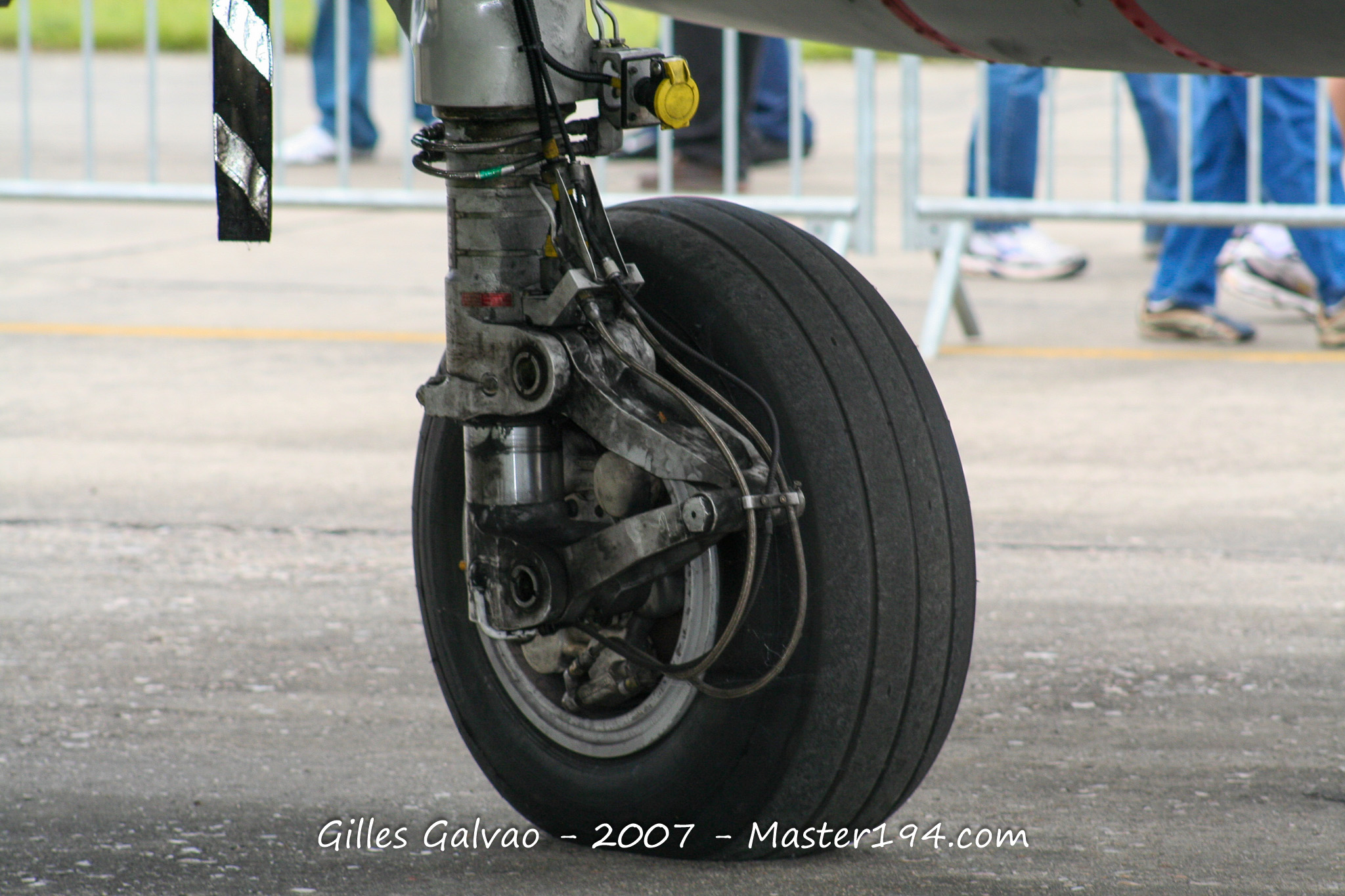
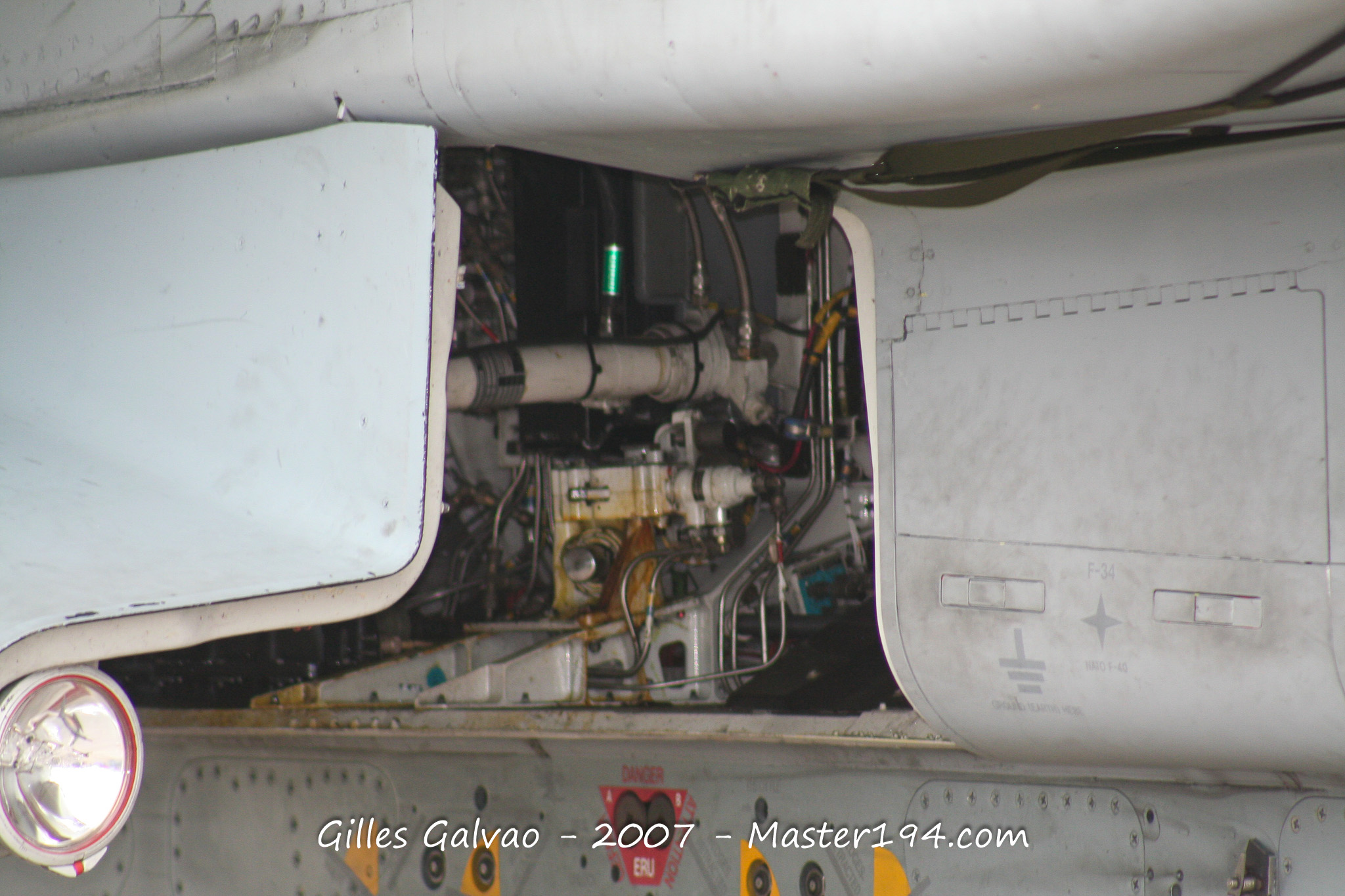
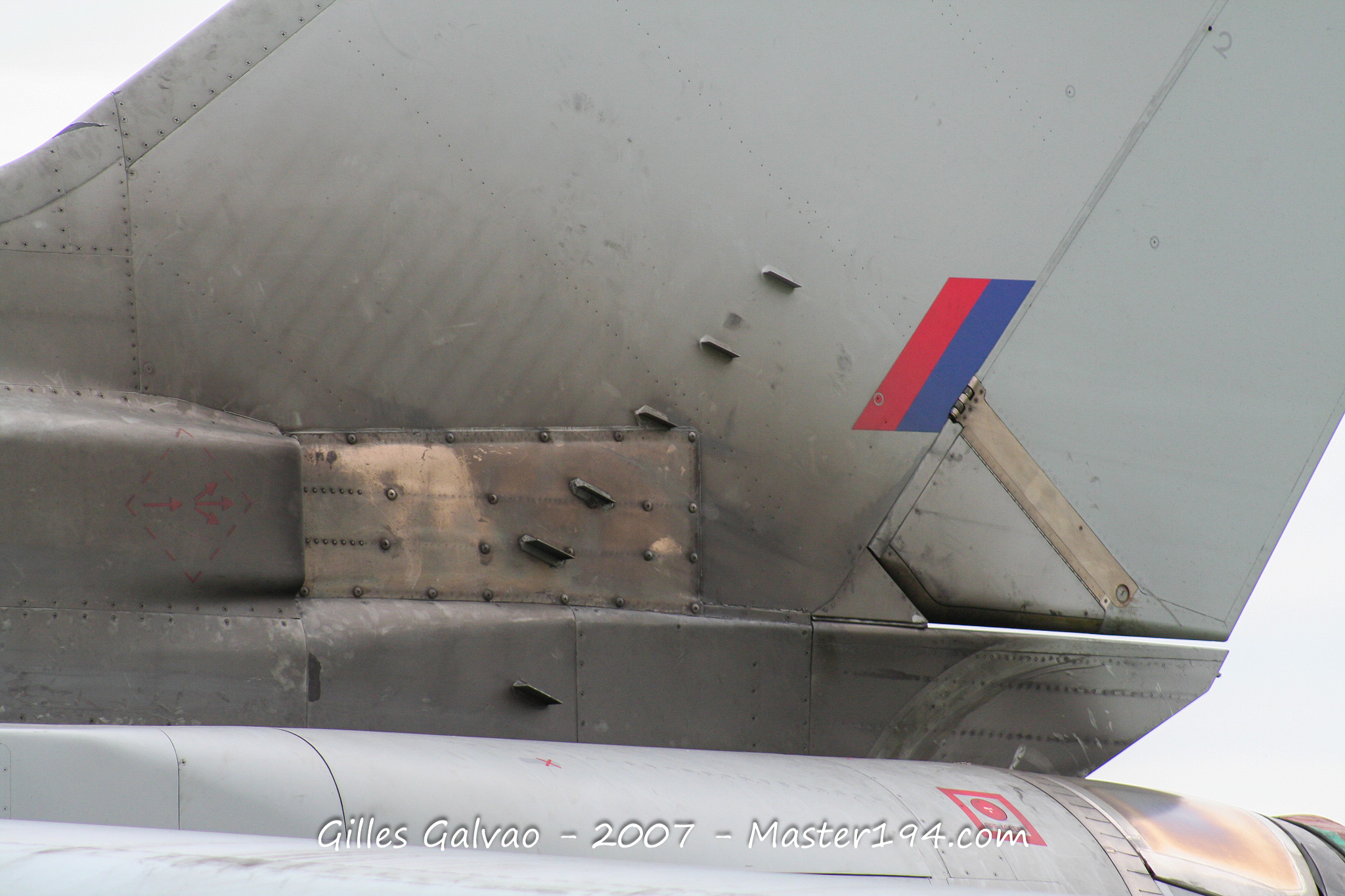
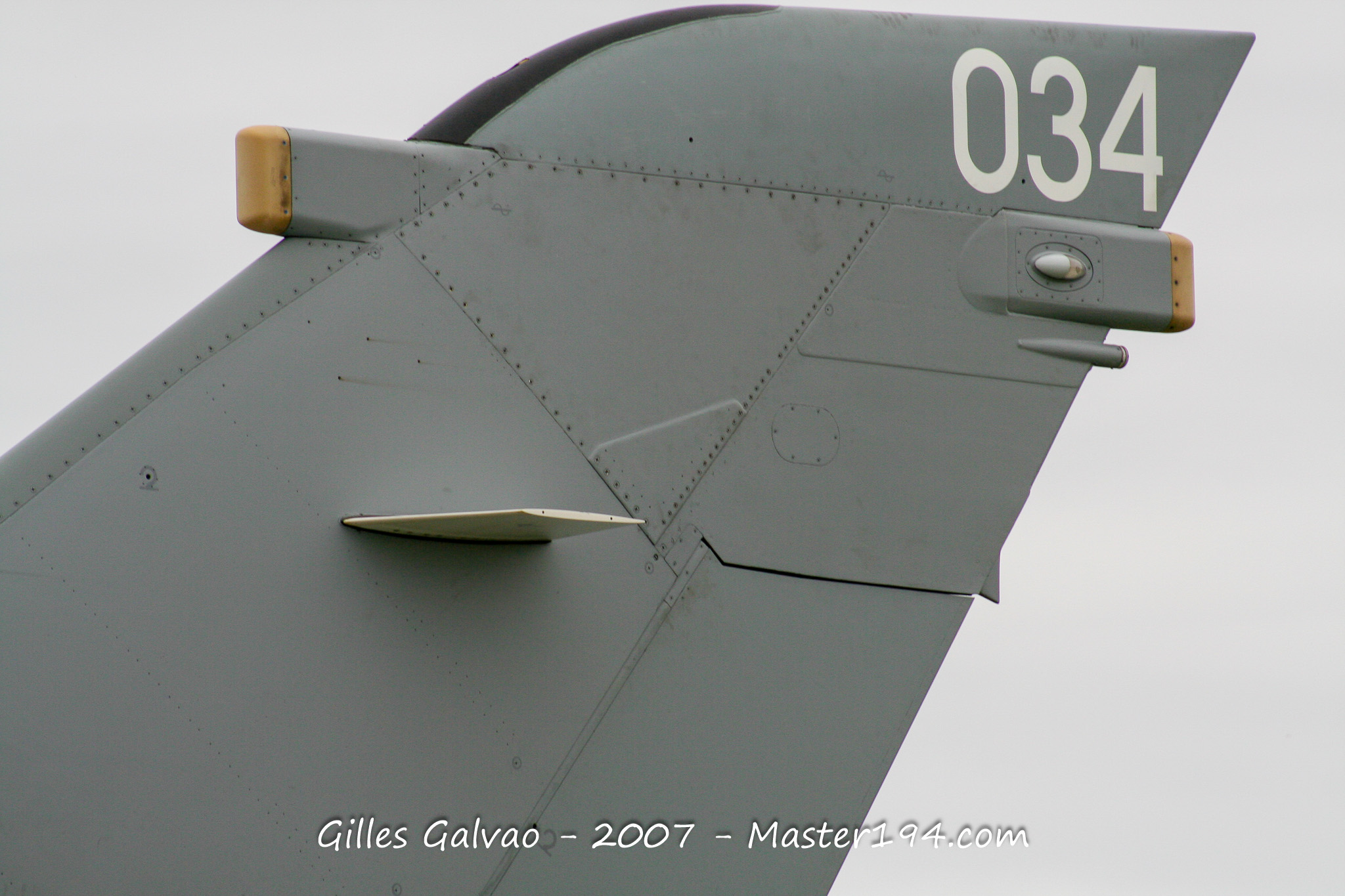
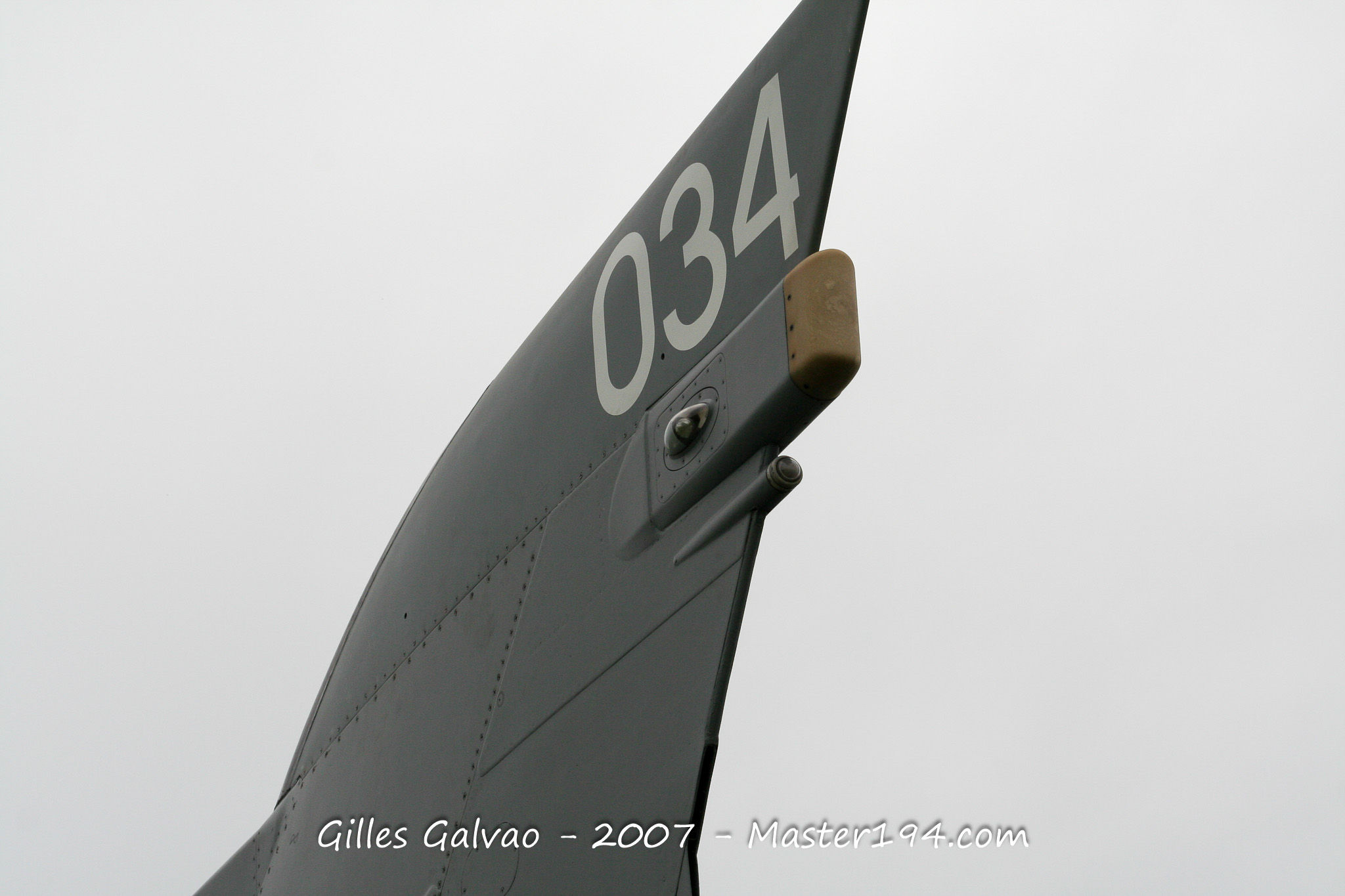
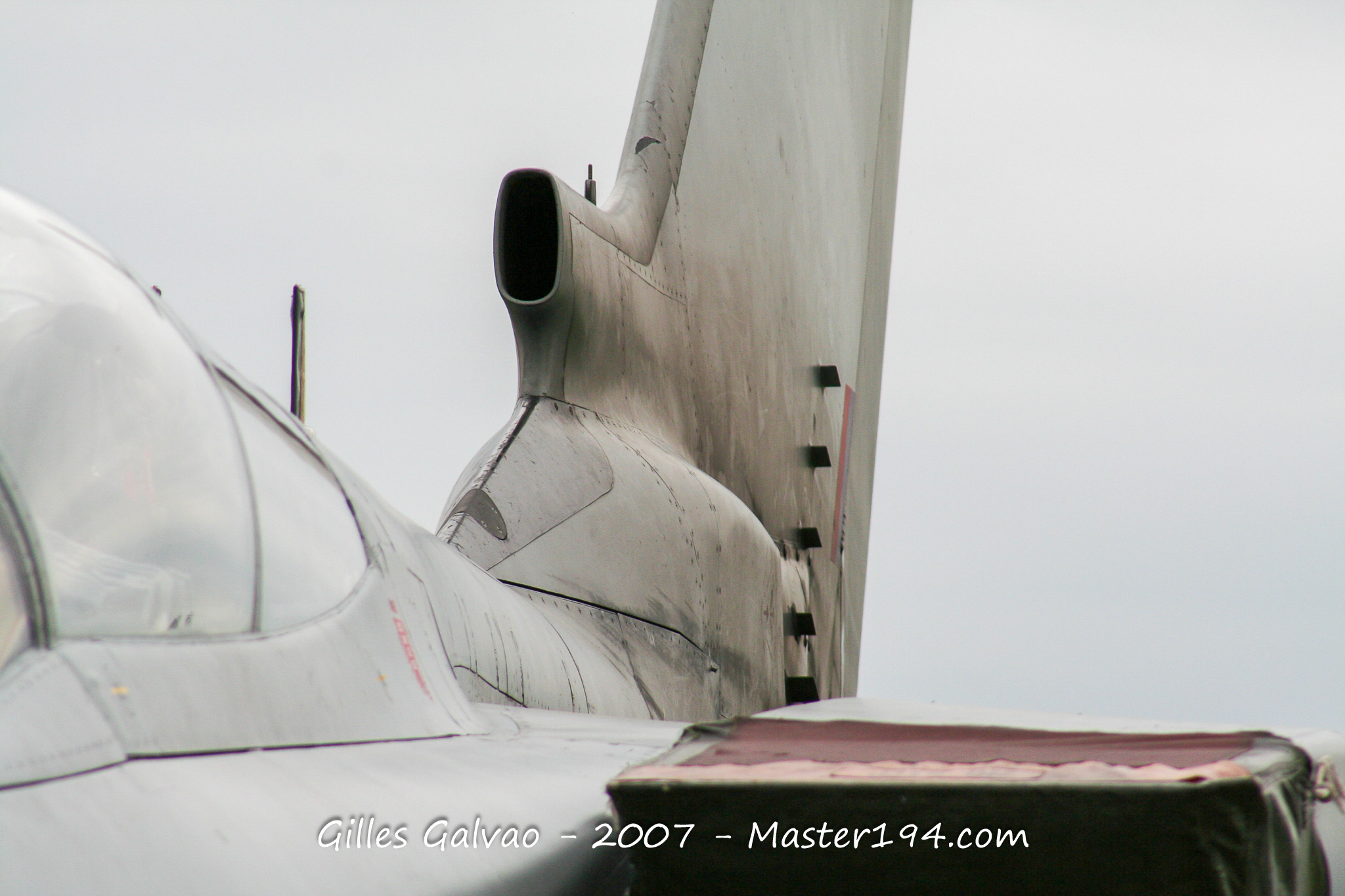
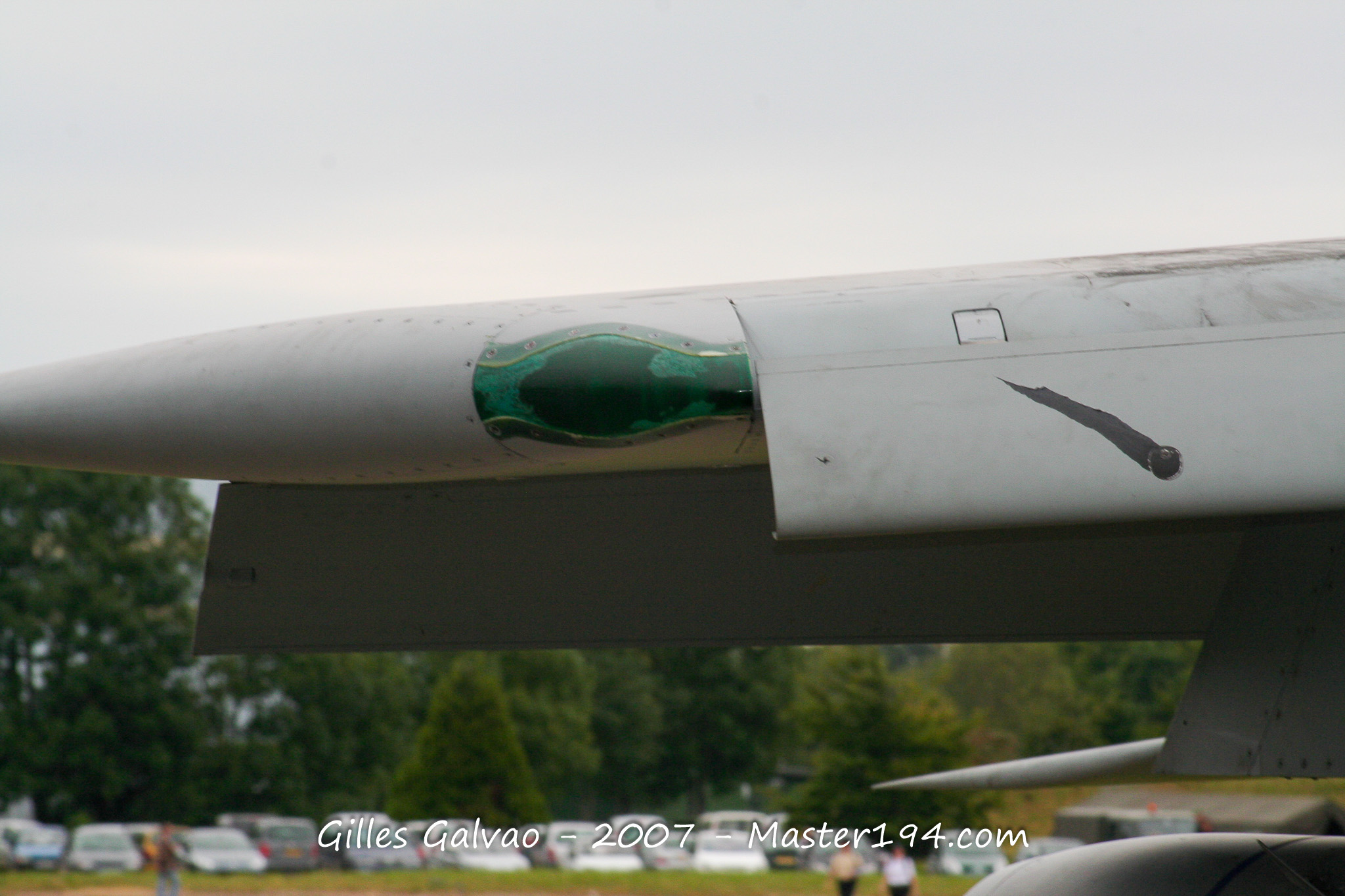
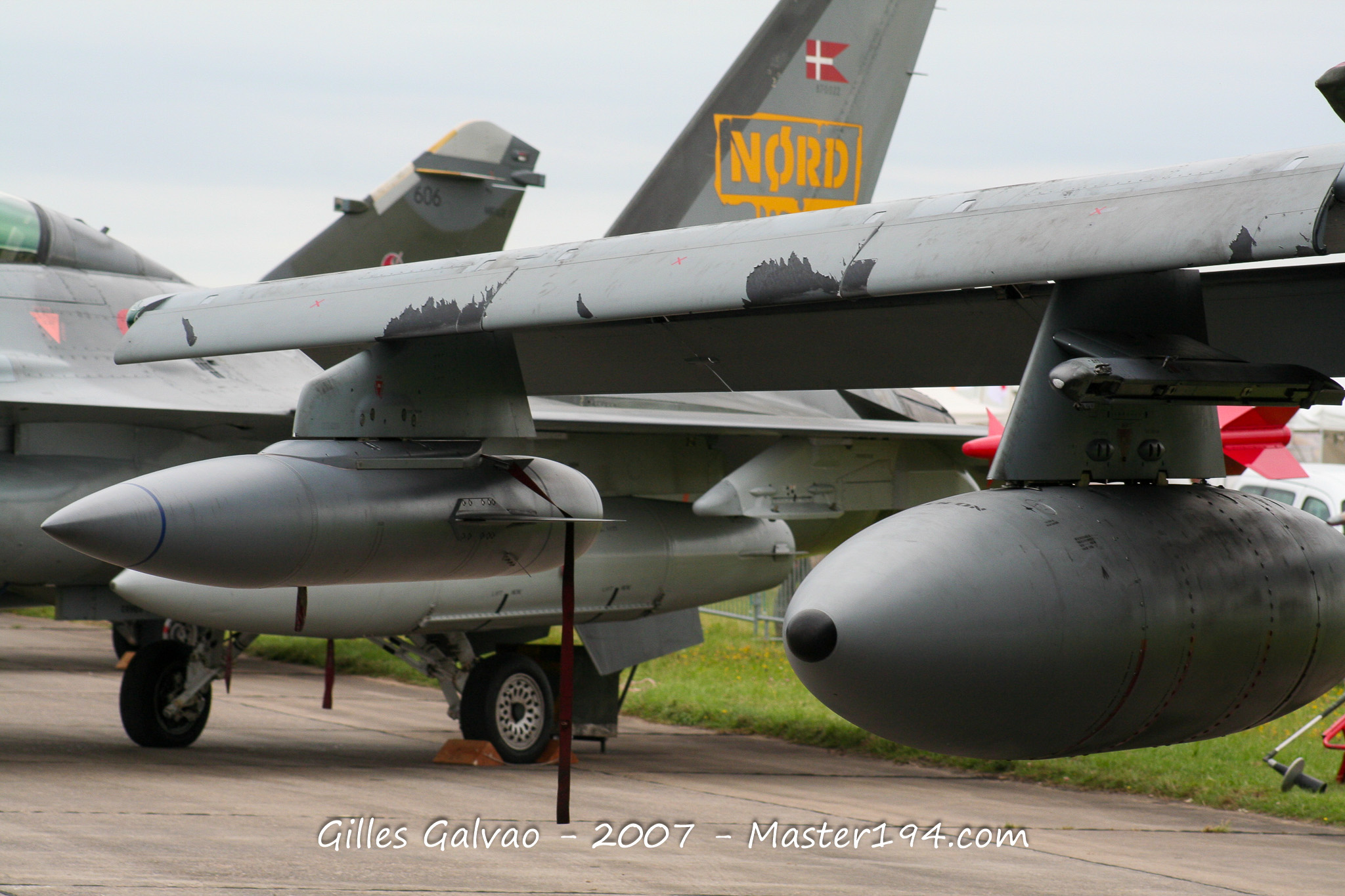
Whether your project involves resurrecting the vintage Airfix kit of your childhood in its original green and grey scheme, or meticulously replicating a modern, overall grey version from a Revell or Eduard kit, this photographic walkaround focuses on the most useful details: landing gear, pylons, specific nose sensors, rarely photographed technical areas, and the characteristic weathering on the thrust reversers.
The photographs will also allow a direct comparison between the details of the real airframe and those reproduced by the various kits available in 1/72 and 1/48 scales.
Few aircraft can boast of leaving such a mark on both the operational history of the Royal Air Force and the display shelves of multiple generations of scale modellers. Tornado ZA541 unquestionably belongs to that category.
Walkaround
Forward section
Landing gear and wheels

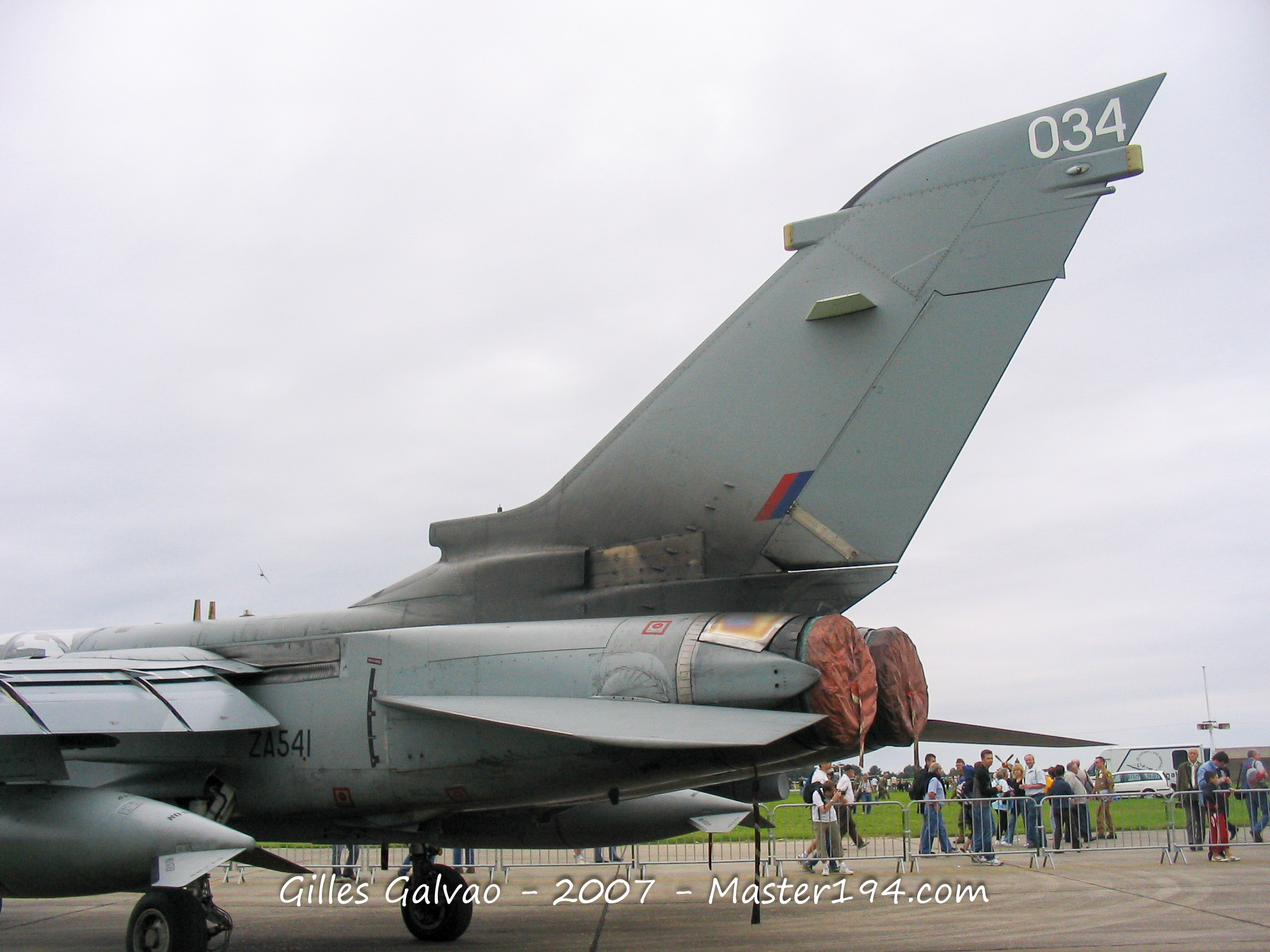
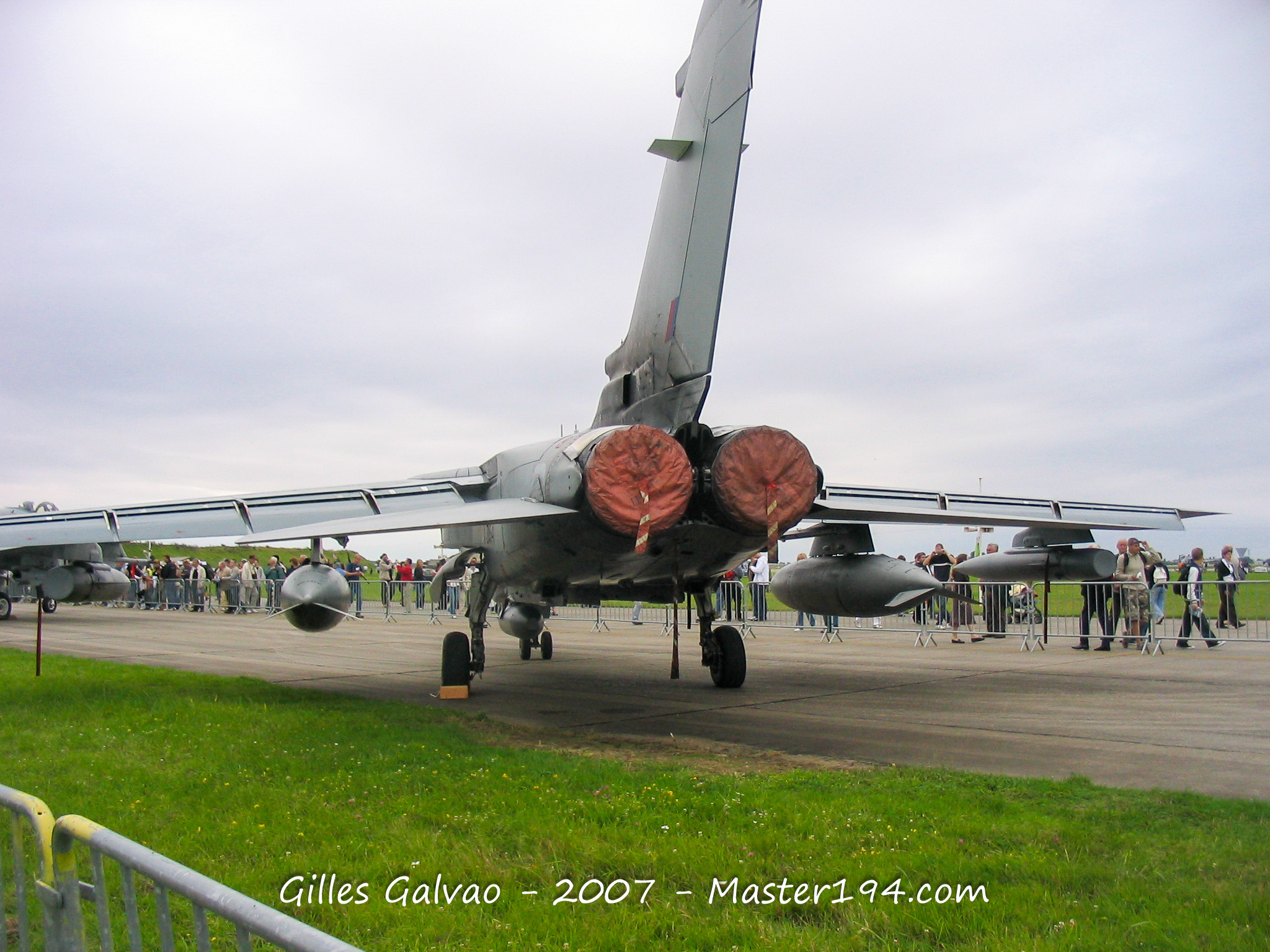
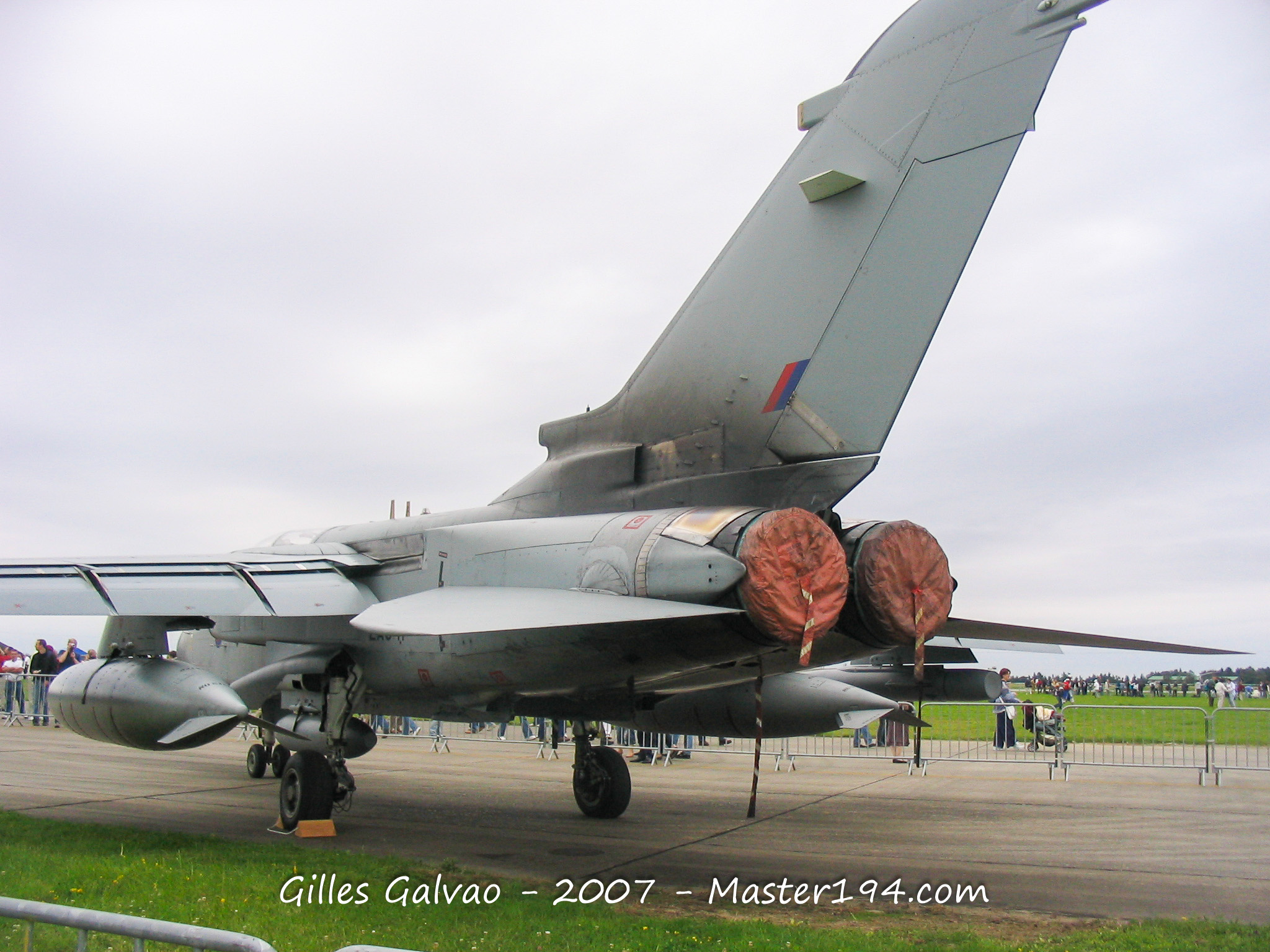
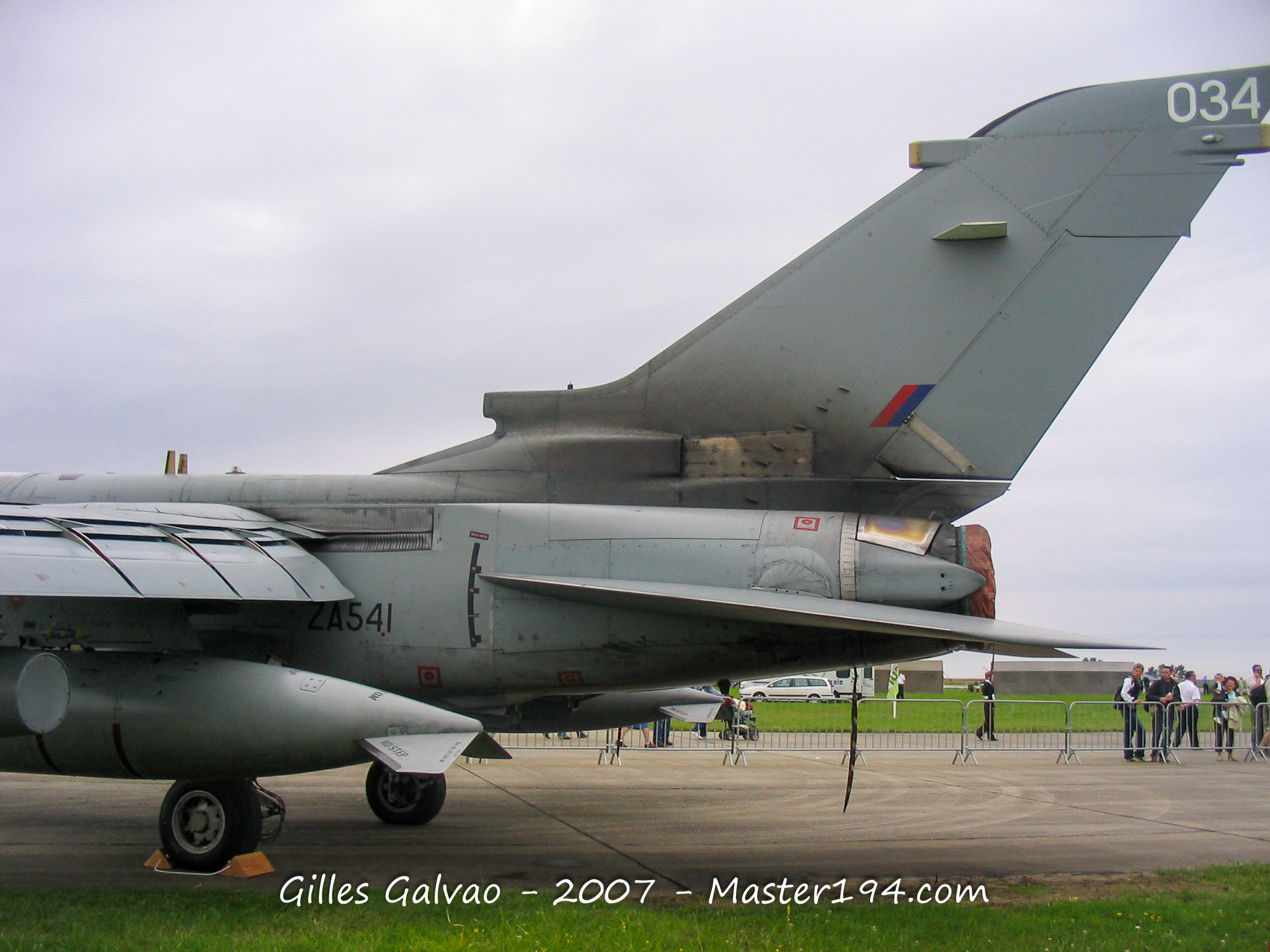
Tail
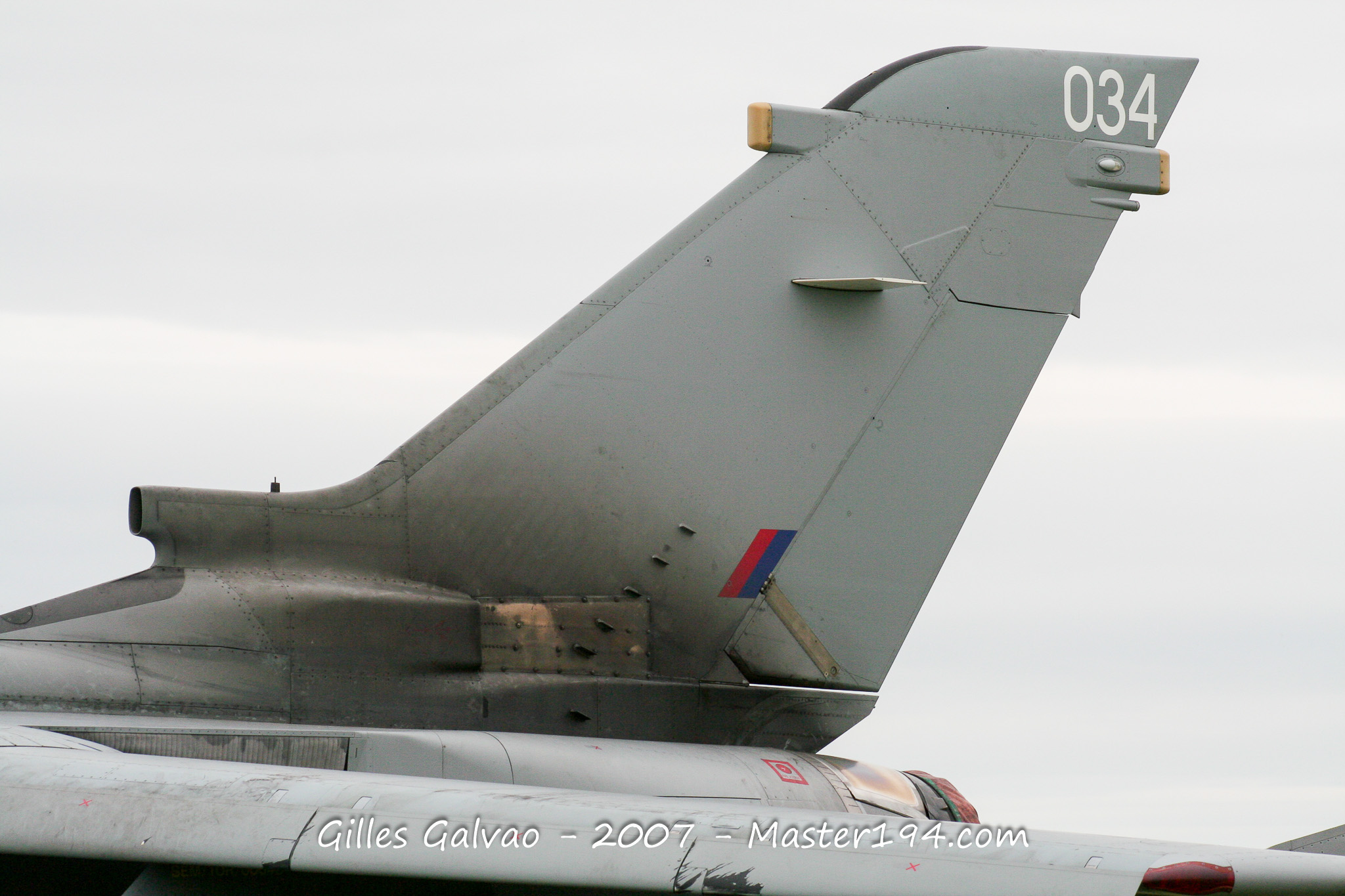
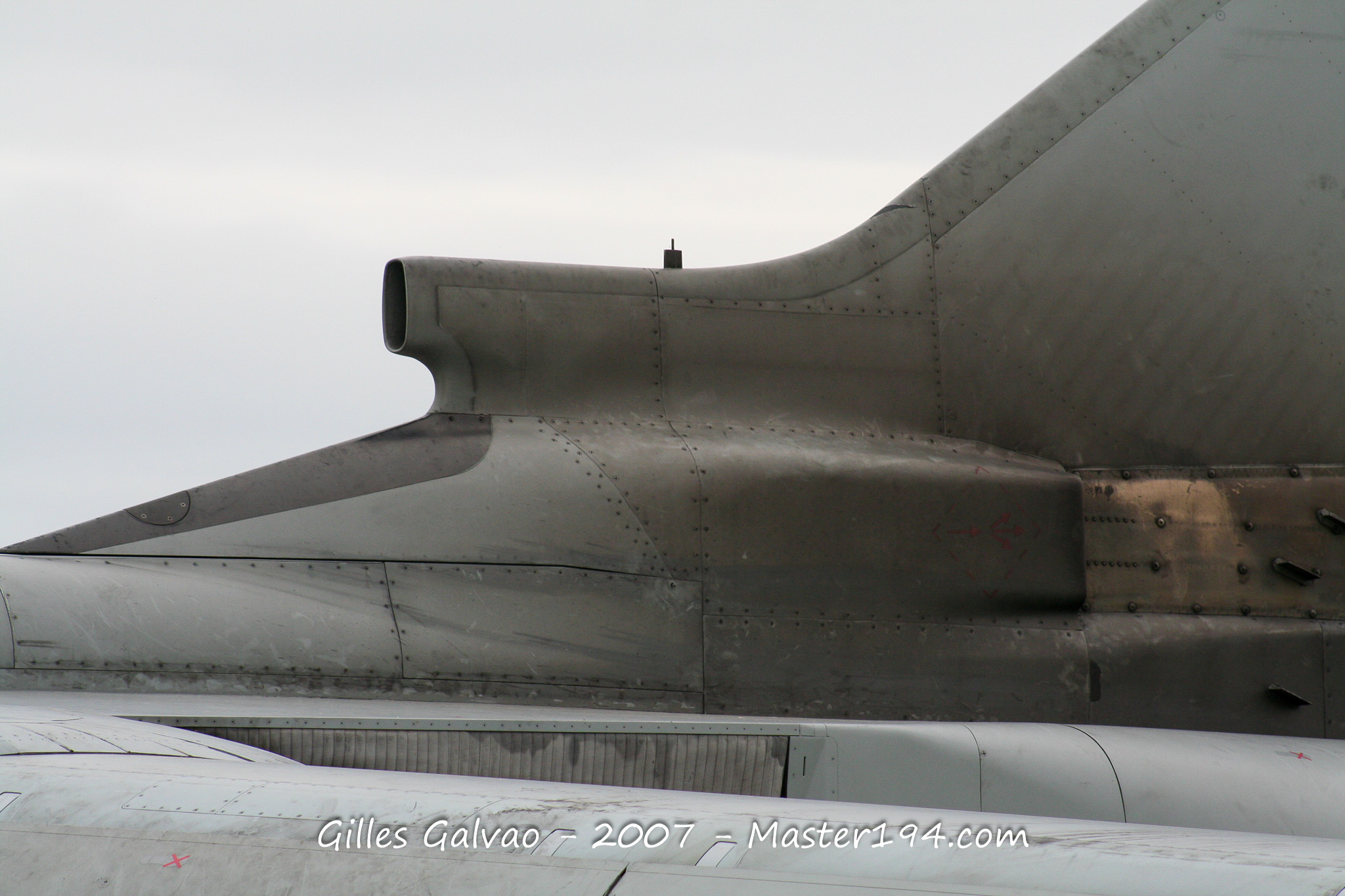
The soot marks from the thrust reversers are clearly visible at the base of the tail fin.
Wings, flaps, and slats
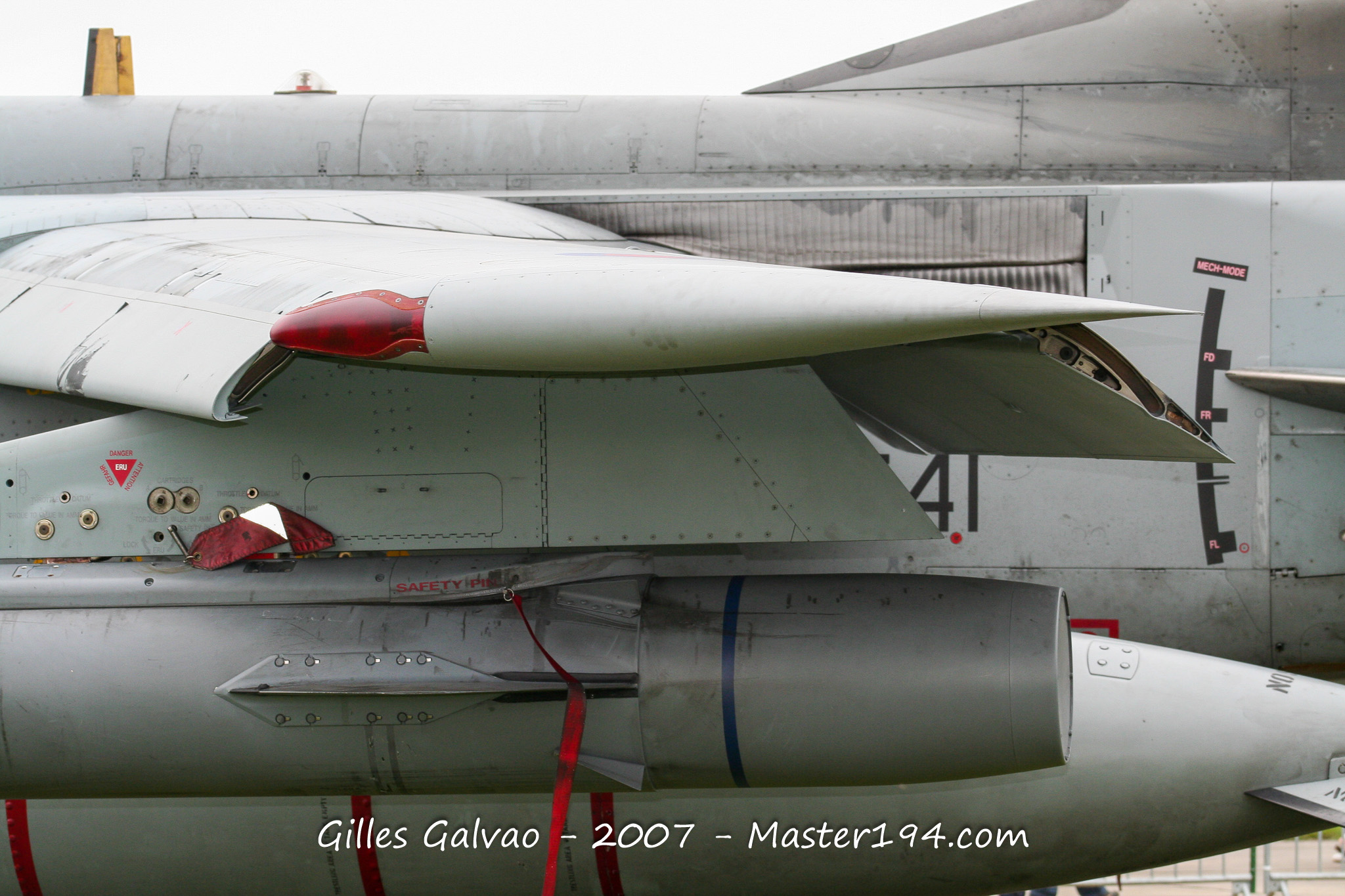
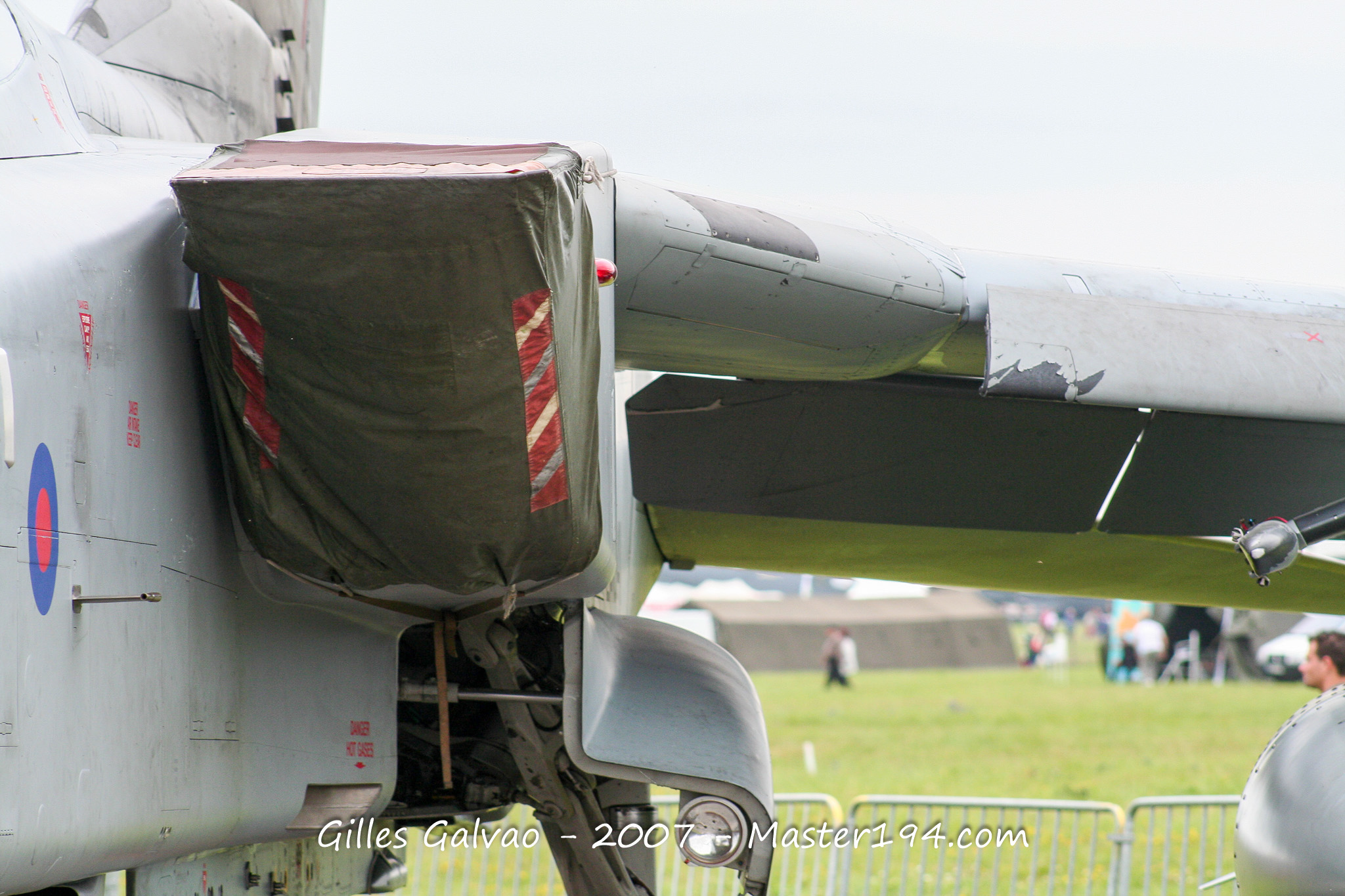
You can clearly see the flaps, as well as the linkages and flexible bellows allowing the wing to retract into the fuselage.
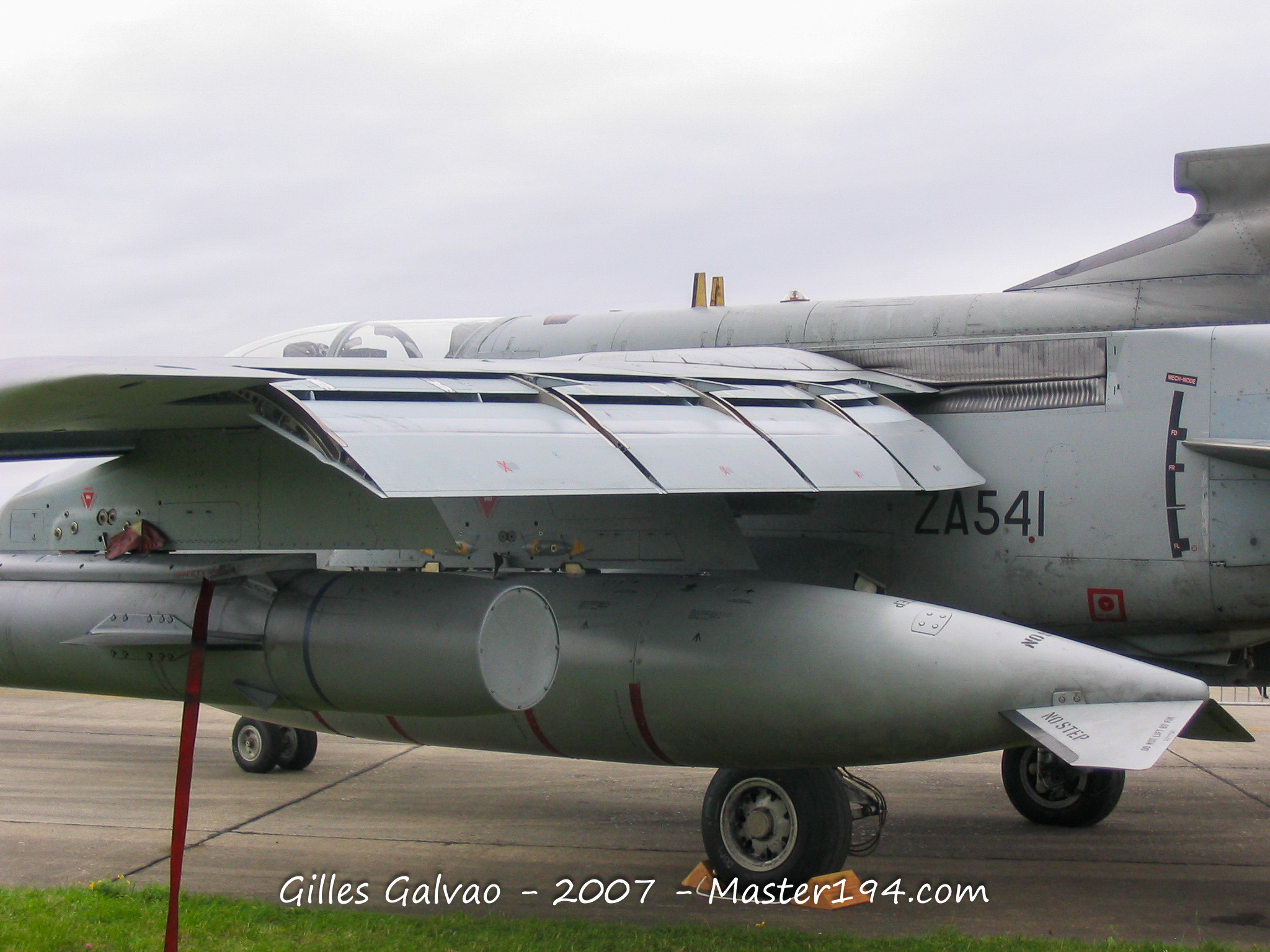
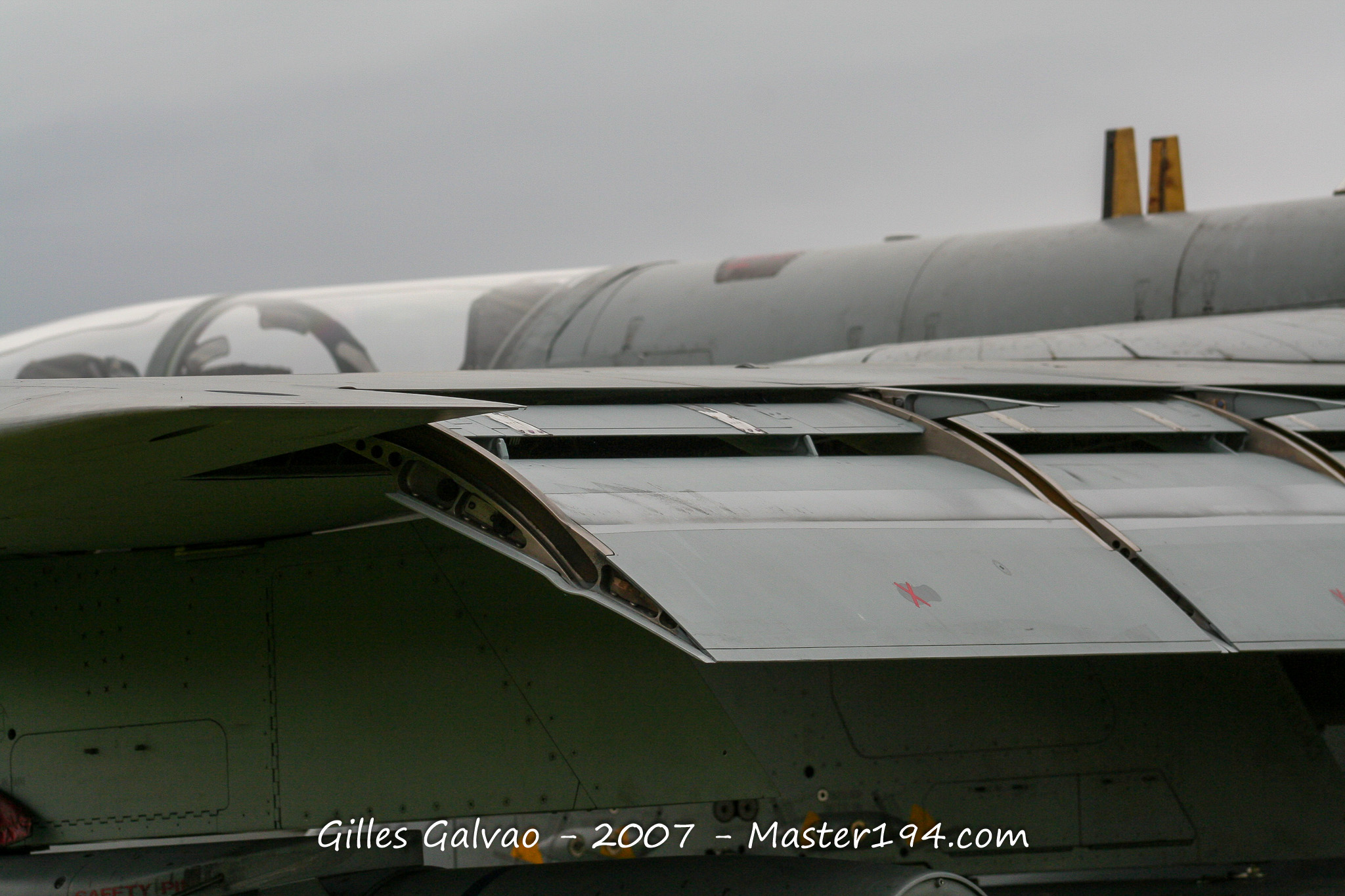
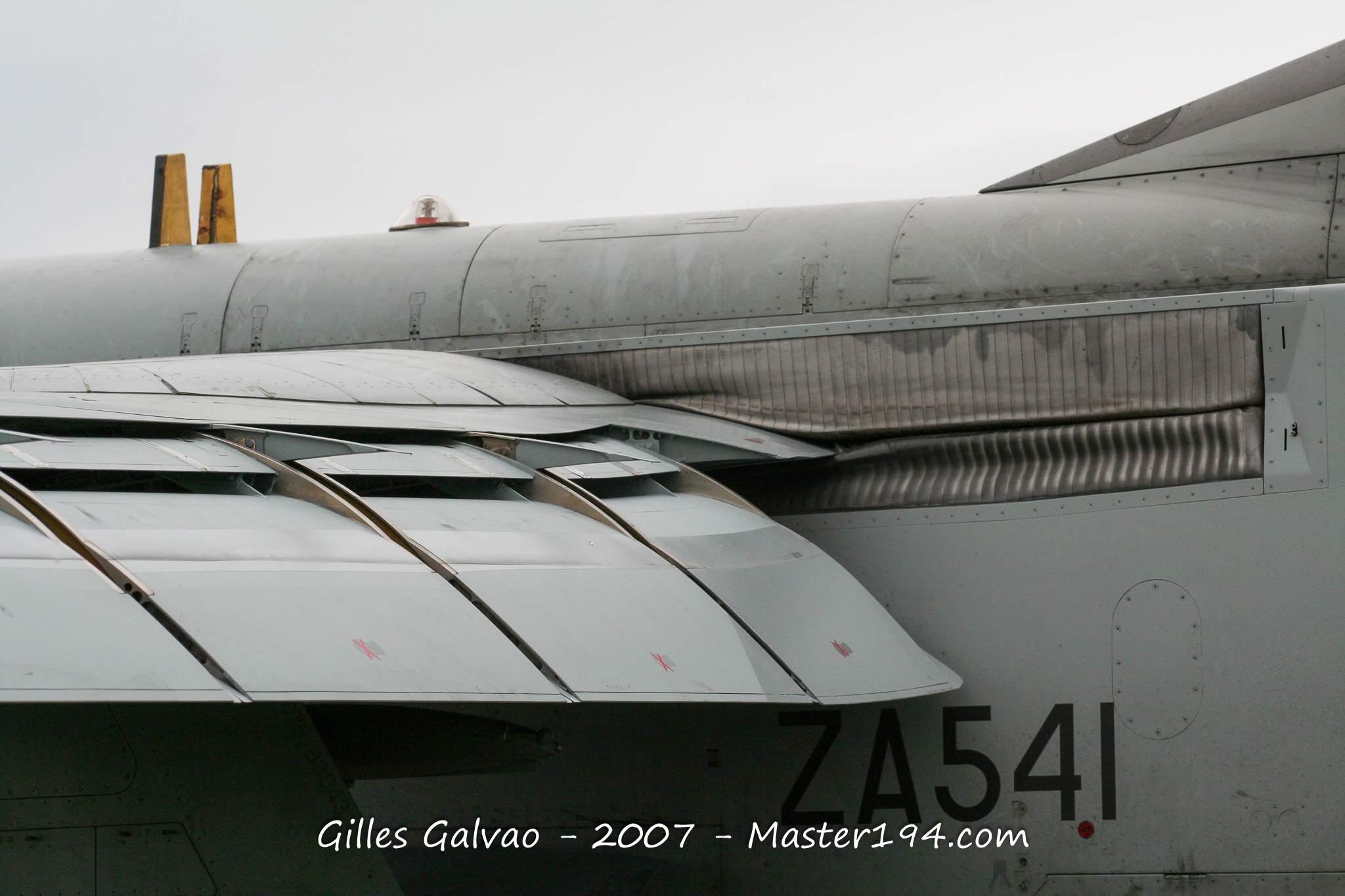
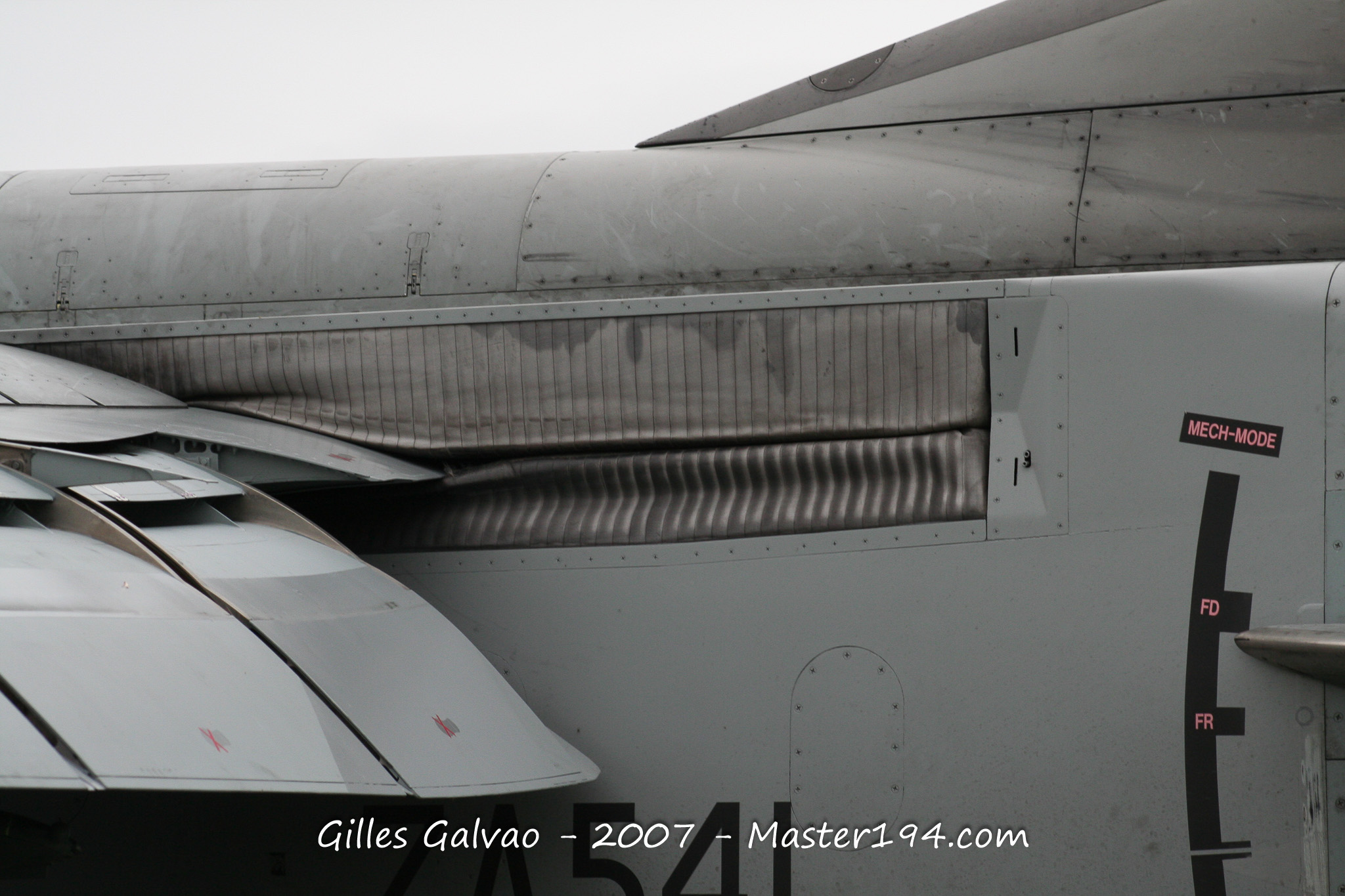
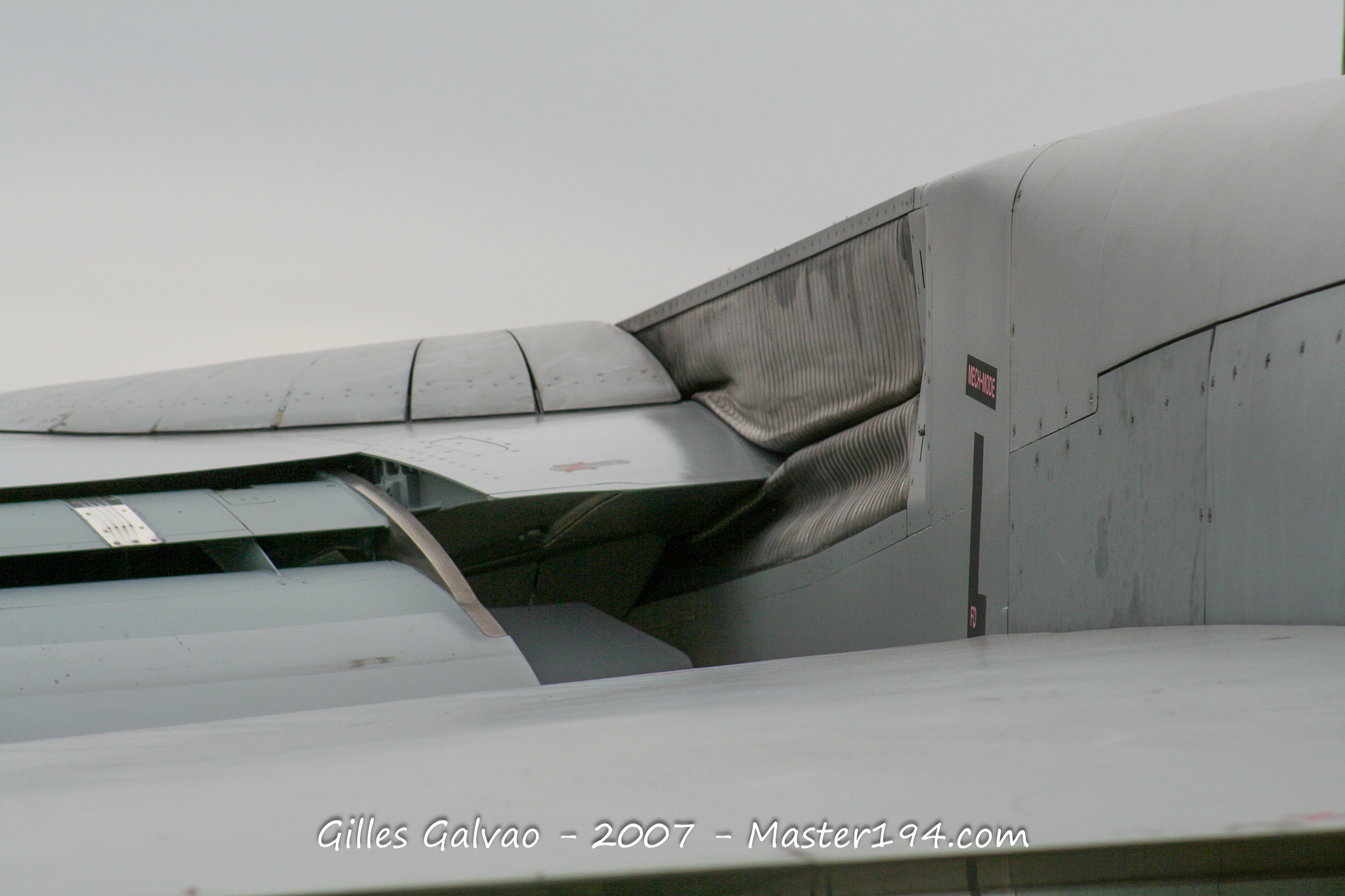
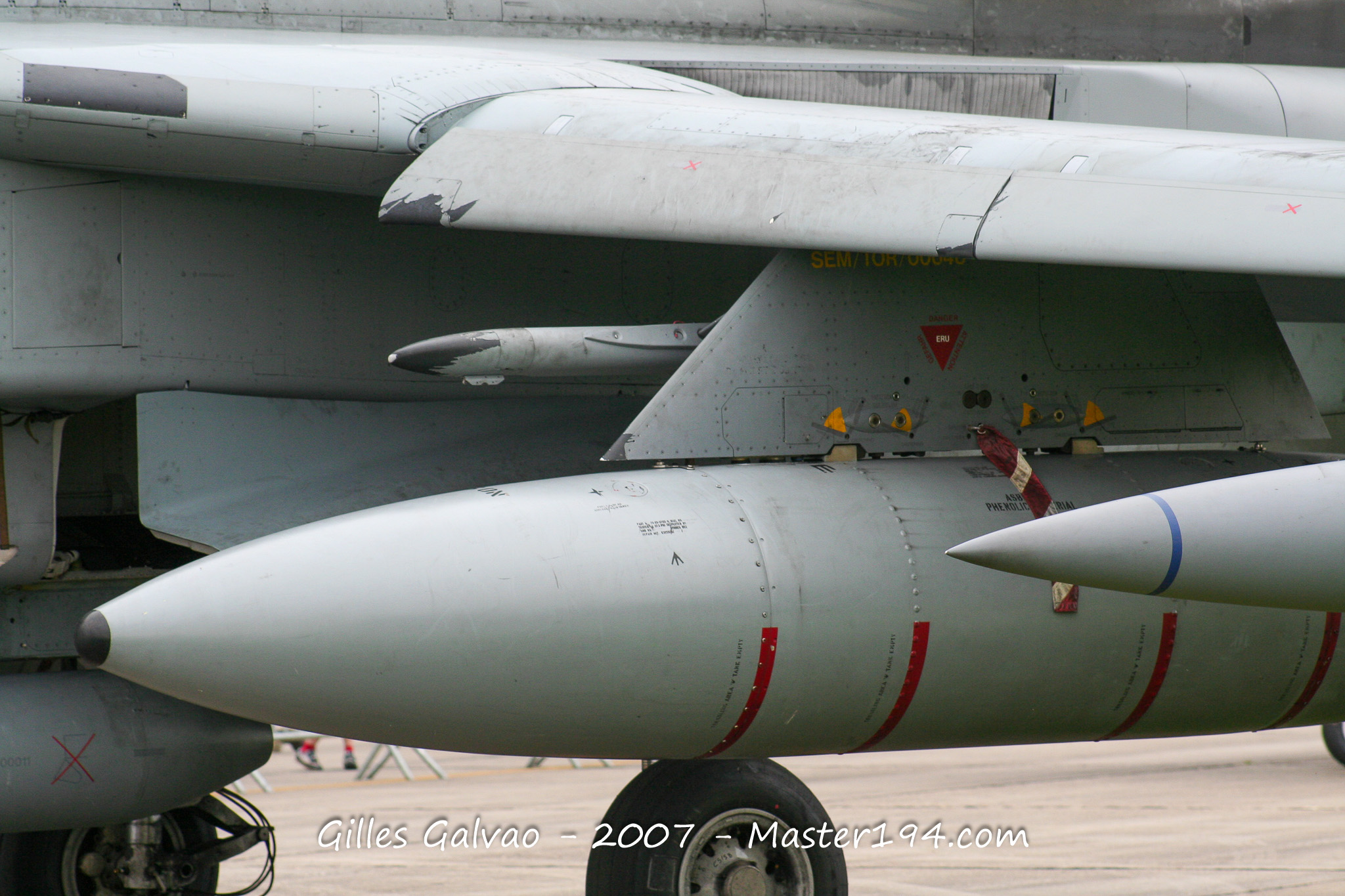
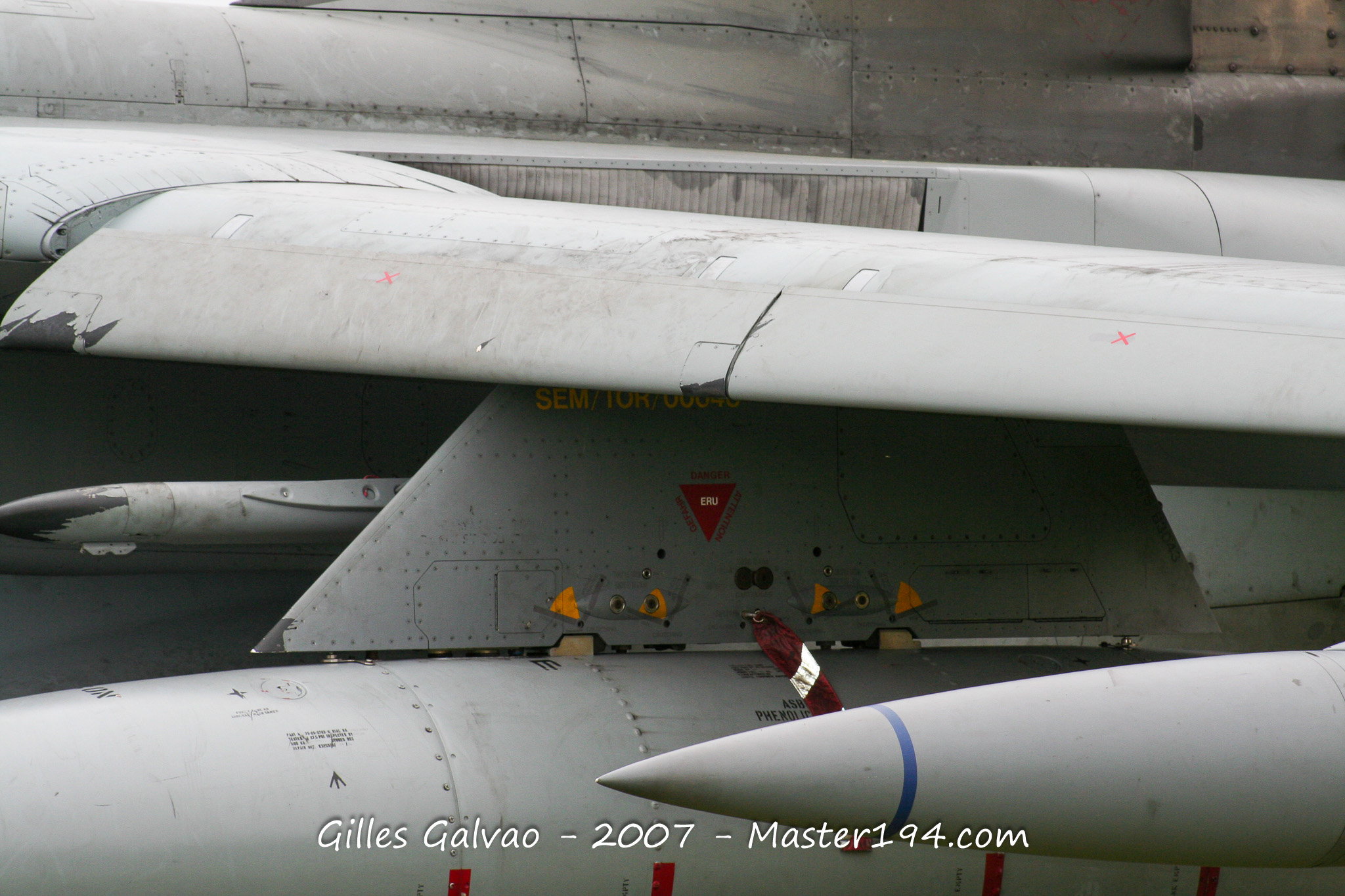
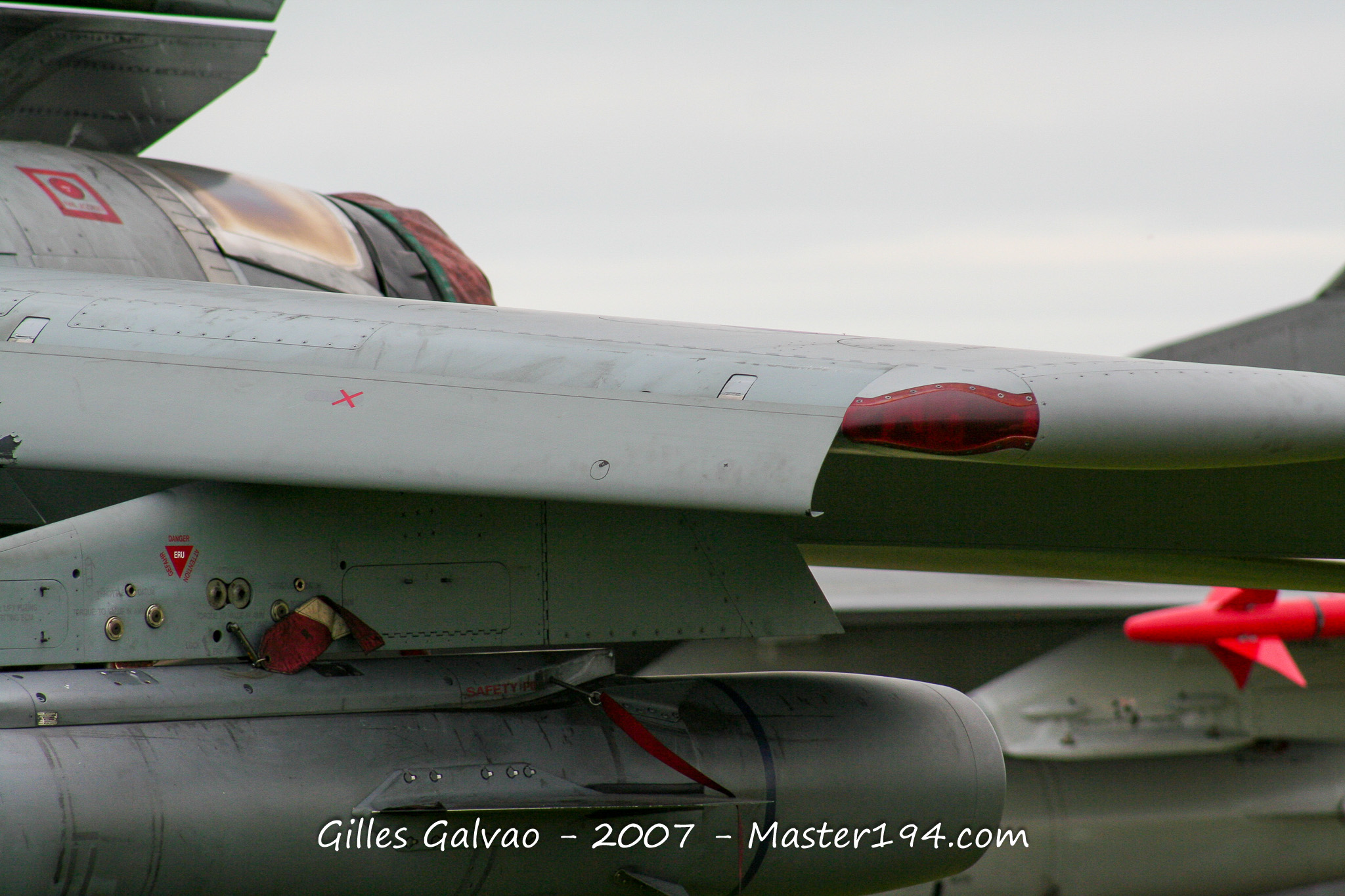
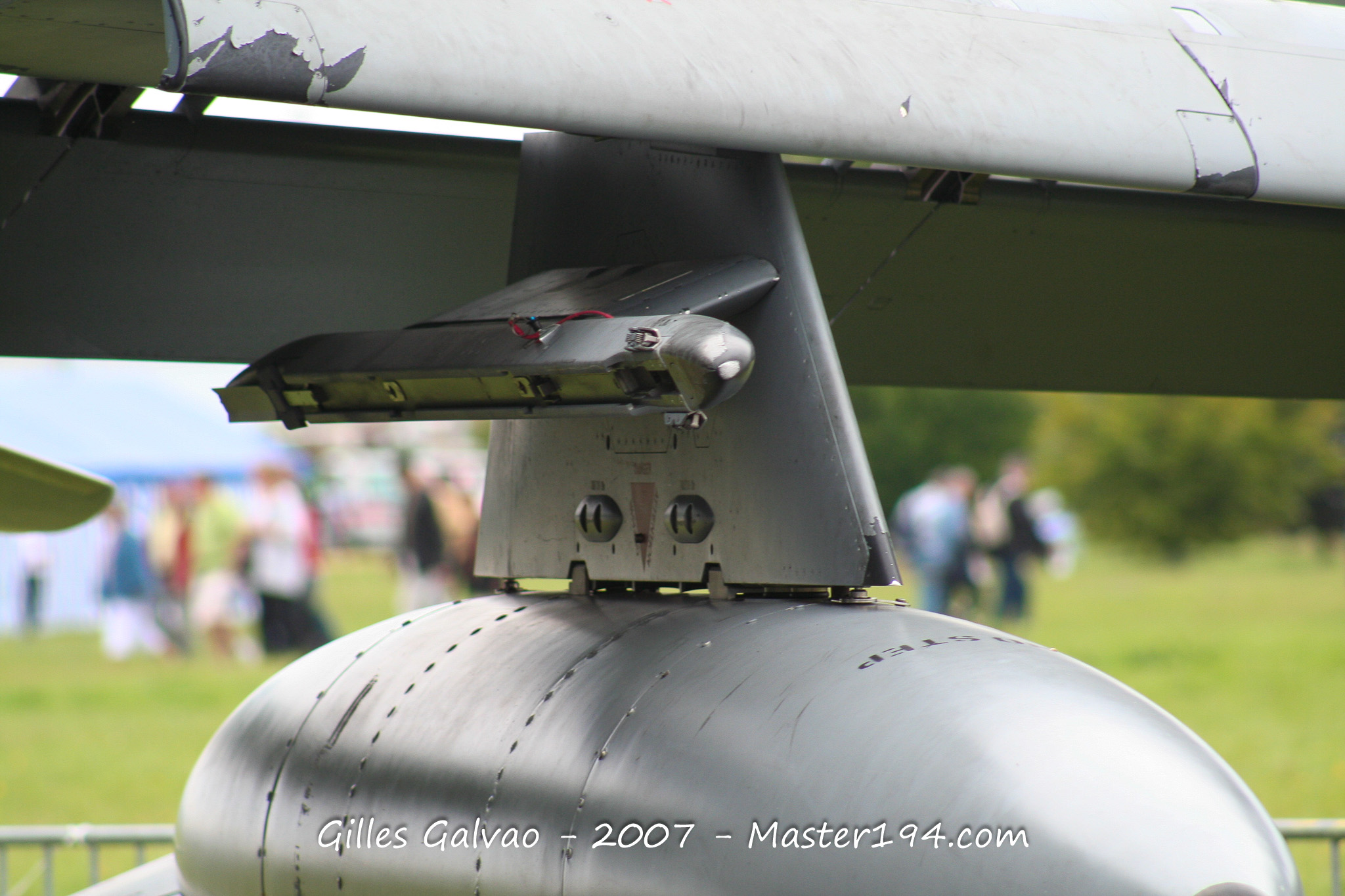
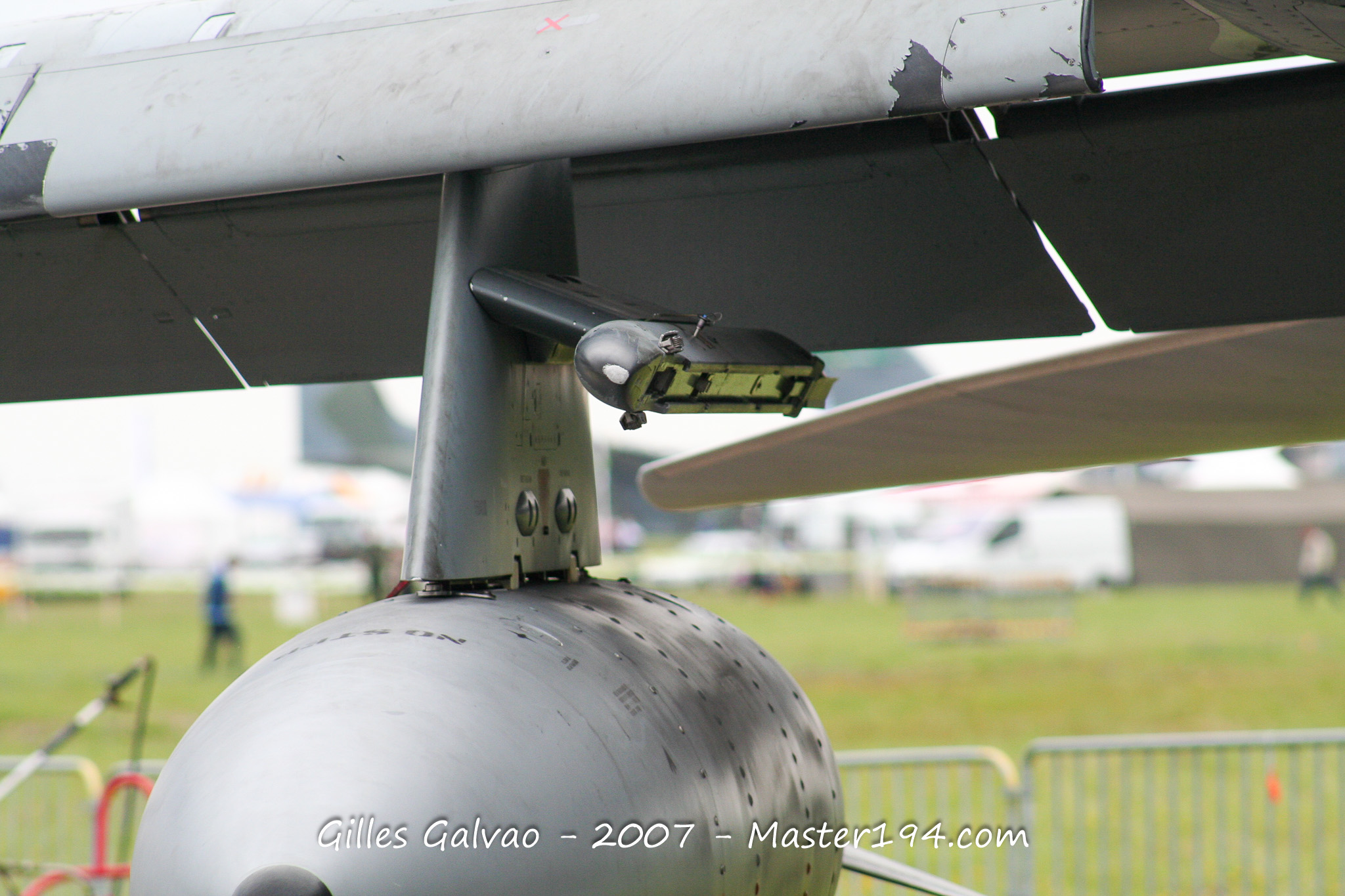
Here you can see the slats, pylons, and wingtips.
Other details