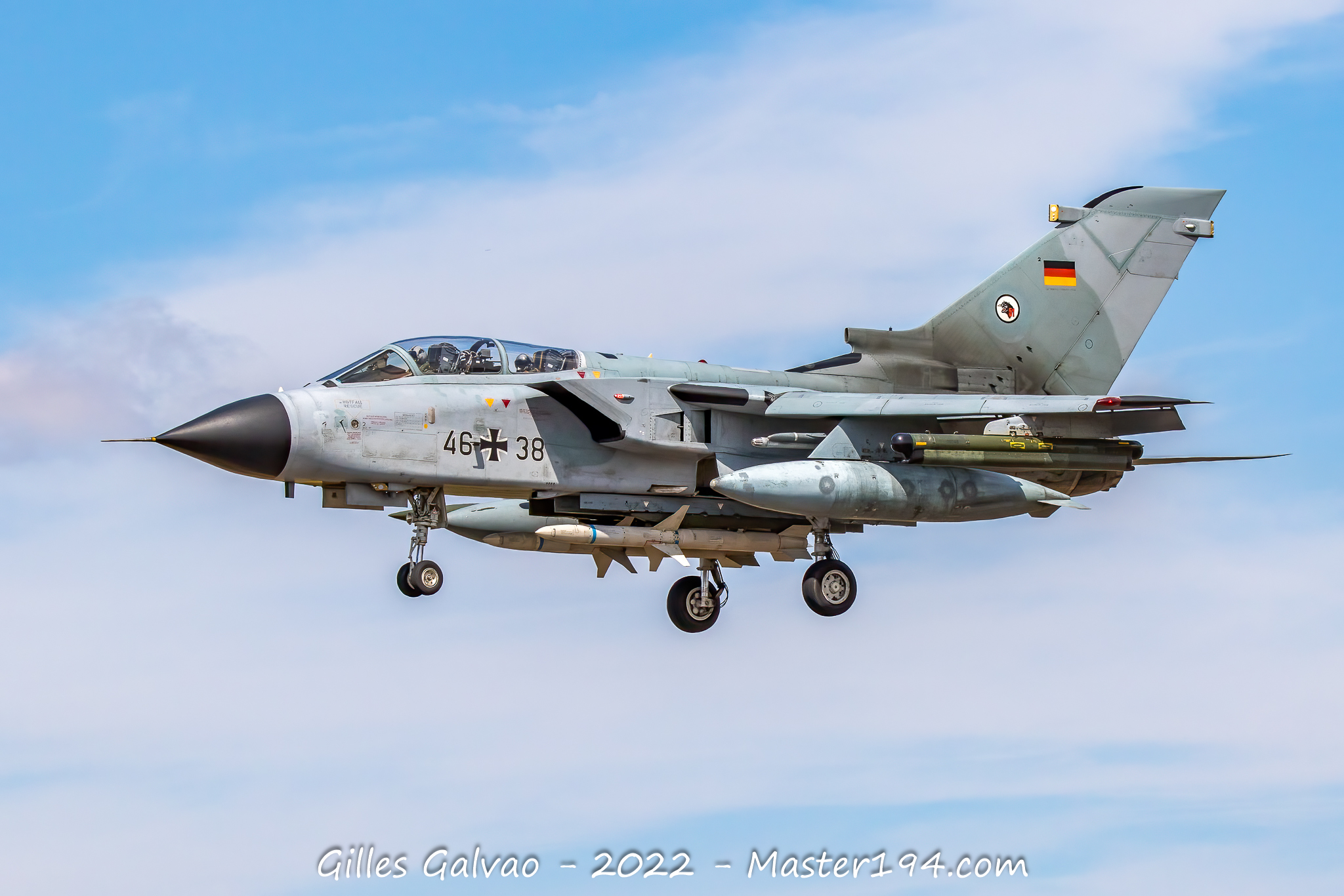
The complete guide dedicated to the Panavia Tornado. On this page, discover its history, design, technical specifications, variants, and operational service, along with a collection of photo reports, high-definition walkarounds, and step-by-step model building guides.
This page will be updated regularly over time. Numerous archives, photographs, and documents related to the Tornado are still to be explored and will gradually complete this guide.
AD
Genesis and concept: A European aircraft for a new generation of missions
In the early 1960s, European air forces were seeking a new combat aircraft capable of meeting the demands of a rapidly evolving operational environment. It was no longer just about having a fast interceptor, but about designing a versatile aircraft capable of low-level, all-weather penetration and delivering its weapons with precision.
The United Kingdom, the Federal Republic of Germany, and Italy joined forces within the Panavia consortium to develop a new combat aircraft. The project took shape around a two-seat, twin-engine, variable-sweep wing architecture, the latter allowing the wing configuration to be adapted to different mission phases.
With its wings fully unswept, the Tornado can fly at relatively low speeds and conduct takeoff and landing phases smoothly. Once the wings are swept back, it can reach supersonic speeds and penetrate at high speed at very low altitude. This ability to combine speed, low-level penetration, and a heavy payload became one of the core features of the program.
The first prototype made its maiden flight on August 14, 1974. Following an extensive flight-test campaign, the first production aircraft entered service in the late 1970s. The Tornado was then produced in several variants to meet the specific requirements of the three partner nations: the IDS strike and interdiction aircraft, the electronic combat and reconnaissance version, and the ADV air defense interceptor developed specifically for the Royal Air Force.
The choice of variable-sweep wings and the Tornado’s robust design enabled it to perform a wide variety of missions. Over the course of its career, it was deployed for ground attack, low-level penetration, reconnaissance, electronic warfare, and air defense. This versatility explains its exceptional longevity and its operational deployment in numerous international conflicts and operations.
Technical Specifications & Performance
| Specification | Details |
|---|---|
| Role | Multi-role aircraft, attack and penetration, reconnaissance, electronic warfare, air defense depending on variant |
| Manufacturer | Panavia |
| Partner nations | United Kingdom, Federal Republic of Germany, Italy |
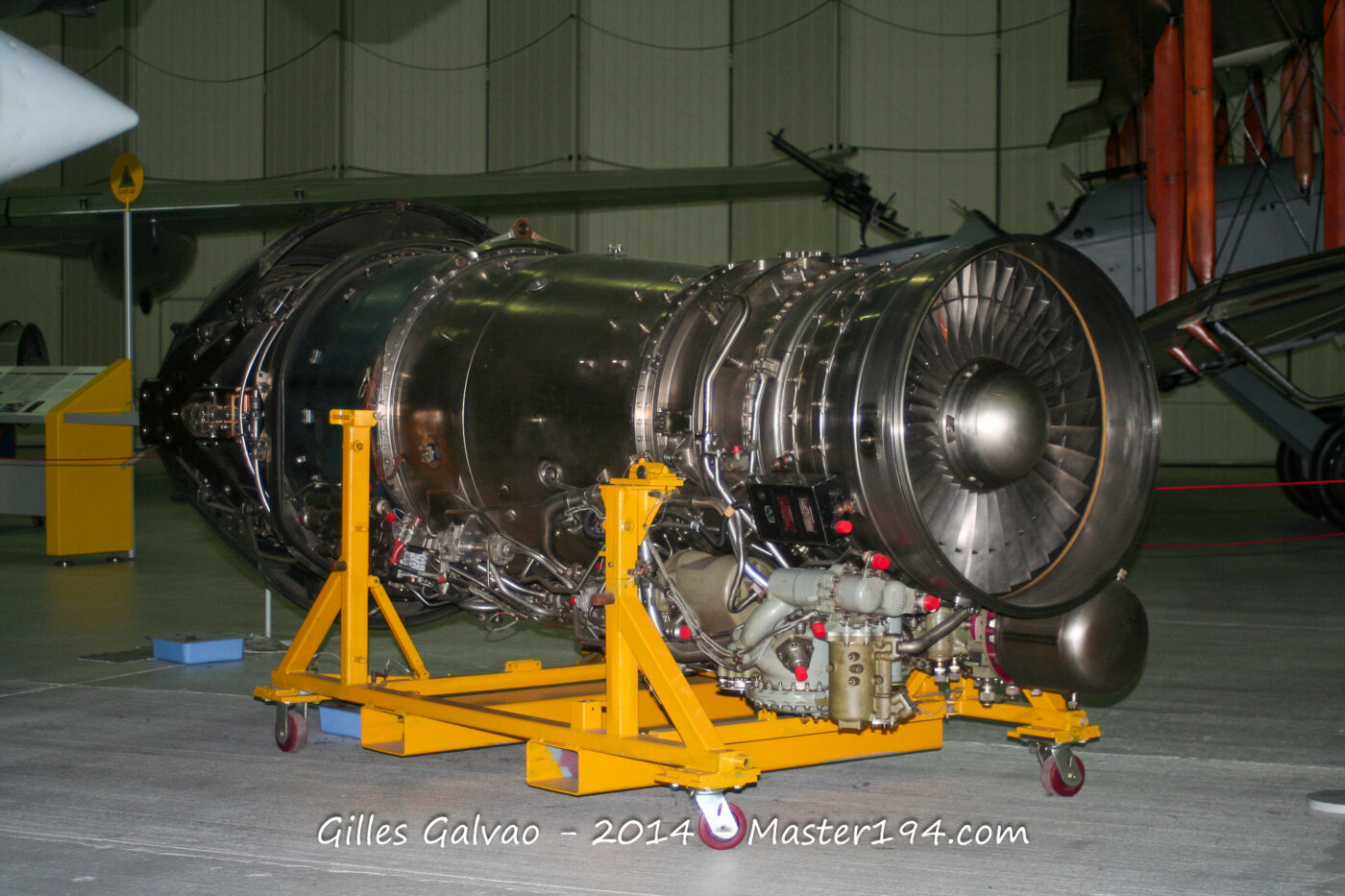
| Engine | 2 × Turbo-Union RB199 |
| Crew | 2 |
| Wingspan | 13.91 m wings spread / 8.60 m wings swept |
| Lenght | Approx. 16,72 m |
| Maximum speed | Approx. Mach 2.2 at high altitude |
| Maximum takeoff weight | Approx. 28 tonnes depending on variant |
| First flight | August 14, 1974 |
The Different Variants of the Tornado
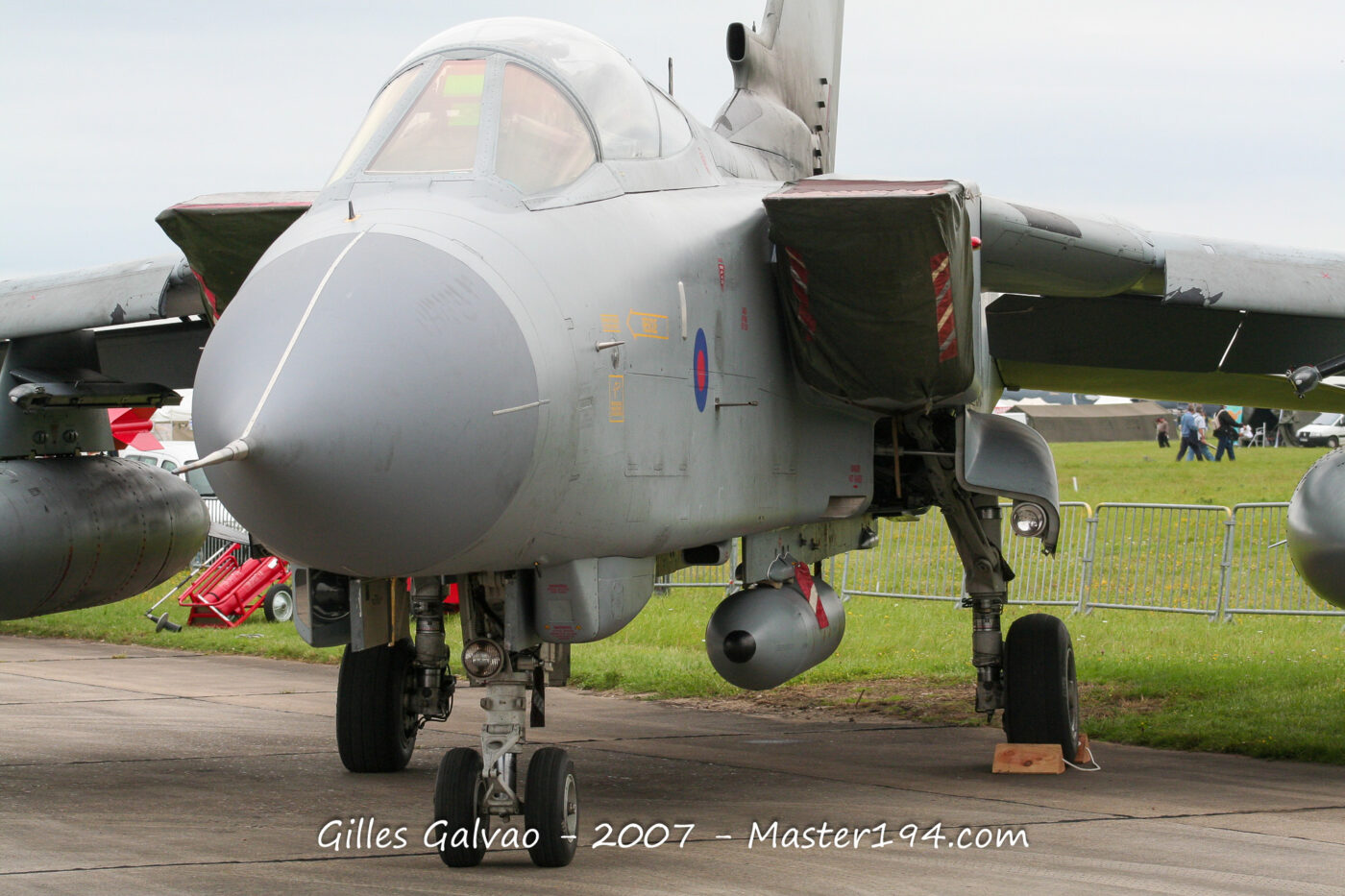
Tornado IDS (Interdictor / Strike): Low-Level Attack
As the main variant of the program, the Tornado IDS was designed for ground attack and tactical interdiction. Its key strength lies in its ability to penetrate enemy lines at very low altitudes, day or night and in adverse weather conditions, while carrying a heavy and varied weapons payload.
Tornado ECR (Electronic Combat / Reconnaissance): Electronic Warfare
Developed from the IDS, the Tornado ECR specializes in electronic reconnaissance and Suppression of Enemy Air Defenses (SEAD). It stands out for its radar-emission analysis sensors and its capability to deploy dedicated anti-radiation missiles.
Tornado ADV (Air Defence Variant): Long-Range Interceptor
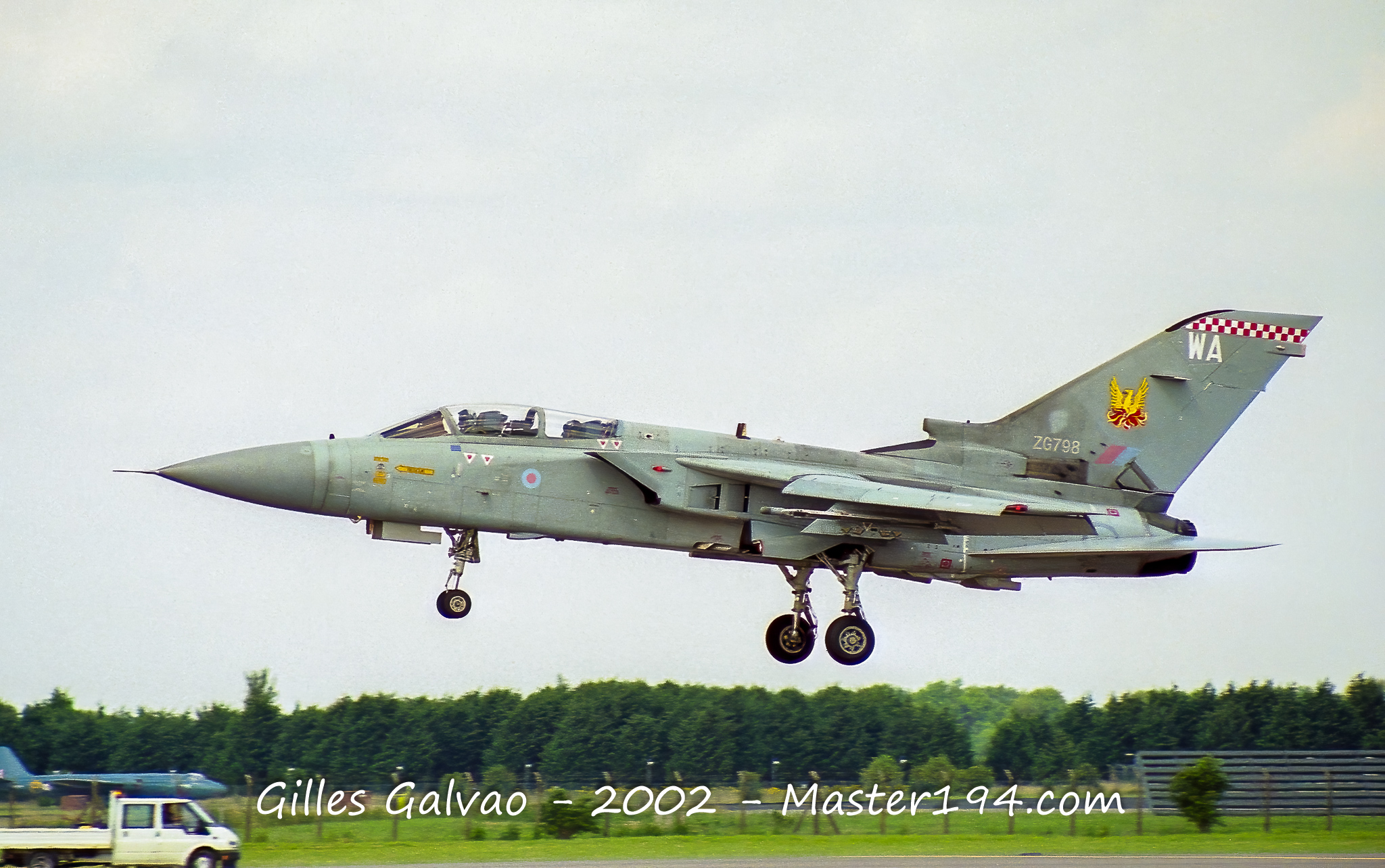
Designed specifically for air defense, the Tornado ADV is distinguished by a lengthened fuselage and the integration of the Foxhunter radar. Optimized for long-range interception rather than ground attack, it secured airspace protection until the mid-2000s before being replaced by the Eurofighter Typhoon.
Deployment and Operators
The Program’s Partner Nations
- United Kingdom (Royal Air Force): A major operator of the Tornado, the RAF fielded both the IDS strike variant (designated GR.1 and later upgraded to GR.4) and the ADV interception variant (F.2 and later F.3). These aircraft saw action in most major conflicts over recent decades.
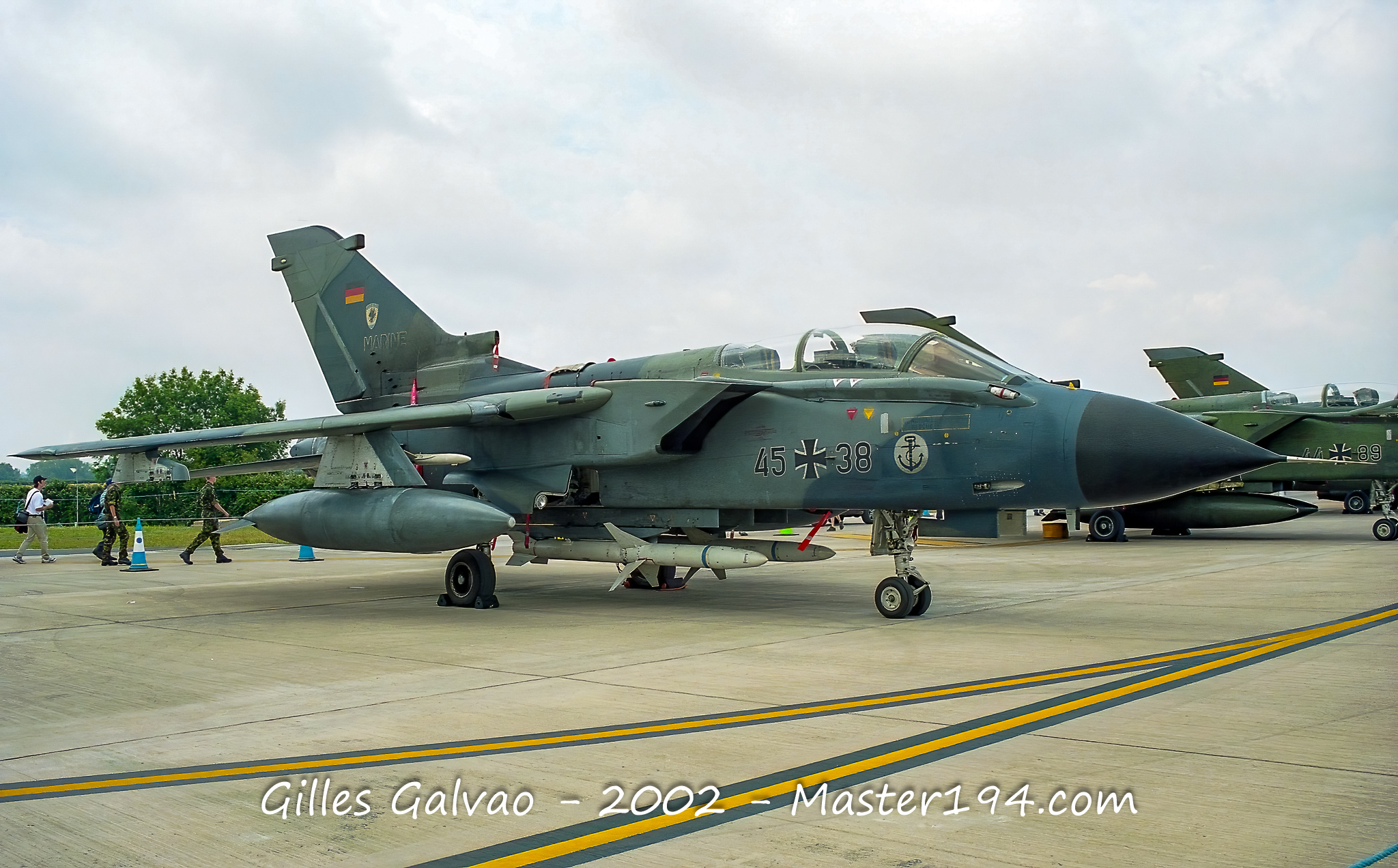
- Germany (Luftwaffe and Marineflieger): Germany operated the IDS version for ground-attack and anti-ship missions, while adopting the Tornado ECR for electronic warfare.
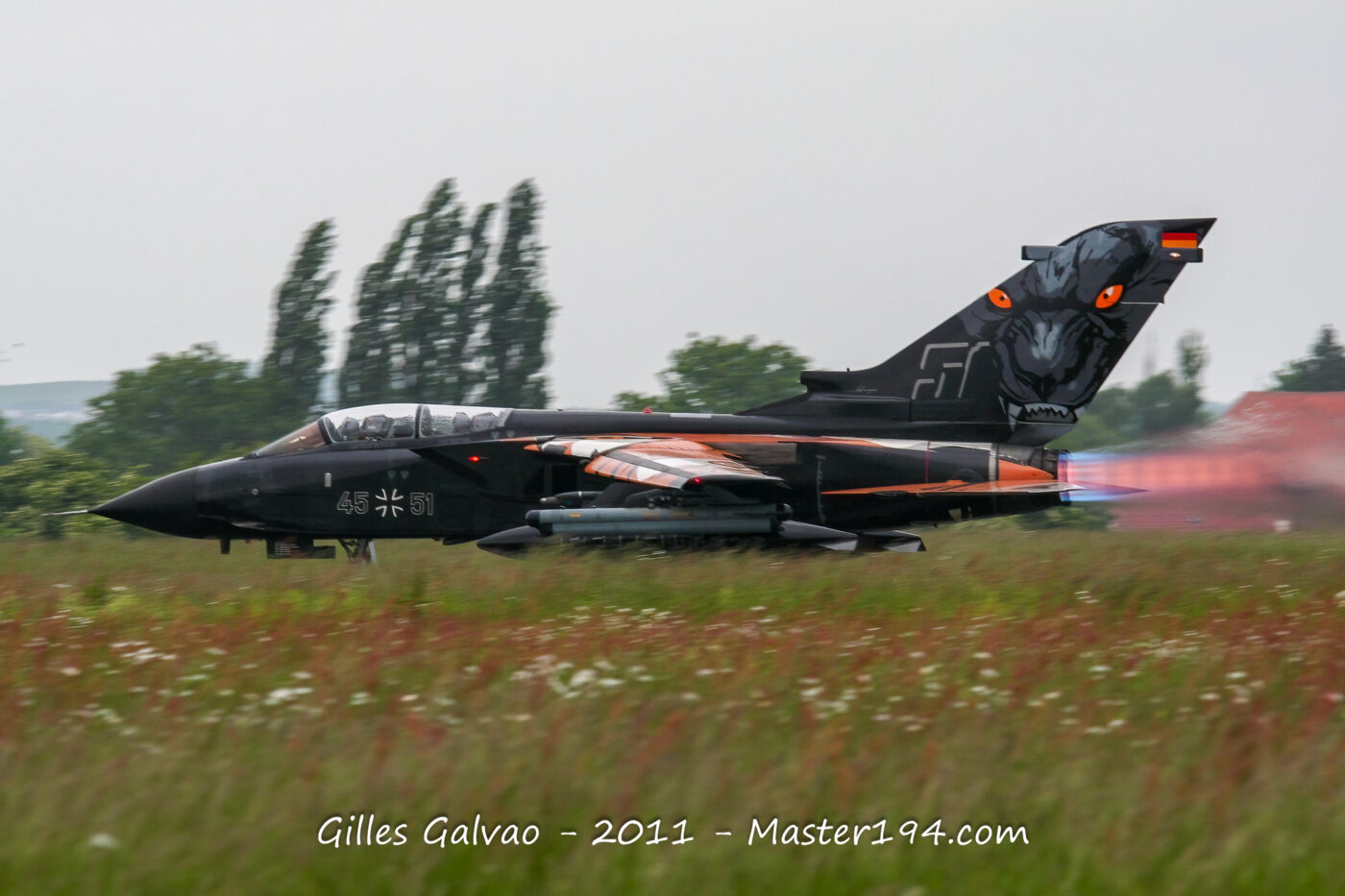
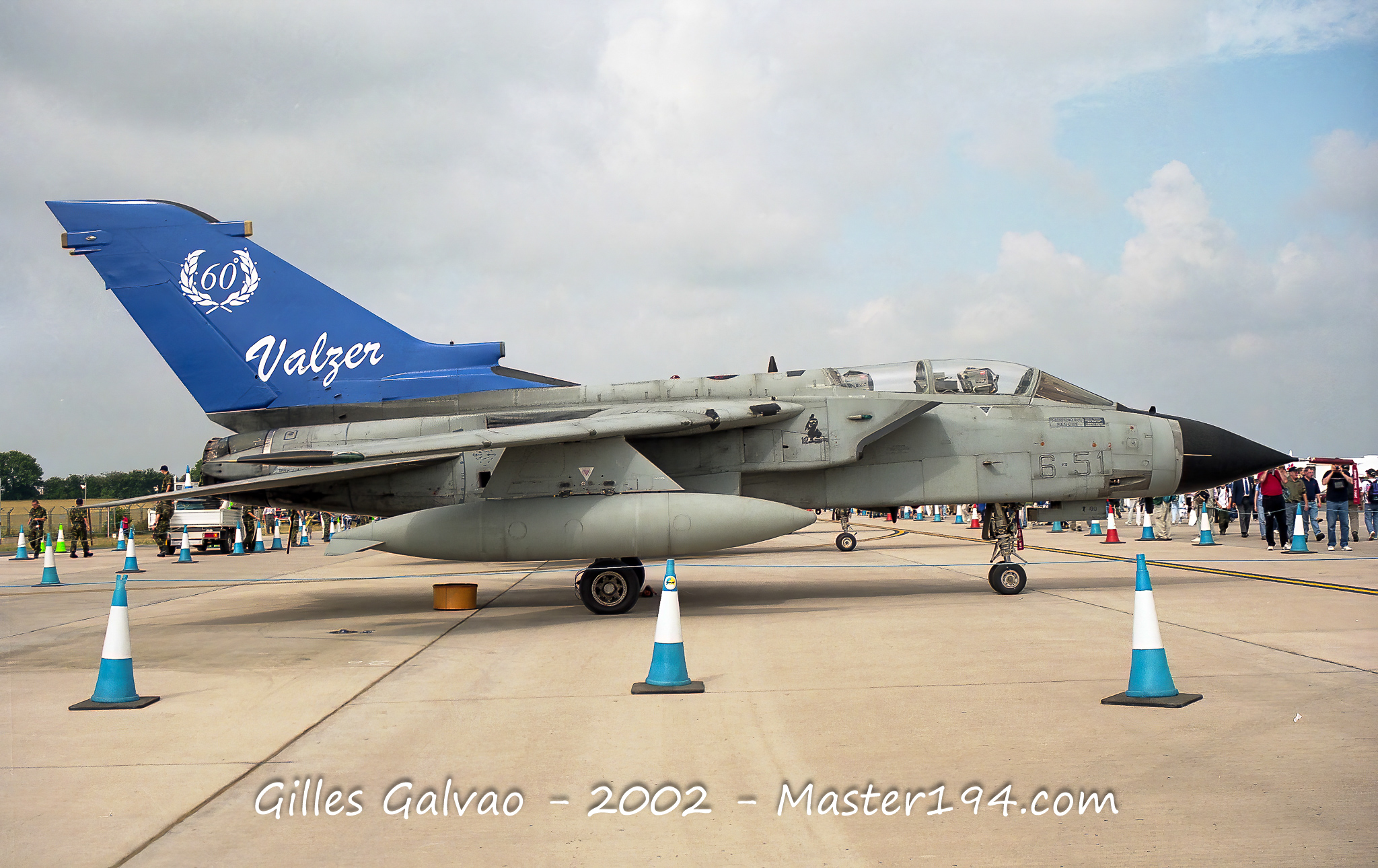
- Italy (Aeronautica Militare): The Italian Air Force chose a combination of the Tornado IDS for strike missions and the Tornado ECR for neutralizing enemy radars.
Export Success
- Saudi Arabia: As the sole export customer outside the original European triumvirate, the Royal Saudi Air Force acquired both IDS and ADV variants, expanding the Tornado’s operational reach to the Middle East.
An Exceptional Operational Record
In British Service
The Tornado saw its first major combat deployment during the 1991 Gulf War. Royal Air Force Tornado GR.1s were heavily used in low-level strike missions against Iraqi forces.
This campaign highlighted the Tornado’s penetration capabilities and airframe robustness, while also exposing the significant risks involved in ultra-low-altitude missions against dense air defenses.
British Tornados were subsequently deployed over Iraq throughout the 1990s, as well as in the Balkans during the Yugoslav Wars. GR.1 and GR.4 aircraft notamment took part in NATO operations over Bosnia and Herzegovina and Kosovo.
In the early 2000s, British Tornados participated in the intervention in Afghanistan and the Iraq War. Progressively modernized, the GR.4 variants remained core assets for the Royal Air Force until their final retirement in 2019.
In German Service
German Tornados also saw extensive operational service. The Luftwaffe deployed its aircraft to the Balkans during the 1990s, notably as part of NATO operations in Bosnia and Herzegovina.
German Tornado ECRs went on to participate in Operation Allied Force over Yugoslavia in 1999, carrying out electronic reconnaissance and Suppression of Enemy Air Defenses (SEAD) missions.
German Tornados continued their operational service in the Middle East and Afghanistan, where they were deployed primarily for reconnaissance duties.
In Italian Service
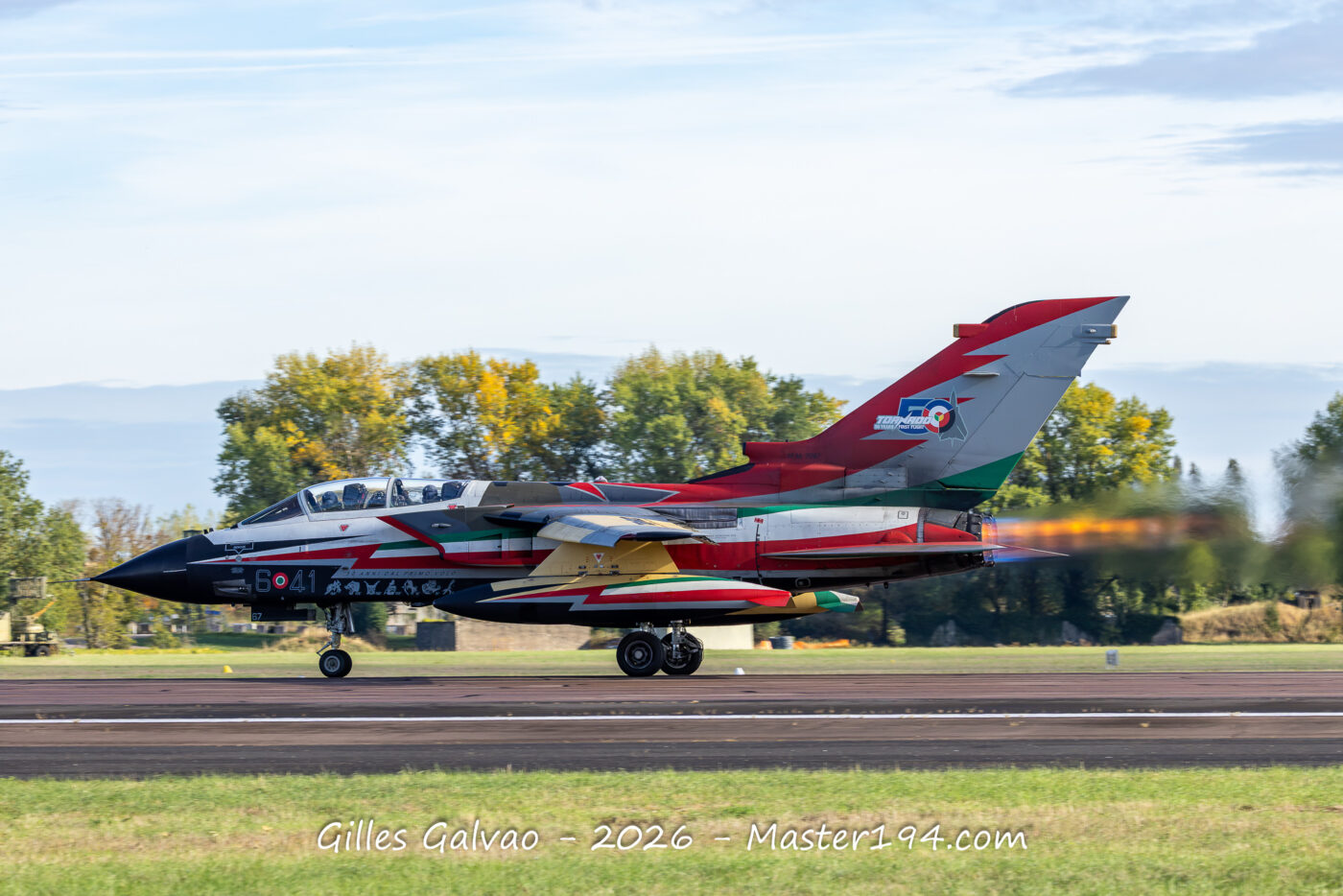
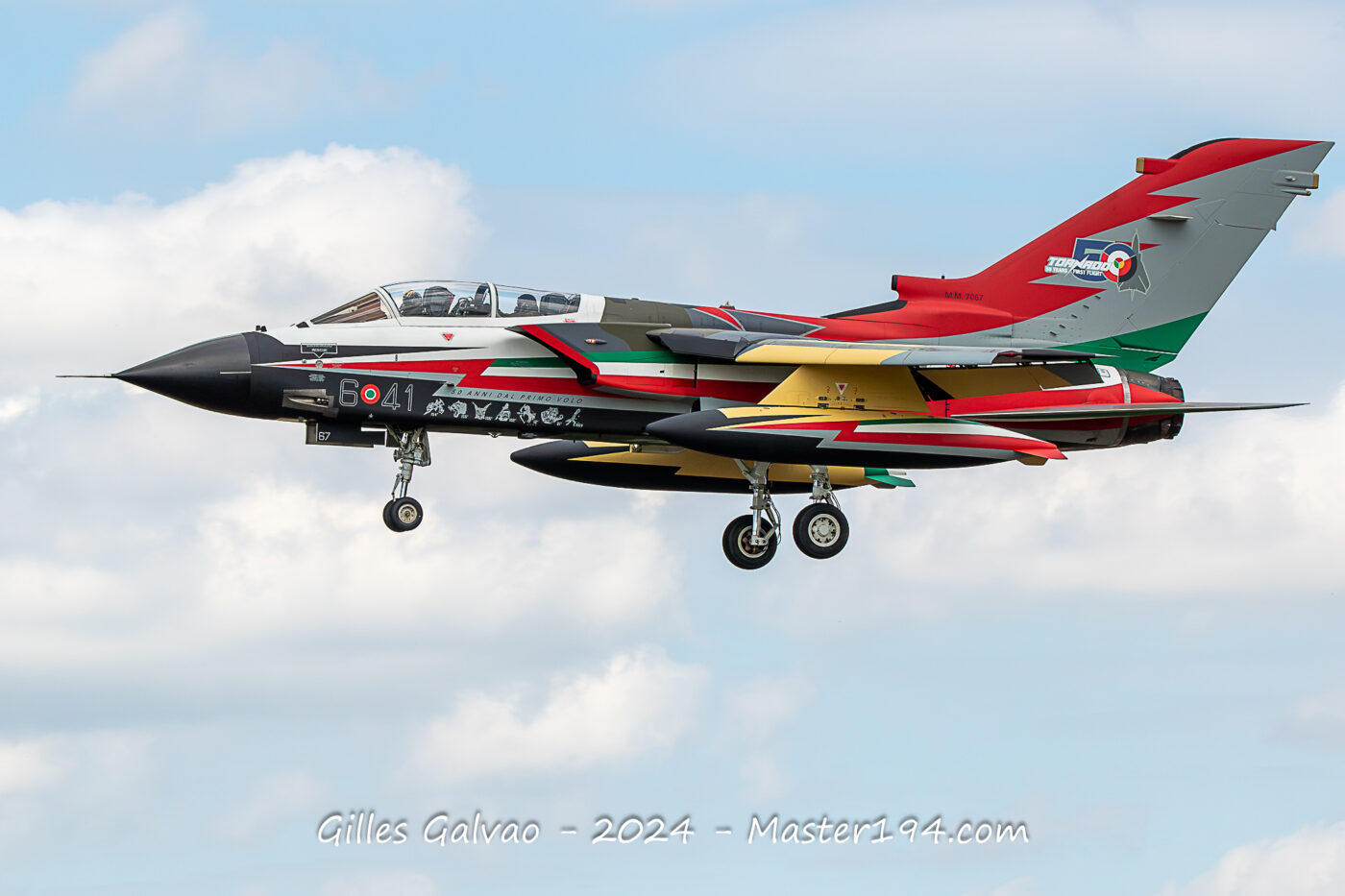
Italian Tornados have been deployed in numerous international operations, notably participating in the Gulf War, operations in the Balkans, and various NATO missions.
Italian Tornado ECRs played a specialized role in Suppression of Enemy Air Defenses (SEAD) missions, thanks to their ability to detect and neutralize opposing radar systems.
In Saudi Service
Saudi Arabia stands as the Tornado’s primary export customer. Its aircraft notably took part in the 1991 Gulf War as well as various regional operations.
This operational career illustrates the Tornado’s ability to adapt to employment doctrines and operating environments distinct from those of European air forces.
A Gradual Phase-Out
The retirement of the Tornado has taken place progressively across operator nations. The Royal Air Force retired its last GR.4s in 2019, bringing more than four decades of British service to an end.
In Germany, the Tornado continues its active service today in 2026, primarily in reconnaissance and electronic warfare roles. The aircraft is slated for gradual replacement by a mix of new systems, including the Eurofighter Typhoon.
Italy also retains its Tornados for strike and air defense suppression missions, while the remaining Saudi aircraft continue to represent one of the last major operational Tornado fleets.
Despite its gradual withdrawal from European air forces, the Tornado has left a lasting mark on military aviation history. Designed in the 1960s to meet Cold War requirements, it ultimately took part in vastly different conflicts and operations—from the Gulf War to the Balkans, and from Afghanistan to Iraq.
Its longevity stands as proof of its sound design concept: a complex aircraft tailored for low-level penetration, yet versatile enough to evolve over decades through continuous modernizations.
The Tornado in Scale Modeling
The Panavia Tornado is a particularly popular subject for scale modelers due to the diversity of its variants and the wide array of liveries worn throughout its service life.
Available kits allow for building all major versions of the aircraft, from the Tornado IDS and GR.4 to the ECR and F.3 variants. The various operator air forces also offer a rich selection of markings and operational configurations.
Key Kits by Scale
1/48 Scale: This scale arguably offers the most appealing range of choices. Revell kits provide an excellent foundation for modeling the Tornado IDS and ECR, while HobbyBoss also offers several references. Older Hasegawa kits remain popular for their surface detail and accurate overall shapes, despite tooling that can feel dated in certain areas.
1/72 Scale: While there is a broad selection available, the most compelling offerings today come from Revell and HobbyBoss, with kits covering the aircraft’s primary variants. Older moldings from Airfix, Italeri, and Hasegawa remain available on the secondhand market, though they are generally less impressive compared to more recent tooling.

1/32 Scale: The selection is significantly more limited. The main modern choice is the Revell kit, while Hasegawa has also offered a Tornado in this scale.