 by
Conceived in the late 1960s to meet the complex requirements of the European MRCA (Multi-Role Combat Aircraft) program, the Turbo-Union RB199 remains one of the most iconic military engines of European industrial cooperation. Developed specifically to power the Panavia Tornado, this three-shaft, low-bypass turbofan with afterburner had to satisfy a particularly demanding specification: enabling the aircraft to execute long low-level penetration missions while maintaining the performance and responsiveness required for supersonic flight. Compact, relatively lightweight, and featuring a three-shaft architecture, the RB199 thus represents a highly sophisticated compromise between low-altitude endurance, supersonic performance, and ease of integration into the Tornado airframe.
A Pioneering Industrial Cooperation
To carry out the development of an engine capable of equipping British, German, and Italian fleets, the Turbo-Union consortium was established in 1969.
The industrial workshare reflected the respective expertise of the three engine manufacturers: Rolls-Royce held a 40% stake in the program, MTU Aero Engines 40%, and Fiat Aviazione 20%. MTU was specifically responsible for the intermediate- and high-pressure compressors, the intermediate-pressure turbine, several structural assemblies and auxiliary systems, as well as the digital engine control system. Rolls-Royce and Fiat Aviazione produced the remaining engine modules under a workshare structure designed to divide development and production among the three partners.
This industrial synergy laid the groundwork for subsequent major European intergovernmental programs, most notably the Eurojet EJ200.
Technical Choices and Operational Features
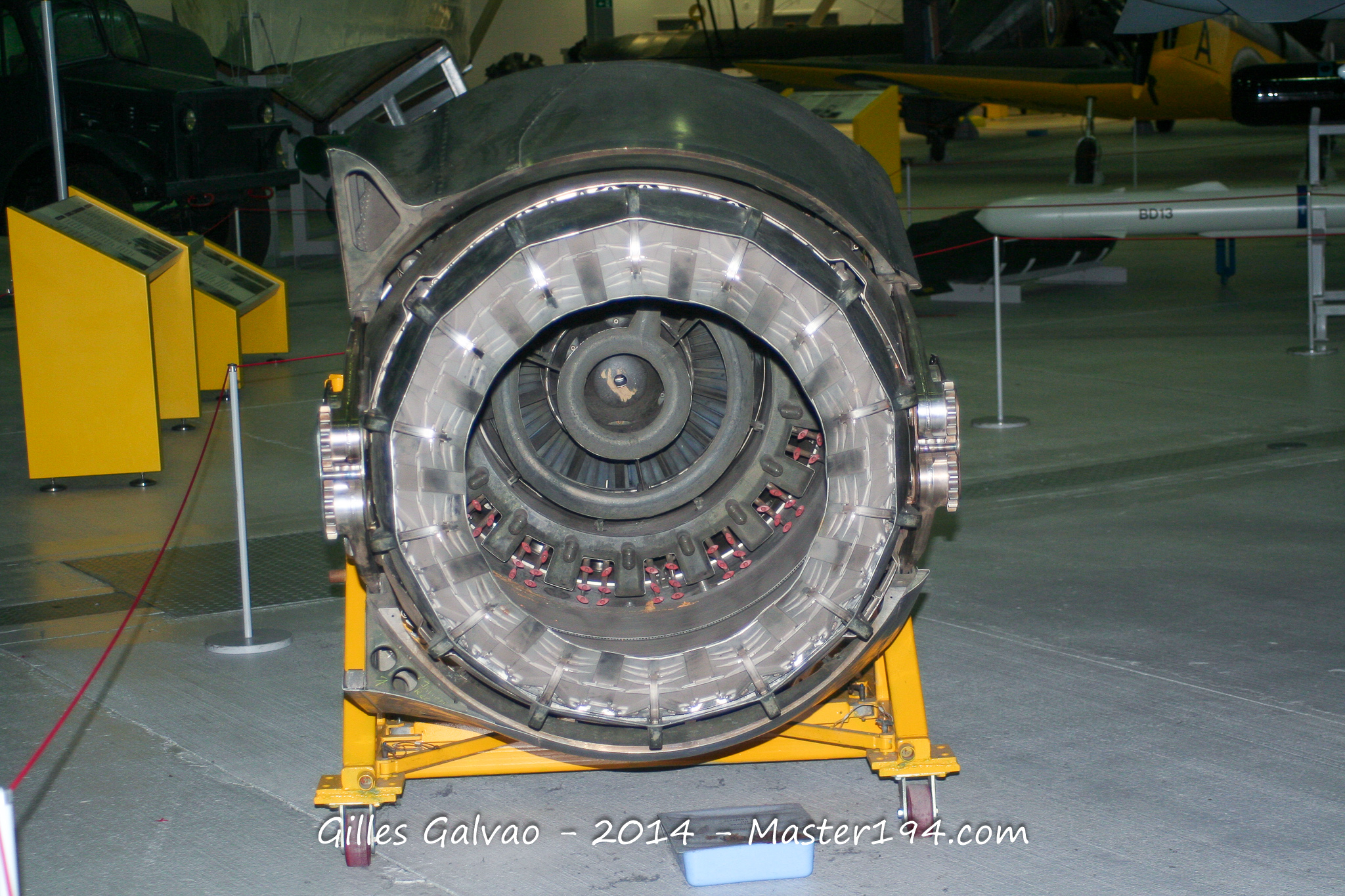
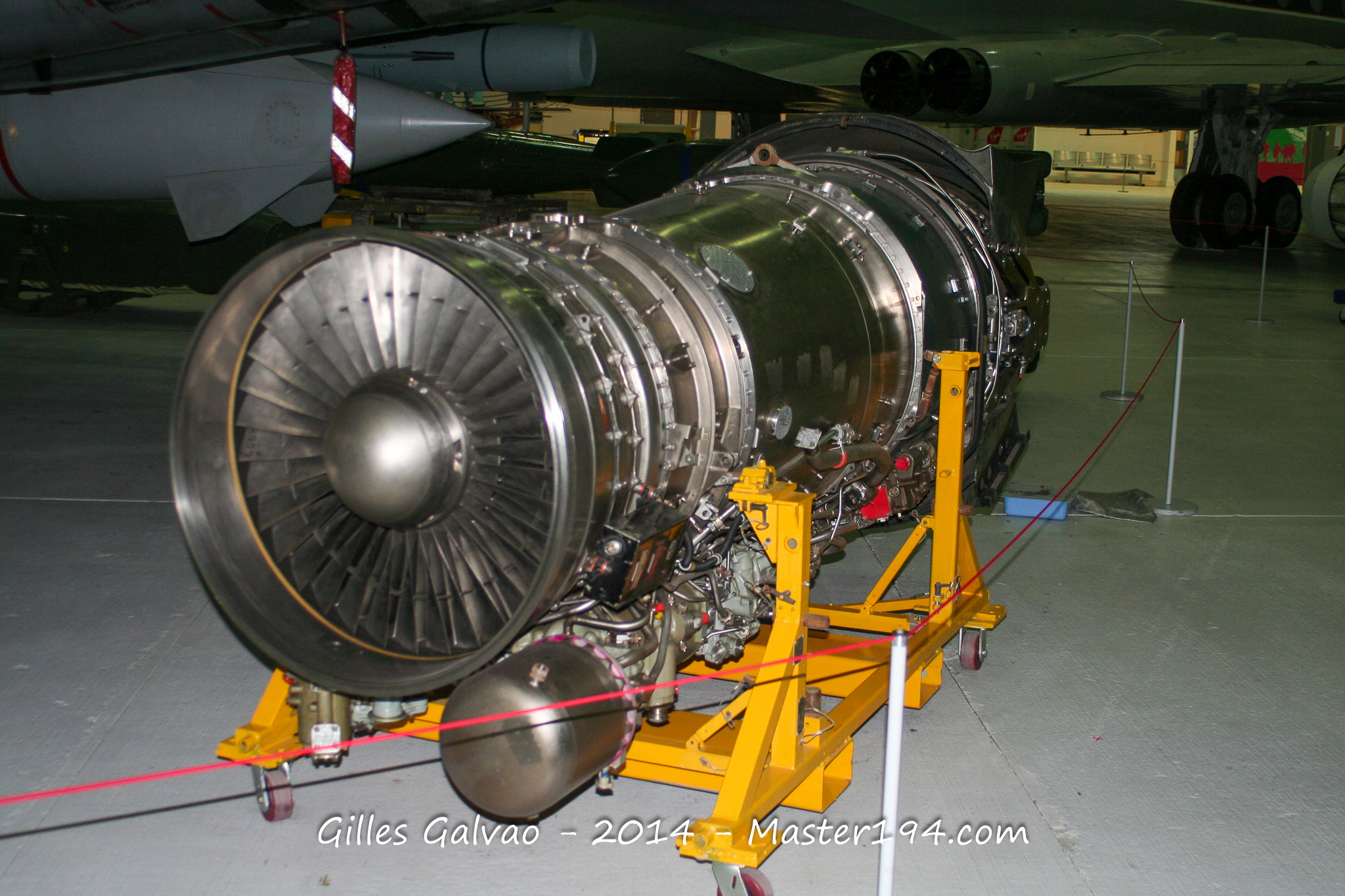
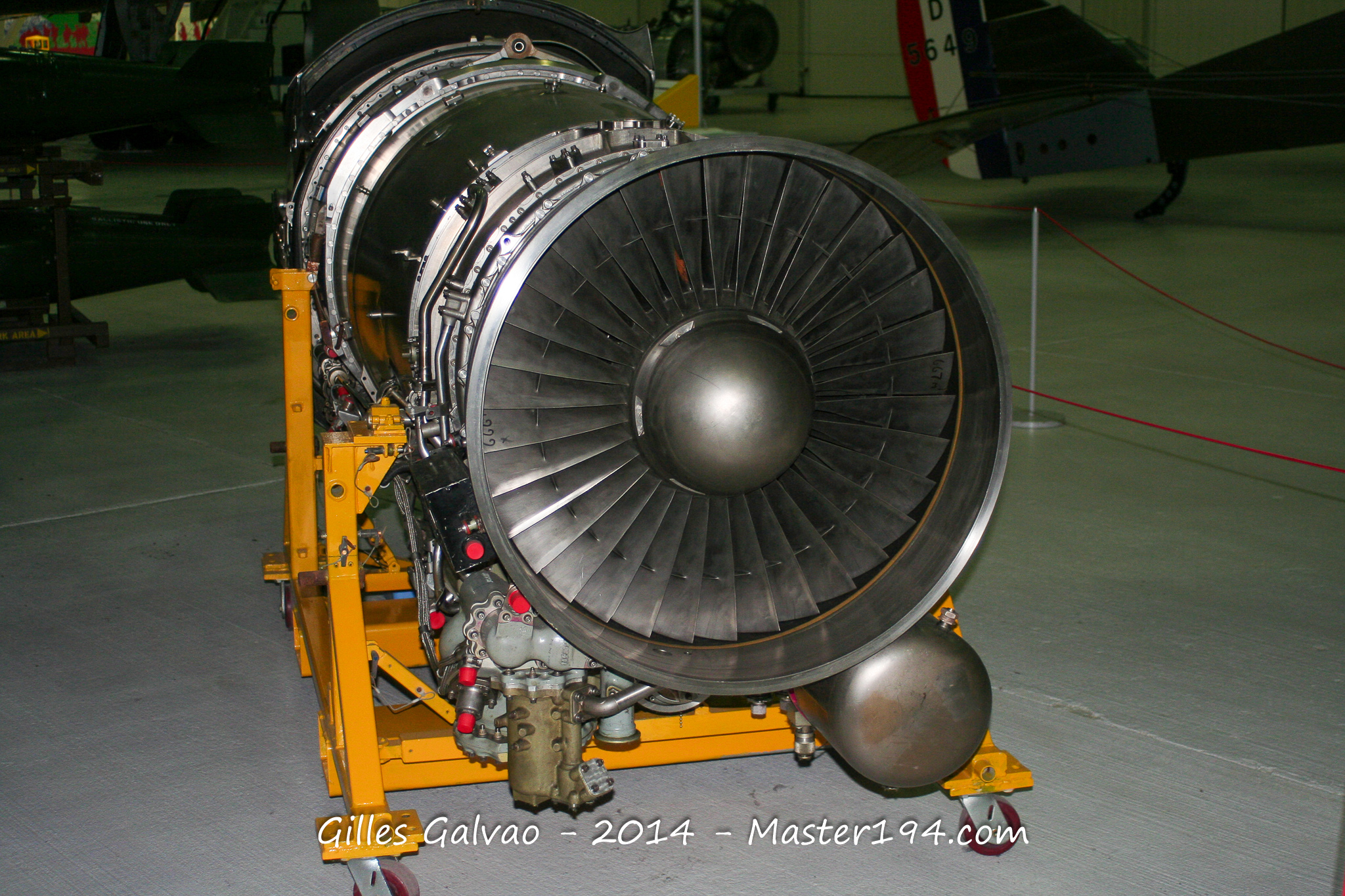
The RB199 is distinguished by a particularly compact three-spool architecture. This design allows each shaft to operate at a rotational speed tailored to its specific operating envelope, contributing to strong engine performance across a particularly wide flight envelope.
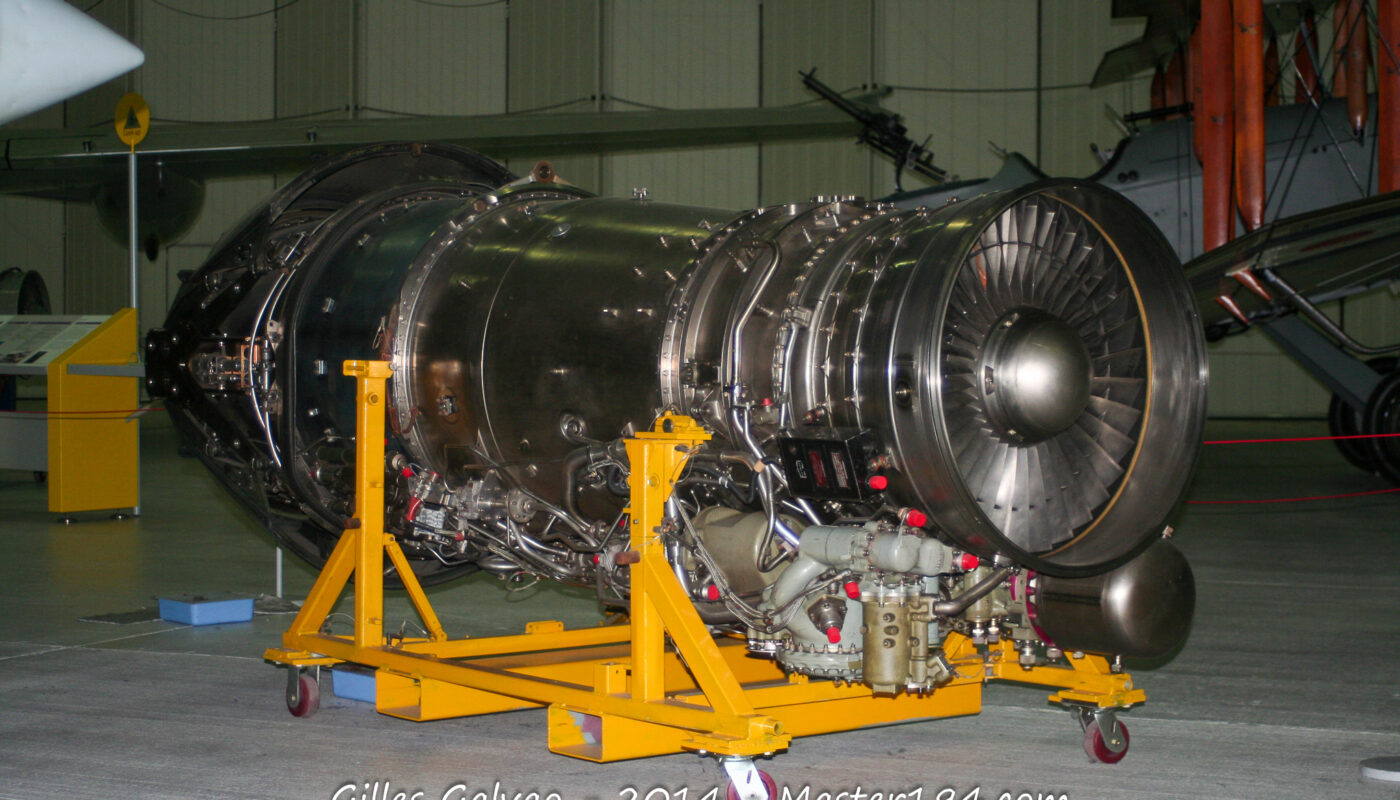
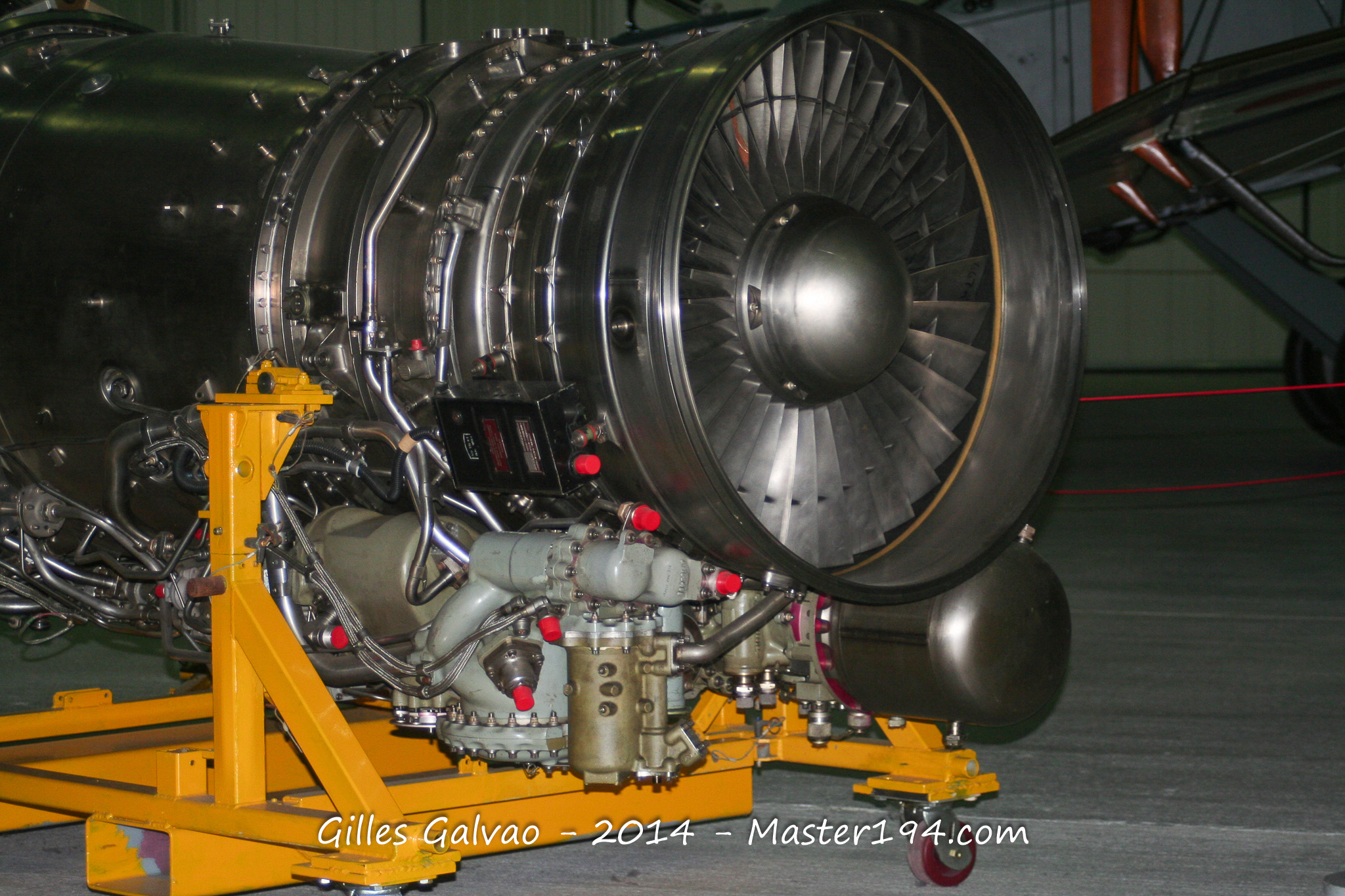
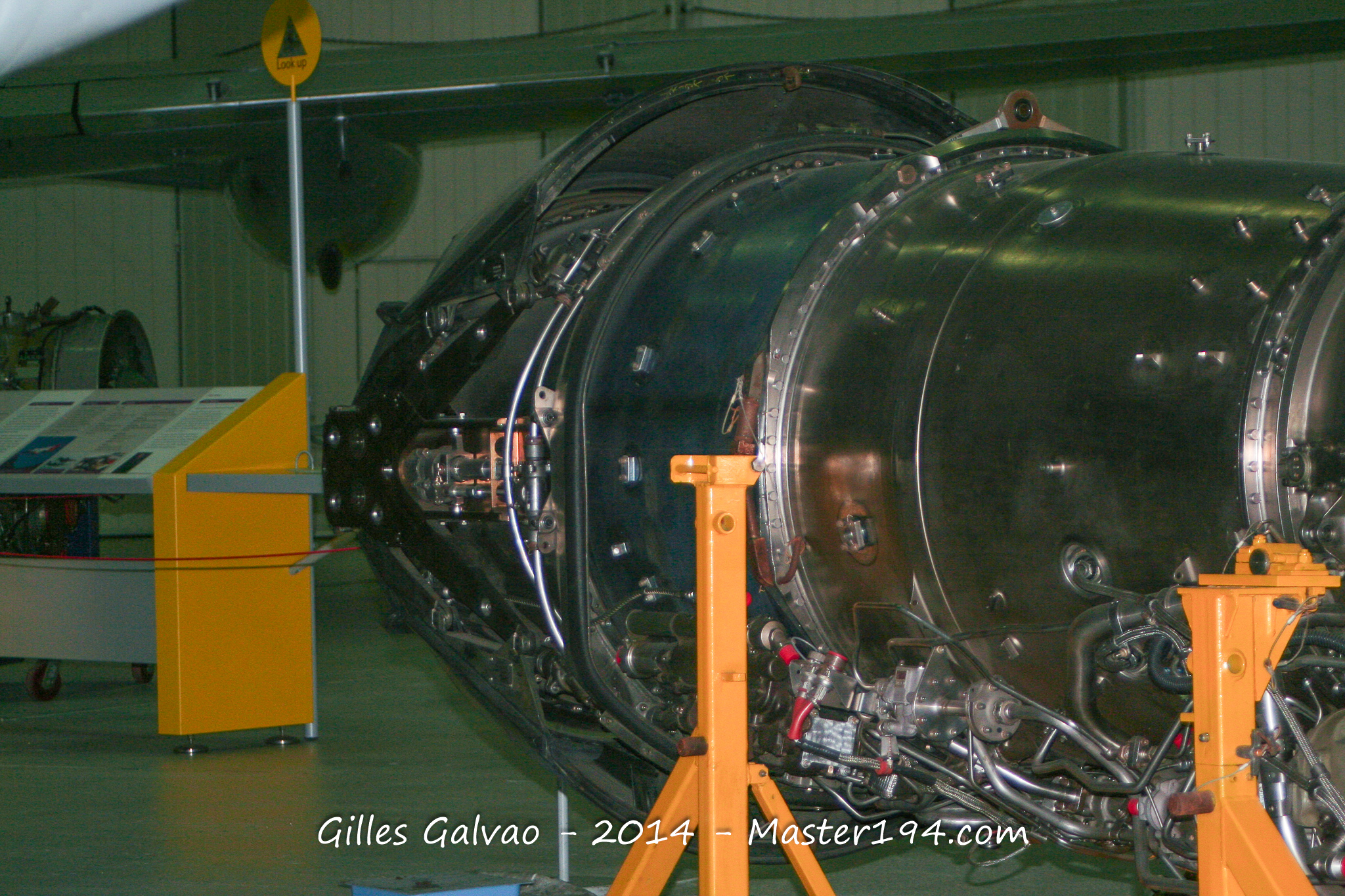
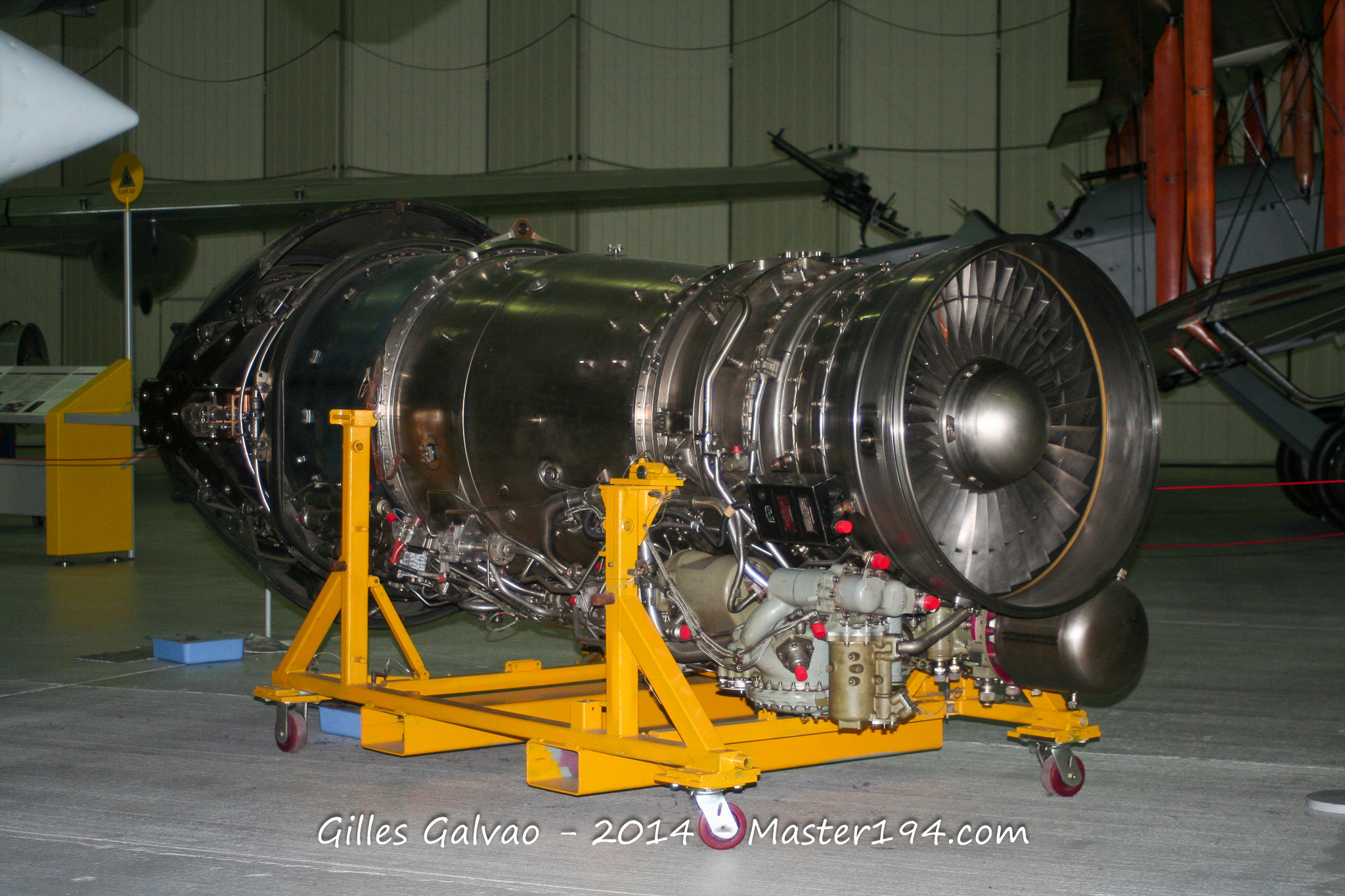
Engine seen at IWM Duxford.
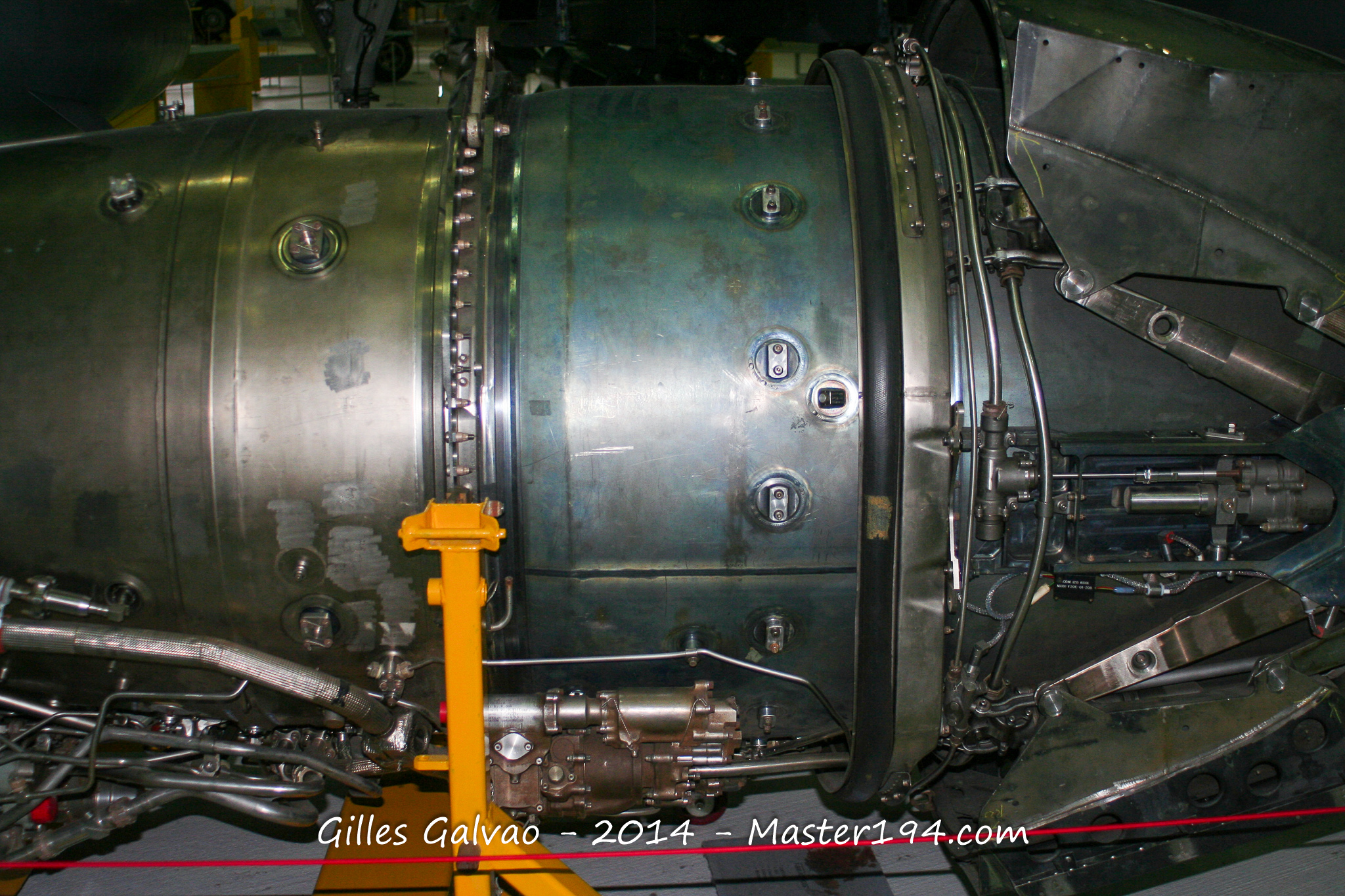
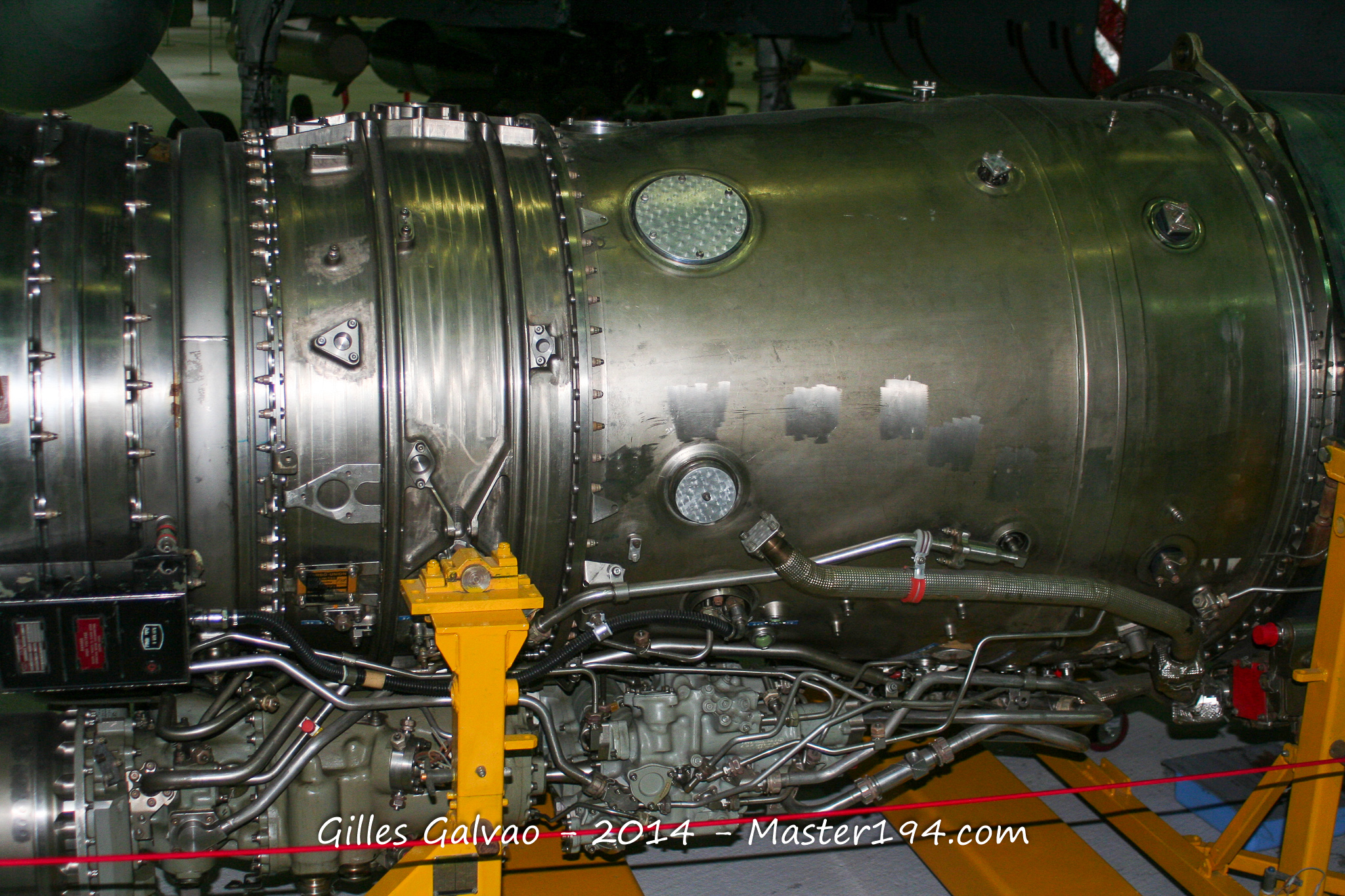
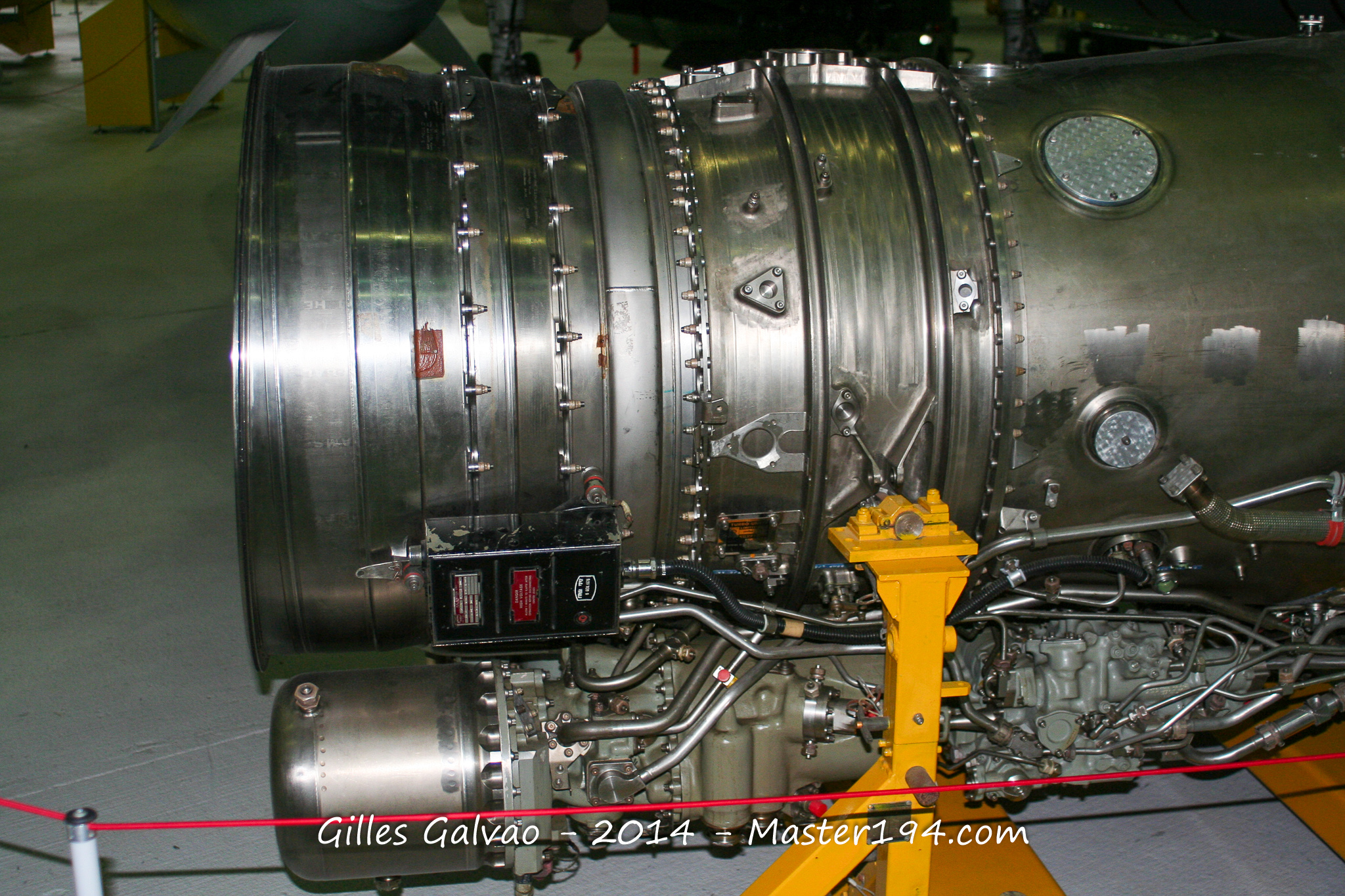
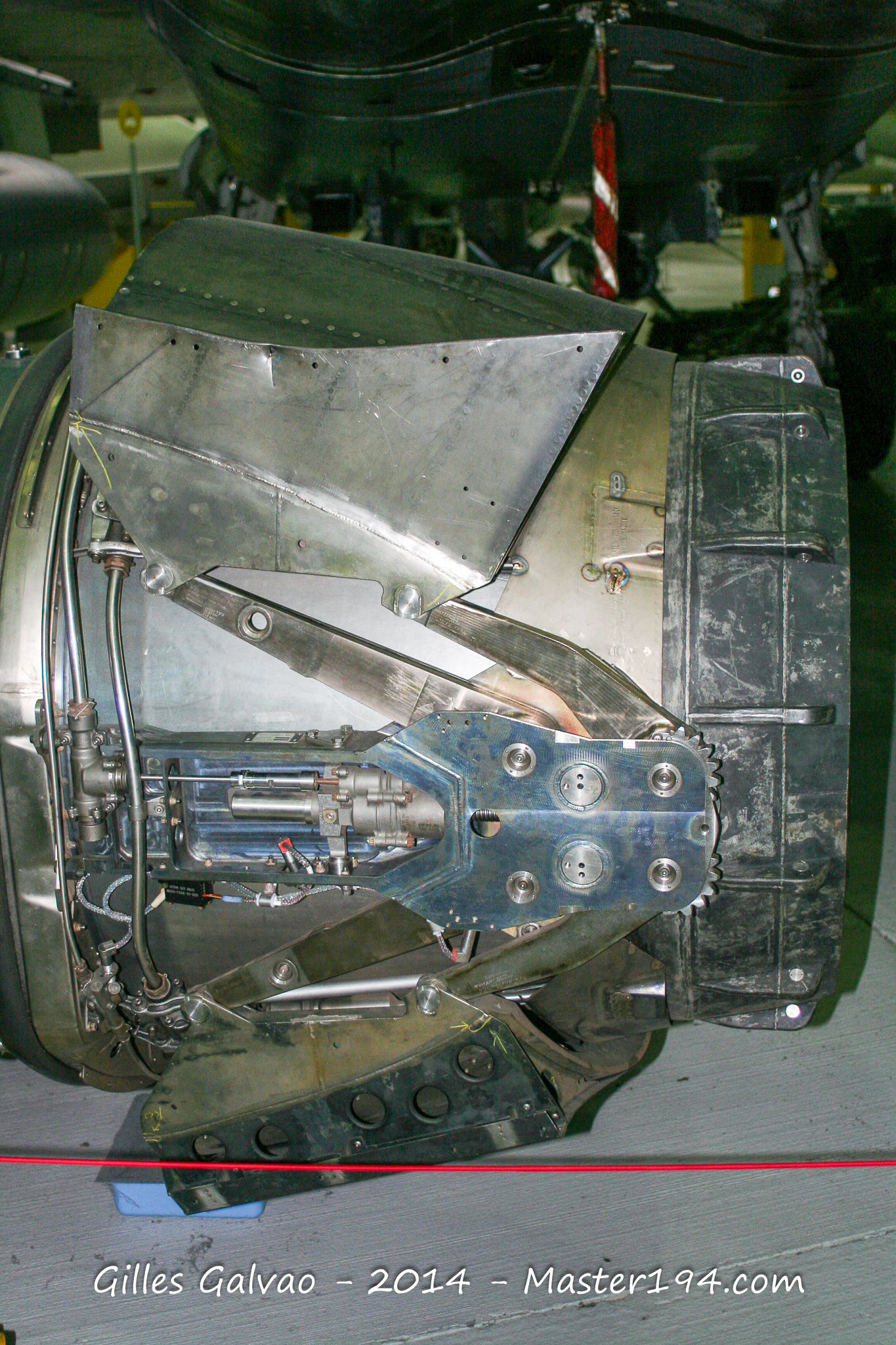
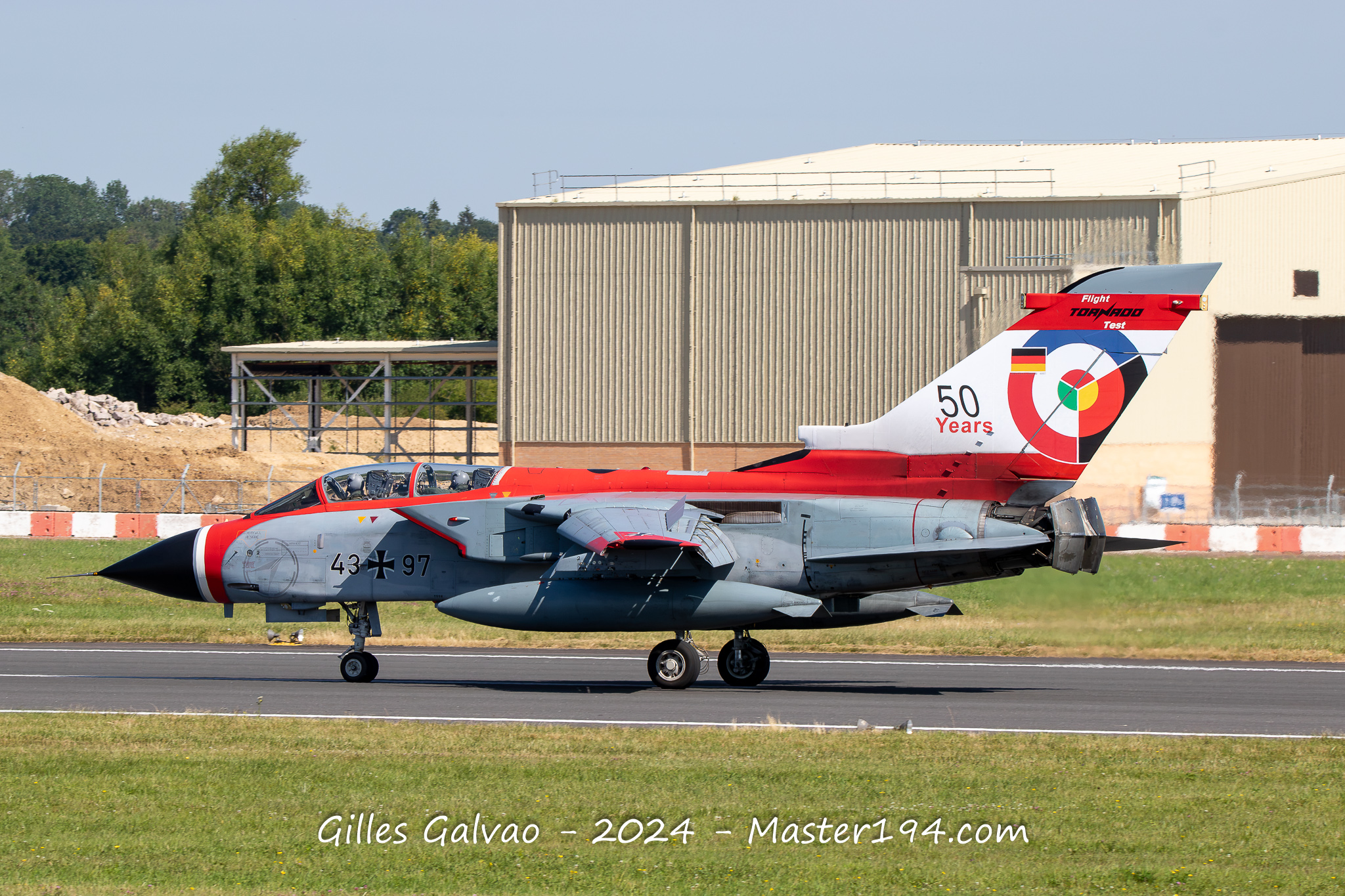
One of the most notable features of the RB199 lies in the direct integration of thrust reverser buckets at the rear of the nozzle. These reversers significantly reduce landing distance and represent a particularly valuable capability for an aircraft designed to operate from threatened bases or degraded infrastructure.
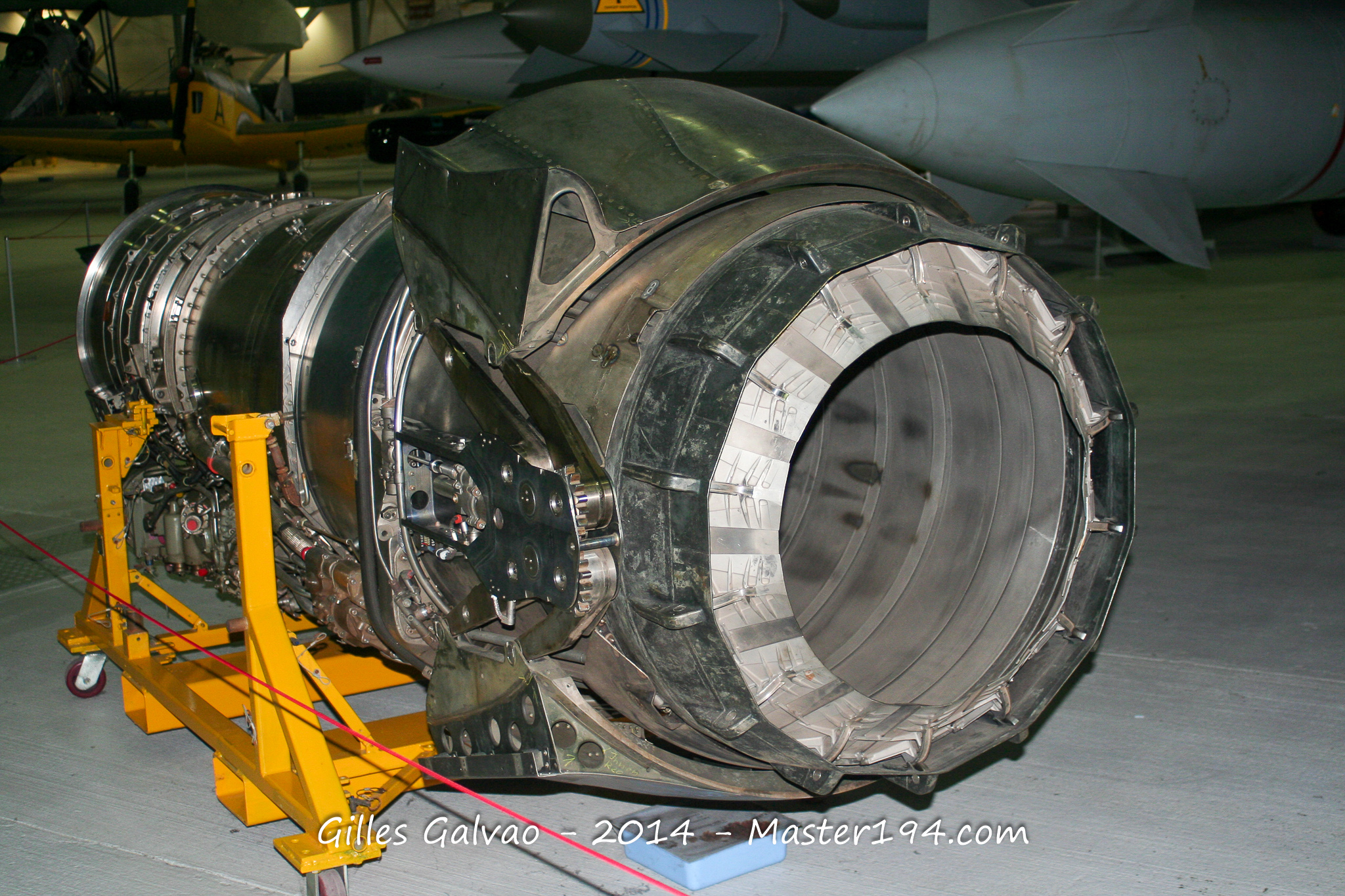
Best viewed with sound to appreciate the movement of the thrust reverser buckets and the mechanical sound of the mechanism (2004 video… standard quality for the era):
The RB199 was also among the early military engines to feature a digital engine control unit (DECU). This electronic management system enhanced control precision and engine behavior across its entire operating envelope.
A Historic Flying Testbed: The Link with Concorde
Prior to its initial flights aboard the Tornado prototype, the RB199 underwent a unique flight-testing phase. It shares a major historical anecdote with another supersonic aviation icon: Concorde.
To validate its aerodynamic and thermodynamic flight characteristics, Rolls-Royce utilized a specially modified Avro Vulcan B.1 bomber as a flying testbed (serial number XA903). The aircraft was fitted with a large test gantry/nacelle mounted directly under its ventral fuselage:
- Concorde Testing: In the mid-1960s, XA903’s ventral nacelle housed a Rolls-Royce/Snecma Olympus 593 engine to test the air intakes and behavior of the propulsion system intended for the future supersonic airliner.
- Transition to the RB199: In the early 1970s, following the completion of Olympus testing, the same ventral structure under the Vulcan was adapted to accommodate the Turbo-Union RB199 prototype. The engine completed its maiden test flight on the platform in April 1973.
This single Avro Vulcan thus served as the ventral qualification platform for two of the most iconic European supersonic propulsion programs of their era.
Fiche technique (Versions Mk 103)
| Parameter | RB199 Mk 103 |
|---|---|
| Architecture | Twin-spool turbofan, three-shaft, with afterburner |
| LP compressor | 3 stages |
| IP compressor | 3 stages |
| HP compressor | 6 stages |
| HP turbine | 1 stage |
| IP turbine | 1 stage |
| LP turbine | 2 stages |
| Length | ≈ 3.2 m |
| Maximum diameter | ≈ 0.87 m |
| Dry weight | ≈ 1,080 kg* |
| Maximum dry thrust | ≈ 40.5 kN |
| Maximum afterburning thrust | ≈ 71.2 kN |
| Bypass ratio | ≈ 1:1 |
| Overall pressure ratio | ≈ 23:1 |
| Engine control | DECU (Digital Engine Control Unit) |
| Thrust reverser | Yes |
* Weight including the thrust reverser, according to the manufacturer’s data.
Variant Evolution and Series Developments
The RB199 was developed into several variants aligned with the progression of the Tornado platform:
- Mk 101: Initial production variant equipping early Tornado IDS aircraft.
- Mk 103: Standard strike variant, offering improved reliability and increased thrust for the Tornado IDS.
- Mk 104: Extended-reheat variant featuring a lengthened jet pipe, developed for the Tornado ADV interceptor.
- Mk 105: Thrust-optimized variant equipping the Tornado ECR, dedicated to Electronic Combat / Reconnaissance and Suppression of Enemy Air Defenses (SEAD) missions.
Beyond the Tornado fleet, the RB199 also powered the BAe EAP technology demonstrator and served as an interim powerplant for the first two Eurofighter Typhoon prototypes (DA1 and DA2, designated RB199-122) prior to the finalization of the Eurojet EJ200.