 by
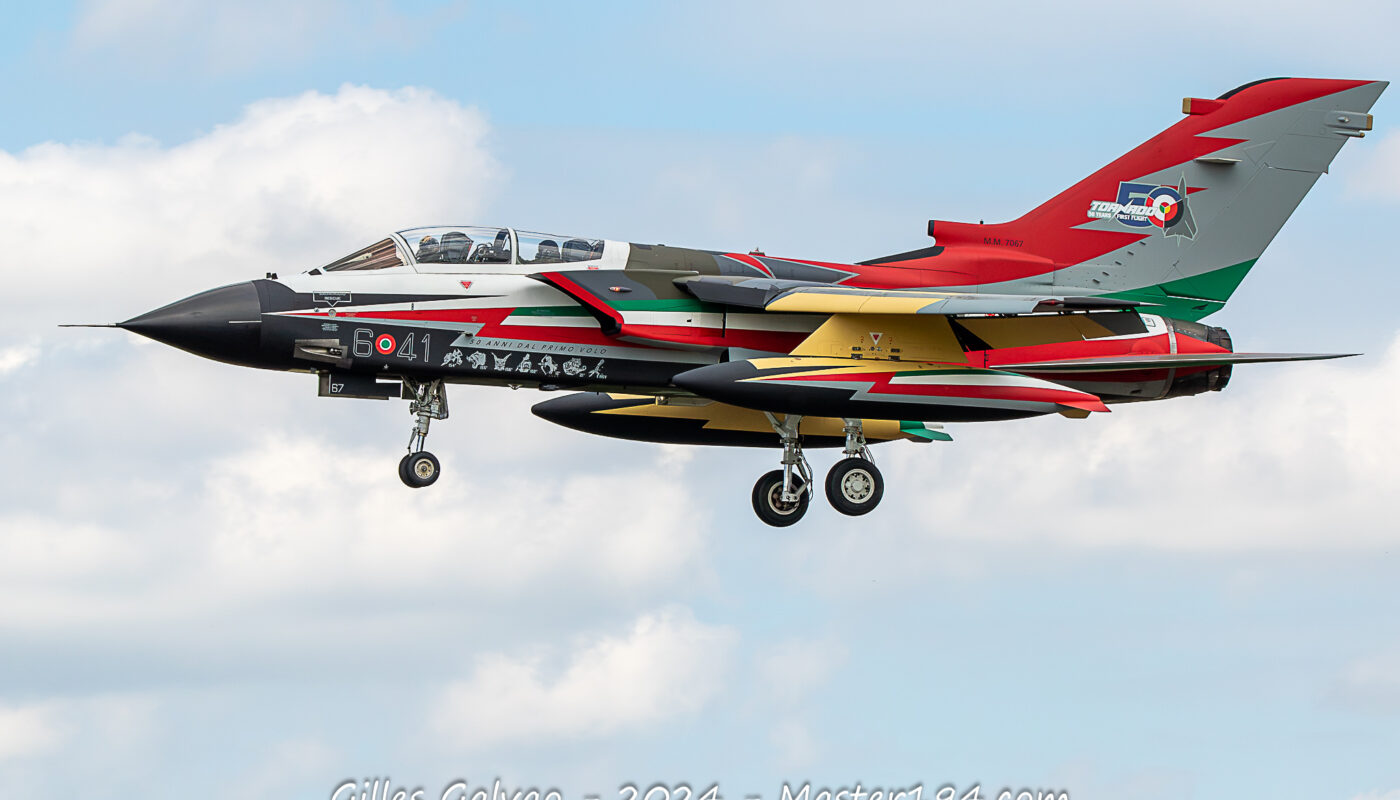
The history of the Panavia Tornado within the Aeronautica Militare is closely linked to that of European industrial cooperation. Designed in the late 1960s to meet the shared requirements of three European air forces, the Tornado would go on to become one of Italy’s primary combat aircraft for over four decades.
AD
From its early very low-level penetration missions to reconnaissance deployments in the Middle East, along with electronic warfare and operations over the Balkans and Libya, the Italian Tornado has constantly evolved. In 2026, as the F-35A gradually replaces it, the final remaining aircraft continue their operational service.
A European Industrial Venture
In the late 1960s, Italy joined the Federal Republic of Germany and the United Kingdom to develop a new multi-role combat aircraft. The MRCA (Multi-Role Combat Aircraft) program was intended to provide all three nations with an aircraft capable of performing multiple mission types while sharing industrial costs and expertise.
In 1969, the three countries established Panavia Aircraft GmbH, the company tasked with coordinating the development and production of the future jet.
The industrial workload was divided based on each partner’s specialization. In Italy, Aeritalia was responsible for designing and manufacturing the variable-sweep wings. The British Aircraft Corporation (BAC) produced the forward and rear fuselage sections, while Germany’s MBB built the center section.
Engine development followed a similar cooperative approach. The RB199 turbofan was developed by the Turbo-Union consortium, uniting Rolls-Royce, MTU, and FIAT Aviazione, with the latter holding a 20% stake in the engine program.
This structure allowed Italy to play a direct role in designing and producing the Tornado, far beyond that of a mere end user.
The Italian Tornado Enters Service
Italy ultimately ordered 100 Tornado IDS aircraft, including 12 dual-control trainers. The first aircraft for the Aeronautica Militare was delivered on September 25, 1981.
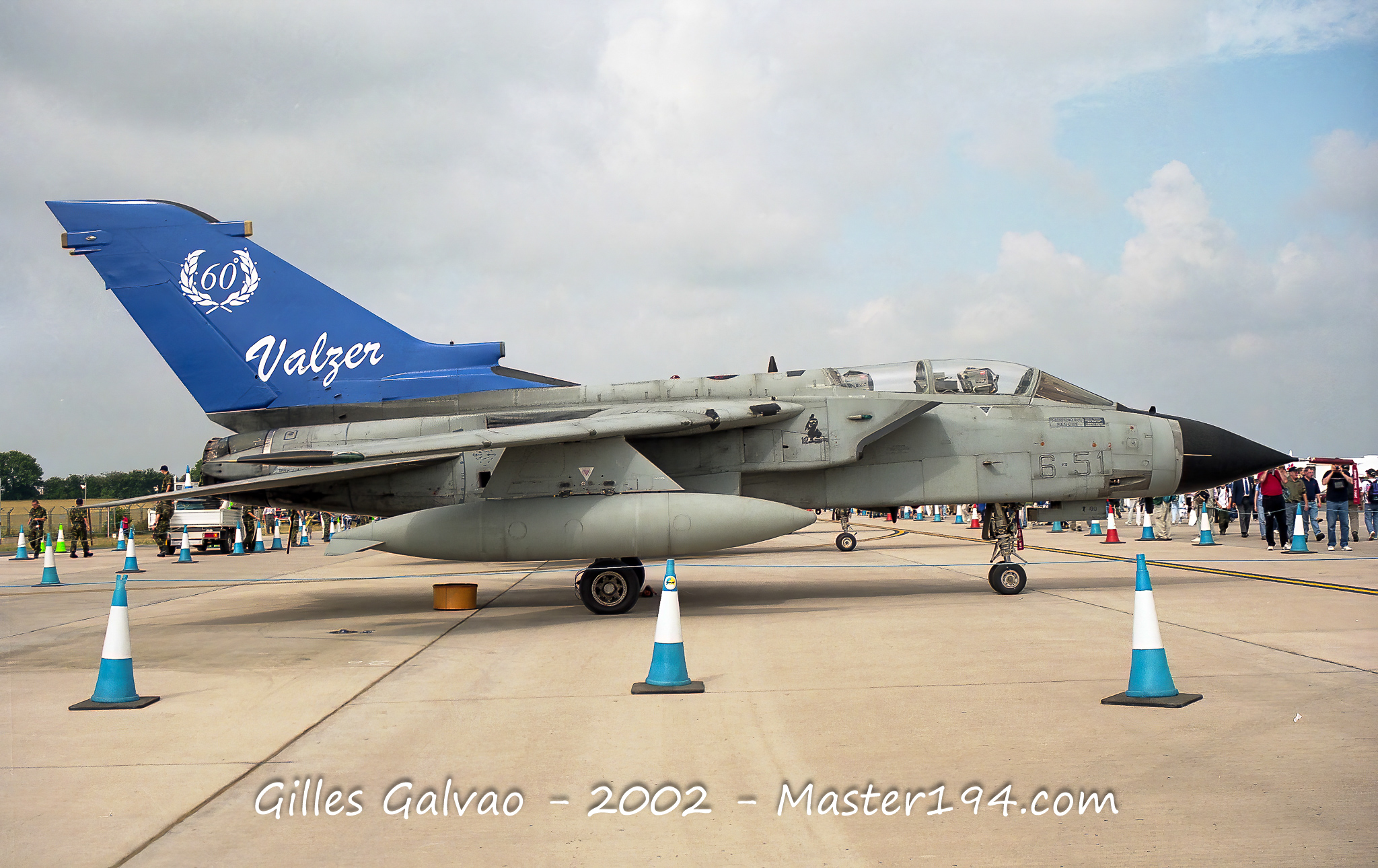
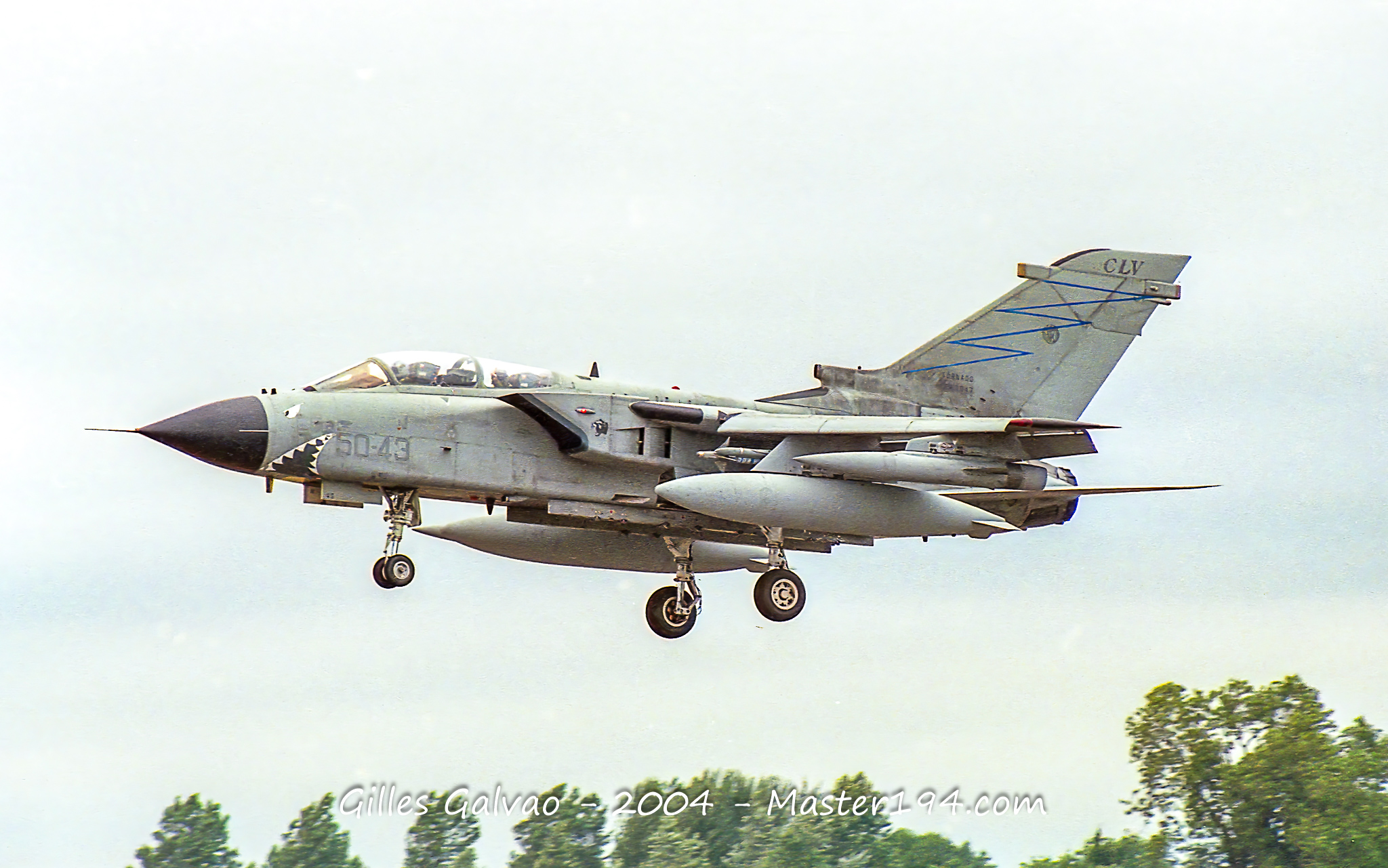
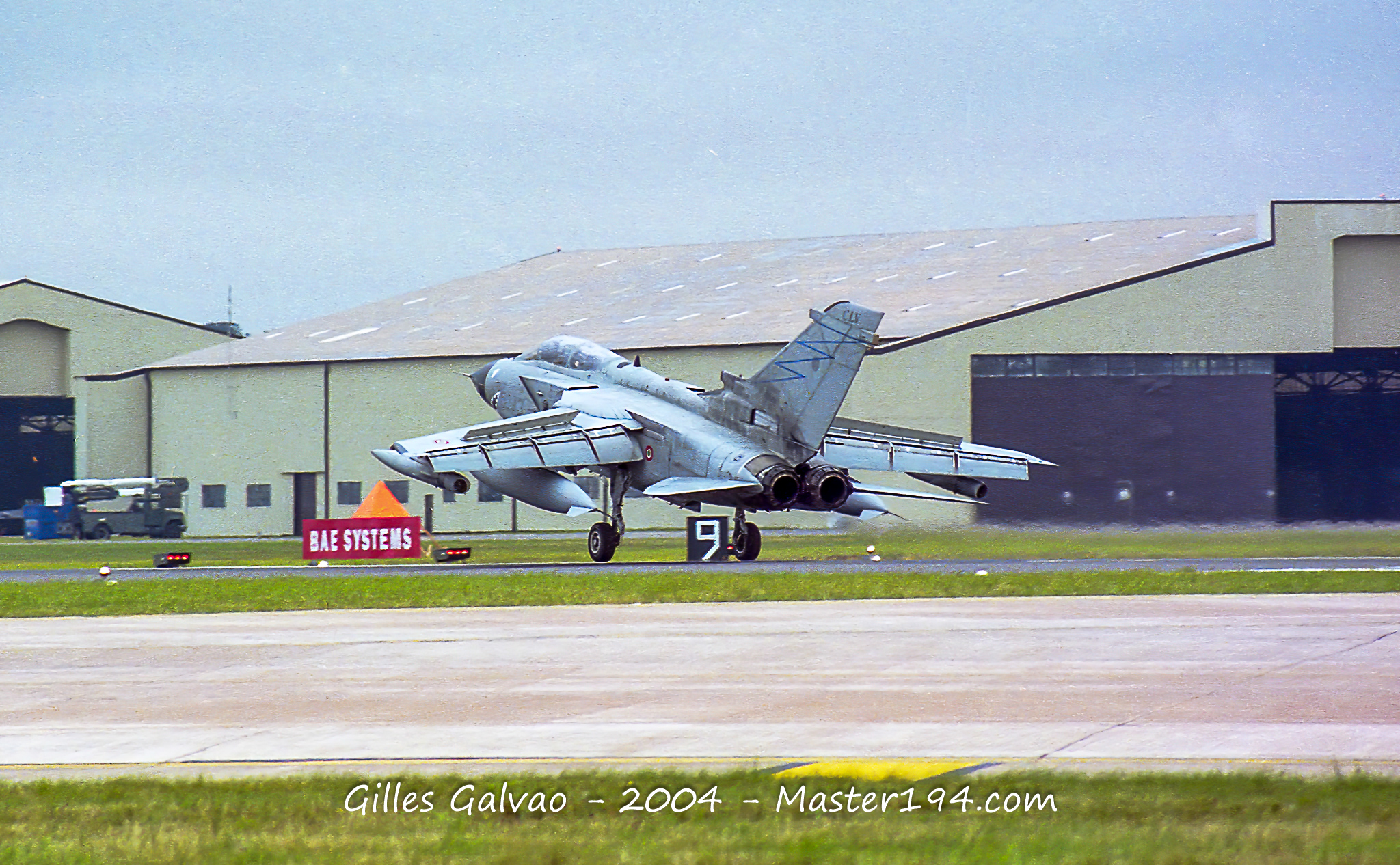
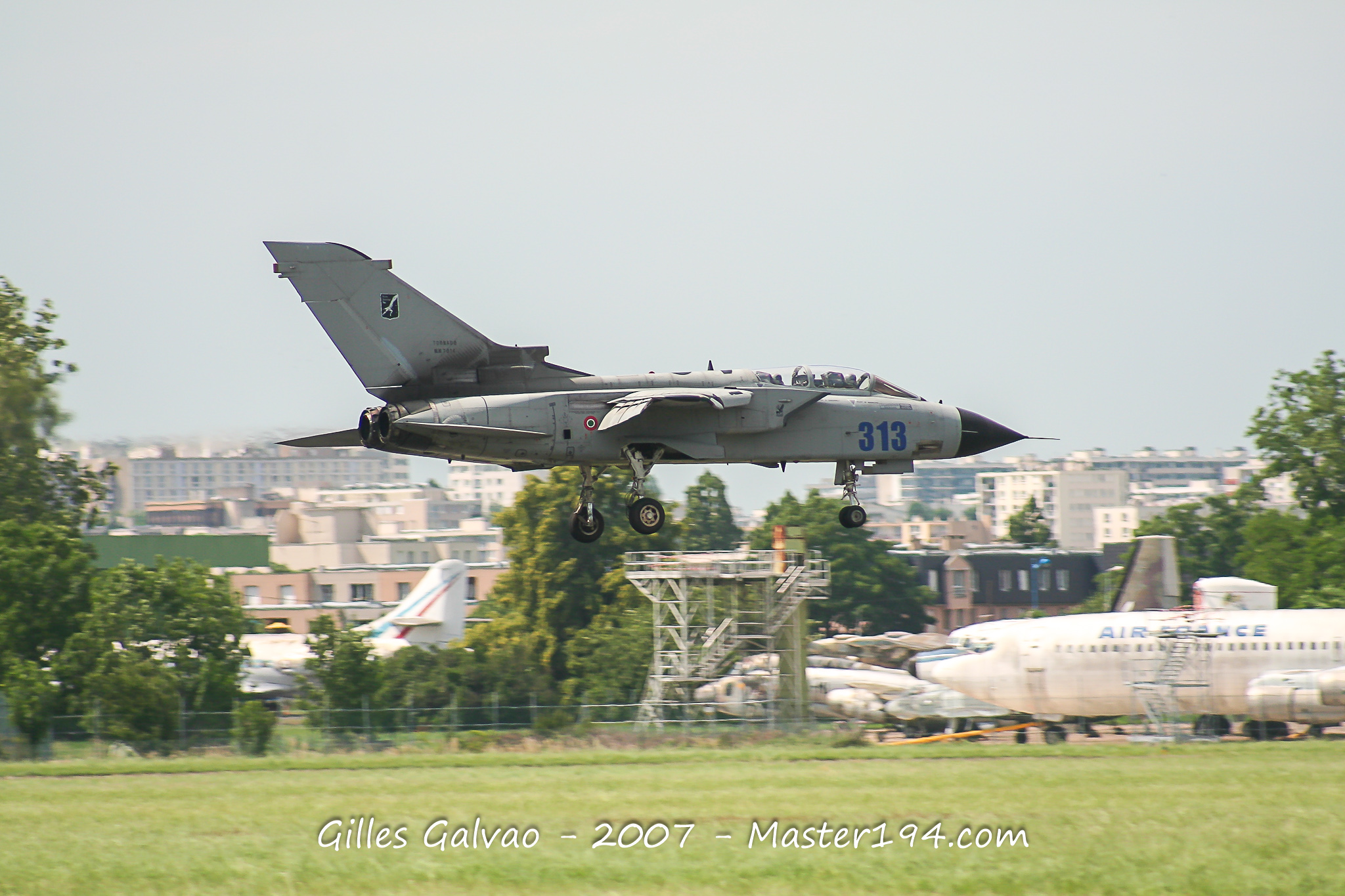
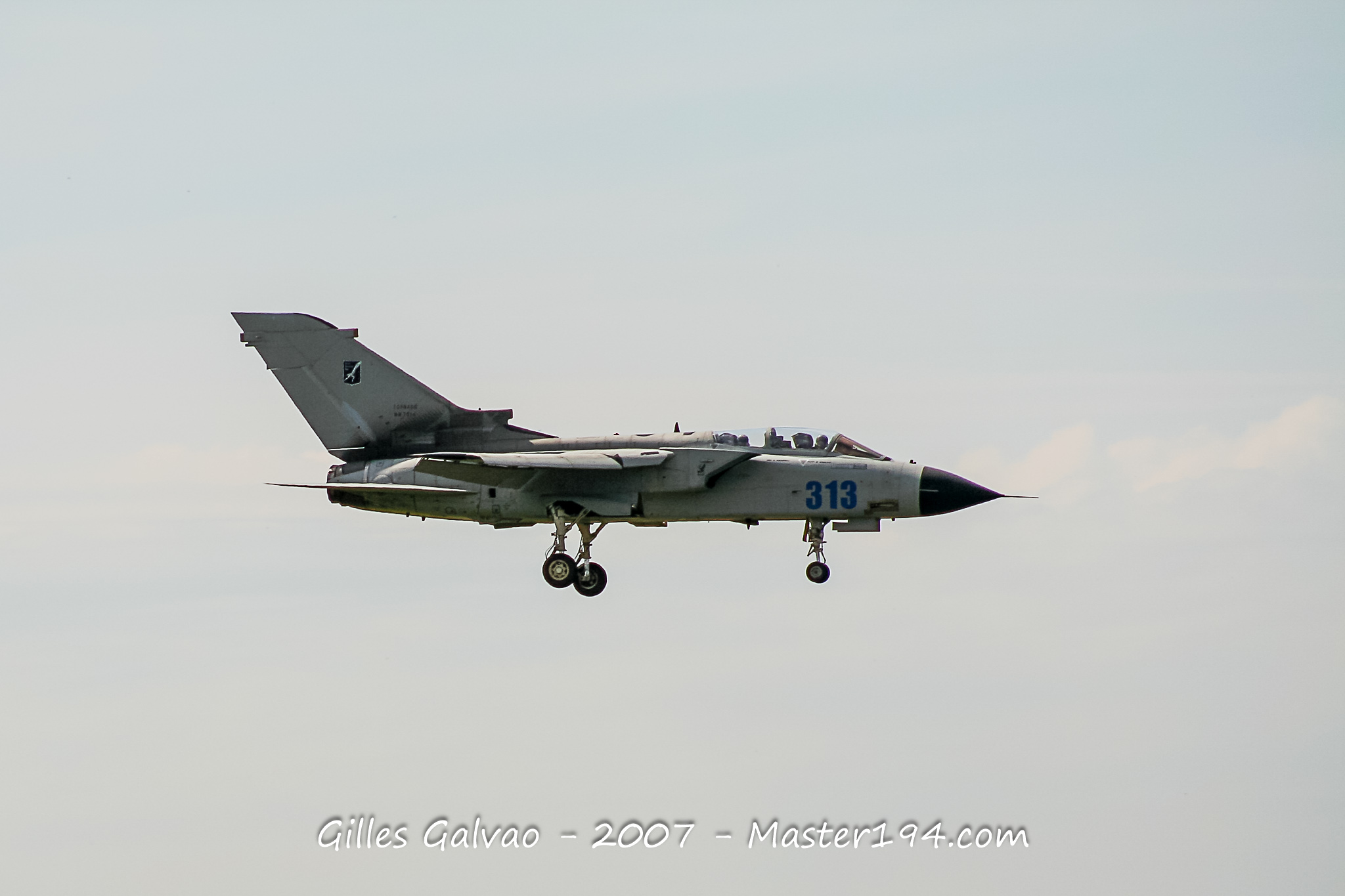
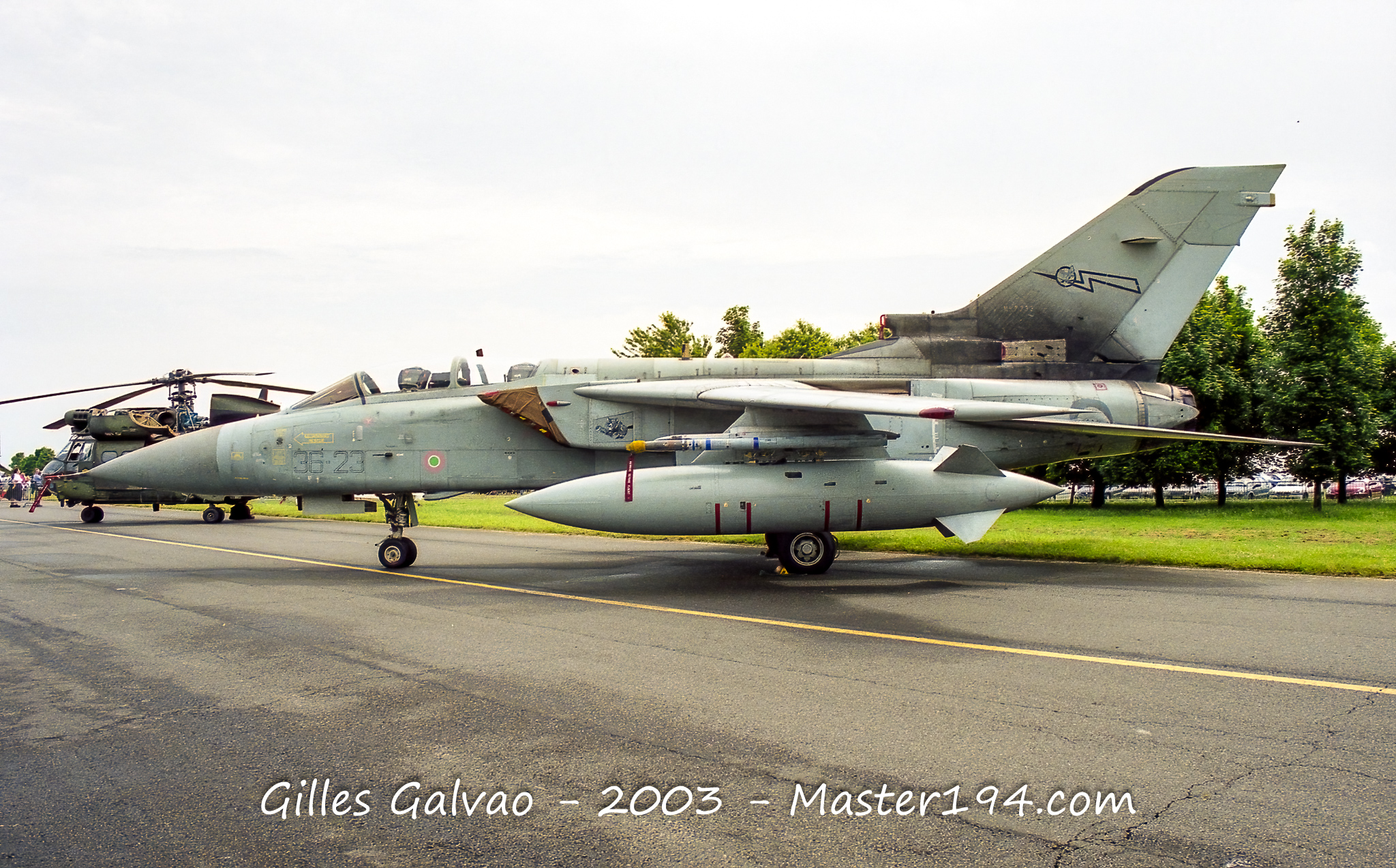
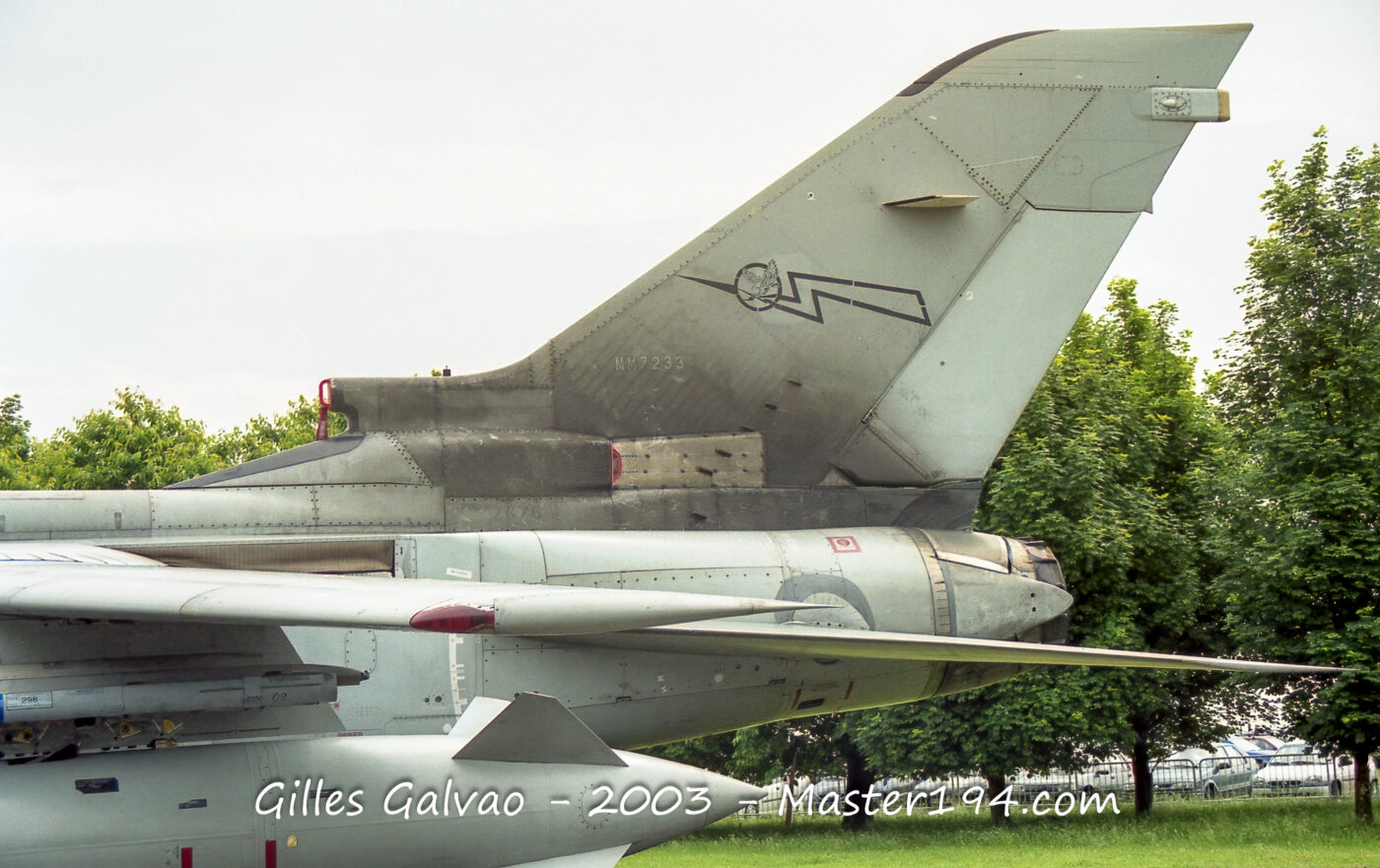
Designated A-200 in Italian service, the Tornado IDS (Interdictor/Strike) was primarily designed for low-level strike and interdiction missions. Its variable-sweep wing allowed it to optimize its configuration for different mission profiles, while its design was exceptionally well-suited for high-speed, ultra-low-level flying.
The first Italian Tornados thus became the Aeronautica Militare’s primary deep-strike assets, gradually replacing several older generations of combat aircraft.
However, the Italian Tornado’s operational career would extend far beyond this initial role.
From the Tornado IDS to the Tornado ECR
The most distinctive evolution of the Italian fleet came with the development of the Tornado ECR (Electronic Combat/Reconnaissance).
While the Tornado IDS was primarily dedicated to strike roles, the Aeronautica Militare required a specialized capability to counter enemy air defenses. Sixteen IDS airframes were subsequently converted into Tornado ECRs, designated EA-200.
These aircraft specialized in SEAD (Suppression of Enemy Air Defenses) missions, designed to detect, identify, and neutralize enemy air defense systems. In particular, they could deploy the AGM-88 HARM anti-radiation missile, capable of homing in on surface-to-air radar emissions.
This specialization gave the Italian Tornado a crucial second lease on operational life. While other operators gradually shifted focus toward newer multirole fighters, Italy retained a dedicated Tornado capability for electronic warfare and defense suppression well into the 21st century.
An Interlude with the Tornado ADV
The Italian history of the Tornado also includes a variant that was never specifically built for the Aeronautica Militare.
In the 1990s, delays in the Eurofighter Typhoon program created a temporary gap in Italy’s air defense capabilities. Italy subsequently leased 24 Tornado ADV (Air Defence Variant) aircraft from the Royal Air Force. Designated Tornado F.3, these jets were operated between 1995 and 2004 for interception and air defense missions.
This arrangement remained an interim solution, however. As the Eurofighter was gradually introduced, the British F.3s were phased out of Italian service.
The Tornado IDS and Tornado ECR, on the other hand, would continue their operational careers for many more years.
Baptism of Fire in the Gulf
The Italian Tornado’s first major operational deployment came during the 1990–1991 Gulf War.
As part of Operation Locusta, eight Italian Tornado IDS fighters deployed to Al Dhafra in the United Arab Emirates. The deployment was a historical landmark for the Aeronautica Militare: it marked its first combat operation since World War II.
Missions over Iraq exposed Italian crews to a dense, modern warzone featuring formidable anti-aircraft defenses and demanding low-level penetration profiles.
A few years later, the Tornado returned to combat—this time over Europe.
The Tornado in the Balkans
During the 1990s, the breakup of Yugoslavia triggered a series of international air campaigns involving the Aeronautica Militare.
Italian Tornados saw action during Operation Deliberate Force in Bosnia and Herzegovina in 1995, and again during Operation Allied Force against the Federal Republic of Yugoslavia in 1999.
The IDS variants flew strike missions while the ECRs provided specialized defense suppression capabilities.
These operations marked a turning point in the Italian Tornado’s operational evolution. No longer just the low-level penetration jet envisioned in the 1970s, it had evolved into a core asset of a modern air force, operating within multinational coalitions and wielding increasingly sophisticated guided weapons, reconnaissance pods, and electronic warfare systems.
Afghanistan: The Tornado in the Intelligence Role
In the early 21st century, the Tornado’s career evolved once again.
From November 2008 to December 2009, Italian Tornados deployed to Mazar-i-Sharif, Afghanistan, as part of the ISAF mission.
Their role clearly illustrated the aircraft’s gradual transformation. Missions were no longer strictly focused on strike operations: the Tornados also provided close air support for ground troops and carried out tactical reconnaissance missions, notably using specialized recce pods.
The aging 1980s low-level strike fighter was thus steadily becoming an ISR platform, capable of supplying deployed forces with vital intelligence to drive ongoing operations.
Libya: IDS and ECR Reunited
In 2011, the Italian Tornado returned to combat, this time in the skies over Libya.
Starting in late February, Tornados from the 6° Stormo deployed to Trapani-Birgi as part of the international military intervention. Italy initially took part in Operation Odyssey Dawn before joining NATO’s Operation Unified Protector.
Both primary Italian Tornado variants resumed their respective roles.
The IDS models flew strike missions, notably employing precision-guided munitions, while the ECRs were tasked with their specialized defense-suppression role.
The Libyan campaign stood as one of the last major combat operations for the Italian Tornado, once again proving the operational synergy between the two variants.
Prima Parthica: From Bomber to Reconnaissance Platform
Starting in 2014, the Italian Tornado was committed to a very different mission in the Middle East.
As part of the international coalition against ISIS, the Aeronautica Militare deployed Tornados to Kuwait under Operation Prima Parthica.
Task Group Devil operated the Tornado primarily for Intelligence, Surveillance, and Reconnaissance (ISR) missions, relying heavily on the RecceLite II tactical reconnaissance pod.
This final era of the Tornado’s operational career was particularly telling of its evolution. An aircraft originally engineered for high-speed, ultra-low-level strike missions was now being utilized chiefly as an intelligence-gathering platform.
Italian Tornados completed several rotations in Kuwait over the following decade, logging thousands of flight hours in support of the international coalition.
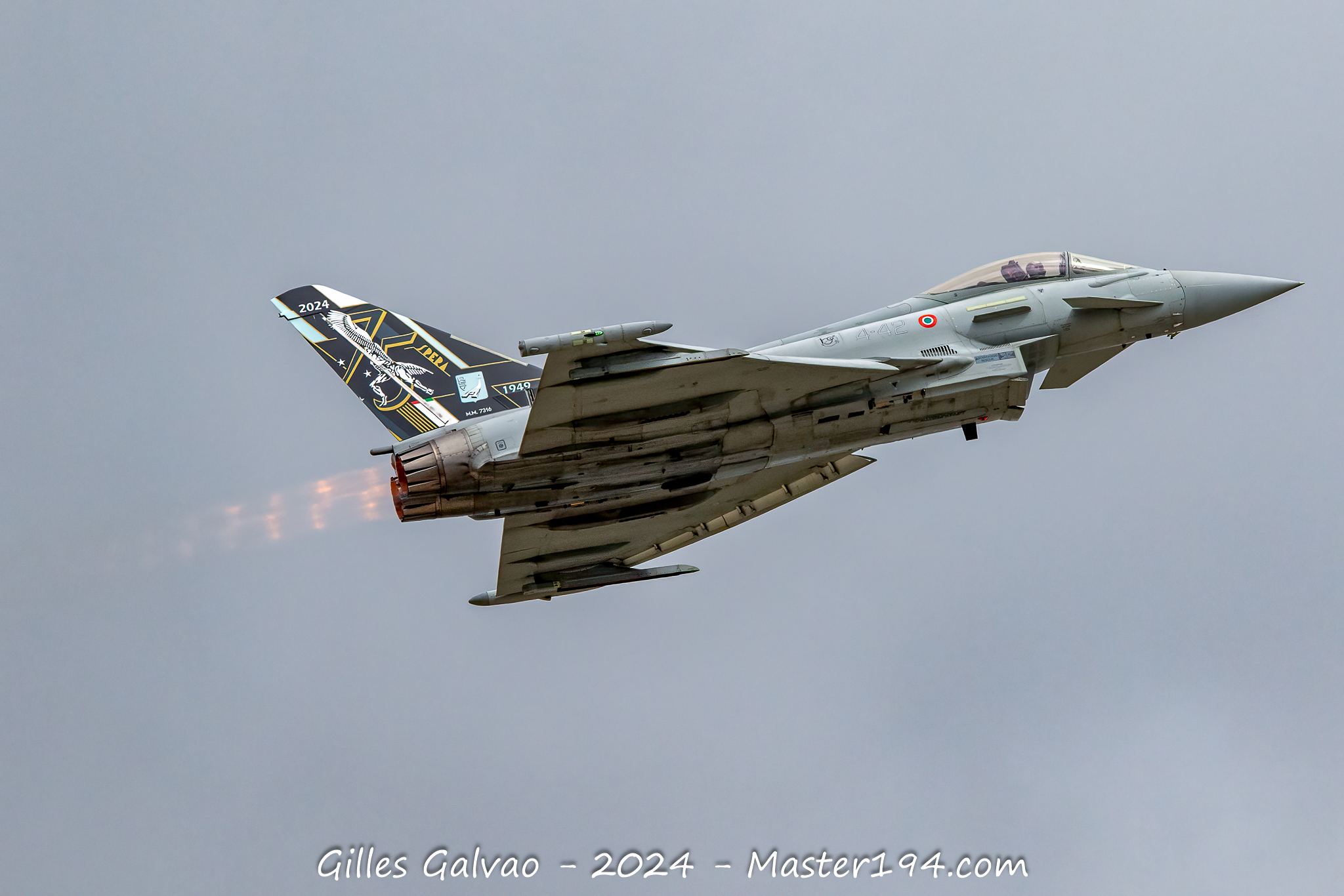
Their final deployment under Operation Prima Parthica came in 2024, when the Tornado gradually handed over duties to Task Group Typhoon’s Eurofighters.
The Final Years of the Italian Tornado
After more than forty years of service, the retirement of the Italian Tornado is now underway.
Its succession is notably ensured by the Lockheed Martin F-35A, which is slated to progressively take over the missions previously entrusted to the Tornado IDS.
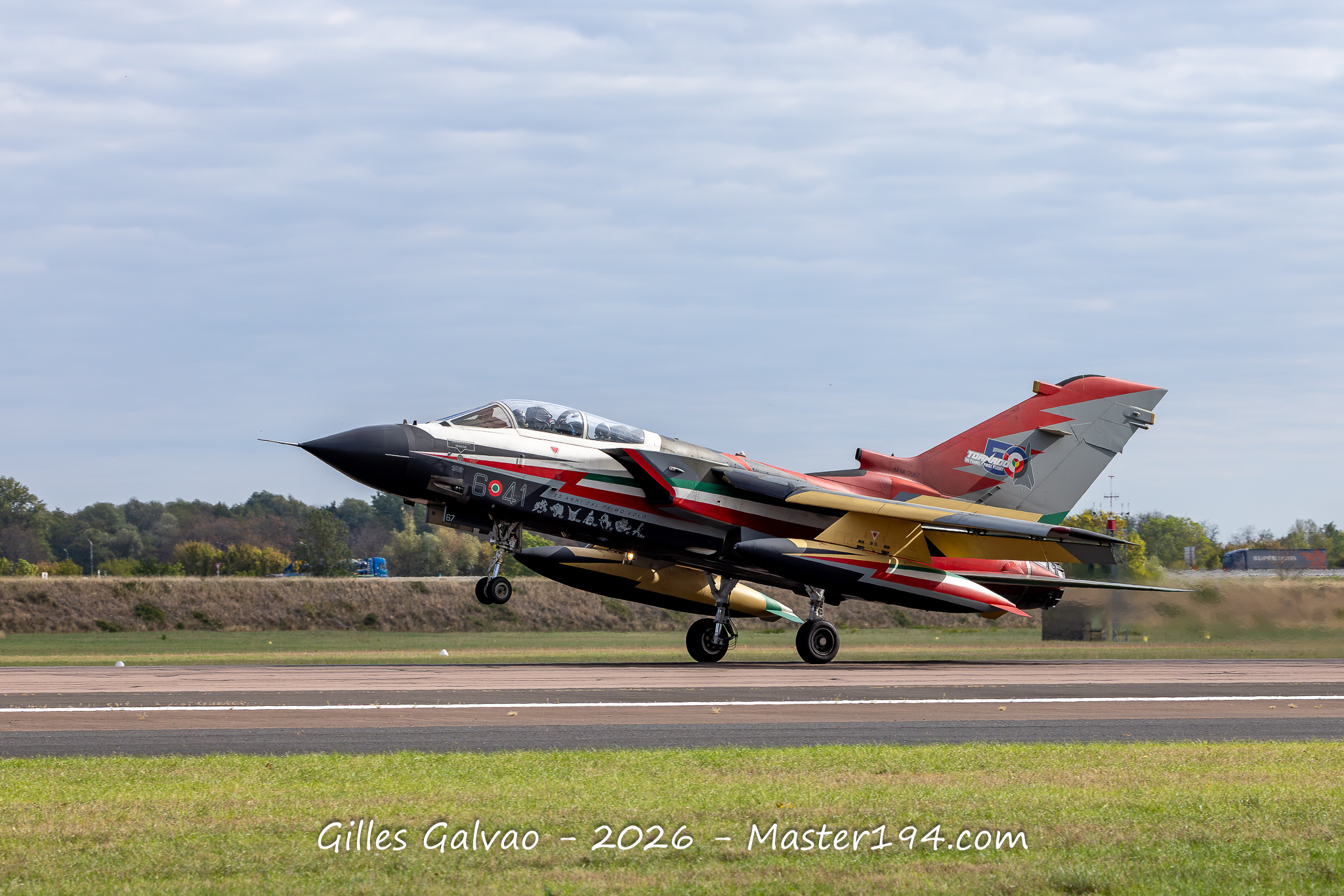
A major milestone was reached in 2025 when 154° Gruppo “Diavoli Rossi”, belonging to the 6° Stormo at Ghedi, officially began its transition to the F-35A.
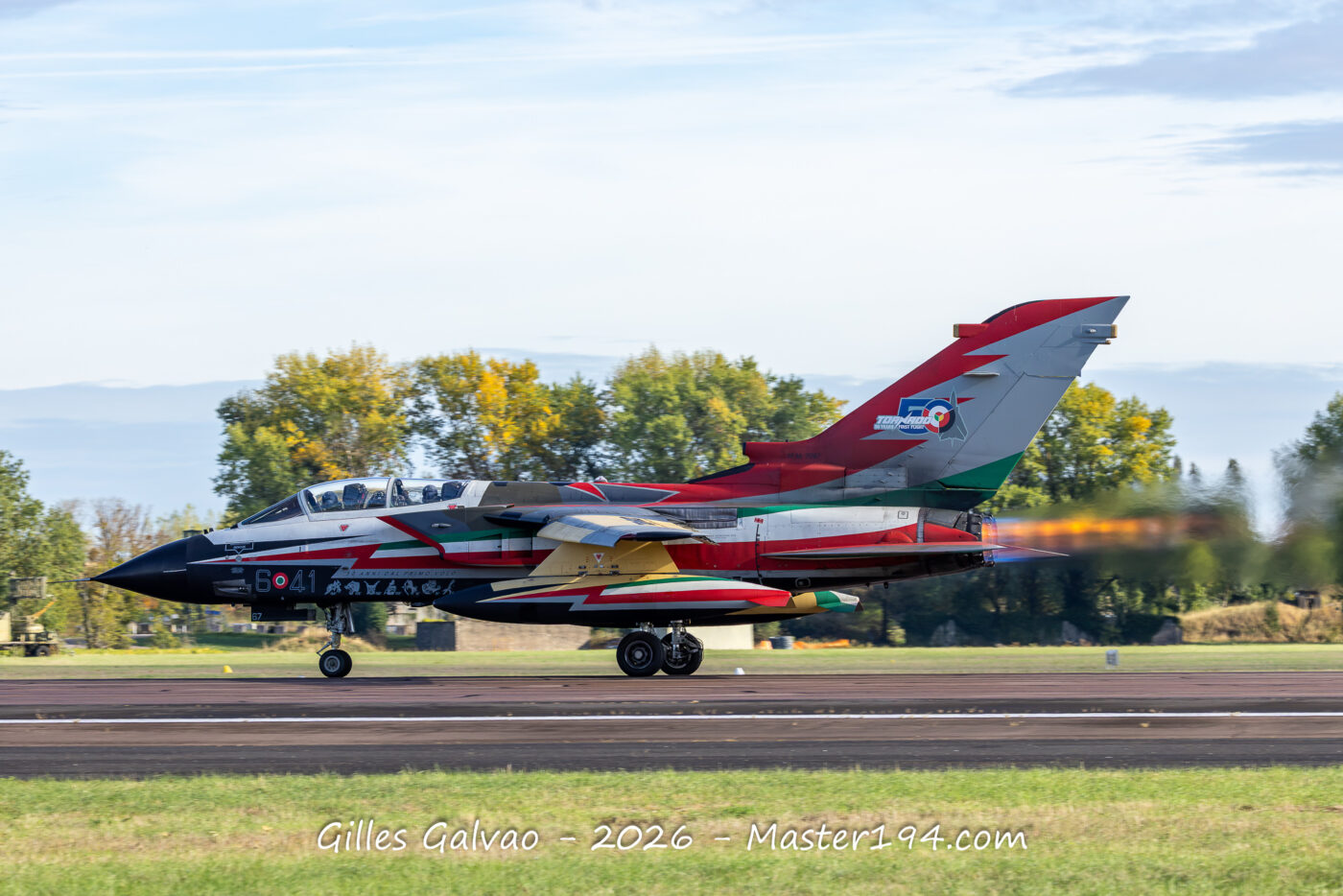
155° Gruppo “Pantere Nere” thus became the last operational Italian unit to retain the Tornado, along with the remaining capabilities maintained on the platform, particularly in electronic warfare and defense suppression.
In parallel, the Tornado continues to benefit from the final updates of its modernization program, allowing these aircraft—designed in the 1970s—to remain operational in an air environment vastly different from the one for which they were originally conceived.
A Career Reflecting the Evolution of Air Warfare
Ultimately, the story of the Tornado within the Aeronautica Militare is that of an aircraft that underwent a profound transformation in roles throughout its service life.
Designed in the 1970s as a specialized European low-level strike and penetration fighter, it sequentially evolved into a strike aircraft, a SEAD platform, a tactical reconnaissance asset, and an ISR vector.
It also accompanied several generations of Italian aviators across the major operational theaters of recent decades: from the Gulf to the Balkans, from Afghanistan to Libya, and from Kuwait to missions against ISIS.
Its replacement by the F-35 thus marks far more than a routine change of aircraft type. It closes a chapter that opened over forty years ago, when Italy decided to partner with the United Kingdom and Germany to design a European combat aircraft whose career would ultimately far exceed its initial ambitions.
In 2026, the Tornado enters the final phase of this long history. Yet as long as the last remaining airframes continue to fly under the colors of the Aeronautica Militare, the roar of their twin RB199 engines will serve as a reminder of a major chapter in European aviation and industrial history.