 by
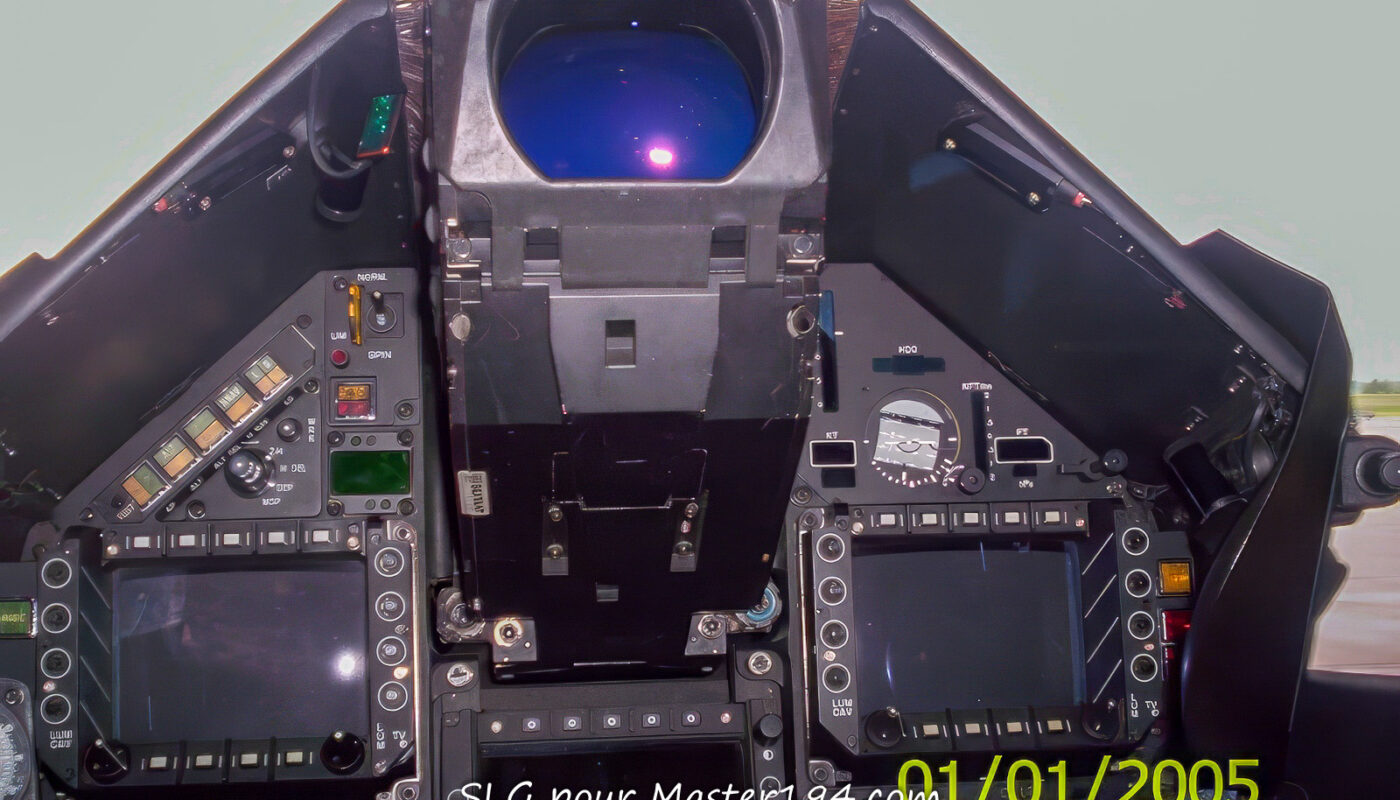
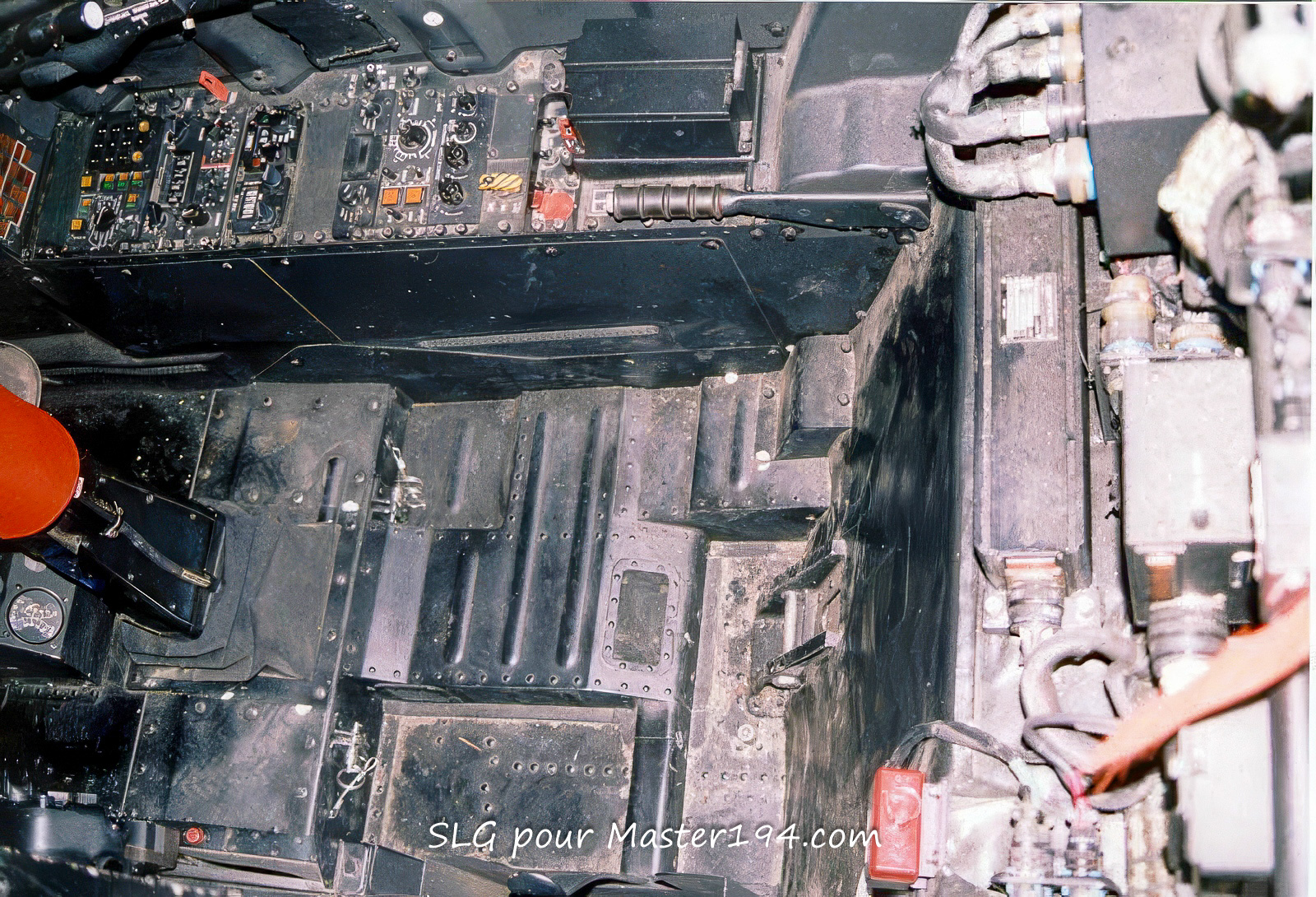
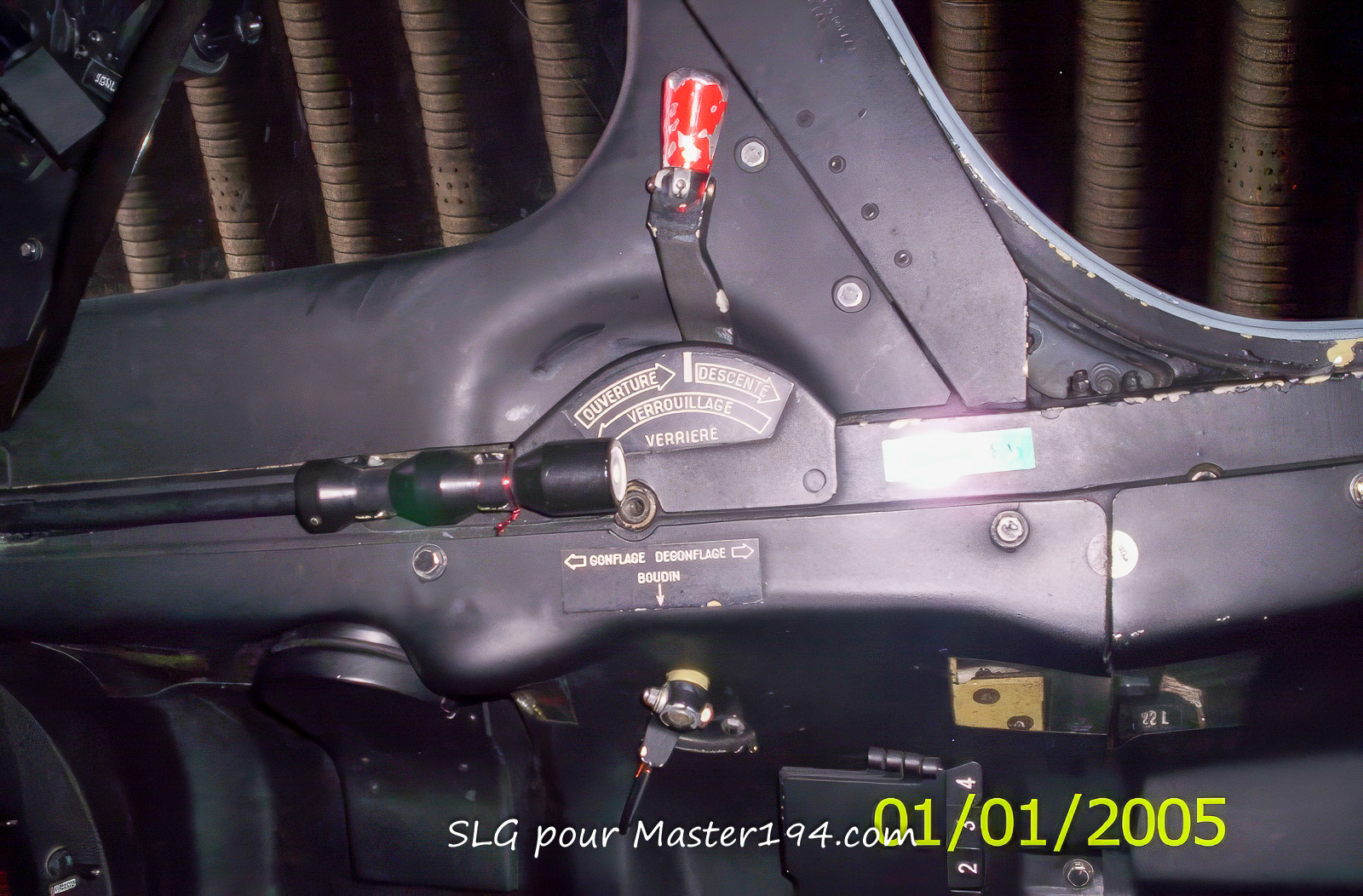
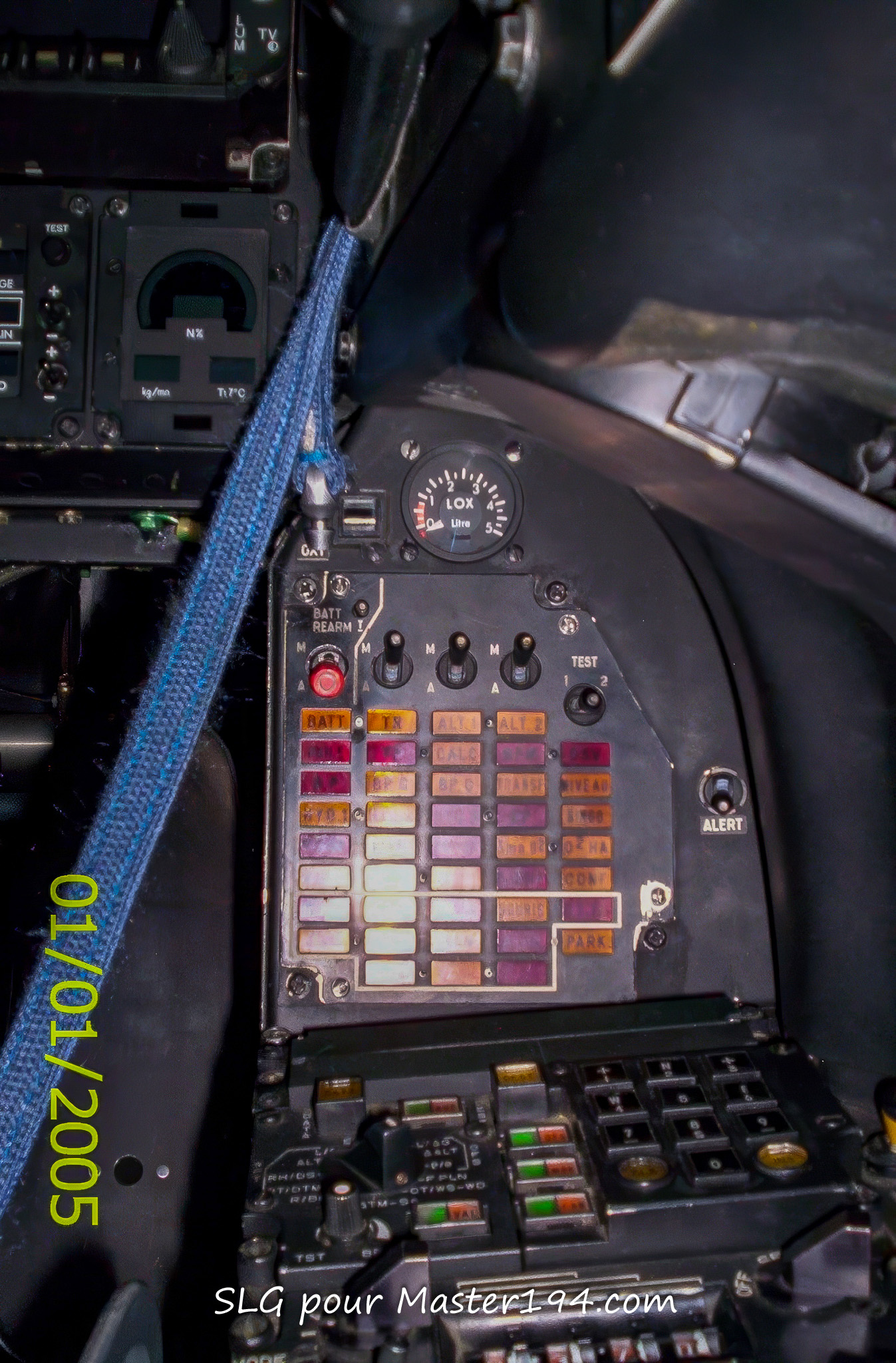
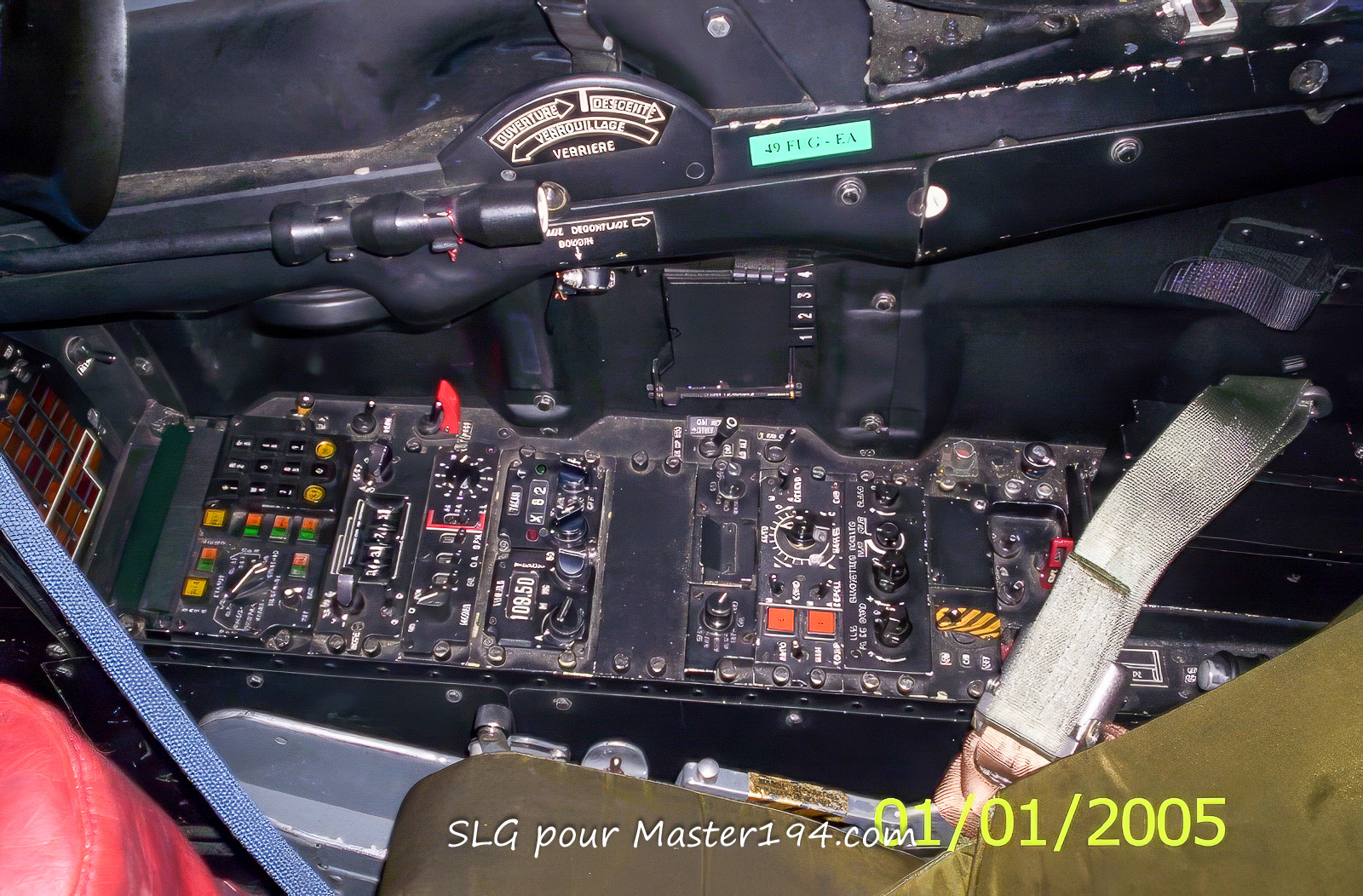
The cockpit of the Mirage 2000-5F marks a clear evolution compared to earlier variants (2000C, 2000B, or 2000N), without completely breaking away from the lineage’s original architecture.
While the airframe remains largely unchanged, the human-machine interface has been profoundly reorganized around a mission-centric logic. The pilot no longer merely manages an aircraft, but an integrated weapon system.
Check out this feature:
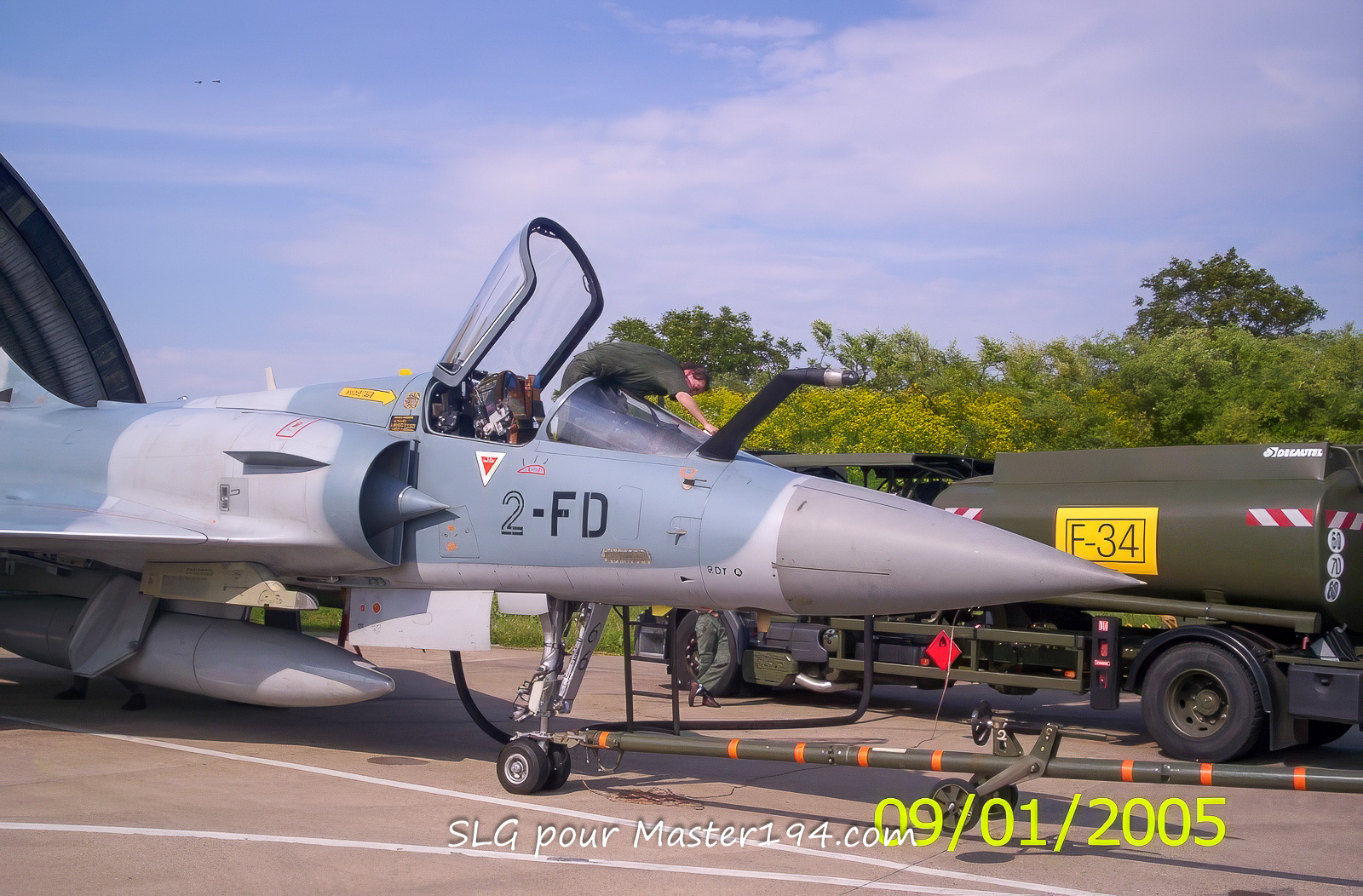
Mirage 2000-5 Walkaround: Close-Up Technical Photo Reference
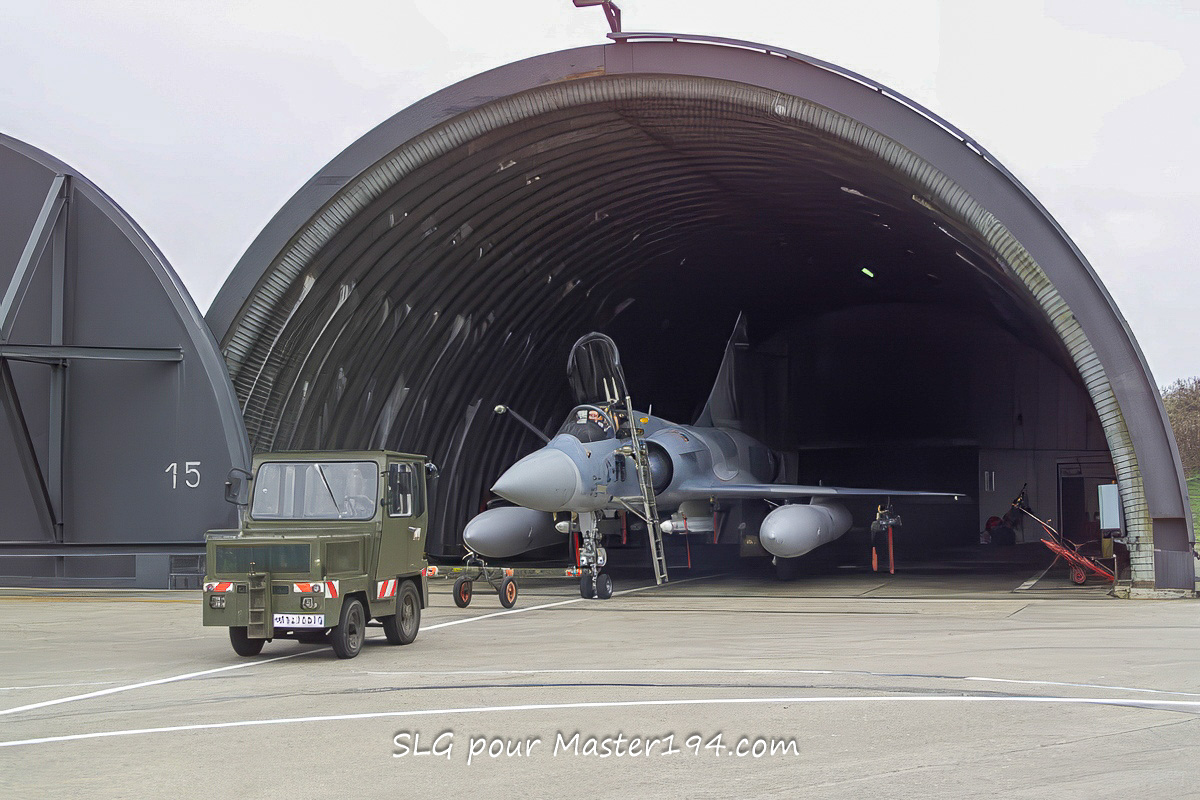
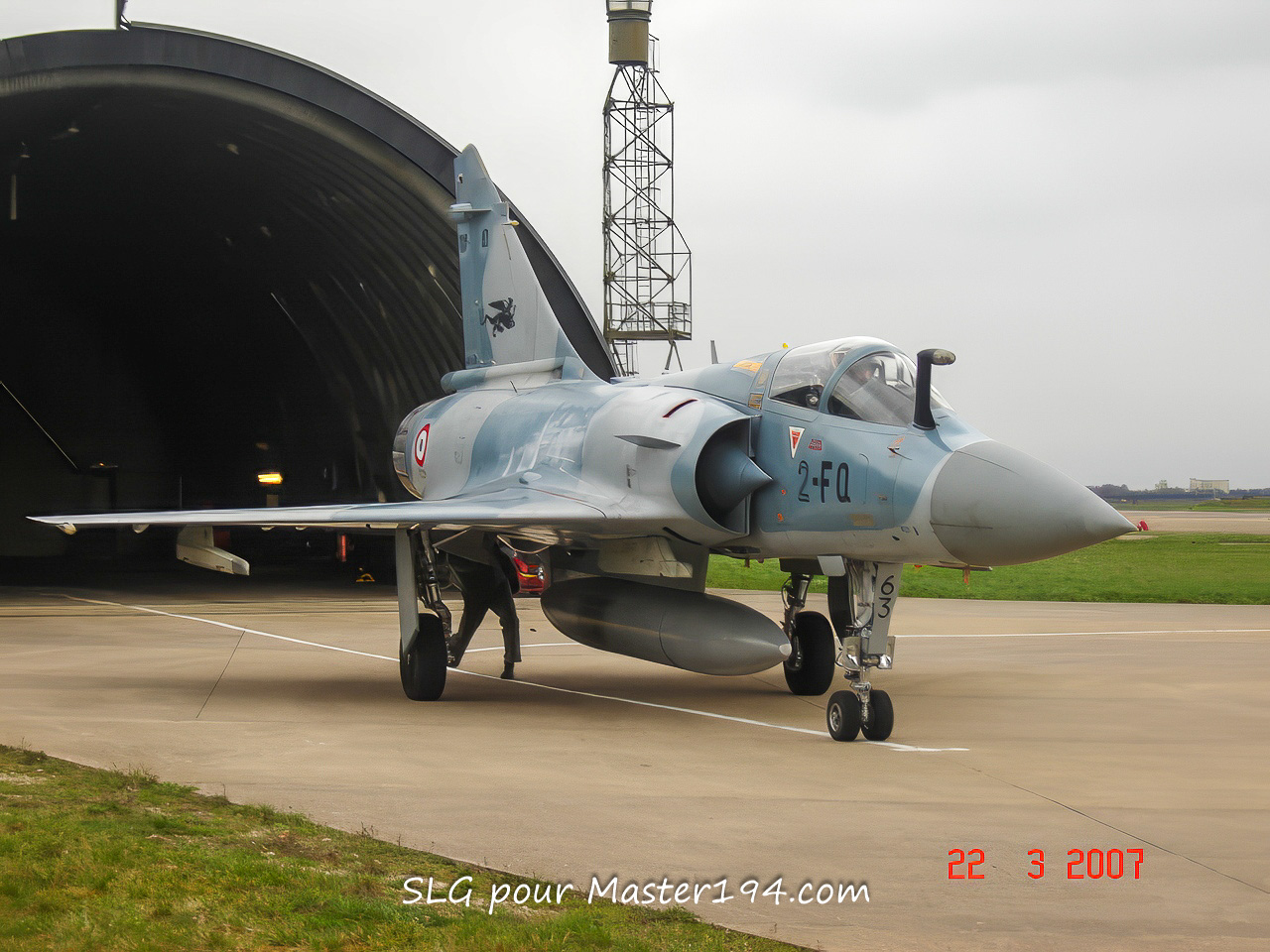
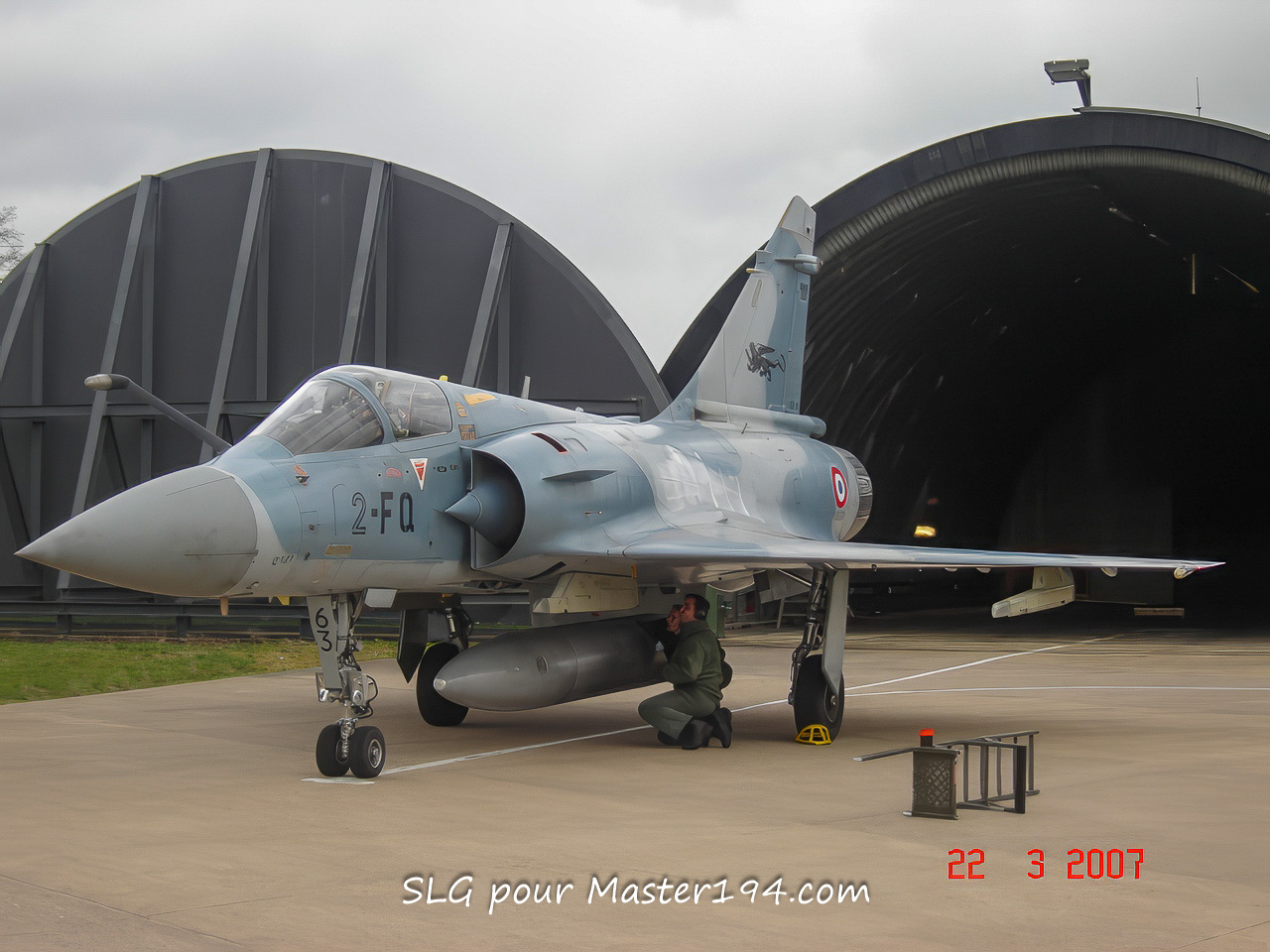
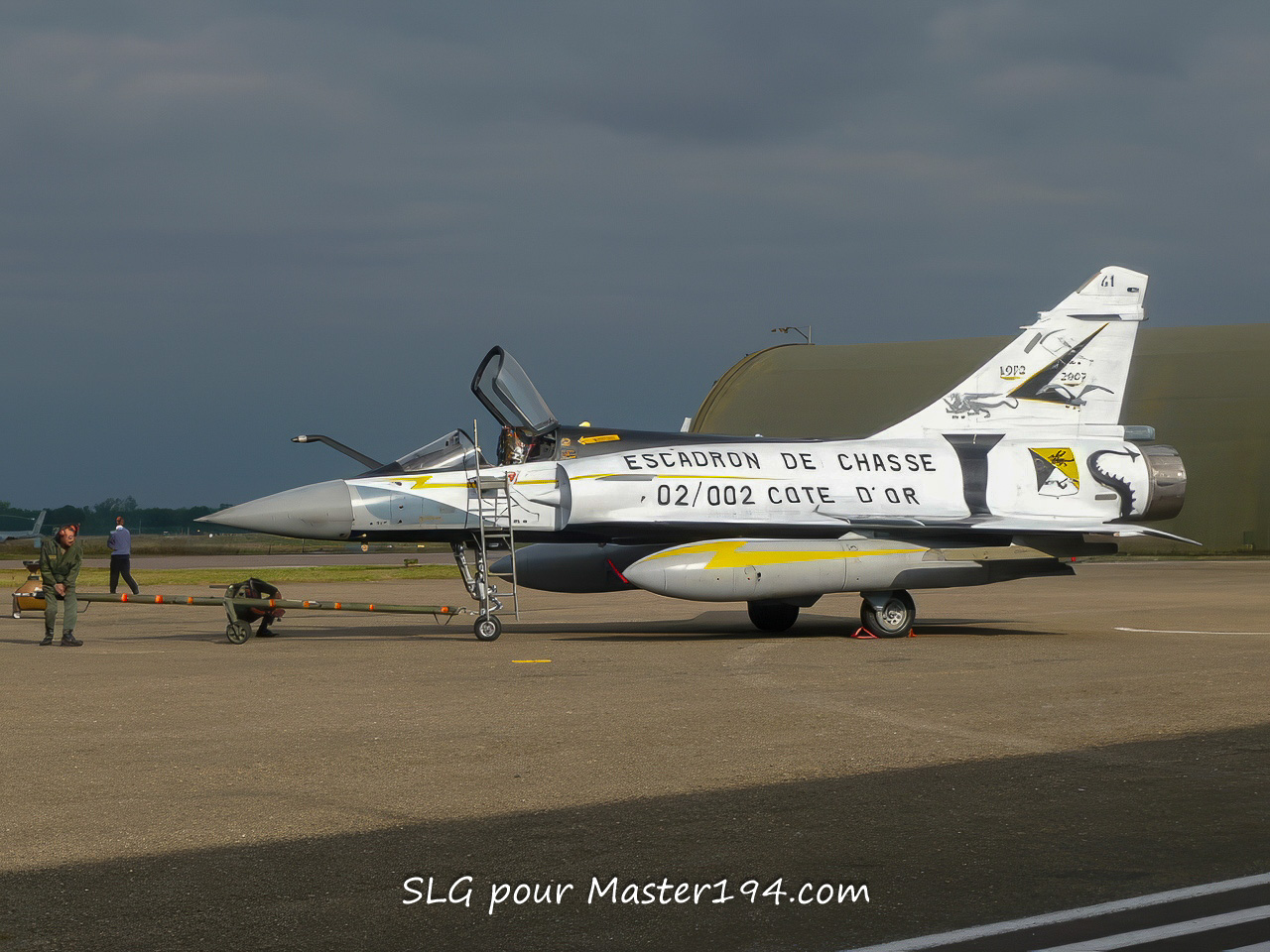
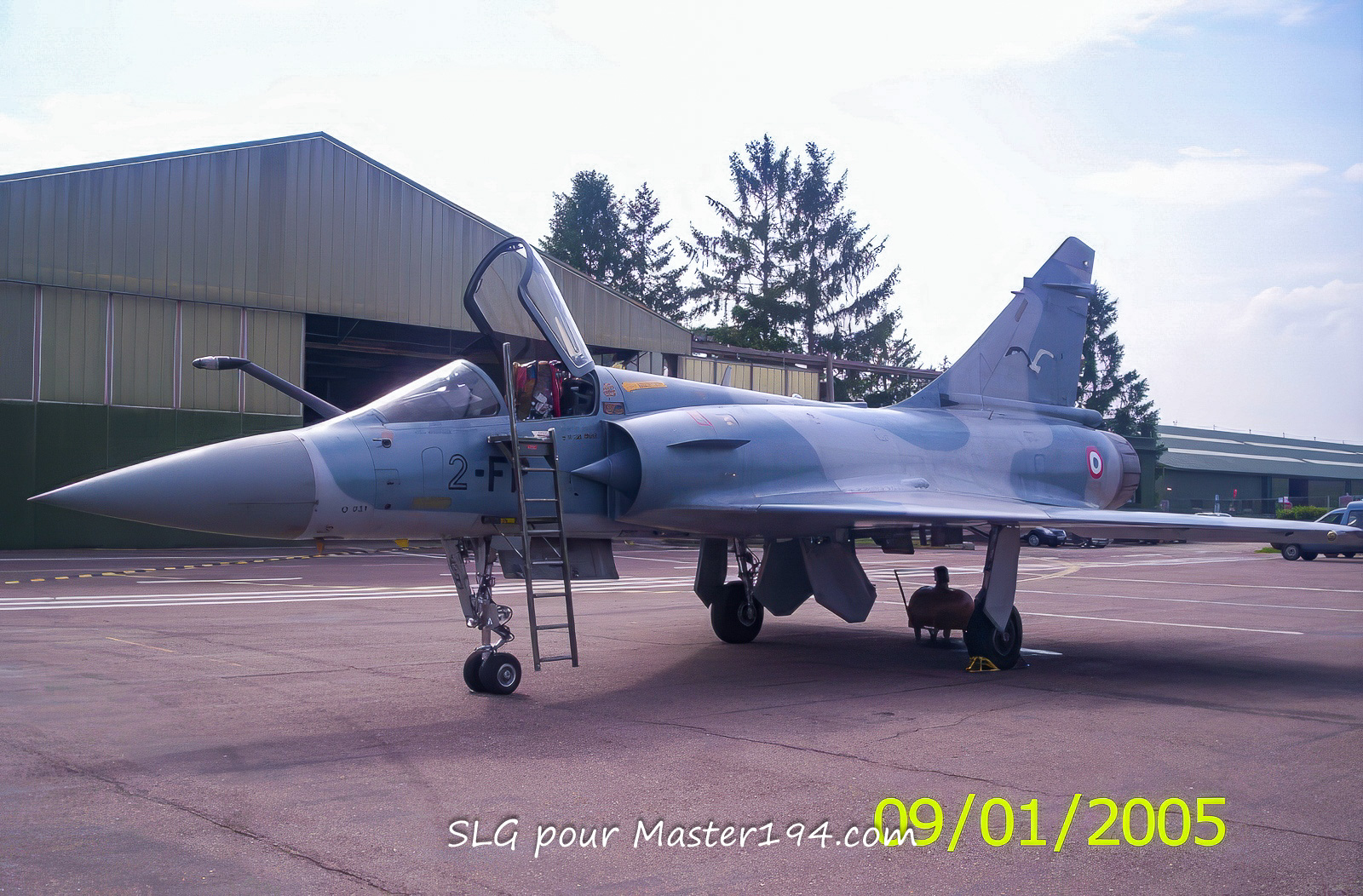
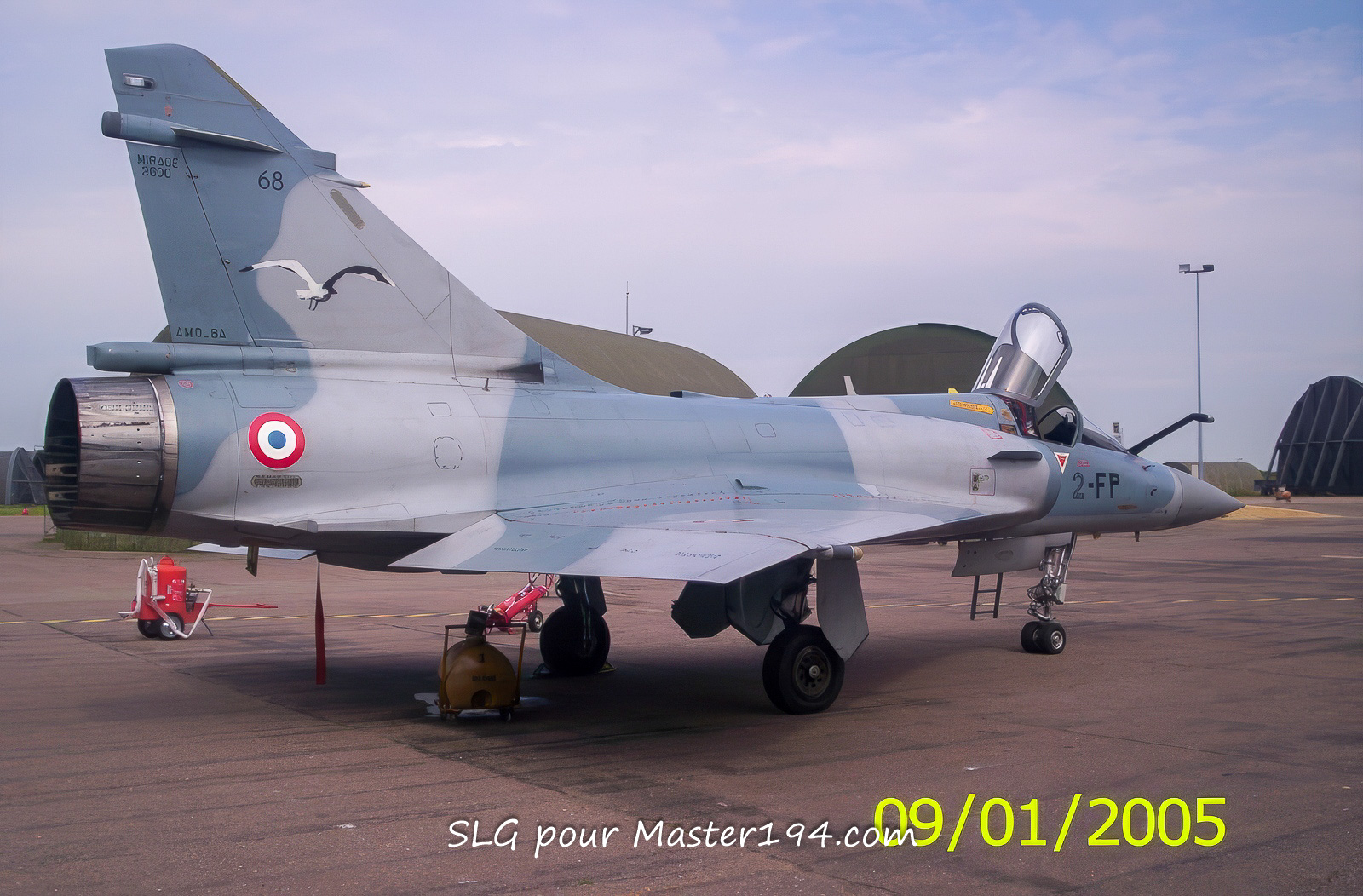
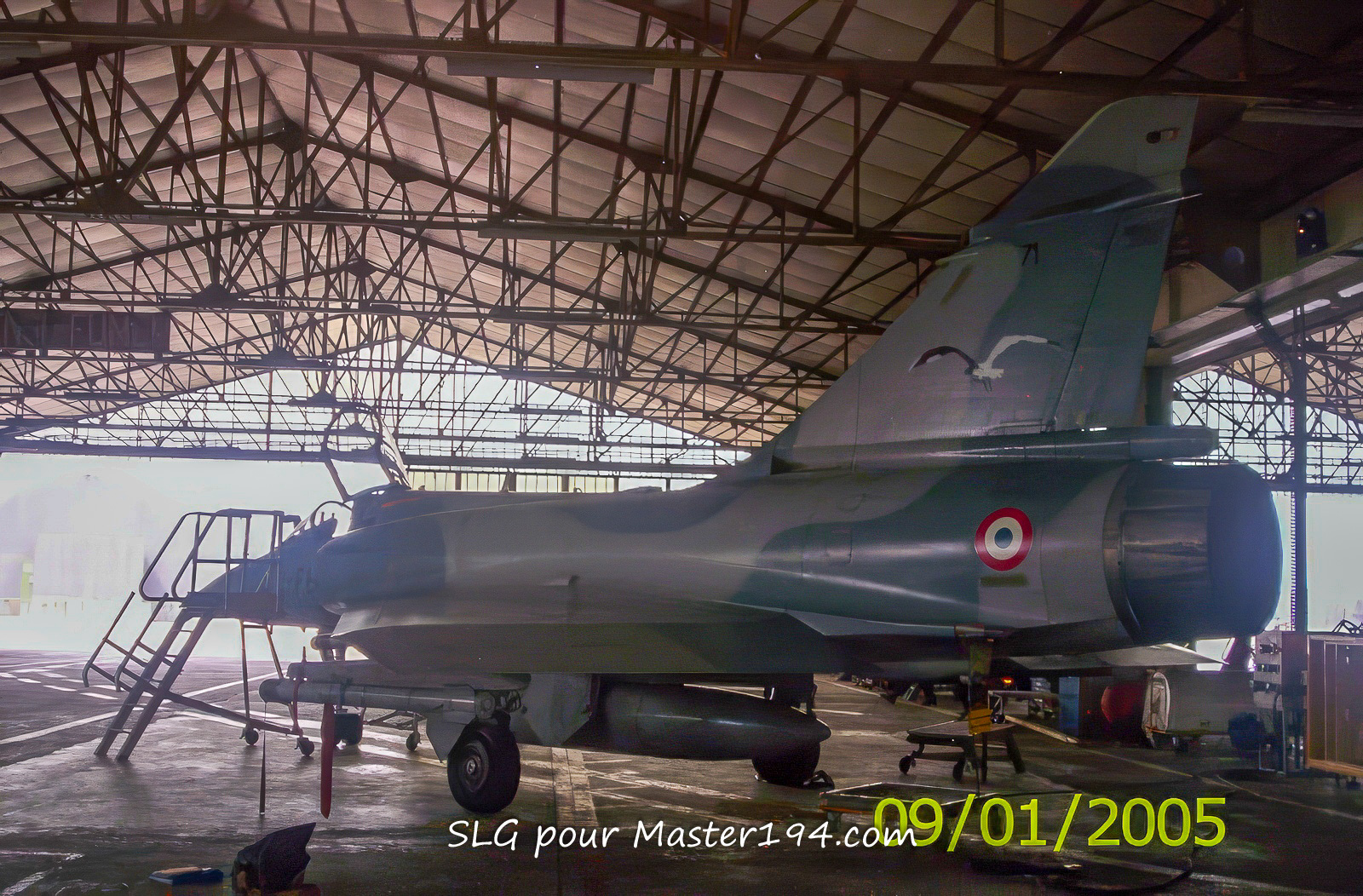
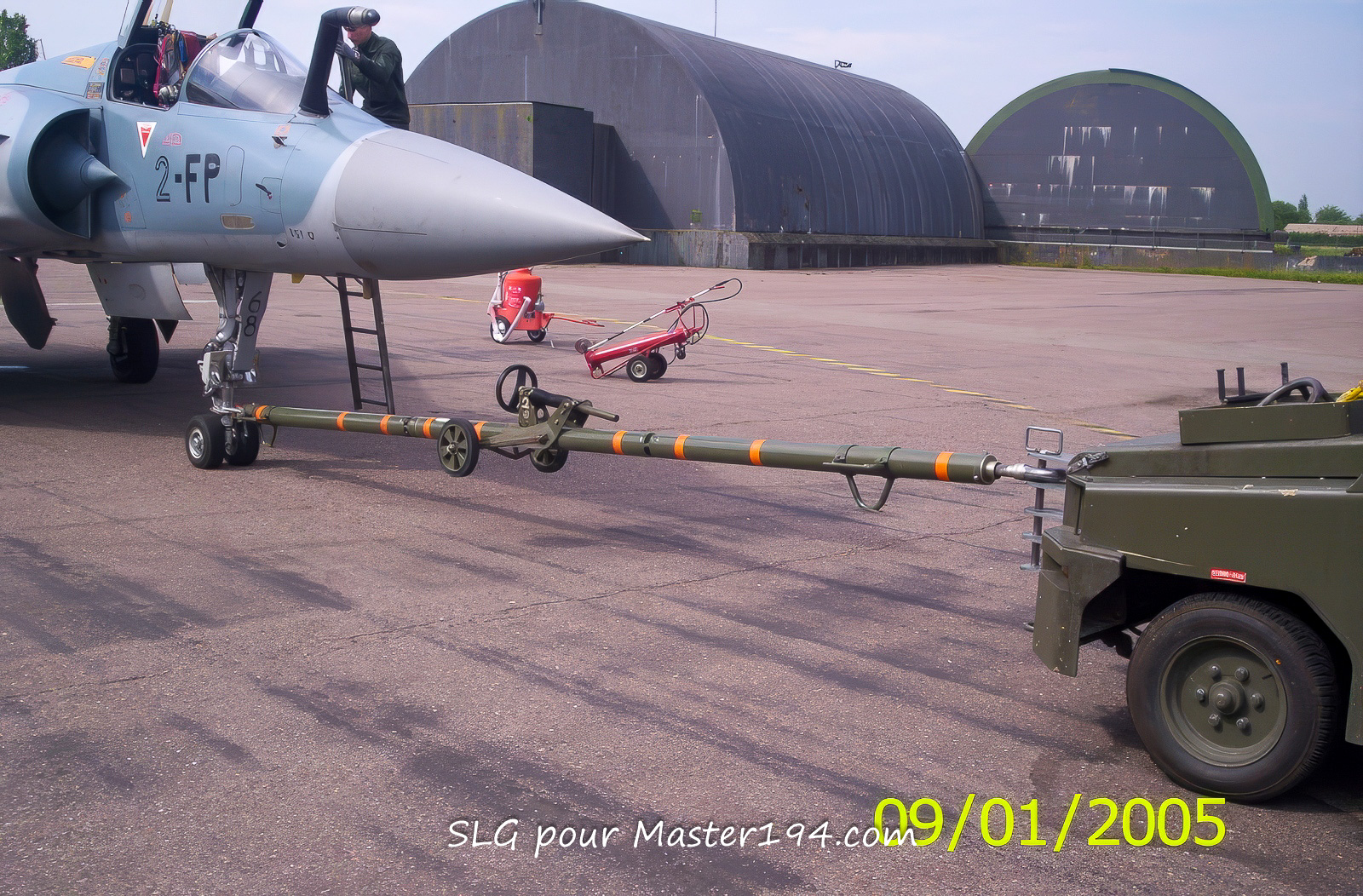
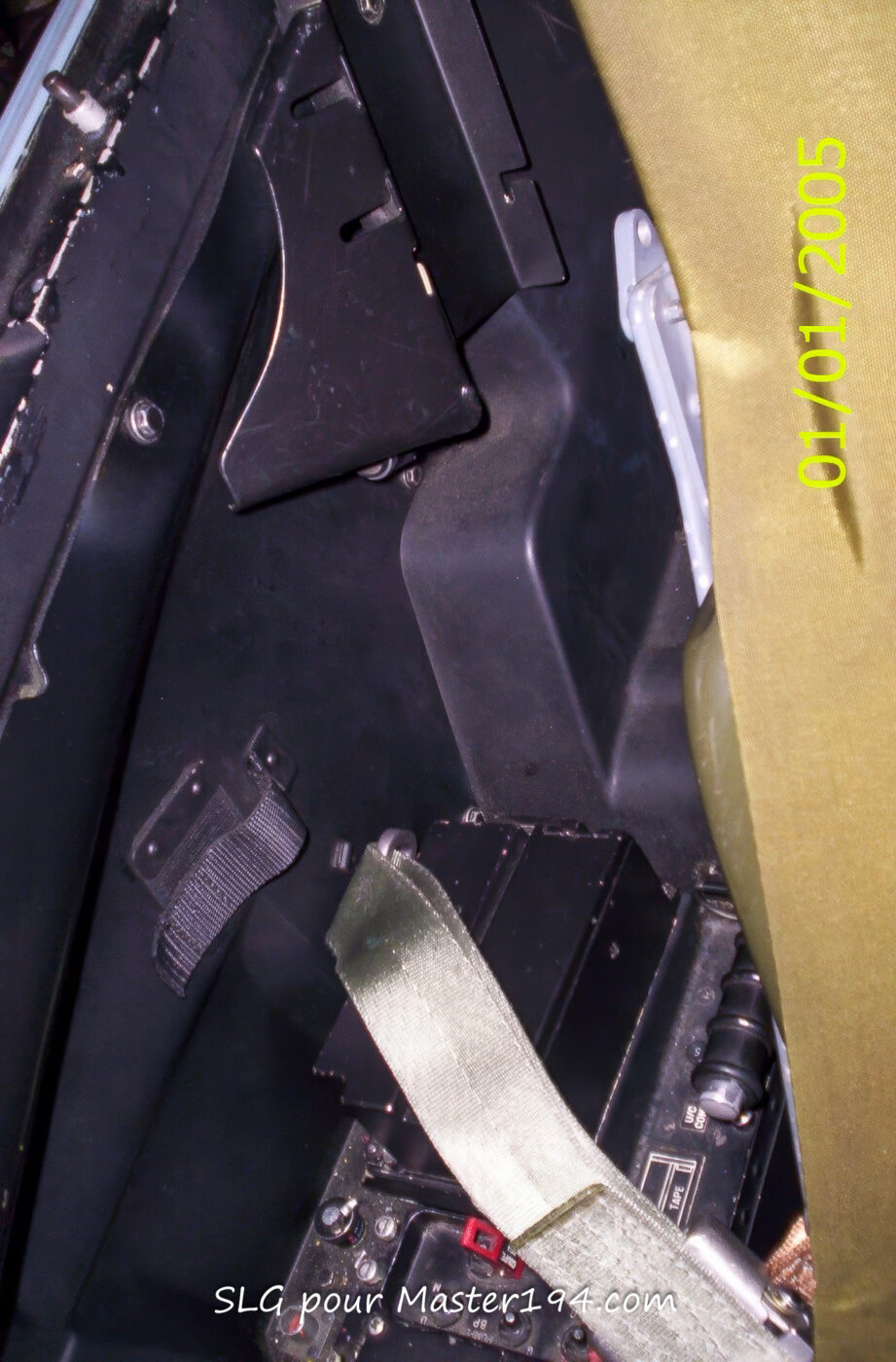
All photographs were taken at Air Base 102 Dijon-Longvic between 2005 and 2007 by our good friend Sébastien ‘SLG’. Massive thanks to him for kindly providing these images.
A Hybrid Display Architecture
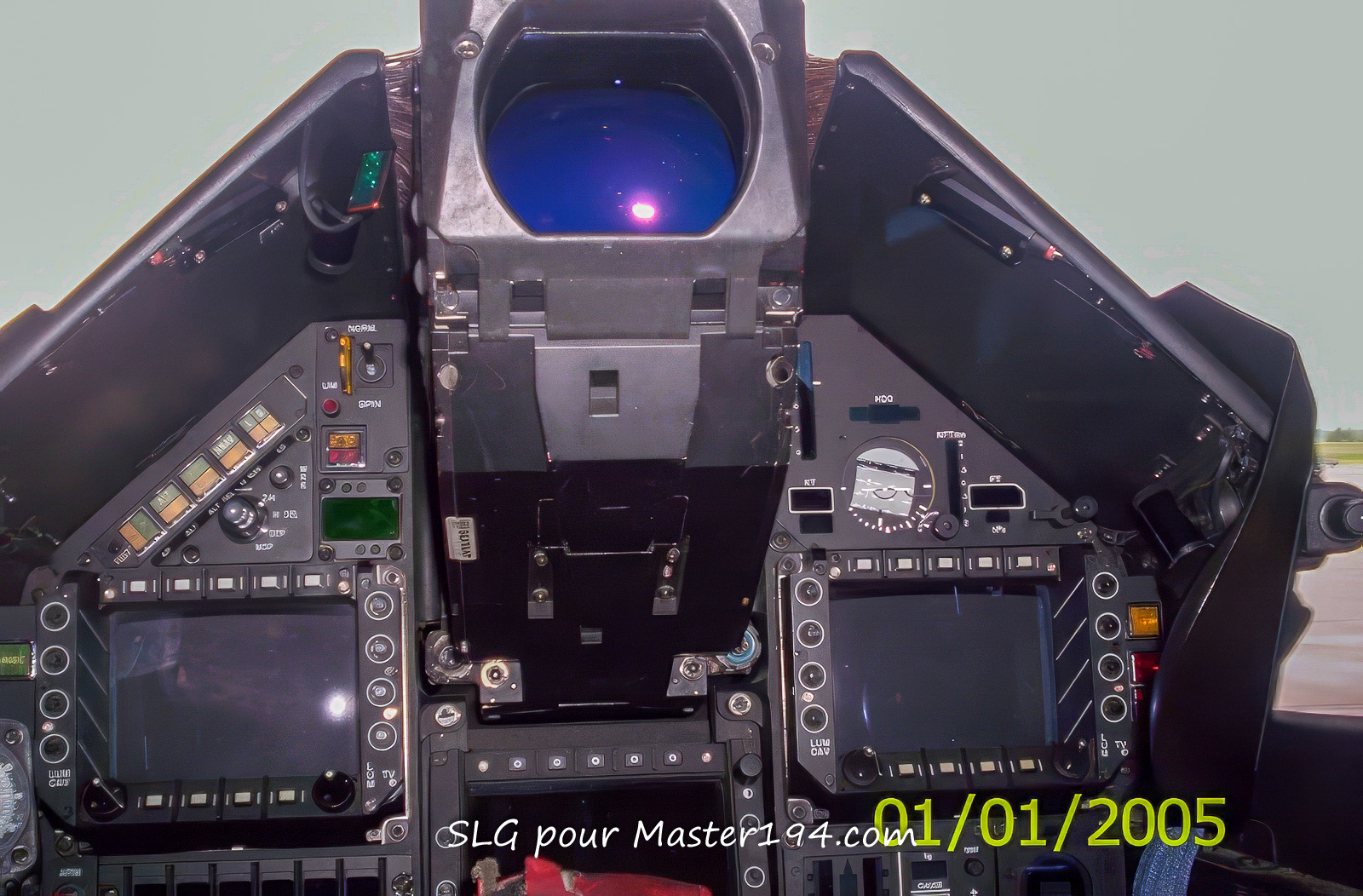
The cockpit of the Mirage 2000-5F relies on a combination of conventional analogue instruments and digital displays, characteristic of the 1990s transition era.
The layout includes:
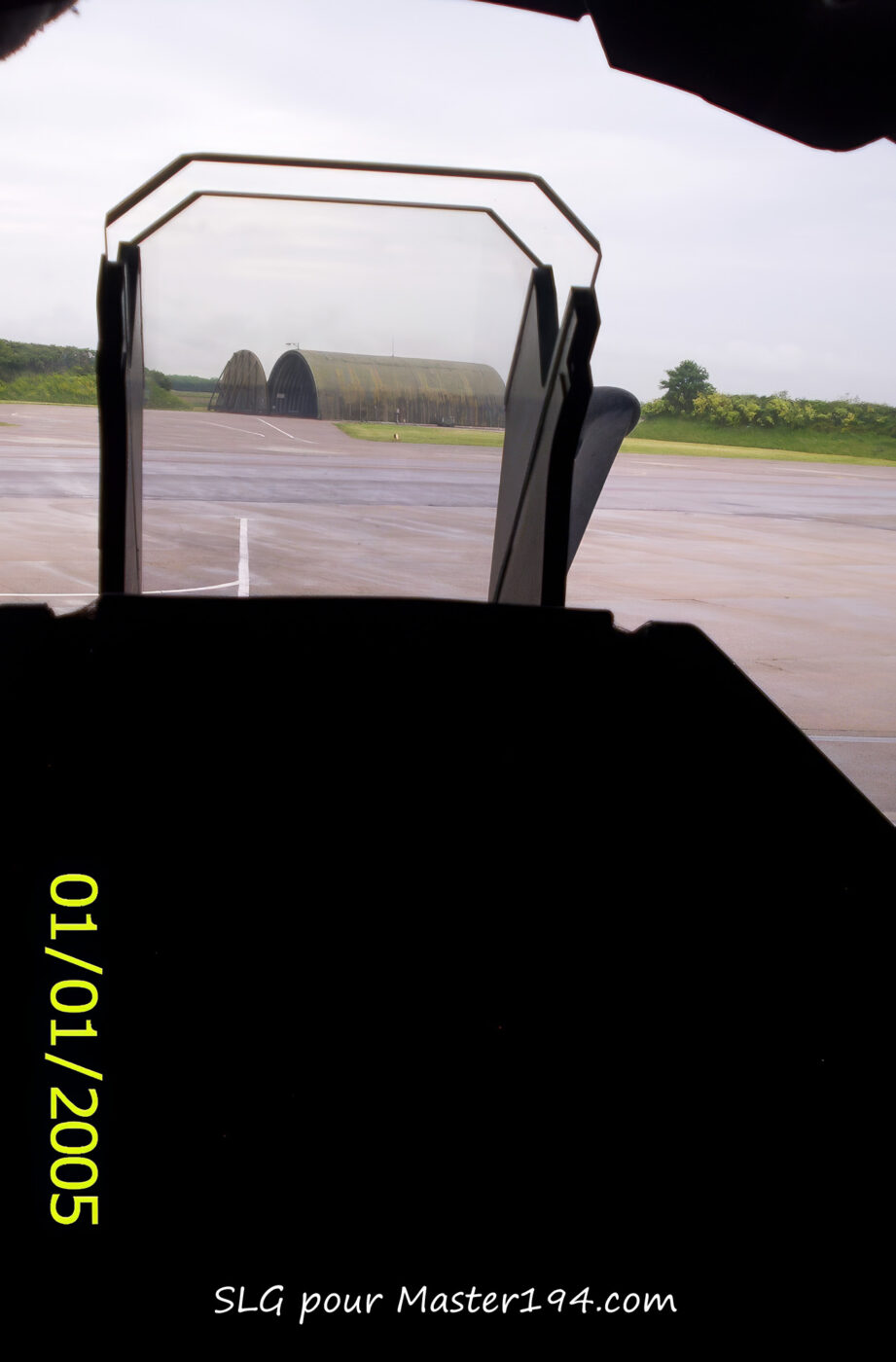
- Wide-field-of-view HUD (Head-Up Display), utilized for flight piloting and air-to-air engagement.
- Central tactical HDD (Head-Down Display), dedicated to radar situational awareness and target track management.
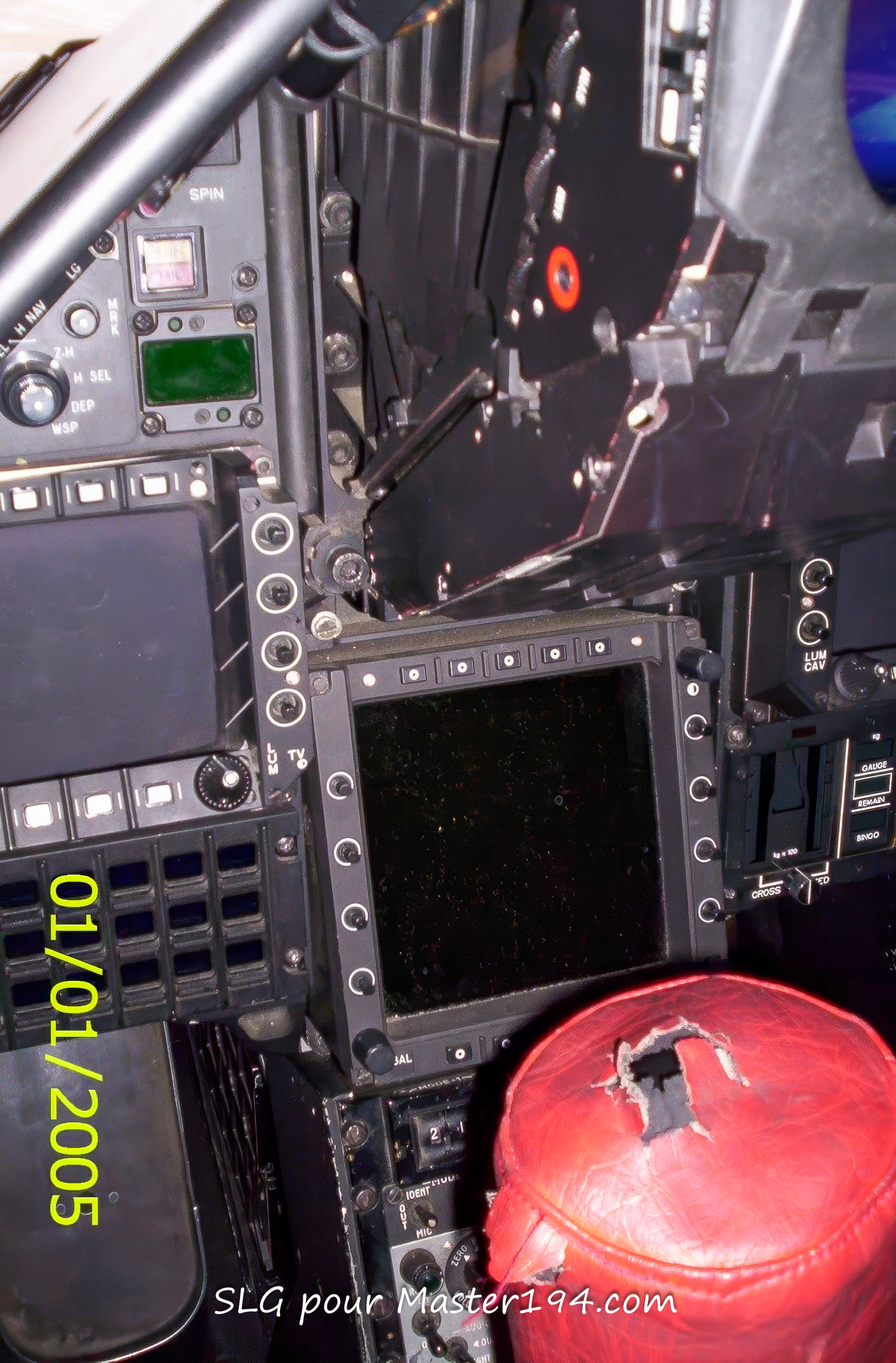
- Three Multi-Function Displays (MFDs), used for navigation, systems parameters, and weapons pages.
While this architecture does not yet constitute a ‘full glass cockpit’ in the modern sense, it represents a highly structured intermediate step toward the complete digitization of military flight decks.
RDY System Integration & Interception Logic
One of the core structural components of the cockpit layout is the integration of the Thomson-CSF RDY radar, which directly influences the presentation of tactical data.
The central HDD enables the exploitation of:
- Multi-target detection
- Simultaneous tracking of multiple tracks
- Engagement designation for MICA missiles
This logic transforms the flight deck into a true aerial combat interface, where tactical situational awareness takes precedence over basic navigation.
HOTAS & Workload Reduction
The introduction of the HOTAS (Hands On Throttle And Stick) system is a key feature of this generation.
Essential controls are distributed across the flight stick and throttle, enabling:
- Radar mode selection
- Weapon management
- Navigation between system pages
- Reduced interaction with secondary panels
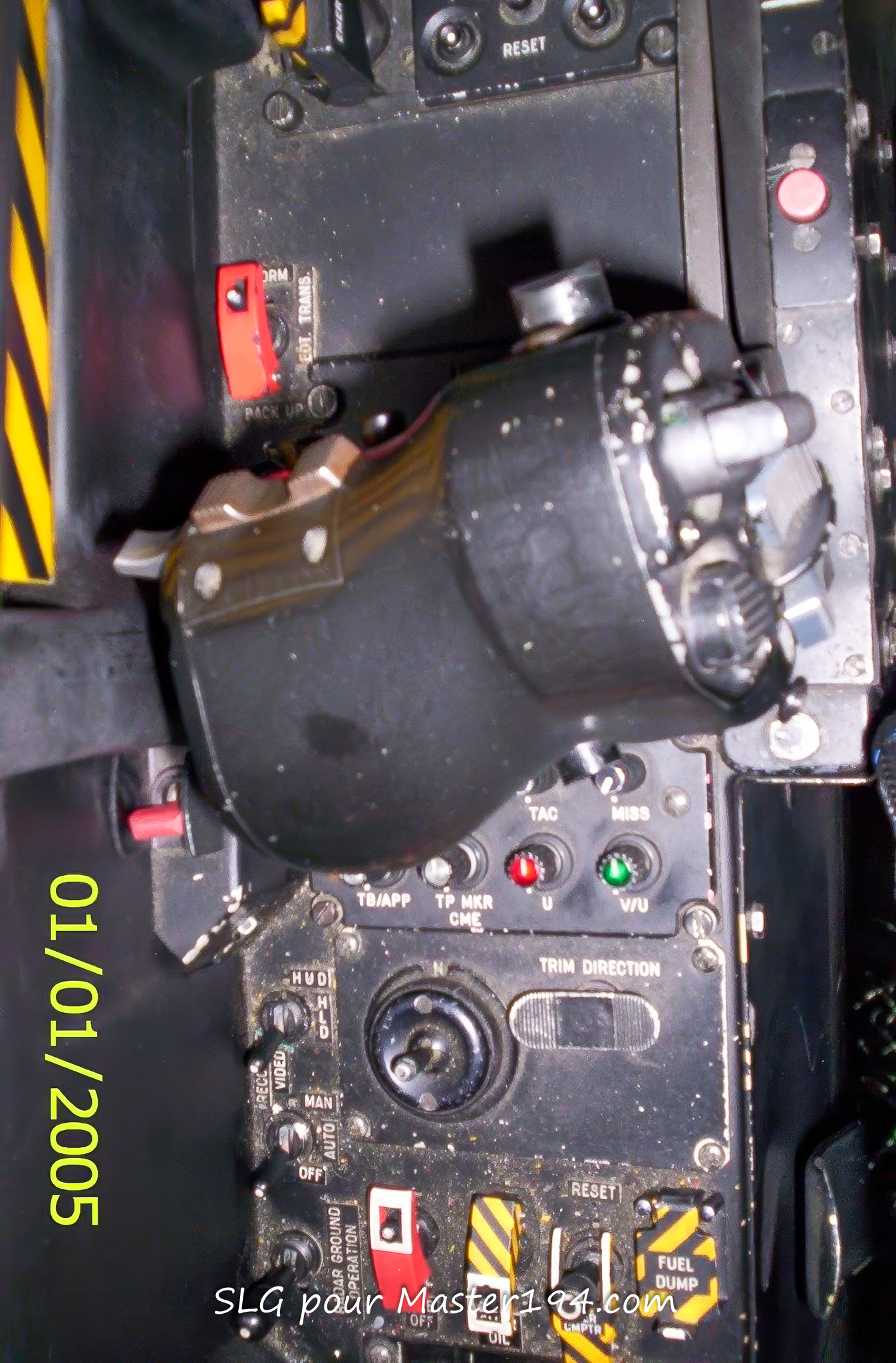
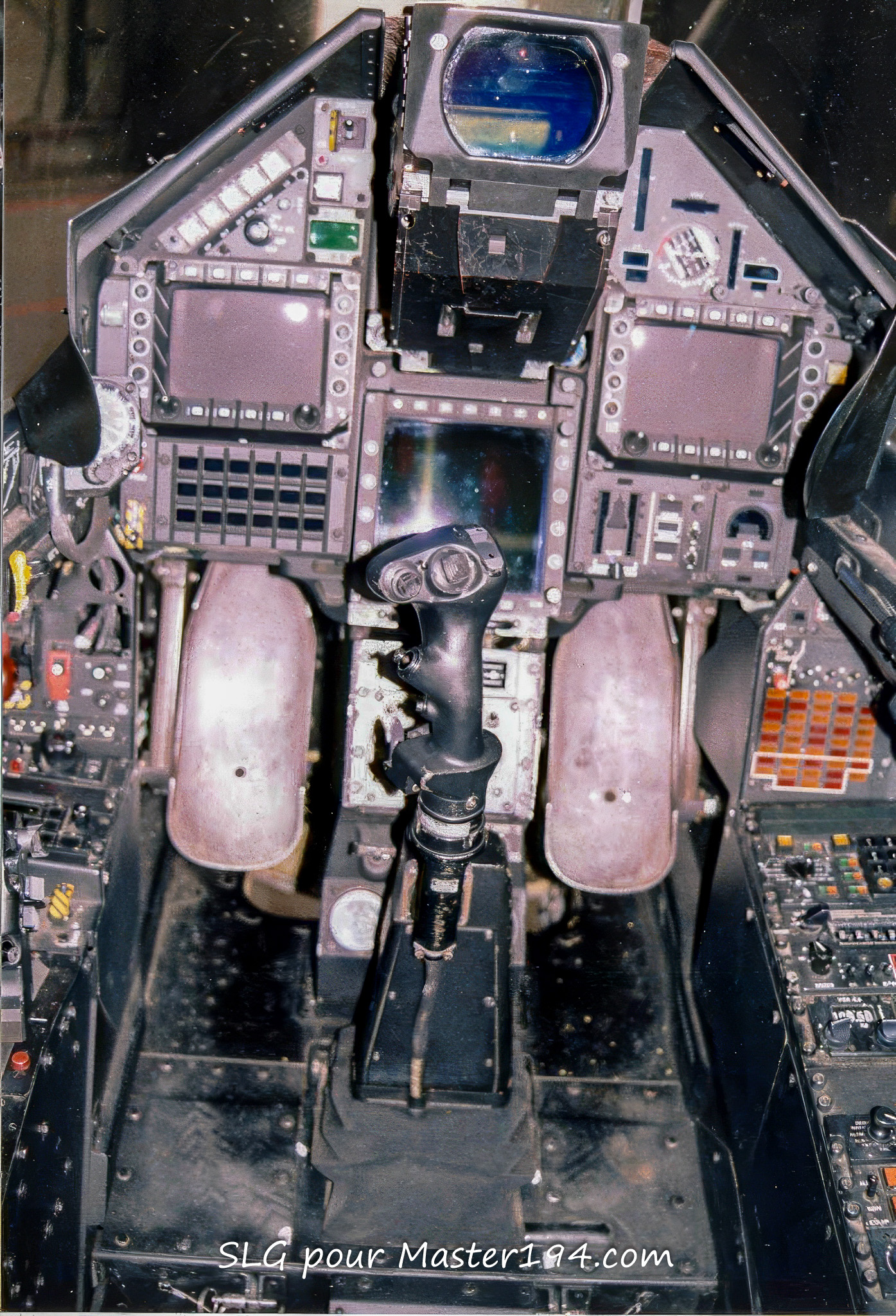
General Cockpit Layout and Philosophy
The cockpit of the Mirage 2000-5F retains a certain density typical of 1980s fighter jets, but introduces a far clearer information hierarchy. The remaining analogue instruments are relegated to backup roles or secondary monitoring functions, while electronic displays handle the majority of operational tasks.
This transition illustrates an intermediate design philosophy:
- Not yet fully digital like the Rafale’s glass cockpit.
- Yet already significantly relieved from the “all-analogue” constraints of early-generation Mirage 2000s.
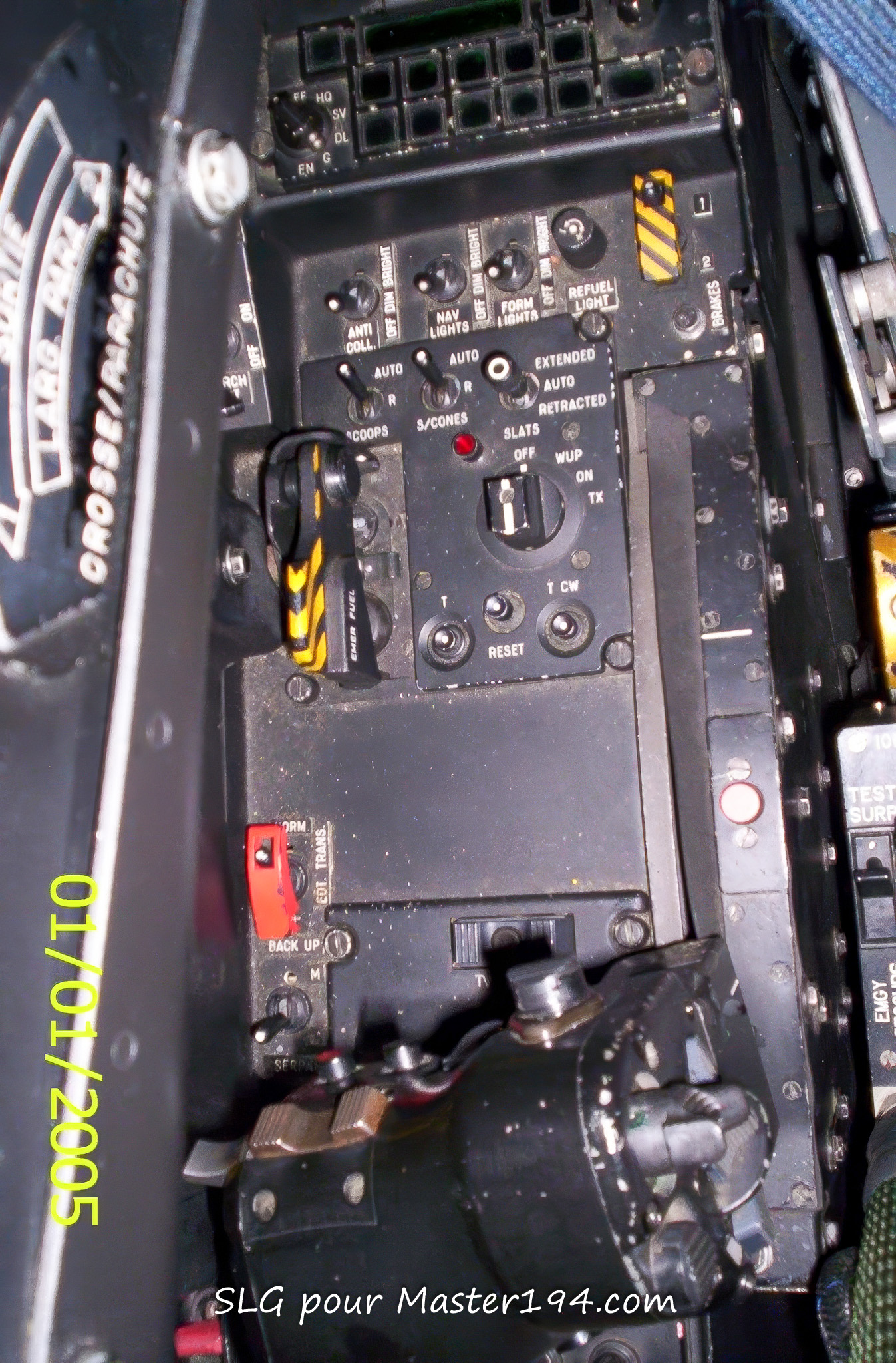
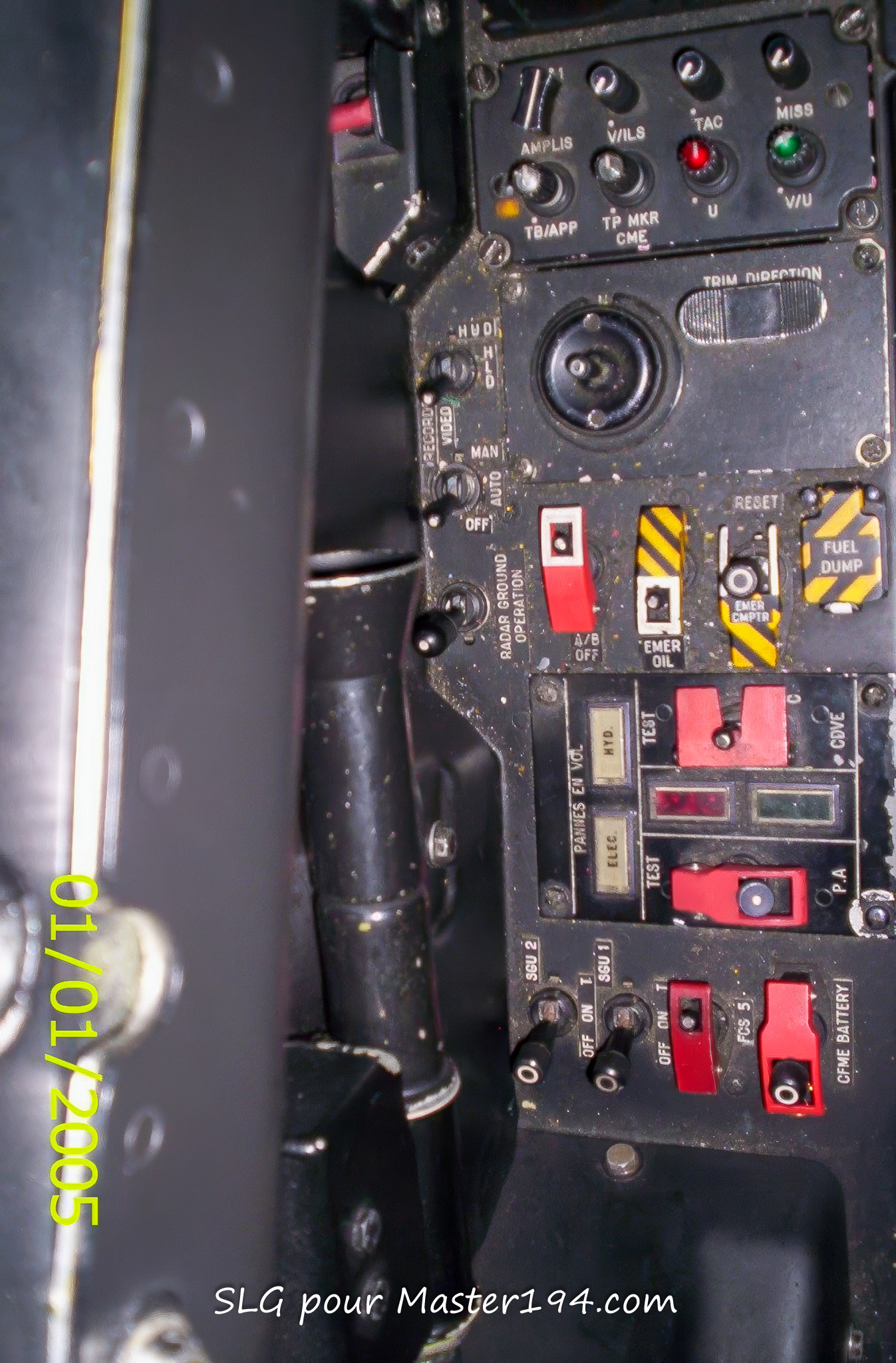
A Pivotal Cockpit in the Evolution of French Fighter Jets
The Mirage 2000-5F represents a key milestone in the evolution of French combat interfaces.
It retains the proven airframe of the Mirage 2000 while introducing display-assisted mission management logic, a multi-target radar, and autonomous fire-and-forget weaponry (MICA).
For aviation spotters and scale modelers, this flight deck is particularly fascinating as it embodies a highly visible technological transition between two generations of fighter aircraft.
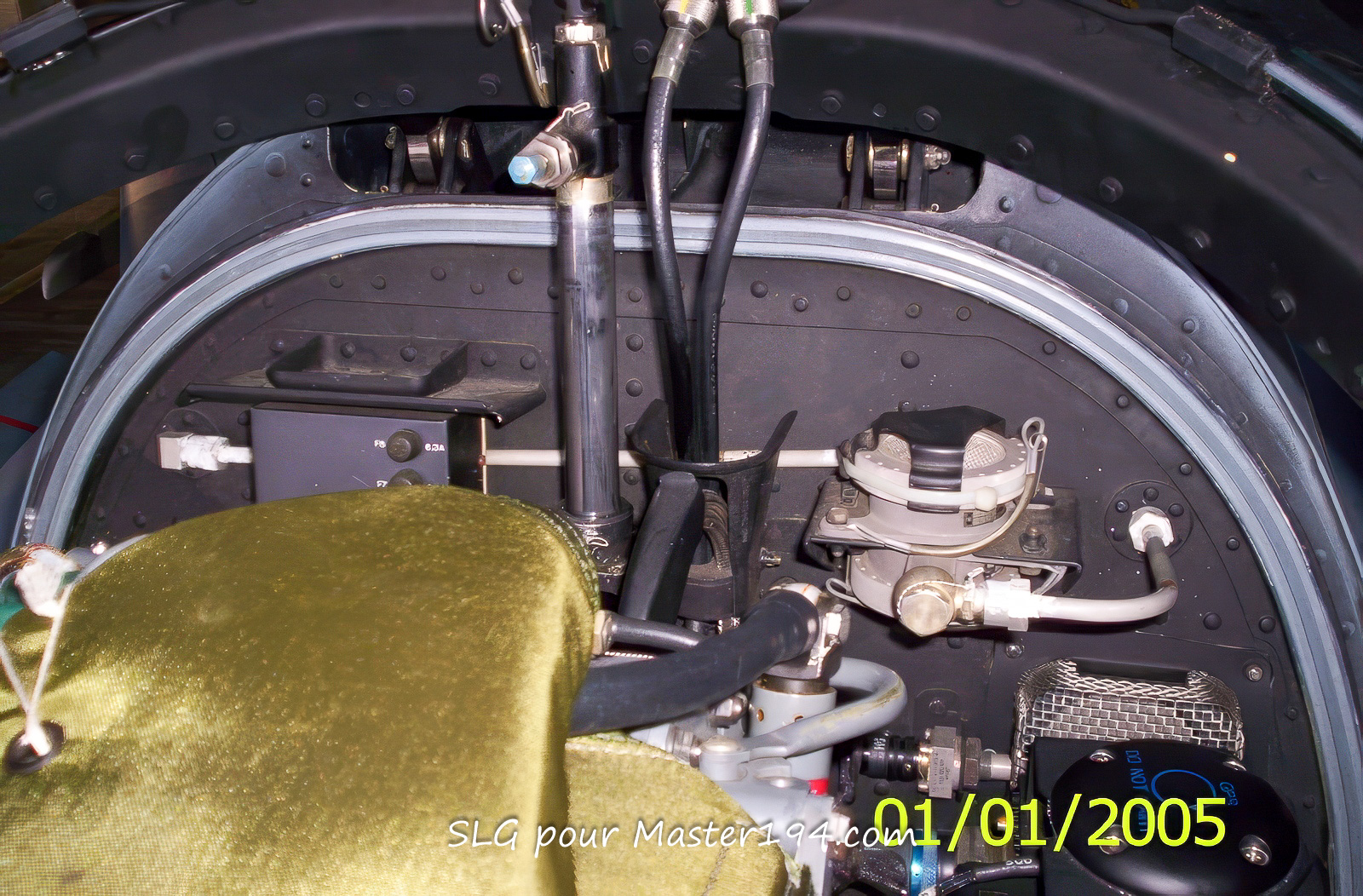
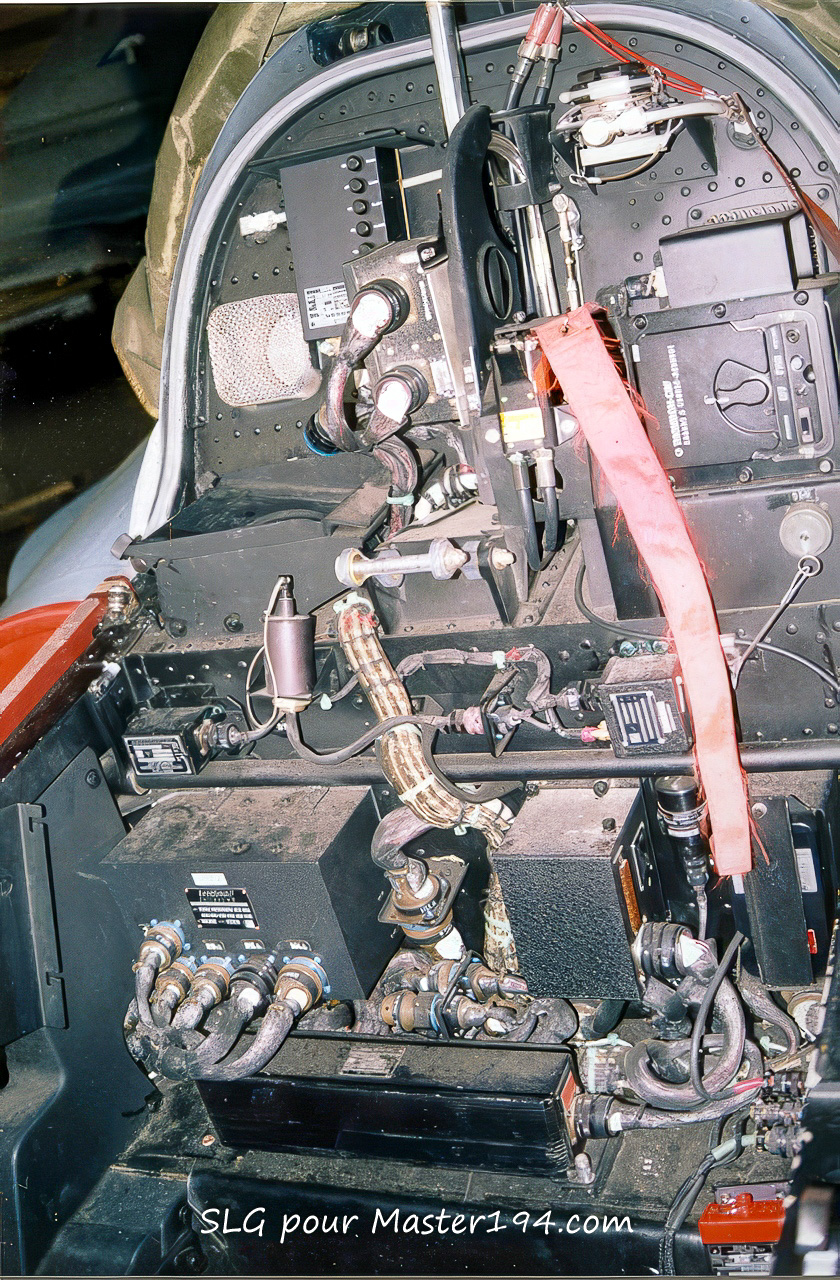
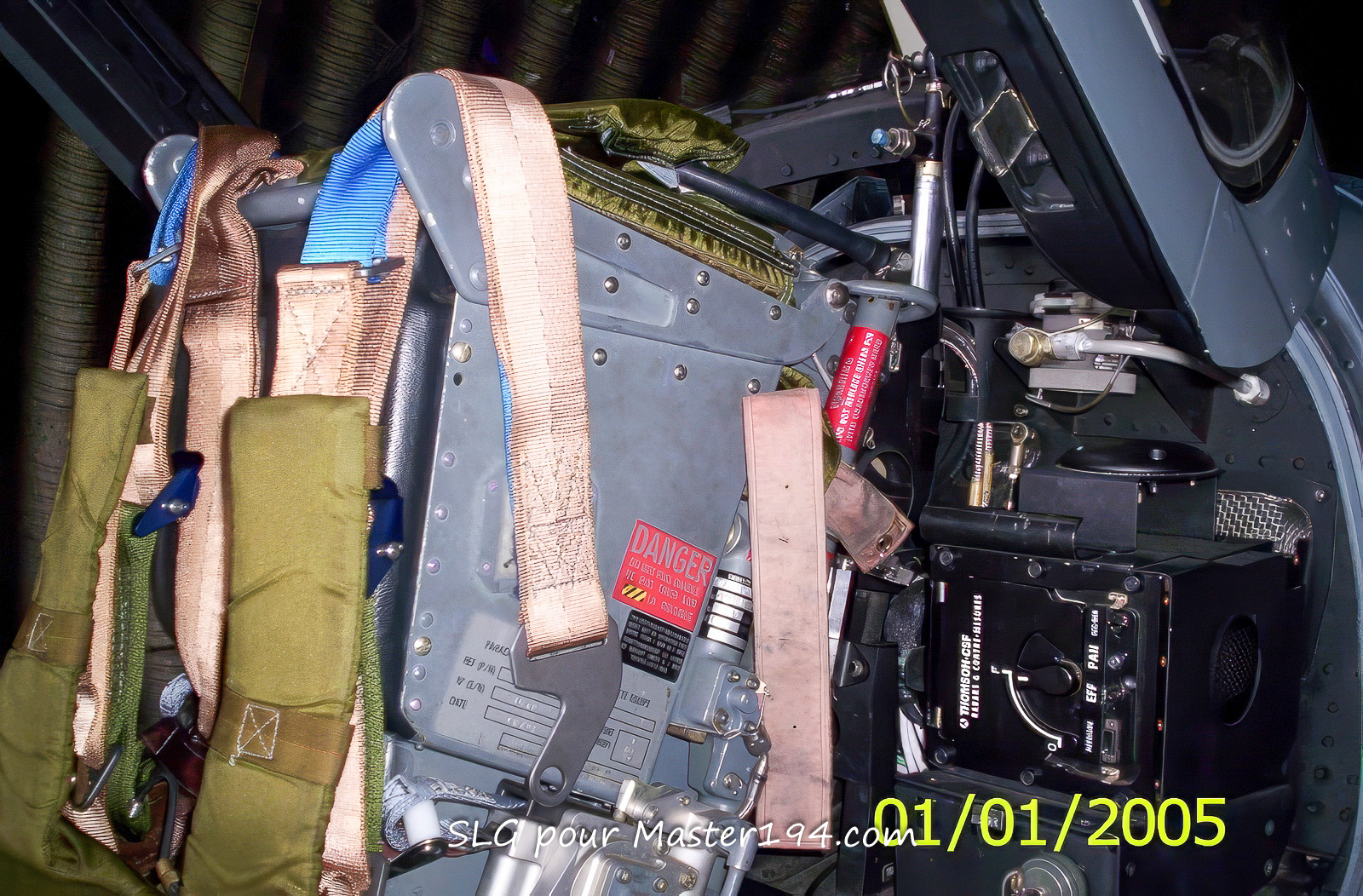
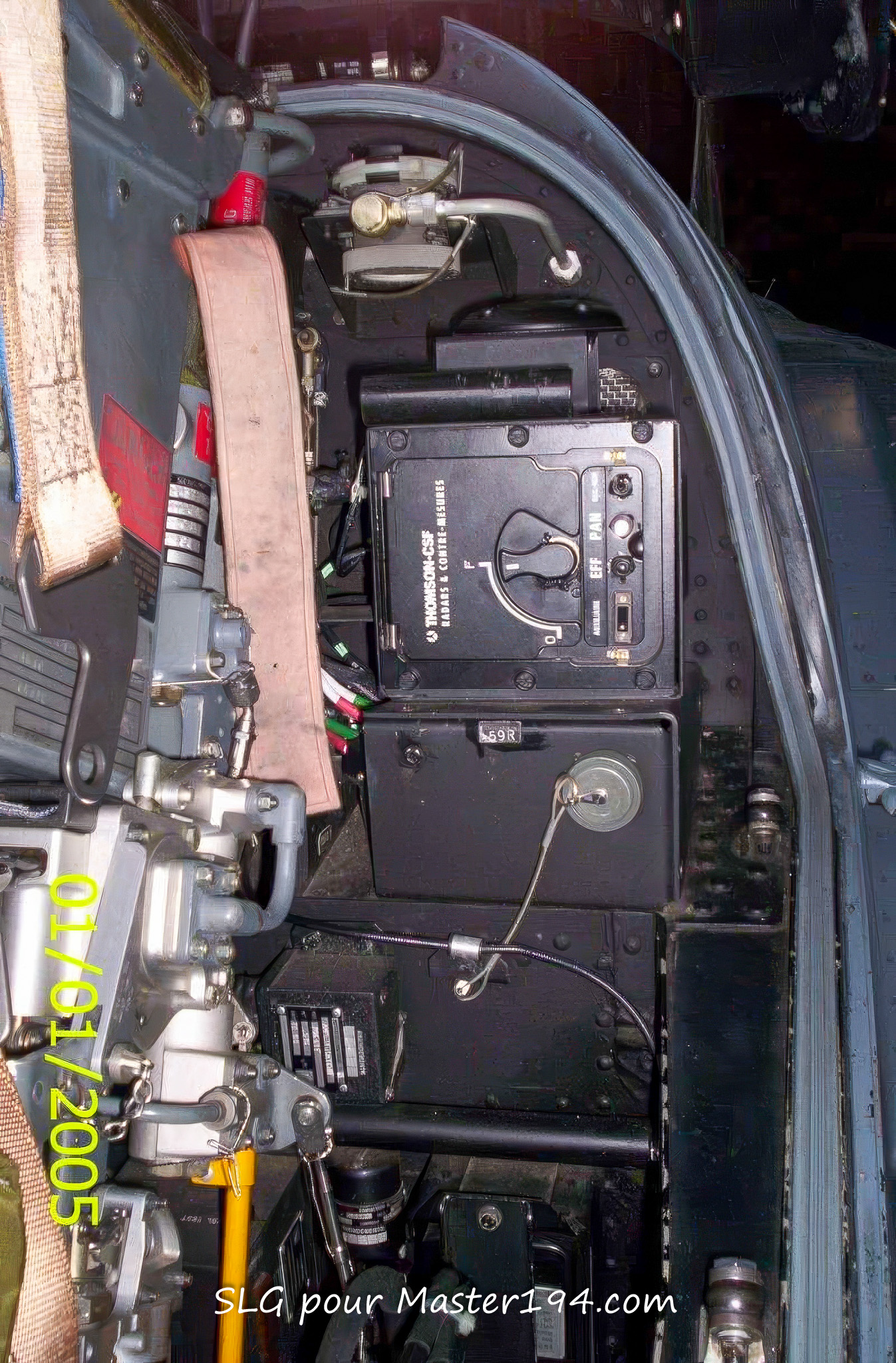
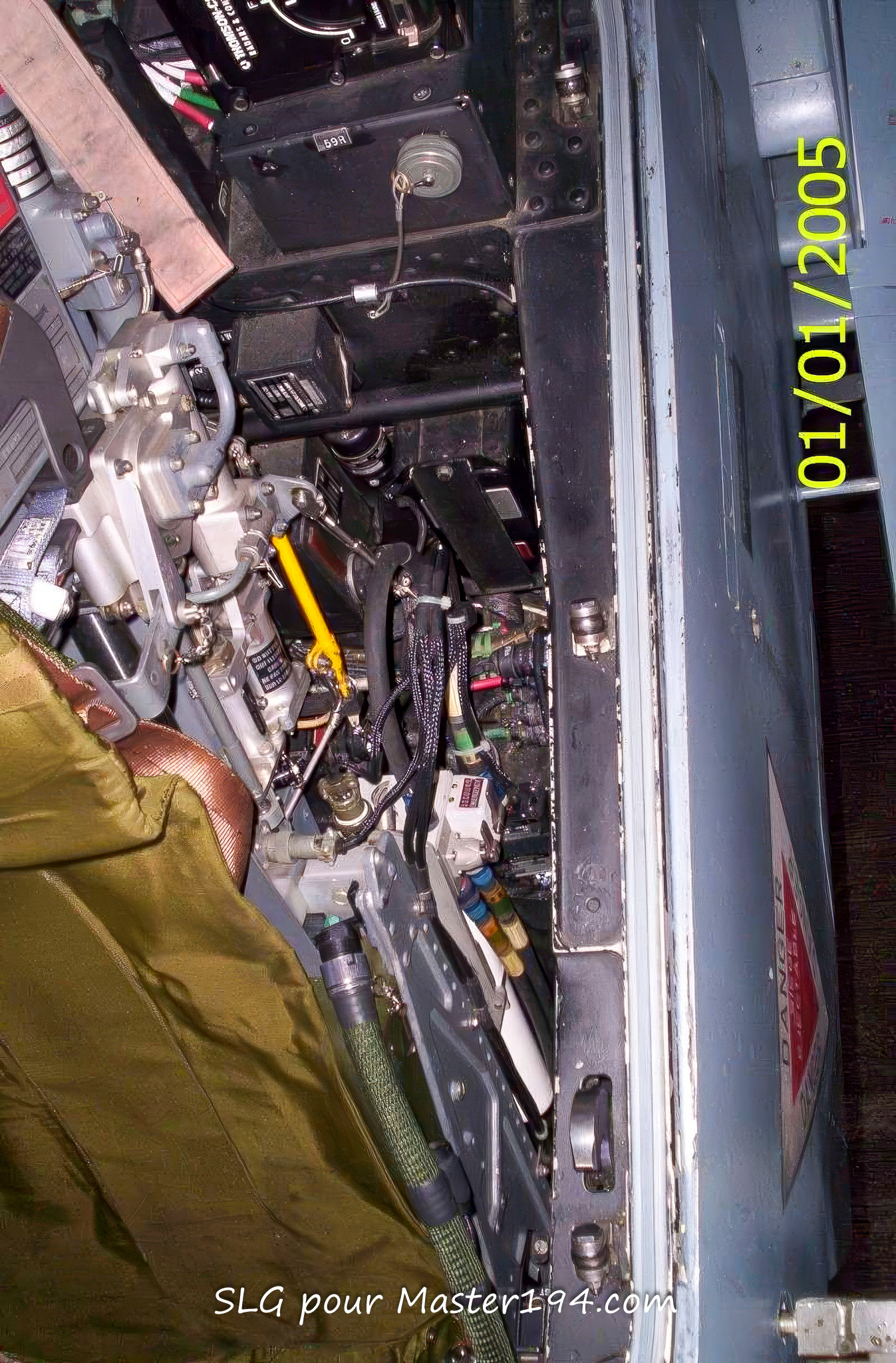
And just for pleasure, a selection of shots featuring the Mirage 2000-5F variants from Dijon.