 by
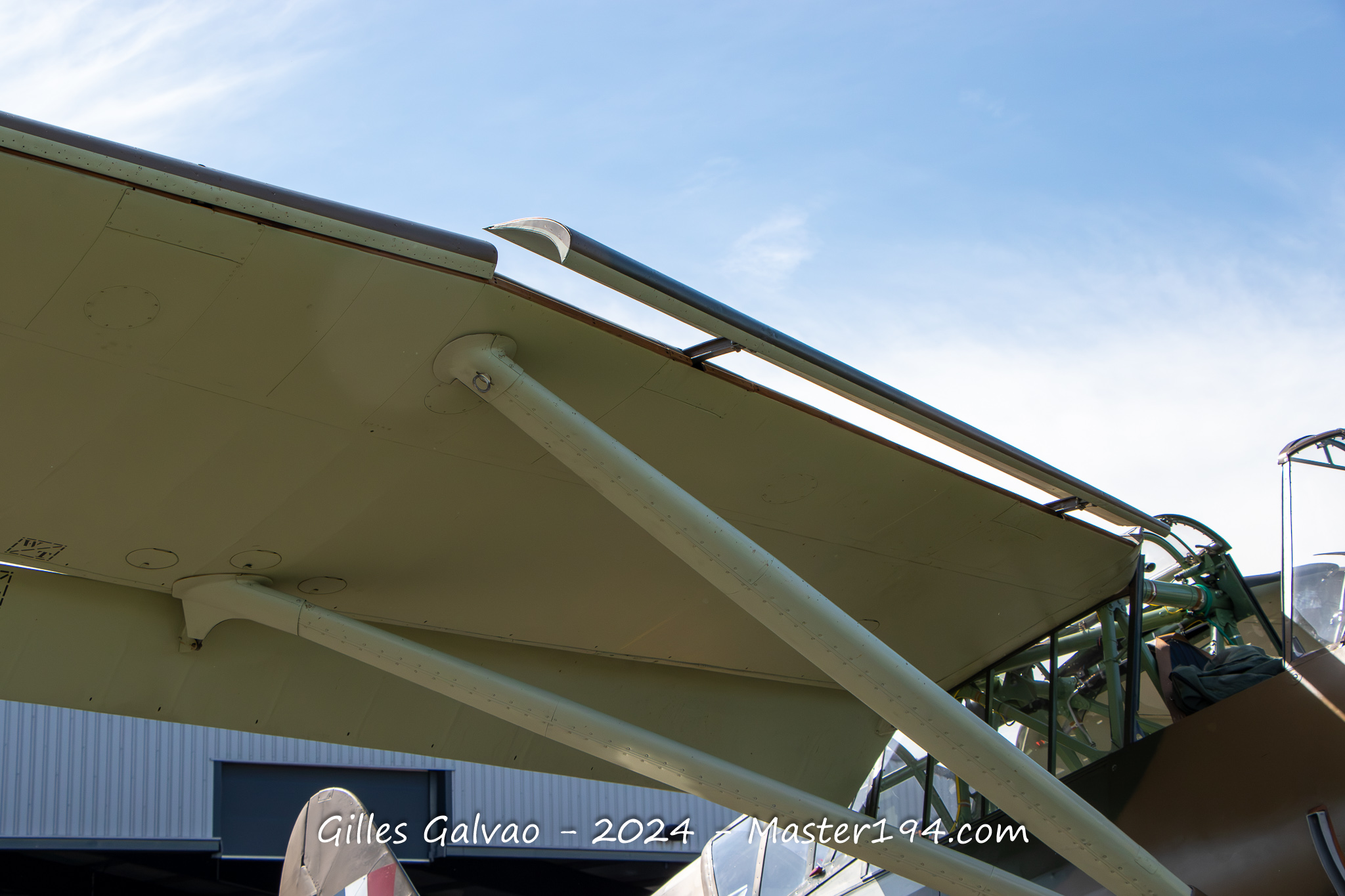
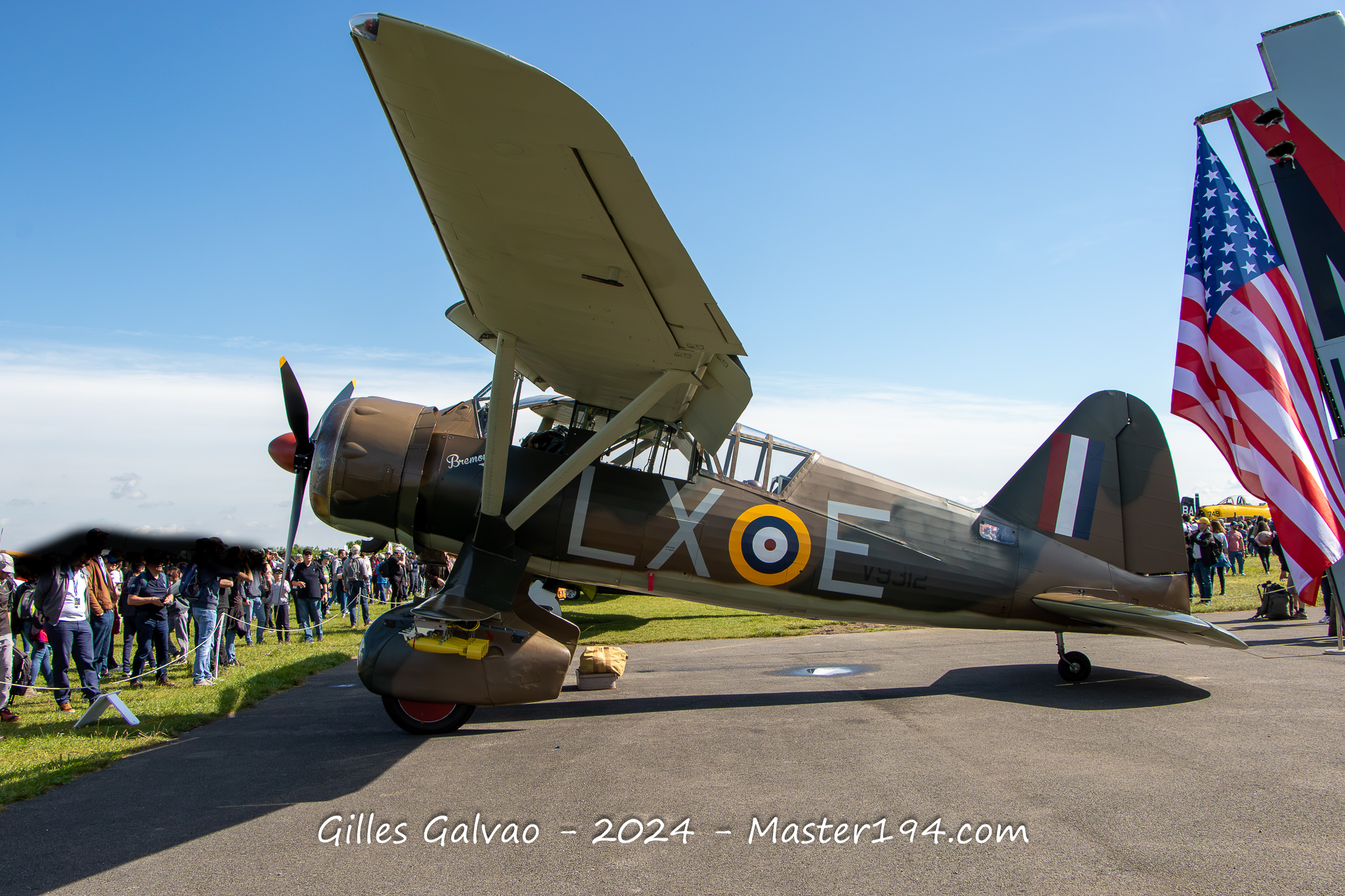
The Westland Lysander was developed in the mid-1930s under Air Ministry Specification A.39/34, which sought a new army co-operation aircraft to replace the biplanes then in service. Designed by engineer William Edward Willoughby Petter at Westland Aircraft, it made its maiden flight on June 15, 1936. The aircraft is characterized by a high-lift wing, a fixed wide-track undercarriage, and excellent short take-off and landing (STOL) capabilities, enabling it to operate from rough airstrips in close proximity to frontline ground forces.
Its initial missions aligned with its army co-operation role, encompassing low-altitude tactical reconnaissance, artillery spotting and observation, as well as liaison missions between ground and air units. It was also configured for aerial photography, message dropping, light supply drops, and, secondarily, light bombing missions. Although quickly outclassed in this initial role by evolving air tactics and the introduction of more modern aircraft, the Lysander would go on to enjoy a remarkable second career in special duties, clandestine liaison, and agent infiltration.
The Variants of the “Lizzie”
Westland Lysander Mk I (1938)
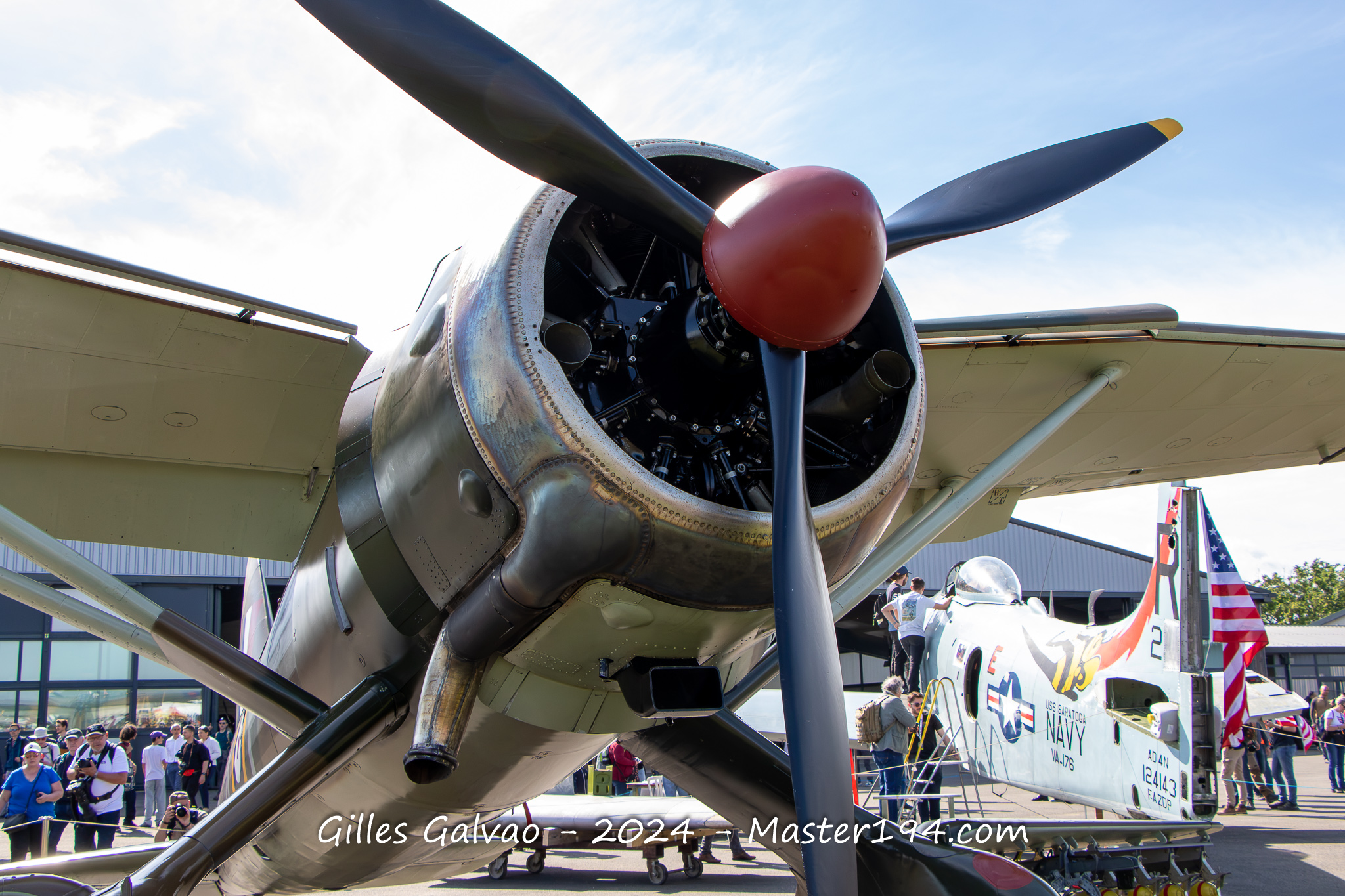
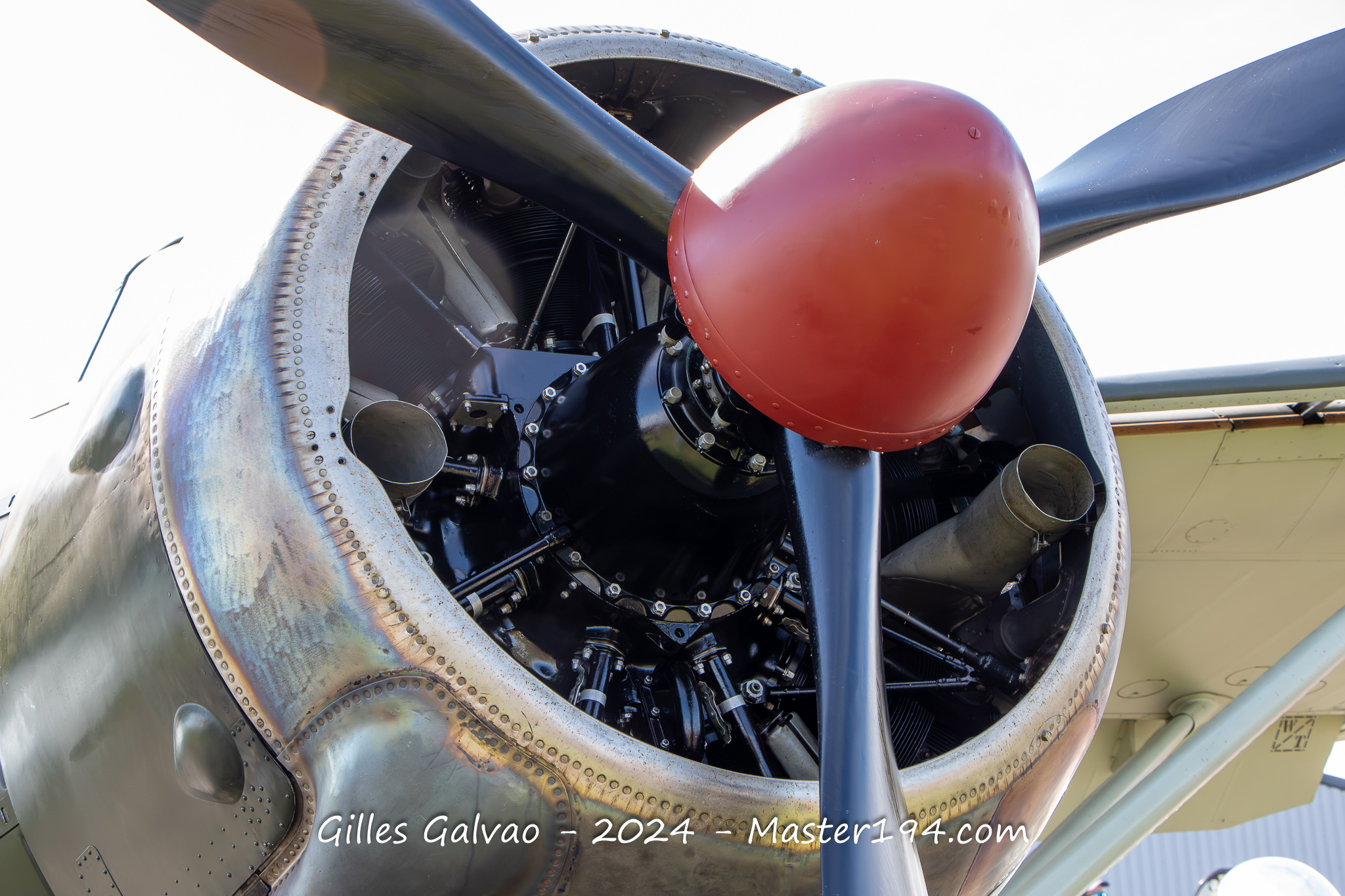
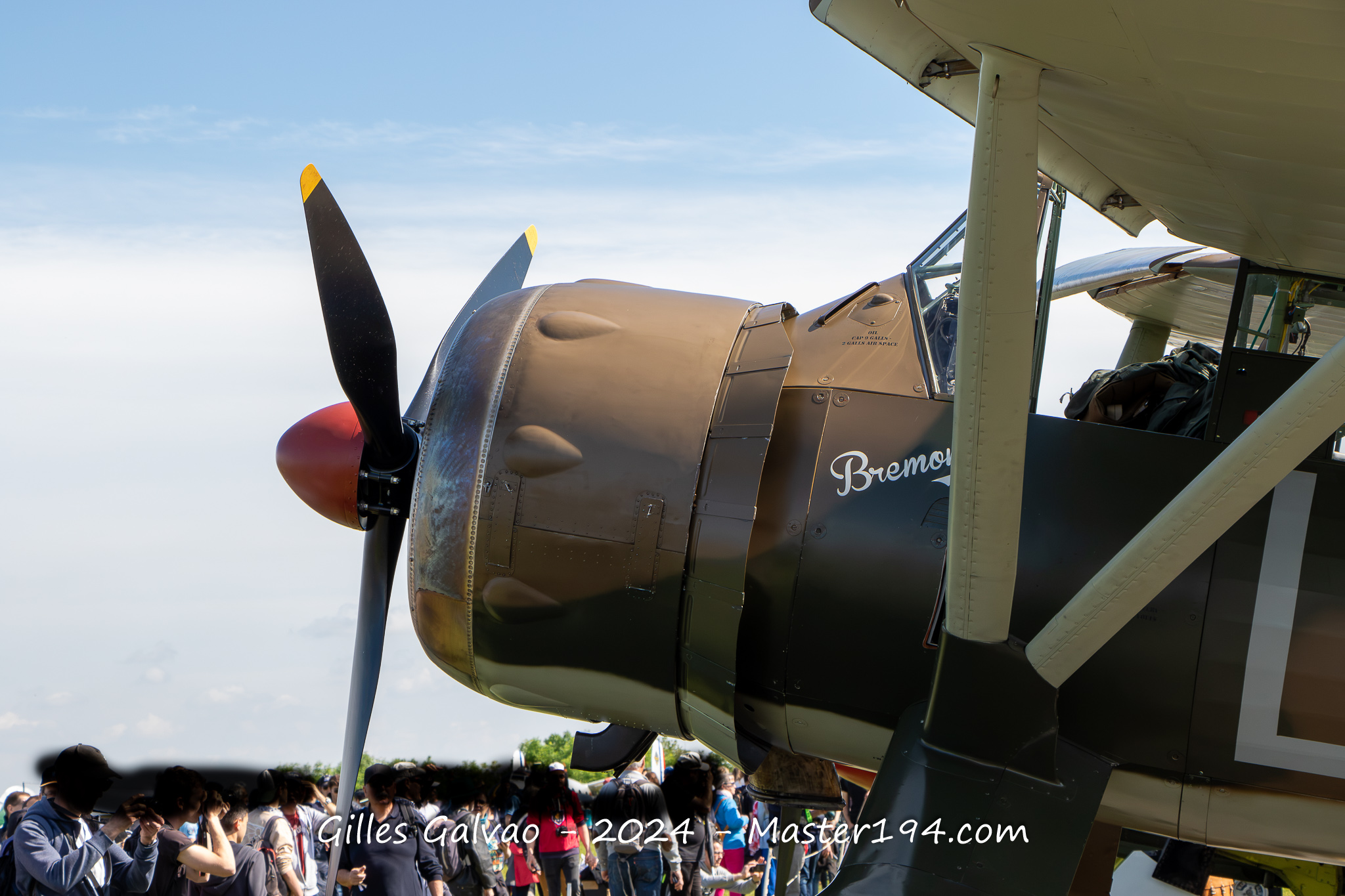
The initial production variant of the Lysander, powered by an 890 hp Bristol Mercury XII radial engine.
Key Features:
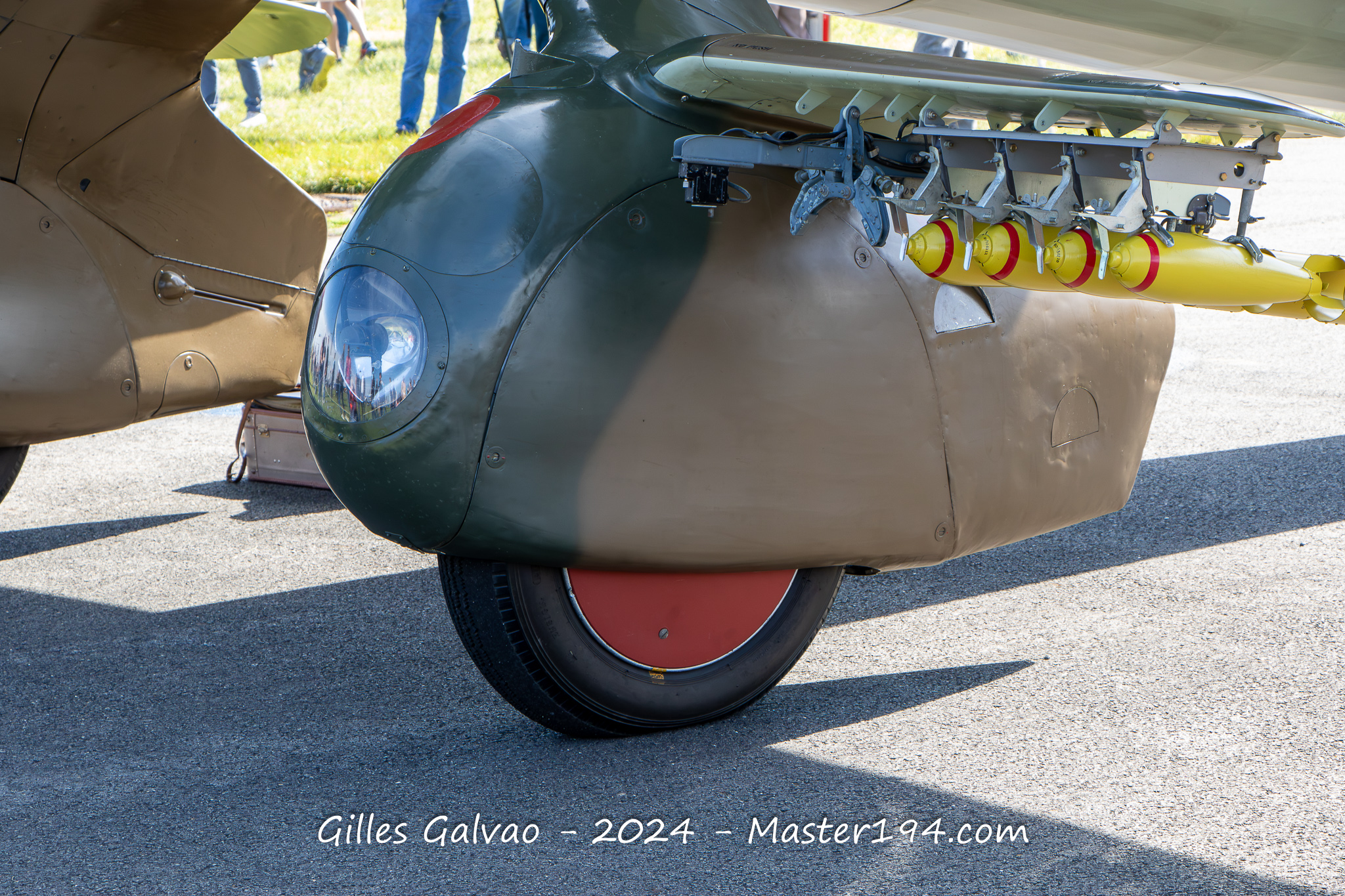
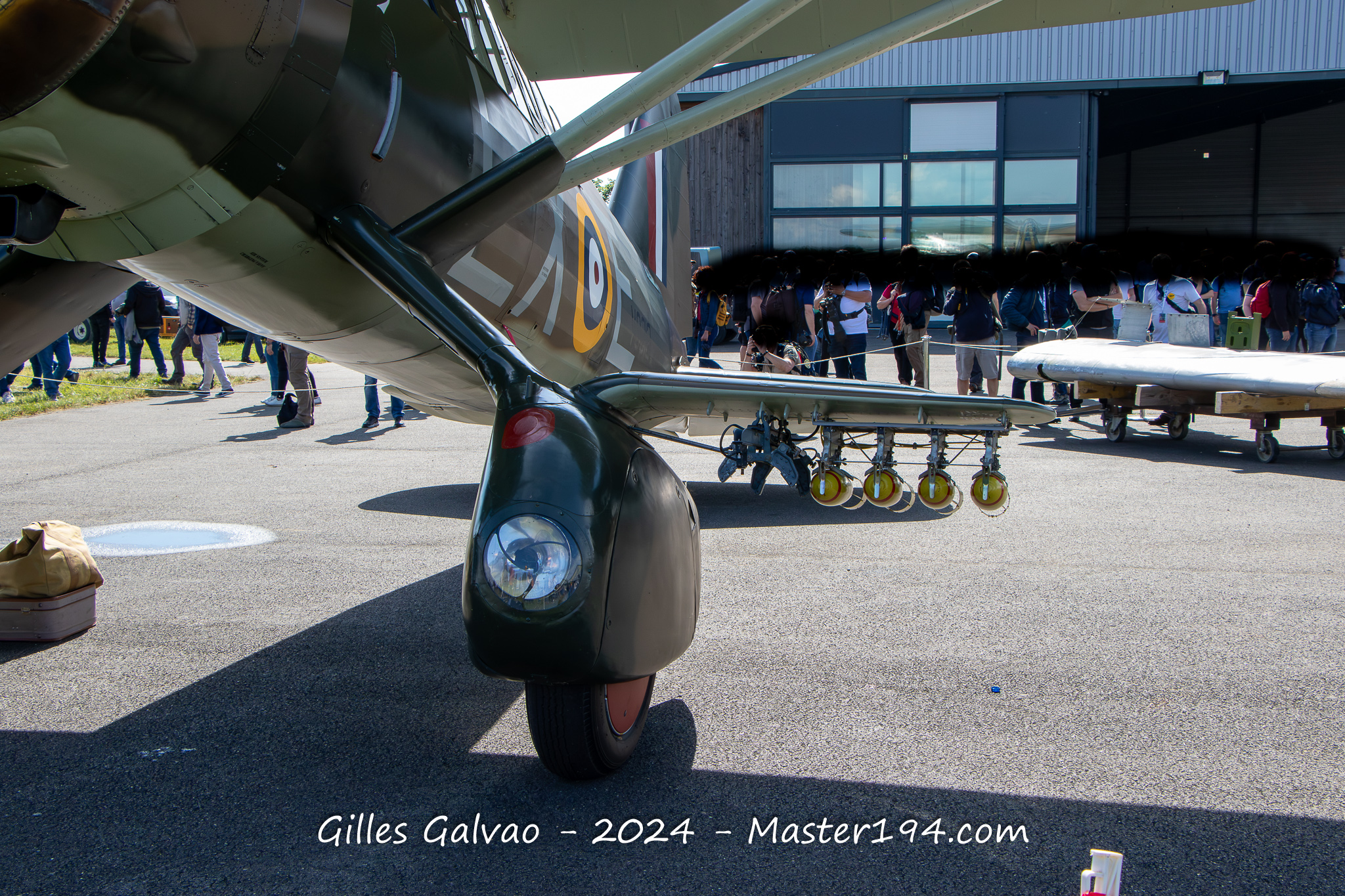
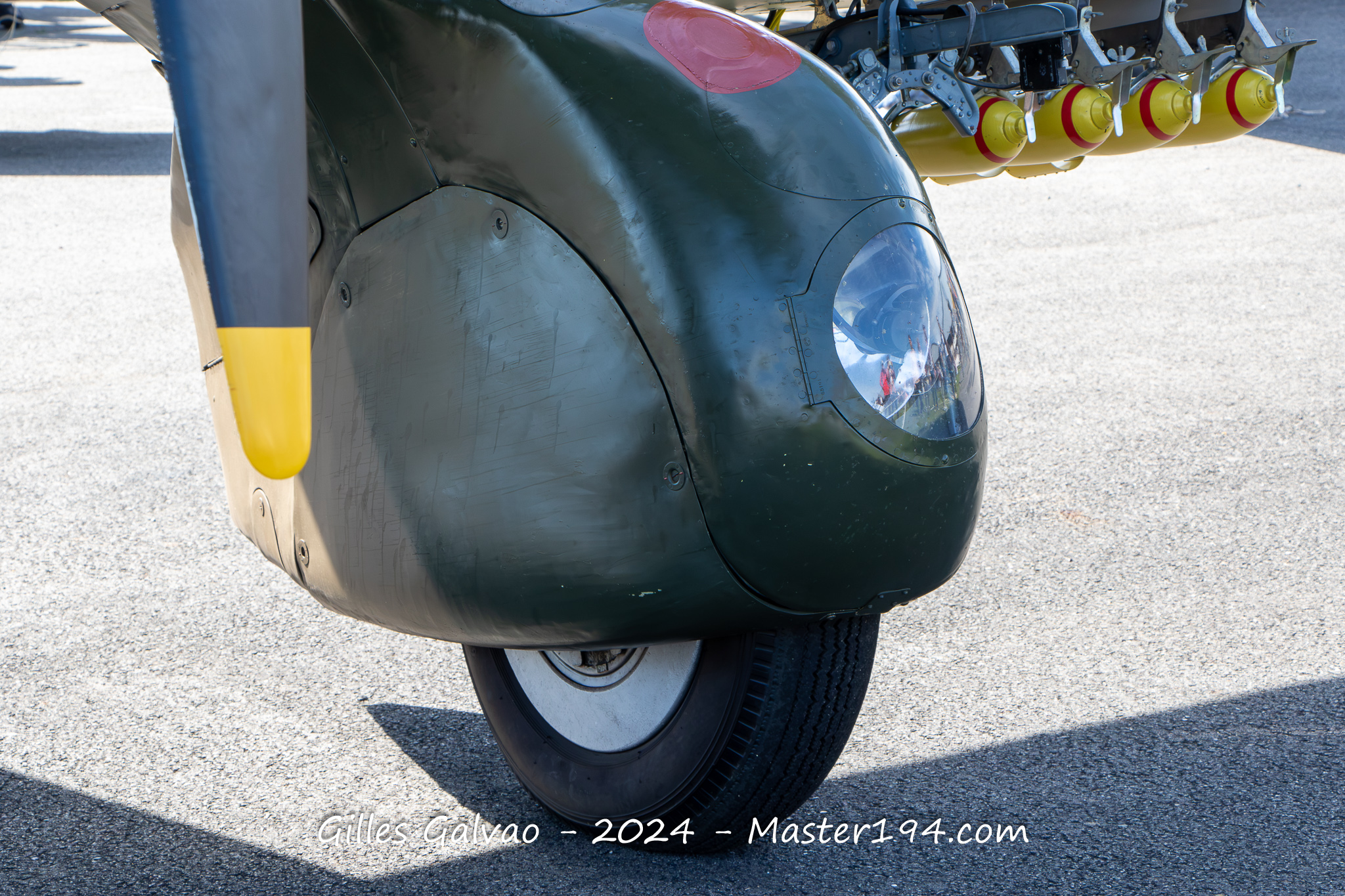
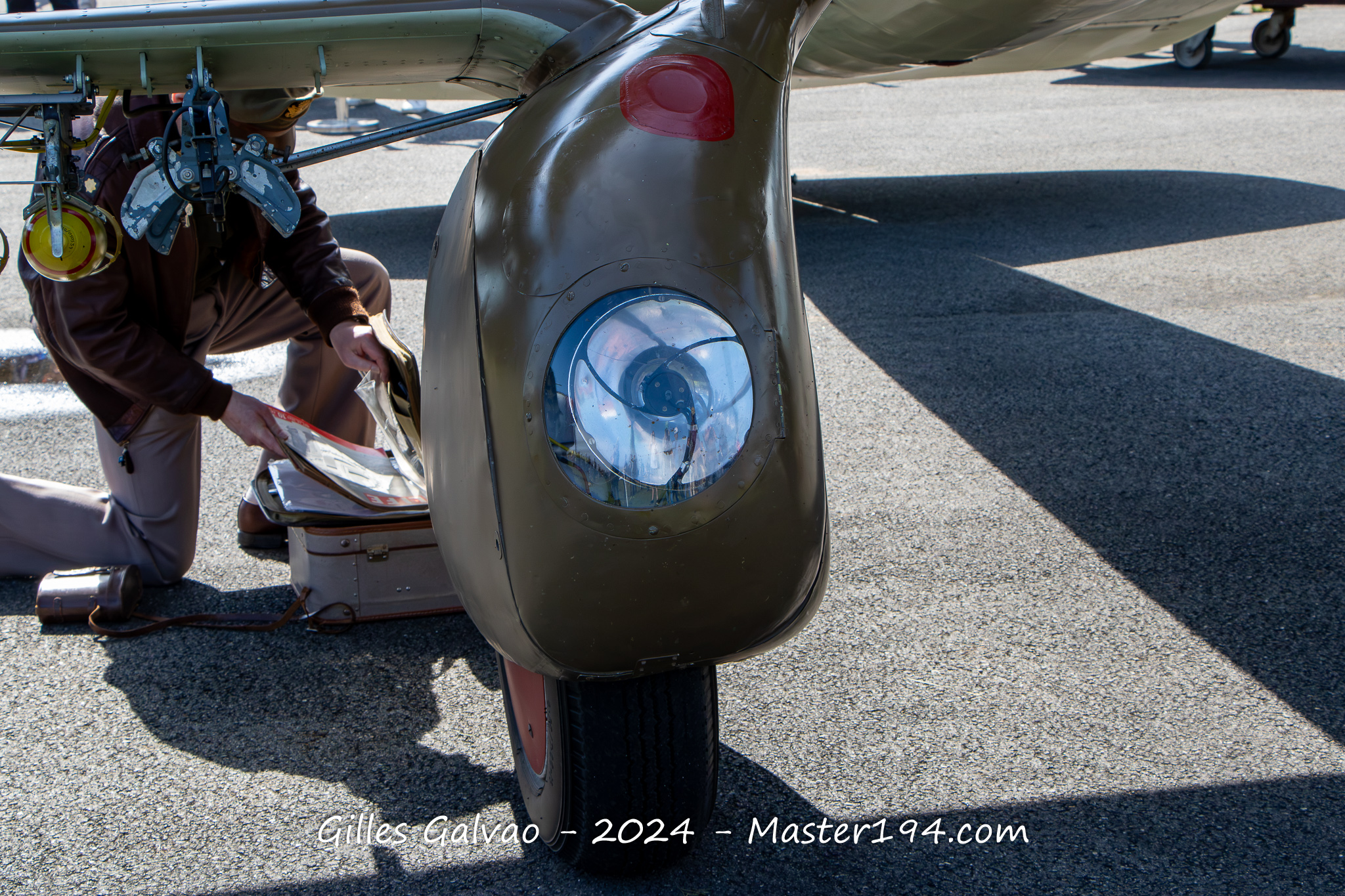
- Armament: Two fixed forward-firing 7.7 mm (.303) machine guns housed in the wheel spats.
- Rear Defense: Two 7.7 mm (.303) Lewis machine guns on a flexible rear cockpit mount.
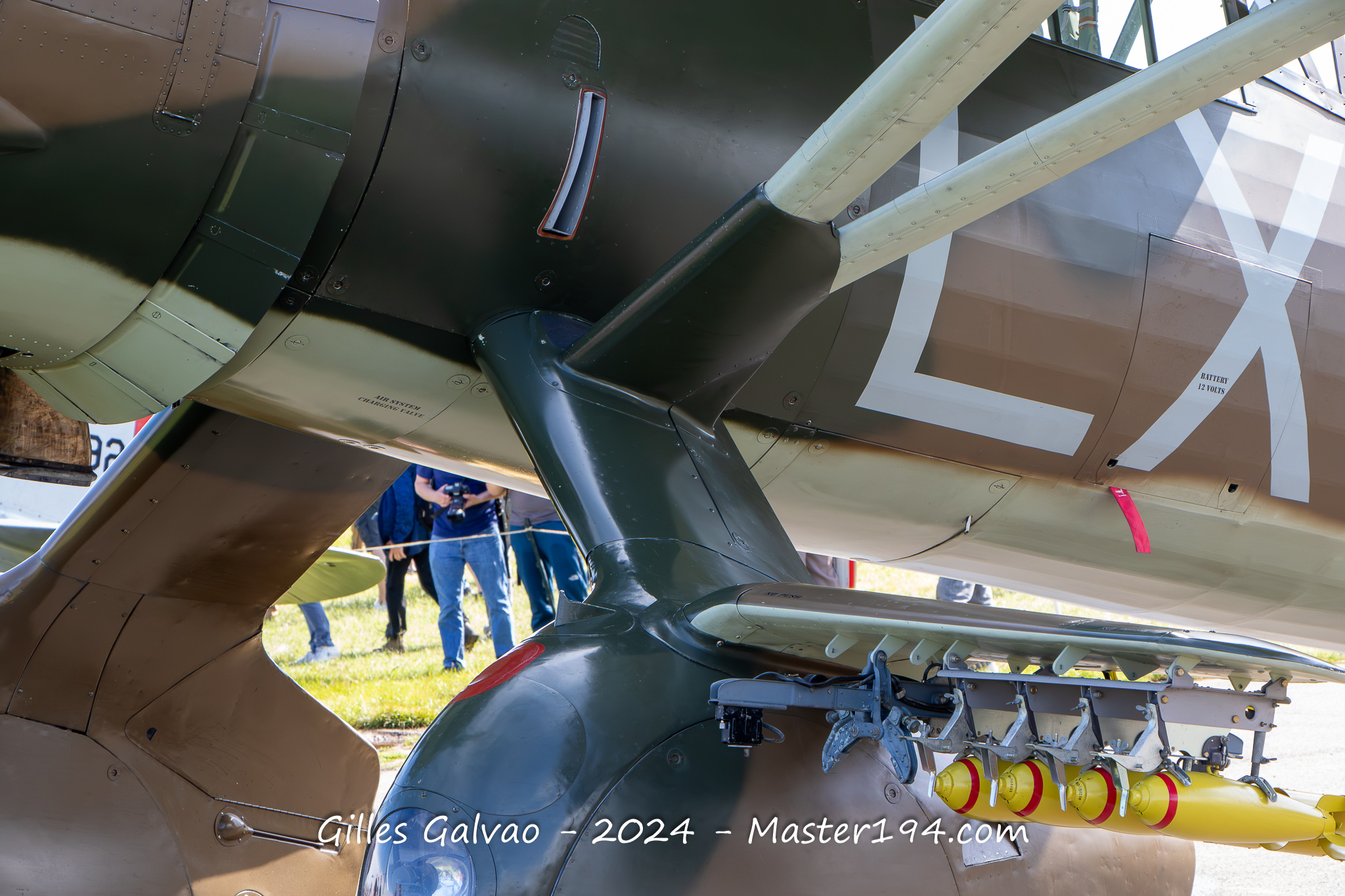
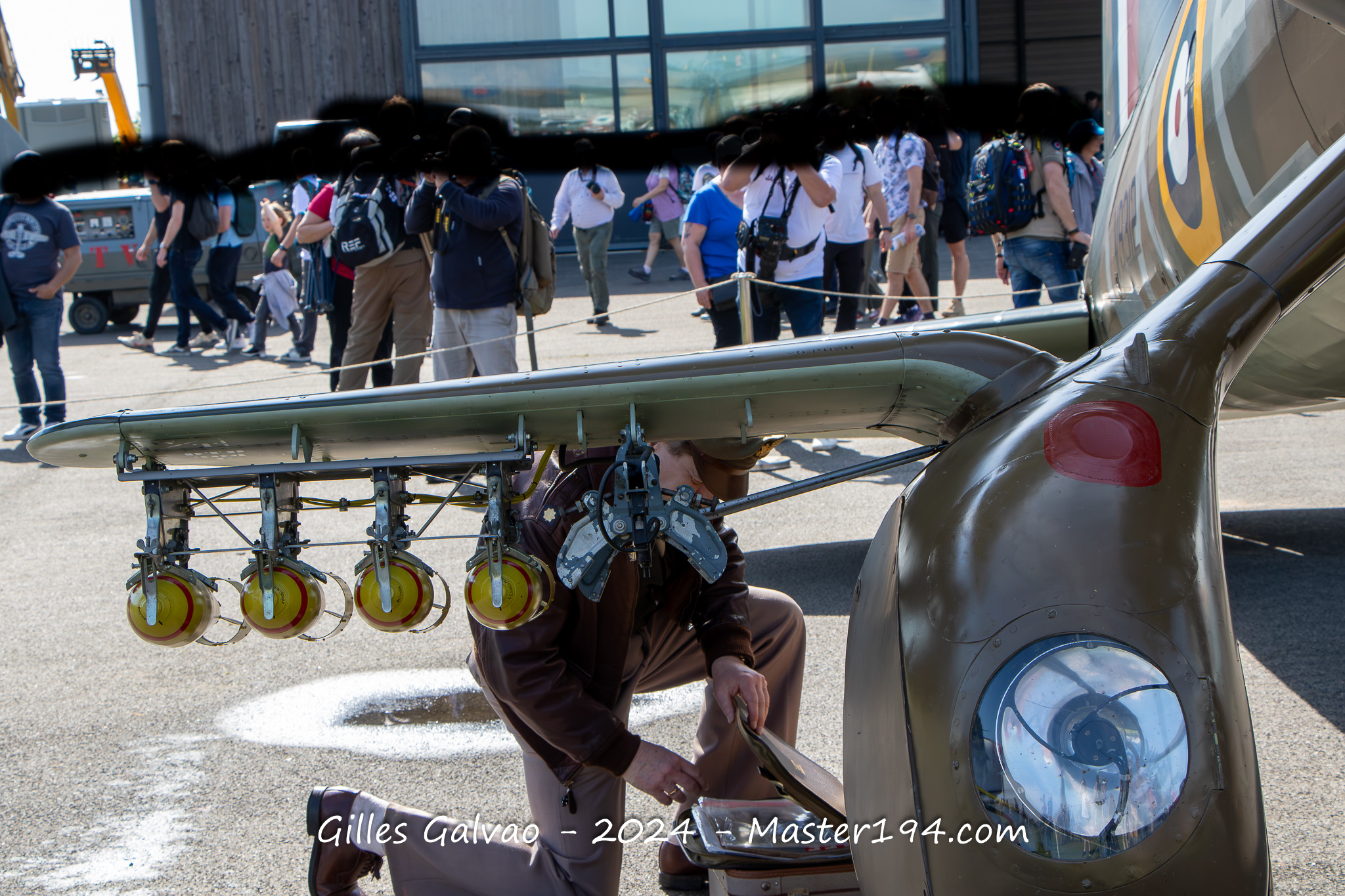
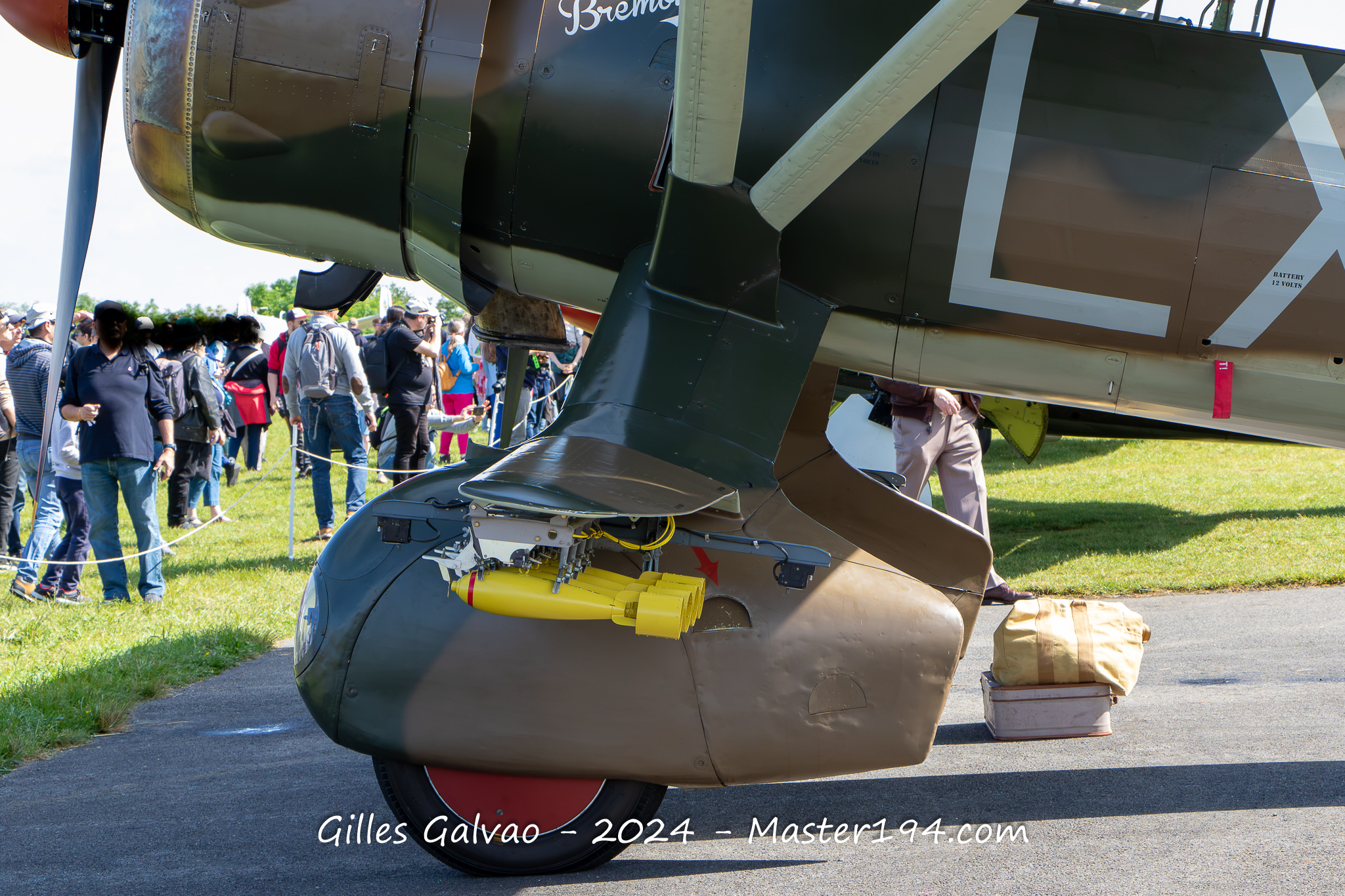
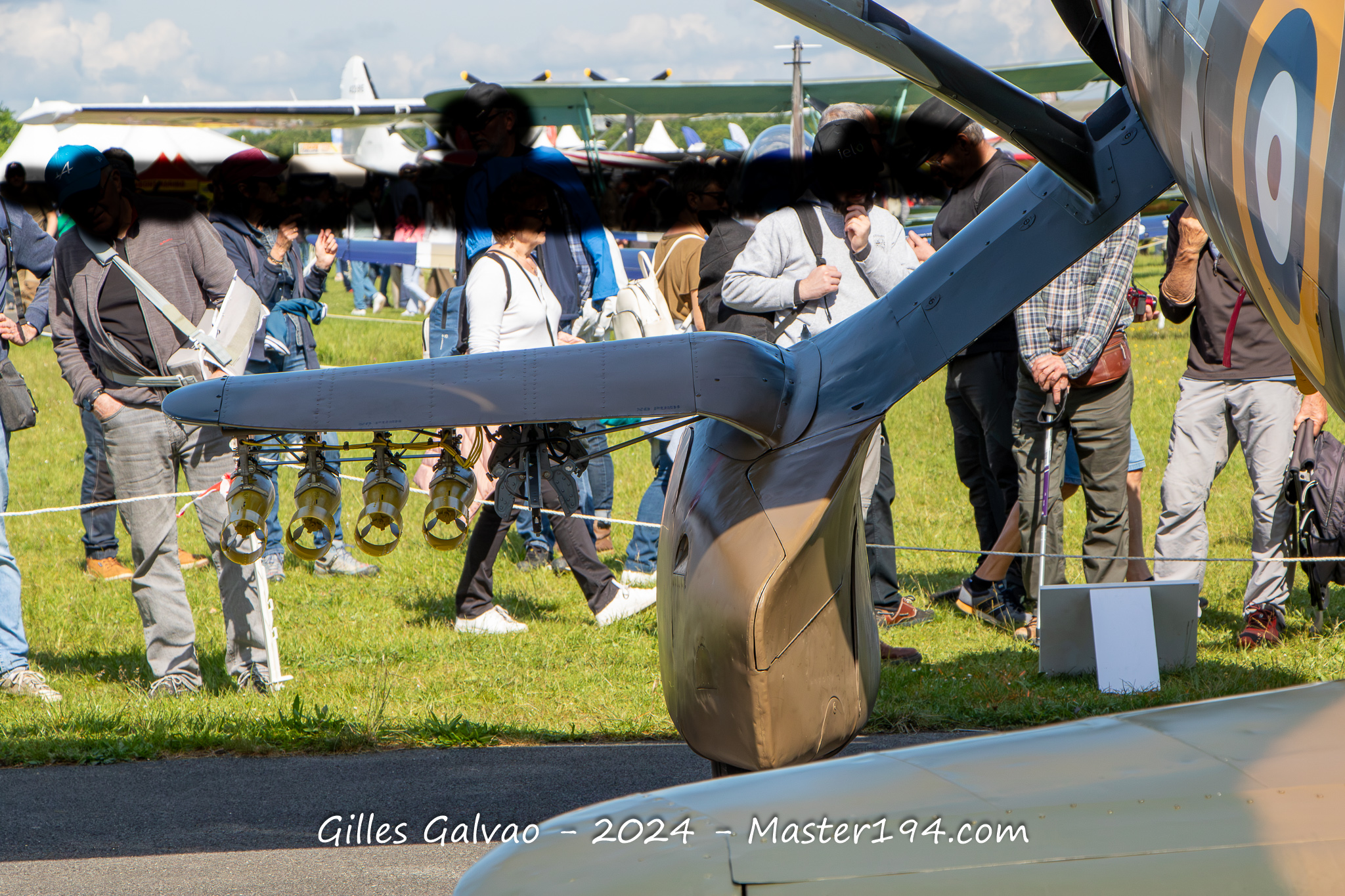
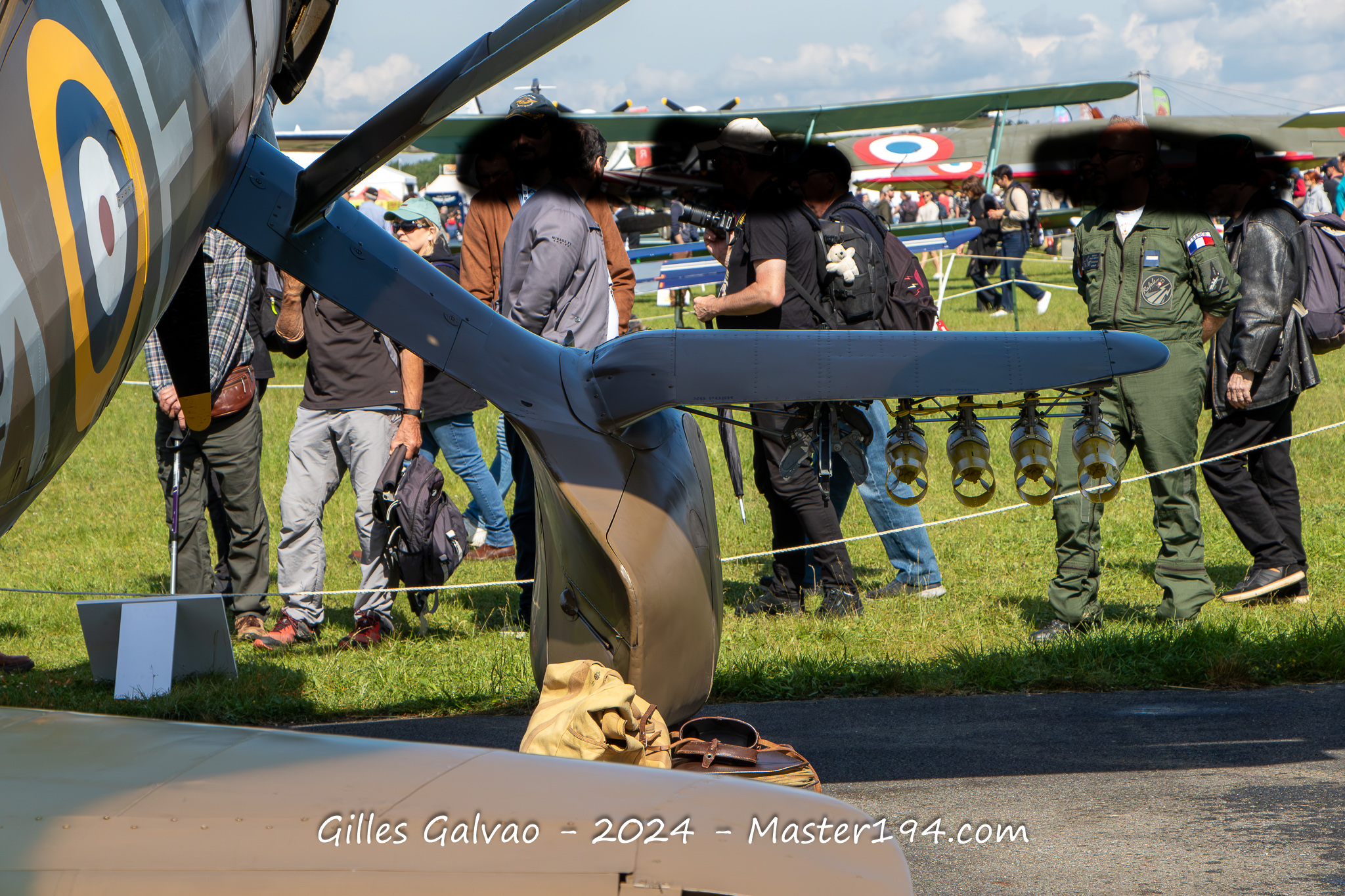
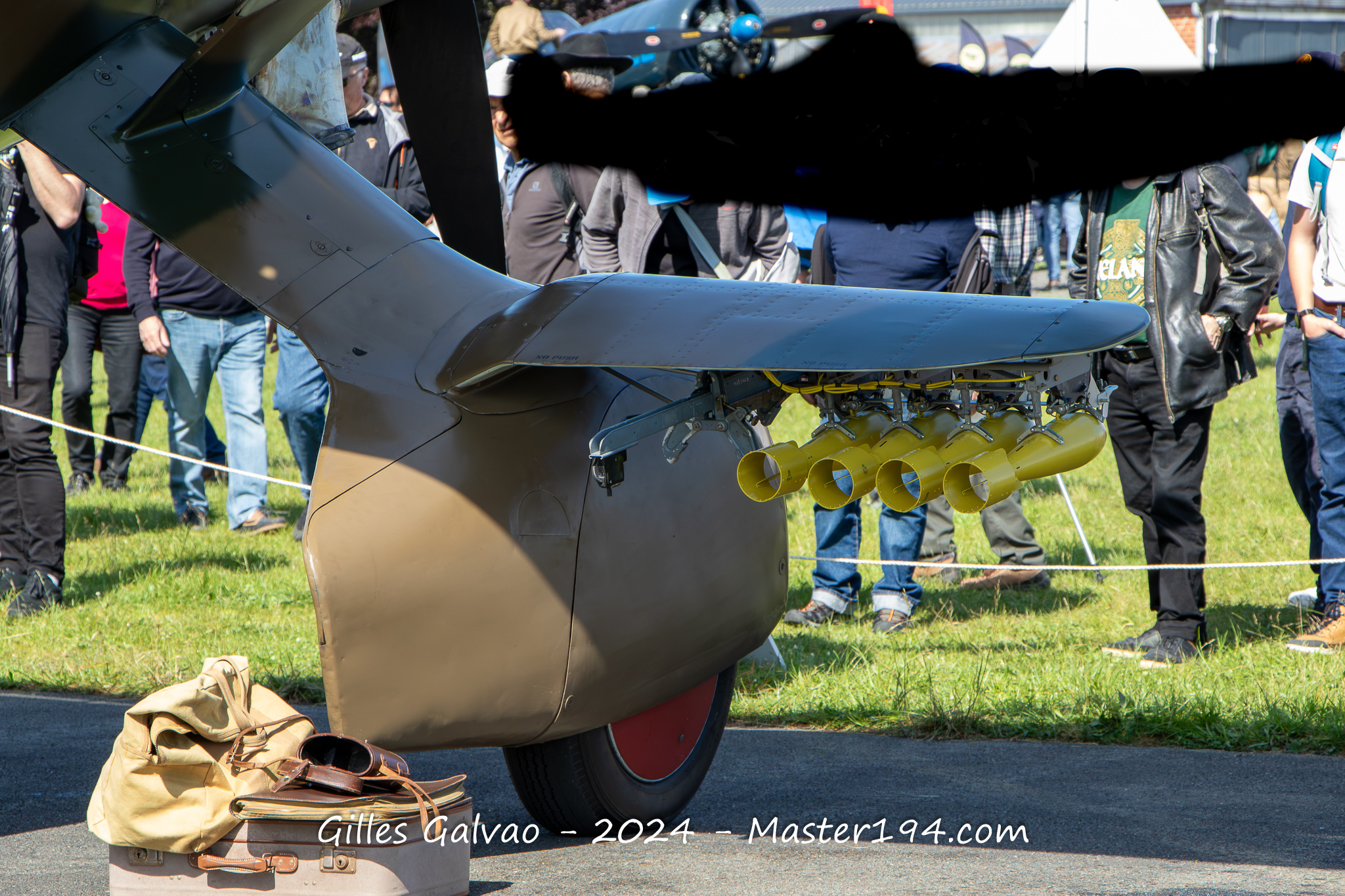
- Payload: Up to 500 lb (227 kg) of bombs carried on stub wings attached to the landing gear legs.
- Primary Role: Operational employment focused on observation, army co-operation, and artillery spotting.
Approximately 170 aircraft were built.
Westland Lysander Mk II (1939)
The Mk II represented a minor evolution of the Mk I, with the primary difference being the adoption of the 905 hp Bristol Perseus XII engine, a choice driven primarily by the need to diversify engine supply lines.
Approximately 350 examples were produced.
Westland Lysander Mk III (1940)
The Mk III was the most widely built variant. It featured a new powerplant with the 870 hp Bristol Mercury XX engine, along with several upgrades:
- Modernized radio equipment.
- Reinforced structural components.
- Various detailed improvements.
With approximately 1,200 airframes produced, it became the definitive variant and was utilized for army co-operation, liaison duties, target towing, as well as its famous clandestine operations.
Westland Lysander Mk IIIA
Highly similar to the Mk III, the Mk IIIA was distinguished primarily by different radio equipment and minor production updates. Both variants were extensively utilized for special duties.
Westland Lysander Special Duties (SD)
Rather than a distinct production variant, the Special Duties (SD) was a modification of the Mk III and Mk IIIA tailored for clandestine operations. The primary modifications included:
- Removal of defensive armament;
- Removal of non-essential equipment;
- Installation of an auxiliary fuel tank to increase range;
- Addition of a fixed ladder on the left (port) side to facilitate agent boarding;
- Modification of the rear compartment to accommodate one or two passengers;
- A paint scheme adapted for night operations, featuring black undersides.
These aircraft were utilized by the Special Operations Executive (SOE) to insert or recover agents in occupied territory, typically at night and from very small, improvised airstrips.
Westland Lysander TT Mk III
A variant specialized in target towing, it was equipped with:
- A target-towing winch;
- The dedicated equipment required for this mission;
- A livery frequently enhanced with high-visibility yellow stripes.
Canadian Production
The National Steel Car company manufactured approximately 225 Lysanders under license.
Closely resembling the British Mk III, these aircraft featured some Canadian-sourced equipment and were primarily utilized for training, liaison duties, and target towing.
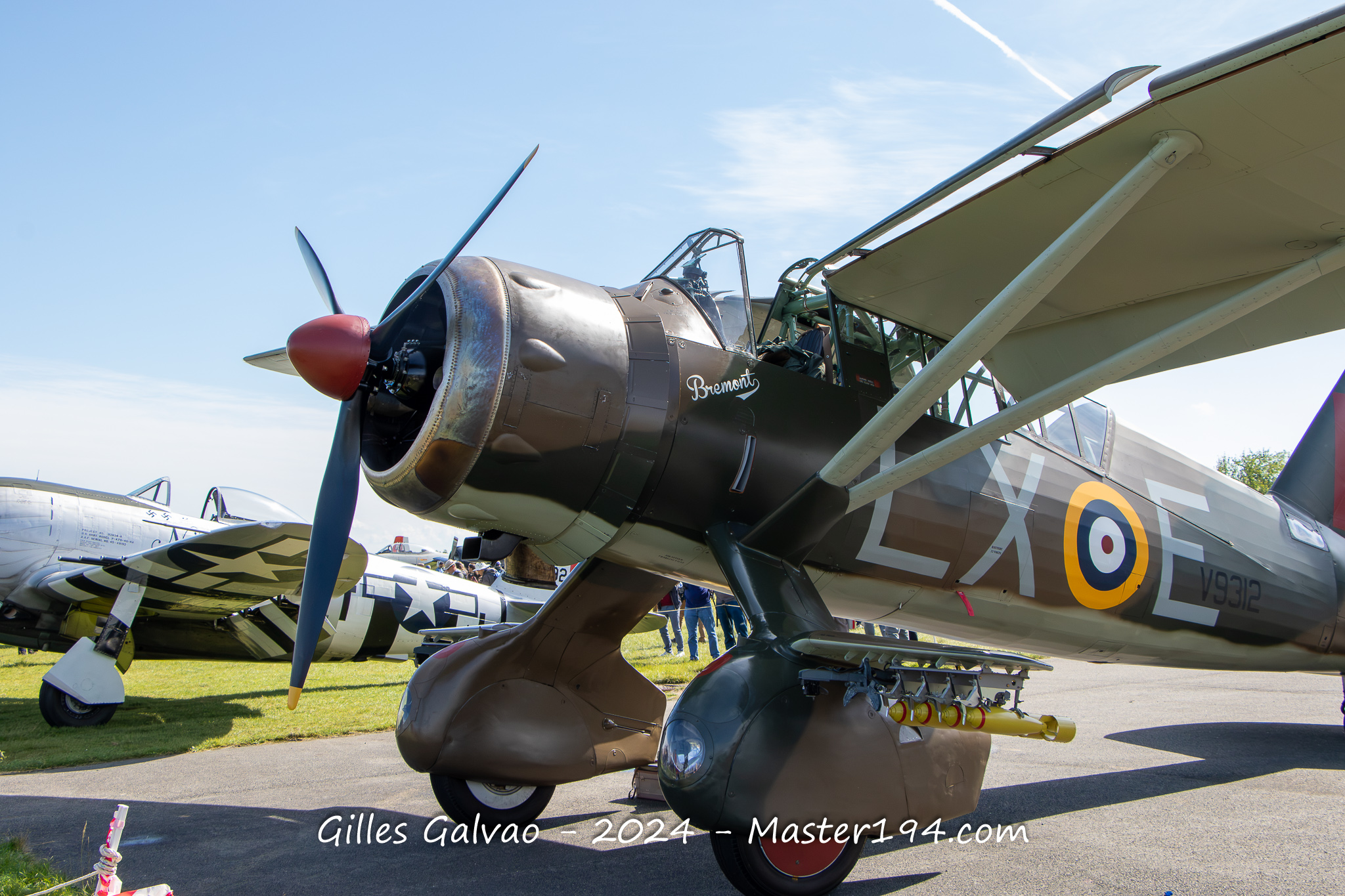
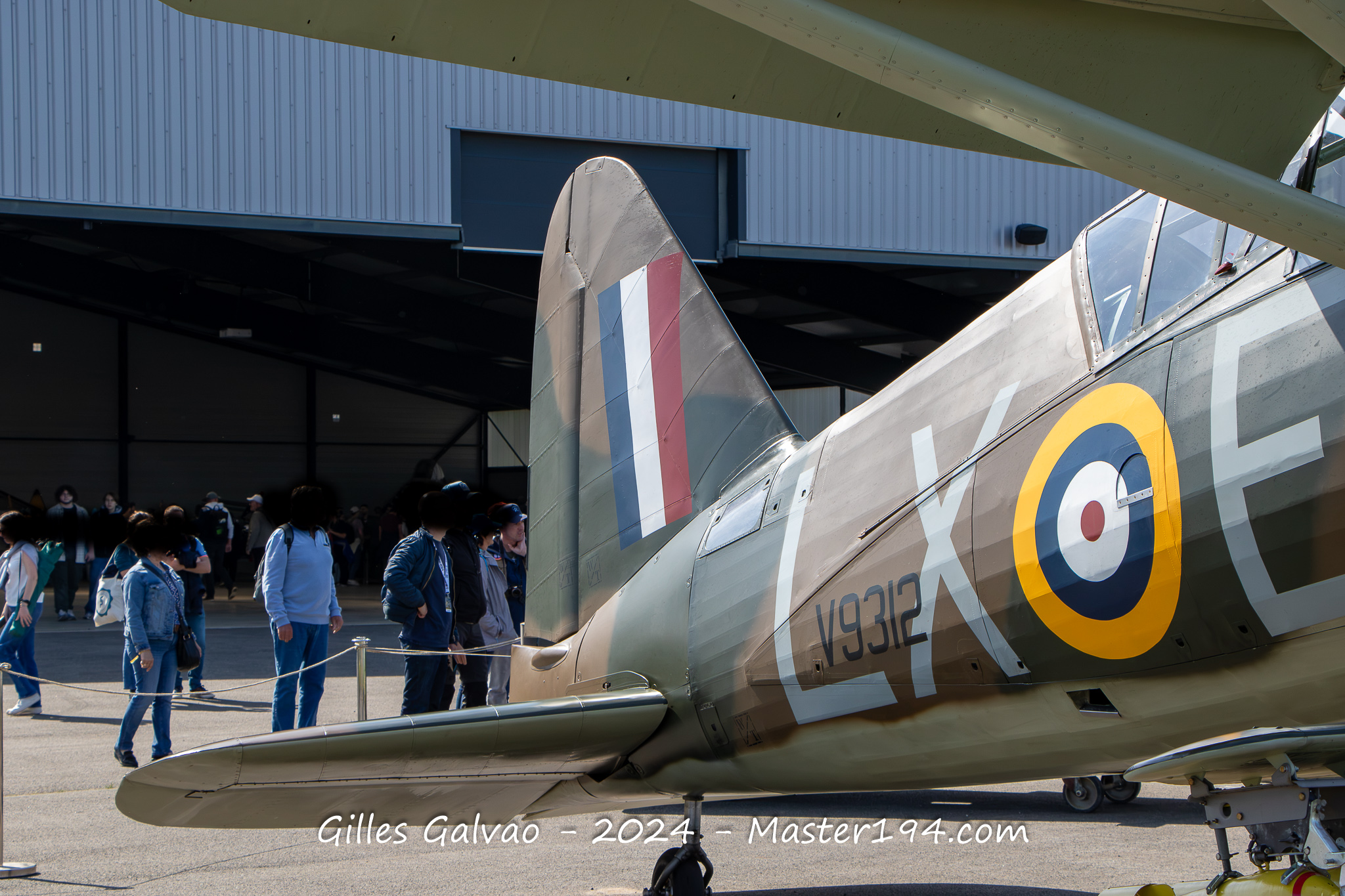
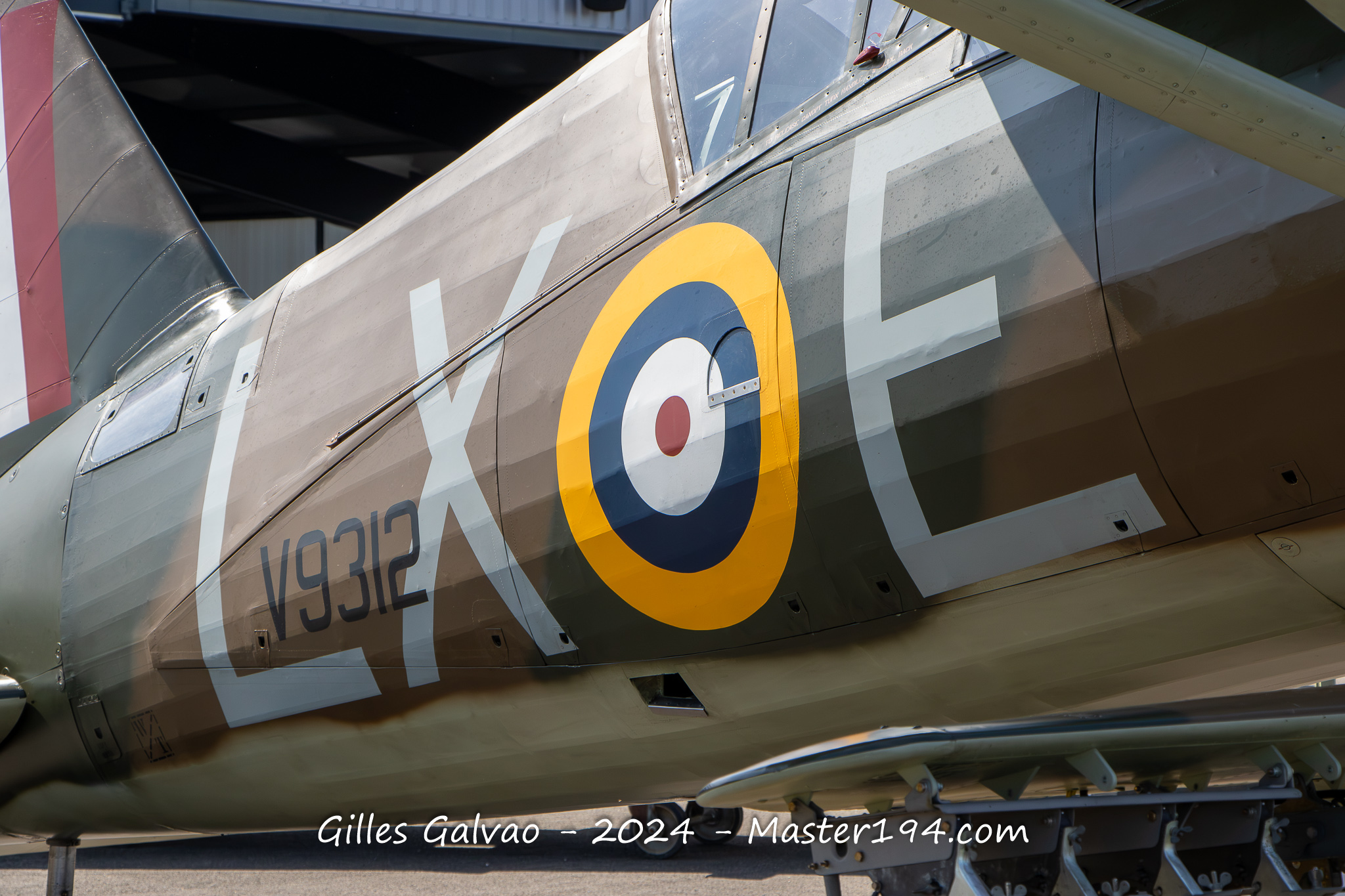
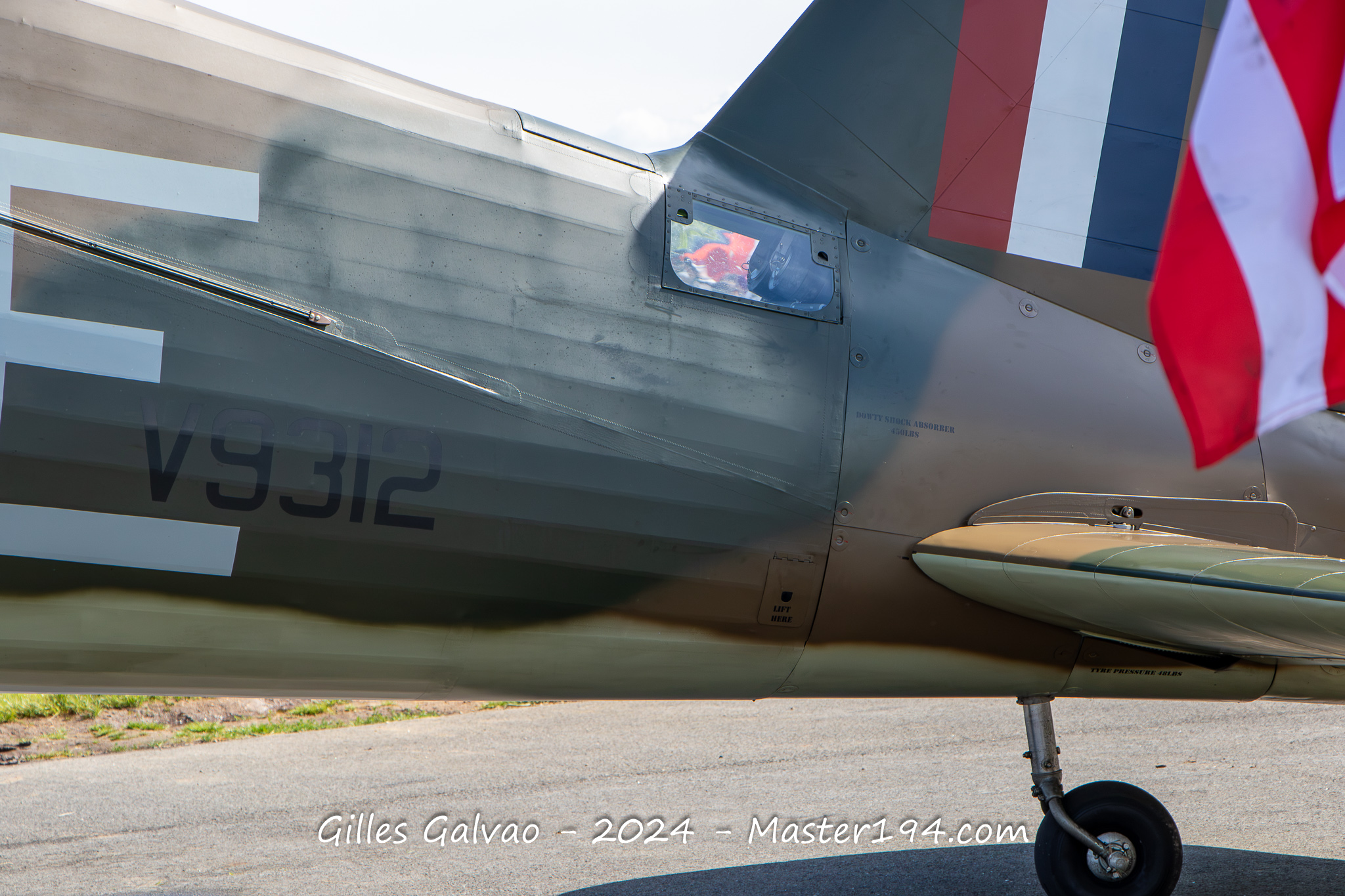
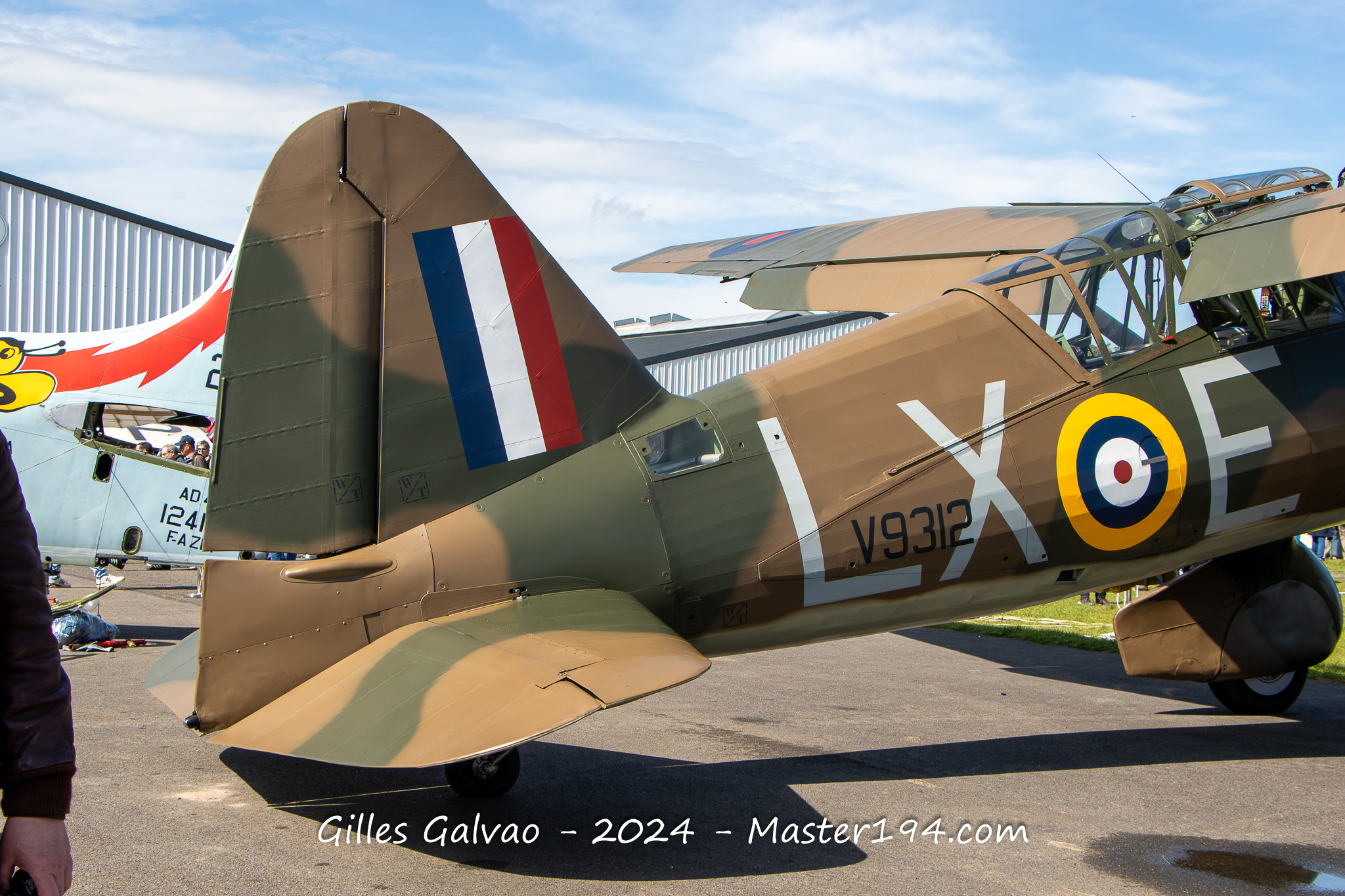
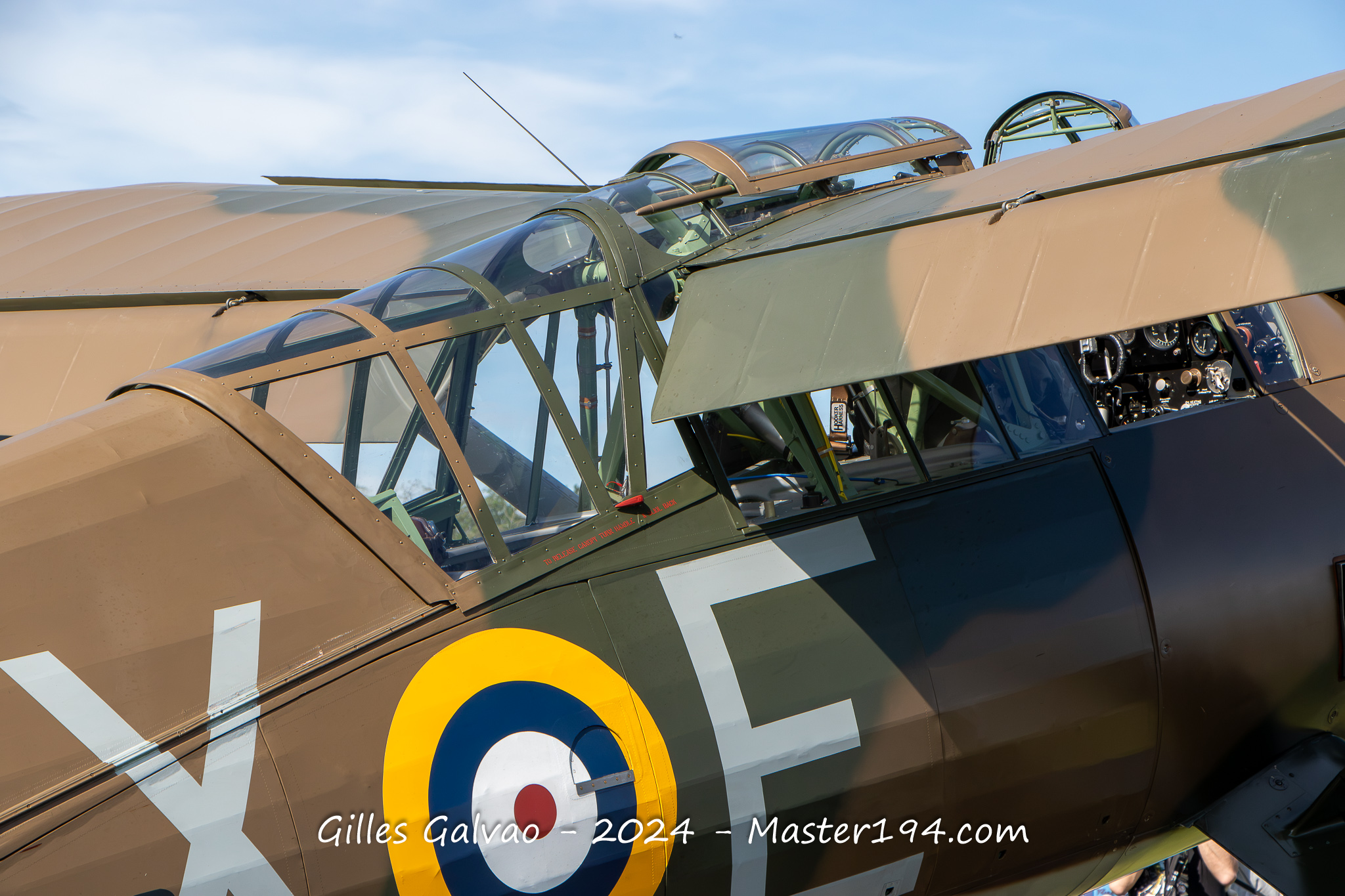
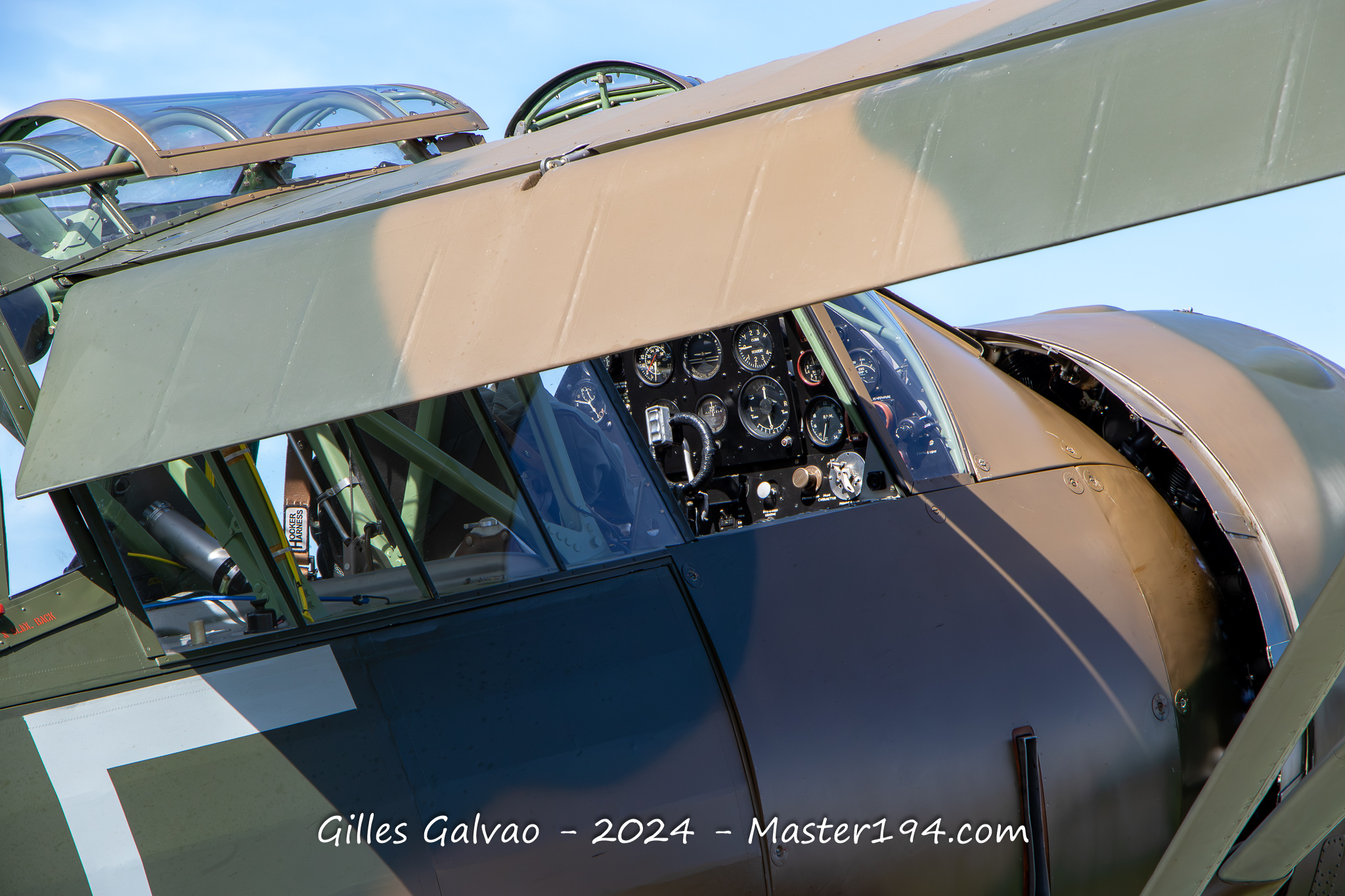
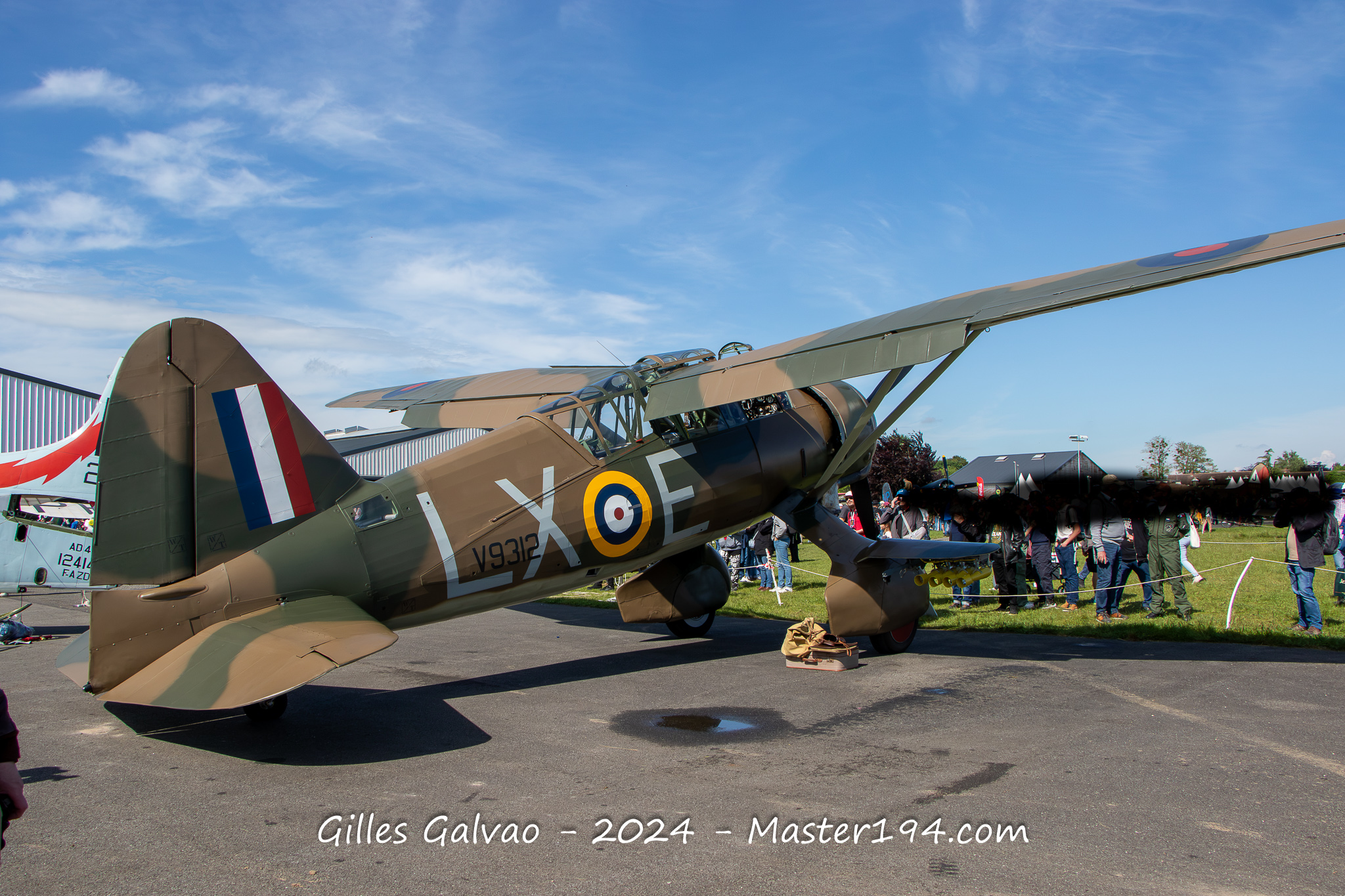
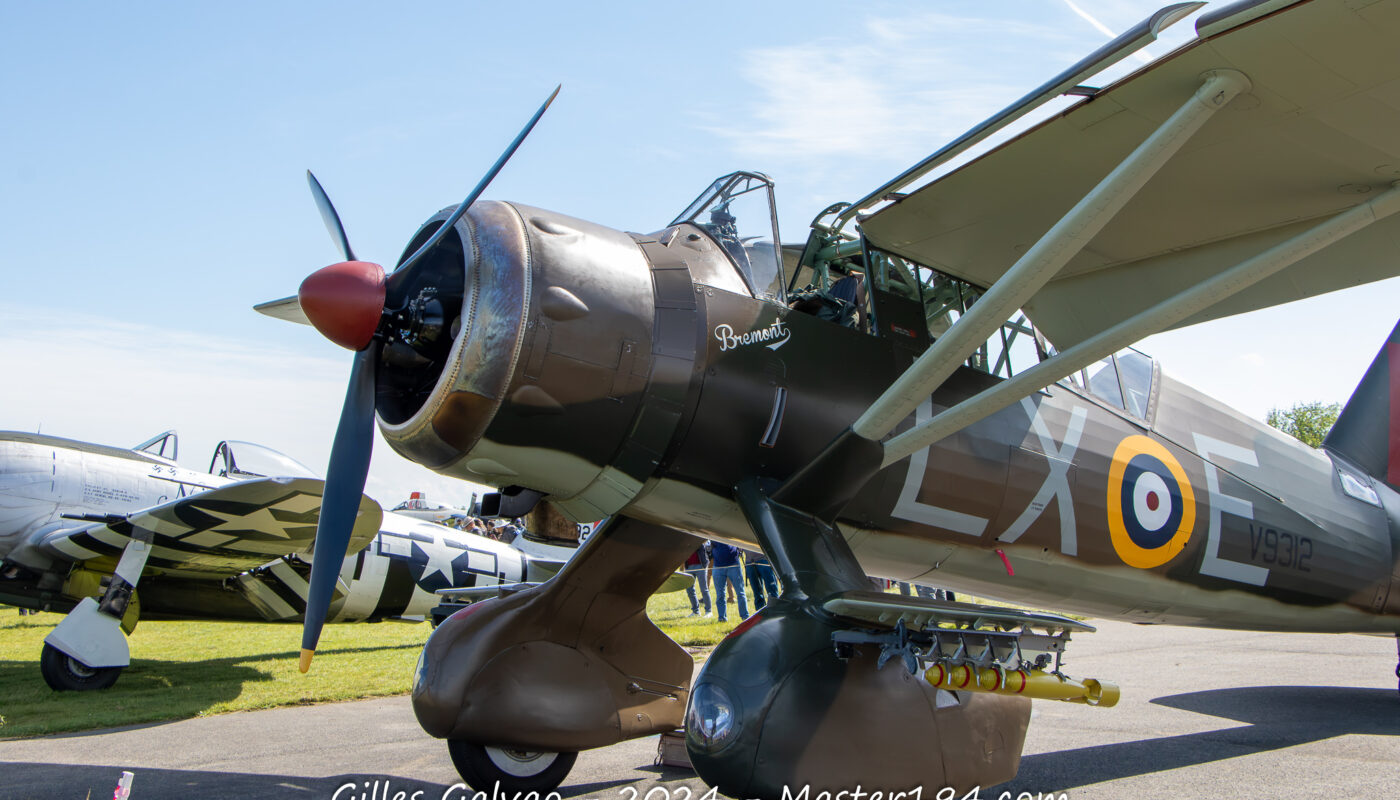
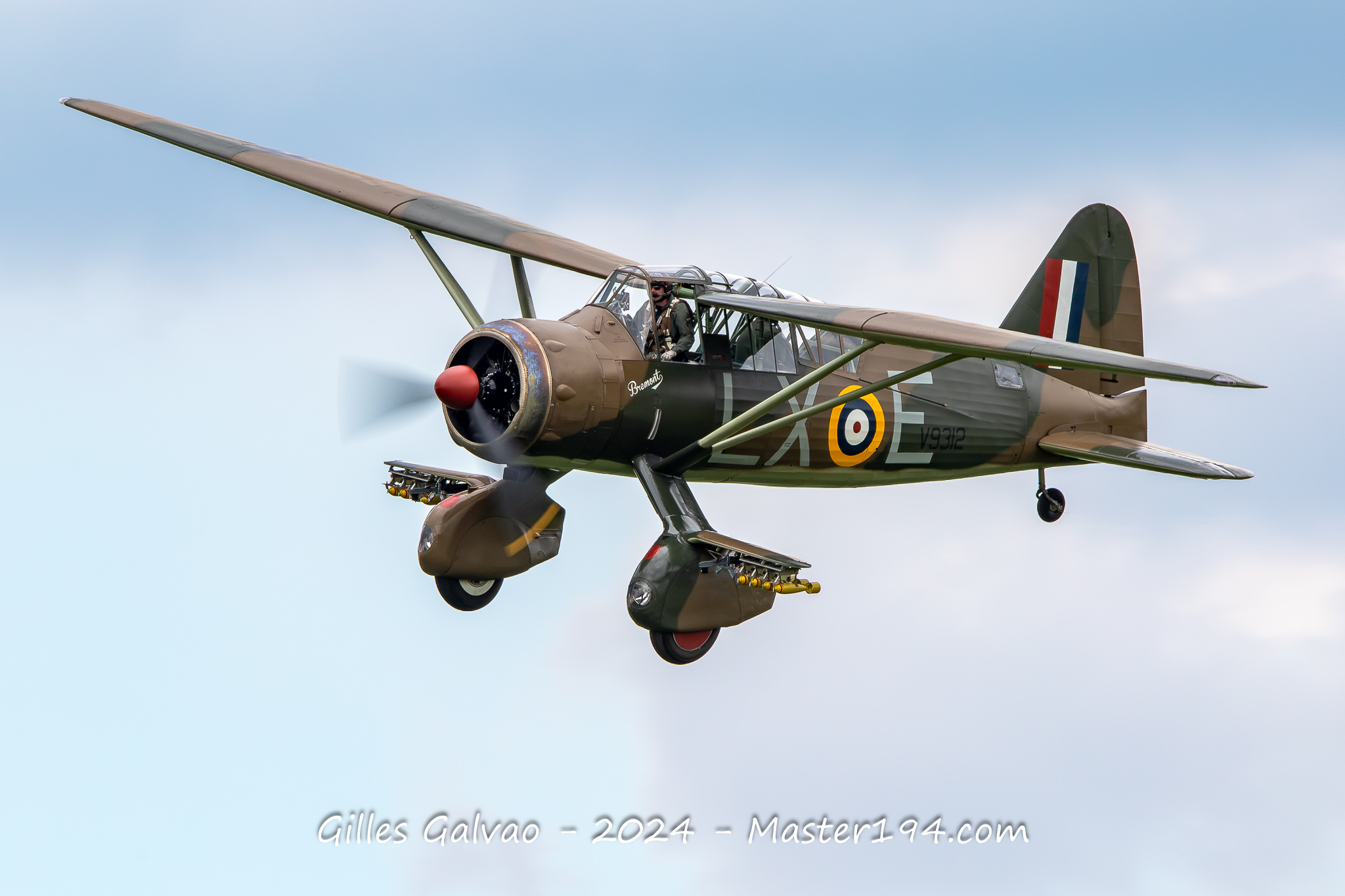
Lysander V9312
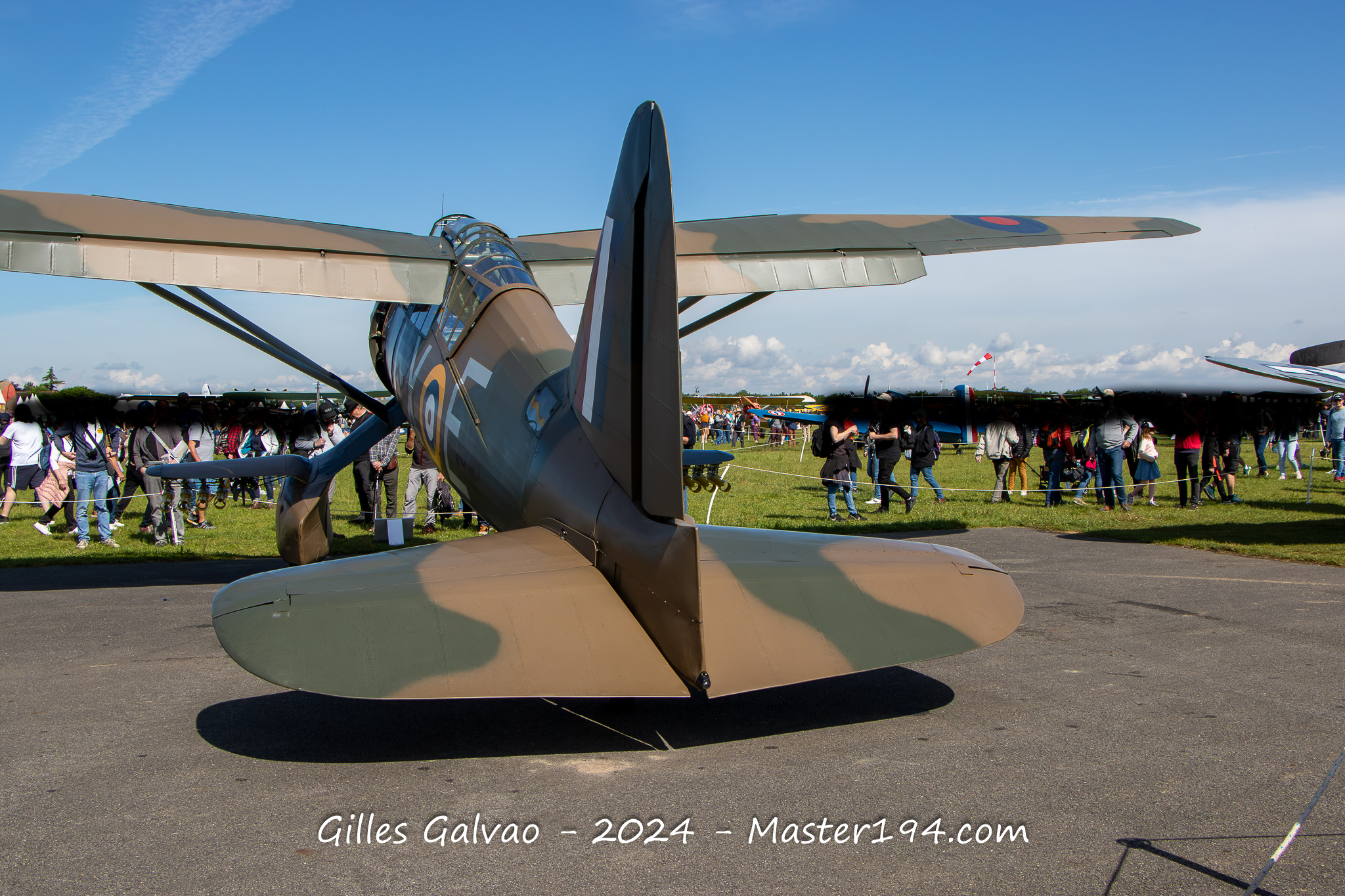
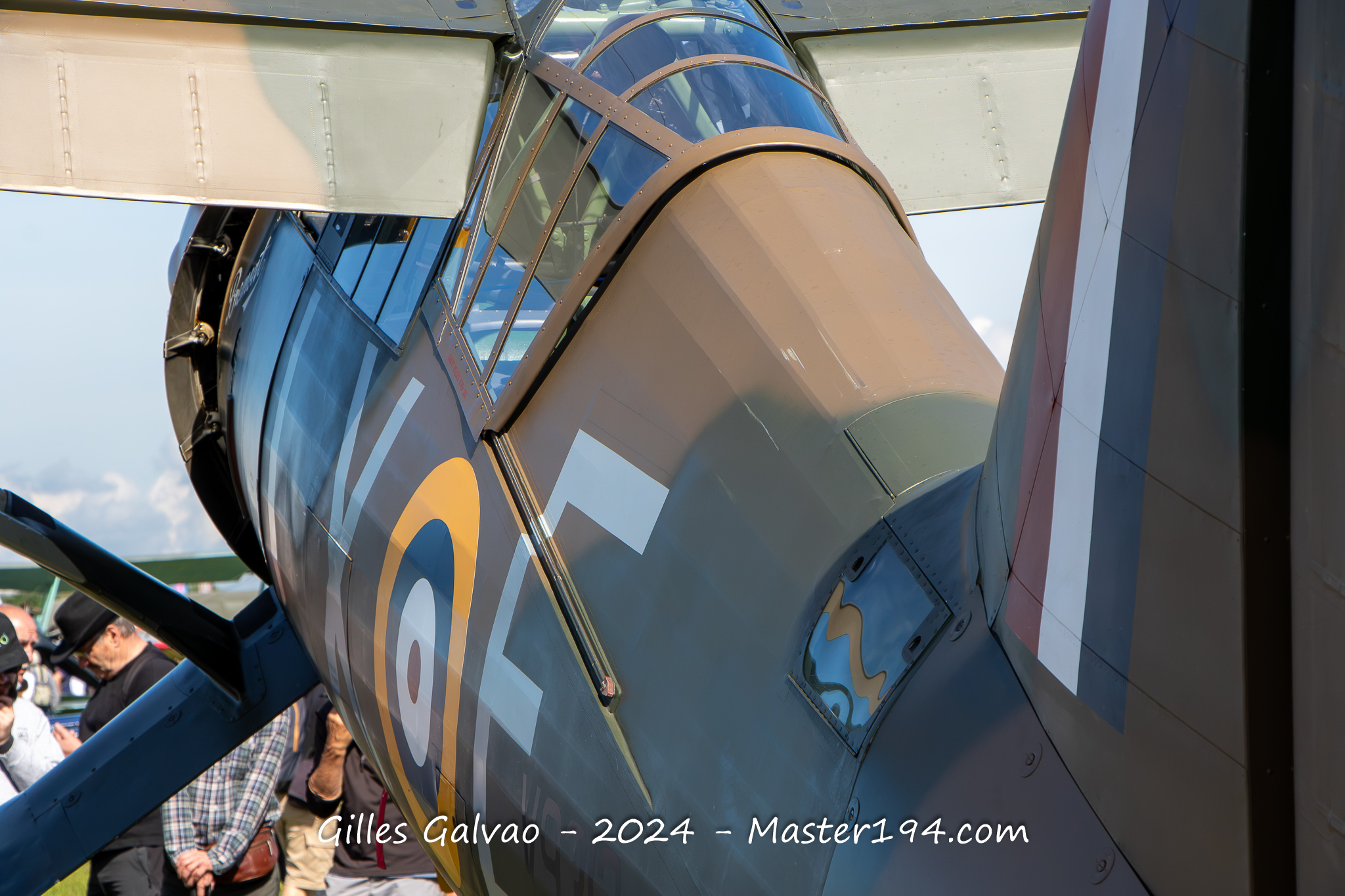
The Westland Lysander V9312 is an example of the Mk IIIA variant built in 1940 by Westland Aircraft in Yeovil. It belongs to the major production run of army cooperation Lysanders, sharing their general characteristics: a robust structure, high-lift wings, and a wide-track fixed landing gear designed for operations from rudimentary airfields. Entering service in 1941, it was initially assigned to several Royal Air Force units, primarily for photographic reconnaissance and low-altitude liaison missions.
Over the course of its operational career, V9312 was successively operated by No. 4, No. 613, and No. 225 Squadrons RAF. With the latter, it flew photo-reconnaissance missions typical of the Lysander’s role before its gradual relegation to secondary duties. In April 1942, the aircraft was damaged in a Category B accident, then subsequently repaired and converted into a target tug (Target Tug), illustrating the versatility of the Lysander airframe in wartime.
Following its conversion, V9312 was transferred to Canada under the British Commonwealth Air Training Plan (BCATP), where it was used for anti-aircraft gunnery training. It continued its career there until 1944 before being retired from military service in 1946 and sold as surplus. After several decades in storage and passing through various collectors, it was eventually restored to airworthy condition by the Aircraft Restoration Company at Duxford.
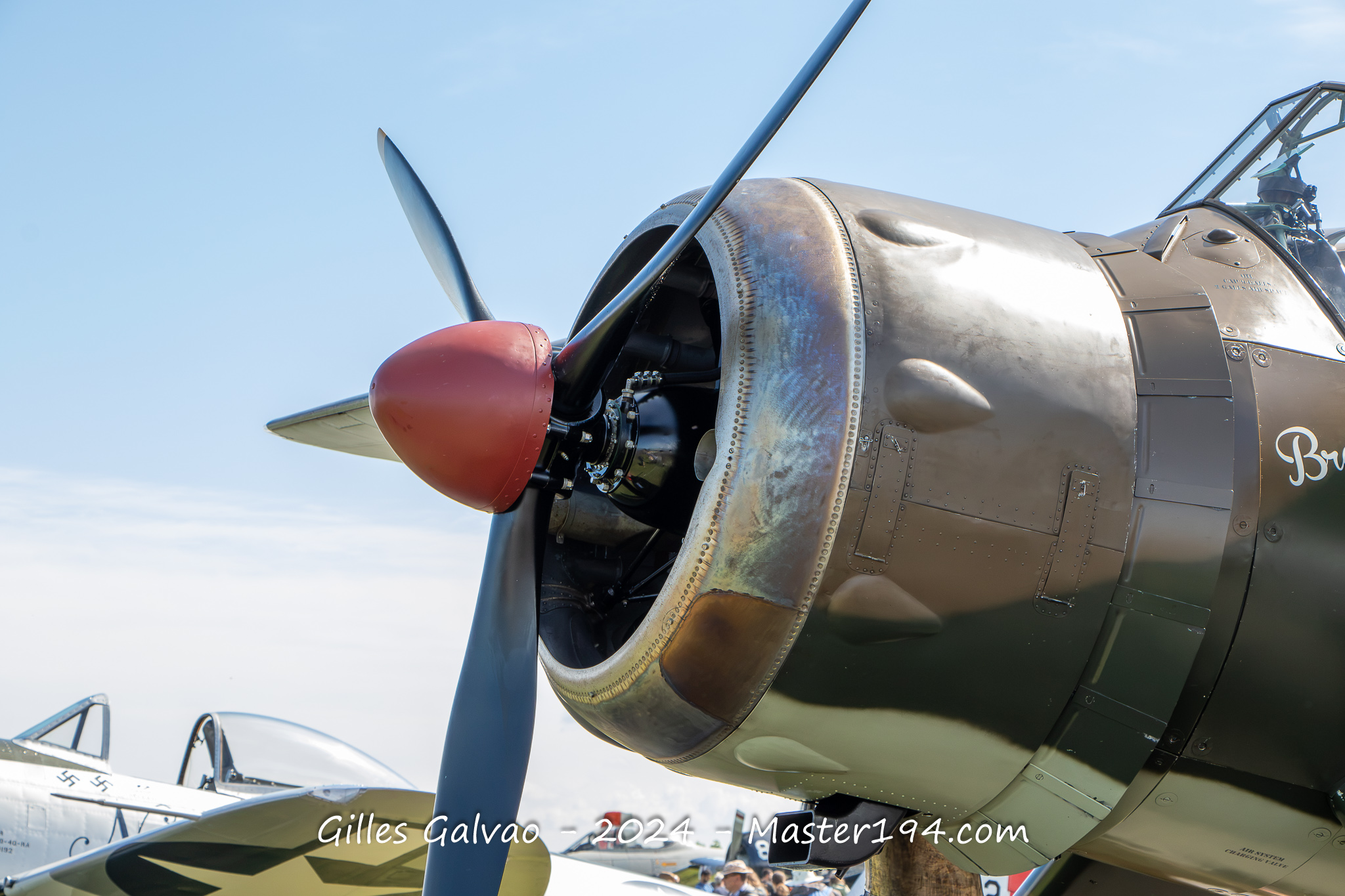
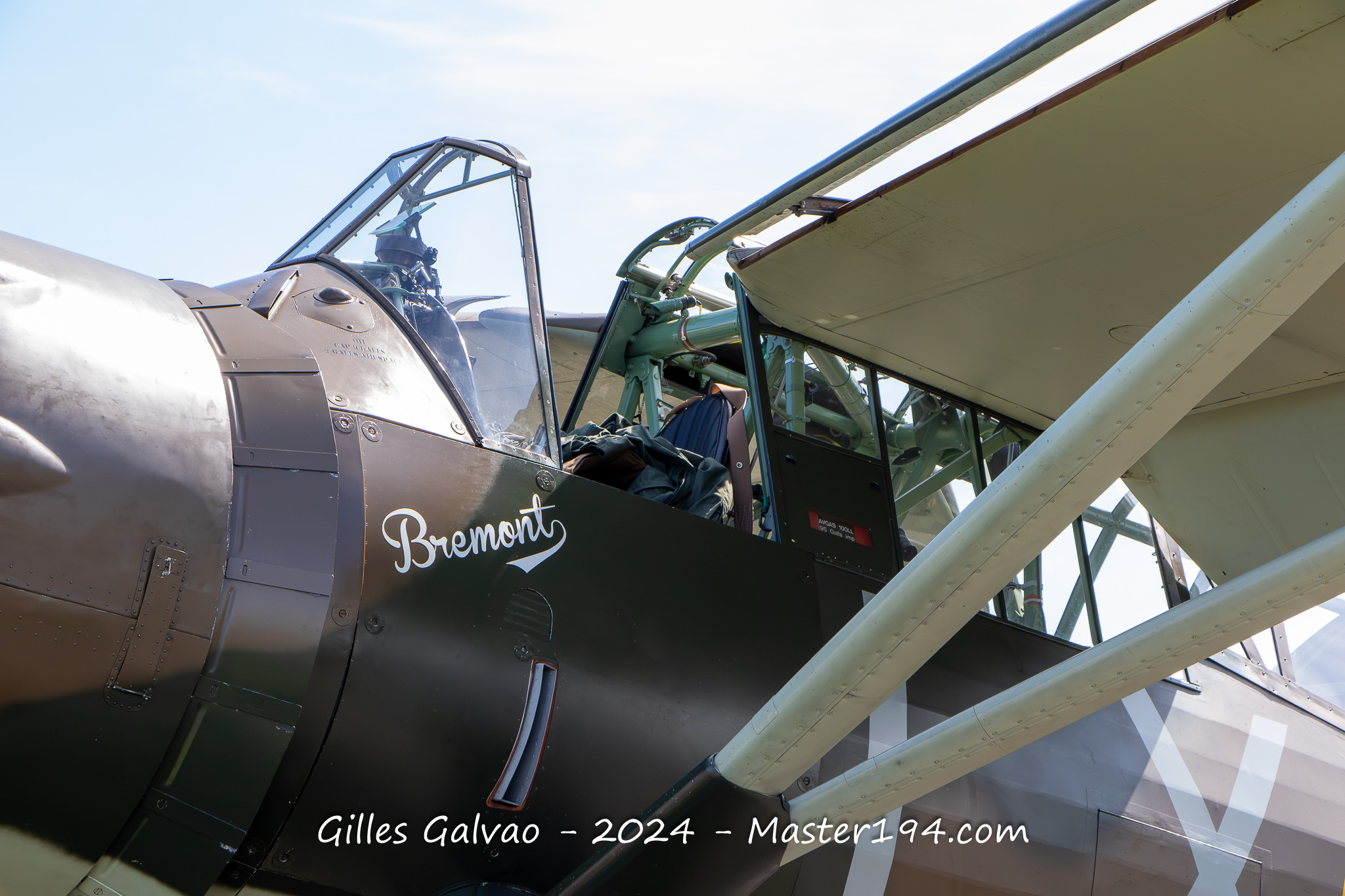
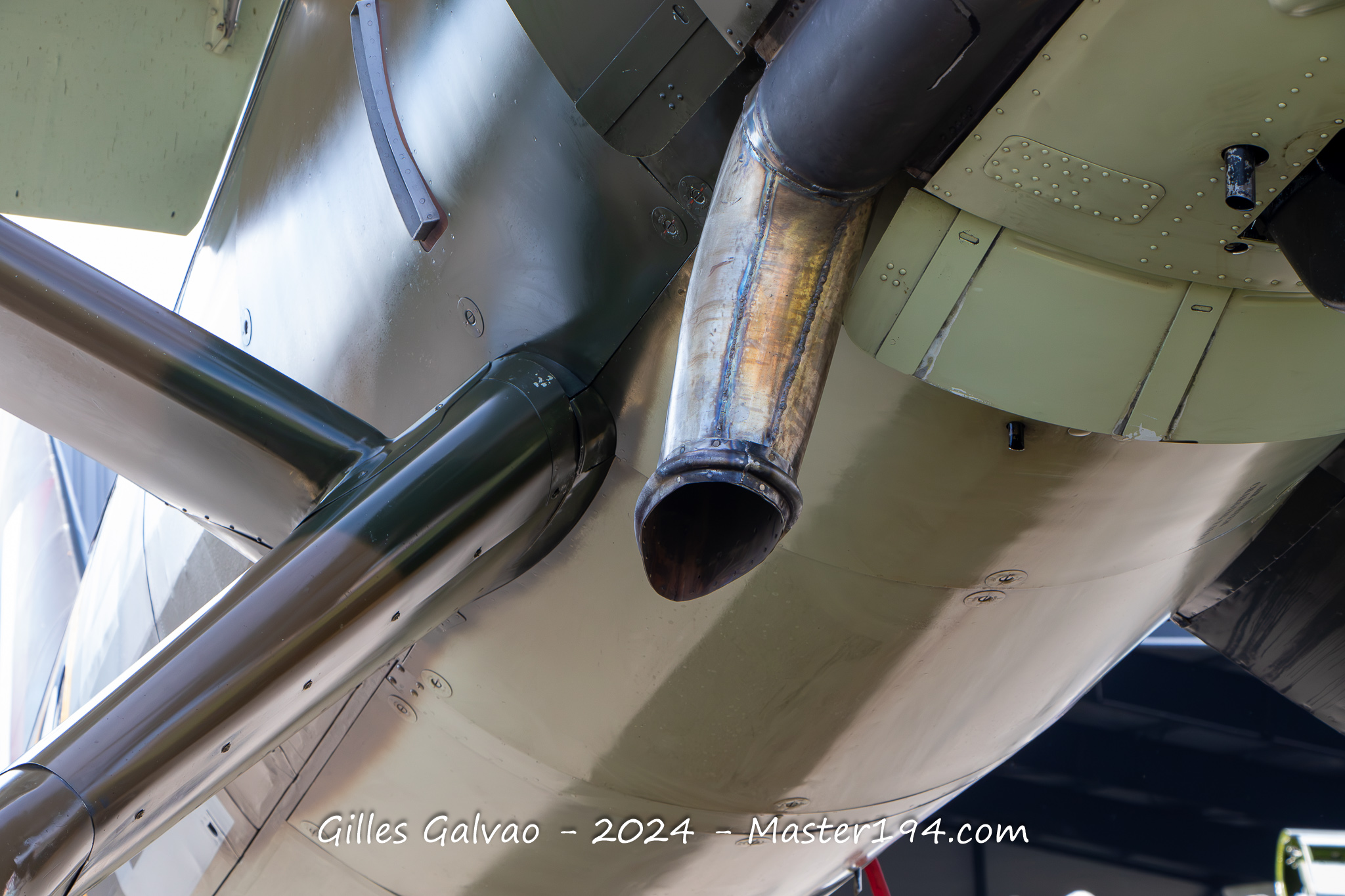
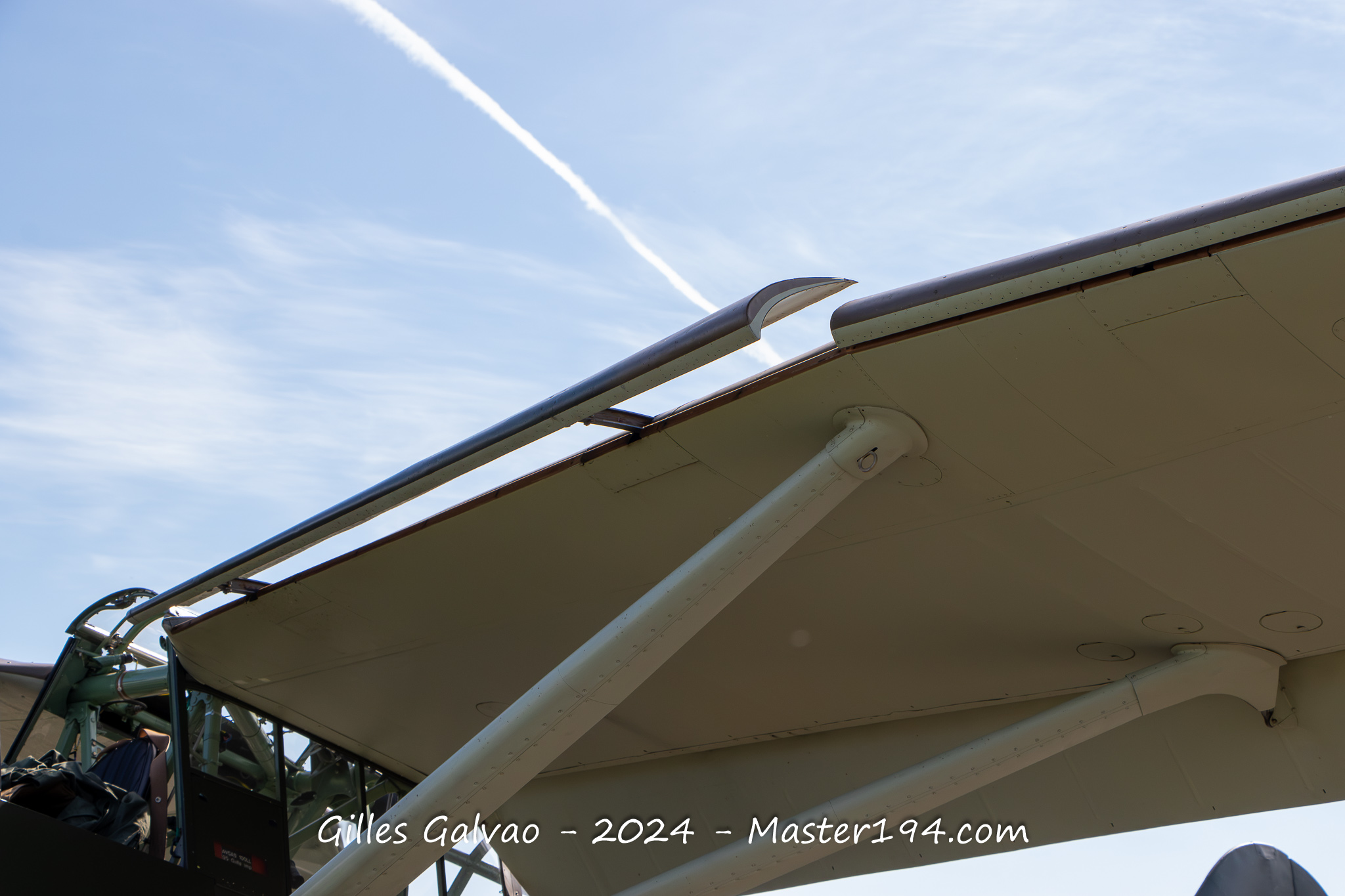
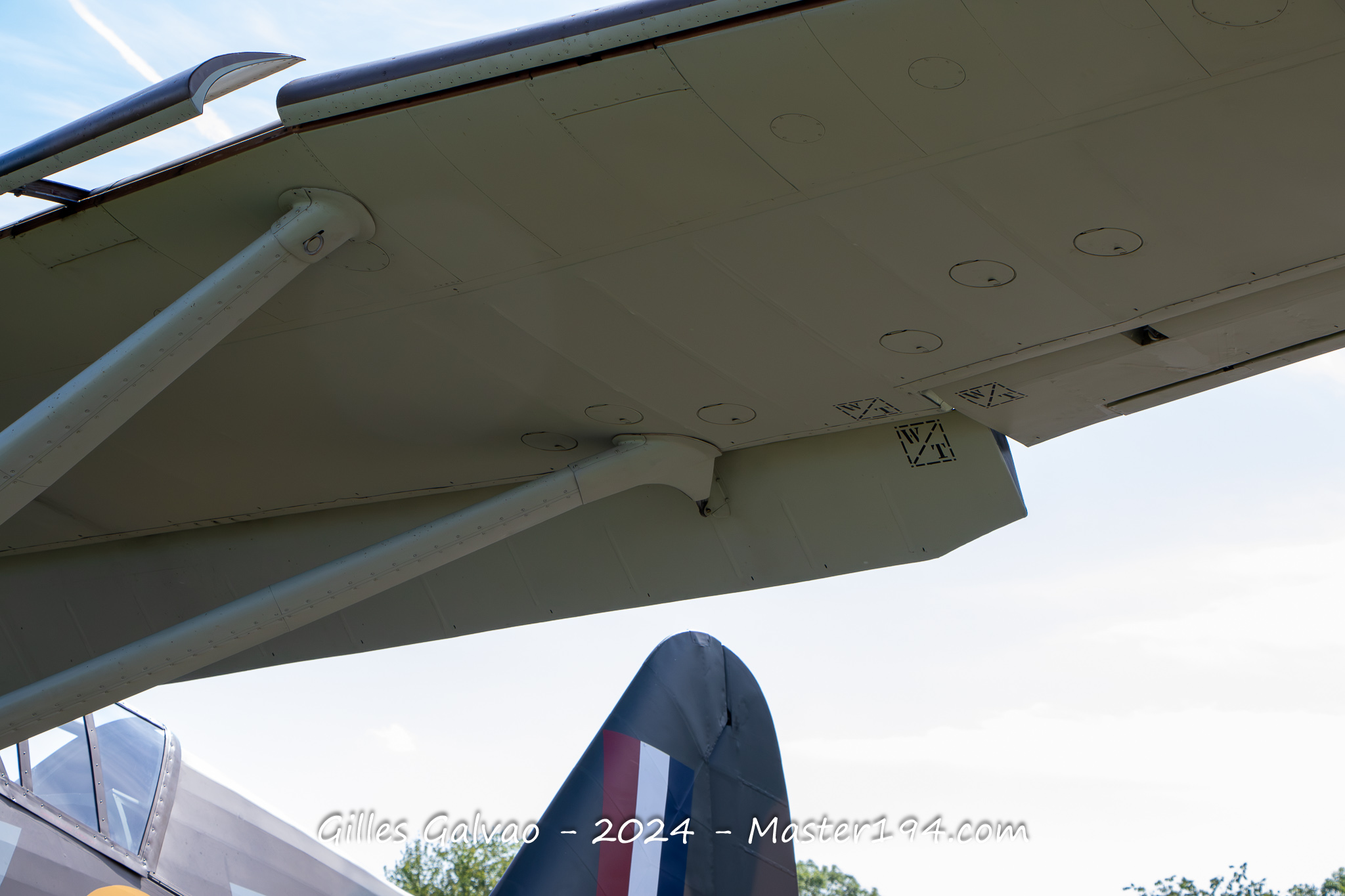
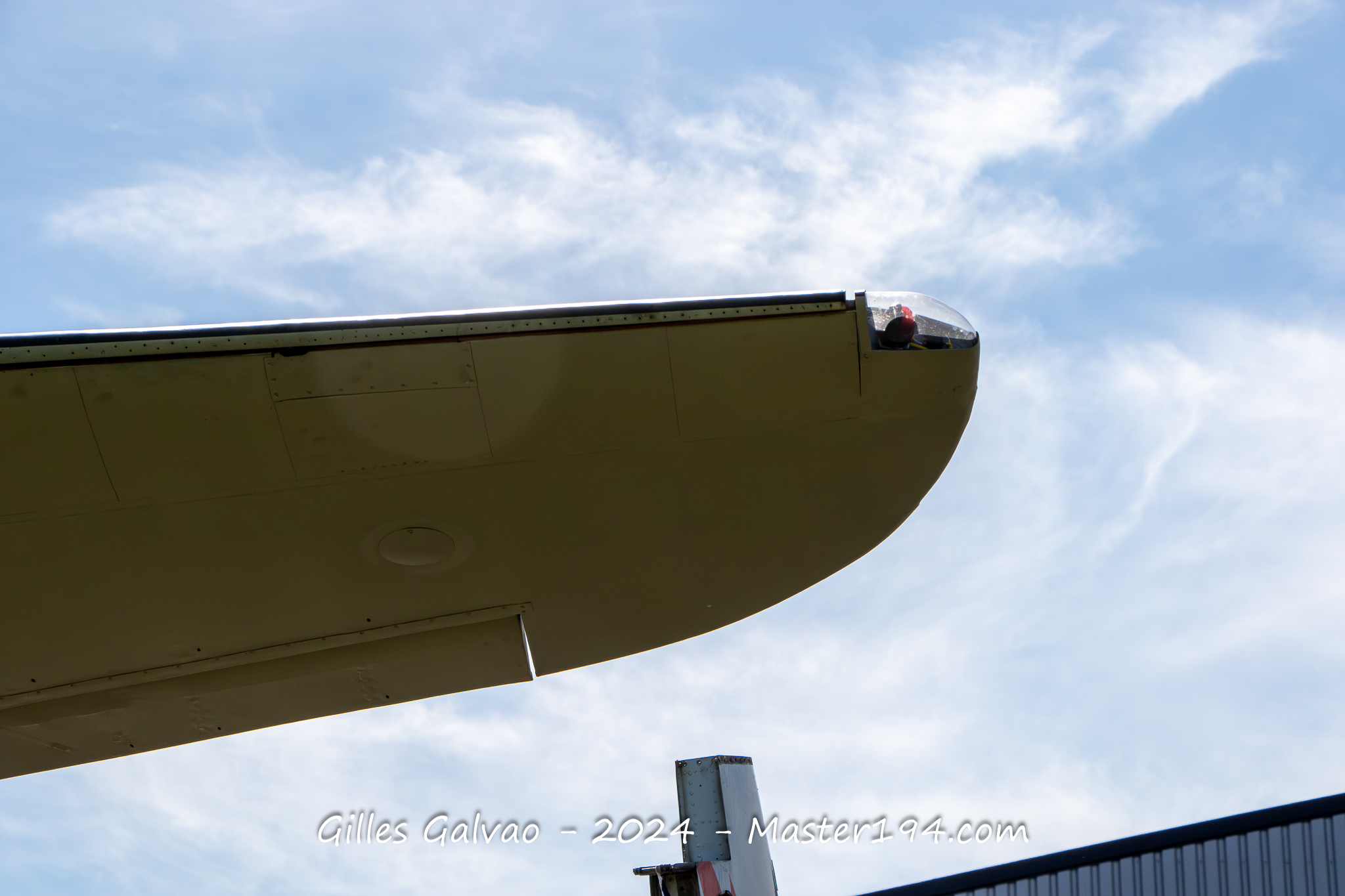
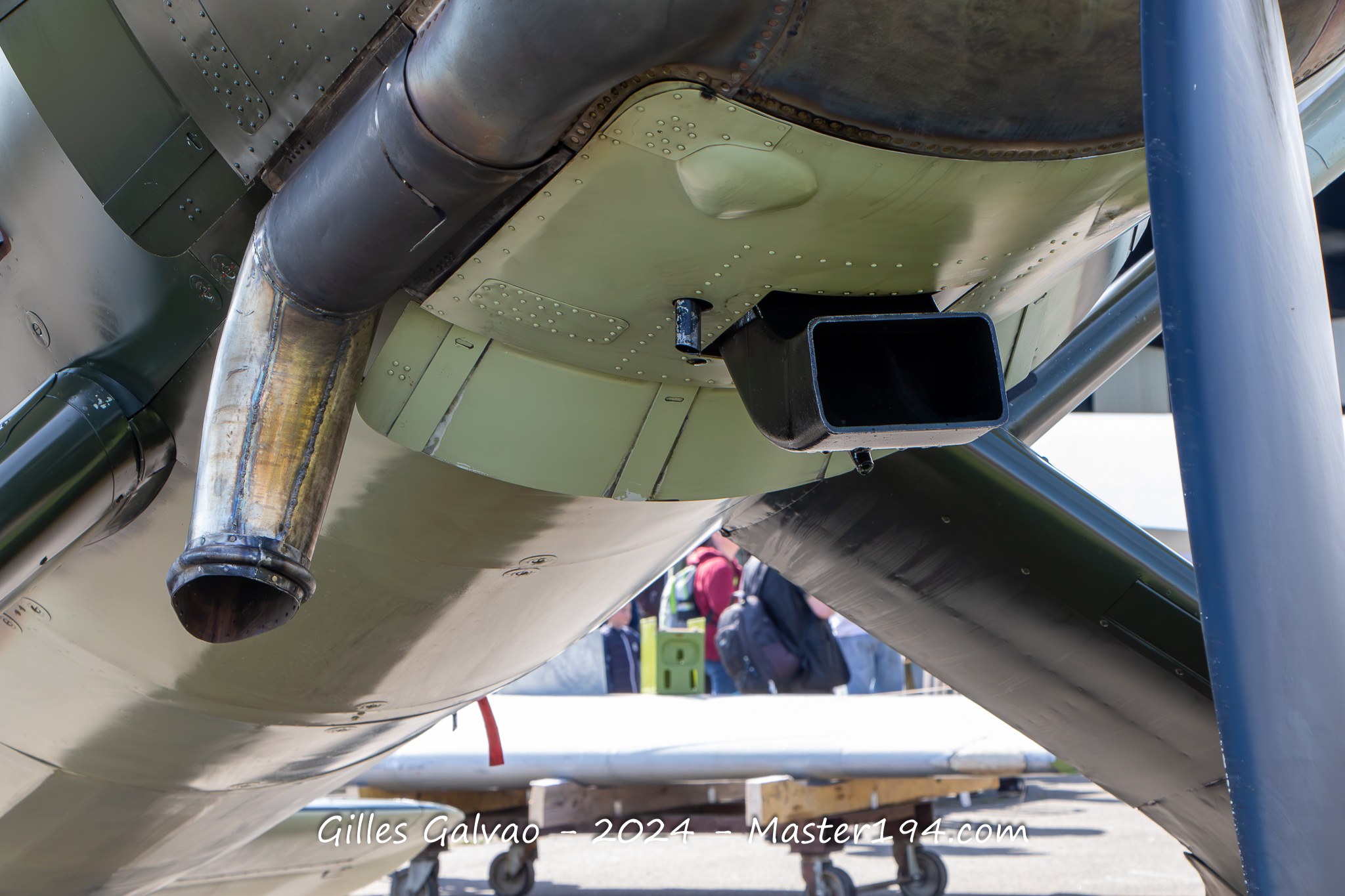
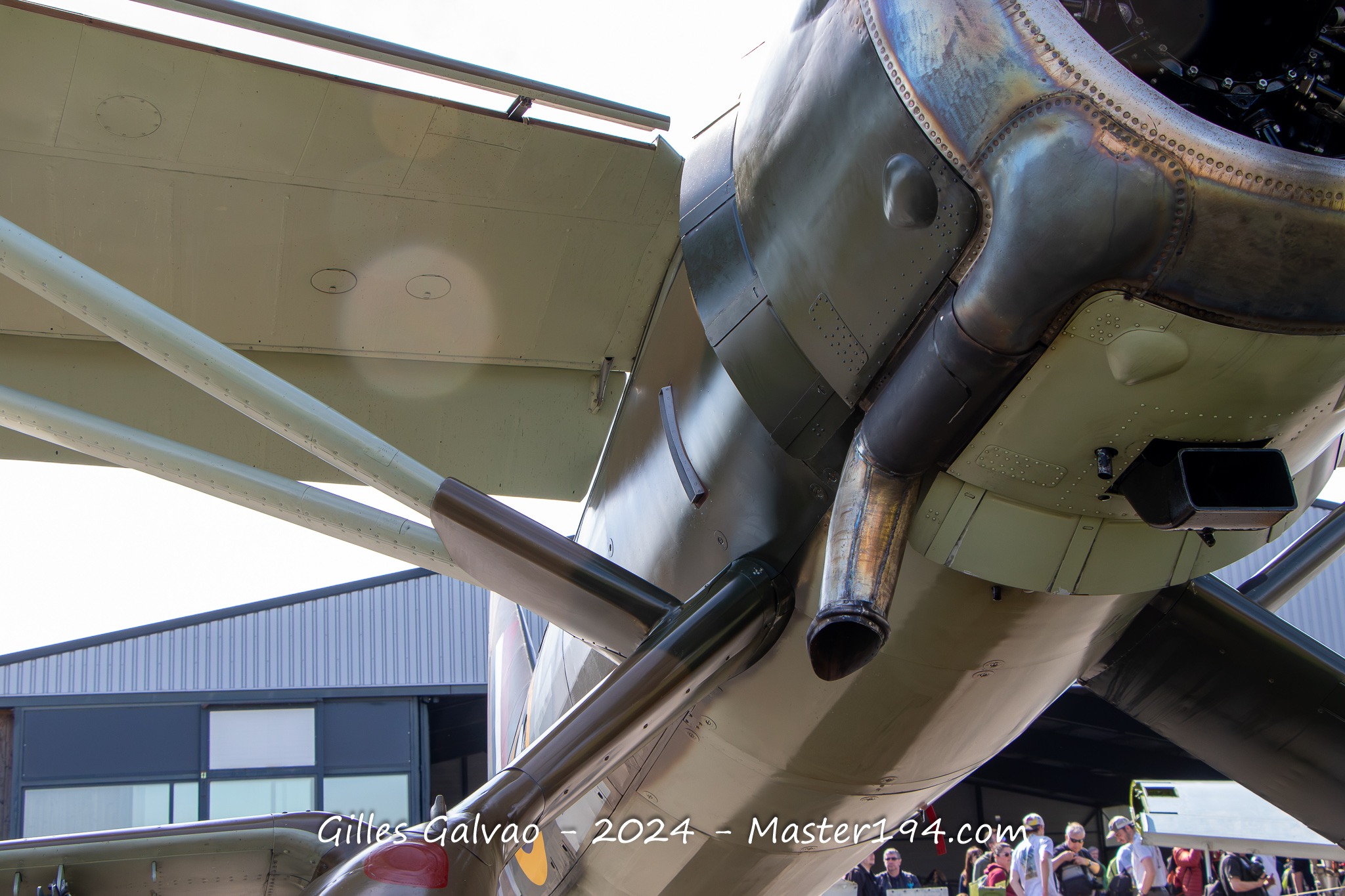
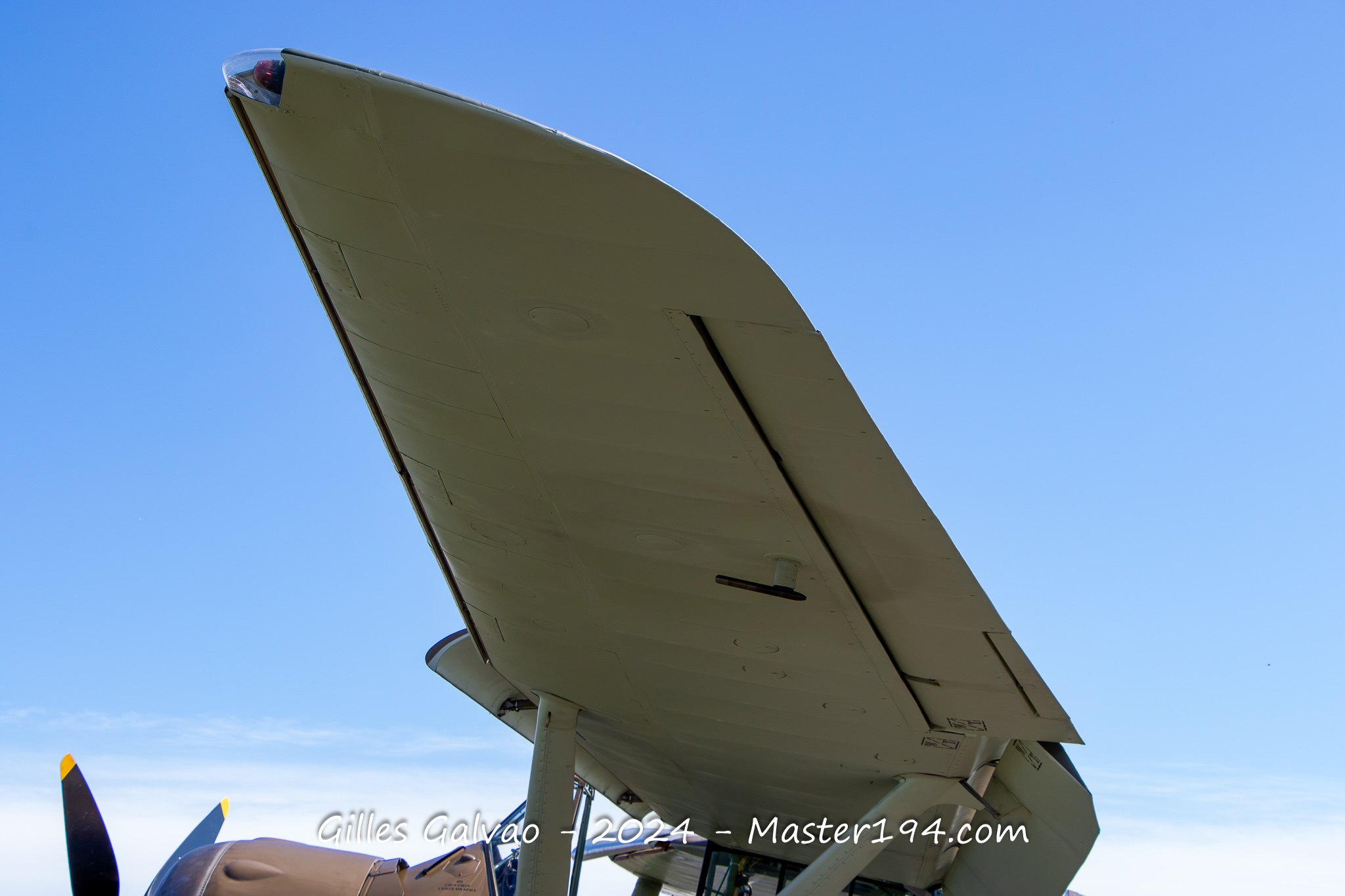
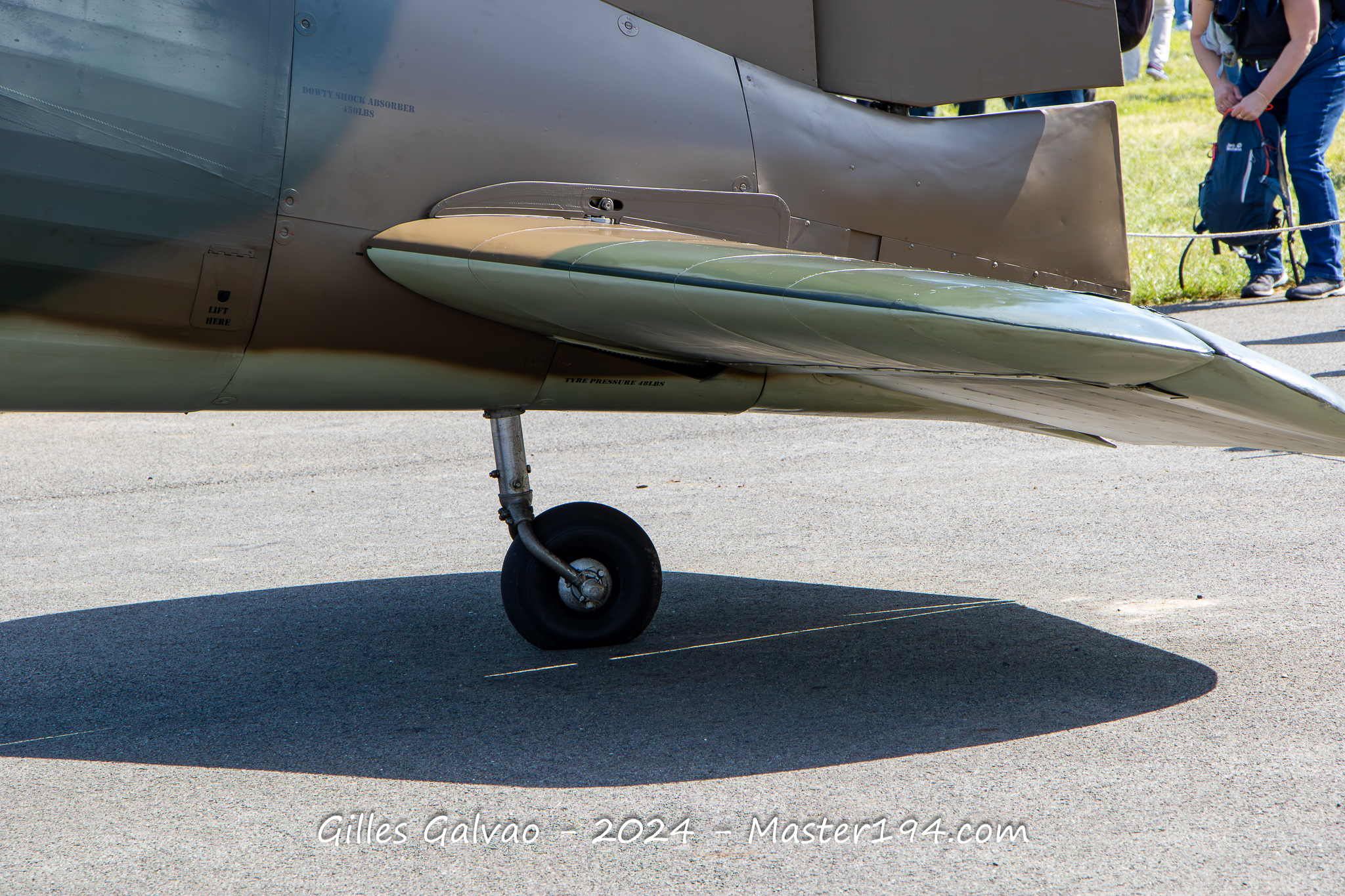
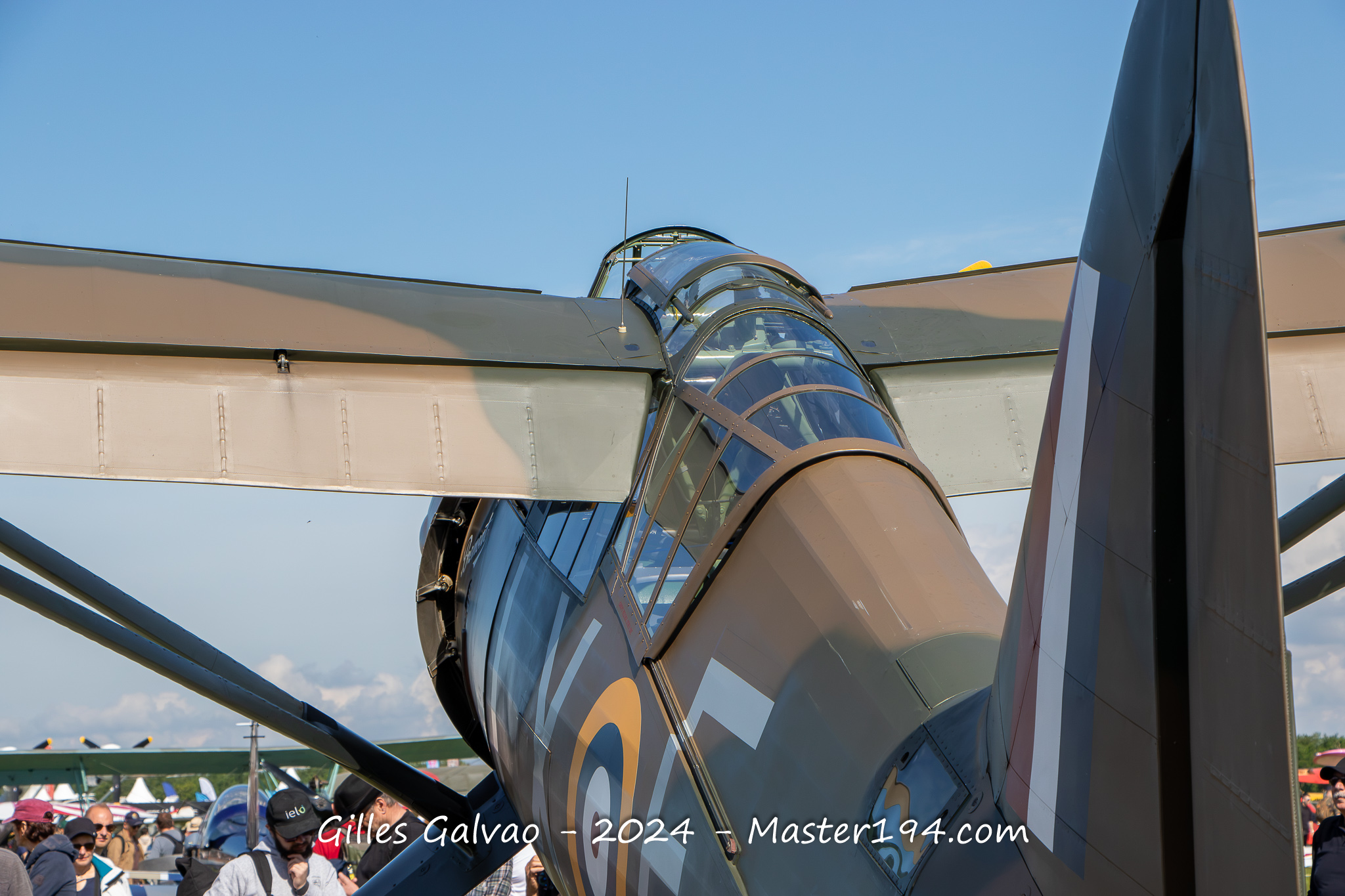
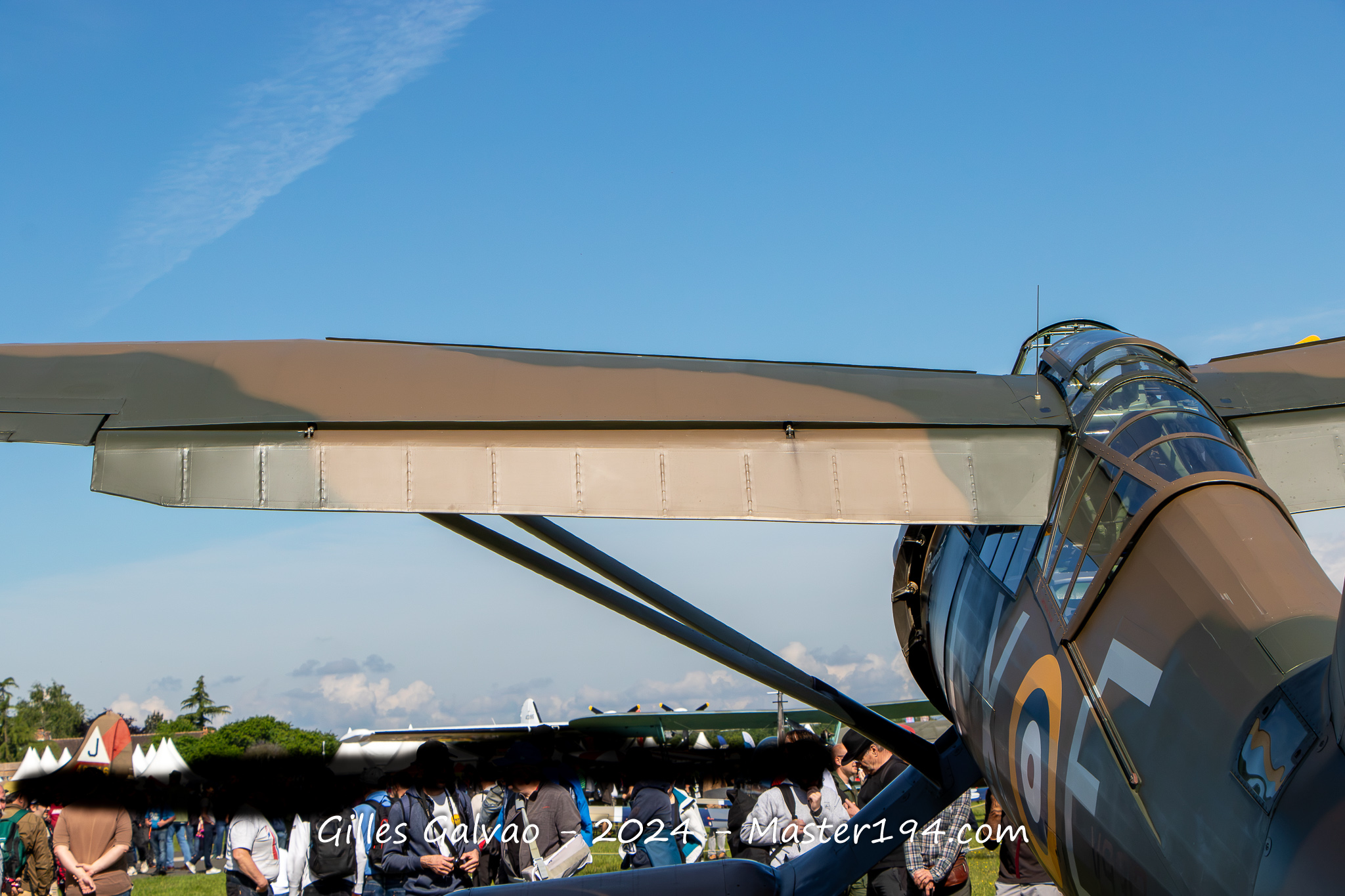
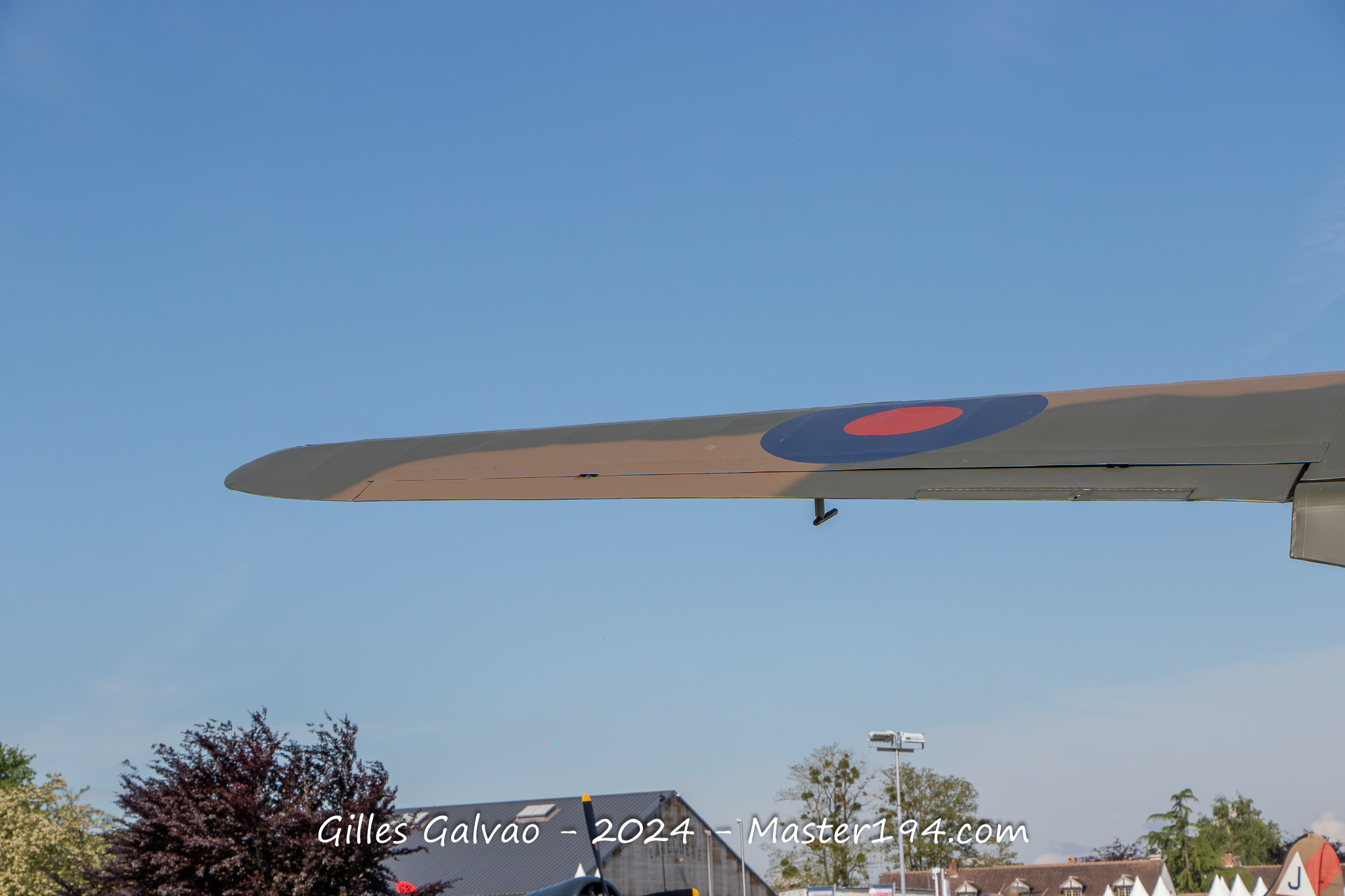
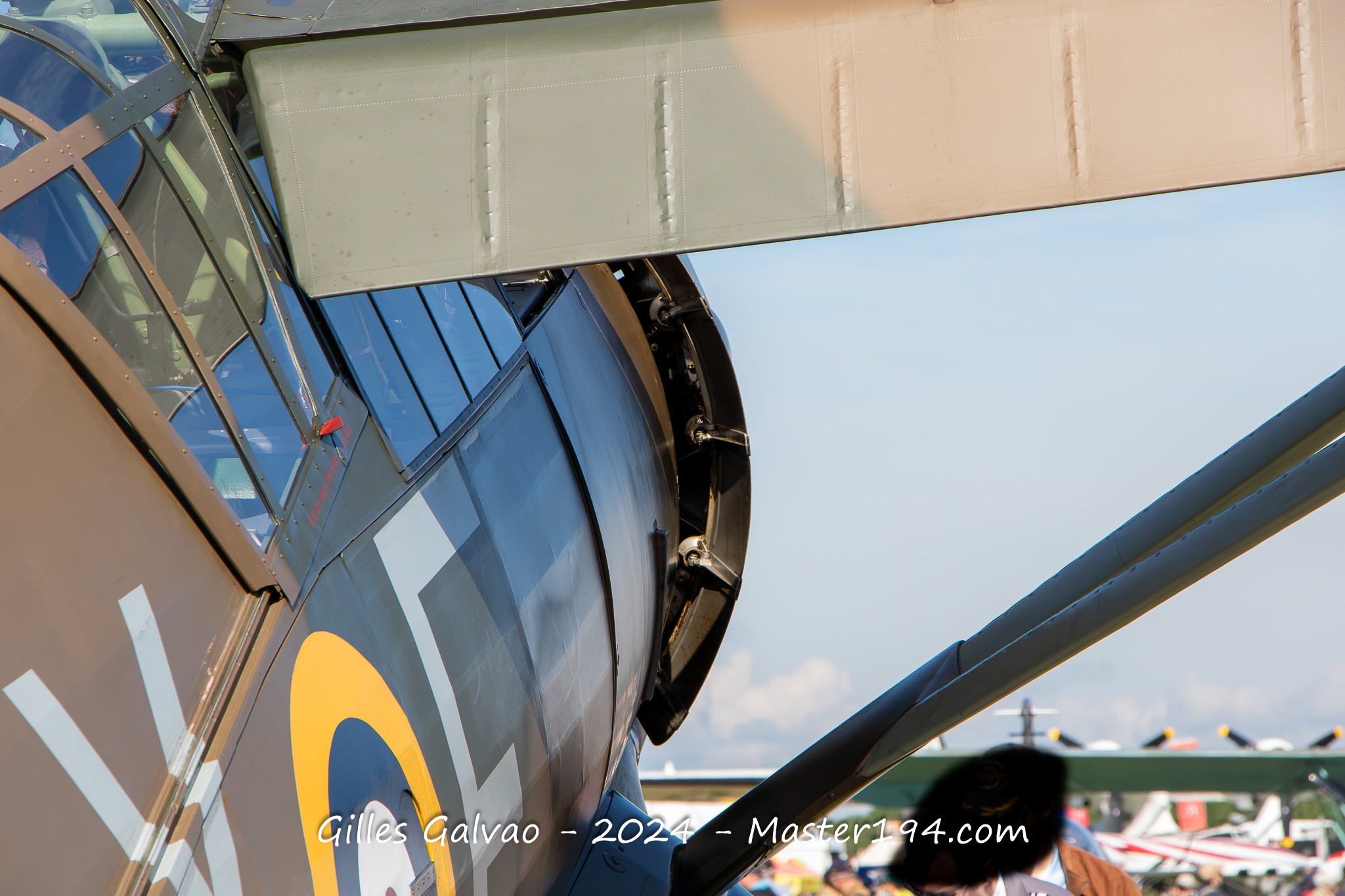
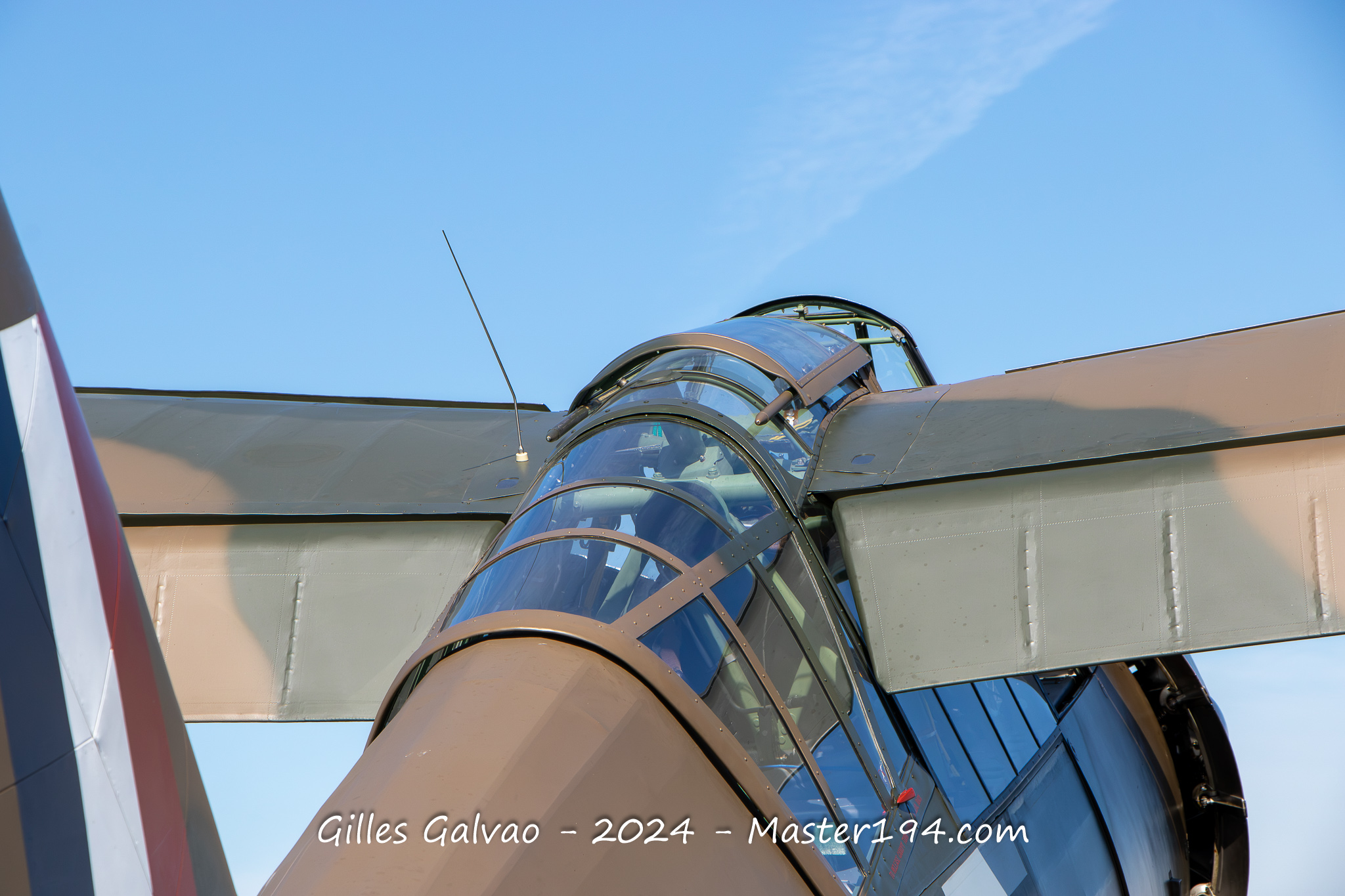
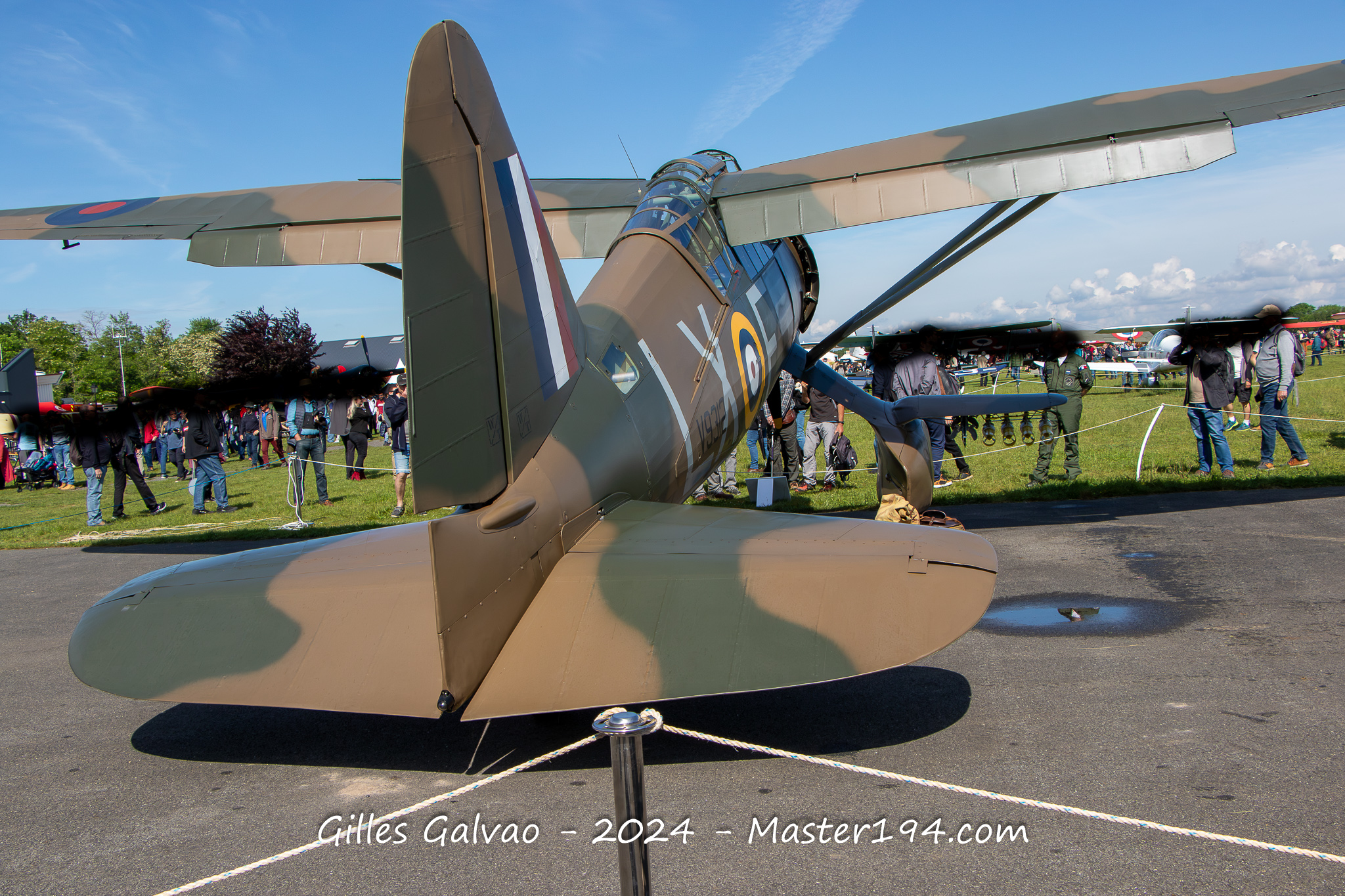
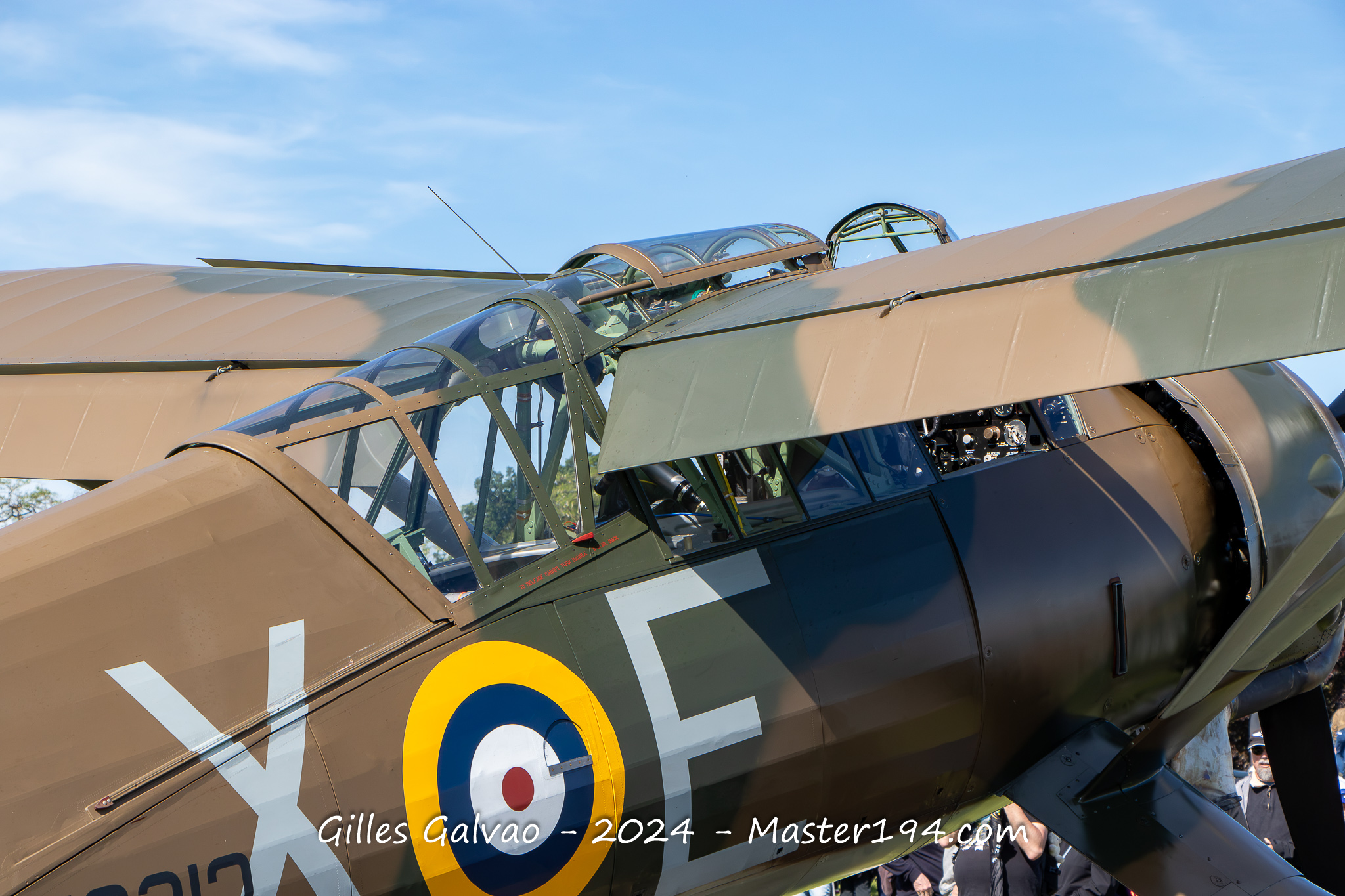
Today, V9312 is one of the very few airworthy Lysanders remaining. Based at Duxford, it regularly participates in historic airshows. This specific aircraft has also become a benchmark for aviation enthusiasts and photographers, notably serving as the subject of detailed walkaround galleries, documenting the unique and instantly recognizable silhouette of the Lysander.
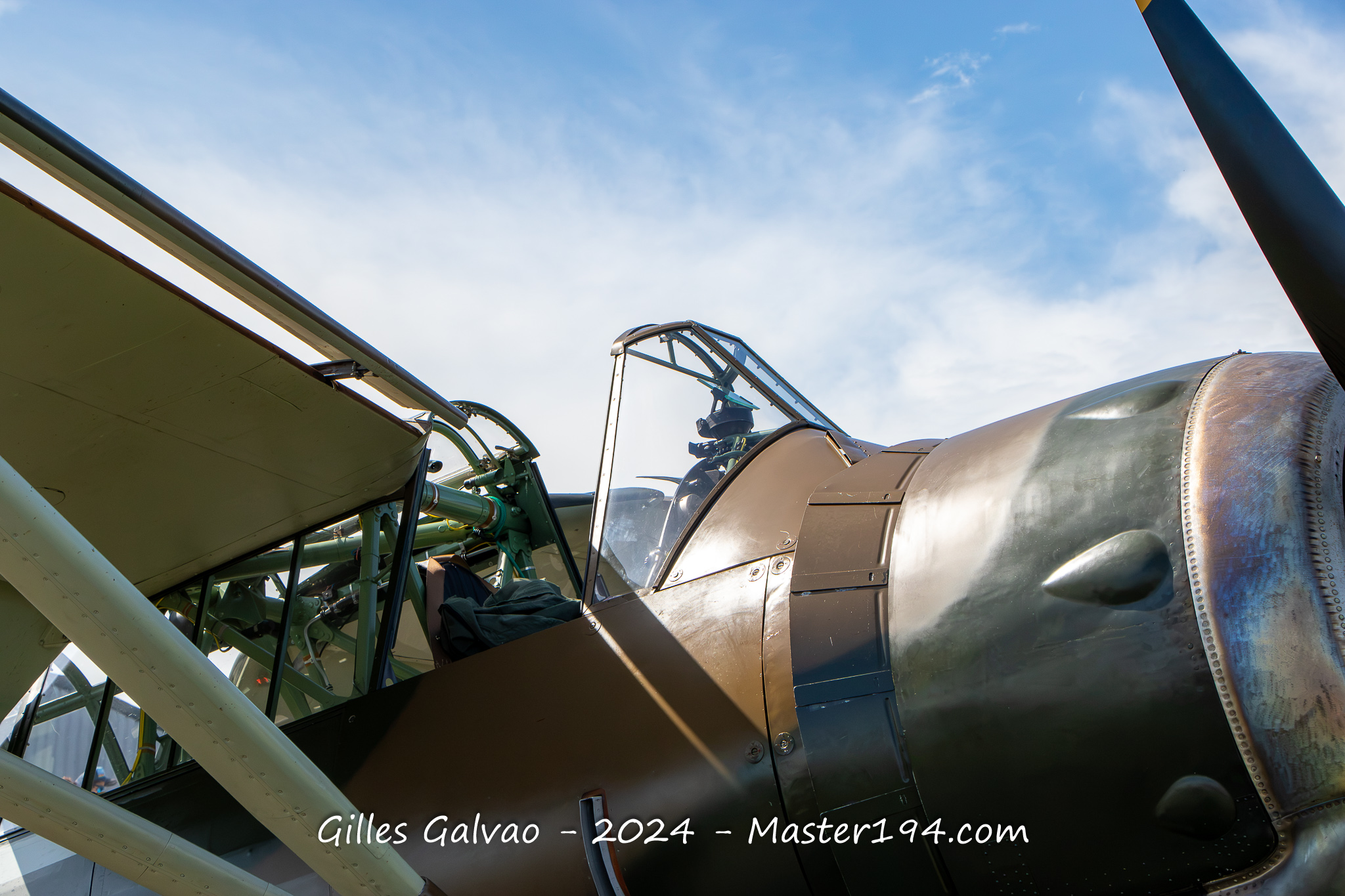
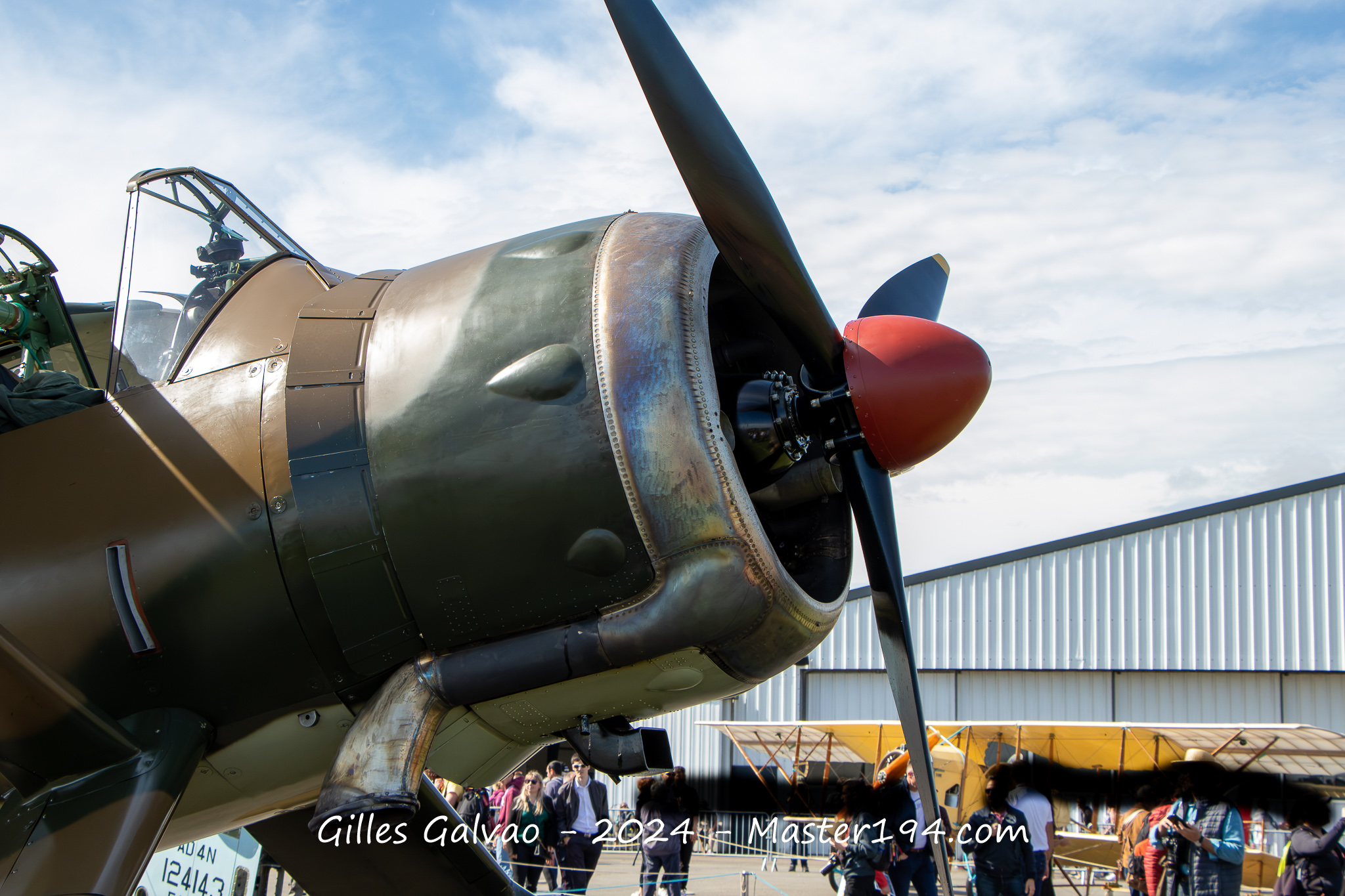
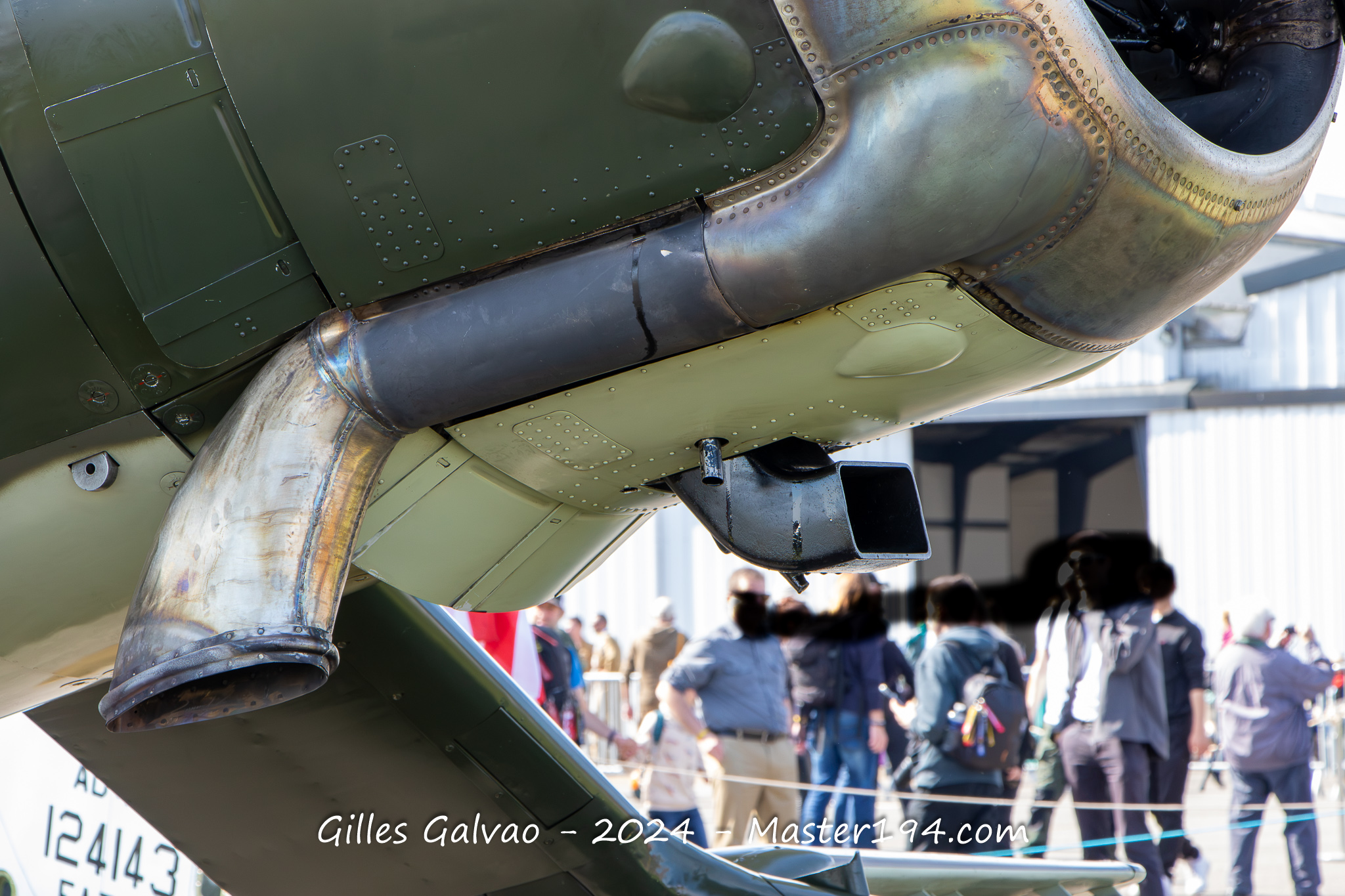
This aircraft was present at the 2024 “Le Temps des Hélices” airshow—the perfect opportunity to capture a detailed walkaround and witness it in flight!
Walkaround