 by
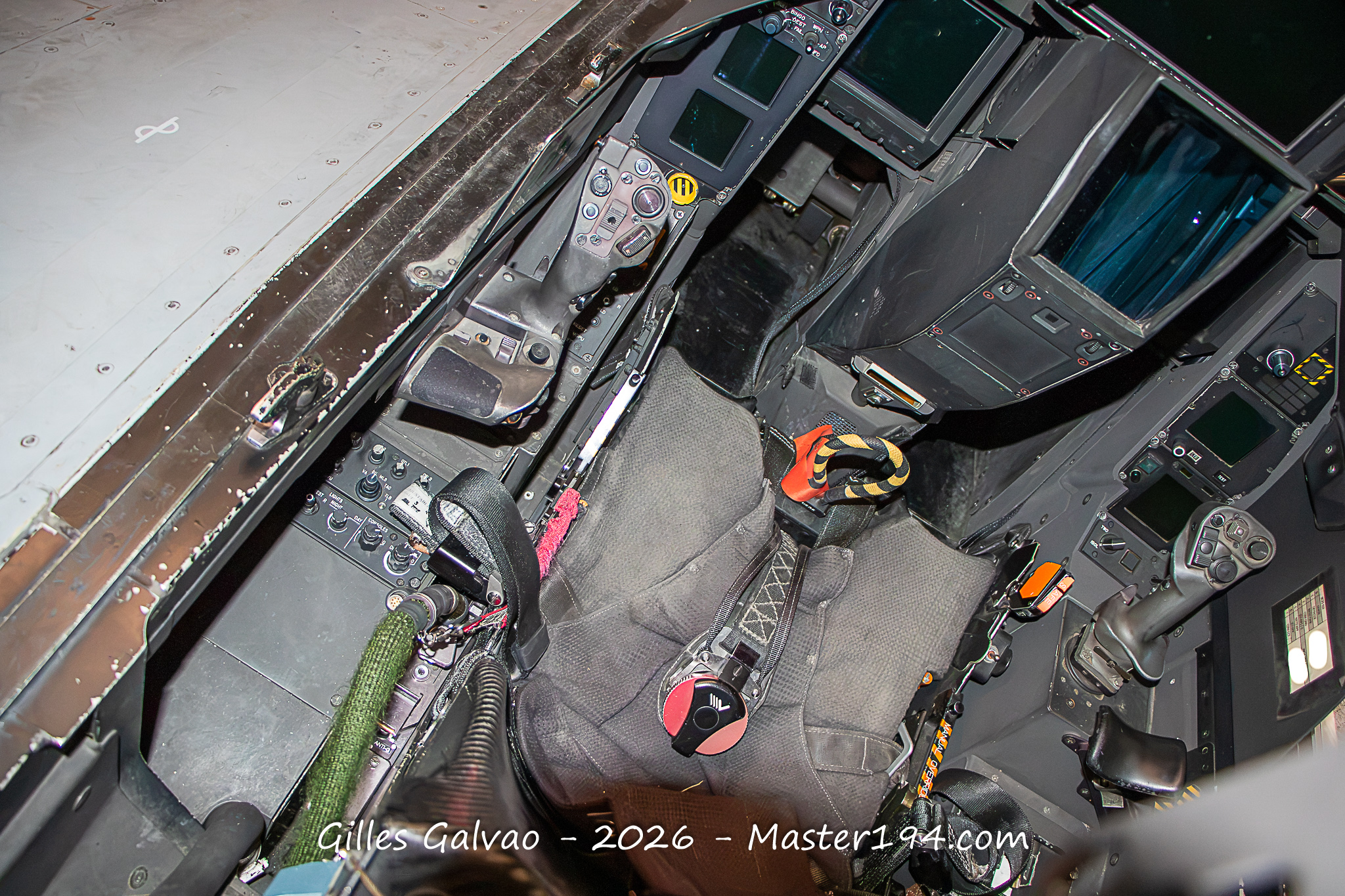
The cockpit of the Dassault Rafale B—the two-seat variant of the French multirole fighter—reflects a pilot-centric design philosophy: streamlining information access, minimizing crew workload, and accelerating decision-making within complex tactical environments.
AD
An Intuitive Digital Interface
The instrument panel relies on multiple multifunction displays (MFDs) that consolidate navigation data, aircraft performance metrics, and tactical mission parameters. This centralized presentation enables the pilot to customize information layouts according to immediate operational needs, replacing the requirement to monitor dozens of standalone flight instruments.

The HOTAS (Hands On Throttle And Stick) operational concept complements this digital architecture. It allows the pilot to execute critical combat and sensor functions directly from the control stick and throttle levers, minimizing hand movements and preventing flight control interruptions during high-workload phases.
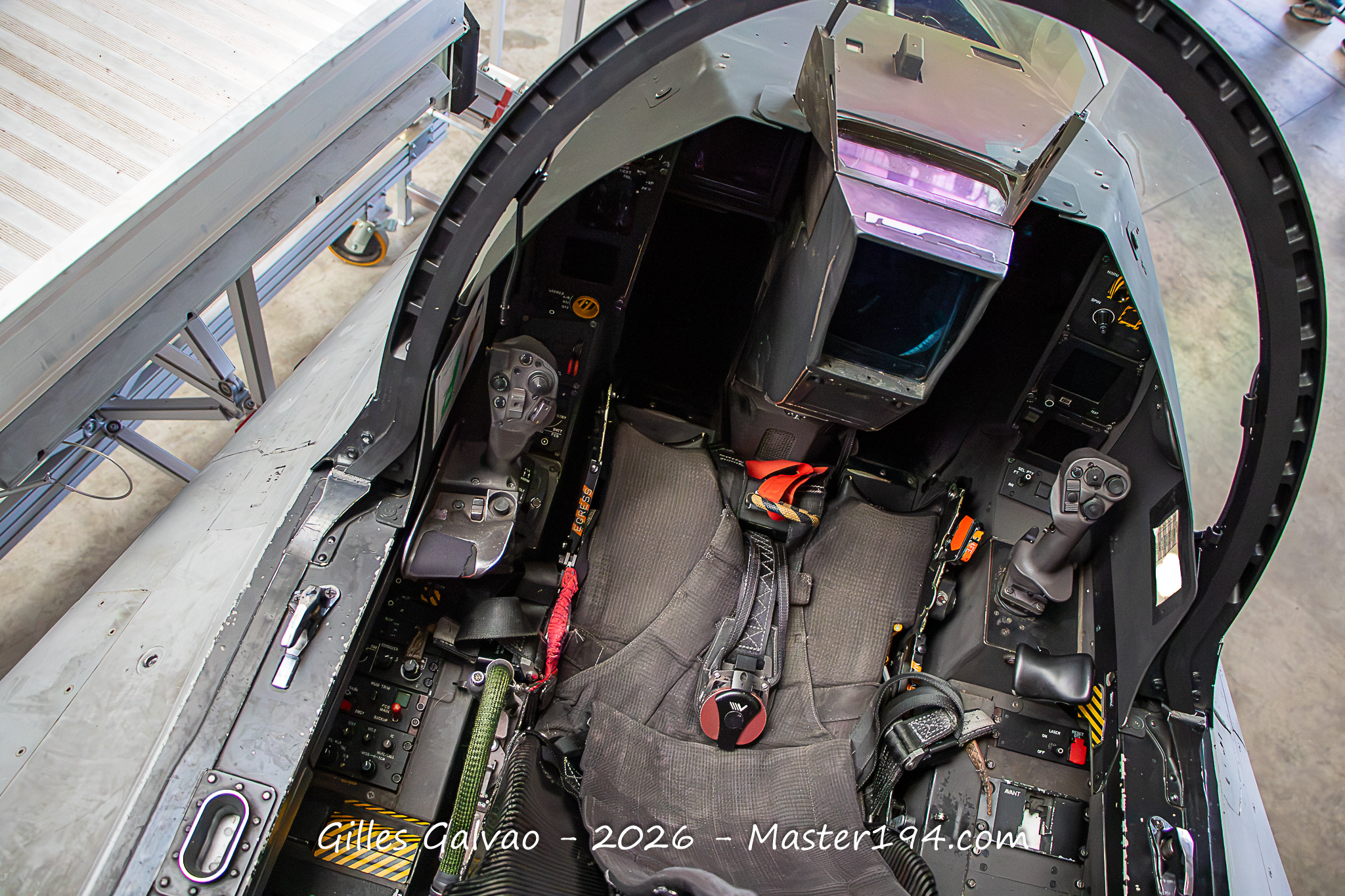
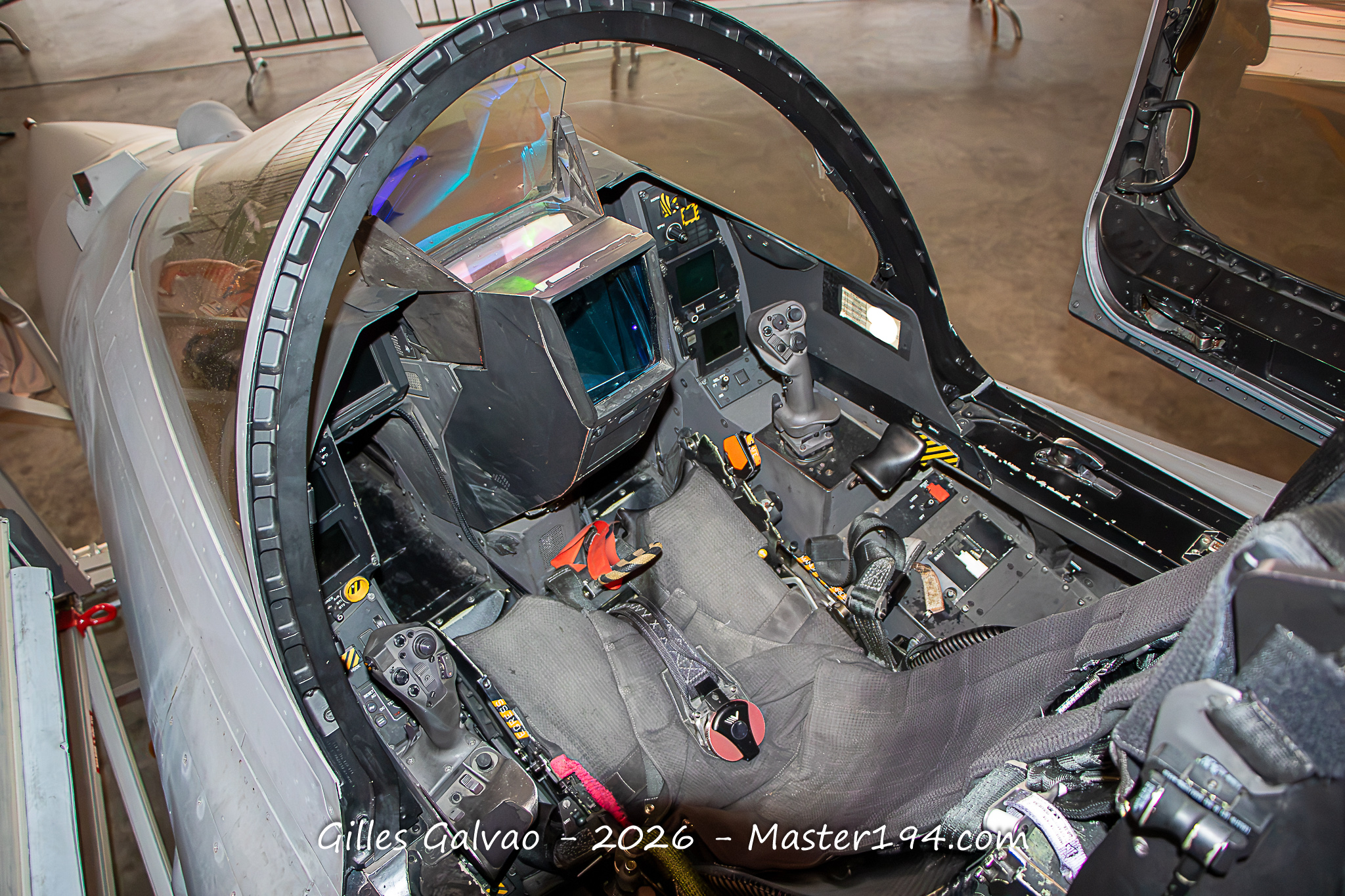
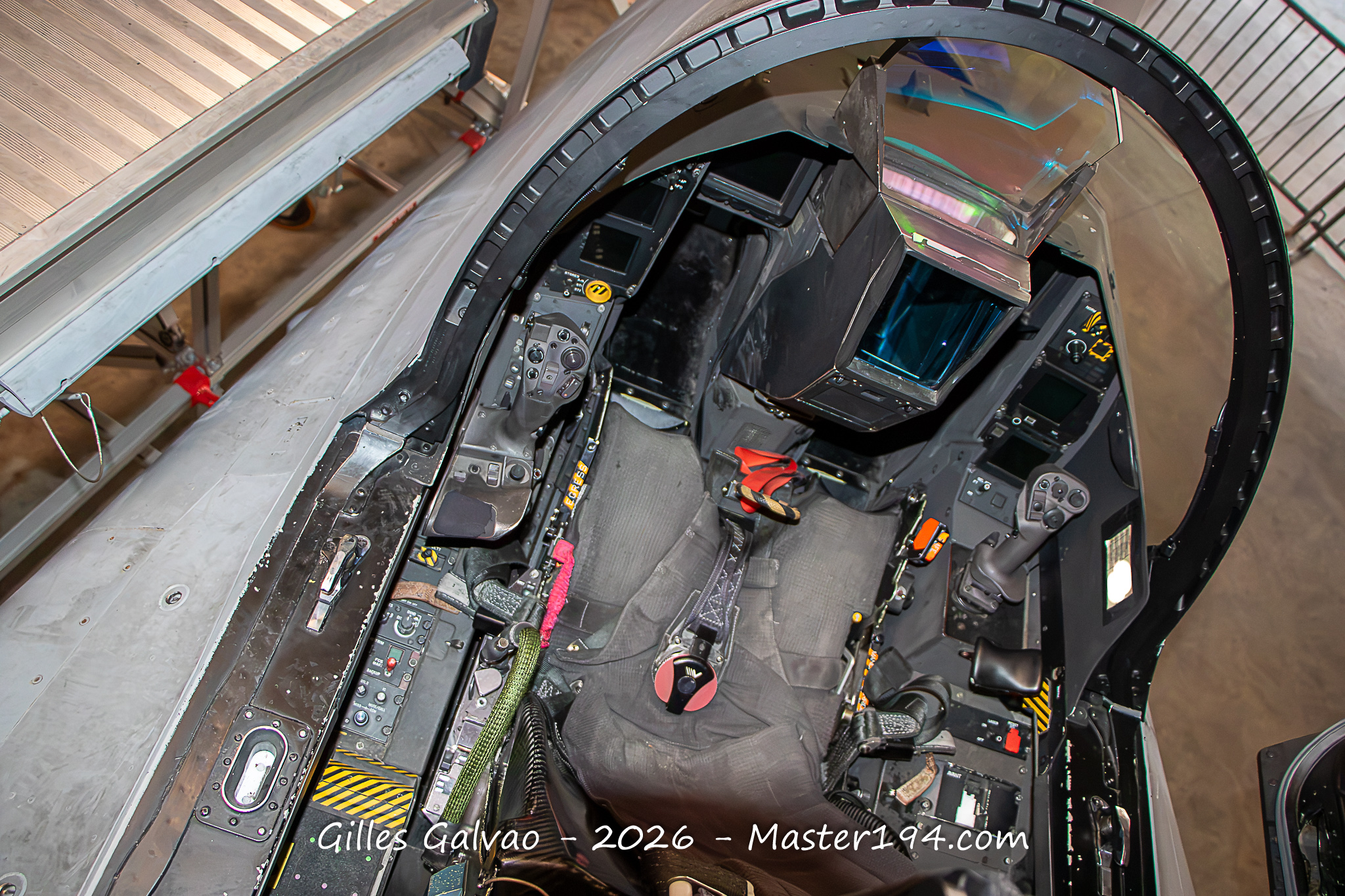
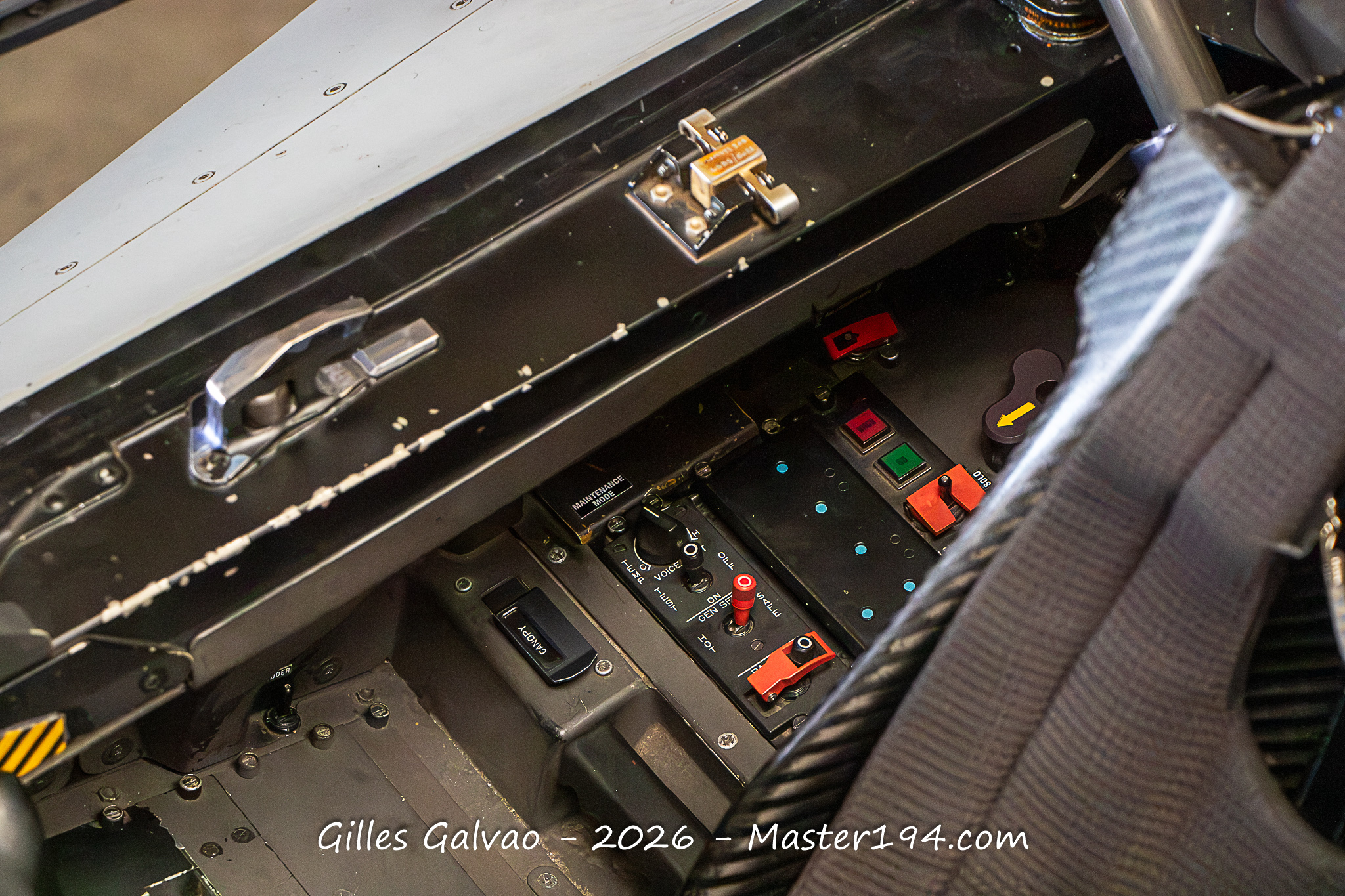
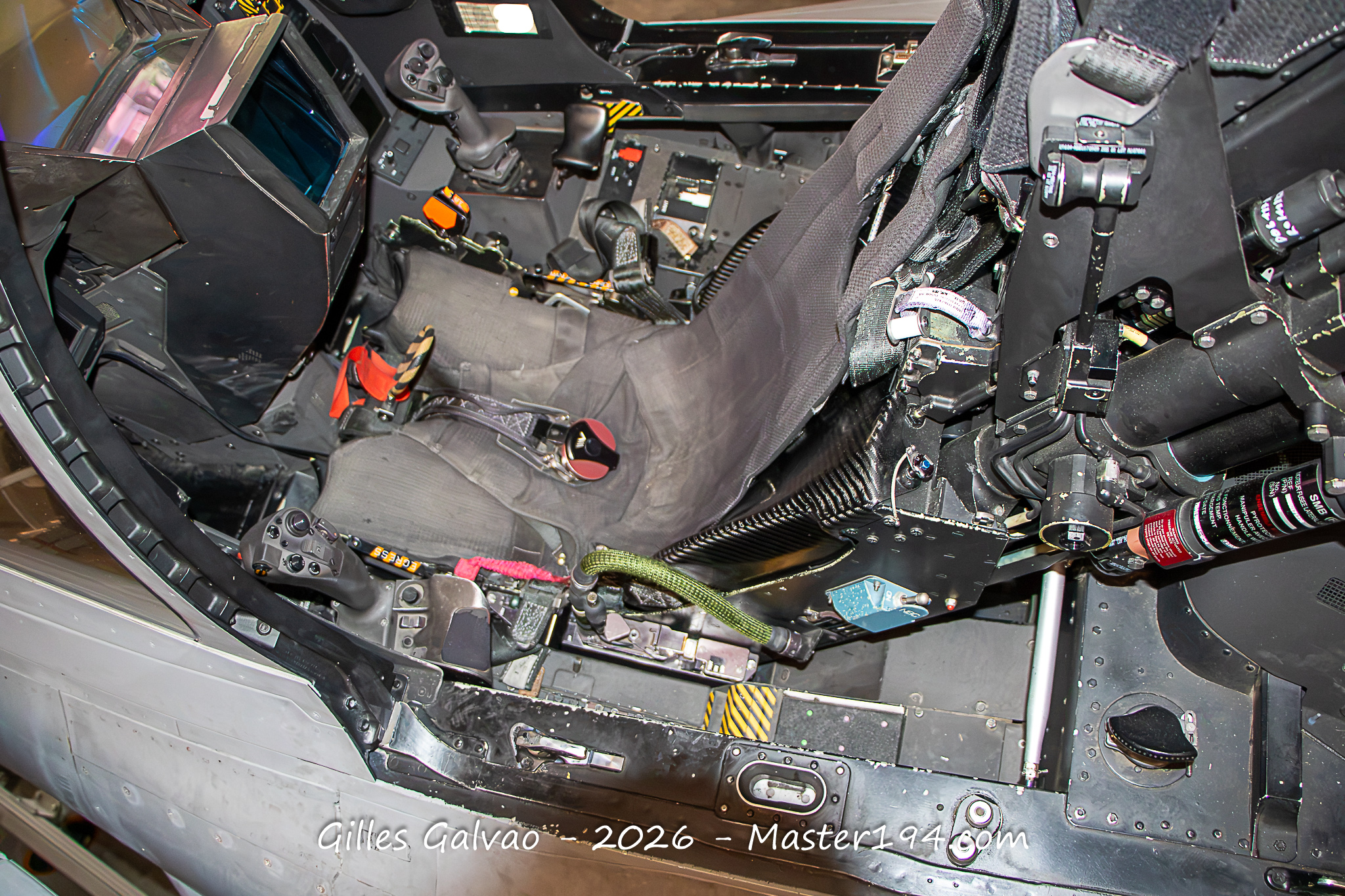
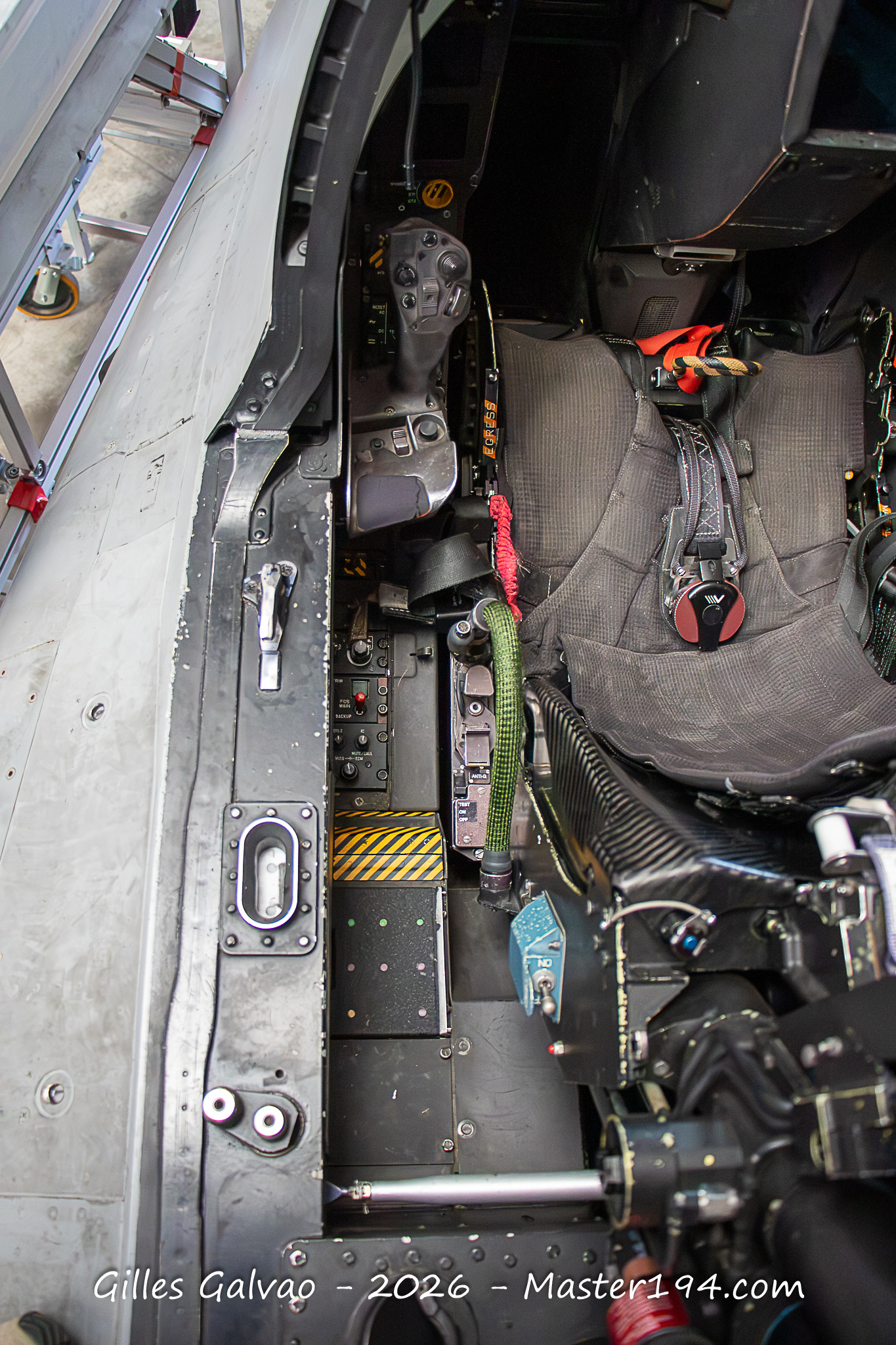
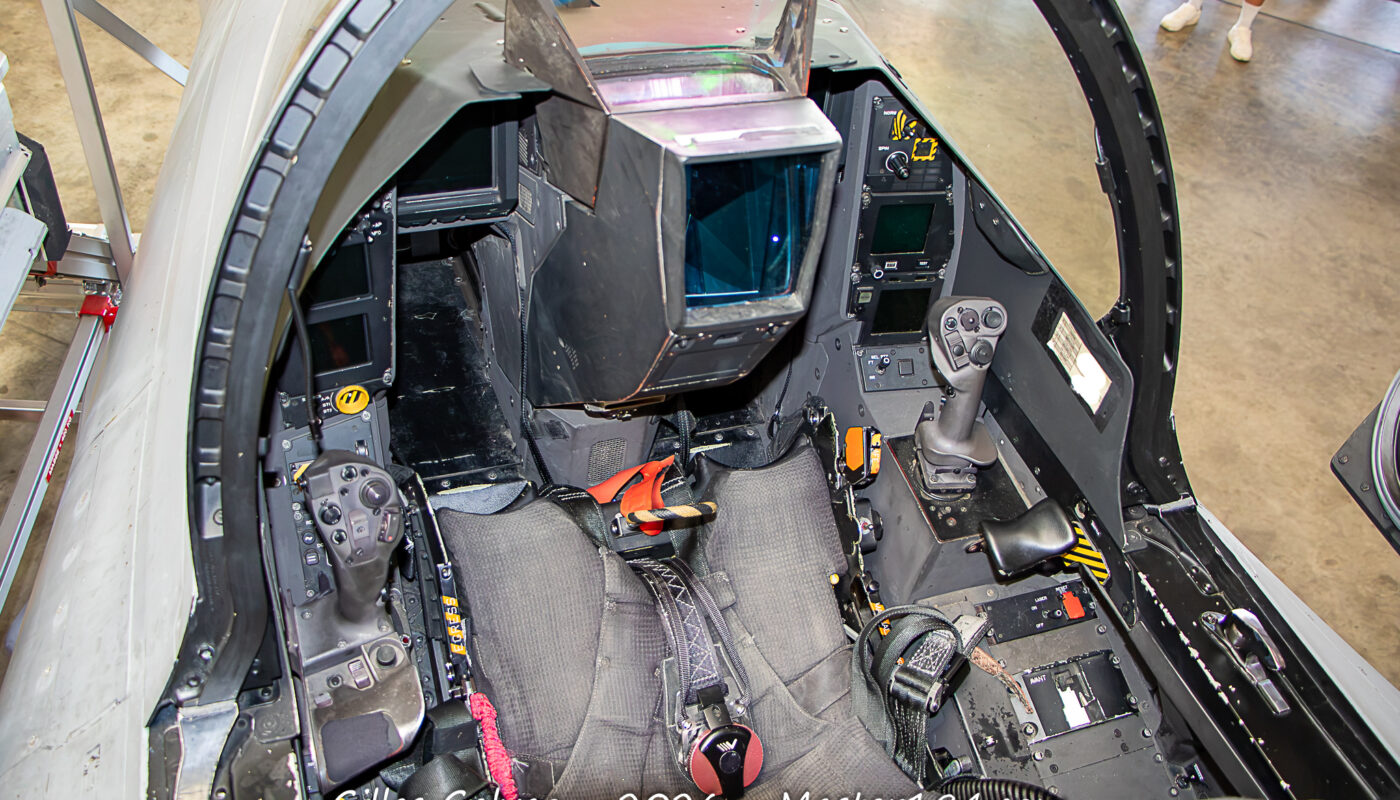
When completely powered down, the display screens give the cockpit a stark, minimalist appearance. I had the opportunity to view the cockpit fully energized with active displays, which completely transforms the operational environment. The overall readability is matched by remarkable clarity on the MLD (Mid-Level Display / Head-Down Display). Thanks to optical collimation at infinity, the symbology shares the same focal plane as the outside world and the HUD, ensuring instant glances without eye strain.
Forward Cockpit Key Components
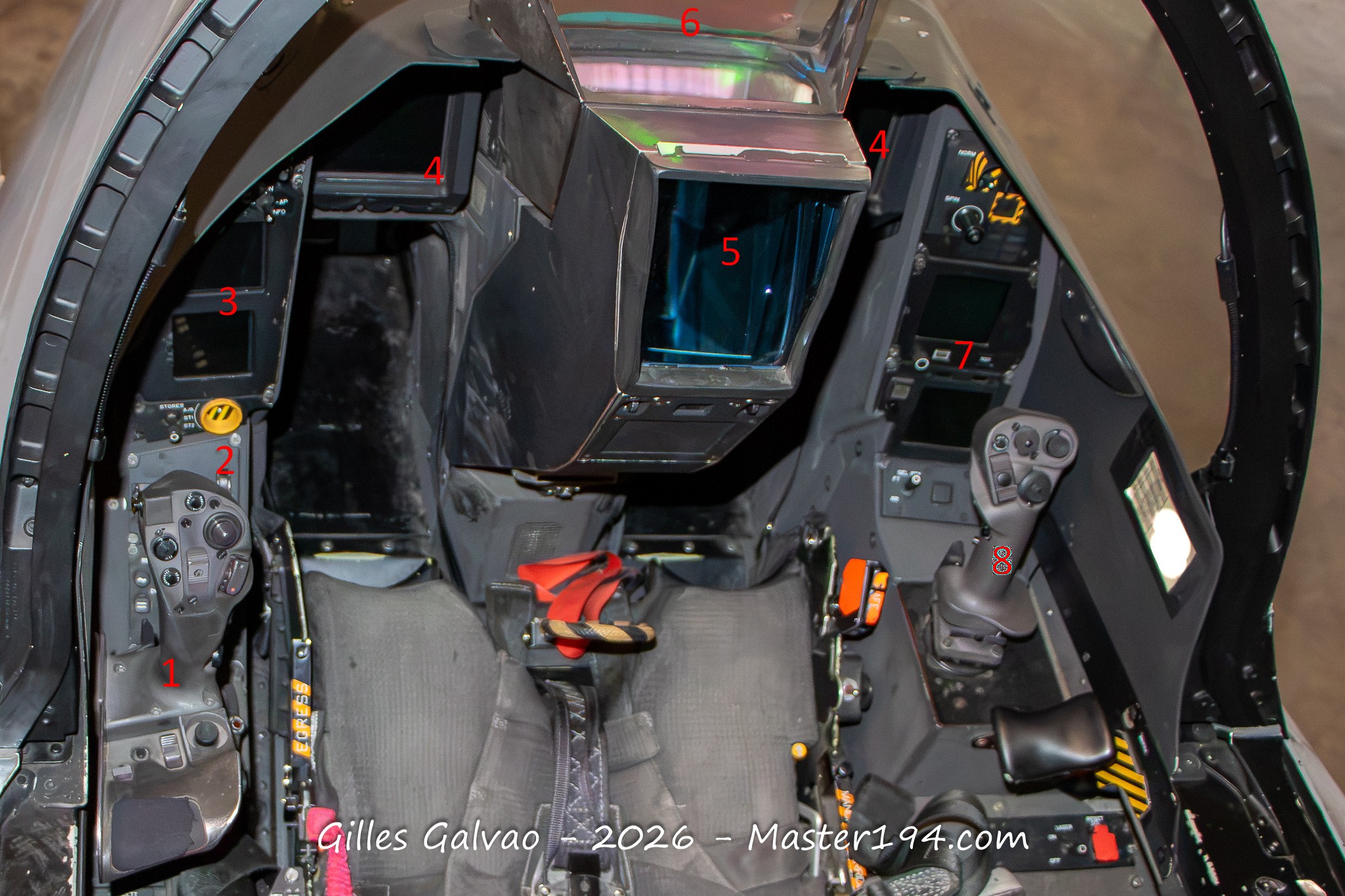
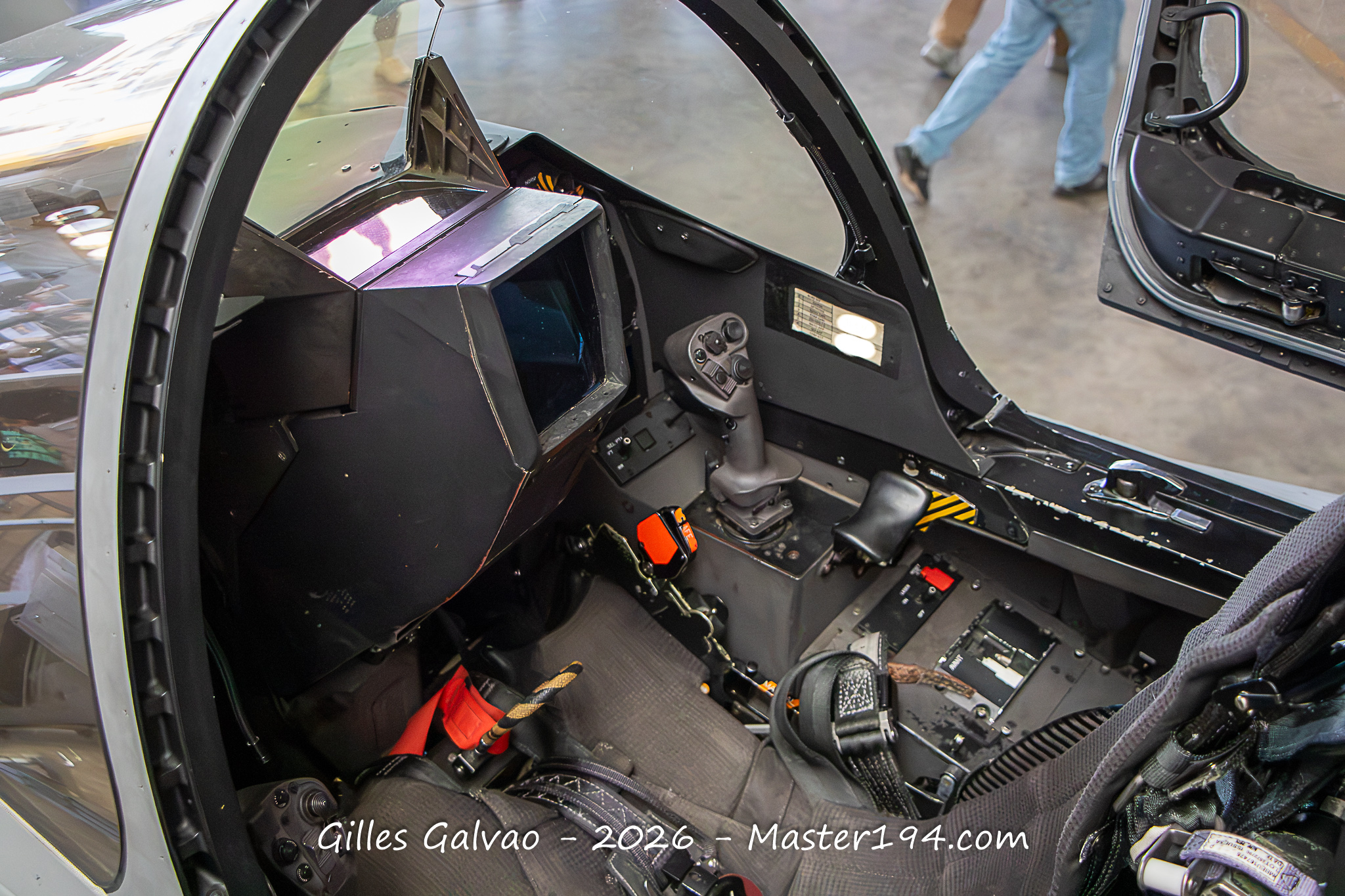
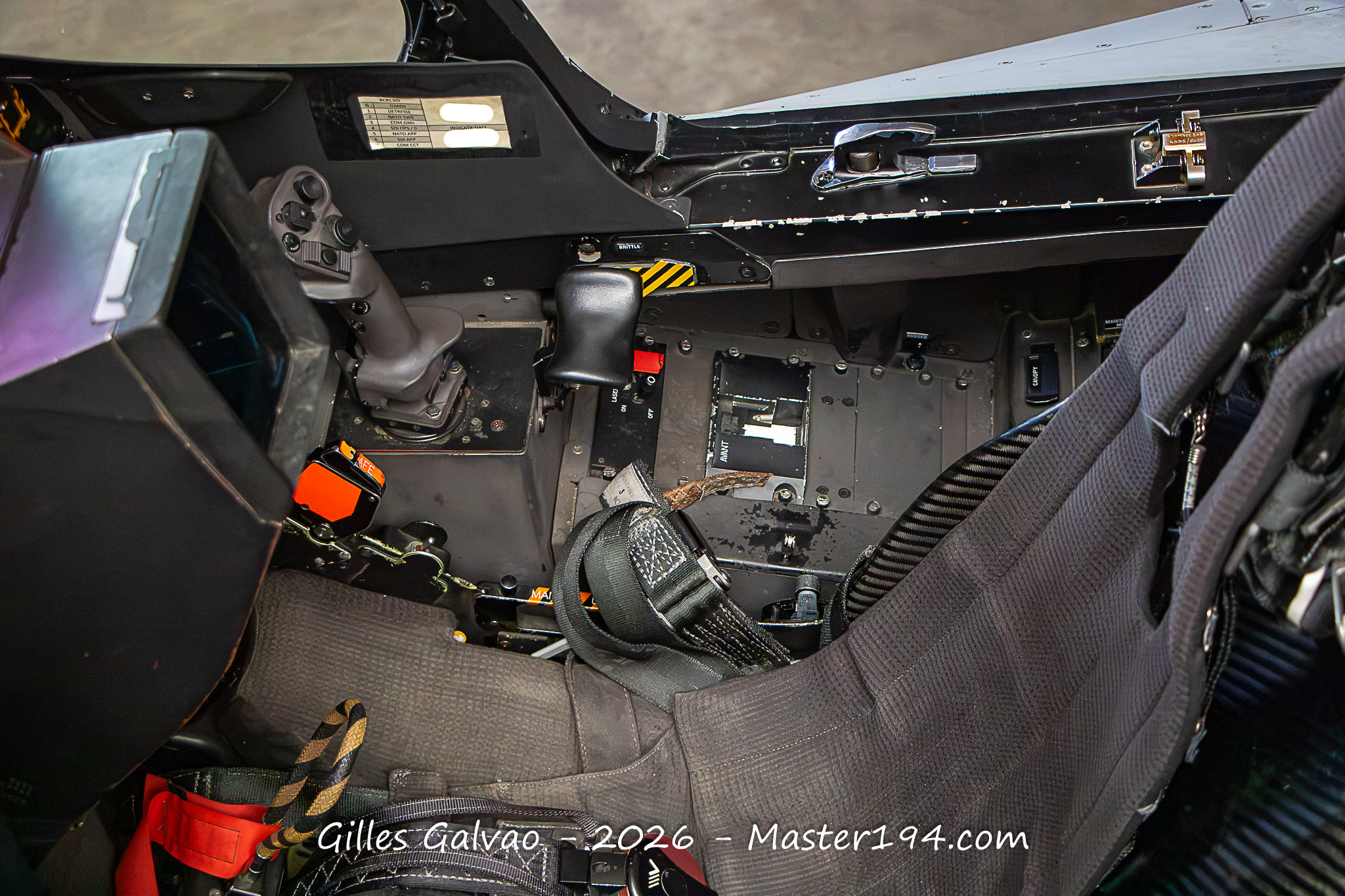
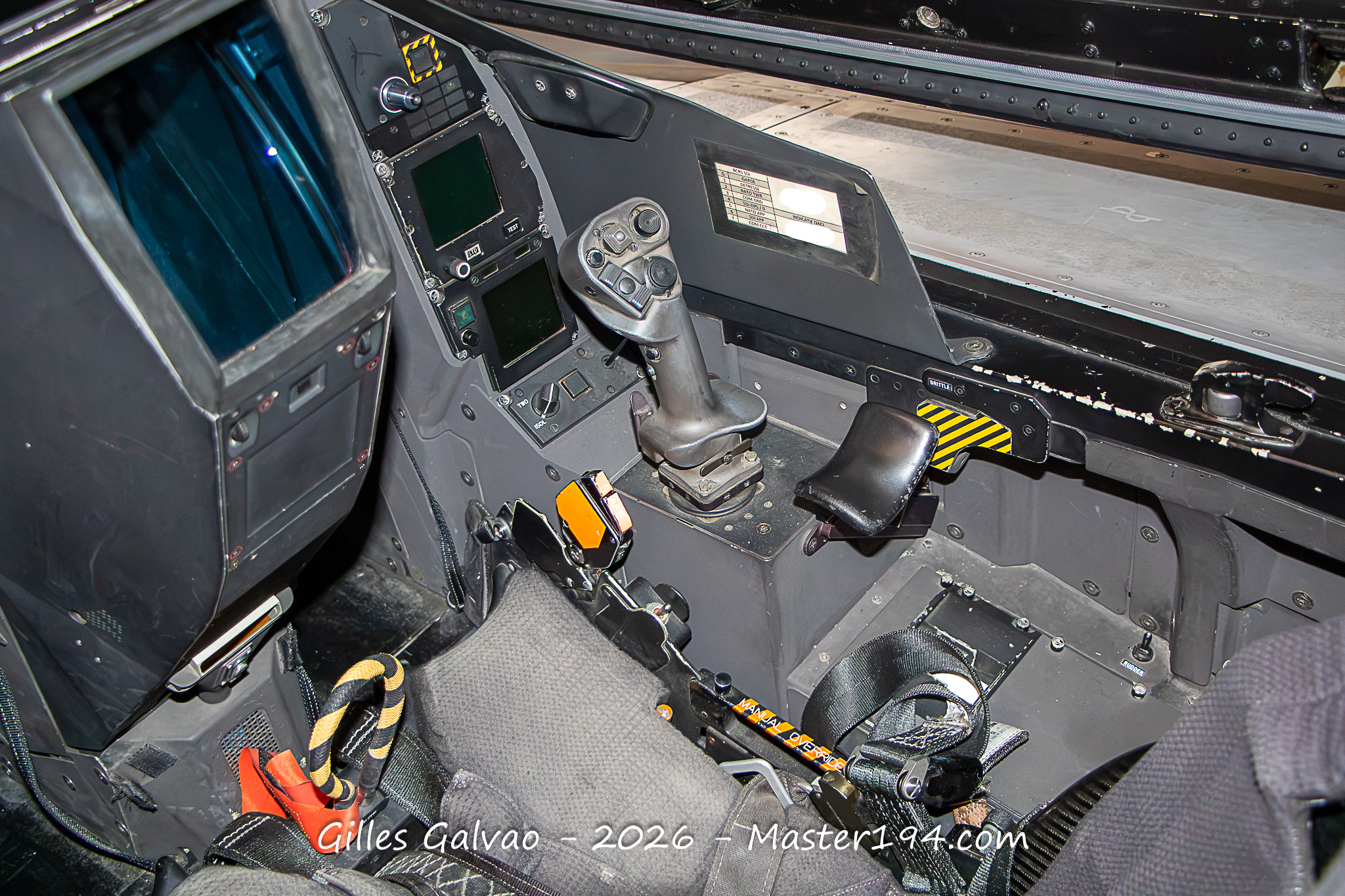
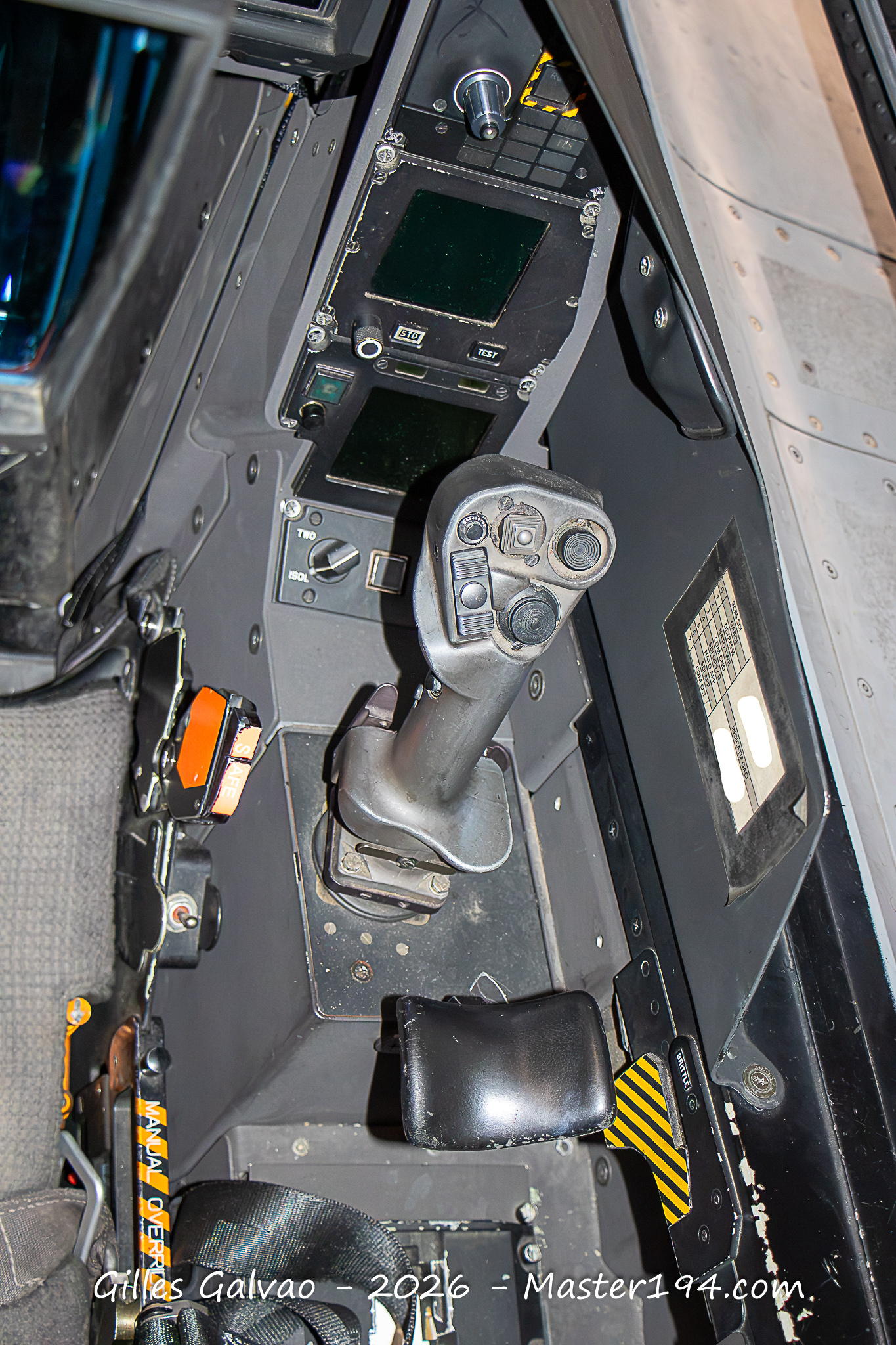
- Throttle : Controls engine thrust and consolidates primary HOTAS switches, allowing the pilot to actuate essential flight and combat functions without reaching for the main instrument panel.
- Landing Gear & Emergency Jettison Controls: Partially obscured by the throttle lever, the landing gear selector is co-located near the yellow emergency Jettison handle, which triggers the selective or emergency jettison of jettisonable external stores (e.g., external fuel tanks).
- Control Display Units: The lower screen displays engaged autopilot modes and active radio frequencies. The upper touchscreen panel provides direct control for switching and configuring various display modes.
- Lateral Head-Down Displays (VTL — Visualisations Tête Latérale): These dual multifunction color displays present customizable tactical and system pages. The pilot selects and maps information layouts across the screens according to immediate mission demands.
- Head-Down Tactical Display (VTM — Visualisation Tête Moyenne): Positioned centrally directly below the Head-Up Display, this collimated optical display provides high-resolution tactical map overlays, fused sensor data, and mission-critical parameters.
- Head-Up Display (VTH / HUD — Visualisation Tête Haute): Projects primary flight symbology, navigation vectors, and targeting cues directly into the pilot’s line of sight, maintaining situational awareness outside the cockpit (Collimated HUD).
- Auxiliary & Engine Displays: The upper screen functions as an emergency standby artificial horizon (incorporating backup altitude, airspeed, and heading data). The lower screen displays power plant metrics, fuel management, and thrust parameters (N1/N2 RPM, fuel flow, fuel remaining).
- Side-stick Controller: The Rafale incorporates a right-hand side-stick controller rather than a traditional central control column. The pilot’s forearm rests on an ergonomic armrest, executing flight control inputs via precise wrist movements. Control stick displacement is exceptionally minimal: during my cockpit inspection, I was struck by the range of movement—on the order of a single centimeter!
Sensor Fusion and Tactical Situational Awareness
The ergonomic layout of the Rafale cockpit is intrinsically linked to its Integrated Modular Avionics (IMA) and sensor fusion suite. The core processing architecture continuously merges data streams from the RBE2 AESA radar, Front Sector Optronics (FSO), SPECTRA Electronic Warfare suite, and Tactical Data Links (Link 16).
Rather than flooding the crew with raw data, the system correlates disparate inputs into a single, unified tactical picture. This reduces cognitive load during high-intensity combat operations, allowing rapid decision-making in complex threat environments.
Information mapping follows a strict tactical hierarchy:
- HUD (VTH): Flight guidance, immediate weapon aiming, and primary flight safety data.
- Central & Lateral Displays (VTM/VTL): Systems status, tactical maps, threat assessment, and mission management.
The Rafale B: A Single Airframe for Multi-Mission Operations
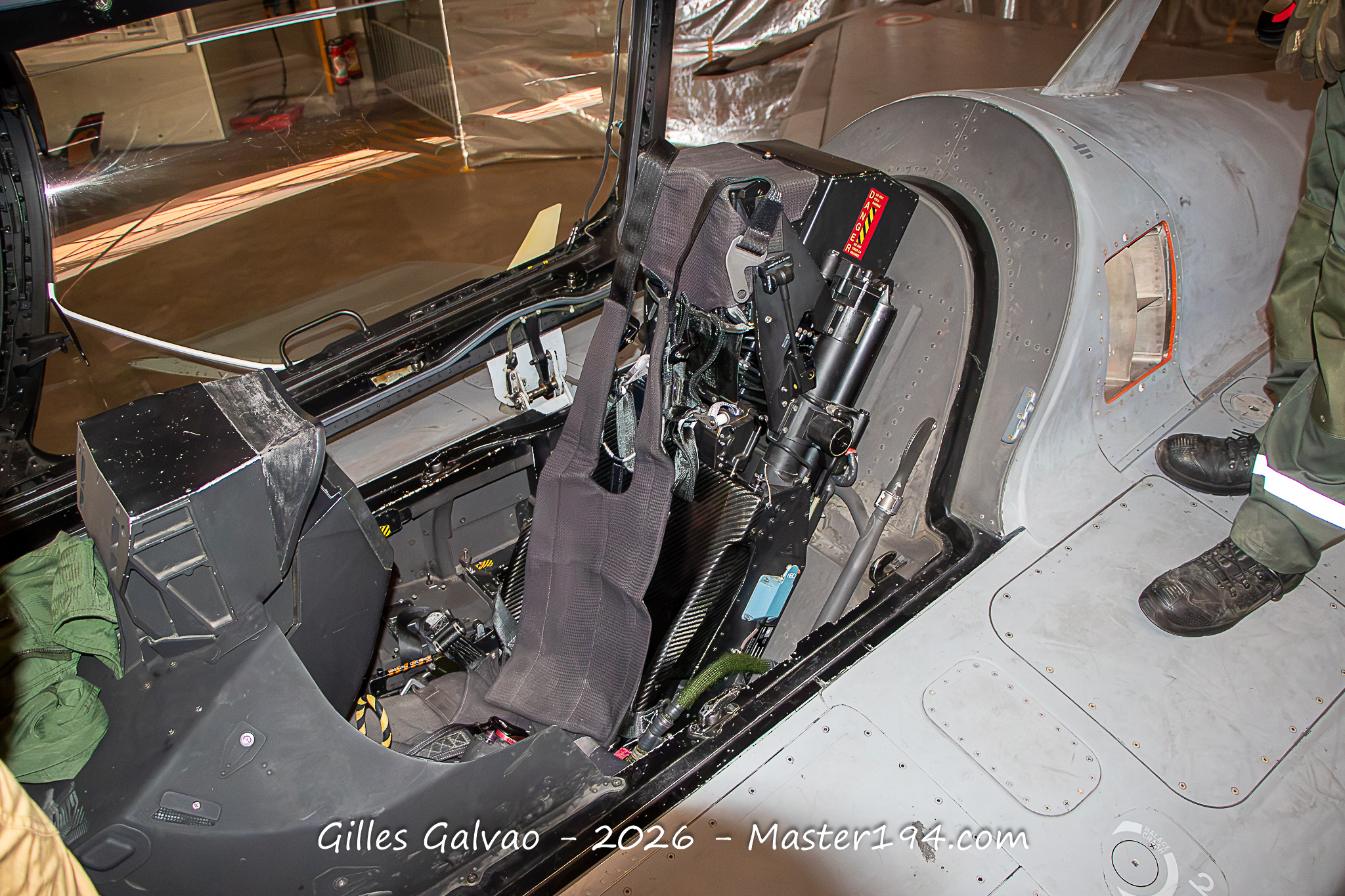
The Rafale B leverages a versatile dual-seat cockpit design capable of executing pilot conversion training, liaison flights, and operational combat sorties requiring a Pilot and Weapon Systems Officer (WSO / NOSA – Navigateur Officier Systèmes d’Armes).
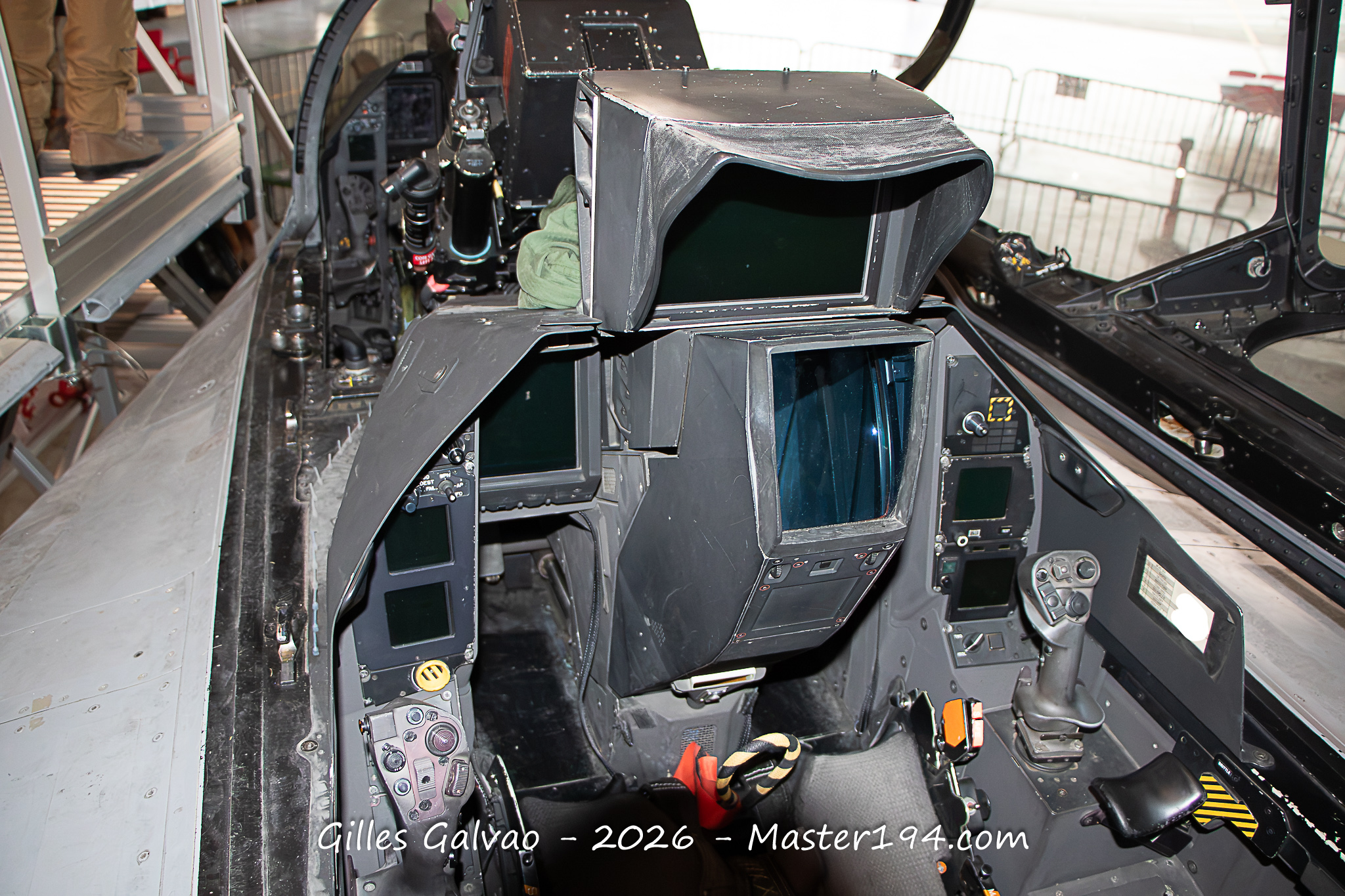
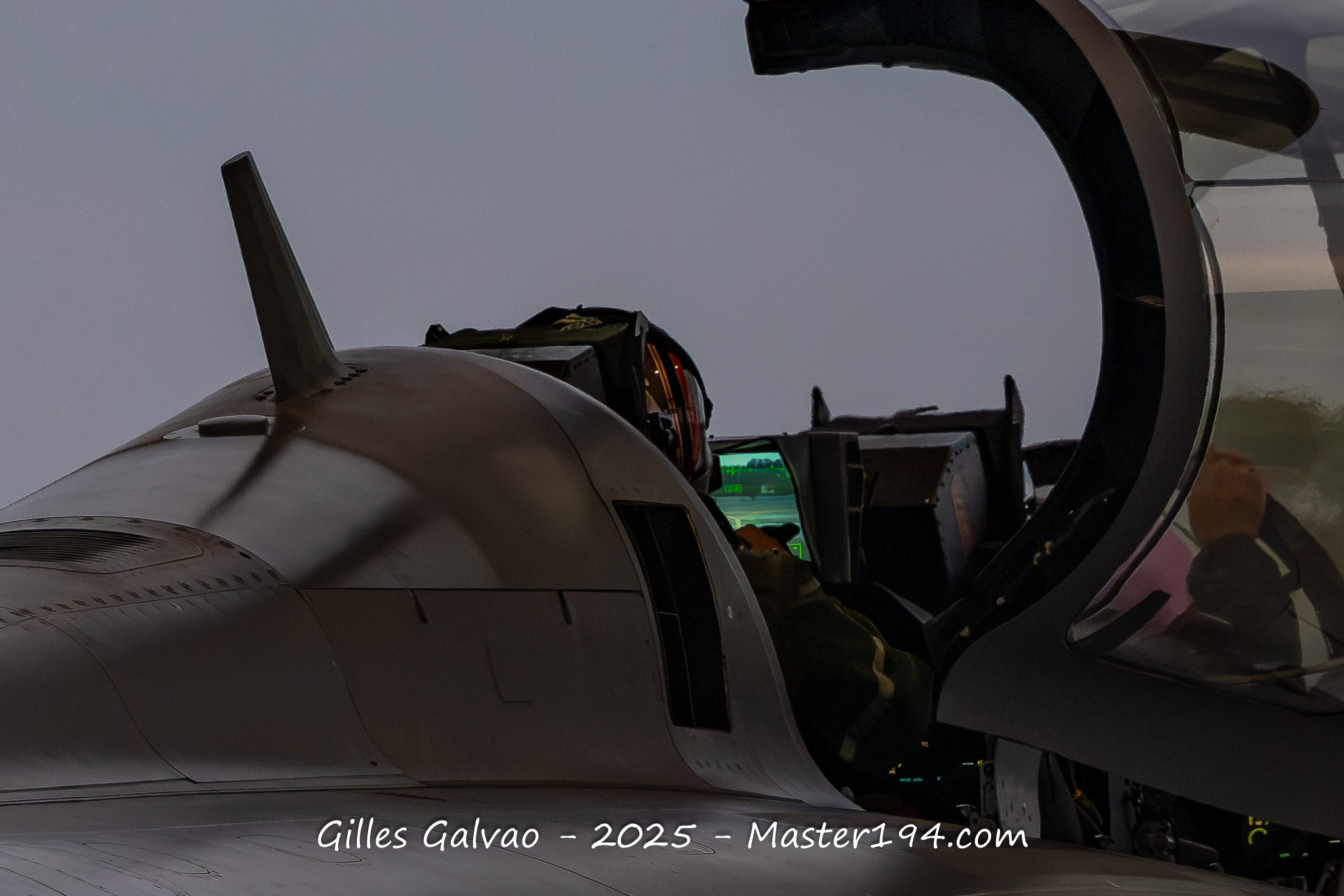
This multi-mission capability contrasts sharply with legacy fleets, such as the Mirage 2000B (primarily restricted to pilot conversion) and the Mirage 2000D (dedicated specialized strike/WSO platform). The Rafale B fulfills all these operational roles within a single standardized airframe.
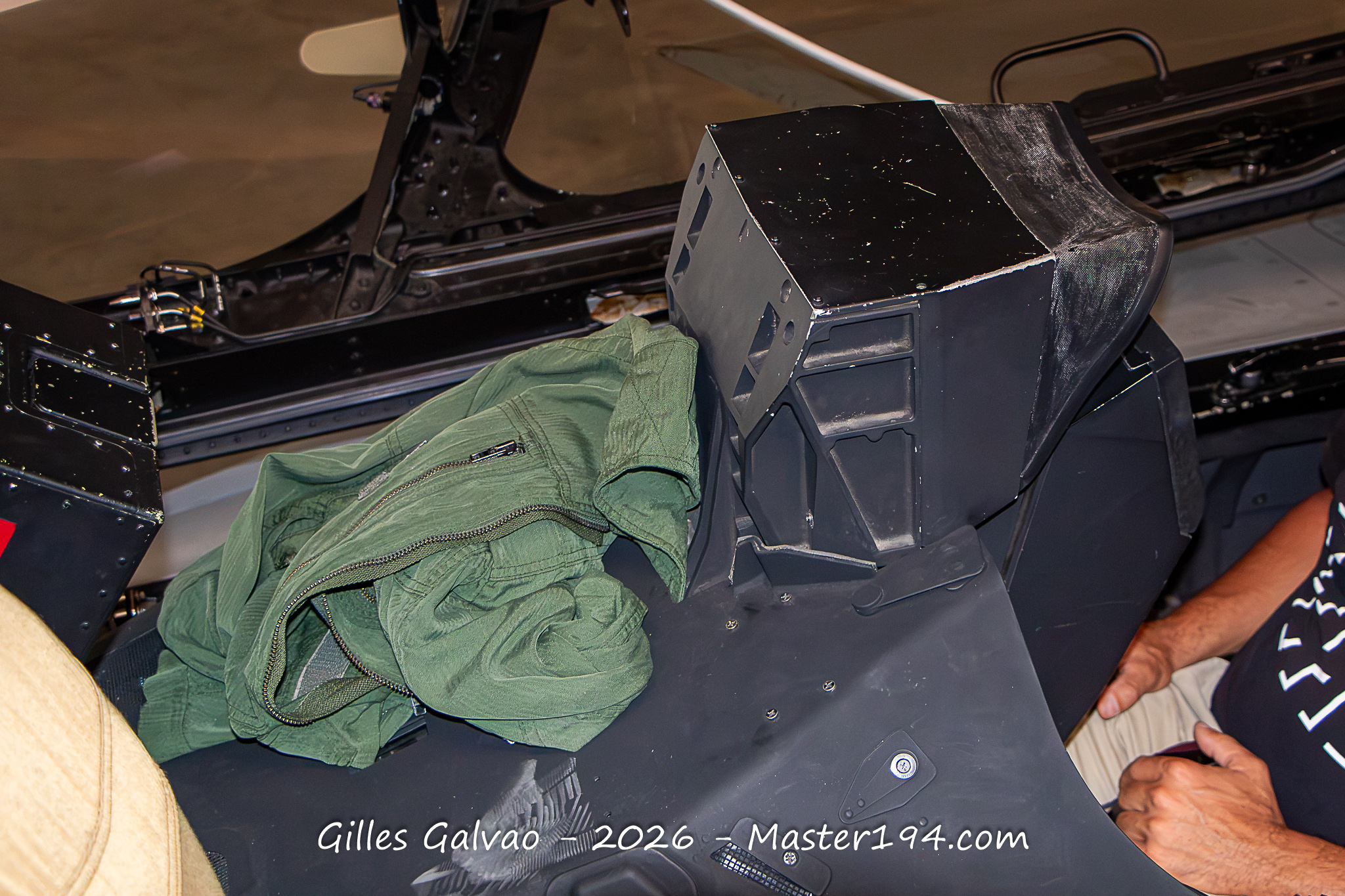
Both tandem cockpit positions feature fully functional dual flight controls. Notably, the rear throttle assembly can be mechanically decoupled from the forward throttle lever, enabling the Weapon Systems Officer (WSO / NOSA) to manipulate rear console switches without interfering with the pilot’s control inputs. This decoupled architecture directly enhances the operational flexibility of the Rafale B across both conversion training and complex combat sorties.
Ergonomics as a Core Weapon System Component
The Rafale cockpit represents far more than advanced digital instrumentation. The integration of HOTAS controls, multifunction color displays, and automated sensor fusion aims to streamline crew workload and fully exploit the aircraft’s combat envelope.
On the two-seat variant, the functional duality of both crew stations adds an extra operational dimension: crew tasks can be dynamically reallocated to meet immediate mission demands without restricting the rear crew member to a passive role.
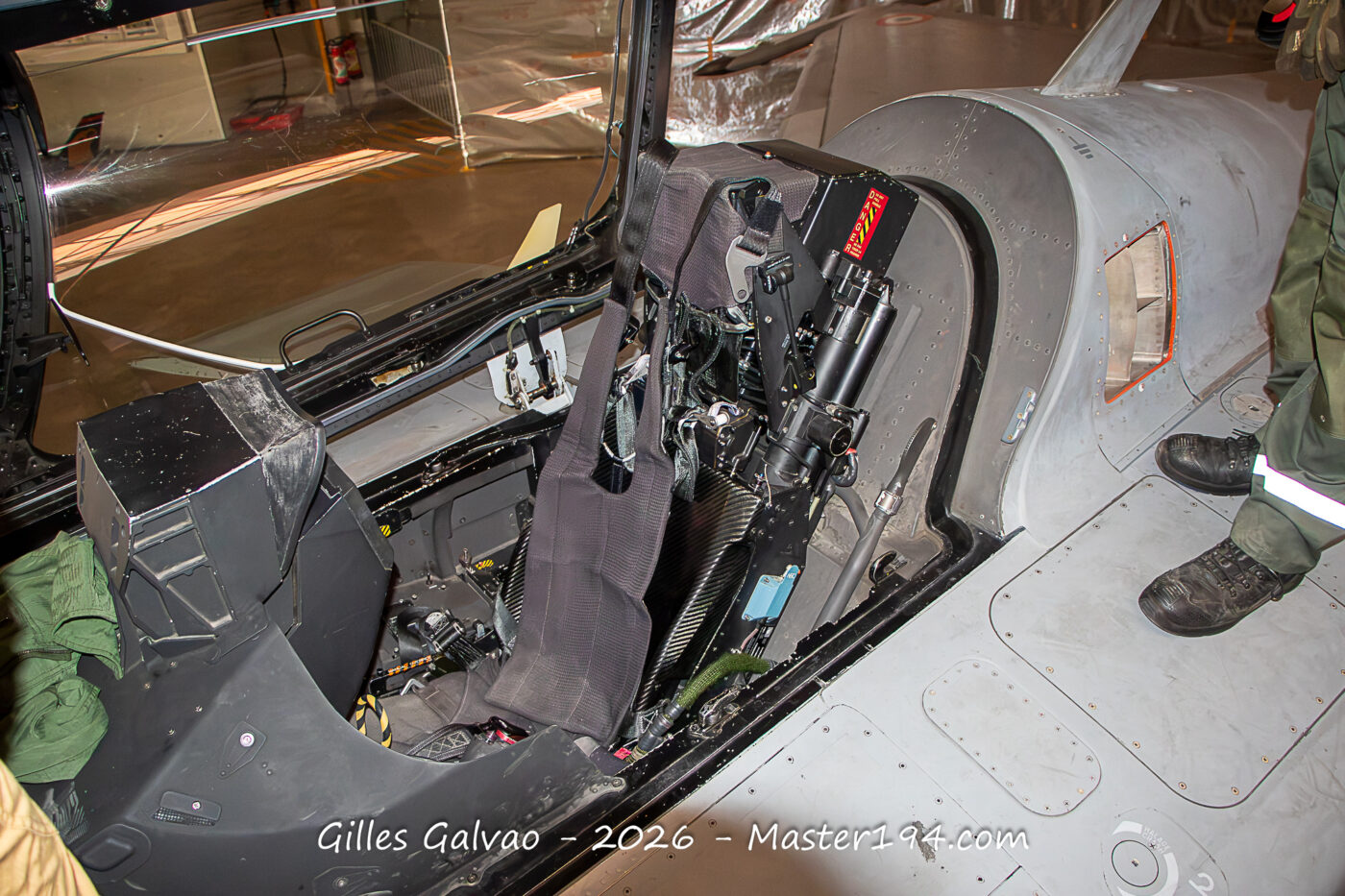
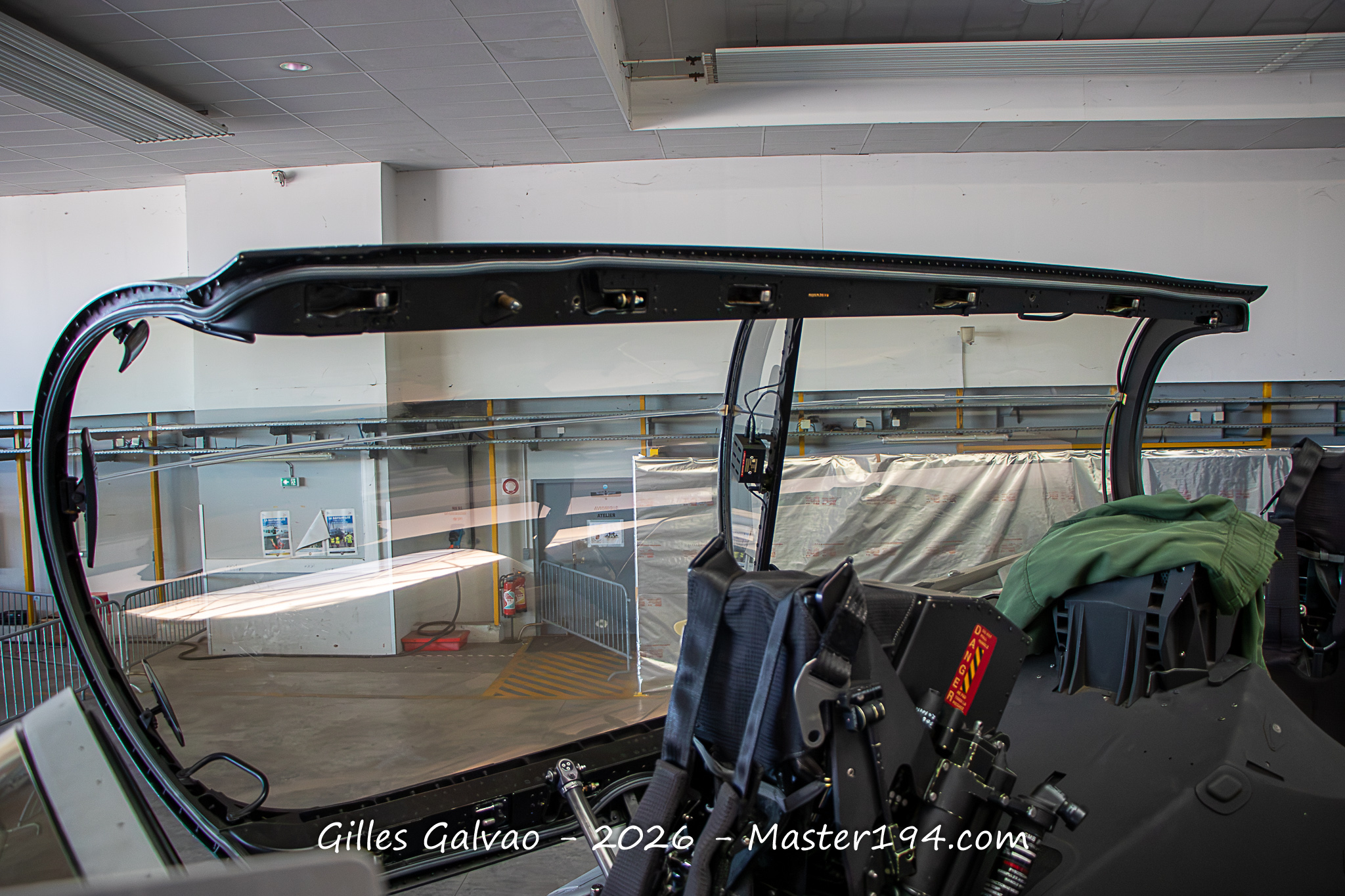
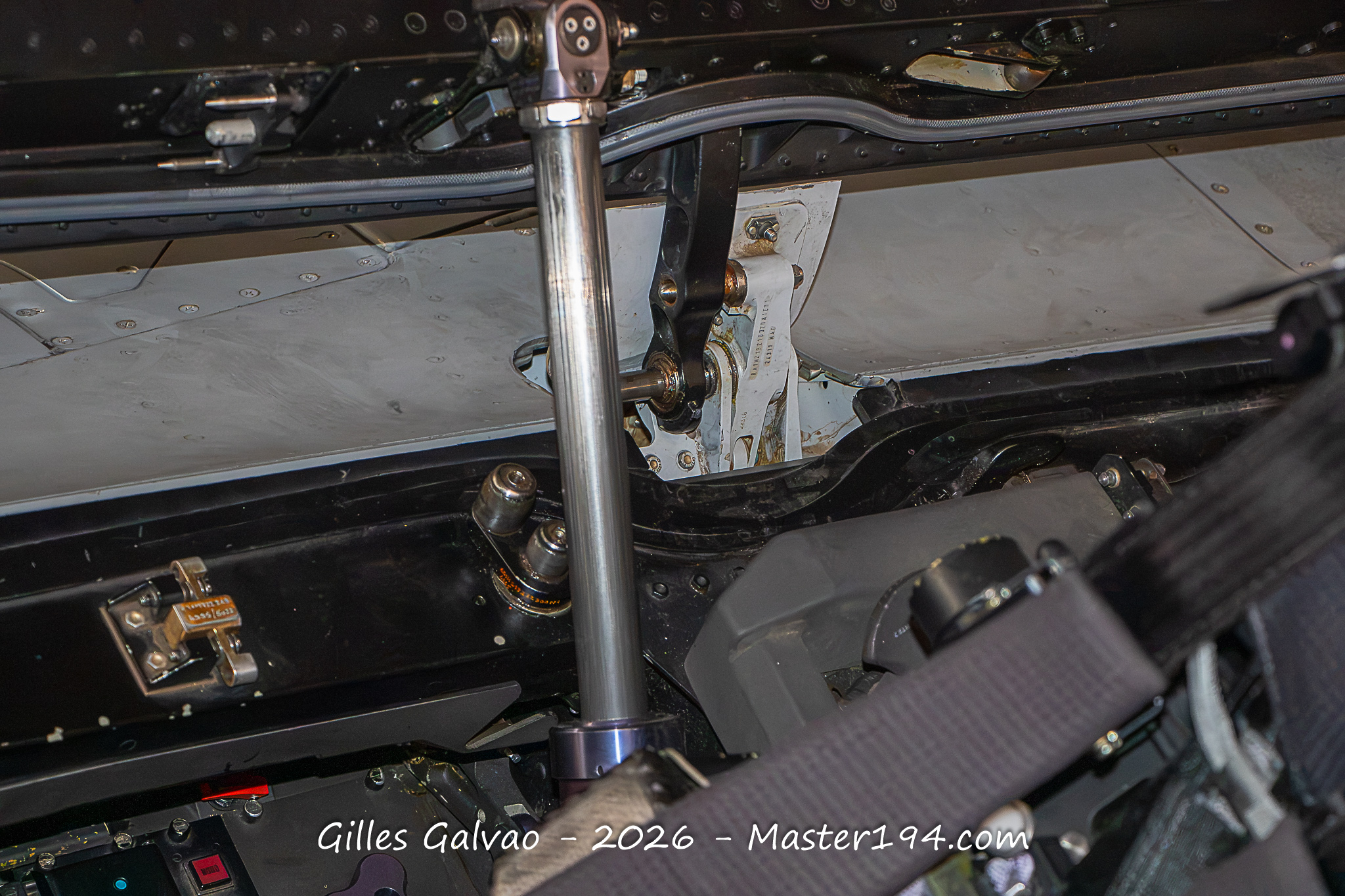
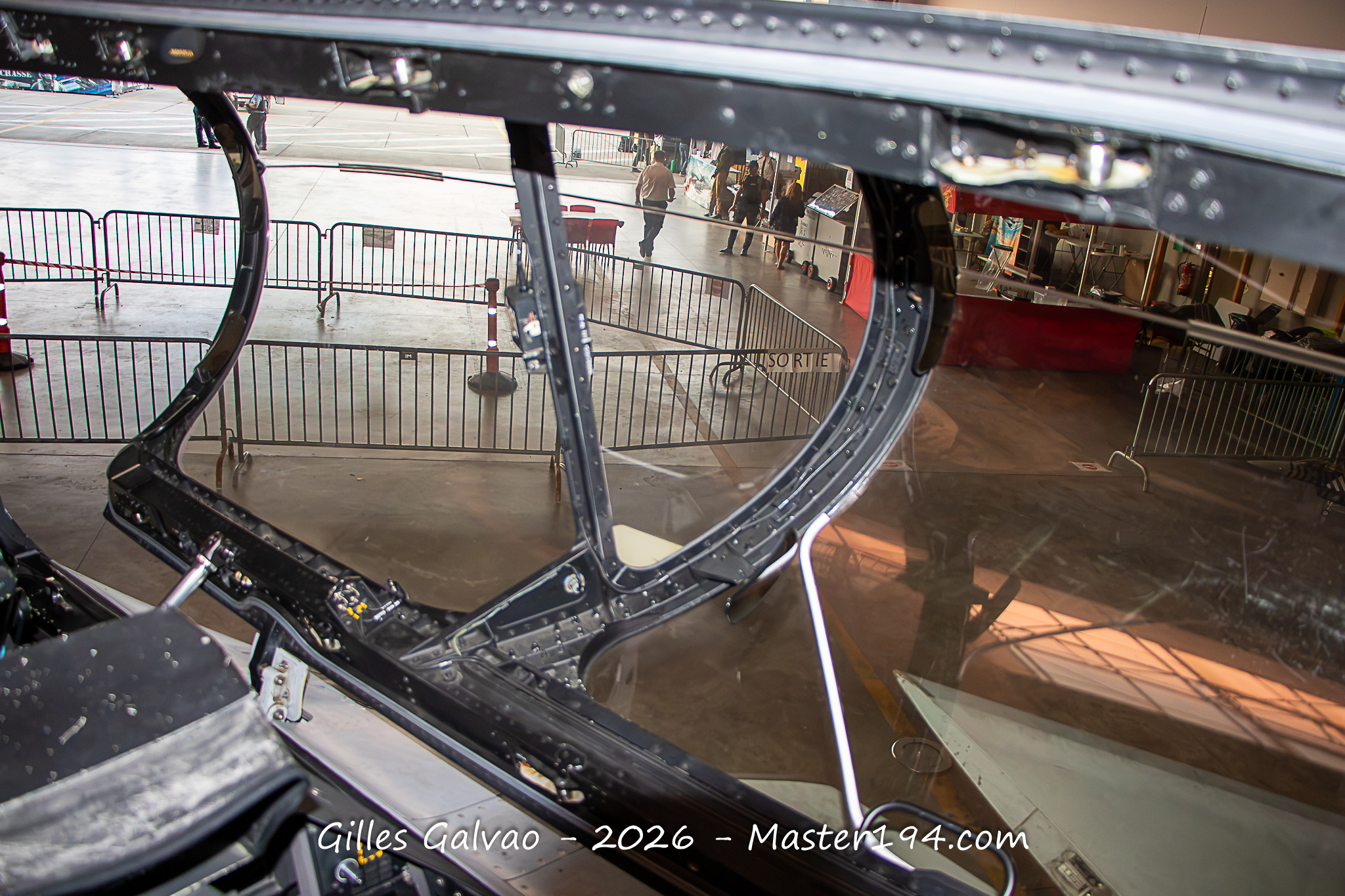
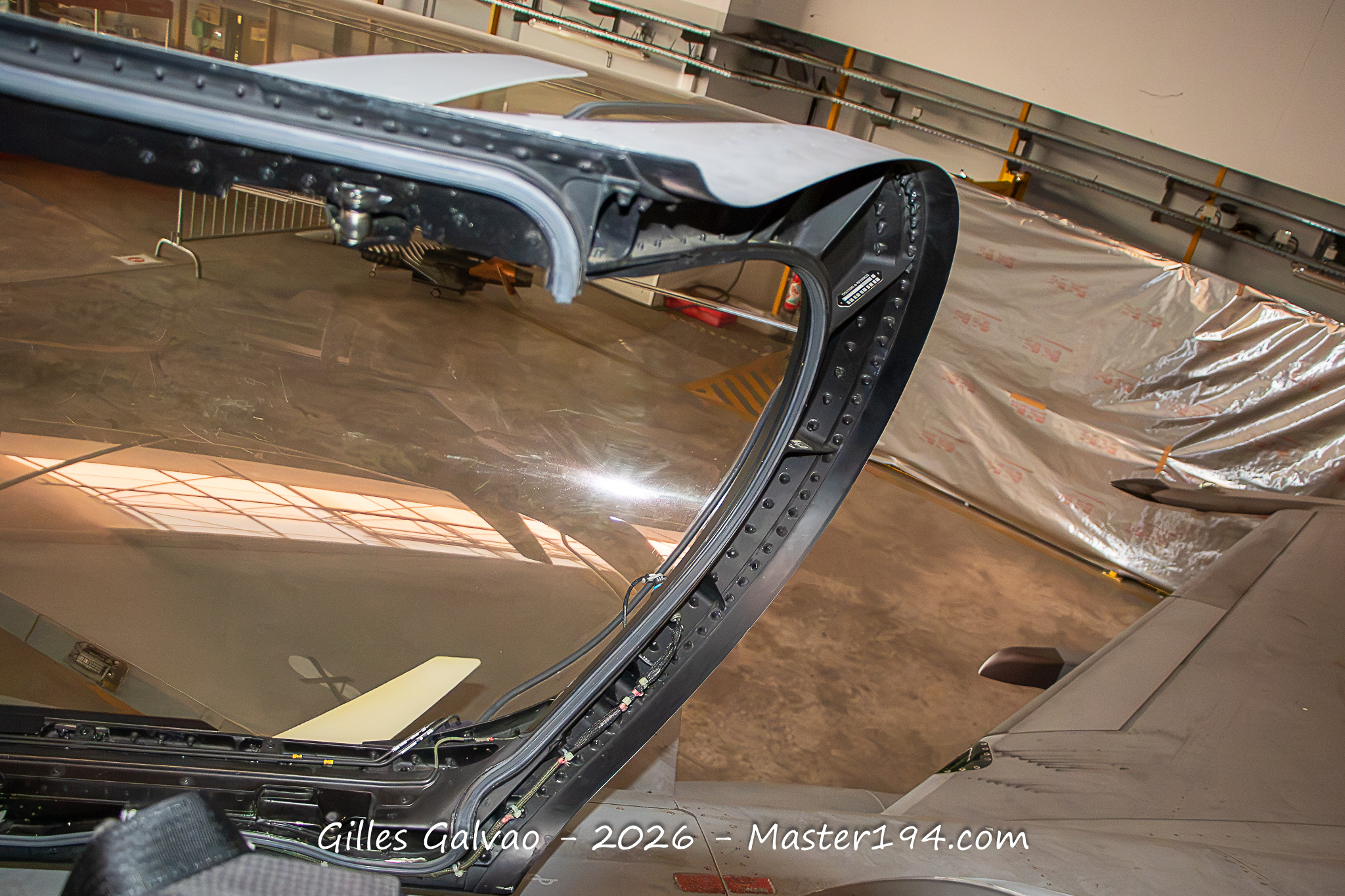
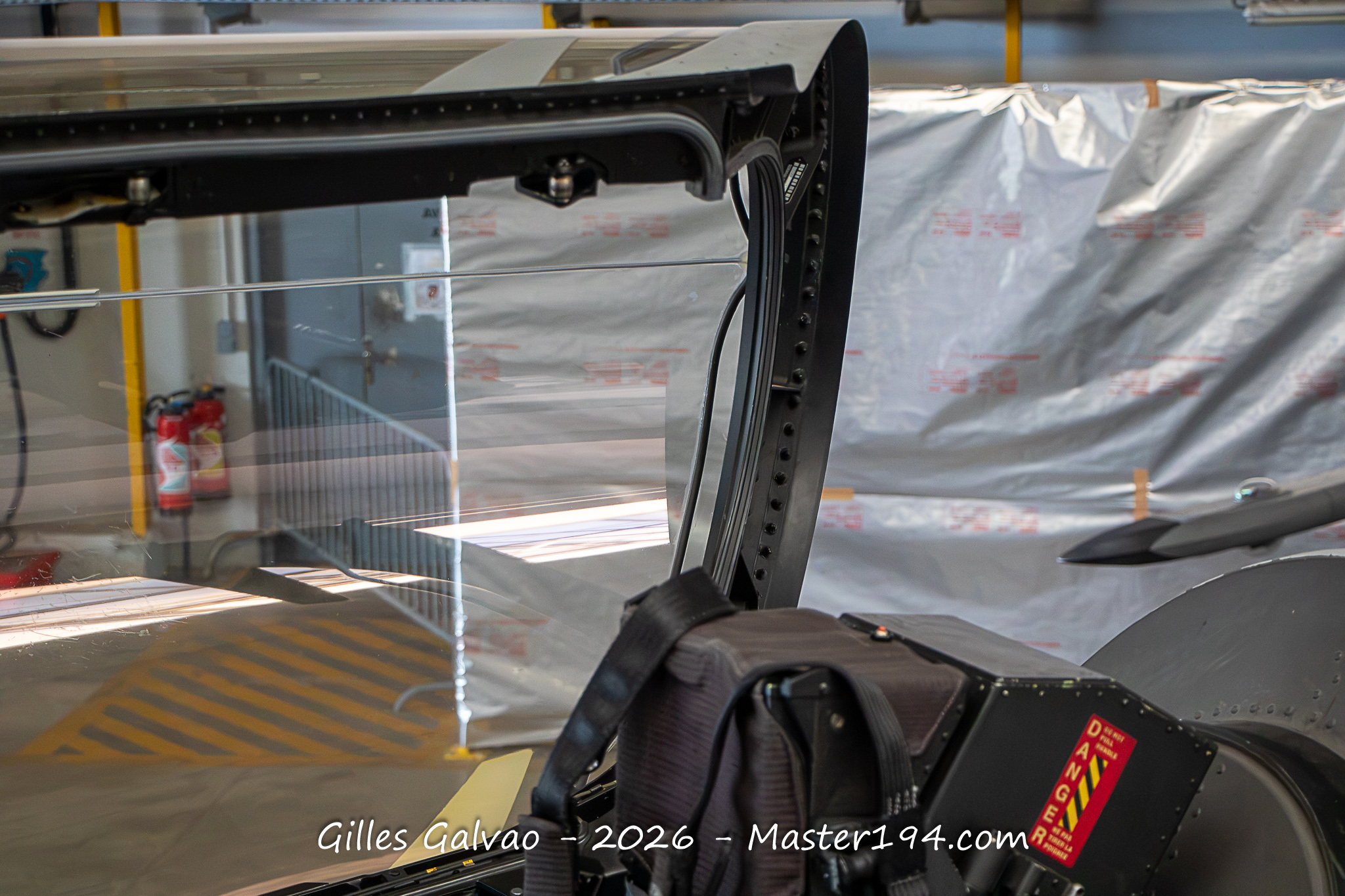
And to conclude, a reference photo gallery focusing on the canopy interior framing and canopy arch detailing:
My special thanks to Seydi and Ludo for their kindness and availability.