
 by
The Lockheed HC-130N ‘Combat King’ is a specialized variant of the famous C-130 Hercules, dedicated to Combat Search and Rescue (CSAR) missions. Operated by the 39th Rescue Squadron, this aircraft has long been a vital link in the U.S. personnel recovery architecture within hostile environments. Prior to its replacement by the HC-130J, it served for several decades across numerous theaters of operations
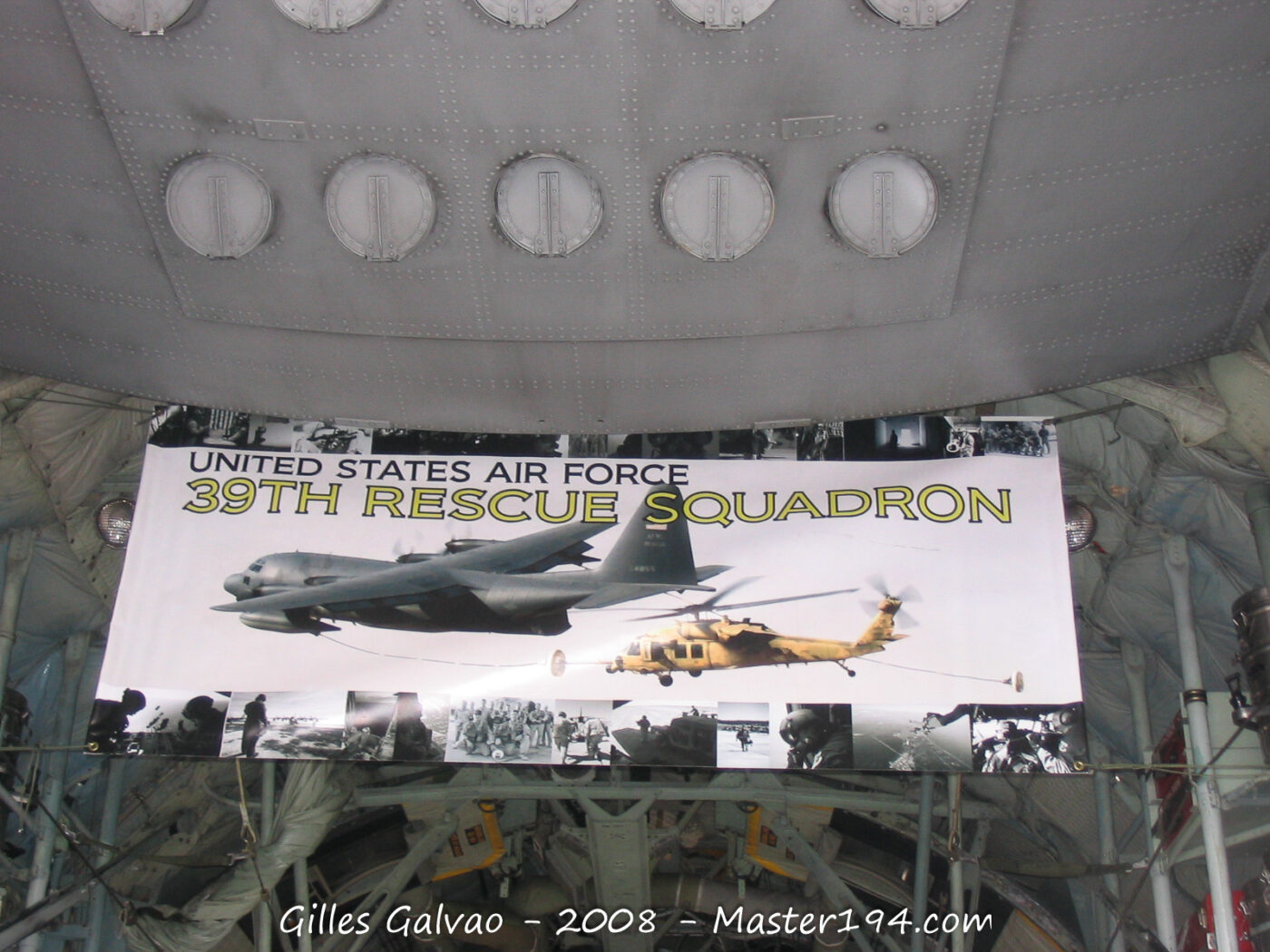
The 39th Rescue Squadron: A Dedicated Search and Rescue Unit
The 39th Rescue Squadron belongs to the U.S. Air Force and is historically based in Florida, on the East Coast of the United States. Carrying a heritage that dates back to World War II, the squadron is defined by the legendary rescue motto: ‘That Others May Live.’ Its primary mission is the recovery of isolated personnel, whether downed pilots, soldiers in distress, or civilians at risk in complex environments. In this capacity, the HC-130N plays an indispensable role by providing critical support to rescue helicopters.
The HC-130N: A Specialized Hercules
Derived from the C-130, the HC-130N stands out through a suite of specialized equipment tailored for CSAR (Combat Search and Rescue) missions. It retains the core transport capabilities of the Hercules while integrating dedicated systems for the coordination and support of rescue operations.
Its key characteristics include long-range flight capability, high endurance, and the ability to operate in challenging weather conditions, both day and night
A Key Role in Combat Search and Rescue
The central mission of the HC-130N is to support personnel recovery operations in hostile areas. Contrary to popular belief, it typically does not perform the extraction itself; instead, it operates ahead of and in support of the deployed assets.
Specifically, it enables the location of survivors, coordinates the various units involved, and ensures the overall security of the mission. Its presence significantly increases the success rate of rescue operations.
Helicopter Aerial Refueling
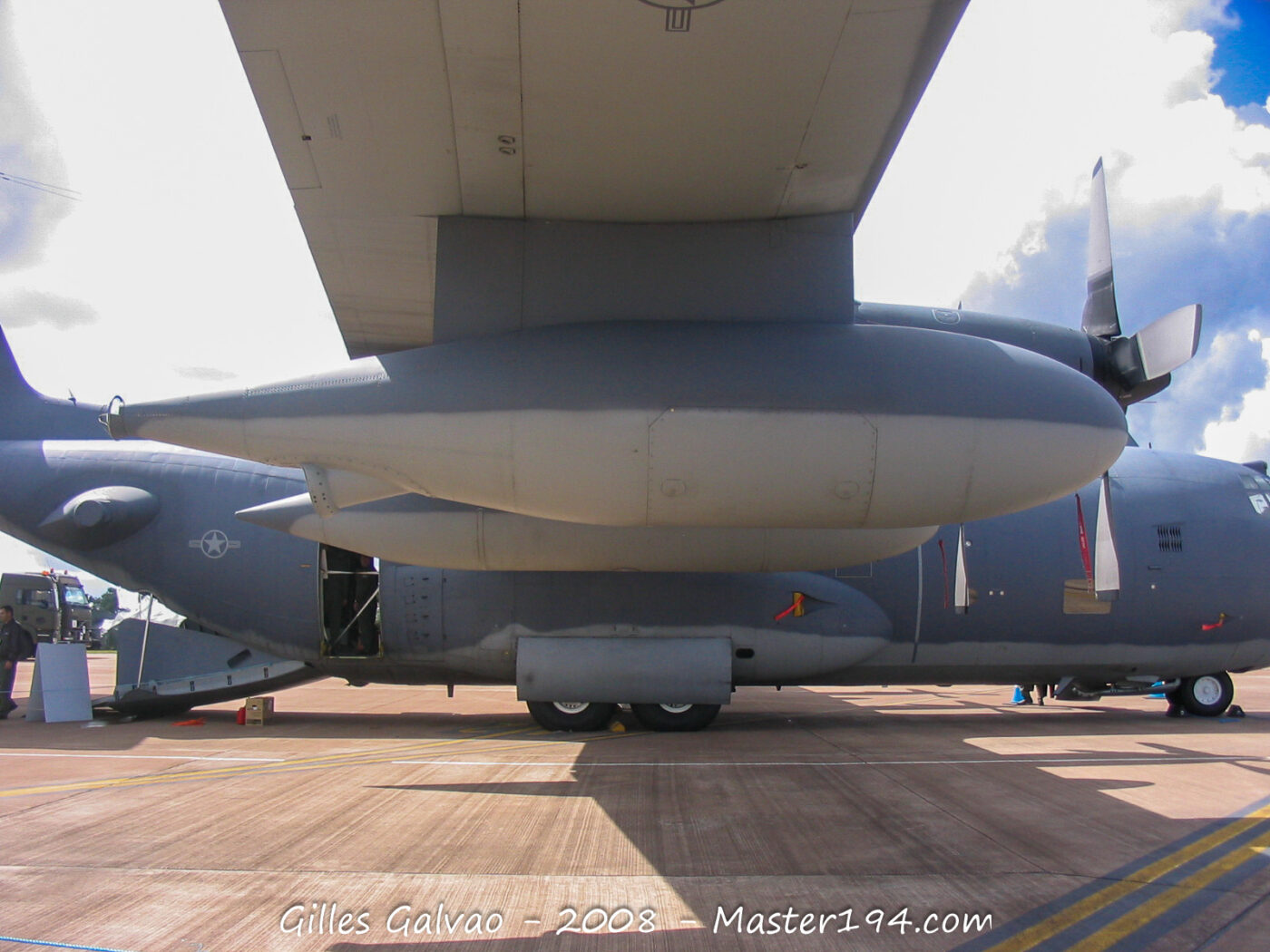
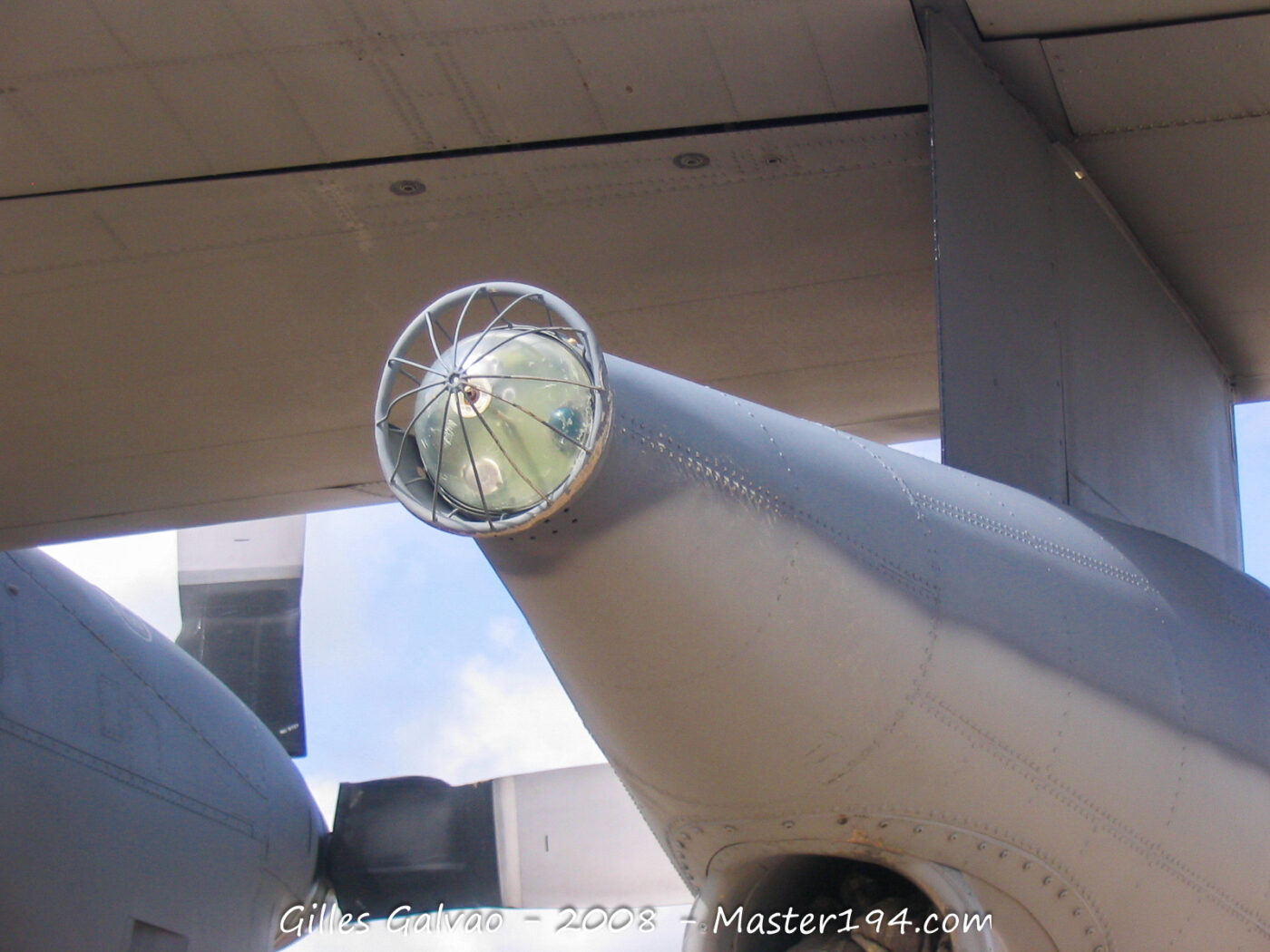
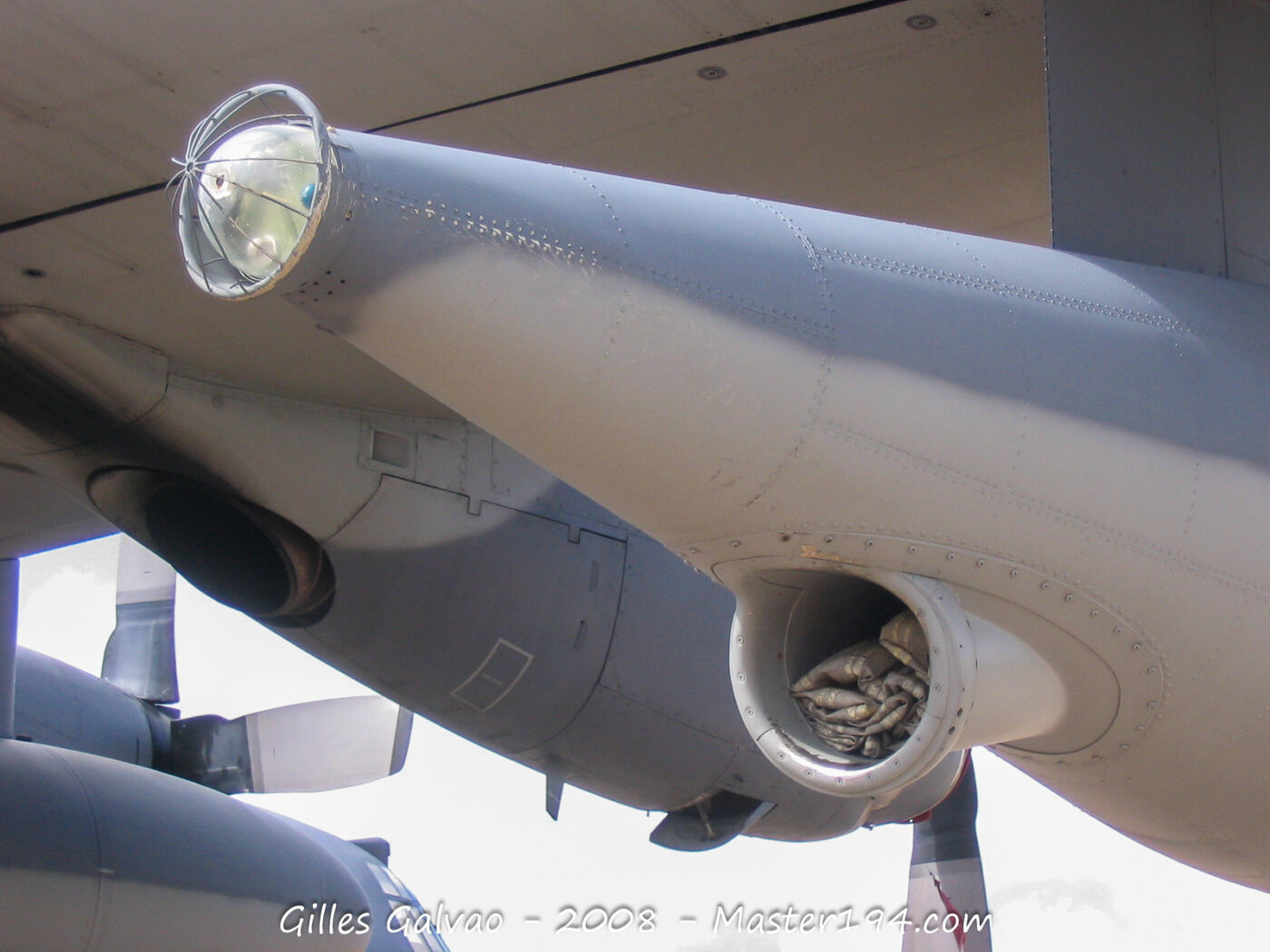
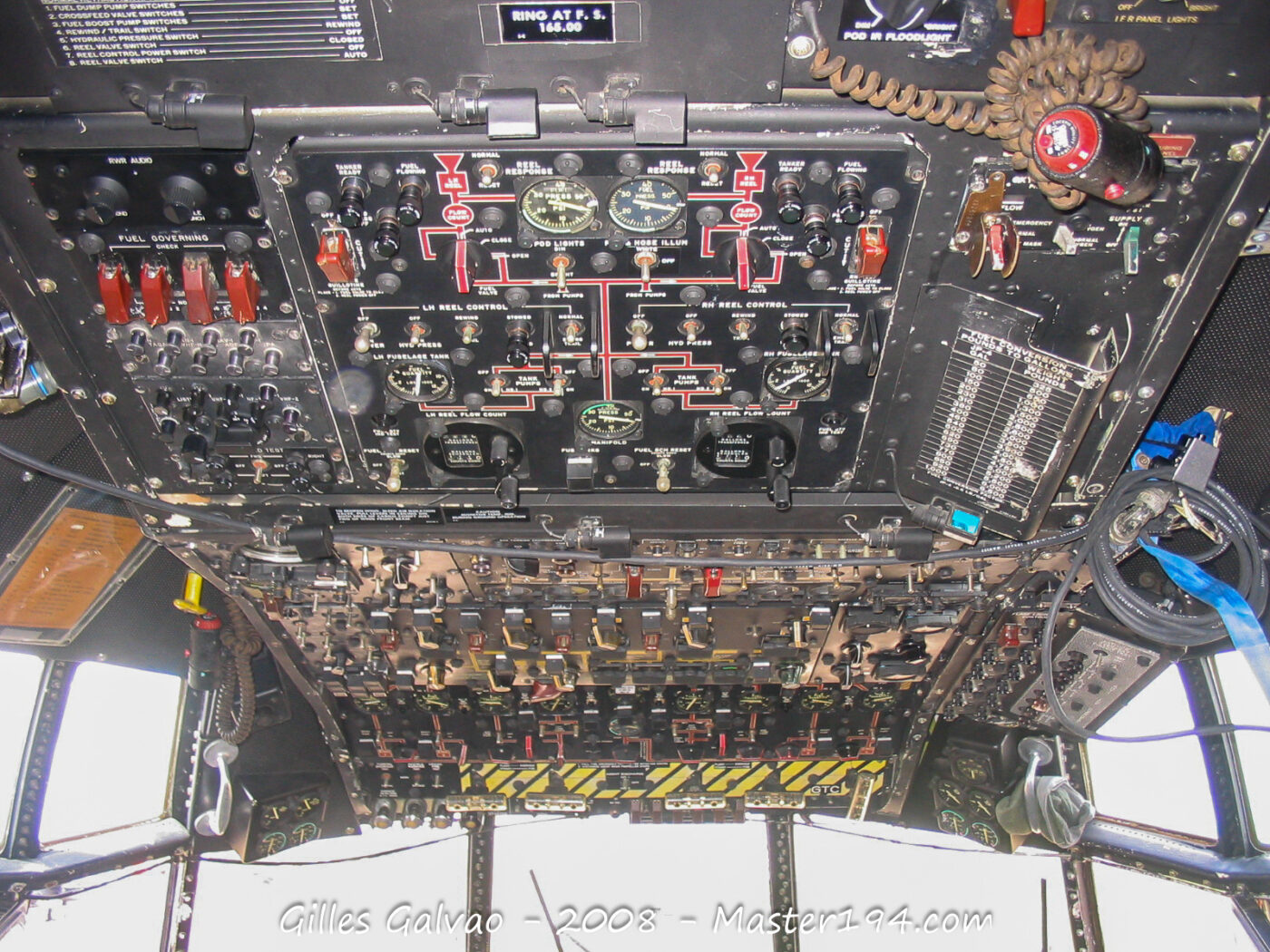
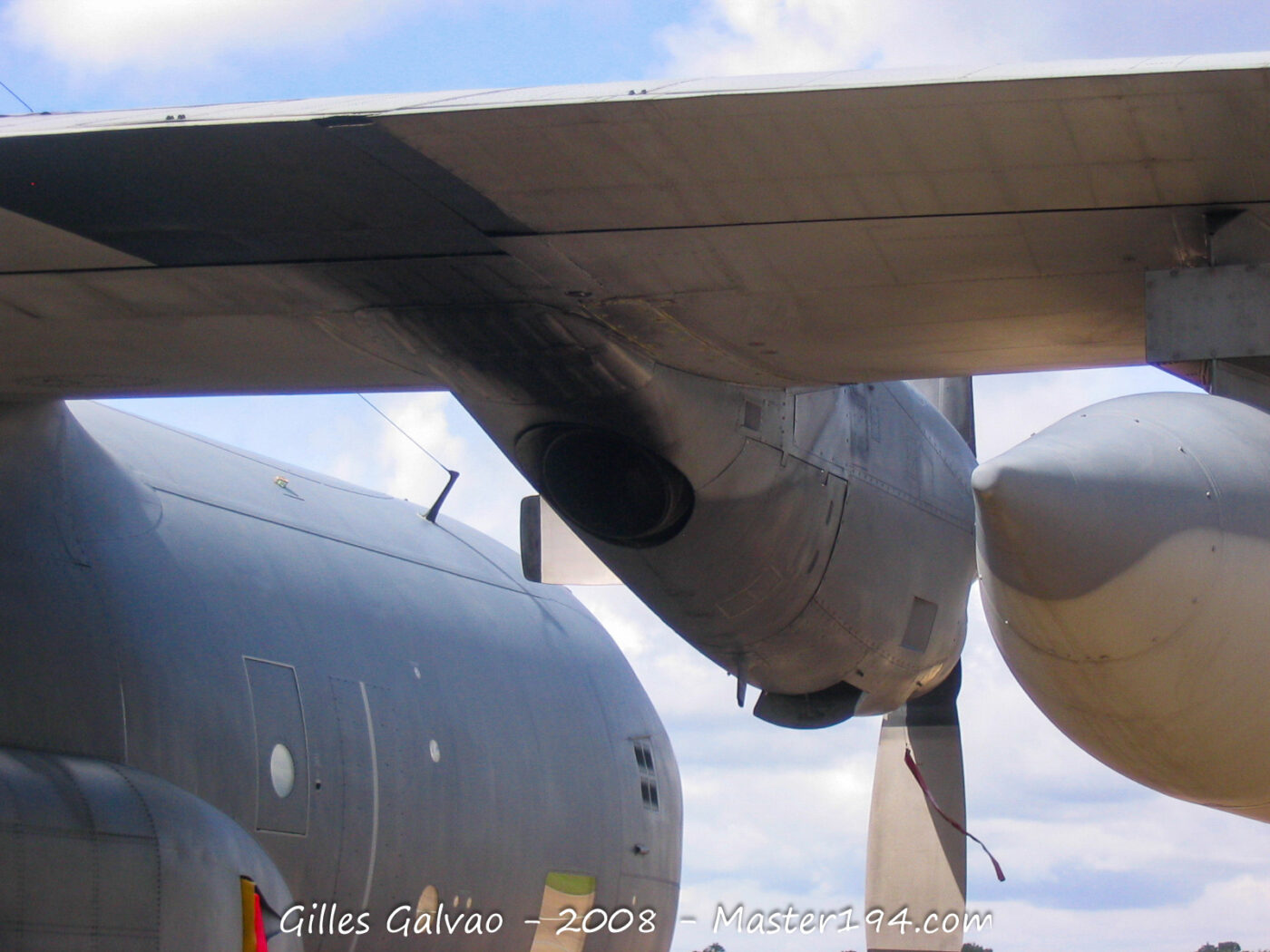
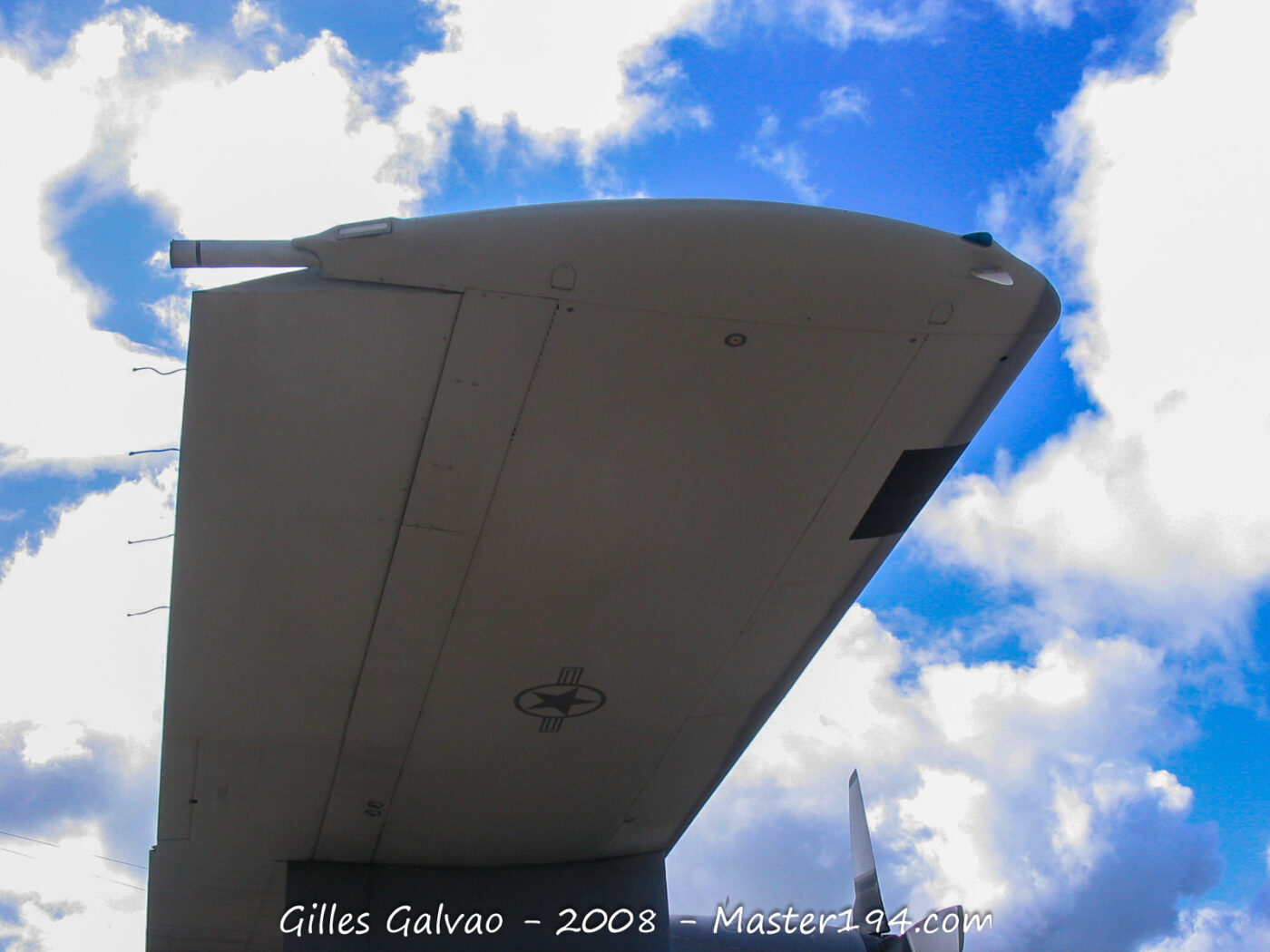
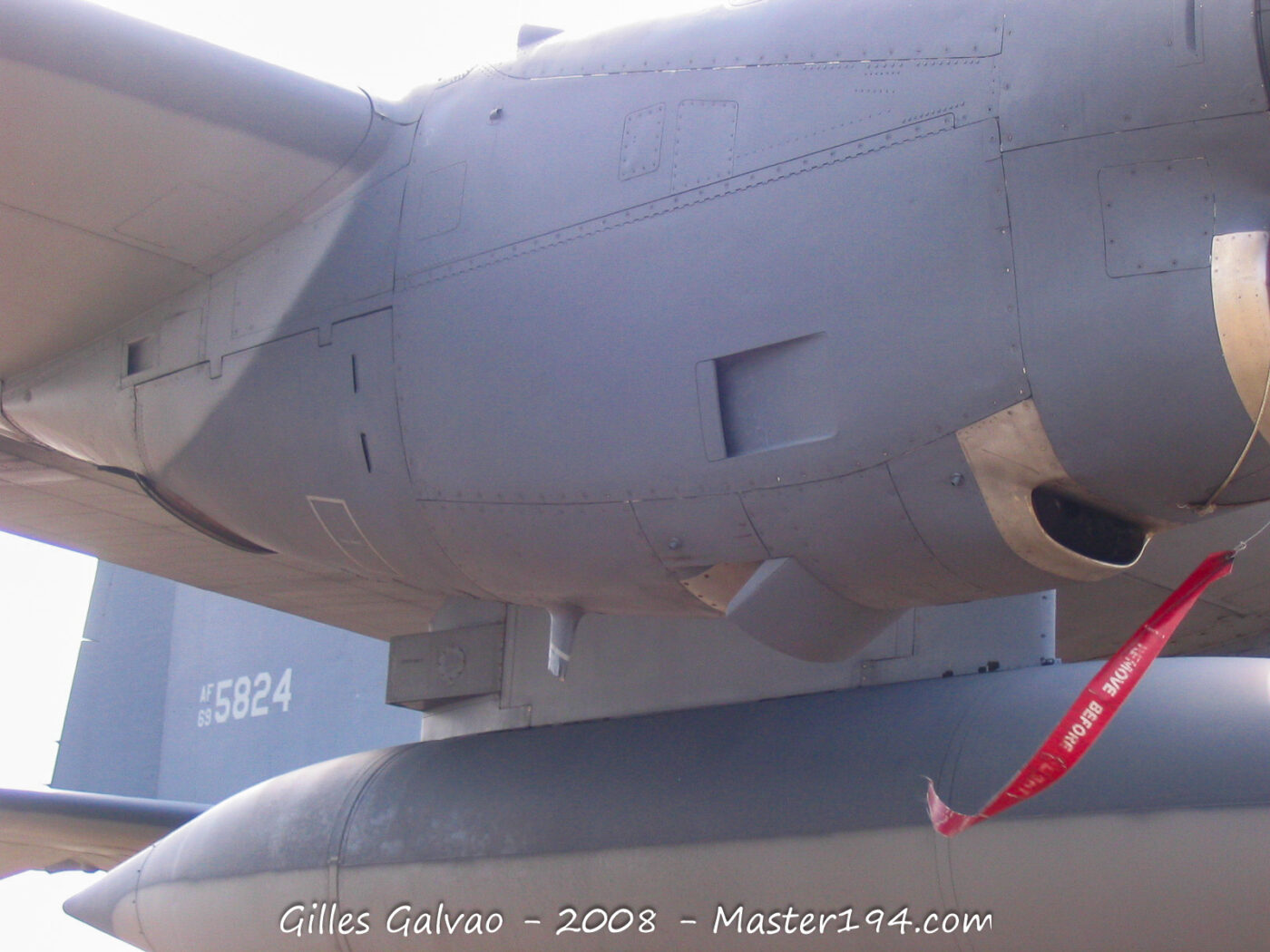
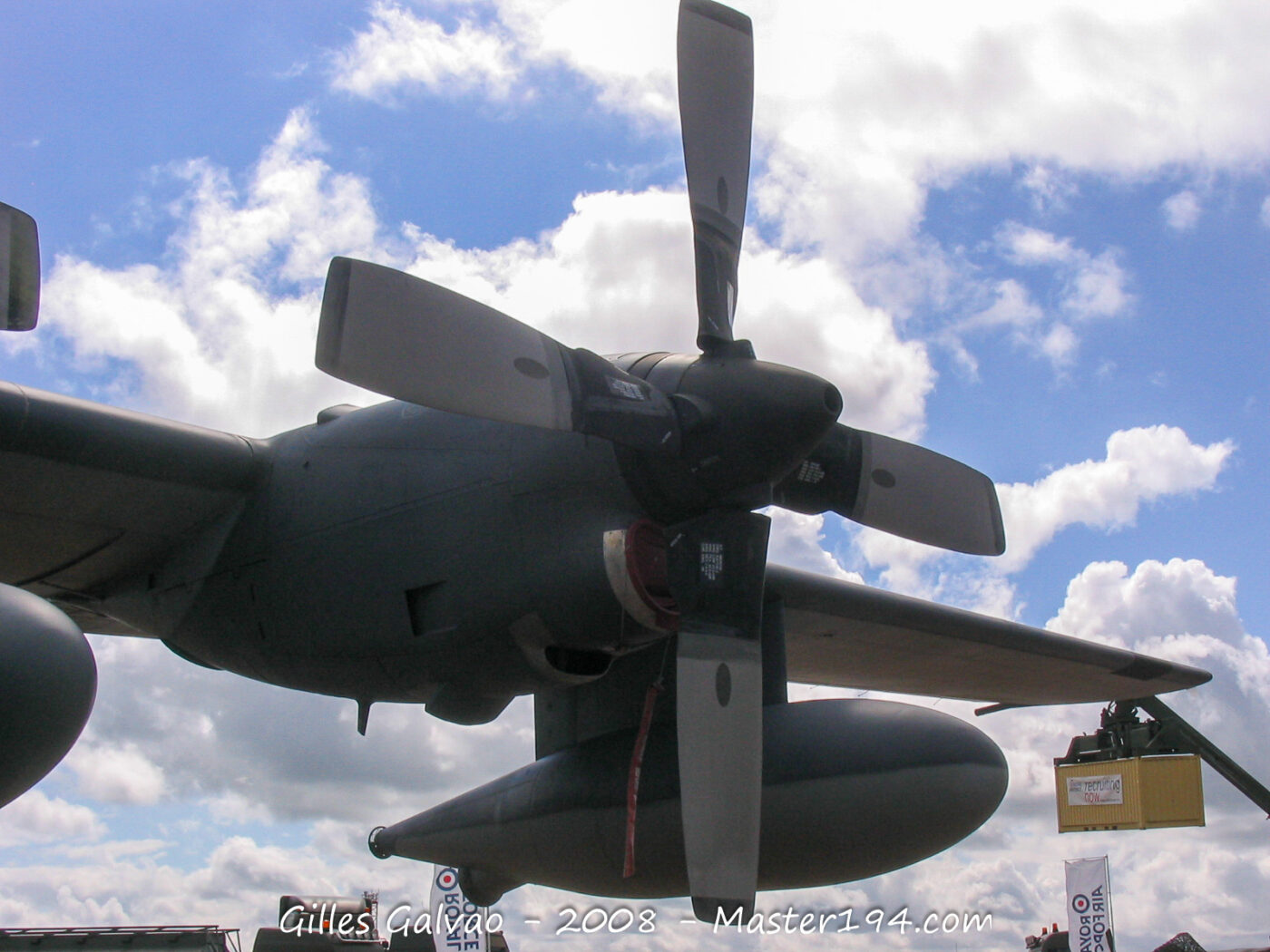
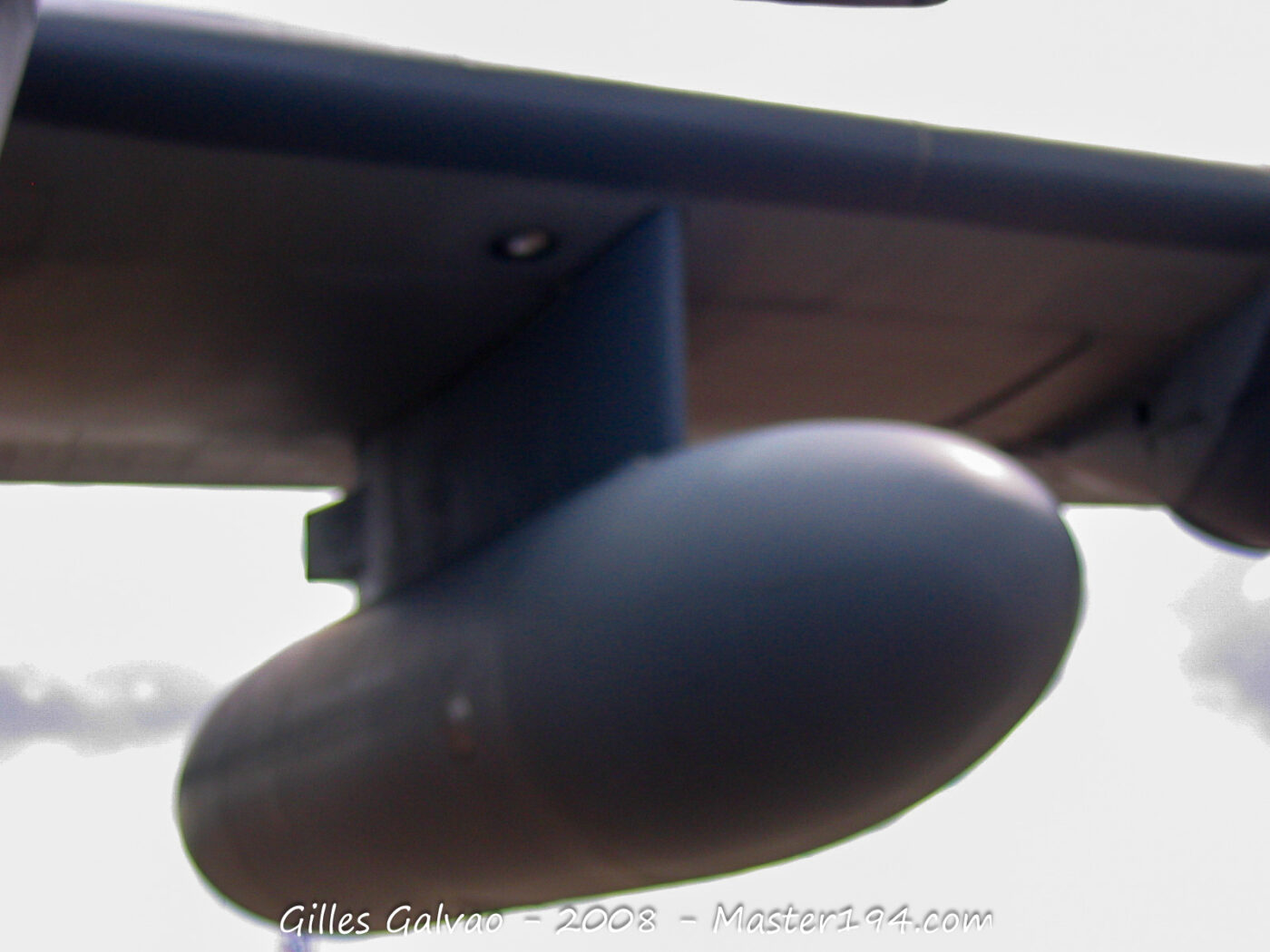
One of the most critical functions of the HC-130N is the aerial refueling of rescue helicopters, specifically the HH-60 Pave Hawk. Thanks to its underwing refueling pods, it can transfer fuel in flight, allowing helicopters to reach remote areas or extend their time on station.
This capability is essential for CSAR missions, which are often conducted at great distances from their home bases.
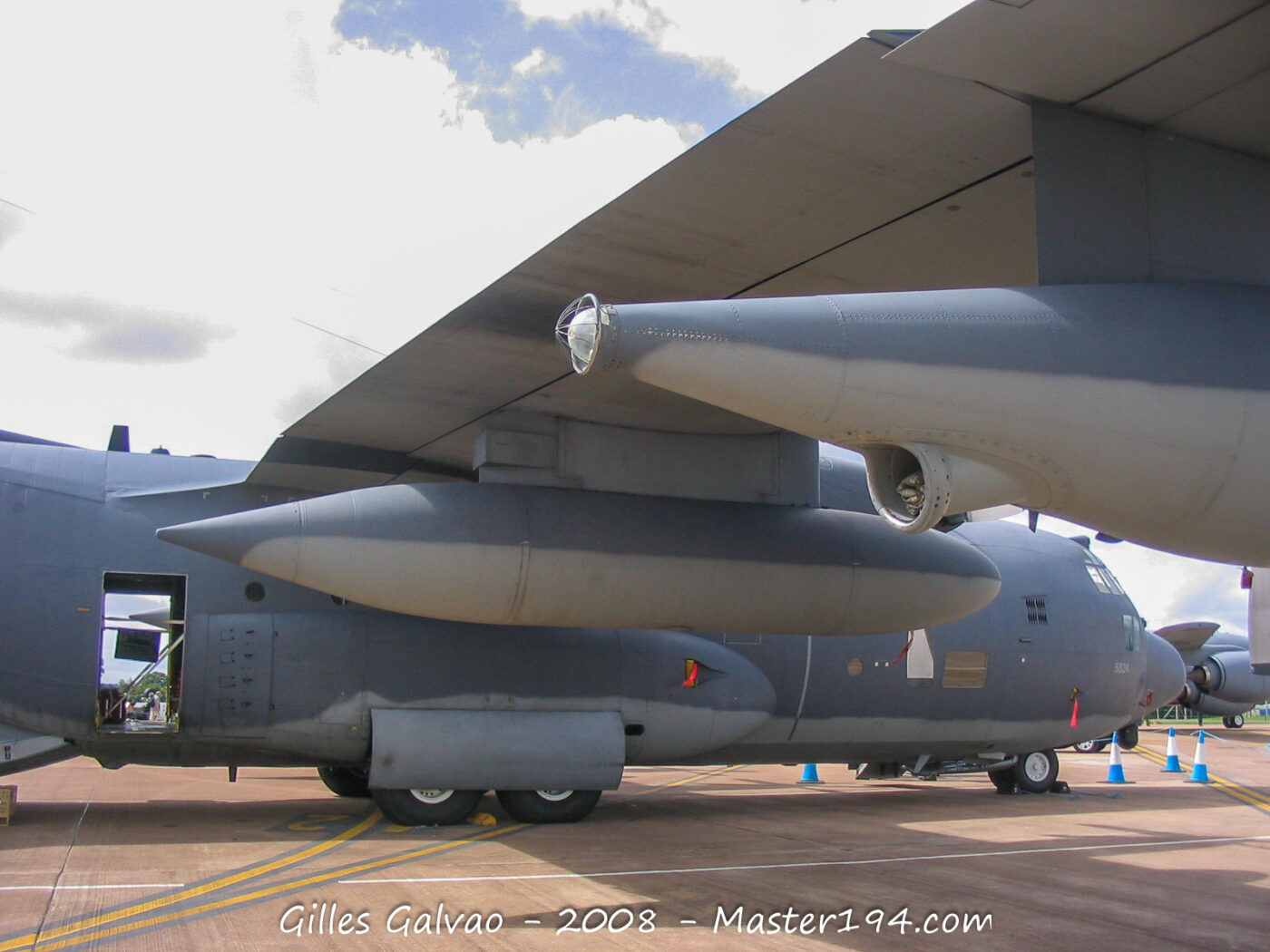
Insertion and Support for Rescue Teams
The HC-130N is also capable of dropping personnel and equipment. It can deploy Pararescuemen (PJs)—specialists in rescue within hostile environments—as well as survival or communication gear.
Furthermore, it can establish Forward Arming and Refueling Points (FARP) on the ground, turning austere airstrips into temporary forward bases for the helicopters engaged in the mission.
Command and Coordination Platform
Beyond its logistical capabilities, the HC-130N acts as a true airborne command center. It manages communications between all mission participants, coordinates movements, and can serve as a radio relay in degraded environments.
This function is especially critical during complex operations involving multiple aircraft and ground units.
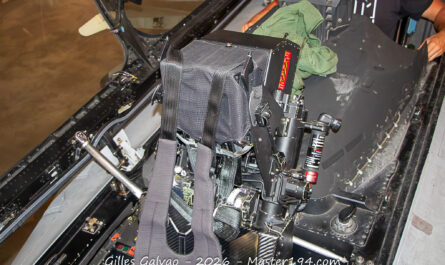
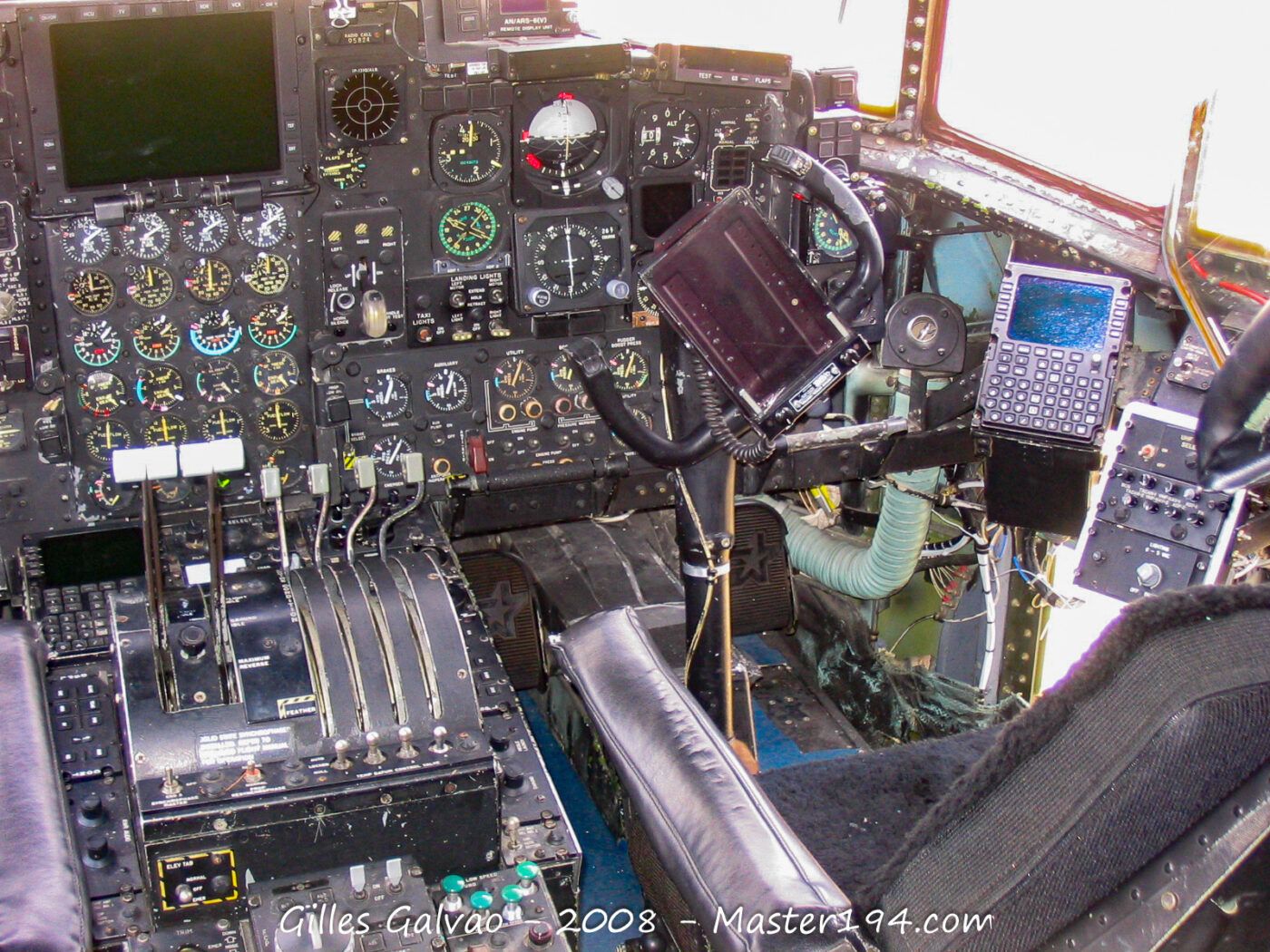
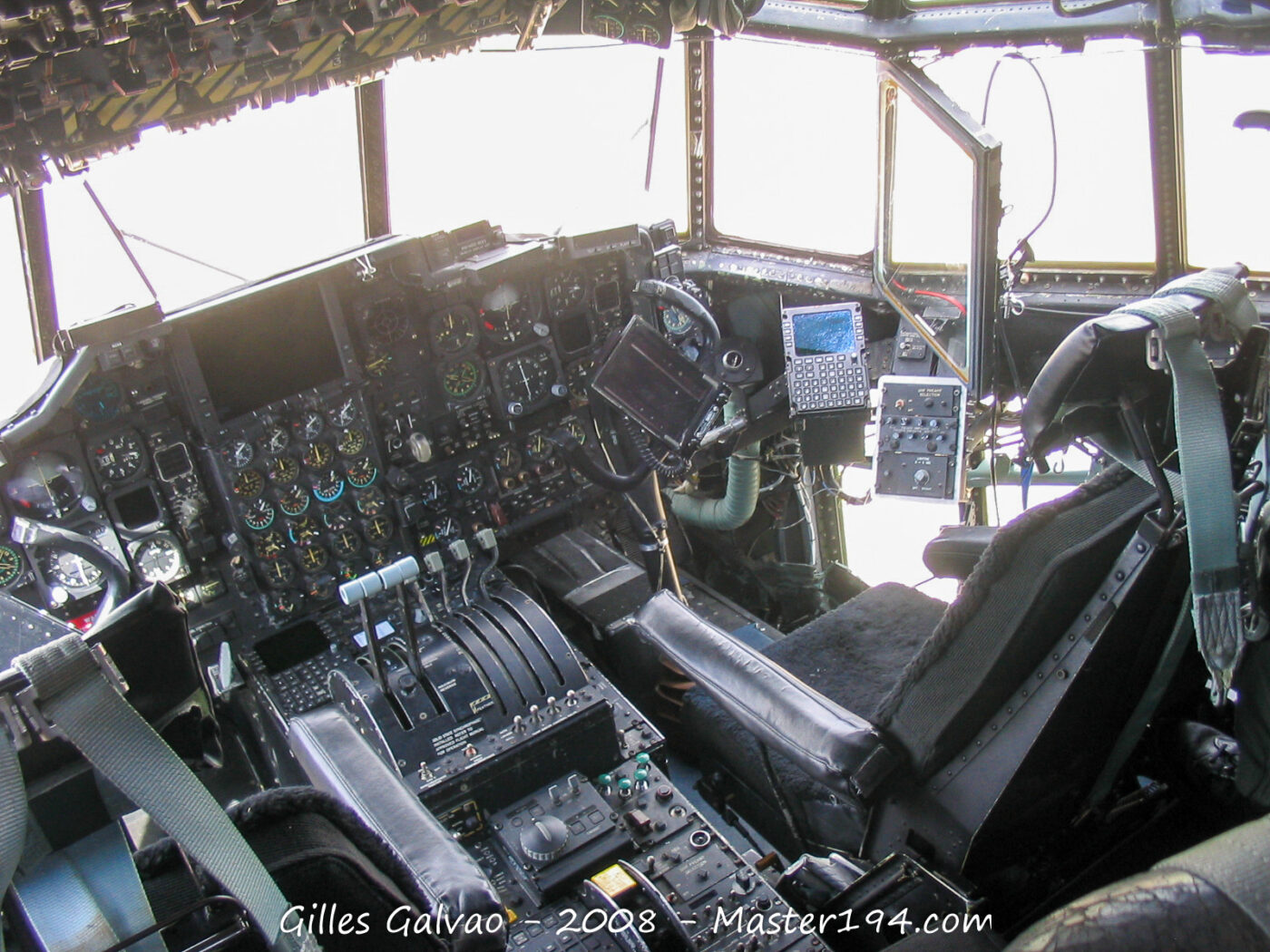
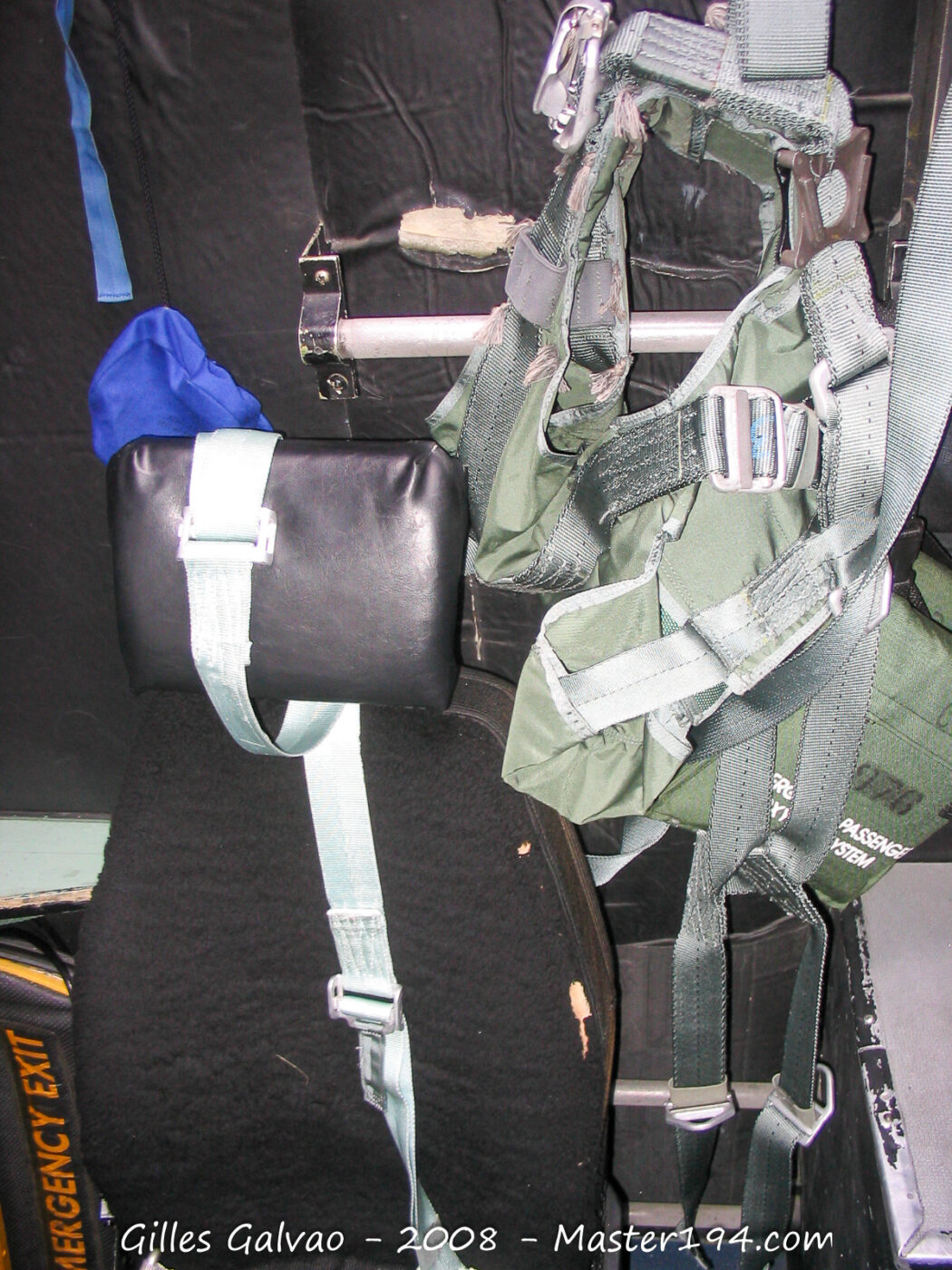
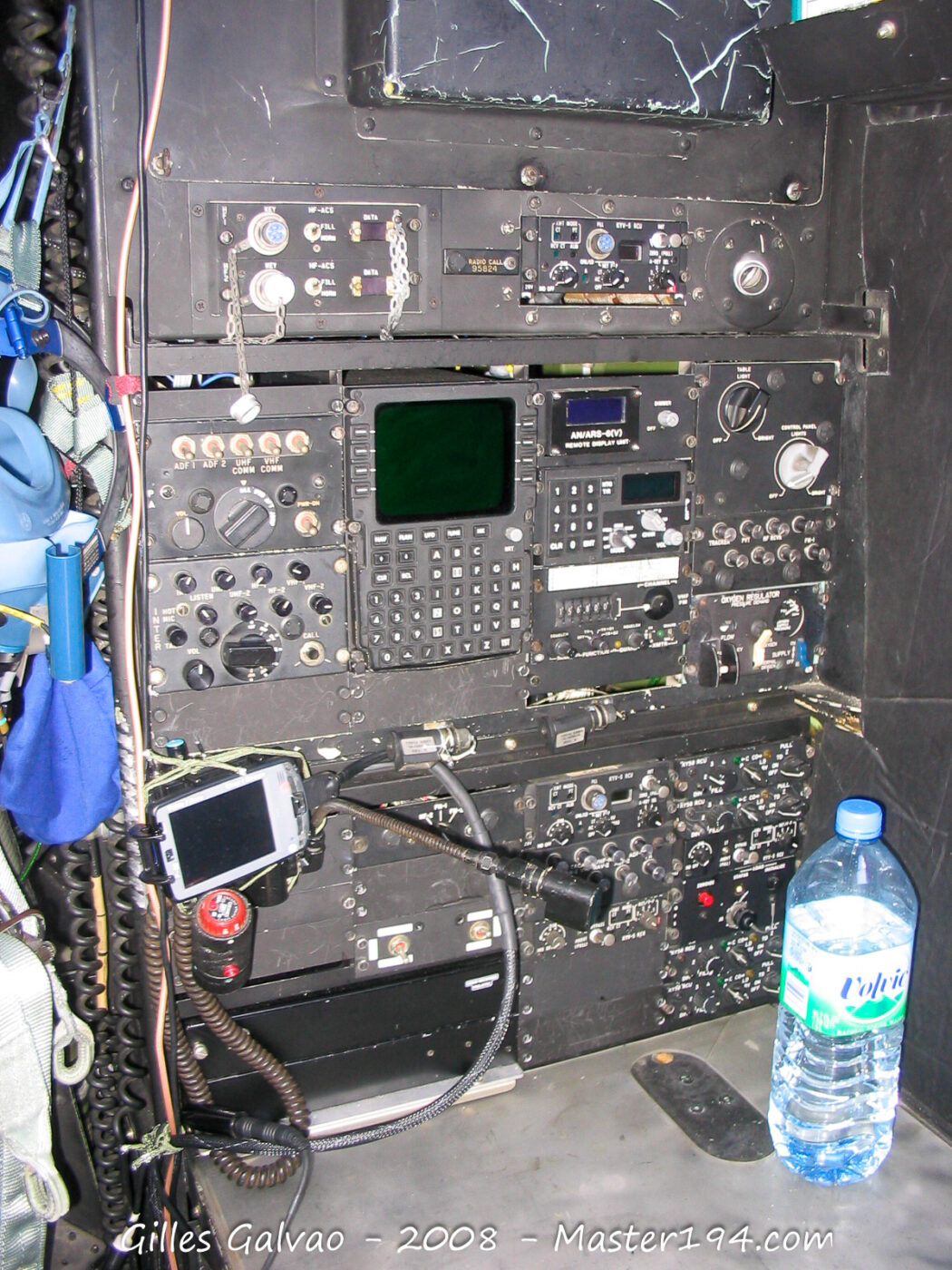
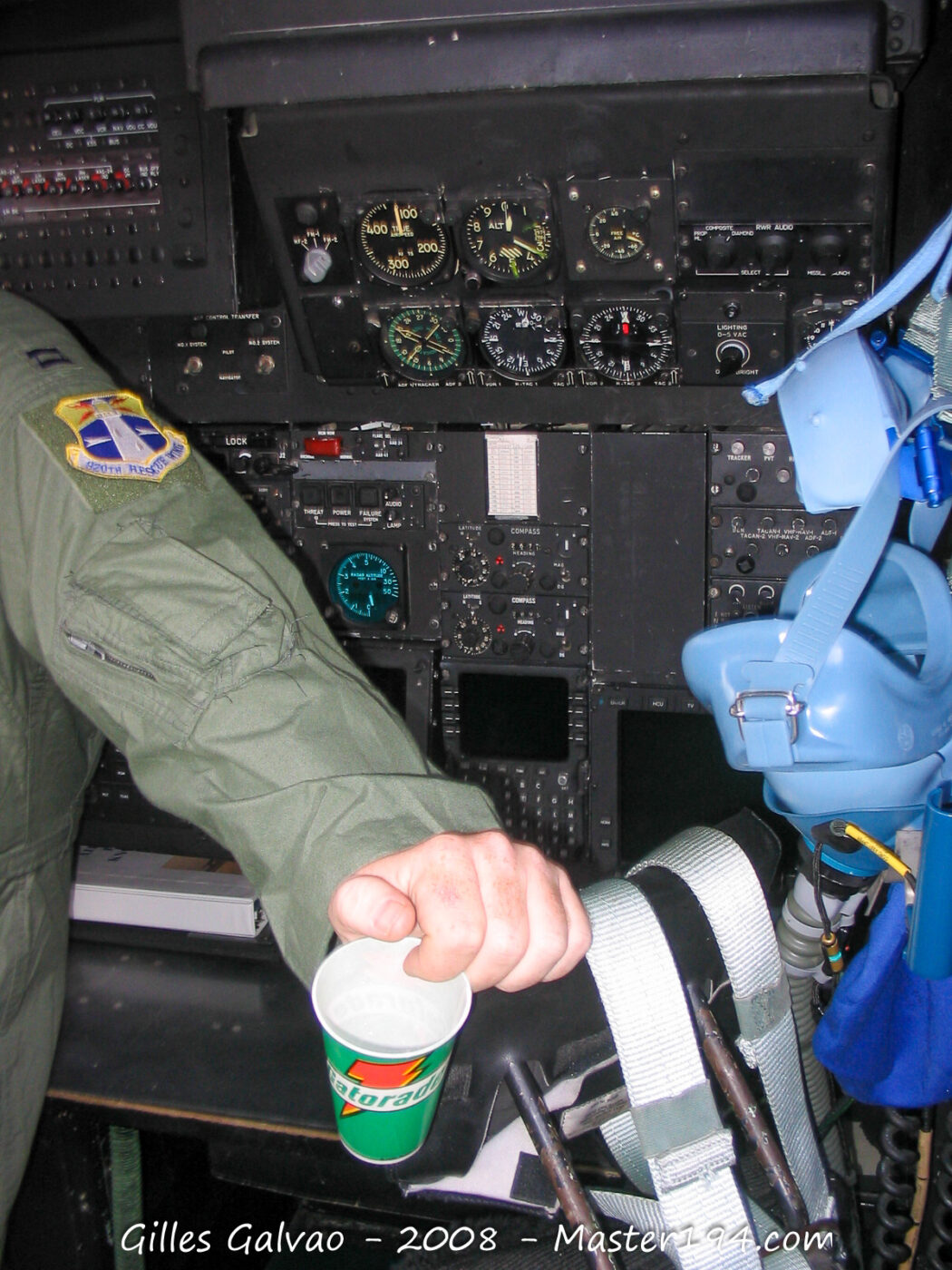
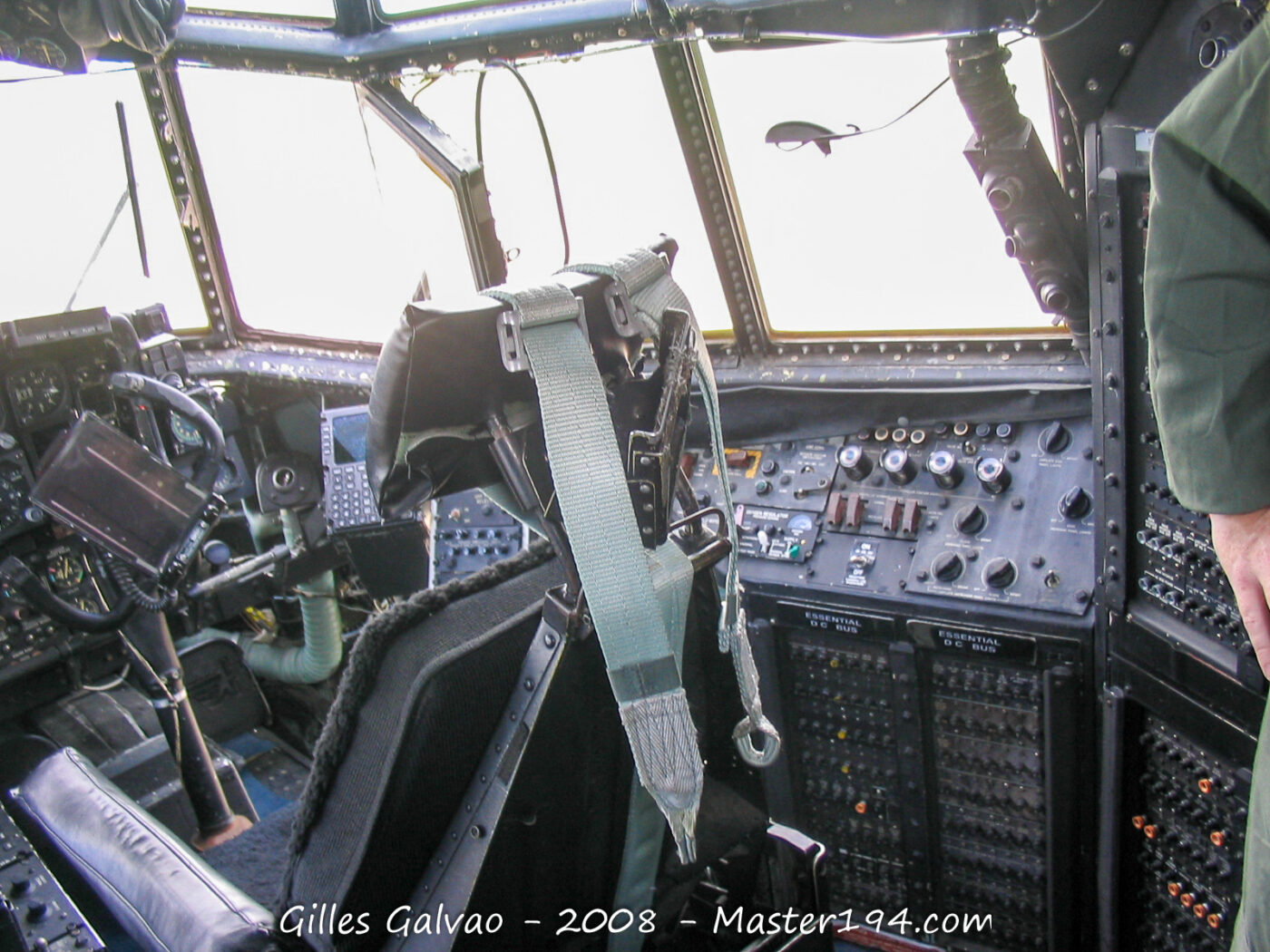
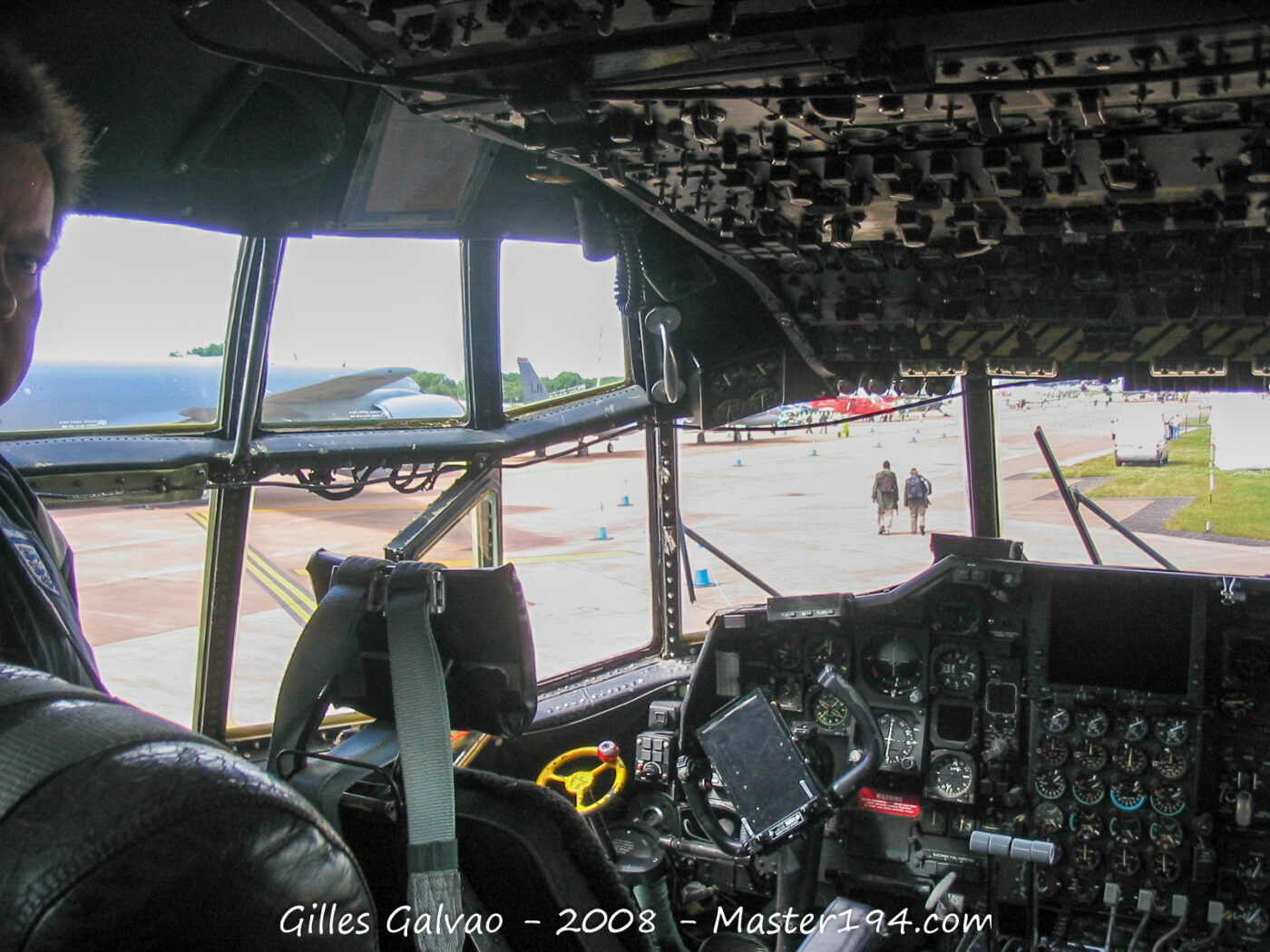
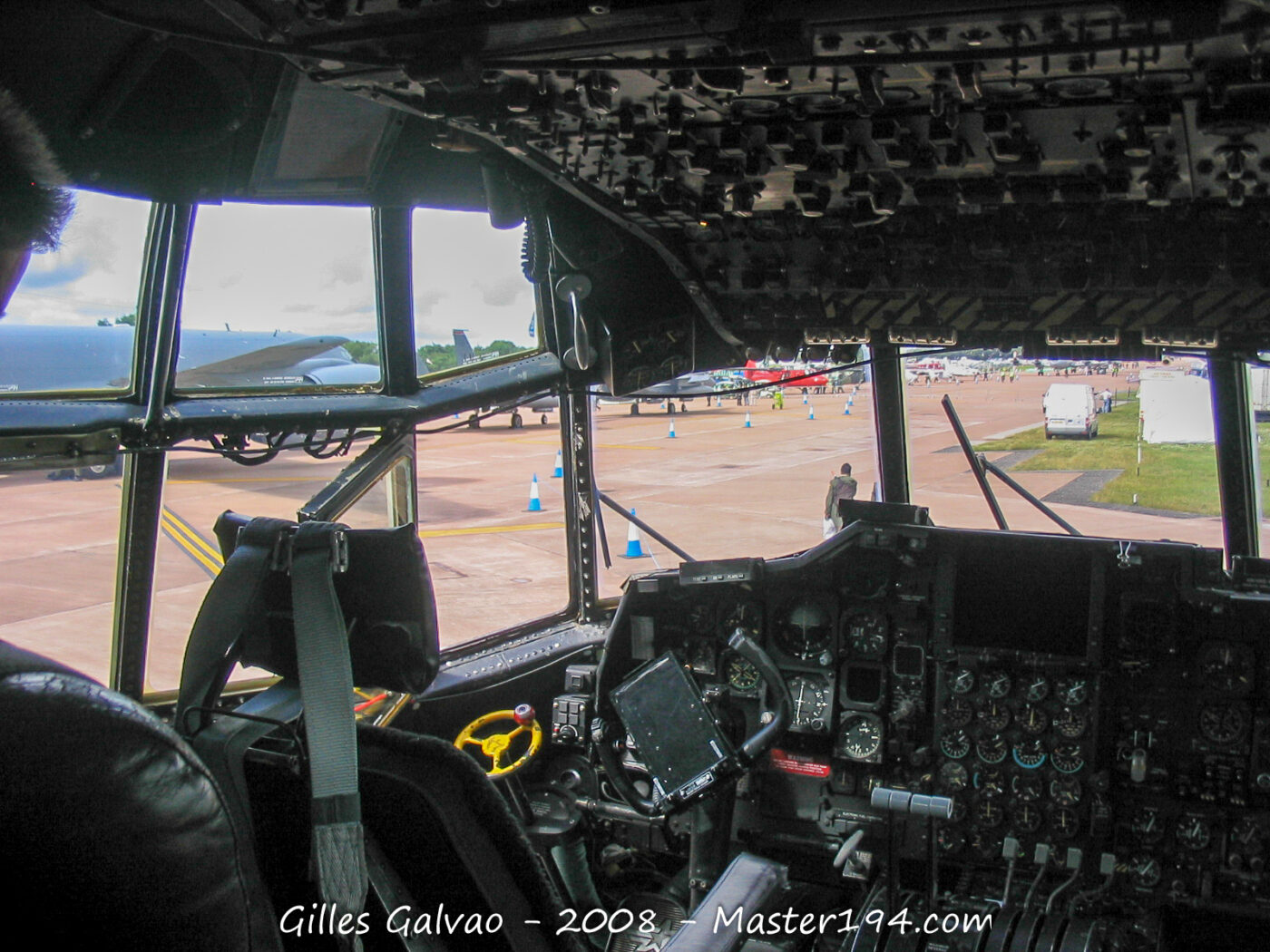
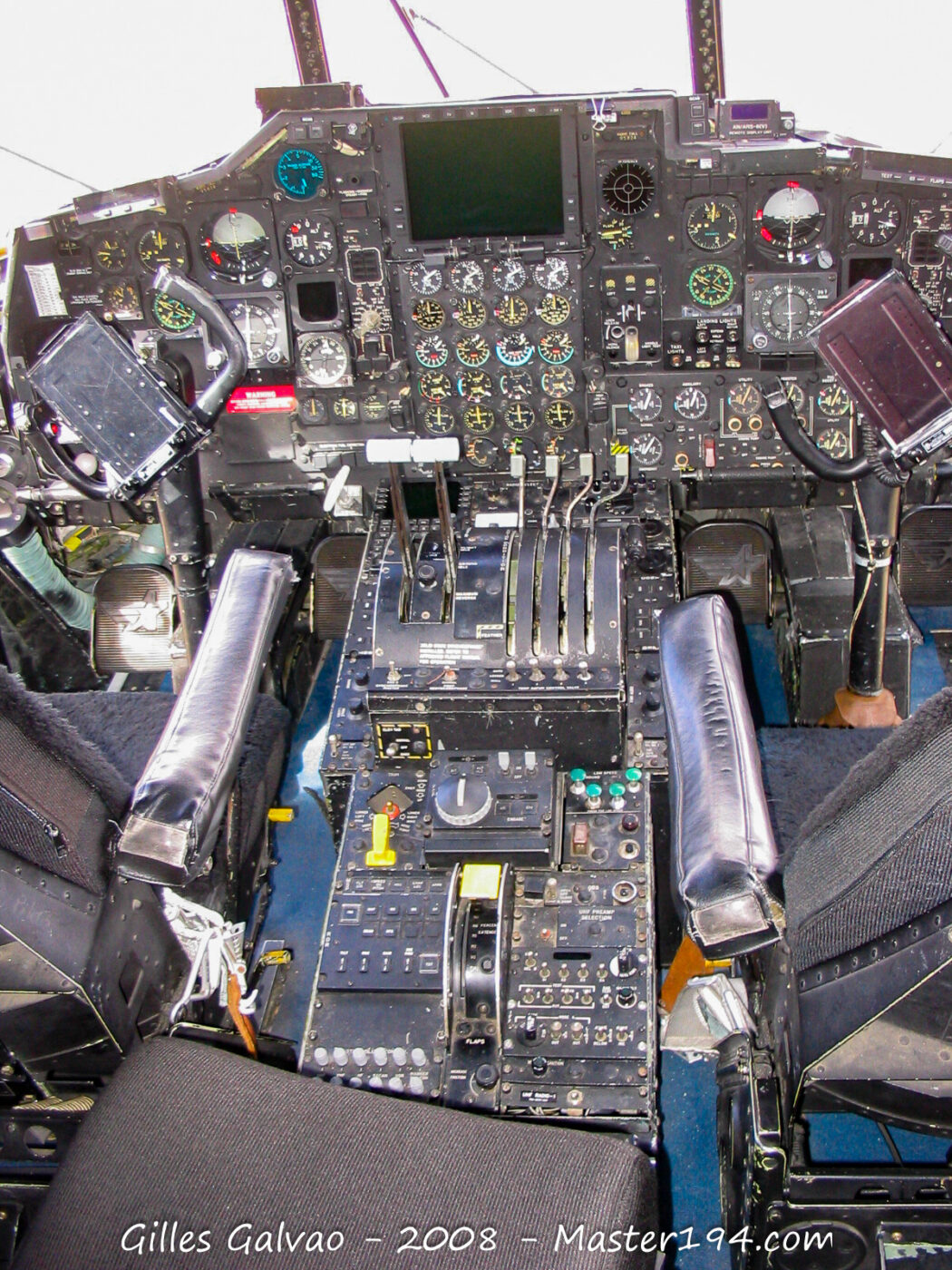
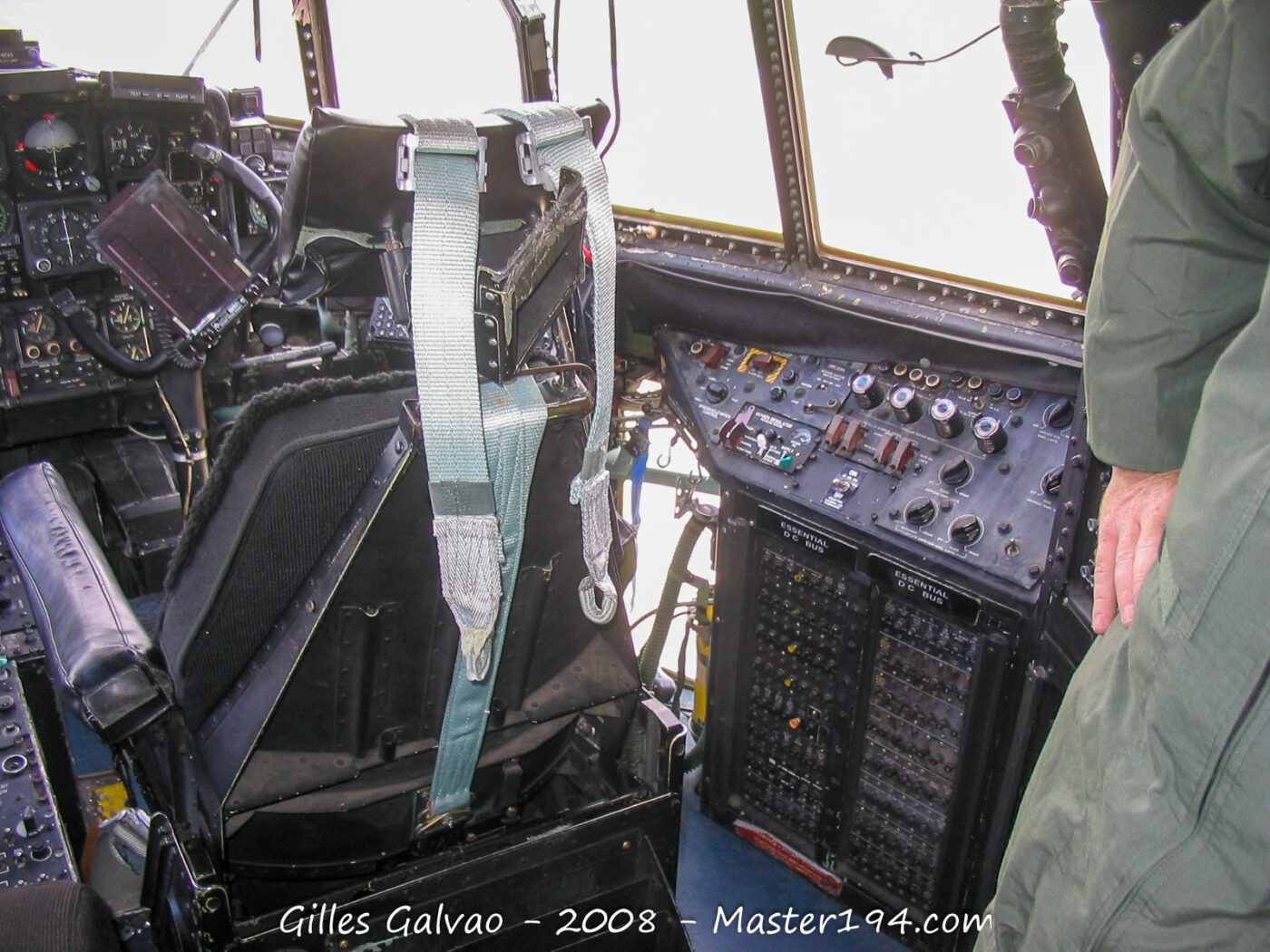
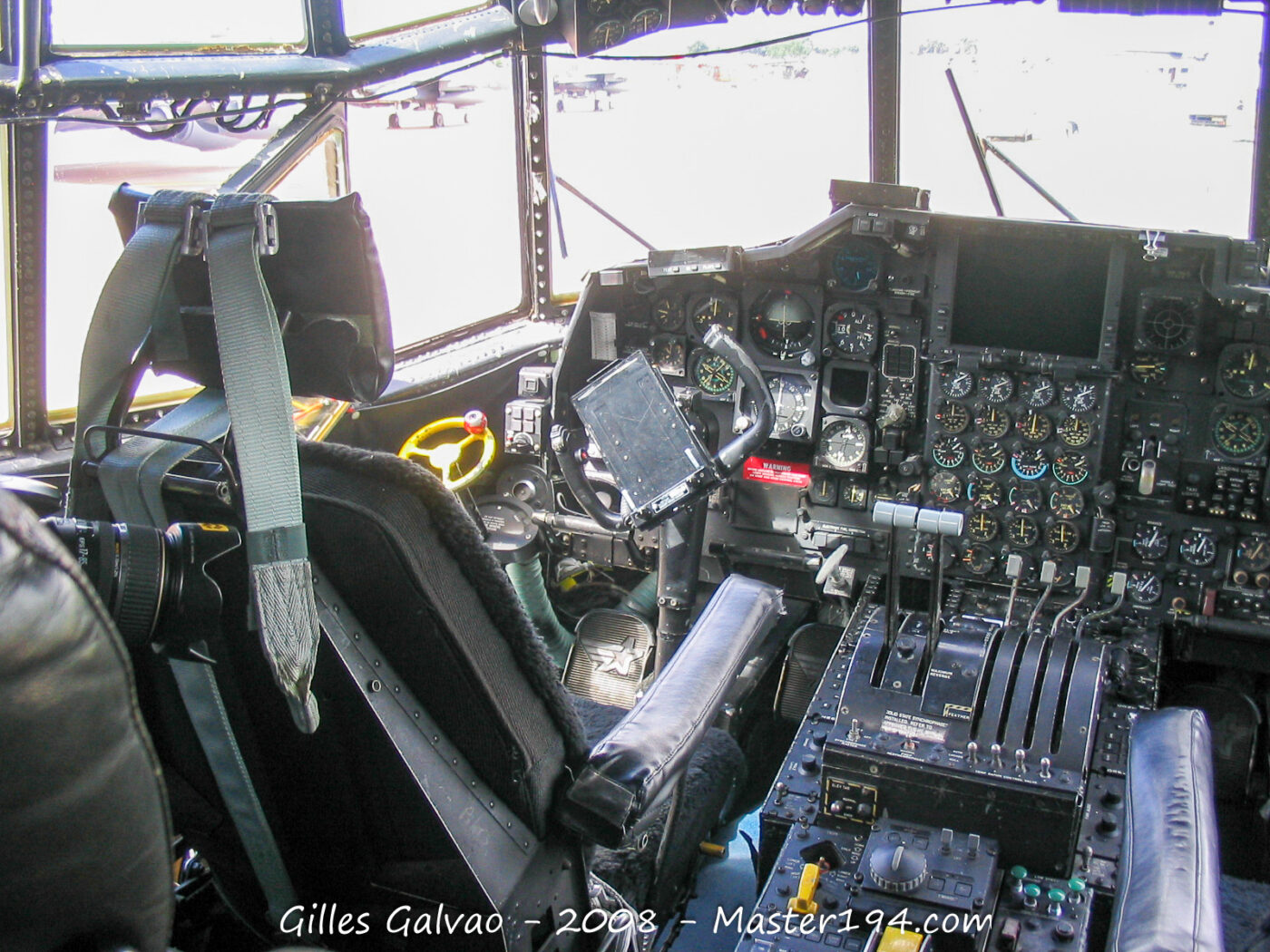
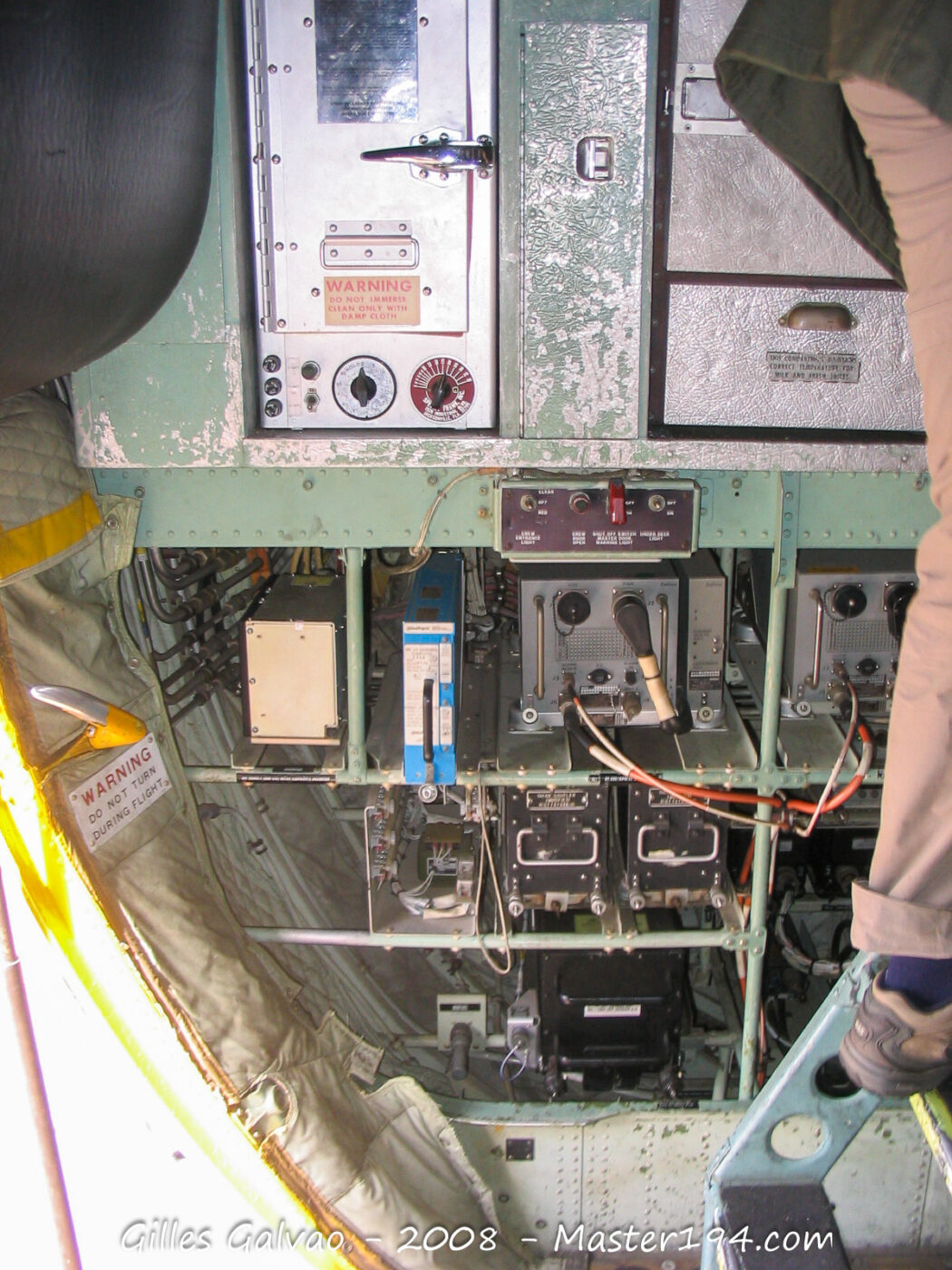
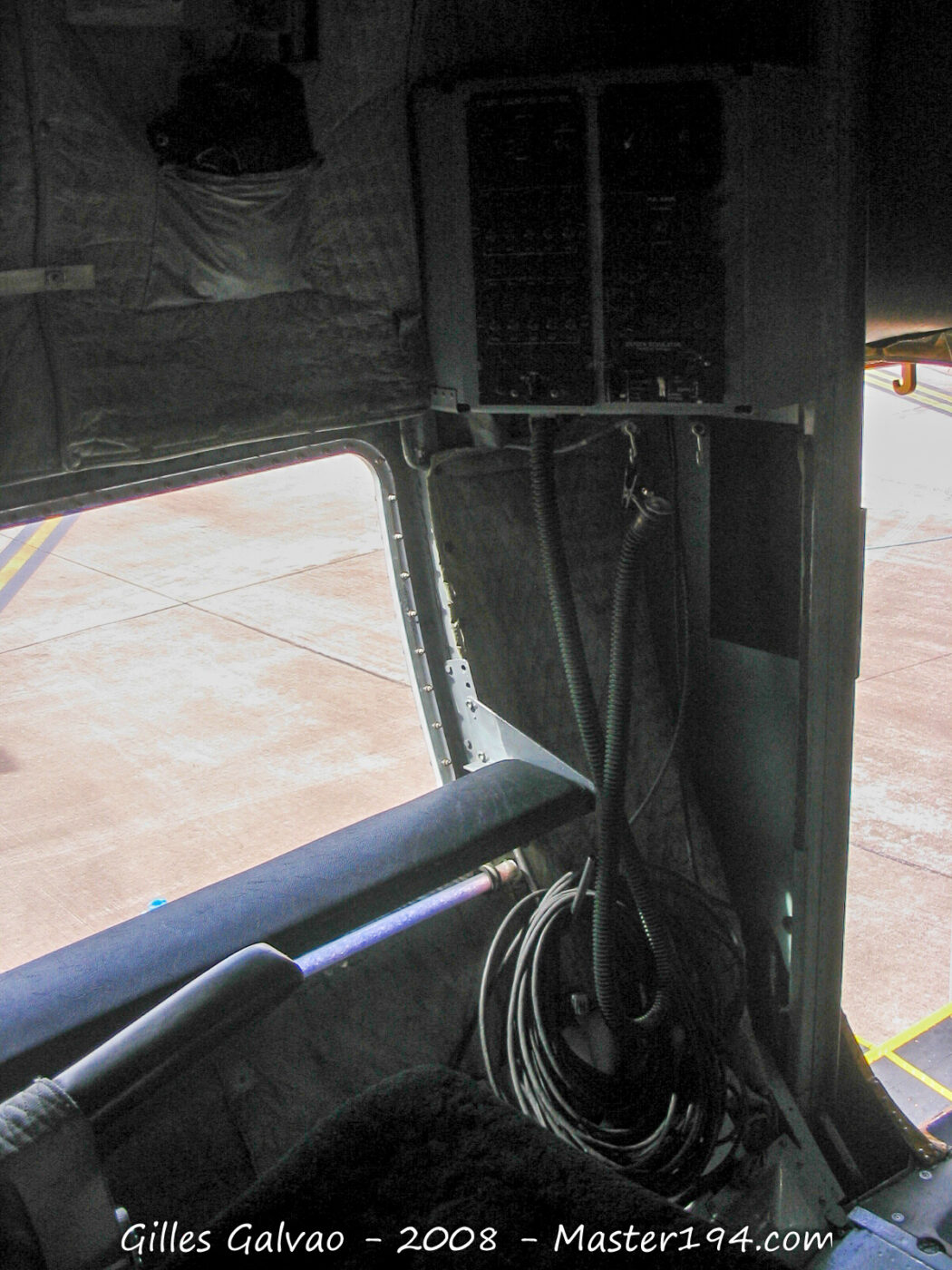
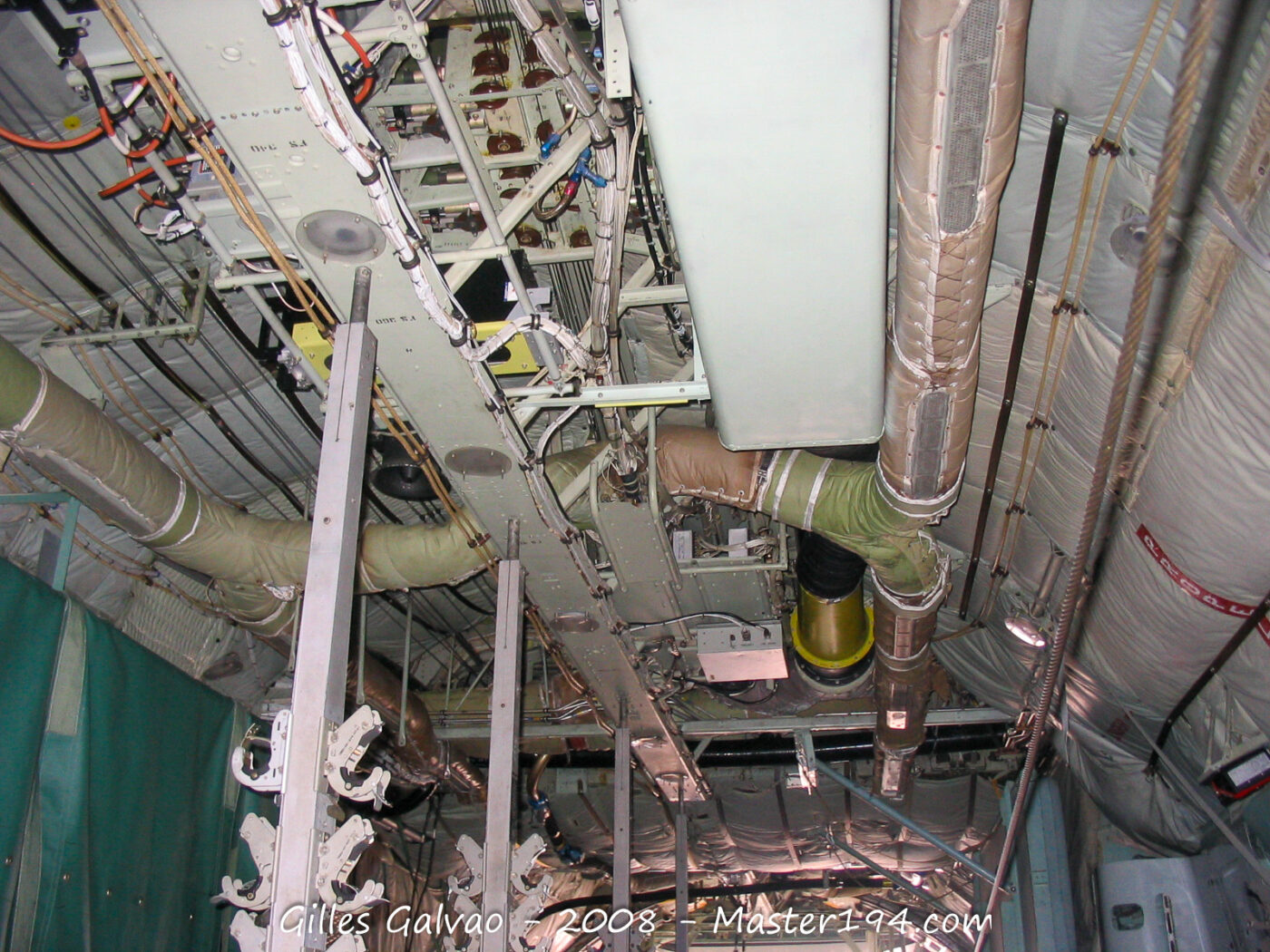
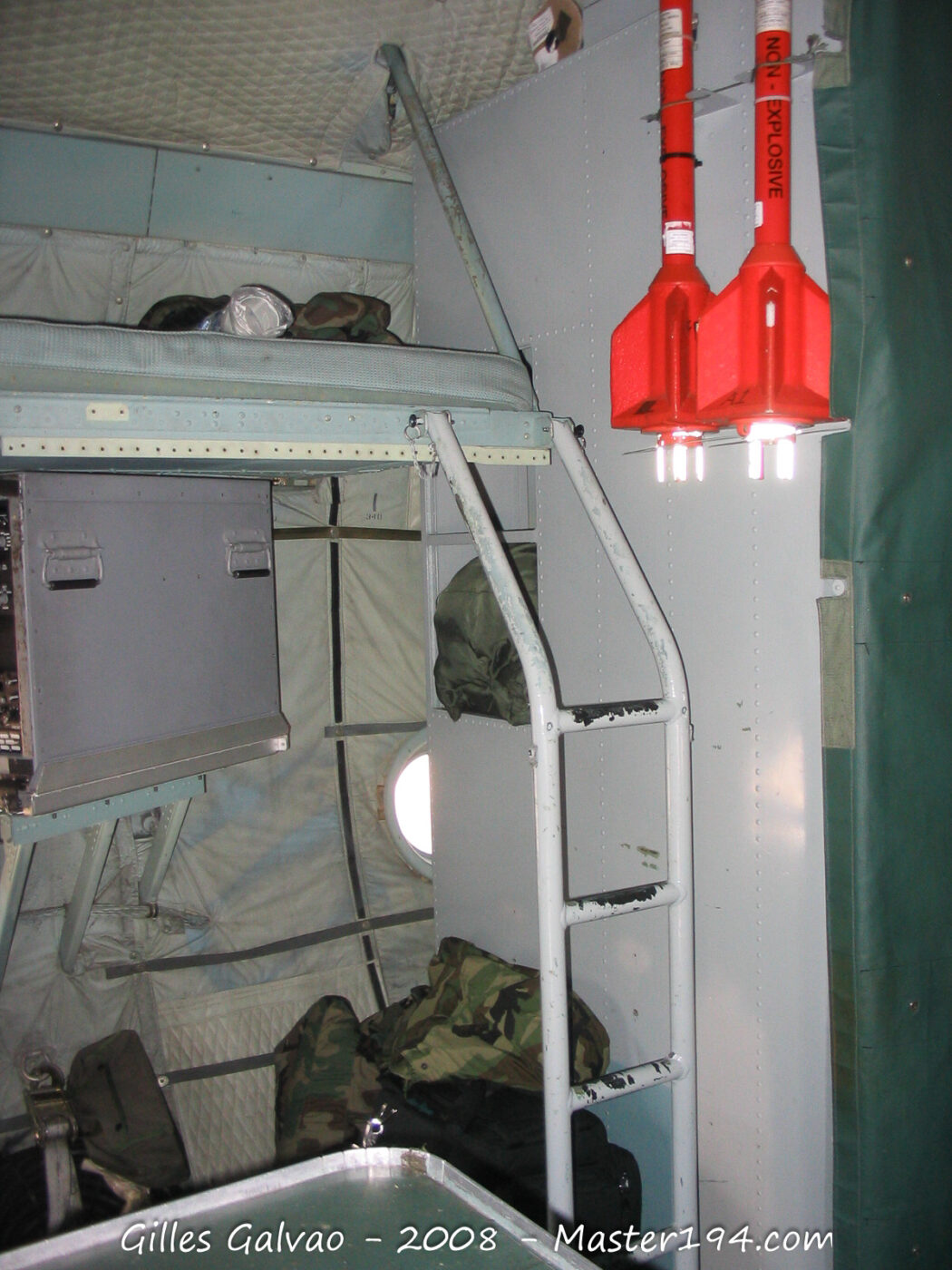
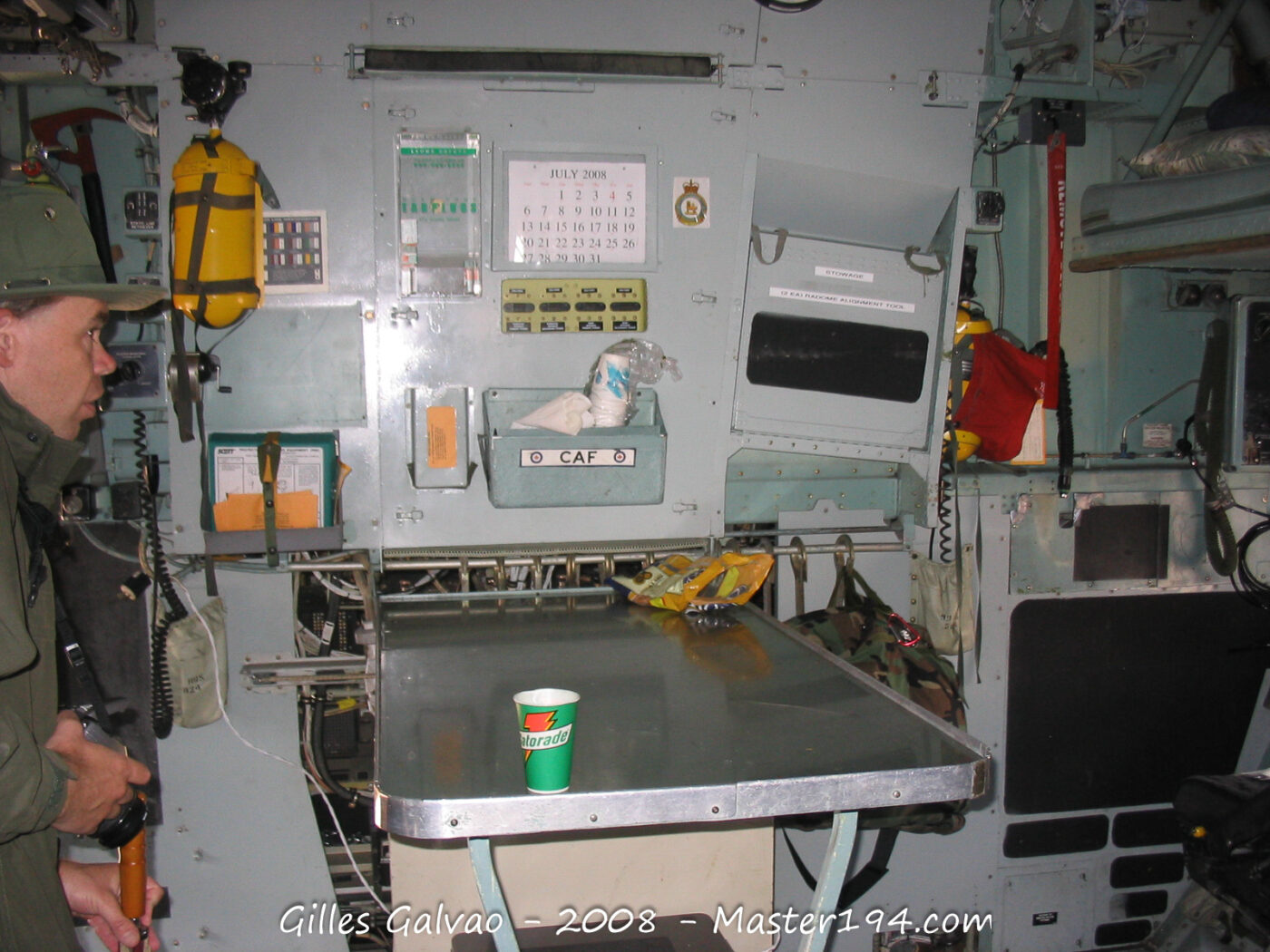
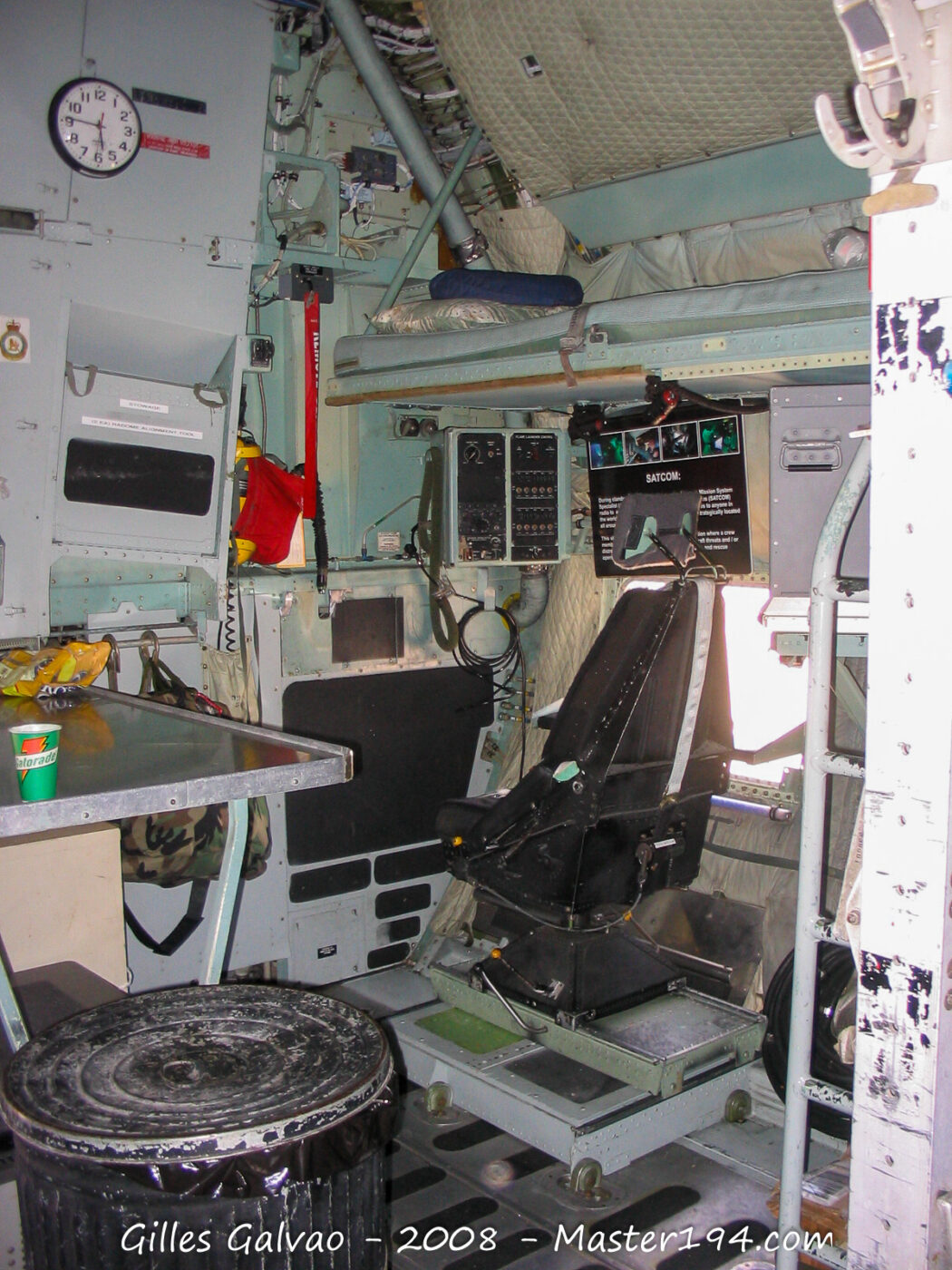
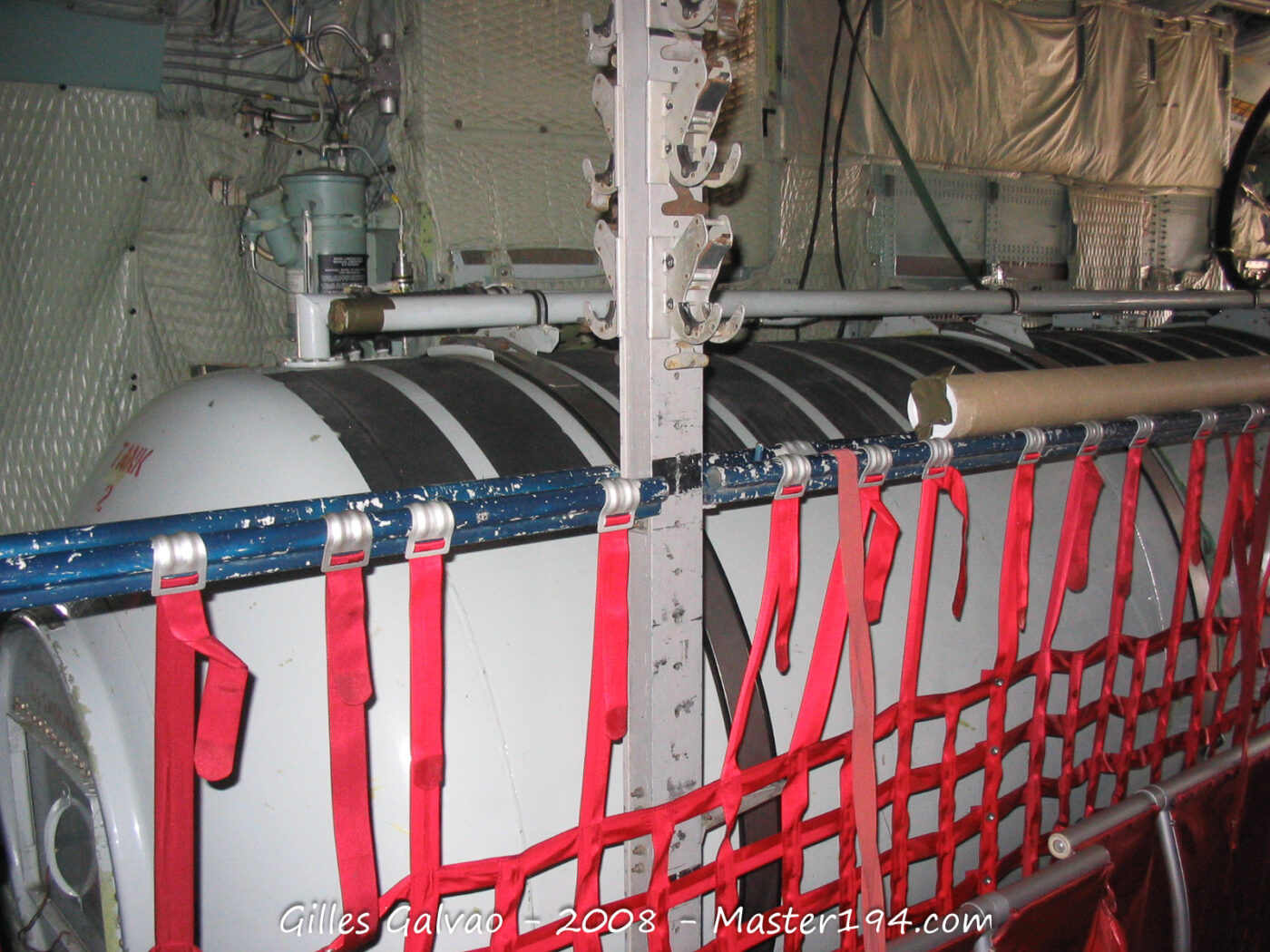
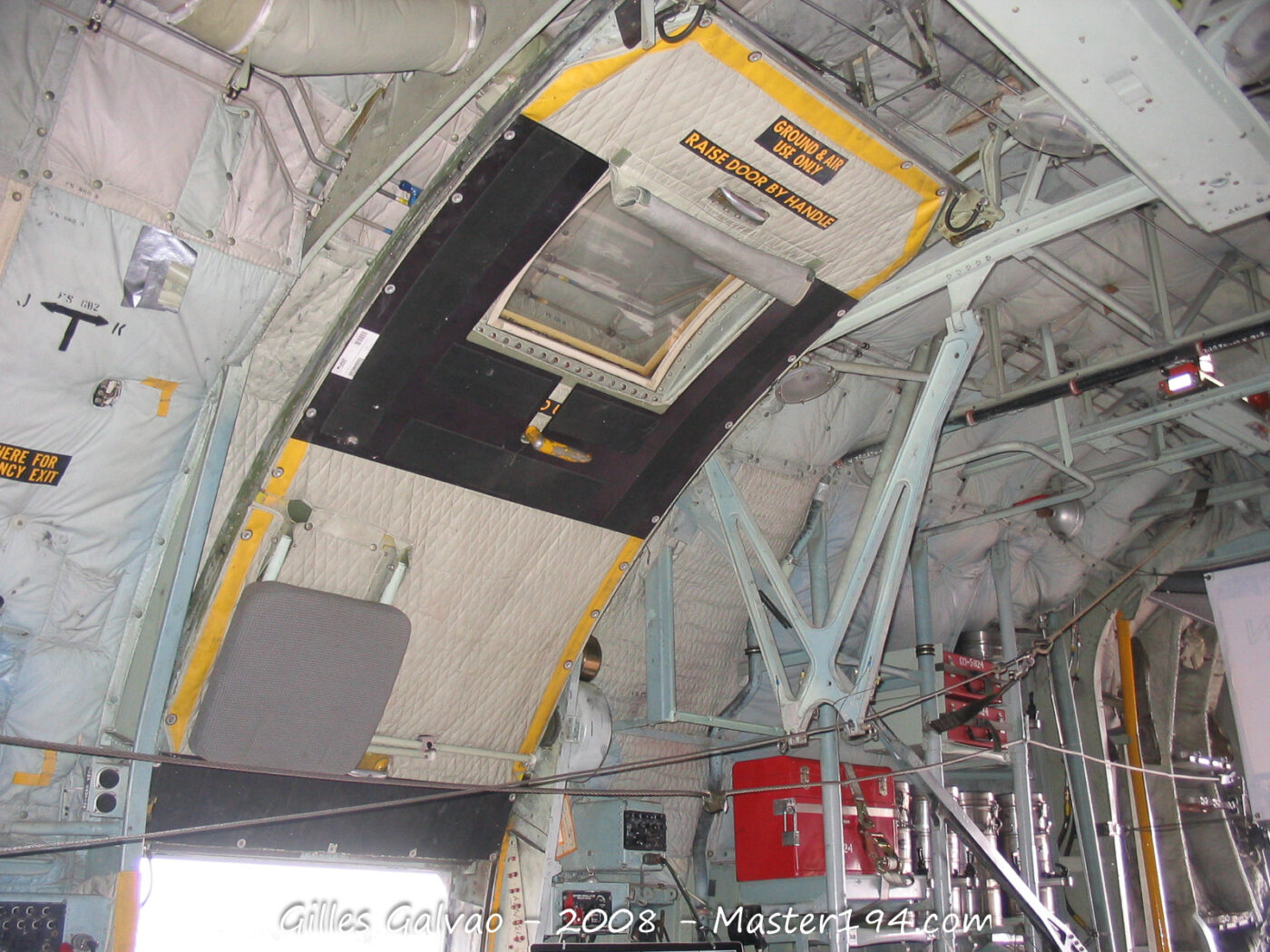
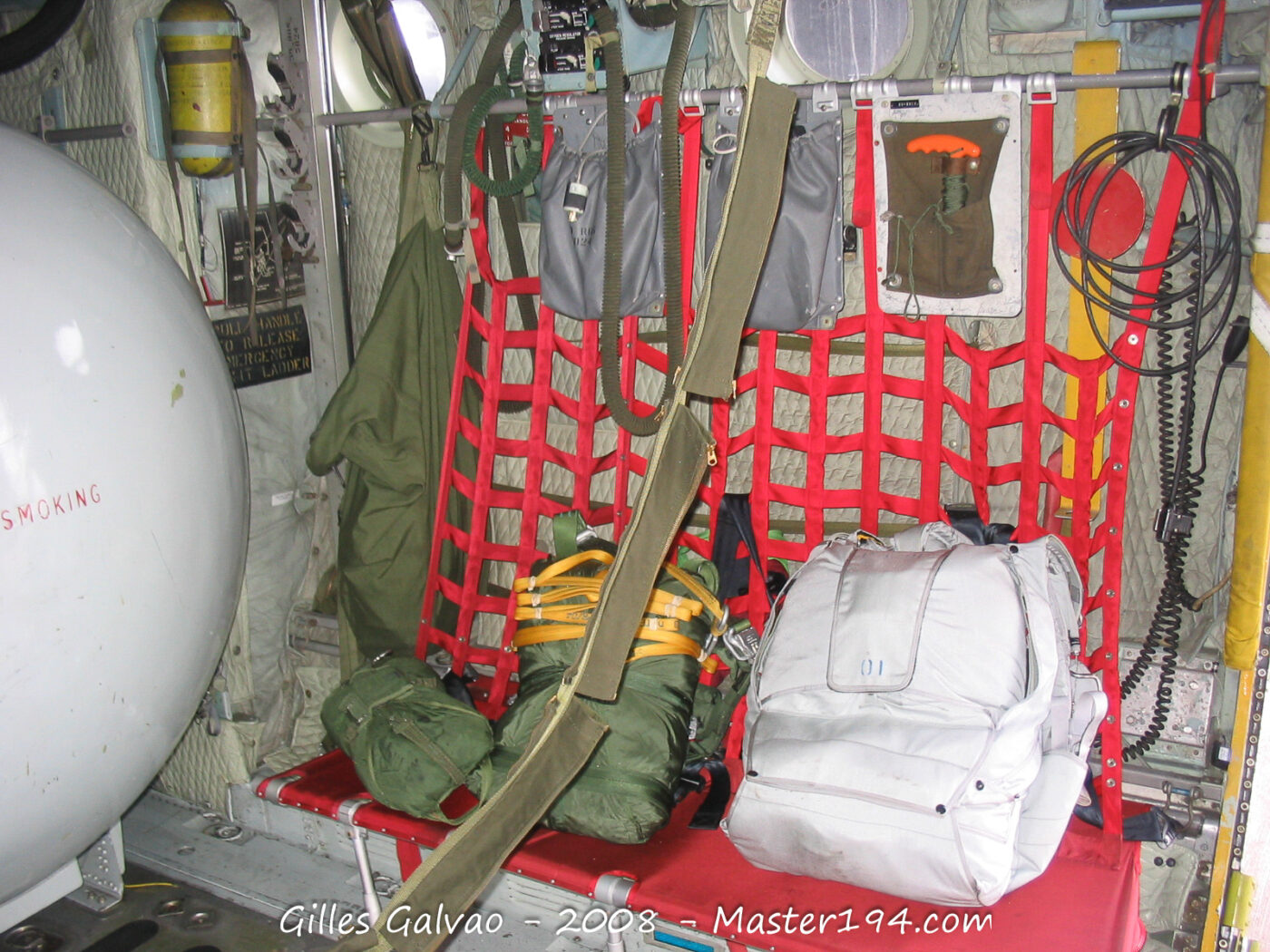
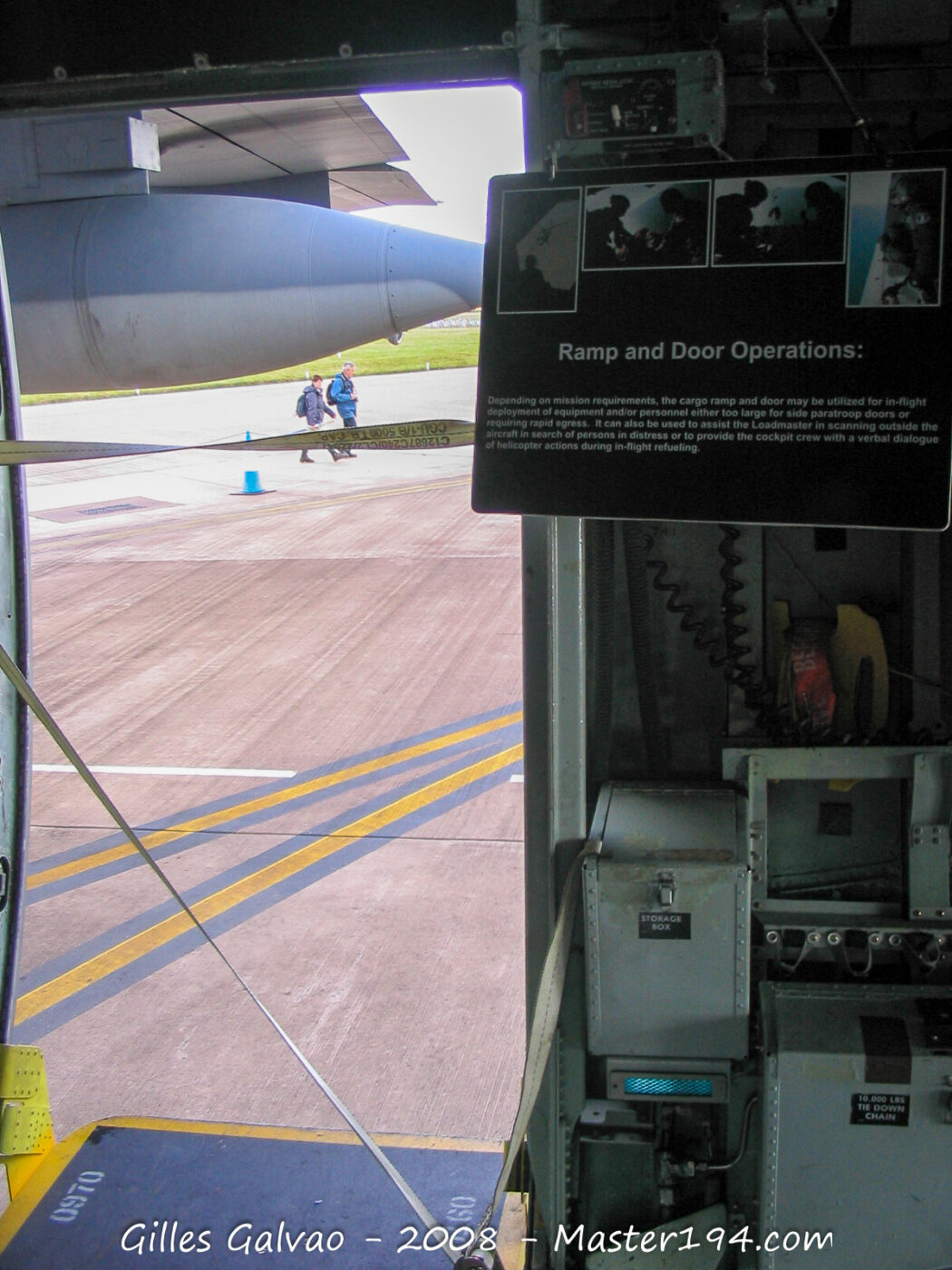
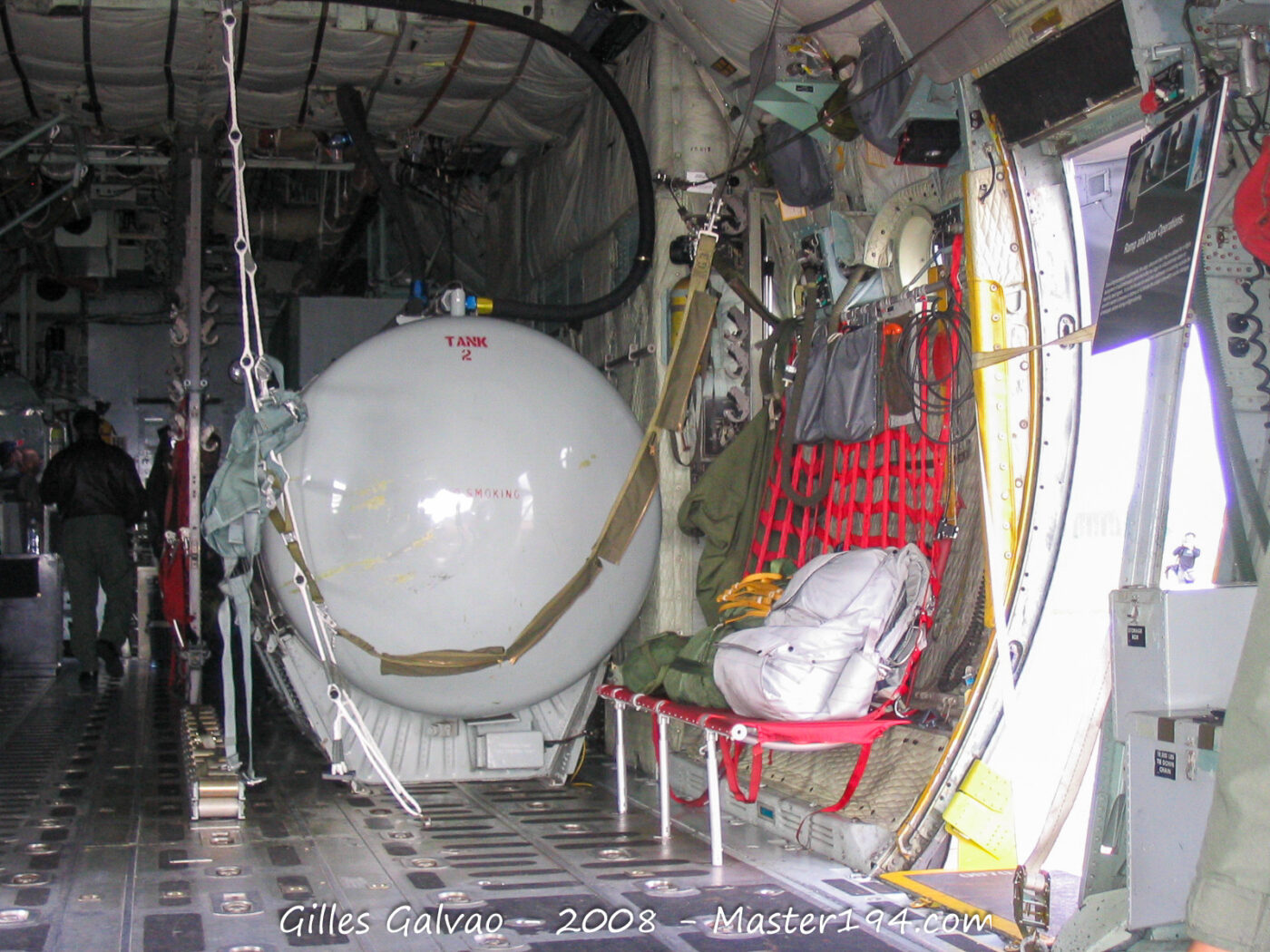
HC-130N Interior: Cockpit and Crew Stations
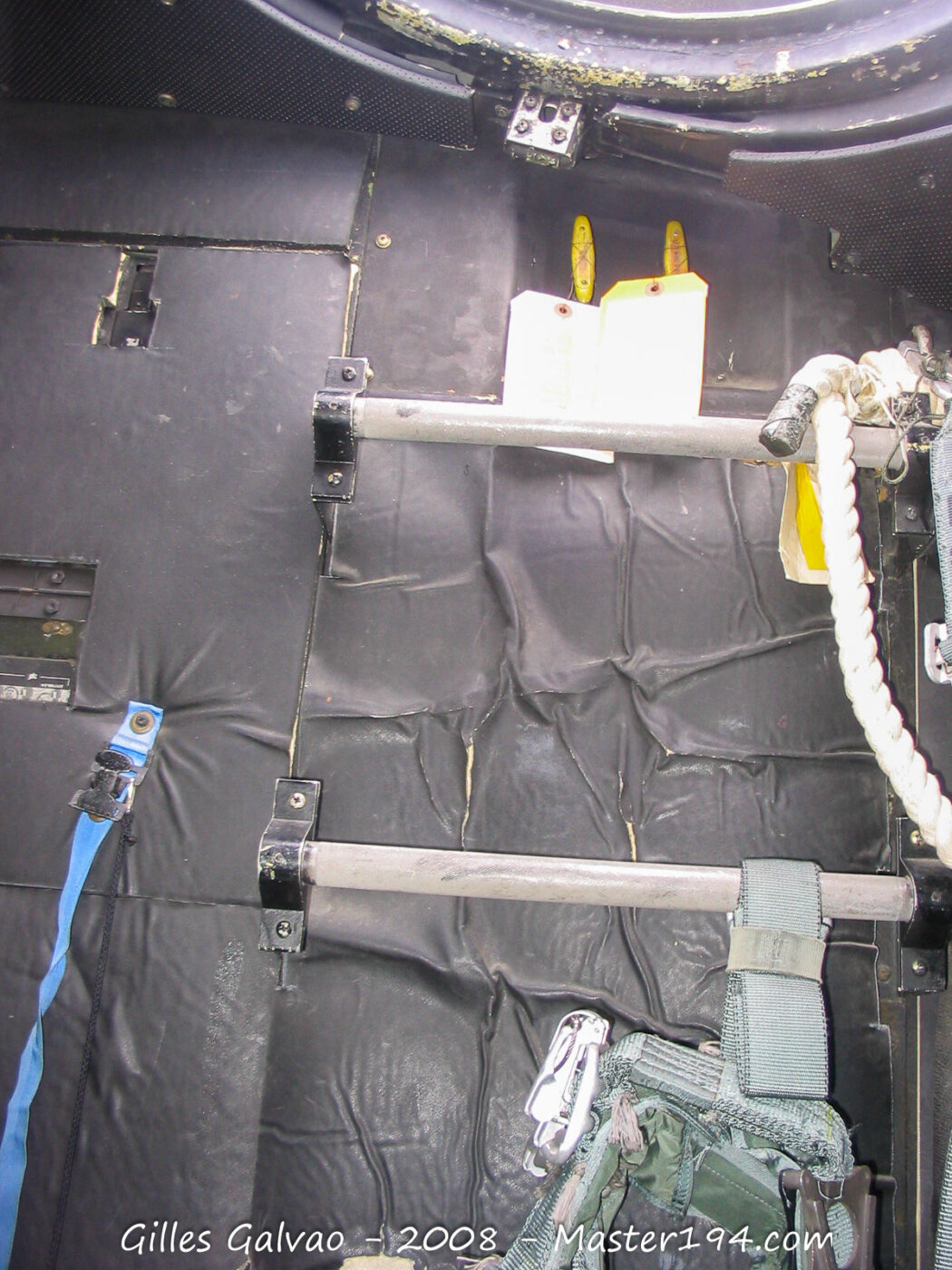
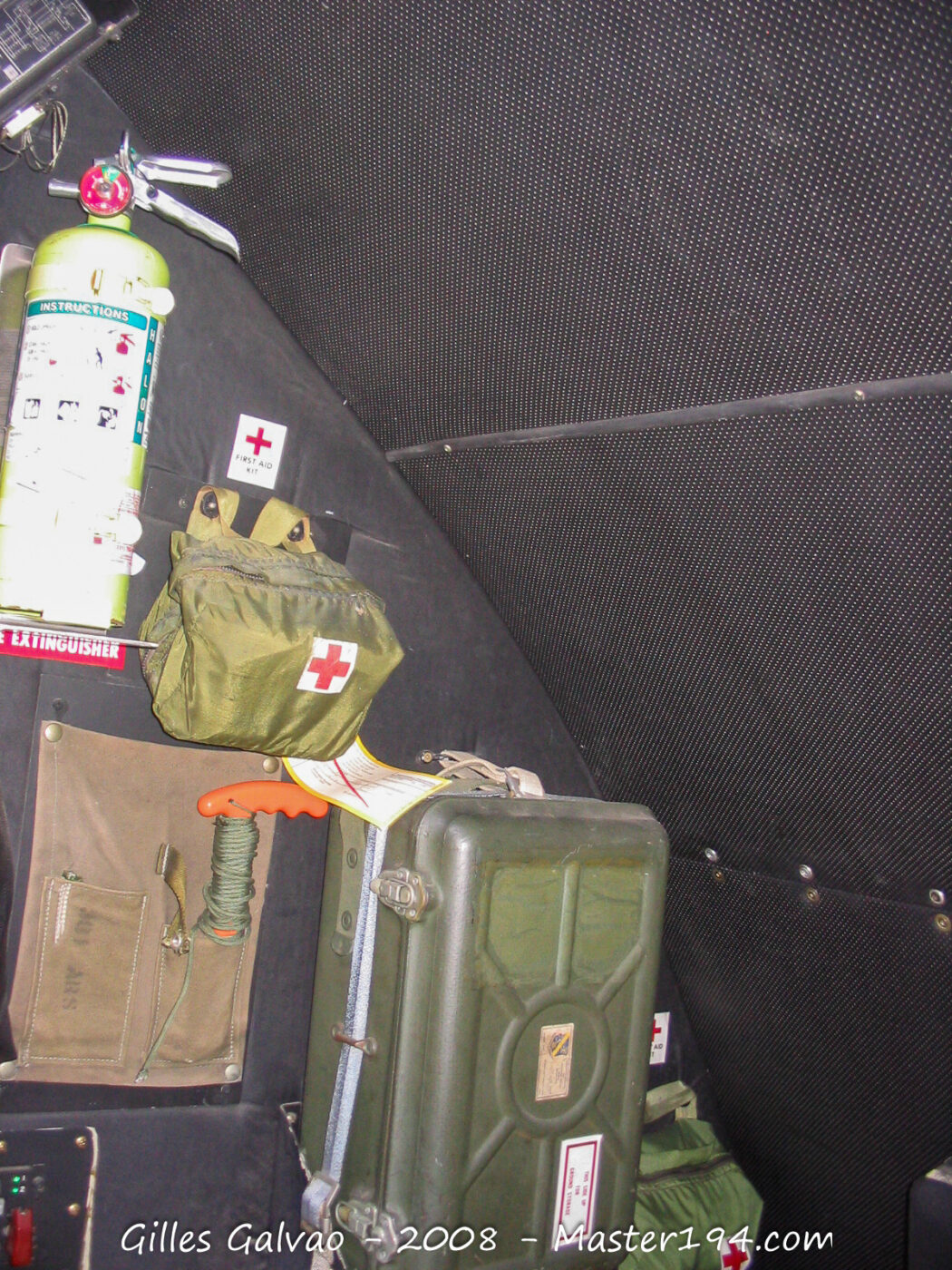
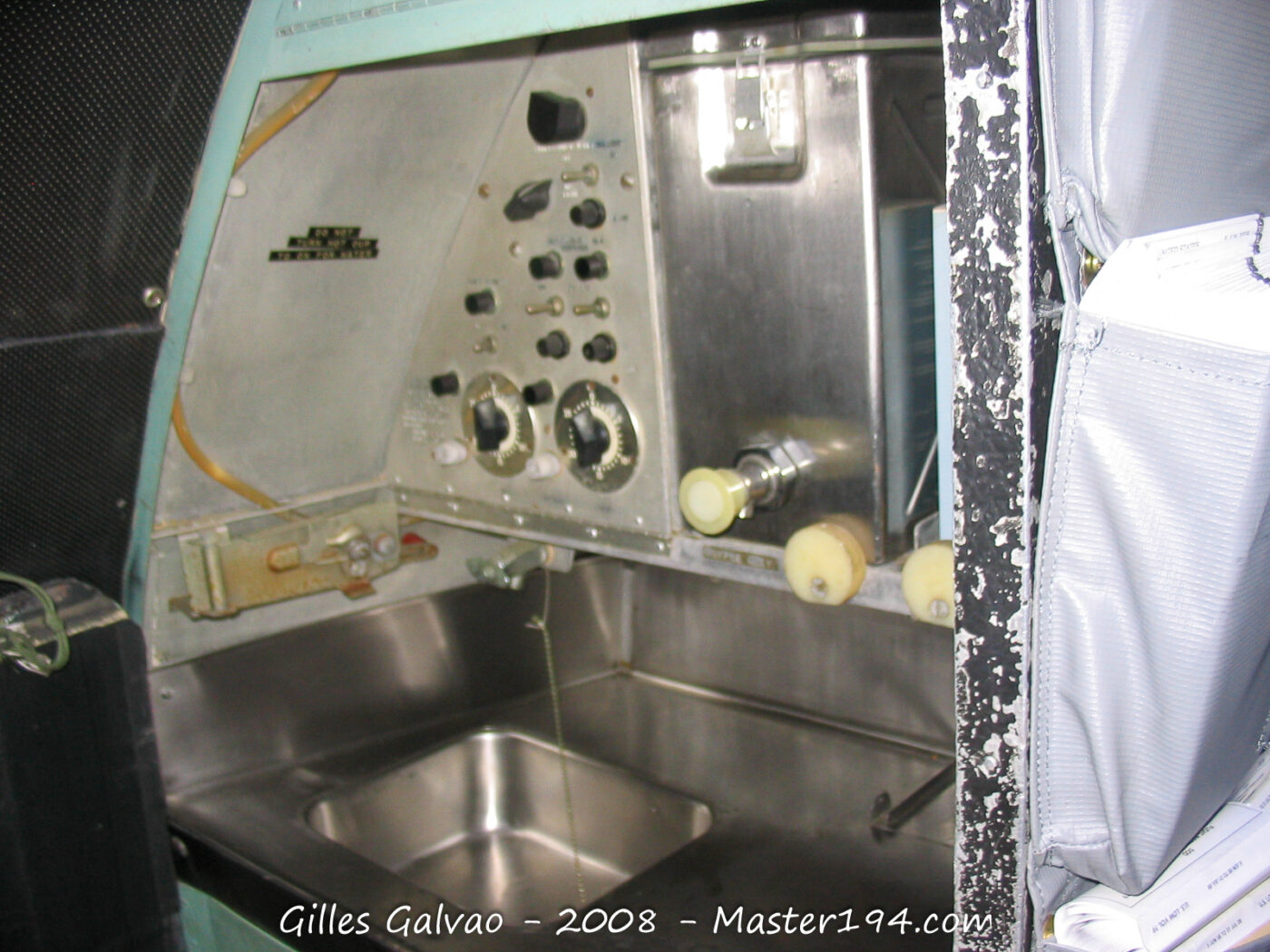
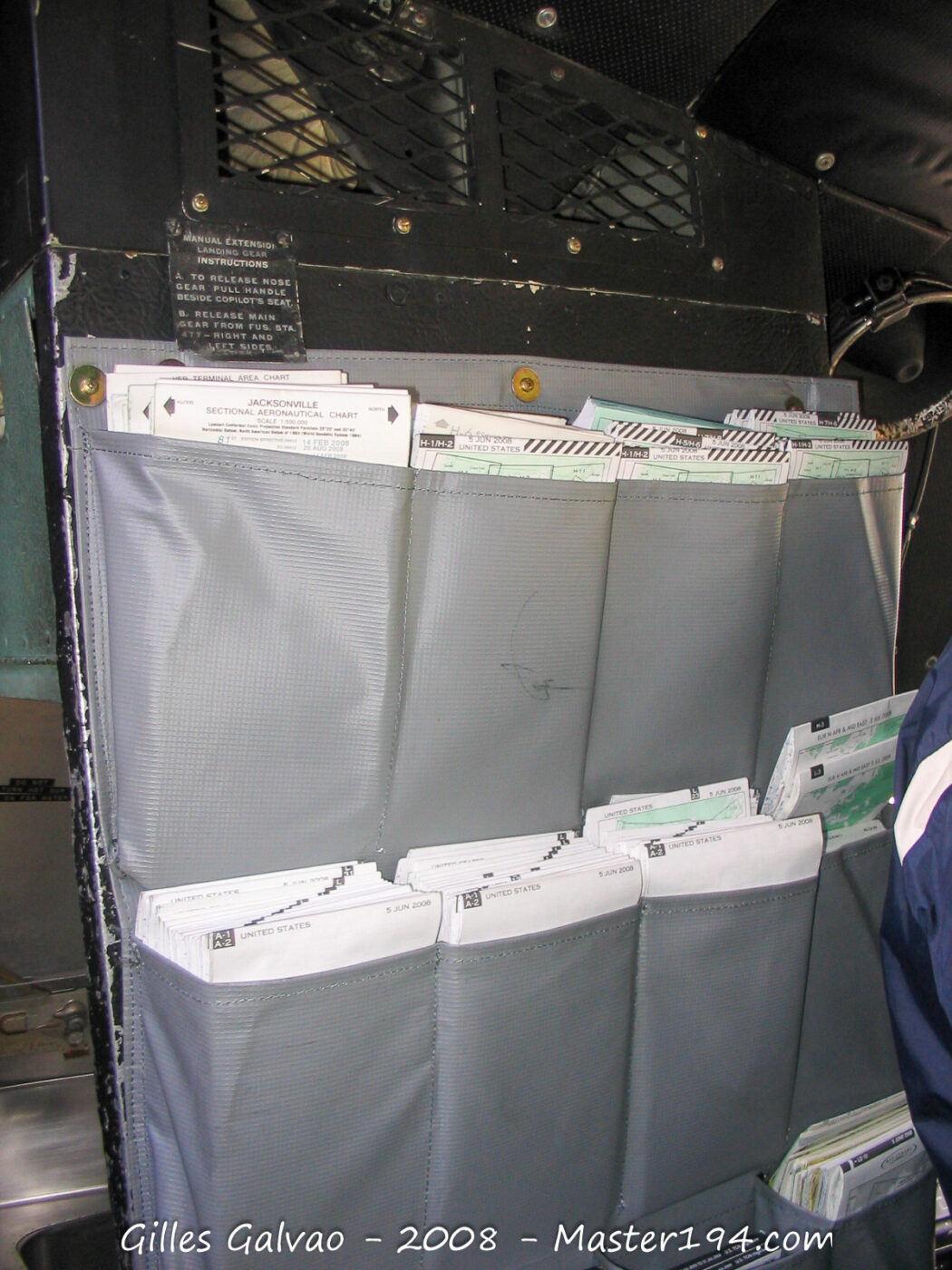
Secondary Missions and Civil Operations Support
Beyond combat missions, the 39th Rescue Squadron’s aircraft have also been deployed for humanitarian and relief operations. They have participated in medical evacuations (MEDEVAC), search missions following natural disasters, and assistance to populations in distress.
Their versatility makes them invaluable tools across a wide range of situations, extending far beyond a strictly military framework.
Walkaround
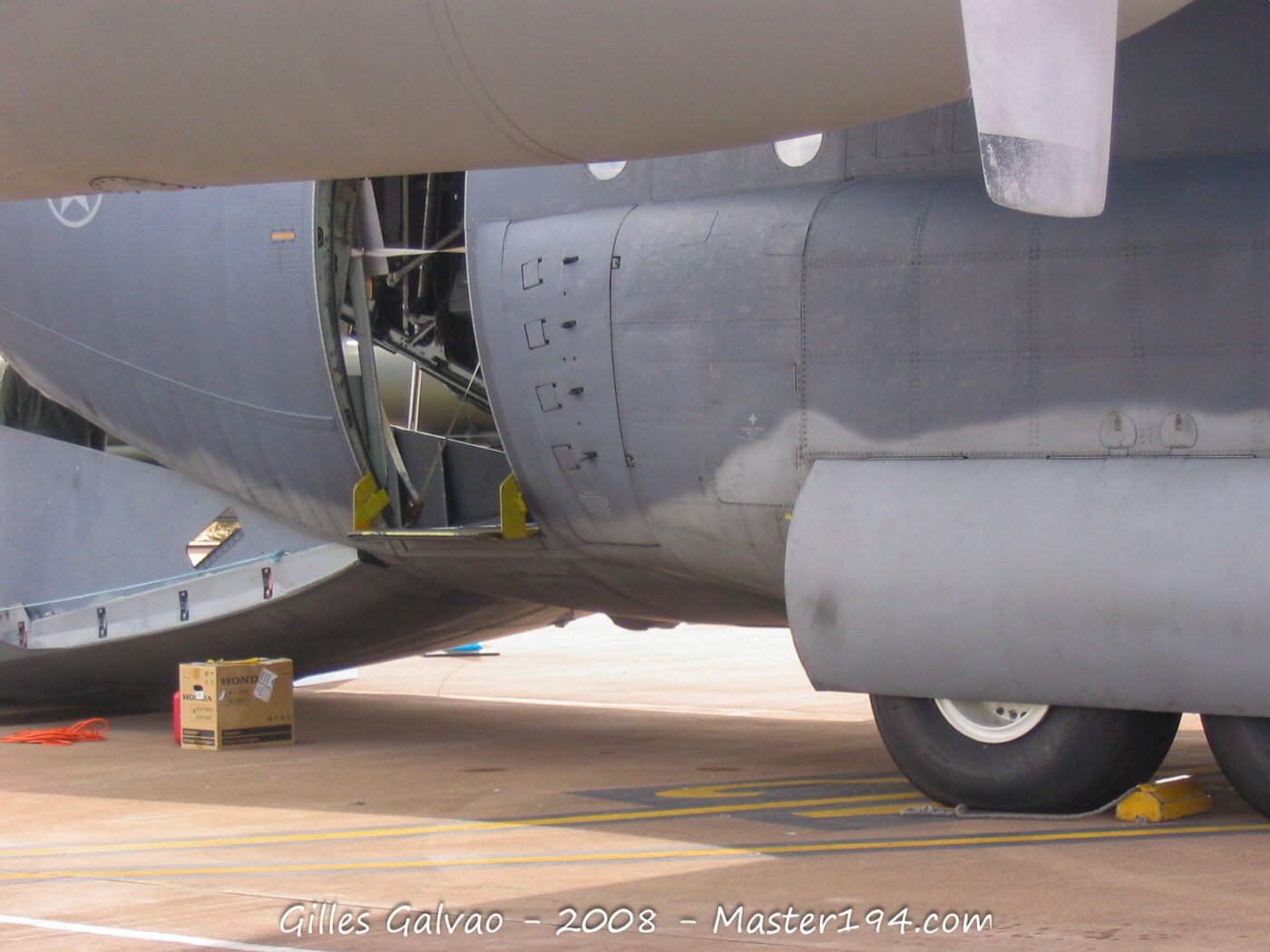
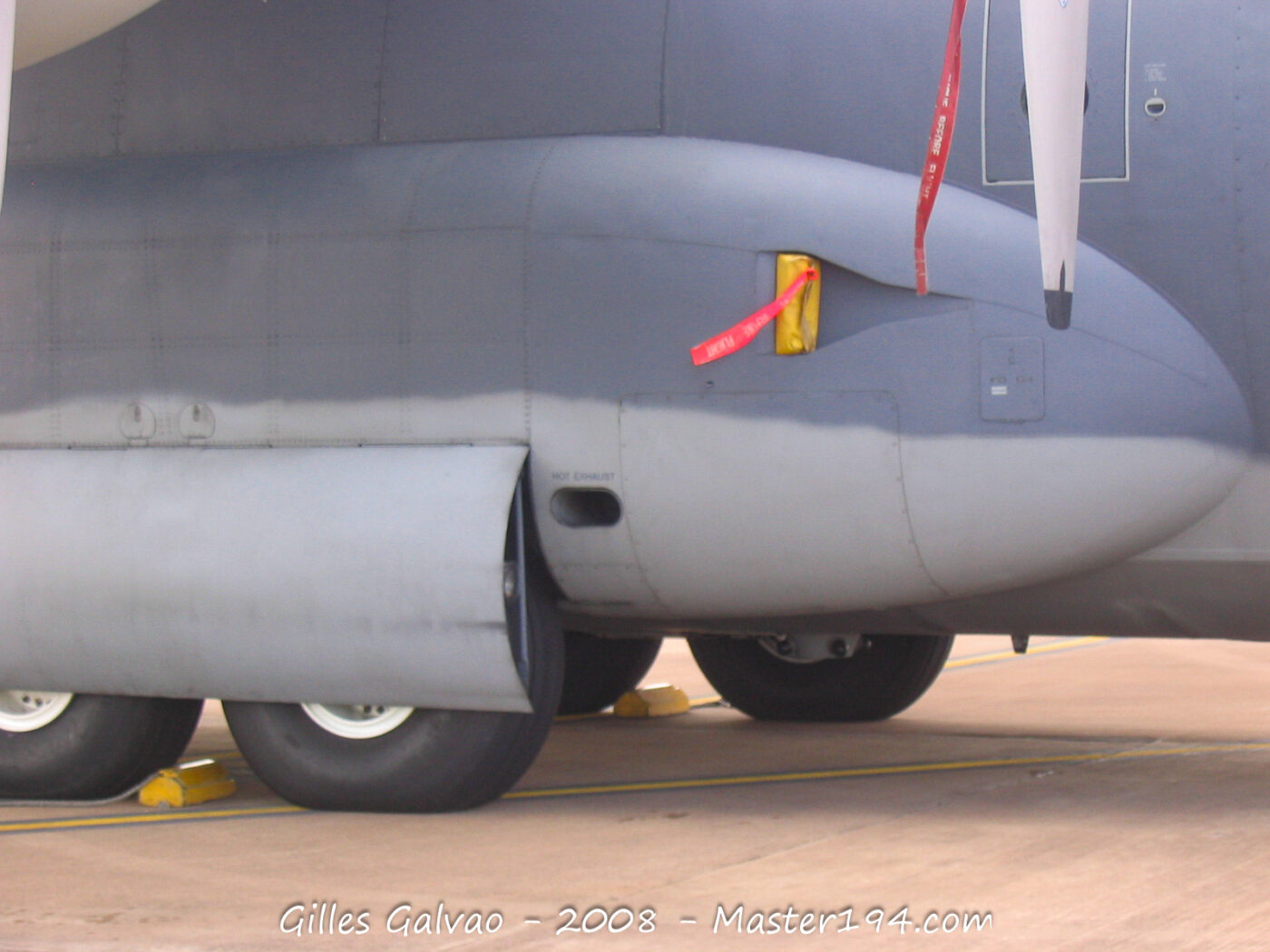
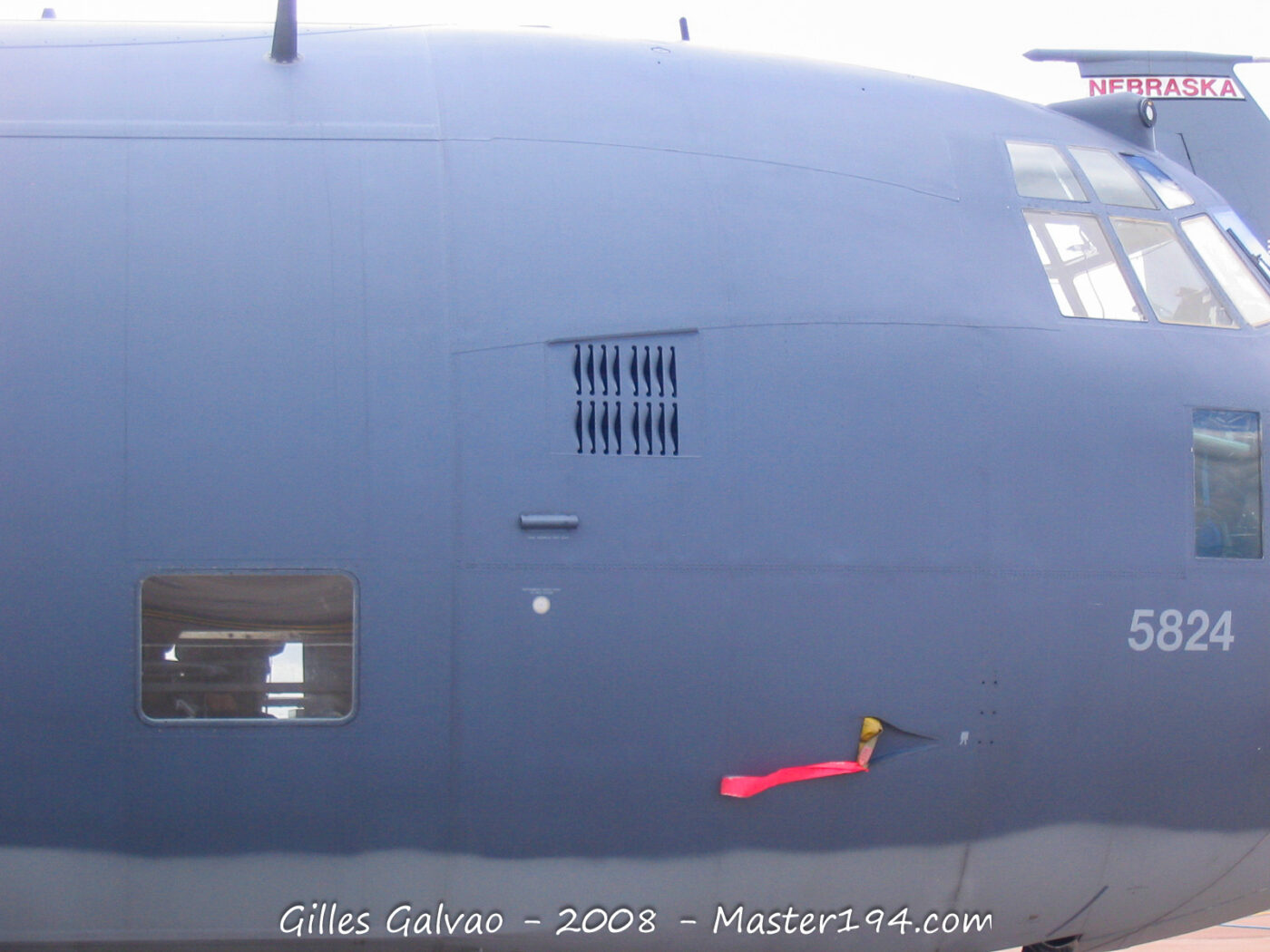
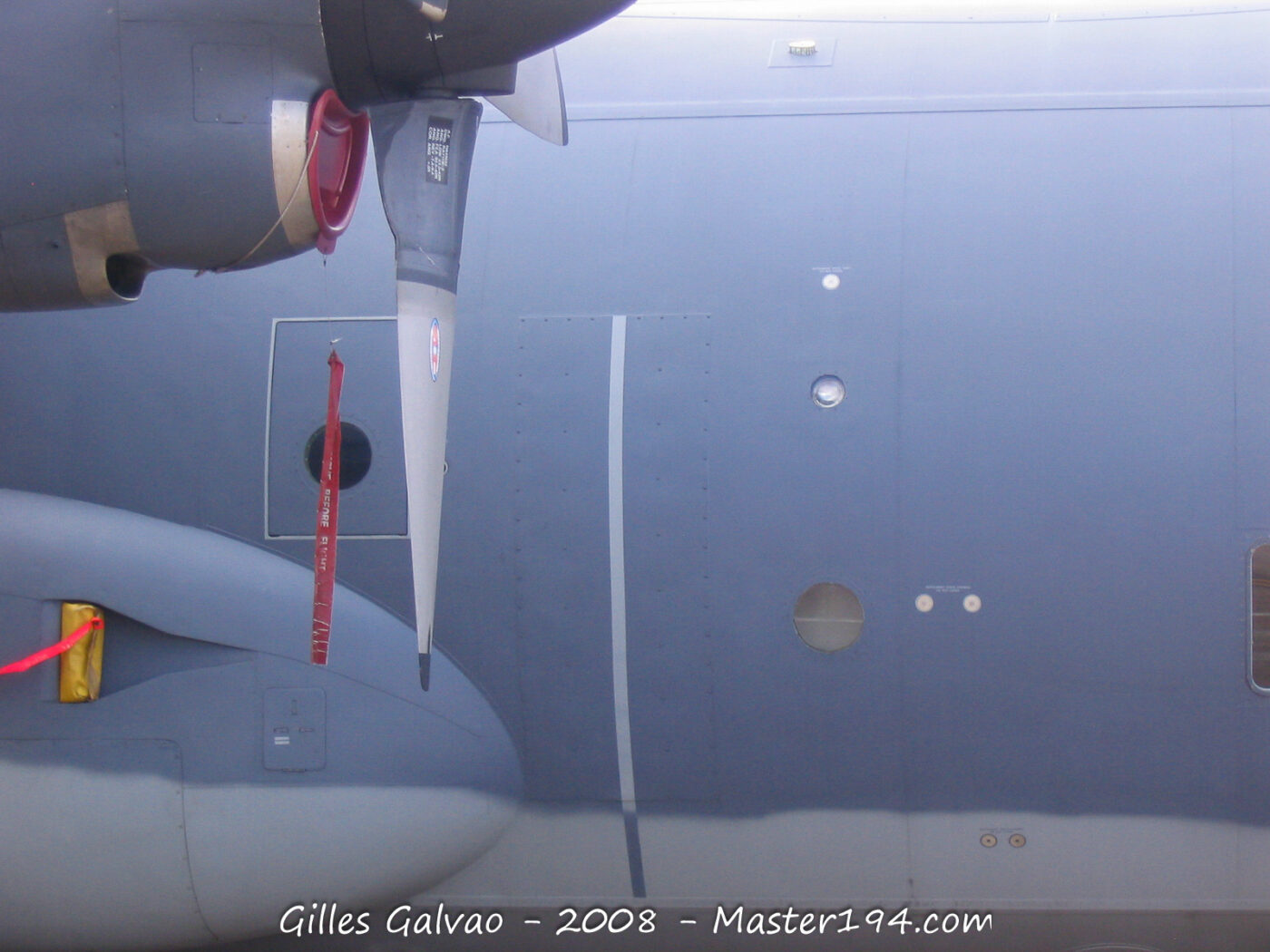
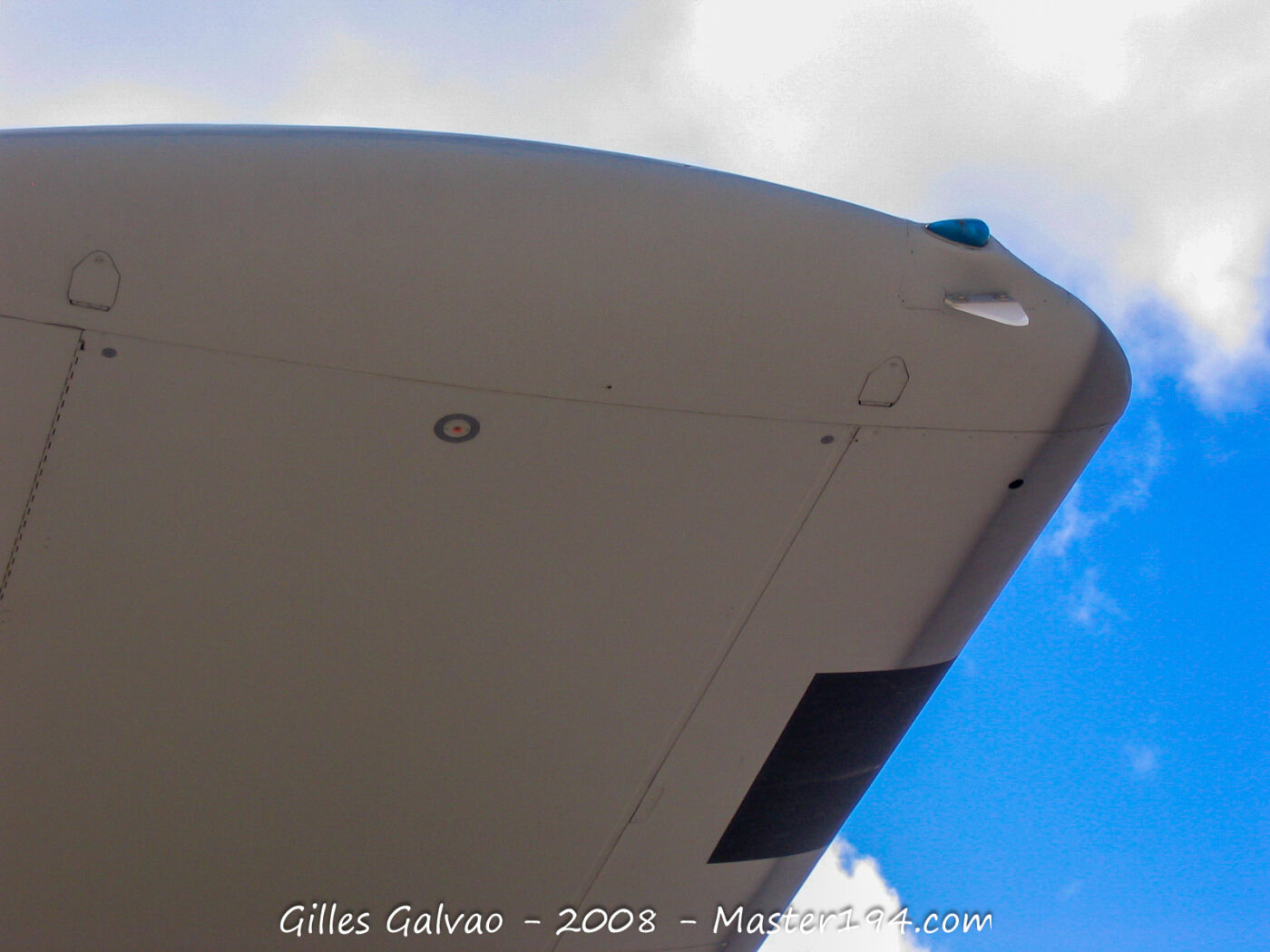
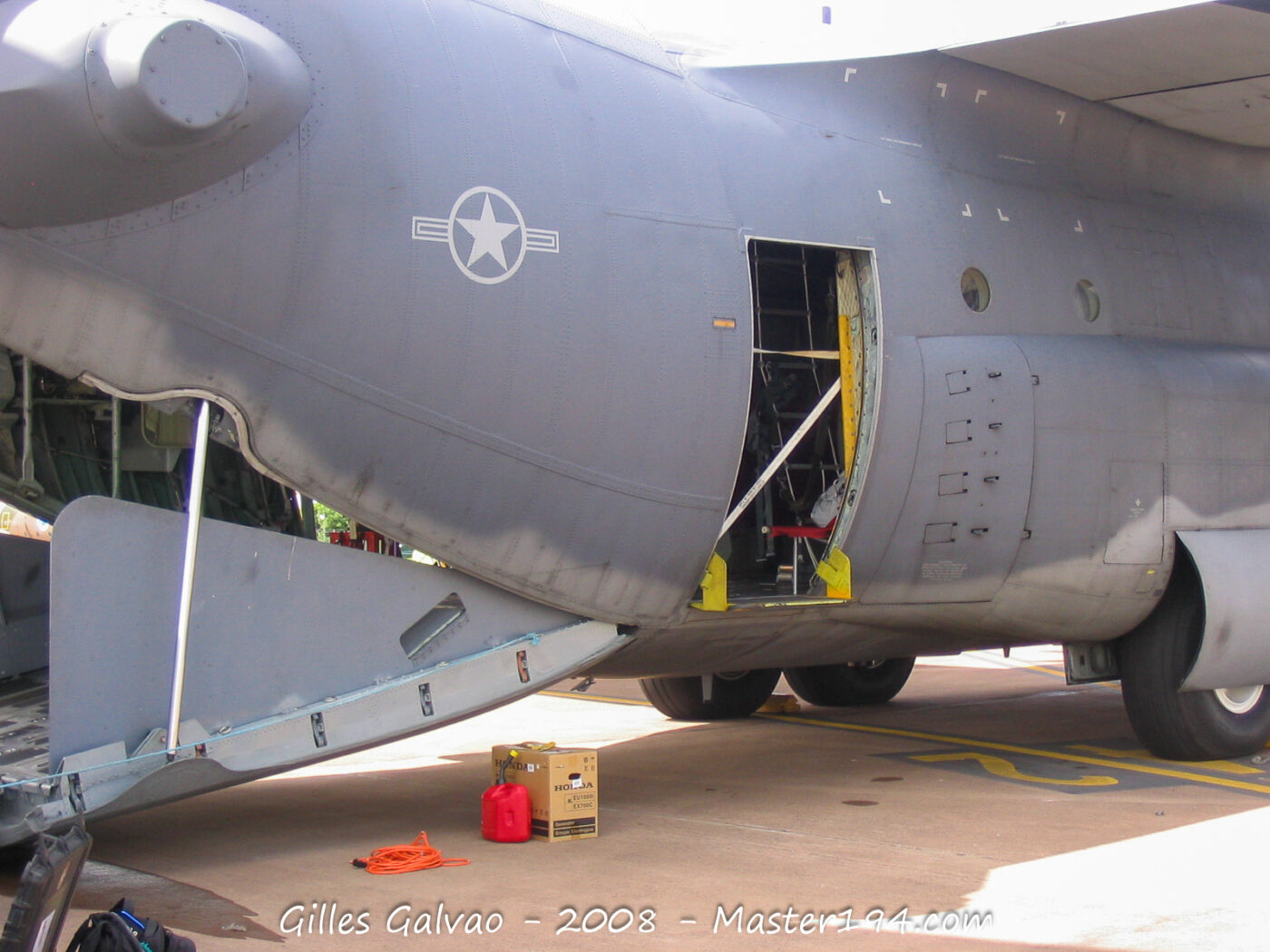
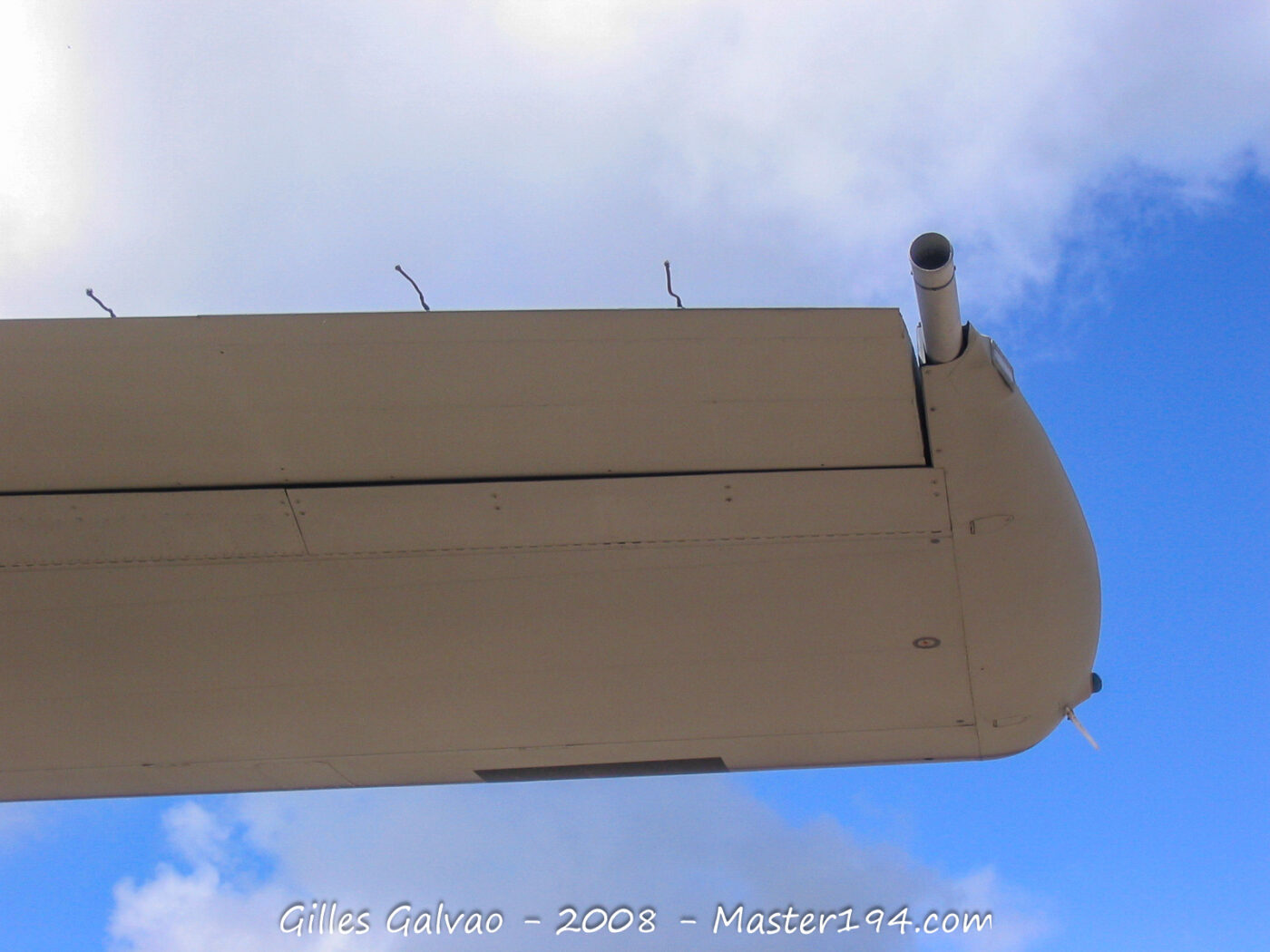
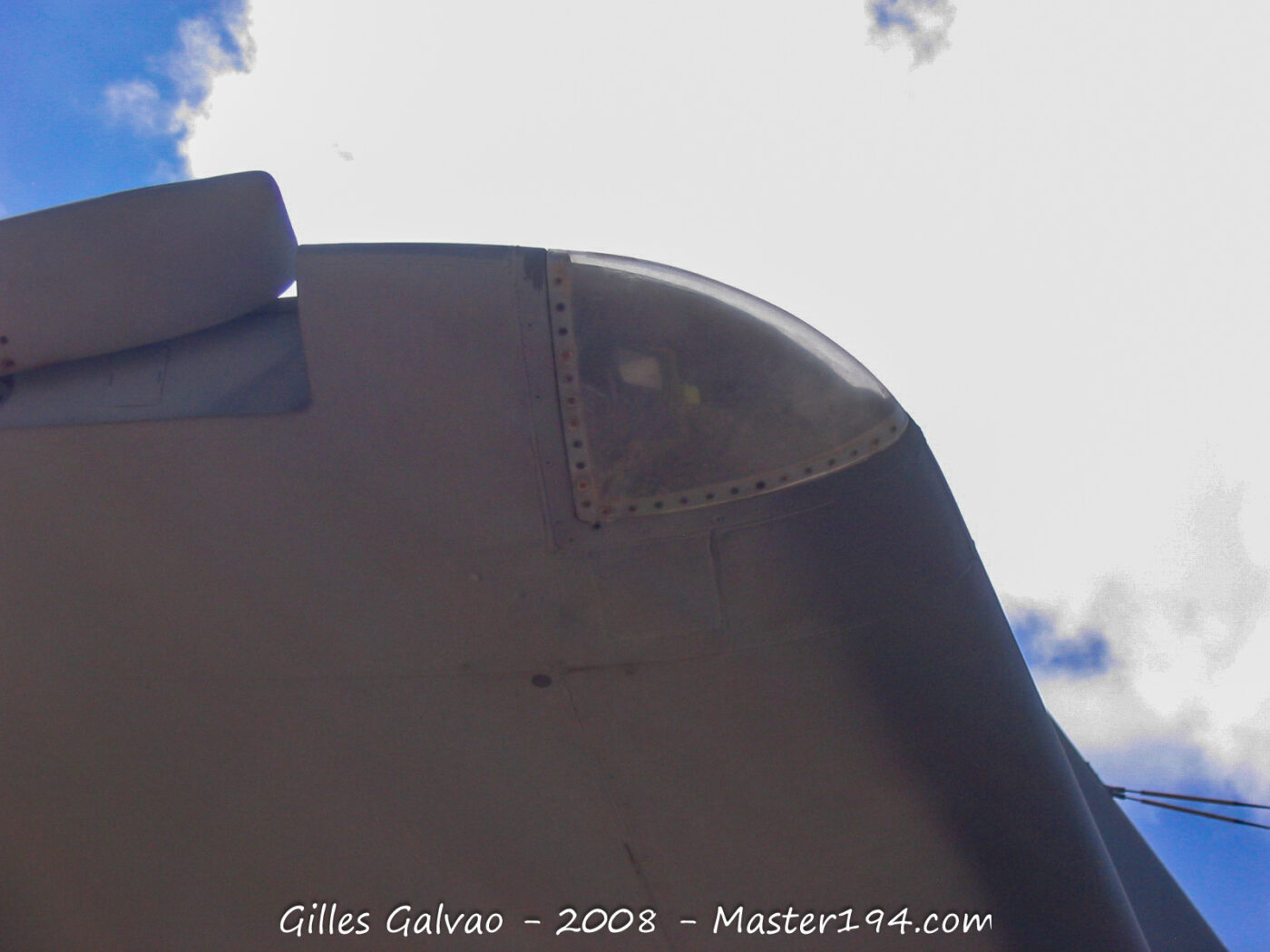
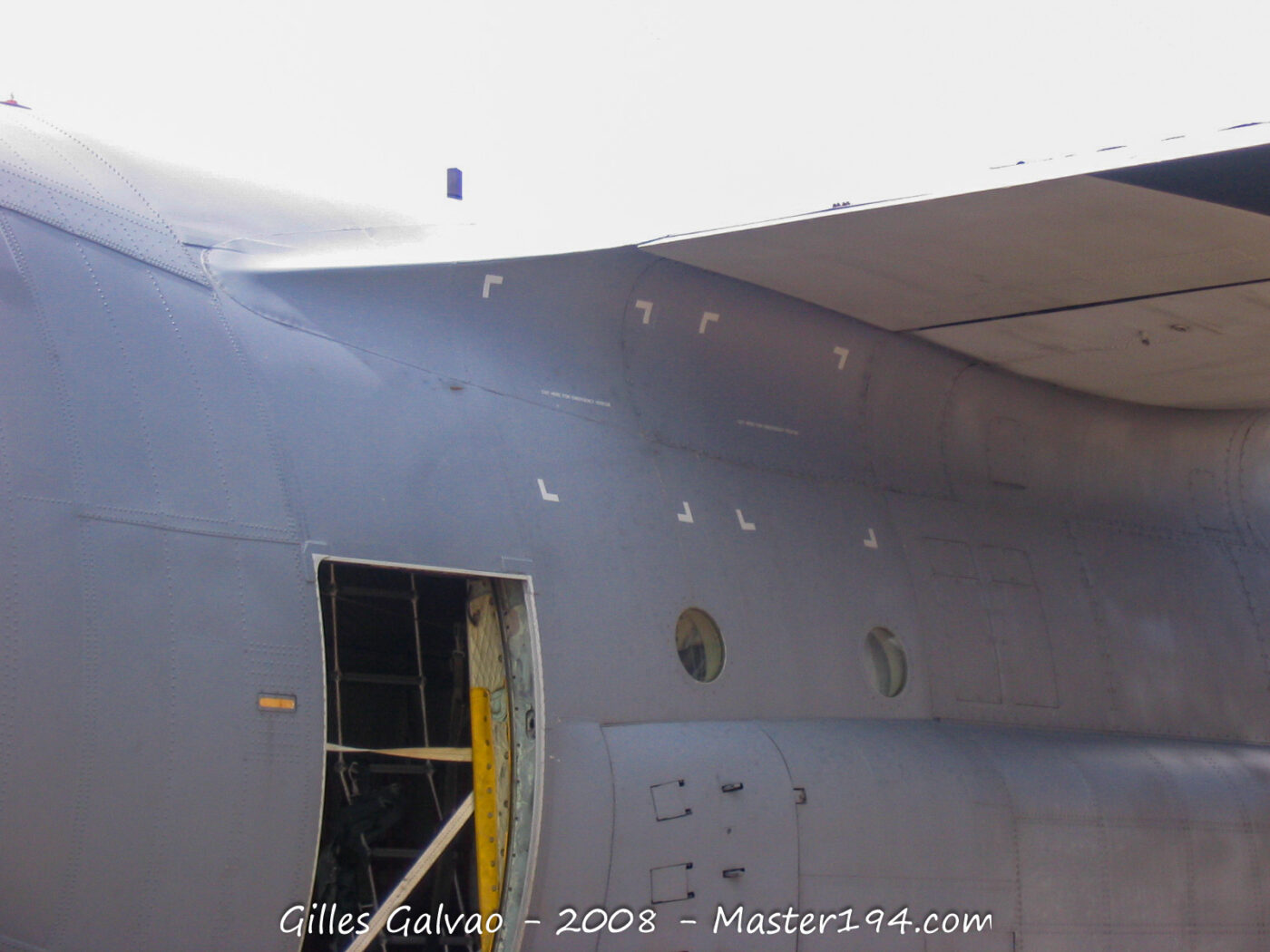
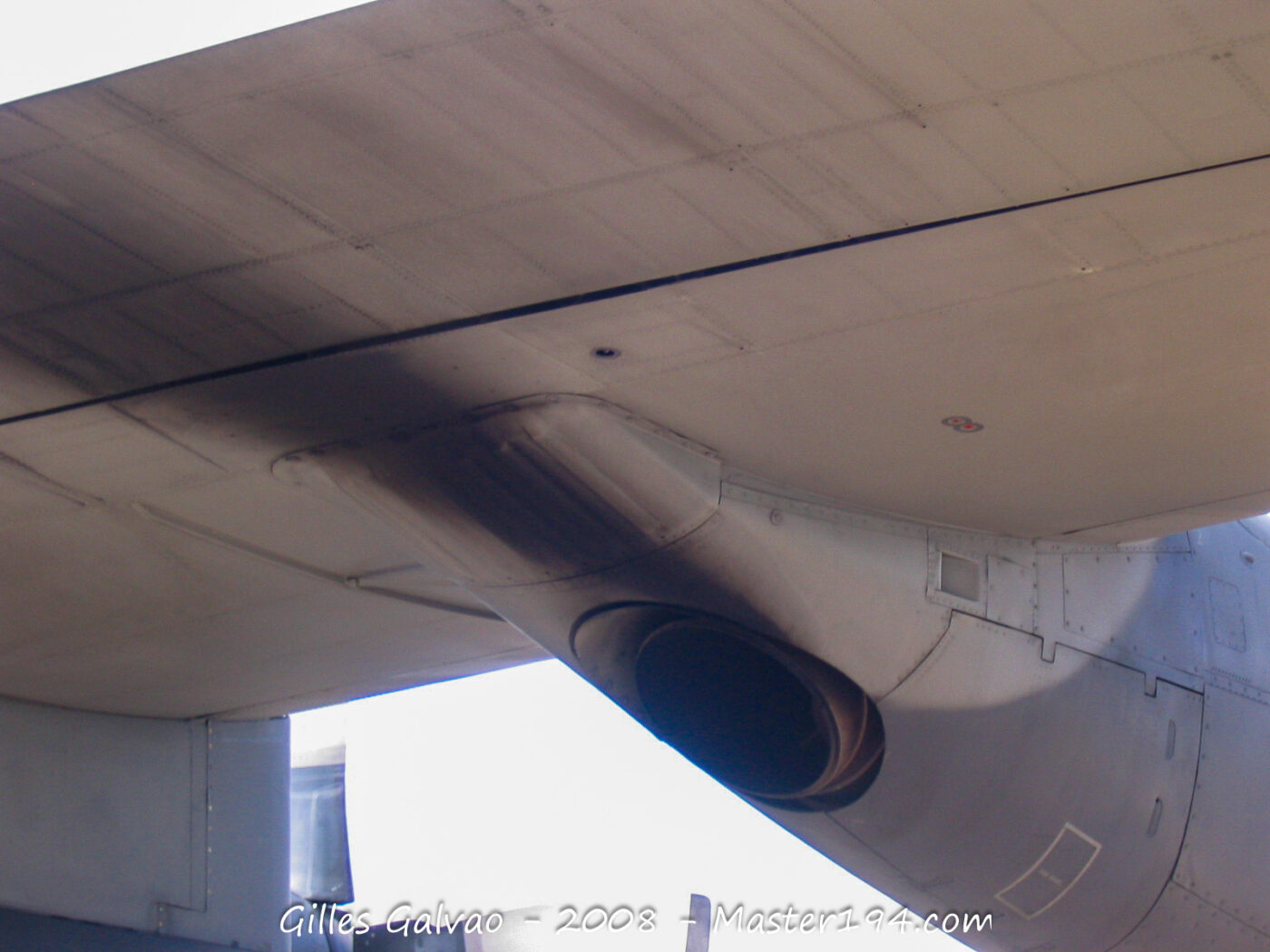
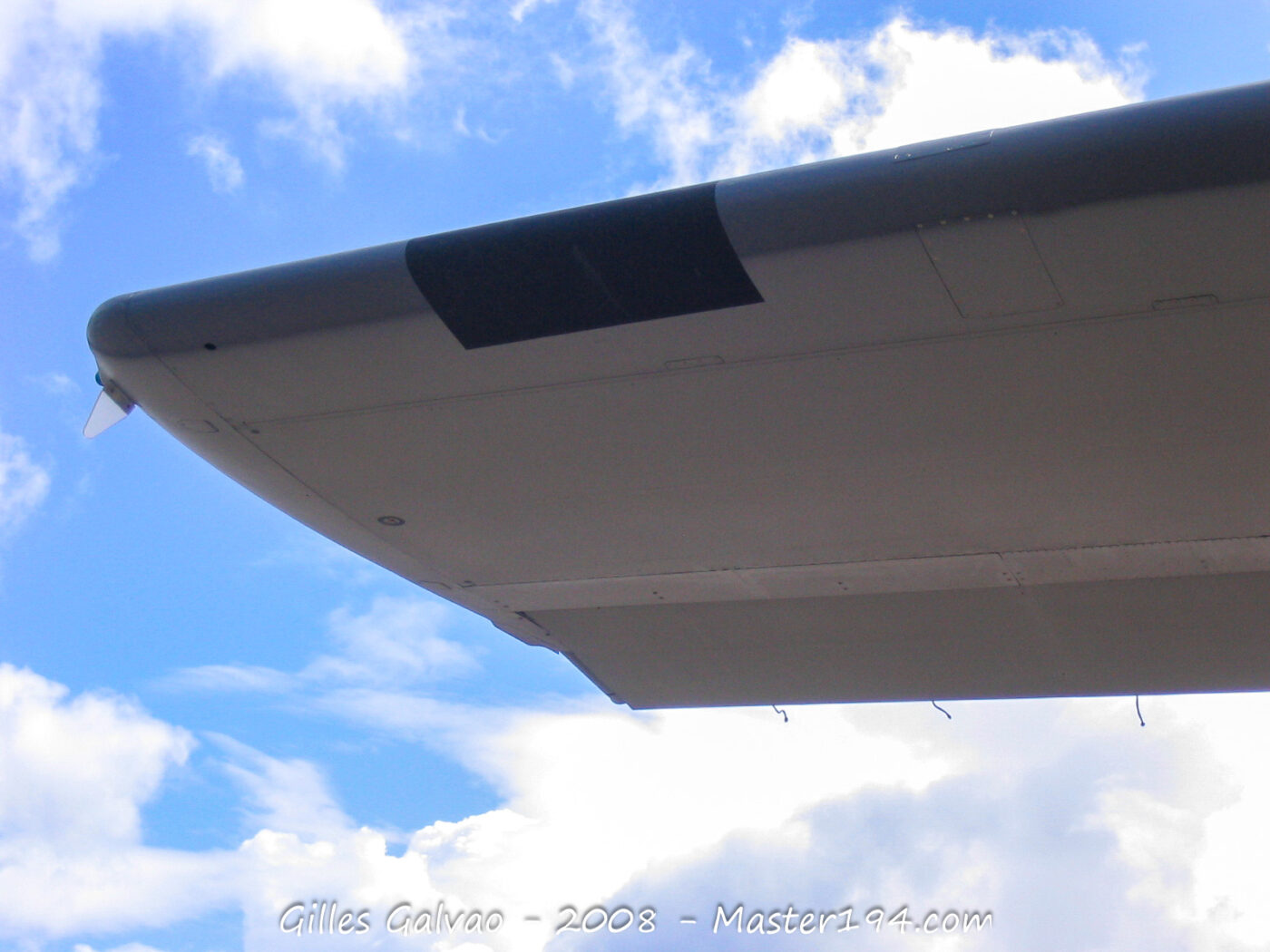
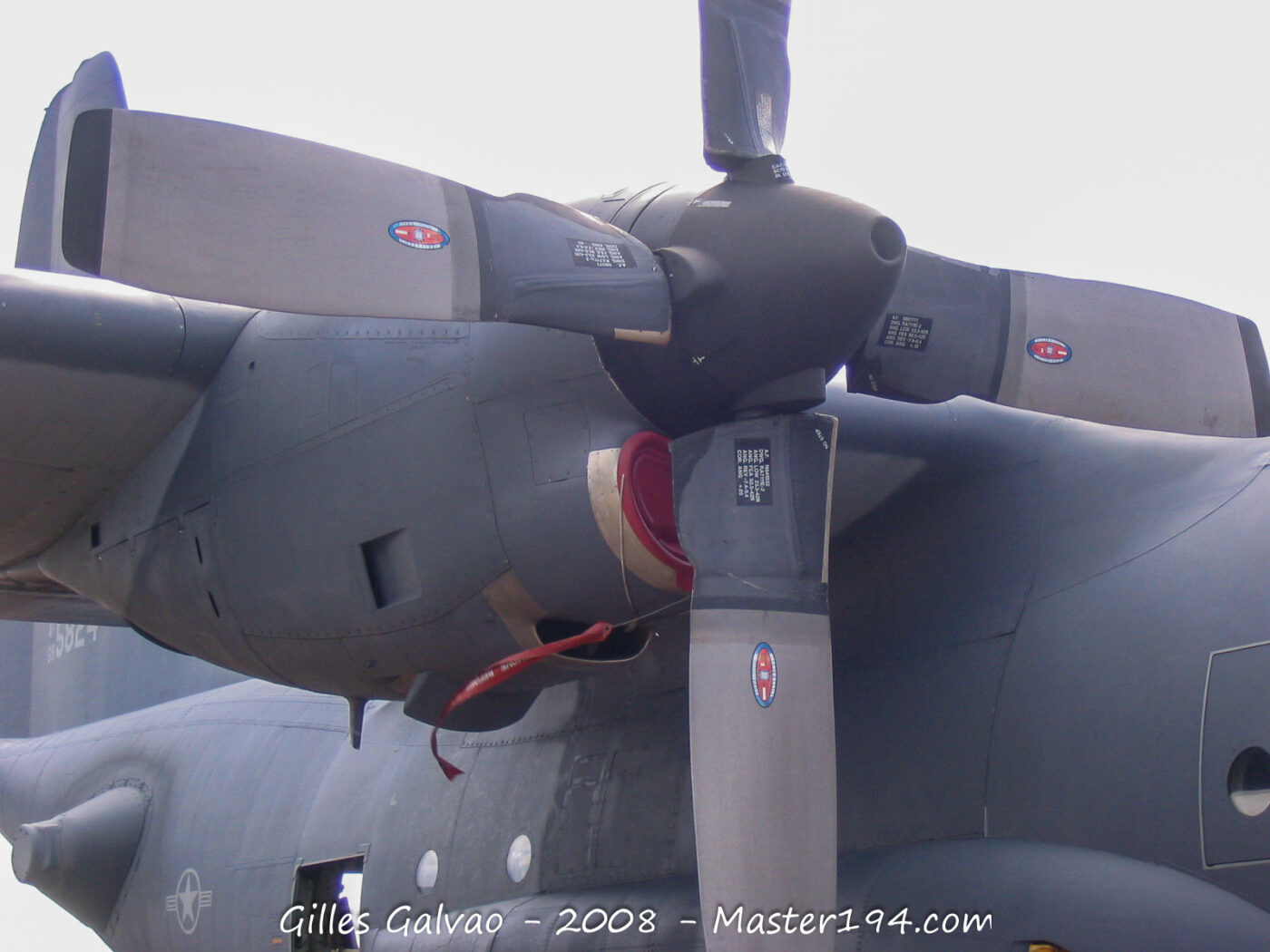
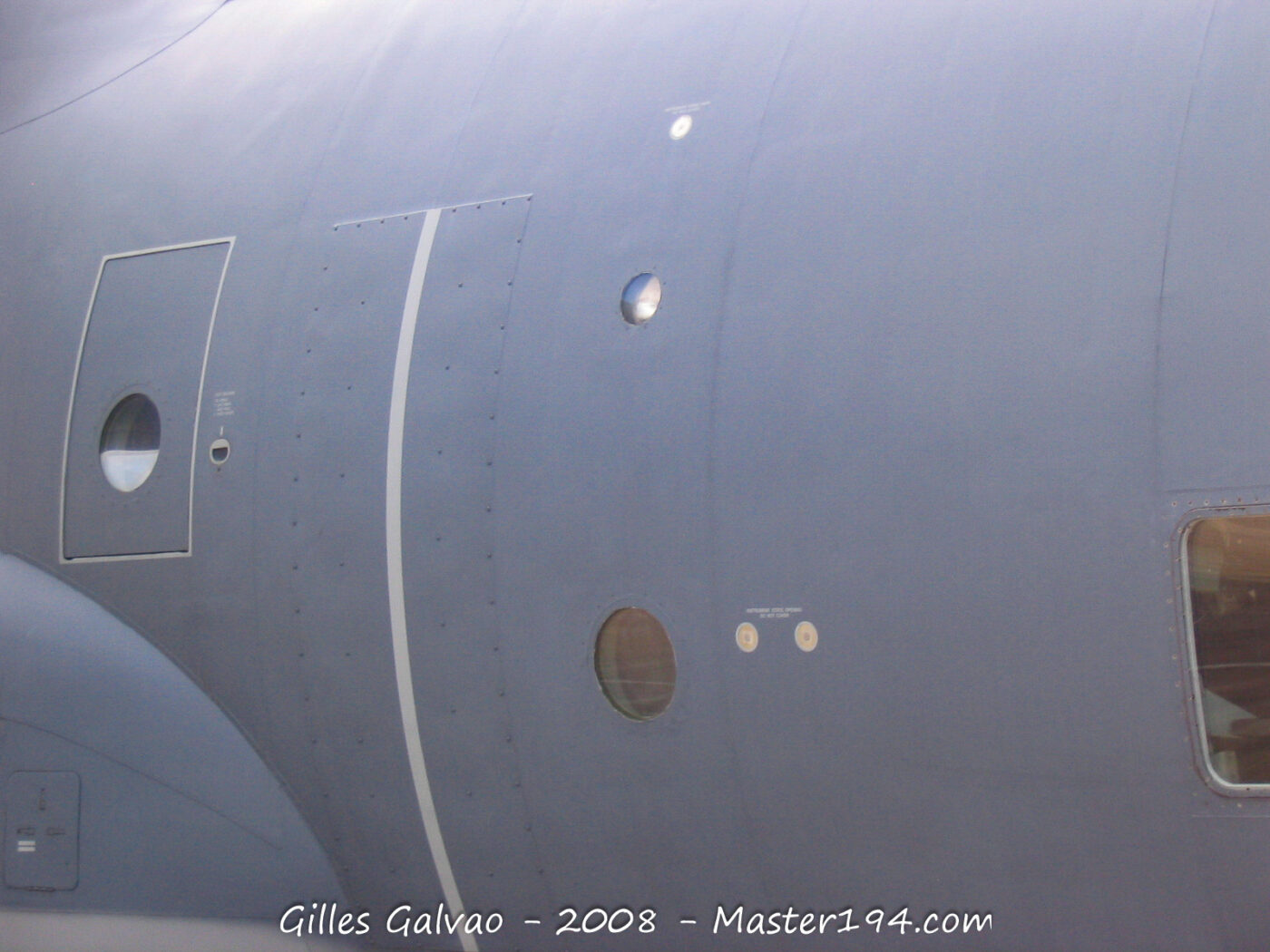
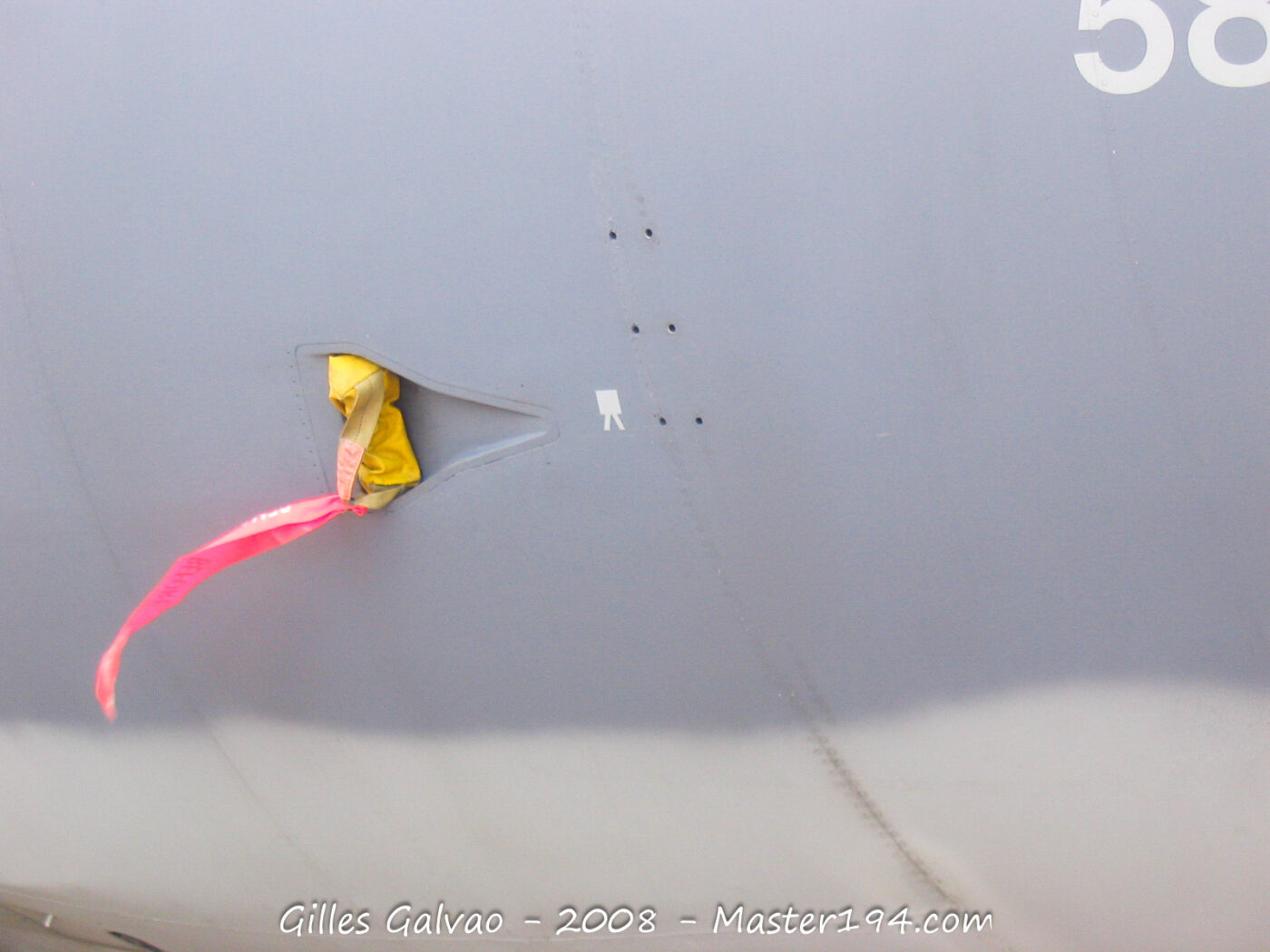
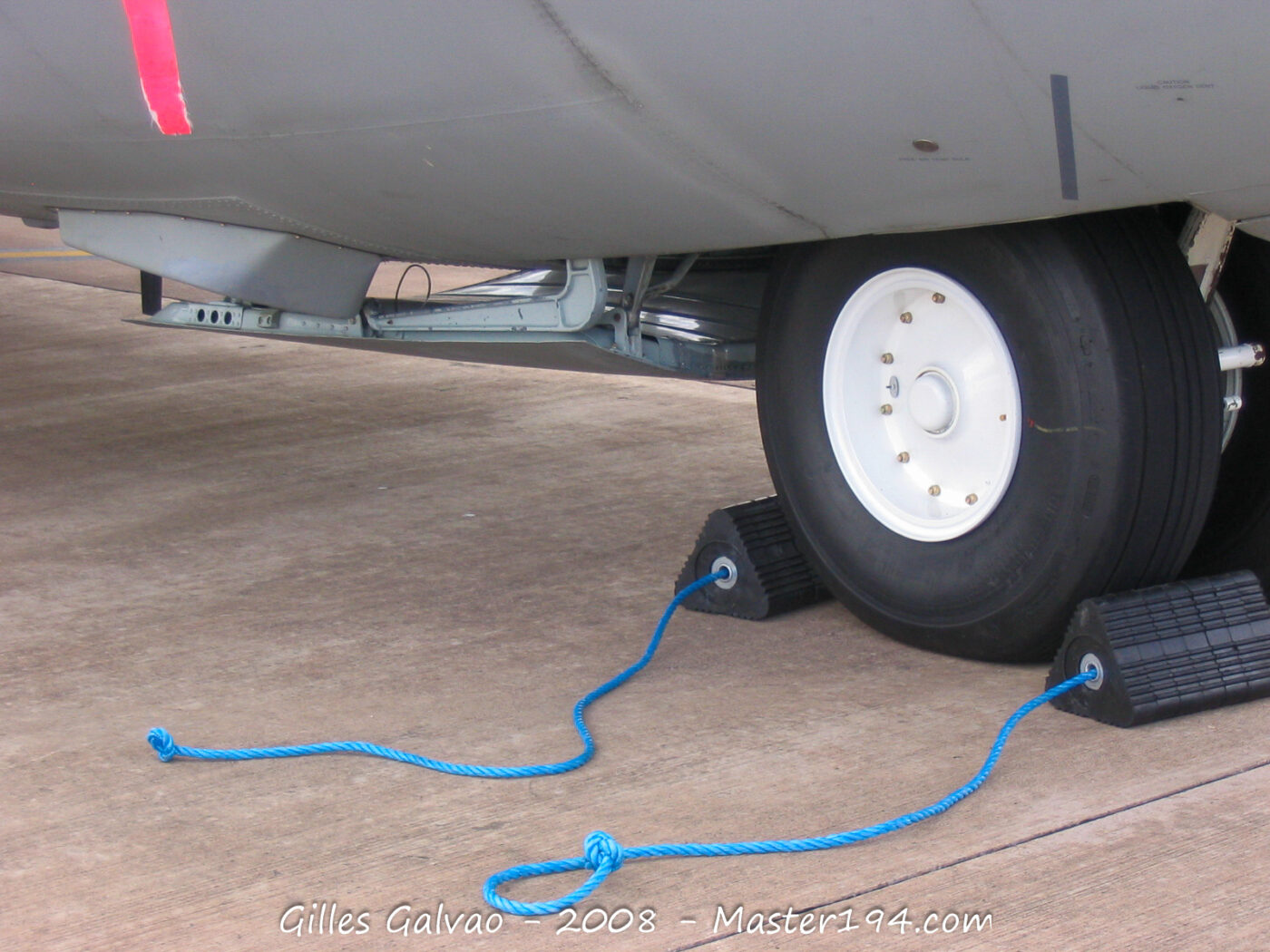
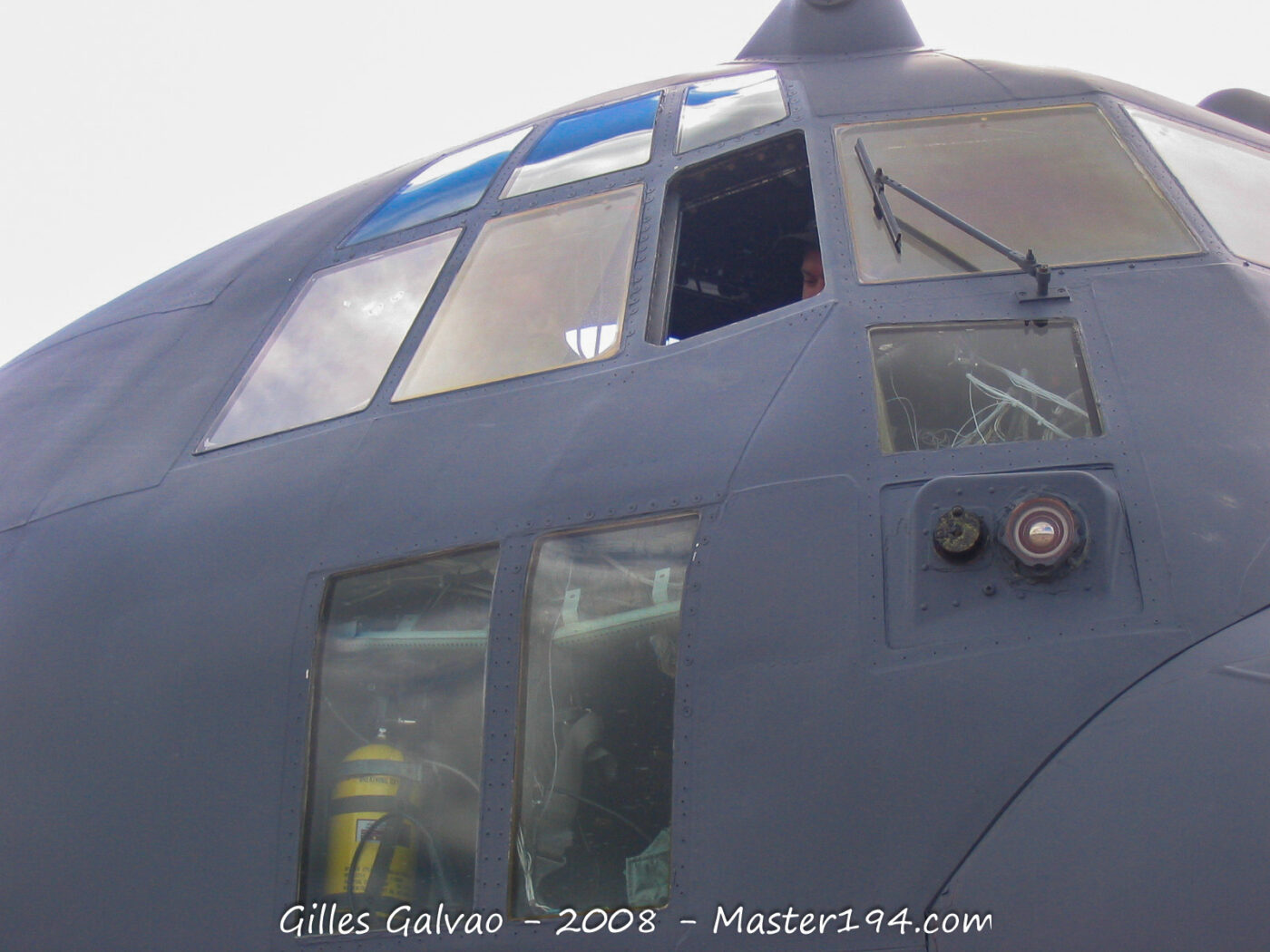
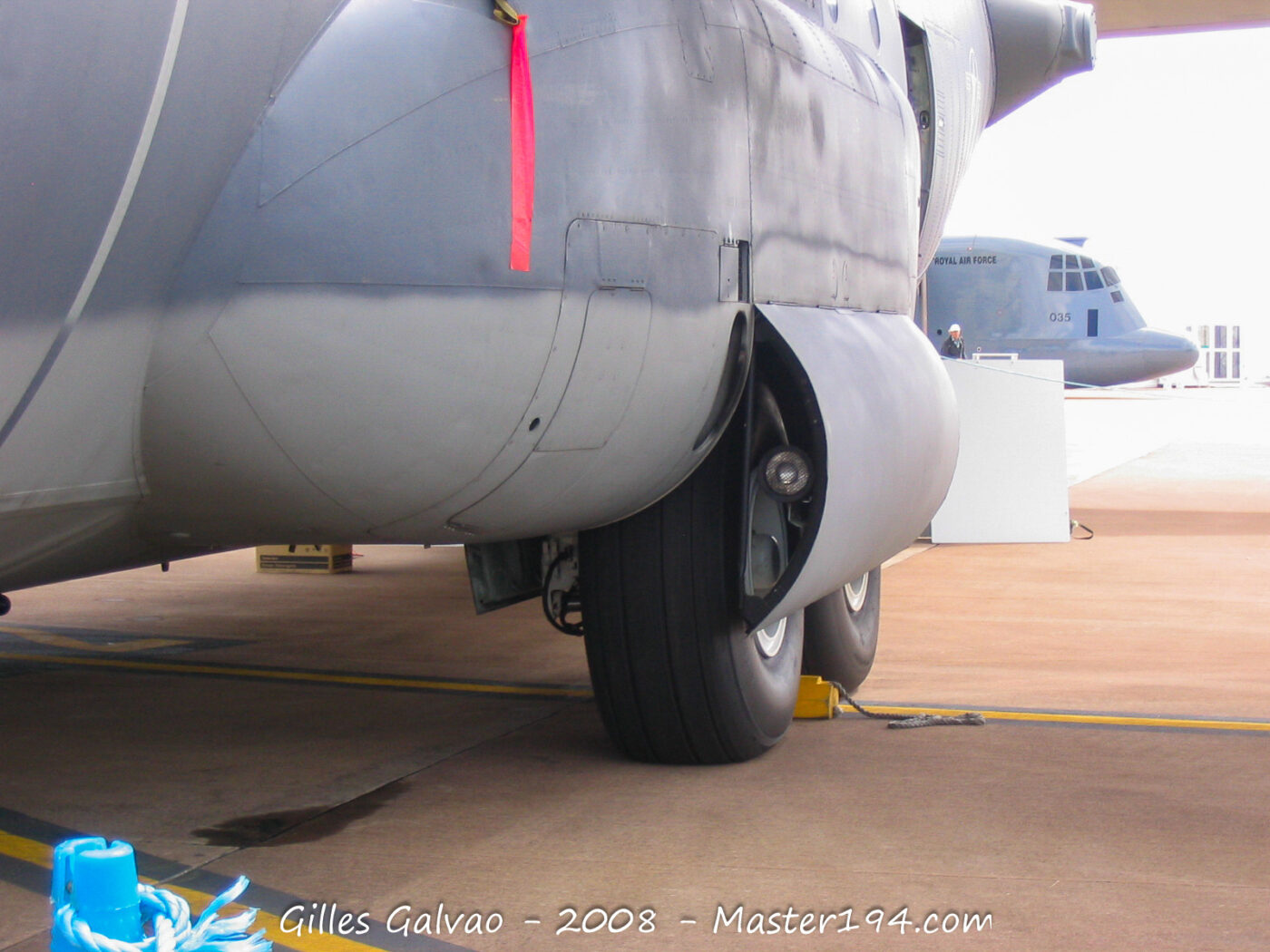
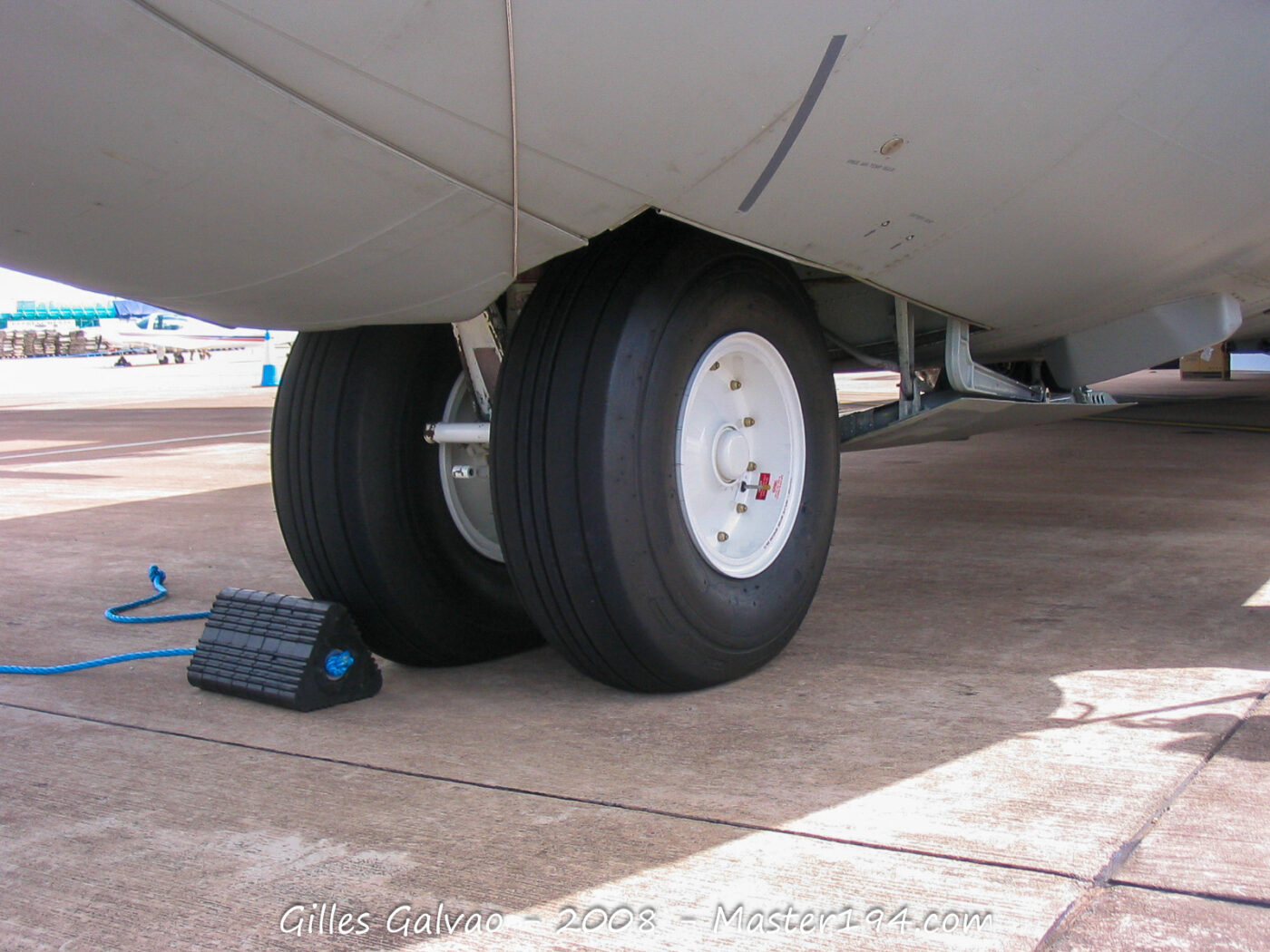
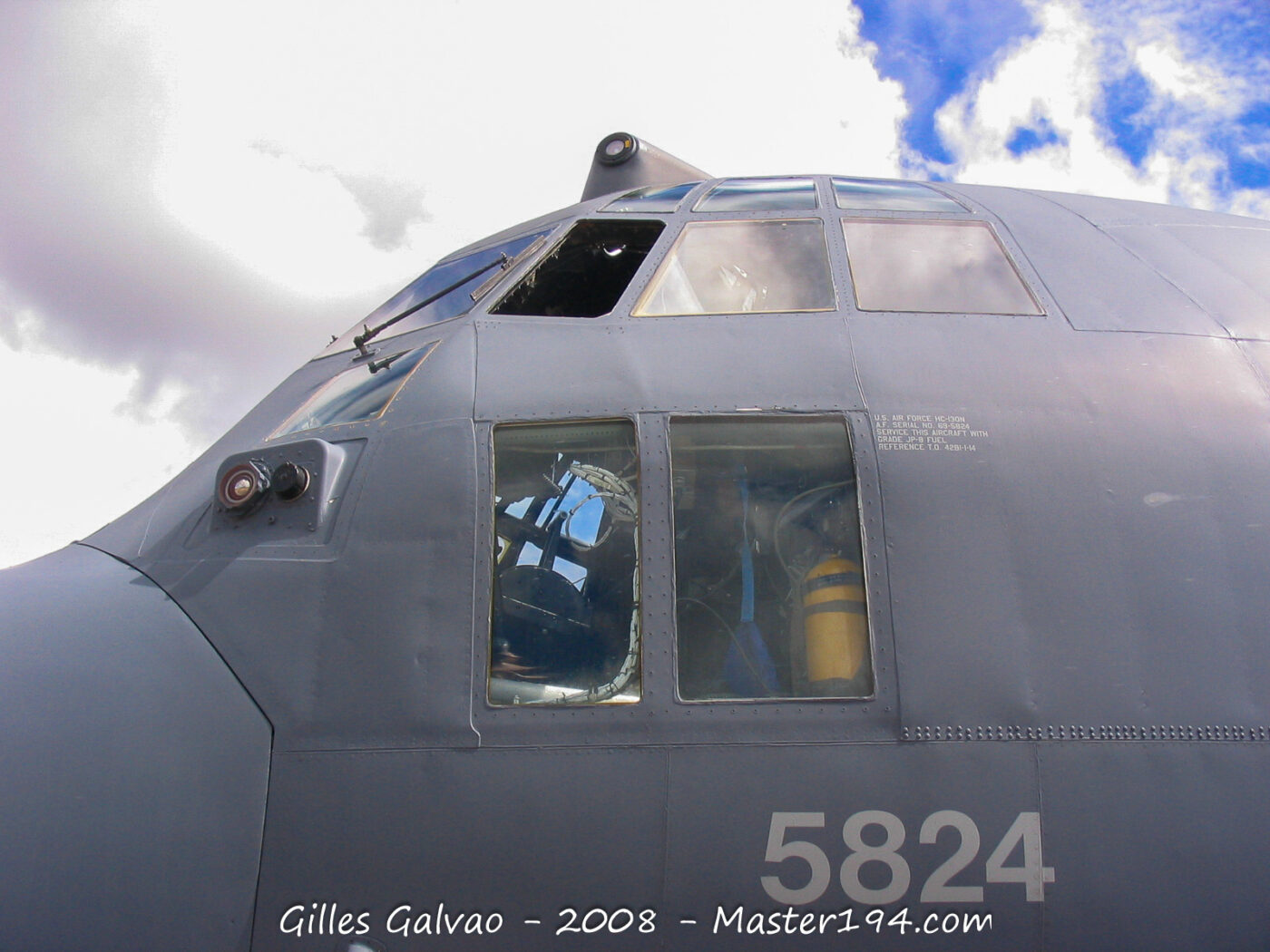
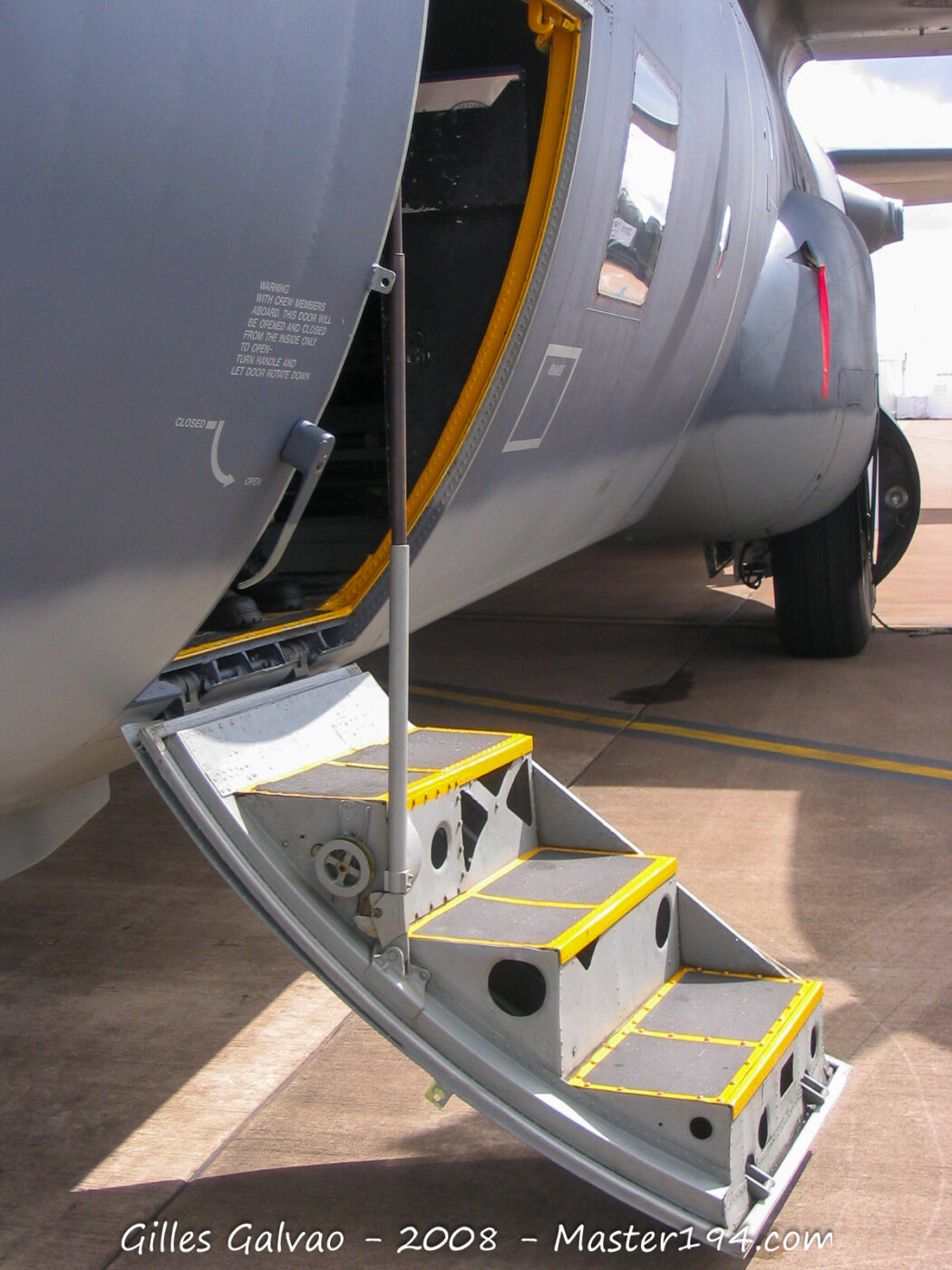
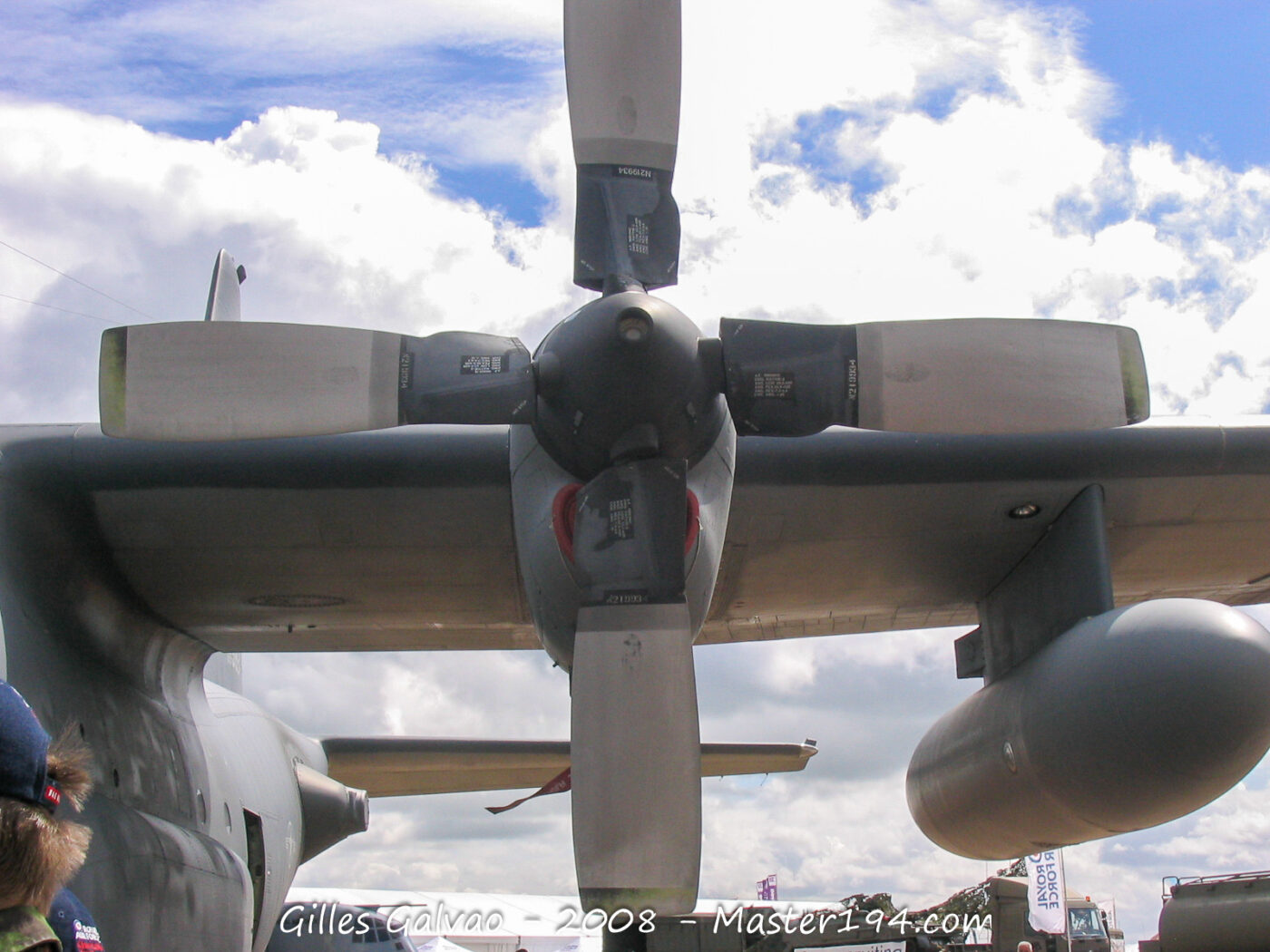
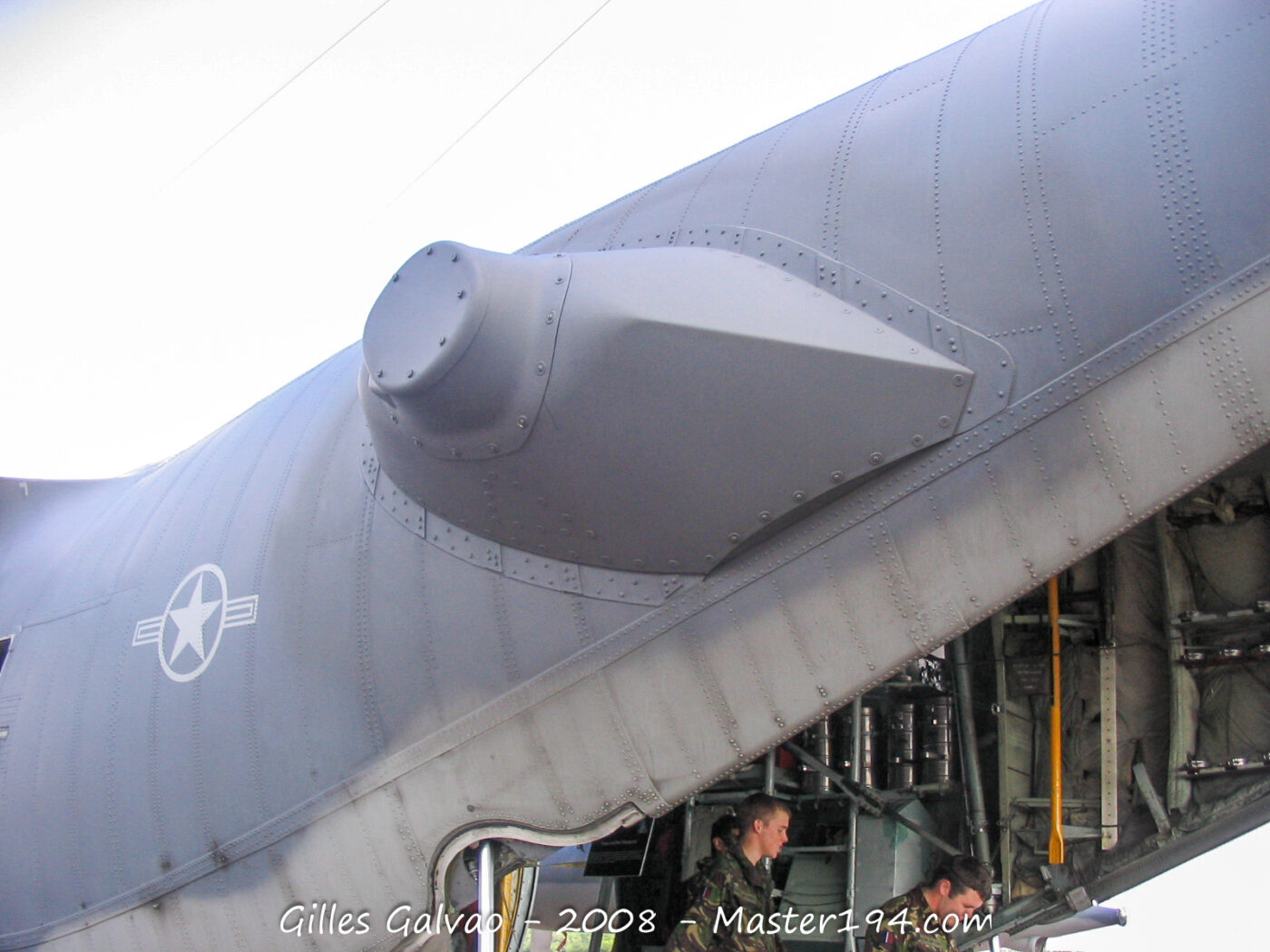
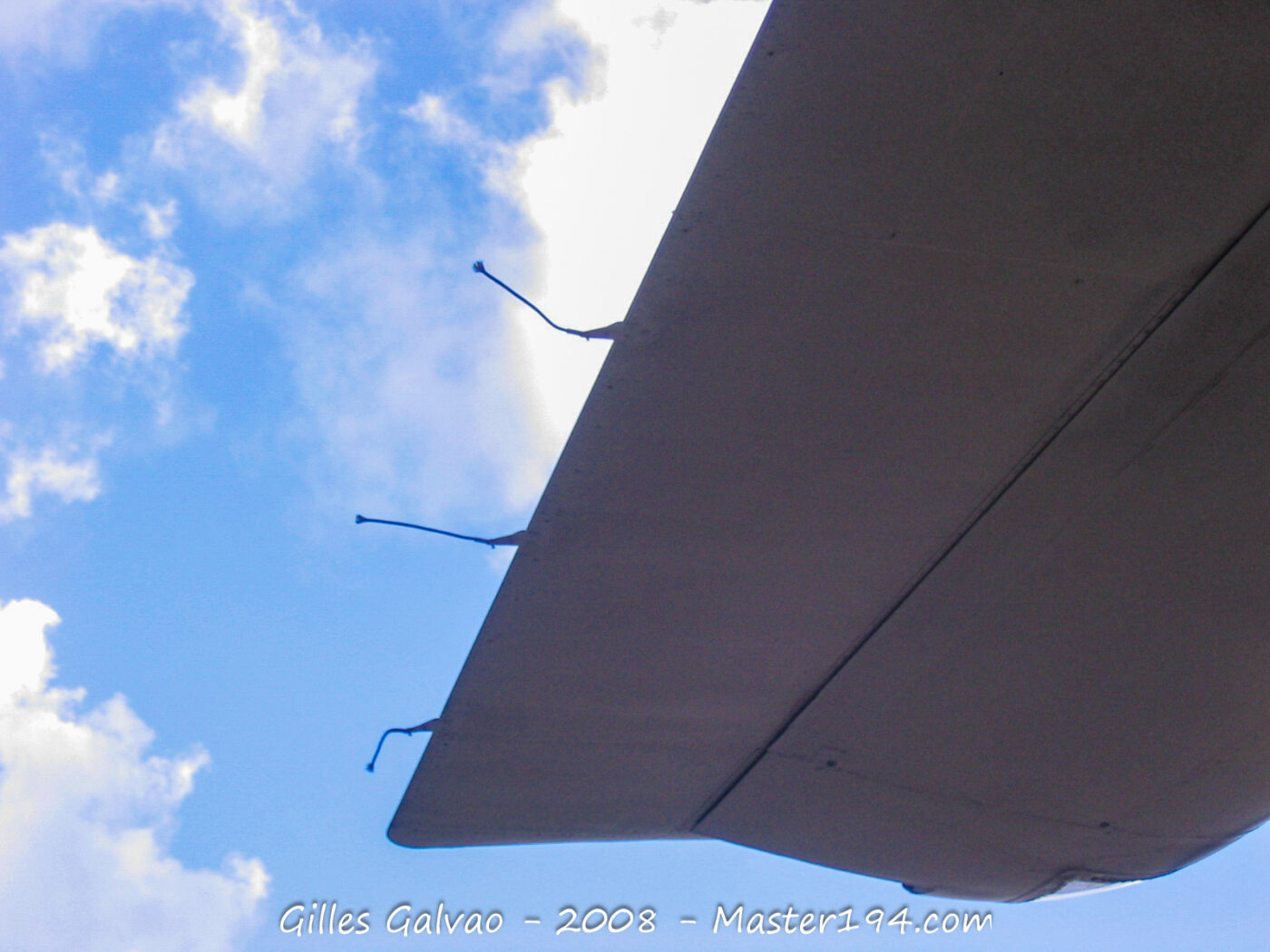
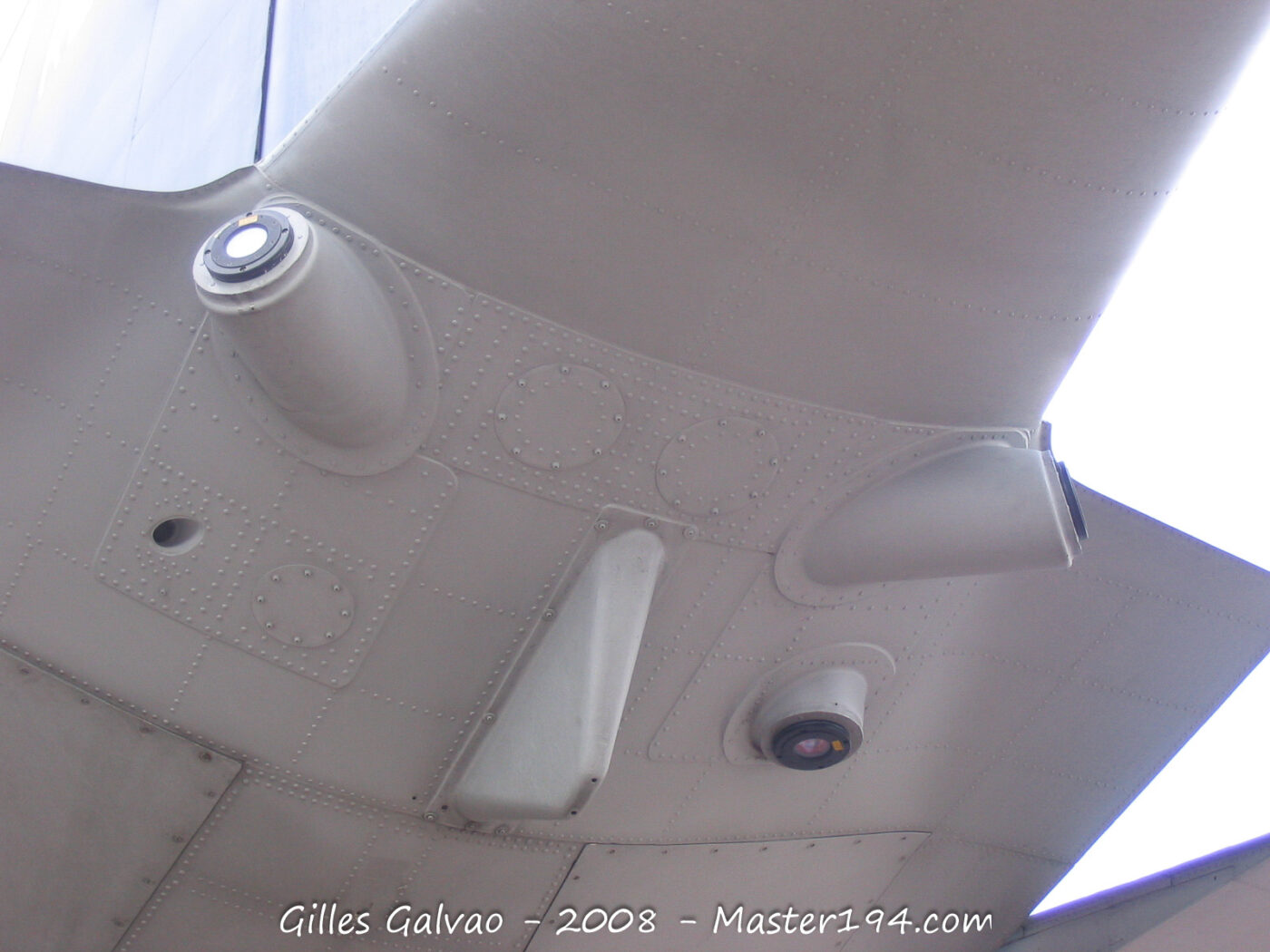
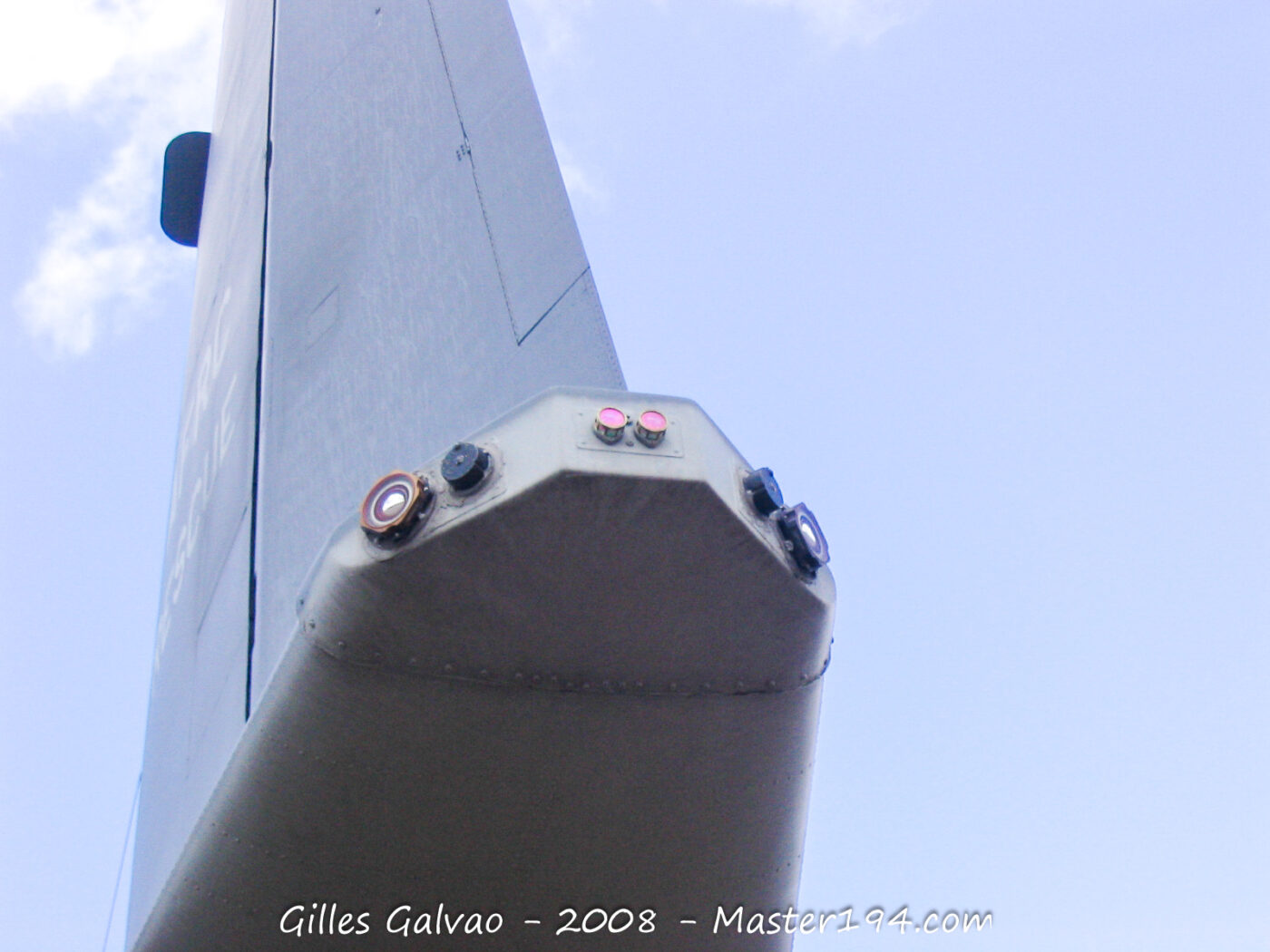
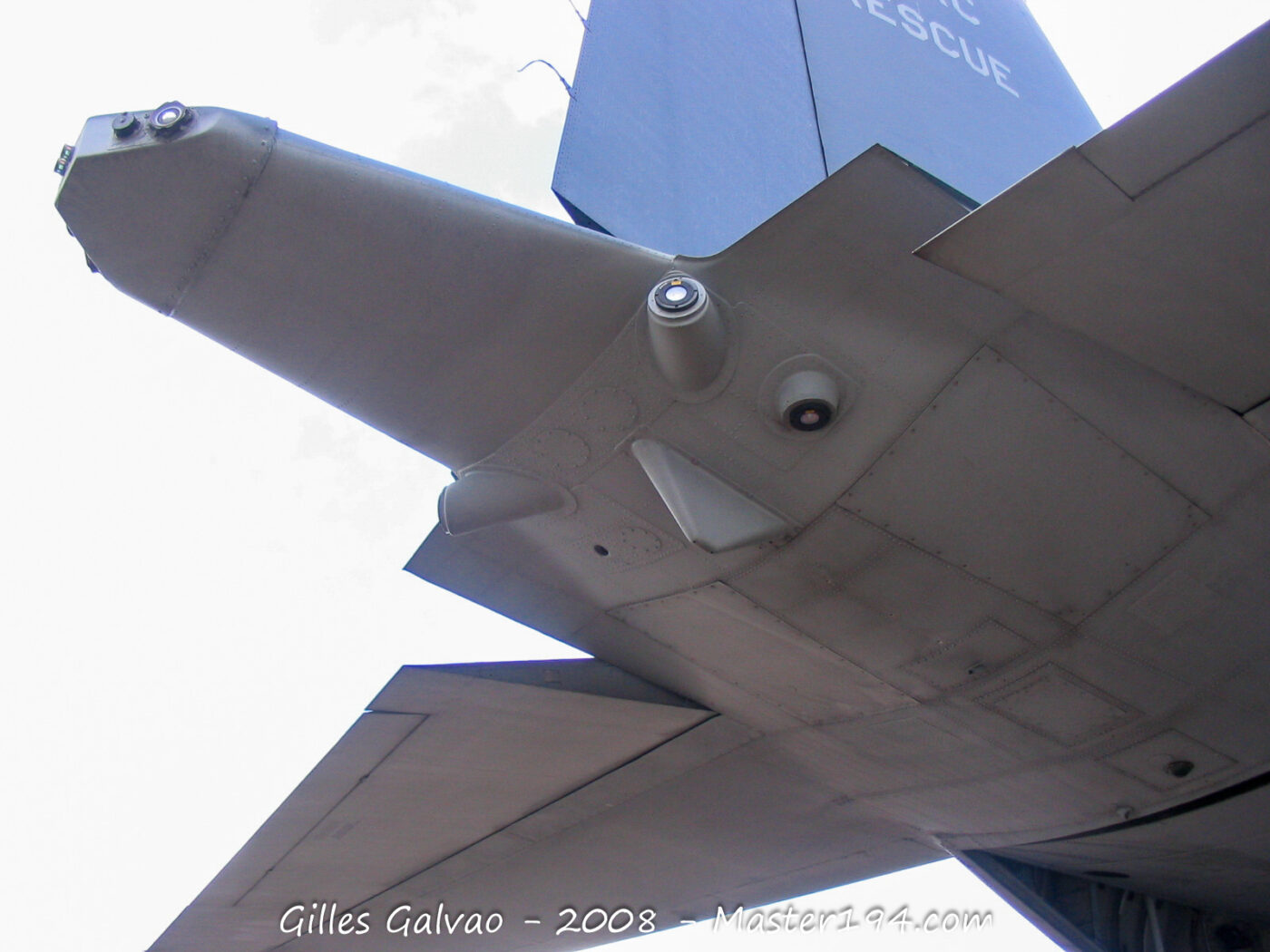
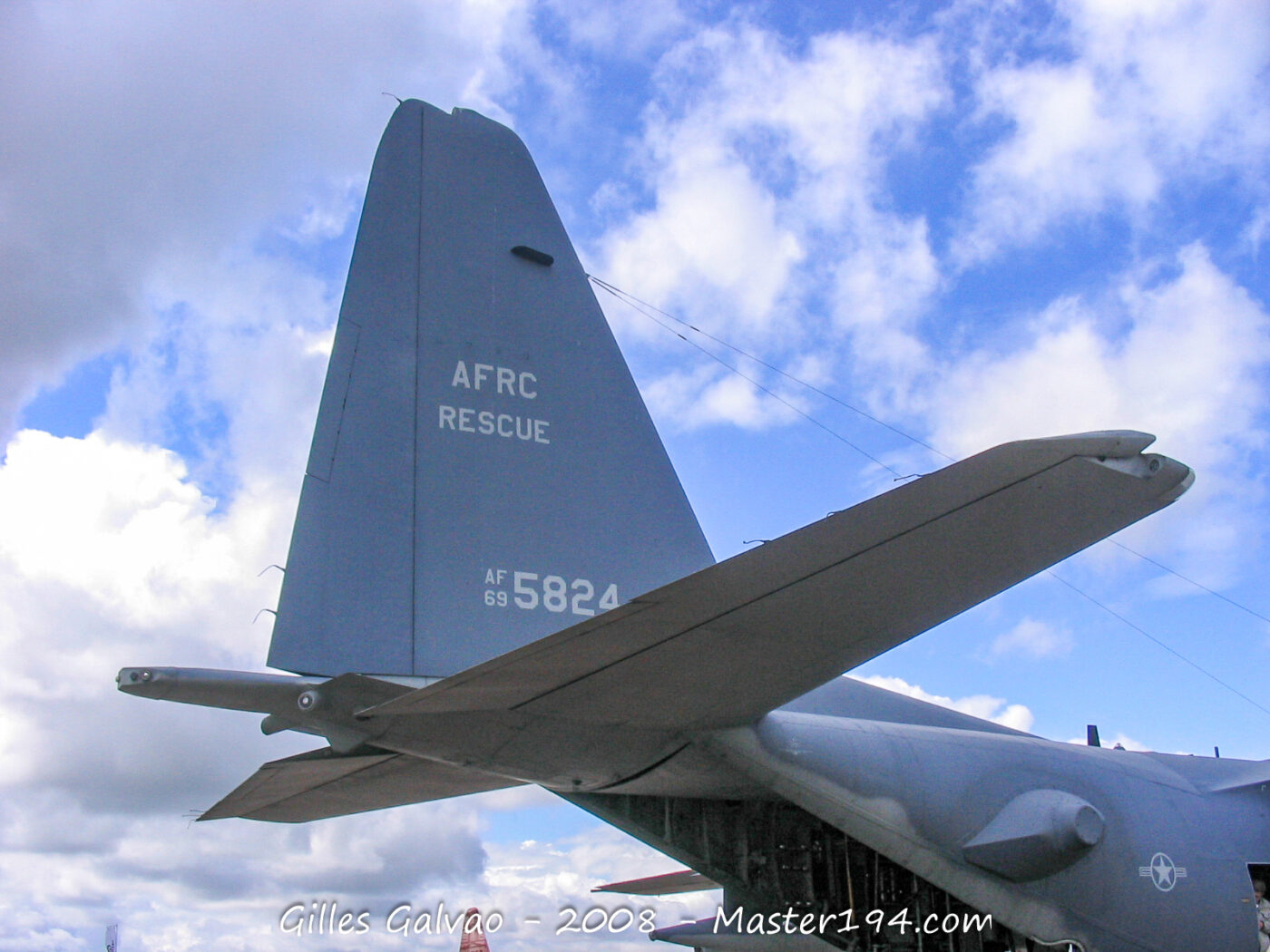
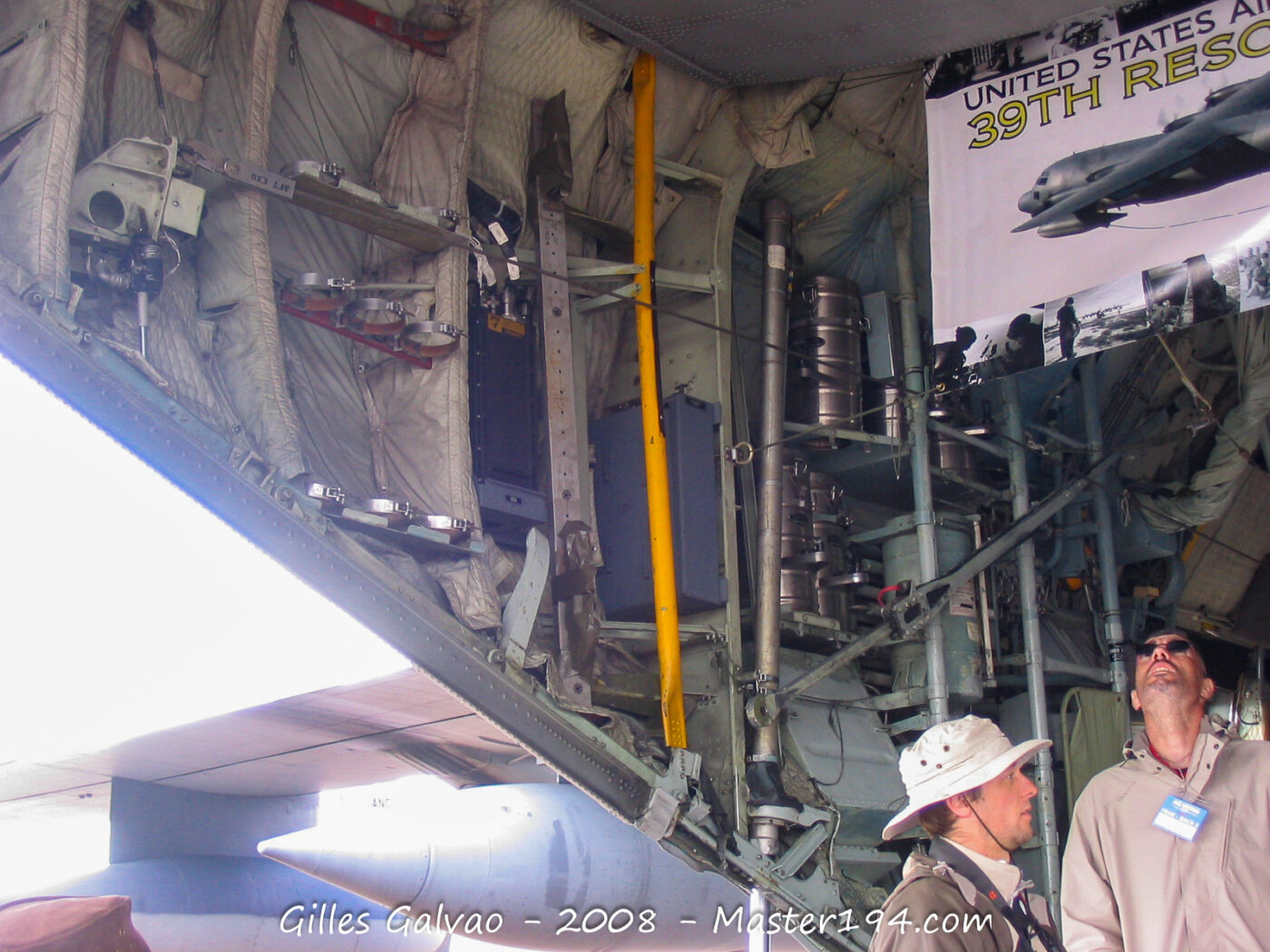
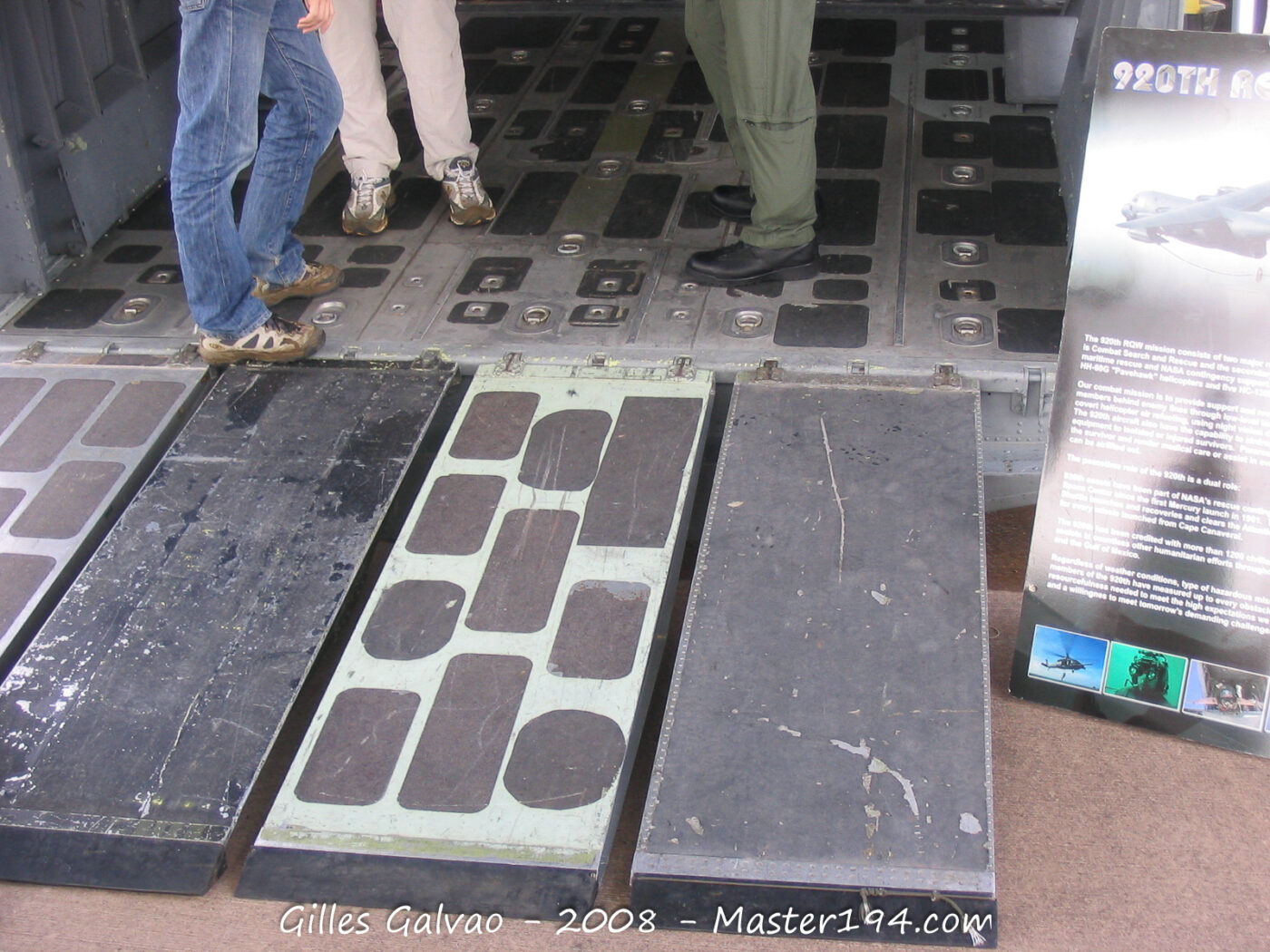
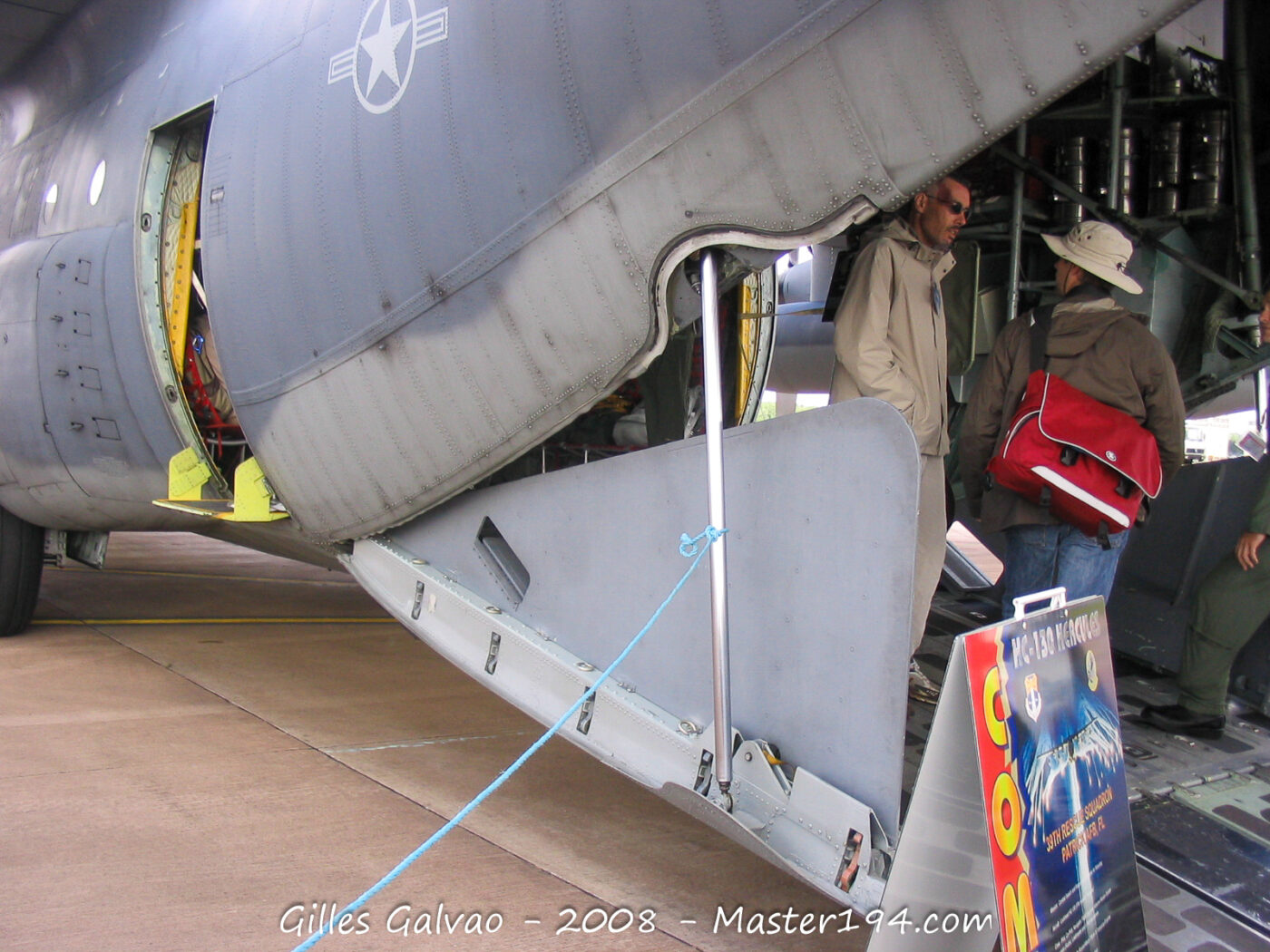
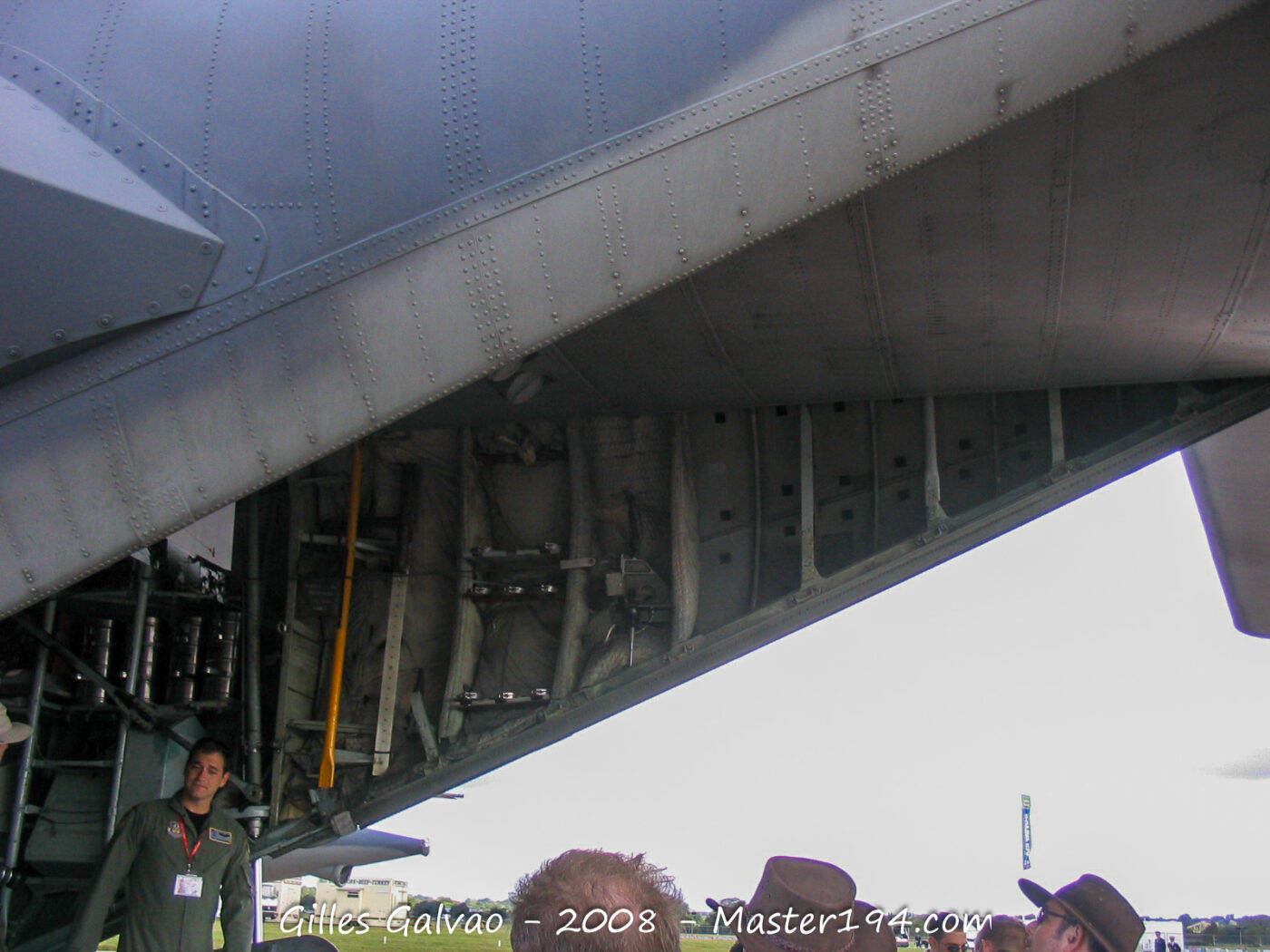
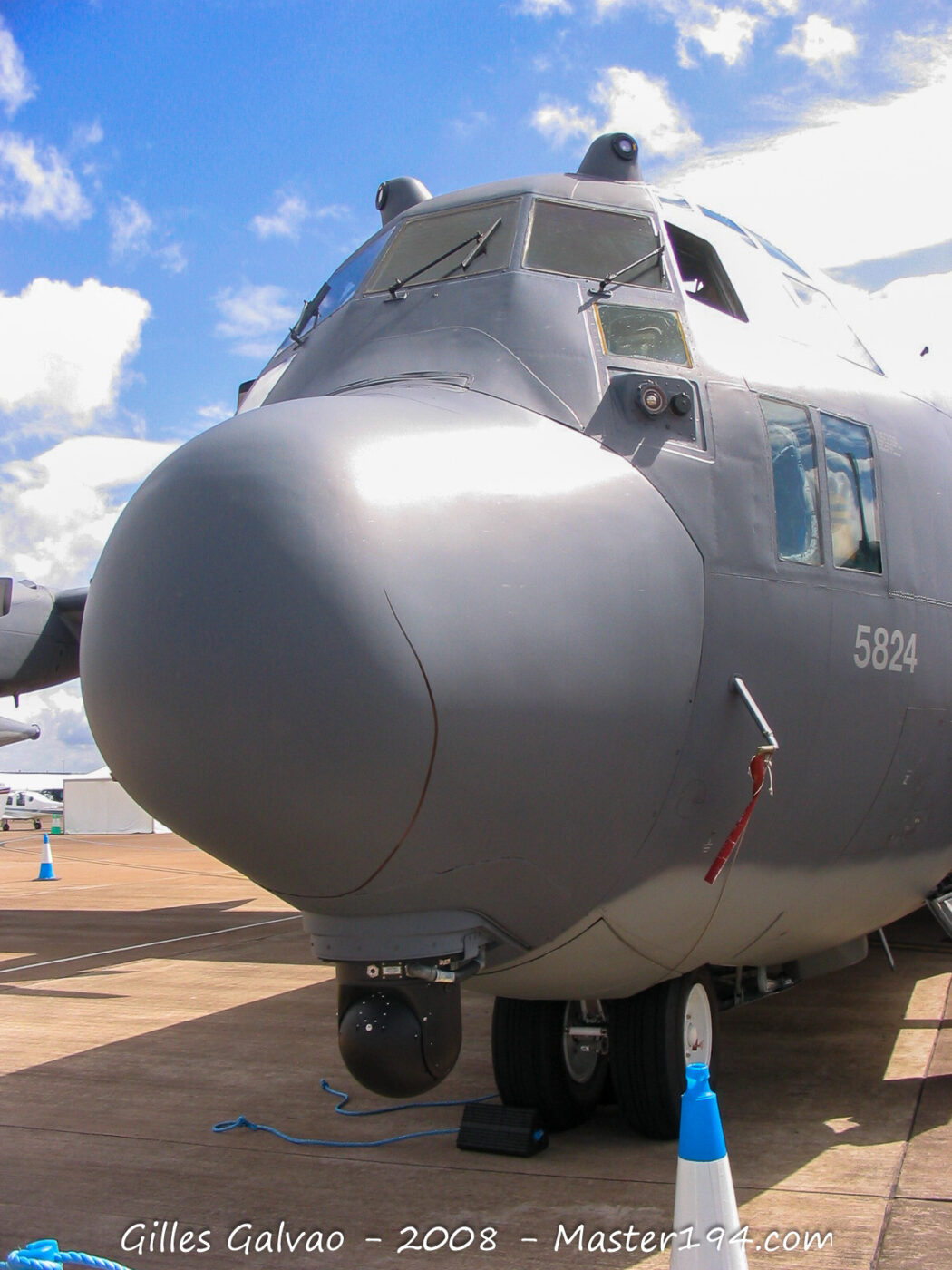
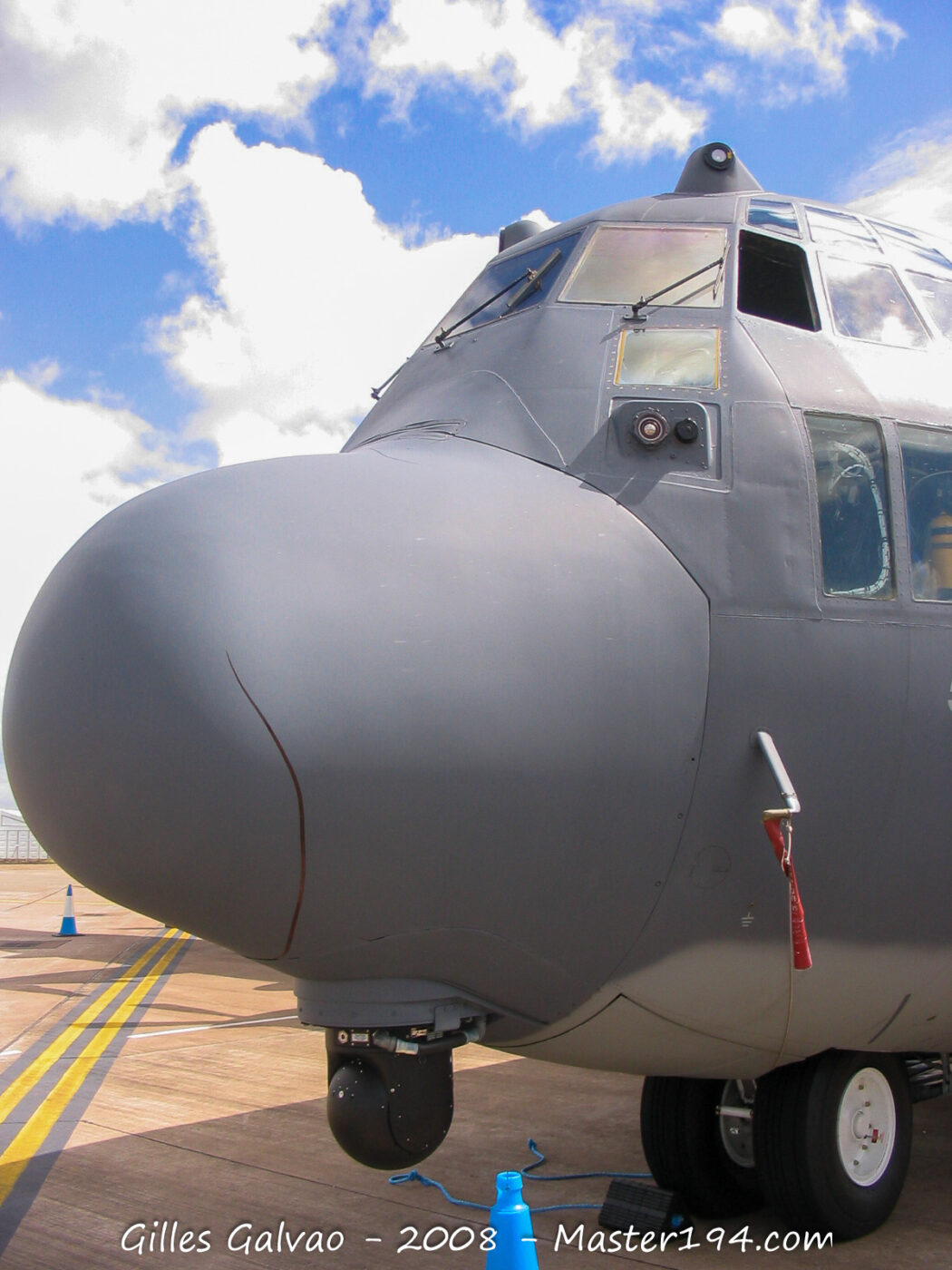
A Closer Look at HC-130N (69-5824).
The Iconic Nose Radar
The most striking visual feature of the HC-130N is its oversized nose radome. It houses a high-performance weather and navigation radar, essential for ‘low-level’ flying and penetrating adverse weather during rescue missions. This specialized radar allows the crew to detect obstacles and navigate safely at very low altitudes, even in zero-visibility conditions, ensuring they can reach isolated personnel regardless of the environment.
Transition to a New Generation
Beginning in the late 2010s, the HC-130N was progressively retired from service within the 39th Rescue Squadron, replaced by the HC-130J Combat King II.
This new version brings significant improvements in avionics, performance, and operational capabilities, while maintaining the core search and rescue missions.
Conclusion
For many years, the 39th Rescue Squadron’s HC-130N played a central role in U.S. Air Force rescue operations. As a true force multiplier, it extended the reach and effectiveness of personnel recovery missions, often under extreme conditions. Although it has now made way for a more modern successor, its legacy remains deeply intertwined with the history of Combat Search and Rescue and the unwavering commitment of American rescue units.