 by
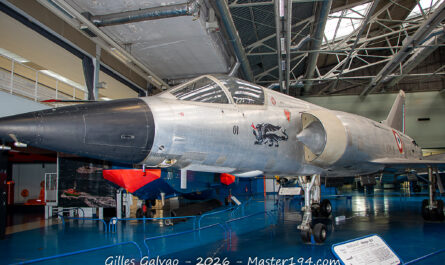
A derivative of the Dassault Mirage III, the Mirage IIIS is one of the most specific and deeply modified versions of this famous family of combat aircraft.
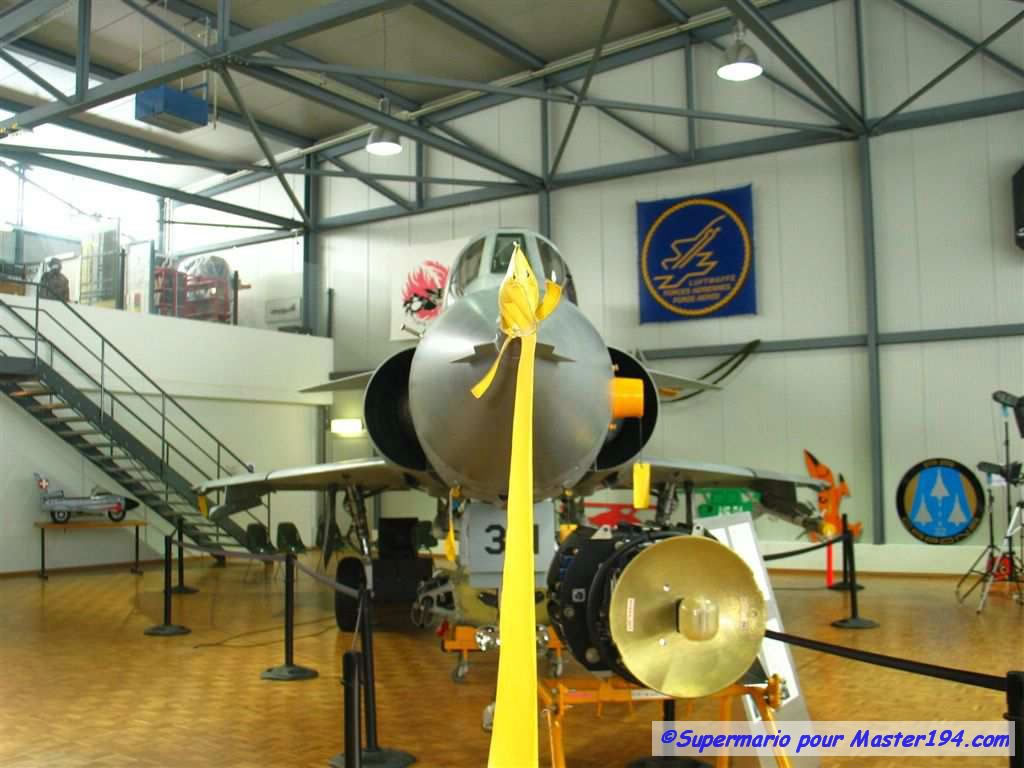
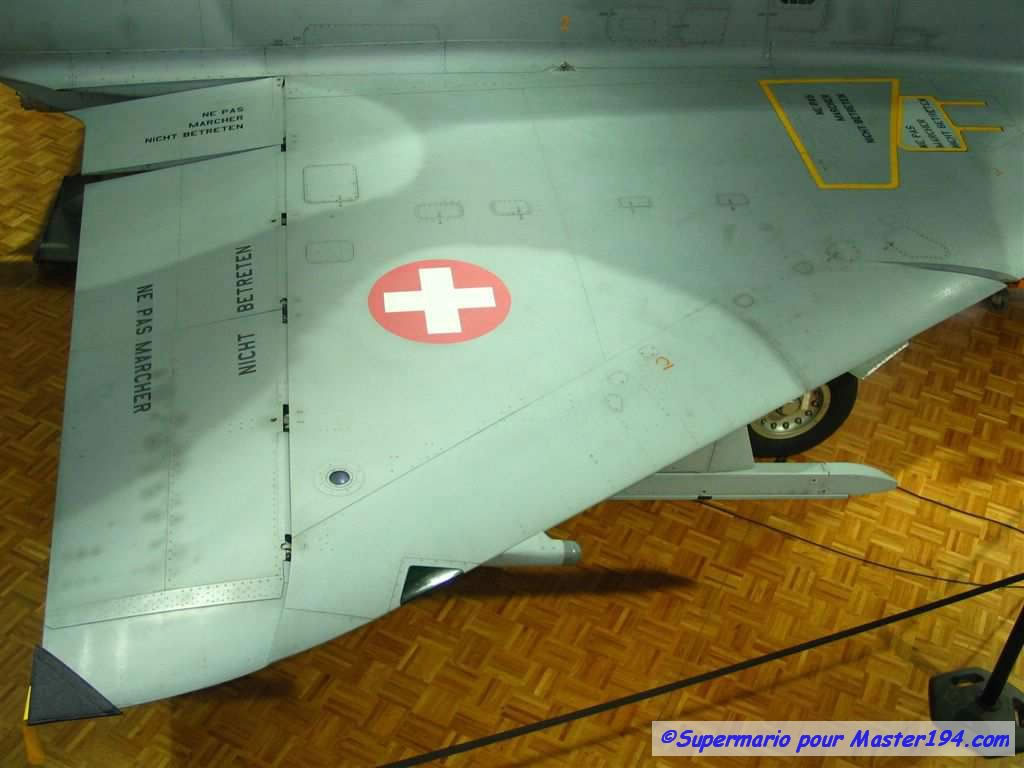
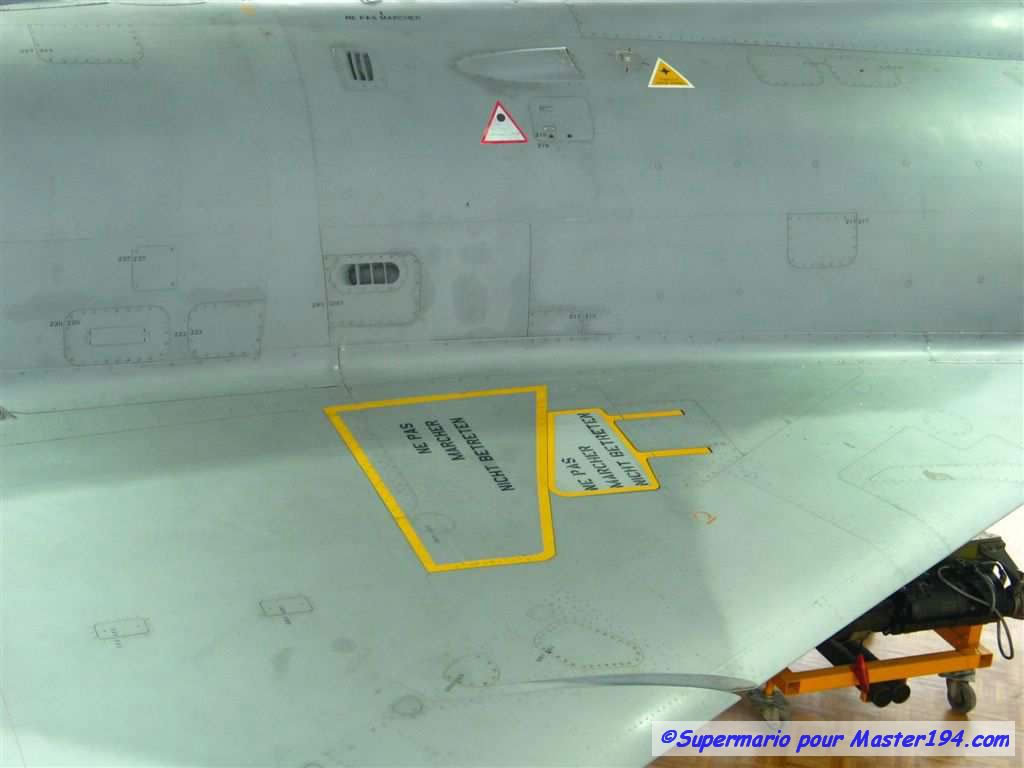
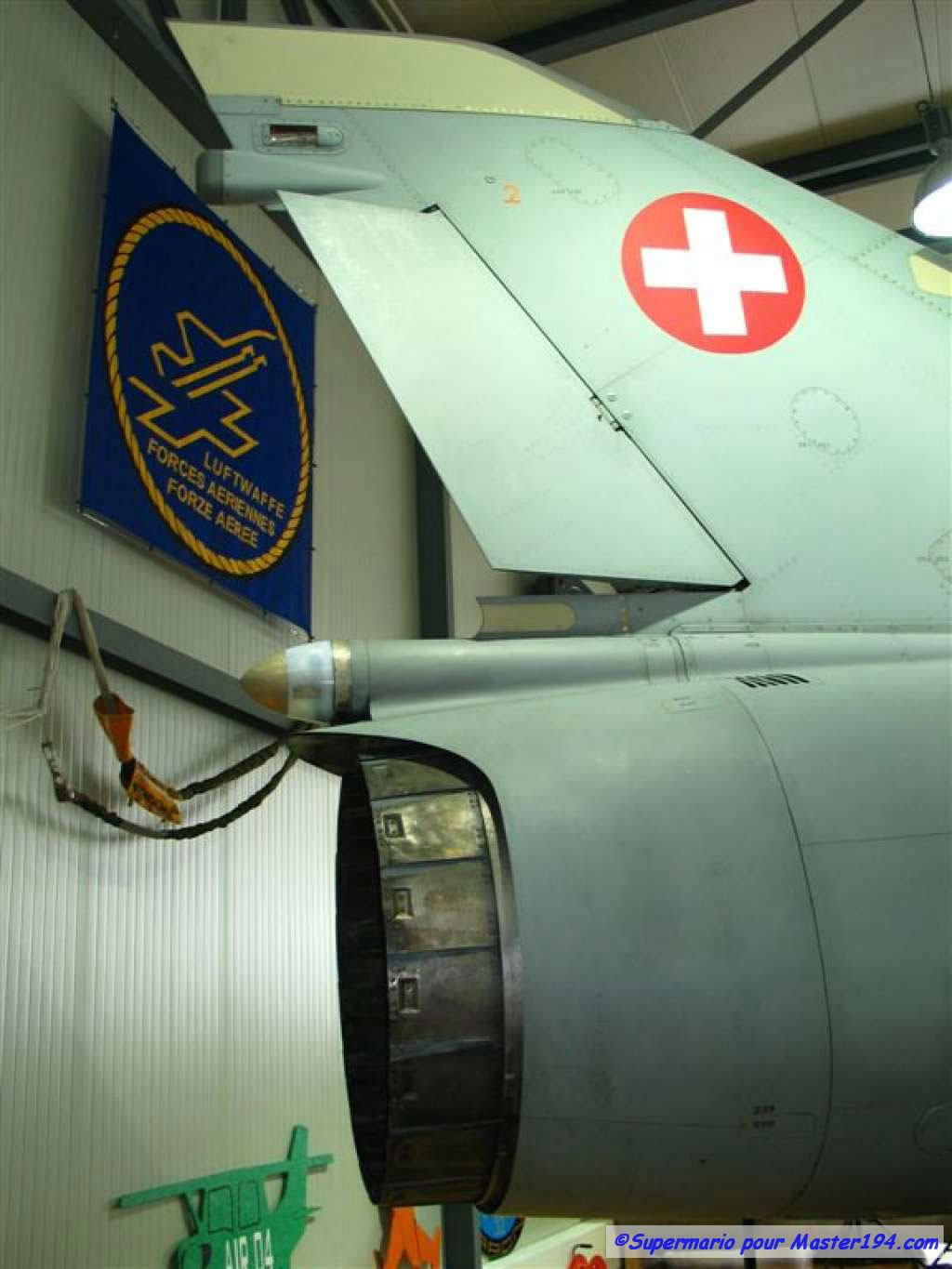
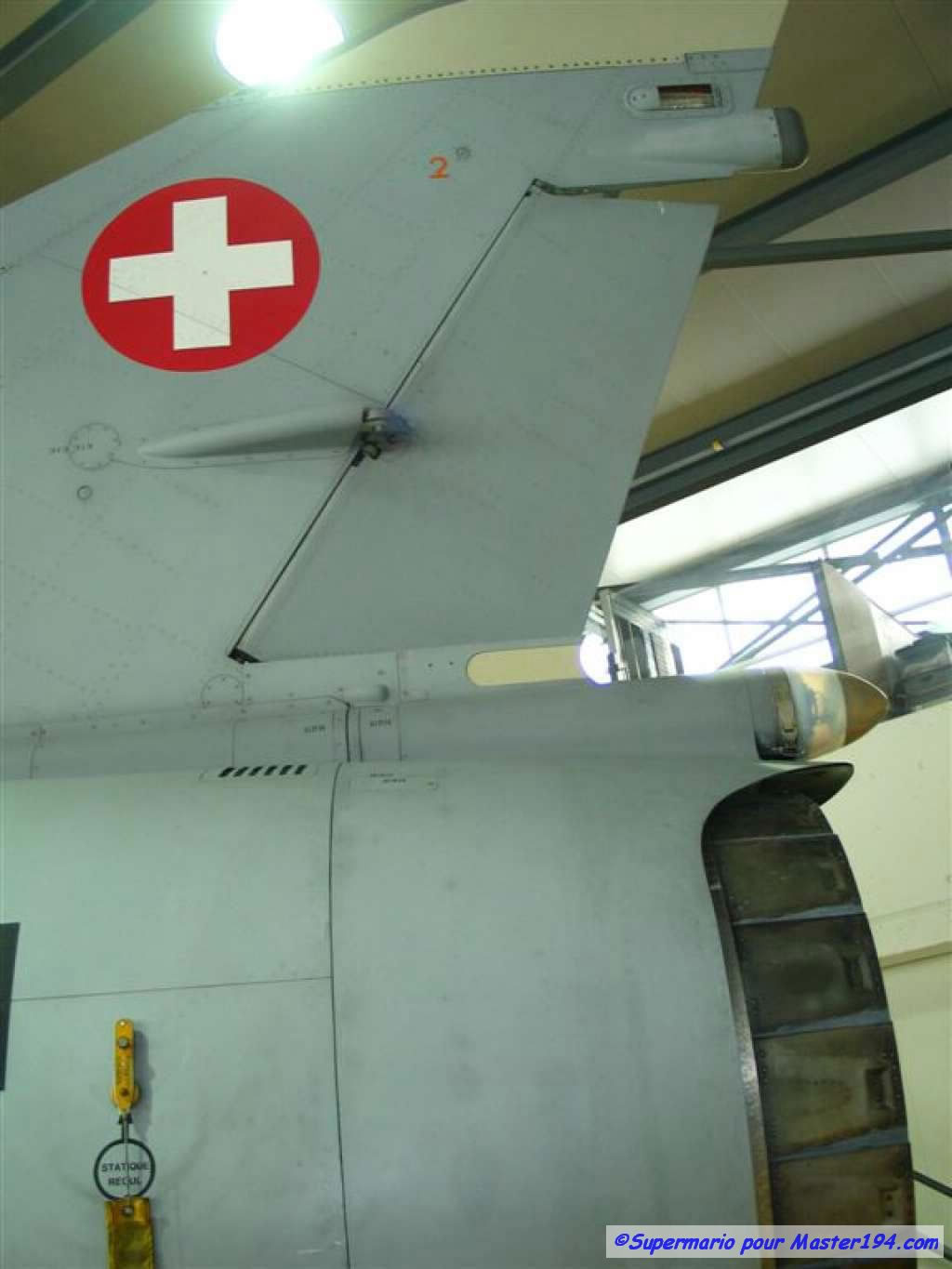
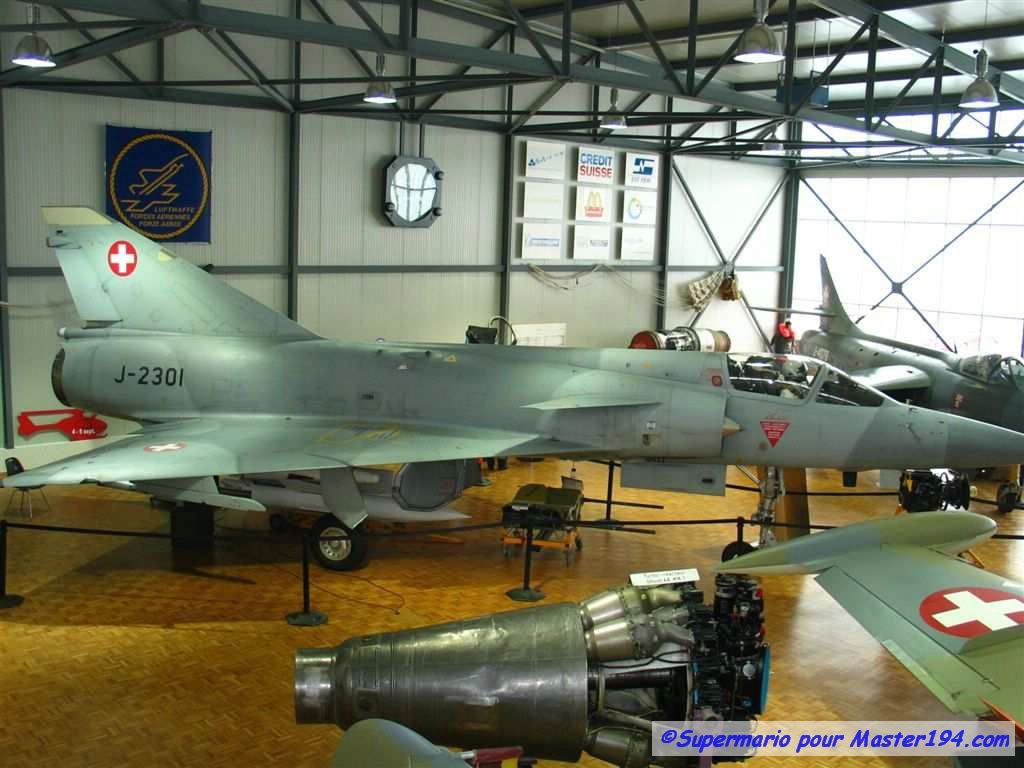
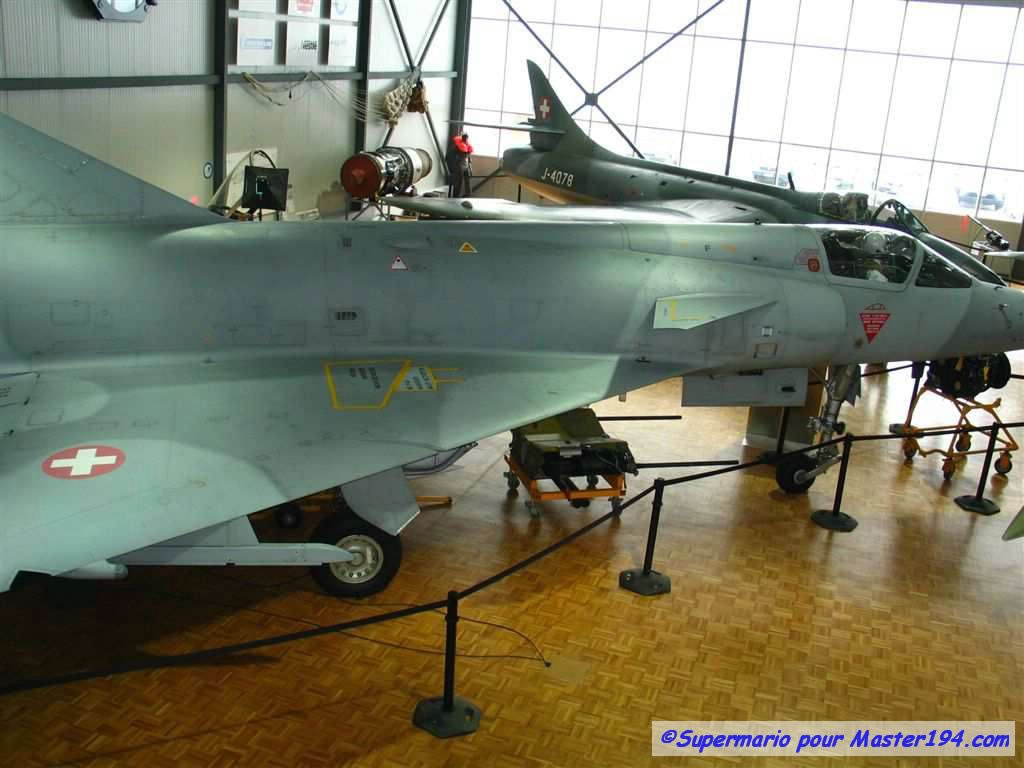
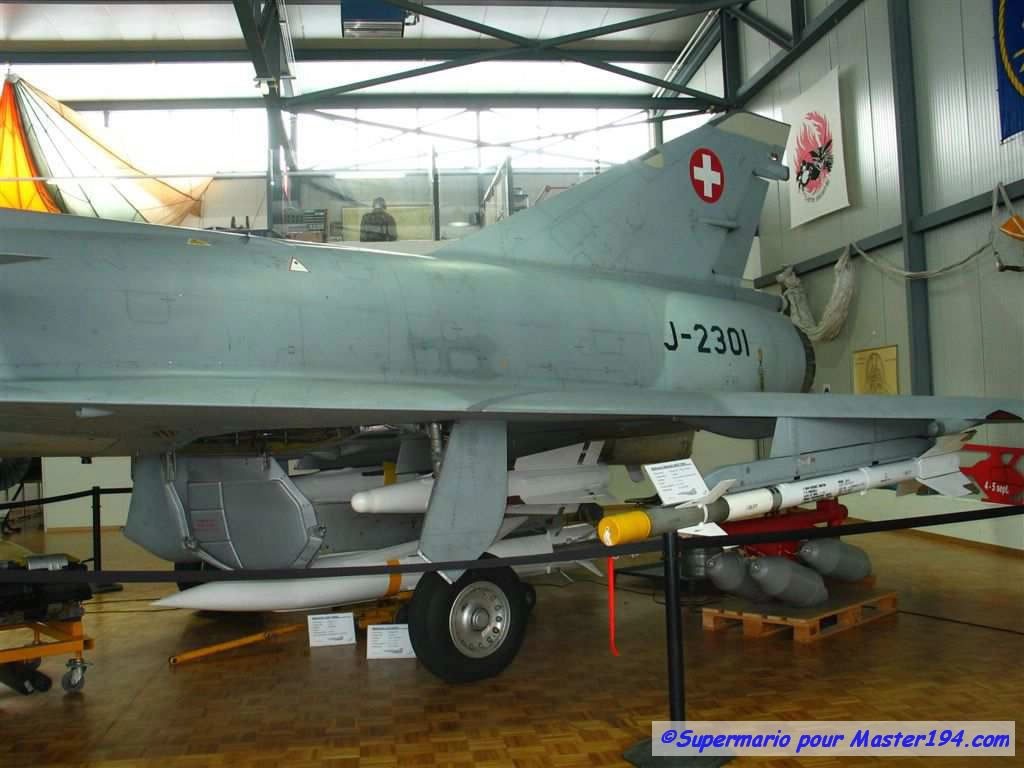
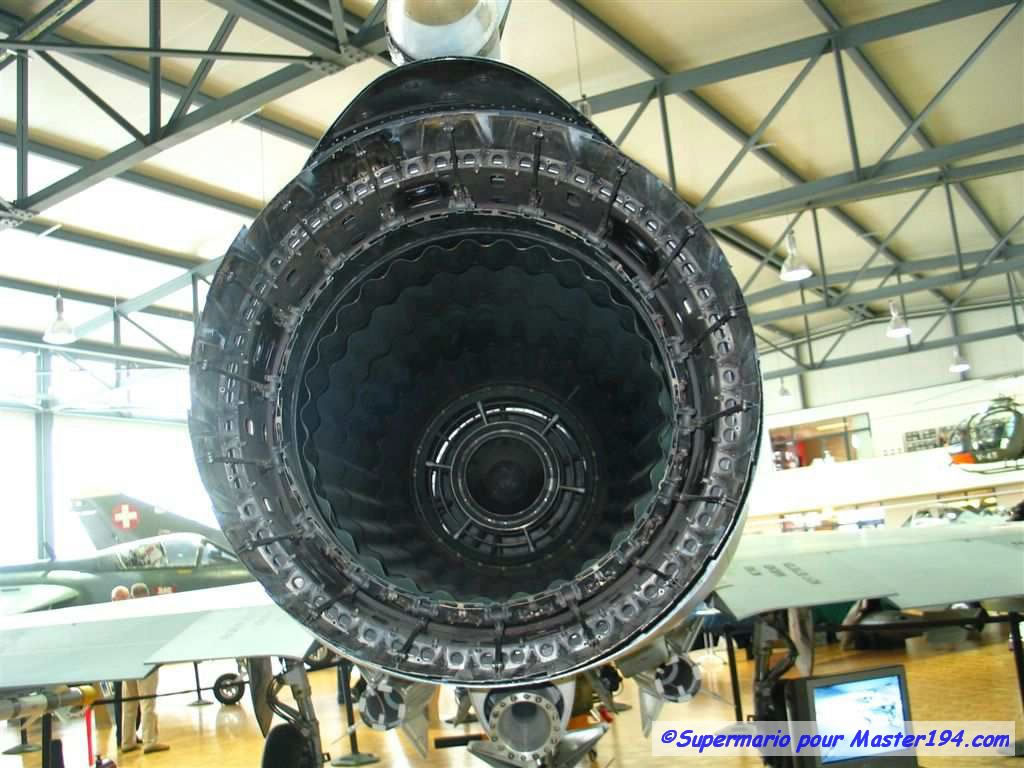
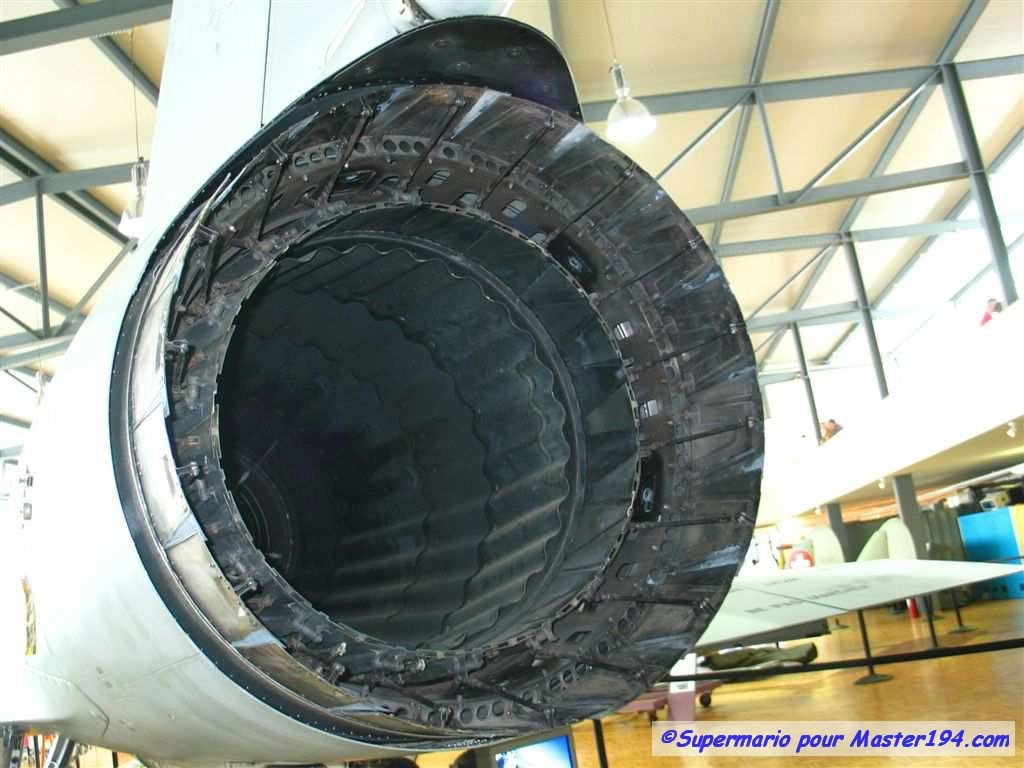
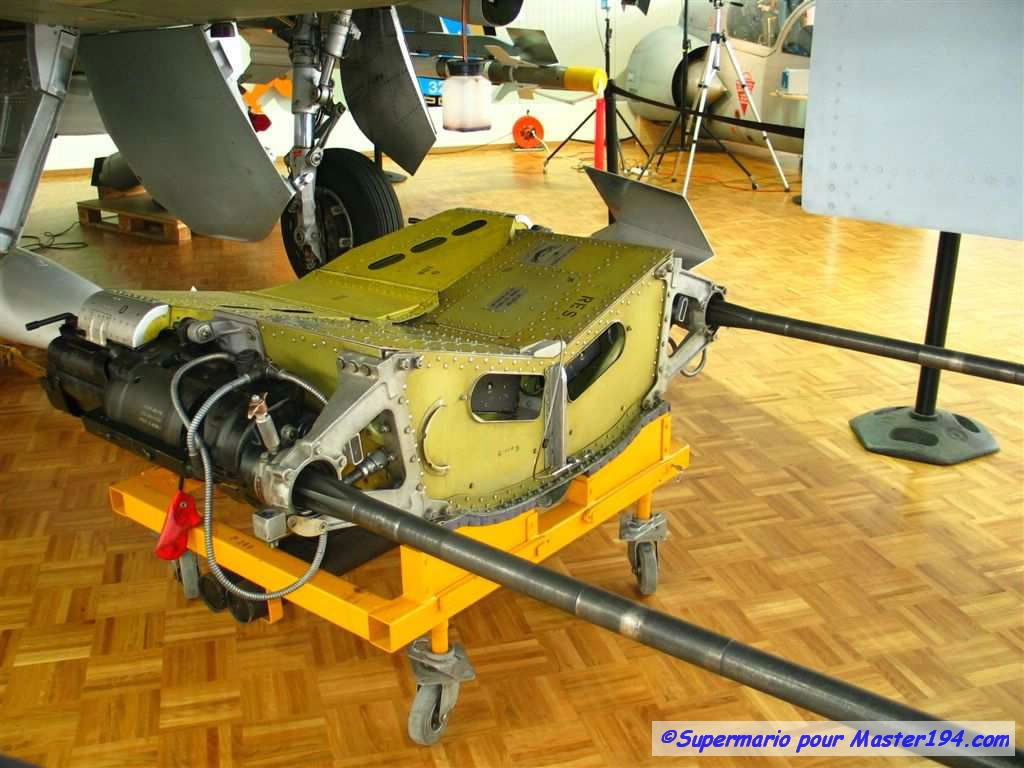
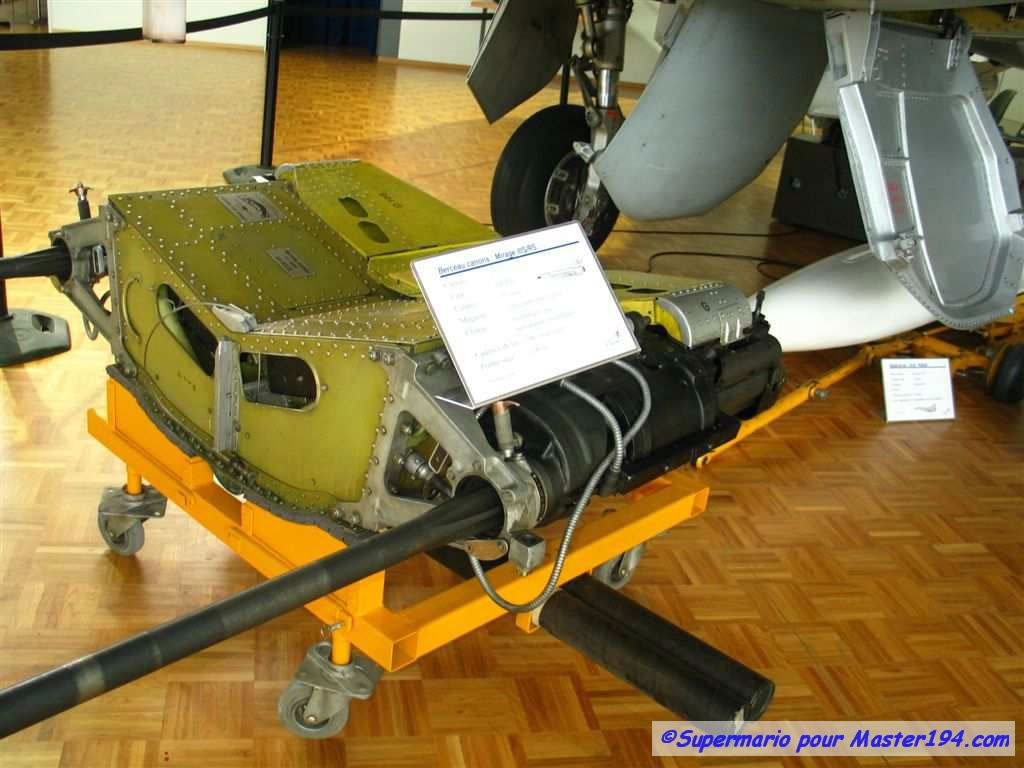
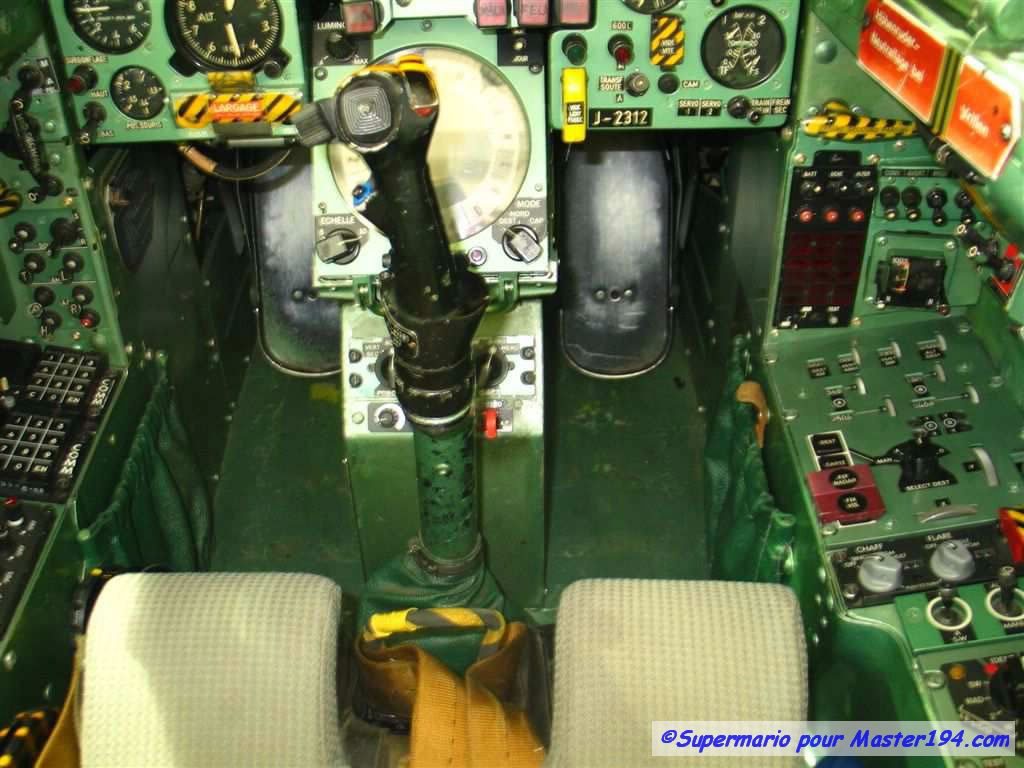
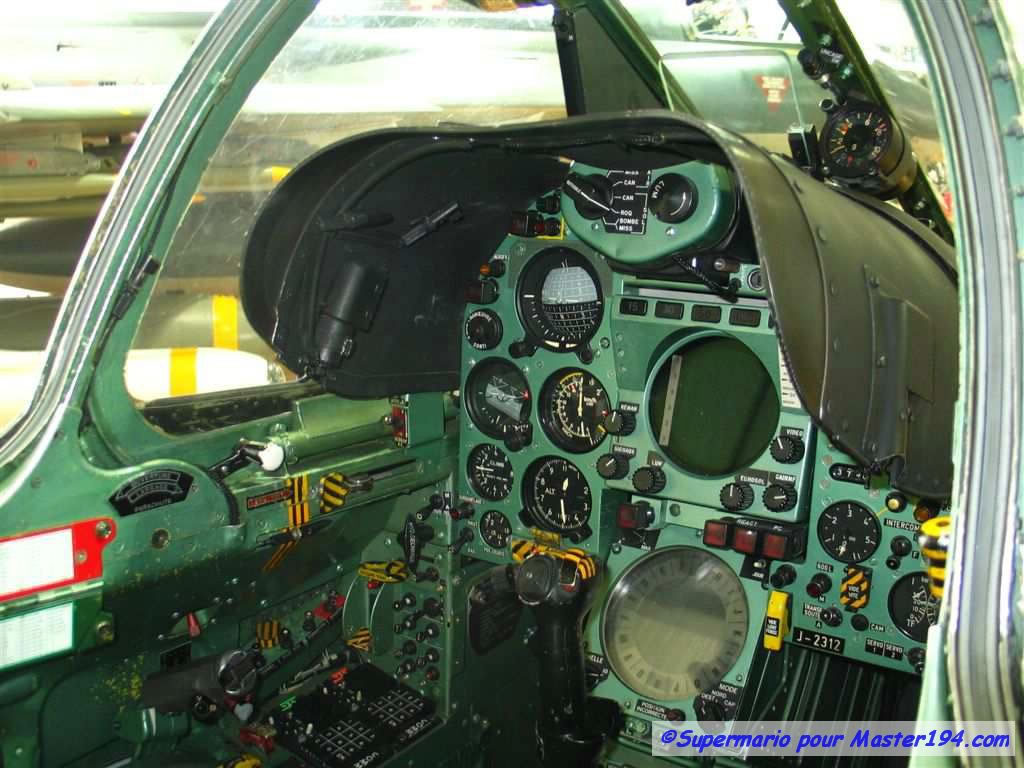
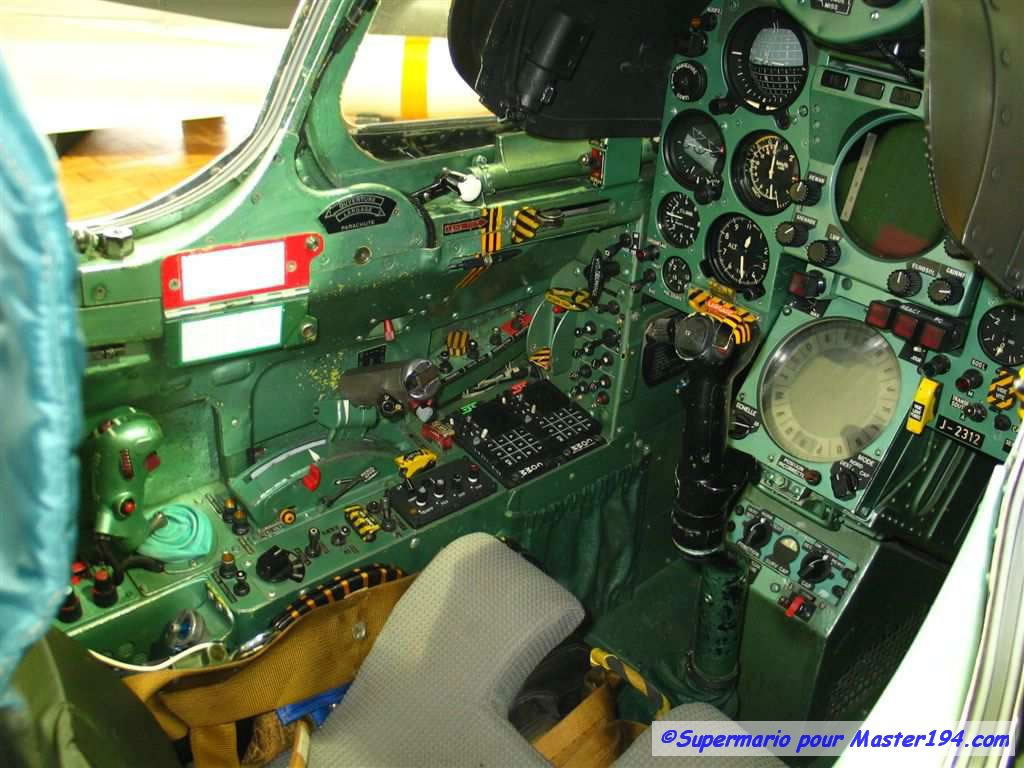
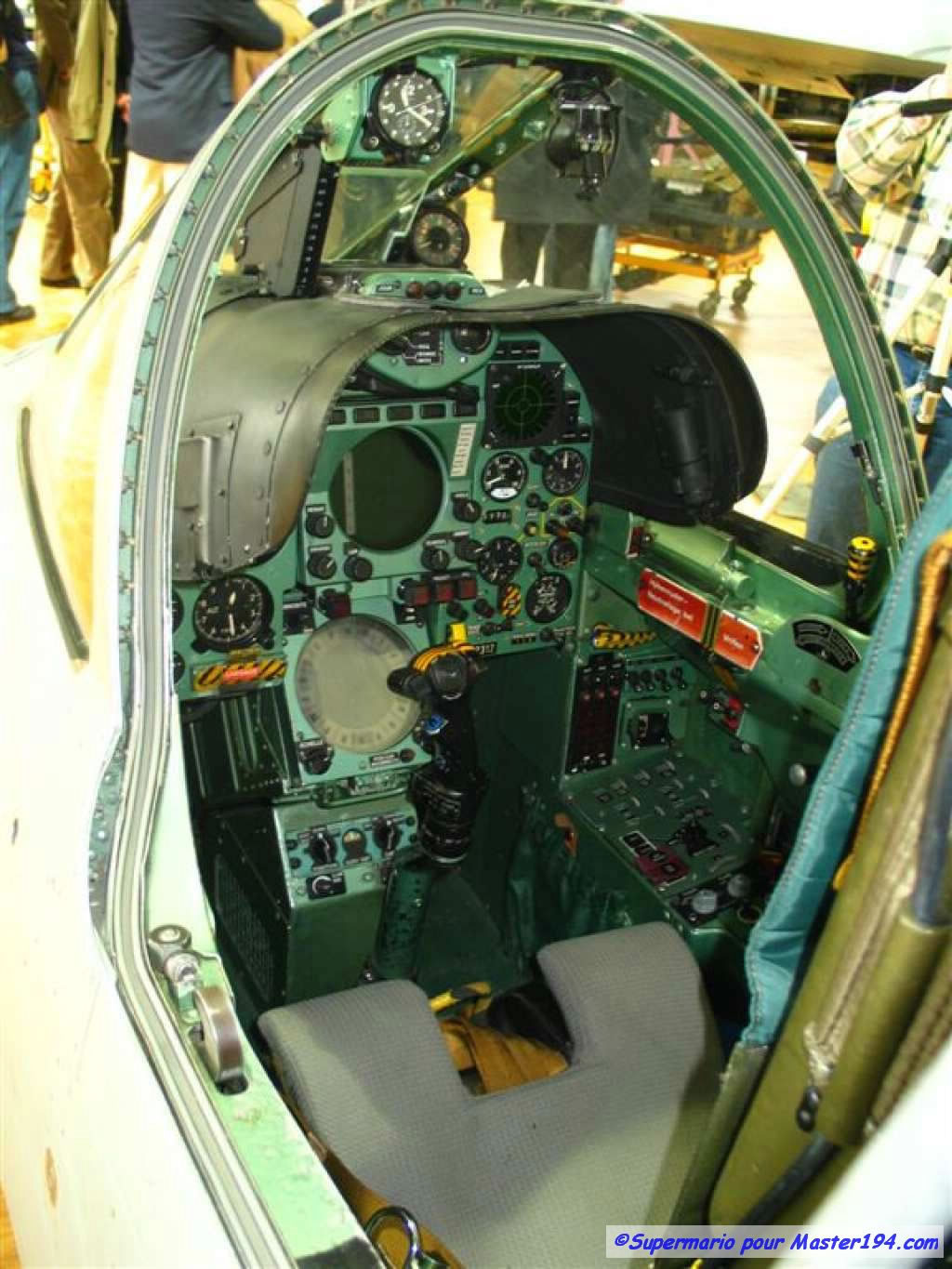
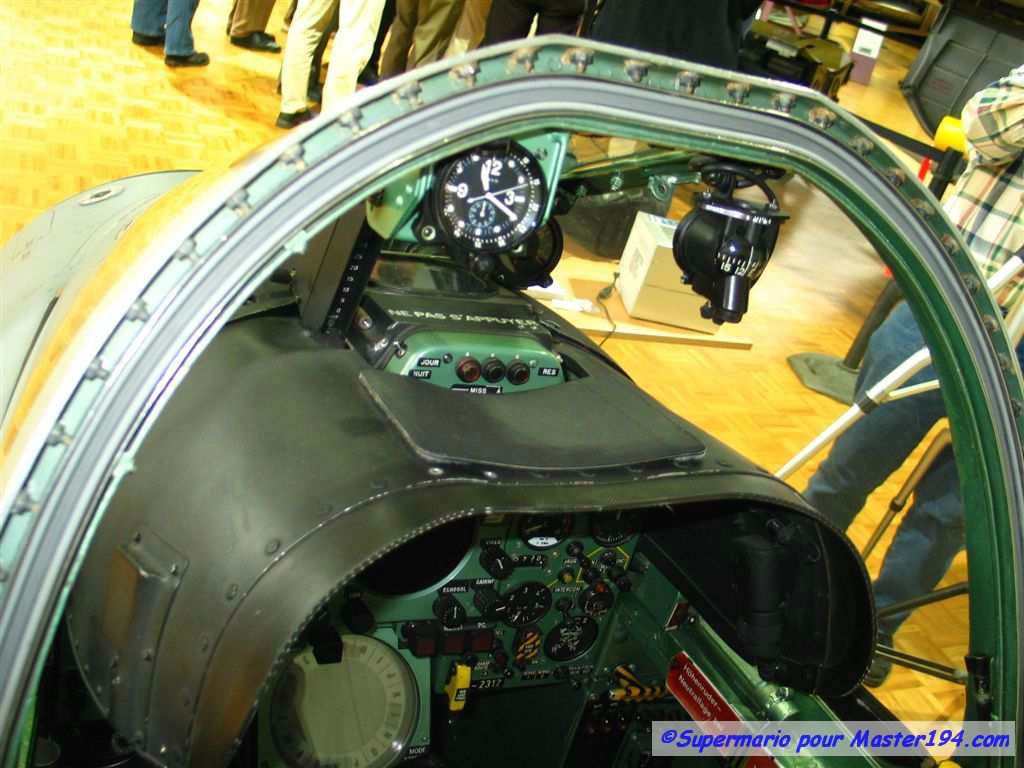
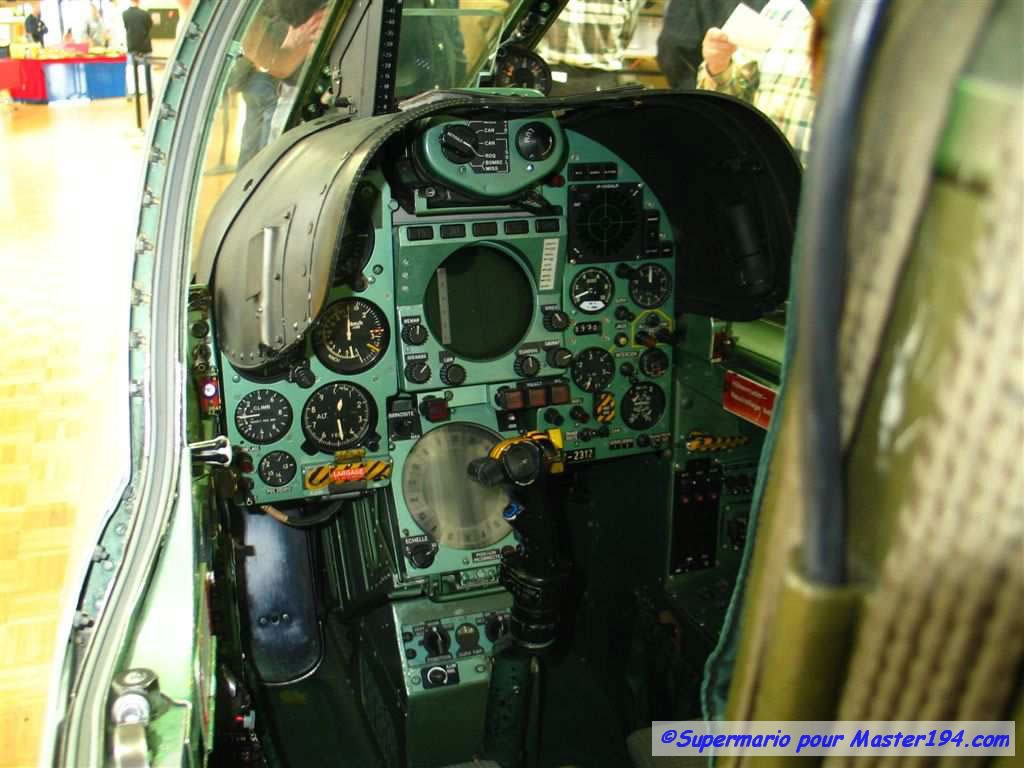
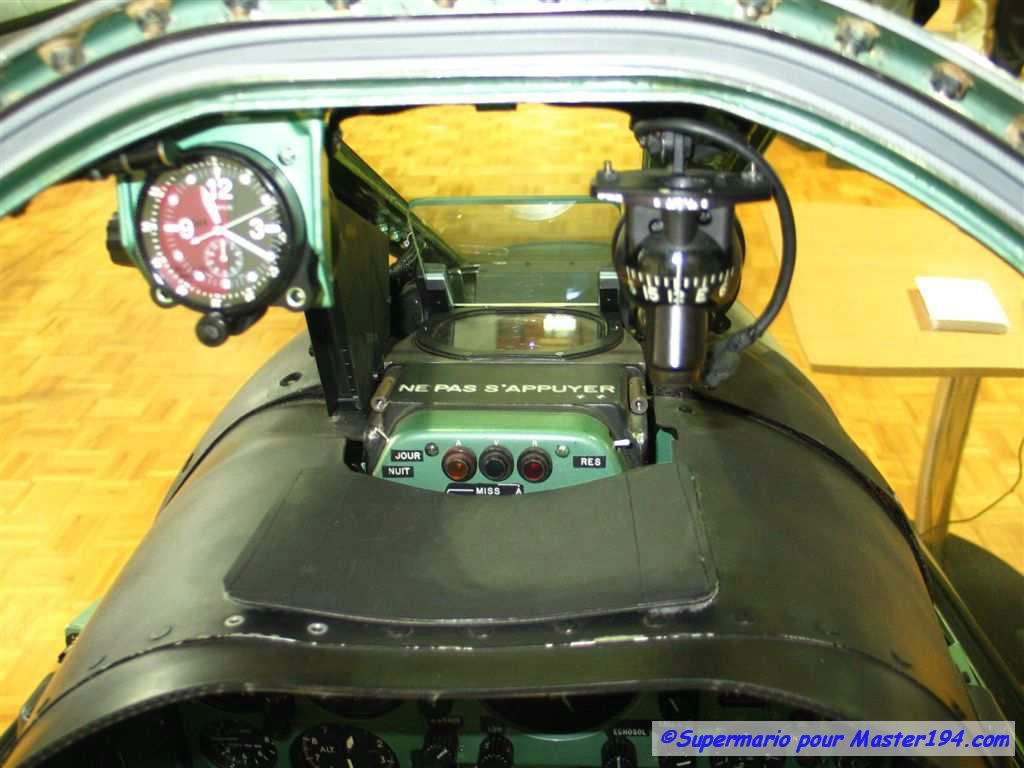
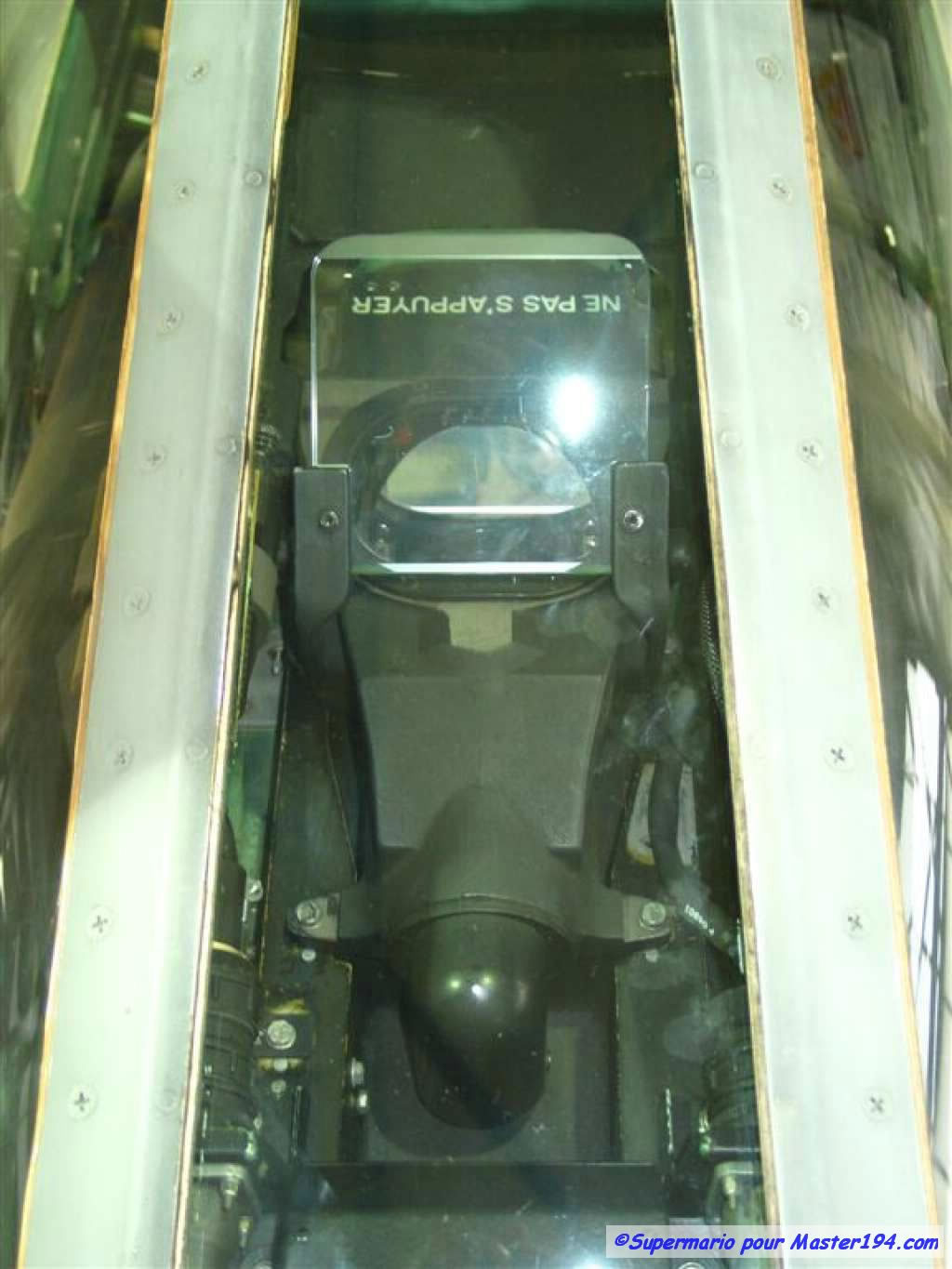
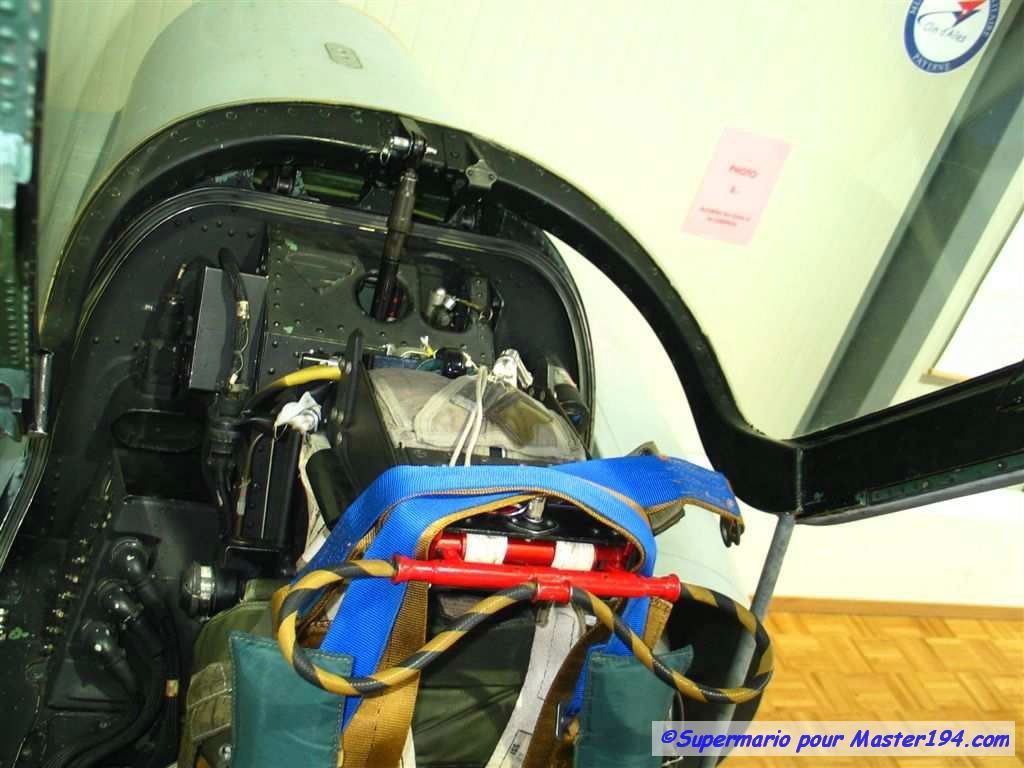
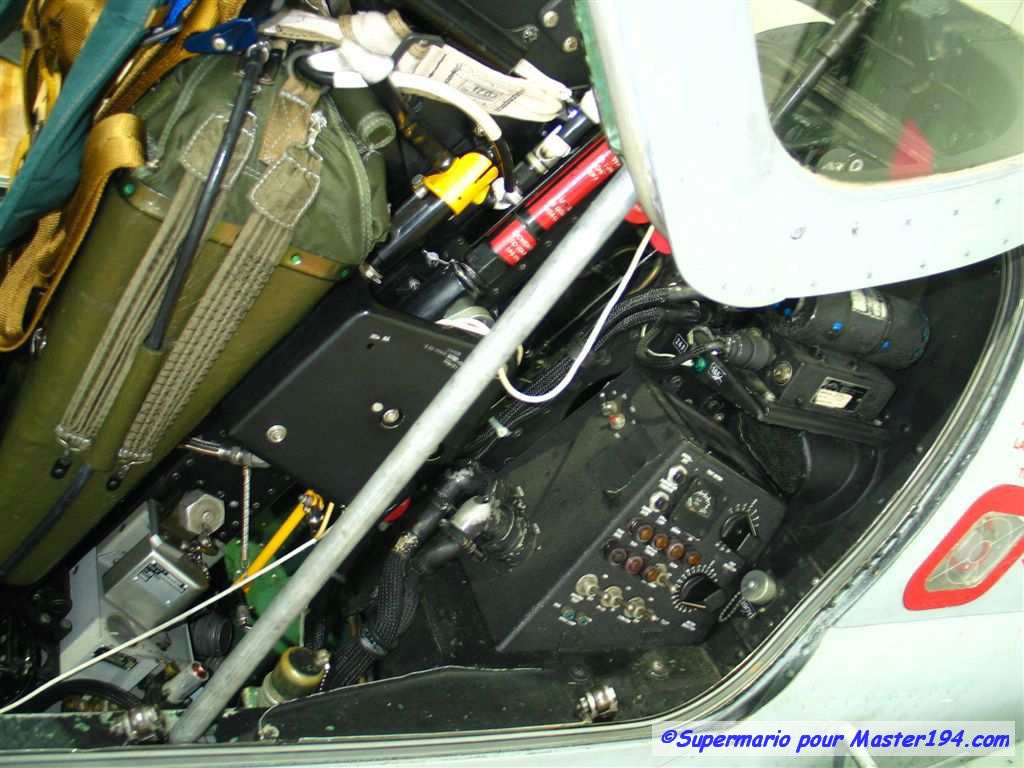
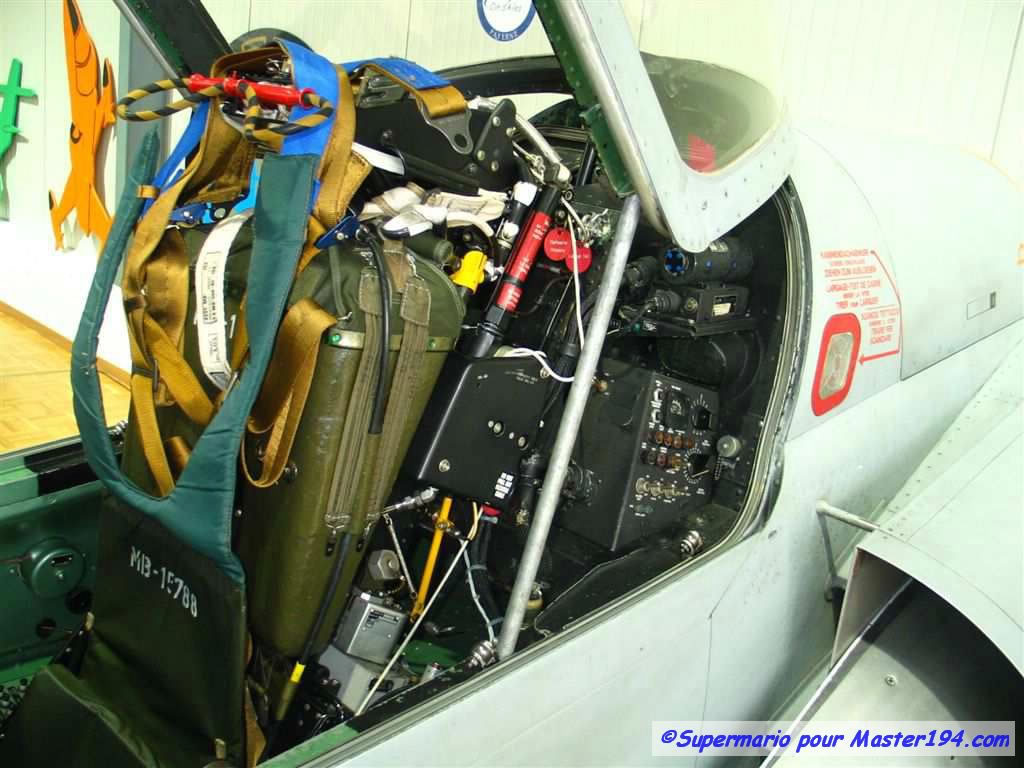
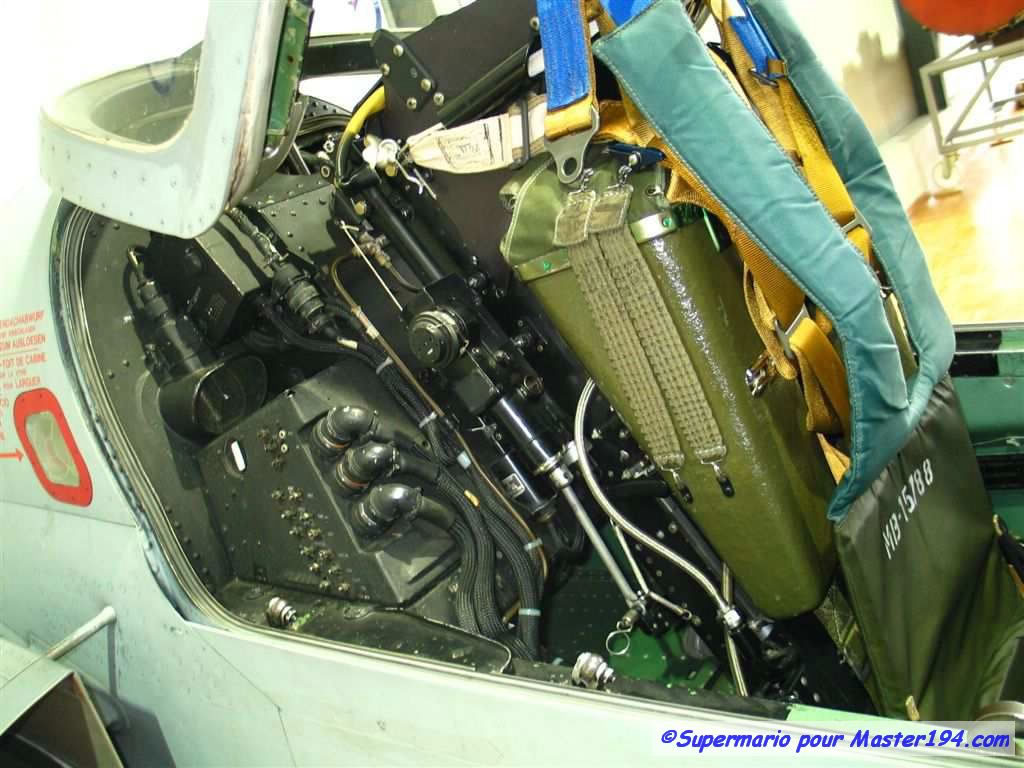
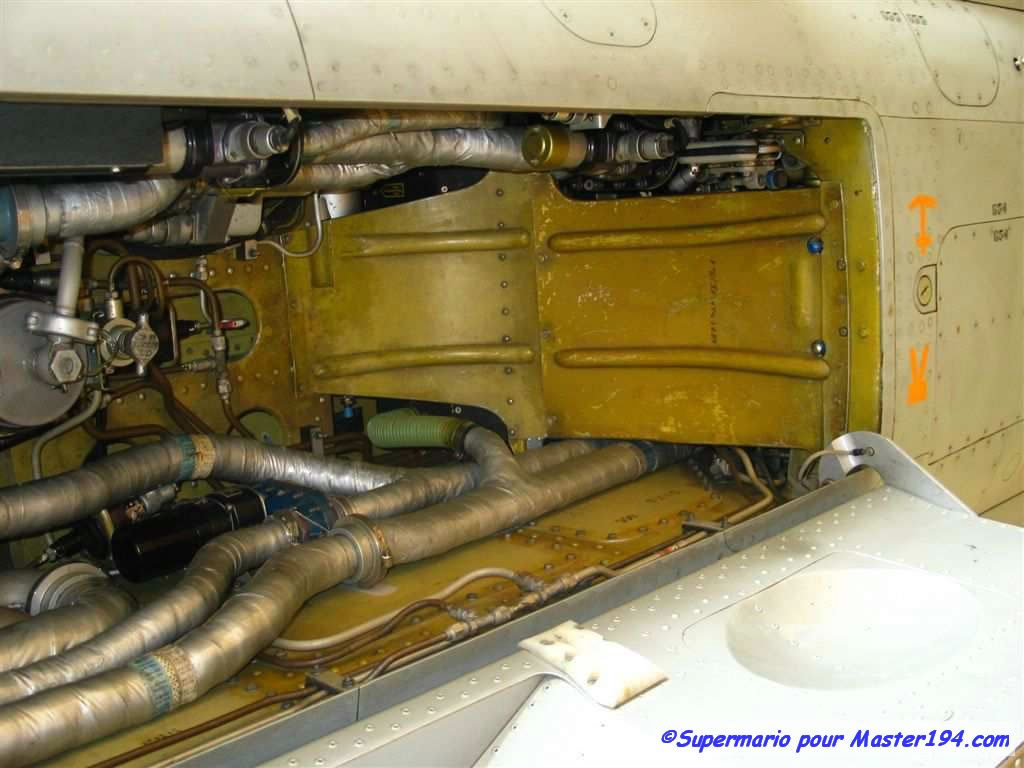
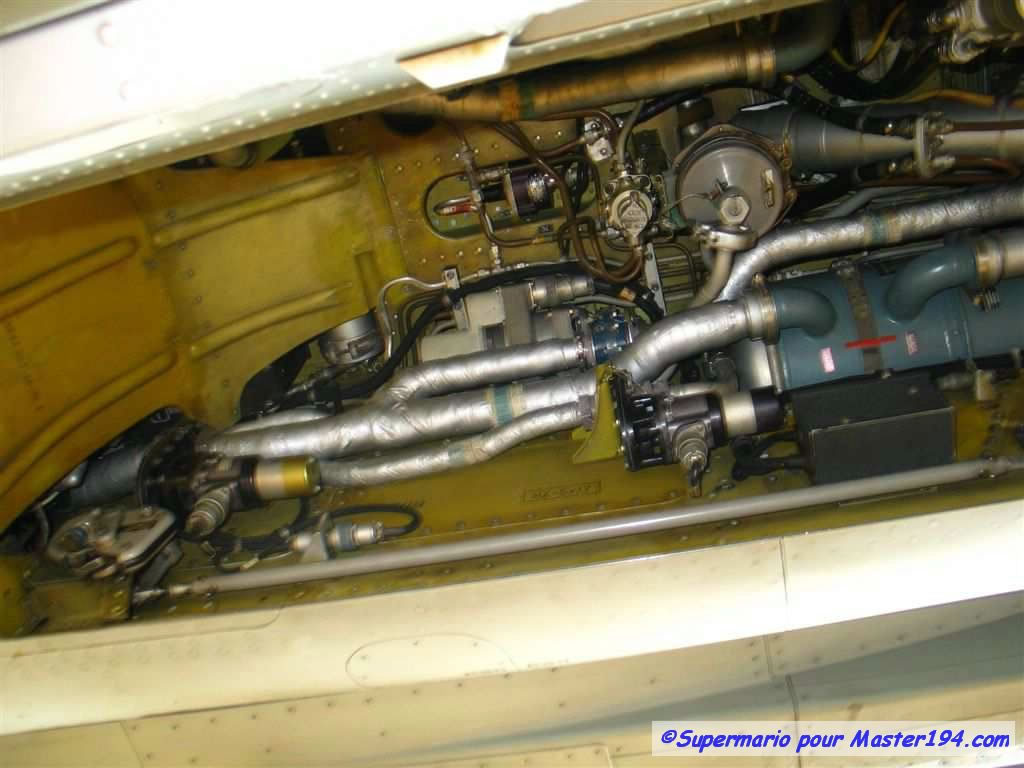
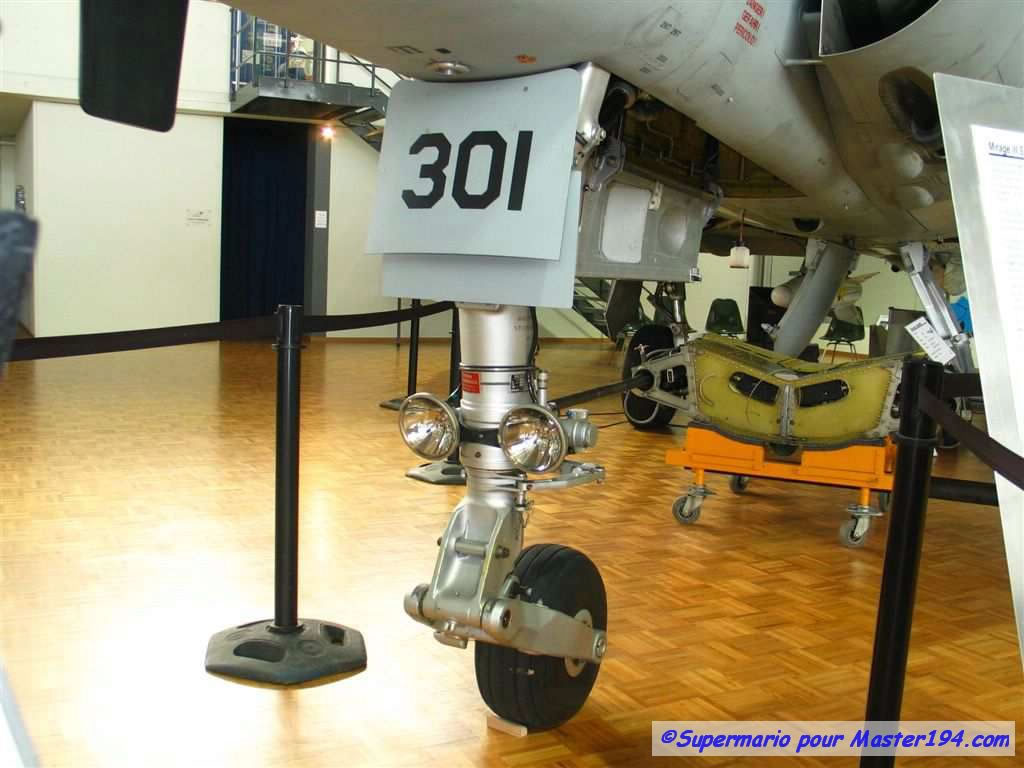
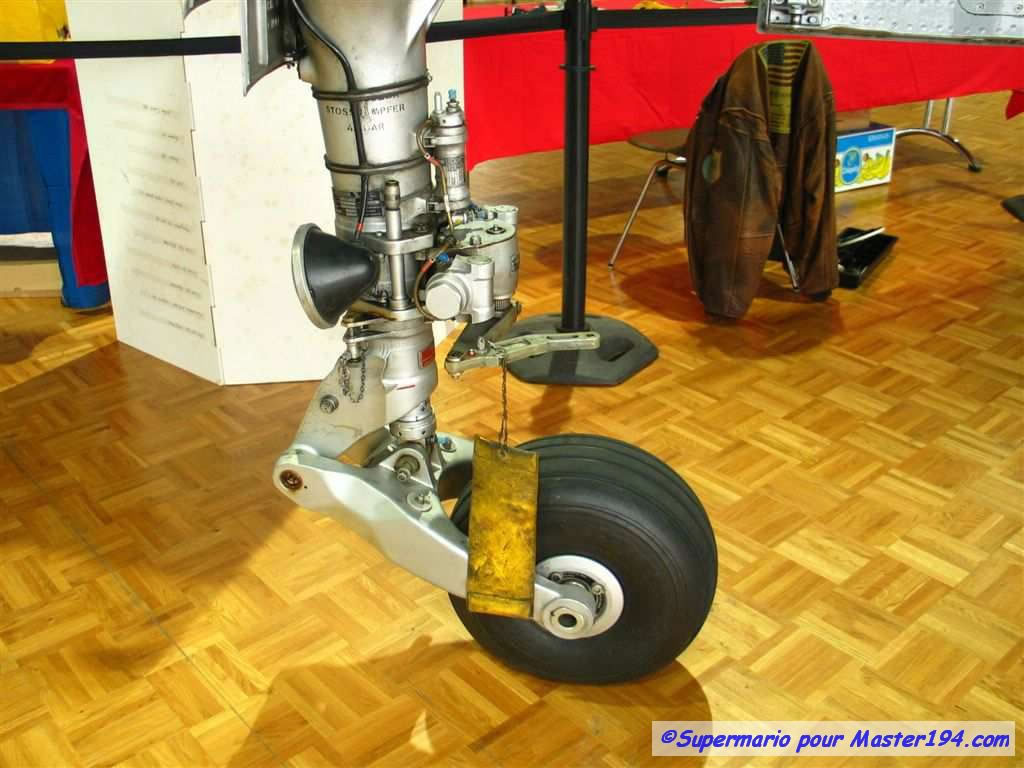
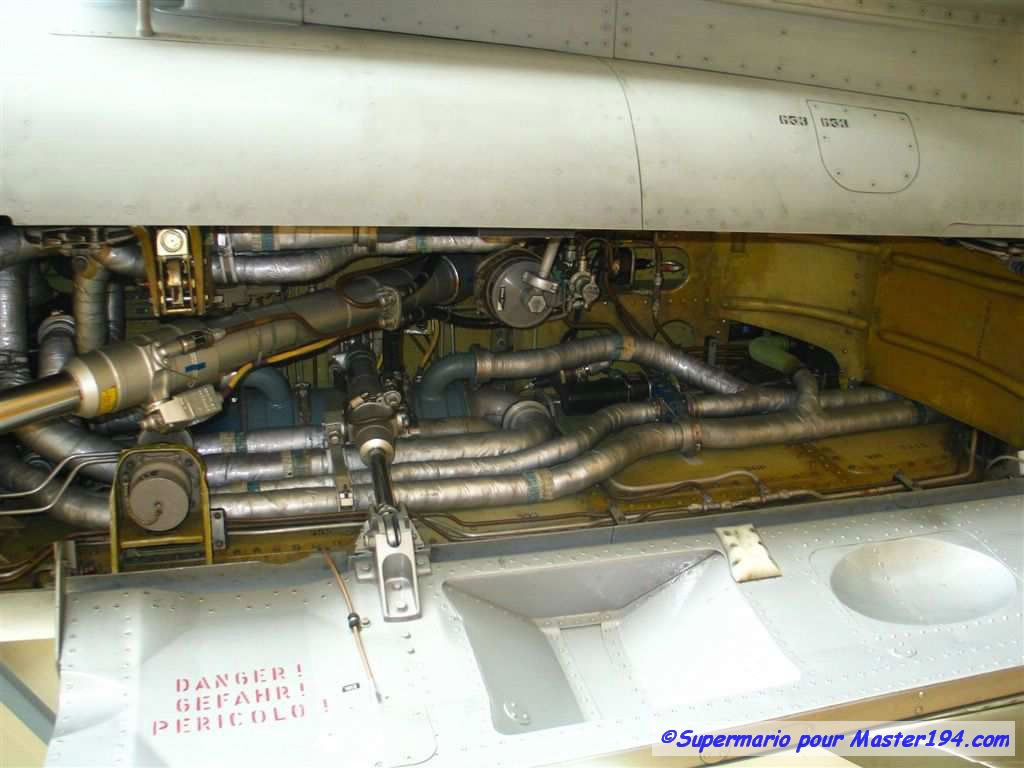
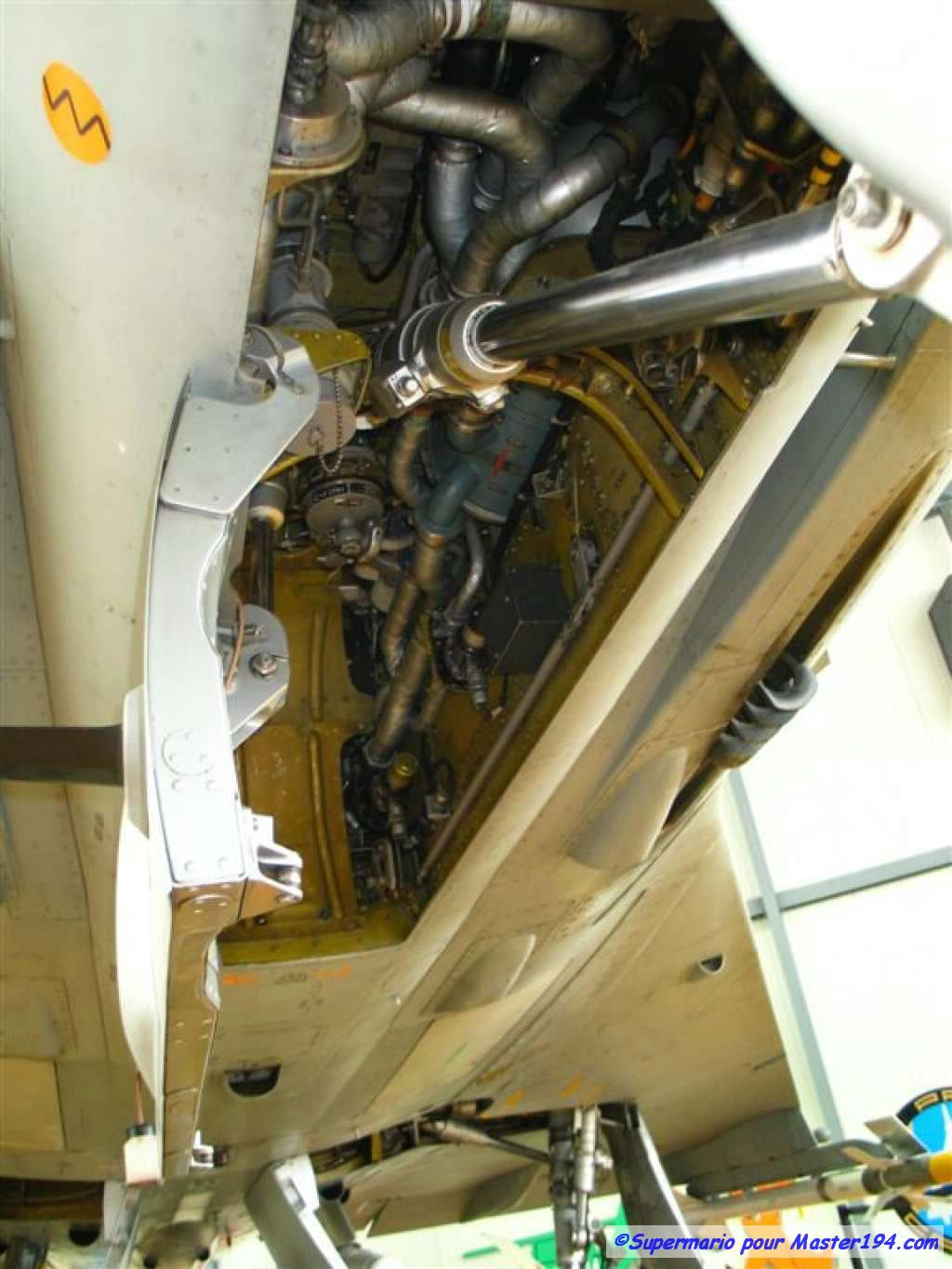
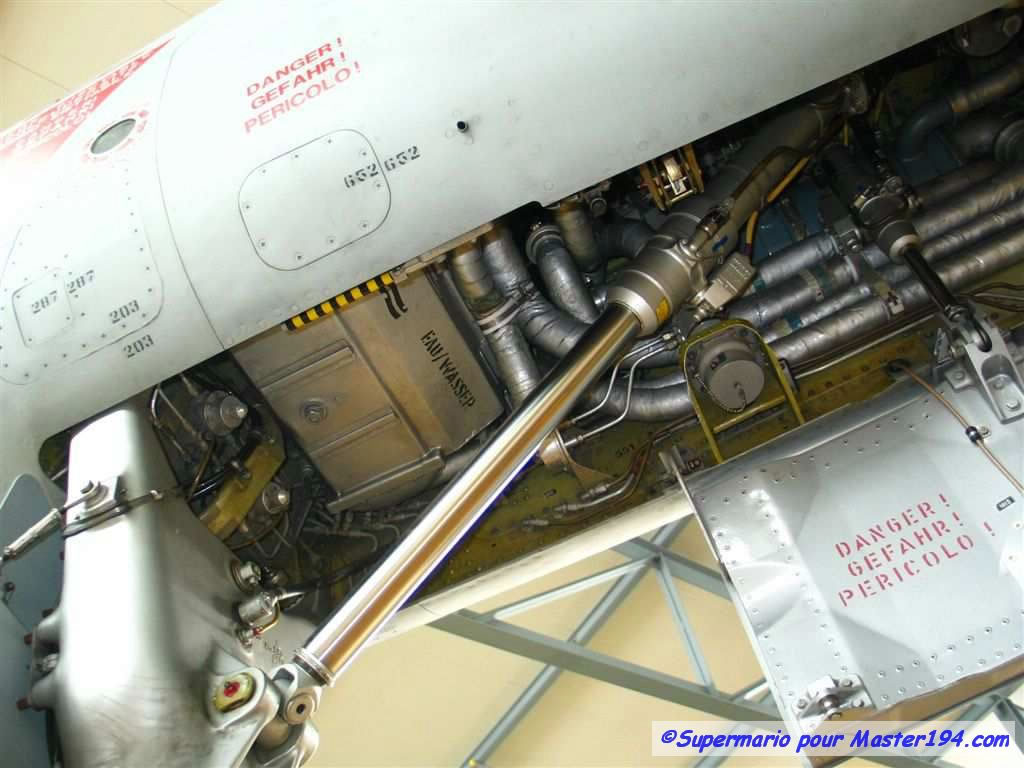
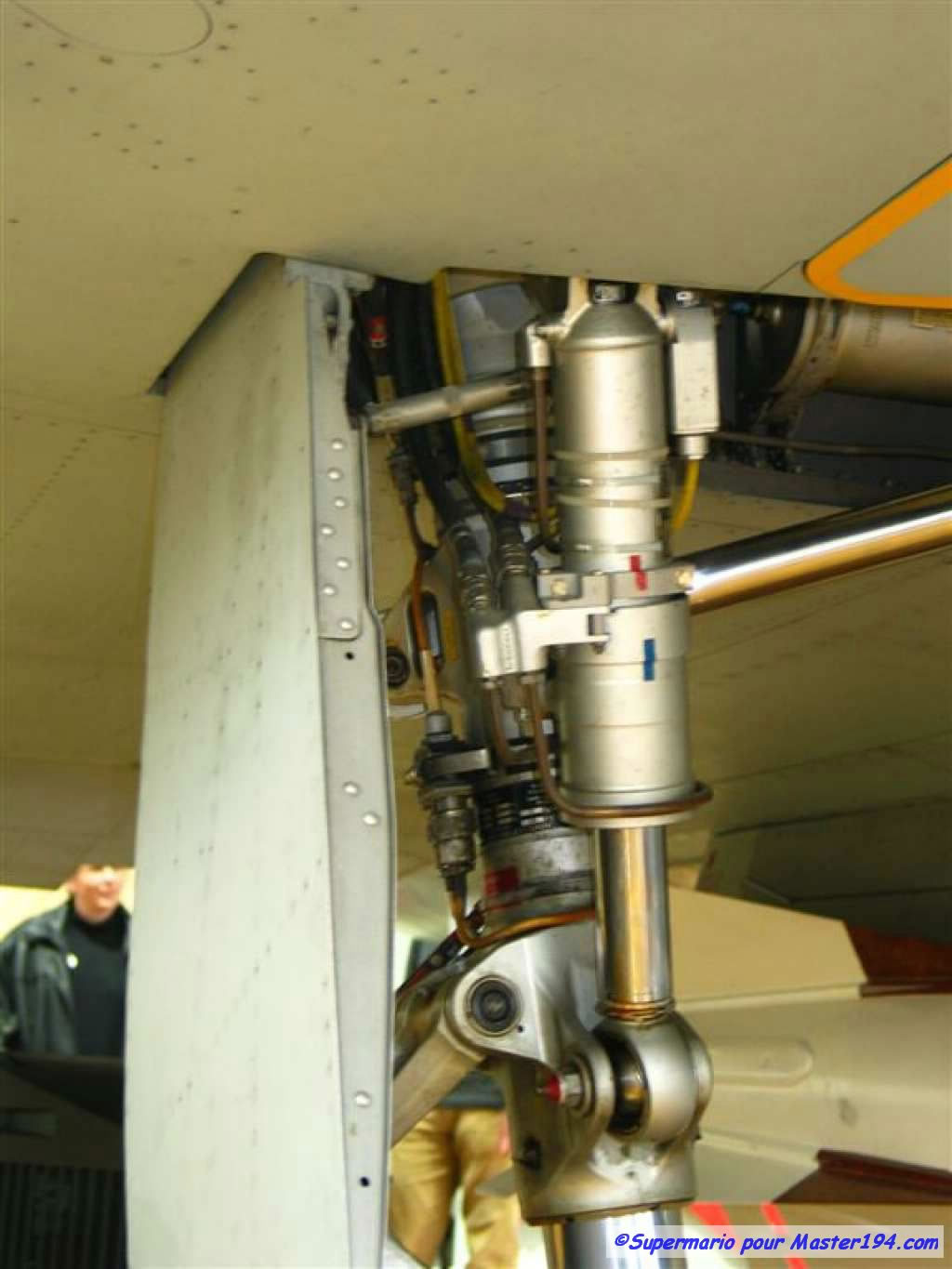
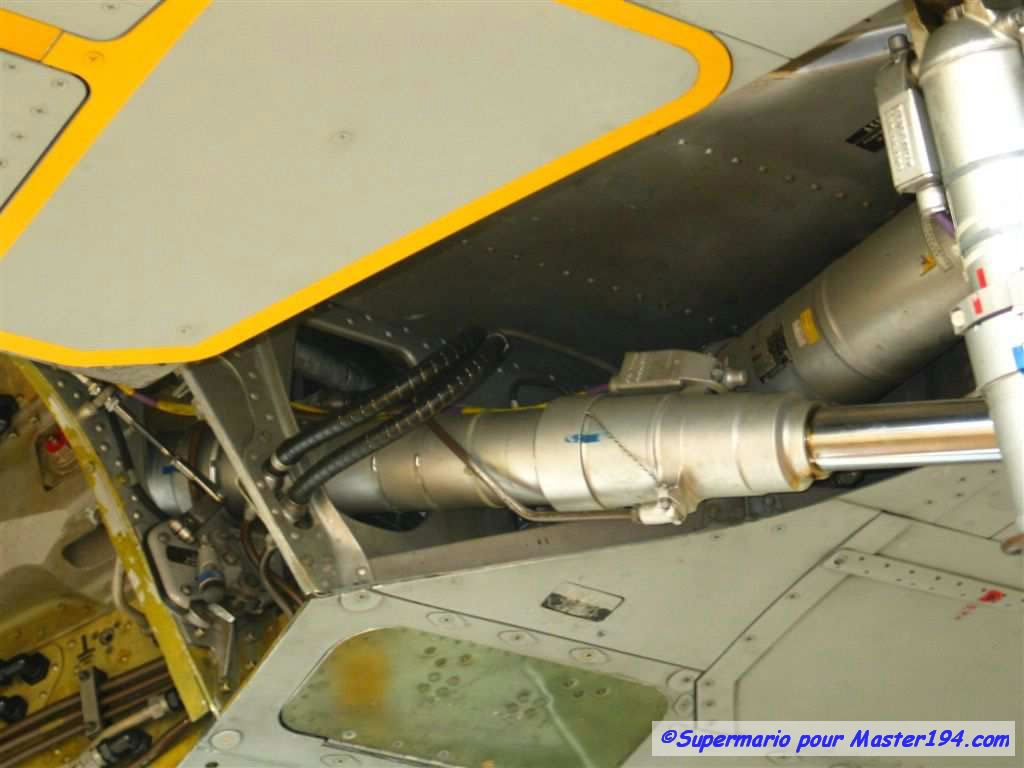
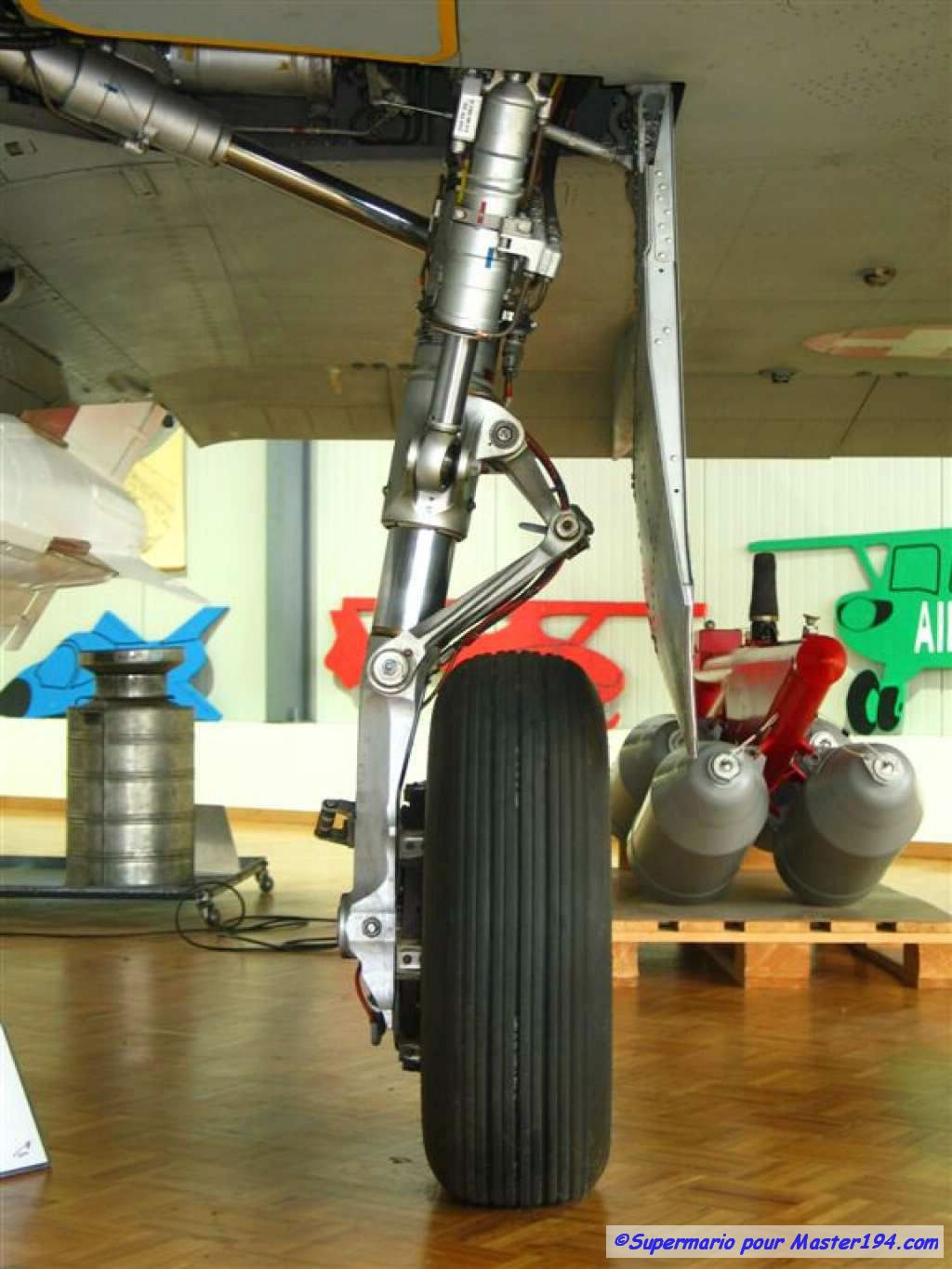
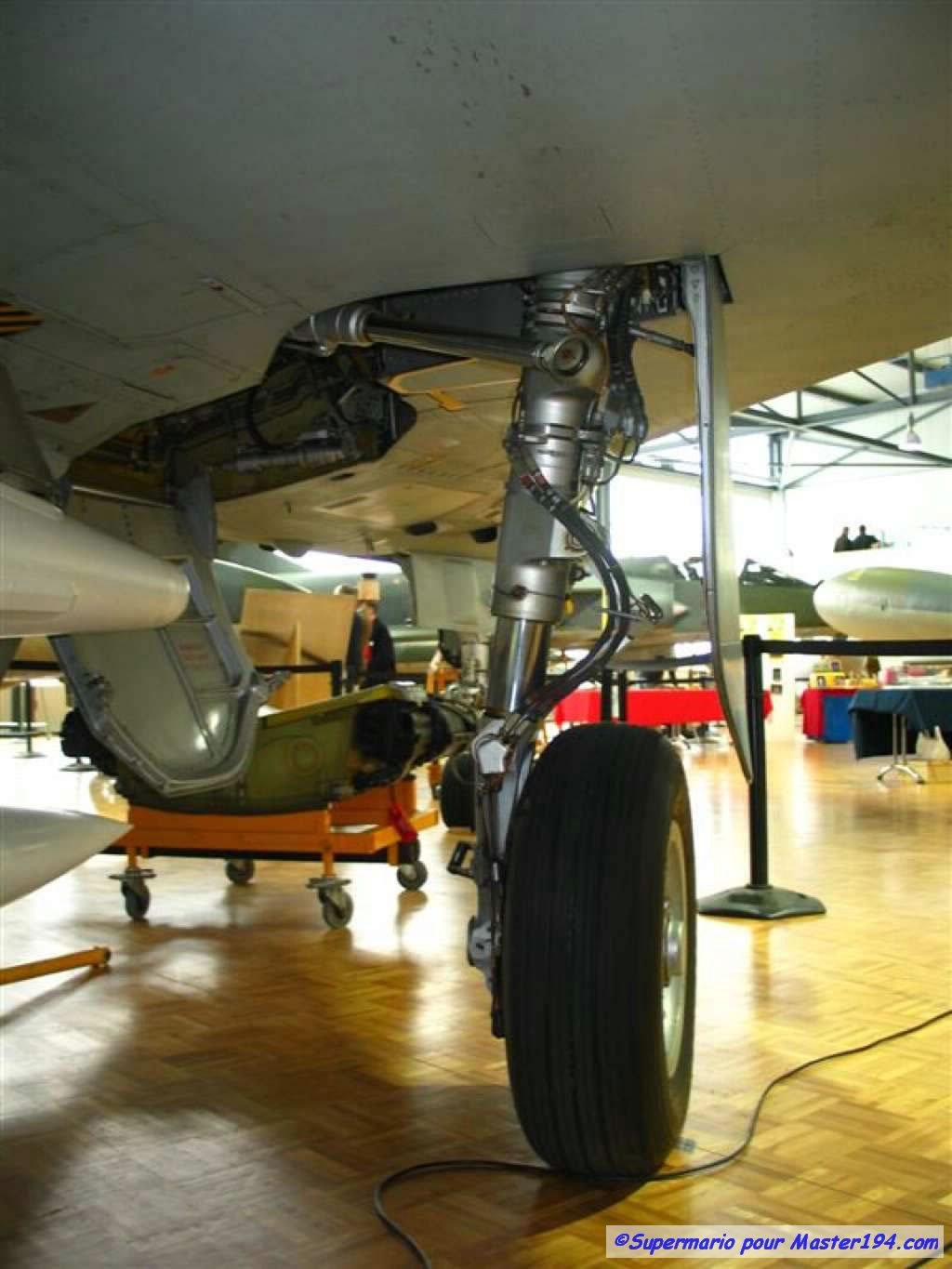
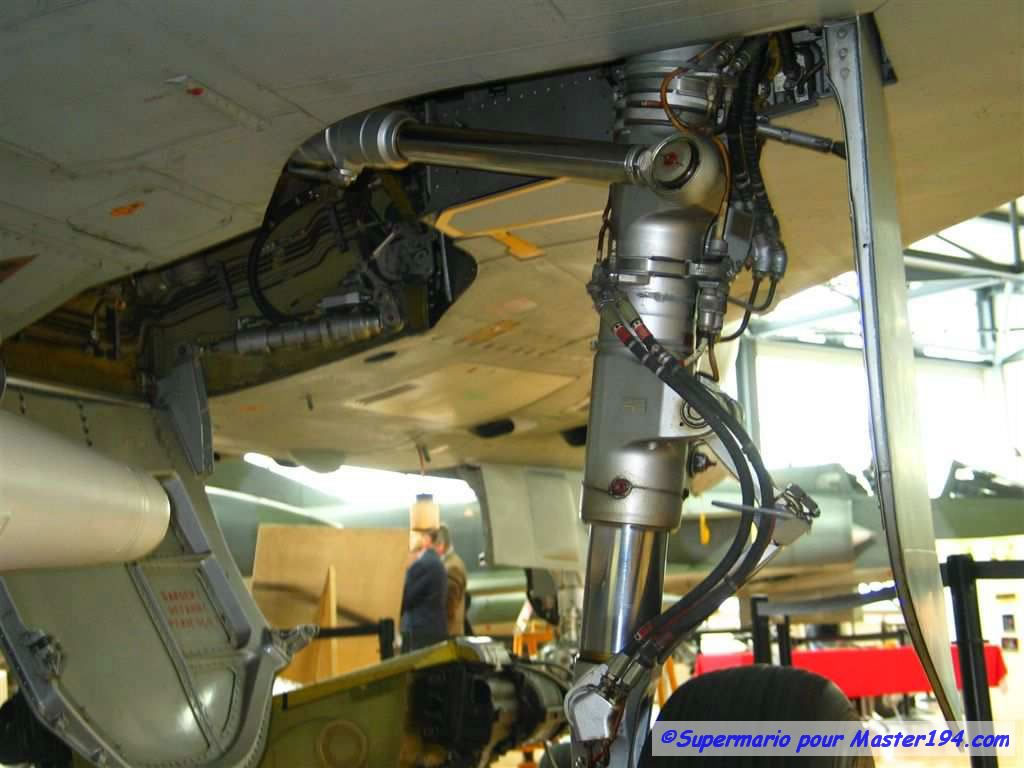
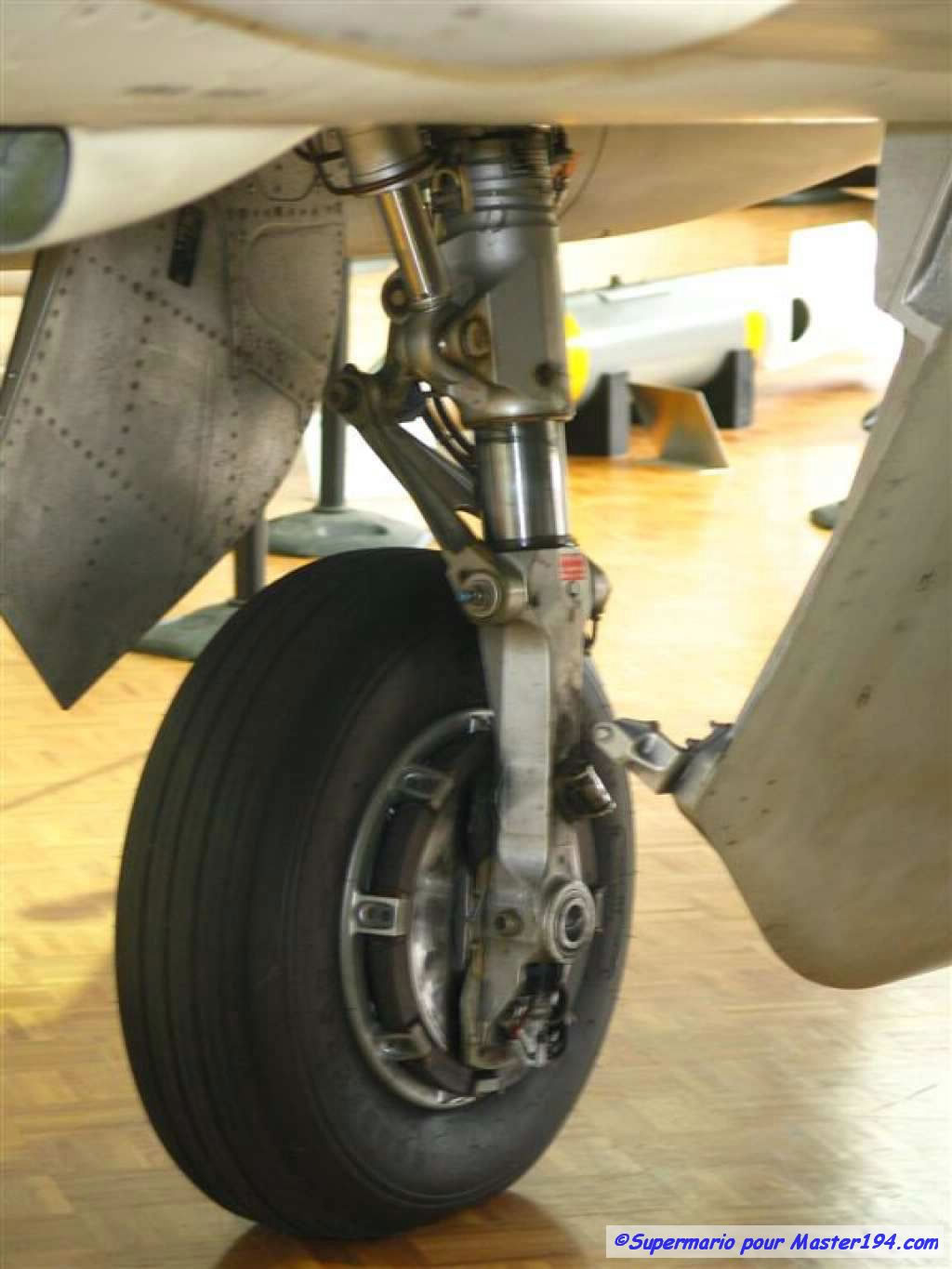
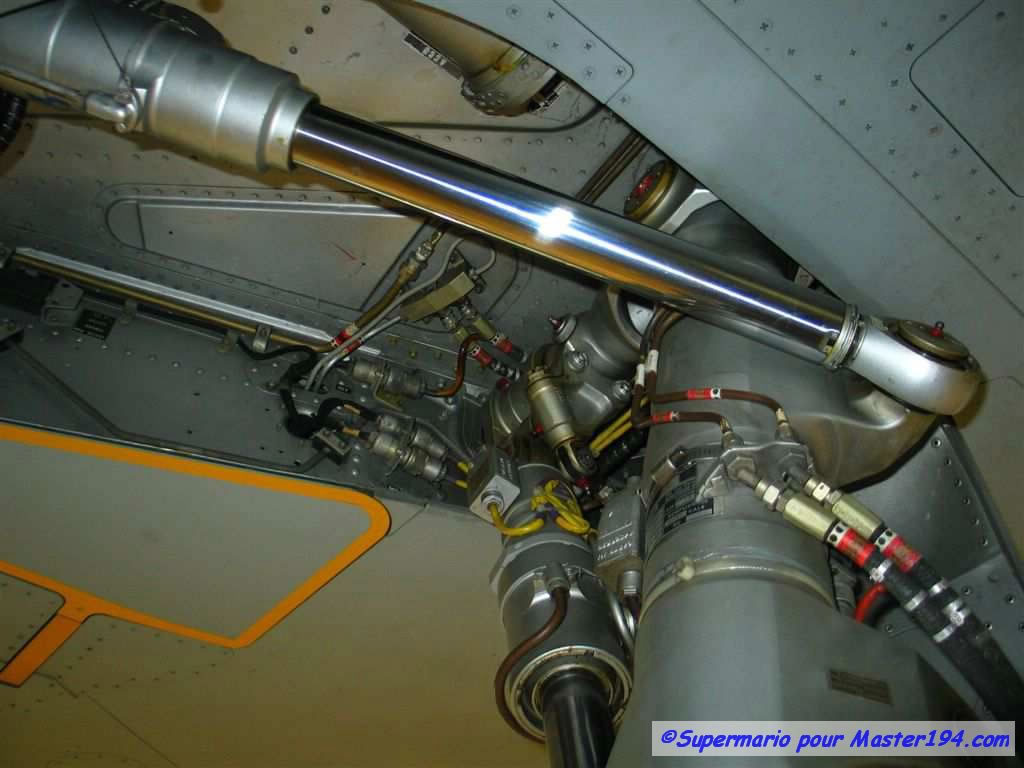
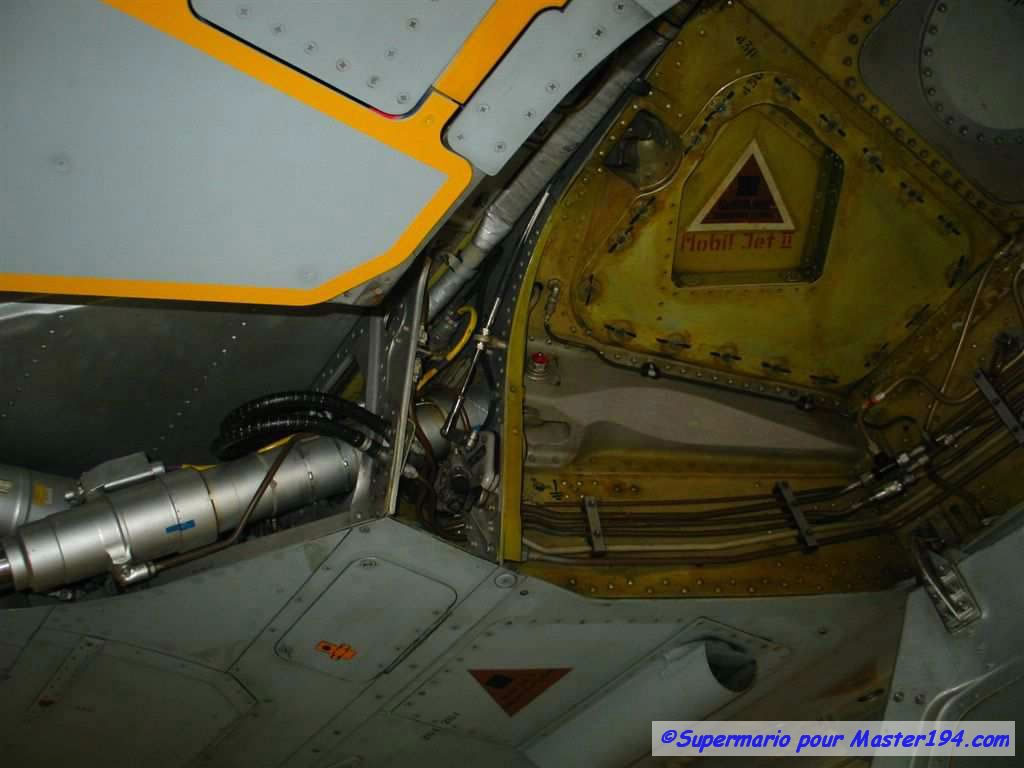
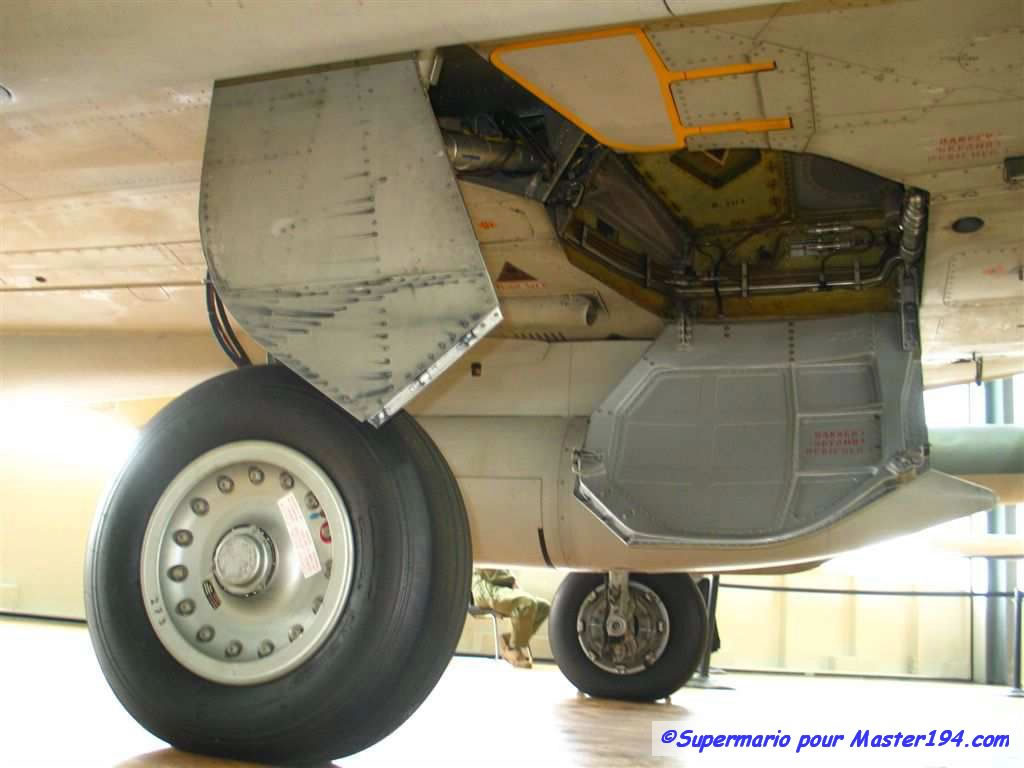
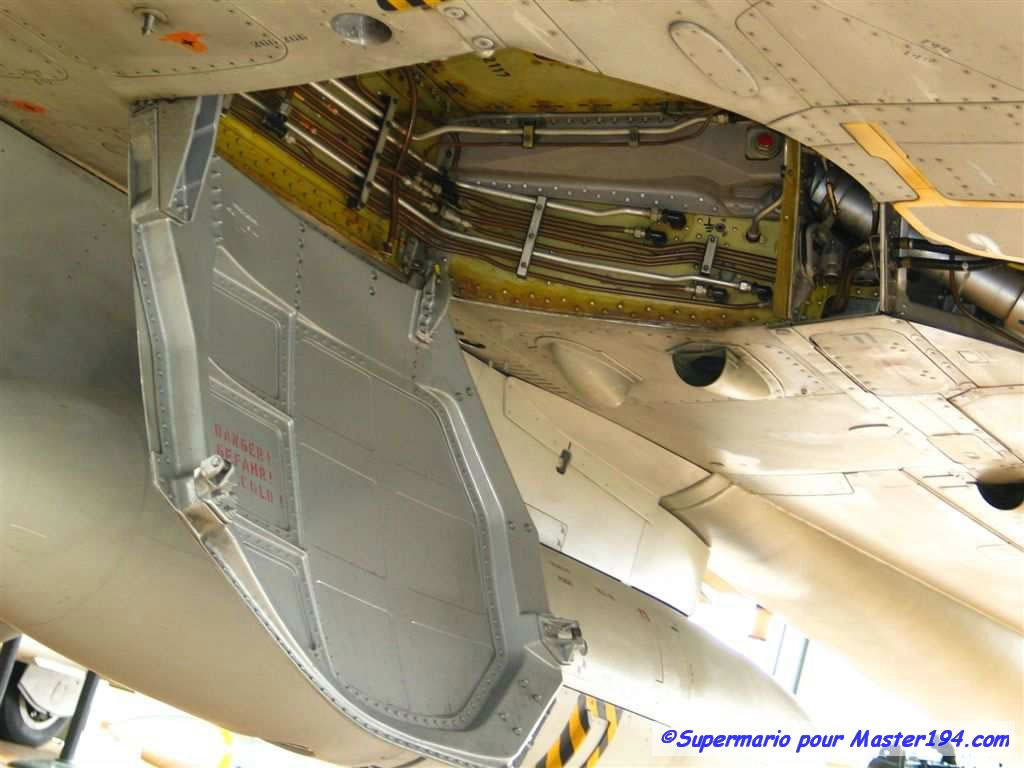
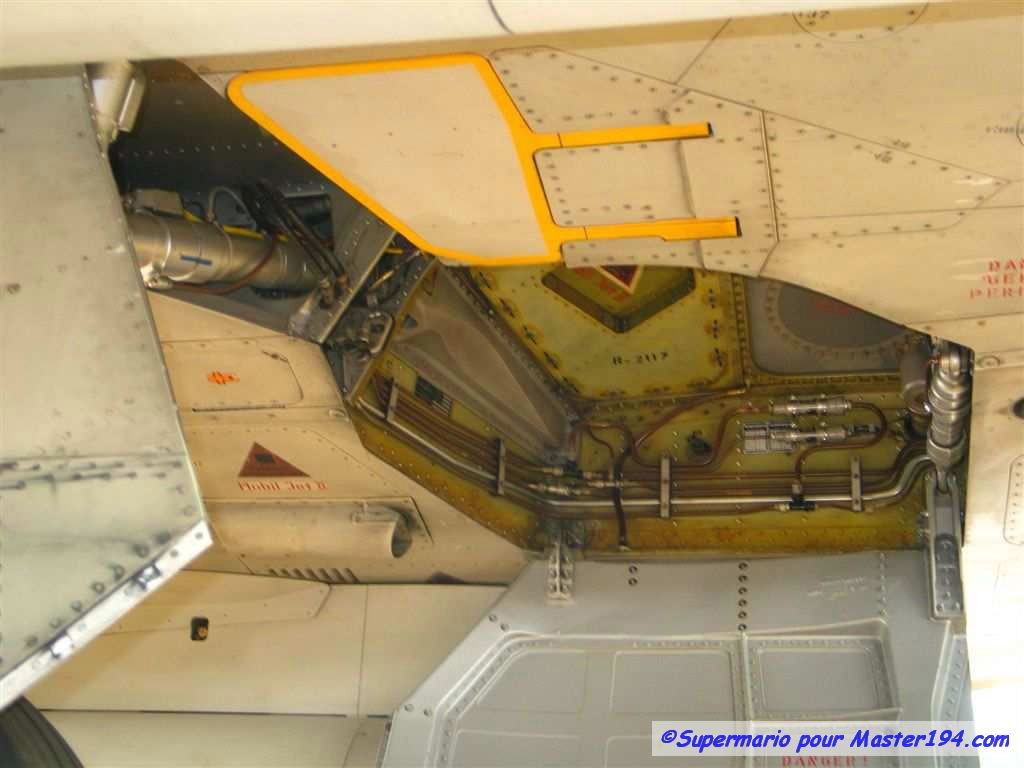
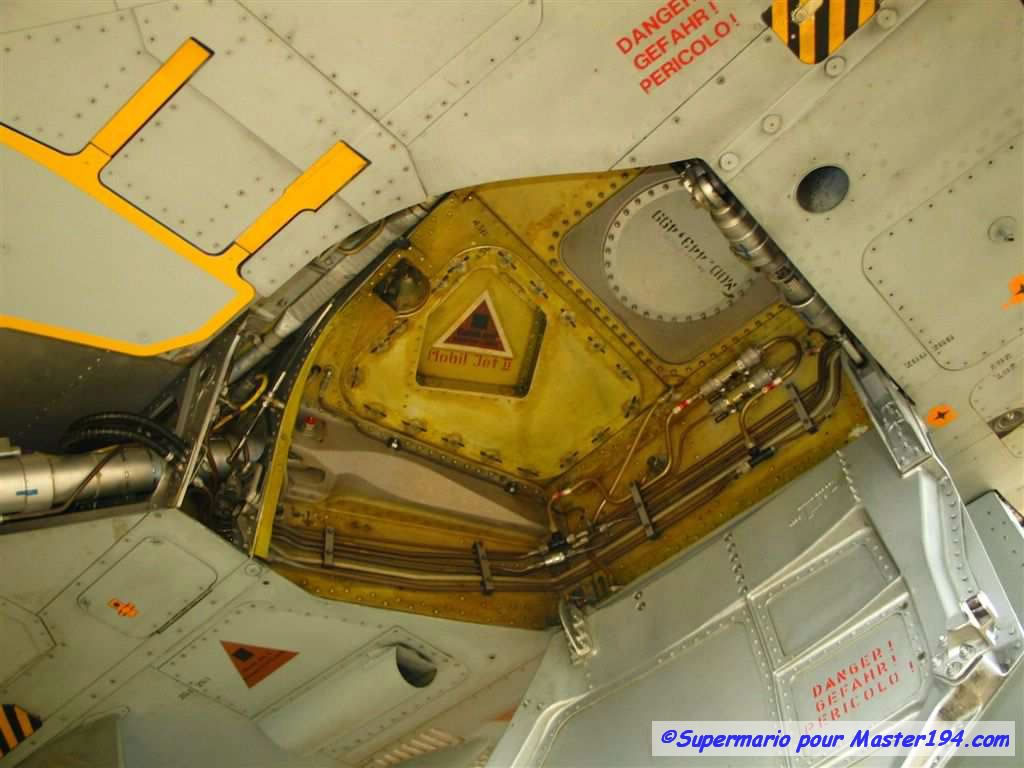
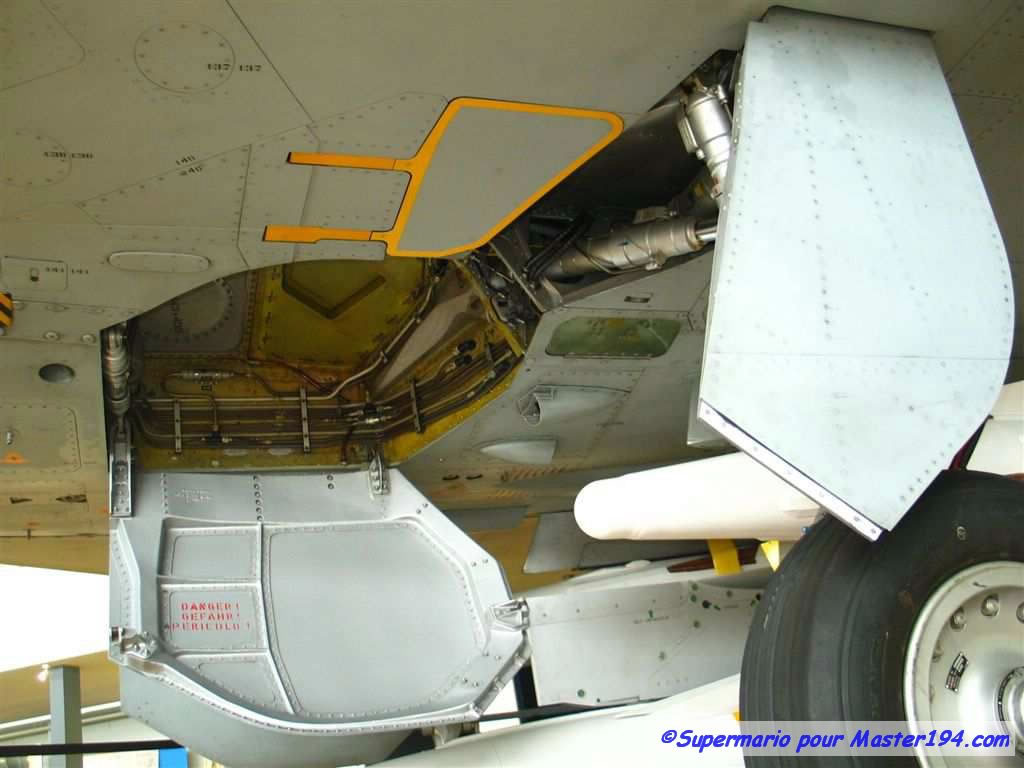
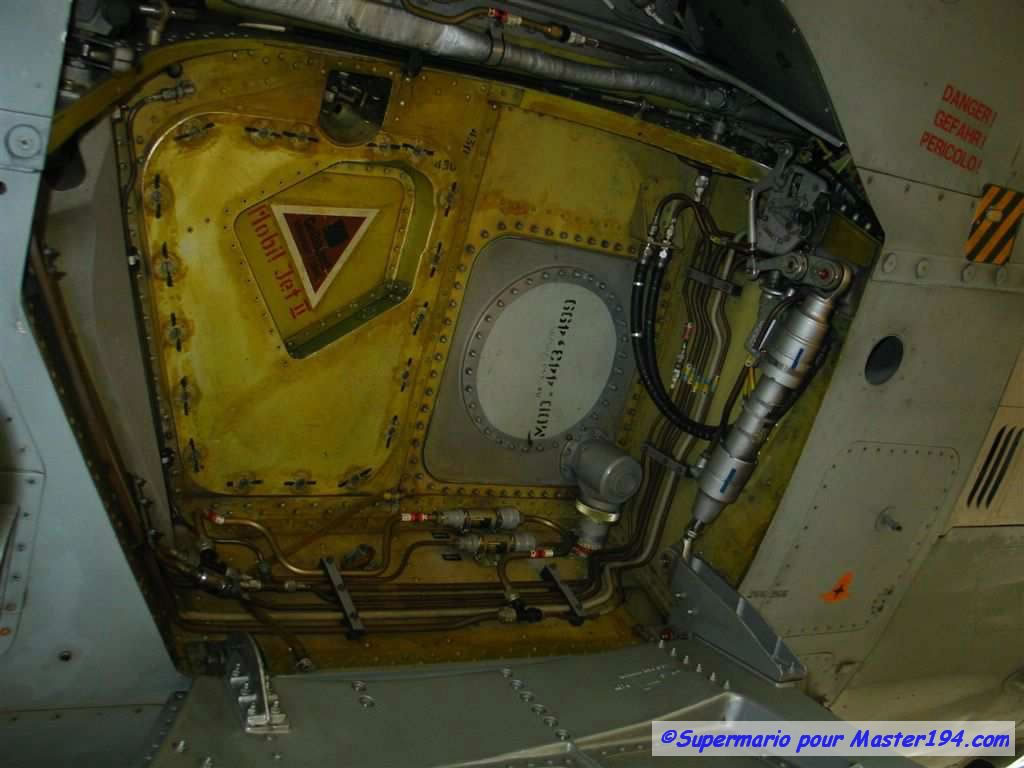
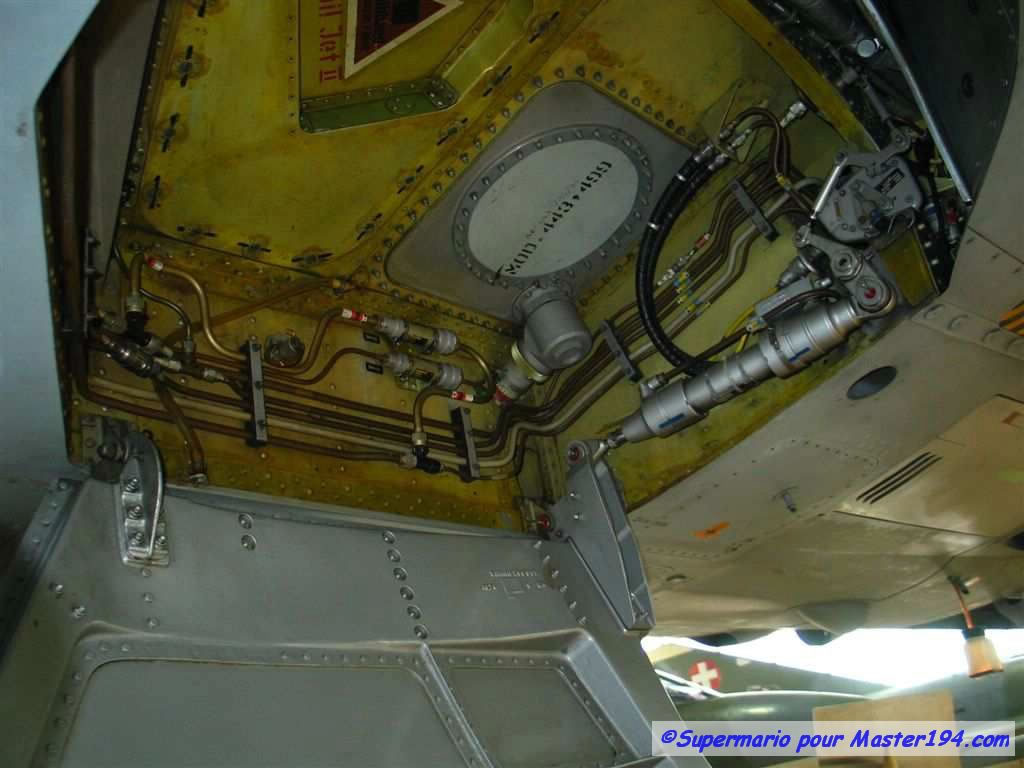
All photos were taken by forum member ‘Supermario’, whom I would like to thank. The aircraft shown here is on display at the Clin d’Ailes Museum in Payerne, Switzerland. This is tail number J-2301.
Deeply Overhauled Avionics
The primary transformation of the Mirage IIIS lies in its interception system. The aircraft ditched the original French radar in favor of the American Hughes TARAN-18, offering enhanced all-weather detection and engagement capabilities.
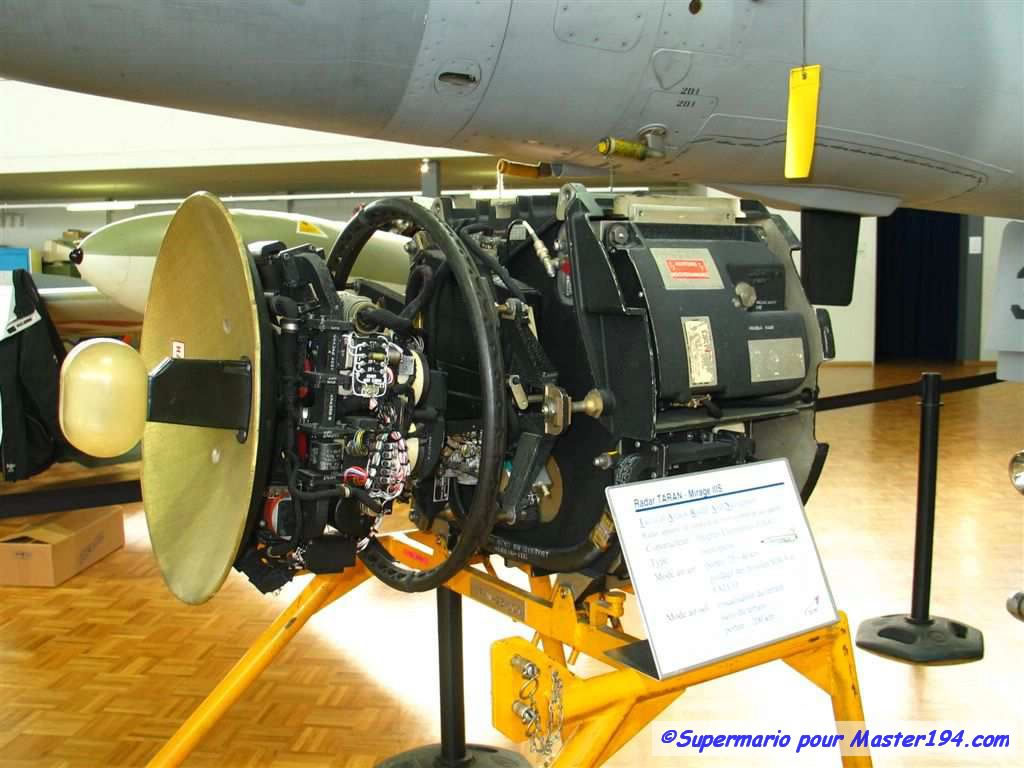
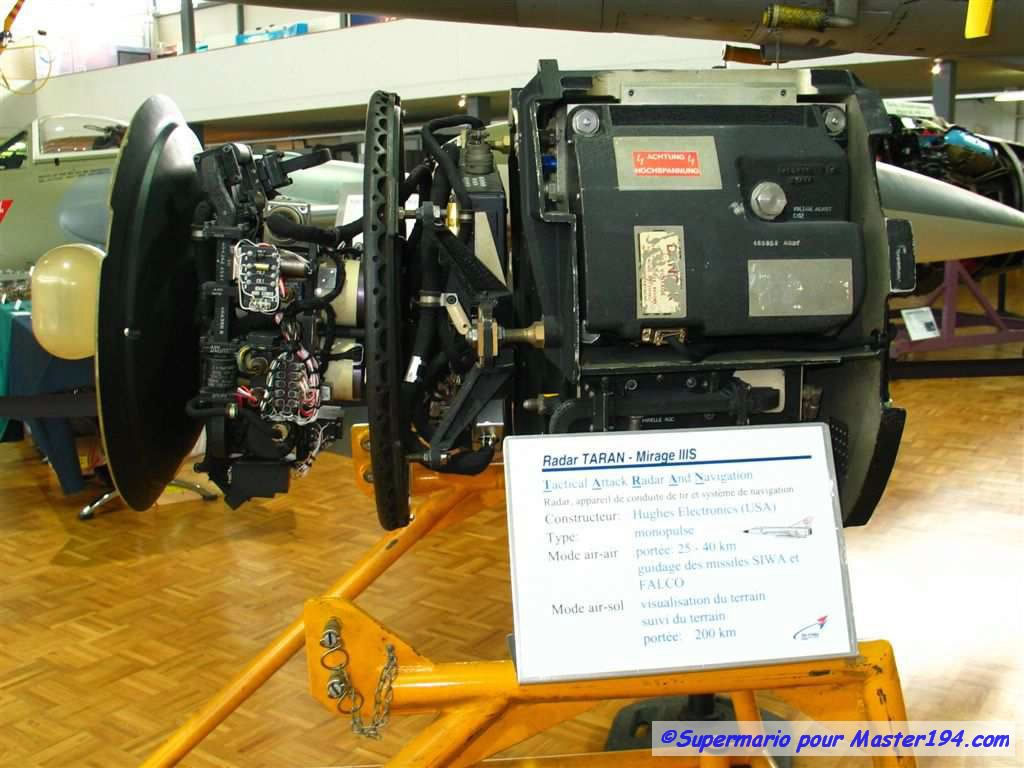
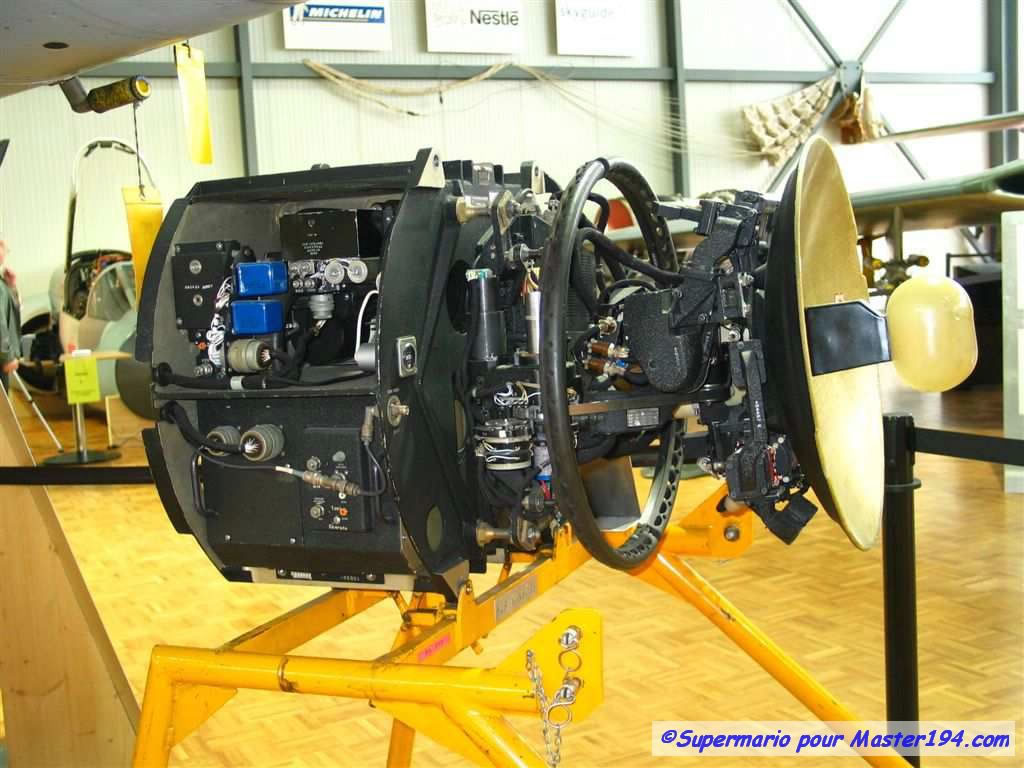
This integration required a complete overhaul of the onboard electronics: the fire control system, navigation, IFF (Identification Friend or Foe), and cockpit interfaces were entirely redesigned.
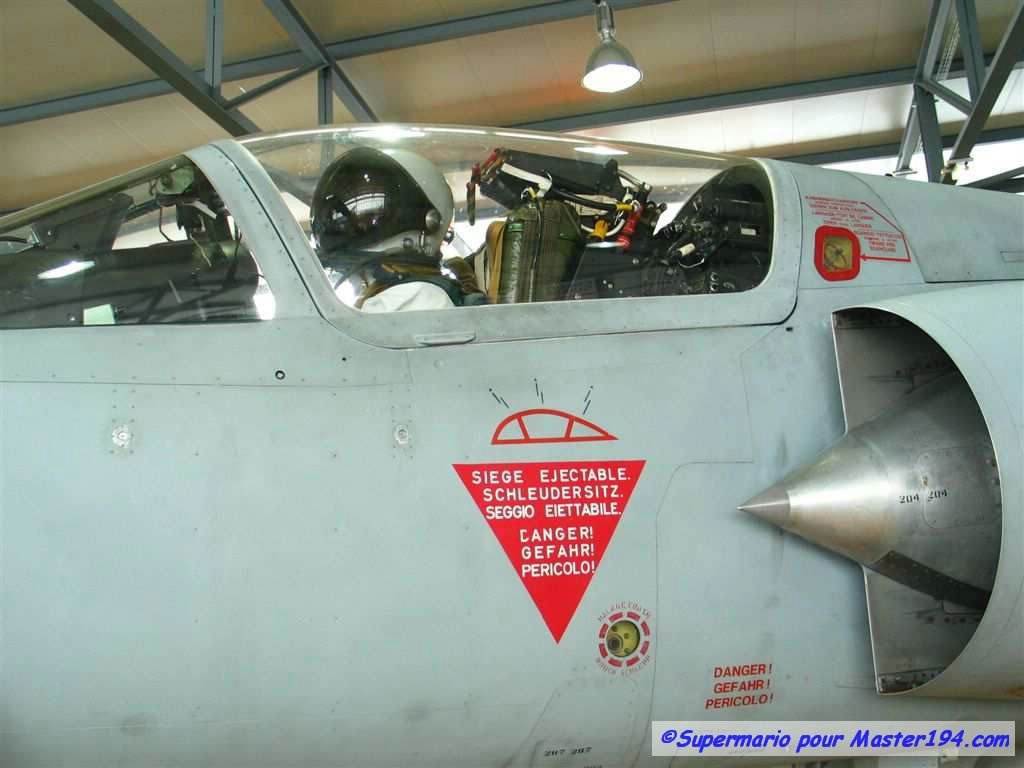
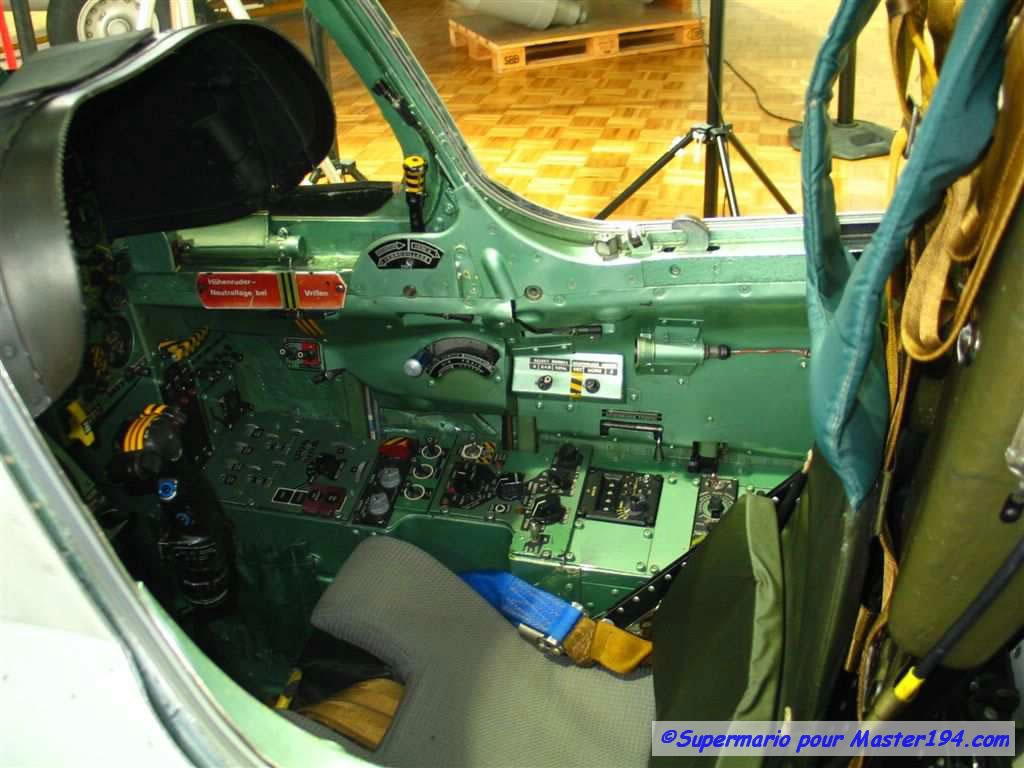
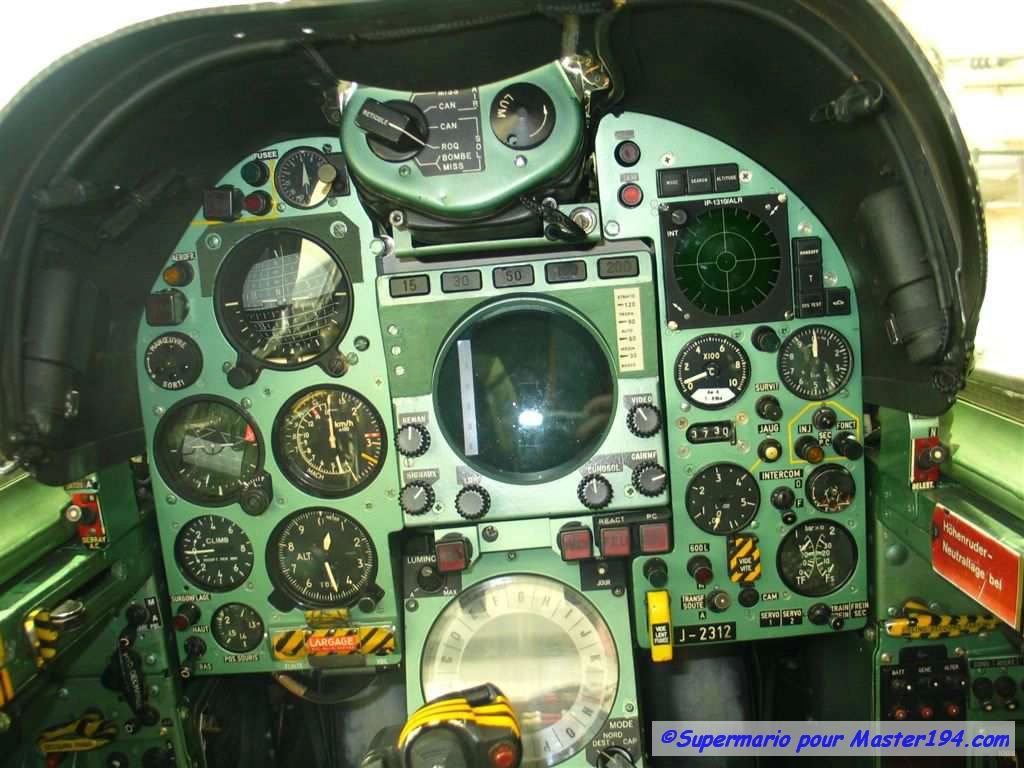
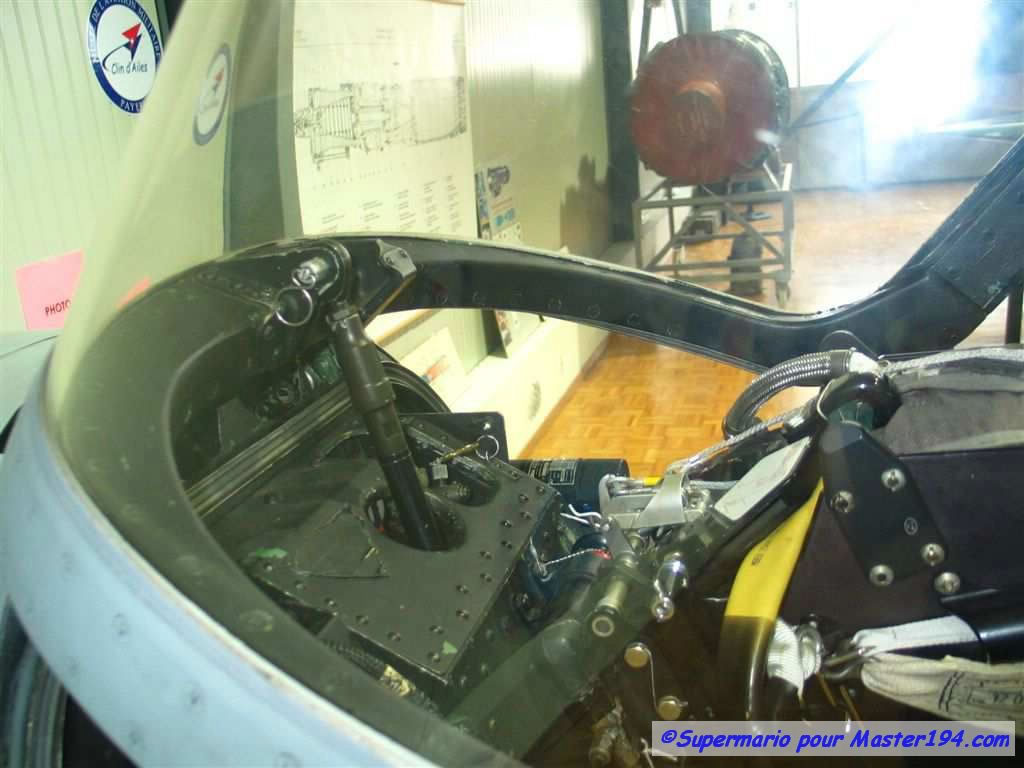
The cockpit reflects this evolution, featuring a denser instrument layout focused on interception missions—marking a clear departure from the relative simplicity of the early Mirage III versions.
Structural Adaptations for a Unique Operational Role
Beyond the avionics, the Mirage IIIS was adapted to the very specific constraints of the Swiss Air Force. The aircraft had to be capable of operating from dispersed infrastructure, including cavern bases carved directly into the mountains.
This led to several modifications:
- Reinforced airframe
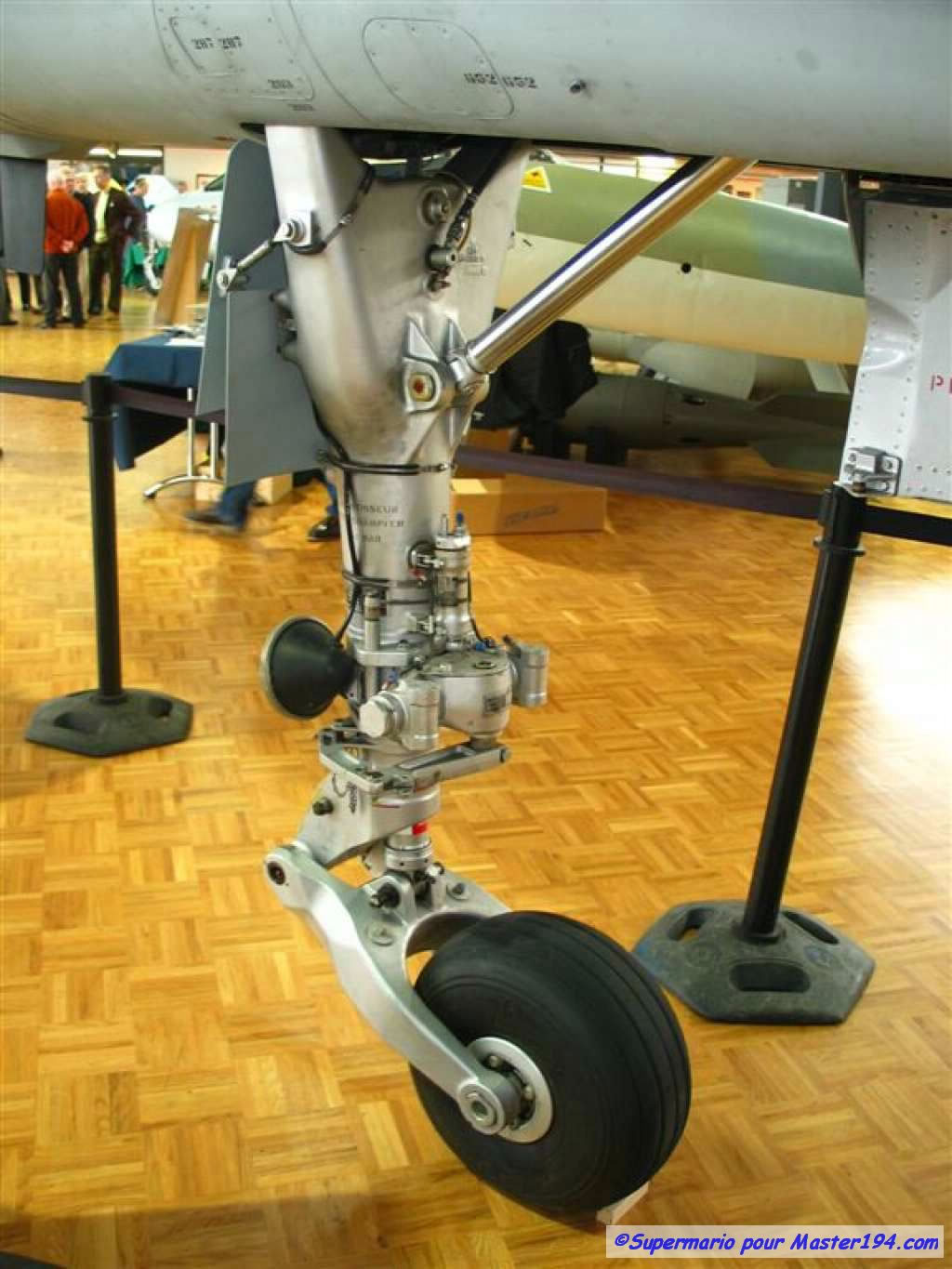
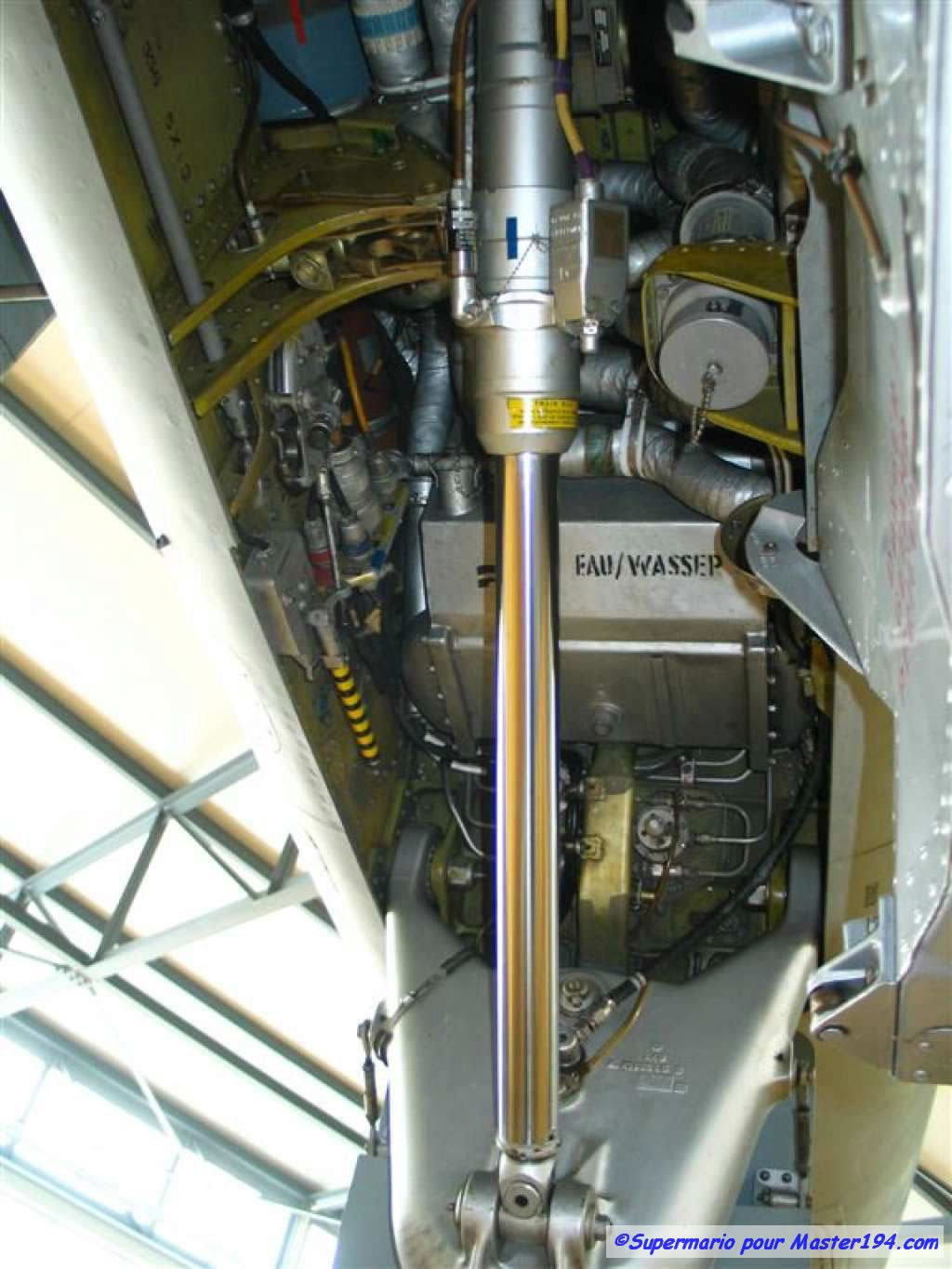
- Heavy-duty landing gear
- Short or improvised runway compatibility
The aircraft could also be equipped with Rocket-Assisted Take-Off (RATO) units, improving its takeoff performance under restrictive conditions
The ‘Canards’: A Pragmatic Aerodynamic Solution
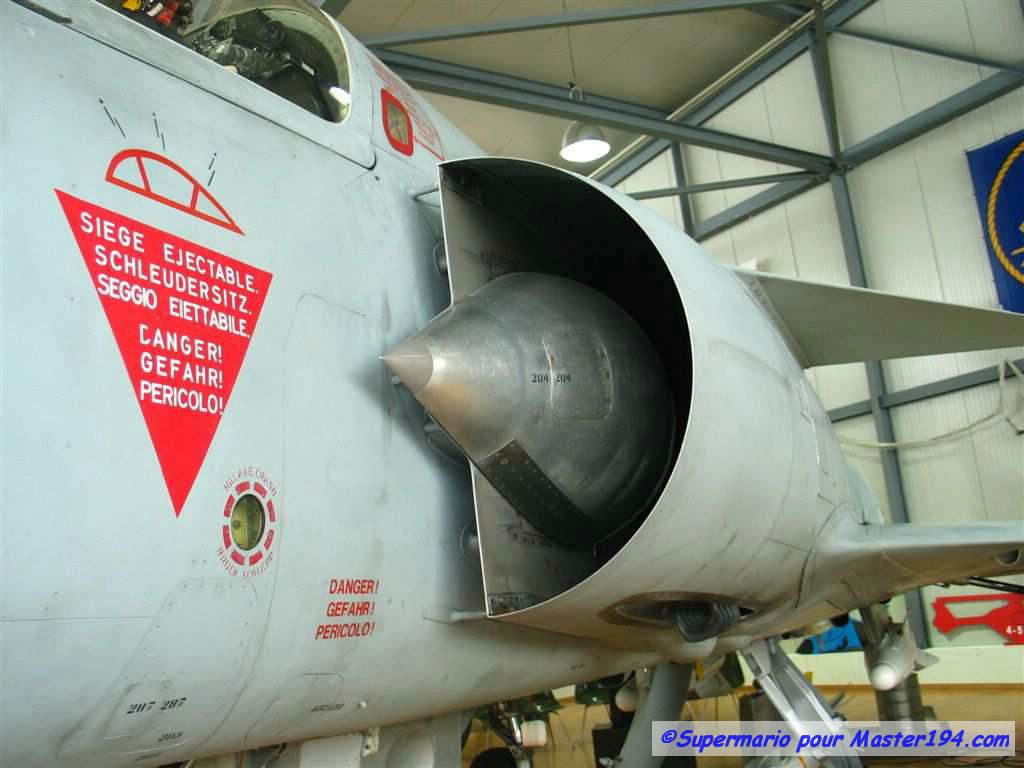
Among the visible peculiarities of the Mirage IIIS are the small fixed foreplanes installed on the air intakes, often mistakenly referred to as true canards.”
On the Dassault Mirage IIIS, these surfaces are non-movable and do not directly contribute to maneuverability. Instead, they serve to counteract the effects induced by changes in mass and center of gravity caused by the new avionics and onboard equipment.
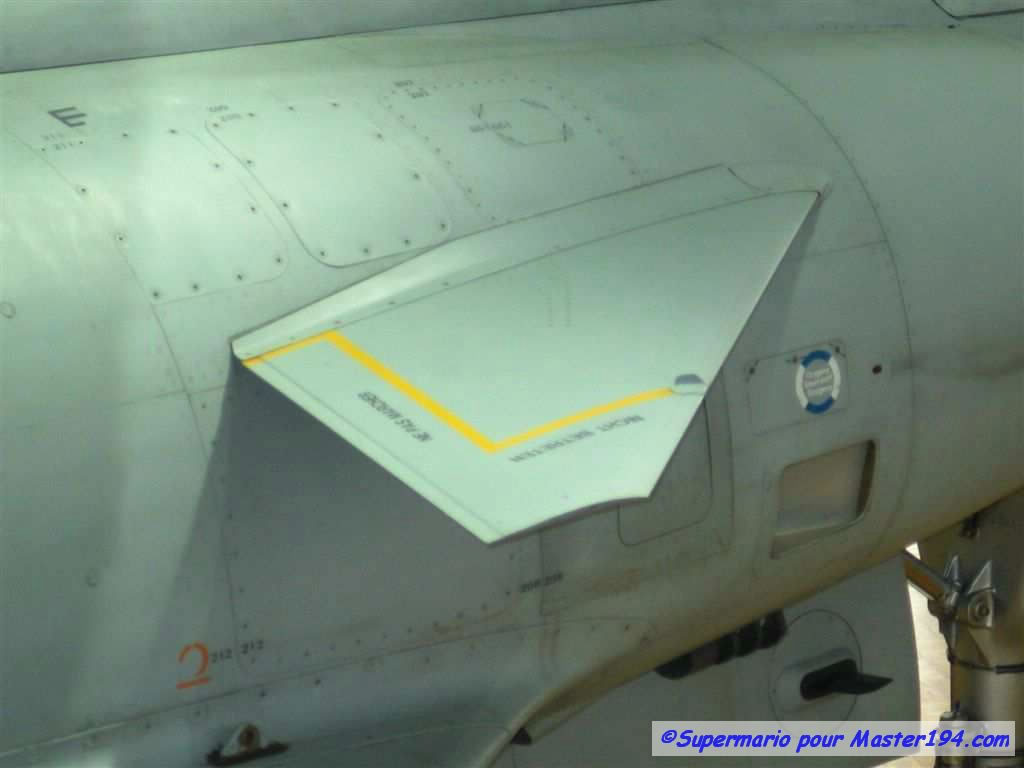
Their role is to improve longitudinal stability and the aircraft’s handling during specific flight phases, providing a simple and effective solution to a complex aerodynamic challenge.
An Interceptor Dedicated to Air Defense
True to the philosophy of the Mirage IIIC, the IIIS is optimized for the interception mission. It is capable of engaging targets with radar-guided air-to-air missiles such as the AIM-4 Falcon, in perfect alignment with its modernized fire control system.
Within the context of Switzerland’s armed neutrality, it played a central role in monitoring and protecting sovereign airspace, with a rapid response capability to meet any intrusion.
A Unique Version of the Mirage III
The Mirage IIIS perfectly illustrates the adaptability of the Mirage III to the specific needs of its operators. Far more than a simple license-built version, it is a truly ‘tailor-made’ interceptor, designed to meet Switzerland’s unique operational and geographical requirements.
Walkaround (Continued)