 by
Forty years ago, on July 4, 1986, the Rafale A completed its maiden flight at Istres. Flown by Dassault Aviation test pilot Guy Mitaux-Maurouard, this technology demonstrator marked the beginning of a program that would permanently transform French combat aviation.
Behind this single aircraft lay a genuine technological breakthrough: an innovative aerodynamic architecture, digital fly-by-wire flight controls, extensive use of composite materials, and, above all, the ambition to design a unified aircraft capable of meeting the vastly different operational requirements of both the French Air Force (Armée de l’Air) and the French Naval Aviation (Marine nationale).
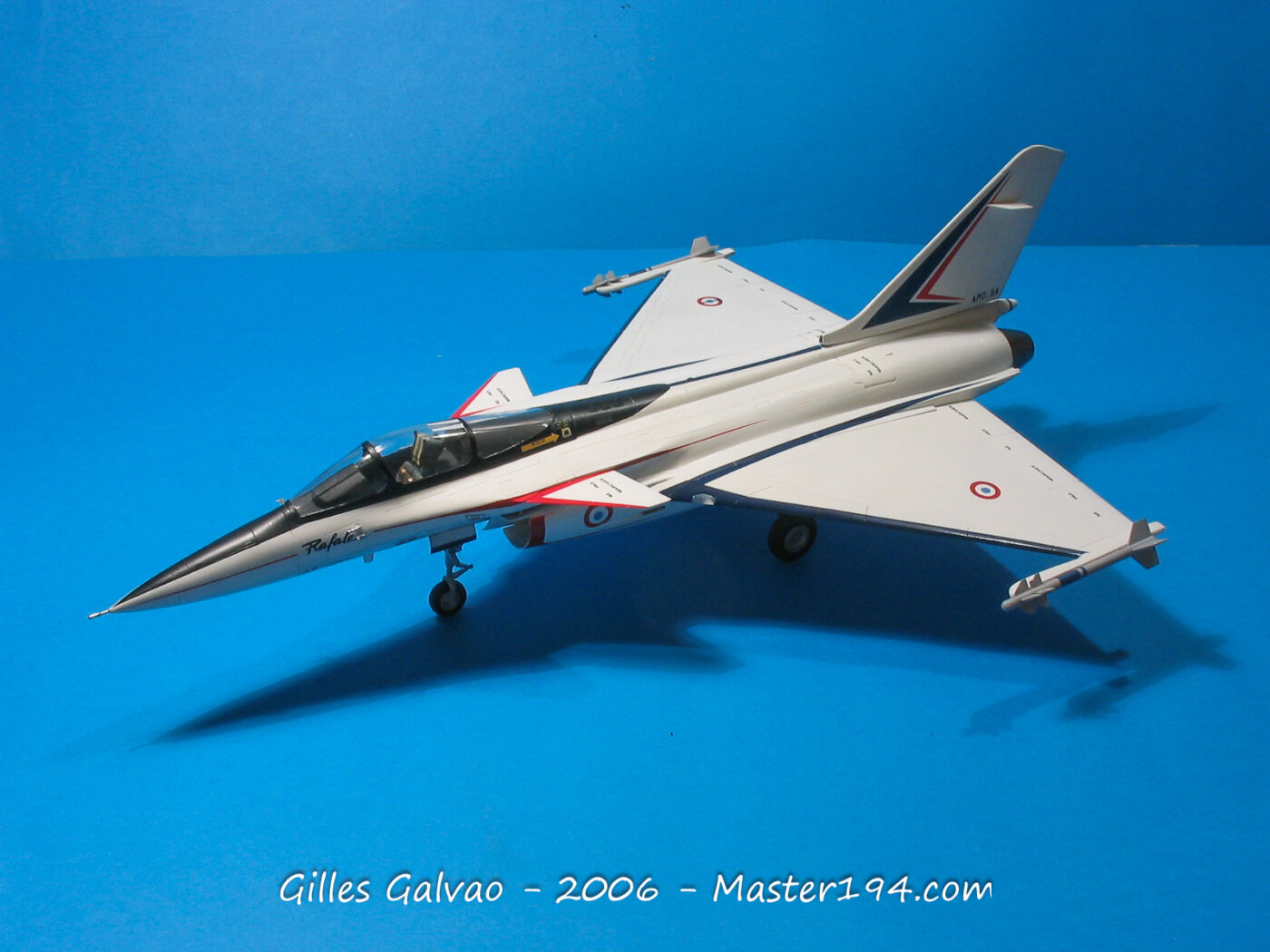
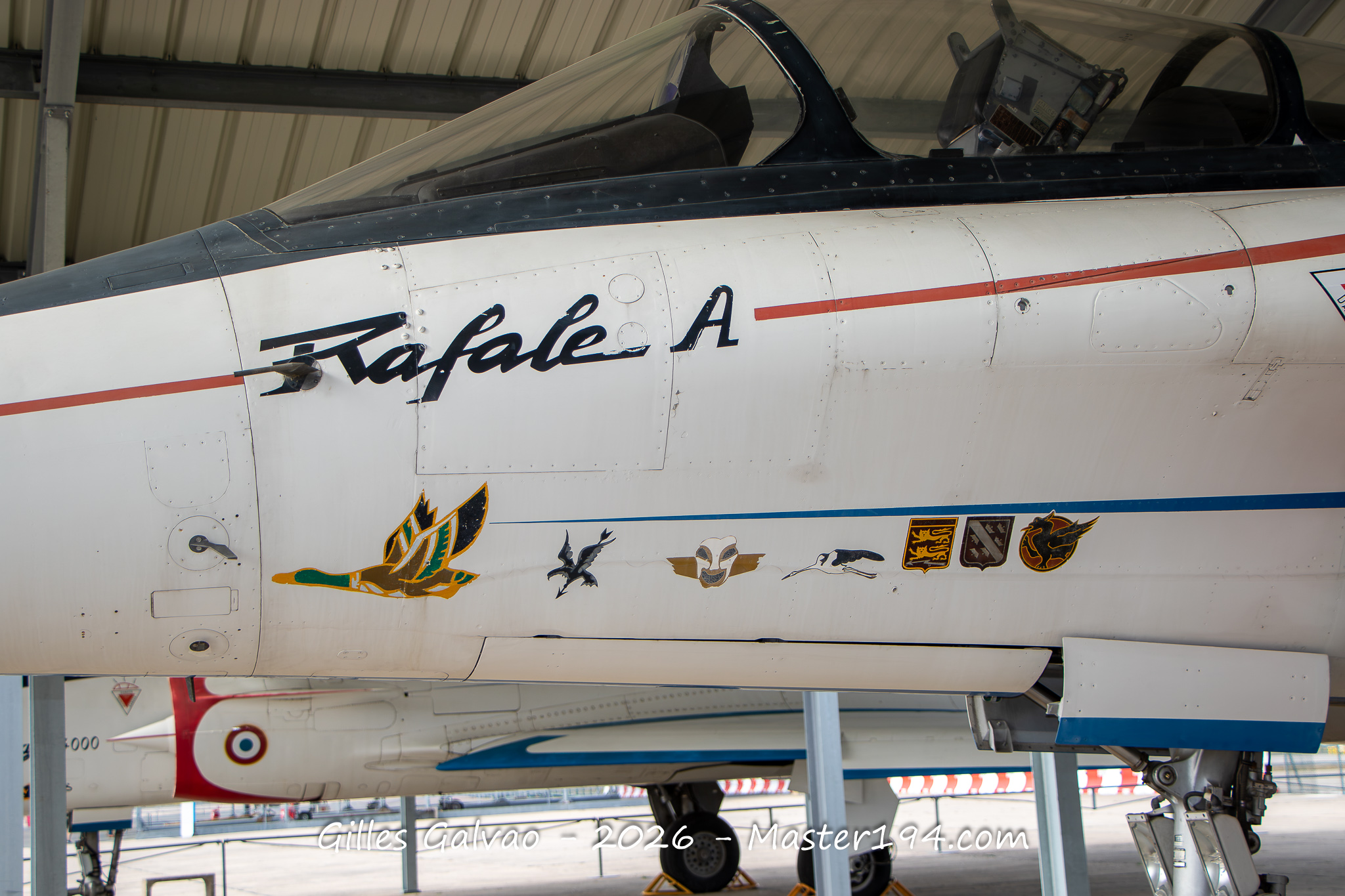
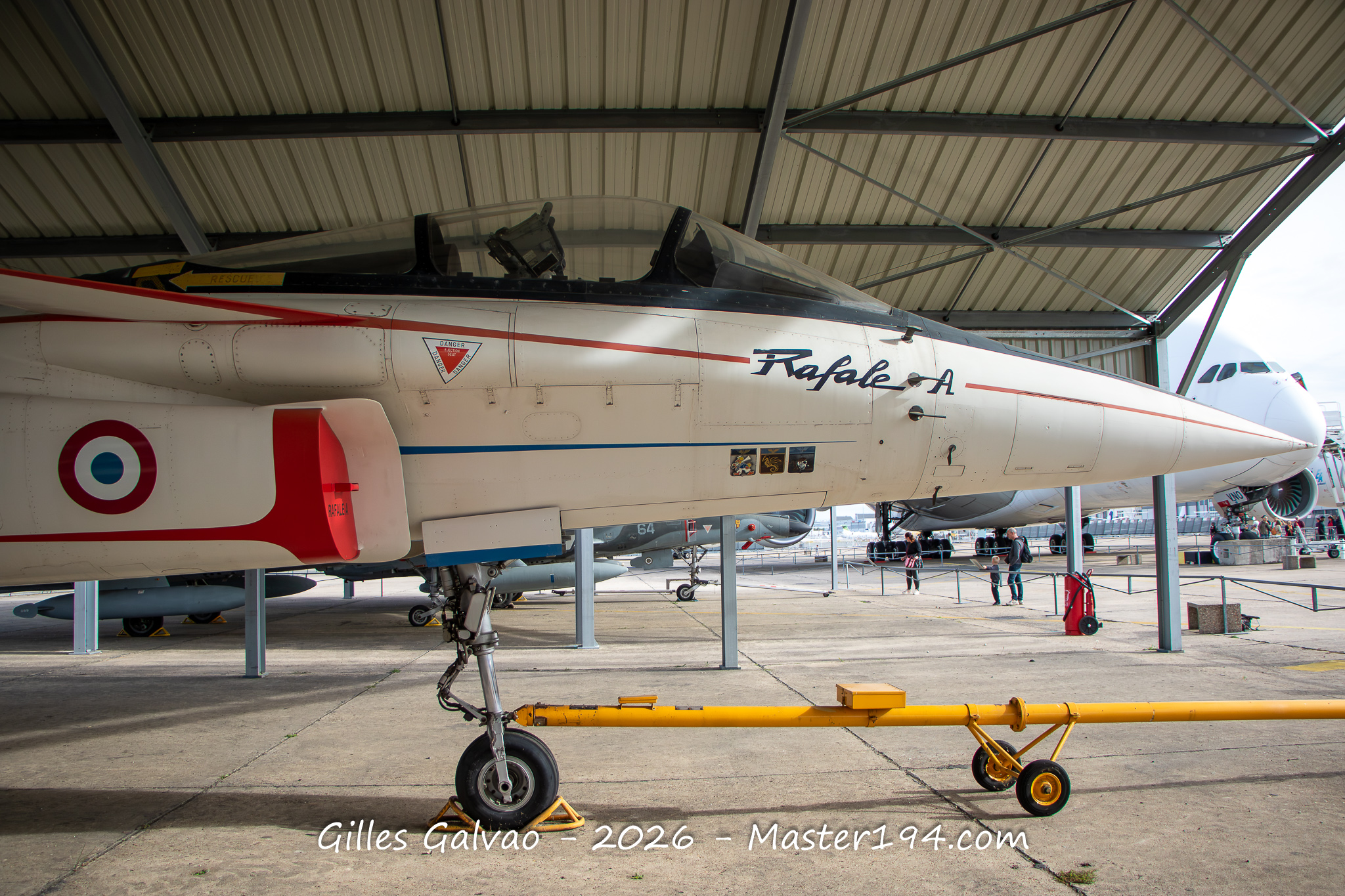
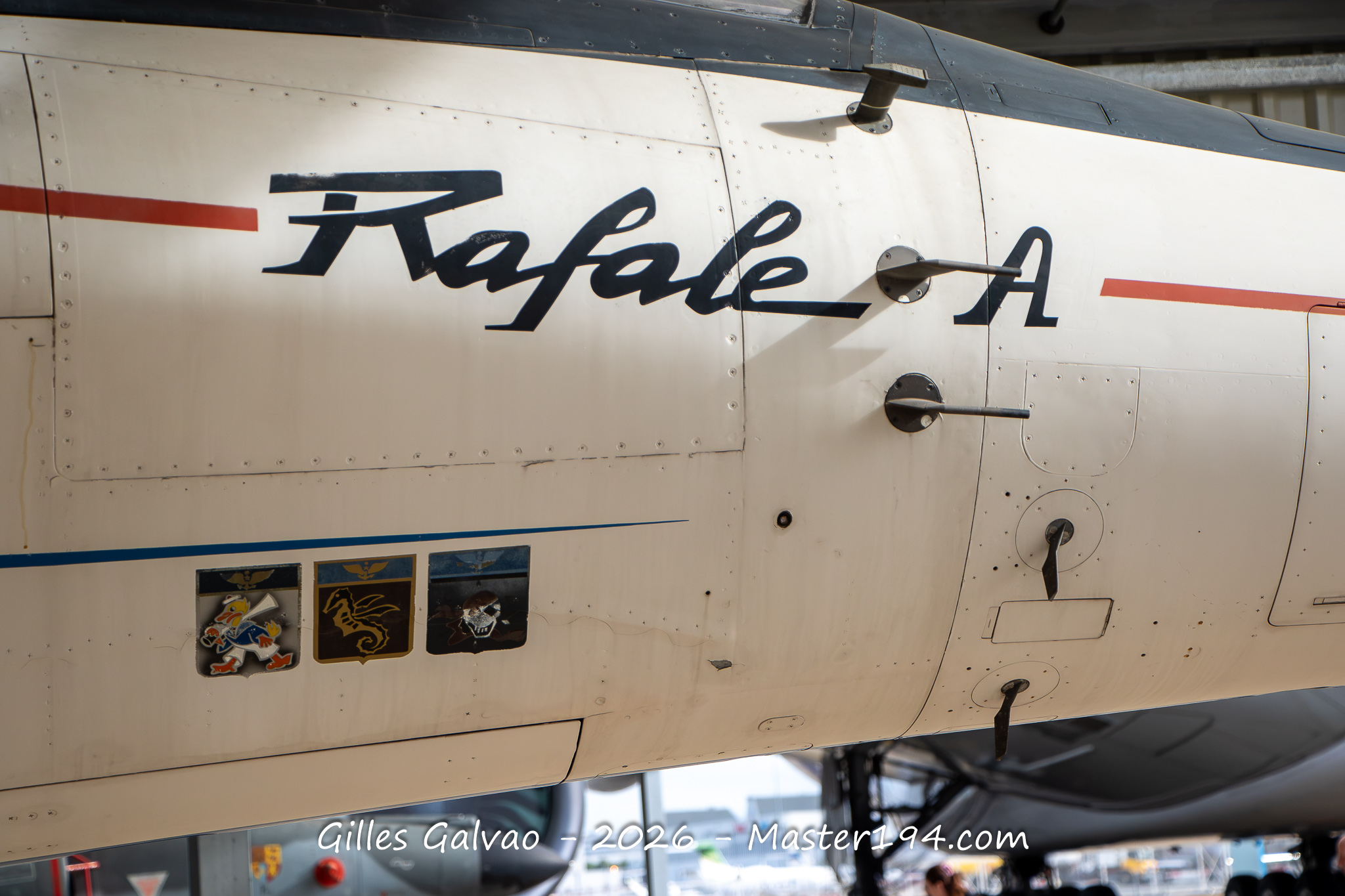
Yet, the Rafale A was not the Rafale we know today. Painted in Dassault’s traditional prototype scheme—a crisp white livery trimmed with blue and red striping—the Rafale A was visually distinct from subsequent production airframes. Larger in scale, initially powered by two American General Electric F404 engines, and devoid of the complete avionics suite that would define operational variants, its primary mission was to validate the fundamental aerodynamic and technological concept.
Forty years after its maiden flight, we look back at the origins of the program, the initial flight-test regime of the Rafale A, and the technical evolutions that transformed this single technology demonstrator into the Rafale C, B, and M production fighters.
The Genesis of the Rafale
In the early 1980s, France joined European joint studies aimed at developing a new generation of combat aircraft. This initiative, which gradually evolved into the European Fighter Aircraft (EFA) project, brought together France, the United Kingdom, West Germany, Italy, and Spain.
However, French operational requirements differed significantly from those of its partners.
France required a truly multirole aircraft capable of fulfilling all French Air Force missions while remaining compact and rugged enough for catapult launches and carrier landings with the Marine nationale. Industrial leadership was another critical sticking point.
Disagreements centered primarily on gross weight, overall aerodynamic architecture, and carrier compatibility. Mid-decade, France withdrew from the joint program—paving the way for the four remaining partners to develop what would become the Eurofighter Typhoon.
Paris decided to pursue the development of an all-French fighter independently.
As early as April 13, 1983, French Defense Minister Charles Hernu had launched the ACX (Avion de Combat Expérimental) program. Its goal was to study and validate the core technologies and aerodynamic configuration intended for France’s future combat aircraft, serving both the Air Force and Naval Aviation.
This ACX demonstrator would ultimately become the Rafale A.
The Rafale A : Proving the Concept Before Production
Construction of the demonstrator began in 1984. The aircraft was officially rolled out at Saint-Cloud on December 13, 1985, just months before its maiden flight.
The adoption of a delta wing paired with close-coupled active canards was a defining characteristic of the design. Combined with digital fly-by-wire flight controls, this aerodynamic layout yielded exceptional maneuverability while ensuring precise handling across the entire flight envelope.
The Rafale A also made extensive use of advance composite materials. At this stage, the objective was not to build a final operational fighter, but to prove in actual flight that these radical engineering choices were viable—the essential role of a technology demonstrator.
July 4, 1986: Maiden Flight
On July 4, 1986, the Rafale A lifted off for the first time from the Istres airbase runway, with Dassault Aviation chief test pilot Guy Mitaux-Maurouard at the controls.
The flight lasted approximately one hour. The aircraft rapidly reached an altitude of 36,000 feet and a speed of Mach 1.3 without engaging afterburners.
This maiden flight perfectly illustrated Dassault’s pragmatic strategy: the technology demonstrator was not meant to immediately showcase every operational feature of the final fighter, but rather to methodically validate the fundamental design choices.
Flight testing quickly confirmed the immense potential of the aerodynamic configuration. The Rafale A subsequently reached Mach 1.9, then Mach 2 during its test program, while demonstrating outstanding agility and low-speed handling qualities.
Just a few weeks after its maiden flight, the demonstrator performed flight displays at the Farnborough Airshow, capturing international attention for the new French program.
A Demonstrator Designed for Naval Aviation
One of the defining aspects of the Rafale program was the mandate to satisfy two radically different operational users from inception.
Consequently, the Rafale A actively participated in trials linked to the future carrier-based variant (Marine nationale).
Beginning in 1987, the aircraft carried out simulated carrier approaches. In 1988, trials progressed to approach runs and touch-and-go landings aboard the aircraft carriers Foch and Clemenceau. These flight tests verified the airframe’s low-speed handling and forward cockpit visibility during critical carrier approach phases.
The Rafale A proved more than just airworthiness: it validated that a single aerodynamic airframe could serve as the foundation for a carrier-capable fighter.
Integrating the French Engine: The M88
The Rafale A initially performed its flight envelope expansion powered by two General Electric F404-GE-400 turbojets—the same powerplant used on the F/A-18 Hornet.
This was an interim solution. The definitive engine for the production Rafale was to be the Snecma M88, which was still under development at the time of the demonstrator’s first flight.
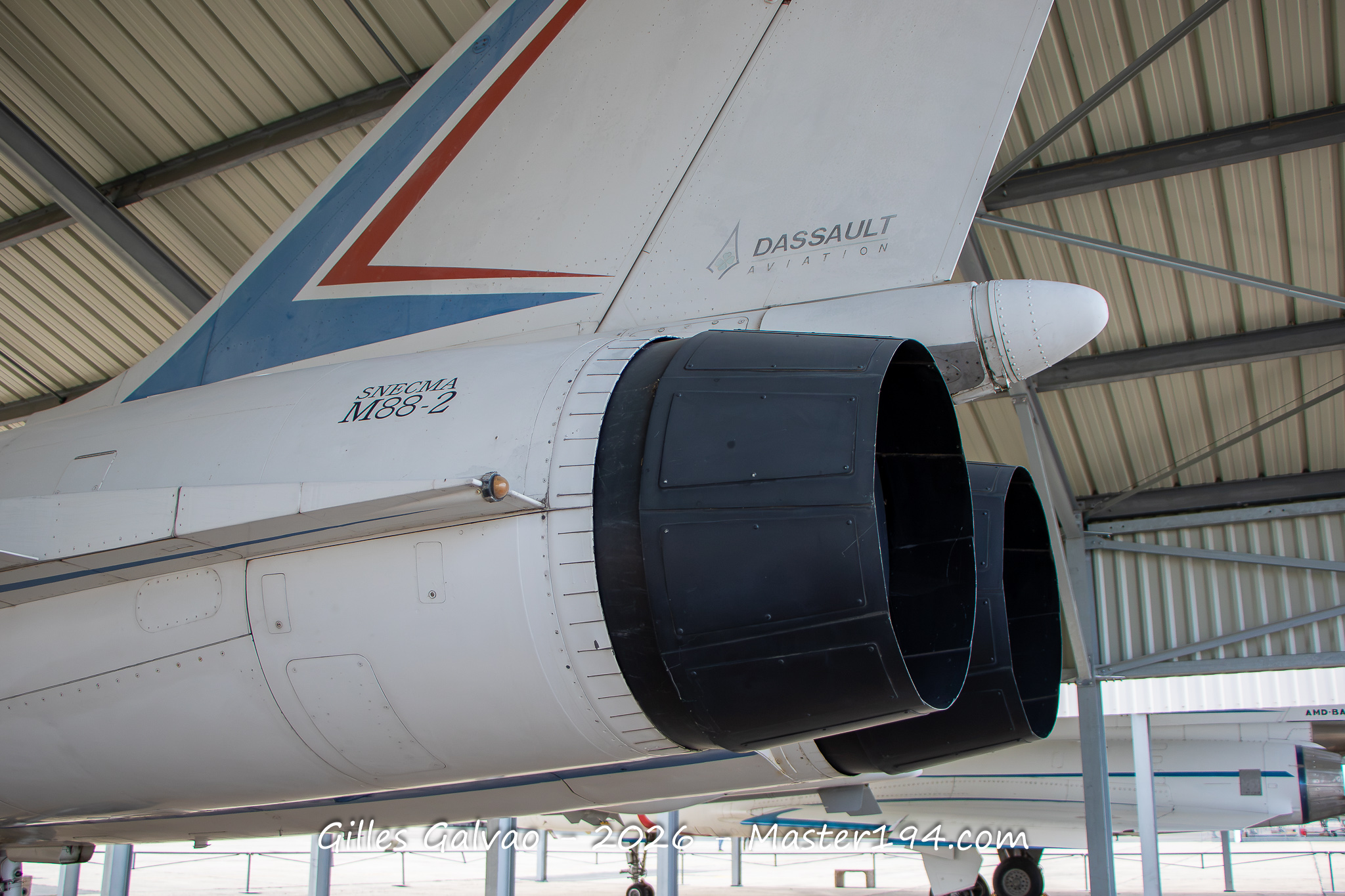
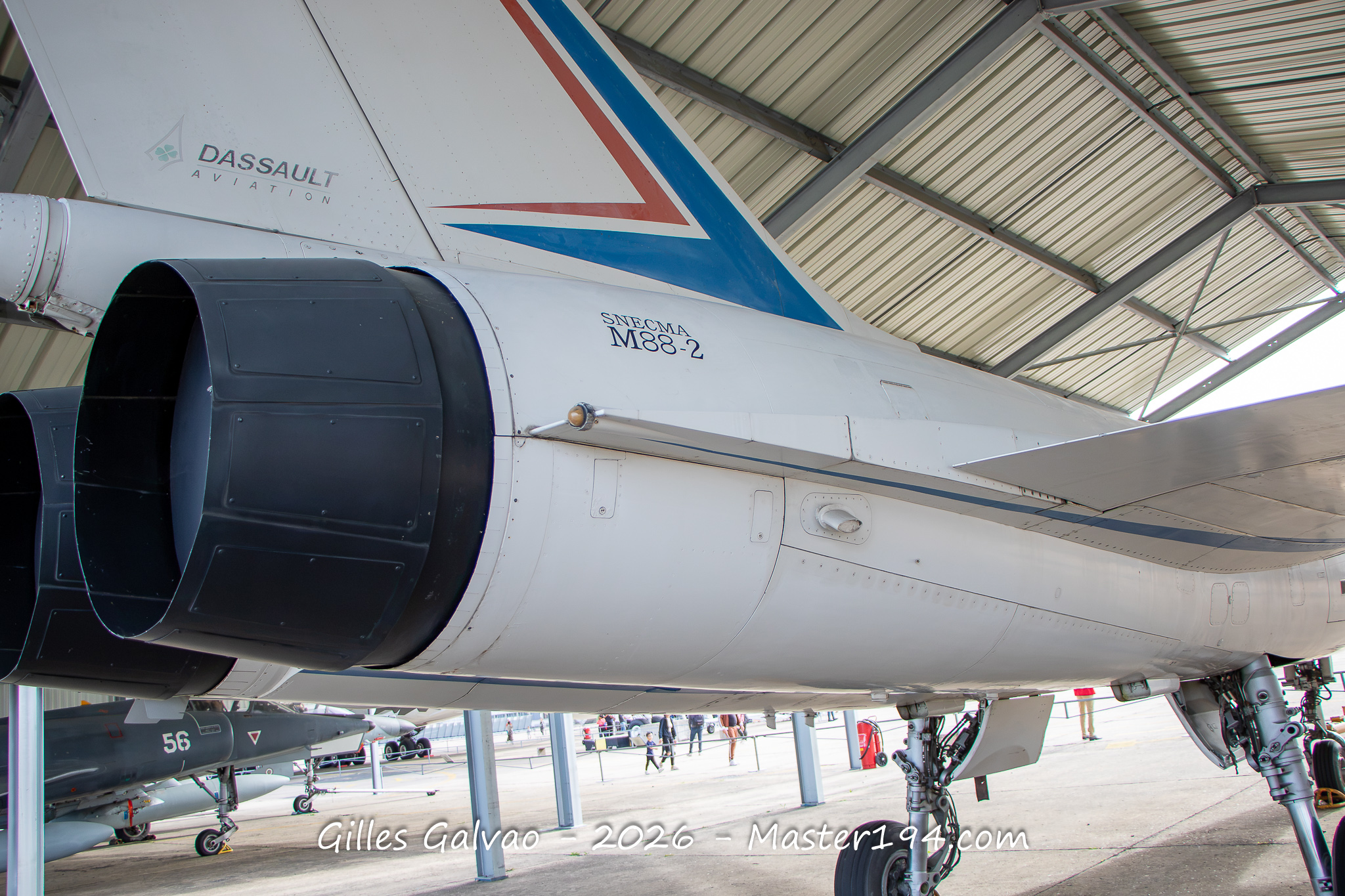
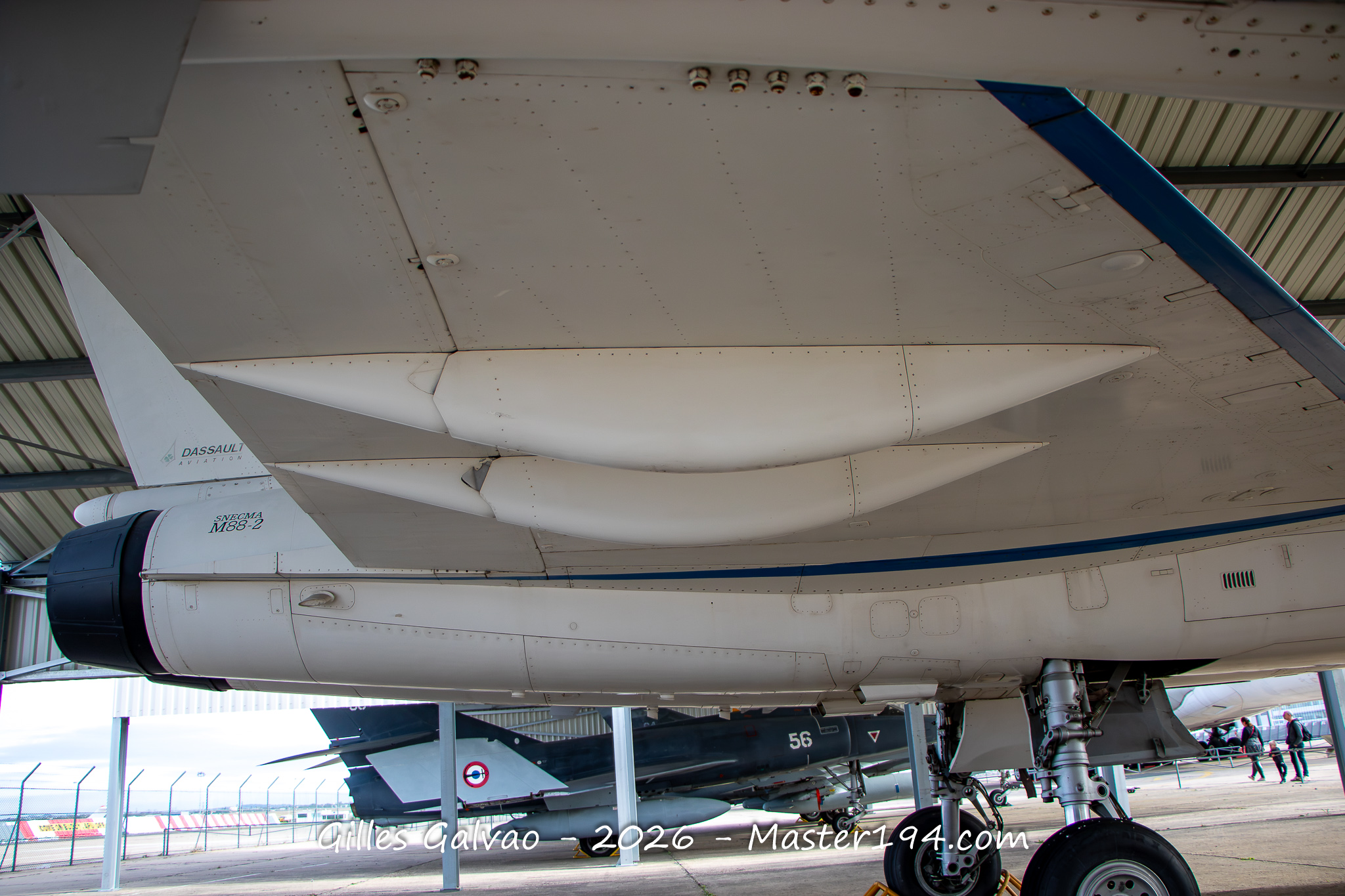
Following the initial test phase, the Rafale A entered the workshop. After its 460th flight, the left F404 engine was removed and replaced with a Snecma M88-2, while retaining the F404 on the right side. This asymmetric configuration allowed engineers to directly compare engine behaviors and performance under identical flight conditions.
The Rafale A resumed test flights in this hybrid configuration on February 27, 1990, marking the maiden flight of the M88 engine. These trials validated the performance, throttle response, and integration parameters of the new French powerplant before its serial installation.
Demonstrator vs. Prototype: Understanding the Difference
Distinguishing between a demonstrator and a prototype is essential to understanding the Rafale’s development cycle.
A technology demonstrator is designed to validate an overall architecture, specific technologies, or flight concepts, significantly de-risking a program before full-scale development.
This was precisely the mission of the Rafale A: validating digital fly-by-wire controls, the delta-canard layout, extensive composite structures, high angle-of-attack handling, supersonic flight, approach characteristics, and carrier suitability.
There was never an intent to mass-produce the Rafale A itself.
Prototypes, on the other hand, represent the next engineering phase: developing and refining actual operational variants.
The program funded several specialized development aircraft:
- Rafale C01: Single-seat prototype for the French Air Force (Armée de l’Air).
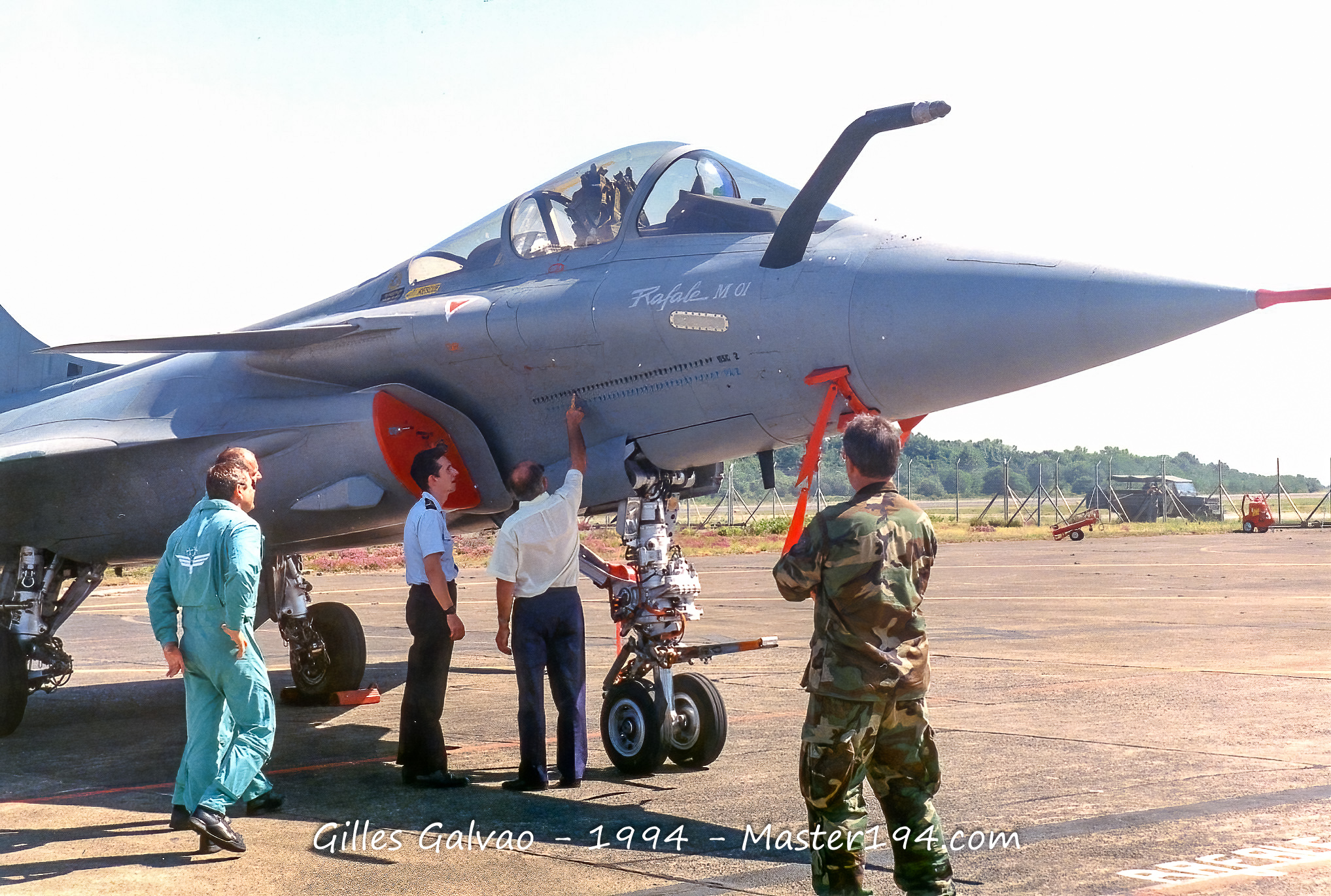
- Rafale M01 and M02: Carrier-capable prototypes for Naval Aviation (Marine nationale).
- Rafale B01: Two-seat prototype for the French Air Force.
The C01 completed its maiden flight on May 19, 1991, followed by the M01 on December 12, 1991, and the B01 on April 30, 1993.
The transition from the Rafale A demonstrator to operational prototypes marked a major milestone: transitioning from proving aerodynamic viability to perfecting an integrated multirole combat aircraft and its weapon systems.
Why Is the Rafale A So Different From Production Rafale ?
At first glance, the Rafale A unmistakably reveals the signature lines of the Rafale family: delta wings, close-coupled canards, a twin-engine layout, and a unified aerodynamic configuration. However, it should not be viewed merely as an early iteration of today’s operational fighter. Major airframe assemblies were extensively redesigned during the transition to the prototype phase.
These structural differences are particularly pronounced in the aft fuselage section and the engine air intakes.
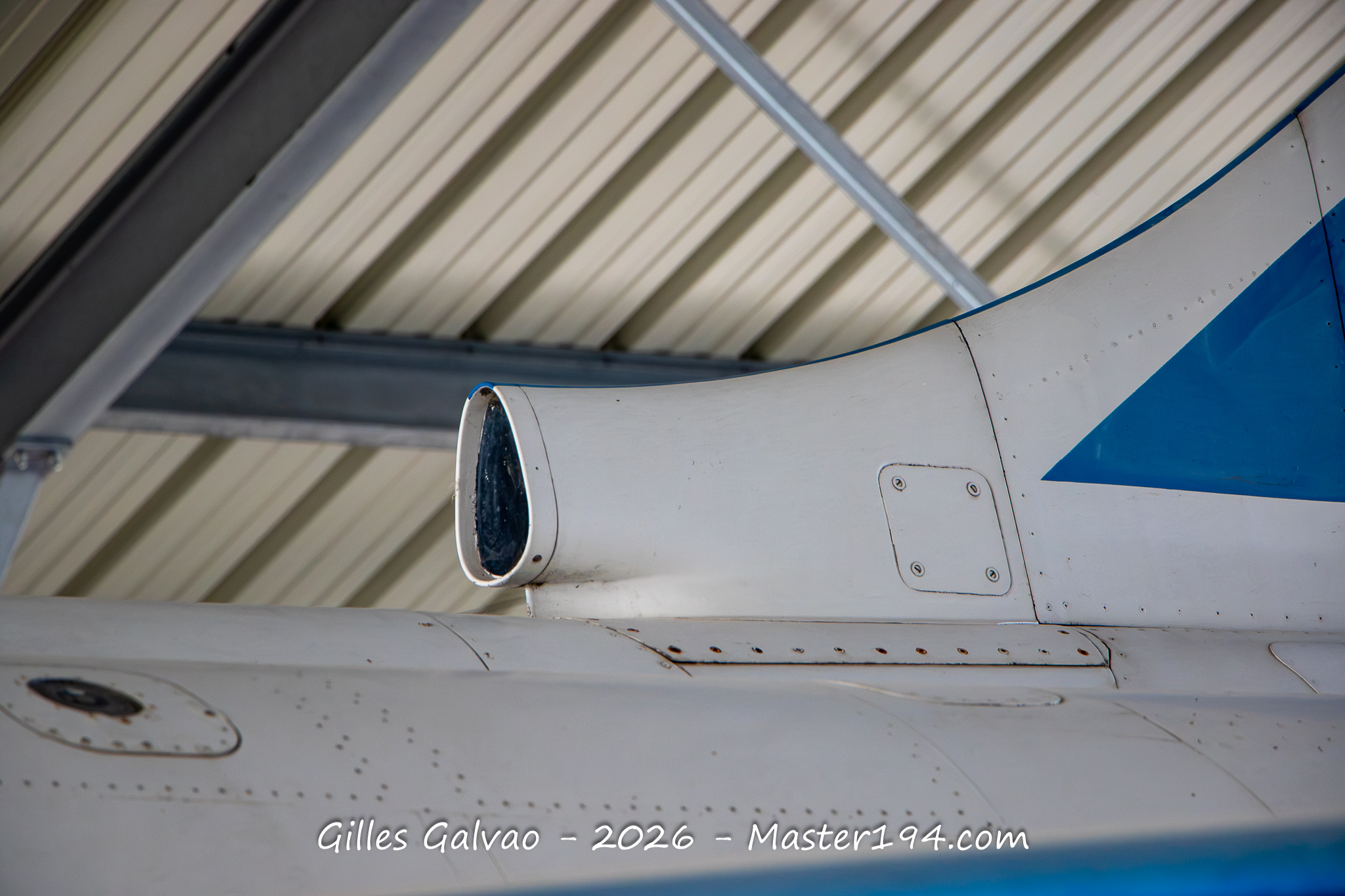
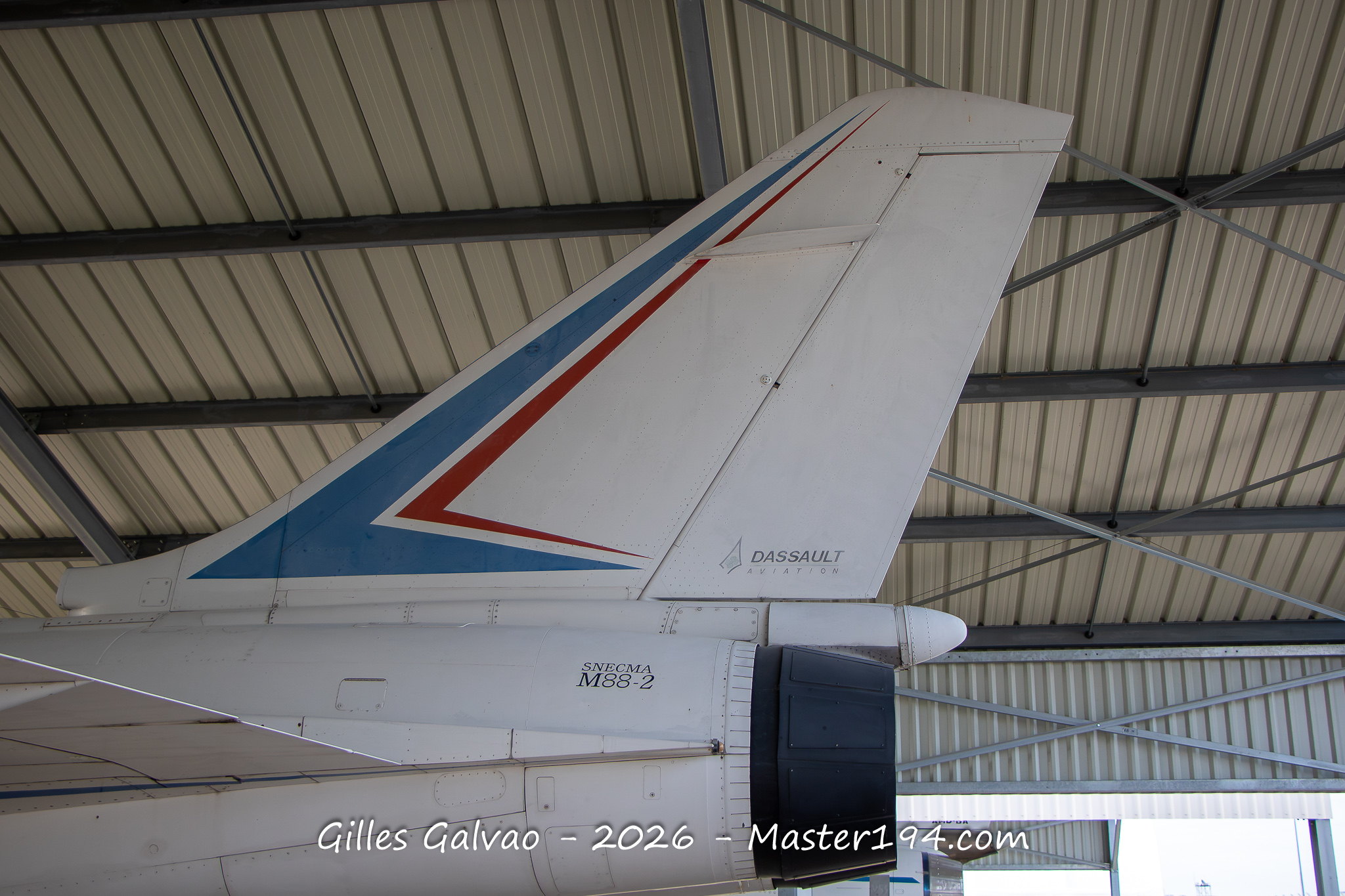
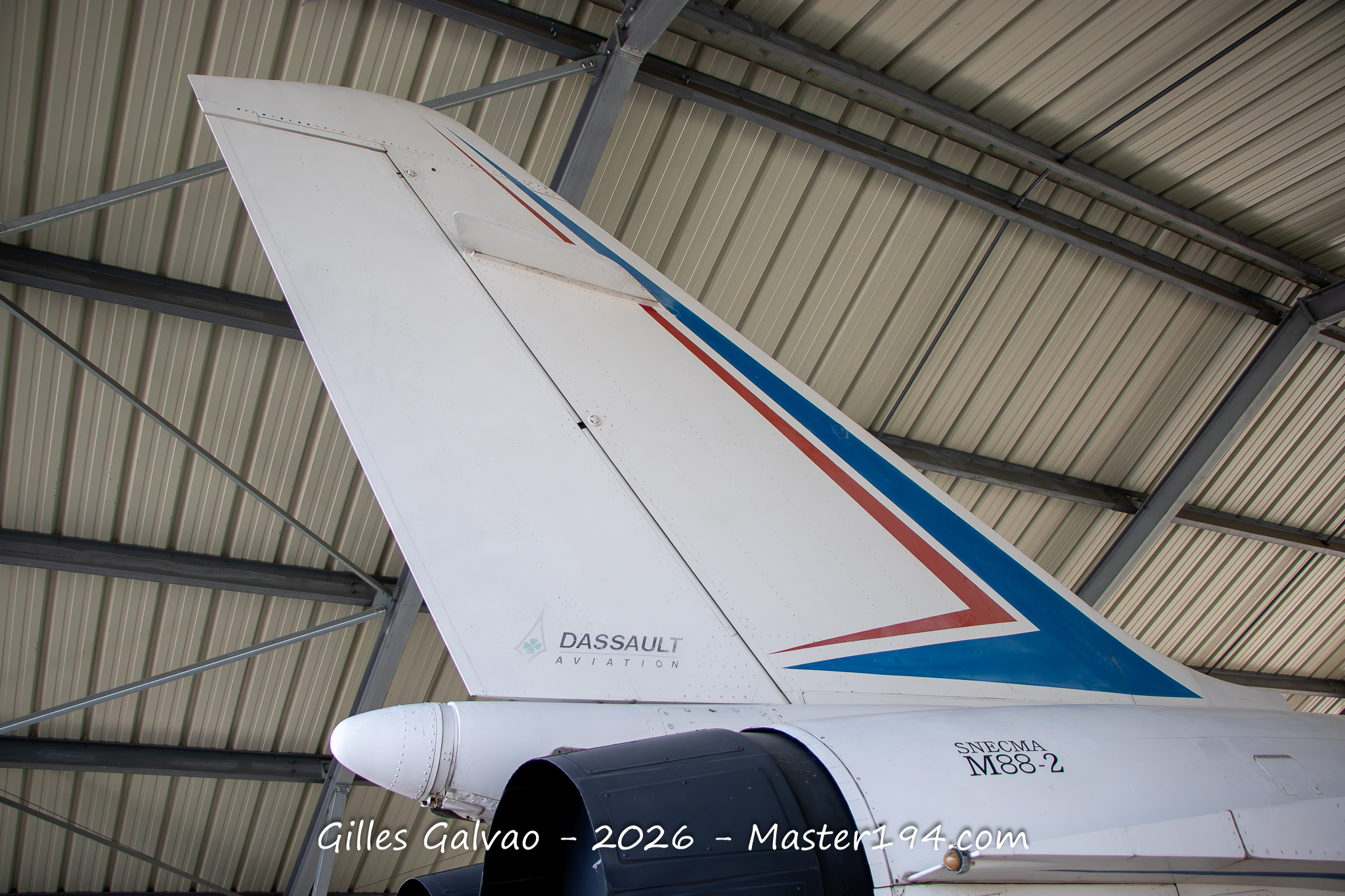
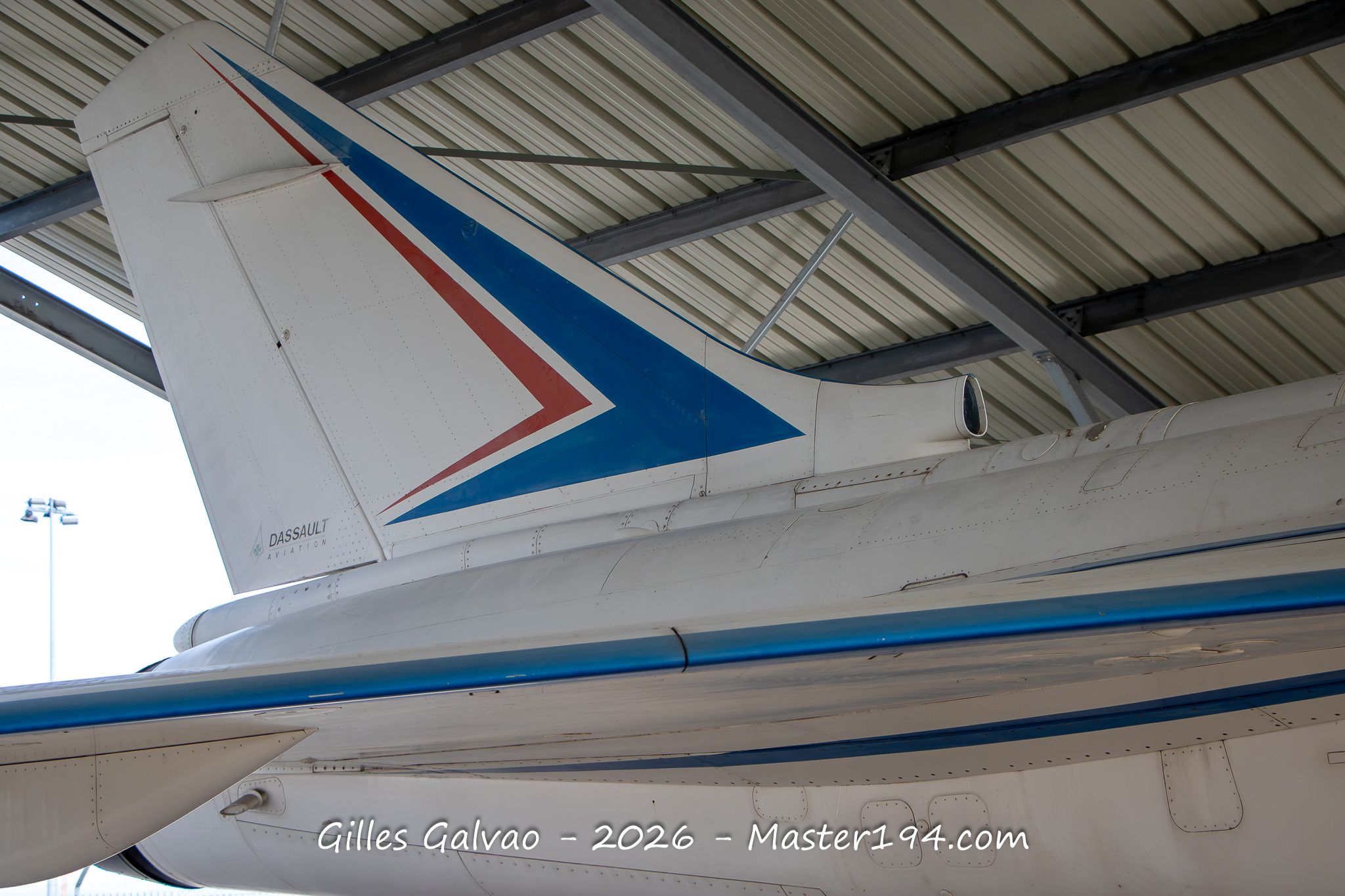
A Thoroughly Redesigned Vertical Stabilizer
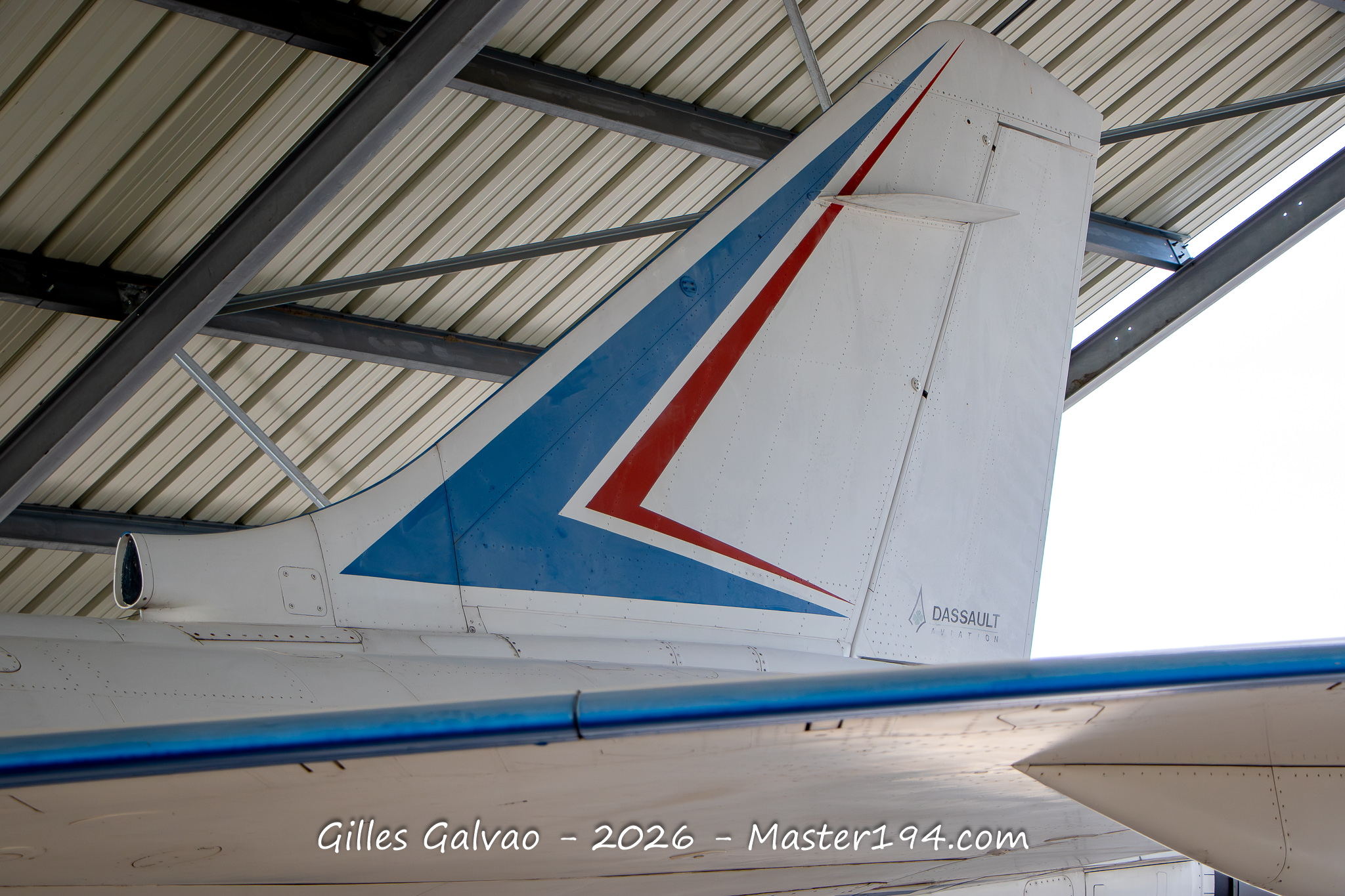
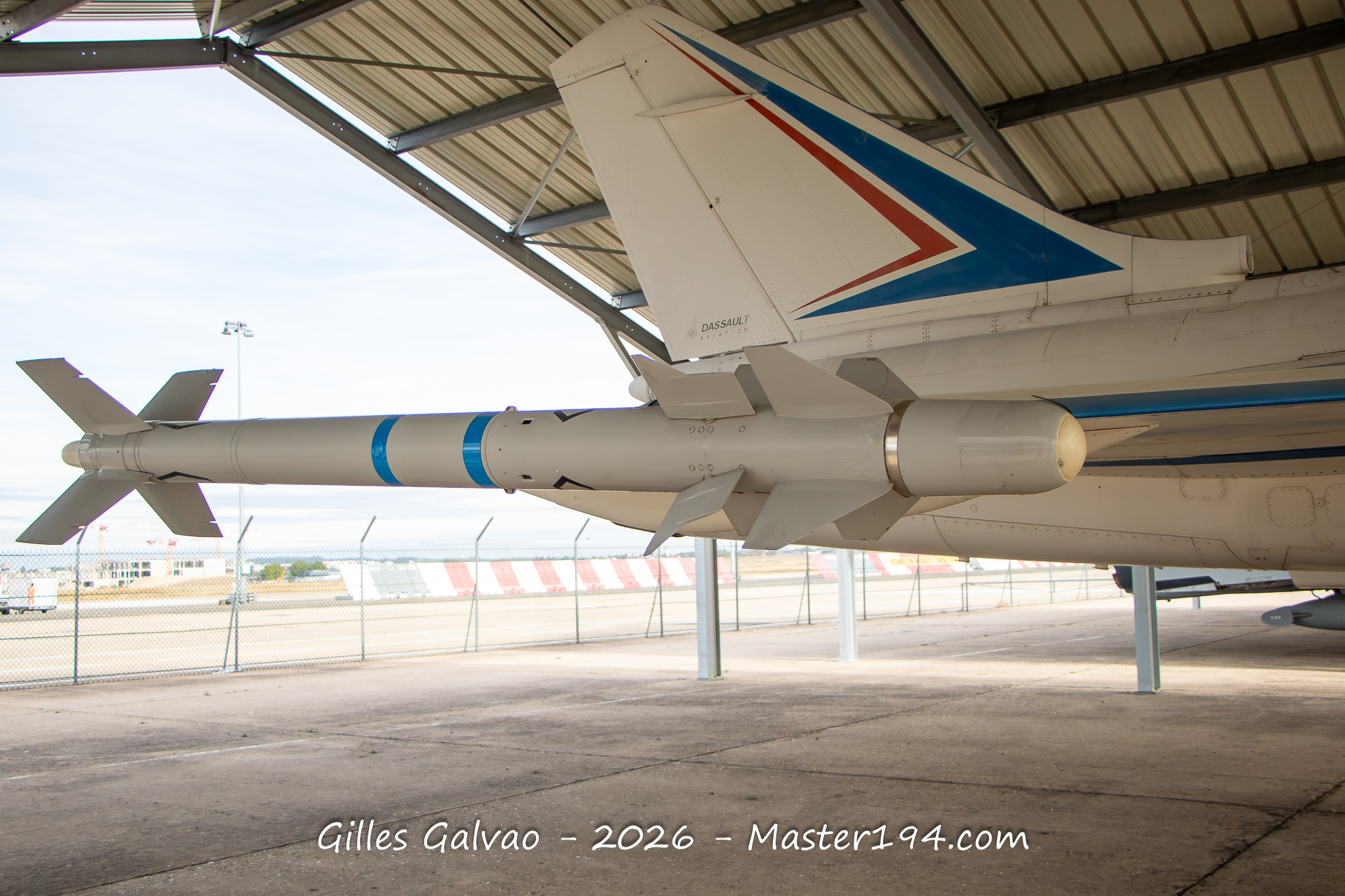
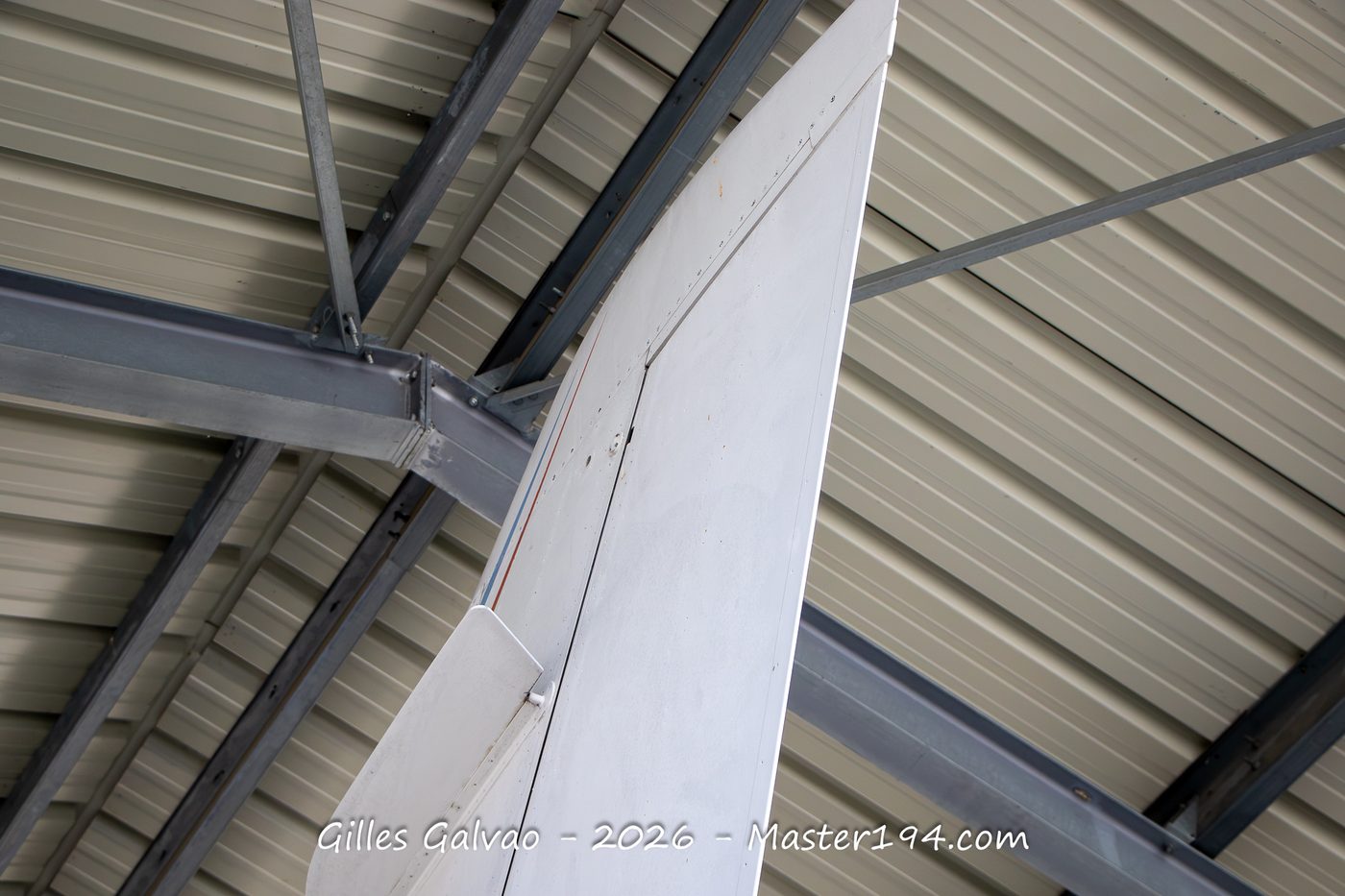
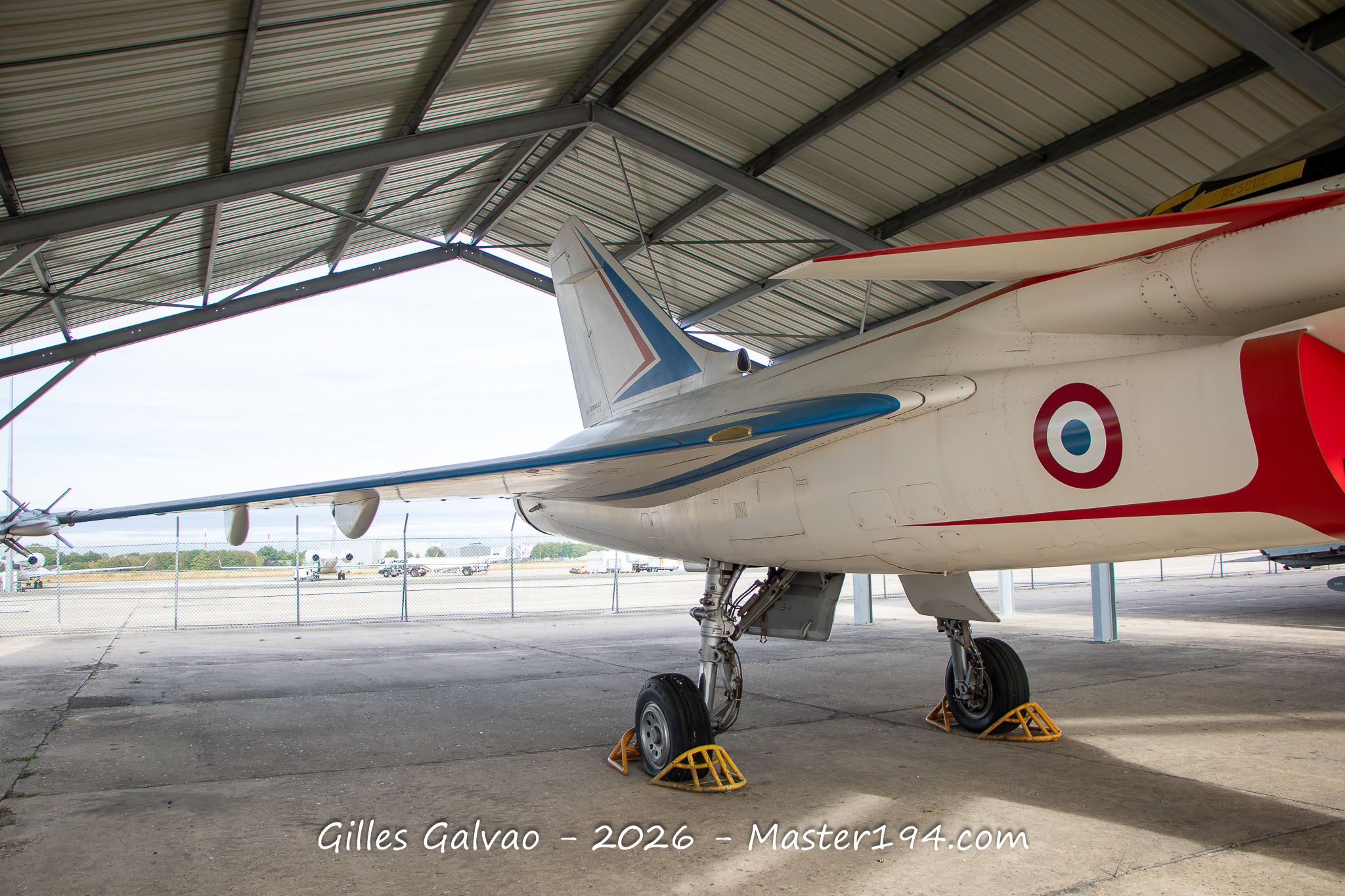
The vertical fin of the Rafale A differs substantially from that of serial Rafale airframes. Its planform, overall proportions, and fuselage junction were completely re-engineered for the development prototypes.
This redesign was far more than cosmetic: the vertical stabilizer plays a vital role in directional stability and control, and had to be re-optimized for an airframe whose overall dimensions and internal layout evolved significantly between the technology demonstrator and production-standard aircraft.
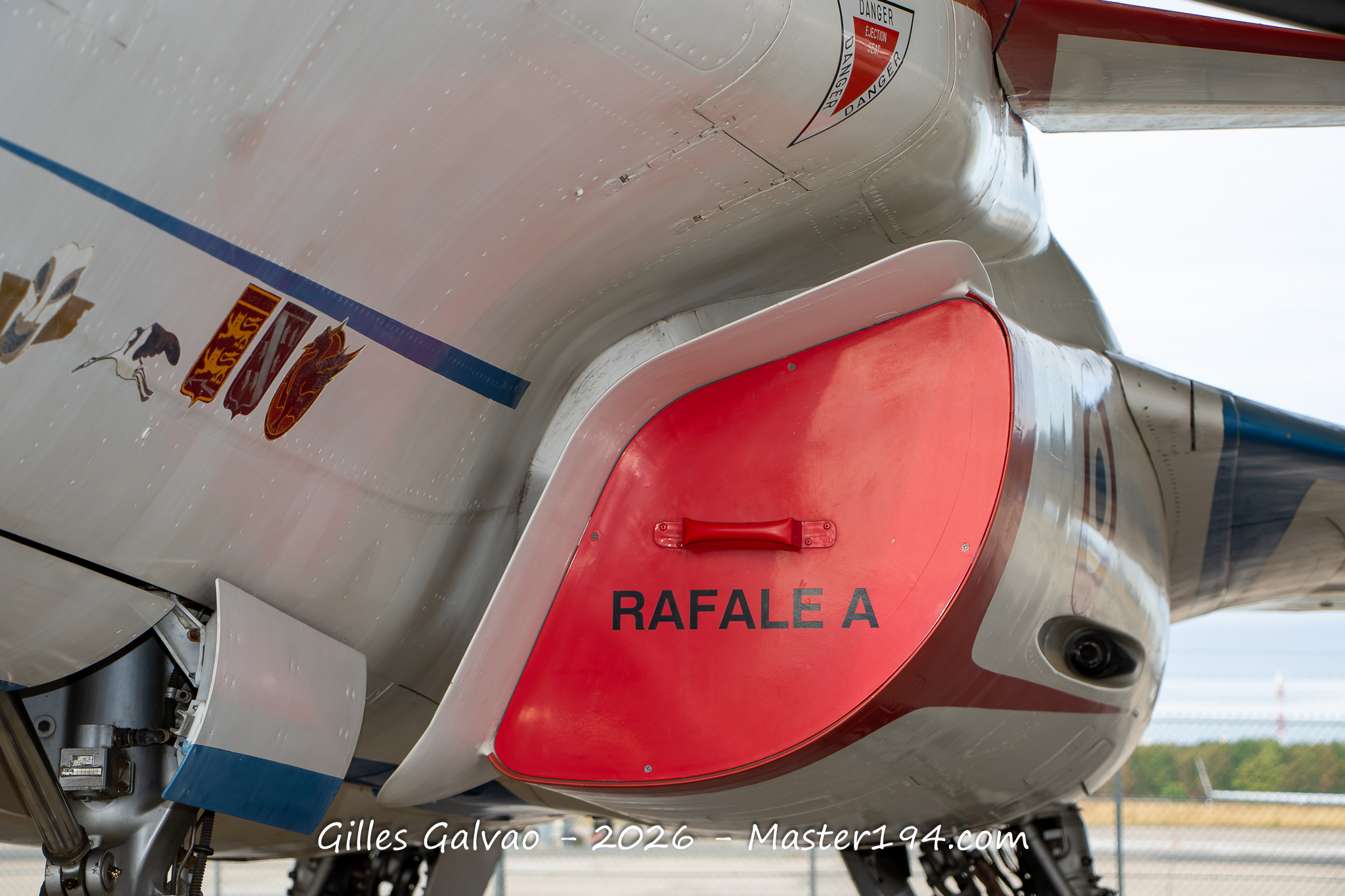
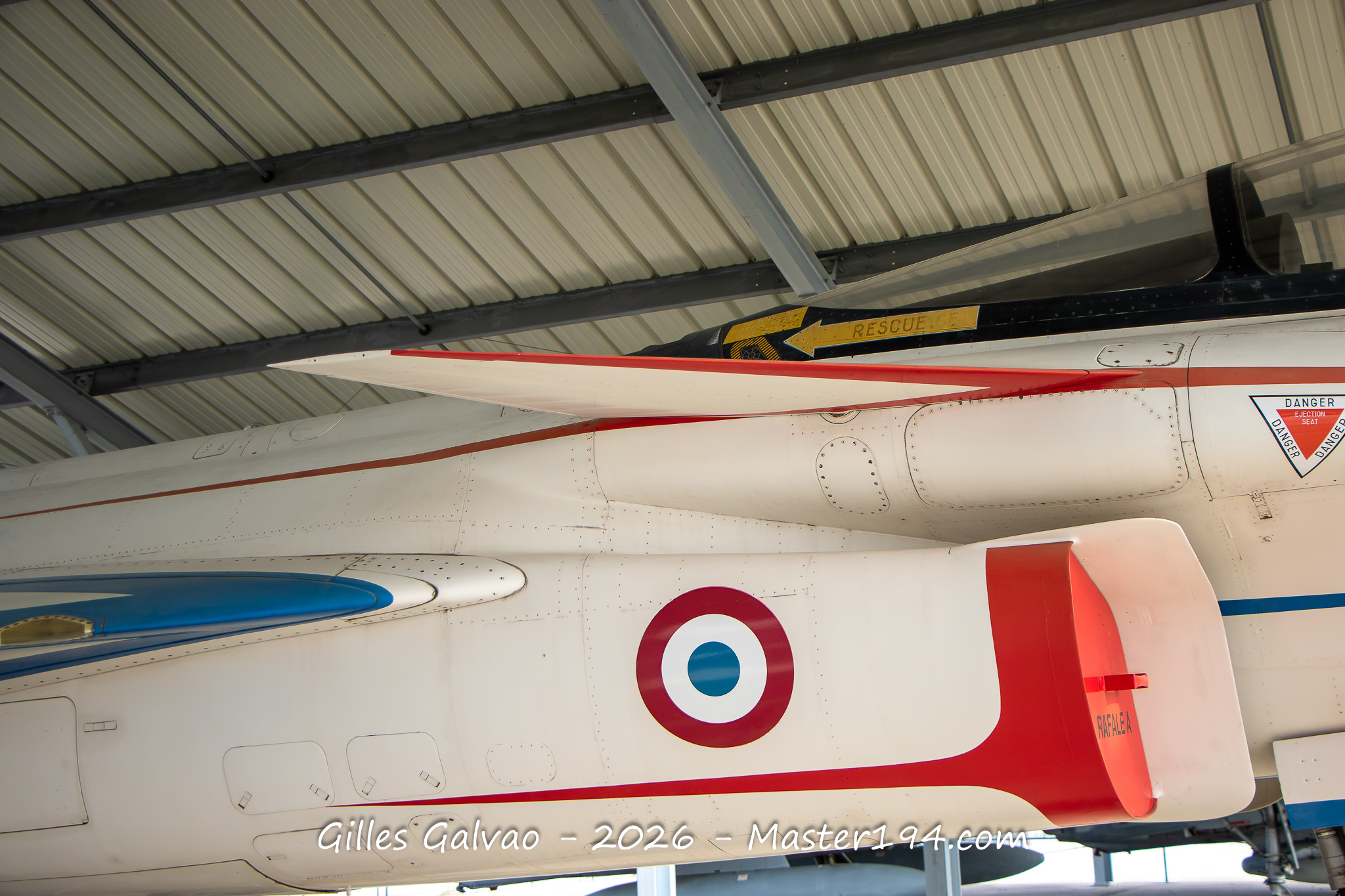
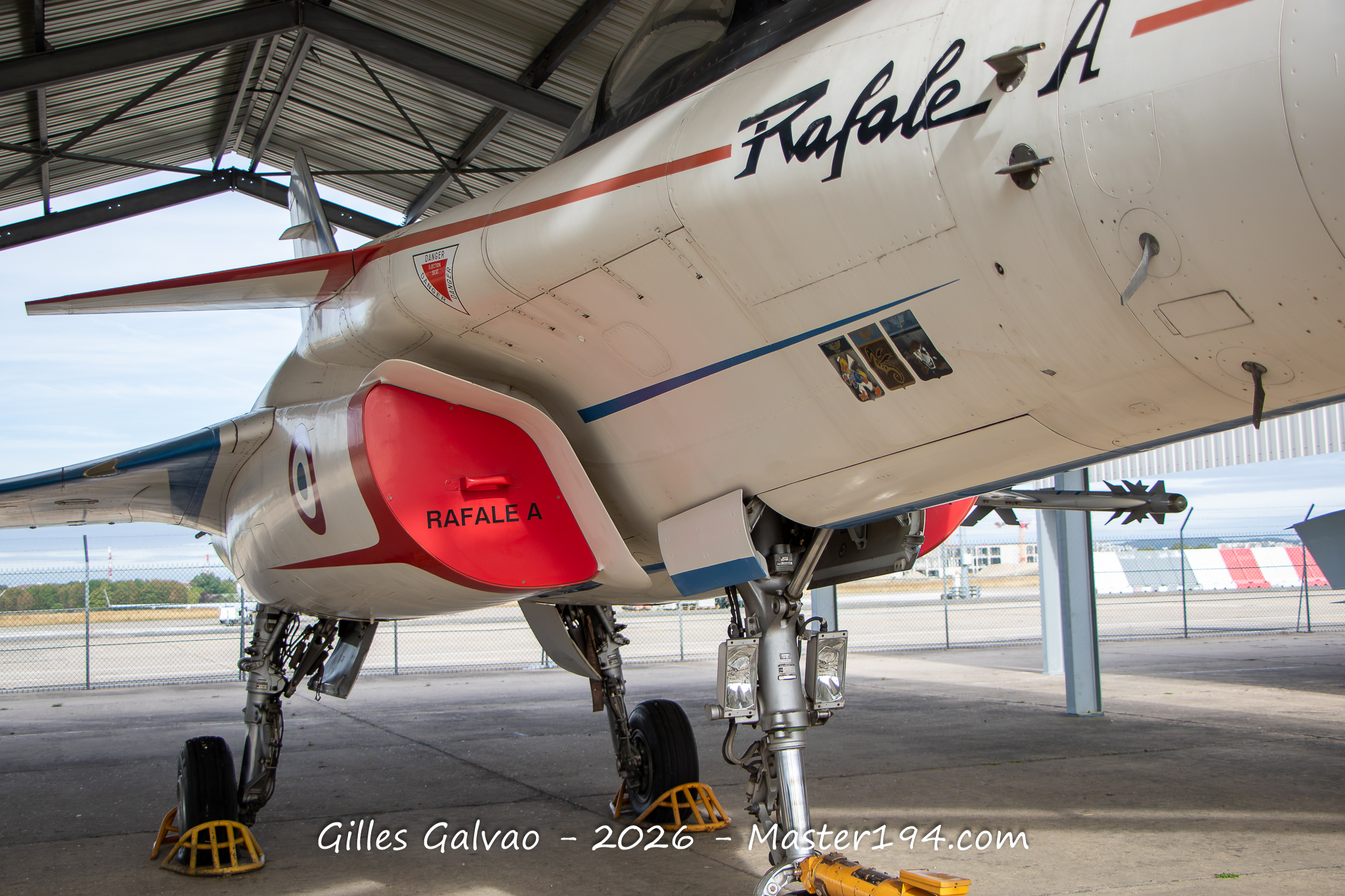
Completely Redesigned Engine Air Intakes
The air intakes represent another immediately recognizable distinction.
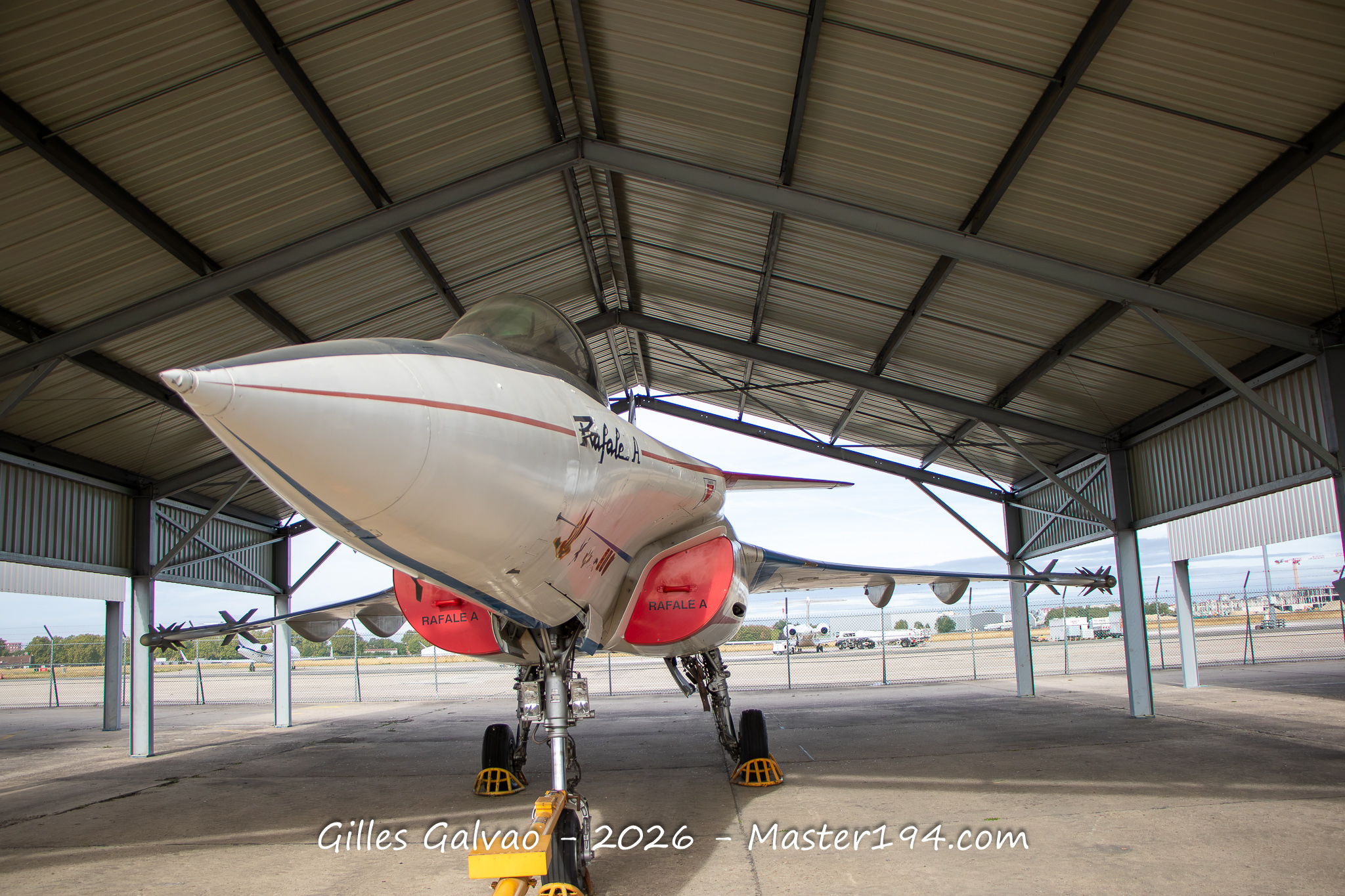
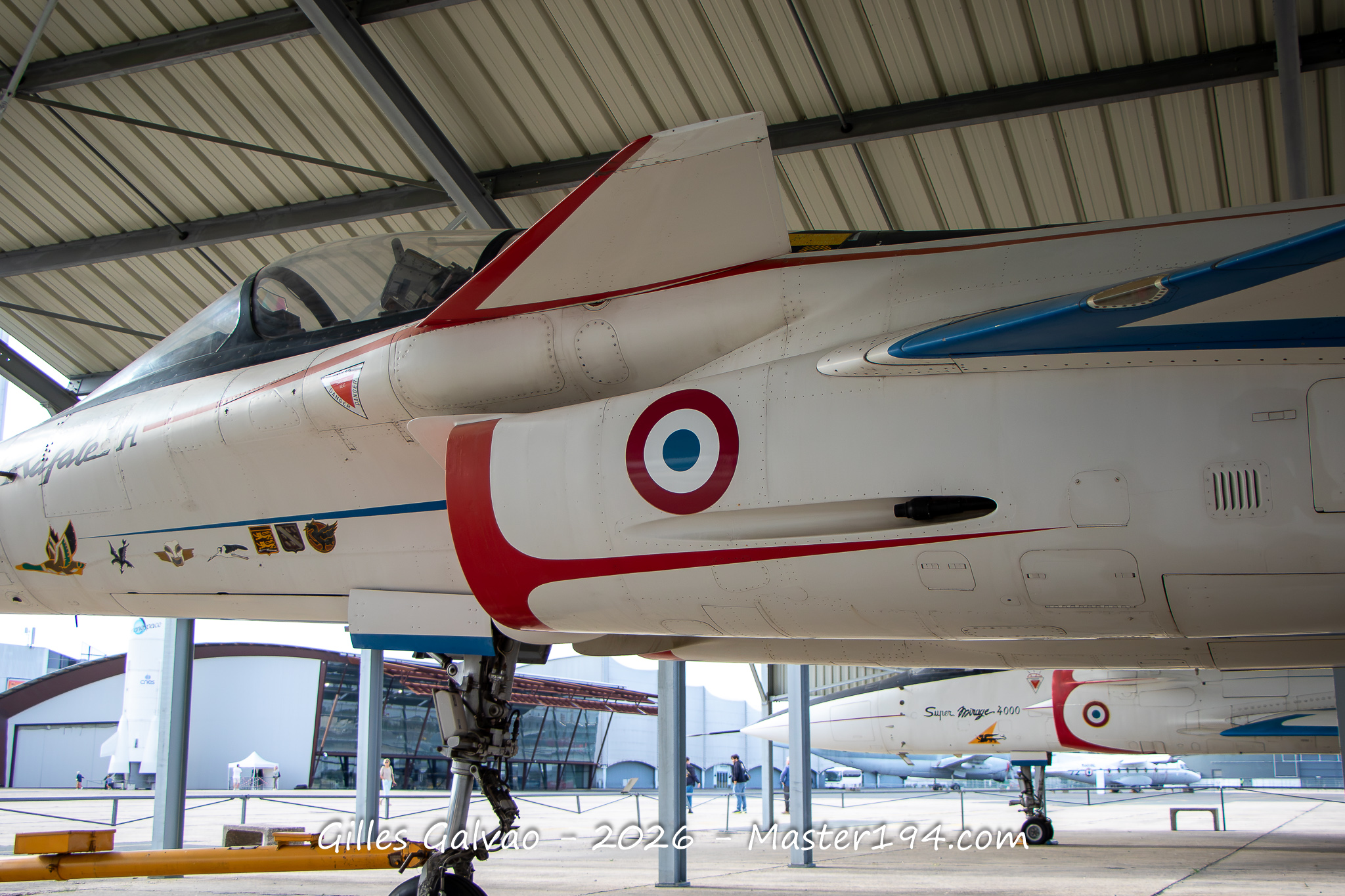
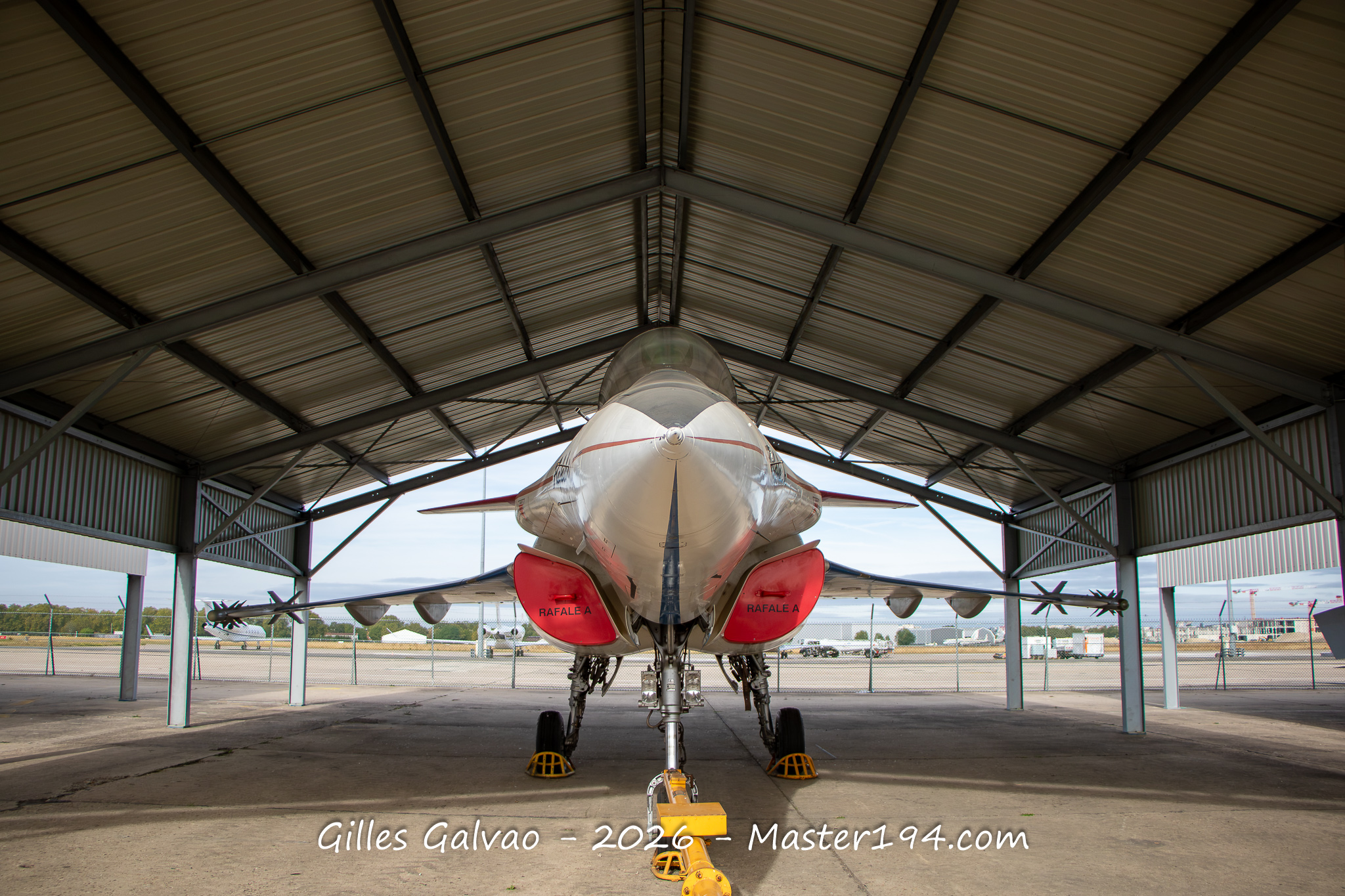
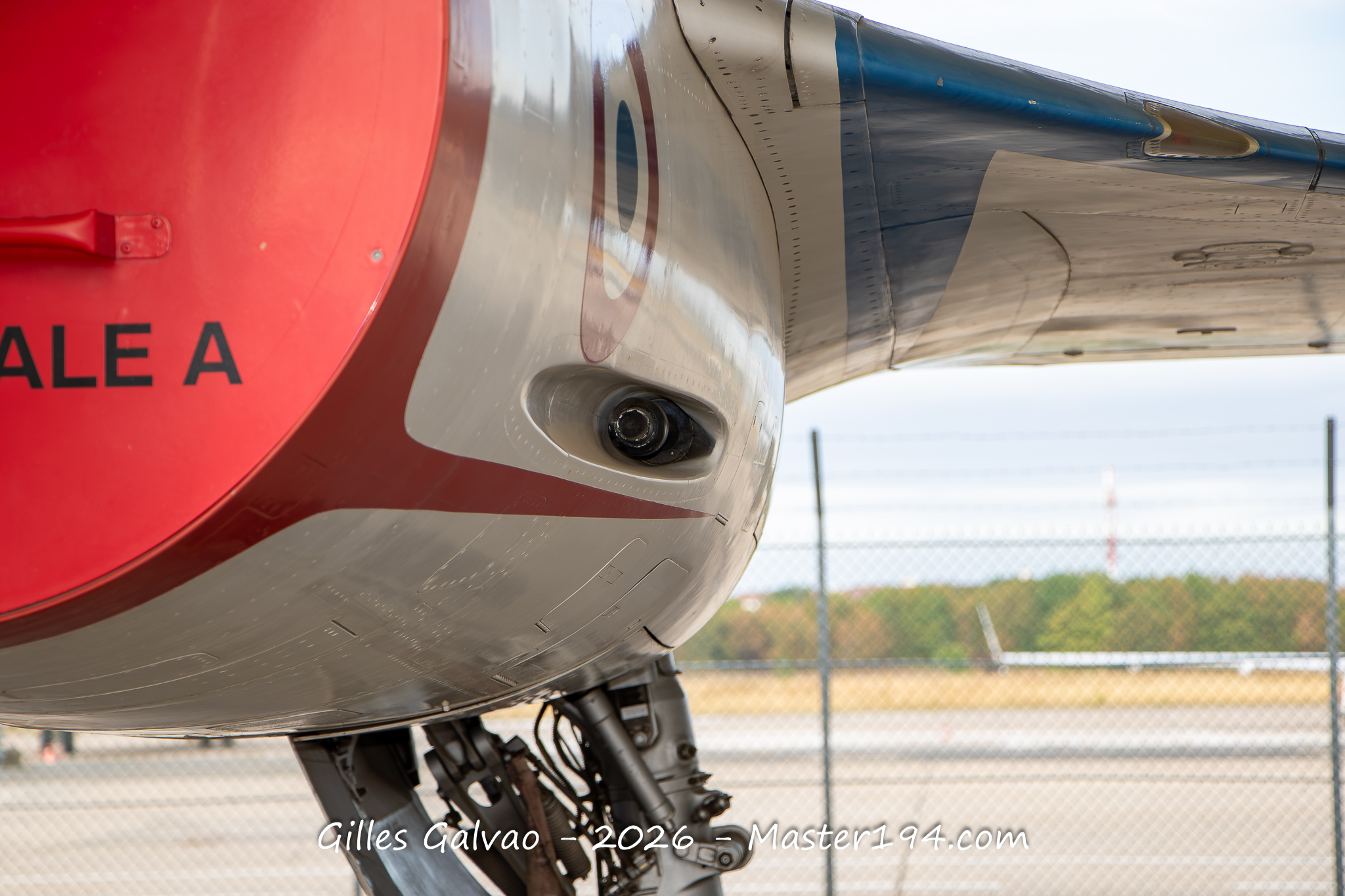
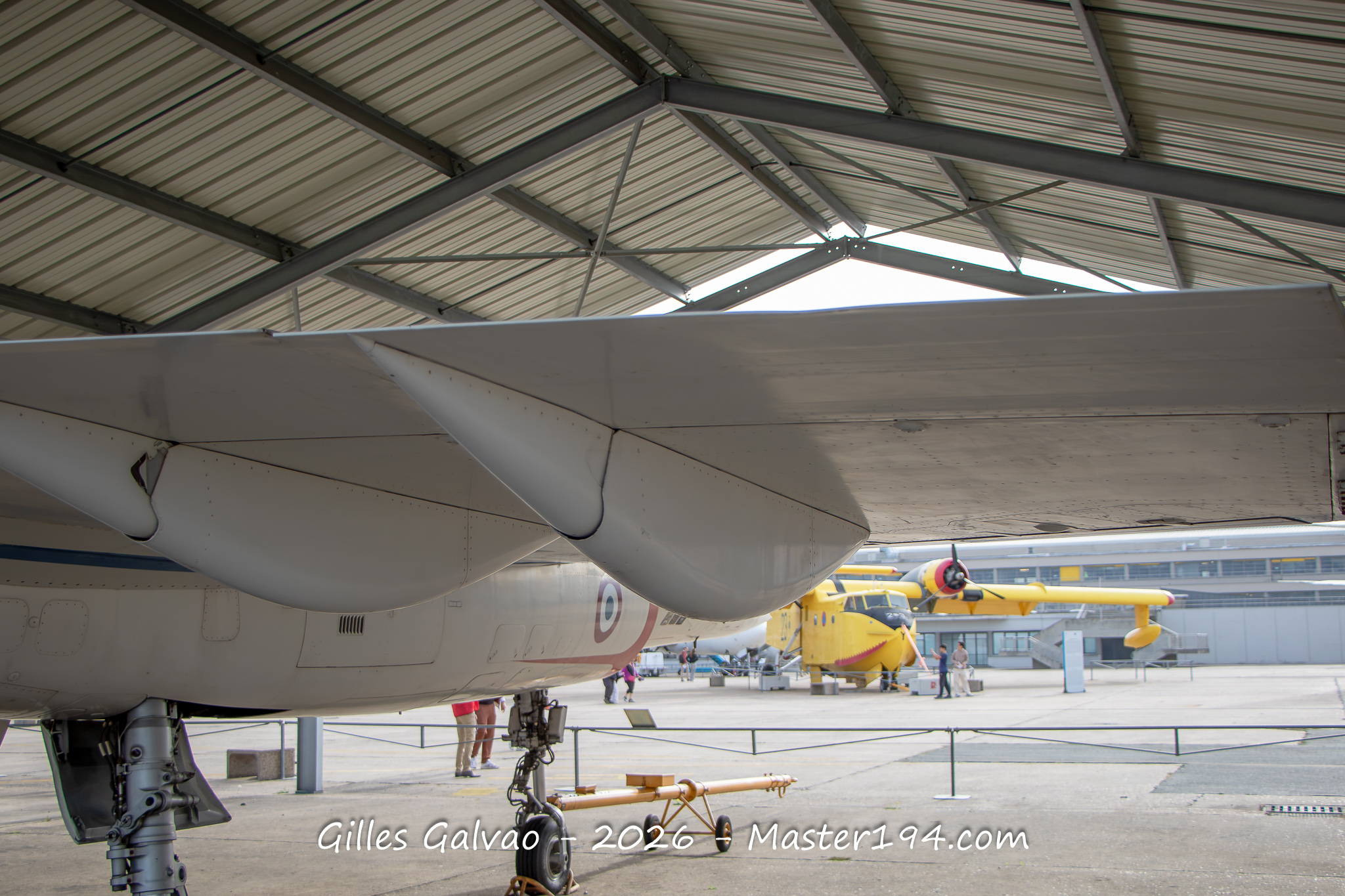
On the Rafale A, these inlets were bulkier, their geometry specifically tailored to accommodate the initial twin General Electric F404 turbofan installation. During the transition to the production-standard Rafale design, they underwent a sweeping redesign to fit the Snecma M88 engines, while also aligning with the airframe’s revised aerodynamic profile.
Replacing the F404 with the M88 was far more than a straightforward engine swap: it required a total re-engineering of the propulsion integration within a deeply modified airframe.
A More Compact Airframe
The Rafale A was also larger than production-standard Rafales. It measured approximately 15.8 m (51.8 ft) in length with a wingspan slightly exceeding 11 m (36.1 ft), whereas production variants measure roughly 15.3 m (50.2 ft) in length with a 10.9 m (35.8 ft) wingspan.
The wing planform, close-coupled canards, and several key structural assemblies were likewise redesigned. The Rafale C01—the first true land-based single-seat prototype—introduced a baseline definition far closer to the eventual serial production aircraft.
A Distinct Nose Section and Systems Architecture
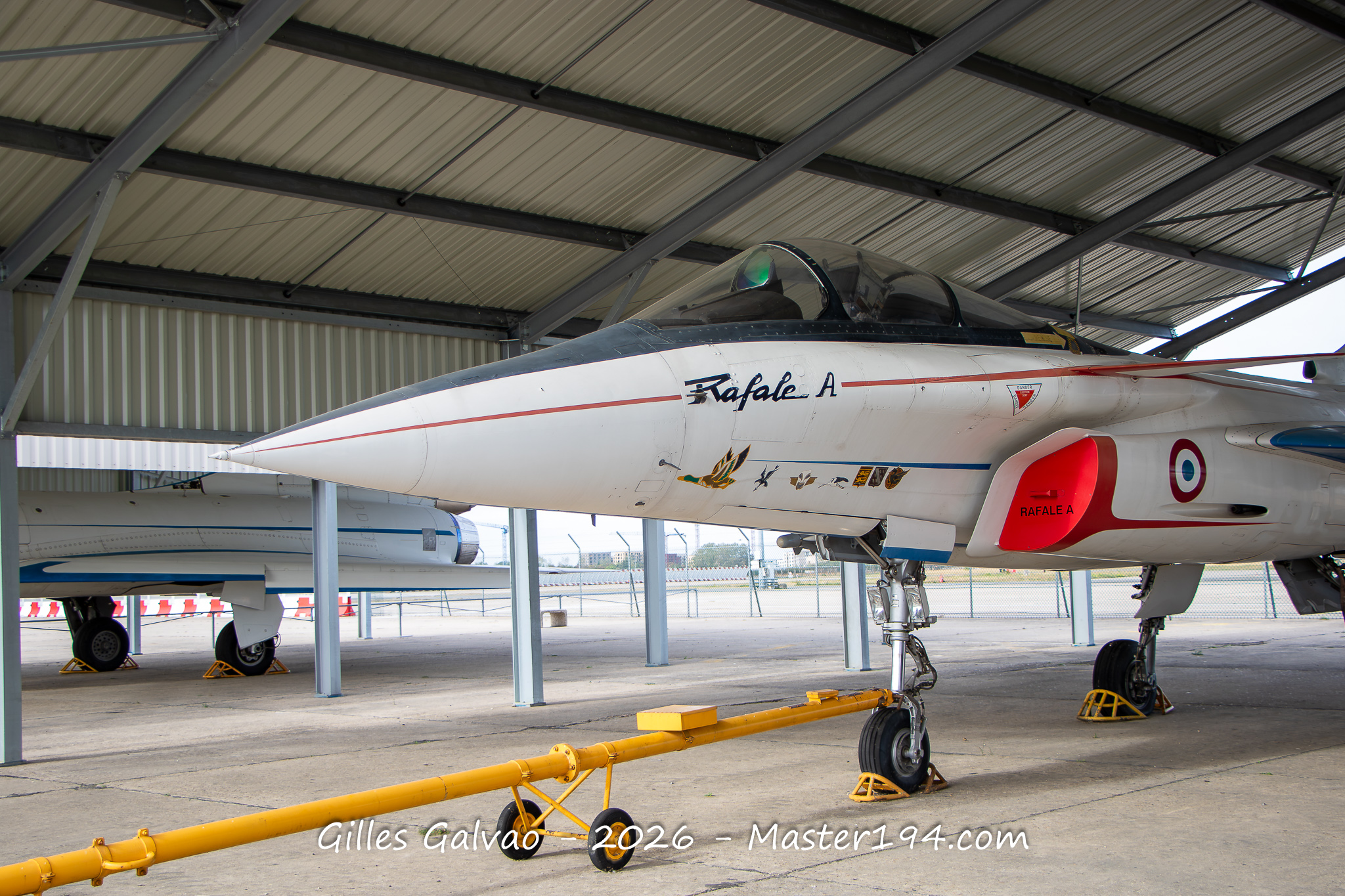
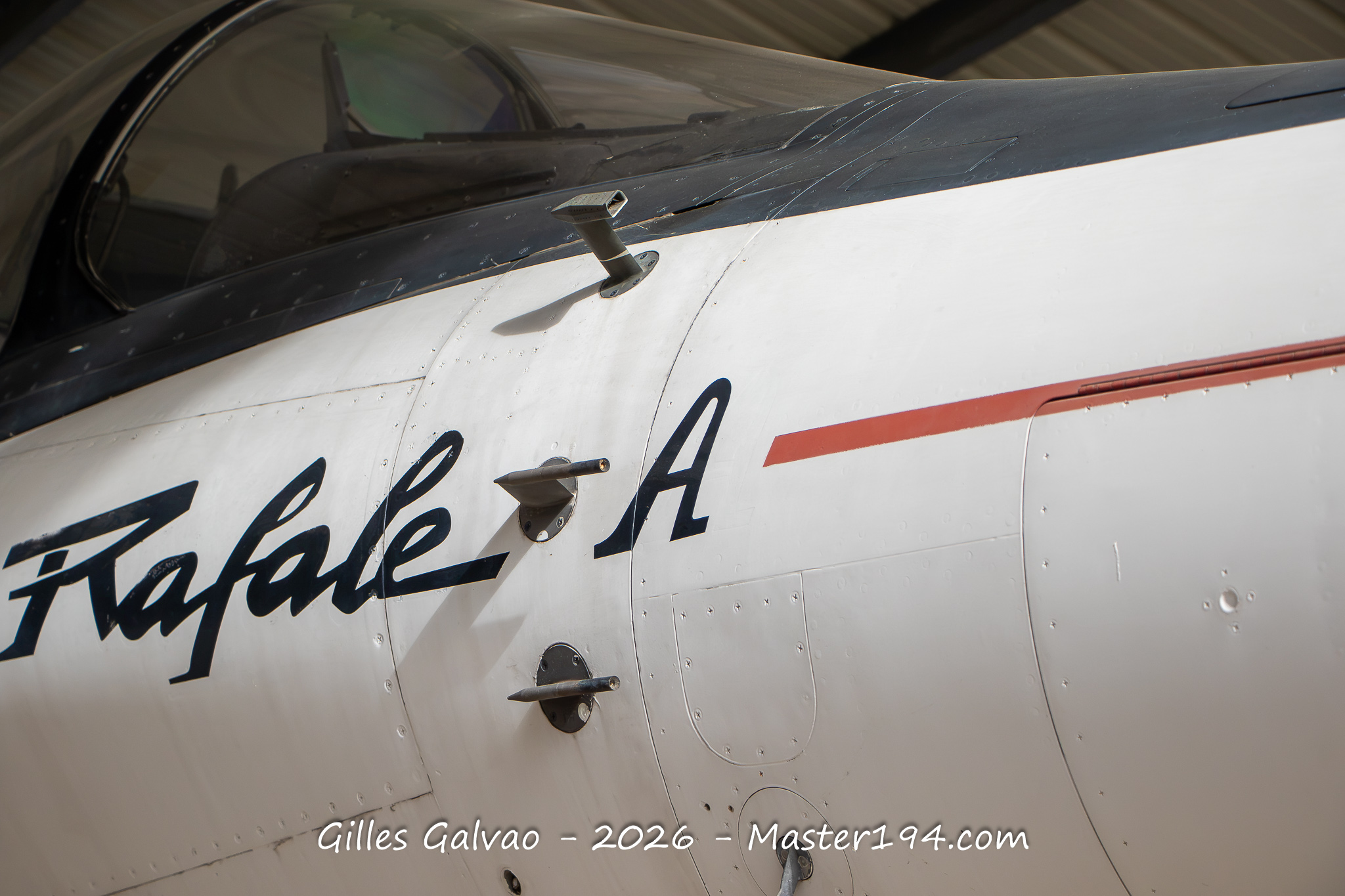
The radome and forward fuselage of the Rafale A were equally unique. As a technology demonstrator, it was not required to house the complete detection and fire-control suite destined for operational fighters. The nose section was subsequently re-engineered to accommodate the RBE2 radar and the core avionics of the full weapons system.
This evolution underscores the fundamental difference between the two airframes: the Rafale A was built to validate an aerodynamic concept and core flight technologies, whereas the prototypes were tasked with progressively integrating the full operational combat systems.
A Cockpit Previewing the Production Rafale
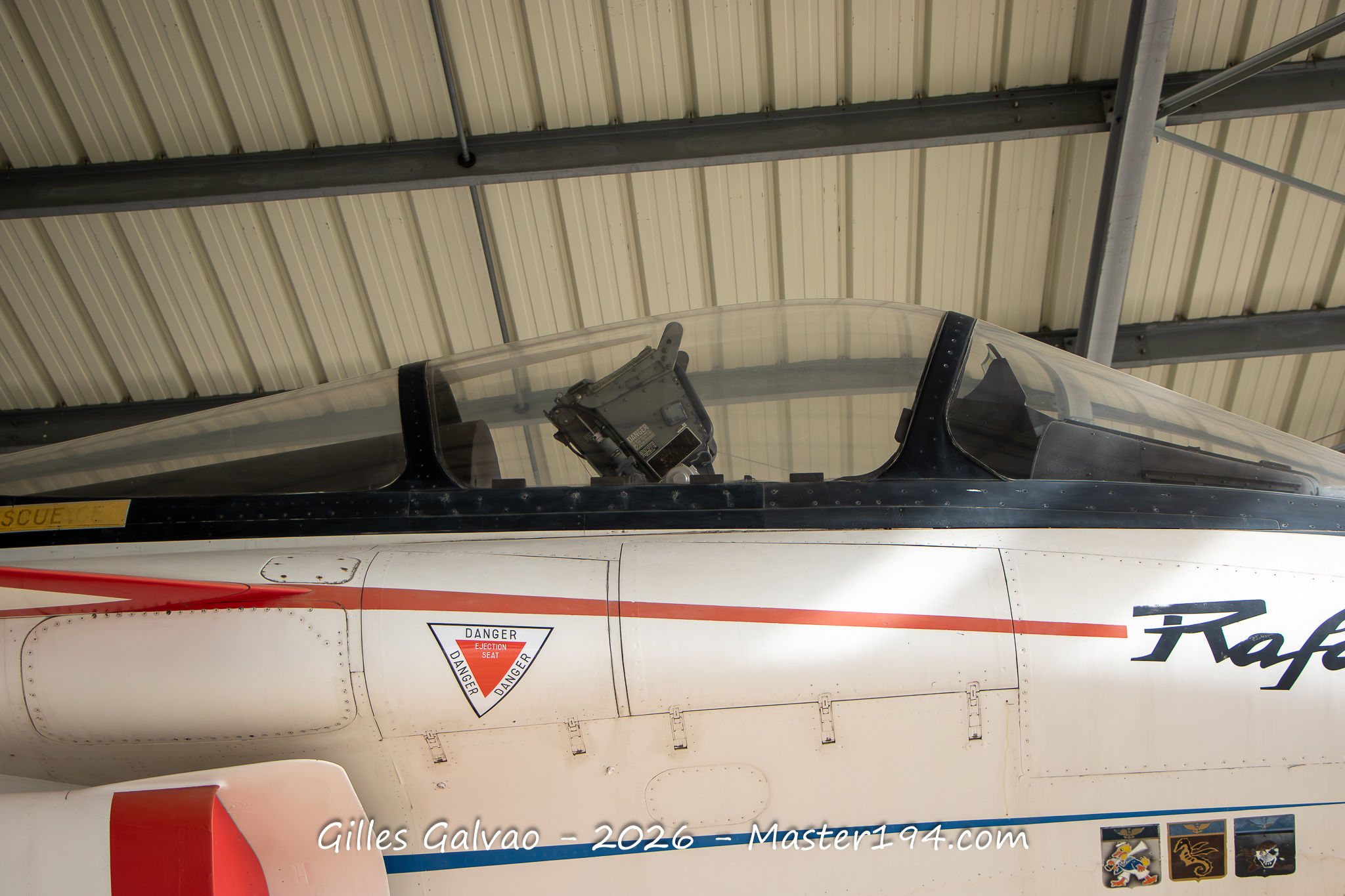
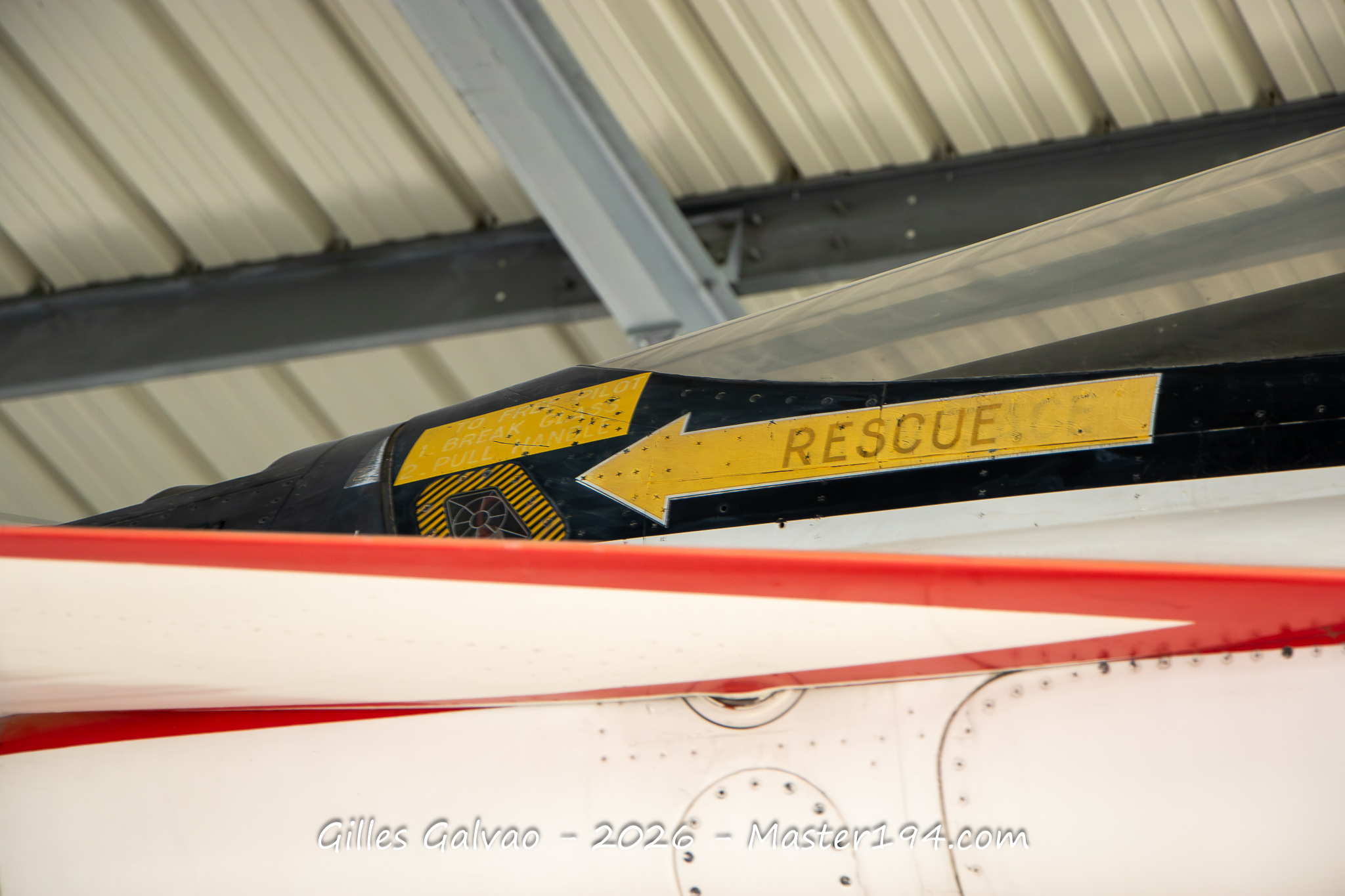
The cockpit of the Rafale A represented one of the technology demonstrator’s defining innovations. Although its instrumentation underwent continuous evolution throughout the flight test campaign, its overarching human-machine interface (HMI) philosophy was already remarkably close to what would eventually feature on serial production Rafales.
The most striking shift was the adoption of a side-stick controller mounted on the right side of the cockpit—a major first for Dassault Aviation, whose combat aircraft had traditionally relied on a center stick.
This architectural shift was directly tied to modern cockpit ergonomics, allowing the pilot to maintain hands-on control at all times while managing flight and mission-critical systems. The side-stick was paired with a throttle assembly engineered around the same HOTAS (Hands On Throttle And Stick) concept.
Through the Rafale A, Dassault actively pioneered an operational doctrine that would become a cornerstone of the production fighter: minimizing pilot physical movement and drastically reducing workload during high-tempo missions.
The display architecture followed the exact same philosophy, integrating a head-up display (HUD) alongside multi-function head-down displays (HDDs) to consolidate flight and tactical data. The objective was no longer simply to present more data, but to deliver the right information at the exact moment it was needed.
In this respect, the Rafale A was far more than an aerodynamic testbed; it served as the operational proving ground for an advanced cockpit doctrine whose fundamental principles transitioned directly into serial production.
While avionics, sub-systems, and visual displays evolved substantially through subsequent prototypes and operational variants, the core HMI layout introduced by the Rafale A—side-stick controller, HOTAS integration, digital fly-by-wire controls, and fused information display—remains one of the demonstrator’s most direct legacies.
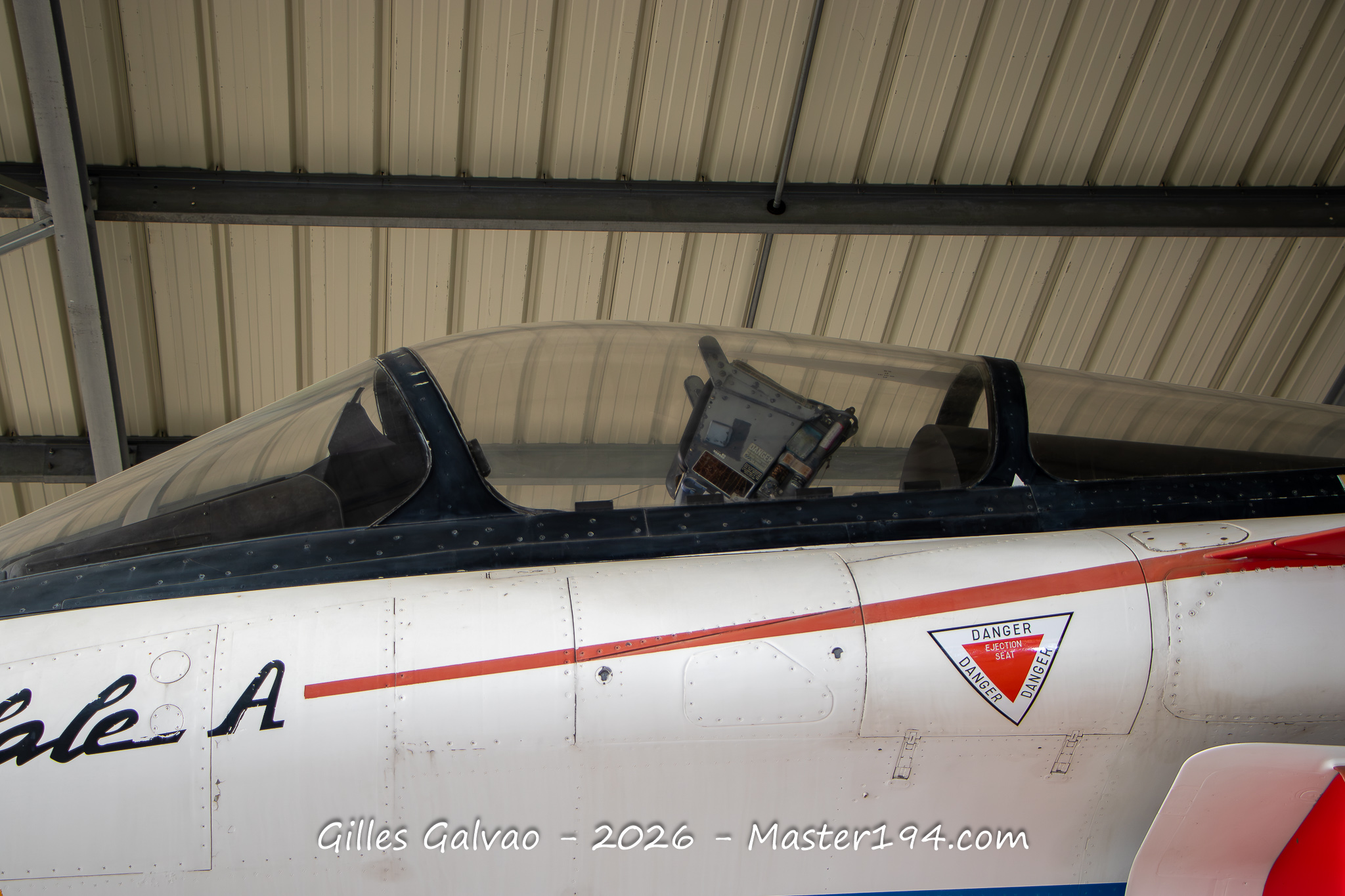
Prior to the serial introduction of the Martin-Baker Mk.16F ejection seat, the demonstrator—along with early development prototypes—was fitted with a Martin-Baker Mk.10 seat, similar to those equipping the Mirage 2000 fleet.
A Shared Architecture, Yet Two Vastly Different Aircraft
The Rafale A and production-standard Rafales ultimately share a unified philosophy and underlying baseline architecture; however, a direct comparison reveals the impressive scope of engineering and aerodynamic refinement carried out between 1986 and the early 1990s.
| Feature / Specification | Rafale A (Demonstrator) | Production-Standard Rafale (C / B / M) |
| Role | Technology demonstrator & flight testbed | Operational multirole/omnirole combat aircraft |
| Overall Length | ~ 15.8 m (51.8 ft) | ~ 15.3 m (50.2 ft) (compacted airframe) |
| Wingspan | ~ 11.2 m (36.7 ft) | ~ 10.9 m (35.8 ft) |
| Powerplant | 2 × General Electric F404, later hybrid (1 × F404 + 1 × Snecma M88-2) | 2 × Safran M88-2 / M88-4E |
| Air Intakes | Initial design (sized for the higher airflow of the F404) | Redesigned geometry (optimized for M88 & RCS reduction/stealth) |
| Vertical Stabilizer (Fin) | Initial design (larger surface area, distinct cropped tip shape) | Thoroughly redesigned fin (housing RWR antennas & SPECTRA components) |
| Canard Foreplanes | Initial design (larger surface area, specific airfoil profile) | Redesigned and refined for the serial production flight envelope |
| Nose Cone / Radome | Flight test configuration (long Pitot probe, no operational radar) | Redesigned nose cone housing the RBE2 / RBE2-AESA radar |
| Electronic Warfare (EW) | Flight test instrumentation & data recorders | Fully integrated SPECTRA self-protection suite |
| Optronics (Electro-Optics) | Dedicated test equipment & cameras | OSF (Front Sector Optronics) according to version/tranche |
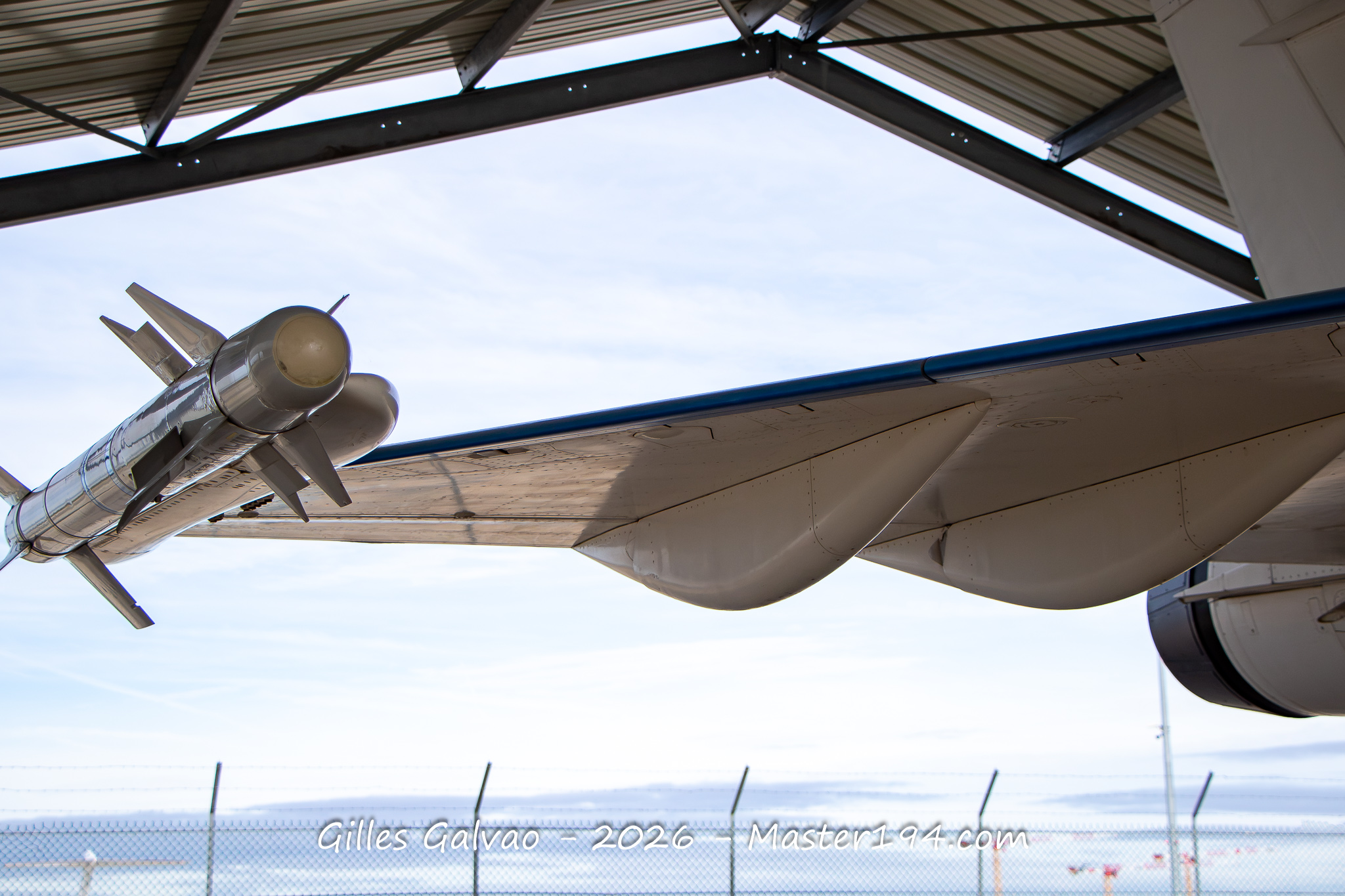
| Armament & Weapons System | No operational weapons system (dummy weapons/test rails) | Complete operational weapons system (MICA, Meteor, SCALP-EG, AASM, AM39, ASMPA) |
The Rafale A should therefore not be viewed as merely a scaled-down version of the production fighter. It served as a technology demonstrator proving the overall concept, but the subsequent development prototypes transformed this initial design into a significantly different aircraft tailored to the operational requirements of both the French Air Force (Armée de l’Air) and the French Navy (Marine Nationale).
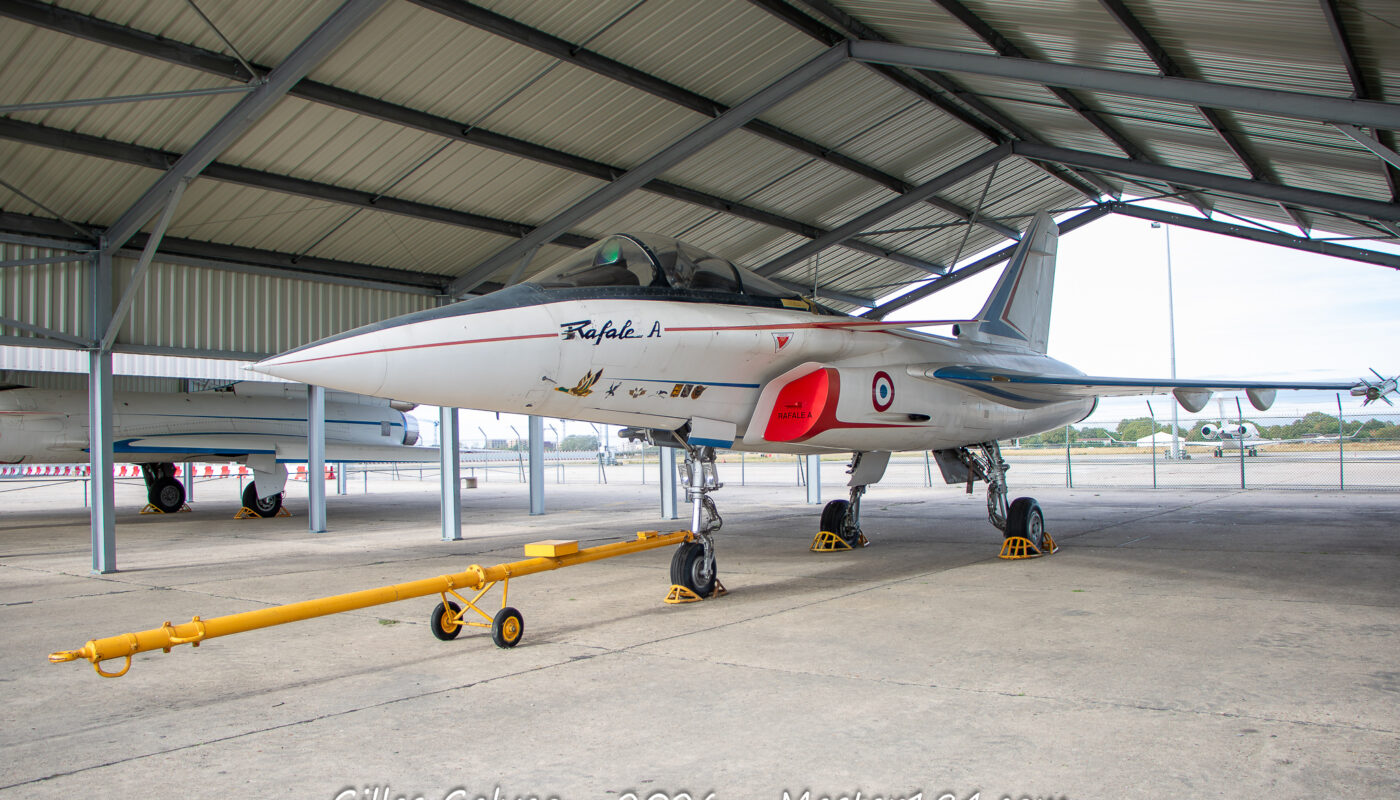
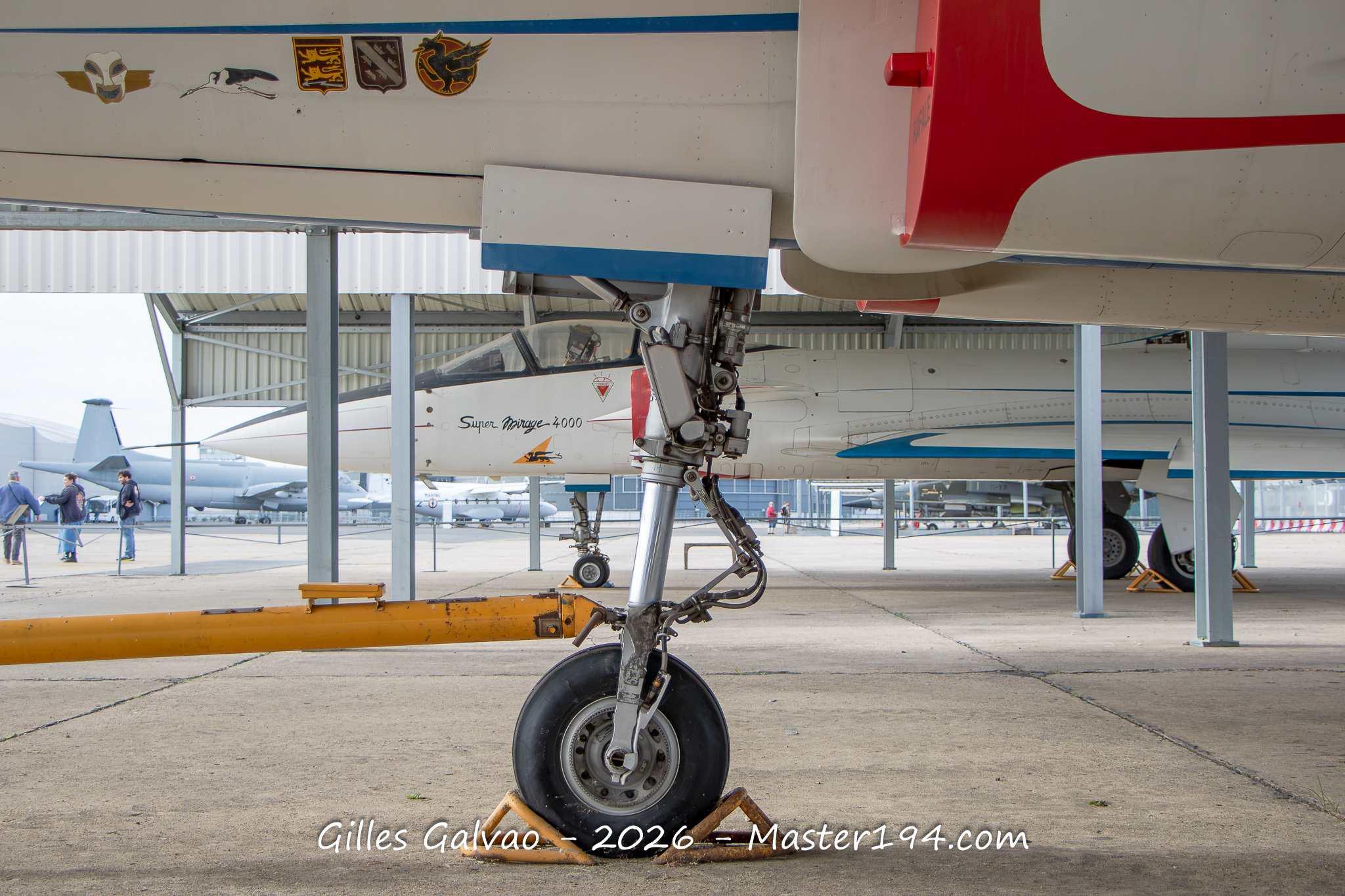
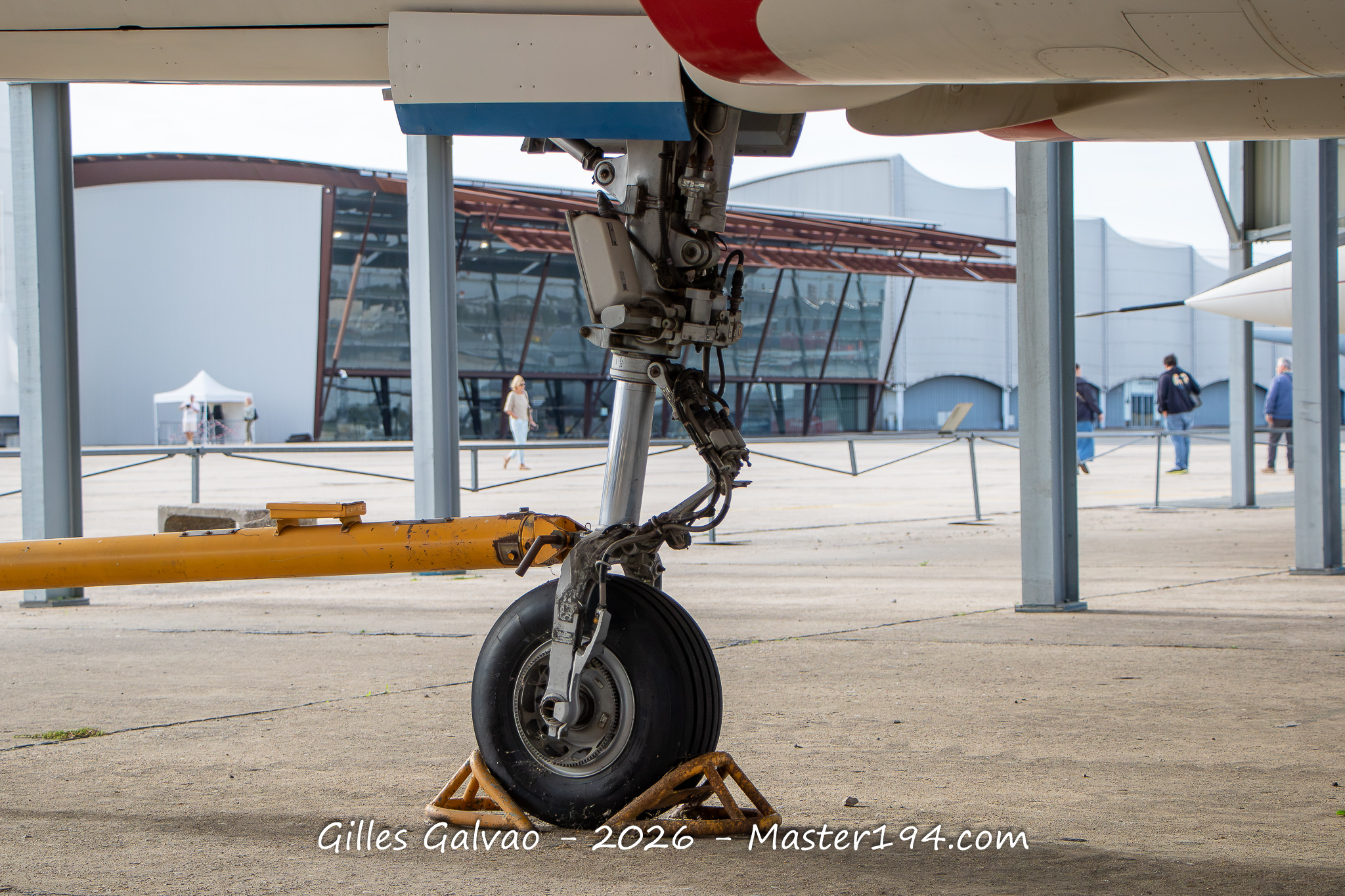
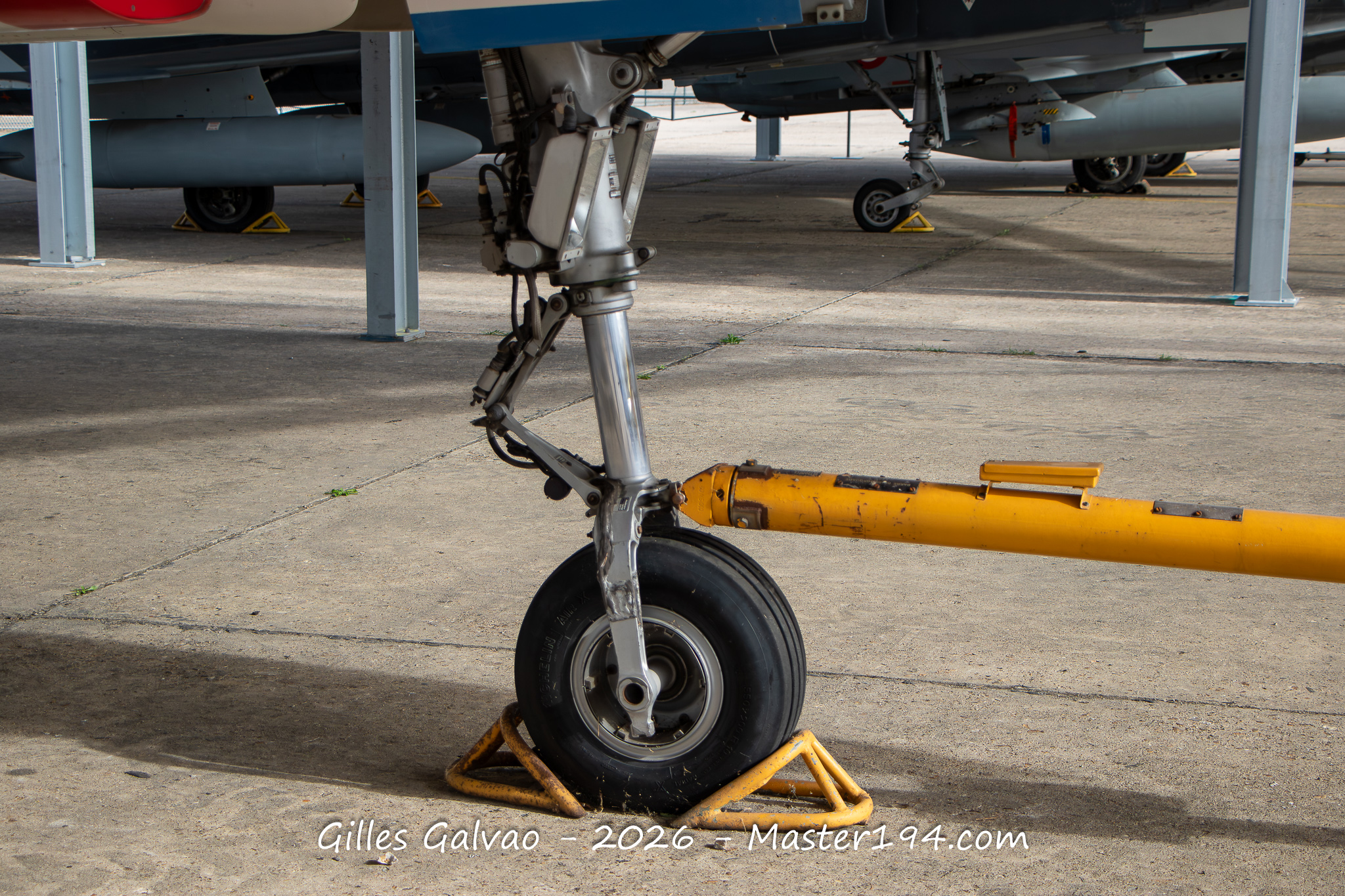
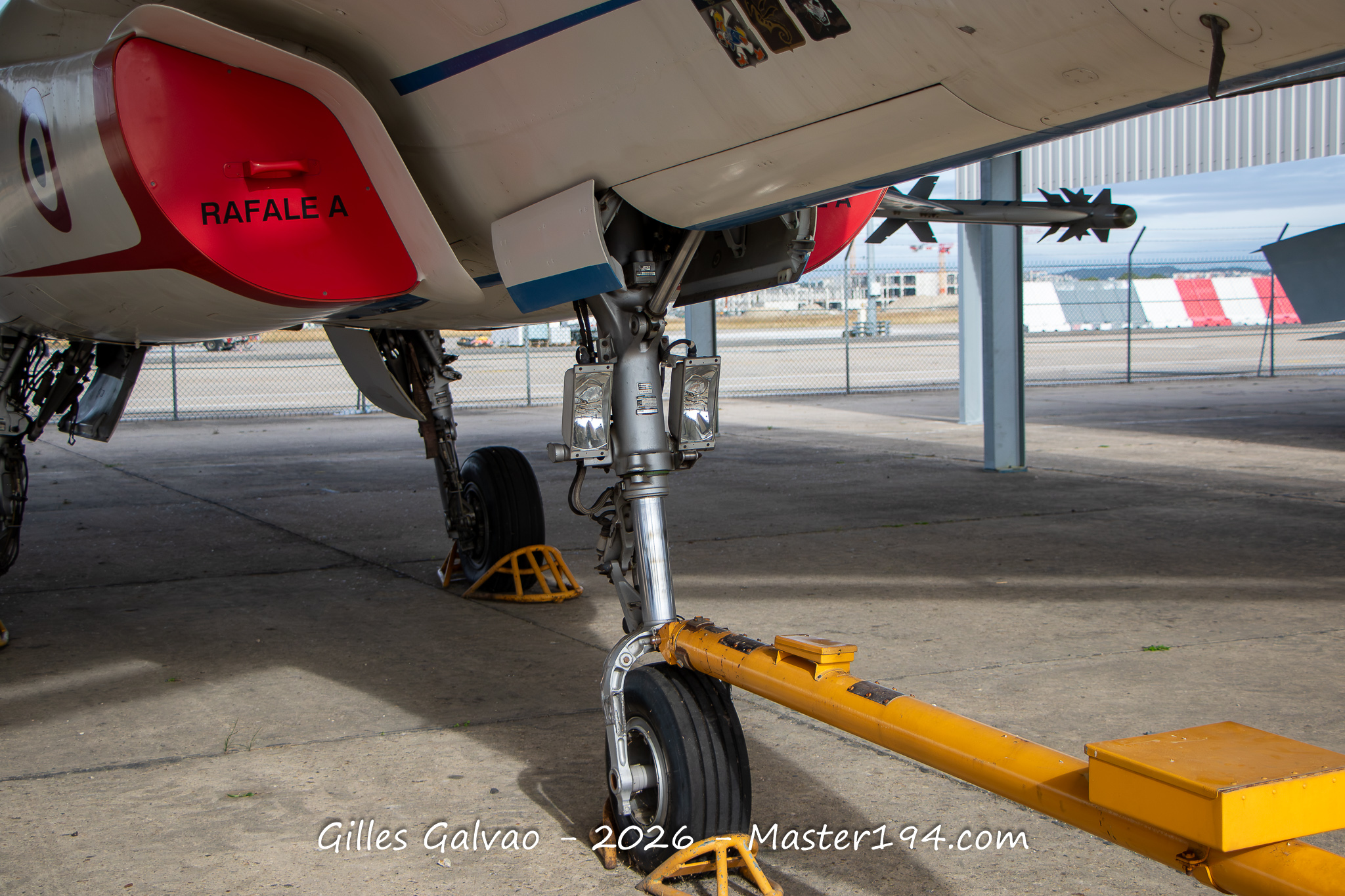
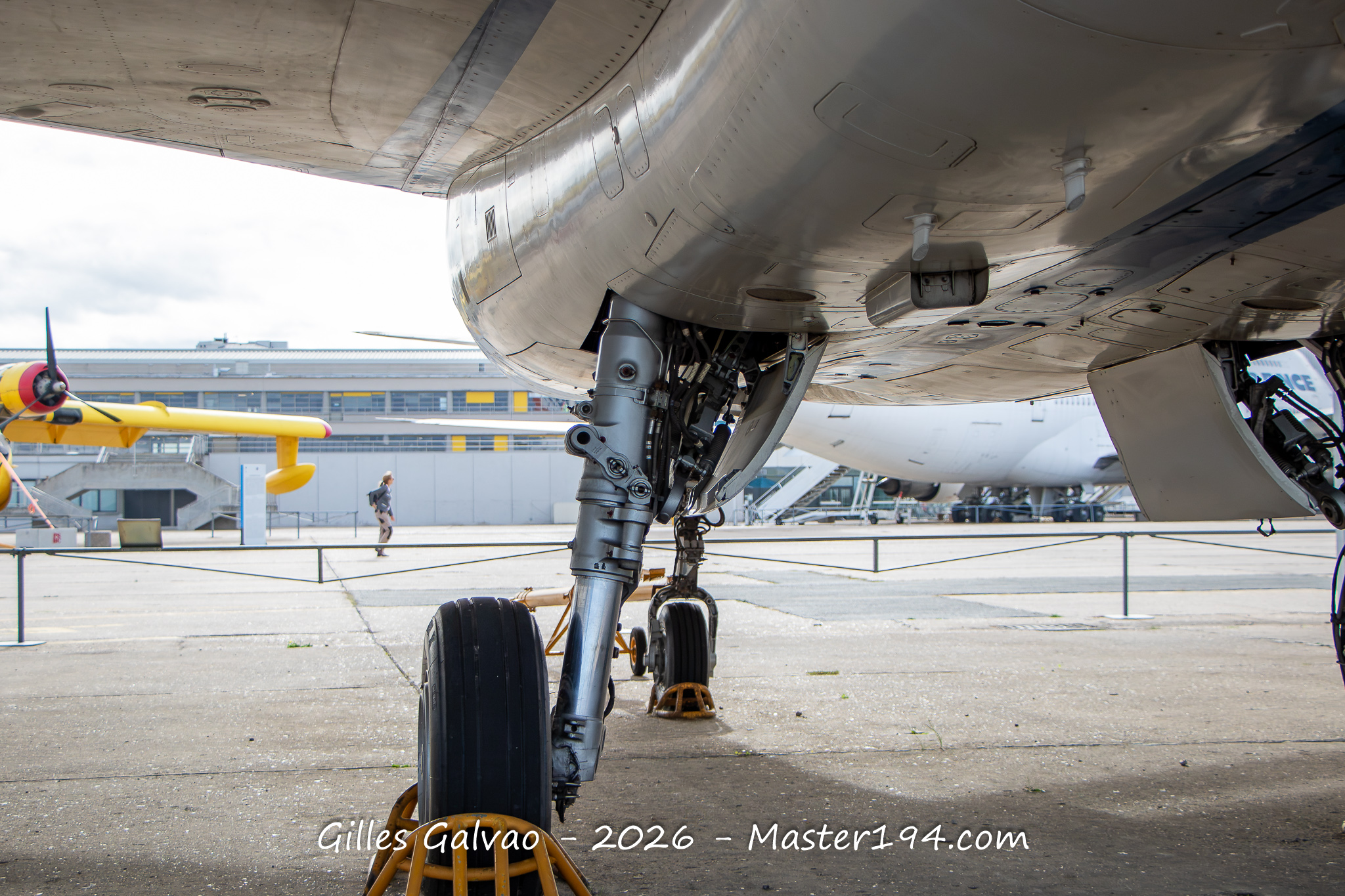
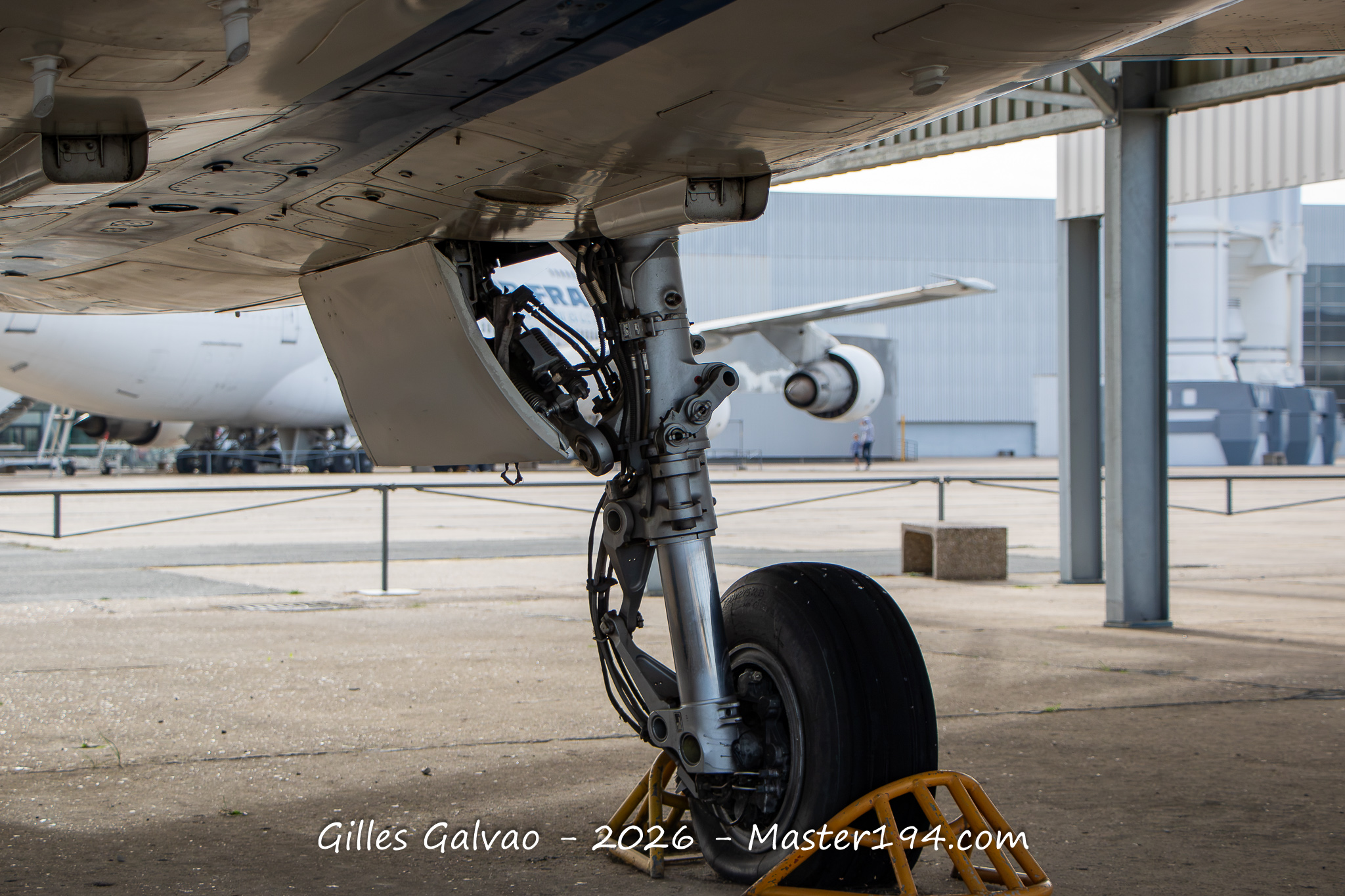
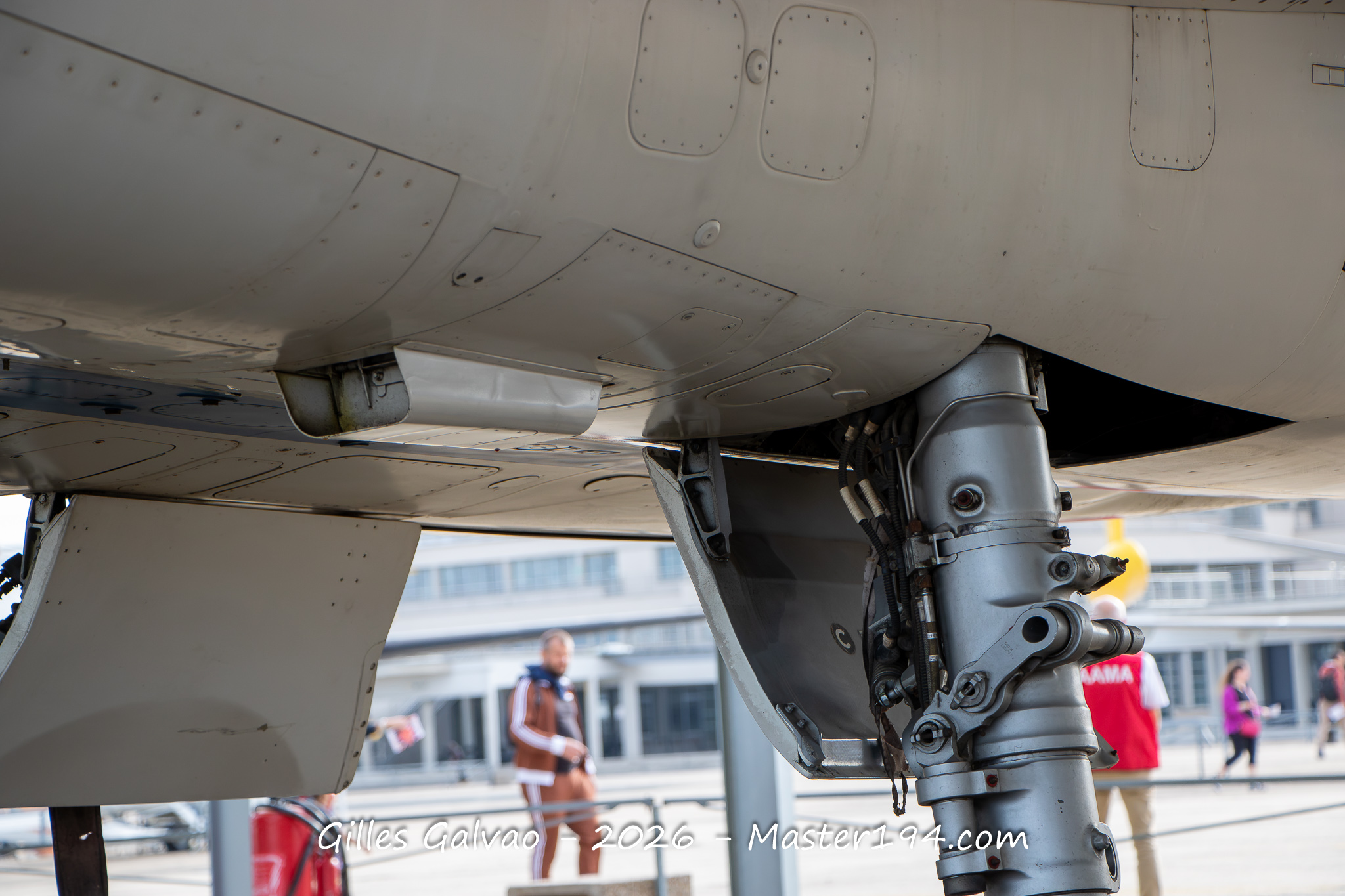
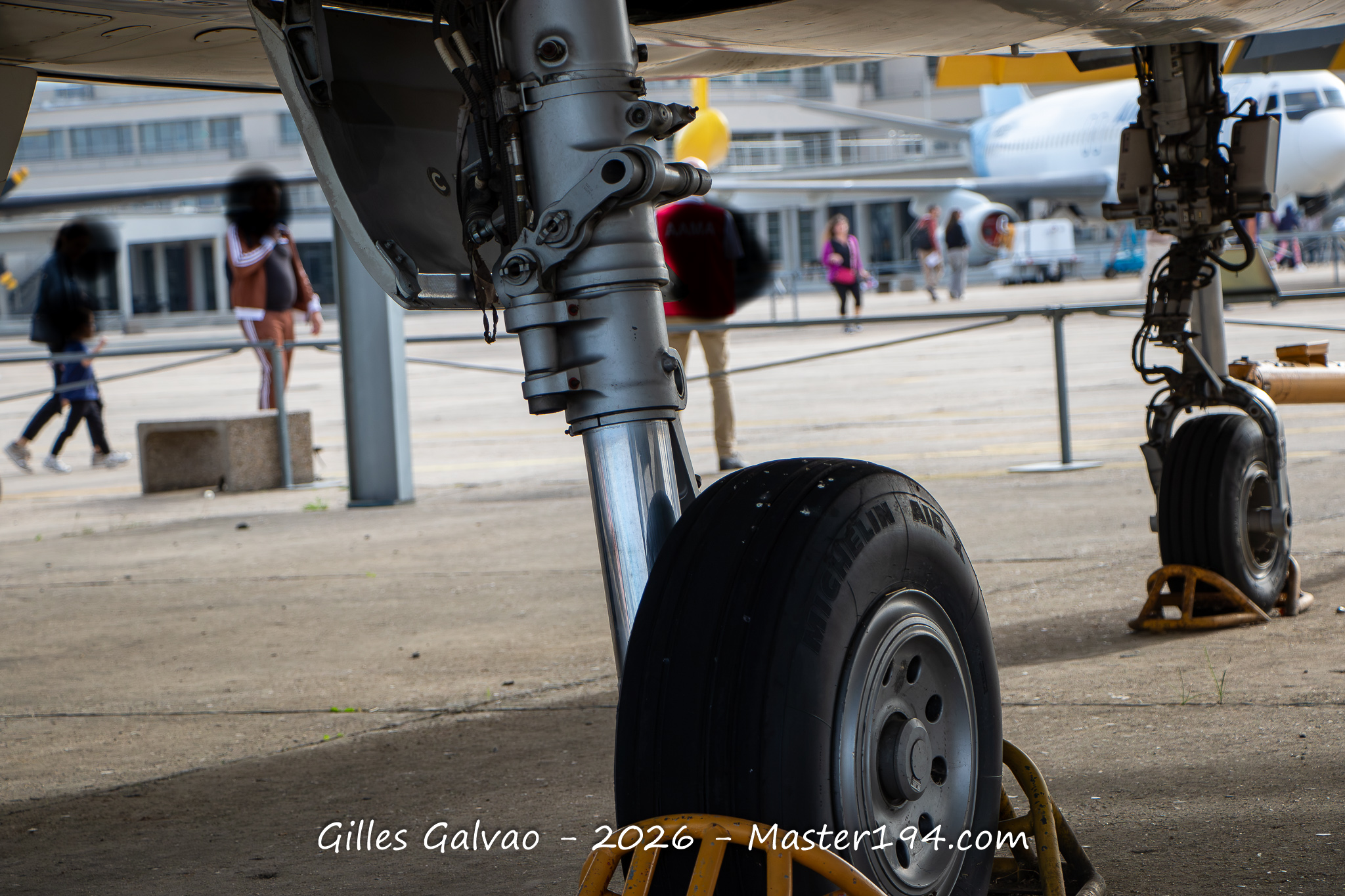
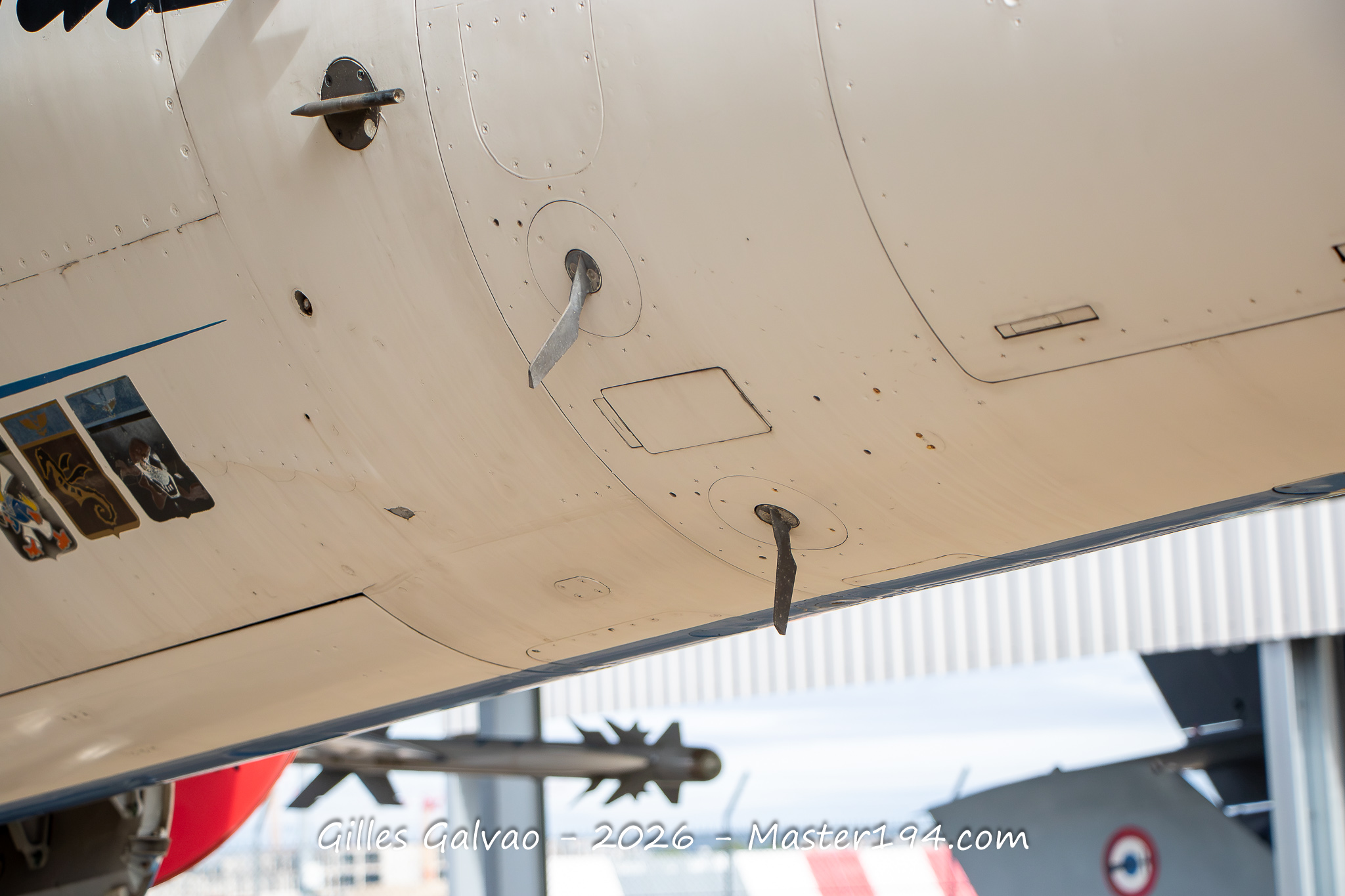
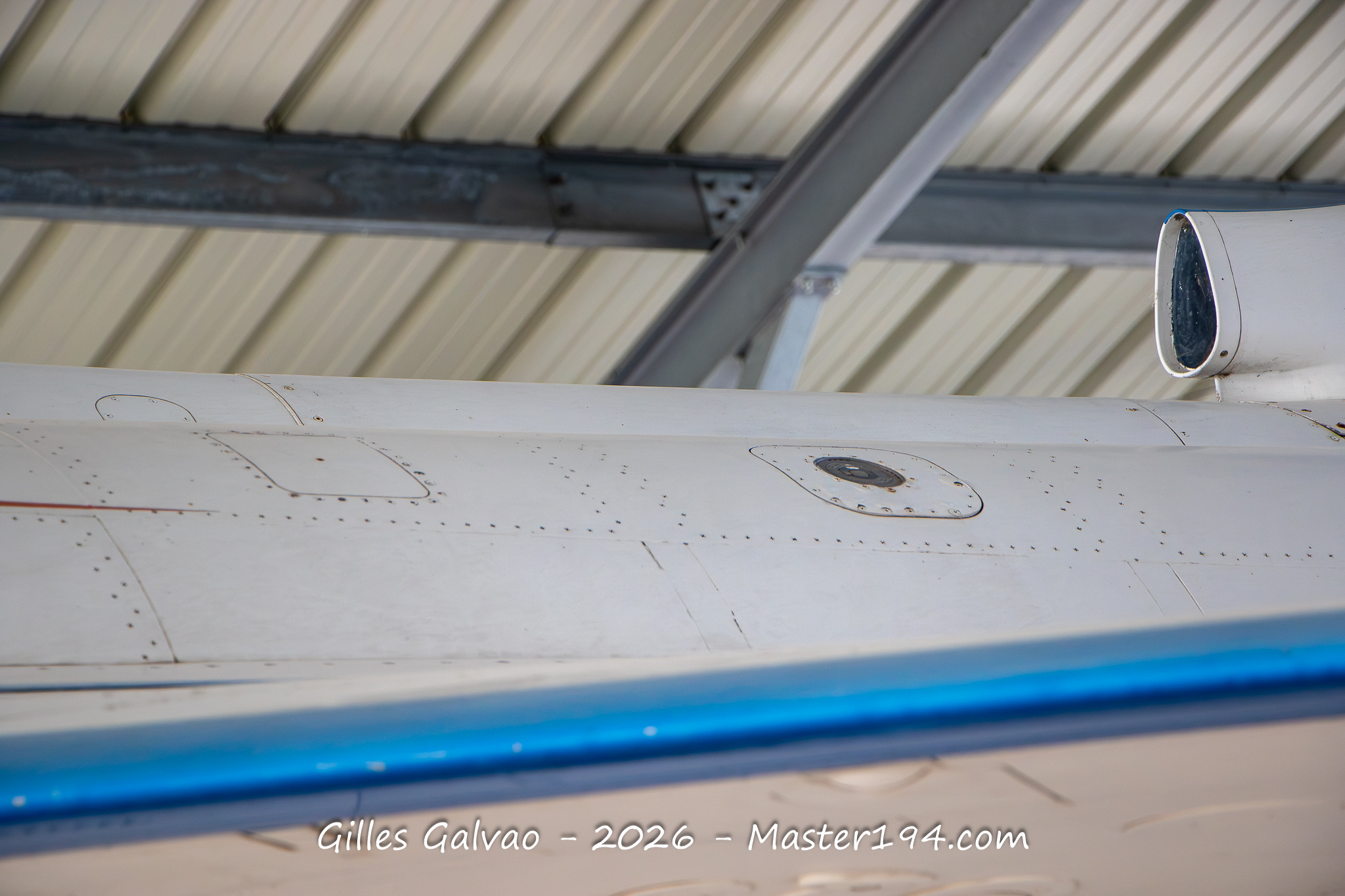
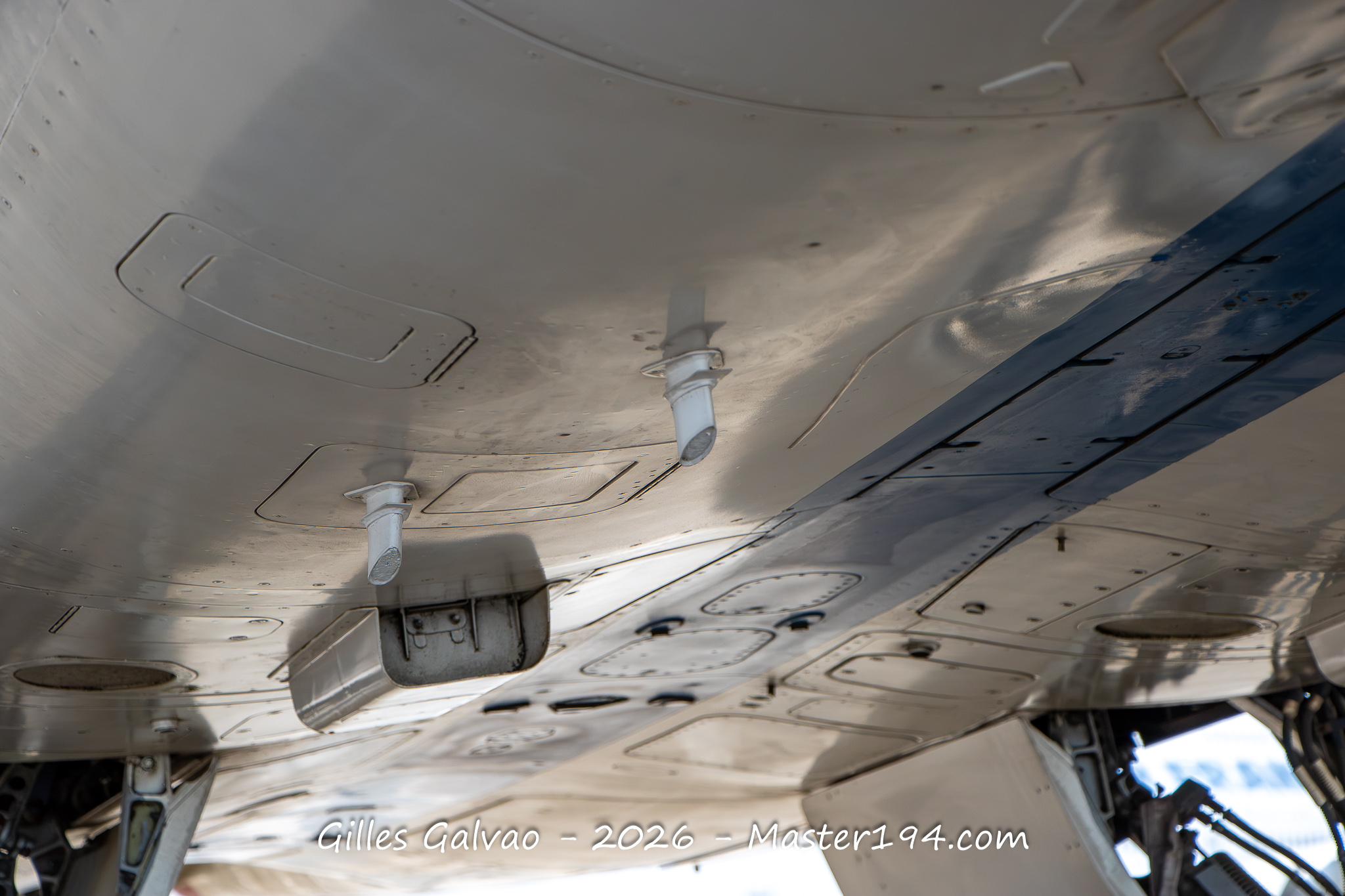
Rafale A Walkaround
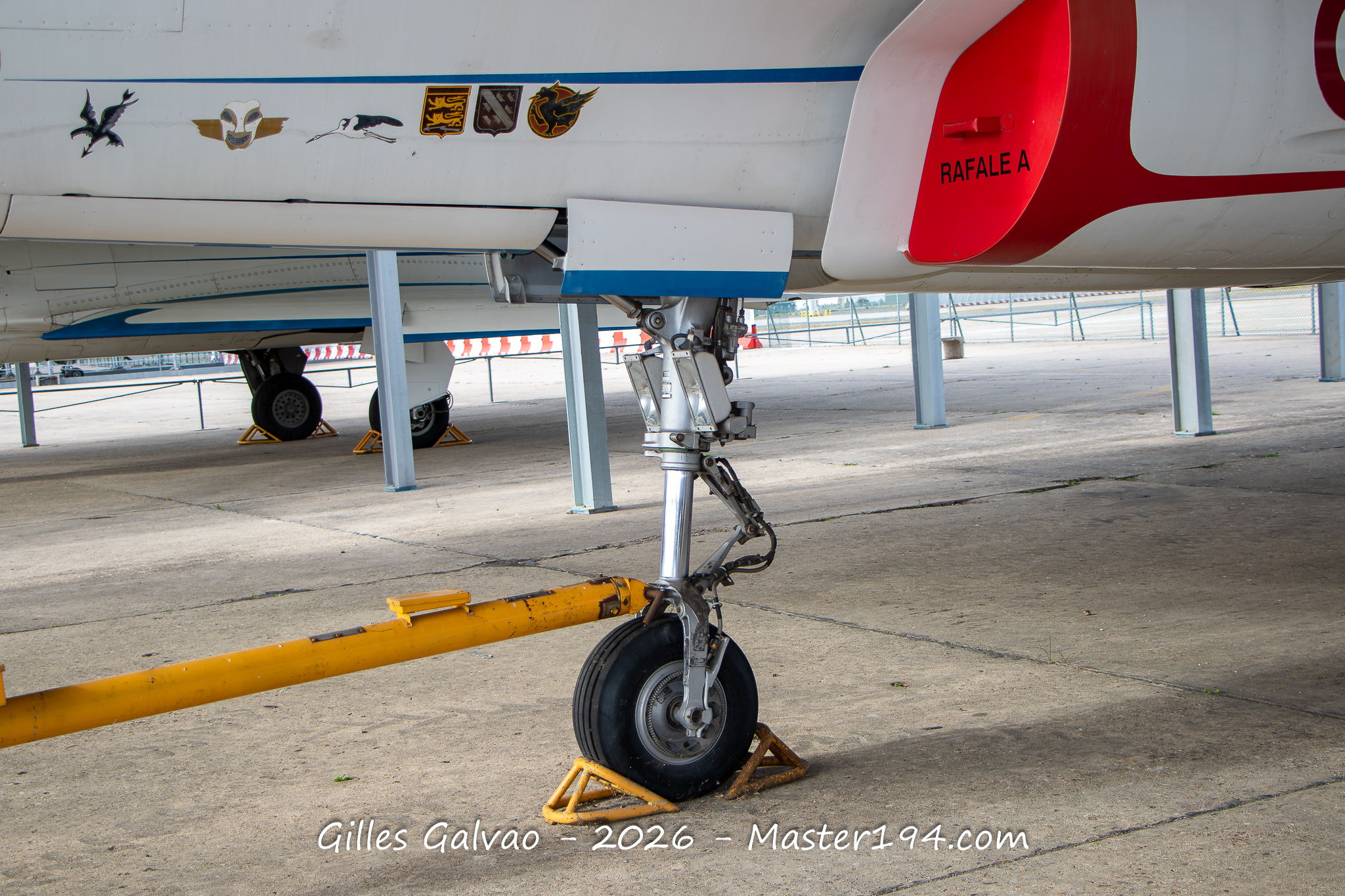
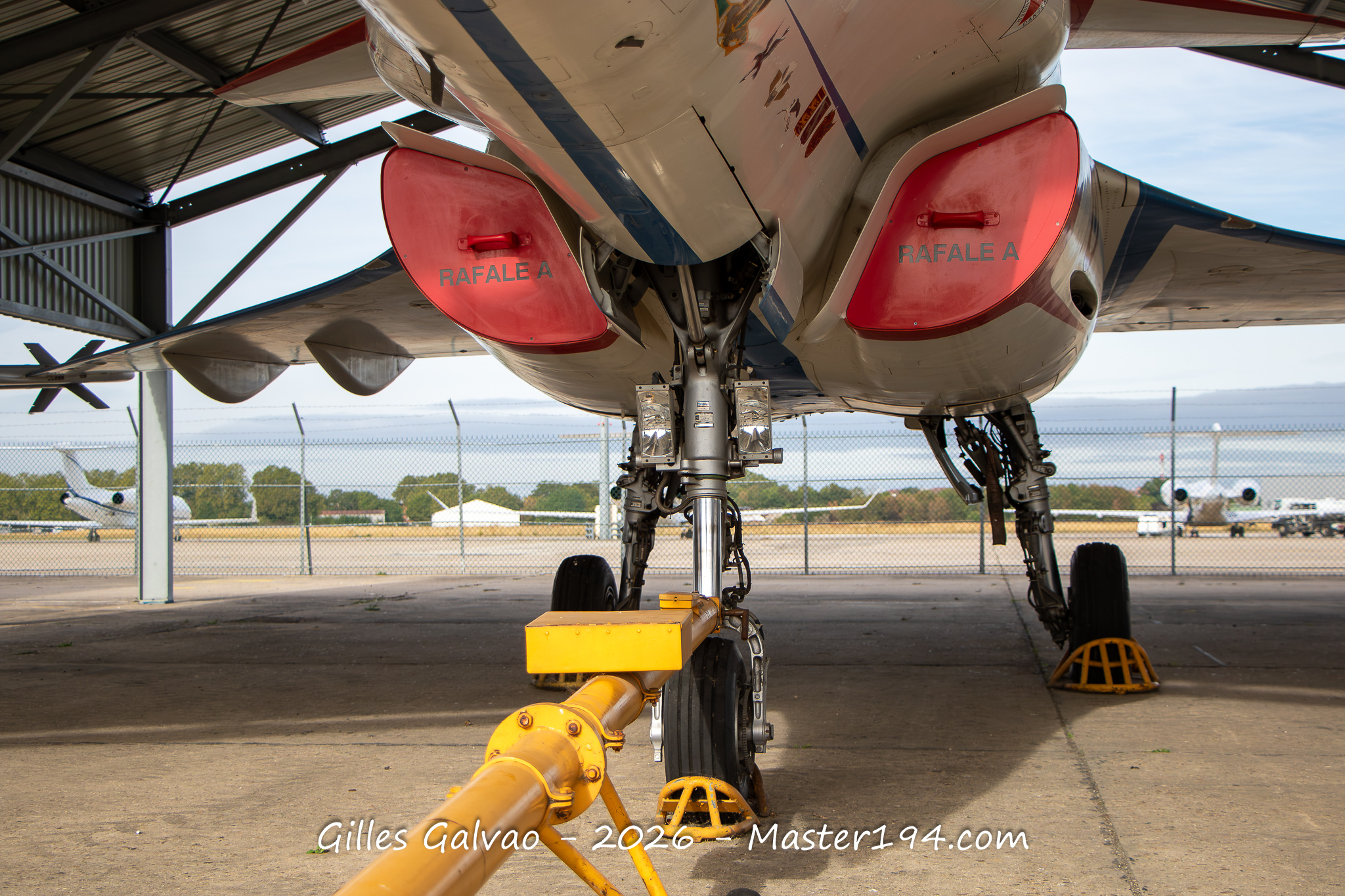
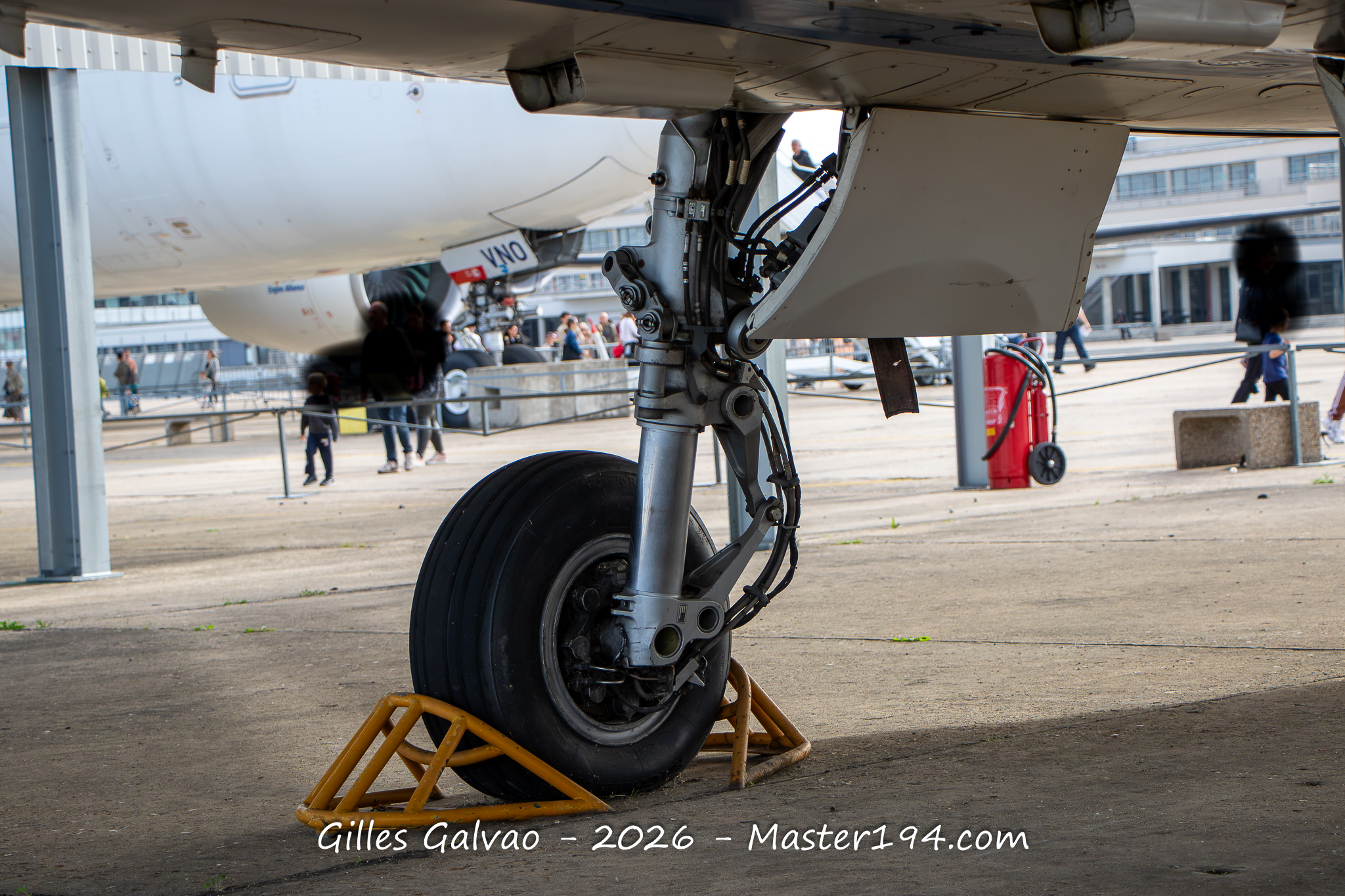
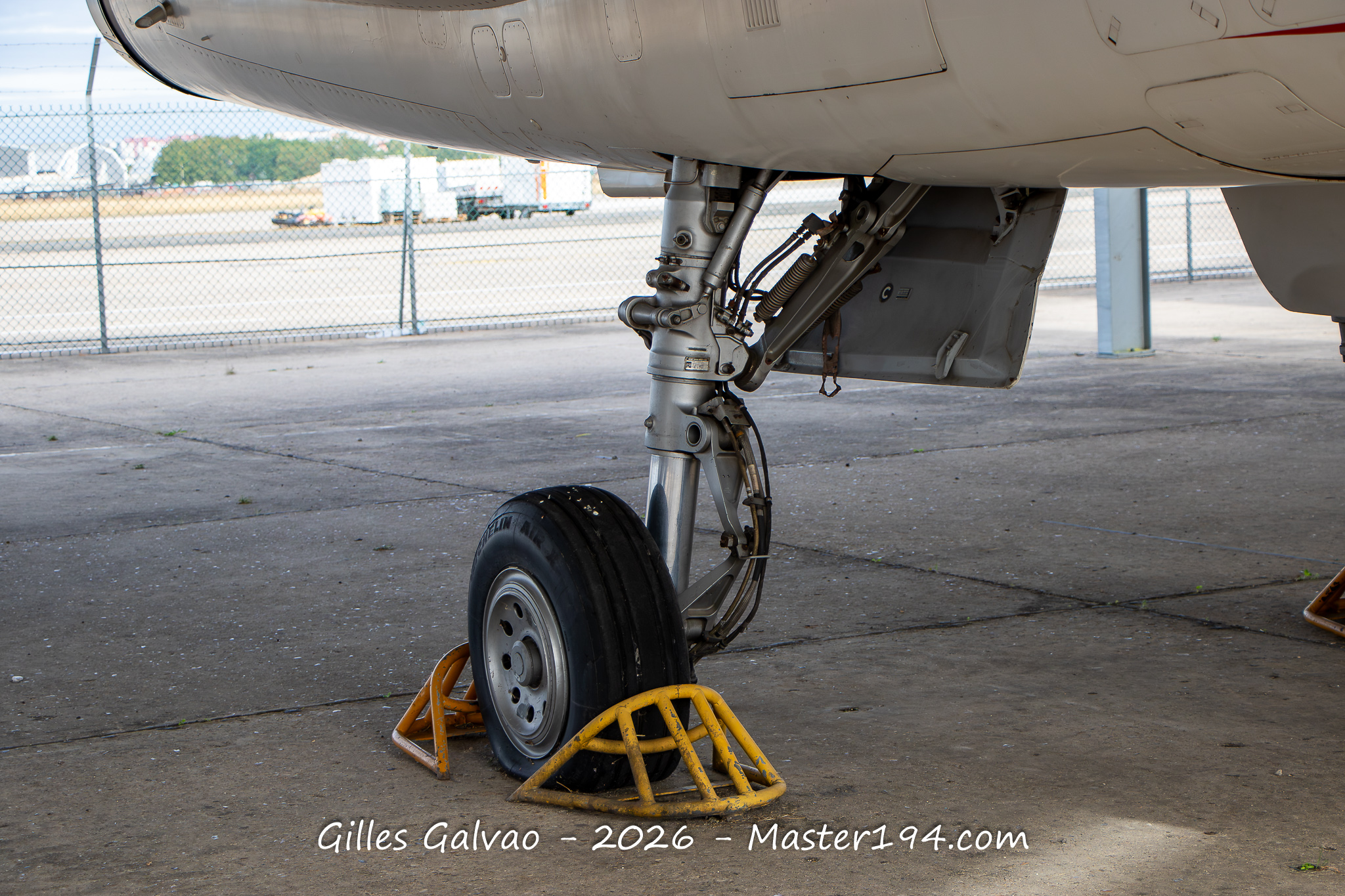
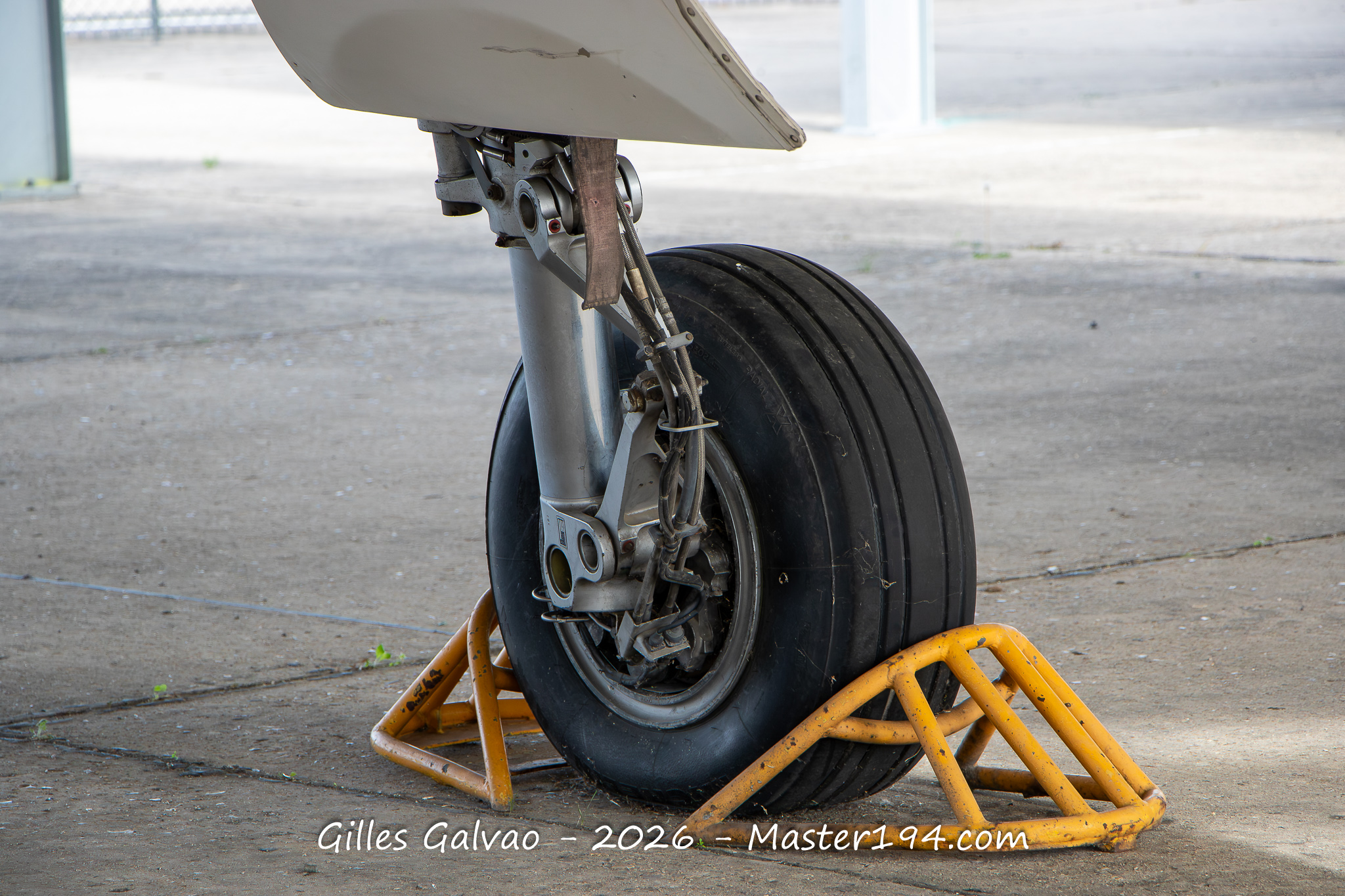
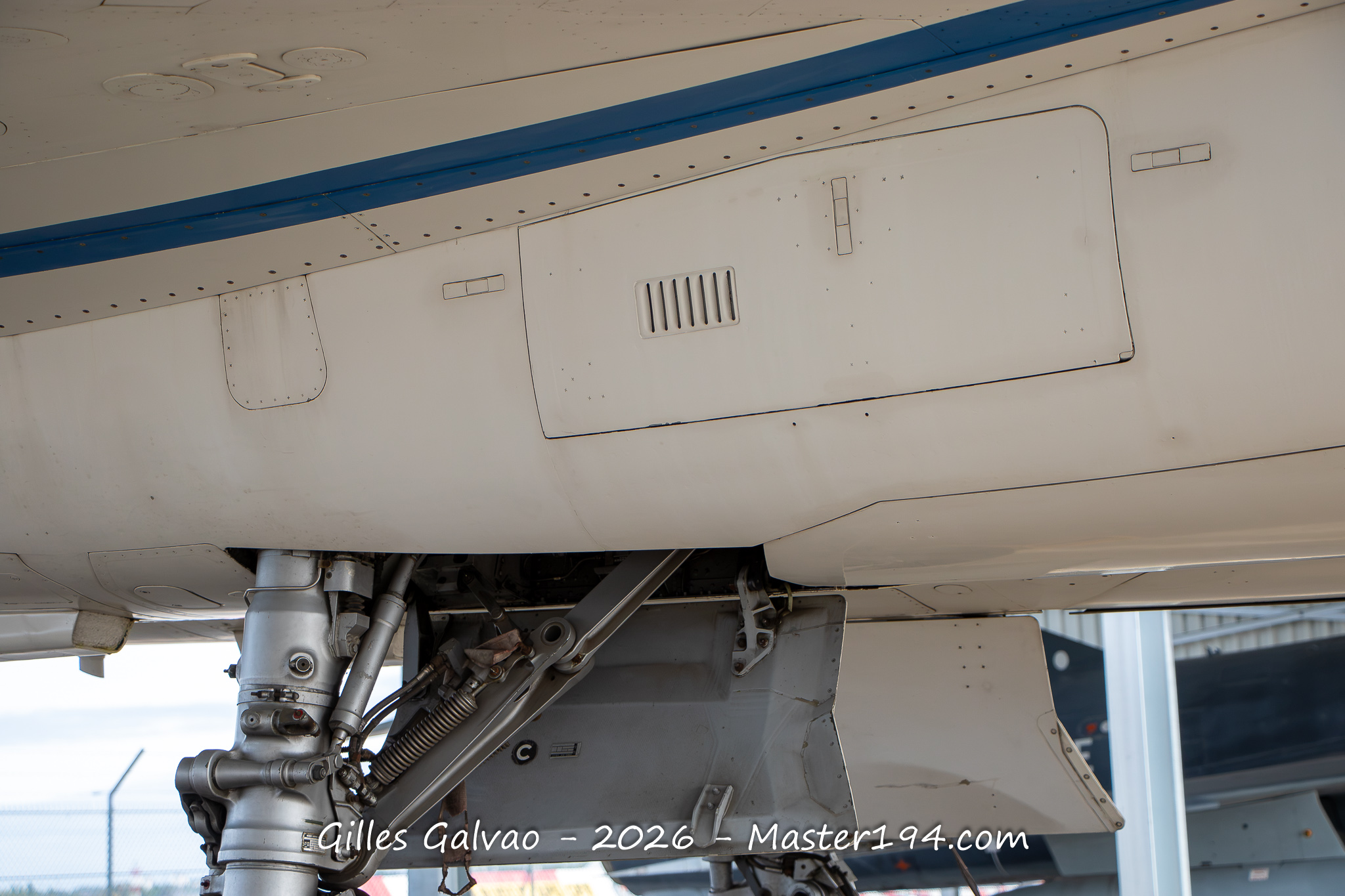
Nose landing gear
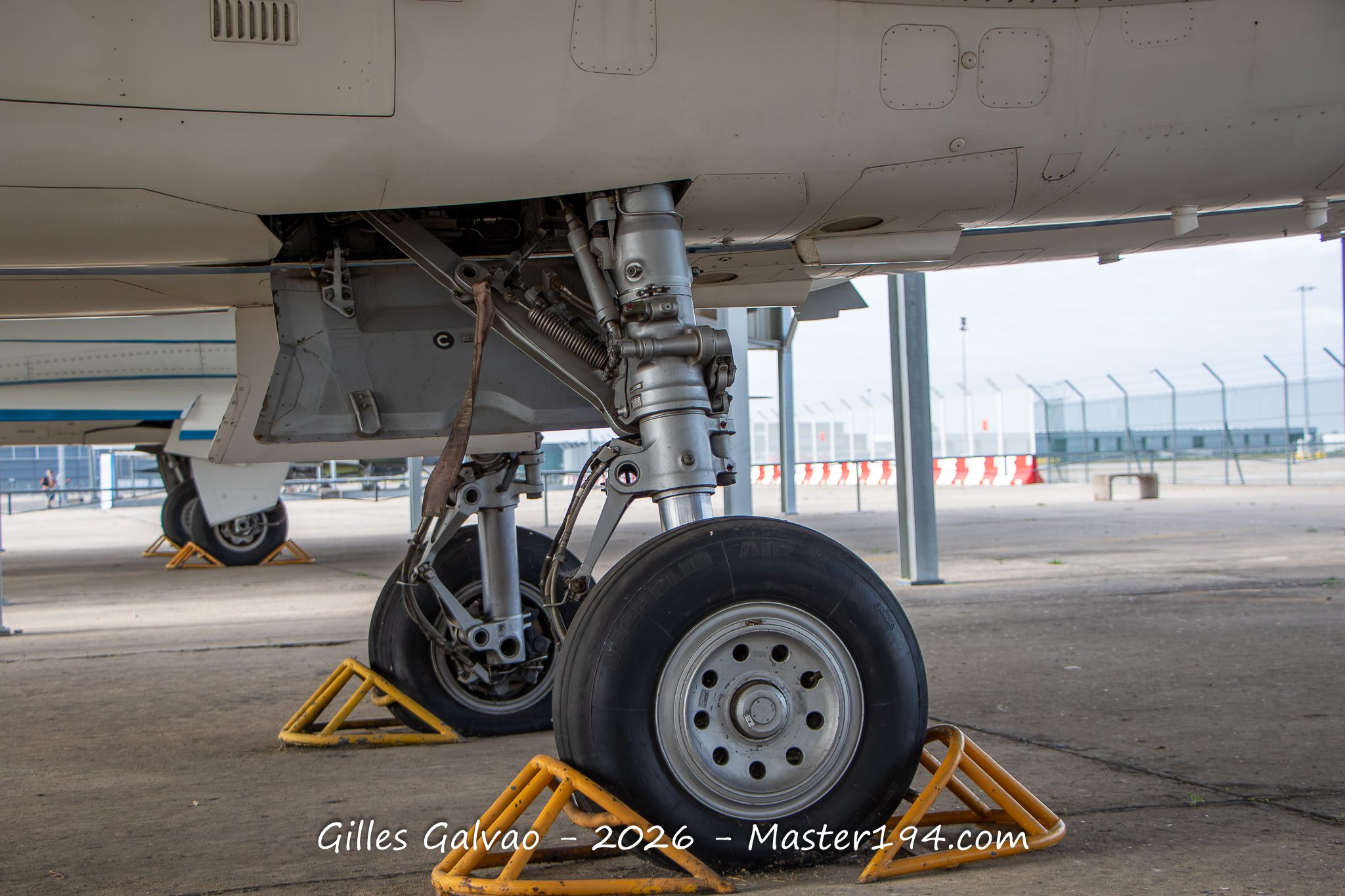
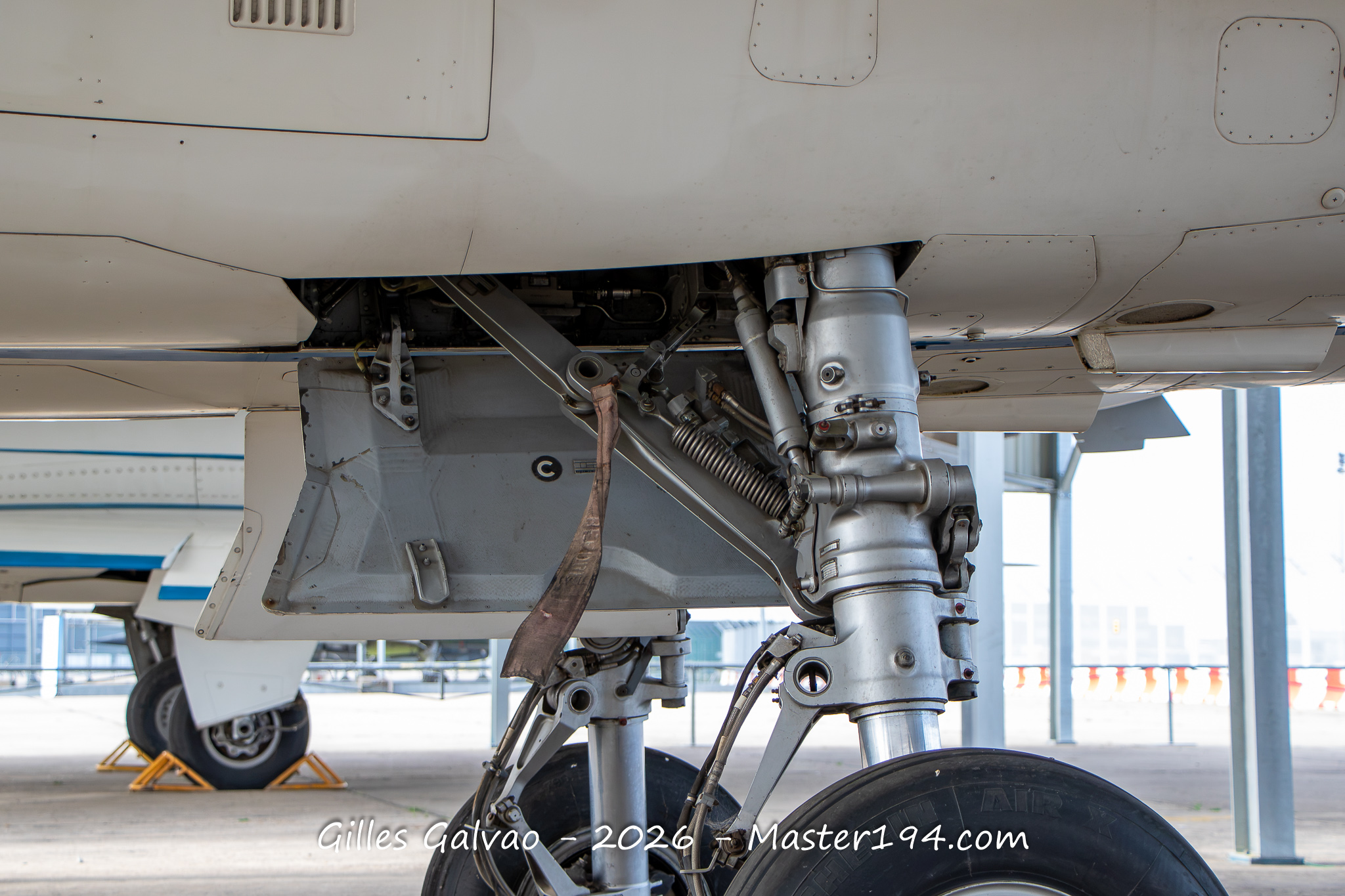
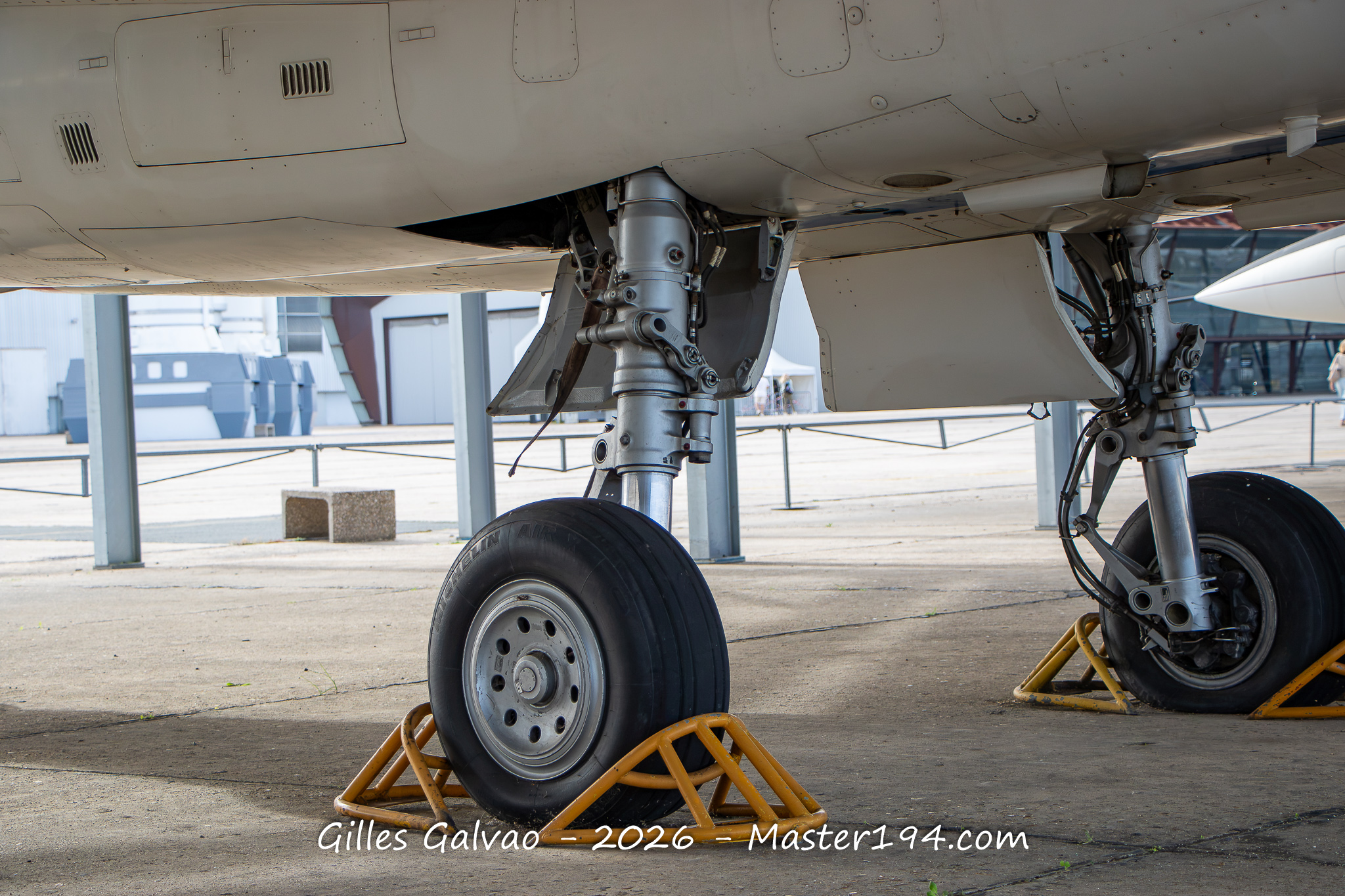
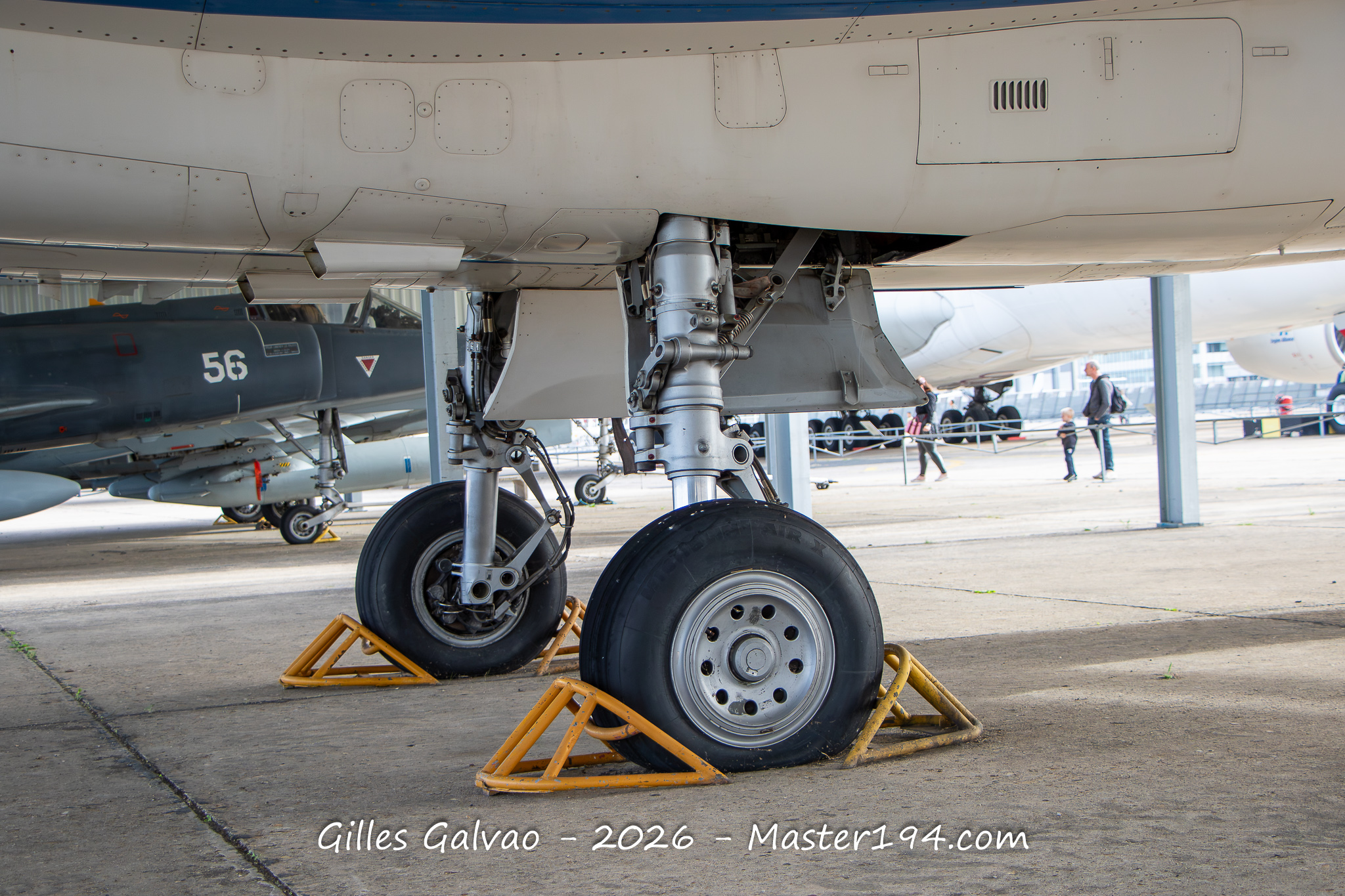
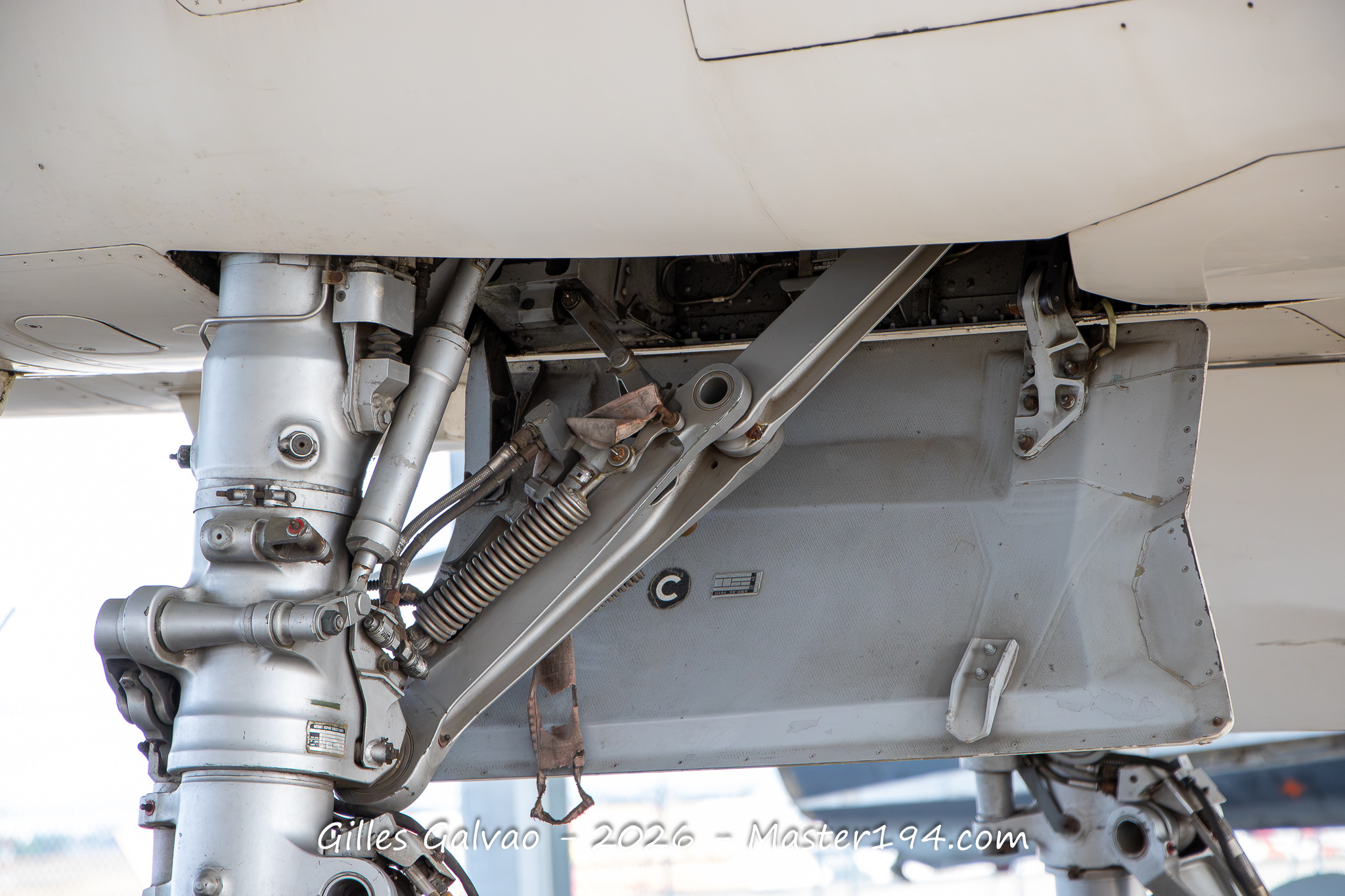
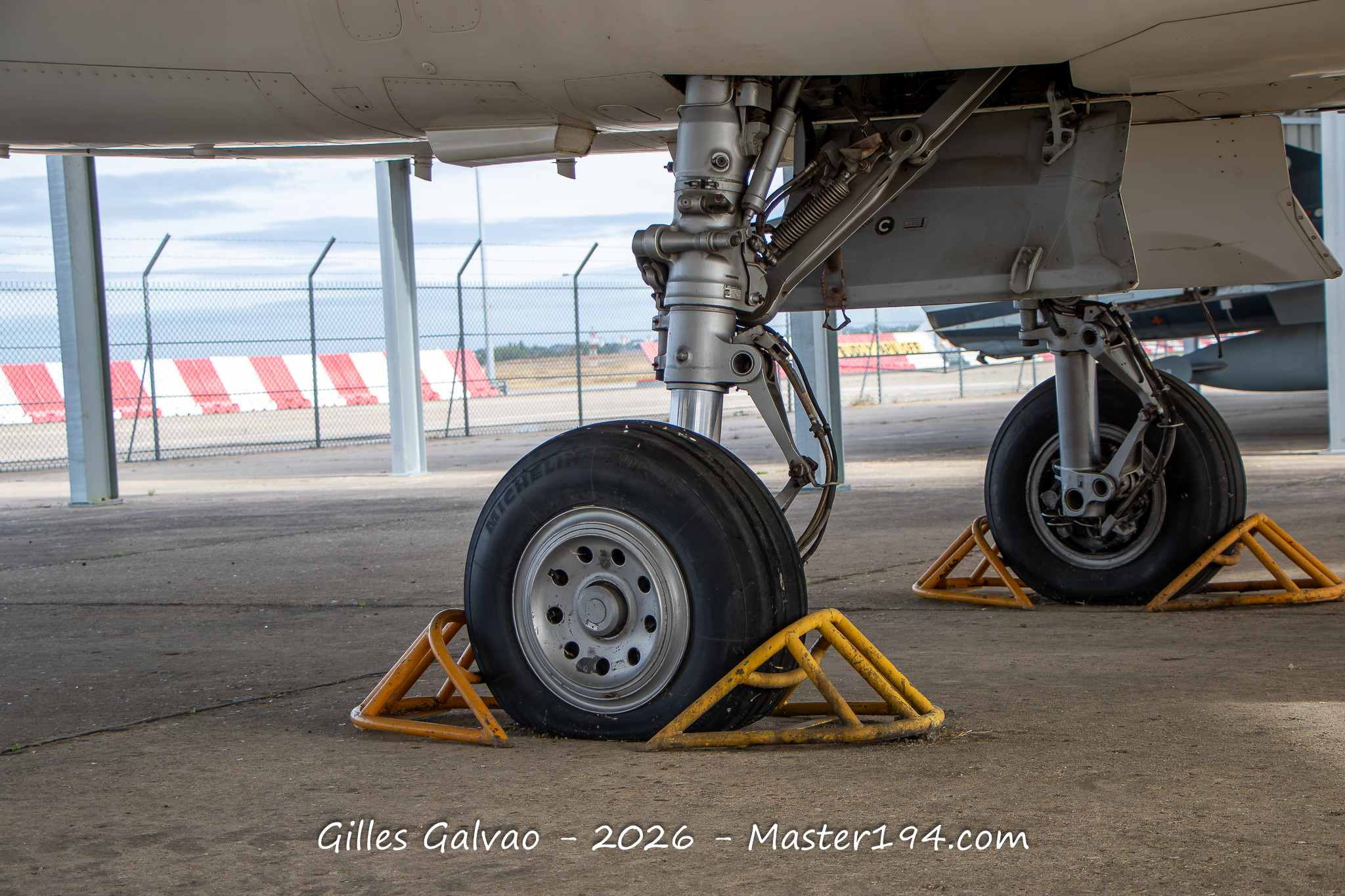
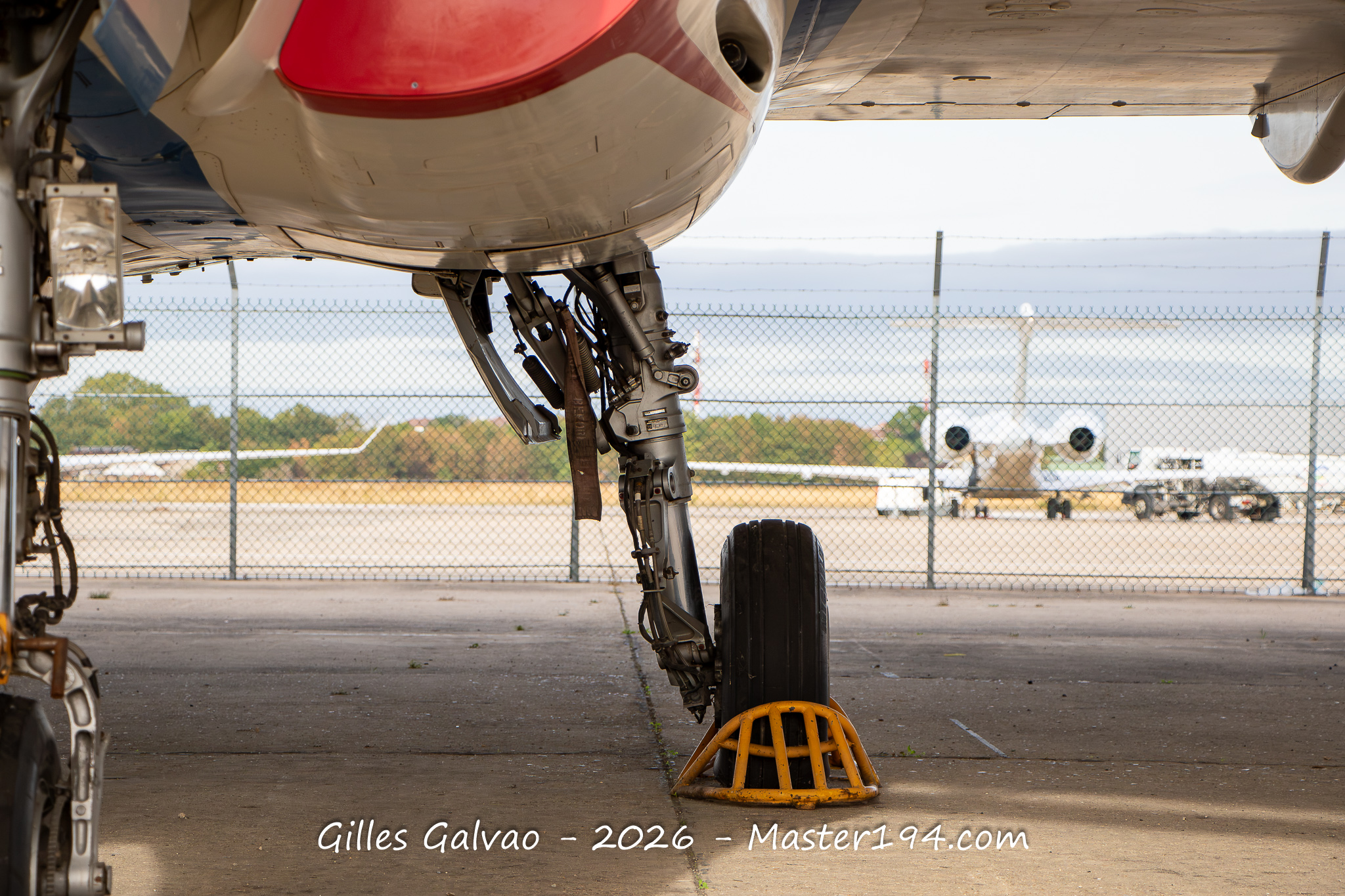
Main landing gear
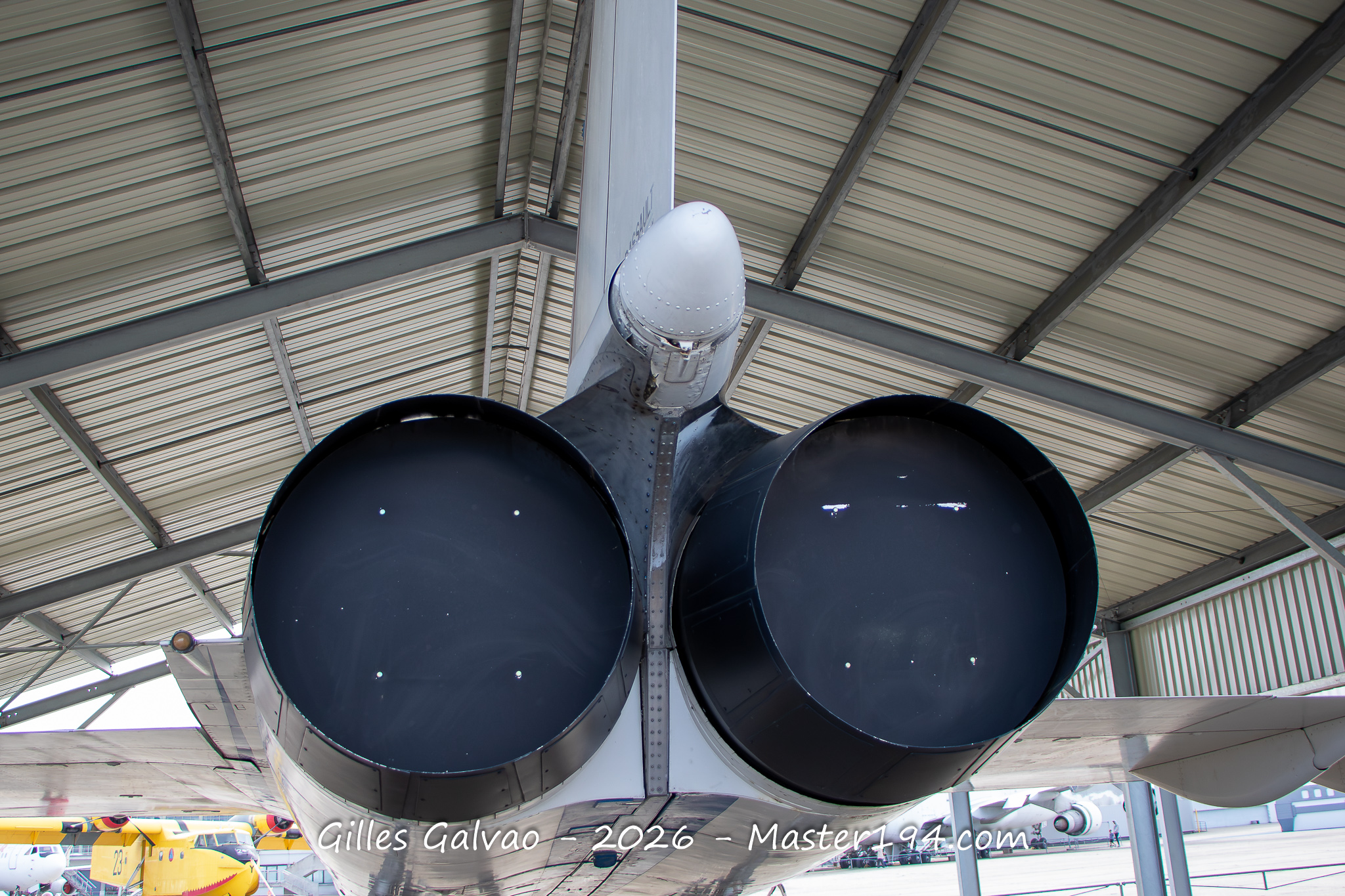
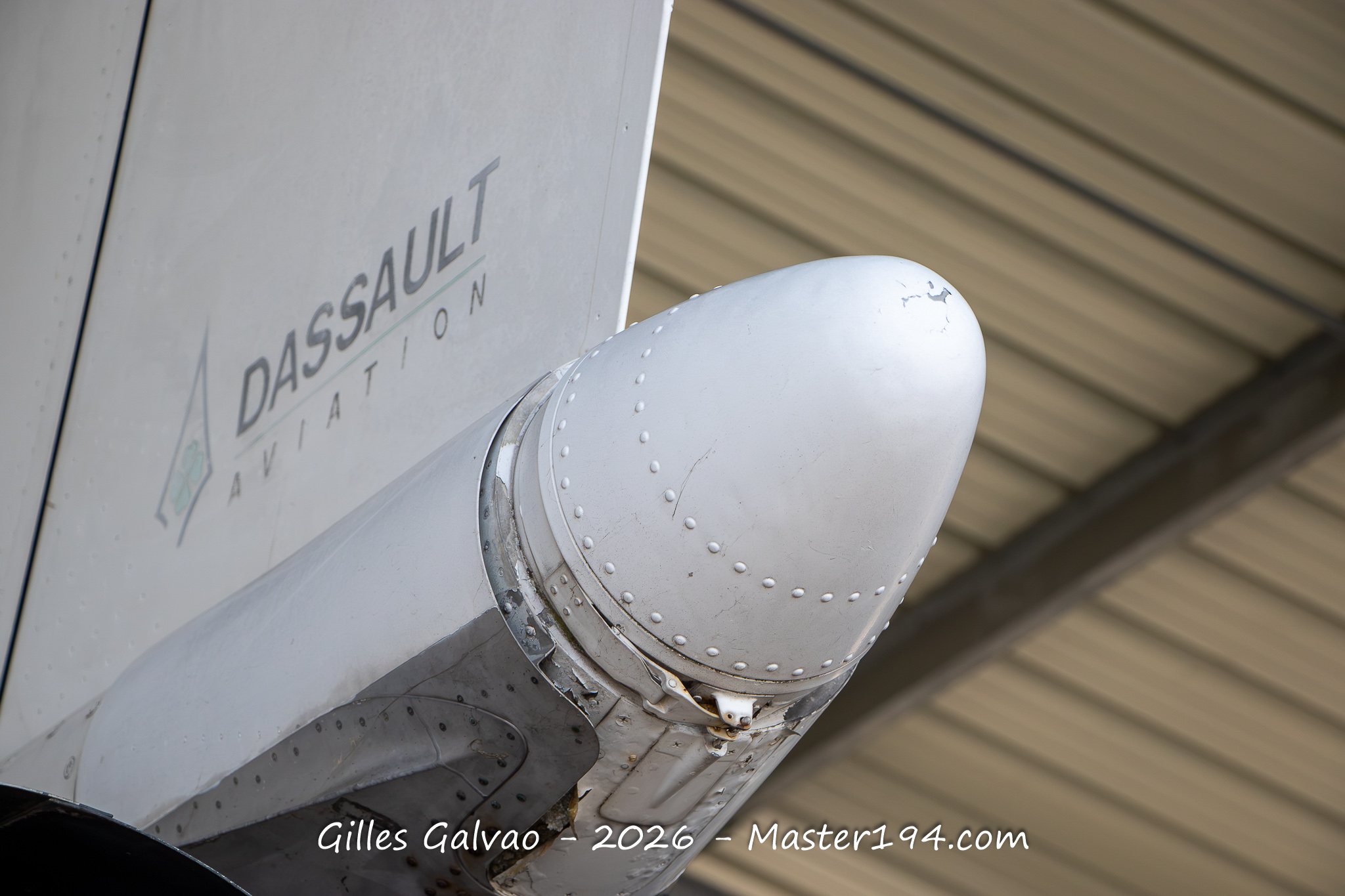
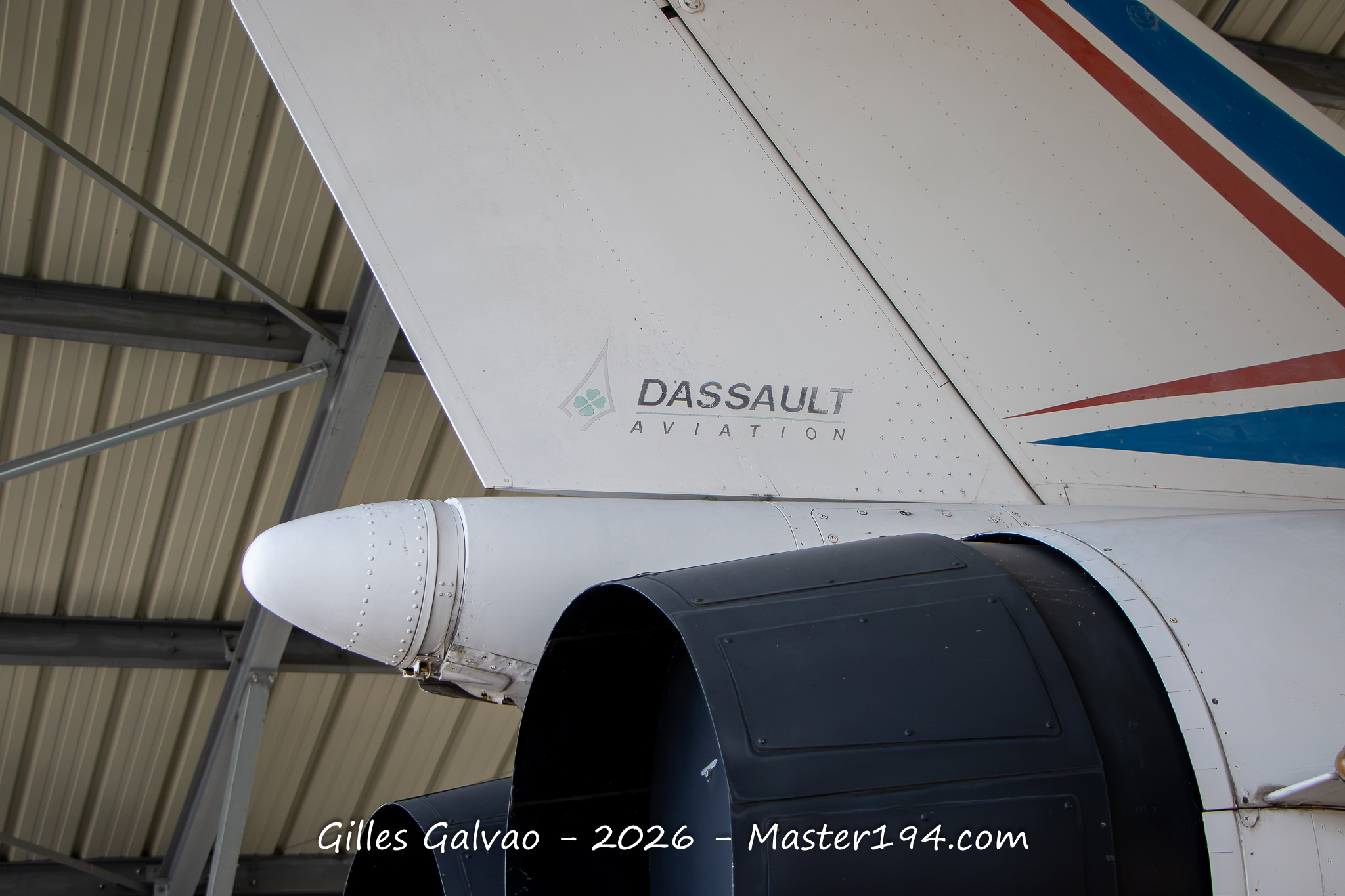
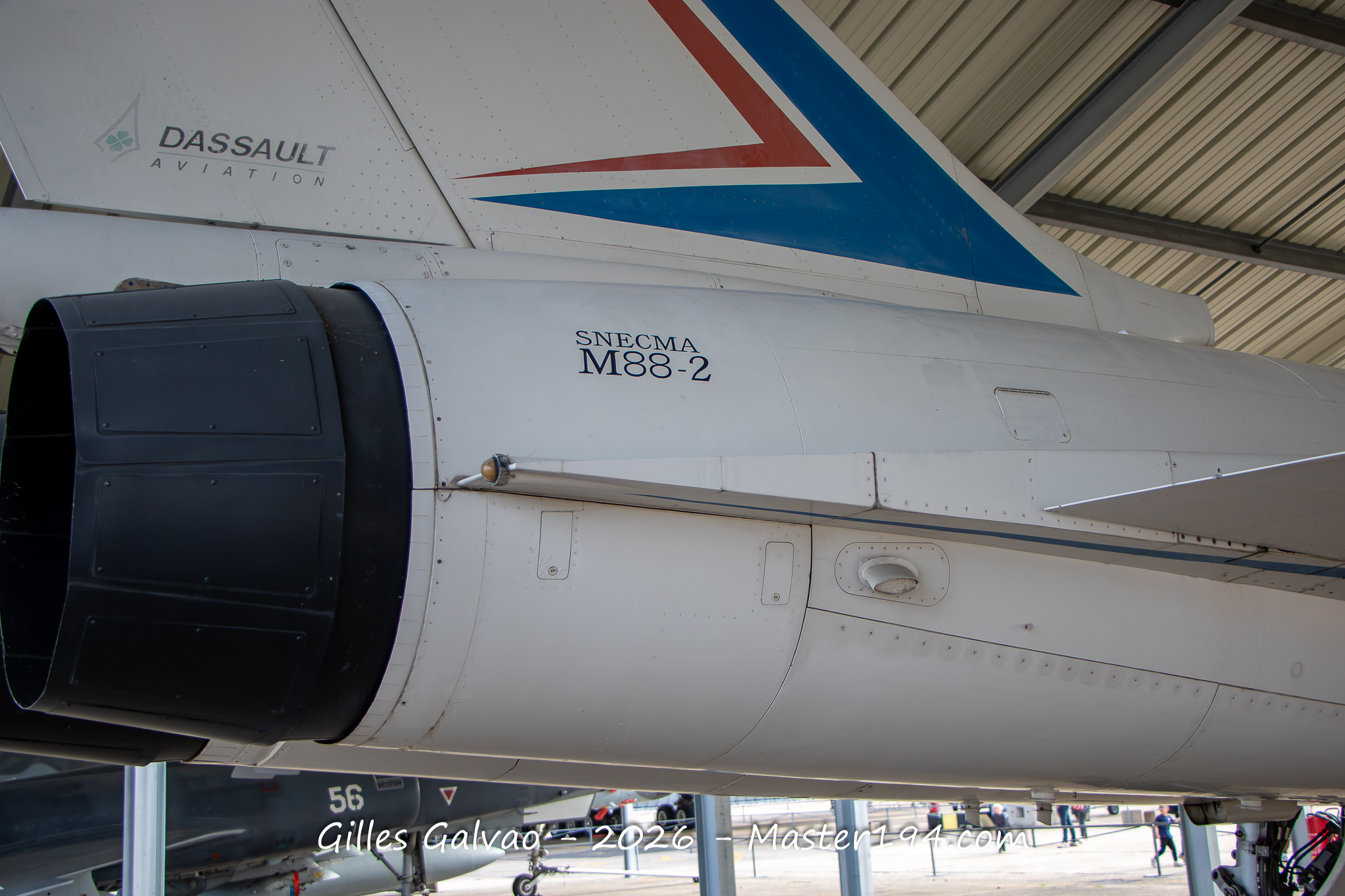
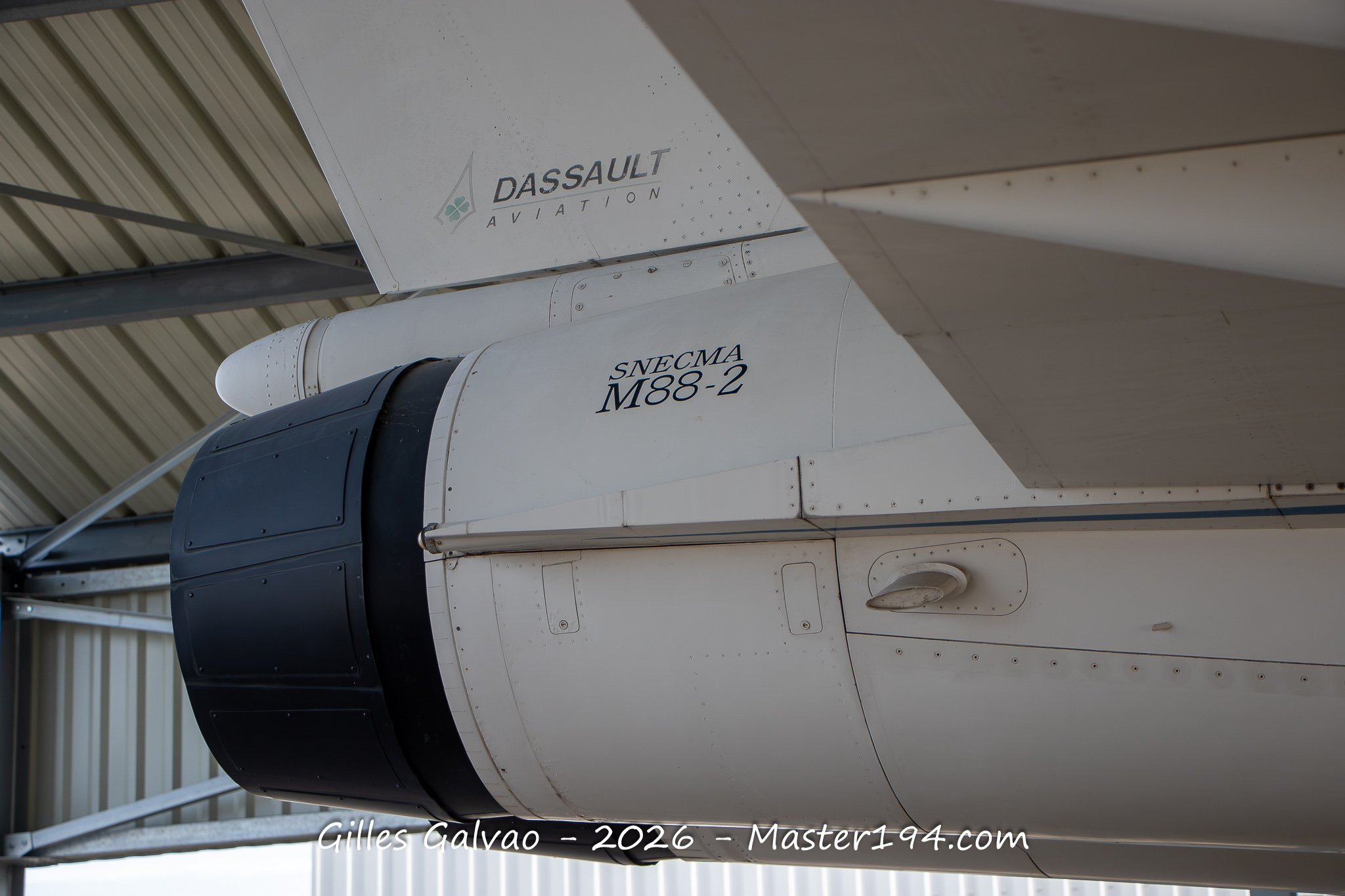
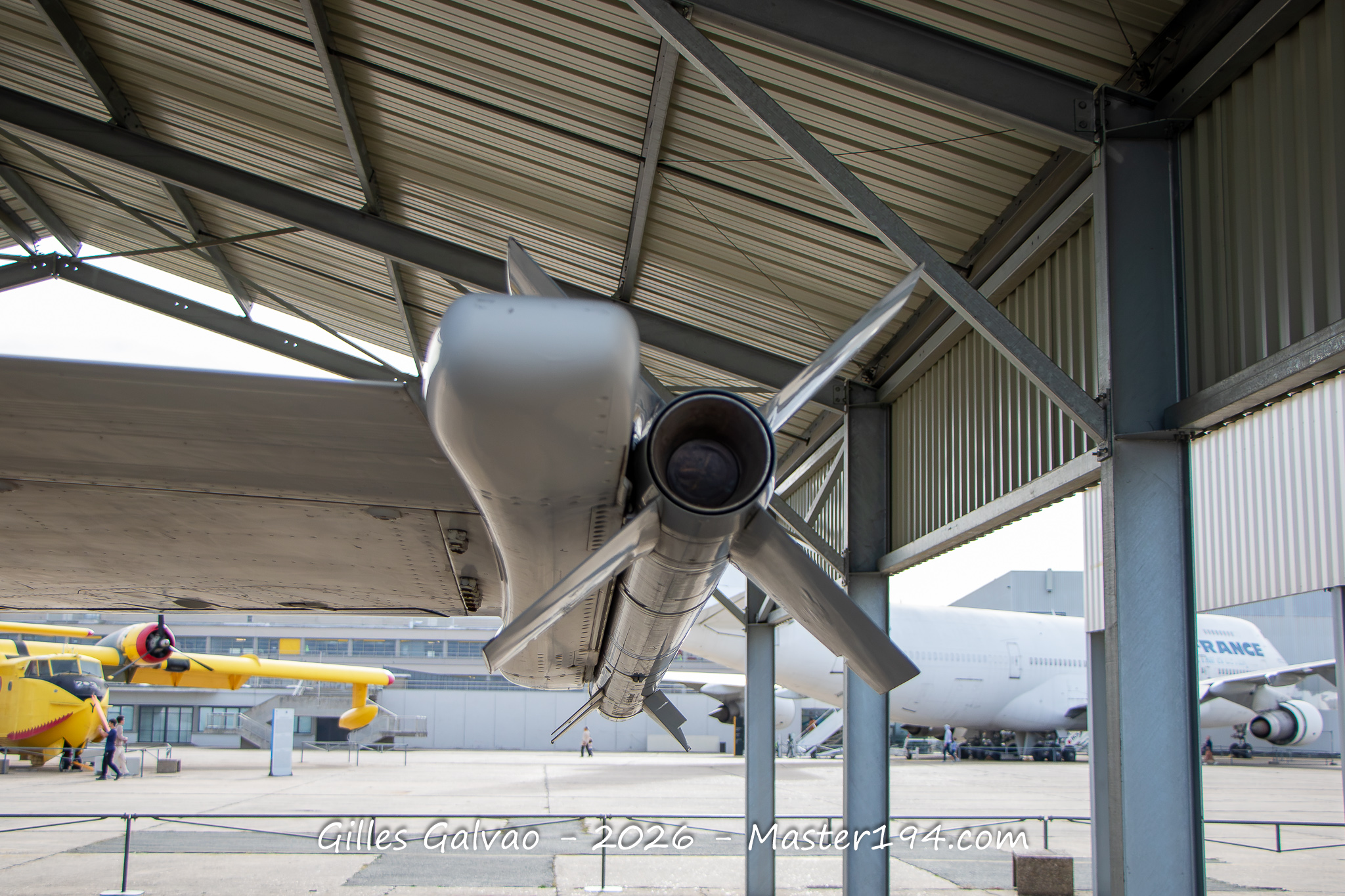
Rear Section
The visible exhaust nozzles are mock-up reproductions; their appearance evokes the nozzles of the M88-equipped Rafale A without faithfully reproducing its actual internal configuration.
Front Section
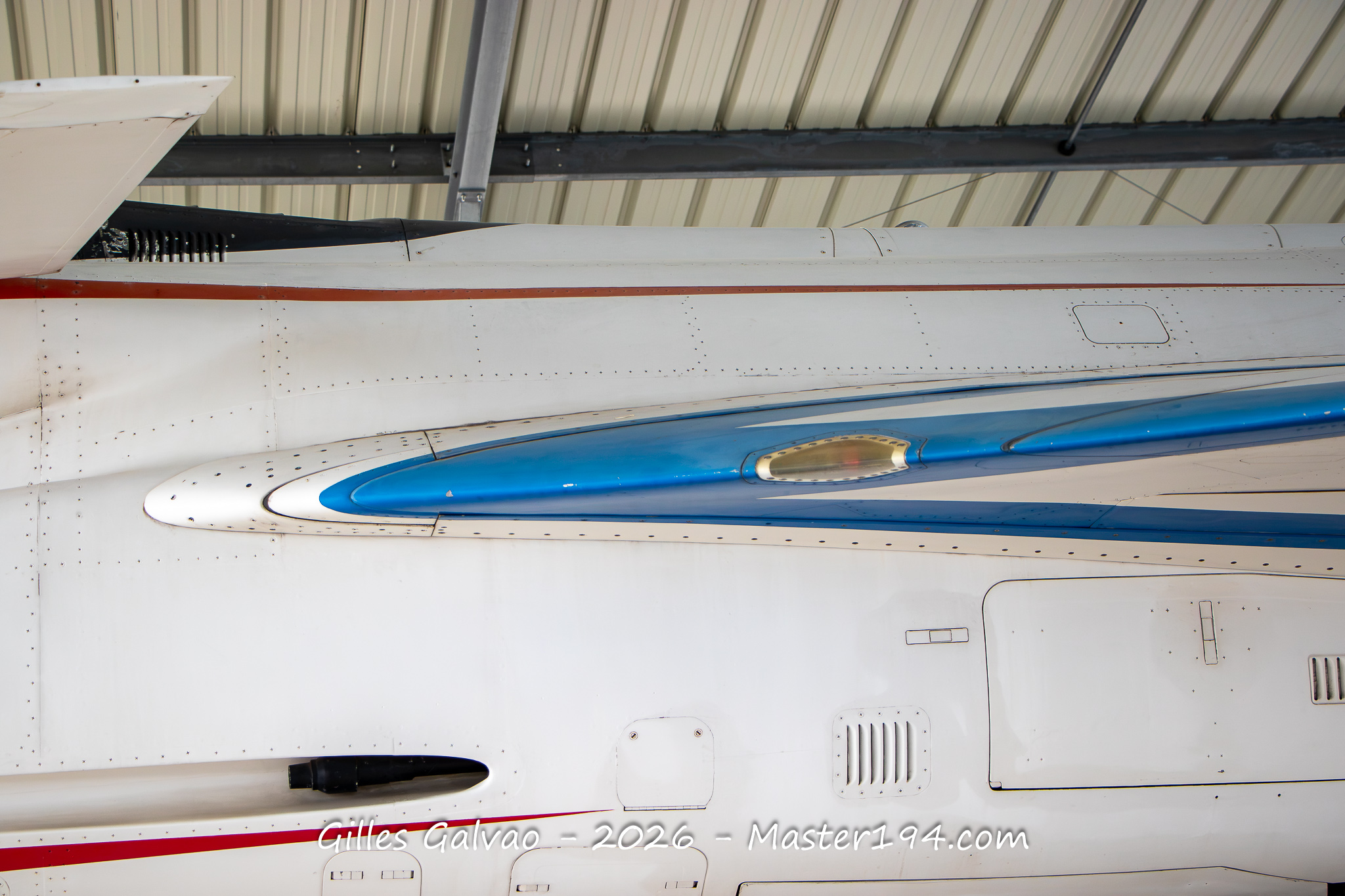
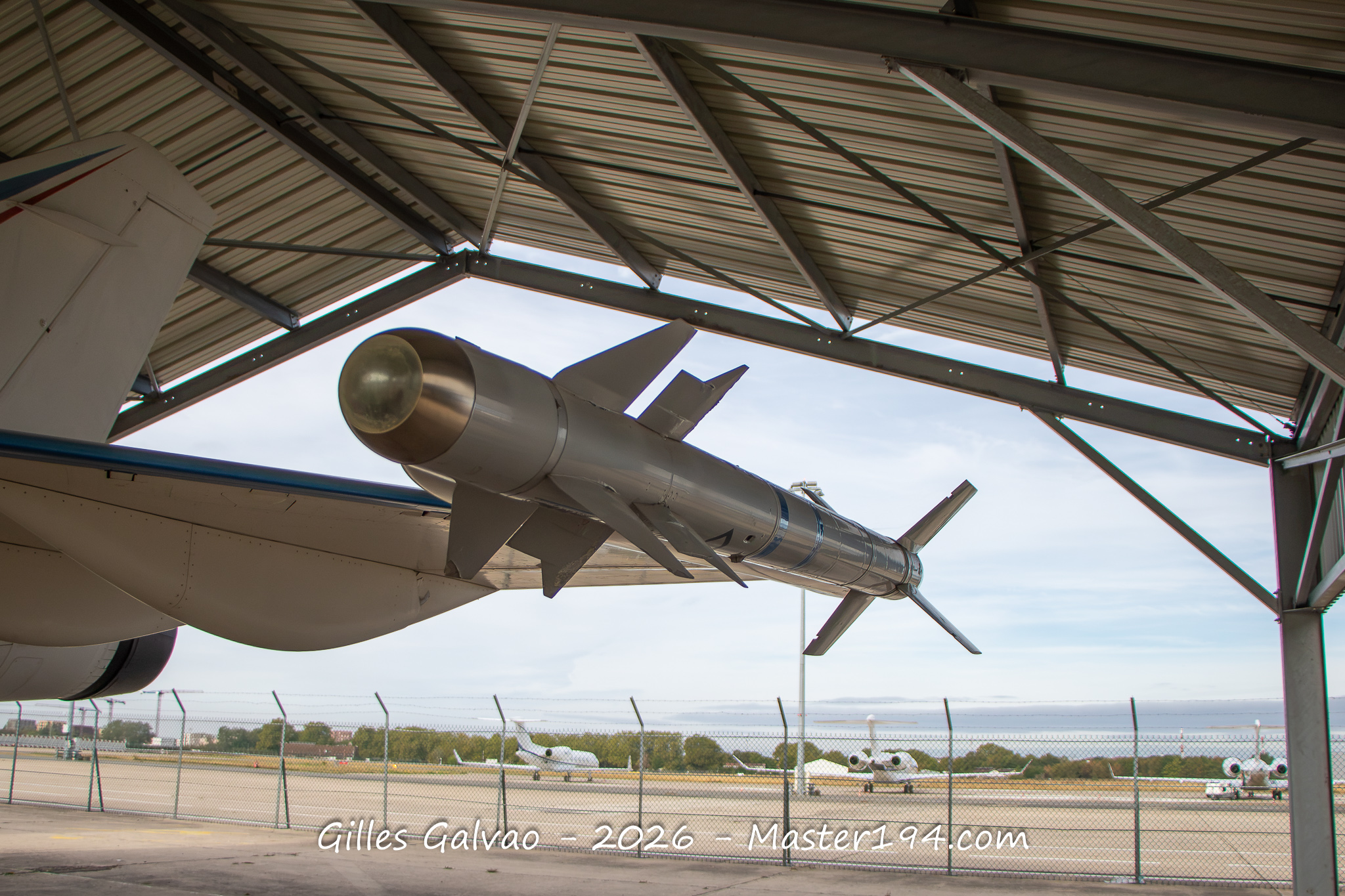
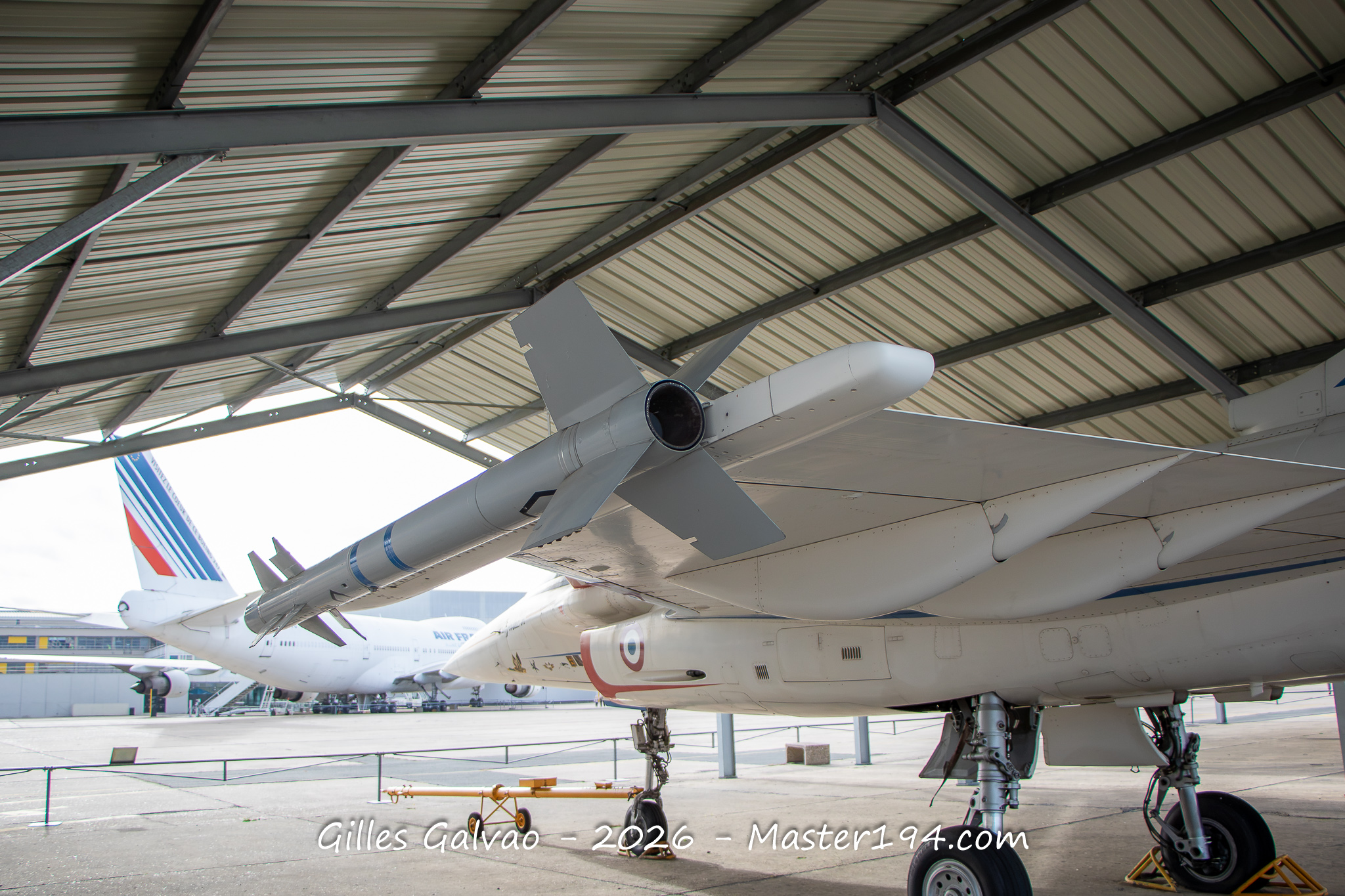
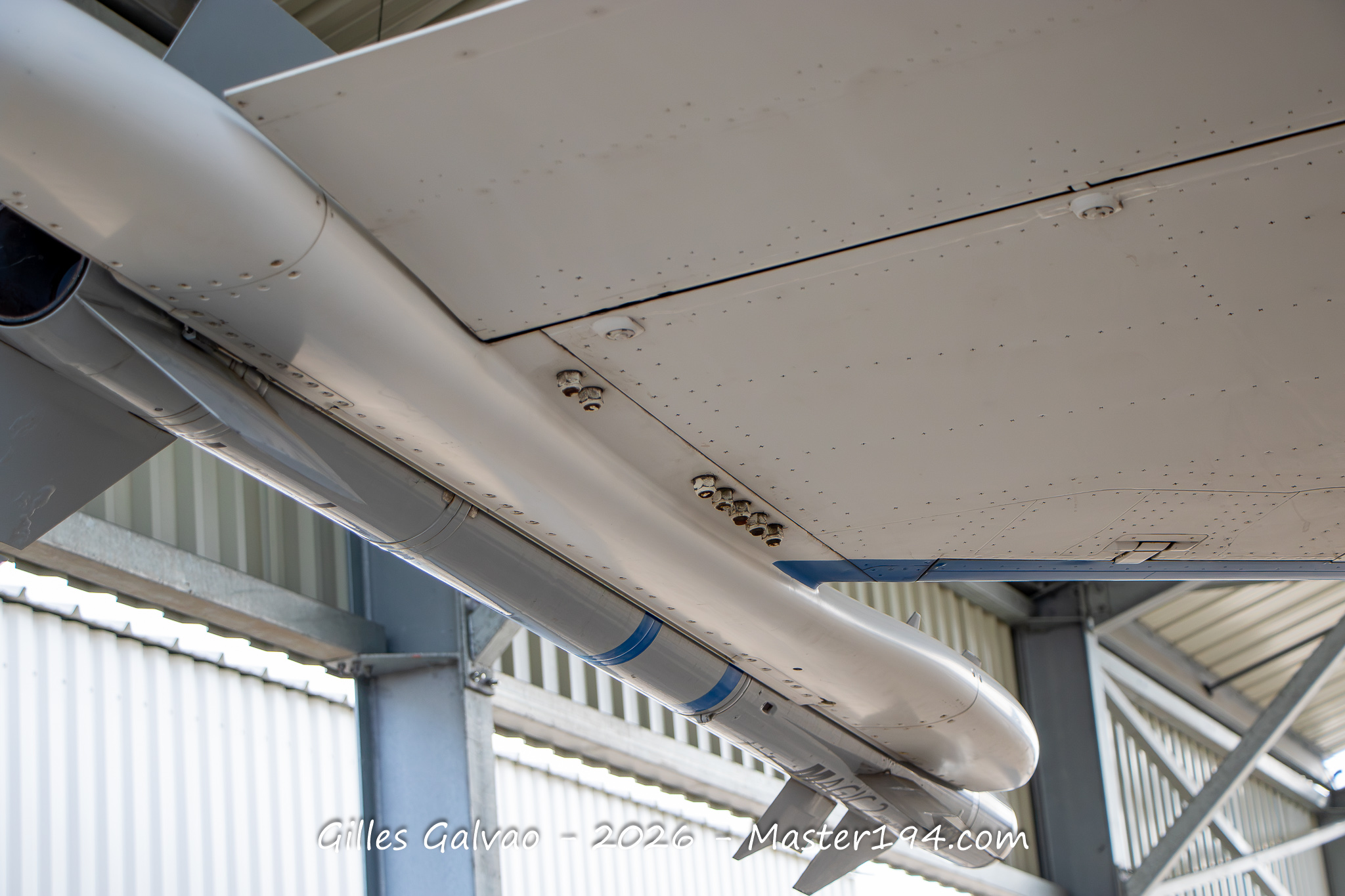
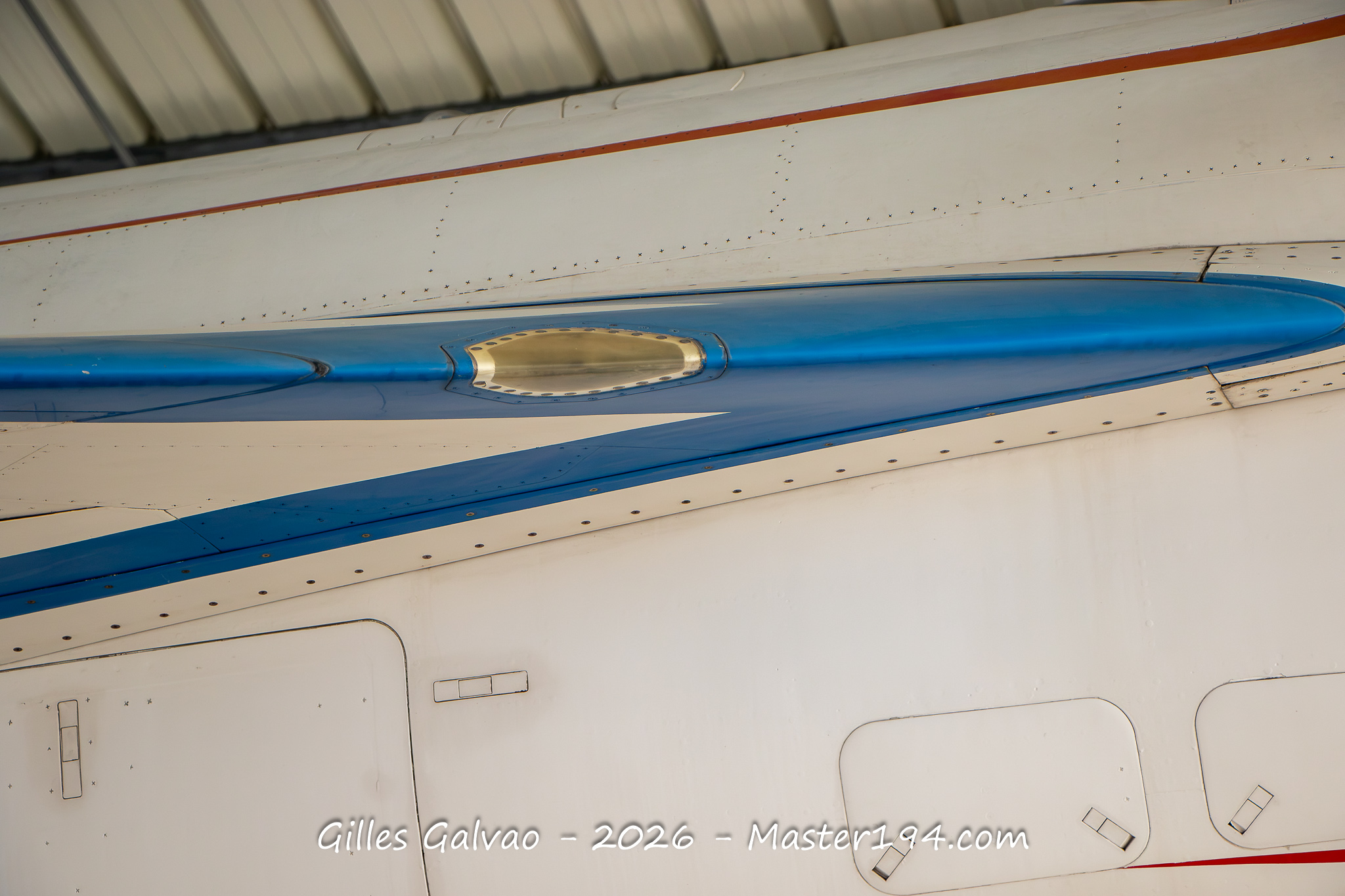
Additional Detail Photos
A Unique Aircraft for a Unique Story
After 867 flights, the Rafale A made its final flight on January 24, 1994. For nearly eight years, it enabled Dassault and its partners to progressively validate the technical choices that would form the foundation of the future French combat aircraft.
The Rafale A was not a prototype intended to directly become an operational aircraft, but rather a demonstrator responsible for resolving the main technological uncertainties of the Rafale program. With its mission accomplished, the C01, M01, M02, and B01 prototypes would take over to transform this experimental formula into a true weapons system.
Forty years after its first flight, the Rafale A thus stands as the first concrete step in a program conceived from the outset to deliver a combat aircraft family common to both the French Air Force and the French Navy.
On July 4, 1986, the goal was not yet to fly the production Rafale, but to prove that the core choices selected for it were technically viable.
I would like to extend my sincere thanks to the Association des Amis du Musée de l’Air (AAMA), and particularly Frédéric Buczko, for his invaluable help during the realization of this walkaround.
For scale modelers, find out the building of the Rafale A 1/48 Heller here :