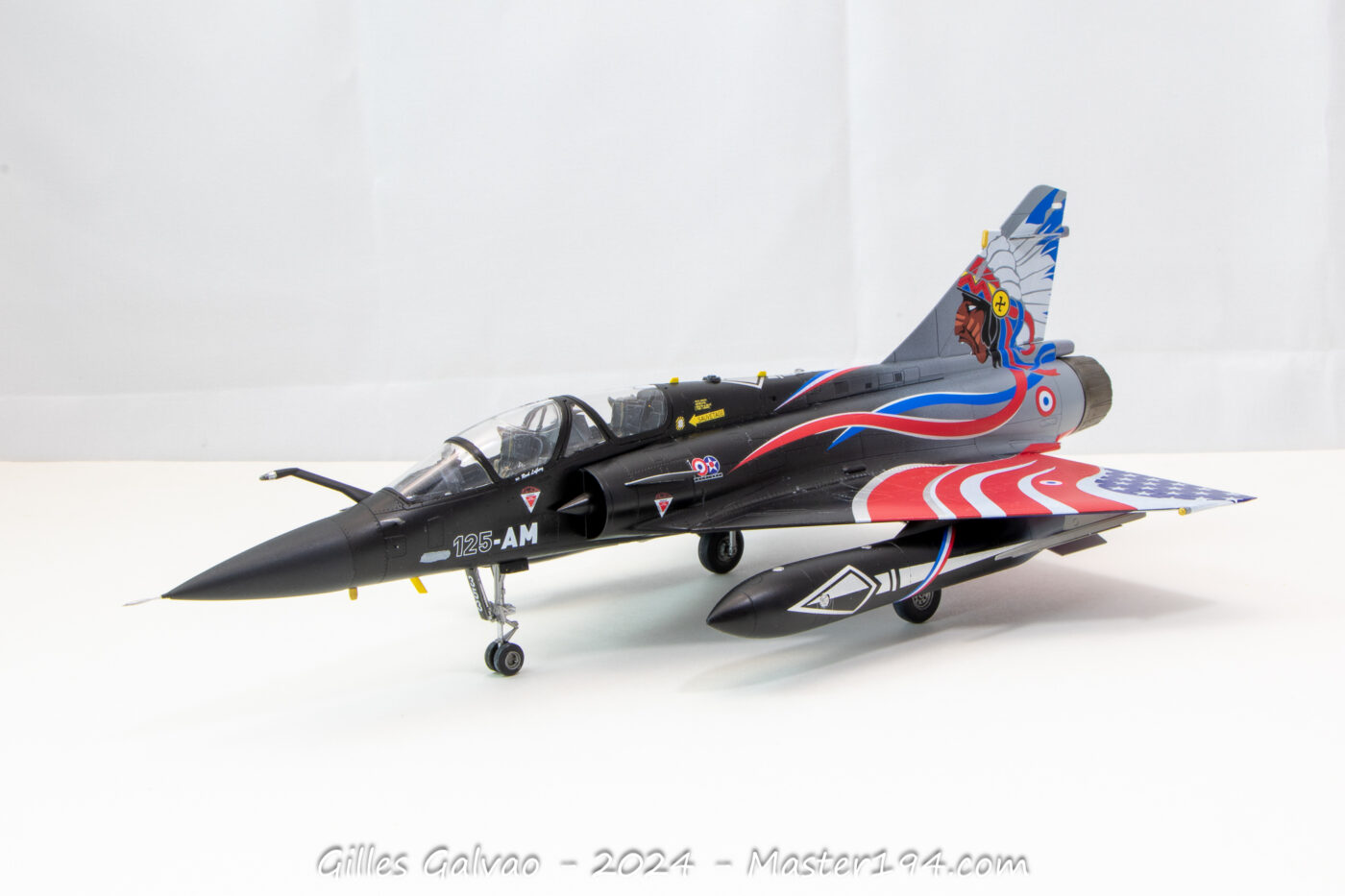
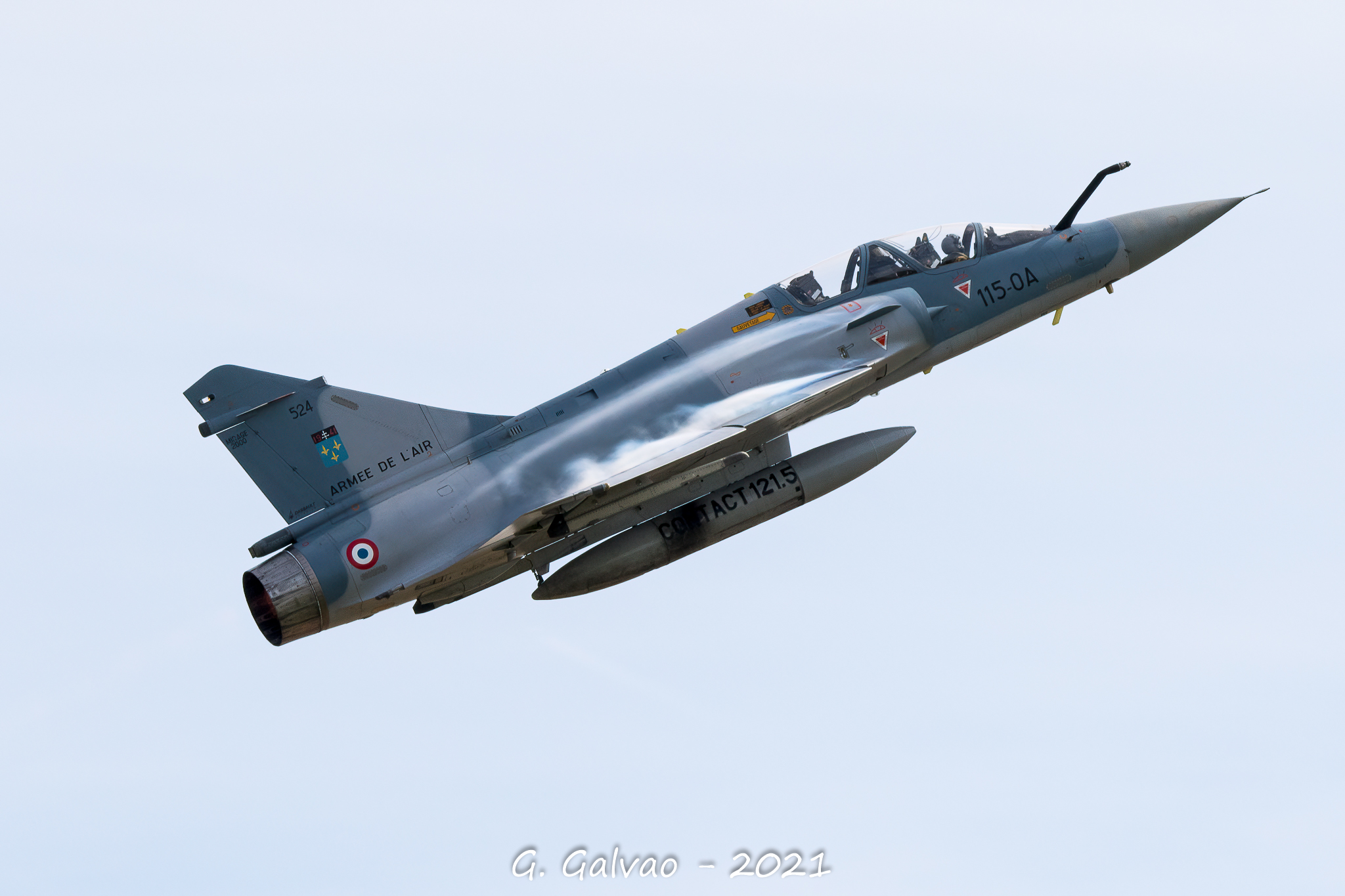
An iconic delta-wing fighter and a hallmark of French combat aviation for over four decades, the Dassault Mirage 2000 remains a masterpiece of agility and power. Operating as an air defense interceptor with the 2000C, a nuclear strike vector with the 2000N, and a master of conventional assault with the 2000D, this airframe has left an indelible mark on the French Air Force (Armée de l’Air). Whether you are an aviation enthusiast or a scale modeler seeking accuracy, this hub consolidates all our resources—from high-definition photo walkarounds to detailed build features—capturing every nuance of this Dassault airframe.
This guide will continuously expand over time. Numerous archives, photo collections, and technical documents dedicated to the Mirage 2000 will be progressively added to enrich this resource.
AD
Genesis and Design Concept of the Dassault Mirage 2000
In the early 1970s, the French Air Force (Armée de l’Air) sought to prepare a replacement for its Mirage III and Mirage F1 fleets, aiming to acquire a new combat aircraft capable of securing national air defense for decades to come. Following the cancellation of the Avion de Combat Futur (ACF) program, Dassault Aviation proposed a lighter, less ambitious alternative based on a proven yet thoroughly modernized aerodynamic design: the delta wing.
Taking to the skies for the first time on March 10, 1978, with Guy Mitaux-Maurouard at the controls, the Mirage 2000 prototype marked a dramatic technological leap over its predecessors, the Mirage III and Mirage F1.
While a delta planform provides excellent high-speed performance, it traditionally exhibits limitations at low speeds, particularly during approach and landing phases. To preserve the aerodynamic advantages of the delta wing while enhancing maneuverability, Dassault adopted an intentionally relaxed pitch stability layout. Controlled by digital fly-by-wire flight control systems (FBW), the Mirage 2000 is continuously stabilized by onboard flight computers, allowing the pilot to fully exploit the airframe’s performance envelope. This architecture significantly contributes to the fighter’s exceptional agility.
The Mirage 2000 is powered by the SNECMA M53 turbofan, developed specifically for this new generation of combat aircraft. In its M53-P2 variant, which equips operational Mirage 2000C fighters, it produces approximately 9.7 tonnes of thrust in full afterburner. This provides the Mirage 2000 with an outstanding thrust-to-weight ratio, enabling it to reach Mach 2.2 and climb to 50 000 feet in record time.
Overview of Mirage 2000 Variants
The Mirage 2000 design spawned a comprehensive family of aircraft, developed to fulfill diverse operational roles ranging from air defense and interception to nuclear deterrence, conventional strike, and tactical reconnaissance. Throughout its evolution, successive variants enabled the Mirage 2000 to achieve significant export success, serving under numerous international roundels.
Mirage 2000C and 2000B: Air Defense
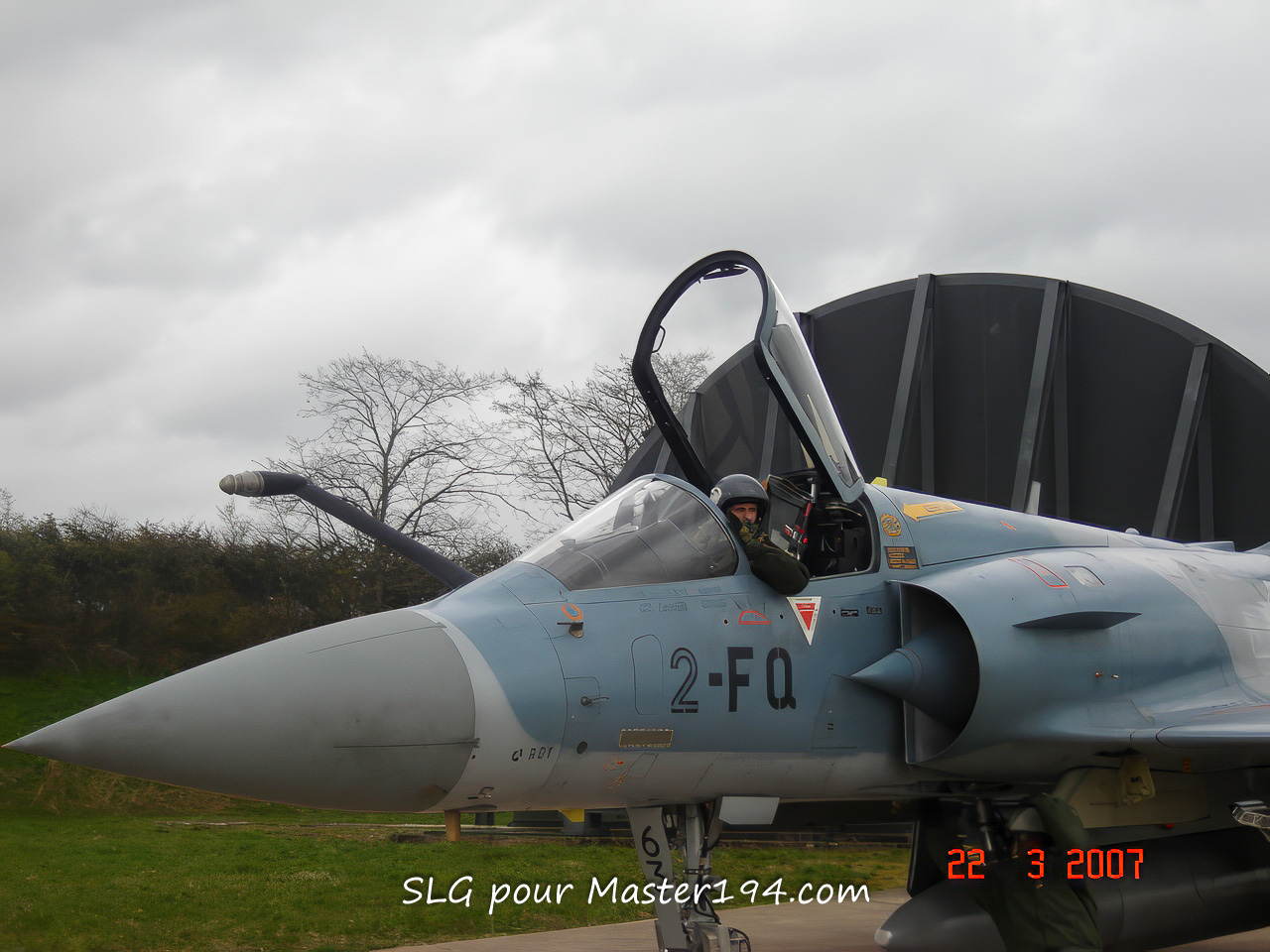
Entering operational service in 1984 with Fighter Squadron (Escadron de Chasse) 1/2 “Cigognes” at Dijon Air Base, the Mirage 2000C was the initial single-seat production variant designed for air defense and interception. Early production airframes were fitted with the RDM radar prior to the introduction of the pulse-Doppler RDI radar, specifically optimized for high-altitude interception missions.
Armed primarily with the Super 530D missile for medium-range interception and the Magic II for within-visual-range (WVR) combat, the Mirage 2000C served for several decades as a cornerstone interceptor for the French Air Force (Armée de l’Air).
The Mirage 2000B is its two-seat operational conversion trainer variant. While retaining most of the single-seater’s combat capabilities, its primary role is pilot qualification and aircrew type conversion.
Mirage 2000N: The Nuclear Deterrence Vector
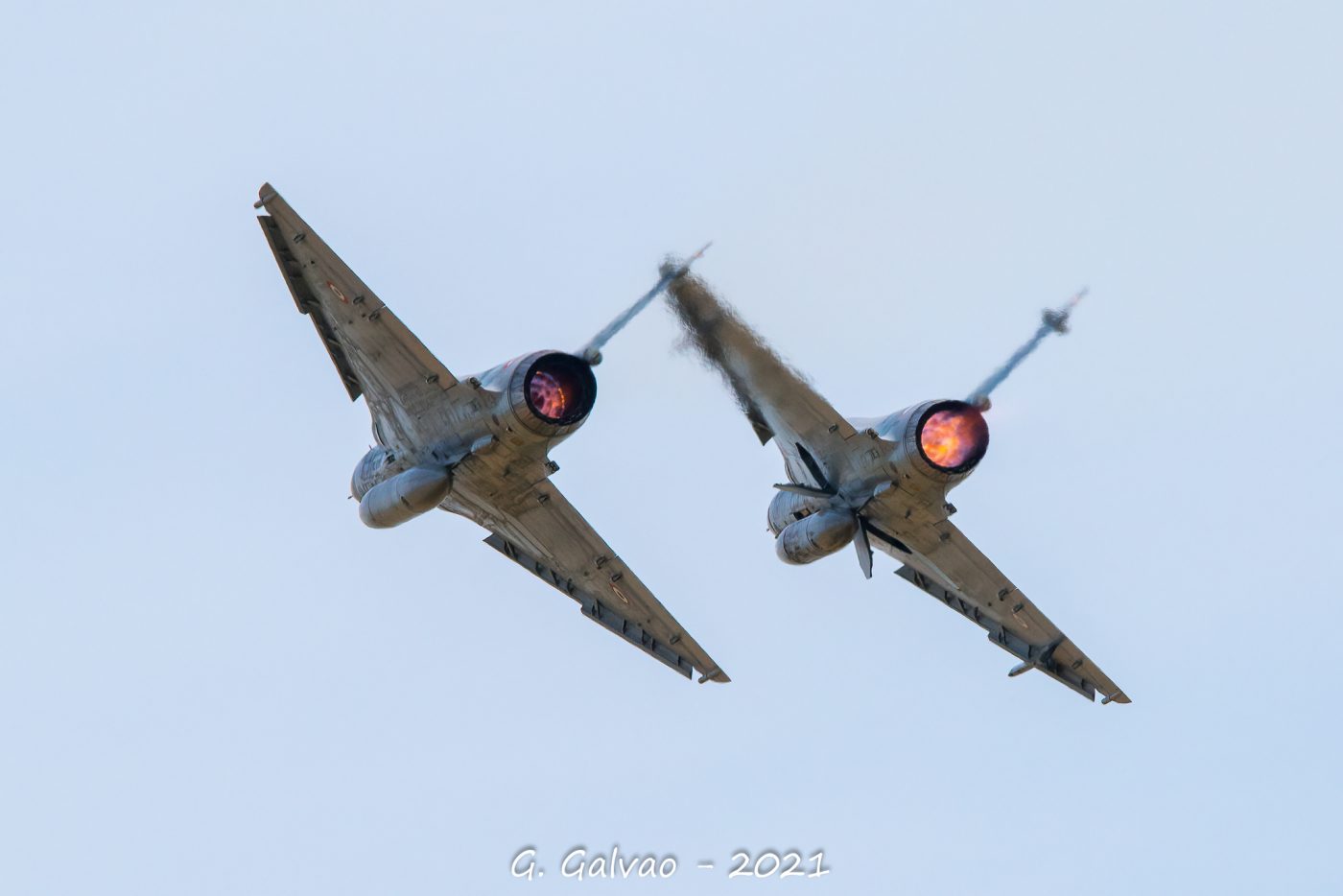
In response to evolving threats across the European theater during the Cold War, France developed the Mirage 2000N—the “N” designating its nuclear strike role (Nucléaire). Engineered as a two-seat variant specifically tailored for high-speed, very low-altitude penetration, it became a key vector of the airborne component of the French nuclear deterrent.
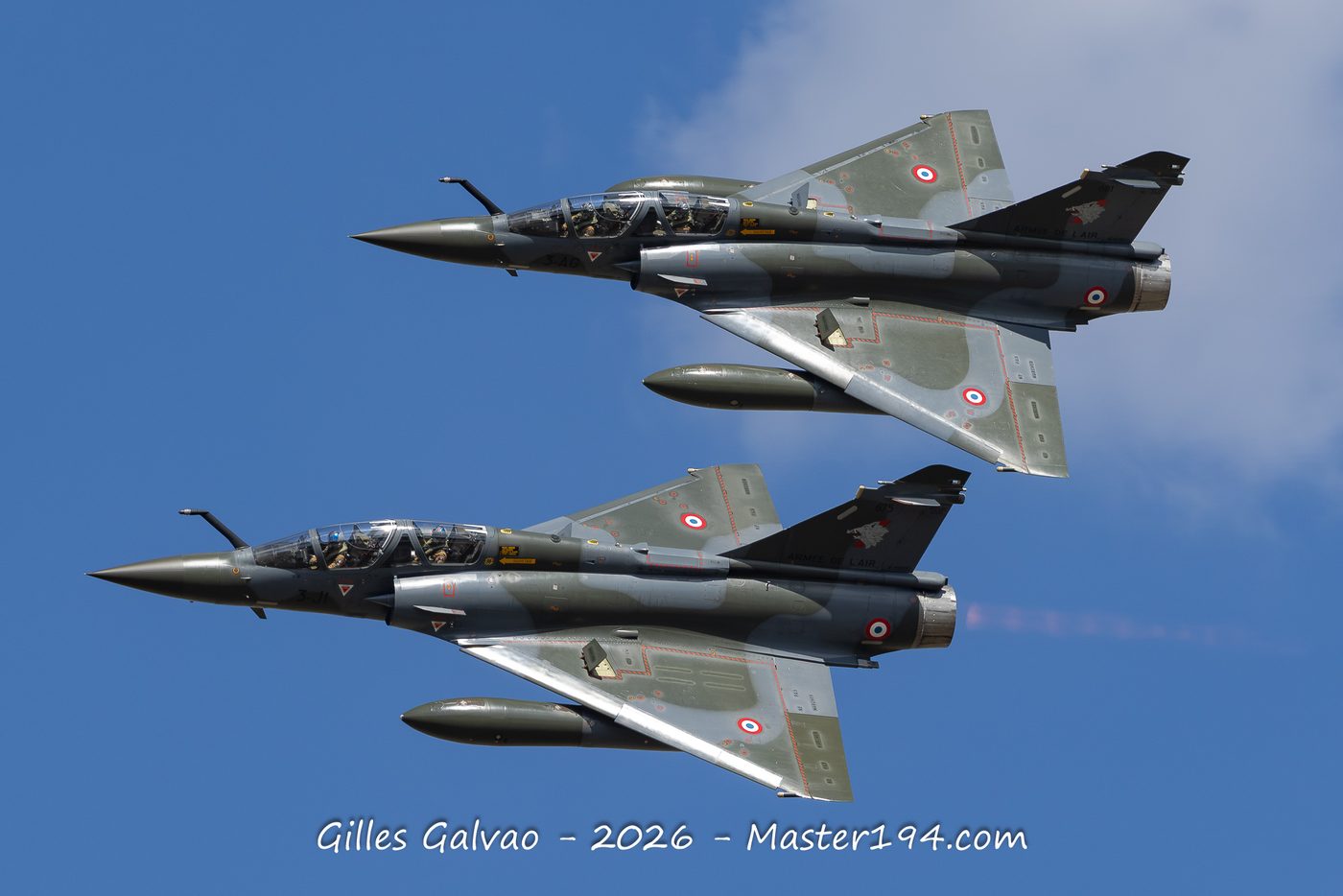
Equipped with the Antilope V terrain-following radar (TFR), the Mirage 2000N was optimized for low-level strike missions and was capable of delivering the ASMP standoff nuclear missile. Its signature three-color tactical camouflage scheme and fixed refueling probe made it one of the most iconic variants of the Mirage 2000 family.
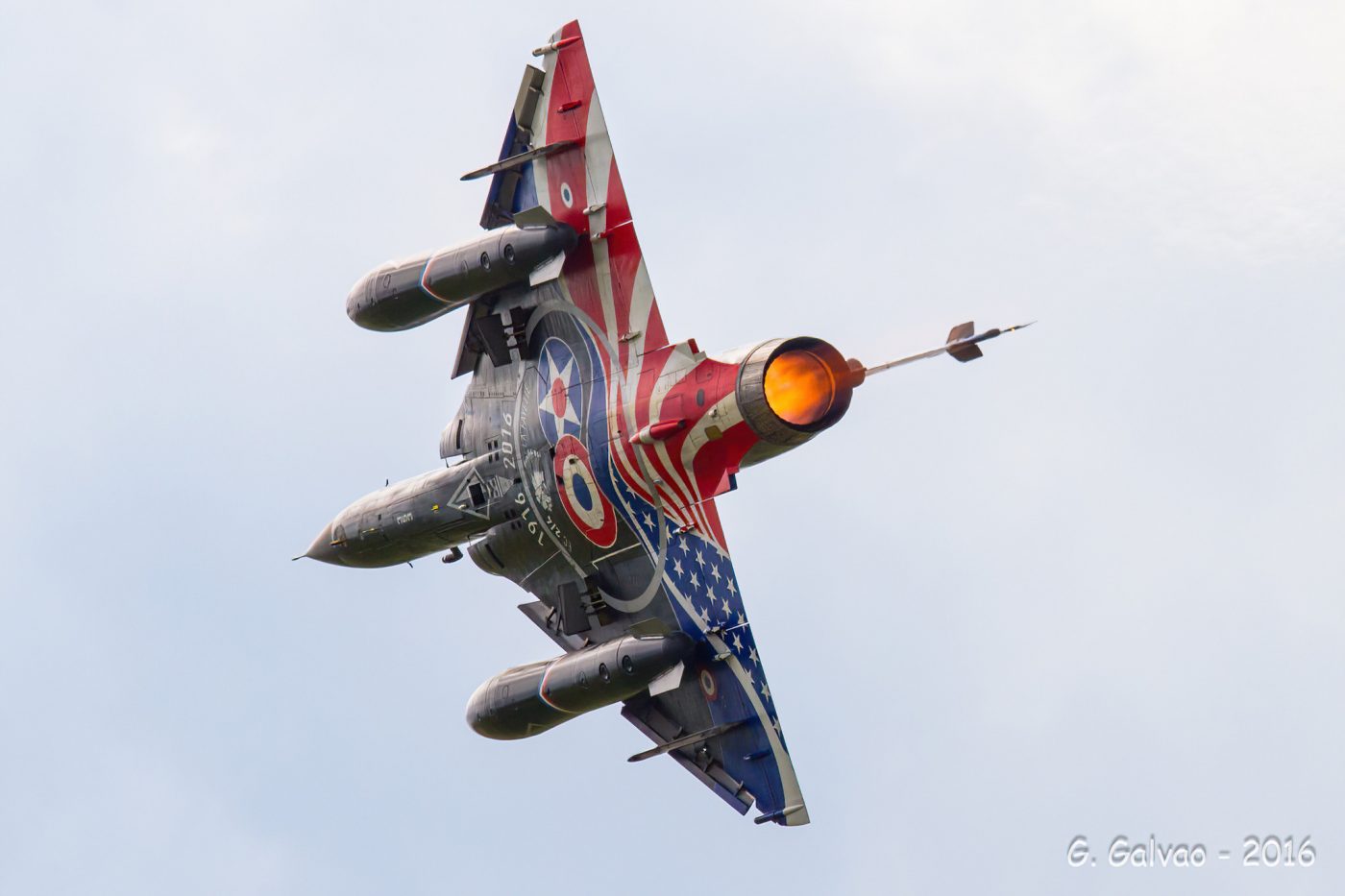
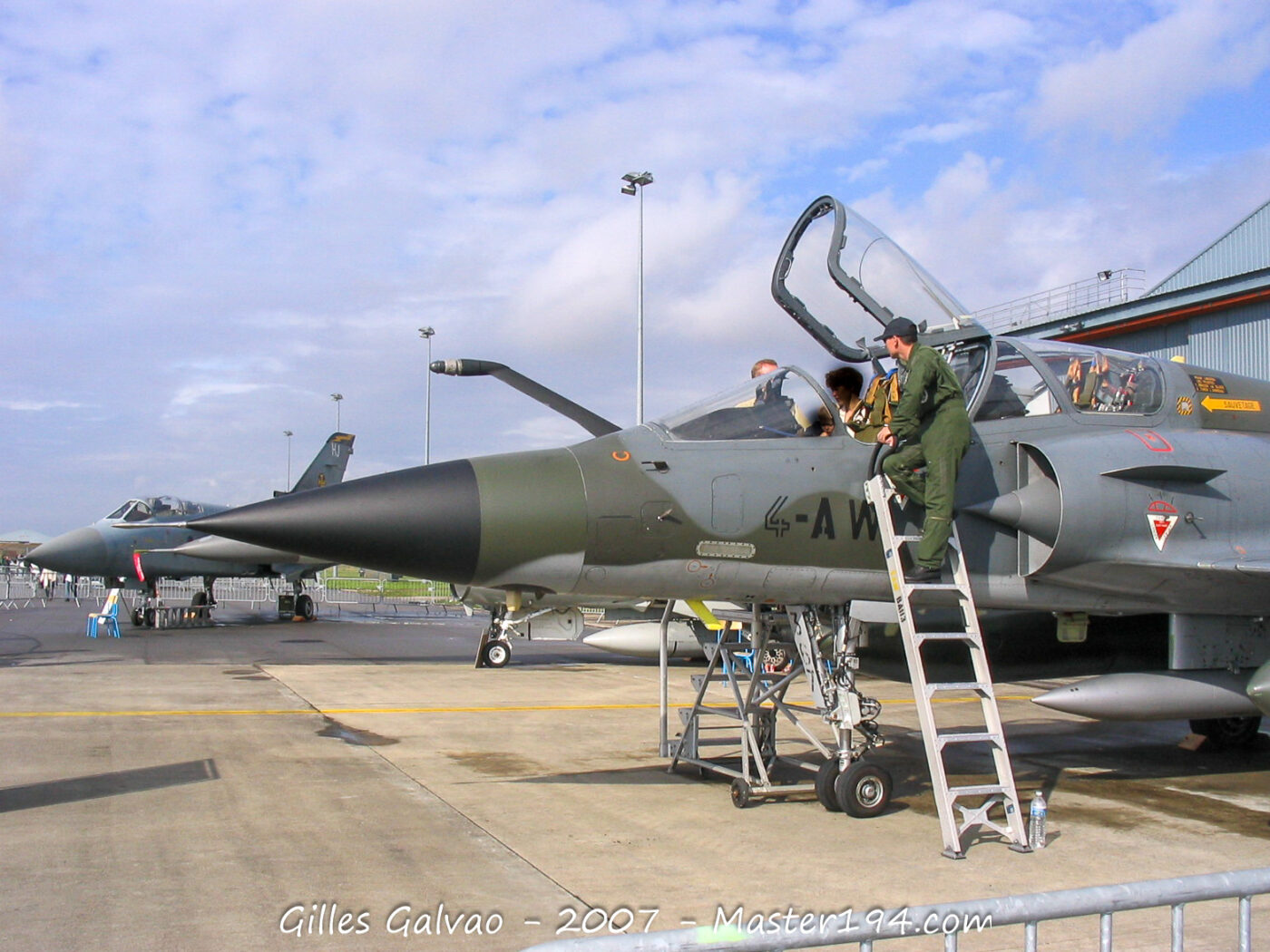
Mirage 2000D: Conventional Strike Operations
Derived from the Mirage 2000N in the early 1990s, the Mirage 2000D is a two-seat variant specialized in conventional air-to-ground strike missions. Its design retains the low-altitude, high-speed penetration capabilities of the 2000N while adapting them to deploy a broad spectrum of conventional precision-guided munitions.
Throughout its operational career, the Mirage 2000D has utilized various targeting pods, including the PDL-CT, Damocles, and Talios, paired with multiple generations of laser-guided bombs and air-to-surface weaponry. It has seen extensive combat deployment across numerous operational theaters, from the Balkans and Afghanistan to Africa and the Middle East.
Over successive capability upgrades, the Mirage 2000D was integrated with modern stand-off ordnance, most notably the SCALP-EG cruise missile. Its Mid-Life Update (known as Mirage 2000D RMV – Rénovation Mi-Vie) extends its service life and updates its avionics and weapons suite to meet the requirements of contemporary high-intensity warfare.
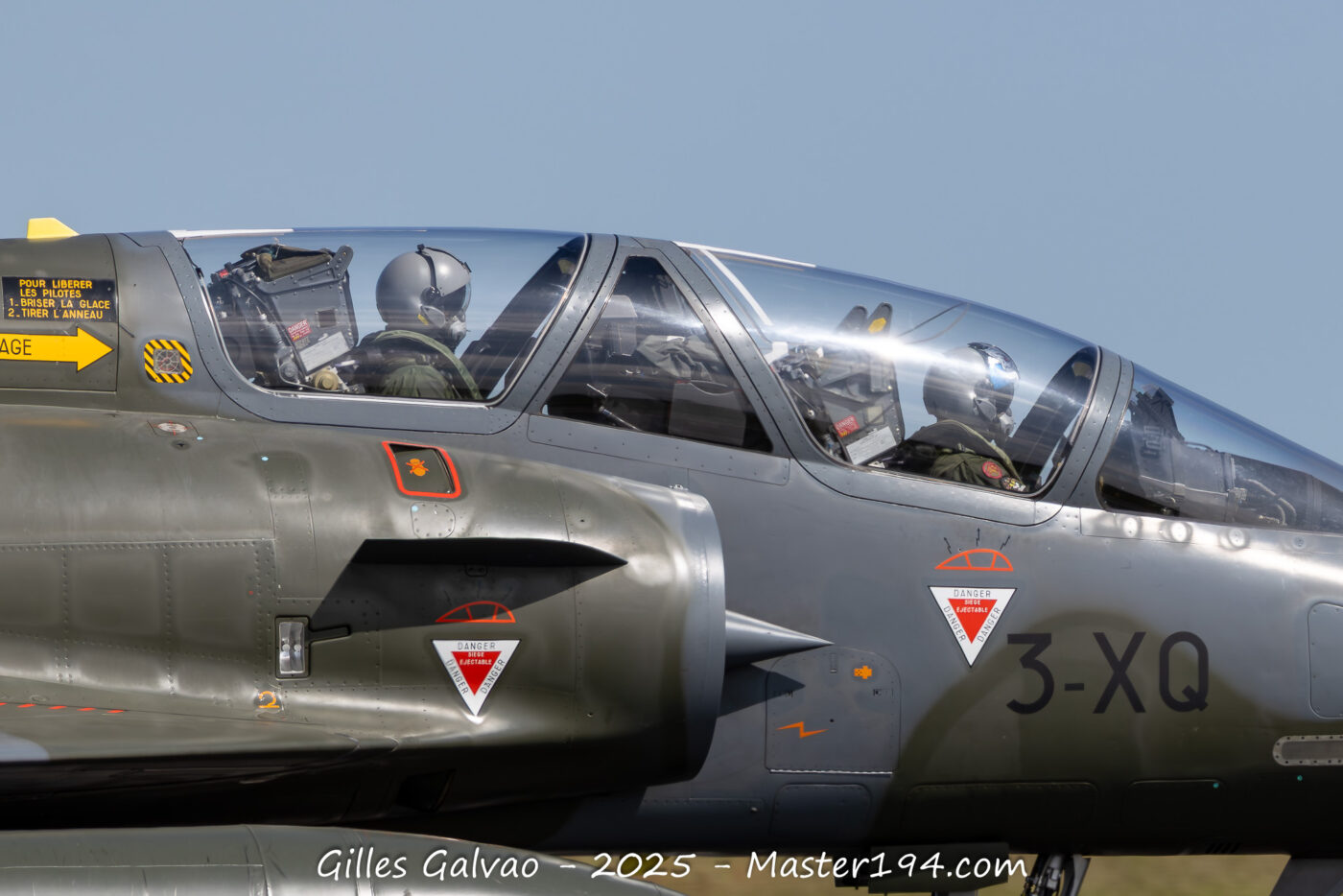
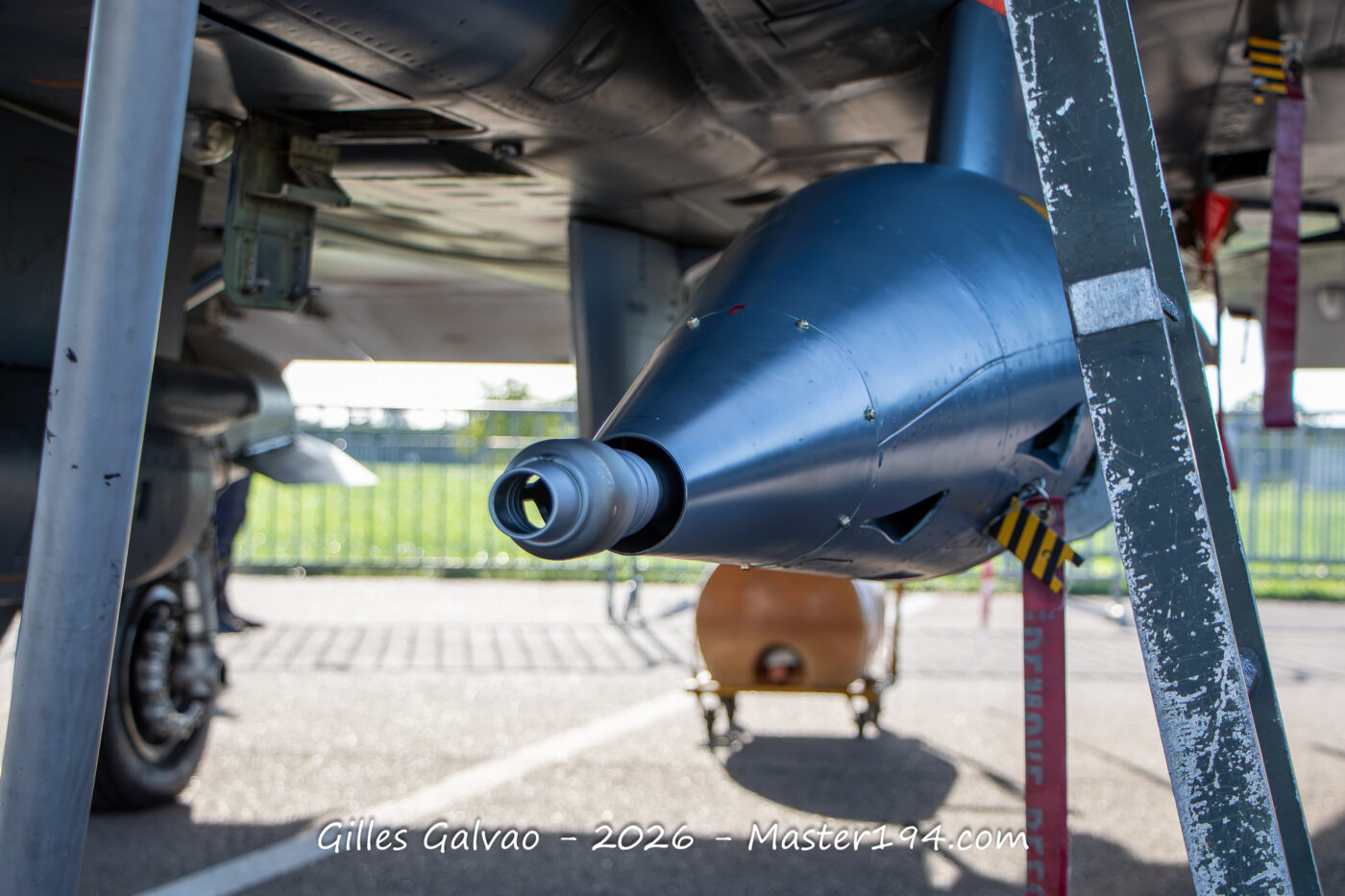
Mirage 2000-5: A New Generation
In the late 1980s and early 1990s, Dassault developed a heavily modernized evolution of the Mirage 2000 to meet evolving operational requirements and boost its appeal on the international export market.
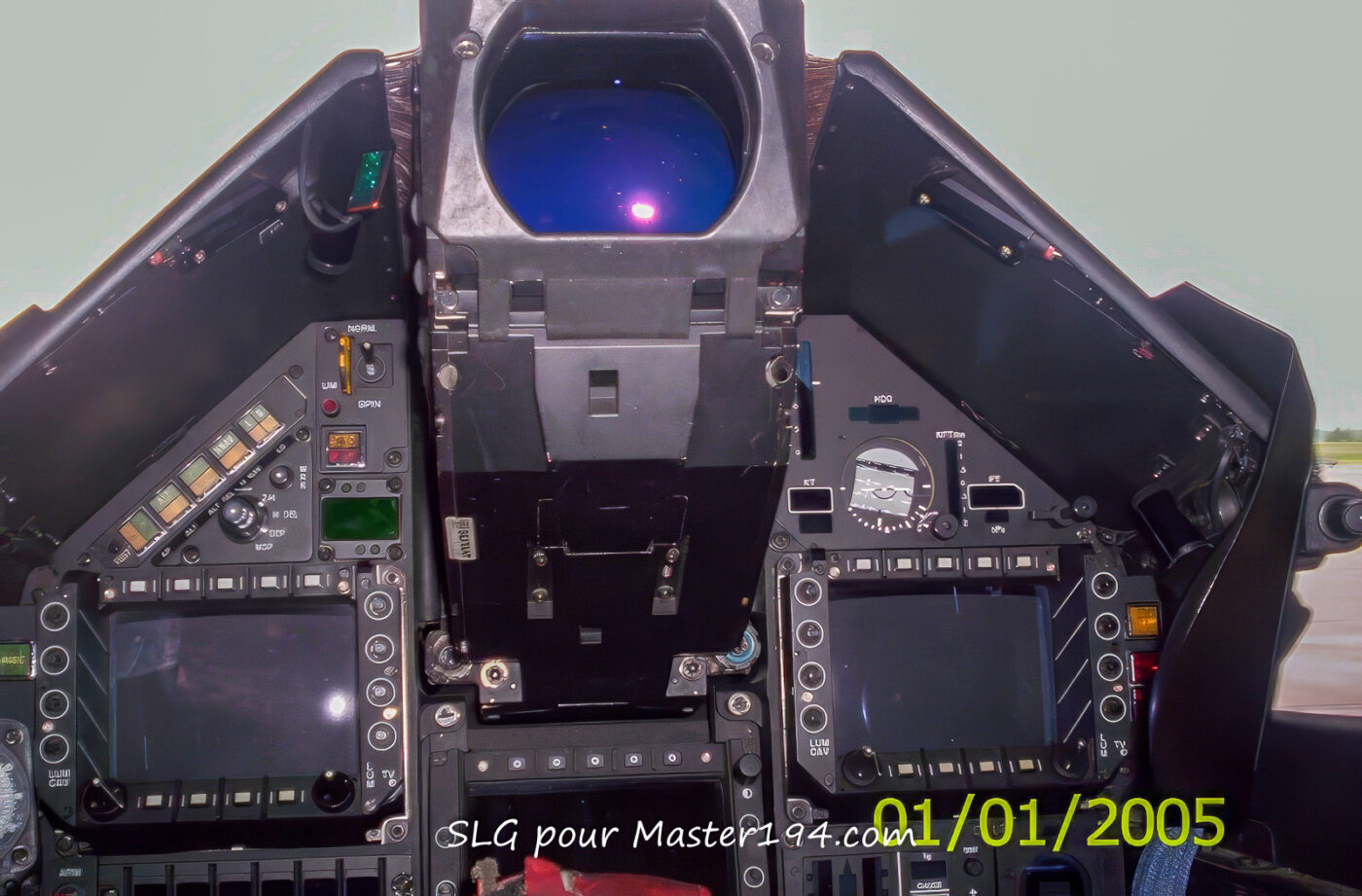
The Mirage 2000-5 notably features the RDY multimode radar, updated avionics, and a completely redesigned glass cockpit. It was engineered around the MICA air-to-air missile—available in both active radar homing (EM) and imaging infrared (IR) variants—providing seamless coverage for medium- and short-range engagements.
Mirage 2000 Export Variants
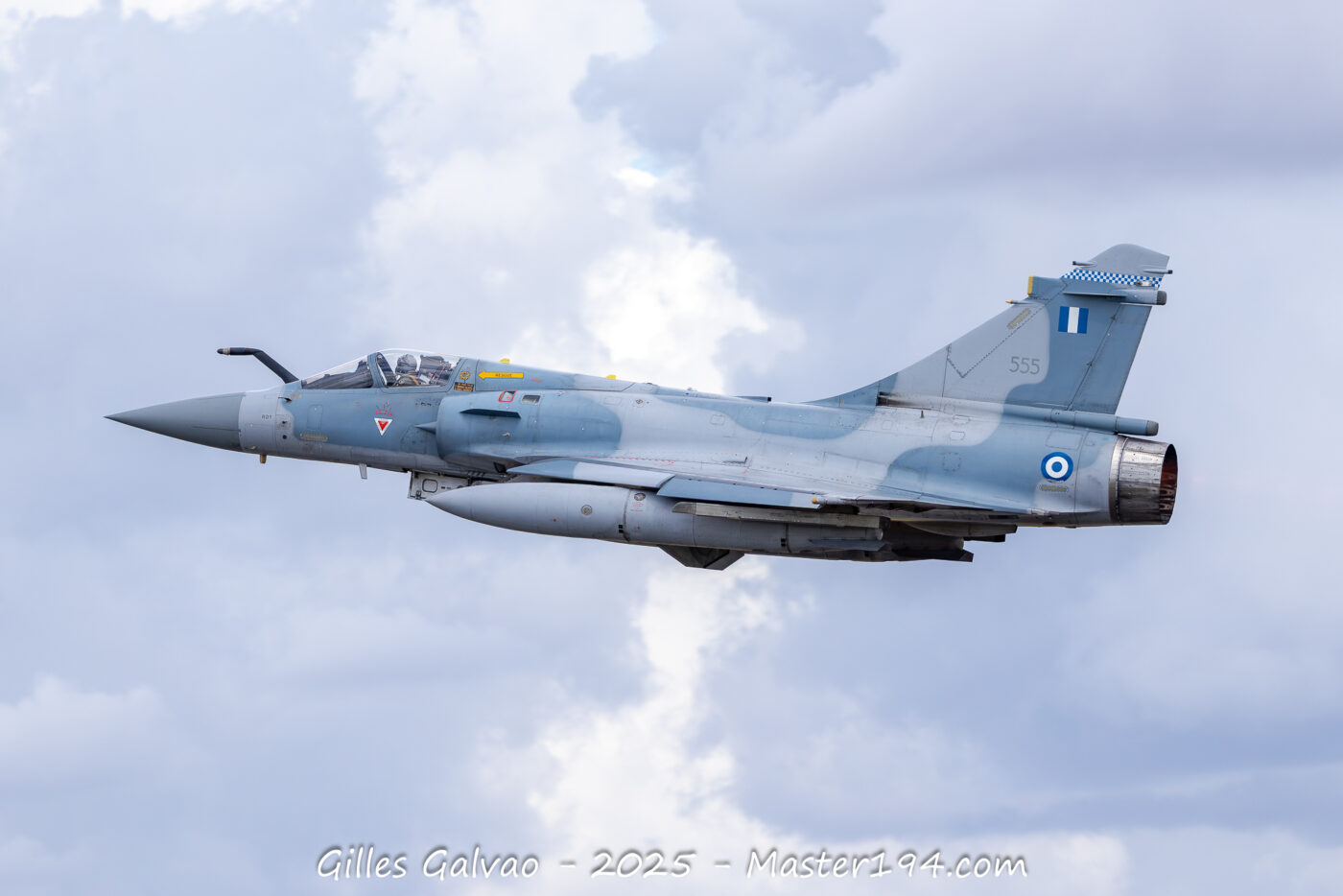
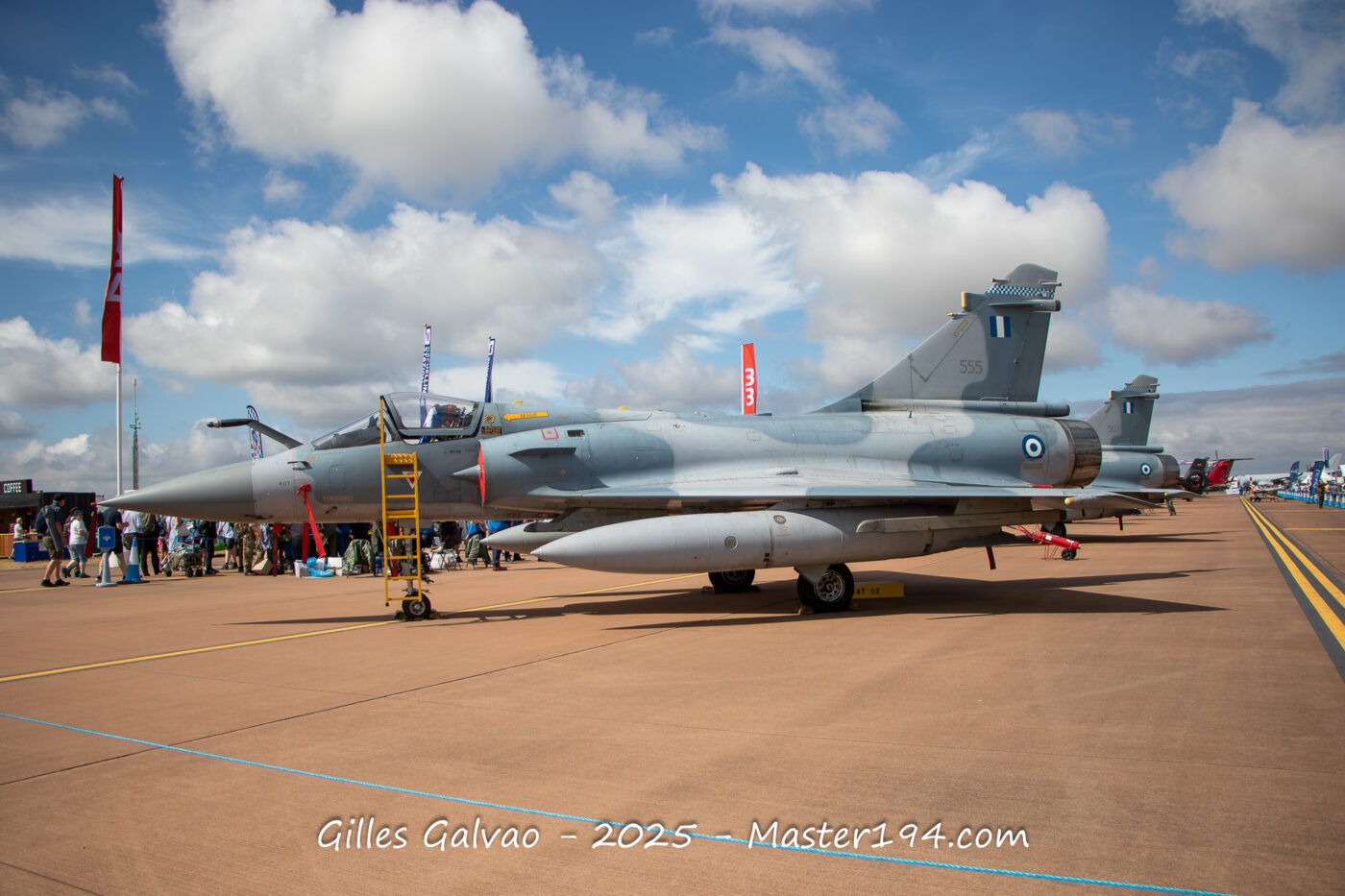
The Mirage 2000-5 family achieved significant export success, notably equipping the air forces of Taiwan, Qatar, and Greece.
Greece initially received the Mirage 2000EG and dual-seat 2000BG, later expanding its fleet with the upgraded Mirage 2000-5 Mk2. Taiwan operates the Mirage 2000-5EI and two-seat 2000-5DI variants, while Qatar acquired the Mirage 2000-5EDA and 2000-5DDA. The United Arab Emirates operates the Mirage 2000-9, a heavily modernized variant derived directly from the Mirage 2000-5 architecture..
For its part, India upgraded its fleet of Mirage 2000H and 2000TH fighters to a standard close to the Mirage 2000-5, resulting in the upgraded Mirage 2000I and dual-seat 2000TI designations.
Brazil also operated the Mirage 2000. In 2005, the Brazilian Air Force (Força Aérea Brasileira – FAB) acquired twelve second-hand Mirage 2000C and four Mirage 2000B aircraft from France, locally designated as F-2000C and F-2000B. These airframes carried out air defense and interception missions for several years, operating primarily out of Anápolis Air Base until their retirement in 2013. They served as an effective interim solution to sustain the FAB’s fighter capability pending the modernization of its combat aircraft fleet.

An Operational Career Spanning Over Four Decades
Entering operational service with the French Air Force (Armée de l’Air) in 1984, the Mirage 2000 went on to enjoy an exceptionally long and varied operational career. Originally designed as a point-defense interceptor to secure national airspace, it progressively evolved into a true multirole combat aircraft. Depending on the variant, it was deployed for air defense, nuclear strike penetration, conventional attack, tactical reconnaissance, and close air support.
Under French Colors
The early years of the Mirage 2000’s operational life were primarily dedicated to home air defense. Mirage 2000C and 2000B airframes maintained quick reaction alert (QRA) duties and crew training while air defense units prepared to meet Cold War threats.
Entering service in 1988, the Mirage 2000N introduced a new dimension to the family. Specifically engineered for high-speed, very low-altitude penetration, it became a key vector of the airborne component of France’s nuclear deterrent, armed with the ASMP standoff missile. For nearly thirty years, Strategic Air Forces (Forces Aériennes Stratégiques) aircrews trained for low-level penetration missions under demanding operational conditions.
The end of the Cold War brought a fundamental shift in the missions assigned to the Mirage 2000. As French overseas deployments expanded, various Mirage 2000 variants were progressively committed to numerous operational theaters.
The Mirage 2000 was notably deployed to the Balkans throughout the 1990s. French airframes participated in operations over former Yugoslavia, enforcing no-fly zones before taking part in NATO strike operations over Bosnia-Herzegovina and Kosovo.
The Gulf War also represented a major operational commitment. Mirage 2000Cs flew air defense and escort missions, while Mirage 2000Ns were deployed as part of Operation Daguet, demonstrating the aircraft’s ability to operate far from home bases within an international coalition.
With the arrival of the Mirage 2000D in the early 1990s, France fielded an aircraft specifically optimized for conventional ground attack and low-altitude penetration. This variant became a primary asset in French air operations over subsequent decades.
Mirage 2000Ds saw combat in virtually every major conflict involving France since their entry into service. They operated across the Balkans and Kosovo, followed by combat deployments in Afghanistan. They were also engaged in Libya in 2011 before participating in French operations across Africa and the Middle East, including the Central African Republic, the Sahel region, and Operation Chammal against ISIS in Iraq and Syria.
Throughout these deployments, the Mirage 2000D received continuous upgrades. Its precision-strike capabilities were enhanced, and its ordnance suite modernized to meet contemporary operational demands. Integrating laser-guided bombs, targeting pods, and SCALP-EG standoff cruise missiles enabled the platform to maintain significant strike capability alongside the gradual introduction of the Rafale.
The Mirage 2000-5F fleet also experienced intensive operational activity. Specializing in air defense, they provided quick reaction alert coverage over domestic airspace and regularly contributed to NATO’s Baltic Air Policing missions. They were also stationed in Djibouti and deployed for expeditionary missions, including the evacuation of foreign citizens from Sudan in 2023.
An International Career
The Mirage 2000 achieved a successful export record, with approximately 600 total airframes built by Dassault Aviation, half of which were delivered to international customers. Eight foreign nations have operated or currently operate the type: Brazil, Egypt, Greece, India, Peru, Qatar, Taiwan, and the United Arab Emirates.
Several export operators deployed their Mirage 2000s in combat and operational missions. Greece, Taiwan, the UAE, and India developed customized configurations tailored to their operational requirements, with some benefiting from heavily modernized weapons suites and avionics.
India stands as one of the largest Mirage 2000 operators. After acquiring Mirage 2000H and 2000TH airframes, the Indian Air Force upgraded a significant portion of its fleet to a standard close to the Mirage 2000-5, resulting in the Mirage 2000I and dual-seat 2000TI. Indian airframes saw extensive operational use throughout their service life.
Greece operated Mirage 2000EG and dual-seat 2000BG aircraft before upgrading to the Mirage 2000-5 Mk2 standard. The Hellenic Air Force remains one of the last operators maintaining a major Mirage 2000-5 frontline capability alongside newer platforms.
Taiwan operates a fleet of Mirage 2000-5EI and two-seat 2000-5DI variants to defend its airspace, while the UAE fields the Mirage 2000-9, a heavily modernized iteration derived from the Mirage 2000-5 architecture.
Brazil also operated the Mirage 2000 for nearly a decade. Between 2006 and 2008, the Brazilian Air Force received twelve second-hand Mirage 2000C and ten Mirage 2000B airframes from France, locally designated F-2000C and F-2000B. These aircraft performed air defense and interception duties from Anápolis Air Base until their retirement in 2013, providing a stopgap capability pending fleet renewal.
Transition to the Rafale
In France, the Mirage 2000’s service career gradually aligned with the operational rollout of the Dassault Rafale. Designed from the outset as a multirole fighter capable of replacing multiple legacy combat platforms, the Rafale progressively absorbed missions previously performed by the Mirage 2000C, 2000N, and 2000D.
The retirement of the Mirage 2000N in 2017 marked the end of its nuclear deterrence role, while the Mirage 2000C was phased out in 2022 after nearly forty years focused on air defense. The Mirage 2000-5F remained the sole French representative of the family assigned to this mission.
The Mirage 2000D, by contrast, continues its service. Its Mid-Life Update (Mirage 2000D RMV) introduced enhanced weaponry, connectivity, and reconnaissance capabilities. Fifty airframes were modernized, with the final Mirage 2000D RMV delivered to the French Air and Space Force in June 2026. This upgrade will allow the fleet to operate well beyond 2030.
The gradual replacement of the Mirage 2000 by the Rafale does not mean the immediate retirement of the type worldwide. Several foreign air forces continue to operate their fleets, often alongside the Rafale. This is notably the case in Greece and India, both of which integrated Dassault’s newer fighter while preserving their Mirage 2000 fleets.
This two-generation coexistence highlights the remarkable longevity of the Mirage 2000. Over forty years after its service entry, the platform remains active across multiple air forces and continues to fulfill operational commitments. In France, its history marks the transition between two eras of Dassault fighters: from the Mirage 2000—the final major evolution of the delta-wing Mirage family—to the Rafale, which progressively succeeds it across combat mission profiles.
From air defense to nuclear deterrence, and from tactical reconnaissance to precision attack, the Mirage 2000 has taken part in a remarkable diversity of operations. From the Balkans to Afghanistan, Libya, the Sahel, and the Middle East, its operational legacy reflects the ability of a 1970s design to remain effective over decades by continuously adapting its missions and avionics to the demands of modern air warfare.
Modeling the Mirage 2000
For scale modelers, the Mirage 2000 is a subject as captivating as it is demanding. The deceptive simplicity of its clean delta-wing lines conceals numerous technical subtleties and assembly pitfalls that are essential to identify before starting a build.
Choosing the Right Kit by Scale
- 1/72 Scale: While the vintage Heller kit remains a historical classic, Modelsvit currently sets the standard at this scale, offering crisp recessed panel line engraving and exceptional fit precision.
- 1/48 Scale: The Kinetic kit serves as a solid modern benchmark for modelers aiming to reproduce various French variants of the Mirage 2000. It features fine surface detailing and a wide array of options allowing for multiple airframe configurations. Legacy tooling from Heller (also reboxed by Eduard) or ESCI (reissued by Italeri) remain decent entry points, though they demand extensive fitting, sanding, and detailing work.
- 1/32 Scale: The Kitty Hawk release makes it possible to build an impressive, large-scale replica, but it requires advanced skills in dry-fitting, structural alignment, and seam filling.