 by
Born from a cooperative partnership between France and West Germany in the late 1960s, the Alpha Jet stands as one of the most iconic advanced trainer aircraft of its generation. Jointly designed by Dassault Aviation and the German firm Dornier GmbH, it fulfilled a dual requirement: training future fighter pilots and flying light tactical support missions.
Selected in 1970 under the designation TA501, the program culminated in the prototype’s maiden flight on October 26, 1973, at Istres, with test pilot Jean-Marie Saget at the controls. Initial deliveries began in 1978.
Compact, cost-effective, and highly maneuverable, the Alpha Jet rapidly became a favored training platform for preparing pilots for modern combat aircraft. Its reliability also enabled it to perform light attack, reconnaissance, and aerial demonstration missions. Since 1981, it has notably served as the official aircraft of the Patrouille de France.
An Exemplary Industrial Cooperation
Production of the Alpha Jet was divided between the two partners: Dassault assembled the training versions and export aircraft, while Dornier took charge of the attack variants destined for the Luftwaffe. In total, approximately 500 airframes were built between 1973 and 1991.
Key Variants
Alpha Jet E (“École” / Training)
An advanced trainer variant designed for the French Air Force. It emphasizes simplicity, reliability, and excellent flight handling characteristics. Its cockpit layout is optimized for instruction, featuring limited weapons carriage capabilities.
Alpha Jet A (“Appui” / Support)
A variant developed for the Luftwaffe to replace the Fiat G.91. Equipped with a more comprehensive avionics suite, an advanced navigation/attack system, and an increased payload capacity, it was specifically designed for Close Air Support (CAS) and tactical reconnaissance missions.
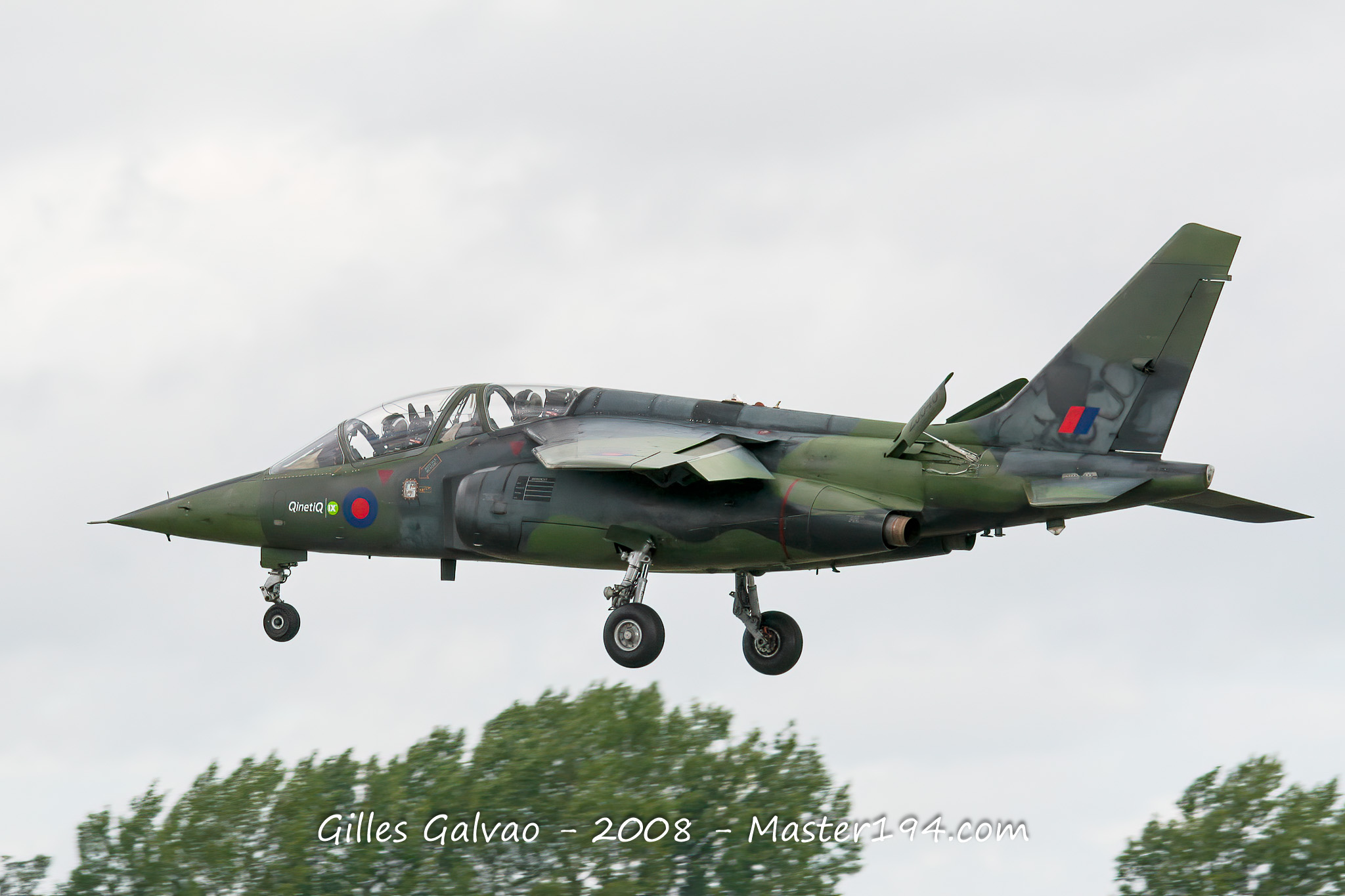
Alpha Jet MS1, MS2, Alpha Jet 2, and Alpha Jet 3 “Lancier”
- The MS1 and MS2 variants were export versions developed primarily for Egypt, with the MS2 benefiting from enhanced avionics and ground-attack capabilities.
- The Alpha Jet MS2 served as the foundation for the Alpha Jet 2 or NGEA (Nouvelle Génération École Appui / New Generation Trainer/Support). Equipped with laser designation, more powerful engines, an Inertial Navigation System (INS), and a HUD, it was also capable of carrying the Magic 2 air-to-air missile.
- The Alpha Jet 3 “Lancier” was a 1989 modernization project: configured with an Agave or Anémone radar, digital displays, a FLIR pod, and updated ECM suites, it was designed to deploy Exocet anti-ship missiles.
Operator Nations
The Alpha Jet has been operated by a dozen air forces worldwide, with several still employing the aircraft today.
Current or Recent Operators:
- France
- Egypt
- Morocco
- Nigeria
- Cameroon
- Thailand
- Togo
Former Operators:
- Germany
- Belgium
- Qatar
- Côte d’Ivoire (Ivory Coast)
- Portugal
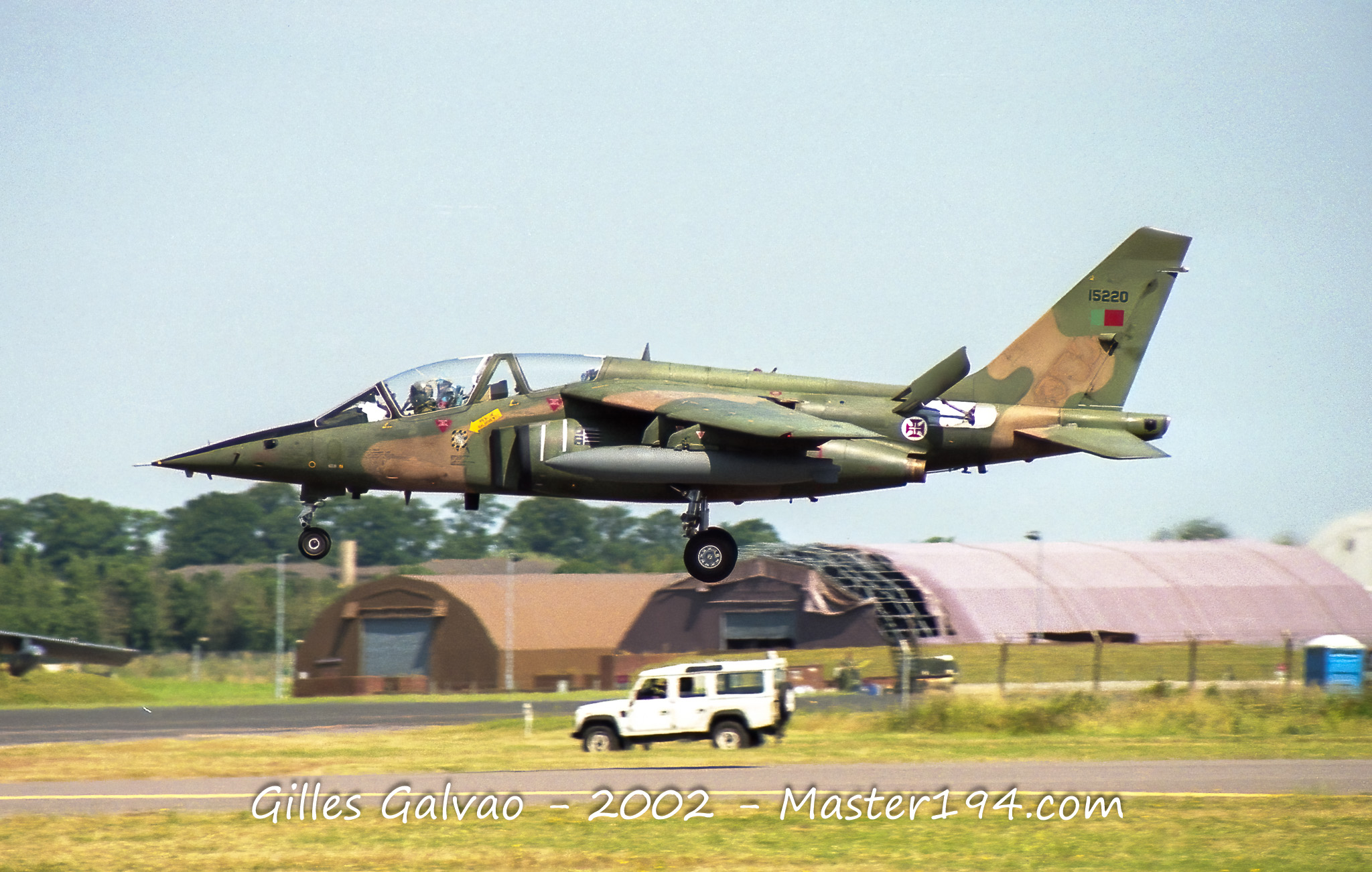
The Alpha Jet and the French Air and Space Force
Widely recognized as the iconic mount of the Patrouille de France, the Alpha Jet primarily served as the cornerstone for the final phase of fighter pilot training until 2020. In this pivotal role, it has since been succeeded by the Pilatus PC-21.
Today, while it remains synonymous with the Patrouille de France, it continues to perform key operational duties in the following capacities:
- Combat Crew Training: Operated by the 3/8 “Côte-d’Or” Training Squadron based at Cazaux Air Base 120 (BA 120). In this role, Alpha Jets act as aggressors (“Red Air”) during tactical exercises, simulating adversaries against frontline Dassault Rafale and Dassault Mirage 2000D pilots.
- Testing and Experimentation: A handful of airframes are operated by the DGA (Direction générale de l’armement) and the CEV (Centre d’essais en vol). These aircraft are utilized for operational trial campaigns, the validation of new equipment, and proficiency training for test pilots.
Alphajet or Alpha Jet? Both are correct.
Indeed, although official technical manuals and manufacturer records specify “Alpha Jet” (split in two words), the Armée de l’Air et de l’Espace routinely relies on the single-word contraction “Alphajet”. This variation regularly appears in official statements, literature, and airframe markings.
It also retains its well-known affectionate nickname: the “Gadget”.
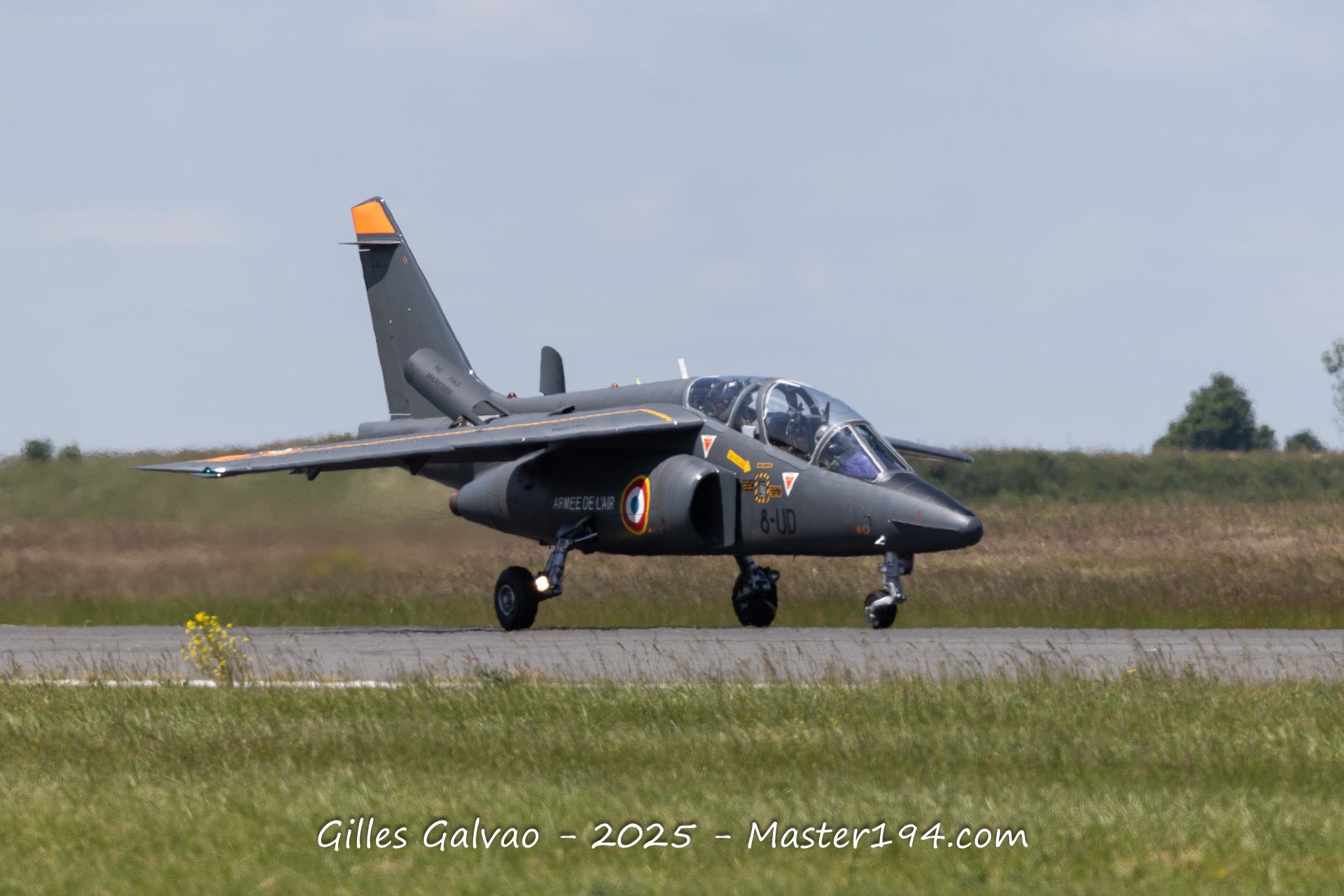
Alpha Jet 107 (8-UD) during its landing rollout after touchdown:
Walkaround
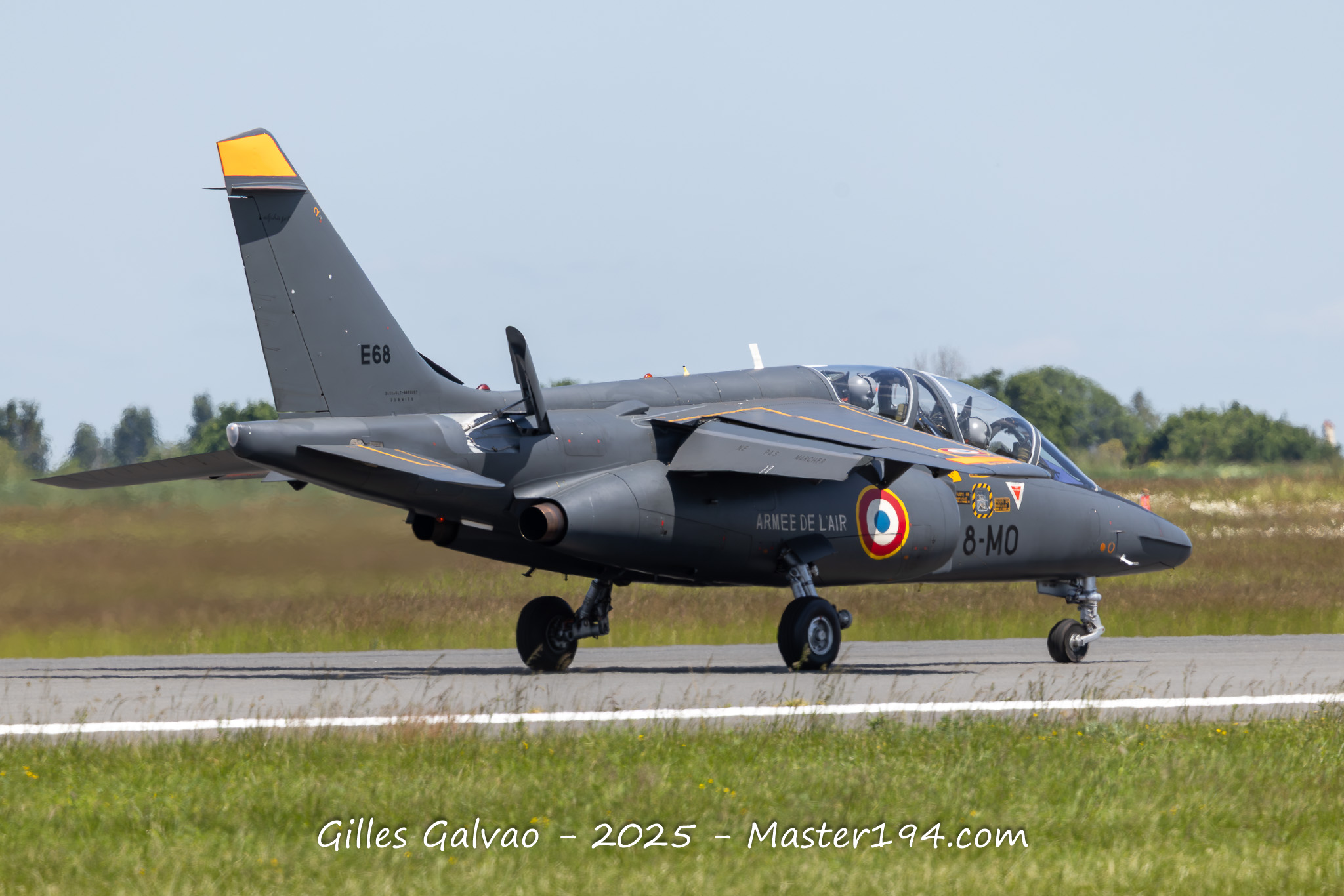
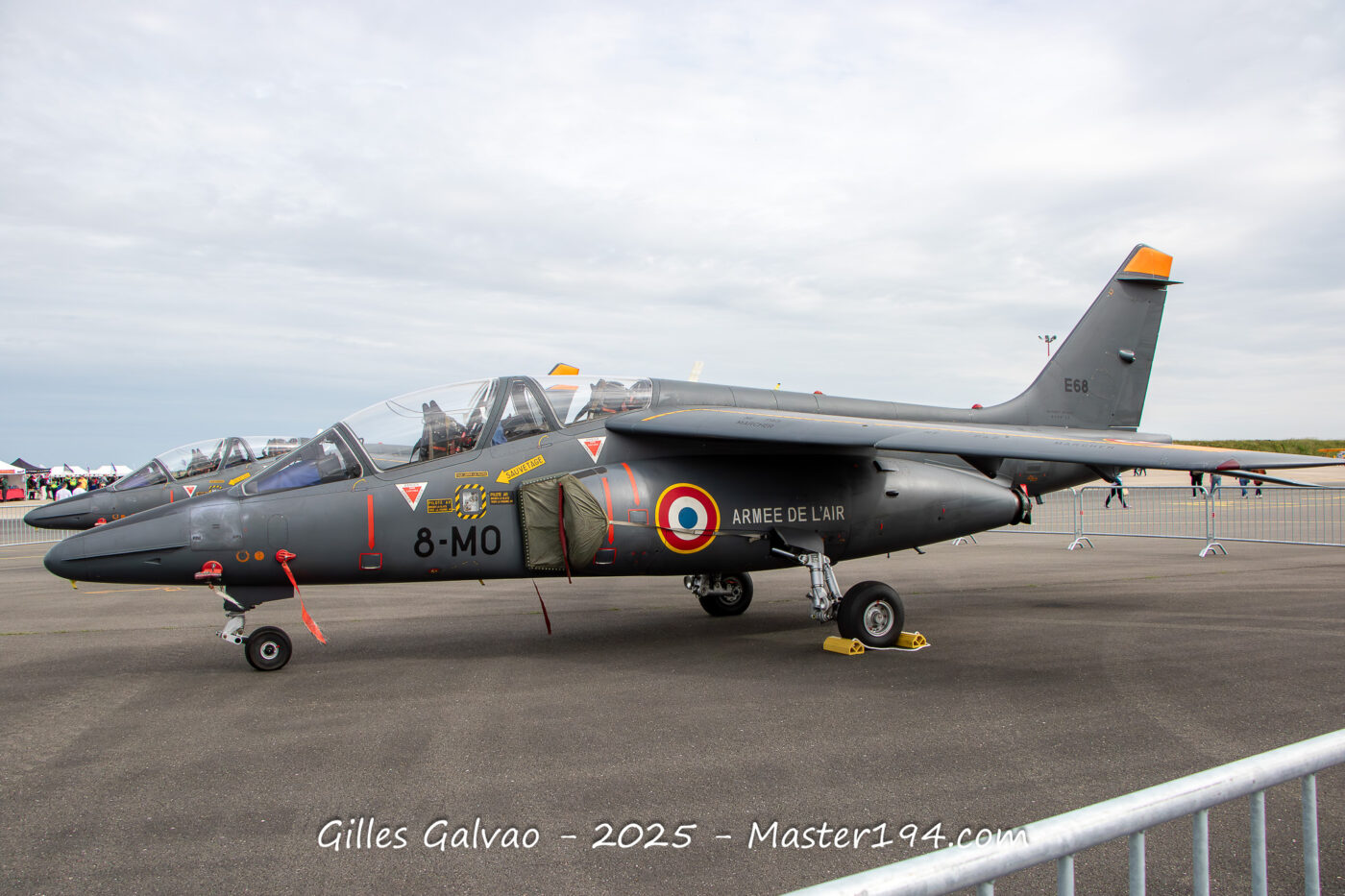
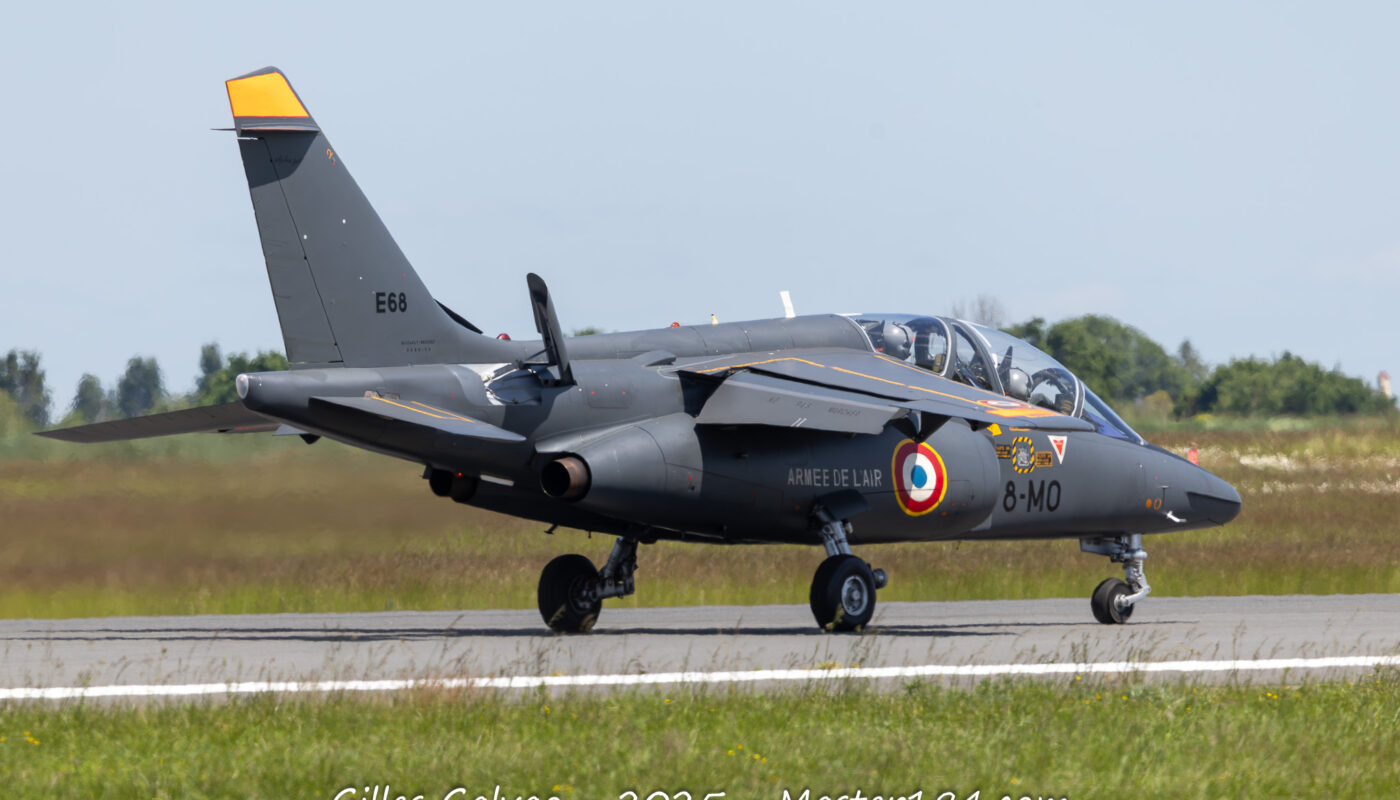
For the 2025 Meeting de l’Air airshow held at Orléans-Bricy Air Base 123, two Alpha Jets were featured: airframes 107 (coded 8-UD) and 68 (coded 8-MO). This provided the perfect opportunity to capture an in-depth, detailed walkaround of both aircraft!
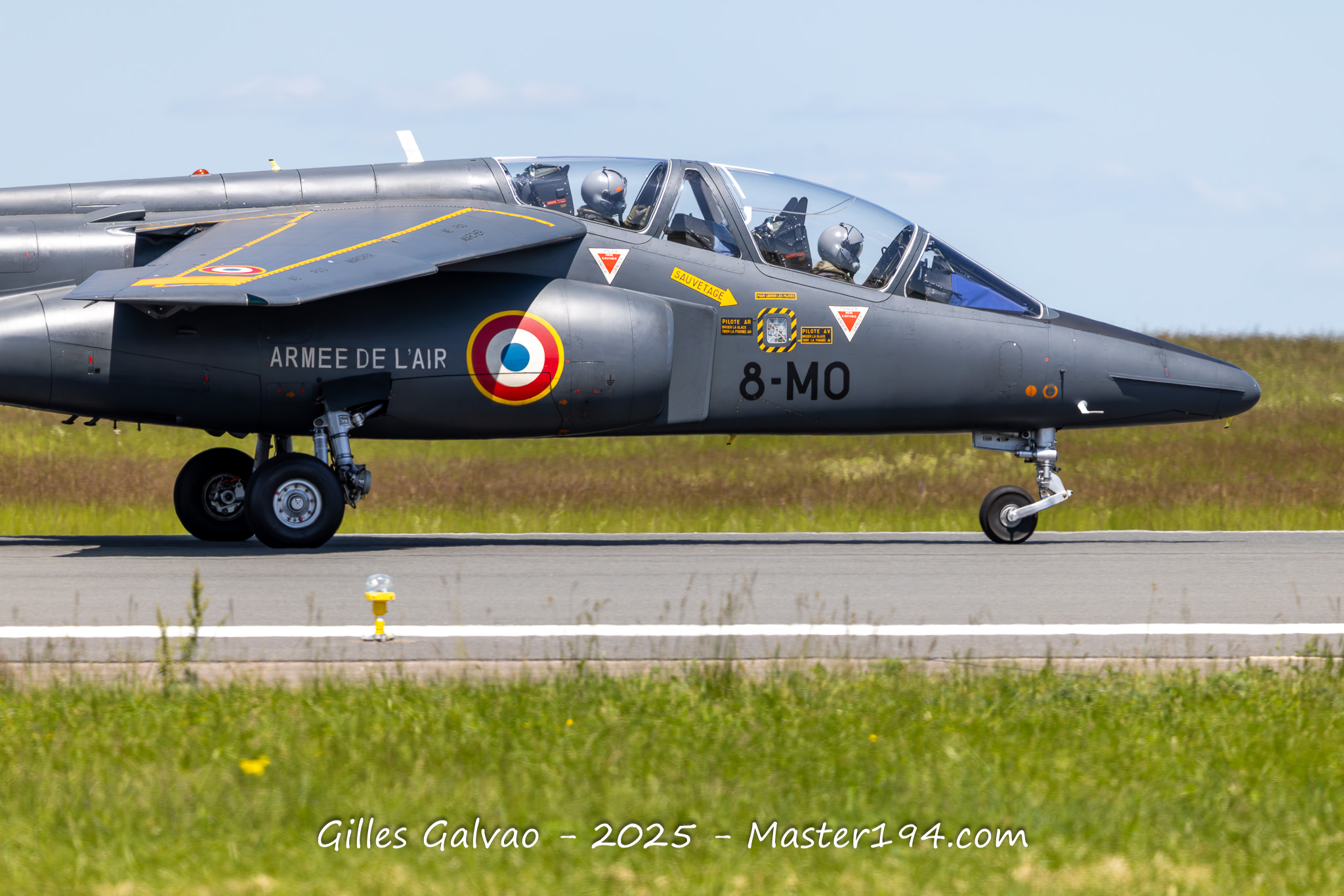
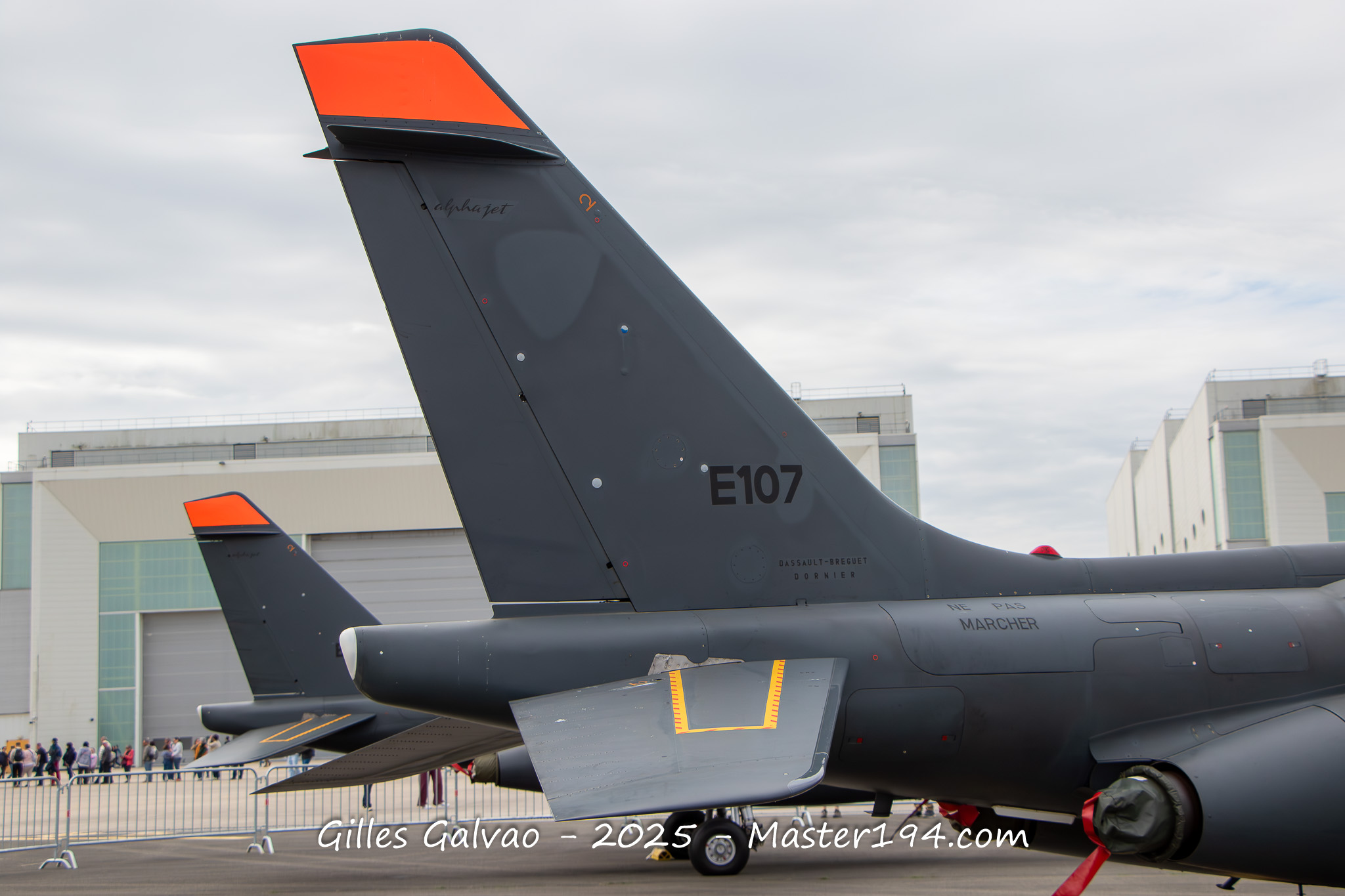
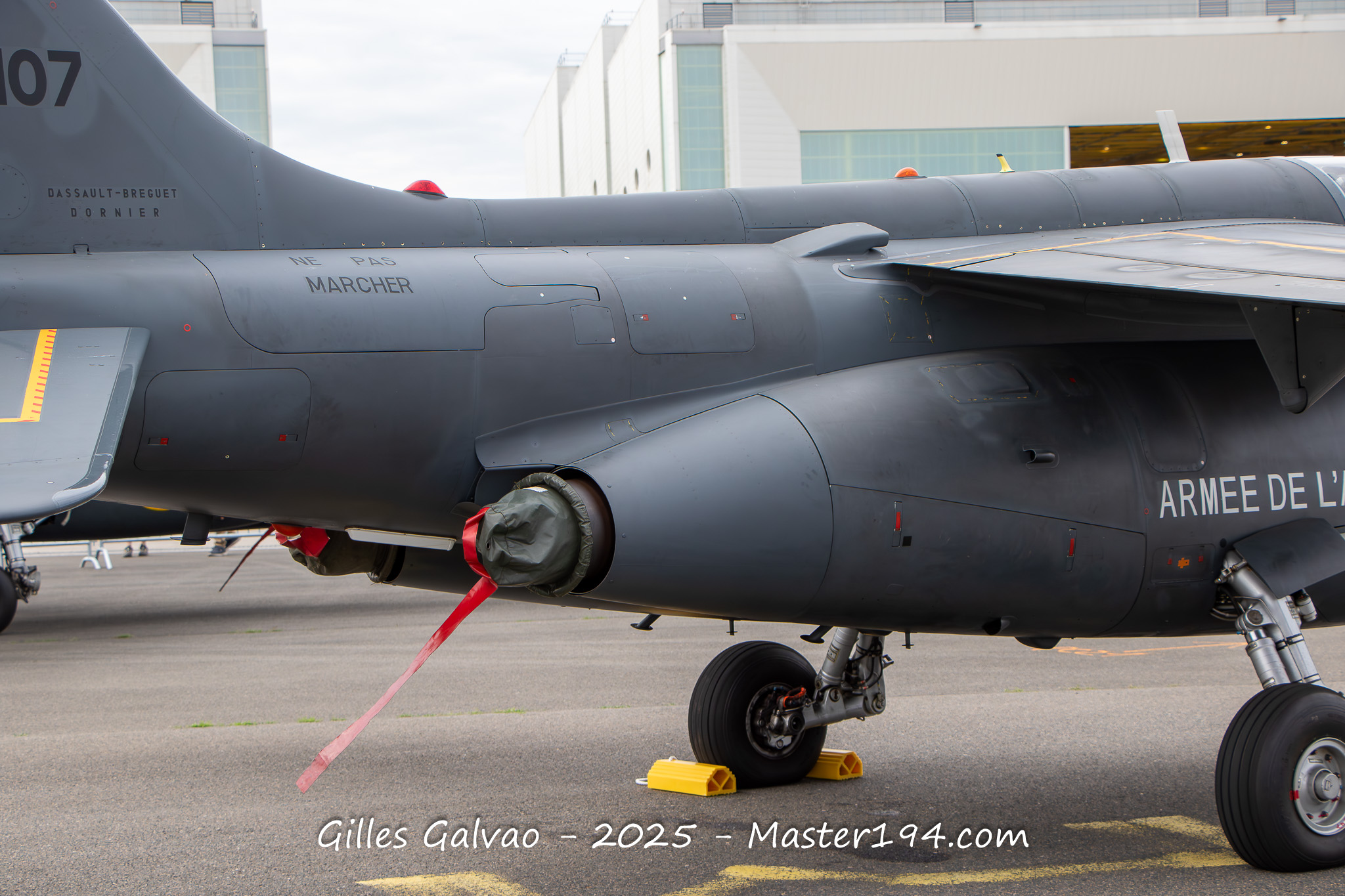
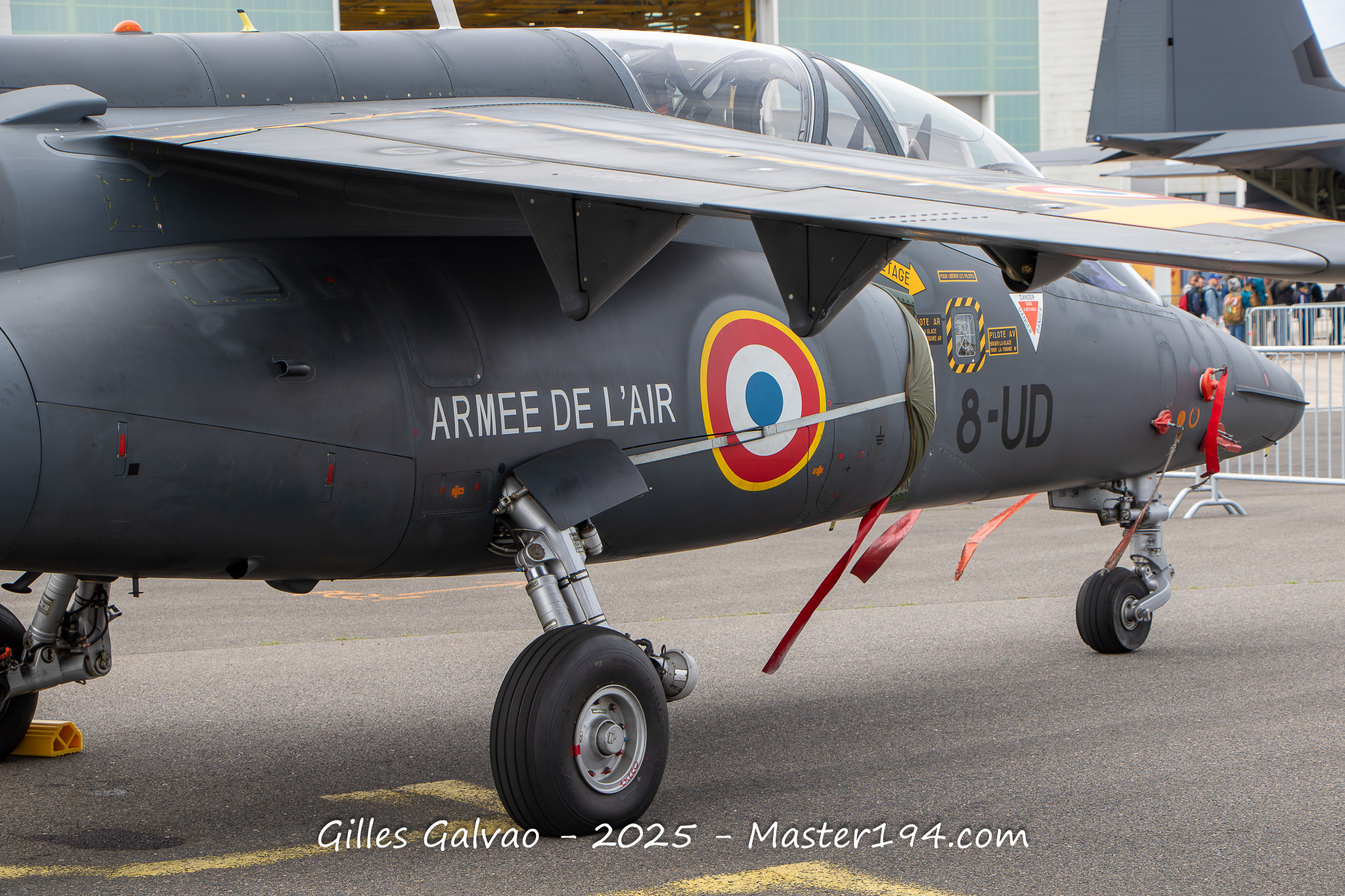
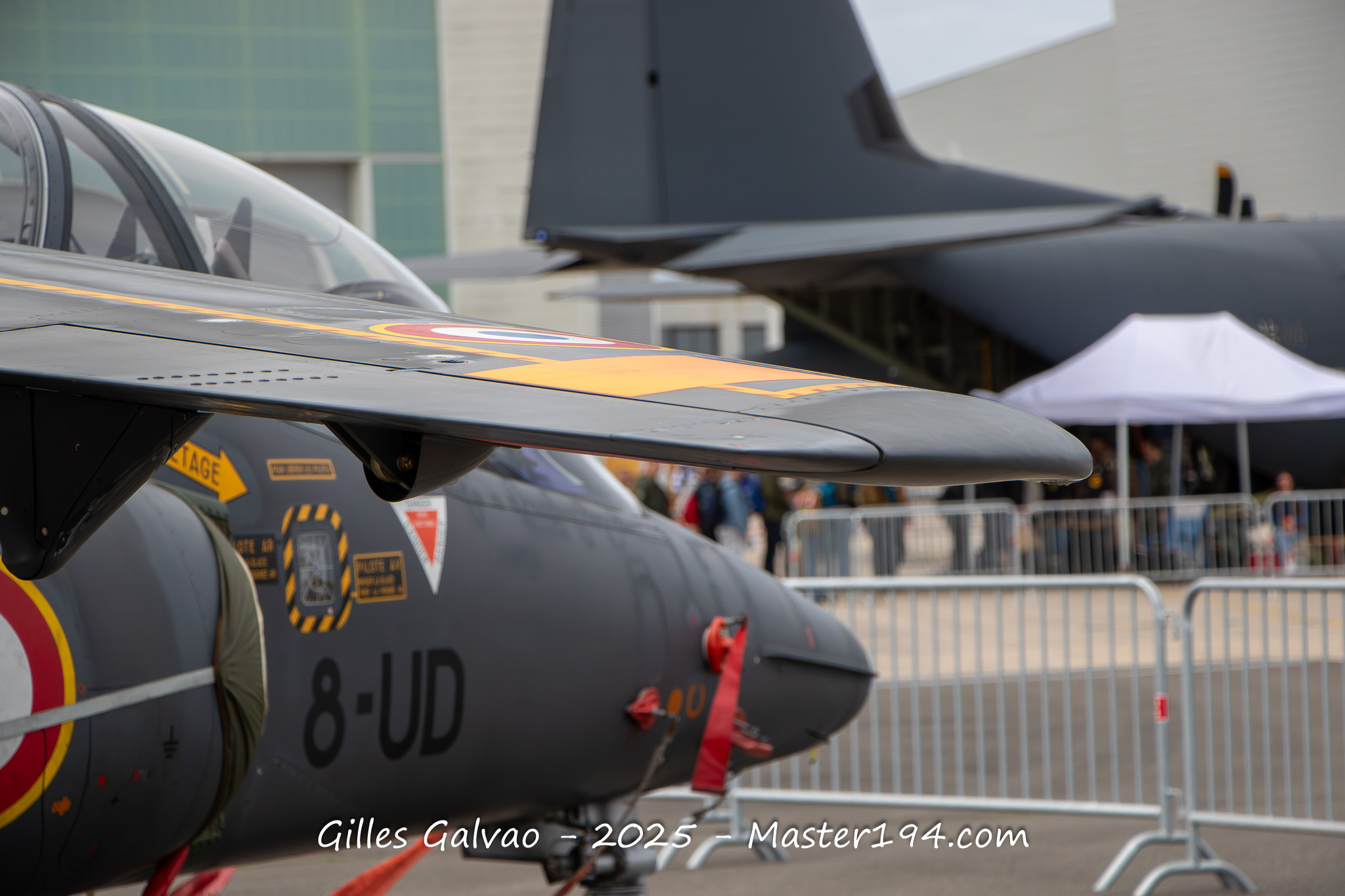
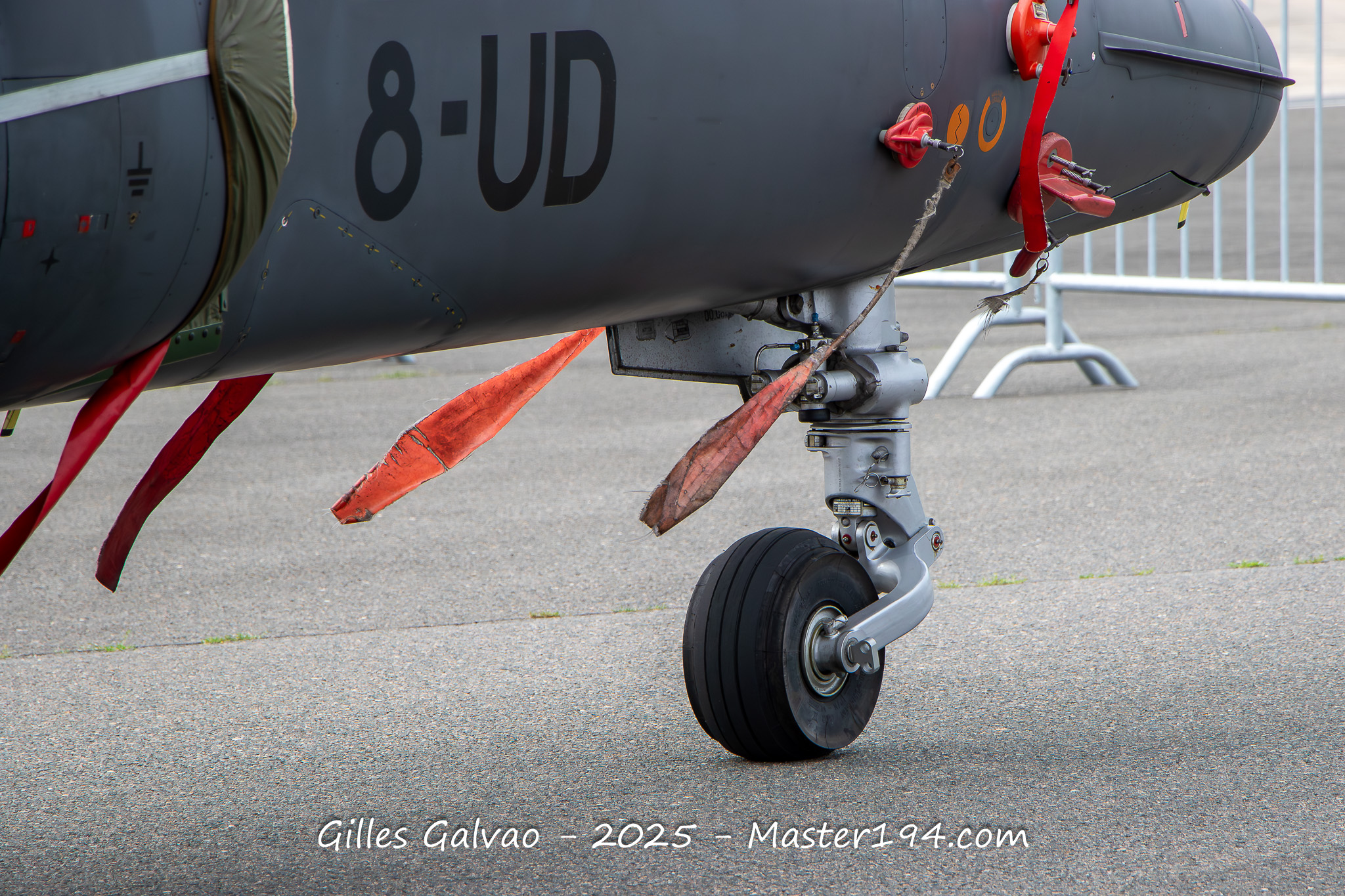
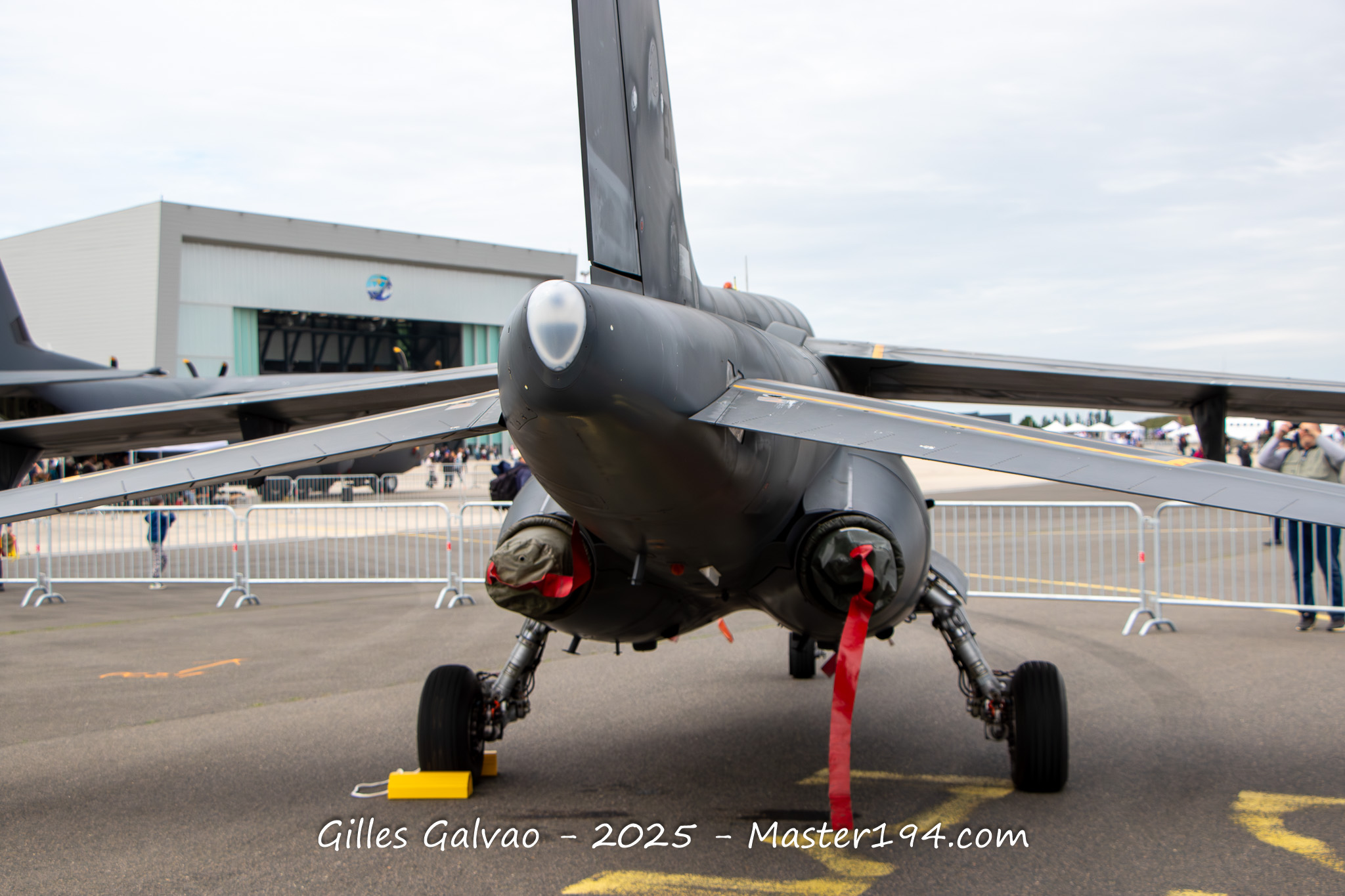
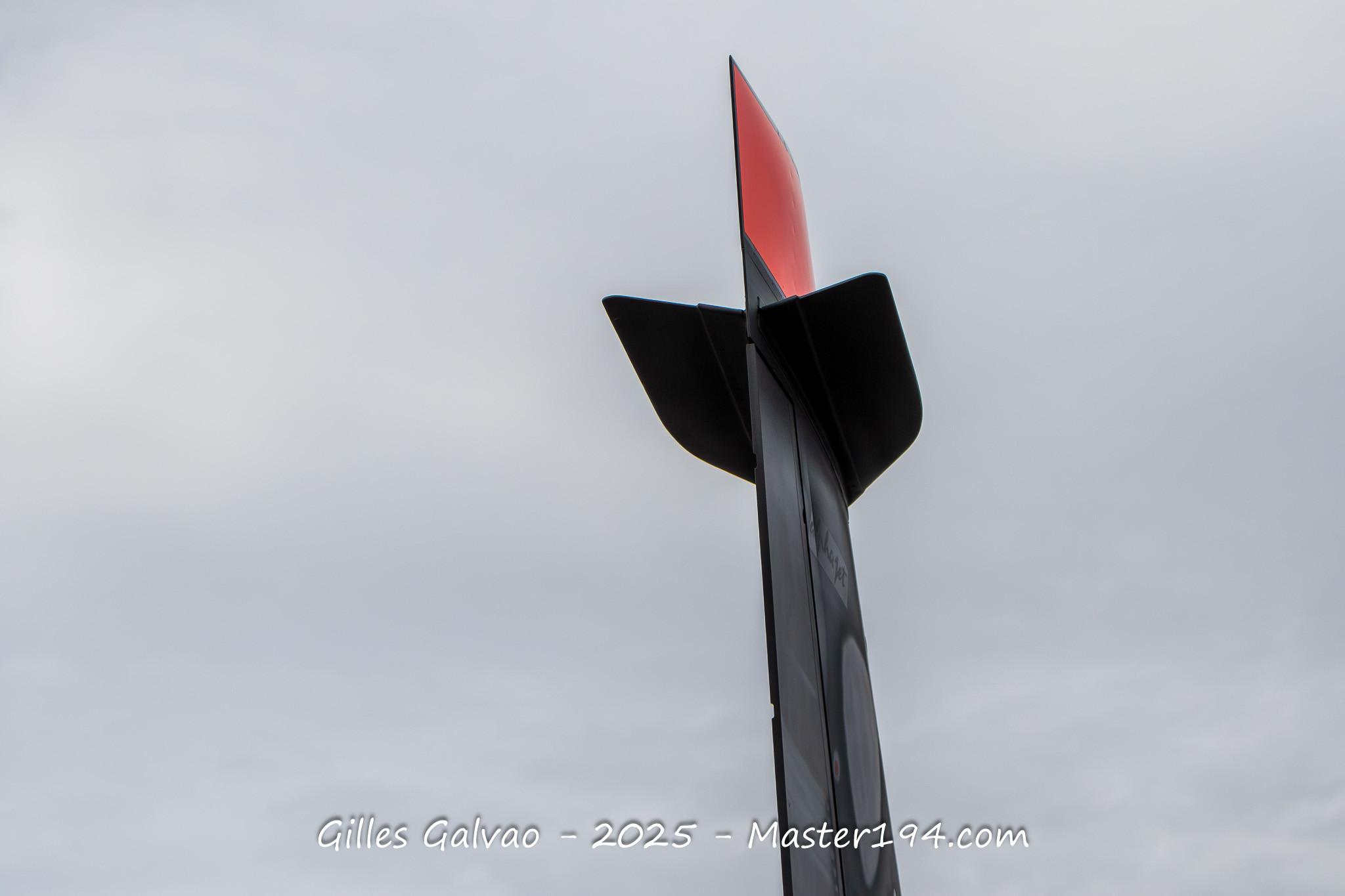
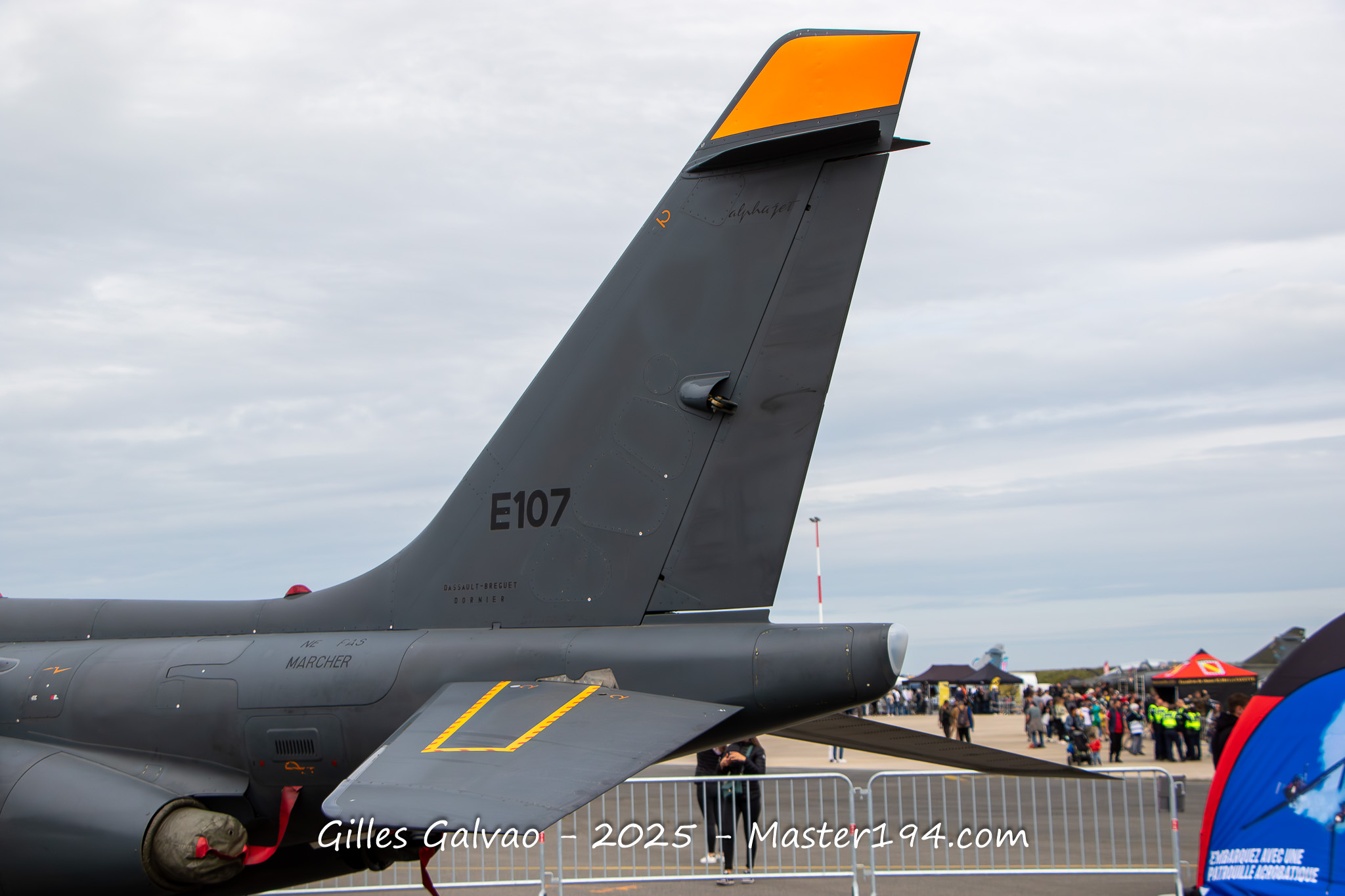
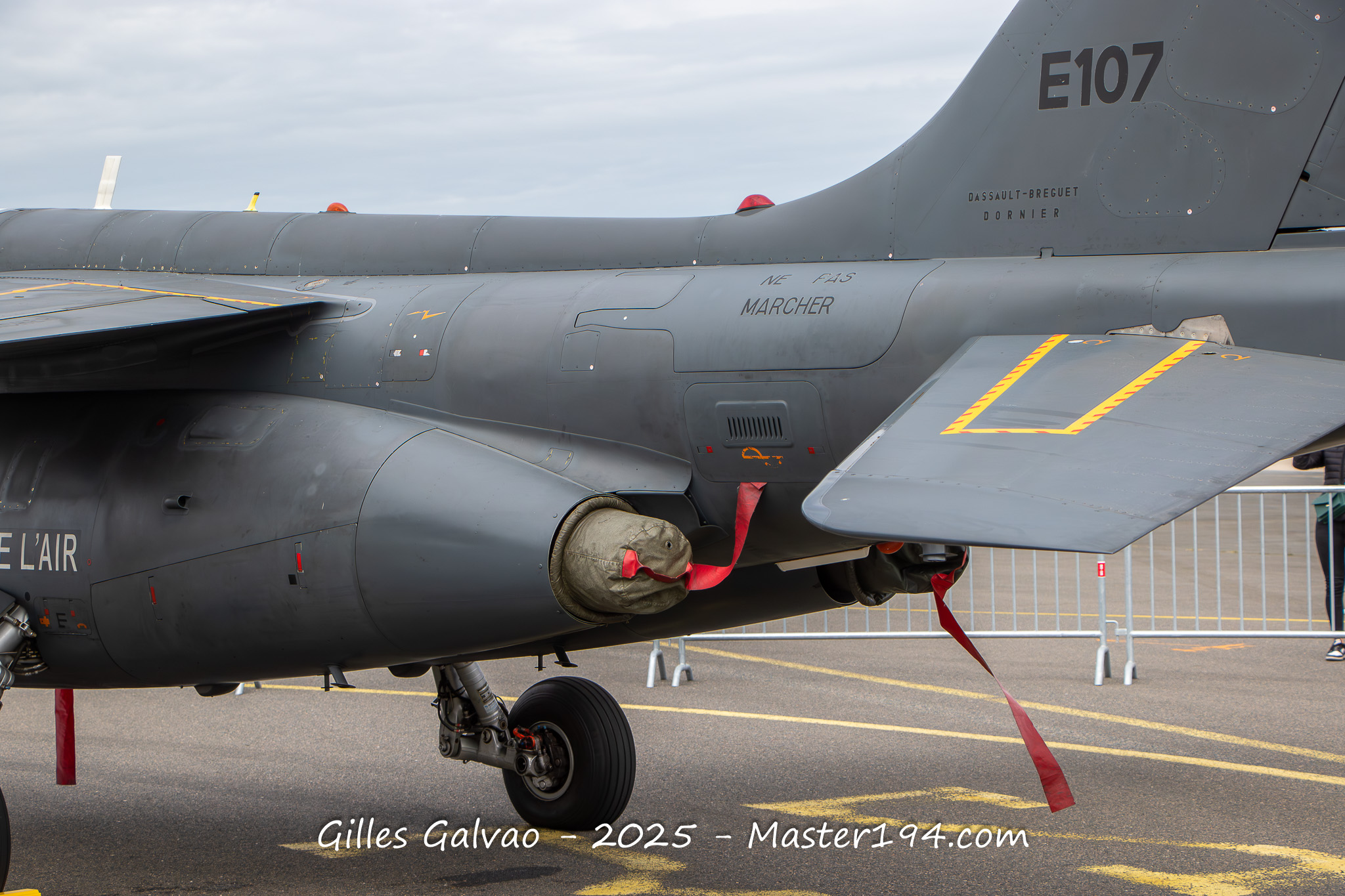
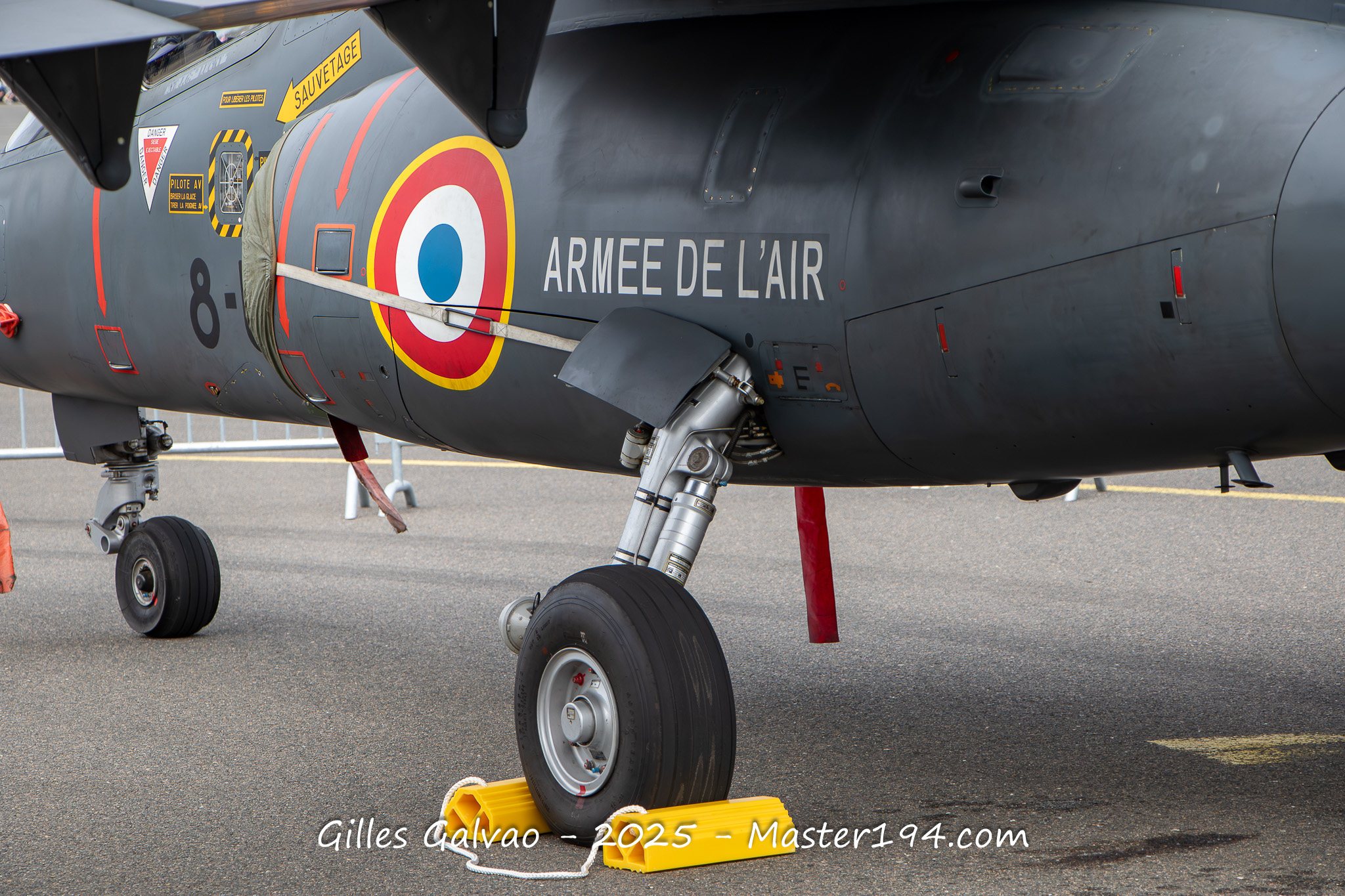
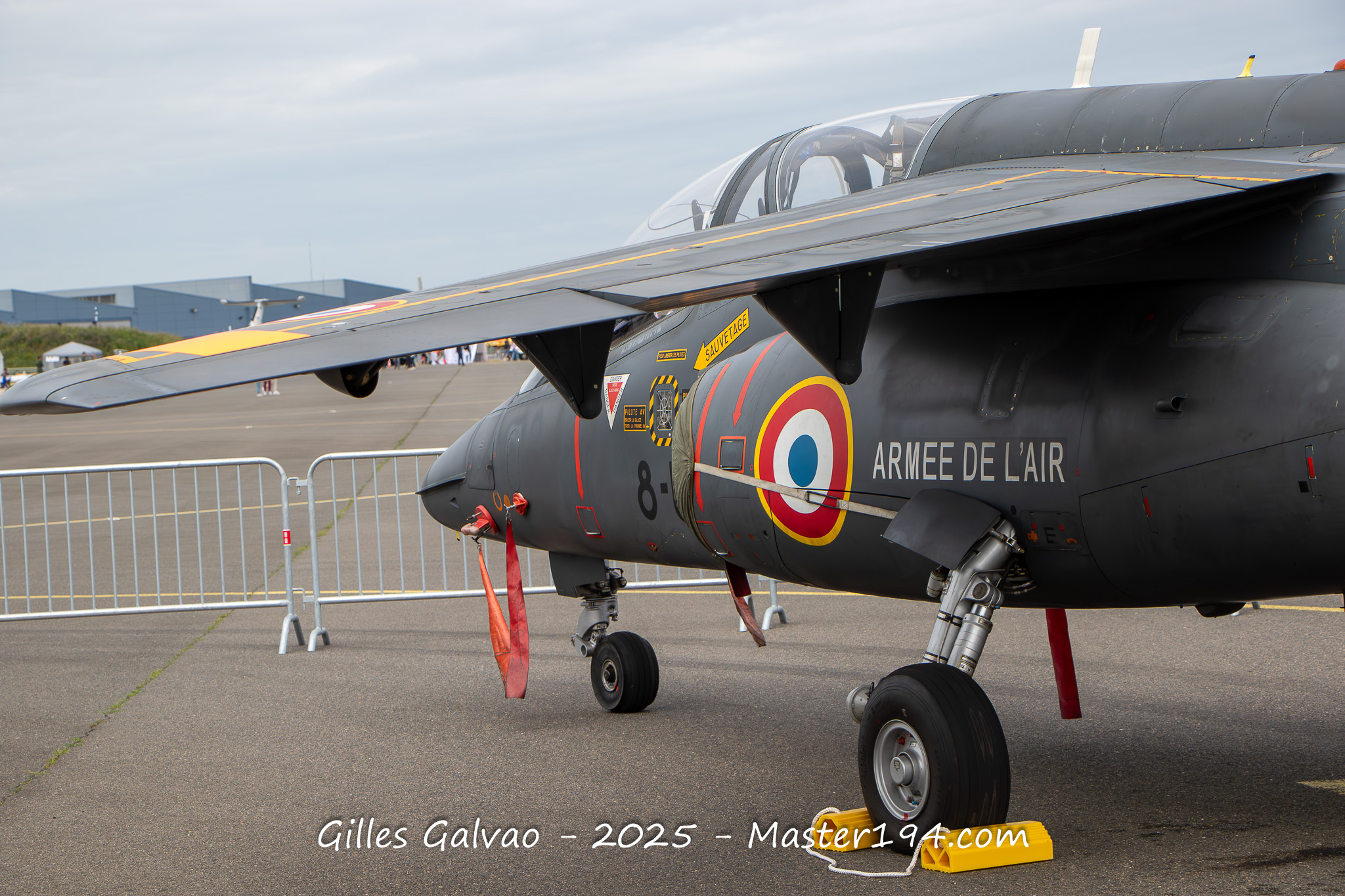
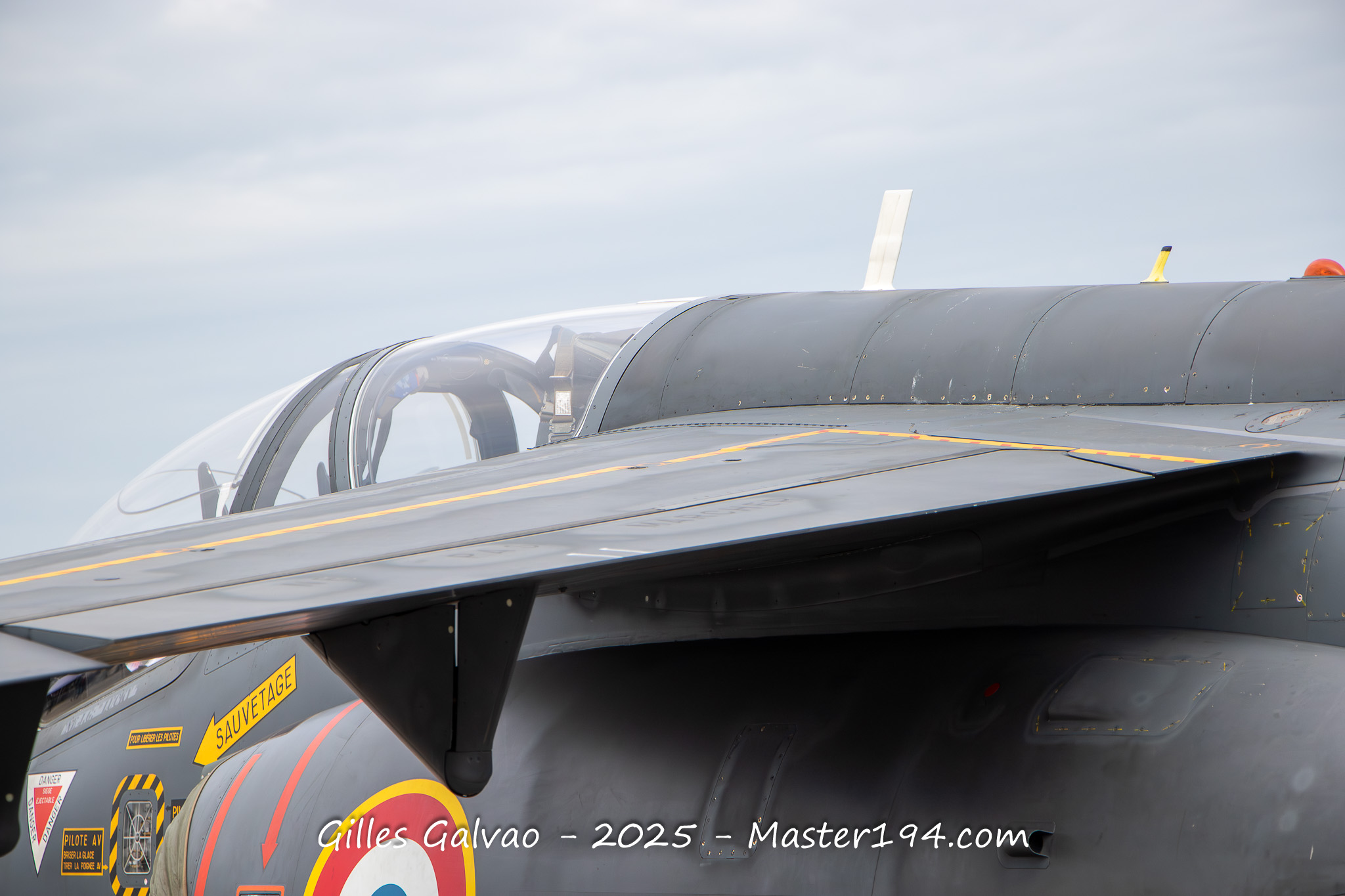
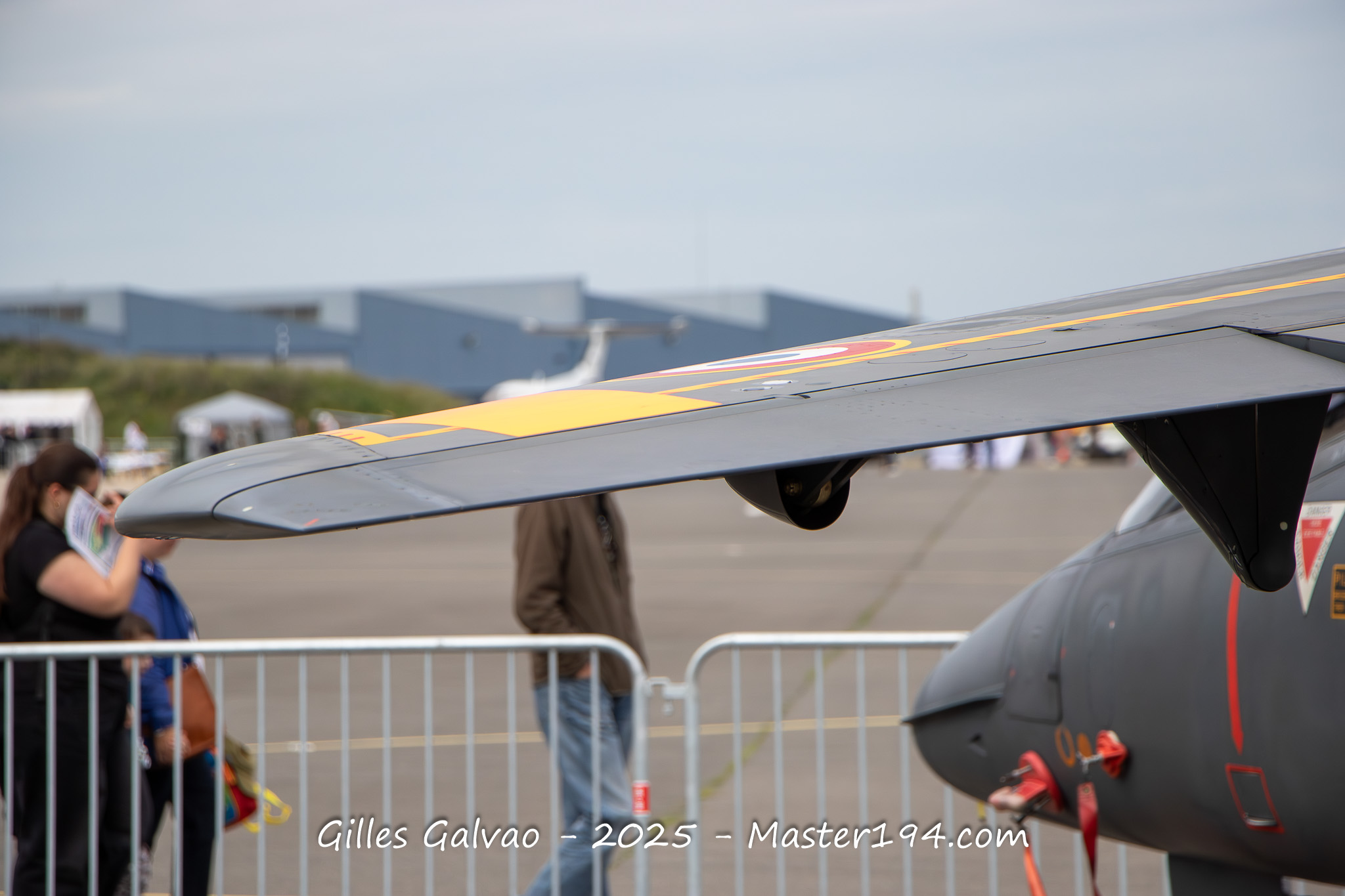
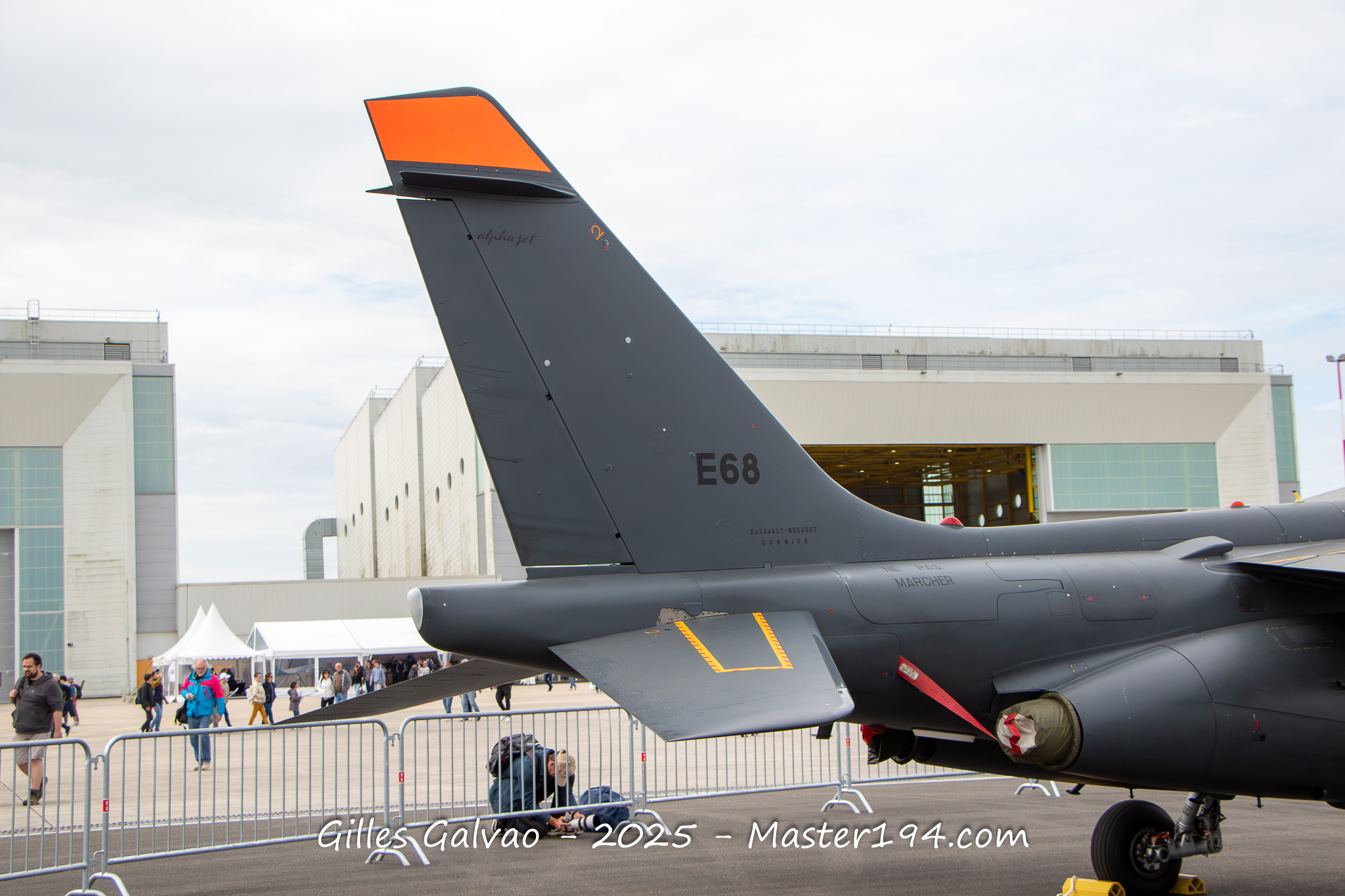
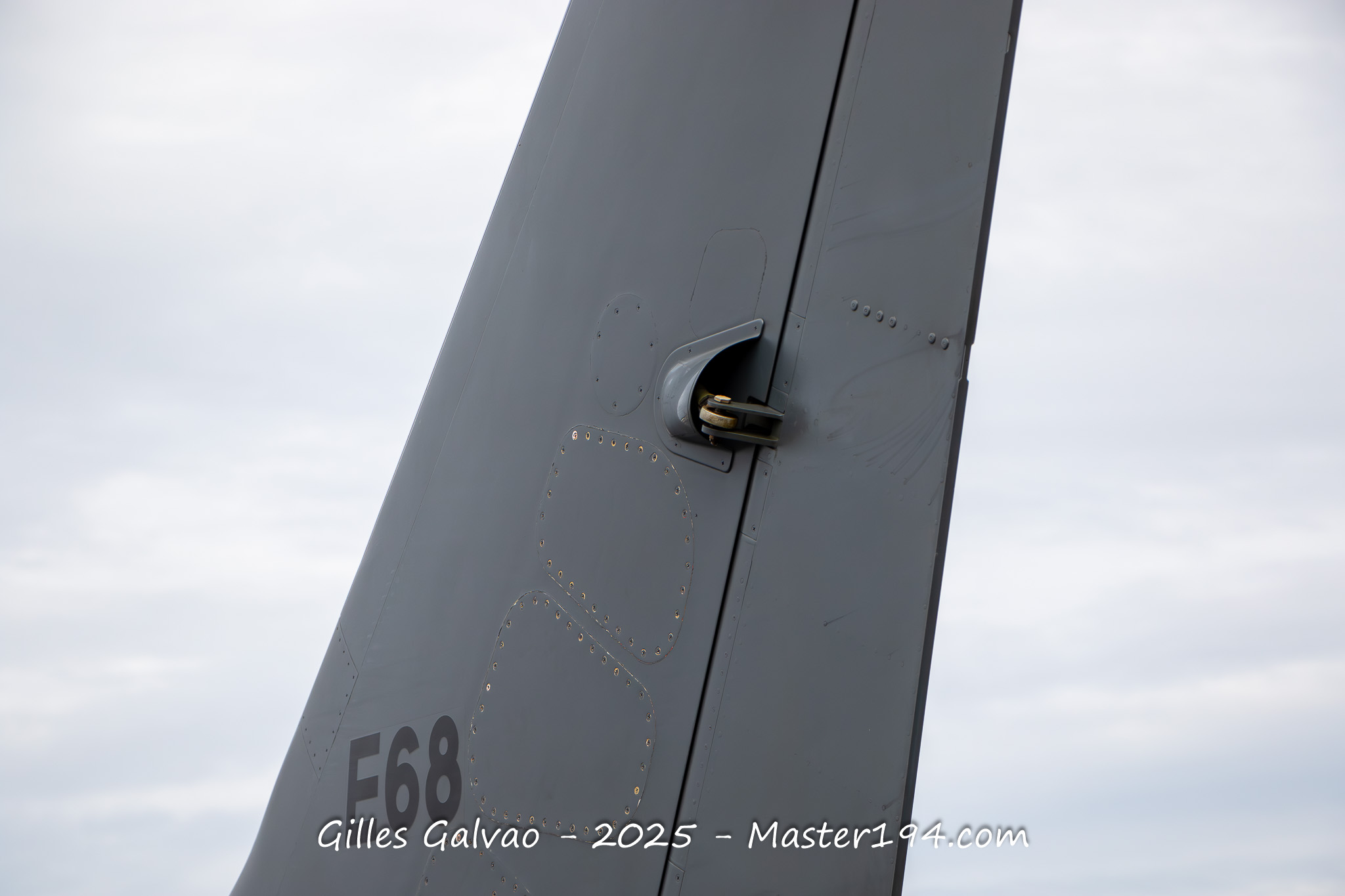
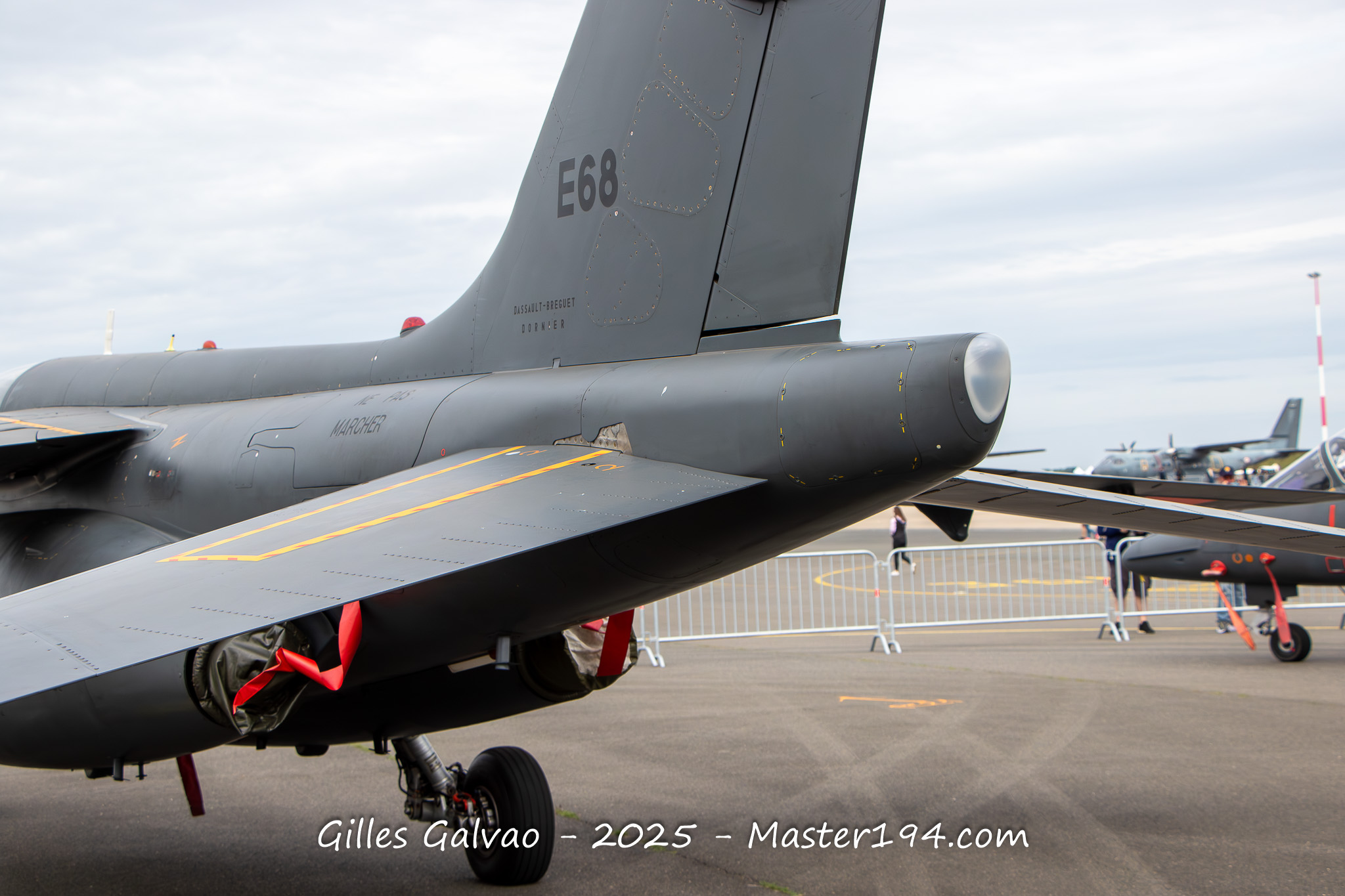
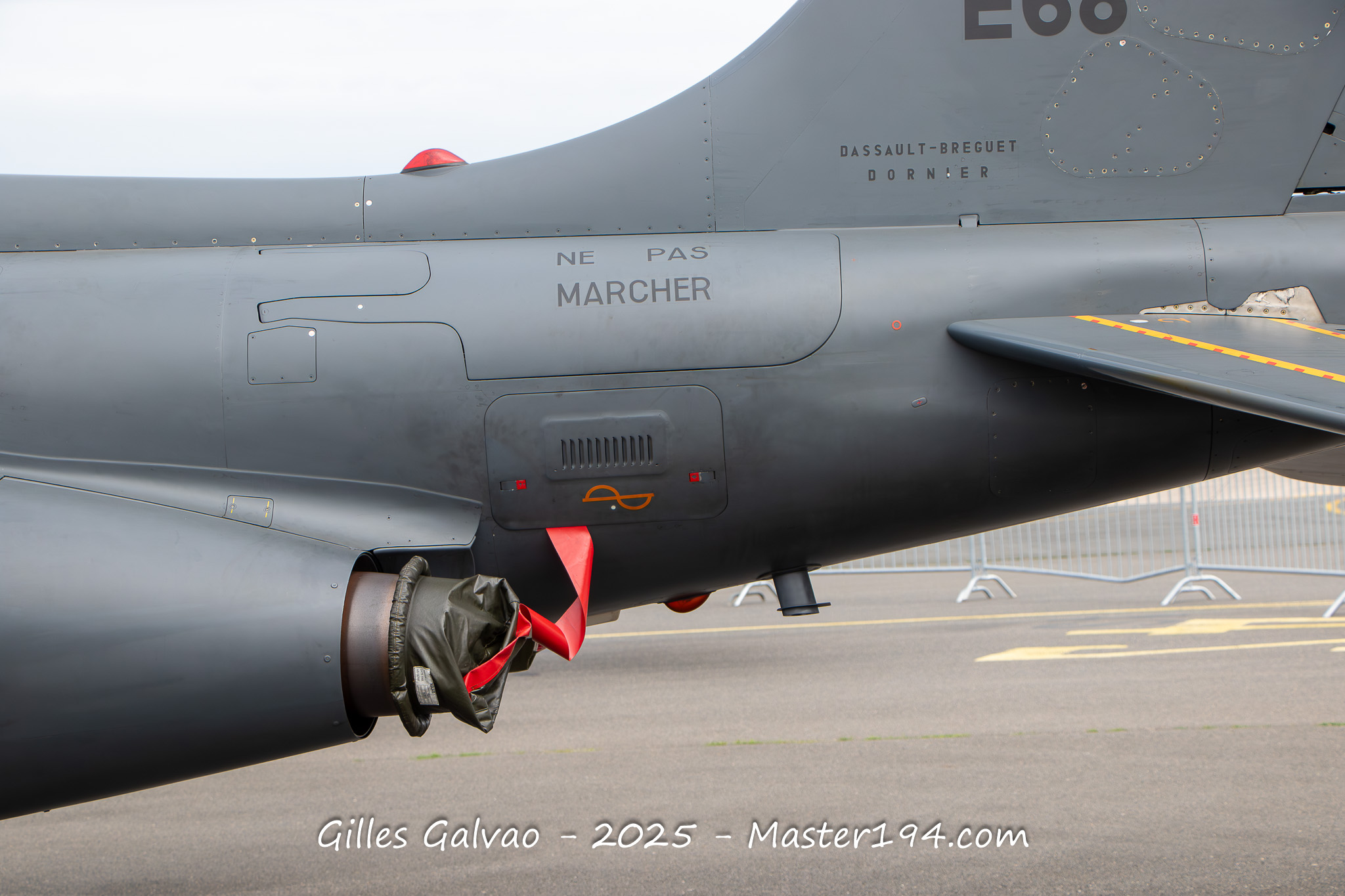
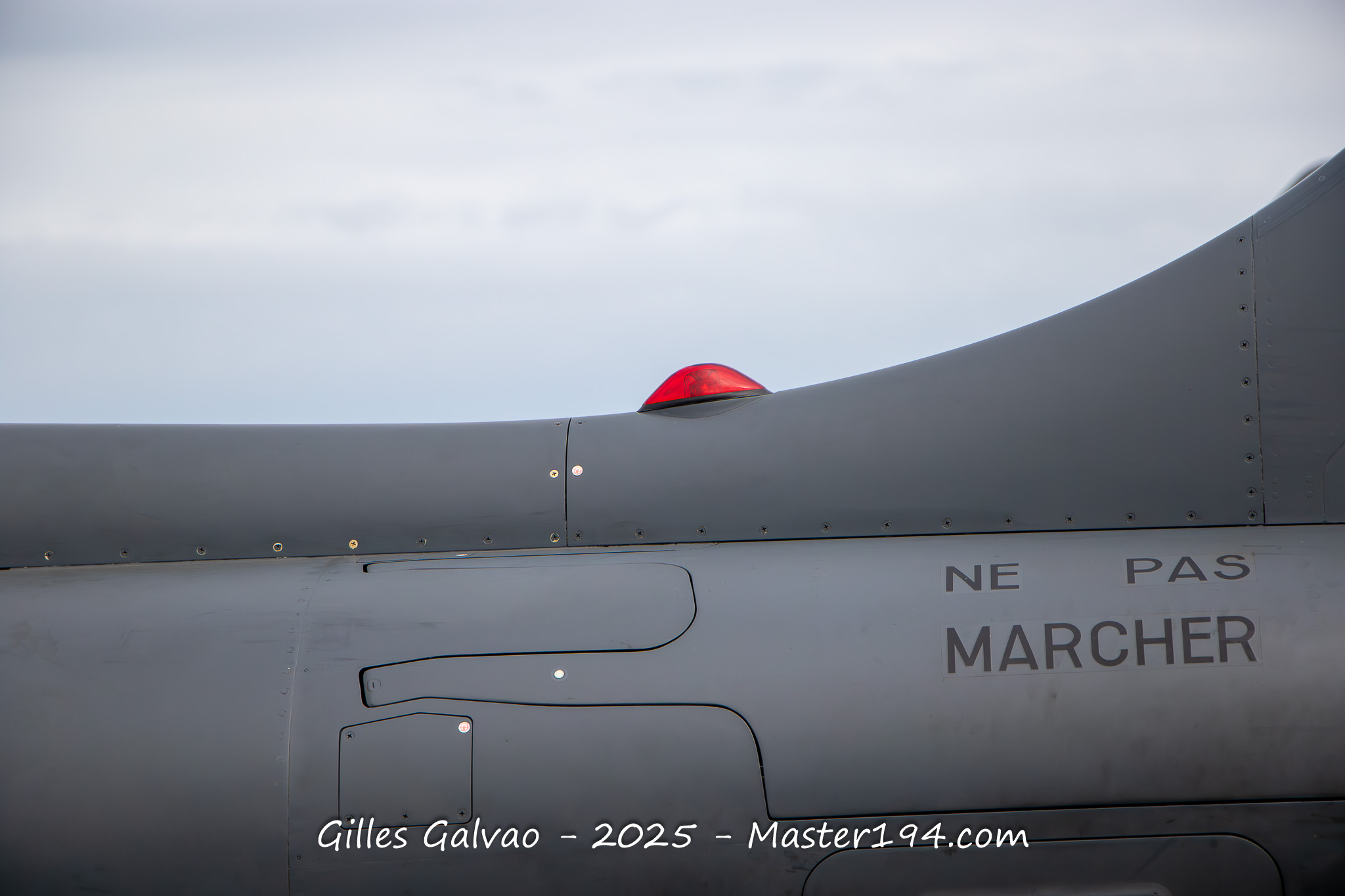
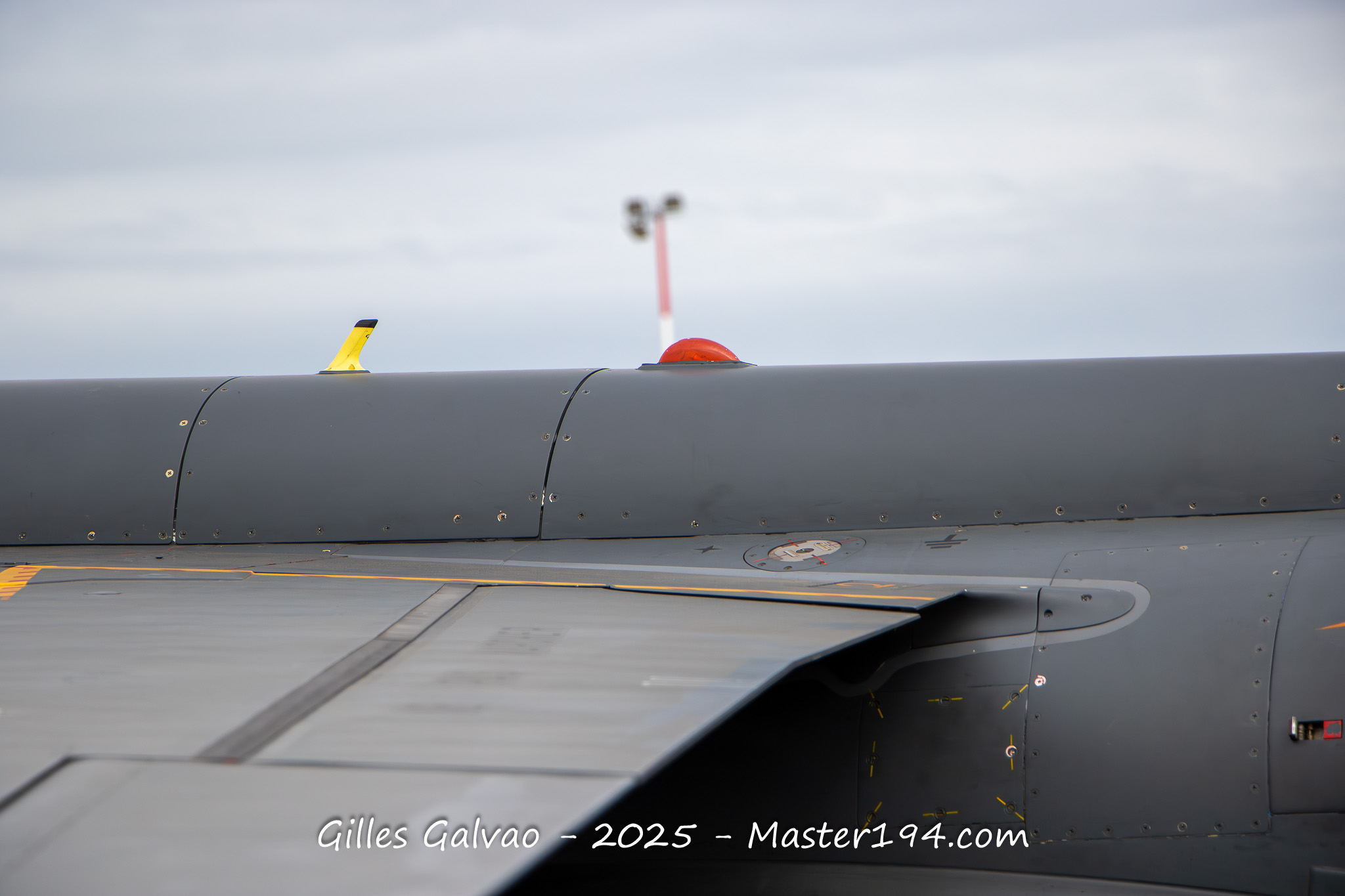
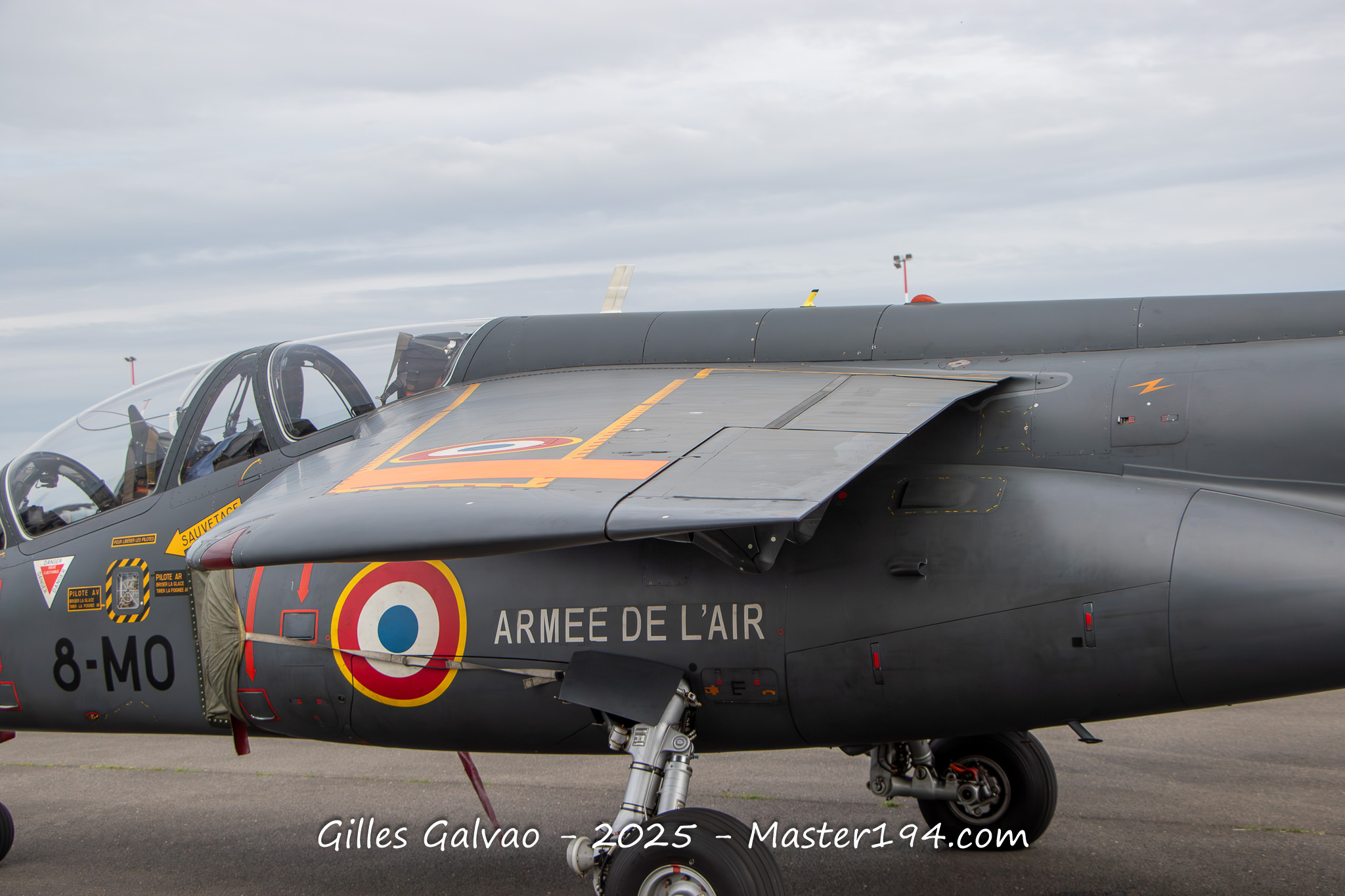
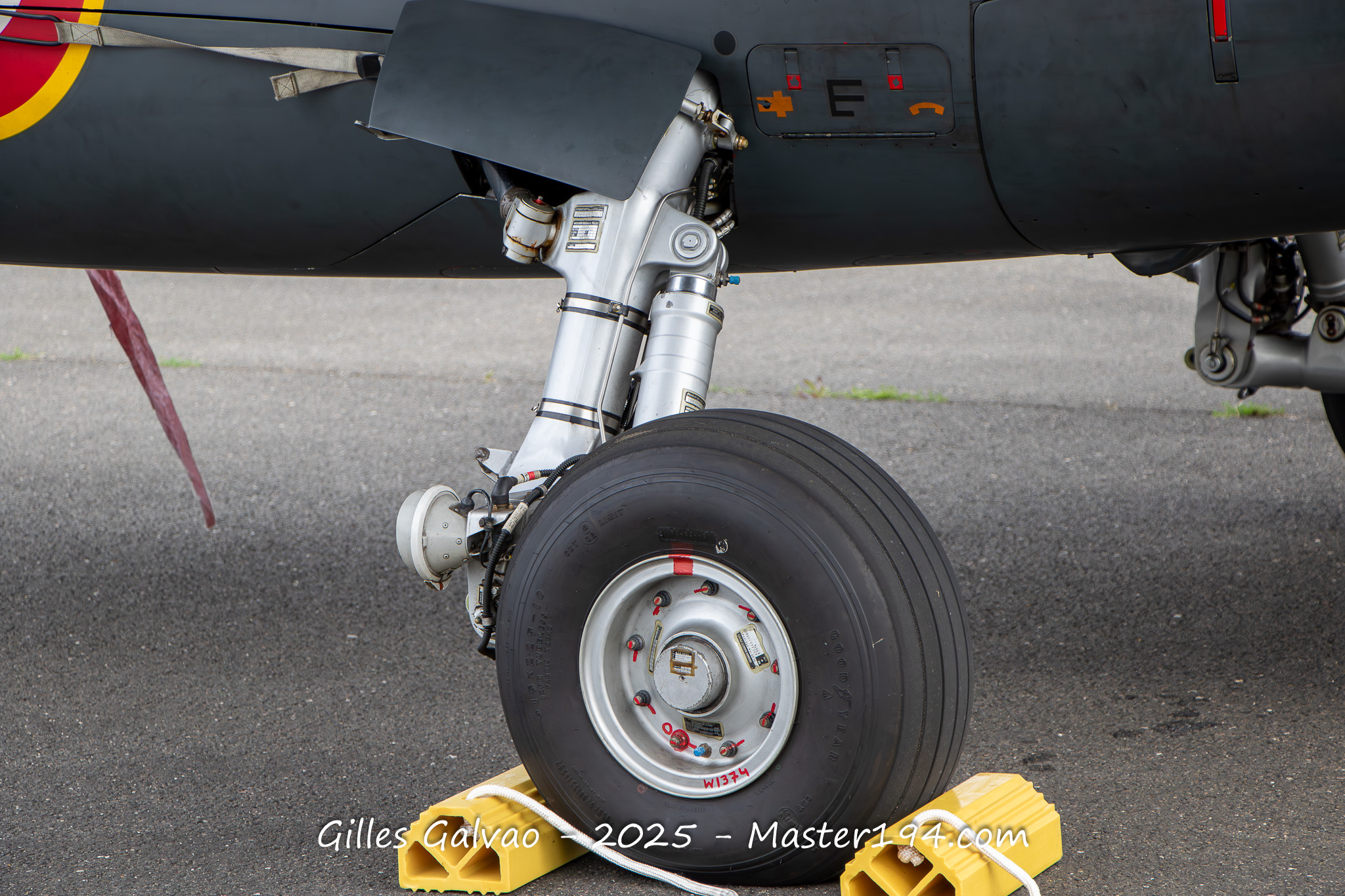
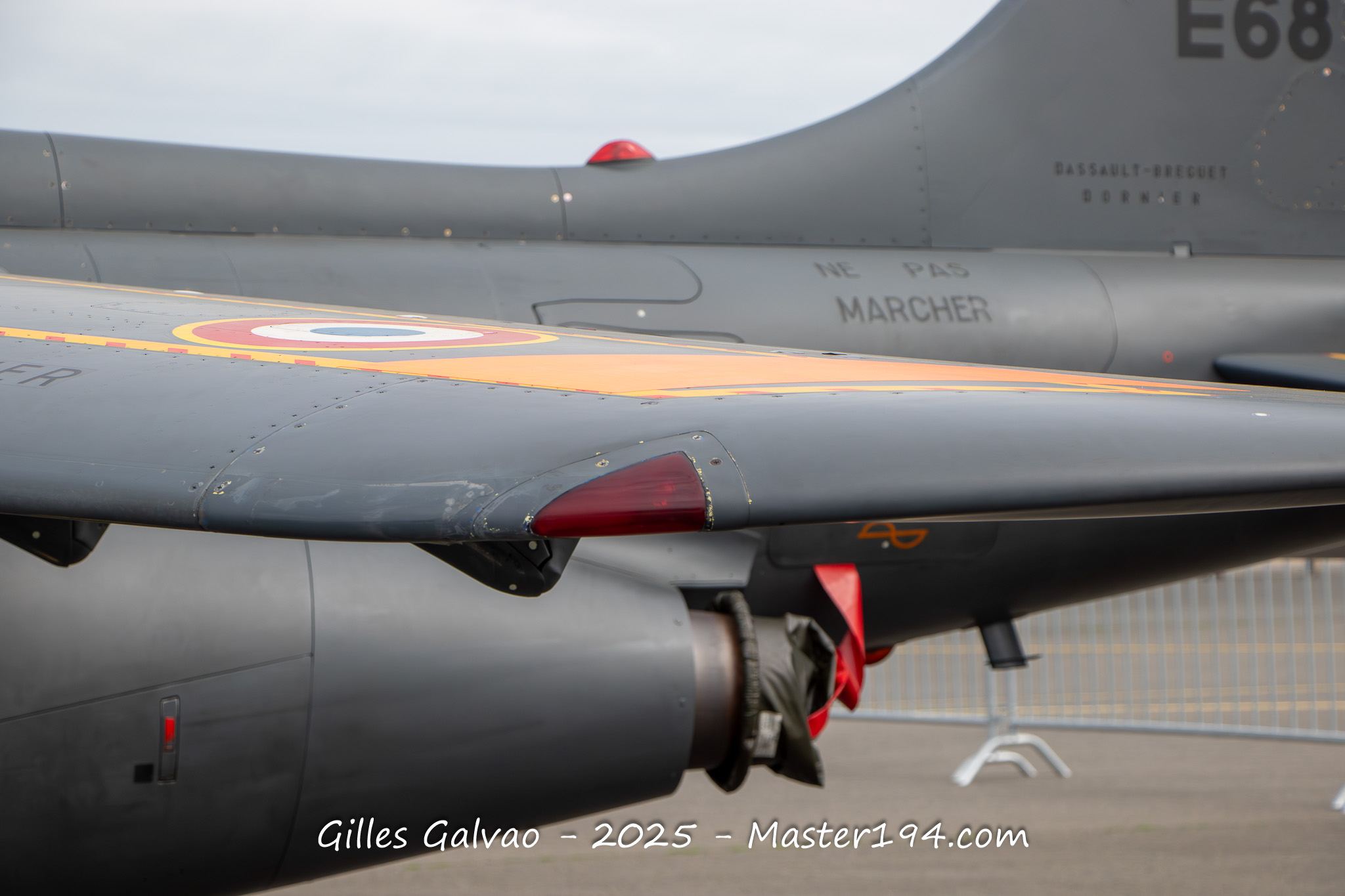
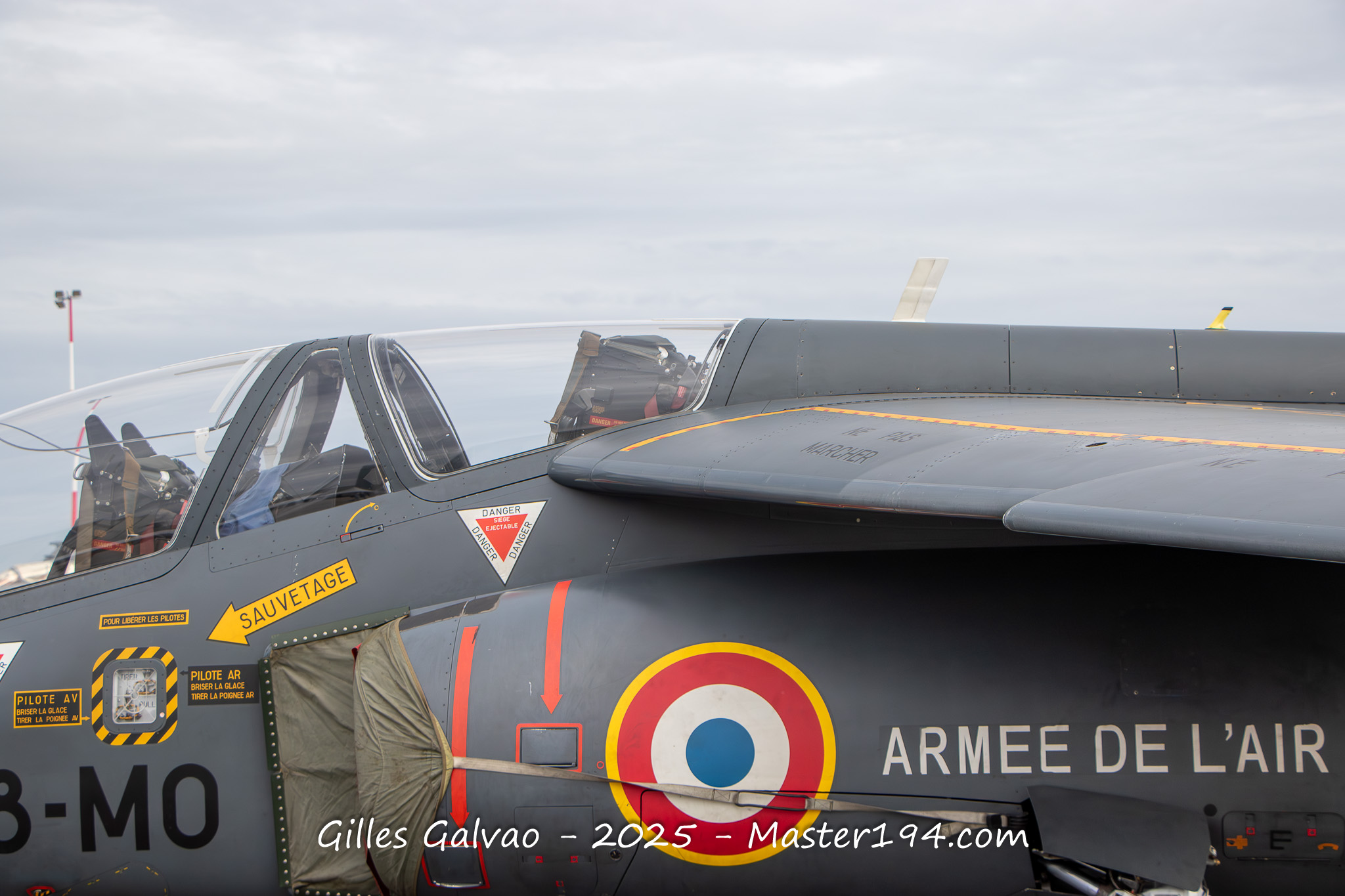
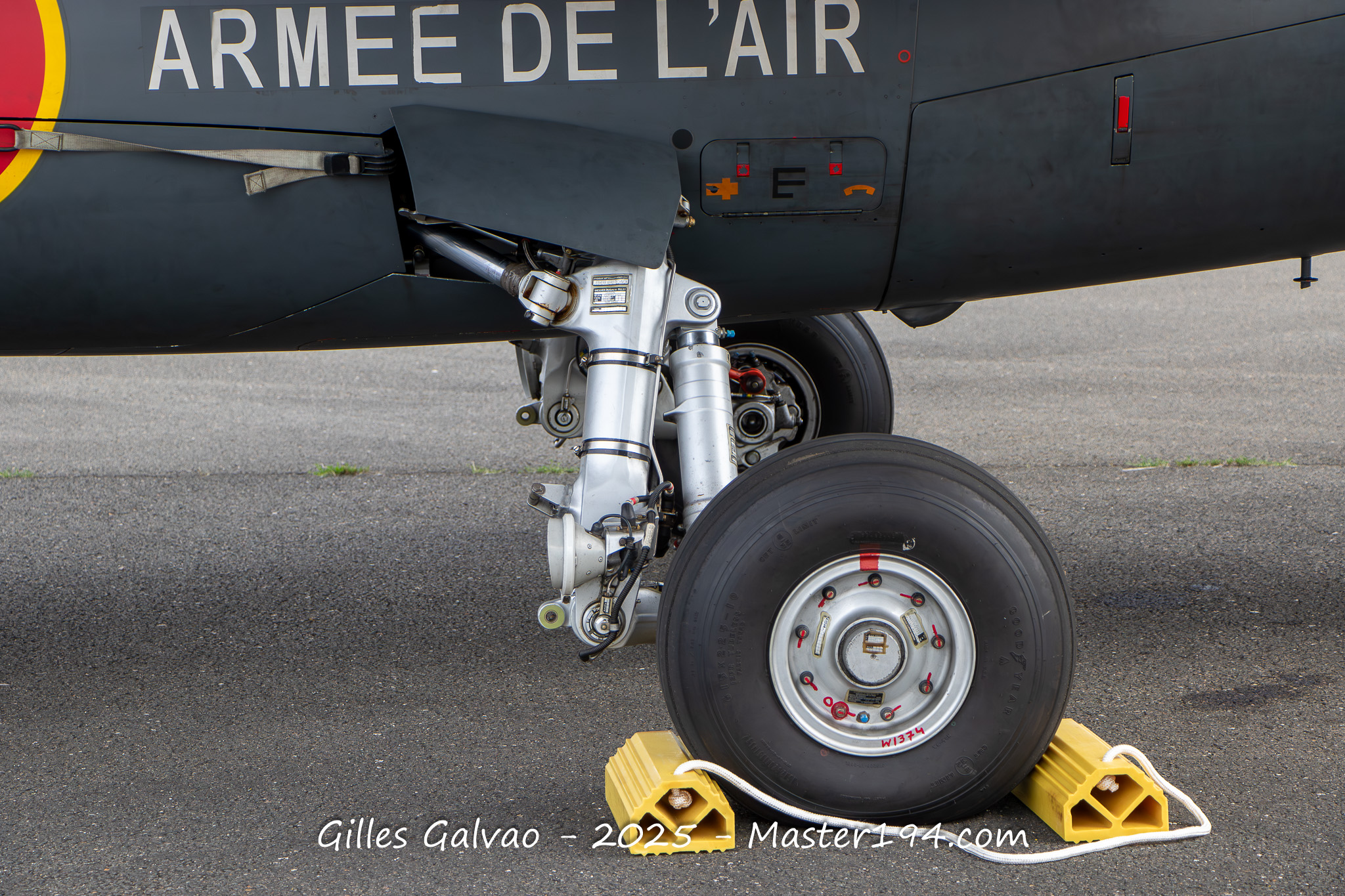
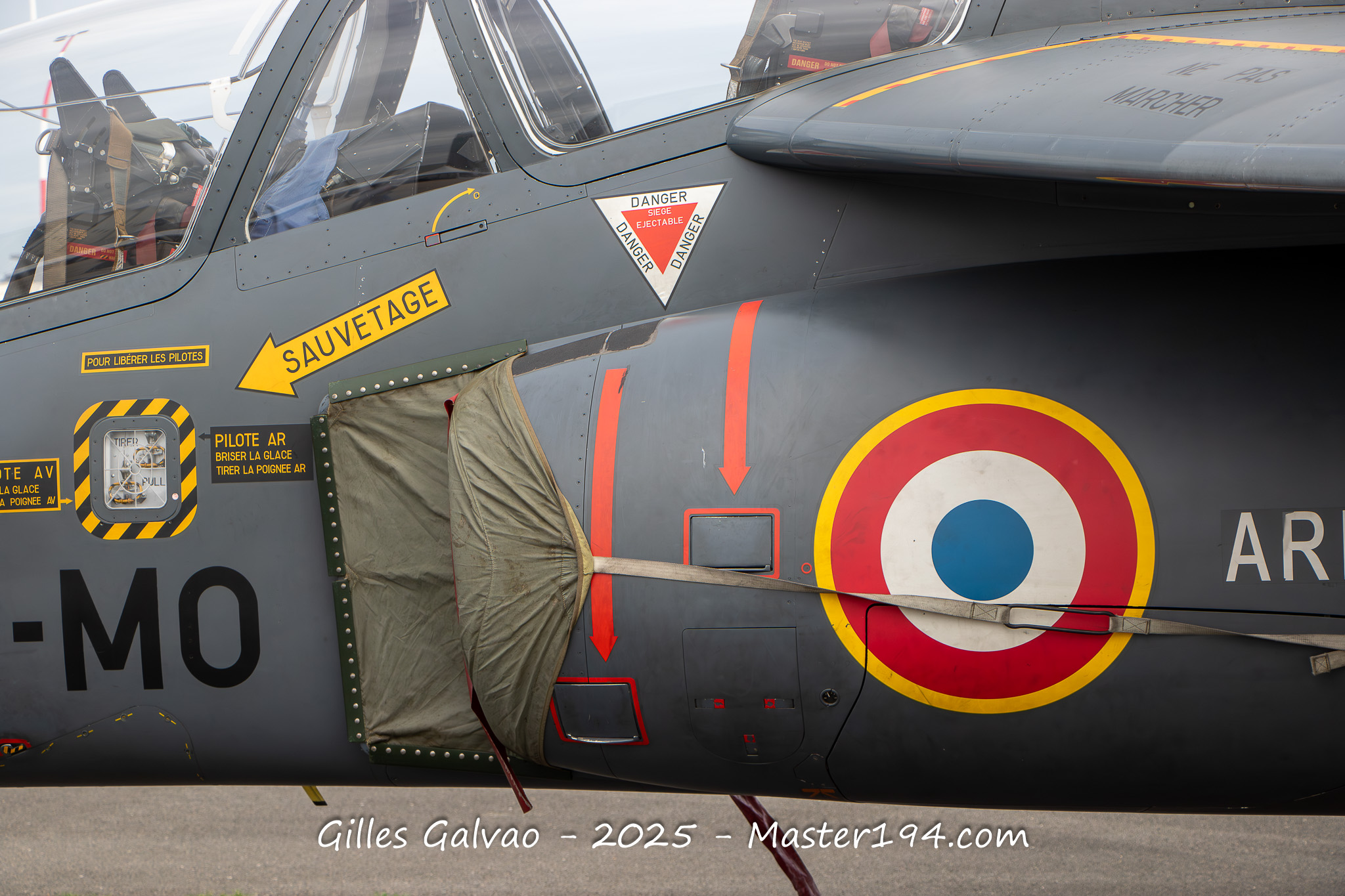
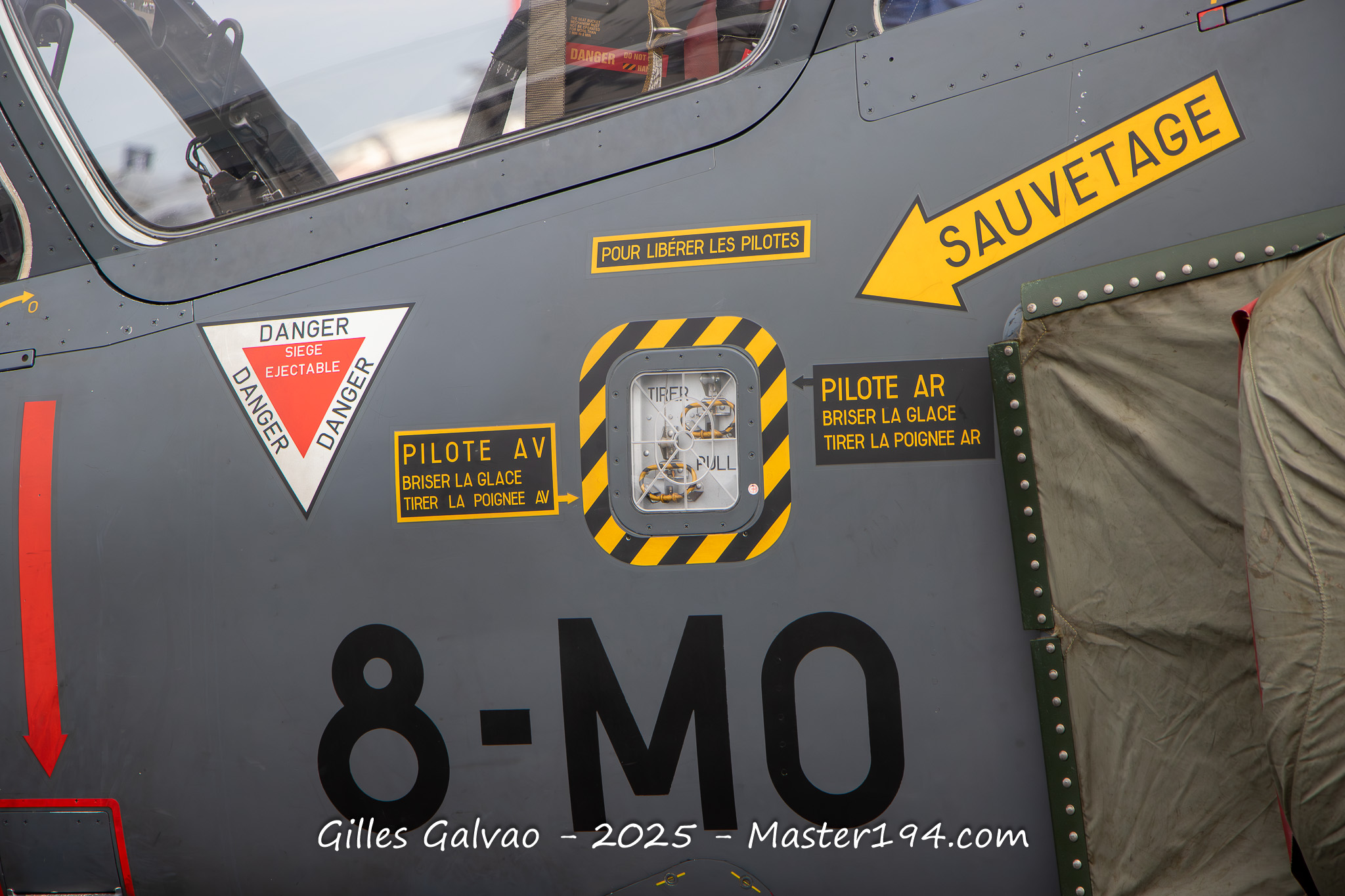
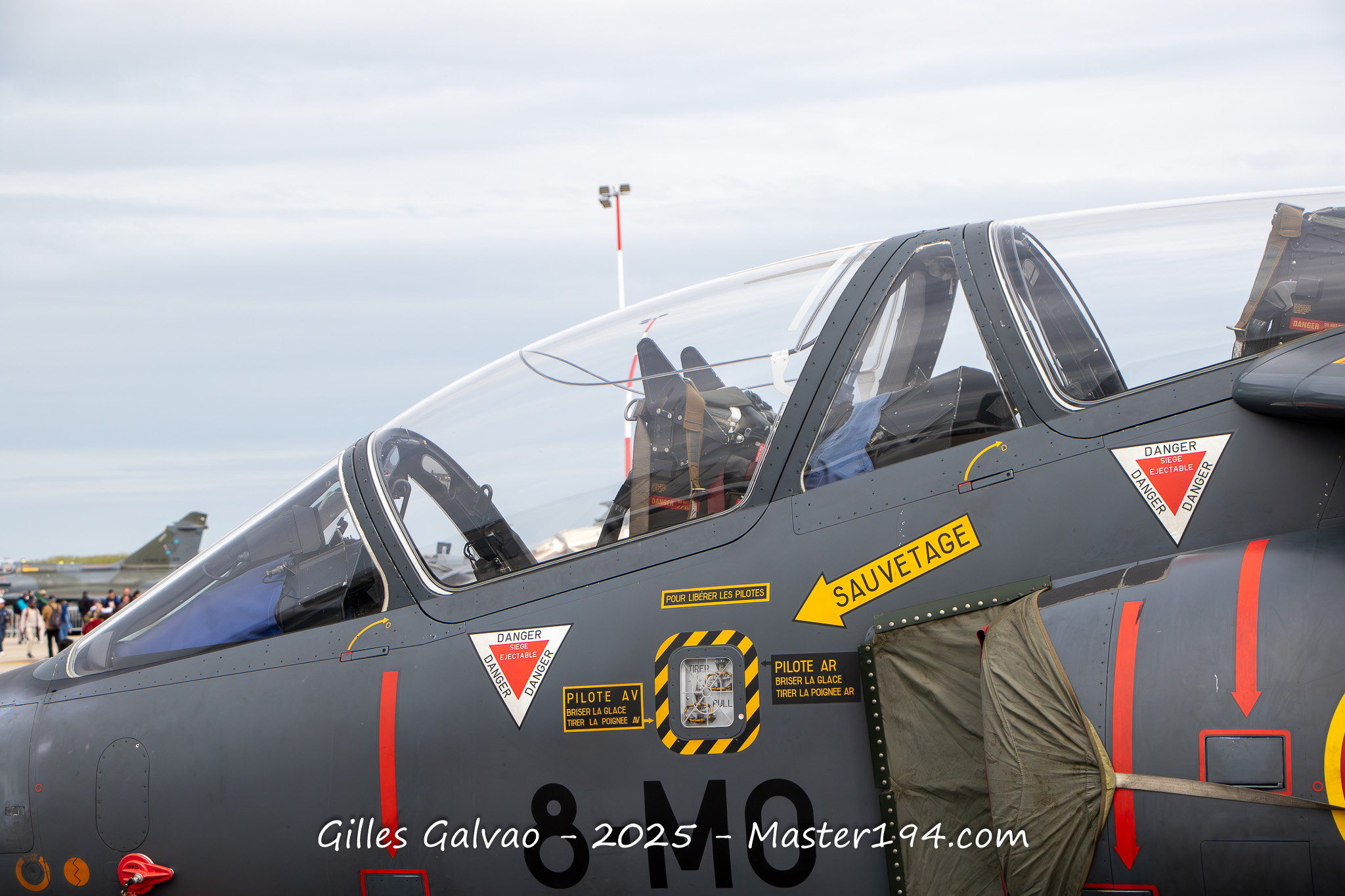
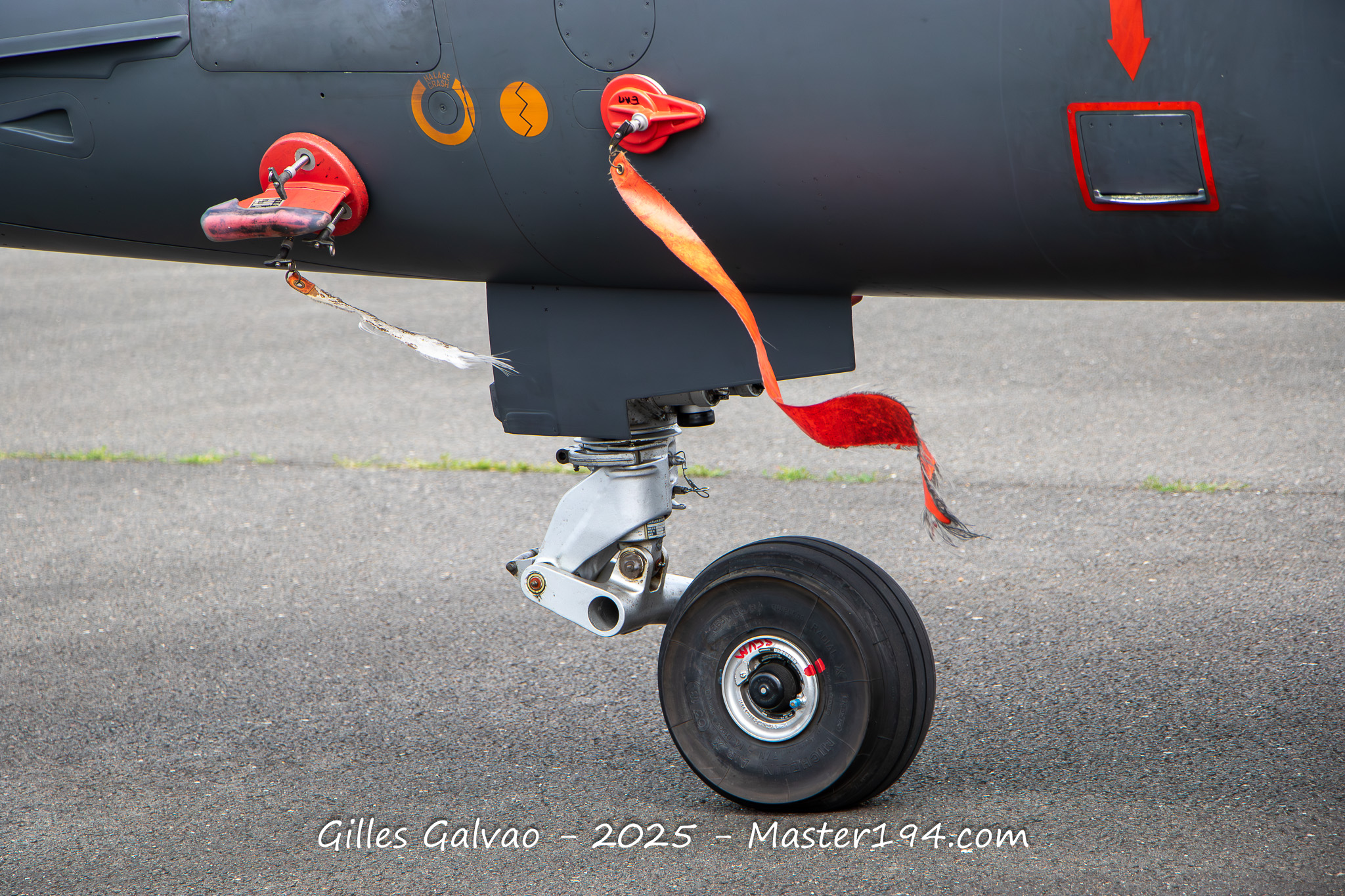
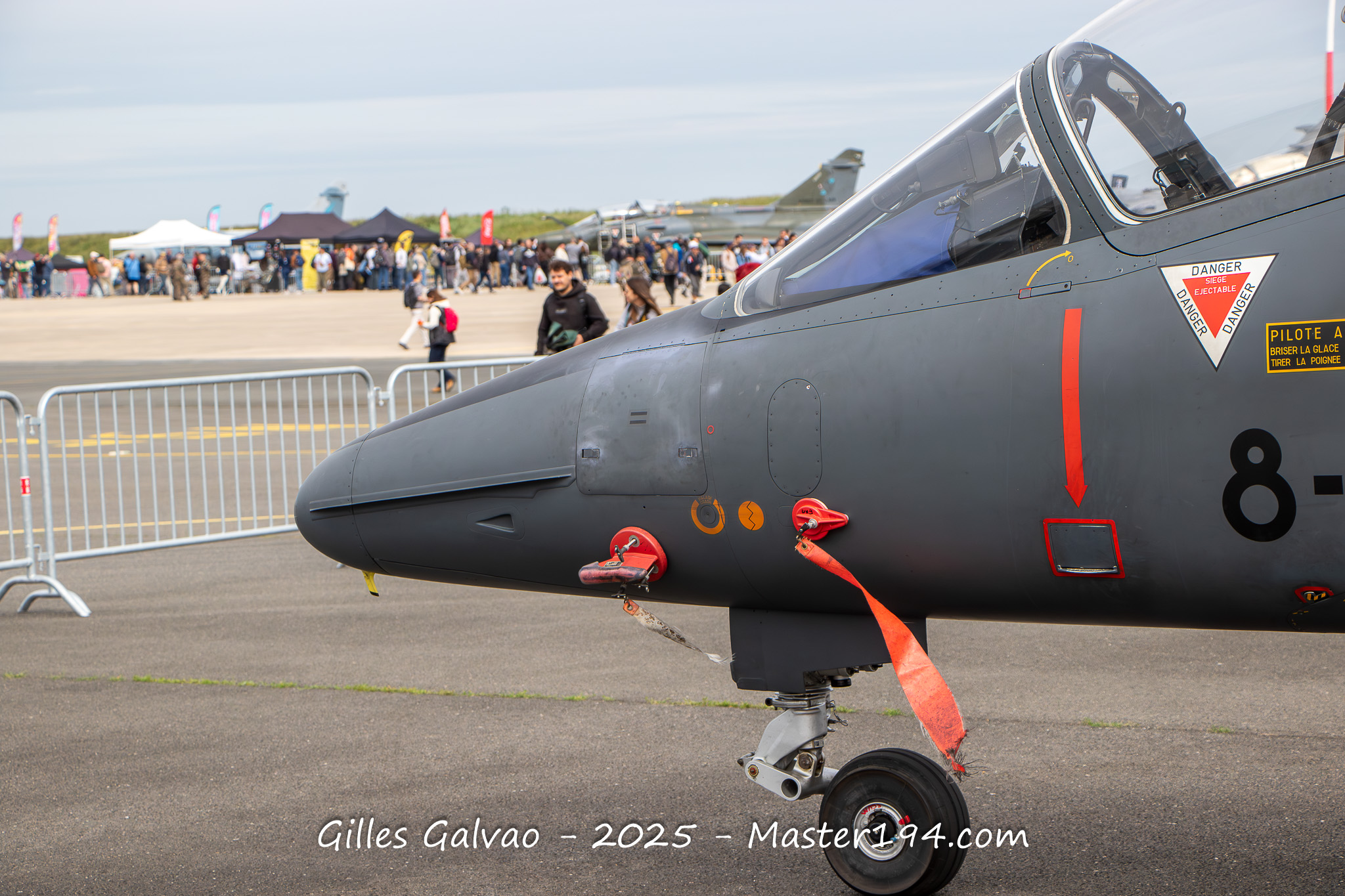
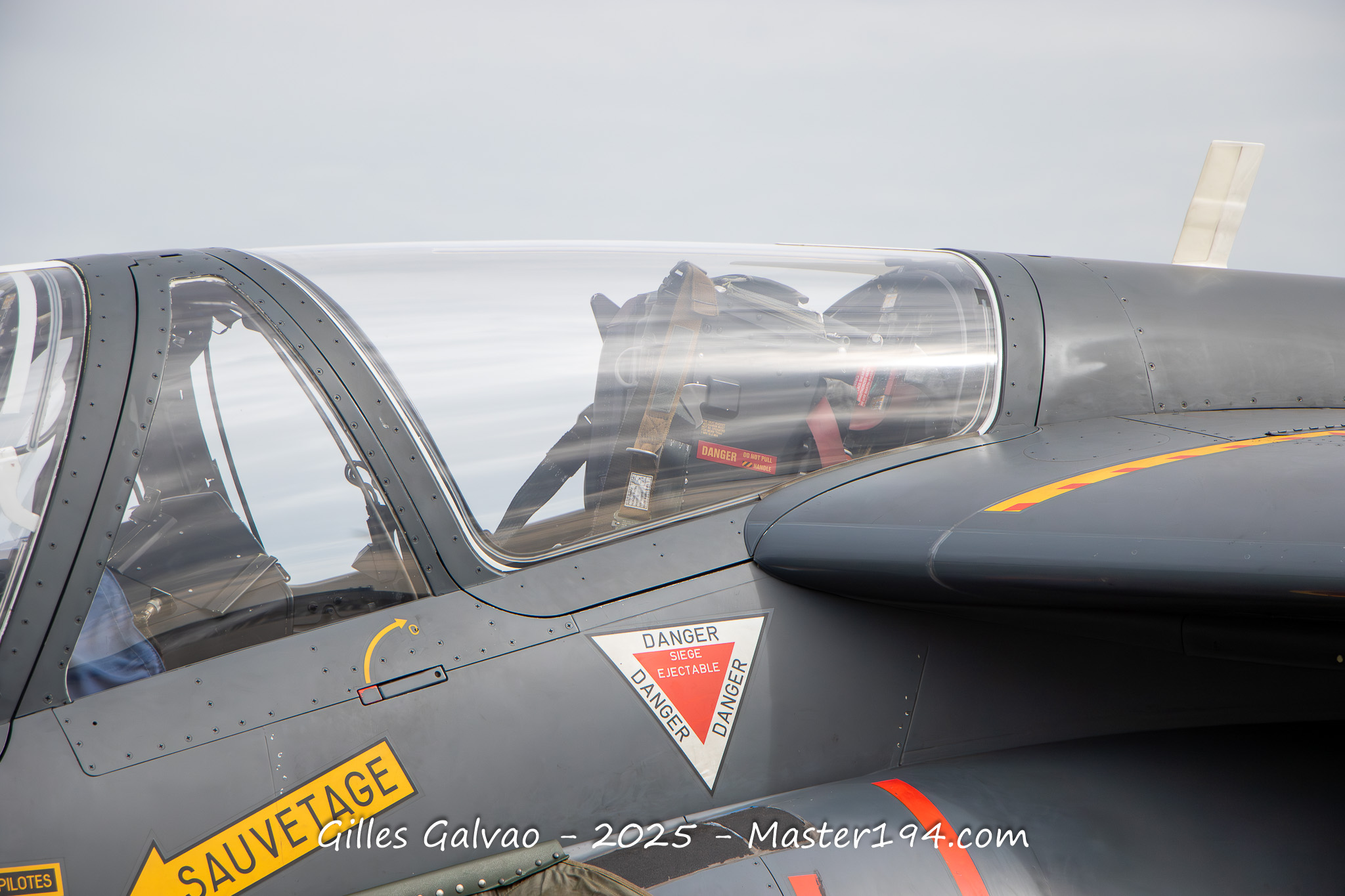
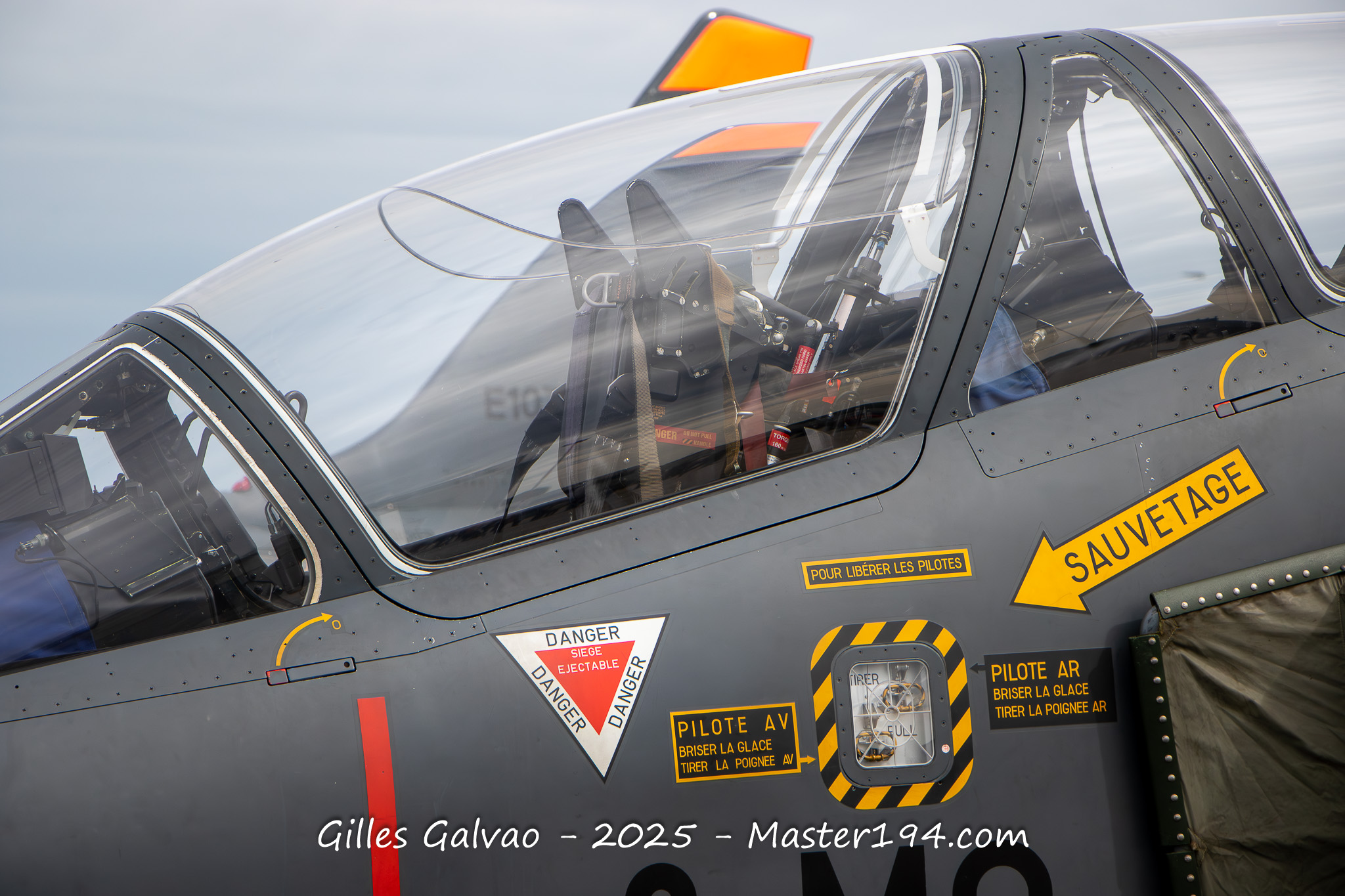
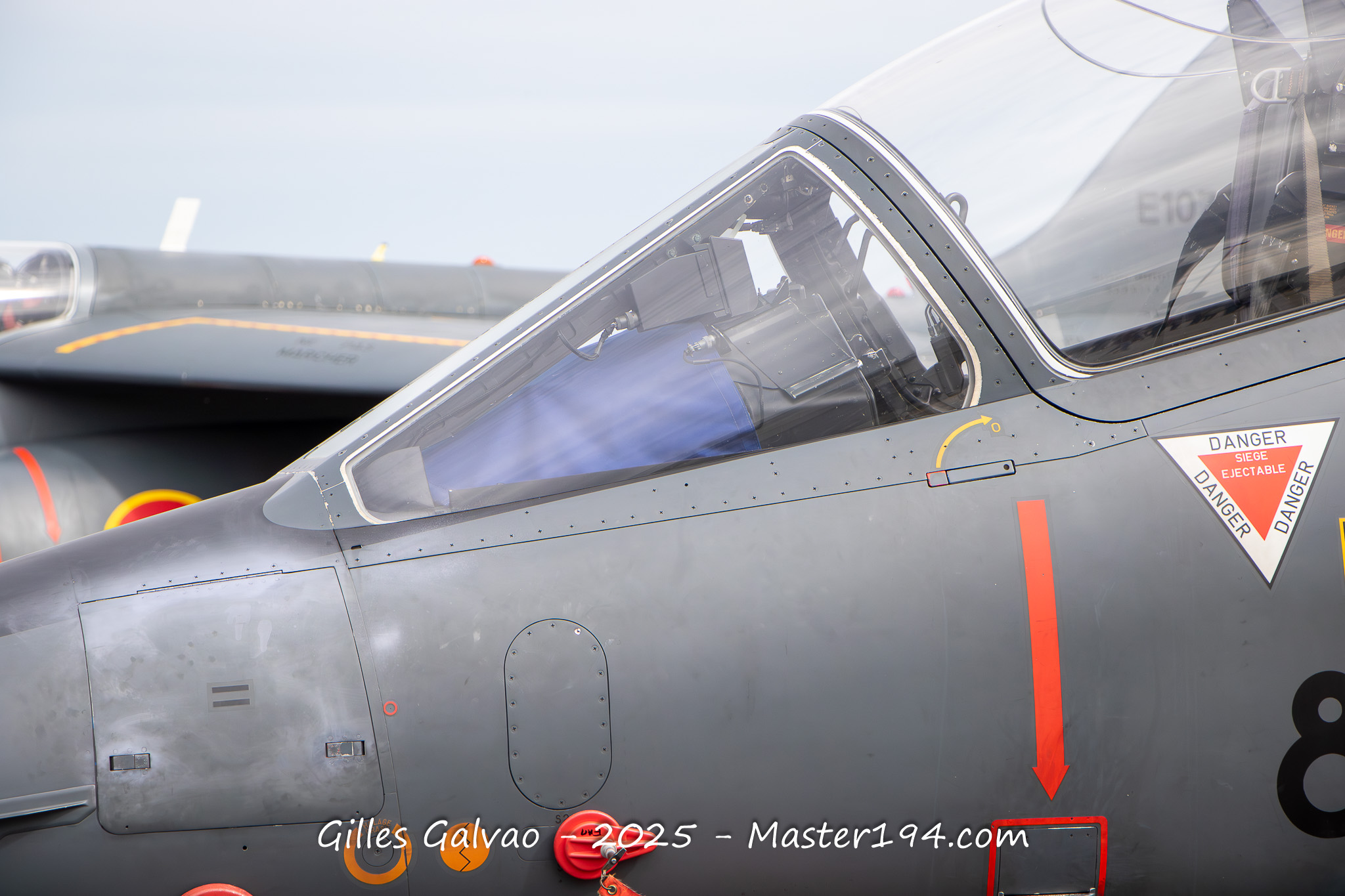
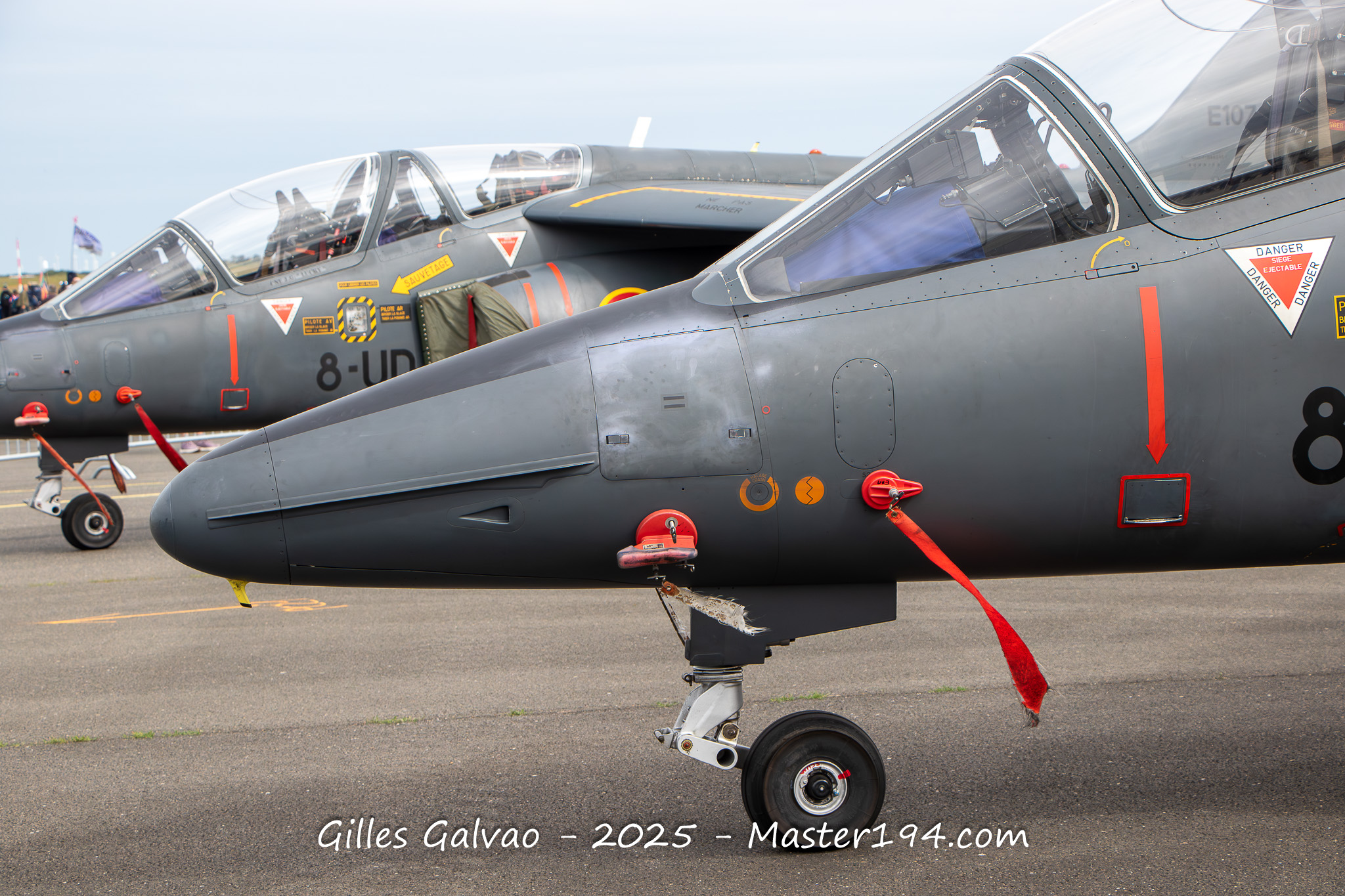
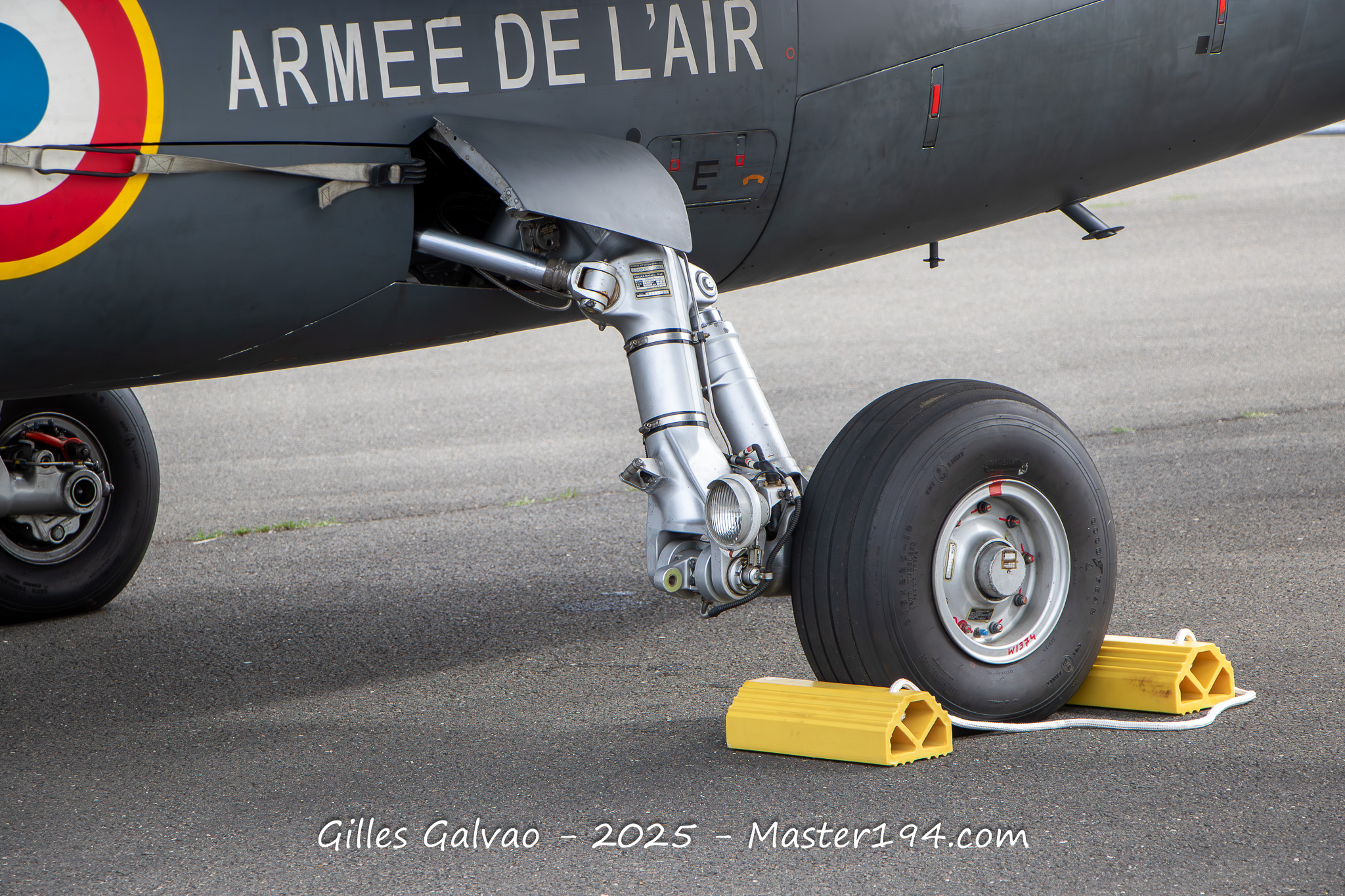
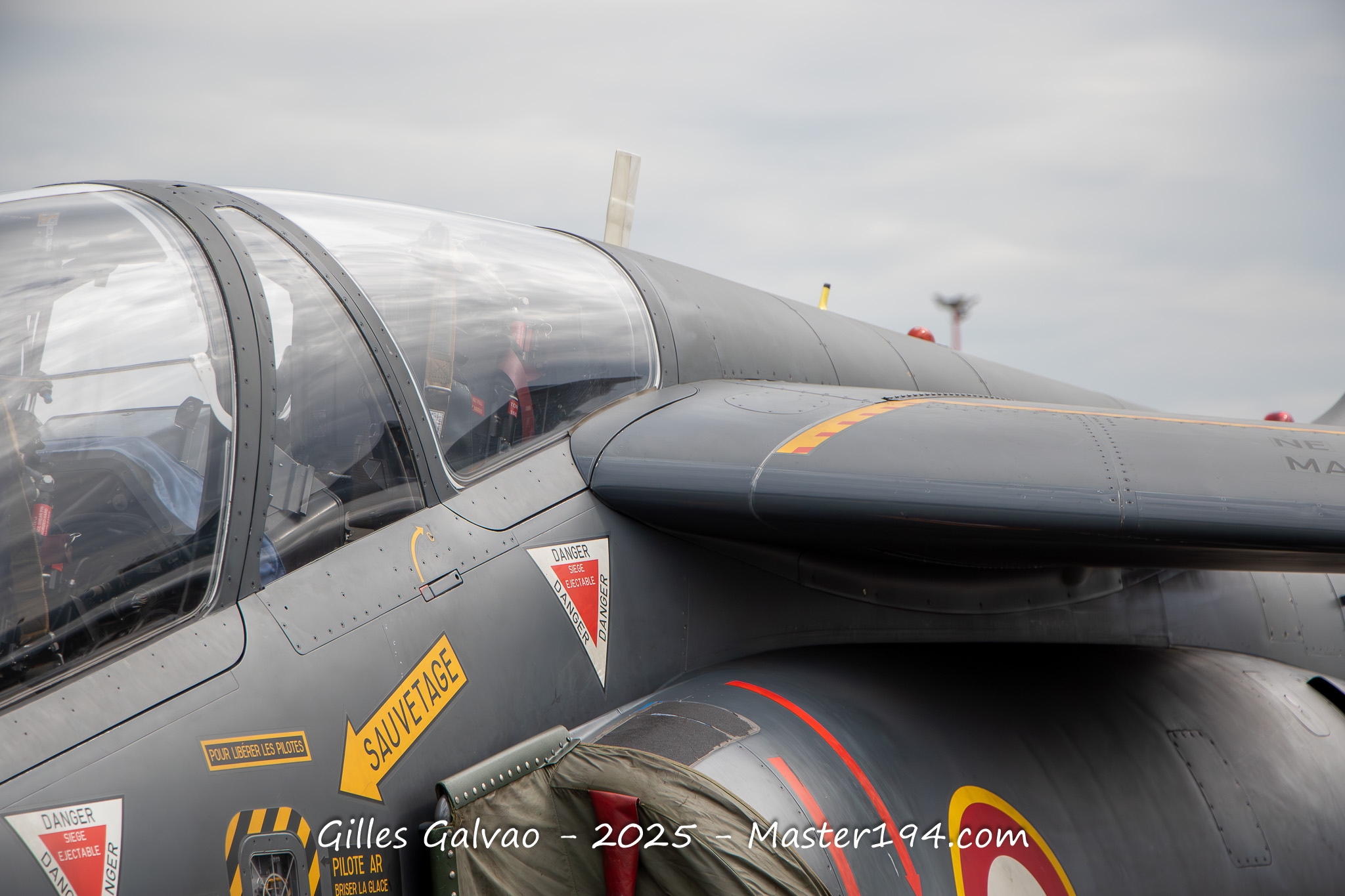
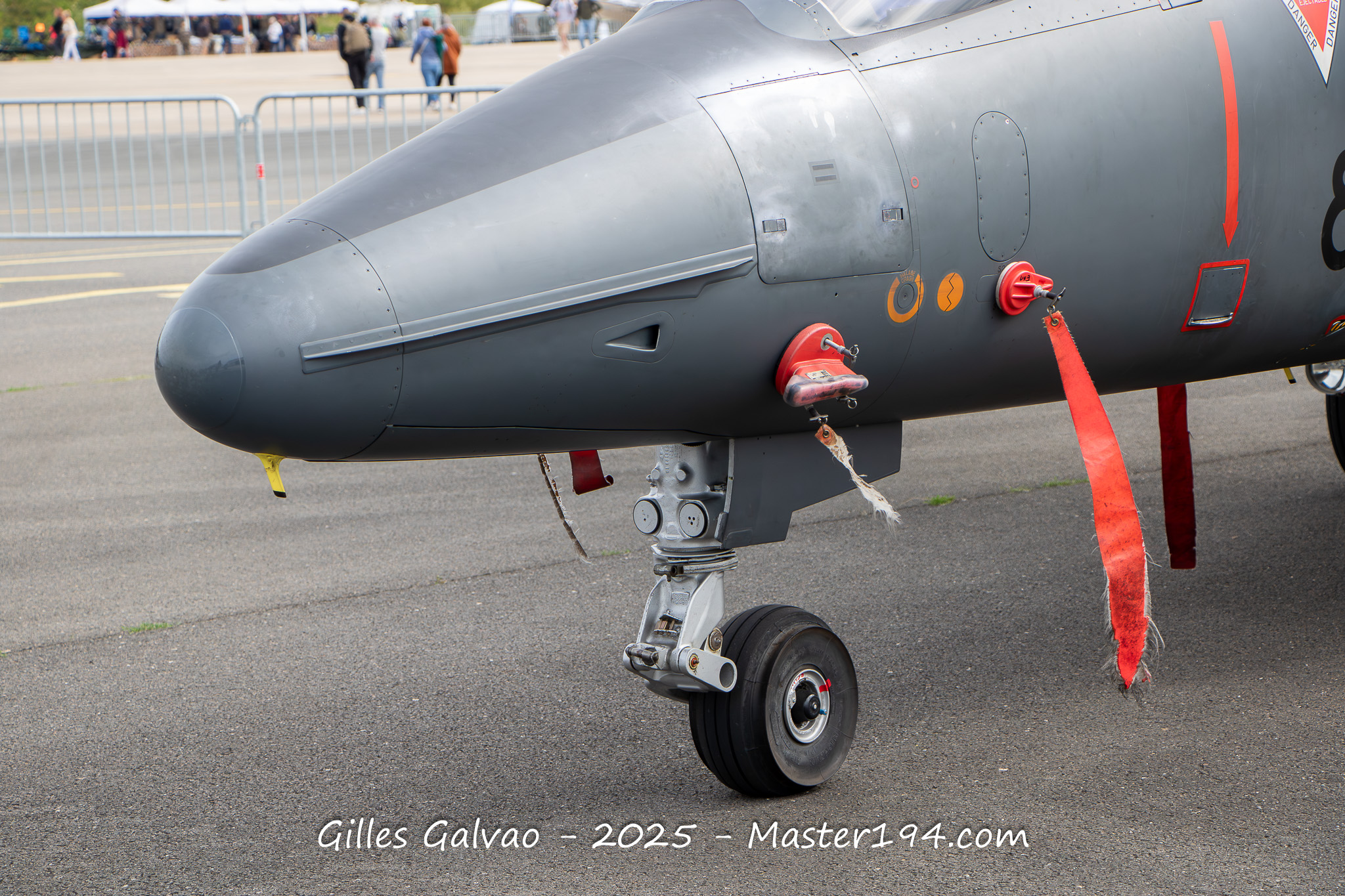
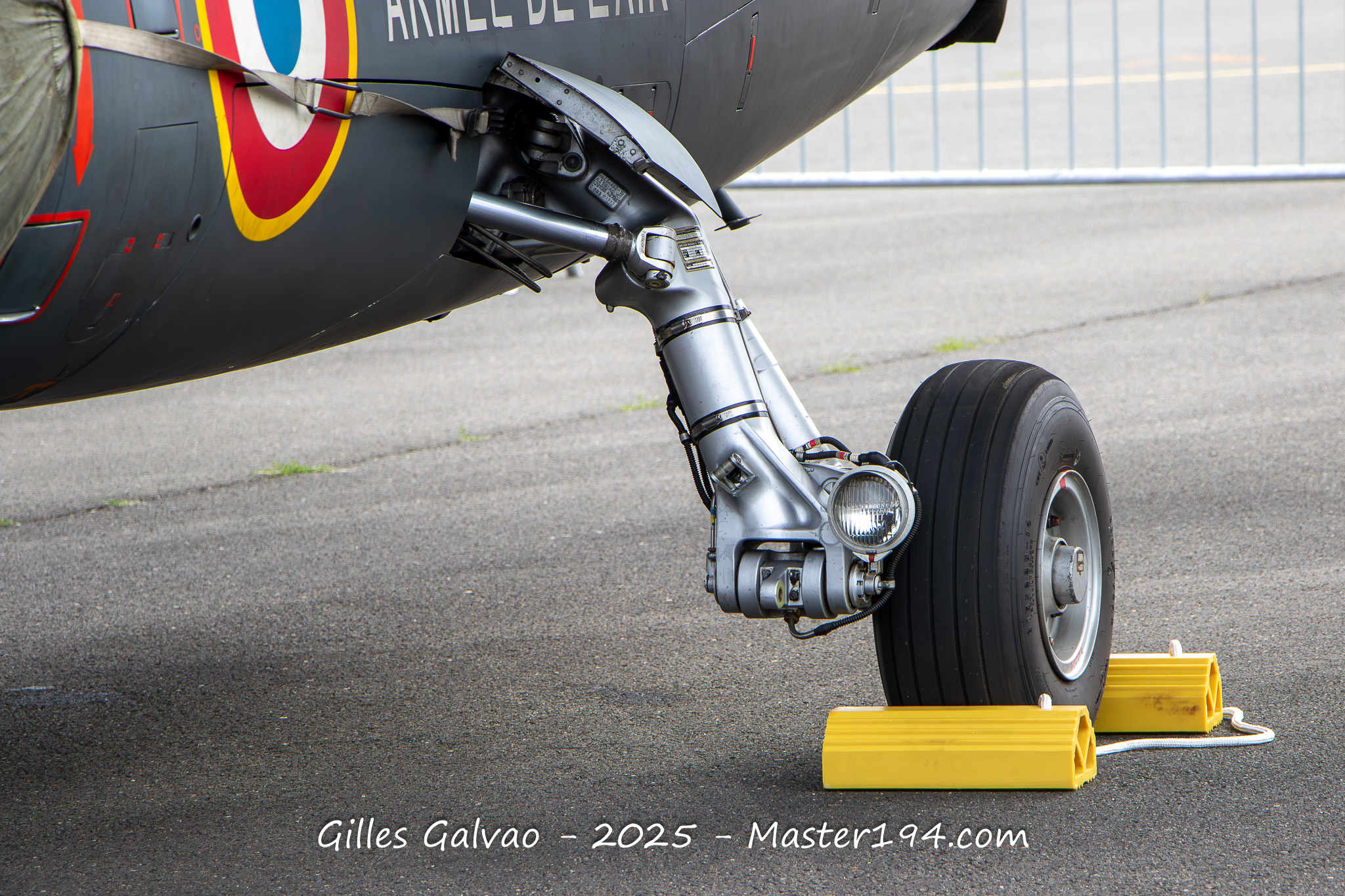
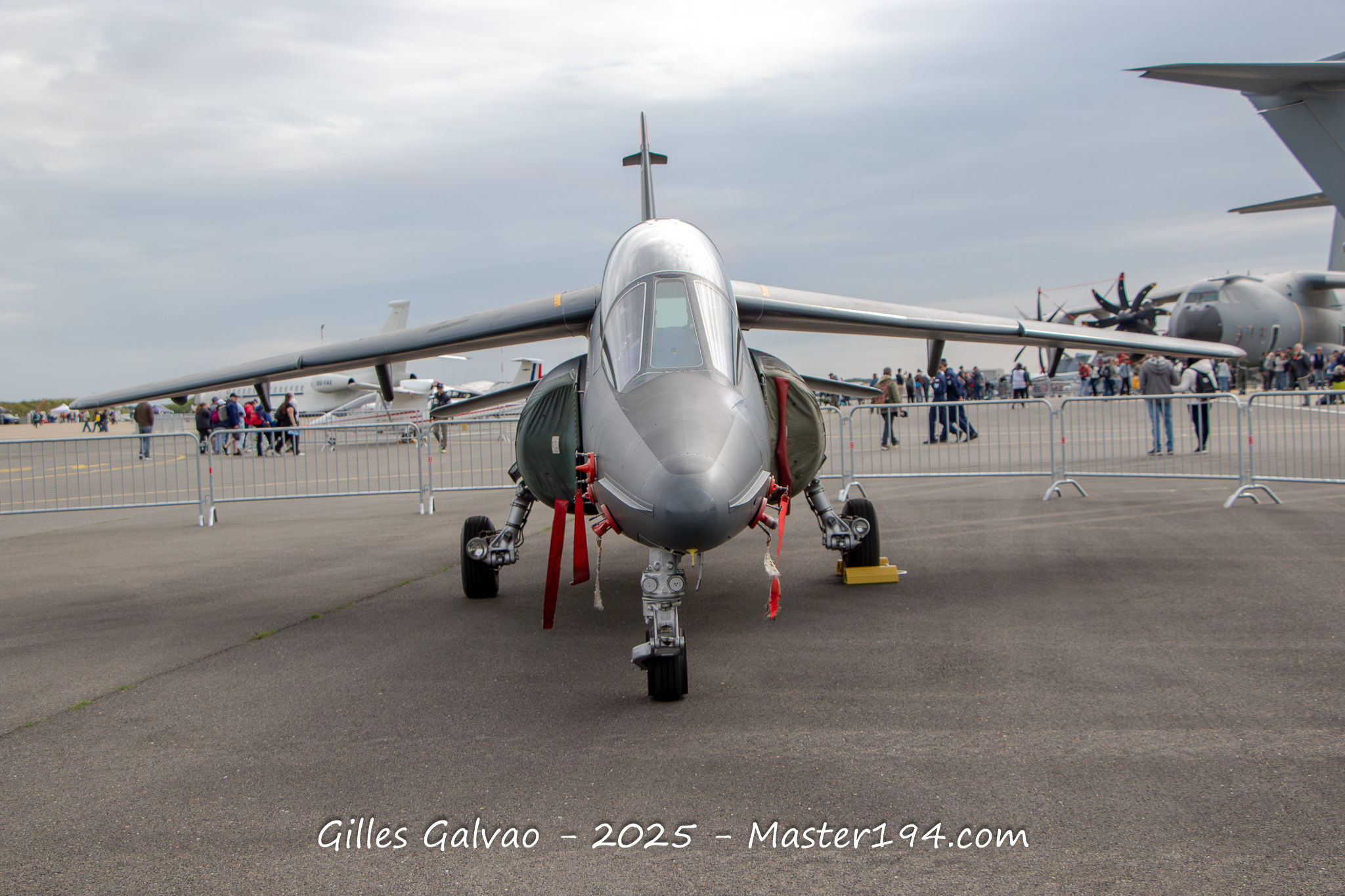
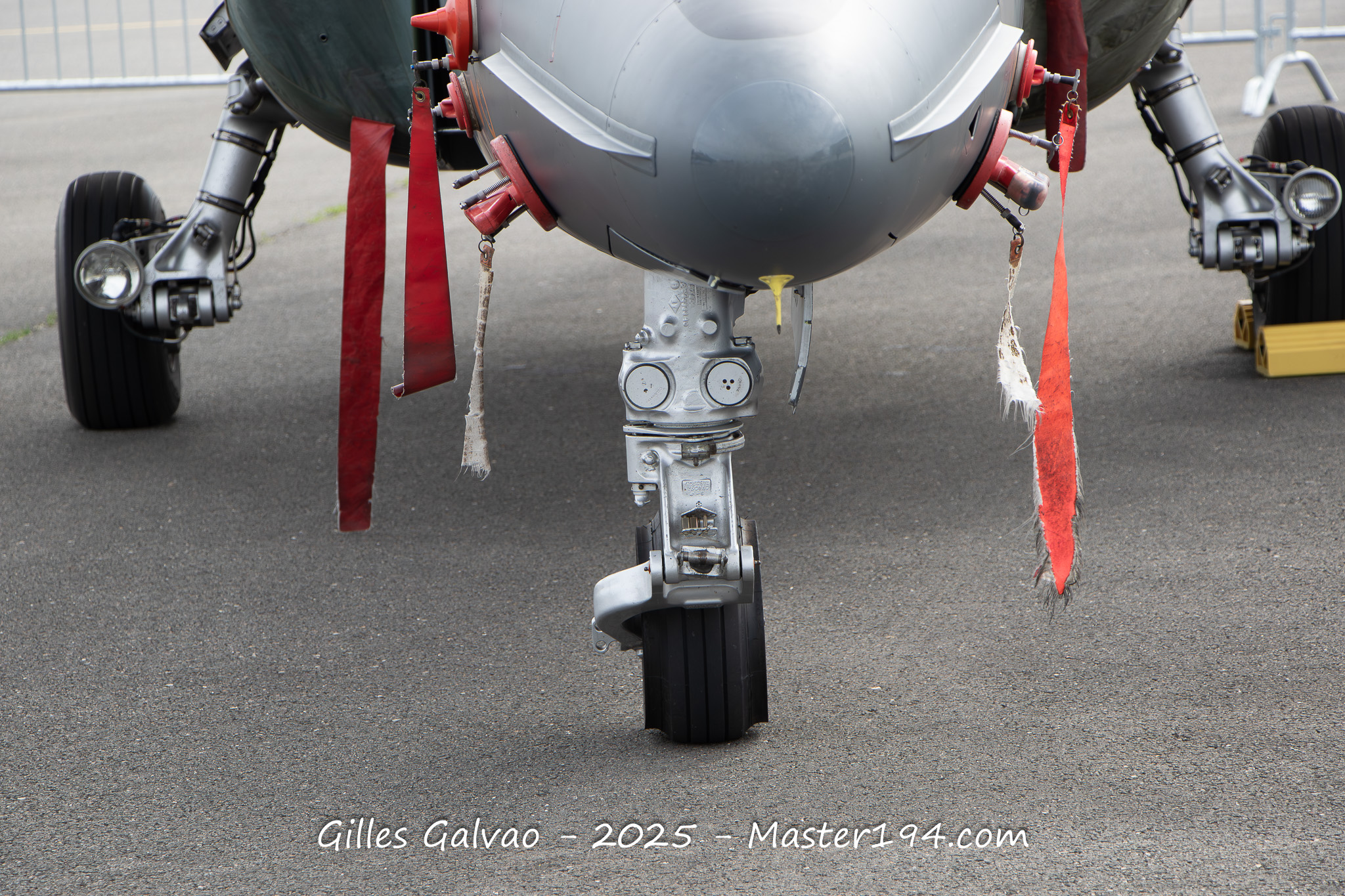
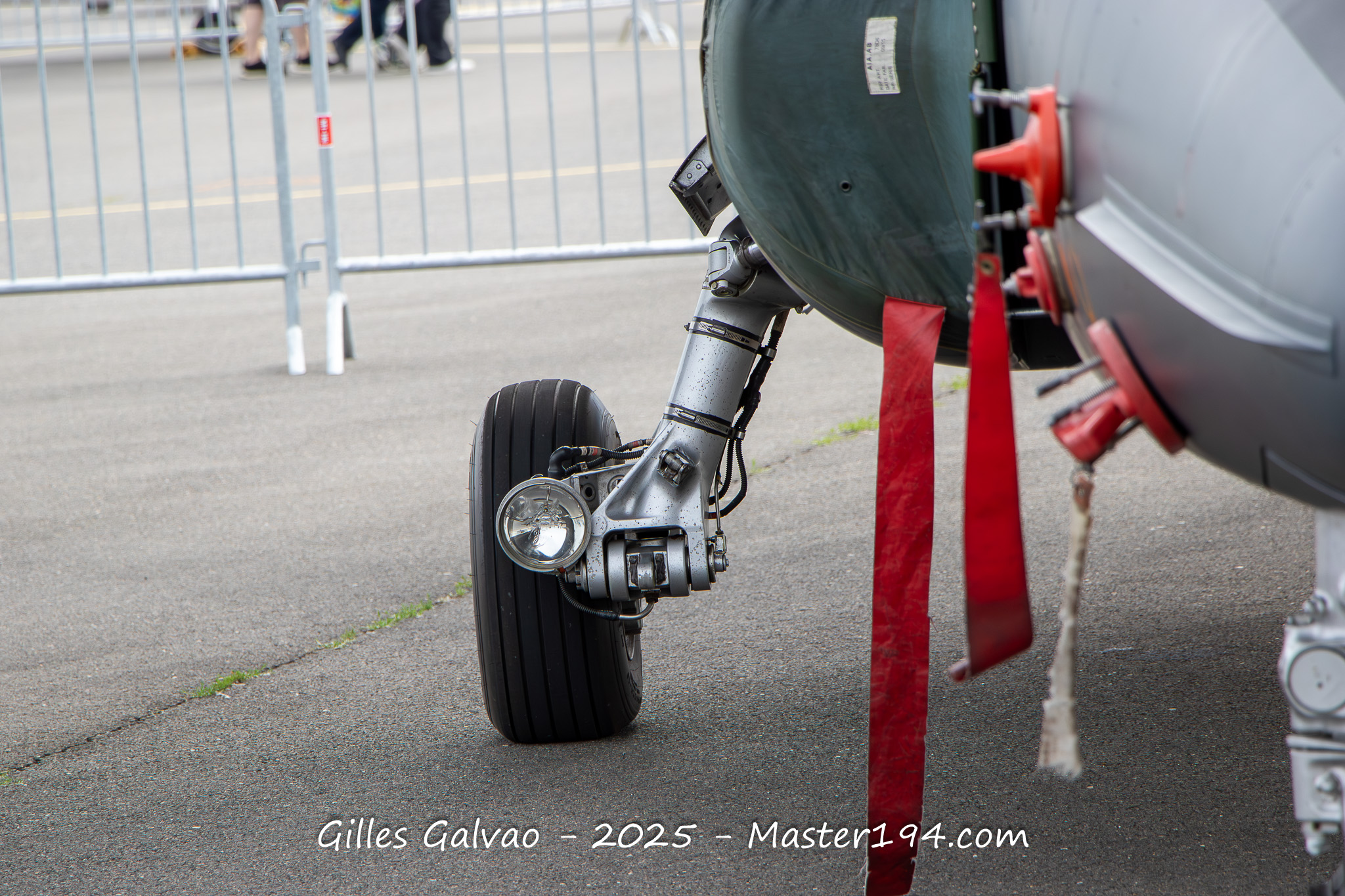
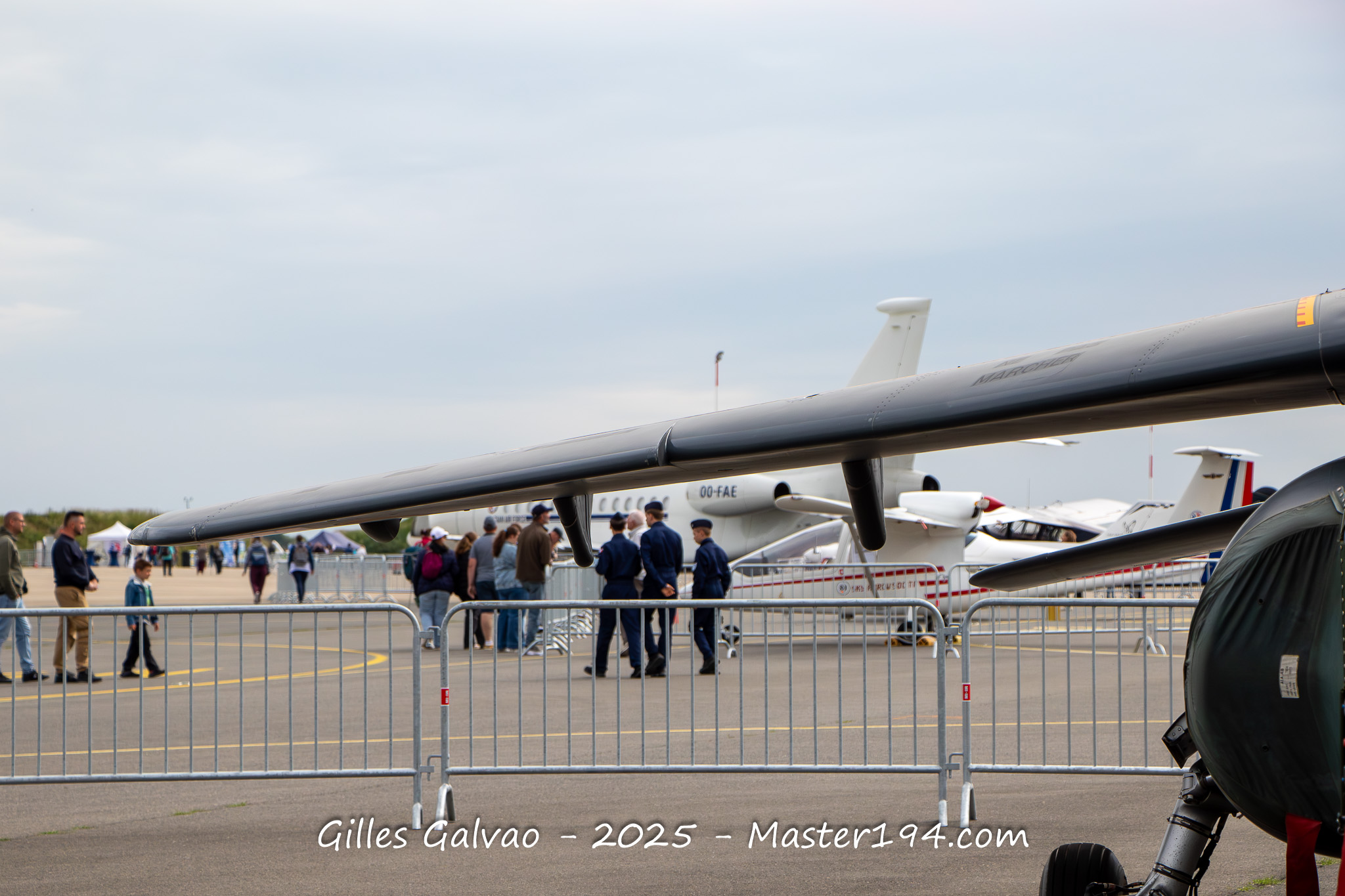
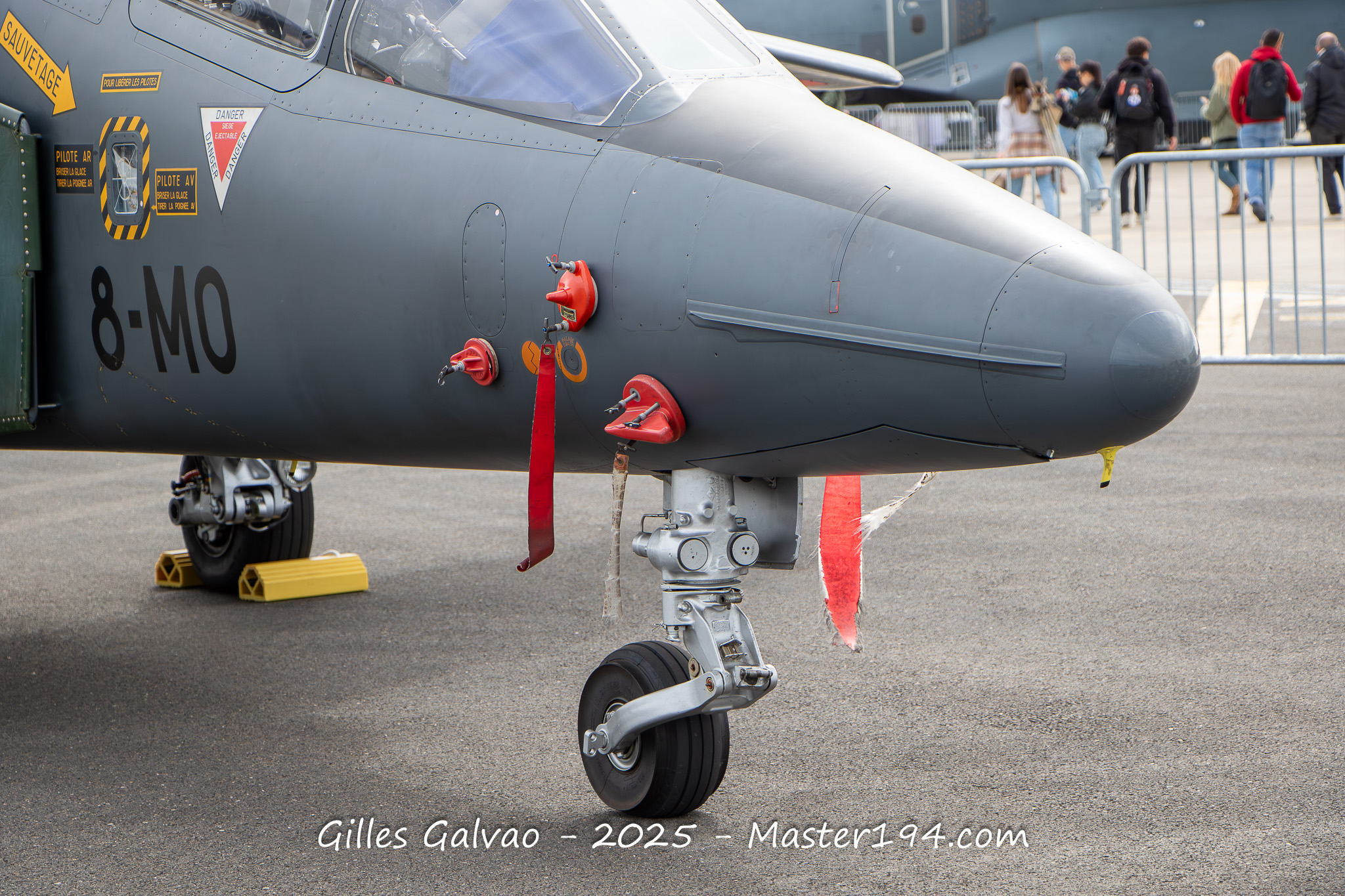
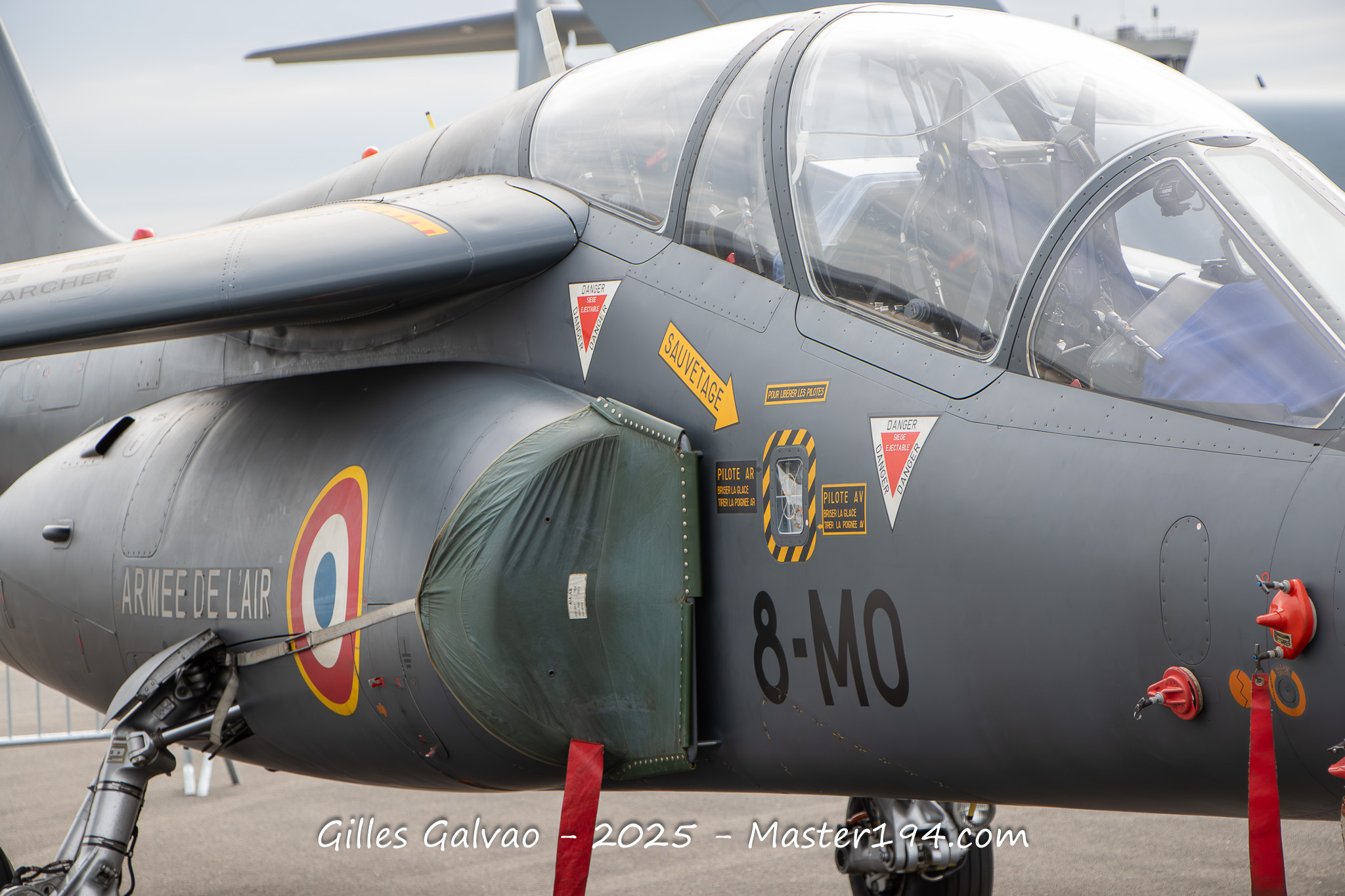
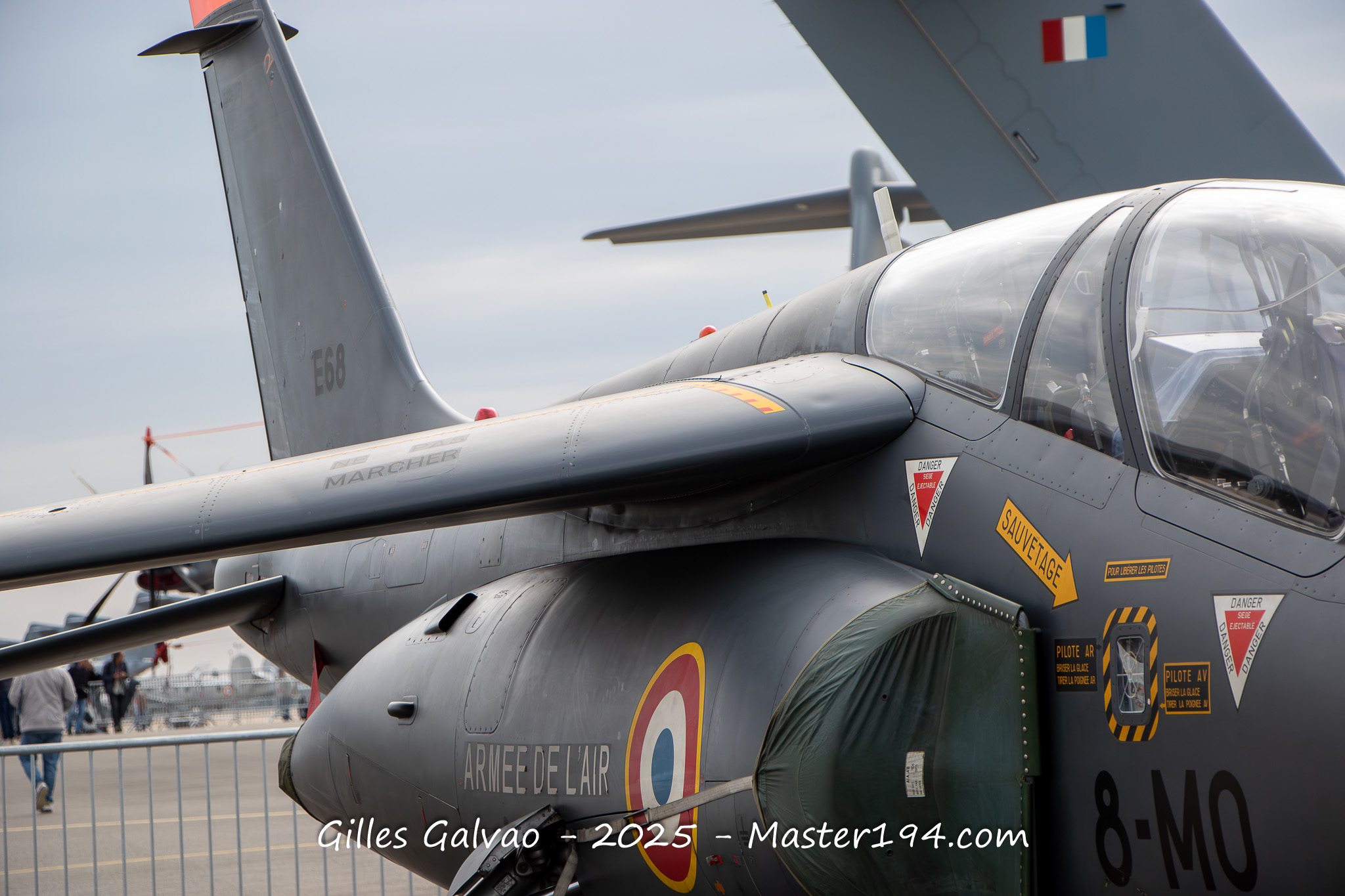
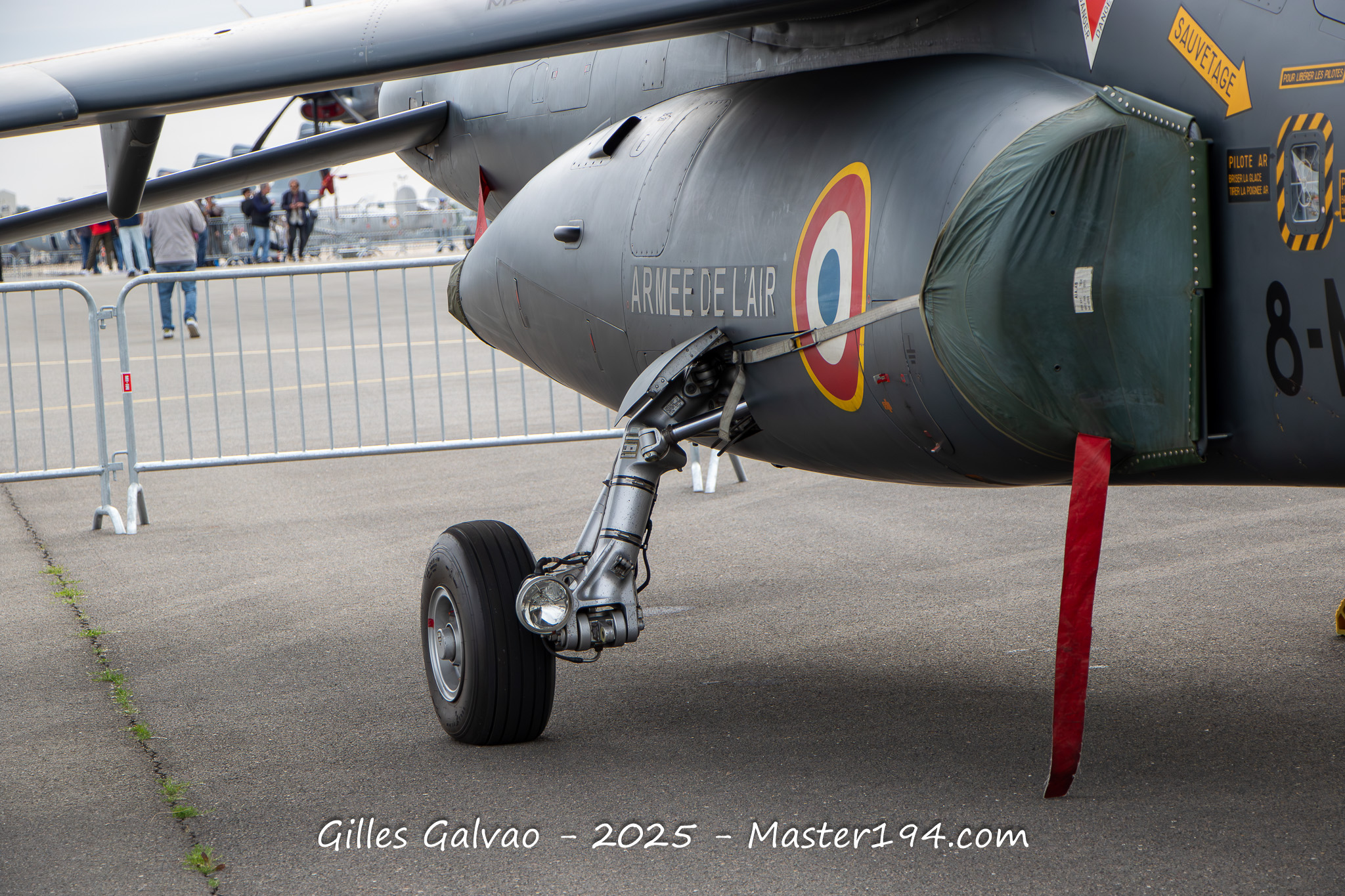
To view the close-up cockpit photos, please check out this comprehensive walkaround:
Alpha Jet E: A Detailed Walkaround