 by
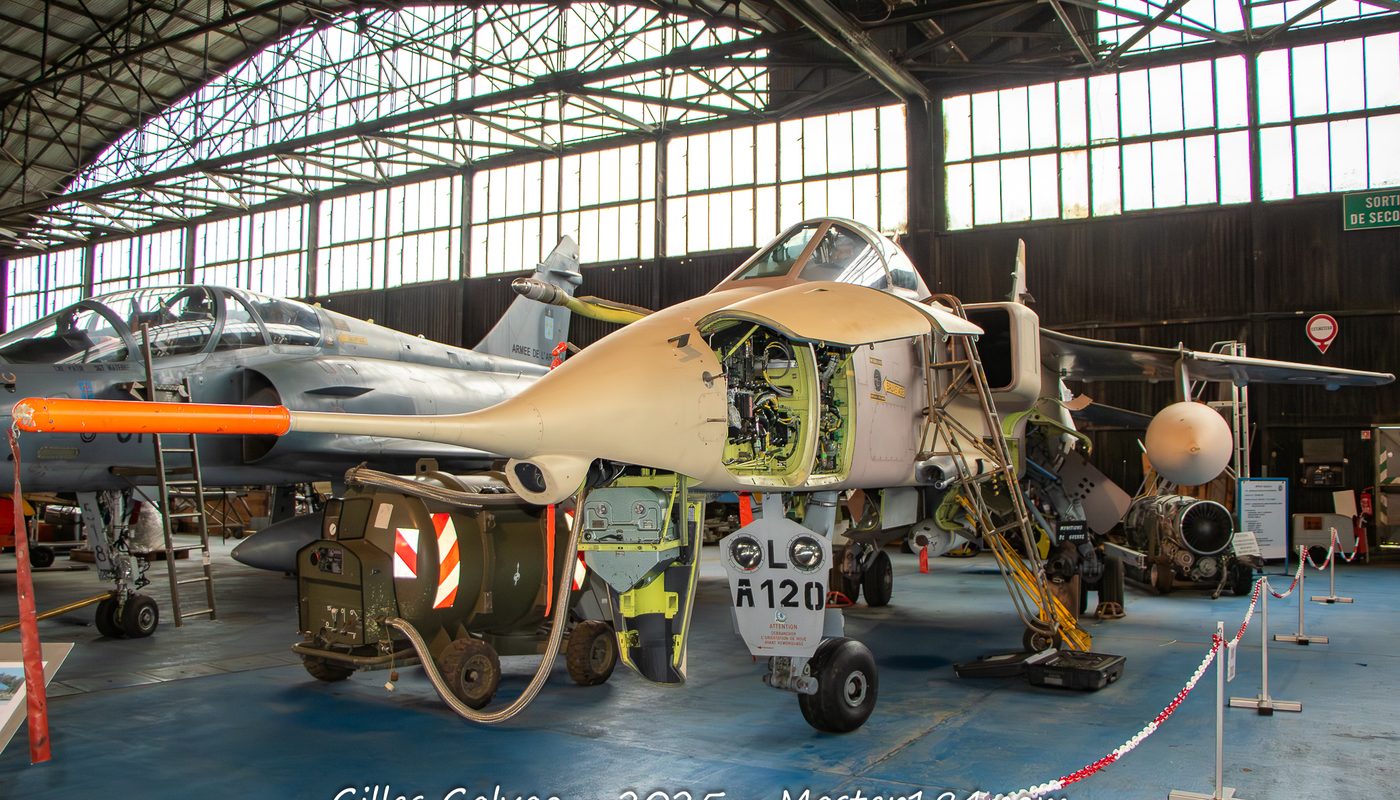
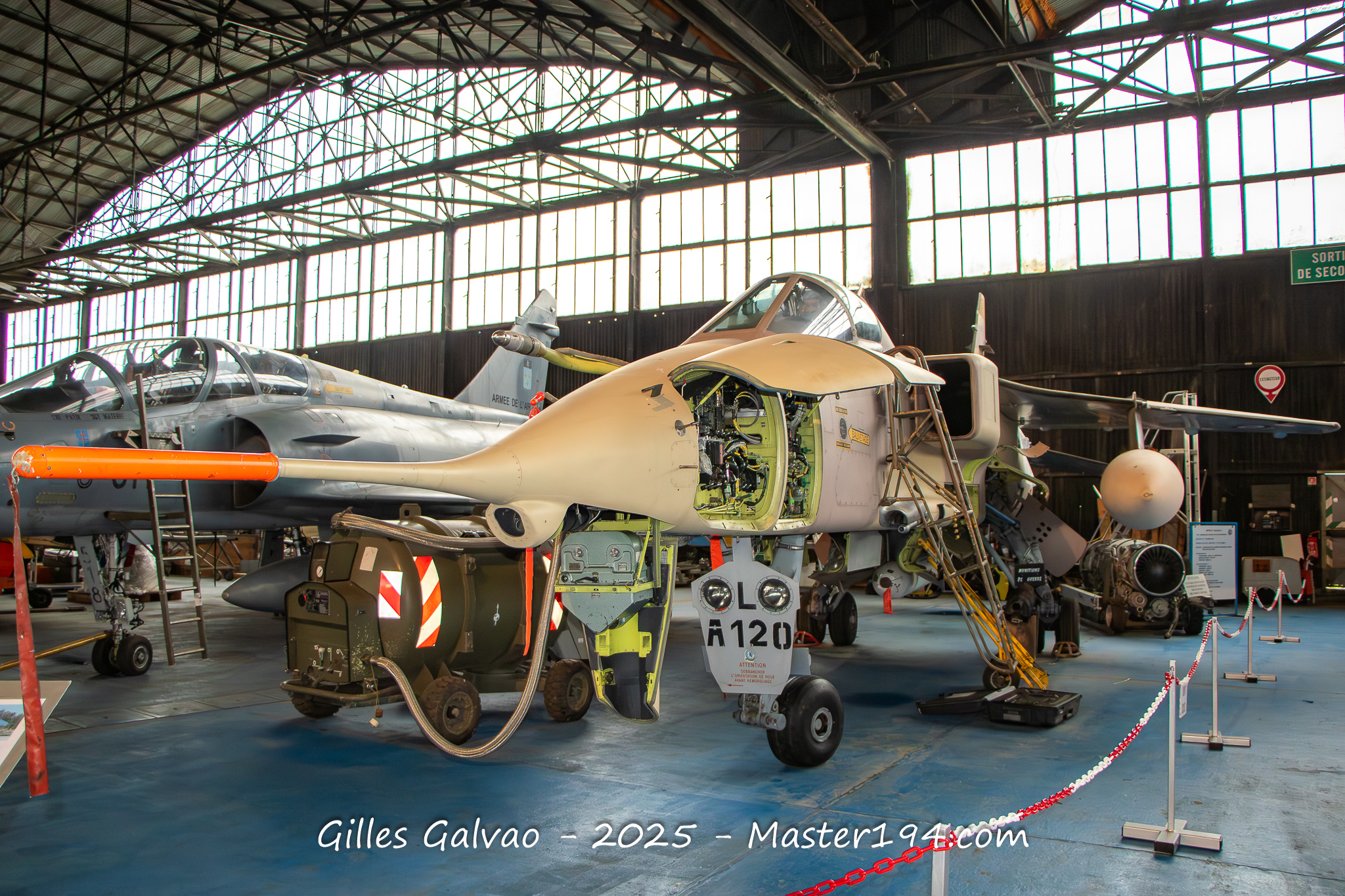
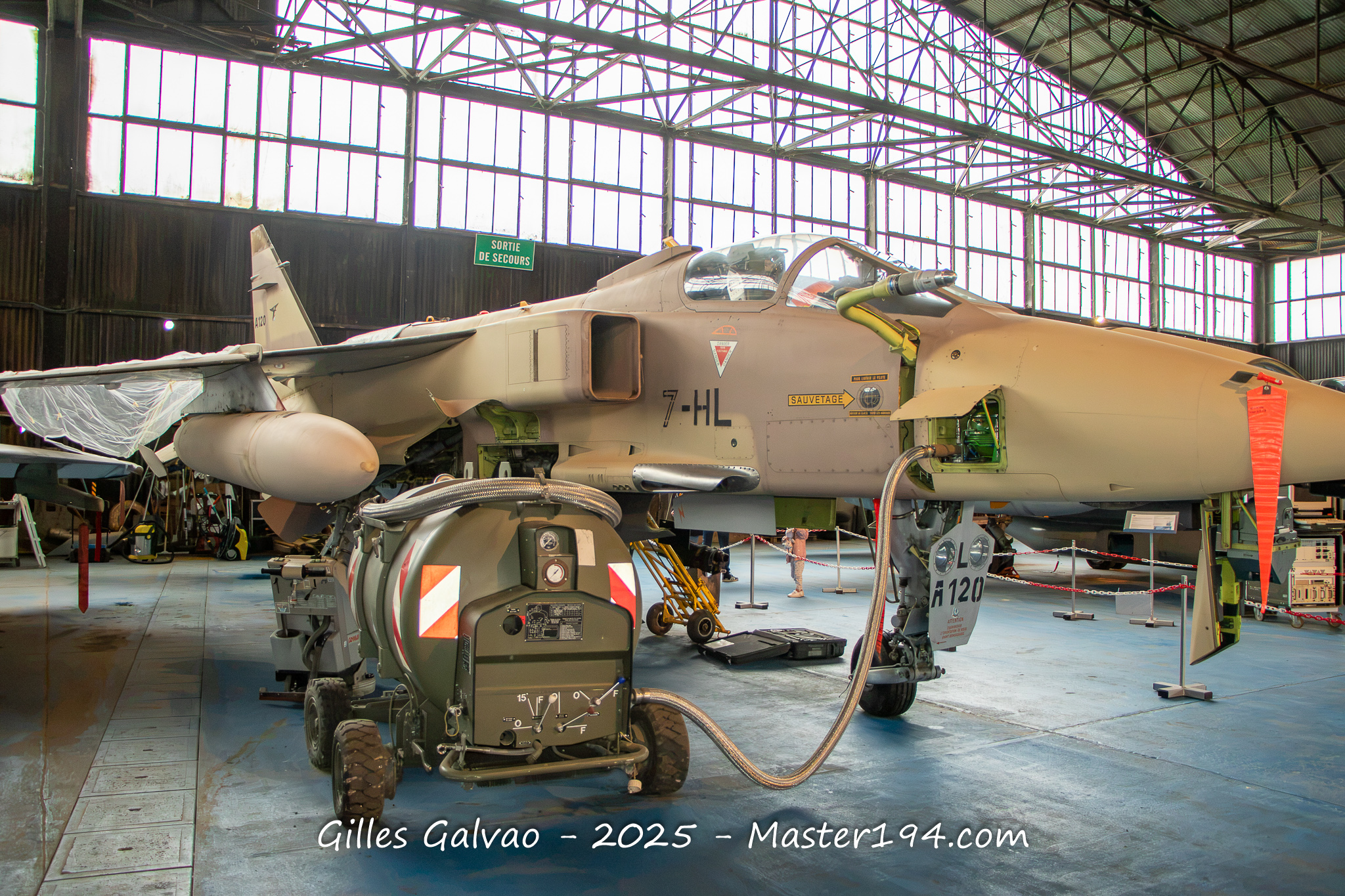
Among the preserved airframes located at the CANOPEE storage site in Châteaudun, the SEPECAT Jaguar A120 holds particular historical significance. Built in 1979, this single-seat French Air Force (Armée de l’Air) strike fighter enjoyed a long operational career marked by prominent deployments in Africa and during the 1991 Gulf War.
AD
Today, stored at Châteaudun, it still wears the desert camouflage livery characteristic of that final operation—a visual reminder of a critical chapter in French military aviation history, while also illustrating the various sand-camouflage schemes adopted by the French Air Force throughout the Jaguar’s operational lifespan.
An Operational Career Across the 11th and 7th Fighter Wings
Manufactured in 1979, the Jaguar A120 initially joined the 11th Fighter Wing (11e Escadre de chasse), whose squadrons spearheaded France’s external military interventions in Africa. During its tenure with this wing, the aircraft underwent several unit and tactical code reassignments.
This initial career phase is closely tied to the Jaguar’s African engagements, including operations in Chad. The aircraft subsequently participated in France’s combat contribution to the Gulf War in early 1991.
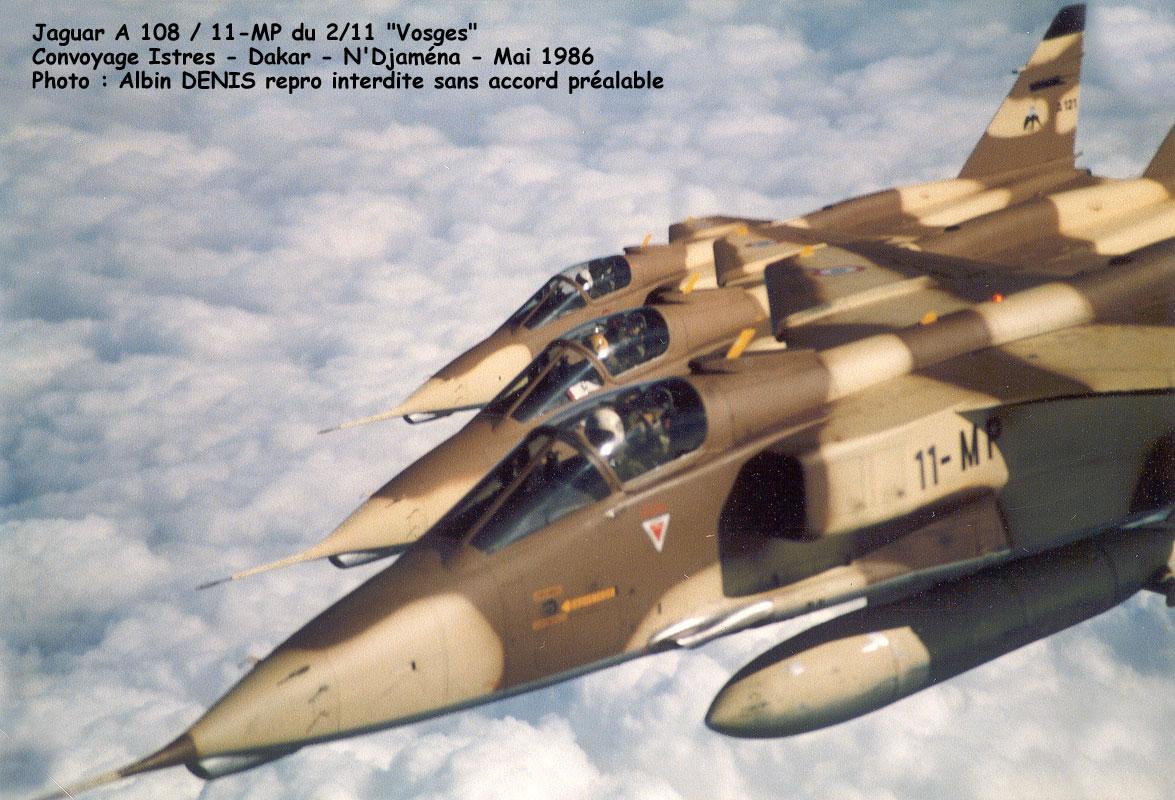
On May 25, 1991, during the Toul-Rosières national airshow, the A120 was photographed wearing the tactical code 11-MR, bearing the markings of EC 2/11 “Vosges” and the SPA 97 squadron insignia. At that time, it sported the distinct desert livery adopted for Operation Daguet.
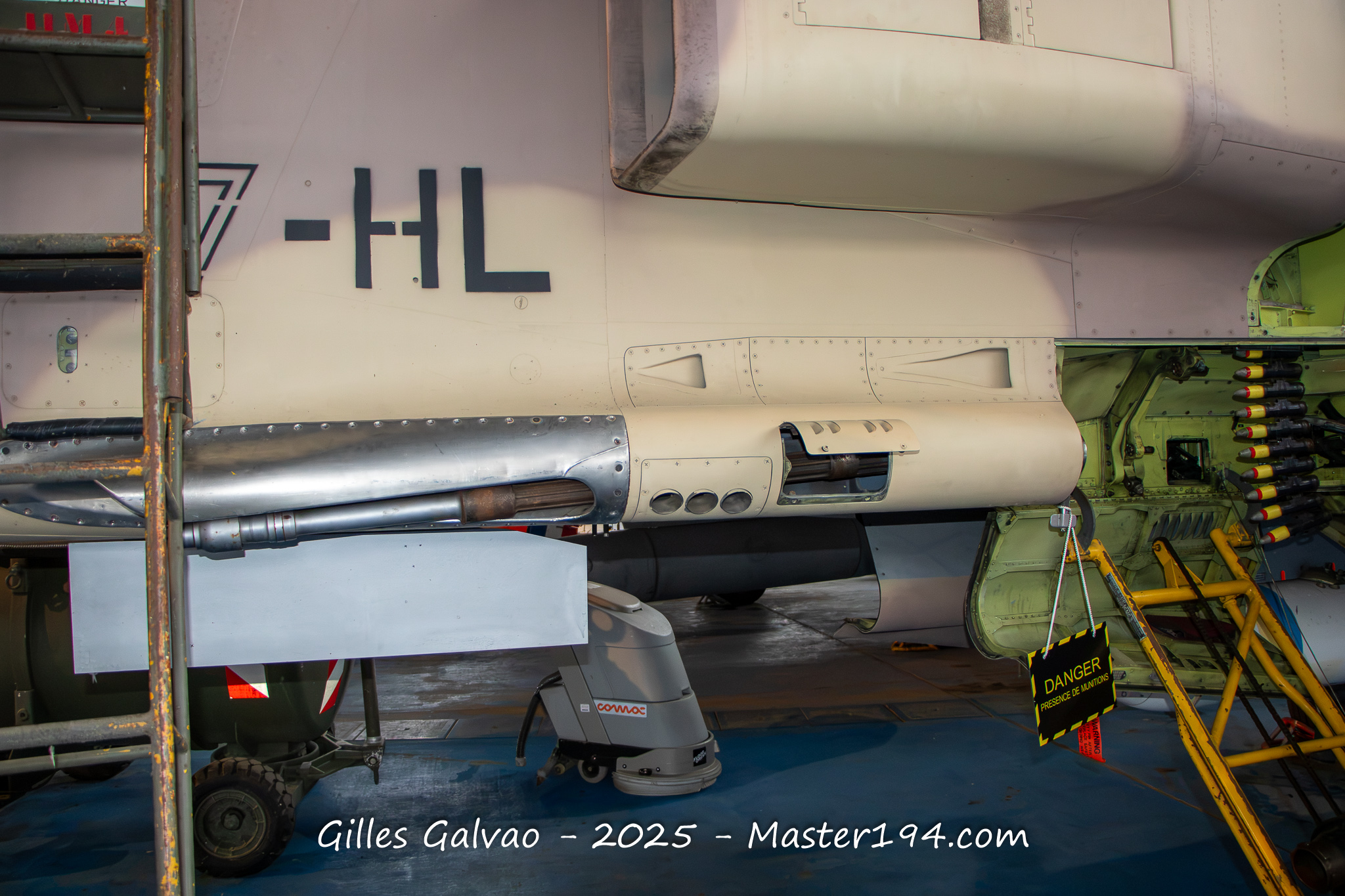
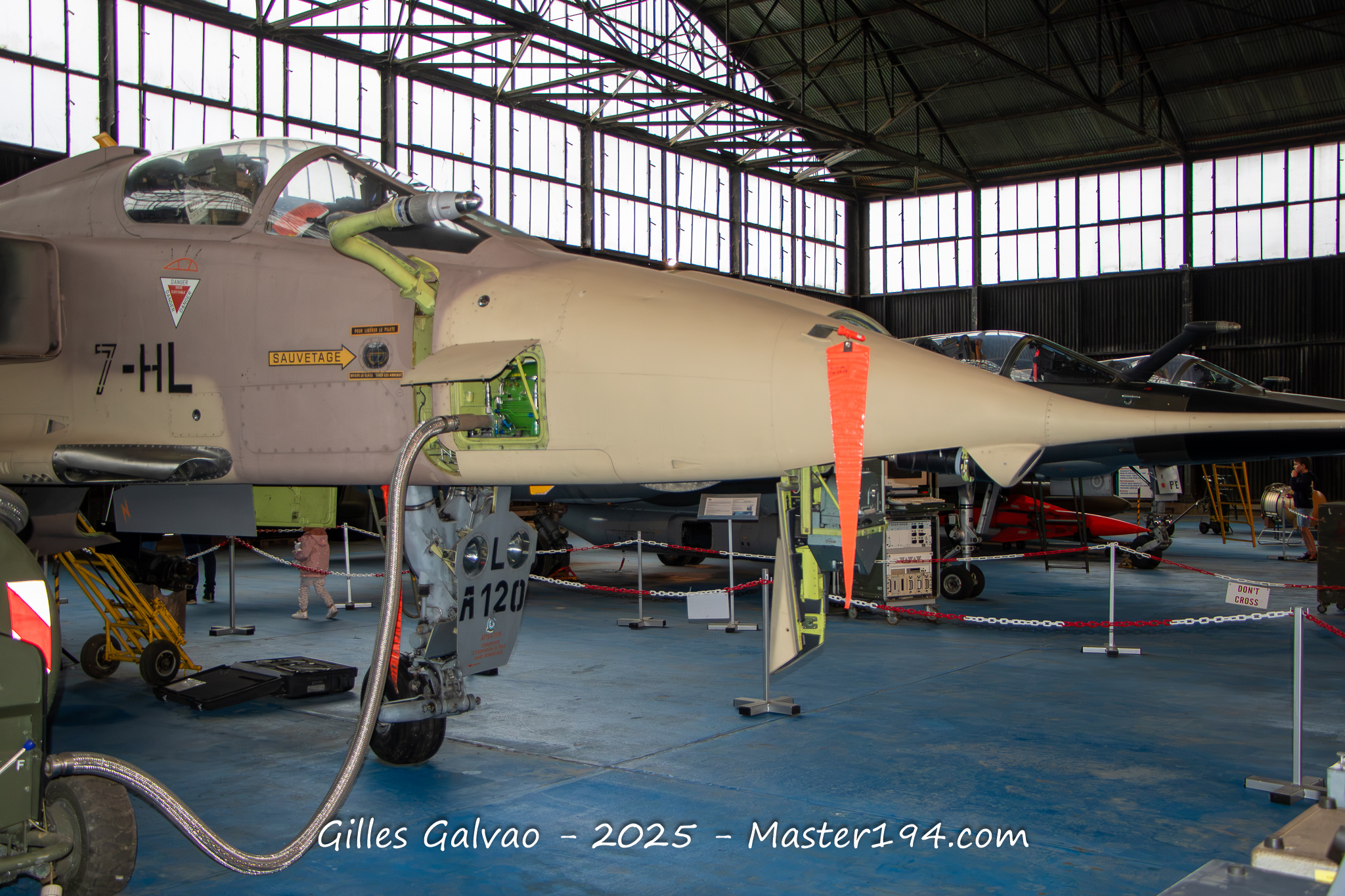
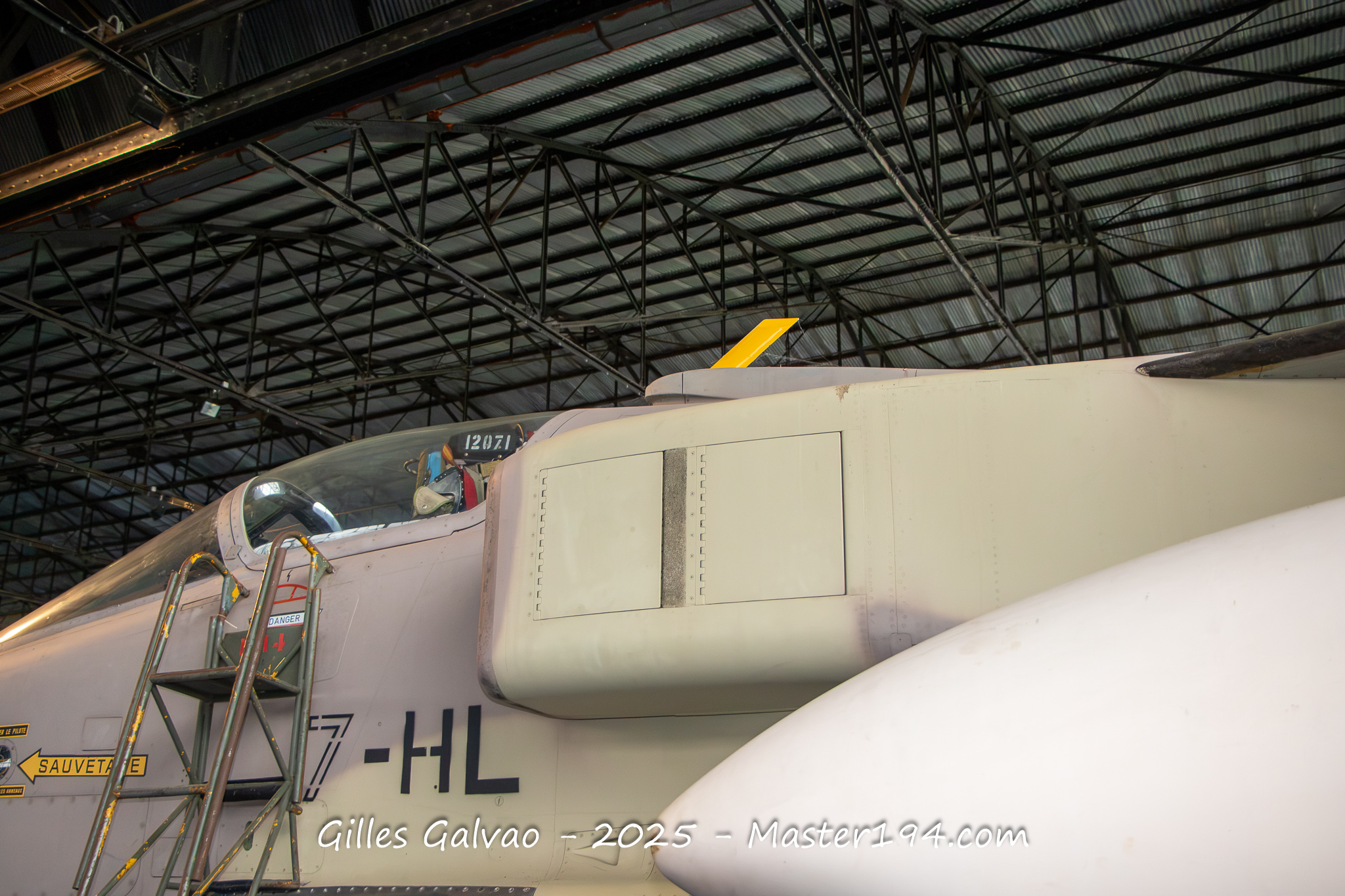
Following its service with the 11th Wing, the A120 was transferred to the 7th Fighter Wing (7e Escadre de chasse) at Saint-Dizier, where it received the code 7-HL under EC 1/7 “Provence” and the SPA 91 squadron insignia.
The Jaguar continued flying until the twilight of the type’s active service within the French Air Force. The definitive retirement of the French Jaguar fleet occurred in July 2005, after more than thirty years of frontline operational service.
The A120 was subsequently transferred to Châteaudun, where it bears testimony to this rich heritage.
A Desert Camouflage Forged in Operation Daguet
This paint scheme is directly linked to the deployment of French Jaguars during Operation Daguet—the French military designation for the 1991 Gulf War. Aircraft belonging to the 11th Wing were deployed to the theater to conduct offensive air operations against Iraqi forces.
The livery adopted for this deployment broke sharply from the traditional European green-and-grey camouflage. It utilized broad, irregular patches of sand and chocolate-brown tones across upper surfaces, engineered to blend the aircraft’s silhouette into the arid desert operating environment.
Evolution of French Jaguar Sand Camouflage Schemes
Throughout their service history, French Jaguars wore multiple variants of sand-dominant camouflage. These liveries fulfilled distinct operational requirements rather than following a single uniform standard.
The earliest African schemes emerged during deployments to Chad. Beginning in the 1980s, selected airframes received a sand and dark-brown camouflage tailored for sub-Saharan operations, closely associated with Operation Épervier and missions flown against Libyan forces.
Other specialized variants included tactical paint schemes applied for USAF-hosted Red Flag exercises at Nellis Air Force Base during the 1980s.
Finally, the Gulf War necessitated a dedicated desert camouflage for units committed to Operation Daguet. This finish, preserved on the A120, was retained by several Jaguars following their return from the Gulf. Several airframes continued to wear sand liveries through the 1990s, notably during peacekeeping and combat operations in the Balkans.
Walkaround
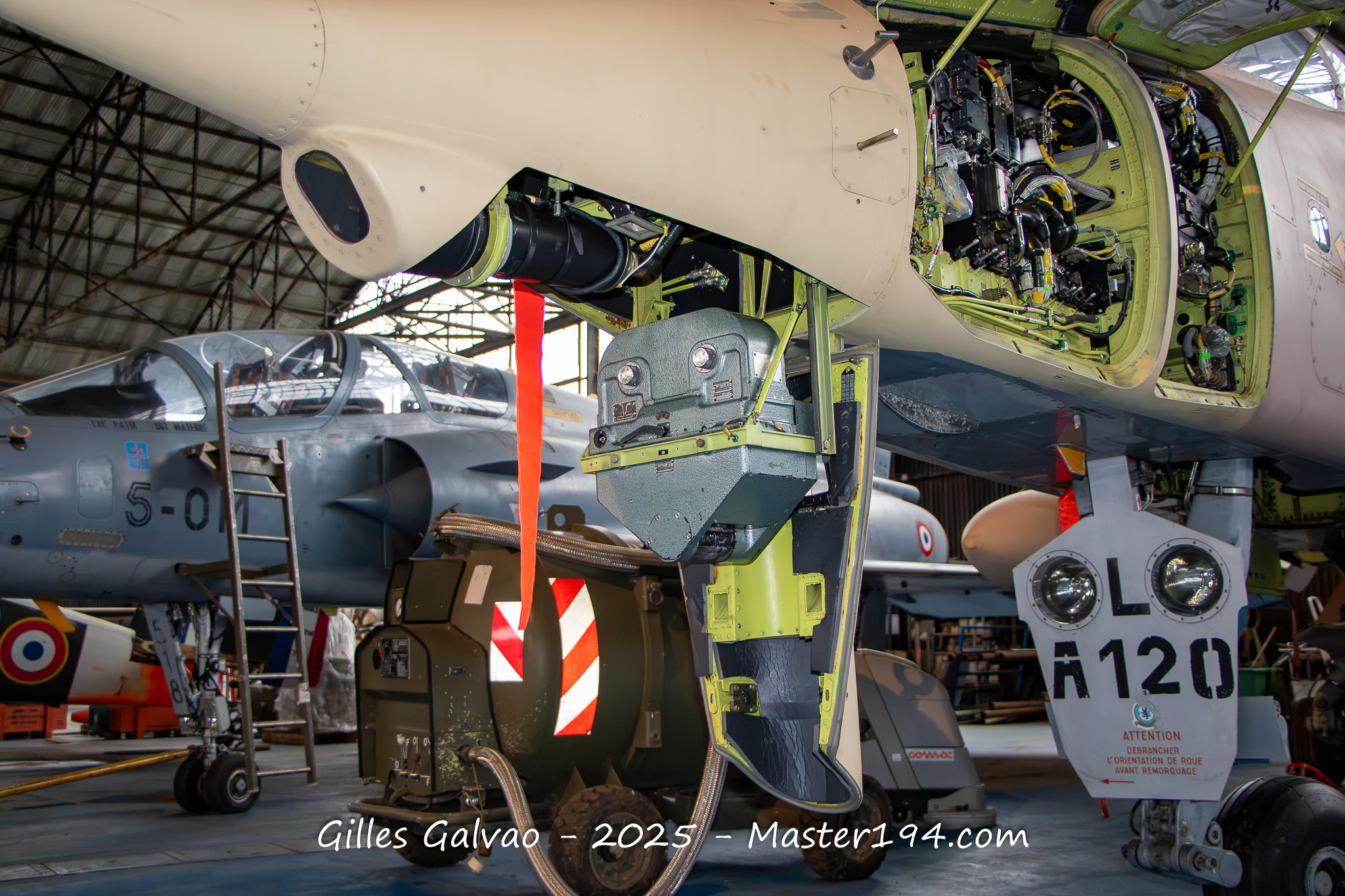
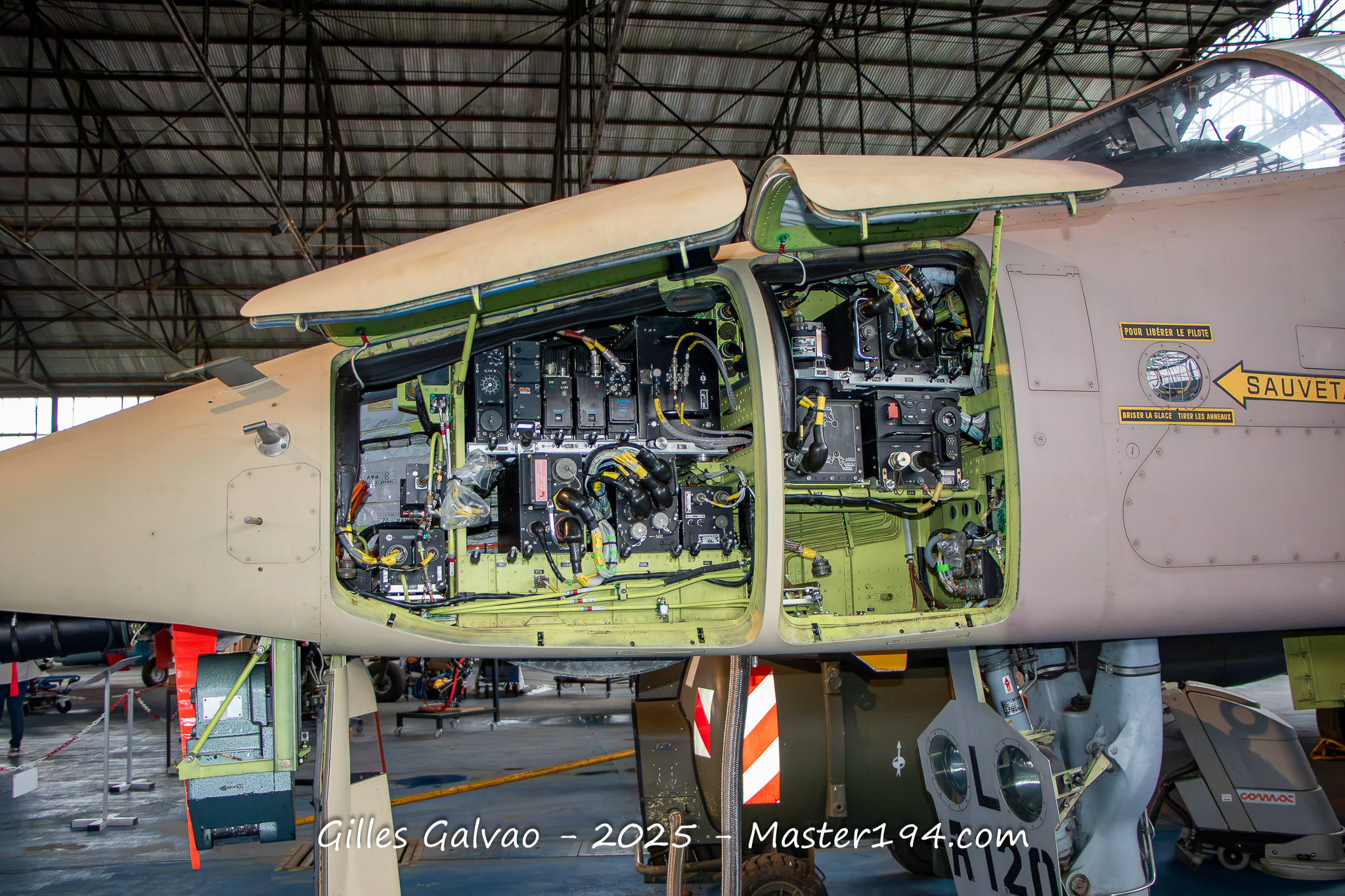
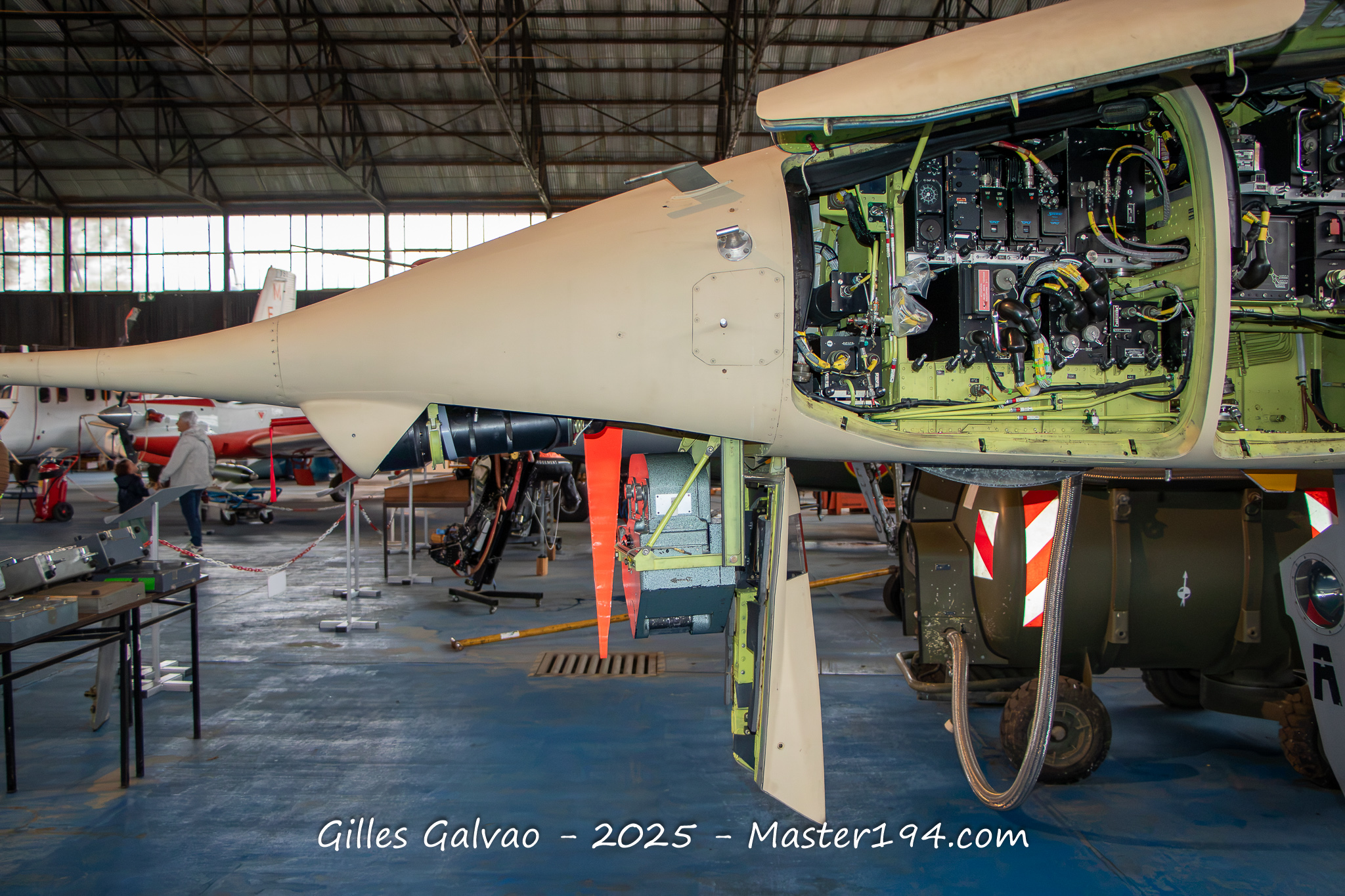
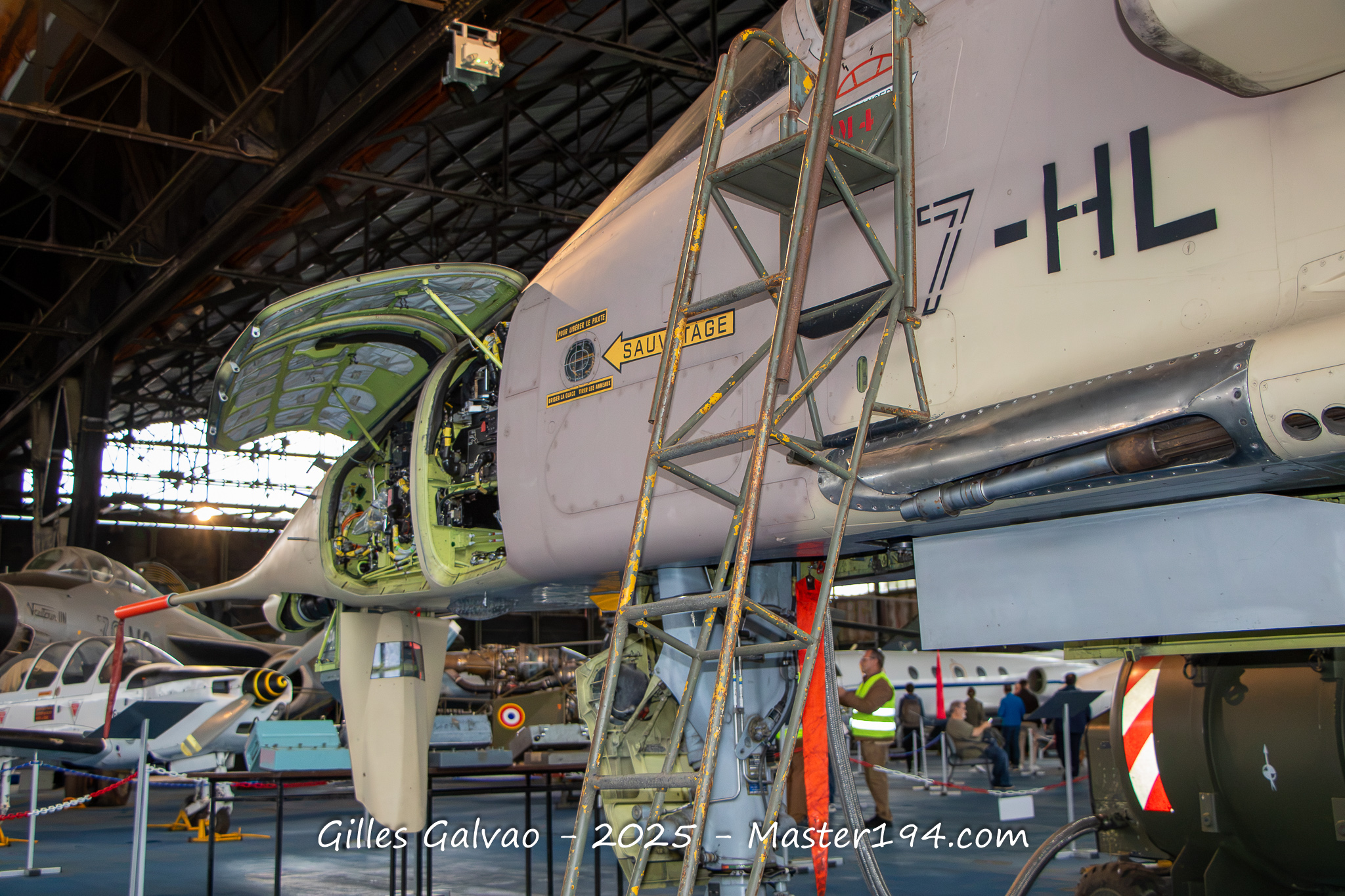
Forward Left Fuselage & Avionics Bay:
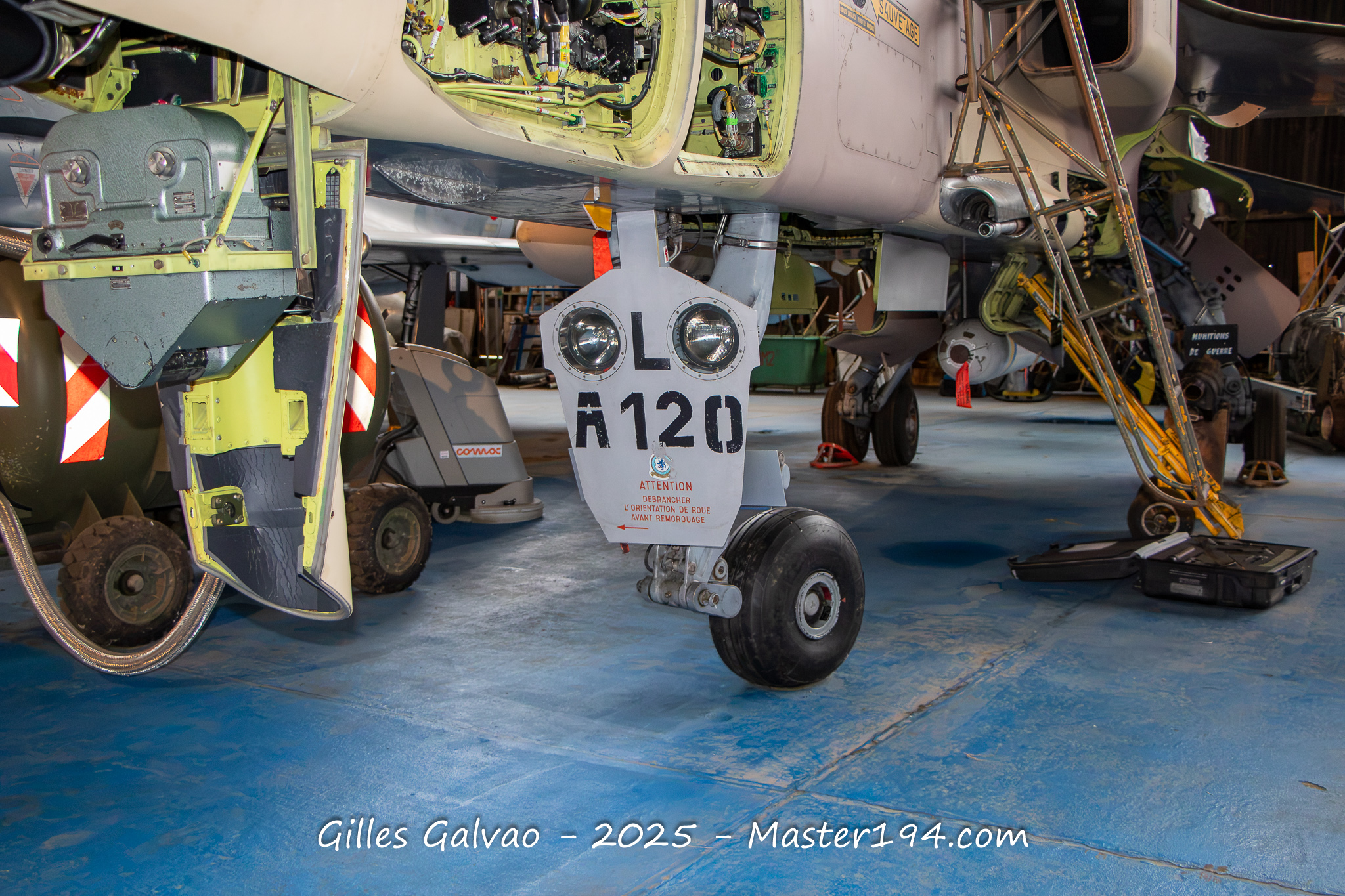
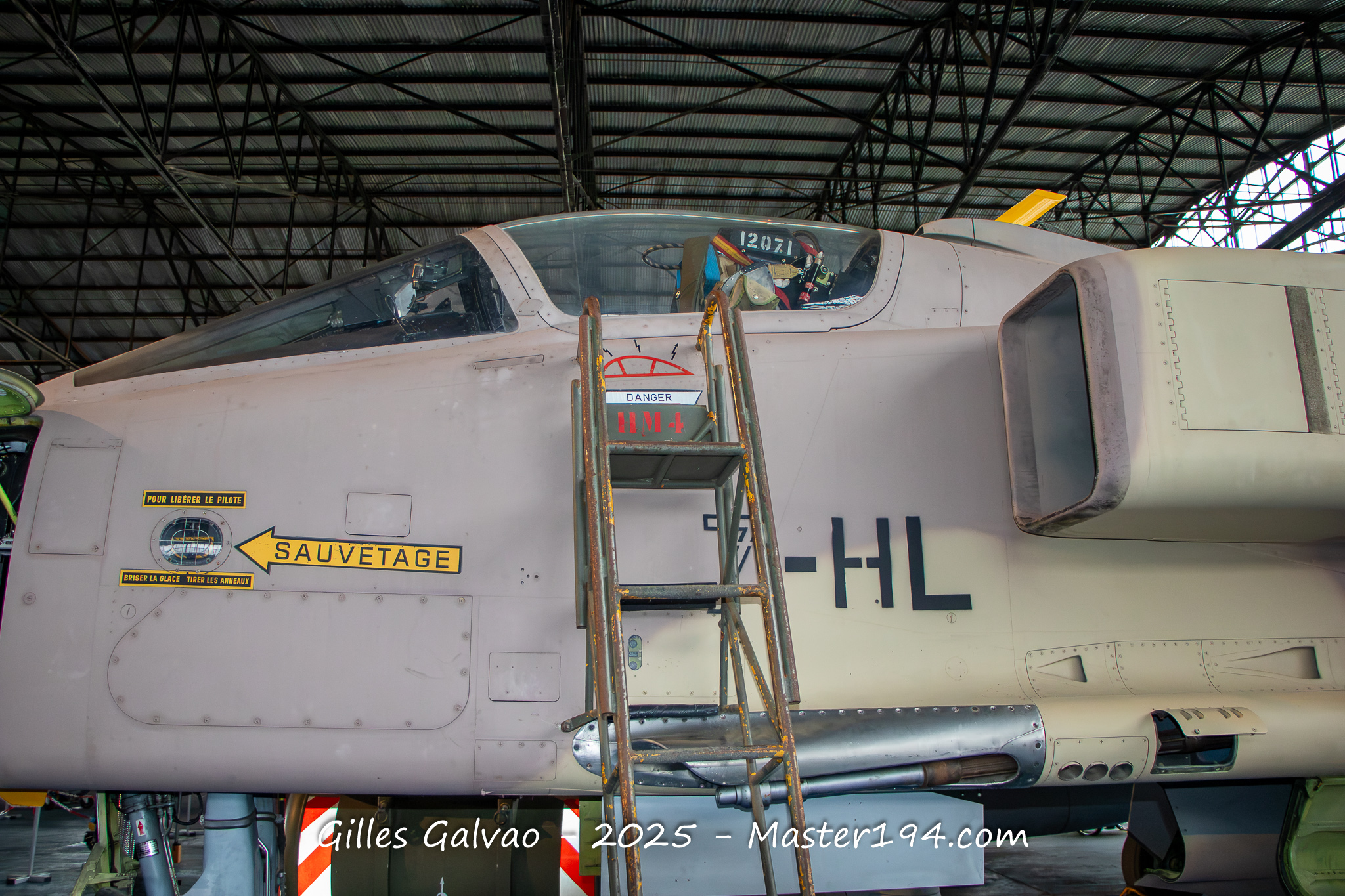
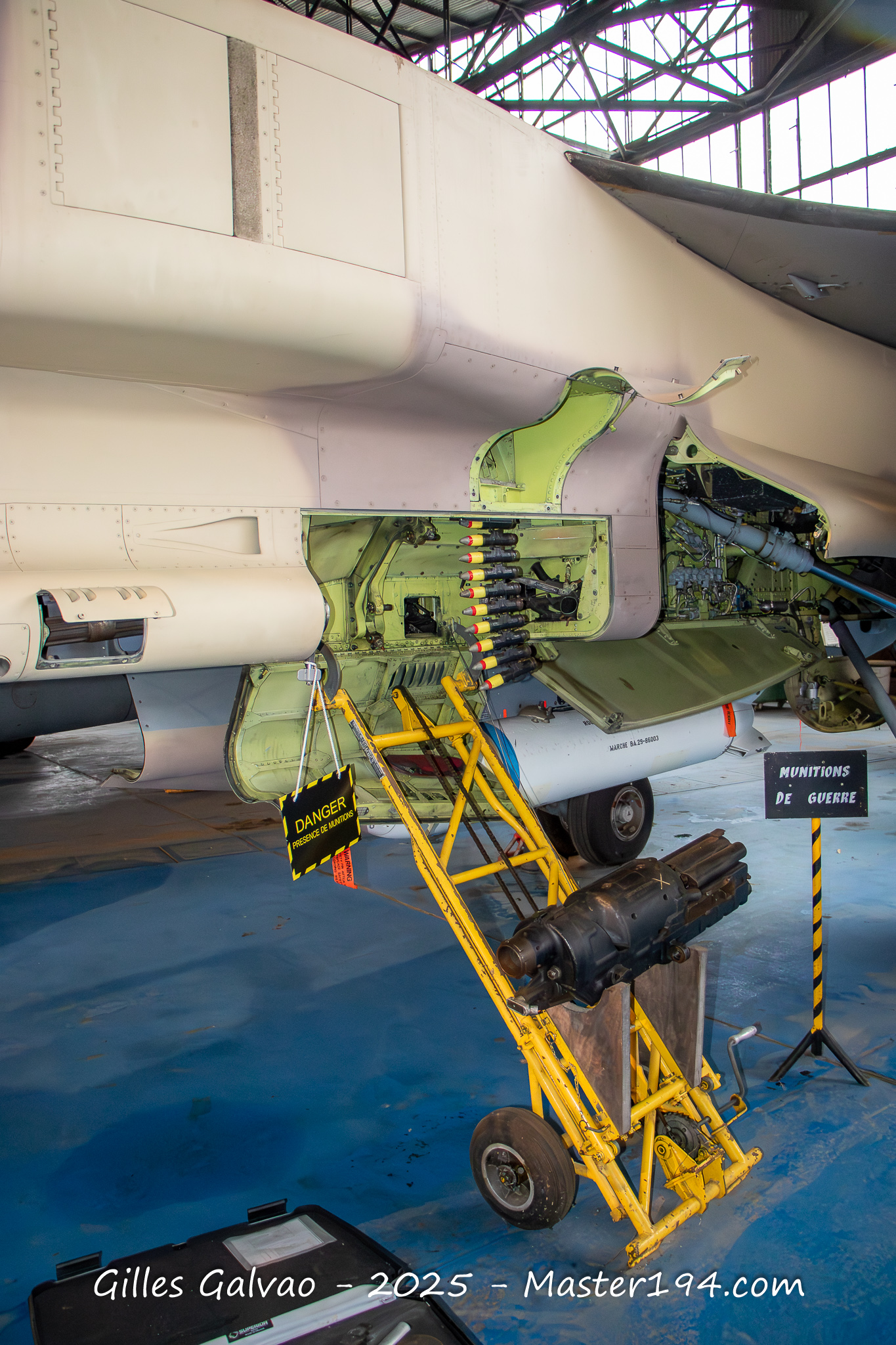
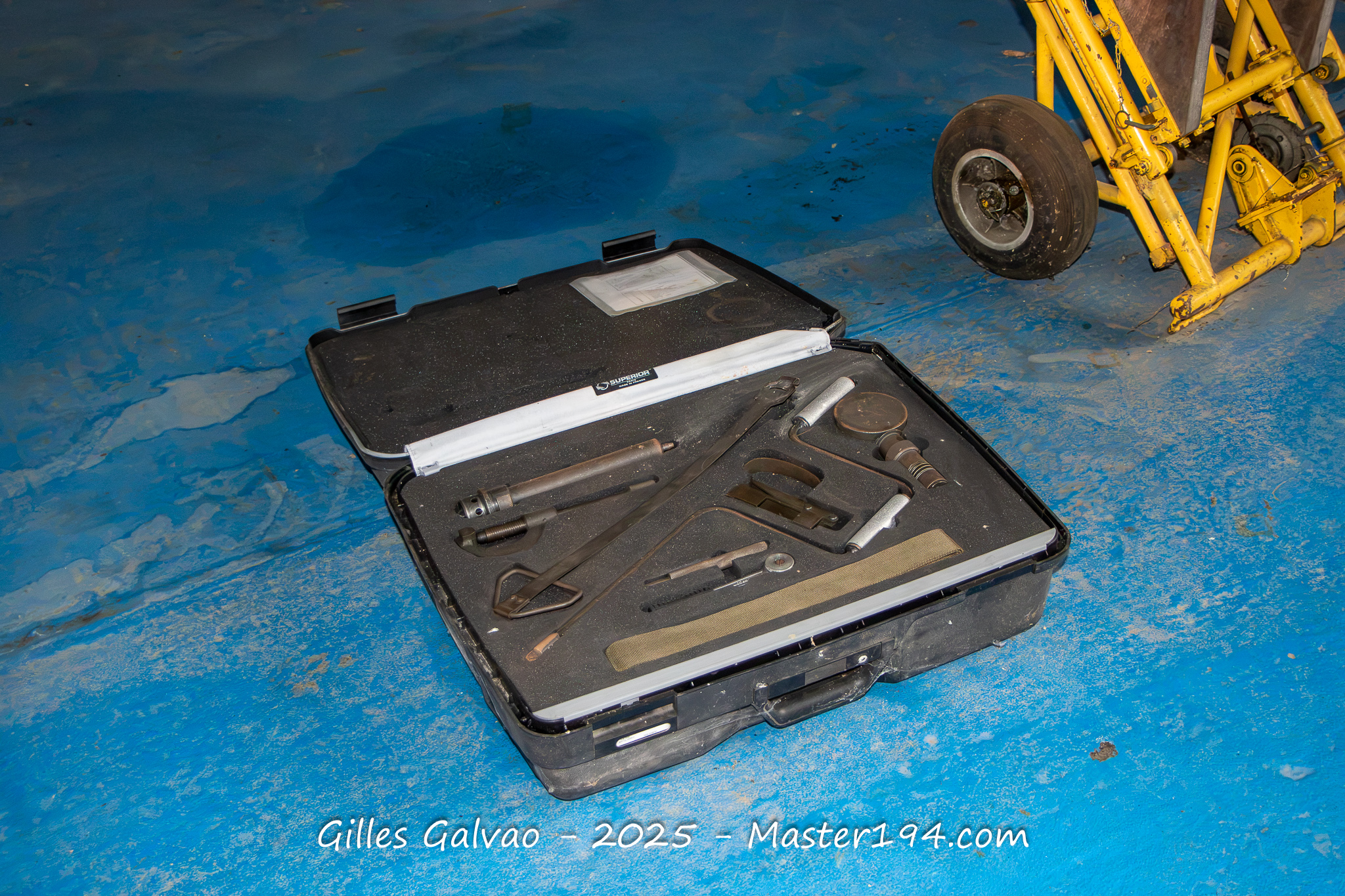
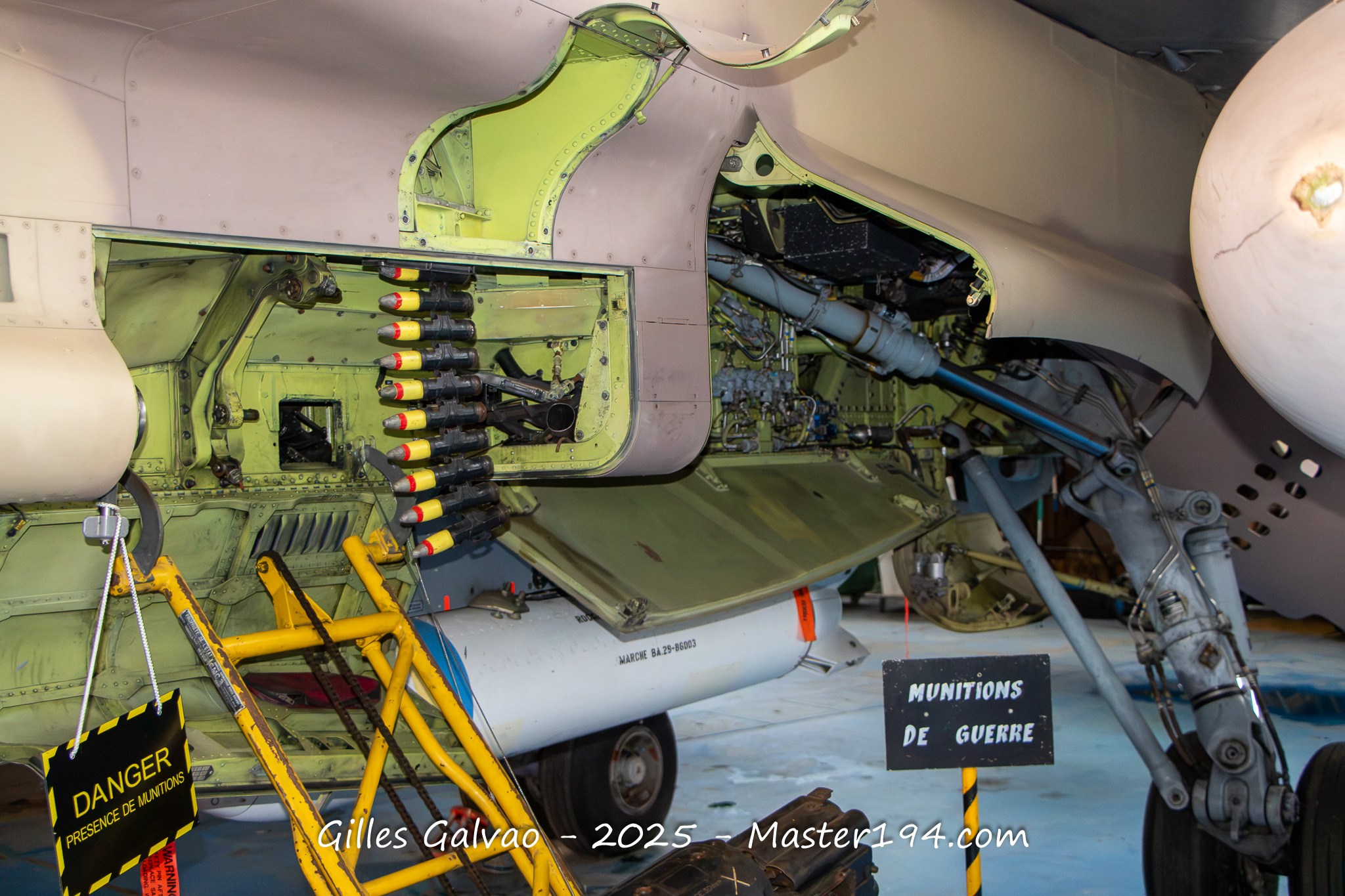
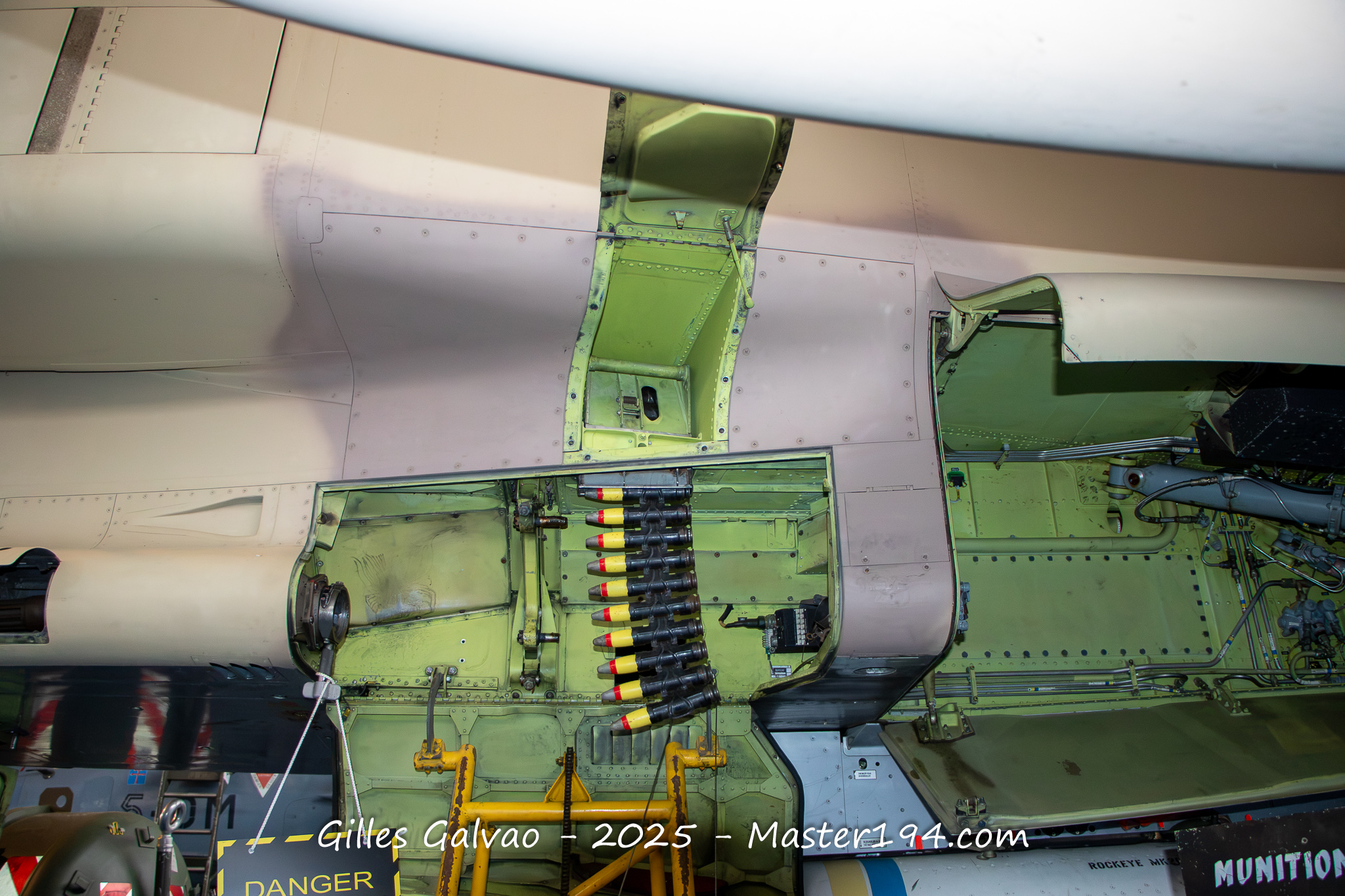
Left Cannon Bay
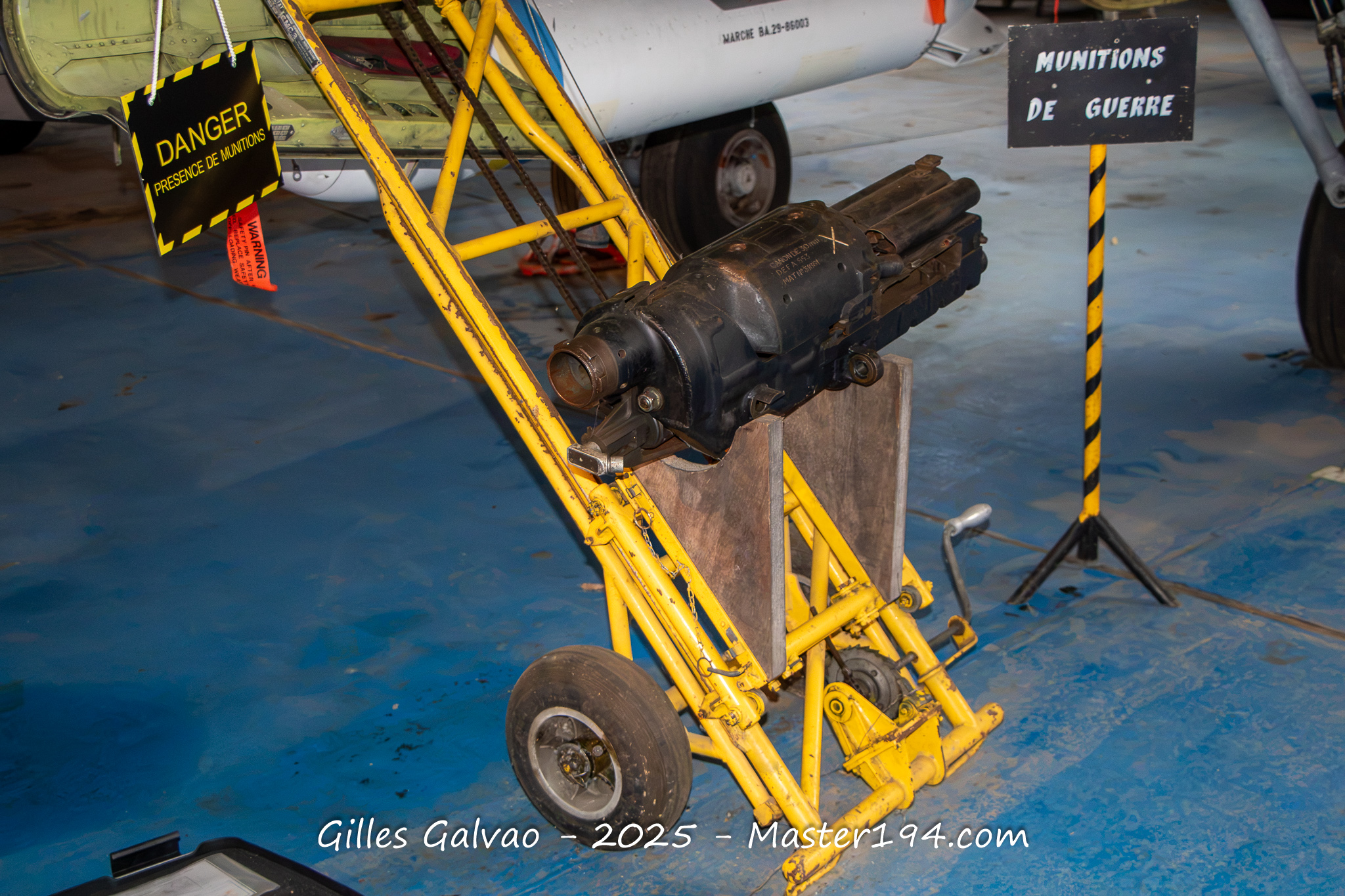
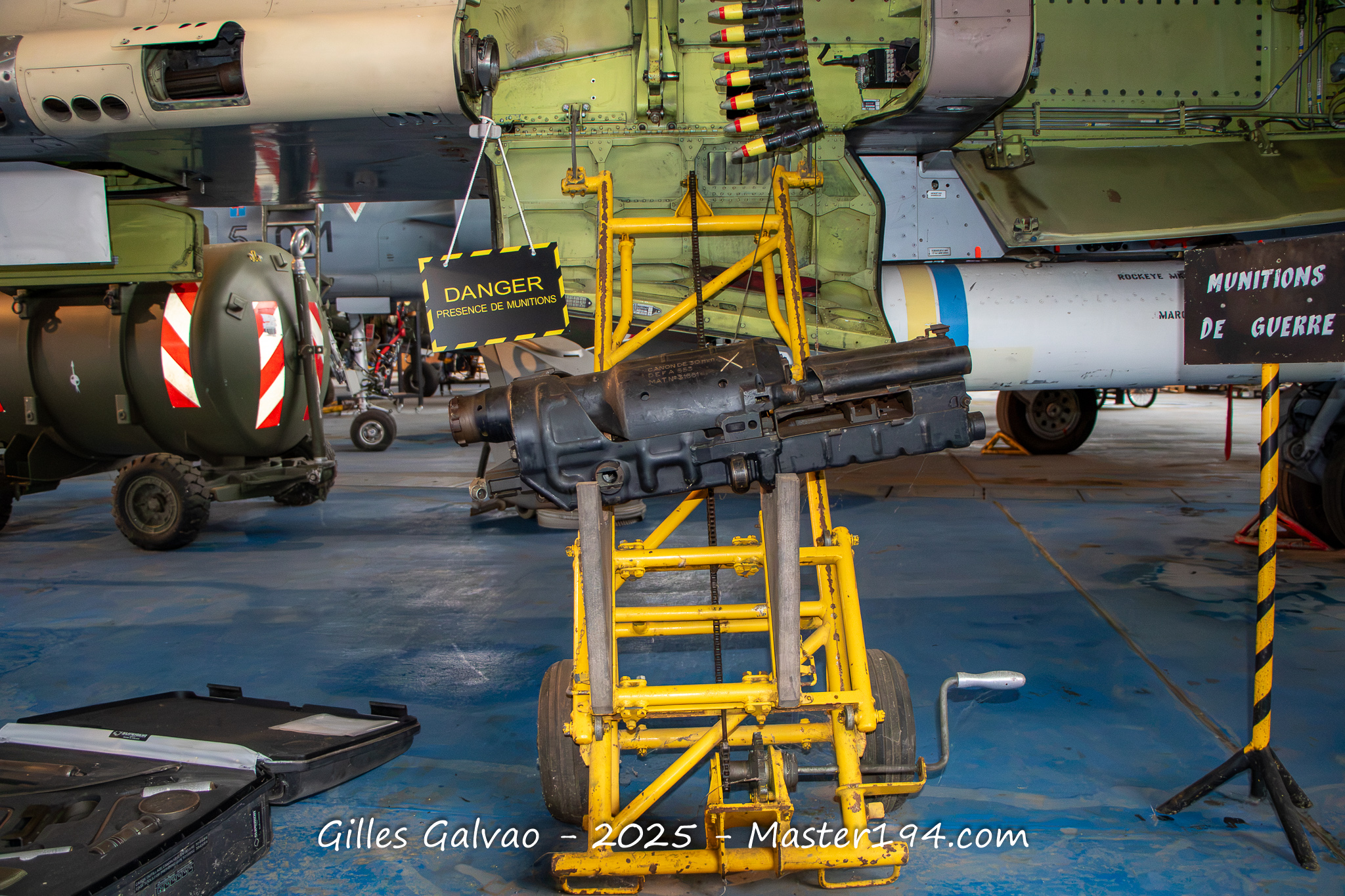
Right Cannon Bay
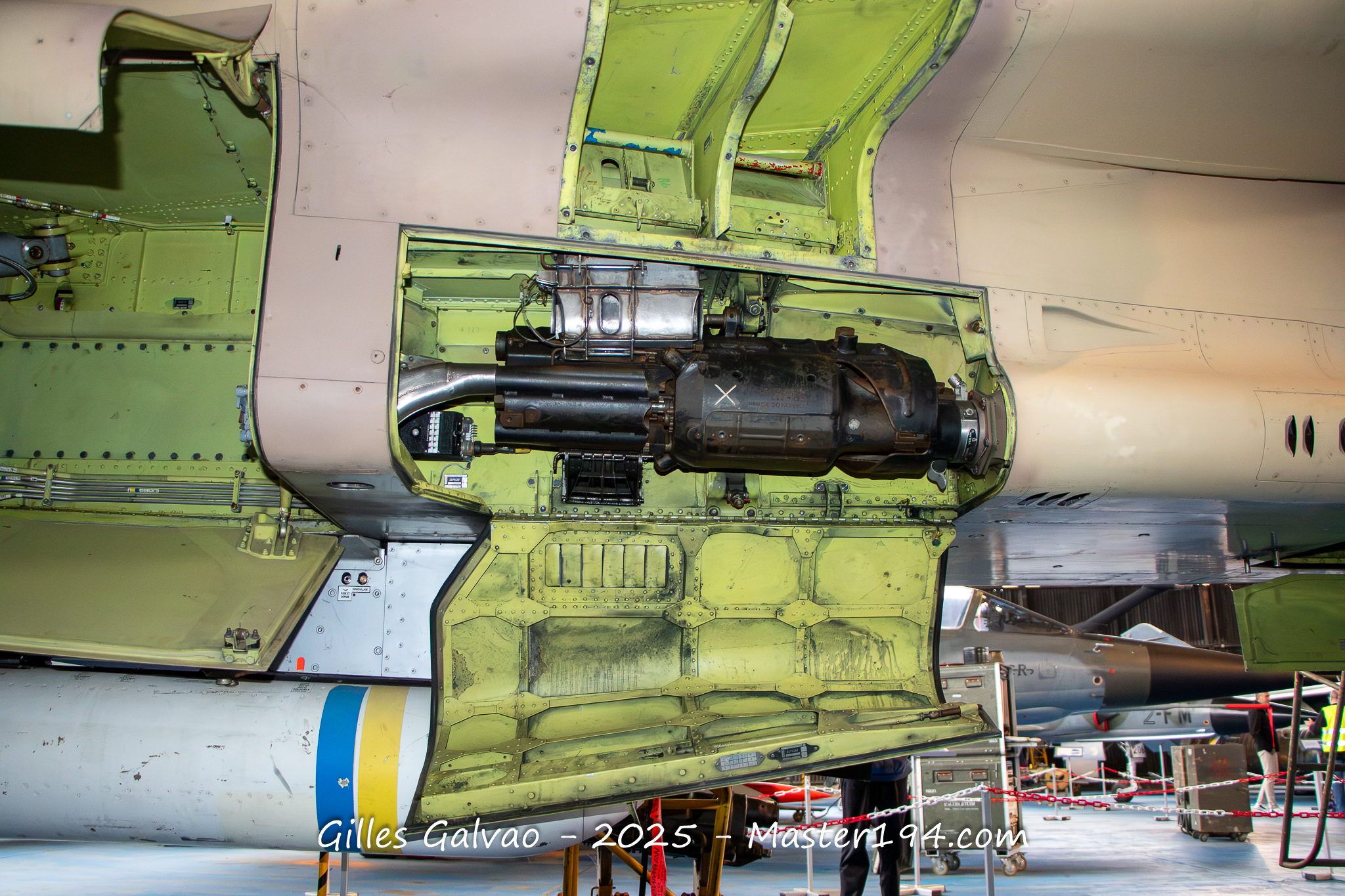
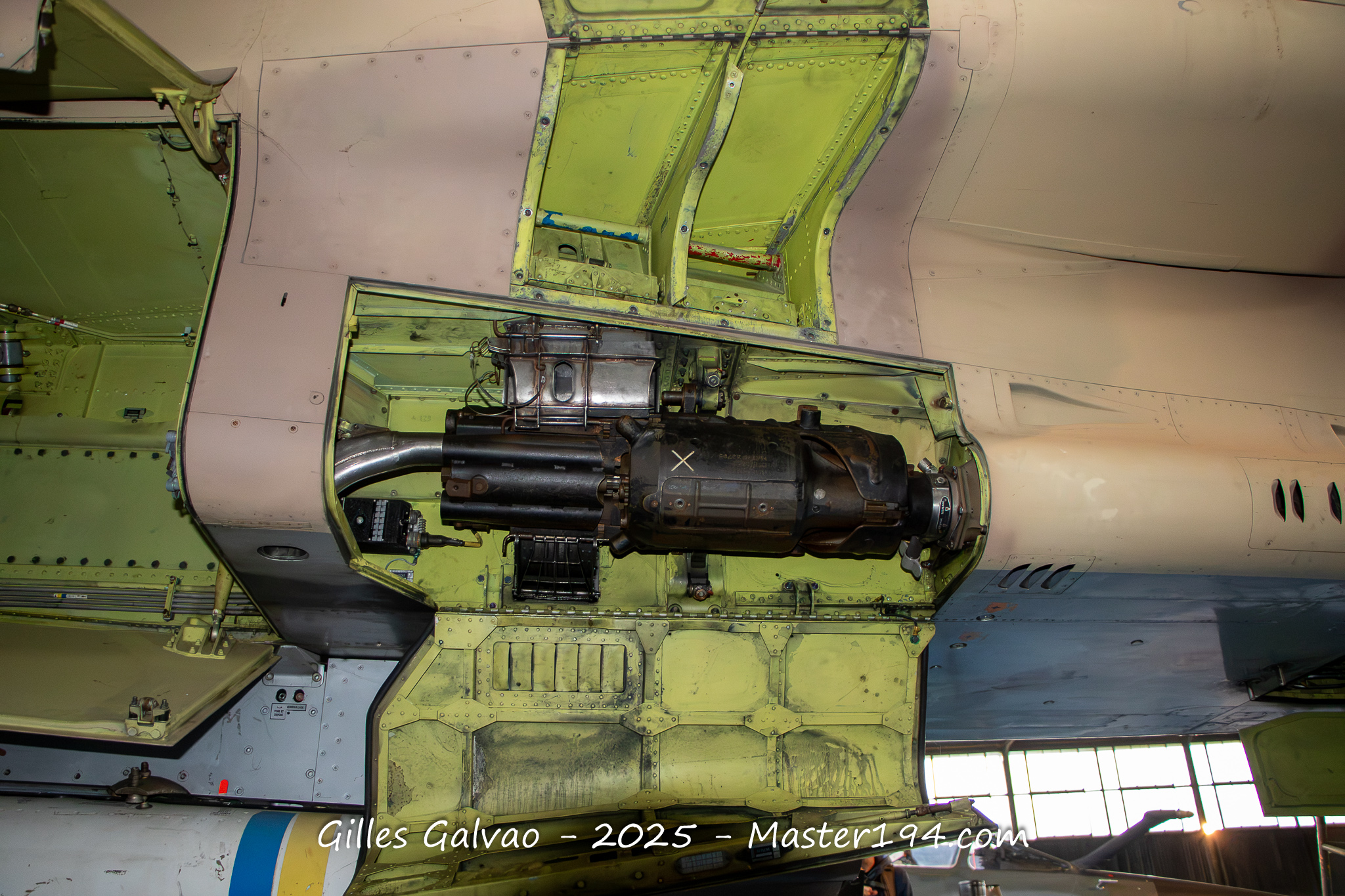
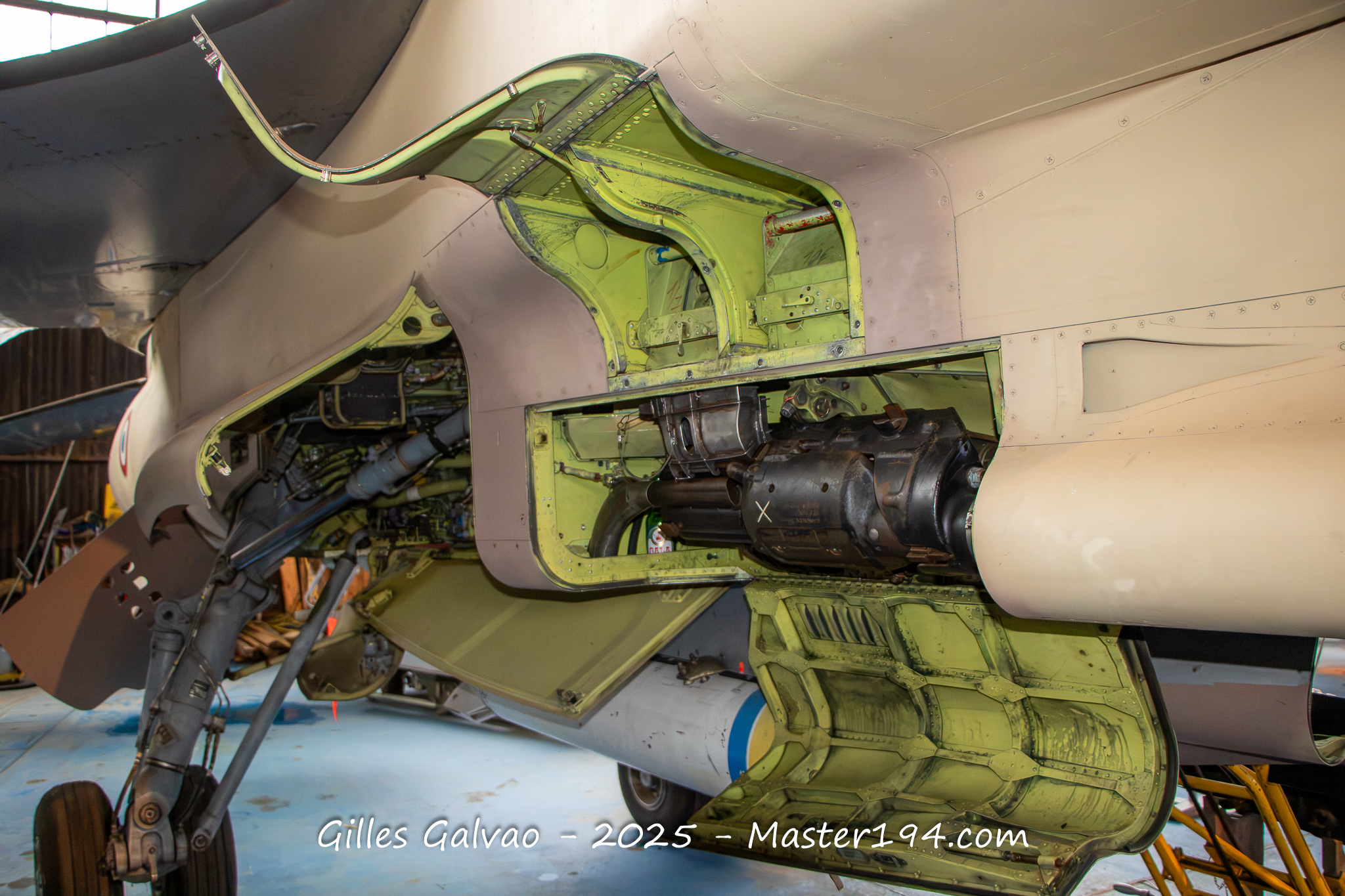
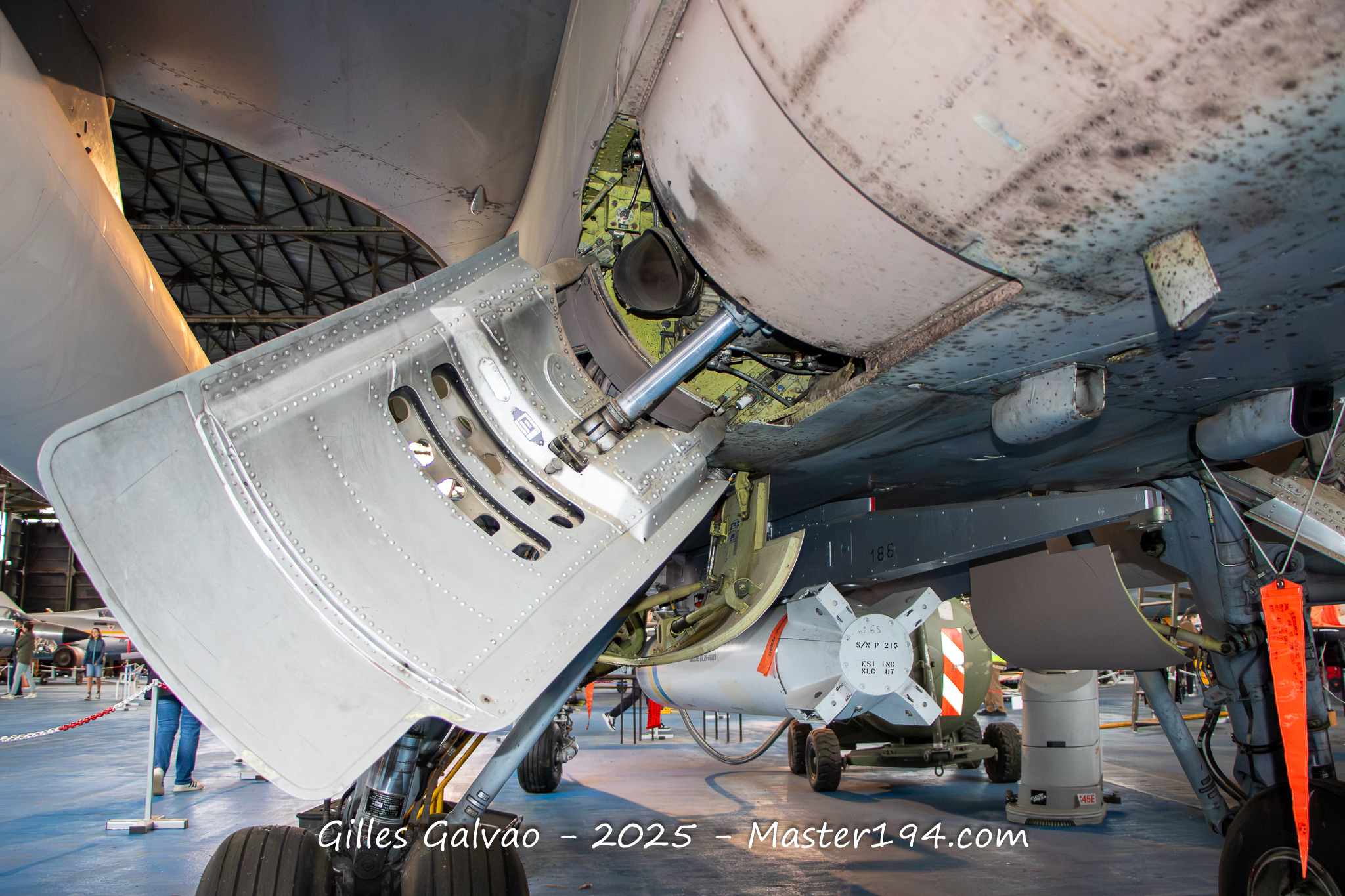
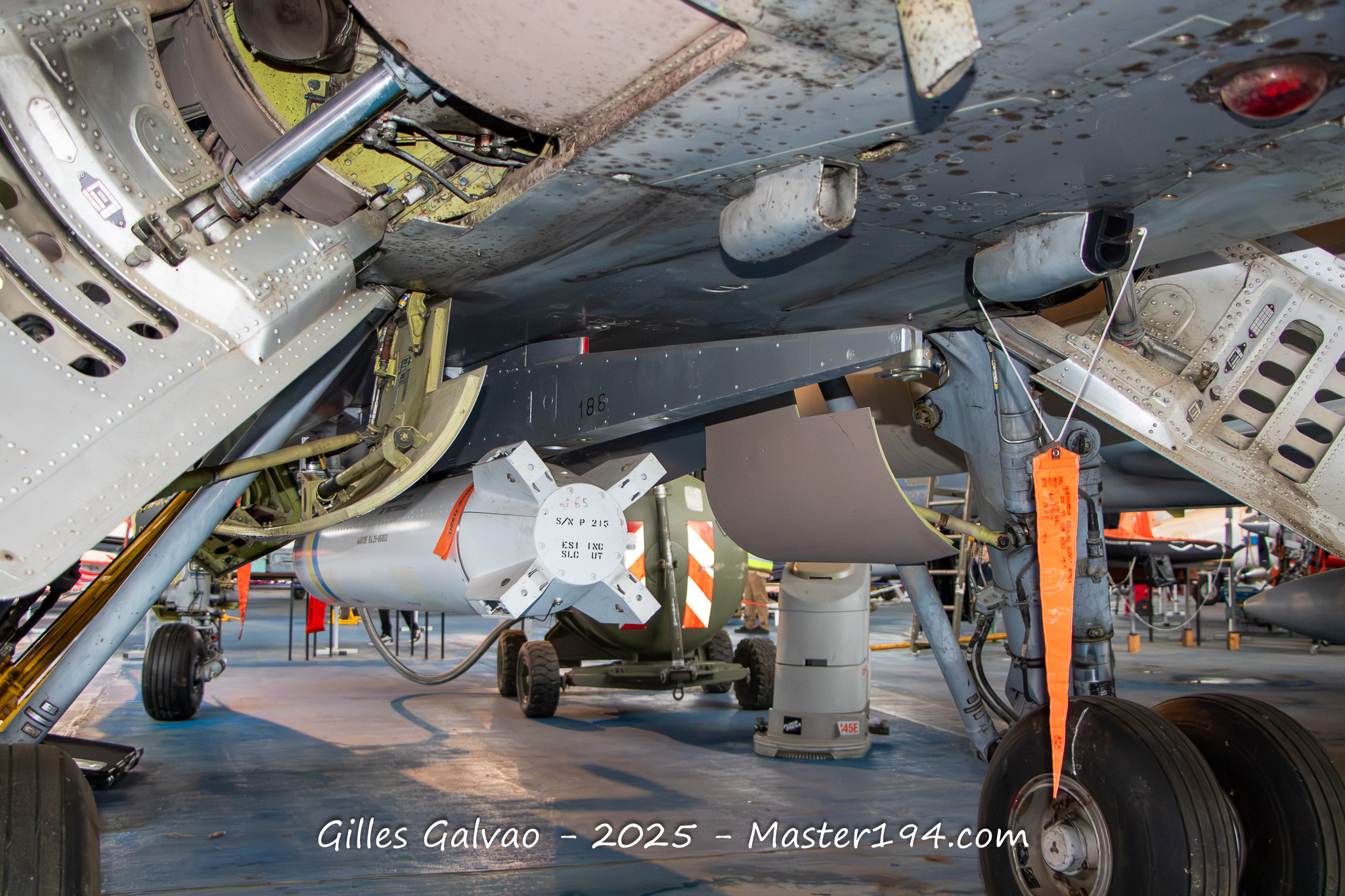
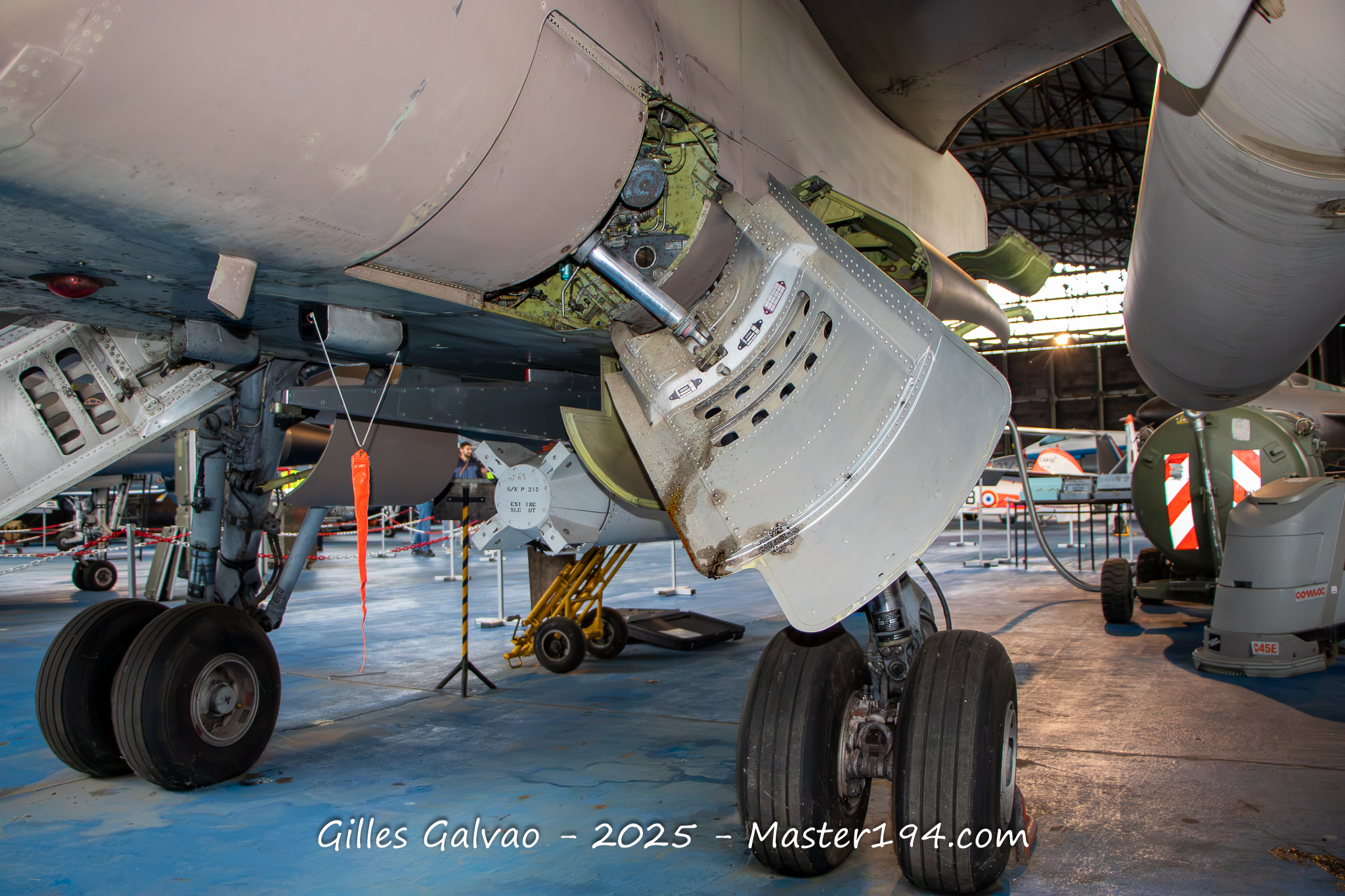
Left Main Landing Gear
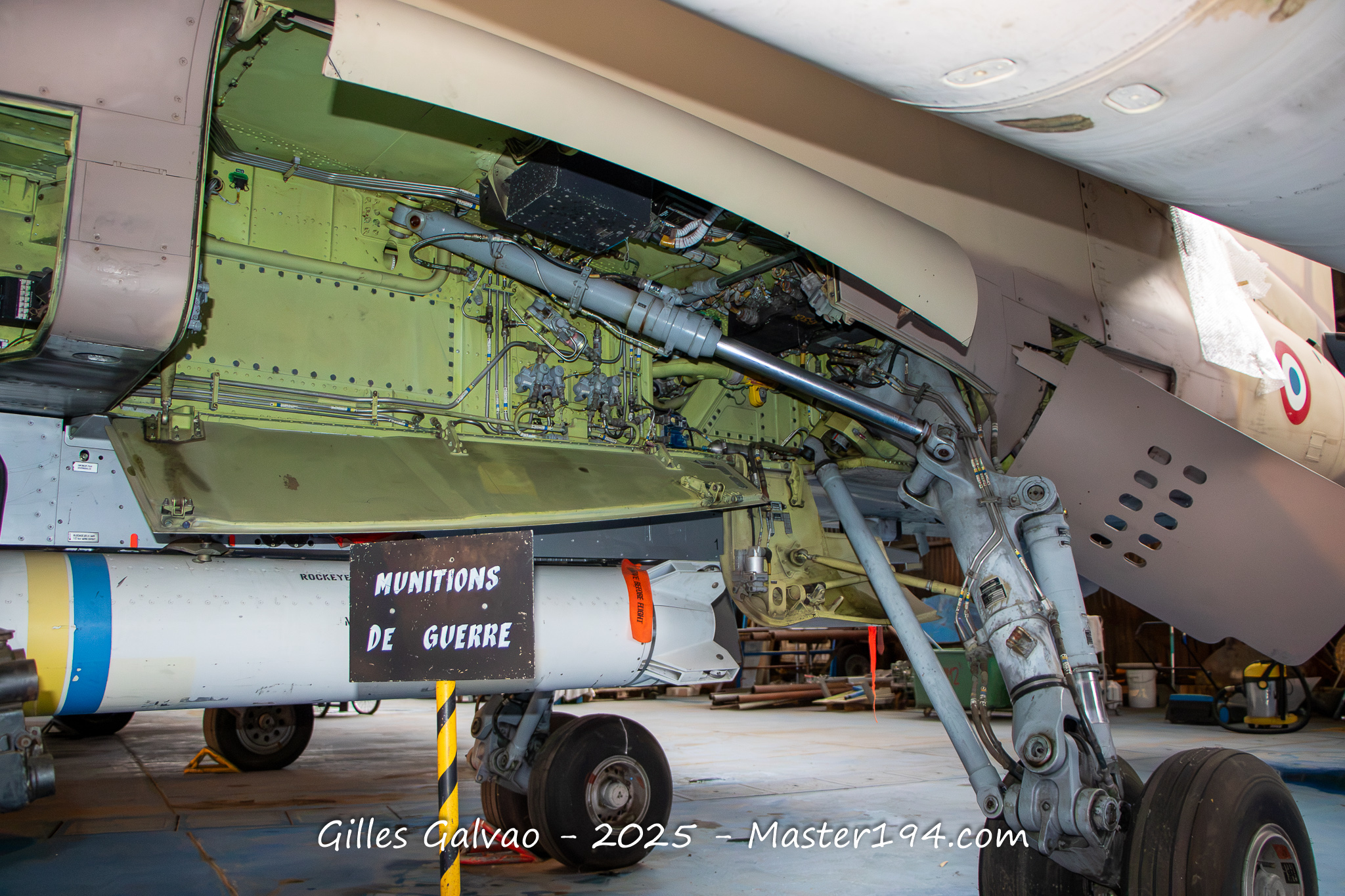
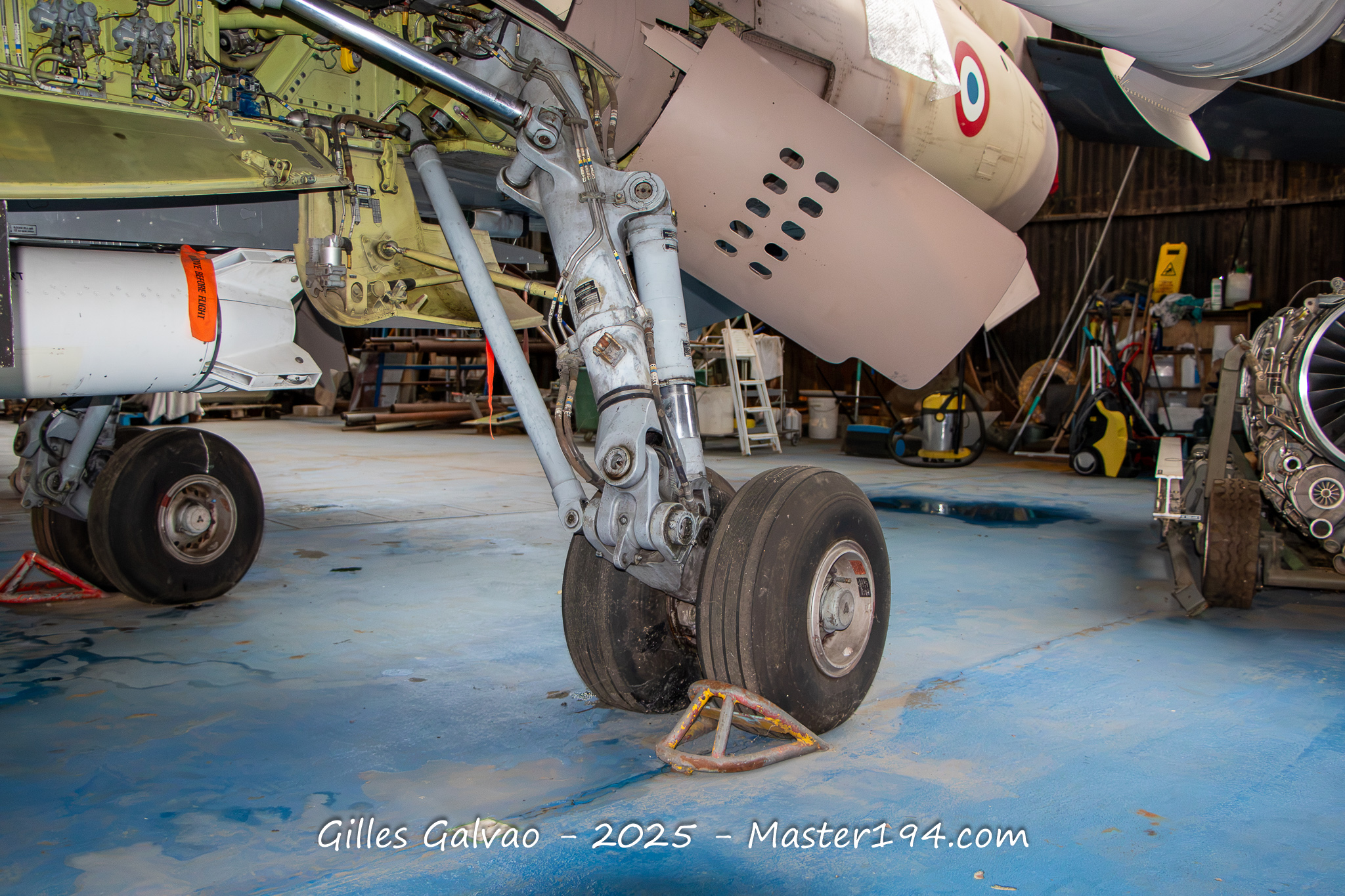
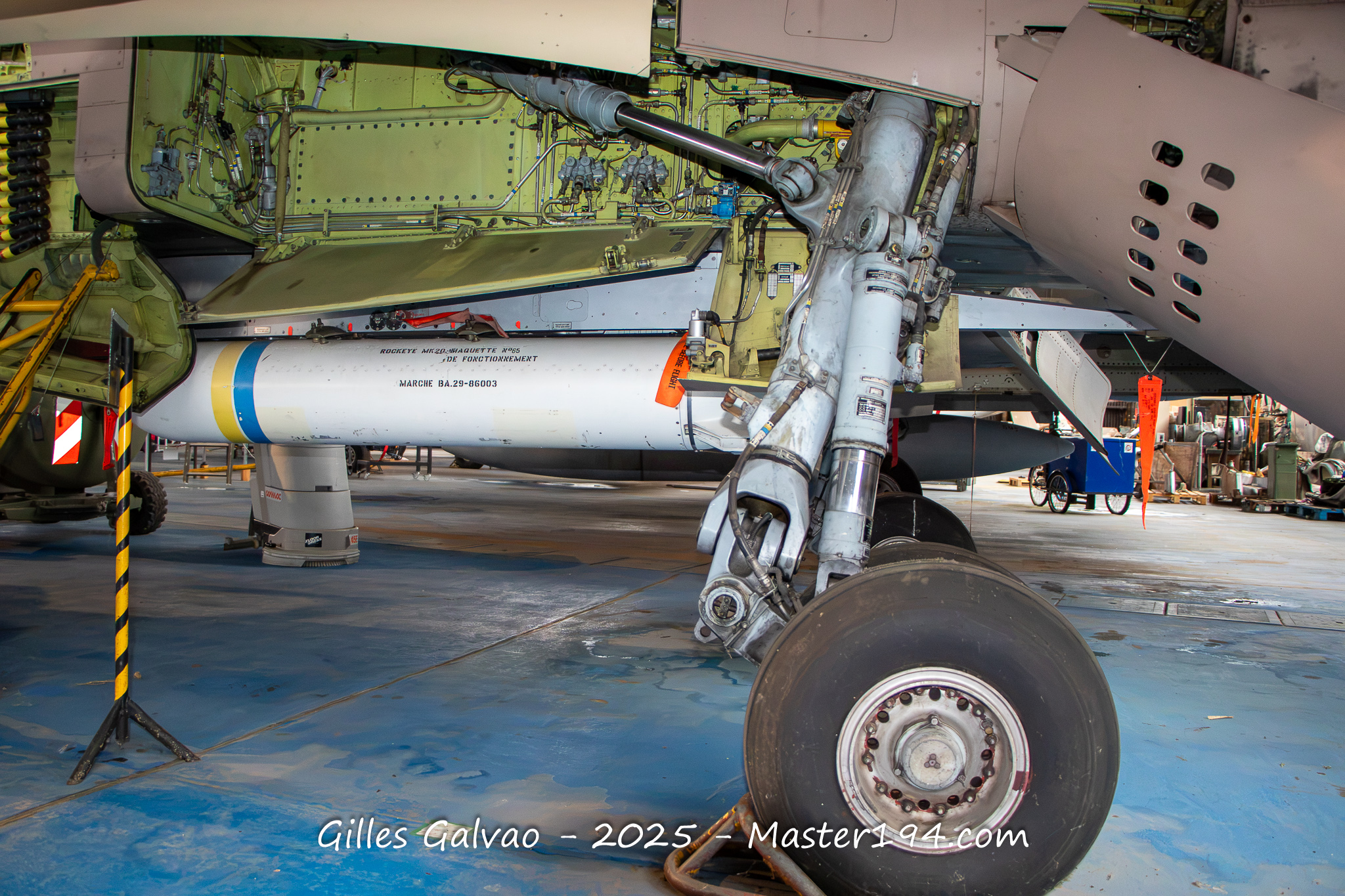
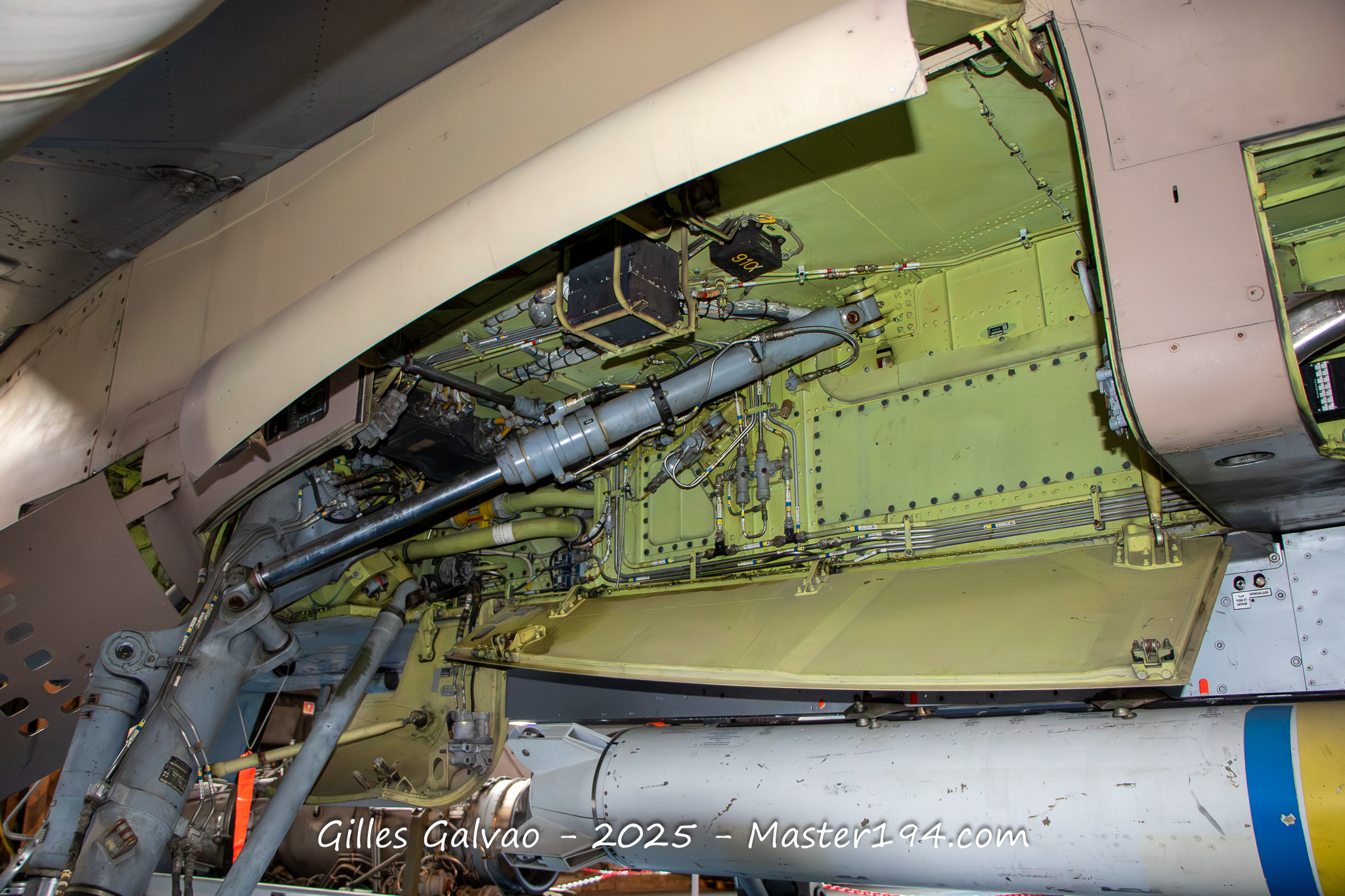
Right Main Landing Gear
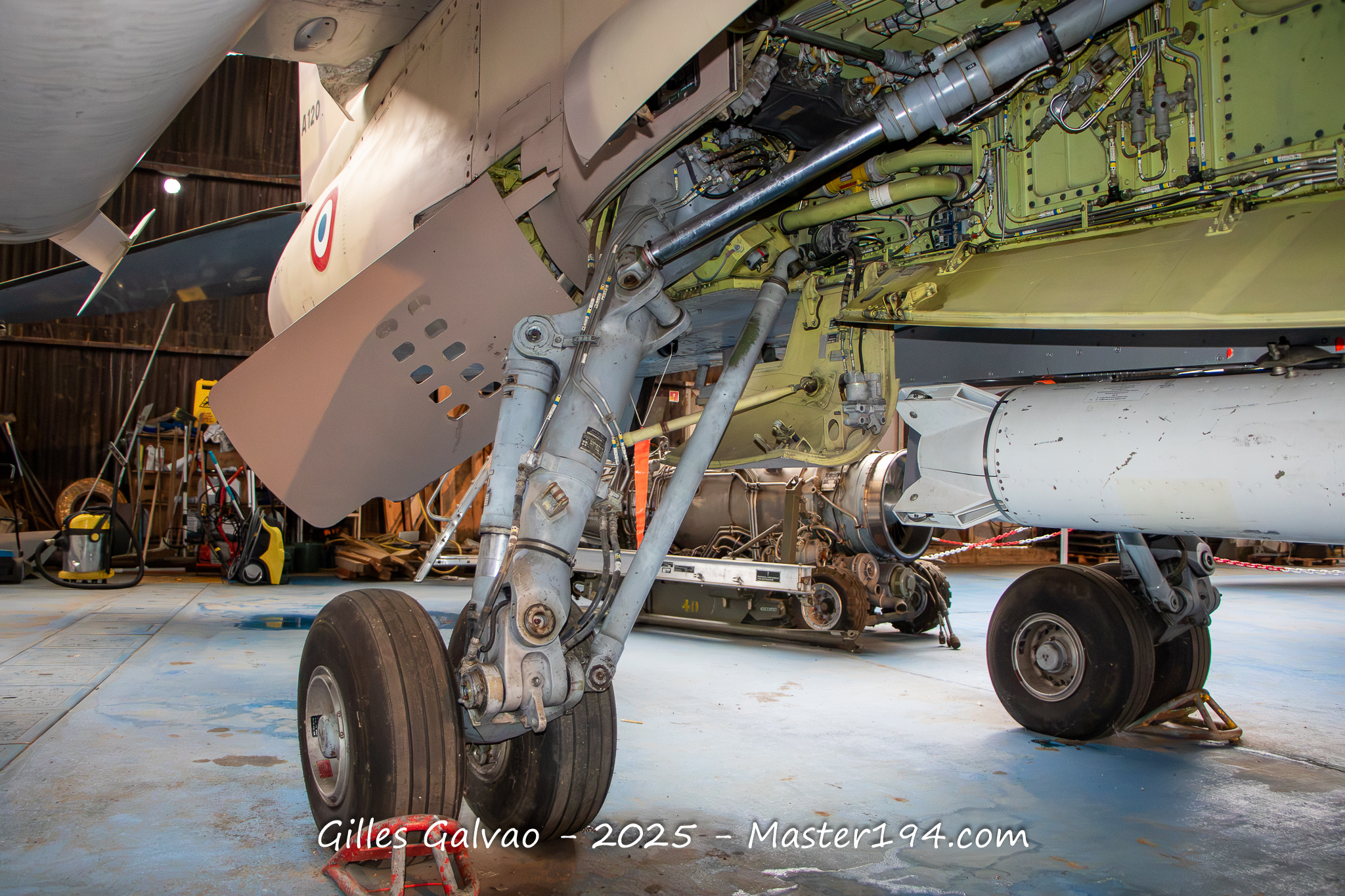
Nose Landing Gear
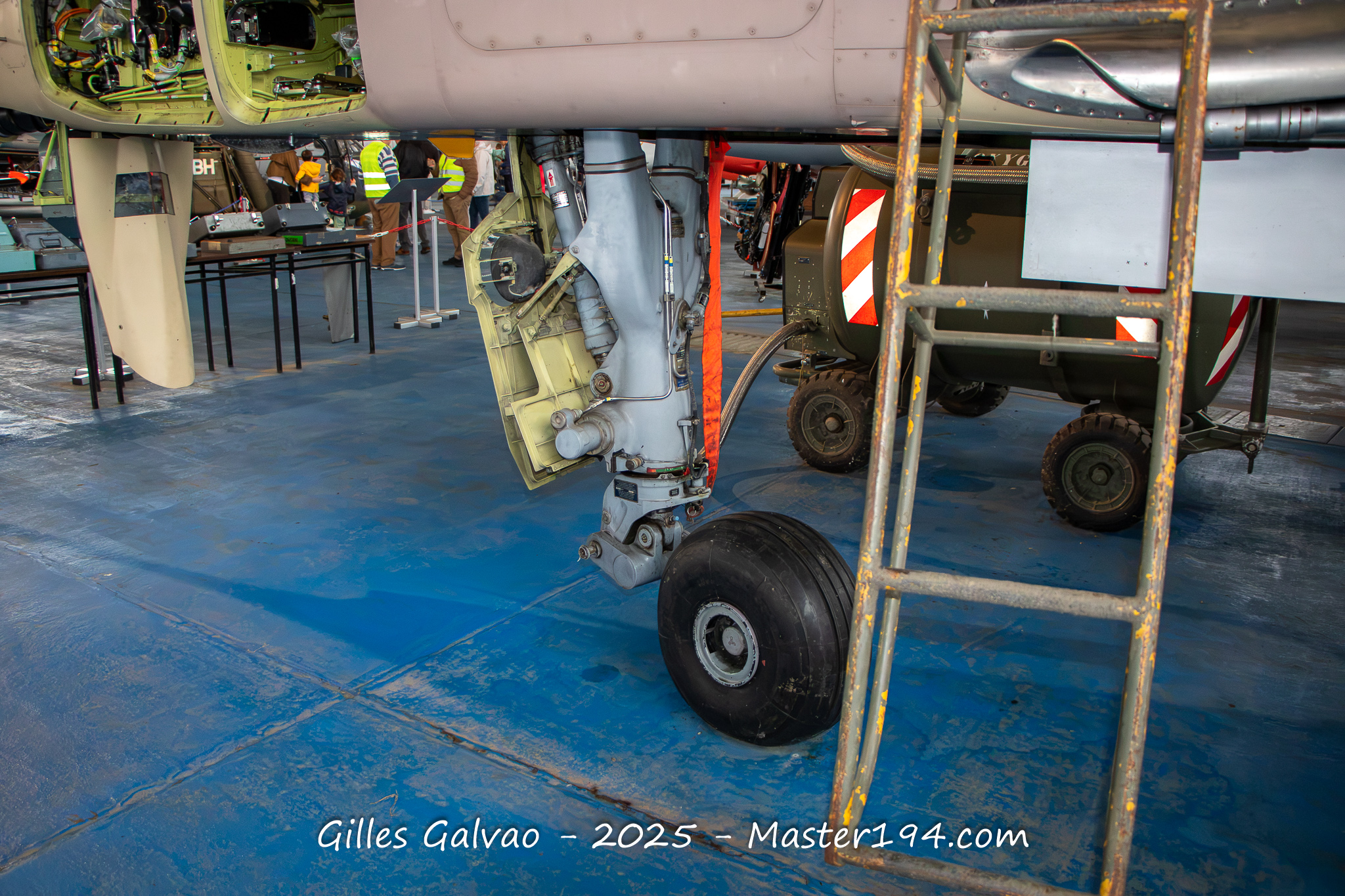
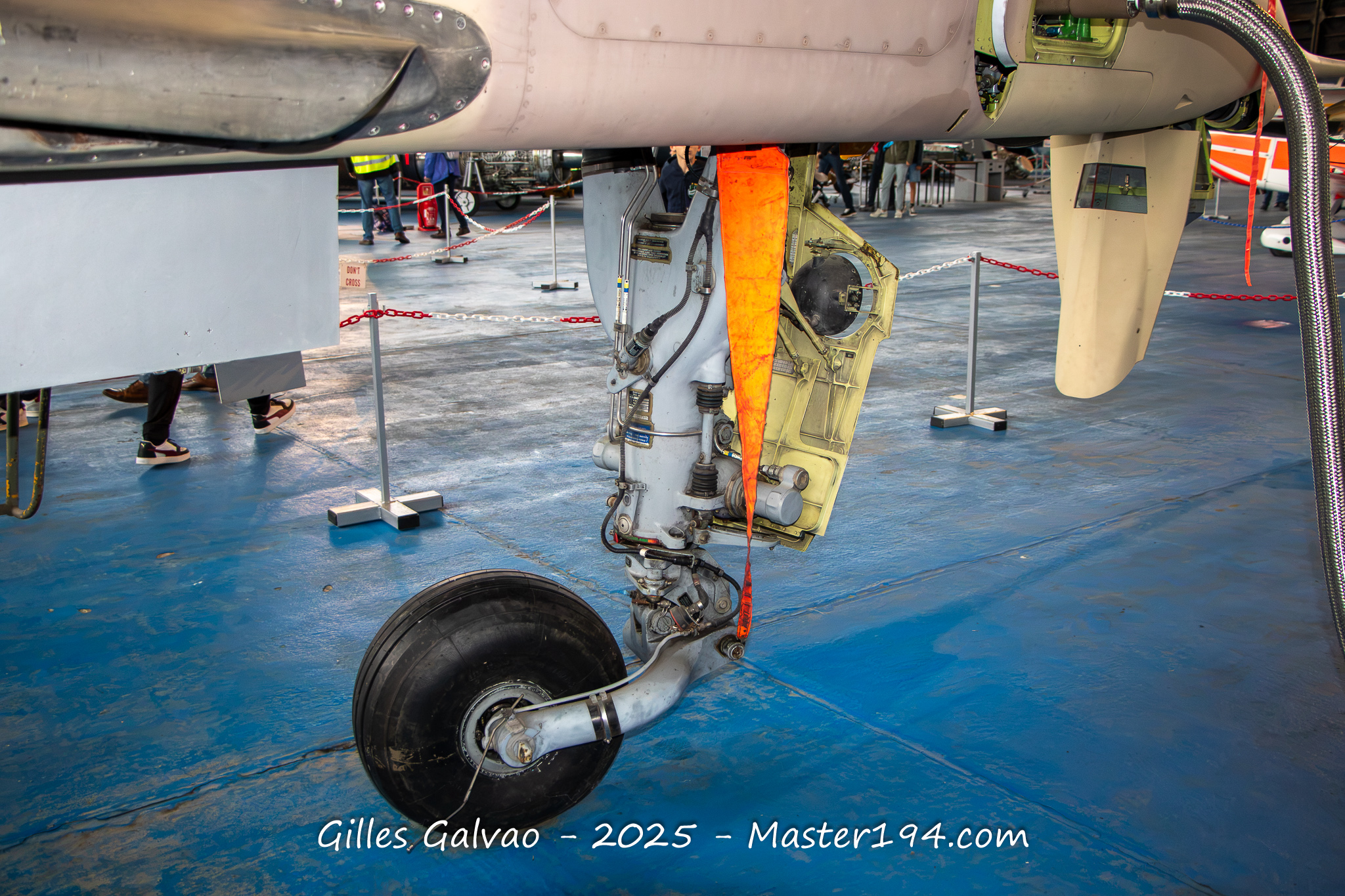
Wing Surfaces
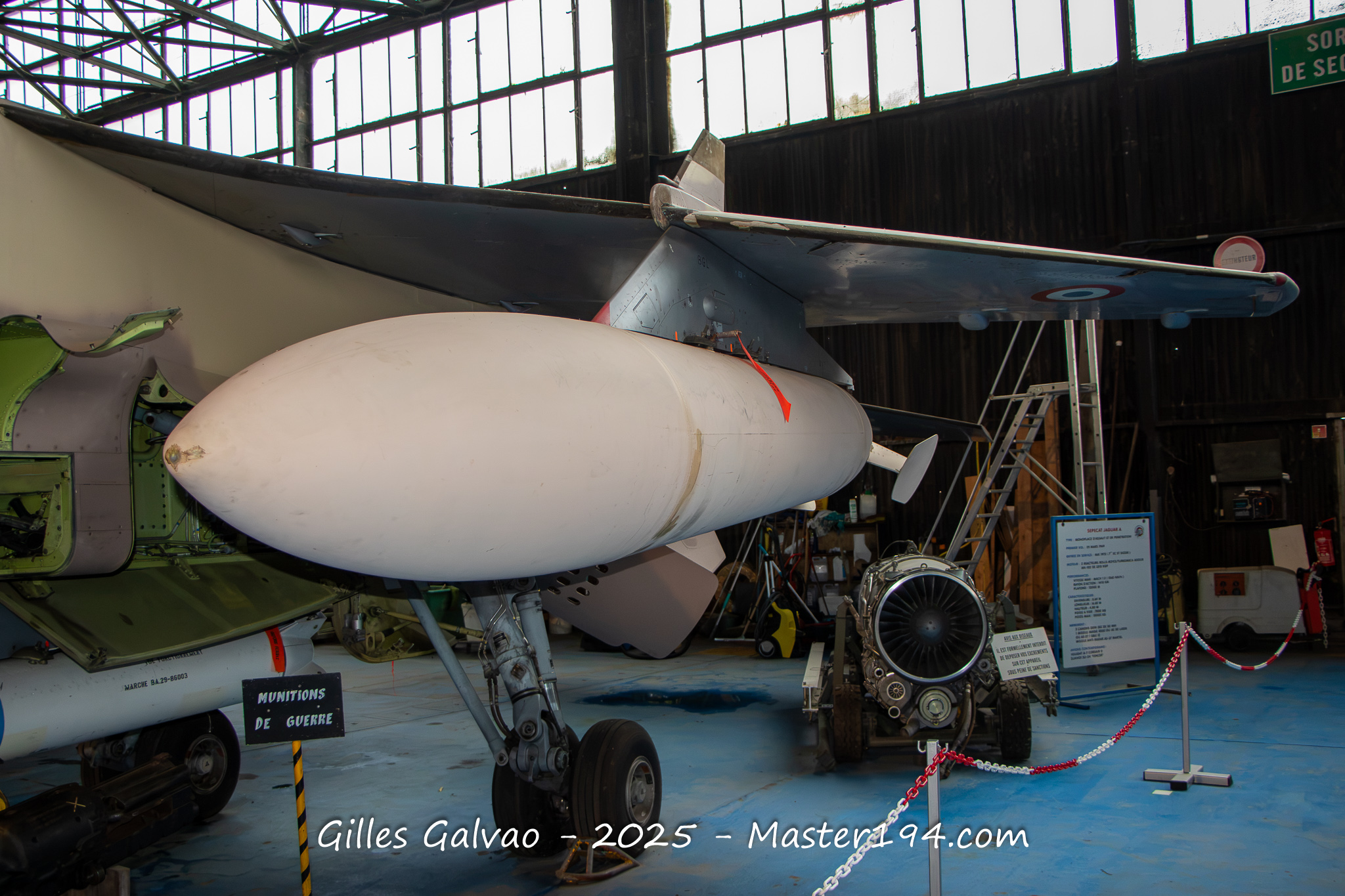
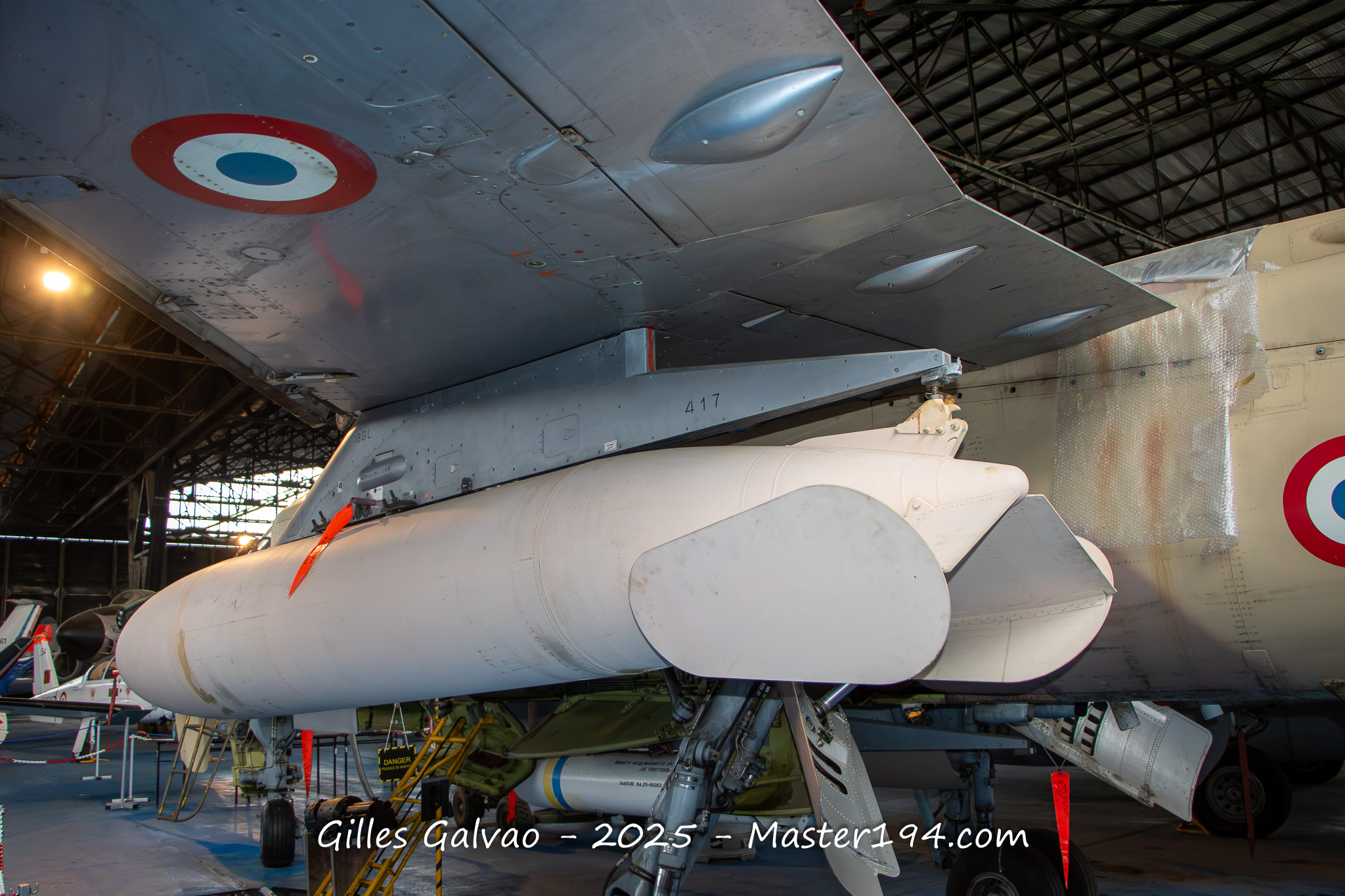
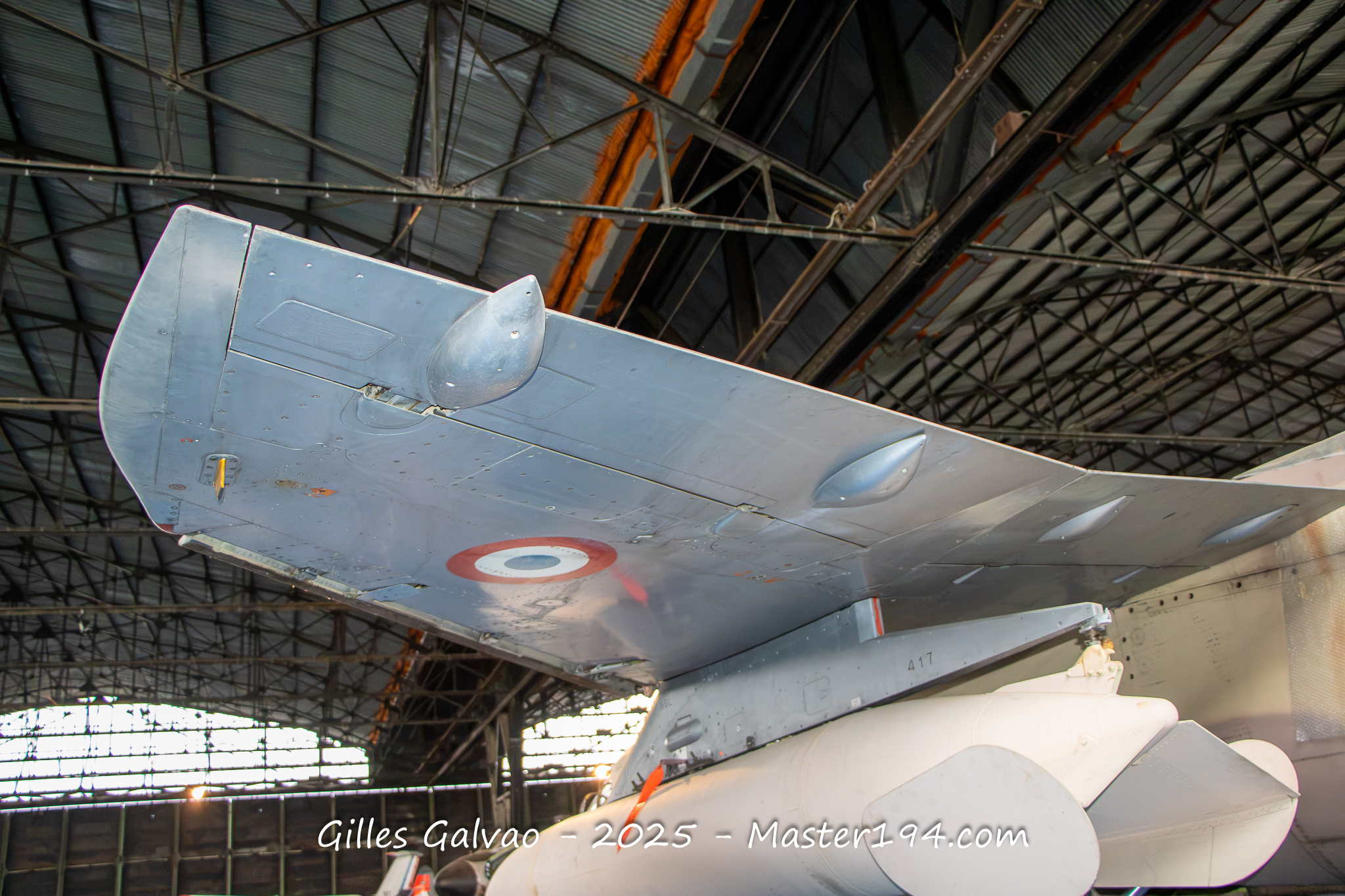
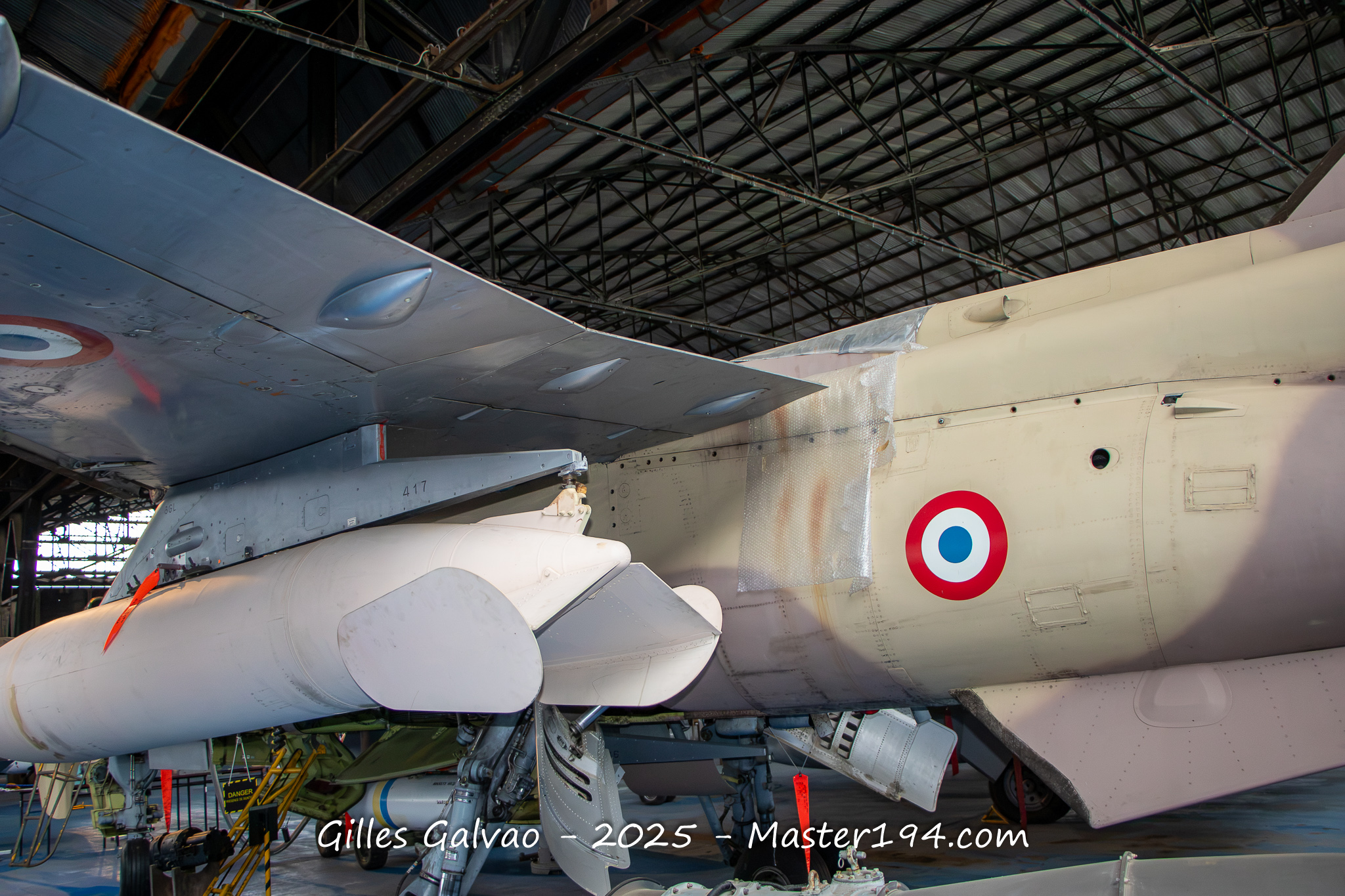
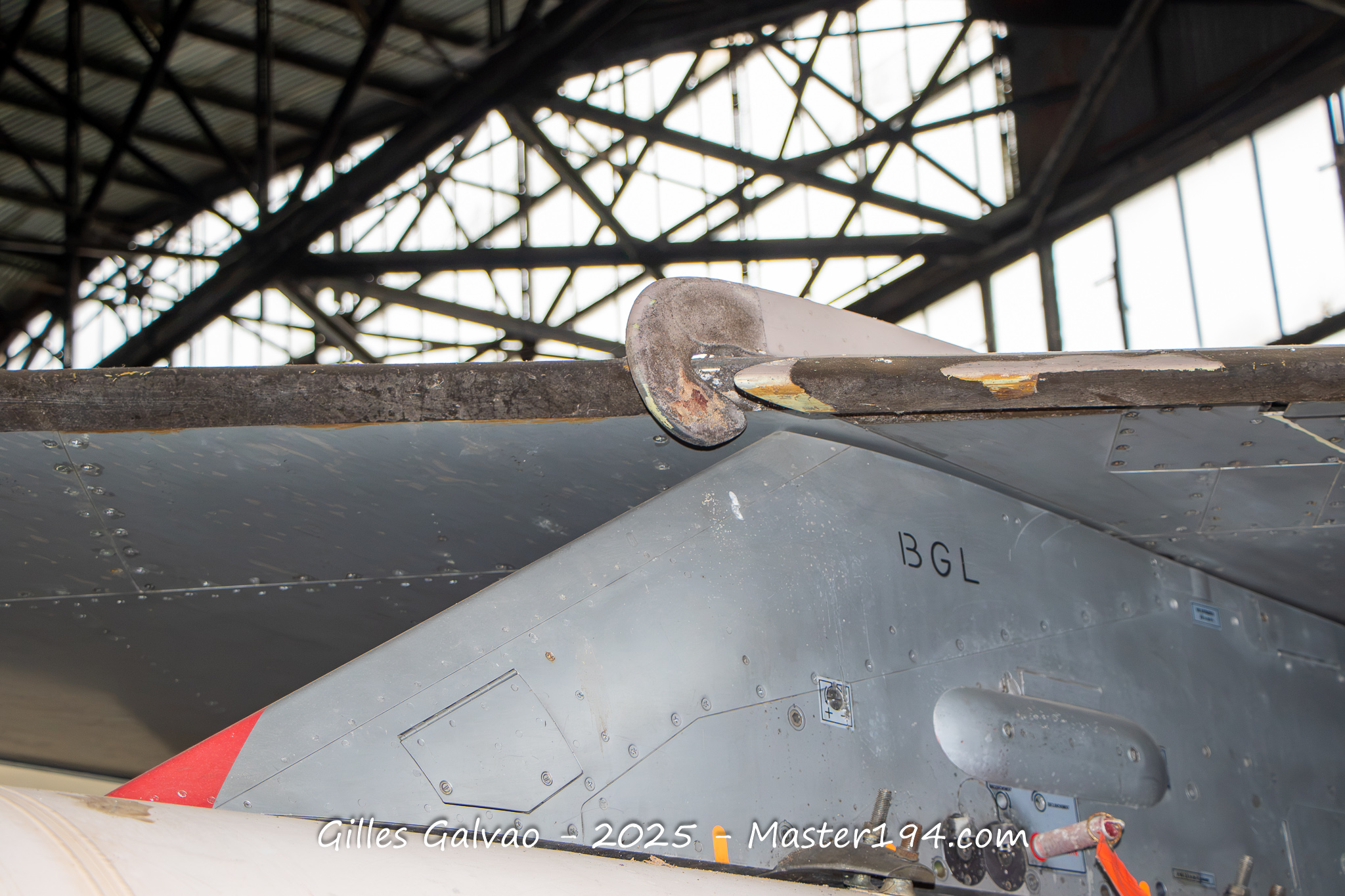
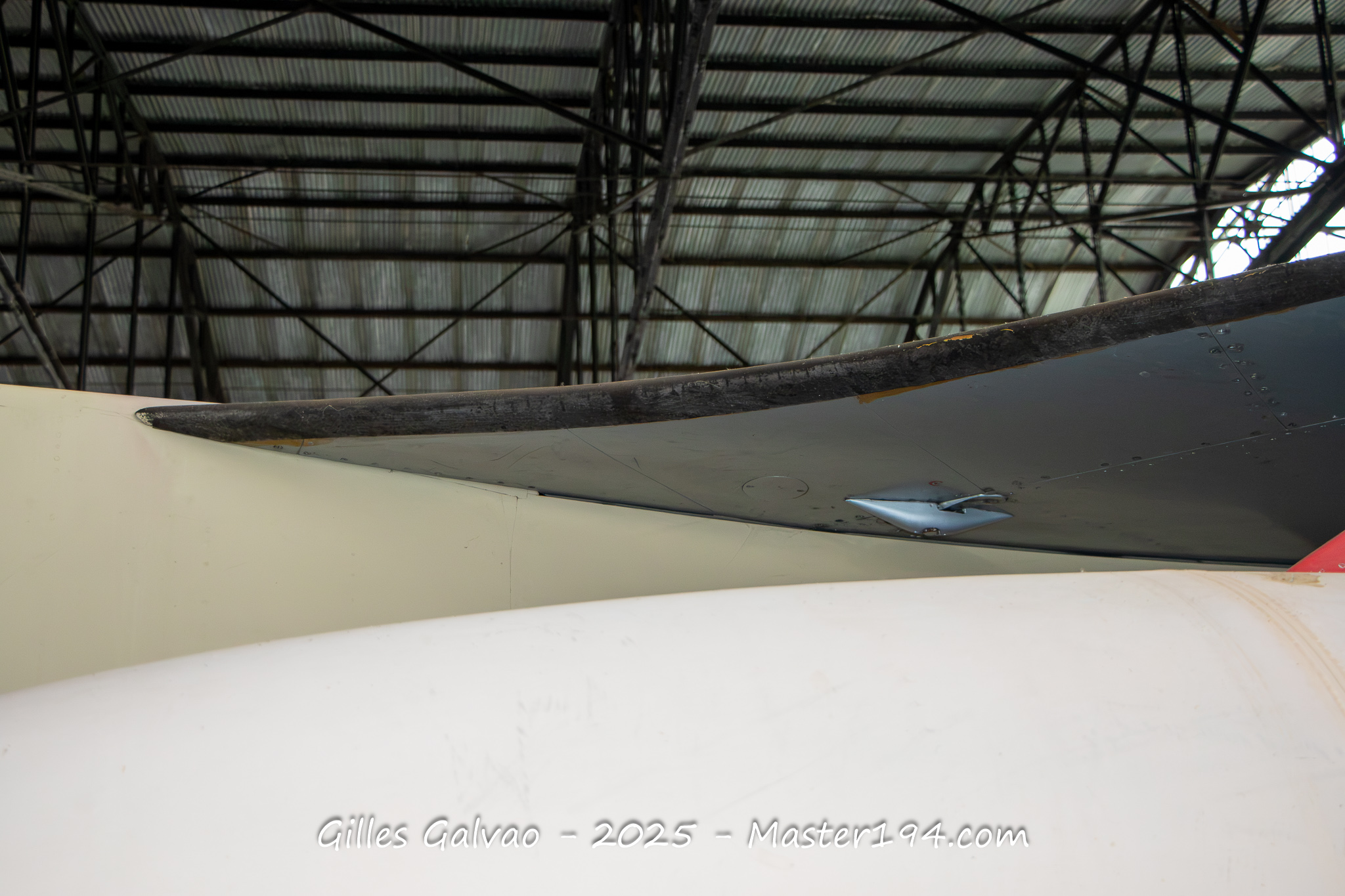
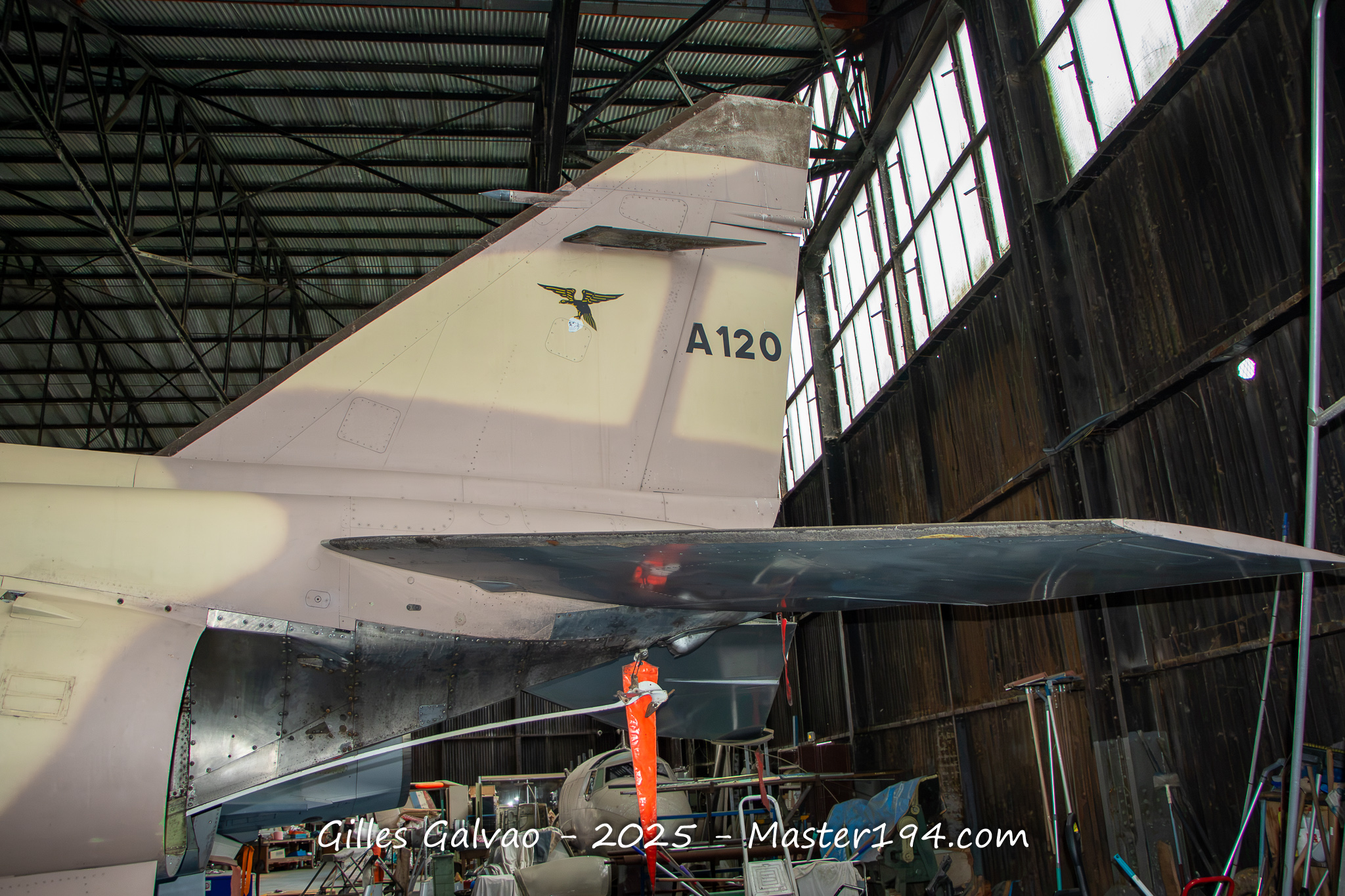
Aft Fuselage Structure
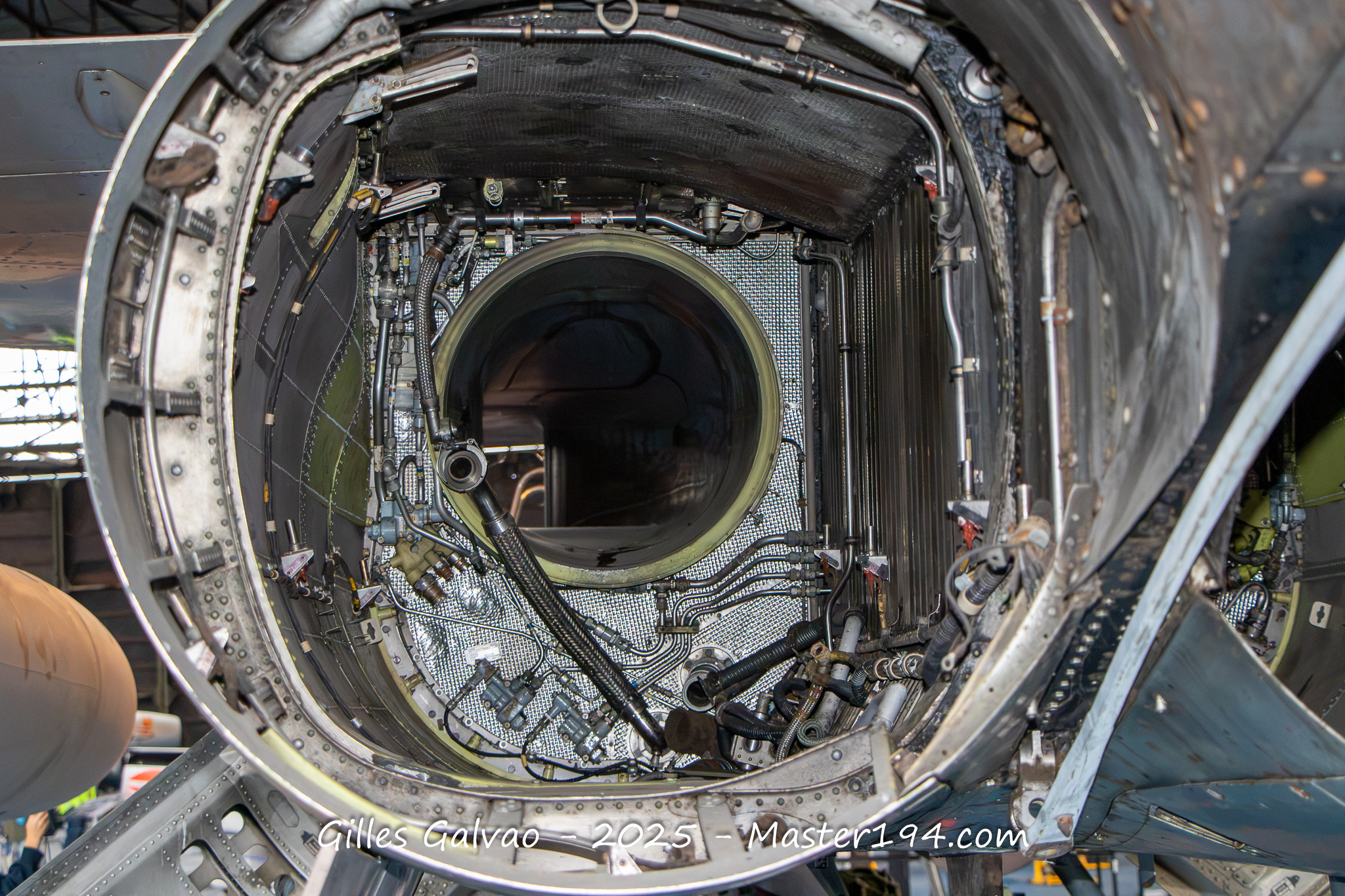
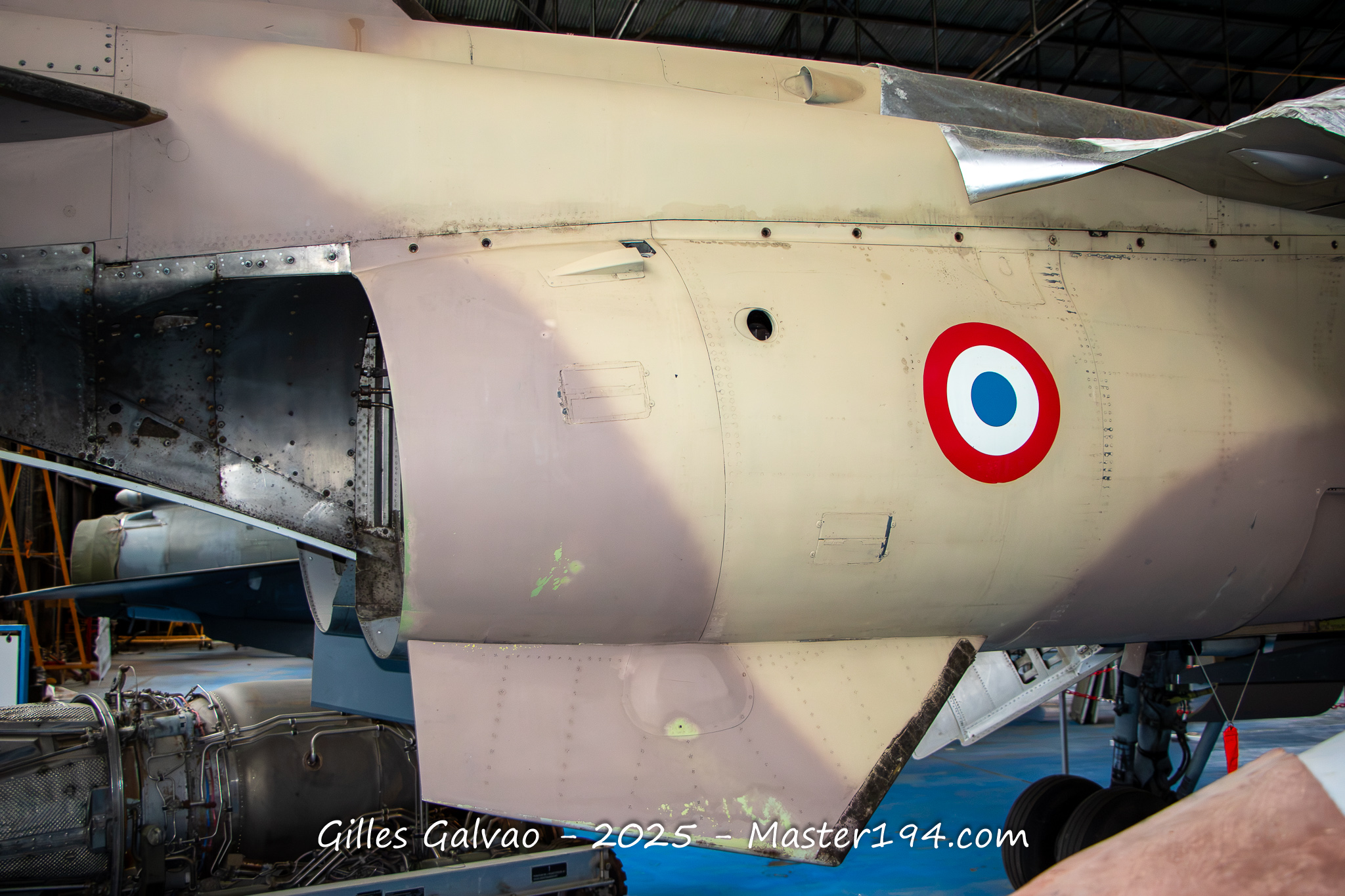
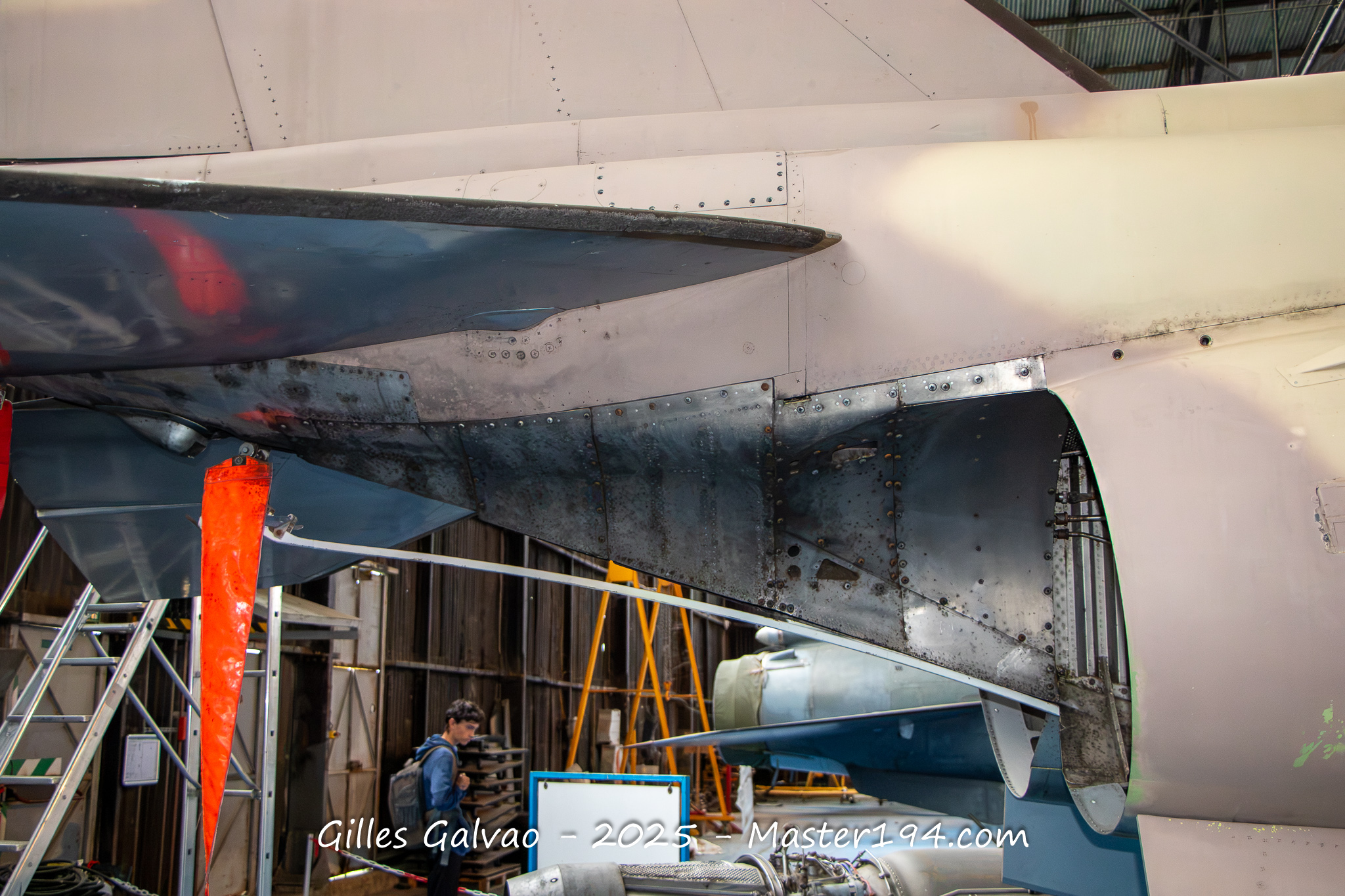
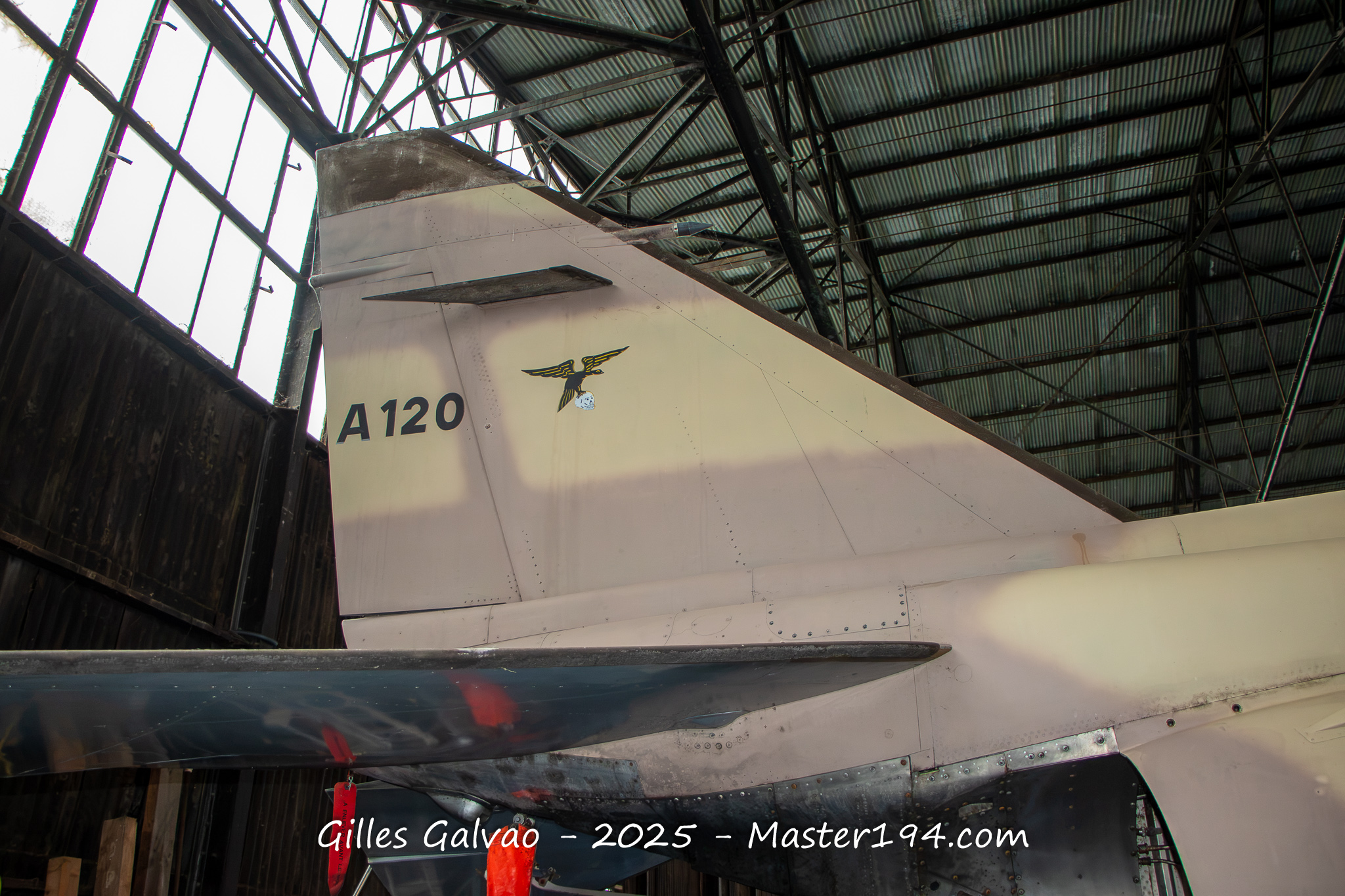
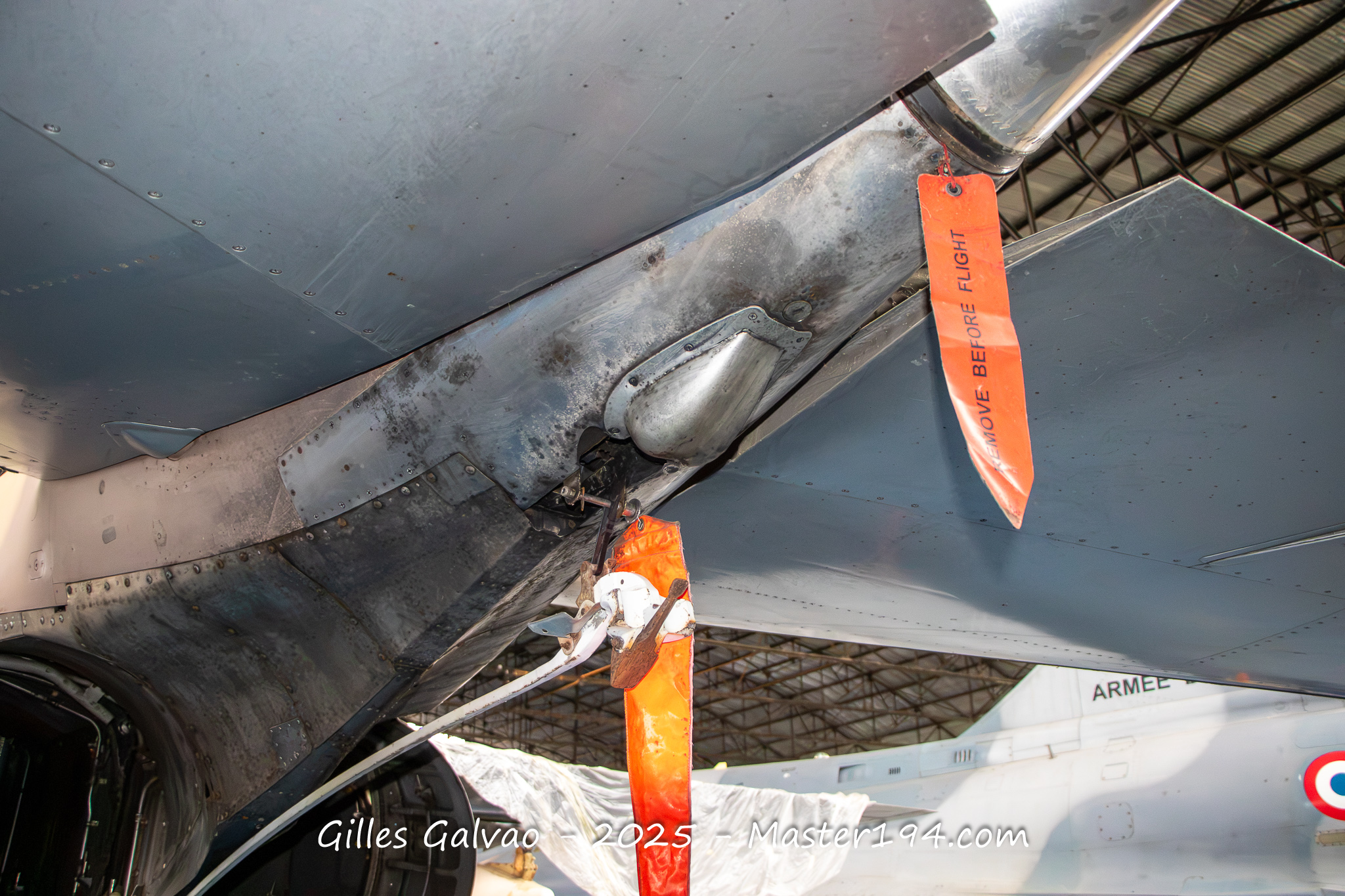
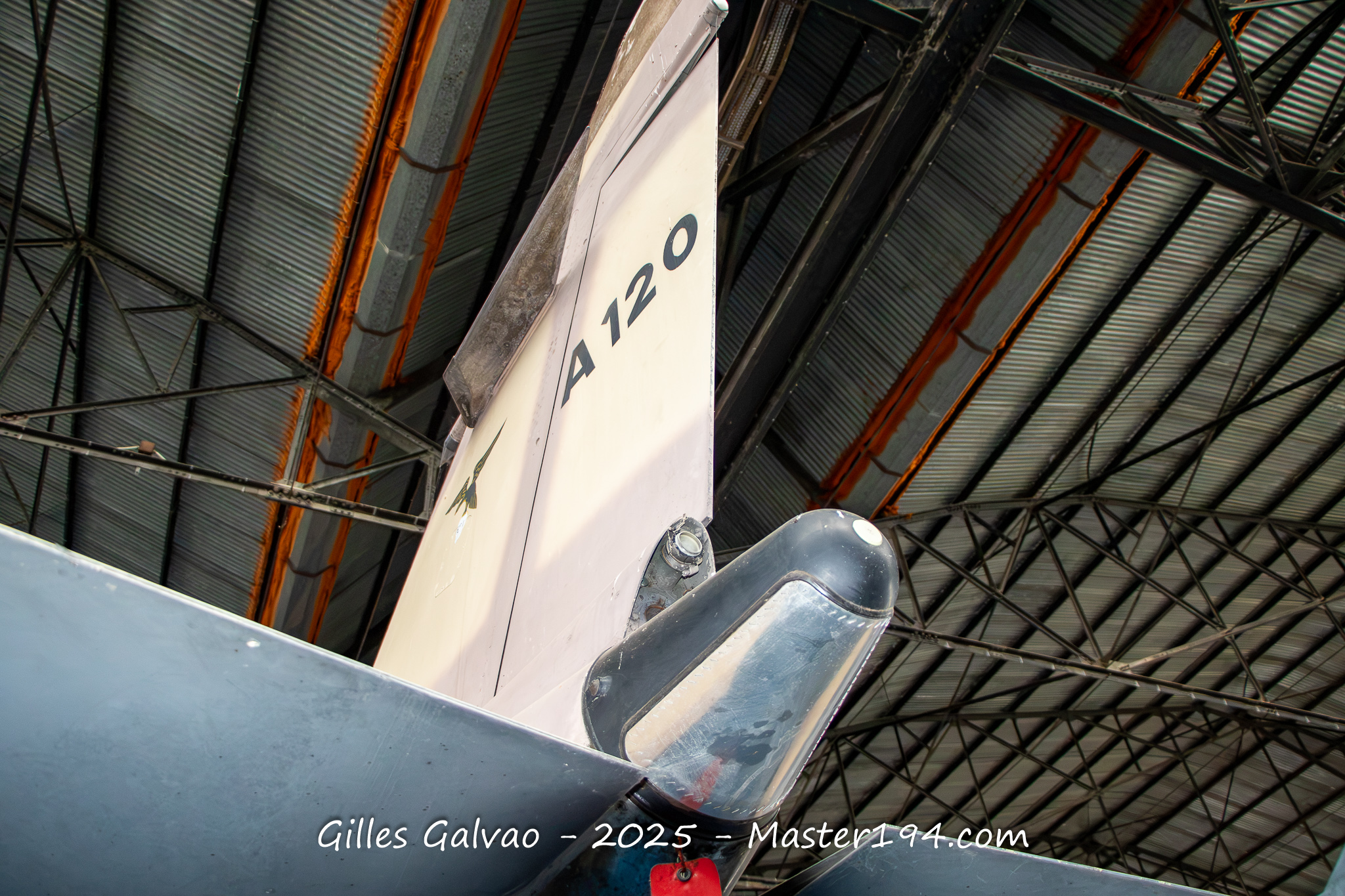
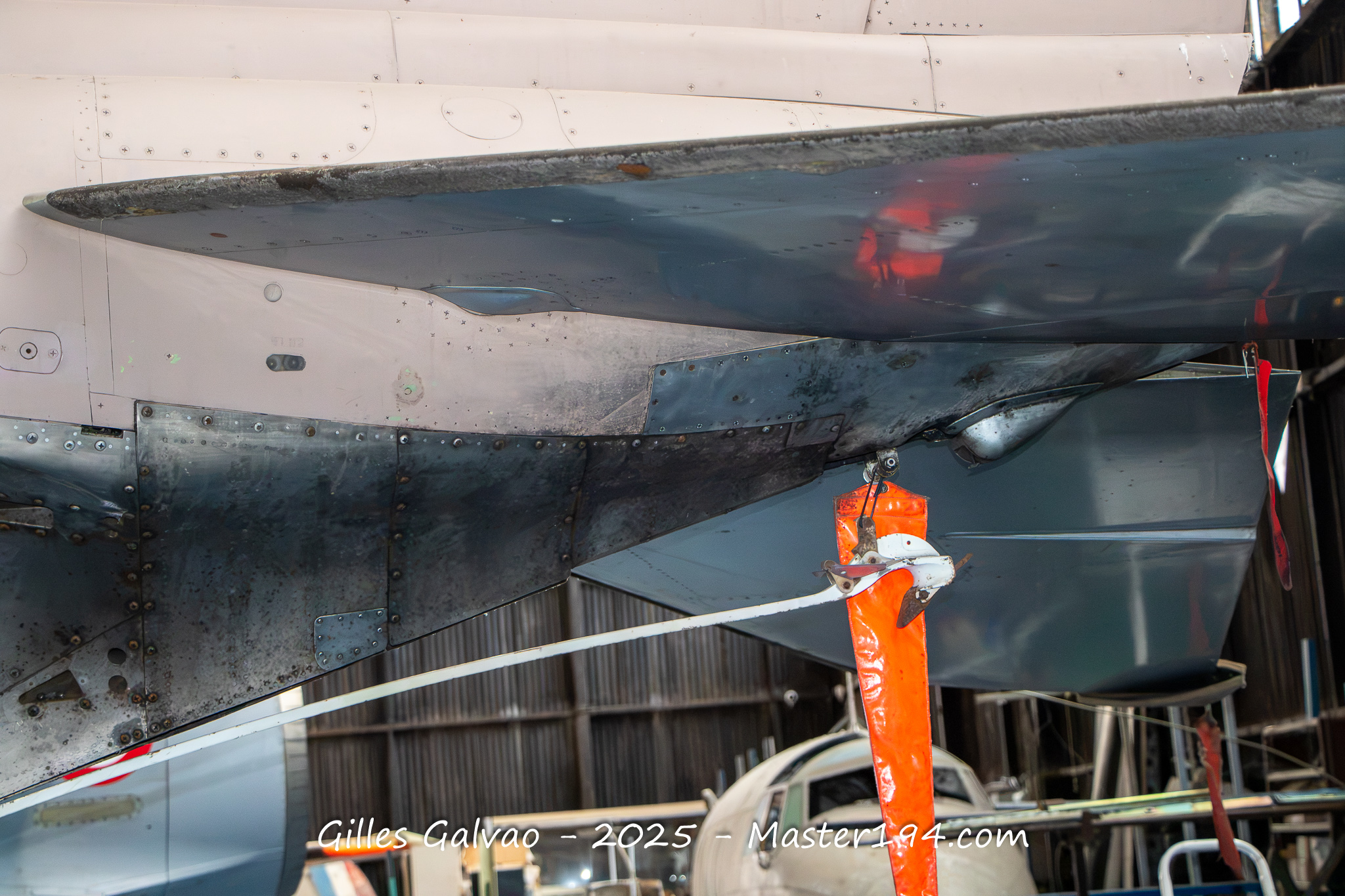
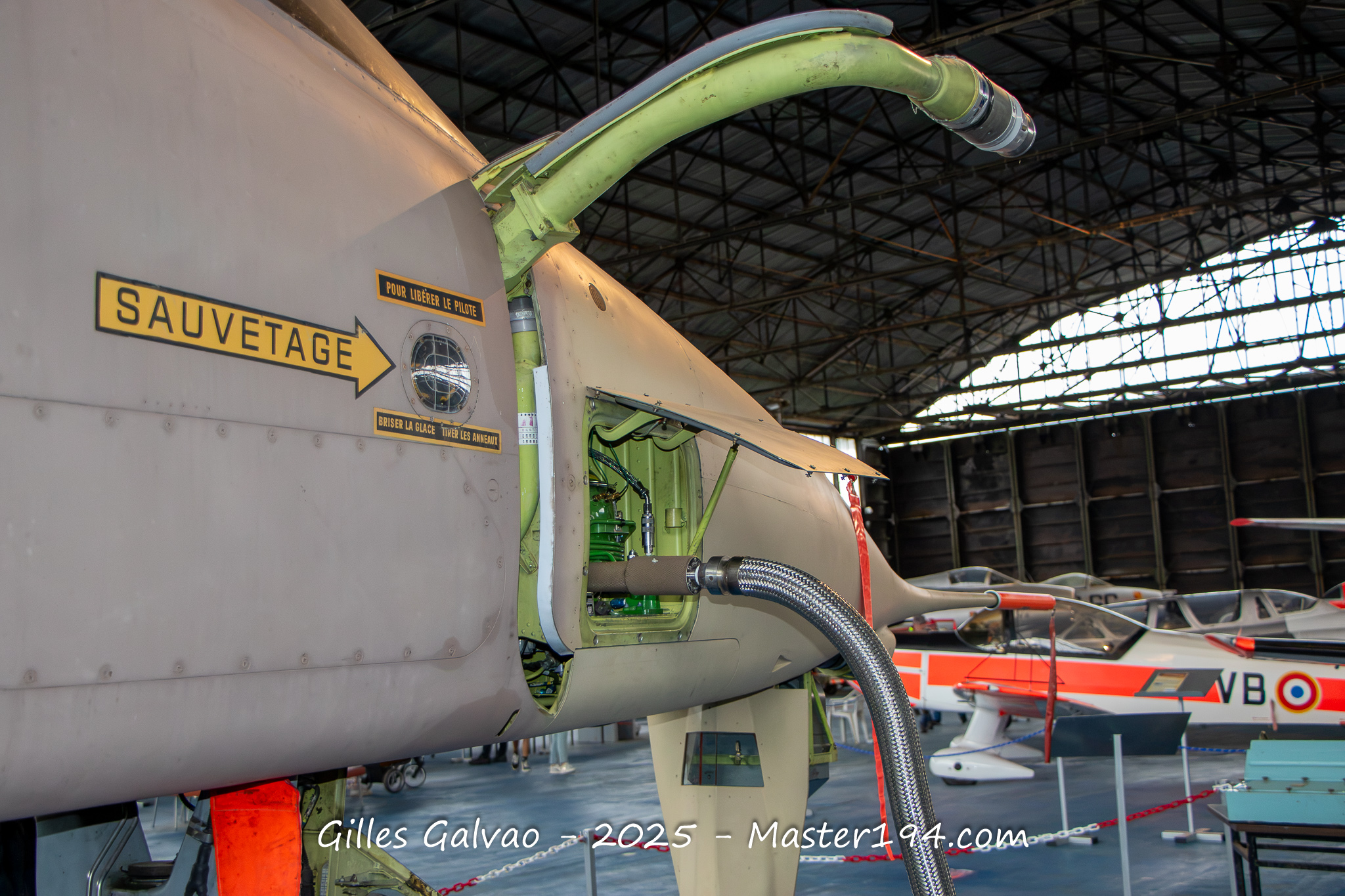
Air-Refueling Probe & Oxygen Compartment
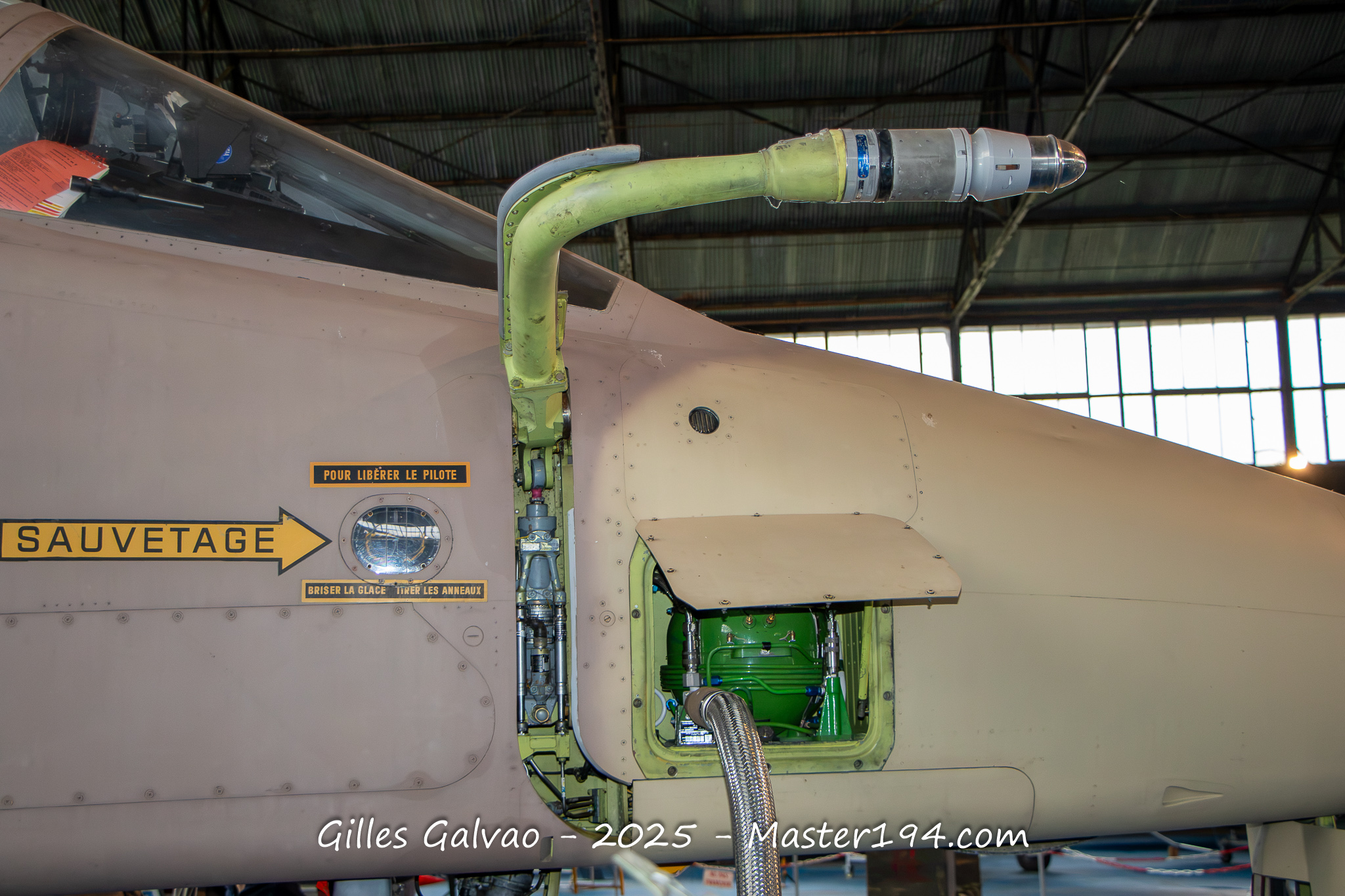
Miscellaneous Technical Details
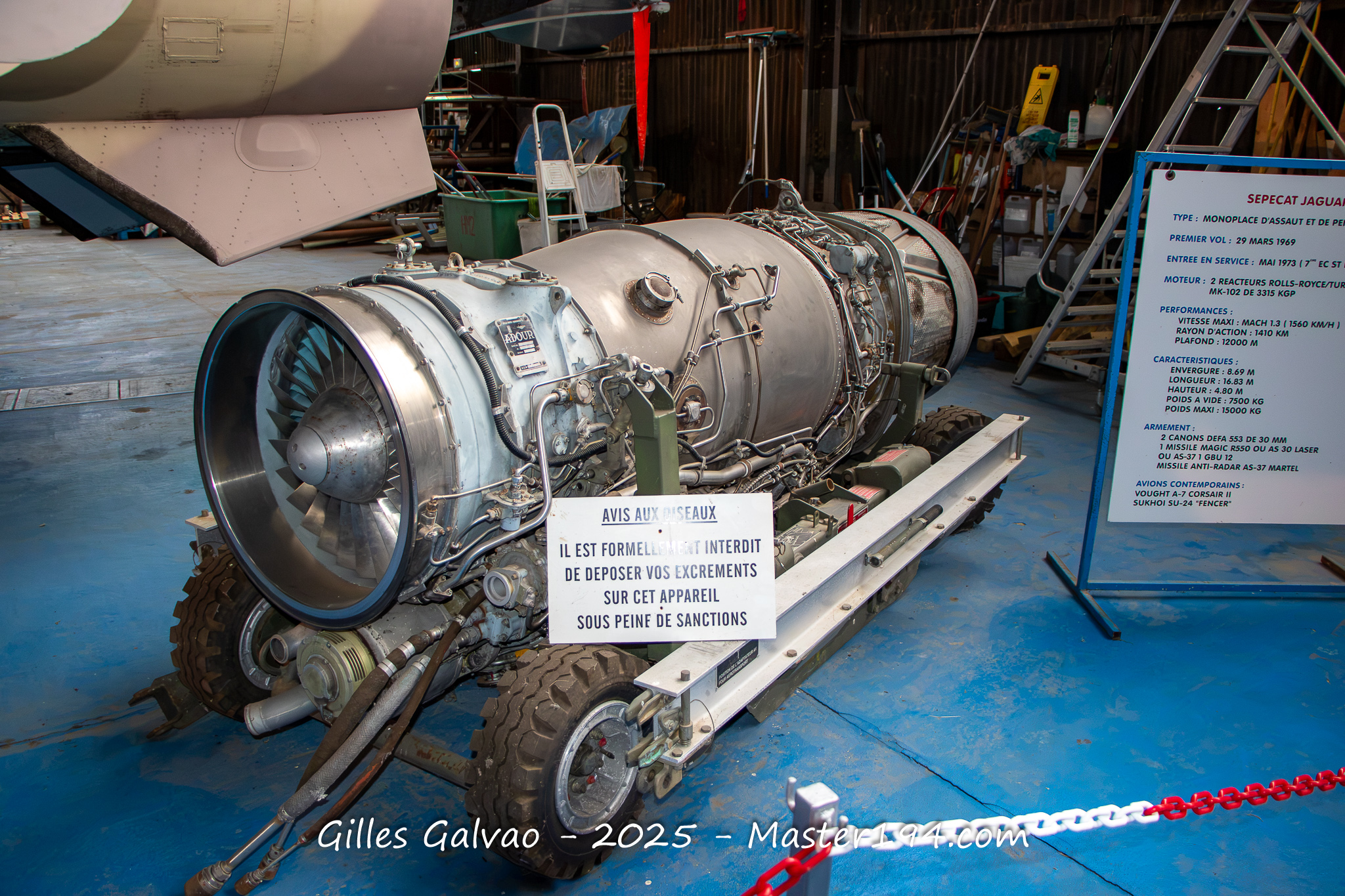
Twin-Spool Propulsion: The Rolls-Royce/Turbomeca Adour
The Jaguar is powered by two Rolls-Royce/Turbomeca Adour Mk 102 turbofans, jointly developed by British engine manufacturer Rolls-Royce and French counterpart Turbomeca. Each engine generates approximately 2,270 daN of dry thrust, scaling up to 3,310 daN with afterburner engagement.
While this twin-engine configuration offered vital safety margins for low-level penetration missions over hostile territory, it also highlighted a well-documented performance limitation: despite dual engines, the Jaguar remained relatively underpowered. Available thrust was constrained relative to the aircraft’s maximum takeoff weight, particularly when carrying heavy ordnance payloads. Consequently, acceleration and climb performance suffered, making afterburner utilization frequently mandatory to secure adequate energy margins.
My sincere thanks to the entire CANOPEE team for granting me full access to conduct this comprehensive walkaround. The site hosts a magnificent collection of iconic French Air and Space Force aircraft, impeccably preserved and presented—I highly encourage anyone to plan a visit!