 by
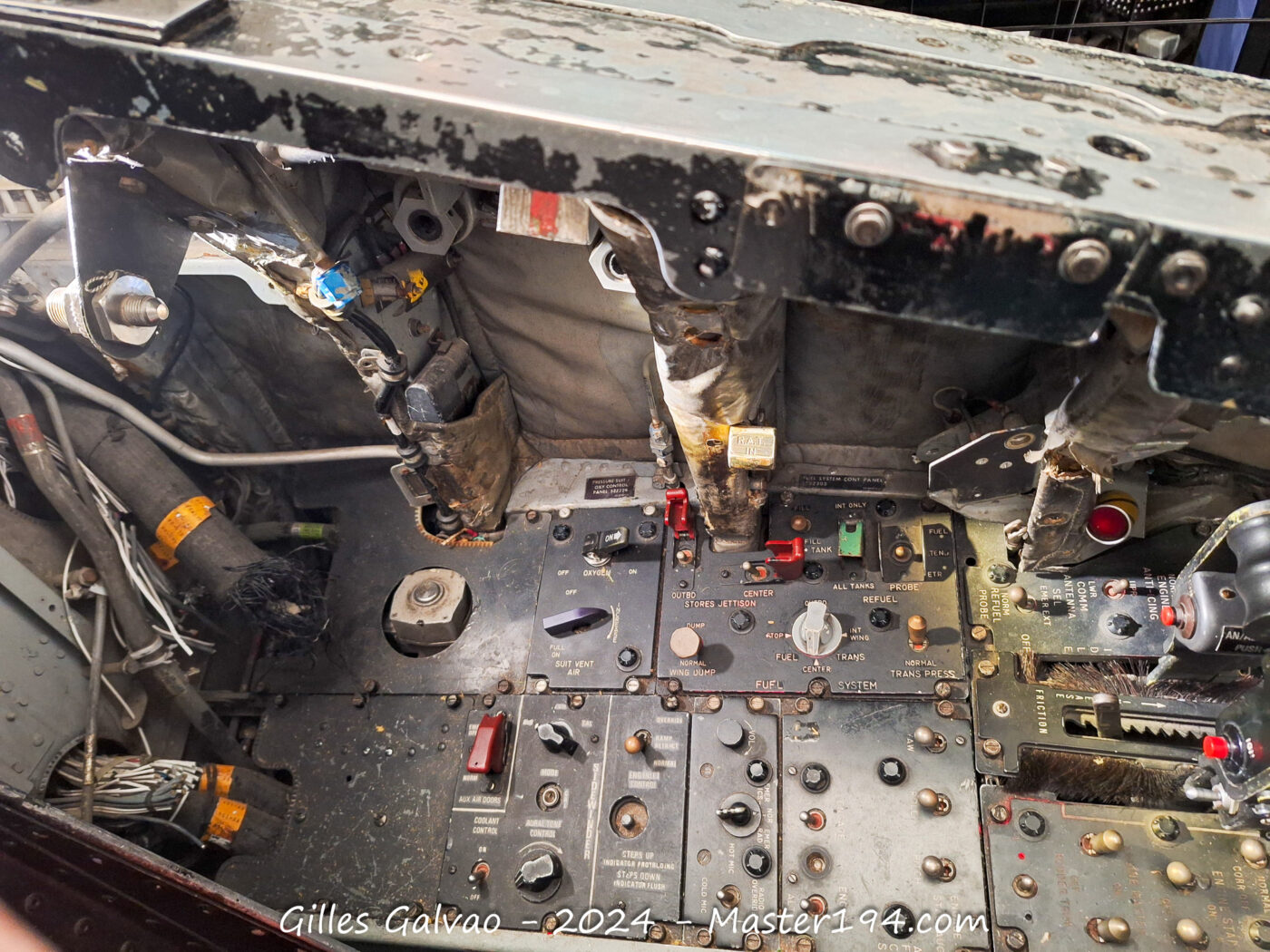
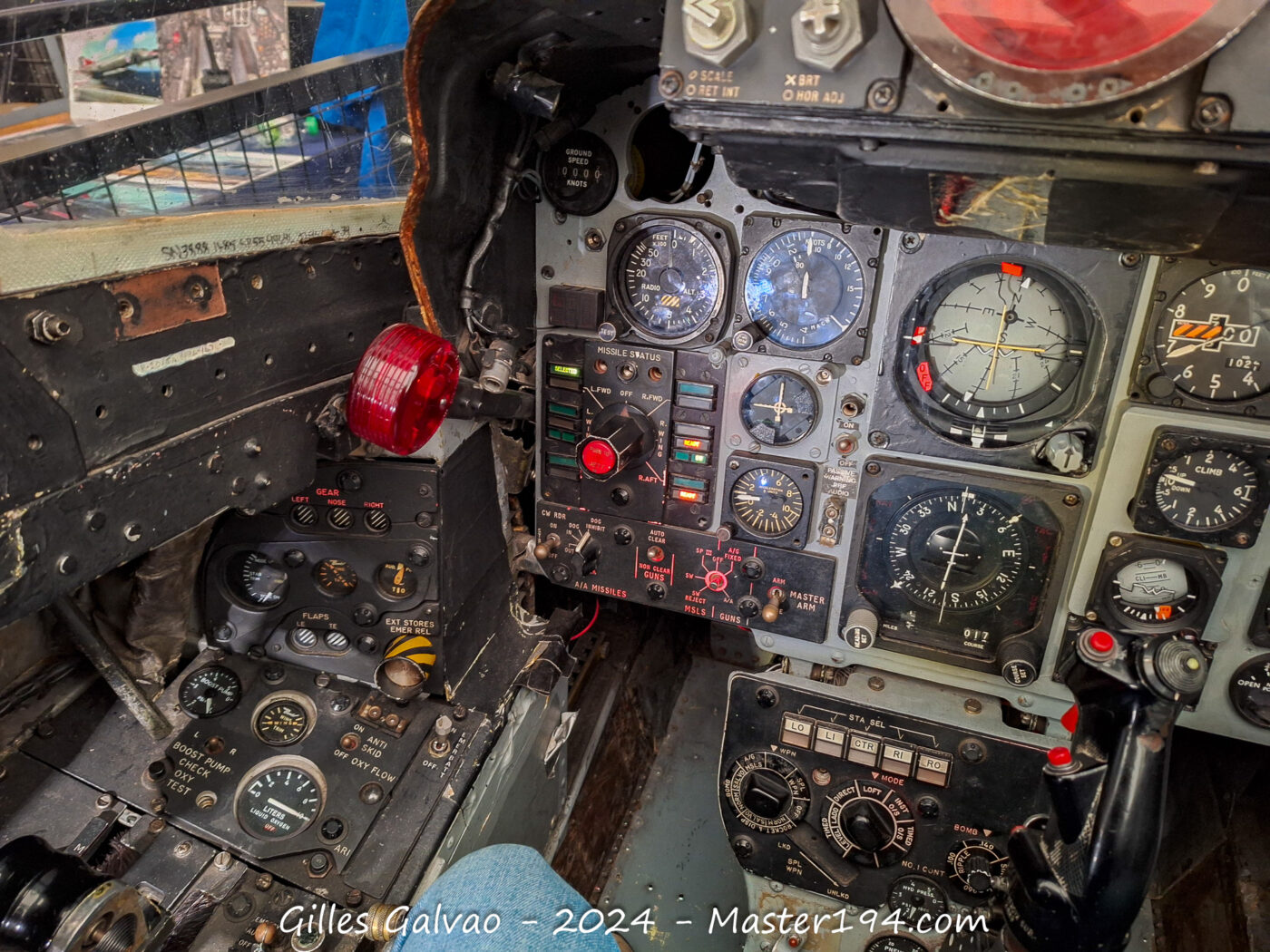
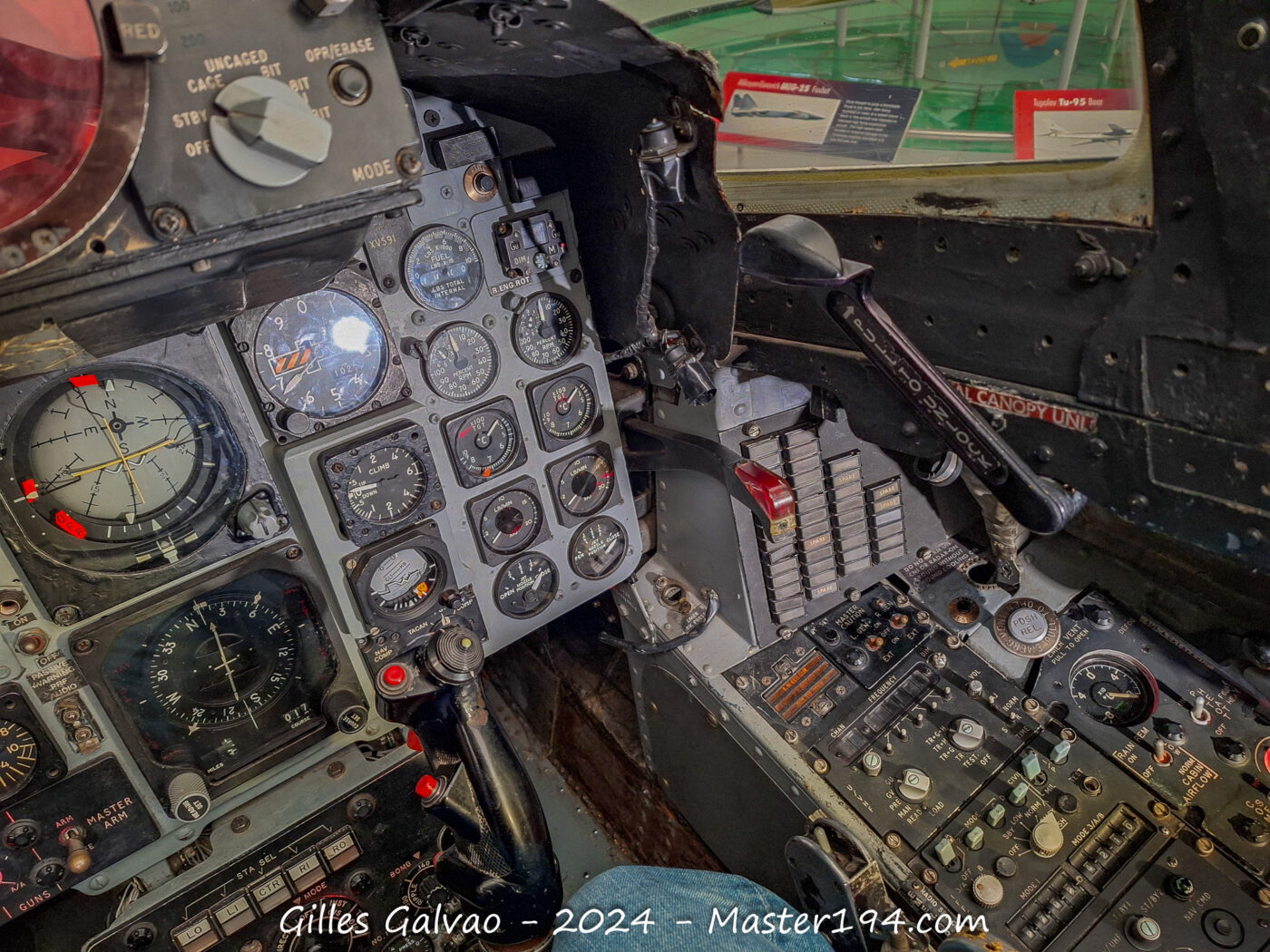
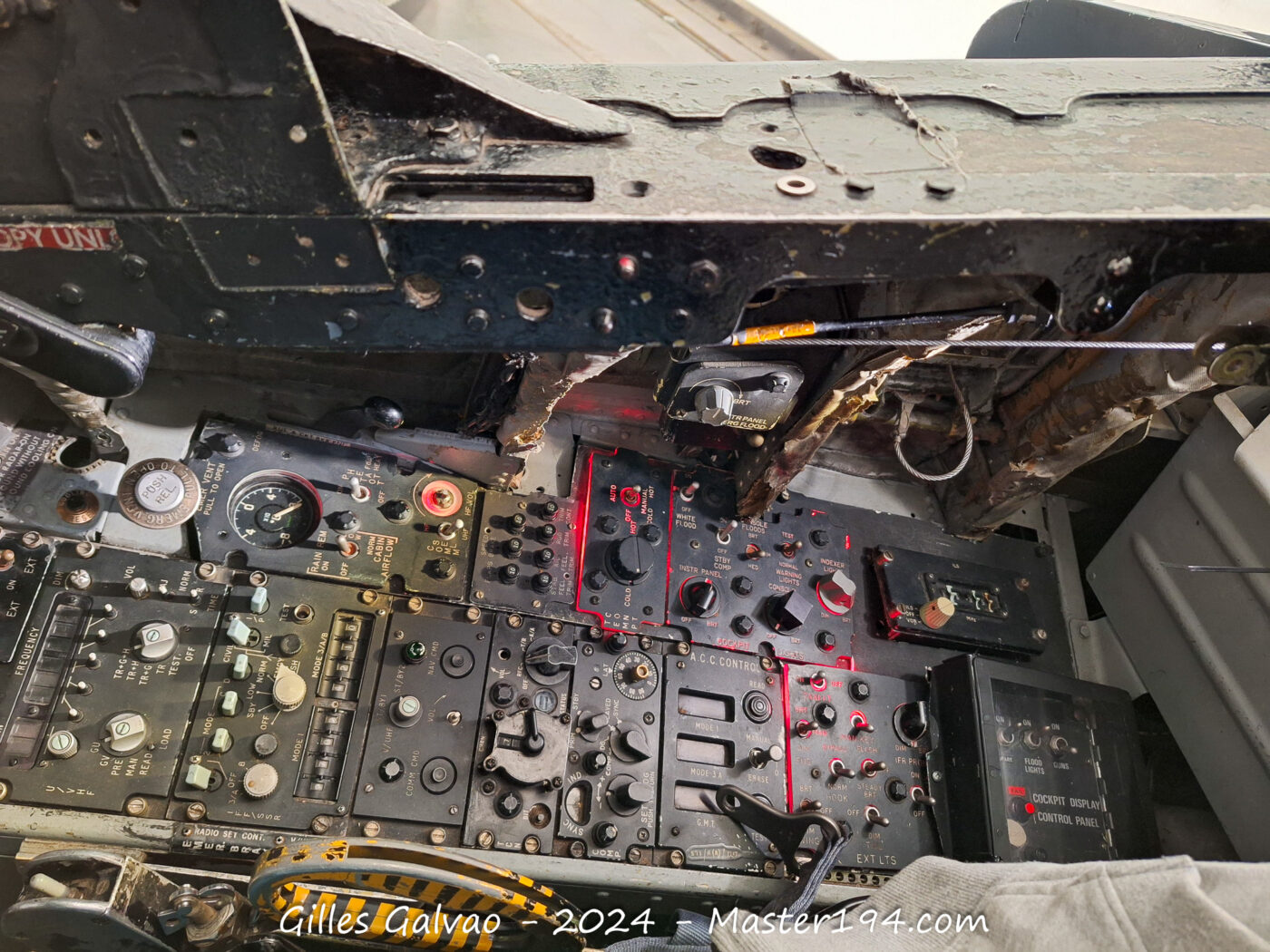
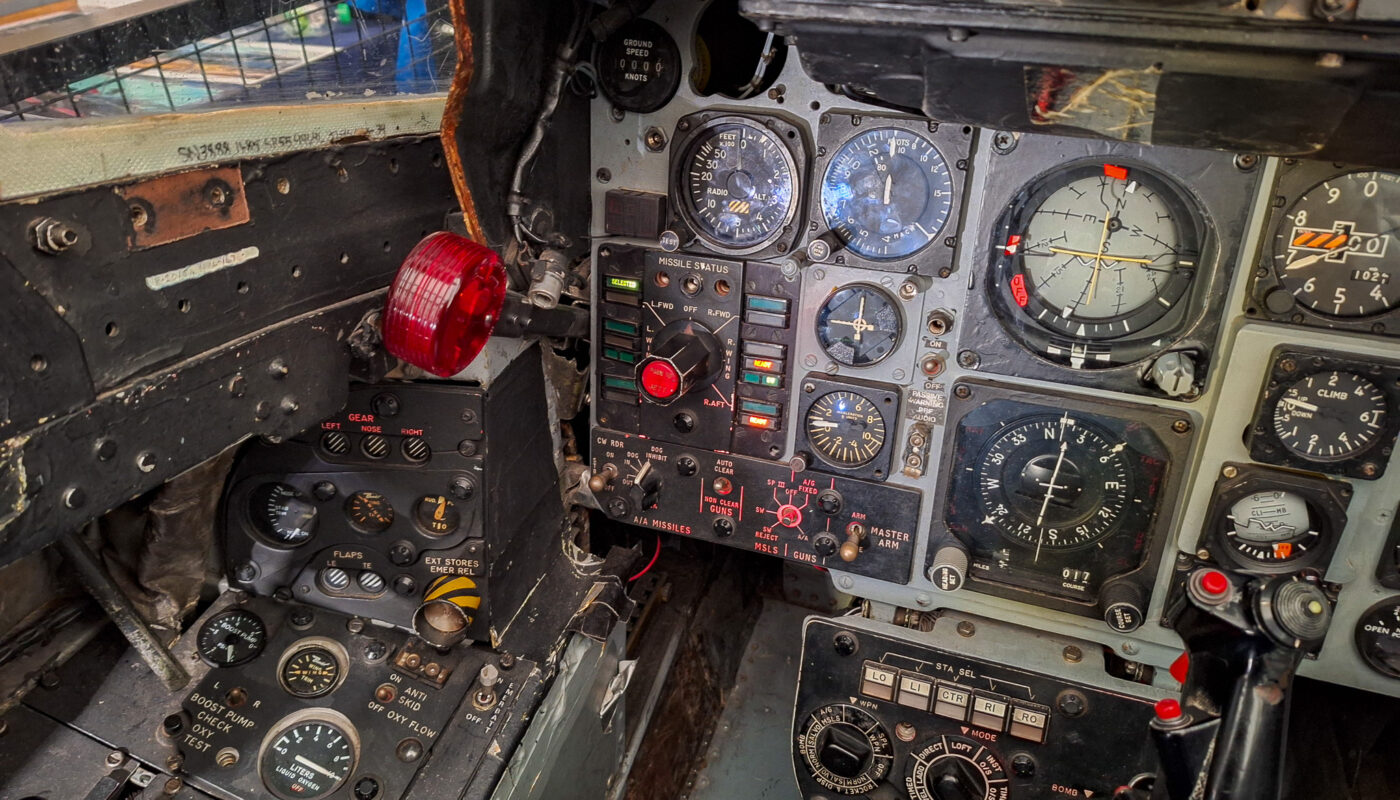
Among the many Phantoms preserved in the United Kingdom, the nose section and forward cockpit of the McDonnell Douglas Phantom FG.1 (XV591), on display at the RAF Museum Midlands (Cosford), hold a special place. Accessible from very close range during the National Cold War Exhibition tours, this front section allows for a detailed study of the flight deck environment of one of the most iconic British Phantoms: the Royal Navy’s Fleet Air Arm FG.1.
The British Phantom was far more than just an American F-4 repainted in UK colors. Designated as the F-4K and later the Phantom FG.1 (‘Fighter/Ground attack’), it underwent extensive modifications to meet the specific operational requirements of both the Royal Navy and the RAF.
A Phantom Tailored to British Needs
The most significant visible change on the FG.1 was its powerplant. Unlike American Phantoms equipped with General Electric J79 turbojets, the British versions received Rolls-Royce Spey turbofans, which provided greater thrust at low altitudes. This modification required a major redesign of the rear fuselage and air intakes, giving the British Phantom a bulkier and more distinctive silhouette.
These engines offered superior acceleration and climb performance at low levels, which was particularly beneficial for operations from British aircraft carriers. Conversely, the increased diameter of the air intakes generated more drag at high speeds.
The FG.1 was also distinguished by several specific features:
- Extendable nose gear strut to increase the angle of attack during catapult launches;
- Reinforced landing gear for carrier-borne operations;
- Naval arrestor hook;
- Ferranti AN/AWG-11 radar, a derivative of the American AN/AWG-10 system;
- Capability to carry the British Skyflash missile on modernized airframes.
Another typically British detail: the horizontal stabilators featured a leading-edge slot (slotted stabilator), improving control at high angles of attack.
A video tour of the front cockpit (see photos below):
XV591: A Fleet Air Arm Phantom
The McDonnell Douglas Phantom FG.1 made its maiden flight in June 1969 before being delivered to the Royal Navy just a few weeks later. The aircraft subsequently joined the famous 892 Naval Air Squadron, the only operational Fleet Air Arm unit to deploy the Phantom FG.1 at sea.
During this period, the FG.1s operated from the HMS Ark Royal, the last of the great British CATOBAR aircraft carriers. The Royal Navy Phantoms were primarily responsible for fleet air defense and long-range interception.
In 1977, XV591 was adorned with the spectacular Queen Elizabeth II Silver Jubilee livery worn by 892 NAS aircraft—a scheme that is faithfully preserved today on the section displayed at Cosford.
Transfer to the RAF
Following the decommissioning of HMS Ark Royal and the end of British carrier-borne Phantom operations in 1978, the Royal Navy’s FG.1s were transferred to the RAF. XV591 then joined the famous 111 Squadron based at RAF Leuchars in Scotland.
Under RAF colors, the aircraft continued its career in the UK’s Air Defence Interception mission during the most tense years of the Cold War.
XV591 flew until December 1987, when a significant structural weakness led to its permanent withdrawal from service. The fuselage was subsequently scrapped, but the nose section was salvaged for preservation.
The Cosford Cockpit
Today, only the nose of the aircraft remains, on display at the RAF Museum Midlands within the National Cold War Exhibition. I was able to sit in the front seat to capture these photos and the short video seen above.