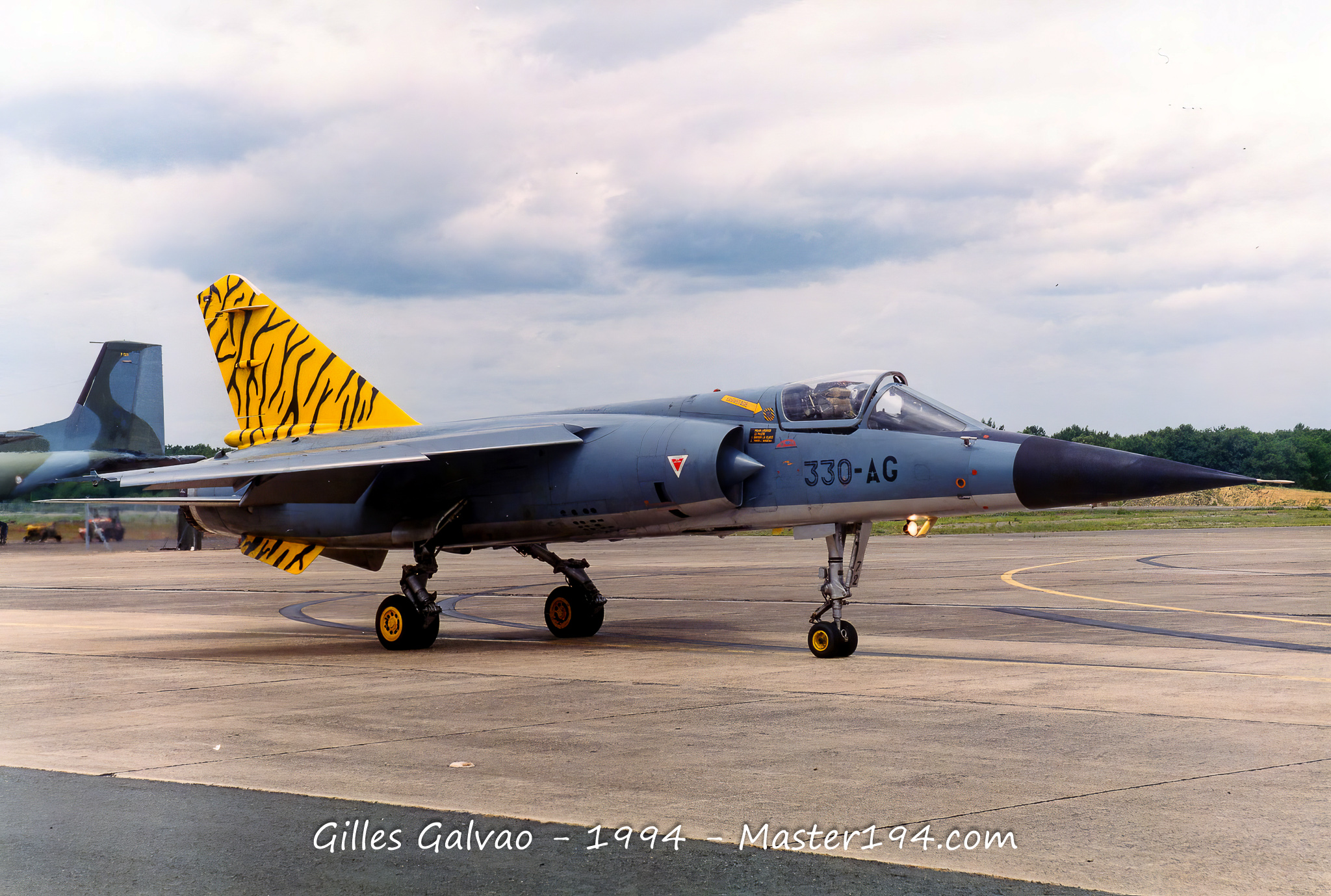
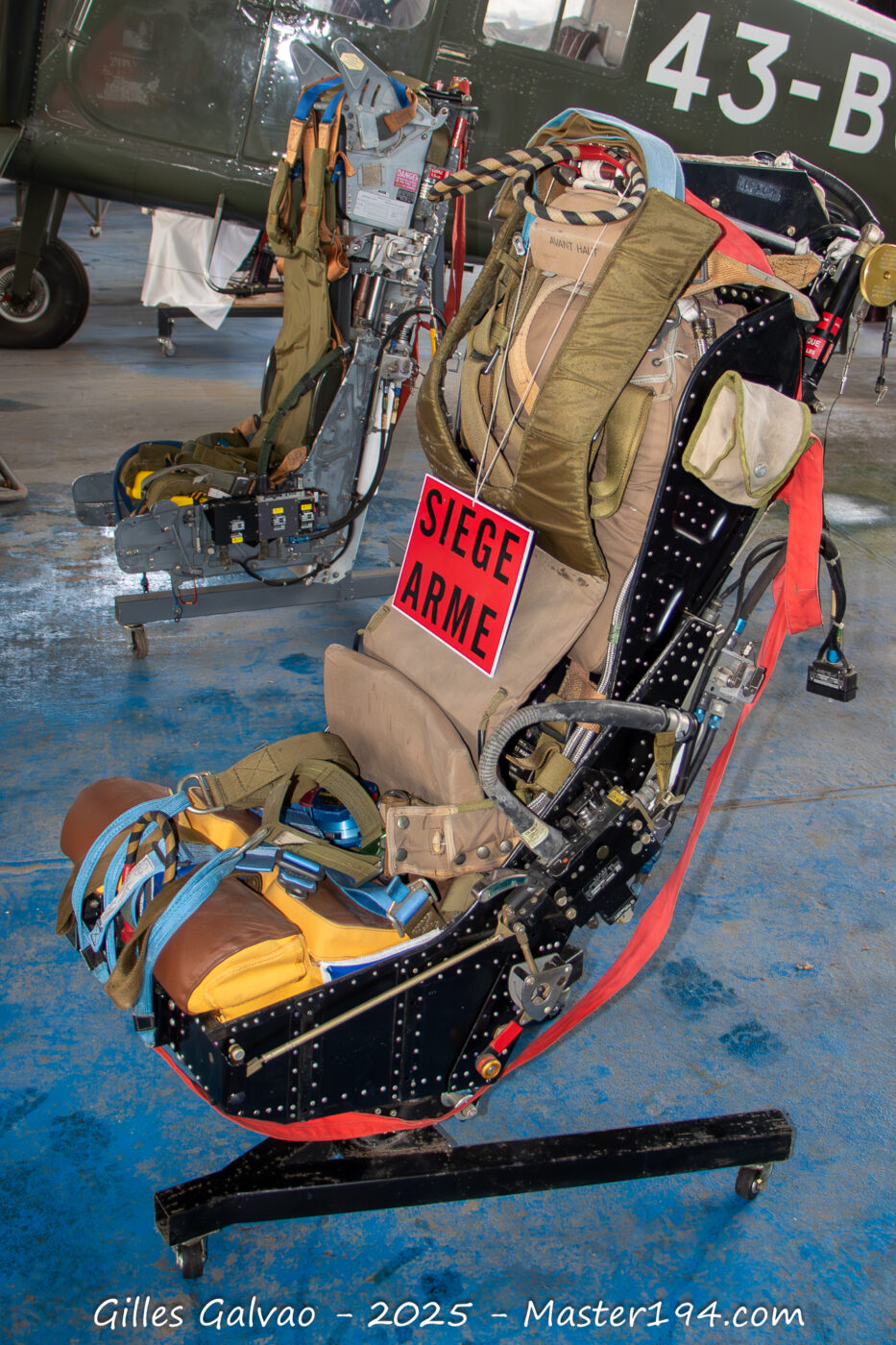
Welcome to the ultimate reference guide dedicated to the Dassault Mirage F1: explore its development history, technical specifications, variants, and operational service, alongside a curated collection of photo reports, high-definition walkarounds, and scale modeling build guides.
This pillar page is designed as a living archive and will be continuously updated over time. Numerous historical records, photographs, and technical documents regarding the Mirage F1 are currently being curated and will be added progressively to enrich this guide
AD
Genesis and concept: Breaking away from the delta wing
Developed as a private venture by Dassault starting in the mid-1960s to succeed the Mirage III, the Mirage F1 marked a major departure in the family of French combat aircraft. While previous Mirages relied on the tailless delta wing planform, Dassault chose a conventional, thin, swept wing paired with a traditional horizontal tailplane for its new fighter.
This design choice was driven by the desire to improve low-altitude performance and significantly reduce takeoff and landing speeds. Equipped with high-lift devices, the swept wing allowed the Mirage F1 to operate effectively from shorter runways while retaining the necessary performance for supersonic flight. This configuration also accommodated increased internal fuel storage and additional underwing hardpoints, greatly increasing its operational versatility compared to the Mirage III.
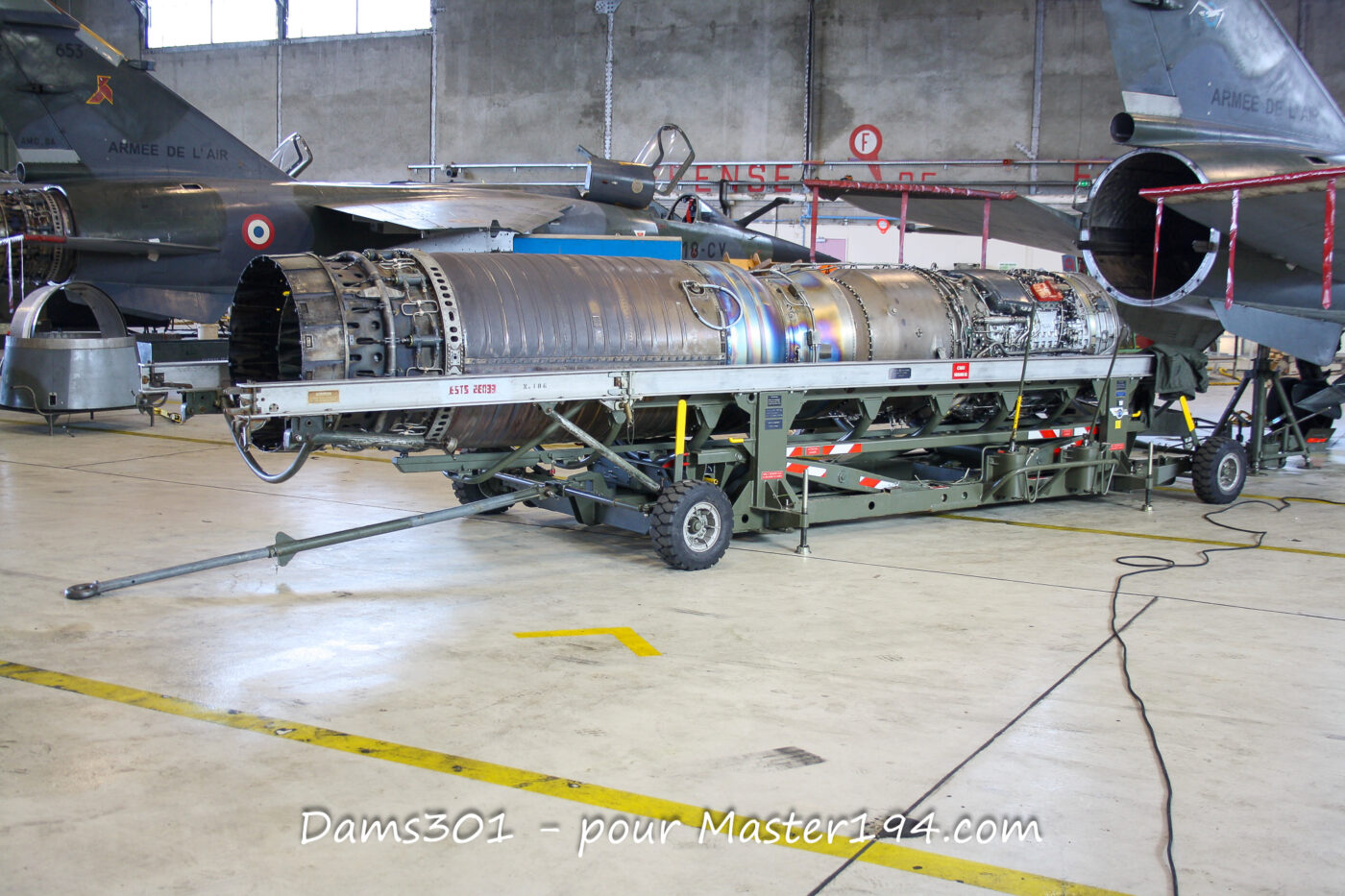
The new aircraft was powered by a SNECMA Atar 9K-50 turbojet, a more powerful derivative of the proven Atar engine family. The Mirage F1 01 prototype made its maiden flight on December 23, 1966, piloted by René Bigand. Following a flight test program that confirmed the aerodynamic soundness of this new layout, the Mirage F1 entered service with the French Air Force (Armée de l’Air) in the early 1970s.
Originally designed as an all-weather interceptor, the Mirage F1 progressively evolved to perform a wide variety of roles: air defense, ground attack, tactical reconnaissance, and close air support. Its versatility and performance also earned it significant export success. In total, the Mirage F1 enjoyed an operational career spanning over four decades, both in France and across numerous foreign air forces.
Technical specifications & performance
| Specifications | Details |
| Role | Interceptor fighter, ground attack, reconnaissance |
| Manufacturer | Dassault Aviation |
| Powerplant | 1 × SNECMA Atar 9K-50 (70.6 kN with afterburner) |
| Wingspan | 8.40 m (27 ft 7 in) |
| Lenght | 15.30 m (50 ft 2 in – Mirage F1C) |
| Maximum speed | Mach 2.2 (2,335 km/h / 1,260 knots at high altitude) |
| Service ceiling | 20,000 m (65,600 ft) |
Mirage F1 Main Variants
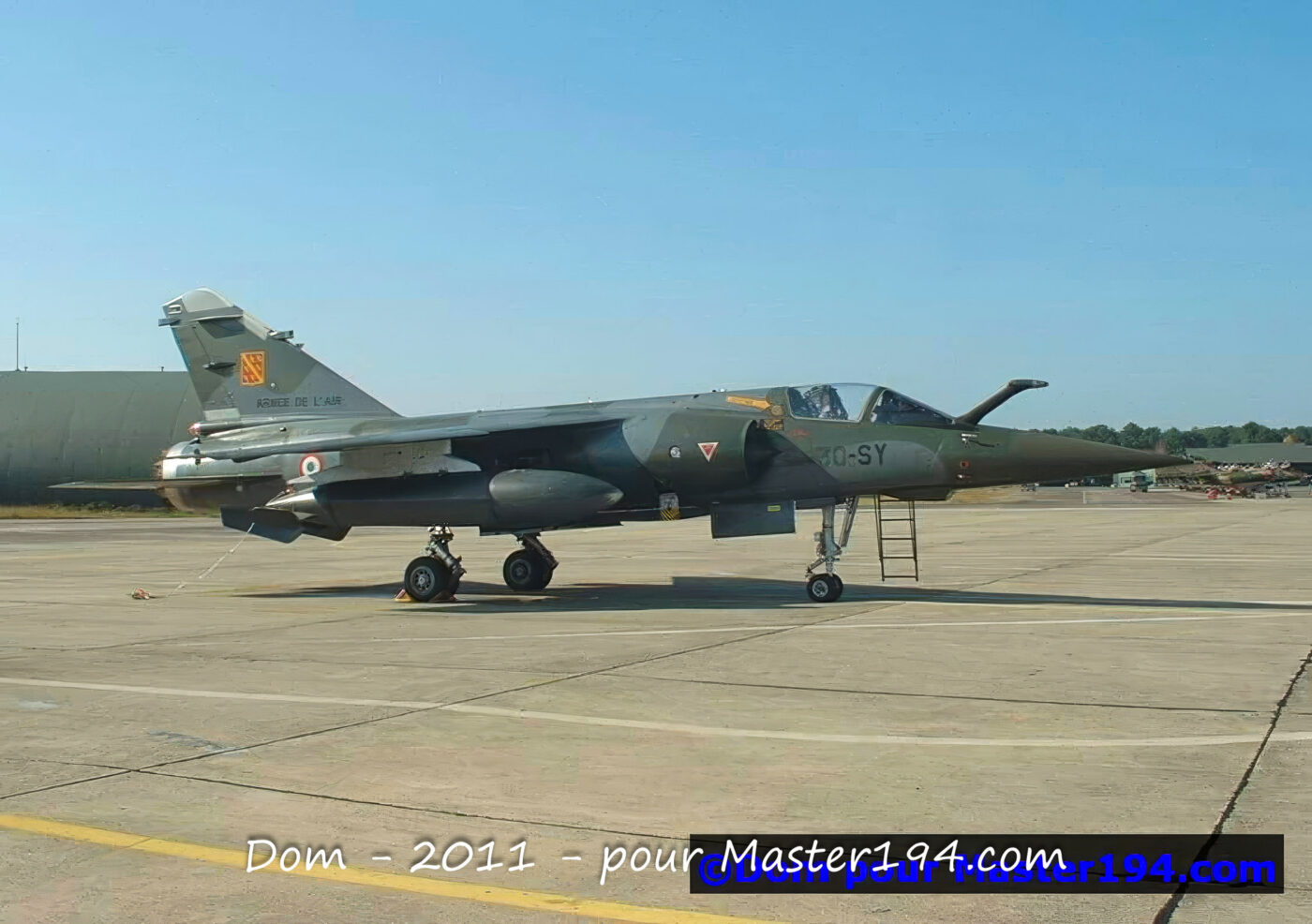
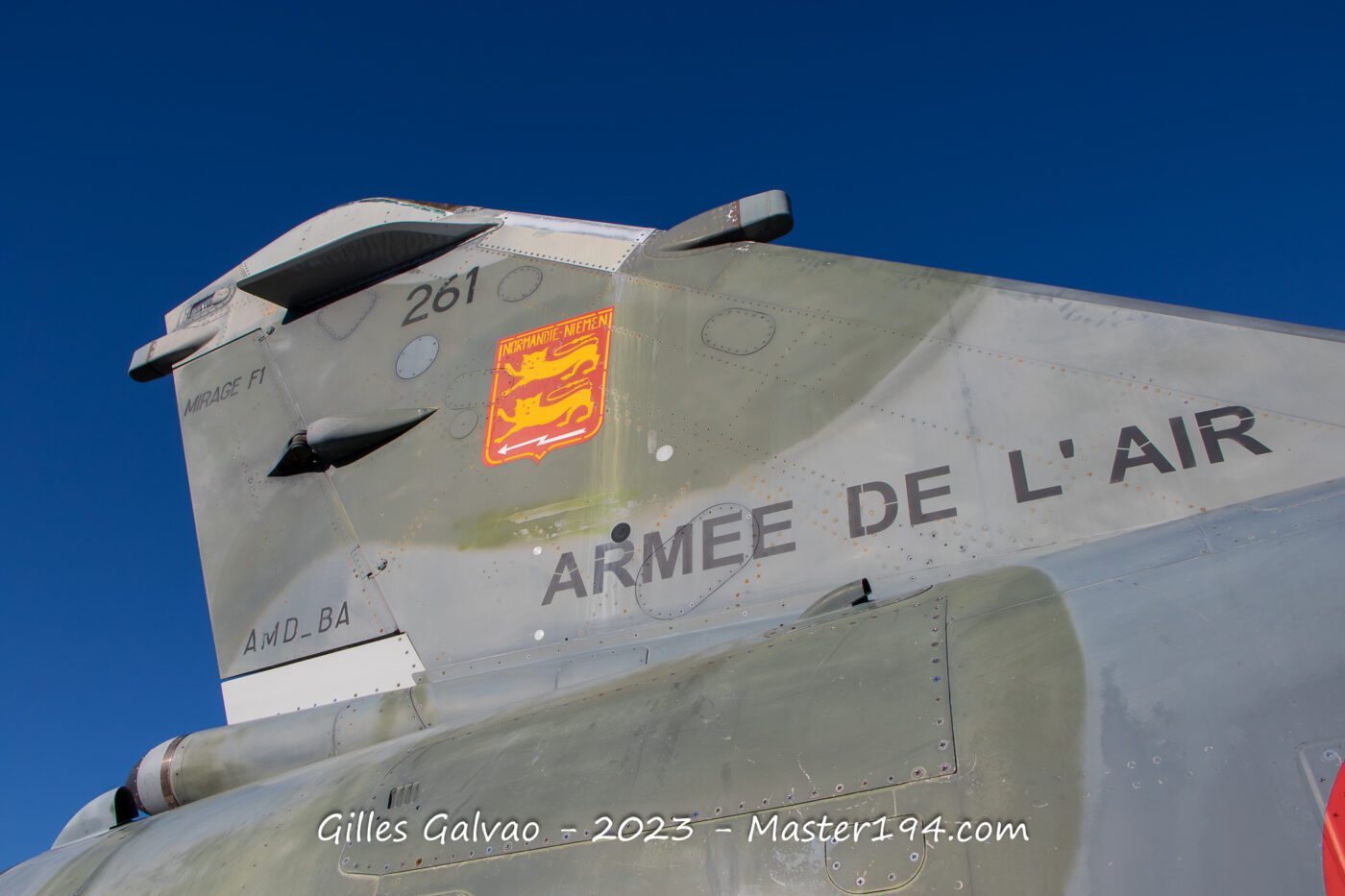
French Air Force (Armée de l’Air) Service Variants
- Mirage F1C / F1C-200: The initial all-weather interceptor variant equipped with the Cyrano IV radar. The C-200 variant introduced a fixed in-flight refueling probe.
- Mirage F1B: Operational conversion two-seater variant, stretched by 30 cm while retaining most combat capabilities.
- Mirage F1CR: Dedicated tactical reconnaissance variant featuring infrared cameras, optical reconnaissance pods, and specialized radar capabilities.
- Mirage F1CT: Late 1990s conversion of Mirage F1C-200 airframes into tactical fighter-bombers dedicated to close air support and ground strike.
Export variants
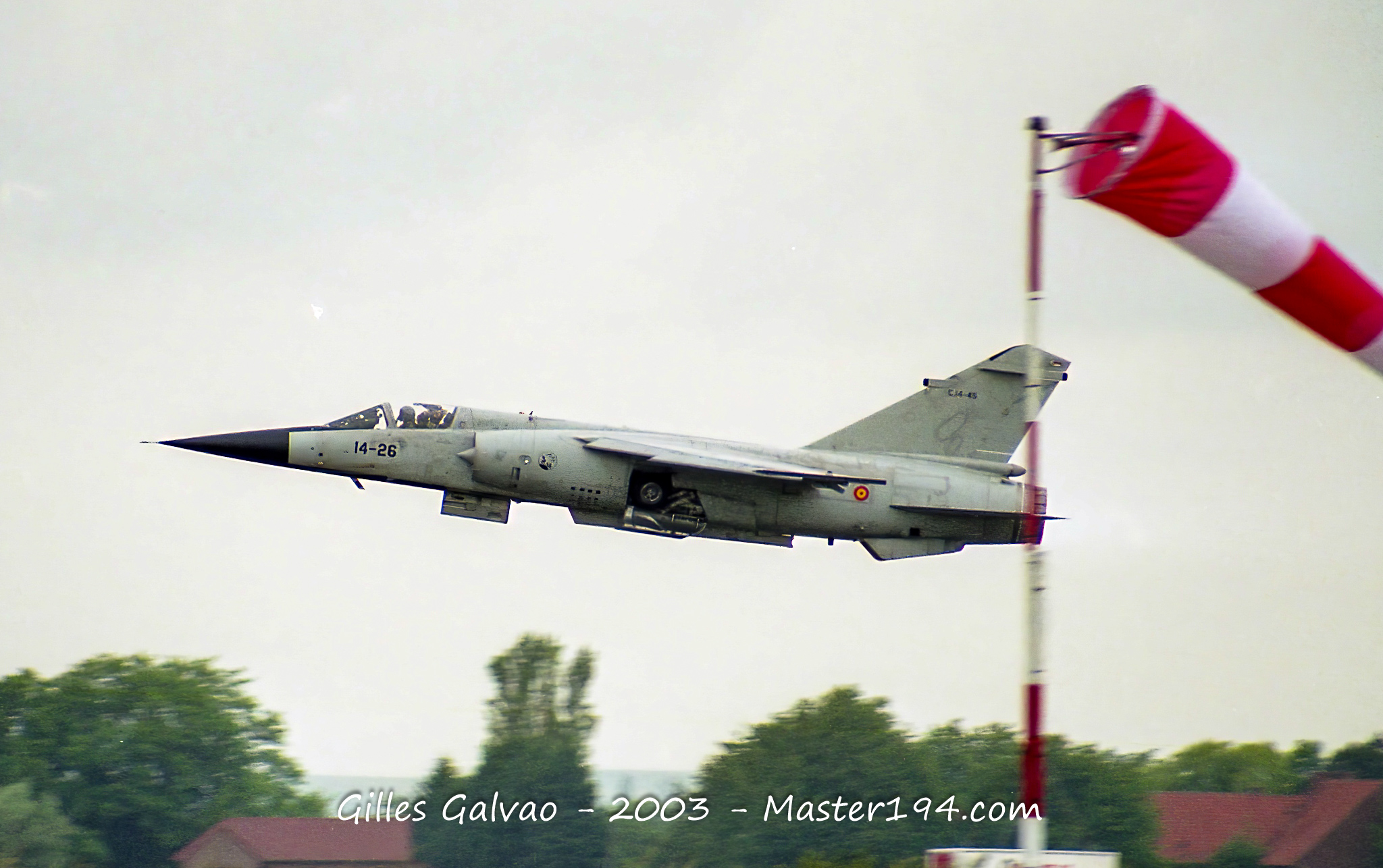
With over 700 airframes produced, the Mirage F1 achieved major export success. More than 400 aircraft were delivered to foreign air forces worldwide:
- South Africa: F1CZ / F1AZ
- Spain: F1CE / F1EE
- Iraq: F1EQ
- Libya: F1AD / F1ED
- Morocco: F1CH / F1EH
- Qatar: F1EDA / F1DDA
- Greece: F1CG
- Ecuador: F1JA / F1JE

Over four decades of operational service
In French Air Force service
Entering service with the French Air Force (Armée de l’Air) in 1973, the Mirage F1 enjoyed an exceptional operational career, initially as an air defense interceptor, then as a tactical reconnaissance and ground-attack aircraft. For over forty years, it was deployed across multiple operational theaters in Africa, the Middle East, and the Balkans.
The French Mirage F1’s first overseas combat deployments (OPEX) took place in Africa. In Chad, aircraft were regularly engaged throughout the 1970s and 1980s as part of French military operations supporting the Chadian government and containing rebel forces. Operating from forward air bases under harsh climatic conditions, Mirage F1s carried out reconnaissance, surveillance, and ground-attack missions.
In the late 1980s, the Mirage F1 was also involved in French operations in Lebanon and contributed to France’s military presence in the Middle East. However, the 1991 Gulf War marked one of the most significant operational deployments of its career. French Mirage F1s flew numerous combat sorties over Iraq, providing critical tactical reconnaissance and contributing to coalition air operations.
Following the Gulf War, the Mirage F1 continued its operational commitments. During the 1990s, Mirage F1CR reconnaissance aircraft and F1CT strike fighters were deployed to the Balkans as part of international operations during the Yugoslav Wars. French Mirage F1s primarily conducted reconnaissance and strike sorties, demonstrating once again their ability to operate in complex operational environments.
The Mirage F1’s African operational history continued into the post-Cold War era. French airframes were repeatedly deployed to Chad and the Sahel region during various French overseas operations. Their versatility allowed them to perform diverse missions ranging from tactical reconnaissance to close air support (CAS) for ground troops and precision strikes against ground targets.
The conversion of F1C-200 airframes into F1CTs starting in the late 1980s effectively extended the type’s service life by giving it a dedicated strike role. Optimized for ground-attack and close air support, the F1CT became a key player in French overseas operations throughout the 1990s and 2000s alongside the Mirage 2000 and other French Air Force combat aircraft.
In foreign service
Concurrently, the Mirage F1 saw extensive international service. Over 450 airframes were exported or delivered to foreign air forces, serving with South Africa, Spain, Greece, Iraq, Iran, Morocco, Libya, Qatar, and Ecuador. Many of these aircraft saw intense combat, notably during the Iran-Iraq War and the South African Border War in Angola.
Retirement and legacy
In France, the final Mirage F1CR and F1CT squadrons were officially retired in 2014 after more than 40 years of continuous service. However, the Mirage F1’s operational history continues under other roundels and with private commercial operators specializing in Red Air / adversary air combat training.
From air defense interception to tactical reconnaissance, and from ground attack to close air support, the Mirage F1 took part in a remarkable variety of missions. From Chad to the Gulf War and the Balkans, it accompanied French military commitments for several decades, proving an extraordinary operational longevity.
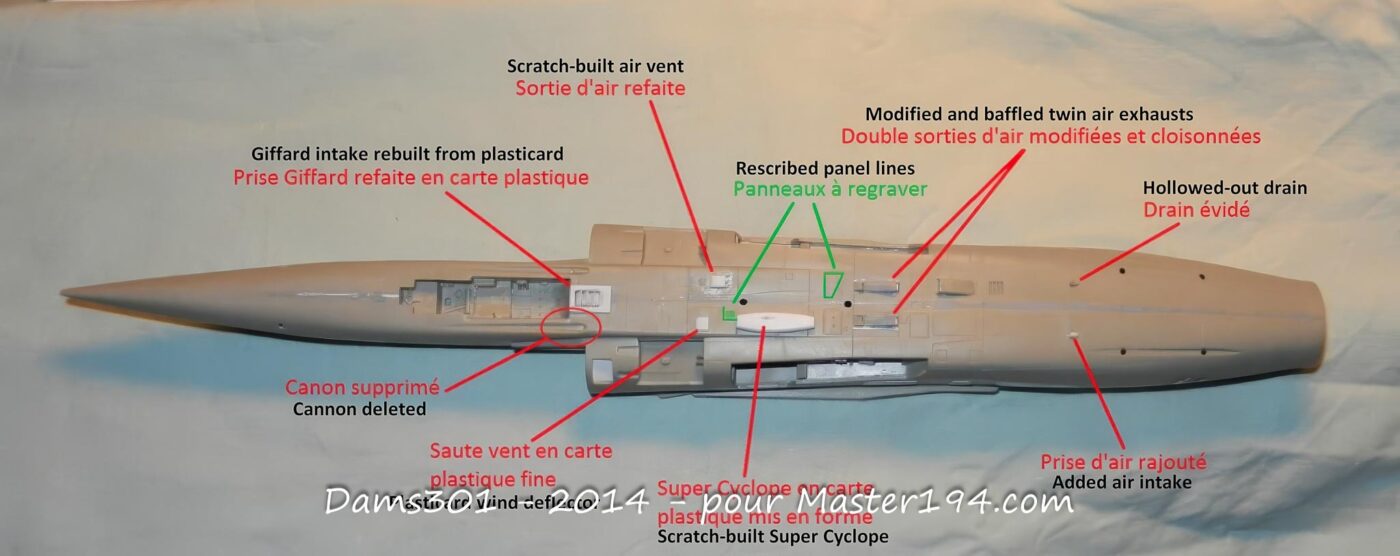
The Mirage F1 in scale modeling
The Mirage F1 is an absolute icon for plastic scale modelers. Whether in 1/72, 1/48, or 1/32 scale, available kit releases allow for reproducing an immense variety of liveries and weapons configurations.
Main Mirage F1 Kits by Scale
- 1/72 Scale: Recent tooling from Special Hobby (F1C, F1B, F1CR, F1EQ) sets the current benchmark with fine recessed panel line detail, superseding the venerable Heller and Esci kits.
- 1/48 Scale: The Kitty Hawk kit (though requiring careful alignment during assembly) along with the Italeri / Kinetic releases offer excellent options to represent both French and export variants.
- 1/32 Scale: Plastic offerings remain extremely limited, and to date, there is no modern injection-molded kit dedicated to the Mirage F1. However, short-run resin projects or 3D-printing solutions provide alternative avenues to build the aircraft in this scale.