 by
The ejection seat is a critical survival system on any modern combat aircraft. On the McDonnell Douglas F-4 Phantom II, the emergency egress system had to meet particularly demanding operational requirements: safely evacuating a two-person tandem crew from a heavy, high-performance fighter across an exceptionally wide flight envelope—from low-altitude, high-speed regimes to zero-zero conditions.
The Martin-Baker Mk.7A ejection seat (british Phantoms FG.1 & FGR.2)
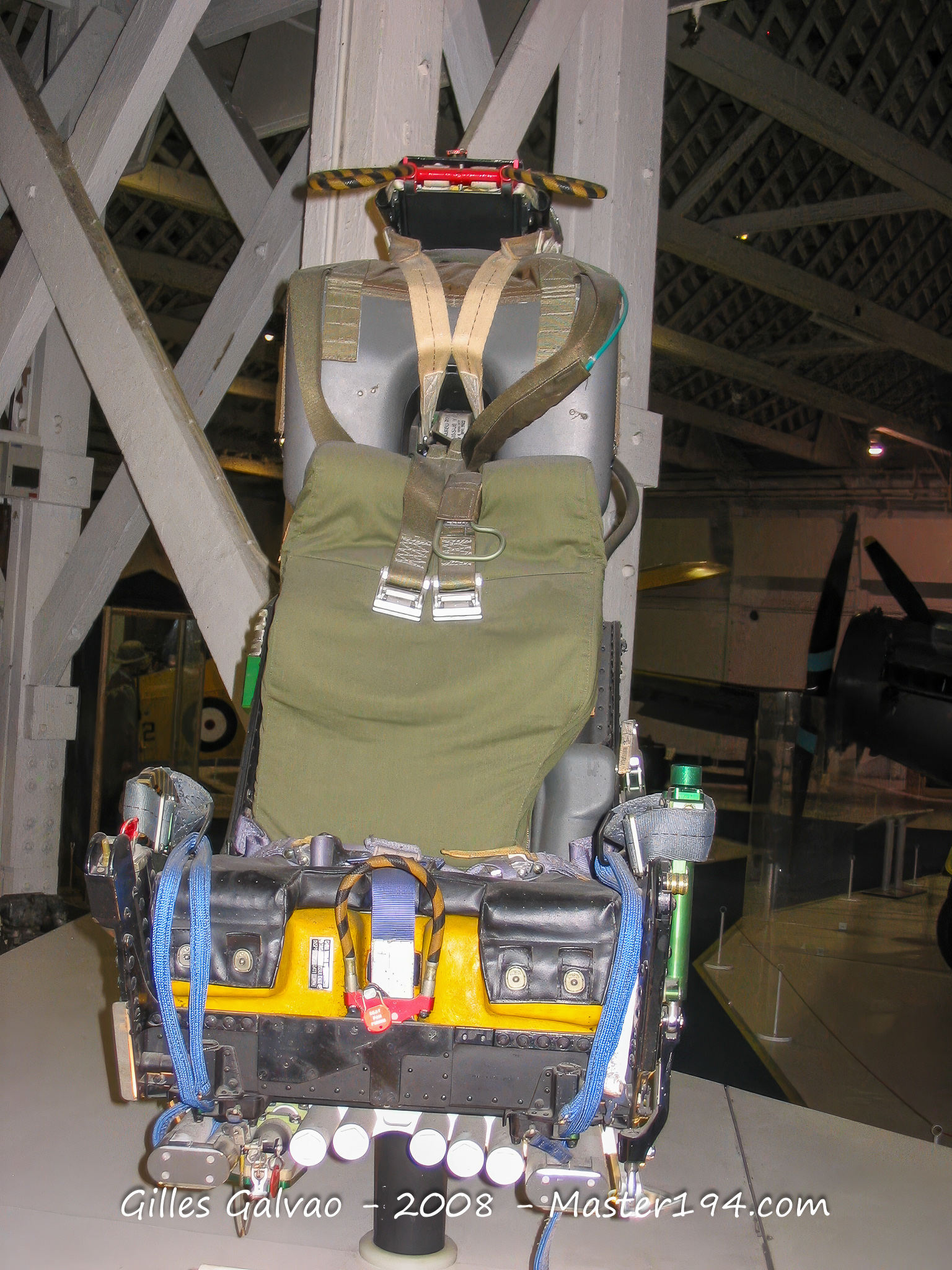
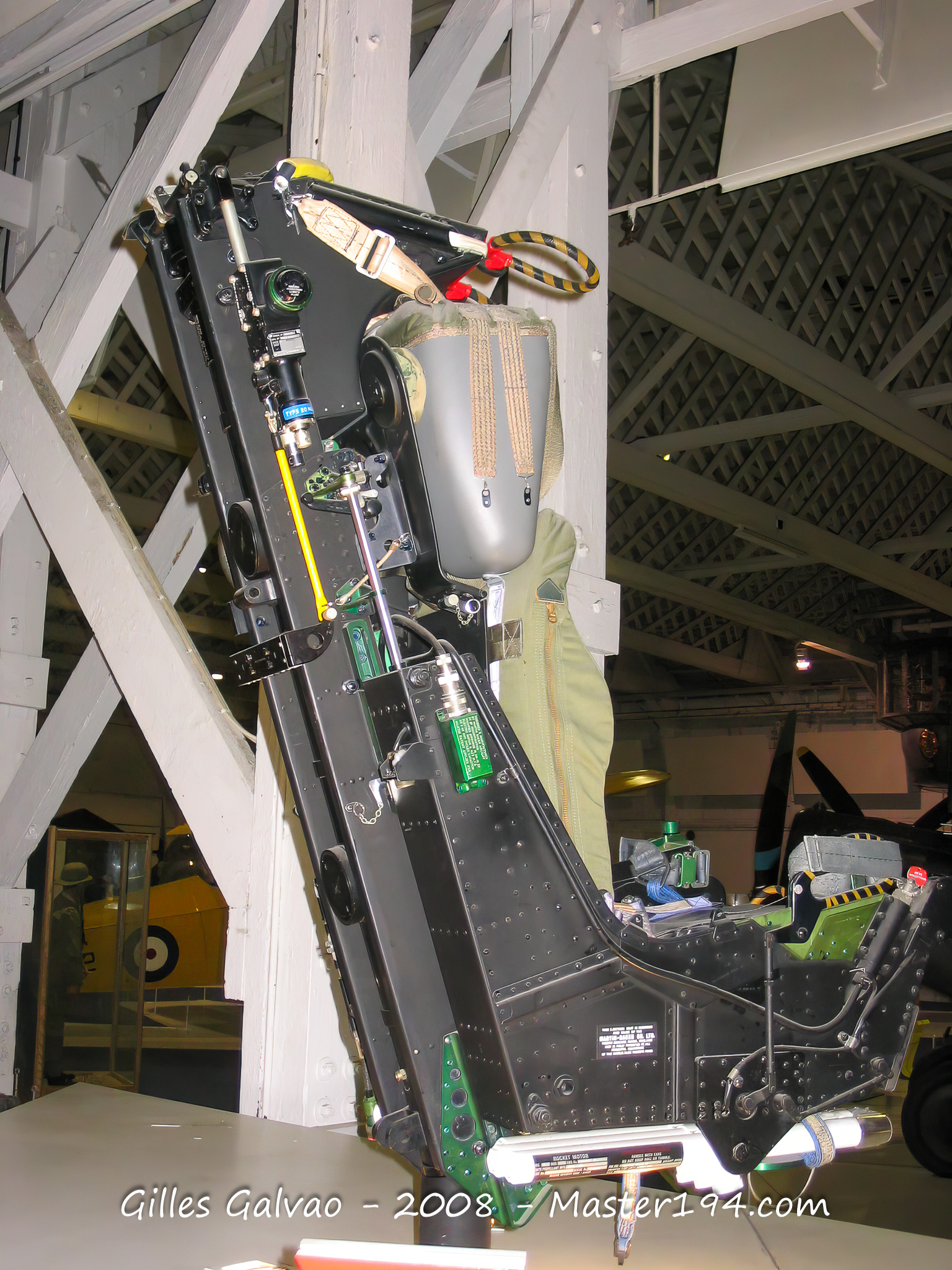
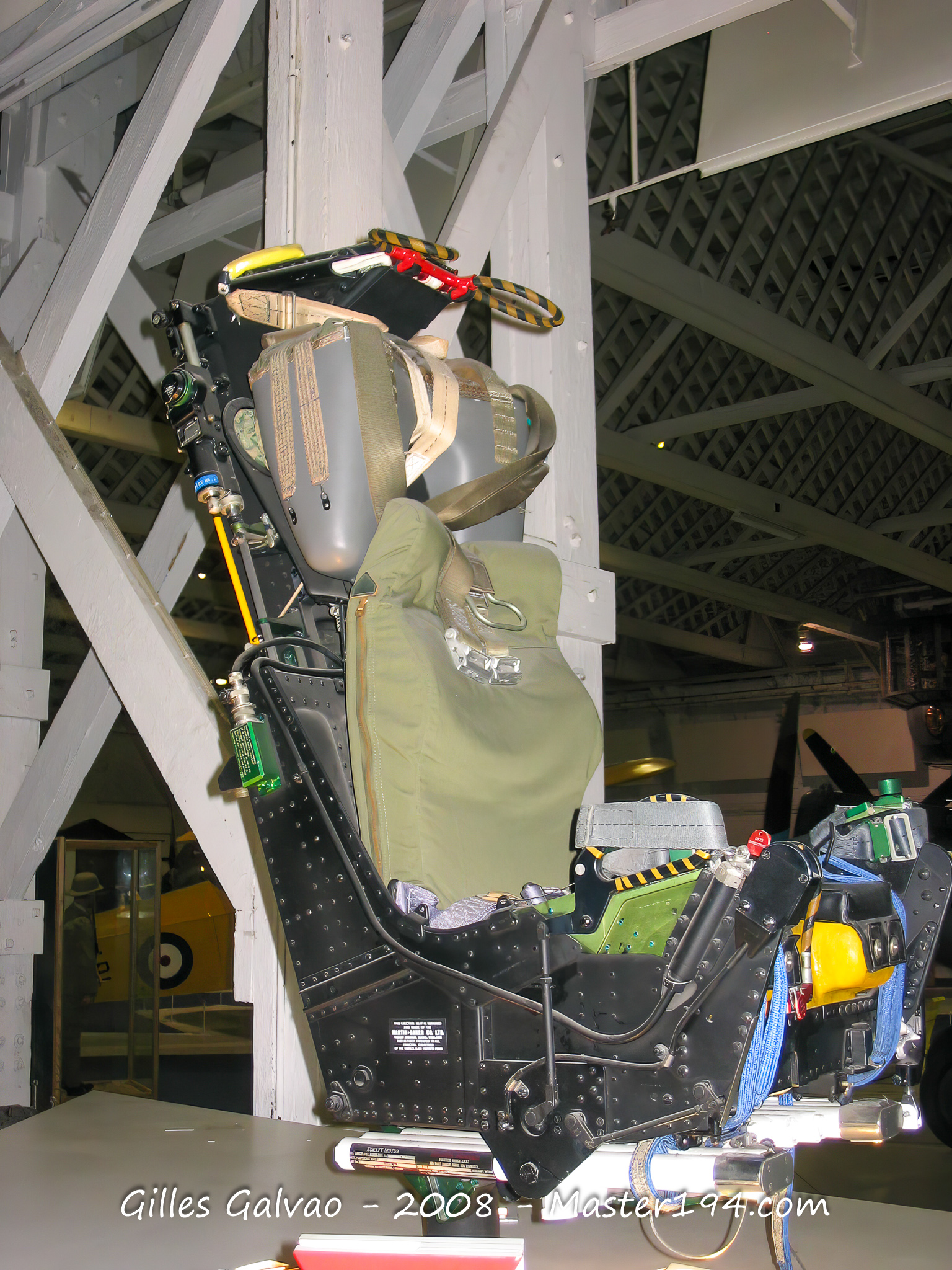
The Phantom FG.1 (Royal Navy) and FGR.2 (RAF) were equipped with a tailored variant of the Martin-Baker Mk.7 family, designated the Mk.7A. While early Royal Navy Phantom FG.1 airframes were initially delivered with Martin-Baker Mk.5 seats, these were rapidly retrofitted with the more capable Mk.7A standard.
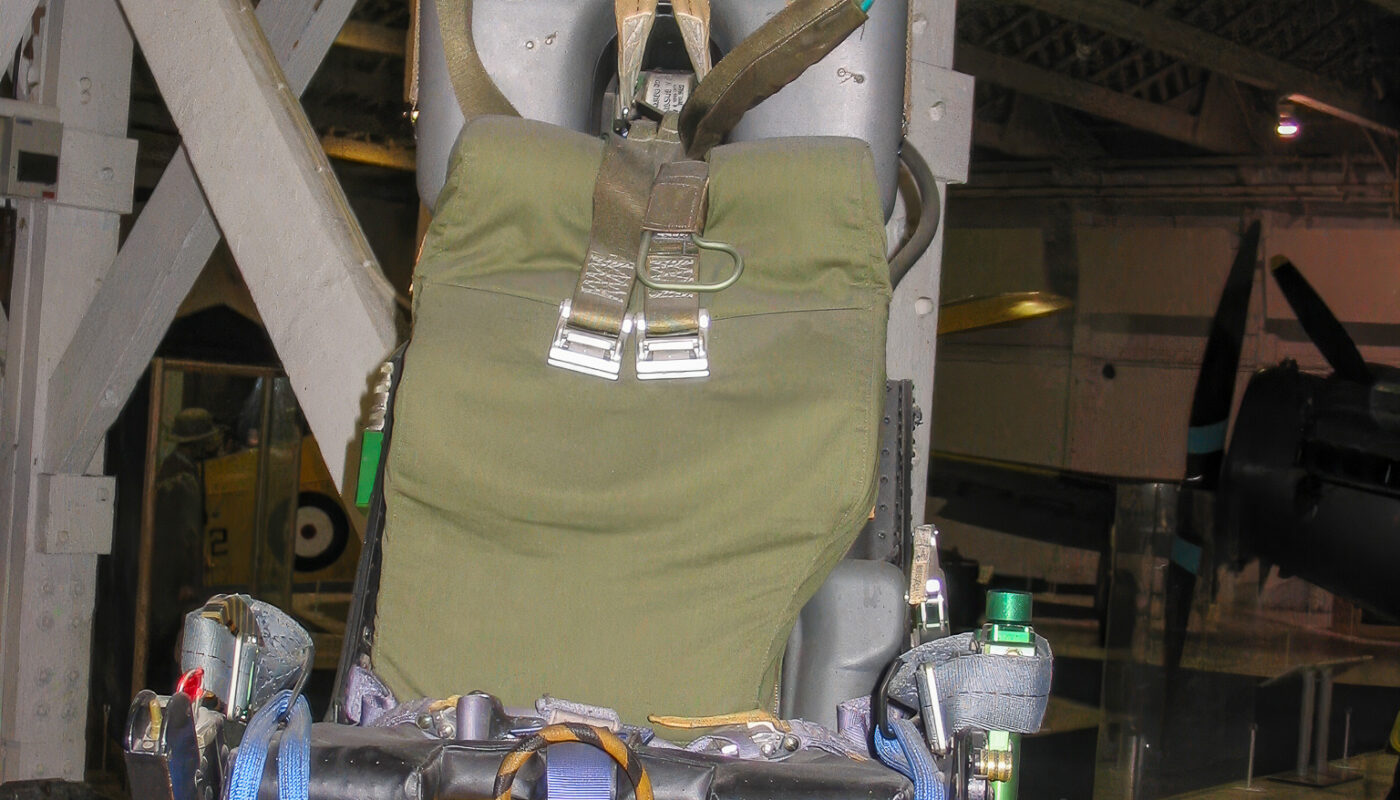
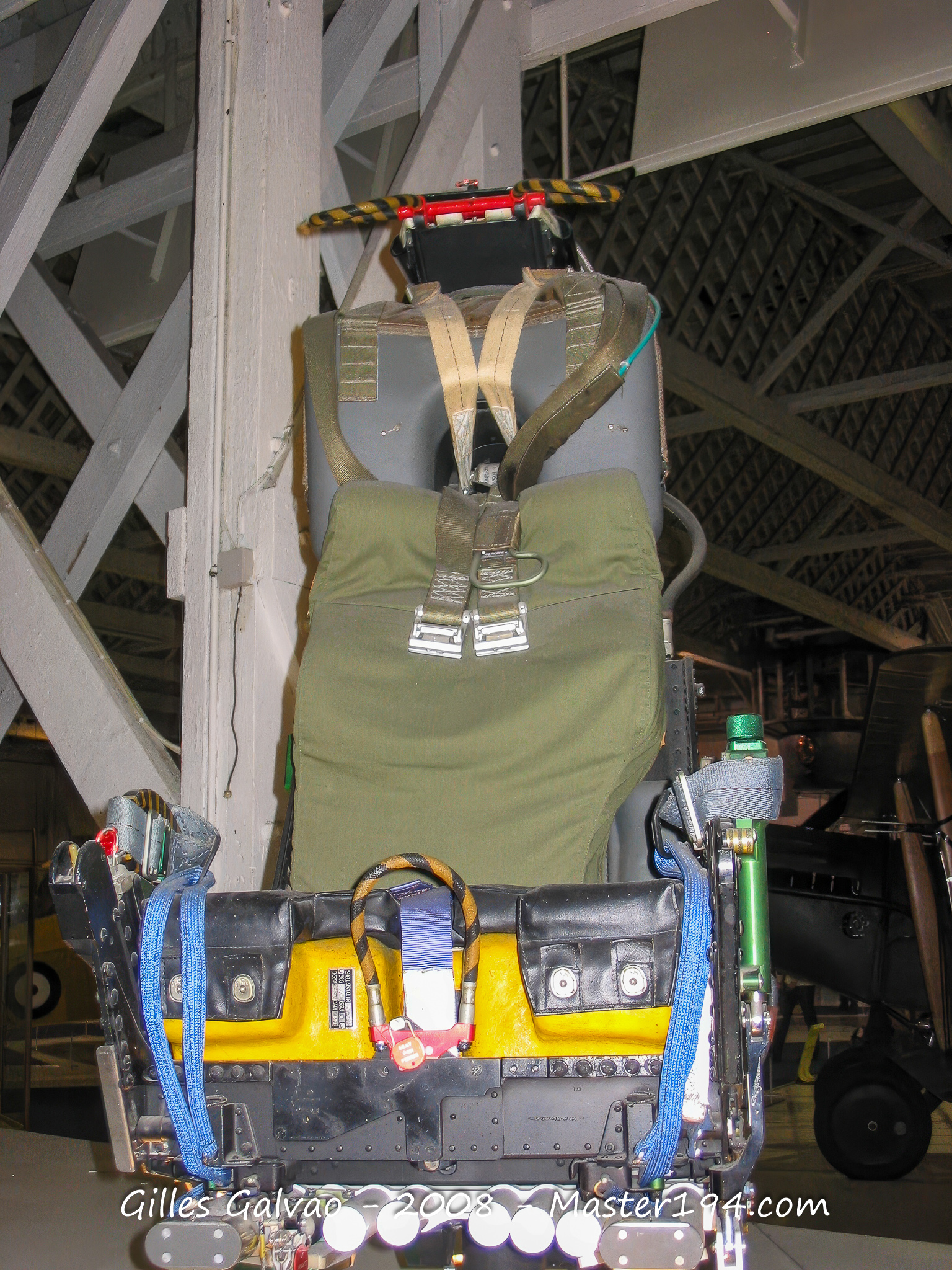
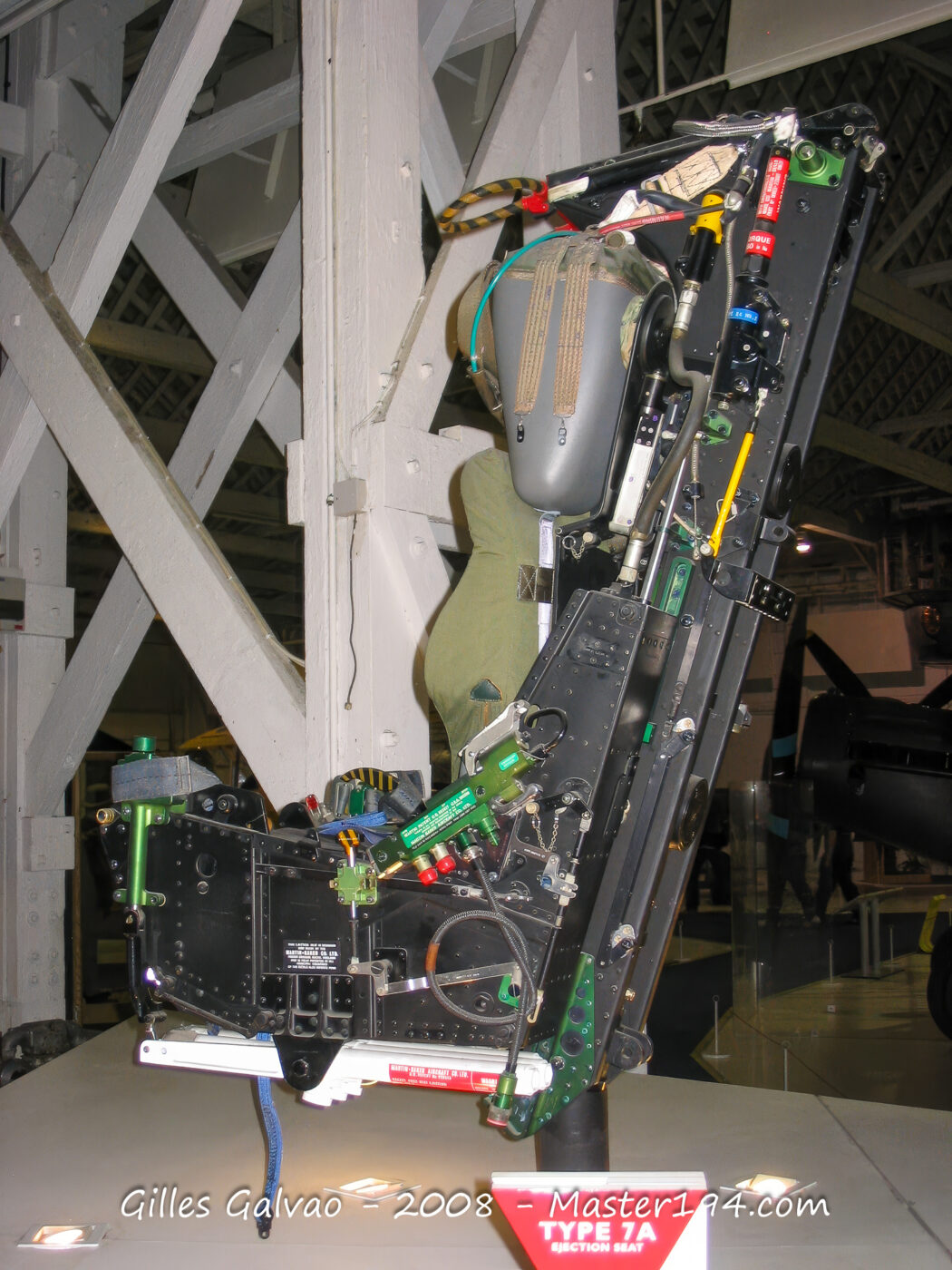
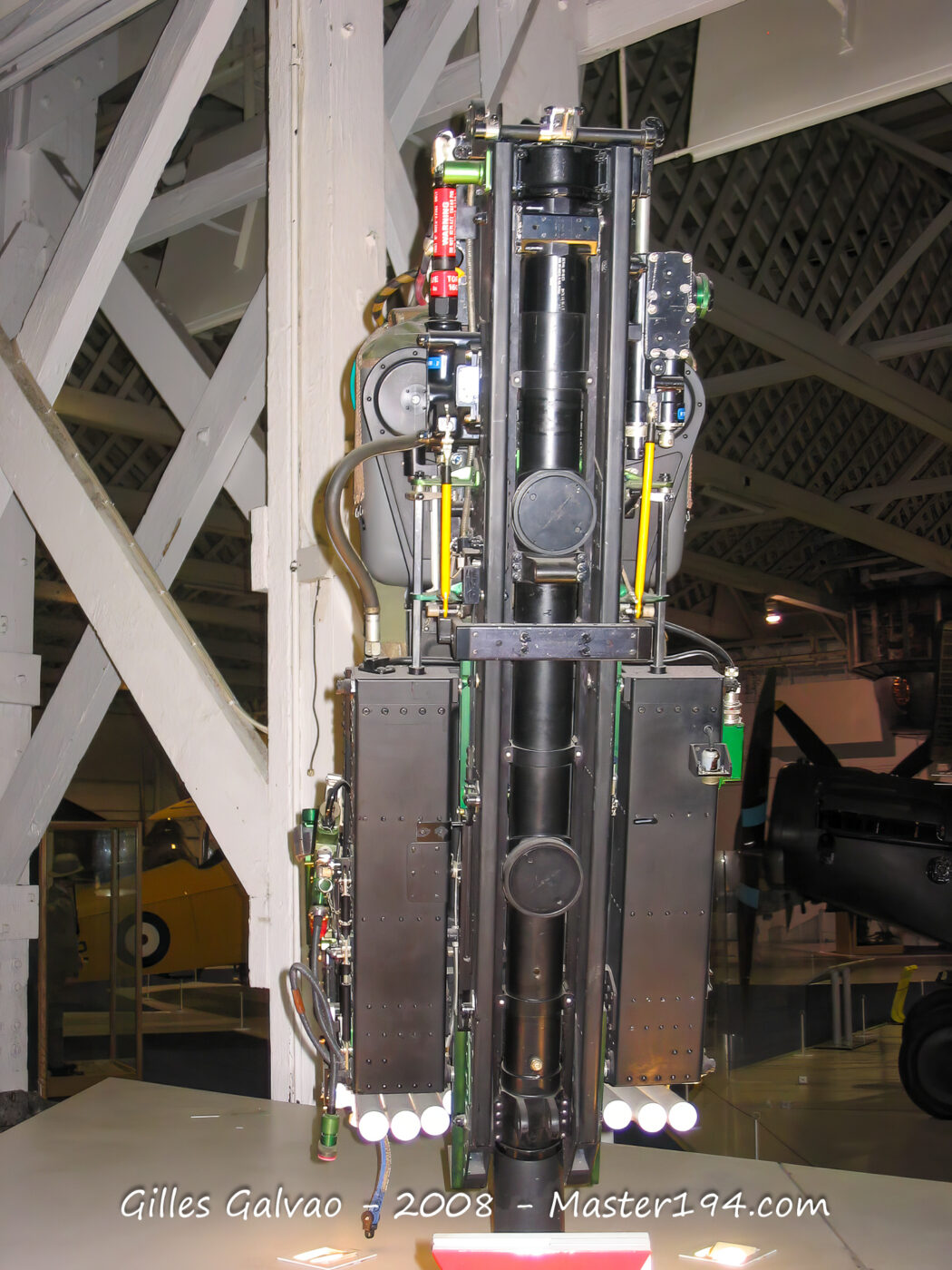
The seat documented in this walkaround, shown here uninstalled from a British Phantom FGR.2, offers an up-close examination of the engineering, structural layout, and intricate sub-assemblies of this emergency egress system.
Note: The general mechanical principles of modern ejection seats—including crew restraint systems, inertia reels, and the automated sequence timing—were detailed in our dedicated technical guide:
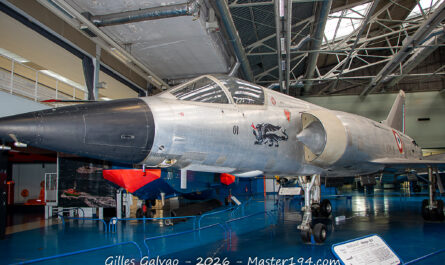
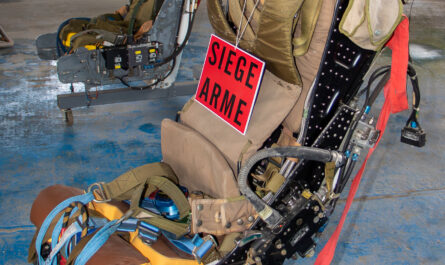
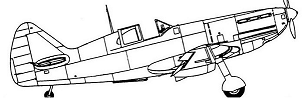
The Martin-Baker Mk.4 seats used on French aircraft
The Martin-Baker Mk.7 ejection seat family
Developed from the operational lessons of earlier Martin-Baker designs, the Mk.7 family represents a major technological leap in emergency egress systems during the late 1950s and 1960s.
Its primary innovation lies in combining a conventional pyrotechnic catapult with an underseat rocket pack. The catapult provides the initial impulse to clear the airframe, while the rocket motor sustains thrust after cockpit departure.
This dual-stage architecture yields a higher ejection trajectory and significantly expands the crew survival envelope at low altitudes and low speeds, dramatically improving low-level ejection performance compared to earlier generations—though true zero-zero capability was only fully realized in later refinements.
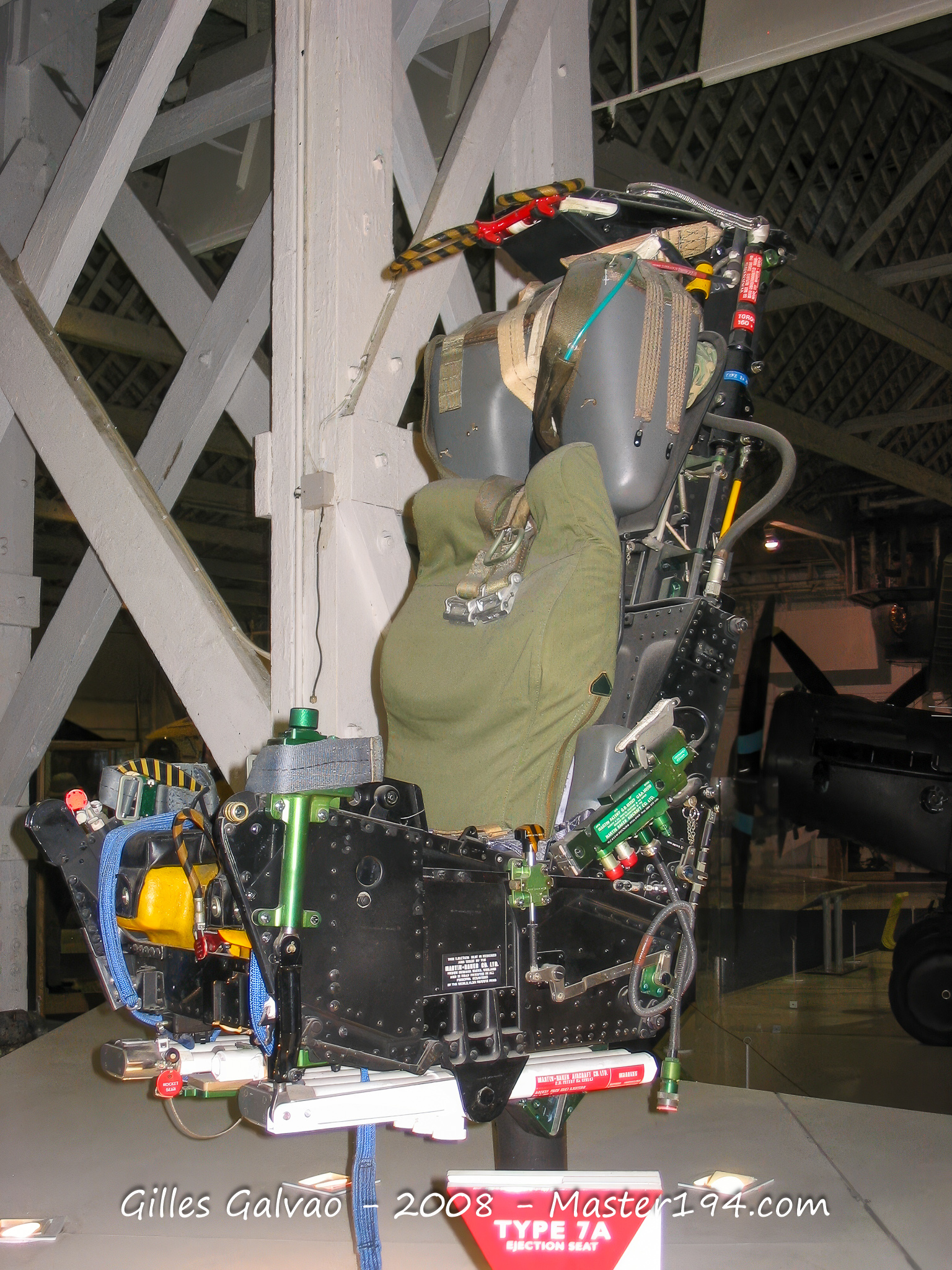
This operational evolution was vital for combat aircraft operating in high-speed, low-altitude attack profiles. The RAF Phantom FGR.2 perfectly illustrates this requirement, relying on an egress system engineered to safeguard the crew across a wide variety of flight regimes.
The core design of the Mk.7 family was adapted into numerous tailored variants to meet the unique structural and spatial constraints of different airframes. Consequently, seat geometry, armoring, and equipment fits vary depending on the specific aircraft installation.
The Martin-Baker Mk.7A fitted to British Phantoms belongs to this extensive lineage. The uninstalled unit featured in this walkaround photo gallery provides a clear view of this architecture, highlighting the underseat rocket pack characteristic of this generation of ejection seats.
The Martin-Baker Mk.7A on RAF & Royal Navy Phantoms
On both Royal Air Force Phantom FGR.2s and Royal Navy FG.1s, both cockpits are equipped with Martin-Baker Mk.7A ejection seats. However, the front and rear seats feature slight structural variations to account for the specific geometry and space constraints of each cockpit station.
The Mk.7A had to integrate seamlessly into the F-4’s airframe architecture, working in direct coordination with cockpit instrumentation, guide rails, and the canopy jettison system.
As with other variants of the Mk.7 family, the system combines a primary pyrotechnic catapult with an underseat rocket motor. This dual-stage propulsion ensures an optimal ejection trajectory across the Phantom’s broad flight envelope—from high-speed tactical profiles down to critical low-altitude emergency evacuations.
Deployed extensively in air defense and ground-attack roles, the Phantom FGR.2 relied on this versatile egress system to ensure crew survivability across a diverse spectrum of operational missions.
The Mk.7A: One Sub-Variant in a Broad Lineage
While British Phantom FG.1 and FGR.2 jets were equipped with the Mk.7A, this designation refers strictly to an airframe-specific derivative of the core Martin-Baker Mk.7 architecture, rather than a standalone ejection seat design.
Throughout its service life, the F-4 Phantom II utilized several distinct Mk.7 variants depending on the operating nation, block batch, and crew configuration. Other specialized iterations were engineered for high-performance contemporary airframes: multiple European NATO air arms retrofitted their Lockheed F-104 Starfighters with Martin-Baker Mk.7 seats to replace original Lockheed C-2 egress units, significantly enhancing crew survival rates.
The Mk.7 family was also adapted for US Navy carrier-borne aircraft, including the A-6 Intruder and EA-6B Prowler. Further variants were tailored for front-line types such as the F-14 Tomcat, F-8 Crusader, and F-5 Freedom Fighter/Tiger II.
This operational versatility accounts for the wide range of sub-designations across the Mk.7 lineage. Behind a shared core architecture lies a collection of specialized structural modifications designed to integrate into distinct cockpit environments.